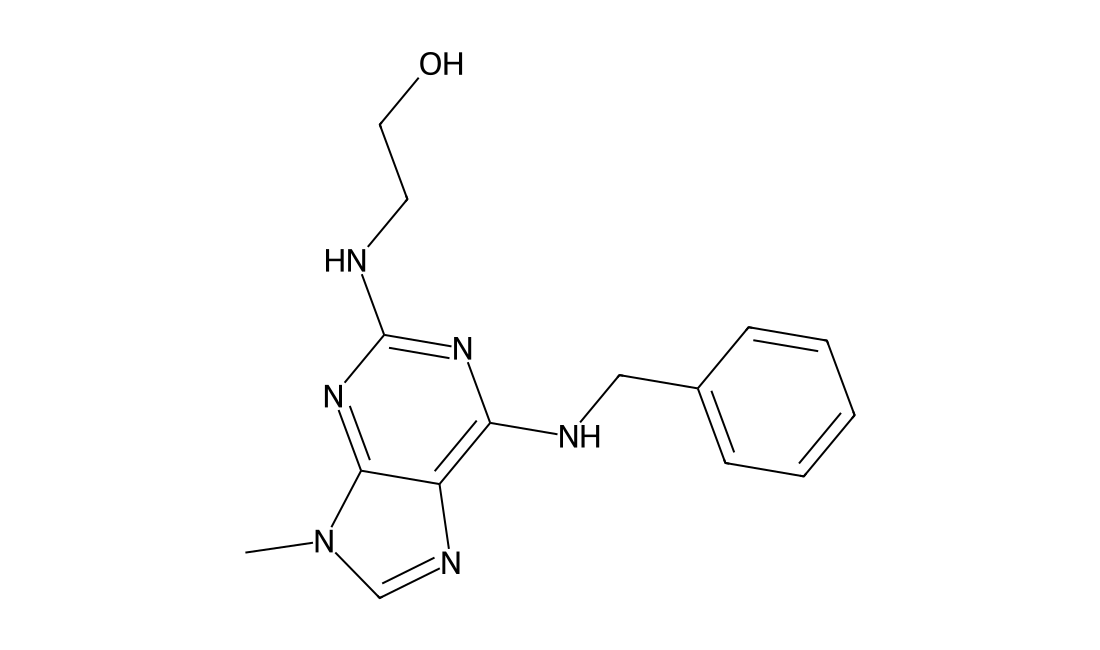
AG 1406
CAS 71308-34-4
AG 1406 is a selective inhibitor of the receptor tyrosine kinase VEGF receptor 2 .

Kinase inhibitors and modulators of intracellular signaling pathways.
Products may appear in more than one category. Counts refer to distinct catalog numbers within each category.
Other Research Tools (75) · Additional reagents, building blocks and specialized research tools.
LC-MG-1 (DCA0006) · LC-MG-4 (DCA0007) · LC-MG-9 (DCA0008)
View structure and evidence summaries →Combine a keyword, research category and target to narrow the product list.
Loading catalog filters…
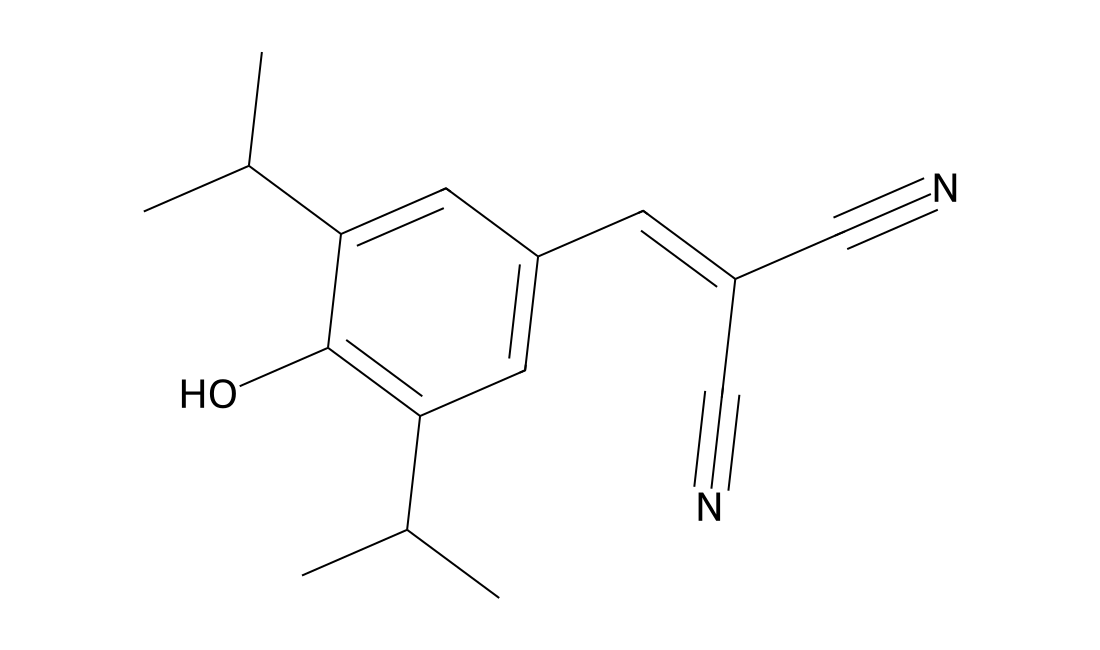
CAS 71308-34-4
AG 1406 is a selective inhibitor of the receptor tyrosine kinase VEGF receptor 2 .
CAS 189290-58-2
AG-1557 is an ultra-potent inhibitor of epidermal growth factor receptor tyrosine kinase (EGFRK).
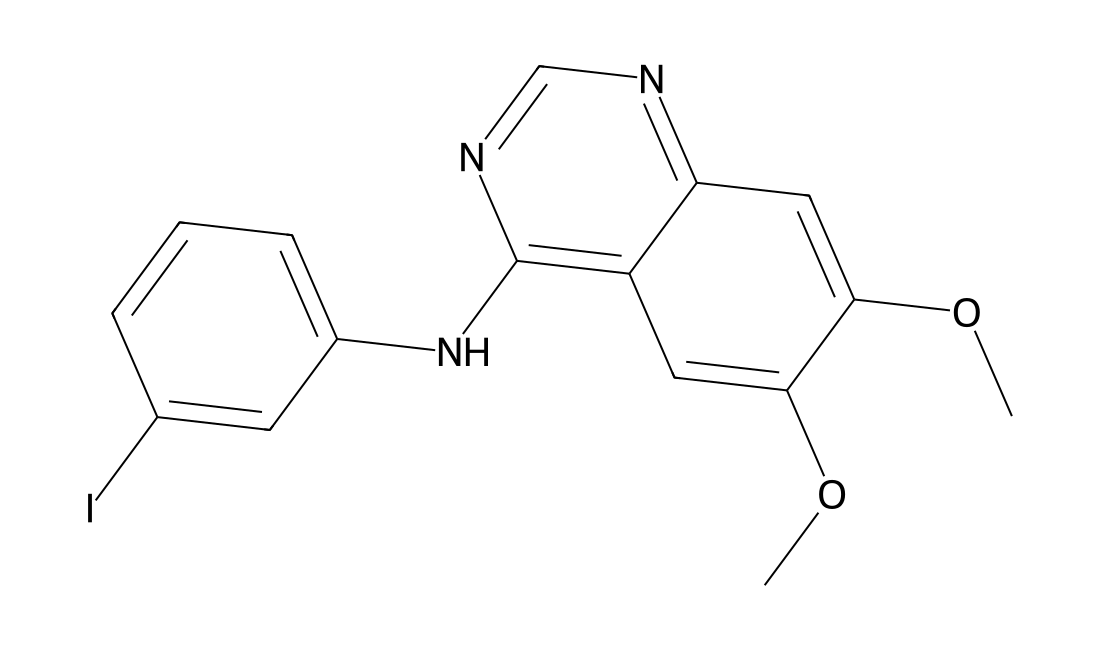
CAS 122520-85-8
AG-99 is an inhibitor of EGF receptor kinase with an IC50 value of 10 µM in the human epidermoid carcinoma cell line A431.
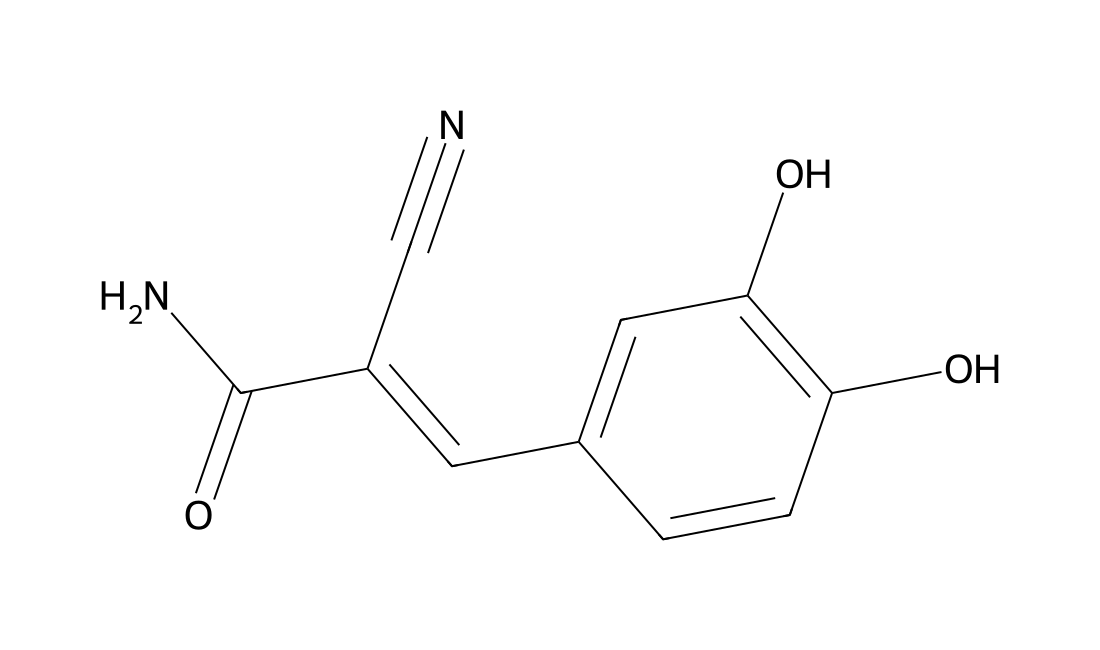
CAS 945595-80-2
AMG 900 is a potent and highly selective pan-Aurora kinases inhibitor for Aurora A/B/C with IC50 of 5 nM/4 nM /1 nM; >10-fold selective for Aurora kinases than p38α, Tyk2, JNK2, Met and Tie2.
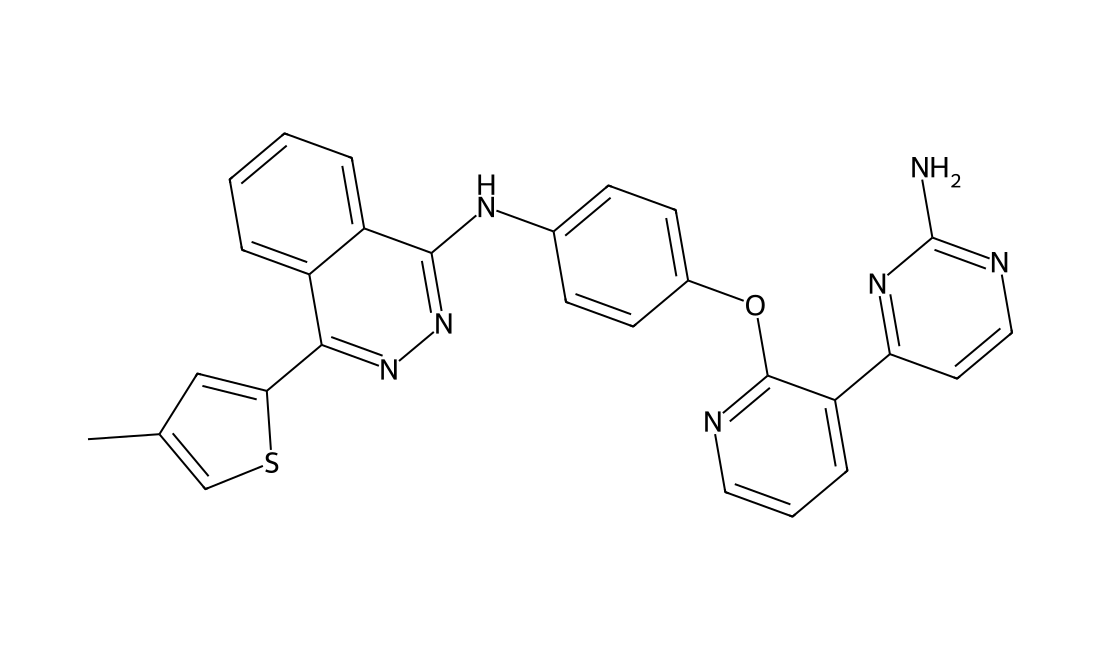
CAS 329221-38-7
AX20017 is a small-molecule protein kinase G (PknG) inhibitor with an IC50 of 0.39 μM.
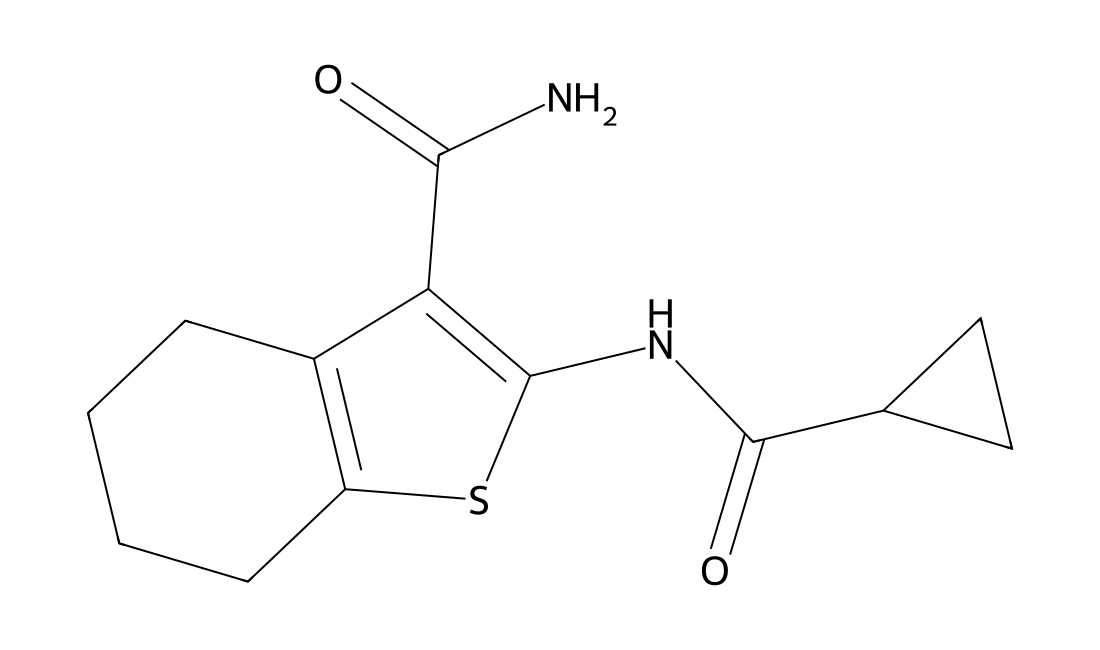
CAS 608512-97-6
C16, also known as GW-506033X or PKR Inhibitor. C16 binds the ATP-binding site of PKR and blocks autophosphorylation with an IC50 value of 186-210 nM. GW-506033X protects human neuroblastoma cells against cell damage triggered by tunicamycin-mediated endoplasmic reticulum stress. PKR inhibitor C16 prevents apoptosis and IL-1β production in an acute excitotoxic rat model with a neuroinflammatory component. PKR inhibitor C16 binds efficiently with human microtubule affinity-regulating kinase 4.
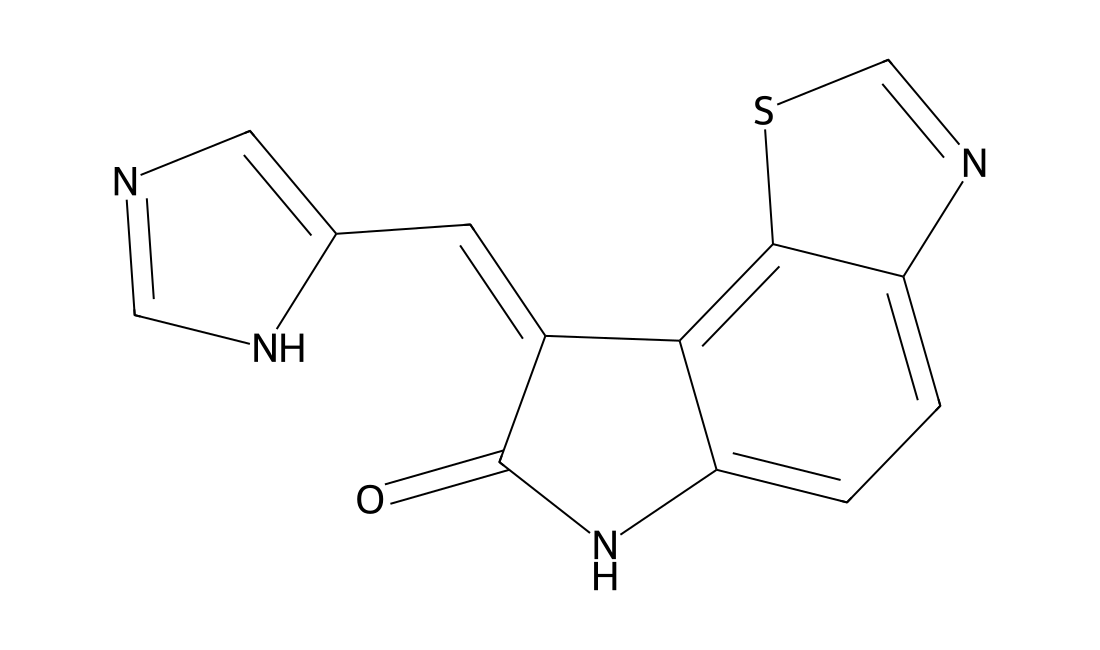
CAS 854847-61-3
HLY78 is an activator of the Wnt/β-catenin signaling pathway, which targets the DIX domain of Axin and potentiates the Axin-LRP6 association to promote Wnt signaling transduction1.
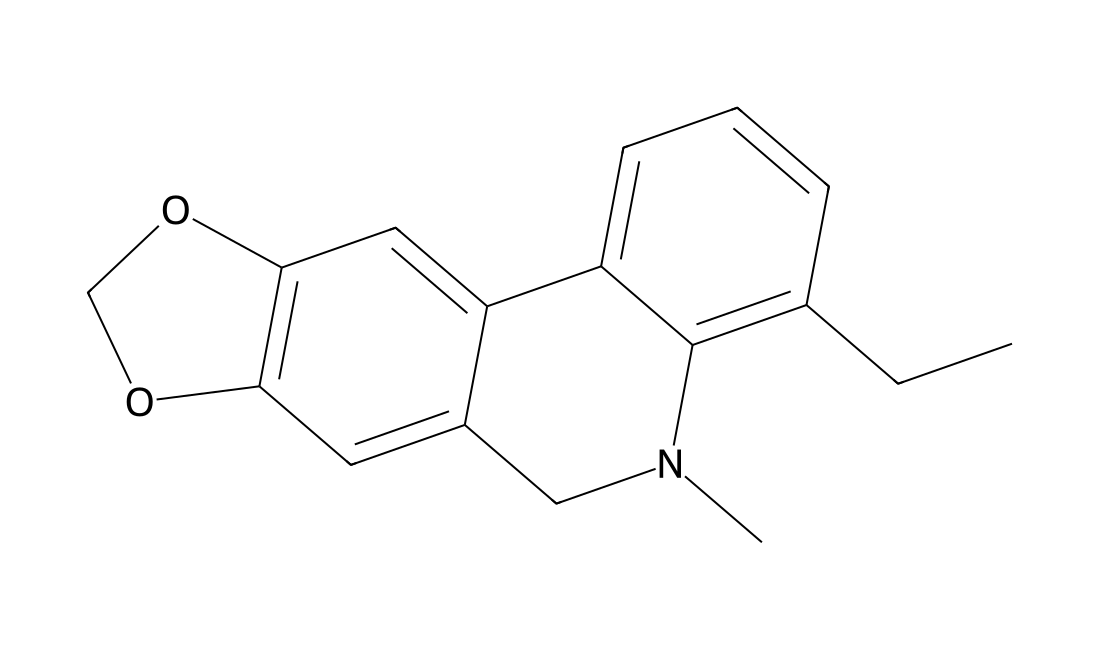
CAS 1062169-56-5
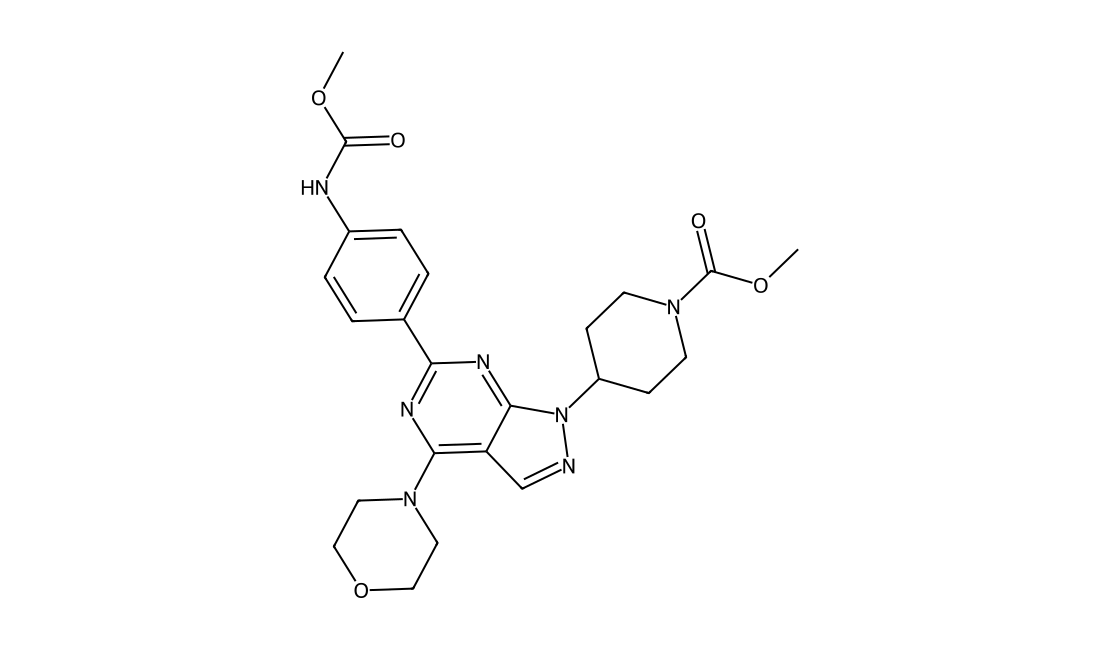
WYE-354 is a potent cell-permeable inhibitor of mTOR (IC50 = 4.3 nM) which blocks signaling through both mTOR complex 1 (mTORC1) and mTORC2.1,2 It is a much weaker inhibitor of phosphatidylinositol 3-kinase α (IC50 = 1026 nM) and other kinases.3 WYE-354 i
CAS 1327167-19-0
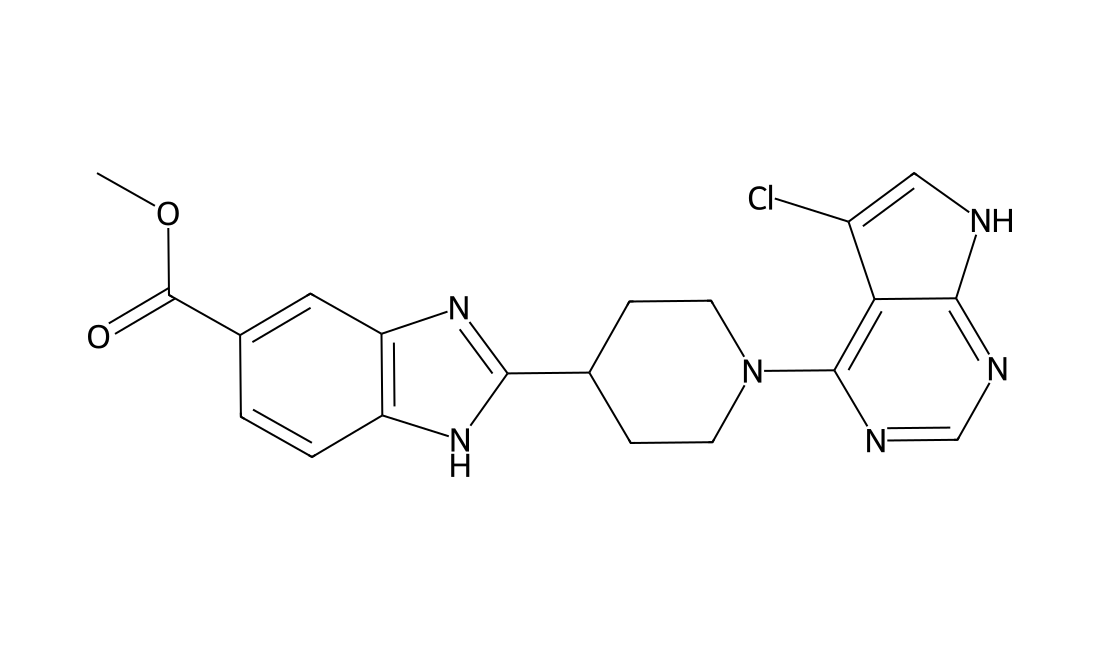
BPR1J-097 is a novel small molecule FLT-3 inhibitor(IC50=11±7 nM) with promising in vivo anti-tumour activities; inhibits FLT-3 D835Y with an IC50 of 3 nM.
CAS 891025-25-5
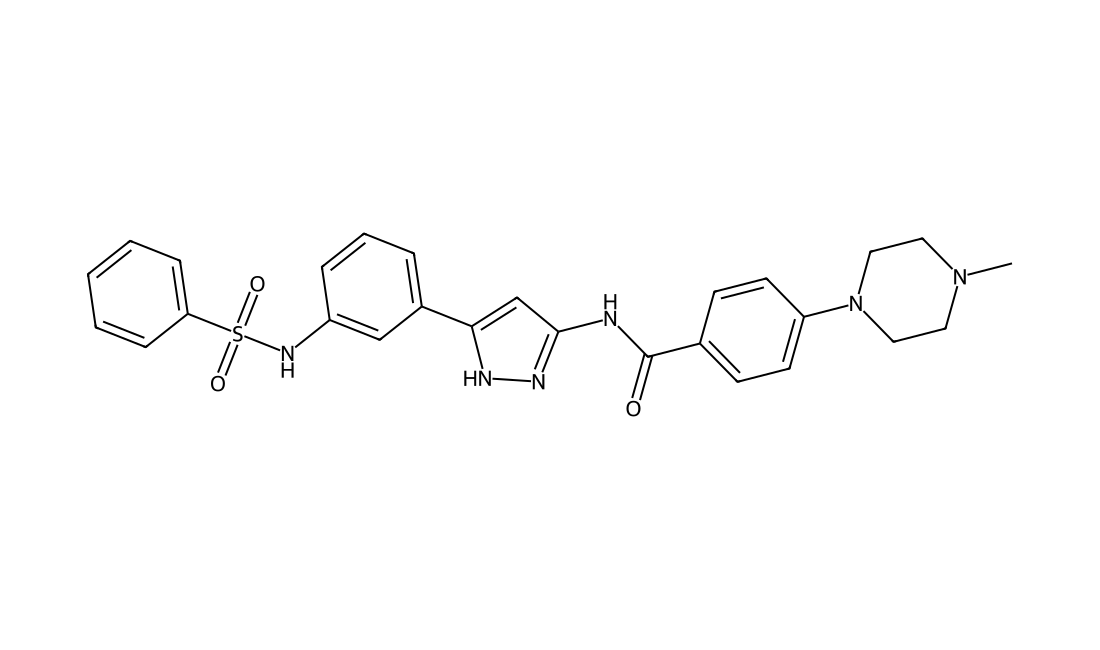
A specific and membrane-permeable inhibitor of the InsP3Kinase activity of ITPKA (inositol-1,4,5-trisphosphate-3-kinase A) with IC50 of 20 uM.
CAS 196612-93-8
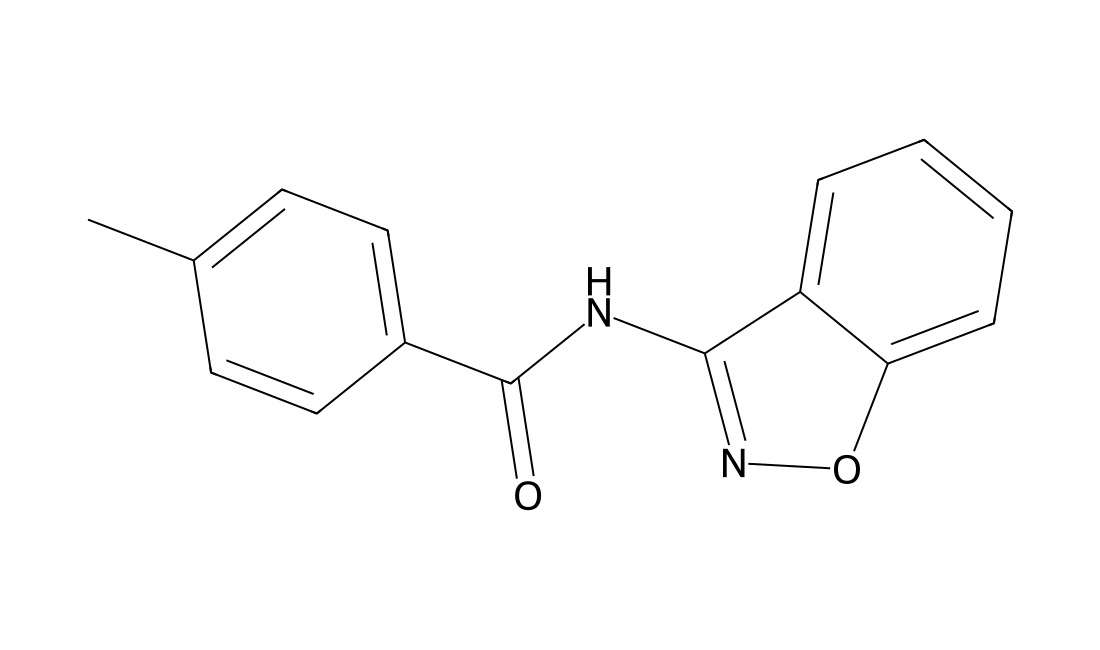
BIBX 1382 is a potent, selective inhibitor of EGFR tyrosine kinase (IC50 = 3 nM); displays > 1000-fold lower potency against ErbB2 (IC50 = 3.4 μM) and a range of other related tyrosine kinases (IC50 > 10 μM).
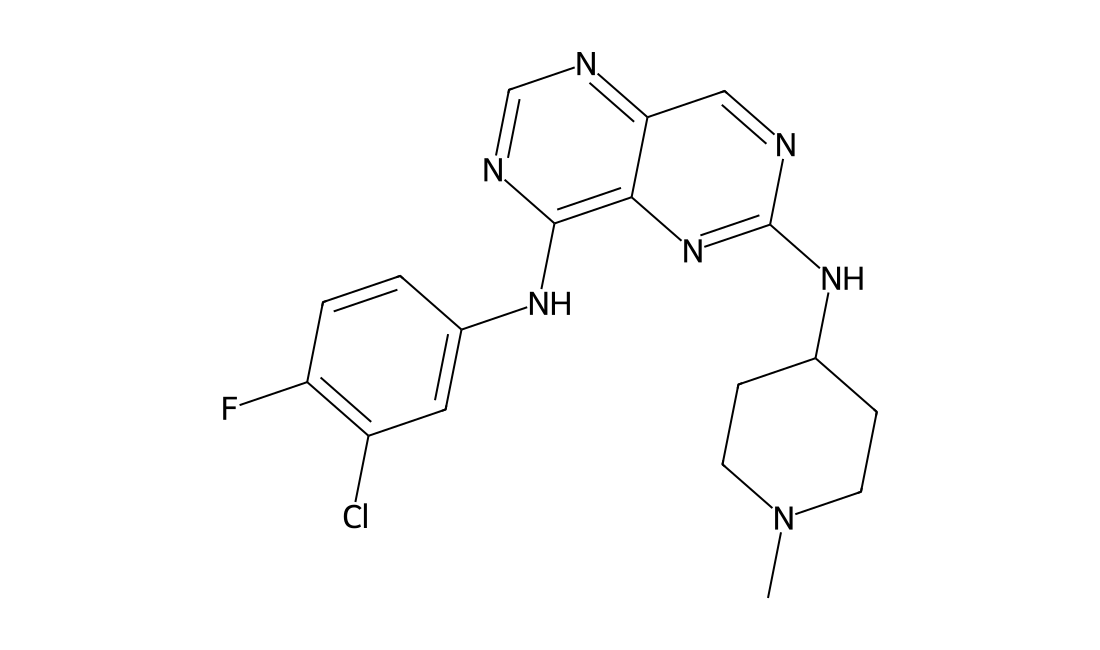
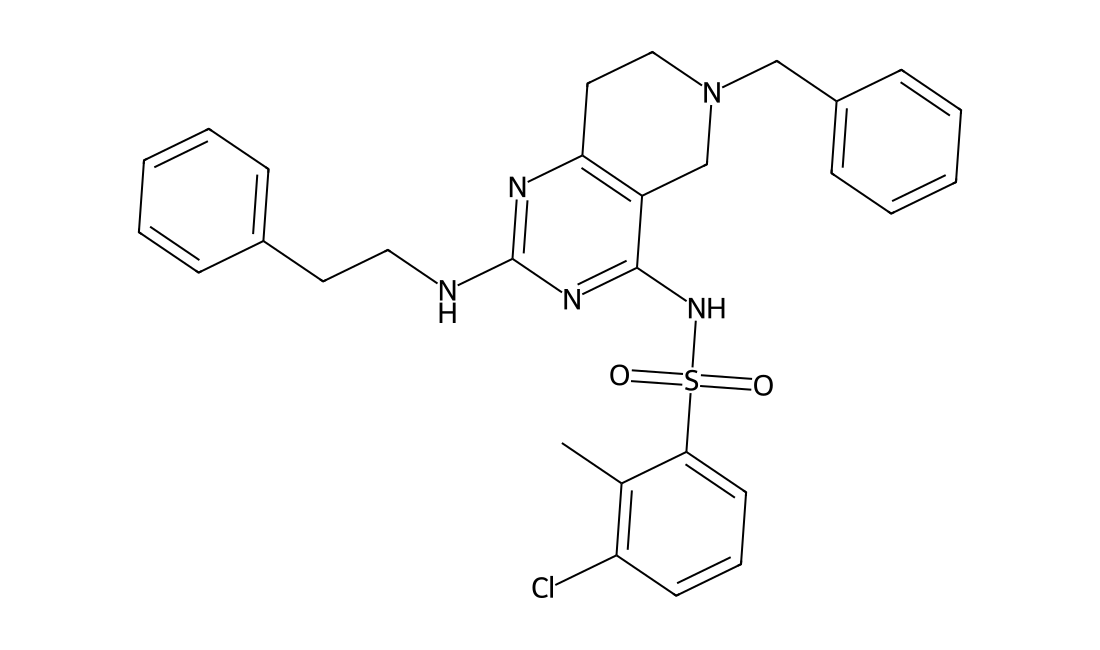
CAS 1415834-63-7
A potent SHIP2 inhibitor that enhances in vitro insulin signaling through the Akt pathway more efficiently than AS1949490, and ameliorates abnormal glucose metabolism in diabetic (db/db) mice.
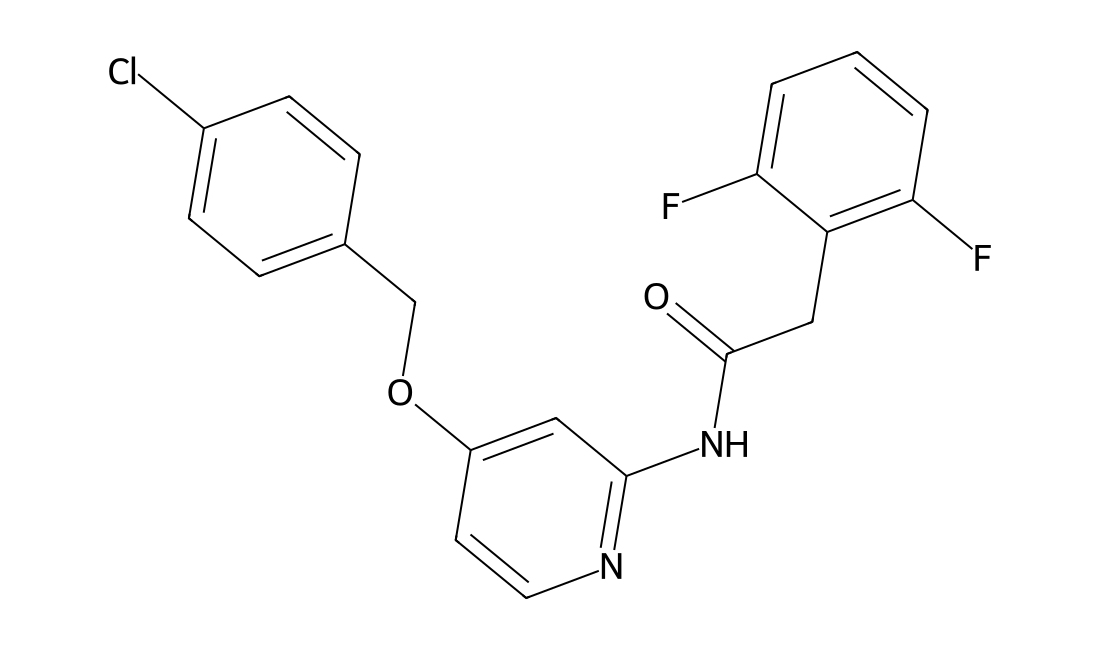
CAS 1202055-32-0
NMS-P715 is the first selective, ATP-competitive and orally bioavailable MPS1 small-molecule inhibitor(IC50=8 nM); selectively reduces cancer cell proliferation, leaving normal cells almost unaffected.
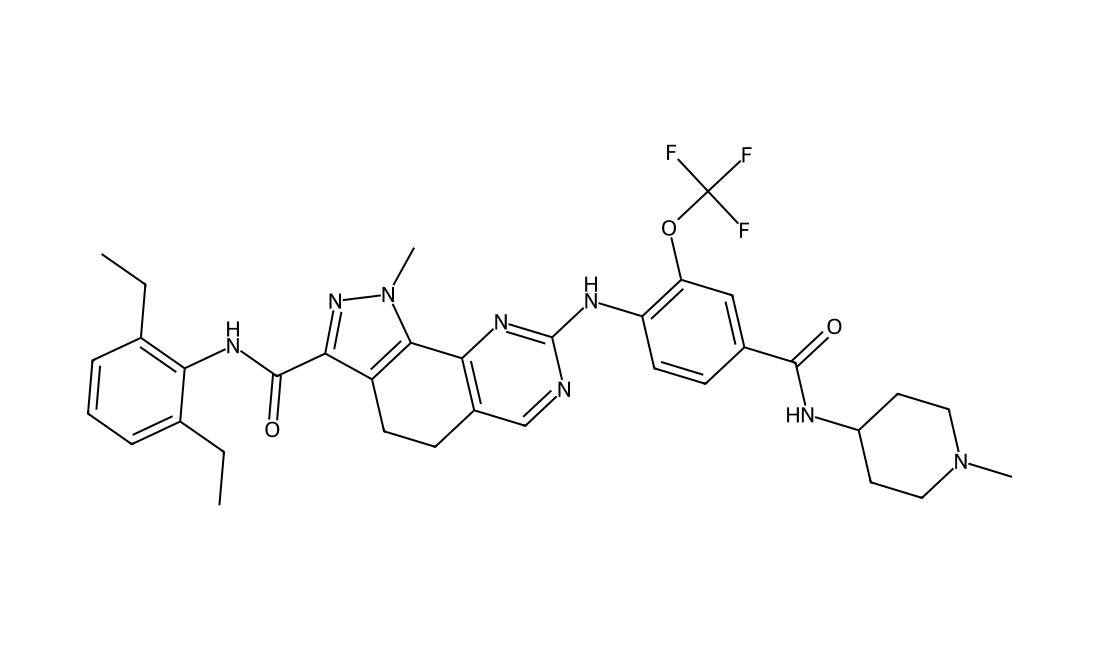
CAS 1071098-42-4
AZA1 is a potent dual inhibitor of Rac1 and Cdc42. AZA1 induces prostate cancer cells apoptosis and inhibits prostate cancer cells proliferation, migration and invasion.
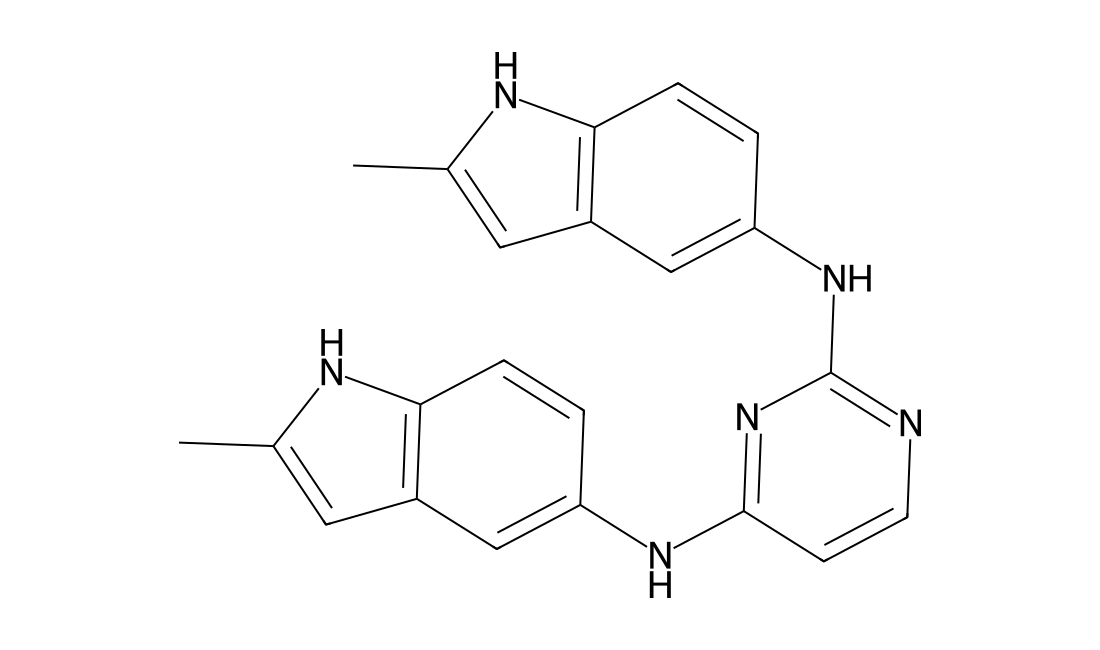
CAS 321688-88-4
Poloxin is a non-ATP competitive Polo-like Kinase 1 (PLK1) inhibitor that targets the polo-box domain.
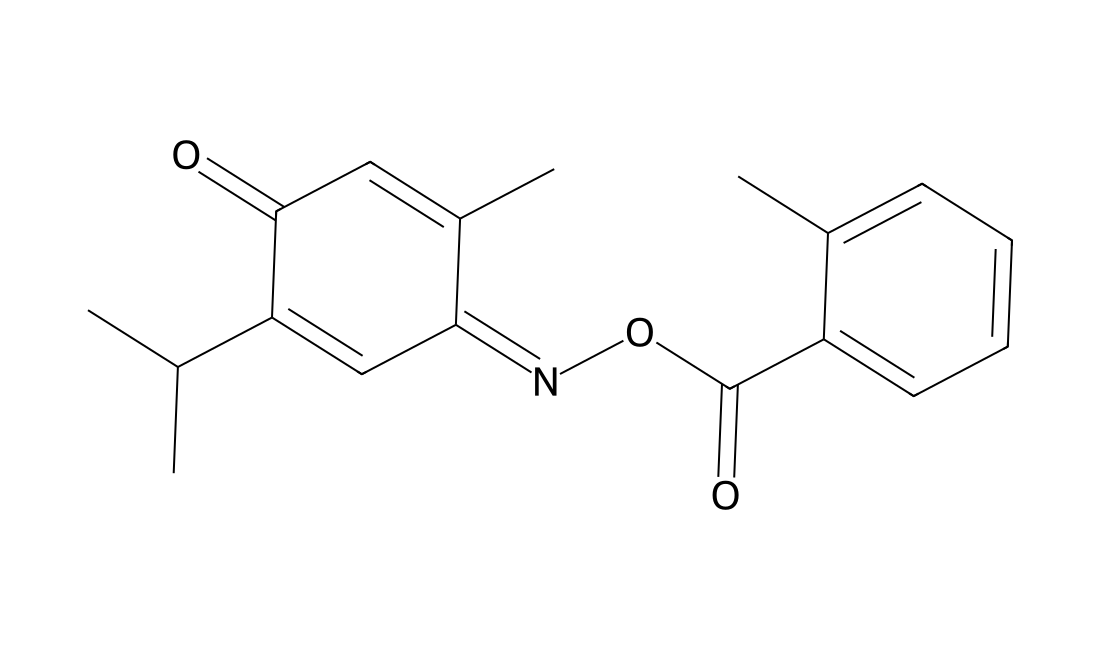
CAS 2414572-47-5
BDTX-189 is a potent, orally active and selective inhibitor of allosteric EGFR and HER2 oncogenic mutations, includes EGFR/HER2 exon 20 insertion mutants. BDTX-189 shows KDs of 0.2, 0.76, 13 and 1.2 nM for EGFR, HER2, BLK and RIPK2, reapectively. Anticancer activity.
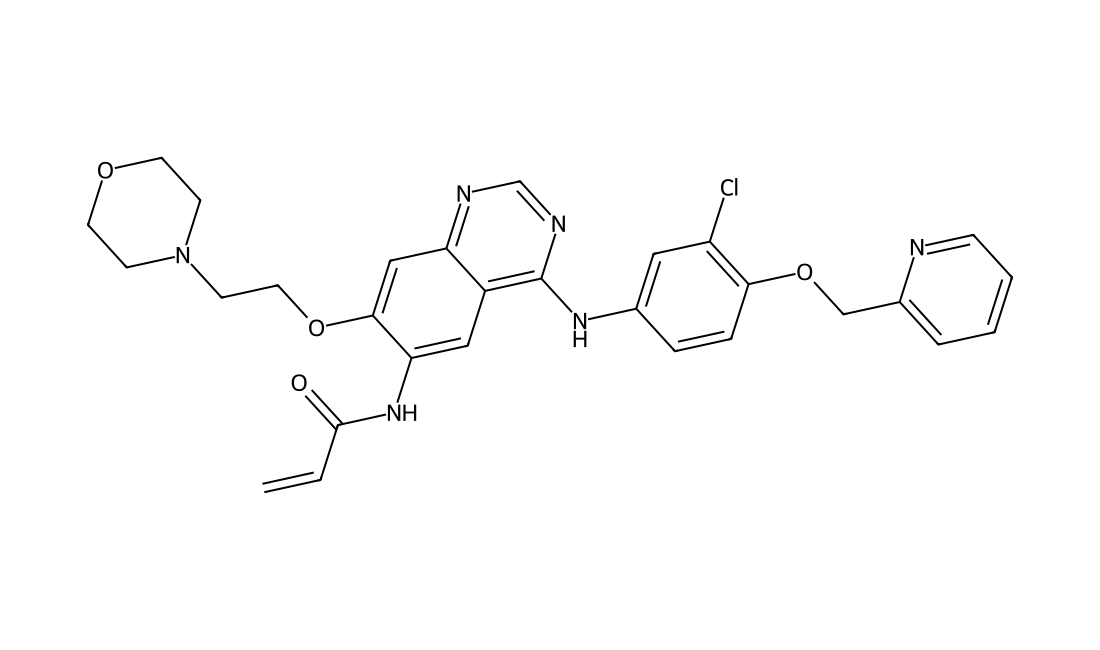
CAS 1936529-65-5
YKL-05-099 is a salt-inducible kinase (SIK) probe; inhibits SIK2 with an IC50 of 40 nM.
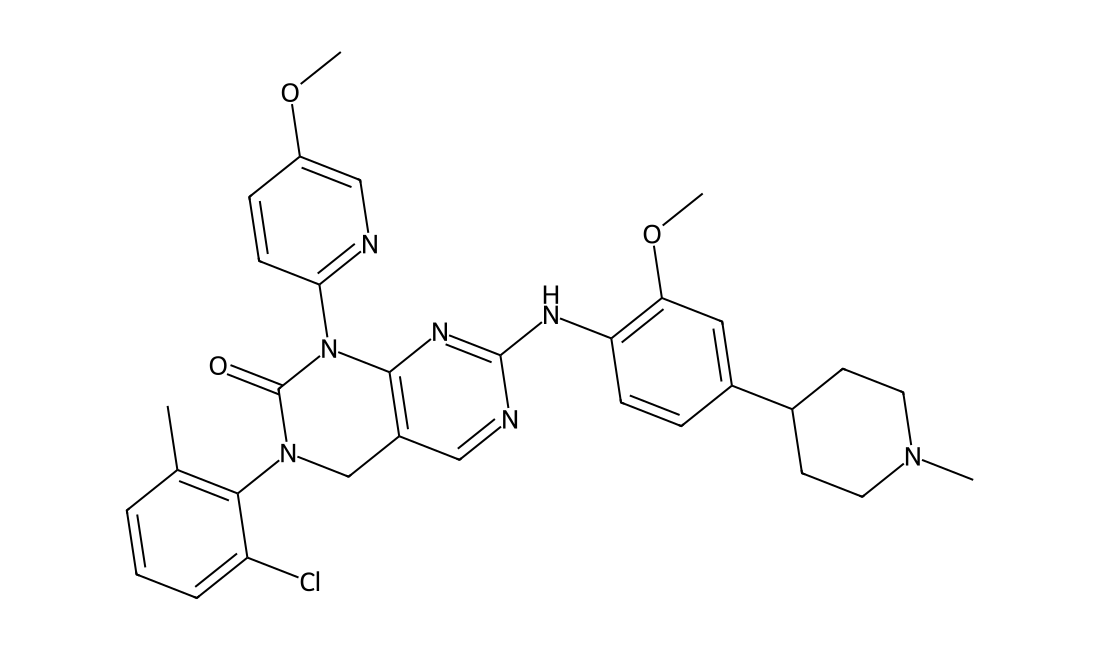
CAS 2254693-15-5
SRX3207 is an orally active and first-in-class dual Syk/PI3K inhibitor. SRX3207 possesses anti-tumor activity.
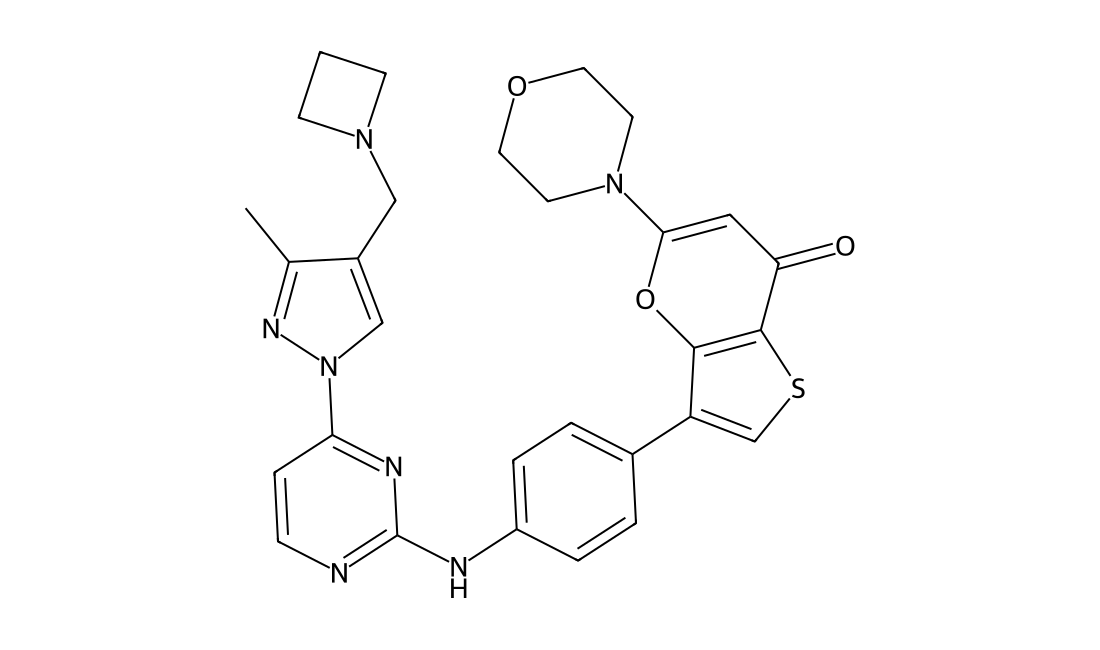
CAS 835621-07-3
Regorafenib hydrochloride (BAY73-4506) is a potent, orally active multikinase inhibitor that potently inhibits endothelial cell kinases in biochemical and cellular kinase phosphorylation assays with nanomolar range (IC50=3-200 nM).
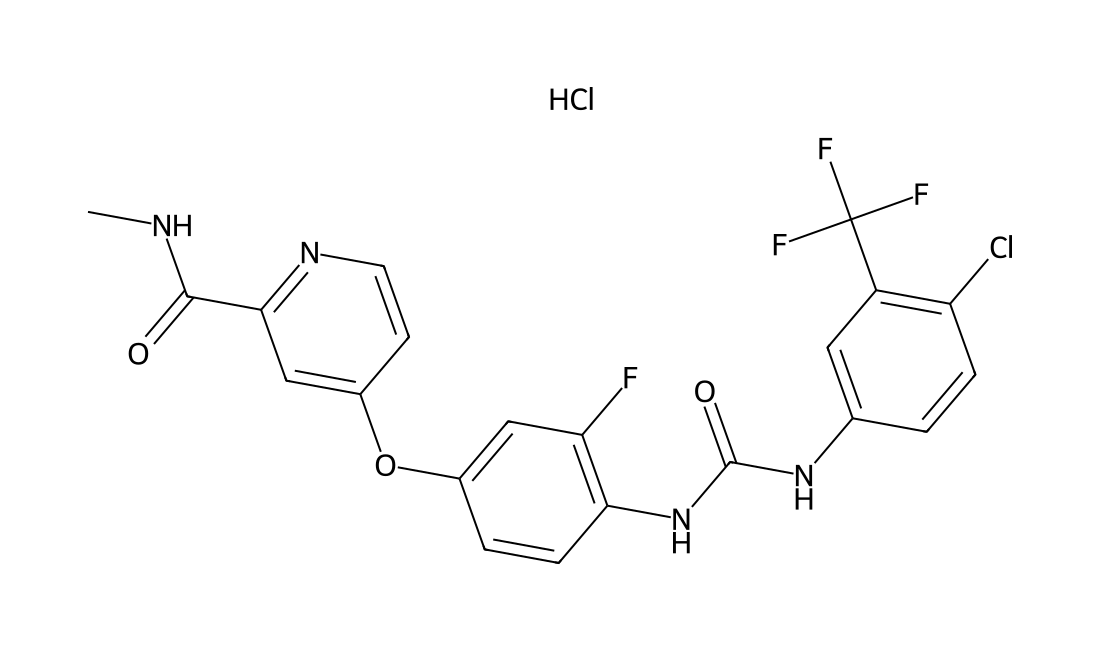
CAS 1784751-20-7
CK1-IN-1, is a casein kinase 1 (CK1) inhibitor. PUN51207 was reported in patent WO2015119579A1, compound 1c, has IC50s of 15 nM, 16 nM, 73 nM for CK1δ, and CK1ε, p38σ MAPK, respectively.
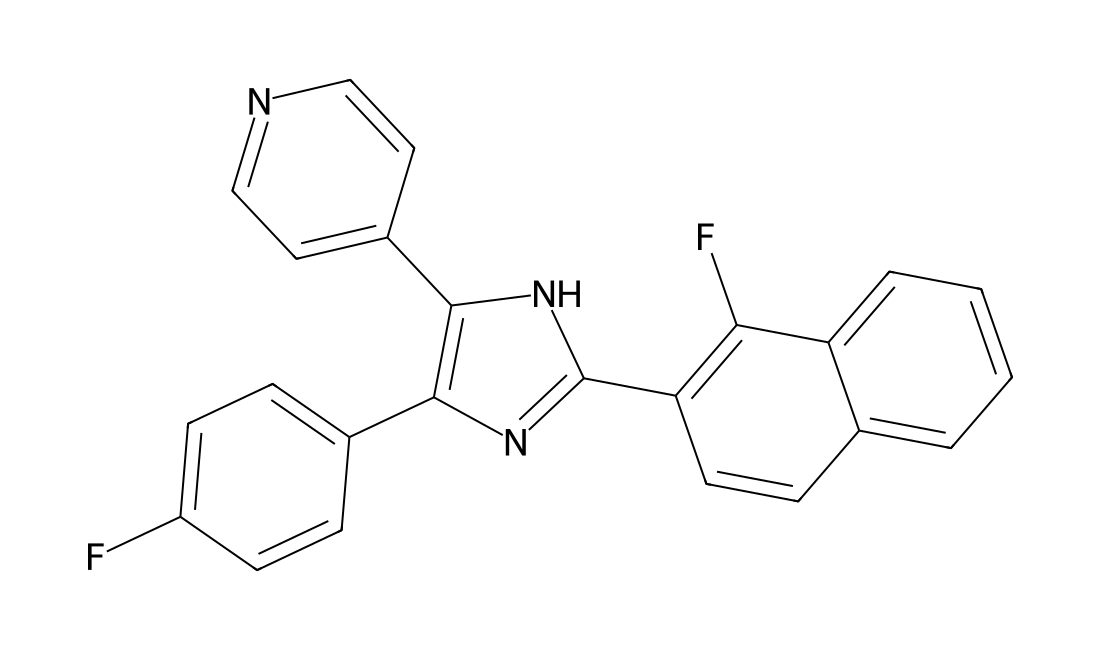
CAS 192705-80-9
PD-161570 is a selective FGFR inhibitor (IC50 values are 40, 262 and 3700 nM for FGFR, PDGFR and EGFR respectively). PD 161570 had about 5- and 100-fold greater selectivity toward the FGF-1 receptor (IC50 = 40 nM) compared with the PDGFbeta receptor (IC50 = 262 nM) or EGF receptor (IC50 = 3.7 microM) tyrosine kinases, respectively. In addition, PD 161570 suppressed constitutive phosphorylation of the FGF-1 receptor in both human ovarian carcinoma cells (A121(p)) and Sf9 insect cells overexpressing the human FGF-1 receptor and blocked the growth of A121(p) cells in culture. The results demonstrate a novel synthetic inhibitor with nanomolar potency and specificity towards the FGF-1 receptor tyrosine kinase.
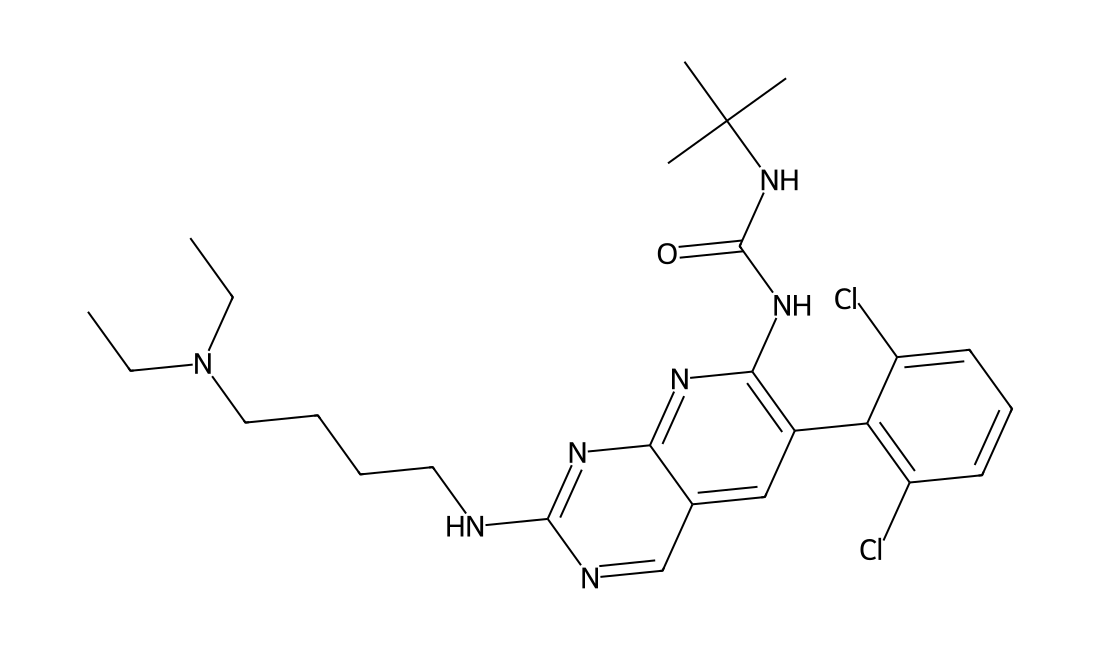
CAS 1375465-09-0
CNX-2006 is a novel irreversible mutant-selective EGFR inhibitor with IC50 of < 20 nM, with very weak inhibition at wild-type EGFR.
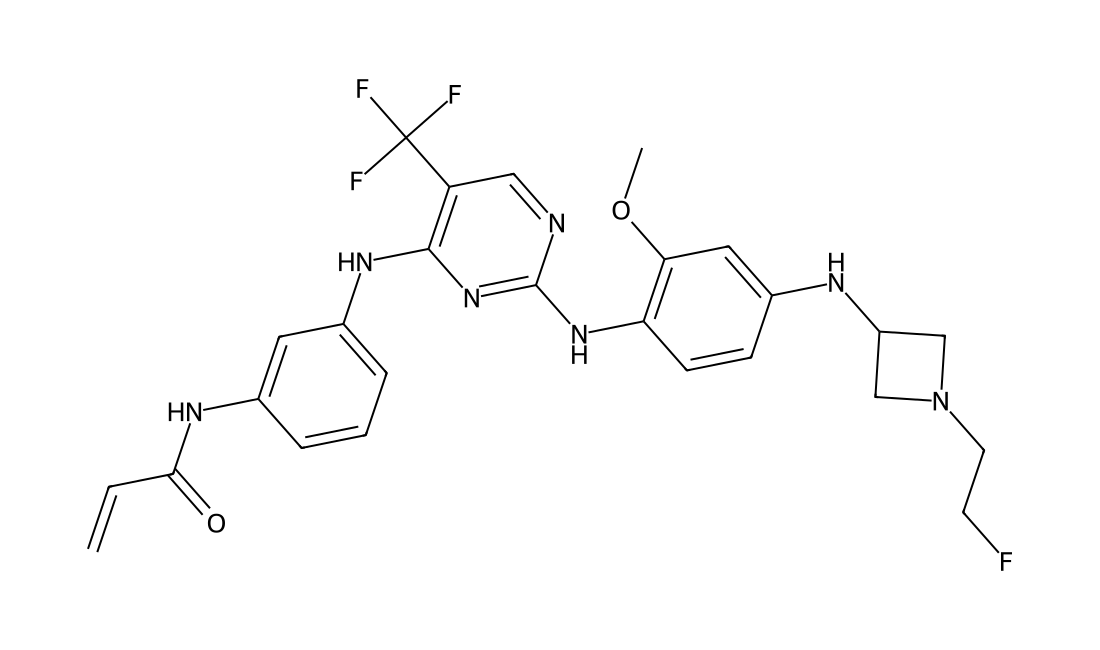
CAS 1345675-02-6
ETP-46464 is a cell-permeable quinoline-containing heterotricyclic compound that acts as a potent inhibitor against mTOR, ATR, DNA-PK, PI 3-Kα, and ATM (IC50= 0.6, 14, 36, 170, and 545 nM, respectively).
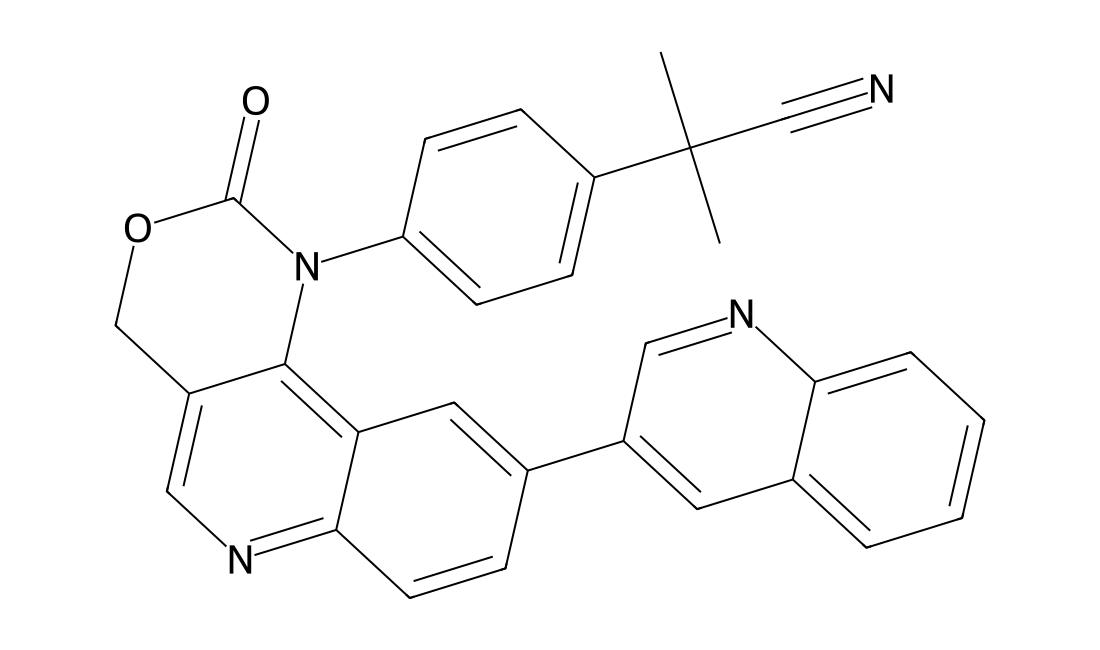
CAS 724711-21-1
MK2 Inhibitor III is a potent, cell-permeable inhibitor of mitogen-activated protein kinase-activated protein kinase 2 (MAPKAP-K2 or MK-2) and can be used for the treatment of rheumatoid arthritis.
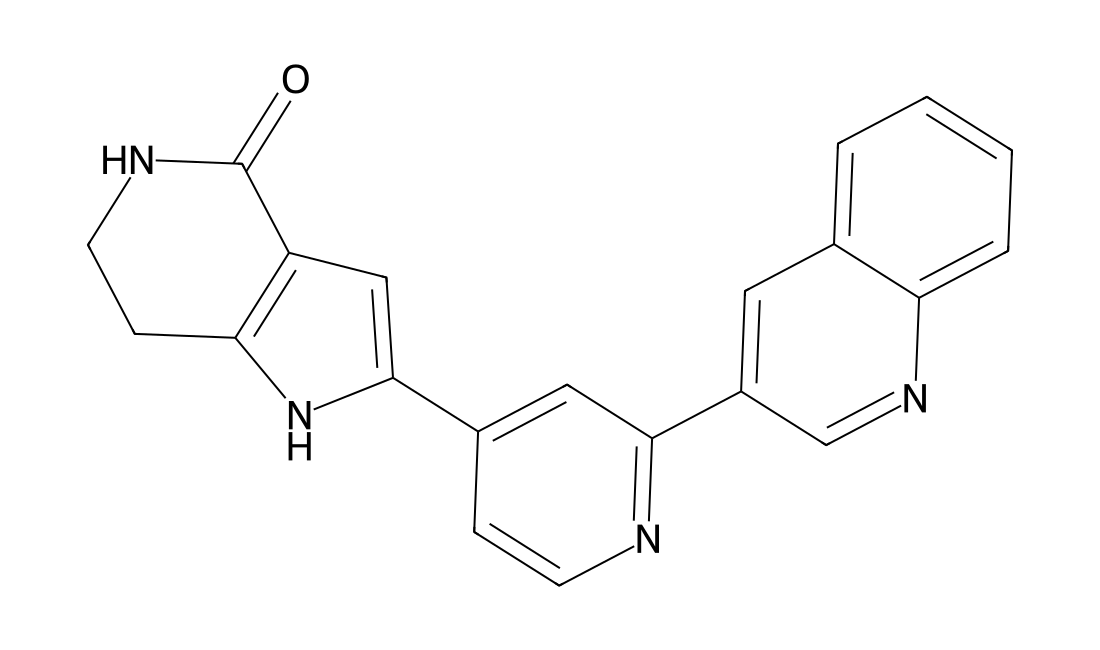
CAS 1374743-00-6
G1T28(Trilaciclib) is a potential first-in-class, short-acting IV CDK4/6 inhibitor being developed to preserve hematopoietic stem cells and enhance immune system function during chemotherapy.
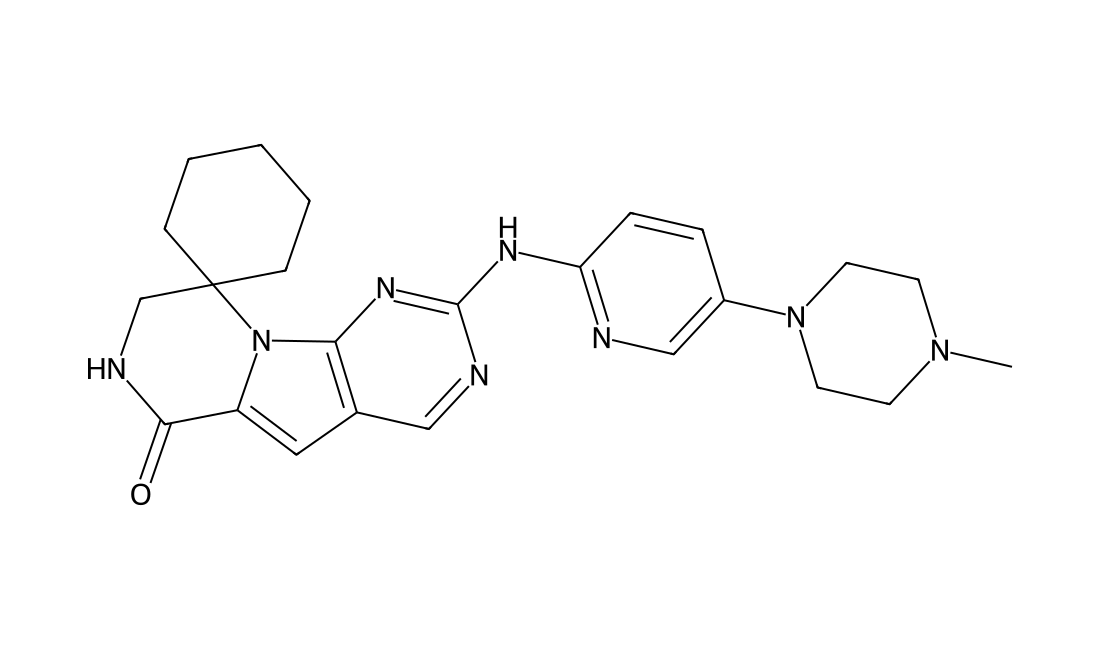
CAS 1448693-69-3
GCN2-IN-1 is a potent general control nonderepressible 2 kinase (GCN2) inhibitor with IC50s of <0.3 μM in the enzyme and cell assay.
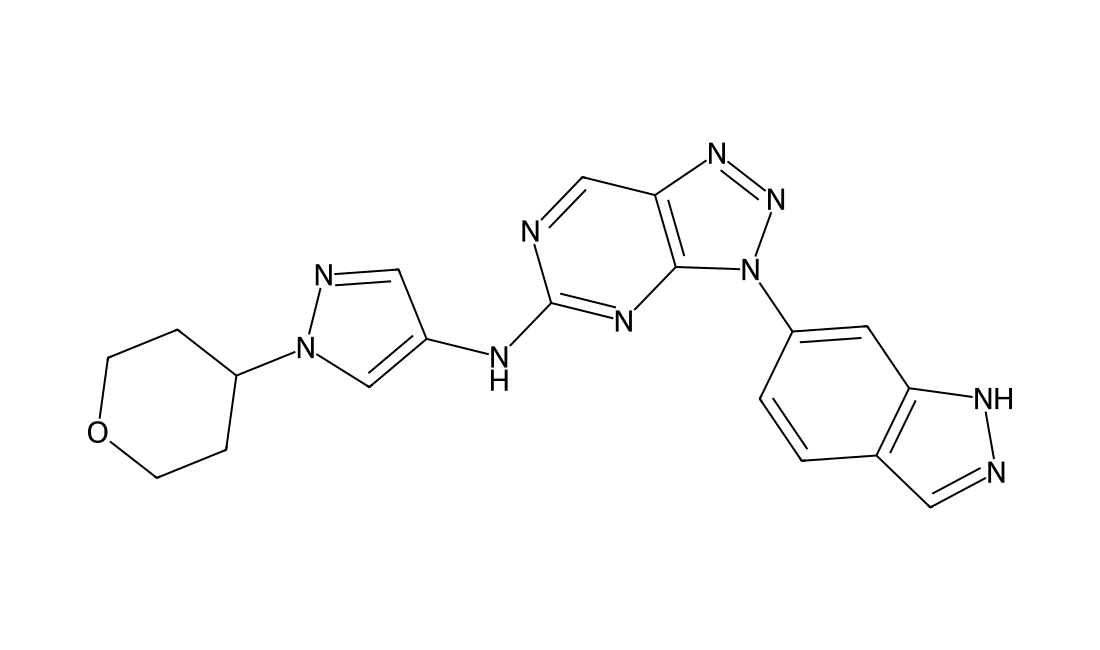
CAS 1951483-29-6
LY3214996 is a selective and novel ERK1/2 inhibitor with IC50 of 5 nM for both enzymes in biochemical assays. It potently inhibits cellular phospho-RSK1 in BRAF and RAS mutant cancer cell lines.
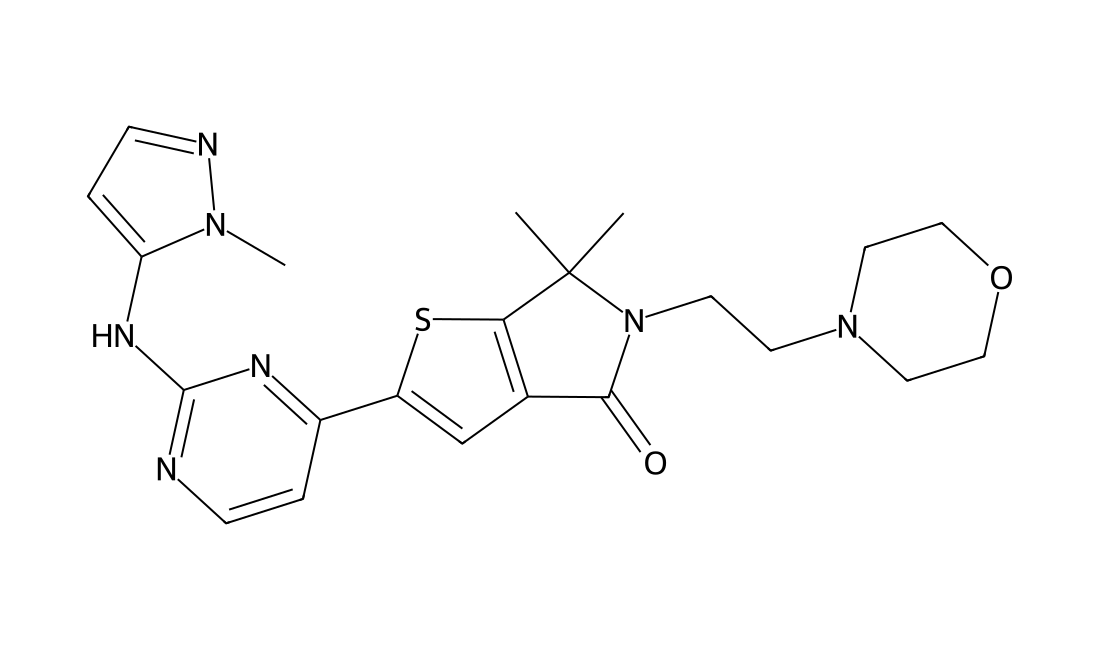
CAS 660868-91-7
GW843682X is a cell-permeable thiophene-benzimidazole compound and reversible PLK inhibitor
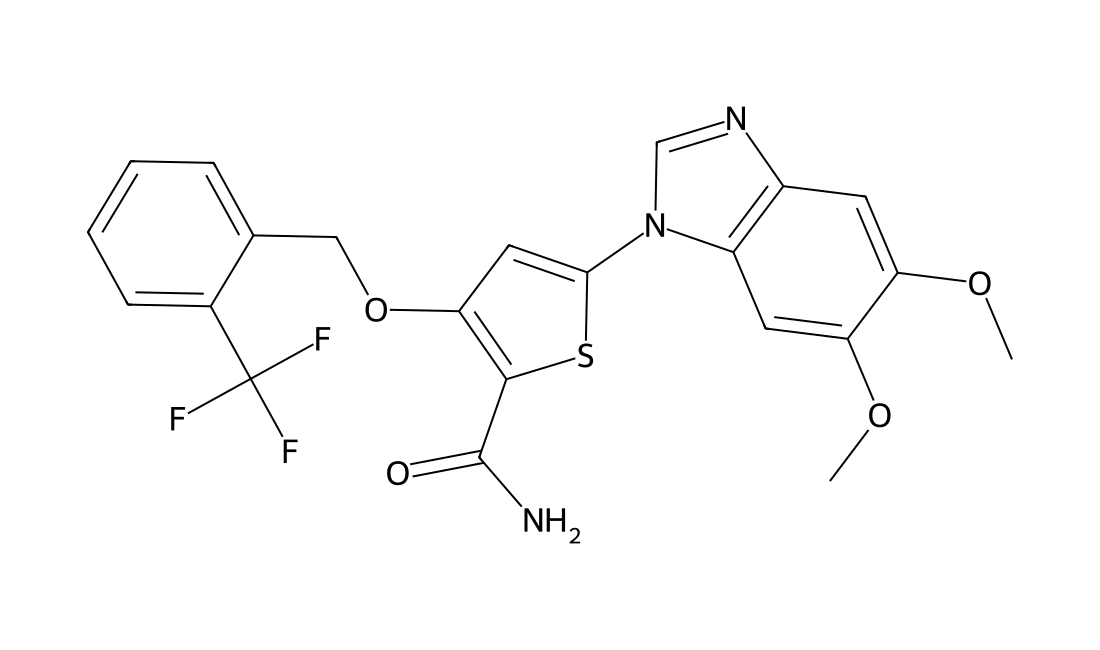
CAS 2367004-54-2
JUN04542 is an Axl Mer cMet KDR inhibitor for the treatment of Axl and Mer receptor tyrosine kinase-dependent disorders. JUN04542 was first reported in WO 2019148044 (2019). This product has not formal name. For the convenience of scientific communication, we named it by combining its Inchi key (3 letters from the first letter of each section) with the last 5 digits of its CAS number or its molecule weight if its CAS number is not available .
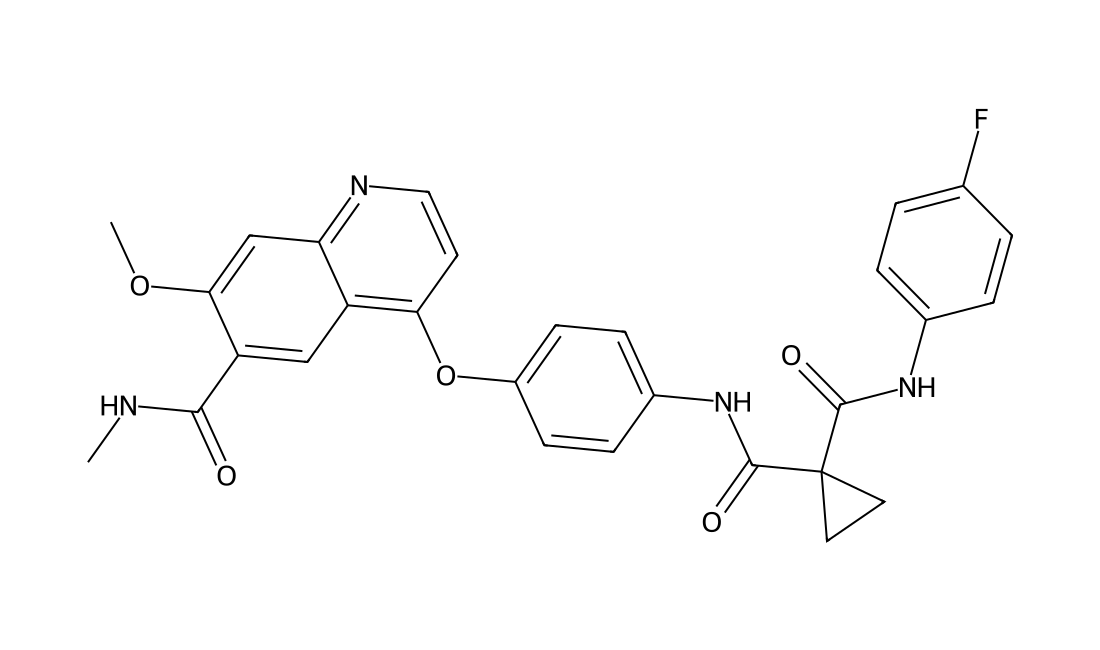
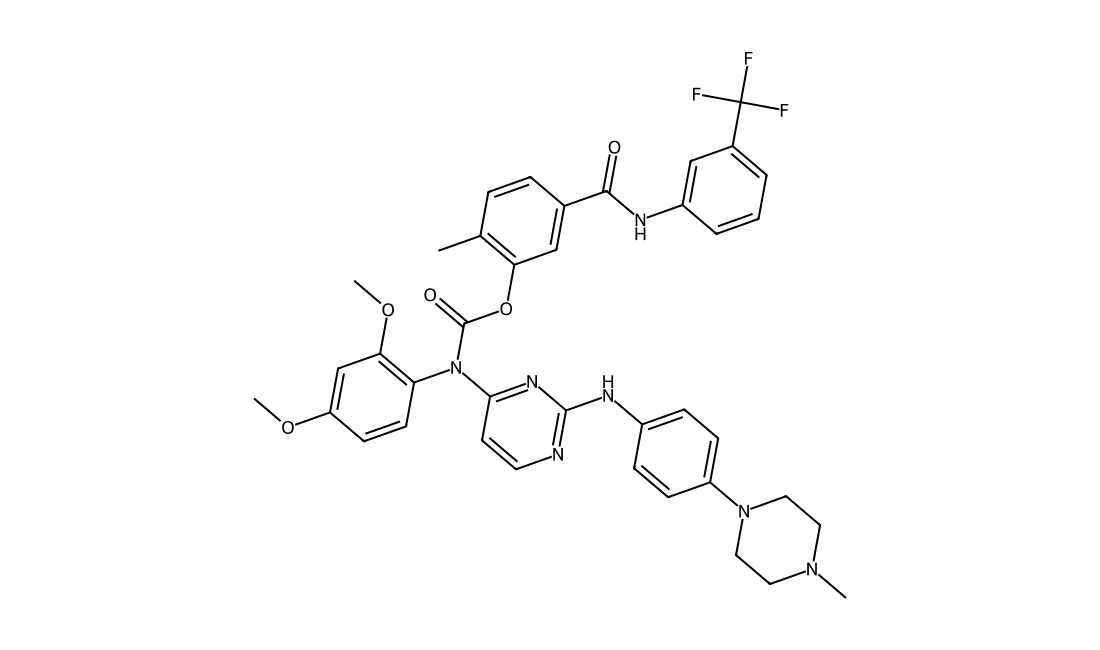
CAS 338404-52-7
CITCO is a potent constitutive androstane receptor (CAR) agonist (EC50 = 49 nM). CITCO altered expression of key drug-metabolizing enzymes and transporters in human hepatocytes, which positively affects the metabolic profile of CHOP. Coadministration of CITCO and CHOP in the coculture model led to significantly enhanced cytotoxicity in lymphoma cells but not in cardiomyocytes. Constitutive androstane receptor (Car)-driven regeneration protects liver from failure following tissue loss. The constitutive androstane receptor (CAR and NR1i3) is a key regulator of CYP2B6.
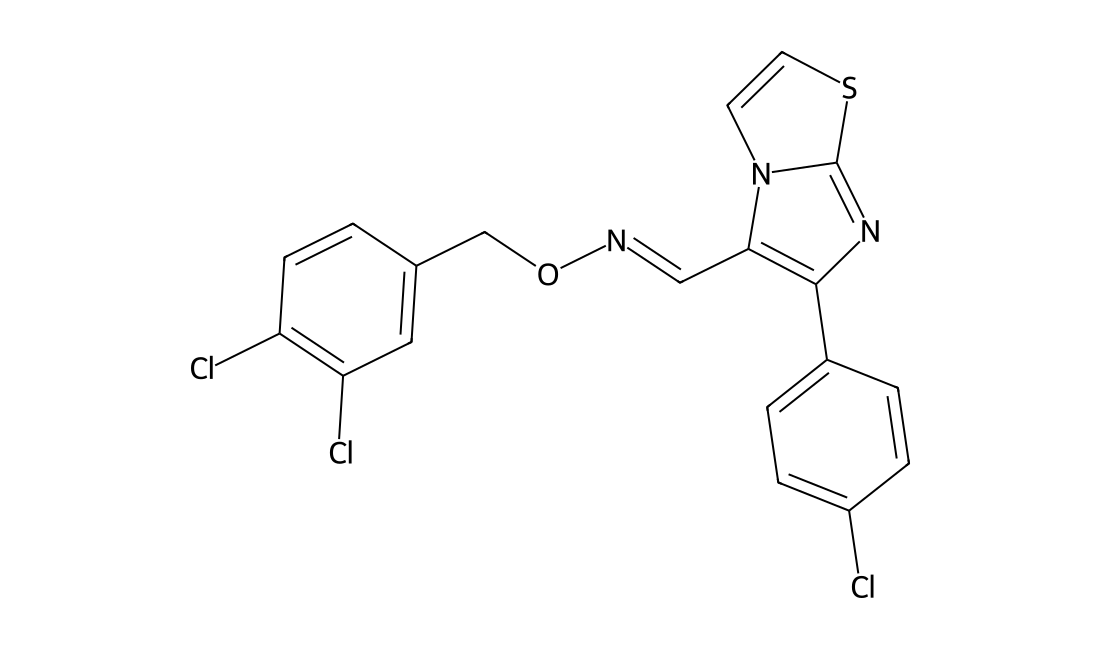
CAS 1058137-23-7
E-3810 is a novel dual inhibitor targeting human vascular endothelial growth factor receptors (VEGFRs) and fibroblast growth factor receptors (FGFRs) with antiangiogenic activity.
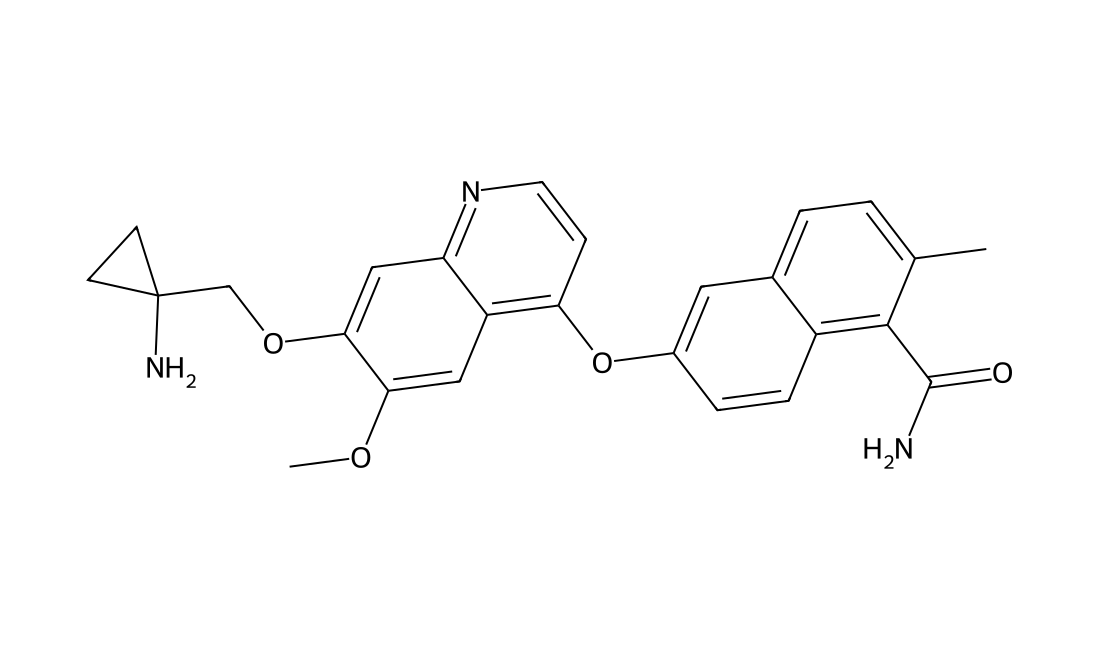
CAS 1351522-04-7
AC710, is a potent Globally Selective Inhibitor of Platelet-Derived Growth Factor Receptor-Family Kinases.
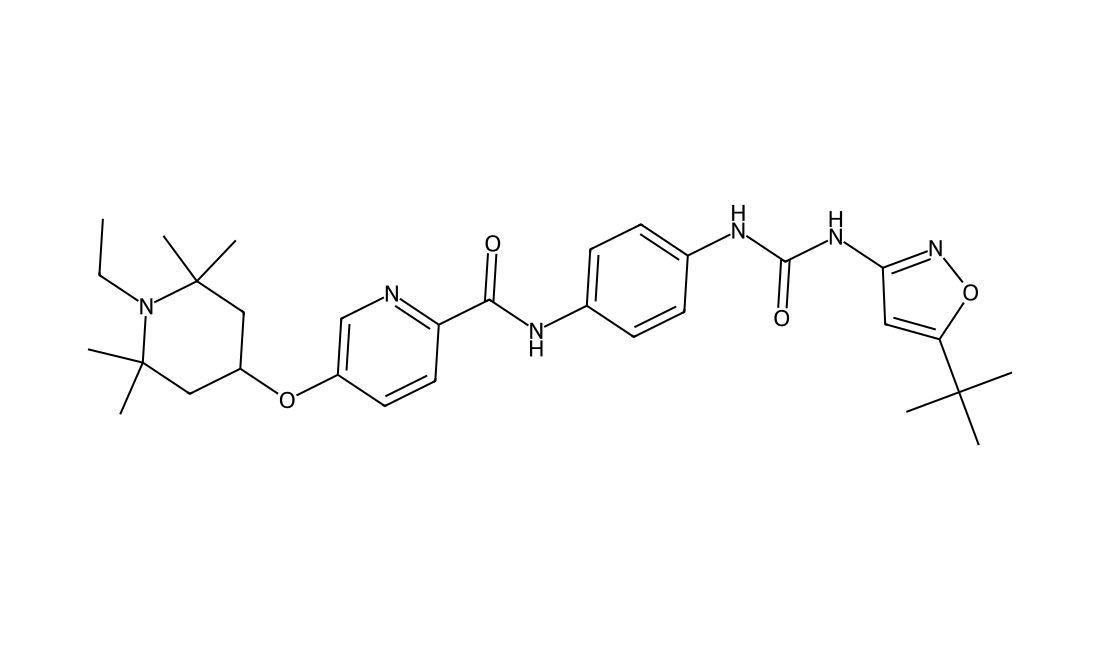
CAS 2225887-26-1
mutant EGFR inhibitor B30 is a potent, selective, next-generation EGFR mutants inhibitor with IC50 of 1.1 and 7.2 nM for EGFRL858R and EGFRL858R/T790M/C797S, respectively.
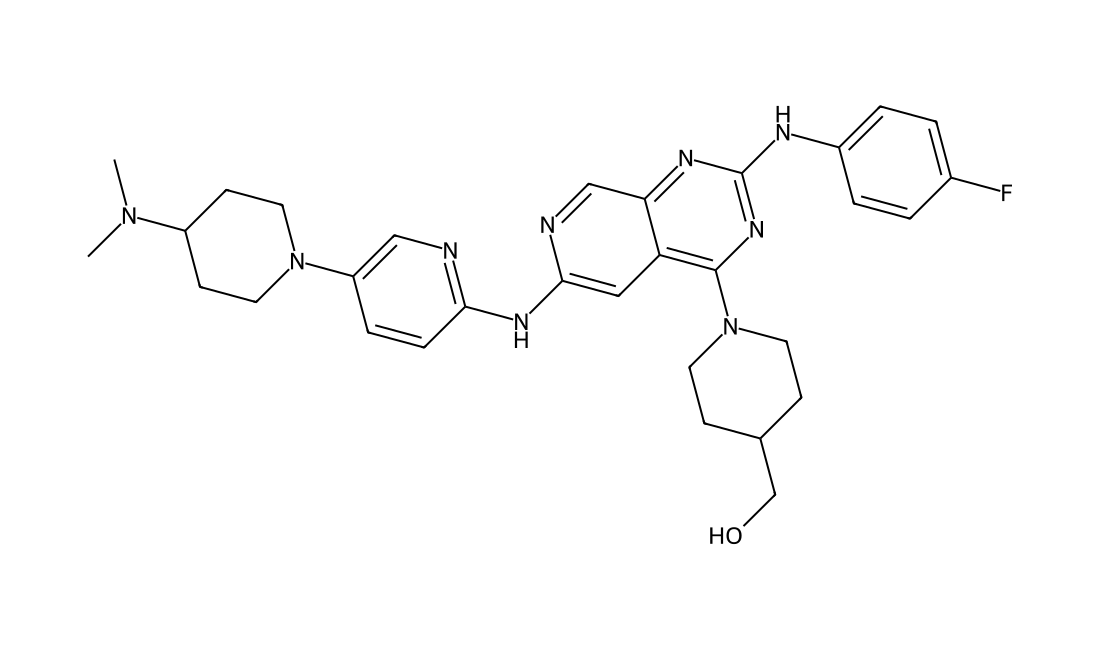
CAS 119139-23-0
Bisindolylmaleimide IV (Arcyriarubin A) is a potent protein kinase C (PKC) inhibitor, with IC50s ranging from 0.1 to 0.55 μM. Bisindolylmaleimide IV also inhibits PKA (IC50=3.1-11.8μM). Bisindolylmaleimide IV is a potent, selective inhibitor of human cytomegalovirus (HCMV) replication in cell culture with an IC50 of 0.2 μM.
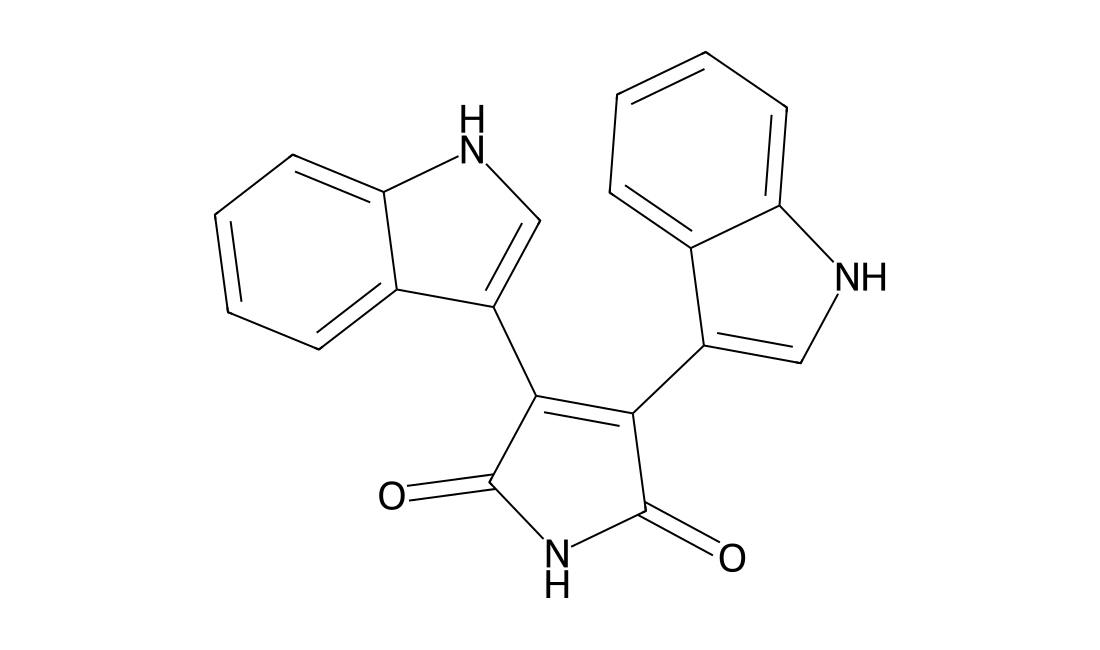
CAS 487020-03-1
A novel potent, specific TOPK inhibitor that has no effect on ERK1, JNK1, or p38 kinase activity.
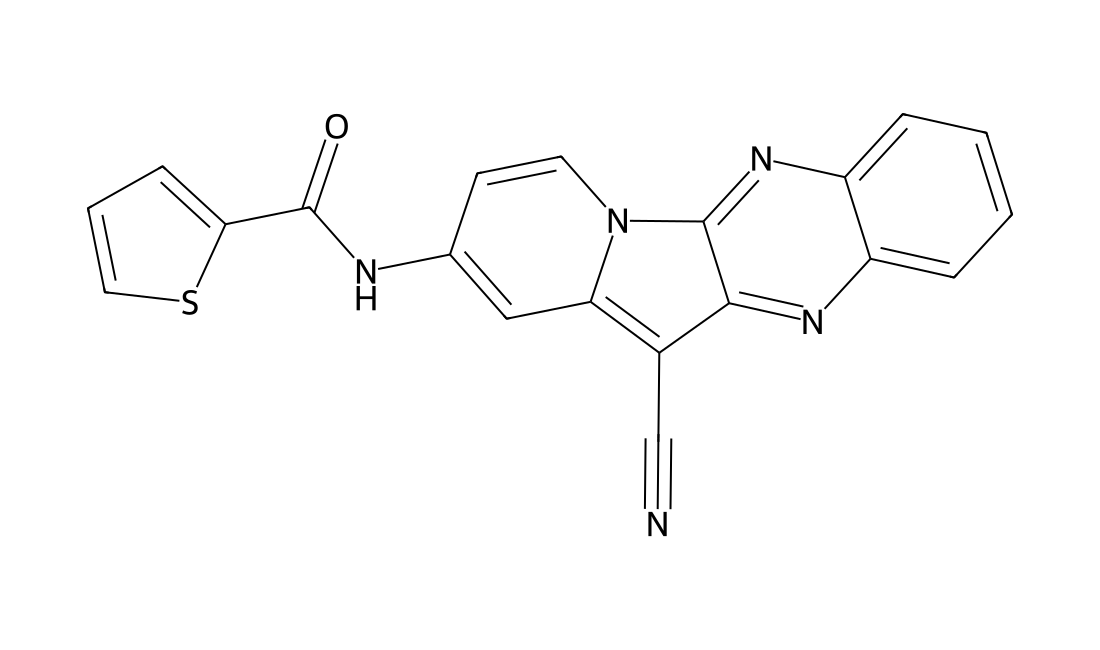
CAS 1190836-34-0
Pamufetinib (TAS-115) is a potent VEGFR and hepatocyte growth factor receptor (c-Met/HGFR)-targeted kinase inhibitor with IC50s of 30 and 32 nM for rVEGFR2 and rMET, respectively.
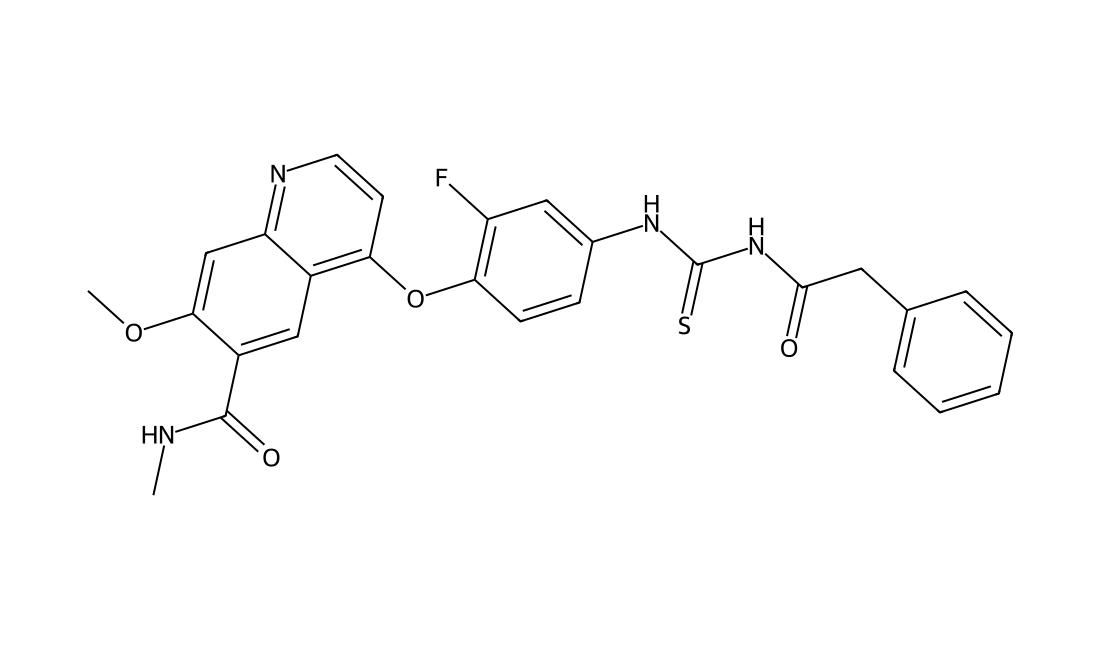
CAS 315703-52-7
JK-184 is a potent downstream hedgehog (Hh) signaling inhibitor that prevents Gli-dependent transcriptional activity (IC50 = 30 nM).
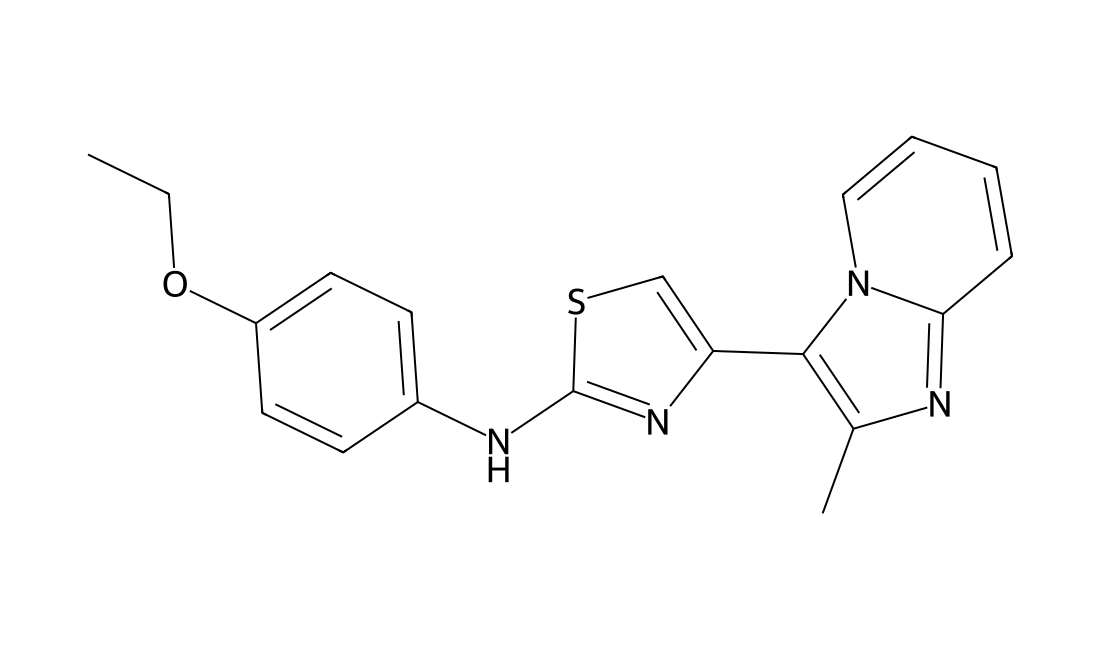
CAS 136194-77-9
Go6976 is a potent PKC inhibitor with IC50 of 7.9 nM, 2.3 nM, and 6.2 nM for PKC (Rat brain), PKCα, and PKCβ1, respectively. Also a potent inhibitor of JAK2 and Flt3.
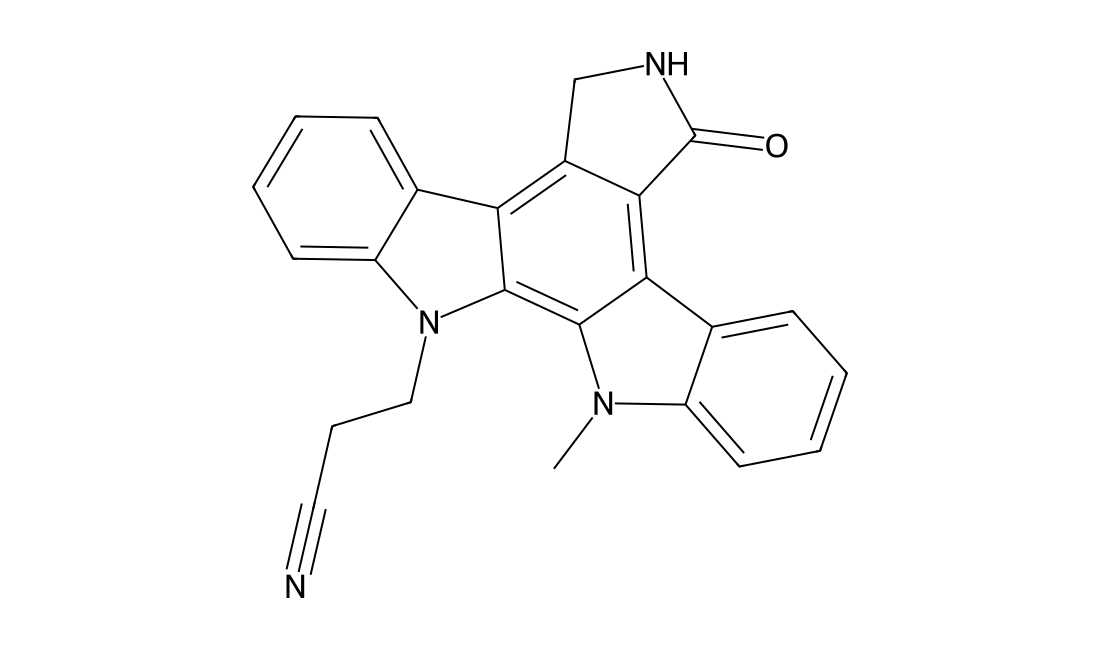
CAS 345987-15-7
AS601245 is an orally active, selective, ATP competitive JNK (c-Jun NH2-terminal protein kinase) inhibitor with IC50s of 150, 220, and 70 nM for three JNK human isoforms (hJNK1, hJNK2, and hJNK3), respectively. AS601245 exhibits 10- to 20-fold selectivity over c-src, CDK2, and c-Raf and more than 50- to 100-fold selectivity over a range of Ser/Thr- and Tyr-protein kinases. Neuroprotective properties.
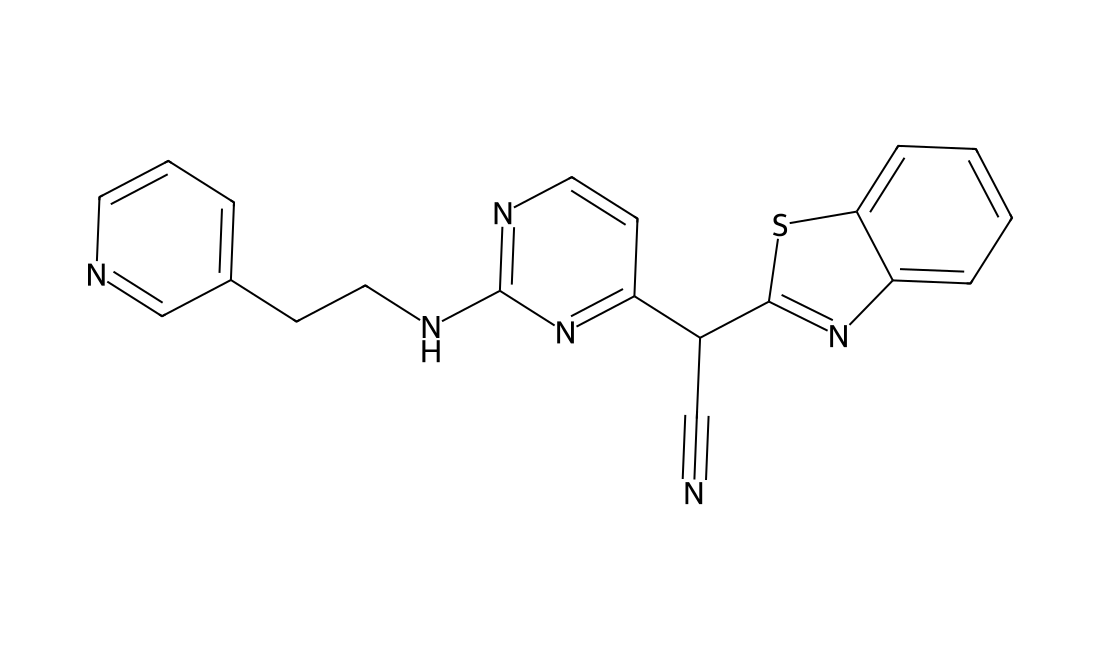
CAS 642008-81-9
A novel potent, selective CDK8 inhibitor with IC50 of 0.5 uM against recombinant Cyclin C/CDK8 complex.
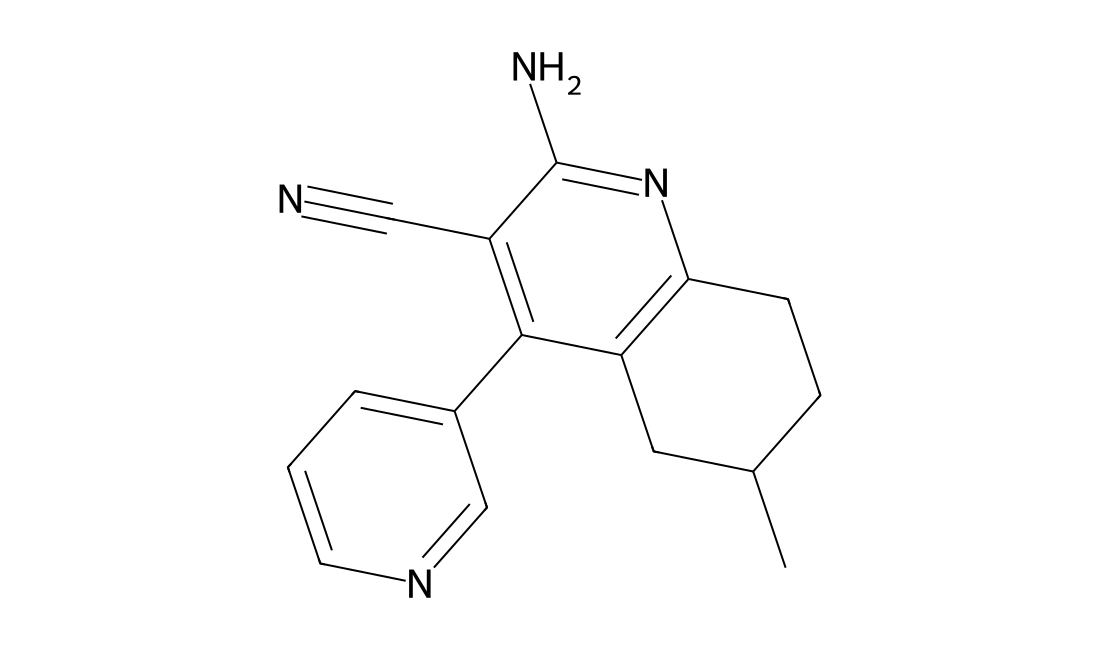
CAS 148741-30-4
TyrphostinAG879 is a tyrosine kinase inhibitor that inhibits TrKA phosphorylation, but not TrKB and TrKC.[1] also a ErbB2 kinase inhibitor, has at least 500-fold higher selectivity to ErbB2 (IC50 = 1 μmol/L) than EGFR (IC50 >500 μmol/L).
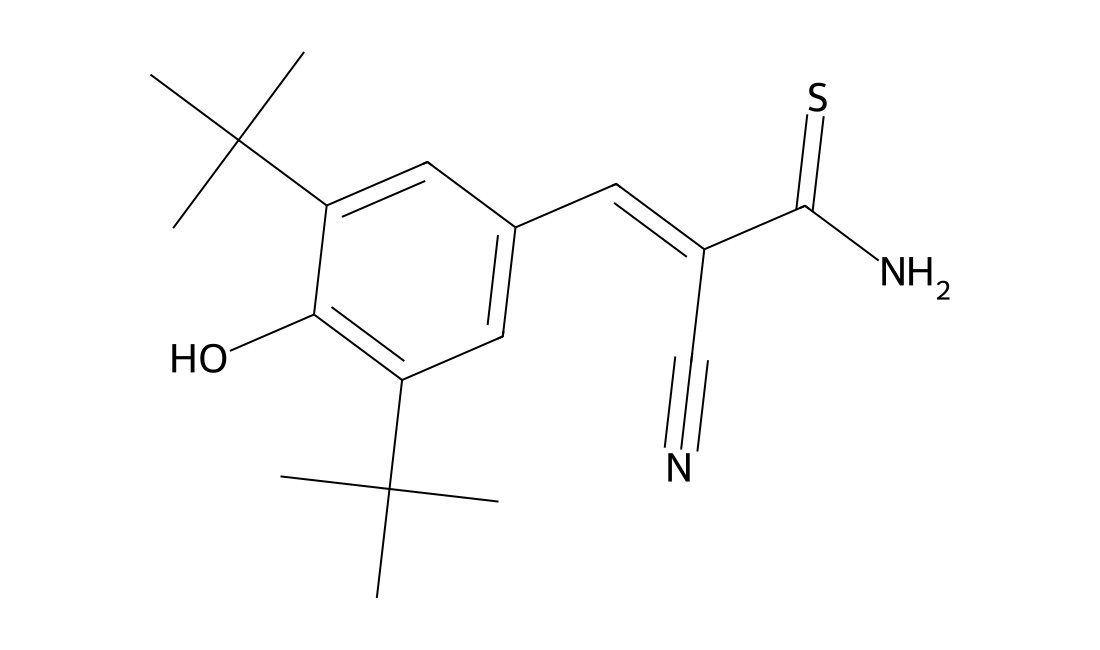
CAS 140651-18-9
CAN508 is a potent, ATP-competitive CDK9/cyclin T1 inhibitor with an IC50 of 0.35 μM. CAN508 exhibits a 38-fold selectivity for CDK9/cyclin T over other CDK/cyclin complexes. Antitumor activity[1][2].
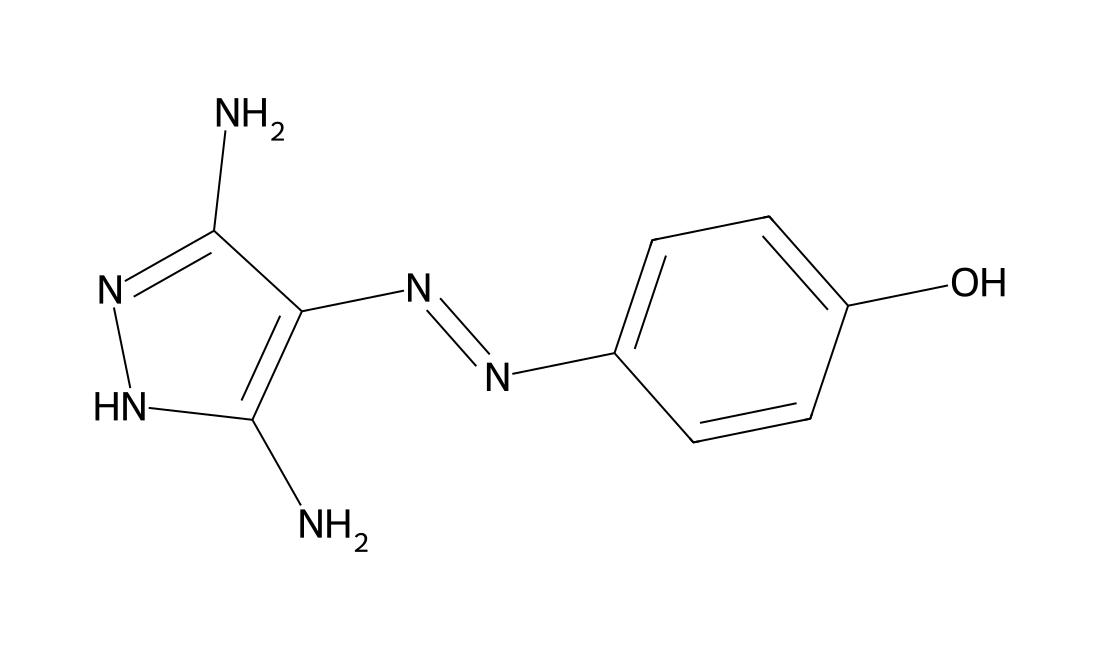
CAS 1228280-29-2
KY-05009 is an ATP-competitive Traf2- and Nck-interacting kinase (TNIK) inhibitor with a Ki of 100 nM. KY-05009 pharmacologically inhibits TGF-β1-induced epithelial-to-mesenchymal transition (EMT) in human lung adenocarcinoma cells. KY-05009 inhibits the protein expression of TNIK and transcriptional activity of Wnt target genes and induces apoptosis in cancer cells. KY-05009 exerts anti-cancer activity[1].
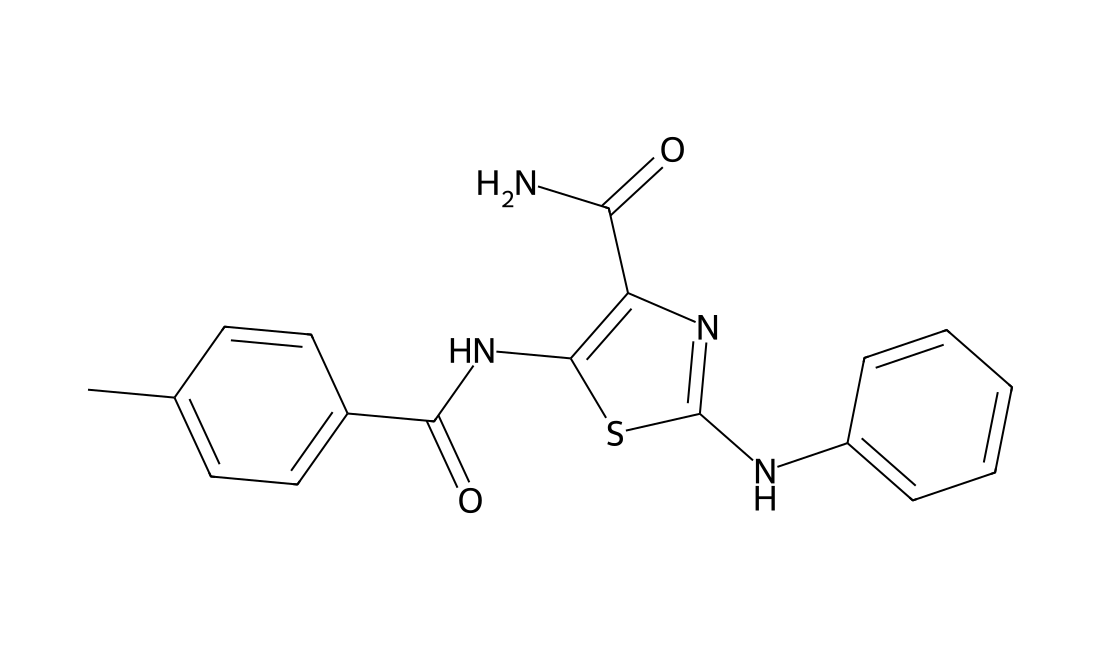
CAS 125697-92-9
Lavendustin A (RG-14355), isolated from Streptomyces Griseolavendus, is a potent, specific and ATP-competitive inhibitor of tyrosine kinase, with an IC50 of 11 ng/mL for EGFR-associated tyrosine kinase[1]. It suppresses VEGF-induced angiogenesis and blocks the induction of LTPGABA-A[2][3].
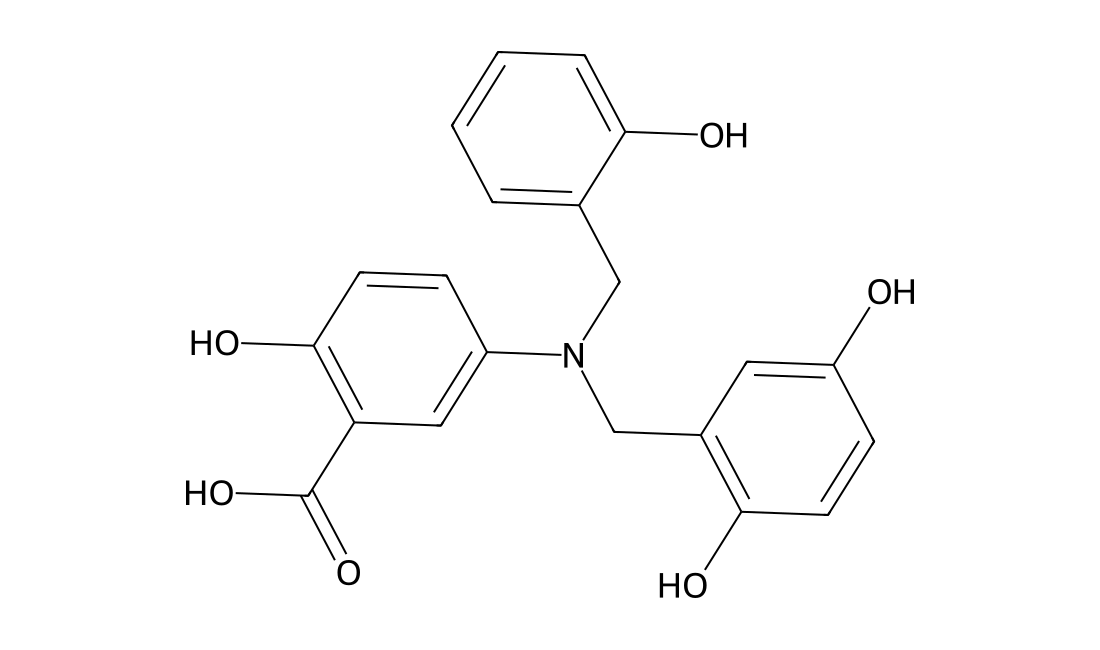
CAS 101622-51-9
Olomoucine is an ATP competitive inhibitor of CDKs. Olomoucine is a purine (HY-34431) derivative and inhibits CDC2/cyclin B, Cdk2/cyclin A, Cdk2/cyclin E (both IC50=7 µM), CDK/p35 kinase (IC50=3 µM) and ERK1/p44 MAP kinase (IC50=25 µM)[1][2].