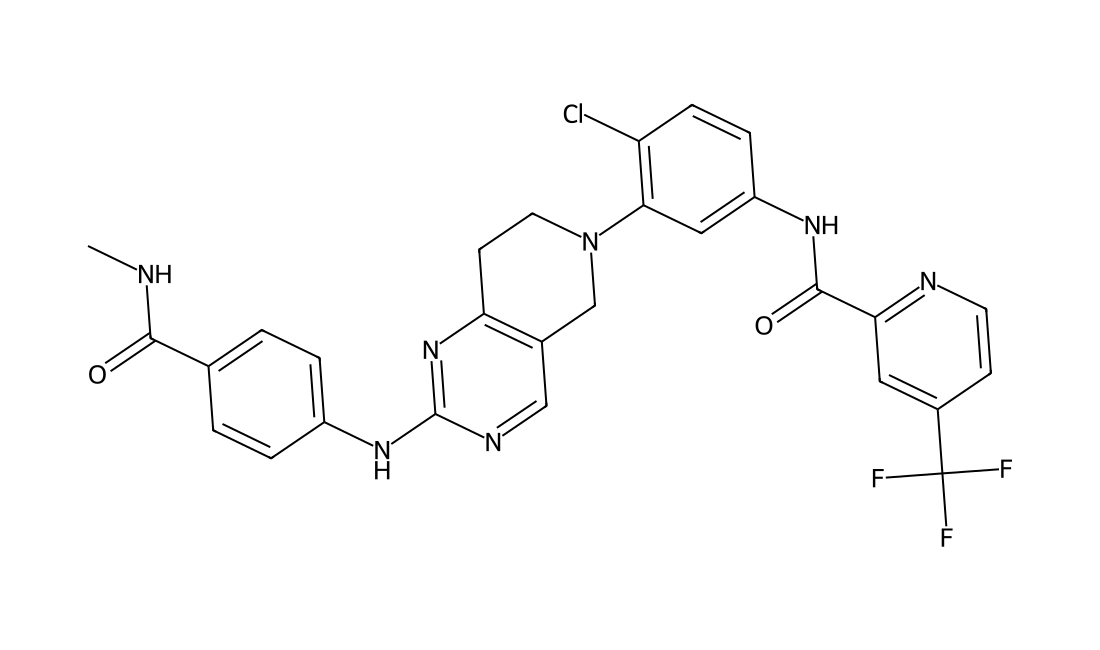
L-161982
CAS 147776-06-5
L-161982 is a selective EP4 receptor antagonist. L-161982 completely blocks PGE2-induced ERK phosphorylation and cell proliferation of HCA-7 cells. L-161982 alleviates collagen-induced arthritis in mice[1][2].

Kinase inhibitors and modulators of intracellular signaling pathways.
Products may appear in more than one category. Counts refer to distinct catalog numbers within each category.
Other Research Tools (75) · Additional reagents, building blocks and specialized research tools.
LC-MG-1 (DCA0006) · LC-MG-4 (DCA0007) · LC-MG-9 (DCA0008)
View structure and evidence summaries →Combine a keyword, research category and target to narrow the product list.
Loading catalog filters…
CAS 147776-06-5
L-161982 is a selective EP4 receptor antagonist. L-161982 completely blocks PGE2-induced ERK phosphorylation and cell proliferation of HCA-7 cells. L-161982 alleviates collagen-induced arthritis in mice[1][2].
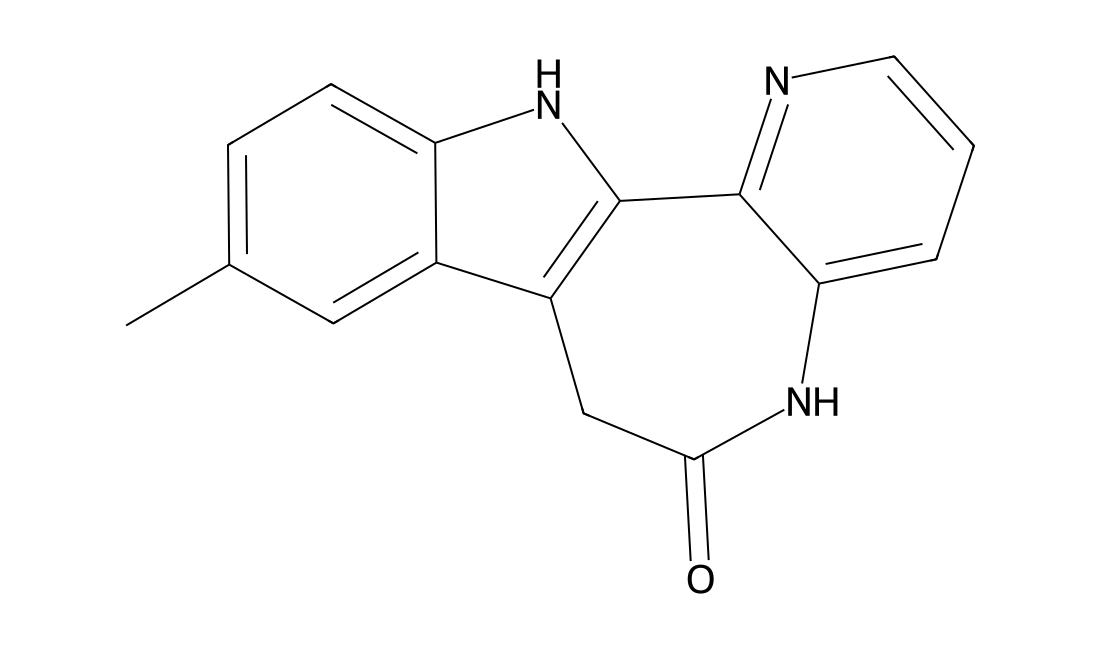
CAS 676596-65-9
1-Azakenpaullone (1-Akp) is a highly selective and ATP-competitive inhibitor of glycogen synthase kinase-3 β (GSK-3β), with an IC50 value of 18 nM[1].
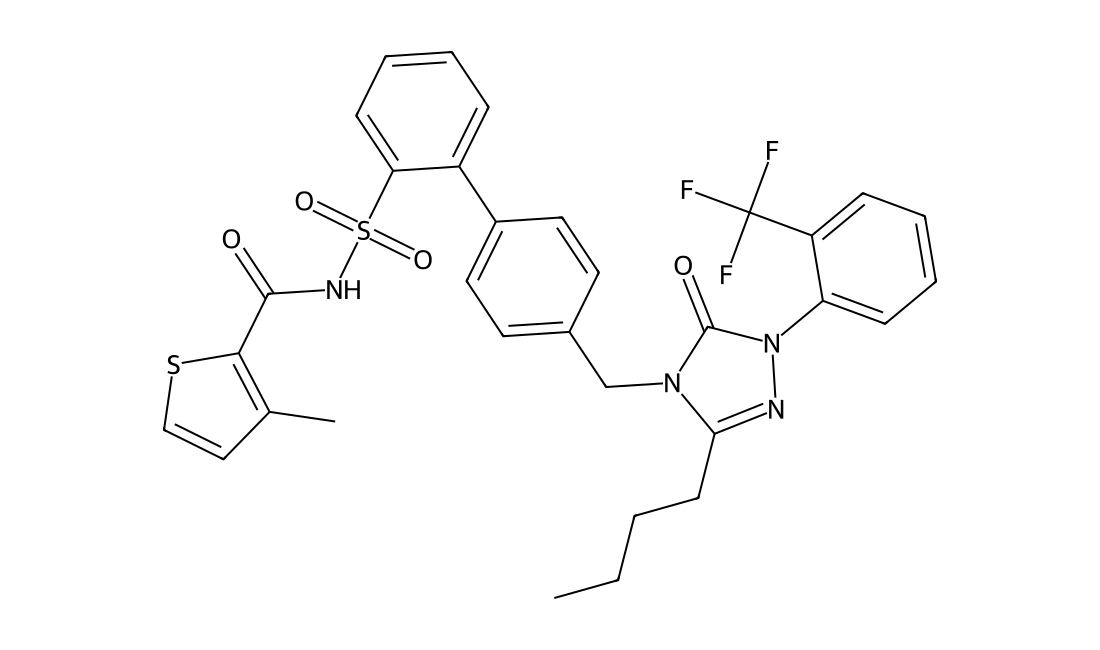
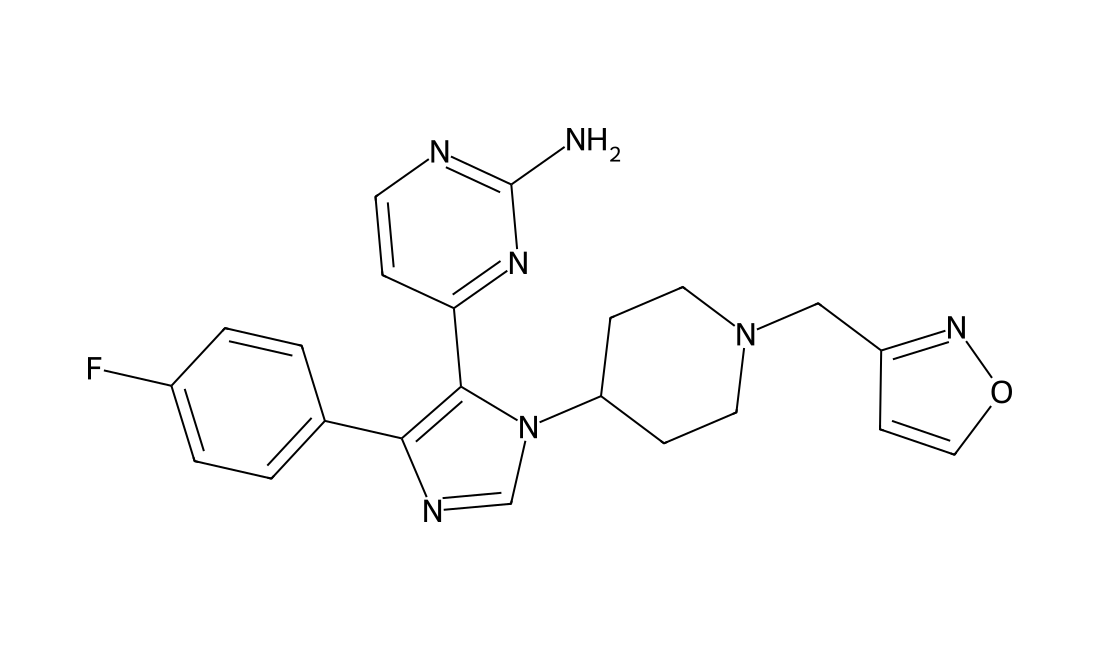
CAS 1293395-67-1
PF-5006739 is a potent and selective inhibitor of CK1δ/ε with IC50s of 3.9 nM and 17.0 nM, respectively. PF-5006739 is a potential therapeutic agent for a range of psychiatric disorders with low nanomolar in vitro potency for CK1δ/ε and high kinome selectivity. PF-5006739 attenuats opioid drug-seeking behavior in a rodent operant reinstatement model in animals in a dose-dependent manner[1]. PF-5006739 improves glucose tolerance in both diet-induced obesity (DIO) and genetic (ob/ob) mice models of obesity[2].
CAS 300801-52-9
TG003 is a potent and ATP-competitive Cdc2-like kinase (Clk) inhibitor with IC50 of 20 nM, 200 nM, and 15 nM for Clk1, Clk2, and Clk4, respectively. No inhibitory effect on Clk3, SRPK1, SRPK2, or PKC.
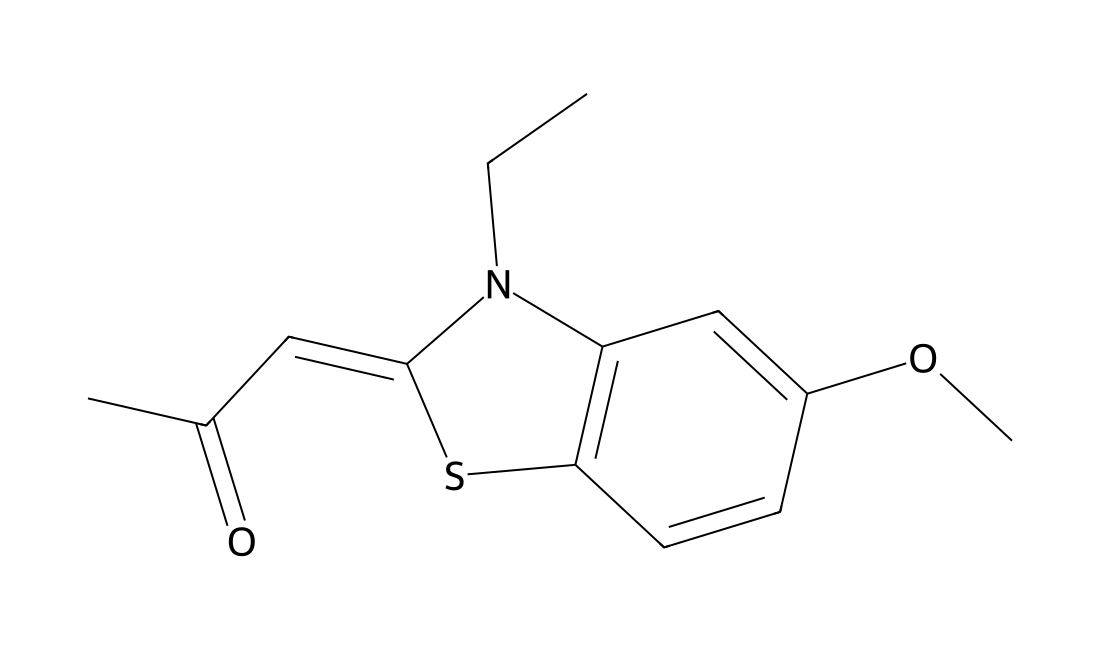
CAS 1333377-65-3
CHR-6494 is a potent inhibitor of haspin, inhibiting histone H3T3 phosphorylation, with an IC50 of 2 nM.
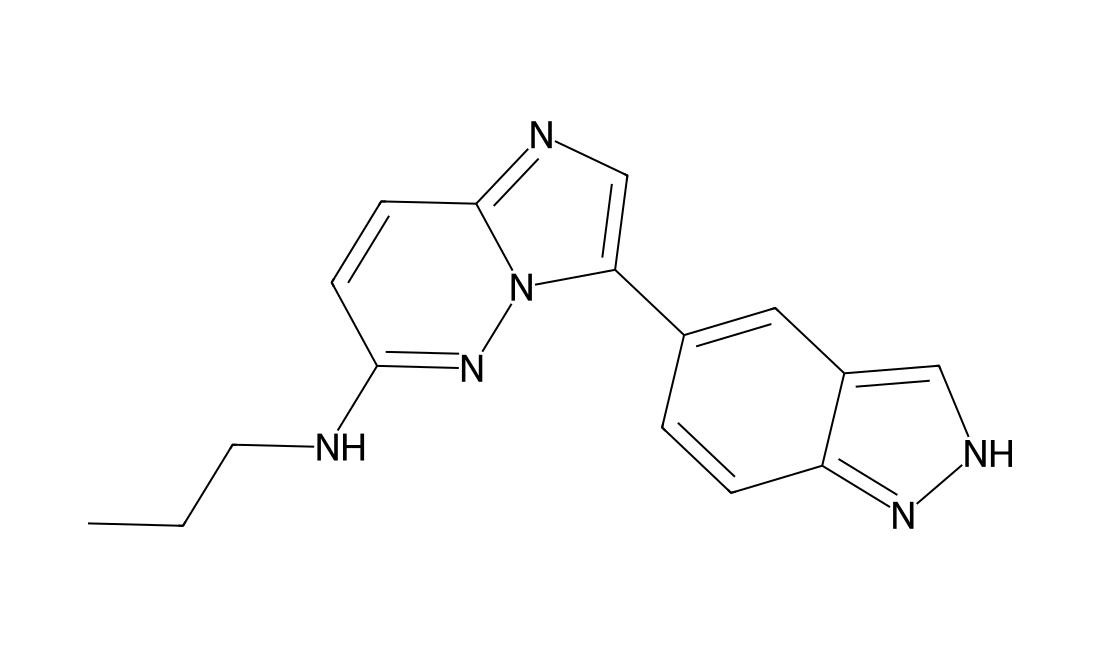
CAS 16470-02-3
Epiblastin A is a Casein Kinase 1 (CK1) inhibitor. Epiblastin A engages CK1 isoenzymes in cell lysate and induces efficient conversion of epiblast stem cells (EpiSCs) into embryonic stem cells (cESCs).
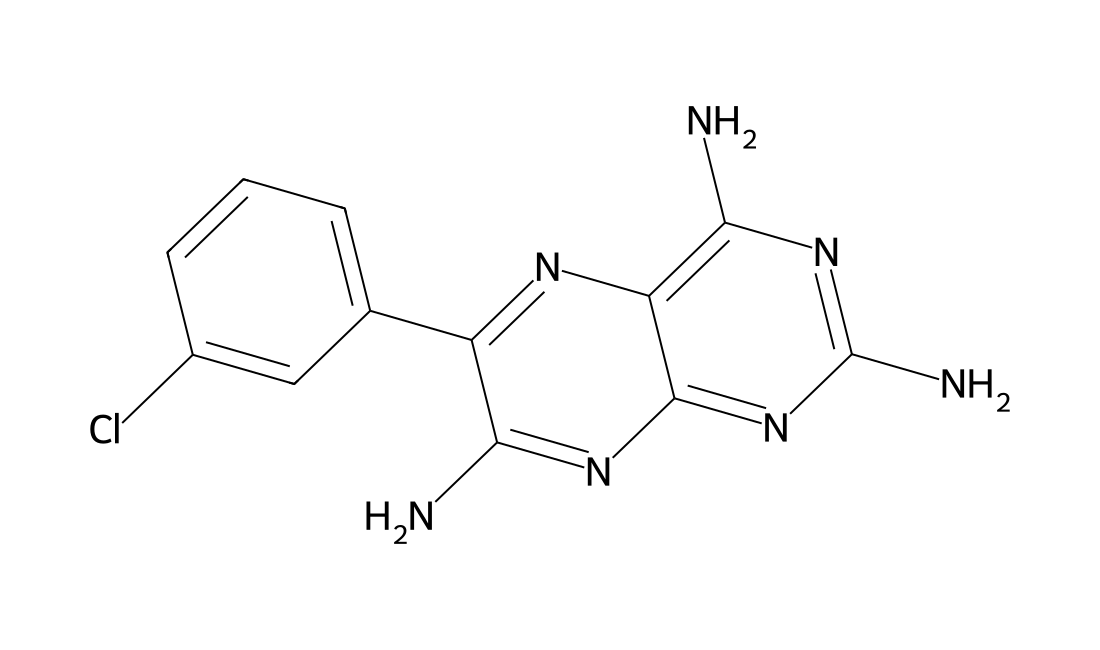
CAS 2227368-54-7
Jh-X-119-01 is a novel potent and selective interleukin-1 receptor-associated kinases 1 (IRAK1) inhibitor. JH-X-119-01 irreversibly labels IRAK1 at C302. This compound exhibited cytotoxic activity at single digit micromolar concentrations in a panel of WM, DLBCL, and lymphoma cell lines expressing MYD88. Cotreatment of JH-X-119-01 with the BTK inhibitor ibrutinib resulted in synergistic killing effects in these systems.
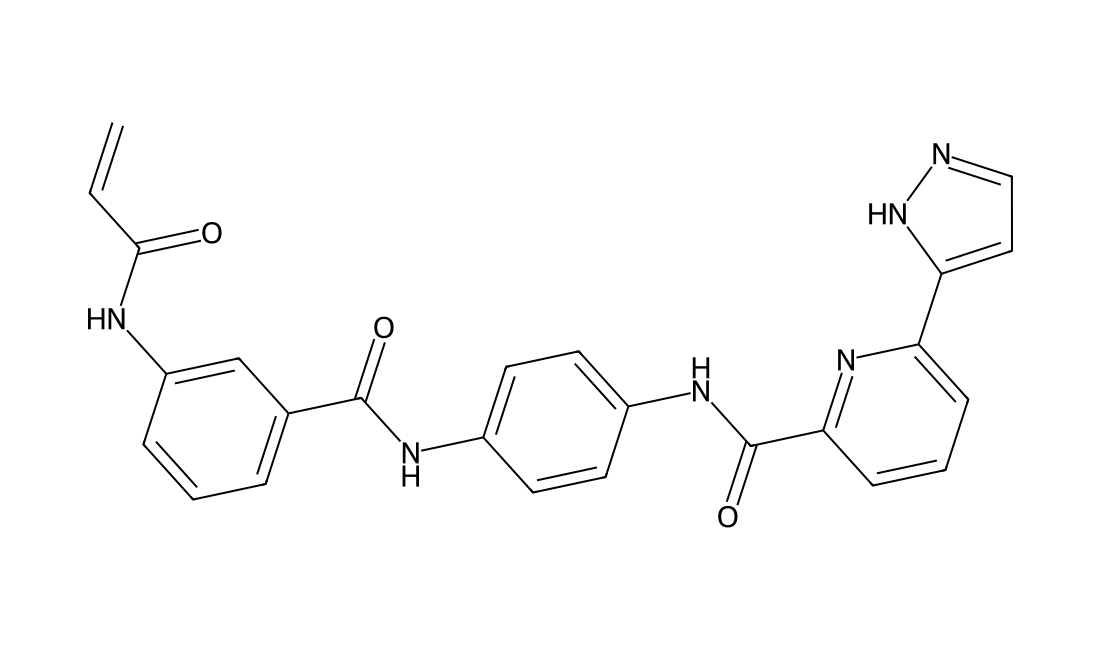
CAS 1802929-43-6
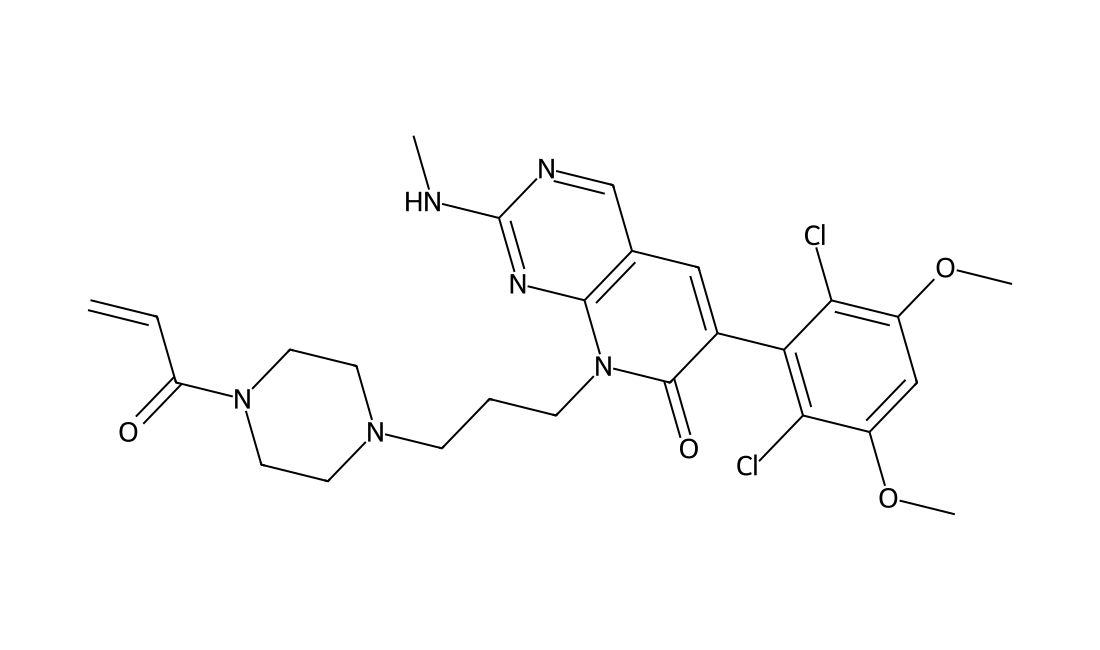
PRN1371 is a highly selective and potent FGFR1-4 inhibitor with IC50 values of 0.6, 1.3, 4.1 and 19.3 nM, respectively.
CAS 1388803-90-4
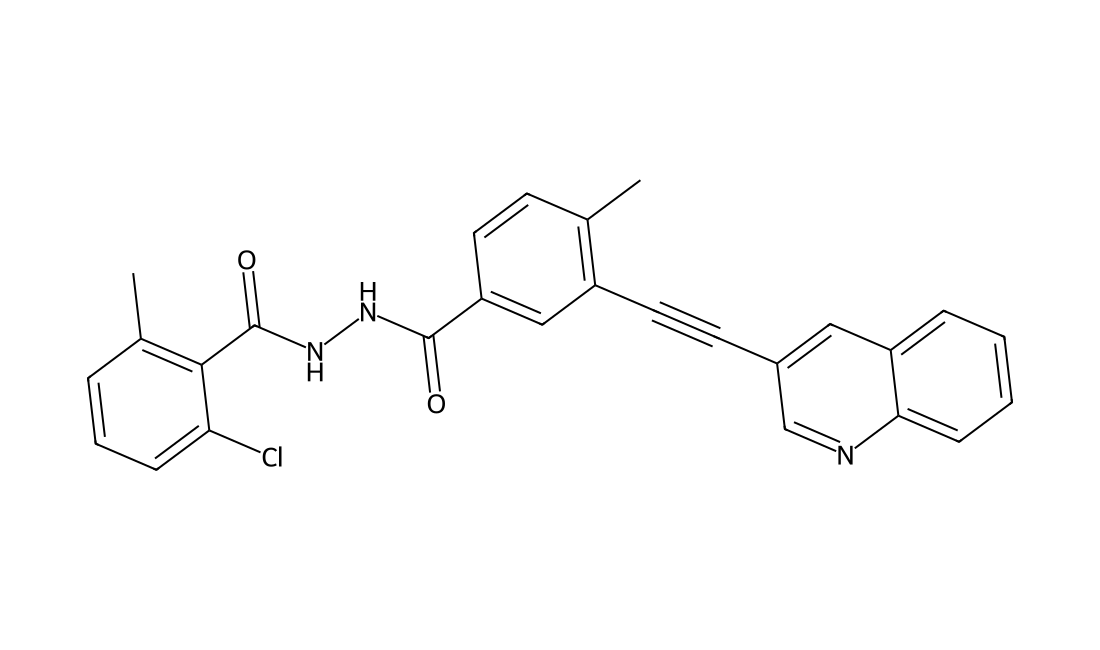
Vodobatinib (K0706) is a potent, third generation and orally active Bcr-Abl1 tyrosine kinase inhibitor with an IC50 of 7 nM. Vodobatinib exhibits activity against most BCR-ABL1 point mutants, and has no activity against BCR-ABL1T315I. Vodobatinib can be used for chronic myeloid leukemia (CML) research.
CAS 936091-56-4
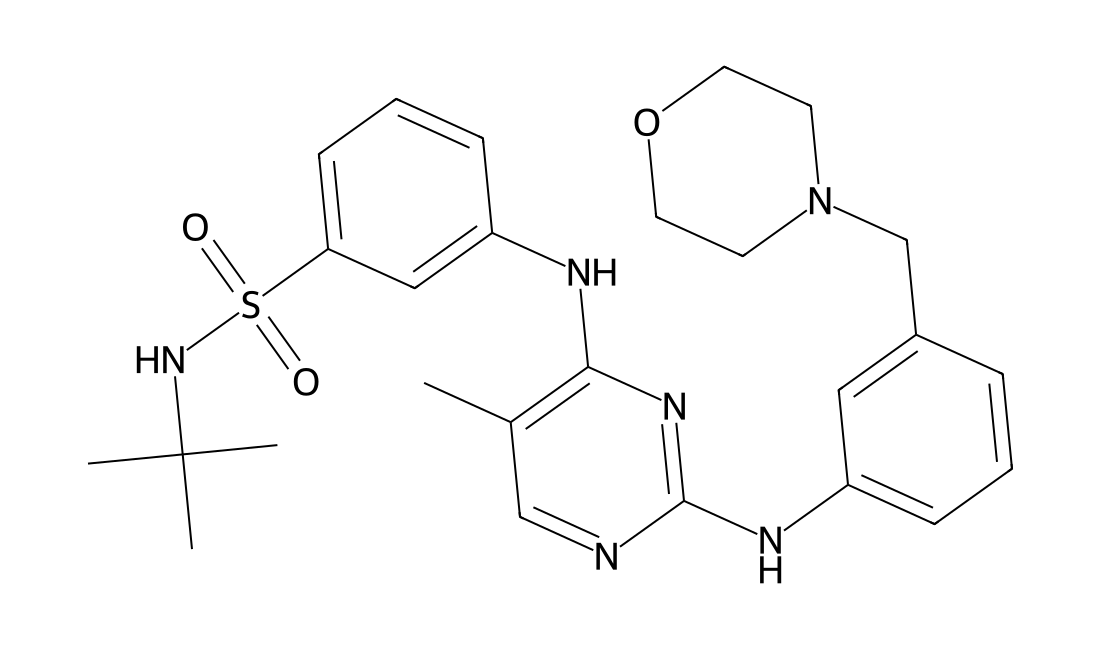
TG-89 is a JAK inhibitor. It has IC50 values of 6, 25, 17 and 169 nM against JAK2, FLT3, RET and JAK3 respectively.
CAS 111047-30-4
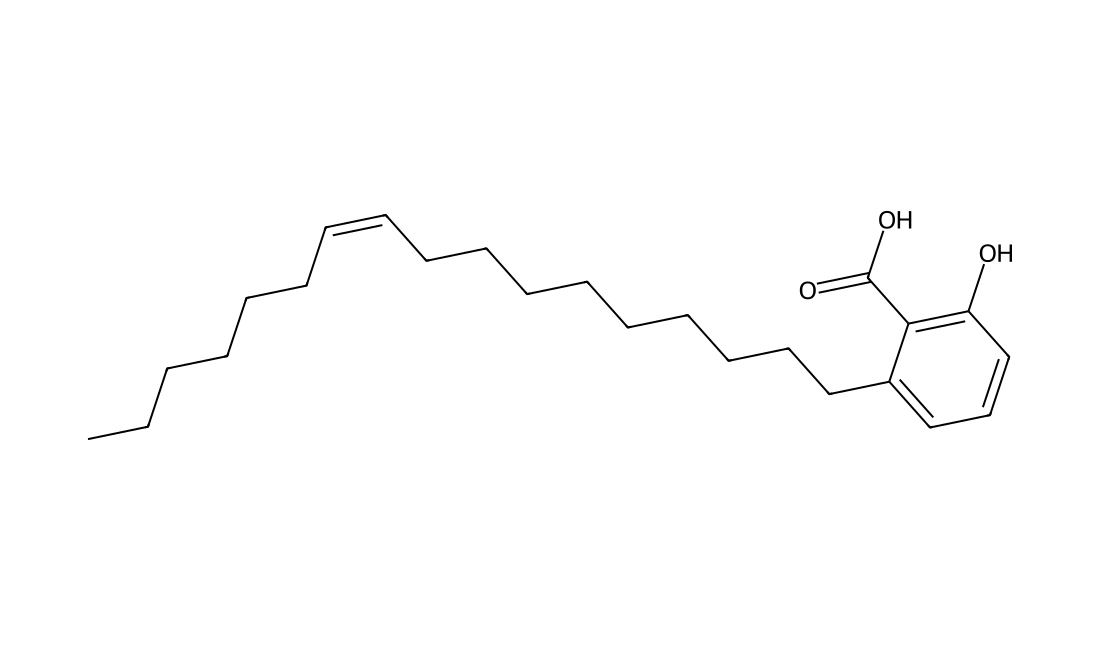
Ginkgolic acid C17:1 (GAC 17:1) inhibits constitutive activation of STAT3 by abrogating upstream JAK2 and Src. Ginkgolic acid C17:1 can induce substantial expression of PTEN and SHP-1. Ginkgolic acid C17:1 induces tumor cell apoptosis.
CAS 183320-51-6
OSI-420 (Desmethyl Erlotinib,CP-473420) is an active metabolite of erlotinib which is an orally active EGFR tyrosin kinase inhibitor with IC50 of 2 and 20 nM for human EGFR and EGFR autophosphorylation in tumor cells.
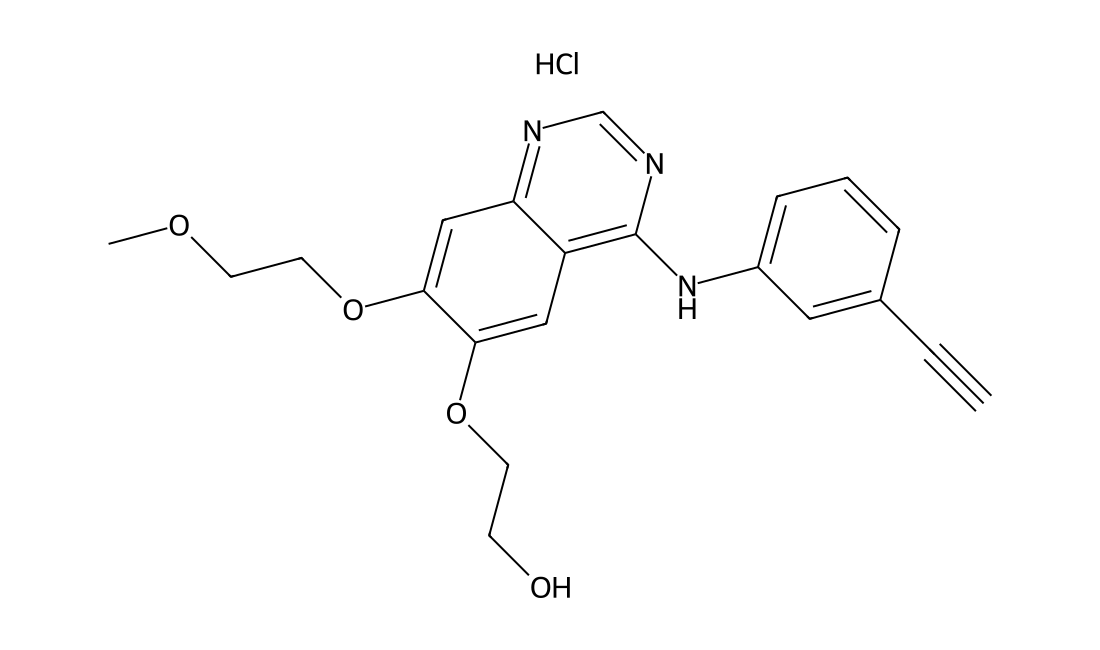
CAS 866409-68-9
QLT0267 is an ATP-competitive selective inhibitor of integrin-linked kinase (ILK).
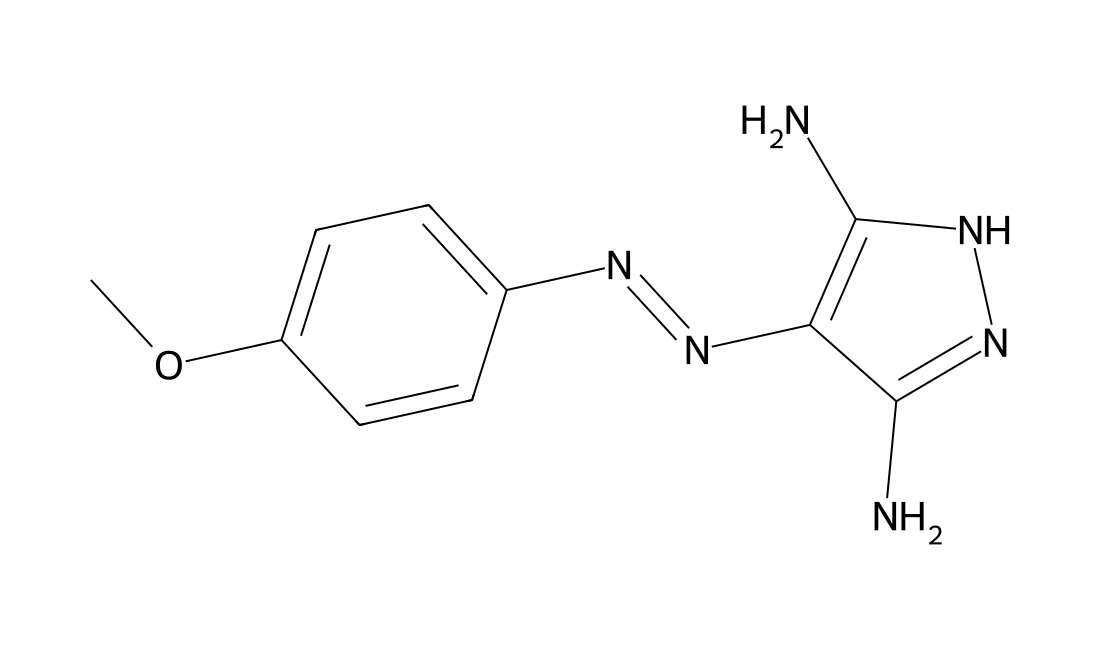
CAS 902589-96-2
Potent, reversible, and ATP-competitive inhibitor of human Thymidylate kinase (TMPK)
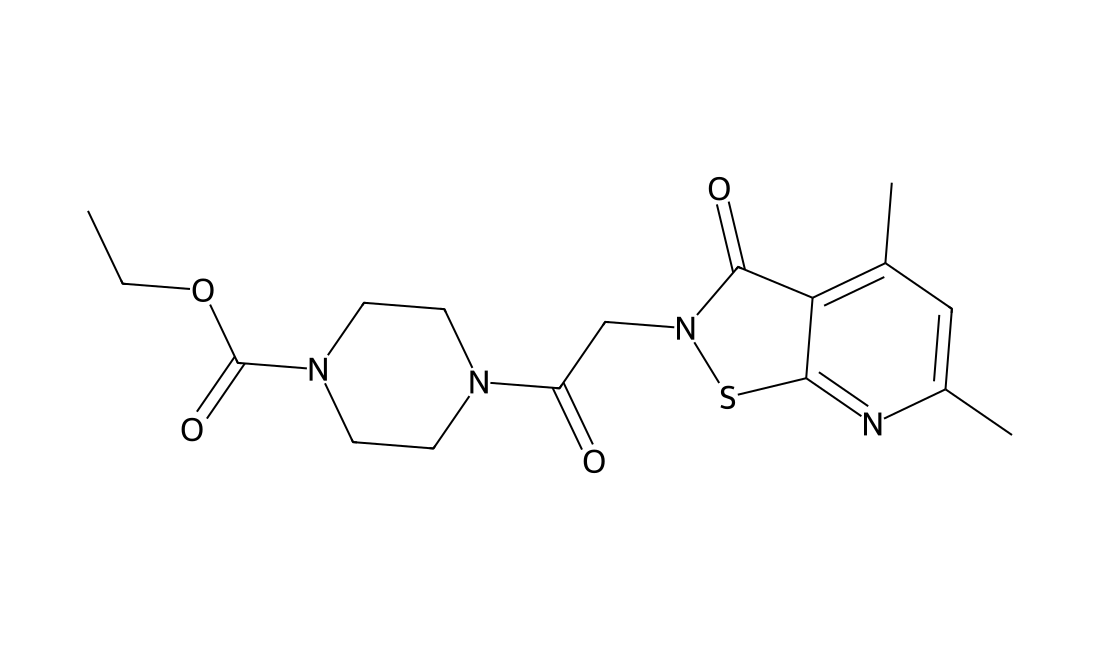
CAS 951151-97-6
JNJ-38158471 is a well tolerated, orally available, highly selective VEGFR-2 inhibitor with an IC(50) of 40nM. It also inhibits closely related tyrosine kinases such as Ret (IC(50) of 180nM) and Kit (C50 of 500nM). It has no significant activity (>1µM) against VEGFR-1 and VEGFR-3.
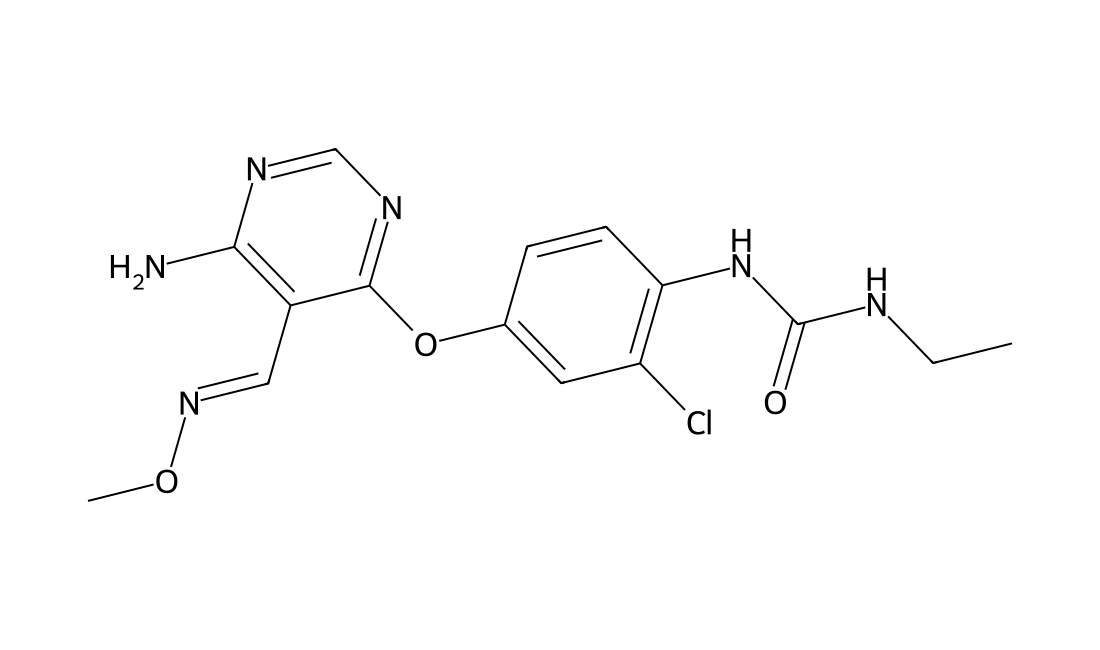
CAS 359886-84-3
Cdk4/6 Inhibitor IV is a cell-permeable triaminopyrimidine compound acting as a reversible and ATP-competitive inhibitor of Cdk4/6 (IC50 = 1.5 µM and 5.6 µM for Cdk4/D1 and Cdk6/D1, respectively) with selectivity over Cdk5/p35 (IC50 = 25 µM), v-abl, c-met, IGF-1R and IR (IC50 > 10 µM), Cdk2/A, Cdk2/E, Cdk4/D2, Cdk6/D2 (IC50 > 50 µM) and Cdk1/B (IC50 > 100 µM). Cdk4/6 Inhibitor IV exhibits blocking of pRb phosphorylation at Ser780 and Ser795, induce cell cycle arrest (G0/G1), and apoptosis in U2OS and MRC-5 cells at 5 - 10 µM. Further, suppresses tumor growth in Xenograft mouse model (30 mg/kg, i.p.).
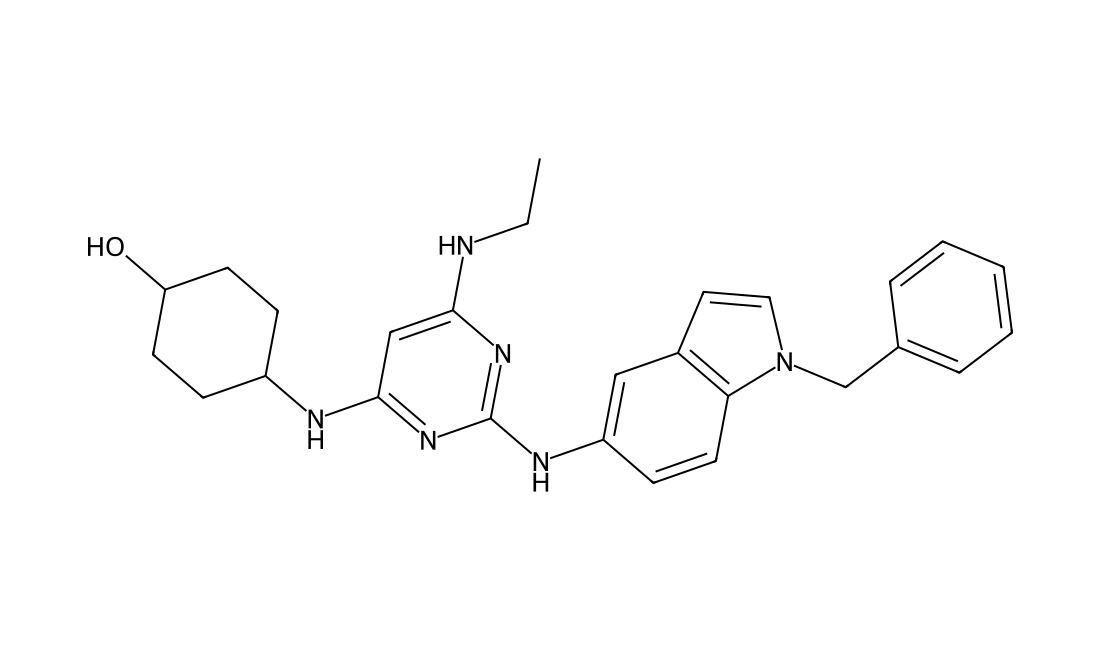
CAS 56990-57-9
NSC-87877 is a cell-permeable inhibitor of both SHP-1 and SHP-2 with IC50 values of 355 and 318 nM respectively. It also inhibits EGF-induced Erk1/2 activation in HEK293 cells and significantly reduces MDA-MB-468 cell viability/proliferation.
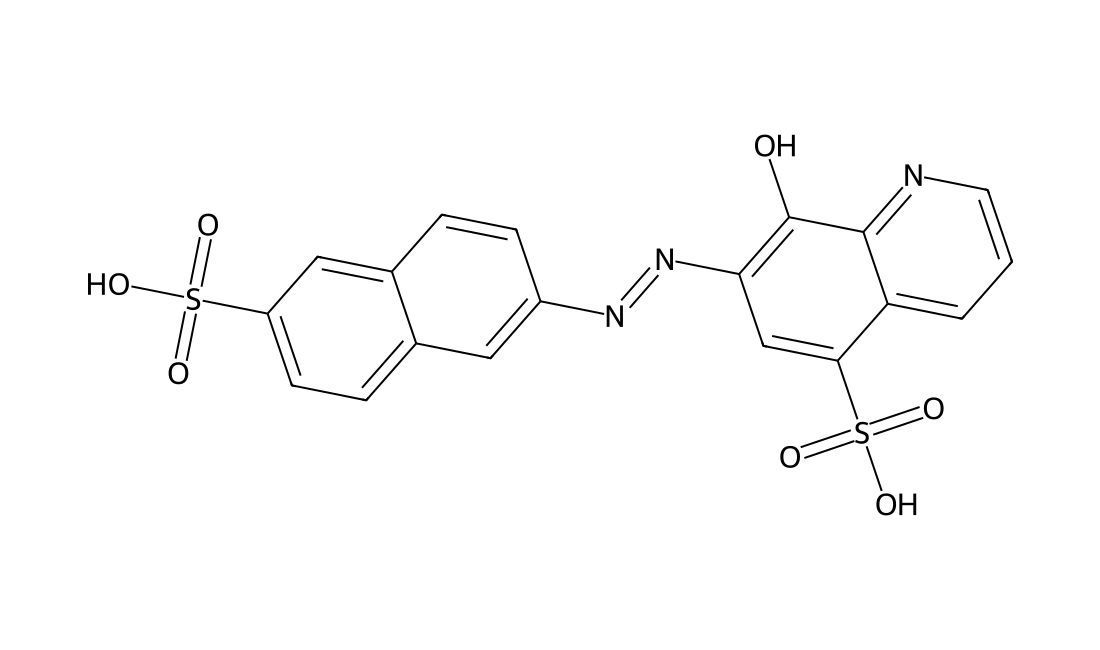
CAS 1125593-20-5
For the detailed information of 1Mps1-IN-1, the solubility of 1Mps1-IN-1 in water, the solubility of 1Mps1-IN-1 in DMSO, the solubility of 1Mps1-IN-1 in PBS buffer, the animal experiment (test) of 1Mps1-IN-1, the cell expriment (test) of 1Mps1-IN-1, the in vivo, in vitro and clinical trial test of 1Mps1-IN-1, the EC50, IC50,and Affinity of 1Mps1-IN-1, Please contact DC Chemicals.
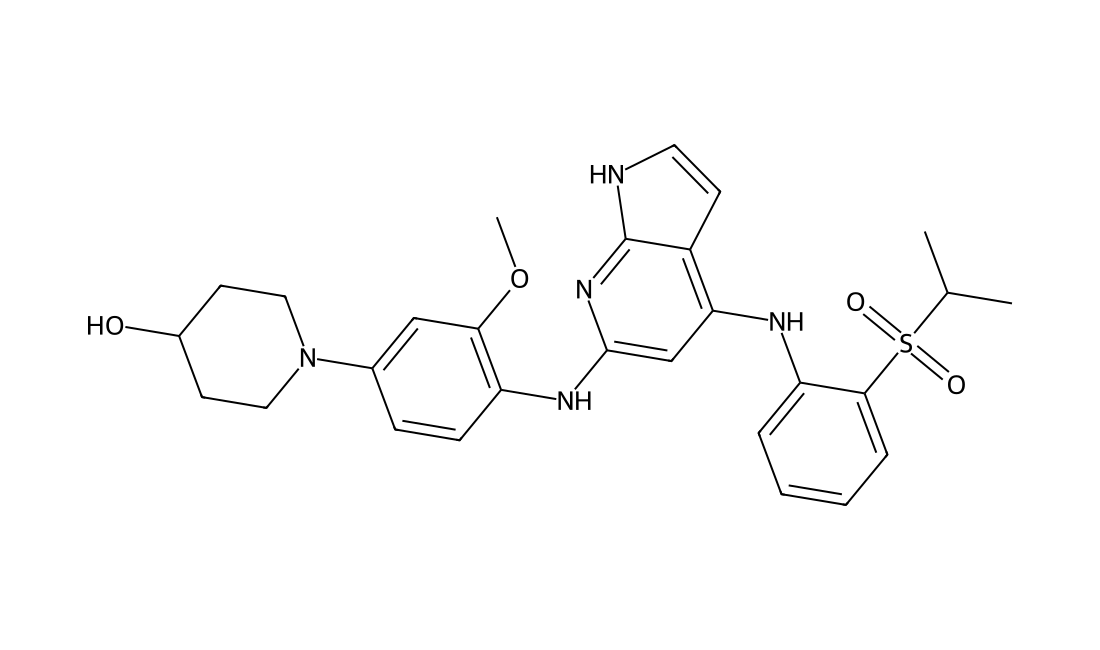
CAS 1062159-35-6
Immune-complex kinase assay shows mTORC2-specific substrate His6-AKT or the mTORC1 substrate His6-S6K is dose dependently inhibited by WAY-600. WAY-600 globally inhibits mTOR signaling and AKT function in cellular models dose dependently. WAY-600 profoundly inhibits cap-dependent and global protein synthesis in MDA361, human breast cancer cells. WAY-600 shows antiproliferative effects in various cancer cell lines involving G1 cell cycle arrest and selective apoptosis. WAY-600 down-regulate angiogenic factors, VEGF and HIF-1α, in U87MG, MDA361 and LNCap cells. For the detailed information of WAY-600, the solubility of WAY-600 in water, the solubility of WAY-600 in DMSO, the solubility of WAY-600 in PBS buffer, the animal experiment (test) of WAY-600, the cell expriment (test) of WAY-600, the in vivo, in vitro and clinical trial test of WAY-600, the EC50, IC50,and affinity,of WAY-600, Please contact DC Chemicals.
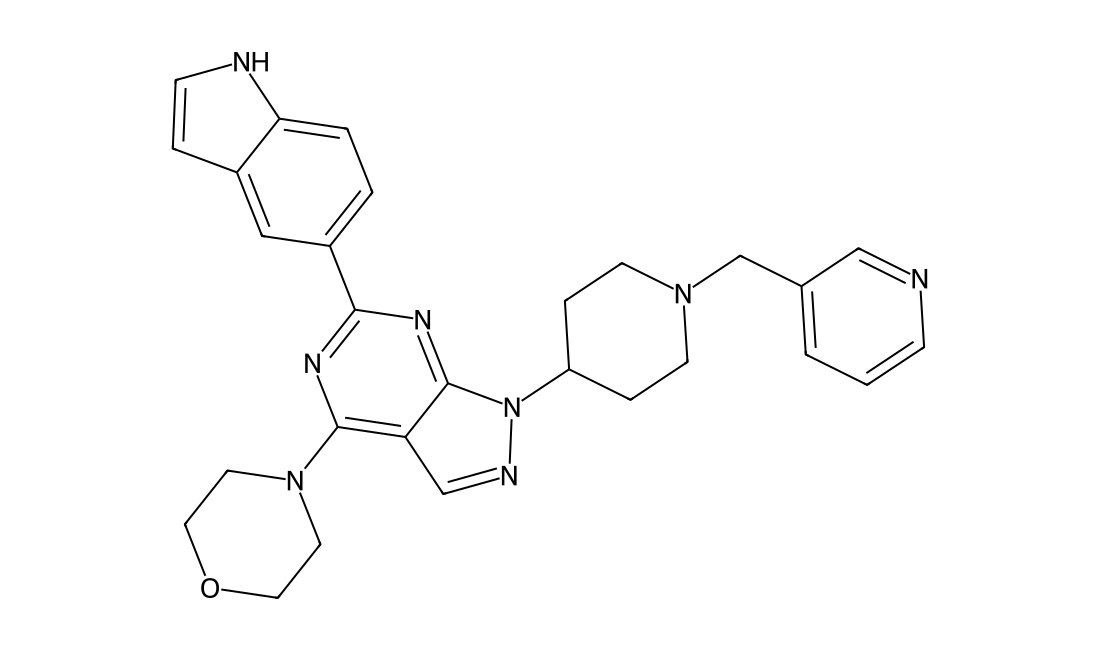
CAS 1018069-81-2
The prodrug of TG 100572, a potent, dual receptor tyrosine kinase/Src kinase inhibitor with IC50 of 2-16 nM for VEGFR, FGFR and PDGFR, 0.1-5 nM for Src family; significantly suppresses laser-induced CNV in mice, and reduces fluorescein leakage from the vasculature and retinal thickening in a rat model of retinal vein occlusion (topical administration).
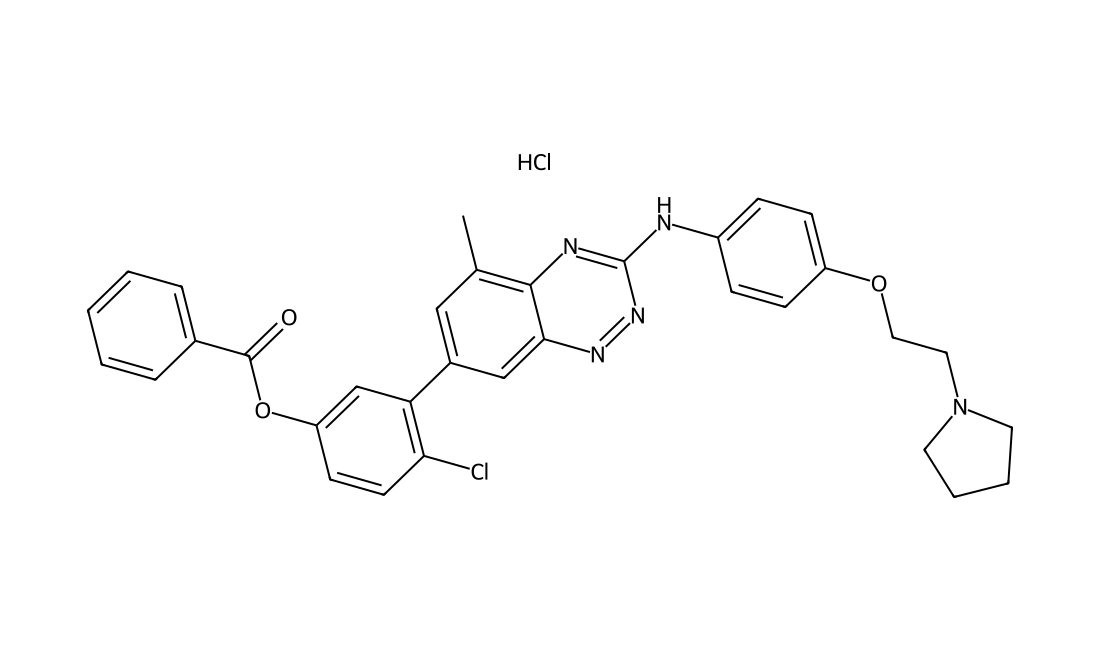
CAS 1639895-85-4
Homeodomain-interacting protein kinase 2 (HIPK2) is a Ser/Thr kinase controlling cell proliferation and survival. TBID, displays toward HIPK2 unprecedented efficacy (IC50=0.33 µM) and selectivity (Gini coefficient 0.592 out of a panel of 76 kinases). The two other members of the HIPK family, HIPK1 and HIPK3, are also inhibited by TBID albeit less efficiently than HIPK2. The mode of action of TBID is competitive with respect to ATP, consistent with modelling. TBID interacts with the hinge region through hydrophobic interactions between Val 213, Val 261, Phe 277, Leu 280, Met 331, Ile 345, and the tetrabromine moiety, while the symmetric nitrogen atom at position 3 interacts with the catalytic Lys 228, thus playing a crucial role in the binding architecture.
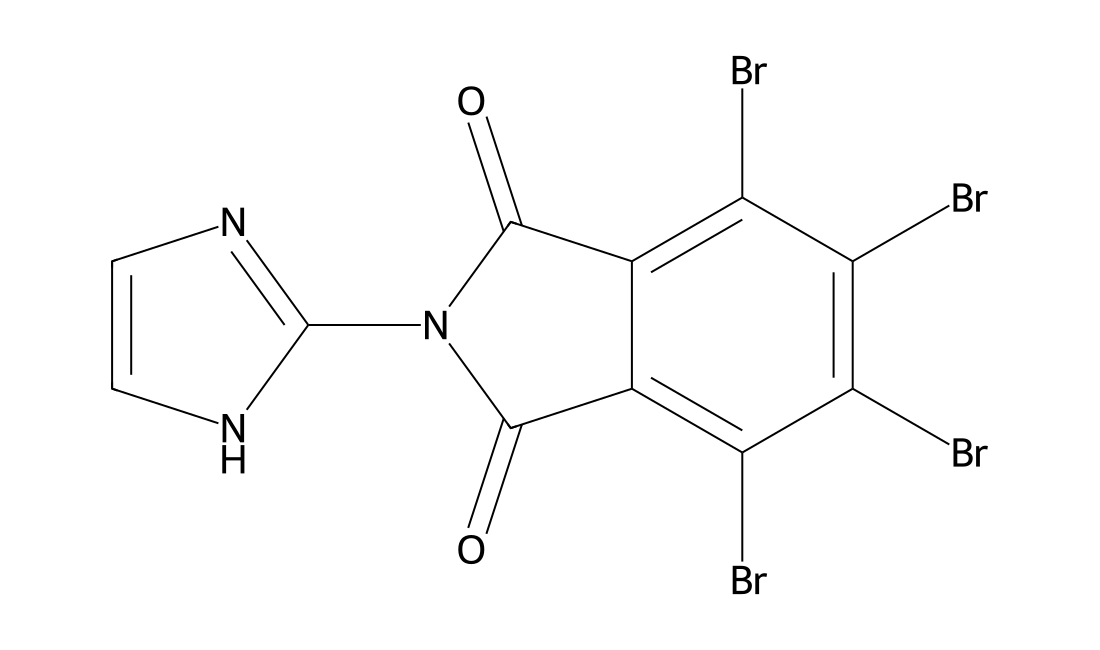
CAS 303162-79-0
TAK 715 inhibits LPS-stimulated release of TNF-alpha from THP-1 with IC50 of 48 nM. TAK 715 (10 μM) inhibits Wnt-3a-induced hDvl2 phosphorylation and the hDvl2 shift in U2OS-EFC cells. The amide NH of TAK 715 is hydrogen bonded to the main-chain carbonyl of Met109 of p38 alpha. TAK 715 binds relatively high in the ATP pocket, occupying the hydrophobic back pocket, the adenine region and the front pocket of p38 as well as extending to most of the length of the Gly-rich loop. TAK 715 (10 mg/kg, po) inhibits LPS-induced TNF-alpha production in mice with 87.6% inhibition. TAK 715 has a modest mouse bioavailability of 18.4% and a slightly improved rat bioavailability of 21.1%. TAK 715 has a modest mouse bioavailability of 18.4% and a slightly improved rat bioavailability of 21.1%. TAK 715 results in Cmax of 0.19 μg/mL and AUC(0-24 hours) of 1.16 μg·h/mL in rats. TAK 715 (30 mg/kg, po) significantly reduces the secondary paw volume with 25 % inhibition in a rat adjuvant-induced arthritis (AA) model. For the detailed information of TAK 715, the solubility of TAK 715 in water, the solubility of TAK 715 in DMSO, the solubility of TAK 715 in PBS buffer, the animal experiment (test) of TAK 715, the cell expriment (test) of TAK 715, the in vivo, in vitro and clinical trial test of TAK 715, the EC50, IC50,and Affinity of TAK 715, Please contact DC Chemicals.
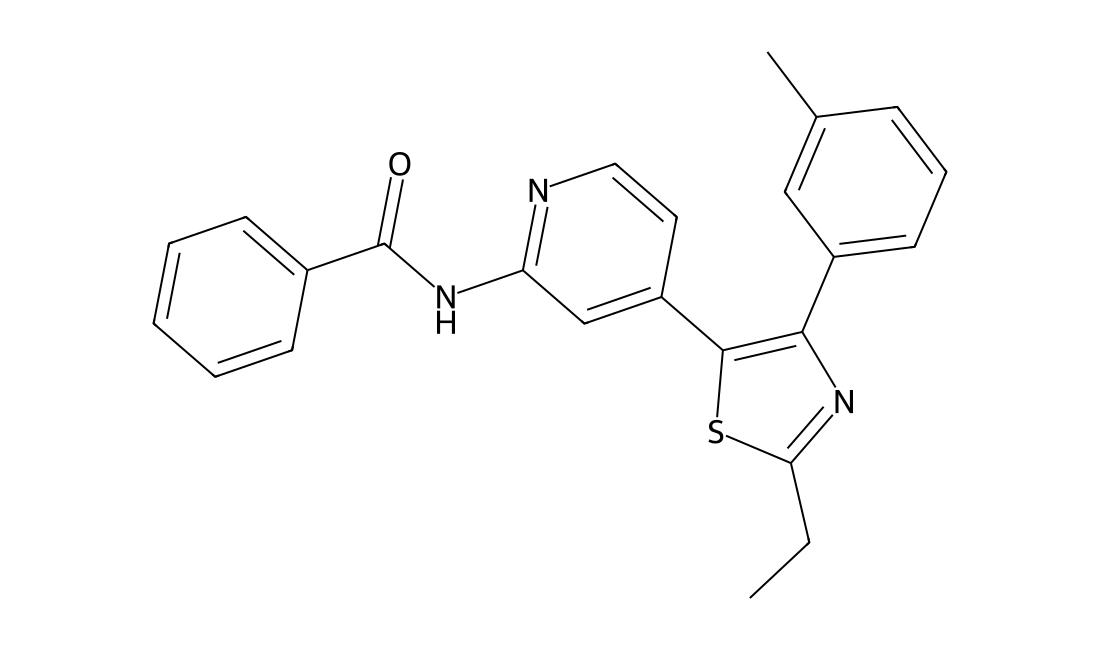
CAS 1366002-50-7
In vitro: p21 is shown to activate NF-κB–dependent transcription, and Senexin A inhibits p21-stimulated activity of the consensus NF-κB–dependent promoter. Senexin A has no effect on p21 induction by IPTG, on cell growth with or without p21, or on p21-induced senescent phenotype. Senexin A does not affect the inhibition of gene expression by p21 and does not interfere with p21-mediated inhibition of large sets of genes belonging to Gene Ontology (GO) categories of mitosis and DNA replication. Senexin A inhibits only p21-induced transcription but not other biological effects of p21. Senexin A inhibits CDK8 and CDK19 ATP site binding with Kd50 of 0.83 μM and 0.31 μM, respectively and CDK8 kinase activity with IC50 of 0.28 μM. Senexin A inhibits β-catenin–dependent transcription in HCT116 colon carcinoma cells. It does not inhibit ROCK and did not share cortistatin A's strong antiendothelial cell activity. In vivo: The CDK8/19 inhibitor Senexin A reverses chemotherapy-induced paracrine tumor-promoting activities in vivo and does not inhibit reporter cell growth and showed no detectable toxicity in a mouse study.
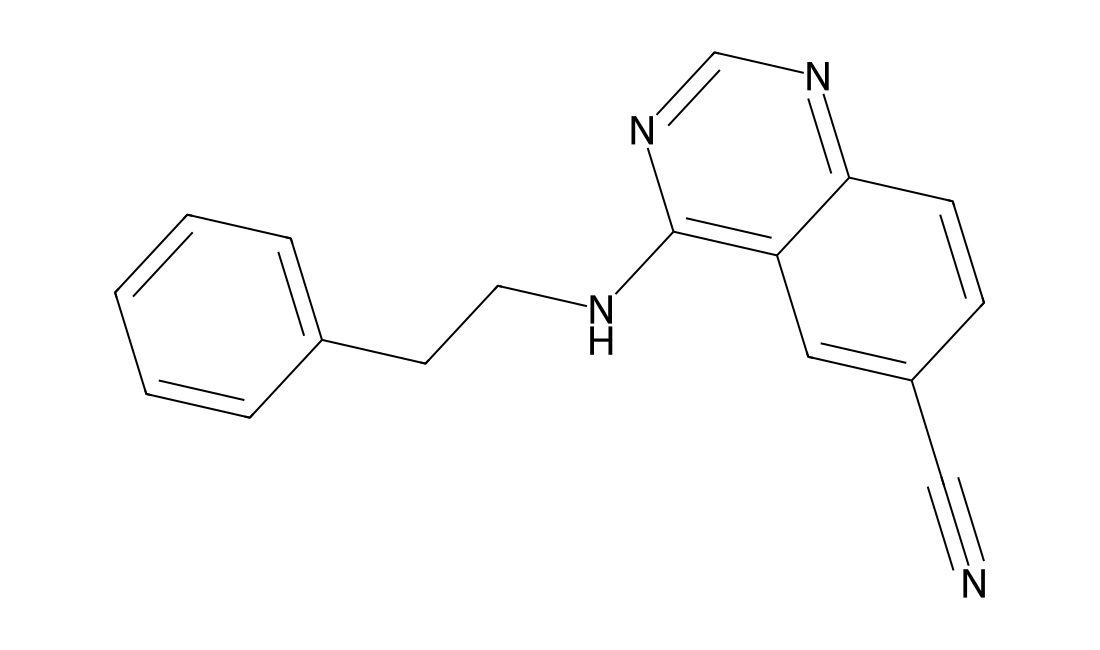
CAS 741713-40-6
Description of R547: R547 is orally bioavailable diaminopyrimidine cyclin-dependent kinase inhibitor (CDKI) with potential antineoplastic activity. CDKI R547 selectively binds to and inhibits CDKs, especially CDK1/cyclin B, CDK2/cyclin E, and CDK4/cyclin D1. The inhibition of CDKs results in cell cycle arrest, inhibition of tumor cell proliferation, and induction of apoptosis. Through CDK inhibition, this agent also reduces phosphorylation of the retinoblastoma (Rb) protein, thus preventing activation of transcription factor E2F and so further suppressing tumor cell proliferation. CDKs are ATP-dependent serine/threonine kinases that are important regulators of cell cycle progression and are frequently overexpressed in tumor cells. Check For active clinical trials or closed clinical trials using this agent. (NCI Thesaurus) For the detailed information about the solubility of R547 in water, the solubility of R547 in DMSO, the solubility of R547 in PBS buffer, the animal experiment(test) of R547,the in vivo,in vitro and clinical trial test of R547,the cell experiment(test) of R547,the IC50, EC50 and Affinity of R547, please contact DC Chemicals.
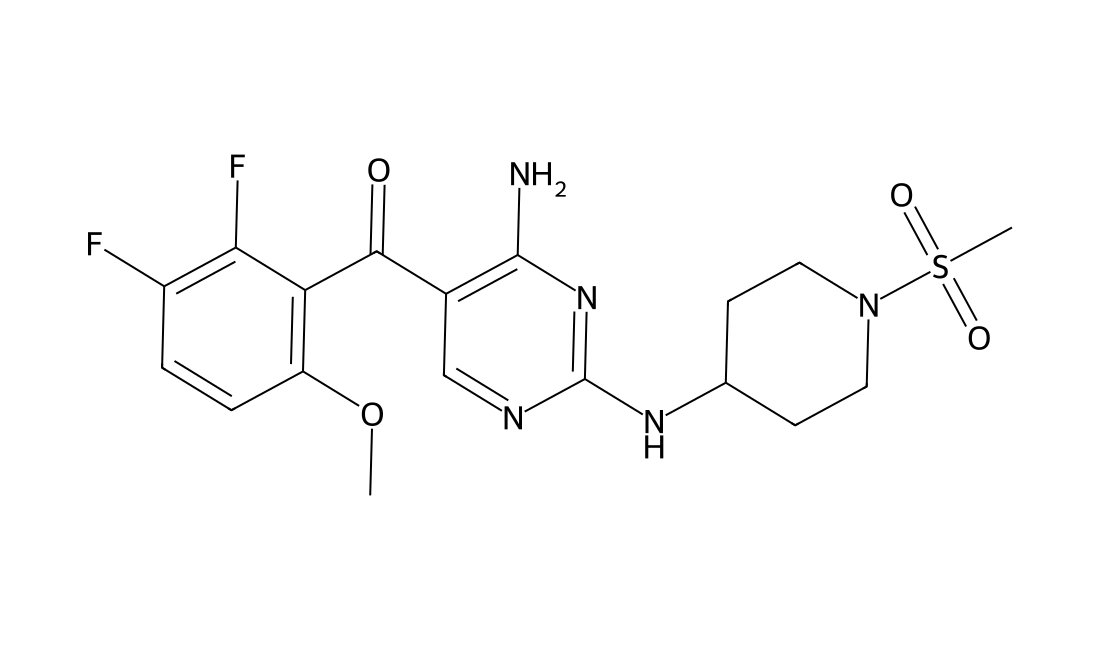
CAS 1223002-54-7
QL-IX-55 is a selective ATP-competitive inhibitor of mTORC1/2 with IC50s of 50/50/10-50 nM for Human mTORC1/Yeast mTORC1/Yeast mTORC2, respectively. IC50 value: 50/50/10-50 nM (Human mTORC1/Yeast The functional target of QL-IX-55 is the ATP-binding site of TOR2 as evidenced by the discovery of resistant alleles of TOR2 through rational design and unbiased selection strategies. QL-IX-55 is capable of potently inhibiting both TOR complex 1 and 2 (TORC1 and TORC2) as demonstrated by biochem. IP kinase assays (IC50 <50 nM) and cellular assays for inhibition of substrate YPK1 phosphorylation. In contrast to rapamycin, QL-IX-55 is capable of inhibiting TORC2-dependent transcription, which suggests that this compd. will be a powerful probe to dissect the Tor2/TORC2-related signaling pathway in yeast.. For the detailed information of QL-IX-55, the solubility of QL-IX-55 in water, the solubility of QL-IX-55 in DMSO, the solubility of QL-IX-55 in PBS buffer, the animal experiment (test) of QL-IX-55, the cell expriment (test) of QL-IX-55, the in vivo, in vitro and clinical trial test of QL-IX-55, the EC50, IC50,and affinity,of QL-IX-55, Please contact DC Chemicals.
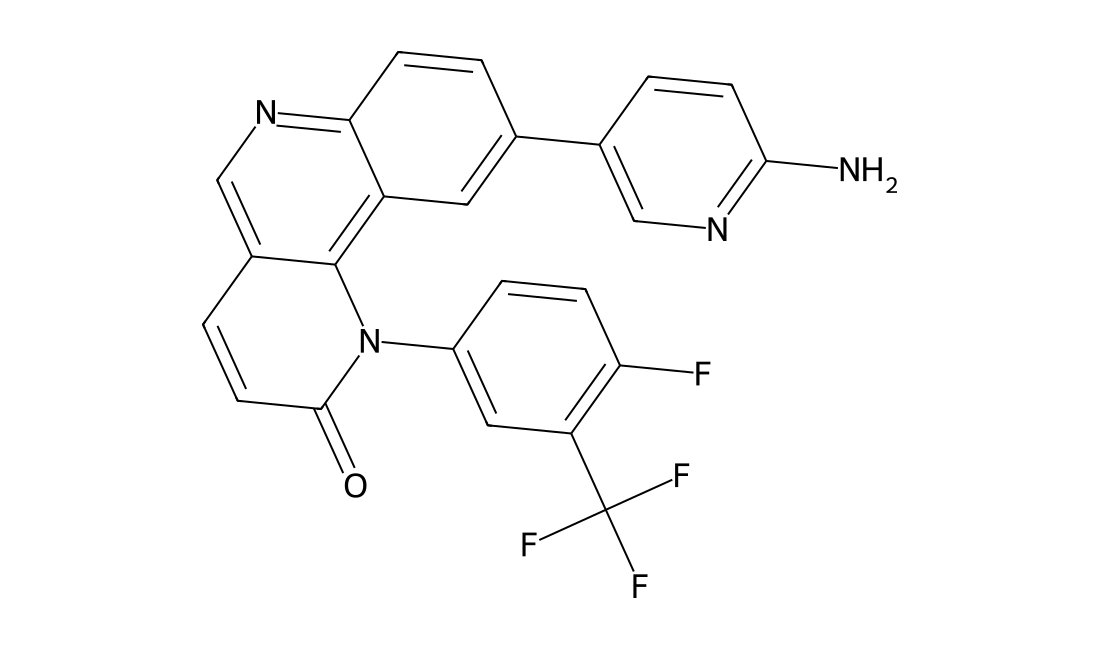
CAS 1835705-52-6
PROTAC Linker 2 is a PROTAC linker utilized to connect the respective tyrosine kinase inhibitor (TKI) to the E3 recruiting ligand.
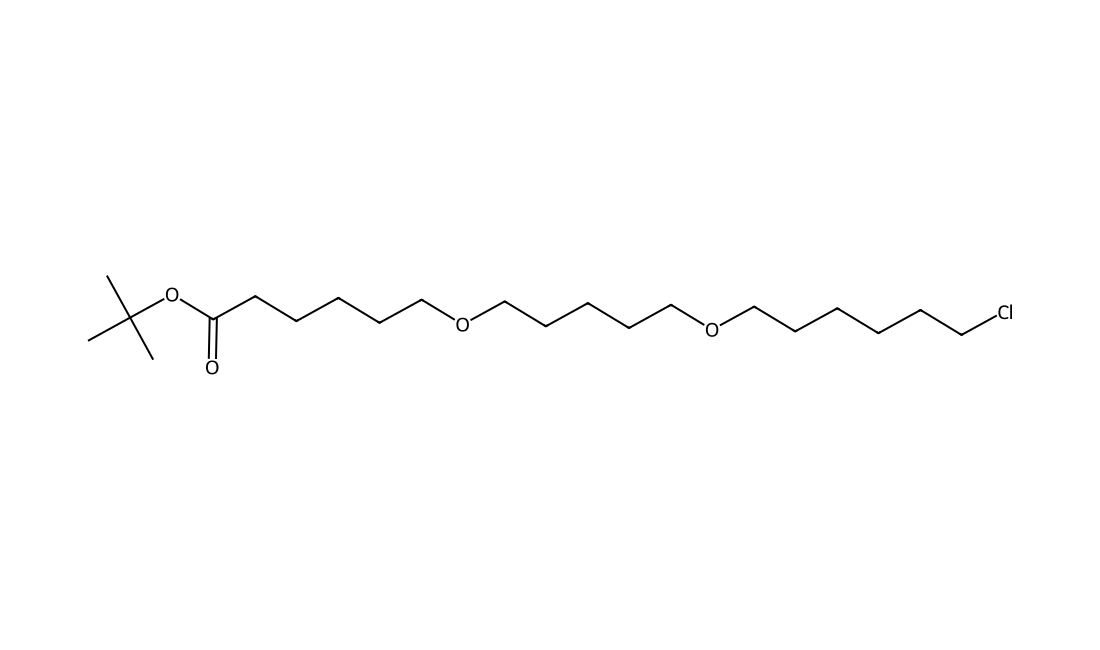
CAS 1092788-83-4
PP-121 is a multi-targeted inhibitor of PDGFR, Hck, mTOR, VEGFR2, Src and Abl with IC50 of 2 nM, 8 nM, 10 nM, 12 nM, 14 nM and 18 nM, also inhibits DNA-PK with IC50 of 60 nM.PP-121 selectivity interacts within a hydrophobic pocket that is conserved between both tyrosine kinases and PI3Ks, not serine-threonine kinases. PP-121 makes a hydrogen bond to Glu310 in Src, effectively substituting for the structural role of the catalytic lysine and resulting in the ordering of helix C and stabilization of an active conformation. PP-121 also inhibits other PI3Ks including p110α and DNA-PK with IC50 of 52 nM and 60 nM, respectively. PP-121 potently and dose-dependently blocks the phosphorylation of Akt, p70S6K and S6 in two glioblastoma cell lines, U87 and LN229. PP-121 potently inhibits the proliferation of a subset of the tumor cell lines by direct inhibition of PI3Ks and mTOR. PP-121 induces a G0/G1 arrest in LN220, U87 and Seg1 cells. PP-121 also blocks tyrosine phosphorylation induced by v-Src in NIH3T3 cells transformed with v-Src(Thr338). PP-121 could restore actin stress fiber staining in NIH3T3 cells transformed with v-Src(Thr338). PP-121 at a low concentration of 40 nM inhibits Ret autophosphorylation in TT thyroid carcinoma cells that express the C634W oncogenic Ret mutant35. PP-121 inhibits cell proliferation with IC50 of 50 nM in TT thyroid carcinoma cells. PP-121 inhibits cell proliferating stimulated only with VEGF with IC50 of 41 nM in human umbilical vein endothelial cells (HUVECs). PP-121 directly inhibits Bcr-Abl induced tyrosine phosphorylation, resulting in drug-induced apoptosis in K562 cells and a combination of apoptosis and cell cycle arrest in Bcr-Abl expressing BaF3 cells.
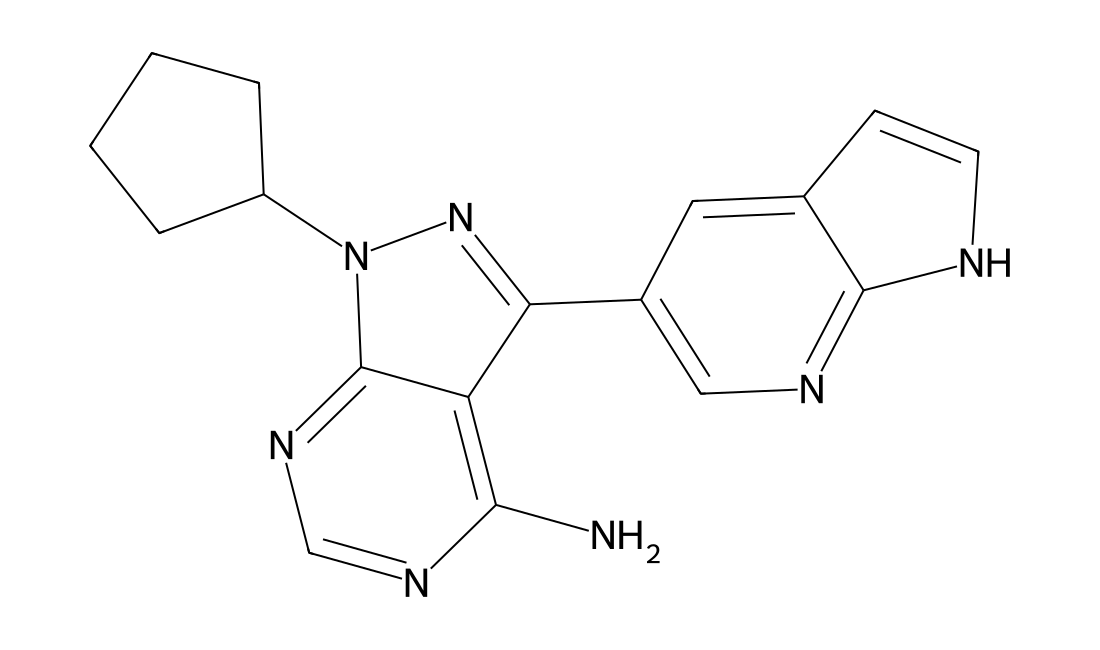
CAS 1332075-63-4
PI3kδ inhibitor 1 is a potent and selective inhibitor of isoform of PI3Kδ; useful for treating disorders mediated by lipid kinases such as inflammation, immunol disorders, and cancer.For the detailed information of PI3k(delta) inhibitor 1, the solubility of PI3k(delta) inhibitor 1 in water, the solubility of PI3k(delta) inhibitor 1 in DMSO, the solubility of PI3k(delta) inhibitor 1 in PBS buffer, the animal experiment (test) of PI3k(delta) inhibitor 1, the cell expriment (test) of PI3k(delta) inhibitor 1, the in vivo, in vitro and clinical trial test of PI3k(delta) inhibitor 1, the EC50, IC50,and affinity,of PI3k(delta) inhibitor 1, Please contact DC Chemicals.
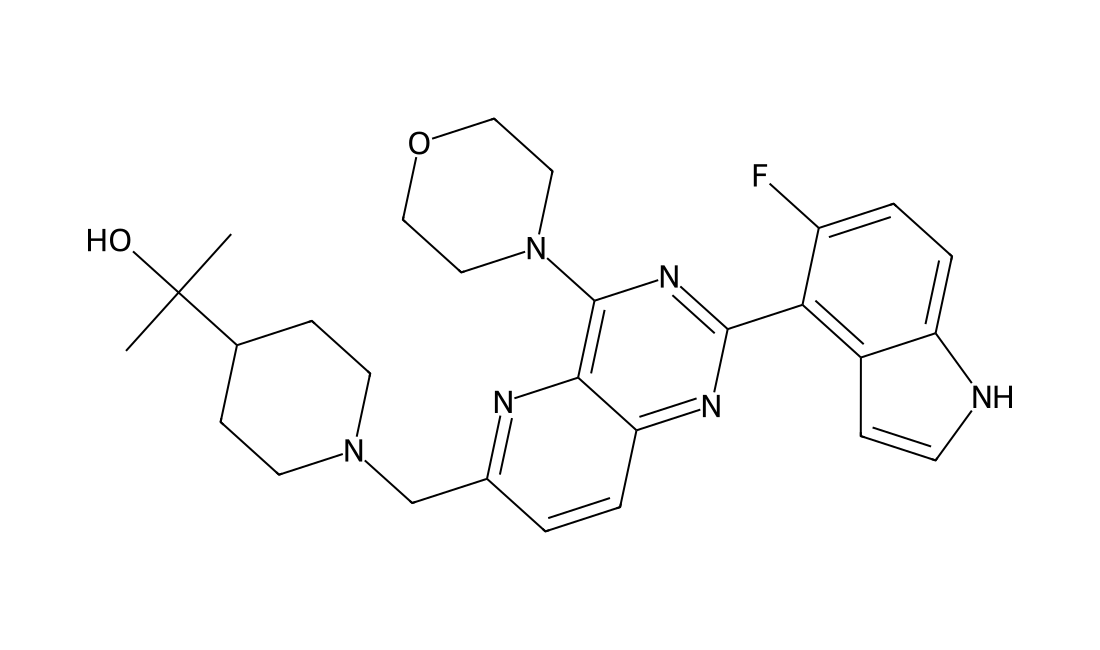
CAS 937272-79-2
Pacritinib (SB1518) is a potent and selective JAK2 (IC50 = 23 and 19 nM For JAK2(WT) and JAK2(V617F), respectively) and FLT3 (IC(50) = 22 nM) inhibitor with selectivity against JAK1 and JAK3 (IC(50) = 1280 and 520 nM, respectively). IC50 Value: 23 nM (JAK2 wt); 22 nM (FLT3) Target: JAK2; FLT3 in vitro: SB1518 shows potent effects on cellular JAK/STAT pathways, inhibiting tyrosine phosphorylation on JAK2 (Y221) and downstream STATs. As a consequence SB1518 has potent anti-proliferative effects on myeloid and lymphoid cell lines driven by mutant or wild-type JAK2 or FLT3, resulting from cell cycle arrest and induction of apoptosis . in vivo: SB1518 has favorable pharmacokinetic properties after oral dosing in mice, is well tolerated and significantly reduces splenomegaly and hepatomegaly in a JAK2(V617F)-driven disease model. SB1518 dose-dependently inhibits intra-tumor JAK2/STAT5 signaling, leading to tumor growth inhibition in a subcutaneous model generated with SET-2 cells derived from a JAK2(V617F) patient with megakaryoblastic leukemia . Oral administration of pacritinib in murine models of FLT3-ITD-driven AML led to significant inhibition of primary tumor growth and lung metastasis. Upregulation of JAK2 in FLT3-TKI-resistant AML cells was identified as a potential mechanism of resistance to selective FLT3 inhibition . Pracinostat and pacritinib in combination showed synergy on tumor growth, reduction of metastases and synergistically decreased JAK2 or FLT signaling, depending on the cellular context .For the detailed information of Pacritinib, the solubility of Pacritinib in water, the solubility of Pacritinib in DMSO, the solubility of Pacritinib in PBS buffer, the animal experiment (test) of Pacritinib, the cell expriment (test) of Pacritinib, the in vivo, in vitro and clinical trial test of Pacritinib, the EC50, IC50,and Affinity of Pacritinib, Please contact DC Chemicals.
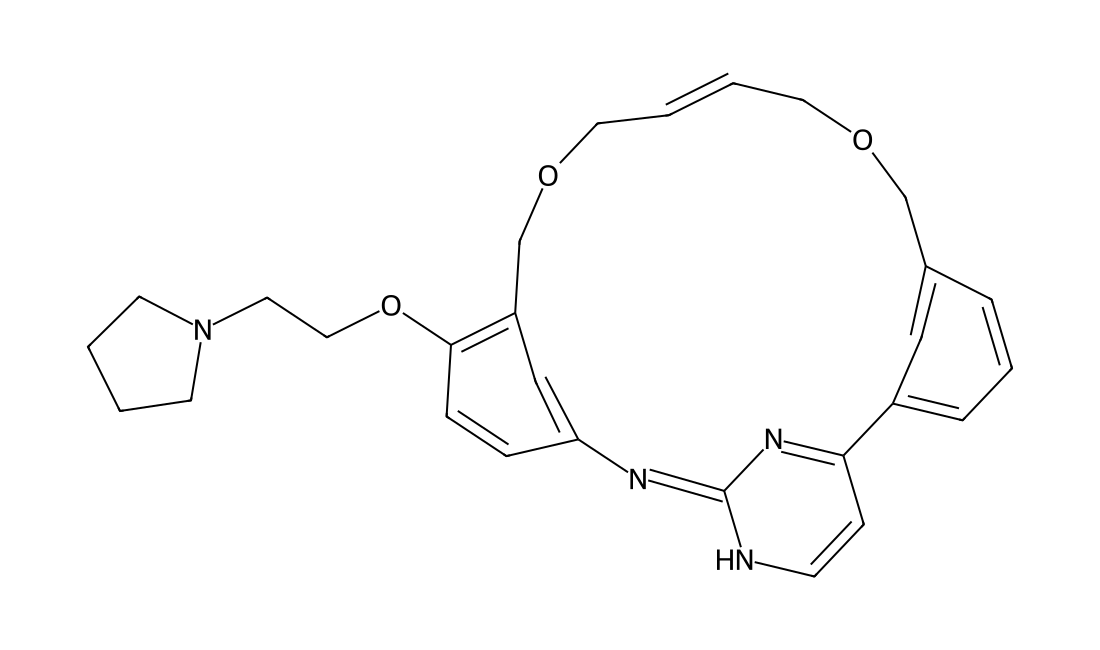
CAS 957209-68-6
NVP-QAV-572 is a potent PI3K kianse inhibitor with IC50 of 10 nM. IC50 value: 10 nM Target: PI3K Preparation of 5-phenylthiazol-2-ylureas as phosphatidylinositol 3-kinase (PI3 kinase) inhibitors. By Budd, Emma; Fox Hayler, Judy; Ian, Bruce; Legrand, Darren Mark; Cox, Brian From PCT Int. Appl. (2007), WO 2007134827 A1 20071129. For the detailed information of NVP-QAV-572, the solubility of NVP-QAV-572 in water, the solubility of NVP-QAV-572 in DMSO, the solubility of NVP-QAV-572 in PBS buffer, the animal experiment (test) of NVP-QAV-572, the cell expriment (test) of NVP-QAV-572, the in vivo, in vitro and clinical trial test of NVP-QAV-572, the EC50, IC50,and Affinity of NVP-QAV-572, Please contact DC Chemicals.
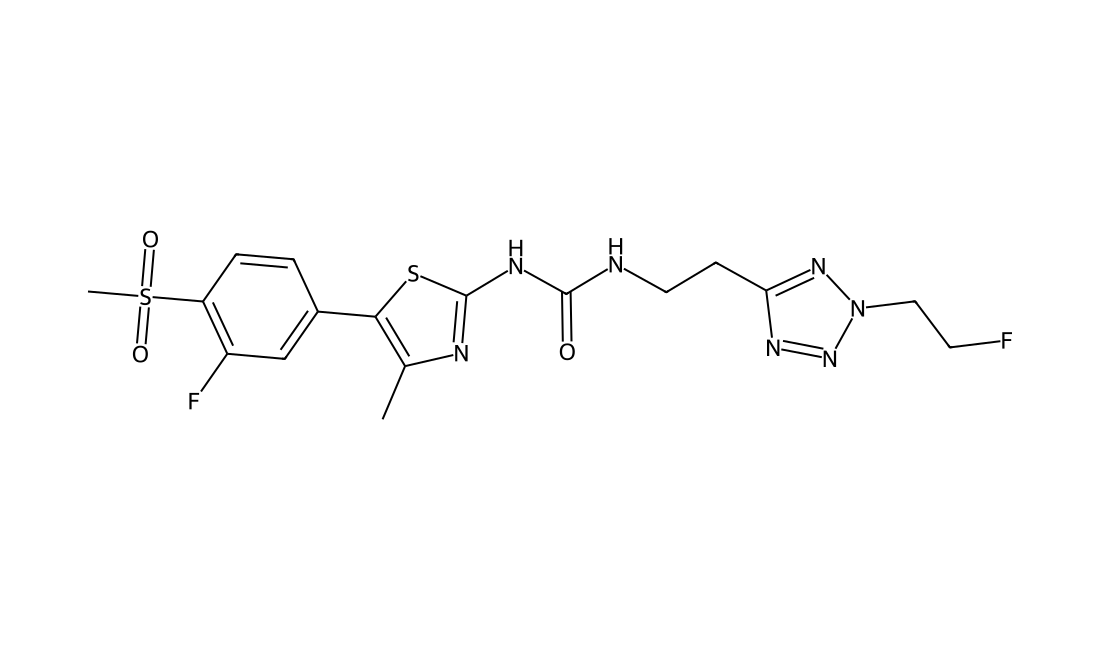
CAS 853910-02-8
Potent, ATP-competitive and selective dual PI3K and PDK1 inhibitor in vitro and in vivo, with IC50 values to be 56, 444, 34, 117 and 240 nM For PI3K p110 alpha, beta, delta and gamma and PDK1 kinases, respectively.For the detailed information of NVP-BAG956(BAG 956), the solubility of NVP-BAG956(BAG 956) in water, the solubility of NVP-BAG956(BAG 956) in DMSO, the solubility of NVP-BAG956(BAG 956) in PBS buffer, the animal experiment (test) of NVP-BAG956(BAG 956), the cell expriment (test) of NVP-BAG956(BAG 956), the in vivo, in vitro and clinical trial test of NVP-BAG956(BAG 956), the EC50, IC50,and Affinity of NVP-BAG956(BAG 956), Please contact DC Chemicals.
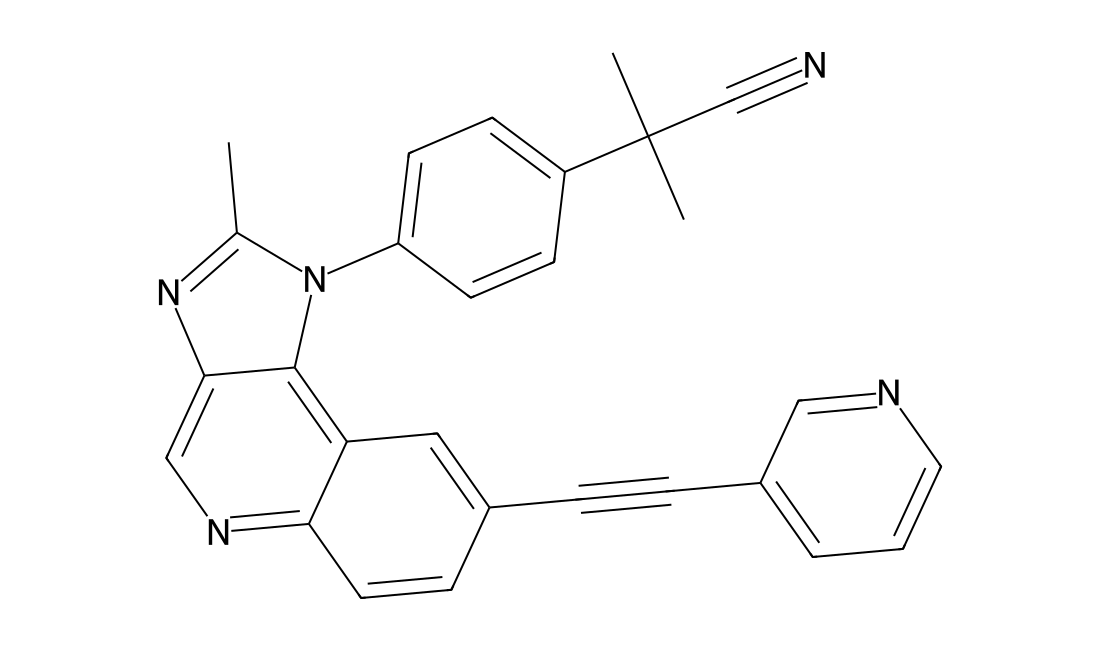
CAS 5334-30-5
Negative control for the Src kinase inhibitor PP2. Inhibits EGFR kinase (IC50 = 2.7 μM). For the detailed information of PP3, the solubility of PP3 in water, the solubility of PP3 in DMSO, the solubility of PP3 in PBS buffer, the animal experiment (test) of PP3, the cell expriment (test) of PP3, the in vivo, in vitro and clinical trial test of PP3, the EC50, IC50,and affinity,of PP3, For the detailed information of PP3, the solubility of PP3 in water, the solubility of PP3 in DMSO, the solubility of PP3 in PBS buffer, the animal experiment (test) of PP3, the cell expriment (test) of PP3, the in vivo, in vitro and clinical trial test of PP3, the EC50, IC50,and affinity,of PP3, Please contact DC Chemicals.
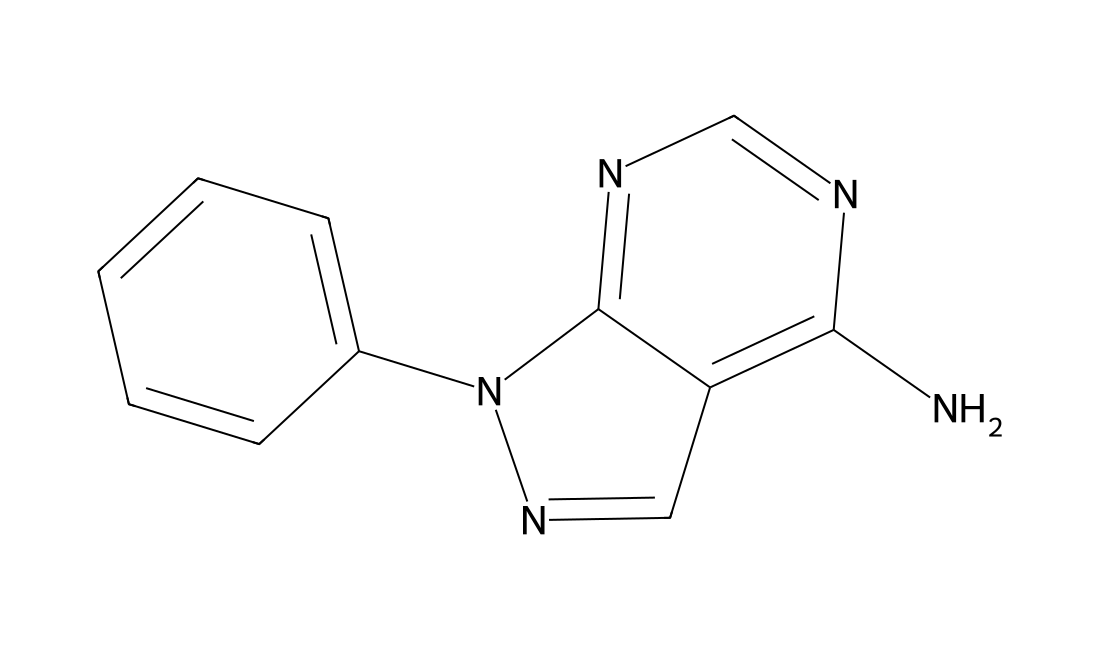
CAS 219832-49-2
MP-A08 is a first-in-class, highly selective, ATP competitive sphingosine kinase (SphK) inhibitor (Ki of 6.9/27 uM for SK2/SK1); inhibits S1P production and increases pro-apoptotic sphingolipids in Jurkat cells; reduces the growth of human lung adenocarcinoma tumours in a mouse xenograft model by both inducing tumour cell apoptosis and inhibiting tumour angiogenesis.
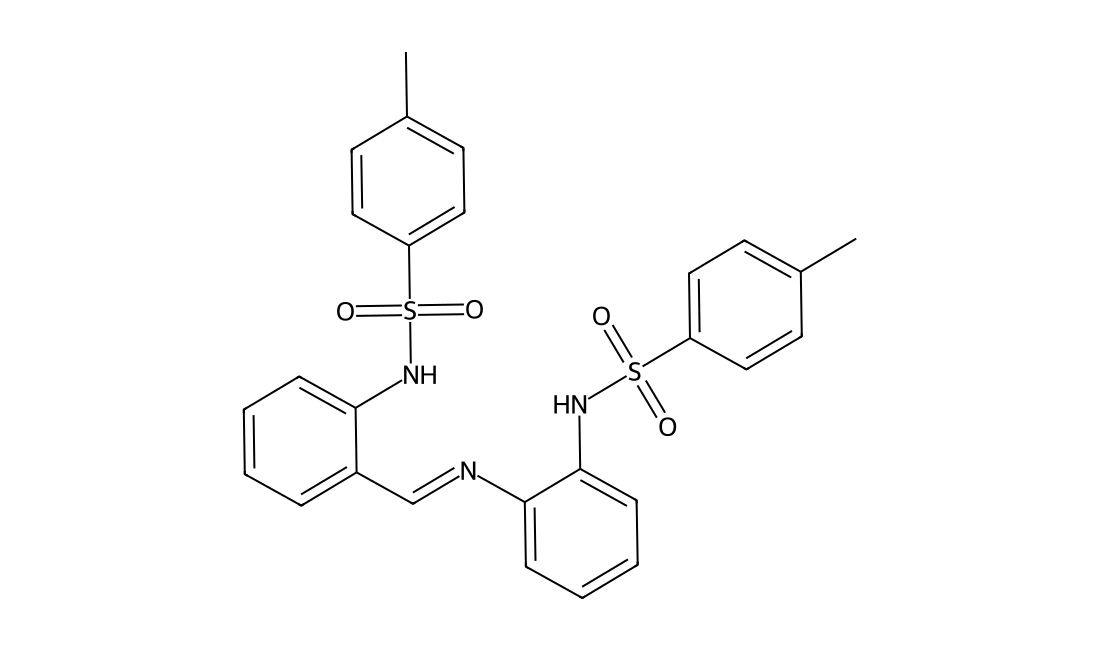
CAS 1285702-20-6
The Cdc2-like kinases (Clks) and the dual-specificity tyrosine phosphorylation-regulated kinases (Dyrks) are involved in regulating gene splicing. Clks phosphorylate serine/arginine-rich proteins, which are a major component of the spliceosome, whereas Dyrks interact with and activate splicing factors. ML167 is a selective, ATP-competitive inhibitor of Clk4 with an IC50 value of 136 nM. It is more than 10-fold less active against the closely related kinases Clk1-3, Dyrk1A, and Dyrk1B (IC50s = 1.5, 1.6, >10, >10, and 4.4 µM, respectively), and minimally active against a panel of other kinases.
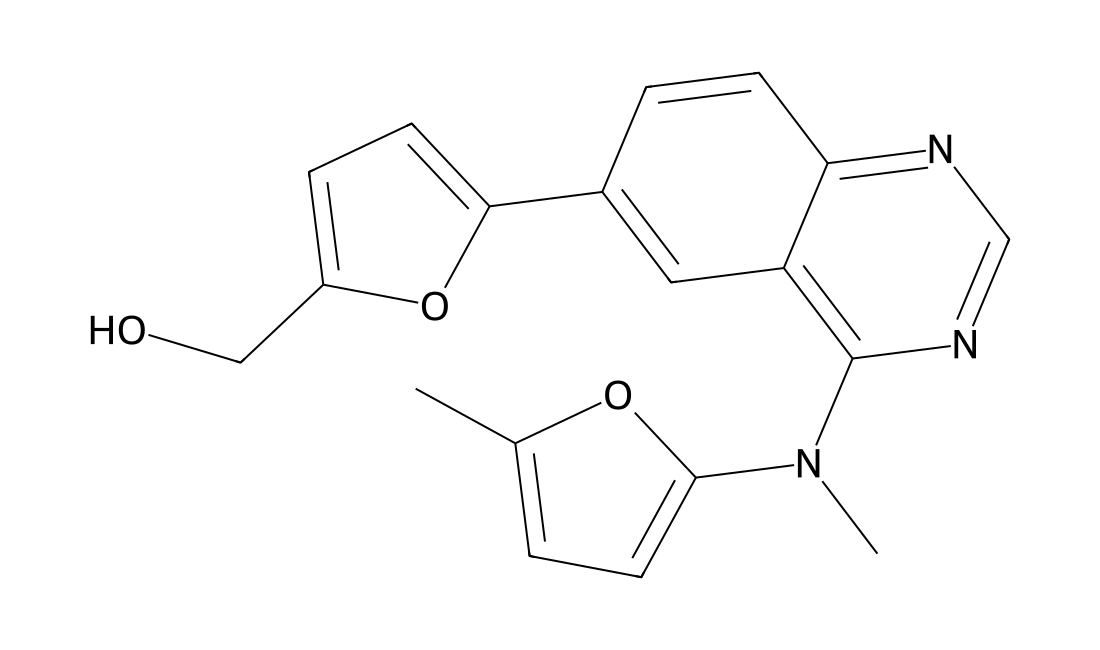
CAS 1283000-43-0
MK-8033 is a potent, specific, dual c-Met/Ron kinases inhibitor with IC50 of 1/7 nM, also potently inhibits oncogenic c-Met activation loop mutants Y1230C, Y1230H and Y1235D with IC50 of 0.6-1.2 nM; MK-8033 is >100-fold selective relative to Ron and c-Met inhibition against a panel of 221 kinases; potently and selectively inhibits growth in c-Met amplified cell lines (GTL-16 proliferation IC50 =582 nM), causes full inhibition of tumor growth in c-Met amplified (GTL-16) subcutaneous tumor xenograft model; synergizes with carboplatin plus paclitaxel to inhibit ovarian cancer cell growth. Solid Tumors Phase 1 Clinical
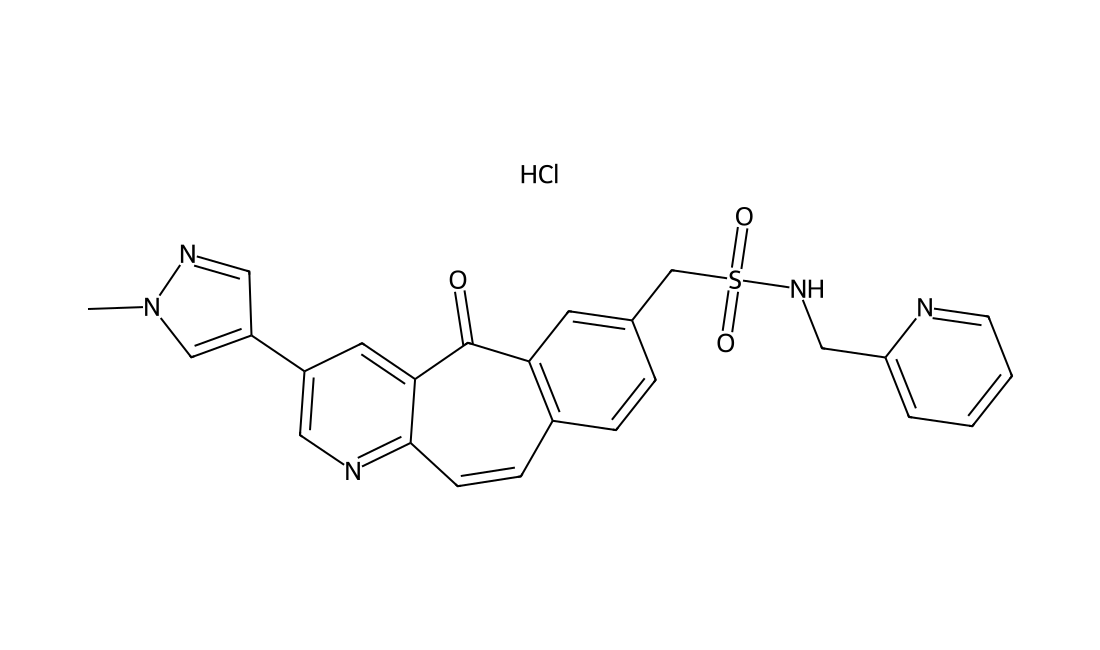
CAS 1001917-37-8
MK-8033 is a potent, specific, dual c-Met/Ron kinases inhibitor with IC50 of 1/7 nM, also potently inhibits oncogenic c-Met activation loop mutants Y1230C, Y1230H and Y1235D with IC50 of 0.6-1.2 nM; MK-8033 is >100-fold selective relative to Ron and c-Met inhibition against a panel of 221 kinases; potently and selectively inhibits growth in c-Met amplified cell lines (GTL-16 proliferation IC50 =582 nM), causes full inhibition of tumor growth in c-Met amplified (GTL-16) subcutaneous tumor xenograft model; synergizes with carboplatin plus paclitaxel to inhibit ovarian cancer cell growth. Solid Tumors Phase 1 Clinical
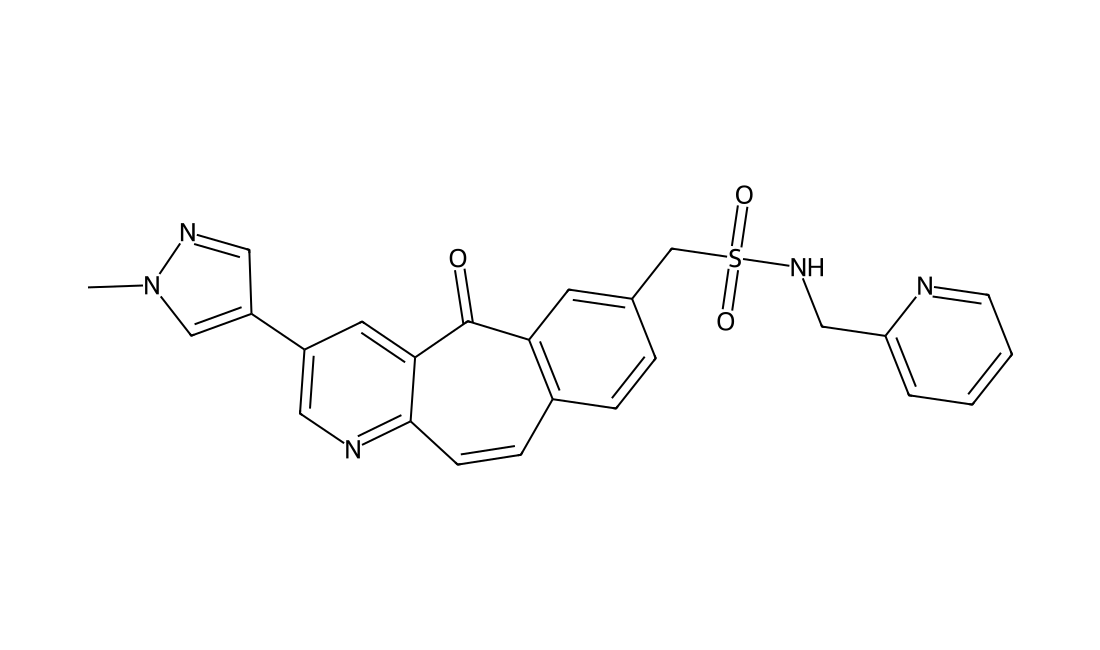
CAS 1619903-54-6
LY2857785 is a potenrt, reversible and ATP-competitive CDK9 inhibitor with IC50 of 11 nM, also inhibits CDK8 (IC50=16 nM) and weakly inhibits CSK7 (IC50=246 nM); showes good selectivity against a panel of 114 protein kinases; inhibits RNAP II C-terminal domain (CTD) P-Ser2 and CTD P-Ser5 in U2OS cells with IC50 of 89 and 42 nM, dramatically decreases MCL1 protein levels to result in apoptosis in a variety of leukemia and solid tumor cell lines (MV-4-11 cell IC50=40 nM); inhibits RNAP II CTD P-Ser2 in vivo, demonstrates potent antitumor growth efficacy in tumor xenografts.
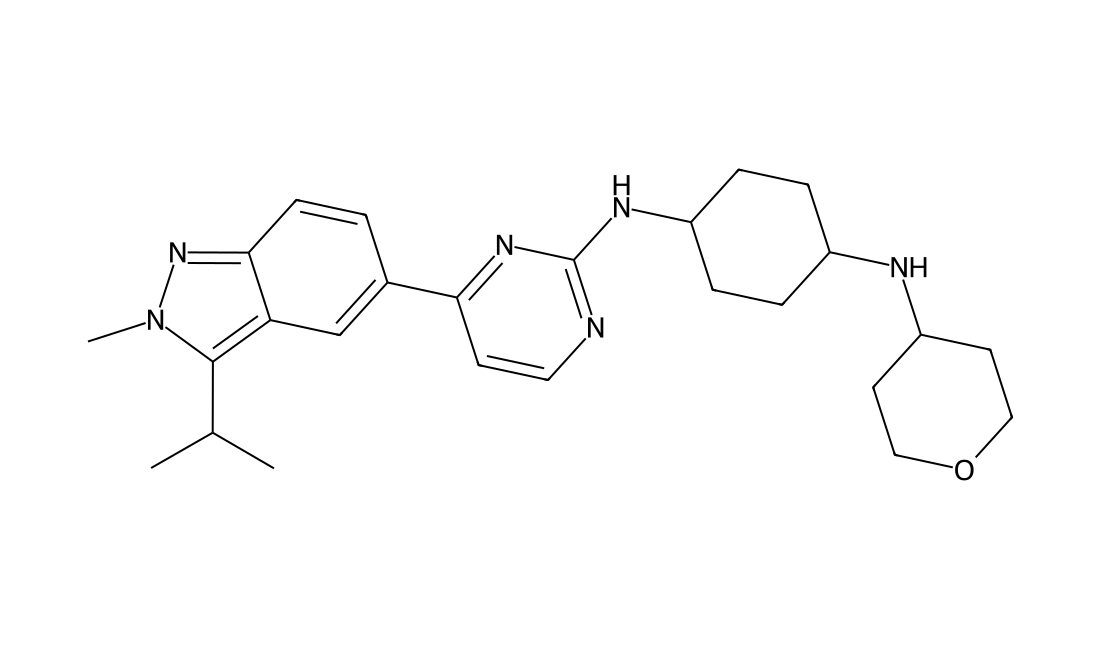
CAS 1374996-60-7
KP372-1 is a specific Akt inhibitor that blocks proliferation and induces apoptosis of thyroid cancer cells with an IC50 value of 30-60 nM in vitro.
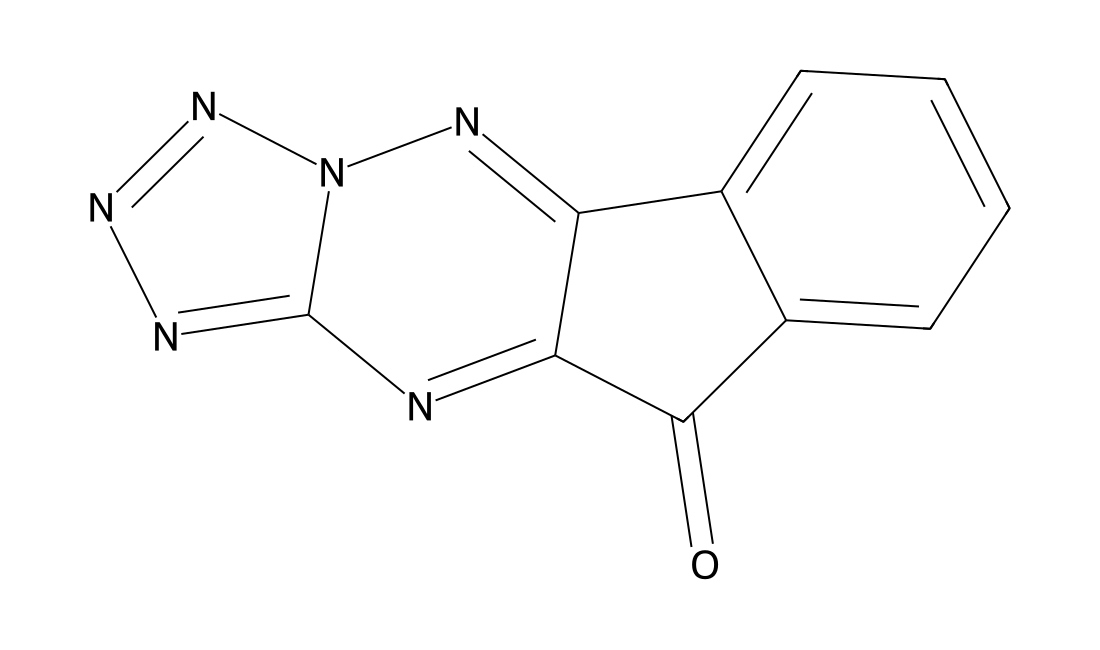
CAS 1805787-93-2
JAK3-IN-1 is a potent and selective JAK3 inhibitor with IC50 of 4.8 nM; displays >150 fold selectivity versus JAK1 and JAK2; exhibits decent pharmacokinetic properties and is suitable for use in vivo.
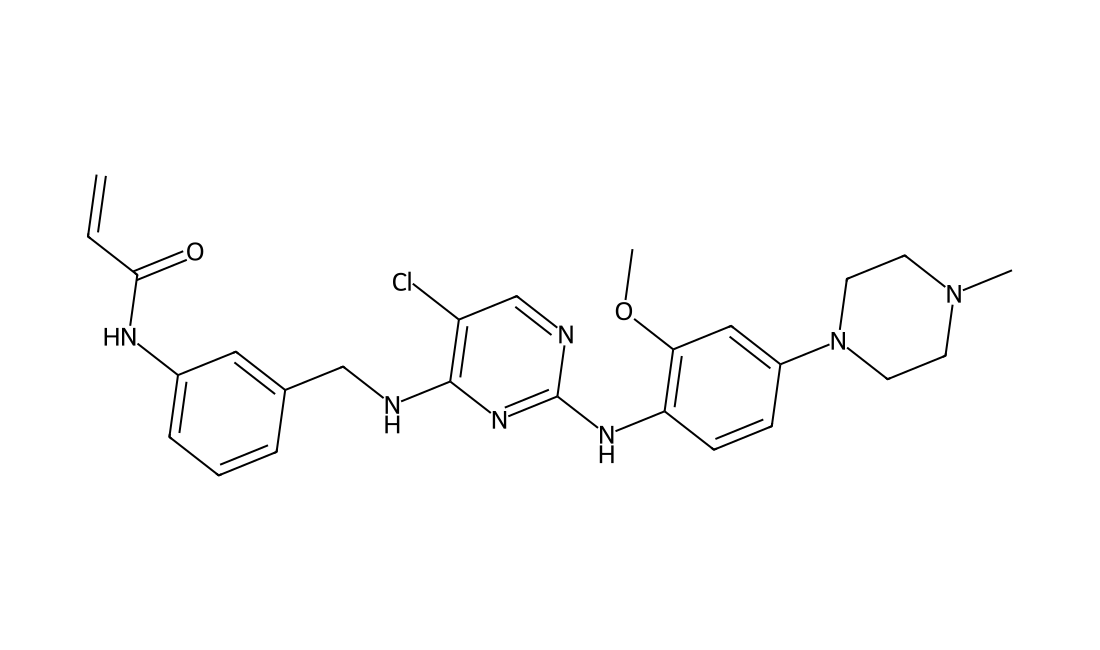
CAS 1042672-97-8
IRAK inhibitor 6 is interleukin-1 receptor associated kinase 4 (IRAK-4) inhibitor .
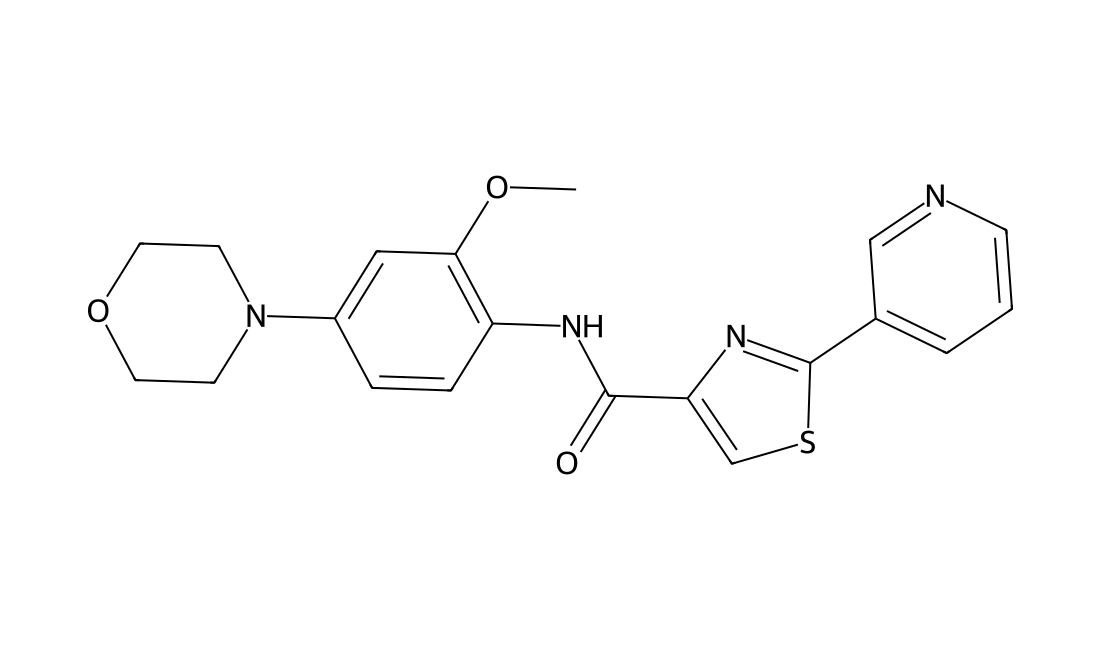
CAS 928333-30-6
IRAK inhibitor 2 is interleukin-1 receptor associated kinase inhibitor .
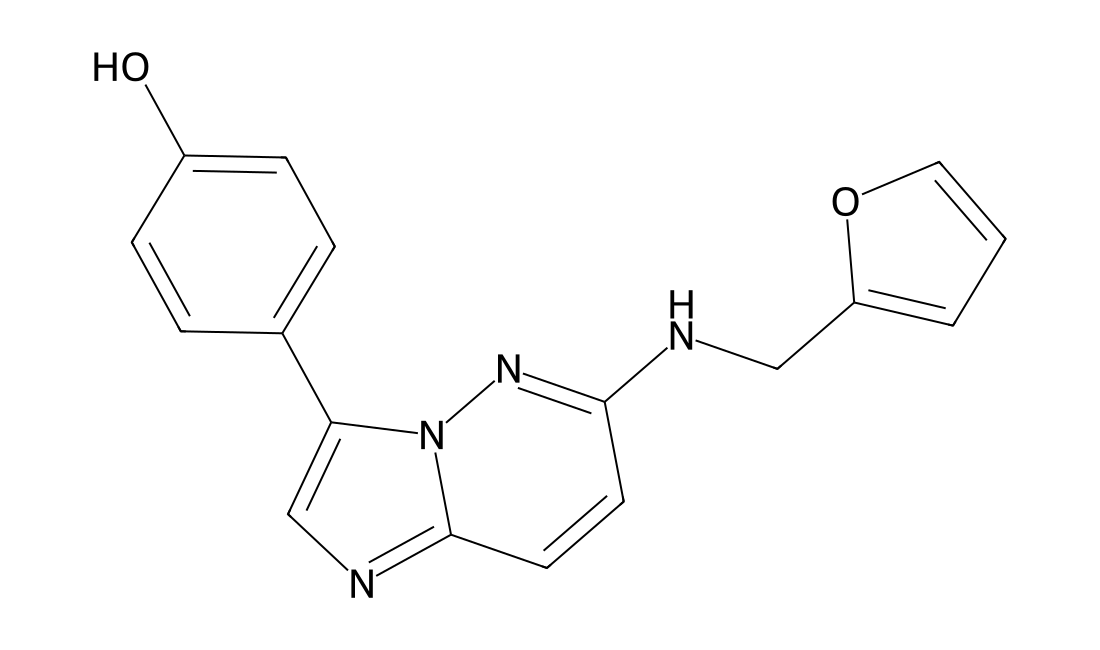
CAS 1172118-03-4
The dual PI3Kg/d inhibitor INK055 was effective as prophylactic therapy as well as in established arthritis. The modest effect on autoantibody production and benefit observed in established disease suggests that the mechanism is through an effect on innate immunity rather than antibody production. A dual specific PI3Kg/d inhibitor might be effective in rheumatoid arthritis while limiting systemic toxicity of a and b inhibitors. For the detailed information of INK-055, the solubility of INK-055 in water, the solubility of INK-055 in DMSO, the solubility of INK-055 in PBS buffer, the animal experiment (test) of INK-055, the cell expriment (test) of INK-055, the in vivo, in vitro and clinical trial test of INK-055, the EC50, IC50,and affinity,of INK-055, Please contact DC Chemicals.
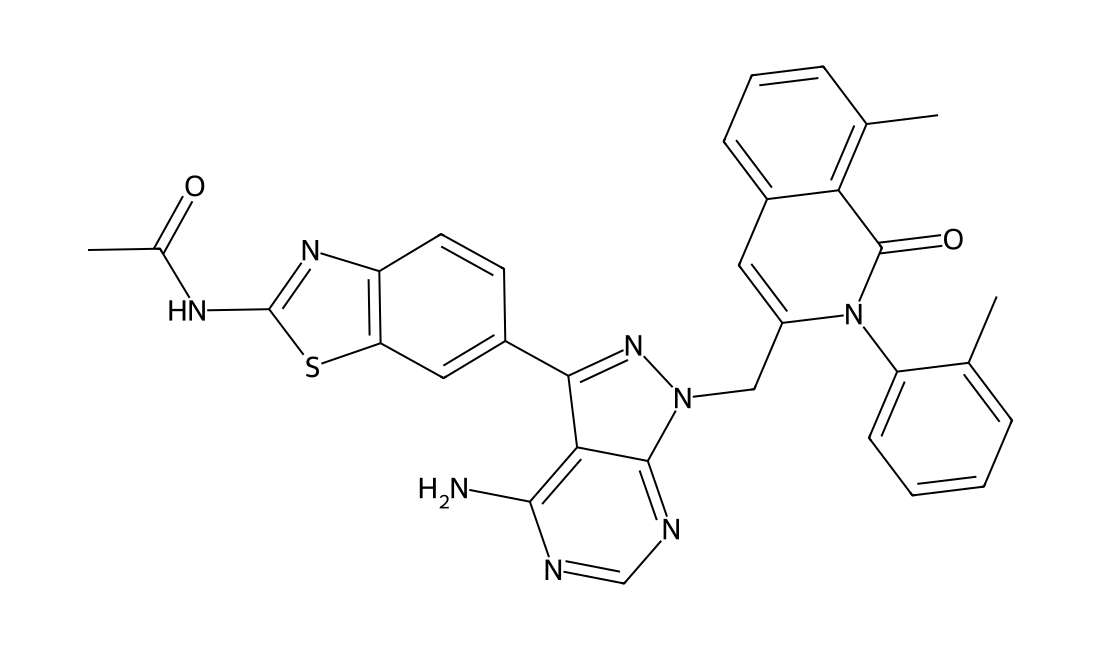
CAS 610798-31-7
Icotinib inhibits EGFR activity in a dose-dependent manner, with an IC50 value of 5 nM and complete inhibition at 62.5 nM. Icotinib selectively solely inhibits the EGFR members including the wild type and mutants with inhibition efficacies of 61-99%. Icotinib blocks EGFR-mediated intracellular tyrosine phosphorylation in human epidermoid carcinoma A431 cells in a dose-dependent manner. Meanwhile, in our proliferation assay per Formed on A431, BGC-823, A549, H460, HCT8, KB and Bel-7402 cell lines, we found that the relative sensitivity of cell lines to Icotinib is A431 > BGC-823 > A549 > H460 > KB > HCT8 and Bel-7402. Icotinib exhibits a broad spectrum of antitumor activity and it is especially effective against tumors expressing higher levels of EGFR. Icotinib shows an antitumor effect in different types of xenografts. Icotinib inhibits tumor growth at a rate of 51.5%, 31.0% and 67.4% in the A431, A549 and H460 xenografts at a dose of 120 mg/kg, respectively. For the detailed information of Icotinib, the solubility of Icotinib in water, the solubility of Icotinib in DMSO, the solubility of Icotinib in PBS buffer, the animal experiment (test) of Icotinib, the cell expriment (test) of Icotinib, the in vivo, in vitro and clinical trial test of Icotinib, the EC50, IC50,and Affinity of Icotinib, Please contact DC Chemicals.
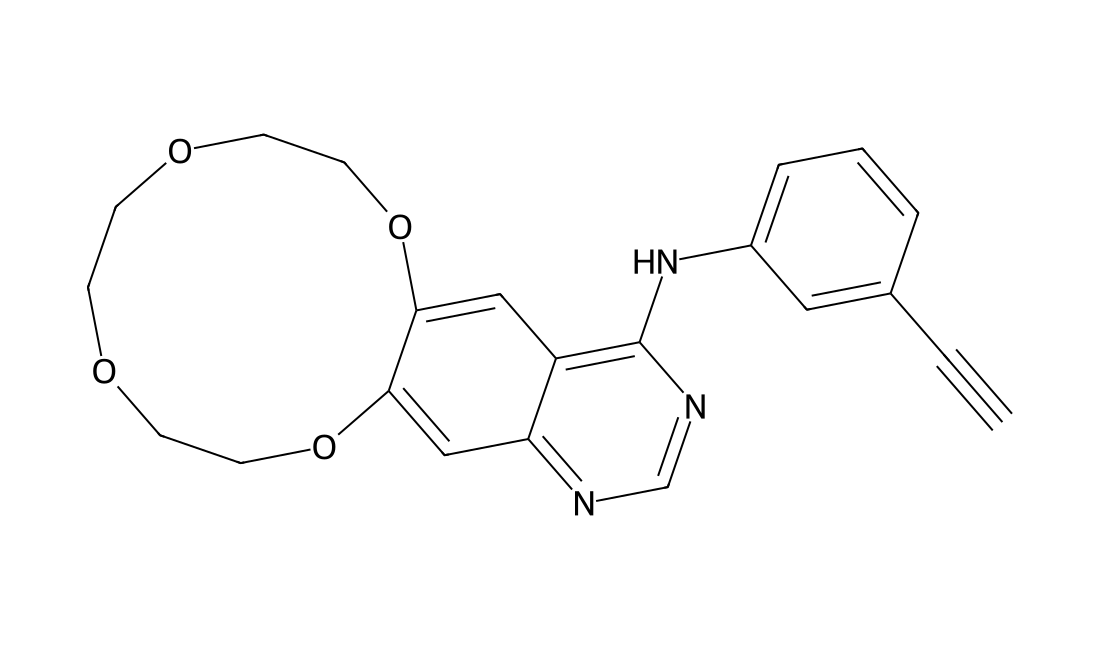
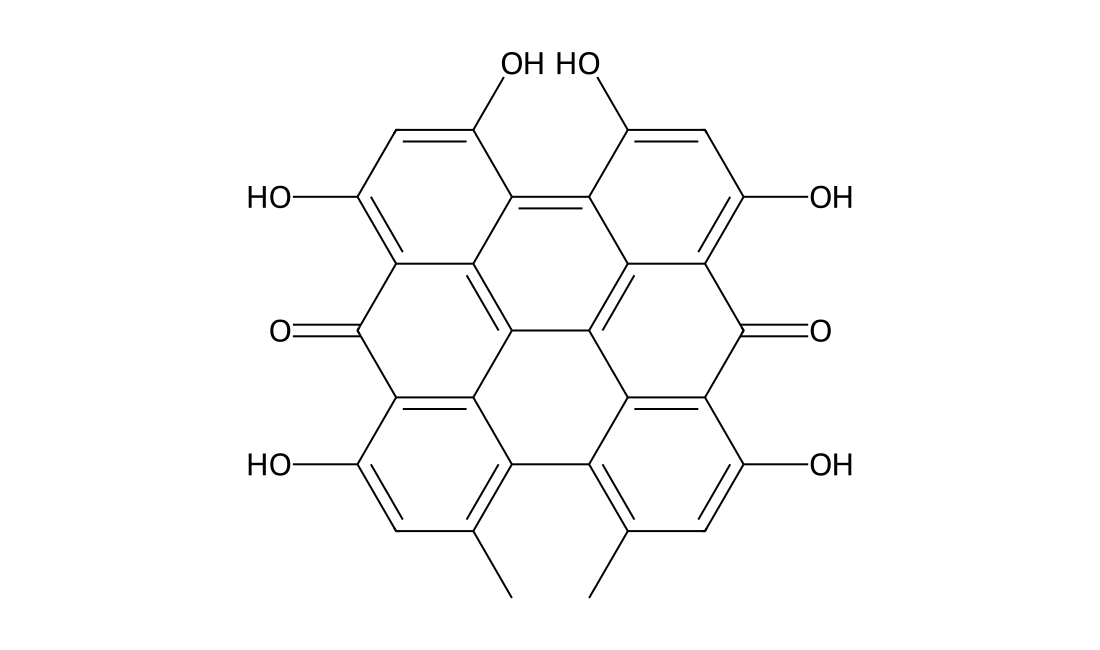
CAS 548-04-9
Hypericin is a photosensitive antiviral with anticancer and antidepressant agent derived from Hypericum perforatum. It can inhibit tyrosine kinases with IC50 of 7.5 μM. In vitro:The photosensitive of hypericin can induce both apoptosis and necrosis in a concentration and light dose-dependent fashion. PDT with hypericin results in the activation of multiple pathways that can either promote or counteract the cell death program. It can effect cytotoxic to tumor cells by visible light.
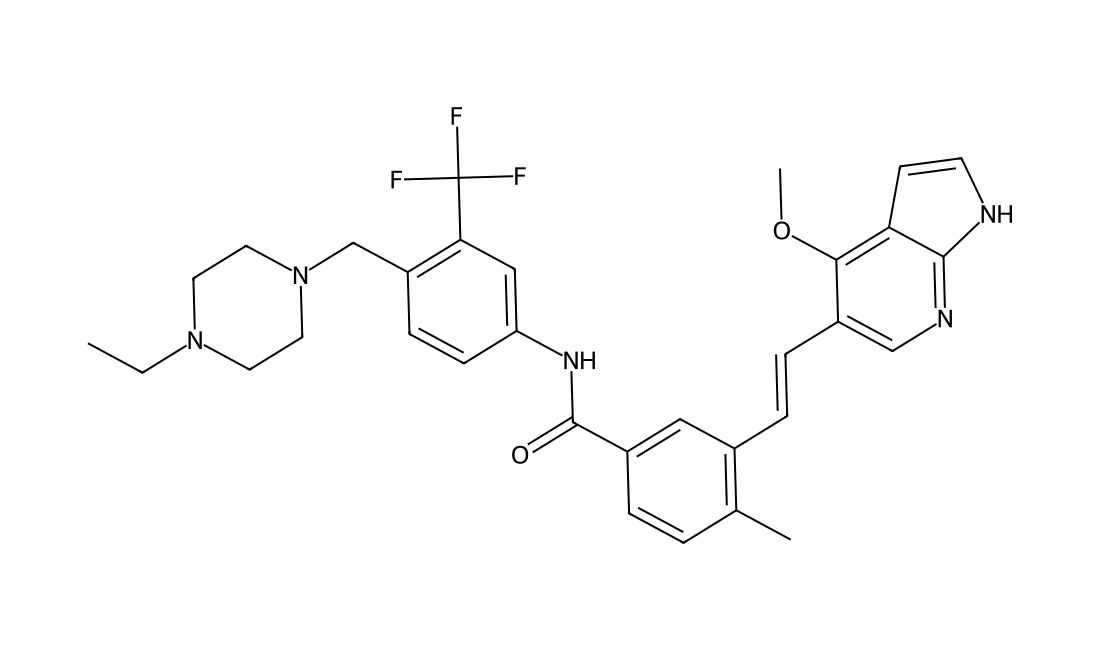
CAS 1315329-43-1
HG6-64-1 is a potent dual TAK1 and MAP4K2 ((germinal center kinase, GCK)) inhibitor with IC50 of 41 nM and 98 nM, respectively; also inhibits ZAK, p38α, Src, Lyn, CSK and EPH-family kinases (IC50=50-100 nM); inhibits GCK signaling DLBCL cell lines with EC50 of 1.83-157 nM, induces G0/G1 cell-cycle arrest and cell death; inhibits the growth of DLBCL xenograft tumors and prolongs the survival of tumor-bearing mice.
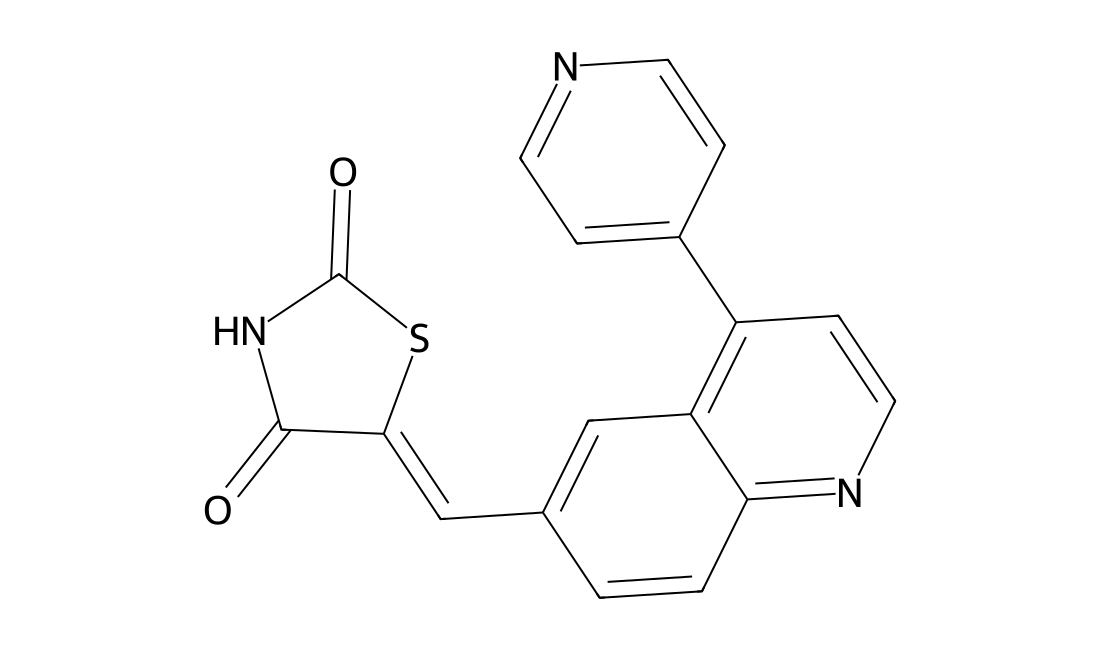
CAS 958852-01-2
GSK1059615 is a dual inhibitor of PI3Kα/β/δ/γ (reversible) and mTOR with IC50 of 0.4 nM/0.6 nM/2 nM/5 nM and 12 nM, respectively. in vitro: The pyridinylquinoline derivative GSK1059615 is a novel, ATP-competitive, and reversible inhibitor of the class I family of PI3Ks. GSK1059615 inhibits PI3K signaling, induces G1 arrest and apoptosis, especially in breast tumor cells. Data summarized in another review also shows that GSK1059615 inhibits PI3Kα, β, γ and δ, with Ki of 0.42 nM, 0.6 nM, 0.47 nM and 1.7 nM, respectively. Another report shows that GSK1059615 inhibits PI3Kα with IC50 of 2 nM. In T47D and BT474 cancer cells, GSK1059615 inhibits the phosphorylation of Akt at S473, with IC50 of 40 nM. in vivo: In xenograft mice models of BT474 or HCC1954 breast cancer cells, GSK1059615 (25 mg/kg) effectively inhibits tumor growth.
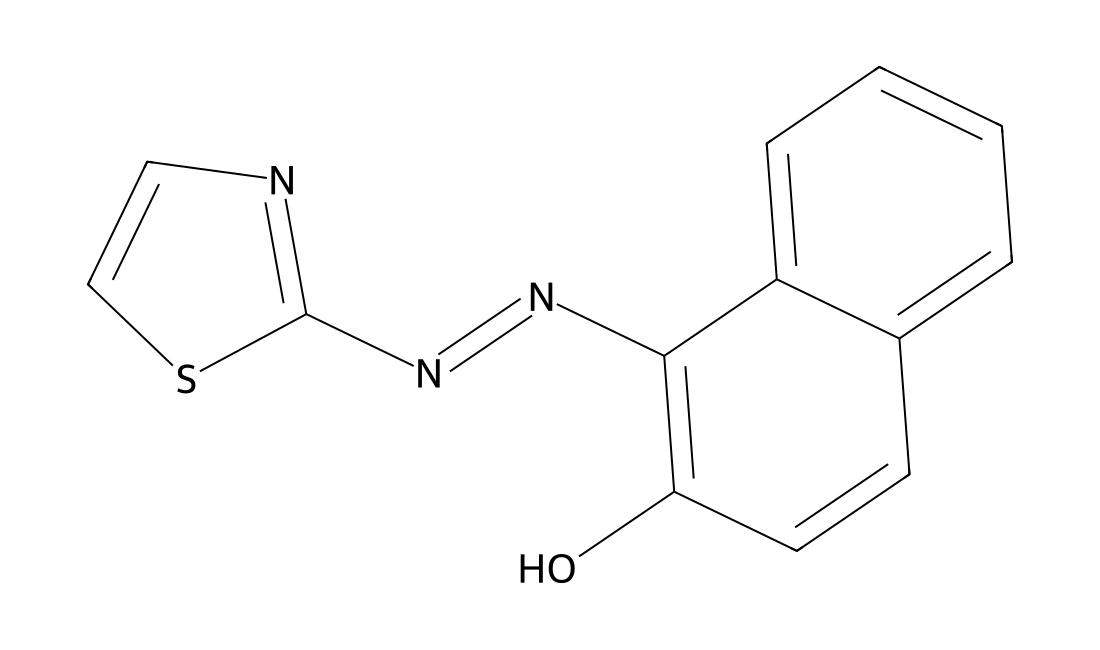
CAS 1147-56-4
ERGi-USU (NSC139021) is a small molecule that selectively inhibits ERG-positive cancer cell growth (VCaP cell IC50=0.169 uM), directly binds the ribosomal biogenesis regulator atypical kinase RIOK2 and induces ribosomal stress signature; shows additive effects in inhibiting growth of VCaP cells combined with enzalutamide, inhibits growth of ERG-positive VCaP tumor xenografts with no apparent toxicity.
CAS 1332329-27-7
Debio 0617B has been developed as a first-in-class kinase inhibitor with a unique profile targeting phospho-STAT3 (pSTAT3) and/or pSTAT5 in tumors through combined inhibition of JAK, SRC, ABL, and class III/V receptor tyrosine kinases (RTK). Debio 0617B showed dose-dependent inhibition of pSTAT3 in STAT3-activated carcinoma cell lines; Debio 0617B also showed potent antiproliferative activity in a panel of cancer cell lines and in patient-derived tumor xenografts tested in an in vitro clonogenic assay. Debio 0617B showed in vivo efficacy by inhibiting tumor growth in several mouse xenograft models. To increase in vivo efficacy and STAT3 inhibition, Debio 0617B was tested in combination with the EGFR inhibitor erlotinib in a non-small cell lung cancer xenograft model.