Home/Small Molecules/Kinases & Cell Signaling

Kinases & Cell Signaling

Kinase inhibitors and modulators of intracellular signaling pathways.

Browse all research categories

Browse by research category

Products may appear in more than one category. Counts refer to distinct catalog numbers within each category.

Other Research Tools (75) · Additional reagents, building blocks and specialized research tools.

New literature-derived products

LC-MG-1 (DCA0006) · LC-MG-4 (DCA0007) · LC-MG-9 (DCA0008)

View structure and evidence summaries →

Kinases & Cell Signaling products

Combine a keyword, research category and target to narrow the product list.

Loading catalog filters…

1,548 products · Showing 1,297–1,344

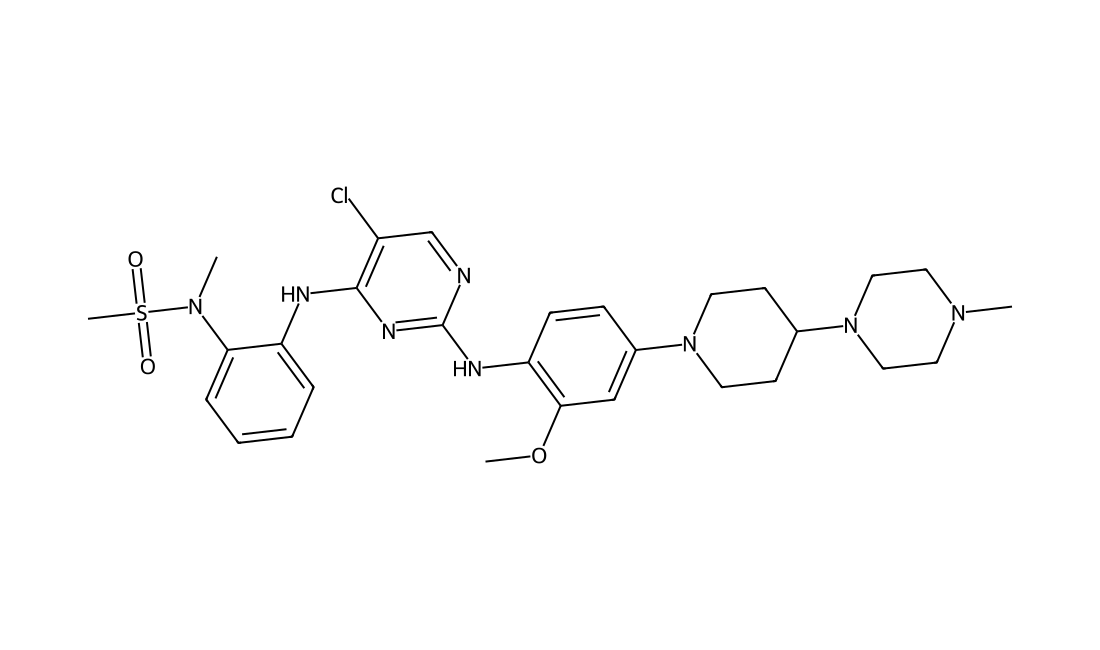
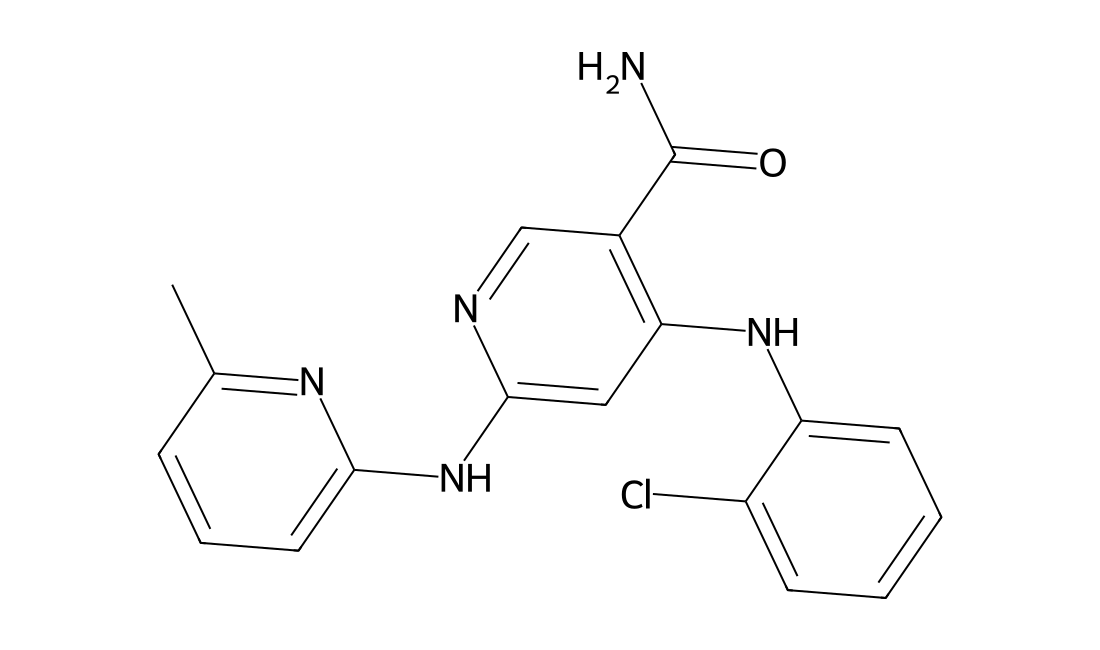
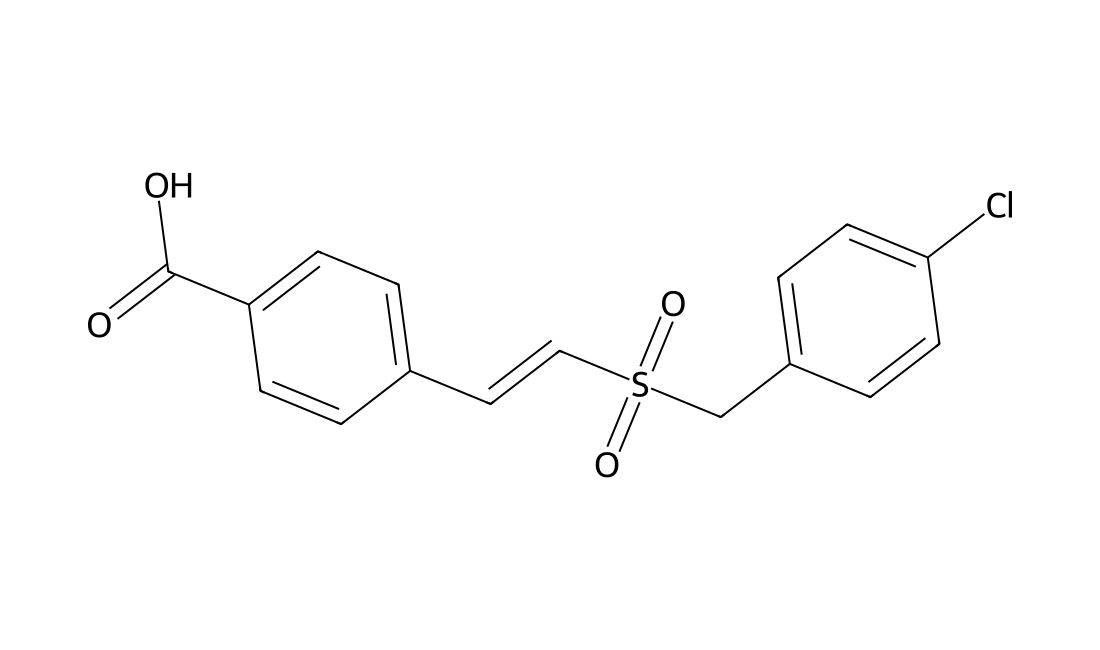
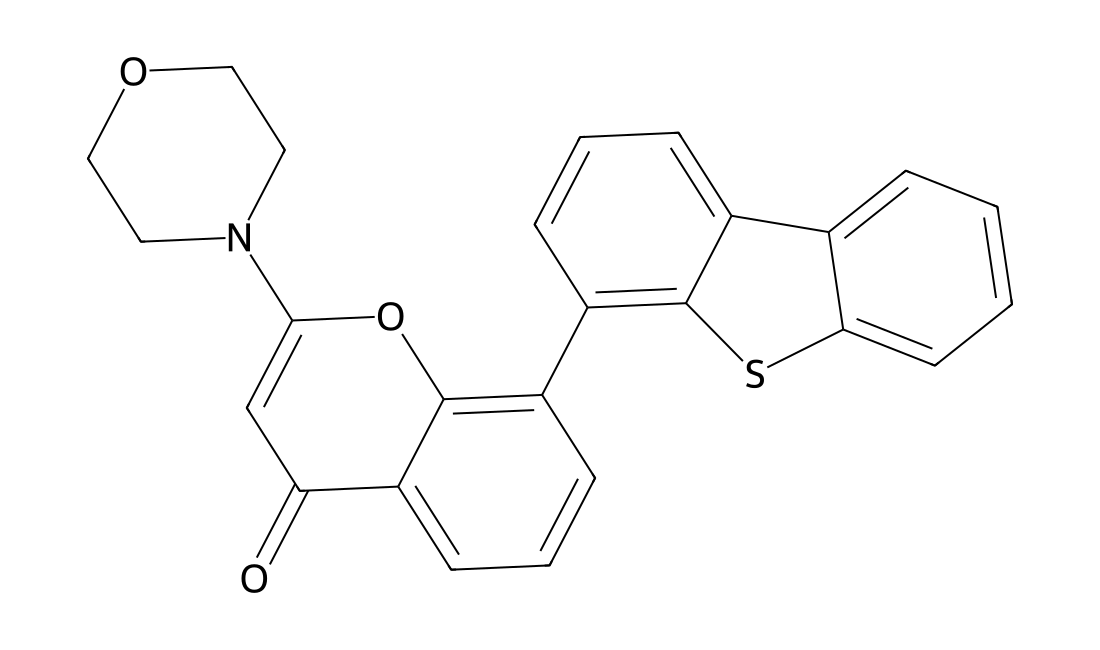
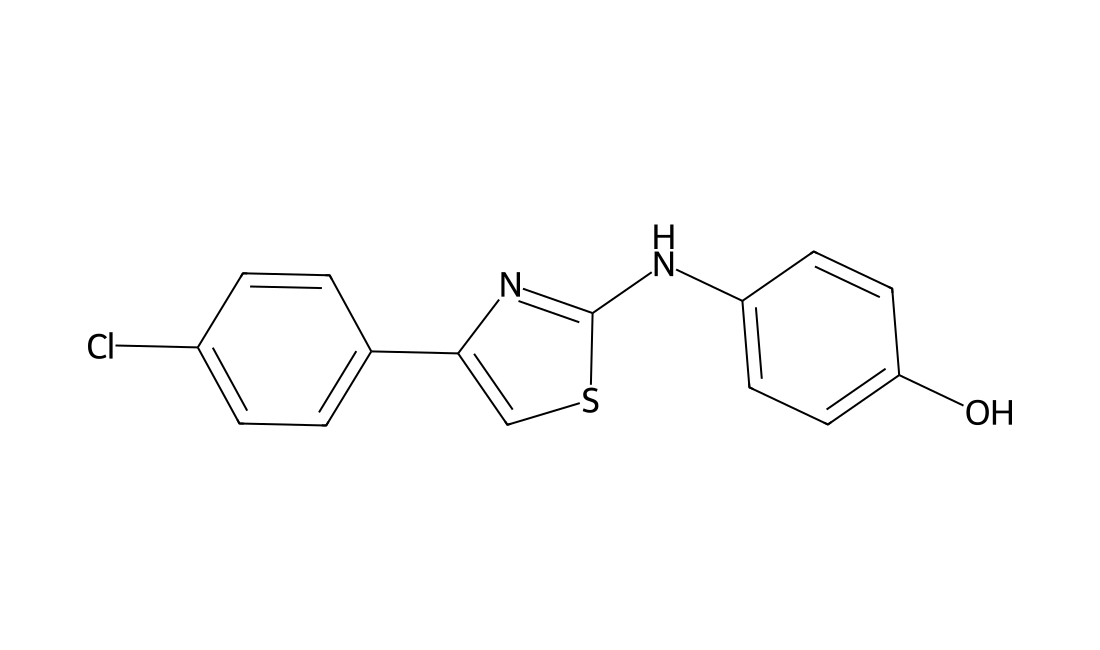
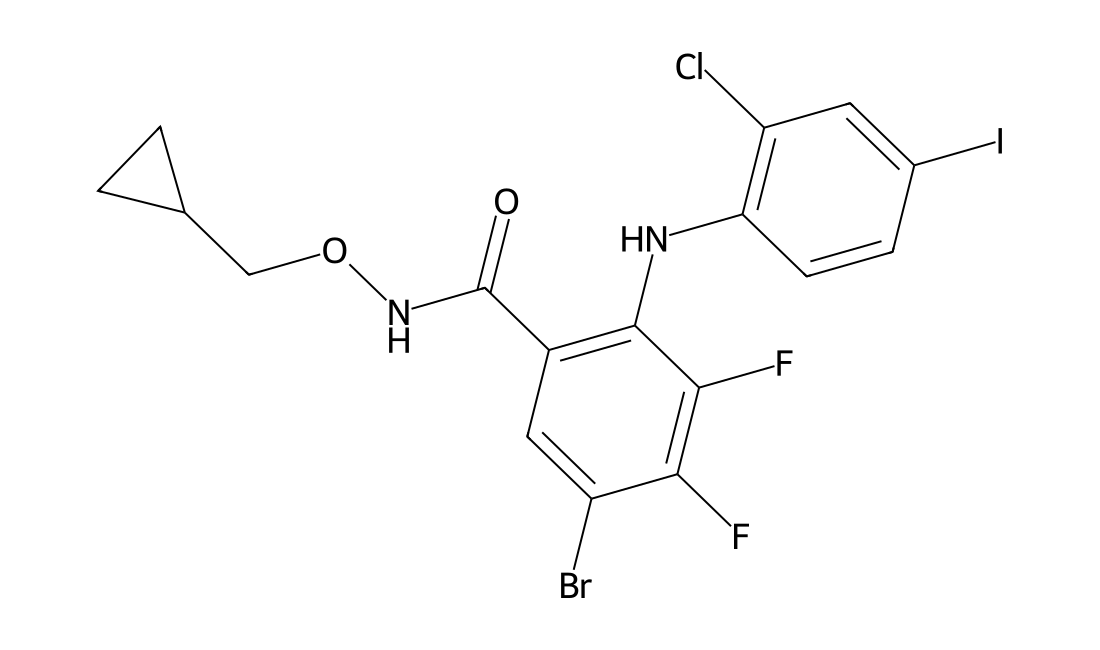
DC71906

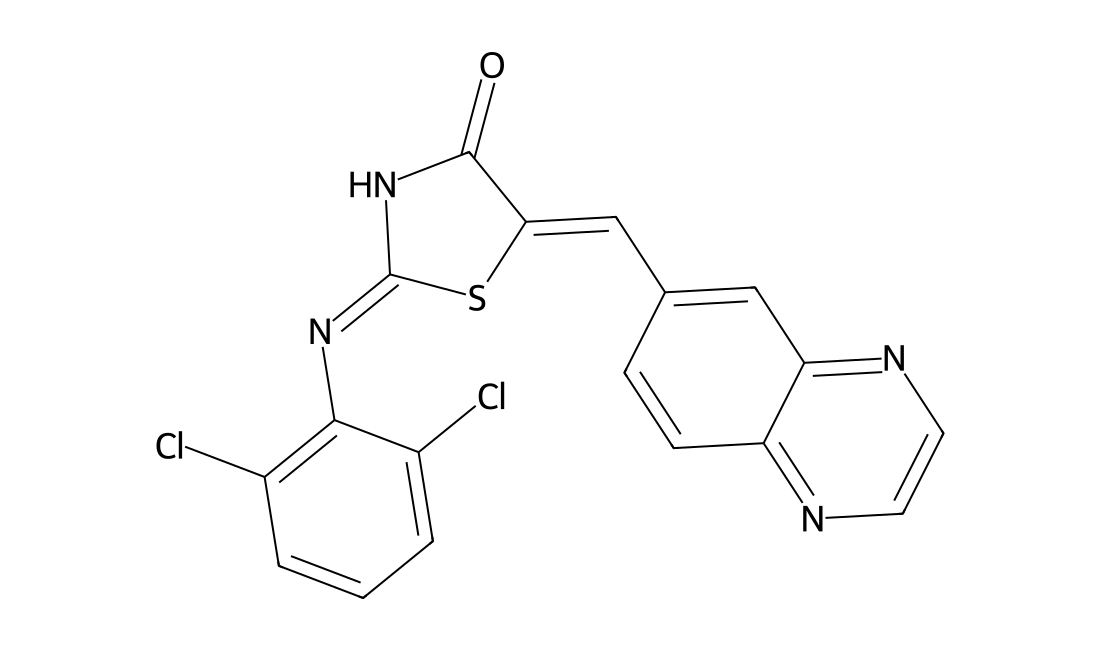
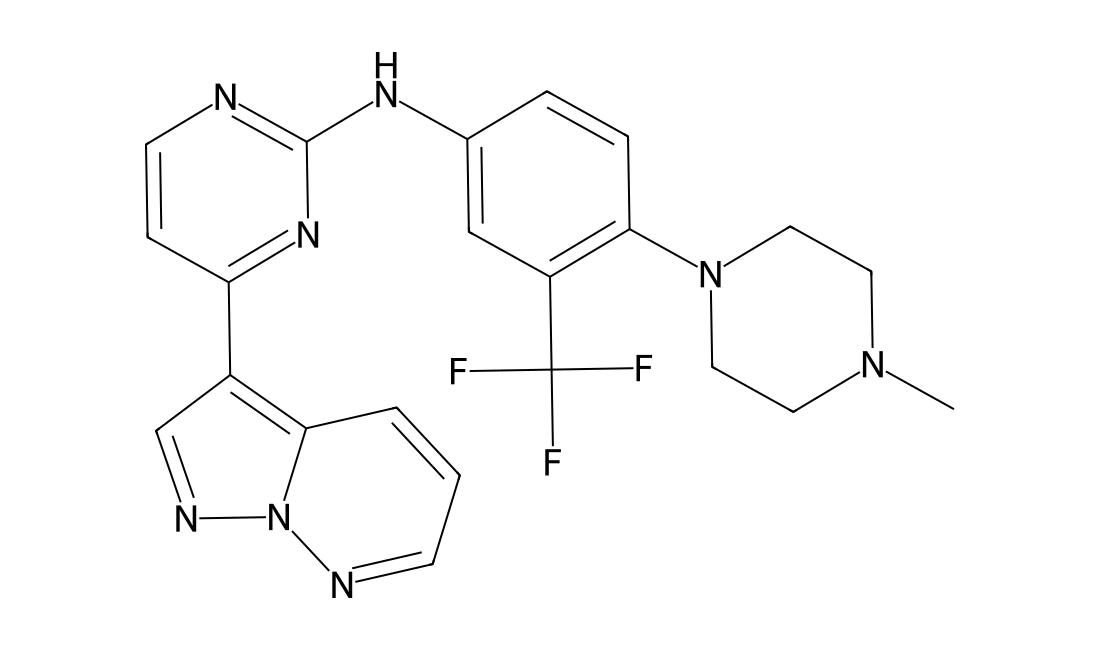
CHMFL-PI4K-127

CAS 2377604-81-2

CHMFL-PI4K-127 (compound 15g) is an orally active, potent and high selective PfPI4K (Plasmodium falciparum PI4K kinase) inhibitor, with an IC50 of 0.9 nM. CHMFL-PI4K-127 exhibits potent activity against 3D7 Plasmodium falciparum, with an EC50 of 25.1 nM. CHMFL-PI4K-127 shows antimalaria efficacy.

CHMFL-PI4K-127 chemical structure
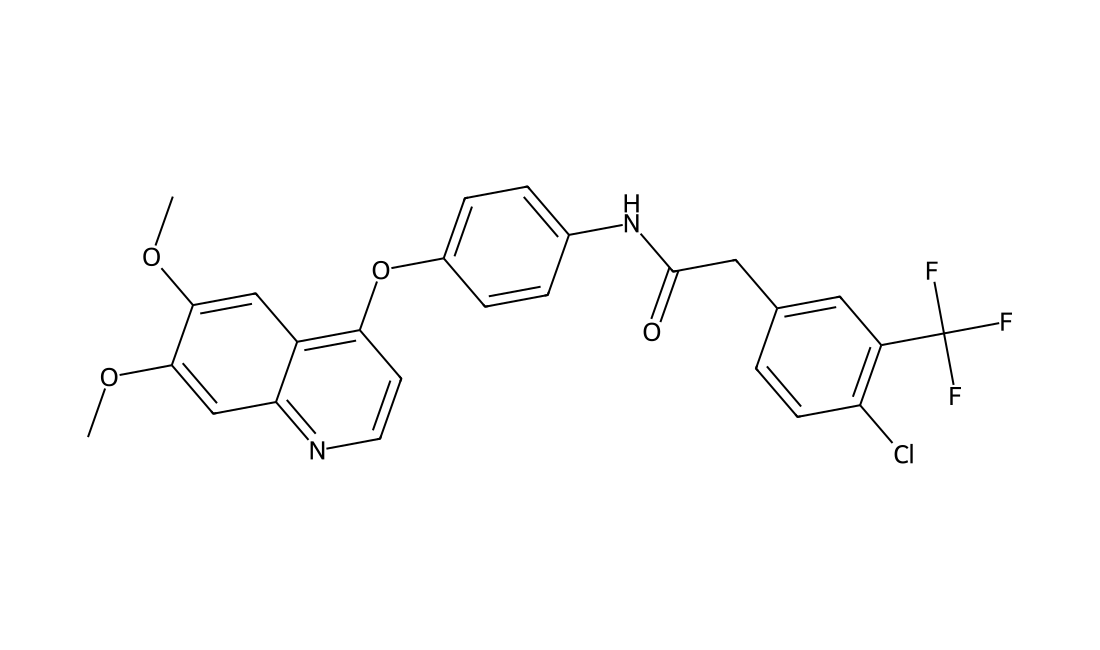
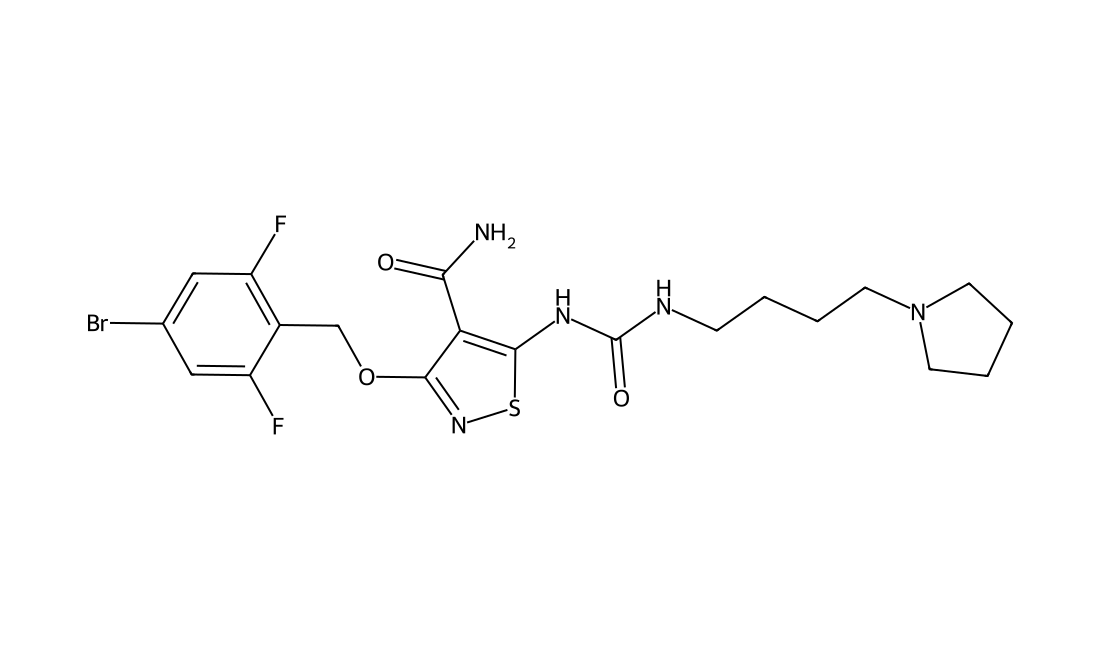
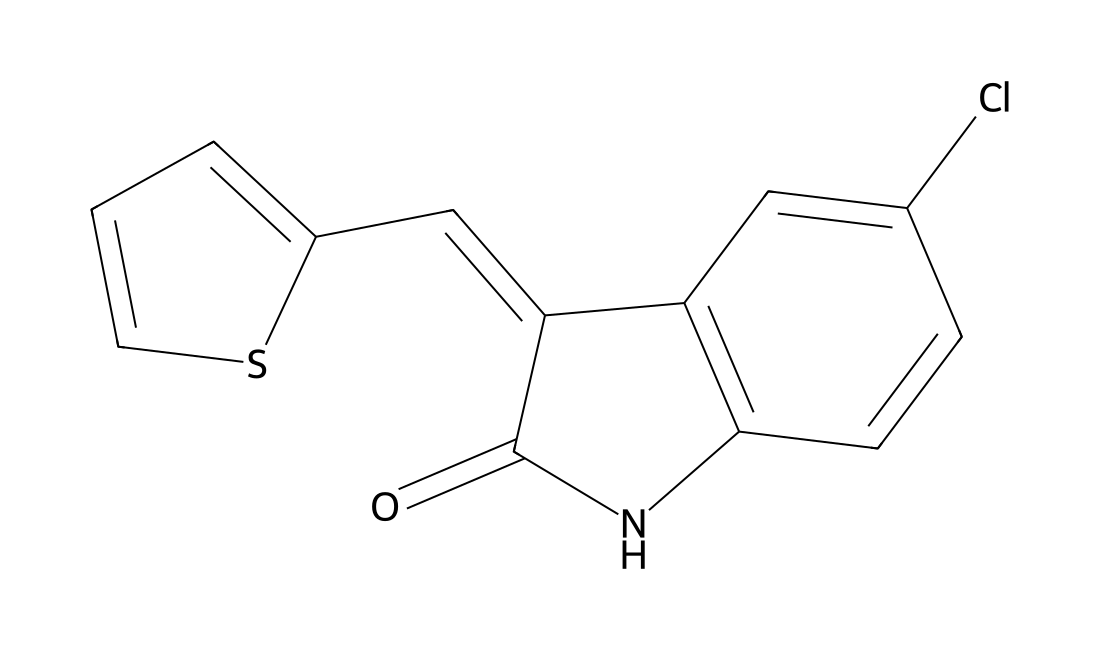
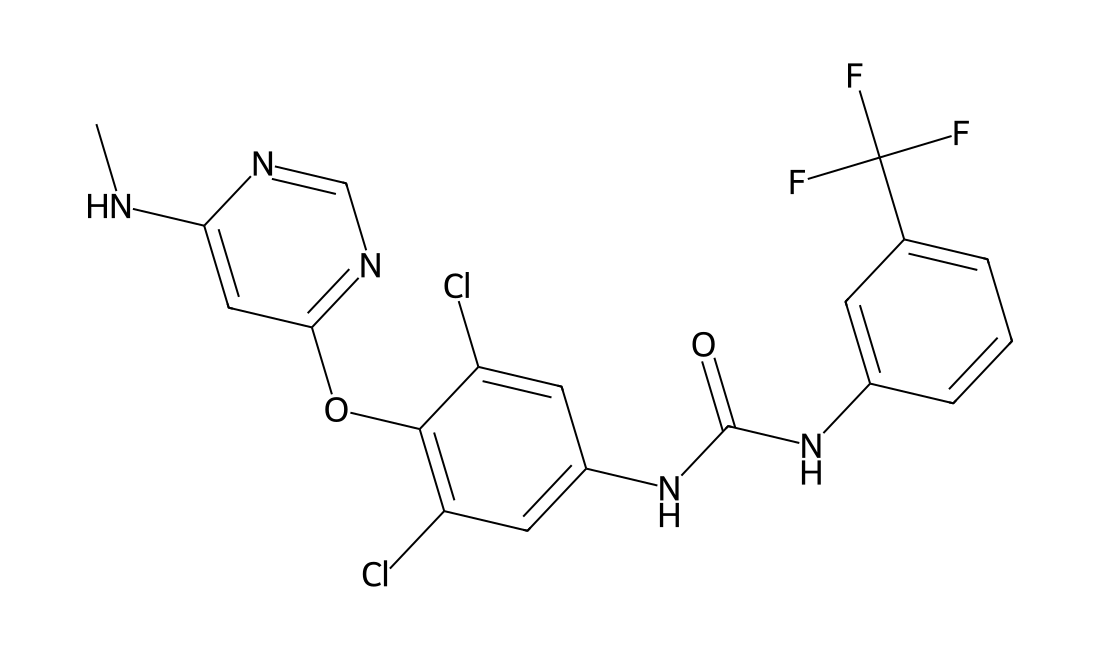
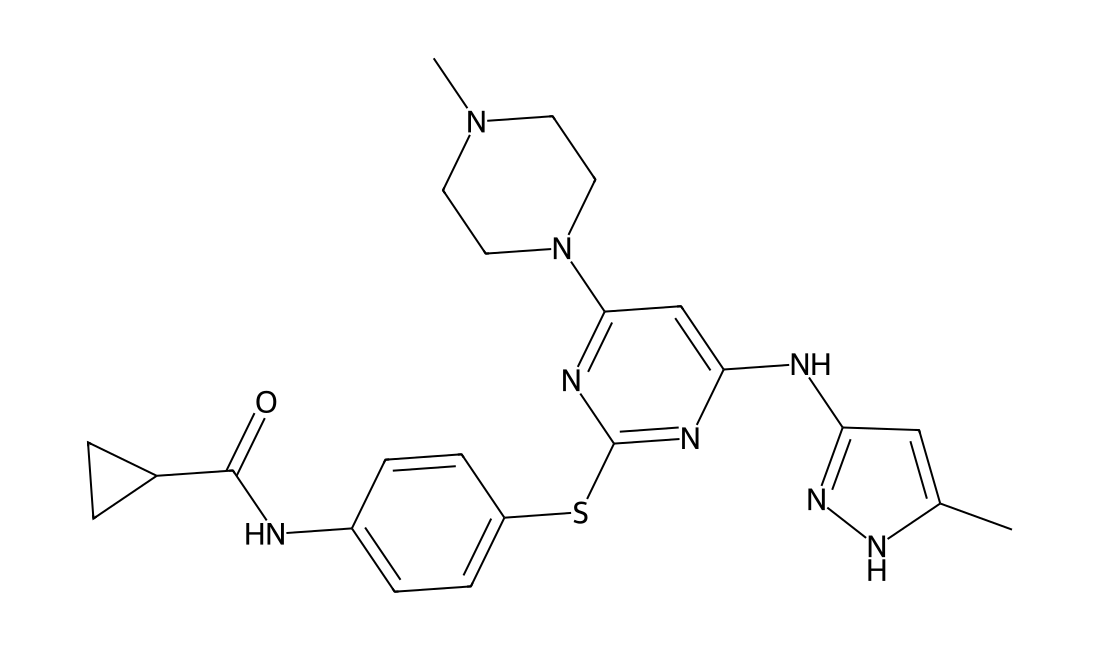
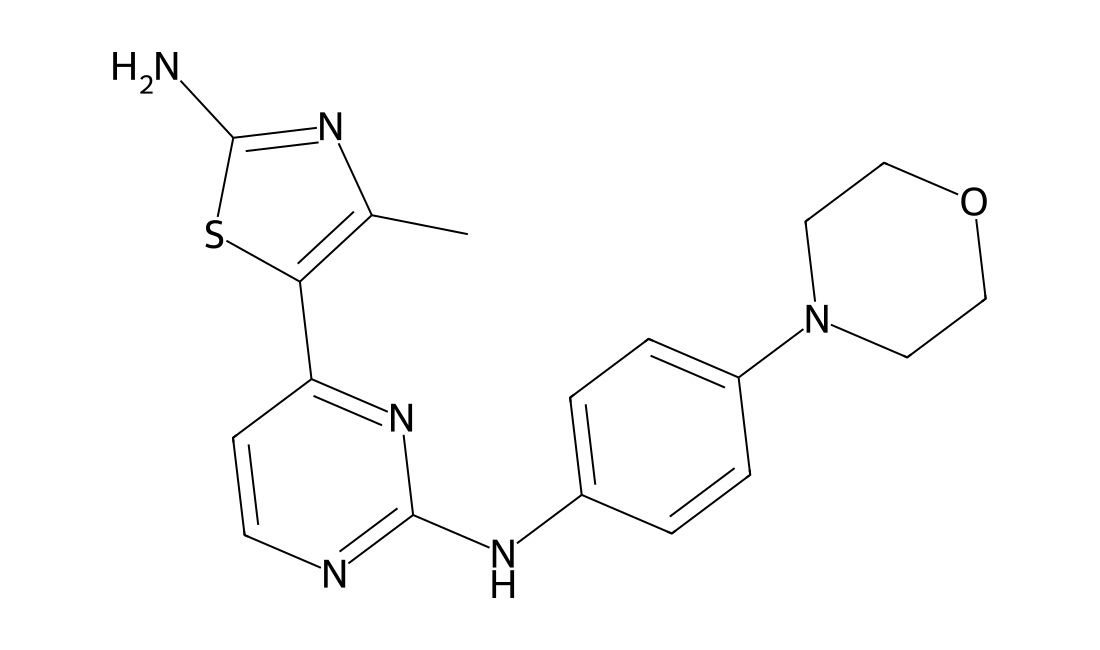
DC72098

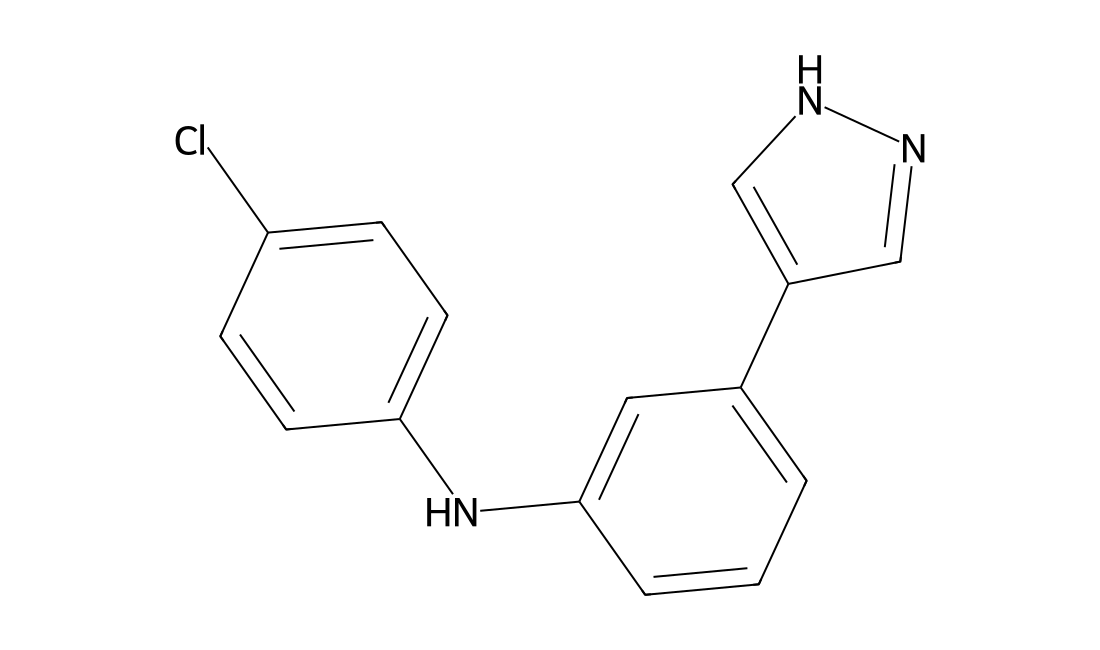
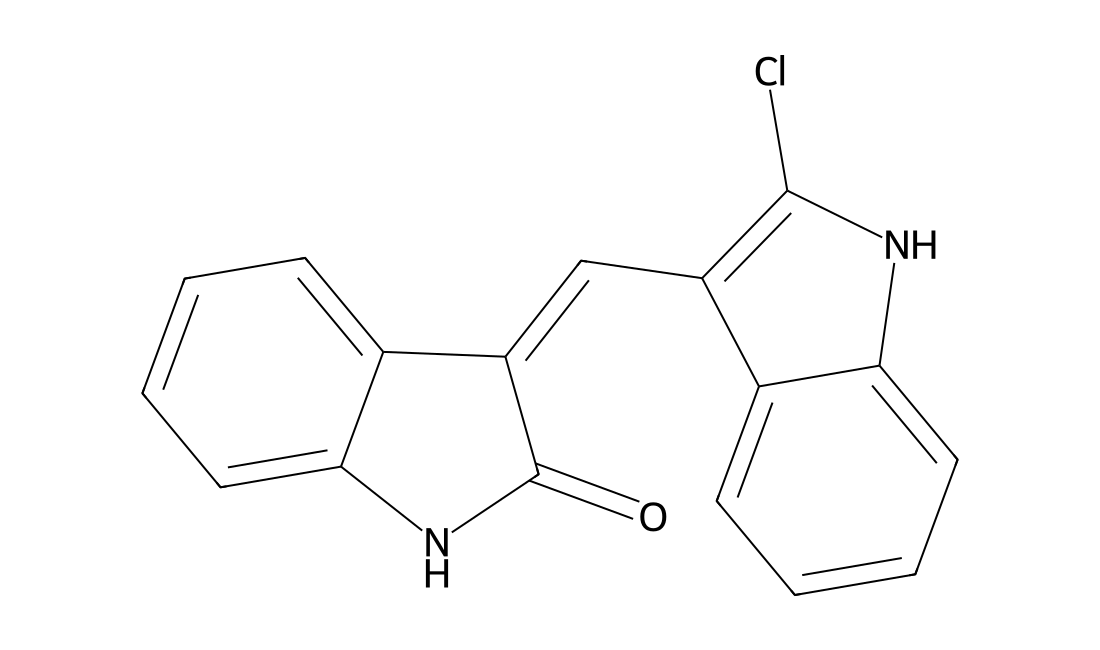
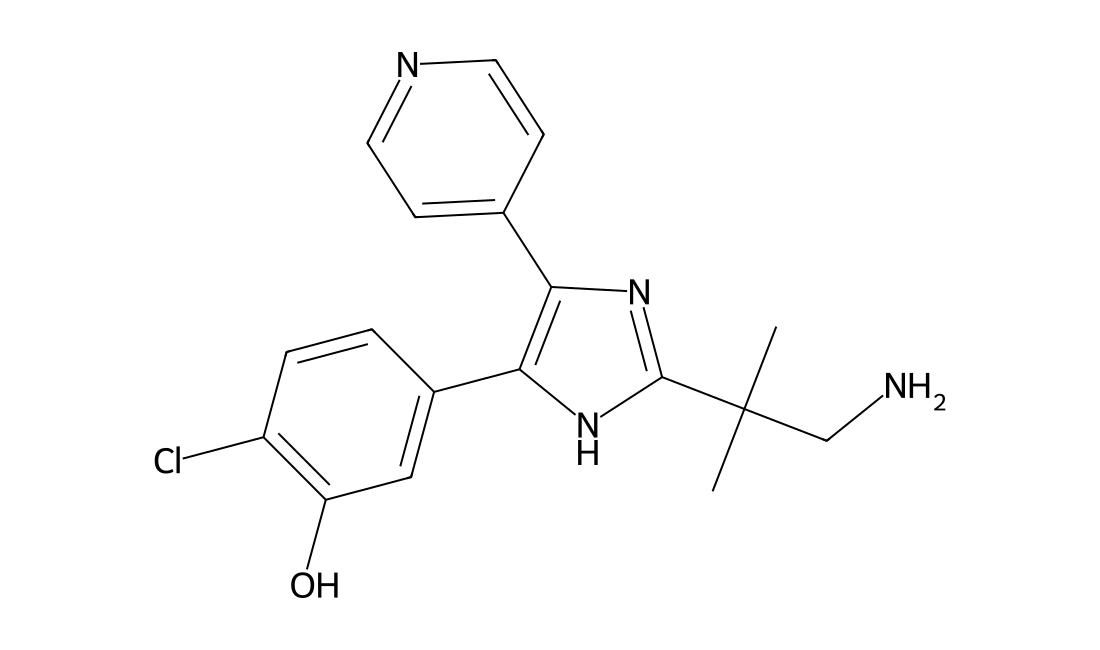
GSK626616

CAS 1025821-33-3

GSK-626616 is a dual-specificity tyrosine-regulated kinase (DYRK3) inhibitor with an IC50 of 0.7 nM which is a potential therapy for the treatment of anemia.

GSK626616 chemical structure
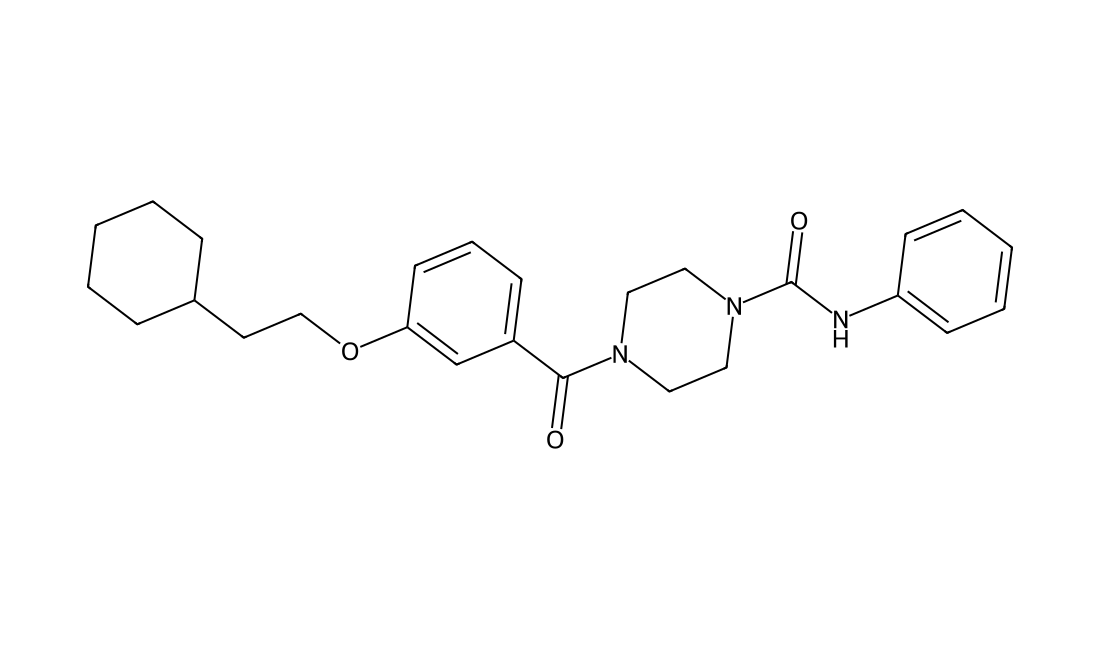
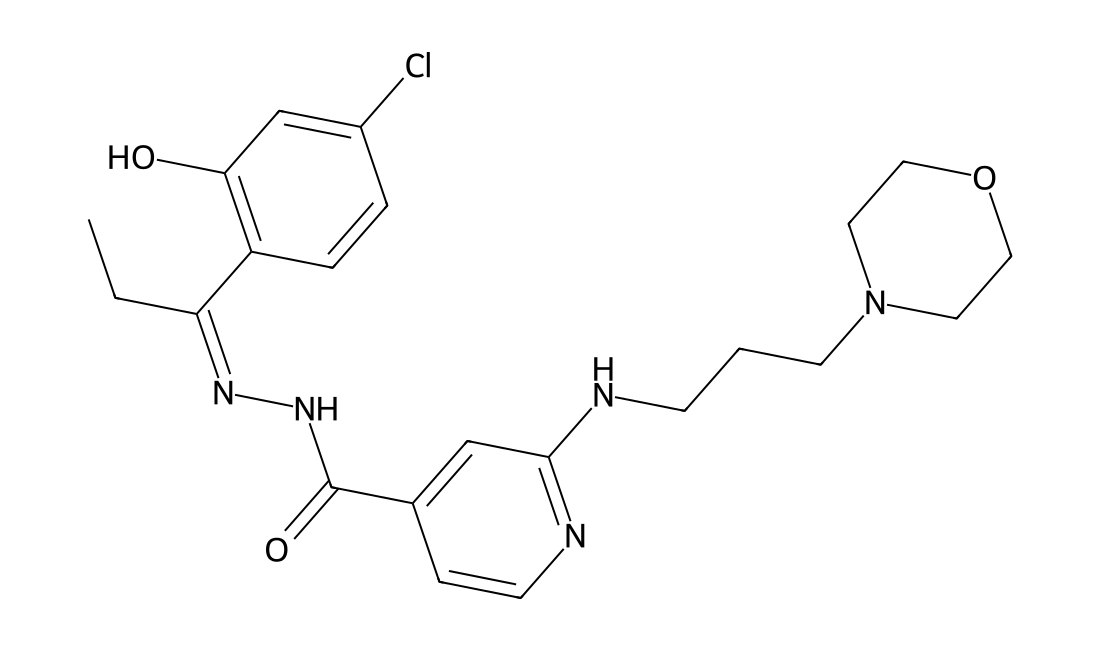
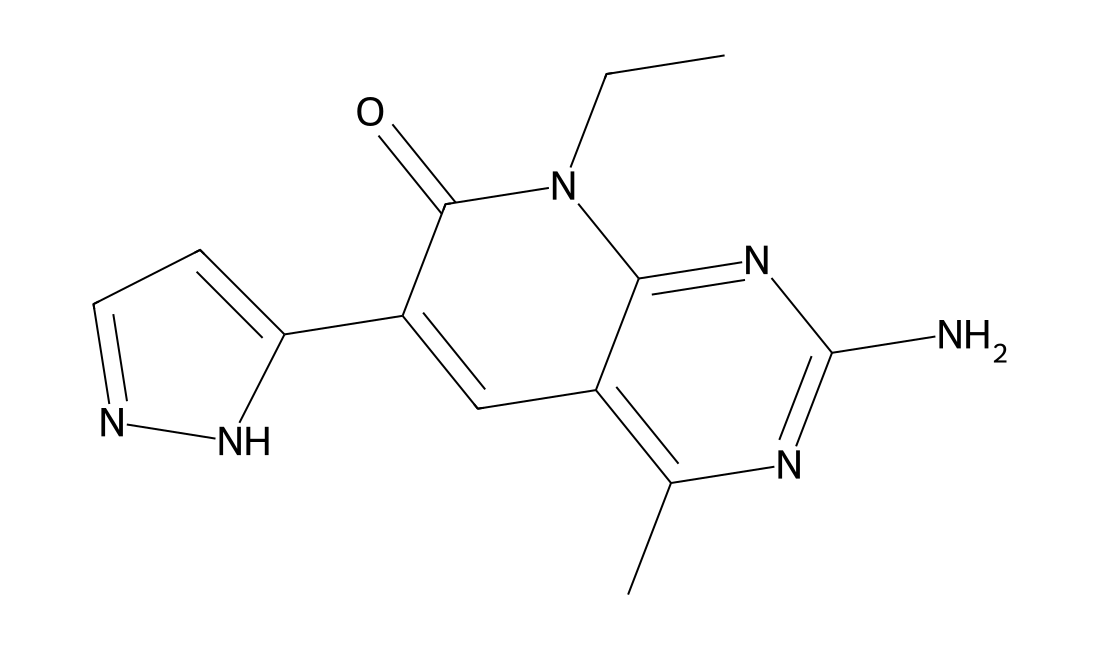
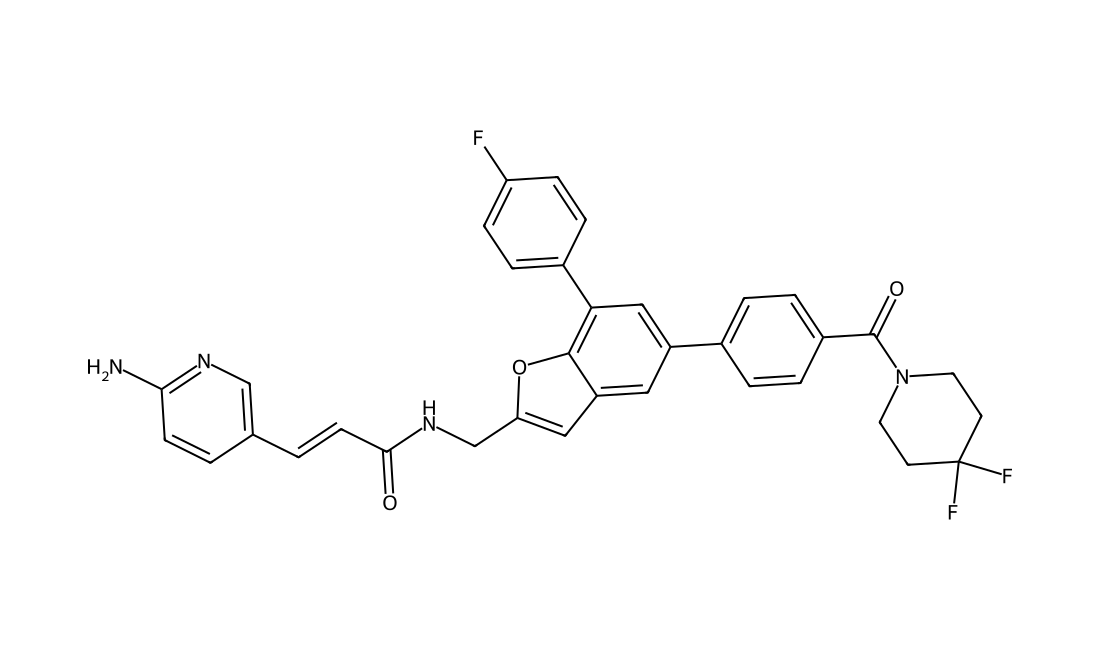
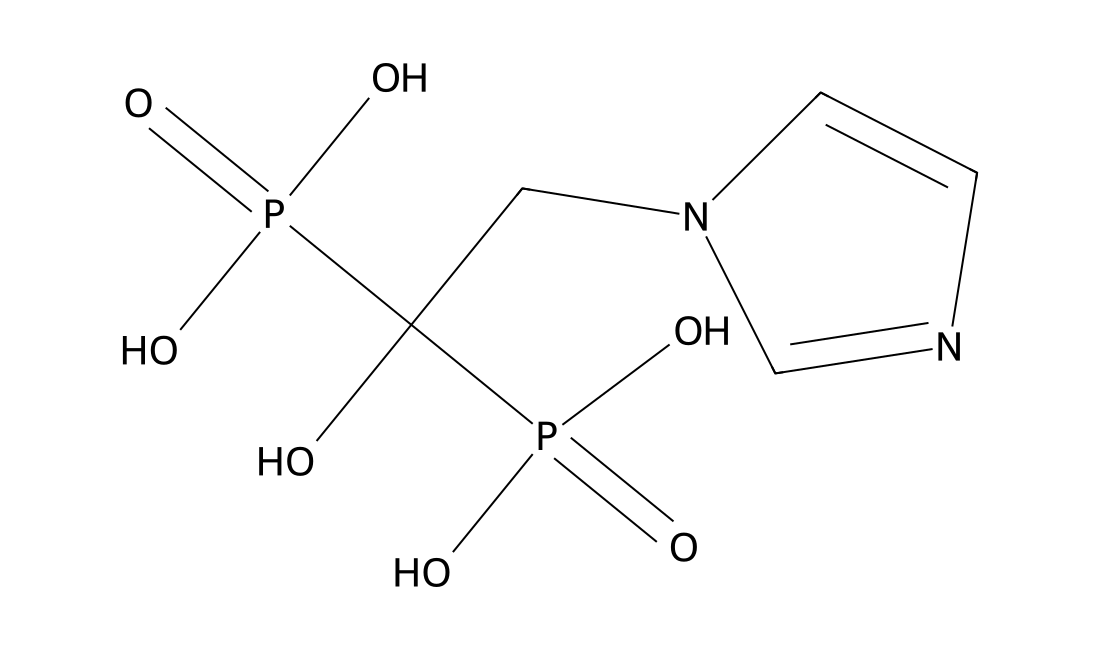
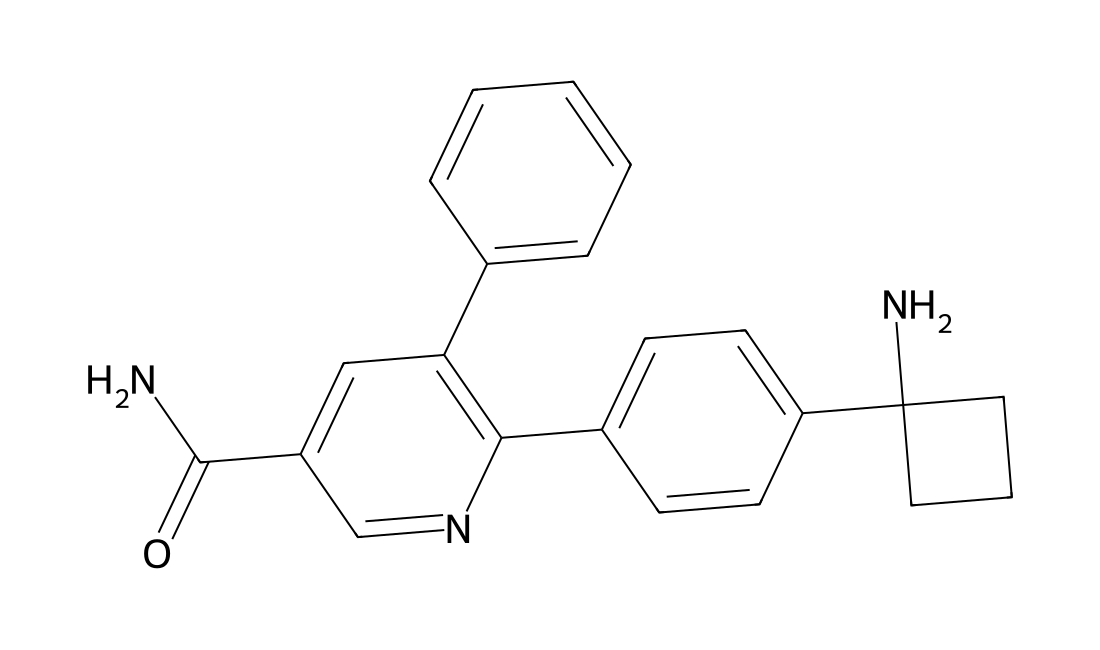
DC47763

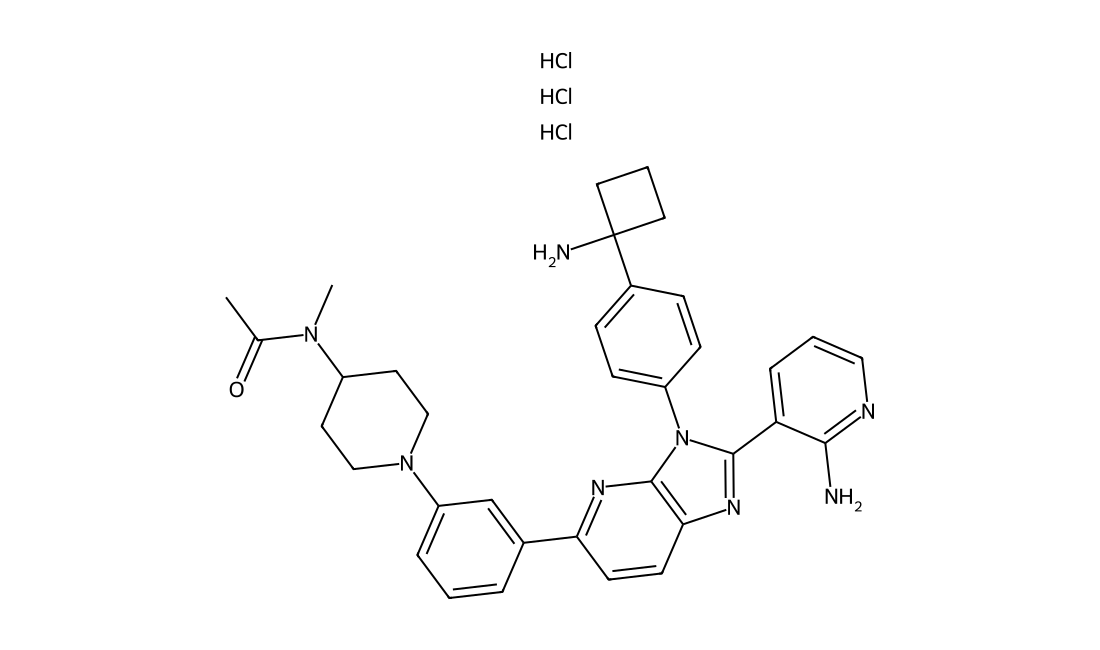
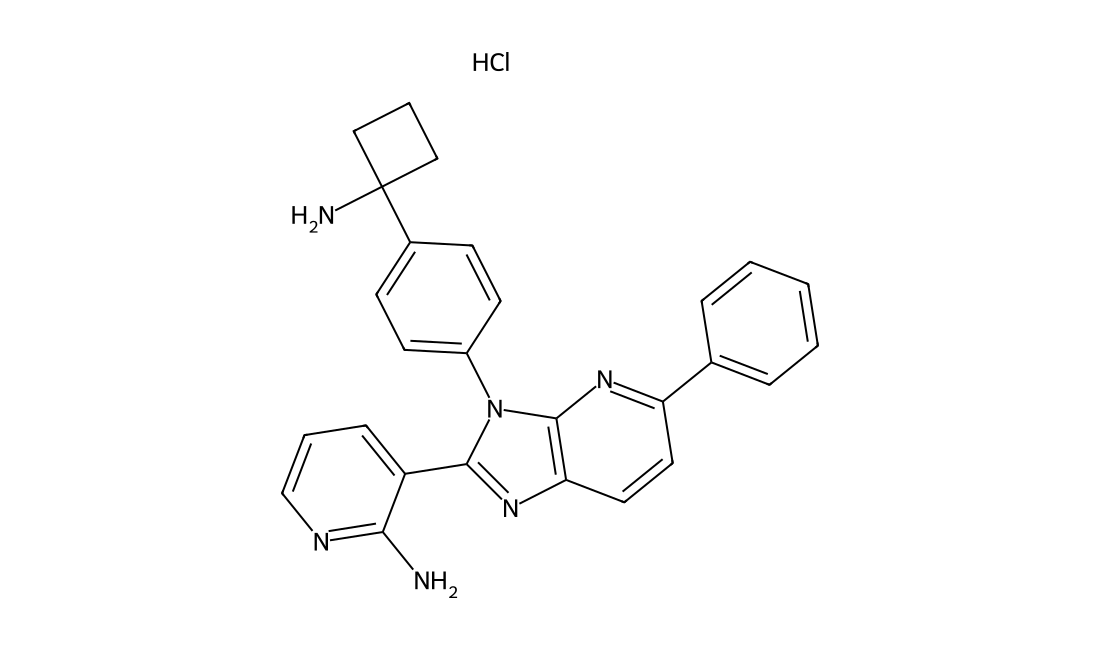
Vevorisertib trihydrochloride

CAS 1416775-08-0

Vevorisertib (ARQ 751) (trihydrochloride) is an orally active, potent and selective pan-AKT serine/threonine kinase inhibitor against AKT1 (IC50=0.55 nM), AKT2 (IC50=0.81 nM), and AKT3 (IC50=1.31 nM). Vevorisertib (trihydrochloride), as a single agent or in combination with other anti-cancer agents, can be used for the research of solid tumors with PIK3CA / AKT / PTEN mutations.

Vevorisertib trihydrochloride chemical structure
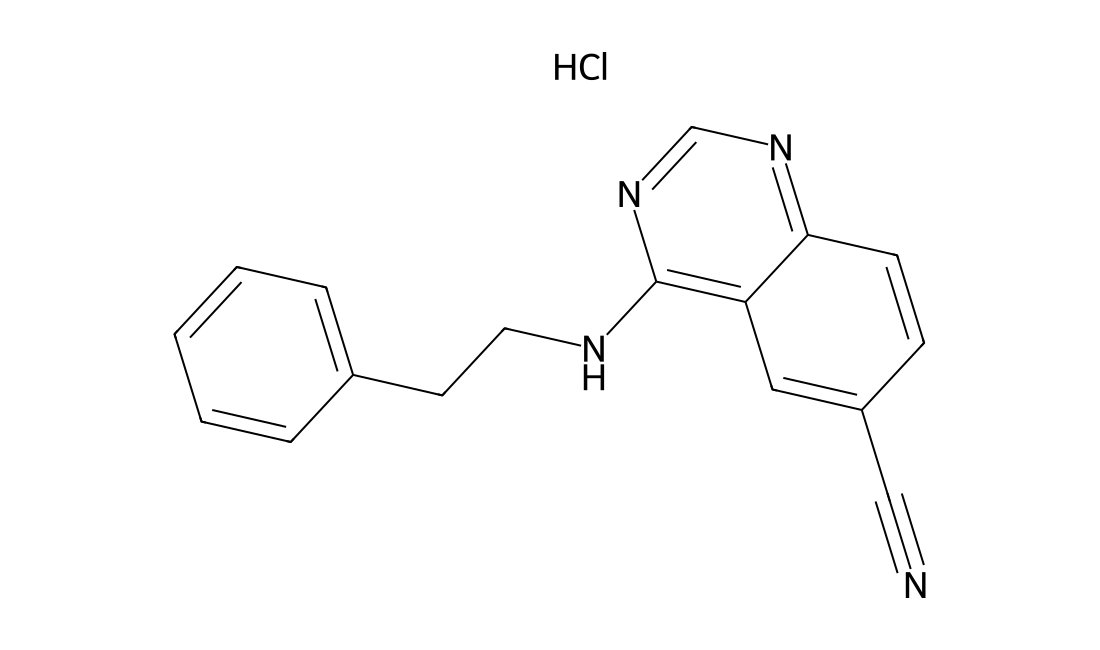
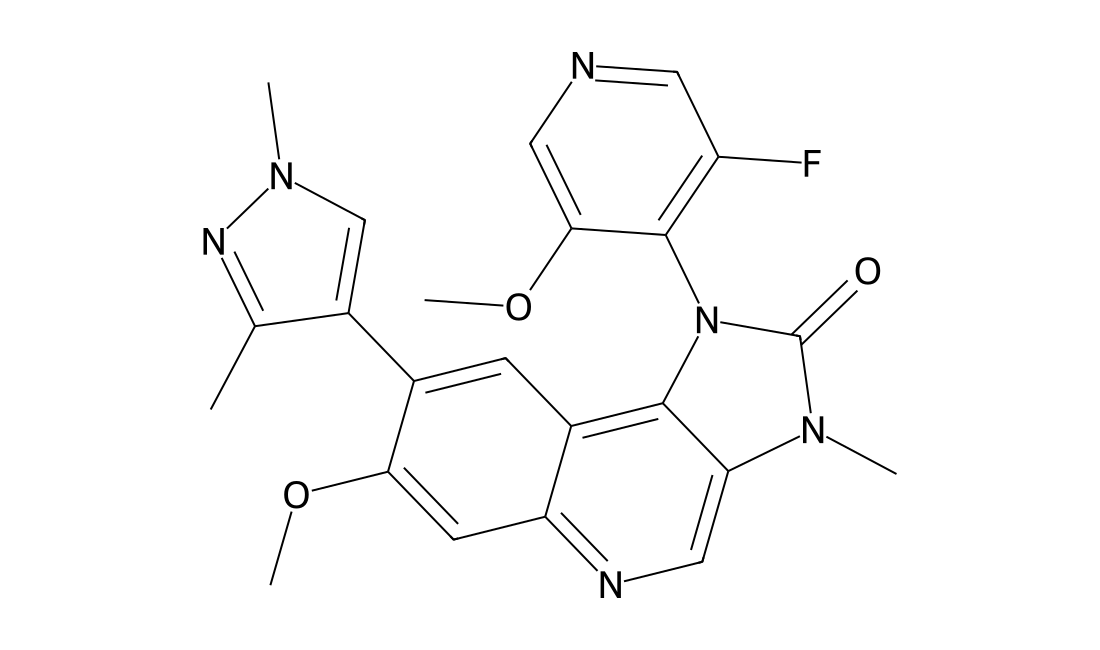
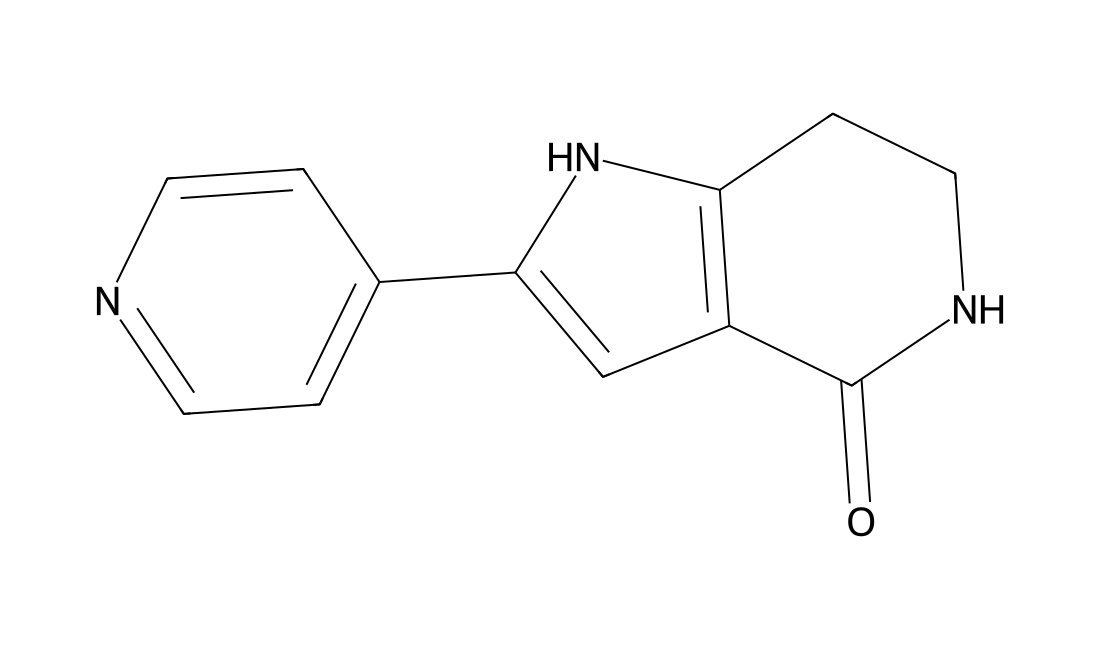
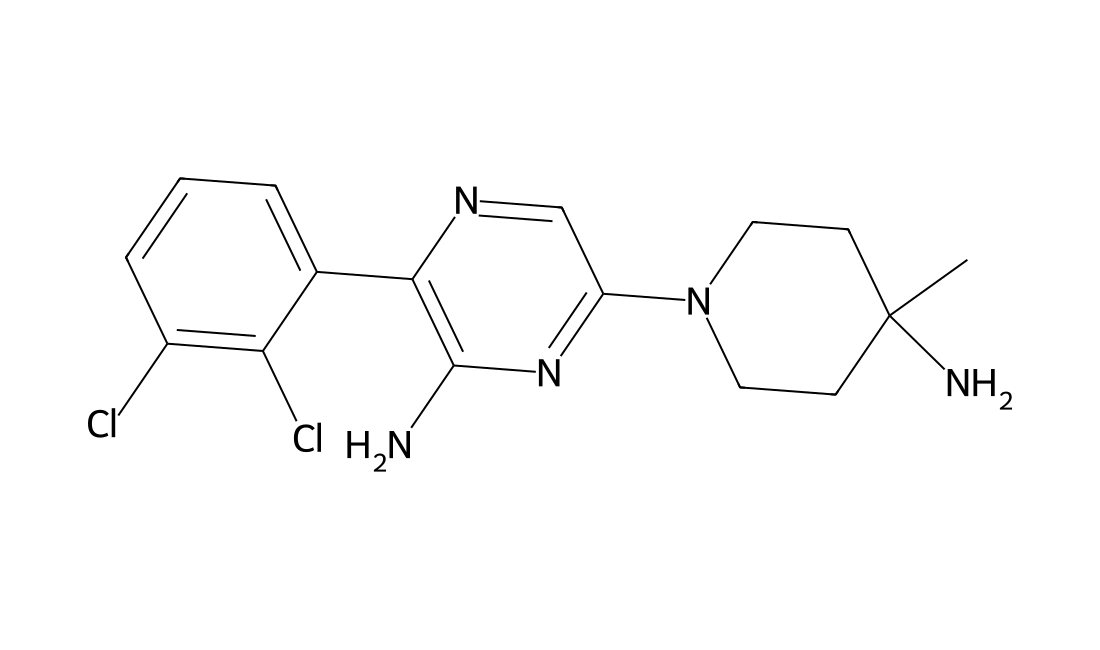
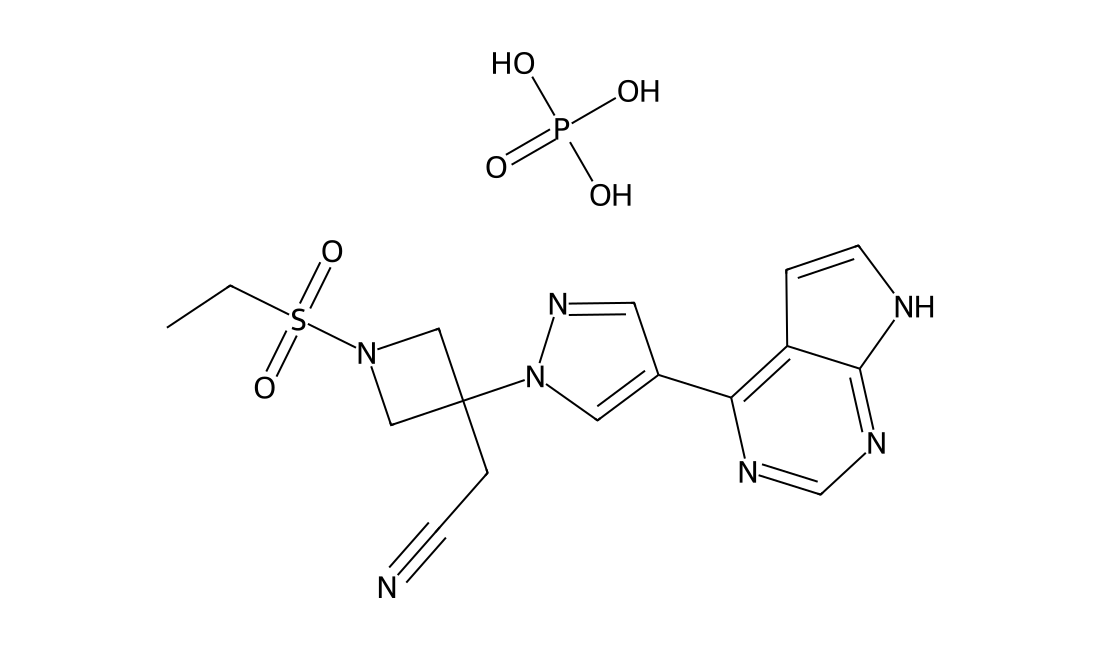
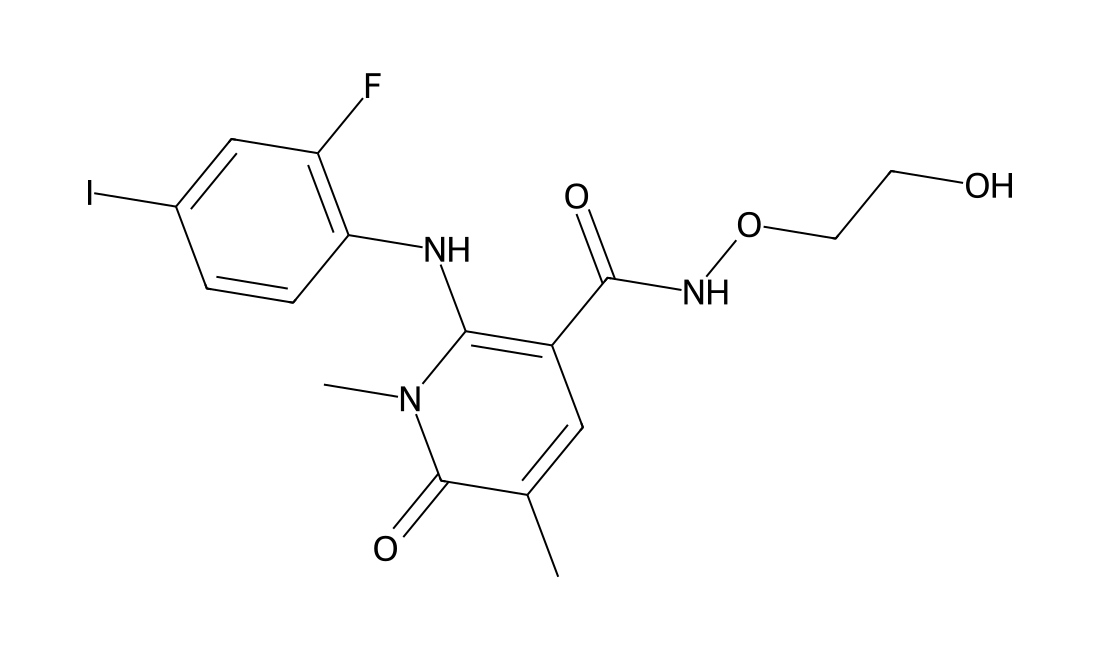
DC49069

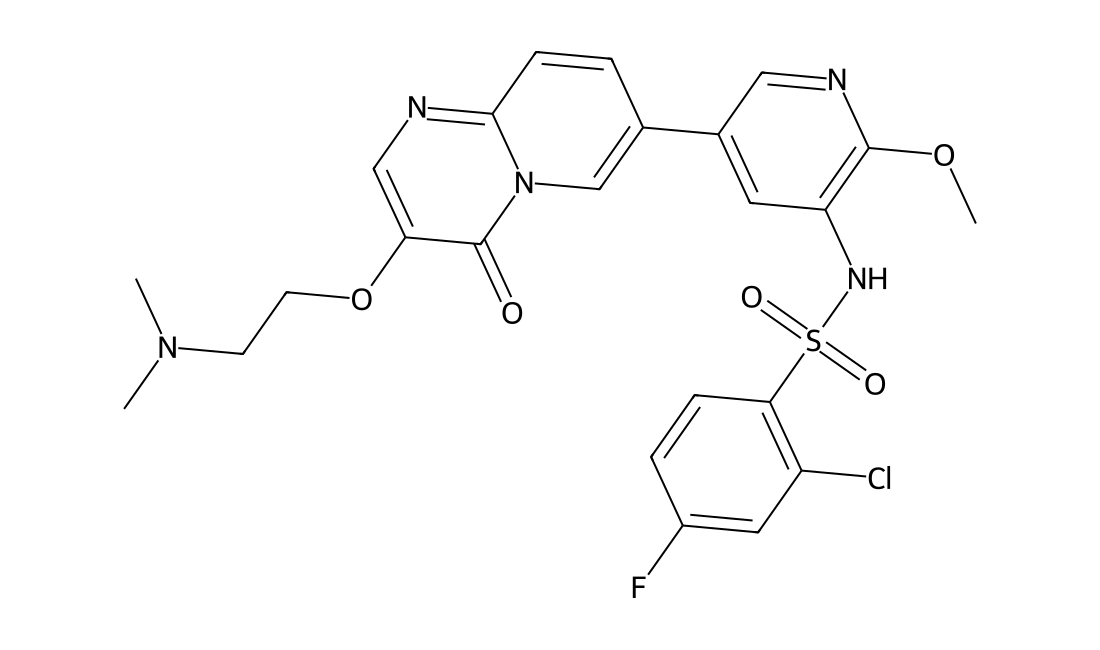
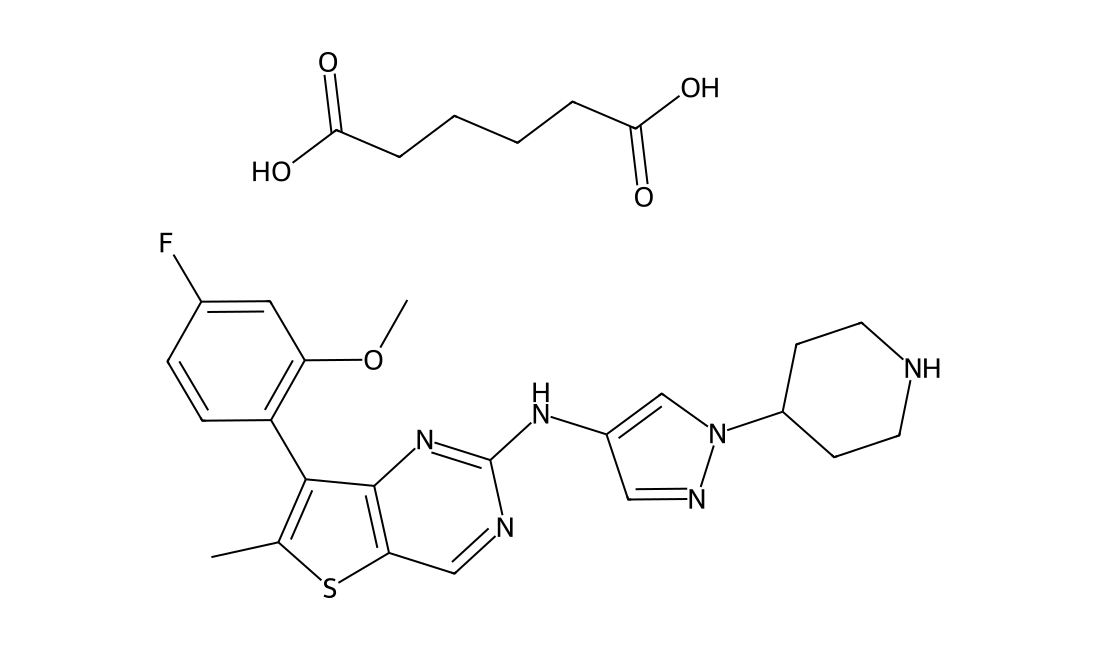
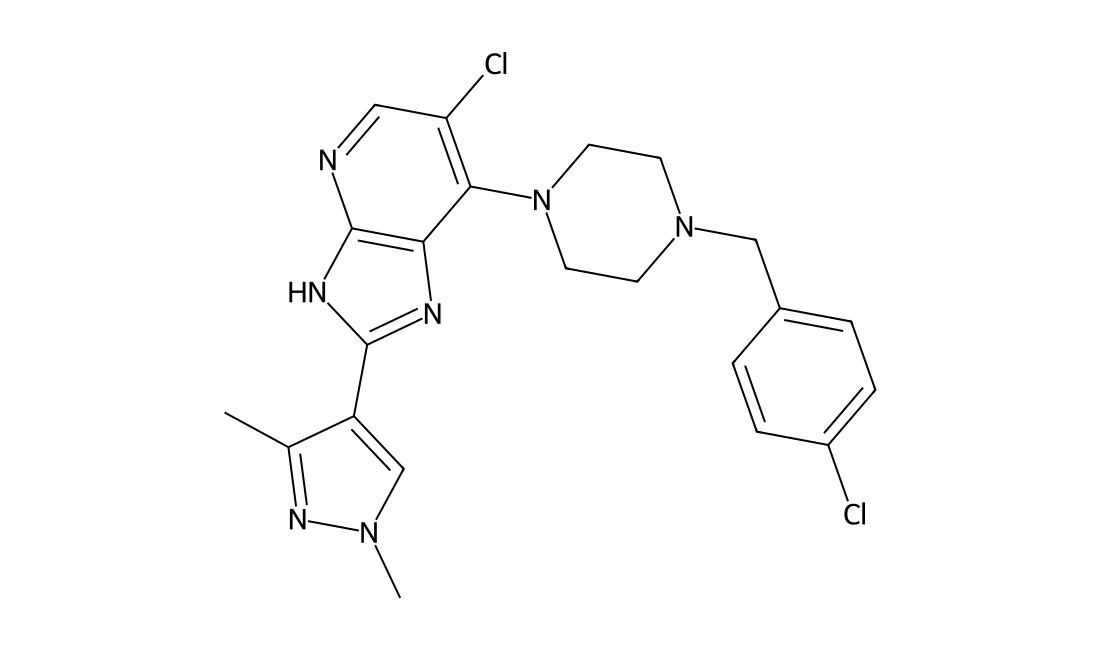
MAX-40279 hemiadipate

CAS 2388506-44-1

MAX-40279 hemiadipate is a dual and potent inhibitor of FLT3 kinase and FGFR kinase. MAX-40279 hemiadipate has the potential for the research of acute myelogenous leukemia (AML) (extracted from patent WO2021180032).

MAX-40279 hemiadipate chemical structure
DCC3449

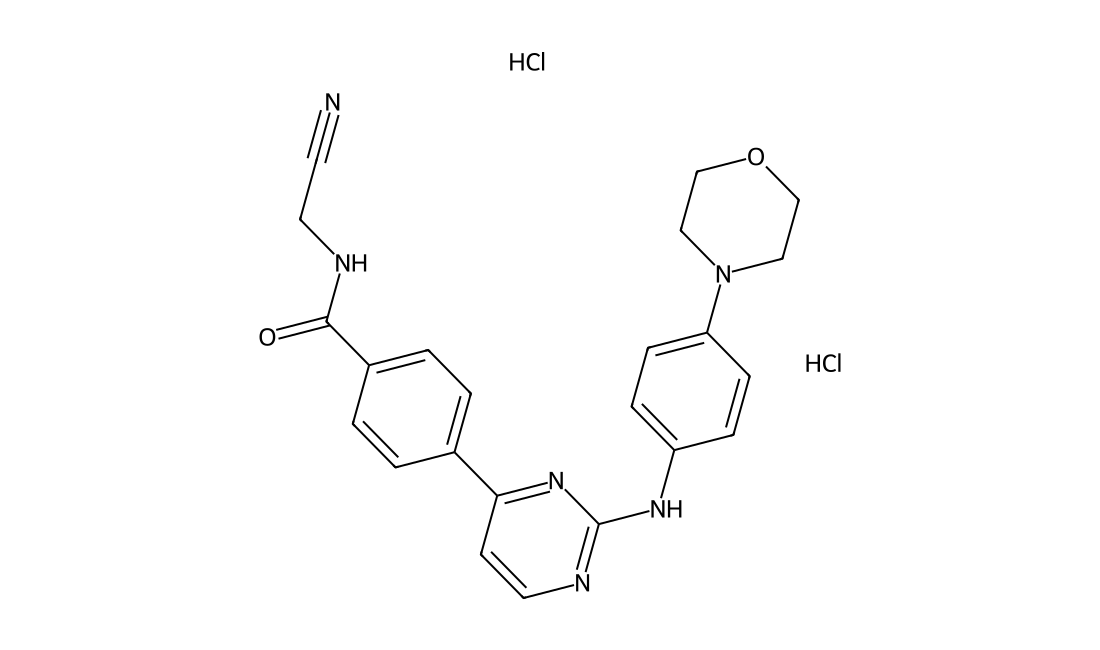
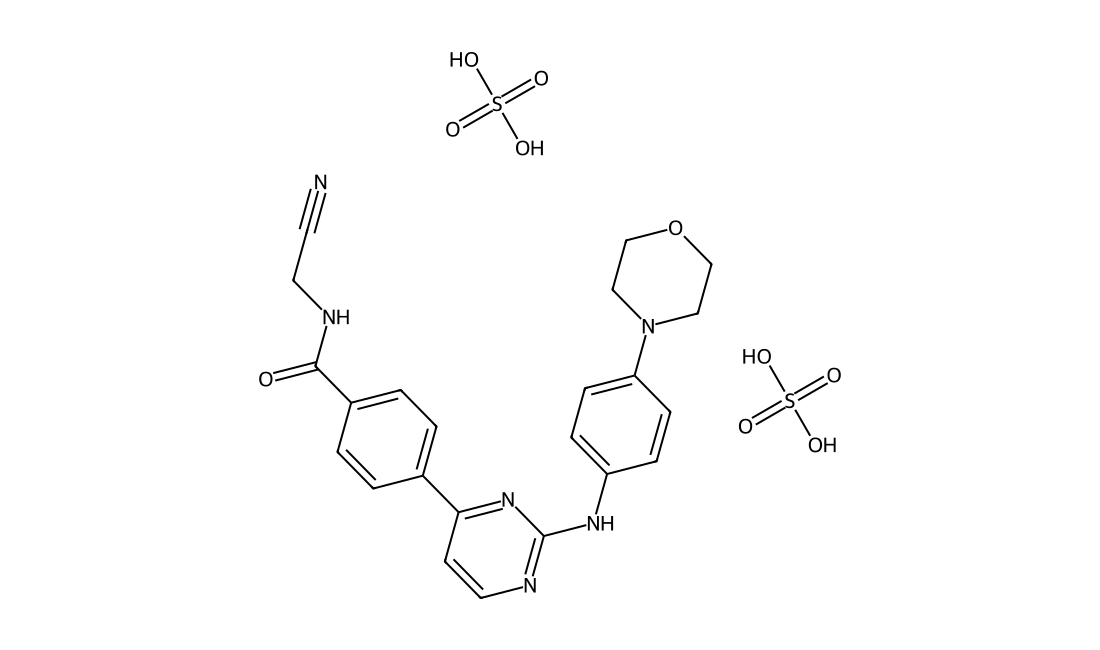
Momelotinib Dihydrochloride

CAS 1380317-28-1

Momelotinib (dihydrochloride) is a JAK1/JAK2 inhibitor that also antagonizes ACVR1, leading to downregulation of Hepcidin expression and increased availability of iron for erythropoiesis. Momelotinib (dihydrochloride) can reduce transfusion burden and spleen enlargement caused by myelofibrosis, showing potential value in research and application within the field of myelofibrosis.

Momelotinib Dihydrochloride chemical structure
DC20087

GKI-1

CAS 2444764-03-6

In Vitro GKI-1 inhibits full-length human GWL, and shows cellular efficacy. Treatment of HeLa cells (25 and 50 µM) with GKI-1 reduces ENSA/ARPP19 phosphorylation levels, resulting in a decrease in mitotic events, mitotic arrest/cell death and cytokinesis failure.

GKI-1 chemical structure
DC71625

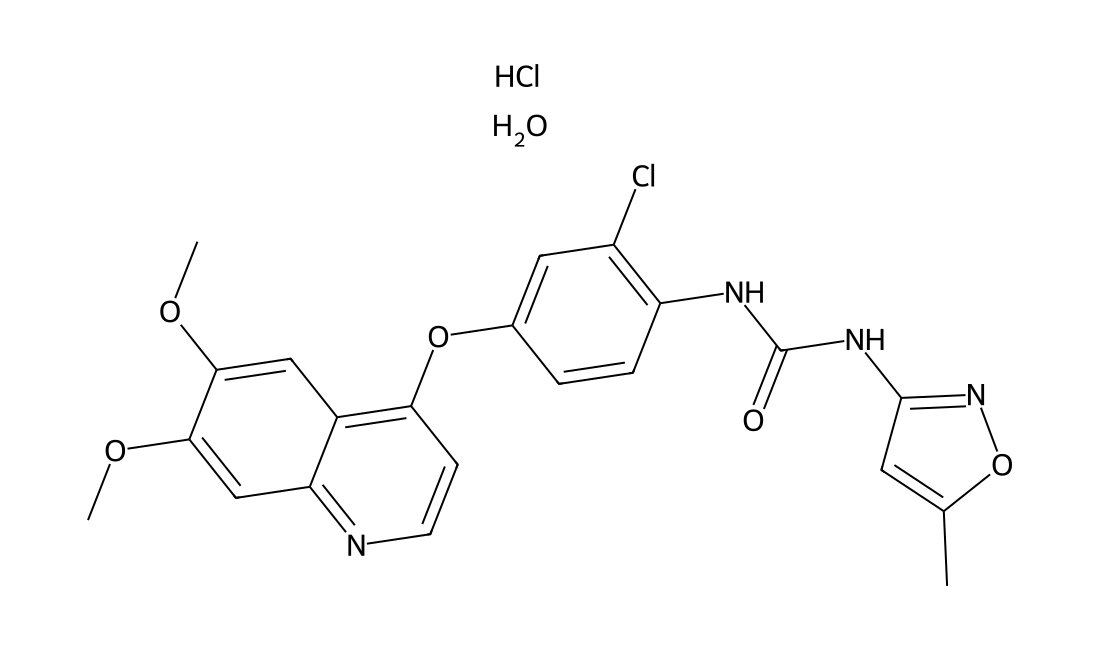
Tivozanib hydrochloride hydrate

CAS 682745-41-1

Tivozanib hydrochloride hydrate is a potent and selective and orally active VEGFR tyrosine kinase inhibitor with IC50是of 0.21, 0.16, 0.24 nM for VEGFR-1, VEGFR-2, VEGFR-3, respectively. Tivozanib hydrochloride hydrate inhibits angiogenesis and vascular permeability in tumor tissues and shows antitumor activity. Tivozanib hydrochloride hydrate has the potential for the research of metastatic renal cell carcinoma (RCC) .

Tivozanib hydrochloride hydrate chemical structure
DC74400

OBX02-011

CAS 2349336-18-9

OBX02-011 is a potent, reversible, fourth-generation EGFR tyrosine kinase inhibitor (TKI) that overcomes the EGFR C797S mutation, inhibits triple mutants Del19/T790M/C797S and L858R/T790M/C797S with IC50 of 0.134 and 2.09 nM, respectively.

OBX02-011 chemical structure
DC66434

c-Kit-IN-3

CAS 2363169-01-9

c-Kit-IN-3 (Compound 18) is a potent and selective c-KIT kinase inhibitor with an IC50s of 4 nM, 8 nM for c-KIT wt and c-KIT T670I, respectively. c-Kit-IN-3 displays great potencies against most of the gain-offunction mutations in the juxtamembrane domain, drugresistant mutations in the ATP binding pocket, and activation loops.

c-Kit-IN-3 chemical structure
DC66413

TEAD-IN-8

CAS 1008768-41-9

TEAD-IN-8 is a novel TEAD inhibitor, which potently and specifically inhibits TEAD-YAP transcriptional activities. TM2, alone or in combination with MEK inhibitors, exhibits potent antiproliferative effects in YAP-dependent cancer cells.

TEAD-IN-8 chemical structure
DC66412

Senexin A hydrochloride

CAS 1780390-76-2

Senexin A hydrochloride is an inhibitor of CDK8/19 (IC50: 280 nM, CDK8) and an inhibitor downstream of p21 transcription. It only inhibits p21-induced transcription but does not inhibit other biological effects of p21. Senexin A hydrochloride inhibits CMV-GFP induction as well as the p21 stimulatory activity of the consensus NF-κB-dependent promoters.

Senexin A hydrochloride chemical structure
DC73159

ML315

CAS 1440251-53-5

ML315 is a small molecule inhibitor of the cdc2-like (Clk) and dual specificity tyrosine phosphorylation-regulated (Dyrk) kinases with IC50 of 68, 231, >10,000, 68, 282 and 1156 nM for CLK1/2/3/4 and DYRK1/2, respectively.

ML315 chemical structure
DC43088

GSK'843

CAS 1601496-05-2

GSK-843 is a receptor-interacting protein kinase 3 (RIP3 or RIPK3) inhibitor, which binds RIP3 kinase domain with an IC50 of 8.6 nM, and inhibits kinase activity with an IC50 of 6.5 nM[1].

GSK'843 chemical structure
DC24067

CYT387 sulfate salt

CAS 1056636-06-6

A potent and selective JAK1/JAK2 inhibitor with IC50 of 11/18 nM; shows significantly less activity against other kinases, including JAK3 (IC50=155 nM); inhibits JAK2V617F (JH1-JH2) withIC50 of 11 nM; inhibits growth of Ba/F3-JAK2V617F and HEL cells (IC50=1500 nM) or Ba/F3-MPLW515L cells (IC50=200 nM). Bone CancerPhase 3 Clinical

CYT387 sulfate salt chemical structure
DC31285

SNS-314

CAS 1057249-41-8

SNS-314 is a synthetic small molecule Aurora kinase (AK) inhibitor with potential antineoplastic activity. Aurora kinase inhibitor SNS-314 selectively binds to and inhibits AKs A and B, which may result in the inhibition of cellular division and proliferation in tumor cells that overexpress AKs. AKs are serine-threonine kinases that play essential roles in mitotic checkpoint control during mitosis.

SNS-314 chemical structure
DC56001

WRX606

CAS 899937-47-4

WRX606 is a nonrapalog inhibitor. WRX606 formed a ternary complex with FK506-binding protein-12 (FKBP12) and FKBP−rapamycin-binding (FRB) domain of mTOR, resulting in the allosteric inhibition of mTORC1. WRX606 inhibited the phosphorylation of not only the ribosomal protein S6 kinase 1 (S6K1) but also eIF4E-binding protein-1 (4E-BP1). Hence, WRX606 efficiently suppressed tumor growth in mice without promotion of metastasis. These results suggest that WRX606 is a potent lead compound for developing anticancer drugs discovered by in silico and in cell methods.

WRX606 chemical structure
DC43254

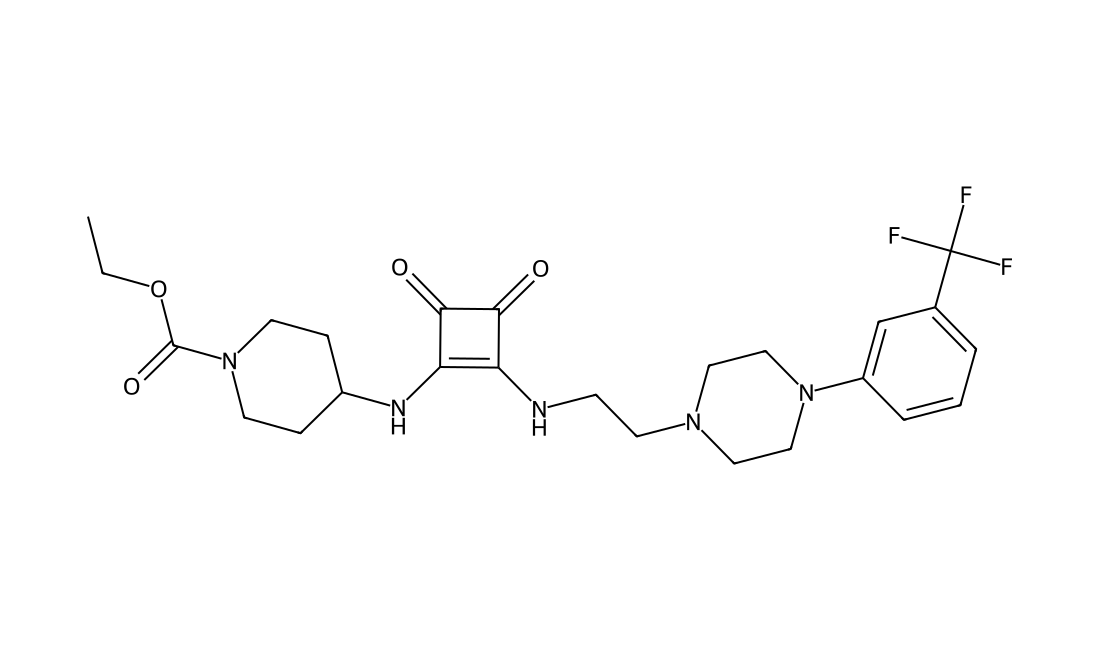
Squarunkin A

CAS 2101958-02-3

Novel modulator of the UNC119-Cargo Interaction, potently and selectively inhibiting the binding of a myristoylated peptide representing the N-terminus of Src kinase to UNC119A

Squarunkin A chemical structure
DC43603

GW779439X

CAS 551919-98-3

GW779439X is a pyrazolopyridazine identified in an inhibitor of the S. aureus PASTA kinase Stk1. GW779439X potentiates the activity of β-lactam antibiotics against various MRSA and MSSA isolates, some even crossing the breakpoint from resistant to sensitive. GW779439X is an AURKA inhibitor and induces apoptosis by the caspases 3/7 pathway[1][2]. MRSA:methicillin-resistant S. aureus; MSSA: methicillin-sensitive S. aureus

GW779439X chemical structure
DC31447

Miransertib HCl

CAS 1313883-00-9

Miransertib, also known as ARQ 092, is an oral activie, potent and selective AKT inhibitor with IC50 values: 5.0 nM (AKT1); 4.5 nM (AKT2); 16 nM (AKT3). ARQ 092 binds to and inhibits the activity of AKT in a non-ATP competitive manner, which may result in the inhibition of the PI3K/AKT signaling pathway. This may lead to the reduction in tumor cell proliferation and the induction of tumor cell apoptosis. ARQ-092 demonstrated high enzymatic potency against AKT1, AKT2, and AKT3, as well as potent cellular inhibition of AKT activation and the phosphorylation of the downstream target PRAS40. ARQ-092 also served as a potent inhibitor of the AKT1-E17K mutant protein and inhibited tumor growth in a human xenograft mouse model of endometrial adenocarcinoma.

Miransertib HCl chemical structure
DC10911

CCT241736

CAS 1402709-93-6

CCT241736 is a novel, orally bioavailable Dual FLT3-Aurora Kinase Inhibitor. CCT241736 has IC50 values against FLT3, Aurora A and Aurora B of 0.035, 0.015 and 0.1 uM respectively. Furthermore, CCT241736 inhibits a wide range of FLT3 mutants, including FLT3-ITD, -D835Y, -D835H, -K663Q and –N841I. In cellular assays, CCT241736 inhibits viability of the human FLT3-ITD positive AML cell lines MOLM-13 and MV-4-11 with EC50 values of 0.1 and 0.27 uM respectively. Unlike the selective FLT3 inhibitors MLN518 and AC220, the in vitro cellular efficacy of CCT241736 is not affected by high levels of FL. In vivo, mouse tumor xenograft models of MOLM-13, MV-4-11, and the doubly-mutated cell line MOLM-13-RES are also sensitive to CCT241736 at well tolerated oral doses, with biomarker modulation consistent with dual inhibition of FLT3 and Aurora kinases. Based on allometric scaling from mouse and rat data, CCT241736 has favorable predicted human pharmacokinetics and phase I clinical trials are planned. In summary, dual inhibition of FLT3 and the critical mitotic kinase Aurora by CCT241736 may represent a novel treatment strategy for FLT3-mutated AML by overcoming the effects of high FL levels and limiting resistance caused by secondary mutations of the FLT3 gene.

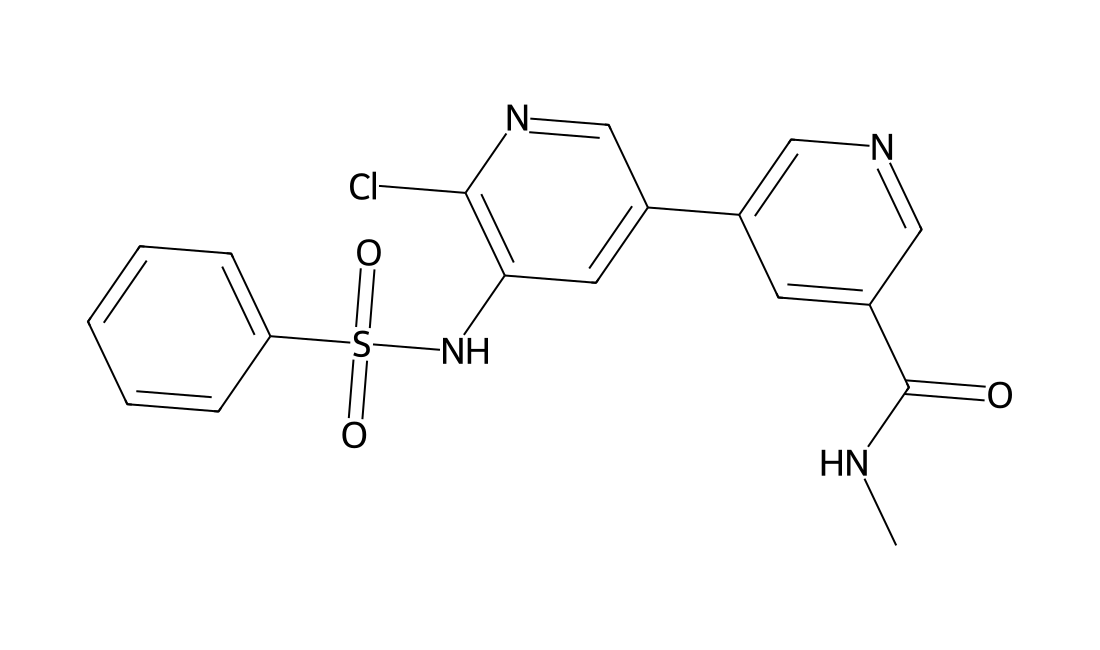
CCT241736 chemical structure
DC70609

MMV030084

CAS 342434-07-5

MMV030084 (MMV-030084) is a potent, specific P. falciparum cGMP-dependent protein kinase (PKG) inhibitor (Kdapp=9-16 nM), inhibits invasion of P. berghei ANKA parasites into HepG2 liver cells with IC50 of 199 nM.MMV030084 potently inhibits hepatocyte invasion by Plasmodium sporozoites, merozoite egress from asexual blood stage schizonts, and male gamete exflagellation, shows potent activity against liver, asexual, and sexual blood stage development.MMV030084 showed an IC50 of 109 nM against the drug-sensitive 3D7-A10 line, and an IC50 of 120 nM against multidrug-resistant Dd2-B2 parasites in a 72-h growth inhibition assay against Pf ABS parasites.MMV030084 inhibited male gamete exflagellation at an IC50 of 141 nM when gametocytes were stimulated to develop into male gametes.MMV030084 is a promising Plasmodium PKG-targeting chemotype.
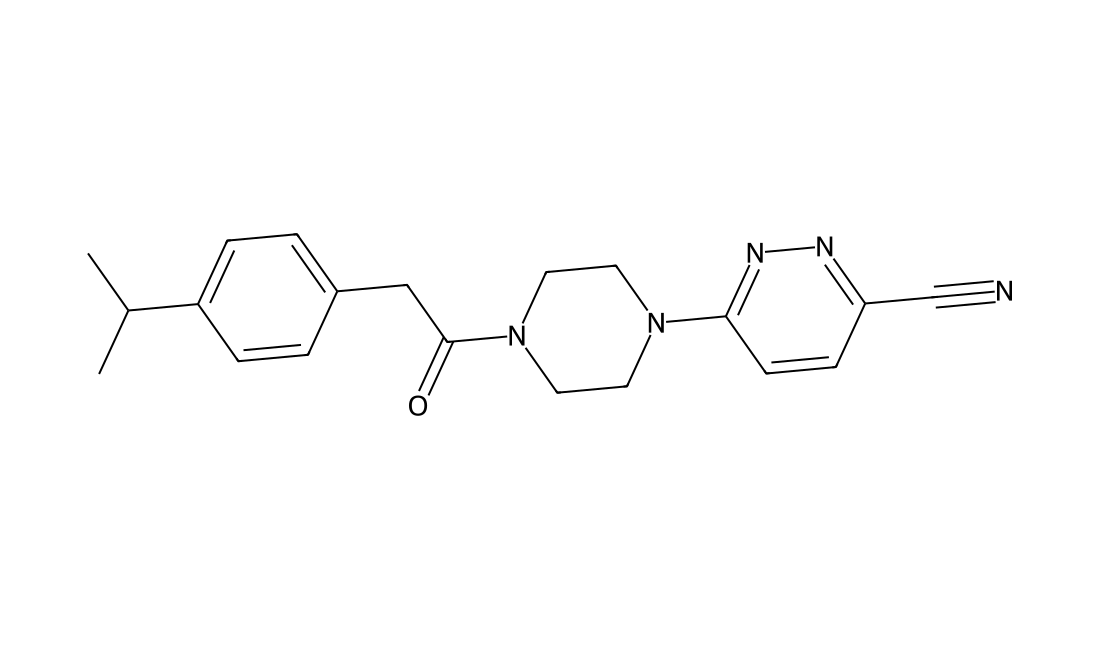
MMV030084 chemical structure
DC65213

CEE321

CAS 2098545-89-0

CEE321 is a potent pan JAK inhibitor in enzyme and cellular assays (IC50 = 54 nM). CEE321 potently inhibited biomarkers relevant to atopic dermatitis.
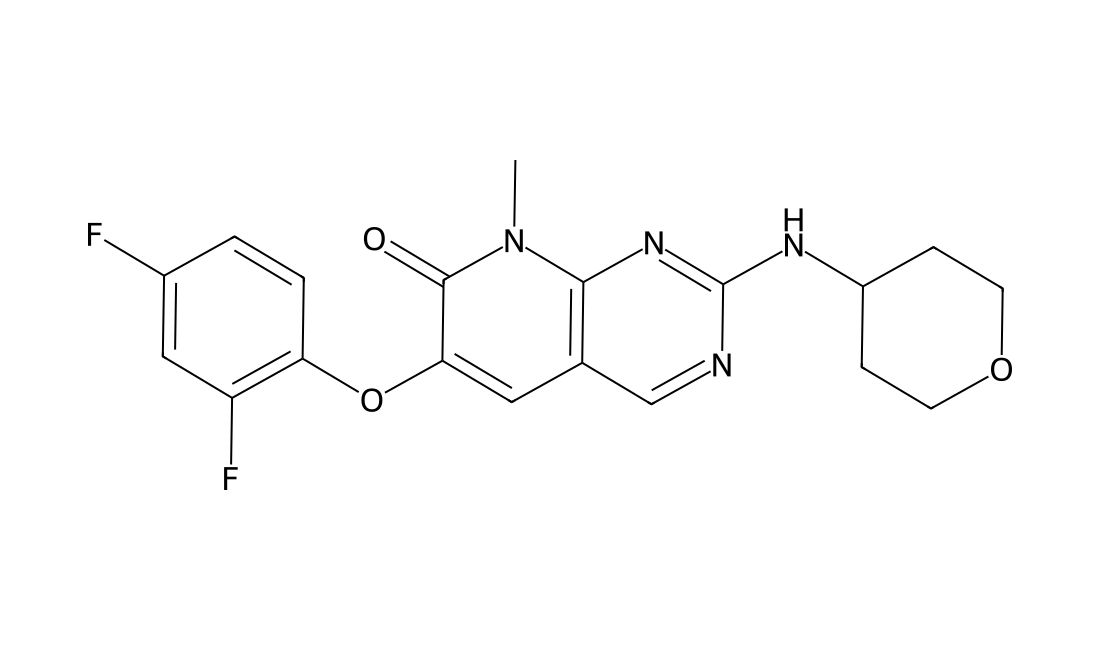
CEE321 chemical structure
DC4132

CP-547632

CAS 252003-65-9

Description of CP-547632: CP-547632 is as a potent inhibitor of the VEGFR-2 and basic fibroblast growth factor (FGF) kinases (IC50 11 and 9 nM, respectively). It is selective relative to epidermal growth factor receptor, platelet-derived growth factor, and other related TKs. It also inhibits VEGF-stimulated autophosphorylation of VEGFR-2 in a whole cell assay with an IC50 value of 6 nM. After oral administration of CP-547,632 to mice bearing NIH3T3/H-ras tumors, VEGFR-2 phosphorylation in tumors was inhibited in a dose-dependent fashion (EC50 590 ng/ml). CP-547,632 is a well-tolerated, orally-bioavailable inhibitor presently under clinical investigation For the treatment of human malignancies. For the detailed information about the solubility of CP-547632 in water, the solubility of CP-547632 in DMSO, the solubility of CP-547632 in PBS buffer, the animal experiment(test) of CP-547632,the in vivo,in vitro and clinical trial test of CP-547632,the cell experiment(test) of CP-547632,the IC50, EC50 and Affinity of CP-547632, please contact DC Chemicals.

CP-547632 chemical structure
DC22728

M-110

CAS 1395048-49-3

M-110 is a novel and highly selective inhibitor of PIM kinases; inhibits the proliferation of prostate cancer cell lines with IC50s of 0.6 to 0.9 uM, with no activity on normal human peripheral blood mononuclear cells up to 40 uM.

M-110 chemical structure
DC65441

Recilisib

CAS 334969-03-8

Recilisib (ON01210, EX-RAD) is a radioprotectant that activates the activity of AKT and PI3K in cells. It has been studied as prophylactic (use prior to radiation exposure) and therapeutic (after exposure to radiation) drug.

Recilisib chemical structure
DC65343

SU-5616

CAS 186611-58-5

SU-5616 is a biochemical reagent. SU 5616 potentially modulates tyrosine kinase signal transduction, and regulates abnormal cell proliferation.

SU-5616 chemical structure
DC8884

Voxtalisib (XL765, SAR245409)

CAS 934493-76-2

Voxtalisib (XL-765) is a potent PI3K inhibitor, which has a similar activity toward class I PI3K (IC50s=39, 113, 9 and 43 nM for p110α, p110β, p110γ and p110δ, respectively), also inhibits DNA-PK (IC50=150 nM) and mTOR (IC50=157 nM). Voxtalisib (XL-765) inhibits mTORC1 and mTORC2 with IC50s of 160 and 910 nM, respectively.

Voxtalisib (XL765, SAR245409) chemical structure
DC71188

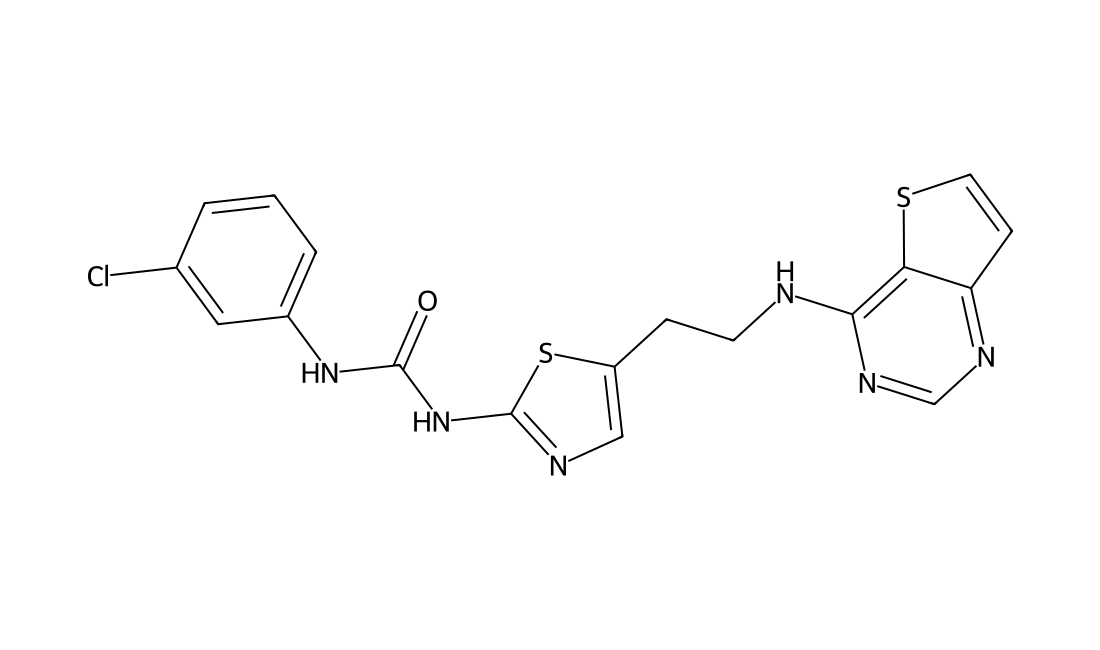
GSK329

CAS 1268490-12-5

GSK329 is a potent and selective diarylurea inhibitor of the cardiac-specific kinase TNNI3K. GSK329 exhibits positive cardioprotective outcomes in the model of ischemia/reperfusion cardiac injury.

GSK329 chemical structure
DC12548

PZ-2891

CAS 2170608-82-7

PZ-2891 is an oral, allosteric, and brain penetrant pantothenate kinase (PANK) modulator, acting as both an orthosteric inhibitor (IC50=1.3 nM) and an allosteric activator of PANK3 activity in the presence of acetyl-CoA.

PZ-2891 chemical structure
DC10053

R1487

CAS 449811-92-1

R1487 is a p38 MAP kinase inhibitor with an IC50 of 10nM. It may have potential as a treatment for inflammatory diseases such as rheumatoid arthritis.

R1487 chemical structure
DC11959

PD 184161

CAS 212631-67-9

PD184161 is an orally active MEK inhibitor. PD184161 inhibits MEK activity (IC50=10-100 nM) in a time- and concentration-dependent manner. PD184161 inhibits cell proliferation and induces apoptosis. PD184161 produces depressive-like behavior[1][2].

PD 184161 chemical structure
Browse target & topic index A–Z (366)
11β-HSD (1)15-PGDH (2)5-HT Receptor (16)Acetyl-CoA Carboxylase (ACC) (3)Acetylcholinesterase (AChE) (2)Ack1 (TNK2) (1)Acyltransferase (1)ADC Cytotoxin (6)ADCs Linker/Click Chemistry (5)Adenosine Receptor (9)Adenylate Cyclase (2)Adrenergic Receptor (11)Akt (12)Alcoholism (2)Aldehyde Dehydrogenase (ALDH) (6)Allergy (5)Alzheimer Disease (13)Aminopeptidase (1)AMPK (8)Amyloids (4)Anaplastic Lymphoma Kinase (ALK) (9)Androgen Receptor (AR) (11)Anemia (4)Angiotensin Receptor (4)Antibody/Protein labeling dyes (1)Antifolate (2)Anxiety (1)Apoptosis Inducer (3)Arginase (1)Arp2/3 complex (1)Aryl hydrocarbon Receptor (AhR) (1)Asthma (5)Atherosclerosis (2)ATM/ATR (8)Aurora Kinase (10)Autophagy (6)Autophagy-related Protein (Atg) (2)Autotaxin (2)Bacterial (26)Bacterial Infection (17)Bcl-2 (14)Bcr-Abl (5)BCRP (1)Beta-catenin (4)Beta-secretase (BACE) (4)Blood Cancer (91)BMI-1 (1)Bone Cancer (6)Brain Cancer (6)Breast Cancer (30)Bromodomain (22)BTK (10)c-Fms (CSF1R) (5)c-Fos/AP-1 (1)c-Kit (6)c-Met (HGFR) (11)c-Myc (2)Calcium Channel (4)Calcium-sensing Receptor (CaSR) (1)CaMK (4)Cannabinoid Receptor (6)Carbonic Anhydrase (1)Carboxypeptidase (1)Casein Kinase (6)Caspase (4)Cathepsin (6)Cdc2-like Kinase (CLK) (1)CETP (2)CFTR (7)Checkpoint Kinase (Chk) (8)Chemokine Receptor (CCR and CXCR) (14)Chemotherapeutic Agents (19)Chloride Channel (1)CMV (2)CMV Infection (2)Colon Cancer (9)Complement System (1)COPD (3)CREB/CBP (2)CRF Receptor (2)CRISPR/Cas9 (1)Cushing Disease (1)Cyclin-dependent Kinase (CDK) (39)Cyclooxygenase (COX) (4)Cytochrome P450 (CYPs) (5)Depression (2)Dermatitis (2)Deubiquitinase (DUB) (7)Diabetes (20)Dipeptidyl Peptidase (DPP) (3)Discoidin Domain Receptor (DDR) (1)DNA Alkylator/Crosslinker (10)DNA Methyltransferase (DNMT) (1)DNA Repair Protein (1)DNA-PK (2)DNA/RNA Synthesis (5)Dopamine beta-hydroxylase (1)Dopamine Receptor (7)Drug Metabolite (1)Drug-Linker Conjugates (11)Dyes (4)DYRK (1)Dyslipidemia (9)E3 Ligase Ligand (6)E3 Ligase Ligand-Linker Conjugate (1)E3 Ubiquitin Ligase (4)Ebola Virus Infection (1)EGFR (32)Elastase (2)Endothelin Receptor (5)Enzymes substrates (13)Epigenetic Reader Domain (3)Epilepsy (4)ERK (4)Estrogen Receptor/ERR (13)Eukaryotic Initiation Factor (eIF) (2)Exportin-1 (CRM1,XPO1) (2)FABP (1)Factor Xa (5)Farnesoid X Receptor (FXR) (5)Farnesyl transferase (FTase) (1)Ferroptosis (6)FGFR (20)Fibrosis (5)FLT3 (6)Focal Adhesion Kinase (FAK) (11)Foxo1 (1)Free Fatty Acid Receptor (FFAR) (5)Fungal (2)Fungal Infection (1)GABA Receptor (13)Galectin (1)Gastric Cancer (8)Ghrelin Receptor (GHSR) (3)Glucagon Receptor (4)Glucokinase (2)Glucose Transporter (GLUT) (2)Glutamate Transporter (2)GPCR (1)GPER (GPR30) (1)GPR139 (1)GPR183 (EBI2) (2)GPR39 (1)GPR55 (1)GPR84 (1)GRK (GPCRK) (2)Growth Hormone Deficiency (2)GSK-3 (8)Guanylate Cyclase (3)HBV (1)HBV Infection (1)HCN Channel (2)HCV (8)HCV Infection (9)HDAC (38)Heart Arrhythmia (2)Heart Failure (5)Heat Shock Protein (HSP) (15)Hedgehog (Hh) (1)HIF/HIF Prolyl-hydroxylase (8)Histamine Receptor (6)Histone Acetyltransferase (HAT) (5)Histone Demethylase (11)Histone Methyltransferase (HMTase) (31)HIV (12)HIV Infection (11)HMG-CoA Reductase (HMGCR) (3)HSV (1)HSV Infection (1)Hypercholesterolemia (1)Hyperparathyroidism (1)Hypertension (8)IAP (1)IGF-1R (3)iGluR (15)Indoleamine 2,3-Dioxygenase (IDO) (4)Infection (1)Influenza (6)Influenza Virus (6)Insulin Receptor (2)Integrin (6)Interleukin Receptor (1)IRAK (2)IRE1 (4)Irritable Bowel Syndrome (2)Ischemia (1)Isocitrate Dehydrogenase (IDH) (5)ITK (1)IκB kinase (IKK) (7)JAK (32)JNK (3)Keap1-Nrf2 (6)Kidney Cancer (10)Kinesin (5)Kruppel-like Factor (KLF) (1)Kynurenine 3-Monooxygenase (KMO) (1)Leukotriene Receptor (1)LIM Kinase (LIMK) (3)Lipids fragment (1)Liver Cancer (6)Liver X Receptor (LXR) (3)LRRK2 (9)Lung Cancer (39)Lysophospholipid Receptor (12)LYTACs (3)mAChR (9)MALT1 (2)MAP4K (1)Matrix Metalloproteinase (MMP) (10)MDM2-p53 (9)MEK (MAP2K) (14)MEKK (MAP3K) (1)Melanocortin Receptor (2)MELK (1)mGluR (7)MicroRNA (1)Microtubule/Tubulin (5)Mineralocorticoid Receptor (MLR) (1)MITF (1)Mixed Lineage Kinase (MLK) (3)MNK (2)Molecular Glues (21)Monoamine Transporter (5)Monocarboxylate Transporter (MCT) (1)Monopolar Spindle 1 (Mps1/TTK) (3)mTOR (13)Multiple Sclerosis (6)Myosin (1)Na-K-Cl Cotransporter (NKCC) (2)nAChR (2)NADPH Oxidase (NOX) (2)NAMPT (3)Natural products (37)Neprilysin (1)Neurokinin Receptor (3)Neuropeptide Y Receptor (3)NF-κB (5)Nitric Oxide Synthase (NOS) (1)NOD-like Receptor (NLR) (3)Notch (2)Nucleoside Antimetabolite/Analog (10)Nur77 (NR4A1) (1)Obesity (1)Oct3/4 (1)Opioid Receptor (5)Orexin Receptor (7)Osteoporosis (2)Ovarian Cancer (14)Oxytocin Receptor (OXTR) (2)P-glycoprotein (P-gp) (3)p21-activated Kinase (PAK) (1)P2X Receptor (2)P2Y Receptor (1)p38 MAPK (10)p97/VCP (1)Pain (12)Pancreatic Cancer (10)Parasite (5)Parasite Infection (2)Parkinson Disease (2)PARP (19)PCSK9 (1)PD-1/PD-L1 (4)PDGFR (4)PDK1 (2)PEGn (1)PERK (2)PGE synthase (2)Phosphodiesterase (PDE) (9)Phospholipase (4)PI3K (32)PI4K (2)Piezo Channel (1)PIKfyve (3)Pim (9)PKC (12)PKD (1)Plasminogen Activator Inhibitor-1 (PAI-1) (3)Polo-like Kinase (PLK) (4)Porcupine (3)Potassium Channel (13)PPAR (13)Pregnane X Receptor (PXR) (1)Progesterone Receptor (2)Prostaglandin Receptor (11)Prostate Cancer (7)PROTACs (35)Protease-activated Receptor (PAR) (3)Proteasome (12)Protein Disulfide Isomerase (PDI) (1)Protein Phosphatase/PTP (6)Proton Pump (1)Psoriasis (5)RAD51 (1)Radioligand precursors (15)Raf (18)RAR/RXR (3)Ras (17)Renin (2)RET Tyrosine Kinase (c-RET) (3)Rheumatoid Arthritis (16)Ribosomal S6 Kinase (RSK) (5)RIG-I-like Receptor (RLR) (2)RIP kinase (7)ROCK (12)ROR (2)RSV (4)RSV Infection (3)RUNX1-CBFβ (1)S-nitrosoglutathione reductase (GSNOR) (1)Saccharides and Glycosides (1)Salt Inducible Kinase (SIK) (2)SARS-CoV (16)SARS-CoV Infection (34)Schizophrenia (4)Sexual Dysfunction (1)SGLT (4)Sigma Receptor (4)Sirtuin (9)Skin Cancer (13)Sleep Disorder (7)SMN2 Modulator (1)Smoothened (Smo) (9)Sodium Channel (12)Solid Tumors (35)Somatostatin Receptor (2)Sphingosine kinase (SphK) (2)Src (7)STAT (5)Stearoyl-CoA Desaturase (SCD) (1)Steatohepatitis (7)Sterol lipids (1)STING (14)Syk (6)T Cell Receptor (TCR) (1)TAK1 (2)TAM Receptor (Tyro3-Axl-Mer) (4)Taste Receptor (1)Telomerase (2)TGF beta Receptor (TGFBR) (12)Thrombin (3)Thrombosis (13)Thyroid Cancer (1)Thyroid Hormone Receptor (THR) (1)Thyrotropin Receptor (2)TNIK (1)Toll-like Receptor (TLR) (2)TOPK (1)Topoisomerase (11)TRAIL (1)Translocator Protein (TSPO) (1)Trk Receptor (4)TRP Channel (13)Tryptophan Hydroxylase (TPH) (1)Ubiquitin-activating Enzyme (E1) (2)Ubiquitin-conjugating Enzyme (E2) (2)Ulcer (1)ULK (3)Vasopressin Receptor (2)VEGFR (25)Vitamin D Receptor (VDR) (3)Wee1 (1)WNK Kinase (1)Wnt (5)Yes-associated Protein (YAP) (4)γ-secretase (5)

Cart

Request quotation