Home/Small Molecules/Kinases & Cell Signaling

Kinases & Cell Signaling

Kinase inhibitors and modulators of intracellular signaling pathways.

Browse all research categories

Browse by research category

Products may appear in more than one category. Counts refer to distinct catalog numbers within each category.

Other Research Tools (75) · Additional reagents, building blocks and specialized research tools.

New literature-derived products

LC-MG-1 (DCA0006) · LC-MG-4 (DCA0007) · LC-MG-9 (DCA0008)

View structure and evidence summaries →

Kinases & Cell Signaling products

Combine a keyword, research category and target to narrow the product list.

Loading catalog filters…

1,548 products · Showing 1,537–1,548

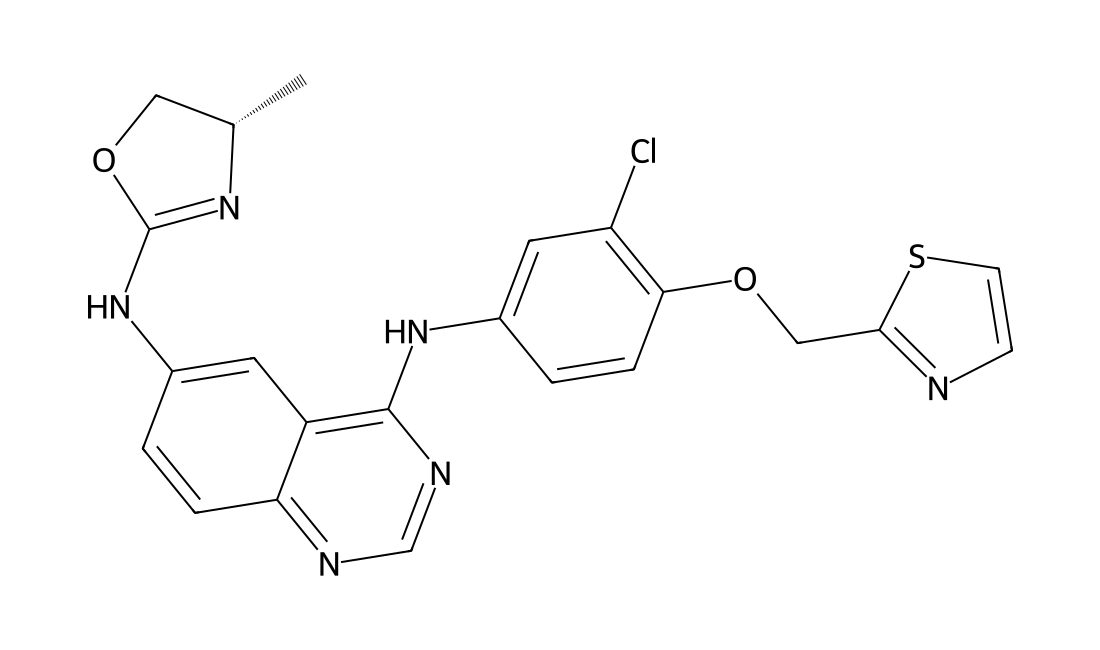
DC11366

HKI 357

CAS 848133-17-5

HKI 357 is an irreversible dual inhibitor of the EGF receptor tyrosine kinases EGFR and HER2 (IC50s = 34 and 33 nM, respectively). It inhibits proliferation of A431, SK-BR-3, and SW620 cancer cell lines (IC50s = 120, 2.5, and 511 nM, respectively). HKI 357 suppresses EGFR autophosphorylation and phosphorylation of the downstream effectors AKT and ERK in the gefitinib-susceptible and -resistant cell lines NCI-H1650 and NCI-H1650(G7), respectively.In vivo, HKI 357 (10 mg/kg) inhibits tumor growth in BT474, A431, and SUM190 mouse xenograft models.
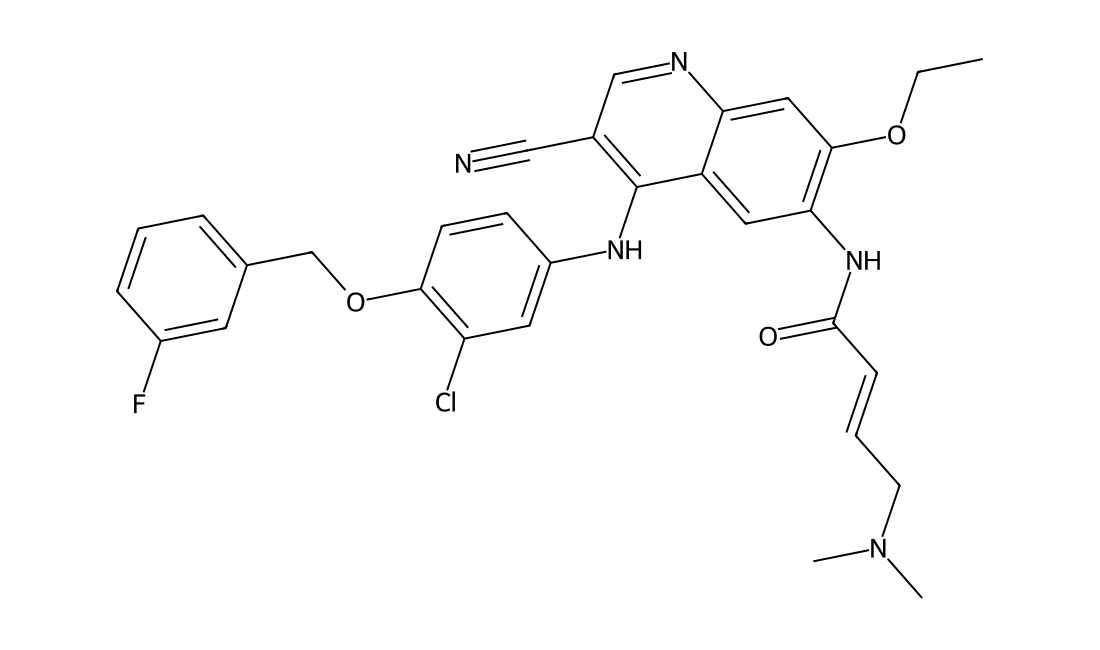
HKI 357 chemical structure
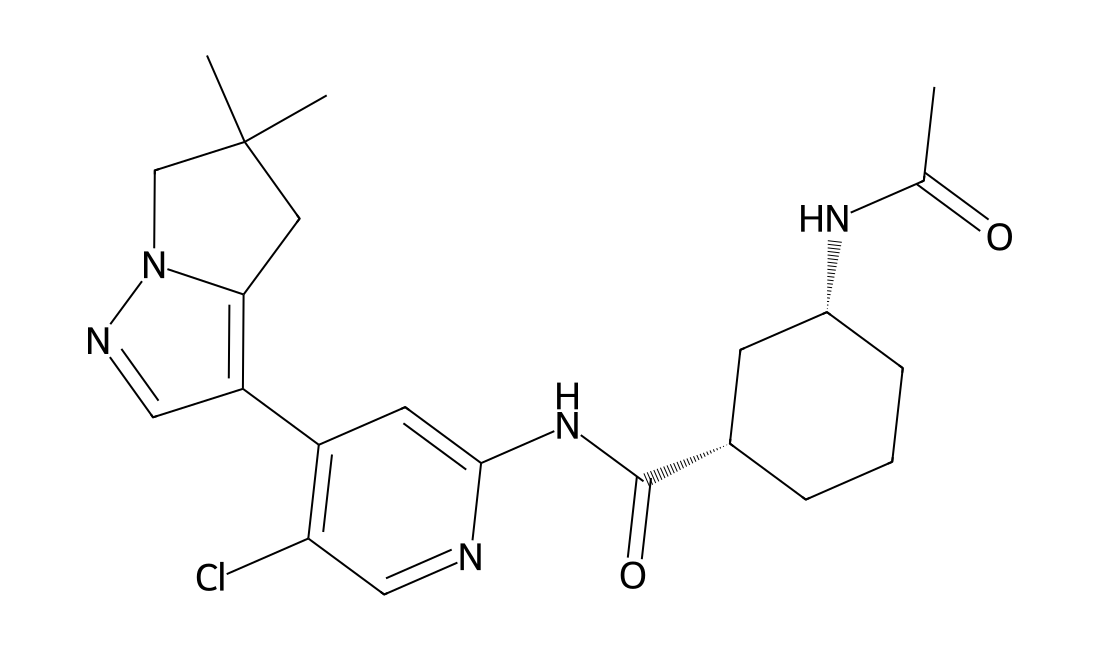
DC10035

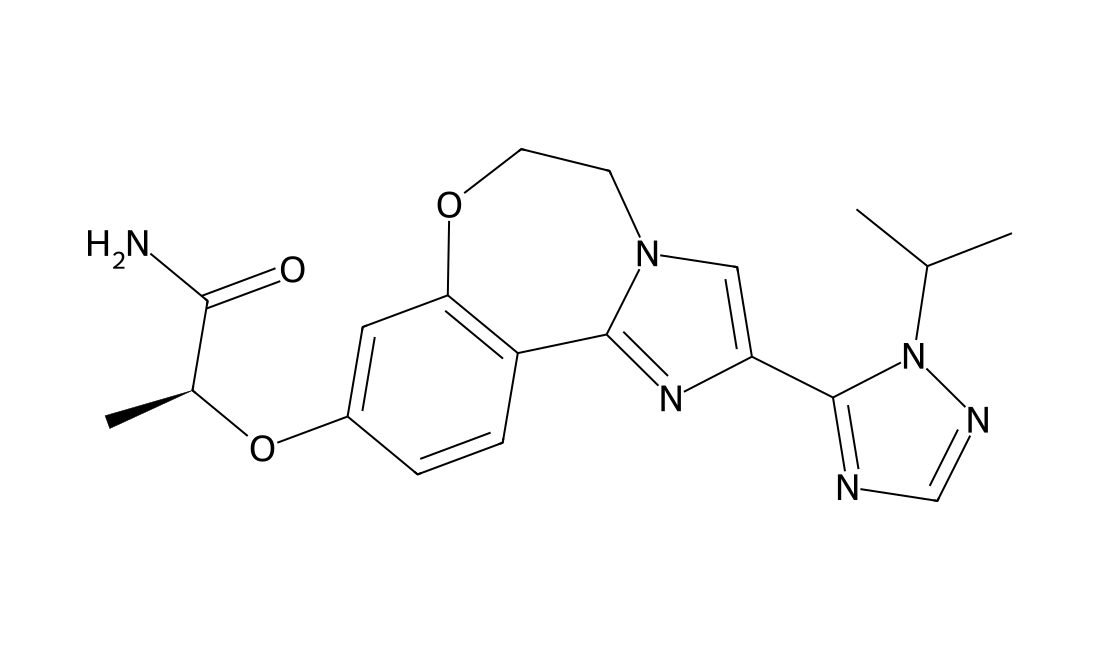
GDC-0326

CAS 1282514-88-8

GDC-0326 is a potent and selective inhibitor of α-Isoform of Phosphoinositide 3-Kinase (PI3Kalpha inhibitor). GDC-0326 achieves a very high level of selectivity over other kinases. GDC-0326 has low plasma CL in human. Within the PI3 kinase family, there are four class I PI3K isoforms (α, β, δ, and γ). Of these isoforms, PI3Kα is the most commonly associated with cancers.

GDC-0326 chemical structure
DC23179

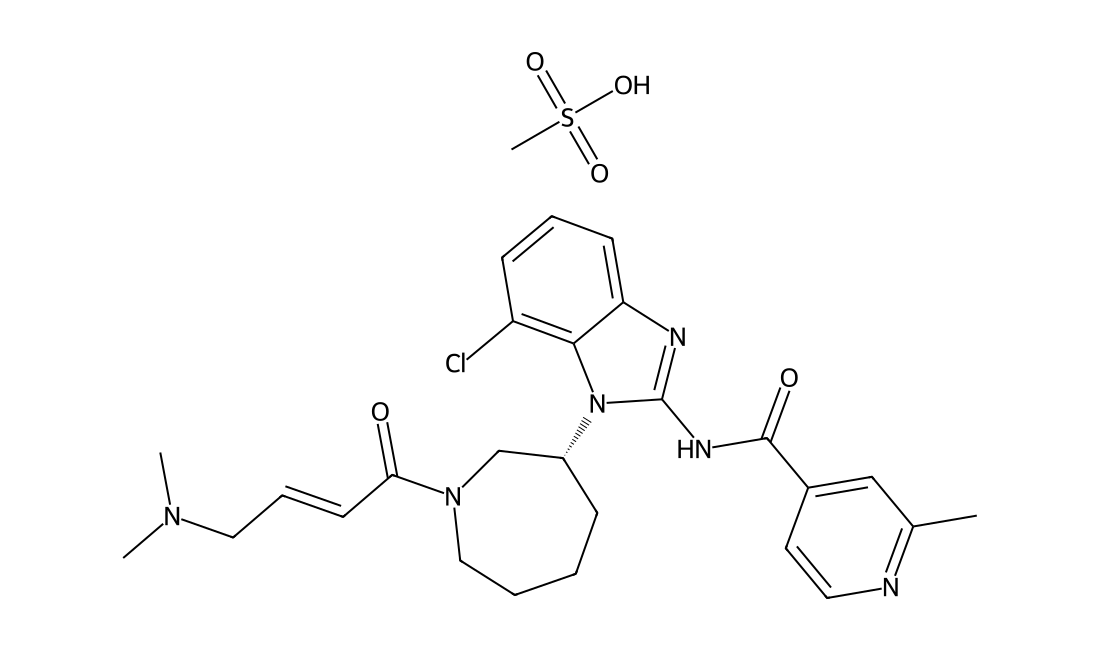
EGF816 mesylate

CAS 1508250-72-3

EGF816 (Nazartinib) is a potent, irreversible, mutant-selective EGFR inhibitor with Ki and Kinact of 31 nM and 0.222 min-1, respectively; shows potent inhibition of pEGFR levels in H3255, HCC827, and H1975 with EC50 of 5, 1, and 3 nM, which harbor the L858R, Ex19del, and L858R/T790M mutations, respectively, inhibitscell proliferation with EC50 of 9, 11, and 25 nM, but not the WT EGFR-containing patient-derived cell lines; potently inhibits the most common EGFR mutations L858R, Ex19del, and T790M in vitro; causes tumor regressions in vivo in several patient-derived xenograft models, also demonstrates antitumor activity in exon 20 insertion mutant model.Lung CancerPhase 3 Clinical

EGF816 mesylate chemical structure
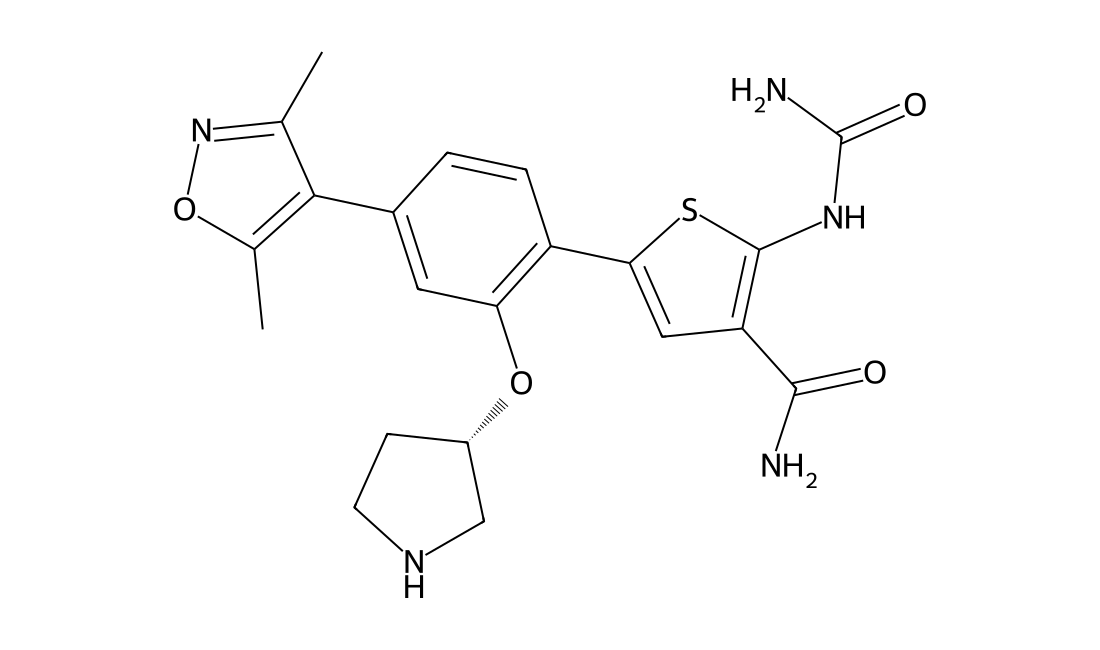
DC8777

CEP-32496 hydrochloride

CAS 1227678-26-3

CEP-32496 Hcl is a highly potent inhibitor of BRAF(V600E/WT) and c-Raf with Kd of 14 nM/36 nM and 39 nM, also potent to Abl-1, c-Kit, Ret, PDGFRβ and VEGFR2, respectively; insignificant affinity for MEK-1, MEK-2, ERK-1 and ERK-2.CEP-32496 is a potent BRAF inhibitor in an in vitro binding assay for mutated BRAF(V600E) (K(d) BRAF(V600E) = 14 nM) and in a mitogen-activated protein (MAP)/extracellular signal-regulated (ER) kinase (MEK) phosphorylation (pMEK) inhibition assay in human melanoma (A375) and colorectal cancer (Colo-205) cell lines (IC(50) = 78 and 60 nmol/L). In vitro, CEP-32496 has multikinase binding activity at other cancer targets of interest; however, it exhibits selective cellular cytotoxicity for BRAF(V600E) versus wild-type cells.

CEP-32496 hydrochloride chemical structure
DC9399

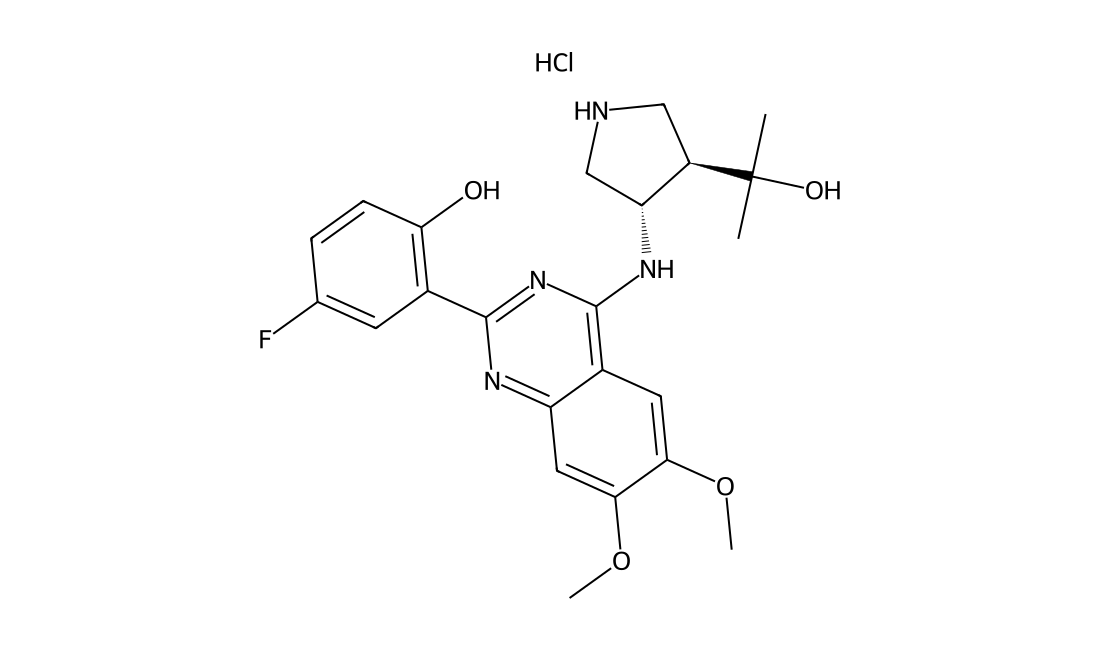
CCT241533 (hydrochloride)

CAS 1431697-96-9

CCT241533 Hcl is a potent serine/threonine checkpoint kinase (Chk2) inhibitor with IC50 of 3 nM; shows minimal cross-reactivity against a panel of kinases at 1 uM. CCT241533 bound to CHK2 in the ATP pocket. This compound inhibits CHK2 with an IC(50) of 3 nmol/L and shows minimal cross-reactivity against a panel of kinases at 1 μmol/L. CCT241533 blocked CHK2 activity in human tumor cell lines in response to DNA damage, as shown by inhibition of CHK2 autophosphorylation at S516, band shift mobility changes, and HDMX degradation. CCT241533 did not potentiate the cytotoxicity of a selection of genotoxic agents in several cell lines. However, this compound significantly potentiates the cytotoxicity of two structurally distinct PARP inhibitors. Clear induction of the pS516 CHK2 signal was seen with a PARP inhibitor alone, and this activation was abolished by CCT241533, implying that the potentiation of PARP inhibitor cell killing by CCT241533 was due to inhibition of CHK2. Consequently, our findings imply that CHK2 inhibitors may exert therapeutic activity in combination with PARP inhibitors.

CCT241533 (hydrochloride) chemical structure
DC24131

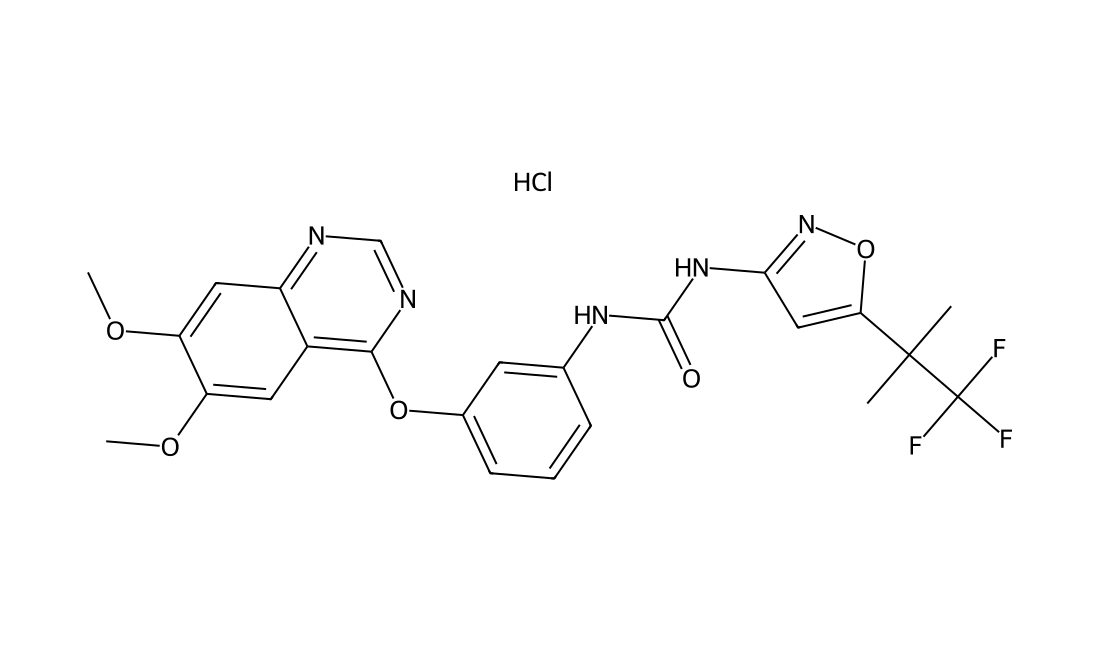
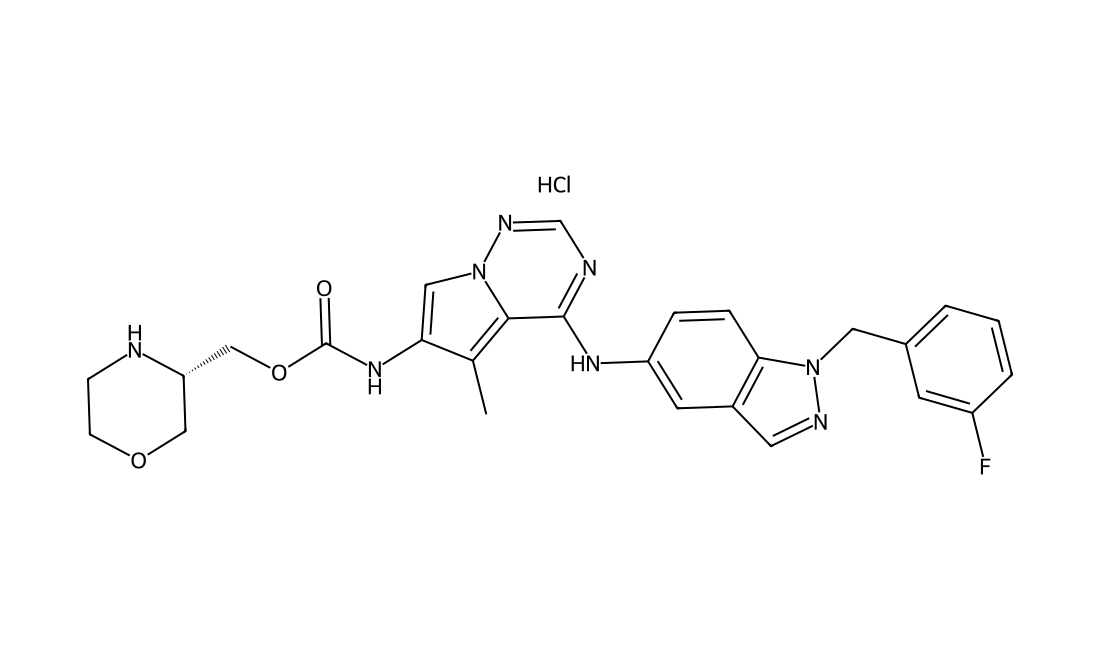
BMS-599626 hydrochloride

CAS 873837-23-1

BMS-599626 (AC-480) is a potent, selective inhibitor of EGFR and HER2 with IC50 of 20 nM and 30 nM; displays 8-fold less potency to HER4, >100-fold to VEGFR2, c-Kit, Lck, MET etc; inhibits the proliferation of tumor cells expressing high levels of HER1 and/or HER2; shows potent antitumor activity in a human breast tumor KPL-4 xenograft; orally efficacious.Breast CancerPhase 1 Discontinued

BMS-599626 hydrochloride chemical structure
DC23949

CX-6258 hydrochloride hydrate

CAS 1353858-99-7

A potent, selective, and orally efficacious pan-Pim inhibitor with IC50 of 5/25/16 nM for Pim1/2/3, respectively; exhibits in vitro synergy with chemotherapeutics and robust in vivo efficacy in driven tumor models; also decreases steady state levels and half-life of NKX3.1 protein but not mRNA in prostate cancer cells.Blood CancerDiscontinued

CX-6258 hydrochloride hydrate chemical structure
DC23213

SCIO-469

CAS 309913-83-5

A potent, selective p38α MAPK inhibitor with IC50 of 9 nM; displays 10-fold selectivity for p38α over p38β, >2,000-fold selectivity over a panel of 20 other kinases, including other MAP kinases; decreases apoptosis in MDS CD34+ progenitors and leads to dose-dependant increases in erythroid and myeloid colony formation; enhances the ability of MG132 and bortezomib to induce the apoptosis of MM cells, and inhibits tumor growth in vivo.Rheumatoid ArthritisPhase 2 Discontinued

SCIO-469 chemical structure
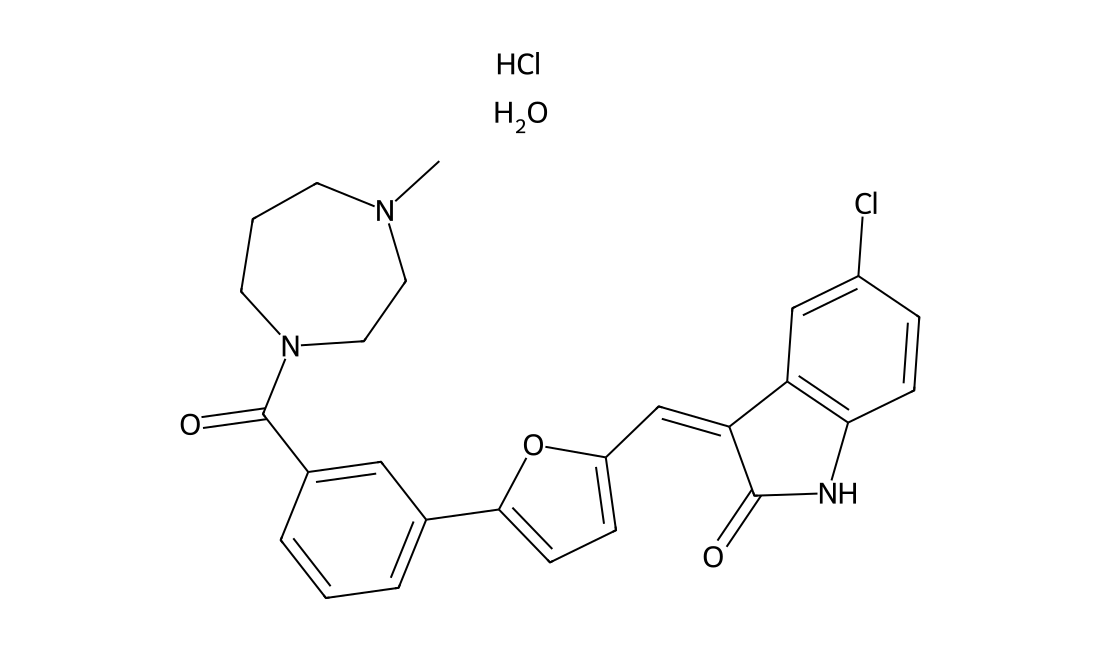
DC23987

SU14813 maleate

CAS 849643-15-8

A broad-spectrum RTKs inhibitor with IC50 ranging from 2 to 50 nM for VEGFR-1, VEGFR-2, PDGFRs, KIT, FLT3, and CSF1R/FMS; shows poor activity for EGFR and c-Met in biochemical assays; inhibits VEGFR-2, PDGFR-β, and KIT phosphorylation in porcine aorta endothelial cells with IC50 of 5.2, 9.9, and 11.2 nM respectively; active in xenograft tumor models.Breast CancerPhase 2 Discontinued

SU14813 maleate chemical structure
Browse target & topic index A–Z (366)
11β-HSD (1)15-PGDH (2)5-HT Receptor (16)Acetyl-CoA Carboxylase (ACC) (3)Acetylcholinesterase (AChE) (2)Ack1 (TNK2) (1)Acyltransferase (1)ADC Cytotoxin (6)ADCs Linker/Click Chemistry (5)Adenosine Receptor (9)Adenylate Cyclase (2)Adrenergic Receptor (11)Akt (12)Alcoholism (2)Aldehyde Dehydrogenase (ALDH) (6)Allergy (5)Alzheimer Disease (13)Aminopeptidase (1)AMPK (8)Amyloids (4)Anaplastic Lymphoma Kinase (ALK) (9)Androgen Receptor (AR) (11)Anemia (4)Angiotensin Receptor (4)Antibody/Protein labeling dyes (1)Antifolate (2)Anxiety (1)Apoptosis Inducer (3)Arginase (1)Arp2/3 complex (1)Aryl hydrocarbon Receptor (AhR) (1)Asthma (5)Atherosclerosis (2)ATM/ATR (8)Aurora Kinase (10)Autophagy (6)Autophagy-related Protein (Atg) (2)Autotaxin (2)Bacterial (26)Bacterial Infection (17)Bcl-2 (14)Bcr-Abl (5)BCRP (1)Beta-catenin (4)Beta-secretase (BACE) (4)Blood Cancer (91)BMI-1 (1)Bone Cancer (6)Brain Cancer (6)Breast Cancer (30)Bromodomain (22)BTK (10)c-Fms (CSF1R) (5)c-Fos/AP-1 (1)c-Kit (6)c-Met (HGFR) (11)c-Myc (2)Calcium Channel (4)Calcium-sensing Receptor (CaSR) (1)CaMK (4)Cannabinoid Receptor (6)Carbonic Anhydrase (1)Carboxypeptidase (1)Casein Kinase (6)Caspase (4)Cathepsin (6)Cdc2-like Kinase (CLK) (1)CETP (2)CFTR (7)Checkpoint Kinase (Chk) (8)Chemokine Receptor (CCR and CXCR) (14)Chemotherapeutic Agents (19)Chloride Channel (1)CMV (2)CMV Infection (2)Colon Cancer (9)Complement System (1)COPD (3)CREB/CBP (2)CRF Receptor (2)CRISPR/Cas9 (1)Cushing Disease (1)Cyclin-dependent Kinase (CDK) (39)Cyclooxygenase (COX) (4)Cytochrome P450 (CYPs) (5)Depression (2)Dermatitis (2)Deubiquitinase (DUB) (7)Diabetes (20)Dipeptidyl Peptidase (DPP) (3)Discoidin Domain Receptor (DDR) (1)DNA Alkylator/Crosslinker (10)DNA Methyltransferase (DNMT) (1)DNA Repair Protein (1)DNA-PK (2)DNA/RNA Synthesis (5)Dopamine beta-hydroxylase (1)Dopamine Receptor (7)Drug Metabolite (1)Drug-Linker Conjugates (11)Dyes (4)DYRK (1)Dyslipidemia (9)E3 Ligase Ligand (6)E3 Ligase Ligand-Linker Conjugate (1)E3 Ubiquitin Ligase (4)Ebola Virus Infection (1)EGFR (32)Elastase (2)Endothelin Receptor (5)Enzymes substrates (13)Epigenetic Reader Domain (3)Epilepsy (4)ERK (4)Estrogen Receptor/ERR (13)Eukaryotic Initiation Factor (eIF) (2)Exportin-1 (CRM1,XPO1) (2)FABP (1)Factor Xa (5)Farnesoid X Receptor (FXR) (5)Farnesyl transferase (FTase) (1)Ferroptosis (6)FGFR (20)Fibrosis (5)FLT3 (6)Focal Adhesion Kinase (FAK) (11)Foxo1 (1)Free Fatty Acid Receptor (FFAR) (5)Fungal (2)Fungal Infection (1)GABA Receptor (13)Galectin (1)Gastric Cancer (8)Ghrelin Receptor (GHSR) (3)Glucagon Receptor (4)Glucokinase (2)Glucose Transporter (GLUT) (2)Glutamate Transporter (2)GPCR (1)GPER (GPR30) (1)GPR139 (1)GPR183 (EBI2) (2)GPR39 (1)GPR55 (1)GPR84 (1)GRK (GPCRK) (2)Growth Hormone Deficiency (2)GSK-3 (8)Guanylate Cyclase (3)HBV (1)HBV Infection (1)HCN Channel (2)HCV (8)HCV Infection (9)HDAC (38)Heart Arrhythmia (2)Heart Failure (5)Heat Shock Protein (HSP) (15)Hedgehog (Hh) (1)HIF/HIF Prolyl-hydroxylase (8)Histamine Receptor (6)Histone Acetyltransferase (HAT) (5)Histone Demethylase (11)Histone Methyltransferase (HMTase) (31)HIV (12)HIV Infection (11)HMG-CoA Reductase (HMGCR) (3)HSV (1)HSV Infection (1)Hypercholesterolemia (1)Hyperparathyroidism (1)Hypertension (8)IAP (1)IGF-1R (3)iGluR (15)Indoleamine 2,3-Dioxygenase (IDO) (4)Infection (1)Influenza (6)Influenza Virus (6)Insulin Receptor (2)Integrin (6)Interleukin Receptor (1)IRAK (2)IRE1 (4)Irritable Bowel Syndrome (2)Ischemia (1)Isocitrate Dehydrogenase (IDH) (5)ITK (1)IκB kinase (IKK) (7)JAK (32)JNK (3)Keap1-Nrf2 (6)Kidney Cancer (10)Kinesin (5)Kruppel-like Factor (KLF) (1)Kynurenine 3-Monooxygenase (KMO) (1)Leukotriene Receptor (1)LIM Kinase (LIMK) (3)Lipids fragment (1)Liver Cancer (6)Liver X Receptor (LXR) (3)LRRK2 (9)Lung Cancer (39)Lysophospholipid Receptor (12)LYTACs (3)mAChR (9)MALT1 (2)MAP4K (1)Matrix Metalloproteinase (MMP) (10)MDM2-p53 (9)MEK (MAP2K) (14)MEKK (MAP3K) (1)Melanocortin Receptor (2)MELK (1)mGluR (7)MicroRNA (1)Microtubule/Tubulin (5)Mineralocorticoid Receptor (MLR) (1)MITF (1)Mixed Lineage Kinase (MLK) (3)MNK (2)Molecular Glues (21)Monoamine Transporter (5)Monocarboxylate Transporter (MCT) (1)Monopolar Spindle 1 (Mps1/TTK) (3)mTOR (13)Multiple Sclerosis (6)Myosin (1)Na-K-Cl Cotransporter (NKCC) (2)nAChR (2)NADPH Oxidase (NOX) (2)NAMPT (3)Natural products (37)Neprilysin (1)Neurokinin Receptor (3)Neuropeptide Y Receptor (3)NF-κB (5)Nitric Oxide Synthase (NOS) (1)NOD-like Receptor (NLR) (3)Notch (2)Nucleoside Antimetabolite/Analog (10)Nur77 (NR4A1) (1)Obesity (1)Oct3/4 (1)Opioid Receptor (5)Orexin Receptor (7)Osteoporosis (2)Ovarian Cancer (14)Oxytocin Receptor (OXTR) (2)P-glycoprotein (P-gp) (3)p21-activated Kinase (PAK) (1)P2X Receptor (2)P2Y Receptor (1)p38 MAPK (10)p97/VCP (1)Pain (12)Pancreatic Cancer (10)Parasite (5)Parasite Infection (2)Parkinson Disease (2)PARP (19)PCSK9 (1)PD-1/PD-L1 (4)PDGFR (4)PDK1 (2)PEGn (1)PERK (2)PGE synthase (2)Phosphodiesterase (PDE) (9)Phospholipase (4)PI3K (32)PI4K (2)Piezo Channel (1)PIKfyve (3)Pim (9)PKC (12)PKD (1)Plasminogen Activator Inhibitor-1 (PAI-1) (3)Polo-like Kinase (PLK) (4)Porcupine (3)Potassium Channel (13)PPAR (13)Pregnane X Receptor (PXR) (1)Progesterone Receptor (2)Prostaglandin Receptor (11)Prostate Cancer (7)PROTACs (35)Protease-activated Receptor (PAR) (3)Proteasome (12)Protein Disulfide Isomerase (PDI) (1)Protein Phosphatase/PTP (6)Proton Pump (1)Psoriasis (5)RAD51 (1)Radioligand precursors (15)Raf (18)RAR/RXR (3)Ras (17)Renin (2)RET Tyrosine Kinase (c-RET) (3)Rheumatoid Arthritis (16)Ribosomal S6 Kinase (RSK) (5)RIG-I-like Receptor (RLR) (2)RIP kinase (7)ROCK (12)ROR (2)RSV (4)RSV Infection (3)RUNX1-CBFβ (1)S-nitrosoglutathione reductase (GSNOR) (1)Saccharides and Glycosides (1)Salt Inducible Kinase (SIK) (2)SARS-CoV (16)SARS-CoV Infection (34)Schizophrenia (4)Sexual Dysfunction (1)SGLT (4)Sigma Receptor (4)Sirtuin (9)Skin Cancer (13)Sleep Disorder (7)SMN2 Modulator (1)Smoothened (Smo) (9)Sodium Channel (12)Solid Tumors (35)Somatostatin Receptor (2)Sphingosine kinase (SphK) (2)Src (7)STAT (5)Stearoyl-CoA Desaturase (SCD) (1)Steatohepatitis (7)Sterol lipids (1)STING (14)Syk (6)T Cell Receptor (TCR) (1)TAK1 (2)TAM Receptor (Tyro3-Axl-Mer) (4)Taste Receptor (1)Telomerase (2)TGF beta Receptor (TGFBR) (12)Thrombin (3)Thrombosis (13)Thyroid Cancer (1)Thyroid Hormone Receptor (THR) (1)Thyrotropin Receptor (2)TNIK (1)Toll-like Receptor (TLR) (2)TOPK (1)Topoisomerase (11)TRAIL (1)Translocator Protein (TSPO) (1)Trk Receptor (4)TRP Channel (13)Tryptophan Hydroxylase (TPH) (1)Ubiquitin-activating Enzyme (E1) (2)Ubiquitin-conjugating Enzyme (E2) (2)Ulcer (1)ULK (3)Vasopressin Receptor (2)VEGFR (25)Vitamin D Receptor (VDR) (3)Wee1 (1)WNK Kinase (1)Wnt (5)Yes-associated Protein (YAP) (4)γ-secretase (5)

Cart

Request quotation