Home/Small Molecules/Kinases & Cell Signaling

Kinases & Cell Signaling

Kinase inhibitors and modulators of intracellular signaling pathways.

Browse all research categories

Browse by research category

Products may appear in more than one category. Counts refer to distinct catalog numbers within each category.

Other Research Tools (75) · Additional reagents, building blocks and specialized research tools.

New literature-derived products

LC-MG-1 (DCA0006) · LC-MG-4 (DCA0007) · LC-MG-9 (DCA0008)

View structure and evidence summaries →

Kinases & Cell Signaling products

Combine a keyword, research category and target to narrow the product list.

Loading catalog filters…

1,548 products · Showing 1,489–1,536

DC8127

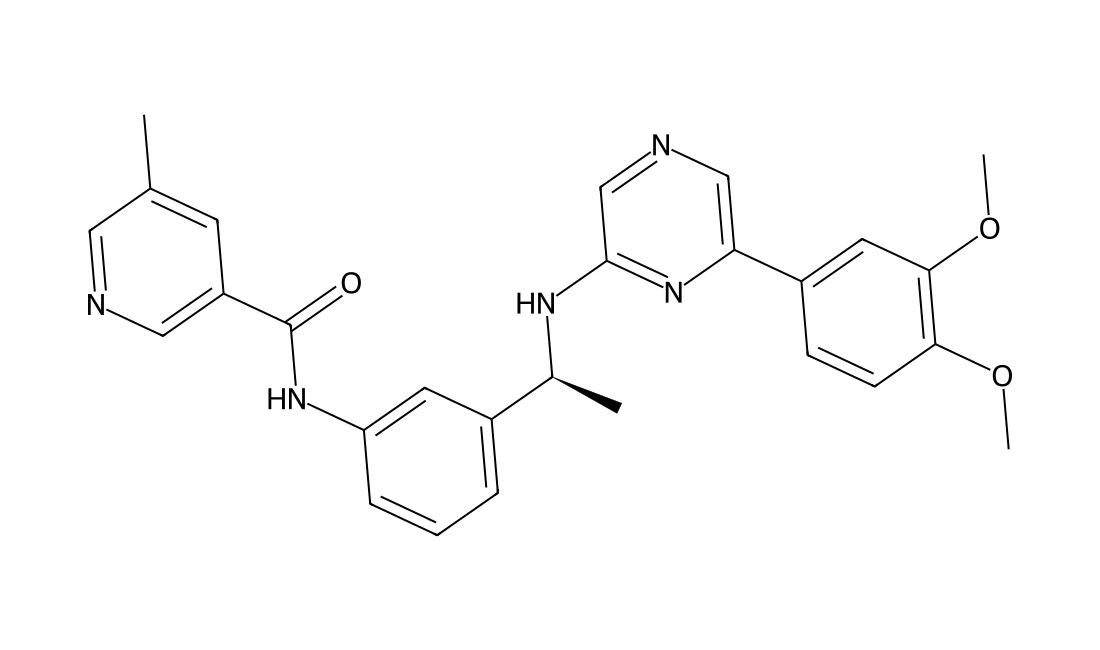
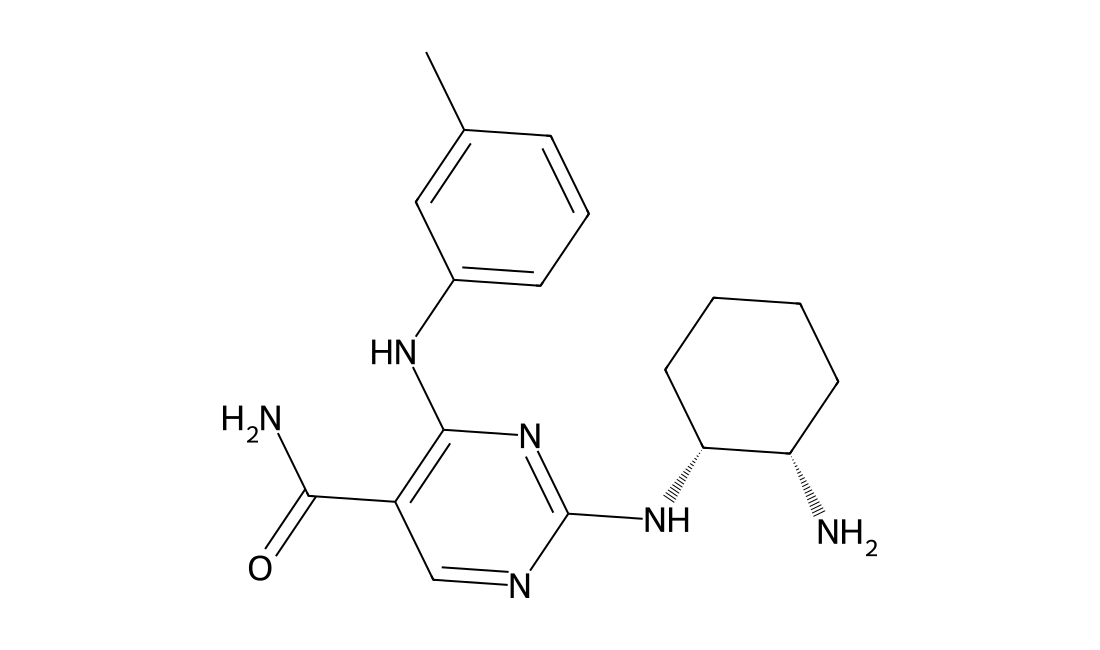
KRCA-0008

CAS 1472795-20-2

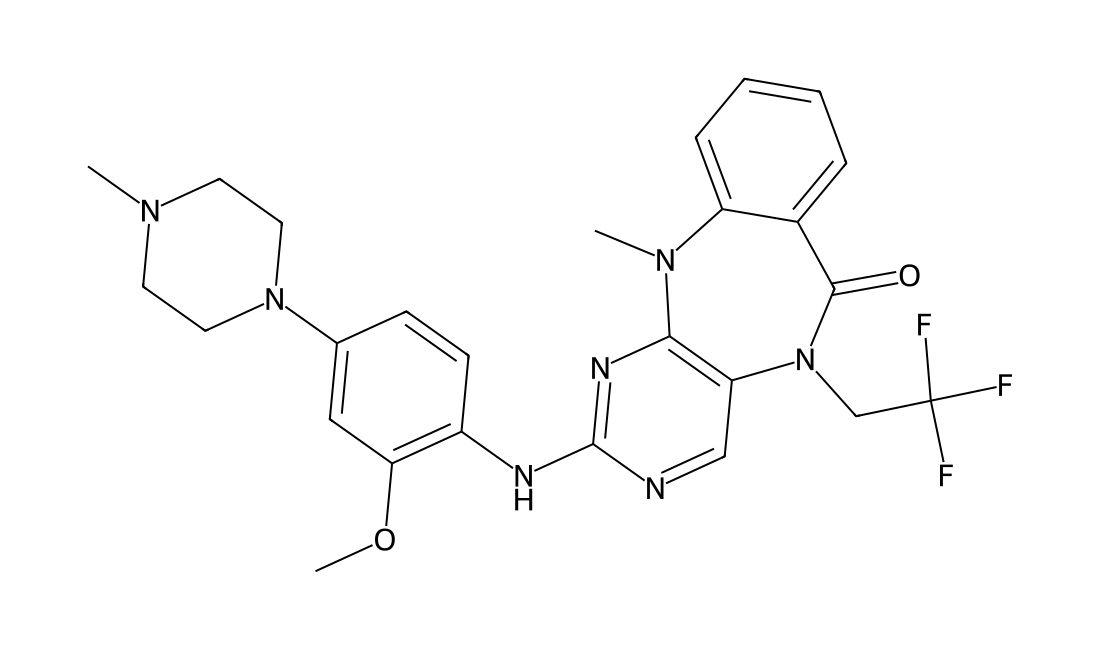
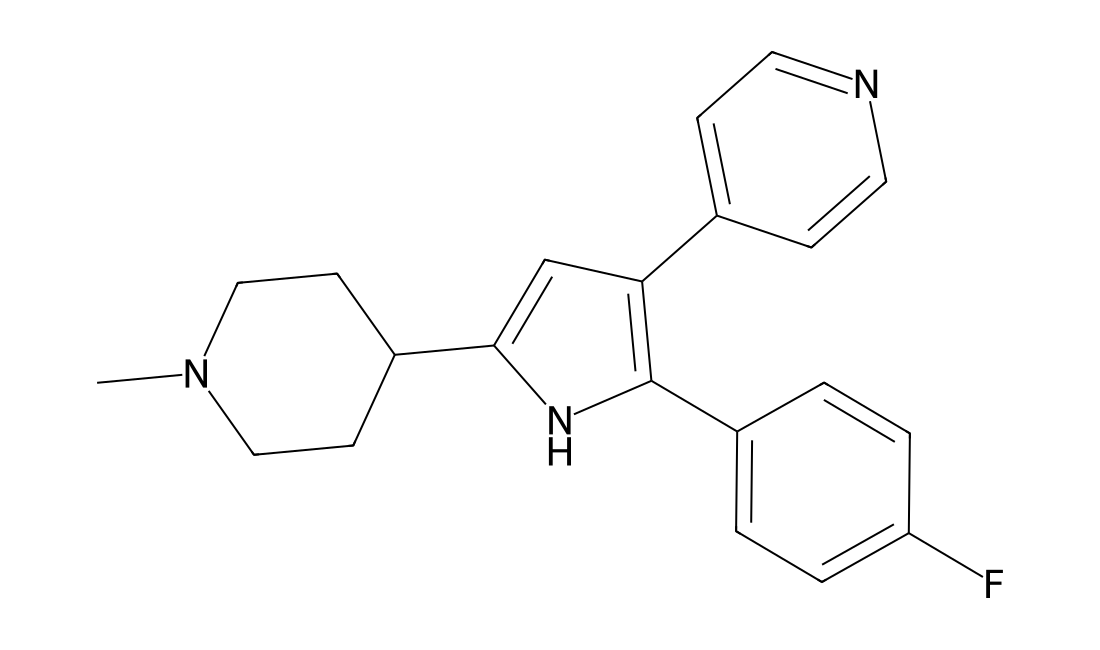
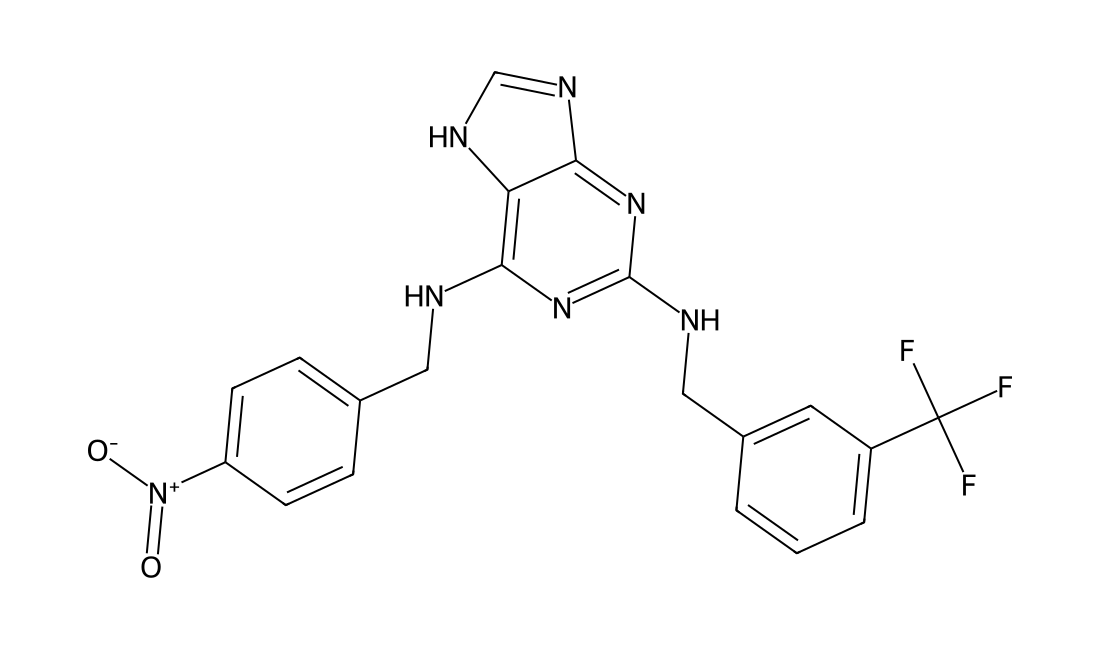
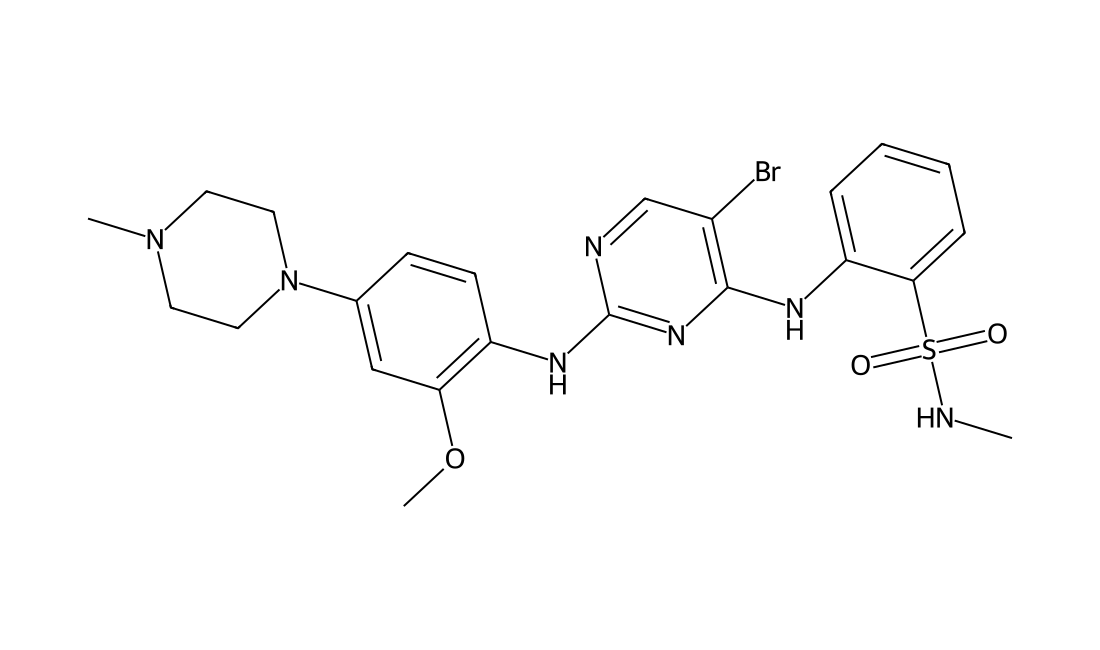
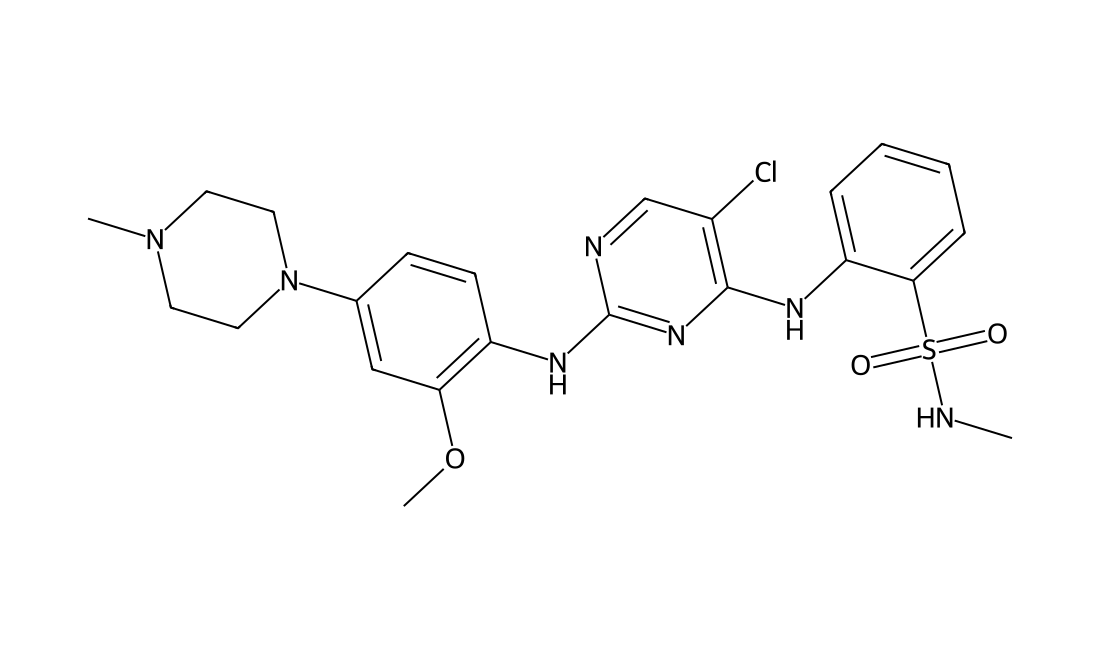
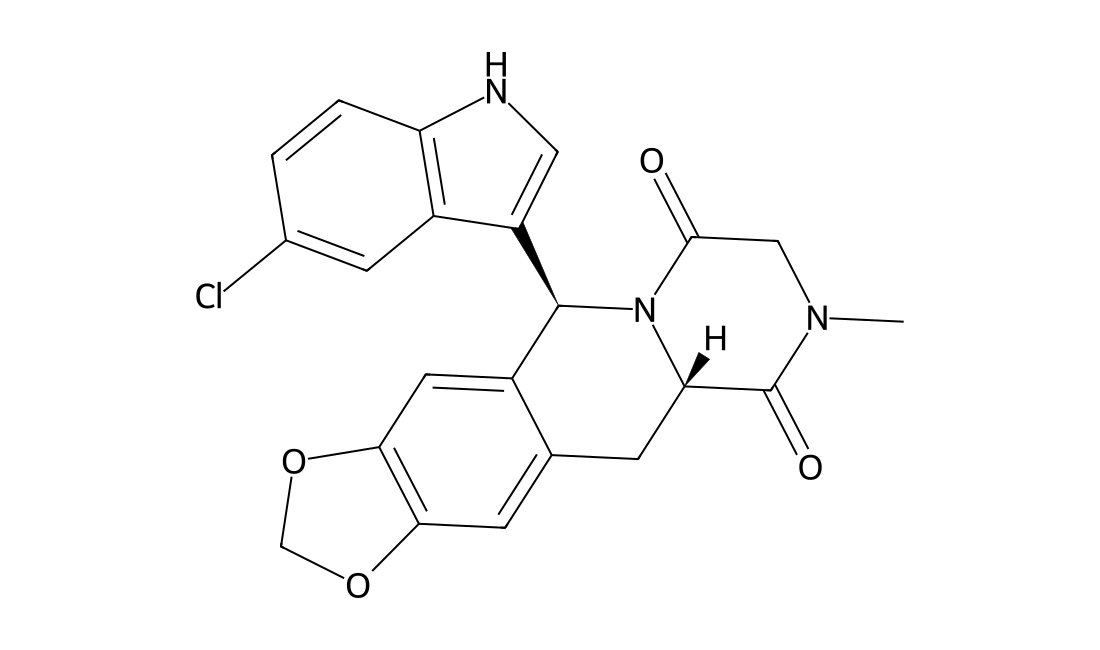
KRCA-0008 is a potent and selective ALK/Ack1 inhibitor with IC50 of 12 nM/4 nM for ALK and Ack1 respectively; displays drug-like properties without hERG liability.IC50 value: 12 nM/4 nM(ALK/Ack1) [1]Target: ALK/Ack1 inhibitorKRCA-0008 retains good drug-like properties: good water-solubility (54 μM in 5% DMSO–water, 150 μM in 5% DMSO–PBS buffer) with moderate plasma protein binding (93% in rat) and low brain exposure (Cbrain/Cplasma = ~0.02). It has good liver microsomal stability (% remaining after 30 min: 52% in mouse, 89% in rat, 72% in human) and little to no CYP inhibition (1A2, 2C9, 2D6, 3A4 @ 10 μM). It does not appear to cause hERG blockade (patch clamp IC50 = 30 μM) and is negative on Ames test (1000 μg/plate), chromosomal aberration assay and micronucleus assay.KRCA-0008 also shows promising pharmacokinetic parameters in both mice and rat (oral bioavailability = 66–94.5%). KRCA-0008 shows a modest tumor growth inhibition in vivo activity in H3122 human lung cancer bearing mice model comparable to Crizotinib without significant body weight change. It is important to mention the KRCA-0008 25 mpk and 50 mpk groups did not show dose-dependent tumor growth inhibition.
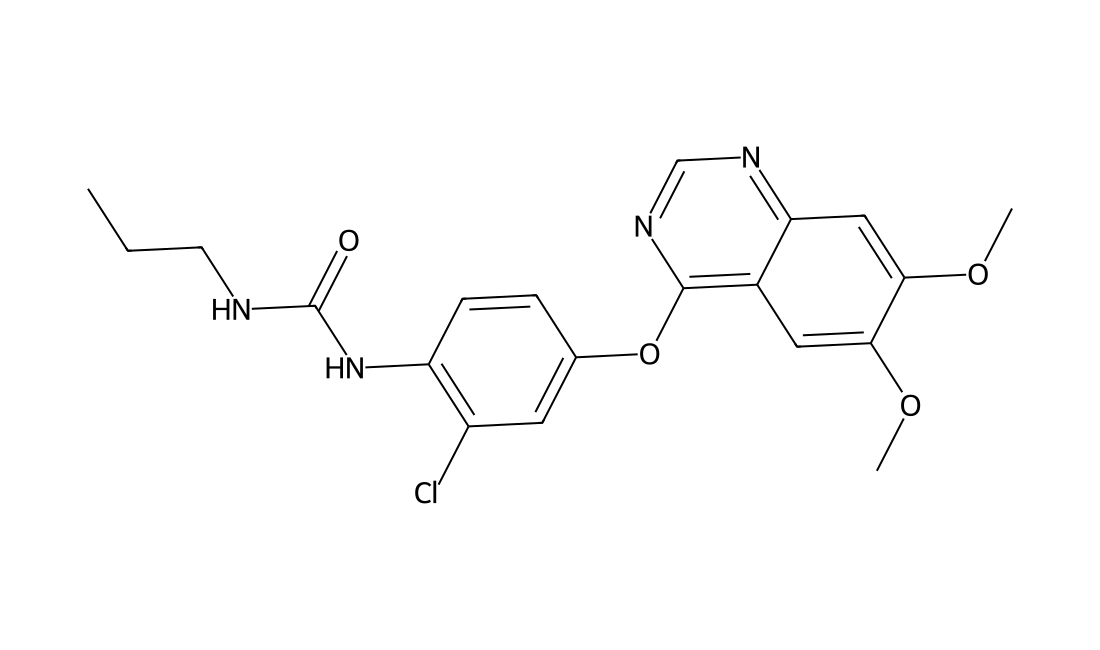
KRCA-0008 chemical structure
DC58110

Dclk1-IN-1

CAS 2222635-15-4

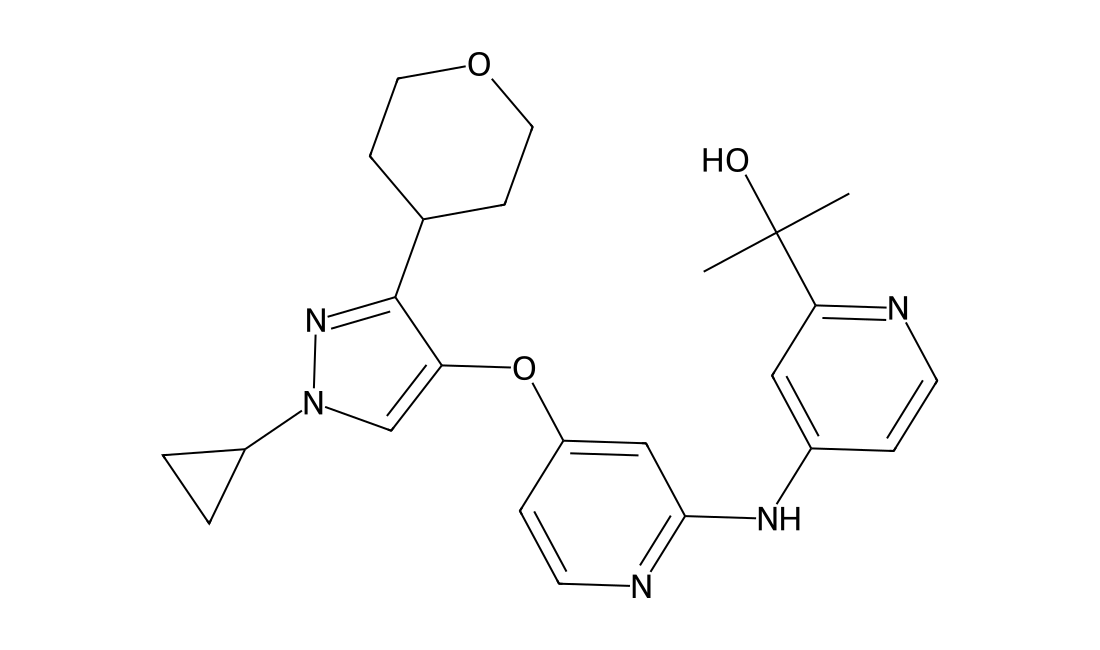
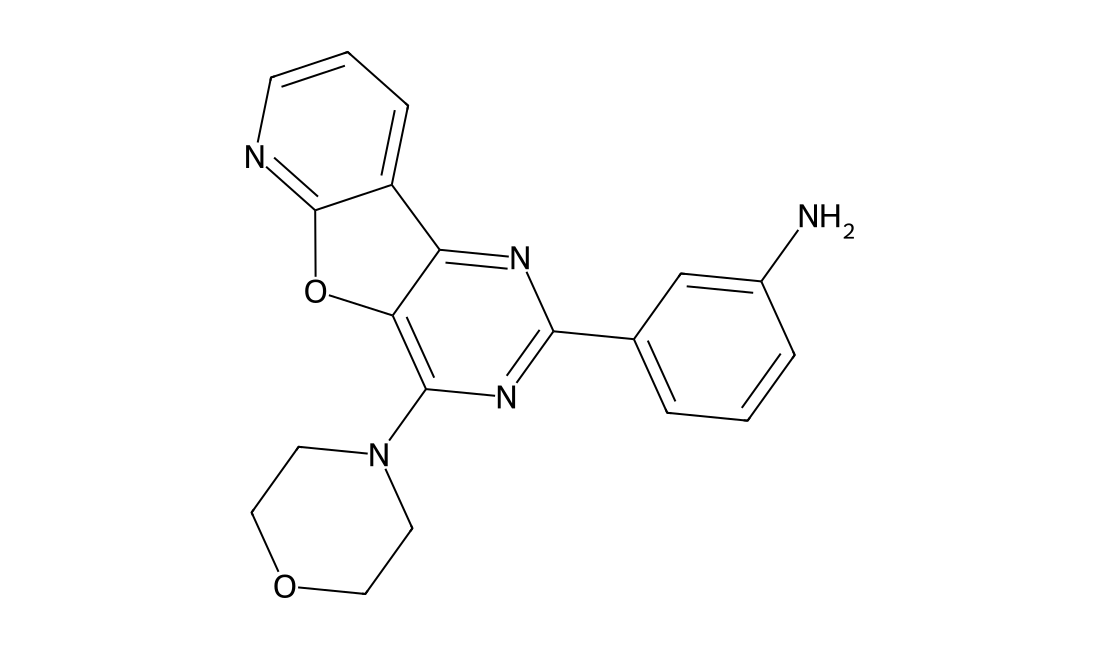
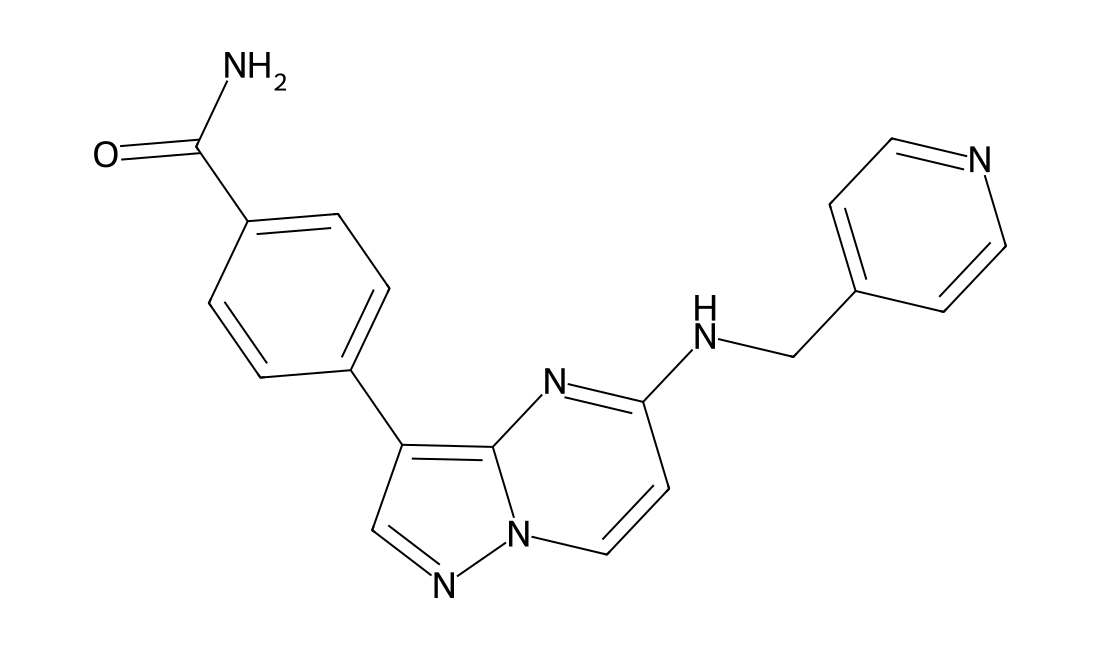
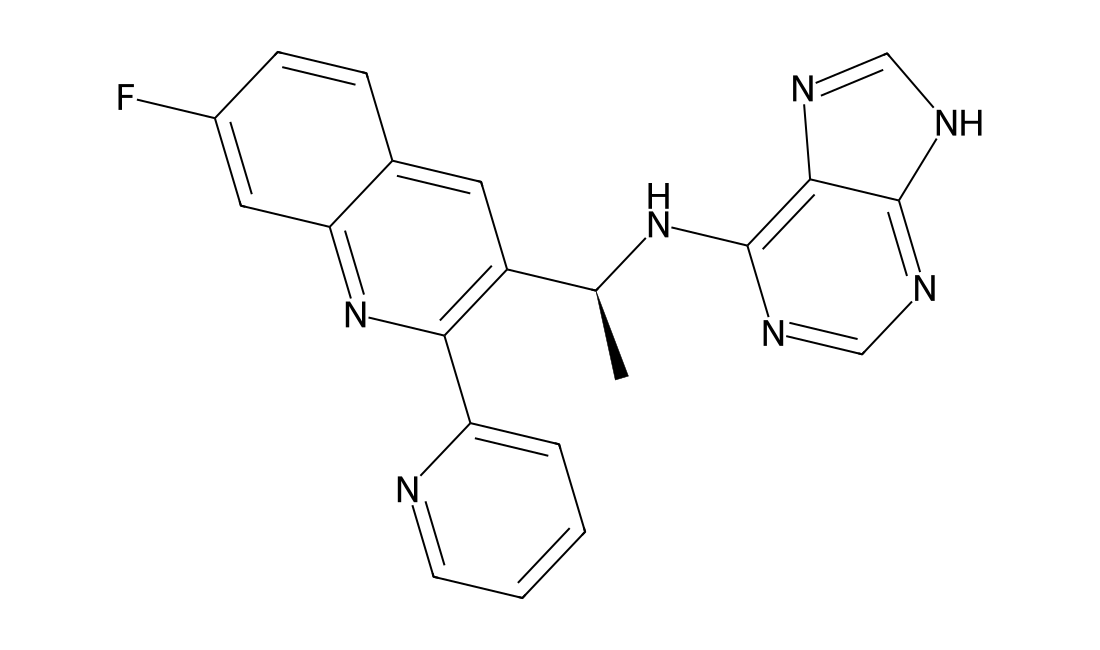
DCLK1-IN-1 is a selective, oral bioavailability in vivo-compatible chemical probe of the doublecortin like kinase 1 (DCLK1 kinase) domain. DCLK1-IN-1 inhibits DCLK1 and DCLK2 kinases (IC50: DCLK1=9.5/57.2 nM and DCLK2=31/103 nM in binding and kinase assay, respectively). DCLK1-IN-1 shows low toxicity, and can investigate DCLK1 biology and establish its role in cancer, like DCLK1+ pancreatic ductal adenocarcinoma (PDAC)[1].

Dclk1-IN-1 chemical structure
DC21756

IP6K1 inhibitor TNP

CAS 519178-28-0

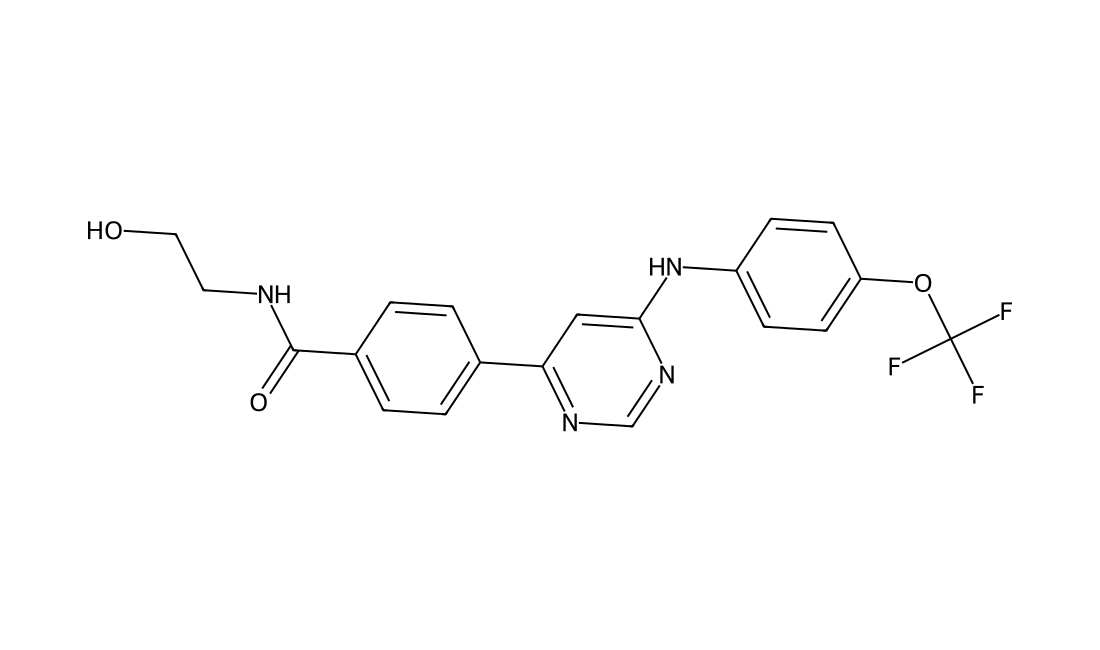
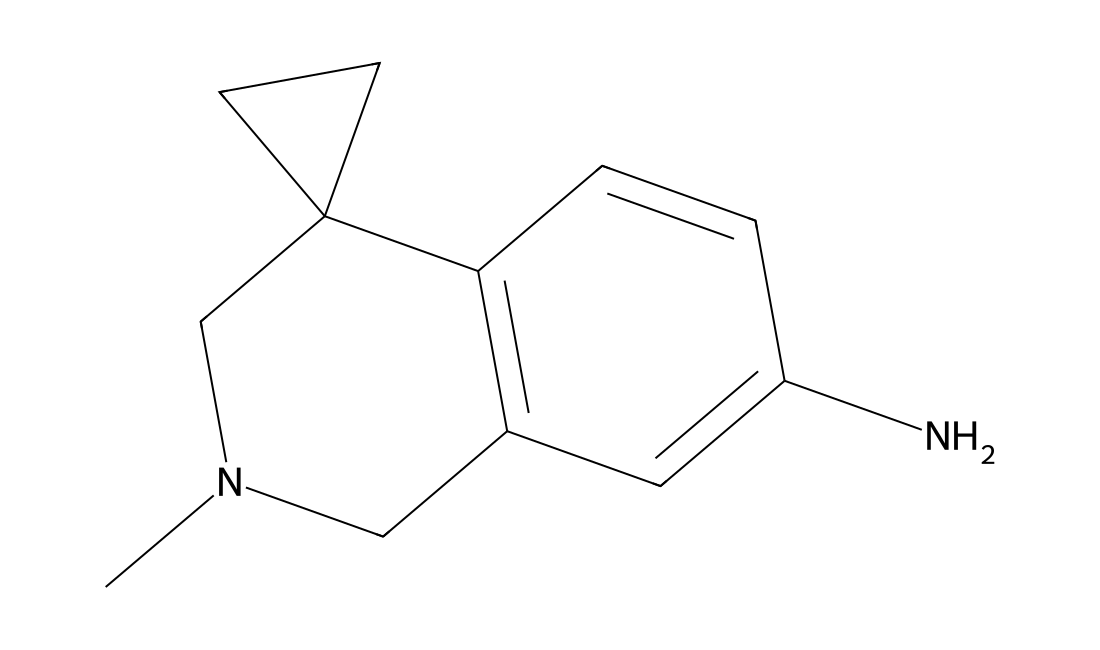
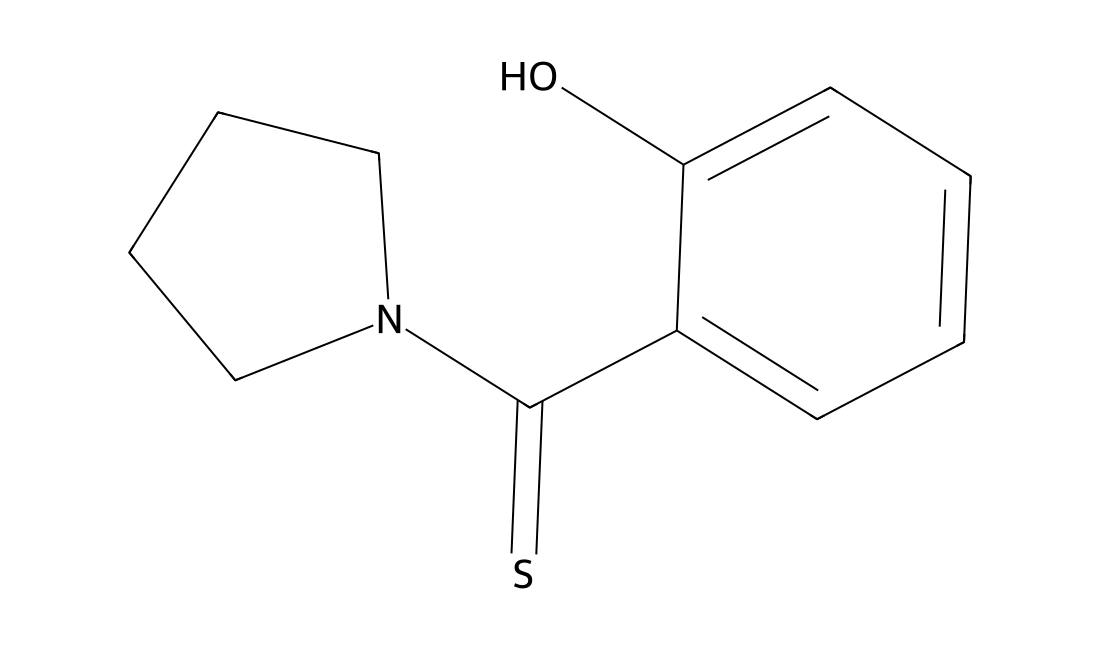
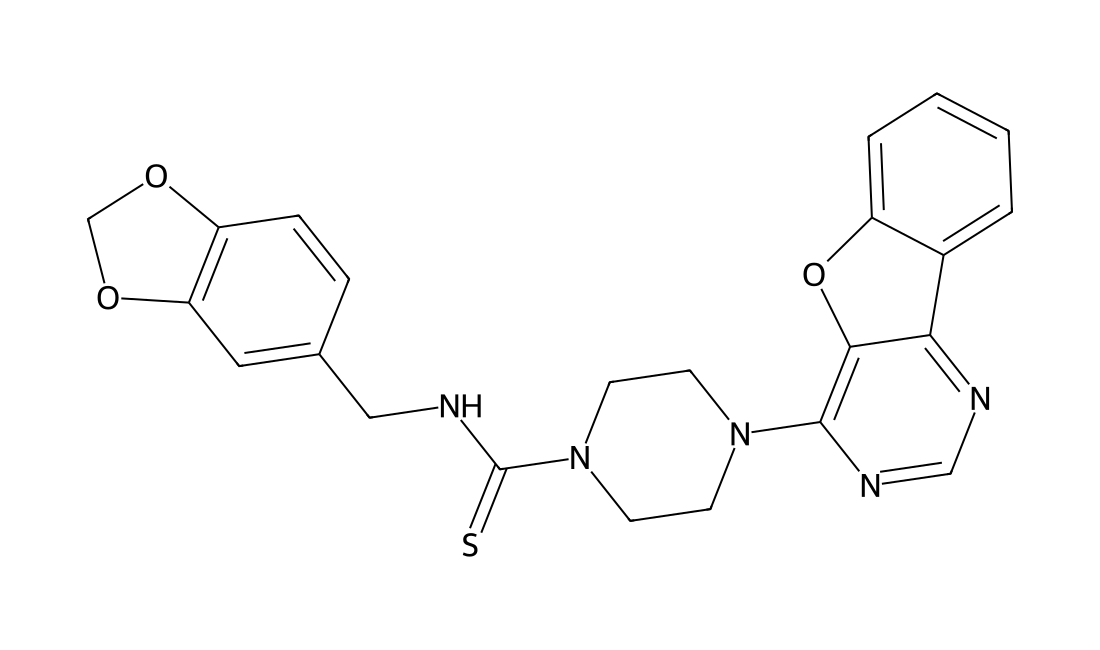
IP6K1 inhibitor TNP is a potent, selective inositol hexakisphosphate kinase IP6K with IC50 of 0.47 uM (IP6K1), does not inhibit either human or yeast Vip/PPIP5K; reversibly inhibits InsP7 and InsP8 synthesis in vivo without affecting levels of other inositol phosphates; increases the IGF-1 elicited stimulation of T308 phosphorylation of Akt without influencing p-S473, combination of TNP (10 μM) and SB216763 (1 μM) virtually abolishes adipogenic differentiation of NIH3T3-L1 cells; ameliorates diet induced obesity and insulin resistance via inhibition of the IP6K1 pathway, also suppresses neutrophil-mediated pulmonary damage in bacterial pneumonia.

IP6K1 inhibitor TNP chemical structure
DC60057

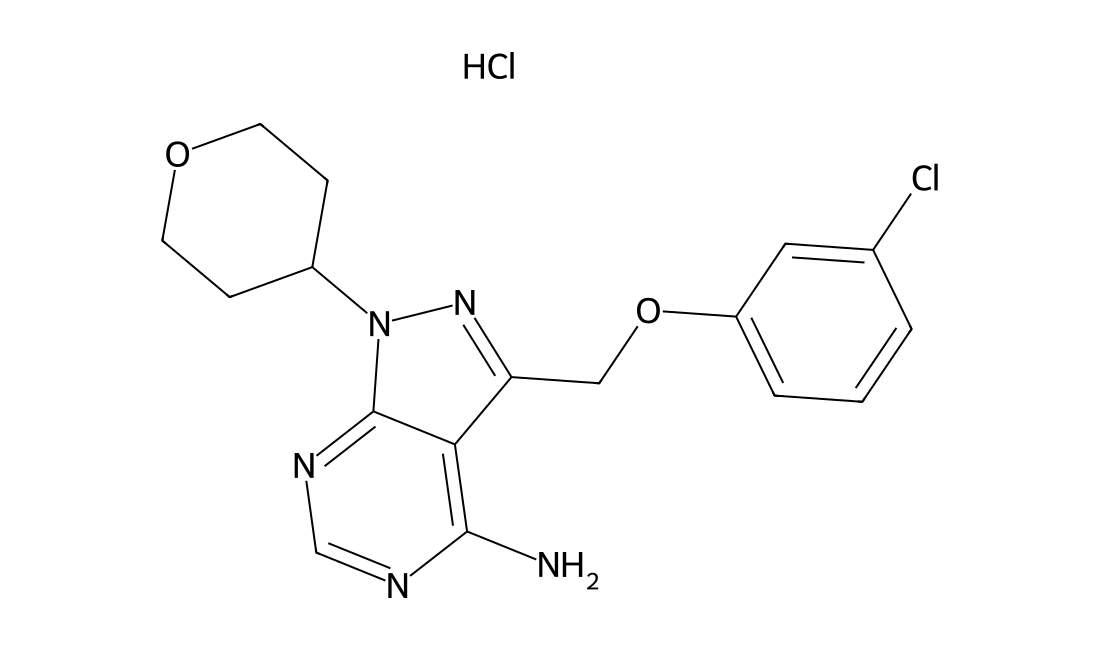
DUN73423

CAS 2414373-42-3

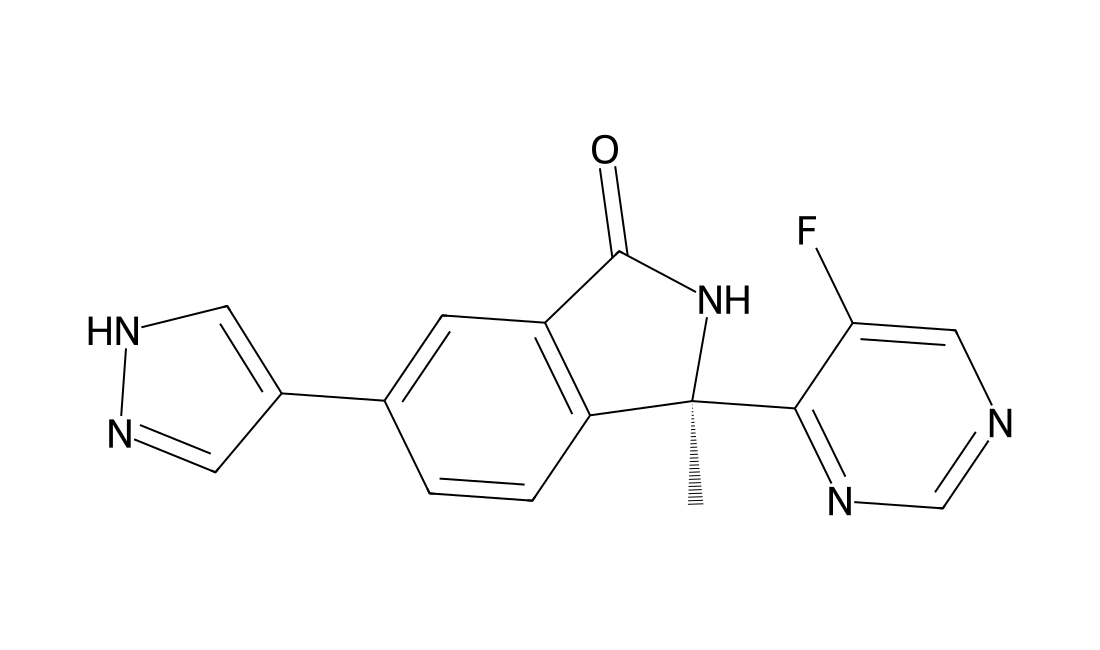
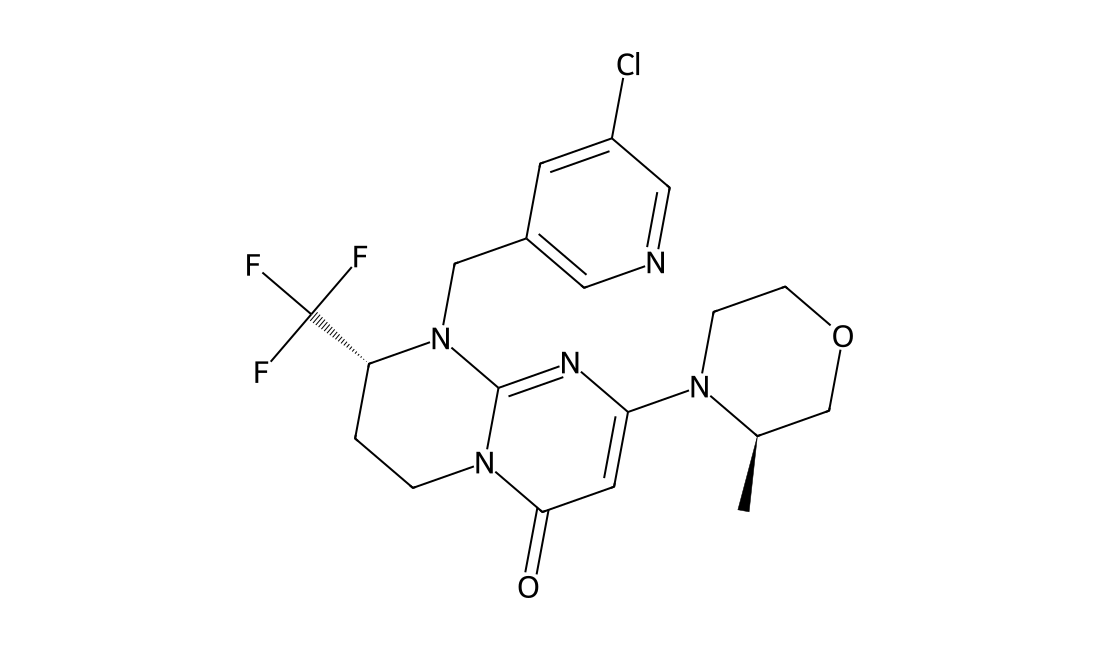
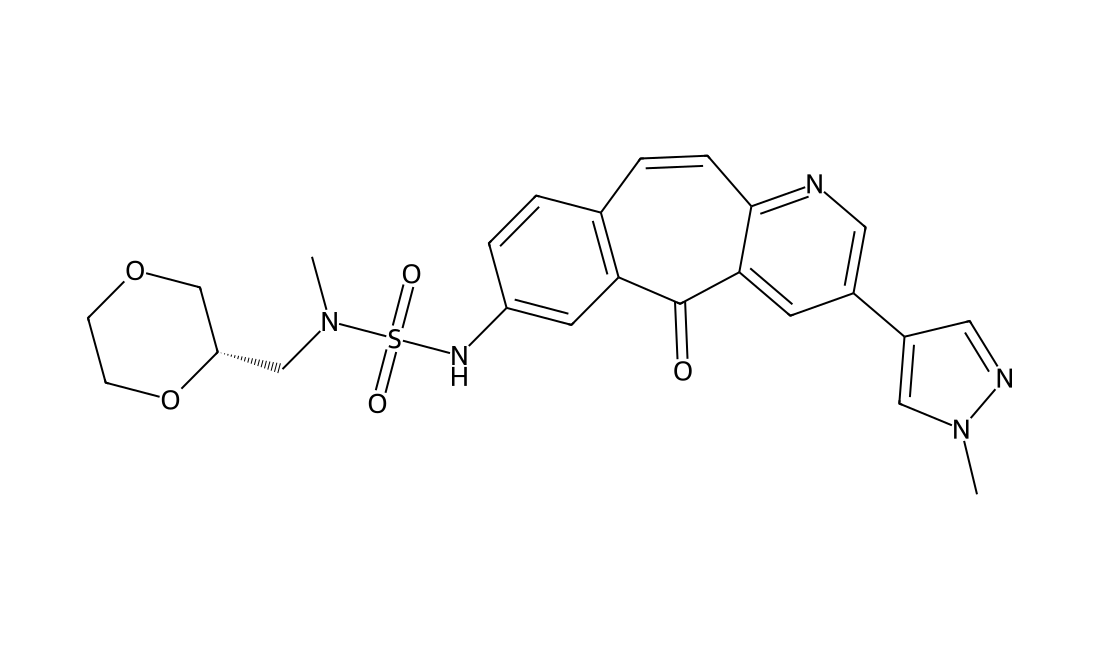
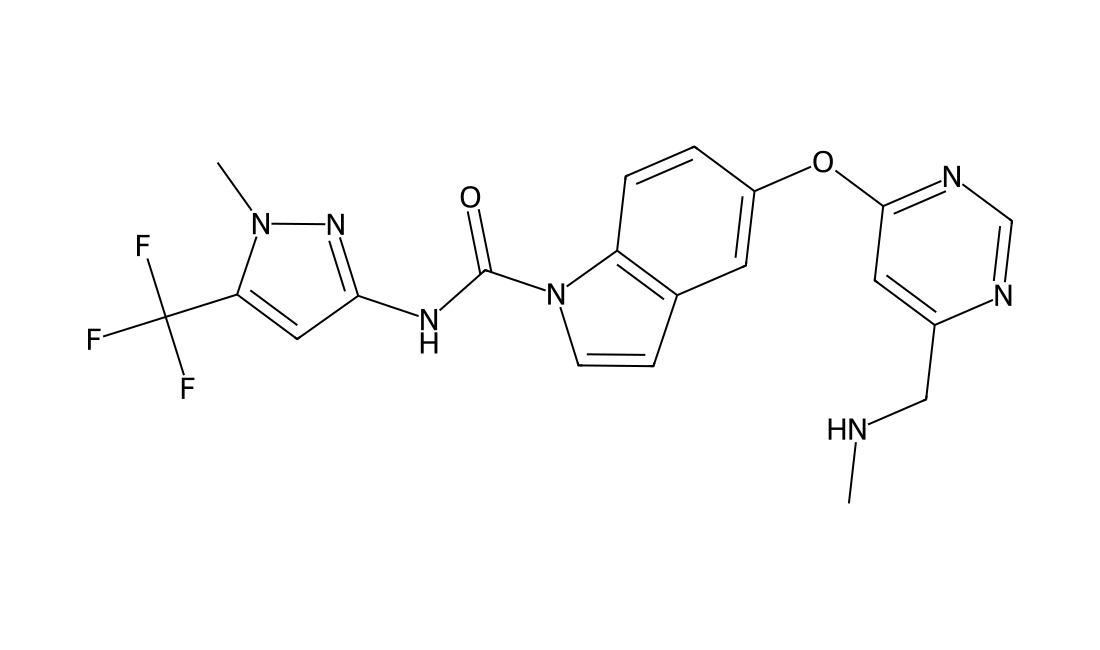
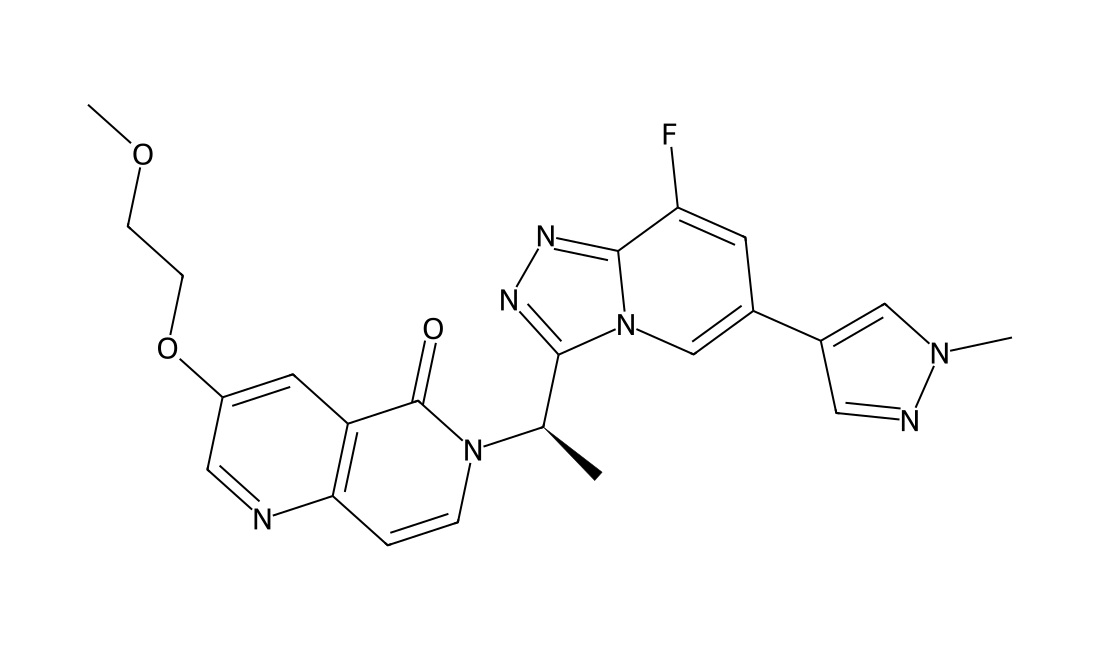
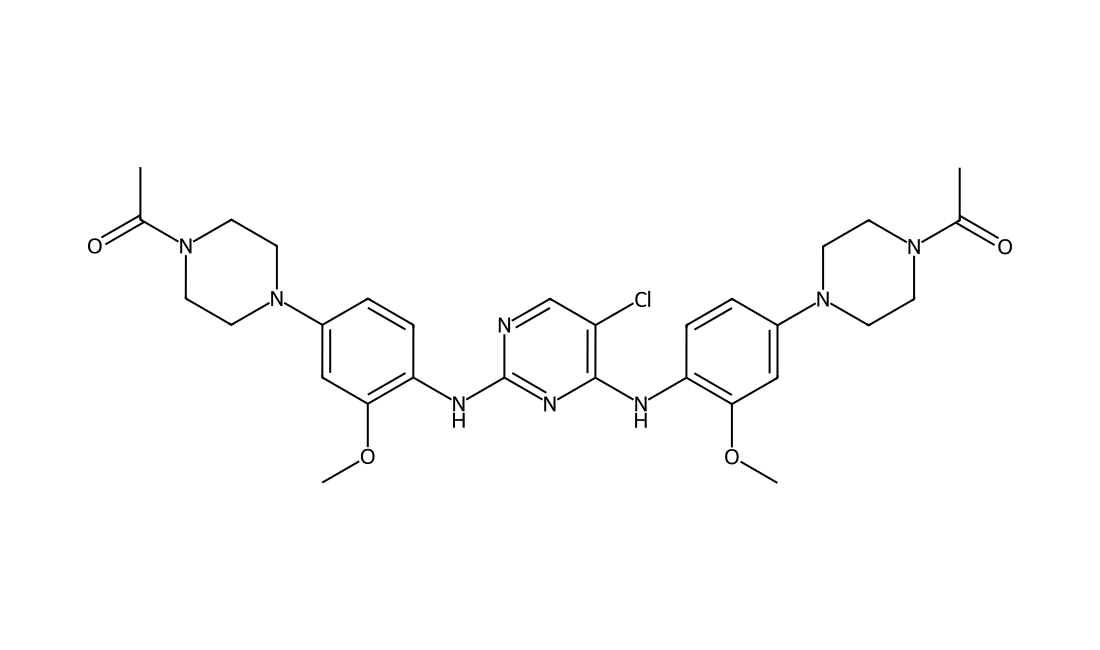
DUN73423 is a RET/KDR-Selective Inhibitor of RETV804M Kinase with IC50 = 7 nM. DUN73423 was listed in ACS Med Chem Lett . 2020 Feb 28;11(4):497-505 (compound 5). DUN73423 has CAS#2414373-42-3, no formal name For the convenience of scientific communication, we named it as DUN73423 (combined from Inchi key plus CAS#) according to Hodoodo Chemical Nomenclature .

DUN73423 chemical structure
DC42549

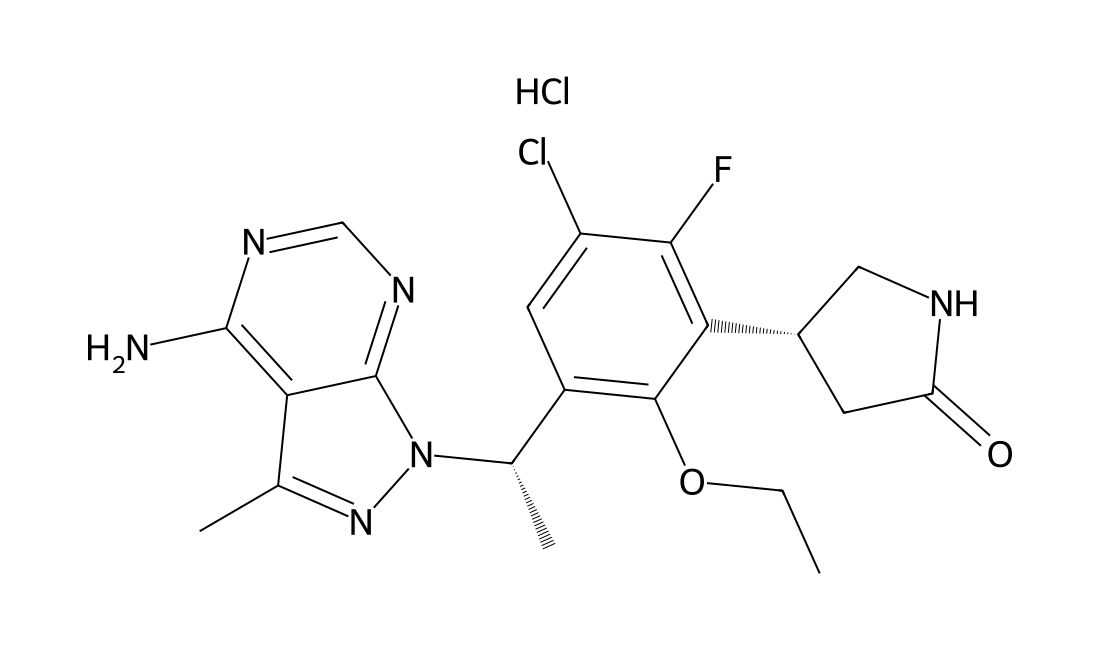
Parsaclisib hydrochloride

CAS 1995889-48-9

Parsaclisib hydrochloride (INCB050465 hydrochloride) is a potent, selective and orally active inhibitor of PI3Kδ, with an IC50 of 1 nM at 1 mM ATP. Parsaclisib hydrochloride shows approximately 20000-fold selectivity over other PI3K class I isoforms. Parsaclisib hydrochloride can be used for the research of relapsed or refractory B-cell malignancies.

Parsaclisib hydrochloride chemical structure
DC8652

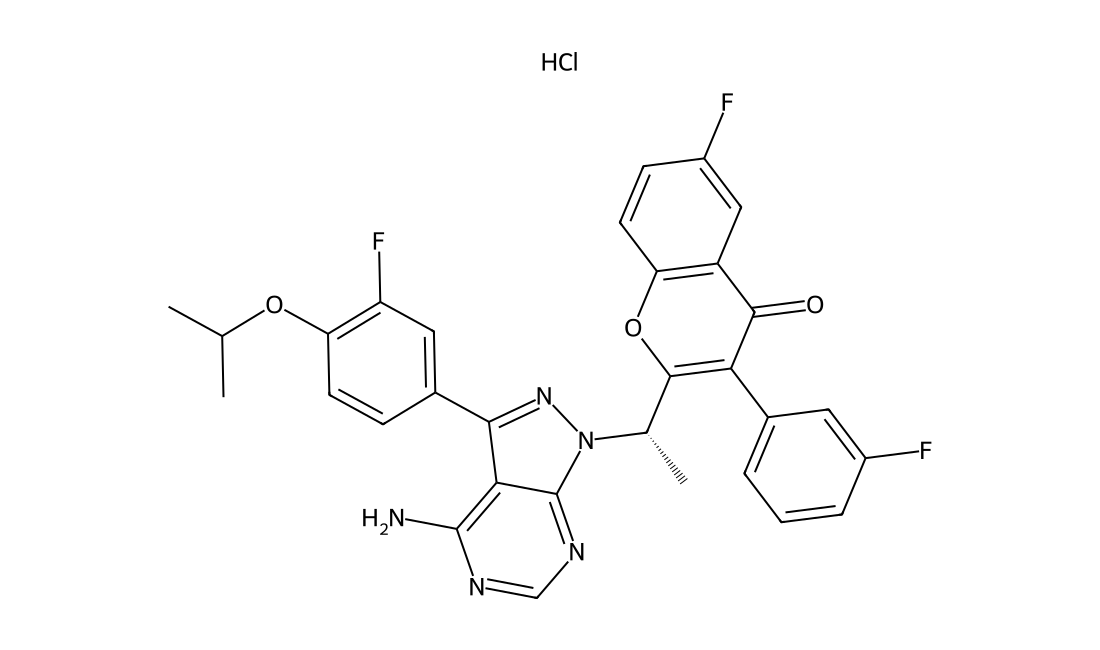
TGR-1202 hydrochloride(Umbralisib)

CAS 1532533-78-0

TGR-1202 hydrochloride is an orally available, next generation PI3Kdelta inhibitor, inhibits PI3Kδ activity in enzyme and cell based assays with IC50 and EC50 values of 22.2 and 24.3 nM respectively.in vitro: TGR-1202 displays a high degree of selectivity over the alpha (>1000 fold), beta (>30-50 fold), and gamma (>15-50 fold) isoforms. Additionally, TGR-1202 causes a half-maximal inhibition of human whole blood CD19 cell proliferation between 100-300 nM. Treatment of PBMC with RP5264 resulted initially in a G2/M arrest followed by subsequent increase in the number of Sub G0 cells. Viability assays demonstrated that TGR-1202 caused a significant inhibition in growth as well as Akt phosphorylation of immortalized and primary leukemic cells. Further, the compound exhibited good oral absorption with favourable pharmacokinetic properties in rodents.

TGR-1202 hydrochloride(Umbralisib) chemical structure
DC8479

MK-2461

CAS 917879-39-1

MK-2461 is a potent, multi-targeted inhibitor for c-Met(WT/mutants) with IC50 of 0.4-2.5 nM, less potent to Ron, Flt1; 8- to 30-fold greater selectivity of c-Met targets versus FGFR1, FGFR2, FGFR3, PDGFRβ, KDR, Flt3, Flt4, TrkA, and TrkB. Phase 1/2.MK-2461 also potently inhibits FGFR1, FGFR2, FGFR3, KDR, TrkA, TrkB, and Flt4 with IC50 of 65 nM, 39 nM, 50 nM, 44 nM, 46 nM, 61 nM, and 78 nM, respectively. Compared with wild-type c-Met, MK-2461 more potently inhibits the activity of oncogenic c-Met kinase mutants such as N1100Y, Y1230C, Y1230H, Y1235D, and M1250T with IC50 of 1.5 nM, 1.5 nM, 1.0 nM, 0.5 nM, and 0.4 nM, respectively. MK-2461 binds more strongly to phosphorylated c-Met than to unphosphorylated c-Met. MK-2461 potently inhibits ATP-induced autophosphorylation of the COOH-terminal docking domain of c-Met, but not the activation loop. In contrast, MK-2461 inhibits phosphorylation of the activation loop of FGFR2 (Y653/Y654) in Kato III cells and PDGFRα (Y849) in H1703 cells with IC50 of <0.3 μM. MK-2461 inhibits HGF-induced mitogenesis of 4MBr-5 cells with IC50 of 204 nM, and HGF-induced migration of HPAF II cells with IC50 of 404 nM, as well as HGF-induced branching tubulogenesis of MDCK cells. In addition, MK-2461 potently inhibits IL-3-independent proliferation of 32D cells transformed with Tpr-Met or Tpr-Met (Y362C) mutant with IC50 of ~100 nM. MK-2461 significantly inhibits the proliferation of a large panel of tumor cell lines, especially potent against tumor cells harbored genomic amplification of MET or FGFR2.MK-2461 treatment significantly inhibits c-Met (Y1349) phosphorylation in GTL-16 tumors with IC50 of ~1 μM. Oral administration of MK-2461 at 10 mg/kg, 50 mg/kg, and 100 mg/kg twice daily as well as 200 mg/kg once daily effectively suppresses tumor growth of GTL-16 xenografts in mice by 62%, 77%, 75%, and 90%, respectively. Similarly, MK-2461 treatment at 134 mg/kg twice daily inhibits the growth of NIH3T3 tumors harboring c-Met single nucleotide mutants T3936C and T3997C, by 78% and 62%, respectively.

MK-2461 chemical structure
DC27002

GDC-0575

CAS 1196504-54-7

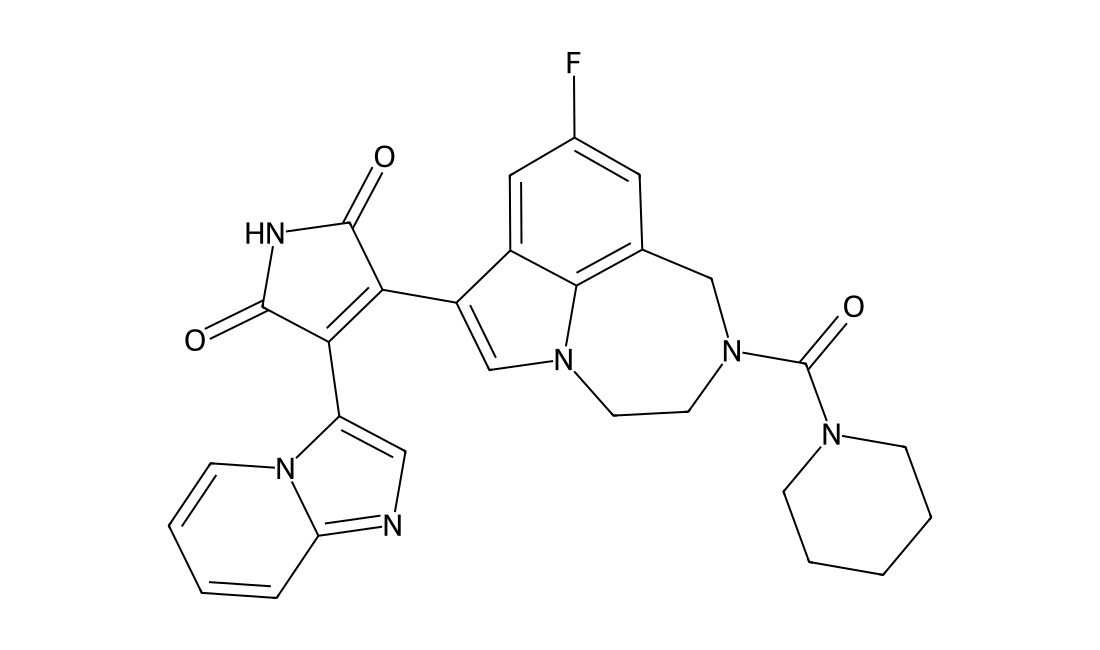
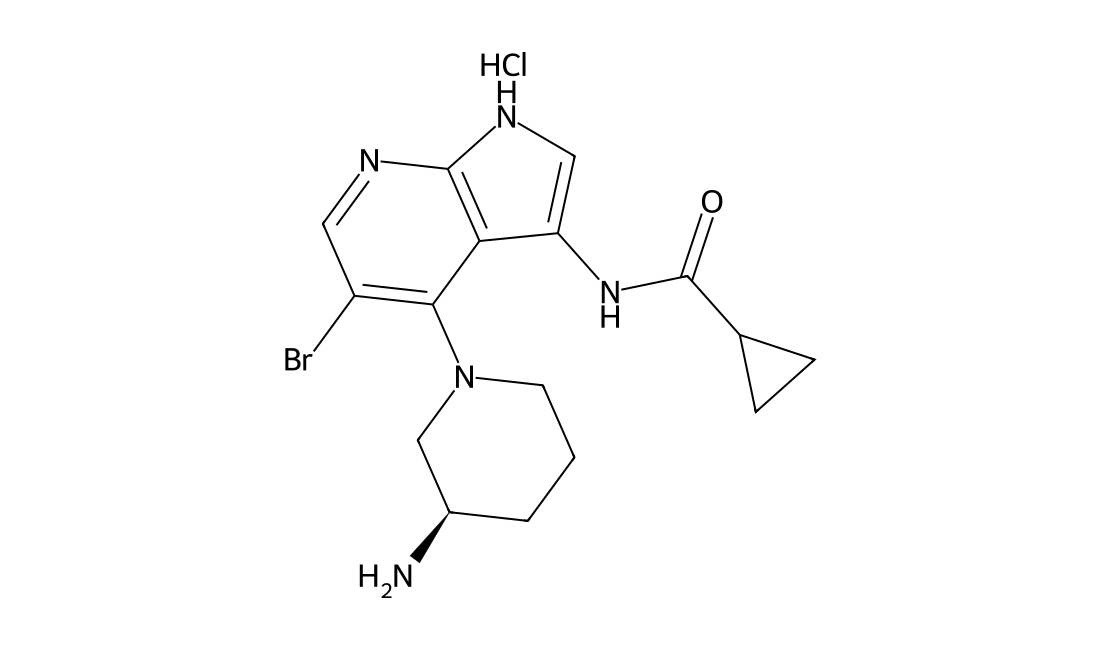
GDC-0575, also known as ARRY-575 and RG7741, is a potent and selective inhibitor of cell cycle checkpoint kinase 1 (Chk1) with an IC50 of 1.2 nM. Chk1 inhibitor GDC-0575 specifically binds to and inhibits Chk1; this may result in tumor cells bypassing Chk1-dependent cell cycle arrest in the S and G2/M phases, which permits the cells to undergo DNA repair prior to entry into mitosis.

GDC-0575 chemical structure
DC24185

Y-39983

CAS 199433-58-4

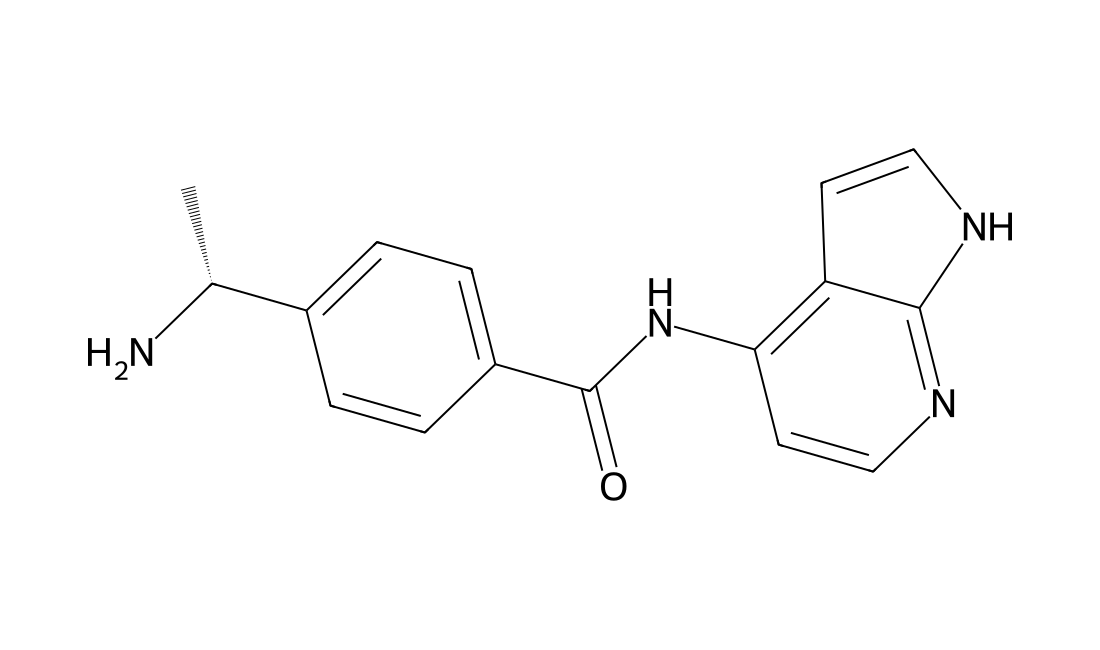
Y-39983 (Y39983) is a potent and selective p160 ROCK inhibitor with Ki of 140 nM; displays > 200-fold selectivity for p160ROCK than PKC, cAMP-dependent protein kianse and Mypsin light-chain kinase; promotes regeneration of crushed axons of retinal ganglion cells into the optic nerve of adult cats, shows therapeutic potential for axonal regeneration of RGCs in the treatment of diseases with degenerating axons of RGCs including glaucoma.

Y-39983 chemical structure
DC8757

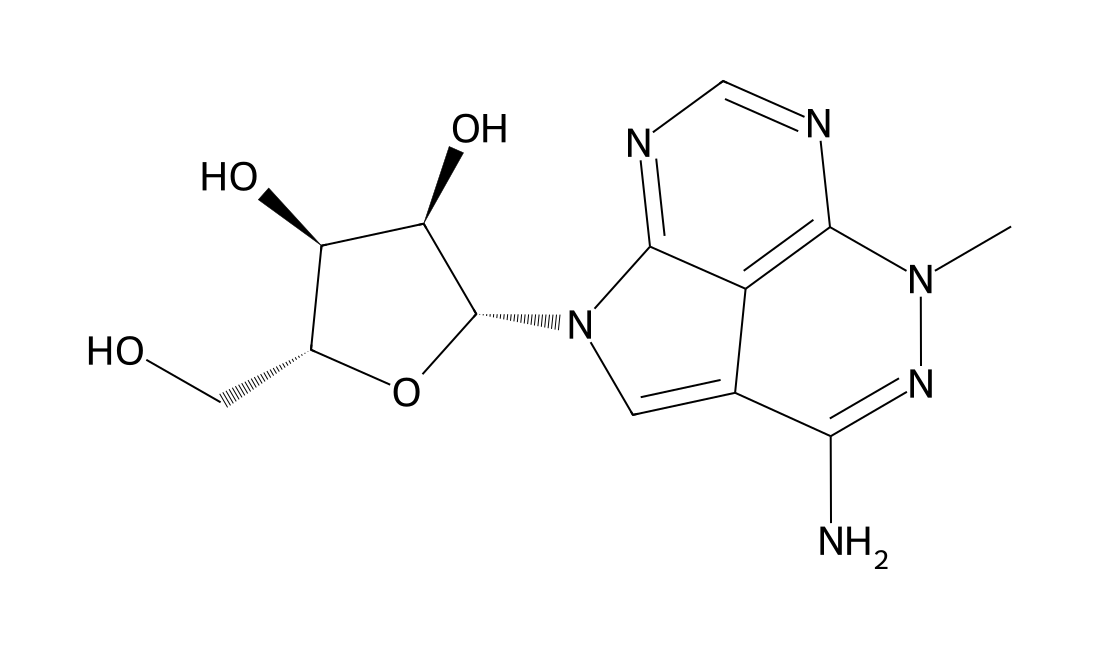
Triciribine

CAS 35943-35-2

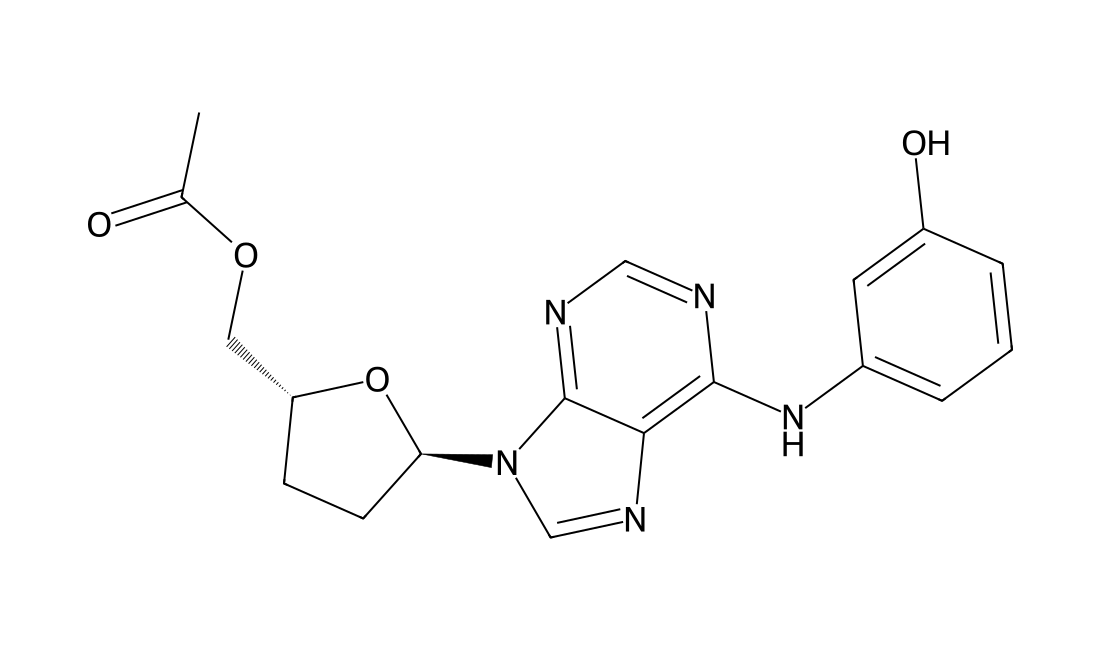
Triciribine(API-2; NSC 154020) is a DNA synthesis inhibitor, also inhibits Akt and HIV-1 with IC50 of 130 nM and 20 nM, respectively; does not inhibit PI3K/PDK1; 5000-fold less active in cells lacking adenosine kinase.Triciribine, also known as API-2, suppresses the phosphorylation level and kinase activity of Akt. Triciribine is a cell-permeable tricyclic nucleoside that inhibits the phosphorylation, activation, and signalling of Akt-1, -2, and -3. Triciribine does not inhibit PI3-Kinase or PDK1, the direct upstream activators of Akt, nor does it inhibit PKC, PKA, ERK1/2, serum- and glucocorticoid-inducible kinase, p38, STAT3, or JNK signalling pathways. Triciribine induces apoptosis and growth arrest in vitro, preferentially in human cancer cells with elevated levels of Akt. Triciribine potently and selectively inhibits growth of Akt-overexpressing tumors in mice. Triciribine also inhibits DNA synthesis and displays antiviral activity against HIV-1 and -2.

Triciribine chemical structure
DC10150

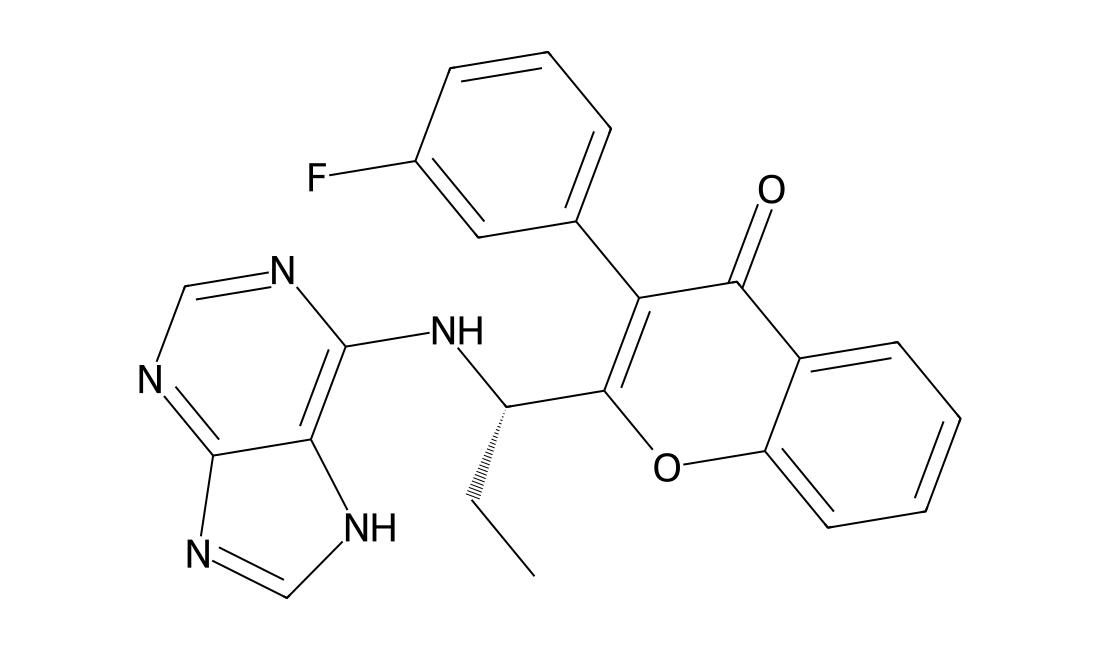
Tenalisib

CAS 1639417-53-0

Tenalisib shows selectivity over PI3K α (>300-fold) and β (>100-fold) isoforms. Tenalisib exhibits modest proliferation inhibition (33-46% inhibition @ 10 μM) in both HEL-RS and HEL-RR cells. Addition of 10 μM tenalisib to ruxolitinib is synergistic resulting in a near-complete inhibition of proliferation (>90% for HEL-RS and >70% for HEL-RR). Addition of 5 μM tenalisib, 4 h prior to the addition of ruxolitinib results in a significant reduction in EC50of ruxolitinib (5.8 μM) in HEL-RR cells. Incubation of 10 μM tenalisib with ruxolitinib for 72 h increases the percent of apoptotic cells (55% in HEL-RS and 37% in HEL-RR) compared to either agent alone (16-27% in HEL-RS and 17-21% in HEL-RR).Tenalisib has been well tolerated in subjects with heavily pre-treated relapsed/refractory hematologic malignancies. Reported toxicities are manageable with no DLTs. Single agent activity is evident in difficult-to-treat subjects at ≥ 200 mg BID.

Tenalisib chemical structure
DC8104

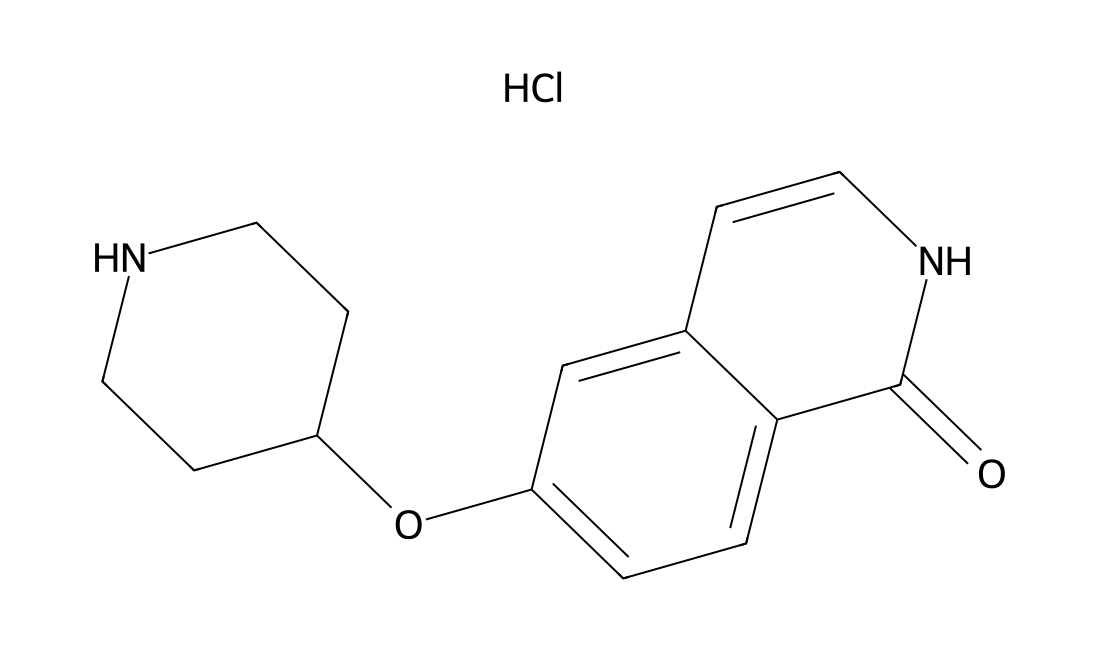
SAR407899 HCl

CAS 923262-96-8

SAR407899 Hcl is a potent, ATP-competitive ROCK inhibitor woth Ki value of 36 nM/41 nM for human ROCK/Rat ROCK respectively. in vitro: SAR407899 is highly selective in panel of 117 receptor and enzyme targets. SAR407899 is ≈8-fold more active than fasudil. In vitro, SAR407899 demonstrated concentration-dependent inhibition of Rho-kinase–mediated phosphorylation of myosin phosphatase, thrombin-induced stress fiber formation, platelet-derived growth factor–induced proliferation, and monocyte chemotactic protein-1–stimulated chemotaxis. SAR407899 potently (mean IC50 values: 122 to 280 nM) and species-independently relaxed precontracted isolated arteries of different species and different vascular beds. SAR407899 dose-dependently relaxed the pre-contracted corpora cavernosa in all species, with similar potency and efficacy in healthy vs diabetic rats, WKY vs SHR rats, healthy vs diabetic rabbits (IC(50) range from 0.05 to 0.29 μM, Emax range 89 to 97%). in vivo: Over the dose range 3 to 30 mg/kg PO, SAR407899 lowered blood pressure in a variety of rodent models of arterial hypertension. SAR407899 was more effective than Y27632 in reducing ET-1-induced vasoconstriction in ZDF rat renal resistance arteries. Maximum ET-1-induced vasoconstriction in SAR407899-treated and Y27632-treated human renal resistance arteries was 23±5 and 48±6% of control values, respectively. For the detailed information of SAR-407899, the solubility of SAR-407899 in water, the solubility of SAR-407899 in DMSO, the solubility of SAR-407899 in PBS buffer, the animal experiment (test) of SAR-407899, the cell expriment (test) of SAR-407899, the in vivo, in vitro and clinical trial test of SAR-407899, the EC50, IC50,and affinity,of SAR-407899, For the detailed information of SAR-407899, the solubility of SAR-407899 in water, the solubility of SAR-407899 in DMSO, the solubility of SAR-407899 in PBS buffer, the animal experiment (test) of SAR-407899, the cell expriment (test) of SAR-407899, the in vivo, in vitro and clinical trial test of SAR-407899, the EC50, IC50,and affinity,of SAR-407899, Please contact DC Chemicals.
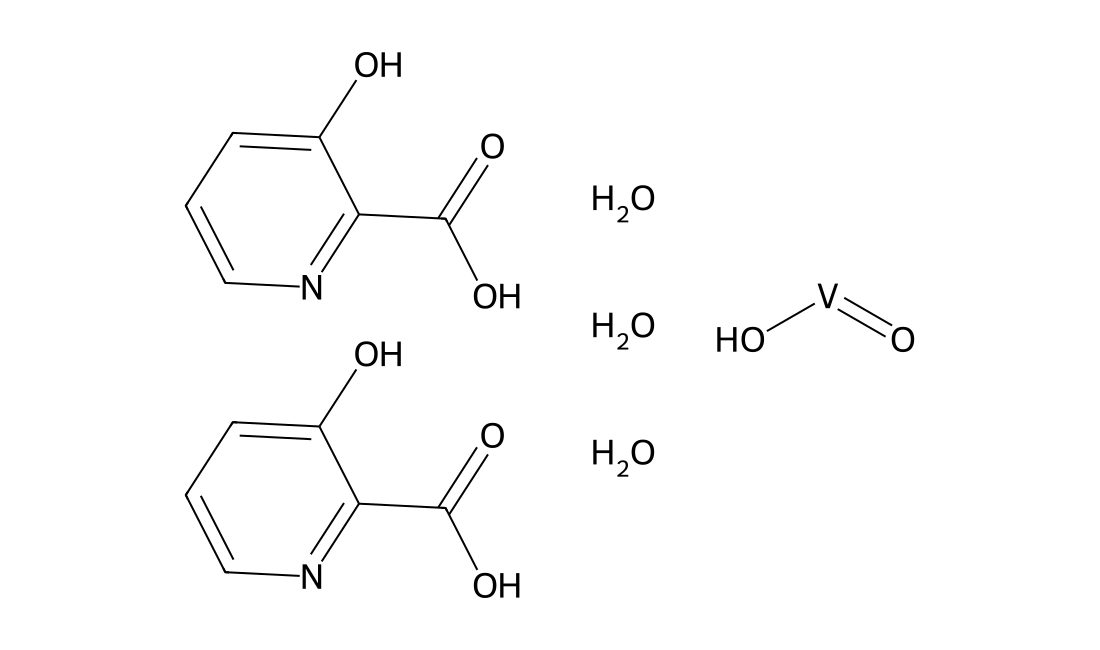
SAR407899 HCl chemical structure
DC7254

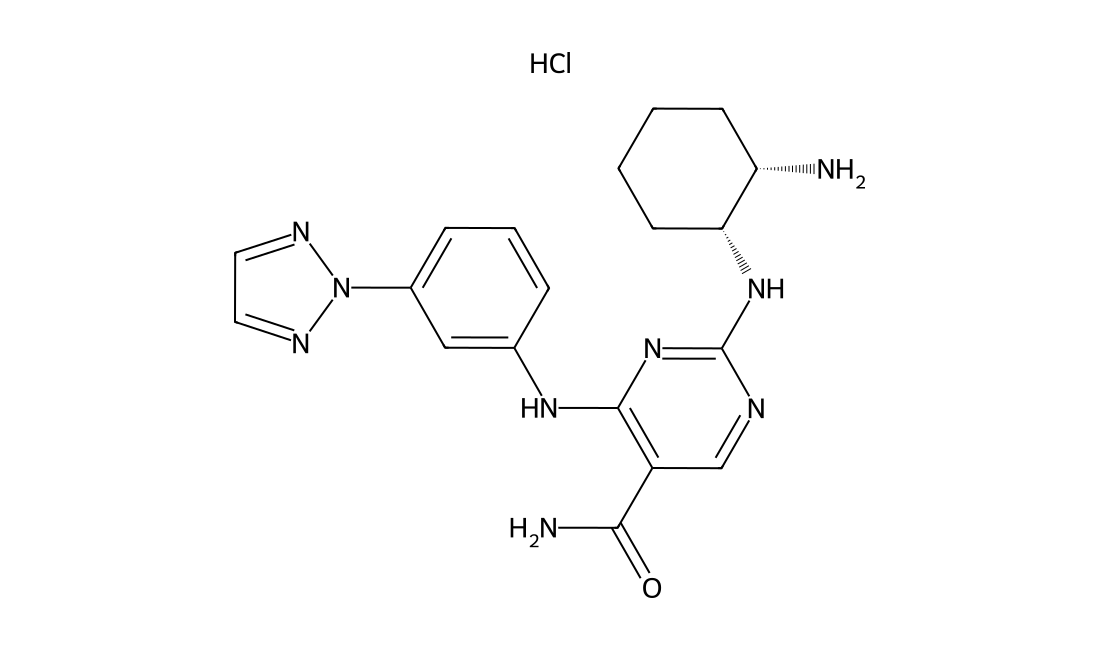
PRT062607

CAS 1370261-97-4

PRT062607(P505-15) anti-SYK activity is at least 80-fold greater than its affinity For other kinases. at least 80-fold greater than its affinity For other kinases. PRT062607 potently inhibits B cell antigen receptor-mediated B cell signaling and activation (IC50 0.27 and 0.28 μM, respectively) and Fcε receptor 1-mediated basophil degranulation (IC50 0.15 μM). PRT062607 inhibits BCR-dependent secretion of the chemokines CCL3 and CCL4 by CLL cells, and leukemia cell migration toward the tissue homing chemokines CXCL12, CXCL13, and beneath stromal cells. PRT062607 furthermore inhibits Syk and extracellular signal-regulated kinase phosphorylation after BCR triggering. For the detailed information of PRT062607, the solubility of PRT062607 in water, the solubility of PRT062607 in DMSO, the solubility of PRT062607 in PBS buffer, the animal experiment (test) of PRT062607, the cell expriment (test) of PRT062607, the in vivo, in vitro and clinical trial test of PRT062607, the EC50, IC50,and Affinity of PRT062607, Please contact DC Chemicals.

PRT062607 chemical structure
DC7948

PRT-060318(PRT318)

CAS 1194961-19-7

PRT-060318, also known as PRT318 or P142–76, is a novel selective inhibitor of the tyrosine kinase Syk, as an approach to HIT treatment. PRT318 completely inhibited HIT immune complex-induced aggregation of both human and transgenic HIT mouse platelets. Transgenic HIT model mice were treated with KKO, a mouse monoclonal HIT-like antibody, and heparin. The experimental group received orally dosed PRT318, whereas the control group received vehicle. Nadir platelet counts of PRT318-treated mice were significantly higher than those of control mice. When examined with a novel thrombosis visualization technique, mice treated with PRT318 had significantly reduced thrombosis. The Syk inhibitor PRT318 thus prevented both HIT immune complex-induced thrombocytopenia and thrombosis in vivo, demonstrating its activity in HIT. (source: Blood. 2011 Feb 17;117(7):2241-6.) For the detailed information of PRT-060318 , the solubility of PRT-060318 in water, the solubility of PRT-060318 in DMSO, the solubility of PRT-060318 in PBS buffer, the animal experiment (test) of PRT-060318 , the cell expriment (test) of PRT-060318 , the in vivo, in vitro and clinical trial test of PRT-060318 , the EC50, IC50,and affinity,of PRT-060318 , Please contact DC Chemicals.
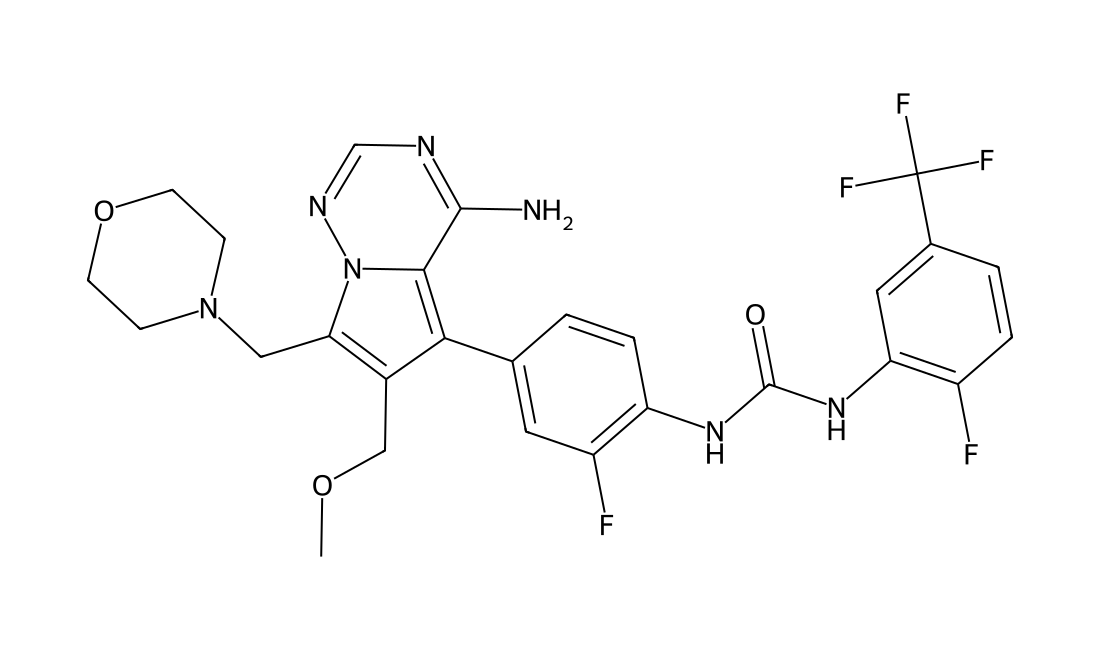
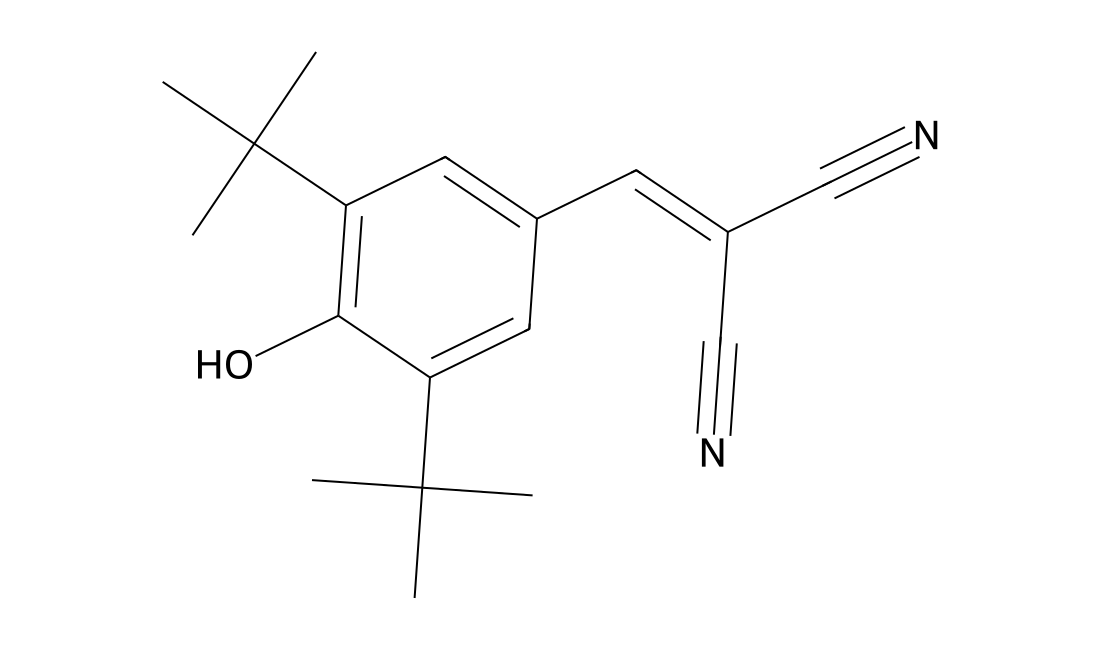
PRT-060318(PRT318) chemical structure
DC9391

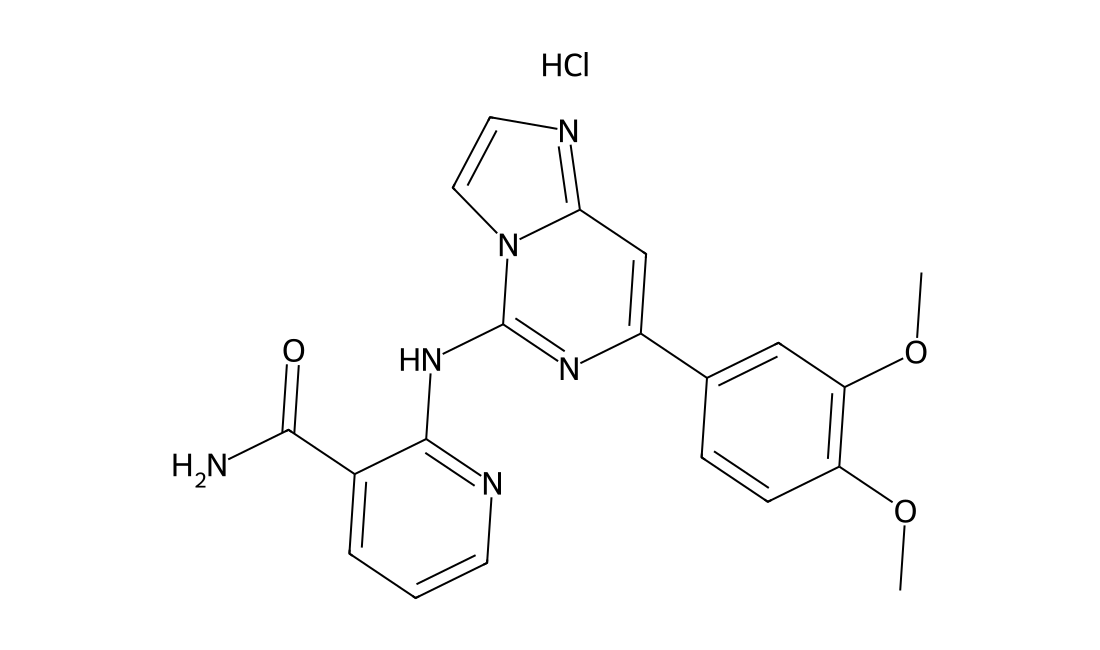
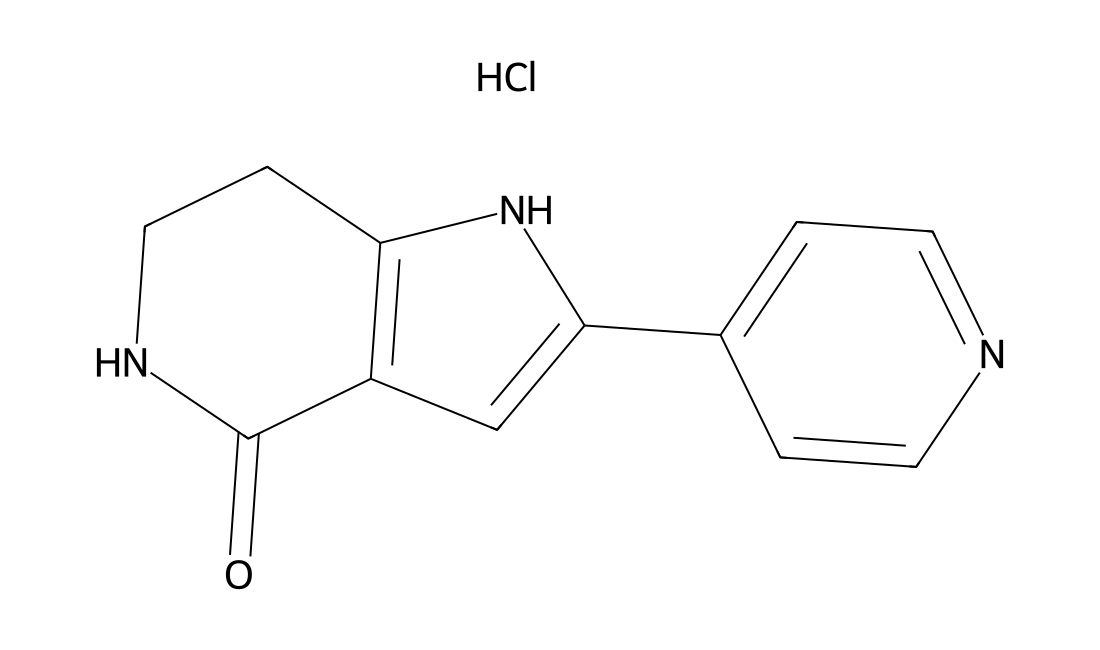
PHA-767491 (hydrochloride)

CAS 942425-68-5

PHA-767491 (CAY10572) Hcl is a potent, ATP-competitive dual Cdc7/Cdk9 inhibitor with IC50 values of 10/34 nM. in vitro: PHA-767491 displays approximately 20-fold selectivity for Cdk1, Cdk2 and GSK3-β, 50-fold selectivity for MK2 and Cdk5 and 100-fold selectivity for PLK1 and CHK2. PHA-767491 inhibits cell proliferation in a variety of human cell lines with IC50 of 0.86 μM for SF-268 to 5.87 μM for K562, and significantly induces apoptosis in a p53-independent manner in almost all cell lines in contrast with 5-FU or gemcitabine which only works in a few of cell lines. Unlike current DNA synthesis inhibitors, PHA-767491 treatment at 5 μM blocks the initiation of DNA replication but not replication fork progression, due to specific inhibition of Cdc7 kinase and Mcm2 phosphorylation at the Cdc7-dependent Ser40 site. The direct mitochondrial dependent pro-apoptosis effect of PHA-767491 is also observed when applied at 1 μM in quiescent chronic lymphocytic leukemia (CLL) cells through the similar mechanism with EC50 of 0.34-0.97 μM. While in proliferating CLL cells stimulated by CD154 and interleukin-4, PHA-767491 treatment at 5 μM abolishes DNA synthesis by inhibiting Cdc7 rather than triggering cell death. The up-regulated Mcl-1 levels in ABT-737-resistant OCI-LY1 and SU-DHL-4 cells can be significantly decreased by PHA-767491 treatment at 3 μM possibly due to the inhibition of Cdk9, leading to the restoration of the sensitivity to ABT-737. in vivo: Administration of PHA-767491 twice a day for 5 days significantly inhibits the growth of HL60 xenograft in a dose-dependent manner with TGI of 50% and 92% at dose of 20 mg/kg and 30 mg/kg, respectively, the effect of which is also marked in A2780, Mx-1, and HCT-116 xenograft models as well as the DMBA-induced mammary carcinomas, and correlates with Cdc7 inhibition and subsequently decreased phosphorylation of Mcm2 at the Cdc7-dependent site Ser40.

PHA-767491 (hydrochloride) chemical structure
DC8147

PF 4800567

CAS 1188296-52-7

Selective casein kinase 1ε inhibitor; displays 22-fold greater potency towards CK1ε than CK1δ (IC50 values are 32 and 711 nM for CK1ε and CK1δ respectively). ATP competitive. Displays minimal effect on the circadian clock. For the detailed information of PF 4800567, the solubility of PF 4800567 in water, the solubility of PF 4800567 in DMSO, the solubility of PF 4800567 in PBS buffer, the animal experiment (test) of PF 4800567, the cell expriment (test) of PF 4800567, the in vivo, in vitro and clinical trial test of PF 4800567, the EC50, IC50,and affinity,of PF 4800567, For the detailed information of PF 4800567, the solubility of PF 4800567 in water, the solubility of PF 4800567 in DMSO, the solubility of PF 4800567 in PBS buffer, the animal experiment (test) of PF 4800567, the cell expriment (test) of PF 4800567, the in vivo, in vitro and clinical trial test of PF 4800567, the EC50, IC50,and affinity,of PF 4800567, Please contact DC Chemicals.

PF 4800567 chemical structure
DC9906

K-Ras-IN-1

CAS 84783-01-7

K-Ras-IN-1 is a K-Ras inhibitor, by binding to K-Ras in a hydrophobic pocket that is occupied by Tyr-71 in the apo-Ras crystal structure.(the detailed information refer to the reference)

K-Ras-IN-1 chemical structure
DC10623

AG-494

CAS 133550-35-3

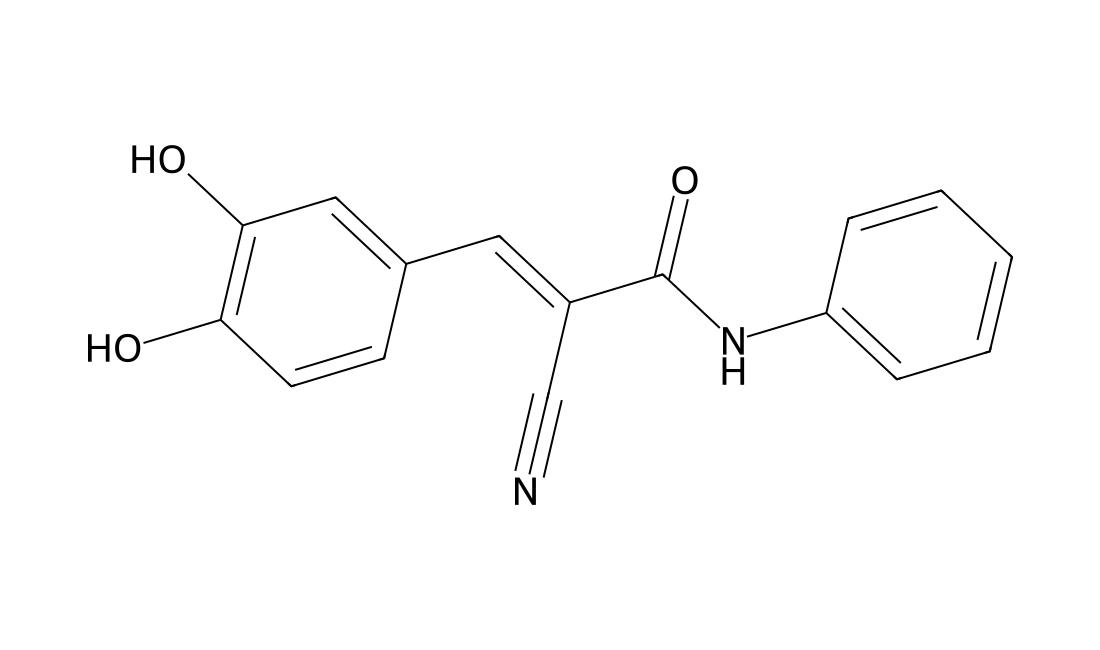
AG-494 (Tyrphostin AG 494) is a potent and selective EGFR tyrosine kinase inhibitor (IC50=0.7 μM). AG-494 inhibits the autophosphorylation of EGFR, ErbB2, HER1-2 and PDGF-R with IC50s 1.1, 39, 45 and 6 μM, respectively. AG-494 blocks Cdk2 activation and inhibits EGF-dependent DNA synthesis[1][2][3].

AG-494 chemical structure
DC10340

ISA-2011B

CAS 1395347-24-6

The proliferation rate of PC-3 cells after treatment with ISA-2011B at 10, 20, and 50 μM is significantly reduced to 58.77%, 48.65%, and 21.62% of vehicle-treated controls, respectively. ISA-2011B exhibits the highest binding affinity to PIP5K1α, and to MAP/microtubule affinity-regulating kinase 1 and 4 (MARK1 and MARK4) across 460 kinases. ISA-2011B treatment inhibits PIP5K1α expression by 78.6% in PC-3 cells. ISA-2011B leads to a remarkable reduction in AR-V7 and CDK1 in both nucleus and cytoplasm of 22Rv1 cells. ISA-2011B treatment also abolishes AR expression in the nucleus, without depleting the cytoplasmic AR.ISA-2011B significantly inhibits growth of tumor cells in xenograft mice, and is mediated by targeting PIP5K1α-associated PI3K/AKT and the downstream survival, proliferation, and invasion pathways. Overexpression of AR-V7 increases PIP5K1α, promotes rapid growth of PCa in xenograft mice, whereas inhibition of PIP5K1α by its inhibitor ISA-2011B suppresses the growth and invasiveness of xenograft tumors overexpressing AR-V7. ISA-2011B disrupts protein stabilization of AR-V7 which is dependent on PIP5K1α, leading to suppression of invasive growth of AR-V7-high tumors in xenograft mice.

ISA-2011B chemical structure
DC23921

Indolactam V

CAS 90365-57-4

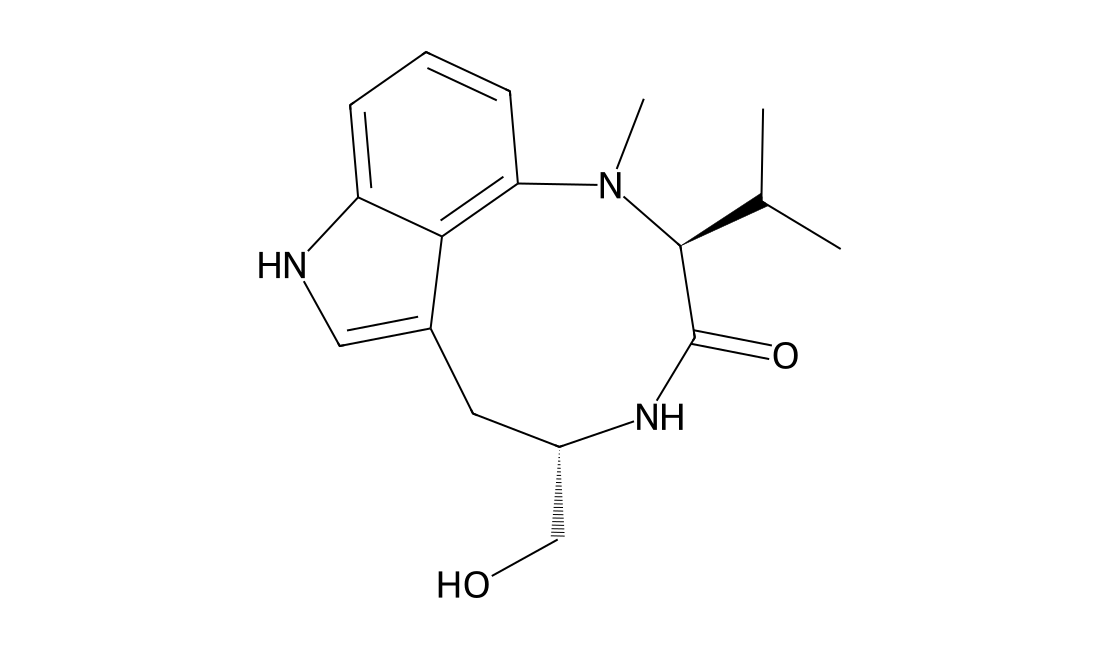
Indolactam V ((-)-Indolactam V) is an indole alkaloid tumor promoter that activates protein kinase C (PKC), binds to PKC regulatory domains of mouse skin PKCη and rat brain PKCγ with Ki values of 3.4 nM and 1 uM, respectively; induces differentiation of human embryonic stem cells into pancreatic progenitors through activation of PKC signaling.

Indolactam V chemical structure
DC12259

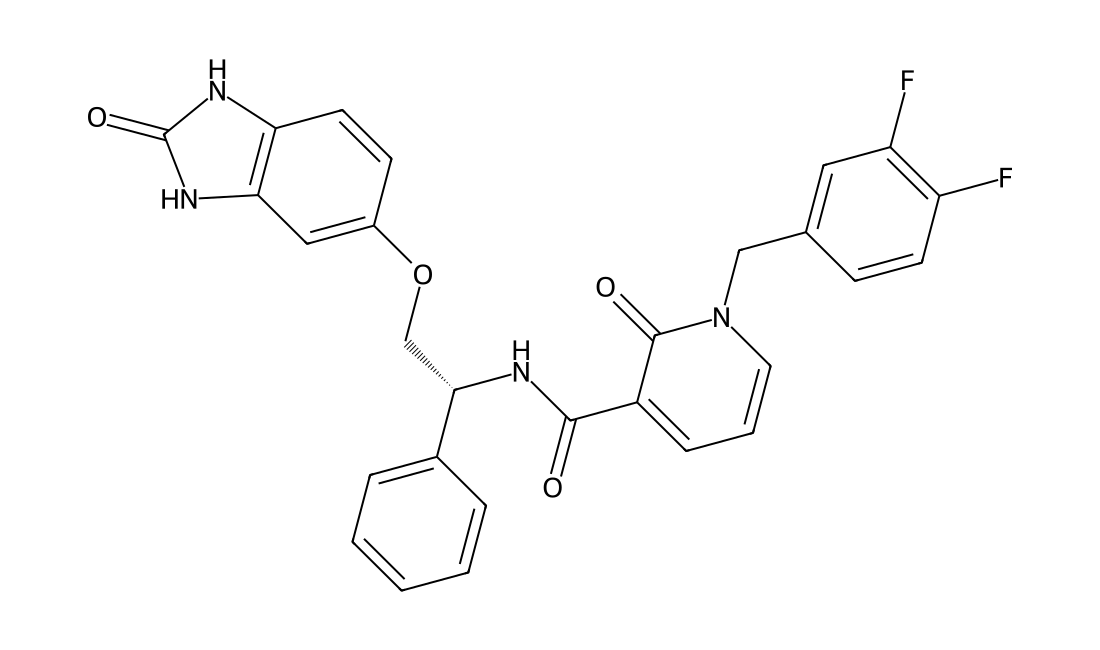
HS-10296 hydrochloride

CAS 2134096-03-8

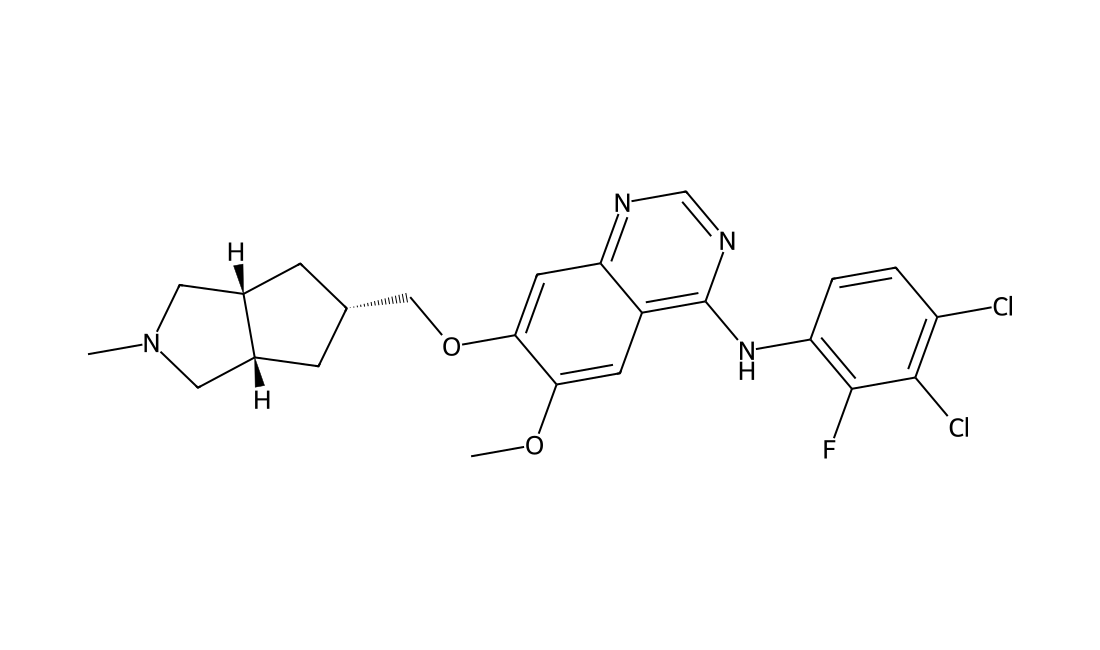
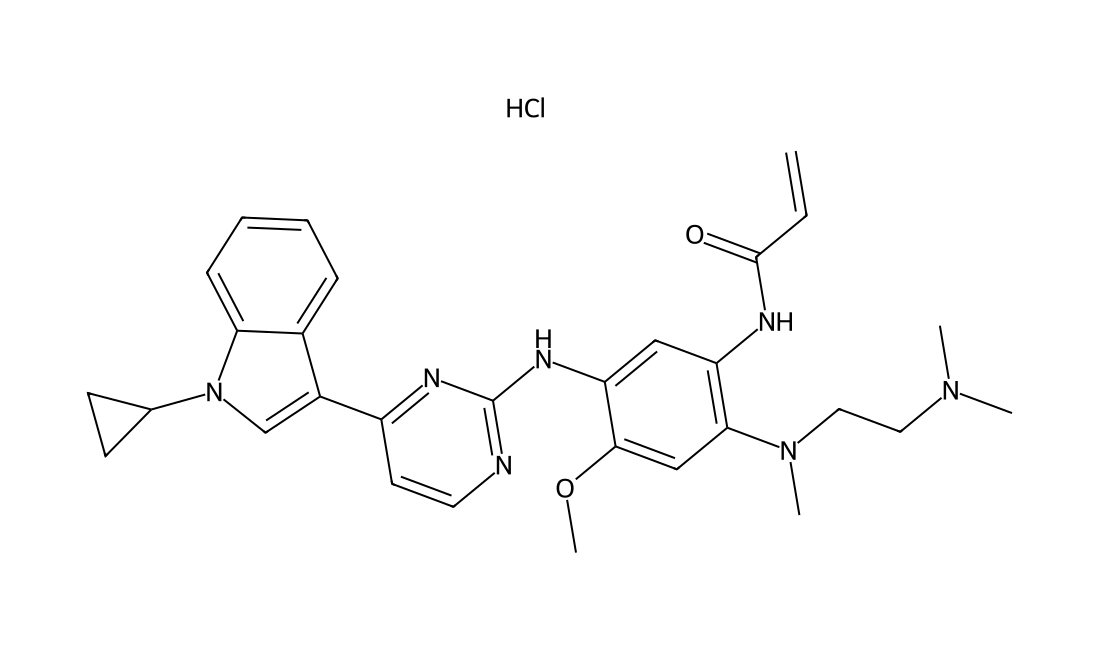
In Vitro HS-10296 hydrochloride is an orally available inhibitor of the epidermal growth factor receptor (EGFR) mutant form T790M, with potential antineoplastic activity, which canbe used to treat NSCLC. Additionaly, HS-10296 could also inhibit other EGFR sensitive mutations, including G719X, del19, L858R and L861Q.

HS-10296 hydrochloride chemical structure
Browse target & topic index A–Z (366)
11β-HSD (1)15-PGDH (2)5-HT Receptor (16)Acetyl-CoA Carboxylase (ACC) (3)Acetylcholinesterase (AChE) (2)Ack1 (TNK2) (1)Acyltransferase (1)ADC Cytotoxin (6)ADCs Linker/Click Chemistry (5)Adenosine Receptor (9)Adenylate Cyclase (2)Adrenergic Receptor (11)Akt (12)Alcoholism (2)Aldehyde Dehydrogenase (ALDH) (6)Allergy (5)Alzheimer Disease (13)Aminopeptidase (1)AMPK (8)Amyloids (4)Anaplastic Lymphoma Kinase (ALK) (9)Androgen Receptor (AR) (11)Anemia (4)Angiotensin Receptor (4)Antibody/Protein labeling dyes (1)Antifolate (2)Anxiety (1)Apoptosis Inducer (3)Arginase (1)Arp2/3 complex (1)Aryl hydrocarbon Receptor (AhR) (1)Asthma (5)Atherosclerosis (2)ATM/ATR (8)Aurora Kinase (10)Autophagy (6)Autophagy-related Protein (Atg) (2)Autotaxin (2)Bacterial (26)Bacterial Infection (17)Bcl-2 (14)Bcr-Abl (5)BCRP (1)Beta-catenin (4)Beta-secretase (BACE) (4)Blood Cancer (91)BMI-1 (1)Bone Cancer (6)Brain Cancer (6)Breast Cancer (30)Bromodomain (22)BTK (10)c-Fms (CSF1R) (5)c-Fos/AP-1 (1)c-Kit (6)c-Met (HGFR) (11)c-Myc (2)Calcium Channel (4)Calcium-sensing Receptor (CaSR) (1)CaMK (4)Cannabinoid Receptor (6)Carbonic Anhydrase (1)Carboxypeptidase (1)Casein Kinase (6)Caspase (4)Cathepsin (6)Cdc2-like Kinase (CLK) (1)CETP (2)CFTR (7)Checkpoint Kinase (Chk) (8)Chemokine Receptor (CCR and CXCR) (14)Chemotherapeutic Agents (19)Chloride Channel (1)CMV (2)CMV Infection (2)Colon Cancer (9)Complement System (1)COPD (3)CREB/CBP (2)CRF Receptor (2)CRISPR/Cas9 (1)Cushing Disease (1)Cyclin-dependent Kinase (CDK) (39)Cyclooxygenase (COX) (4)Cytochrome P450 (CYPs) (5)Depression (2)Dermatitis (2)Deubiquitinase (DUB) (7)Diabetes (20)Dipeptidyl Peptidase (DPP) (3)Discoidin Domain Receptor (DDR) (1)DNA Alkylator/Crosslinker (10)DNA Methyltransferase (DNMT) (1)DNA Repair Protein (1)DNA-PK (2)DNA/RNA Synthesis (5)Dopamine beta-hydroxylase (1)Dopamine Receptor (7)Drug Metabolite (1)Drug-Linker Conjugates (11)Dyes (4)DYRK (1)Dyslipidemia (9)E3 Ligase Ligand (6)E3 Ligase Ligand-Linker Conjugate (1)E3 Ubiquitin Ligase (4)Ebola Virus Infection (1)EGFR (32)Elastase (2)Endothelin Receptor (5)Enzymes substrates (13)Epigenetic Reader Domain (3)Epilepsy (4)ERK (4)Estrogen Receptor/ERR (13)Eukaryotic Initiation Factor (eIF) (2)Exportin-1 (CRM1,XPO1) (2)FABP (1)Factor Xa (5)Farnesoid X Receptor (FXR) (5)Farnesyl transferase (FTase) (1)Ferroptosis (6)FGFR (20)Fibrosis (5)FLT3 (6)Focal Adhesion Kinase (FAK) (11)Foxo1 (1)Free Fatty Acid Receptor (FFAR) (5)Fungal (2)Fungal Infection (1)GABA Receptor (13)Galectin (1)Gastric Cancer (8)Ghrelin Receptor (GHSR) (3)Glucagon Receptor (4)Glucokinase (2)Glucose Transporter (GLUT) (2)Glutamate Transporter (2)GPCR (1)GPER (GPR30) (1)GPR139 (1)GPR183 (EBI2) (2)GPR39 (1)GPR55 (1)GPR84 (1)GRK (GPCRK) (2)Growth Hormone Deficiency (2)GSK-3 (8)Guanylate Cyclase (3)HBV (1)HBV Infection (1)HCN Channel (2)HCV (8)HCV Infection (9)HDAC (38)Heart Arrhythmia (2)Heart Failure (5)Heat Shock Protein (HSP) (15)Hedgehog (Hh) (1)HIF/HIF Prolyl-hydroxylase (8)Histamine Receptor (6)Histone Acetyltransferase (HAT) (5)Histone Demethylase (11)Histone Methyltransferase (HMTase) (31)HIV (12)HIV Infection (11)HMG-CoA Reductase (HMGCR) (3)HSV (1)HSV Infection (1)Hypercholesterolemia (1)Hyperparathyroidism (1)Hypertension (8)IAP (1)IGF-1R (3)iGluR (15)Indoleamine 2,3-Dioxygenase (IDO) (4)Infection (1)Influenza (6)Influenza Virus (6)Insulin Receptor (2)Integrin (6)Interleukin Receptor (1)IRAK (2)IRE1 (4)Irritable Bowel Syndrome (2)Ischemia (1)Isocitrate Dehydrogenase (IDH) (5)ITK (1)IκB kinase (IKK) (7)JAK (32)JNK (3)Keap1-Nrf2 (6)Kidney Cancer (10)Kinesin (5)Kruppel-like Factor (KLF) (1)Kynurenine 3-Monooxygenase (KMO) (1)Leukotriene Receptor (1)LIM Kinase (LIMK) (3)Lipids fragment (1)Liver Cancer (6)Liver X Receptor (LXR) (3)LRRK2 (9)Lung Cancer (39)Lysophospholipid Receptor (12)LYTACs (3)mAChR (9)MALT1 (2)MAP4K (1)Matrix Metalloproteinase (MMP) (10)MDM2-p53 (9)MEK (MAP2K) (14)MEKK (MAP3K) (1)Melanocortin Receptor (2)MELK (1)mGluR (7)MicroRNA (1)Microtubule/Tubulin (5)Mineralocorticoid Receptor (MLR) (1)MITF (1)Mixed Lineage Kinase (MLK) (3)MNK (2)Molecular Glues (21)Monoamine Transporter (5)Monocarboxylate Transporter (MCT) (1)Monopolar Spindle 1 (Mps1/TTK) (3)mTOR (13)Multiple Sclerosis (6)Myosin (1)Na-K-Cl Cotransporter (NKCC) (2)nAChR (2)NADPH Oxidase (NOX) (2)NAMPT (3)Natural products (37)Neprilysin (1)Neurokinin Receptor (3)Neuropeptide Y Receptor (3)NF-κB (5)Nitric Oxide Synthase (NOS) (1)NOD-like Receptor (NLR) (3)Notch (2)Nucleoside Antimetabolite/Analog (10)Nur77 (NR4A1) (1)Obesity (1)Oct3/4 (1)Opioid Receptor (5)Orexin Receptor (7)Osteoporosis (2)Ovarian Cancer (14)Oxytocin Receptor (OXTR) (2)P-glycoprotein (P-gp) (3)p21-activated Kinase (PAK) (1)P2X Receptor (2)P2Y Receptor (1)p38 MAPK (10)p97/VCP (1)Pain (12)Pancreatic Cancer (10)Parasite (5)Parasite Infection (2)Parkinson Disease (2)PARP (19)PCSK9 (1)PD-1/PD-L1 (4)PDGFR (4)PDK1 (2)PEGn (1)PERK (2)PGE synthase (2)Phosphodiesterase (PDE) (9)Phospholipase (4)PI3K (32)PI4K (2)Piezo Channel (1)PIKfyve (3)Pim (9)PKC (12)PKD (1)Plasminogen Activator Inhibitor-1 (PAI-1) (3)Polo-like Kinase (PLK) (4)Porcupine (3)Potassium Channel (13)PPAR (13)Pregnane X Receptor (PXR) (1)Progesterone Receptor (2)Prostaglandin Receptor (11)Prostate Cancer (7)PROTACs (35)Protease-activated Receptor (PAR) (3)Proteasome (12)Protein Disulfide Isomerase (PDI) (1)Protein Phosphatase/PTP (6)Proton Pump (1)Psoriasis (5)RAD51 (1)Radioligand precursors (15)Raf (18)RAR/RXR (3)Ras (17)Renin (2)RET Tyrosine Kinase (c-RET) (3)Rheumatoid Arthritis (16)Ribosomal S6 Kinase (RSK) (5)RIG-I-like Receptor (RLR) (2)RIP kinase (7)ROCK (12)ROR (2)RSV (4)RSV Infection (3)RUNX1-CBFβ (1)S-nitrosoglutathione reductase (GSNOR) (1)Saccharides and Glycosides (1)Salt Inducible Kinase (SIK) (2)SARS-CoV (16)SARS-CoV Infection (34)Schizophrenia (4)Sexual Dysfunction (1)SGLT (4)Sigma Receptor (4)Sirtuin (9)Skin Cancer (13)Sleep Disorder (7)SMN2 Modulator (1)Smoothened (Smo) (9)Sodium Channel (12)Solid Tumors (35)Somatostatin Receptor (2)Sphingosine kinase (SphK) (2)Src (7)STAT (5)Stearoyl-CoA Desaturase (SCD) (1)Steatohepatitis (7)Sterol lipids (1)STING (14)Syk (6)T Cell Receptor (TCR) (1)TAK1 (2)TAM Receptor (Tyro3-Axl-Mer) (4)Taste Receptor (1)Telomerase (2)TGF beta Receptor (TGFBR) (12)Thrombin (3)Thrombosis (13)Thyroid Cancer (1)Thyroid Hormone Receptor (THR) (1)Thyrotropin Receptor (2)TNIK (1)Toll-like Receptor (TLR) (2)TOPK (1)Topoisomerase (11)TRAIL (1)Translocator Protein (TSPO) (1)Trk Receptor (4)TRP Channel (13)Tryptophan Hydroxylase (TPH) (1)Ubiquitin-activating Enzyme (E1) (2)Ubiquitin-conjugating Enzyme (E2) (2)Ulcer (1)ULK (3)Vasopressin Receptor (2)VEGFR (25)Vitamin D Receptor (VDR) (3)Wee1 (1)WNK Kinase (1)Wnt (5)Yes-associated Protein (YAP) (4)γ-secretase (5)

Cart

Request quotation