Home/Small Molecules/Cancer Research

Cancer Research

Compounds with documented oncology research applications.

Browse all research categories

Browse by research category

Products may appear in more than one category. Counts refer to distinct catalog numbers within each category.

Other Research Tools (75) · Additional reagents, building blocks and specialized research tools.

New literature-derived products

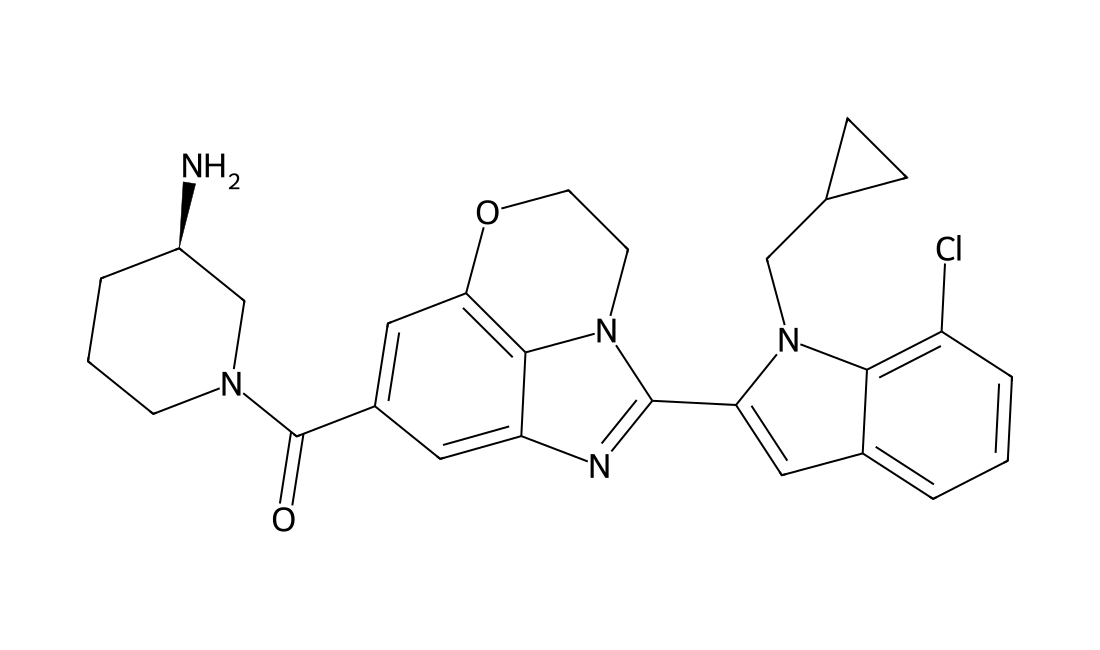
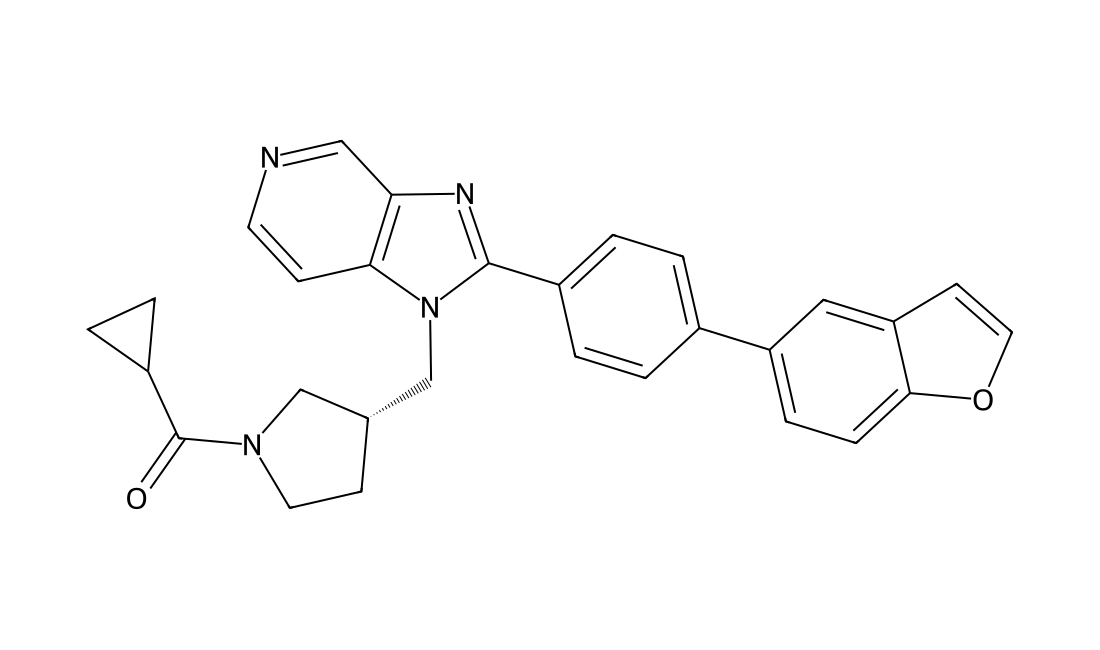
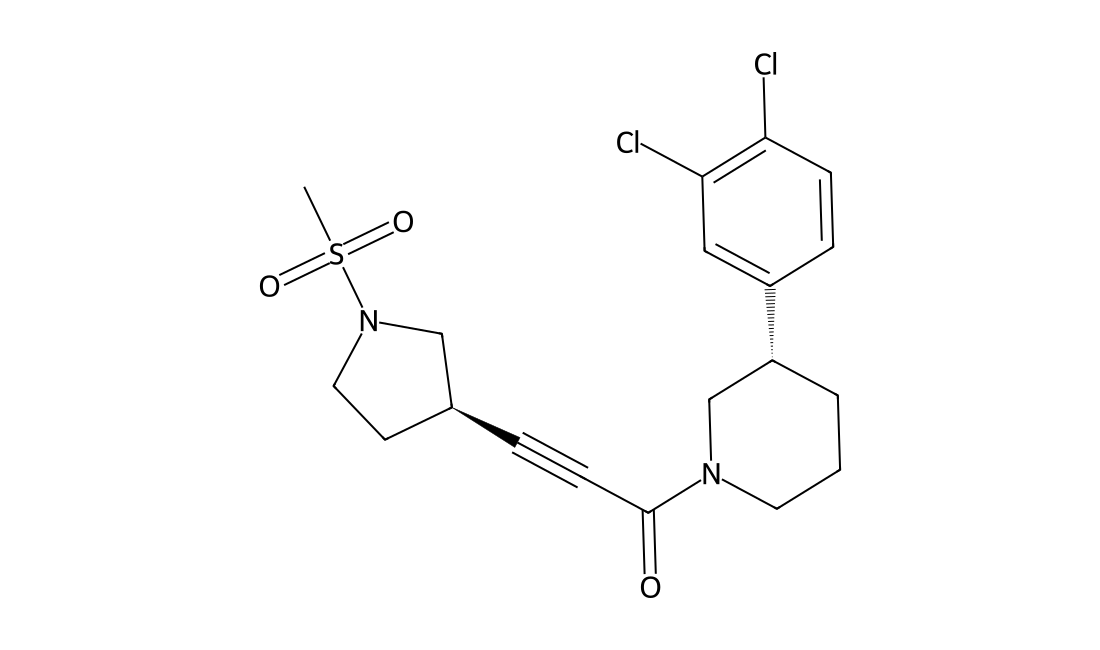
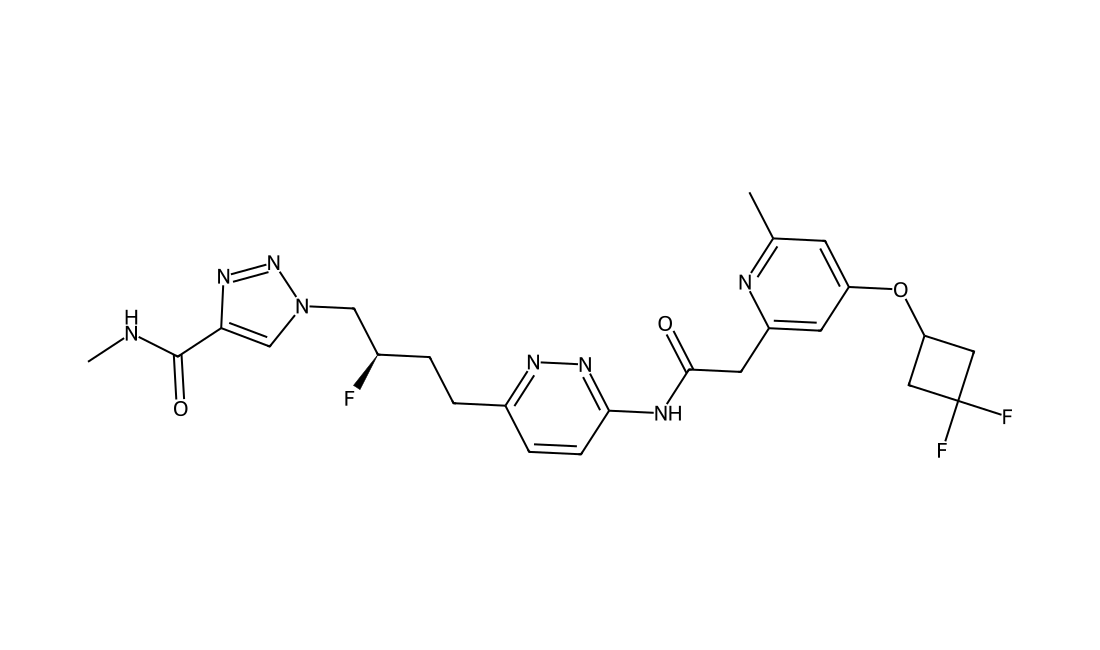
LC-MG-1 (DCA0006) · LC-MG-4 (DCA0007) · LC-MG-9 (DCA0008)

View structure and evidence summaries →

Cancer Research products

Combine a keyword, research category and target to narrow the product list.

Loading catalog filters…

1,049 products · Showing 865–912

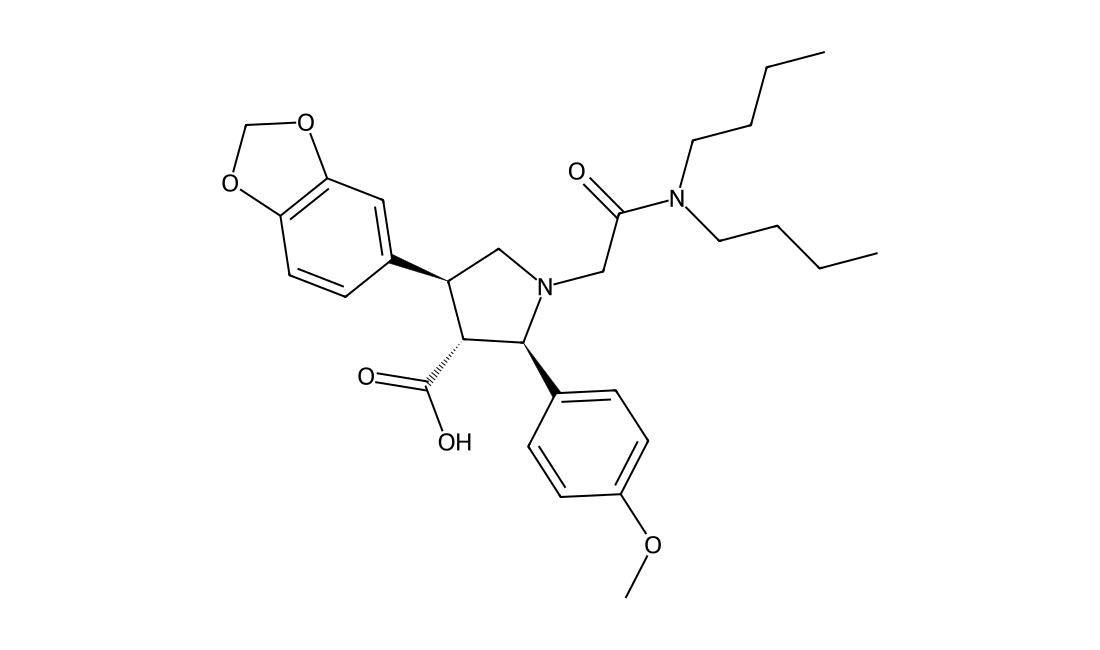
DC24091

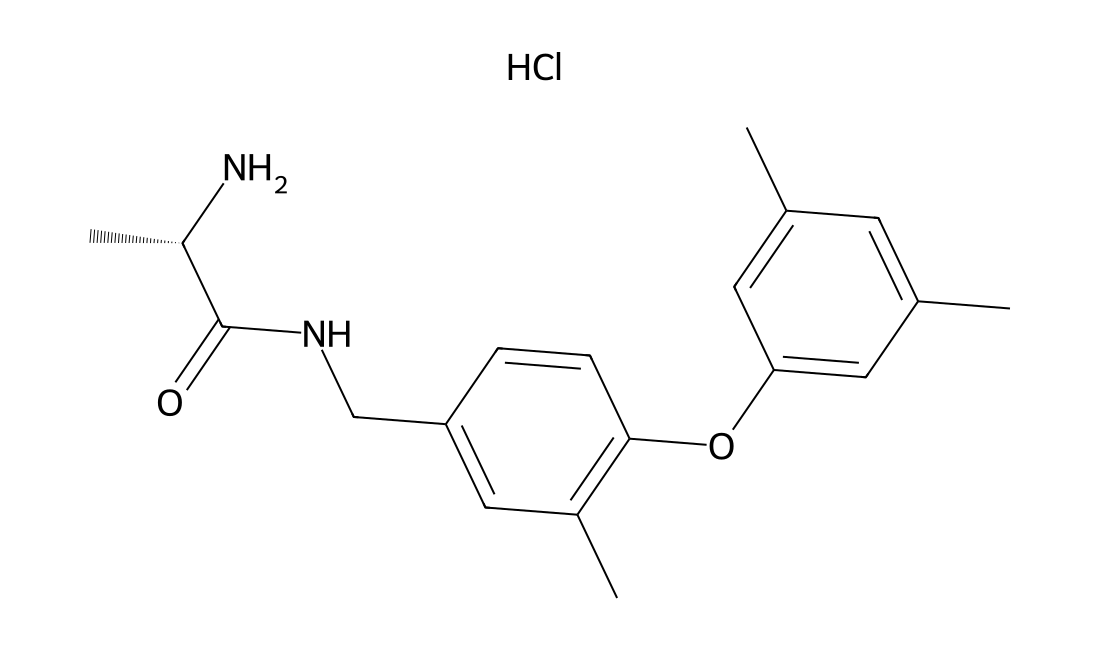
TH-287 hydrochloride

CAS 1638211-05-8

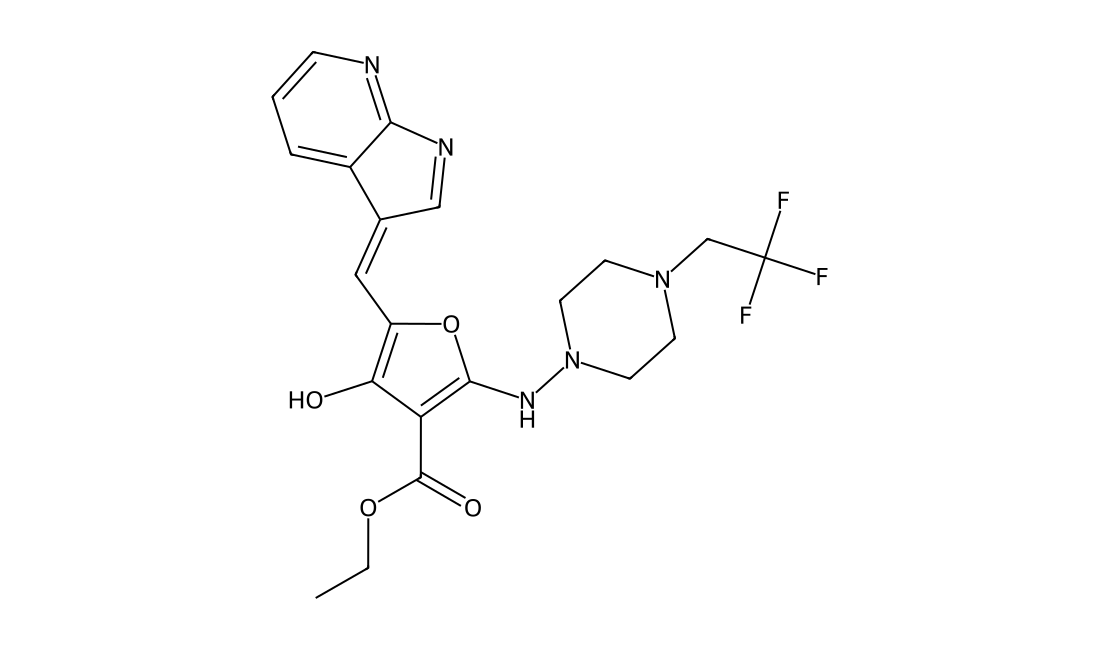
A potent and selective inhibitor of MTH1 protein with IC50 of 0.8 nM; shows no relevant inhibition for MTH2,NUDT5, NUDT12,NUDT14,NUDT16 and other proteinswith known nucleoside triphosphate pyrophosphatase activity; causees incorporation of oxidized dNTPs in cancer cells, leading to DNA damage, cytotoxicity and therapeutic responses in patient-derived mouse xenografts.
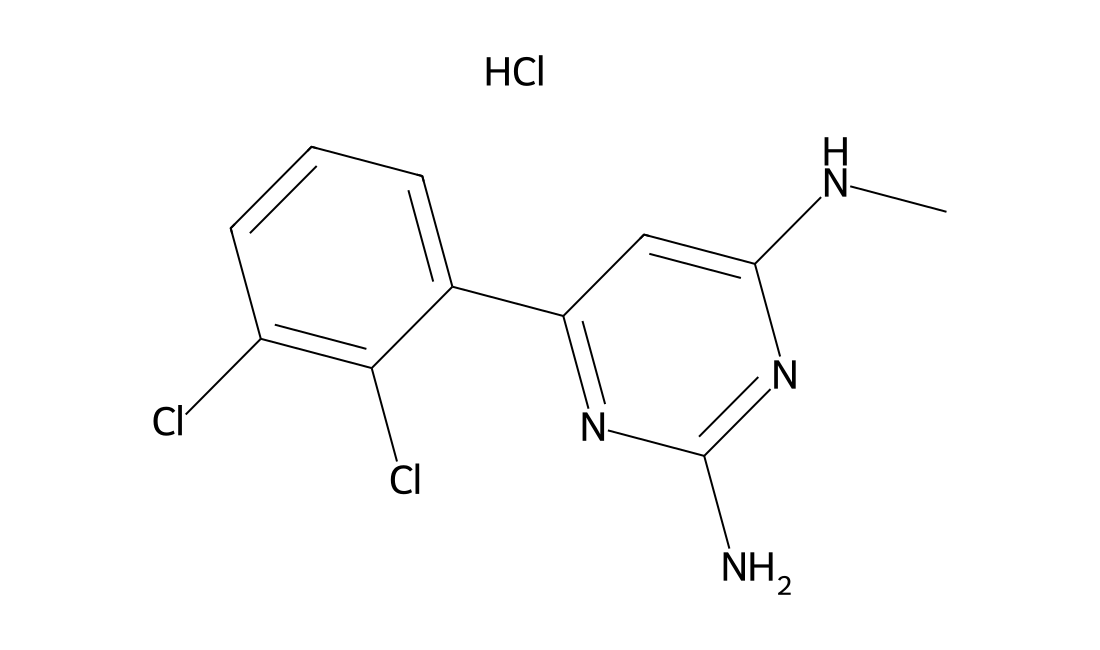
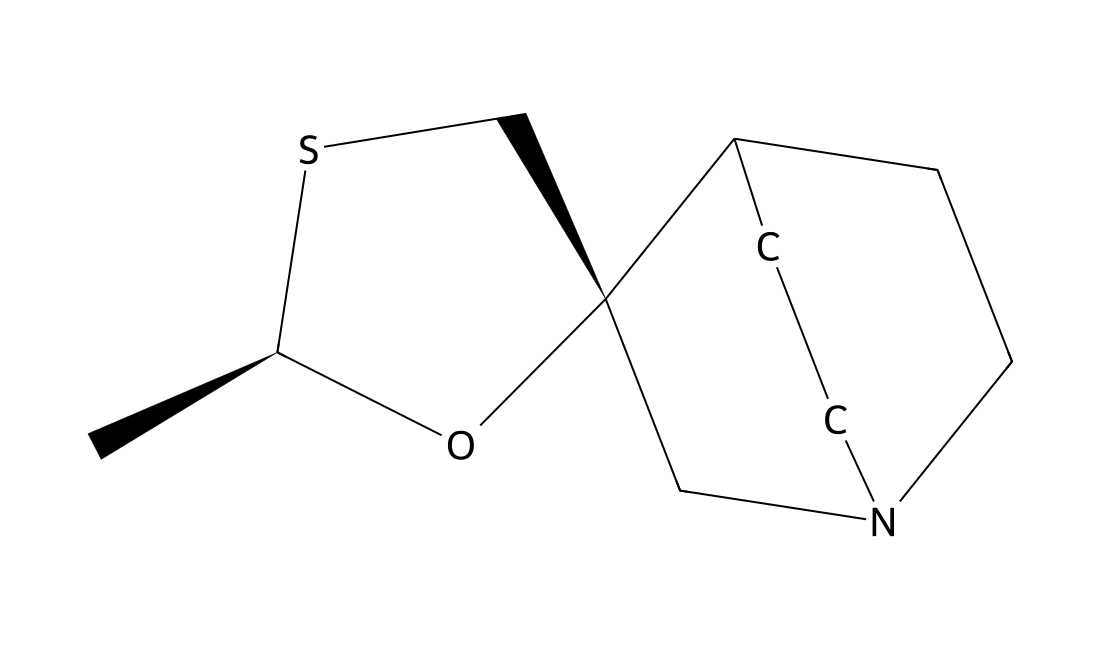
TH-287 hydrochloride chemical structure
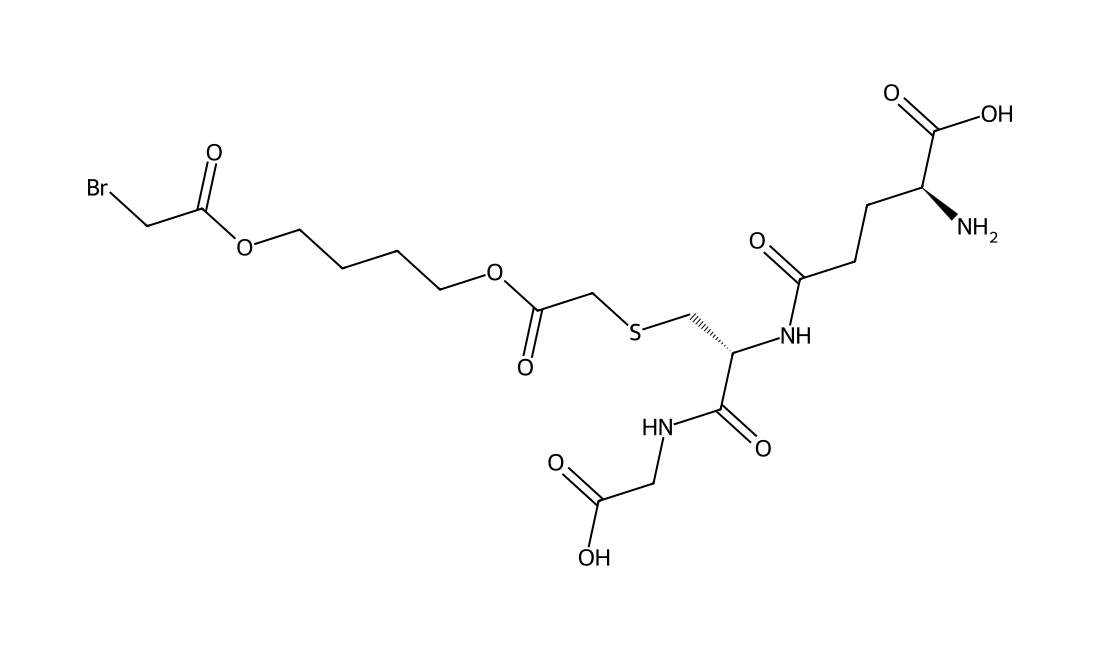
DC23950

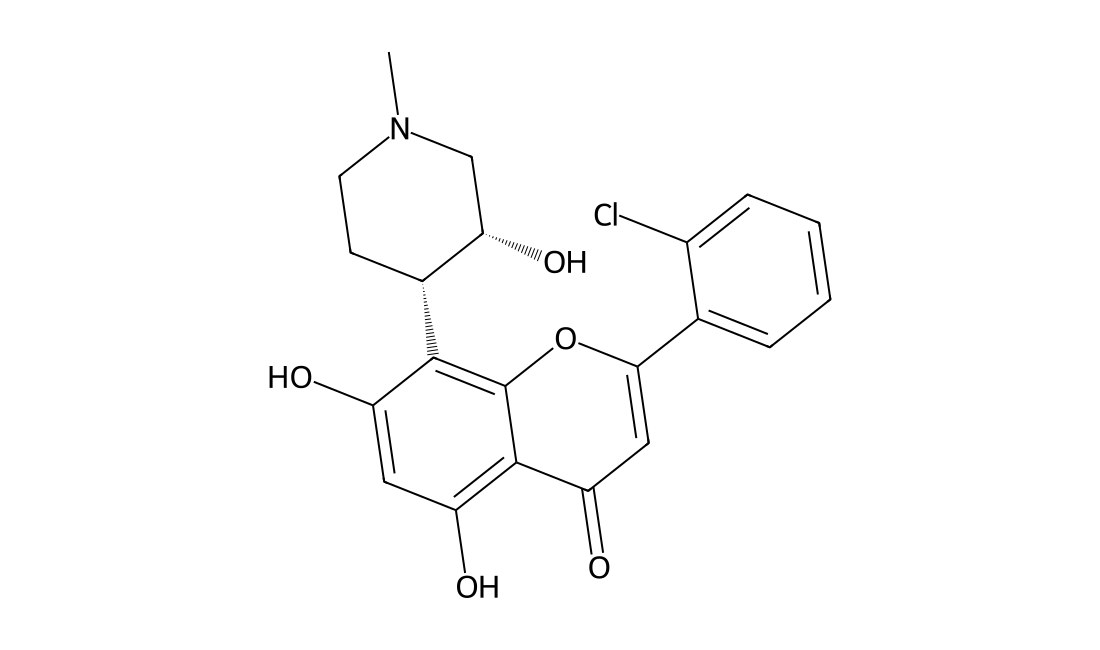
Cevimeline

CAS 107233-08-9

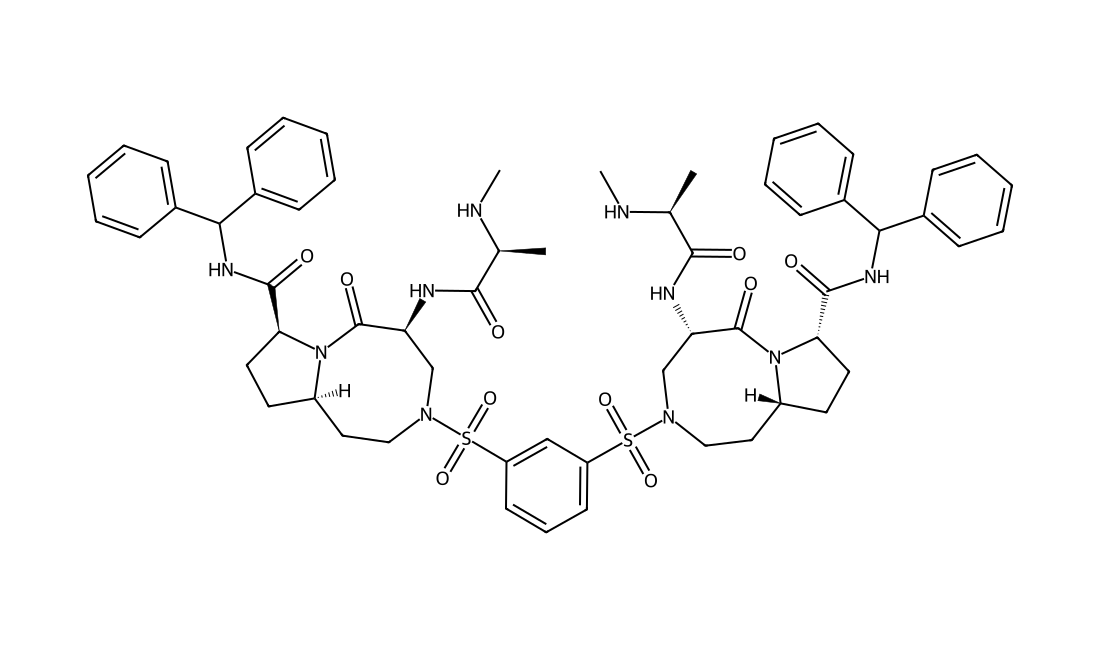
A potent M1-selective muscarinic agonist; decreases the K+-evoked [3H]ACh release from hippocampal synaptosomes and increases the K+-evoked [3H]DA release from striatal synaptosomes; attenuates cognitive dysfunctions in AF64A-treated rats with low toxicity.Other IndicationApproved

Cevimeline chemical structure
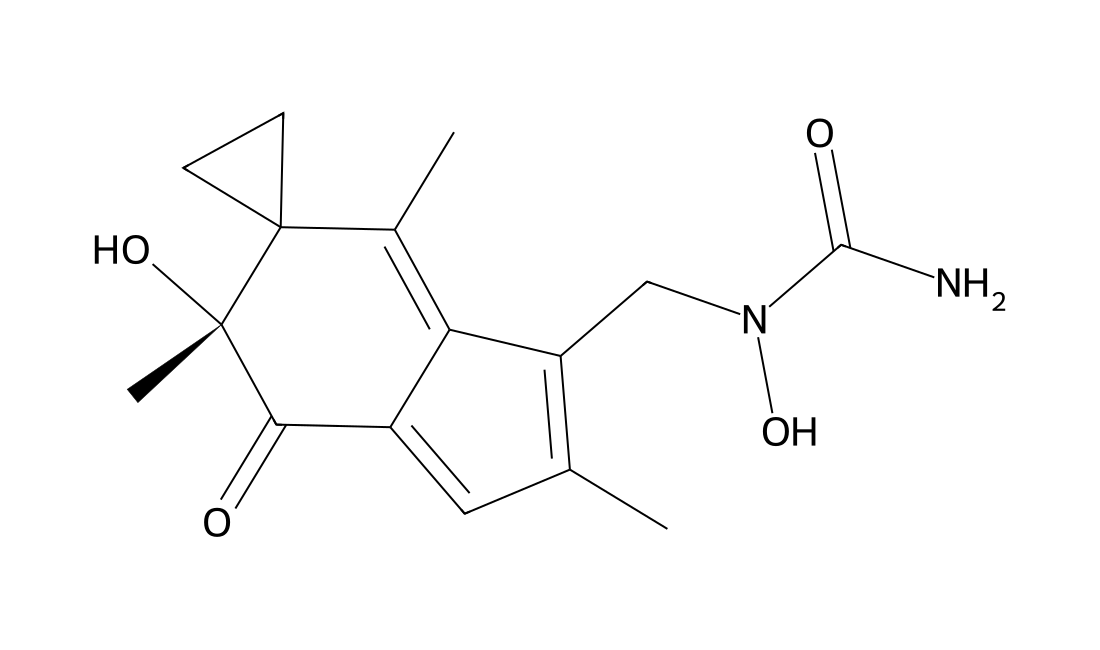
DC25058

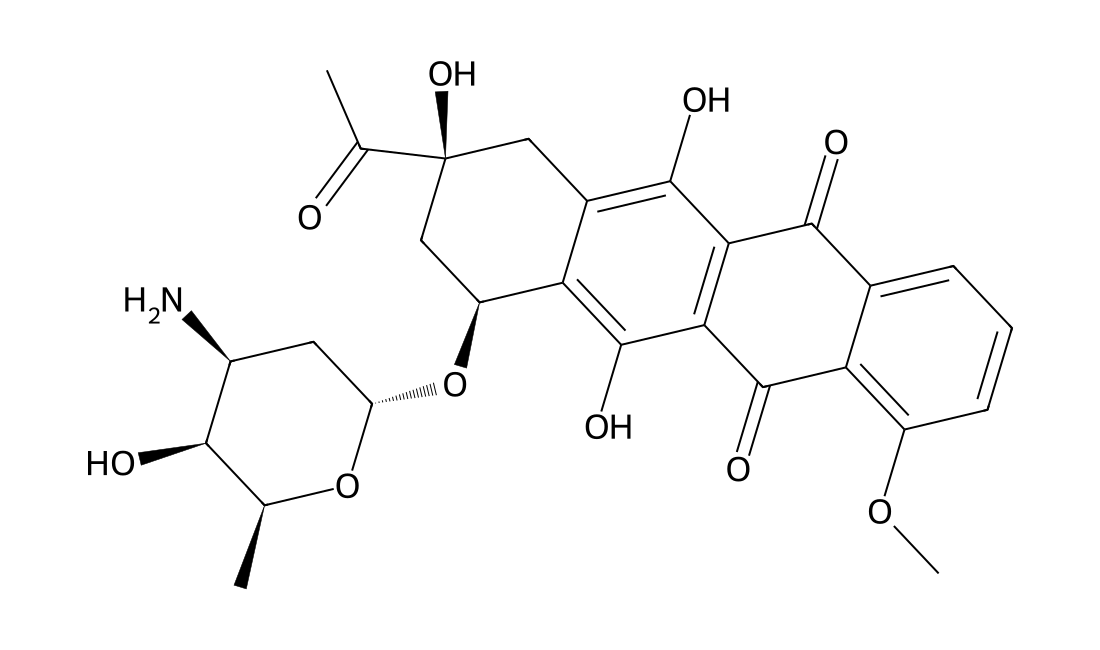
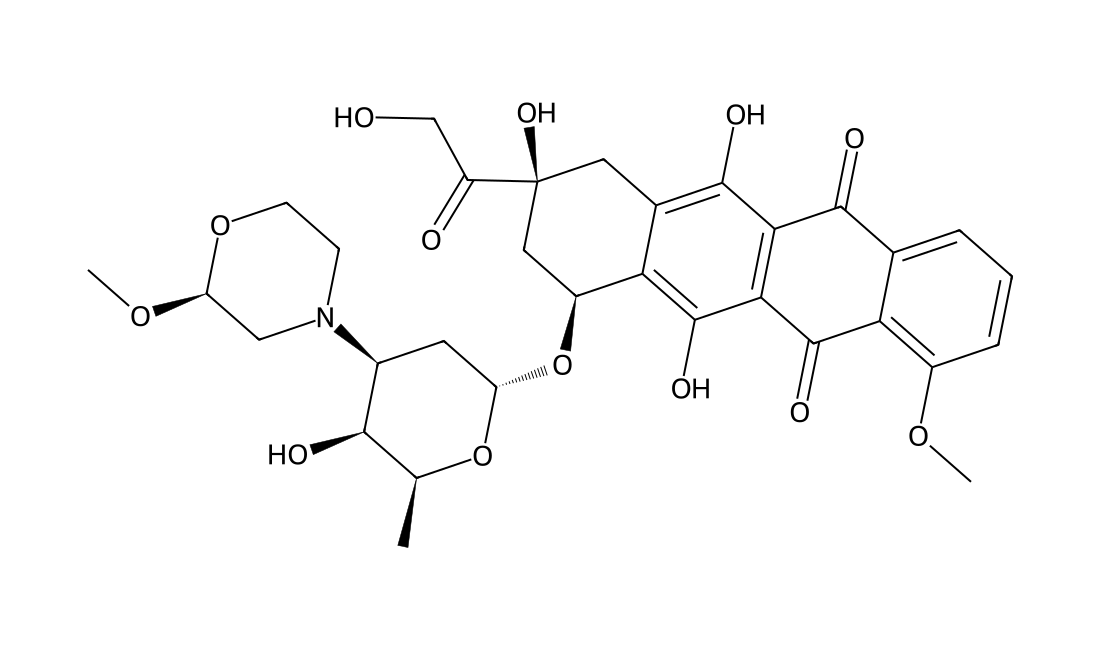
Daunorubicin

CAS 20830-81-3

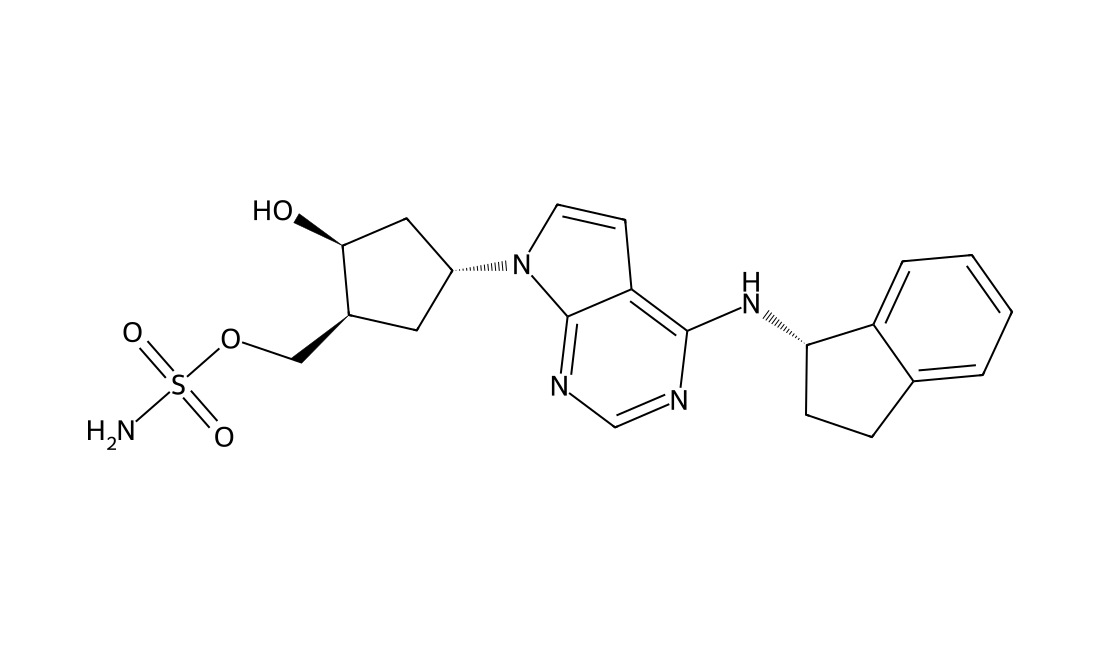
Daunorubicin is potent topoisomerase II (Topo II) inhibitor, interacts with DNA by intercalation and inhibition of macromolecular biosynthesis in cancer cells; Daunorubicin is a chemotherapy agent used to treat multiple cancer, secifically used for acute myeloid leukemia (AML), acute lymphocytic leukemia (ALL), chronic myelogenous leukemia (CML), and Kaposi's sarcoma; Daunorubicin and it's derivatives are widely used as payloads in antibody-drug conjugates (ADCs).Chemotherapeutic AgentsApproved

Daunorubicin chemical structure
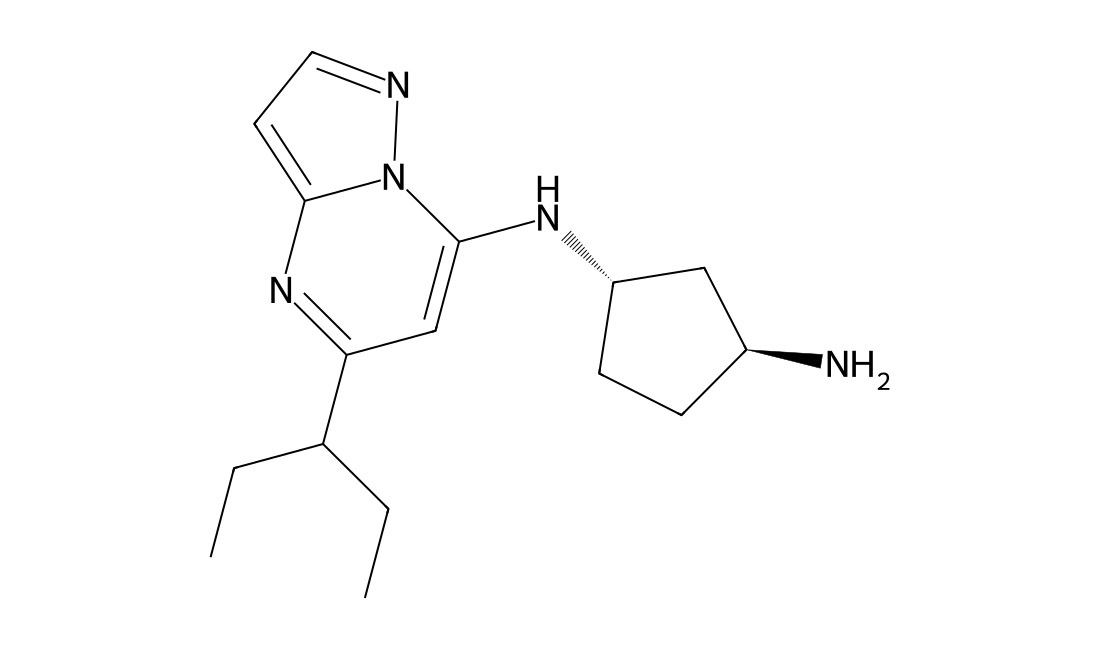
DC45629

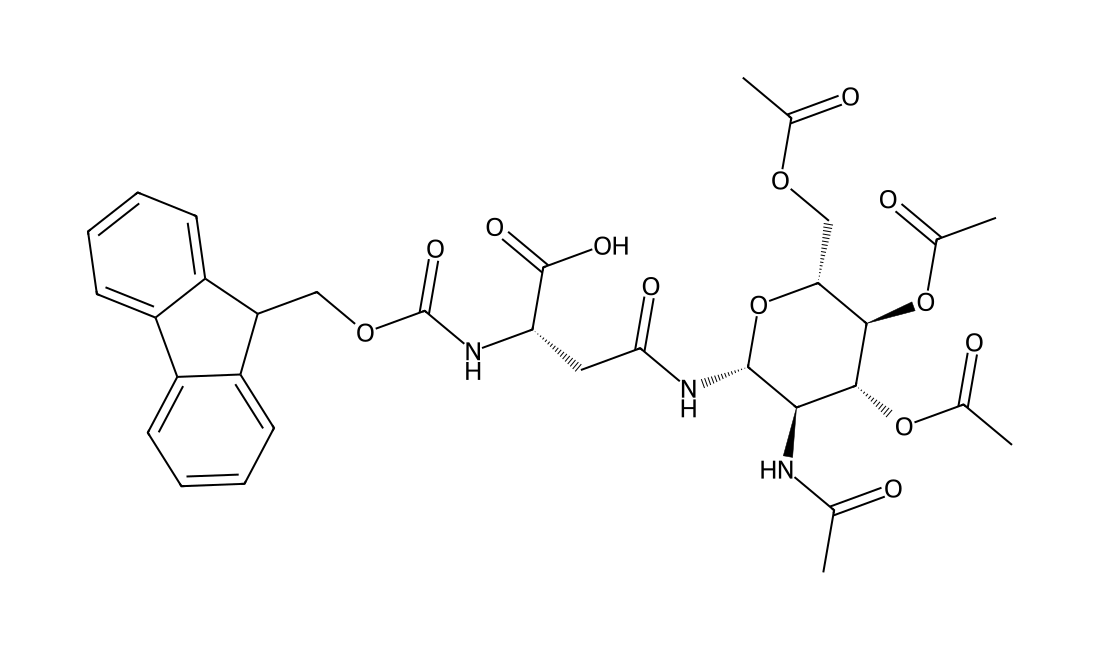
Fmoc-L-Asn(beta-D-GlcNAc(Ac)3)-OH

CAS 131287-39-3

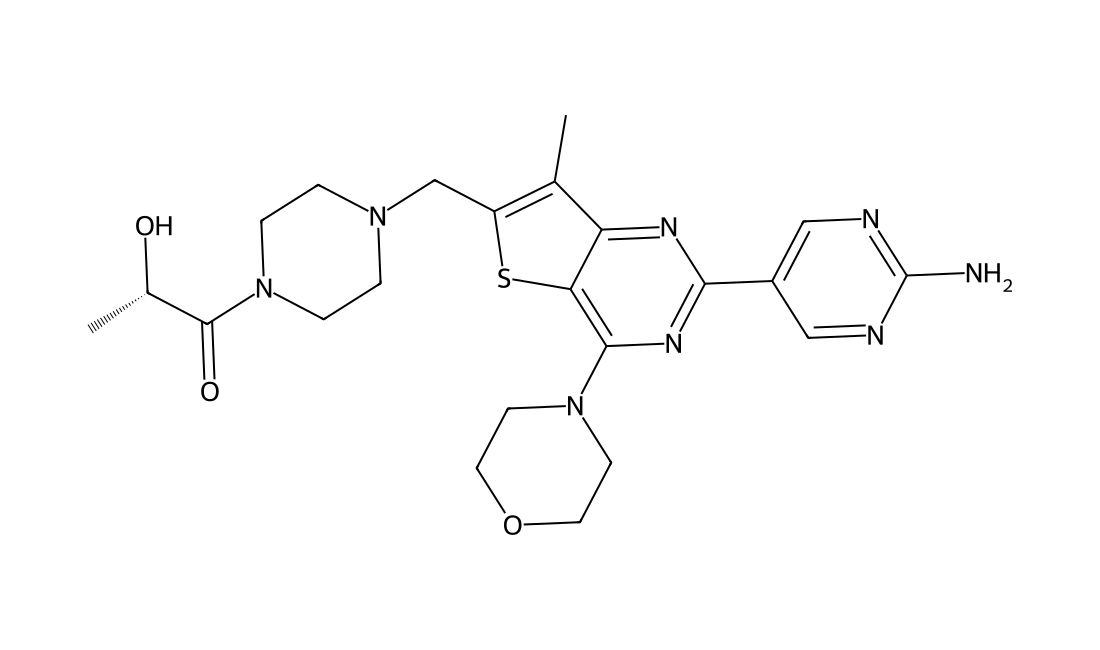
Fmoc-L-Asn(beta-D-GlcNAc(Ac)3)-OH (Fmoc-Asn(Ac3AcNH-beta-Glc)-OH) can be used in the synthesis of silicon-fluoride acceptor (SiFA) derivatized octreotate derivatives. SiFA-octreotate analogues, as tumor imaging agents, are useful tool for the research of positron emission tomography (PET).

Fmoc-L-Asn(beta-D-GlcNAc(Ac)3)-OH chemical structure
DC42596

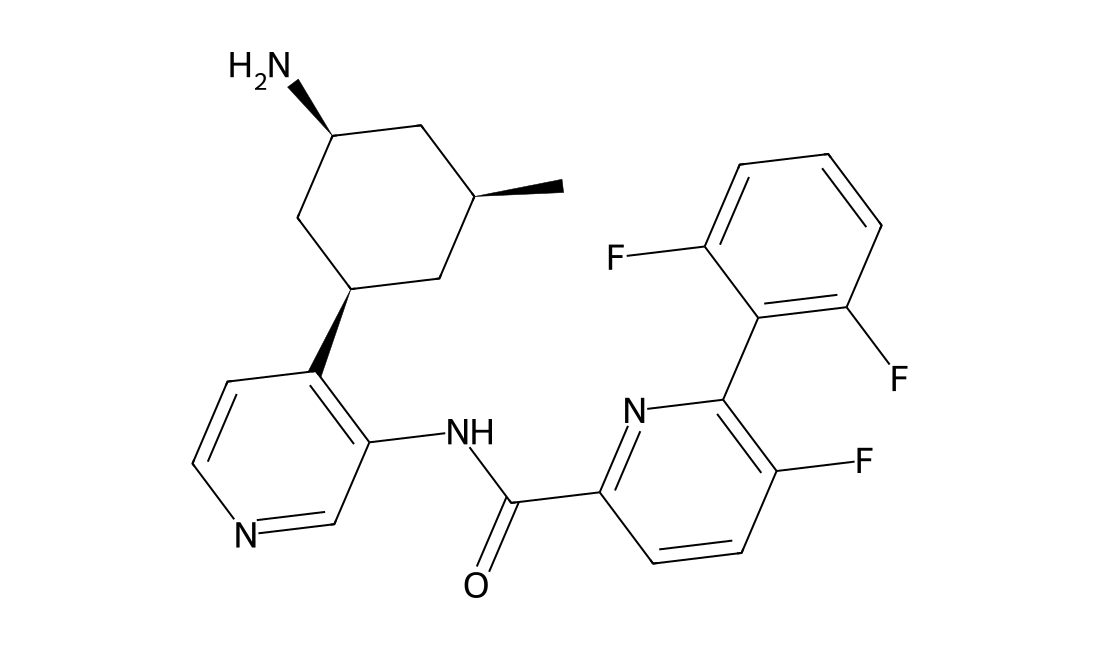
LGH447

CAS 1210608-43-7

Potent and specific pan-PIM inhibitor, inhibiting proliferation of several AML cell lines, showing dual antitumoral and bone antiresorptive effects

LGH447 chemical structure
DC34054

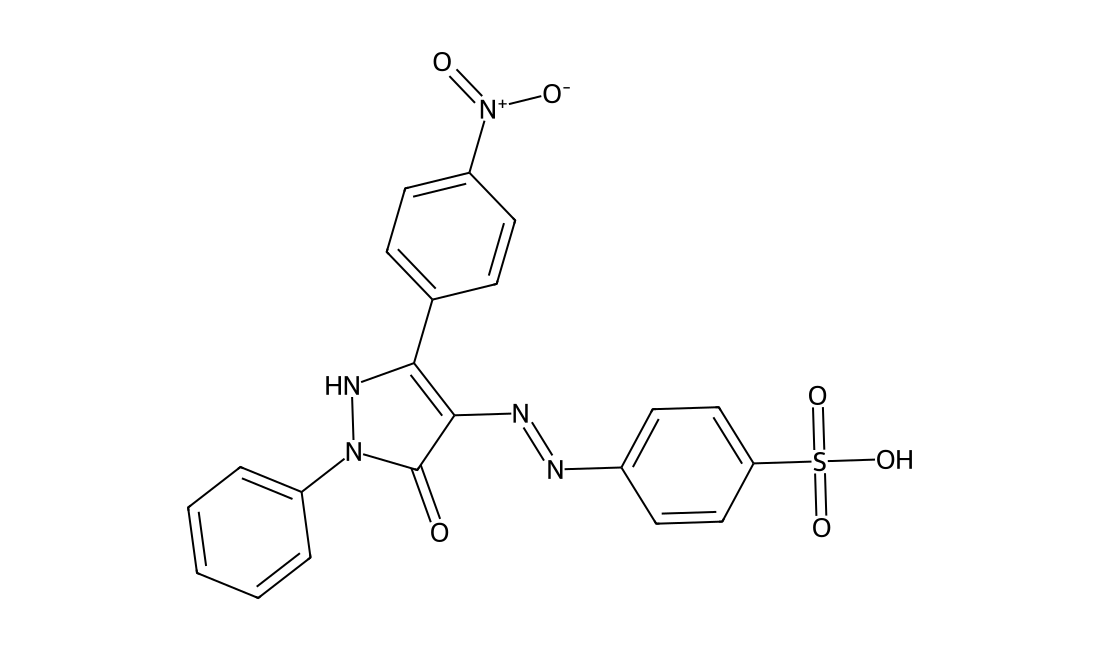
PHPS1

CAS 314291-83-3

PHPS1 is an inhibitor of the protein tyrosine phosphatase Shp2. PHPS1 also efficiently inhibits activation of Erk1/2 by the leukemia-associated Shp2 mutant, Shp2-E76K, and blocks the anchorage-independent growth of a variety of human tumor cell lines.

PHPS1 chemical structure
DC65876

VT-105

CAS 2417718-38-6

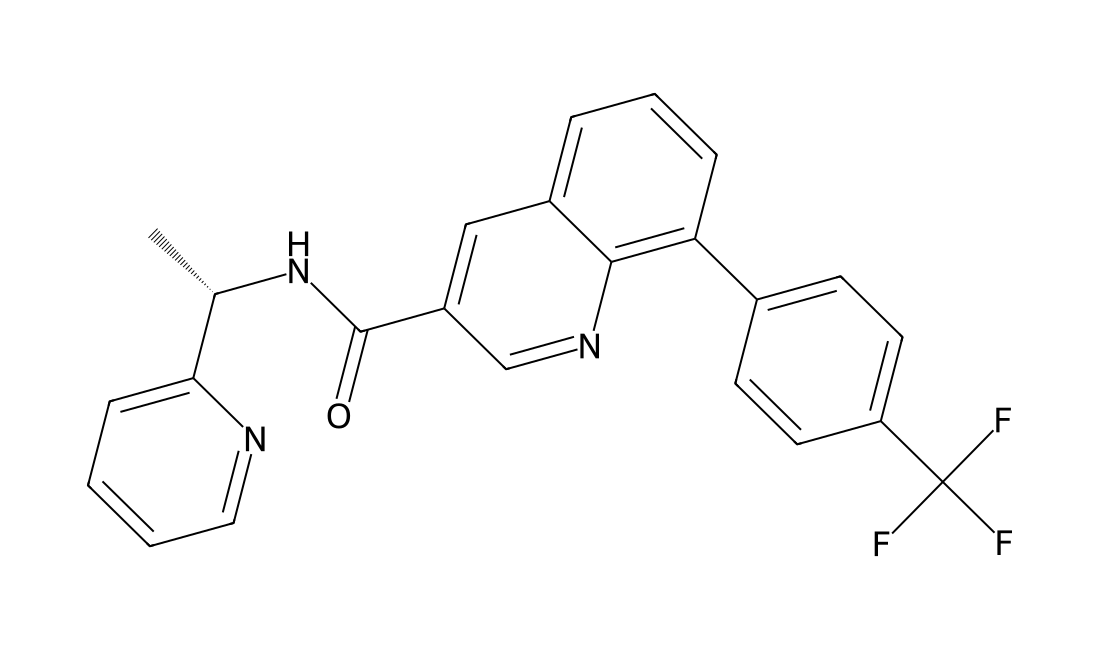
VT-105 is a potent and selective TEAD Auto-palmitoylation inhibitor that Inhibits Proliferation and Tumor Growth of NF2-deficient Mesothelioma. VT105 is a more soluble analog of VT104.

VT-105 chemical structure
DC70239

BAY 2666605

CAS 2275774-60-0

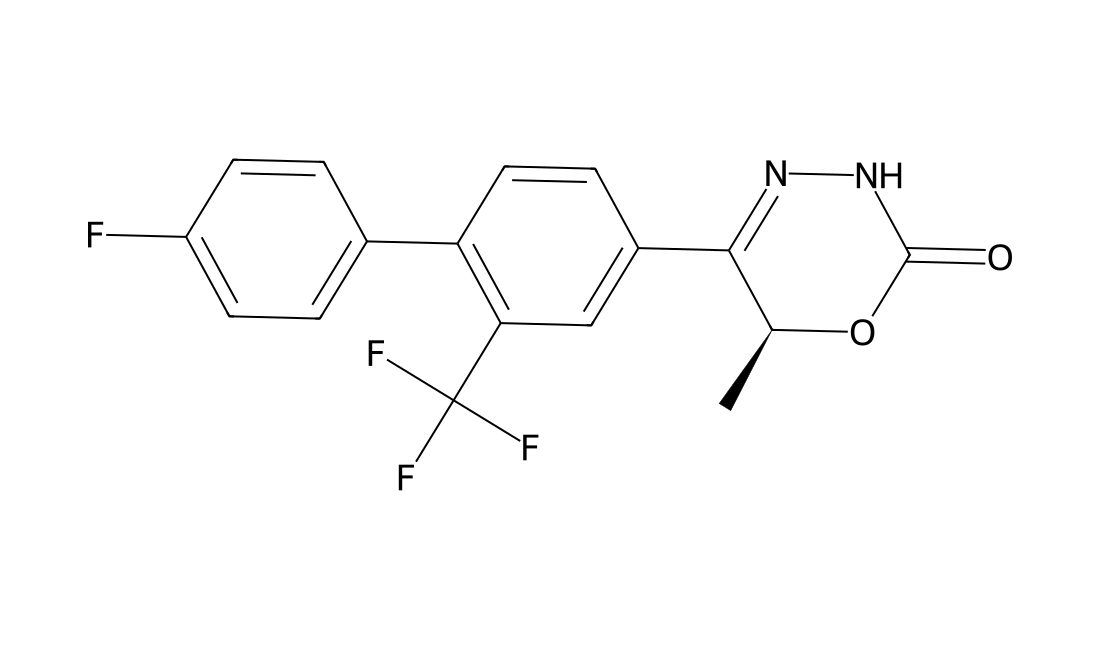
BAY2666605 is a potent, small molecule PDE3A-SLFN12 complex inducer with EC50 of 7 nM.BAY2666605 triggers the formation of a complex of two proteins called SLFN12 and PDE3A. This complex drive cancer cells into cell death by a mechanism called apoptosis.

BAY 2666605 chemical structure
DC49271

BIM-26226

CAS 136207-23-3

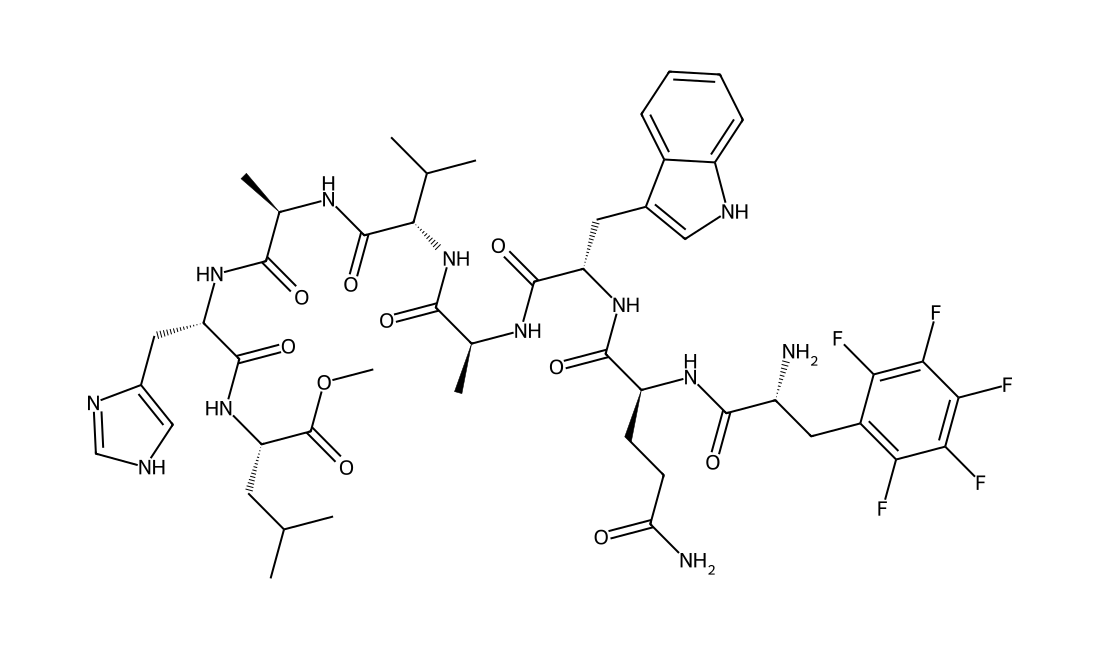
BIM-26226, gastrin-releasing peptide, is a potent and selective antagonist of bombesin receptor. BIM-26226 inhibits BN- or GRP-stimulated amylase release with IC50s in the nanomolar range. BIM-26226 can be used for the research of cancer.

BIM-26226 chemical structure
DC22287

Atractylenolide I

CAS 73069-13-3

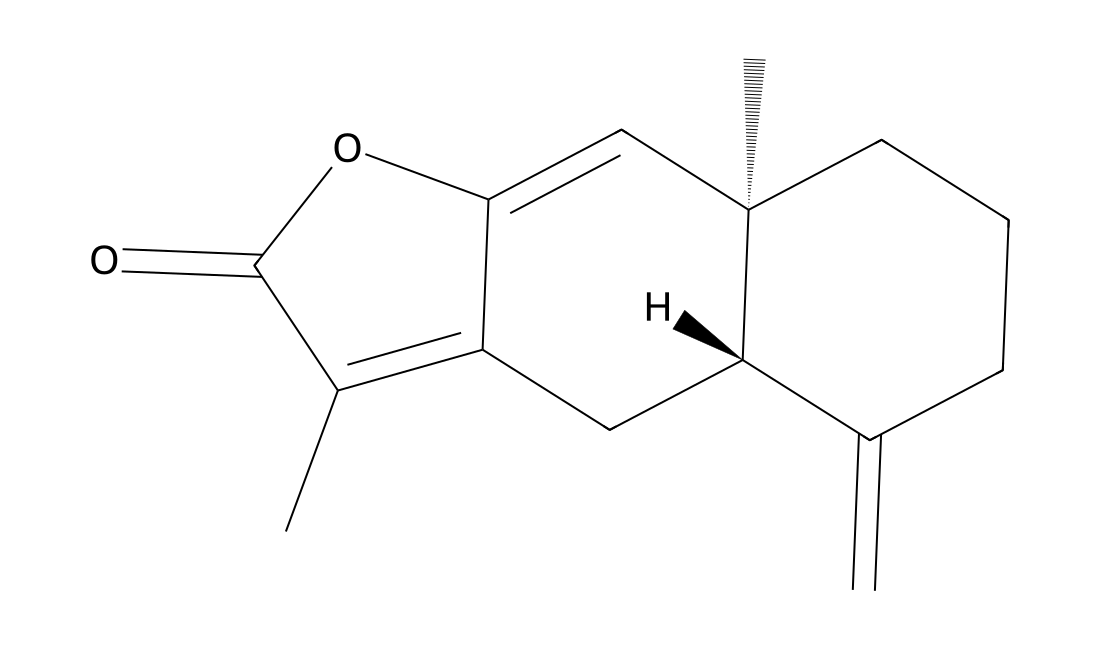
Atractylenolide I is a sesquiterpene derived from the rhizome of Atractylodes macrocephala, possesses diverse bioactivities, such as neuroprotective, anti-allergic, anti-inflammatory and anticancer properties. Atractylenolide I reduces protein levels of phosphorylated JAK2 and STAT3 in A375 cells, and acts as a TLR4-antagonizing agent.

Atractylenolide I chemical structure
DC31255

Nemorubicin

CAS 108852-90-0

Nemorubicin, also known as PNU152243A, is a doxorubicin derivative that differs significantly from its parent drug in terms of spectrum of antitumor activity, metabolism and toxicity profile. The drug is active on tumors resistant to alkylating agents, topoisomerase II inhibitors and platinum derivatives. It works primarily through topoisomerase I inhibition. Of note, Nemorubicin is active in cells with upregulation of the nucleotide excision repair (NER) pathway, where current therapies fail. Nemorubicin is biotransformed in the liver into cytotoxic metabolites that may further contribute to render this drug highly active against primary liver tumors or liver metastases.

Nemorubicin chemical structure
DC46399

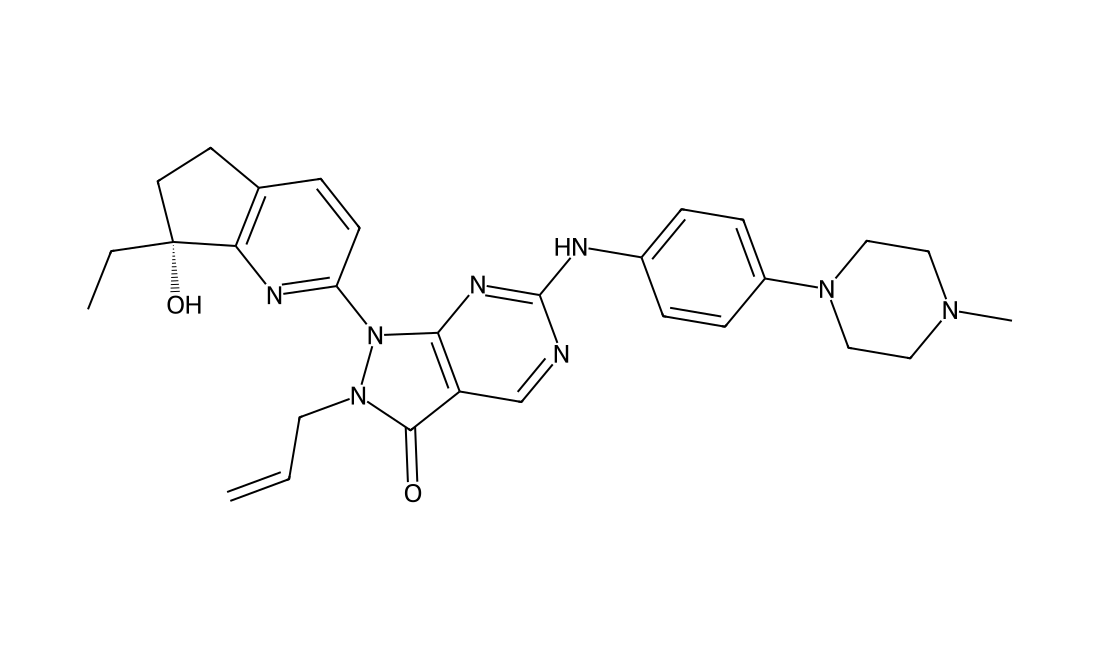
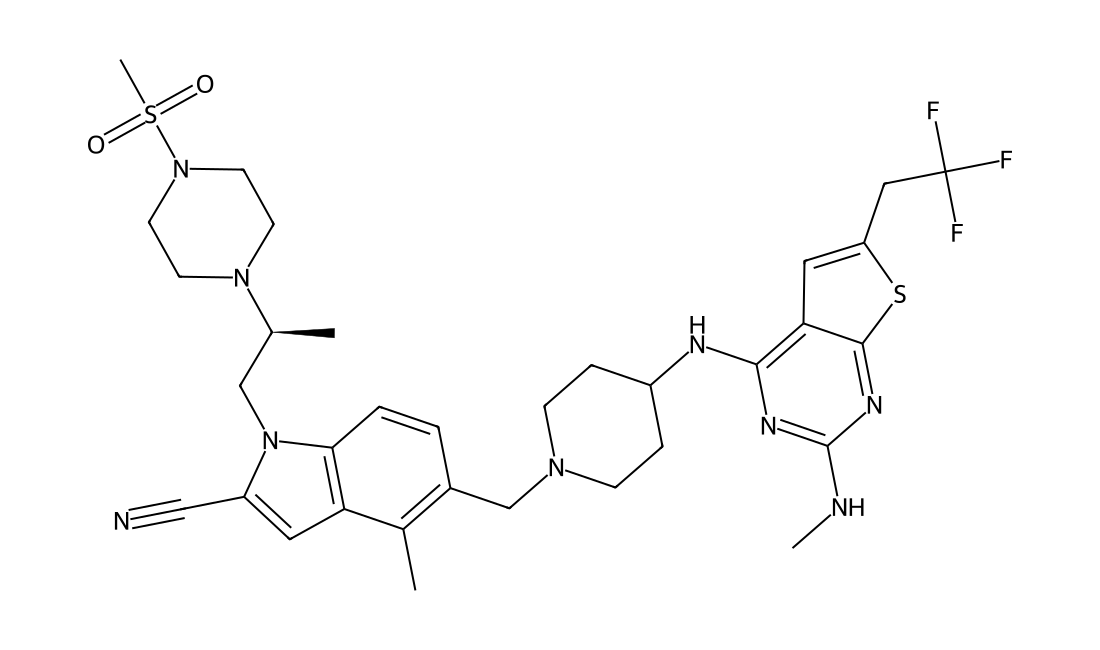
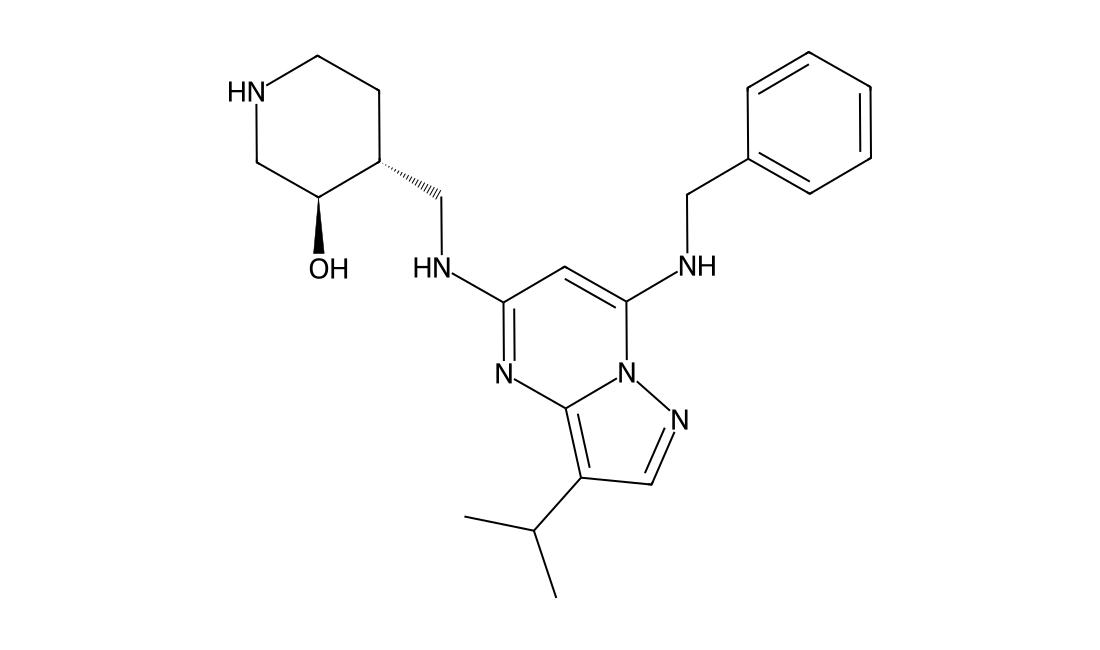
ZN-c3

CAS 2376146-48-2

ZN-c3 is an orally active, highly potent and selective Wee1 inhibitor (IC50=3.9 nM). ZN-c3 can be used for the research of cancer.

ZN-c3 chemical structure
DC31339

VAL083

CAS 23261-20-3

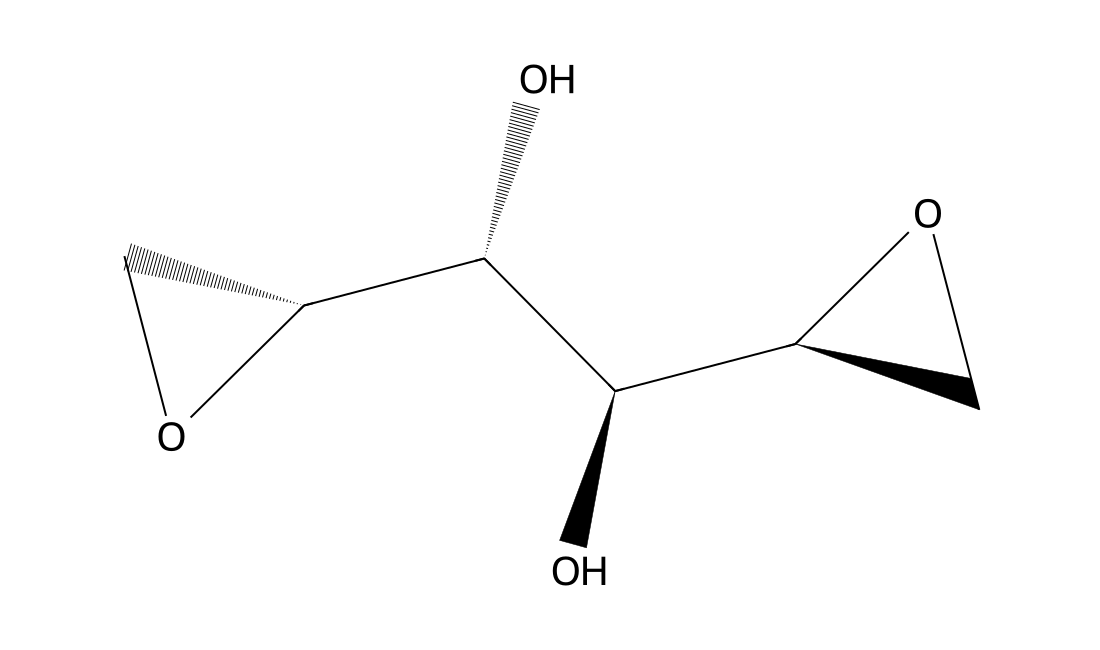
VAL-083 is a bi-functional alkylating agent, with potential antineoplastic activity. Upon administration, VAL-083 crosses the blood brain barrier (BBB) and appears to be selective for tumor cells. This agent alkylates and crosslinks DNA which ultimately leads to a reduction in cancer cell proliferation. In addition, VAL-083 does not show cross-resistance to other conventional chemotherapeutic agents and has a long half-life in the brain.

VAL083 chemical structure
DC34520

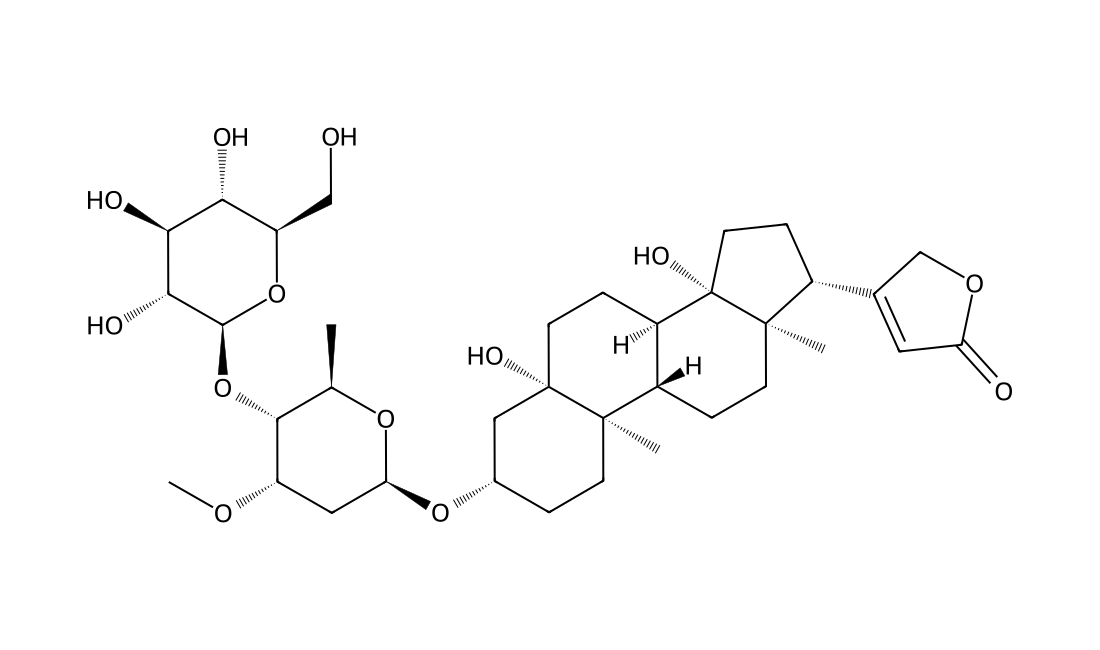
Cafestol

CAS 469-83-0

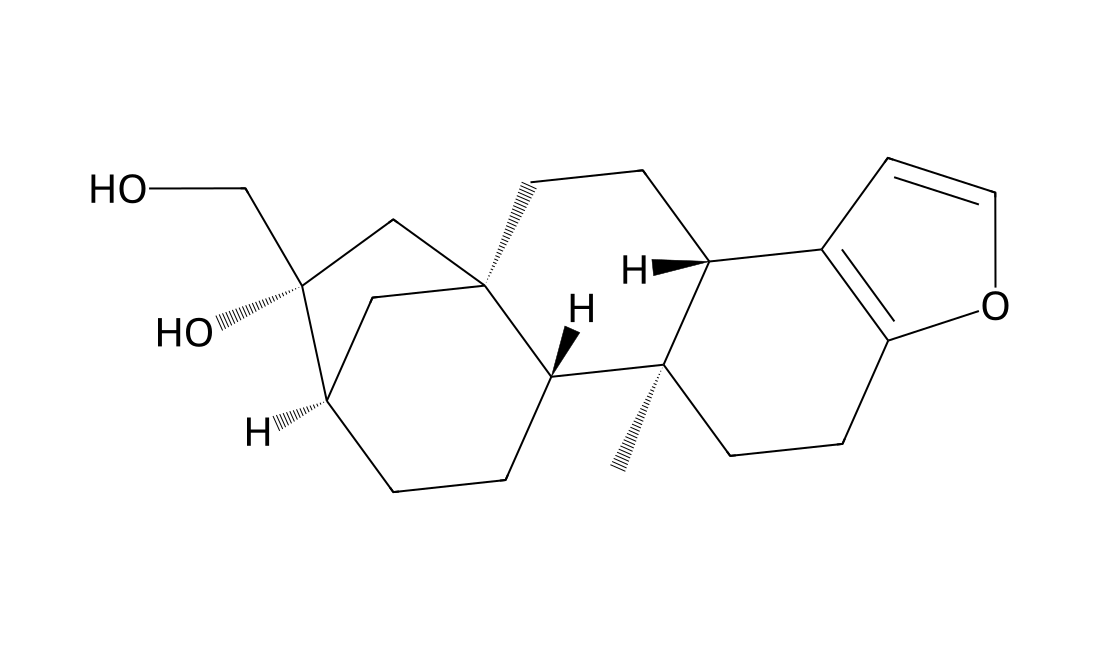
Cafestol, one of the major components of coffee, is a coffee-specific diterpene from. Cafestol is a ERK inhibitor for AP-1-targeted activity against PGE2 production and the mRNA expression of cyclooxygenase (COX)-2 in LPS-activated RAW264.7 cells. Cafestol has strong inhibitory activity on PGE2 production by suppressing the NF-kB activation pathway. Cafestol contributes to its beneficial effects through various biological activities such as chemopreventive, antitumorigenic, hepatoprotective, antioxidative and antiinflammatory effects[1].

Cafestol chemical structure
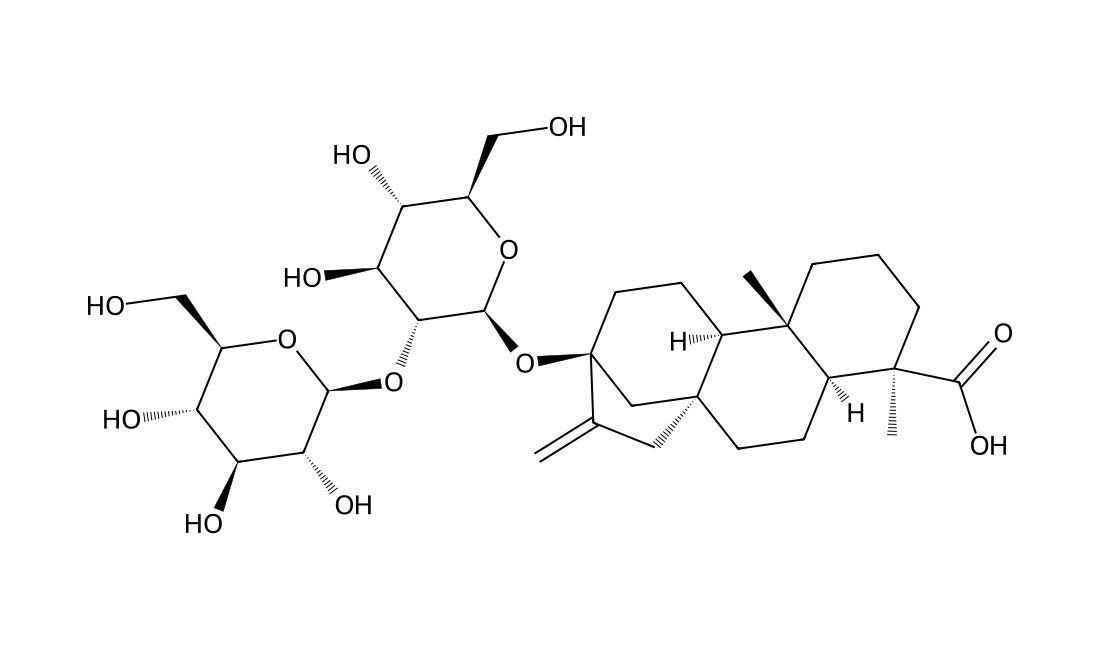
DC23093

双甜

CAS 41093-60-1

Steviolbioside is a rare sweetener that exists in stevia rebaudiana leaves. Steviolbioside presents inhibition on several human cancer cells and acts as potential remedy for human breast cancer[1].

双甜 chemical structure
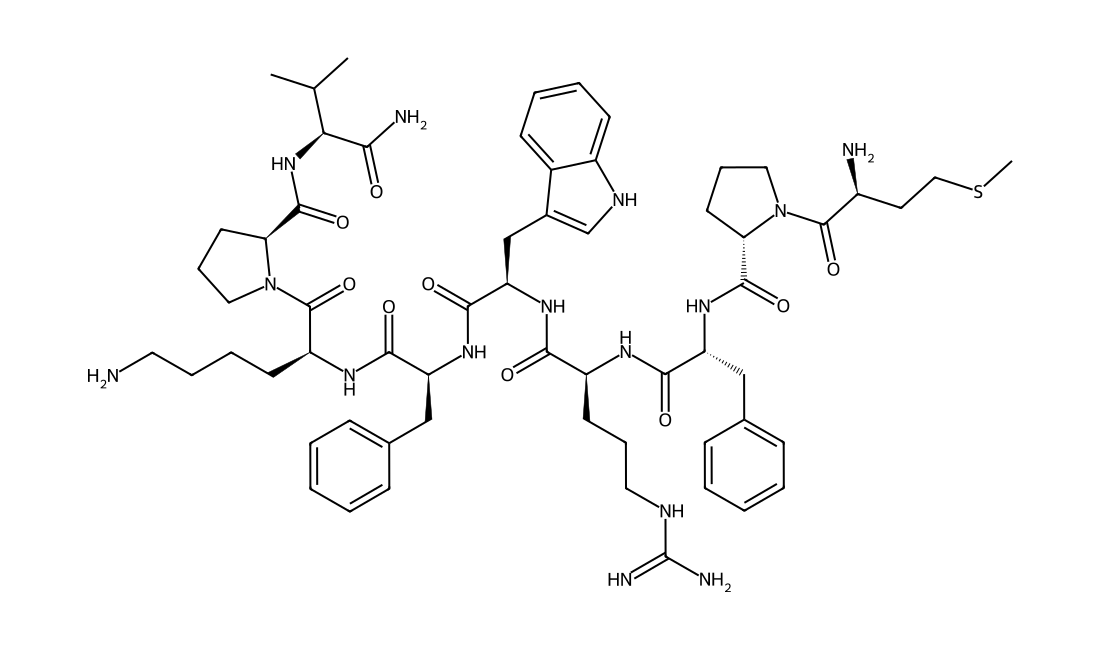
DC65658

Nonapeptide-1

CAS 158563-45-2

Nonapeptide-1 (Melanostatine-5), a peptide hormone, is a selective antagonist of MC1R (Ki: 40 nM). Nonapeptide-1 is a competitive α-MSH antagonist that potently inhibits intracellular cAMP and melanosome dispersion induced by α-MSH in melanocytes (IC50: 2.5 nM and 11 nM, respectively). Nonapeptide-1 inhibits melanin synthesis, and can be used in the research of skin pigmentation and regulation of steroid production in the adrenal gland, skin cancer.

Nonapeptide-1 chemical structure
DC5176

Pevonedistat

CAS 905579-51-3

MLN4924 is a small molecule inhibitor of Nedd8 activating enzyme (NAE) with potential antineoplastic activity. NAE inhibitor MLN4924 binds to and inhibits NAE, which may result in the inhibition of tumor cell proliferation and survival. NAE activates Nedd8 (Neural precursor cell expressed, developmentally down-regulated 8), an ubiquitin-like (UBL) protein that modifies cellular targets in a pathway that is parallel to but distinct from the ubiquitin-proteasome pathway (UPP). Functioning in diverse regulatory activities, proteins conjugated to UBLs like Nedd8 typically are not targeted For proteasomal degradation.

Pevonedistat chemical structure
DC5081

Apitolisib

CAS 1032754-93-0

Apitolisib (GDC-0980) is a selective, potent, orally bioavailable Class I PI3 kinase and mTOR kinase (TORC1/2) inhibitor with IC50s of 5 nM/27 nM/7 nM/14 nM for PI3Kα/PI3Kβ/PI3Kδ/PI3Kγ, and with a Ki of 17 nM for mTOR.

Apitolisib chemical structure
DC37570

Atrasentan

CAS 173937-91-2

Atrasentan is designed to block the action of endothelin-1; for treating metastatic hormone-refractory prostate cancer.

Atrasentan chemical structure
DC70996

4BAB

CAS 828262-76-6

4BAB (compound 29) is an irreversible glyoxalase I (GLO1) inhibitor. 4BAB has anticancer effects.
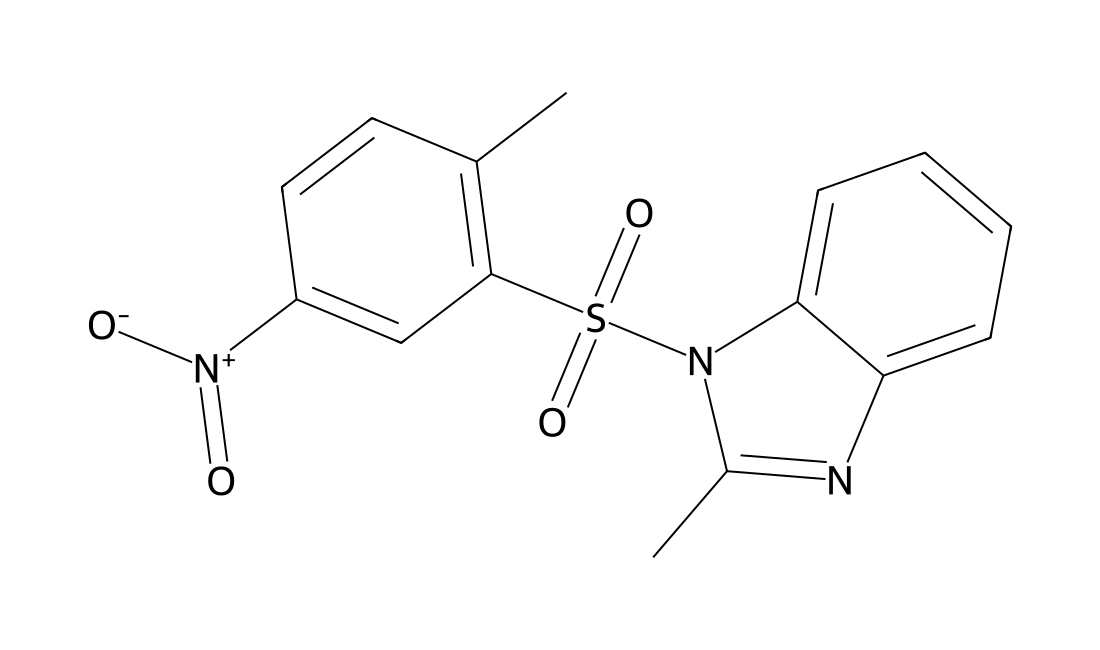
4BAB chemical structure
DC55135

LP-184

CAS 924835-67-6

LP-184 is a highly potent novel alkylating, next-generation analog of irofulven. LP-184 is an DNA damage repair (DDR) inhibitor and and shows broad anti-tumor cytotoxicity across a panel of NSCLC derived cell lines.
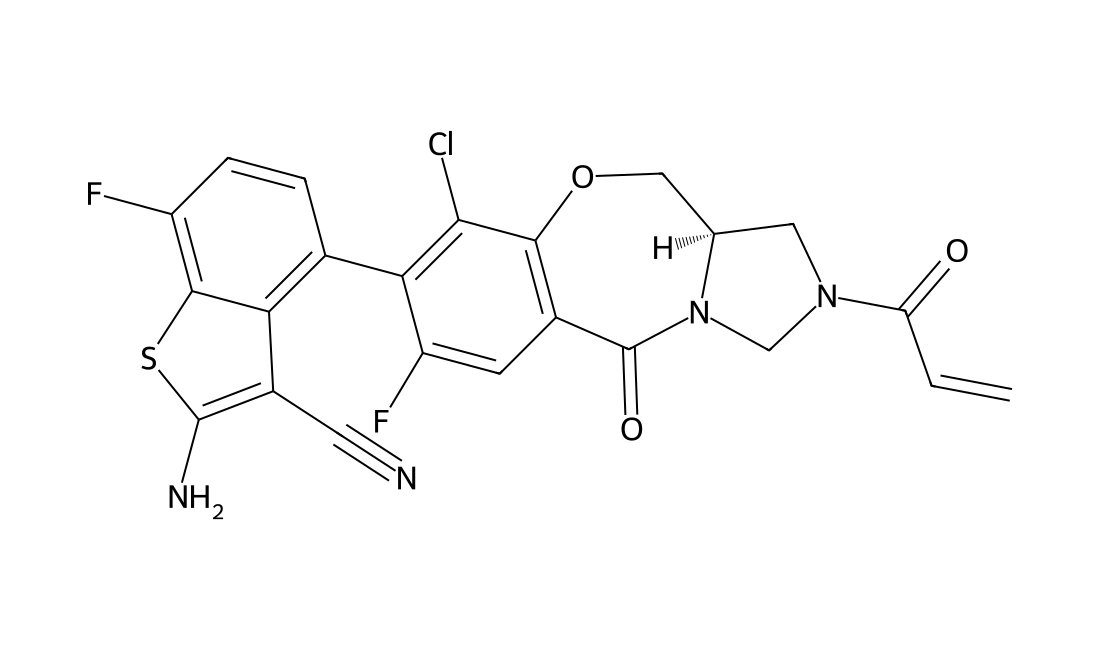
LP-184 chemical structure
DC43161

SGC2085 Hydrochloride

CAS 1821908-49-9

SGC2085 is a Potent and Selective Coactivator Associated Arginine Methyltransferase 1 (CARM1) Inhibitor with an IC50 of 50 nM and more than undred-fold selectivity over other PRMTs. CARM1 is an important positive modulator of Wnt/β-catenin transcription and neoplastic transformation in colorectal cancer as well as a critical factor in estrogen-stimulated breast cancer growth, and its depletion results in decreased proliferation of myeloid leukemia cells in vivo.
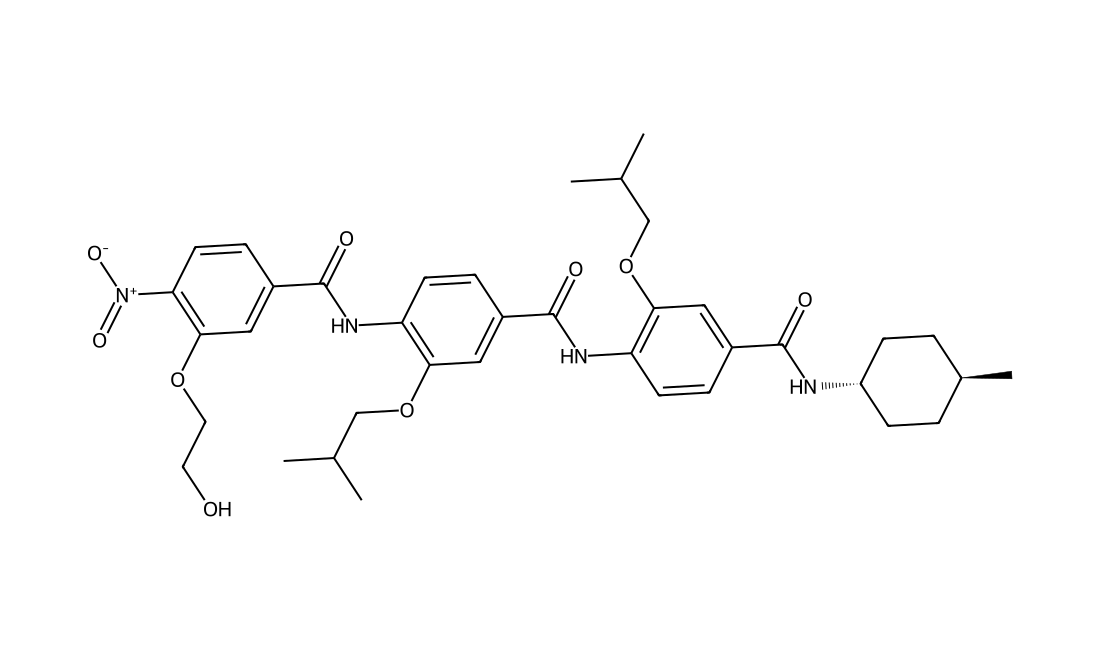
SGC2085 Hydrochloride chemical structure
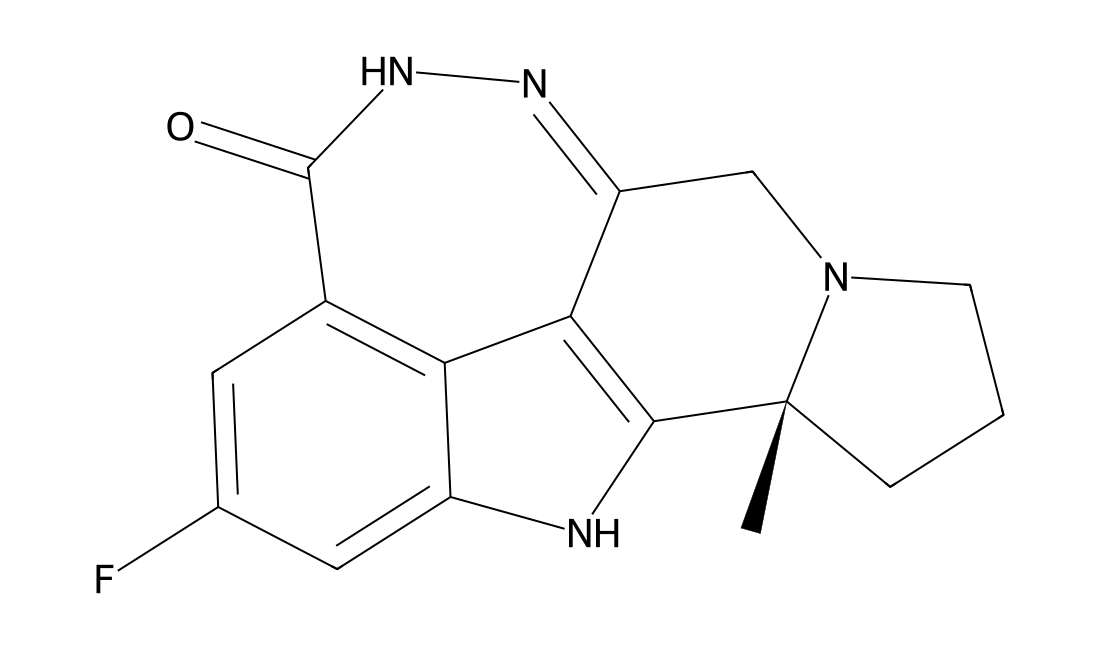
DC20769

Pamiparib

CAS 1446261-44-4

Pamiparib (BGB-290, BGB290) is a PARP inhibitor which can be used for the treatment of various cancers including the solid tumor, extracted from patent WO 2013097225 A1.

Pamiparib chemical structure
DC46921

HPK1-IN-7

CAS 2320462-65-3

HPK1-IN-7 is a potent, orally active HPK1 (hematopoietic progenitor kinase 1, MAP4K1) inhibitor (IC50=2.6 nM) with excellent family and kinome selectivity. HPK1-IN-7 shows selectivity against IRAK4 (59 nM) and GLK (140 nM). HPK1-IN-7 shows robust efficacy against MC38 syngeneic tumor model in combination with anti-PD1[1].

HPK1-IN-7 chemical structure
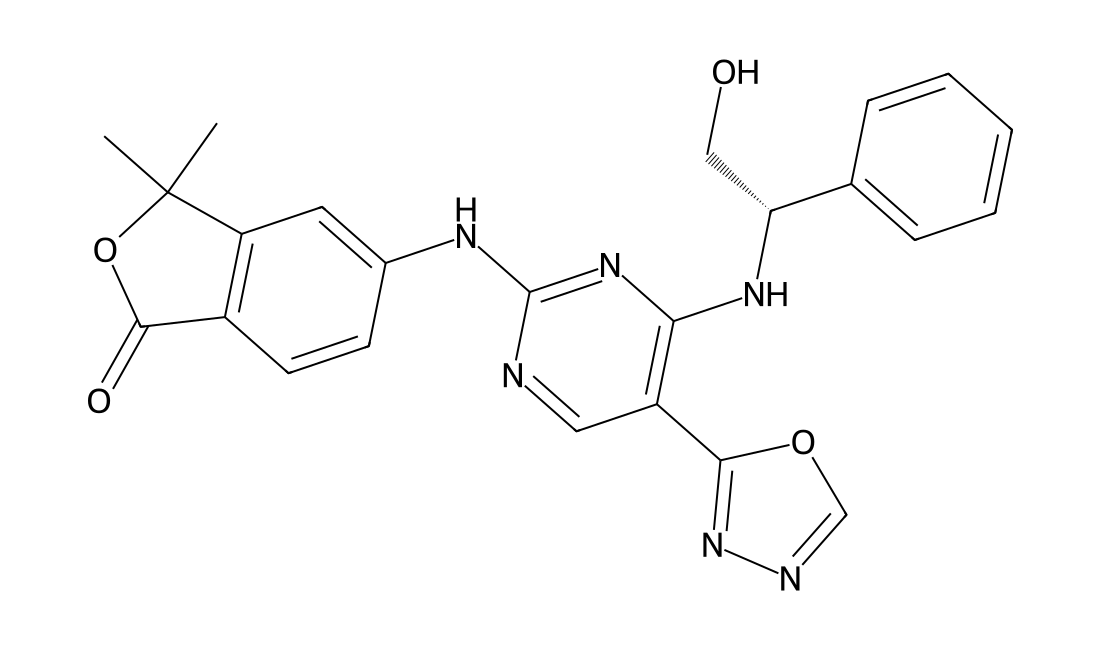
DC60017

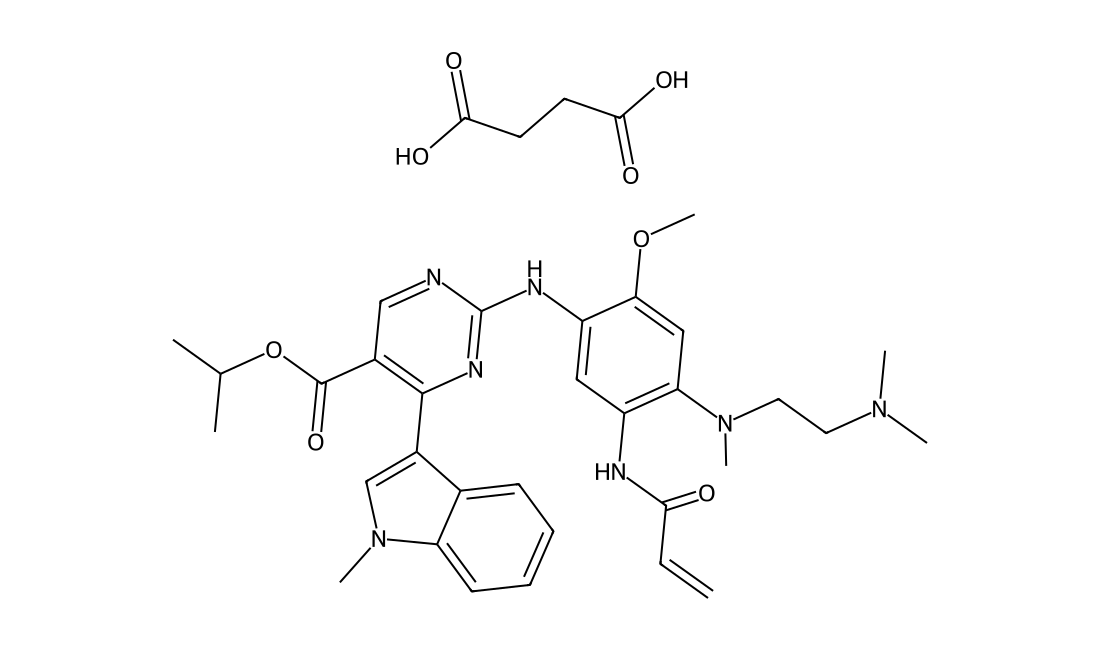
Mobocertinib (succinate)

CAS 2389149-74-8

Mobocertinib succinate (compound A) is a potent epidermal growth factor receptor (EGFR) inhibitor and an antineoplastic agent, extracted from patent WO2019222093A1, compound A[1][2].

Mobocertinib (succinate) chemical structure
DC47522

BI-6015

CAS 93987-29-2

BI-6015 is a hepatocyte nuclear factor 4α (HNF4α) antagonist that can inhibit the expression of known HNF4α target genes. BI6015 represses insulin promoter activity through HNF4α antagonism. BI-6015 can be used for the research of cancer and diabetes[1].

BI-6015 chemical structure
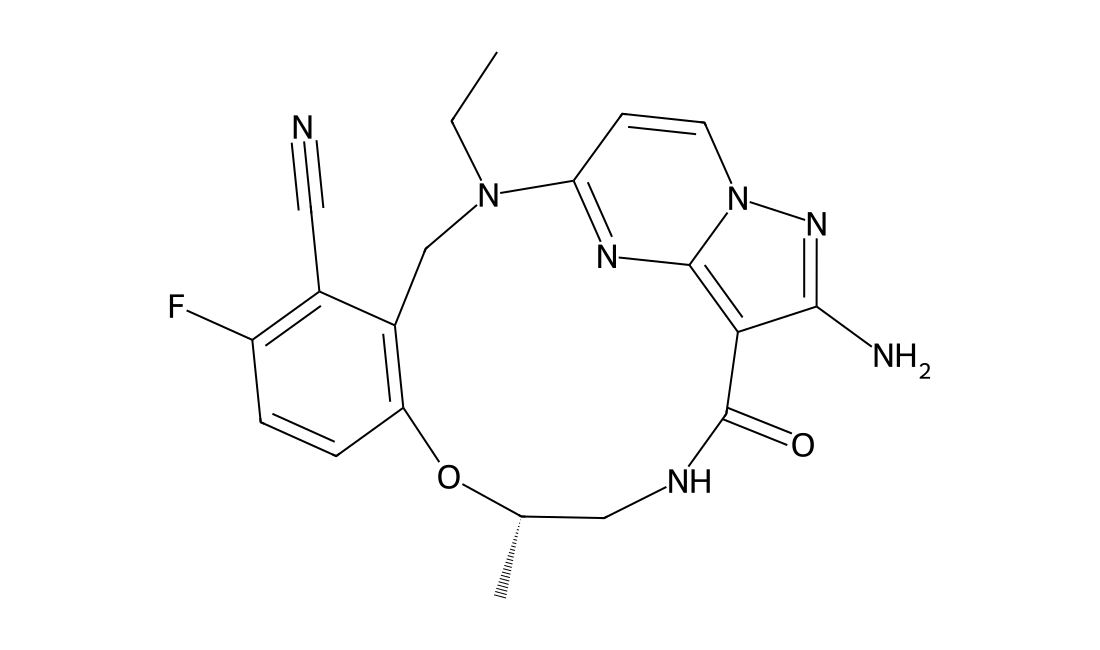
DC70578

LY-3537982

CAS 2414198-64-2

LY-3537982 (LY3537982) is a highly selective and potent KRAS-G12C inhibitor, selectively inhibits growth of KRAS G12C mutant cells (IC50=1-60 nM).LY-3537982 does not inhibit growth of KRAS G12S/G13C/G12D mutant cells and WT KRAS cells (CI50>10 uM).LY-3537982 displays high selectivity for proteome-wide cysteine residues was evaluated using competitive chemical proteomics (8866 peptides).LY3537982 inhibits the growth of subcutaneous EL3187 NSCLC PDX tumors in nude mice in a dose dependent manner.LY3537982 demonstrates robust tumor regression in combination with other agents in KRAS G12C in vivo models.LY3537982 is a promising KRAS G12C inhibitor predicted to deliver >90% KRAS G12C target occupancy in the clinic.

LY-3537982 chemical structure
DC60261

ERX-41

CAS 2440087-54-5

ERX-41 is a potent therapeutic agent targeting lysosomal acid lipase A (LIPA) and shows the mechanism of action (disruption of protein folding and induction of ER stress) that may have utility in treating patients with TNBC or other multiple solid tumors.

ERX-41 chemical structure
DC47269

Samuraciclib

CAS 1805833-75-3

Samuraciclib (CT7001) is a potent, selective, ATP-competitive and orally active CDK7 inhibitor, with an IC50 of 41 nM. Samuraciclib displays 45-, 15-, 230- and 30-fold selectivity over CDK1, CDK2 (IC50 of 578 nM), CDK5 and CDK9, respectively. Samuraciclib inhibits the growth of breast cancer cell lines with GI50 values between 0.2-0.3 µM. Samuraciclib has anti-tumor effects.

Samuraciclib chemical structure
DC65673

PAD-IN-2

CAS 2304852-21-7

PAD-IN-2 is a potent pad4 inhibitor (IC50: <1 μM). PAD-IN-2 can be used in the research of auto-immune diseases and cancers, such as rheumatoid arthritis, vasculitis, systemic lupus erythematosis, cutaneous lupus erythematosis, ulcerative colitis, cystic fibrosis, asthma, multiple sclerosis and psoriasis.

PAD-IN-2 chemical structure
DC44102

IPN60090

CAS 1853164-83-6

IPN-60090 is an orally active and highly selective inhibitor of glutaminase 1 (GLS1; IC50=31 nM), with no activity observed against GLS-2. IPN-60090 exhibits excellent physicochemical and pharmacokinetic properties in vivo. IPN-60090 can be used for solid tumors research, such as lung and ovarian cancers.

IPN60090 chemical structure
DC65567

ABBV-CLS-484

CAS 2489404-97-7

Osunprotafib (ABBV-CLS-484) is a potent PTPN1 and PTPN2 inhibitor with subnanomolar activity. Osunprotafib has antitumor activity, enhances the immune response and increases the sensitivity of tumors to immune-mediated killing.

ABBV-CLS-484 chemical structure
DC31324

TRC102

CAS 593-56-6

Methoxyamine is an orally bioavailable small molecule inhibitor with potential adjuvant activity. Methoxyamine covalently binds to apurinic/apyrimidinic (AP) DNA damage sites and inhibits base excision repair (BER), which may result in an increase in DNA strand breaks and apoptosis. This agent may potentiate the anti-tumor activity of alkylating agents. Check for active clinical trials or closed clinical trials using this agent. (NCI Thesaurus).

TRC102 chemical structure
Browse target & topic index A–Z (366)
11β-HSD (1)15-PGDH (2)5-HT Receptor (16)Acetyl-CoA Carboxylase (ACC) (3)Acetylcholinesterase (AChE) (2)Ack1 (TNK2) (1)Acyltransferase (1)ADC Cytotoxin (6)ADCs Linker/Click Chemistry (5)Adenosine Receptor (9)Adenylate Cyclase (2)Adrenergic Receptor (11)Akt (12)Alcoholism (2)Aldehyde Dehydrogenase (ALDH) (6)Allergy (5)Alzheimer Disease (13)Aminopeptidase (1)AMPK (8)Amyloids (4)Anaplastic Lymphoma Kinase (ALK) (9)Androgen Receptor (AR) (11)Anemia (4)Angiotensin Receptor (4)Antibody/Protein labeling dyes (1)Antifolate (2)Anxiety (1)Apoptosis Inducer (3)Arginase (1)Arp2/3 complex (1)Aryl hydrocarbon Receptor (AhR) (1)Asthma (5)Atherosclerosis (2)ATM/ATR (8)Aurora Kinase (10)Autophagy (6)Autophagy-related Protein (Atg) (2)Autotaxin (2)Bacterial (26)Bacterial Infection (17)Bcl-2 (14)Bcr-Abl (5)BCRP (1)Beta-catenin (4)Beta-secretase (BACE) (4)Blood Cancer (91)BMI-1 (1)Bone Cancer (6)Brain Cancer (6)Breast Cancer (30)Bromodomain (22)BTK (10)c-Fms (CSF1R) (5)c-Fos/AP-1 (1)c-Kit (6)c-Met (HGFR) (11)c-Myc (2)Calcium Channel (4)Calcium-sensing Receptor (CaSR) (1)CaMK (4)Cannabinoid Receptor (6)Carbonic Anhydrase (1)Carboxypeptidase (1)Casein Kinase (6)Caspase (4)Cathepsin (6)Cdc2-like Kinase (CLK) (1)CETP (2)CFTR (7)Checkpoint Kinase (Chk) (8)Chemokine Receptor (CCR and CXCR) (14)Chemotherapeutic Agents (19)Chloride Channel (1)CMV (2)CMV Infection (2)Colon Cancer (9)Complement System (1)COPD (3)CREB/CBP (2)CRF Receptor (2)CRISPR/Cas9 (1)Cushing Disease (1)Cyclin-dependent Kinase (CDK) (39)Cyclooxygenase (COX) (4)Cytochrome P450 (CYPs) (5)Depression (2)Dermatitis (2)Deubiquitinase (DUB) (7)Diabetes (20)Dipeptidyl Peptidase (DPP) (3)Discoidin Domain Receptor (DDR) (1)DNA Alkylator/Crosslinker (10)DNA Methyltransferase (DNMT) (1)DNA Repair Protein (1)DNA-PK (2)DNA/RNA Synthesis (5)Dopamine beta-hydroxylase (1)Dopamine Receptor (7)Drug Metabolite (1)Drug-Linker Conjugates (11)Dyes (4)DYRK (1)Dyslipidemia (9)E3 Ligase Ligand (6)E3 Ligase Ligand-Linker Conjugate (1)E3 Ubiquitin Ligase (4)Ebola Virus Infection (1)EGFR (32)Elastase (2)Endothelin Receptor (5)Enzymes substrates (13)Epigenetic Reader Domain (3)Epilepsy (4)ERK (4)Estrogen Receptor/ERR (13)Eukaryotic Initiation Factor (eIF) (2)Exportin-1 (CRM1,XPO1) (2)FABP (1)Factor Xa (5)Farnesoid X Receptor (FXR) (5)Farnesyl transferase (FTase) (1)Ferroptosis (6)FGFR (20)Fibrosis (5)FLT3 (6)Focal Adhesion Kinase (FAK) (11)Foxo1 (1)Free Fatty Acid Receptor (FFAR) (5)Fungal (2)Fungal Infection (1)GABA Receptor (13)Galectin (1)Gastric Cancer (8)Ghrelin Receptor (GHSR) (3)Glucagon Receptor (4)Glucokinase (2)Glucose Transporter (GLUT) (2)Glutamate Transporter (2)GPCR (1)GPER (GPR30) (1)GPR139 (1)GPR183 (EBI2) (2)GPR39 (1)GPR55 (1)GPR84 (1)GRK (GPCRK) (2)Growth Hormone Deficiency (2)GSK-3 (8)Guanylate Cyclase (3)HBV (1)HBV Infection (1)HCN Channel (2)HCV (8)HCV Infection (9)HDAC (38)Heart Arrhythmia (2)Heart Failure (5)Heat Shock Protein (HSP) (15)Hedgehog (Hh) (1)HIF/HIF Prolyl-hydroxylase (8)Histamine Receptor (6)Histone Acetyltransferase (HAT) (5)Histone Demethylase (11)Histone Methyltransferase (HMTase) (31)HIV (12)HIV Infection (11)HMG-CoA Reductase (HMGCR) (3)HSV (1)HSV Infection (1)Hypercholesterolemia (1)Hyperparathyroidism (1)Hypertension (8)IAP (1)IGF-1R (3)iGluR (15)Indoleamine 2,3-Dioxygenase (IDO) (4)Infection (1)Influenza (6)Influenza Virus (6)Insulin Receptor (2)Integrin (6)Interleukin Receptor (1)IRAK (2)IRE1 (4)Irritable Bowel Syndrome (2)Ischemia (1)Isocitrate Dehydrogenase (IDH) (5)ITK (1)IκB kinase (IKK) (7)JAK (32)JNK (3)Keap1-Nrf2 (6)Kidney Cancer (10)Kinesin (5)Kruppel-like Factor (KLF) (1)Kynurenine 3-Monooxygenase (KMO) (1)Leukotriene Receptor (1)LIM Kinase (LIMK) (3)Lipids fragment (1)Liver Cancer (6)Liver X Receptor (LXR) (3)LRRK2 (9)Lung Cancer (39)Lysophospholipid Receptor (12)LYTACs (3)mAChR (9)MALT1 (2)MAP4K (1)Matrix Metalloproteinase (MMP) (10)MDM2-p53 (9)MEK (MAP2K) (14)MEKK (MAP3K) (1)Melanocortin Receptor (2)MELK (1)mGluR (7)MicroRNA (1)Microtubule/Tubulin (5)Mineralocorticoid Receptor (MLR) (1)MITF (1)Mixed Lineage Kinase (MLK) (3)MNK (2)Molecular Glues (21)Monoamine Transporter (5)Monocarboxylate Transporter (MCT) (1)Monopolar Spindle 1 (Mps1/TTK) (3)mTOR (13)Multiple Sclerosis (6)Myosin (1)Na-K-Cl Cotransporter (NKCC) (2)nAChR (2)NADPH Oxidase (NOX) (2)NAMPT (3)Natural products (37)Neprilysin (1)Neurokinin Receptor (3)Neuropeptide Y Receptor (3)NF-κB (5)Nitric Oxide Synthase (NOS) (1)NOD-like Receptor (NLR) (3)Notch (2)Nucleoside Antimetabolite/Analog (10)Nur77 (NR4A1) (1)Obesity (1)Oct3/4 (1)Opioid Receptor (5)Orexin Receptor (7)Osteoporosis (2)Ovarian Cancer (14)Oxytocin Receptor (OXTR) (2)P-glycoprotein (P-gp) (3)p21-activated Kinase (PAK) (1)P2X Receptor (2)P2Y Receptor (1)p38 MAPK (10)p97/VCP (1)Pain (12)Pancreatic Cancer (10)Parasite (5)Parasite Infection (2)Parkinson Disease (2)PARP (19)PCSK9 (1)PD-1/PD-L1 (4)PDGFR (4)PDK1 (2)PEGn (1)PERK (2)PGE synthase (2)Phosphodiesterase (PDE) (9)Phospholipase (4)PI3K (32)PI4K (2)Piezo Channel (1)PIKfyve (3)Pim (9)PKC (12)PKD (1)Plasminogen Activator Inhibitor-1 (PAI-1) (3)Polo-like Kinase (PLK) (4)Porcupine (3)Potassium Channel (13)PPAR (13)Pregnane X Receptor (PXR) (1)Progesterone Receptor (2)Prostaglandin Receptor (11)Prostate Cancer (7)PROTACs (35)Protease-activated Receptor (PAR) (3)Proteasome (12)Protein Disulfide Isomerase (PDI) (1)Protein Phosphatase/PTP (6)Proton Pump (1)Psoriasis (5)RAD51 (1)Radioligand precursors (15)Raf (18)RAR/RXR (3)Ras (17)Renin (2)RET Tyrosine Kinase (c-RET) (3)Rheumatoid Arthritis (16)Ribosomal S6 Kinase (RSK) (5)RIG-I-like Receptor (RLR) (2)RIP kinase (7)ROCK (12)ROR (2)RSV (4)RSV Infection (3)RUNX1-CBFβ (1)S-nitrosoglutathione reductase (GSNOR) (1)Saccharides and Glycosides (1)Salt Inducible Kinase (SIK) (2)SARS-CoV (16)SARS-CoV Infection (34)Schizophrenia (4)Sexual Dysfunction (1)SGLT (4)Sigma Receptor (4)Sirtuin (9)Skin Cancer (13)Sleep Disorder (7)SMN2 Modulator (1)Smoothened (Smo) (9)Sodium Channel (12)Solid Tumors (35)Somatostatin Receptor (2)Sphingosine kinase (SphK) (2)Src (7)STAT (5)Stearoyl-CoA Desaturase (SCD) (1)Steatohepatitis (7)Sterol lipids (1)STING (14)Syk (6)T Cell Receptor (TCR) (1)TAK1 (2)TAM Receptor (Tyro3-Axl-Mer) (4)Taste Receptor (1)Telomerase (2)TGF beta Receptor (TGFBR) (12)Thrombin (3)Thrombosis (13)Thyroid Cancer (1)Thyroid Hormone Receptor (THR) (1)Thyrotropin Receptor (2)TNIK (1)Toll-like Receptor (TLR) (2)TOPK (1)Topoisomerase (11)TRAIL (1)Translocator Protein (TSPO) (1)Trk Receptor (4)TRP Channel (13)Tryptophan Hydroxylase (TPH) (1)Ubiquitin-activating Enzyme (E1) (2)Ubiquitin-conjugating Enzyme (E2) (2)Ulcer (1)ULK (3)Vasopressin Receptor (2)VEGFR (25)Vitamin D Receptor (VDR) (3)Wee1 (1)WNK Kinase (1)Wnt (5)Yes-associated Protein (YAP) (4)γ-secretase (5)

Cart

Request quotation