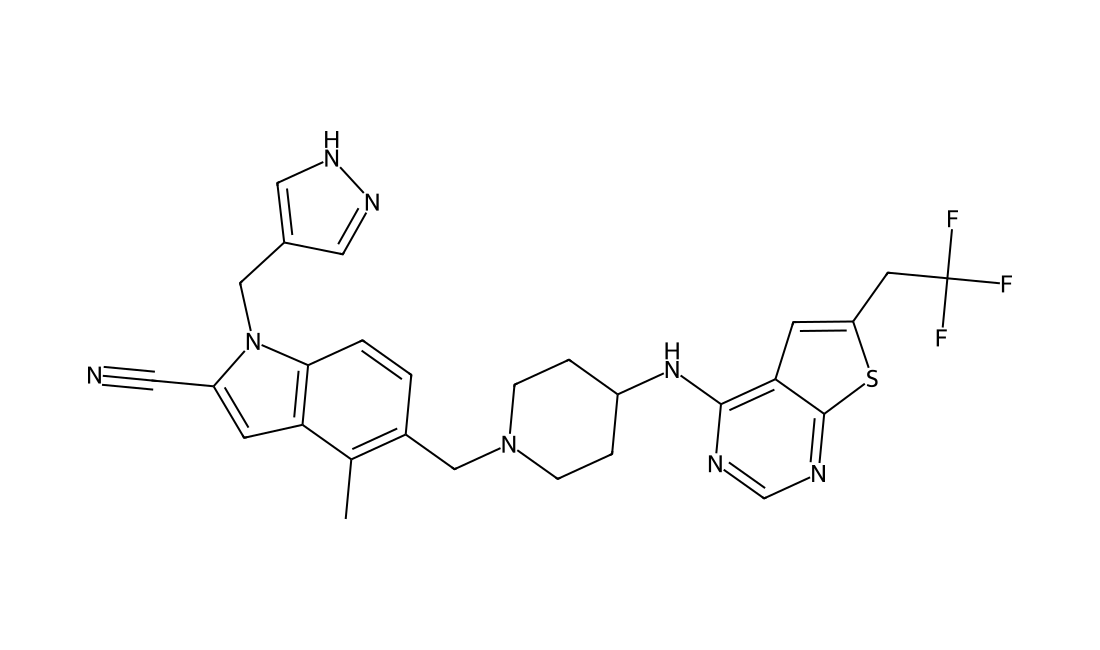
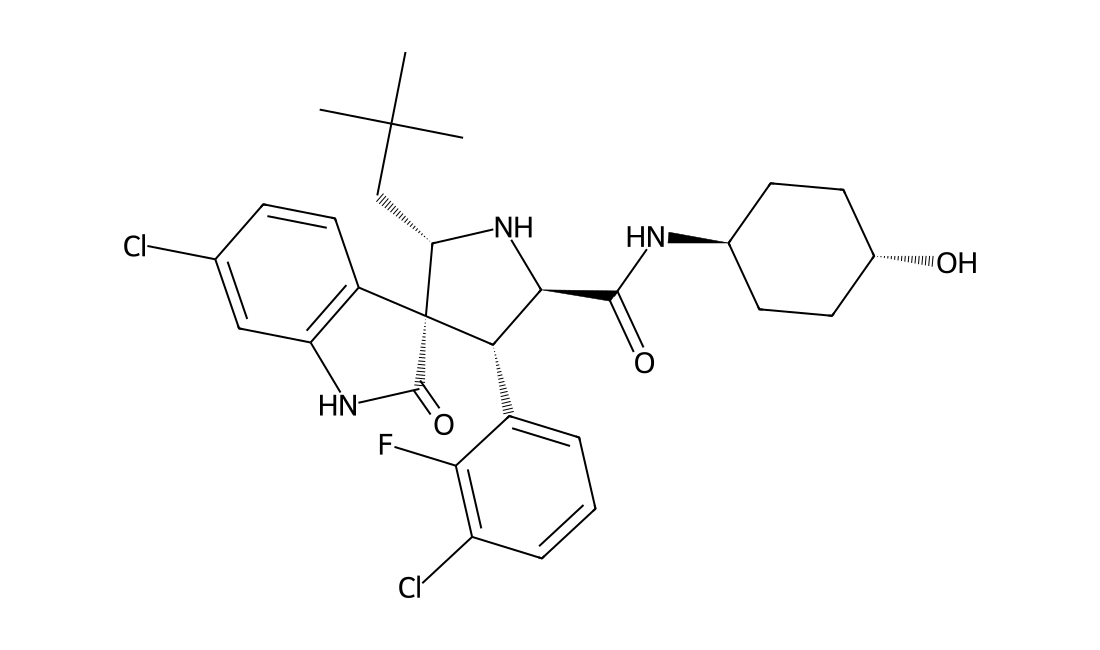
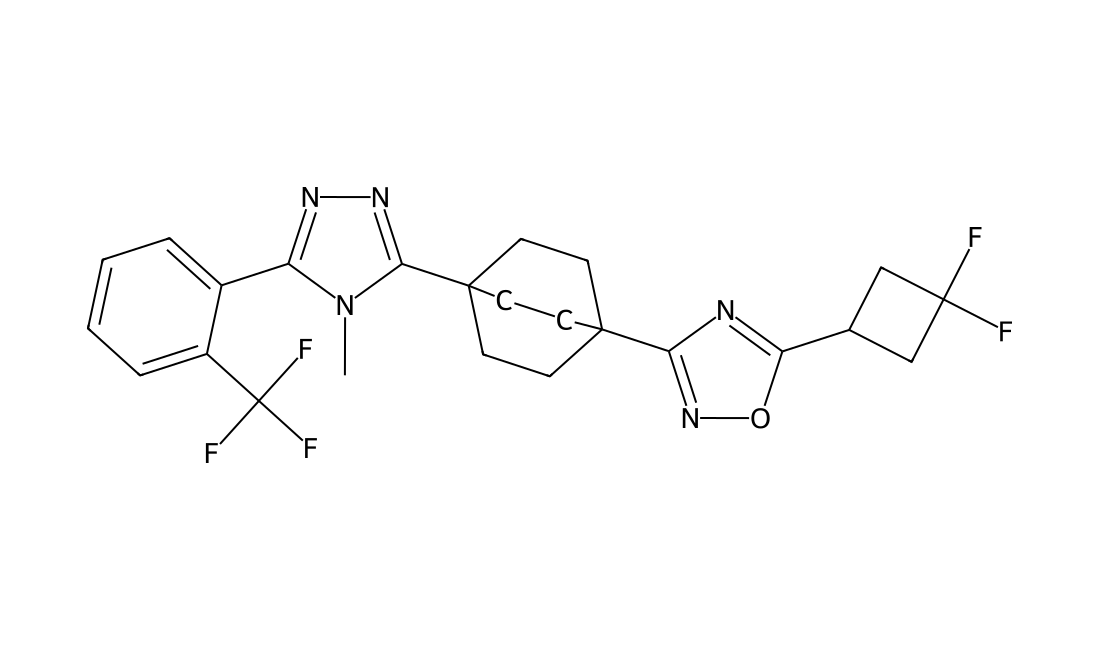
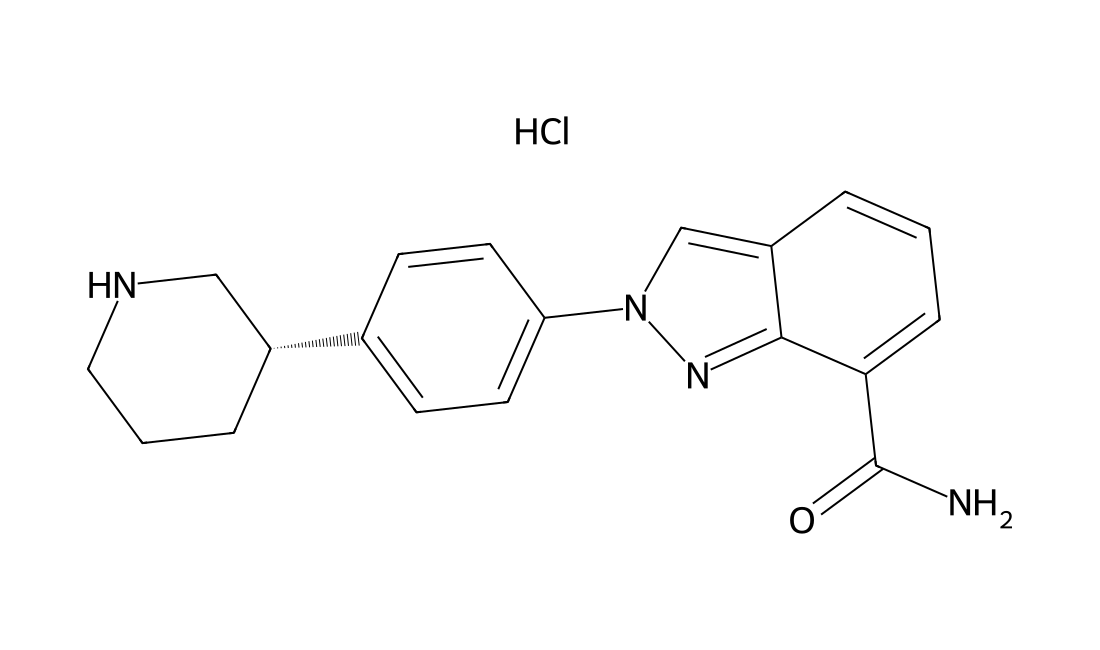
Home/Small Molecules/Cancer Research

Cancer Research

Compounds with documented oncology research applications.

Browse all research categories

Browse by research category

Products may appear in more than one category. Counts refer to distinct catalog numbers within each category.

Other Research Tools (75) · Additional reagents, building blocks and specialized research tools.

New literature-derived products

LC-MG-1 (DCA0006) · LC-MG-4 (DCA0007) · LC-MG-9 (DCA0008)

View structure and evidence summaries →

Cancer Research products

Combine a keyword, research category and target to narrow the product list.

Loading catalog filters…

1,049 products · Showing 961–1,008

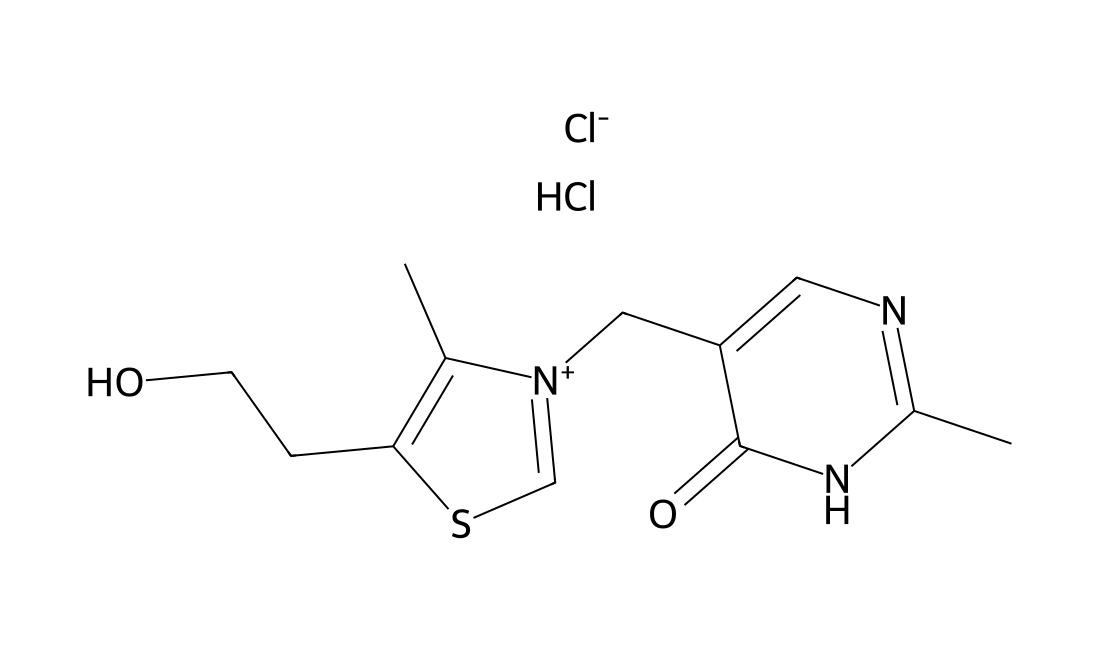
DC8326

Kevetrin HCl

CAS 66592-89-0

Kevetrin hydrochloride is a small molecule and activator of the tumor suppressor protein p53, with potential antineoplastic activity. Target:p53in vitro: Kevetrin activates p53 which in turn induces the expressions of p21 and PUMA (p53 up-regulated modulator of apoptosis), thereby inhibiting cancer cell growth and causing tumor cell apoptosis. Kevetrin may be effective in drug-resistant cancers with mutated p53. p53 tumor suppressor, a transcription factor regulating the expression of many stress response genes and mediating various anti-proliferative processes, is often mutated in cancer cells. in vivo: Kevetrin has demonstrated potent anti-tumor efficacy against various carcinoma xenograft models: lung, breast, colon, prostate and squamous cell carcinoma, and in a leukemia tumor model. In drug-resistant cell lines, Kevetrin has shown excellent activity, galvanizing the Company to focus on Kevetrin's development potential in this area.

Kevetrin HCl chemical structure
DC8127

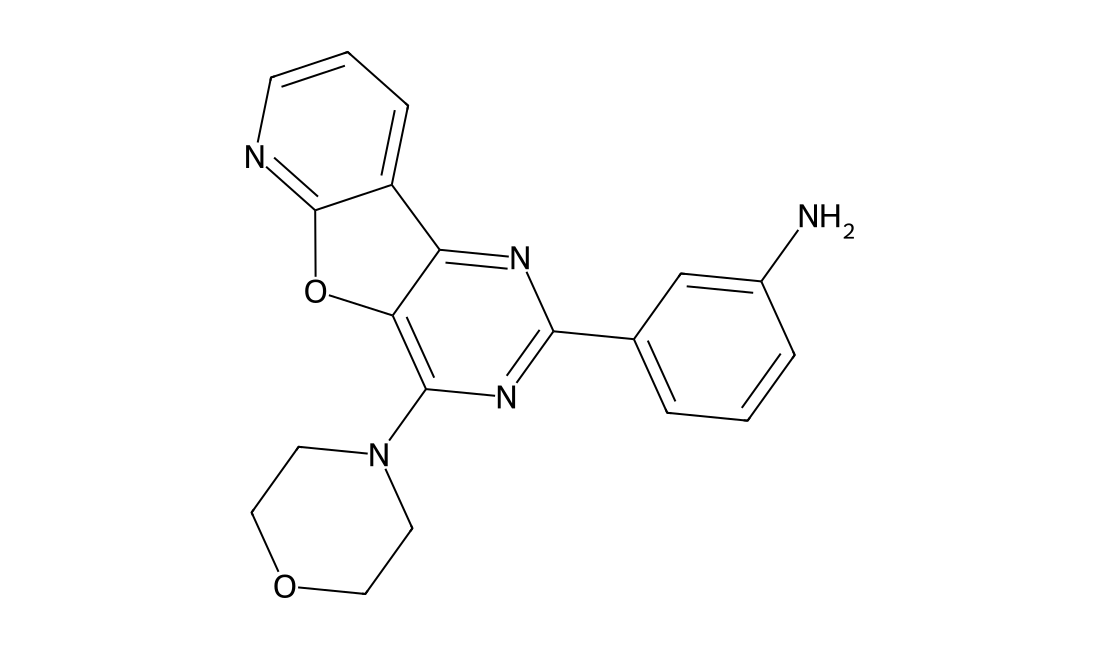
KRCA-0008

CAS 1472795-20-2

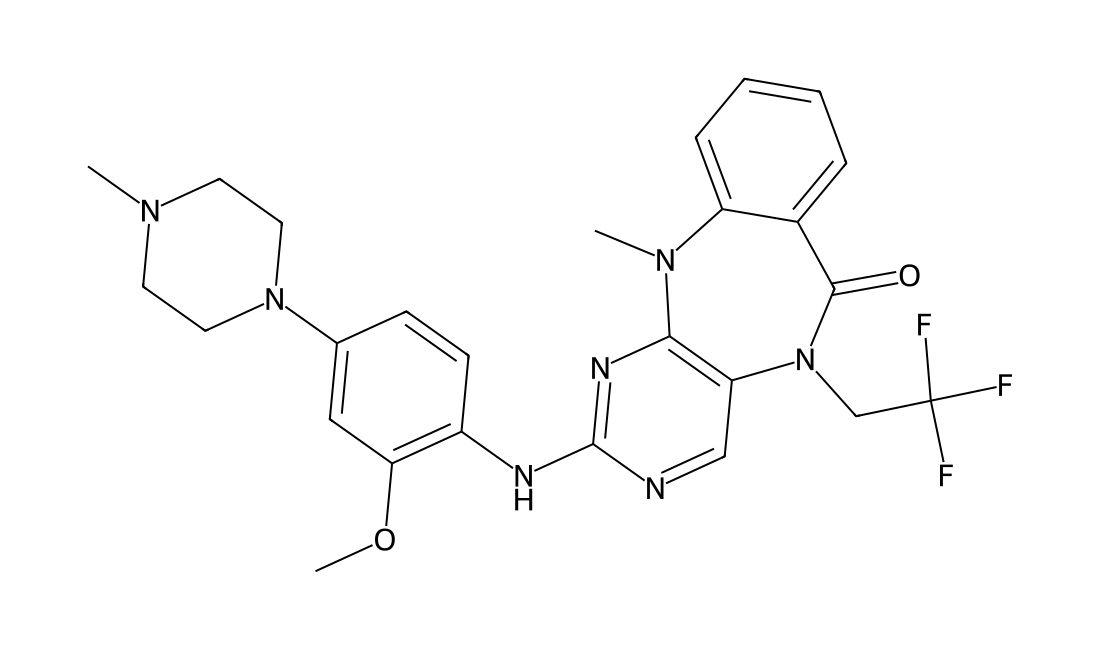
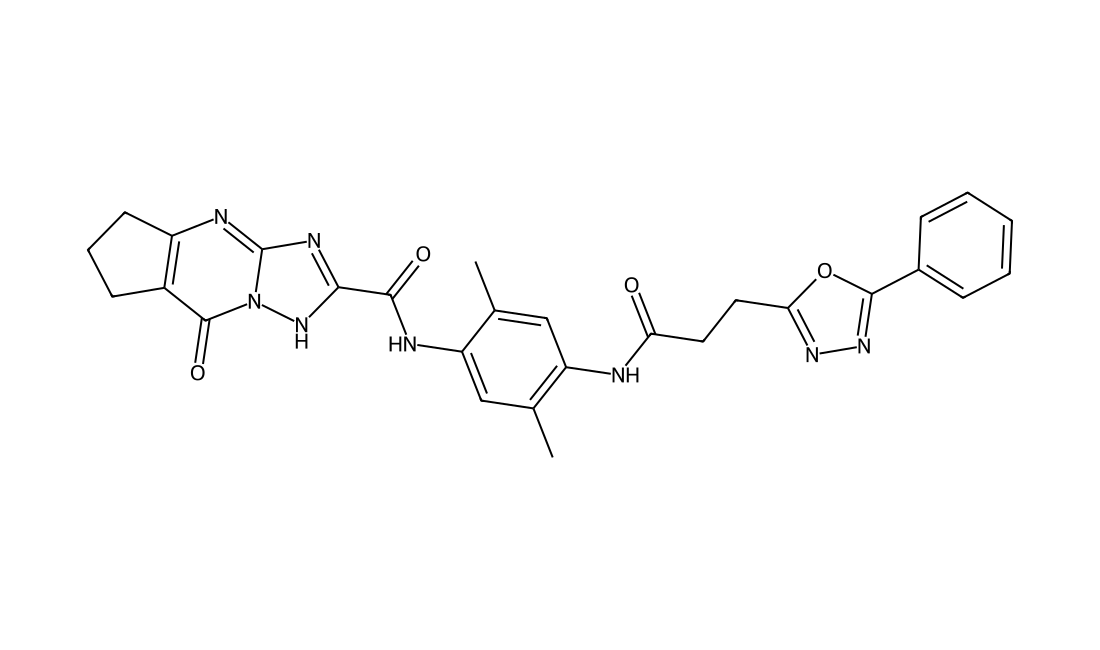
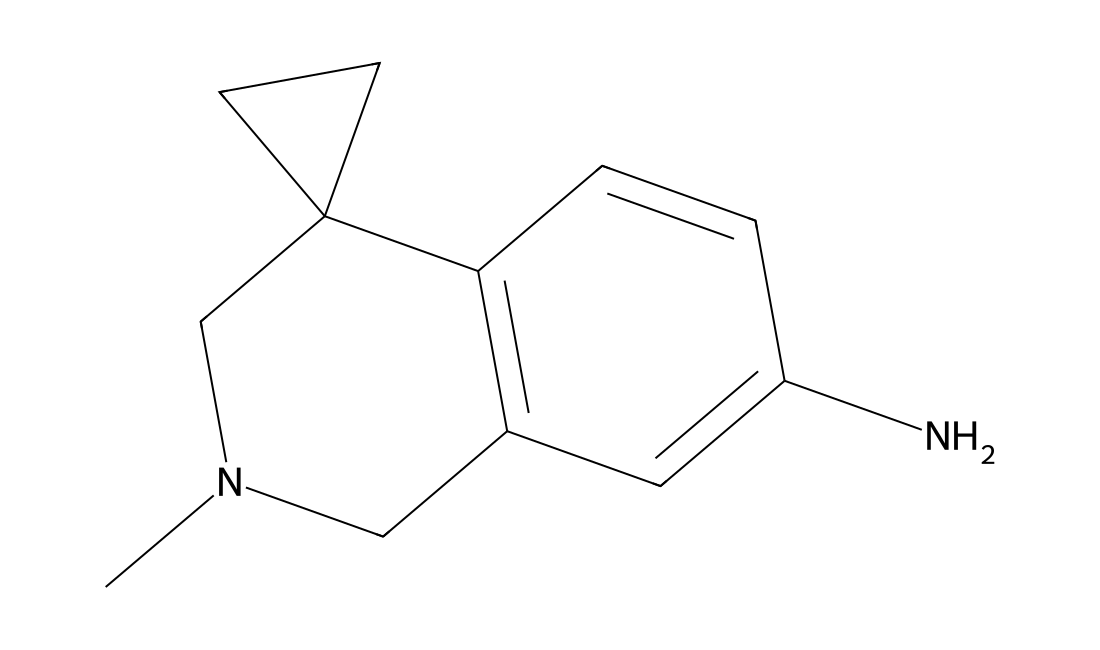
KRCA-0008 is a potent and selective ALK/Ack1 inhibitor with IC50 of 12 nM/4 nM for ALK and Ack1 respectively; displays drug-like properties without hERG liability.IC50 value: 12 nM/4 nM(ALK/Ack1) [1]Target: ALK/Ack1 inhibitorKRCA-0008 retains good drug-like properties: good water-solubility (54 μM in 5% DMSO–water, 150 μM in 5% DMSO–PBS buffer) with moderate plasma protein binding (93% in rat) and low brain exposure (Cbrain/Cplasma = ~0.02). It has good liver microsomal stability (% remaining after 30 min: 52% in mouse, 89% in rat, 72% in human) and little to no CYP inhibition (1A2, 2C9, 2D6, 3A4 @ 10 μM). It does not appear to cause hERG blockade (patch clamp IC50 = 30 μM) and is negative on Ames test (1000 μg/plate), chromosomal aberration assay and micronucleus assay.KRCA-0008 also shows promising pharmacokinetic parameters in both mice and rat (oral bioavailability = 66–94.5%). KRCA-0008 shows a modest tumor growth inhibition in vivo activity in H3122 human lung cancer bearing mice model comparable to Crizotinib without significant body weight change. It is important to mention the KRCA-0008 25 mpk and 50 mpk groups did not show dose-dependent tumor growth inhibition.

KRCA-0008 chemical structure
DC8790

L67

CAS 325970-71-6

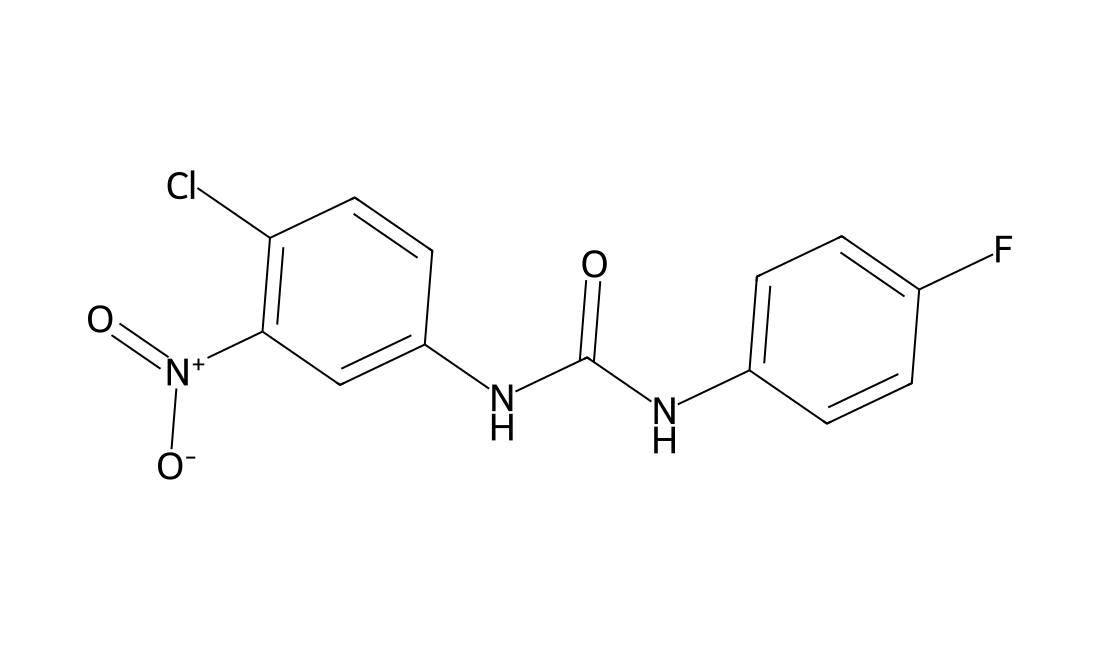
L67 is a novel, competitive human DNA ligase inhibitor, inhibits DNA ligases I and III with IC50 of 10 μM and 10 μM.IC50 value: 10 μM [1]Target: DNA ligasesin vitro: L67 significantly increases the cytotoxicity of DNA damaging agents.[1] L67 also inhibits cell proliferation. [2]

L67 chemical structure
DC8803

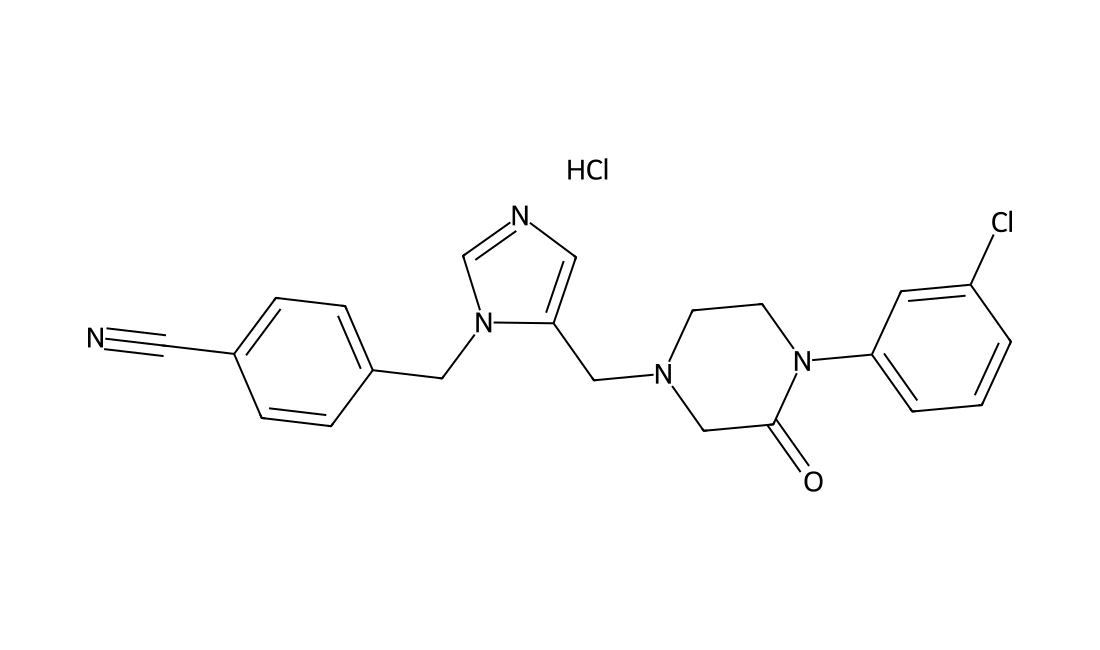
L-778123 HCl

CAS 253863-00-2

L-778123 hydrochloride is an inhibitor of FPTase and GGPTase-I with IC50 of 2 nM and 98 nM in enzyme inhibition determination.IC50 value: 2 nM [1]Target: FPTasein vitro: L-778123 can completely inhibit Ki-Ras prenylation. [1] L-778123 as a farnesyltransferase inhibitor can have a good cytotoxic activity as a classic anti-cancer agent. [2]in vivo: In the dog model, L-778123 inhibits HDJ2 prenylation and produces measurable, albeit slight (5%), levels of unprenylatedRap1A in PBMCs. [1]

L-778123 HCl chemical structure
DC22800

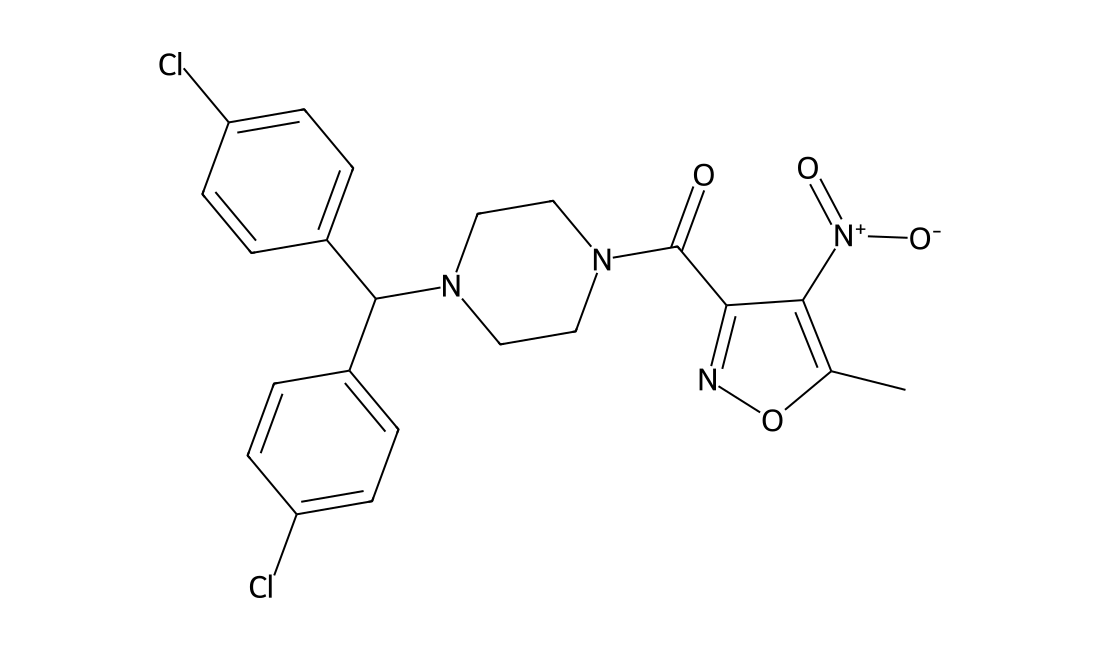
ML-210

CAS 1360705-96-9

ML-210,the most potent compound in the nitroisoxazole series, is a selective covalent inhibitor of glutathione peroxidase 4 (GPX4) by binding the selenocysteine residue[1]. ML-210 has IC50s of 71 nM, 272 nM and 107nM for BJeLR (HRASV12), BJeH-LT (without HRASV12) and DRD cell lines, respectively[2].

ML-210 chemical structure
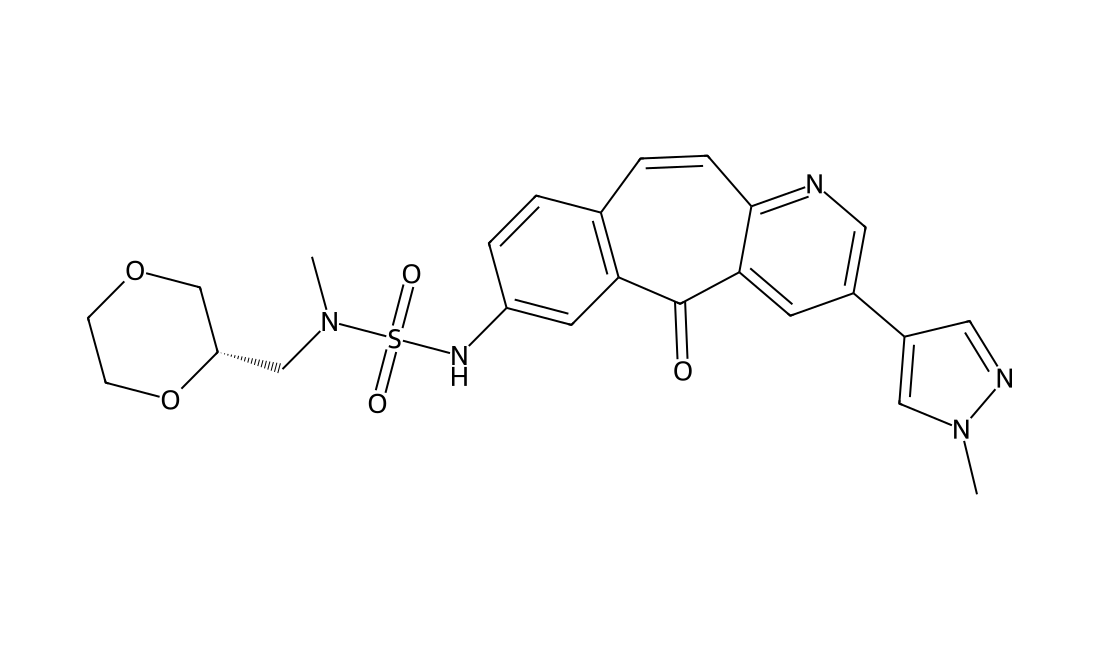
DC58110

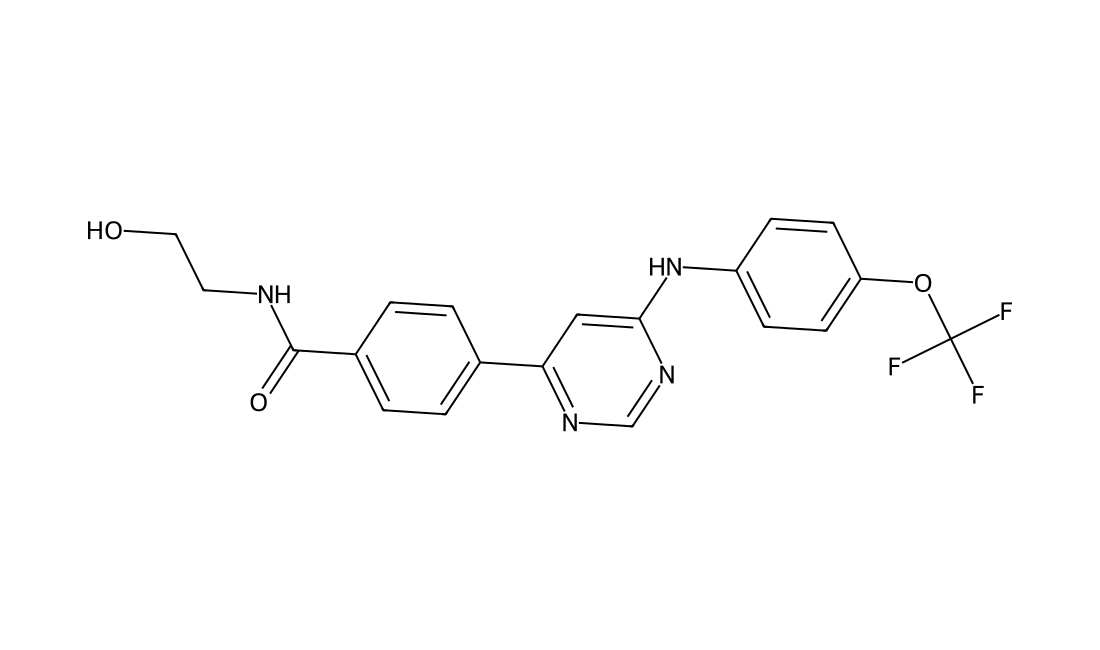
Dclk1-IN-1

CAS 2222635-15-4

DCLK1-IN-1 is a selective, oral bioavailability in vivo-compatible chemical probe of the doublecortin like kinase 1 (DCLK1 kinase) domain. DCLK1-IN-1 inhibits DCLK1 and DCLK2 kinases (IC50: DCLK1=9.5/57.2 nM and DCLK2=31/103 nM in binding and kinase assay, respectively). DCLK1-IN-1 shows low toxicity, and can investigate DCLK1 biology and establish its role in cancer, like DCLK1+ pancreatic ductal adenocarcinoma (PDAC)[1].

Dclk1-IN-1 chemical structure
DC10926

LY900009

CAS 209984-68-9

LY900009 (LY-900009) is an orally active small molecule inhibitor of Notch signalling via selective inhibition of the γ-secretase protein, inhibits Notch signalling in tumour cell lines and endothelial cells with IC50 of 0.005-20 nM; dose dependently inhibits Notch cleavage and induced apoptosis 24 h after a single 3 mg/kg oral dose in xenograft tumour models, also demonstrates inhibition of angiogenesis through formation of leaky vasculature.

LY900009 chemical structure
DC8260

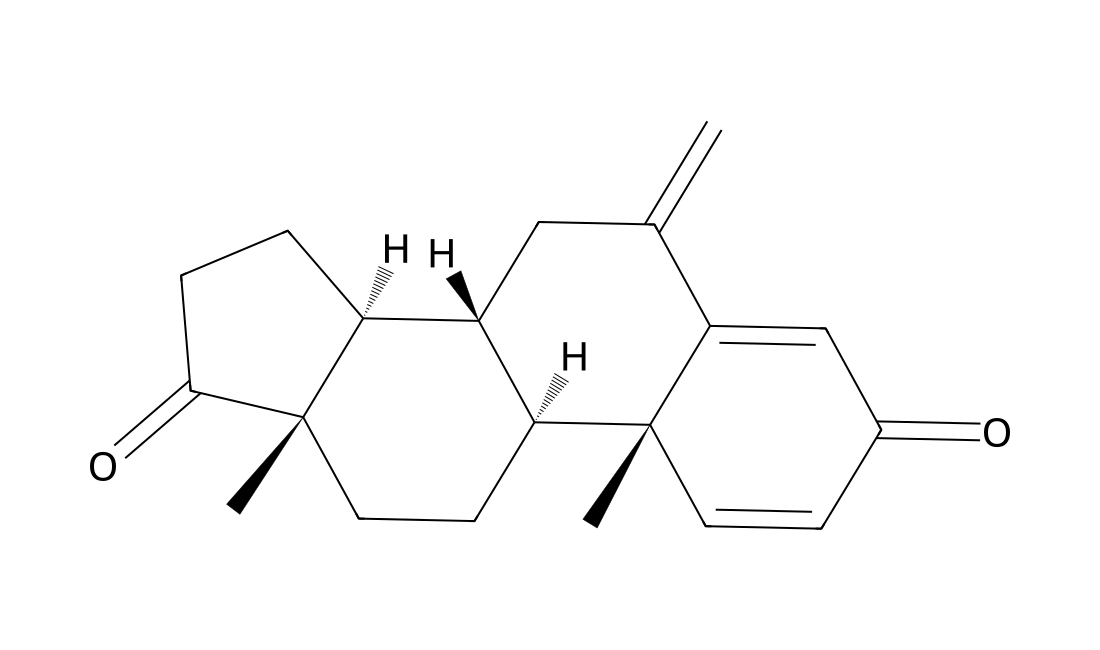
Exemestane(FCE 24304)

CAS 107868-30-4

Exemestane(FCE 24304) is an aromatase inhibitor, inhibits human placental and rat ovarian aromatase with IC50 of 30 nM and 40 nM, respectively.October 2005Exemestane competitively inhibits and time-dependently inactivates of human placental aromatase with Ki of 4.3 nM. Exemestane displaces [3H]DHT from rat prostate androgen receptor with IC50 of 0.9 μM [1]. Exemestane (1 μM) increases alkaline phosphatase activity in hFOB and Saos-2 cells and induces the expression of MYBL2, OSTM1, HOXD11, ADCYAP1R1, and glypican 2 in hFOB cells [2]. Exemestane causes aromatase degradation in a dose-responsive manner in MCF-7aro cells [3].Exemestane increases lumbar spine BMD by 14.0% in OVX rats at dose of 100 mg/kg. Exemestane (100 mg/kg) and 17-hydroexemestane (20 mg/kg) significantly reduces an ovariectomy-induced increase in serum pyridinoline and serum osteocalcin in rats and causes significant reductions of serum cholesterol and low-density lipoprotein cholesterol inOVX rats [4].Exemestane (20 mg/kg/day s.c.) induces 26% complete (CR) and 18% partial (PR) tumor regressions in rats with 7,12-dimethylbenzanthracene (DMBA)-induced mammary tumors [5].

Exemestane(FCE 24304) chemical structure
DC8546

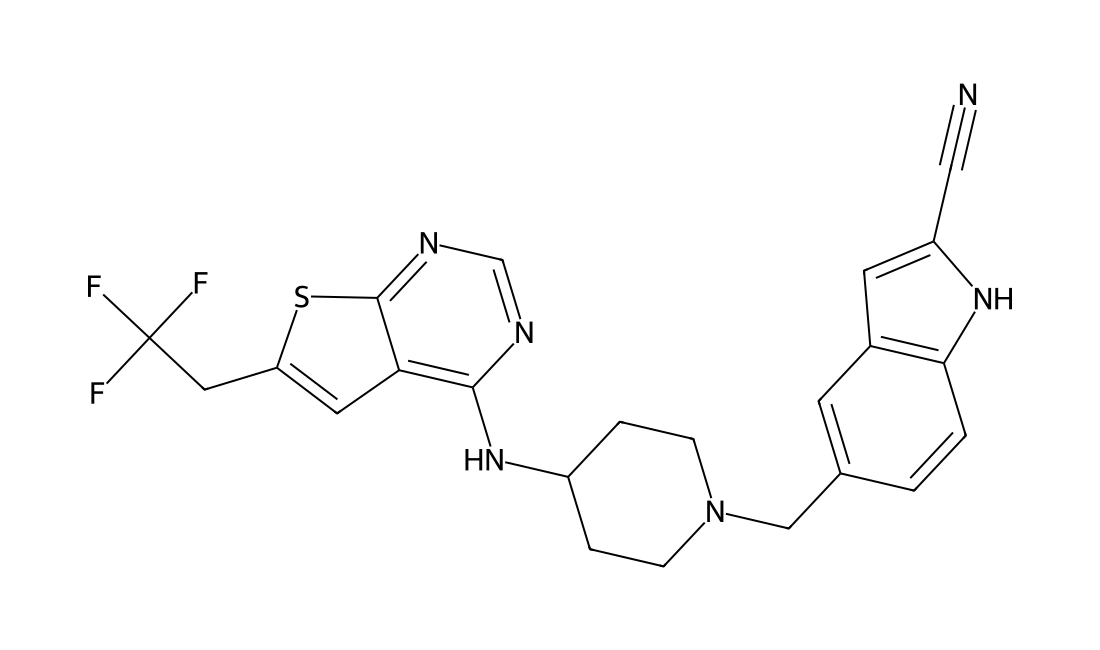
MI-136

CAS 1628316-74-4

MI-136 inhibits DHT-induced expression of androgen receptor (AR) target genes. Target: androgen receptorin vitro: MI-136, a variant of a previously described inhibitor that can specifically inhibit the menin-MLL interaction. AR positive cell lines such as VCaP, LNCaP and 22RV1 are sensitive to MI-136. Treatment with MI-136 also inhibits the expression of genes that were bound to ASH2L after AR stimulation. Treatment with MI-136 induces apoptosis of VCaP cells as evidenced by PARP (cPARP) cleavage. Furthermore, treatment with MI-136 blocks DHT-induced cell proliferation in AR-dependent cell lines (LNCaP and VCaP). The effect of MI-136 on cell proliferation is similar to MDV-3100, a second-generation FDA-approved anti-androgen for patients with refractory prostate cancer. [1]in vivo: Treatment of VCaP tumor-bearing mice with MI-136 (40mg/kg) led to a modest but significant reduction in tumor volume with no effect on mouse body weight. [1]

MI-136 chemical structure
DC8414

MI-77301 (SAR405838)

CAS 1303607-60-4

SAR405838 is a highly potent and selective MDM2 inhibitor, binds to MDM2 with Ki= 0.88 nM and has high specificity over other proteins.IC50 value: 0.88 nM (Ki) [1]Target: MDM2in vitro: SAR405838 potently inhibits cell growth in cancer cell lines, including SJSA-1 (IC50, 0.092 μM), RS4;11 (IC50, 0.089 μM), LNCaP (IC50, 0.27 μM), and HCT-116 (IC50, 0.20 μM) cells, and displays high selectivity over cancer cell lines with mutated or deleted p53, including SAOS-2 (IC50, >10 μM), PC-3 (IC50, >10 μM), SW620 (IC50, >10 μM), and HCT-116 (p53-/-) (IC50, >20 μM) cells.[1] SAR405838 effectively induces apoptosis in the RS4;11 cell line. SAR405838 potently inhibits cell growth and induces dose-dependent apoptosis in the ABTR1 and ABTR2 sublines, albeit with modestly reduced potency compared with that in the control RS4;11 cell line.[2]in vivo: At well-tolerated dose schedules, SAR405838 achieves either durable tumor regression or complete tumor growth inhibition in mouse xenograft models of SJSA-1 osteosarcoma, RS4;11 acute leukemia, LNCaP prostate cancer and HCT-116 colon cancer. Remarkably, a single oral dose of SAR405838 is sufficient to achieve complete tumor regression in the SJSA-1 model. In the SJSA-1 osteosarcoma, acute lymphoblastic leukemia RS4;11, LNCaP prostate cancer, and HCT-116 colon cancer xenograft model, MI-773 (p.o.) effectively inhibits tumor growth in a dose-dependent manner (10 mg/kg, 30 mg/kg, 50 mg/kg, 100 mg/kg, and 200 mg/kg,). [1]

MI-77301 (SAR405838) chemical structure
DC9707

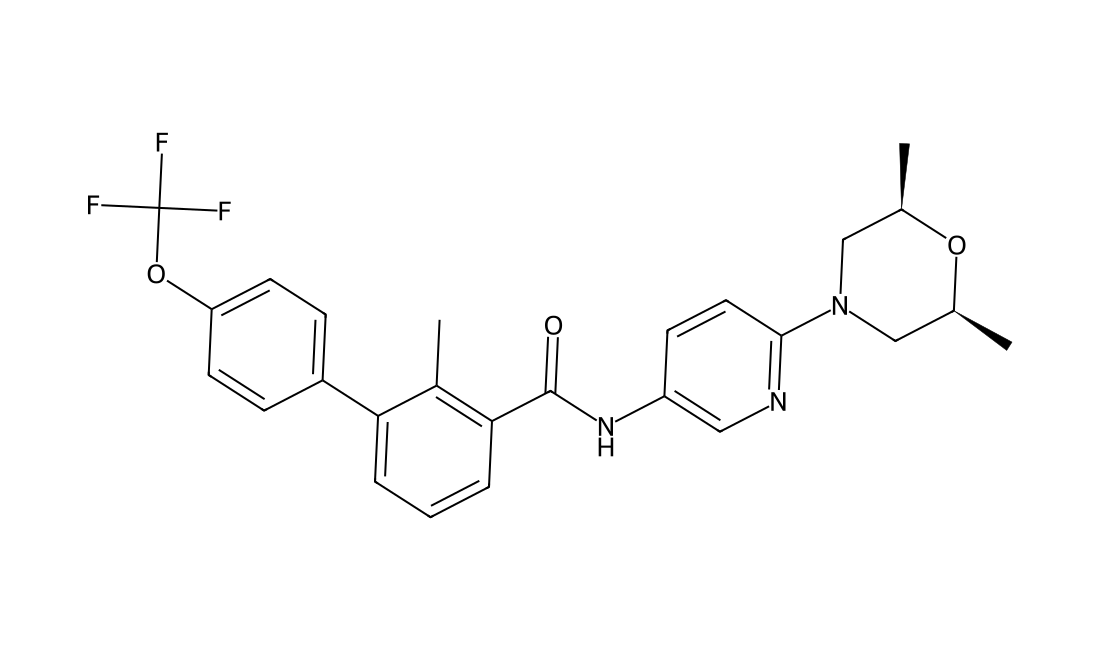
MK-4101

CAS 935273-79-3

MK-4101 is a potent SMO Inhibitor of the Hedgehog Pathway, highly active against Medulloblastoma and Basal Cell Carcinoma.target:SMOIn vivo: MK-4101 was highly efficacious against primary medulloblastoma and BCC developing in the cerebellum and skin of Ptch1+/- mice.In vitro: MK-4101 induce deregulation of cell cycle and block of DNA replication in tumors. MK-4101 targets the Hh pathway in tumor cells, showing the maximum inhibitory effect on Gli1. MK-4101 also induce deregulation of cell cycle and block of DNA replication in tumors.

MK-4101 chemical structure
DC20544

SEMBL

CAS 1443448-82-5

SEMBL is a potent NF-κB inhibitor that inhibits DNA binding of NF-κB component p65; inhibits LPS-induced NF-κB activation, iNOS expression, and inflammatory cytokine secretions; also inhibits NF-κB and cellular invasion in ovarian carcinoma ES-2 cells; enhances stability in aqueous solution compared with (-)-DHMEQ.

SEMBL chemical structure
DC23022

PDZ1i

CAS 2083618-79-3

PDZ1i (113B7) is a specific inhibitor of MDA-9/Syntenin activity that inhibits MDA-9/Syntenin binding to EGFRvIII; selectively binds with micromolar affinity to the PDZ1 domain of MDA-9/Syntenin, with no affinity for PDZ2 domain of MDA-9/Syntenin; reduces invasion gains in GBM cells following radiation, inhibits crucial GBM signaling involving FAK and mutant EGFR, EGFRvIII, and abrogated gains in secreted proteases, MMP-2 and MMP-9, following radiation; results in smaller, less invasive tumors and enhanced survival in an in vivo glioma model.

PDZ1i chemical structure
DC60185

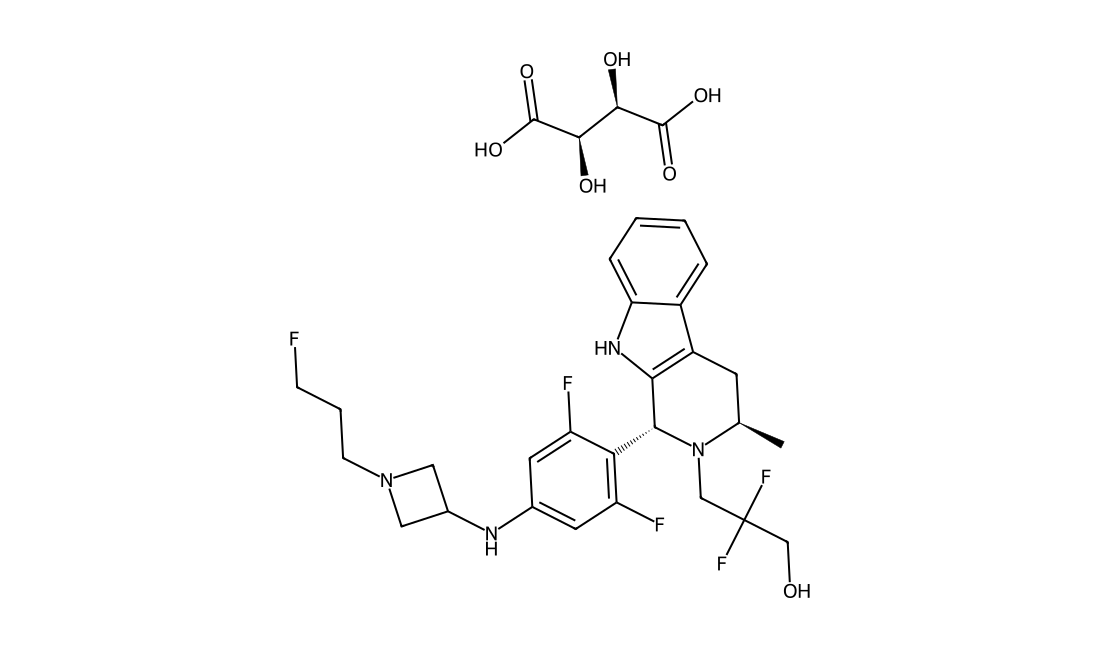
Giredestrant (tartrate)

CAS 2407529-33-1

Giredestrant tartrate (GDC-9545 tartrate), a non-steroidal ER ligand, is an orally active and selective estrogen receptor (ER) antagonist. Giredestrant tartrate potently competes with estradiol for binding and induces a conformational change within the ER ligand binding domain. Anti-tumor activity[1].

Giredestrant (tartrate) chemical structure
DC60187

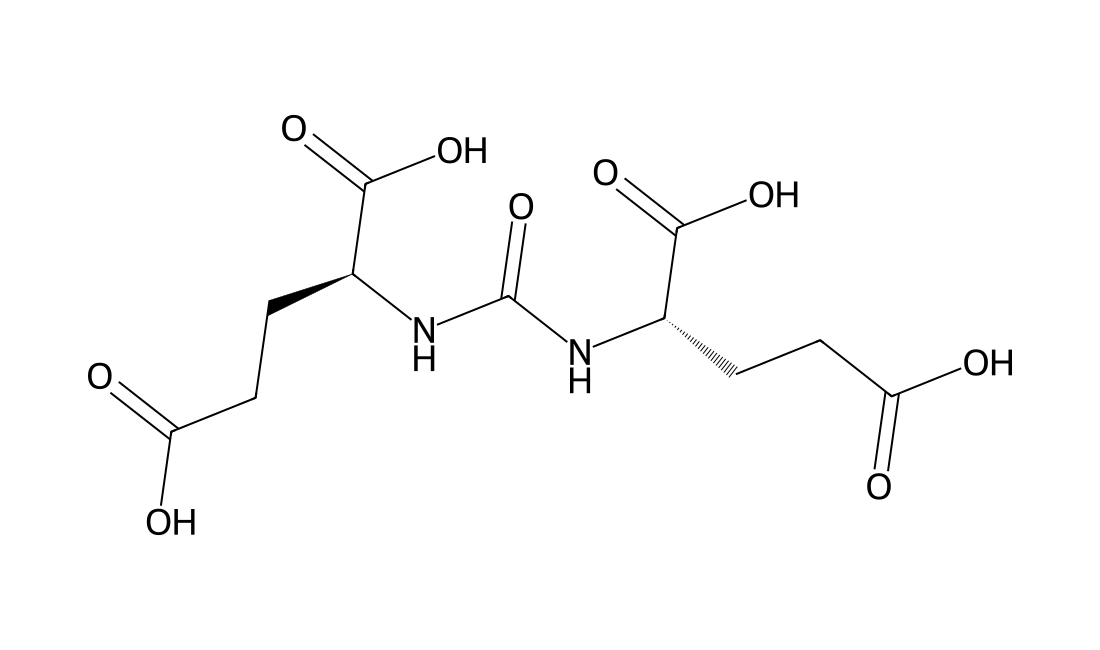
SWN41522

CAS 302941-52-2

SWN41522, also known as DUPA and FN11, is a potent Urea-​Based Inhibitor of Glutamate Carboxypeptidase II (NAALADase). In vivo antitumor tests using U-​87 glioblastoma xenograft showed that FN11 reduced tumor vol. to a value of ∼0.4-​0.6 (at 10 or 100 μM) after 4 days treatment, and ∼ 1.0 (at both dosages) after 7 days treatment. The antiangiogenesis activity of FN11 was examd. with similarly grown tumors, and revealed a preponderance of avascular and low vascular areas in tumors treated with FN11 at 100 μM. It was first reported in patent WO 2000064911 and Journal of Medicinal Chemistry (2001), 44(3), 298-301.

SWN41522 chemical structure
DC44513

DTHIB

CAS 897326-30-6

DTHIB is a direct and selective heat shock factor 1 (HSF1) inhibitor with a Kd of 160 nM for DTHIB binding to the HSF1 DNA binding domain (DBD). DTHIB inhibits HSF1 cancer gene signature (HSF1 CaSig) and selectively stimulates degradation of nuclear HSF1. DTHIB has potently anticancer activities and can be used for prostate cancer research.

DTHIB chemical structure
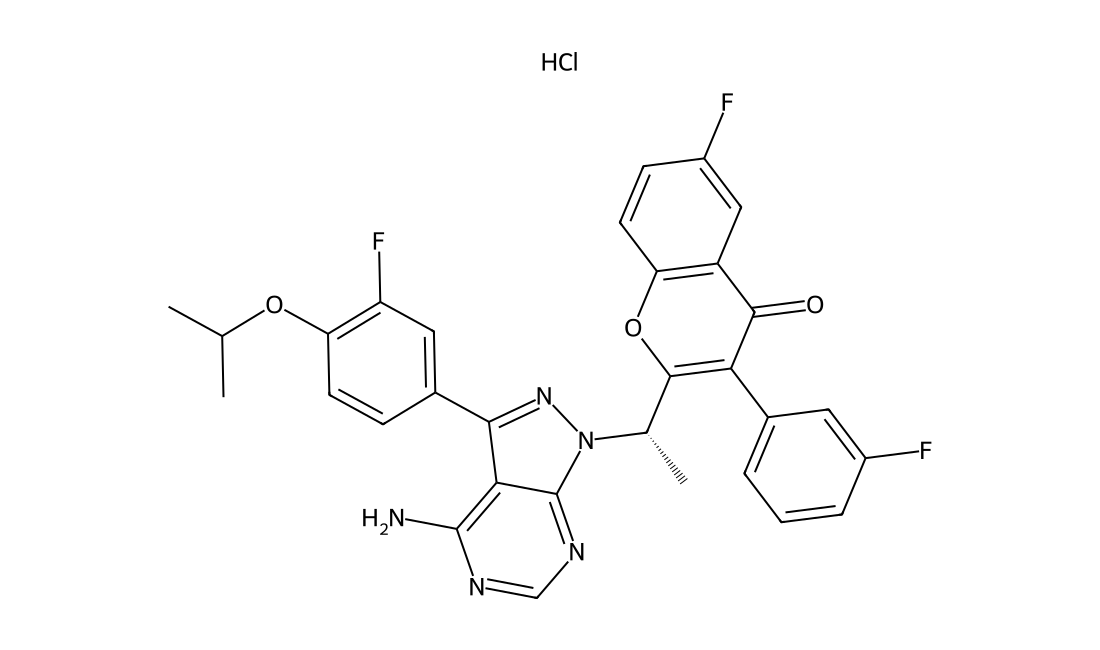
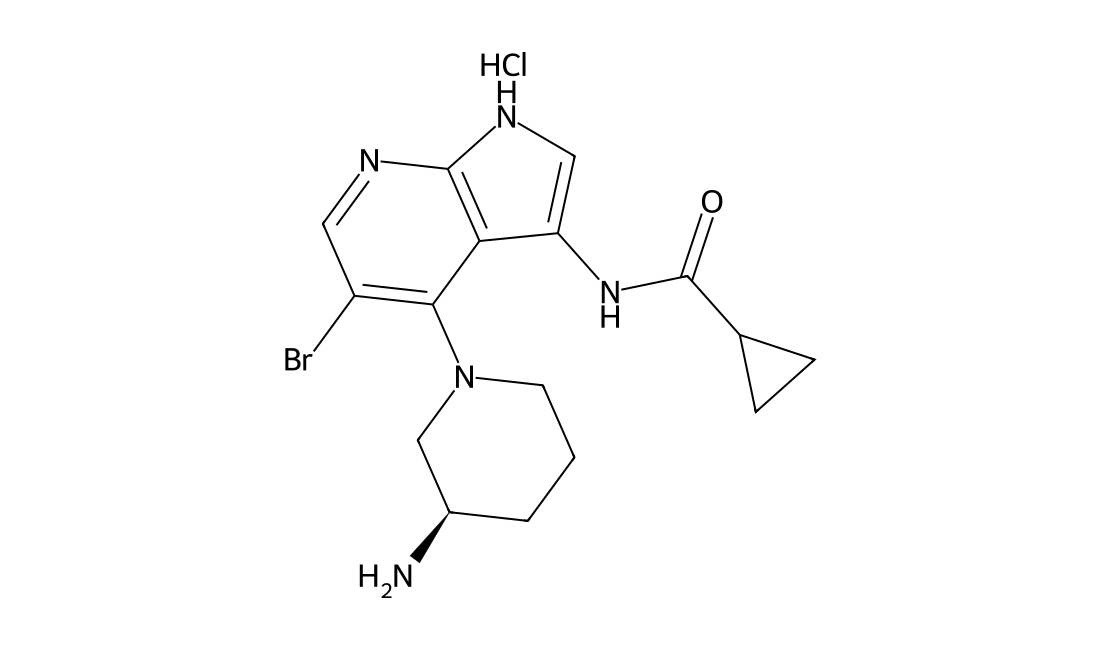
DC42549

Parsaclisib hydrochloride

CAS 1995889-48-9

Parsaclisib hydrochloride (INCB050465 hydrochloride) is a potent, selective and orally active inhibitor of PI3Kδ, with an IC50 of 1 nM at 1 mM ATP. Parsaclisib hydrochloride shows approximately 20000-fold selectivity over other PI3K class I isoforms. Parsaclisib hydrochloride can be used for the research of relapsed or refractory B-cell malignancies.

Parsaclisib hydrochloride chemical structure
DC26038

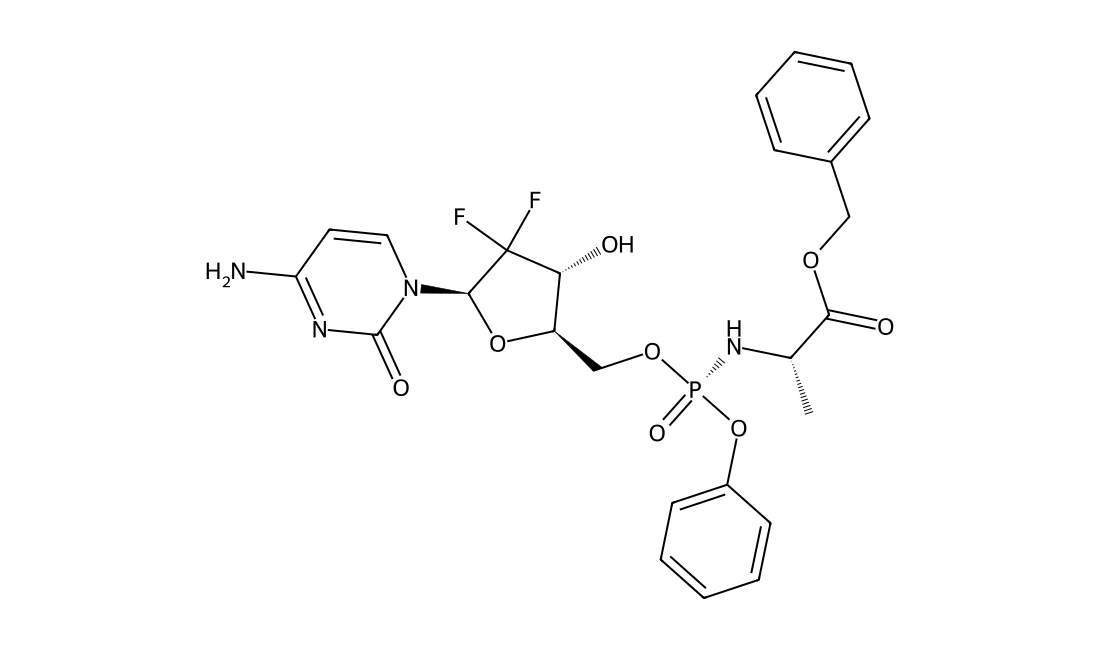
NUC-1031(SP)

CAS 1562406-27-2

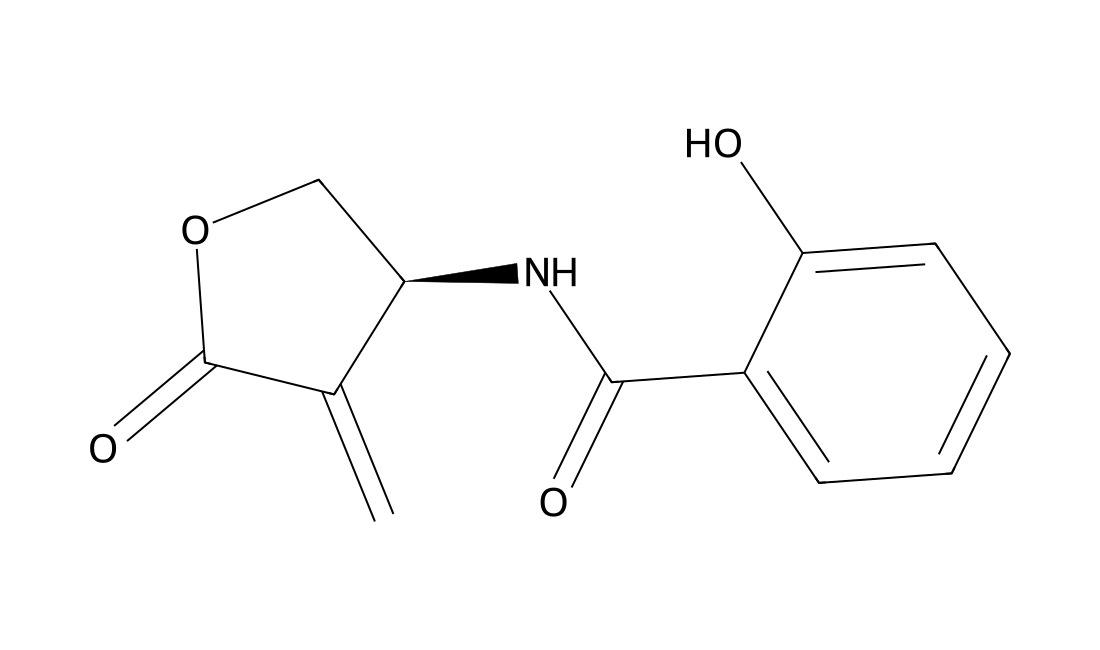
NUC-1031(SP) is S form of NUC-1031 at P site.Acelarin (NUC-1031) is a ProTide transformation and enhancement of the widely-used nucleoside analogue, gemcitabine.

NUC-1031(SP) chemical structure
DC8652

TGR-1202 hydrochloride(Umbralisib)

CAS 1532533-78-0

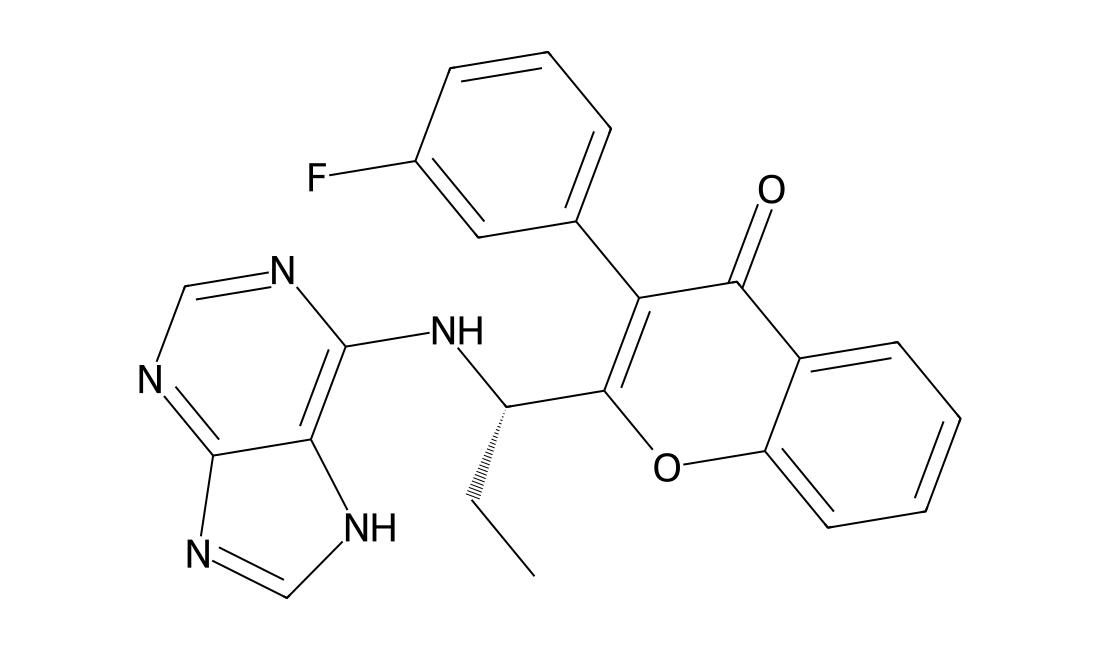
TGR-1202 hydrochloride is an orally available, next generation PI3Kdelta inhibitor, inhibits PI3Kδ activity in enzyme and cell based assays with IC50 and EC50 values of 22.2 and 24.3 nM respectively.in vitro: TGR-1202 displays a high degree of selectivity over the alpha (>1000 fold), beta (>30-50 fold), and gamma (>15-50 fold) isoforms. Additionally, TGR-1202 causes a half-maximal inhibition of human whole blood CD19 cell proliferation between 100-300 nM. Treatment of PBMC with RP5264 resulted initially in a G2/M arrest followed by subsequent increase in the number of Sub G0 cells. Viability assays demonstrated that TGR-1202 caused a significant inhibition in growth as well as Akt phosphorylation of immortalized and primary leukemic cells. Further, the compound exhibited good oral absorption with favourable pharmacokinetic properties in rodents.

TGR-1202 hydrochloride(Umbralisib) chemical structure
DC8479

MK-2461

CAS 917879-39-1

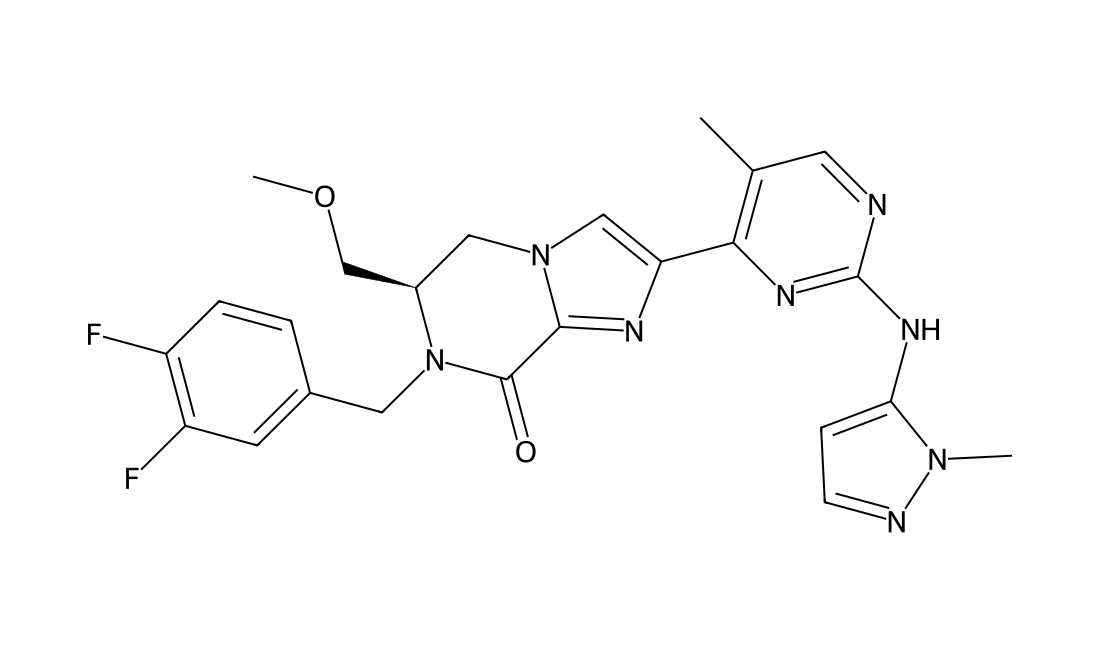
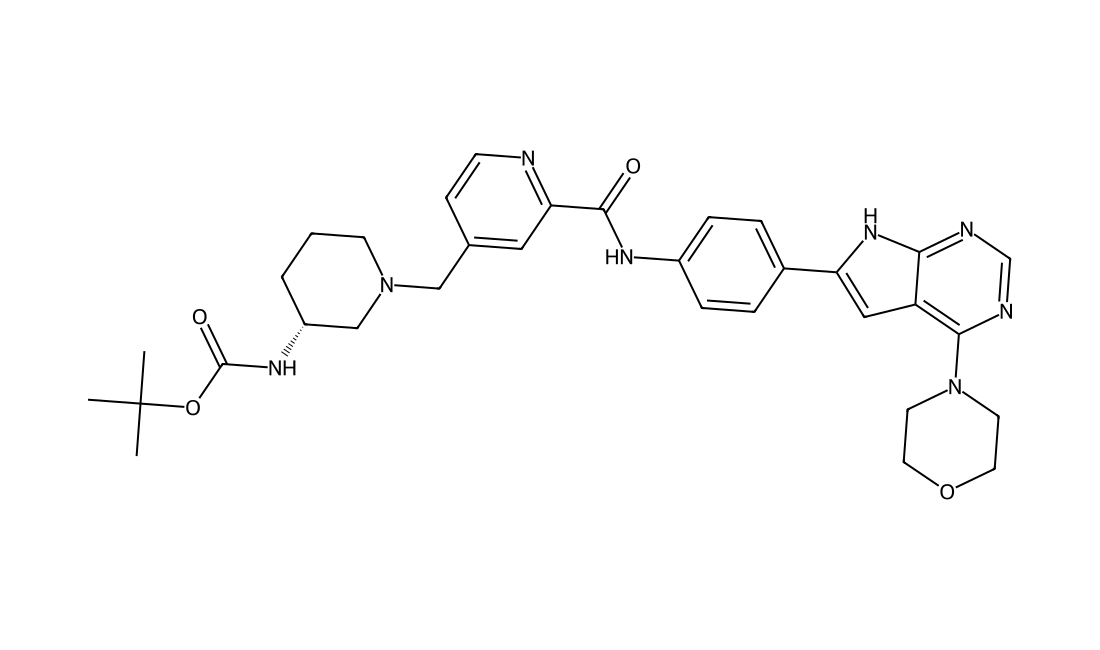
MK-2461 is a potent, multi-targeted inhibitor for c-Met(WT/mutants) with IC50 of 0.4-2.5 nM, less potent to Ron, Flt1; 8- to 30-fold greater selectivity of c-Met targets versus FGFR1, FGFR2, FGFR3, PDGFRβ, KDR, Flt3, Flt4, TrkA, and TrkB. Phase 1/2.MK-2461 also potently inhibits FGFR1, FGFR2, FGFR3, KDR, TrkA, TrkB, and Flt4 with IC50 of 65 nM, 39 nM, 50 nM, 44 nM, 46 nM, 61 nM, and 78 nM, respectively. Compared with wild-type c-Met, MK-2461 more potently inhibits the activity of oncogenic c-Met kinase mutants such as N1100Y, Y1230C, Y1230H, Y1235D, and M1250T with IC50 of 1.5 nM, 1.5 nM, 1.0 nM, 0.5 nM, and 0.4 nM, respectively. MK-2461 binds more strongly to phosphorylated c-Met than to unphosphorylated c-Met. MK-2461 potently inhibits ATP-induced autophosphorylation of the COOH-terminal docking domain of c-Met, but not the activation loop. In contrast, MK-2461 inhibits phosphorylation of the activation loop of FGFR2 (Y653/Y654) in Kato III cells and PDGFRα (Y849) in H1703 cells with IC50 of <0.3 μM. MK-2461 inhibits HGF-induced mitogenesis of 4MBr-5 cells with IC50 of 204 nM, and HGF-induced migration of HPAF II cells with IC50 of 404 nM, as well as HGF-induced branching tubulogenesis of MDCK cells. In addition, MK-2461 potently inhibits IL-3-independent proliferation of 32D cells transformed with Tpr-Met or Tpr-Met (Y362C) mutant with IC50 of ~100 nM. MK-2461 significantly inhibits the proliferation of a large panel of tumor cell lines, especially potent against tumor cells harbored genomic amplification of MET or FGFR2.MK-2461 treatment significantly inhibits c-Met (Y1349) phosphorylation in GTL-16 tumors with IC50 of ~1 μM. Oral administration of MK-2461 at 10 mg/kg, 50 mg/kg, and 100 mg/kg twice daily as well as 200 mg/kg once daily effectively suppresses tumor growth of GTL-16 xenografts in mice by 62%, 77%, 75%, and 90%, respectively. Similarly, MK-2461 treatment at 134 mg/kg twice daily inhibits the growth of NIH3T3 tumors harboring c-Met single nucleotide mutants T3936C and T3997C, by 78% and 62%, respectively.

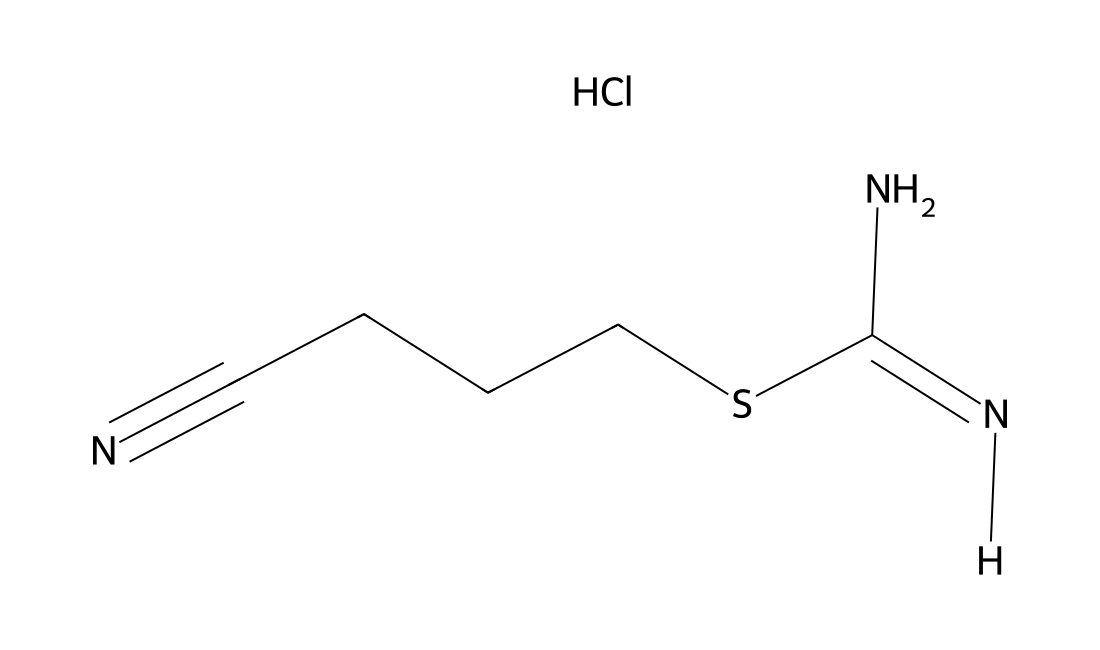
MK-2461 chemical structure
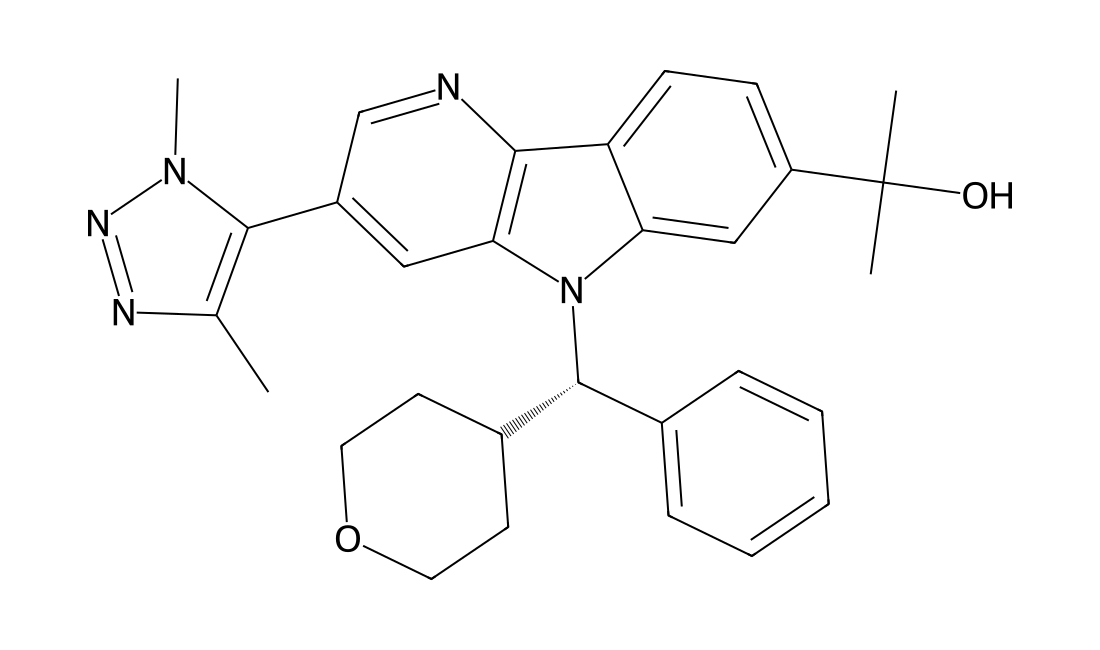
DC10609

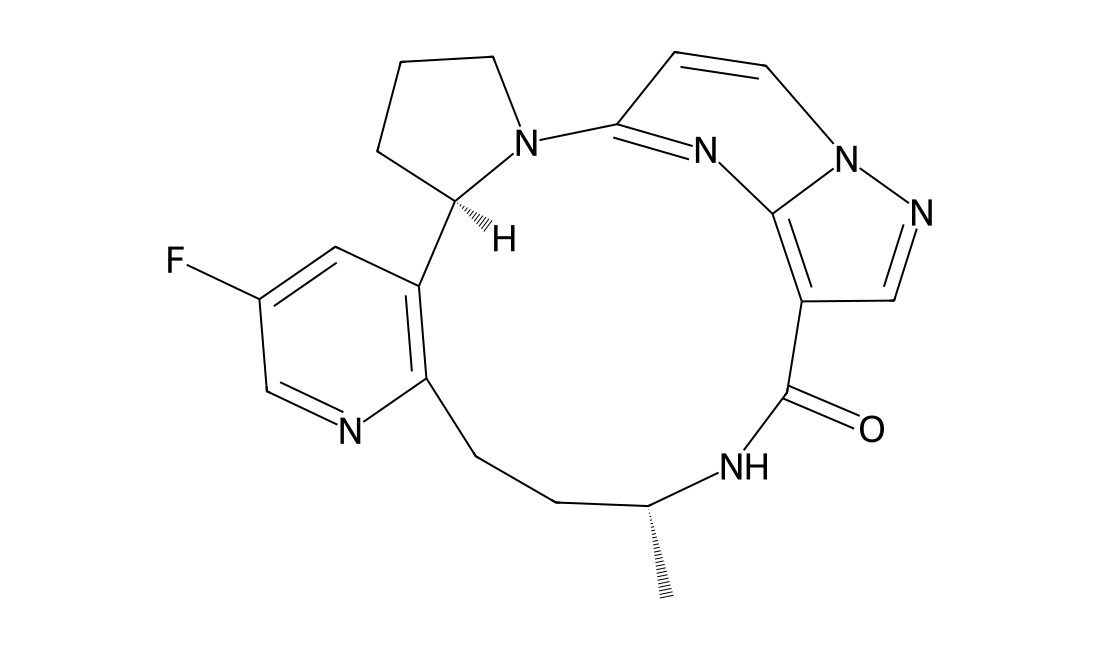
BMS-986158

CAS 1800340-40-2

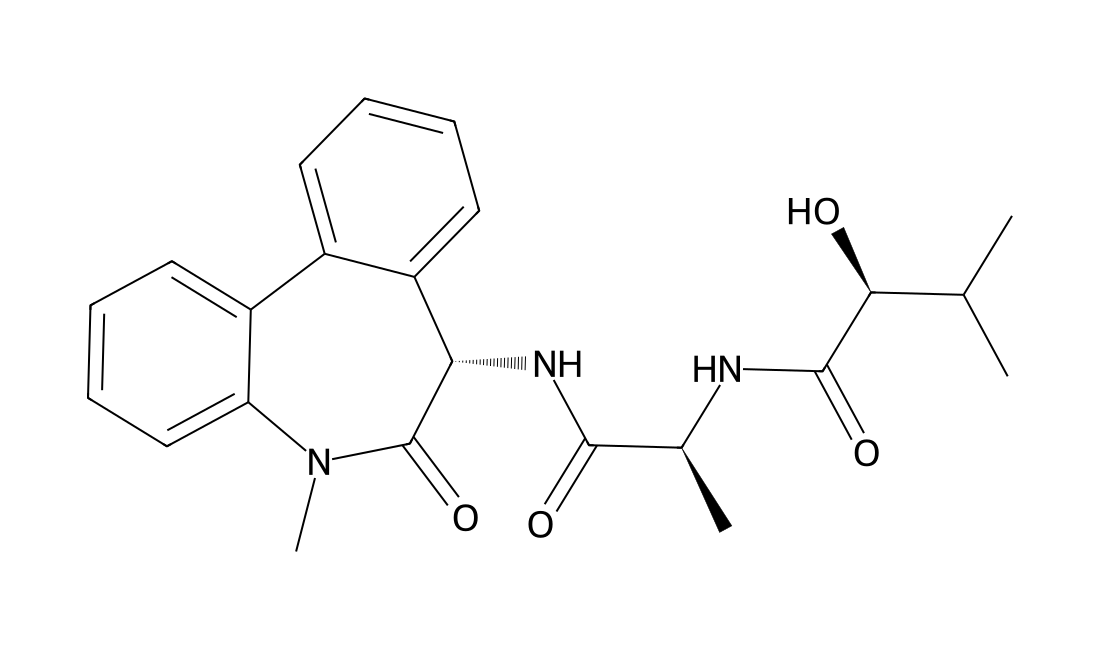
BMS-986158 is an inhibitor of the bromodomain and extra-terminal (BET) proteins. BMS-986158 is an inhibitor of the bromodomain (BRD) and extra-terminal domain (BET) family of proteins, with potential antineoplastic activity. Upon administration, the BET inhibitor BMS-986158 binds to the acetyl-lysine binding site in the BRD of BET proteins, thereby preventing the interaction between BET proteins and acetylated histones. This disrupts chromatin remodeling and prevents the expression of certain growth-promoting genes, resulting in an inhibition of tumor cell growth.

BMS-986158 chemical structure
DC11014

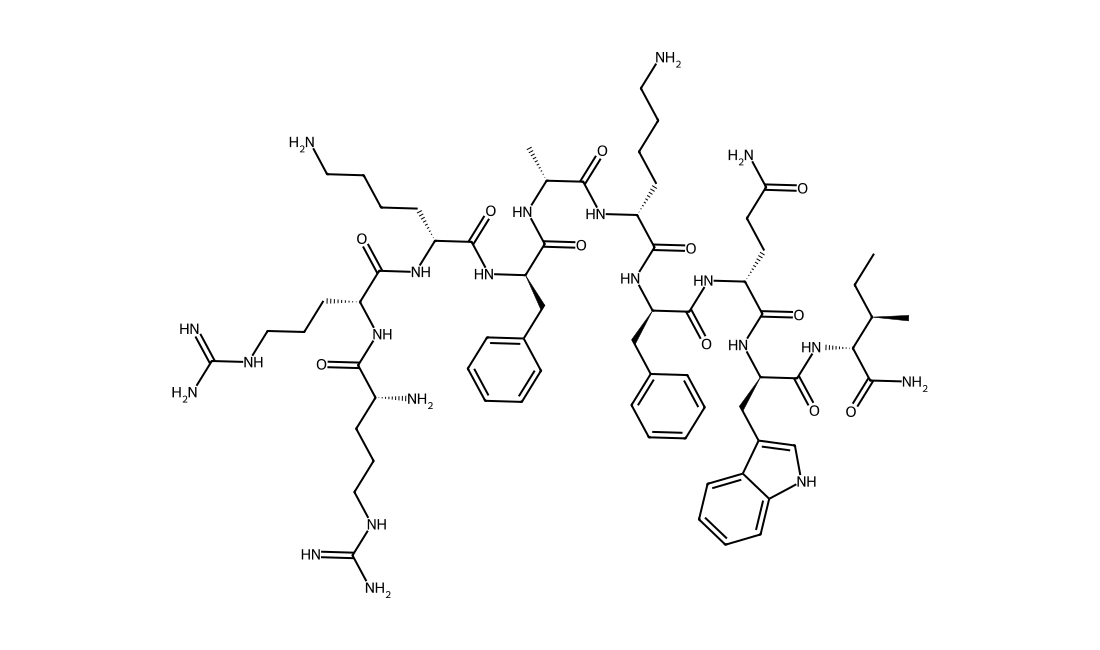
SALL4 peptide FFW

SALL4 peptide FFW (RRKFAKFQWI, FFW peptide) is a potent therapeutic SALL4 peptide antagonist of SALL4-NURD (nucleosome remodeling deacetylase) interaction with target affinity of 23 nM; reverses Transcription Repression by SALL4-RBBp4, disrupts the SALL4-NuRD complex resulted in unidirectional up-regulation of transcripts, turning SALL4 from a dual transcription repressor-activator mode to singular transcription activator mode; displays significant antitumor effects, inhibiting tumor growth by 85% in xenograft mouse models of HCC.

SALL4 peptide FFW chemical structure
DC27002

GDC-0575

CAS 1196504-54-7

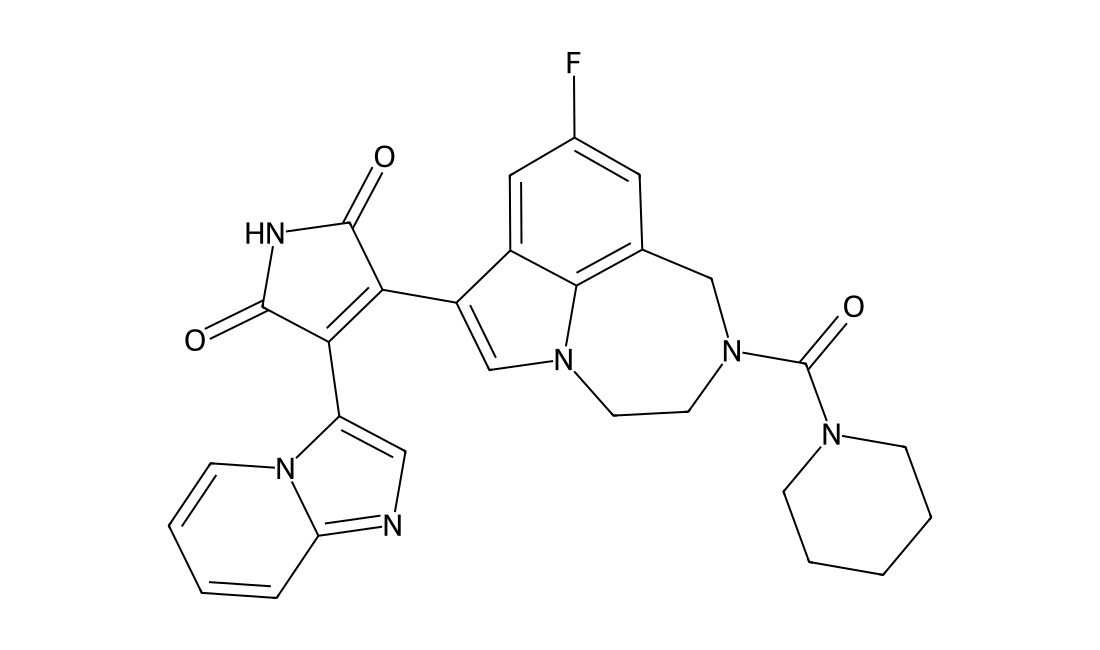
GDC-0575, also known as ARRY-575 and RG7741, is a potent and selective inhibitor of cell cycle checkpoint kinase 1 (Chk1) with an IC50 of 1.2 nM. Chk1 inhibitor GDC-0575 specifically binds to and inhibits Chk1; this may result in tumor cells bypassing Chk1-dependent cell cycle arrest in the S and G2/M phases, which permits the cells to undergo DNA repair prior to entry into mitosis.

GDC-0575 chemical structure
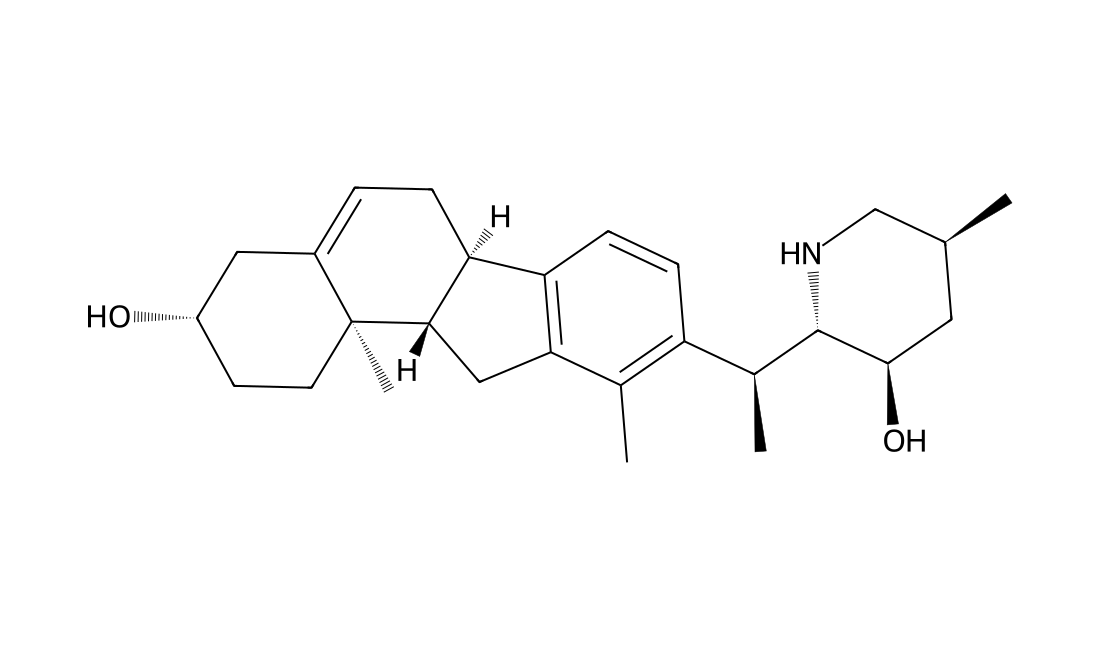
DC10642

VLX1570

CAS 1431280-51-1

In vitro: VLX1570 is an analogue of b-AP15 that shows higher potency and improved solubility. VLX1570 preferentially inhibits proteasomal DUB activity while not inhibiting the activities of a panel of non-proteasomal DUBs. VLX1570 binds to and inhibits the activity of ubiquitin-specific protease-14 (USP14) in vitro, with comparatively weaker inhibitory activity towards UCHL5 (ubiquitin-C-terminal hydrolase-5). Treatment of multiple myeloma cells with VLX1570 induces the accumulation of proteasome-bound high molecular weight polyubiquitin conjugates and an apoptotic response. VLX1570 induces the expression of the chaperone HSP70B′, the oxidative stress marker Hmox-1, and the ER stress marker XBP-1s. VLX1570 is retained in cells after removal of drug and that USP14 was engaged by drug 17 hours after wash-out, as evidenced by thermal stabilization and persistent enzyme inhibition. In vivo: VLX1570 is an inhibitor of proteasome DUB activity currently in clinical trials for relapsed multiple myeloma. Treatment with VLX1570 is found to lead to extended survival in xenograft models of multiple myeloma. The in vivo IC50 for inhibition of proteasome DUB activity and induction of apoptosis is <1 μM, with multiple myeloma cells showing greater levels of sensitivity compared to other tumor types. The lower IC50 for activity in vivo is presumably due to rapid drug uptake and enrichment in cells.

VLX1570 chemical structure
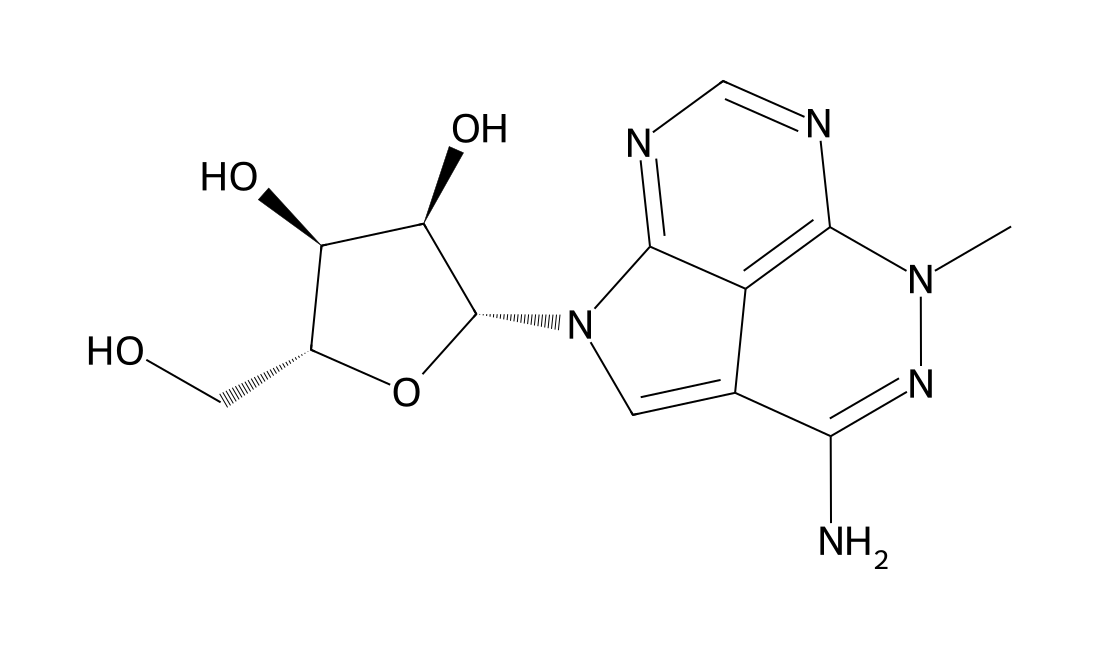
DC8757

Triciribine

CAS 35943-35-2

Triciribine(API-2; NSC 154020) is a DNA synthesis inhibitor, also inhibits Akt and HIV-1 with IC50 of 130 nM and 20 nM, respectively; does not inhibit PI3K/PDK1; 5000-fold less active in cells lacking adenosine kinase.Triciribine, also known as API-2, suppresses the phosphorylation level and kinase activity of Akt. Triciribine is a cell-permeable tricyclic nucleoside that inhibits the phosphorylation, activation, and signalling of Akt-1, -2, and -3. Triciribine does not inhibit PI3-Kinase or PDK1, the direct upstream activators of Akt, nor does it inhibit PKC, PKA, ERK1/2, serum- and glucocorticoid-inducible kinase, p38, STAT3, or JNK signalling pathways. Triciribine induces apoptosis and growth arrest in vitro, preferentially in human cancer cells with elevated levels of Akt. Triciribine potently and selectively inhibits growth of Akt-overexpressing tumors in mice. Triciribine also inhibits DNA synthesis and displays antiviral activity against HIV-1 and -2.

Triciribine chemical structure
DC10150

Tenalisib

CAS 1639417-53-0

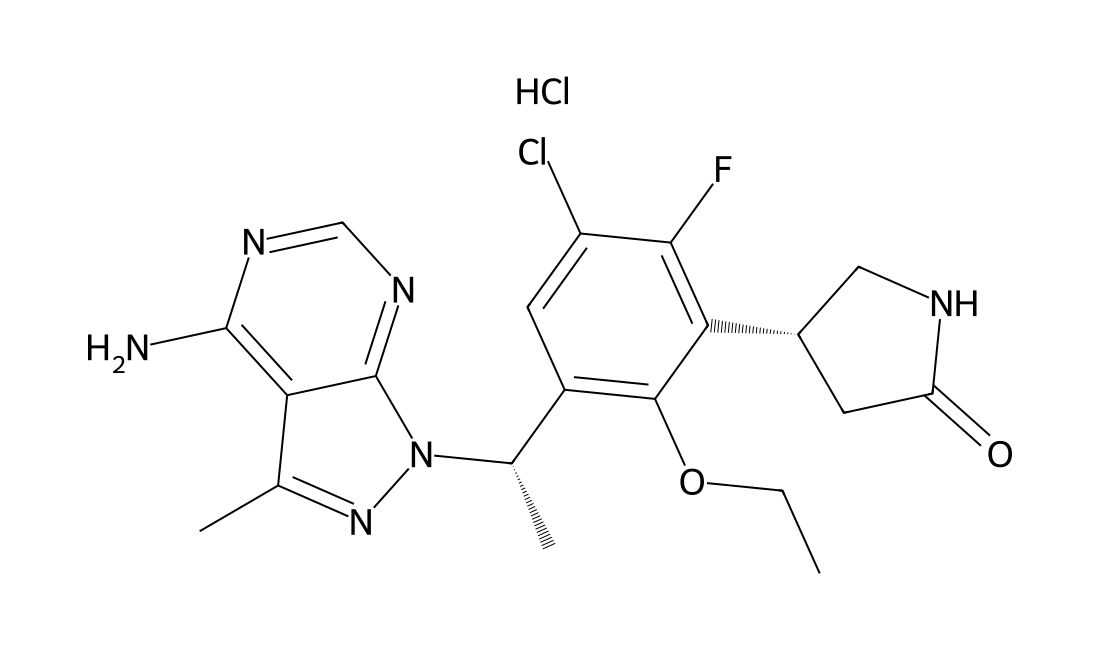
Tenalisib shows selectivity over PI3K α (>300-fold) and β (>100-fold) isoforms. Tenalisib exhibits modest proliferation inhibition (33-46% inhibition @ 10 μM) in both HEL-RS and HEL-RR cells. Addition of 10 μM tenalisib to ruxolitinib is synergistic resulting in a near-complete inhibition of proliferation (>90% for HEL-RS and >70% for HEL-RR). Addition of 5 μM tenalisib, 4 h prior to the addition of ruxolitinib results in a significant reduction in EC50of ruxolitinib (5.8 μM) in HEL-RR cells. Incubation of 10 μM tenalisib with ruxolitinib for 72 h increases the percent of apoptotic cells (55% in HEL-RS and 37% in HEL-RR) compared to either agent alone (16-27% in HEL-RS and 17-21% in HEL-RR).Tenalisib has been well tolerated in subjects with heavily pre-treated relapsed/refractory hematologic malignancies. Reported toxicities are manageable with no DLTs. Single agent activity is evident in difficult-to-treat subjects at ≥ 200 mg BID.

Tenalisib chemical structure
DC10444

Sapacitabine (CYC682)

CAS 151823-14-2

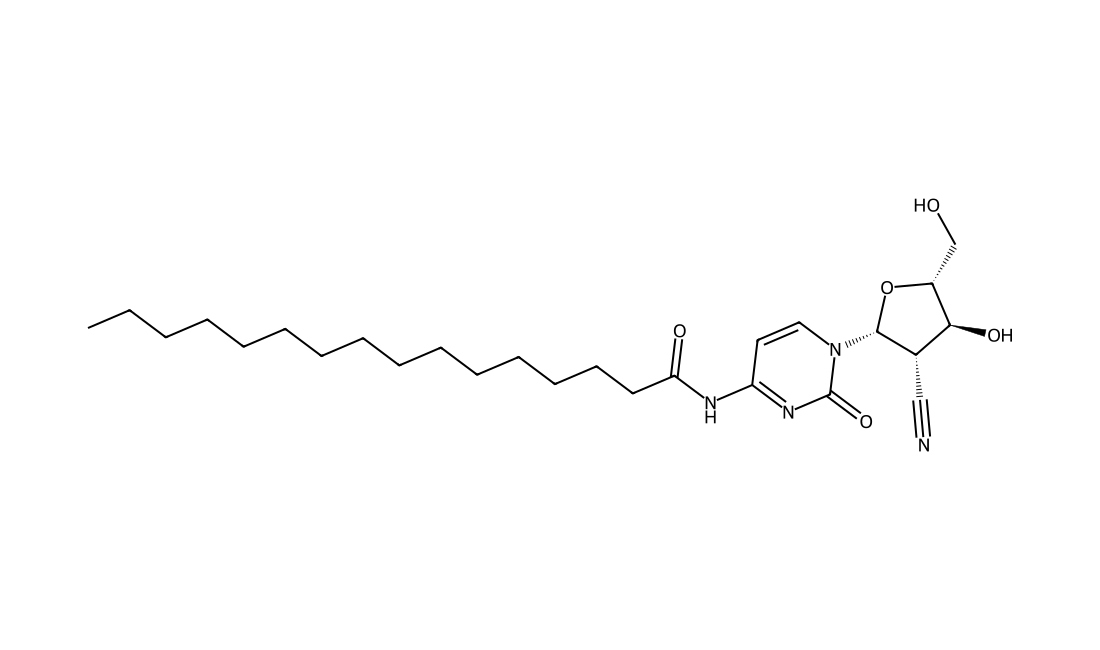
Sapacitabine is unique in that it is an orally available nucleoside analog prodrug of CNDAC that acts through a dual mechanism. As a prodrug, it exhibits the therapeutic effect upon being metabolized; CNDAC lasts longer in the bloodstream by being metabolized from sapacitibine than by being directly administered. The compound interferes with DNA synthesis by causing single-strand DNA breaks due to CNDAC being incorporated into DNA during replication or repair,then inducing arrest of the cell division cycle at G2 phase.oth sapacitabine and its major metabolite, CNDAC, have demonstrated potent anti-tumor activity in both blood and solid tumors in preclinical studies. In a liver metastatic mouse model, sapacitabine was shown to be superior to gemcitabine (Gemzar; Lilly) or 5-FU, two widely used nucleoside analogs, in delaying the onset and growth of liver metastasis.

Sapacitabine (CYC682) chemical structure
DC12279

S55746 hydrochloride (BLC201 (hydrochloride))

CAS 1448525-91-4

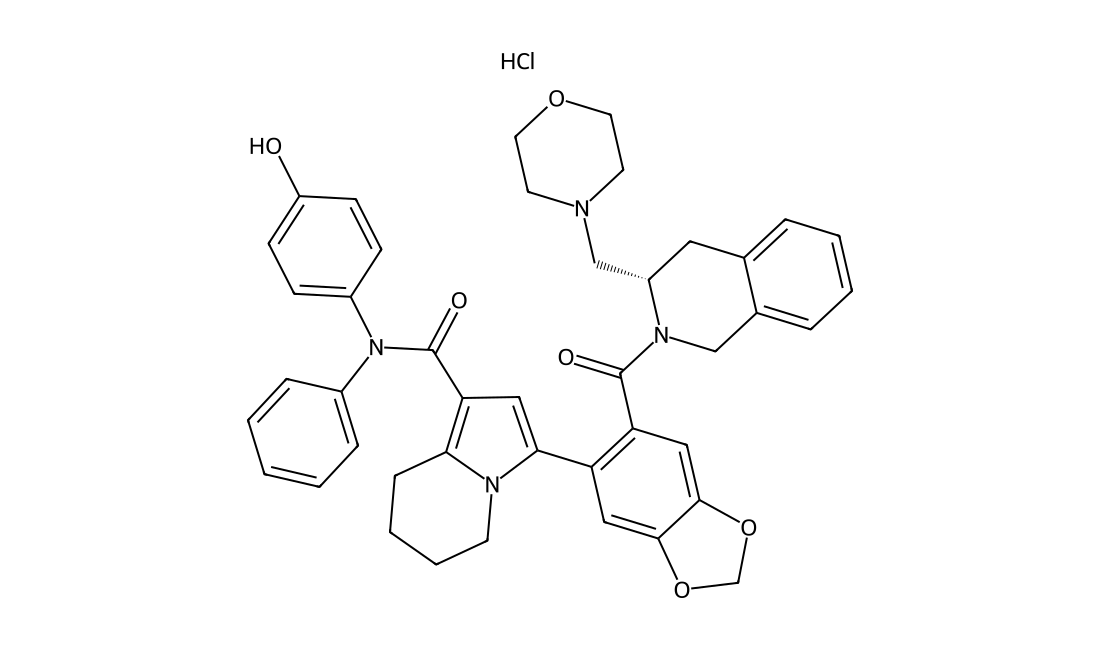
In Vitro S55746 hydrochloride is a potent, orally active and selective BCL-2 inhibitor, with Kis and Kds of 1.3 nM, 520 nM and 3.9 nM, 186 nM for BCL-2 and BCL-XL, respectively. S55746 selectively induces cell death. S55746 potently causes RS4;11 cell killing with an IC50 of 71.6 nM after 72 h of treatment, but shows a much weaker activity in H146 (IC50 1.7 μM), a BCL-XL-dependent cell line. S55746 also selectively induces apoptosis through BCL-2 inhibition in a BAX/BAK-dependent manner. S55746 (3 nM) induces cell death in CLL cells. In Vivo S55746 is a highly efficacious and well-tolerated orally active BCL-2 inhibitor. S55746 (25 and 100 mg/kg, p.o.) inhibits xenograft growth in RS4;11 and Toledo models.
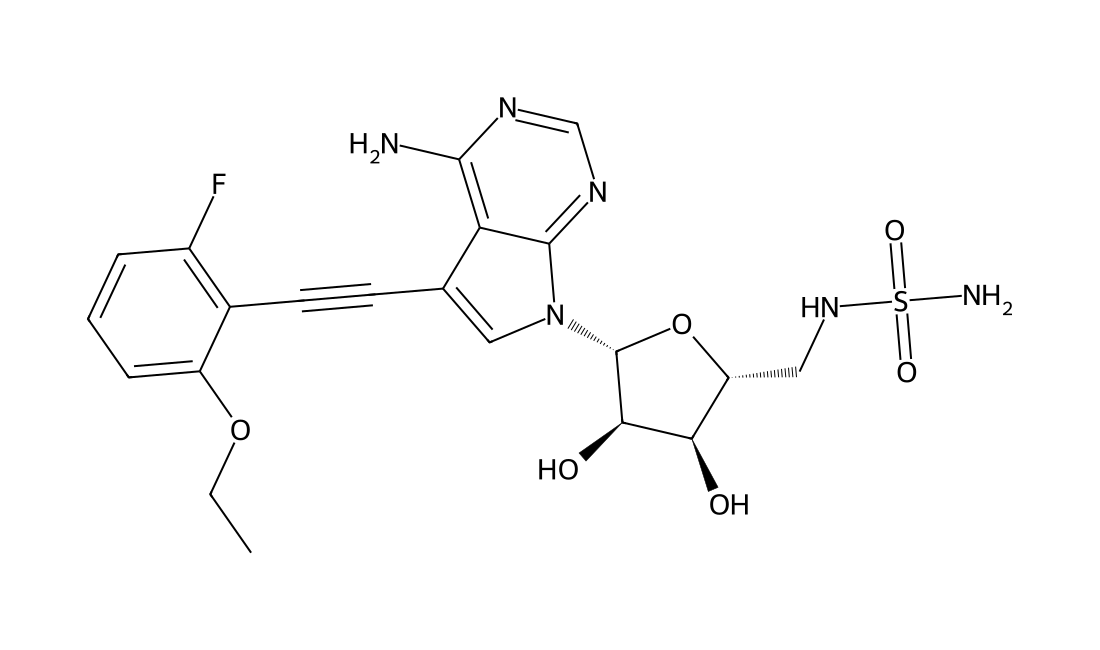
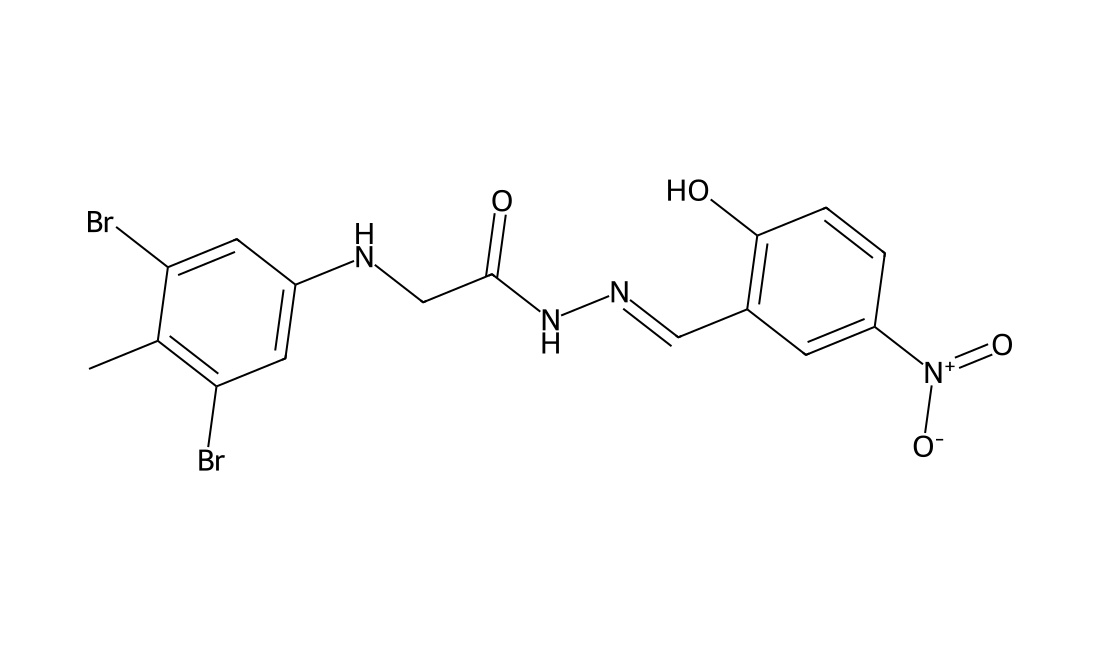
S55746 hydrochloride (BLC201 (hydrochloride)) chemical structure
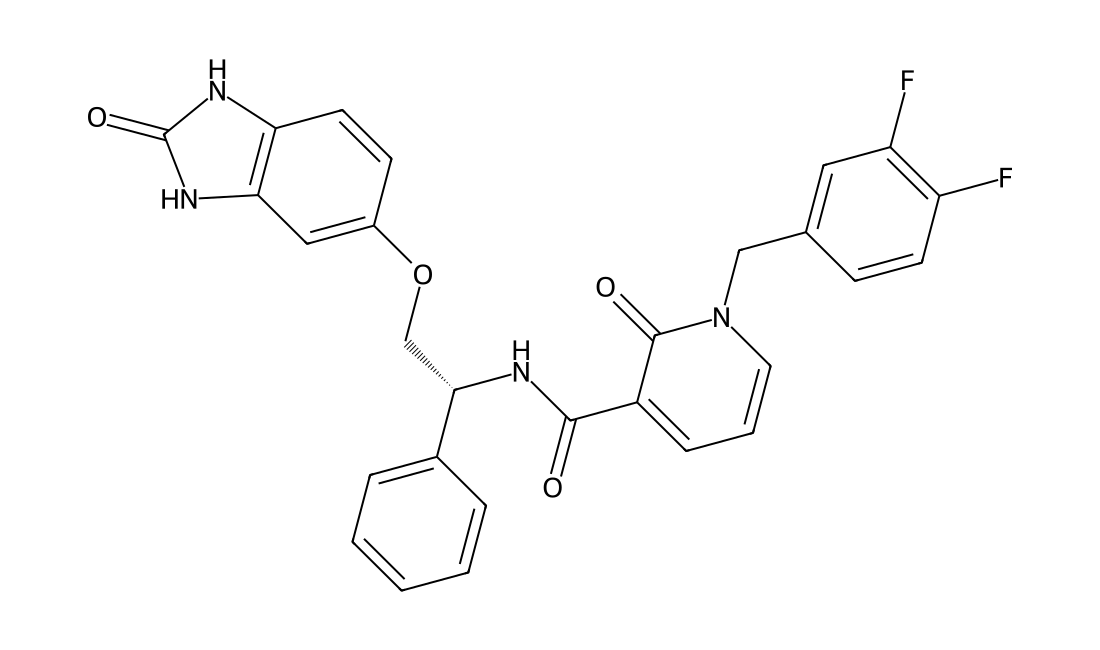
DC5139

QS 11 (QS11,BML-WN117)

CAS 944328-88-5

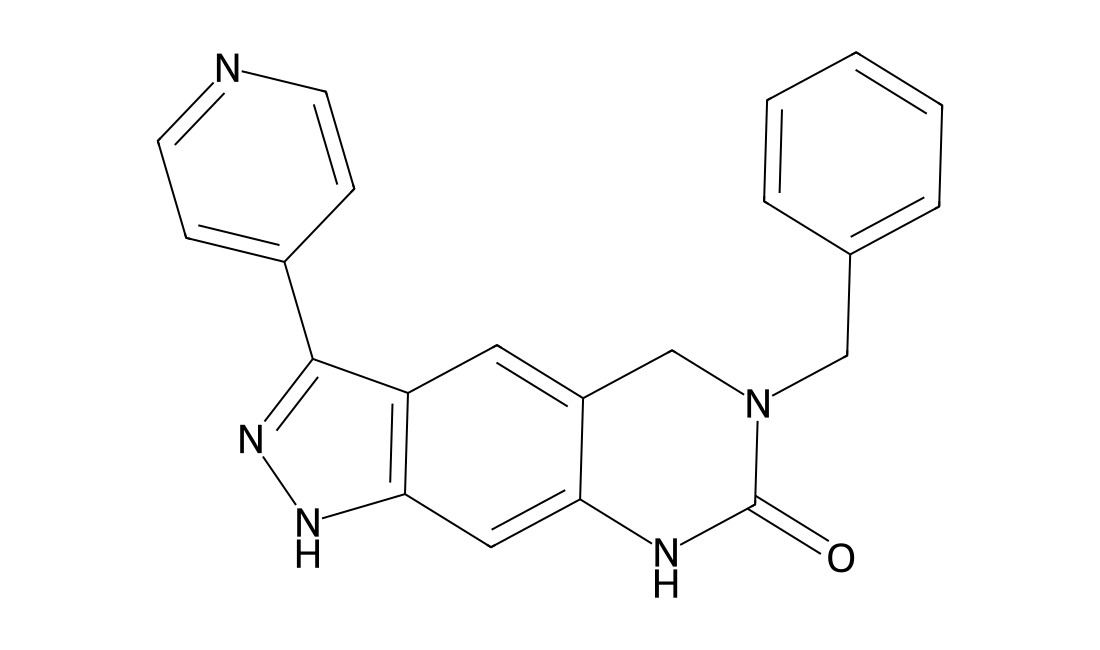
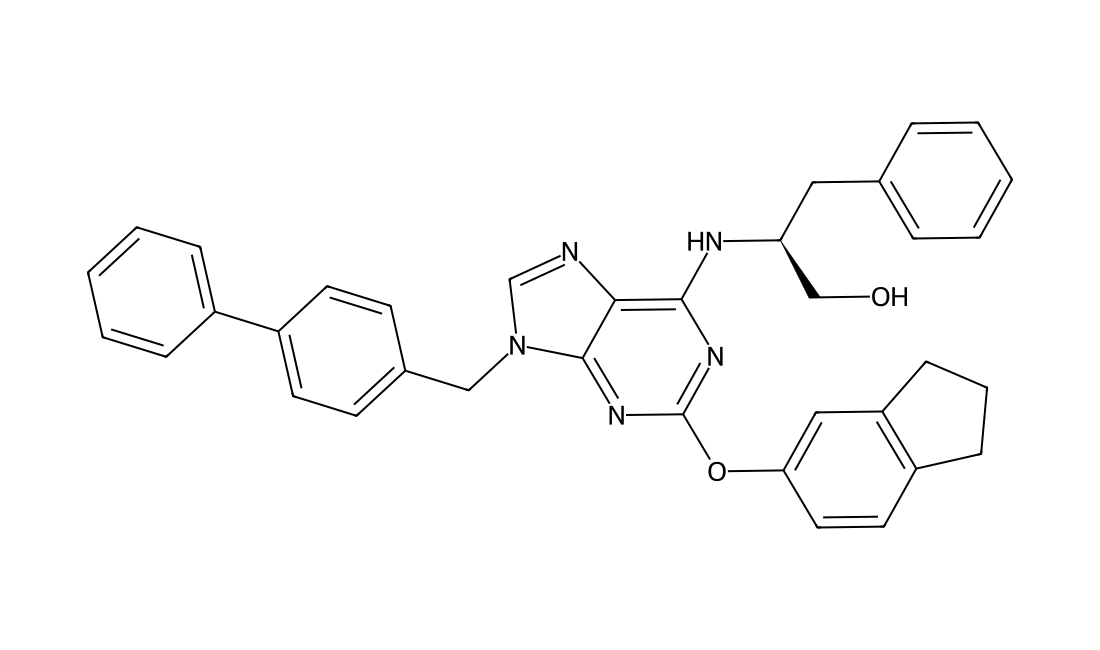
QS 11 is a GTPase activating protein of ADP-ribosylation factor 1 (ARFGAP1) inhibitor. Modulates ARF-GTP levels and synergizes with the Wnt/β-catenin signaling pathway to upregulate β-catenin nuclear translocation. Also reduces in vitro migration of metastatic human breast cancer cells.For the detailed information of QS 11 (QS11,BML-WN117), the solubility of QS 11 (QS11,BML-WN117) in water, the solubility of QS 11 (QS11,BML-WN117) in DMSO, the solubility of QS 11 (QS11,BML-WN117) in PBS buffer, the animal experiment (test) of QS 11 (QS11,BML-WN117), the cell expriment (test) of QS 11 (QS11,BML-WN117), the in vivo, in vitro and clinical trial test of QS 11 (QS11,BML-WN117), the EC50, IC50,and Affinity of QS 11 (QS11,BML-WN117), Please contact DC Chemicals.

QS 11 (QS11,BML-WN117) chemical structure
DC9430

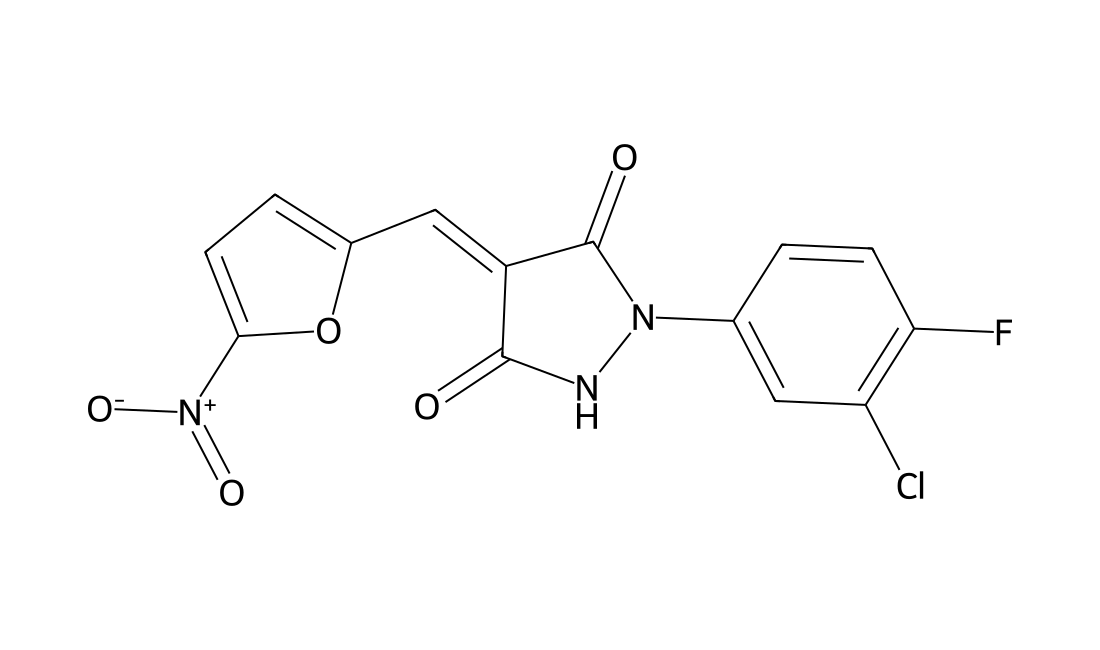
PYZD-4409

CAS 423148-78-1

PYZD-4409 is a novel small molecule inhibitor of Ubiquitin-activating enzyme UBA1/E1 enzyme with an IC50 of 20 uM (cell-free enzymatic assay). in vitro: PYZD-4409 inhibited the ATP-dependent activation of ubiquitin and subsequent transfer of the activated ubiquitin from the E1 to the common human E2 enzyme UBE2E2 in a gel-based assay. The IC50 of inhibition was estimated to be 20μM in a cell-free enzymatic assay. Suggesting specificity of PYZD-4409 for the E1 enzyme, the compound had no effect on unrelated enzymes such as α-Mannosidase II glycosylation enzyme or Luciferase at concentrations up to 100μM (data not shown). It also did not inhibit the summo E1, Uba2, at concentrations up to 100μM. In 5 of 8 leukemia and myeloma cell lines, PYZD-4409 induced cell death with a LD50 less than 10μM. Myeloma cell lines were particularly sensitive to E1 inhibition because PYZD-4409 induced cell death with 3 of 4 myeloma cell lines (ie, LP1, KMS11, and U226) having an LD50 of 3μM or less. In contrast, solid tumor cell lines were less sensitive with an LD50 of approximately 15 to 20μM. in vivo: SCID mice were injected subcutaneously with MDAY-D2 murine leukemia cells and then treated with PYZD-4409 (10 mg/kg) or buffer control intraperitoneally daily on alternate days over 8 days. Sixteen days after tumor implantation, the mice were killed, and the tumors excised and weighed. Compared with control-treated mice, treatment with PYZD-4409 delayed tumor growth and decreased tumor weight without untoward toxicity. Inhibition of the E1 can achieve an antitumor effect in vivo.
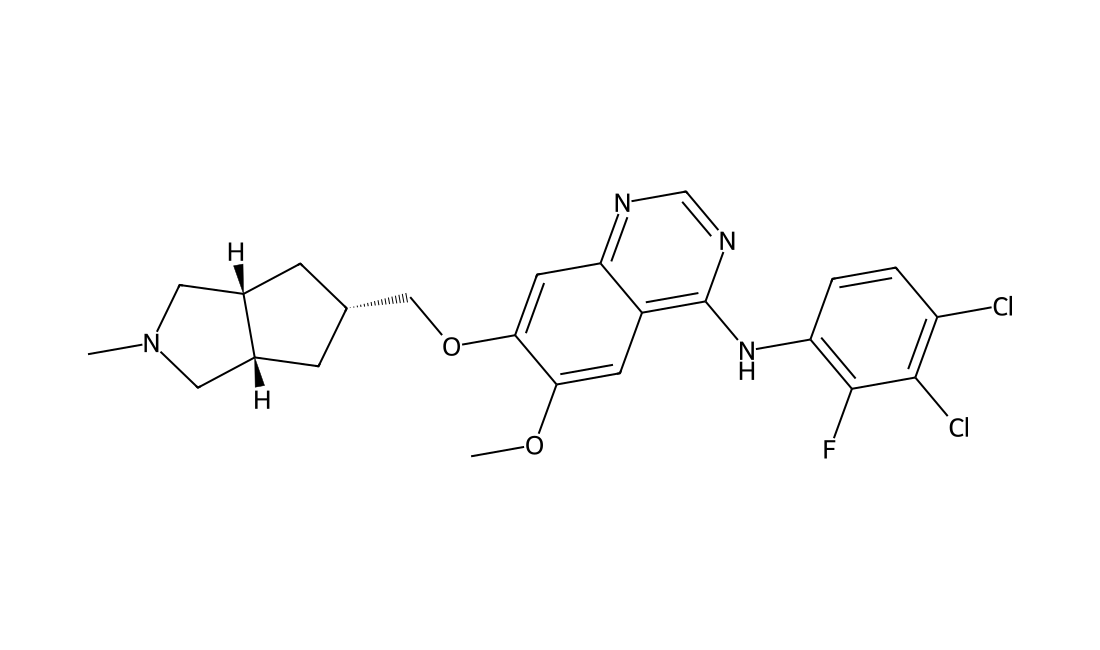
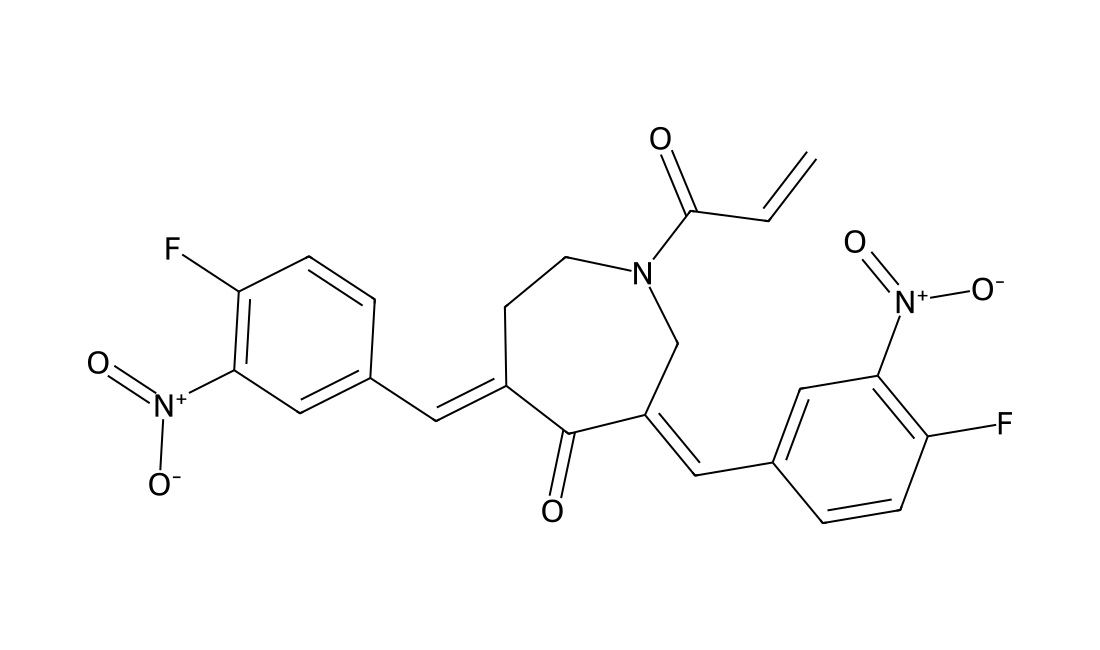
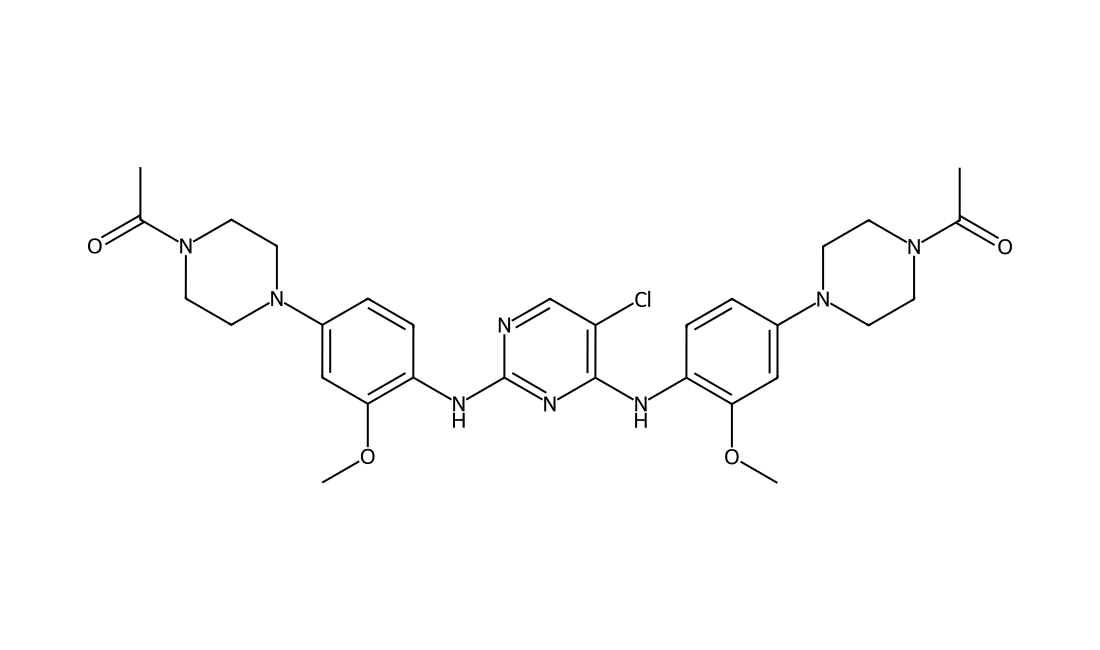
PYZD-4409 chemical structure
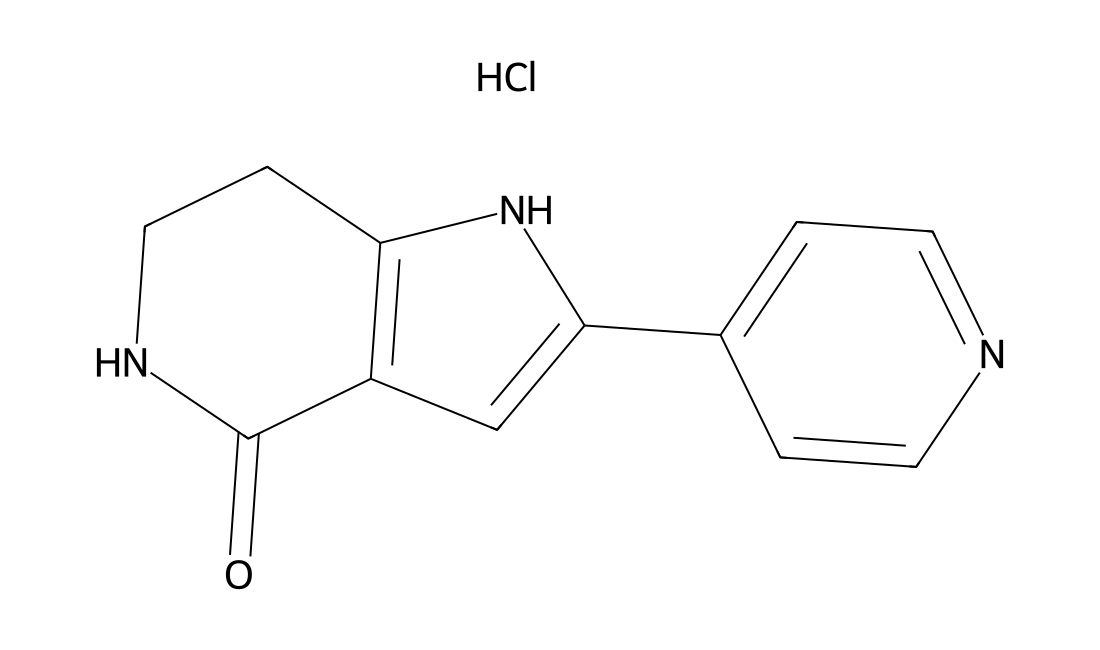
DC9391

PHA-767491 (hydrochloride)

CAS 942425-68-5

PHA-767491 (CAY10572) Hcl is a potent, ATP-competitive dual Cdc7/Cdk9 inhibitor with IC50 values of 10/34 nM. in vitro: PHA-767491 displays approximately 20-fold selectivity for Cdk1, Cdk2 and GSK3-β, 50-fold selectivity for MK2 and Cdk5 and 100-fold selectivity for PLK1 and CHK2. PHA-767491 inhibits cell proliferation in a variety of human cell lines with IC50 of 0.86 μM for SF-268 to 5.87 μM for K562, and significantly induces apoptosis in a p53-independent manner in almost all cell lines in contrast with 5-FU or gemcitabine which only works in a few of cell lines. Unlike current DNA synthesis inhibitors, PHA-767491 treatment at 5 μM blocks the initiation of DNA replication but not replication fork progression, due to specific inhibition of Cdc7 kinase and Mcm2 phosphorylation at the Cdc7-dependent Ser40 site. The direct mitochondrial dependent pro-apoptosis effect of PHA-767491 is also observed when applied at 1 μM in quiescent chronic lymphocytic leukemia (CLL) cells through the similar mechanism with EC50 of 0.34-0.97 μM. While in proliferating CLL cells stimulated by CD154 and interleukin-4, PHA-767491 treatment at 5 μM abolishes DNA synthesis by inhibiting Cdc7 rather than triggering cell death. The up-regulated Mcl-1 levels in ABT-737-resistant OCI-LY1 and SU-DHL-4 cells can be significantly decreased by PHA-767491 treatment at 3 μM possibly due to the inhibition of Cdk9, leading to the restoration of the sensitivity to ABT-737. in vivo: Administration of PHA-767491 twice a day for 5 days significantly inhibits the growth of HL60 xenograft in a dose-dependent manner with TGI of 50% and 92% at dose of 20 mg/kg and 30 mg/kg, respectively, the effect of which is also marked in A2780, Mx-1, and HCT-116 xenograft models as well as the DMBA-induced mammary carcinomas, and correlates with Cdc7 inhibition and subsequently decreased phosphorylation of Mcm2 at the Cdc7-dependent site Ser40.

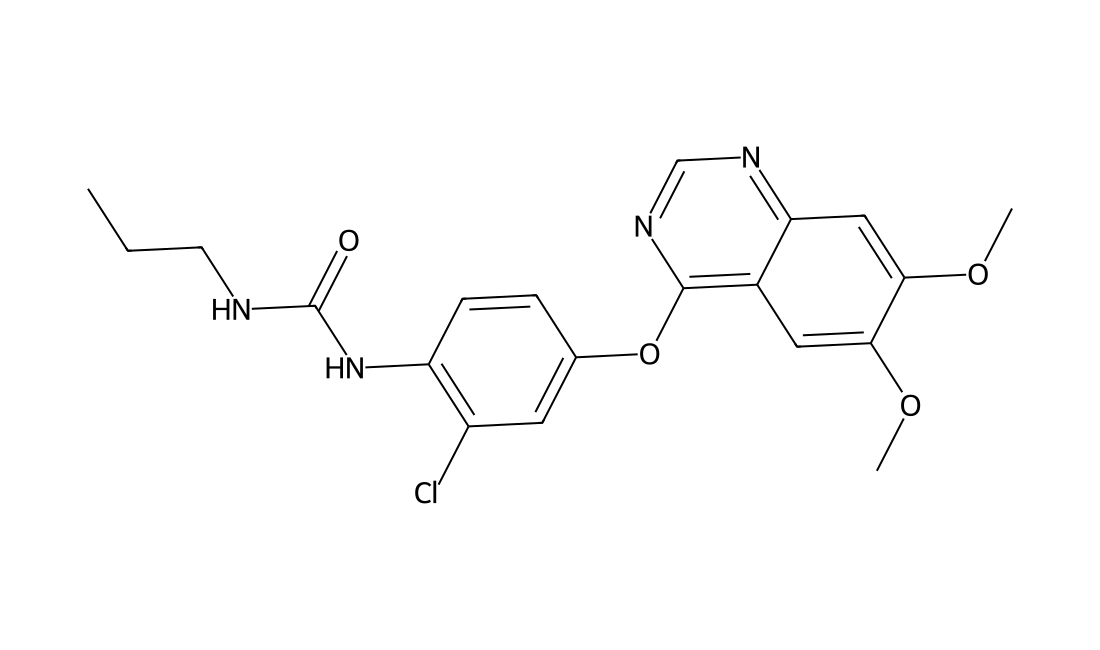
PHA-767491 (hydrochloride) chemical structure
Browse target & topic index A–Z (366)
11β-HSD (1)15-PGDH (2)5-HT Receptor (16)Acetyl-CoA Carboxylase (ACC) (3)Acetylcholinesterase (AChE) (2)Ack1 (TNK2) (1)Acyltransferase (1)ADC Cytotoxin (6)ADCs Linker/Click Chemistry (5)Adenosine Receptor (9)Adenylate Cyclase (2)Adrenergic Receptor (11)Akt (12)Alcoholism (2)Aldehyde Dehydrogenase (ALDH) (6)Allergy (5)Alzheimer Disease (13)Aminopeptidase (1)AMPK (8)Amyloids (4)Anaplastic Lymphoma Kinase (ALK) (9)Androgen Receptor (AR) (11)Anemia (4)Angiotensin Receptor (4)Antibody/Protein labeling dyes (1)Antifolate (2)Anxiety (1)Apoptosis Inducer (3)Arginase (1)Arp2/3 complex (1)Aryl hydrocarbon Receptor (AhR) (1)Asthma (5)Atherosclerosis (2)ATM/ATR (8)Aurora Kinase (10)Autophagy (6)Autophagy-related Protein (Atg) (2)Autotaxin (2)Bacterial (26)Bacterial Infection (17)Bcl-2 (14)Bcr-Abl (5)BCRP (1)Beta-catenin (4)Beta-secretase (BACE) (4)Blood Cancer (91)BMI-1 (1)Bone Cancer (6)Brain Cancer (6)Breast Cancer (30)Bromodomain (22)BTK (10)c-Fms (CSF1R) (5)c-Fos/AP-1 (1)c-Kit (6)c-Met (HGFR) (11)c-Myc (2)Calcium Channel (4)Calcium-sensing Receptor (CaSR) (1)CaMK (4)Cannabinoid Receptor (6)Carbonic Anhydrase (1)Carboxypeptidase (1)Casein Kinase (6)Caspase (4)Cathepsin (6)Cdc2-like Kinase (CLK) (1)CETP (2)CFTR (7)Checkpoint Kinase (Chk) (8)Chemokine Receptor (CCR and CXCR) (14)Chemotherapeutic Agents (19)Chloride Channel (1)CMV (2)CMV Infection (2)Colon Cancer (9)Complement System (1)COPD (3)CREB/CBP (2)CRF Receptor (2)CRISPR/Cas9 (1)Cushing Disease (1)Cyclin-dependent Kinase (CDK) (39)Cyclooxygenase (COX) (4)Cytochrome P450 (CYPs) (5)Depression (2)Dermatitis (2)Deubiquitinase (DUB) (7)Diabetes (20)Dipeptidyl Peptidase (DPP) (3)Discoidin Domain Receptor (DDR) (1)DNA Alkylator/Crosslinker (10)DNA Methyltransferase (DNMT) (1)DNA Repair Protein (1)DNA-PK (2)DNA/RNA Synthesis (5)Dopamine beta-hydroxylase (1)Dopamine Receptor (7)Drug Metabolite (1)Drug-Linker Conjugates (11)Dyes (4)DYRK (1)Dyslipidemia (9)E3 Ligase Ligand (6)E3 Ligase Ligand-Linker Conjugate (1)E3 Ubiquitin Ligase (4)Ebola Virus Infection (1)EGFR (32)Elastase (2)Endothelin Receptor (5)Enzymes substrates (13)Epigenetic Reader Domain (3)Epilepsy (4)ERK (4)Estrogen Receptor/ERR (13)Eukaryotic Initiation Factor (eIF) (2)Exportin-1 (CRM1,XPO1) (2)FABP (1)Factor Xa (5)Farnesoid X Receptor (FXR) (5)Farnesyl transferase (FTase) (1)Ferroptosis (6)FGFR (20)Fibrosis (5)FLT3 (6)Focal Adhesion Kinase (FAK) (11)Foxo1 (1)Free Fatty Acid Receptor (FFAR) (5)Fungal (2)Fungal Infection (1)GABA Receptor (13)Galectin (1)Gastric Cancer (8)Ghrelin Receptor (GHSR) (3)Glucagon Receptor (4)Glucokinase (2)Glucose Transporter (GLUT) (2)Glutamate Transporter (2)GPCR (1)GPER (GPR30) (1)GPR139 (1)GPR183 (EBI2) (2)GPR39 (1)GPR55 (1)GPR84 (1)GRK (GPCRK) (2)Growth Hormone Deficiency (2)GSK-3 (8)Guanylate Cyclase (3)HBV (1)HBV Infection (1)HCN Channel (2)HCV (8)HCV Infection (9)HDAC (38)Heart Arrhythmia (2)Heart Failure (5)Heat Shock Protein (HSP) (15)Hedgehog (Hh) (1)HIF/HIF Prolyl-hydroxylase (8)Histamine Receptor (6)Histone Acetyltransferase (HAT) (5)Histone Demethylase (11)Histone Methyltransferase (HMTase) (31)HIV (12)HIV Infection (11)HMG-CoA Reductase (HMGCR) (3)HSV (1)HSV Infection (1)Hypercholesterolemia (1)Hyperparathyroidism (1)Hypertension (8)IAP (1)IGF-1R (3)iGluR (15)Indoleamine 2,3-Dioxygenase (IDO) (4)Infection (1)Influenza (6)Influenza Virus (6)Insulin Receptor (2)Integrin (6)Interleukin Receptor (1)IRAK (2)IRE1 (4)Irritable Bowel Syndrome (2)Ischemia (1)Isocitrate Dehydrogenase (IDH) (5)ITK (1)IκB kinase (IKK) (7)JAK (32)JNK (3)Keap1-Nrf2 (6)Kidney Cancer (10)Kinesin (5)Kruppel-like Factor (KLF) (1)Kynurenine 3-Monooxygenase (KMO) (1)Leukotriene Receptor (1)LIM Kinase (LIMK) (3)Lipids fragment (1)Liver Cancer (6)Liver X Receptor (LXR) (3)LRRK2 (9)Lung Cancer (39)Lysophospholipid Receptor (12)LYTACs (3)mAChR (9)MALT1 (2)MAP4K (1)Matrix Metalloproteinase (MMP) (10)MDM2-p53 (9)MEK (MAP2K) (14)MEKK (MAP3K) (1)Melanocortin Receptor (2)MELK (1)mGluR (7)MicroRNA (1)Microtubule/Tubulin (5)Mineralocorticoid Receptor (MLR) (1)MITF (1)Mixed Lineage Kinase (MLK) (3)MNK (2)Molecular Glues (21)Monoamine Transporter (5)Monocarboxylate Transporter (MCT) (1)Monopolar Spindle 1 (Mps1/TTK) (3)mTOR (13)Multiple Sclerosis (6)Myosin (1)Na-K-Cl Cotransporter (NKCC) (2)nAChR (2)NADPH Oxidase (NOX) (2)NAMPT (3)Natural products (37)Neprilysin (1)Neurokinin Receptor (3)Neuropeptide Y Receptor (3)NF-κB (5)Nitric Oxide Synthase (NOS) (1)NOD-like Receptor (NLR) (3)Notch (2)Nucleoside Antimetabolite/Analog (10)Nur77 (NR4A1) (1)Obesity (1)Oct3/4 (1)Opioid Receptor (5)Orexin Receptor (7)Osteoporosis (2)Ovarian Cancer (14)Oxytocin Receptor (OXTR) (2)P-glycoprotein (P-gp) (3)p21-activated Kinase (PAK) (1)P2X Receptor (2)P2Y Receptor (1)p38 MAPK (10)p97/VCP (1)Pain (12)Pancreatic Cancer (10)Parasite (5)Parasite Infection (2)Parkinson Disease (2)PARP (19)PCSK9 (1)PD-1/PD-L1 (4)PDGFR (4)PDK1 (2)PEGn (1)PERK (2)PGE synthase (2)Phosphodiesterase (PDE) (9)Phospholipase (4)PI3K (32)PI4K (2)Piezo Channel (1)PIKfyve (3)Pim (9)PKC (12)PKD (1)Plasminogen Activator Inhibitor-1 (PAI-1) (3)Polo-like Kinase (PLK) (4)Porcupine (3)Potassium Channel (13)PPAR (13)Pregnane X Receptor (PXR) (1)Progesterone Receptor (2)Prostaglandin Receptor (11)Prostate Cancer (7)PROTACs (35)Protease-activated Receptor (PAR) (3)Proteasome (12)Protein Disulfide Isomerase (PDI) (1)Protein Phosphatase/PTP (6)Proton Pump (1)Psoriasis (5)RAD51 (1)Radioligand precursors (15)Raf (18)RAR/RXR (3)Ras (17)Renin (2)RET Tyrosine Kinase (c-RET) (3)Rheumatoid Arthritis (16)Ribosomal S6 Kinase (RSK) (5)RIG-I-like Receptor (RLR) (2)RIP kinase (7)ROCK (12)ROR (2)RSV (4)RSV Infection (3)RUNX1-CBFβ (1)S-nitrosoglutathione reductase (GSNOR) (1)Saccharides and Glycosides (1)Salt Inducible Kinase (SIK) (2)SARS-CoV (16)SARS-CoV Infection (34)Schizophrenia (4)Sexual Dysfunction (1)SGLT (4)Sigma Receptor (4)Sirtuin (9)Skin Cancer (13)Sleep Disorder (7)SMN2 Modulator (1)Smoothened (Smo) (9)Sodium Channel (12)Solid Tumors (35)Somatostatin Receptor (2)Sphingosine kinase (SphK) (2)Src (7)STAT (5)Stearoyl-CoA Desaturase (SCD) (1)Steatohepatitis (7)Sterol lipids (1)STING (14)Syk (6)T Cell Receptor (TCR) (1)TAK1 (2)TAM Receptor (Tyro3-Axl-Mer) (4)Taste Receptor (1)Telomerase (2)TGF beta Receptor (TGFBR) (12)Thrombin (3)Thrombosis (13)Thyroid Cancer (1)Thyroid Hormone Receptor (THR) (1)Thyrotropin Receptor (2)TNIK (1)Toll-like Receptor (TLR) (2)TOPK (1)Topoisomerase (11)TRAIL (1)Translocator Protein (TSPO) (1)Trk Receptor (4)TRP Channel (13)Tryptophan Hydroxylase (TPH) (1)Ubiquitin-activating Enzyme (E1) (2)Ubiquitin-conjugating Enzyme (E2) (2)Ulcer (1)ULK (3)Vasopressin Receptor (2)VEGFR (25)Vitamin D Receptor (VDR) (3)Wee1 (1)WNK Kinase (1)Wnt (5)Yes-associated Protein (YAP) (4)γ-secretase (5)

Cart

Request quotation