Home/Small Molecules/Cancer Research

Cancer Research

Compounds with documented oncology research applications.

Browse all research categories

Browse by research category

Products may appear in more than one category. Counts refer to distinct catalog numbers within each category.

Other Research Tools (75) · Additional reagents, building blocks and specialized research tools.

New literature-derived products

LC-MG-1 (DCA0006) · LC-MG-4 (DCA0007) · LC-MG-9 (DCA0008)

View structure and evidence summaries →

Cancer Research products

Combine a keyword, research category and target to narrow the product list.

Loading catalog filters…

1,049 products · Showing 913–960

DC70350

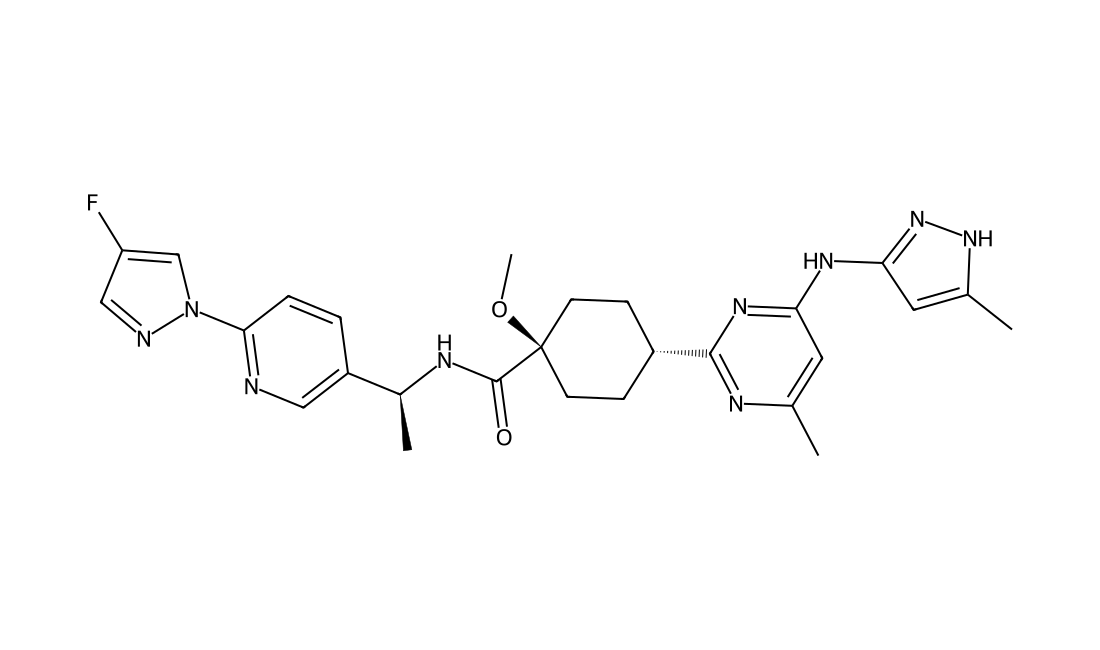
Debio 0123

CAS 2243882-74-6

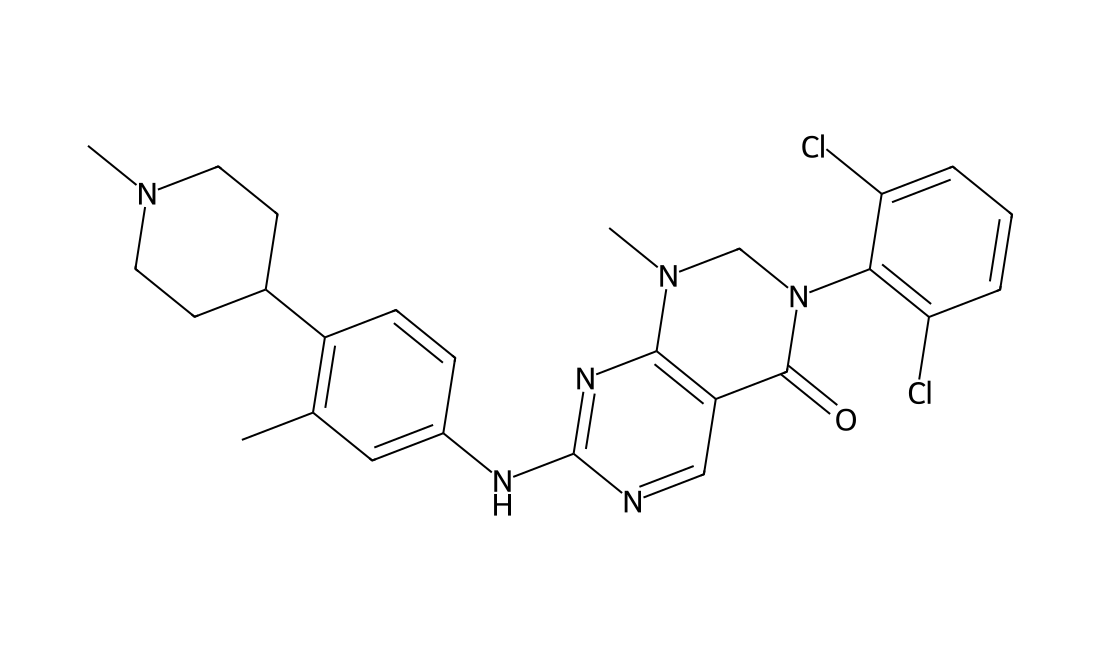
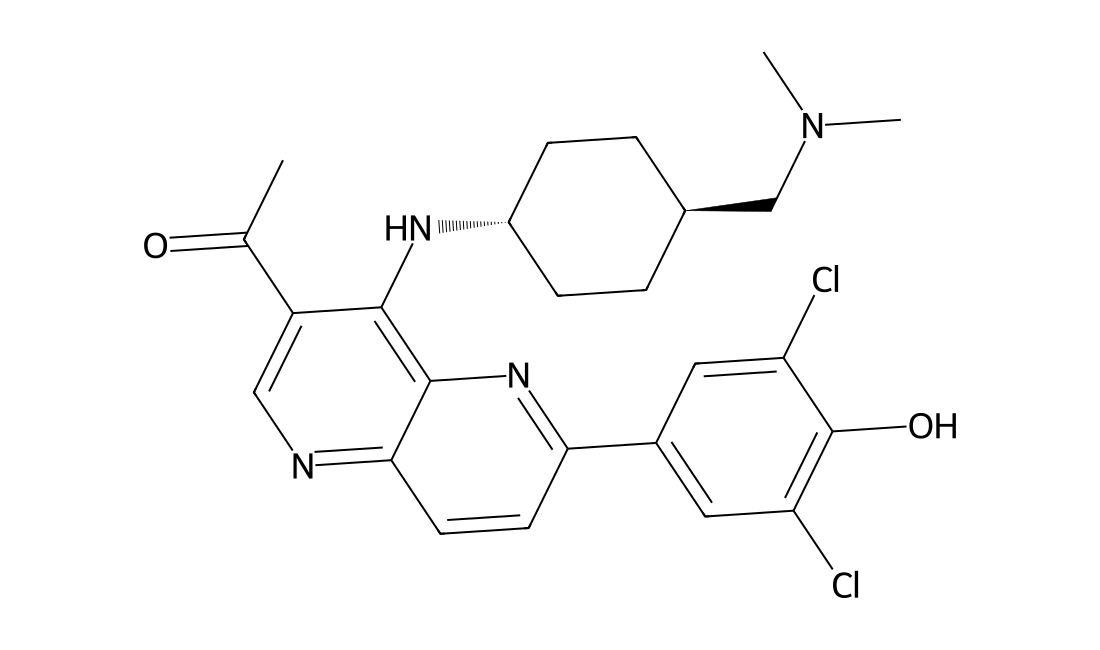
Debio 0123 (Debio0123) is a potent, orally available, and highly selective Wee1 kinase inhibitor with IC50 of 0.8 nM, Ki of 0.1 nM.Debio 0123 is highly selective to Wee1 on 465 selected kinases in a cellfree system, does not inhibit Plk1 and Plk2, as also reported in recent publications for AZD1775.Debio 0123 exhibits in vitro growth inhibition activity in a broad number of human cancer cell lines (IC50= 0.109 to 7.08 uM).Debio 0123 prevent CDC2 / Cdk1 phosphorylation, induces γH2AX and enhances phosphorylation of histone H3.Debio 0123 induces apoptosis through mitotic catastrophe following cell cycle progression despite accumulation of unrepaired DNA damage both in vitro and in vivo.

Debio 0123 chemical structure
DC65337

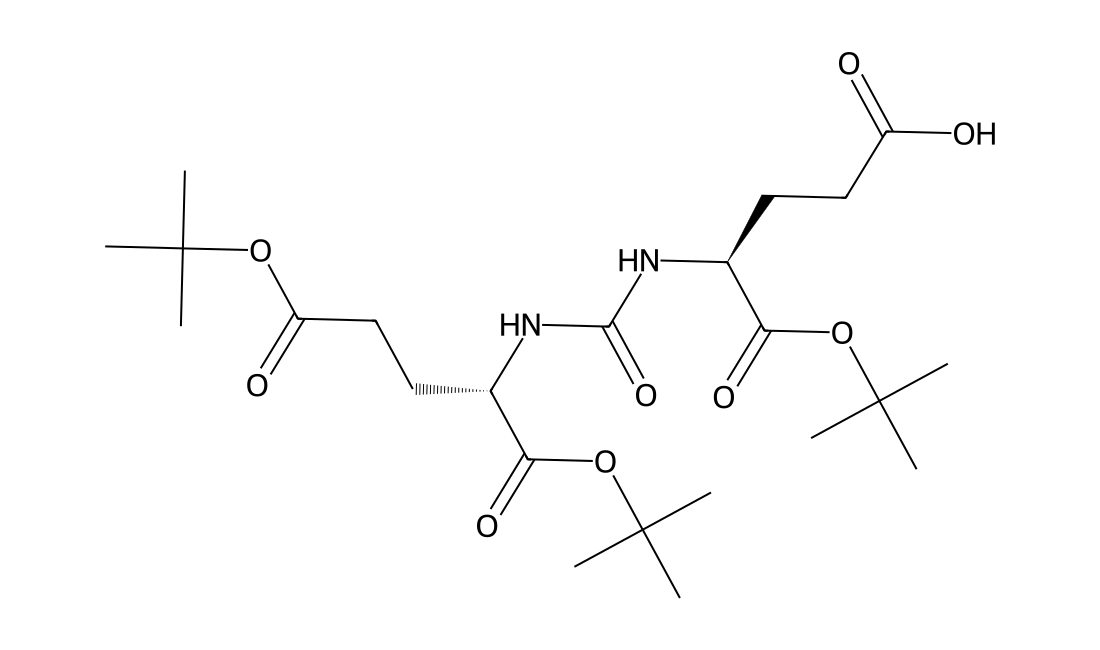
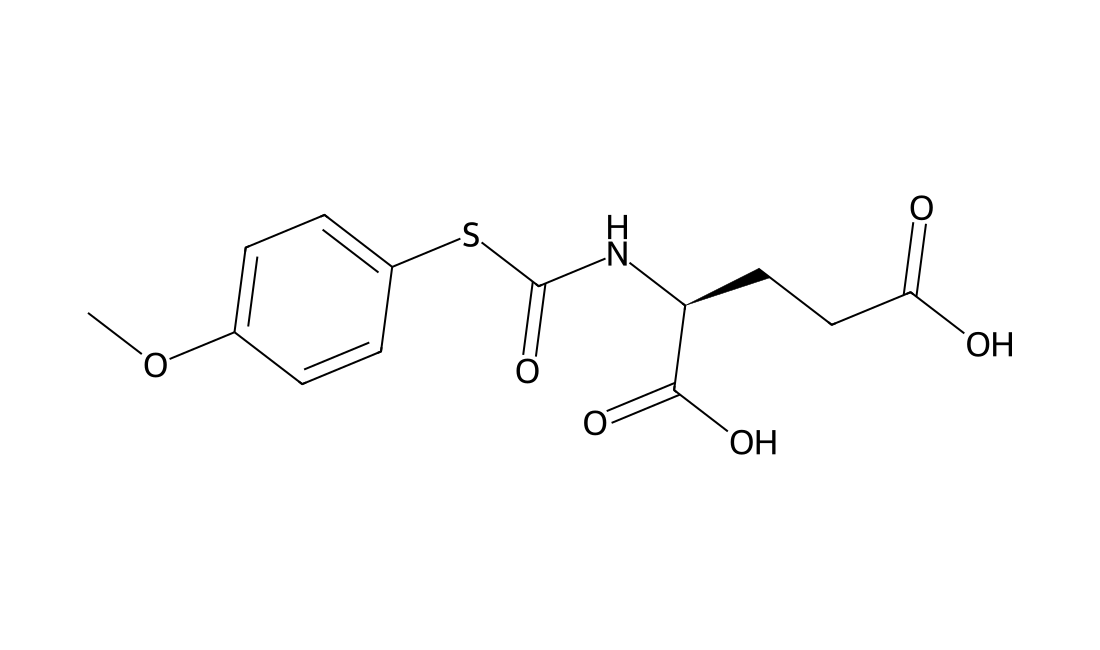
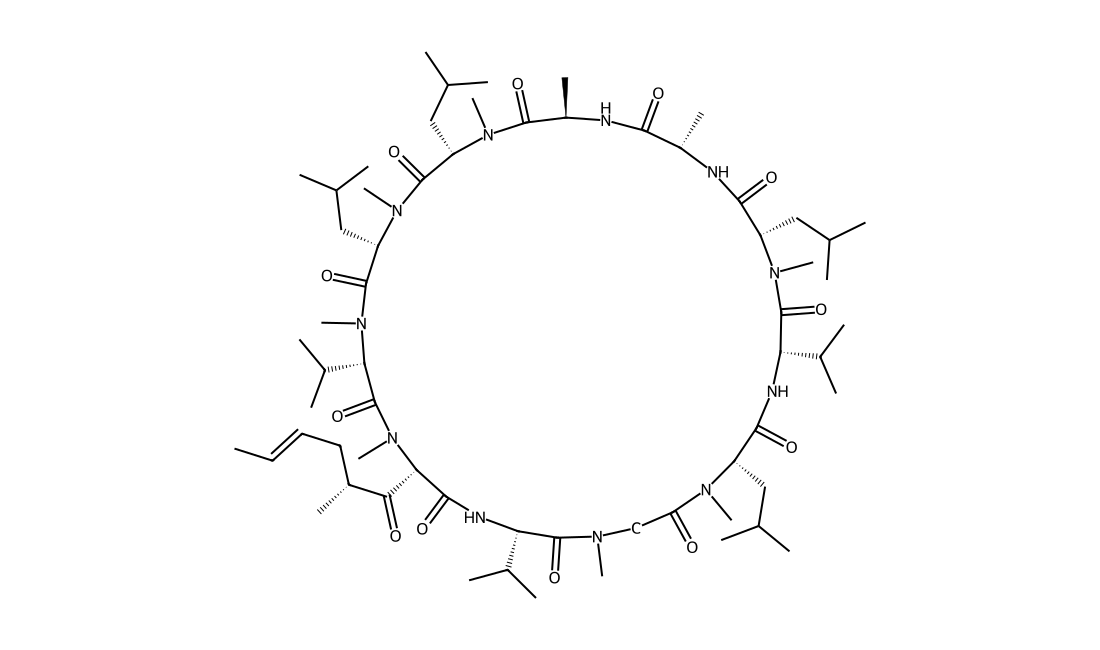
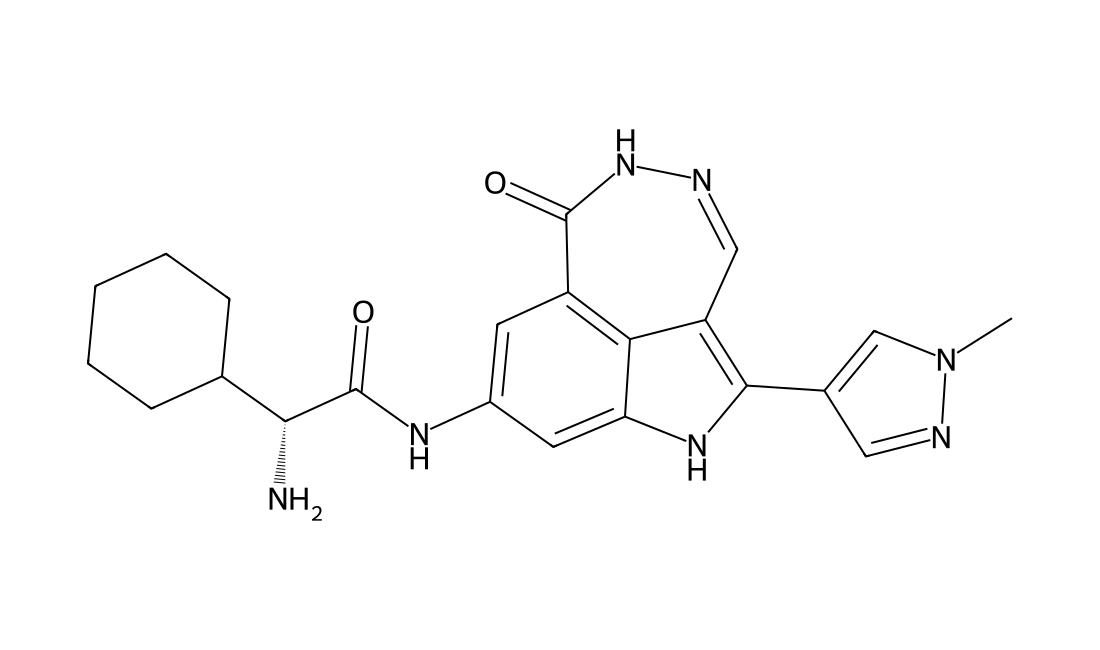
DUPA(OtBu)-OH

CAS 1026987-94-9

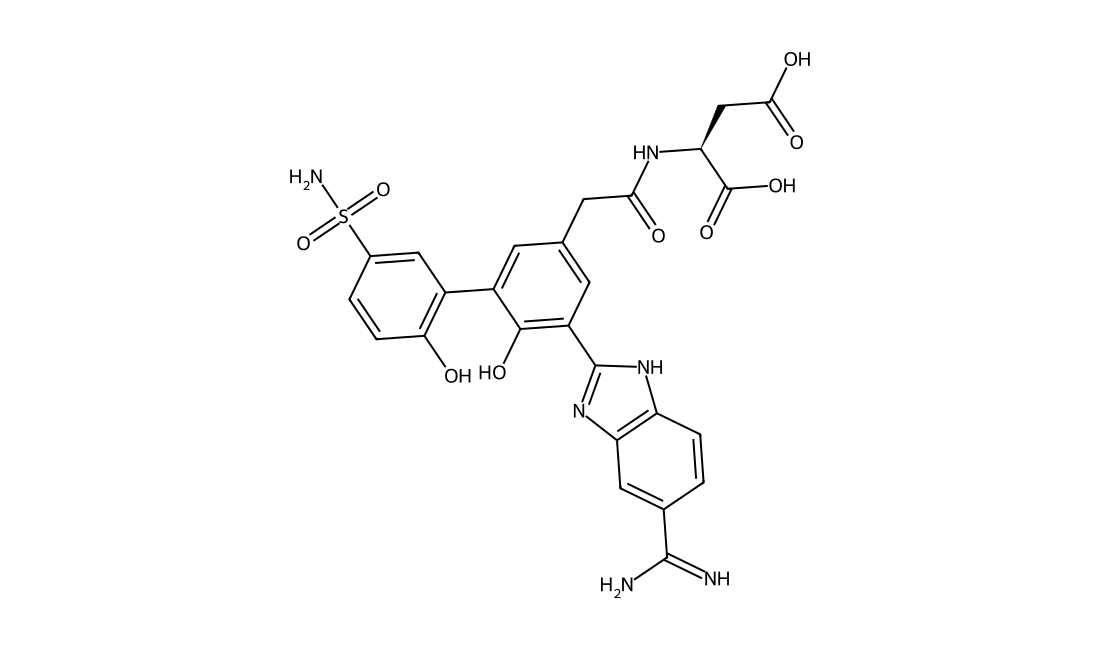
DUPA(OtBu)-OH is a DUPA precursor. DUPA is used as the targeting moiety to actively deliver Docetaxel (DTX) for treatment of Prostate-Specific Membrane Antigen (PSMA) expressing prostate cancer.

DUPA(OtBu)-OH chemical structure
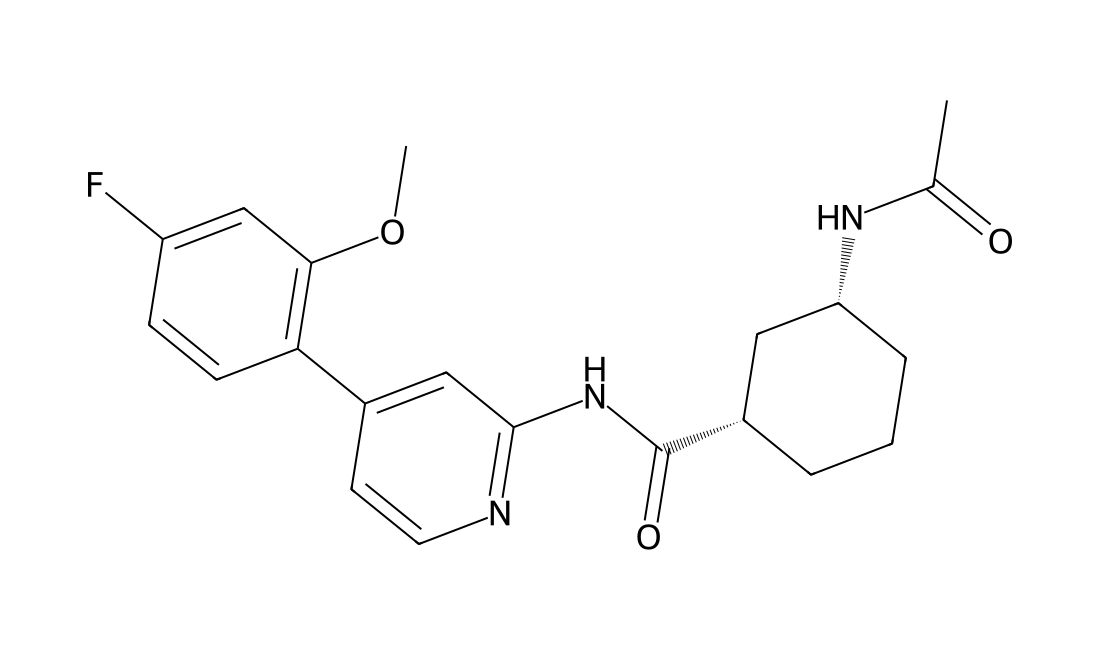
DC70502

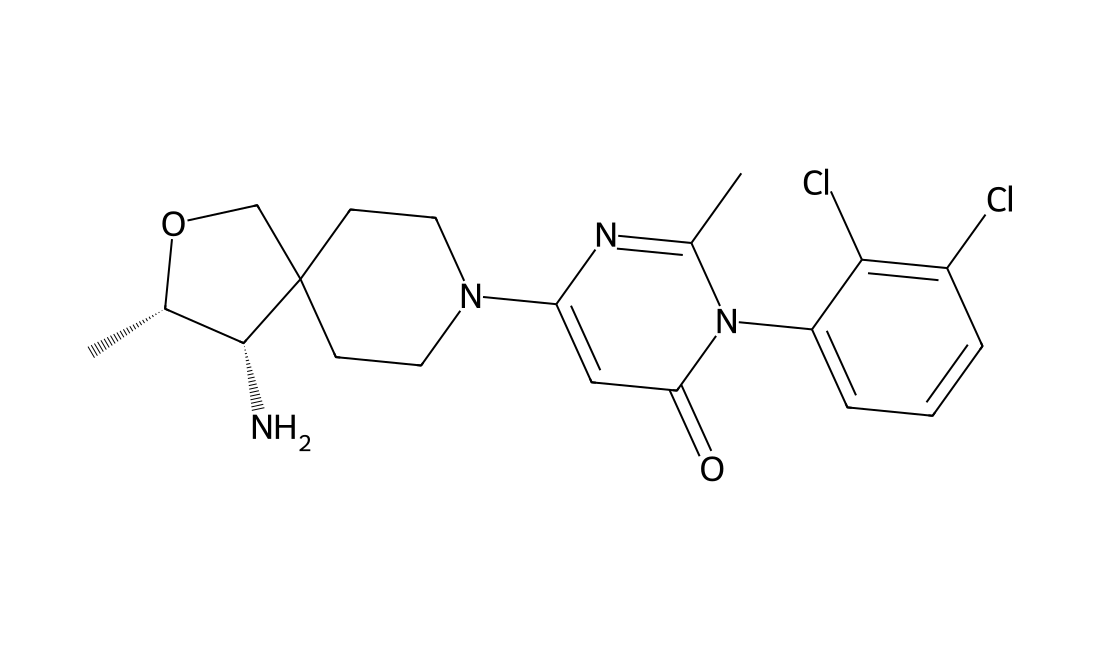
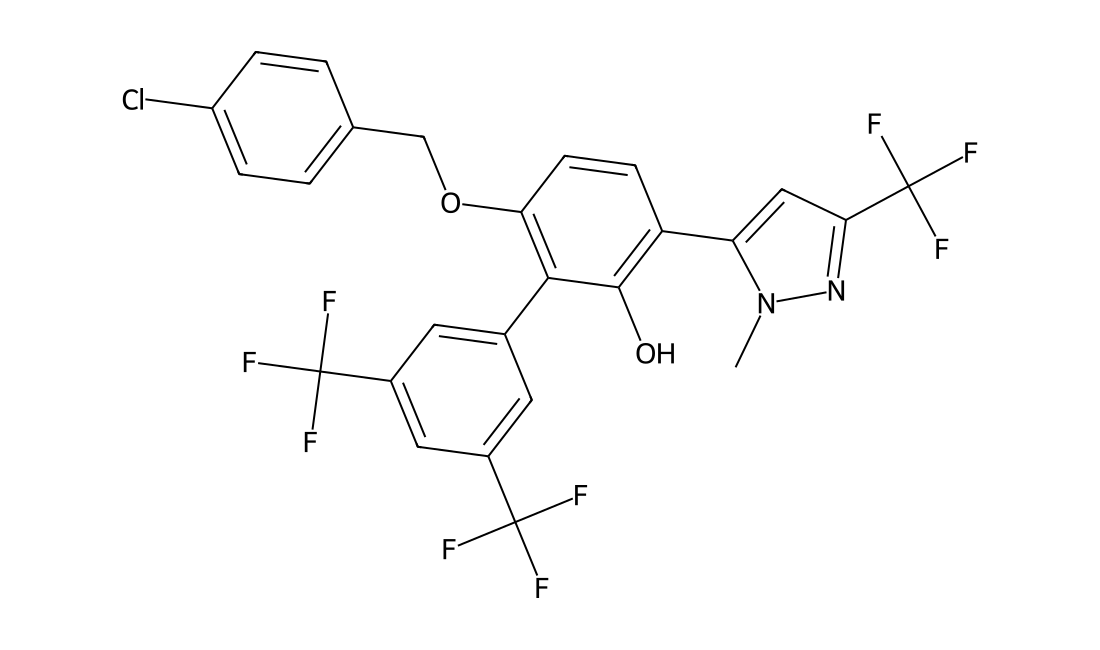
IACS-15414

CAS 2411321-29-2

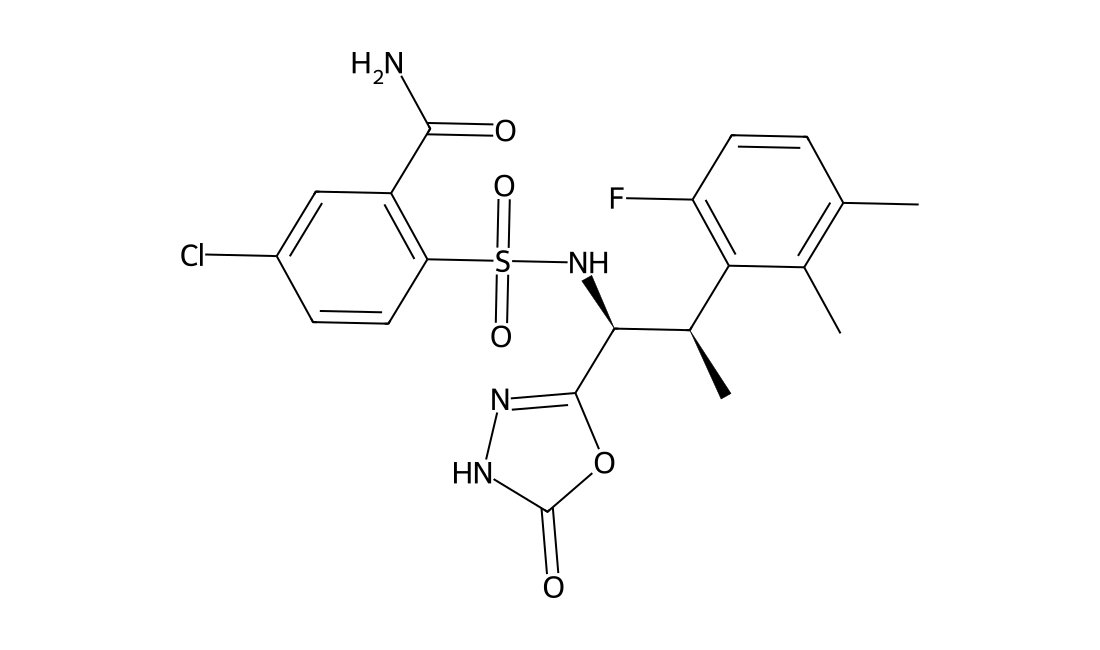
IACS-15414 (IACS 15414) is a potent, selective, orally bioavailable SHP2 inhibitor with IC50 of 122 nM; IACS-15414 potently suppressed the mitogen-activated protein kinase (MAPK) pathway signaling and tumor growth in RTK-activated and KRASmut xenograft models in vivo. IACS-15414 potently suppressed the mitogen-activated protein kinase (MAPK) pathway signaling and tumor growth. IACS-15414 had excellent PK properties across species but a narrow hERG window.

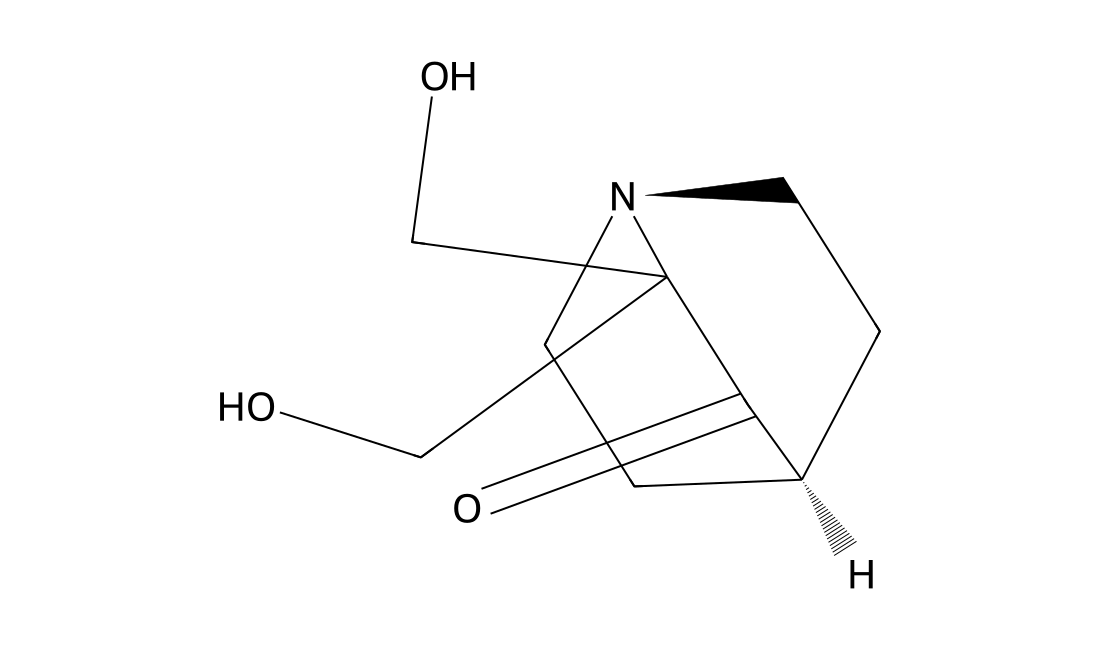
IACS-15414 chemical structure
DC70579

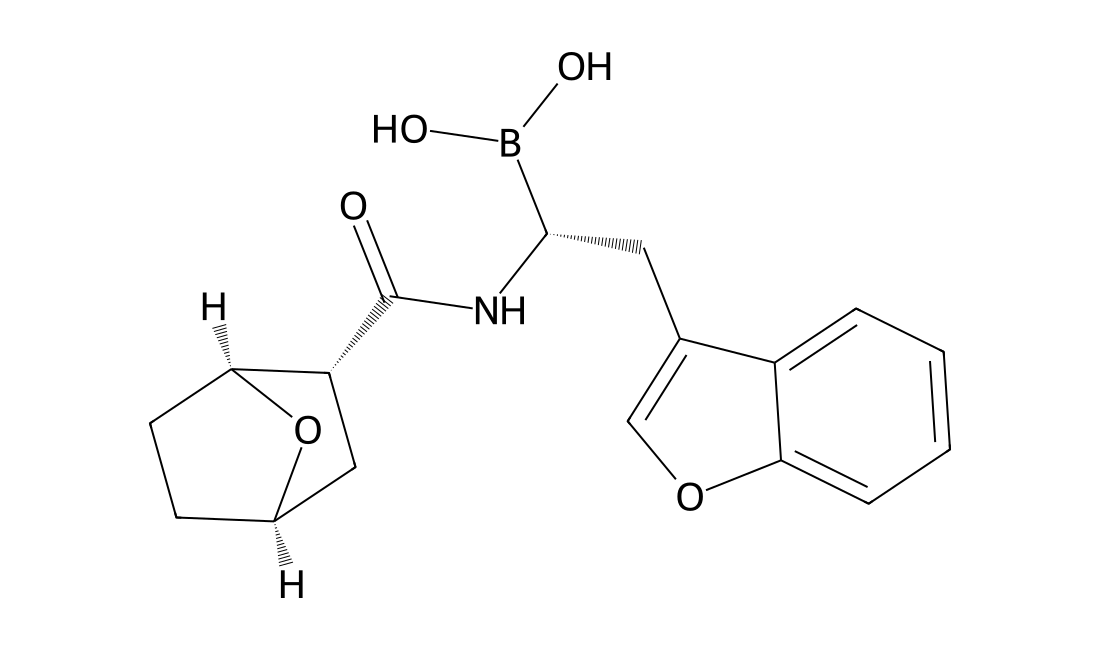
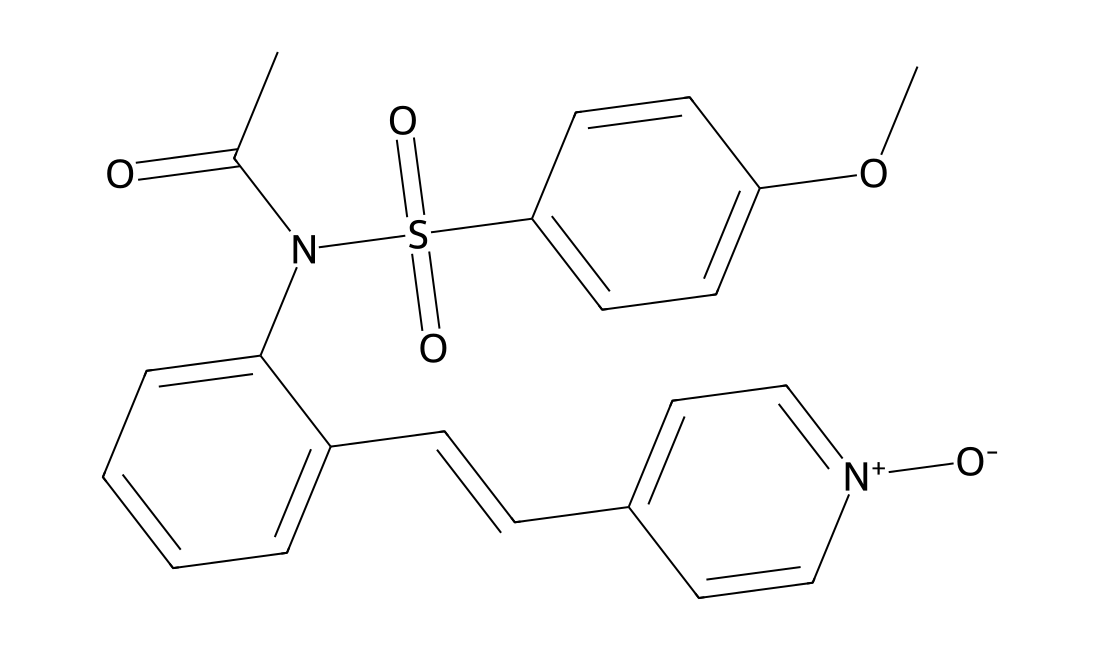
M3258

CAS 2285330-15-4

M3258 (M 3258) is a potent, reversible, highly selective and orally acitve LMP7 inhibitor with ceullar IC50 of 4.1 nM.M3258 does not inhibit other constitutive proteasome and immunoproteasome subunits (IC50>2.5 uM).M3258 demonstrated strong antitumor efficacy in multiple myeloma xenograft models.M3258 treatment led to a significant and prolonged suppression of tumor LMP7 activity and ubiquitinated protein turnover and the induction of apoptosis in multiple myeloma cells both in vitro and in vivo.M3258 showed superior antitumor efficacy in selected multiple myeloma and mantle cell lymphoma xenograft models compared with the approved nonselective proteasome inhibitors bortezomib and ixazomib.

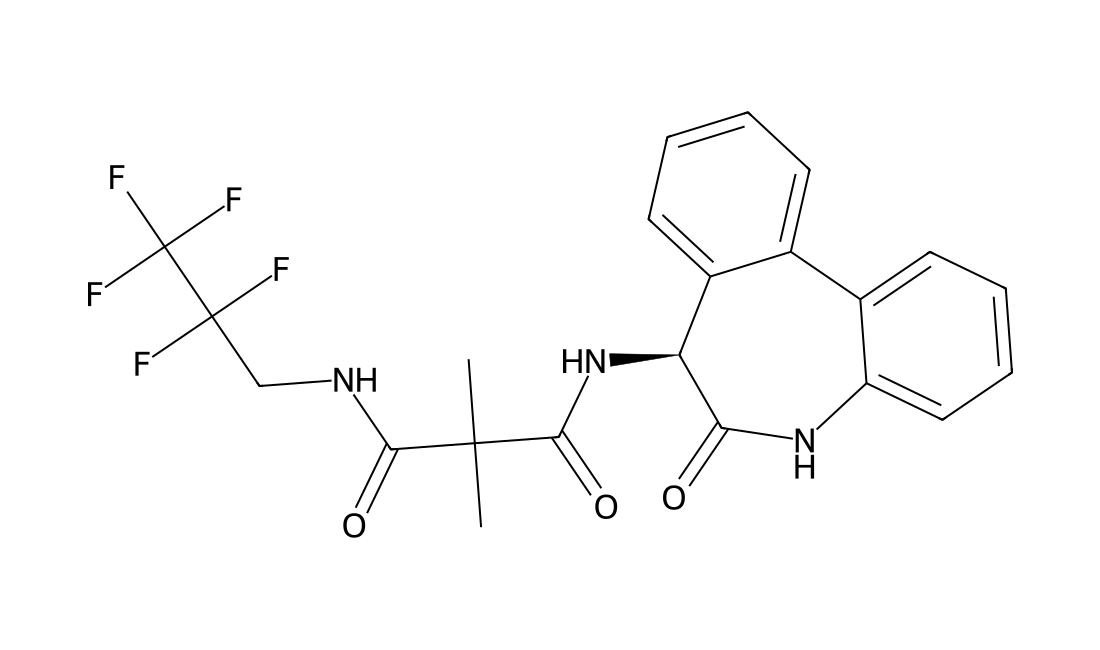
M3258 chemical structure
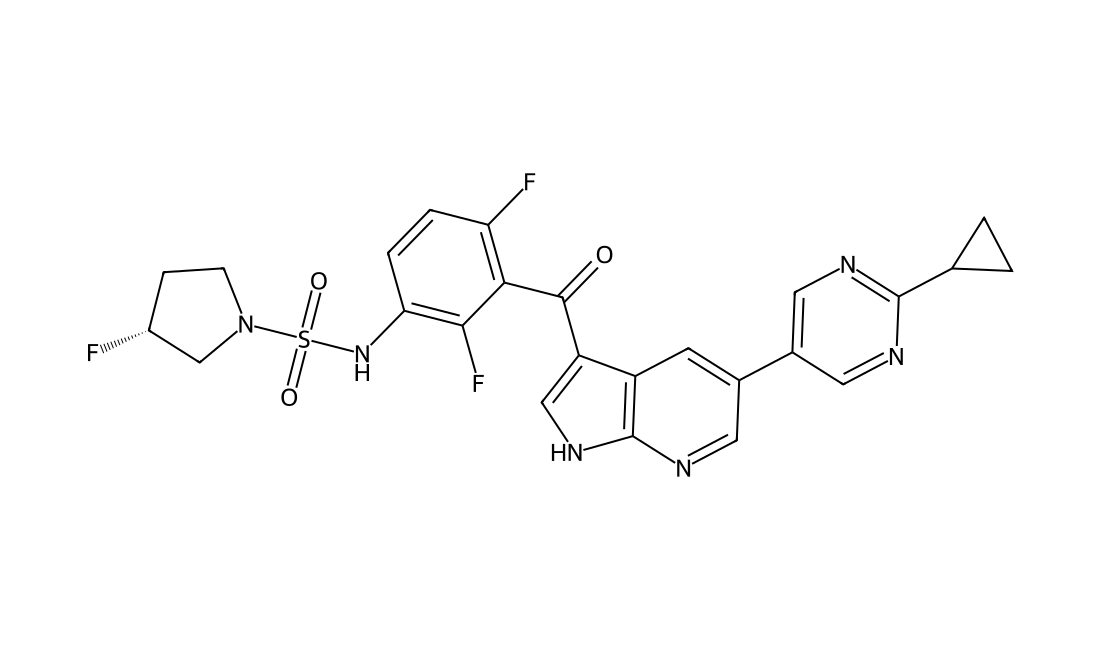
DC44213

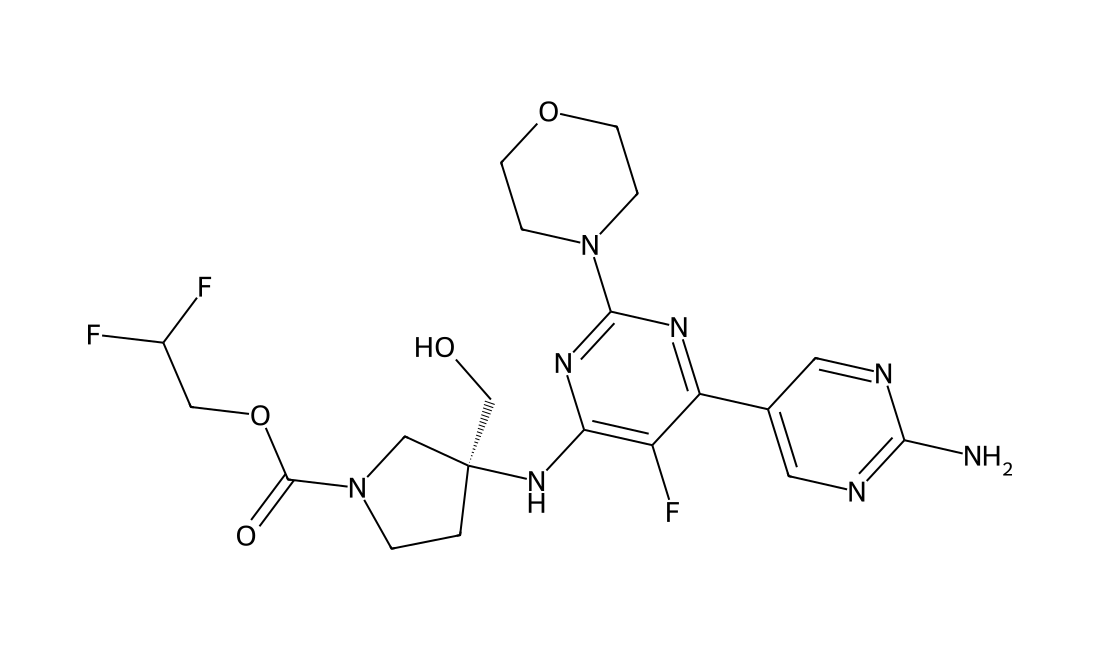
PF-06843195

CAS 2067281-51-8

PF-06843195 is a highly selective PI3Kα inhibitor with an IC50 of 18 nM in Rat1 fibroblasts. The Kis of PF-06843195 for PI3Kα and PI3Kδ in biochemical kinase assay are less than 0.018 nM and 0.28 nM, respectively. PF-06843195 has great suppression of the PI3K/mTOR signaling pathway and durable antitumor efficacy.

PF-06843195 chemical structure
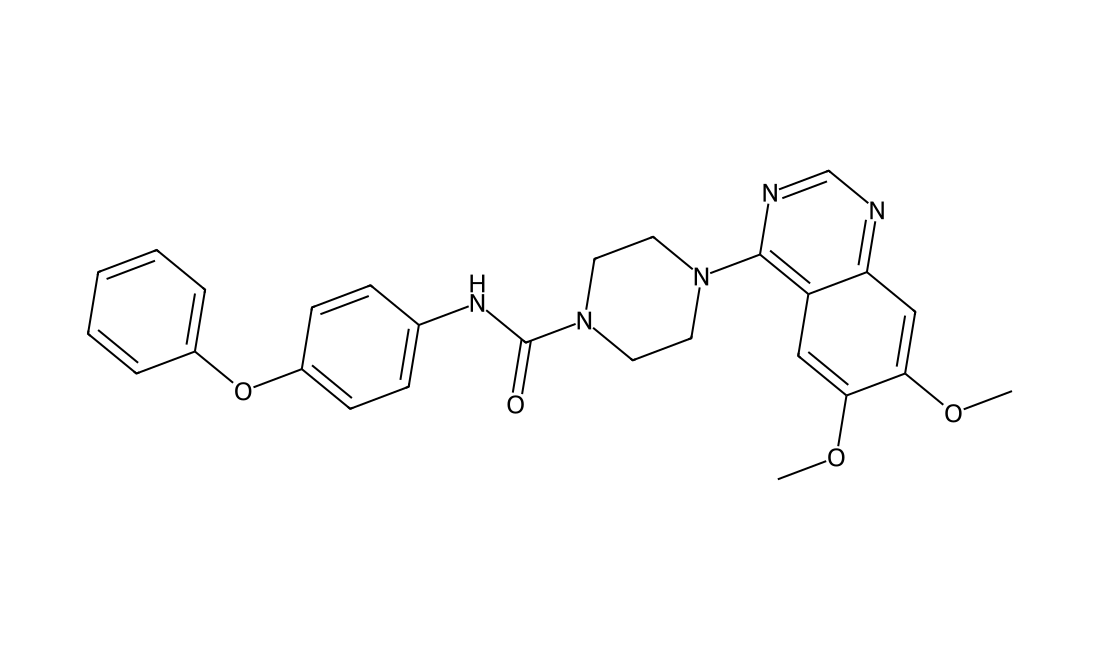
DC42356

MLT-231

CAS 2682102-10-7

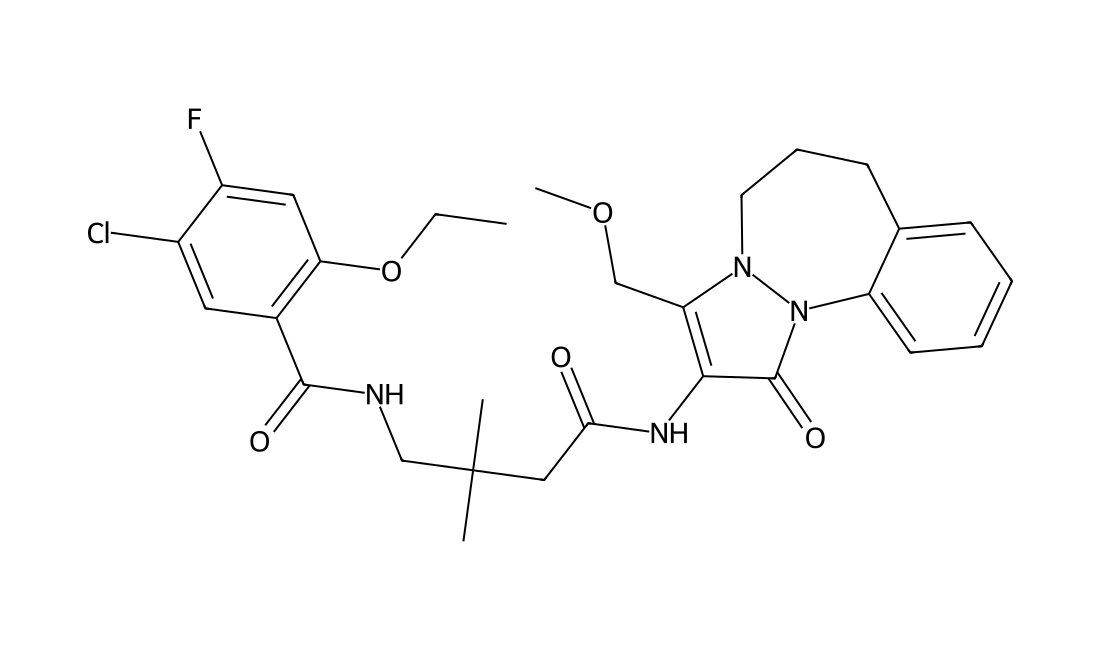
MLT-231 is a potent, highly selective allosteric MALT1 with an IC50 of 9 nM. MLT-231 specifically prevents endogenous BCL10 cleavage with IC50 of 160 nM. MLT-231 shows antitumor activity in an ABC-DLBCL type xenograft model in mouse.

MLT-231 chemical structure
DC65287

BMS-986260

CAS 2001559-19-7

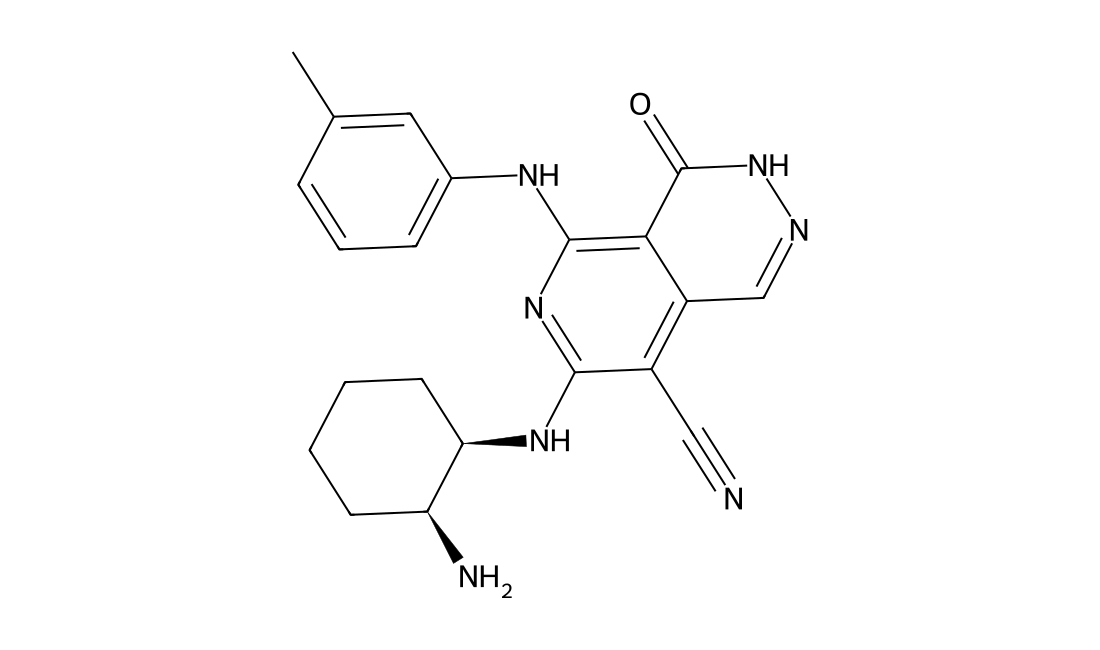
BMS-986260 is a potent, selective, and orally bioavailable TGFβR1 inhibitor (IC50=1.6 nM). BMS-986260 demonstrated functional activity in multiple TGFβ-dependent cellular assays, excellent kinome selectivity, favorable pharmacokinetic properties, and curative in vivo efficacy in combination with anti-PD-1 antibody in murine colorectal cancer (CRC) models.

BMS-986260 chemical structure
DC20052

CB-6644

CAS 2316817-88-4

In Vitro CB-6644 (20 µM) interacts with the RUVBL1/2 complex in Ramos cells. CB-6644 (0.4 µM, 80 hours) dramatically inhibits HCT116 cells growth rate and robustly induces apoptosis. Z-VAD-FMK alone does not influence the growth or viability of the cells. However, blockade of caspase activity by Z-VAD-FMK results in a partial recovery of the growth of cells treated with CB-6644. In Vivo CB-6644 (150 mg/kg, oral administration, 10 days of treatment for SCID-beige mice bearing Ramos xenograft models, 30 days of treatment for SCID-beige mice bearing RPMI8226 xenograft models) has antitumor activity in xenograft tumor models with tumor growth inhibitions (TGIs) of 68 and 81%, respectively in Ramos xenograft models and RPMI8226 xenograft models.

CB-6644 chemical structure
DC72237

BI-0474

CAS 2750570-55-7

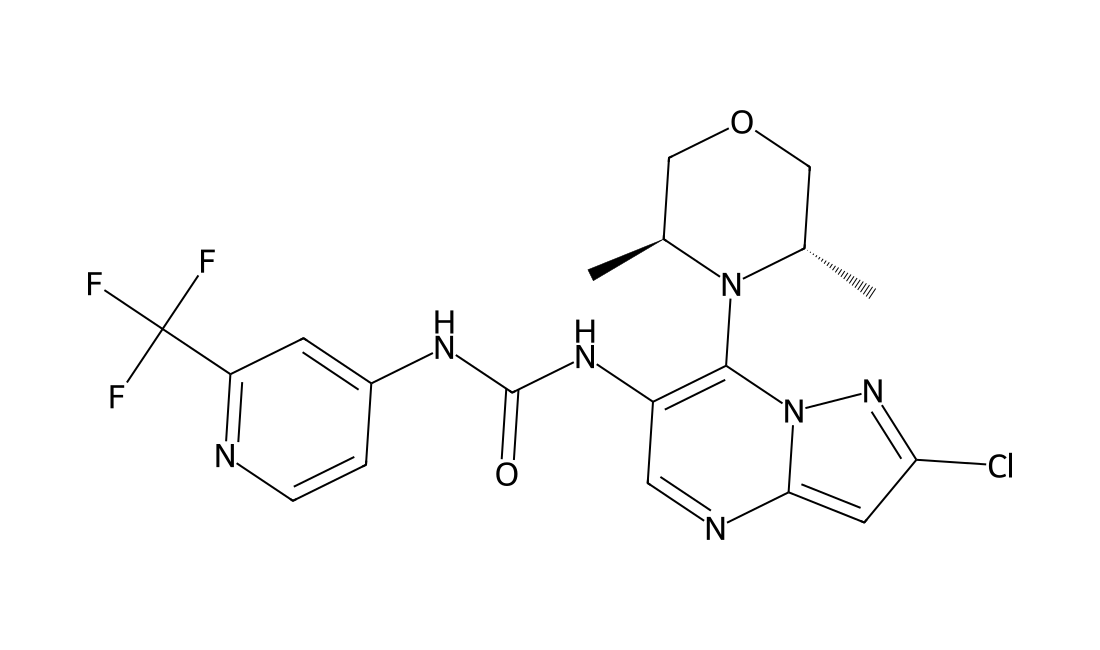
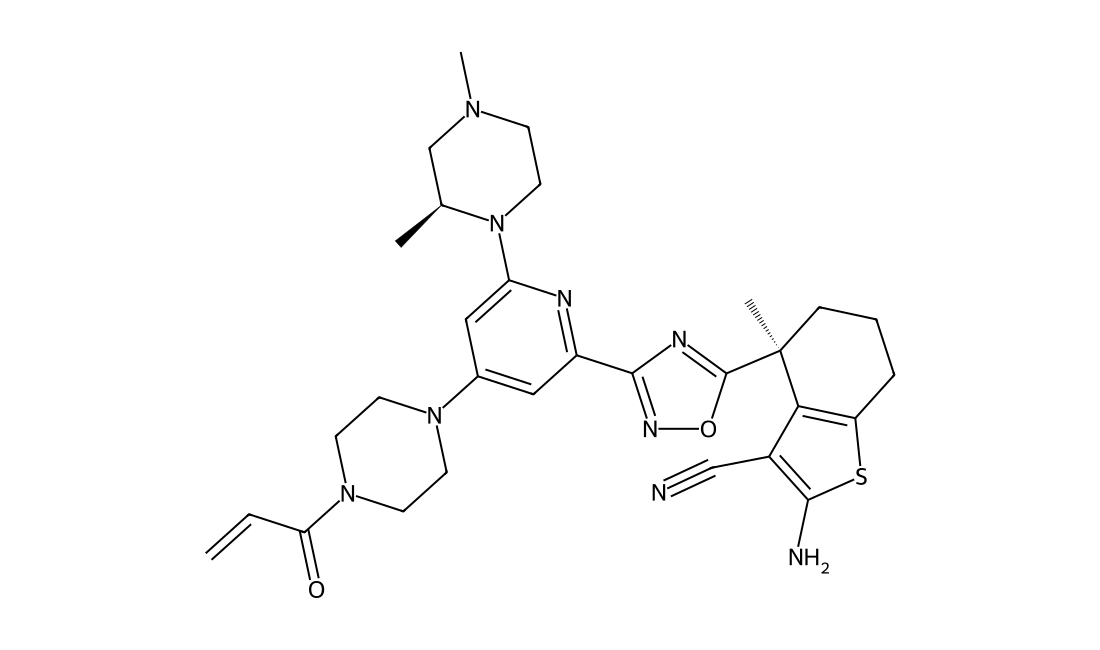
BI-0474 is a potent KRASG12C inhibitor with an IC50 value of 7.0 nM for the GDP-KRAS::SOS1 protein-protein interaction. BI-0474 exhibits good anti-proliferative activity against NCI-H358 cells carrying the G12C mutation. BI-0474 also shows good anti-tumour activity in non-small cell lung cancer xenograft models.

BI-0474 chemical structure
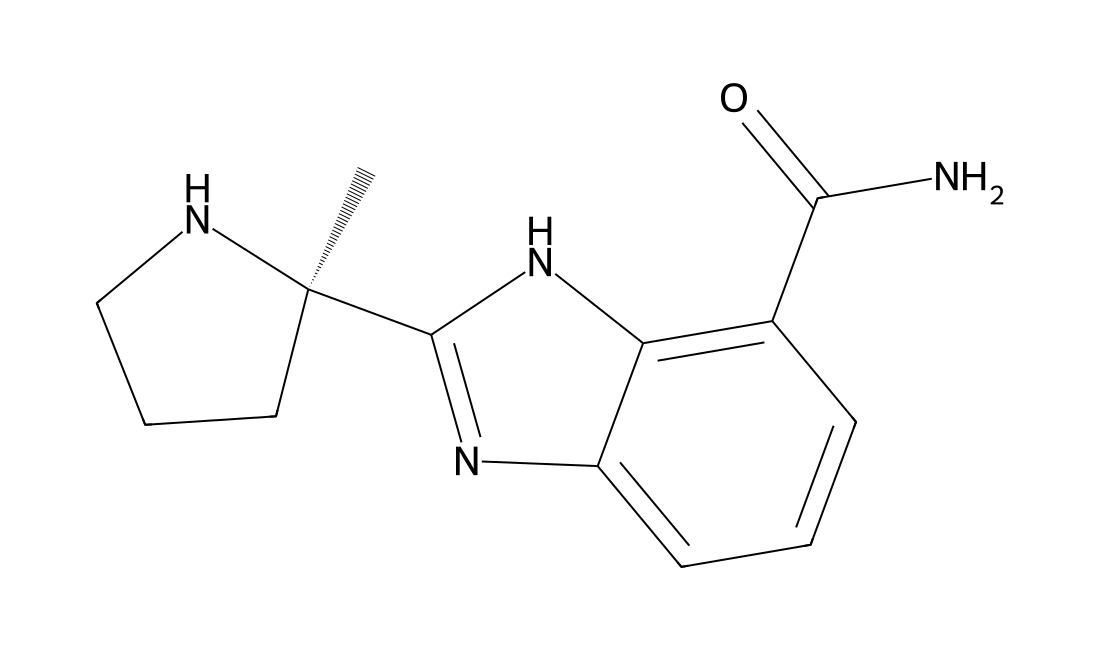
DC71892

TAS1553

CAS 2166023-31-8

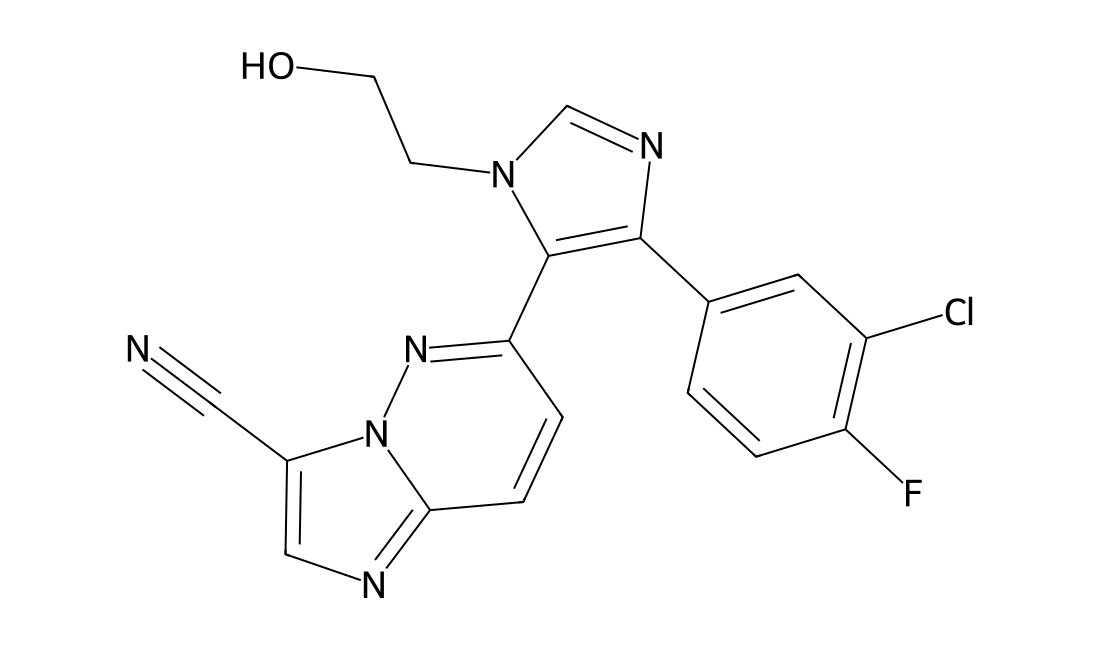
TAS1553 is a potent, orally active protein–protein interaction (PPI) inhibitor with an IC50 values of 0.0396 μM. TAS1553 inhibits DNA replication and reduces intracellular dATP pool. TAS1553 induces apoptosis. TAS1553 can be used for cancer research.

TAS1553 chemical structure
DC70230

AZ5576

CAS 2751721-40-9

AZ5576 (AZ-5576) is a potent, selective CDK9 inhibitor with an IC 50 <5 nM, decreases phosphorlyation of Ser2-RNAPII in cells with an IC 50 of 96 nM.AZ5576 downregulated Mcl-1 and MYC protein abundance across multiple tested DLBCL cell lines and in primary DLBCL cells.MYC sensitizes DLBCL cells to AZ5576, genetic downregulation of MYC in U-2932 and OCI-LY19 cells resulted in diminished susceptibility to AZ5576.AZ5576 dose-dependently downregulated MYC transcription of a luciferase reporter containing multiple canonical MYC-MAX-binding sites, an effect more pronounced compared with multi-CDK inhibitor dinaciclib.AZ5576 restricts growth of xenografted DLBCL tumors in vivo.

AZ5576 chemical structure
DC40956

β-catenin-IN-2

CAS 1458664-10-2

β-catenin-IN-2 is a potent β-catenin inhibitor, compound H1B1, extracted from patent US20150374662A1. β-catenin-IN-2 can be used for the study of colorectal cancer.

β-catenin-IN-2 chemical structure
DC71723

LCS3

CAS 109844-92-0

LCS3 inhibits glutathione disulfide reductase (GSR) and thioredoxin reductase 1 (TXNRD1) (IC50=3.3 µM and 3.8 µM, respectively) synergistically. LCS3 shows anti-tumor activity, and induces apoptosis. LCS3 can be used in lung adenocarcinoma (LUAD) research.

LCS3 chemical structure
DC8215

RO4929097

CAS 847925-91-1

RO4929097 is a γ secretase inhibitor with IC50 of 4 nM, inhibiting cellular processing of Aβ40 and Notch with EC50 of 14 nM and 5 nM, respectively.

RO4929097 chemical structure
DC8467

RO8994

CAS 1309684-94-3

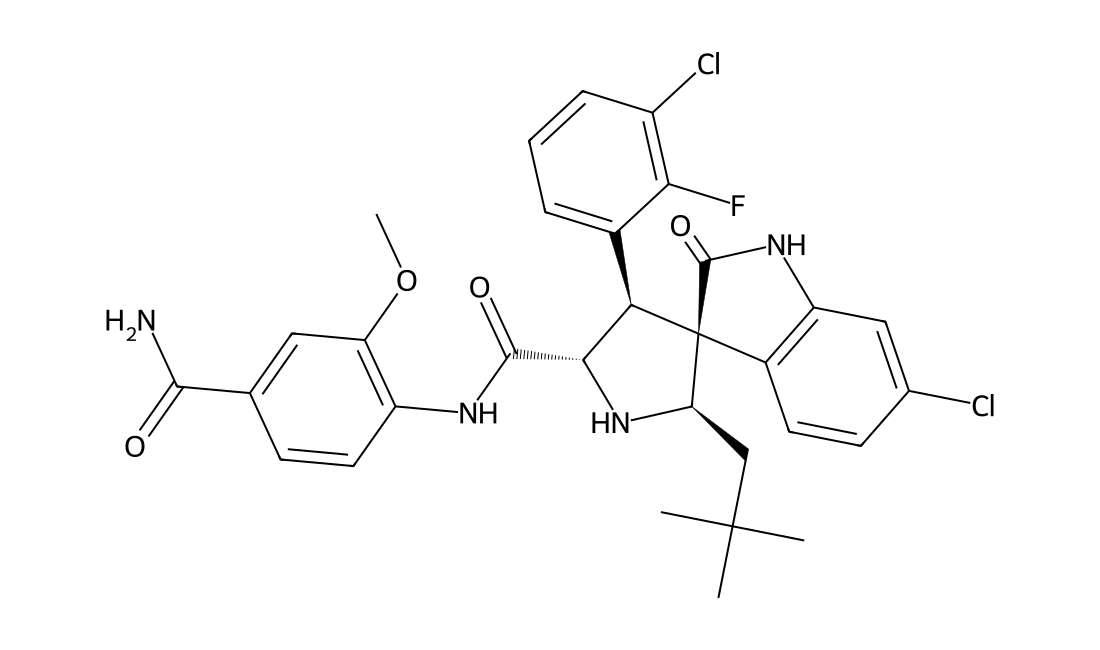
RO8994 is a highly potent and selective series of spiroindolinone small-molecule MDM2 inhibitor, with IC50 of 5 nM (HTRF binding assays) and 20 nM (MTT proliferation assays).

RO8994 chemical structure
DC22309

TRi-1(TXNRD1 inhibitor 1)

CAS 246020-68-8

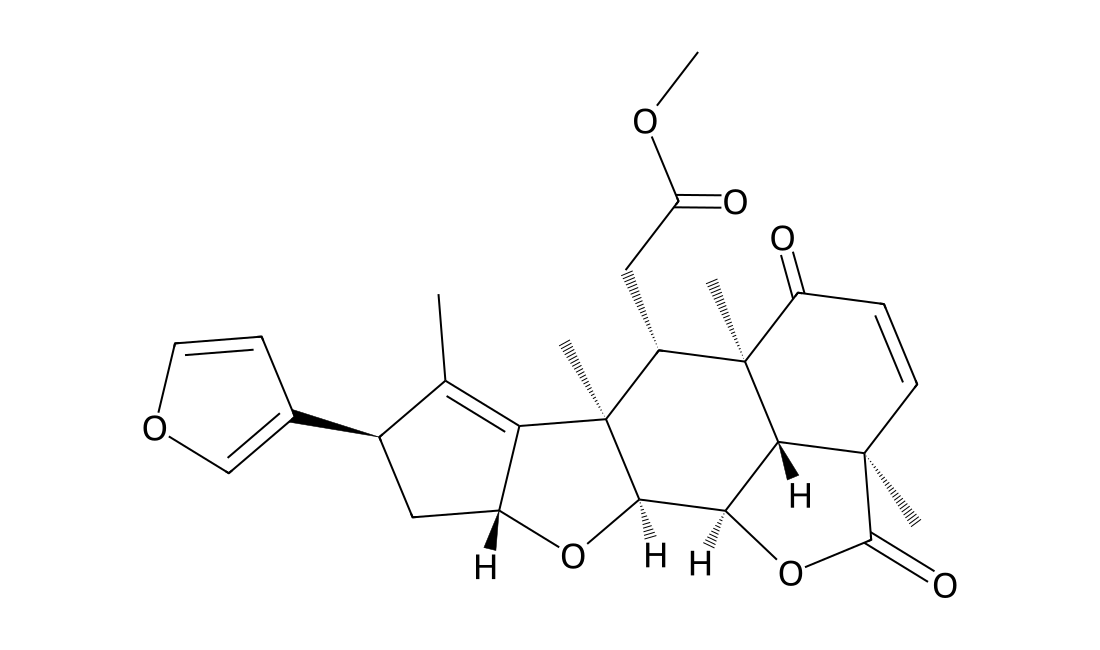
TRi-1 is a potent, specific and irreversible inhibitor of cytosolic thioredoxin reductase 1 (TXNRD1), with an IC50 of 12 nM. TRi-1 has little mitochondrial toxicity for anticancer therapy[1].

TRi-1(TXNRD1 inhibitor 1) chemical structure
DC10093

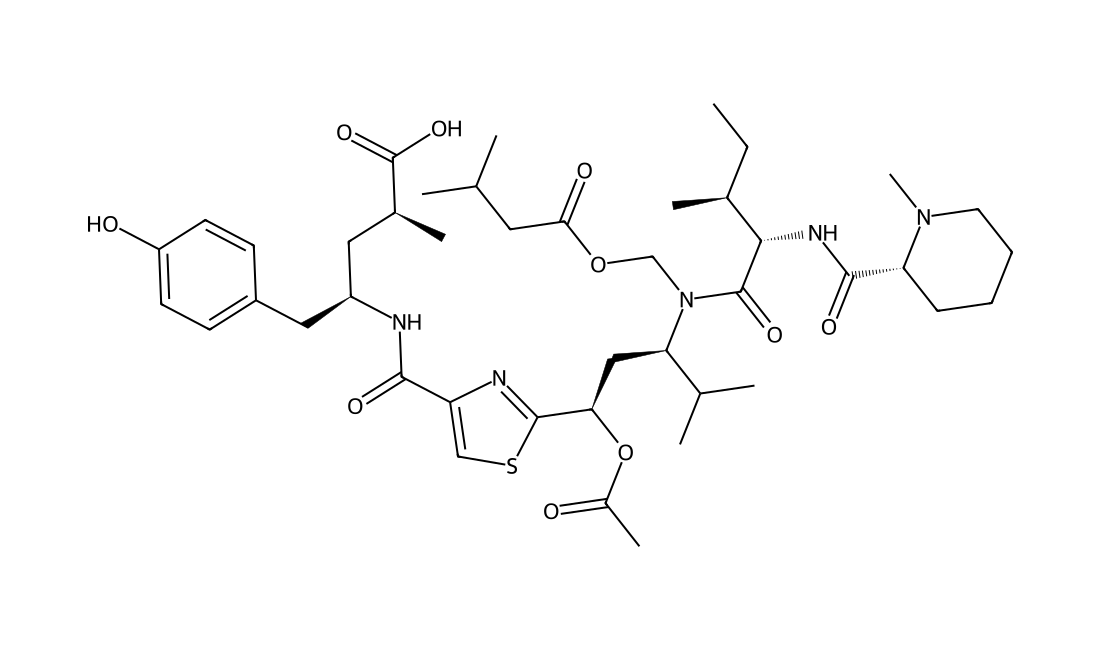
Tubulysin A

CAS 205304-86-5

Tubulysin A(TubA) is a myxobacterial product that can function as an antiangiogenic agent in many in vitro assays; anti-microtubule, anti-mitotic, an apoptosis inducer, anticancer, anti-angiogenic, and antiproliferative.Tubulysin A is a novel antibiotic, which is anti-microtubule, anti-mitotic, apoptosis inducer, anticancer, anti-angiogenic, and antiproliferative. Tubulysins are cytotoxic peptides, which include 9 members (A-I). Tubulysin A has potential application as an anticancer agent. It arrests cells in the G2/M phase. Tubulysin A inhibits polymerization more efficiently than vinblastine and induces depolymerization of isolated microtubules. Tubulysin A has potent cytostatic effects on various tumor cell lines with IC50 in the picomolar range.

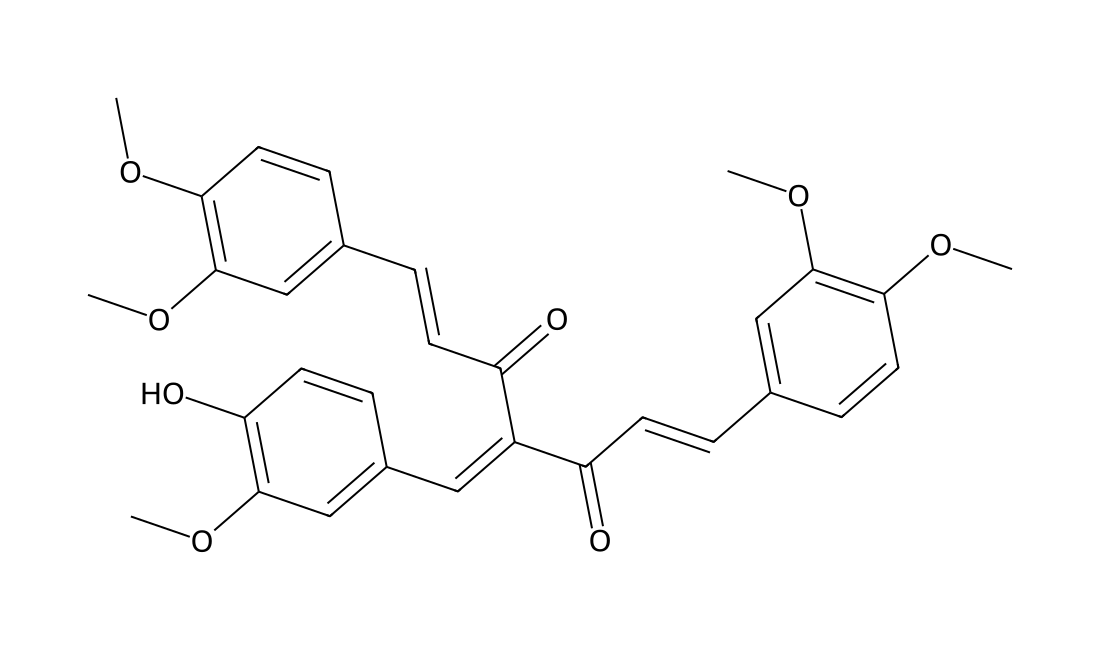
Tubulysin A chemical structure
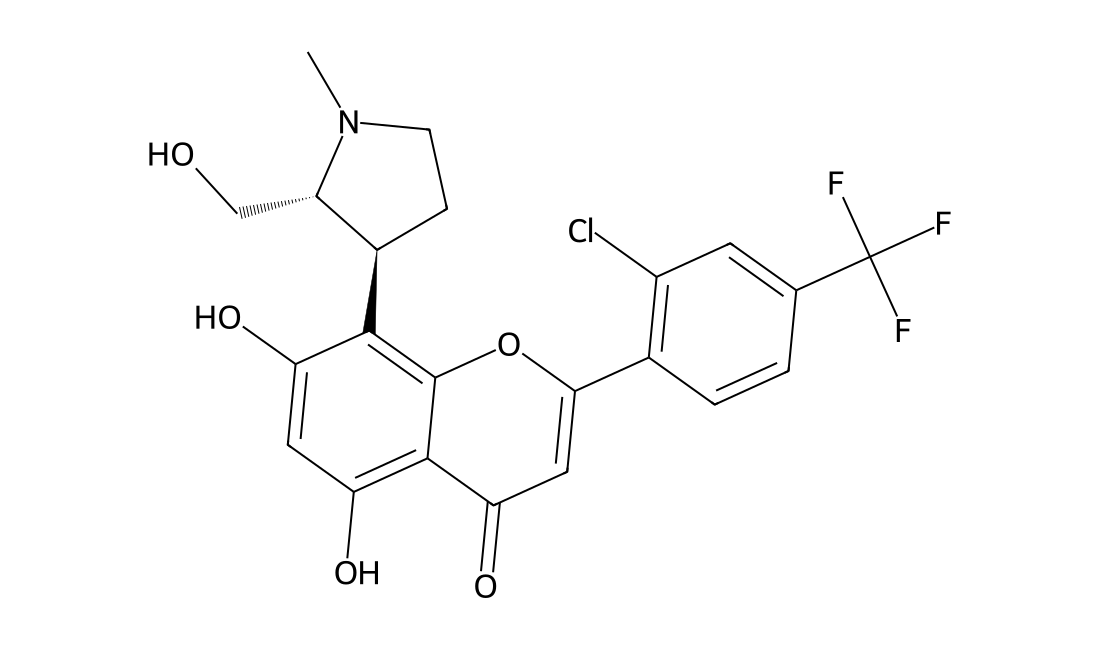
DC10750

Voruciclib

CAS 1000023-04-0

Voruciclib is a clinical stage orally active and selective CDK inhibitor with Ki values of 0.626 nM-9.1 nM. Voruciclib potently blocks CDK9, the transcriptional regulator of MCL-1. Voruciclib represses expression of MCL-1 in multiple models of diffuse large B-cell lymphoma (DLBCL)[1].
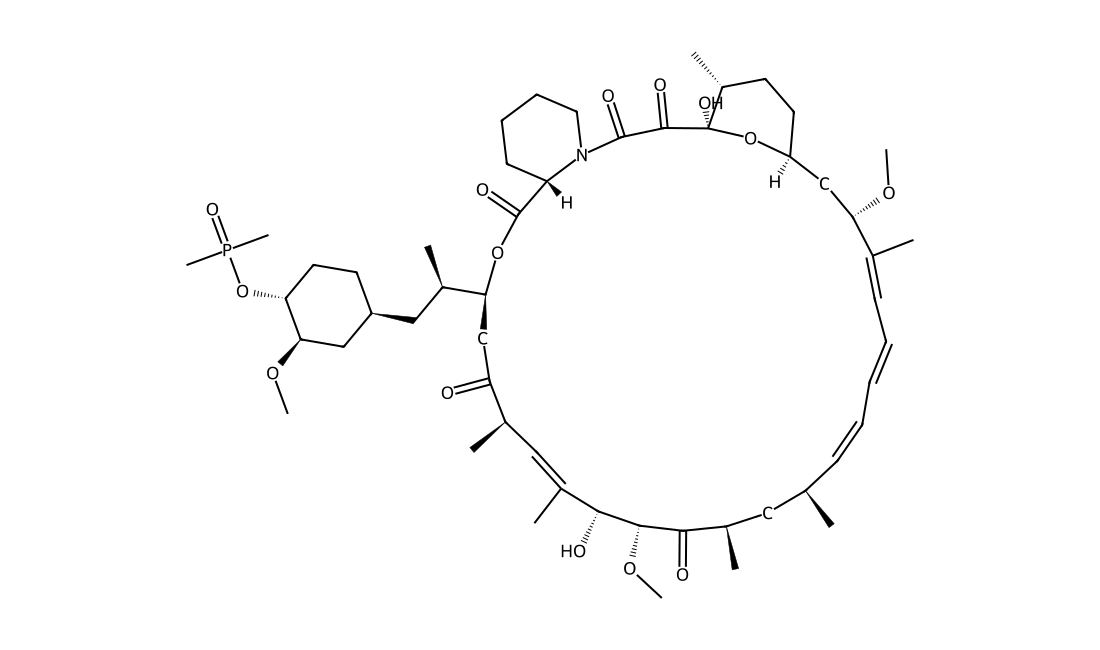
Voruciclib chemical structure
Browse target & topic index A–Z (366)
11β-HSD (1)15-PGDH (2)5-HT Receptor (16)Acetyl-CoA Carboxylase (ACC) (3)Acetylcholinesterase (AChE) (2)Ack1 (TNK2) (1)Acyltransferase (1)ADC Cytotoxin (6)ADCs Linker/Click Chemistry (5)Adenosine Receptor (9)Adenylate Cyclase (2)Adrenergic Receptor (11)Akt (12)Alcoholism (2)Aldehyde Dehydrogenase (ALDH) (6)Allergy (5)Alzheimer Disease (13)Aminopeptidase (1)AMPK (8)Amyloids (4)Anaplastic Lymphoma Kinase (ALK) (9)Androgen Receptor (AR) (11)Anemia (4)Angiotensin Receptor (4)Antibody/Protein labeling dyes (1)Antifolate (2)Anxiety (1)Apoptosis Inducer (3)Arginase (1)Arp2/3 complex (1)Aryl hydrocarbon Receptor (AhR) (1)Asthma (5)Atherosclerosis (2)ATM/ATR (8)Aurora Kinase (10)Autophagy (6)Autophagy-related Protein (Atg) (2)Autotaxin (2)Bacterial (26)Bacterial Infection (17)Bcl-2 (14)Bcr-Abl (5)BCRP (1)Beta-catenin (4)Beta-secretase (BACE) (4)Blood Cancer (91)BMI-1 (1)Bone Cancer (6)Brain Cancer (6)Breast Cancer (30)Bromodomain (22)BTK (10)c-Fms (CSF1R) (5)c-Fos/AP-1 (1)c-Kit (6)c-Met (HGFR) (11)c-Myc (2)Calcium Channel (4)Calcium-sensing Receptor (CaSR) (1)CaMK (4)Cannabinoid Receptor (6)Carbonic Anhydrase (1)Carboxypeptidase (1)Casein Kinase (6)Caspase (4)Cathepsin (6)Cdc2-like Kinase (CLK) (1)CETP (2)CFTR (7)Checkpoint Kinase (Chk) (8)Chemokine Receptor (CCR and CXCR) (14)Chemotherapeutic Agents (19)Chloride Channel (1)CMV (2)CMV Infection (2)Colon Cancer (9)Complement System (1)COPD (3)CREB/CBP (2)CRF Receptor (2)CRISPR/Cas9 (1)Cushing Disease (1)Cyclin-dependent Kinase (CDK) (39)Cyclooxygenase (COX) (4)Cytochrome P450 (CYPs) (5)Depression (2)Dermatitis (2)Deubiquitinase (DUB) (7)Diabetes (20)Dipeptidyl Peptidase (DPP) (3)Discoidin Domain Receptor (DDR) (1)DNA Alkylator/Crosslinker (10)DNA Methyltransferase (DNMT) (1)DNA Repair Protein (1)DNA-PK (2)DNA/RNA Synthesis (5)Dopamine beta-hydroxylase (1)Dopamine Receptor (7)Drug Metabolite (1)Drug-Linker Conjugates (11)Dyes (4)DYRK (1)Dyslipidemia (9)E3 Ligase Ligand (6)E3 Ligase Ligand-Linker Conjugate (1)E3 Ubiquitin Ligase (4)Ebola Virus Infection (1)EGFR (32)Elastase (2)Endothelin Receptor (5)Enzymes substrates (13)Epigenetic Reader Domain (3)Epilepsy (4)ERK (4)Estrogen Receptor/ERR (13)Eukaryotic Initiation Factor (eIF) (2)Exportin-1 (CRM1,XPO1) (2)FABP (1)Factor Xa (5)Farnesoid X Receptor (FXR) (5)Farnesyl transferase (FTase) (1)Ferroptosis (6)FGFR (20)Fibrosis (5)FLT3 (6)Focal Adhesion Kinase (FAK) (11)Foxo1 (1)Free Fatty Acid Receptor (FFAR) (5)Fungal (2)Fungal Infection (1)GABA Receptor (13)Galectin (1)Gastric Cancer (8)Ghrelin Receptor (GHSR) (3)Glucagon Receptor (4)Glucokinase (2)Glucose Transporter (GLUT) (2)Glutamate Transporter (2)GPCR (1)GPER (GPR30) (1)GPR139 (1)GPR183 (EBI2) (2)GPR39 (1)GPR55 (1)GPR84 (1)GRK (GPCRK) (2)Growth Hormone Deficiency (2)GSK-3 (8)Guanylate Cyclase (3)HBV (1)HBV Infection (1)HCN Channel (2)HCV (8)HCV Infection (9)HDAC (38)Heart Arrhythmia (2)Heart Failure (5)Heat Shock Protein (HSP) (15)Hedgehog (Hh) (1)HIF/HIF Prolyl-hydroxylase (8)Histamine Receptor (6)Histone Acetyltransferase (HAT) (5)Histone Demethylase (11)Histone Methyltransferase (HMTase) (31)HIV (12)HIV Infection (11)HMG-CoA Reductase (HMGCR) (3)HSV (1)HSV Infection (1)Hypercholesterolemia (1)Hyperparathyroidism (1)Hypertension (8)IAP (1)IGF-1R (3)iGluR (15)Indoleamine 2,3-Dioxygenase (IDO) (4)Infection (1)Influenza (6)Influenza Virus (6)Insulin Receptor (2)Integrin (6)Interleukin Receptor (1)IRAK (2)IRE1 (4)Irritable Bowel Syndrome (2)Ischemia (1)Isocitrate Dehydrogenase (IDH) (5)ITK (1)IκB kinase (IKK) (7)JAK (32)JNK (3)Keap1-Nrf2 (6)Kidney Cancer (10)Kinesin (5)Kruppel-like Factor (KLF) (1)Kynurenine 3-Monooxygenase (KMO) (1)Leukotriene Receptor (1)LIM Kinase (LIMK) (3)Lipids fragment (1)Liver Cancer (6)Liver X Receptor (LXR) (3)LRRK2 (9)Lung Cancer (39)Lysophospholipid Receptor (12)LYTACs (3)mAChR (9)MALT1 (2)MAP4K (1)Matrix Metalloproteinase (MMP) (10)MDM2-p53 (9)MEK (MAP2K) (14)MEKK (MAP3K) (1)Melanocortin Receptor (2)MELK (1)mGluR (7)MicroRNA (1)Microtubule/Tubulin (5)Mineralocorticoid Receptor (MLR) (1)MITF (1)Mixed Lineage Kinase (MLK) (3)MNK (2)Molecular Glues (21)Monoamine Transporter (5)Monocarboxylate Transporter (MCT) (1)Monopolar Spindle 1 (Mps1/TTK) (3)mTOR (13)Multiple Sclerosis (6)Myosin (1)Na-K-Cl Cotransporter (NKCC) (2)nAChR (2)NADPH Oxidase (NOX) (2)NAMPT (3)Natural products (37)Neprilysin (1)Neurokinin Receptor (3)Neuropeptide Y Receptor (3)NF-κB (5)Nitric Oxide Synthase (NOS) (1)NOD-like Receptor (NLR) (3)Notch (2)Nucleoside Antimetabolite/Analog (10)Nur77 (NR4A1) (1)Obesity (1)Oct3/4 (1)Opioid Receptor (5)Orexin Receptor (7)Osteoporosis (2)Ovarian Cancer (14)Oxytocin Receptor (OXTR) (2)P-glycoprotein (P-gp) (3)p21-activated Kinase (PAK) (1)P2X Receptor (2)P2Y Receptor (1)p38 MAPK (10)p97/VCP (1)Pain (12)Pancreatic Cancer (10)Parasite (5)Parasite Infection (2)Parkinson Disease (2)PARP (19)PCSK9 (1)PD-1/PD-L1 (4)PDGFR (4)PDK1 (2)PEGn (1)PERK (2)PGE synthase (2)Phosphodiesterase (PDE) (9)Phospholipase (4)PI3K (32)PI4K (2)Piezo Channel (1)PIKfyve (3)Pim (9)PKC (12)PKD (1)Plasminogen Activator Inhibitor-1 (PAI-1) (3)Polo-like Kinase (PLK) (4)Porcupine (3)Potassium Channel (13)PPAR (13)Pregnane X Receptor (PXR) (1)Progesterone Receptor (2)Prostaglandin Receptor (11)Prostate Cancer (7)PROTACs (35)Protease-activated Receptor (PAR) (3)Proteasome (12)Protein Disulfide Isomerase (PDI) (1)Protein Phosphatase/PTP (6)Proton Pump (1)Psoriasis (5)RAD51 (1)Radioligand precursors (15)Raf (18)RAR/RXR (3)Ras (17)Renin (2)RET Tyrosine Kinase (c-RET) (3)Rheumatoid Arthritis (16)Ribosomal S6 Kinase (RSK) (5)RIG-I-like Receptor (RLR) (2)RIP kinase (7)ROCK (12)ROR (2)RSV (4)RSV Infection (3)RUNX1-CBFβ (1)S-nitrosoglutathione reductase (GSNOR) (1)Saccharides and Glycosides (1)Salt Inducible Kinase (SIK) (2)SARS-CoV (16)SARS-CoV Infection (34)Schizophrenia (4)Sexual Dysfunction (1)SGLT (4)Sigma Receptor (4)Sirtuin (9)Skin Cancer (13)Sleep Disorder (7)SMN2 Modulator (1)Smoothened (Smo) (9)Sodium Channel (12)Solid Tumors (35)Somatostatin Receptor (2)Sphingosine kinase (SphK) (2)Src (7)STAT (5)Stearoyl-CoA Desaturase (SCD) (1)Steatohepatitis (7)Sterol lipids (1)STING (14)Syk (6)T Cell Receptor (TCR) (1)TAK1 (2)TAM Receptor (Tyro3-Axl-Mer) (4)Taste Receptor (1)Telomerase (2)TGF beta Receptor (TGFBR) (12)Thrombin (3)Thrombosis (13)Thyroid Cancer (1)Thyroid Hormone Receptor (THR) (1)Thyrotropin Receptor (2)TNIK (1)Toll-like Receptor (TLR) (2)TOPK (1)Topoisomerase (11)TRAIL (1)Translocator Protein (TSPO) (1)Trk Receptor (4)TRP Channel (13)Tryptophan Hydroxylase (TPH) (1)Ubiquitin-activating Enzyme (E1) (2)Ubiquitin-conjugating Enzyme (E2) (2)Ulcer (1)ULK (3)Vasopressin Receptor (2)VEGFR (25)Vitamin D Receptor (VDR) (3)Wee1 (1)WNK Kinase (1)Wnt (5)Yes-associated Protein (YAP) (4)γ-secretase (5)

Cart

Request quotation