Home/Small Molecules/Cancer Research

Cancer Research

Compounds with documented oncology research applications.

Browse all research categories

Browse by research category

Products may appear in more than one category. Counts refer to distinct catalog numbers within each category.

Other Research Tools (75) · Additional reagents, building blocks and specialized research tools.

New literature-derived products

LC-MG-1 (DCA0006) · LC-MG-4 (DCA0007) · LC-MG-9 (DCA0008)

View structure and evidence summaries →

Cancer Research products

Combine a keyword, research category and target to narrow the product list.

Loading catalog filters…

1,049 products · Showing 1,009–1,049

DC12281

Olutasidenib (FT-2102)

CAS 1887014-12-1

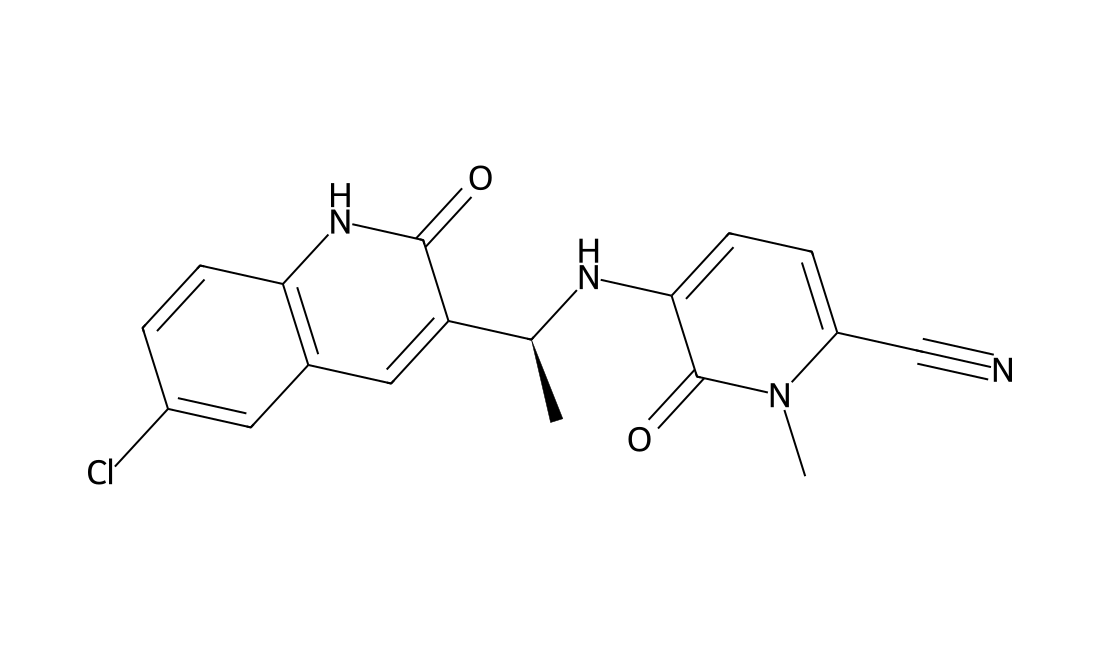
Olutasidenib (FT-2102) is a highly potent, selective small molecule inhibitor of IDH1 mutations. Scientists use it in the research of human acute myeloid leukemia. To our delight, it has entered clinical research. In the phase 1/2 study, Olutasidenib is well tolerated both as a sing-treatment and in combination with azacitidine.Overall, Olutasidenib exhibits favorable safety and PK/PD. It inhibits IDH1 mutations in AML patients. Further study need to be done to explore more potential in the treatment of acute myeloid leukemia.

Olutasidenib (FT-2102) chemical structure
DC9945

NSC-12

CAS 102586-30-1

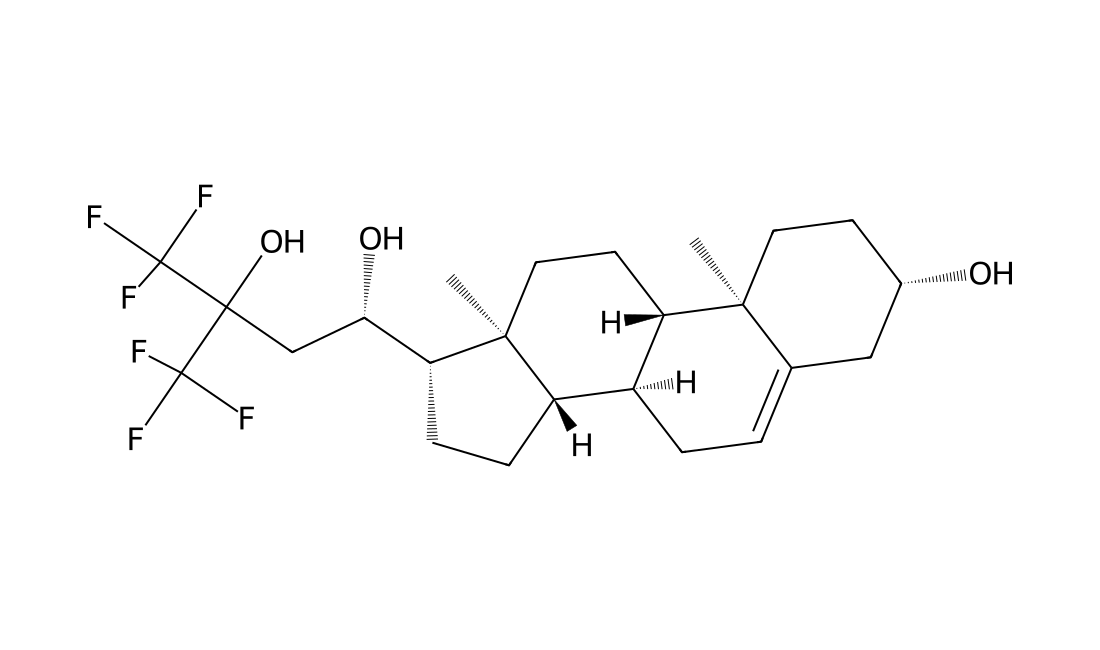
NSC12 is a PTX3-derived anti-FGF small molecule, inhibits FGF-dependent tumor growth, angiogenesis, and metastases,acts as a small-molecule FGF trap in cancer therapy.

NSC-12 chemical structure
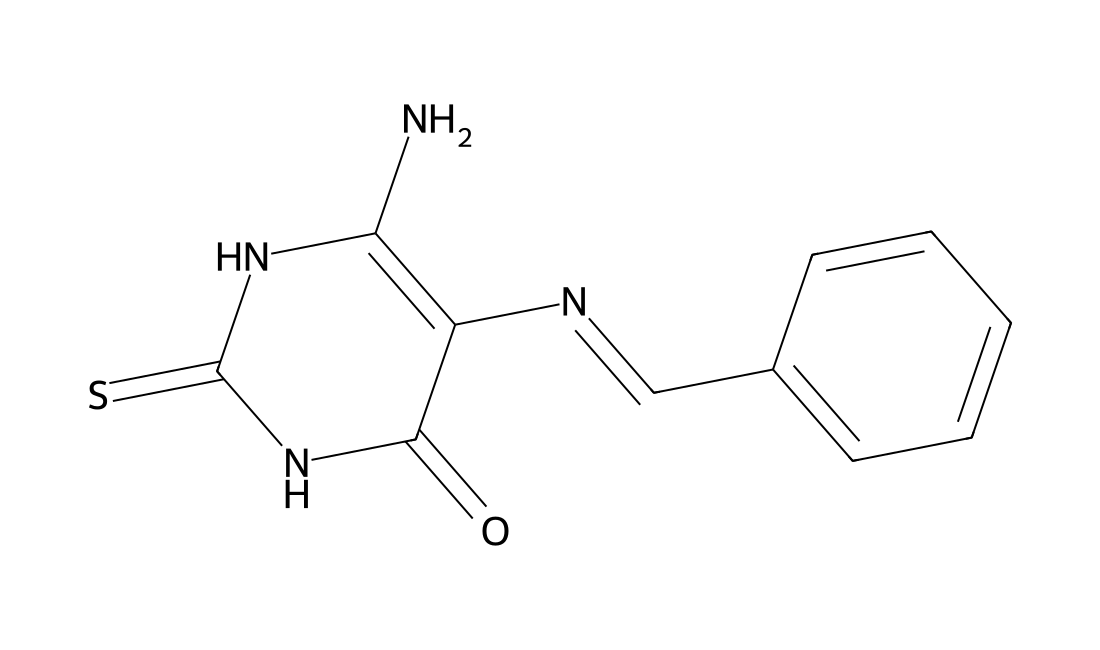
DC20918

NSC 15765

CAS 35973-25-2

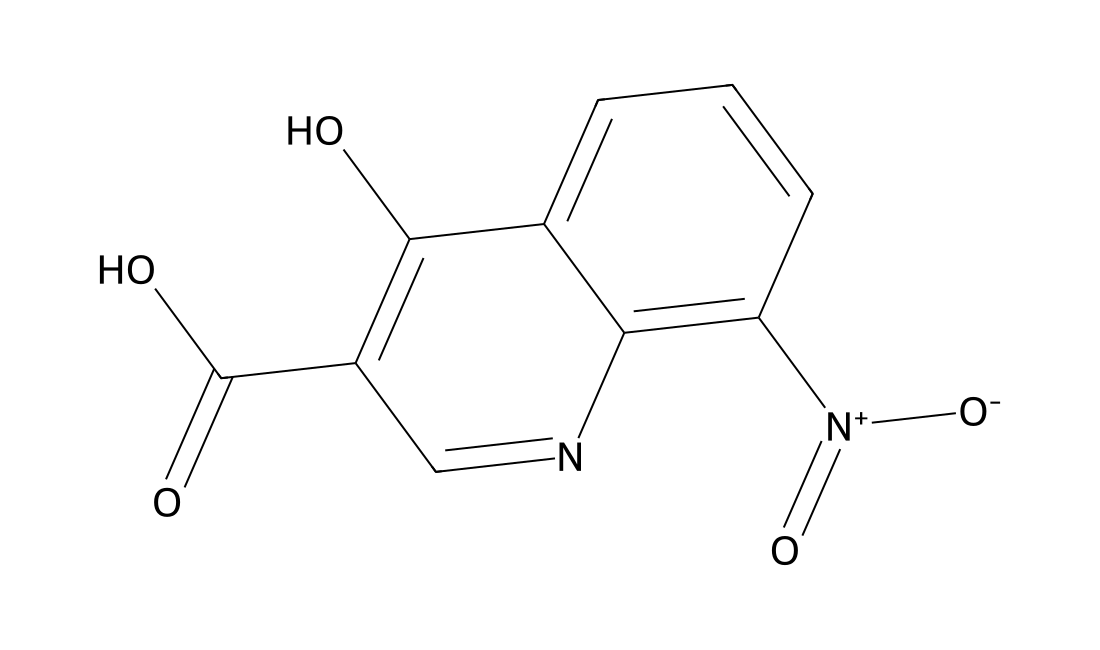
NSC 15765 (Compound C5, DNA2 inhibitor C5) is an effective, selective and competitive inhibitor of DNA2 nuclease with IC50 of 20 uM; poorly inhibits the activities of the other two nucleases, FEN1 and EXO1; suppresses resection-related homology directed repair (HDR) and single-stand annealing (SSA) and causes accumulation of phosphorylated RPA foci, and inhibits restart of stalled DNA replication forks and over-resection of nascent DNA in cells defective in fork protection; exhibits cytotoxicity against a panel of 18 cell lines with IC50 of 7-70 uM; sensitizes cells to PARP inhibitor MK-4827; also sensitizes cells to CPT and synergizes with PARP inhibitors; also can mimics DNA2 knockout and synergistically kills cancer cells when combined with an ATR inhibitor.

NSC 15765 chemical structure
DC4192

Nilutamide

CAS 63612-50-0

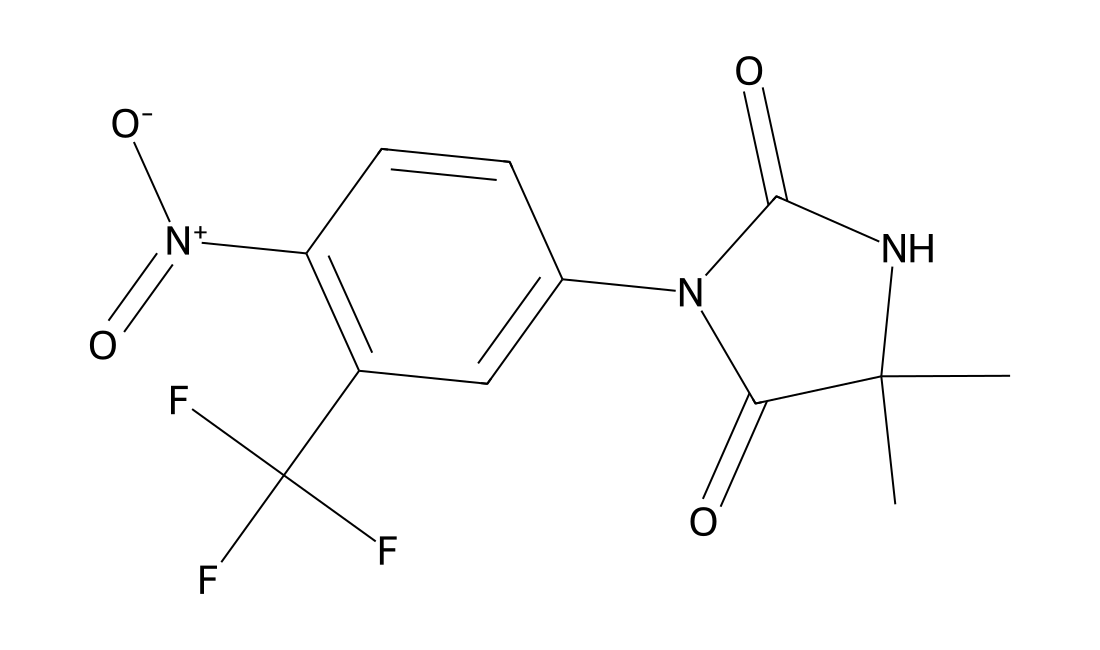
Nilutamide is an antiandrogen medication used in the treatment of advanced stage prostate cancer. Nilutamide blocks the androgen receptor, preventing its interaction with testosterone. Because most prostate cancer cells rely on the stimulation of the androgen receptor For growth and survival, nilutamide can prolong life in men with prostate cancer. Nilutamide is marketed under the name Nilandron in the United States and under the name Anandron in Canada. NILANDRON® tablets contain nilutamide, a nonsteroidal, orally active antiandrogen having the chemical name 5,5-dimethyl-3-[4-nitro-3-(trifluoromethyl)phenyl]-2,4-imidazolidinedione. Nilutamide is a microcrystalline, white to practically white powder with a molecular weight of 317.25. Its molecular Formula is C12H10F3N3O4. It is freely soluble in ethyl acetate, acetone, chloro Form, ethyl alcohol, dichloromethane, and methanol. It is slightly soluble in water [ < 0.1% W/V at 25°C (77°F)]. It melts between 153°C and 156°C (307.4°F and 312.8°F). Each NILANDRON tablet contains 150 mg of nilutamide. Other ingredients in NILANDRON tablets are corn starch, lactose, povidone, docusate sodium, magnesium stearate, and talc. For the detailed information about the solubility of Nilutamide in water, the solubility of Nilutamide in DMSO, the solubility of Nilutamide in PBS buffer, the animal experiment(test) of Nilutamide, the in vivo,in vitro and clinical trial test of Nilutamide, the cell experiment(test) of Nilutamide, the IC50, EC50 and Affinity of Nilutamide , please contact DC Chemicals.

Nilutamide chemical structure
DC7202

MPC-3100

CAS 958025-66-6

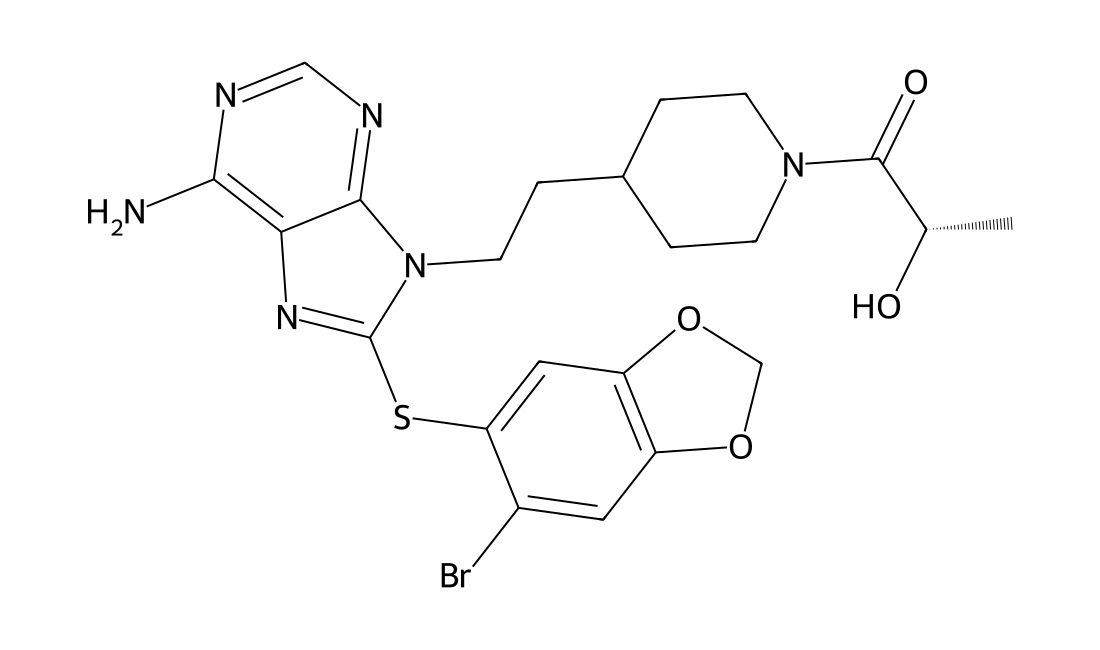
MPC-3100 is a fully synthetic potent small-molecule Hsp90 inhibitor (IC50 of 60 nM). MPC-3100 causes HCT-116, NCI-N87 and DU-145 cells to result in a time-dependent reduction in client protein levels with maximal reduction by 24 hours. The IC50 values For client protein reduction ranges from 0.1 mM to 0.5 mM, comparable to the cellular cytotoxicity values of MPC-3100 at 72 hours For the various cell lines.For the detailed information of MPC-3100, the solubility of MPC-3100 in water, the solubility of MPC-3100 in DMSO, the solubility of MPC-3100 in PBS buffer, the animal experiment (test) of MPC-3100, the cell expriment (test) of MPC-3100, the in vivo, in vitro and clinical trial test of MPC-3100, the EC50, IC50,and Affinity of MPC-3100, Please contact DC Chemicals.
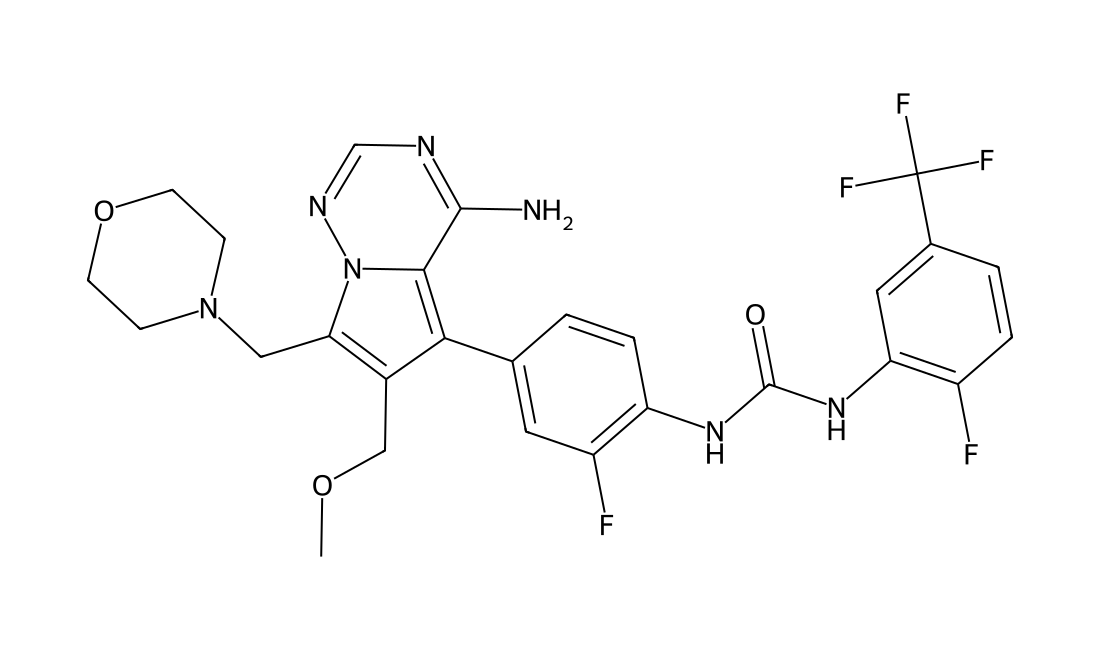
MPC-3100 chemical structure
DC11343

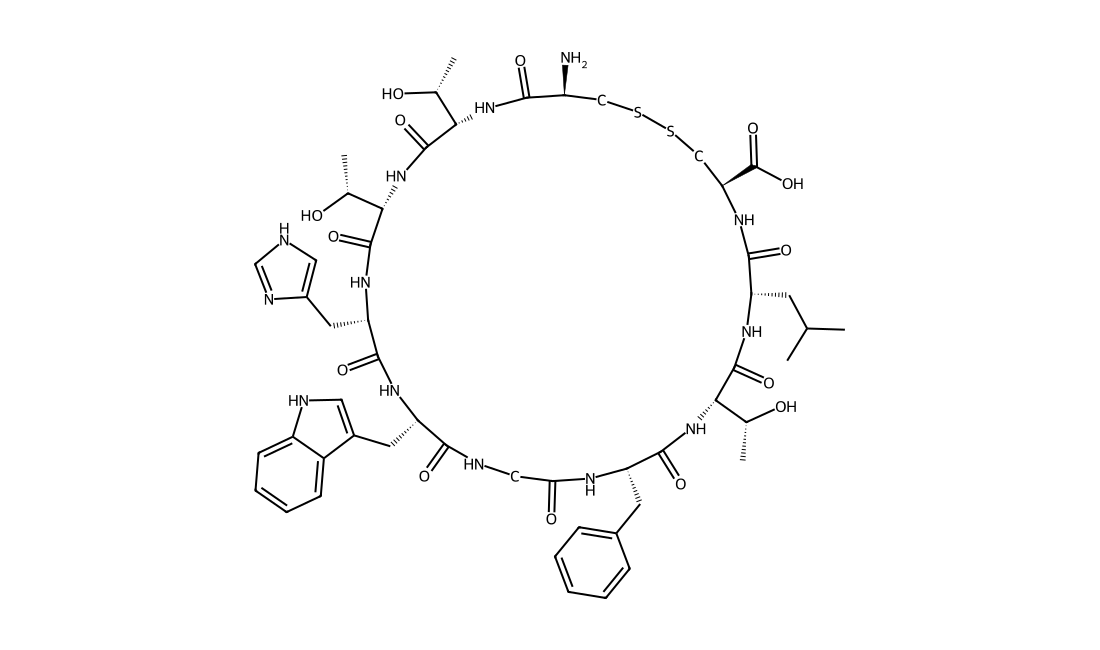
MMP-2/MMP-9 Inhibitor III

CAS 244082-19-7

MMP-2/MMP-9 inhibitor III is a cyclic peptide inhibitor of matrix metalloproteinase-2 (MMP-2) and MMP-9 (IC50s = 10-20 μM for both).It is selective for MMP-2 and MMP-9 over MT1-MMP, MMP-8, and MMP-13 as well as the serine proteases trypsin-2, neutrophil elastase, and cathepsin G when used at a concentration of 500 μM. MMP-2/MMP-9 inhibitor III reduces migration of HT1080 fibrosarcoma, C8161 melanoma, SK-OV-3 ovarian carcinoma, and KS1767 Kaposi's sarcoma cells in vitro. Pretreatment with MMP-2/MMP-9 inhibitor III delays tumor formation in an MDA-MB-435 mouse xenograft model. MMP-2/MMP-9 inhibitor III (100-200 μg per animal) also prevents growth of established tumors in MDA-MB-435 and KS1767 mouse xenograft models.
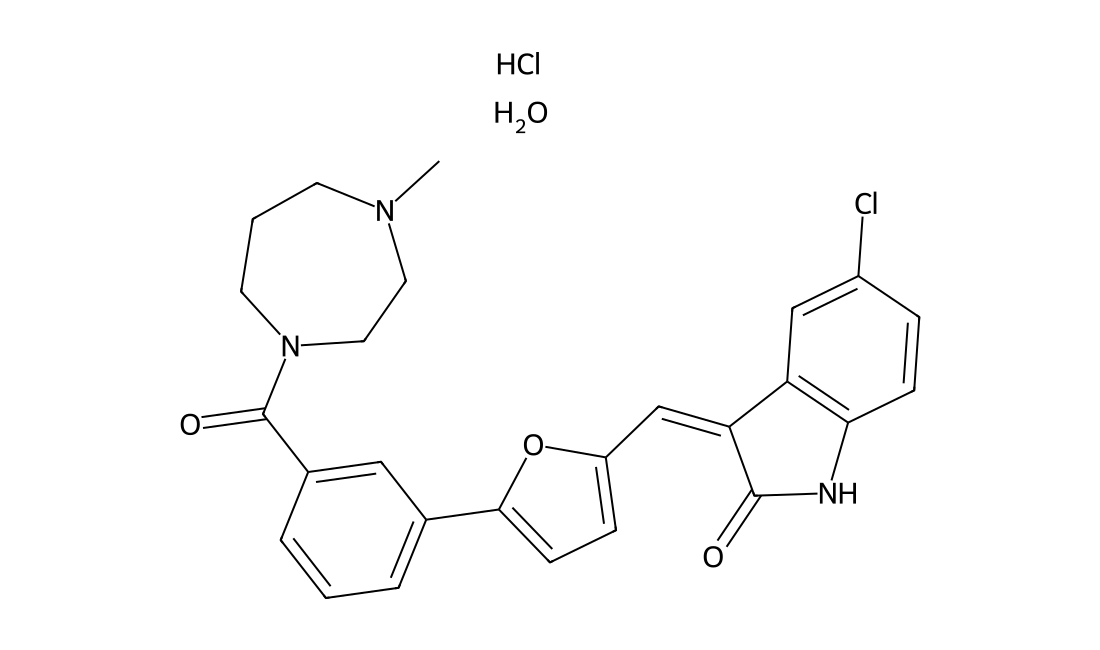
MMP-2/MMP-9 Inhibitor III chemical structure
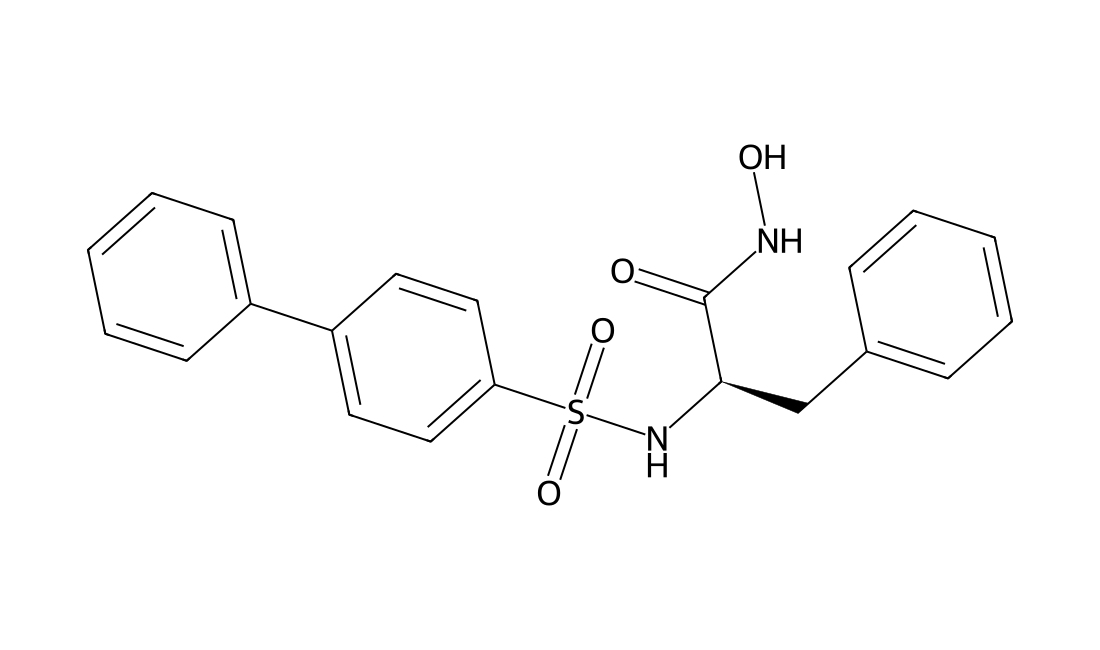
DC8136

L-189

CAS 64232-83-3

L189 is a novel human DNA ligase inhibitor, inhibits hLigI/III/IV with IC50 of 5/9/5 μM.IC50 value: 5/9/5 μM (for hLigI/III/IV)Target: DNA ligasein vitro: L189 is a competitive inhibitor with respect to nicked DNA. L189 inhibits DNA ligases I, III and IV in DNA joining assays with purified proteins and in cell extract assays of DNA replication, base excision repair and non-homologous end joinging. L189 markedly increases killing of HCT116 colon cancer cells and the other cancer cell lines by ionizing radiation.

L-189 chemical structure
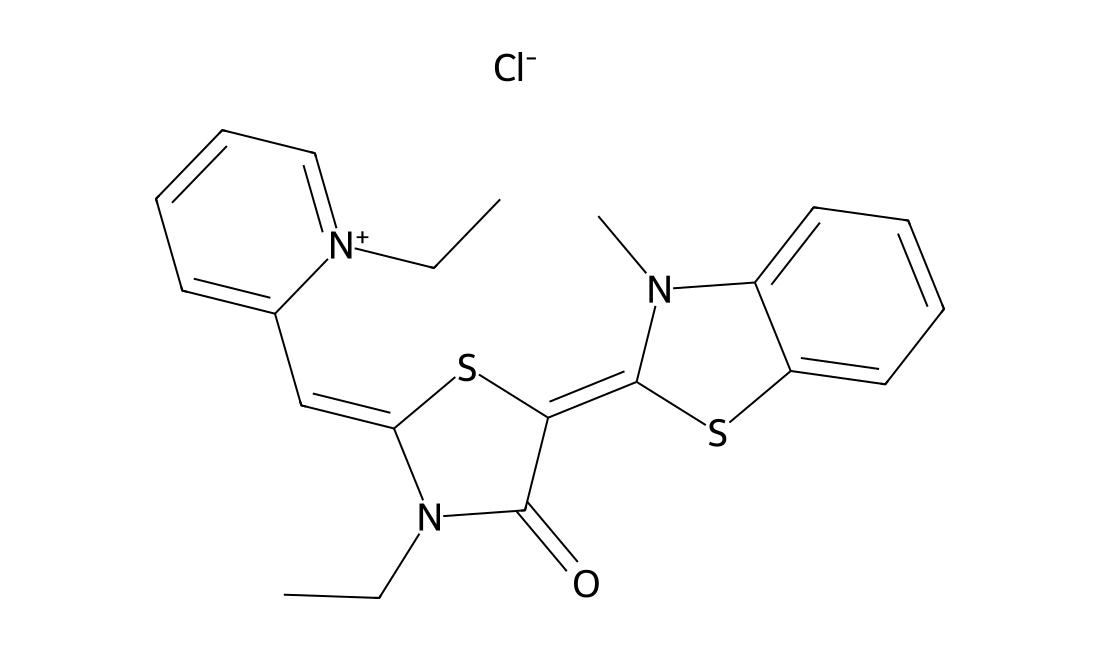
DC23780

MKT-077

CAS 147366-41-4

MKT-077 (FJ-776) is a highly water-soluble (>200 mg/ml) rhodacyanine dye that exhibits significant antitumor activity, binds to Hsp70 family member, mortalin (mot-2), and abrogates its interactions with p53; induces release of wild-type p53 from cytoplasmically sequestered p53-mot-2 complexes and rescued its transcriptional activation function; also is a potent telomerase inhibitor with IC50 of 5 uM.

MKT-077 chemical structure
DC9543

N3PT

CAS 13860-66-7

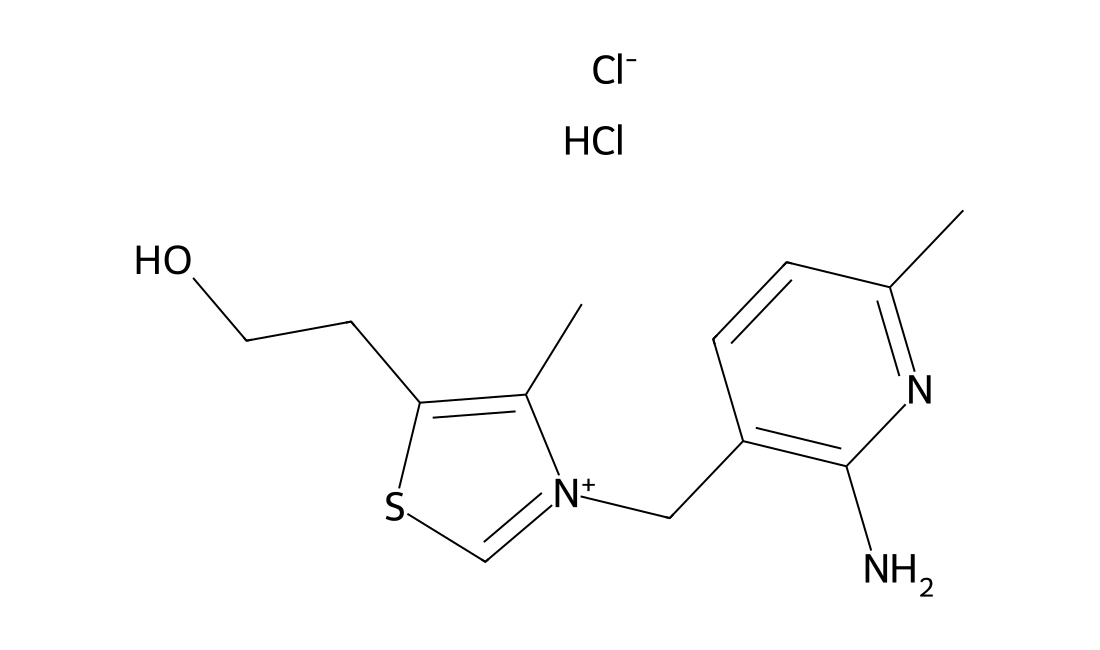
N3PT(N3-pyridyl thiamine) is a potent and selective transketolase(TK) inhibitor (IC50= 22 nM for Apo-TK) both in vitro and in vivo. in vitro: N3PT inhibits transketolase activity in a cell based assay. Competitive inhibition of TK by N3PT in cells treated with increasing doses of thiamine, expressed as percentage enzymatic activity (the slope of initial linear range) of controls not treated with compounds. in vivo: Tumors were induced in mice at day 0 and mice were then treated at day 7 with vehicle alone or with N3PT. Low-thiamine diet enhances the sensitivity to N3PT inhibition of TK in spleen. Animals were switched to diets containing 16.5 mg/kg (unchanged), 5 mg/kg, 1 mg/kg, or 0 mg/kg thiamine, from a normal chow containing 16.5mg/kg thiamine.
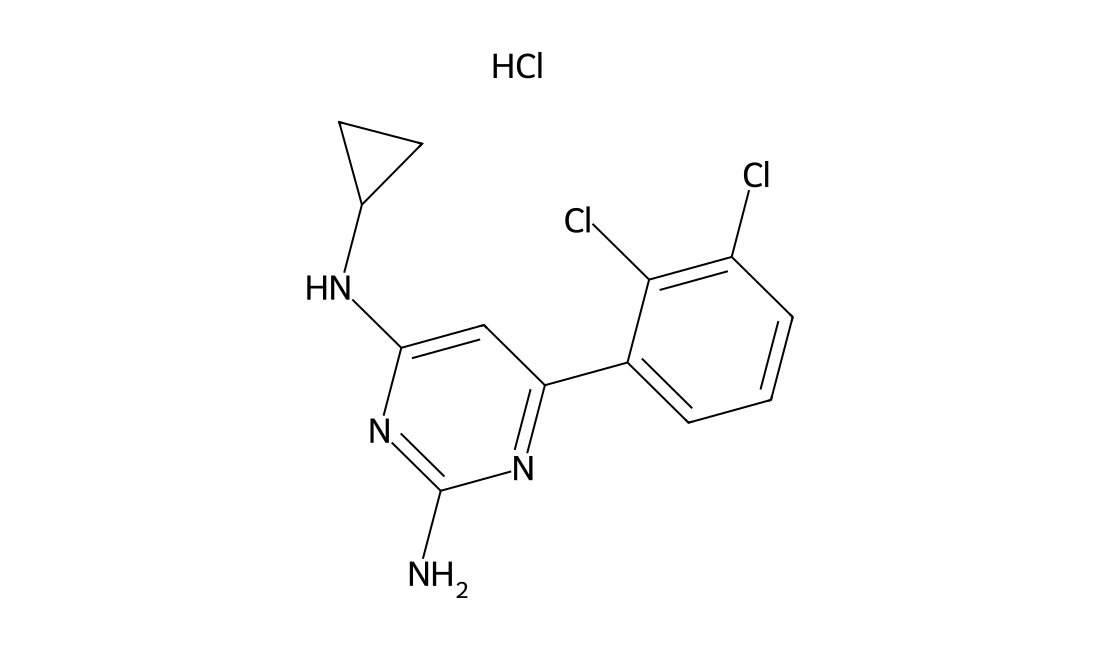
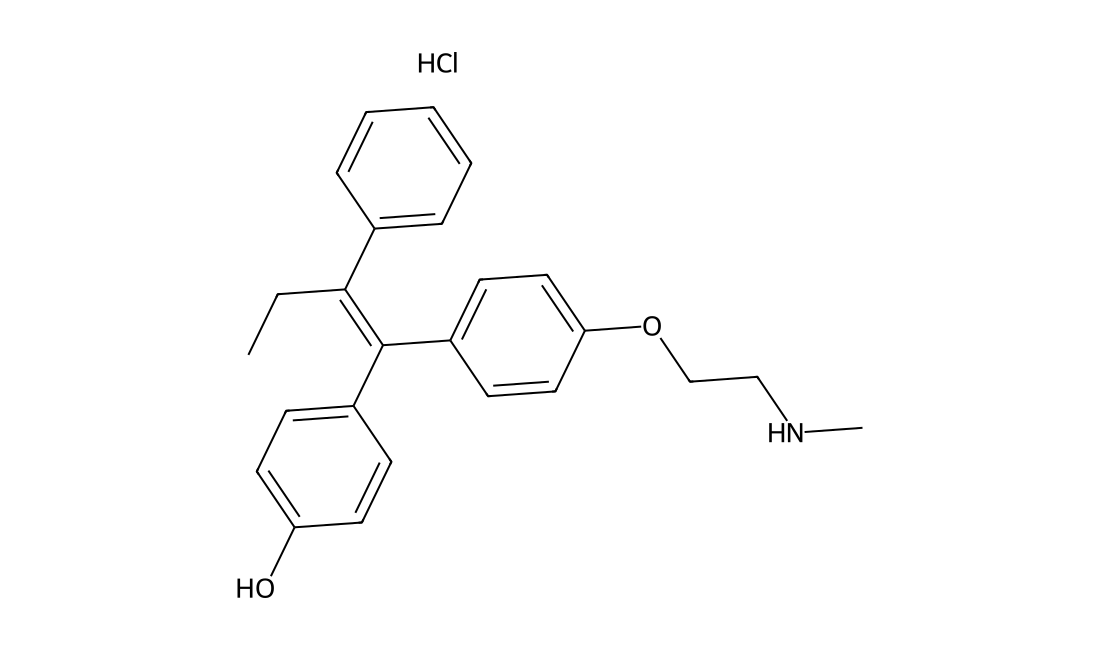
N3PT chemical structure
DC10782

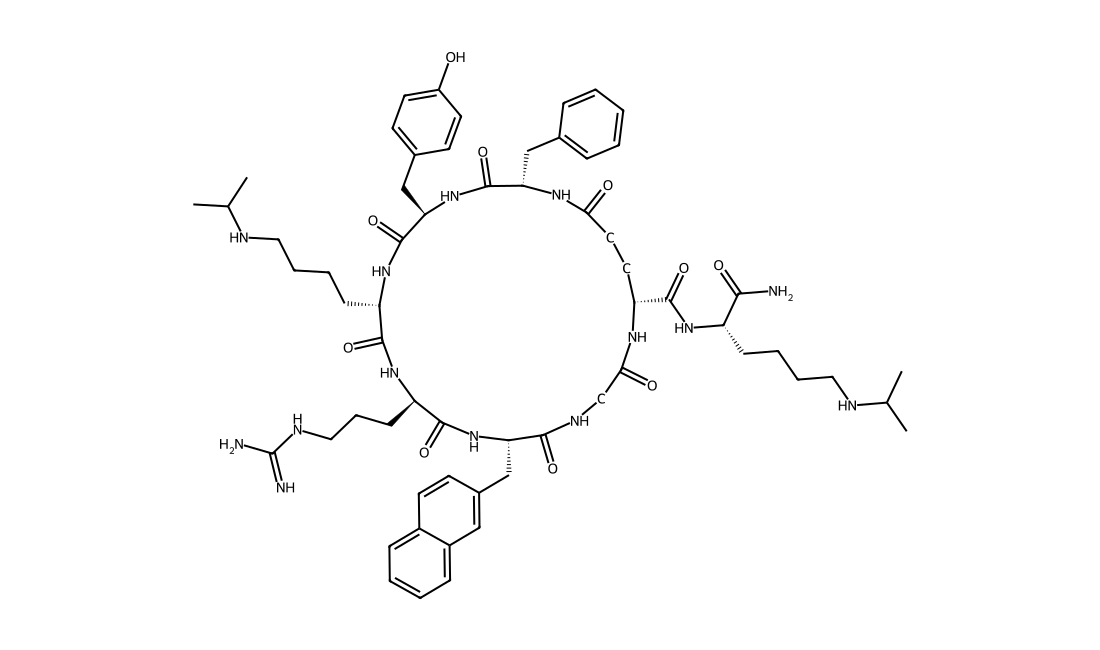
LY2510924

CAS 1088715-84-7

LY2510924 is an inhibitor of CXC chemokine receptor 4 (CXCR4), with potential antineoplastic activity. Upon subcutaneous administration, CXCR4 inhibitor LY2510924 binds to the chemokine receptor CXCR4, thereby preventing CXCR4 binding to its ligand, stromal derived factor-1 (SDF-1), and subsequent receptor activation. This may result in decreased tumor cell proliferation and migration. CXCR4, a chemokine receptor belonging to the G protein-coupled receptor (GPCR) gene family, plays an important role in chemotaxis and angiogenesis and is upregulated in several tumor cell types.

LY2510924 chemical structure
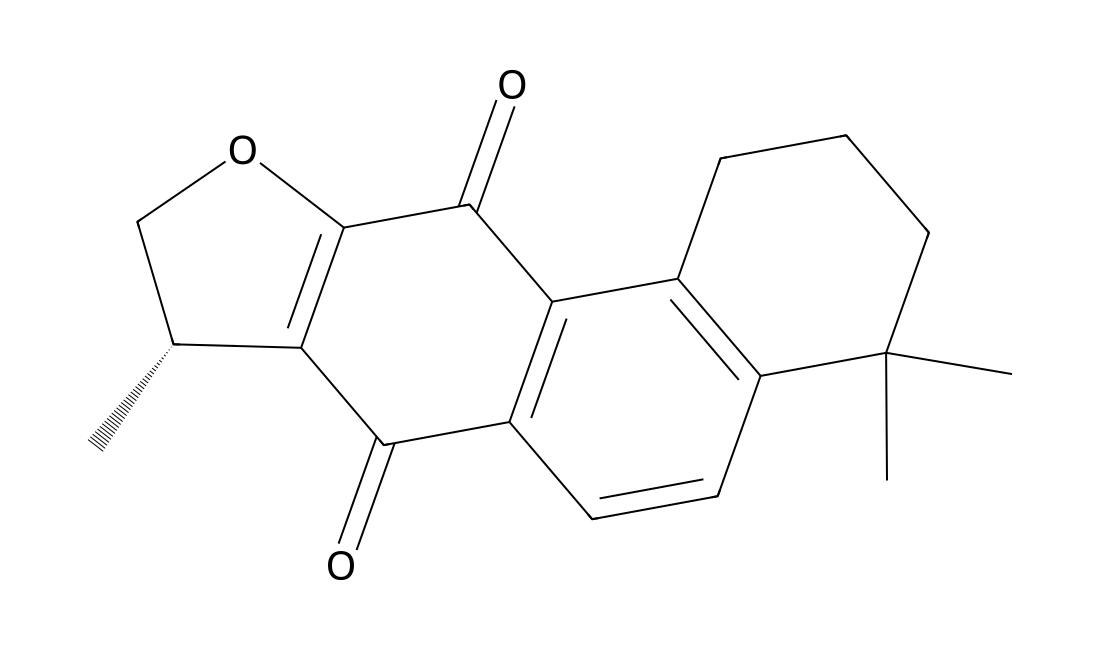
DC12071

Isocryptotanshinone

CAS 22550-15-8

In Vitro It is showed that tanshinones significantly inhibited A549 proliferation and Isocryptotanshinone (ICTS) exhibits the strongest activity. Isocryptotanshinone inhibits the constitutive STAT3 and p-STAT3 (Y705) expression in concentration and time-dependent manners. Isocryptotanshinone dramatically inhibits the IL-6-stimulated expression of p-STAT3 (Y705) in a time-dependent manner.

Isocryptotanshinone chemical structure
DC10340

ISA-2011B

CAS 1395347-24-6

The proliferation rate of PC-3 cells after treatment with ISA-2011B at 10, 20, and 50 μM is significantly reduced to 58.77%, 48.65%, and 21.62% of vehicle-treated controls, respectively. ISA-2011B exhibits the highest binding affinity to PIP5K1α, and to MAP/microtubule affinity-regulating kinase 1 and 4 (MARK1 and MARK4) across 460 kinases. ISA-2011B treatment inhibits PIP5K1α expression by 78.6% in PC-3 cells. ISA-2011B leads to a remarkable reduction in AR-V7 and CDK1 in both nucleus and cytoplasm of 22Rv1 cells. ISA-2011B treatment also abolishes AR expression in the nucleus, without depleting the cytoplasmic AR.ISA-2011B significantly inhibits growth of tumor cells in xenograft mice, and is mediated by targeting PIP5K1α-associated PI3K/AKT and the downstream survival, proliferation, and invasion pathways. Overexpression of AR-V7 increases PIP5K1α, promotes rapid growth of PCa in xenograft mice, whereas inhibition of PIP5K1α by its inhibitor ISA-2011B suppresses the growth and invasiveness of xenograft tumors overexpressing AR-V7. ISA-2011B disrupts protein stabilization of AR-V7 which is dependent on PIP5K1α, leading to suppression of invasive growth of AR-V7-high tumors in xenograft mice.

ISA-2011B chemical structure
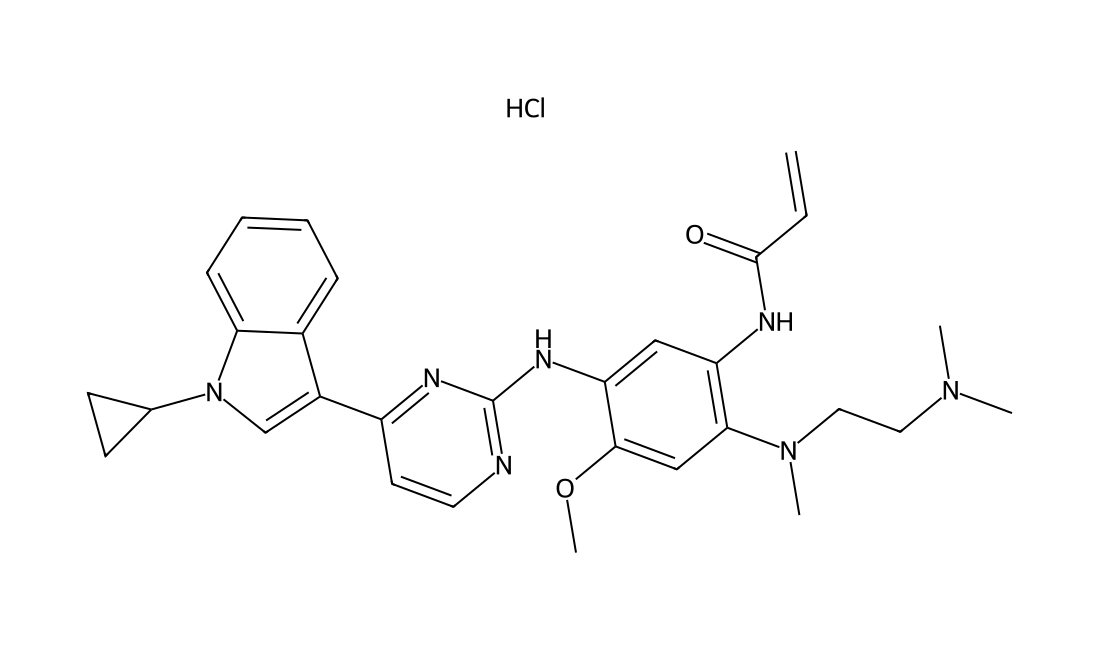
DC12259

HS-10296 hydrochloride

CAS 2134096-03-8

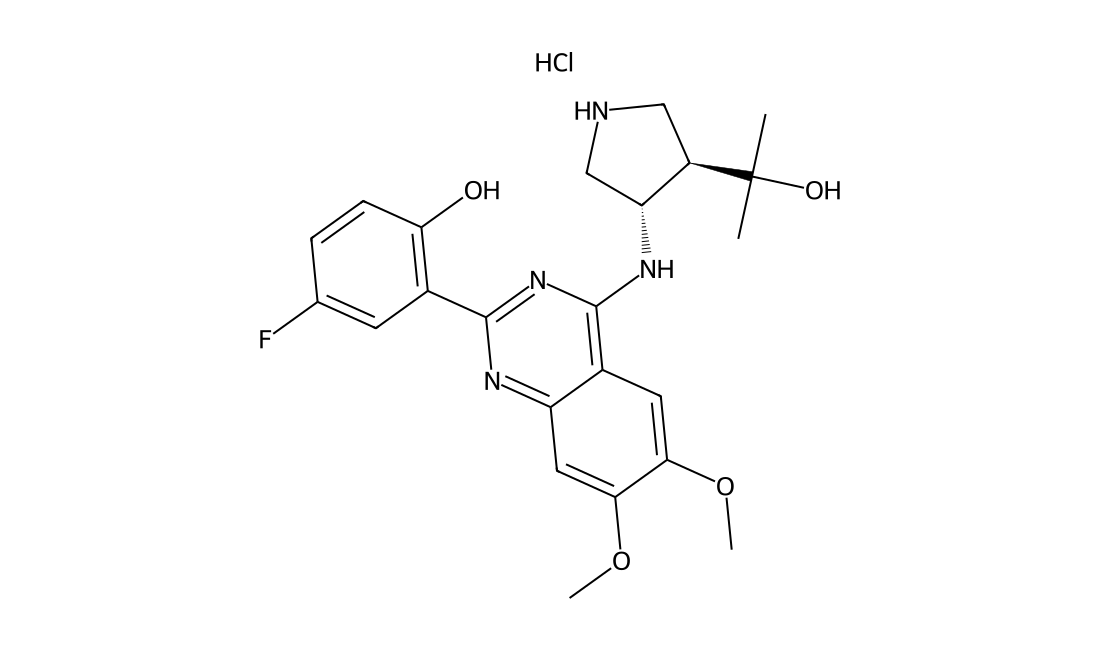
In Vitro HS-10296 hydrochloride is an orally available inhibitor of the epidermal growth factor receptor (EGFR) mutant form T790M, with potential antineoplastic activity, which canbe used to treat NSCLC. Additionaly, HS-10296 could also inhibit other EGFR sensitive mutations, including G719X, del19, L858R and L861Q.

HS-10296 hydrochloride chemical structure
DC11366

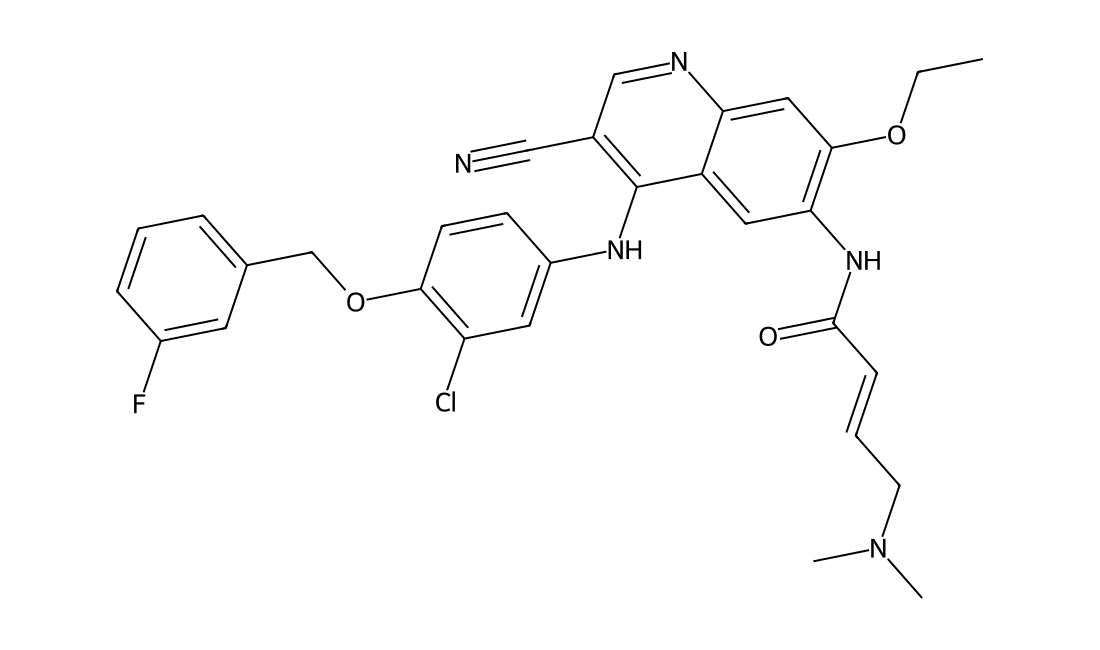
HKI 357

CAS 848133-17-5

HKI 357 is an irreversible dual inhibitor of the EGF receptor tyrosine kinases EGFR and HER2 (IC50s = 34 and 33 nM, respectively). It inhibits proliferation of A431, SK-BR-3, and SW620 cancer cell lines (IC50s = 120, 2.5, and 511 nM, respectively). HKI 357 suppresses EGFR autophosphorylation and phosphorylation of the downstream effectors AKT and ERK in the gefitinib-susceptible and -resistant cell lines NCI-H1650 and NCI-H1650(G7), respectively.In vivo, HKI 357 (10 mg/kg) inhibits tumor growth in BT474, A431, and SUM190 mouse xenograft models.

HKI 357 chemical structure
DC10590

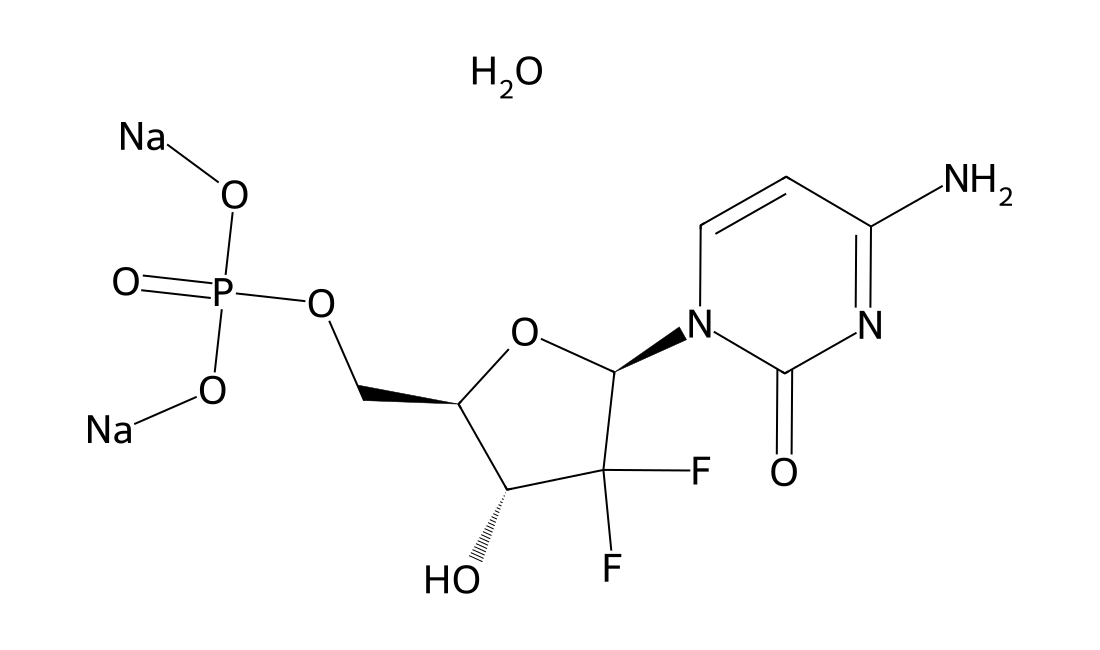
Gemcitabine monophosphate

CAS 1638288-31-9

Gemcitabine monophosphate disodium salt, also called GemMP, is a monophosphate derivative of Gemcitabine. Gemcitabine (Gem) is a deoxycytidine analog that is effective against pancreatic cancer and other malignancies following conversion to the 5'-O-mono-, di- and tri-phosphate forms. GemMP decreased tumor cell growth at concentrations ranging from 1 to 50 nM. GemMP is a potent cytotoxic agent that serves to induce apoptosis in association with increased Fas expression in cultured thyroid cancer cell lines.

Gemcitabine monophosphate chemical structure
DC10035

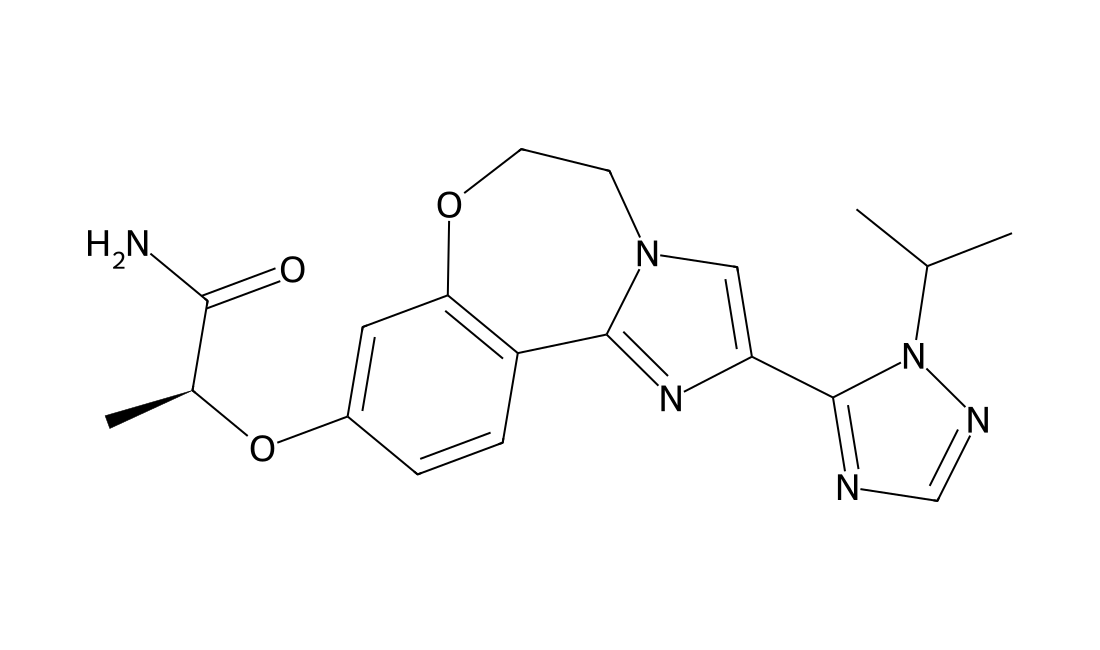
GDC-0326

CAS 1282514-88-8

GDC-0326 is a potent and selective inhibitor of α-Isoform of Phosphoinositide 3-Kinase (PI3Kalpha inhibitor). GDC-0326 achieves a very high level of selectivity over other kinases. GDC-0326 has low plasma CL in human. Within the PI3 kinase family, there are four class I PI3K isoforms (α, β, δ, and γ). Of these isoforms, PI3Kα is the most commonly associated with cancers.

GDC-0326 chemical structure
DC23179

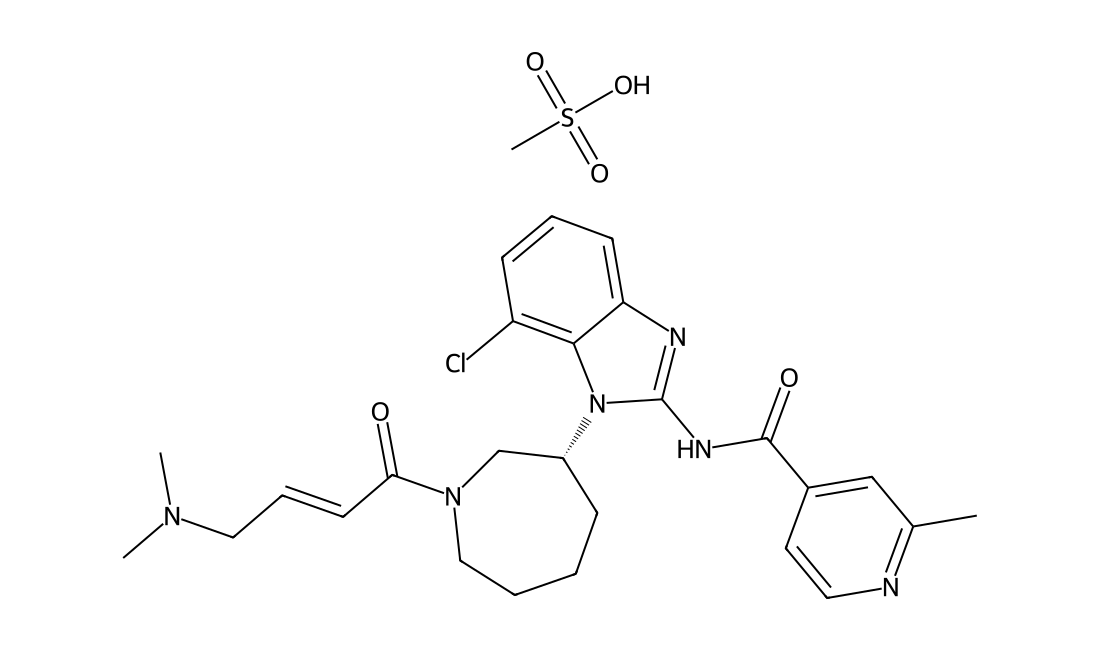
EGF816 mesylate

CAS 1508250-72-3

EGF816 (Nazartinib) is a potent, irreversible, mutant-selective EGFR inhibitor with Ki and Kinact of 31 nM and 0.222 min-1, respectively; shows potent inhibition of pEGFR levels in H3255, HCC827, and H1975 with EC50 of 5, 1, and 3 nM, which harbor the L858R, Ex19del, and L858R/T790M mutations, respectively, inhibitscell proliferation with EC50 of 9, 11, and 25 nM, but not the WT EGFR-containing patient-derived cell lines; potently inhibits the most common EGFR mutations L858R, Ex19del, and T790M in vitro; causes tumor regressions in vivo in several patient-derived xenograft models, also demonstrates antitumor activity in exon 20 insertion mutant model.Lung CancerPhase 3 Clinical

EGF816 mesylate chemical structure
DC10413

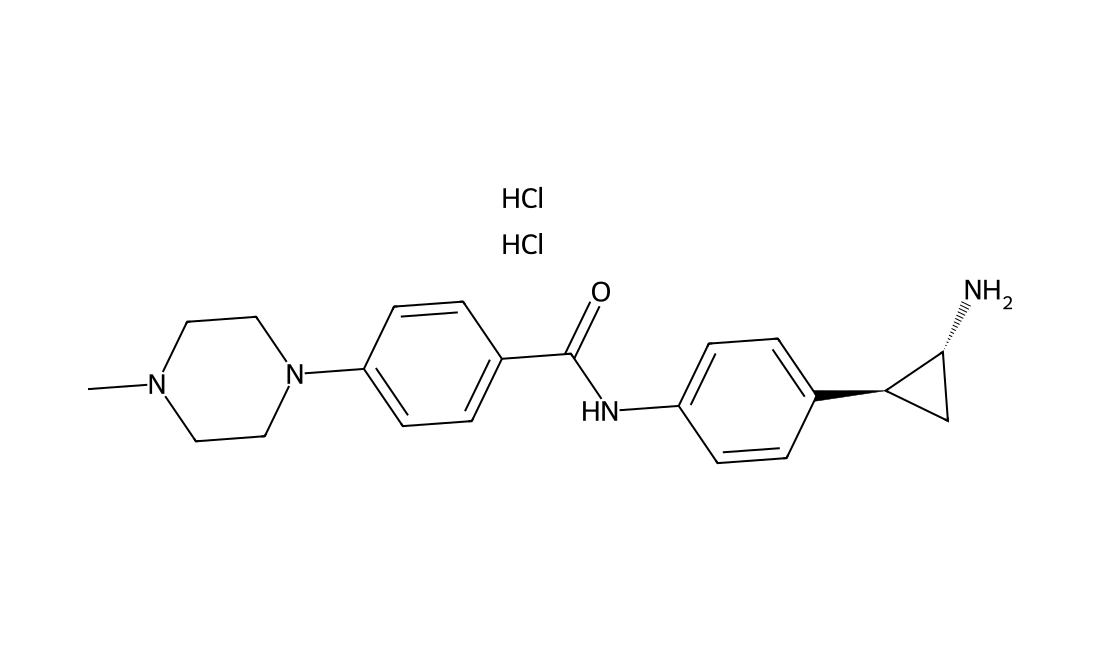
DDP-38003 dihydrochloride

CAS 1831167-98-6

DDP-38003 inhibits KDM1A with an IC50 of 84 nM. DDP-38003 is more active in reducing the colony forming ability and in inducing thedifferentiation of THP-1 cells compared to the 1R, 2S analogue.DDP-38003 exhibits in vivo efficacy after oral administration, determining a 62% increased survival in mouse leukemia models with evidence of KDM1A inhibition. The half life of DDP-38003 is 8 h. A significant dose dependent increase of mice survival is obtained by DDP-38003 treatment. The survival rate increases 35% and 62% at the dose of 11.25 and 22.50 mg/kg, respectively. DDP-38003 is a potential oral anticancer agent.

DDP-38003 dihydrochloride chemical structure
DC8777

CEP-32496 hydrochloride

CAS 1227678-26-3

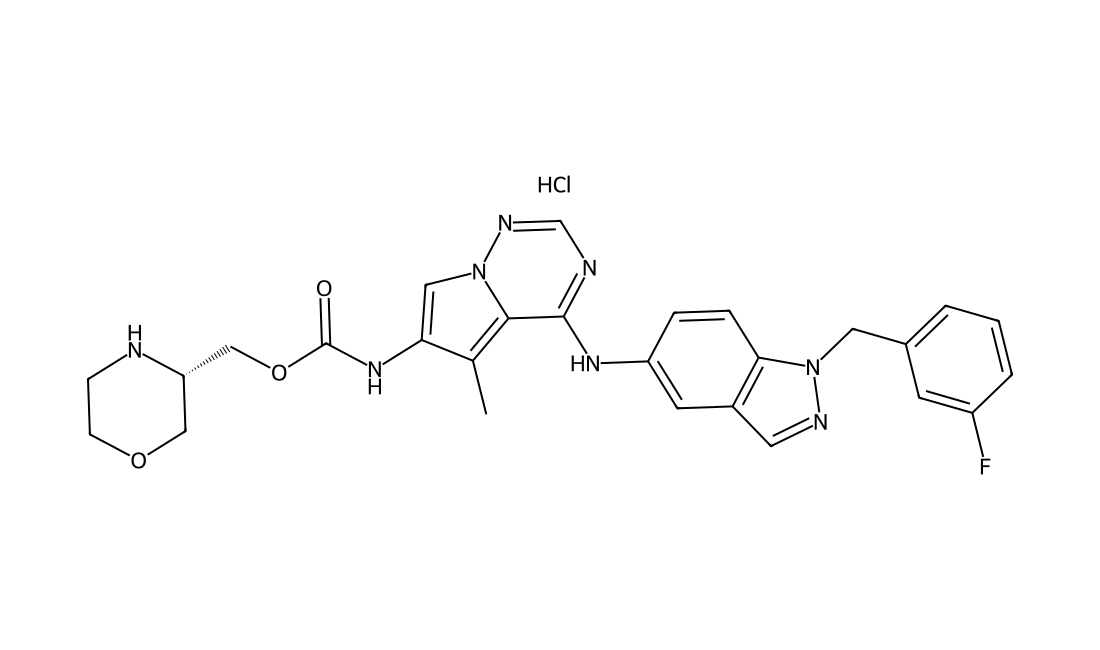
CEP-32496 Hcl is a highly potent inhibitor of BRAF(V600E/WT) and c-Raf with Kd of 14 nM/36 nM and 39 nM, also potent to Abl-1, c-Kit, Ret, PDGFRβ and VEGFR2, respectively; insignificant affinity for MEK-1, MEK-2, ERK-1 and ERK-2.CEP-32496 is a potent BRAF inhibitor in an in vitro binding assay for mutated BRAF(V600E) (K(d) BRAF(V600E) = 14 nM) and in a mitogen-activated protein (MAP)/extracellular signal-regulated (ER) kinase (MEK) phosphorylation (pMEK) inhibition assay in human melanoma (A375) and colorectal cancer (Colo-205) cell lines (IC(50) = 78 and 60 nmol/L). In vitro, CEP-32496 has multikinase binding activity at other cancer targets of interest; however, it exhibits selective cellular cytotoxicity for BRAF(V600E) versus wild-type cells.

CEP-32496 hydrochloride chemical structure
DC9399

CCT241533 (hydrochloride)

CAS 1431697-96-9

CCT241533 Hcl is a potent serine/threonine checkpoint kinase (Chk2) inhibitor with IC50 of 3 nM; shows minimal cross-reactivity against a panel of kinases at 1 uM. CCT241533 bound to CHK2 in the ATP pocket. This compound inhibits CHK2 with an IC(50) of 3 nmol/L and shows minimal cross-reactivity against a panel of kinases at 1 μmol/L. CCT241533 blocked CHK2 activity in human tumor cell lines in response to DNA damage, as shown by inhibition of CHK2 autophosphorylation at S516, band shift mobility changes, and HDMX degradation. CCT241533 did not potentiate the cytotoxicity of a selection of genotoxic agents in several cell lines. However, this compound significantly potentiates the cytotoxicity of two structurally distinct PARP inhibitors. Clear induction of the pS516 CHK2 signal was seen with a PARP inhibitor alone, and this activation was abolished by CCT241533, implying that the potentiation of PARP inhibitor cell killing by CCT241533 was due to inhibition of CHK2. Consequently, our findings imply that CHK2 inhibitors may exert therapeutic activity in combination with PARP inhibitors.

CCT241533 (hydrochloride) chemical structure
DC24131

BMS-599626 hydrochloride

CAS 873837-23-1

BMS-599626 (AC-480) is a potent, selective inhibitor of EGFR and HER2 with IC50 of 20 nM and 30 nM; displays 8-fold less potency to HER4, >100-fold to VEGFR2, c-Kit, Lck, MET etc; inhibits the proliferation of tumor cells expressing high levels of HER1 and/or HER2; shows potent antitumor activity in a human breast tumor KPL-4 xenograft; orally efficacious.Breast CancerPhase 1 Discontinued

BMS-599626 hydrochloride chemical structure
DC10200

BMS-214662

CAS 195987-41-8

BMS-214662 is over 1000-fold selective for farnesyl transferase, having IC50 values for inhibition of geranylgeranylation of Ras-CVLL and K-Ras of 1.3 and 2.3 μM, respectively. BMS-214662 shows good potency in inhibiting H-ras-transformed rodent cells, A2780 human ovarian carcinoma tumor cells, and HCT-116 human colon carcinoma tumor cells. BMS-214662 is the most potent apoptotic FTI known and demonstrates broad spectrum yet robust cell-selective cytotoxic activity against a panel of cell lines with diverse histology.Tumors from BMS-214662-treated mice have increased numbers of apoptotic cells as compared with the nontreated control mice. The AIs in HCT-116 tumors are increased 4-10-fold in BMS-214662-treated mice as compared with nontreated controls. BMS-214662 is significantly cytotoxic to both HCT-116 and EJ-1 tumor cells; the doses of BMS-214662 required to kill 90% of clonogenic tumor cells are approximately 75 and 100 mg/kg for HCT-116 and EJ-1 tumors.

BMS-214662 chemical structure
DC12274

AZ82

CAS 1449578-65-7

In Vitro AZ82 is shown to specifically induce multipolar spindles in BT-549 cells, but not in cancer cells with normal centrosome number, such as HeLa. AZ82 binds specifically to KIFC1/MT complex but not to KIFC1 or MT alone. Treatment with AZ82 caused centrosome declustering in BT-549 breast cancer cells with amplified centrosomes. AZ82 inhibits both processes with an IC50 of 0.90 ± 0.09 μM for mant-ATP binding and 1.26 ± 0.51 μM for mant-ADP releasing.

AZ82 chemical structure
DC24141

Lexibulin dihydrochloride

CAS 917111-49-0

An orally active tubulin polymerization inhibitor with potent cytotoxic and vascular disrupting activity in vitro and in vivo; inhibits a broad selection of cancer cell lines with IC50 of <100 nM; blocks the cell cycle at the G2-M boundary and increases phosphorylated Bcl-2, expression of cyclin B1; orally bioavailable, and efficacious in a range of in vivo cancer models. Blood Cancer Phase 2 Discontinued

Lexibulin dihydrochloride chemical structure
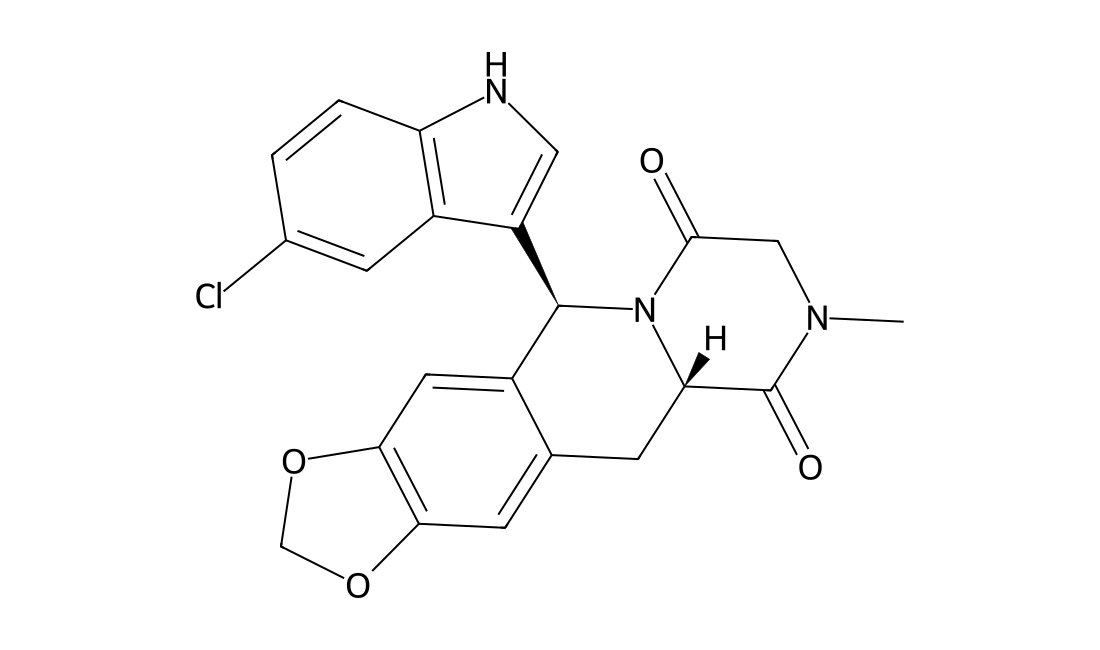
DC22575

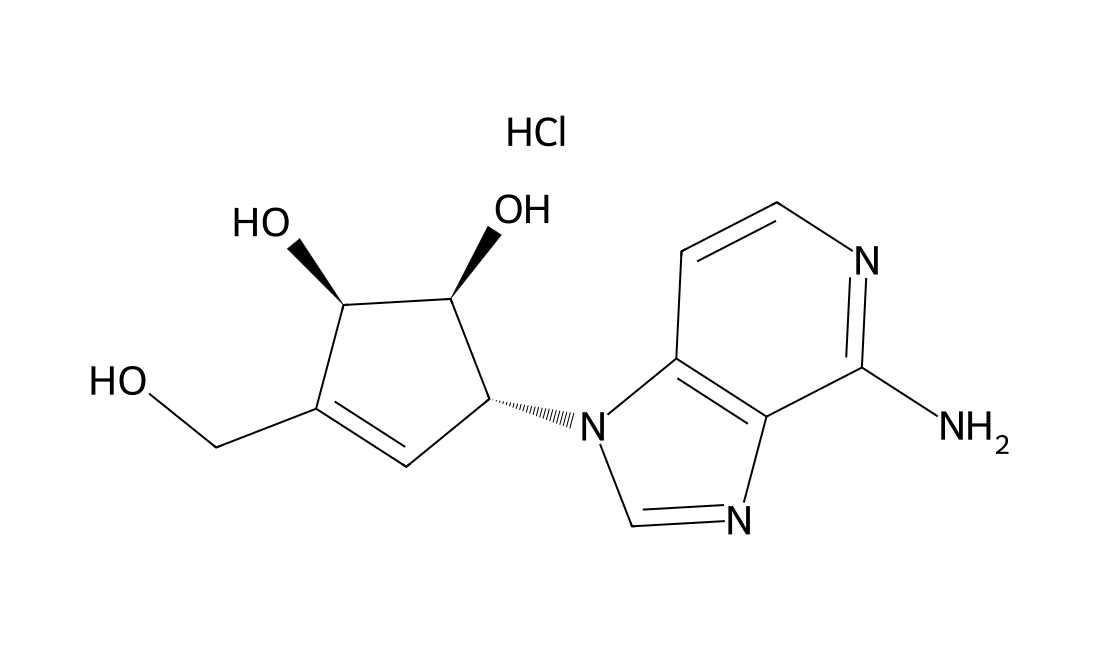
MLN-4924 hydrochloride

CAS 1160295-21-5

An analog of adenosine 5’-monophosphate that potently and selectively inhibits NEDD8-activating enzyme (NAE) with IC50 of 4.7 nM; also inhibits the related enzymes ubiquitin-activating enzyme (UAE) and SUMO-activating enzyme (SAE) with IC50 of 1.5 and 8.2 uM, respectively; disrupts CRL-mediated protein turnover leading to apoptosis in HCT116 cells, suppresses the growth of human tumor xenografts in mice (30-60 mg/kg).Blood CancerPhase 2 Clinical

MLN-4924 hydrochloride chemical structure
DC23931

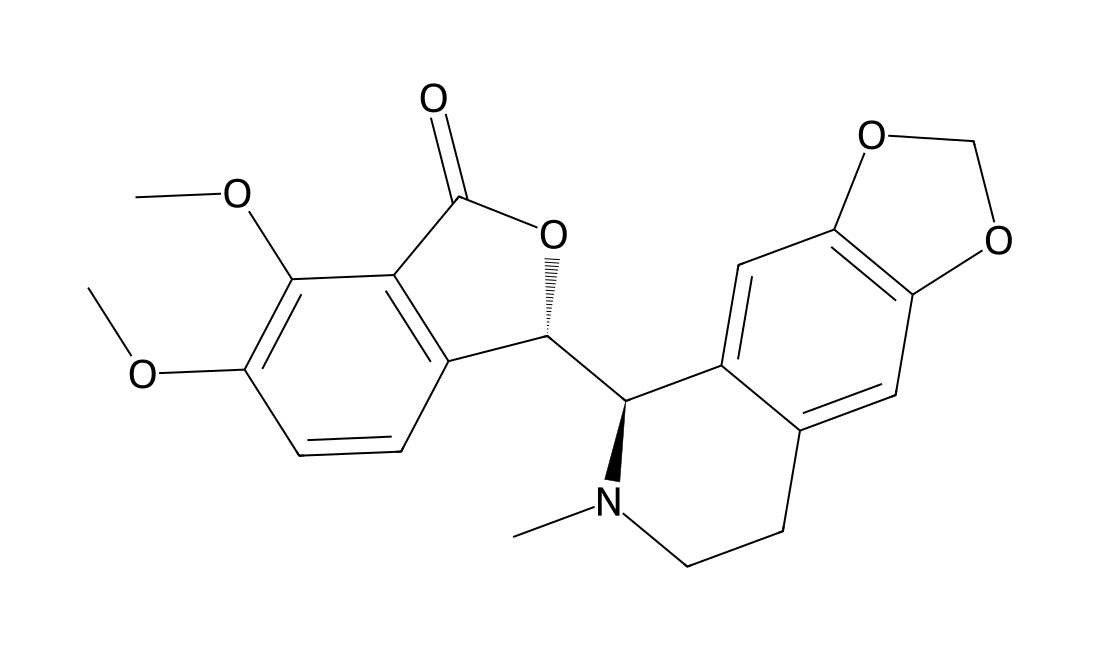
Hydrastine

CAS 118-08-1

An alkaloid of Hydrastis canadensis used in many dietary supplements intended to enhance the immune system; inhibits PAK4 kinase activity, suppresses the proliferation and invasion of human lung adenocarcinoma cells, inhibits expression of cyclin D1/D3 and CDK2/4/6, leading to cell cycle arrest at the G1 phase; also promotes the early apoptosis of lung adenocarcinoma cells through the mitochondrial apoptosis pathway.

Hydrastine chemical structure
DC23949

CX-6258 hydrochloride hydrate

CAS 1353858-99-7

A potent, selective, and orally efficacious pan-Pim inhibitor with IC50 of 5/25/16 nM for Pim1/2/3, respectively; exhibits in vitro synergy with chemotherapeutics and robust in vivo efficacy in driven tumor models; also decreases steady state levels and half-life of NKX3.1 protein but not mRNA in prostate cancer cells.Blood CancerDiscontinued

CX-6258 hydrochloride hydrate chemical structure
DC24124

TH-588 hydrochloride

CAS 1640282-30-9

A potent and selective inhibitor of MTH1 protein with IC50 of 5 nM; shows no relevant inhibition for MTH2,NUDT5, NUDT12,NUDT14,NUDT16 and other proteinswith known nucleoside triphosphate pyrophosphatase activity; causees incorporation of oxidized dNTPs in cancer cells, leading to DNA damage, cytotoxicity and therapeutic responses in patient-derived mouse xenografts.

TH-588 hydrochloride chemical structure
DC23953

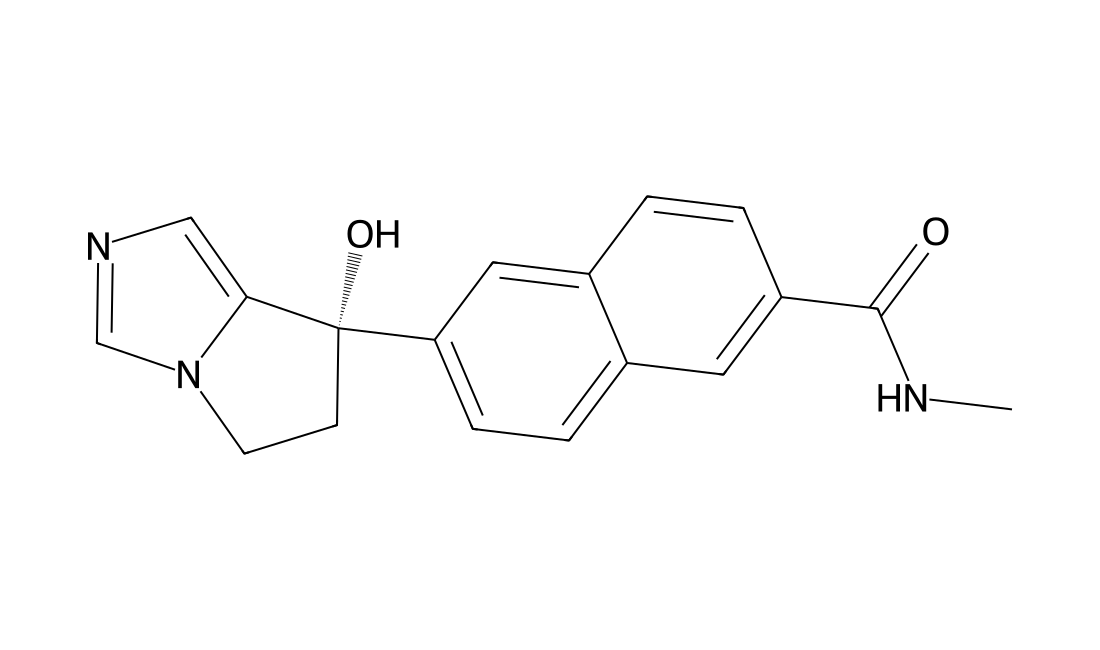
Orteronel

CAS 566939-85-3

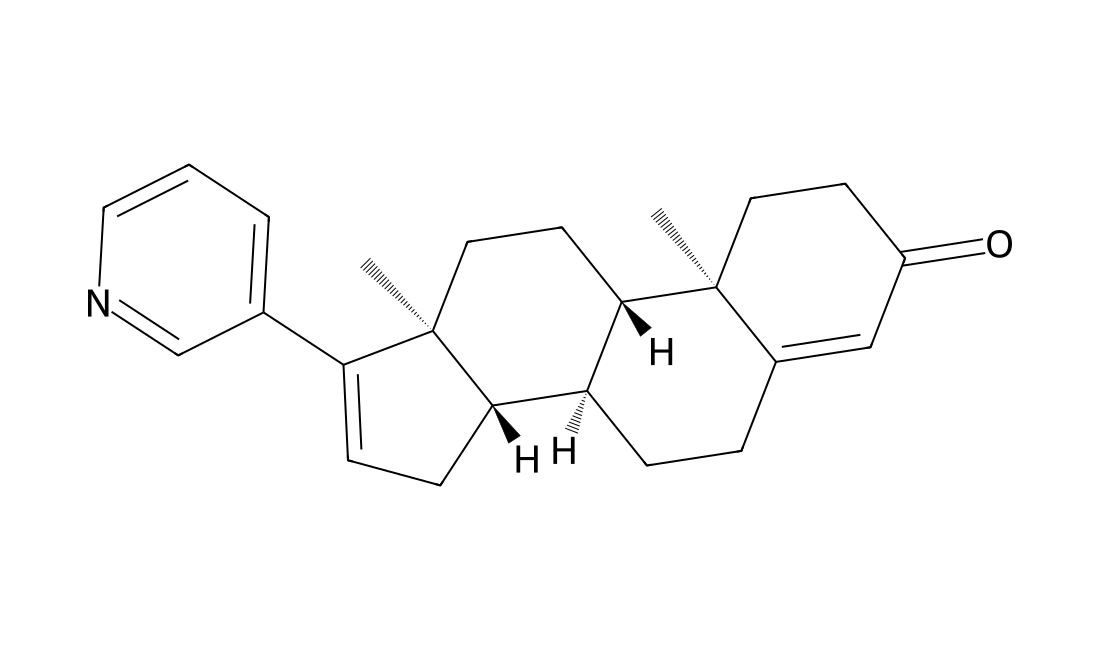
A highly selective CYP17A1 (17,20-lyase) inhibitor with IC50 of 17 nM for human 17,20-lyase; shows no activity on CYP3A4 (IC50>10 uM) and CYP11B1 (IC50>1 uM); reduces both serum testosterone and dehydroepiandrosterone concentrations in monkey model at a dose of 1mg/kg.Prostate cancerPhase 3 Discontinued

Orteronel chemical structure
DC23987

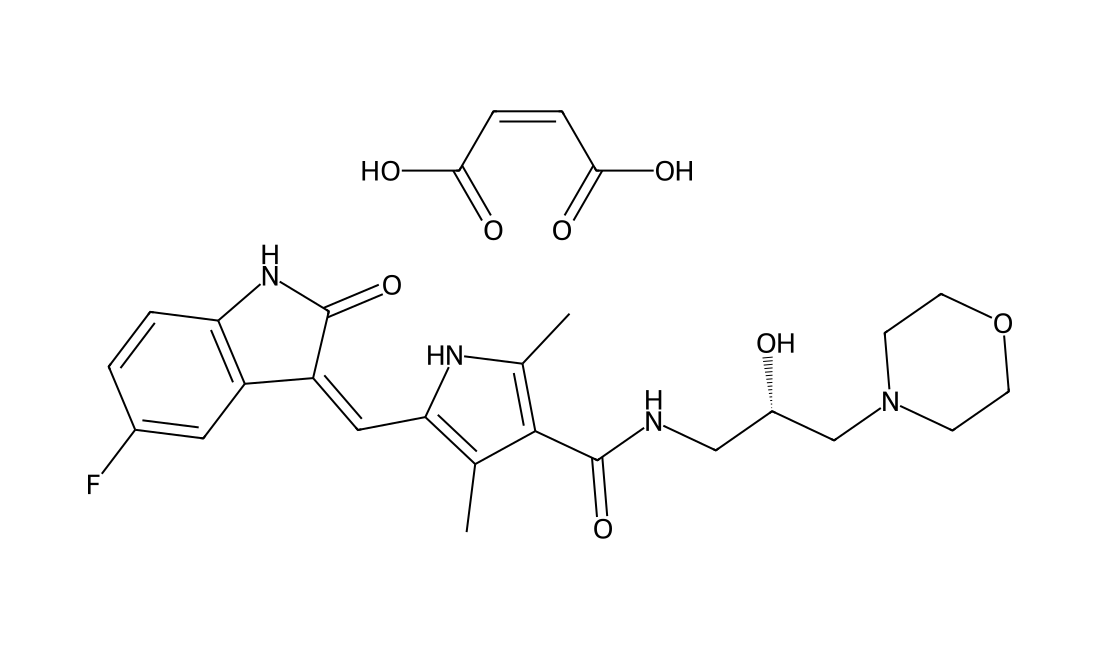
SU14813 maleate

CAS 849643-15-8

A broad-spectrum RTKs inhibitor with IC50 ranging from 2 to 50 nM for VEGFR-1, VEGFR-2, PDGFRs, KIT, FLT3, and CSF1R/FMS; shows poor activity for EGFR and c-Met in biochemical assays; inhibits VEGFR-2, PDGFR-β, and KIT phosphorylation in porcine aorta endothelial cells with IC50 of 5.2, 9.9, and 11.2 nM respectively; active in xenograft tumor models.Breast CancerPhase 2 Discontinued

SU14813 maleate chemical structure
Browse target & topic index A–Z (366)
11β-HSD (1)15-PGDH (2)5-HT Receptor (16)Acetyl-CoA Carboxylase (ACC) (3)Acetylcholinesterase (AChE) (2)Ack1 (TNK2) (1)Acyltransferase (1)ADC Cytotoxin (6)ADCs Linker/Click Chemistry (5)Adenosine Receptor (9)Adenylate Cyclase (2)Adrenergic Receptor (11)Akt (12)Alcoholism (2)Aldehyde Dehydrogenase (ALDH) (6)Allergy (5)Alzheimer Disease (13)Aminopeptidase (1)AMPK (8)Amyloids (4)Anaplastic Lymphoma Kinase (ALK) (9)Androgen Receptor (AR) (11)Anemia (4)Angiotensin Receptor (4)Antibody/Protein labeling dyes (1)Antifolate (2)Anxiety (1)Apoptosis Inducer (3)Arginase (1)Arp2/3 complex (1)Aryl hydrocarbon Receptor (AhR) (1)Asthma (5)Atherosclerosis (2)ATM/ATR (8)Aurora Kinase (10)Autophagy (6)Autophagy-related Protein (Atg) (2)Autotaxin (2)Bacterial (26)Bacterial Infection (17)Bcl-2 (14)Bcr-Abl (5)BCRP (1)Beta-catenin (4)Beta-secretase (BACE) (4)Blood Cancer (91)BMI-1 (1)Bone Cancer (6)Brain Cancer (6)Breast Cancer (30)Bromodomain (22)BTK (10)c-Fms (CSF1R) (5)c-Fos/AP-1 (1)c-Kit (6)c-Met (HGFR) (11)c-Myc (2)Calcium Channel (4)Calcium-sensing Receptor (CaSR) (1)CaMK (4)Cannabinoid Receptor (6)Carbonic Anhydrase (1)Carboxypeptidase (1)Casein Kinase (6)Caspase (4)Cathepsin (6)Cdc2-like Kinase (CLK) (1)CETP (2)CFTR (7)Checkpoint Kinase (Chk) (8)Chemokine Receptor (CCR and CXCR) (14)Chemotherapeutic Agents (19)Chloride Channel (1)CMV (2)CMV Infection (2)Colon Cancer (9)Complement System (1)COPD (3)CREB/CBP (2)CRF Receptor (2)CRISPR/Cas9 (1)Cushing Disease (1)Cyclin-dependent Kinase (CDK) (39)Cyclooxygenase (COX) (4)Cytochrome P450 (CYPs) (5)Depression (2)Dermatitis (2)Deubiquitinase (DUB) (7)Diabetes (20)Dipeptidyl Peptidase (DPP) (3)Discoidin Domain Receptor (DDR) (1)DNA Alkylator/Crosslinker (10)DNA Methyltransferase (DNMT) (1)DNA Repair Protein (1)DNA-PK (2)DNA/RNA Synthesis (5)Dopamine beta-hydroxylase (1)Dopamine Receptor (7)Drug Metabolite (1)Drug-Linker Conjugates (11)Dyes (4)DYRK (1)Dyslipidemia (9)E3 Ligase Ligand (6)E3 Ligase Ligand-Linker Conjugate (1)E3 Ubiquitin Ligase (4)Ebola Virus Infection (1)EGFR (32)Elastase (2)Endothelin Receptor (5)Enzymes substrates (13)Epigenetic Reader Domain (3)Epilepsy (4)ERK (4)Estrogen Receptor/ERR (13)Eukaryotic Initiation Factor (eIF) (2)Exportin-1 (CRM1,XPO1) (2)FABP (1)Factor Xa (5)Farnesoid X Receptor (FXR) (5)Farnesyl transferase (FTase) (1)Ferroptosis (6)FGFR (20)Fibrosis (5)FLT3 (6)Focal Adhesion Kinase (FAK) (11)Foxo1 (1)Free Fatty Acid Receptor (FFAR) (5)Fungal (2)Fungal Infection (1)GABA Receptor (13)Galectin (1)Gastric Cancer (8)Ghrelin Receptor (GHSR) (3)Glucagon Receptor (4)Glucokinase (2)Glucose Transporter (GLUT) (2)Glutamate Transporter (2)GPCR (1)GPER (GPR30) (1)GPR139 (1)GPR183 (EBI2) (2)GPR39 (1)GPR55 (1)GPR84 (1)GRK (GPCRK) (2)Growth Hormone Deficiency (2)GSK-3 (8)Guanylate Cyclase (3)HBV (1)HBV Infection (1)HCN Channel (2)HCV (8)HCV Infection (9)HDAC (38)Heart Arrhythmia (2)Heart Failure (5)Heat Shock Protein (HSP) (15)Hedgehog (Hh) (1)HIF/HIF Prolyl-hydroxylase (8)Histamine Receptor (6)Histone Acetyltransferase (HAT) (5)Histone Demethylase (11)Histone Methyltransferase (HMTase) (31)HIV (12)HIV Infection (11)HMG-CoA Reductase (HMGCR) (3)HSV (1)HSV Infection (1)Hypercholesterolemia (1)Hyperparathyroidism (1)Hypertension (8)IAP (1)IGF-1R (3)iGluR (15)Indoleamine 2,3-Dioxygenase (IDO) (4)Infection (1)Influenza (6)Influenza Virus (6)Insulin Receptor (2)Integrin (6)Interleukin Receptor (1)IRAK (2)IRE1 (4)Irritable Bowel Syndrome (2)Ischemia (1)Isocitrate Dehydrogenase (IDH) (5)ITK (1)IκB kinase (IKK) (7)JAK (32)JNK (3)Keap1-Nrf2 (6)Kidney Cancer (10)Kinesin (5)Kruppel-like Factor (KLF) (1)Kynurenine 3-Monooxygenase (KMO) (1)Leukotriene Receptor (1)LIM Kinase (LIMK) (3)Lipids fragment (1)Liver Cancer (6)Liver X Receptor (LXR) (3)LRRK2 (9)Lung Cancer (39)Lysophospholipid Receptor (12)LYTACs (3)mAChR (9)MALT1 (2)MAP4K (1)Matrix Metalloproteinase (MMP) (10)MDM2-p53 (9)MEK (MAP2K) (14)MEKK (MAP3K) (1)Melanocortin Receptor (2)MELK (1)mGluR (7)MicroRNA (1)Microtubule/Tubulin (5)Mineralocorticoid Receptor (MLR) (1)MITF (1)Mixed Lineage Kinase (MLK) (3)MNK (2)Molecular Glues (21)Monoamine Transporter (5)Monocarboxylate Transporter (MCT) (1)Monopolar Spindle 1 (Mps1/TTK) (3)mTOR (13)Multiple Sclerosis (6)Myosin (1)Na-K-Cl Cotransporter (NKCC) (2)nAChR (2)NADPH Oxidase (NOX) (2)NAMPT (3)Natural products (37)Neprilysin (1)Neurokinin Receptor (3)Neuropeptide Y Receptor (3)NF-κB (5)Nitric Oxide Synthase (NOS) (1)NOD-like Receptor (NLR) (3)Notch (2)Nucleoside Antimetabolite/Analog (10)Nur77 (NR4A1) (1)Obesity (1)Oct3/4 (1)Opioid Receptor (5)Orexin Receptor (7)Osteoporosis (2)Ovarian Cancer (14)Oxytocin Receptor (OXTR) (2)P-glycoprotein (P-gp) (3)p21-activated Kinase (PAK) (1)P2X Receptor (2)P2Y Receptor (1)p38 MAPK (10)p97/VCP (1)Pain (12)Pancreatic Cancer (10)Parasite (5)Parasite Infection (2)Parkinson Disease (2)PARP (19)PCSK9 (1)PD-1/PD-L1 (4)PDGFR (4)PDK1 (2)PEGn (1)PERK (2)PGE synthase (2)Phosphodiesterase (PDE) (9)Phospholipase (4)PI3K (32)PI4K (2)Piezo Channel (1)PIKfyve (3)Pim (9)PKC (12)PKD (1)Plasminogen Activator Inhibitor-1 (PAI-1) (3)Polo-like Kinase (PLK) (4)Porcupine (3)Potassium Channel (13)PPAR (13)Pregnane X Receptor (PXR) (1)Progesterone Receptor (2)Prostaglandin Receptor (11)Prostate Cancer (7)PROTACs (35)Protease-activated Receptor (PAR) (3)Proteasome (12)Protein Disulfide Isomerase (PDI) (1)Protein Phosphatase/PTP (6)Proton Pump (1)Psoriasis (5)RAD51 (1)Radioligand precursors (15)Raf (18)RAR/RXR (3)Ras (17)Renin (2)RET Tyrosine Kinase (c-RET) (3)Rheumatoid Arthritis (16)Ribosomal S6 Kinase (RSK) (5)RIG-I-like Receptor (RLR) (2)RIP kinase (7)ROCK (12)ROR (2)RSV (4)RSV Infection (3)RUNX1-CBFβ (1)S-nitrosoglutathione reductase (GSNOR) (1)Saccharides and Glycosides (1)Salt Inducible Kinase (SIK) (2)SARS-CoV (16)SARS-CoV Infection (34)Schizophrenia (4)Sexual Dysfunction (1)SGLT (4)Sigma Receptor (4)Sirtuin (9)Skin Cancer (13)Sleep Disorder (7)SMN2 Modulator (1)Smoothened (Smo) (9)Sodium Channel (12)Solid Tumors (35)Somatostatin Receptor (2)Sphingosine kinase (SphK) (2)Src (7)STAT (5)Stearoyl-CoA Desaturase (SCD) (1)Steatohepatitis (7)Sterol lipids (1)STING (14)Syk (6)T Cell Receptor (TCR) (1)TAK1 (2)TAM Receptor (Tyro3-Axl-Mer) (4)Taste Receptor (1)Telomerase (2)TGF beta Receptor (TGFBR) (12)Thrombin (3)Thrombosis (13)Thyroid Cancer (1)Thyroid Hormone Receptor (THR) (1)Thyrotropin Receptor (2)TNIK (1)Toll-like Receptor (TLR) (2)TOPK (1)Topoisomerase (11)TRAIL (1)Translocator Protein (TSPO) (1)Trk Receptor (4)TRP Channel (13)Tryptophan Hydroxylase (TPH) (1)Ubiquitin-activating Enzyme (E1) (2)Ubiquitin-conjugating Enzyme (E2) (2)Ulcer (1)ULK (3)Vasopressin Receptor (2)VEGFR (25)Vitamin D Receptor (VDR) (3)Wee1 (1)WNK Kinase (1)Wnt (5)Yes-associated Protein (YAP) (4)γ-secretase (5)

Cart

Request quotation