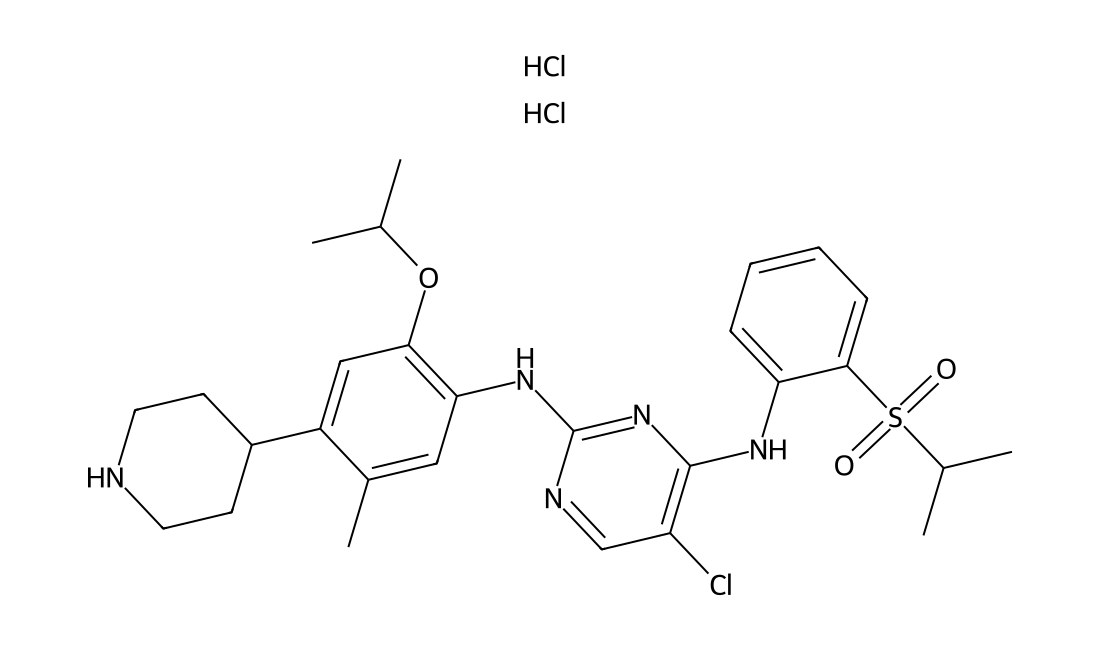
LDK-378 dihydrochloride(Ceritinib dihydrochloride)
CAS 1380575-43-8
Ceritinib dihydrochloride (LDK378 dihydrochloride) is potent inhibitor against ALK with IC50 of 0.2 nM, shows 40- and 35-fold selectivity against IGF-1R and InsR, respectively.

Compounds with documented oncology research applications.
Products may appear in more than one category. Counts refer to distinct catalog numbers within each category.
Other Research Tools (75) · Additional reagents, building blocks and specialized research tools.
LC-MG-1 (DCA0006) · LC-MG-4 (DCA0007) · LC-MG-9 (DCA0008)
View structure and evidence summaries →Combine a keyword, research category and target to narrow the product list.
Loading catalog filters…
CAS 1380575-43-8
Ceritinib dihydrochloride (LDK378 dihydrochloride) is potent inhibitor against ALK with IC50 of 0.2 nM, shows 40- and 35-fold selectivity against IGF-1R and InsR, respectively.
CAS 2170136-65-7
GSK-3484862 is a non-covalent inhibitor for DNA methyltransferase (Dnmt1). GSK-3484862 induces DNA hypomethylation to against cancer. GSK-3484862 mediates dramatic demethylation in murine embryonic stem cells with minimal non-specific toxicity.
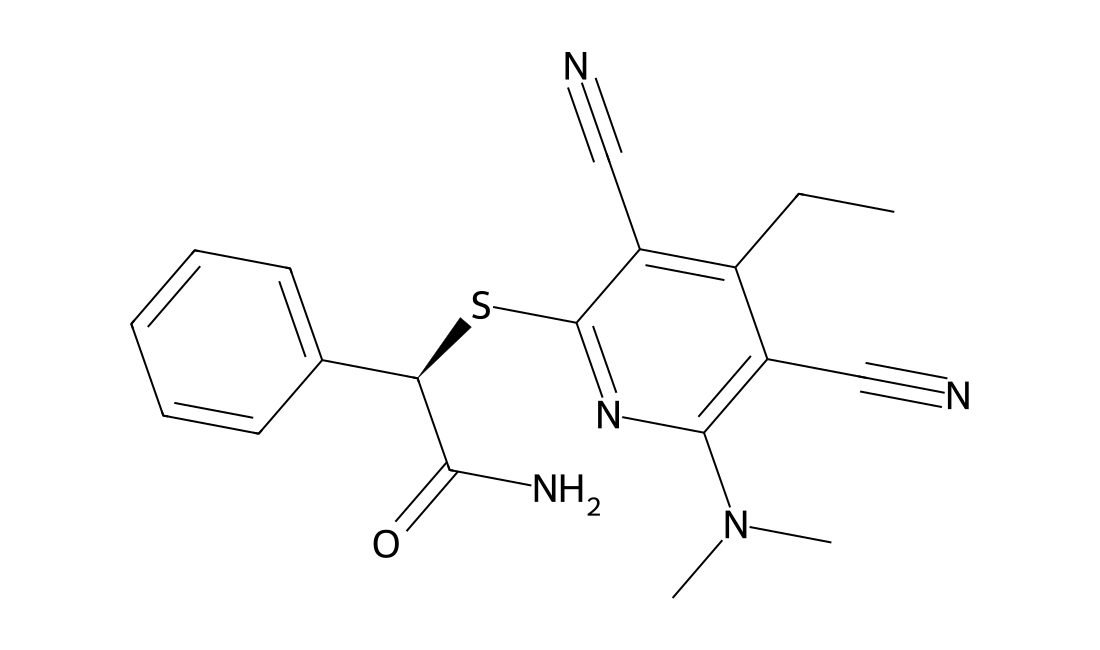
CAS 218168-58-2
DM4 is is an antitubulin agent that inhibit cell division. DM4 can be used in the preparation of antibody drug conjugate.
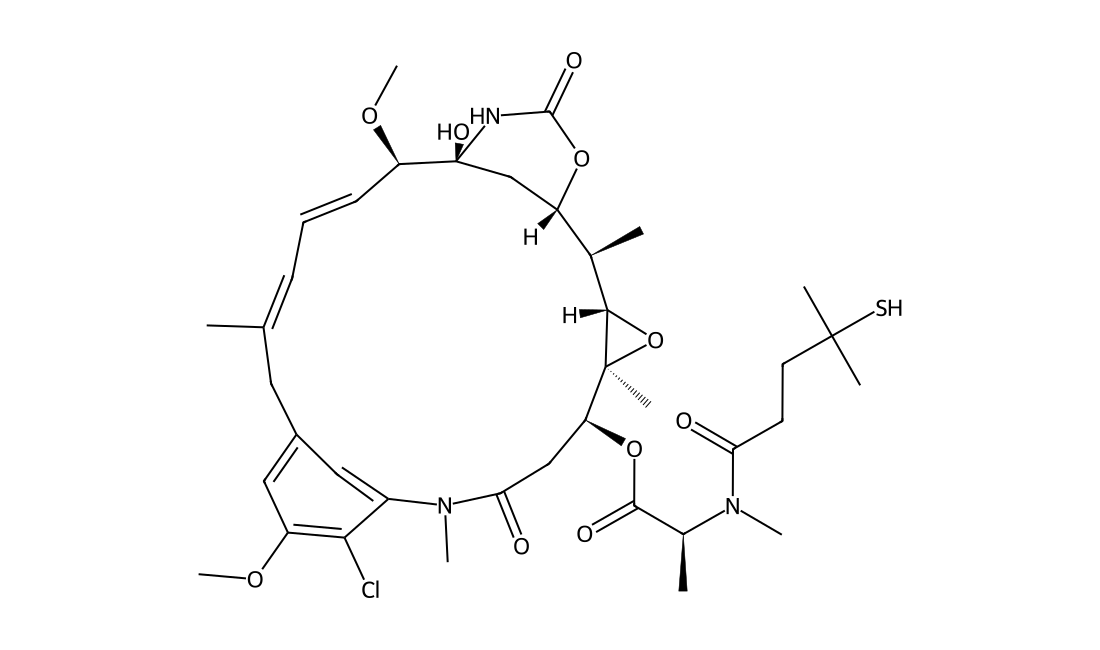
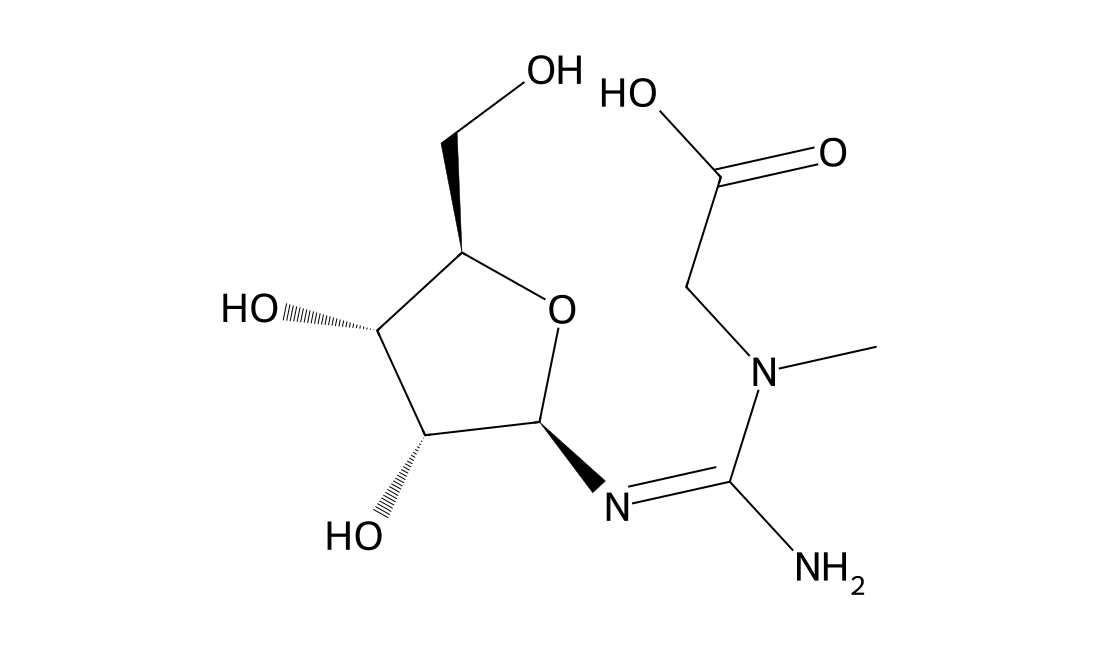
CAS 1616693-92-5
Creatine riboside is a urinary metabolite and is a diagnostic and prognostic biomarker of lung cancer[1][2].
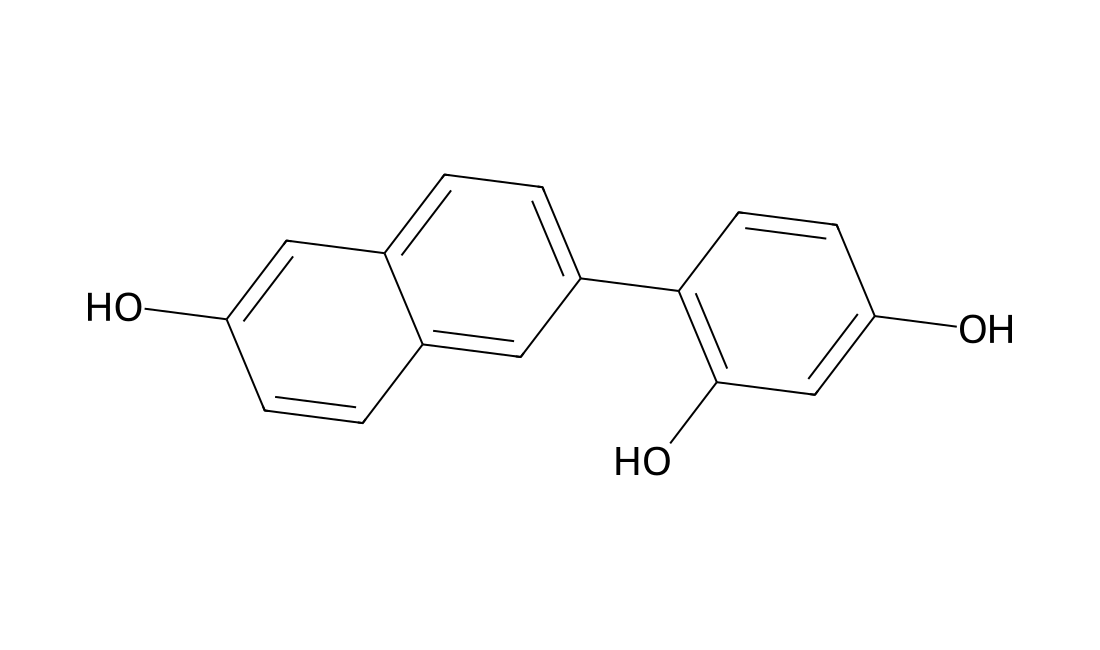
CAS 927885-00-5
HS-1793, a structural analog of Resveratrol (HY-16561), demonstrates broad-spectrum antitumor effects across multiple cancer cell lines by triggering apoptotic cell death.
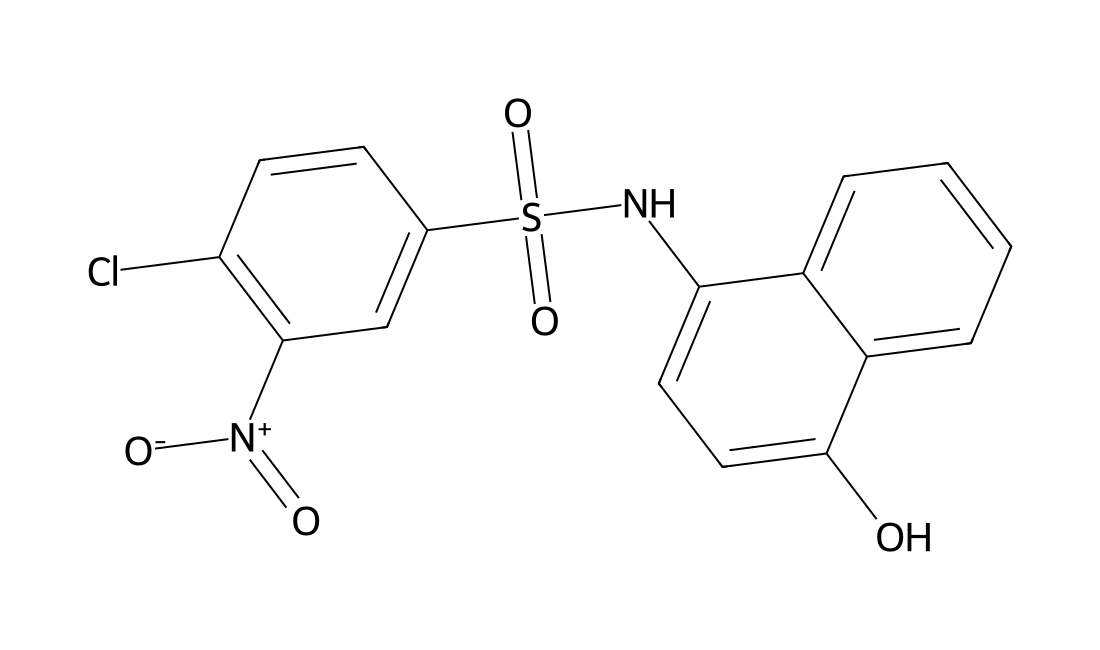
CAS 420092-79-1
SW155246 is a selective DNA methyltransferase 1 (DNMT1) inhibitor, demonstrating potent activity against human DNMT1 (IC50 = 1.2 μM) while showing weaker inhibition of murine DNMT3A (IC50 = 38 μM). This compound holds potential for cancer research and other therapeutic applications.
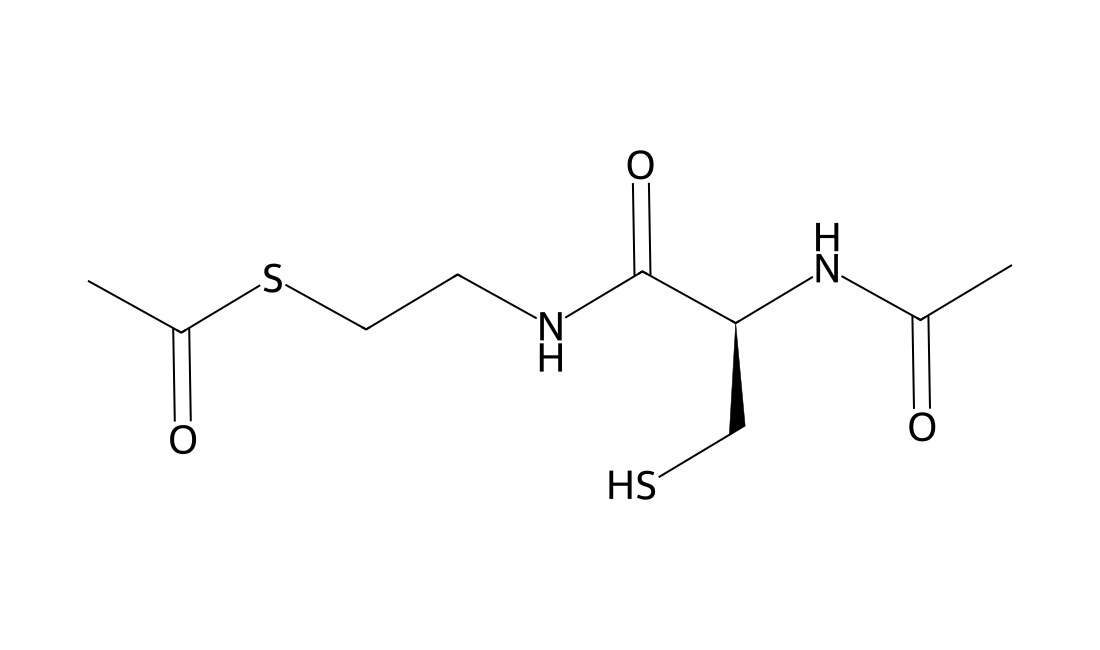
CAS 311343-11-0
I-152 is a novel conjugate composed of N-acetyl-cysteine (NAC) and cysteamine (MEA), designed to harness the synergistic effects of these two bioactive compounds. It demonstrates the ability to activate key cellular signaling pathways, including NRF2 and ATF4, which are involved in oxidative stress response and cellular homeostasis. Additionally, I-152 exhibits potent anti-proliferative properties, making it a promising candidate for research in conditions characterized by uncontrolled cell growth, such as cancer. This unique combination of NAC and MEA in I-152 offers a multifaceted approach to modulating cellular pathways and addressing pathological processes.
CAS 1610413-97-2
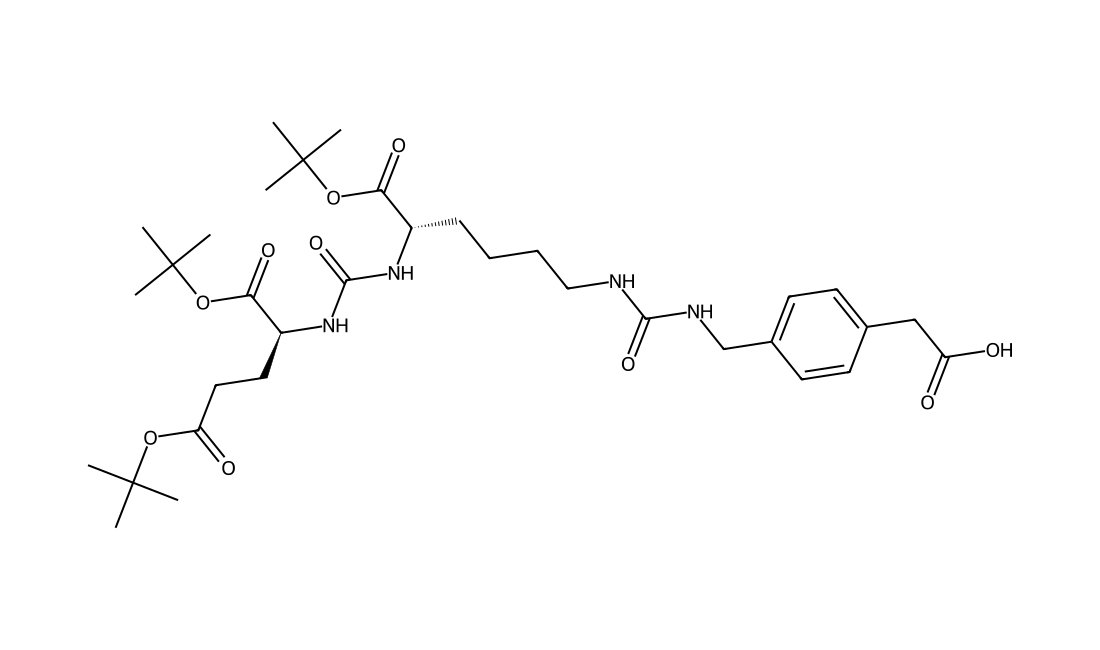
A PSMA (prostate-specific membrane antigen) ligand-tubulysin compound.
CAS 2748039-79-2
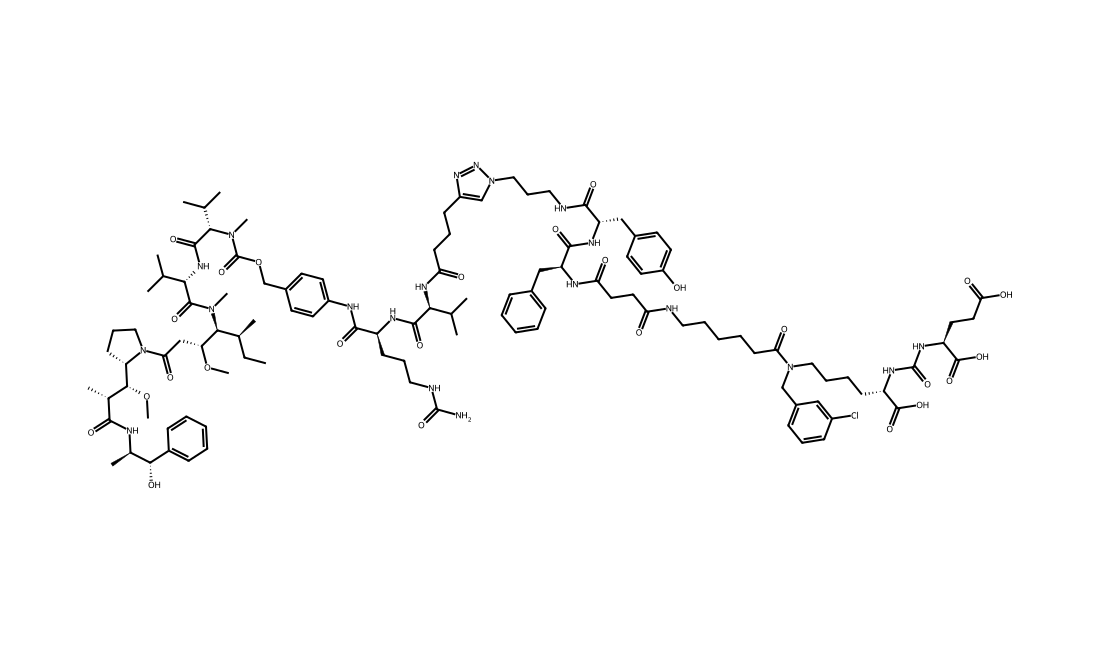
PSMA-Val-Cit-PAB-MMAE is a novel small-molecule PSMA-targeted conjugate based on the monomethyl auristatin E for the chemotherapy of prostate cancer.
CAS 475-31-0
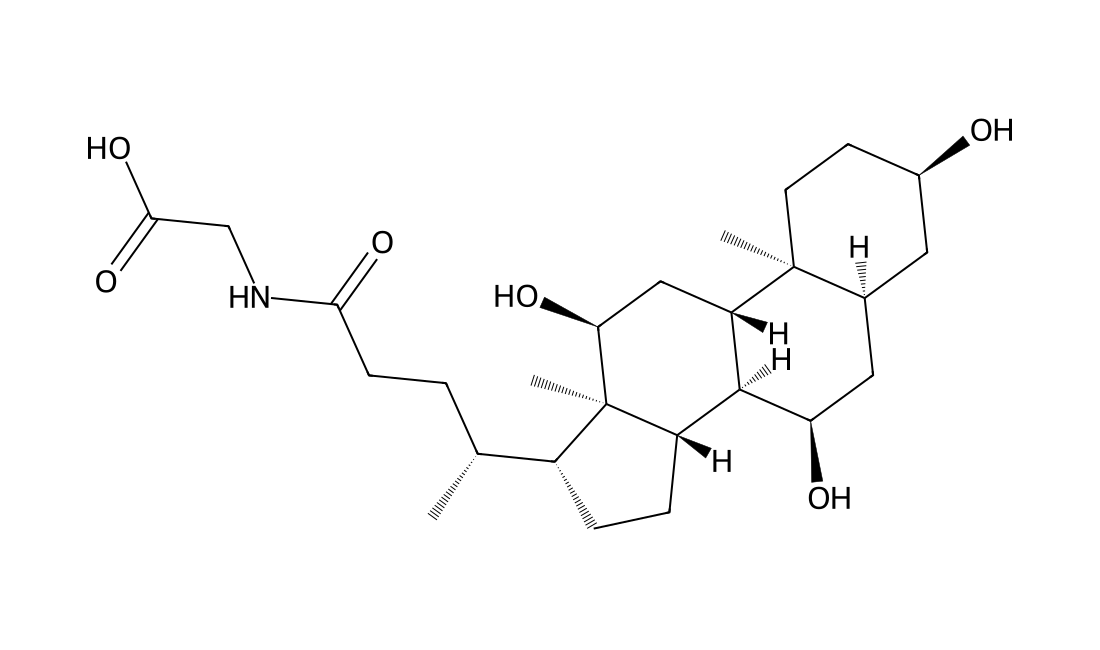
Glycocholic acid is a bile acid with anticancer activity, targeting against pump resistance-related and non-pump resistance-related pathways.
CAS 1253584-84-7
NMS-E973 is a novel, selective and potent inhibitor of heat shock protein 90 (Hsp90). NMS-E973 displays significant efficacy in a human ovarian A2780 xenograft tumor model, with a mechanism of action confirmed in vivo by typical modulation of known Hsp90 client proteins, and with a favorable pharmacokinetic and safety profile. The efficacy profile of NMS-E973 suggests a potential for development in different clinical settings, including tumors that have become resistant to molecular targeted agents, particularly in cases of tumors which reside beyond the blood-brain barrier (BBB).
CAS 1185763-69-2
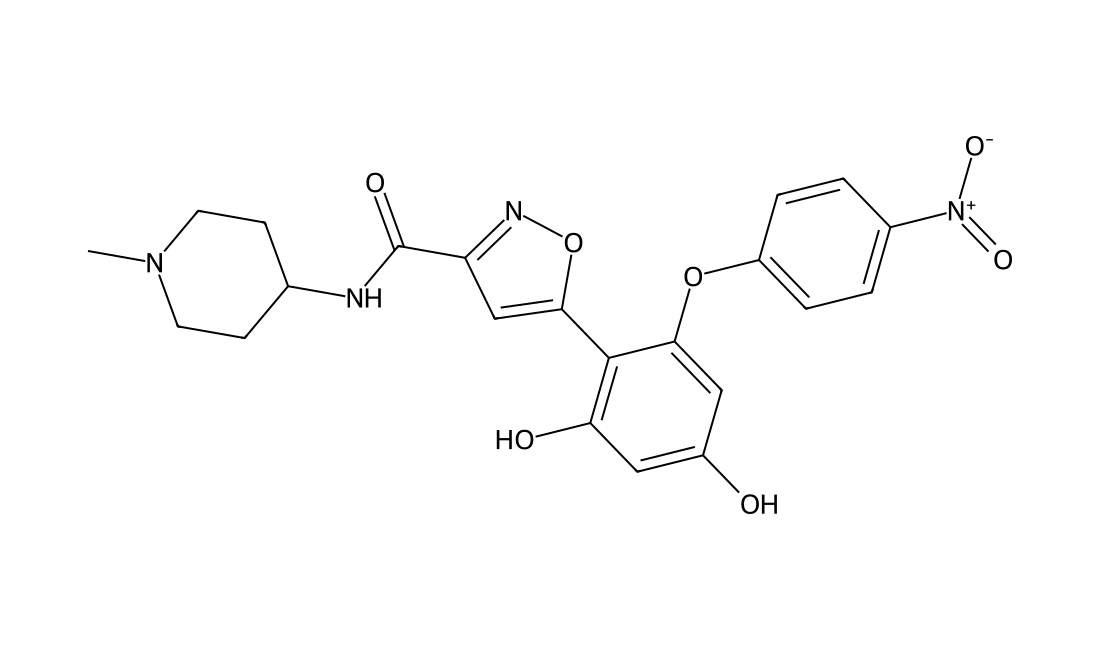
NVP-BVU972 is a selective and potent Met inhibitor (IC50 = 14 nM). Antitumor agents.NVP-BVU972 potently inhibits MET kinase but displays low inhibition against other kinases including the most closely related kinase RON with IC50 values of more than 1000 nM. NVP-BVU972 also suppresses constitutive MET phosphorylation in GTL-16 cells or HGF-stimulated MET phosphorylation in A549 cells with IC50 values of 7.3 nM and 22 nM, respectively. NVP-BVU972 potently prevents the growth of the MET gene amplified cell lines GTL-16, MKN-45 and EBC-1 with IC50 values of 66 nM, 82 nM and 32 nM, respectively. In line with their high frequency in the NVP-BVU972 screen, Y1230 and D1228 mutations give rise to dramatic shifts in the measured IC50 values for NVP-BVU972 in BaF3 cell line. Resistance triggered by V1155L is more limited to NVP-BVU972. A dose-dependent reduction in TPR-MET phosphorylation when applying NVP-BVU972 to BaF3 cells expressing wild-type TPR-MET. Both Y1230H and D1228A mutations abrogated the effect of NVP-BVU972 but not AMG 458. However, F1200I and L1195V interferes with the potency of NVP-BVU972 to prevent TPR-MET phosphorylation.
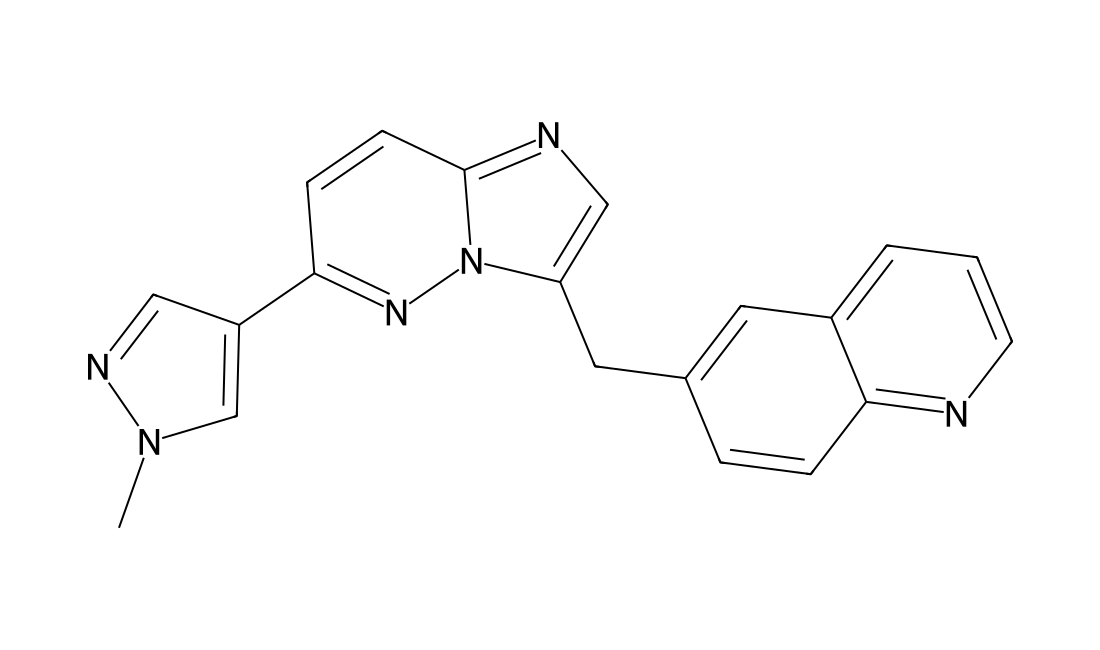
CAS 1956366-10-1
Ulixertinib, also known as BVD-523 and VRT752271, is an inhibitors of ERK protein kinase. Downmodulation of ERK protein kinase activity inhibits VEGF secretion by human myeloma cells and myeloma-induced angiogenesis. Upon oral administration, BVD-523 inhibits both ERK 1 and 2, thereby preventing the activation of ERK-mediated signal transduction pathways. This results in the inhibition of ERK-dependent tumor cell proliferation and survival. The mitogen-activated protein kinase (MAPK)/ERK pathway is often upregulated in a variety of tumor cell types and plays a key role in tumor cell proliferation, differentiation and survival.
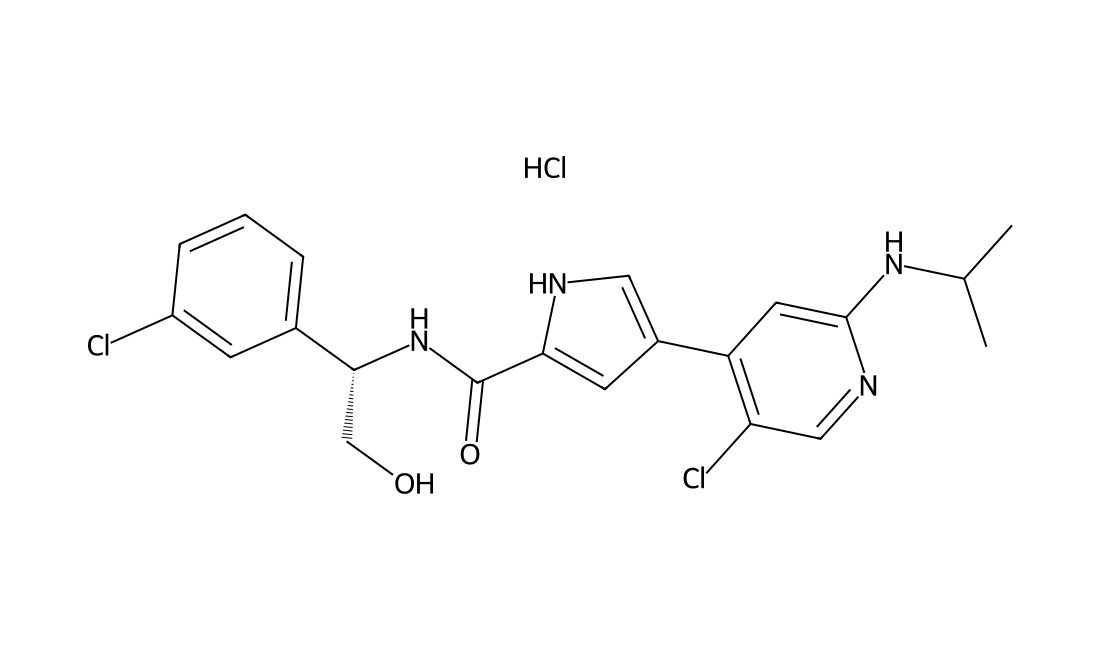
CAS 2254741-41-6
Ninerafaxstat hifts cellular metabolism from fatty acid oxidation to glucose oxidation.Ninerafaxstat decreases fatty acid oxidation and improve overall mitochondrial respiration.Ninerafaxstat inhibit the growth and proliferation of cancer cells.
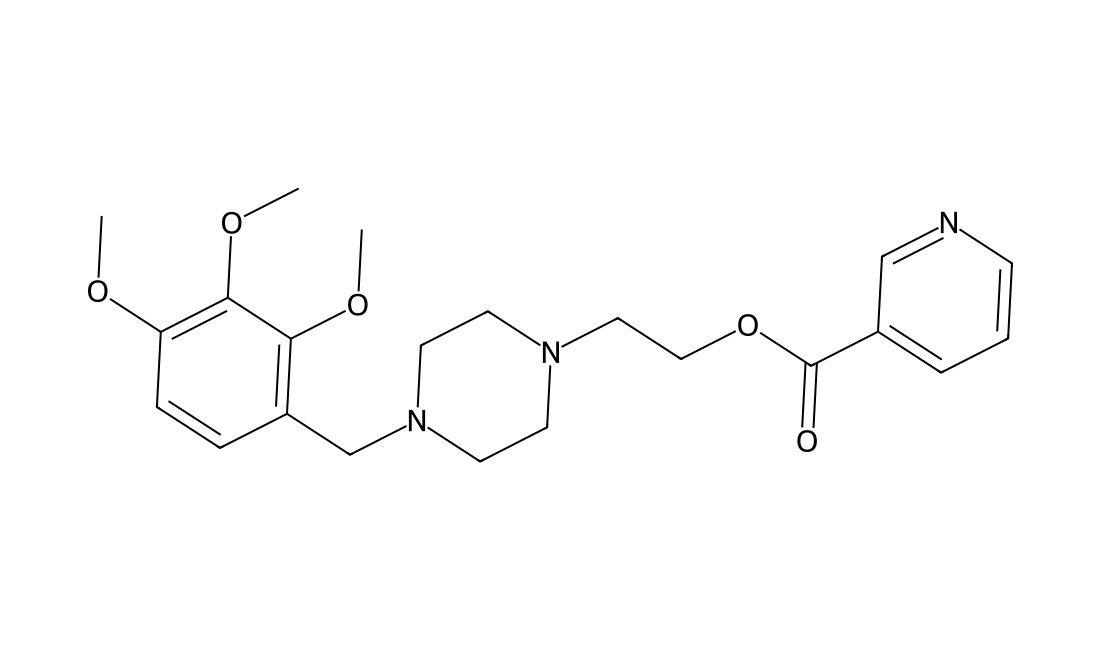
CAS 1256349-48-0
Chiauranib (CS2164) selectively inhibits multiple kinase targets aurora B kinase (AURKB), colony-stimulating factor 1 receptor (CSF1R), and vascular endothelial growth factor receptor (VEGFR)/platelet-derived growth factor receptor (PDGFR)/c-Kit , thereby inhibiting the rapid proliferation of tumor cells, enhancing the antitumor immunity, and inhibiting tumor angiogenesis, to achieve the anti-tumor efficacy.
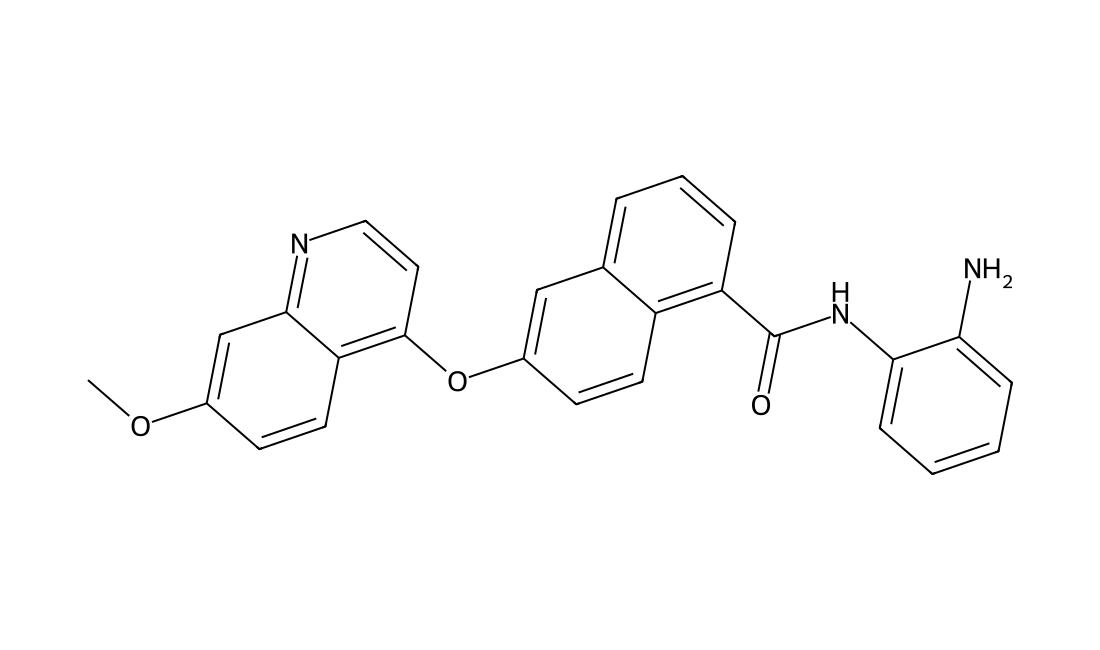
CAS 2377916-66-8
PD-1/PD-L1-IN-NP19 is a PD-1/PD-L1 inhibitor, with an IC50 of 12.5 nM for human PD-1/PD-L1 interaction. PD-1/PD-L1-IN-NP19 could activate the immune microenvironment in tumor, which may contribute to its antitumor effects.
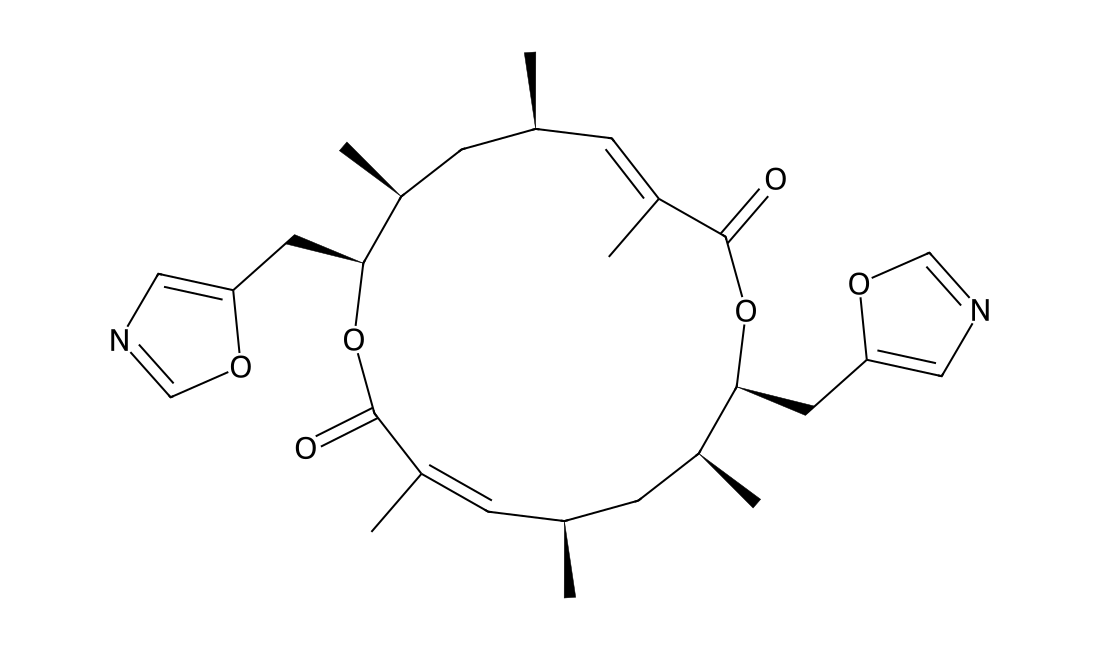
CAS 72263-05-9
Conglobatin (FW-04-806), a macrolide dilactone, is isolated from the culture of Streptomyces conglobatus. Conglobatin is an orally active Hsp90 inhibitor. Conglobatin can bind to the N-terminal domain of Hsp90 and disrupt Hsp90-Cdc37 complex formation. Conglobatin induces apoptosis in human breast cancer cells and esophageal squamous cell carcinoma cells, and exhibits antitumor activity in vivo.
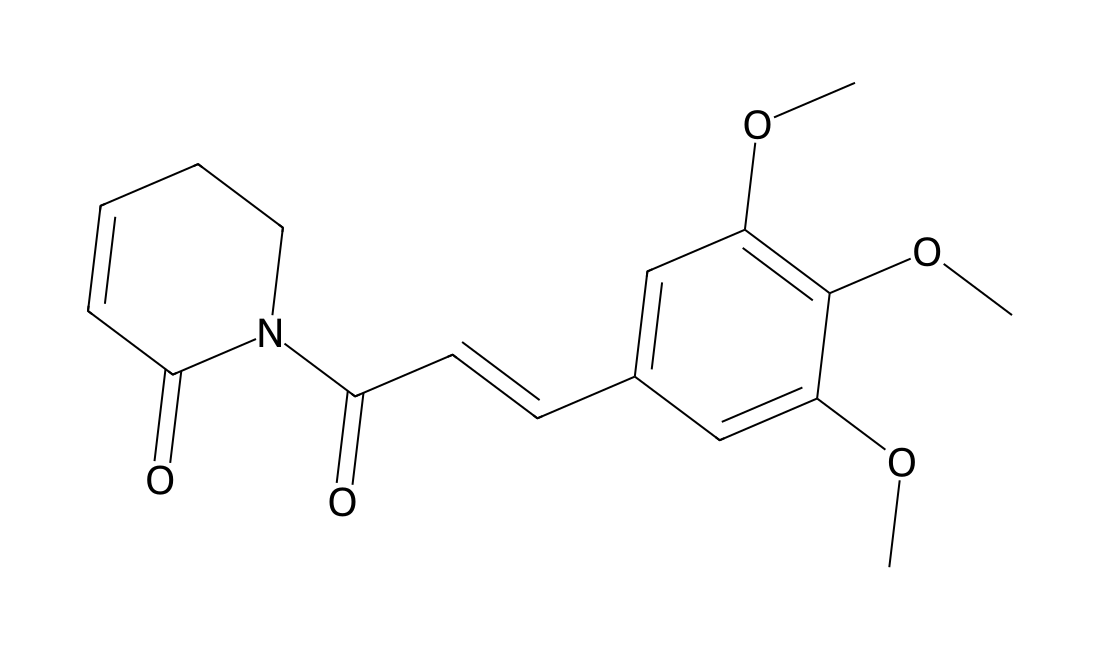
CAS 20069-09-4
Piperlongumine is a natural alkaloid isolated from Piper longum Linn[1], possesses ant-inflammatory, antibacterial, antiangiogenic, antioxidant, antitumor, and antidiabetic activities[2]. Piperlongumine induces ROS, and induces apoptosis in cancer cell lines[1]. Piperlongumine shows anti-cardiac fibrosis activity, suppresses myofibroblast transformation via suppression of the ERK1/2 signaling pathway[2].
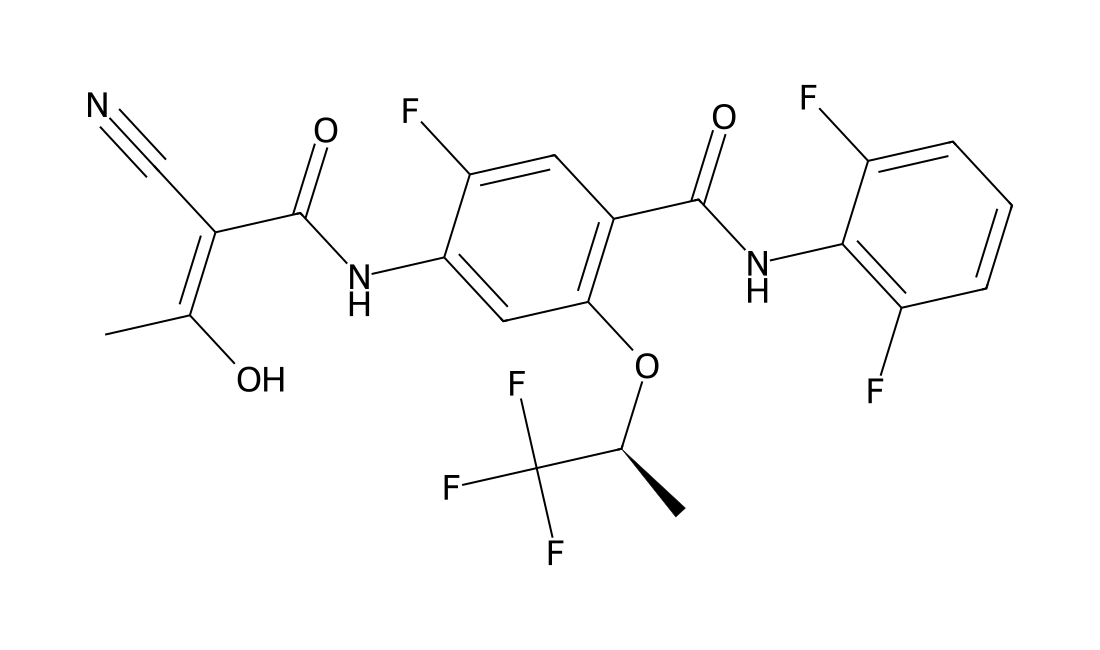
CAS 2757405-31-3
hDHODH-IN-8 is a potent inhibitor of human dihydroorotate dehydrogenase (hDHODH) with an IC50 of 16 nM. hDHODH-IN-8 has potent antiproliferative activity and excellent aqueous solubility. hDHODH-IN-8 has the potential for the research of tumor disease, especially lymphoma.
CAS 2170142-58-0
(S)-GSK-3685032 is the isomer of GSK-3685032 (HY-139664), and can be used as an experimental control. GSK-3685032 is a non-time-dependent, noncovalently, first-in-class reversible DNMT1-selective inhibitor, with an IC50 of 0.036 μM. GSK-3685032 induces robust loss of DNA methylation, transcriptional activation, and cancer cell growth inhibition.
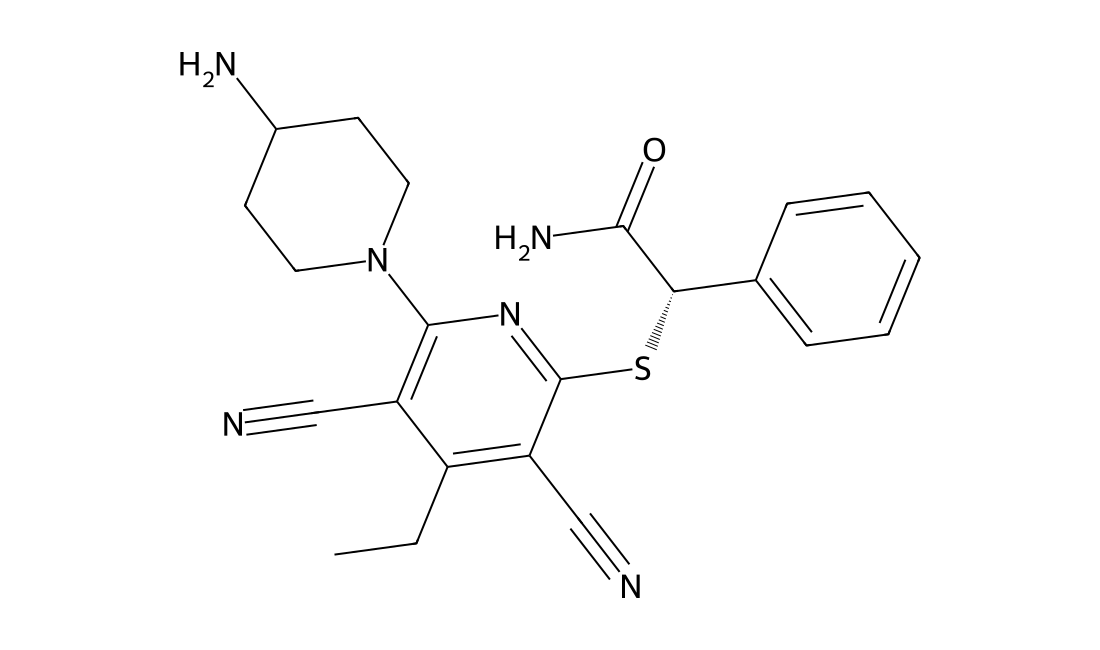
CAS 1204181-93-0
AZD1897 is a PIM1, PIM2, and PIM3 inhibitor with IC50 values of less than 3 nM for these three PIM kinases. AZD1897 exhibits anticancer activity and synergistically inhibits the activity of acute myeloid leukemia (AML) cells in combination with Capivasertib (HY-15431). This synergistic inhibitory effect is achieved through the inhibition of the mTOR and MCL1 pathways.
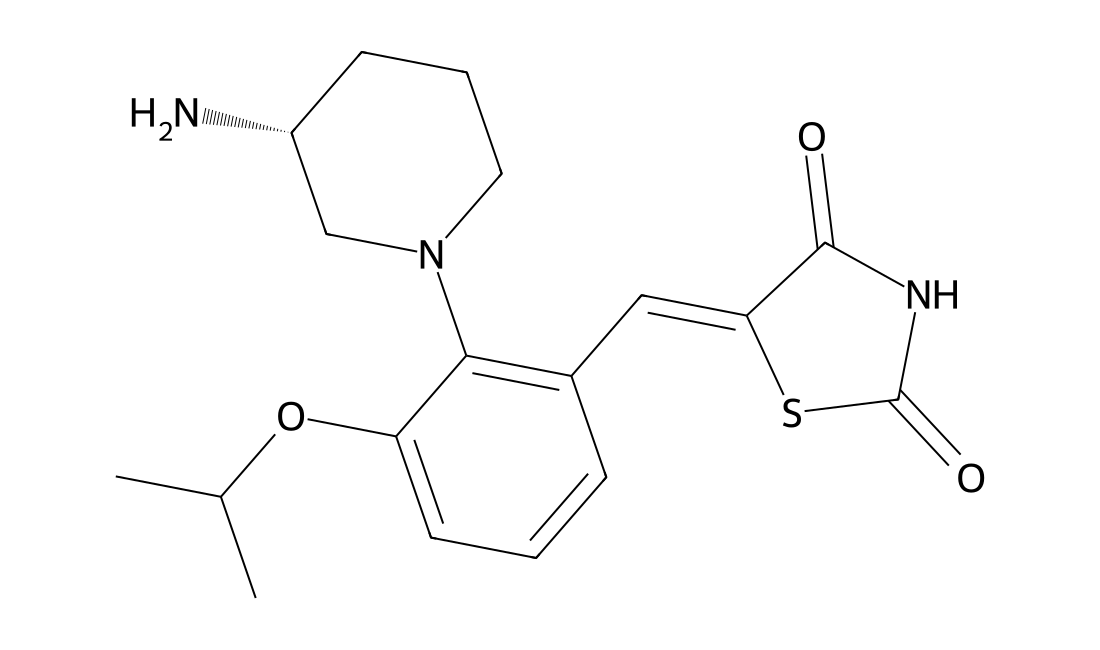
CAS 1398568-47-2
DS-3032b is a potent, selective, orally available MDM2-p53 inhibitor with potential antineoplastic activity; binds to, and prevents the binding of MDM2 protein to the transcriptional activation domain of the tumor suppressor protein p53; restores p53 signaling and leads to the p53-mediated induction of tumor cell apoptosis.
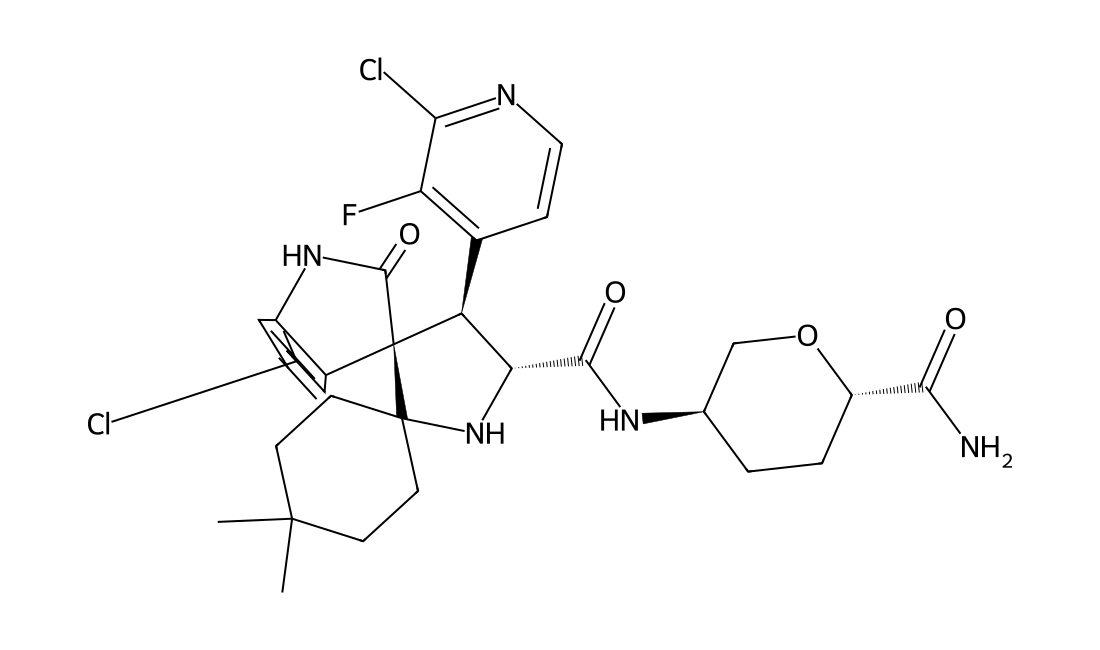
CAS 2294874-49-8
HM43239 is an orally active small molecule inhibitor of FLT3 that selectively inhibits not only FLT3 wild type, ITD mutants or TKD mutations, but also FLT3 ITD/TKD double mutations. HM43239 directly inhibits the kinase activity of FLT3 as a reversible Type I inhibitor and effectively modulates downstream p-STAT5 and p-ERK. HM43239 also demonstrated inhibition of SYK, JAK1/2 and TAK1, known to be involved in tumor cell proliferation and/or differentiation HM43239 monotherapy induced dose-dependent regression of tumor growth in FLT3 wild-type and FLT3 mutated leukemia cancer cell line.
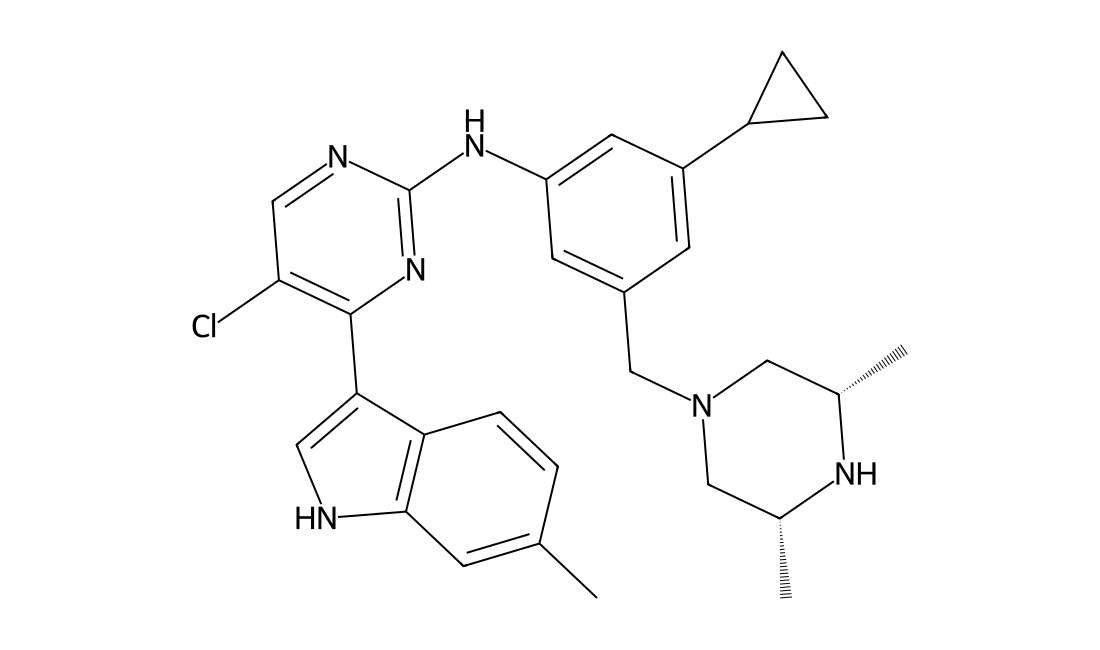
CAS 2955634-67-8
(R)-SKBG-1 is a covalent small molecule ligand of RNA-binding protein NONO, engages NONO Cys145 and suppress an array of cancer-relevant genes and impair cancer cell proliferation.
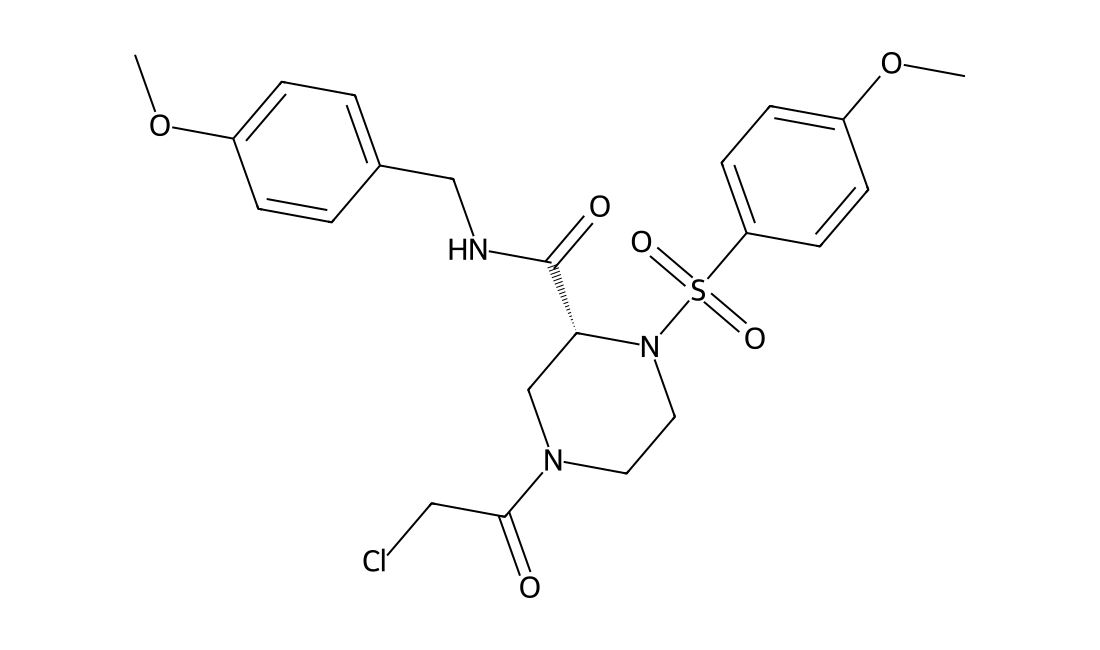
CAS 307297-40-1
Epitalon acetate is a synthetic tetrapeptide with anti-aging properties. Epitalon acetate reduces levels of lipid peroxidation products, delays age-related estrous shutdown, and decreases the frequency of bone marrow cell chromosomal aberrations in female mice. It decreases spontaneous mammary gland and ovarian tumor development and metastasis in aged female mice. Epitalon also stimulates melatonin synthesis and normalizes the circadian rhythm.
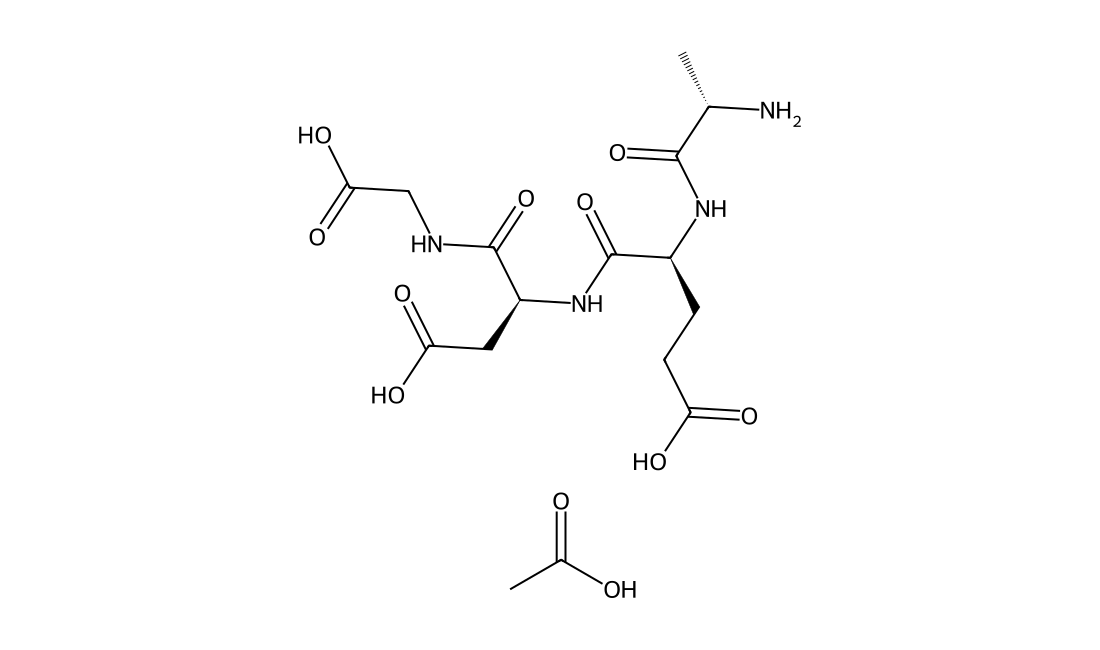
CAS 2858800-98-1
OTUB1/USP8-IN-1 is a potent dual OTUB1/USP8 inhibitor with IC50 values of 0.17 and 0.28 nM for OTUB1 and USP8, respectively. OTUB1/USP8-IN-1 can be used in research of cancer.
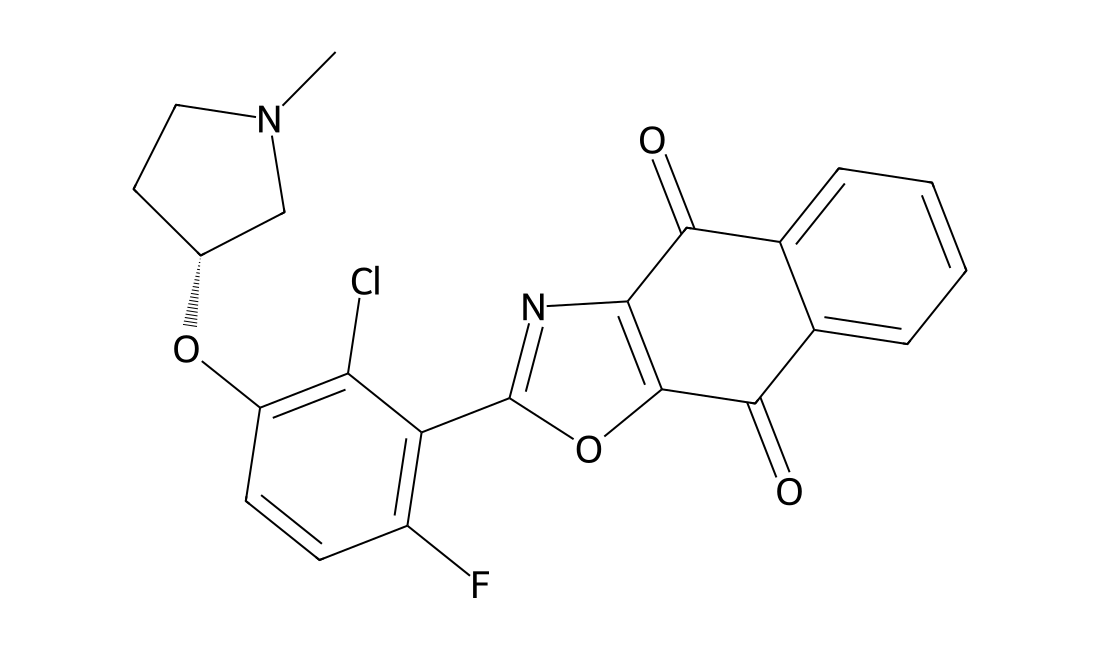
CAS 324022-39-1
WNK1-IN-1 is a selective inhibitor of WNK1 with an IC50 value of 1.6 μM. WNK1-IN-1 inhibits OSR1 phosphorylation with an IC50 value of 4.3 μM. WNK1-IN-1 can be used for the research of blood pressure regulation and cancer.
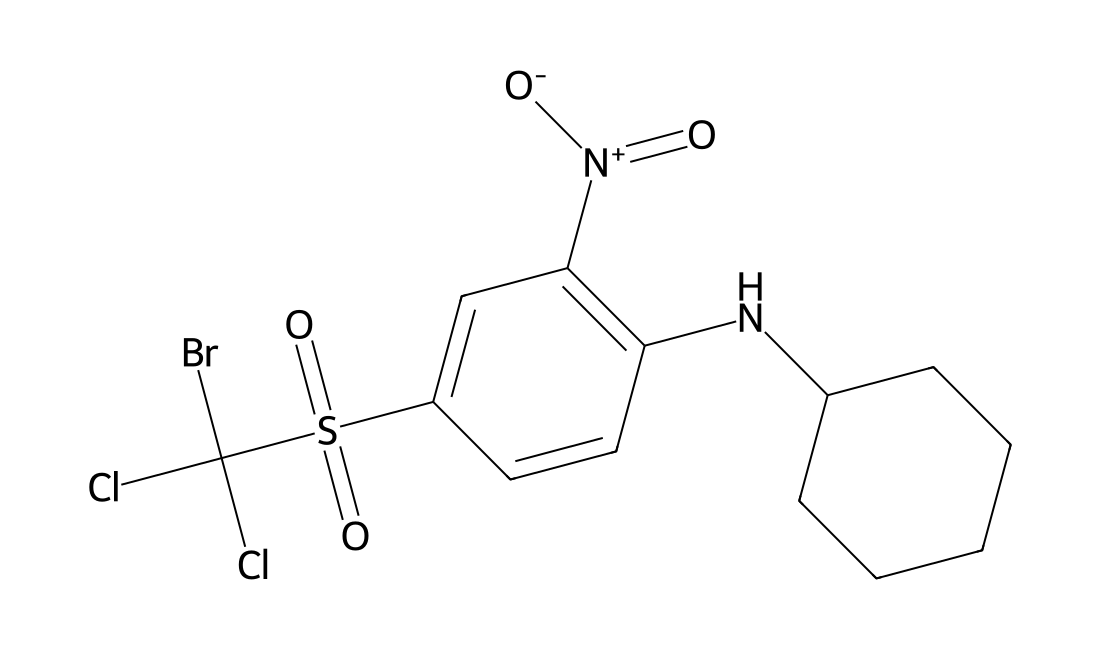
CAS 1129403-56-0
Amcasertib is an orally administered investigational agent designed to inhibit cancer stem cell pathways, including Nanog, by targeting stemness kinases.
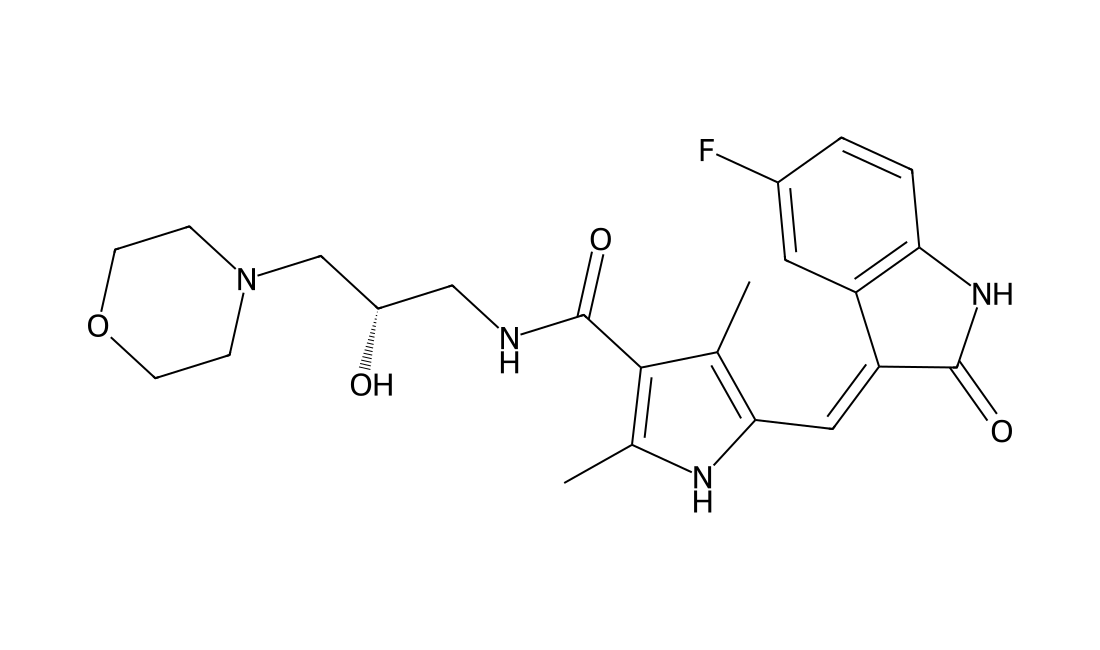
CAS 627908-92-3
SU14813 is a multi-targeted receptor tyrosine kinases inhibitor with IC50s of 50, 2, 4, 15 nM for VEGFR2, VEGFR1, PDGFRβ and KIT.
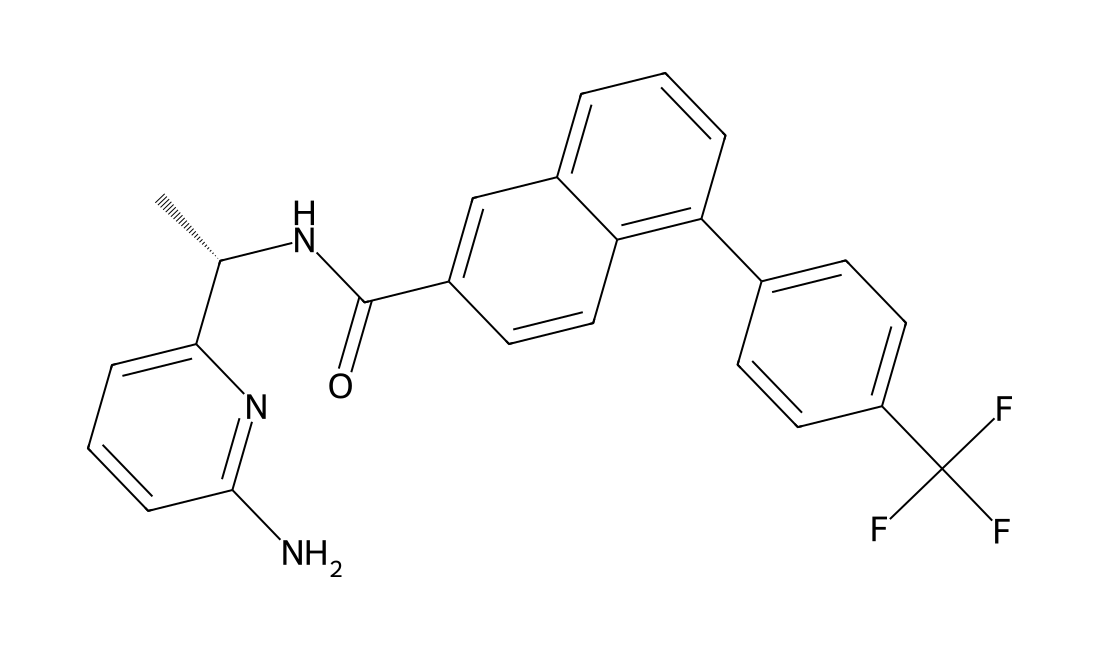
CAS 2417718-63-7
VT-107, as an analogous to VT104, is an orally active and potent pan-TEAD auto-palmitoylation inhibitor. VT-107 can be used for the research of cancer.
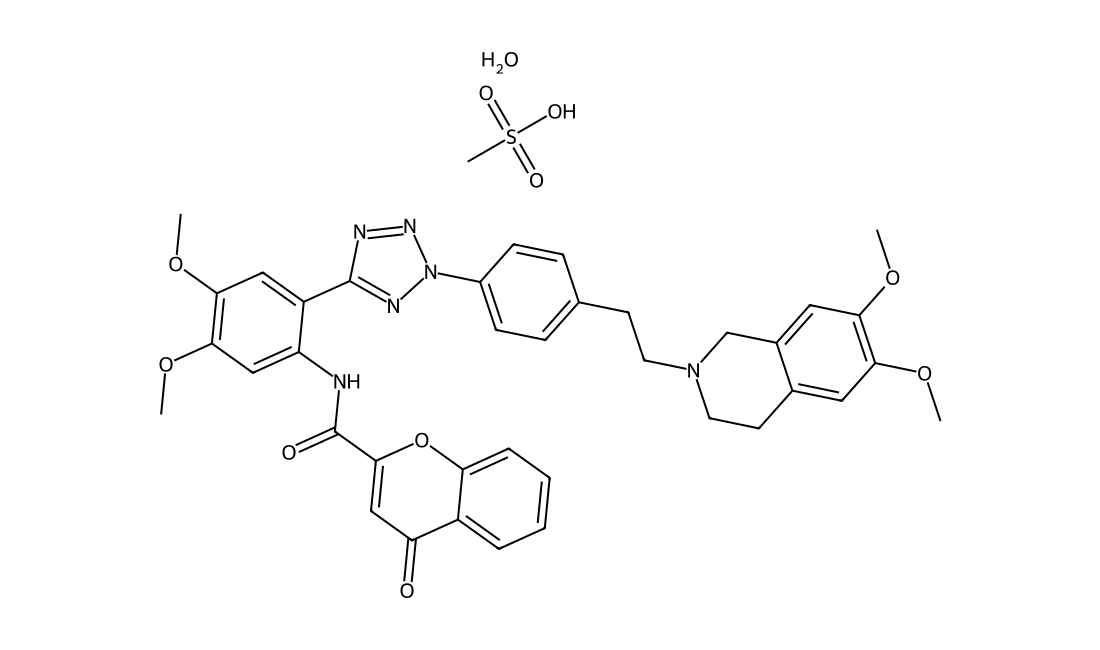
CAS 2097125-58-9
Encequidar (HM30181) is a potent selective inhibitor of MDR1 (ABCB1, P-gp) with IC50 of 0.63 nM.Encequidar (HM30181) effectively blocked transepithelial transport of paclitaxel in MDCK monolayers.Encequidar (HM30181) does not inhibit MRP1 (ABCC1), MRP2 (ABCC2), and MRP3 (ABCC3), and partially inhibited BCRP (ABCG2) only at very high concentrations.Oral co-administration of paclitaxel and HM30181 showed a tumor-inhibitory strength equal or superior to that of intravenous paclitaxel in the xenograft model in nude mice.
CAS 192329-42-3
Prinomastat (AG3340) is a potent, selective MMP inhibitor with pM affinities for inhibiting gelatinases (MMP-2 and -9, Ki=50-150 pM), MMP-14 and MMP-13; demonstrates broad antitumor activity in a number of tumor models, inhibits glioma invasion or growth of the human malignant glioma cell line U87; also suppresses tumor growth in a malignant glioma tumor model.
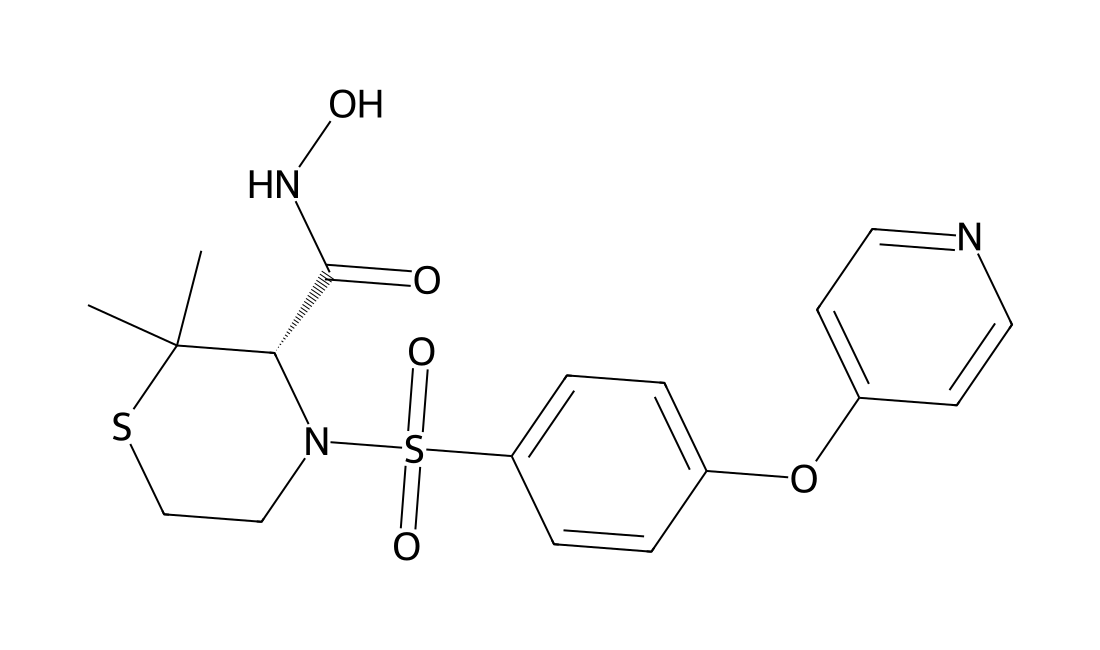
CAS 1566590-77-9
Melanotan I acetate is a potent non-selective melanocortin receptor (MCR) agonist. Melanotan I acetate is a synthetic analogue of α-melanocyte stimulating hormone (α-MSH) that stimulates melanogenesis. Melanotan I acetate can induce skin tanning by mimicking the actions of a-MSH on the melanocortin type 1 receptors (MC1R) of melanocytes. Melanotan I acetate can be used for sunlight-induced skin cancers research.
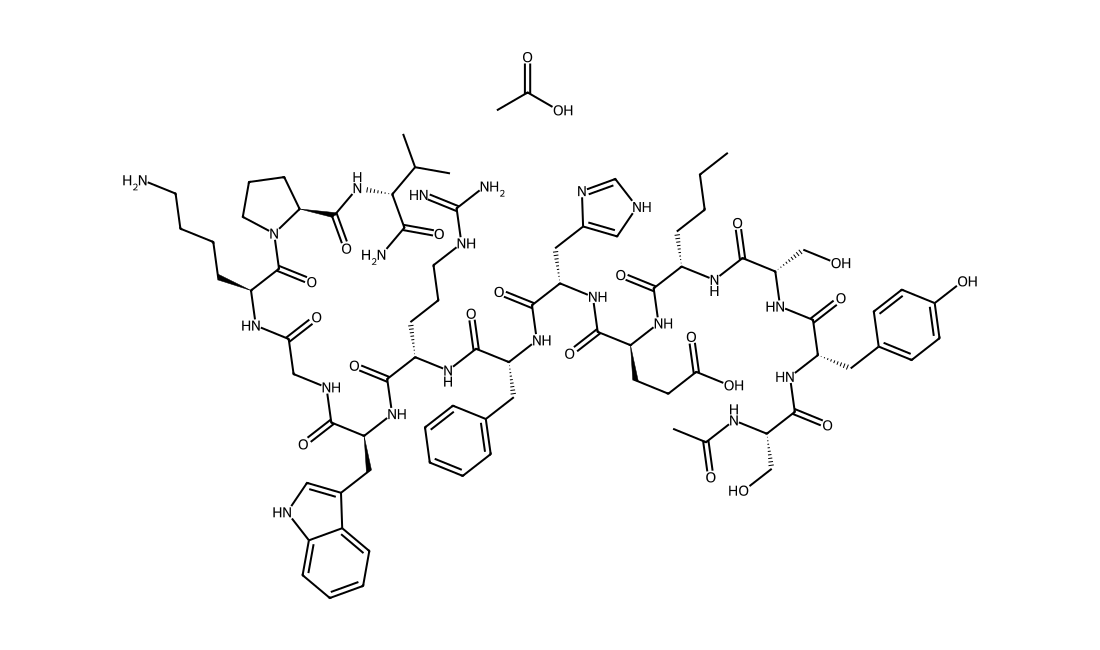
CAS 1134203-12-5
ATPase-IN-3 (compound 6) is a ATPase inhibitor. ATPase-IN-3 has Gastroprotective effect in ethanol-induced gastric ulcers by contribution of anti-apoptotic (BCL-2) and tumor suppressor (P53) proteins.
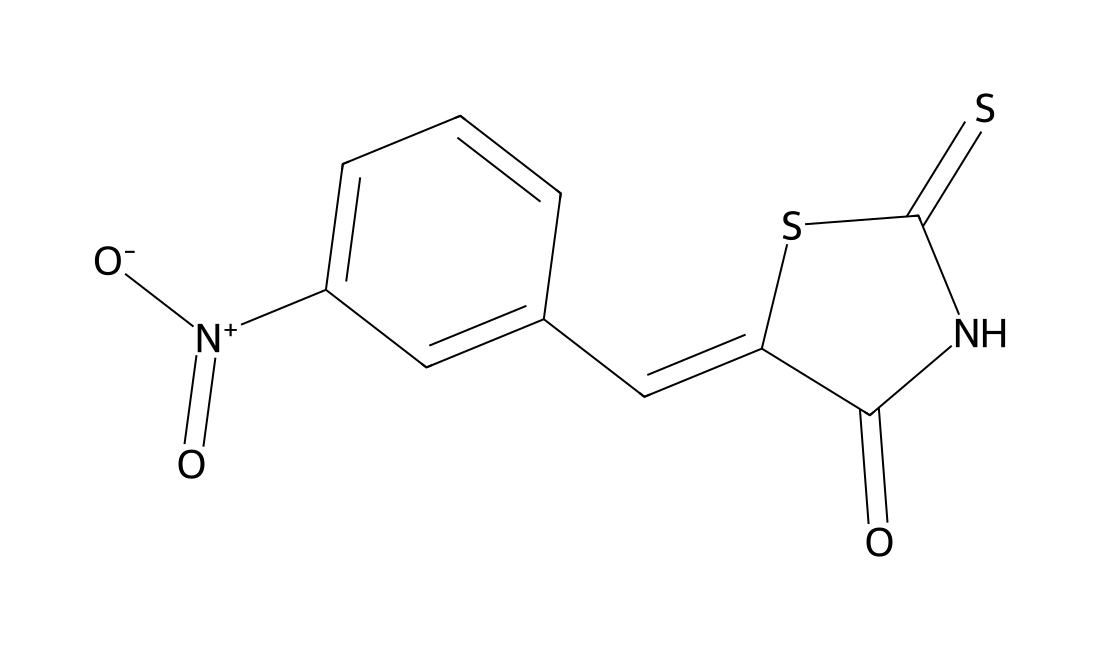
CAS 1040706-91-9
Novel inhibitor of PKM2-regulated signaling, suppressing non-glycolytic PKM2-regulated signaling in cancer cells
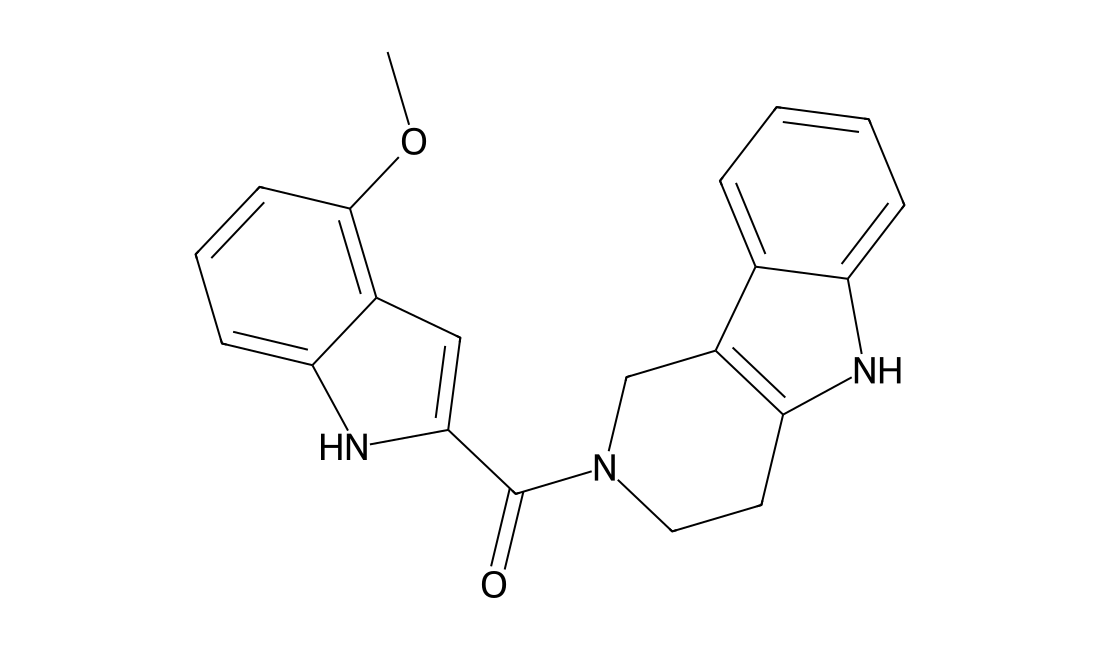
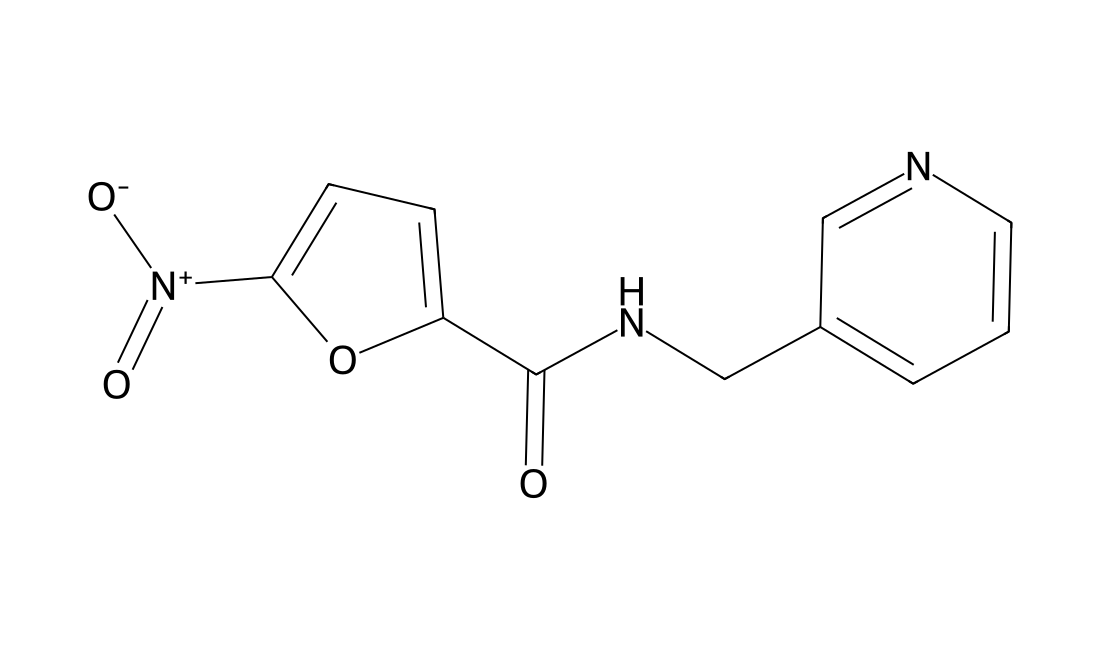
CAS 2972712-63-1
KA2507 hydrochloride is a potent and highly selective inhibitor of HDAC6 (IC50=2.5 nM) with no significant toxicities. KA2507 hydrochloride shows antitumor efficacy and immune modulatory effects.
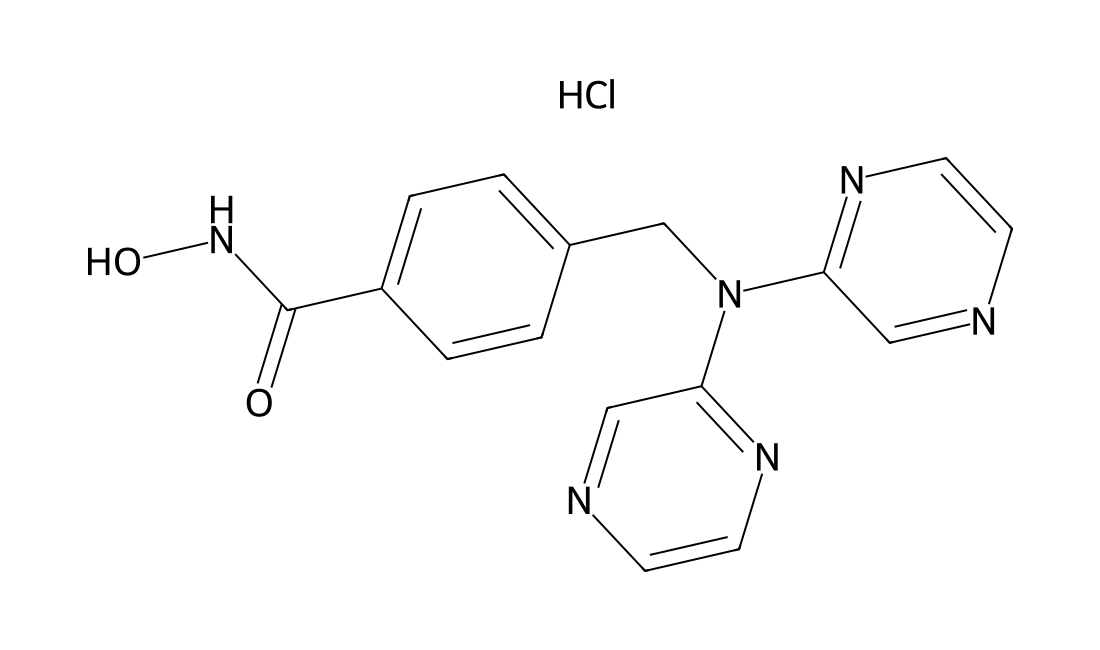
CAS 2319647-76-0
OTS514 hydrochloride is a highly potent TOPK inhibitor, which inhibits TOPK kinase activity with a median inhibitory concentration (IC50) value of 2.6 nM. OTS514 hydrochloride strongly suppresses the growth of TOPK-positive cancer cells. OTS514 hydrochloride induces cell cycle arrest and apoptosis.
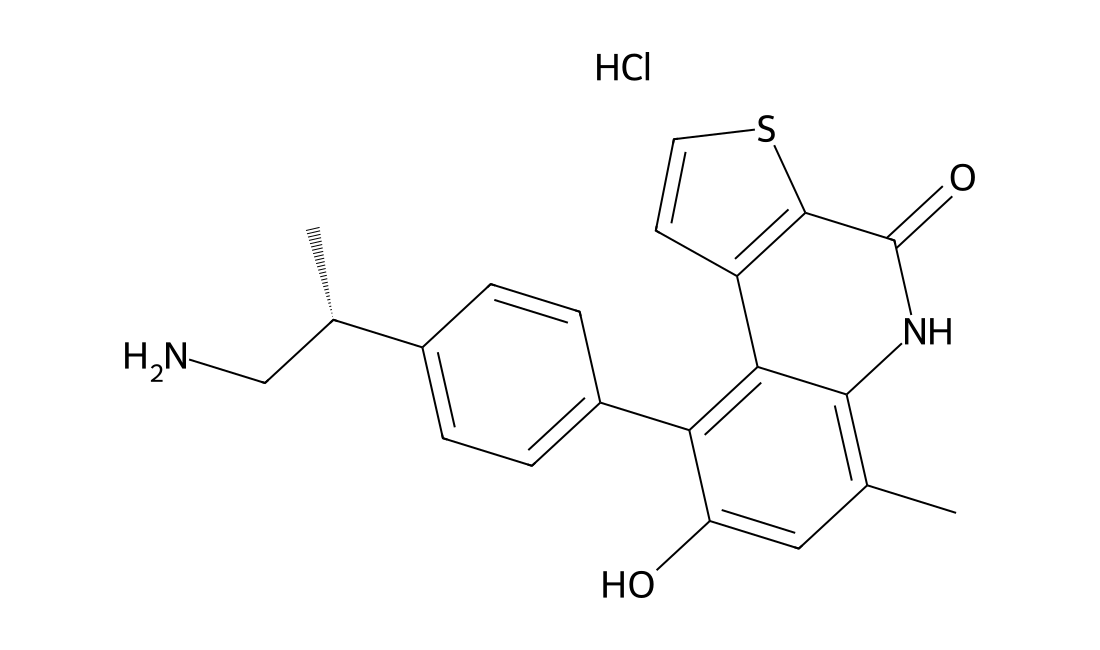
CAS 93265-81-7
Ropidoxuridine (IPdR) is a novel orally available, halogenated thymidine analog and is a potential radiosensitizer for use in human tumors.
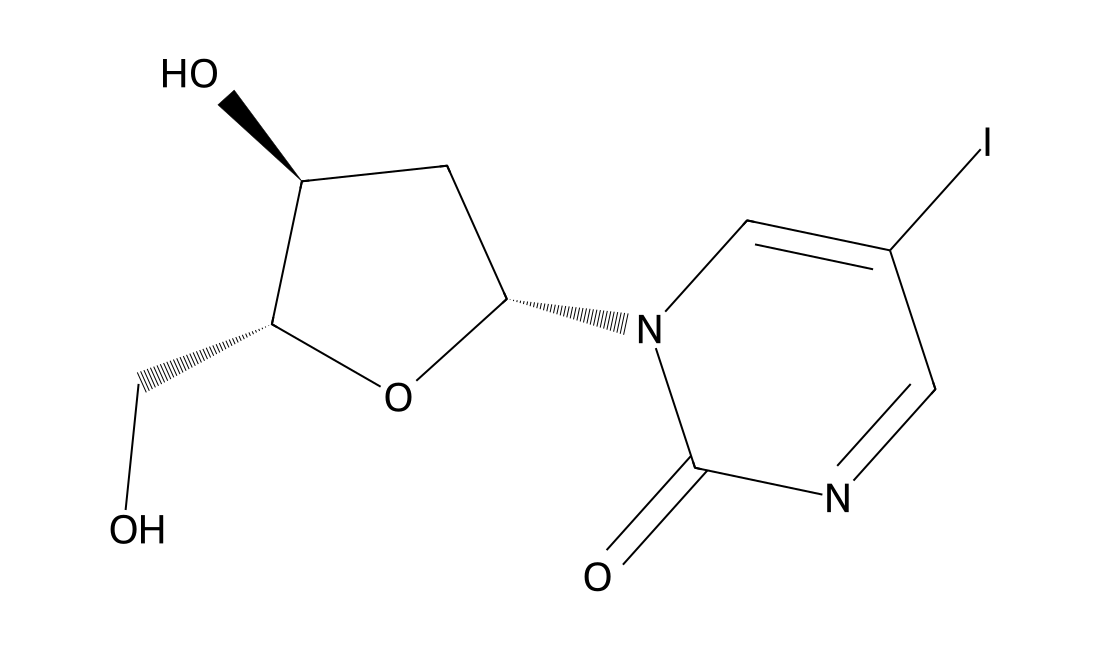
CAS 2222344-98-9
ORIC-101 (ORIC101) is a highly potent, selective steroidal glucocorticoid receptor (GR) antagonist (IC50=5.6 nM) with reduced androgen receptor (AR) agonistic activity; dose-dependently reduces the expression levels of two established GR target genes, GILZ and FKBP5 with IC50 of 24.9 and 19.5 nM in human PBMCs; demonstrates in vivo antitumor activity by enhancing response to chemotherapy in the GR+ OVCAR5 ovarian cancer xenograft model.
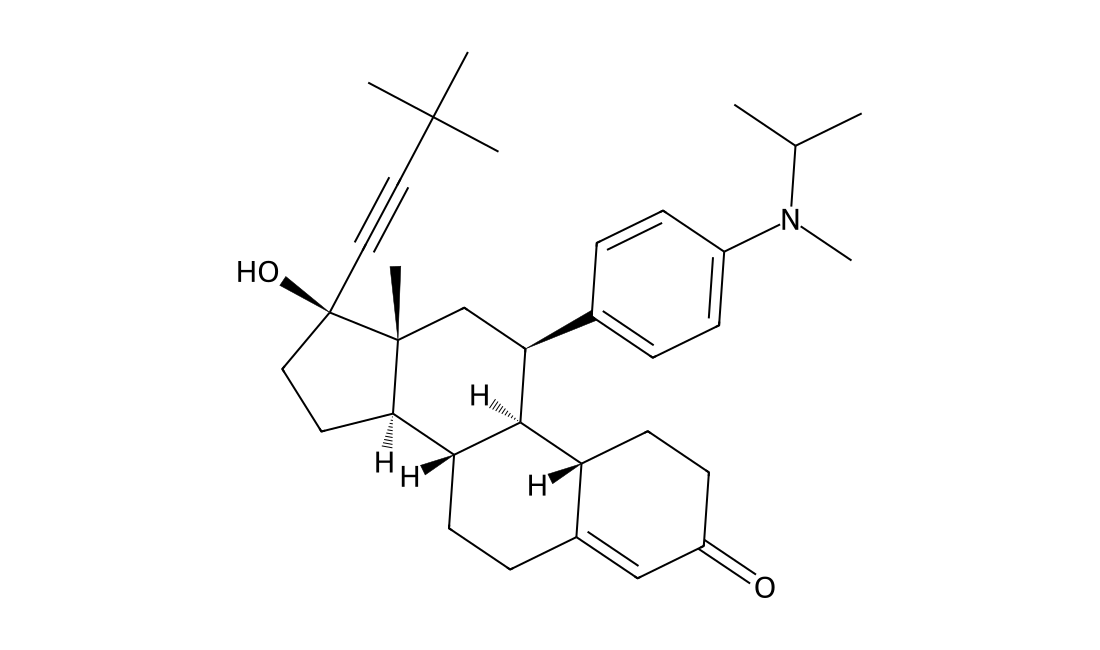
CAS 77327-05-0
Didemnin B is a depsipeptide extracted from the marine tunicate Trididemnin cyanophorum. Didemnin B can be used for the research of cancer[1].
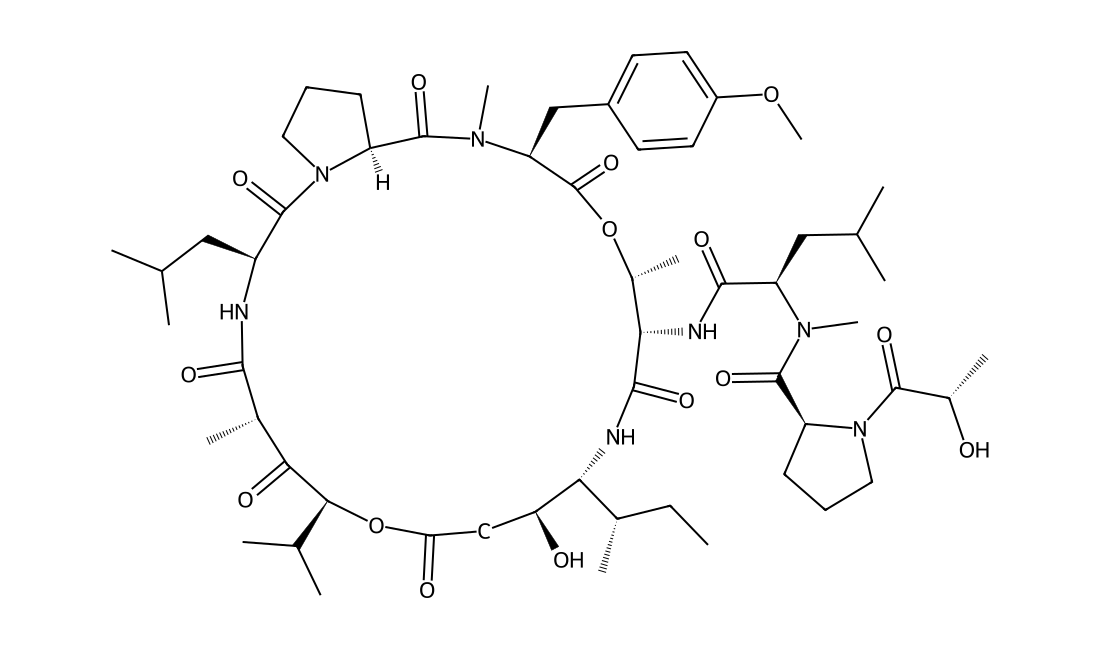
CAS 1304778-15-1
TC-F2 is a reversible non-covalent binding inhibitor of fatty acid amide hydrolase (FAAH) with an IC50 of 28 nM. FAAH is involved in many human diseases, particularly cancer, pain and inflammation as well as neurological, metabolic and cardiovascular disorders.
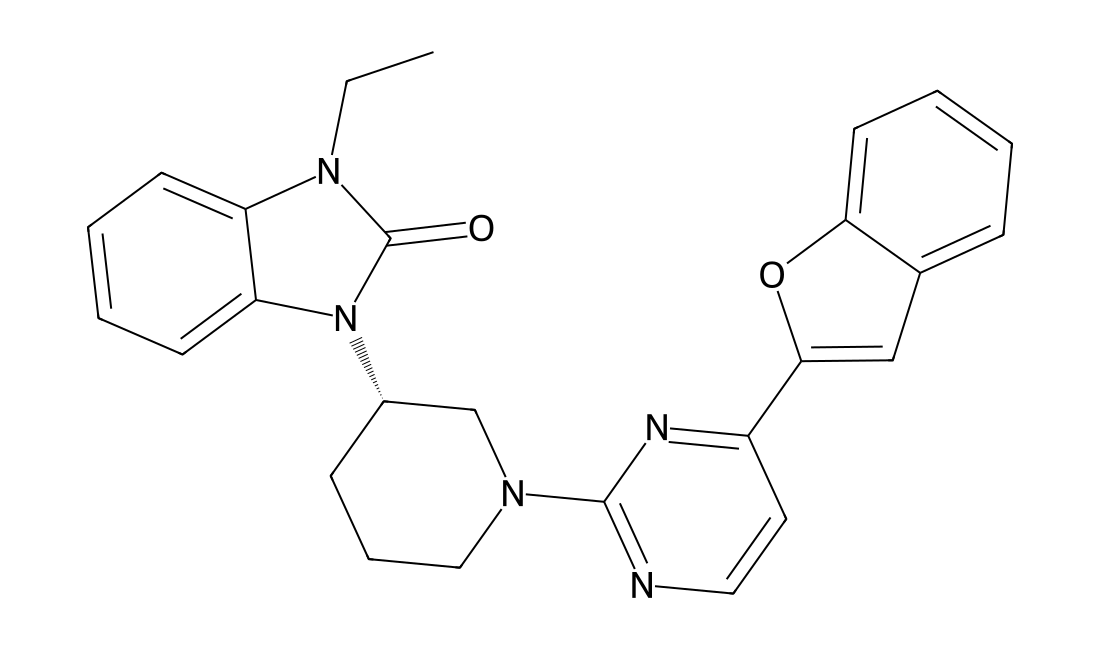
CAS 2306039-66-5
WSB1 Degrader 1 is a poten and orally active WSB1 (WD repeat and SOCS box-containing 1) degrader. WSB1 Degrader 1 has anticancer metastatic effects.
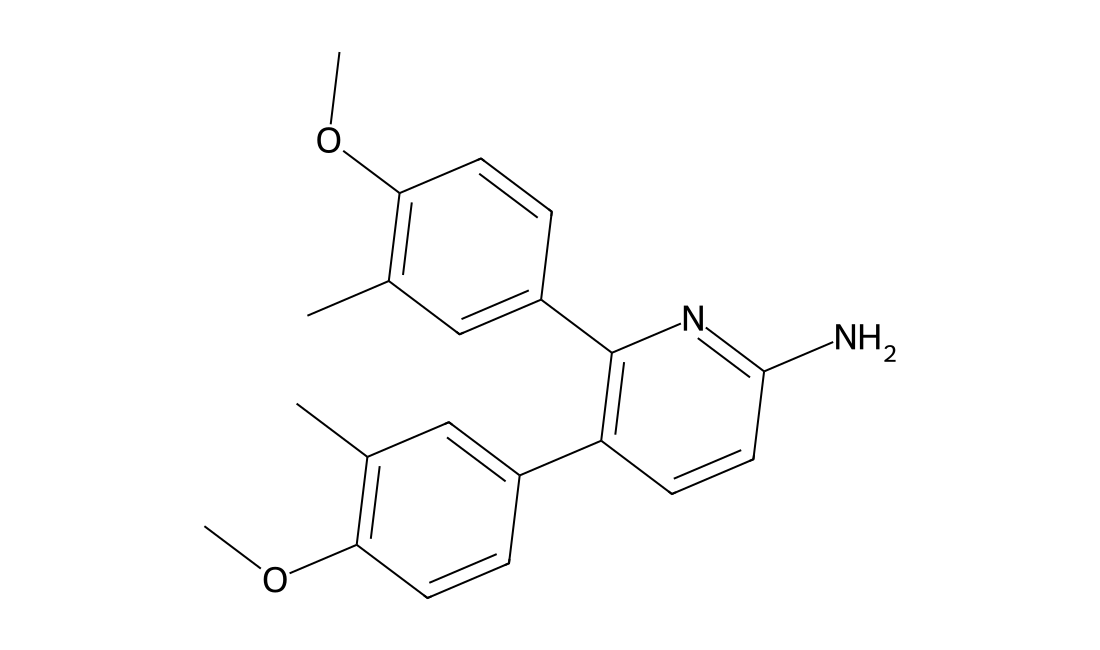
CAS 310456-65-6
IMR-1 is a novel class of Notch inhibitors targeting the transcriptional activation with IC50 of 6 μmol/L.target: NotchIC 50: 6 μmol/LIn vitro: IMR-1 prevents the recruitment of Maml1 to the NTC on chromatin, inhibits Notch target gene transcription, and dramatically inhibits tumor growth .A decrease in colony formation of Notch-dependent cell lines is observed upon treatment with IMR-1 when compared with the control (DMSO). In vivo : The reference for intraperitoneal injection is 15 mg/kg. IMR-1 inhibits Notch-dependent somite development in zebrafish.
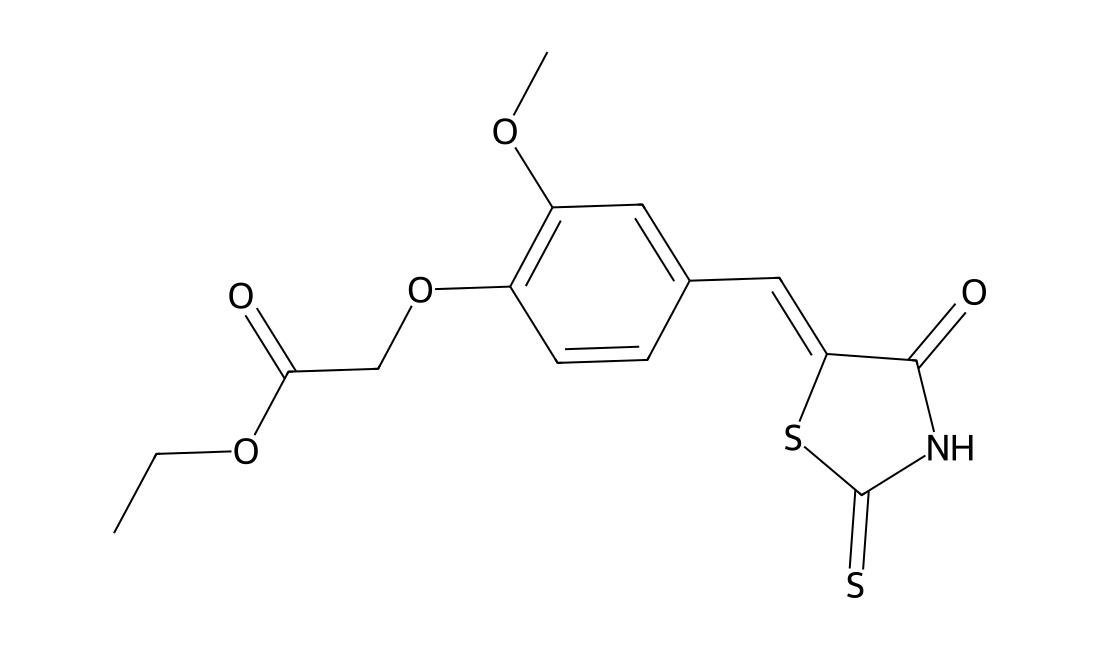
CAS 2765082-12-8
RMC-7977 is a reversible, tri-complex RAS inhibitor with broad spectrum activity for both mutant and wild-type (WT) KRAS, NRAS, and HRAS variants.RMC-7977 can lead to tumor regressions and was well tolerated in diverse RAS-addicted preclinical cancer models. RMC-7977 also can inhibit the growth of KRASG12C cancer models.
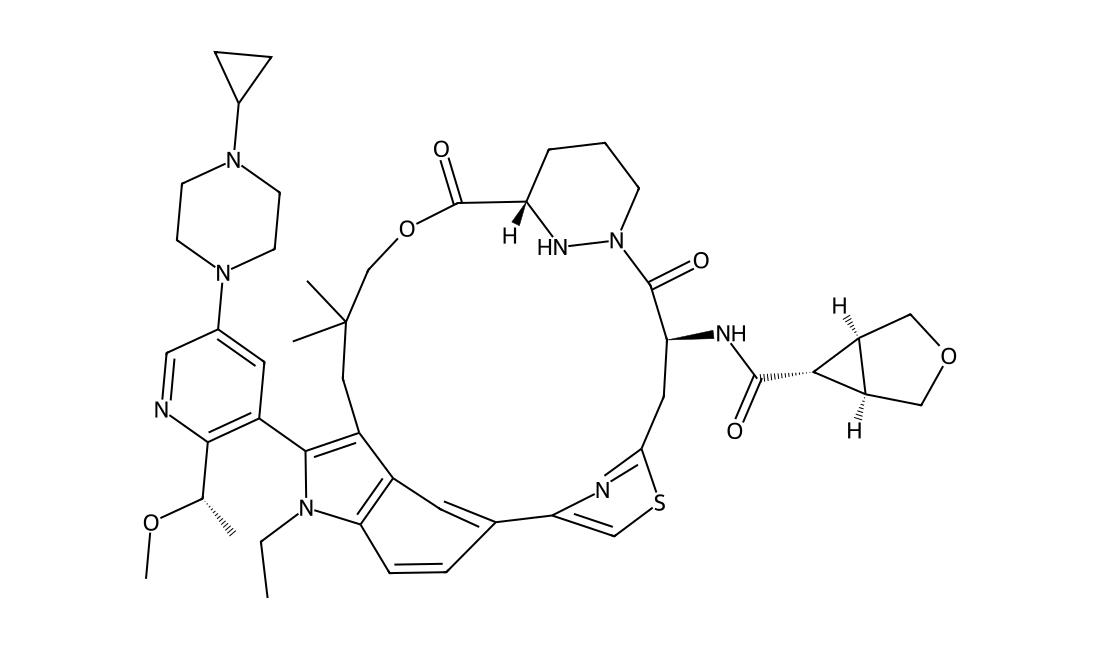
CAS 898044-15-0
An orally bioavailable small-molecule inhibitor of p21-activated kinase 4 (PAK4) with potential antineoplastic activity. PAK4 inhibitor PF-03758309 binds to PAK4, inhibiting PAK4 activity and cancer cell growth. PAK4, a serine/threonine kinase belonging to the p21-activated kinase (PAK) family, is often upregulated in a variety of cancer cell types and plays an important role in cancer cell motility, proliferation, and survival. For the detailed information of PF-03758309, the solubility of PF-03758309 in water, the solubility of PF-03758309 in DMSO, the solubility of PF-03758309 in PBS buffer, the animal experiment (test) of PF-03758309, the cell expriment (test) of PF-03758309, the in vivo, in vitro and clinical trial test of PF-03758309, the EC50, IC50,and Affinity of PF-03758309, Please contact DC Chemicals.
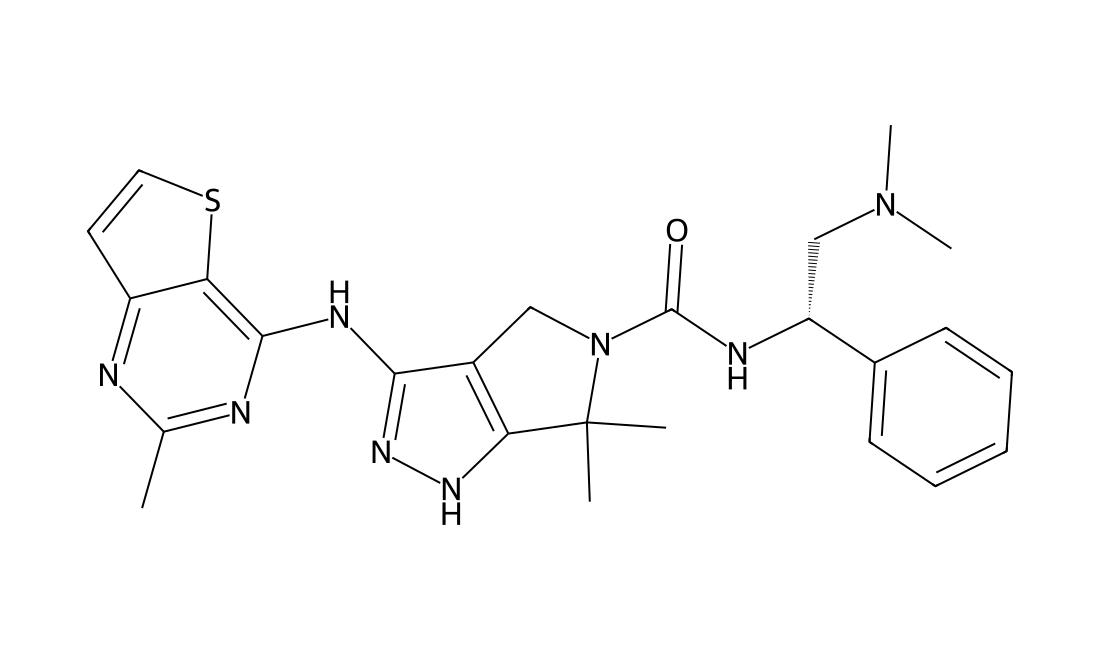
CAS 1338806-73-7
CFI-400945 is a potent, highly selective PLK4 inhibitor with Ki of 0.26 nM and IC50 of 2.8 nM, does not significantly inhibits PLK1/2/3 at 50 uM; causes dysregulated centriole duplication, mitotic defects, and cell death in multiple cancer cell lines (A549 GI50=5 nM, OVCAR-3 GI50=18 nM); significantly inhibits human cancer xenografts; causes polyploidy, growth inhibition, and apoptotic death of murine and human lung cancer cells, despite expression of mutated KRAS or p53, produces supernumerary centrosomes and mitotic defects in lung cancer cells.
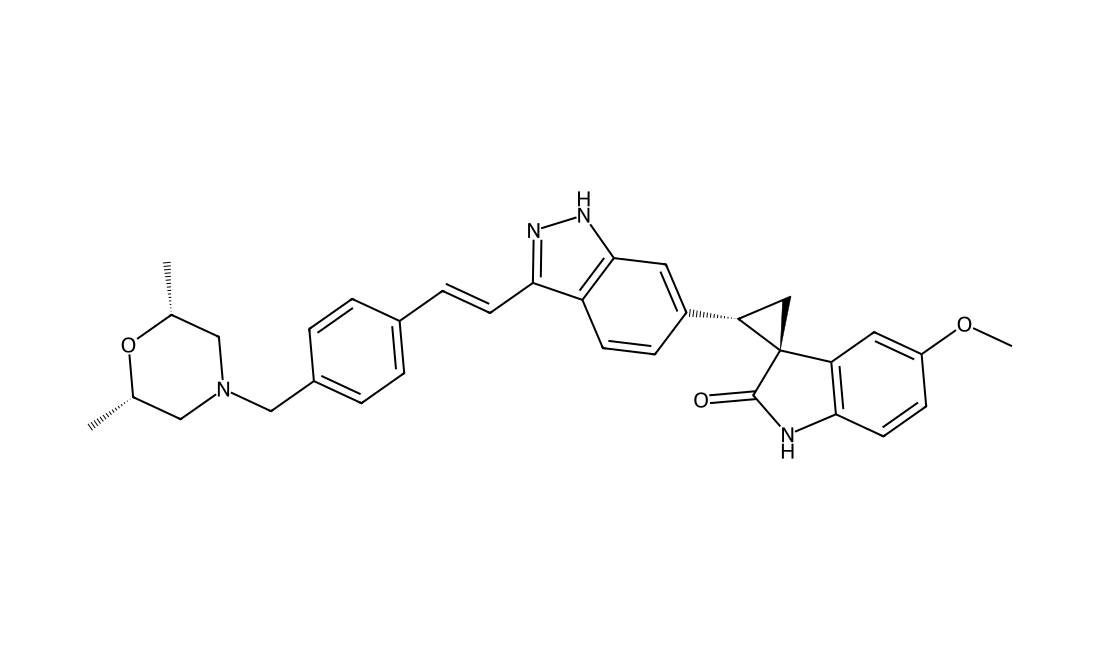
CAS 74991-91-6
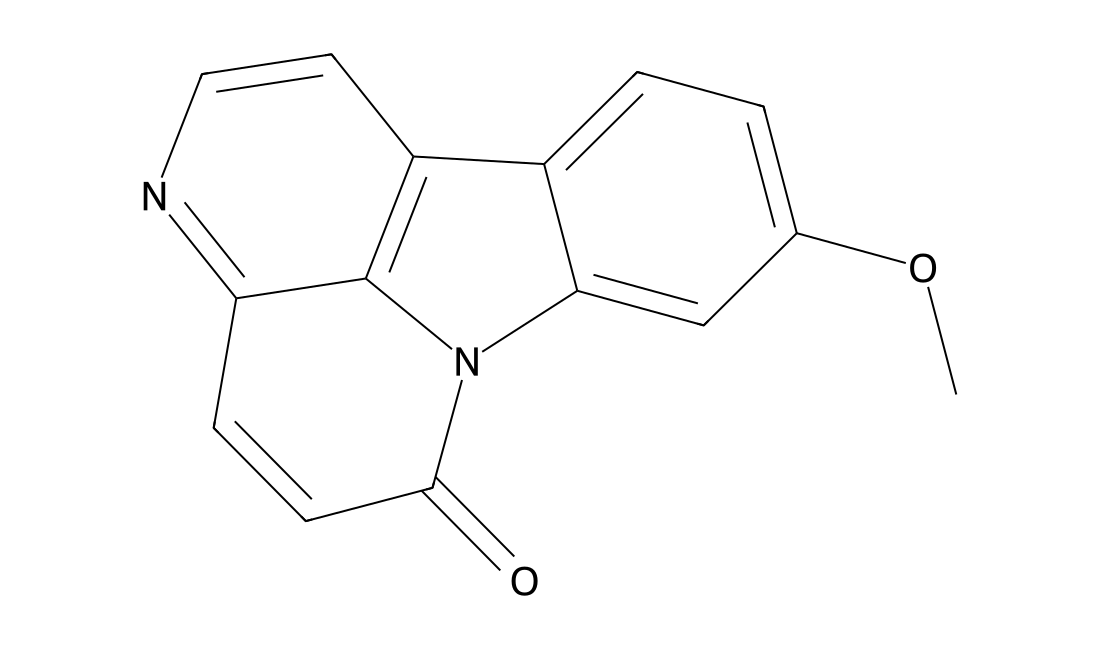
9-Methoxycanthin-6-one, a canthin-6-one alkaloid, is present in intact plant parts and in callus tissues of different explants. 9-Methoxycanthin-6-one shows anti-tumor activity.