Home/Small Molecules/Cancer Research

Cancer Research

Compounds with documented oncology research applications.

Browse all research categories

Browse by research category

Products may appear in more than one category. Counts refer to distinct catalog numbers within each category.

Other Research Tools (75) · Additional reagents, building blocks and specialized research tools.

New literature-derived products

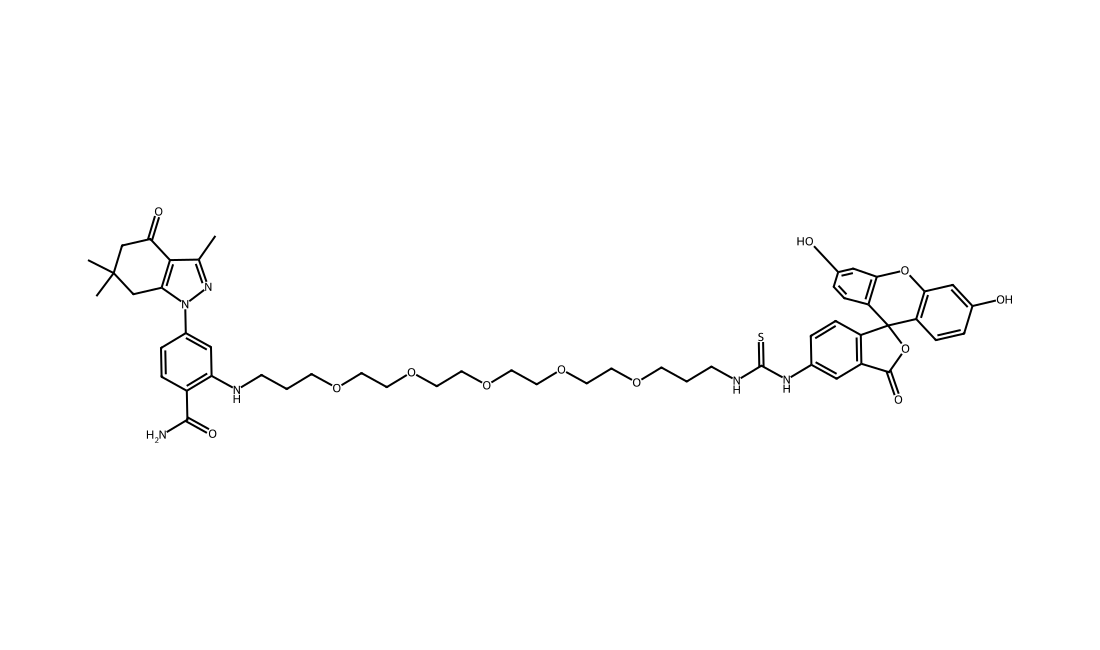
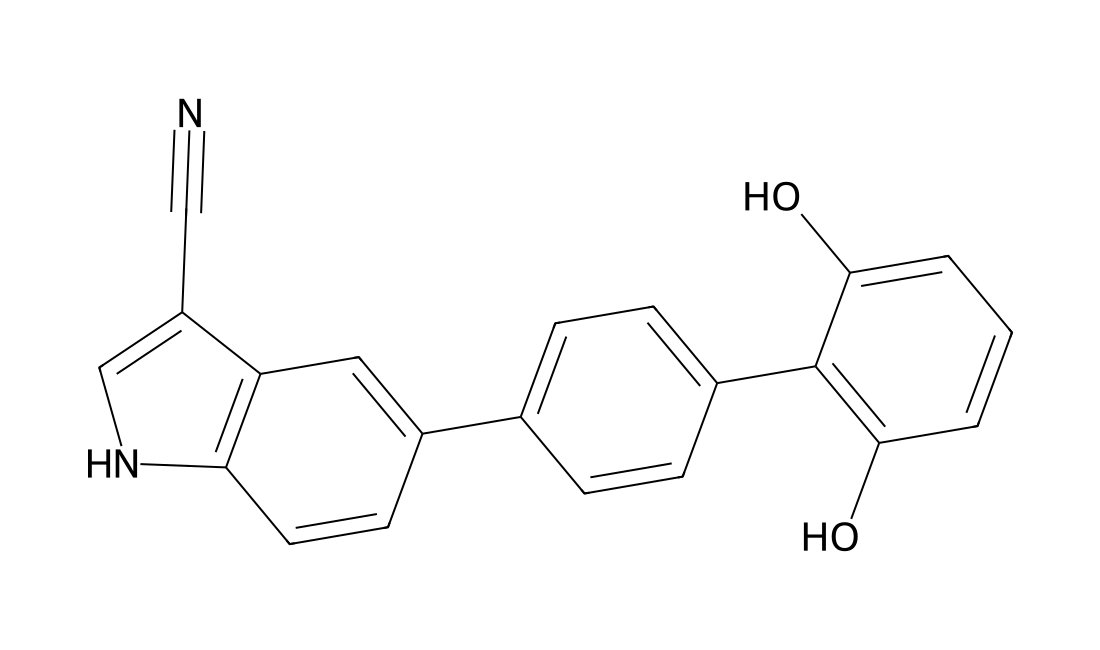
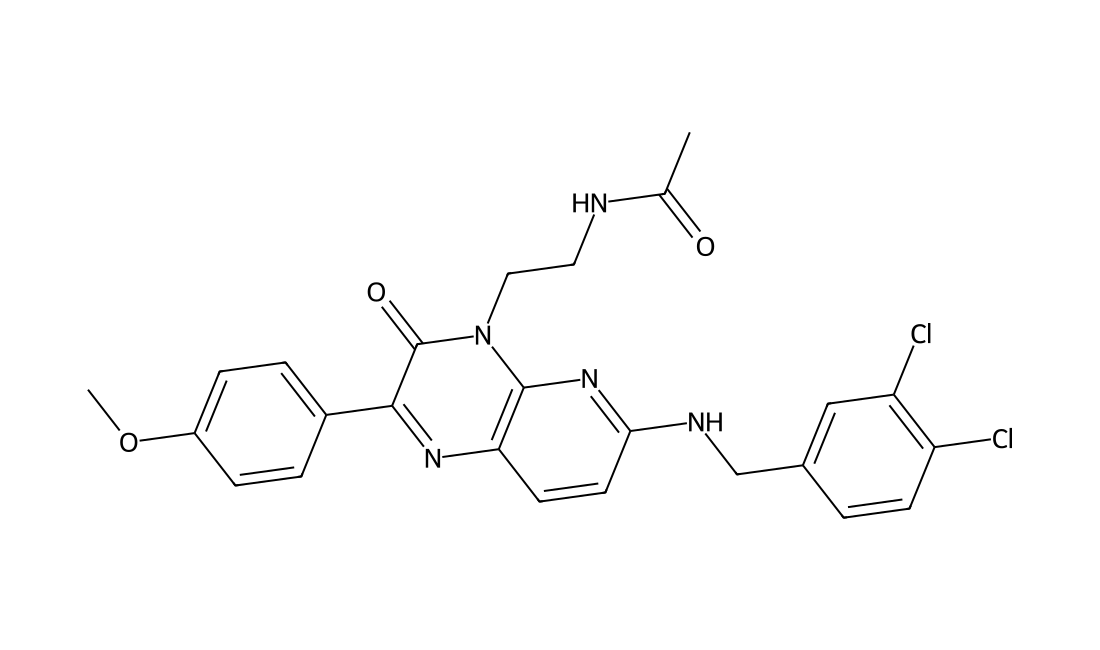
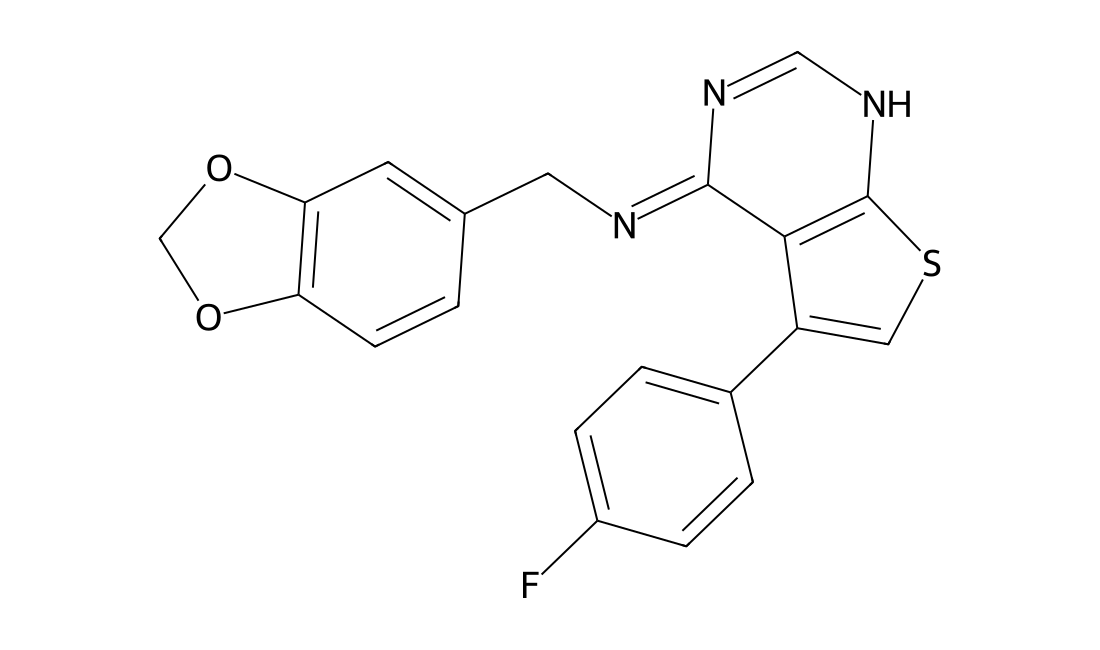
LC-MG-1 (DCA0006) · LC-MG-4 (DCA0007) · LC-MG-9 (DCA0008)

View structure and evidence summaries →

Cancer Research products

Combine a keyword, research category and target to narrow the product list.

Loading catalog filters…

1,049 products · Showing 721–768

DC7152

SMIP004

CAS 143360-00-3

IC50 Value: 1.09 uM (MTT assay in LNCaP-S14 cells) SMIP004 (N-(4-butyl-2-methyl-phenyl) acetamide) is a novel inducer of cancer-cell selective apoptosis of human prostate cancer cells. Unlike SMIP001, SMIP004 was found to downregulate SKP2 and to stabilize p27, although neither SMIP is a proteasome inhibitor. in vitro: Whereas SMIP012 and 016 were moderately toxic in normal fibroblasts, SMIPs 001 and 004 showed substantial cancer cell specificity being at least five times more potent in LNCaP-S14 than in IMR90 cells, treatment with either MG132 or SMIP004 increased p27 half-life to > 6 h. Both SMIP001 and 004 led to a strong increase in the recruitment of p27 to CDK2, while SMIP001 also slightly increased coprecipitation of p21 (Figure 6c). SMIP004 also reduced the amounts of cyclins E and A retrieved with CDK2. This was paralleled by a marked downregulation of cyclins E and A upon SMIP004 treatment. SMIP004 decreased the levels of positive cell cycle regulators, upregulated cyclin-dependent kinase inhibitors, and resulted in G1 arrest, inhibition of colony Formation in soft agar, and cell death . in vivo: SMIP004 potently inhibits the growth of prostate and breast cancer xenografts in mice. Clinical trial: N/AFor the detailed information of SMIP004, the solubility of SMIP004 in water, the solubility of SMIP004 in DMSO, the solubility of SMIP004 in PBS buffer, the animal experiment (test) of SMIP004, the cell expriment (test) of SMIP004, the in vivo, in vitro and clinical trial test of SMIP004, the EC50, IC50,and Affinity of SMIP004, Please contact DC Chemicals.
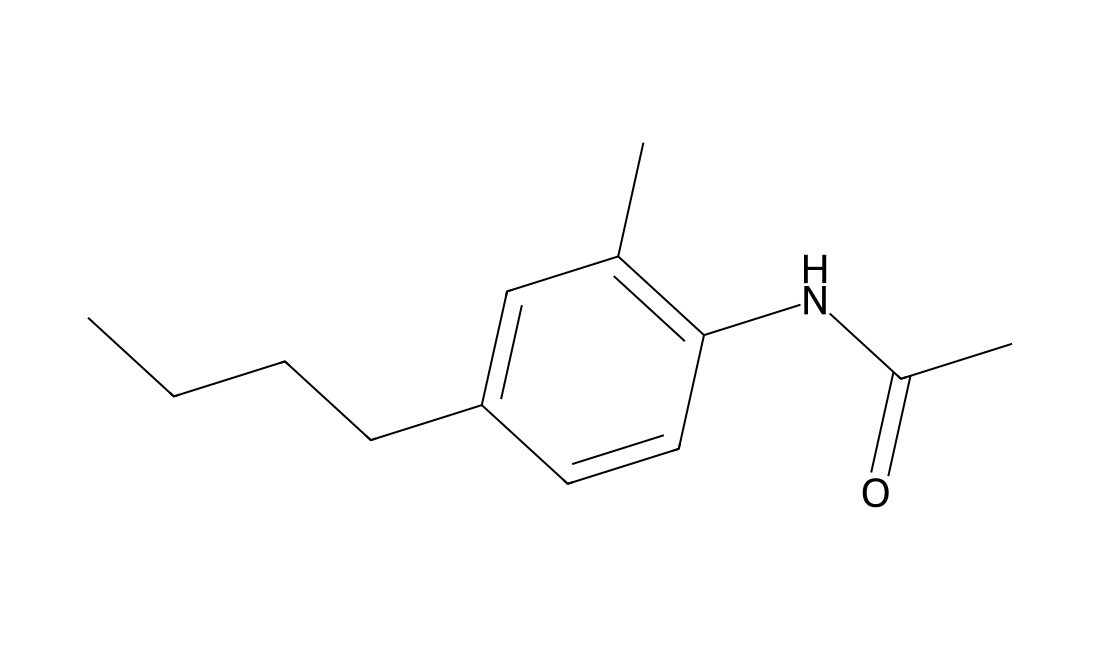
SMIP004 chemical structure
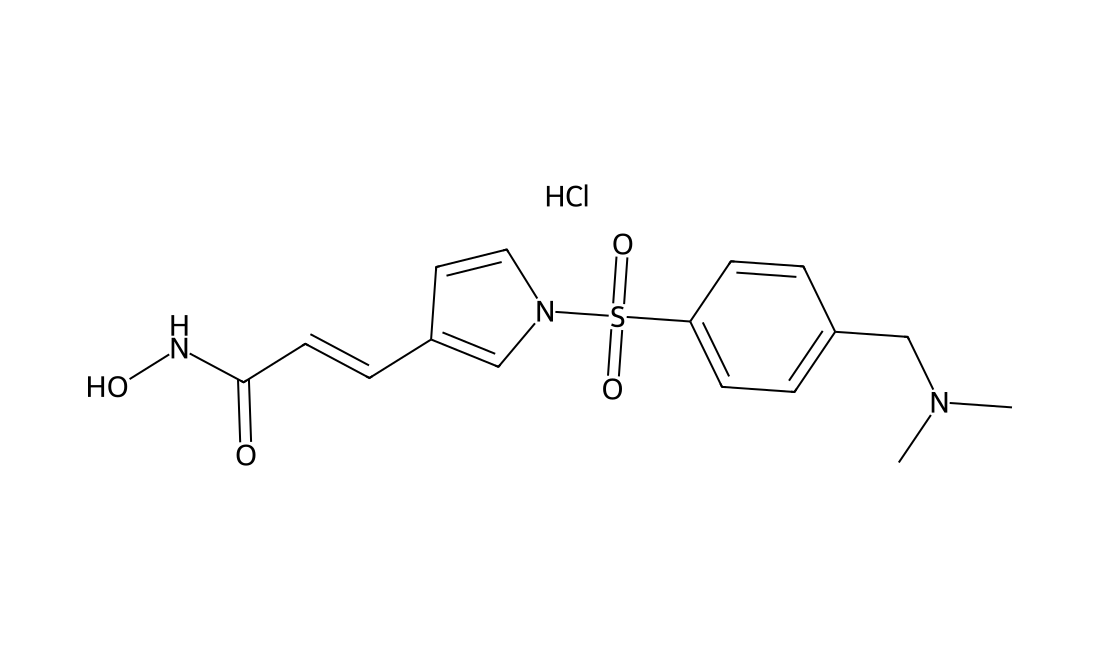
DC7261

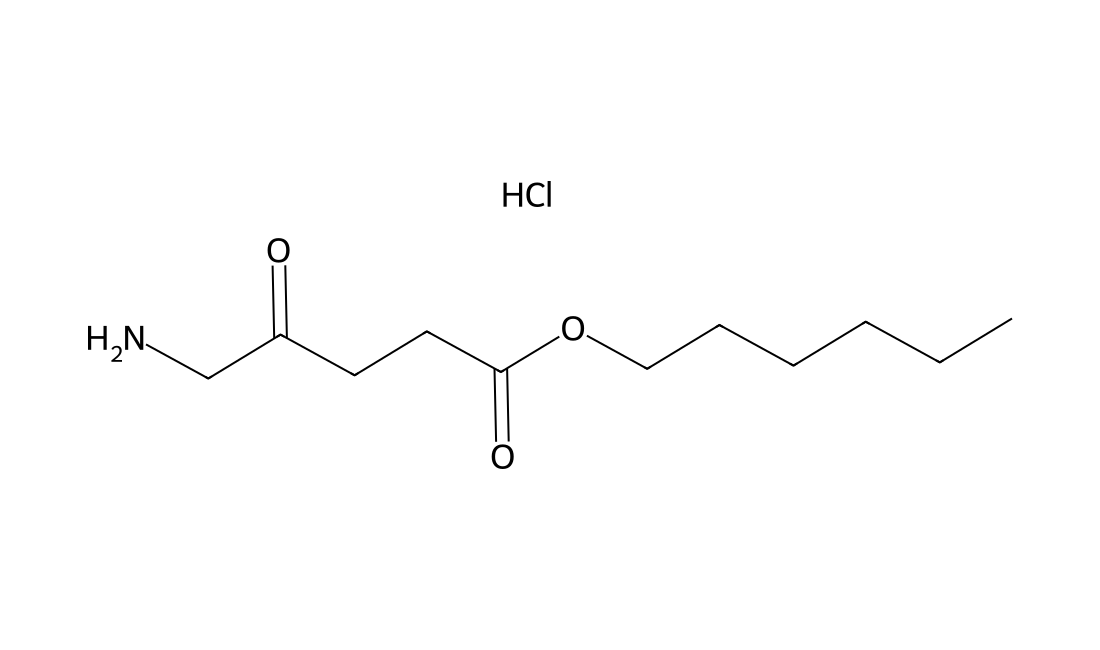
Resminostat hydrochloride (4SC-201)

CAS 1187075-34-8

Resminostat [HCl] is acting as a potent inhibitor of recombinant HDAC 1, 3 and 6 isoenzymes with a substrate competitive binding mode. It can induce hyperacetylation of histone H4 in MM cells. Low micromolar concentrations of resminostat abrogates cell growth and strongly induces apoptosis in MM cell lines (OPM-2, NCI-H929, U266 ) as well as primary MM cells. At 1 μM, resminostat inhibits proliferation and induces G0/G1 cell cycle arrest in OPM-2, NCI-H929, U266 MM cell lines accompanied with decreased levels of cyclin D1, cdc25a, Cdk4 and pRb as well as upregulation of p21. Resminostat decreases phosphorylation of 4E-BP1 and p70S6k indicating an interference with Akt pathway signalling. Treatment with resminostat results in increased protein levels of Bim and Bax and decreases levels of Bcl-xL. Caspases 3, 8 and 9 are activated by resminostat. Furthermore, synergistic effects are observed For combinations of resminostat with melphalan and the proteasome inhibitors bortezomib and S-2209. Oral resminostat at 600 mg QD continuously d1−5 in a 14 day cycle is well-tolerated. Resminostat shows a favourable PK profile, with high bioavailability and low inter-pt variability. The apparent t 1/2 of oral resminostat ranged from 2.7 to 4.4 hours. The modulation of plasma biomarkers further indicates drug activity. For the detailed information of Resminostat, the solubility of Resminostat in water, the solubility of Resminostat in DMSO, the solubility of Resminostat in PBS buffer, the animal experiment (test) of Resminostat, the cell expriment (test) of Resminostat, the in vivo, in vitro and clinical trial test of Resminostat, the EC50, IC50,and Affinity of Resminostat, Please contact DC Chemicals.
Resminostat hydrochloride (4SC-201) chemical structure
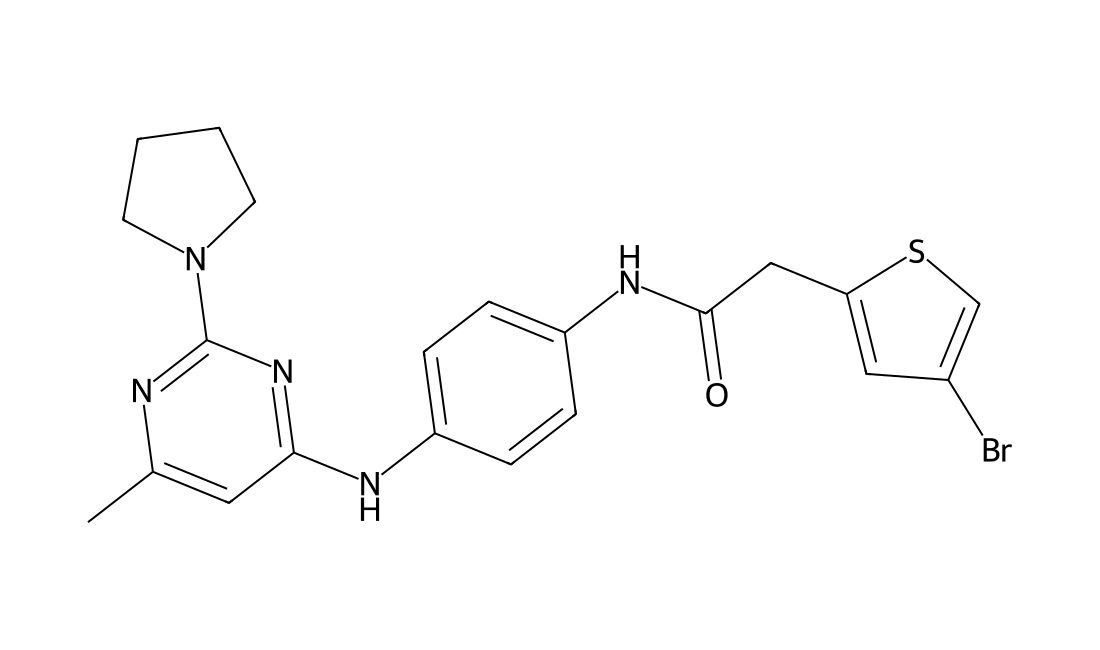
DC2068

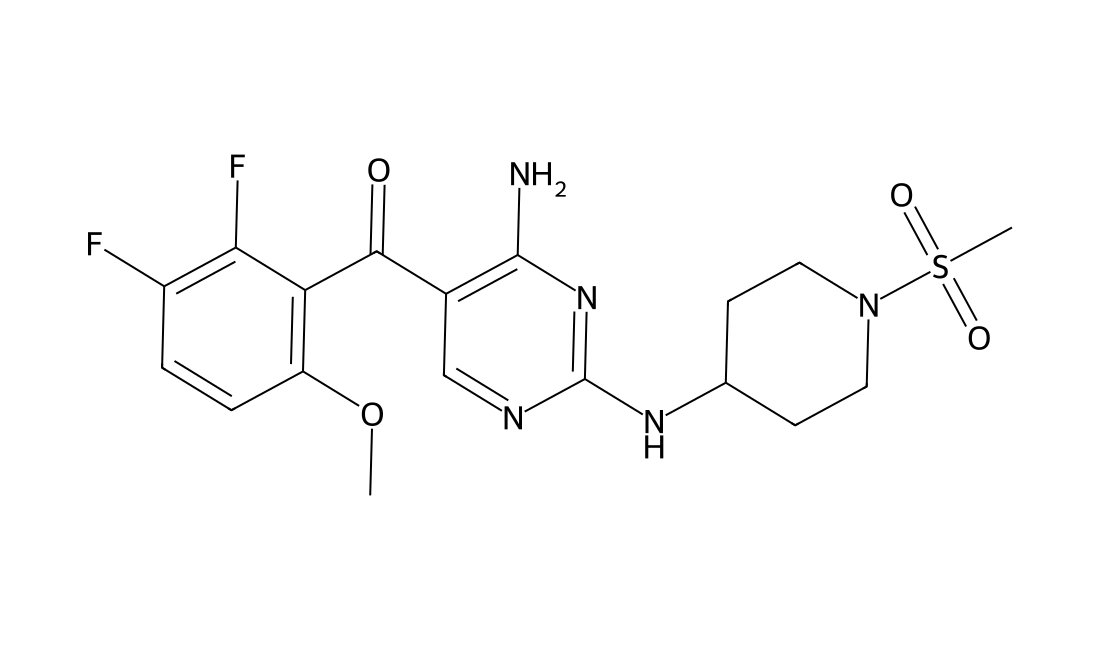
R547

CAS 741713-40-6

Description of R547: R547 is orally bioavailable diaminopyrimidine cyclin-dependent kinase inhibitor (CDKI) with potential antineoplastic activity. CDKI R547 selectively binds to and inhibits CDKs, especially CDK1/cyclin B, CDK2/cyclin E, and CDK4/cyclin D1. The inhibition of CDKs results in cell cycle arrest, inhibition of tumor cell proliferation, and induction of apoptosis. Through CDK inhibition, this agent also reduces phosphorylation of the retinoblastoma (Rb) protein, thus preventing activation of transcription factor E2F and so further suppressing tumor cell proliferation. CDKs are ATP-dependent serine/threonine kinases that are important regulators of cell cycle progression and are frequently overexpressed in tumor cells. Check For active clinical trials or closed clinical trials using this agent. (NCI Thesaurus) For the detailed information about the solubility of R547 in water, the solubility of R547 in DMSO, the solubility of R547 in PBS buffer, the animal experiment(test) of R547,the in vivo,in vitro and clinical trial test of R547,the cell experiment(test) of R547,the IC50, EC50 and Affinity of R547, please contact DC Chemicals.

R547 chemical structure
DC9008

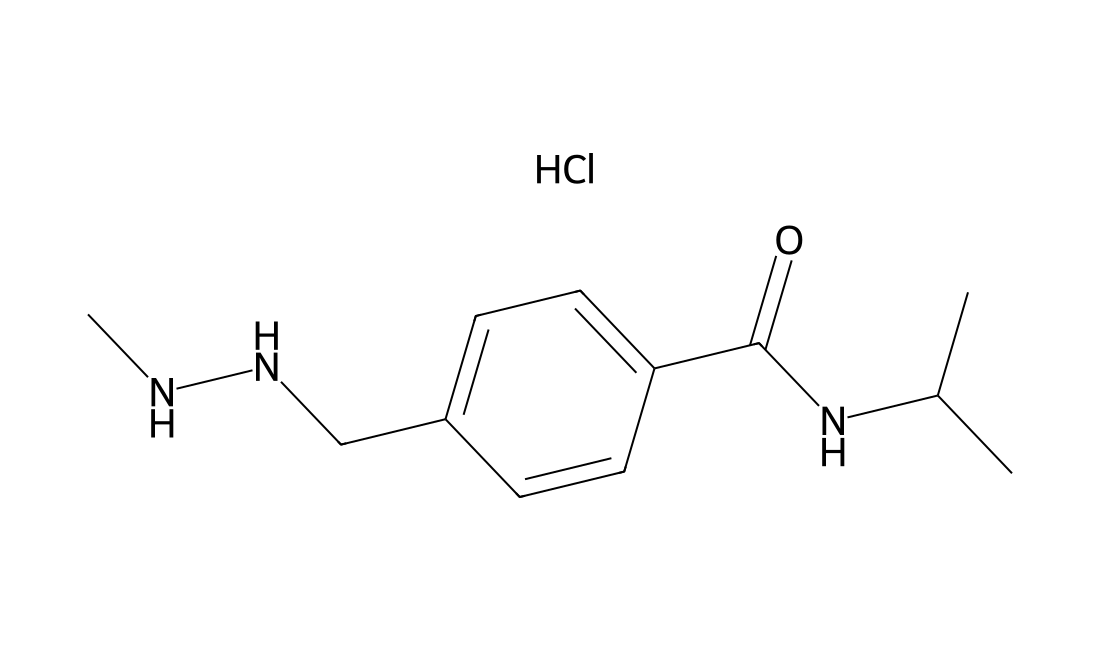
Procarbazine HCl

CAS 366-70-1

Procarbazine Hcl, an antineoplastic chemotherapy drug, is an alkylating agent for the treatment of Hodgkin's lymphoma and certain brain cancers; also inhibits MAO thus increasing the effects of sympathomimetics, TCAs, and tyramine.The mechanism of action is not fully understood. Metabolism yields azo-procarbazine and hydrogen peroxide which results in the breaking of DNA strands.Exposure to procarbazine hydrochloride by intraperitoneal injection caused tumors in rats and mice at several different tissue sites. In both rats and mice, it caused cancer of the brain (olfactory neuroblastoma) and hematopoietic system (lymphoma in rats and lymphoma or leukemia in mice). In rats, it also caused mammary-gland cancer (adenocarcinoma) in both sexes. In mice, it also caused benign lung tumors (adenoma) in both sexes and uterine cancer (adenocarcinoma) in females. Procarbazine hydrochloride is an oral alkylating agent primarily used as a component of chemotherapy regimens for Hodgkin's lymphoma, as well as in regimens for primary central nervous system lymphoma and high-grade gliomas. After discontinuation of all drug therapy, exclusion of other potential etiologies, and resolution of hepatic injury, the patient was rechallenged with procarbazine and again experienced fever with aminotransferase level elevation.

Procarbazine HCl chemical structure
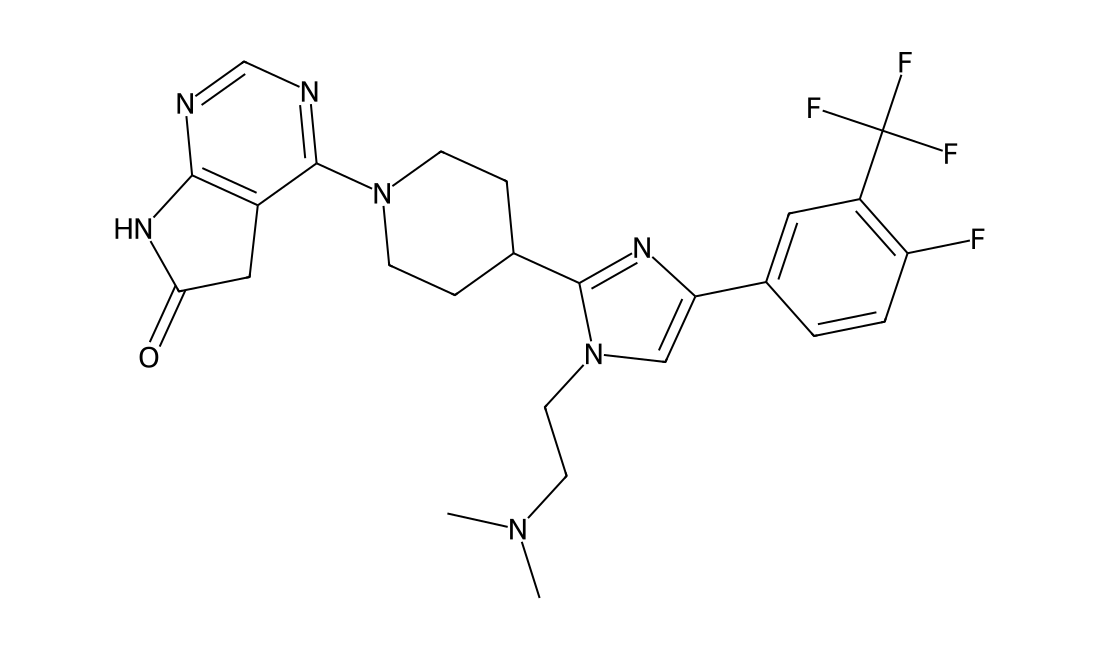
DC7874

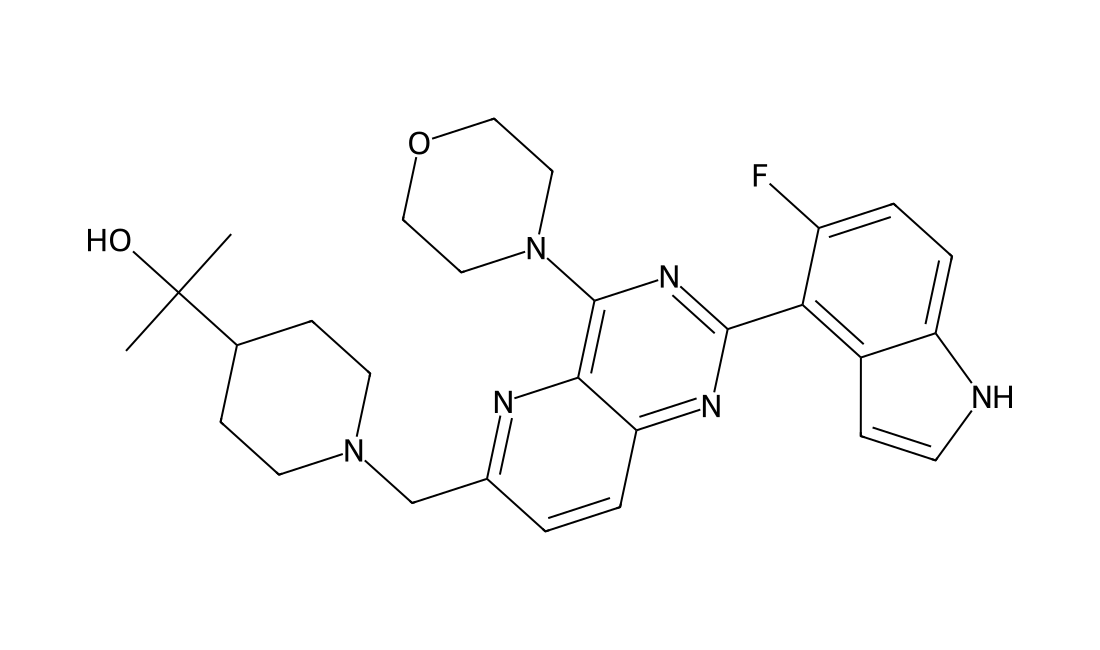
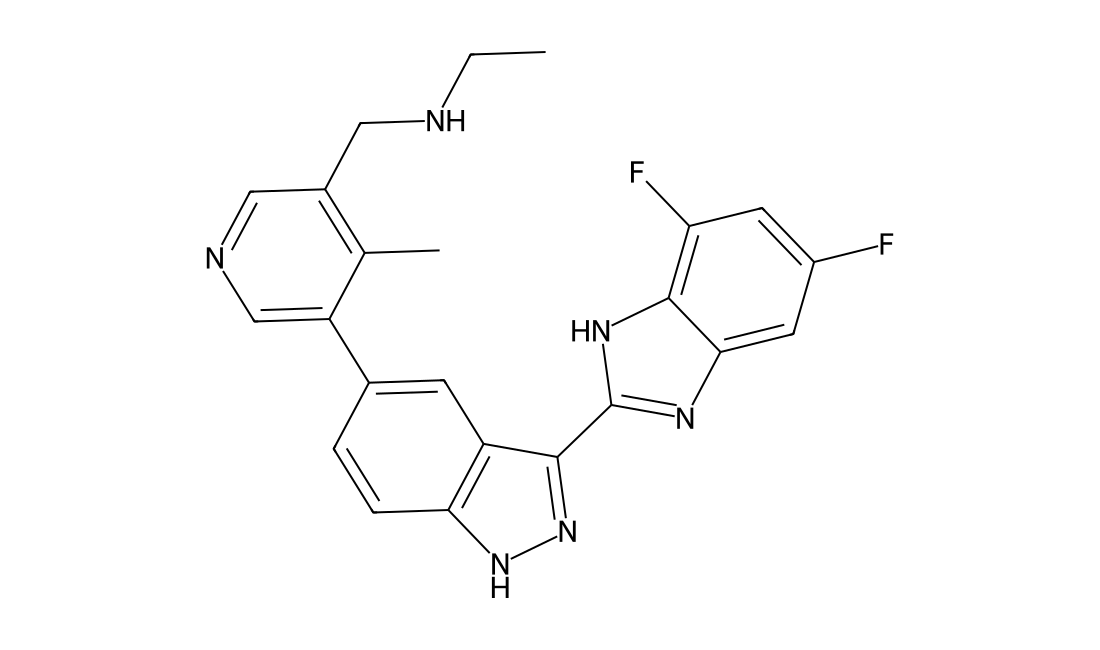
PI3k(delta) inhibitor 1

CAS 1332075-63-4

PI3kδ inhibitor 1 is a potent and selective inhibitor of isoform of PI3Kδ; useful for treating disorders mediated by lipid kinases such as inflammation, immunol disorders, and cancer.For the detailed information of PI3k(delta) inhibitor 1, the solubility of PI3k(delta) inhibitor 1 in water, the solubility of PI3k(delta) inhibitor 1 in DMSO, the solubility of PI3k(delta) inhibitor 1 in PBS buffer, the animal experiment (test) of PI3k(delta) inhibitor 1, the cell expriment (test) of PI3k(delta) inhibitor 1, the in vivo, in vitro and clinical trial test of PI3k(delta) inhibitor 1, the EC50, IC50,and affinity,of PI3k(delta) inhibitor 1, Please contact DC Chemicals.
PI3k(delta) inhibitor 1 chemical structure
DC8990

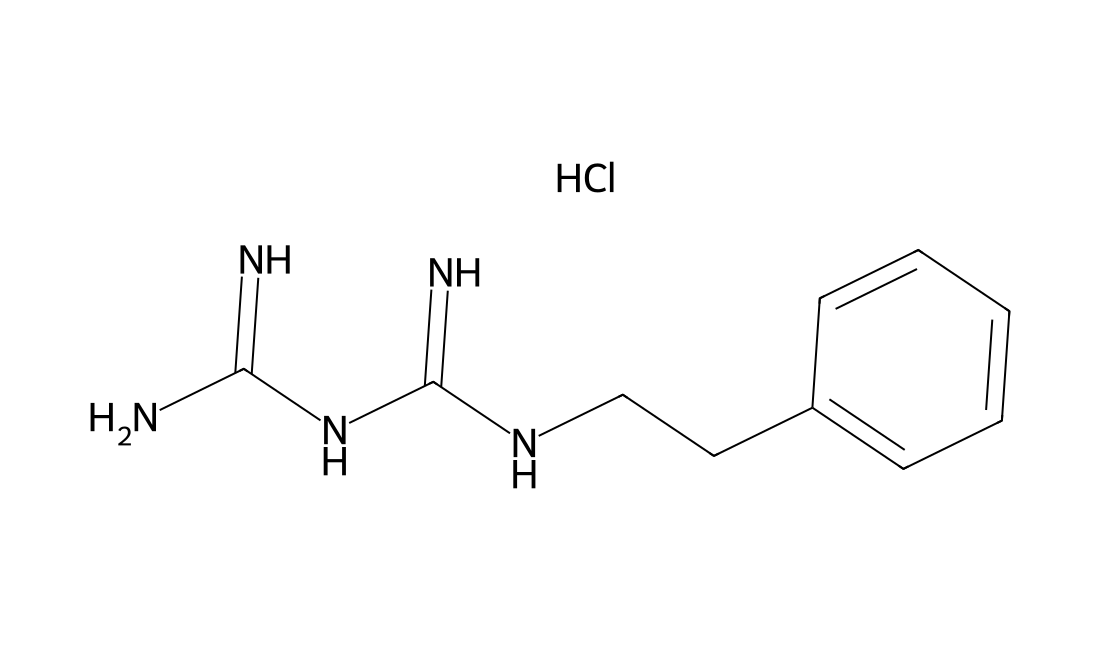
Phenformin hydrochloride

CAS 834-28-6

Phenformin, an anti-diabetic drug, has demonstrated antitumor activity both in vitro and in vivo.in vitro: Treatment with phenformin significantly delayed the development of resistance to PLX4720 in cultured melanoma cells. Biochemical analyses showed that phenformin and PLX4720 exerted cooperative effects on inhibiting mTOR signaling and inducing apoptosis. Noticeably, phenformin selectively targeted subpopulations of cells expressing JARID1B, a marker for slow cycling melanoma cells, whereas PLX4720 selectively targeted JARID1B-negative cells. Phenformin also exhibited histone modification and was more effective than metformin in destabilizing MYC/MYCN in NB cells. Phenformin activates UPR sensors IRE1α and pancreatic endoplasmic reticulum kinase (PERK) in both an ER-dependent and ER-independent manner. Mechanistically, AMP-activated protein kinase (AMPK) activation is required but not sufficient to initiate phenformin-mediated IRE1α and PERK activation, suggesting the involvement of additional factor(s). in vivo: The chronic treatment of female C3H/Sn mice with phenformin (2 mg/day) and diphenylhydantoin (2 mg/day) prolonged mean life span by 23 and 25%, respectively, and decreased spontaneous tumour incidence by 4.0 and 2.3 times, respectively. Oral administration of 5--10 mg of an antidiabetic biguanide-phenformin (phenethyl-biguanide) for 2.5--5 months suppressed DMBA-induced mammary tumour development in rats considerably. Phenformin-treated rats revealed-a tendency towards a decrease in blood insulin level (radioimmunoassay).

Phenformin hydrochloride chemical structure
DC9537

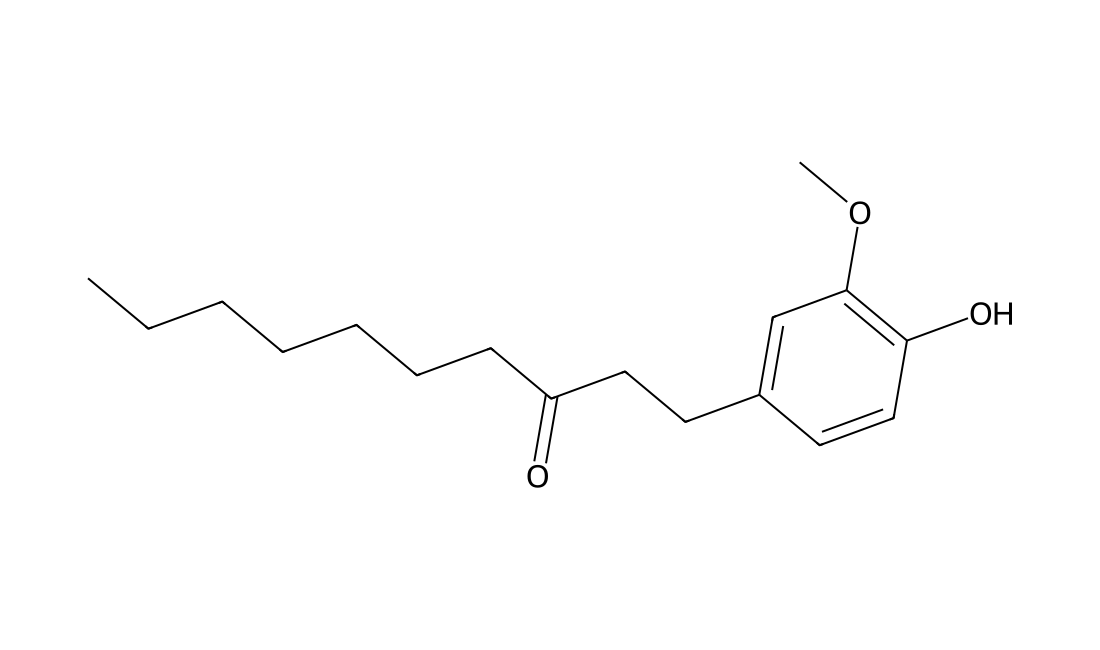
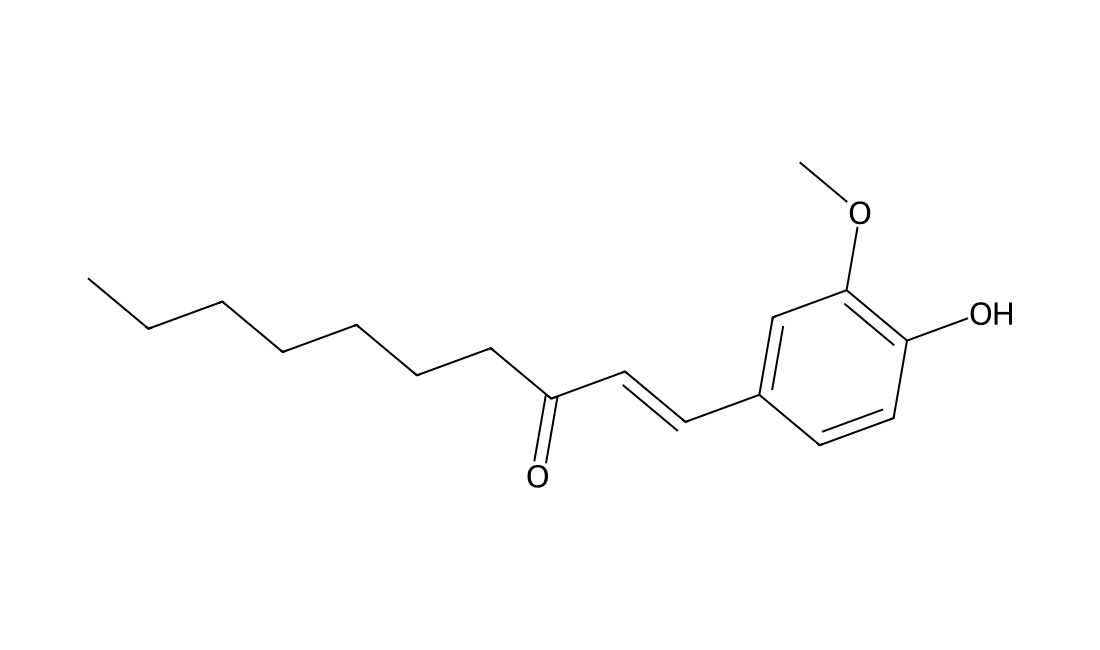
Paradol

CAS 27113-22-0

Paradol(6-Paradol) is the active flavor constituent of the seeds of Guinea pepper (Aframomum melegueta); Paradol has been found to have antioxidative and antitumor promoting effects.

Paradol chemical structure
DCAPI1146

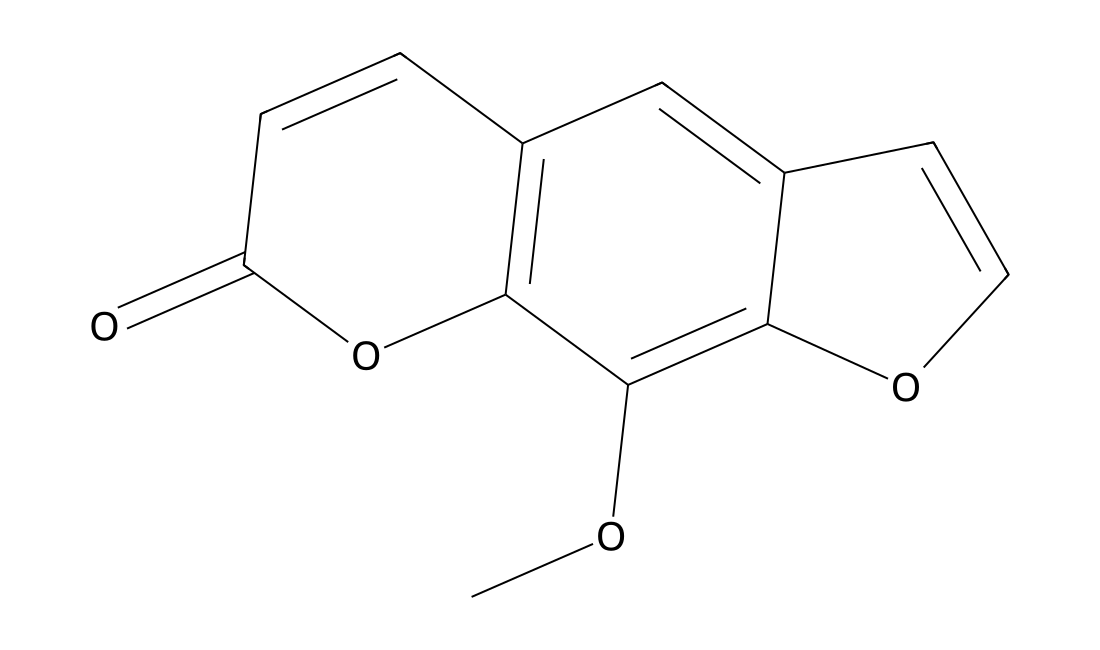
Methoxsalen (Oxsoralen)

CAS 298-81-7

For the detailed information of Methoxsalen (Oxsoralen), the solubility of Methoxsalen (Oxsoralen) in water, the solubility of Methoxsalen (Oxsoralen) in DMSO, the solubility of Methoxsalen (Oxsoralen) in PBS buffer, the animal experiment(test) (test) of Methoxsalen (Oxsoralen), the cell expriment (test) of Methoxsalen (Oxsoralen), the in vivo, in vitro and clinical trial test of Methoxsalen (Oxsoralen), the EC50, IC50,and Affinity of Methoxsalen (Oxsoralen),, please contact DC Chemicals.

Methoxsalen (Oxsoralen) chemical structure
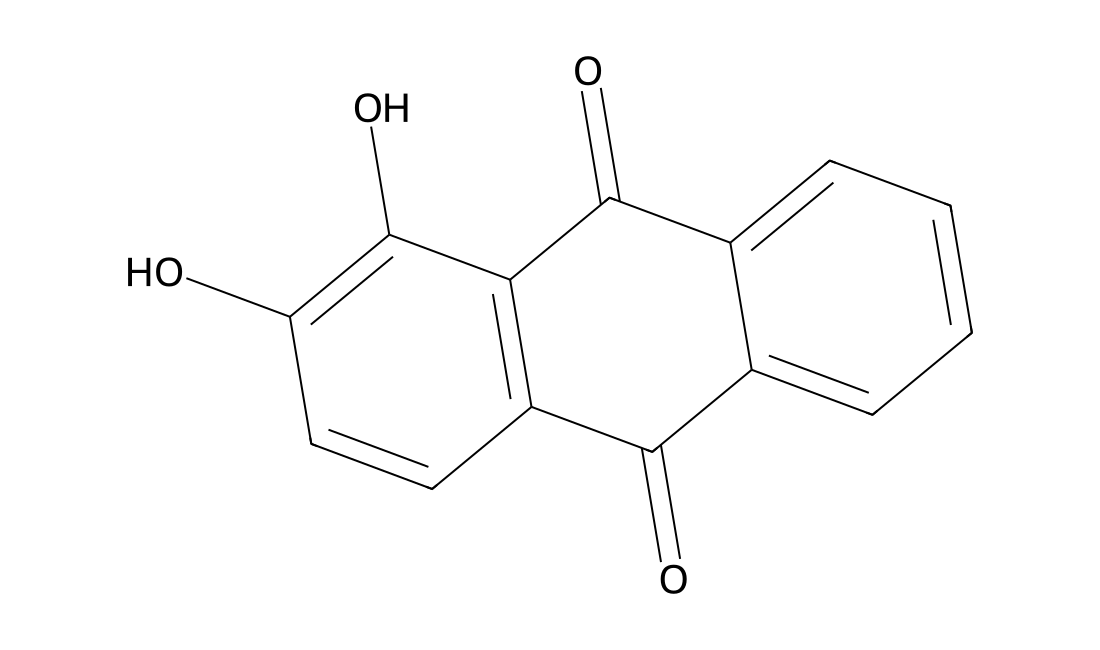
DC9913

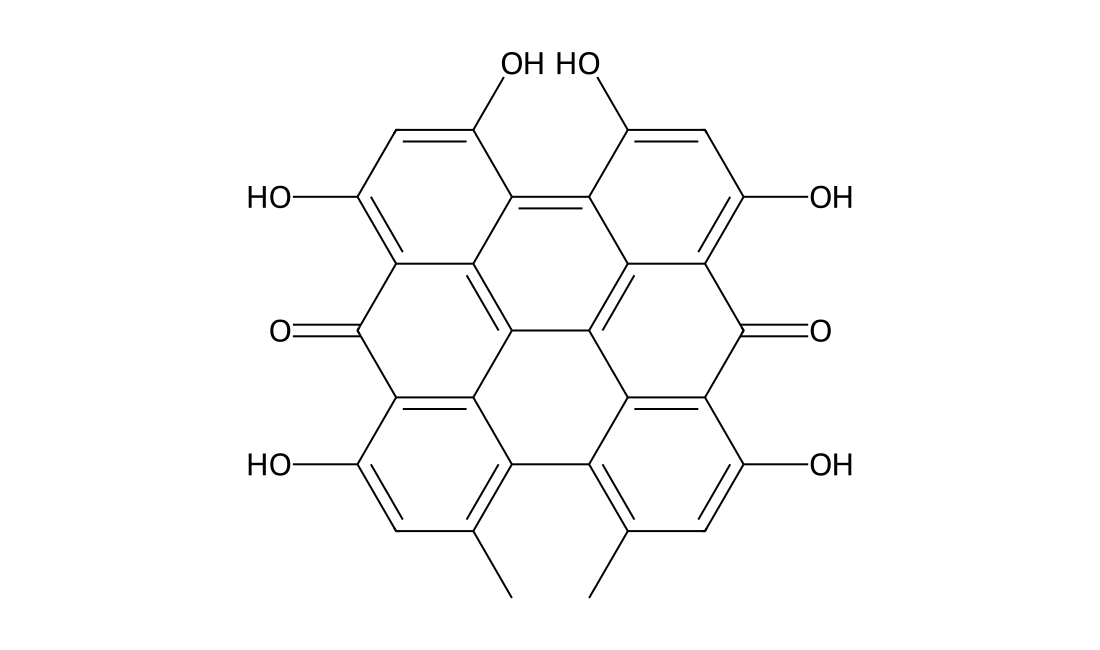
Hypericin

CAS 548-04-9

Hypericin is a photosensitive antiviral with anticancer and antidepressant agent derived from Hypericum perforatum. It can inhibit tyrosine kinases with IC50 of 7.5 μM. In vitro:The photosensitive of hypericin can induce both apoptosis and necrosis in a concentration and light dose-dependent fashion. PDT with hypericin results in the activation of multiple pathways that can either promote or counteract the cell death program. It can effect cytotoxic to tumor cells by visible light.

Hypericin chemical structure
DC9515

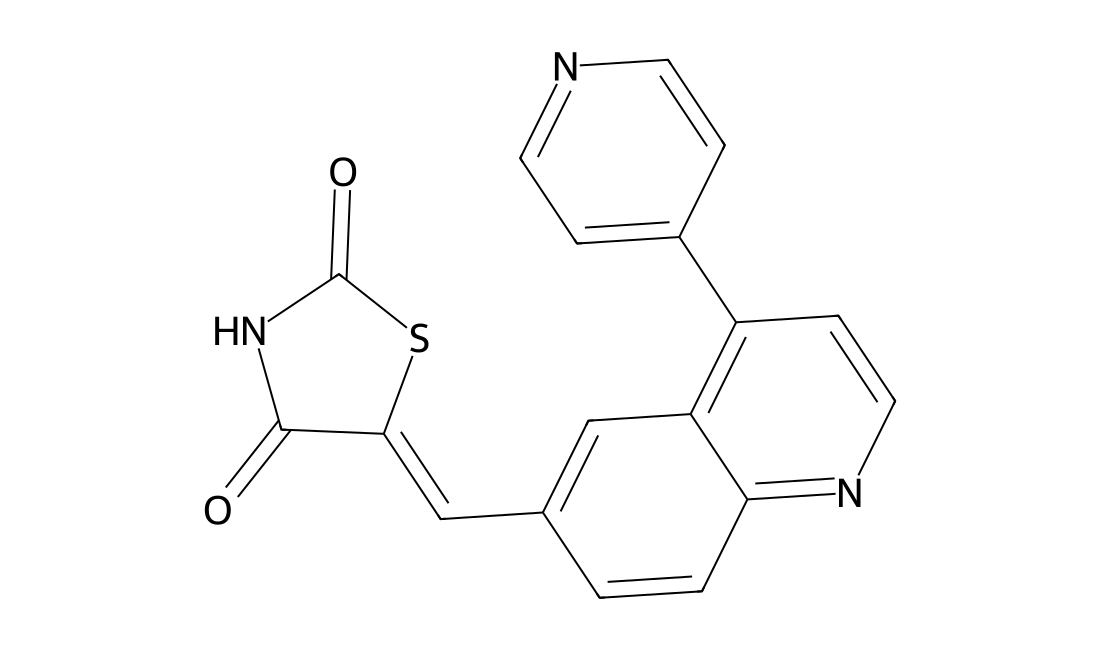
PI3K inhibitor GS1059615

CAS 958852-01-2

GSK1059615 is a dual inhibitor of PI3Kα/β/δ/γ (reversible) and mTOR with IC50 of 0.4 nM/0.6 nM/2 nM/5 nM and 12 nM, respectively. in vitro: The pyridinylquinoline derivative GSK1059615 is a novel, ATP-competitive, and reversible inhibitor of the class I family of PI3Ks. GSK1059615 inhibits PI3K signaling, induces G1 arrest and apoptosis, especially in breast tumor cells. Data summarized in another review also shows that GSK1059615 inhibits PI3Kα, β, γ and δ, with Ki of 0.42 nM, 0.6 nM, 0.47 nM and 1.7 nM, respectively. Another report shows that GSK1059615 inhibits PI3Kα with IC50 of 2 nM. In T47D and BT474 cancer cells, GSK1059615 inhibits the phosphorylation of Akt at S473, with IC50 of 40 nM. in vivo: In xenograft mice models of BT474 or HCC1954 breast cancer cells, GSK1059615 (25 mg/kg) effectively inhibits tumor growth.

PI3K inhibitor GS1059615 chemical structure
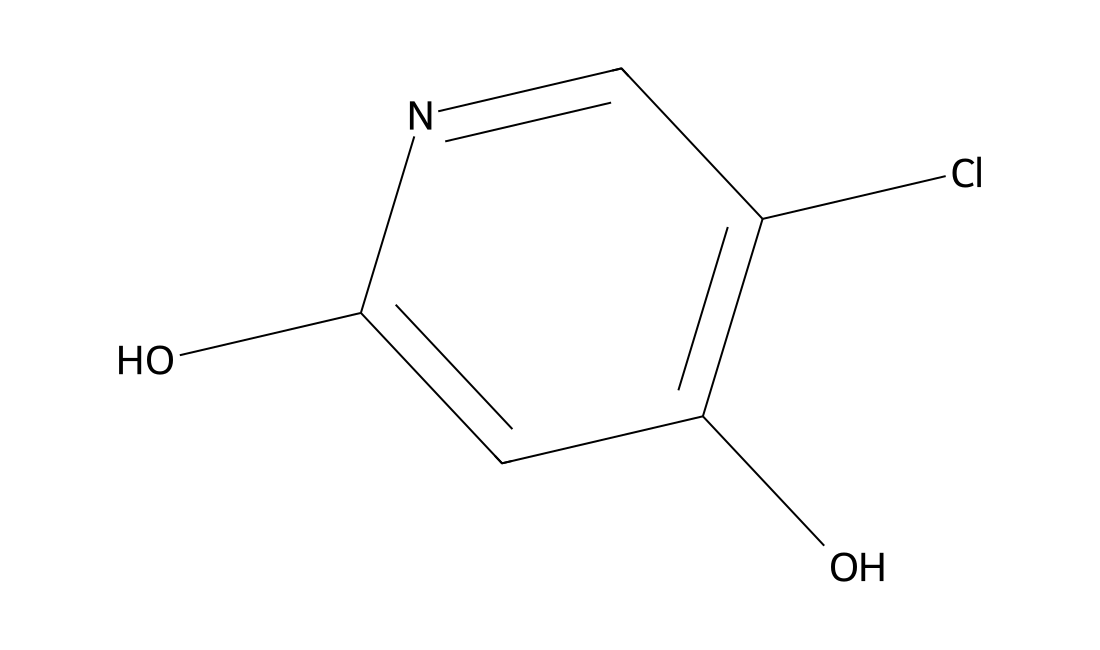
DC8946

Gimeracil

CAS 103766-25-2

Gimeracil(Gimestat) is an inhibitor of dihydropyrimidine dehydrogenase (DPYD), which degrades pyrimidine including 5-fluorouracil in the blood; inhibits homologous recombination.in vitro: Gimeracil had radiosensitizing effects by partially inhibiting homologous recombination (HR) in the repair of DNA double strand breaks. Tail moments in neutral comet assay increased in gimeracil-treated cells. Gimeracil restrained the formation of foci of Rad51 and replication protein A (RPA), whereas it increased the number of foci of Nbs1, Mre11, Rad50, and FancD2. Gimeracil did not sensitize DPYD-depleted cells. Gimeracil inhibited DNA DSB repair. It did not sensitize cells deficient in HR but sensitized those deficient in NHEJ. In SCneo assay, Gimeracil reduced the frequency of neo-positive clones. Additionally, it sensitized the cells in S-phase more than in G0/G1.

Gimeracil chemical structure
DC21416

ERGi-USU

CAS 1147-56-4

ERGi-USU (NSC139021) is a small molecule that selectively inhibits ERG-positive cancer cell growth (VCaP cell IC50=0.169 uM), directly binds the ribosomal biogenesis regulator atypical kinase RIOK2 and induces ribosomal stress signature; shows additive effects in inhibiting growth of VCaP cells combined with enzalutamide, inhibits growth of ERG-positive VCaP tumor xenografts with no apparent toxicity.

ERGi-USU chemical structure
DC12273

EMT inhibitor-1

CAS 1638526-21-2

In Vitro EMT inhibitor-1 (C19) is an inhibitor of of Hippo, TGF-β, and Wnt signaling pathways with antitumor activities, inhibiting cancer cell migration, proliferation, and resistance to doxorubicin in vitro. In Vivo EMT inhibitor-1 (C19) exerts strong antitumor activity in a mouse tumor model. Mechanistically, EMT inhibitor-1 induces GSK3-β–mediated degradation of the Hippo transducer TAZ, through activation of the Hippo kinases Mst/Lats and the tumor suppressor kinase AMPK upstream of the degradation complex.

EMT inhibitor-1 chemical structure
DC10111

Debio 0617B

CAS 1332329-27-7

Debio 0617B has been developed as a first-in-class kinase inhibitor with a unique profile targeting phospho-STAT3 (pSTAT3) and/or pSTAT5 in tumors through combined inhibition of JAK, SRC, ABL, and class III/V receptor tyrosine kinases (RTK). Debio 0617B showed dose-dependent inhibition of pSTAT3 in STAT3-activated carcinoma cell lines; Debio 0617B also showed potent antiproliferative activity in a panel of cancer cell lines and in patient-derived tumor xenografts tested in an in vitro clonogenic assay. Debio 0617B showed in vivo efficacy by inhibiting tumor growth in several mouse xenograft models. To increase in vivo efficacy and STAT3 inhibition, Debio 0617B was tested in combination with the EGFR inhibitor erlotinib in a non-small cell lung cancer xenograft model.

Debio 0617B chemical structure
DC10430

COH29

CAS 1190932-38-7

COH29 overcome hydroxyurea and gemcitabine resistance in cancer cells. It effectively inhibits proliferation of most cell lines in the NCI 60 human cancer panel, most notably ovarian cancer and leukemia, but exerts little effect on normal fibroblasts or endothelial cells. Site-directed mutagenesis, NMR and surface plasmon resonance biosensor studies confirm COH29 binding to the proposed ligand-binding pocket and offer evidence for assembly blockade of the RRM1-RRM2 quaternary structure.COH29 results in a dose-dependent inhibition of MOLT-4 tumor xenograft growth with twice-daily oral dosing at 50 mg/kg and 100 mg/kg, which is pronounced by Day 12 of treatment. Similarly, 7 days of treatment of mice bearing TOV11D xenografts with 200, 300, or 400 mg/kg/day COH29 results in a dose-dependent inhibition of tumor xenograft growth. Tumor growth is significantly inhibited compared with the control group.

COH29 chemical structure
DC7388

c-Met inhibitor 1

CAS 1357072-61-7

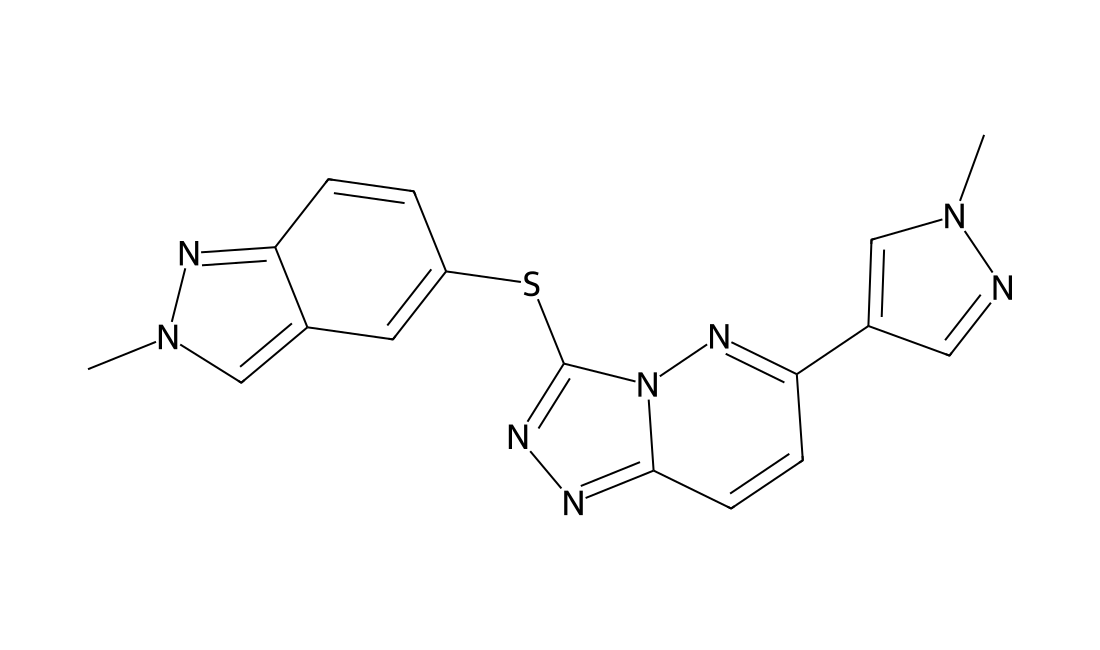
c-Met inhibitor 1 is an inhibitor of the c-Met receptor signaling pathway useful For the treatment of cancer including gastric, glioblastoma, and pancreatic cancer. More details , please refer to Patent WO 2012015677 A1For the detailed information of c-Met inhibitor 1, the solubility of c-Met inhibitor 1 in water, the solubility of c-Met inhibitor 1 in DMSO, the solubility of c-Met inhibitor 1 in PBS buffer, the animal experiment (test) of c-Met inhibitor 1, the cell expriment (test) of c-Met inhibitor 1, the in vivo, in vitro and clinical trial test of c-Met inhibitor 1, the EC50, IC50,and Affinity of c-Met inhibitor 1, Please contact DC Chemicals.
c-Met inhibitor 1 chemical structure
DC23177

BHPI

CAS 56632-39-4

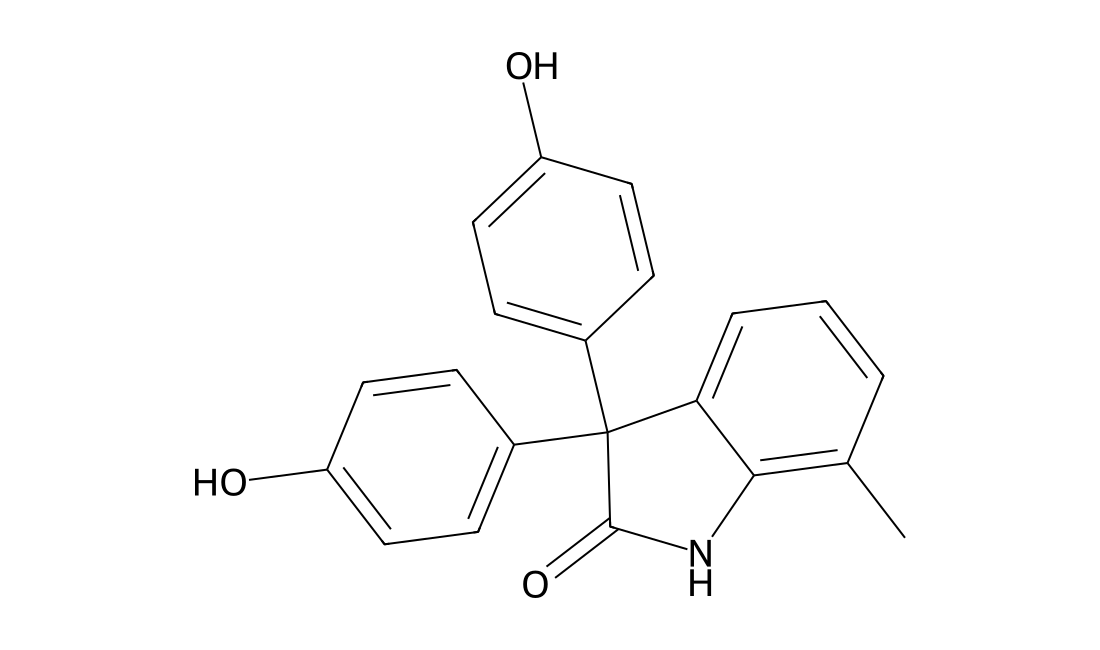
BHPI is a potent, noncompetitive small molecule ERα inhibitor (biomodulator) that selectively blocks proliferation of drug-resistant ERα-positive breast and ovarian cancer cells; distorts this normal action of E2–ERα and induces a massive and sustained ERα-dependent activation of the unfolded protein response (UPR), persistent inhibition of protein synthesis, converting UPR activation from cytoprotective to cytotoxic; completely blocked proliferation of ERα+ cancer cells at 100-1000 nM, induces tumor regression in mouse xenograft of MCF-7 cells.

BHPI chemical structure
DC12265

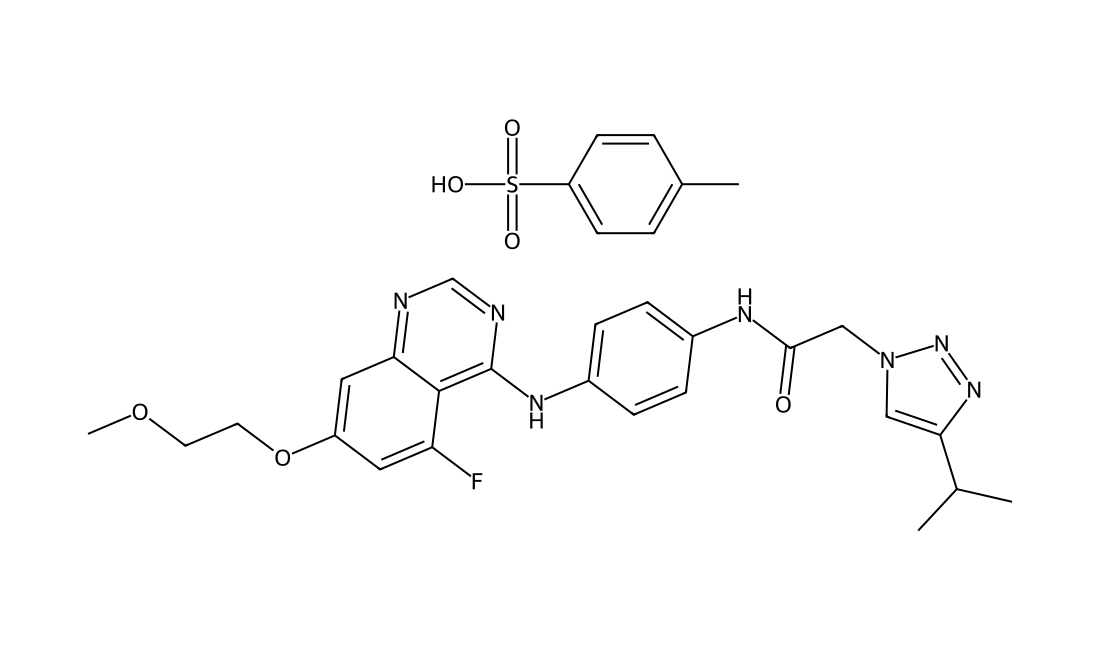
AZD3229 Tosylate

CAS 2248003-71-4

In Vitro AZD3229 Tosylate is a potent, pan-KIT mutant inhibitor with potent single digit nM growth inhibition against a diverse panel of mutant KIT driven Ba/F3 cell lines (GI50=1-50 nM). AZD3229 Tosylate demonstrates potent single digit nM growth inhibition across a broad cell panel, with good margin to KDR-driven effects. Selectivity over KDR can be rationalised predominantly by the interaction of water molecules with the protein and ligand in the active site and its kinome selectivity is similar to the best of the approved GIST agents.

AZD3229 Tosylate chemical structure
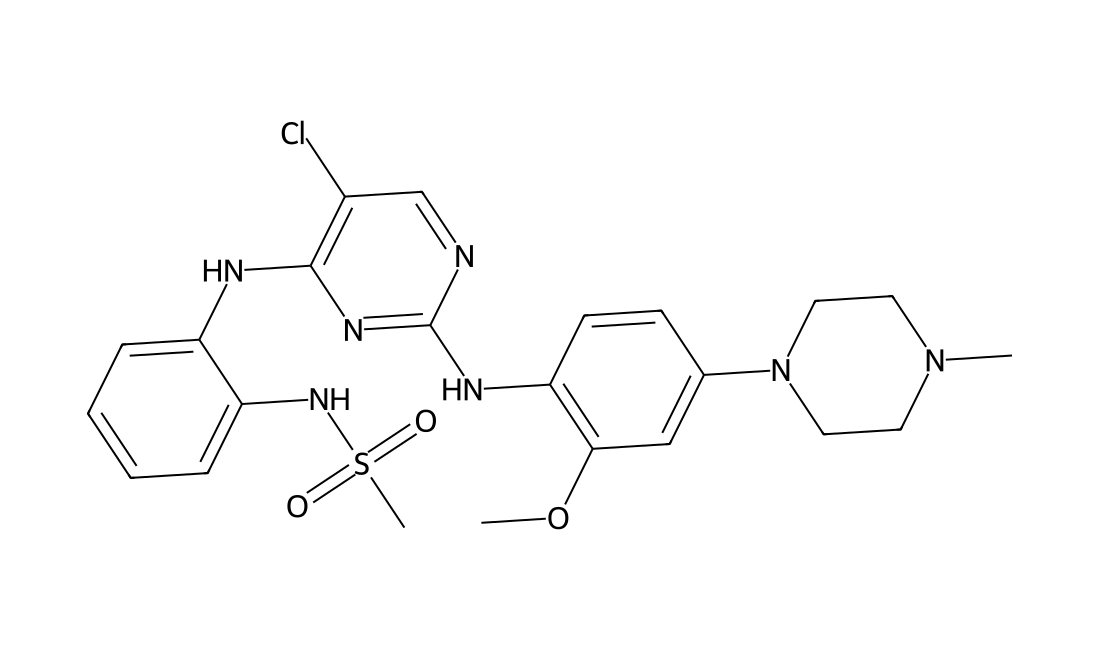
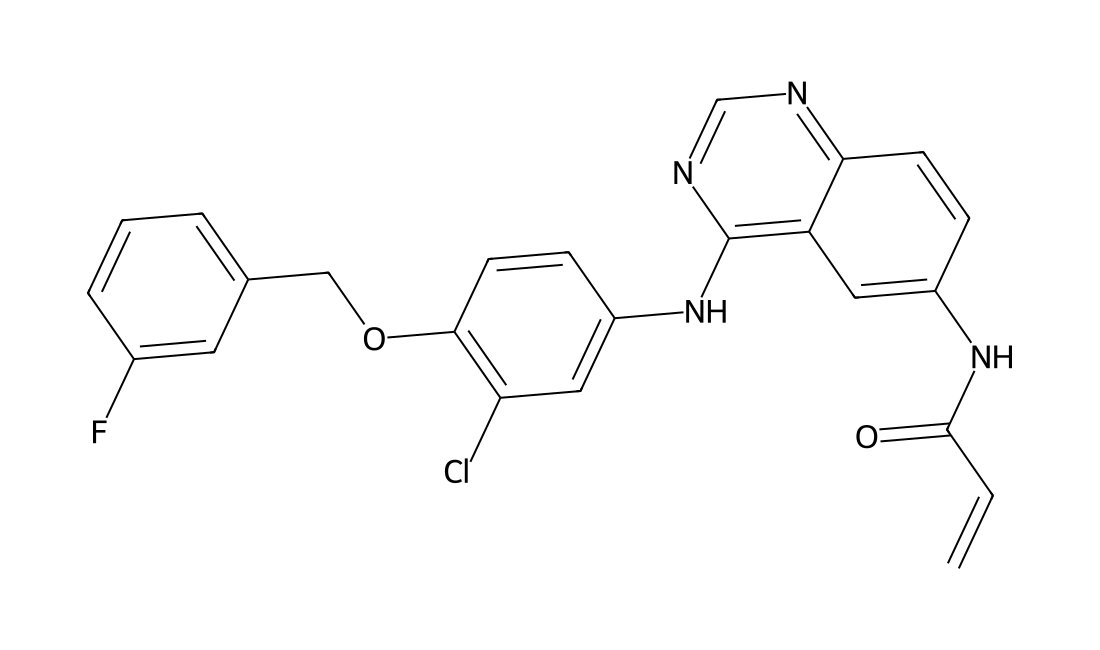
DC8253

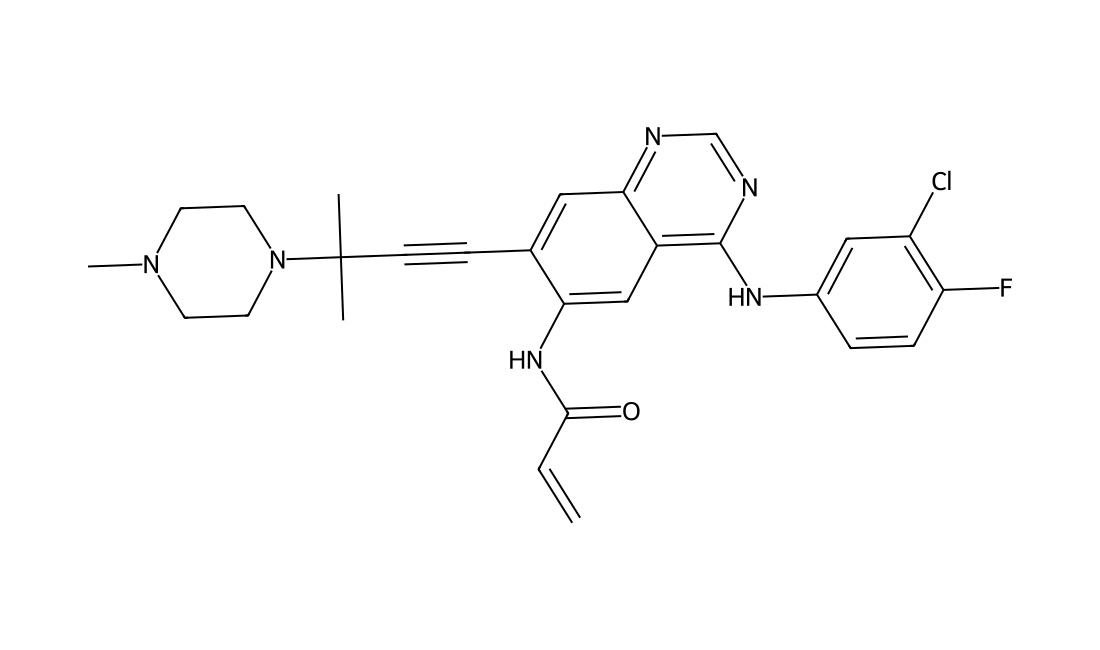
AV-412(MP-412)

CAS 451492-95-8

AV-412(MP-412) is a potent dual inhibitor of EGFR and ErbB2(IC50=19 nM) tyrosine kinases, including the mutant EGFR(L858R IC50=0.51 nM, T790M IC50=0.79 nM); inhibits autophosphorylation of EGFR and ErbB2 with IC(50) of 43 and 282 nM, respectively. in vitro: MP-412 (AV-412) is a potent dual inhibitor of EGFR and ErbB2 tyrosine kinases, including the mutant EGFR(L858R,T790M), which is clinically resistant to the EGFR-specific kinase inhibitors erlotinib and gefitinib. In an enzyme assay, MP-412 inhibited the EGFR variants and ErbB2 in the nanomolar range with over 100-fold selectivity compared with other kinases, apart from abl and flt-1, which were both moderately sensitive to the compound. In cells, MP-412 inhibited autophosphorylation of EGFR and ErbB2 with IC(50) of 43 and 282 nM, respectively. It also inhibited epidermal growth factor (EGF)-dependent cell proliferation with an IC(50) of 100 nM. Moreover, MP-412 abrogated EGFR signaling in the gefitinib-resistant H1975 cell line, which harbors a double mutation of L858R and T790M in EGFR. MP-412 inhibited phosphorylation of EGFR and its downstream signaling in NCI-H1650 and NCI-H1975 cell lines, which harbor the E746-A750 deletion and L858R + T790M point mutations, respectively, in EGFR . In MCF7 cells, MP-412 depleted not only ErbB2 but also estrogen receptor (ER)-α, and to some extent, affected Raf-1, while MP-412 activated Hsp70 expression. MP-412 increased immunocomplexing of Hsp70 with ErbB2 and ER-α, with simultaneous induction of ubiquitination of these client proteins. Furthermore, in combination with proteasome inhibitor, MP-412 resulted in the noticeable accumulation of ErbB2 and ER-α in the detergent insoluble fraction of cell lysates. in vivo: In animal studies using cancer xenograft models, MP-412 (30 mg/kg) demonstrated complete inhibition of tumor growth of the A431 and BT-474 cell lines, which overexpress EGFR and ErbB2, respectively. MP-412 suppressed autophosphorylation of EGFR and ErbB2 at the dose corresponding to its antitumor efficacy. MP-412 showed a significant antitumor effect on the ErbB2-overexpressing breast cancer KPL-4 cell line, which is resistant to gefitinib. MP-412 showed potent activity in KPL-4 and DU145 xenografts, in which lapatinib was ineffective. MP-412 also inhibited tumor models in which conventional chemotherapies were less effective. For the detailed information of AV-412(MP-412), the solubility of AV-412(MP-412) in water, the solubility of AV-412(MP-412) in DMSO, the solubility of AV-412(MP-412) in PBS buffer, the animal experiment (test) of AV-412(MP-412), the cell expriment (test) of AV-412(MP-412), the in vivo, in vitro and clinical trial test of AV-412(MP-412), the EC50, IC50,and affinity,of AV-412(MP-412), For the detailed information of AV-412(MP-412), the solubility of AV-412(MP-412) in water, the solubility of AV-412(MP-412) in DMSO, the solubility of AV-412(MP-412) in PBS buffer, the animal experiment (test) of AV-412(MP-412), the cell expriment (test) of AV-412(MP-412), the in vivo, in vitro and clinical trial test of AV-412(MP-412), the EC50, IC50,and affinity,of AV-412(MP-412), Please contact DC Chemicals.
AV-412(MP-412) chemical structure
DC9395

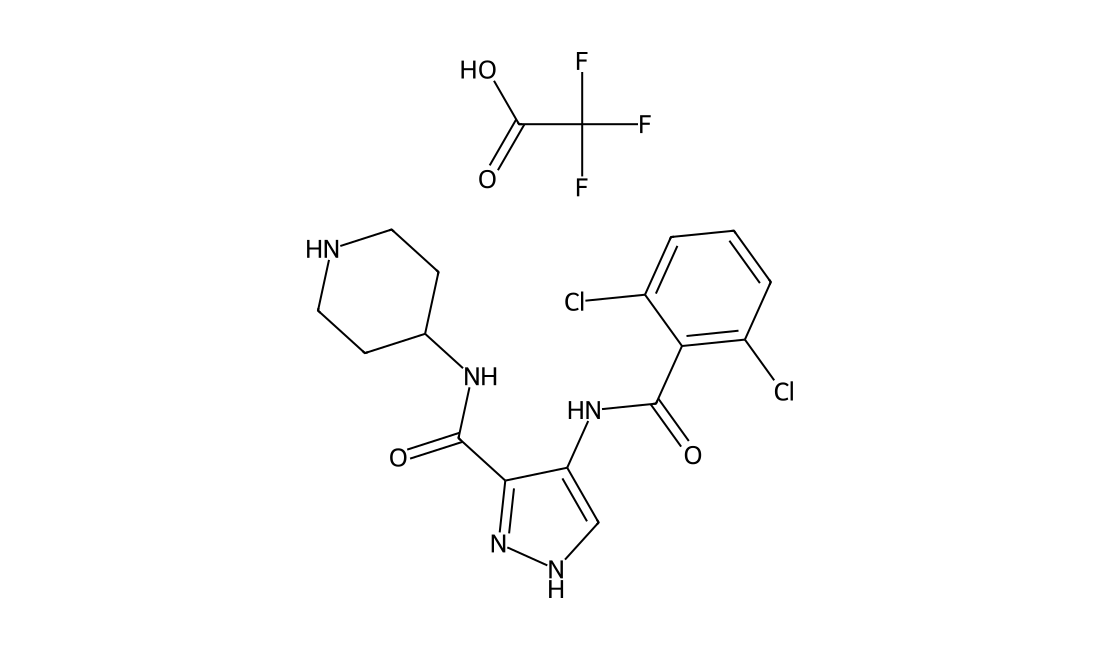
AT7519 (trifluoroacetate)

CAS 1431697-85-6

AT7519 trifluoroacetate is a multi-CDK inhibitor for CDK1, 2, 4, 6 and 9 with IC50 of 10-210 nM; less potent to CDK3 and little active to CDK7. in vitro: AT7519 is an ATP competitive CDK inhibitor with a Ki value of 38 nM for CDK1. AT7519 is inactive against all non-CDK kinases with the exception of GSK3β (IC50 = 89 nM). AT7519 shows potent antiproliferative activity in a variety of human tumor cell lines with IC50 values ranging from 40 nM for MCF-7 to 940 nM for SW620 consistent with the inhibition of CDK1 and CDK2. AT7519 induces dose-dependent cytotoxicity in multiple myeloma (MM) cell lines with IC50 values ranging from 0.5 to 2 μM at 48 hours, with the most sensitive cell lines being MM.1S (0.5 μM) and U266 (0.5 μM) and the most resistant MM.1R (>2 μM). It does not induce cytotoxicity in peripheral blood mononuclear cells (PBMNC). AT7519 partially overcomes the proliferative advantage conferred by IL6 and IGF-1 as well as the protective effect of bone marrow stromal cells (BMSCs). AT7519 induces rapid dephosphorylation of RNA pol II CTD at serine 2 and serine 5 sites, and leads to the inhibition of transcription, partially contributing to AT7519 induced cytotoxicity of MM cells. AT7519 induces activation of GSK-3β by down-regulating GSK-3β phosphorylation, which also contributes to AT7519 induced apoptosis independent of the inhibition of transcription. in vivo: A twice daily dosing of AT7519 (9.1 mg/kg) causes tumor regression of both early-stage and advanced-stage s.c. tumors in the HCT116 and HT29 colon cancer xenograft models. AT7519 treatment (15 mg/kg) inhibits tumor growth and prolongs the median overall survival of mice in the human MM xenograft mouse model in association with increased caspase 3 activation.

AT7519 (trifluoroacetate) chemical structure
DC8664

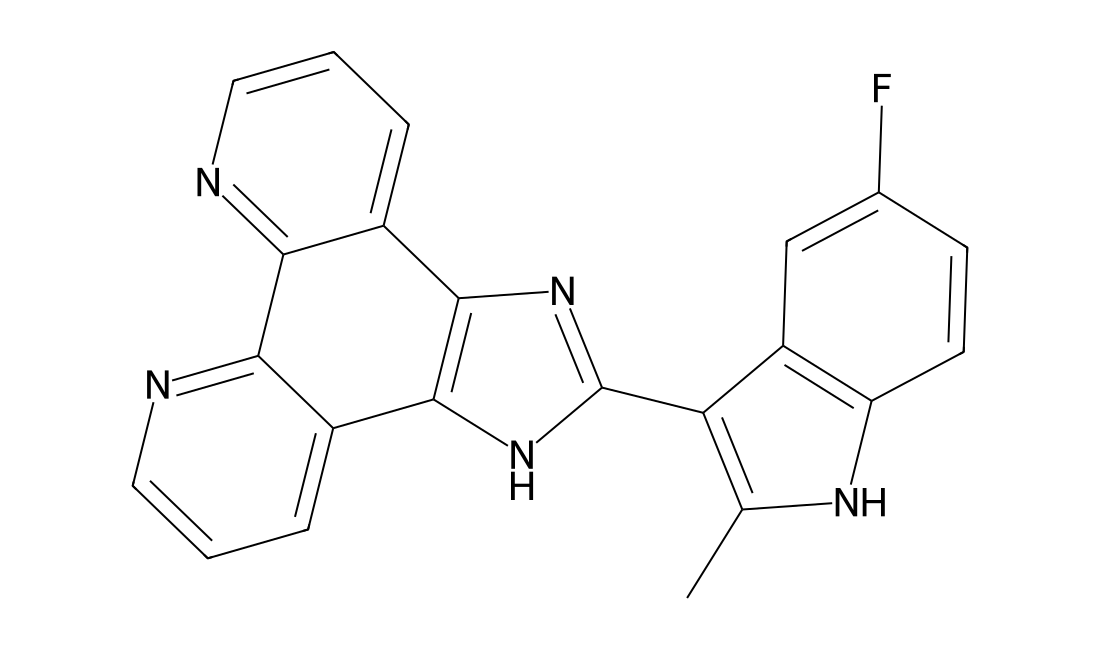
APTO-253

CAS 916151-99-0

APTO-253 is a novel small molecule with potent anti-tumor activity in cancer cells via induction of the gene that expresses the Krüppel-like factor 4 (KLF4) master transcription factor, leading to cell cycle inhibition and programmed cell death.in vitro: APTO-253 demonstrats potent and selective growth inhibition of a variety of solid tumor cell lines, including colon cancer, non-small cell lung cancer (NSCLC), prostate cancer and melanoma, with IC50 values of 0.04- 2.6 μM. APTO-253 demonstrats even great potency of growth inhibitory activity against leukemia cell lines, including AML, ALL and chronic myeloid leukemia (CML), as well as non-Hodgkin's lymphoma (NHL) cell lines, with IC50 values ranging from 7 nM - 0.3 μM. in vivo: Nonclinical pharmacology studies have demonstrated that APTO-253 exerts in vivoanti-tumor activity in solid tumors and hematologic cancers.

APTO-253 chemical structure
DC8923

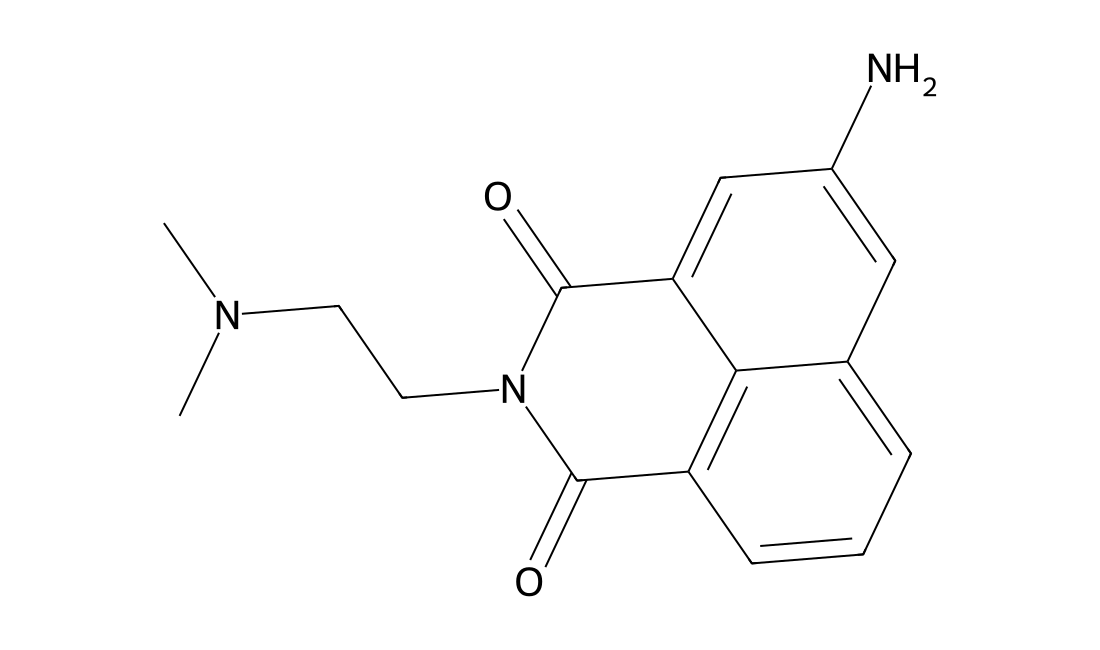
AS-1413(Amonafide)

CAS 69408-81-7

Amonafide(AS1413) produces protein-associated DNA-strand breaks through a topoisomerase II-mediated reaction, but does not produce topoisomerase I-mediated DNA cleavage.

AS-1413(Amonafide) chemical structure
DC7164

AG-024322

CAS 837364-57-5

In vitro: Ki = 1–3 nM (CDK1, CDK2 and CDK4)141; displayed CDK selectivity over non-CDKs141; arrested multiple stages of the cell cycle and induced apoptosis in various human tumour cell lines (IC50 = 30–200 nM)141 bulletDisplayed dose-dependent antitumour activity in mice bearing human tumour xenografts142 bulletIntravenous toxicity in cynomolgus monkey included bone marrow hypocellularity, lymphoid depletion and vascular irritation (at doses greater than or equal to 6 mg per kg); the no-adverse-effect dose was 2 mg per kg143For the detailed information of AG-024322, the solubility of AG-024322 in water, the solubility of AG-024322 in DMSO, the solubility of AG-024322 in PBS buffer, the animal experiment (test) of AG-024322, the cell expriment (test) of AG-024322, the in vivo, in vitro and clinical trial test of AG-024322, the EC50, IC50,and Affinity of AG-024322, Please contact DC Chemicals.
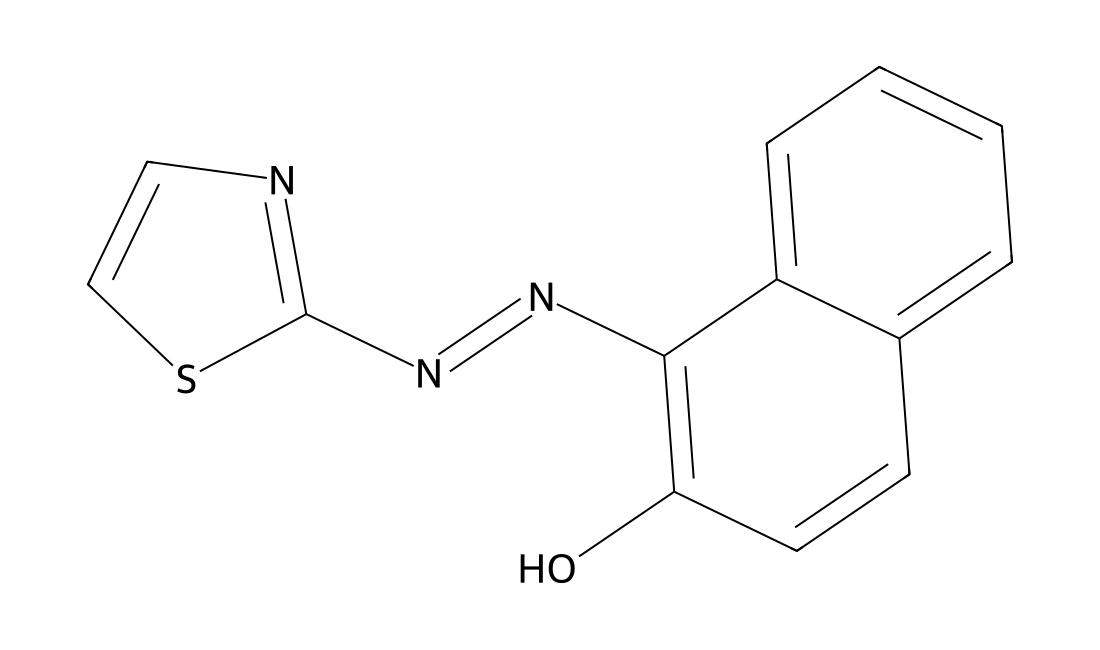
AG-024322 chemical structure
DC9362

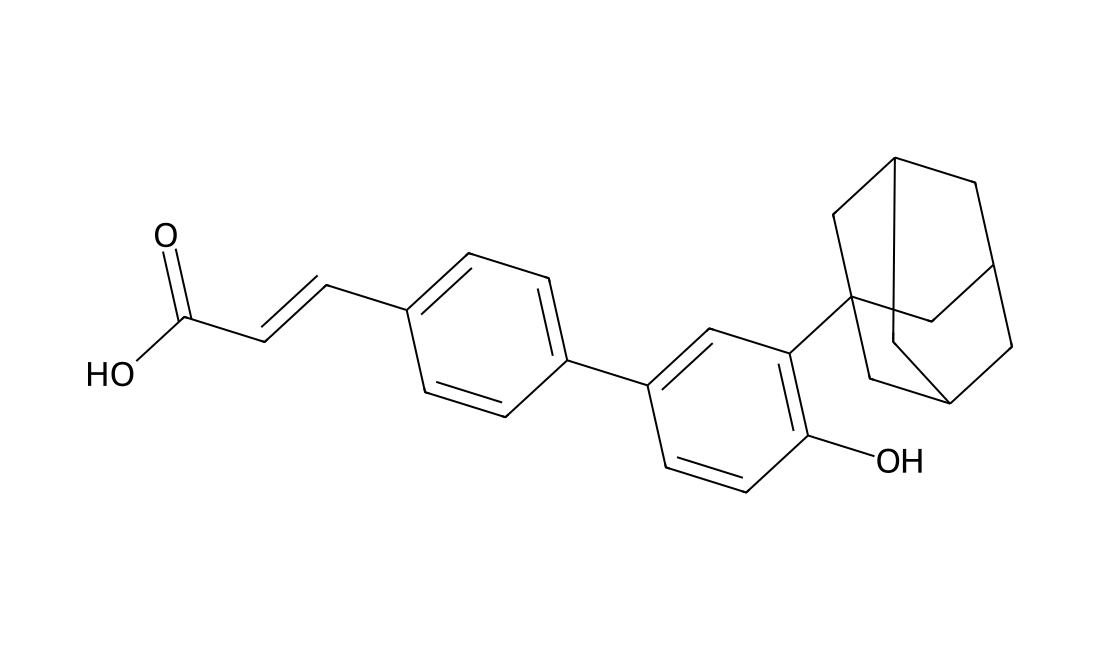
Adarotene

CAS 496868-77-0

Adarotene (ST1926) is an effective apoptosis inducer and surprisingly produced DNA damage.ST1926 exhibites a potent antiproliferative activity on a large panel of human tumor cells. ST1926 is a compound more powerful than CD437 in vitro and orally active in vivo on severe combined immunodeficiency (SCID) mice that received transplants of NB4 cells. ST1926 causes an immediate increase in the cytosolic levels of calcium that are directly related to the apoptotic potential of the RRMs considered.

Adarotene chemical structure
DCC-073

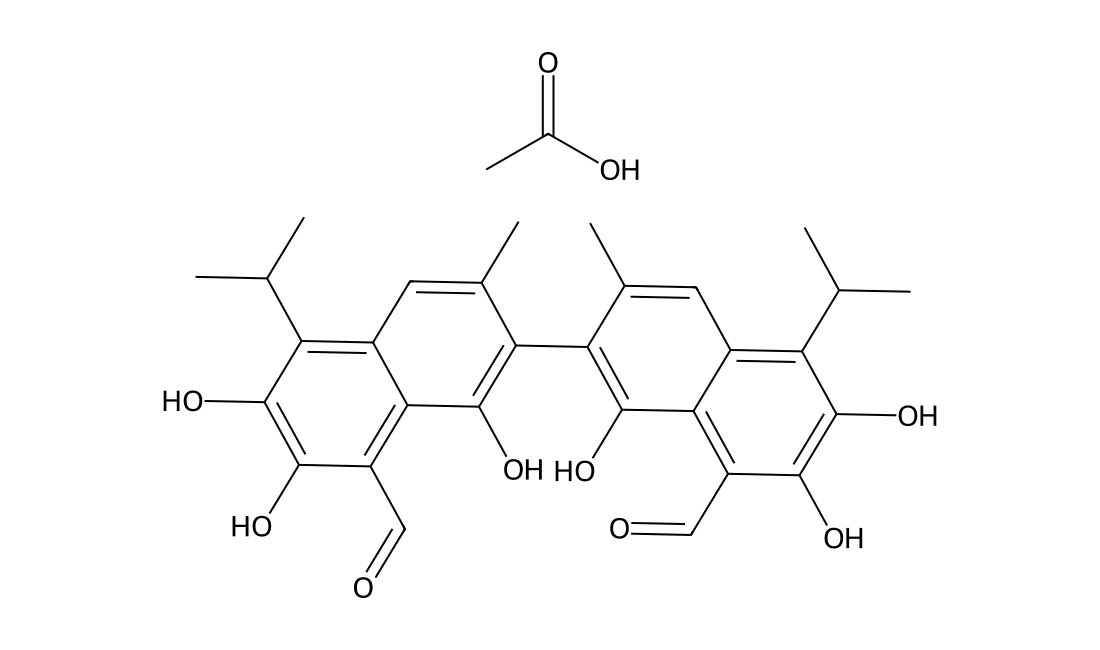
Gossypol-acetic acid

CAS 12542-36-8

For the detailed information of Gossypol-acetic acid, the solubility of Gossypol-acetic acid in water, the solubility of Gossypol-acetic acid in DMSO, the solubility of Gossypol-acetic acid in PBS buffer, the animal experiment(test) (test) of Gossypol-acetic acid, the cell expriment (test) of Gossypol-acetic acid, the in vivo, in vitro and clinical trial test of Gossypol-acetic acid, the EC50, IC50,and Affinity of Gossypol-acetic acid,, please contact DC Chemicals.
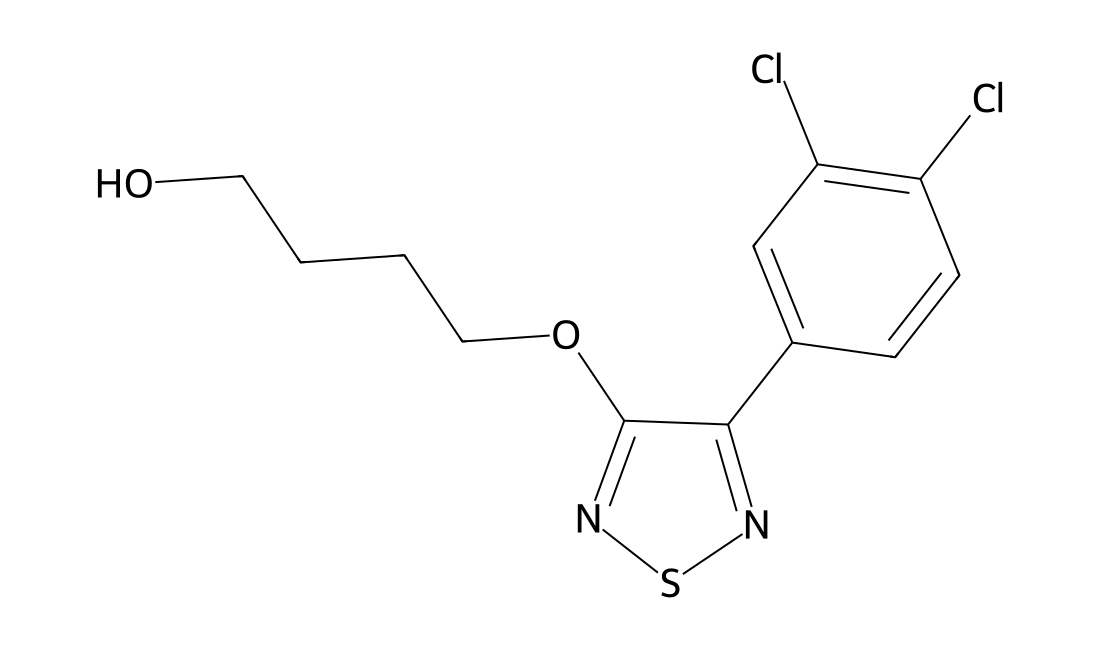
Gossypol-acetic acid chemical structure
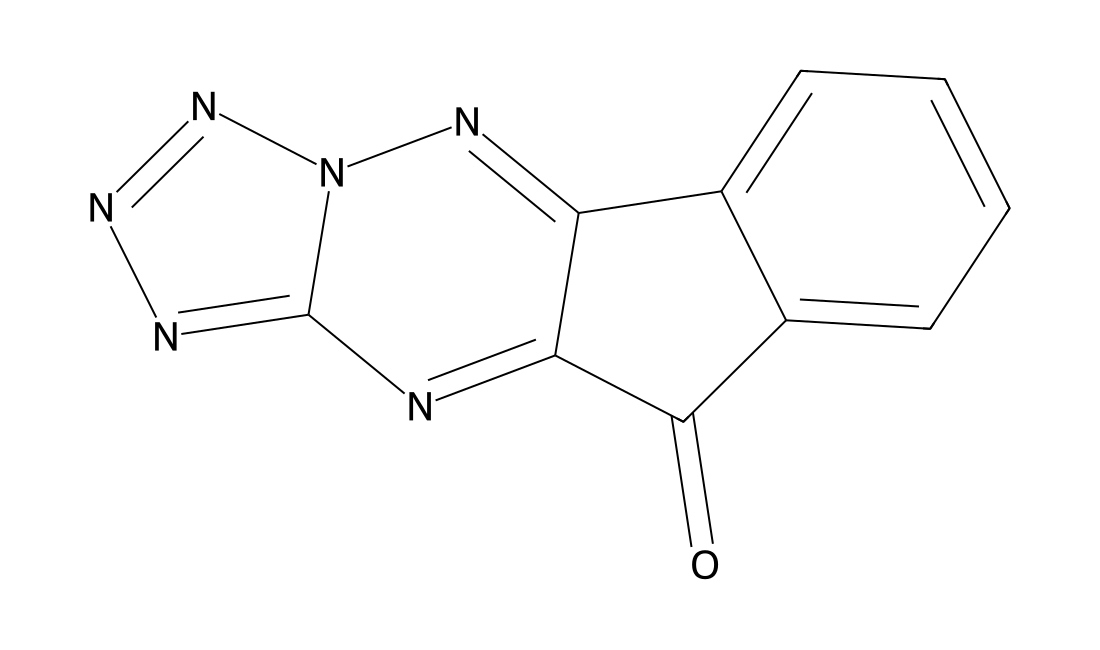
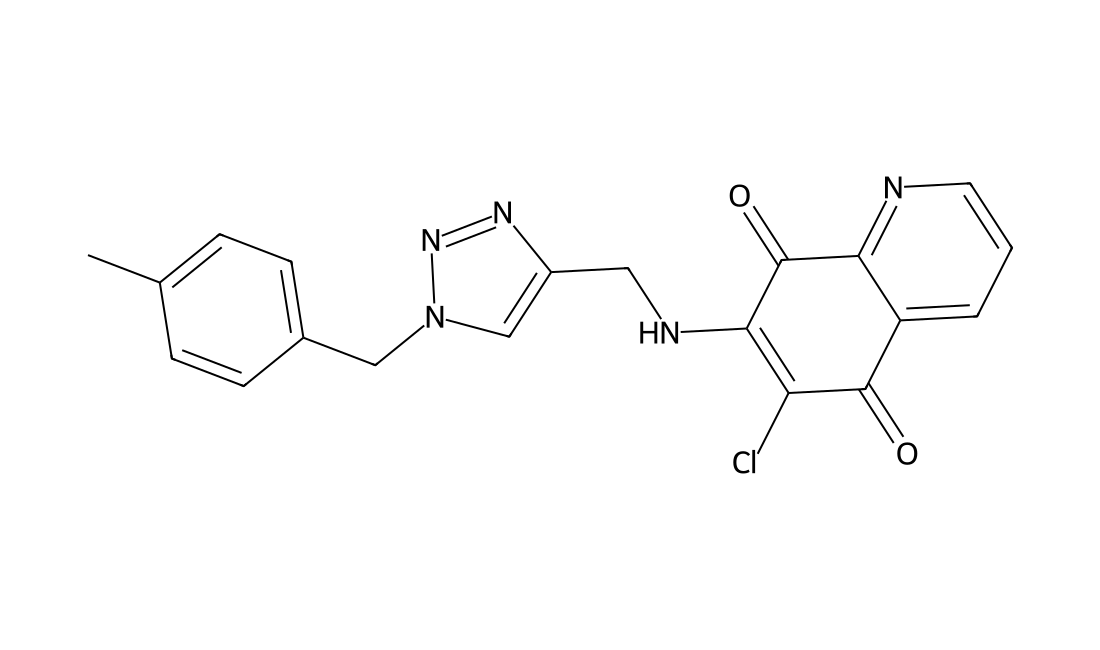
DC44106

M2N12

CAS 2376577-06-7

M2N12 is a potent and highly selective cell division cycle 25C protein phosphatase (Cdc25C) inhibitor with an IC50 value of 0.09 μM. M2N12 also has promising activity against Cdc25A and Cdc25B with IC50 values of 0.53 μM and 1.39 μM. Anti-tumor activity[1].

M2N12 chemical structure
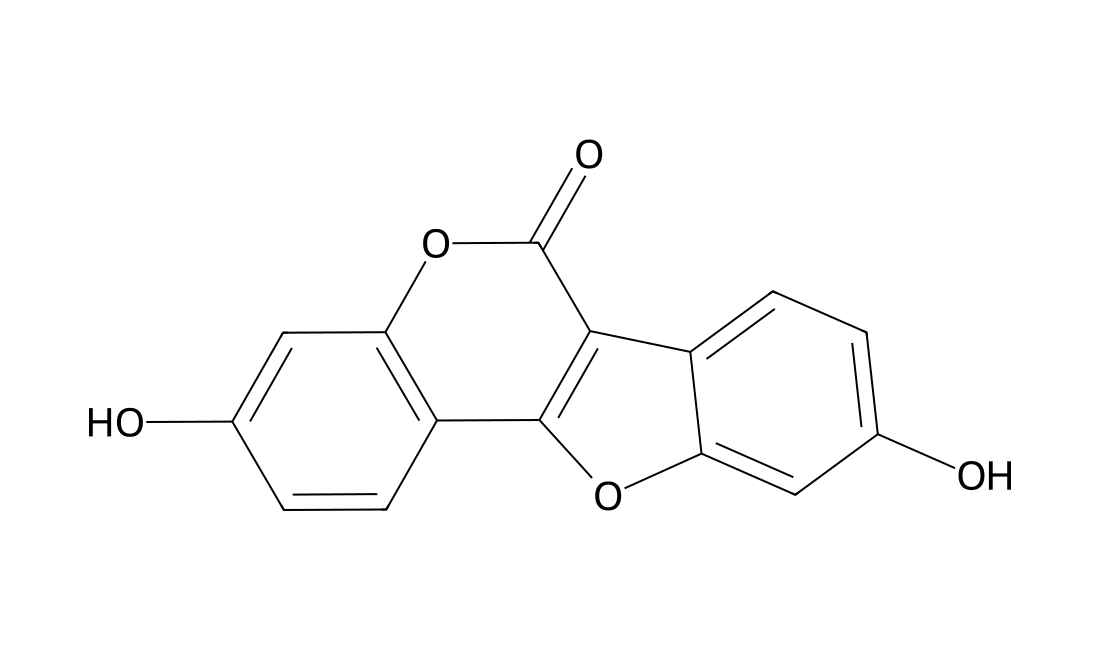
DC10363

Coumestrol

CAS 479-13-0

Coumestrol, a phytoestrogen present in soybean products, exhibits activities against cancers, neurological disorders, and autoimmune diseases. It suppresses proliferation of ES2 cells with an IC50 of 50 μM.
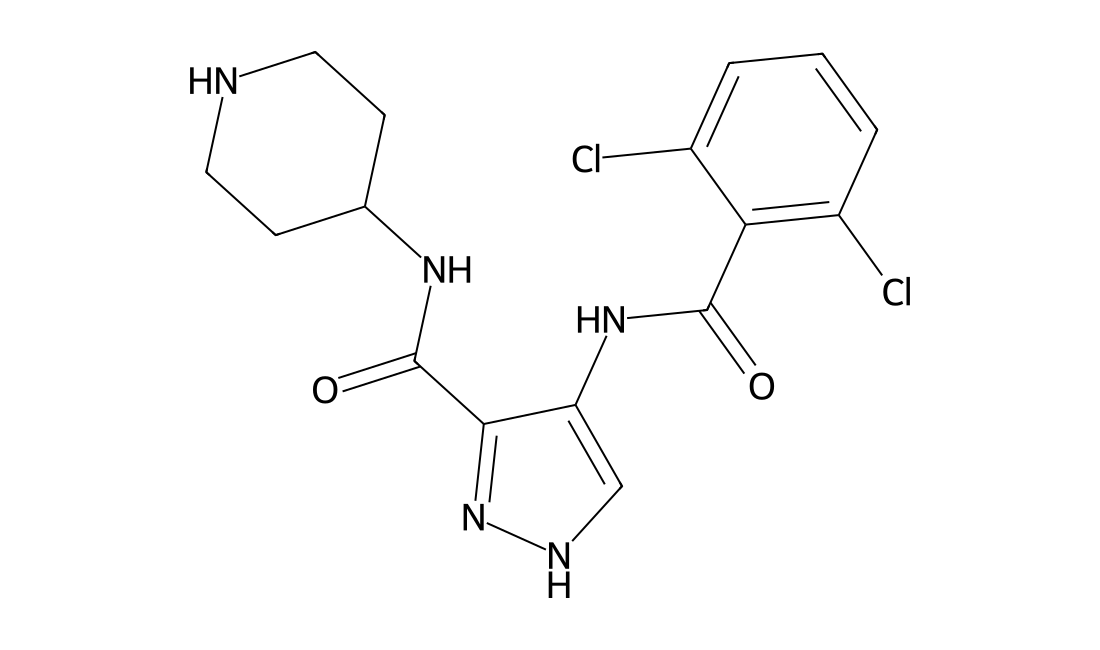
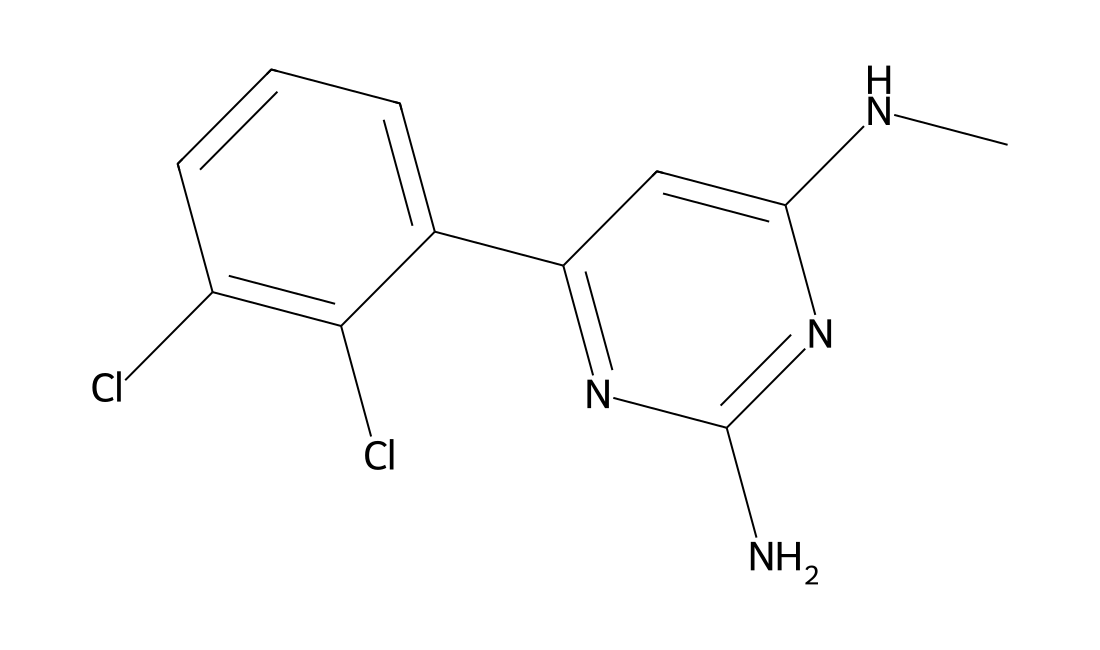
Coumestrol chemical structure
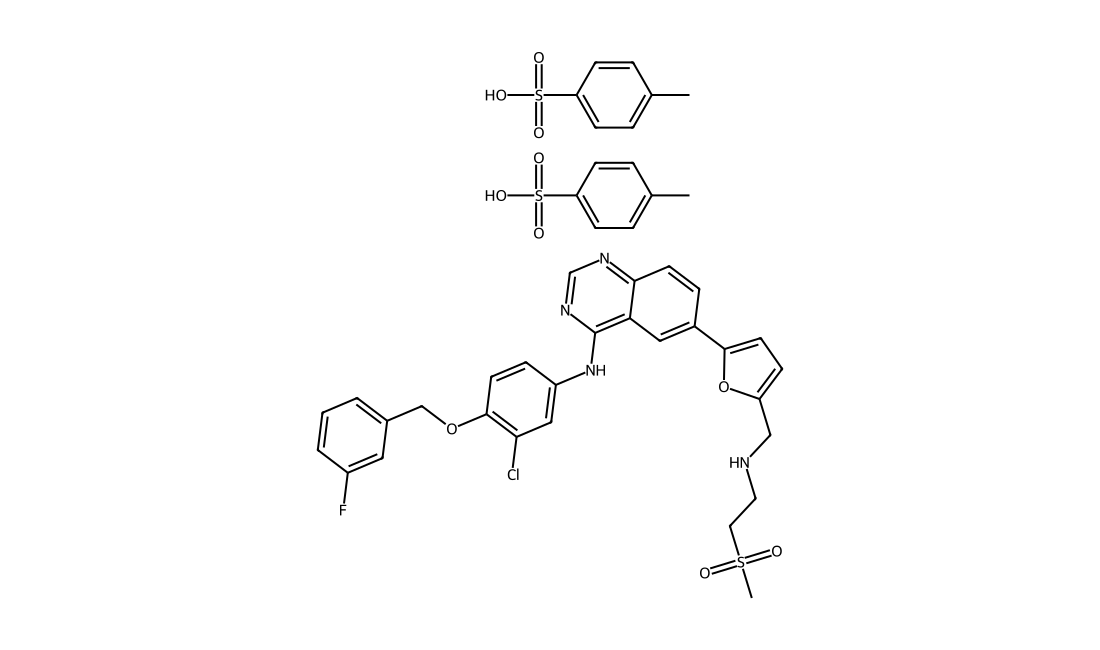
DC9433

Lapatinib (ditosylate)

CAS 388082-77-7

Lapatinib ditosylate(GW-572016 ditosylate) is a potent EGFR and ErbB2 inhibitor with IC50 of 10.8 and 9.2 nM, respectively. Lapatinib ditosylate is a selective and effective inhibitor of ErbB-2 and EGFR dual tyrosine kinases. ErbB-2 and EGFR dual tyrosine kinases are growth promoting factors that are over expressed in some breast cancer cell lines. Research studies have reported that Lapatinib Ditosylate can inhibit breast cancer cell proliferation.

Lapatinib (ditosylate) chemical structure
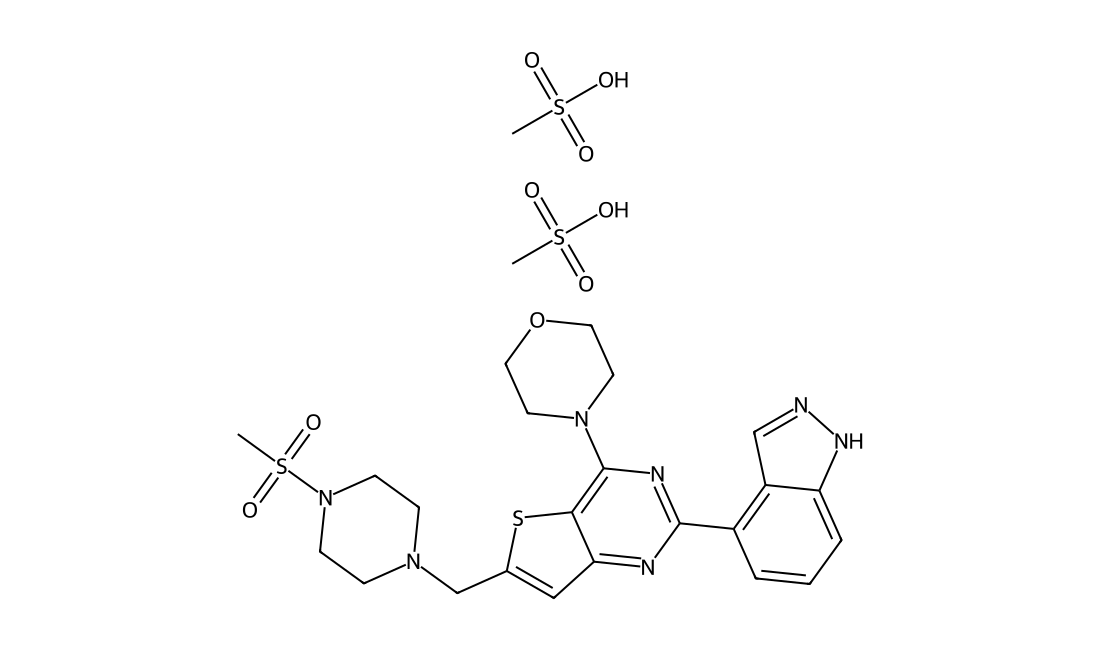
DC9592

GDC-0941 (dimethanesulfonate)

CAS 957054-33-0

GDC-0941 2 MeSO3H salt is a potent inhibitor of PI3Kα/δ with IC50 of 3 nM, with modest selectivity against p110β (11-fold) and p110γ (25-fold). GDC-0941 is a potent, selective, orally bioavailable inhibitor of class I PI3 kinase for the treatment of cancer. GDC-0941 against p110a IC50=0.003μM,U87MG IC50=0.95μM, A2780 IC50=0.14 μM, and in vitro metabolic stability in mouse and human is 91.96%. The inhibitions of U87MG , PC3, MDA-MB-361 cancer cell proliferation are (IC50) 0.95, 0.28, 0.72 μM, respectively.

GDC-0941 (dimethanesulfonate) chemical structure
DC68203

APE1-IN-1

CAS 524708-03-0

APE1-IN-1 is a potent and blood-brain barrier (BBB) penetrant apurinic/apyrimidinic (AP) endonuclease 1 (APE1) inhibitor with an IC50 value of 2 μM. APE1-IN-1 can potentiate the cytotoxicity of the alkylating agents Methylmethane sulfonate and Temozolomide (HY-17364) to cancer cell.

APE1-IN-1 chemical structure
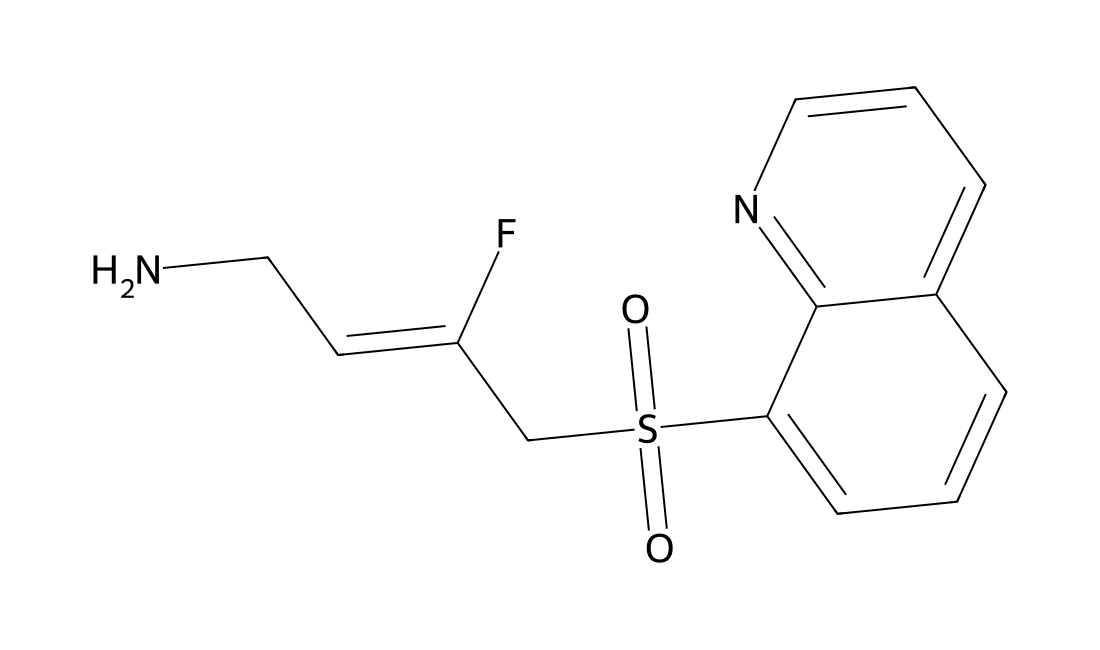
DC60092

PXS-5505

CAS 2409963-83-1

DWN63831 is a lysyl oxidase inhbitor. DWN63831 may be useful in treatment of a variety of disorders, e.g., fibrosis, cancer and angiogenesis in human subjects as well as in pets and livestock. DWN63831 was first reported in patent WO 2020024017.

PXS-5505 chemical structure
DC10831

HS-27

CAS 1562024-11-6

Hs-27 is a Novel Hsp90 Inhibitor, Exhibits Diagnostic and Therapeutic Potential in Triple Negative Breast Cancer.

HS-27 chemical structure
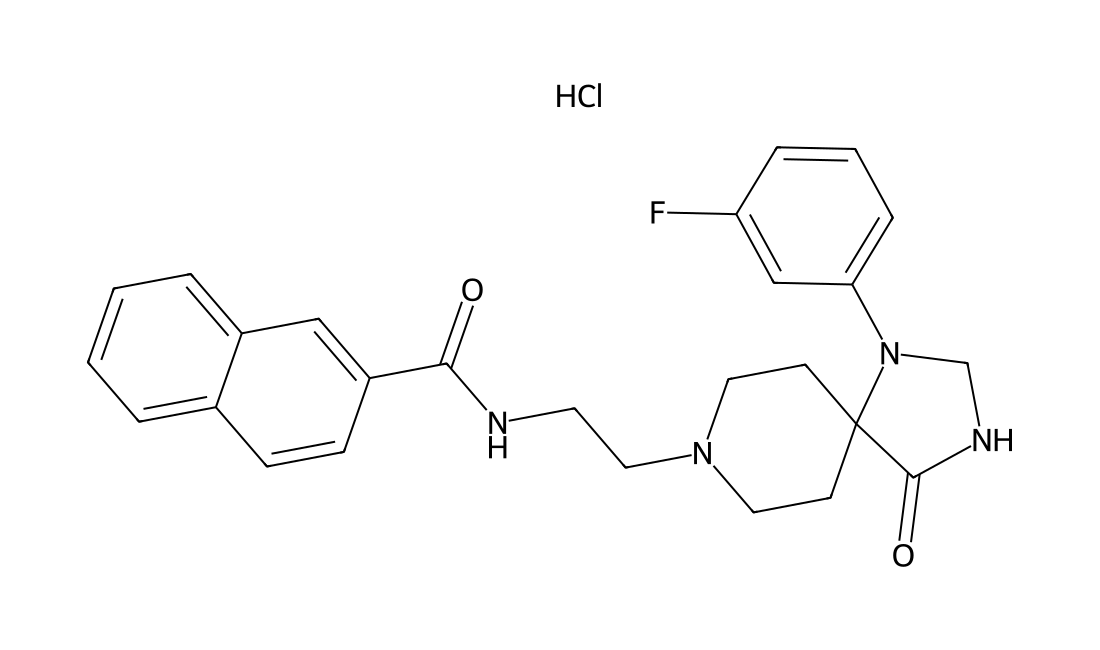
DC7725

TH 287

CAS 1609960-30-6

TH287 is a potent inhibitor of MTH1 (NUDT1) with an IC50 value of 0.8 nM, less potent for MTH2, NUDT5, NUDT12, NUDT14, and NUDT16.TH287 is considered a new target for cancer therapy. TH287 is highly selective towards MTH1, with no relevant inhibition of other members of the nudix protein family. TH287 has been shown to selectively kill a variety of cancer cell lines, but is rapidly metablized, so not as useful for in vivo studies.

TH 287 chemical structure
DC42783

CVT-11127

CAS 1018674-83-3

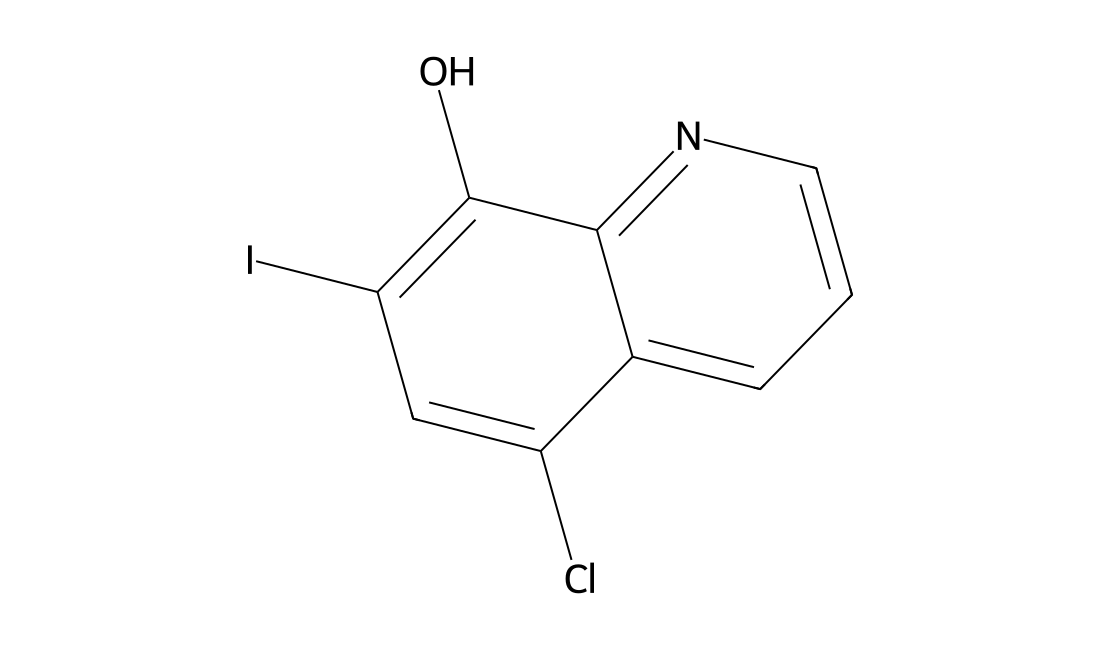
CVT-11127 functions as a potent inhibitor of stearoyl-CoA desaturase (SCD), demonstrating significant biological activity. This compound triggers apoptotic pathways and effectively halts cell cycle progression at the G1/S transition phase. Due to these mechanisms of action, CVT-11127 shows promise as a candidate for lung cancer research.

CVT-11127 chemical structure
DC21399

AEM1

CAS 1030123-90-0

NRF2 inhibitor AEM1 is a specific small molecule inhibitor of Nrf2 transcriptional activity in cancer cells, shows no activity against a panel of >100 kinases (including isoforms of PI3K, AKT, and PKC); broadly decreases the expression of Nrf2 controlled genes (HMOX1, GPX2), sensitizes A549 cells to various chemotherapeutic agents, and inhibits the growth of A549 cells in vitro and in vivo.

AEM1 chemical structure
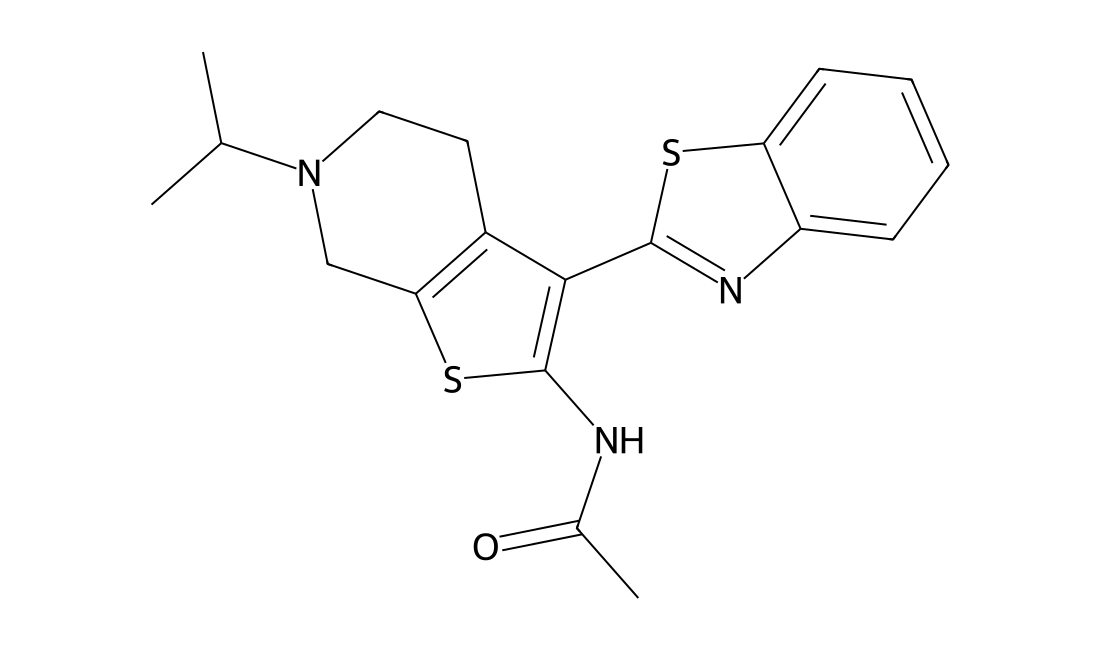
DC20602

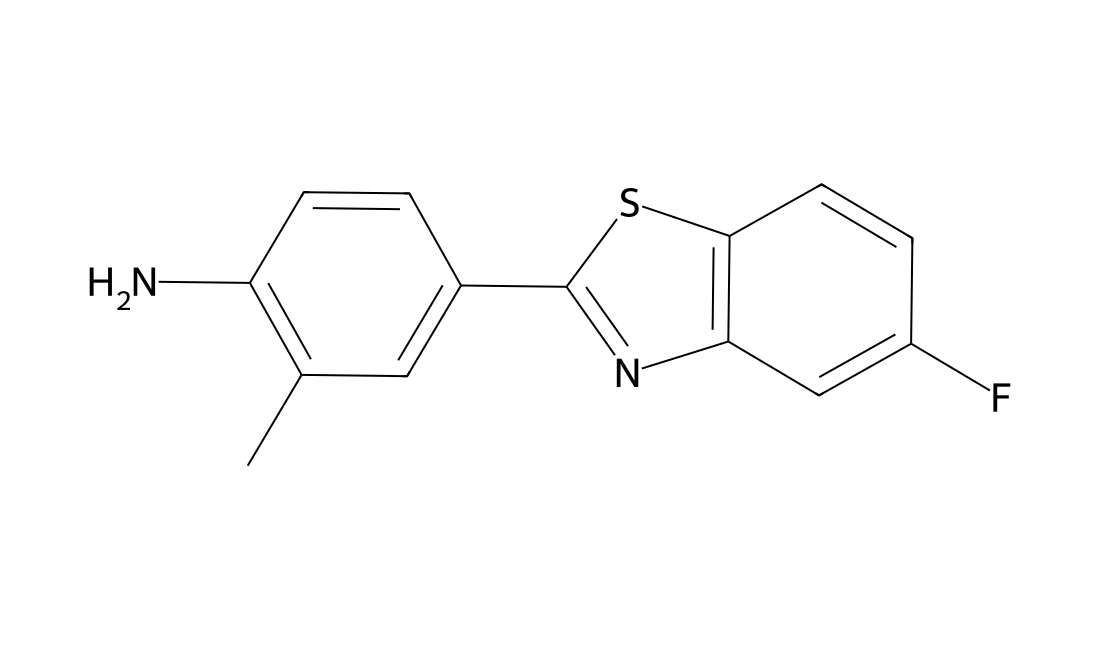
5F 203

CAS 260443-89-8

A potent, selective antitumour agent through activation the aryl hydrocarbon receptor (AhR) pathway; causes MCF-7 sensitive cells to arrest in G(1) and S phase, and induces DNA adduct formation, in contrast to AhR-deficient AH(R100) variant MCF-7 cells, induces CYP1A1 and CYP1B1 transcription; L-lysylamide prodrug Phortress (NSC 710305) demonstrats antitumor activity in vivo.

5F 203 chemical structure
DC21257

LY2780301

CAS 1226801-23-5

A potent, highly selective, ATP-competitive dual inhibitor of p70S6K and Akt under development for the treatment of solid tumours and non-Hodgkin's lymphoma; drastically decreases proliferation of hMECs with ErbB2-induced p70S6K activation via Cyclin B1 inhibition and cell cycle blockade at G0-G1 phase; exhibited antiproliferative activity in a broad range of cell lines using monolayer and colony formation assays, reduces proliferation of hMECs in vitro and ADH/MIN lesions in vivo.Breast CancerPhase 2 Clinical

LY2780301 chemical structure
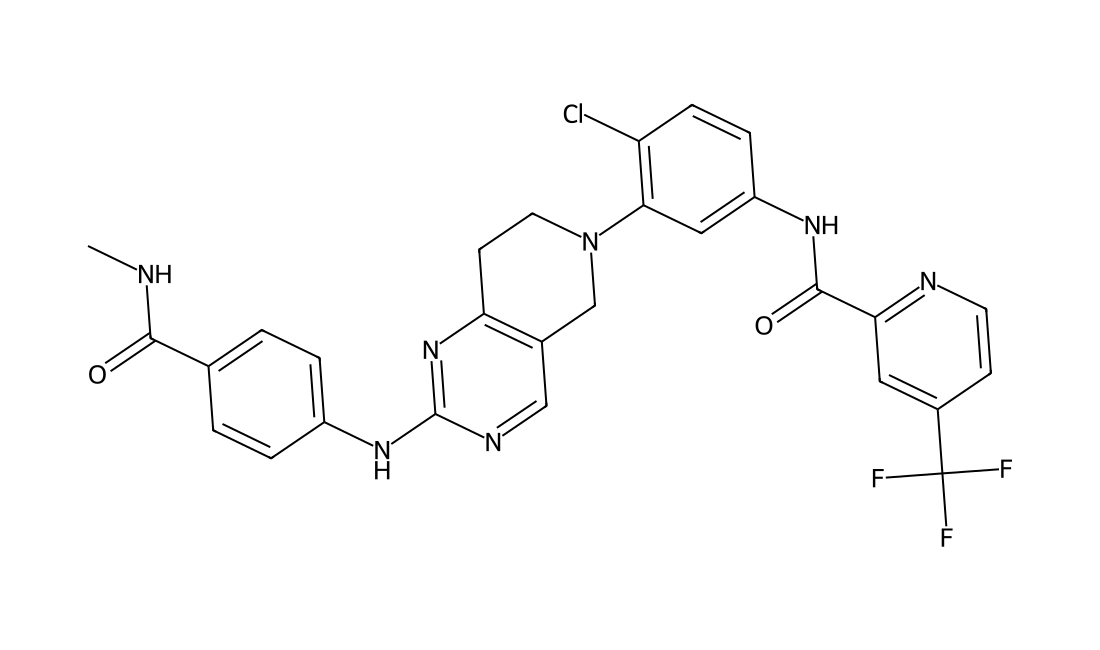
DC60758

ZX-29

CAS 2254805-62-2

ZX-29 is a potent and selective ALK inhibitor with an IC50 of 2.1 nM, 1.3 nM and 3.9 nM for ALK, ALK L1196M and ALK G1202R mutations, respectively. ZX-29 is inactive against EGFR. ZX-29 induces apoptosis by inducing endoplasmic reticulum (ER) stress and overcomes cell resistance caused by an ALK mutation. ZX-29 also induces protective autophagy and has antitumor effect.

ZX-29 chemical structure
DC49965

CHD1Li 6.11

CAS 2716890-91-2

CHD1Li 6.11 is a potent oncogenic CHD1L inhibitor (IC50=3.3 µM for cat-CHD1L recombinant protein). CHD1Li 6.11 is an orally bioavailable antitumor agent, significantly reducing the tumor volume of CRC xenografts generated from isolated quasi mesenchymal cells (M-phenotype), which possess enhanced tumorigenic properties.

CHD1Li 6.11 chemical structure
DC11495

Allitinib

CAS 897383-62-9

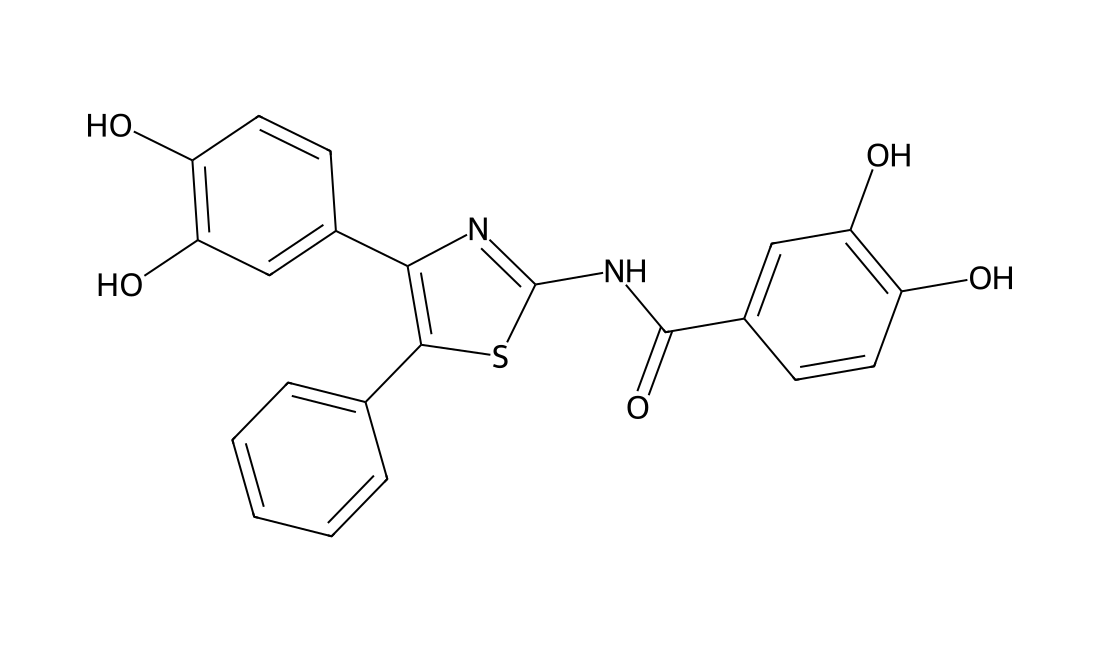
Allitinib (AST-1306, ALS1306)) is a novel potent, selective irreversible EGFR and HER2 inhibitor with IC50 of 0.5 and 3 nM in cell-free assays; also inhibits ErbB4 (IC50=0.8 nM), displays >3,000-fold selectivity over other kinase families; exhibits strong antiproliferative effects on a panel of cancer cell lines, and potently suppresses tumor growth in vivo; orally available.

Allitinib chemical structure
Browse target & topic index A–Z (366)
11β-HSD (1)15-PGDH (2)5-HT Receptor (16)Acetyl-CoA Carboxylase (ACC) (3)Acetylcholinesterase (AChE) (2)Ack1 (TNK2) (1)Acyltransferase (1)ADC Cytotoxin (6)ADCs Linker/Click Chemistry (5)Adenosine Receptor (9)Adenylate Cyclase (2)Adrenergic Receptor (11)Akt (12)Alcoholism (2)Aldehyde Dehydrogenase (ALDH) (6)Allergy (5)Alzheimer Disease (13)Aminopeptidase (1)AMPK (8)Amyloids (4)Anaplastic Lymphoma Kinase (ALK) (9)Androgen Receptor (AR) (11)Anemia (4)Angiotensin Receptor (4)Antibody/Protein labeling dyes (1)Antifolate (2)Anxiety (1)Apoptosis Inducer (3)Arginase (1)Arp2/3 complex (1)Aryl hydrocarbon Receptor (AhR) (1)Asthma (5)Atherosclerosis (2)ATM/ATR (8)Aurora Kinase (10)Autophagy (6)Autophagy-related Protein (Atg) (2)Autotaxin (2)Bacterial (26)Bacterial Infection (17)Bcl-2 (14)Bcr-Abl (5)BCRP (1)Beta-catenin (4)Beta-secretase (BACE) (4)Blood Cancer (91)BMI-1 (1)Bone Cancer (6)Brain Cancer (6)Breast Cancer (30)Bromodomain (22)BTK (10)c-Fms (CSF1R) (5)c-Fos/AP-1 (1)c-Kit (6)c-Met (HGFR) (11)c-Myc (2)Calcium Channel (4)Calcium-sensing Receptor (CaSR) (1)CaMK (4)Cannabinoid Receptor (6)Carbonic Anhydrase (1)Carboxypeptidase (1)Casein Kinase (6)Caspase (4)Cathepsin (6)Cdc2-like Kinase (CLK) (1)CETP (2)CFTR (7)Checkpoint Kinase (Chk) (8)Chemokine Receptor (CCR and CXCR) (14)Chemotherapeutic Agents (19)Chloride Channel (1)CMV (2)CMV Infection (2)Colon Cancer (9)Complement System (1)COPD (3)CREB/CBP (2)CRF Receptor (2)CRISPR/Cas9 (1)Cushing Disease (1)Cyclin-dependent Kinase (CDK) (39)Cyclooxygenase (COX) (4)Cytochrome P450 (CYPs) (5)Depression (2)Dermatitis (2)Deubiquitinase (DUB) (7)Diabetes (20)Dipeptidyl Peptidase (DPP) (3)Discoidin Domain Receptor (DDR) (1)DNA Alkylator/Crosslinker (10)DNA Methyltransferase (DNMT) (1)DNA Repair Protein (1)DNA-PK (2)DNA/RNA Synthesis (5)Dopamine beta-hydroxylase (1)Dopamine Receptor (7)Drug Metabolite (1)Drug-Linker Conjugates (11)Dyes (4)DYRK (1)Dyslipidemia (9)E3 Ligase Ligand (6)E3 Ligase Ligand-Linker Conjugate (1)E3 Ubiquitin Ligase (4)Ebola Virus Infection (1)EGFR (32)Elastase (2)Endothelin Receptor (5)Enzymes substrates (13)Epigenetic Reader Domain (3)Epilepsy (4)ERK (4)Estrogen Receptor/ERR (13)Eukaryotic Initiation Factor (eIF) (2)Exportin-1 (CRM1,XPO1) (2)FABP (1)Factor Xa (5)Farnesoid X Receptor (FXR) (5)Farnesyl transferase (FTase) (1)Ferroptosis (6)FGFR (20)Fibrosis (5)FLT3 (6)Focal Adhesion Kinase (FAK) (11)Foxo1 (1)Free Fatty Acid Receptor (FFAR) (5)Fungal (2)Fungal Infection (1)GABA Receptor (13)Galectin (1)Gastric Cancer (8)Ghrelin Receptor (GHSR) (3)Glucagon Receptor (4)Glucokinase (2)Glucose Transporter (GLUT) (2)Glutamate Transporter (2)GPCR (1)GPER (GPR30) (1)GPR139 (1)GPR183 (EBI2) (2)GPR39 (1)GPR55 (1)GPR84 (1)GRK (GPCRK) (2)Growth Hormone Deficiency (2)GSK-3 (8)Guanylate Cyclase (3)HBV (1)HBV Infection (1)HCN Channel (2)HCV (8)HCV Infection (9)HDAC (38)Heart Arrhythmia (2)Heart Failure (5)Heat Shock Protein (HSP) (15)Hedgehog (Hh) (1)HIF/HIF Prolyl-hydroxylase (8)Histamine Receptor (6)Histone Acetyltransferase (HAT) (5)Histone Demethylase (11)Histone Methyltransferase (HMTase) (31)HIV (12)HIV Infection (11)HMG-CoA Reductase (HMGCR) (3)HSV (1)HSV Infection (1)Hypercholesterolemia (1)Hyperparathyroidism (1)Hypertension (8)IAP (1)IGF-1R (3)iGluR (15)Indoleamine 2,3-Dioxygenase (IDO) (4)Infection (1)Influenza (6)Influenza Virus (6)Insulin Receptor (2)Integrin (6)Interleukin Receptor (1)IRAK (2)IRE1 (4)Irritable Bowel Syndrome (2)Ischemia (1)Isocitrate Dehydrogenase (IDH) (5)ITK (1)IκB kinase (IKK) (7)JAK (32)JNK (3)Keap1-Nrf2 (6)Kidney Cancer (10)Kinesin (5)Kruppel-like Factor (KLF) (1)Kynurenine 3-Monooxygenase (KMO) (1)Leukotriene Receptor (1)LIM Kinase (LIMK) (3)Lipids fragment (1)Liver Cancer (6)Liver X Receptor (LXR) (3)LRRK2 (9)Lung Cancer (39)Lysophospholipid Receptor (12)LYTACs (3)mAChR (9)MALT1 (2)MAP4K (1)Matrix Metalloproteinase (MMP) (10)MDM2-p53 (9)MEK (MAP2K) (14)MEKK (MAP3K) (1)Melanocortin Receptor (2)MELK (1)mGluR (7)MicroRNA (1)Microtubule/Tubulin (5)Mineralocorticoid Receptor (MLR) (1)MITF (1)Mixed Lineage Kinase (MLK) (3)MNK (2)Molecular Glues (21)Monoamine Transporter (5)Monocarboxylate Transporter (MCT) (1)Monopolar Spindle 1 (Mps1/TTK) (3)mTOR (13)Multiple Sclerosis (6)Myosin (1)Na-K-Cl Cotransporter (NKCC) (2)nAChR (2)NADPH Oxidase (NOX) (2)NAMPT (3)Natural products (37)Neprilysin (1)Neurokinin Receptor (3)Neuropeptide Y Receptor (3)NF-κB (5)Nitric Oxide Synthase (NOS) (1)NOD-like Receptor (NLR) (3)Notch (2)Nucleoside Antimetabolite/Analog (10)Nur77 (NR4A1) (1)Obesity (1)Oct3/4 (1)Opioid Receptor (5)Orexin Receptor (7)Osteoporosis (2)Ovarian Cancer (14)Oxytocin Receptor (OXTR) (2)P-glycoprotein (P-gp) (3)p21-activated Kinase (PAK) (1)P2X Receptor (2)P2Y Receptor (1)p38 MAPK (10)p97/VCP (1)Pain (12)Pancreatic Cancer (10)Parasite (5)Parasite Infection (2)Parkinson Disease (2)PARP (19)PCSK9 (1)PD-1/PD-L1 (4)PDGFR (4)PDK1 (2)PEGn (1)PERK (2)PGE synthase (2)Phosphodiesterase (PDE) (9)Phospholipase (4)PI3K (32)PI4K (2)Piezo Channel (1)PIKfyve (3)Pim (9)PKC (12)PKD (1)Plasminogen Activator Inhibitor-1 (PAI-1) (3)Polo-like Kinase (PLK) (4)Porcupine (3)Potassium Channel (13)PPAR (13)Pregnane X Receptor (PXR) (1)Progesterone Receptor (2)Prostaglandin Receptor (11)Prostate Cancer (7)PROTACs (35)Protease-activated Receptor (PAR) (3)Proteasome (12)Protein Disulfide Isomerase (PDI) (1)Protein Phosphatase/PTP (6)Proton Pump (1)Psoriasis (5)RAD51 (1)Radioligand precursors (15)Raf (18)RAR/RXR (3)Ras (17)Renin (2)RET Tyrosine Kinase (c-RET) (3)Rheumatoid Arthritis (16)Ribosomal S6 Kinase (RSK) (5)RIG-I-like Receptor (RLR) (2)RIP kinase (7)ROCK (12)ROR (2)RSV (4)RSV Infection (3)RUNX1-CBFβ (1)S-nitrosoglutathione reductase (GSNOR) (1)Saccharides and Glycosides (1)Salt Inducible Kinase (SIK) (2)SARS-CoV (16)SARS-CoV Infection (34)Schizophrenia (4)Sexual Dysfunction (1)SGLT (4)Sigma Receptor (4)Sirtuin (9)Skin Cancer (13)Sleep Disorder (7)SMN2 Modulator (1)Smoothened (Smo) (9)Sodium Channel (12)Solid Tumors (35)Somatostatin Receptor (2)Sphingosine kinase (SphK) (2)Src (7)STAT (5)Stearoyl-CoA Desaturase (SCD) (1)Steatohepatitis (7)Sterol lipids (1)STING (14)Syk (6)T Cell Receptor (TCR) (1)TAK1 (2)TAM Receptor (Tyro3-Axl-Mer) (4)Taste Receptor (1)Telomerase (2)TGF beta Receptor (TGFBR) (12)Thrombin (3)Thrombosis (13)Thyroid Cancer (1)Thyroid Hormone Receptor (THR) (1)Thyrotropin Receptor (2)TNIK (1)Toll-like Receptor (TLR) (2)TOPK (1)Topoisomerase (11)TRAIL (1)Translocator Protein (TSPO) (1)Trk Receptor (4)TRP Channel (13)Tryptophan Hydroxylase (TPH) (1)Ubiquitin-activating Enzyme (E1) (2)Ubiquitin-conjugating Enzyme (E2) (2)Ulcer (1)ULK (3)Vasopressin Receptor (2)VEGFR (25)Vitamin D Receptor (VDR) (3)Wee1 (1)WNK Kinase (1)Wnt (5)Yes-associated Protein (YAP) (4)γ-secretase (5)

Cart

Request quotation