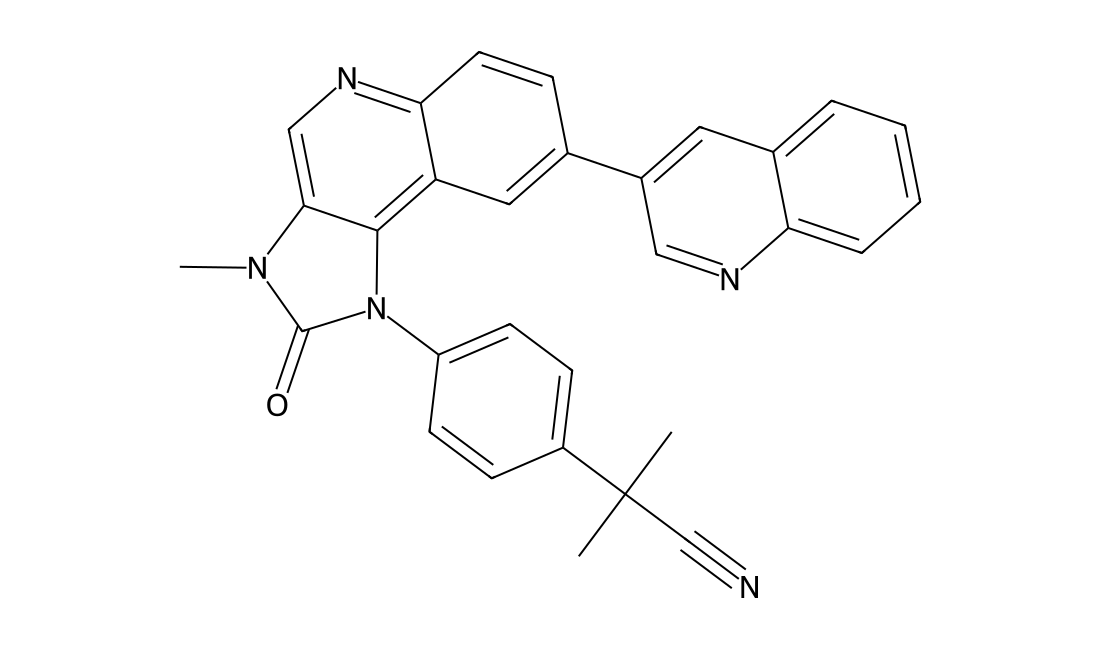
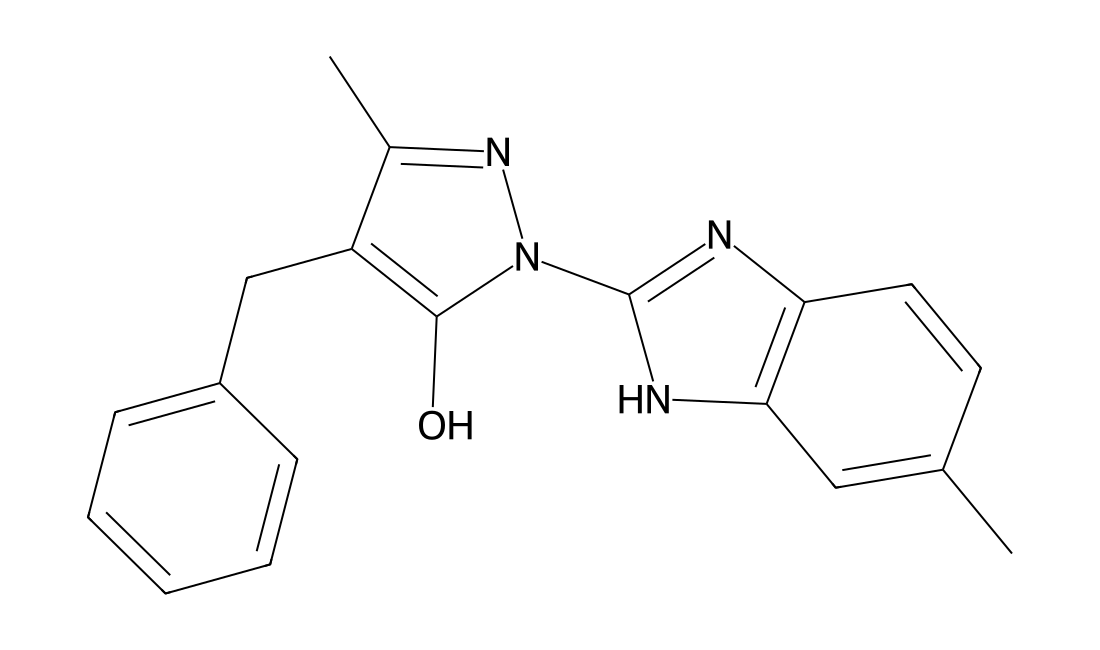
Home/Small Molecules/Cancer Research

Cancer Research

Compounds with documented oncology research applications.

Browse all research categories

Browse by research category

Products may appear in more than one category. Counts refer to distinct catalog numbers within each category.

Other Research Tools (75) · Additional reagents, building blocks and specialized research tools.

New literature-derived products

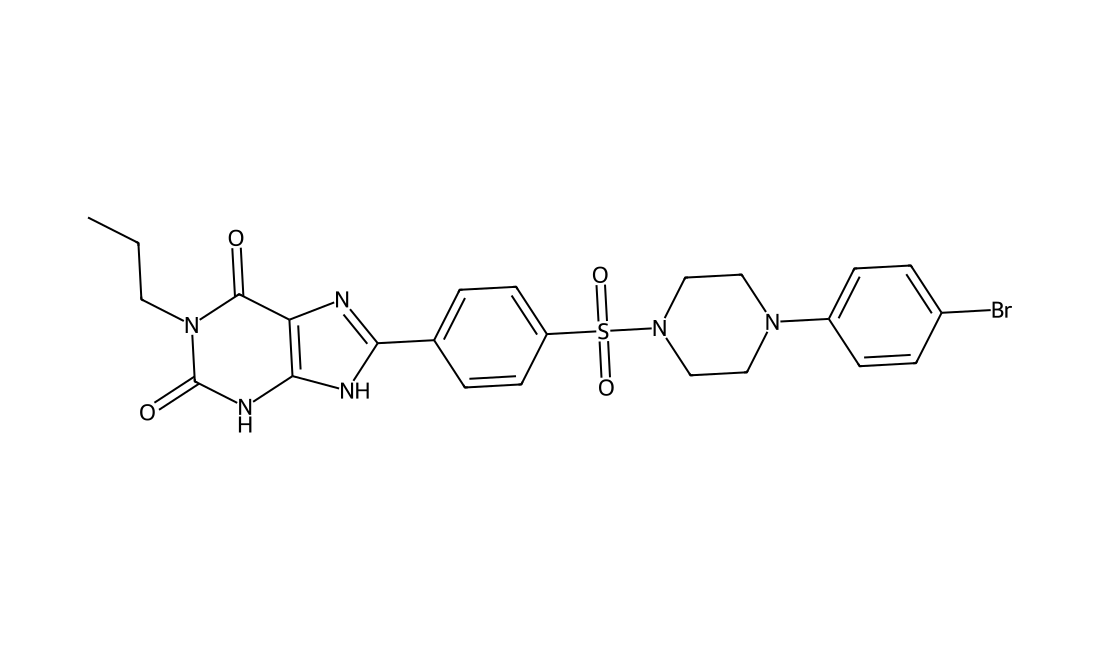
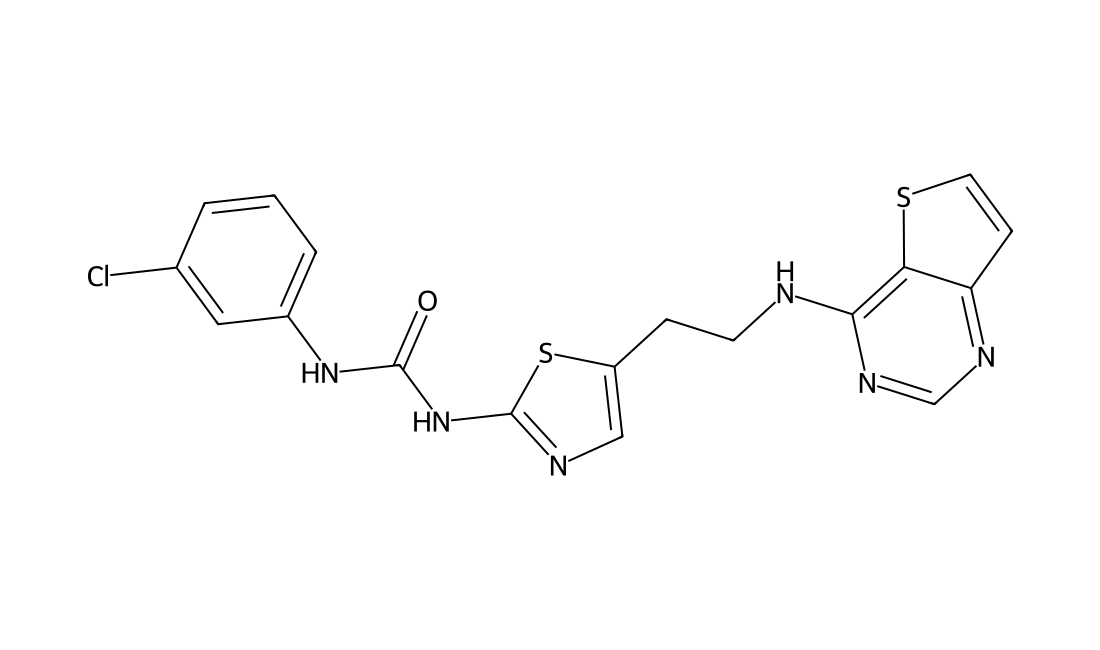
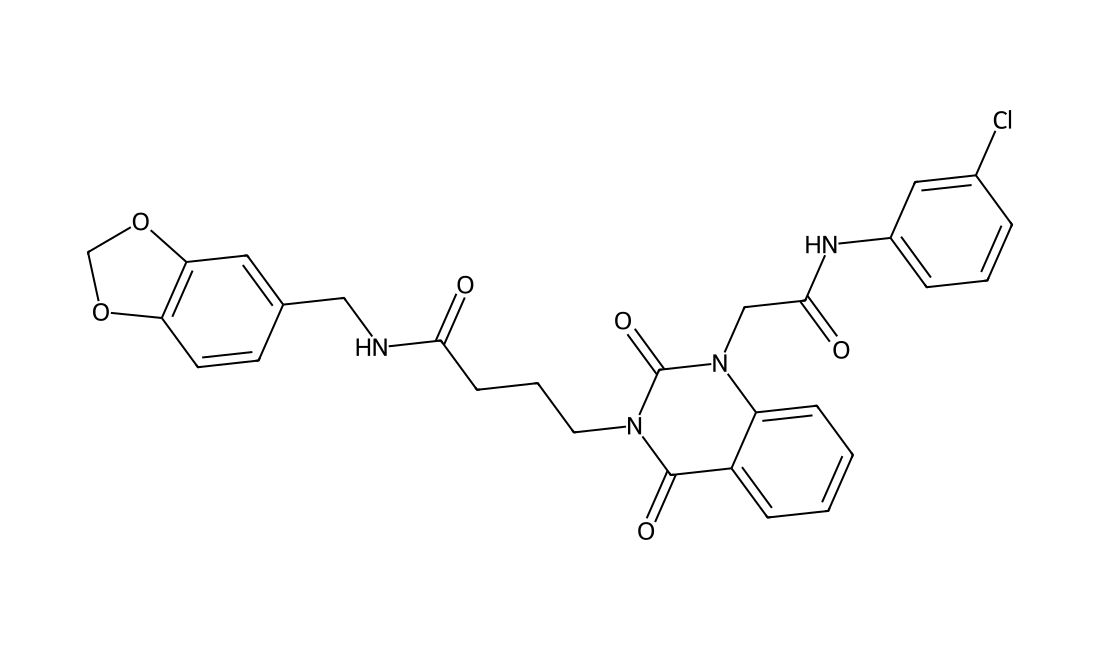
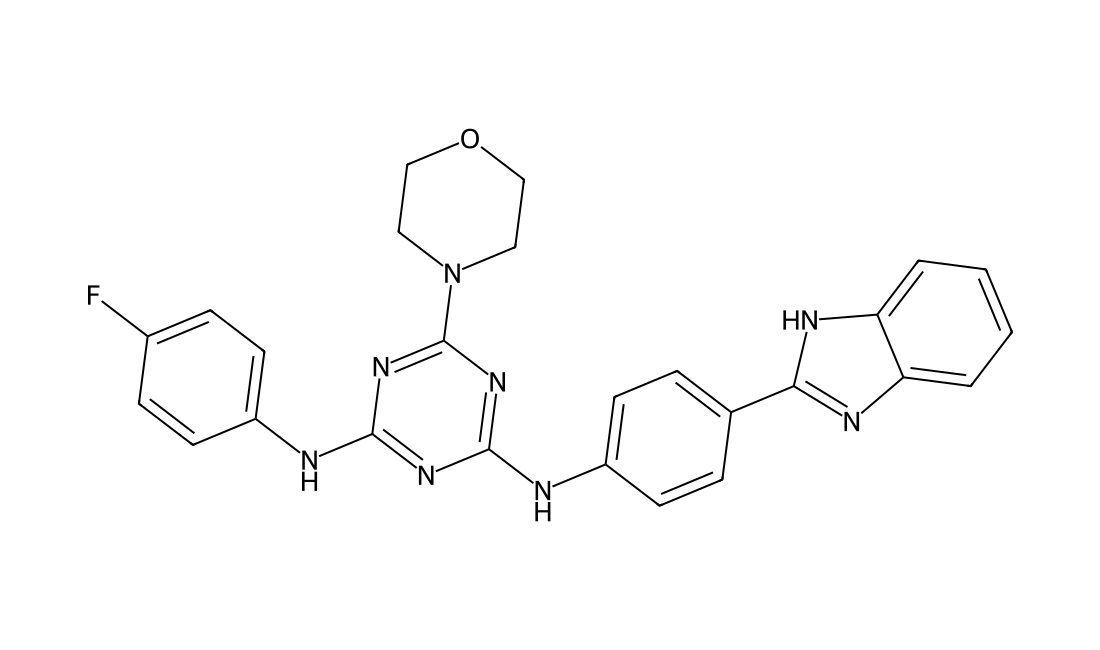
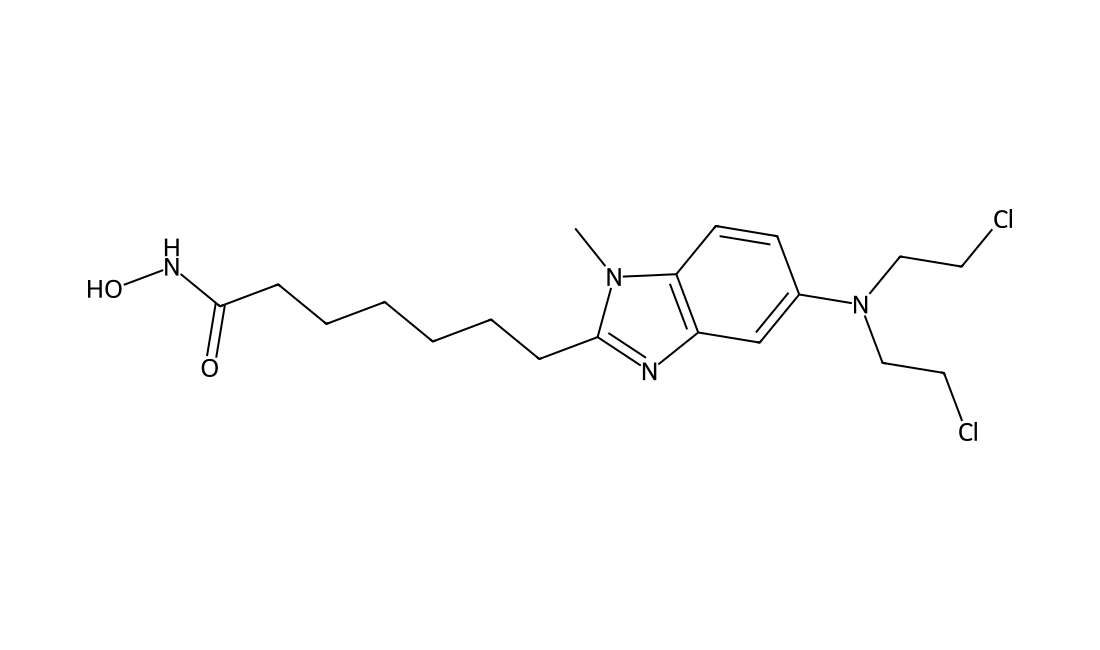
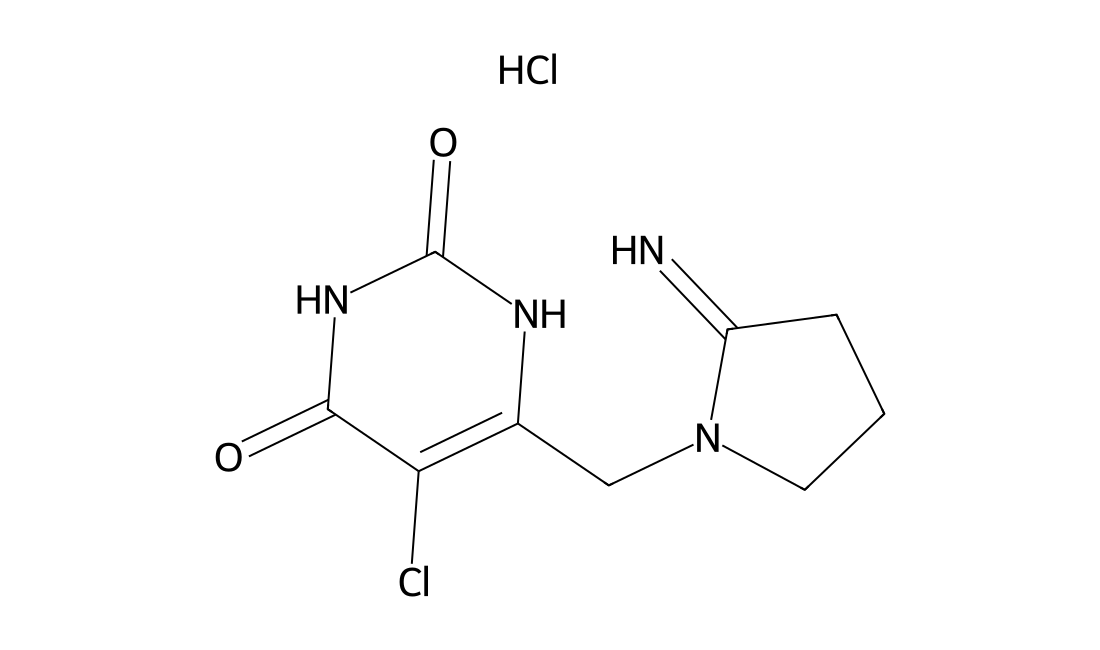
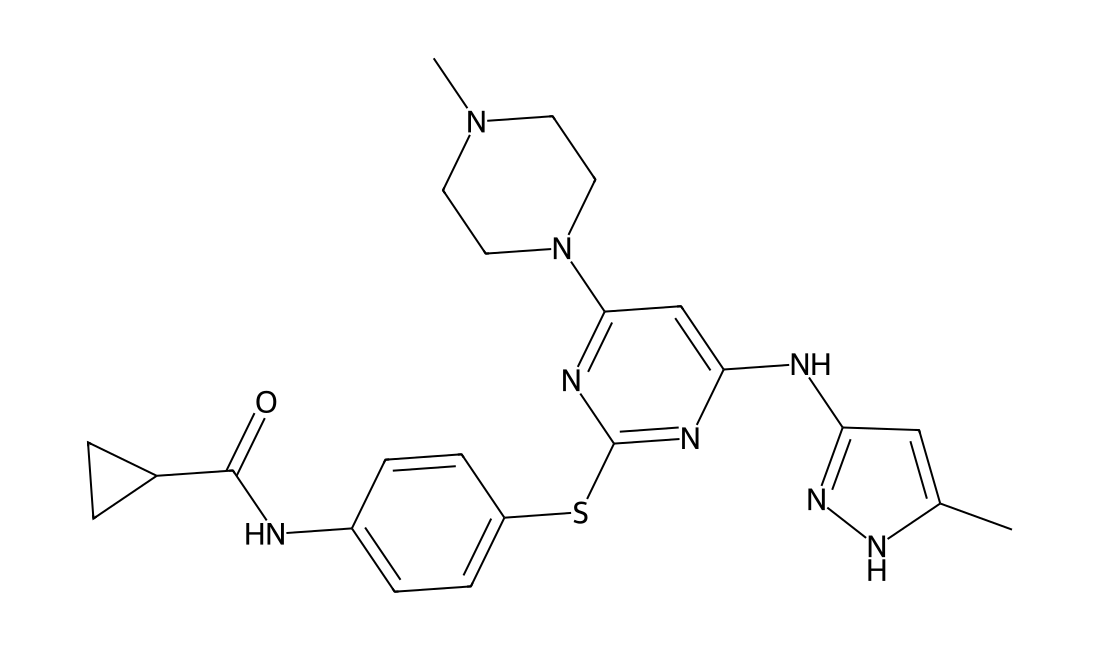
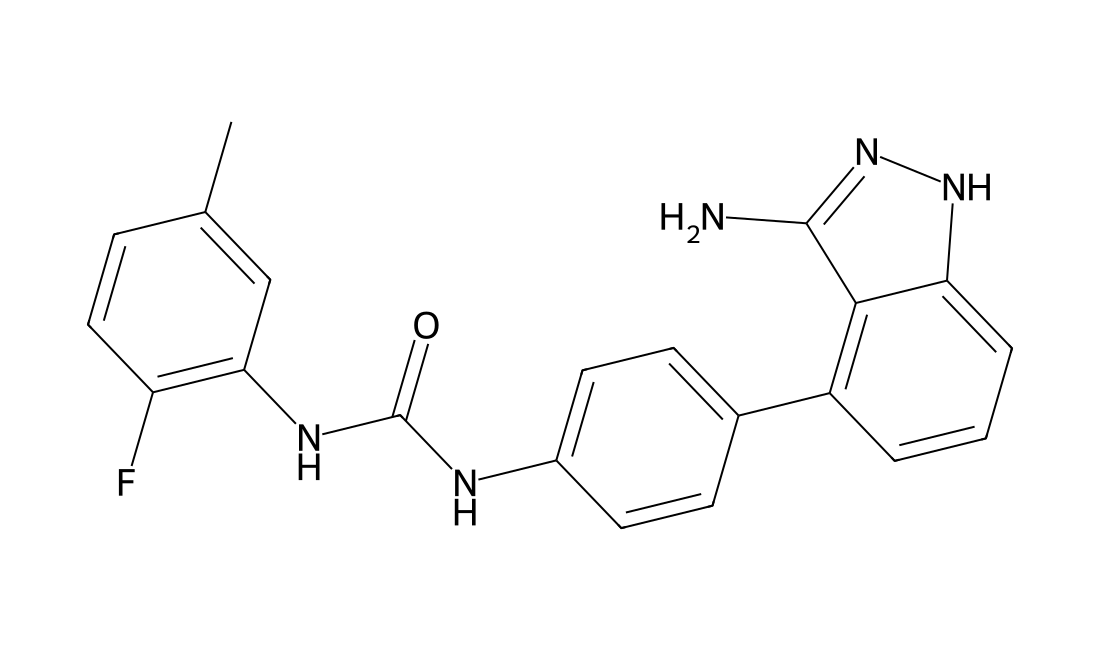
LC-MG-1 (DCA0006) · LC-MG-4 (DCA0007) · LC-MG-9 (DCA0008)

View structure and evidence summaries →

Cancer Research products

Combine a keyword, research category and target to narrow the product list.

Loading catalog filters…

1,049 products · Showing 769–816

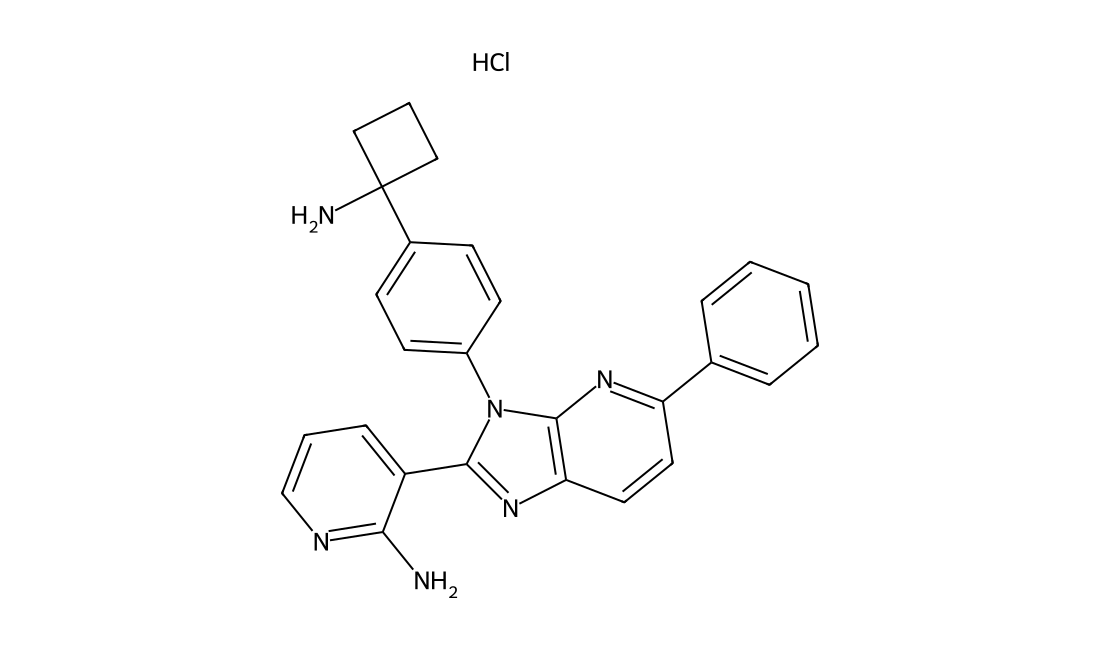
DC47763

Vevorisertib trihydrochloride

CAS 1416775-08-0

Vevorisertib (ARQ 751) (trihydrochloride) is an orally active, potent and selective pan-AKT serine/threonine kinase inhibitor against AKT1 (IC50=0.55 nM), AKT2 (IC50=0.81 nM), and AKT3 (IC50=1.31 nM). Vevorisertib (trihydrochloride), as a single agent or in combination with other anti-cancer agents, can be used for the research of solid tumors with PIK3CA / AKT / PTEN mutations.

Vevorisertib trihydrochloride chemical structure
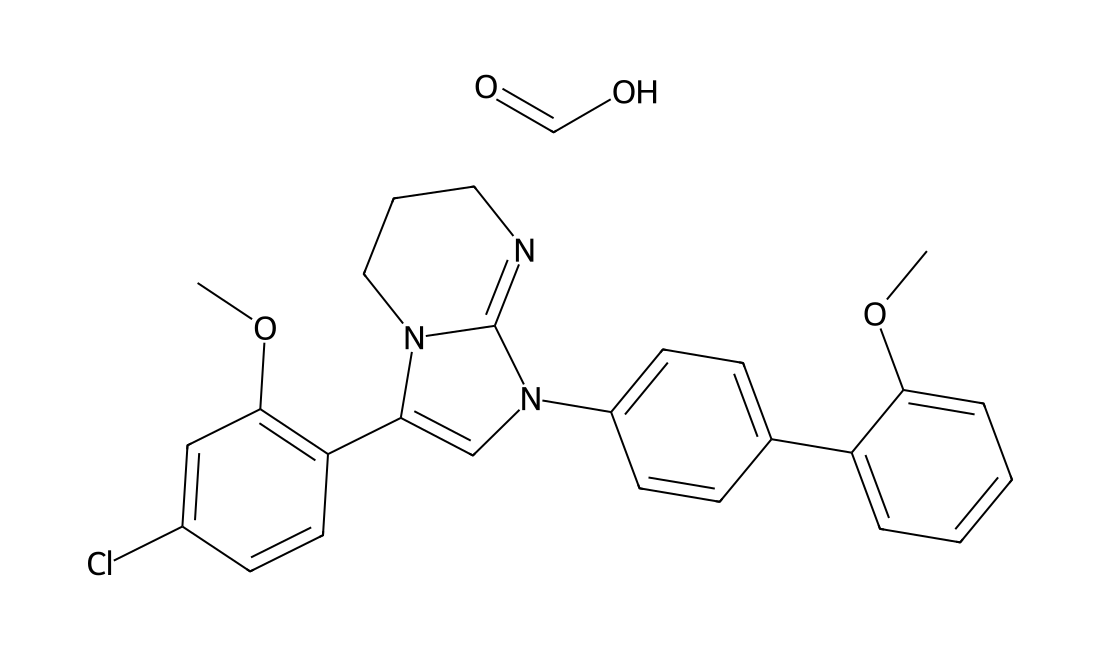
DC49661

AGI-43192

CAS 2377491-54-6

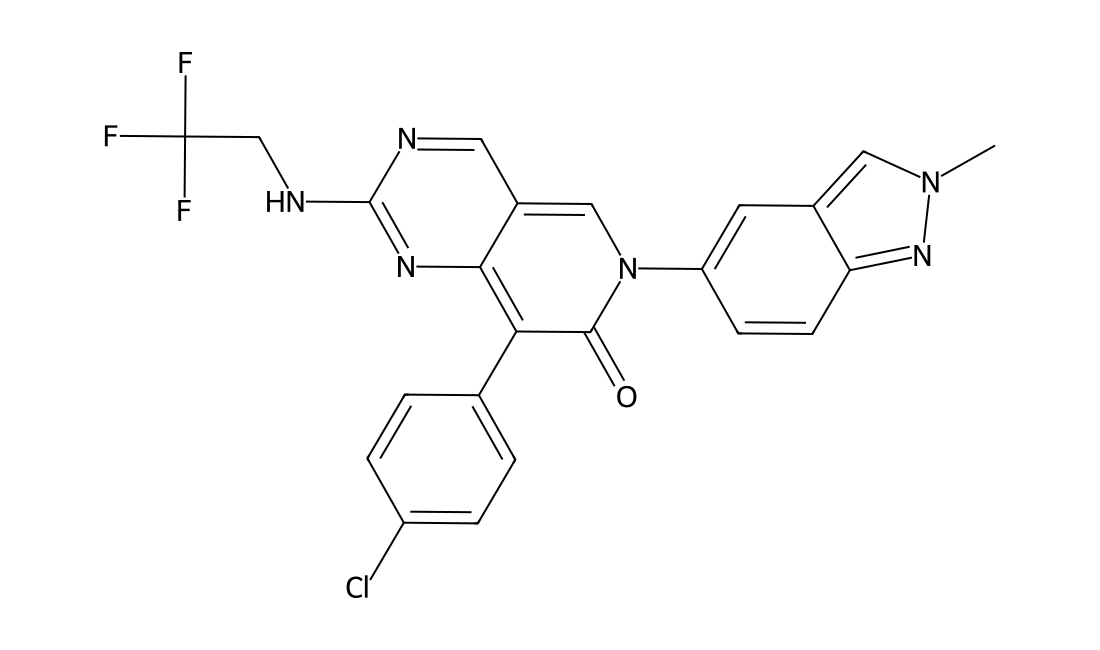
AGI-43192 is a potent inhibitor of methionine adenosyltransferase 2A (MAT2A). AGI-43192 is a potent, but limited brain-penetrant compound. AGI-43192 has the potential for exploring the effects of SAM modulation in the central nervous system (CNS) and research of cancer disease.

AGI-43192 chemical structure
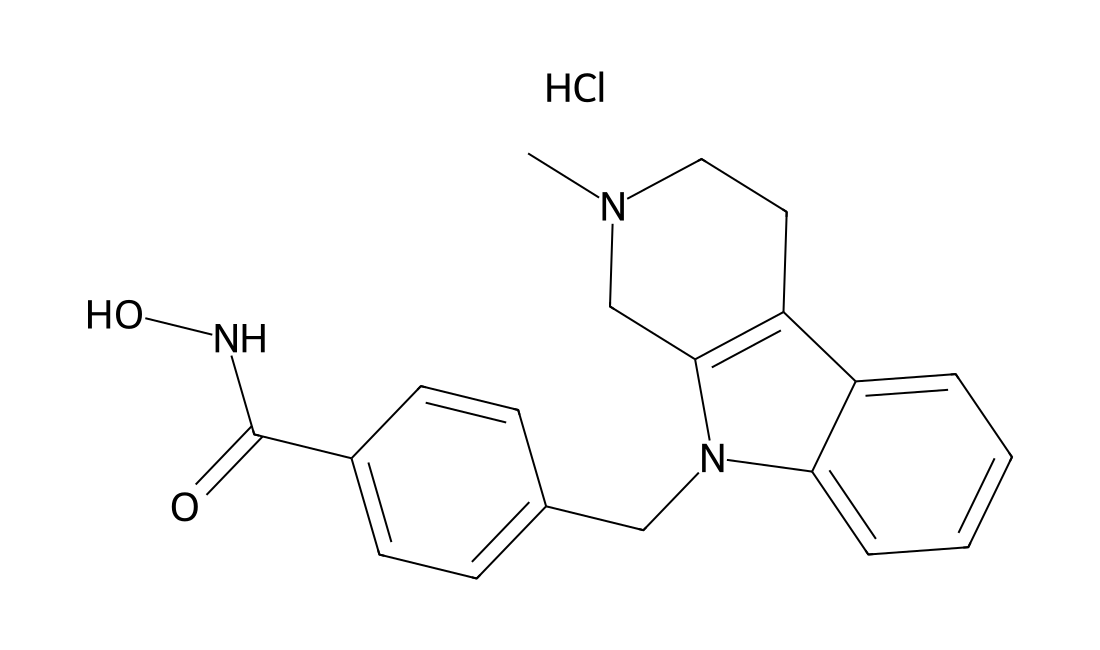
DC71092

NNGH

CAS 161314-17-6

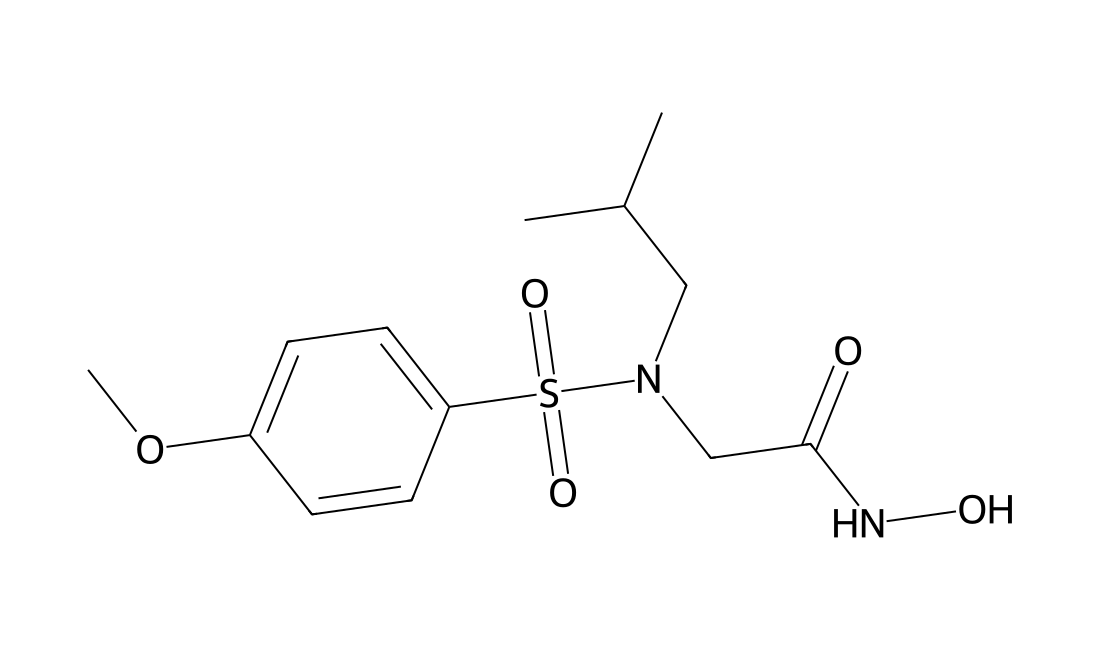
NNGH is a stromelysin-1 (MMP-3) inhibitor. MMP-3 is both a direct transcriptional target and a necessary contributor of the Wnt/β-catenin signaling pathway. Matrix metalloproteinases (MMPs) play a well-defined role in later stages of tumor progression.

NNGH chemical structure
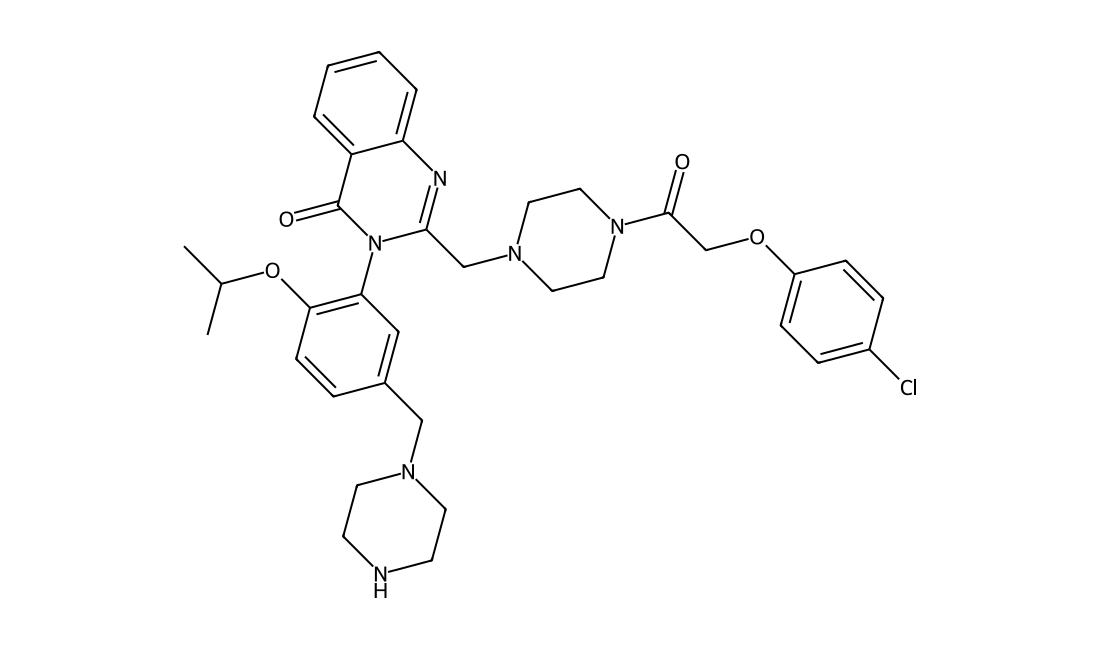
DC74022

IDE-397

CAS 2439277-80-0

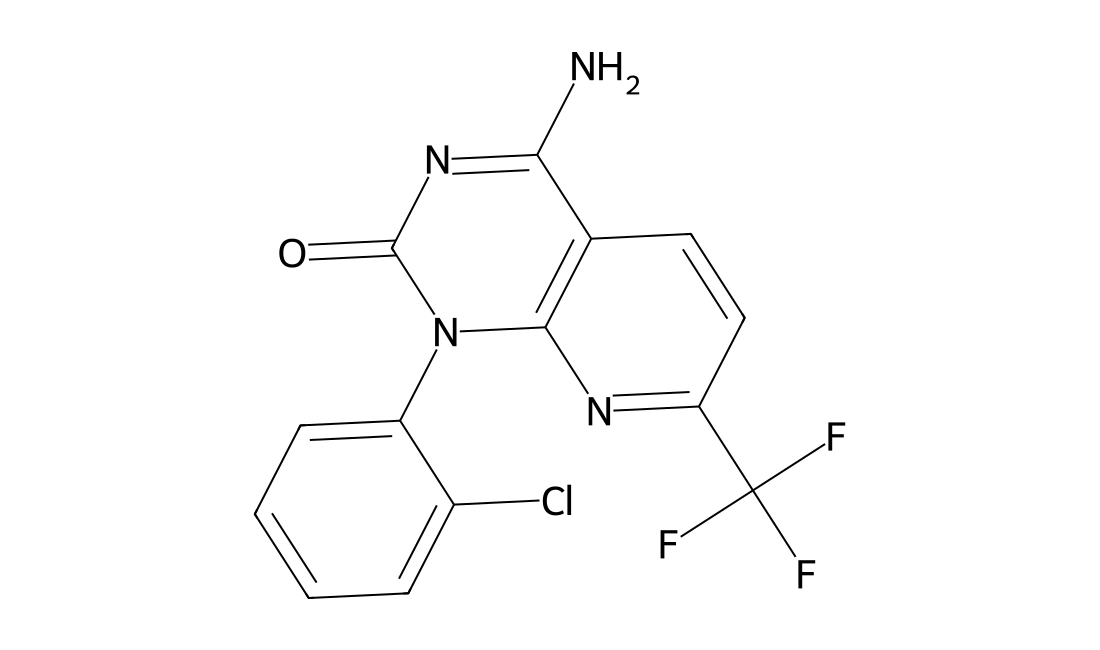
IDE-397 (GSK-4362676, GSK-676) is a potent, selective small molecule methionine adenosyltransferase 2a (MAT2A) inhibitor, displays broad anti-tumor activity across a panel of MTAP-deleted patient-derived xenografts.

IDE-397 chemical structure
DC71625

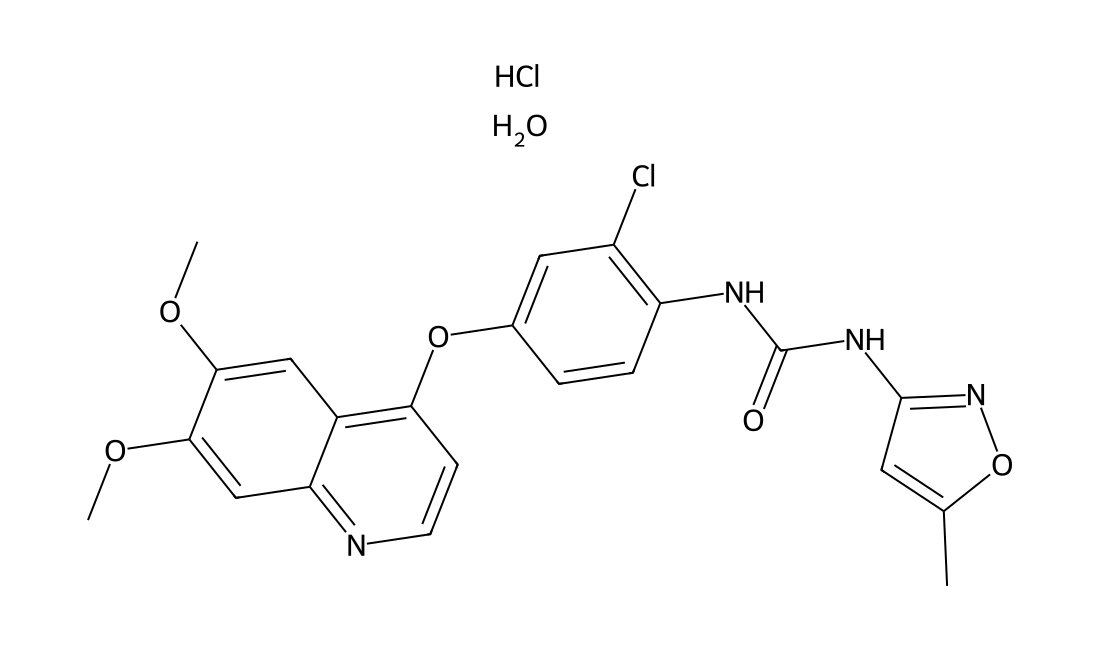
Tivozanib hydrochloride hydrate

CAS 682745-41-1

Tivozanib hydrochloride hydrate is a potent and selective and orally active VEGFR tyrosine kinase inhibitor with IC50是of 0.21, 0.16, 0.24 nM for VEGFR-1, VEGFR-2, VEGFR-3, respectively. Tivozanib hydrochloride hydrate inhibits angiogenesis and vascular permeability in tumor tissues and shows antitumor activity. Tivozanib hydrochloride hydrate has the potential for the research of metastatic renal cell carcinoma (RCC) .

Tivozanib hydrochloride hydrate chemical structure
DC34407

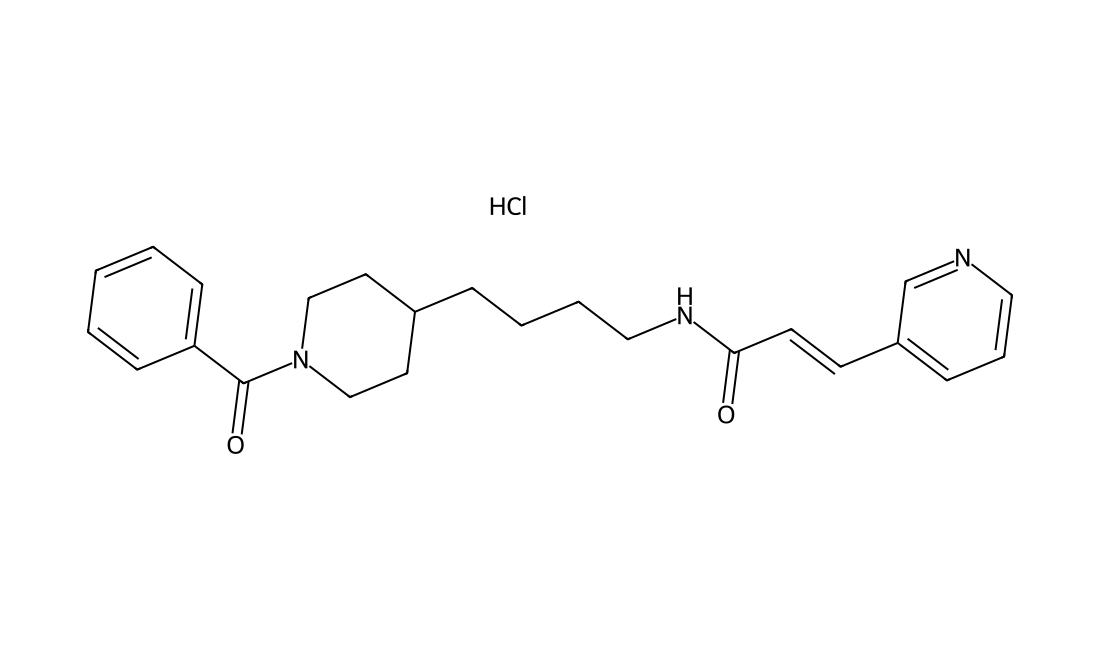
FK-866 Hydrochloride

CAS 2727965-45-7

Daporinad, also known as APO-866 and FK866, is a small molecule with potential antineoplastic and antiangiogenic activities. NMPRTase inhibitor APO866 binds to and inhibits nicotinamide phosphoribosyltransferase (NMPRTase), inhibiting the biosynthesis of nicotinamide adenine dinucleotide (NAD+) from niacinamide (vitamin B3), which may deplete energy reserves in metabolically active tumor cells and induce tumor cell apoptosis. In addition, this agent may inhibit tumor cell prioduction of vascular endothelial growth factor (VEGF), resulting in the inhibition of tumor angiogenesis.

FK-866 Hydrochloride chemical structure
DC66413

TEAD-IN-8

CAS 1008768-41-9

TEAD-IN-8 is a novel TEAD inhibitor, which potently and specifically inhibits TEAD-YAP transcriptional activities. TM2, alone or in combination with MEK inhibitors, exhibits potent antiproliferative effects in YAP-dependent cancer cells.

TEAD-IN-8 chemical structure
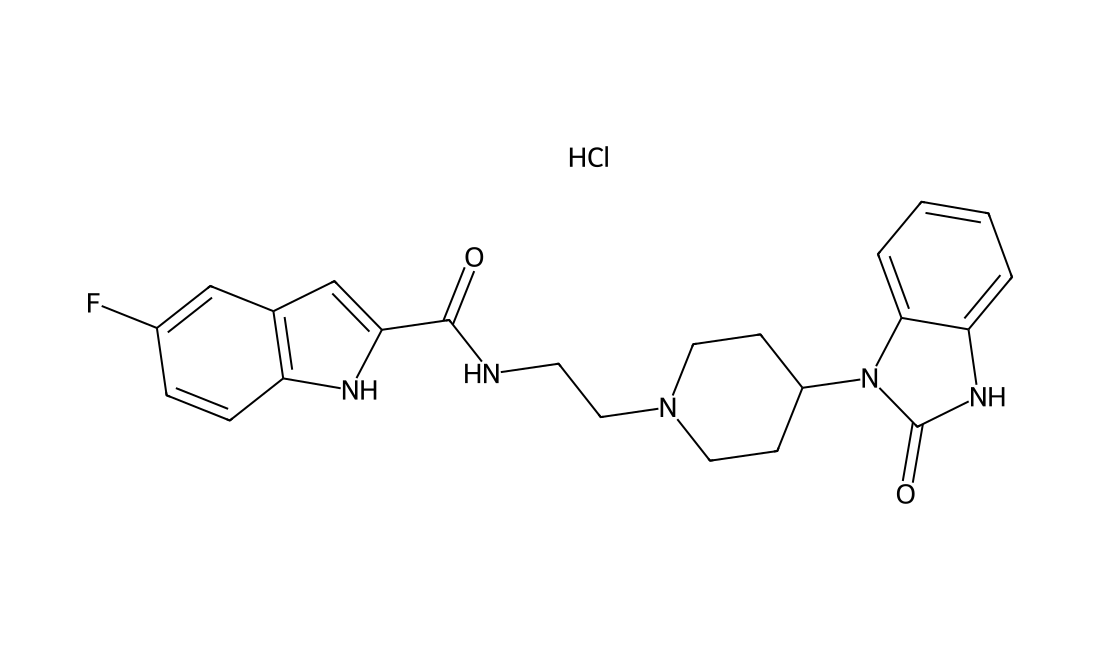
DC43147

FIPI hydrochloride

CAS 1781834-93-2

FIPI (5-Fluoro-2-indolyl des-chlorohalopemide) hydrochloride, a derivative of Halopemide (HY-119093), is a phospholipase D (PLD) inhibitor with IC50s of approximately 25 nM and 20 nM for PLD1 and PLD2, respectively. FIPI hydrochloride inhibits PLD regulation of F-actin cytoskeleton reorganization, cell spreading, and chemotaxis. FIPI hydrochloride has the potential for autoimmunity and cancer metastasis research.

FIPI hydrochloride chemical structure
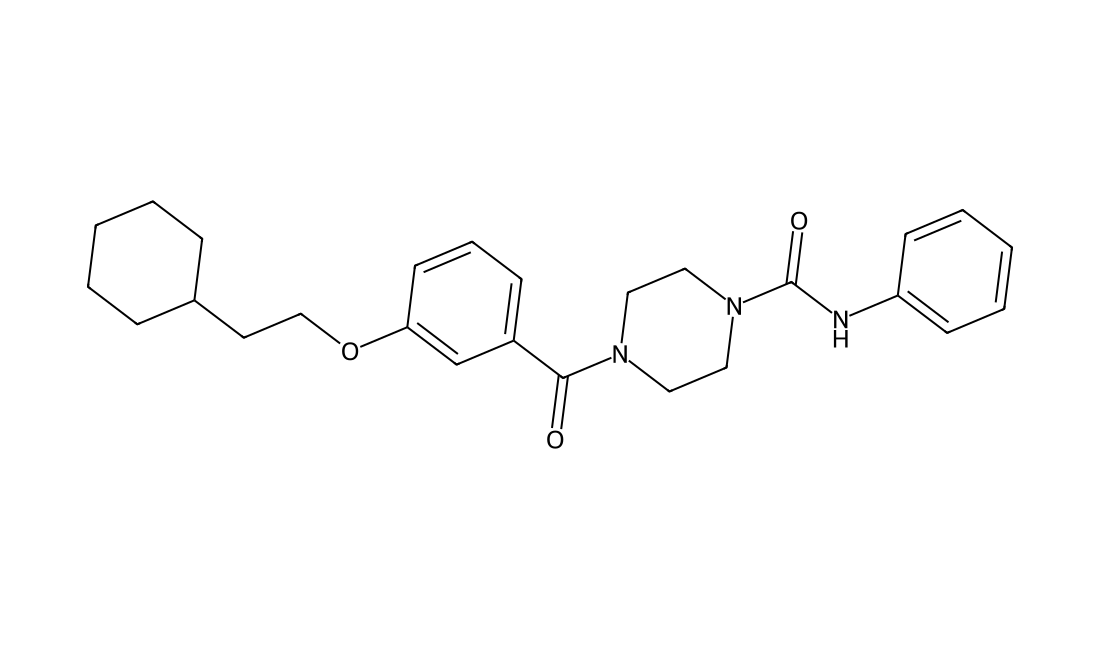
DC66066

Transketolase-IN-4

CAS 419547-73-2

Transketolase-IN-4 is a potent transketolase inhibitor (IC50=3.9 μM). Transketolase-IN-4 inhibits tumor cell proliferation of SW620, LS174T, and MIA PaCa-2. Transketolase-IN-4 is a possible Mycobacterium tuberculosis DXS inhibitor, with an IC50 value of 114.1 μM.

Transketolase-IN-4 chemical structure
DC71096

OB-24

CAS 939825-12-4

OB-24 is a potent inhibitor of heme oxygenase-1 (HO-1). Heme oxygenase-1, a member of the heat shock protein family, plays a key role as a sensor and regulator of oxidative stress. OB-24 significantly inhibited cell proliferation in vitro and tumor growth and lymph node/lung metastases in vivo. OB-24 has potential for the research of advanced prostate cancer (PCA).

OB-24 chemical structure
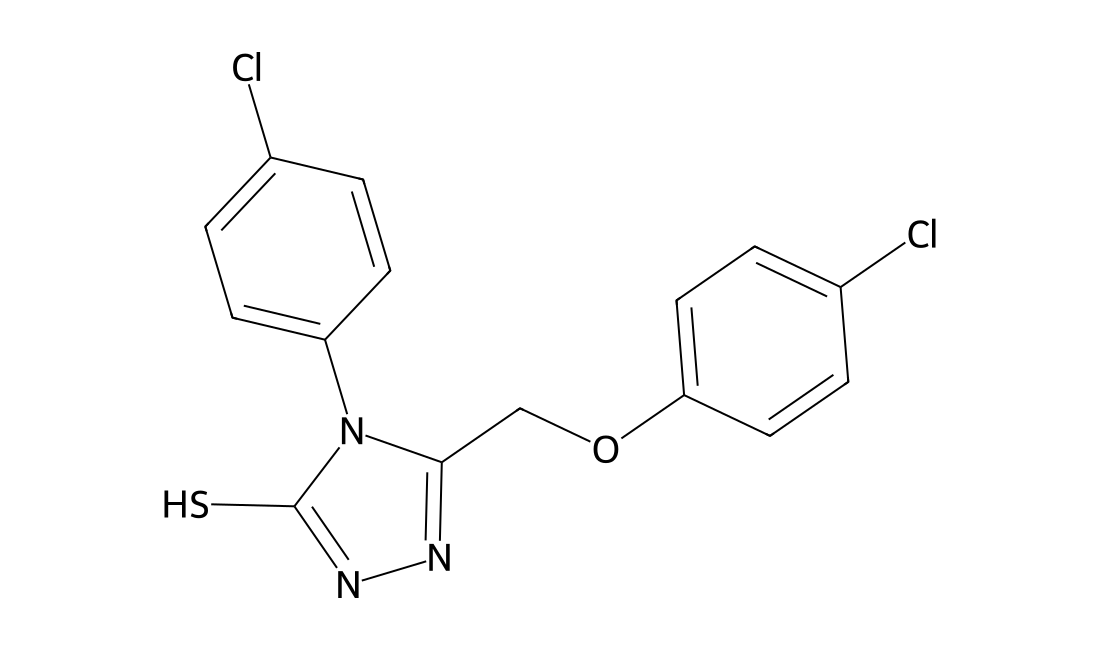
DC65917

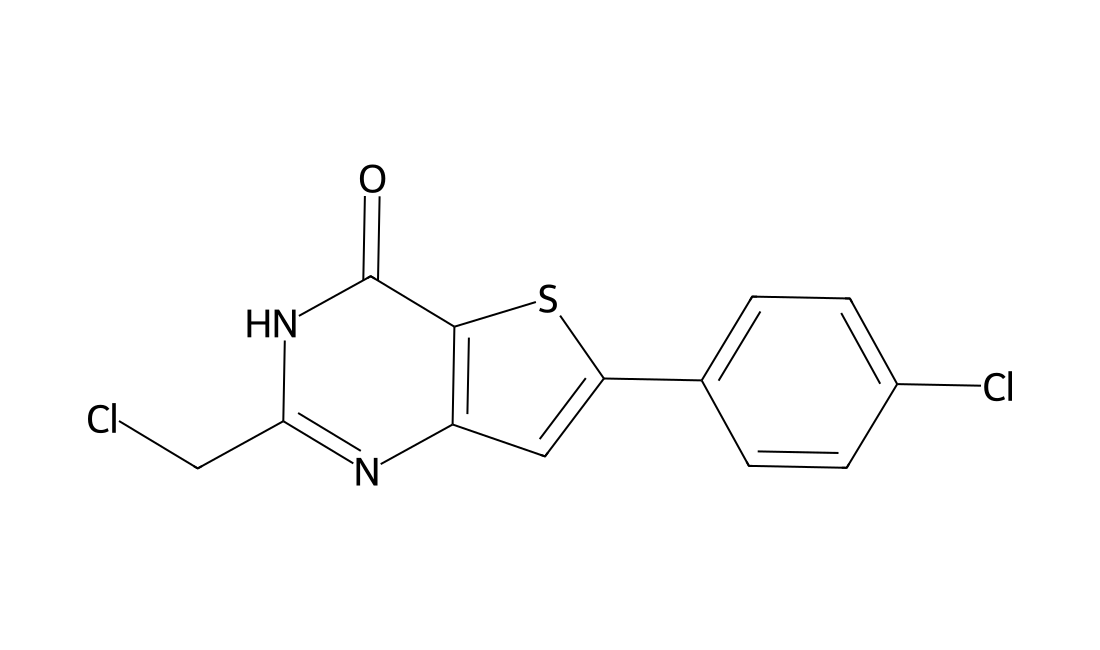
B-Raf IN 14

CAS 326918-98-3

B-Raf IN 14 (Comp 25) is a BRAF inhibitor with IC50 value of 11.08 μM, which can be used in cancer-related research.

B-Raf IN 14 chemical structure
DC31285

SNS-314

CAS 1057249-41-8

SNS-314 is a synthetic small molecule Aurora kinase (AK) inhibitor with potential antineoplastic activity. Aurora kinase inhibitor SNS-314 selectively binds to and inhibits AKs A and B, which may result in the inhibition of cellular division and proliferation in tumor cells that overexpress AKs. AKs are serine-threonine kinases that play essential roles in mitotic checkpoint control during mitosis.

SNS-314 chemical structure
DC56001

WRX606

CAS 899937-47-4

WRX606 is a nonrapalog inhibitor. WRX606 formed a ternary complex with FK506-binding protein-12 (FKBP12) and FKBP−rapamycin-binding (FRB) domain of mTOR, resulting in the allosteric inhibition of mTORC1. WRX606 inhibited the phosphorylation of not only the ribosomal protein S6 kinase 1 (S6K1) but also eIF4E-binding protein-1 (4E-BP1). Hence, WRX606 efficiently suppressed tumor growth in mice without promotion of metastasis. These results suggest that WRX606 is a potent lead compound for developing anticancer drugs discovered by in silico and in cell methods.

WRX606 chemical structure
DC31447

Miransertib HCl

CAS 1313883-00-9

Miransertib, also known as ARQ 092, is an oral activie, potent and selective AKT inhibitor with IC50 values: 5.0 nM (AKT1); 4.5 nM (AKT2); 16 nM (AKT3). ARQ 092 binds to and inhibits the activity of AKT in a non-ATP competitive manner, which may result in the inhibition of the PI3K/AKT signaling pathway. This may lead to the reduction in tumor cell proliferation and the induction of tumor cell apoptosis. ARQ-092 demonstrated high enzymatic potency against AKT1, AKT2, and AKT3, as well as potent cellular inhibition of AKT activation and the phosphorylation of the downstream target PRAS40. ARQ-092 also served as a potent inhibitor of the AKT1-E17K mutant protein and inhibited tumor growth in a human xenograft mouse model of endometrial adenocarcinoma.

Miransertib HCl chemical structure
DC47621

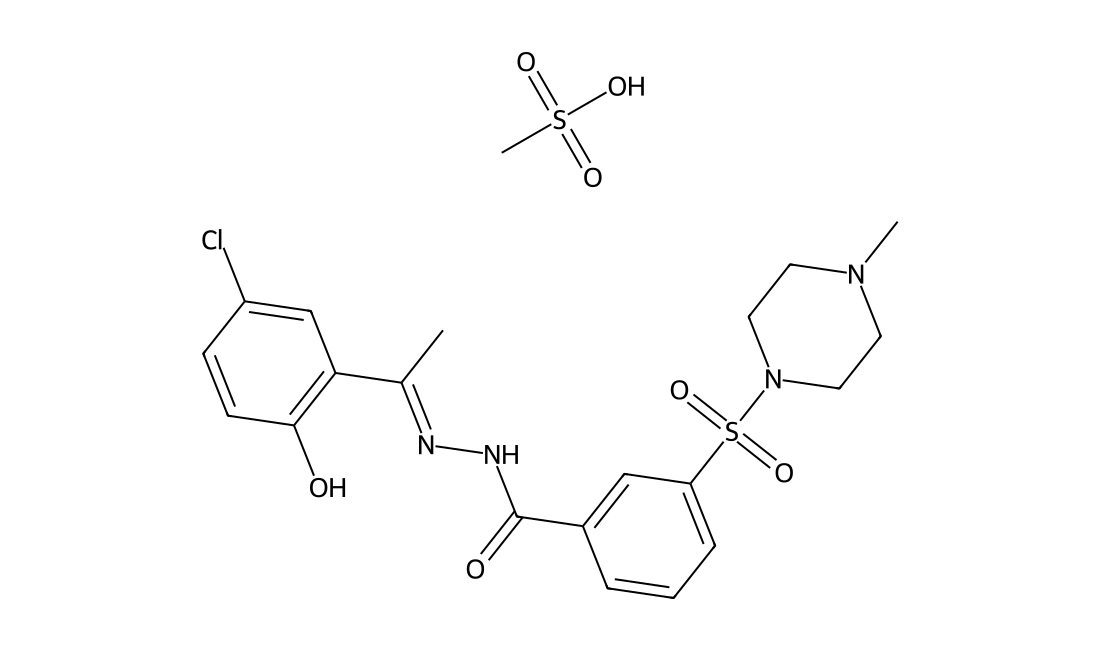
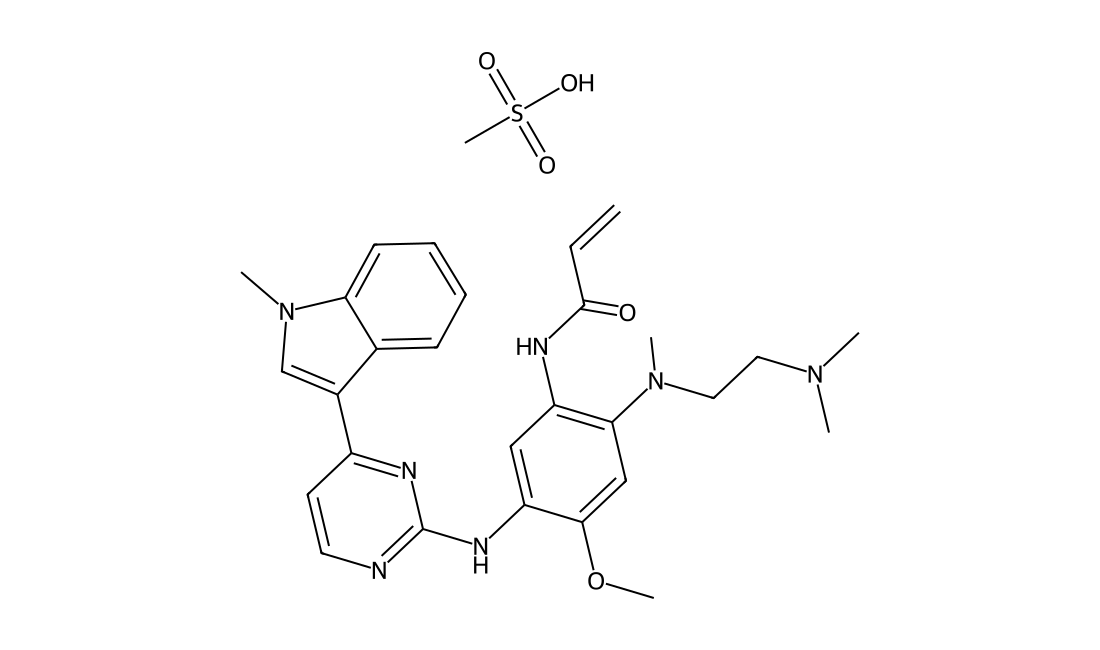
Seclidemstat mesylate

CAS 2044953-70-8

Seclidemstat (SP-2577) mesylate is a potent noncompetitive and reversible KDM1A (LSD1) inhibitor (Ki=31 nM, IC50=13 nM). Seclidemstat mesylate promotes antitumor immunity in switch/sucrose nonfermentable (SWI/SNF) complex mutated ovarian cancer, as well as inhibit virus production, viral DNA replication, and late gene expression. Seclidemstat mesylate can be used for the research of Ewing Sarcoma.

Seclidemstat mesylate chemical structure
DC65483

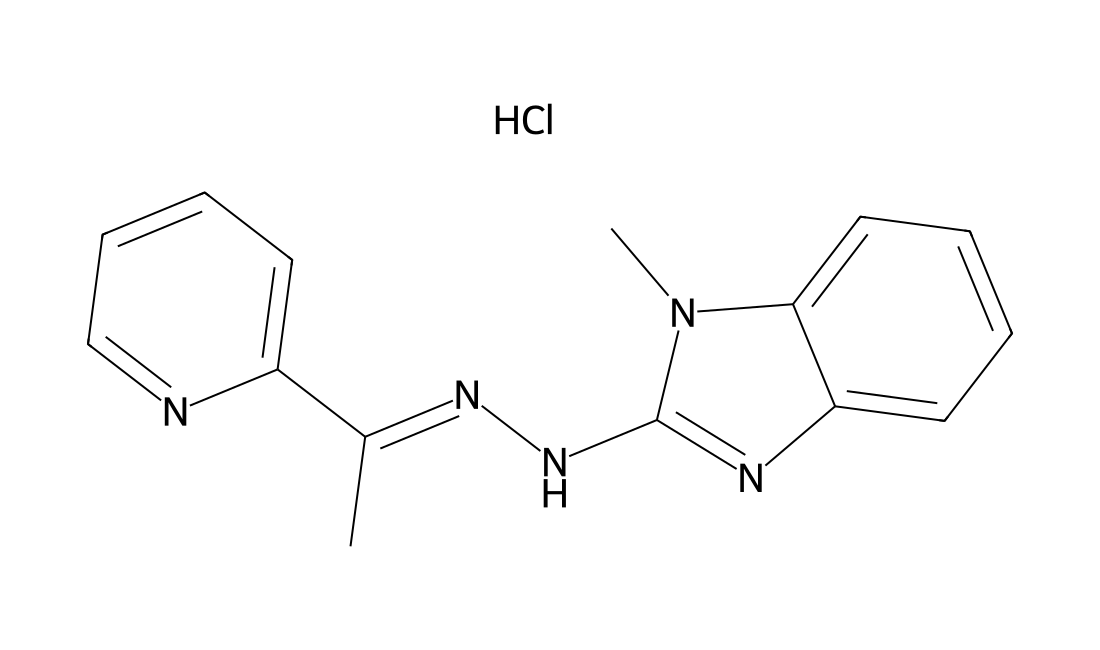
SI-2 (hydrochloride)

CAS 1992052-49-9

SI-2 hydrochloride (EPH 116 hydrochloride) is a highly promising SRC-3 SMI: SRC-3 inhibitor (PPI), with IC50 values of 3-20 nM for breast cancer cell death. SI-2 hydrochloride (EPH 116 hydrochloride) has a much improved toxicity and pharmacokinetic profile, with acceptable oral availability[1].

SI-2 (hydrochloride) chemical structure
DC8884

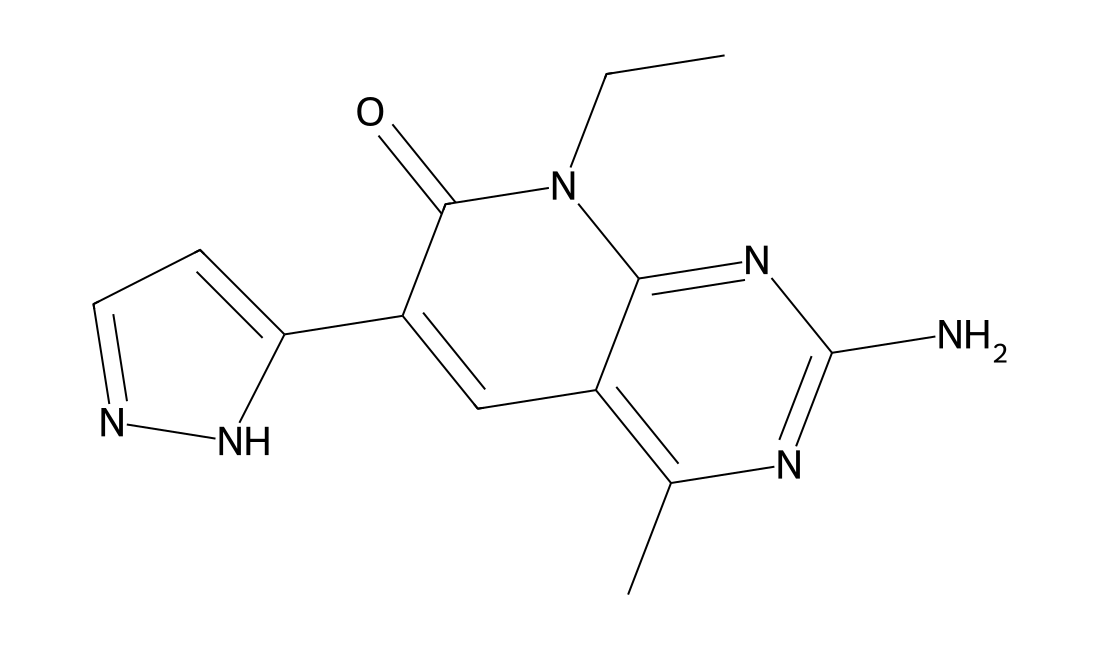
Voxtalisib (XL765, SAR245409)

CAS 934493-76-2

Voxtalisib (XL-765) is a potent PI3K inhibitor, which has a similar activity toward class I PI3K (IC50s=39, 113, 9 and 43 nM for p110α, p110β, p110γ and p110δ, respectively), also inhibits DNA-PK (IC50=150 nM) and mTOR (IC50=157 nM). Voxtalisib (XL-765) inhibits mTORC1 and mTORC2 with IC50s of 160 and 910 nM, respectively.

Voxtalisib (XL765, SAR245409) chemical structure
DC7449

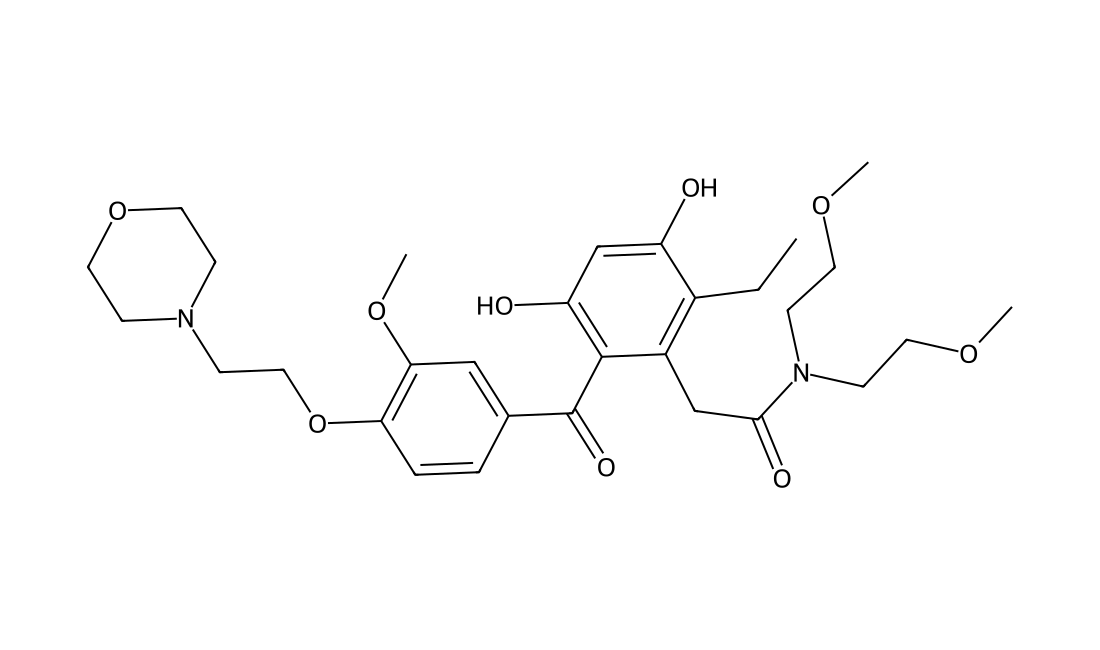
KW-2478

CAS 819812-04-9

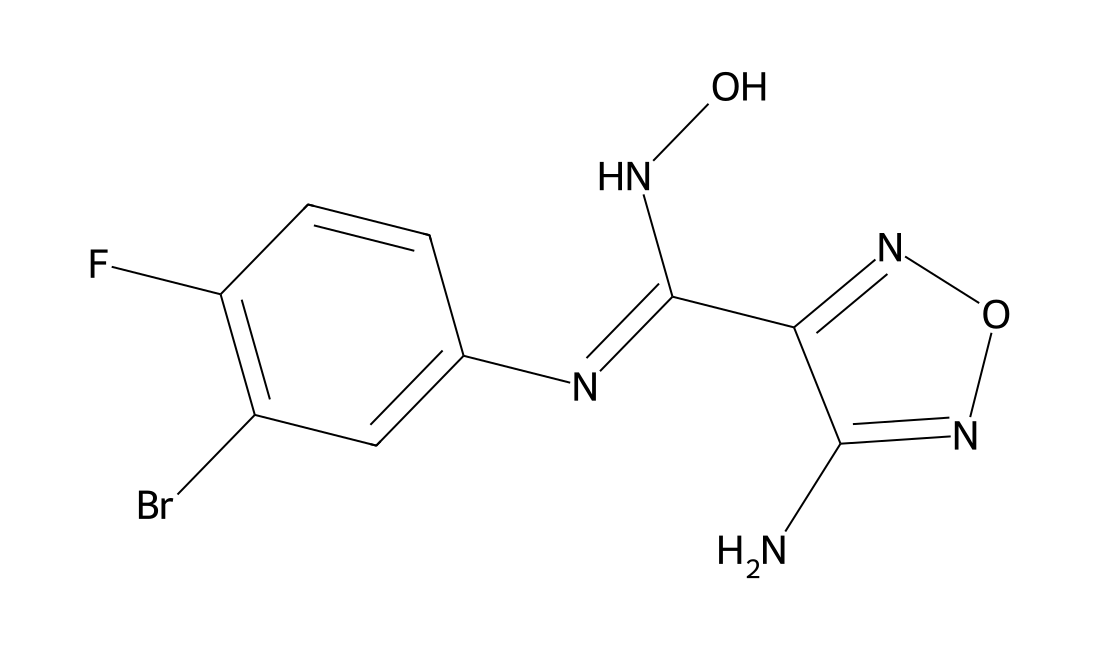
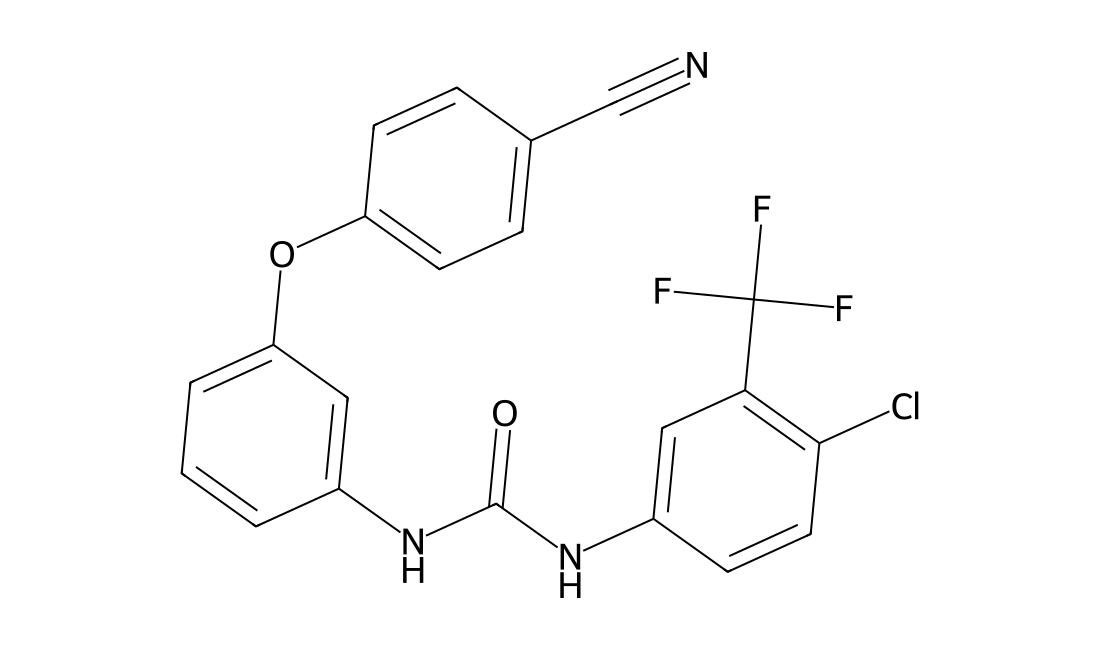
KW-2478 inhibits the binding of bRD to Hsp90α with IC50 of 3.8 nM. KW-2478 degradates the Hsp90 client proteins, including FGFR3 and IGF-1Rβand c-Raf-1. KW-2478 reduces the level of phosphorylated Erk1/2. KW-2478 induces apoptosis by cleavage of PARP, a substrate of caspase-3 In U266 cells,. KW-2478 has Time dependency of antiproliferative activity, consecutive drug exposure For at least 12 hours is necessary to to exert potent antitumor activity. KW-2478 downregulates the translocation products of IgH locus. KW-2478 inhibits the transcription of c-Maf and cyclin D1 genes by mainly suppressing the function of Cdk9. KW-2478 has potent and broad growth inhibitory activities against various cell lines, KW-2478 inhibites cancer cell growth in all cell lines, with EC50 of 101-252 nM, 81.4-91.4 nM and 120-622 nM For B-cell lymphoma, mantle cell lymphoma and multiple myeloma, respectively. KW-2478 also shows potent growth inhibitory activity in primary CLL and NHL cells with EC50 of 40-170 nM and 200-400 nM, respectively. . KW-2478 suppresses tumor growth and induces the degradation of client proteins in tumors in NCI-H929 s.c. inoculated model at doses of 100 mg/kg or more. KW-2478 reduces both serum M protein and MM tumor burden in the bone marrow in OPM-2/GFP i.v. inoculated mouse model at doses of 100 mg/kg. For the detailed information of KW-2478, the solubility of KW-2478 in water, the solubility of KW-2478 in DMSO, the solubility of KW-2478 in PBS buffer, the animal experiment (test) of KW-2478, the cell expriment (test) of KW-2478, the in vivo, in vitro and clinical trial test of KW-2478, the EC50, IC50,and Affinity of KW-2478, Please contact DC Chemicals.

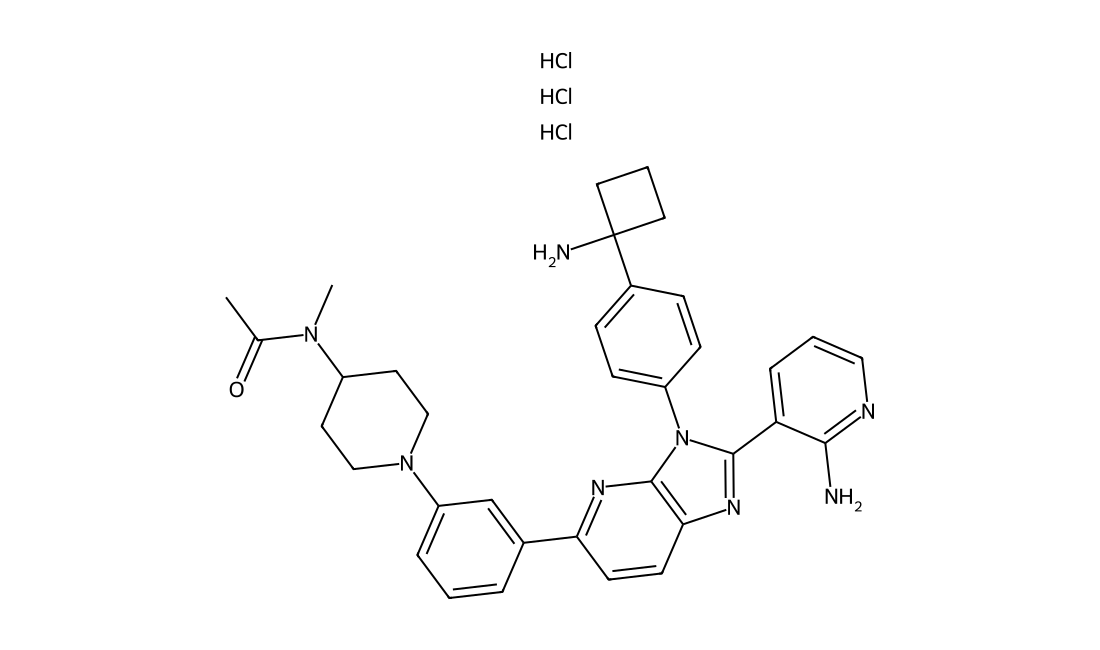
KW-2478 chemical structure
DC4118

NVP-BEP800

CAS 847559-80-2

VER-82576 (NVP-BEP800) is a potent, orally available and selective Hsp90 inhibitor, with an IC50 of 58 nM for Hsp90β; VER-82576 also slightly blocks Grp94 and Trap-1, with IC50s of 4.1 and 5.5 μM, respectively.

NVP-BEP800 chemical structure
DC7078

AZD-8931(Sapitinib)

CAS 848942-61-0

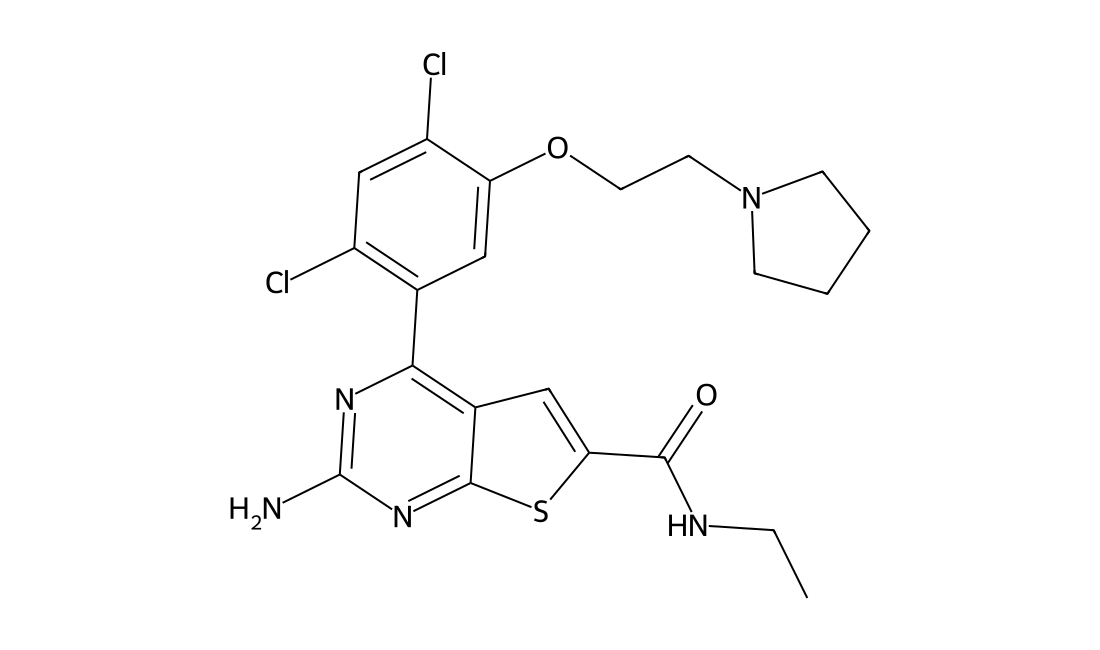
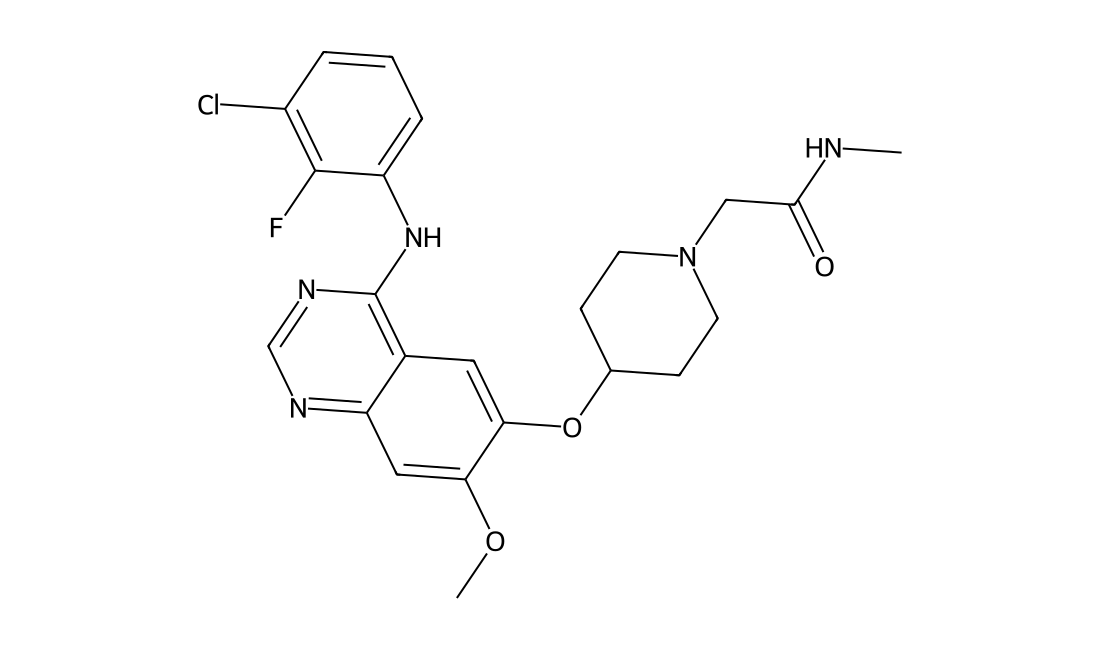
Sapitinib (AZD-8931) is a reversible, ATP competitive EGFR inhibitor of with IC50s of 4, 3 and 4 nM for EGFR, ErbB2 and ErbB3 in cells, respectively.

AZD-8931(Sapitinib) chemical structure
DC3145

Sunitinib base

CAS 557795-19-4

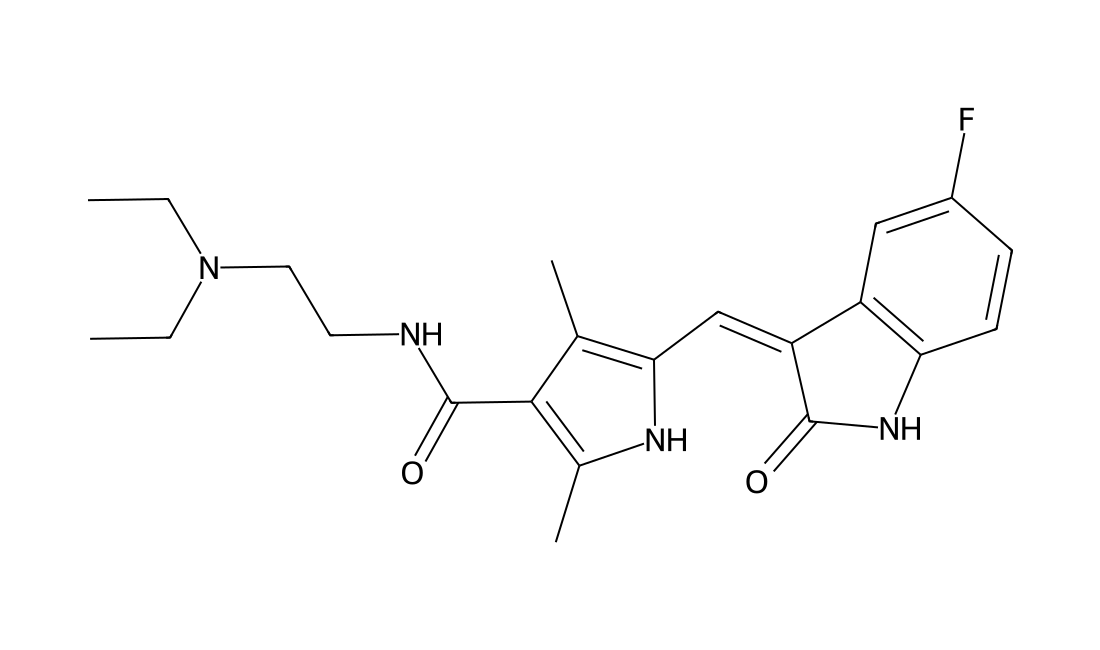
Sunitinib (SU 11248) is a multi-targeted receptor tyrosine kinase inhibitor with IC50s of 80 nM and 2 nM for VEGFR2 and PDGFRβ, respectively.

Sunitinib base chemical structure
DC10284

Motesanib

CAS 453562-69-1

Motesanib is a potent ATP-competitive inhibitor of VEGFR1/2/3 with IC50s of 2 nM/3 nM/6 nM, respectively, and has similar activity against Kit, and is appr 10-fold more selective for VEGFR than PDGFR and Ret.

Motesanib chemical structure
DC1020

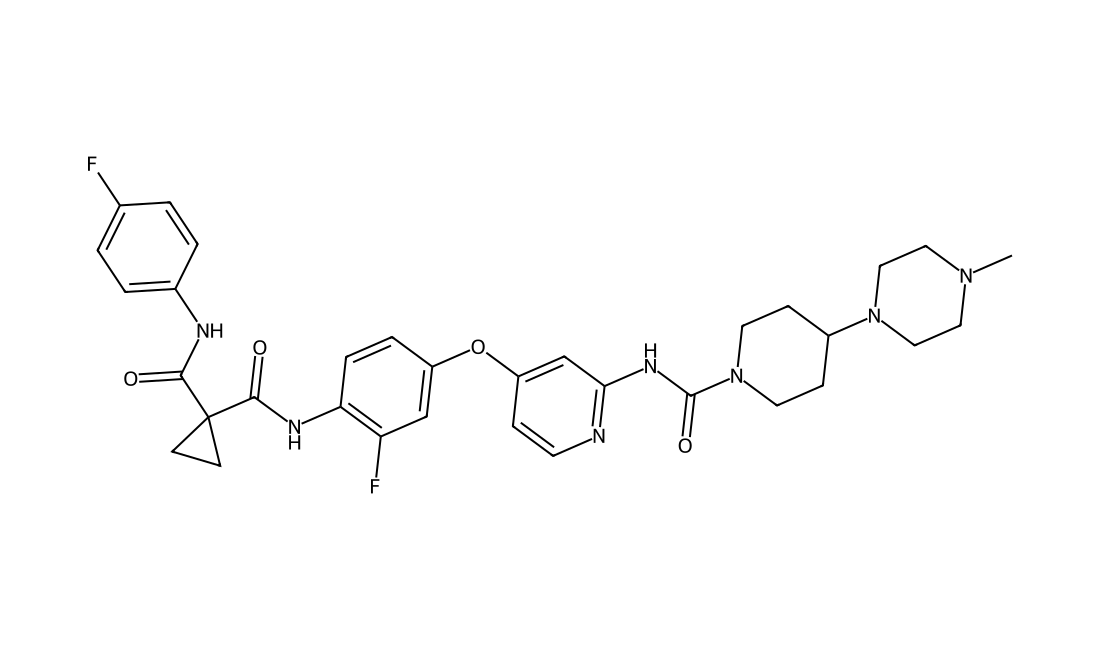
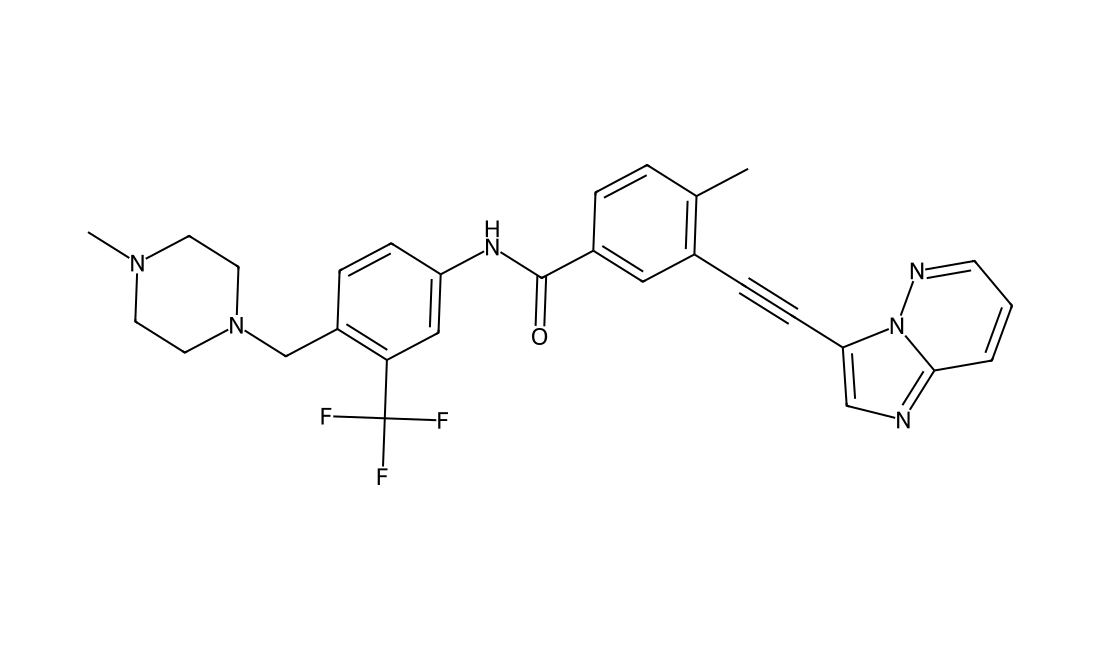
Ponatinib (AP24534)

CAS 943319-70-8

Ponatinib is a potent, orally available multi-targeted kinase inhibitor with IC50s of 0.37 nM, 1.1 nM, 1.5 nM, 2.2 nM, and 5.4 nM for Abl, PDGFRα, VEGFR2, FGFR1, and Src, respectively.

Ponatinib (AP24534) chemical structure
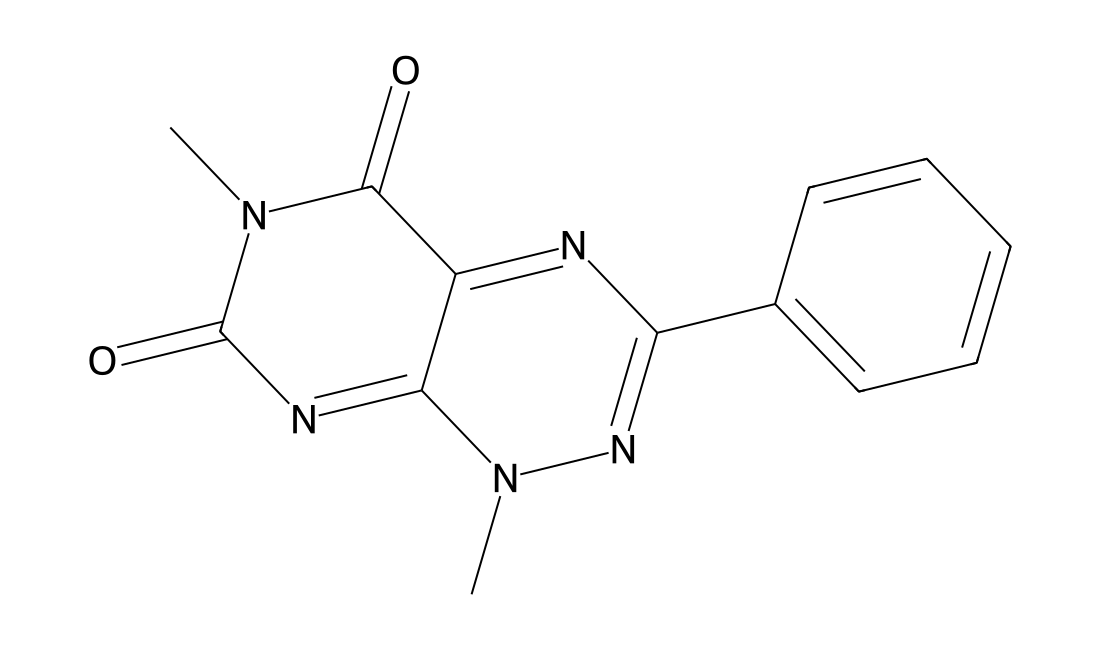
DC40344

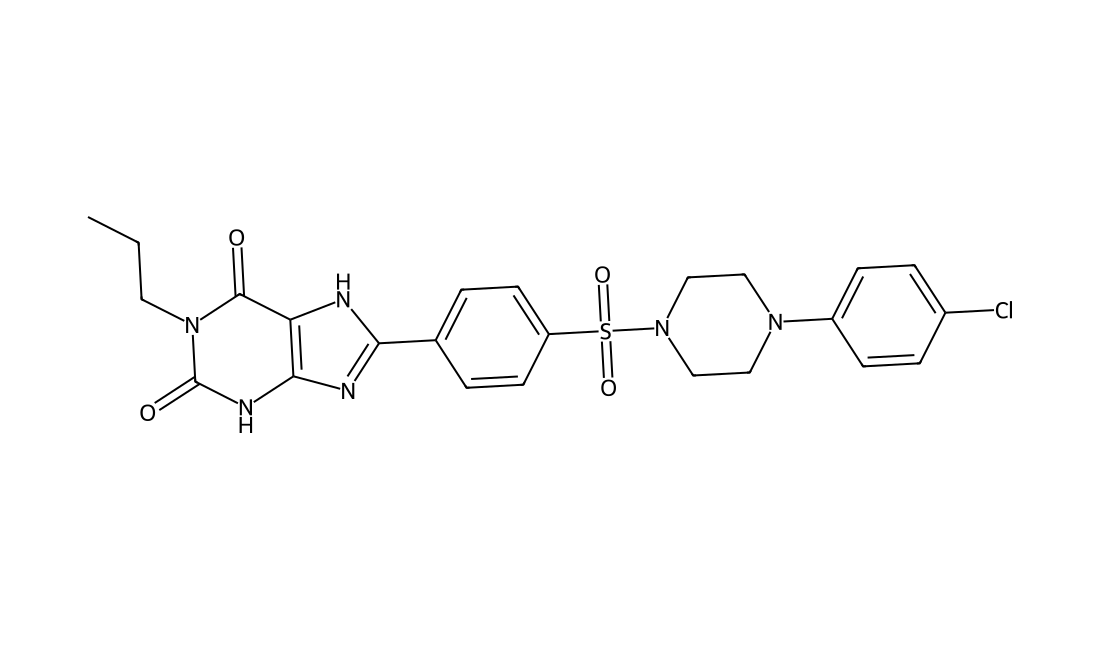
3-Phenyltoxoflavin

CAS 32502-63-9

3-Phenyltoxoflavin, a derivative of Toxoflavin, is an Hsp90 inhibitor, with a Kd of 585 nM for the interaction of Hsp90-TPR2A. 3-Phenyltoxoflavin has anti-cancer activity[1][2].

3-Phenyltoxoflavin chemical structure
DC9697

HUHS015

CAS 1453097-13-6

HUHS015 is a potent PCA-1/ALKBH3 inhibitor both in vitro and in vivo. The bioavailability (BA) of HUHS015 was 7.2% in rats after oral administration. Continuously administering HUHS015 significantly suppressed the growth of DU145 cells, which are human hormone-independent prostate cancer cells, in a mouse xenograft model without untoward effects. [1]
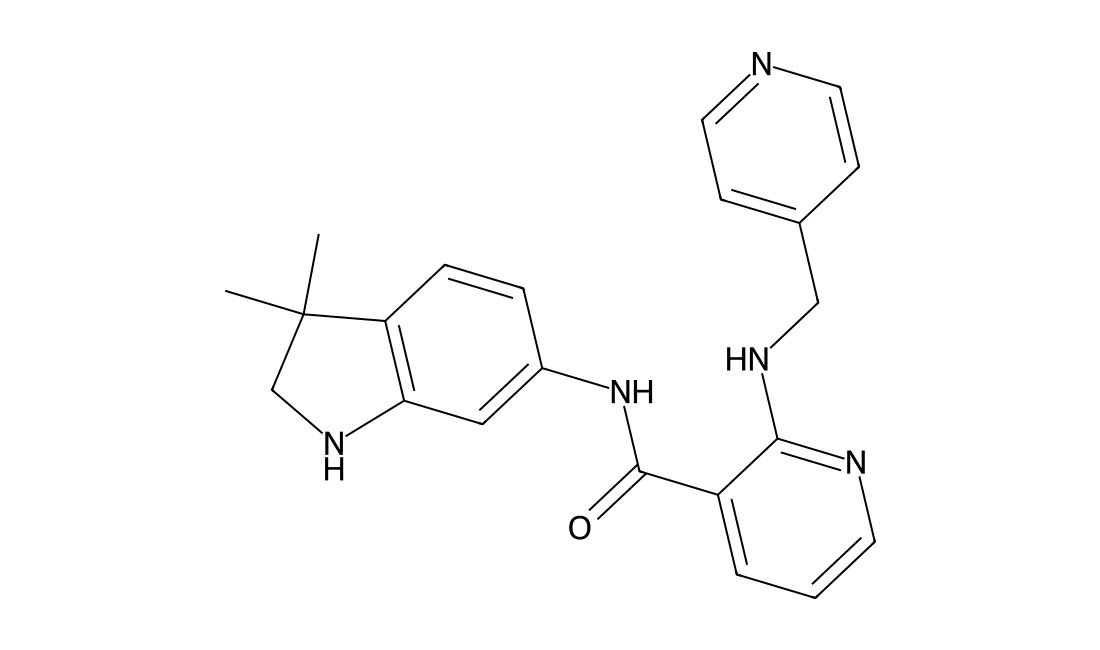
HUHS015 chemical structure
Browse target & topic index A–Z (366)
11β-HSD (1)15-PGDH (2)5-HT Receptor (16)Acetyl-CoA Carboxylase (ACC) (3)Acetylcholinesterase (AChE) (2)Ack1 (TNK2) (1)Acyltransferase (1)ADC Cytotoxin (6)ADCs Linker/Click Chemistry (5)Adenosine Receptor (9)Adenylate Cyclase (2)Adrenergic Receptor (11)Akt (12)Alcoholism (2)Aldehyde Dehydrogenase (ALDH) (6)Allergy (5)Alzheimer Disease (13)Aminopeptidase (1)AMPK (8)Amyloids (4)Anaplastic Lymphoma Kinase (ALK) (9)Androgen Receptor (AR) (11)Anemia (4)Angiotensin Receptor (4)Antibody/Protein labeling dyes (1)Antifolate (2)Anxiety (1)Apoptosis Inducer (3)Arginase (1)Arp2/3 complex (1)Aryl hydrocarbon Receptor (AhR) (1)Asthma (5)Atherosclerosis (2)ATM/ATR (8)Aurora Kinase (10)Autophagy (6)Autophagy-related Protein (Atg) (2)Autotaxin (2)Bacterial (26)Bacterial Infection (17)Bcl-2 (14)Bcr-Abl (5)BCRP (1)Beta-catenin (4)Beta-secretase (BACE) (4)Blood Cancer (91)BMI-1 (1)Bone Cancer (6)Brain Cancer (6)Breast Cancer (30)Bromodomain (22)BTK (10)c-Fms (CSF1R) (5)c-Fos/AP-1 (1)c-Kit (6)c-Met (HGFR) (11)c-Myc (2)Calcium Channel (4)Calcium-sensing Receptor (CaSR) (1)CaMK (4)Cannabinoid Receptor (6)Carbonic Anhydrase (1)Carboxypeptidase (1)Casein Kinase (6)Caspase (4)Cathepsin (6)Cdc2-like Kinase (CLK) (1)CETP (2)CFTR (7)Checkpoint Kinase (Chk) (8)Chemokine Receptor (CCR and CXCR) (14)Chemotherapeutic Agents (19)Chloride Channel (1)CMV (2)CMV Infection (2)Colon Cancer (9)Complement System (1)COPD (3)CREB/CBP (2)CRF Receptor (2)CRISPR/Cas9 (1)Cushing Disease (1)Cyclin-dependent Kinase (CDK) (39)Cyclooxygenase (COX) (4)Cytochrome P450 (CYPs) (5)Depression (2)Dermatitis (2)Deubiquitinase (DUB) (7)Diabetes (20)Dipeptidyl Peptidase (DPP) (3)Discoidin Domain Receptor (DDR) (1)DNA Alkylator/Crosslinker (10)DNA Methyltransferase (DNMT) (1)DNA Repair Protein (1)DNA-PK (2)DNA/RNA Synthesis (5)Dopamine beta-hydroxylase (1)Dopamine Receptor (7)Drug Metabolite (1)Drug-Linker Conjugates (11)Dyes (4)DYRK (1)Dyslipidemia (9)E3 Ligase Ligand (6)E3 Ligase Ligand-Linker Conjugate (1)E3 Ubiquitin Ligase (4)Ebola Virus Infection (1)EGFR (32)Elastase (2)Endothelin Receptor (5)Enzymes substrates (13)Epigenetic Reader Domain (3)Epilepsy (4)ERK (4)Estrogen Receptor/ERR (13)Eukaryotic Initiation Factor (eIF) (2)Exportin-1 (CRM1,XPO1) (2)FABP (1)Factor Xa (5)Farnesoid X Receptor (FXR) (5)Farnesyl transferase (FTase) (1)Ferroptosis (6)FGFR (20)Fibrosis (5)FLT3 (6)Focal Adhesion Kinase (FAK) (11)Foxo1 (1)Free Fatty Acid Receptor (FFAR) (5)Fungal (2)Fungal Infection (1)GABA Receptor (13)Galectin (1)Gastric Cancer (8)Ghrelin Receptor (GHSR) (3)Glucagon Receptor (4)Glucokinase (2)Glucose Transporter (GLUT) (2)Glutamate Transporter (2)GPCR (1)GPER (GPR30) (1)GPR139 (1)GPR183 (EBI2) (2)GPR39 (1)GPR55 (1)GPR84 (1)GRK (GPCRK) (2)Growth Hormone Deficiency (2)GSK-3 (8)Guanylate Cyclase (3)HBV (1)HBV Infection (1)HCN Channel (2)HCV (8)HCV Infection (9)HDAC (38)Heart Arrhythmia (2)Heart Failure (5)Heat Shock Protein (HSP) (15)Hedgehog (Hh) (1)HIF/HIF Prolyl-hydroxylase (8)Histamine Receptor (6)Histone Acetyltransferase (HAT) (5)Histone Demethylase (11)Histone Methyltransferase (HMTase) (31)HIV (12)HIV Infection (11)HMG-CoA Reductase (HMGCR) (3)HSV (1)HSV Infection (1)Hypercholesterolemia (1)Hyperparathyroidism (1)Hypertension (8)IAP (1)IGF-1R (3)iGluR (15)Indoleamine 2,3-Dioxygenase (IDO) (4)Infection (1)Influenza (6)Influenza Virus (6)Insulin Receptor (2)Integrin (6)Interleukin Receptor (1)IRAK (2)IRE1 (4)Irritable Bowel Syndrome (2)Ischemia (1)Isocitrate Dehydrogenase (IDH) (5)ITK (1)IκB kinase (IKK) (7)JAK (32)JNK (3)Keap1-Nrf2 (6)Kidney Cancer (10)Kinesin (5)Kruppel-like Factor (KLF) (1)Kynurenine 3-Monooxygenase (KMO) (1)Leukotriene Receptor (1)LIM Kinase (LIMK) (3)Lipids fragment (1)Liver Cancer (6)Liver X Receptor (LXR) (3)LRRK2 (9)Lung Cancer (39)Lysophospholipid Receptor (12)LYTACs (3)mAChR (9)MALT1 (2)MAP4K (1)Matrix Metalloproteinase (MMP) (10)MDM2-p53 (9)MEK (MAP2K) (14)MEKK (MAP3K) (1)Melanocortin Receptor (2)MELK (1)mGluR (7)MicroRNA (1)Microtubule/Tubulin (5)Mineralocorticoid Receptor (MLR) (1)MITF (1)Mixed Lineage Kinase (MLK) (3)MNK (2)Molecular Glues (21)Monoamine Transporter (5)Monocarboxylate Transporter (MCT) (1)Monopolar Spindle 1 (Mps1/TTK) (3)mTOR (13)Multiple Sclerosis (6)Myosin (1)Na-K-Cl Cotransporter (NKCC) (2)nAChR (2)NADPH Oxidase (NOX) (2)NAMPT (3)Natural products (37)Neprilysin (1)Neurokinin Receptor (3)Neuropeptide Y Receptor (3)NF-κB (5)Nitric Oxide Synthase (NOS) (1)NOD-like Receptor (NLR) (3)Notch (2)Nucleoside Antimetabolite/Analog (10)Nur77 (NR4A1) (1)Obesity (1)Oct3/4 (1)Opioid Receptor (5)Orexin Receptor (7)Osteoporosis (2)Ovarian Cancer (14)Oxytocin Receptor (OXTR) (2)P-glycoprotein (P-gp) (3)p21-activated Kinase (PAK) (1)P2X Receptor (2)P2Y Receptor (1)p38 MAPK (10)p97/VCP (1)Pain (12)Pancreatic Cancer (10)Parasite (5)Parasite Infection (2)Parkinson Disease (2)PARP (19)PCSK9 (1)PD-1/PD-L1 (4)PDGFR (4)PDK1 (2)PEGn (1)PERK (2)PGE synthase (2)Phosphodiesterase (PDE) (9)Phospholipase (4)PI3K (32)PI4K (2)Piezo Channel (1)PIKfyve (3)Pim (9)PKC (12)PKD (1)Plasminogen Activator Inhibitor-1 (PAI-1) (3)Polo-like Kinase (PLK) (4)Porcupine (3)Potassium Channel (13)PPAR (13)Pregnane X Receptor (PXR) (1)Progesterone Receptor (2)Prostaglandin Receptor (11)Prostate Cancer (7)PROTACs (35)Protease-activated Receptor (PAR) (3)Proteasome (12)Protein Disulfide Isomerase (PDI) (1)Protein Phosphatase/PTP (6)Proton Pump (1)Psoriasis (5)RAD51 (1)Radioligand precursors (15)Raf (18)RAR/RXR (3)Ras (17)Renin (2)RET Tyrosine Kinase (c-RET) (3)Rheumatoid Arthritis (16)Ribosomal S6 Kinase (RSK) (5)RIG-I-like Receptor (RLR) (2)RIP kinase (7)ROCK (12)ROR (2)RSV (4)RSV Infection (3)RUNX1-CBFβ (1)S-nitrosoglutathione reductase (GSNOR) (1)Saccharides and Glycosides (1)Salt Inducible Kinase (SIK) (2)SARS-CoV (16)SARS-CoV Infection (34)Schizophrenia (4)Sexual Dysfunction (1)SGLT (4)Sigma Receptor (4)Sirtuin (9)Skin Cancer (13)Sleep Disorder (7)SMN2 Modulator (1)Smoothened (Smo) (9)Sodium Channel (12)Solid Tumors (35)Somatostatin Receptor (2)Sphingosine kinase (SphK) (2)Src (7)STAT (5)Stearoyl-CoA Desaturase (SCD) (1)Steatohepatitis (7)Sterol lipids (1)STING (14)Syk (6)T Cell Receptor (TCR) (1)TAK1 (2)TAM Receptor (Tyro3-Axl-Mer) (4)Taste Receptor (1)Telomerase (2)TGF beta Receptor (TGFBR) (12)Thrombin (3)Thrombosis (13)Thyroid Cancer (1)Thyroid Hormone Receptor (THR) (1)Thyrotropin Receptor (2)TNIK (1)Toll-like Receptor (TLR) (2)TOPK (1)Topoisomerase (11)TRAIL (1)Translocator Protein (TSPO) (1)Trk Receptor (4)TRP Channel (13)Tryptophan Hydroxylase (TPH) (1)Ubiquitin-activating Enzyme (E1) (2)Ubiquitin-conjugating Enzyme (E2) (2)Ulcer (1)ULK (3)Vasopressin Receptor (2)VEGFR (25)Vitamin D Receptor (VDR) (3)Wee1 (1)WNK Kinase (1)Wnt (5)Yes-associated Protein (YAP) (4)γ-secretase (5)

Cart

Request quotation