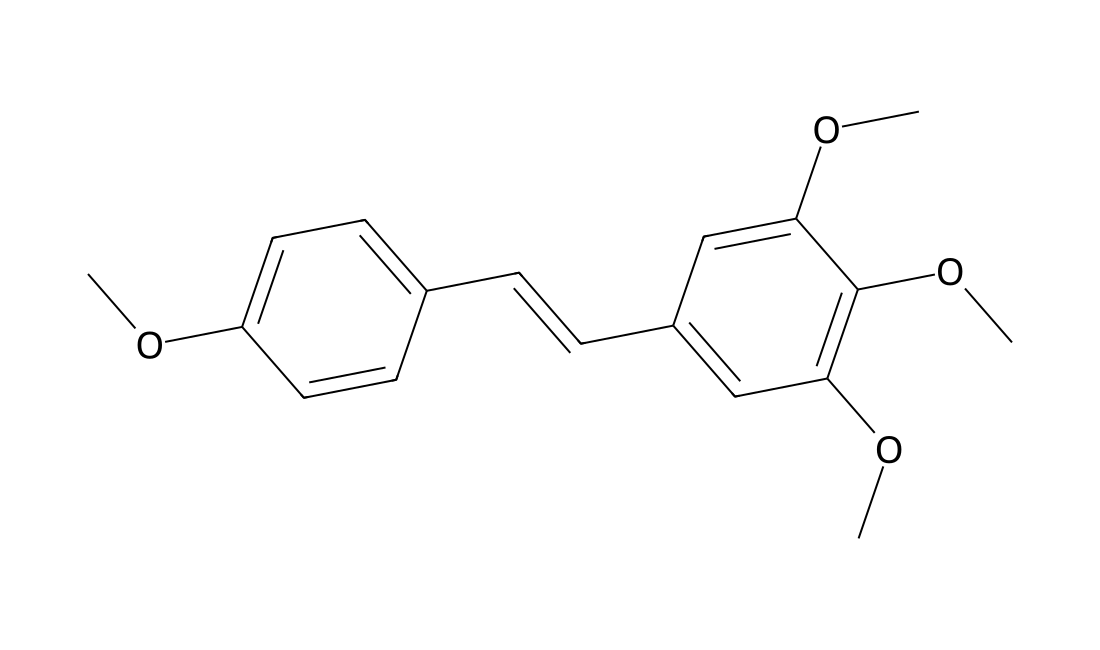
DMU-212(resveratrol analog)
CAS 134029-62-2
DMU-212, a methoxylated resveratrol analog, has significant anticancer activity, and selectively targets tumor cells.

Compounds with documented oncology research applications.
Products may appear in more than one category. Counts refer to distinct catalog numbers within each category.
Other Research Tools (75) · Additional reagents, building blocks and specialized research tools.
LC-MG-1 (DCA0006) · LC-MG-4 (DCA0007) · LC-MG-9 (DCA0008)
View structure and evidence summaries →Combine a keyword, research category and target to narrow the product list.
Loading catalog filters…
CAS 134029-62-2
DMU-212, a methoxylated resveratrol analog, has significant anticancer activity, and selectively targets tumor cells.
CAS 284028-90-6
DR2313 is a potent, selective, competitive and brain-penetrant inhibitor of poly(ADP-ribose) polymerase (PARP), with IC50s of 0.20 μM and 0.24 μM for PARP-1 and PARP-2, respectively. DR2313 exhibits neuroprotective effects on ischemic injuries in vitro and in vivo.
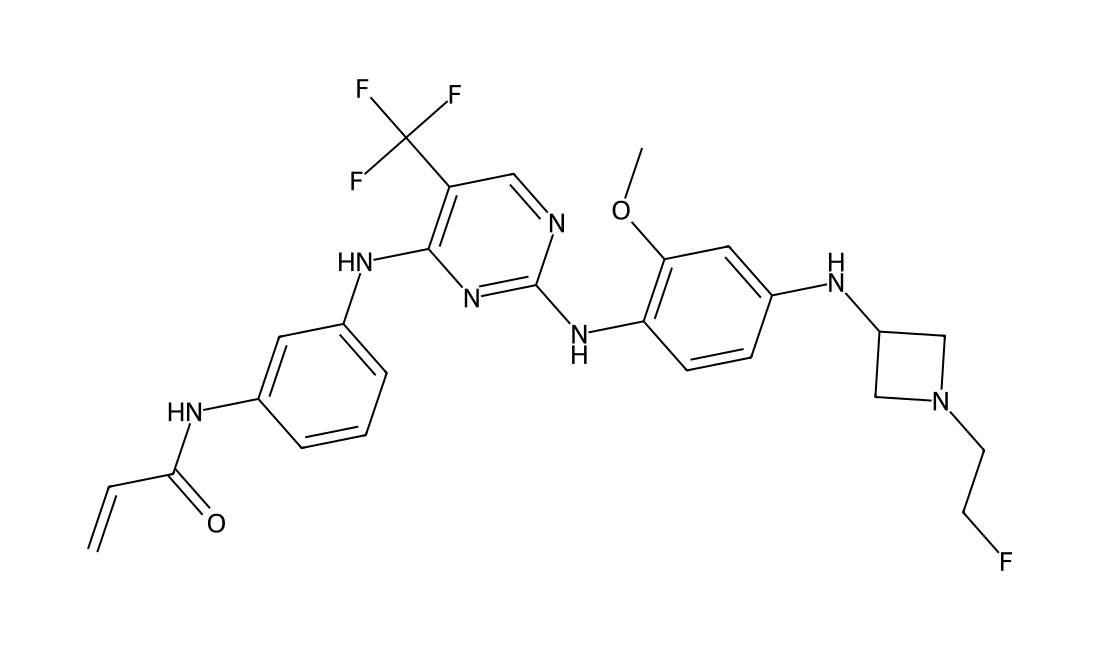
CAS 1375465-09-0
CNX-2006 is a novel irreversible mutant-selective EGFR inhibitor with IC50 of < 20 nM, with very weak inhibition at wild-type EGFR.
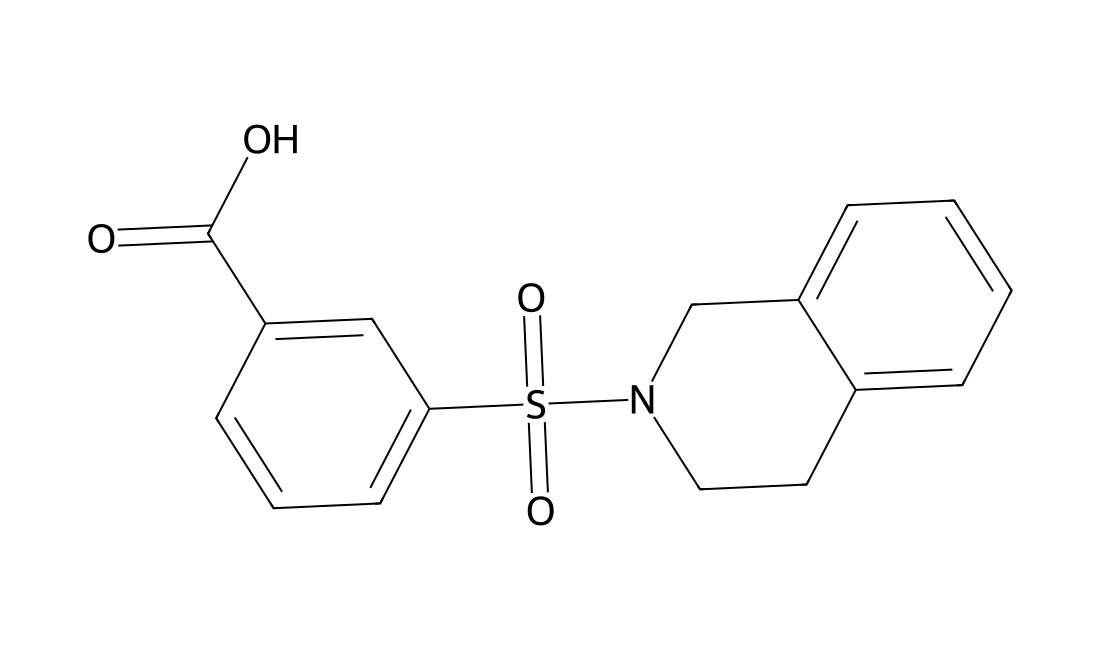
CAS 95041-90-0
Erianin, often used as an antipyretic and analgesic agent, could inhibit IDO-induced tumor angiogenesis.
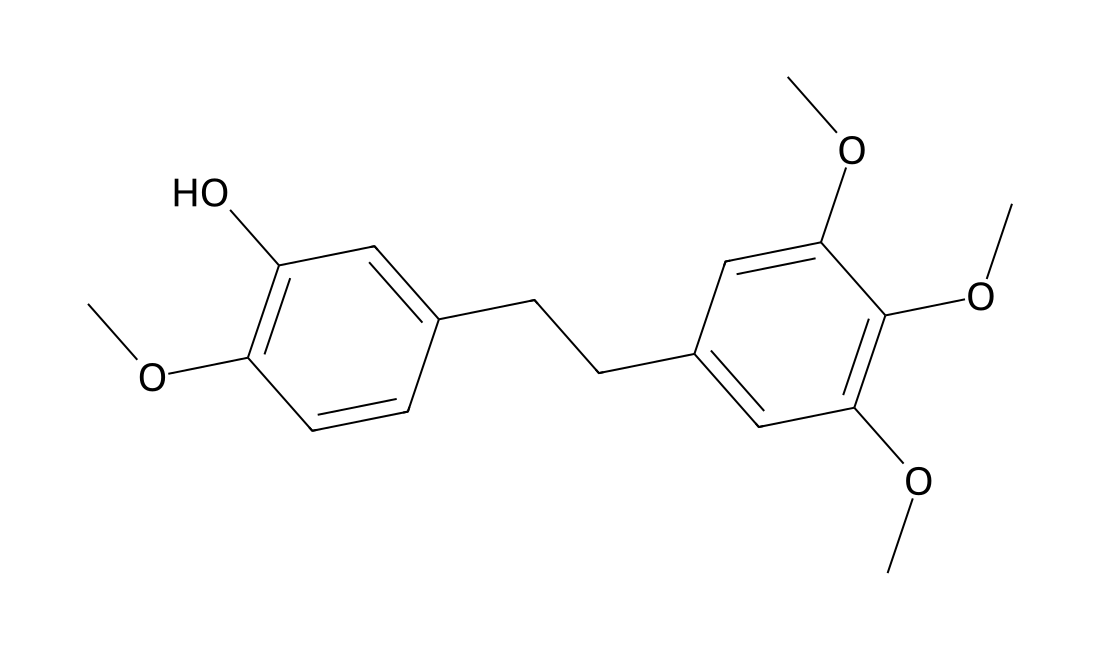
CAS 1345675-02-6
ETP-46464 is a cell-permeable quinoline-containing heterotricyclic compound that acts as a potent inhibitor against mTOR, ATR, DNA-PK, PI 3-Kα, and ATM (IC50= 0.6, 14, 36, 170, and 545 nM, respectively).
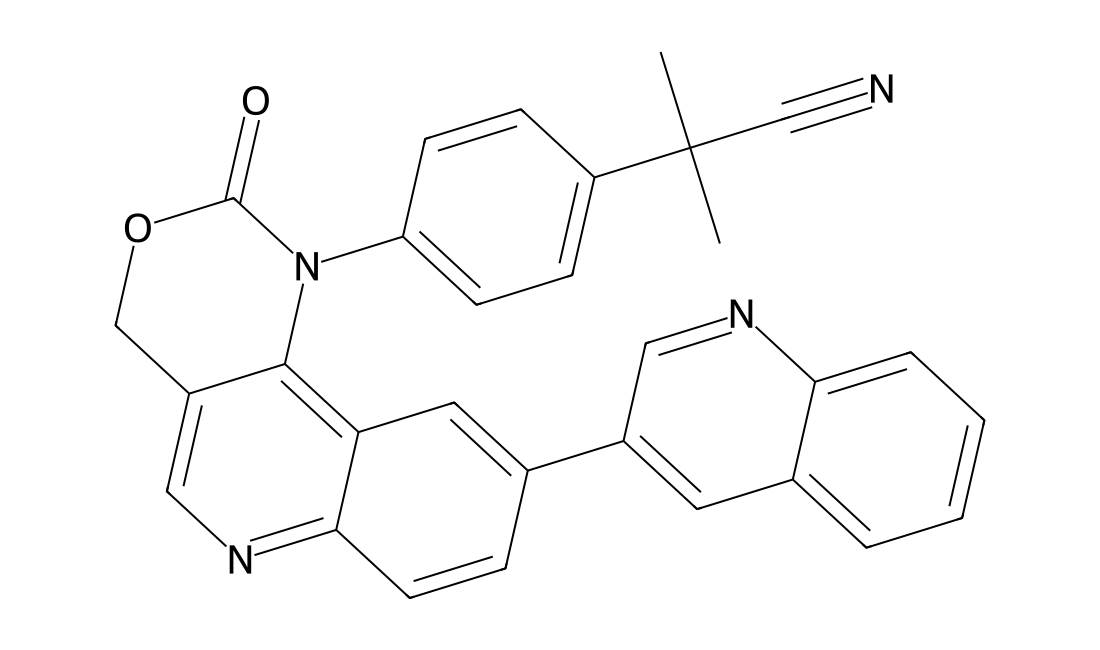
CAS 1374743-00-6
G1T28(Trilaciclib) is a potential first-in-class, short-acting IV CDK4/6 inhibitor being developed to preserve hematopoietic stem cells and enhance immune system function during chemotherapy.
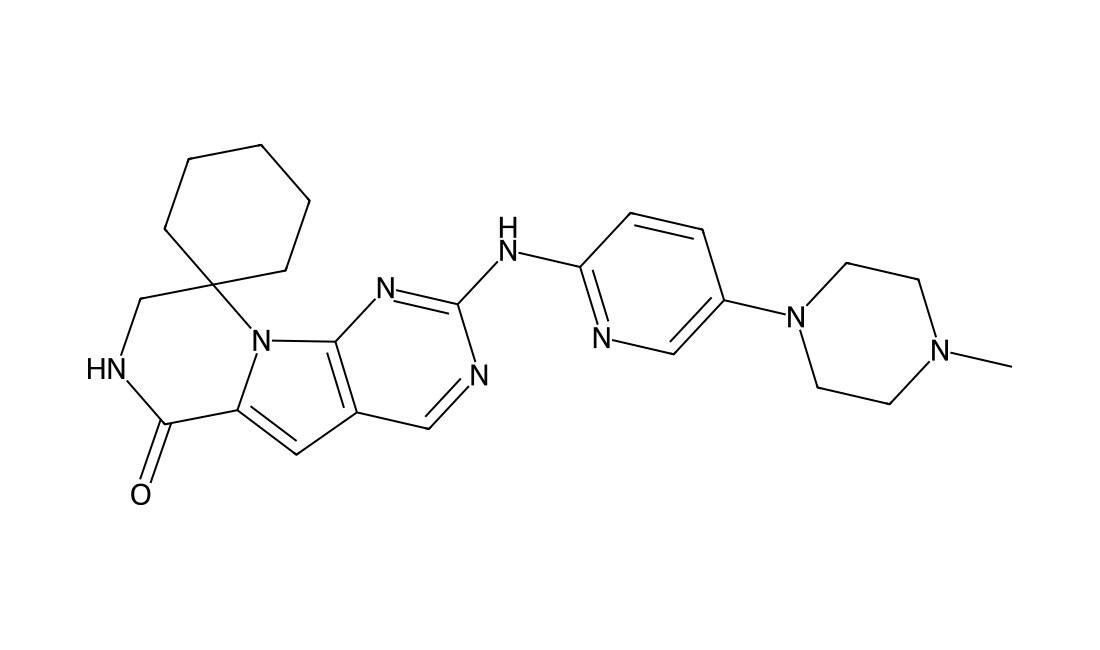
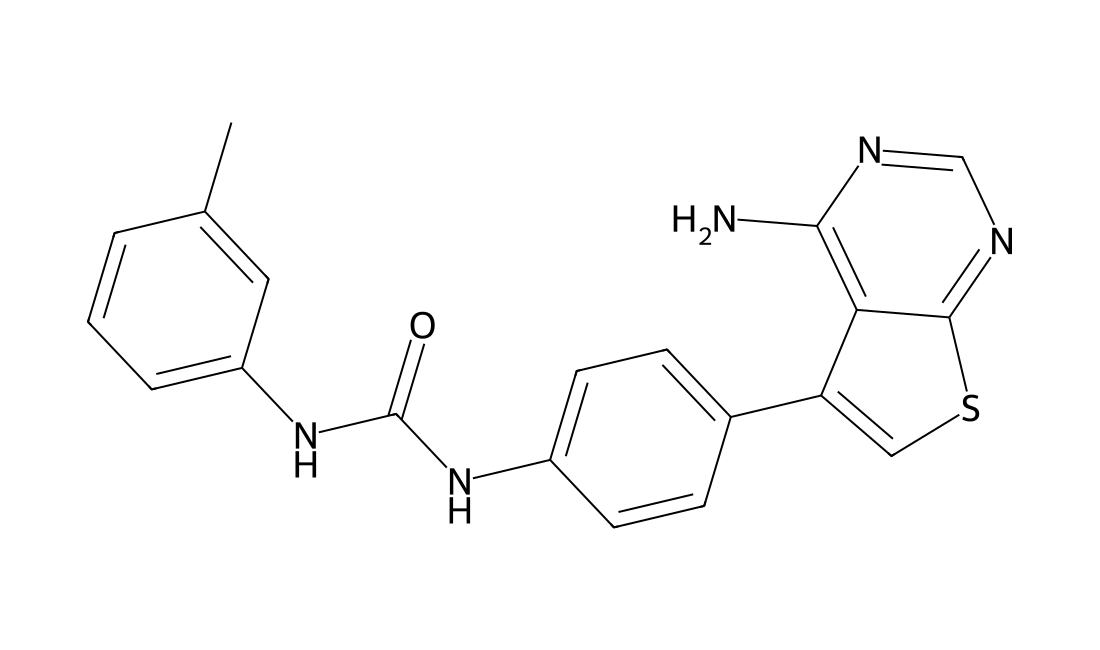
CAS 501698-03-9
GDP366, a dual inhibitor of survivin and Op18, induces cell growth inhibition, cellular senescence and mitotic catastrophe in human cancer cells.
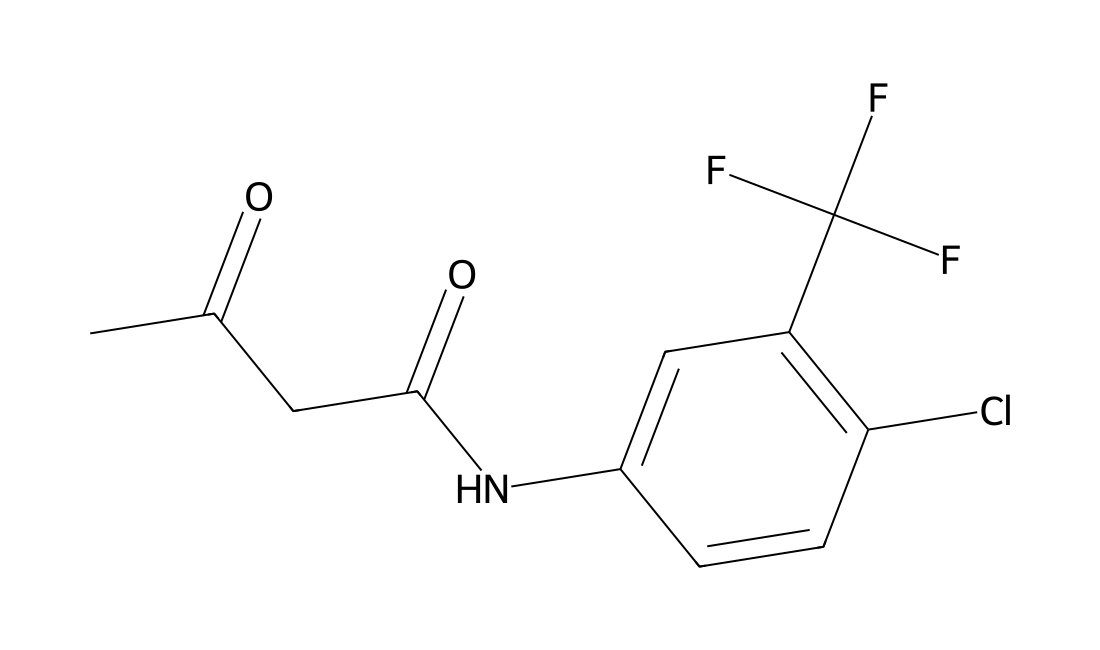
CAS 392721-37-8
Fasentin is a novel inhibitor of glucose uptake (GLUT) that sensitizes cancer cells to FAS-induced cell death, preferentially inhibits GLUT4 (IC50=68 uM) over GLUT1.
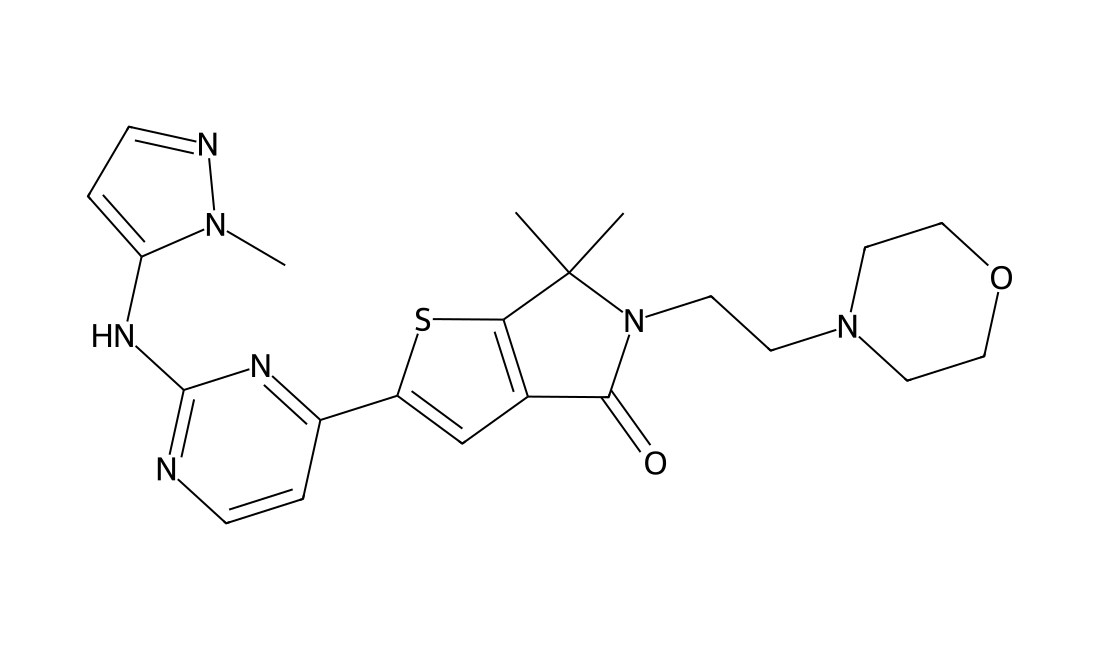
CAS 1951483-29-6
LY3214996 is a selective and novel ERK1/2 inhibitor with IC50 of 5 nM for both enzymes in biochemical assays. It potently inhibits cellular phospho-RSK1 in BRAF and RAS mutant cancer cell lines.
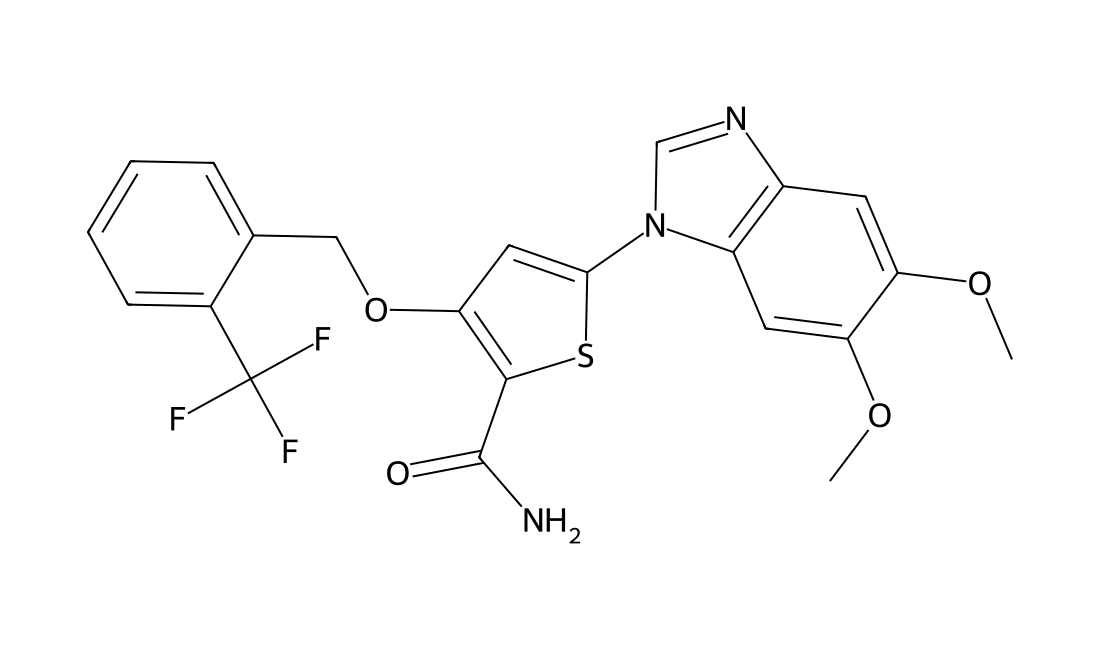
CAS 660868-91-7
GW843682X is a cell-permeable thiophene-benzimidazole compound and reversible PLK inhibitor
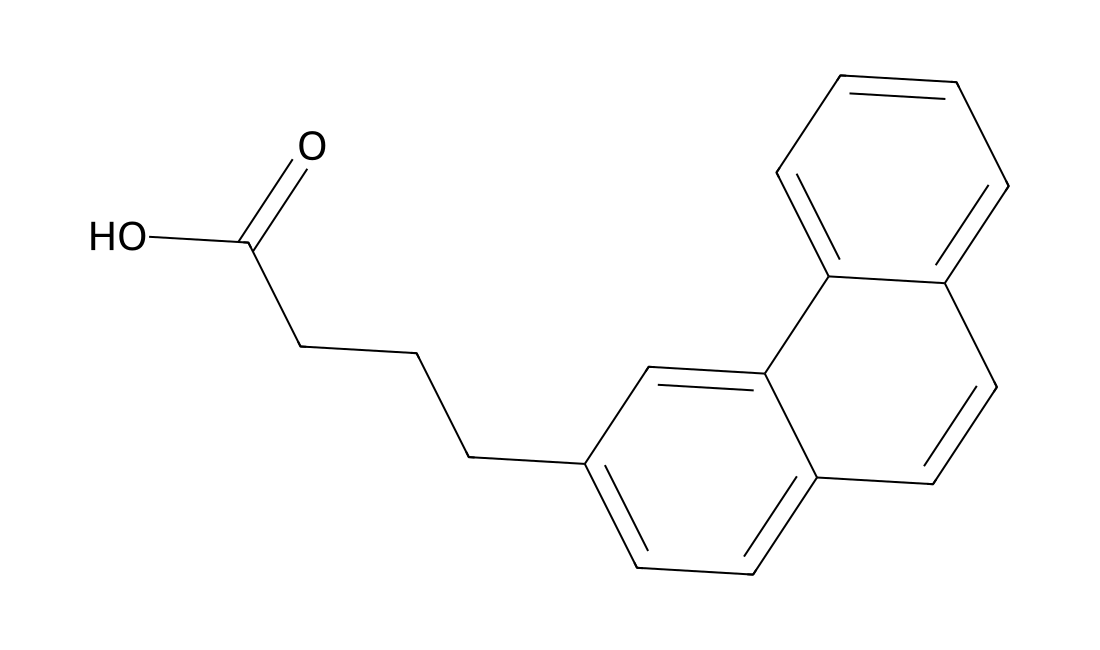
CAS 13728-56-8
NSC-92828, also known as 3-Phenanthrenebutyric acid, is a Protein–protein interaction inhibitor (2P2 inhibitor or 2P2I). Protein–protein recognition is the cornerstone of multiple cellular and pathological functions. Therefore, protein–protein interaction inhibition (2P2I) is endowed with great therapeutic potential despite the initial belief that 2P2I was refractory to small-molecule intervention.
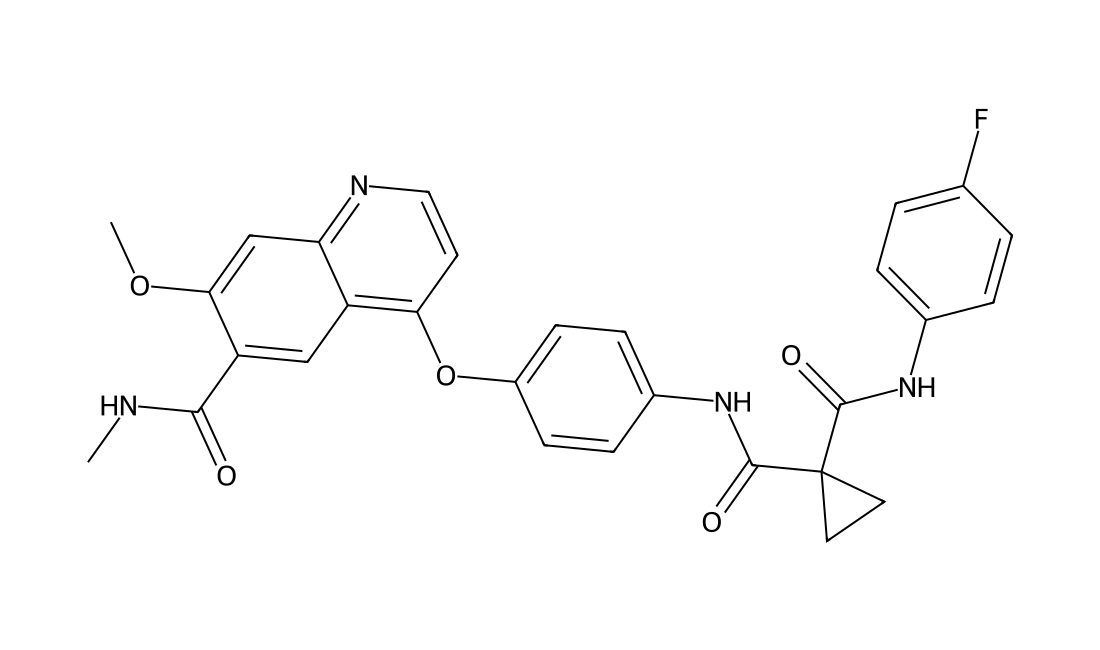
CAS 2367004-54-2
JUN04542 is an Axl Mer cMet KDR inhibitor for the treatment of Axl and Mer receptor tyrosine kinase-dependent disorders. JUN04542 was first reported in WO 2019148044 (2019). This product has not formal name. For the convenience of scientific communication, we named it by combining its Inchi key (3 letters from the first letter of each section) with the last 5 digits of its CAS number or its molecule weight if its CAS number is not available .
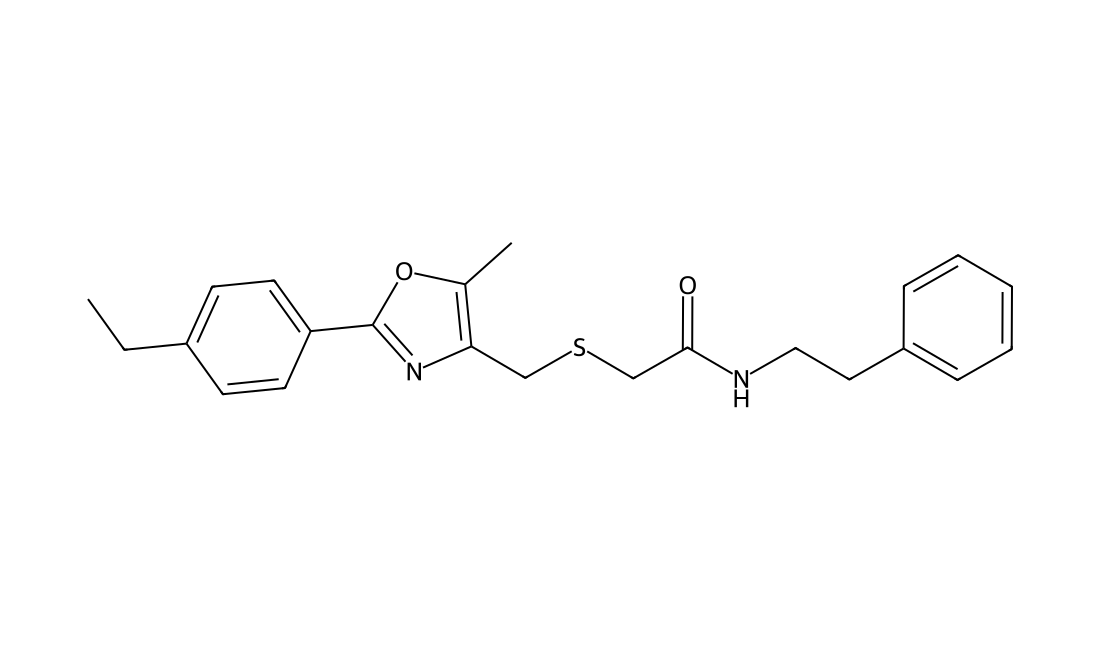
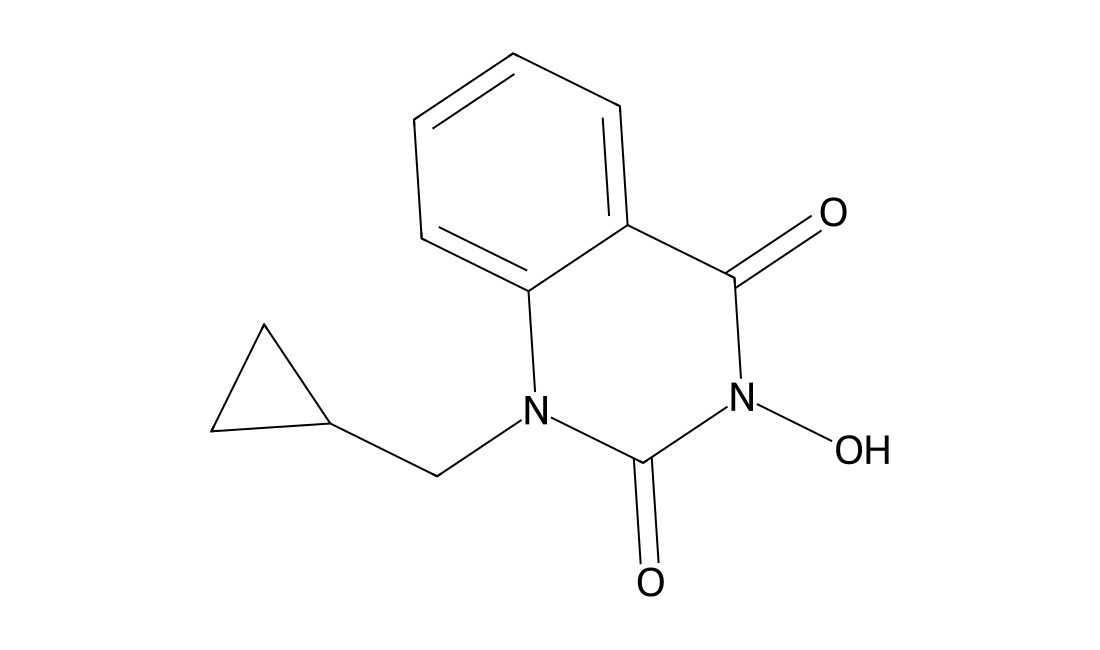
CAS 858557-69-4
MUN57694 is 26S proteasome inhibitor. MUN57694 was reported in WO 2006128196. This product has not formal name. For the convenience of scientific communication, we named it by combining its Inchi key (3 letters from the first letter of each section) with the last 5 digits of its CAS number or its molecule weight if its CAS number is not available
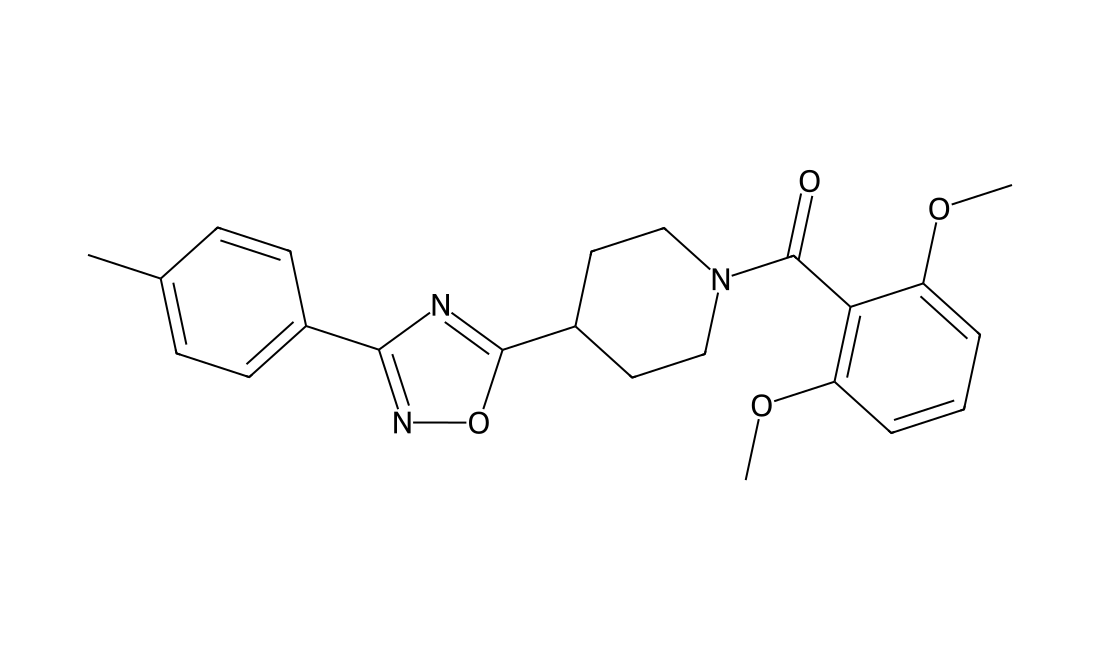
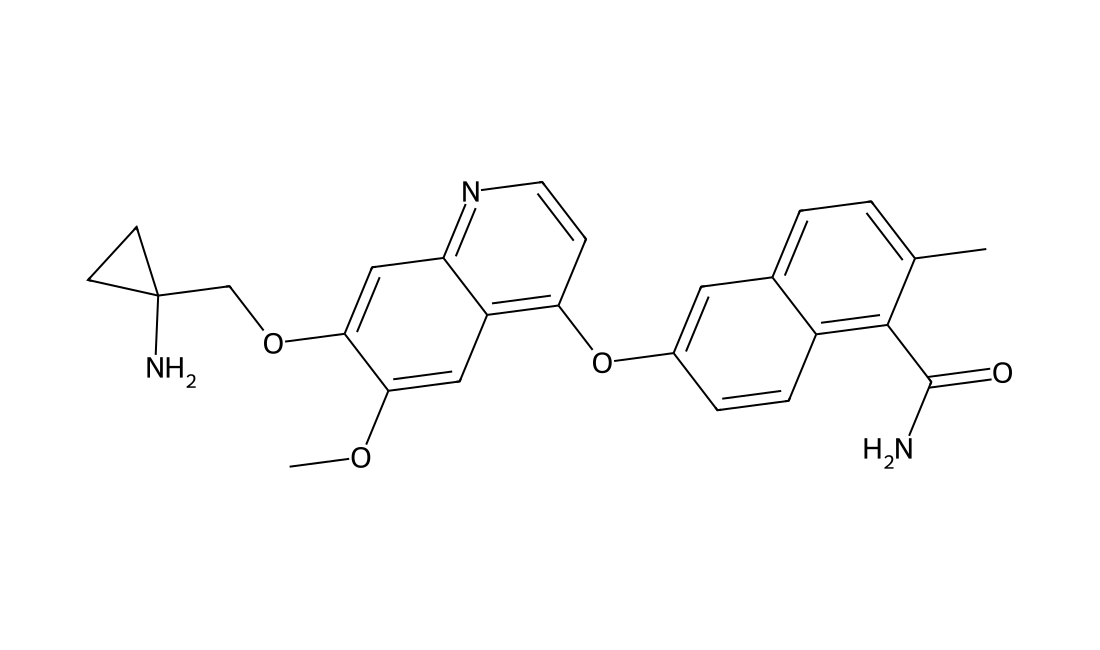
CAS 1058137-23-7
E-3810 is a novel dual inhibitor targeting human vascular endothelial growth factor receptors (VEGFRs) and fibroblast growth factor receptors (FGFRs) with antiangiogenic activity.
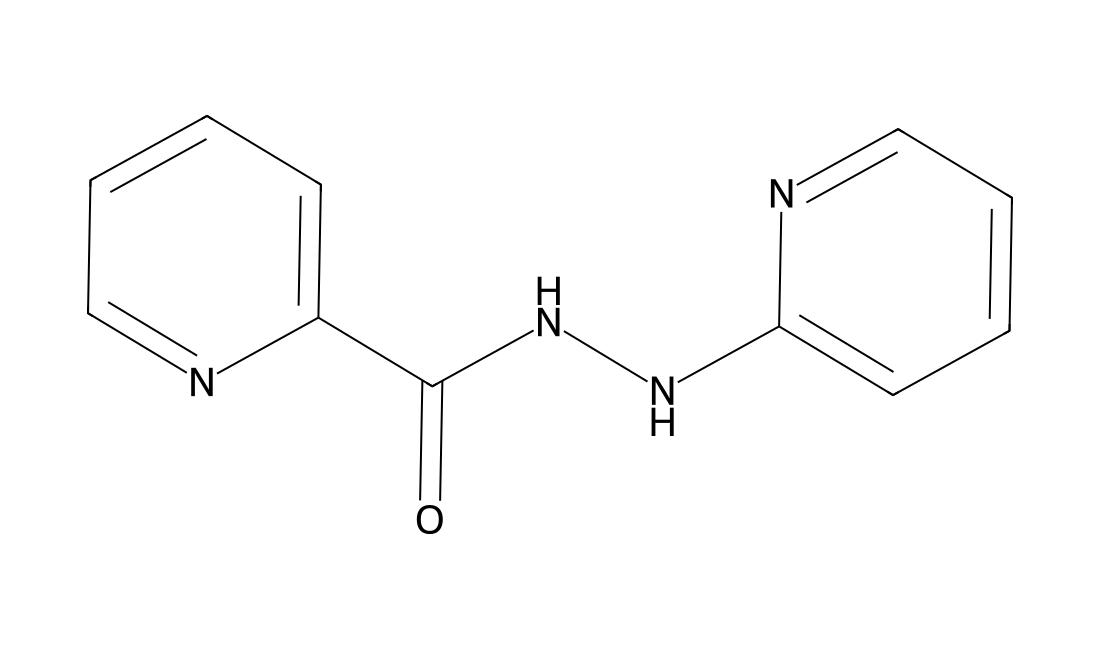
CAS 53995-62-3
PFI-90 is a selective inhibitor of the histone demethylase KDM3B. PFI-90 induces apoptosis and cell differentiation resulting in delayed tumor progression in vivo.
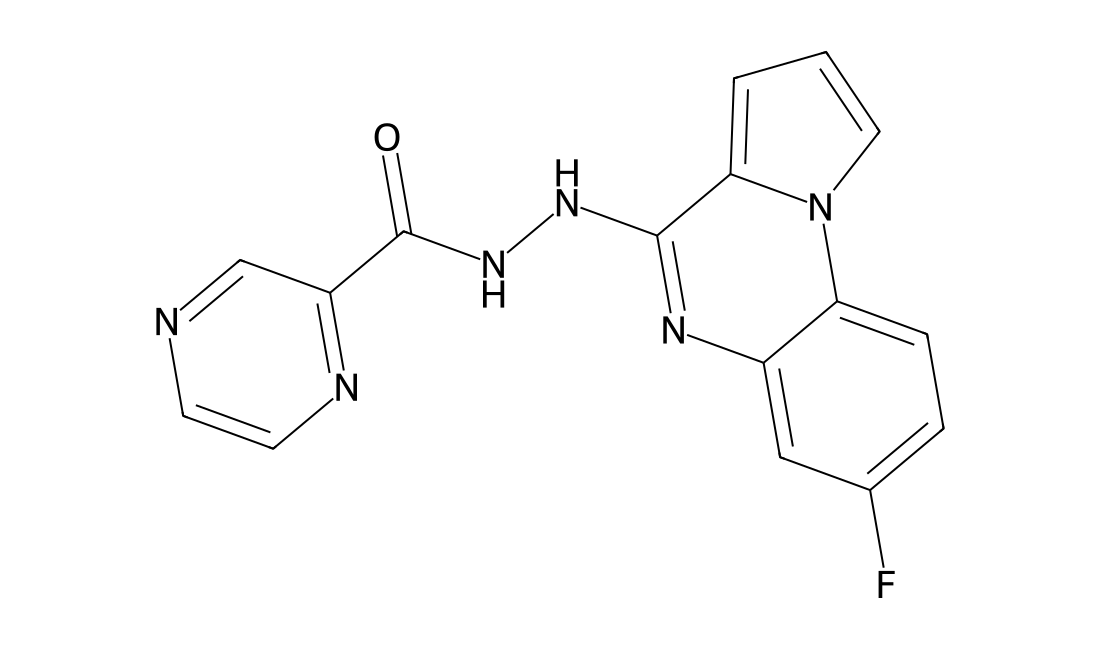
CAS 2138882-71-8
KEA1-97 (KEA 1-97) is a small molecule that disrupts the interaction of thioredoxin with caspase 3.
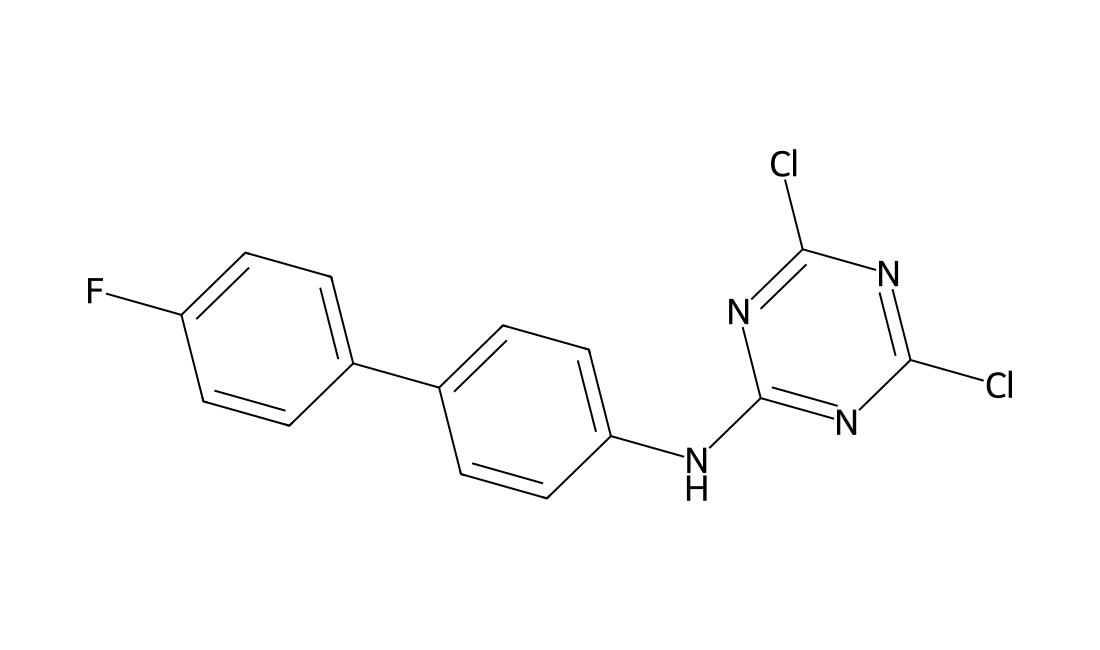
CAS 1421372-66-8
A des acryl analogue of AZD9291 that is a useful intermediate for the inhibitors design for mutated EGFR, such as L858R EGFR, Exonl9 deletion activating mutant and T790M resistance mutant..
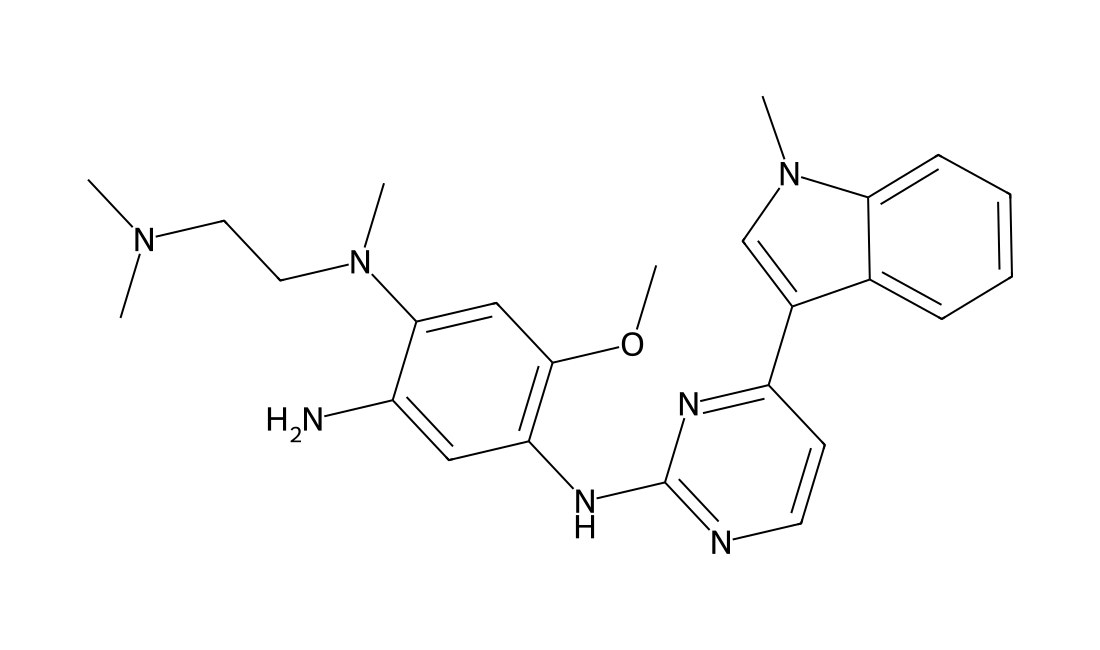
CAS 1351522-04-7
AC710, is a potent Globally Selective Inhibitor of Platelet-Derived Growth Factor Receptor-Family Kinases.
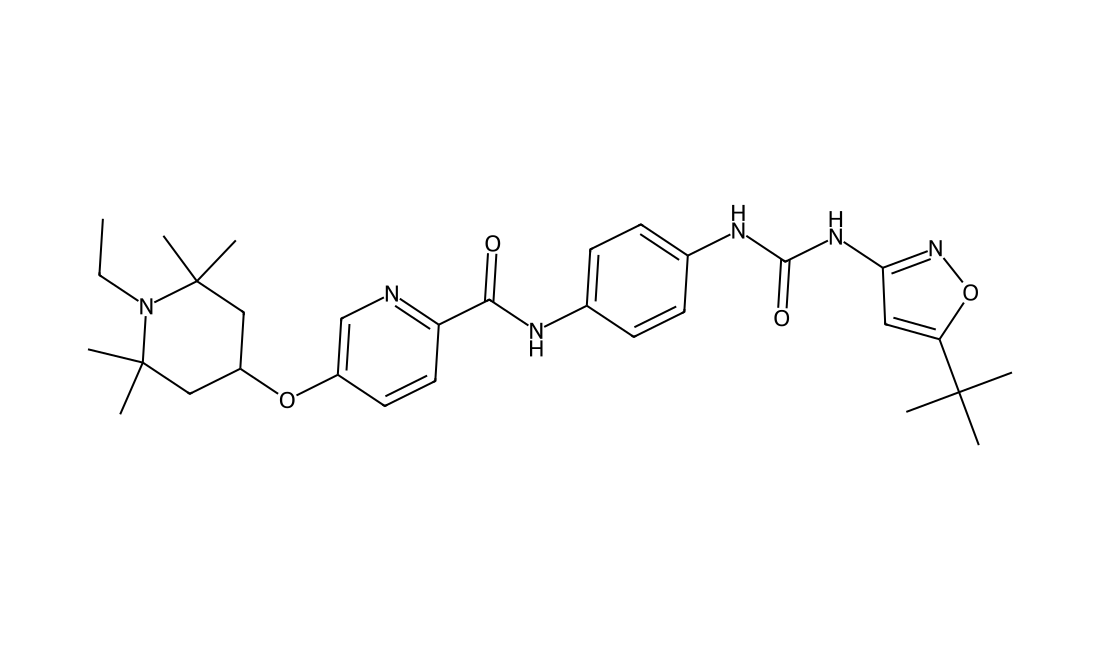
CAS 2225887-26-1
mutant EGFR inhibitor B30 is a potent, selective, next-generation EGFR mutants inhibitor with IC50 of 1.1 and 7.2 nM for EGFRL858R and EGFRL858R/T790M/C797S, respectively.
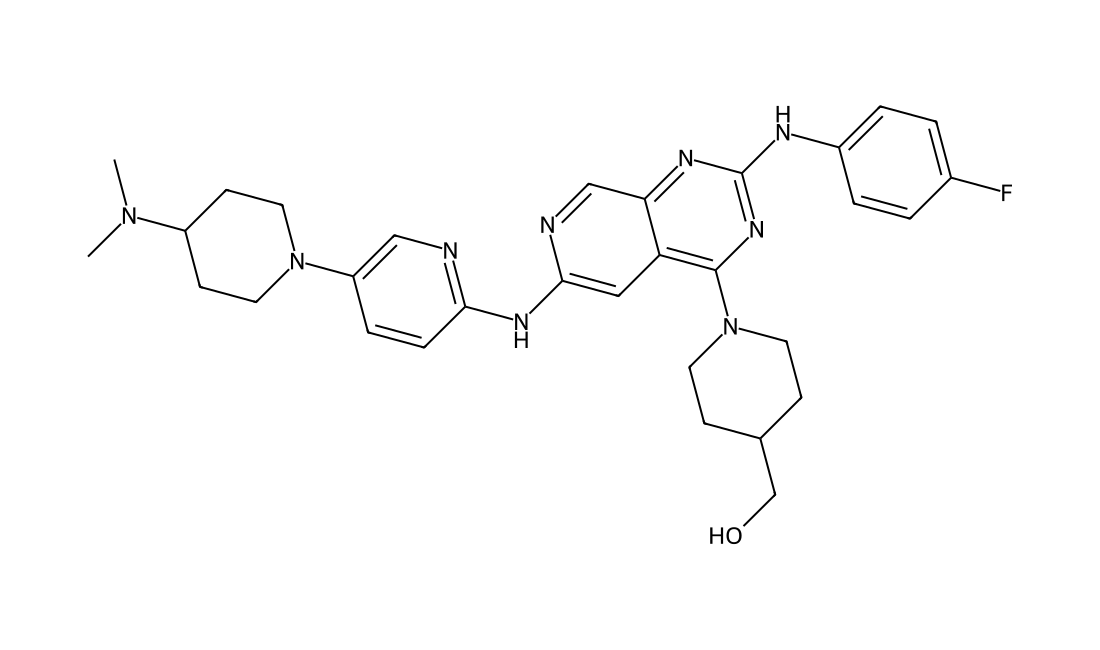
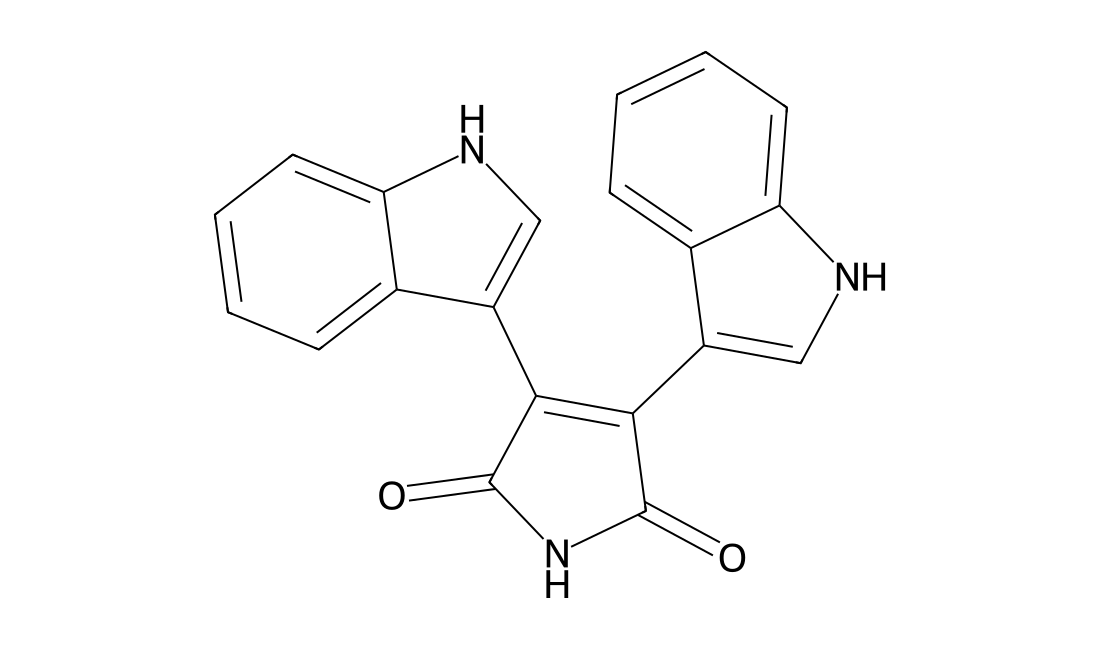
CAS 119139-23-0
Bisindolylmaleimide IV (Arcyriarubin A) is a potent protein kinase C (PKC) inhibitor, with IC50s ranging from 0.1 to 0.55 μM. Bisindolylmaleimide IV also inhibits PKA (IC50=3.1-11.8μM). Bisindolylmaleimide IV is a potent, selective inhibitor of human cytomegalovirus (HCMV) replication in cell culture with an IC50 of 0.2 μM.
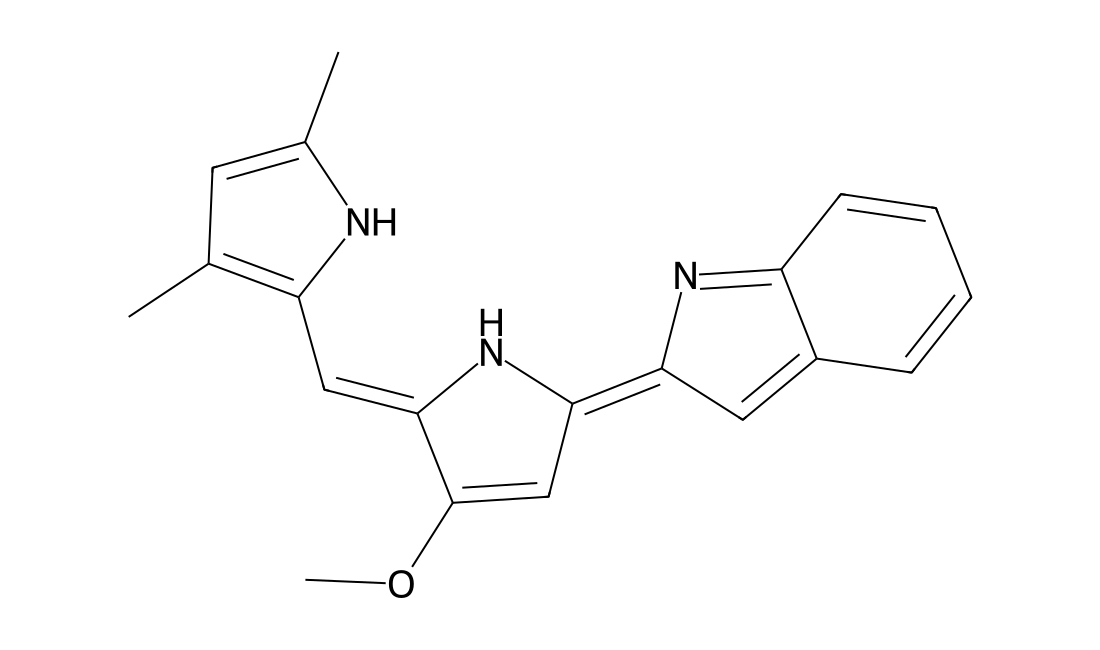
CAS 803712-67-6
Obatoclax (GX15-070) is Bcl-2 homology domain-3 (BH3) mimetic, antagonize all antiapoptotic Bcl-2 family proteins (average IC50, 3 umol/L), including Mcl-1 (IC50, 2.9 umol/L) and Bfl-1 (IC50, 5 umol/L).
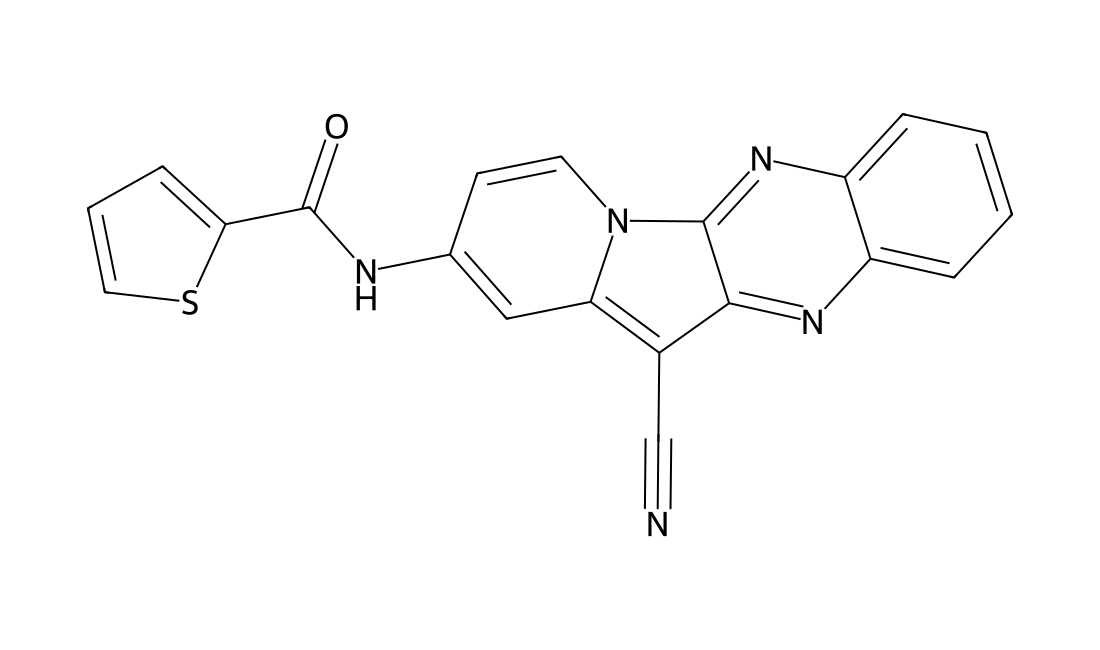
CAS 487020-03-1
A novel potent, specific TOPK inhibitor that has no effect on ERK1, JNK1, or p38 kinase activity.
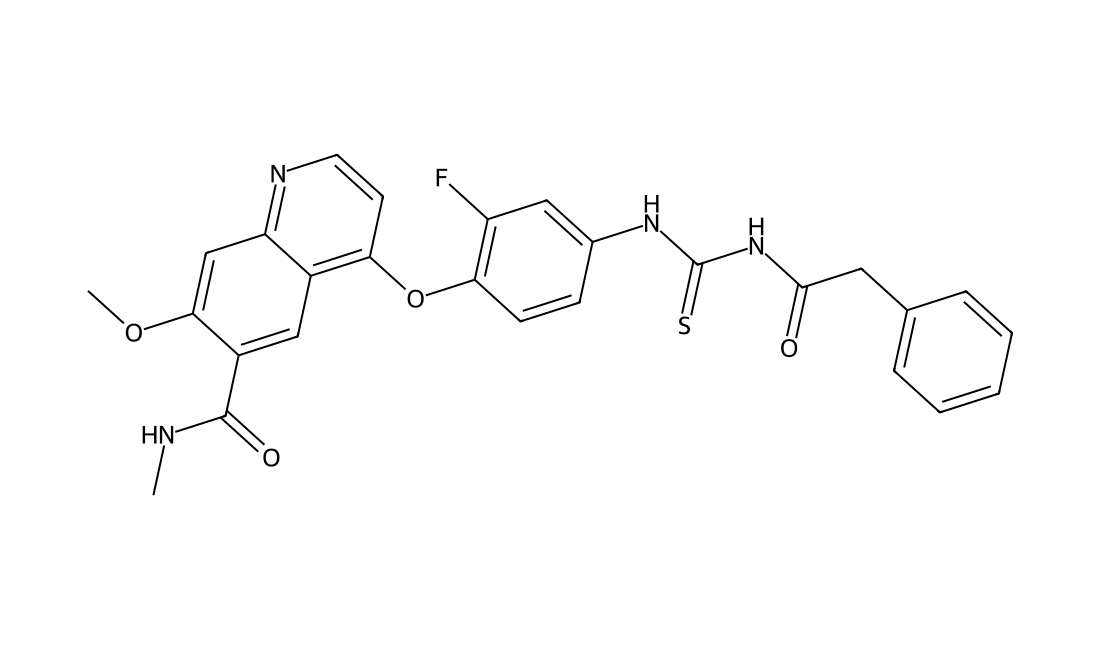
CAS 1190836-34-0
Pamufetinib (TAS-115) is a potent VEGFR and hepatocyte growth factor receptor (c-Met/HGFR)-targeted kinase inhibitor with IC50s of 30 and 32 nM for rVEGFR2 and rMET, respectively.
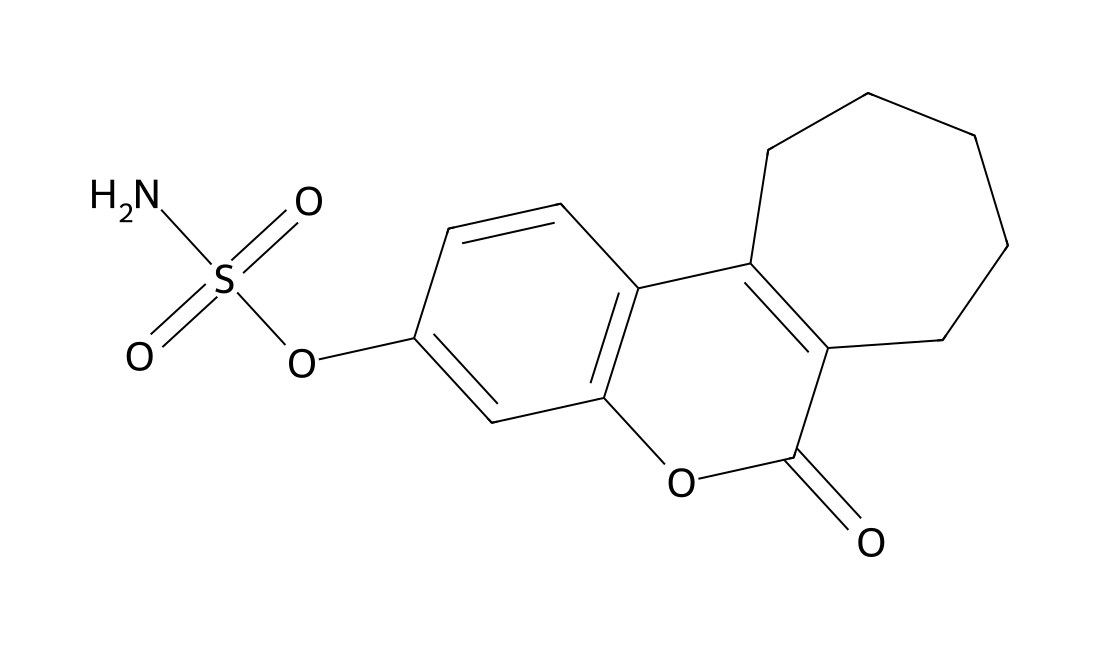
CAS 288628-05-7
Irosustat(STX64) is a potent steroid sulfatase inhibitor, with an IC50 of 8 nM, and exhibits anti-breast cancer activity.
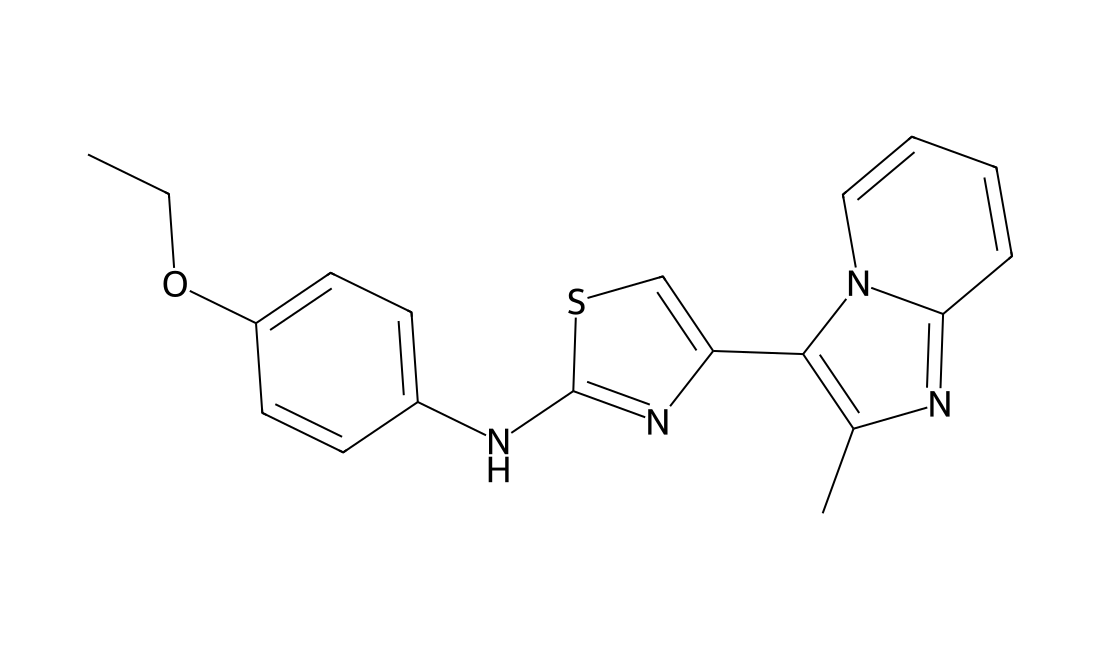
CAS 315703-52-7
JK-184 is a potent downstream hedgehog (Hh) signaling inhibitor that prevents Gli-dependent transcriptional activity (IC50 = 30 nM).
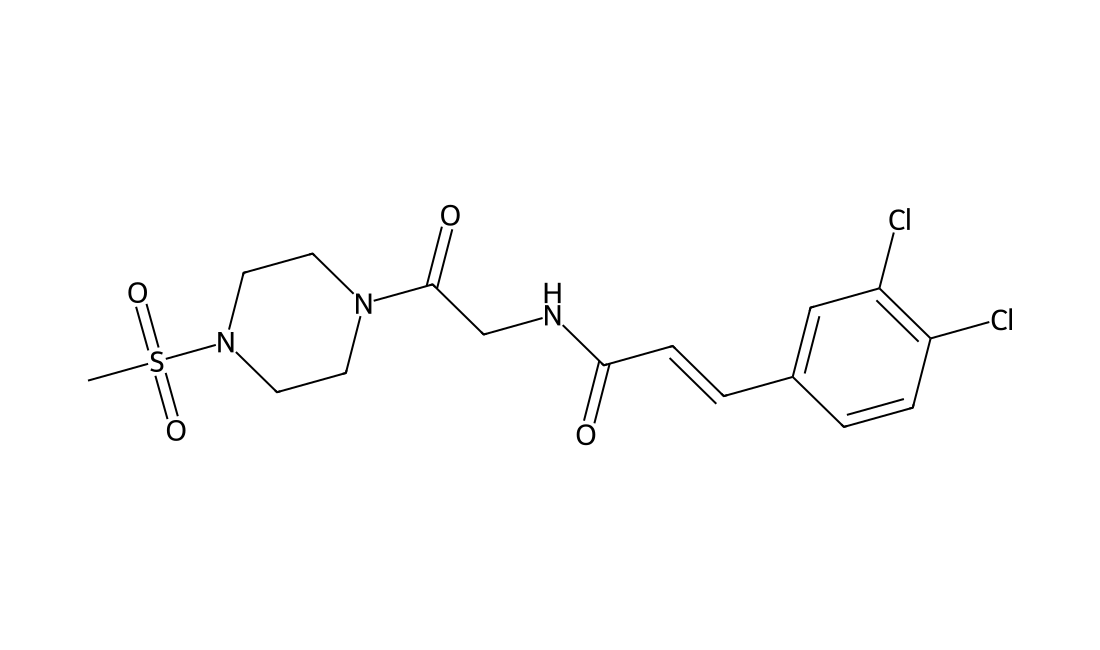
CAS 2505001-62-5
SR18662 is an optimized anticancel agent based on ML264. SR18662 Efficiently Inhibits the Growth of Colorectal Cancer In Vitro and In Vivo. SR18662 showed improved efficacy in reducing the viability of multiple colorectal cancer cell lines. Flow cytometry analysis following SR18662 treatment showed an increase in cells captured in either S or G2-M phases of the cell cycle and a significant increase in the number of apoptotic cells, the latter a unique property compared with ML264 or SR15006. SR18662 treatment also reduces the expression of cyclins and components of the MAPK and WNT signaling pathways.
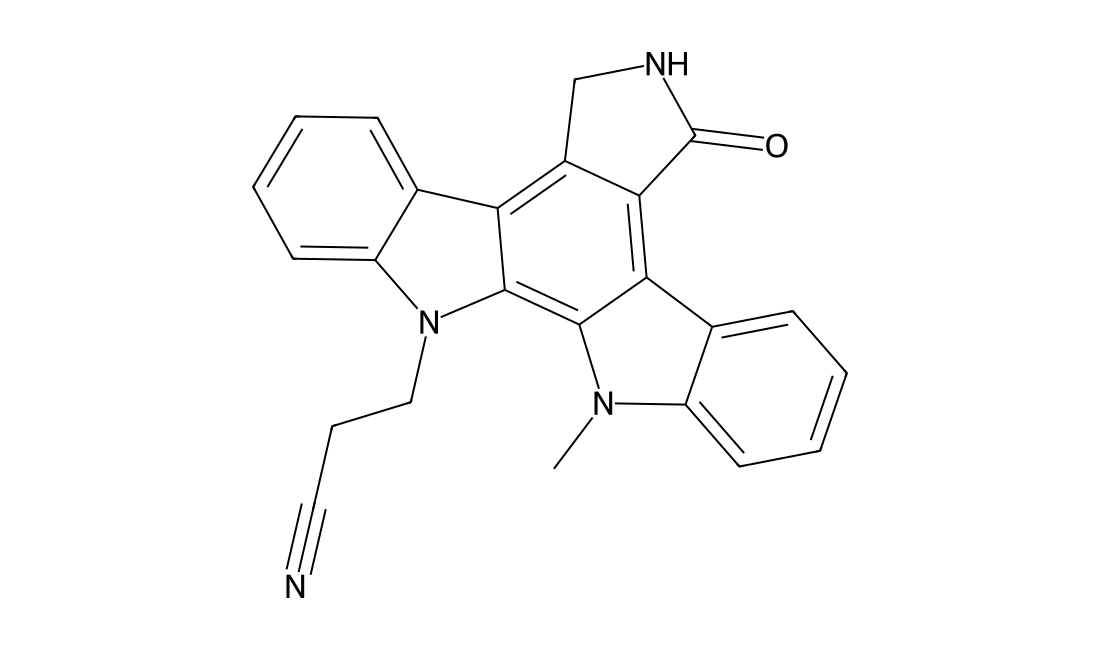
CAS 136194-77-9
Go6976 is a potent PKC inhibitor with IC50 of 7.9 nM, 2.3 nM, and 6.2 nM for PKC (Rat brain), PKCα, and PKCβ1, respectively. Also a potent inhibitor of JAK2 and Flt3.
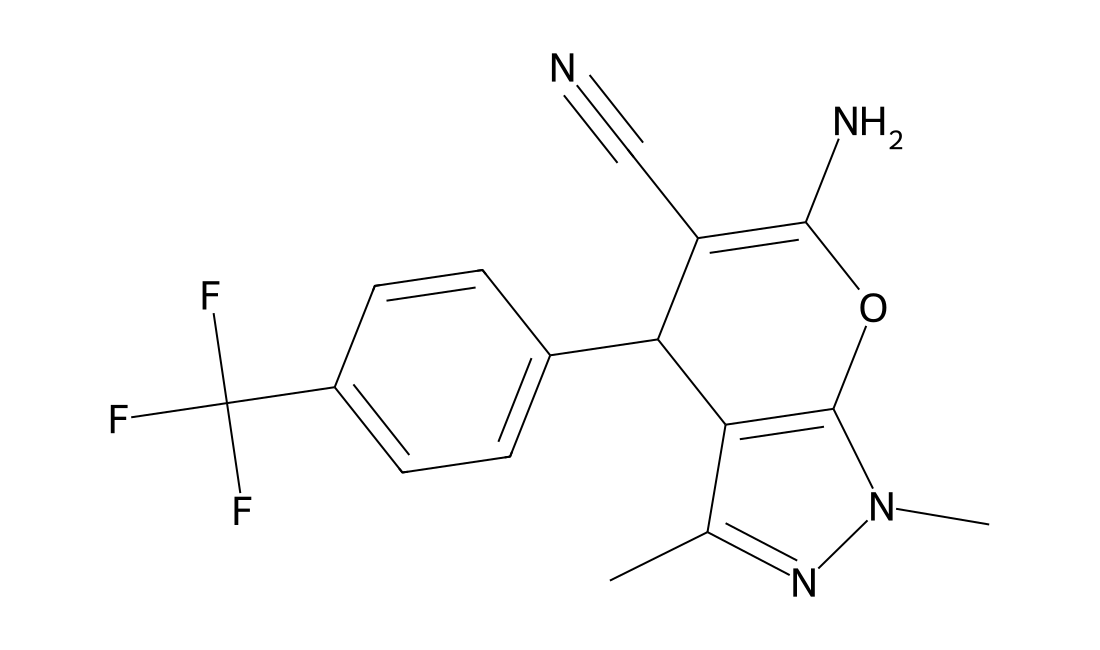
CAS 890643-16-0
DC-05 is a selective, non-nucleoside DNA methyltransferase DNMT1 inhibitor with IC50 of 10.3 uM, displays 3.6-fold selectivity over PRMT1 and >15-fold over DNMT3A, DNMT3B, G9a, SUV39H1, MLL1, SET7/9..
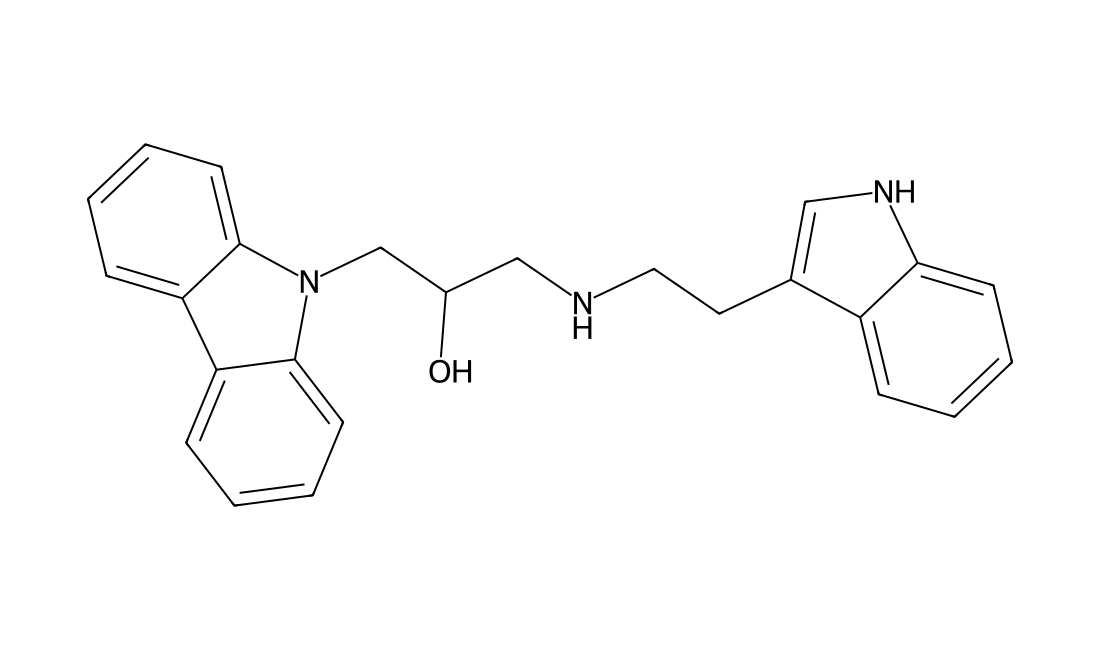
CAS 881202-45-5
Serdemetan(JNJ-26854165) acts as a HDM2 ubiquitin ligase antagonist and also induces early apoptosis in p53 wild-type cells, inhibits cellular proliferation followed by delayed apoptosis in the absence of functional p53.IC50 value: HDM2 ubiquitin ligaseTarget: in vitro: JNJ 26854165 is a novel tryptamine derivative which activates p53 and acts as a HDM2 ubiquitin ligase antagonist. JNJ 26854165 inhibits cell growth and induces apoptosis in leukemia cell lines with IC50 values of 0.24, 0.33, 0.32 and 0.44 μM at 72 hours for OCI-AML-3, MOLM-13, NALM-6 and REH cells, respectively. In addition, JNJ 26854165 accelerates proteasome-mediated degradation of p21 and antagonizes the transcriptional induction of p21 by p53. It also induces S-phase delay and upregulates E2F1 expression in p53 mutant cells, resulting in preferential apoptosis of S-phase cells. JNJ 26854165 is an oral Mdm2 inhibitor which can inhibit the interaction of Mdm2-p53 complex with the proteasome and increase p53 levels by binding to RING domain of Mdm2. A recent study shows that JNJ 26854165 inhibits clonogenic survival in four human cancer cell lines: H460, A549, p53-WT-HCT116, and p53-null-HCT116.in vivo:JNJ 26854165 leads to significant differences in EFS distribution in 17 of the 36 (47%) evaluable solid tumor xenografts and in 5 of 7 (71%) of the evaluable ALL xenografts using a dose of 20 mg/kg administered via oral gavage daily for 5 days, repeated for 6 weeks.
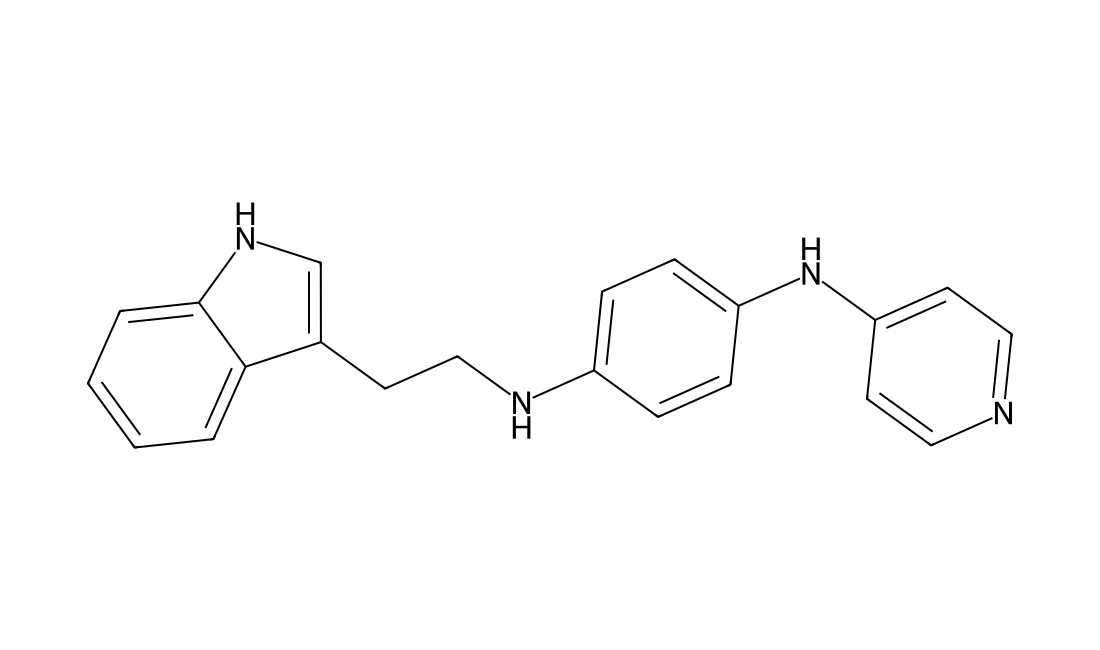
CAS 869998-49-2
SPD304 is a selective inhibitor of tumor necrosis factor α (TNFα) and promotes dissociation of TNF trimers and therefore blocks the interaction of TNF and its receptor, with an IC50 of 22 µM for inhibiting in vitro TNF receptor 1 (TNFR1) binding to TNF-α[1][2]. SPD304 cannot be used in vivo due to its high toxicity[3].
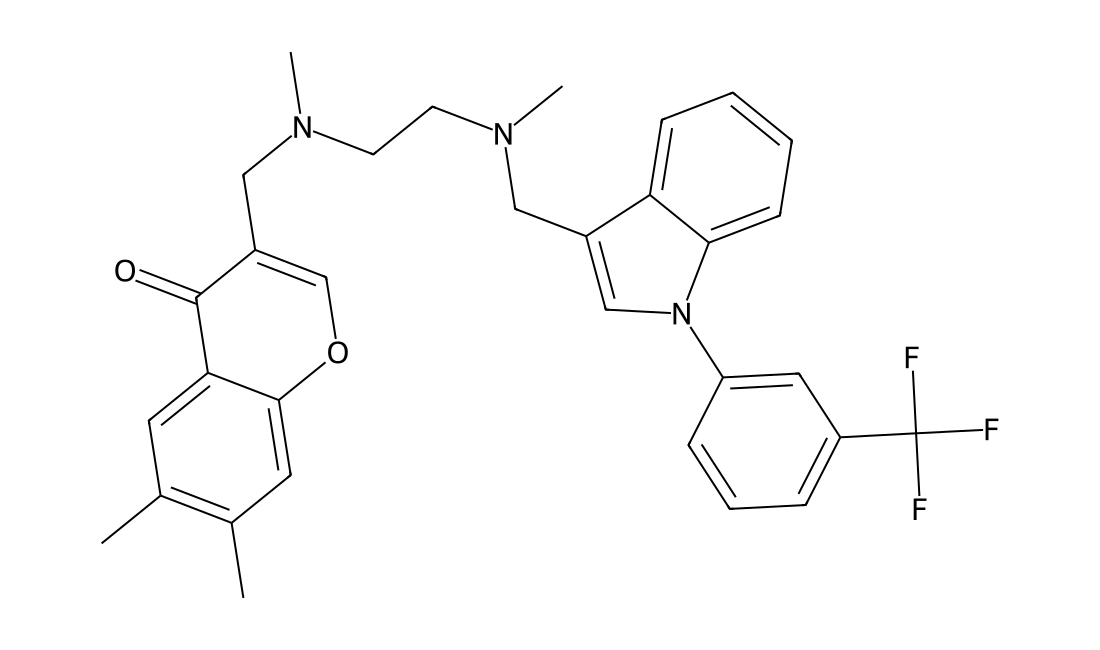
CAS 1802929-43-6
PRN1371 is a highly selective and potent FGFR1-4 inhibitor with IC50 values of 0.6, 1.3, 4.1 and 19.3 nM, respectively.
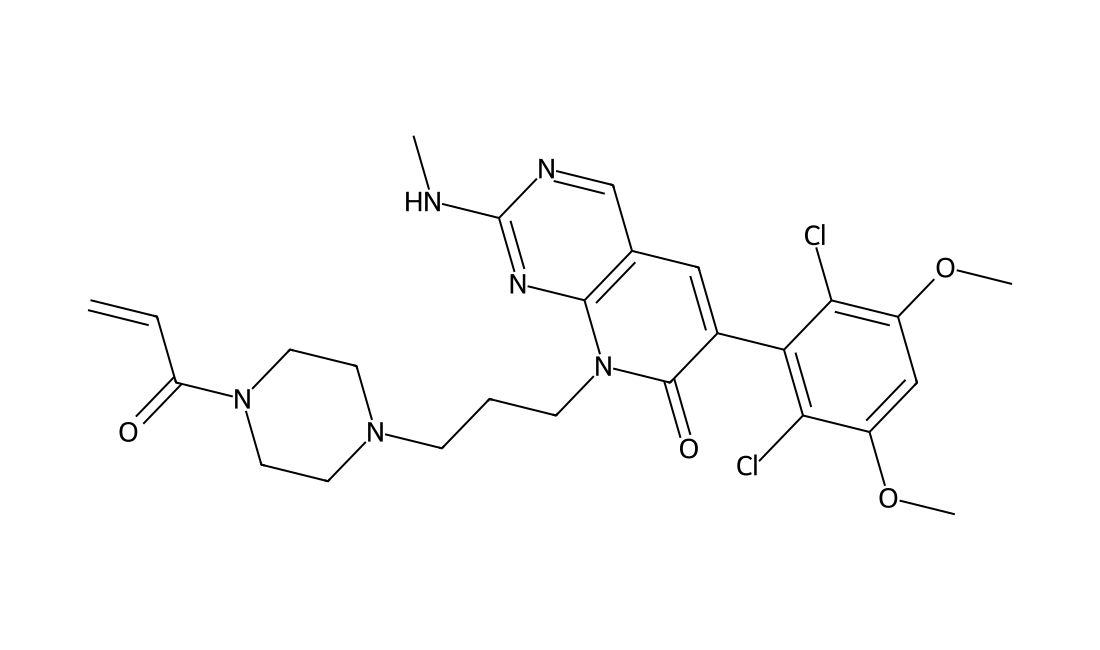
CAS 2110426-27-0
JNJ-63576253 (TRC-253) is a potent and selective androgen receptor (AR) Antagonist with IC50 of 6.9 nM. JNJ-63576253 displays robust inhibition in WT and LBD-mutated, enzalutamide-resistant models of prostate cancer.
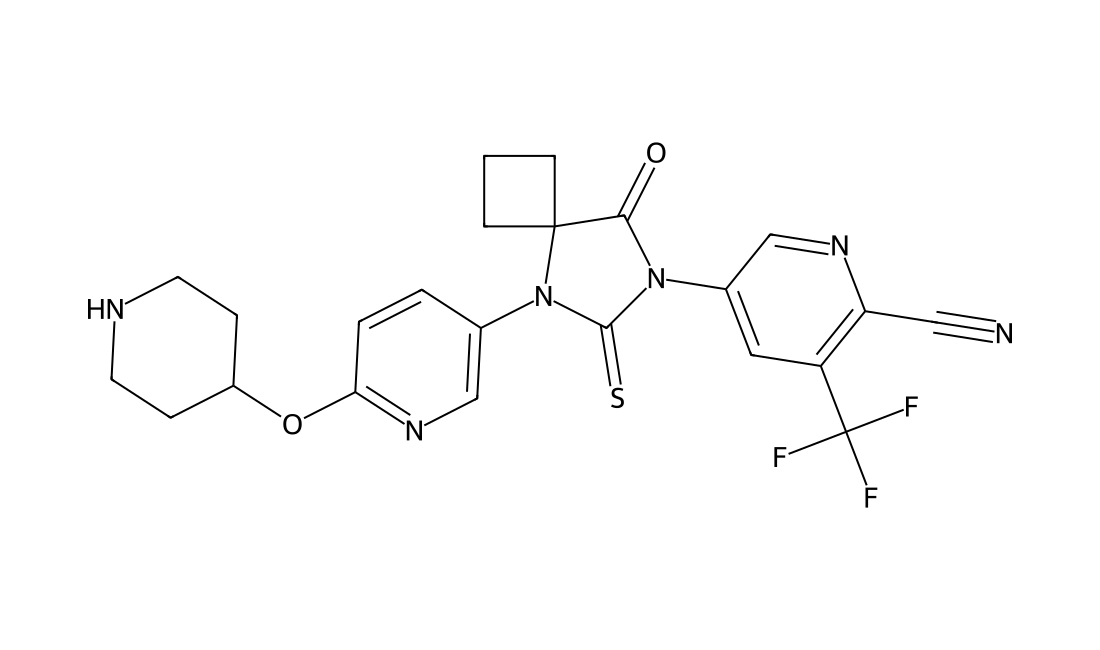
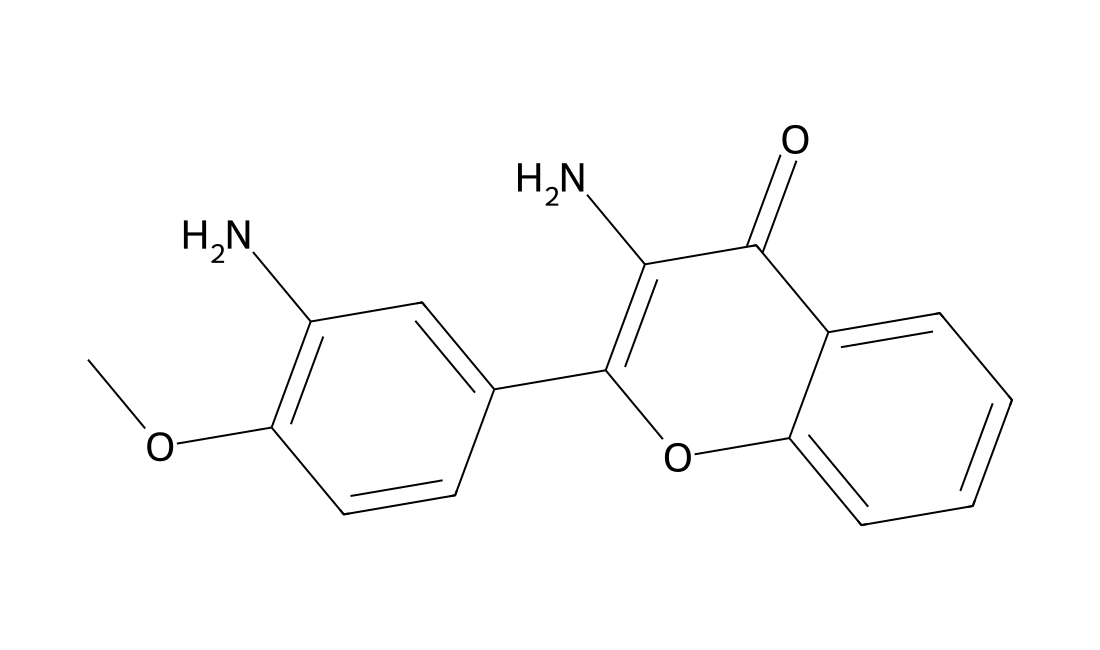
CAS 2243944-92-3
UUN44923 is a FTO inhibitor. UUN44923 may be useful for treating diseases assocd. with FTO targets, obesity, metabolic syndrome (MS), type 2 diabetes (T2D), Alzheimer's diseases, breast cancers, small-cell lung cancers, a human bone marrow striated muscle cancer, a pancreatic cancer, malignant glioblastoma and the like. UUN44923 was reported in WO 2018157843.
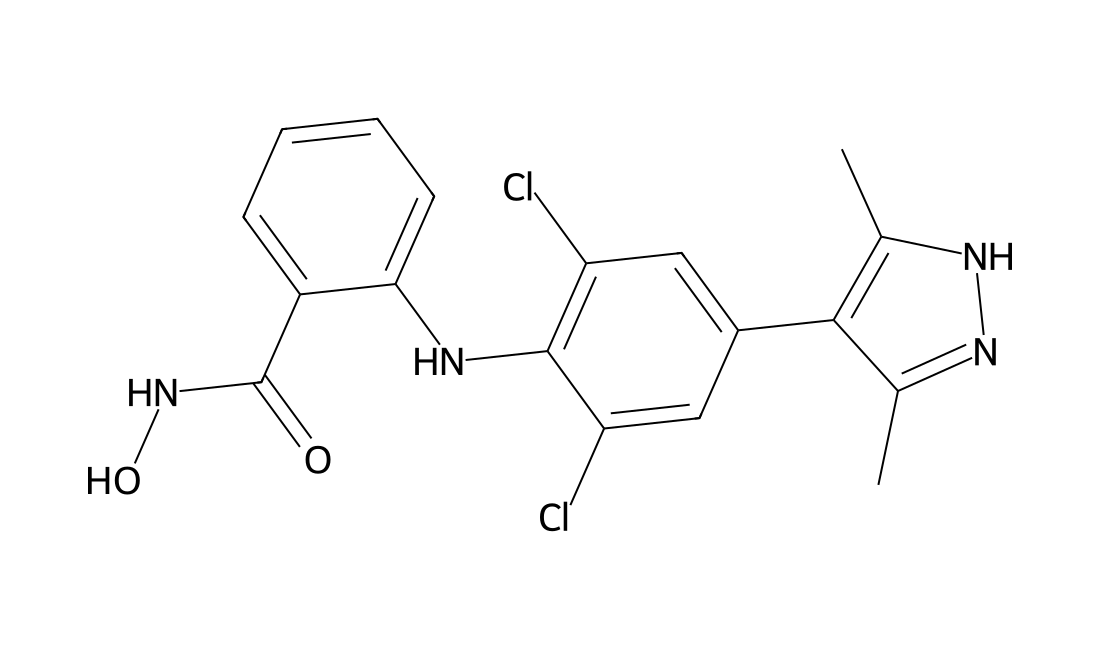
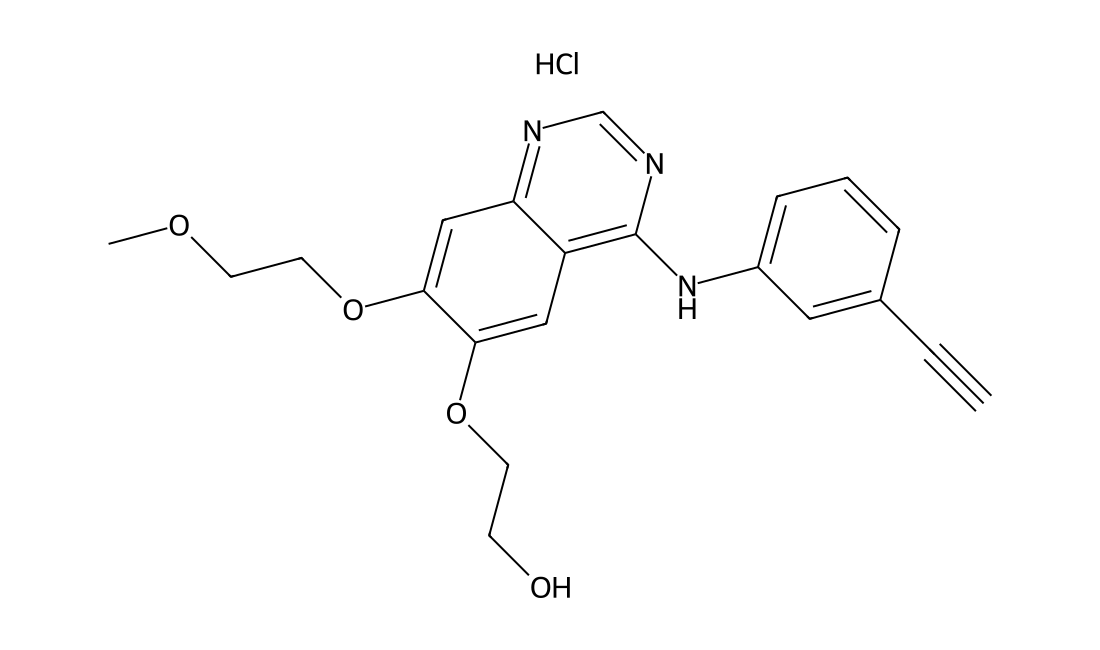
CAS 183320-51-6
OSI-420 (Desmethyl Erlotinib,CP-473420) is an active metabolite of erlotinib which is an orally active EGFR tyrosin kinase inhibitor with IC50 of 2 and 20 nM for human EGFR and EGFR autophosphorylation in tumor cells.
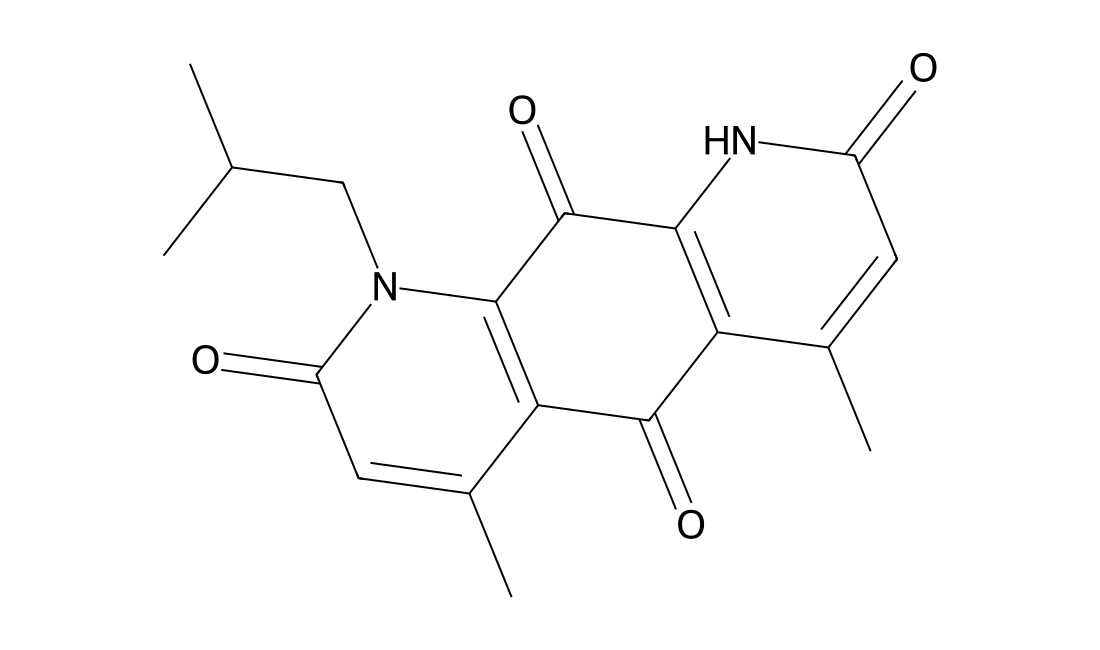
CAS 1430798-22-3
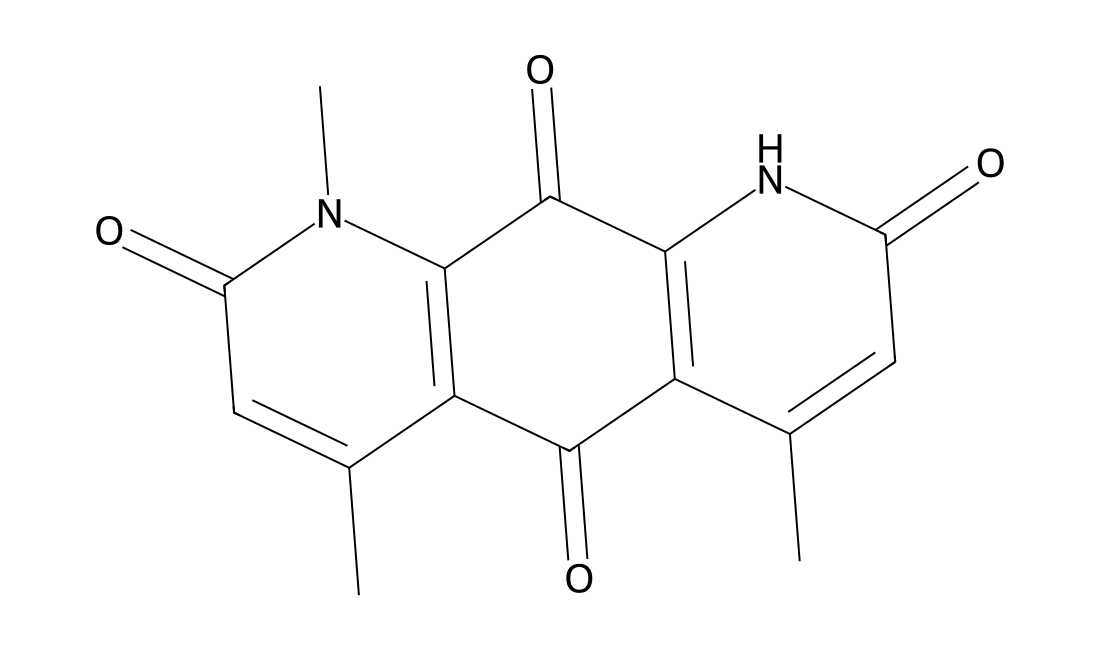
Isobutyl-deoxynyboquinone (IB-DNQ) is a selective substrate for NAD(P)H:quinone oxidoreductase (NQO1), produces ROS, and induces cytotoxicity in cancer cells in an NQO1-dependent manner; has improved solubility and biocompatibility in comparison with DNQ; a superior drug candidate for evaluating anticancer activities and tolerability in vivo.
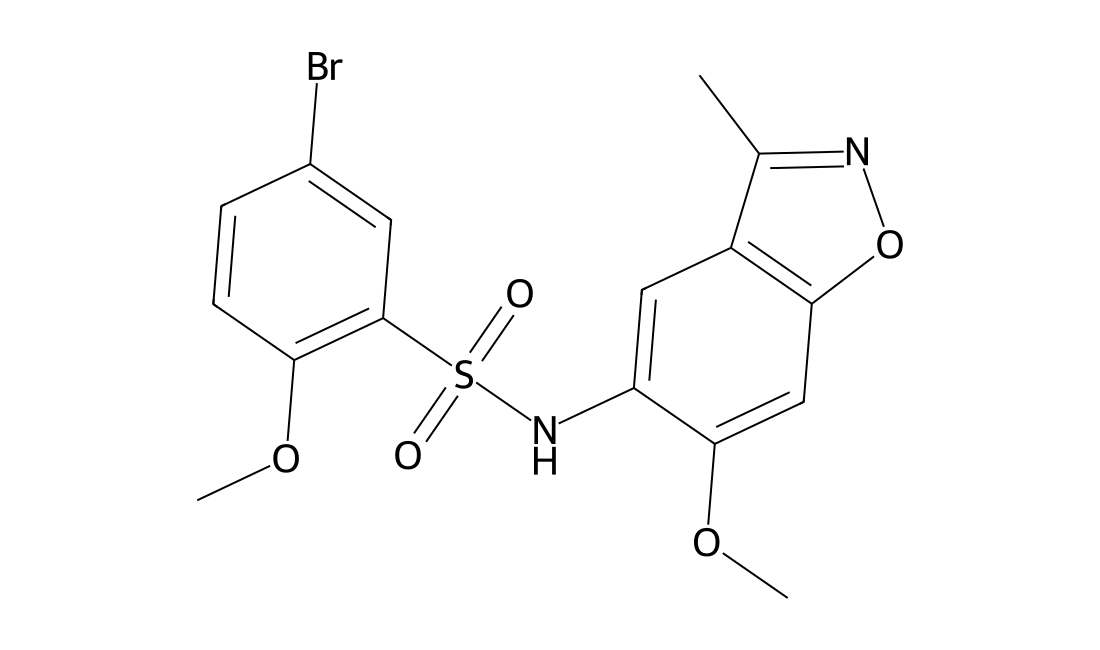
CAS 1832671-96-1
In Vitro Y06036 (0.001-100 nM, 96 hours for LNCaP, C4-2B, and 22Rv1 cells; 144 hours for VCaP cells) exhibits low micromolar or nanomolar potencies (IC50: 0.29-2.6 μΜ) in the four androgen receptor (AR)-positive prostate cancer cell lines LNCaP, C4-2B, 22Rv1, and VCaP. Treatment of 22Rv1 cells with Y06036 (1, 2, 4, 8, and 16 μM, 48 hours) results in significant down-regulation of both full-length (AR-fl) and AR variants levels. In Vivo Y06036 (50 mg/kg, i.p. injection, 5 times per week, 25 days) demonstrates therapeutic effects in a C4-2B CRPC xenograft tumor model in mice. Y06036 is well tolerated in the treated mice, based on the weight of the animal body and their general behavior.
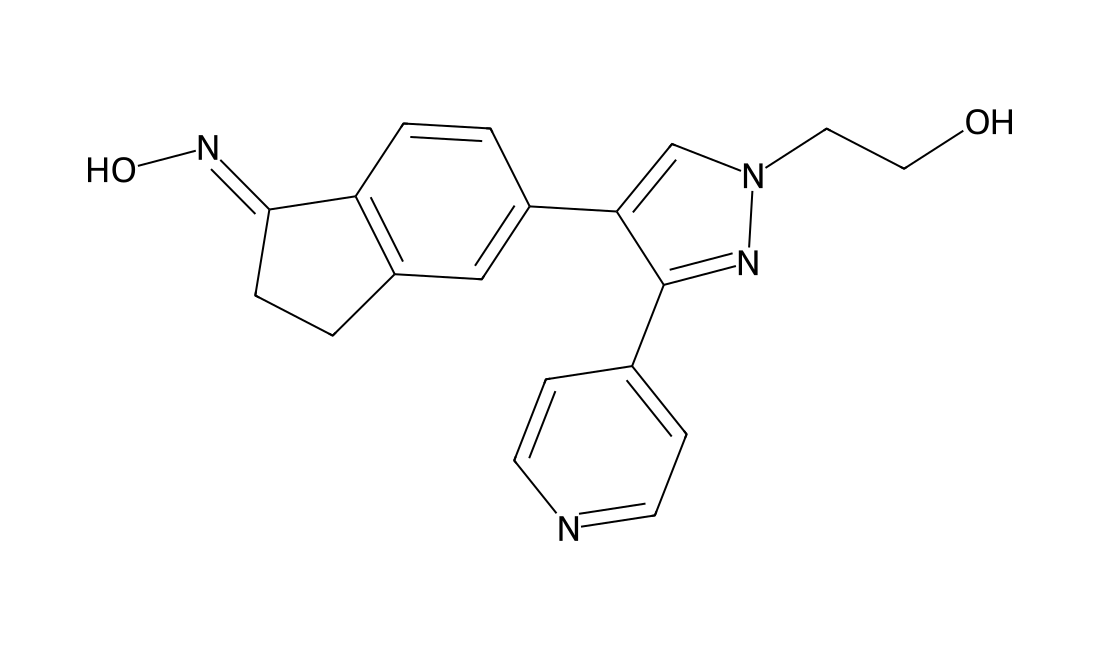
CAS 905281-76-7
GDC-0879, a highly selective, potent, and orally bioavailable RAF small-molecule inhibitor. In GDC-0879-treated mice, both cell line- and patient-derived BRAF(V600E) tumors exhibited stronger and more sustained pharmacodynamic inhibition (>90% For 8 hours) and improved survival compared with mutant KRAS-expressing tumors. Despite the involvement of activated RAF signaling in RAS-induced tumorigenesis, decreased time to progression was observed For some KRAS-mutant tumors following GDC-0879 administration. Moreover, striking differences were noted For RAF and MEK inhibition across a panel of 130 tumor cell lines. Whereas GDC-0879-mediated efficacy was associated strictly with BRAF(V600E) status, MEK inhibition also attenuated proliferation and tumor growth of cell lines expressing wild-type BRAF (81% KRAS mutant, 38% KRAS wild type). The responsiveness of BRAF(V600E) melanoma cells to GDC-0879 could be dramatically altered by pharmacologic and genetic modulation of phosphatidylinositol 3-kinase pathway activity. These data suggest that GDC-0879-induced signaling changes are dependent on the point of oncogenic activation within the RAS network. Taken together, these studies increase our understanding of the molecular determinants For antitumor efficacy resulting from RAF pathway inhibition and have implications For therapeutic intervention in the clinic. For the detailed information about the solubility of GDC-0879 in water, the solubility of GDC-0879 in DMSO, the solubility of GDC-0879 in PBS buffer, the animal experiment(test) of GDC-0879,the in vivo,in vitro and clinical trial test of GDC-0879,the cell experiment(test) of GDC-0879,the IC50, EC50 and Affinity of GDC-0879, please contact DC Chemicals.
CAS 96748-86-6
1 Isobutyl-deoxynyboquinone (IB-DNQ) is a selective substrate for NAD(P)H:quinone oxidoreductase (NQO1), produces ROS, and induces cytotoxicity in cancer cells in an NQO1-dependent manner; has improved solubility and biocompatibility in comparison with DNQ; a superior drug candidate for evaluating anticancer activities and tolerability in vivo. 2 Deoxynyboquinone, also known as DNQ, is a potent inducer of cancer cell death. DNQ potently induces death of cancer cells in culture, with IC(50) values between 16 and 210 nM. In addition, unlike the experimental therapeutic elesclomol, DNQ is still able to induce cancer cell death under hypoxic conditions. This mechanistic understanding of DNQ will allow for a more comprehensive evaluation of the potential of direct ROS generation as an anticancer strategy, and DNQ itself has potential as a novel anticancer agent.
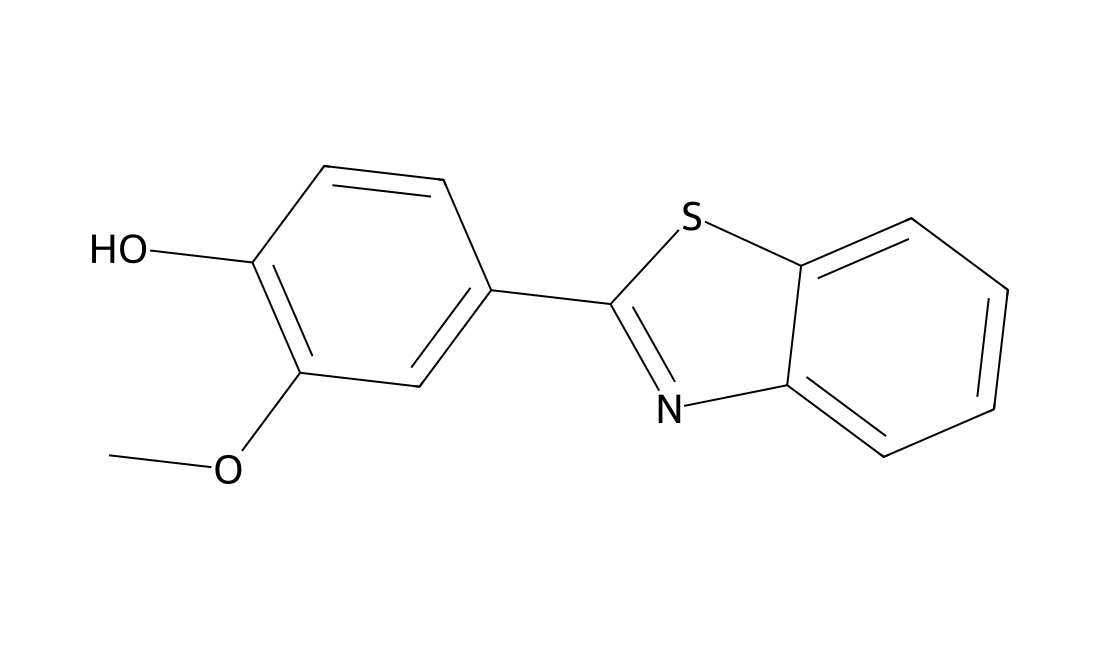
CAS 36341-25-0
YL-109 is a novel anticancer agent which has ability to inhibit breast cancer cell growth and invasiveness in vitro and in vivo. IC50 value: 85.7 nM(MCF-7 cells proliferation) Target: AhR signaling activcator in vitro: YL-109 strongly inhibited cell proliferation of MCF-7 cells in a dose-dependent manner (IC50= 85.8 nM). Surprisingly, YL-109 had an anti-proliferative effect in a dose-dependent manner (IC50 = 4.02 μM) on MDA-MB-231 cells. YL-109 repressed the sphere-forming ability and the expression of stem cell markers in MDA-MB-231 mammosphere cultures. YL-109 increased the expression of carboxyl terminus of Hsp70-interacting protein (CHIP), which suppresses tumorigenic and metastatic potential of breast cancer cells by inhibiting the oncogenic pathway. YL-109 induced CHIP transcription because of the recruitment of the aryl hydrocarbon receptor (AhR) to upstream of CHIP gene in MDA-MB-231 cells. Consistently, the antitumor effects of YL-109 were depressed by CHIP or AhRknockdown in MDA-MB-231 cells . in vivo: Mice treated with vehicle showed significantly enlarged tumors, whereas mice treated with YL-109 showed attenuated tumor growth using MCF-7 cells. Interestingly, YL-109 also suppressed tumor growth in mice injected with MDA-MB-231 cells. Compared with the vehicle control, YL-109 significantly reduced lung metastasis .For the detailed information of YL-109, the solubility of YL-109 in water, the solubility of YL-109 in DMSO, the solubility of YL-109 in PBS buffer, the animal experiment (test) of YL-109, the cell expriment (test) of YL-109, the in vivo, in vitro and clinical trial test of YL-109, the EC50, IC50,and affinity,of YL-109, Please contact DC Chemicals.
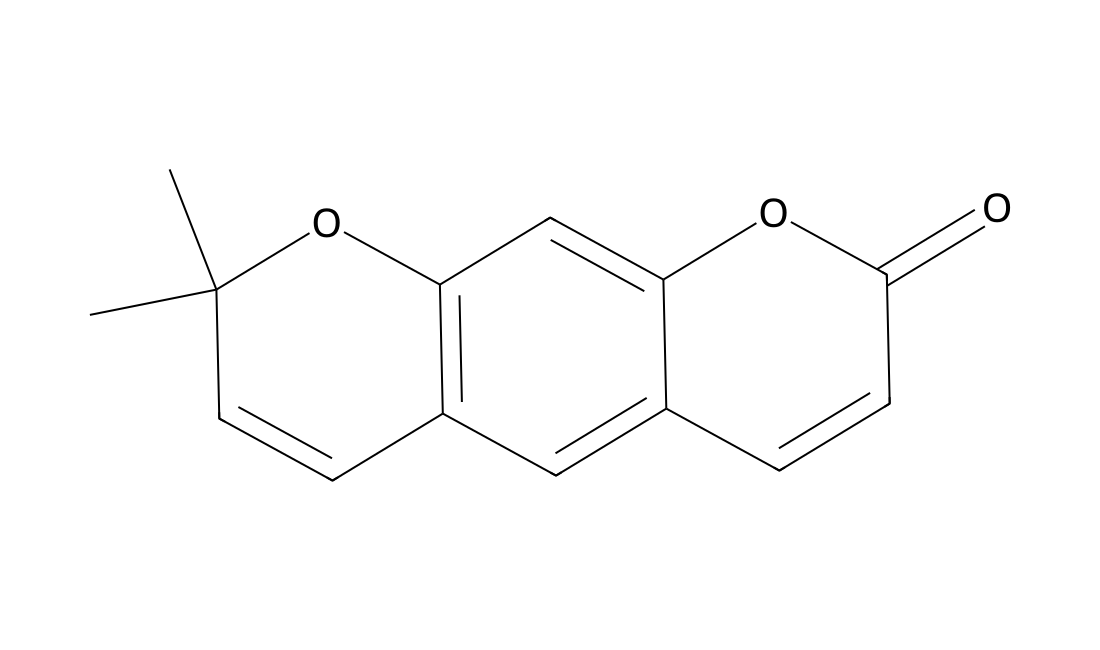
CAS 553-19-5
In Vitro Xanthyletin inhibits symbiotic fungus cultivated by leaf-cutting ants. Xanthyletin (25, 50, and 100 µg/mL) shows a total inhibition on the fungus.
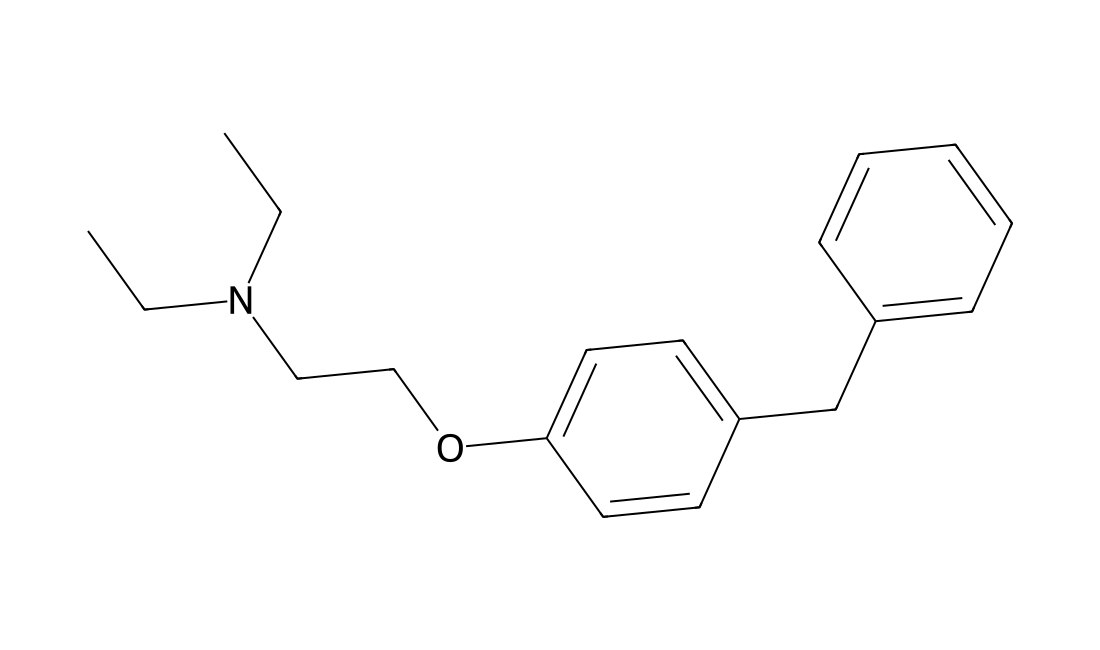
CAS 98774-23-3
Tesmilifene is a novel agent that augments cytotoxicity of various chemotherapeutic agents both in vitro and in vivo. It binds selectively to the high-affinity microsomal antiestrogen binding site (Ki=50nm) but has no affinity For estrogen receptors. Inhibits concanavalin-A-induced histamine release in mast cells and acts as a novel antagonist of intracellular histamine.For the detailed information of Tesmilifene, the solubility of Tesmilifene in water, the solubility of Tesmilifene in DMSO, the solubility of Tesmilifene in PBS buffer, the animal experiment (test) of Tesmilifene, the cell expriment (test) of Tesmilifene, the in vivo, in vitro and clinical trial test of Tesmilifene, the EC50, IC50,and Affinity of Tesmilifene, Please contact DC Chemicals.
CAS 387867-13-2
Tandutinib has little activity against EGFR, FGFR, KDR, InsR, Src, Abl, PKC, PKA and MAPKs. Tandutinib inhibits IL-3-independent cell growth and FLT3-ITD autophosphorylation with an IC50 of 10-100 nM. Tandutinib also inhibits the proliferation of human leukemia Ba/F3 cells containing FLT3-ITD mutations with IC50 values of 10-30 nM, and the FLT3-ITD-positive Molm-13 and Molm-14 cells with an IC50 of 10 nM. In FLT3-ITD-positive Molm-14 cells but not the FLT3-ITD-negative THP-1 cells, Tandutinib treatment leads to significant apoptosis by 51% and 78% at 24 and 96 hours, respectively, due to specific FLT3 inhibition. Tandutinib preferentially inhibits the growth of blast colonies from FLT3 ITD-positive compared with ITD-negative patients with AML, without affecting colony formation by normal human progenitor cells. Oral administration of Tandutinib at 60 mg/kg bid significantly increases the survival in mice bearing Ba/F3 cells expressing W51 FLT3-ITD mutant, and gives a significant reduction in mortality in a mouse bone marrow transplantation model. Tandutinib treatment at 180 mg/kg twice daily has mild toxicity toward normal hematopoiesis, however, it is a dose at which Tandutinib is effective in treating FLT3 ITD-positive leukemia in mice. For the detailed information of Tandutinib(MLN518), the solubility of Tandutinib(MLN518) in water, the solubility of Tandutinib(MLN518) in DMSO, the solubility of Tandutinib(MLN518) in PBS buffer, the animal experiment (test) of Tandutinib(MLN518), the cell expriment (test) of Tandutinib(MLN518), the in vivo, in vitro and clinical trial test of Tandutinib(MLN518), the EC50, IC50,and affinity,of Tandutinib(MLN518), Please contact DC Chemicals.