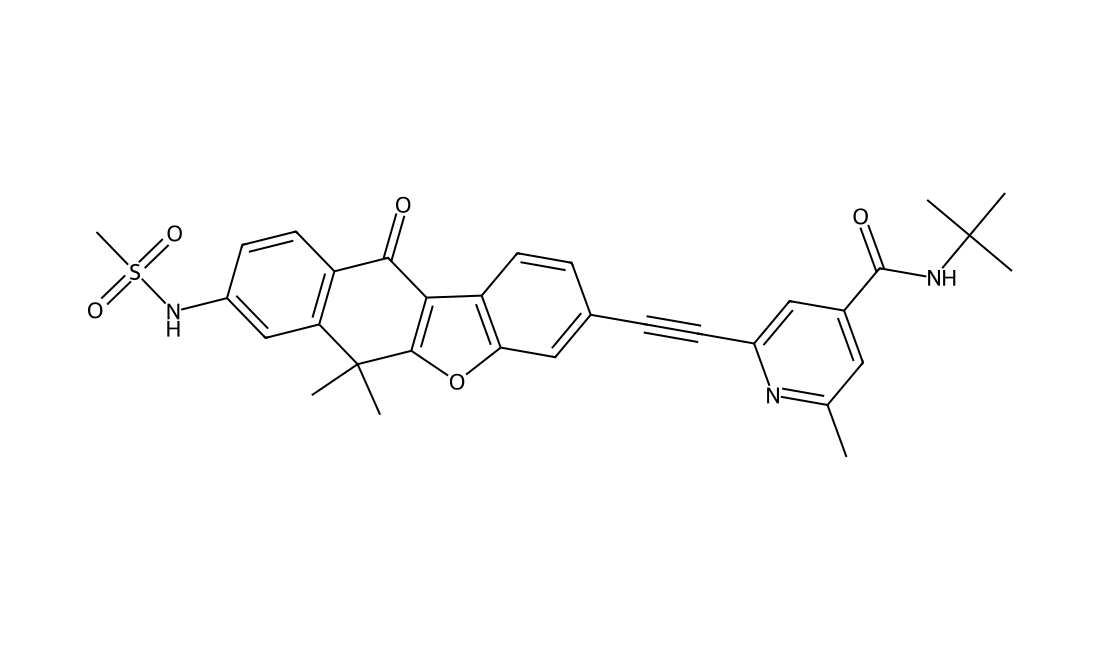
DBPR114
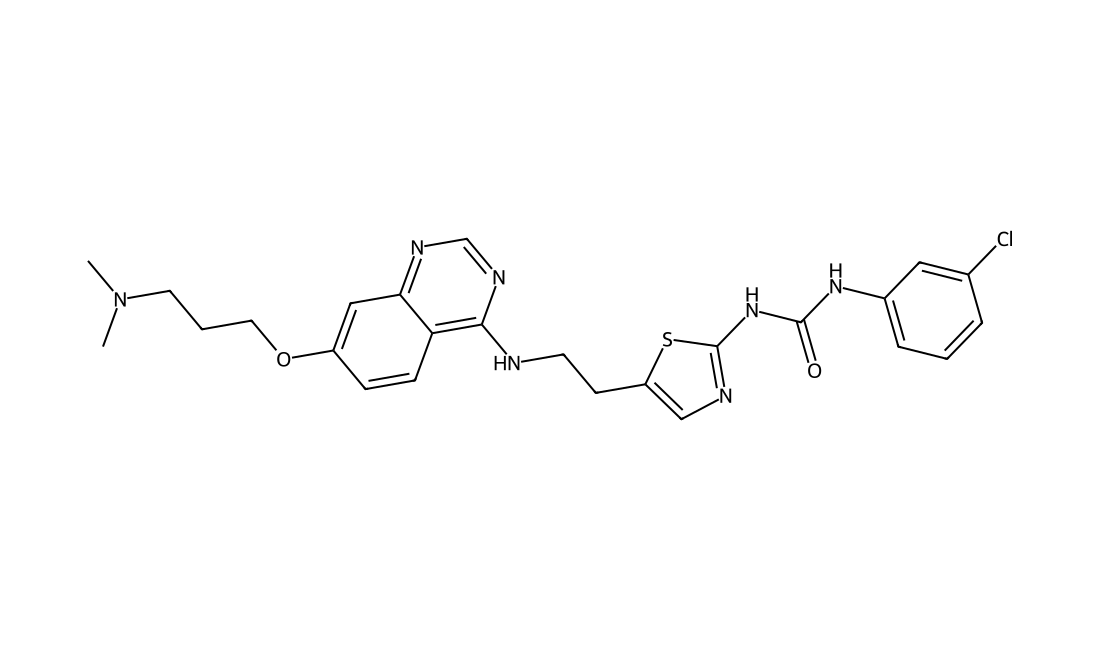
DBPR114 is a quinazoline-based multi-kinase inhibitor for the treatment of acute myeloid leukemia and other solid tumors.

Compounds with documented oncology research applications.
Products may appear in more than one category. Counts refer to distinct catalog numbers within each category.
Other Research Tools (75) · Additional reagents, building blocks and specialized research tools.
LC-MG-1 (DCA0006) · LC-MG-4 (DCA0007) · LC-MG-9 (DCA0008)
View structure and evidence summaries →Combine a keyword, research category and target to narrow the product list.
Loading catalog filters…
DBPR114 is a quinazoline-based multi-kinase inhibitor for the treatment of acute myeloid leukemia and other solid tumors.
CAS 2682114-39-0
RBPJ Inhibitor-1 (RIN1), the first RBPJ inhibitor, blocks the functional interaction of RBPJ with SHARP. RBPJ Inhibitor-1 (RIN1) inhibits NOTCH-dependent tumor cell proliferation.
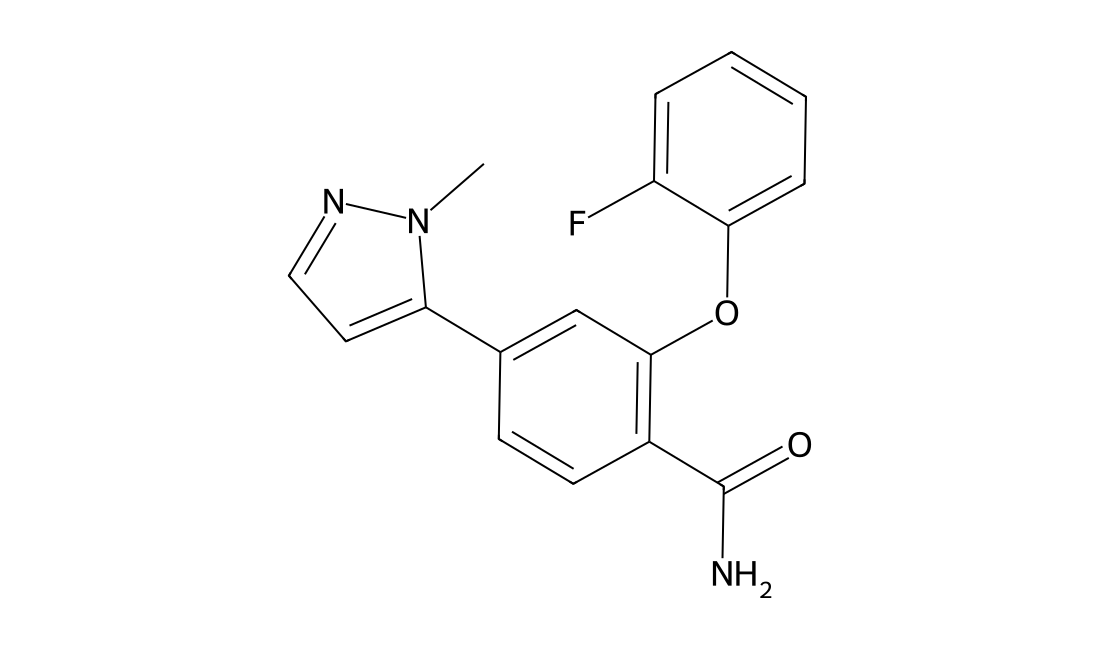
CAS 1197824-15-9
EN4, a covalent ligand that targets cysteine 171 (C171) of MYC, is selective for c-MYC over N-MYC and L-MYC. EN4 inhibits MYC transcriptional activity, downregulates MYC targets, and impairs tumorigenesis.
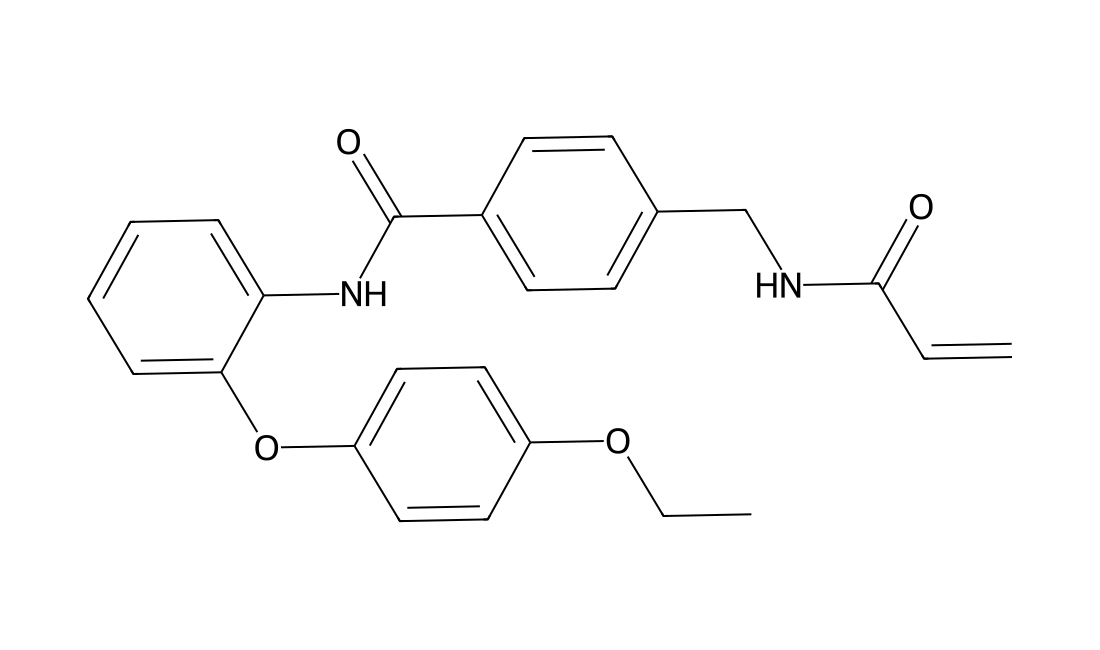
CAS 1623416-31-8
AG-636 is an orally available inhibitor of dihydroorotate dehydrogenase (DHODH) with potential antineoplastic activity.
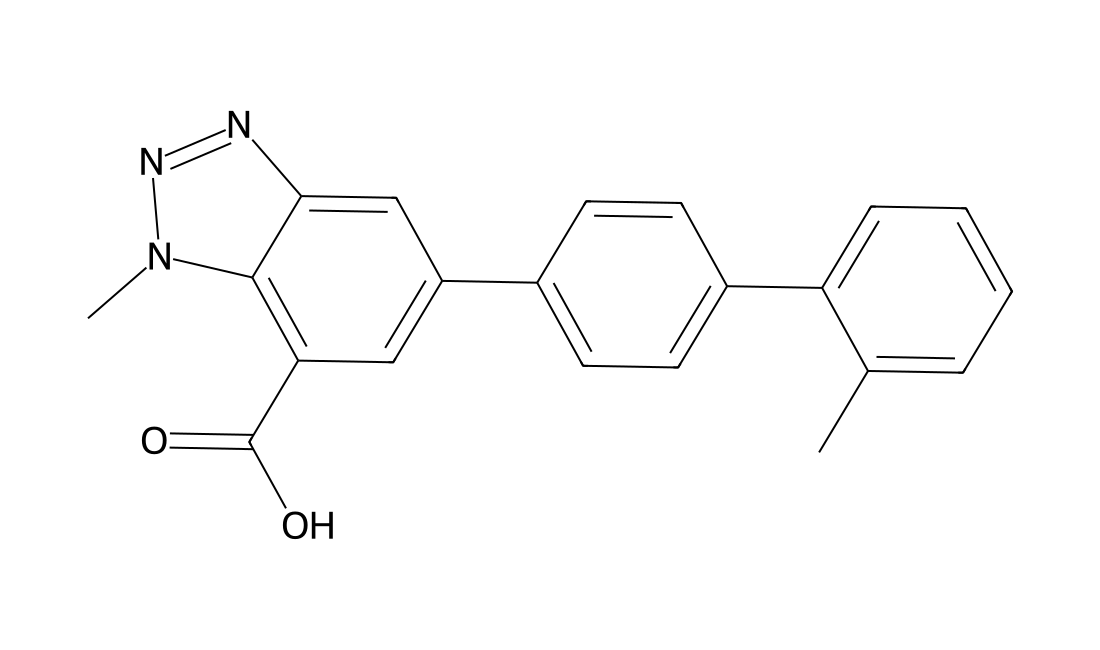
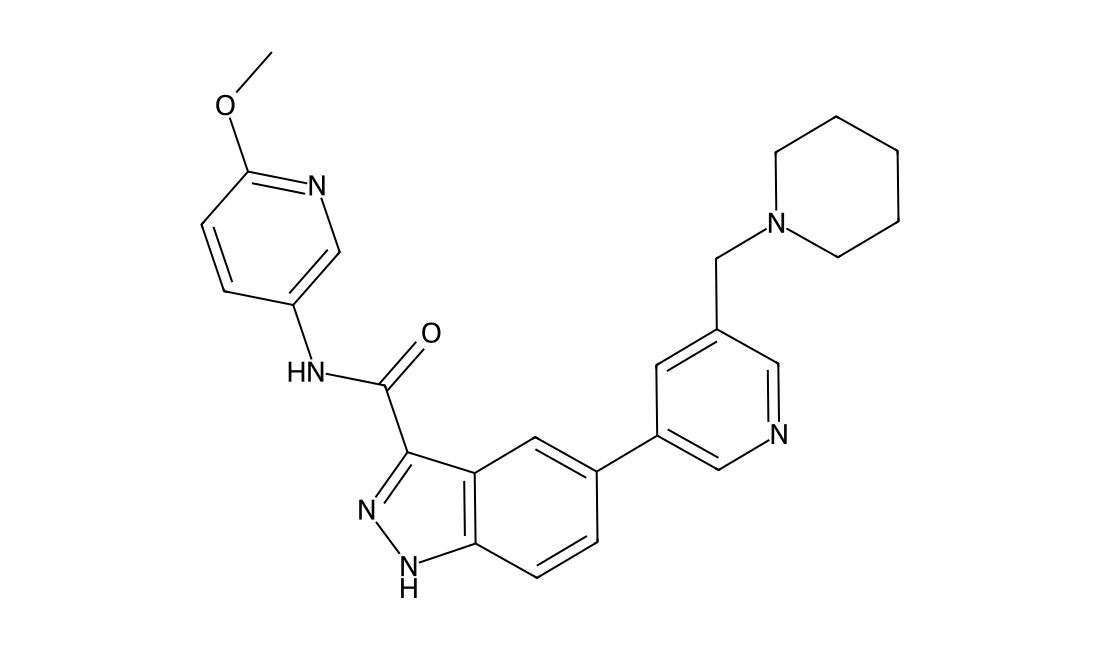
CAS 452342-37-9
GW6604 is a potent and selective ALK-5 inhibitor with potent anticancer activity.
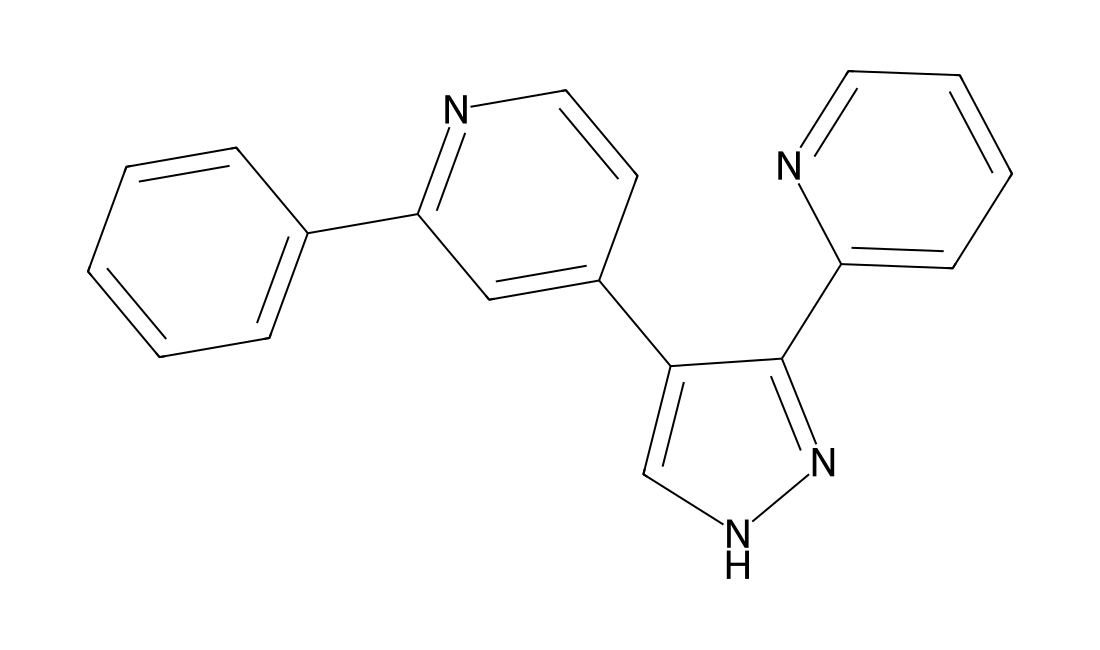
CAS 932749-62-7
HAT Inhibitor II is a novel p300/CBP-selective histone acetyltransferase inhibitor.Histone Acetyltransferase Inhibitor II is a potent and cell permeable p300 inhibitor, with an IC50 of 5µM; Histone Acetyltransferase Inhibitor II can be used in cancer research.
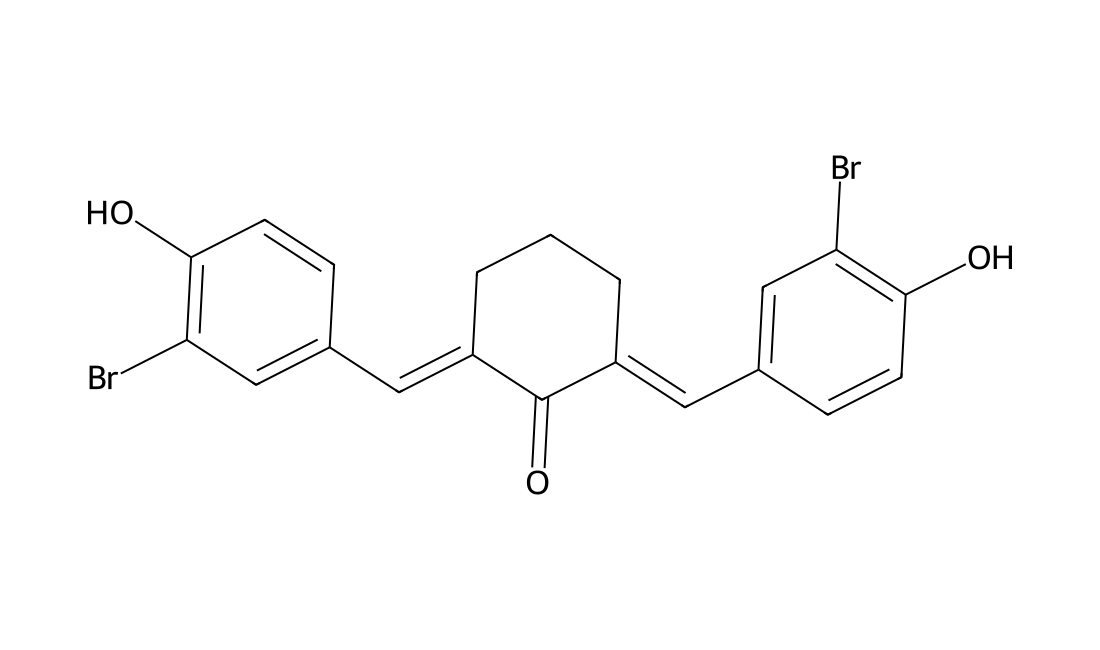
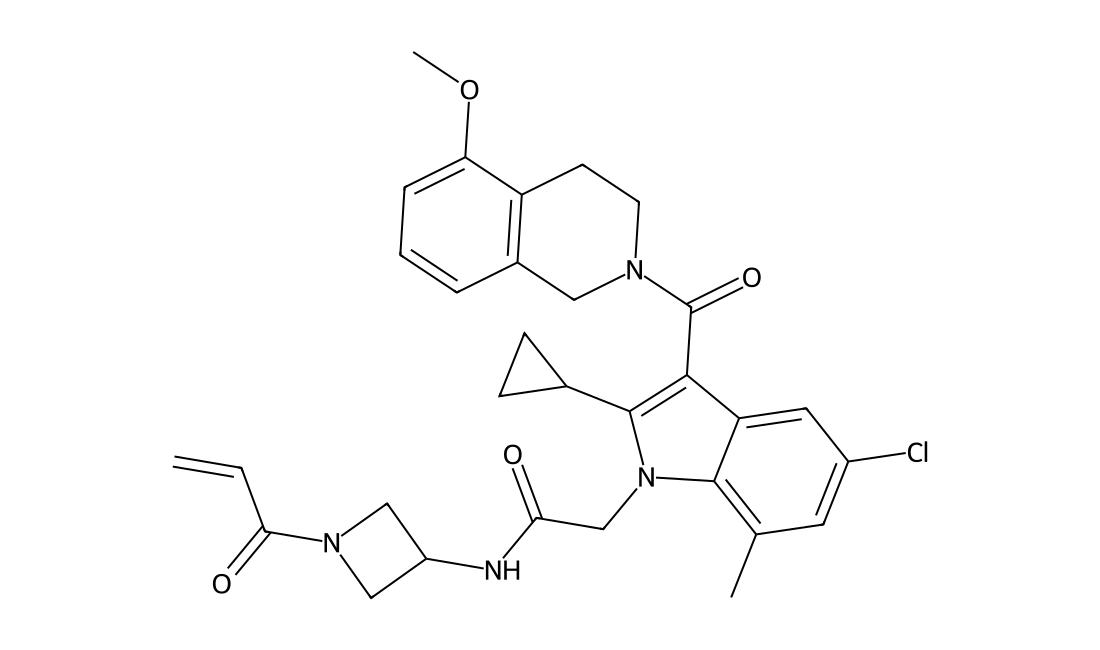
CAS 306959-01-3
MYLS22 is a first-in-class and selective optic atrophy 1 (OPA1) inhibitor. MYLS22 can target endothelial OPA1 to curtail tumor growth and inhibits angiogenesis by impinging on NFkB activity and on angiogenic gene expression.
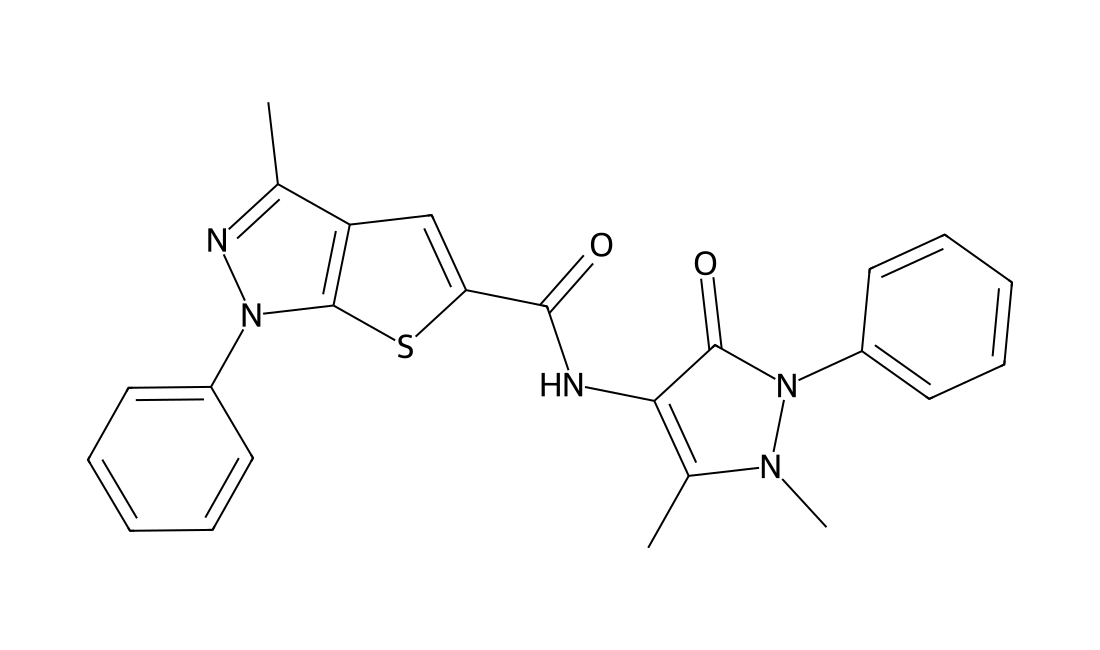
CAS 906439-72-3
Novel potent and cell-active PARG inhibitor, selectively killing BRCA-mutant and PARP inhibitor-resistant cancer cells
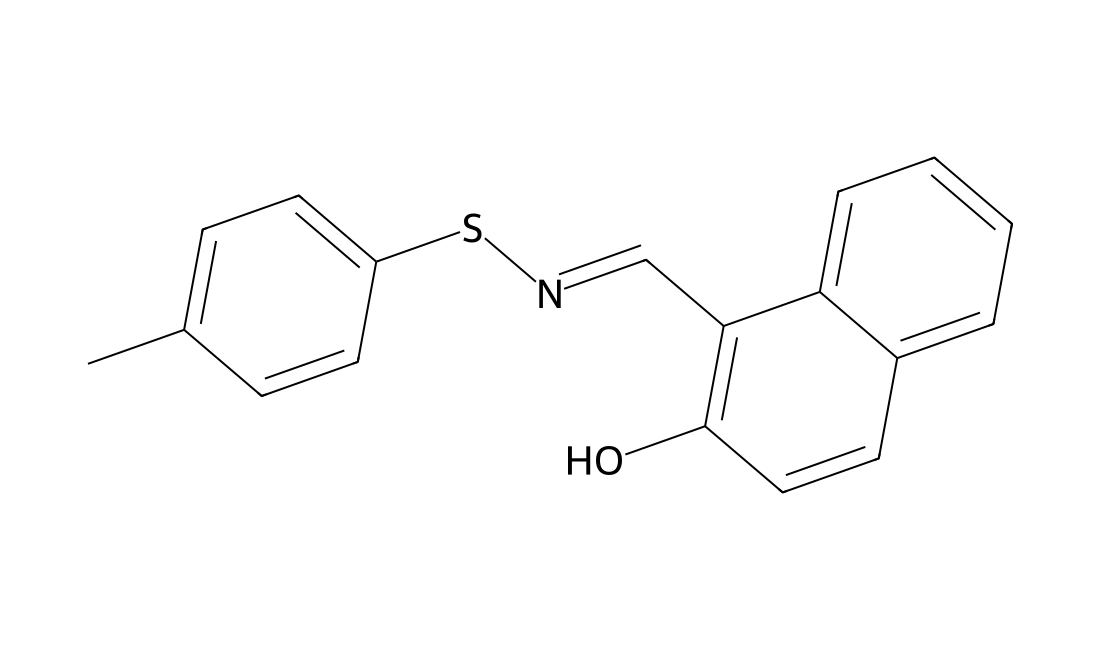
CAS 1857417-10-7
MI-538 is an inhibitor of the interaction between menin and MLL fusion proteins with an IC50 of 21 nM.
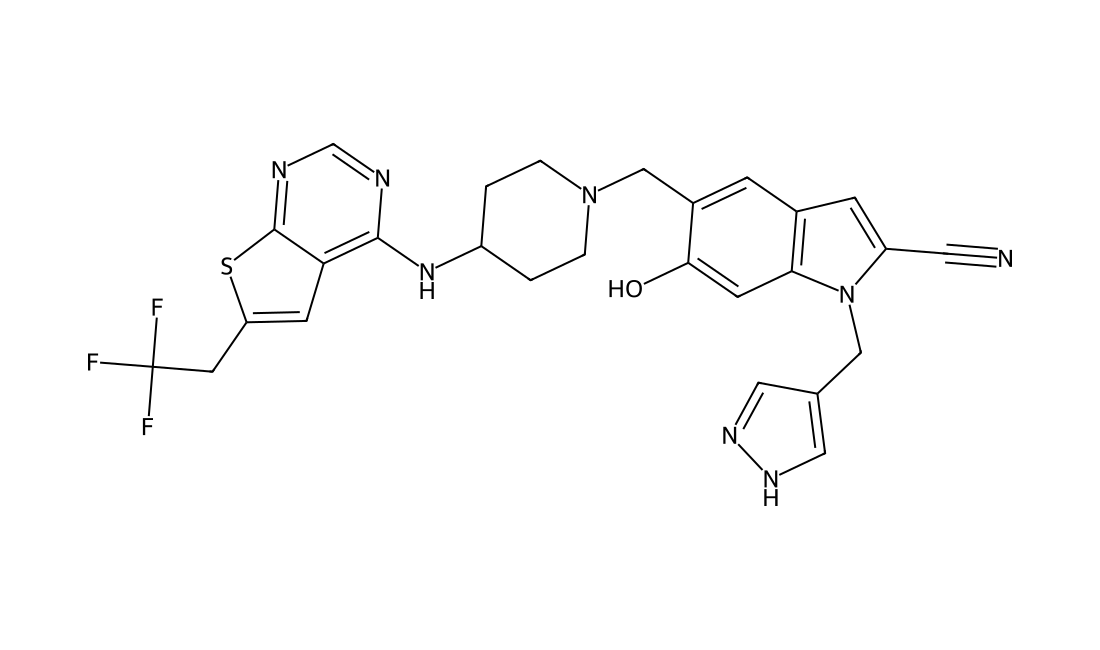
CAS 2135600-76-7
LSZ102 is a potent, orally bioavailable Selective Estrogen Receptor Degrader (SERD) for the Treatment of Estrogen Receptor Positive Breast Cancer.
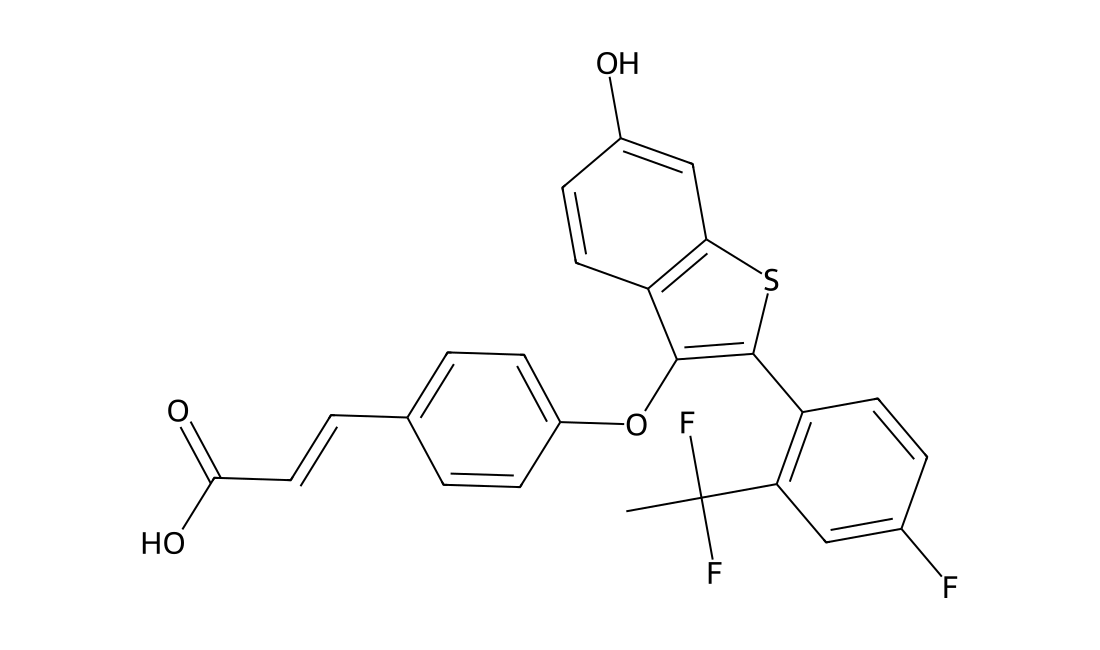
CAS 2230273-76-2
JNJ-67856633 is an orally active, first-in-class, potent, selective and allosteric MALT1 protease inhibitor. JNJ-67856633 in some cases lead to tumor stasis.
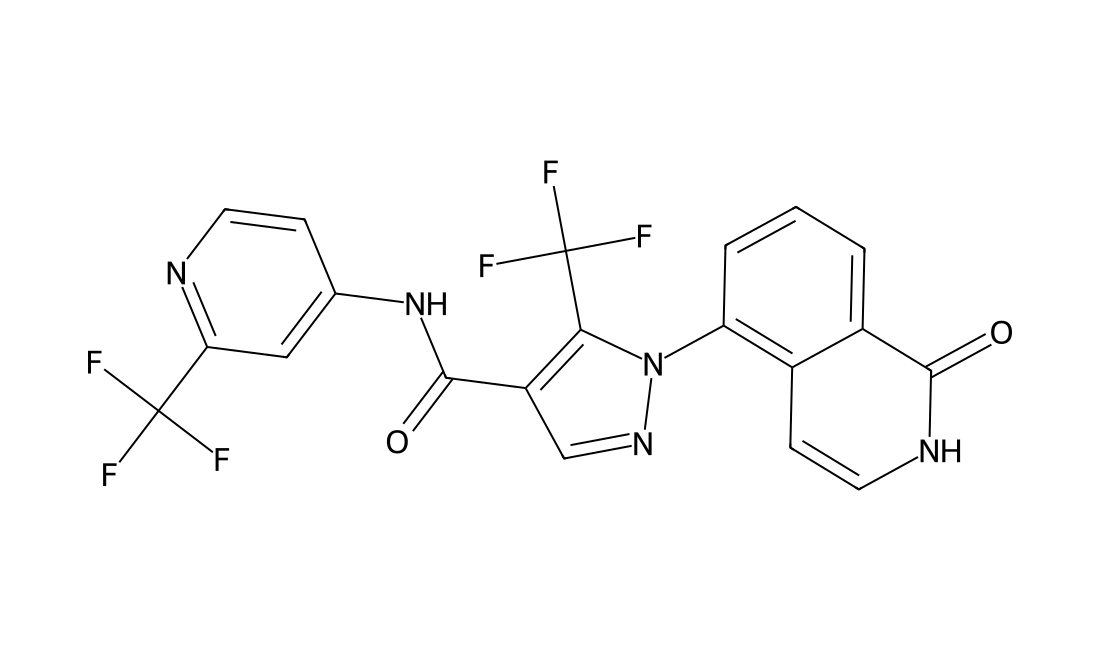
CAS 2326428-25-3
LY3405105 is an orally active CDK7 inhibitor with an IC50 of 92.8 nM. LY3405105 shows potential antineoplastic activity.
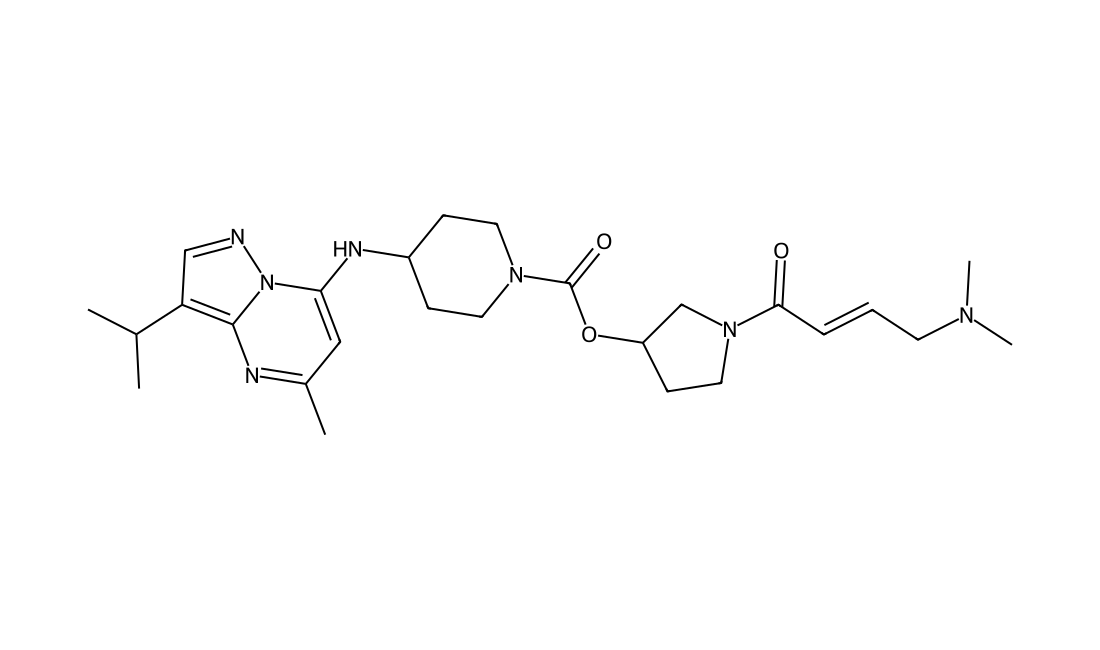
CAS 2308497-58-5
FGFR1/DDR2 inhibitor 1 is an orally active inhibitor of fibroblast growth factor receptor 1 (FGFR1) and discoindin domain receptor 2 (DDR2), with IC50 values of 31.1 nM and 3.2 nM, respectively. Antitumor activity.
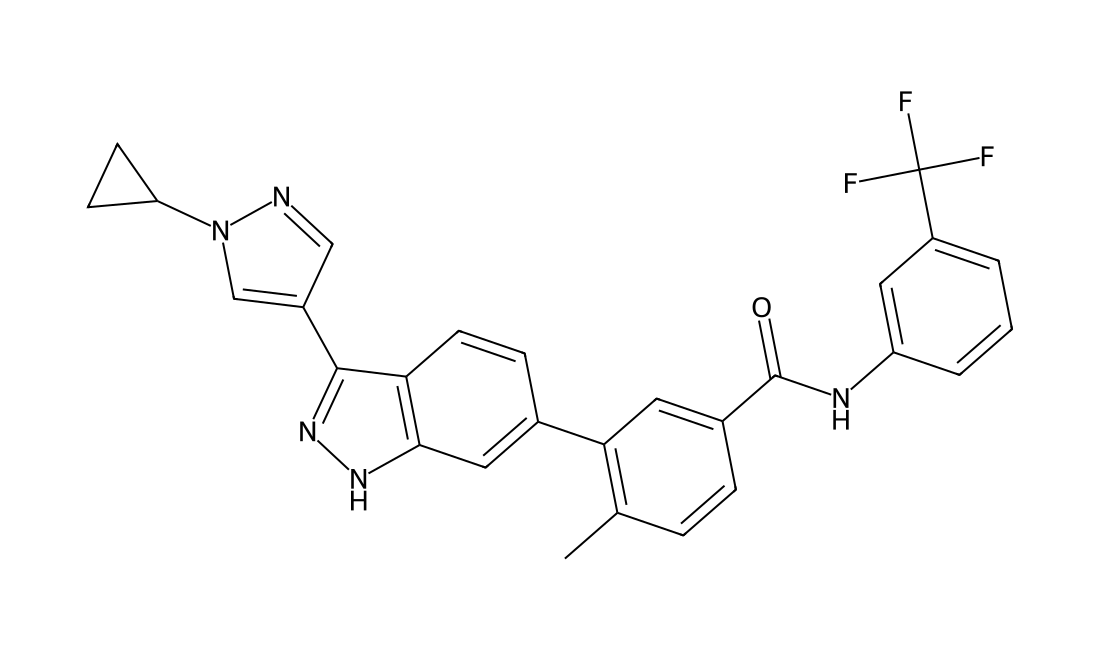
CAS 2098546-05-3
EBI-2511 is a highly potent and orally active EZH2 inhibitor for the treatment of Non-Hodgkin’s Lymphoma.
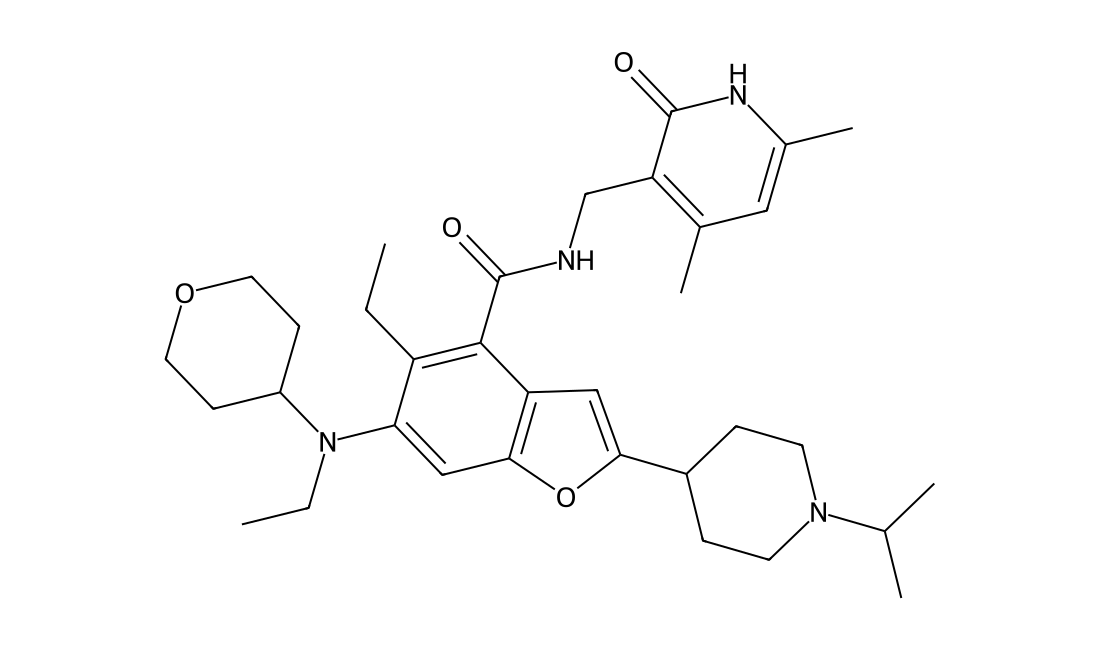
CAS 827327-28-6
MALAT1 inhibitor 5 (Malat1 inhibitor 5) is a selective small molecule targeting of Metastasis-associated lung adenocarcinoma transcript 1 (Malat1/MALAT1 mouse/human), a highly conserved long non-coding RNA; does not affect Neat1 lncRNA levels.
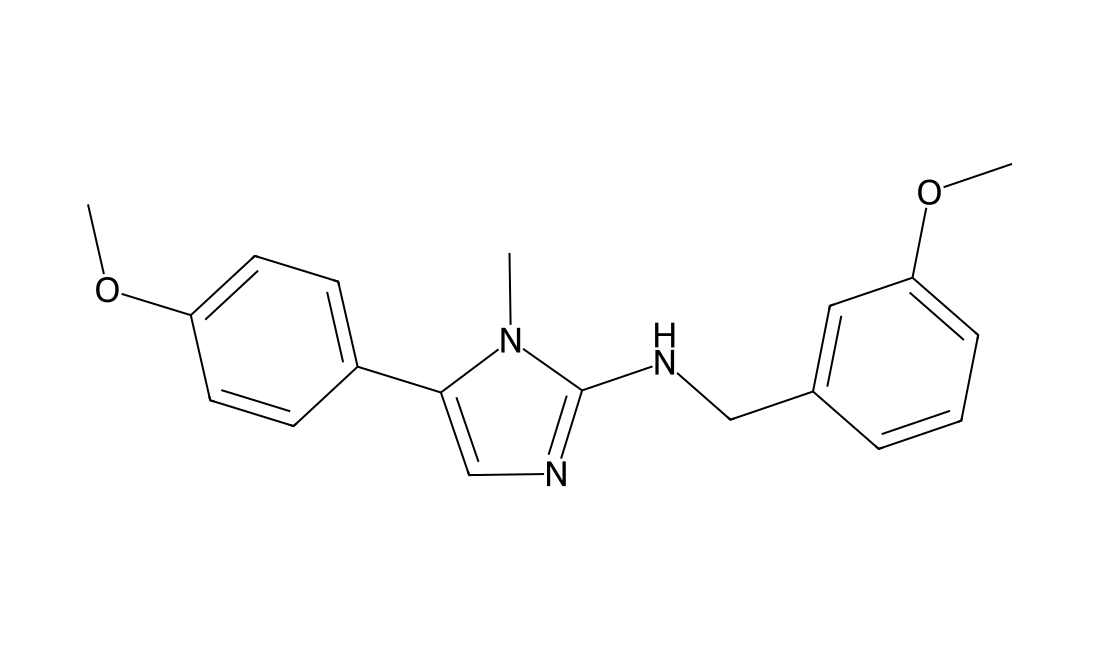
CAS 1417997-93-3
MDK-7933, also known as HDAC8-IN-1, is a HDAC8 inhibitor with an IC50 of 27.2 nM in cancer cell lines. MDK-7933 shows antiproliferative effects toward several human lung cancer cell lines (A549, H1299, and CL1-5). MDK-7933 was first reported in ChemMedChem. 2012 Oct;7(10):1815-24. MDK-7933 has CAS#1417997-93-3.
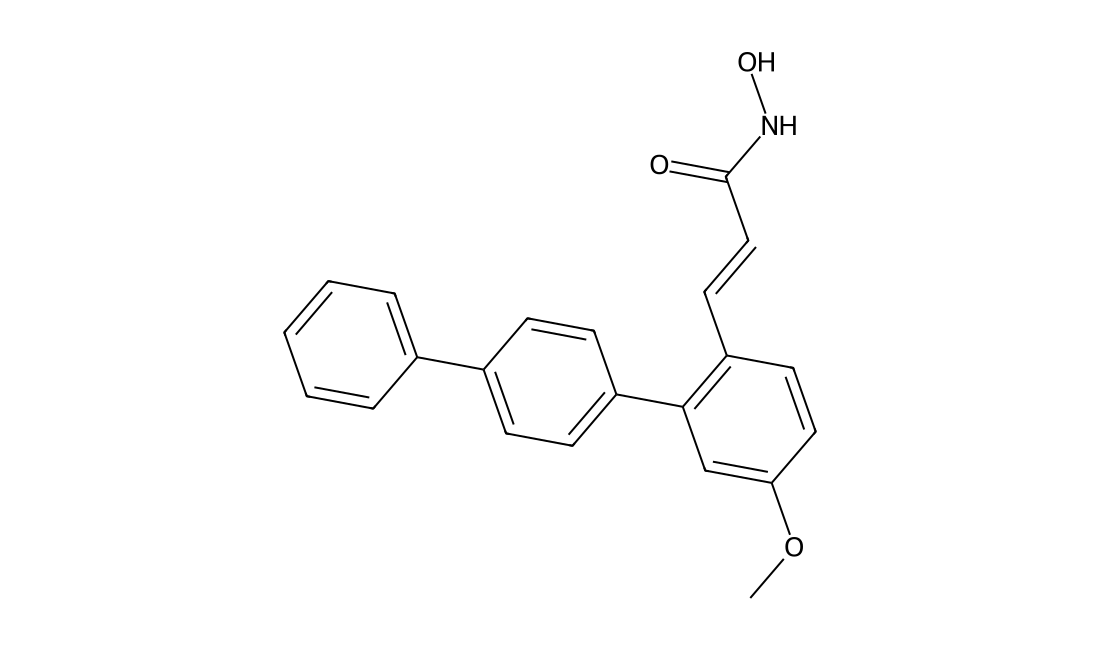
CAS 1380539-06-9
Fosciclopirox suppresses growth of urothelial cancer by targeting the γ-secretase complex. Fosciclopirox selectively delivers the active metabolite, Ciclopirox (CPX), to the entire urinary tract. Ciclopirox has anticancer activity in a number of solid and hematologic malignancies.
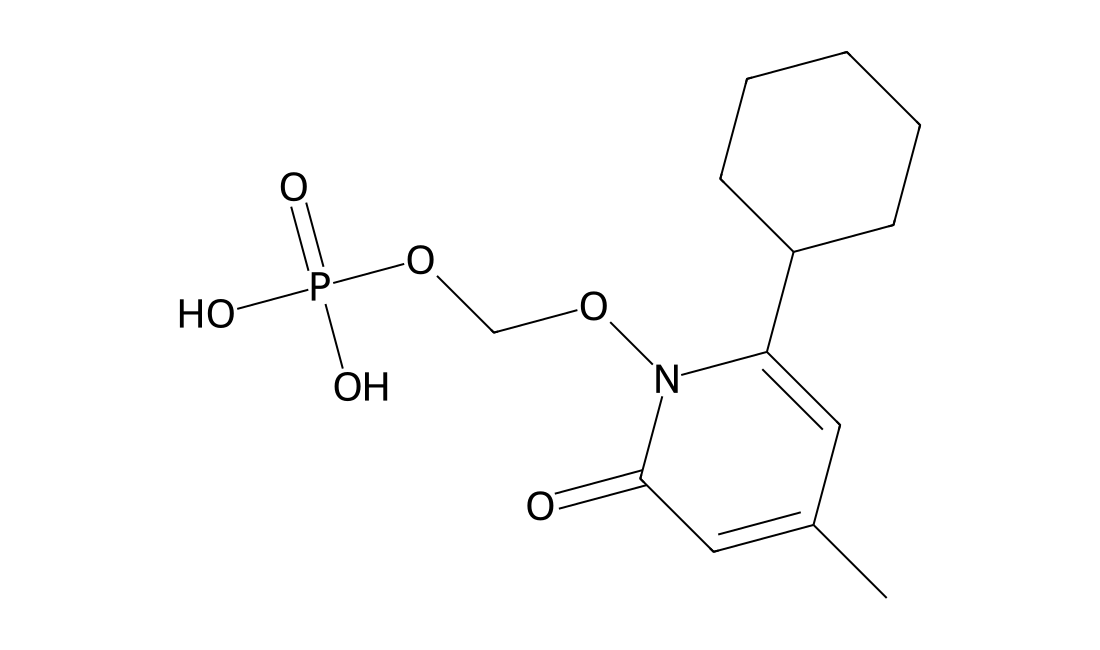
CAS 1637781-04-4
Dalpiciclib (SHR-6390) is a highly selective, orally bioavailable CDK4/6 inhibitor with comparable potencies against CDK4 (IC50=12.4 nM) and CDK6 (IC50=9.9 nM). Dalpiciclib exerts potent antitumor activity in esophageal squamous cell carcinoma by inhibiting phosphorylated tumor-suppressor retinoblastoma protein (Rb) and inducing G1 cell cycle arrest.
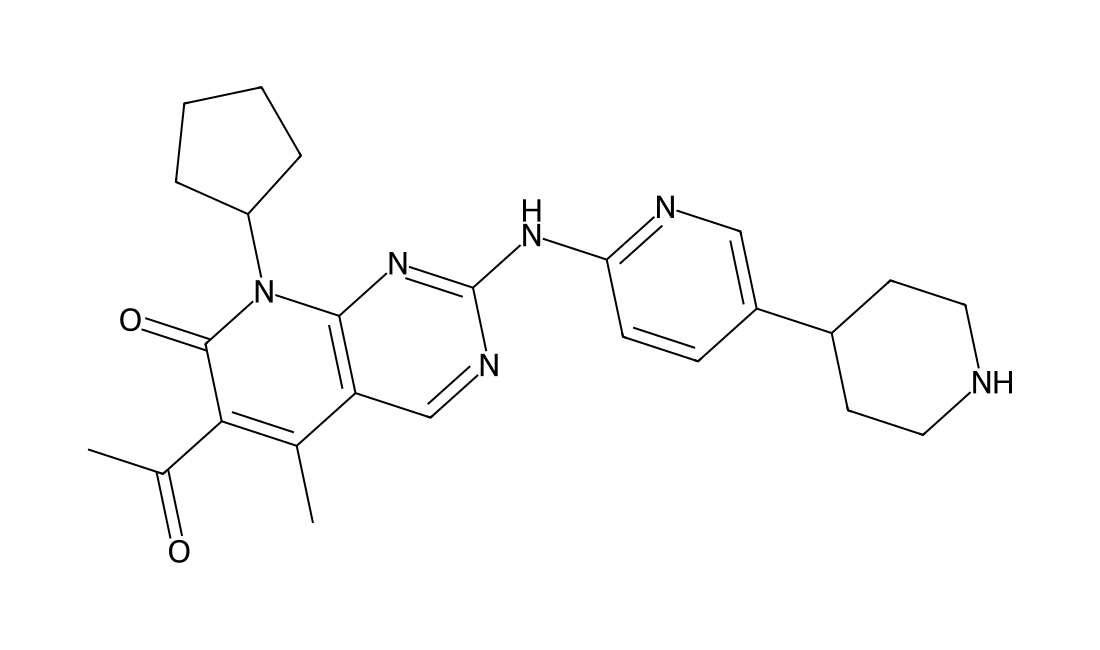
CAS 1454902-97-6
Elevenostat (JB3-22) is a selective HDAC11 inhibitor (IC50=0.235 µM). Anti-multiple myeloma (MM) activity.
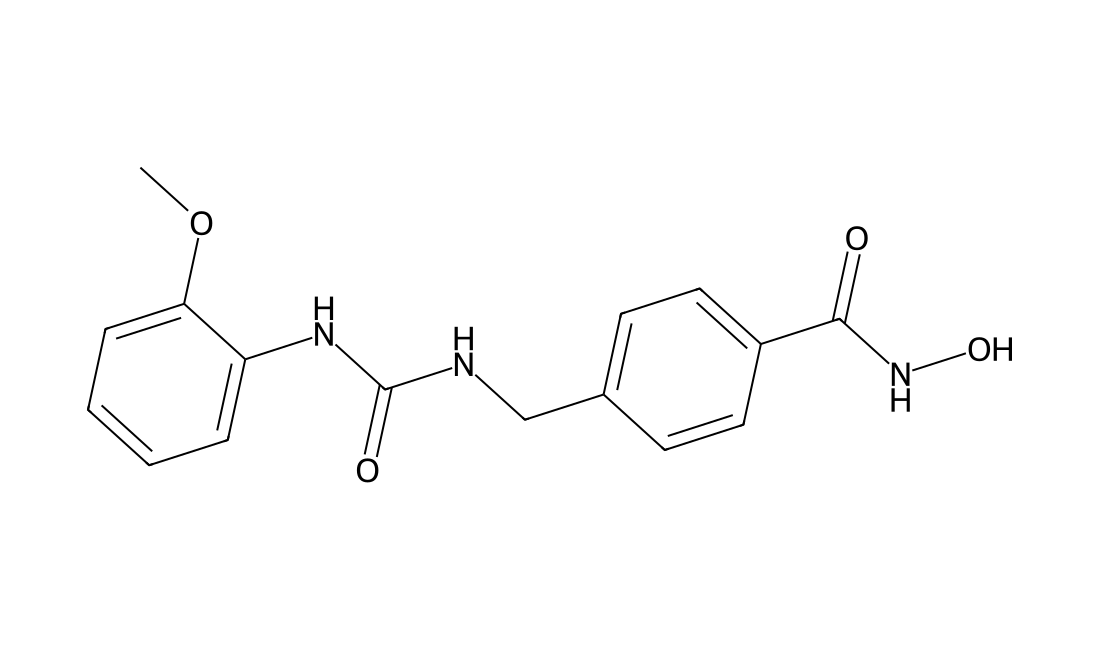
CAS 423128-55-6
RUVBL1/2 ATPase-IN-1 (compound 18) is a potent and selective inhibitor of RUVBL1/2 ATPase with IC50 values of 6.0 and 7.7 μM, respectively. RUVBL1 and RUVBL2 are highly conserved AAA ATPases (ATPases Associated with various cellular Activities) and highly relevant to the progression of cancer. RUVBL1/2 ATPase-IN-1 has the potential for the research of cancer diseases.
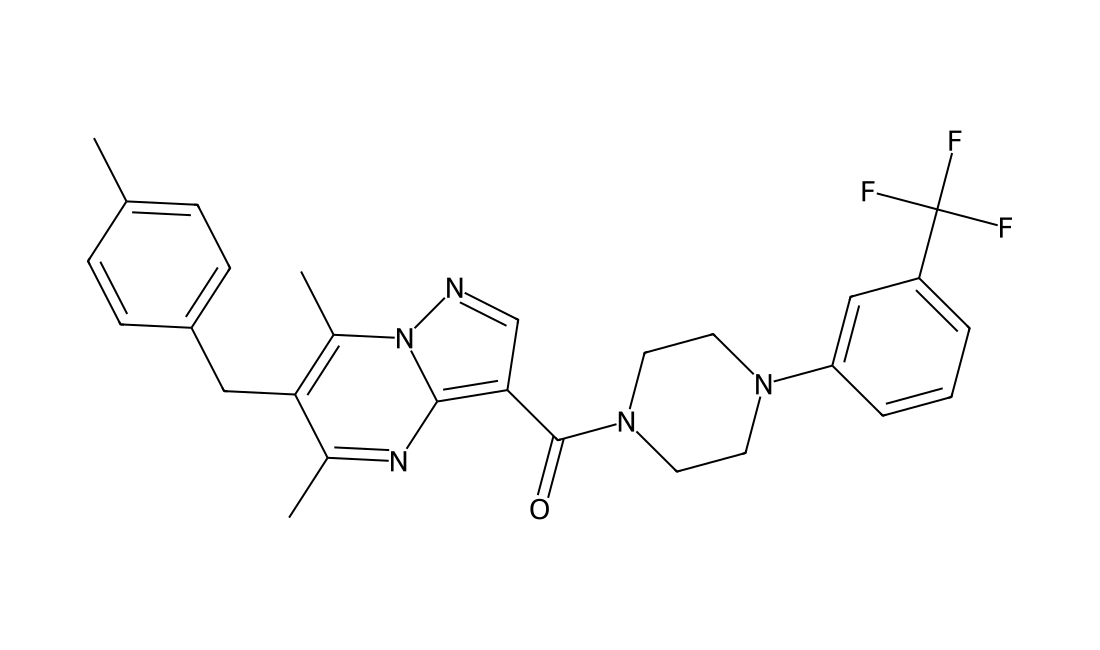
CAS 878581-60-3
QN523 exhibits potent cytotoxicity in pancreatic cancer cell lines (IC50 of 0.11 μM in MIA PaCa-2 cells) and significantly delays growth of MIA PaCa-2 xenograft in NOD/SCID mice without systemic toxicity.
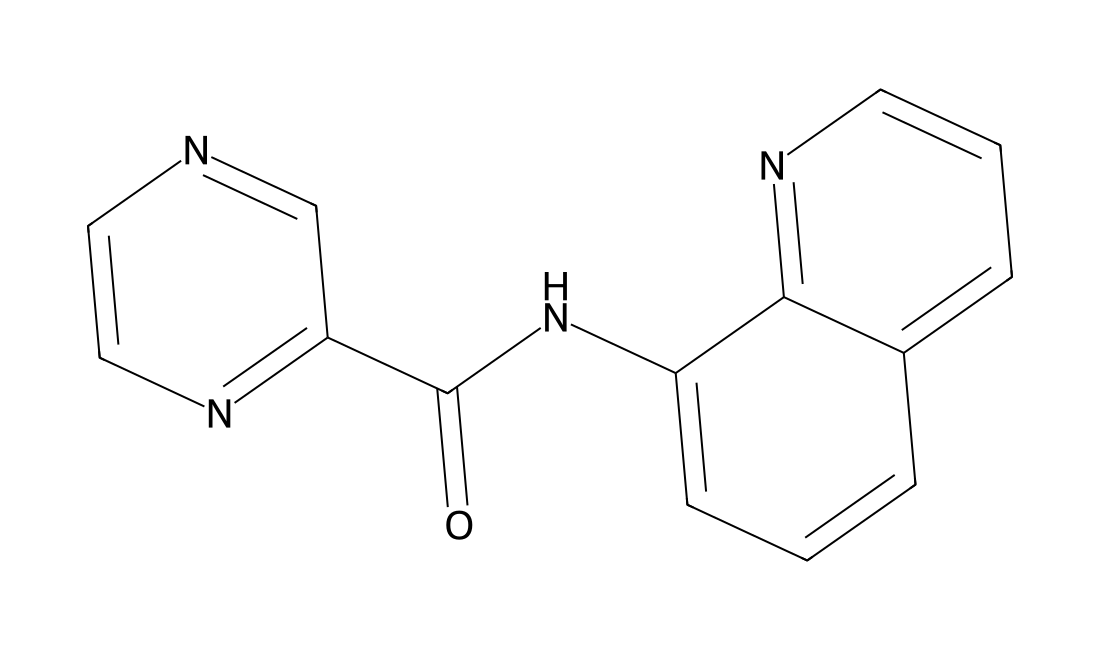
CAS 2410796-79-9
Sovilnesib(AMG650) is a kinesin-like protein KIF18A inhibitor (WO2020132648). Sovilnesib can be used for the research of cancer.
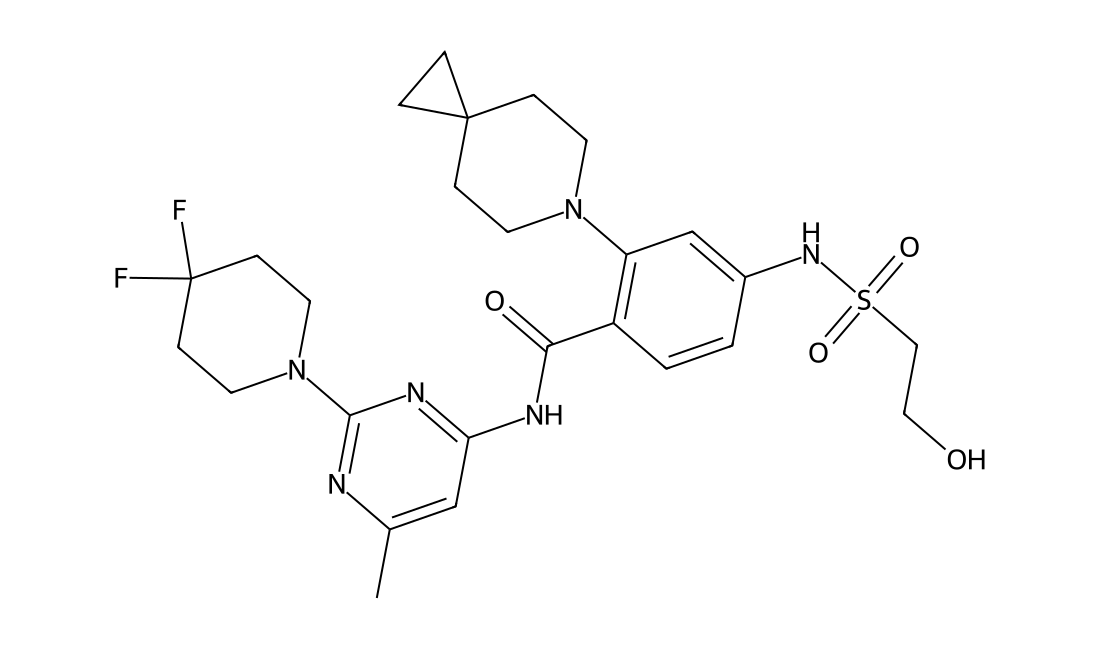
CAS 2904682-19-3
PDS-0330 is a specific and potent Claudin-1 inhibitor. PDS-0330 interferes with claudin-1/Src association and inhibits colorectal cancer (CRC) progression and metastasis.
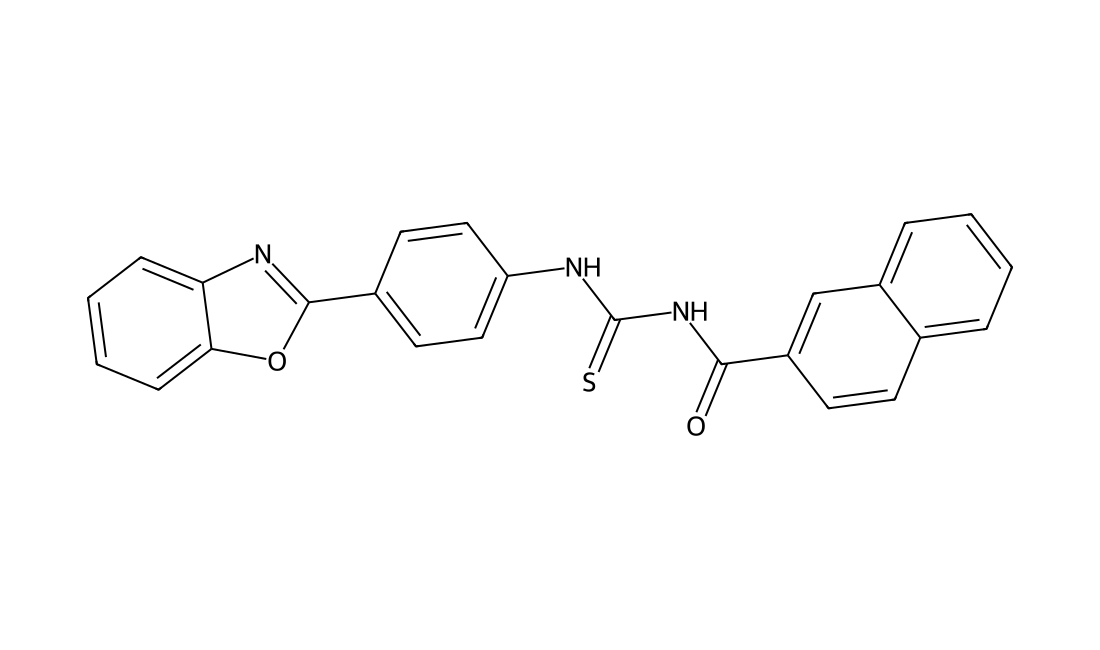
CAS 2922283-37-0
SG094 is a potent TPC2 inhibitor with antiproliferative effects. SG-094 can be used for the research of cancer.
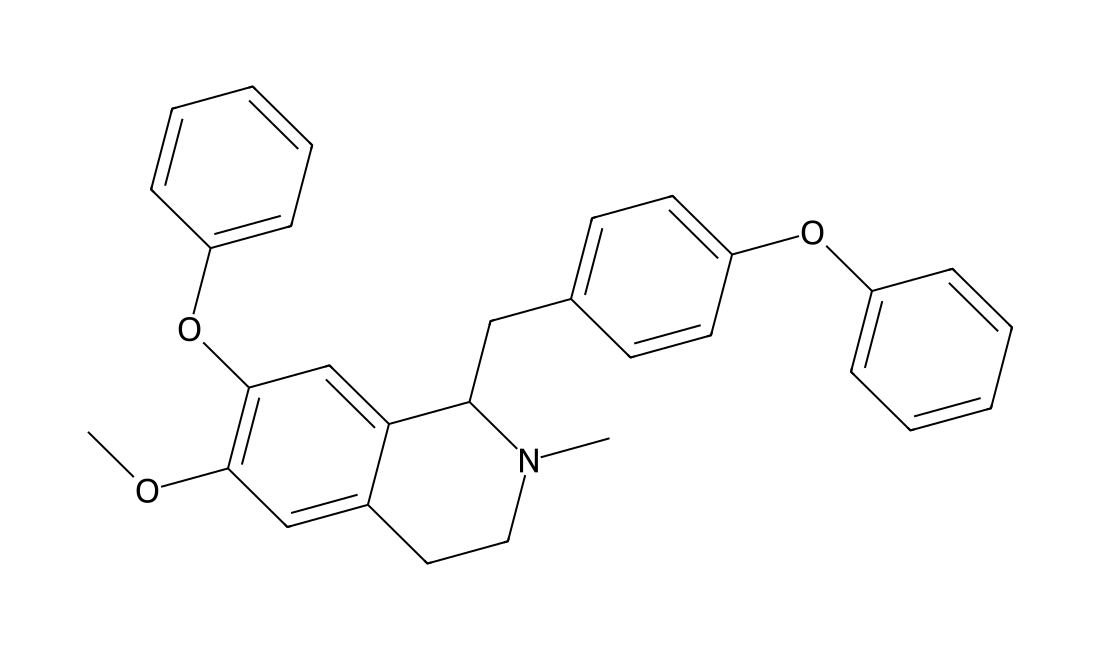
CAS 2728667-27-2
Zongertinib is a potent tyrosine kinase inhibitor. Zongertinib can be used as an antineoplastic agent. Zongertinib also has been tested as pHER2 and EGFR inhibitor inhibiting a wide variety of cancers.
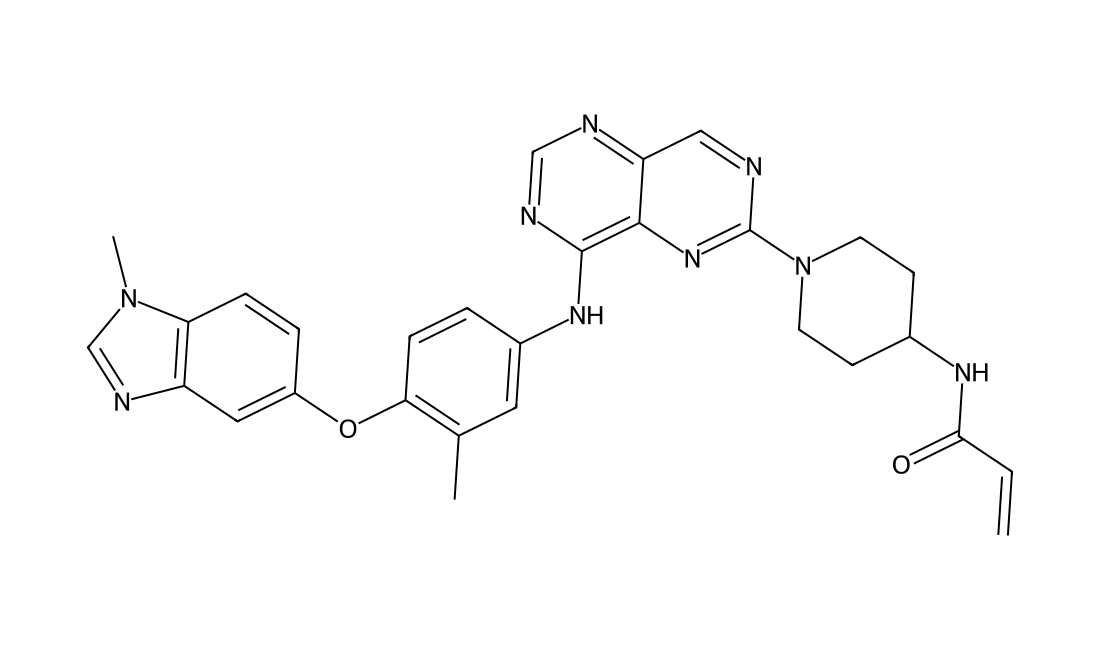
CAS 2089314-64-5
AOH1996 is a proliferating cell nuclear antigen (PCNA) inhibitor. AOH1996 enhances PCNA and RPB1 interaction and interferes with TRC resolution and induces DNA double-stranded breaks in a transcription dependent manner. AOH1996 almost completely inhibits the growth of xenograft tumors without causing any discernible toxicity to experimental animals.AOH1996 has superior metabolic stability as compared to the AOH1160 parent molecule.
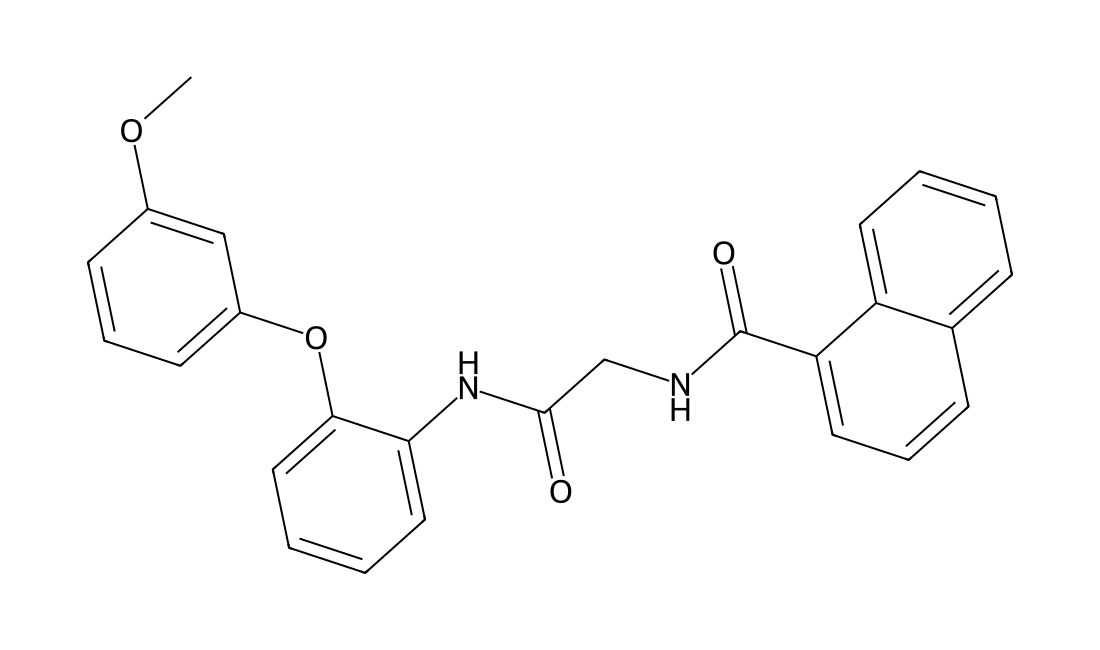
CAS 2893778-31-7
PHGDH-IN-3 is an orally active phosphoglycerate dehydrogenase (PHGDH) inhibitor. PHGDH-IN-3 inhibits PHGDH with an IC50 value of 2.8 μM. PHGDH-IN-3 can be used for the research of cancer1.
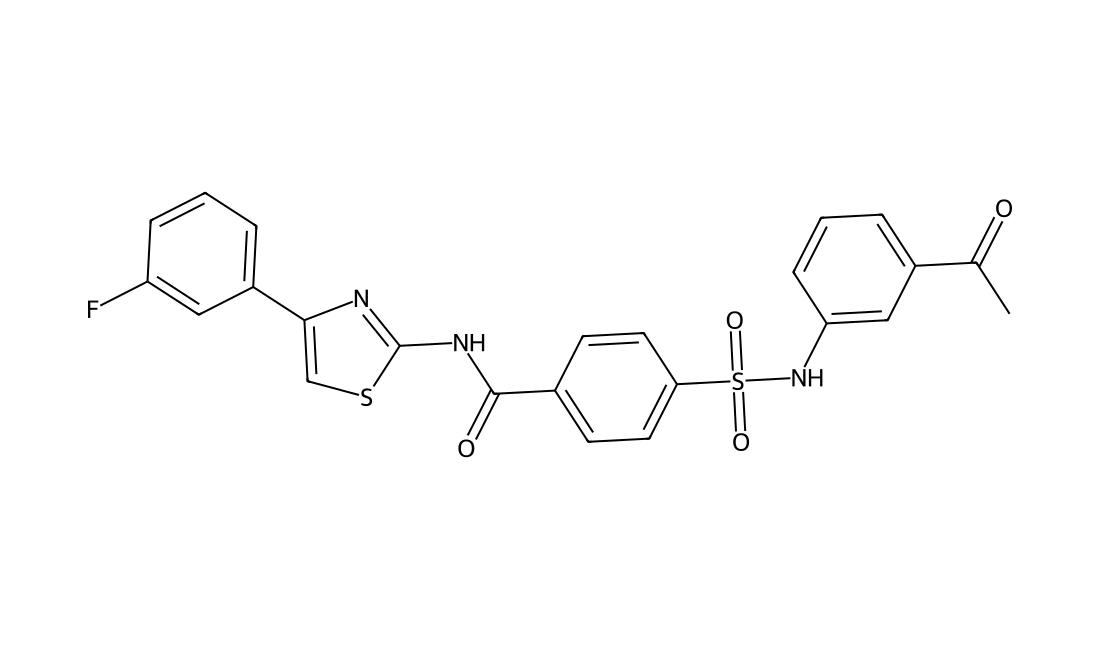
CAS 330829-30-6
MRT-10 is a seven-transmembrane receptor smoothened (Smo) antagonist with an IC50 of 0.65 μM in the micromolar range in various Hedgehog (Hh) assays. MRT-10 binds to the Smo receptor at the level of the Bodipycyclopamine binding site. MRT-10 can be used for the research of cancer12.
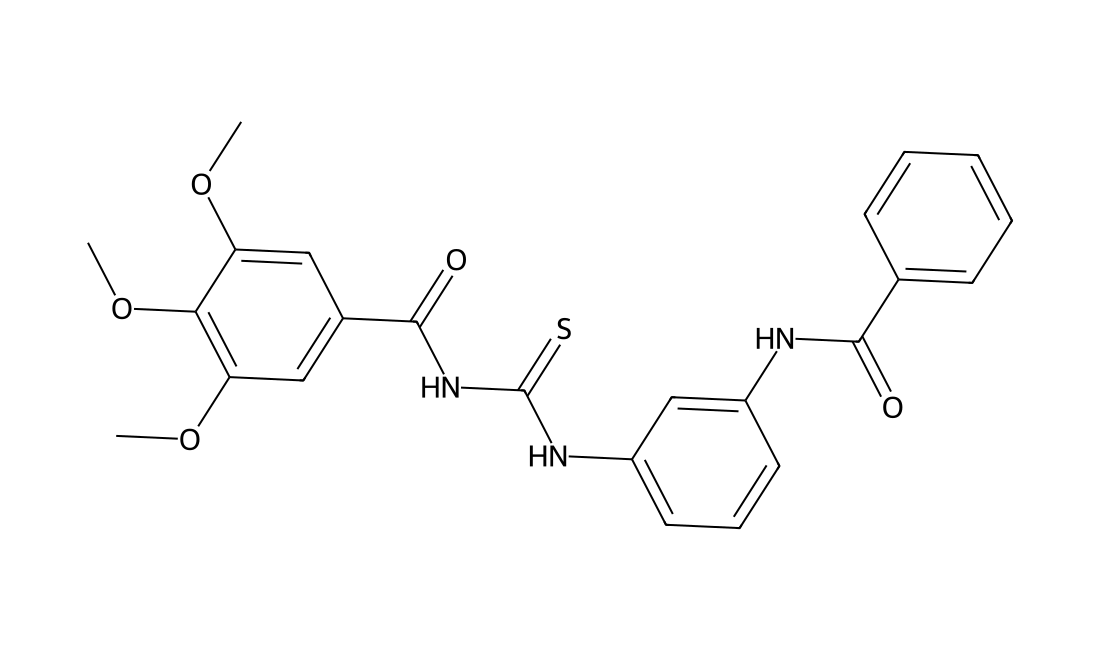
CAS 1263132-08-6
MRT-81 is a potent antagonist of human and rodent smoothened Smo receptors, with an IC50 value of 41 nM in the Shh-light2 cells. MRT-81 has potent hedgehog inhibiting activity. MRT-81 can be used for the research of cancer.
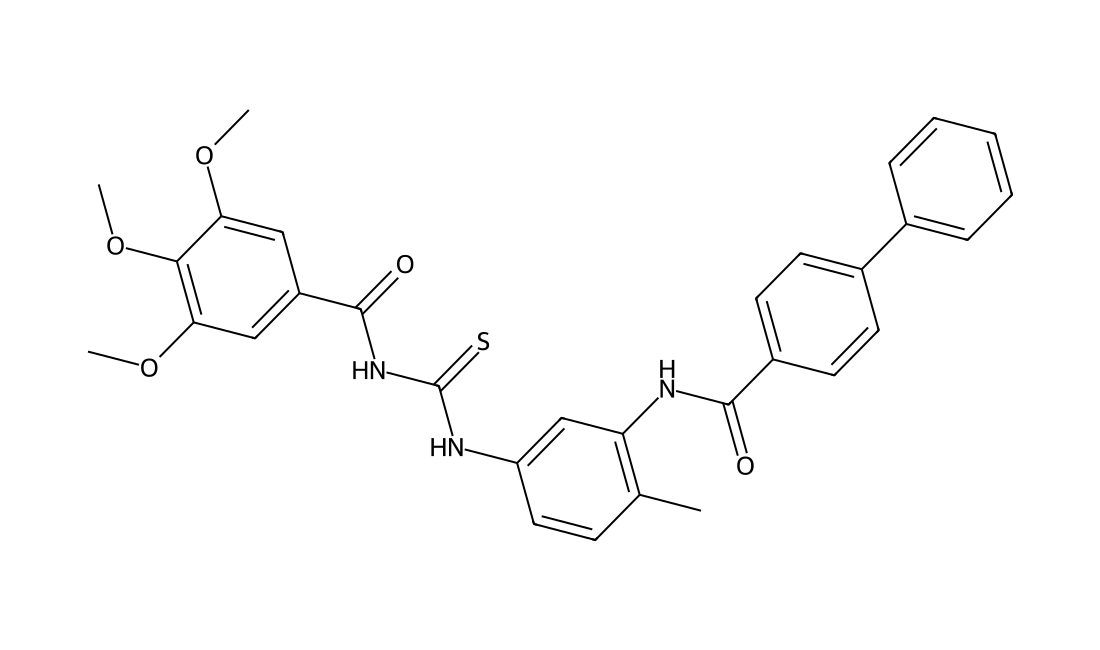
CAS 1357350-60-7
ALLO-2 is a potent small molecule Smoothened (Smo) antagonist that inhibits Smo agonist Hh-Ag1.5-induced luciferase expression in TM3-Gli-Luc cells with IC50 of 6 nM.
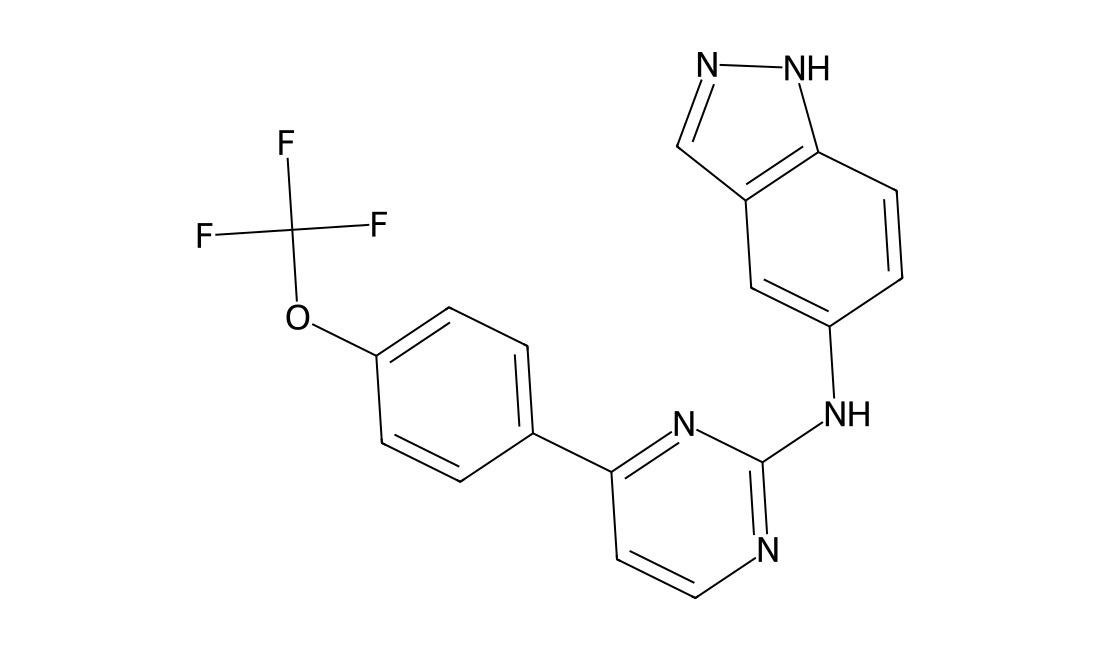
CAS 2549174-42-5
Lirafugratinib (RLY-4008) is an orally active and selective inhibitor of FGFR2.
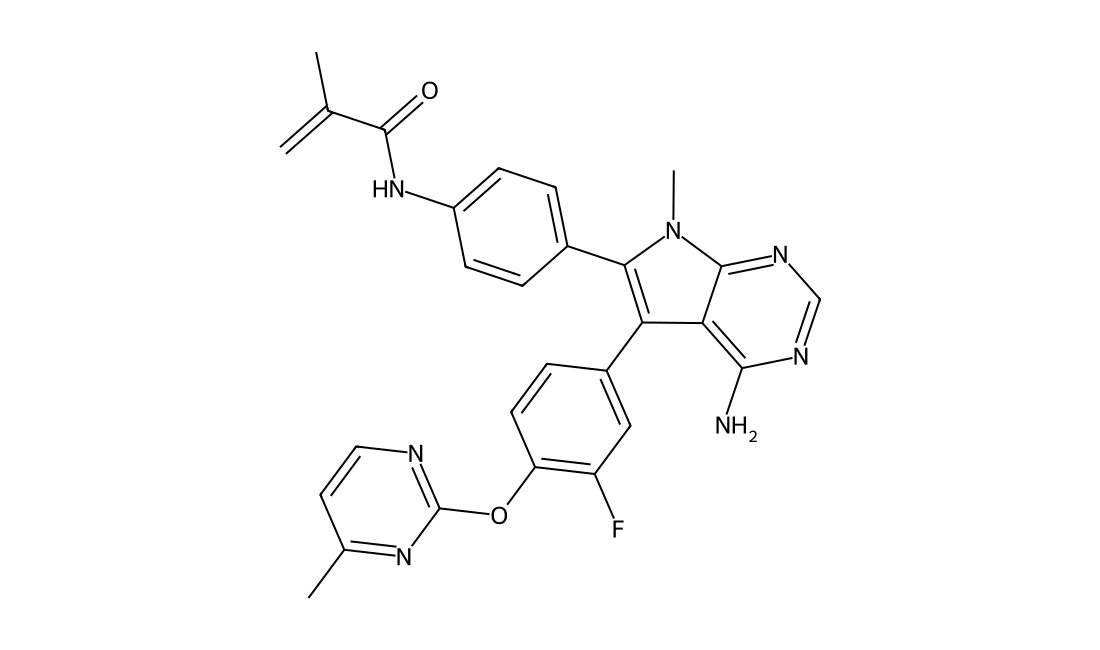
CAS 2241719-73-1
ASP2453 is a potent, selective and covalent KRAS G12C inhibitor. ASP2453 inhibits the Son of Sevenless (SOS)-mediated interaction between KRAS G12C and Raf with an IC50 value of 40 nM.
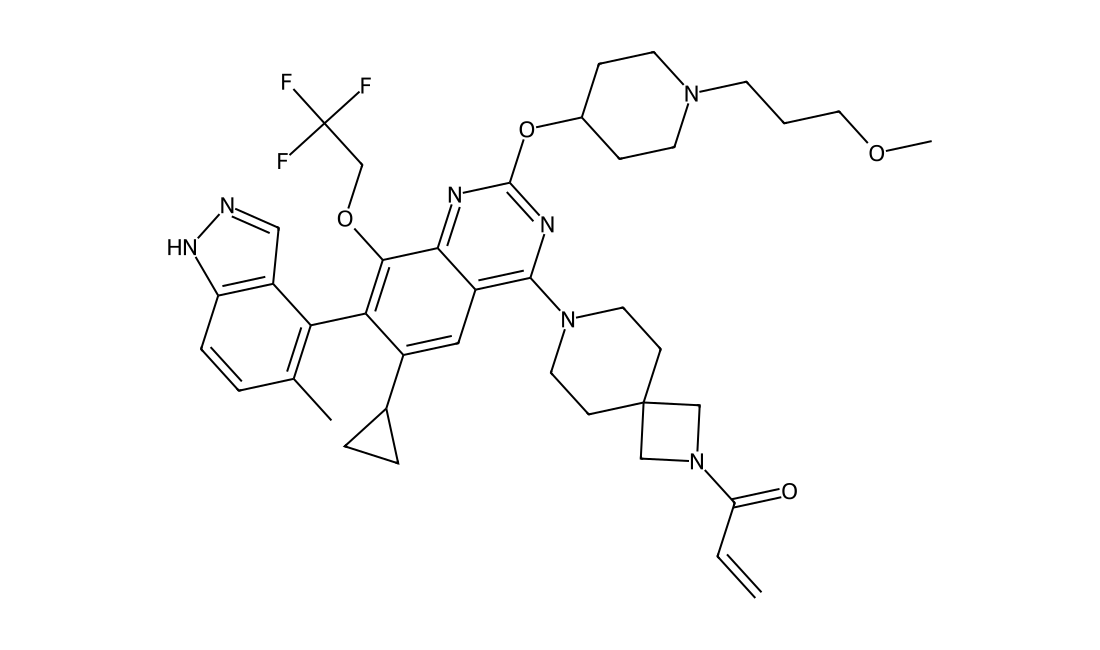
CAS 315702-75-1
KCC-07 is a potent, selective and brain-penetrant inhibitor of MBD2 (methyl-CpG-binding domain protein 2) with anticancer activity. It prevents binding of MBD2 to methylated DNA and activates brain specific angiogenesis inhibitor 1 (BAI1) inducing anti-proliferative BAI1/p53/p21 signaling.
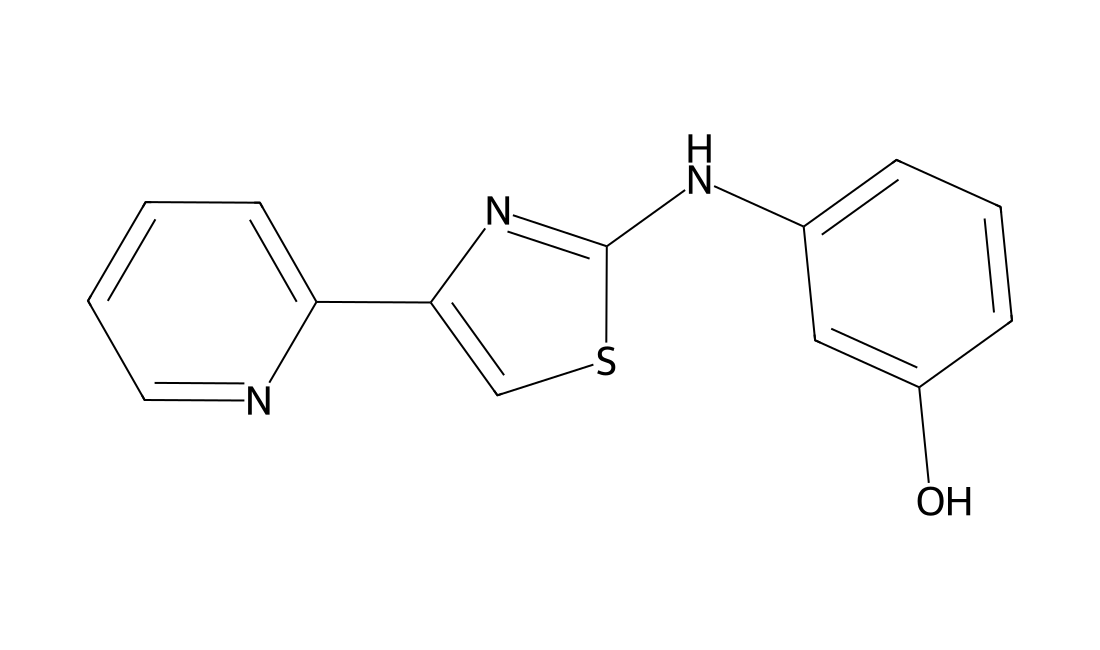
CAS 1848242-58-9
PI3K/mTOR Inhibitor-2 is a potent dual pan-PI3K/mTOR inhibitor with IC50s of 3.4/34/16/1 nM for PI3Kα/PI3Kβ/PI3Kδ/PI3Kγ and 4.7 nM for mTOR. Antitumor activity.
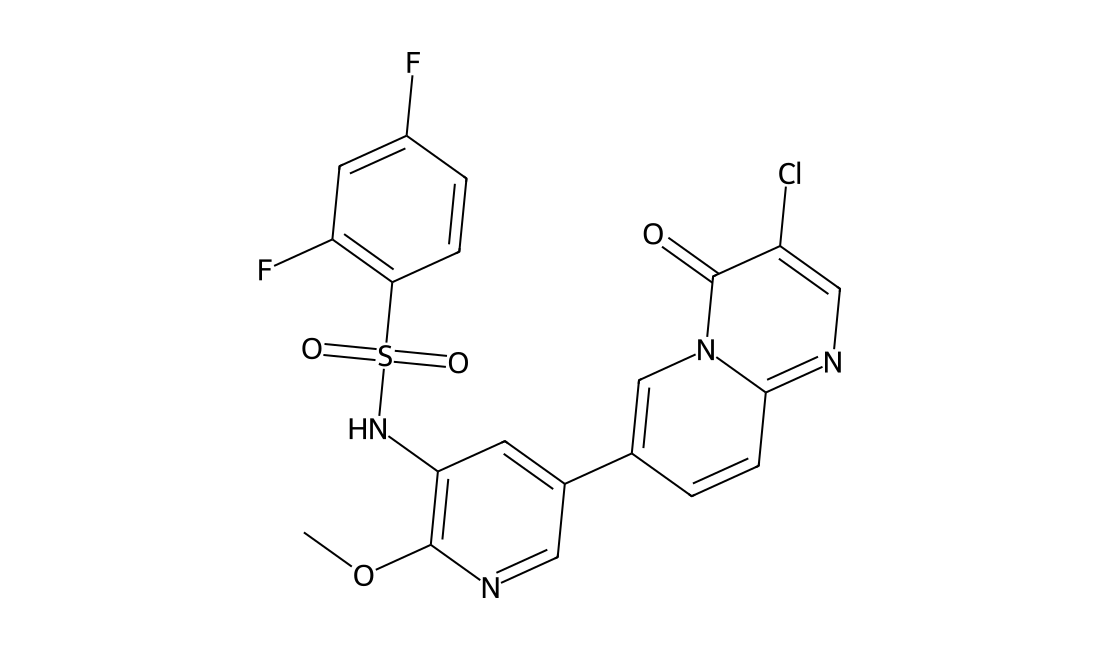
CAS 1890169-95-5
UPGL00004 is a potent glutaminase C (GAC) inhibitor with an IC50 of 29 nM, showing high selectivity for GAC over GLS2.
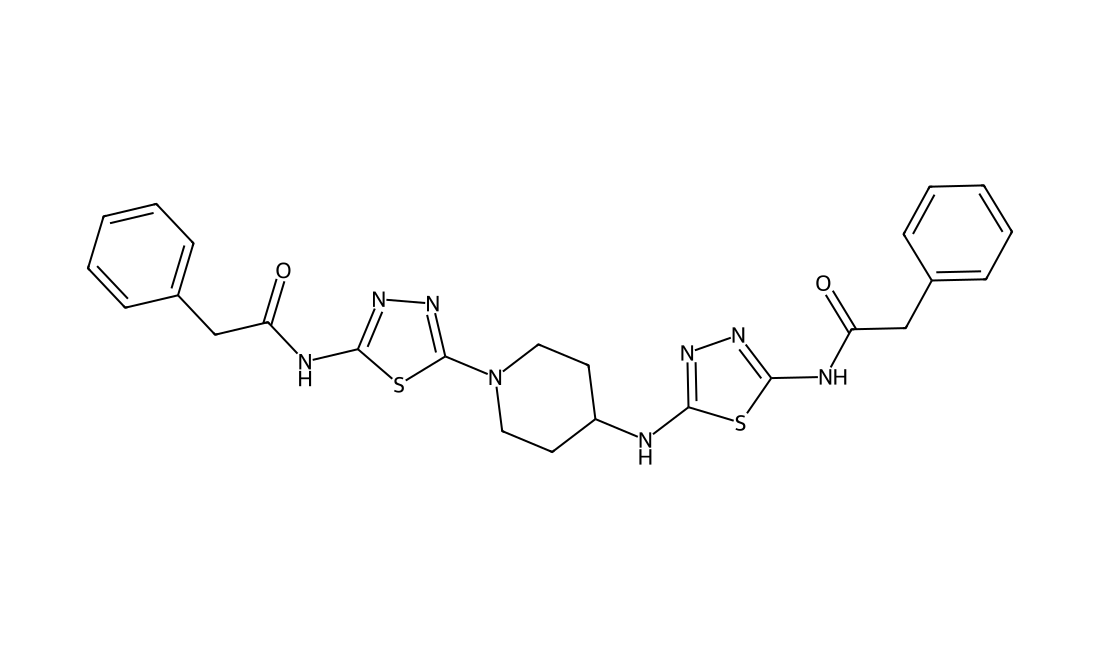
CAS 2585648-55-9
EEDi-5273 is an exceptionally potent and orally efficacious embryonic ectoderm development (EED) inhibitor with IC50 of 0.2 nM and inhibits the KARPAS422 cell growth with IC50 of 1.2 nM. EEDi-5273 demonstrates an excellent PK and ADME profile, and its oral administration leads to complete and persistent tumor regression in the KARPAS422 xenograft model with no signs of toxicity.
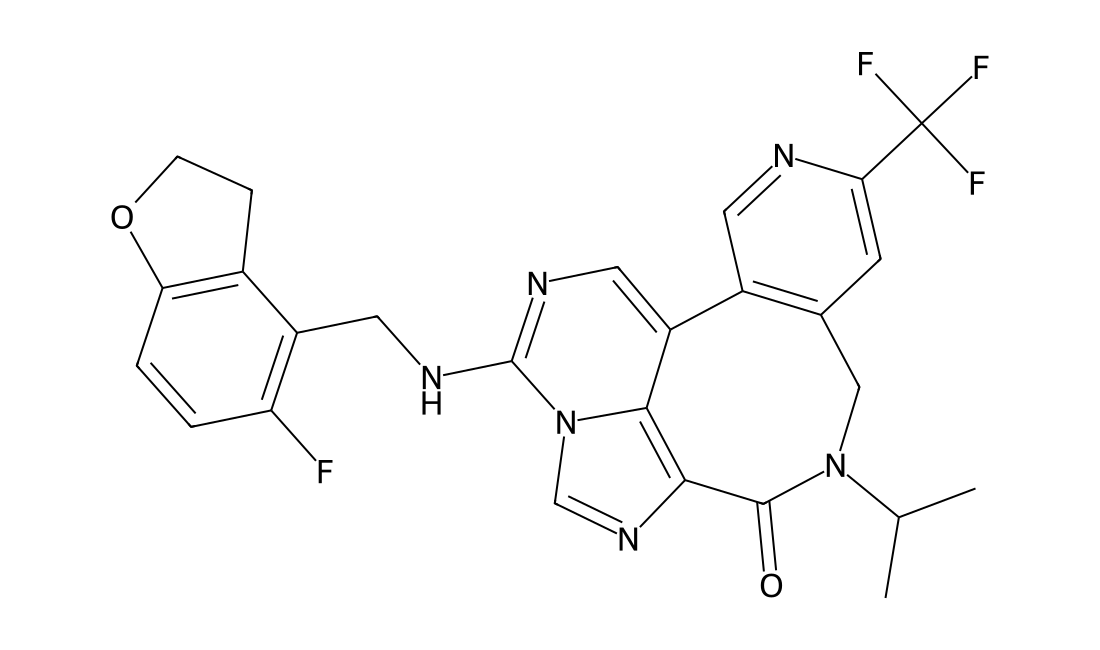
CAS 13571-44-3
VPC-70063 is a Myc-Max inhibitor. VPC-70067 is a close analog of the previously identified Myc inhibitor 10058-F4. VPC-70063, of a chemically different scaffold, was the best performer in a panel of in vitro assays, and the forerunner for future hit-to-lead optimization efforts.
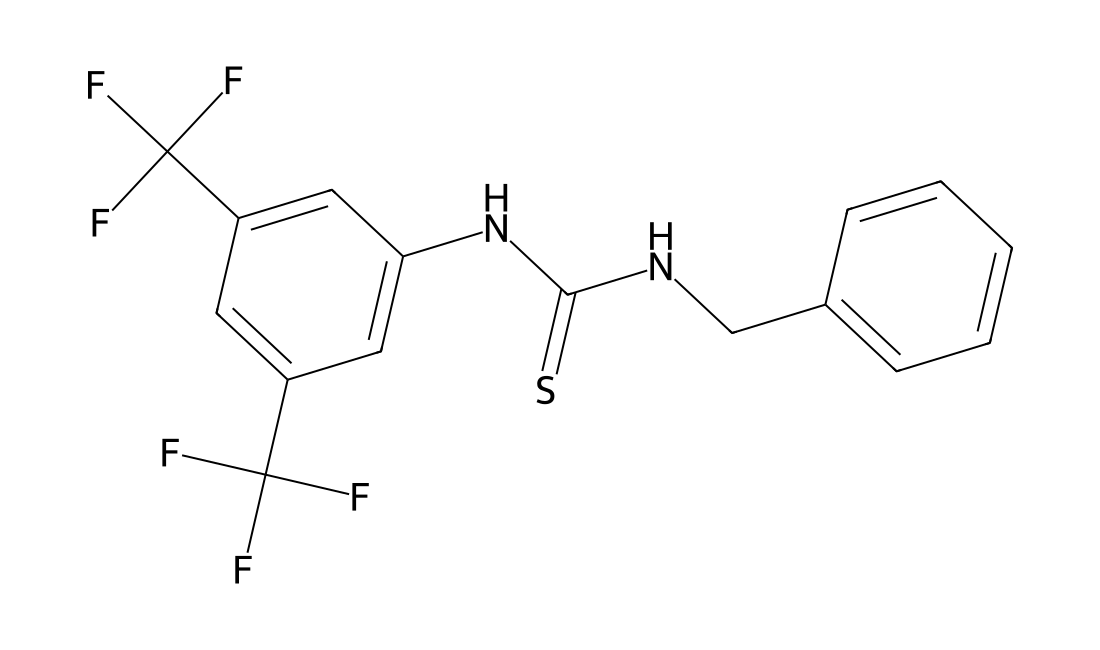
CAS 2729996-45-4
GNE-9815 is among the most highly kinase-selective RAF inhibitors targeting KRAS mutant cancers via combination treatment.
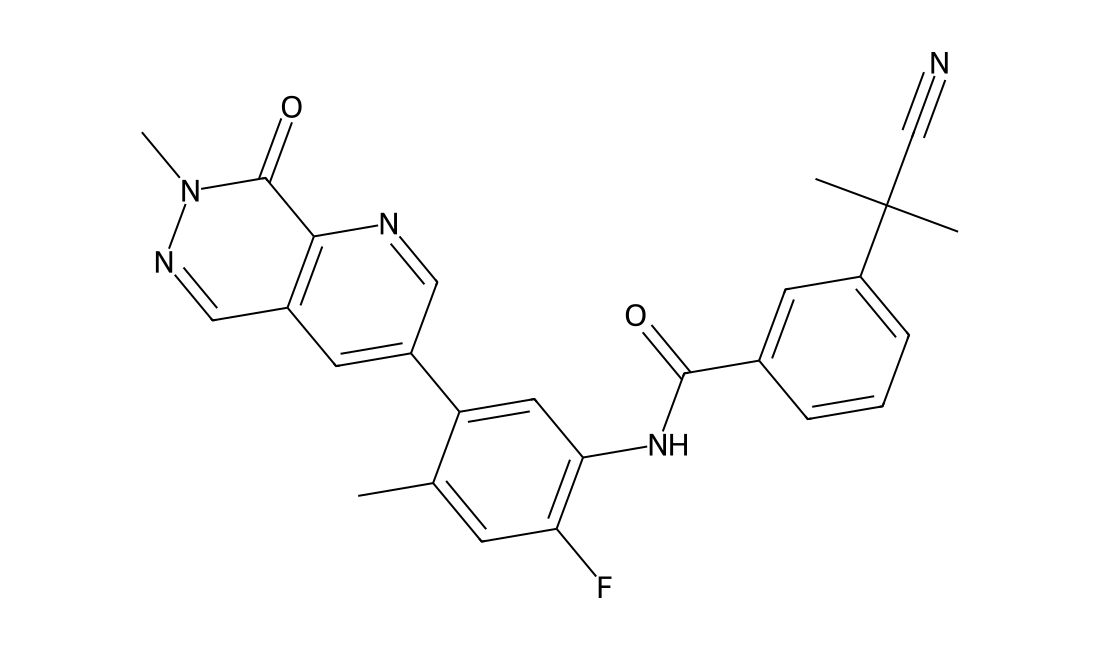
GNE-0749 is a potent and selective pan-RAF inhibitor with Ki of 0.061 nM and <0.08 nM for CRAF and BRAF, respectively. Combinated with cobimetinib, GNE-0749 demonstrates synergistic pharmacodynamic effects in the KRAS mutant HCT116 tumor-bearing mice.
CAS 1627826-19-0
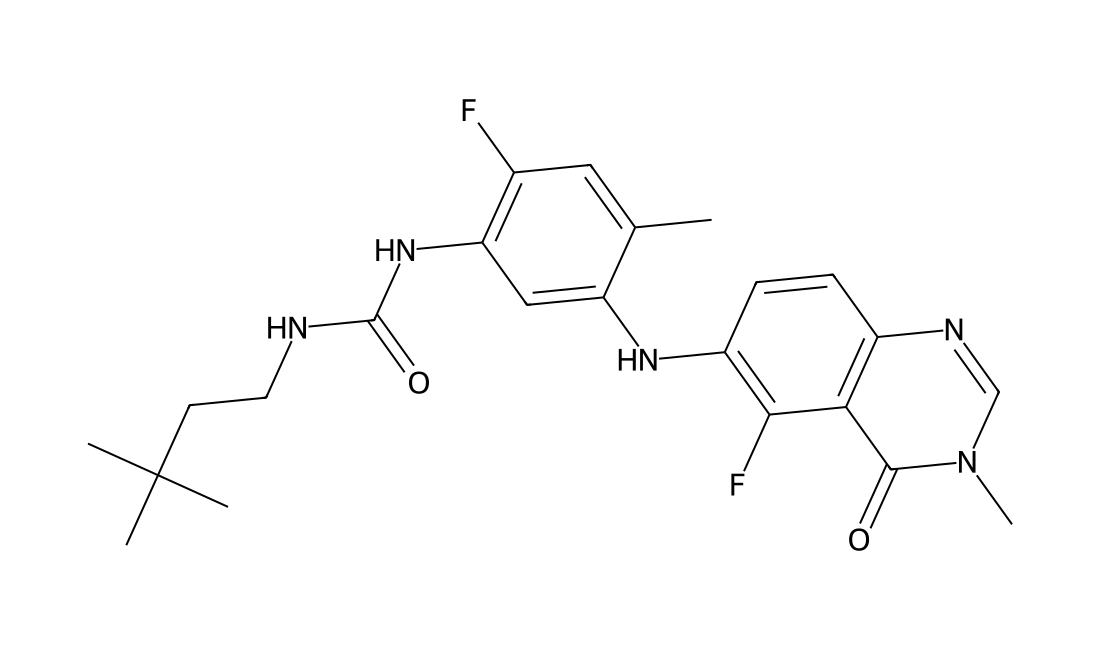
CPL304110 is a potent, orally active and selective of fibroblast growth factor receptors FGFR (1-3), with IC50 values of 0.75 nM, 0.5 nM, and 3.05 nM for FGFR (1-3), respectively.
CAS 81267-65-4
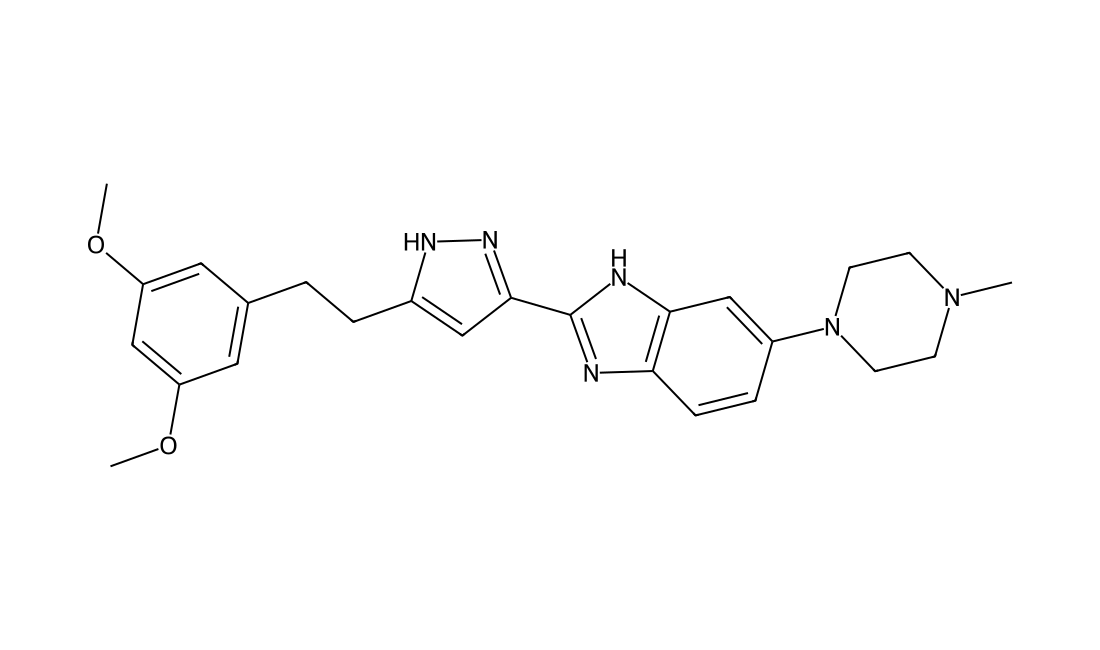
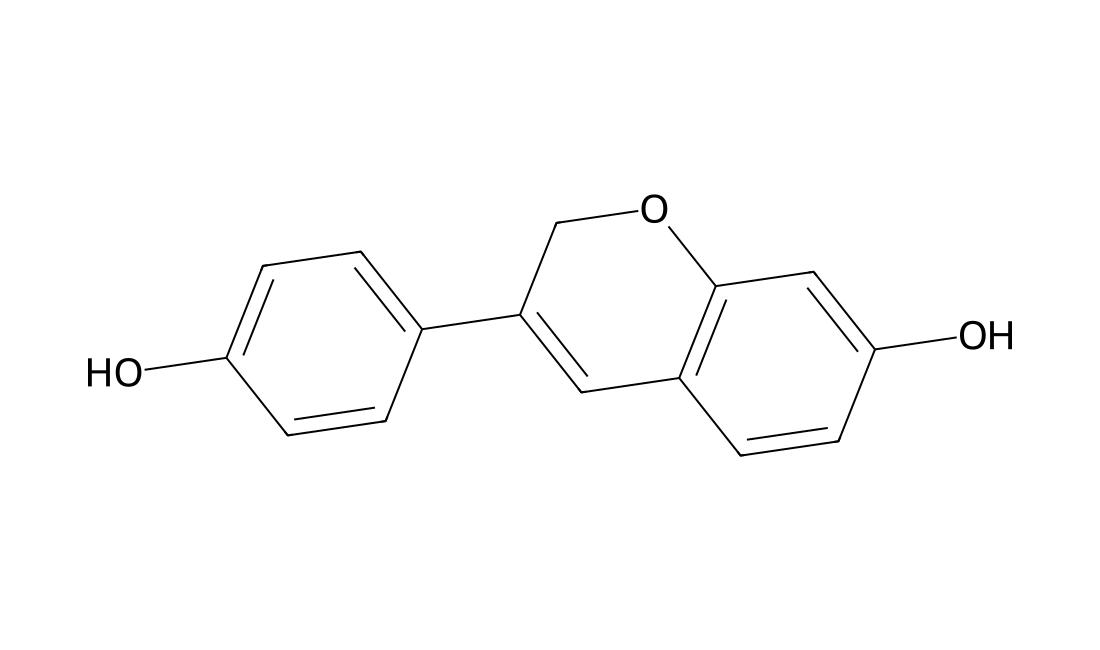
Idronoxil, also known as Phenoxodiol, is a synthetic flavonoid derivative. Phenoxodiol activates the mitochondrial caspase system, inhibits X-linked inhibitor of apoptosis (XIAP), and disrupts FLICE inhibitory protein (FLIP) expression, resulting in tumor cell apoptosis. This agent also inhibits DNA topoisomerase II by stabilizing the cleavable complex, thereby preventing DNA replication and resulting in tumor cell death.
CAS 2102672-22-8
DK419 (DK-419) a potent, orally acitve inhibitor of Wnt/β-catenin signaling with IC50 of 0.19 uM in Wnt3A-stimulated TOPFlash assays.
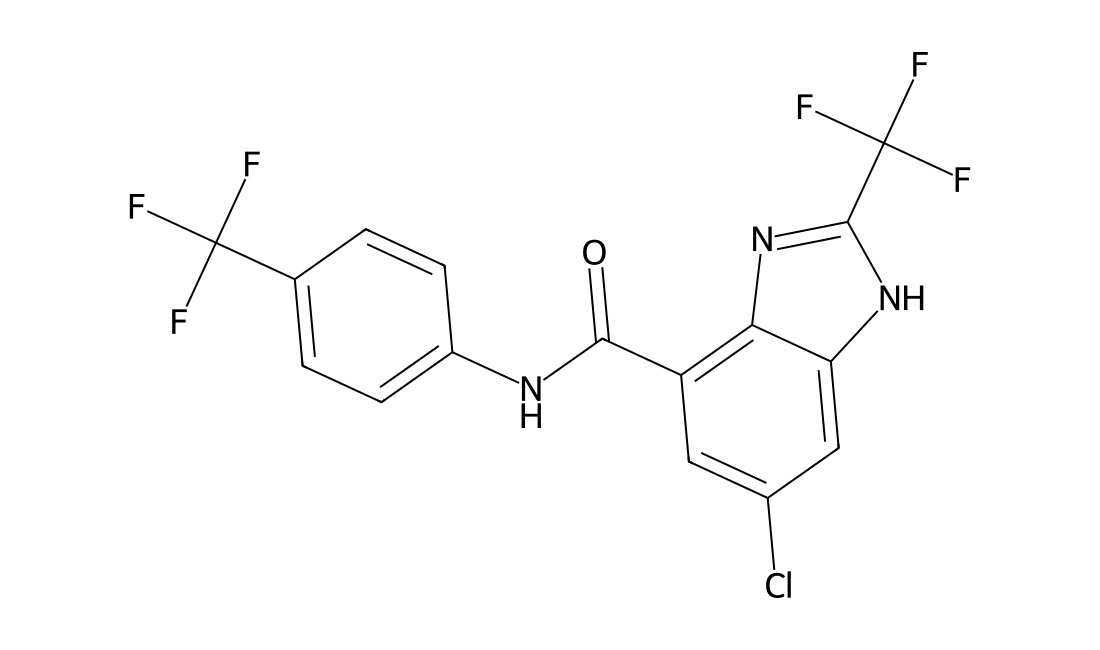
CAS 2376580-08-2
SU056 is an inhibitor of Y box binding protein 1 (YB-1) with IC50 of 1.73 μM in Sk0V3 cells.
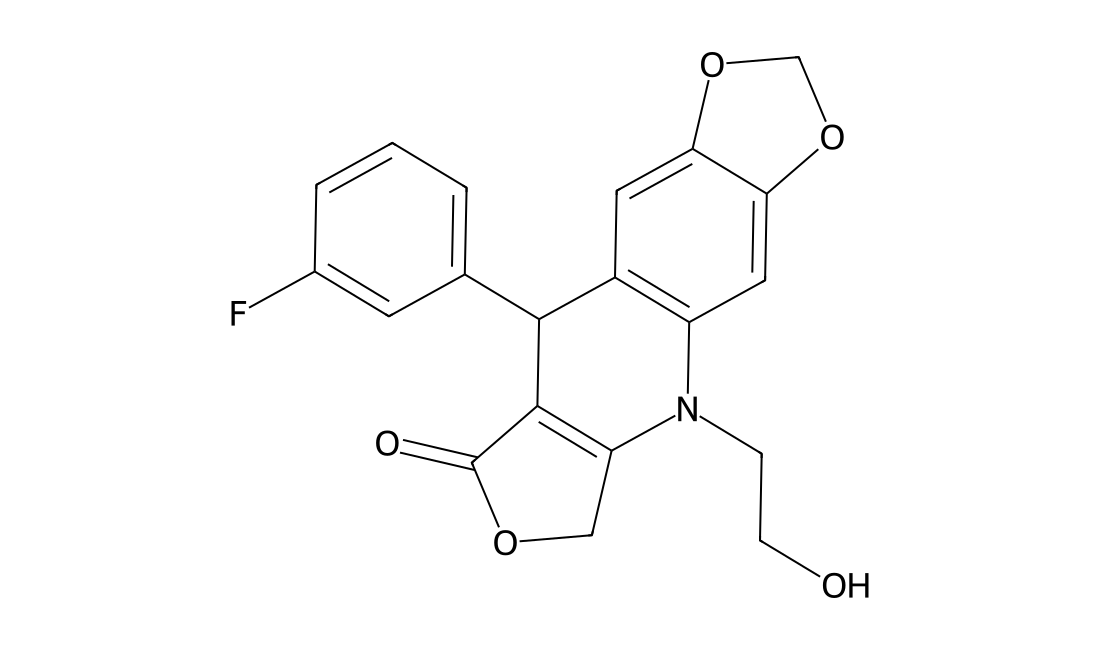
CAS 331859-86-0
A cell-permeable benzochromene that selectively impairs the viability and growth of IGF2-overexpressing hepatocellular carcinoma cells, binds to MFP-2, stimulates the expression of IGFBP-1 and SOCS-3 through activation of STAT6.
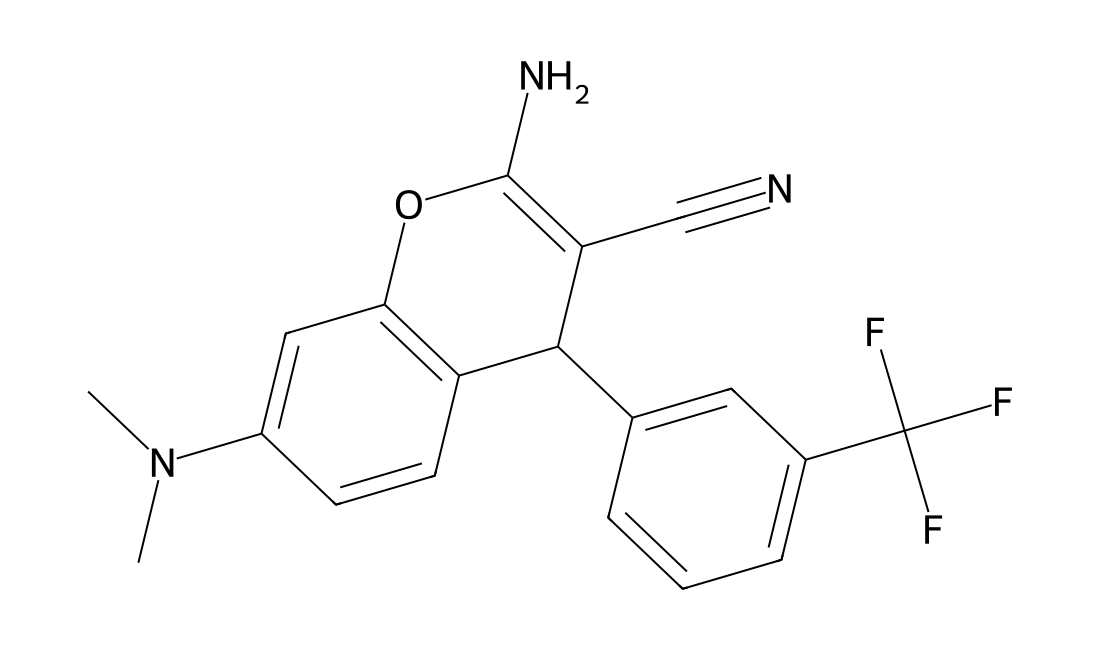
CAS 2377113-41-0
EG-011 is the first-in-class and potent Wiskott-Aldrich syndrome protein (WASP) activator. EG-011 activates the auto-inhibited form of WASP with strong actin polymerization. EG-011 has selective anti-tumor activity in lymphomas.
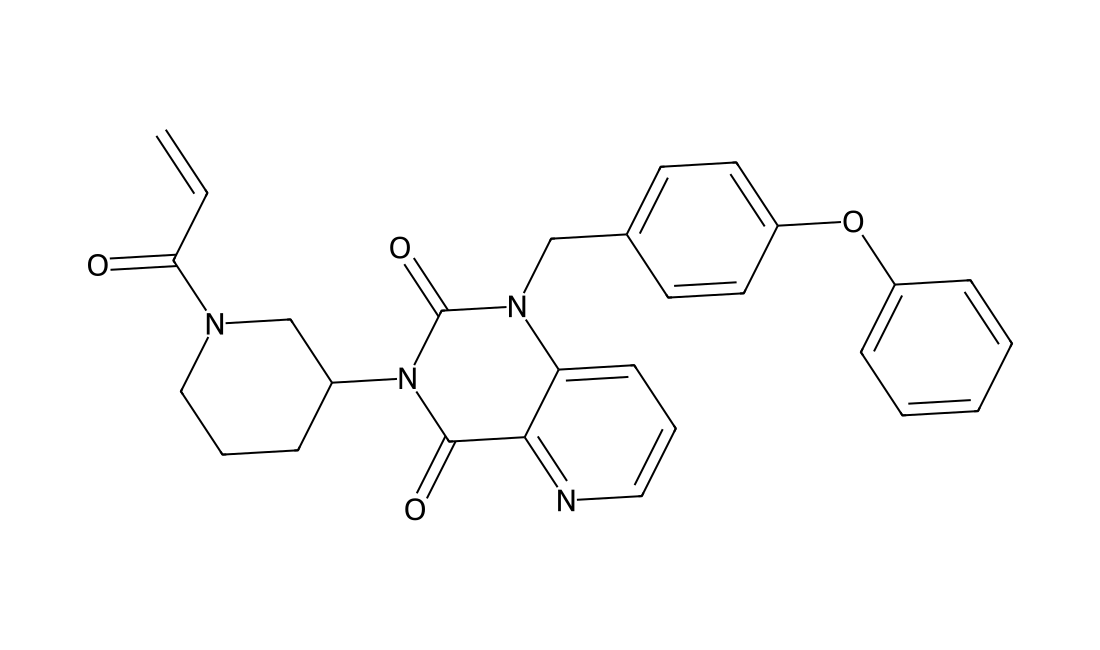
CAS 2095616-82-1
CH7057288 (CH-7057288) is a novel potent and selective pan-TRK inhibitor with IC50 of 1.1/7.8/5.1 nM for TRKA/TRKB/TRKC, respectively.