Home/Small Molecules/Cancer Research

Cancer Research

Compounds with documented oncology research applications.

Browse all research categories

Browse by research category

Products may appear in more than one category. Counts refer to distinct catalog numbers within each category.

Other Research Tools (75) · Additional reagents, building blocks and specialized research tools.

New literature-derived products

LC-MG-1 (DCA0006) · LC-MG-4 (DCA0007) · LC-MG-9 (DCA0008)

View structure and evidence summaries →

Cancer Research products

Combine a keyword, research category and target to narrow the product list.

Loading catalog filters…

1,049 products · Showing 625–672

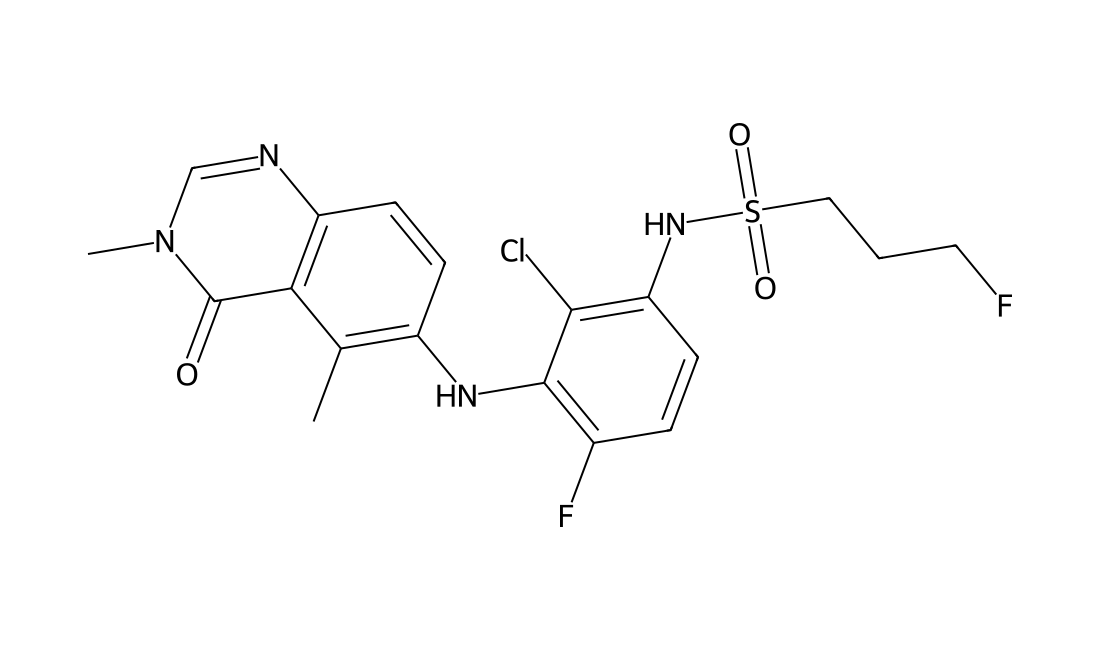
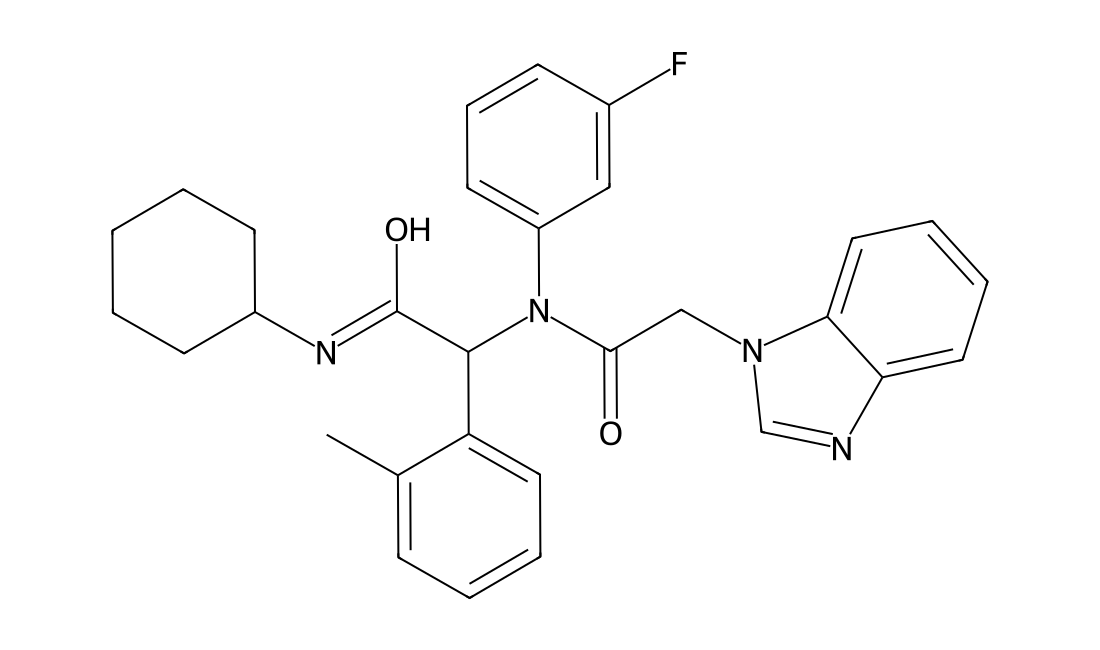
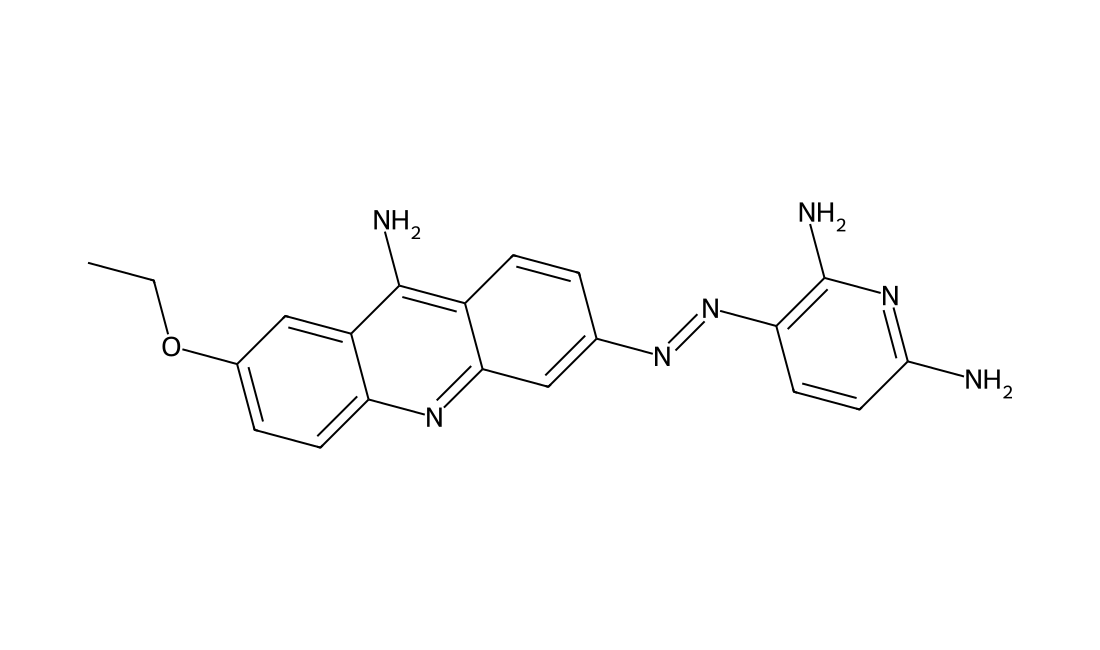
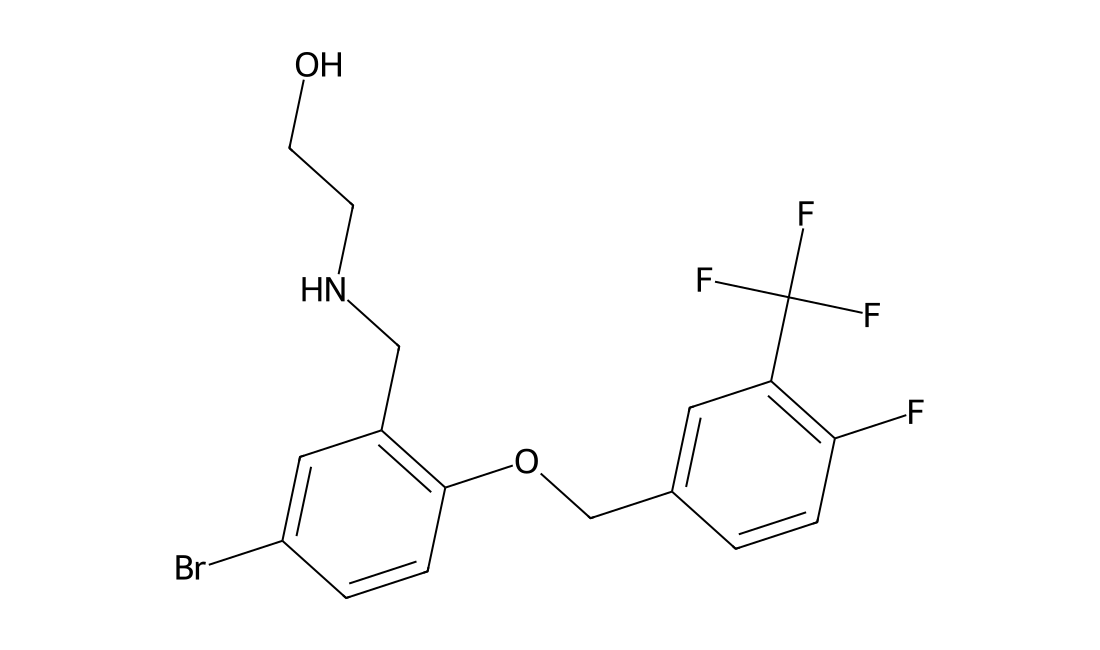
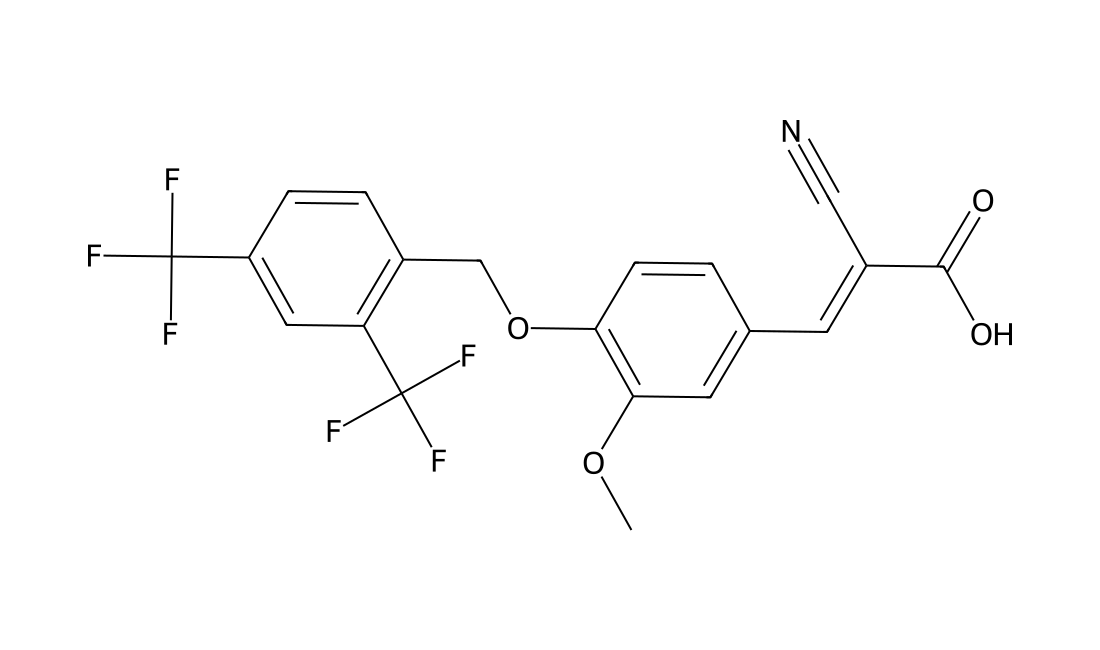
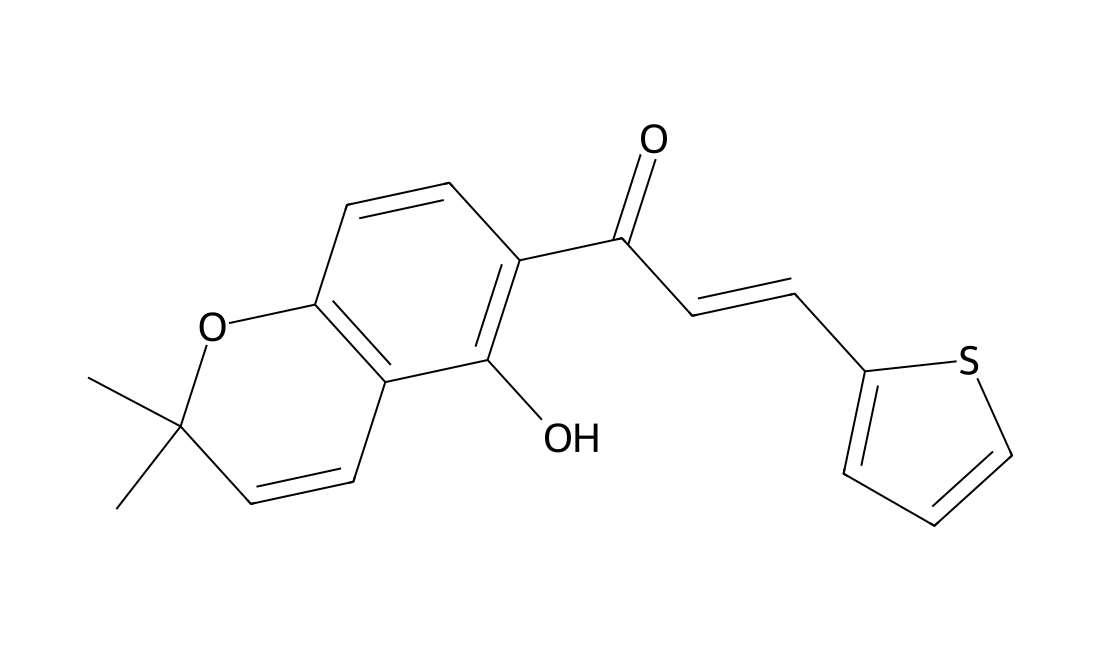
DC72304

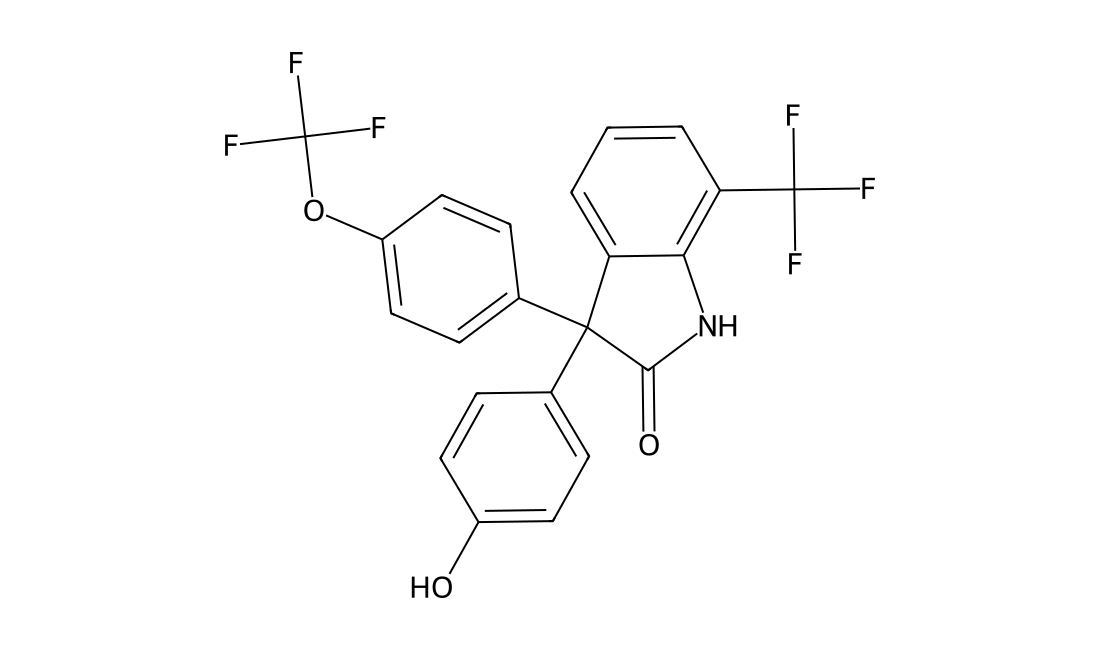
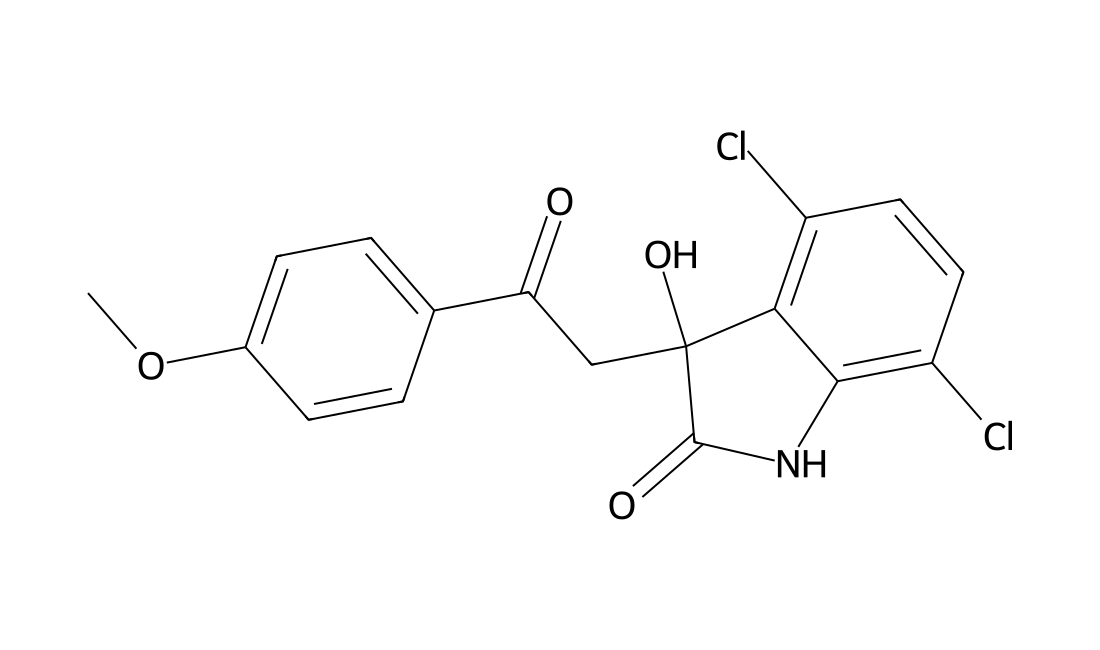
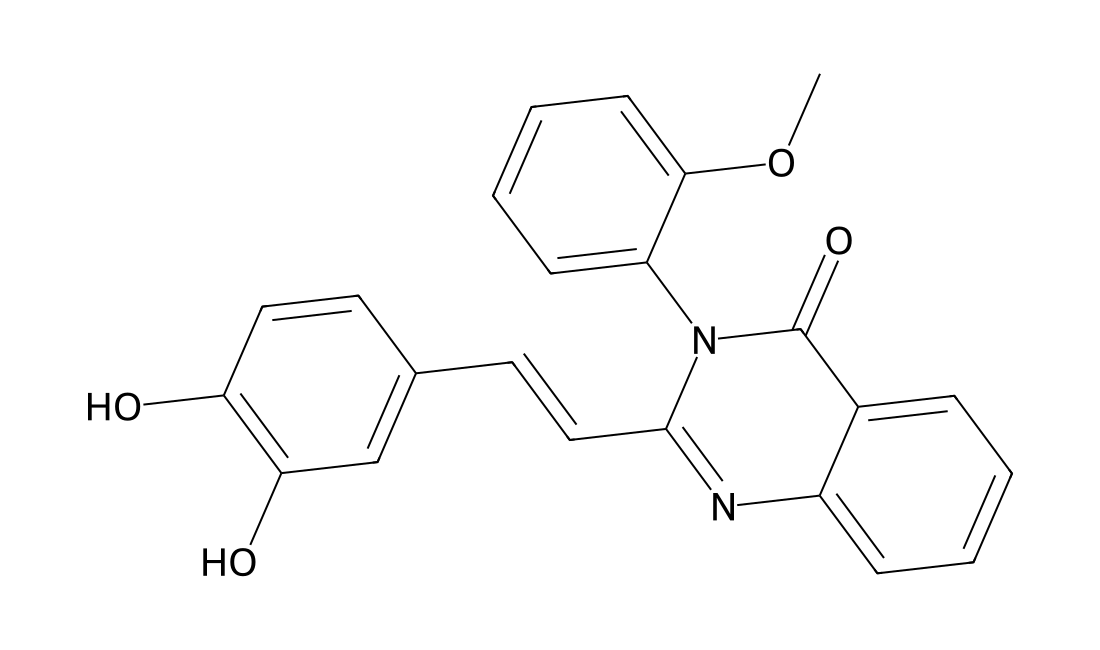
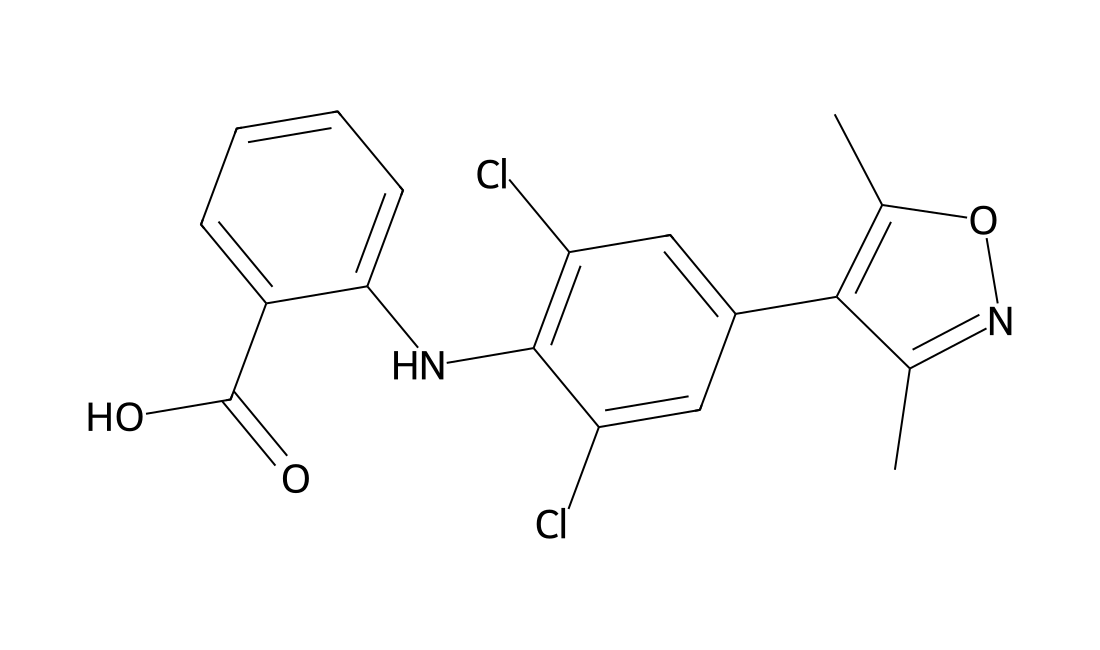
MMRi62

CAS 352693-80-2

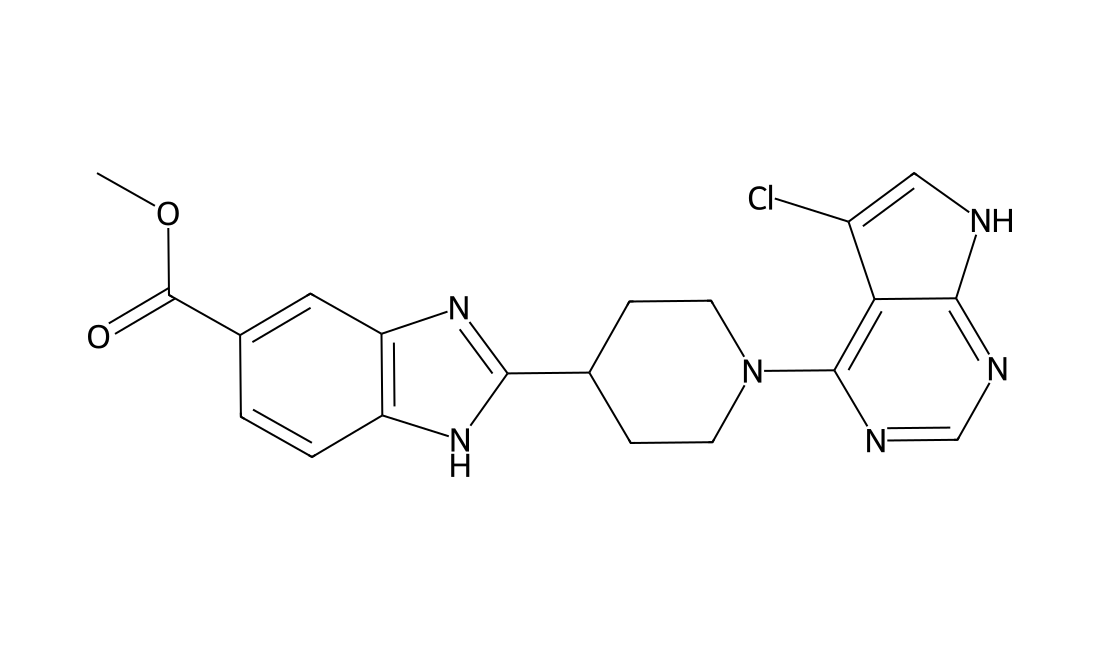
MMRi62, a ferroptosis inducer targeting MDM2-MDM4 (negative regulators of tumor suppressor p53). MMRi62 shows a P53-independent pro-apoptotic activity against pancreatic ductal adenocarcinoma (PDAC) cells and induce autophagy. MMRi62 inducesferroptosis, resulting in a increase of reactive oxygen and lysosomal degradation of ferritin heavy chain (FTH1). MMRi62 also leads to proteasomal degradation of mutant p53, also inhibits orthotopic xenograft PDAC mouse model in vivo with high frequency mutation characteristics of KRAS and TP53.12.
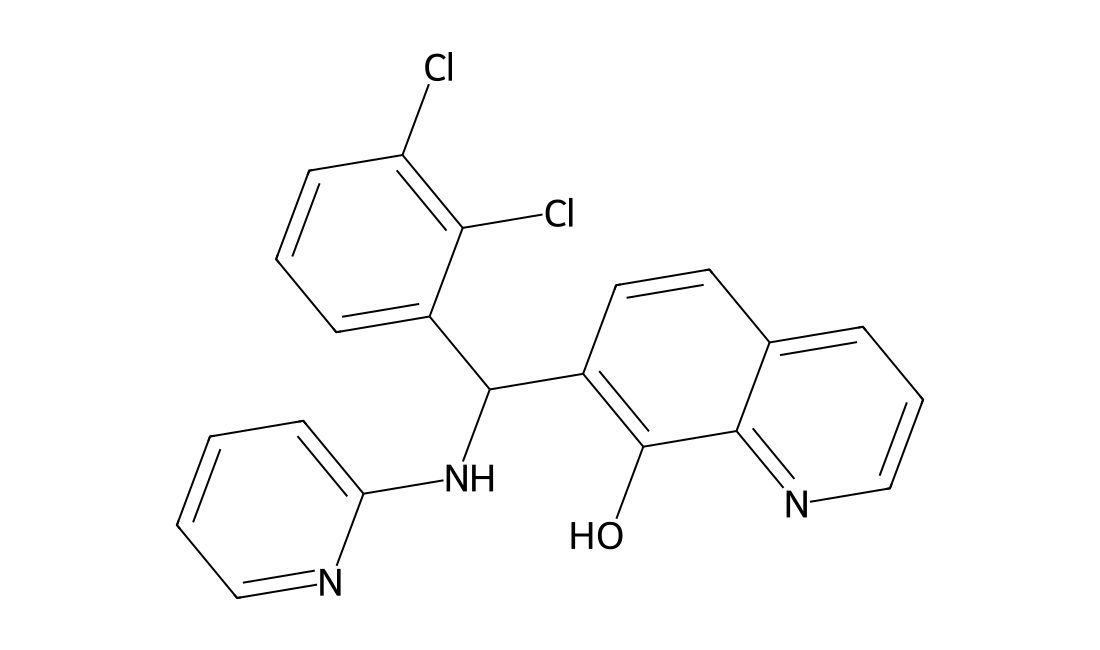
MMRi62 chemical structure
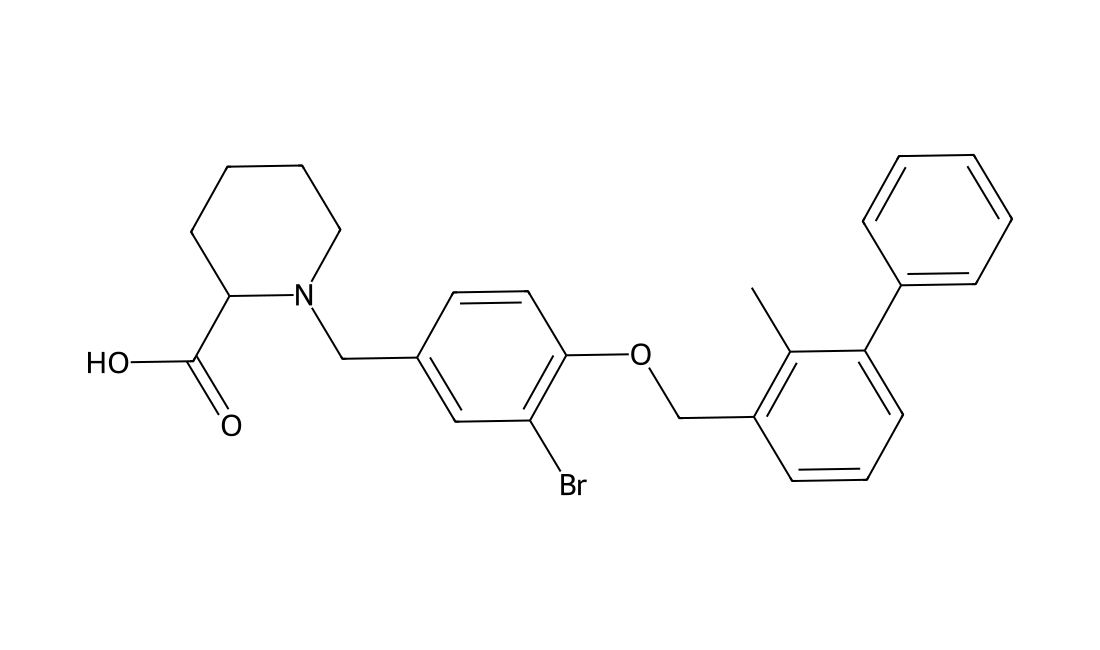
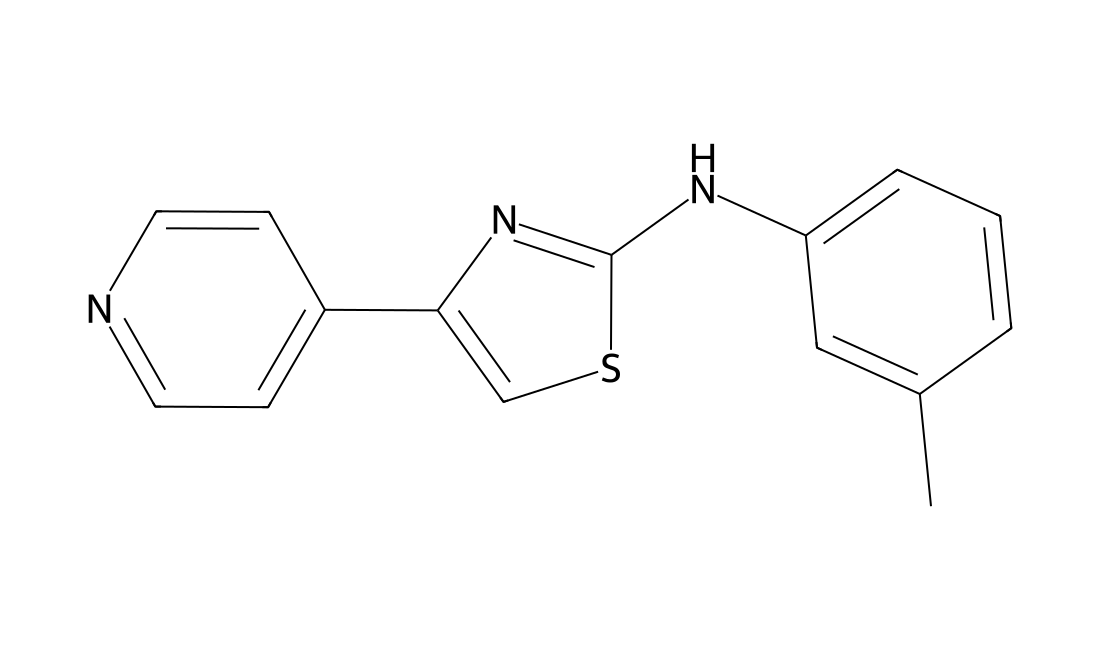
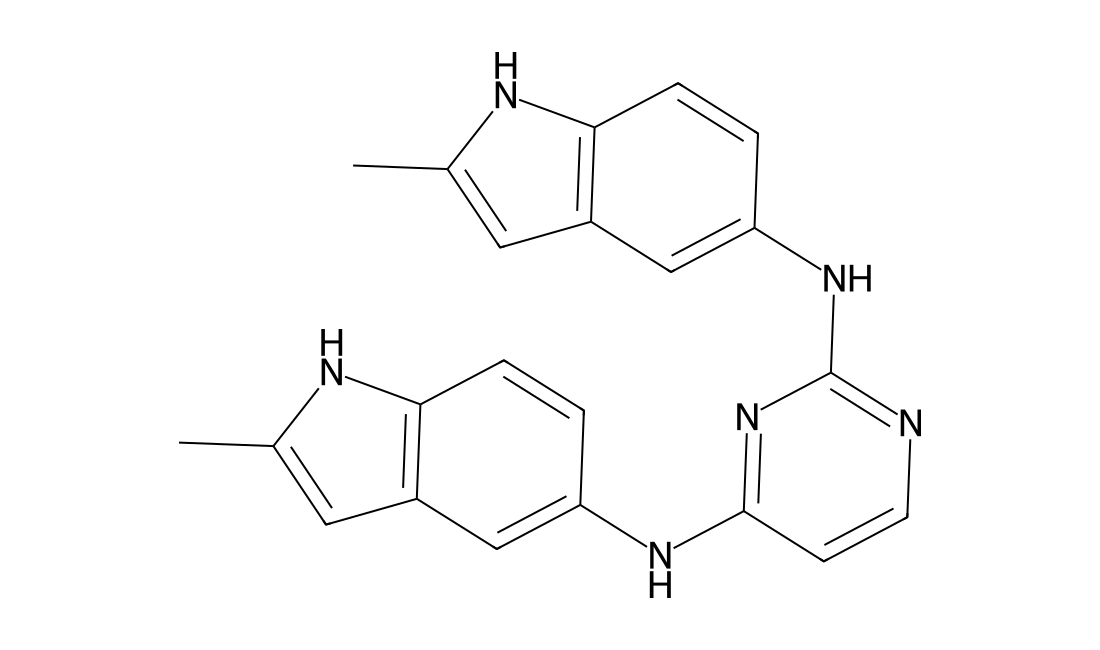
DC12576

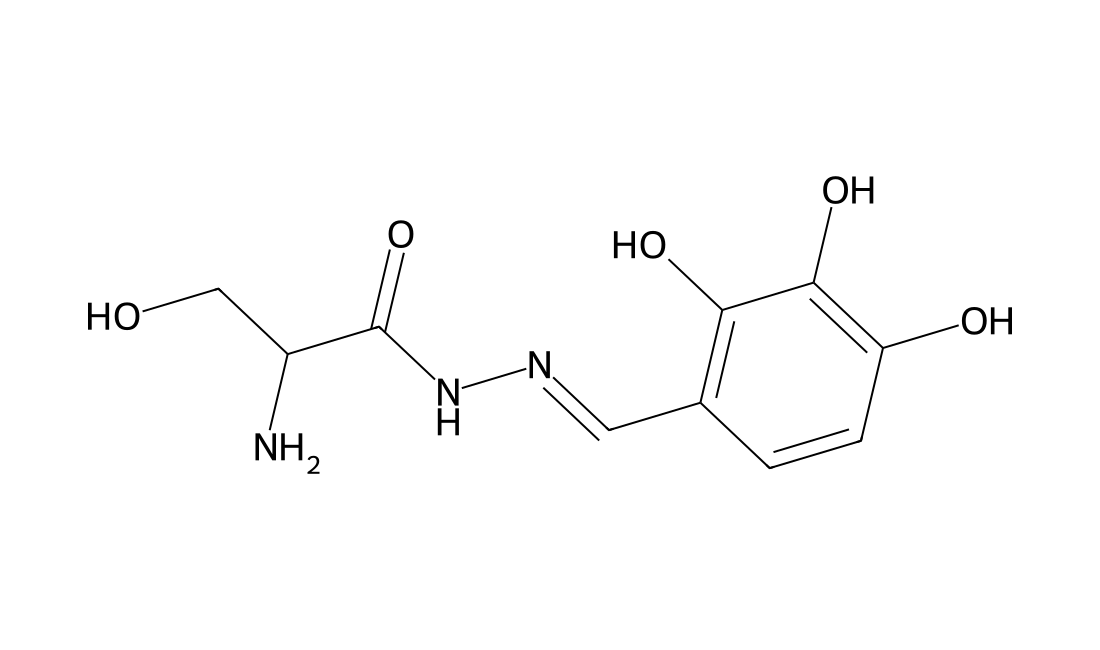
CSRM617

CAS 787504-88-5

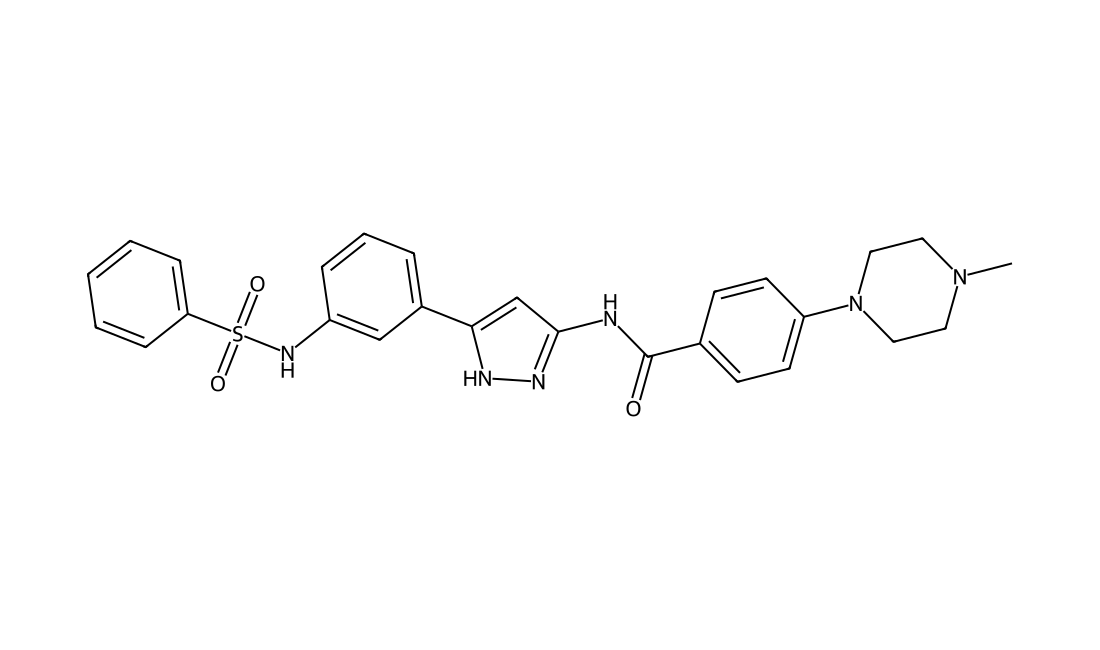
CSRM617 (CSRM-617) is a small-molecule inhibitor of the transcription factor ONECUT2 (OC2) with Kd of 7.43 uM in SPR assays, binds to OC2-HOX domain directly.

CSRM617 chemical structure
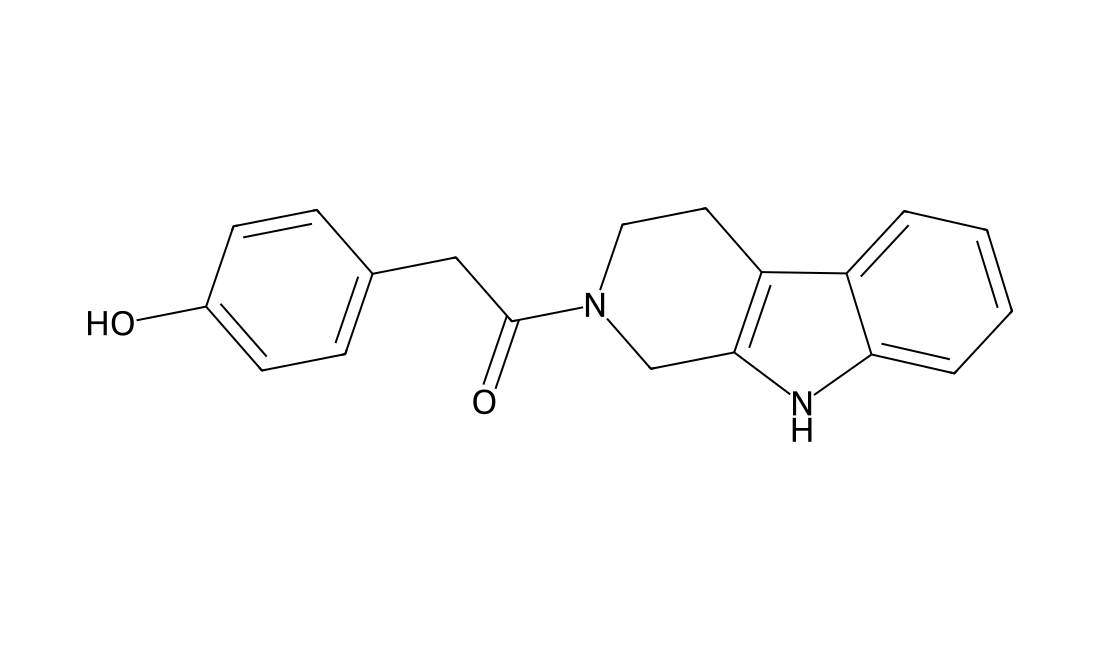
DC71910

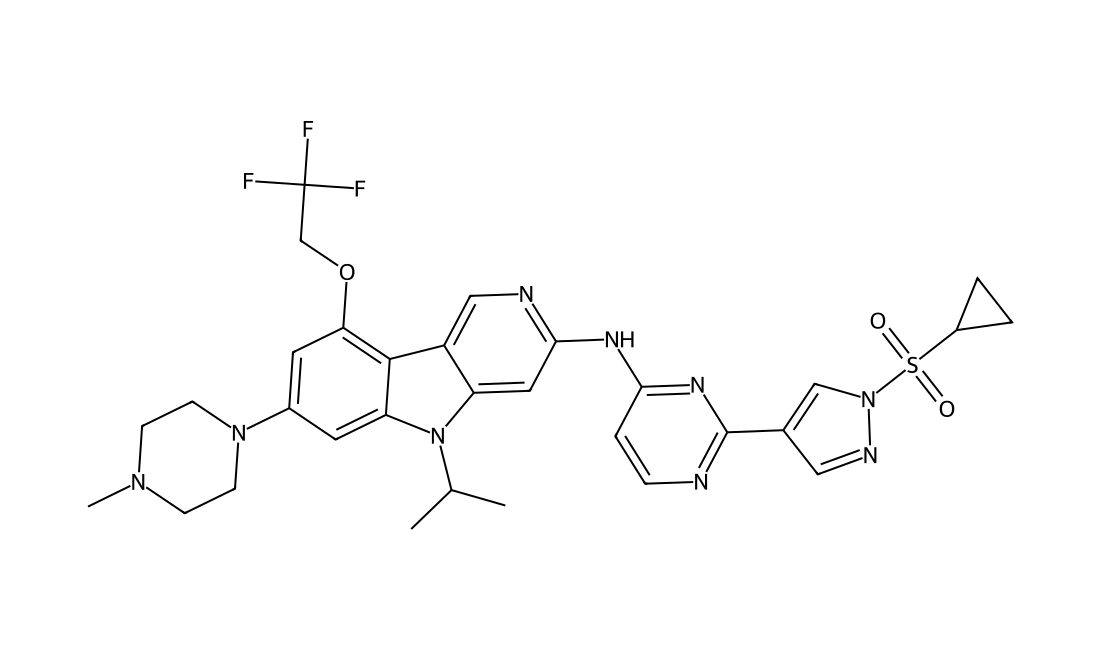
Tinlorafenib

CAS 2573781-75-4

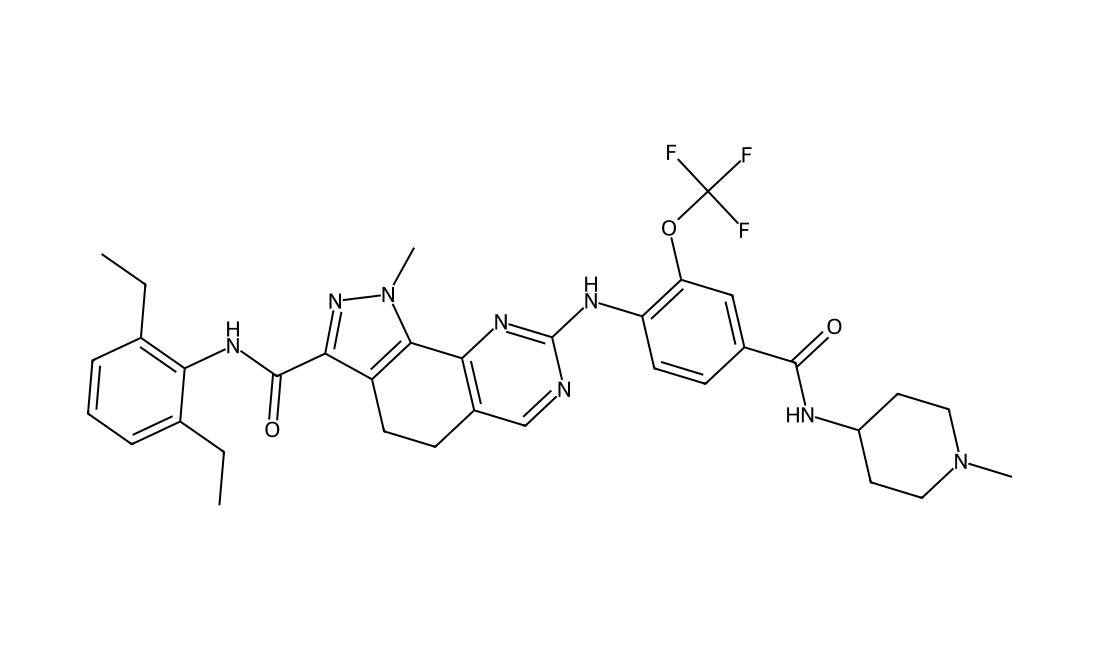
Tinlorafenib (PF-07284890) (compound 10) is an orally active BRAF kinase inhibitor, with IC50s of 4.25 and 2.7 nM for BRAFV600E/V600K respectively. Tinlorafenib demonstrates CNS penetration and can be used in the research of BRAF-associated malignant and benign tumors of the CNS as well as extracranial malignancies1.

Tinlorafenib chemical structure
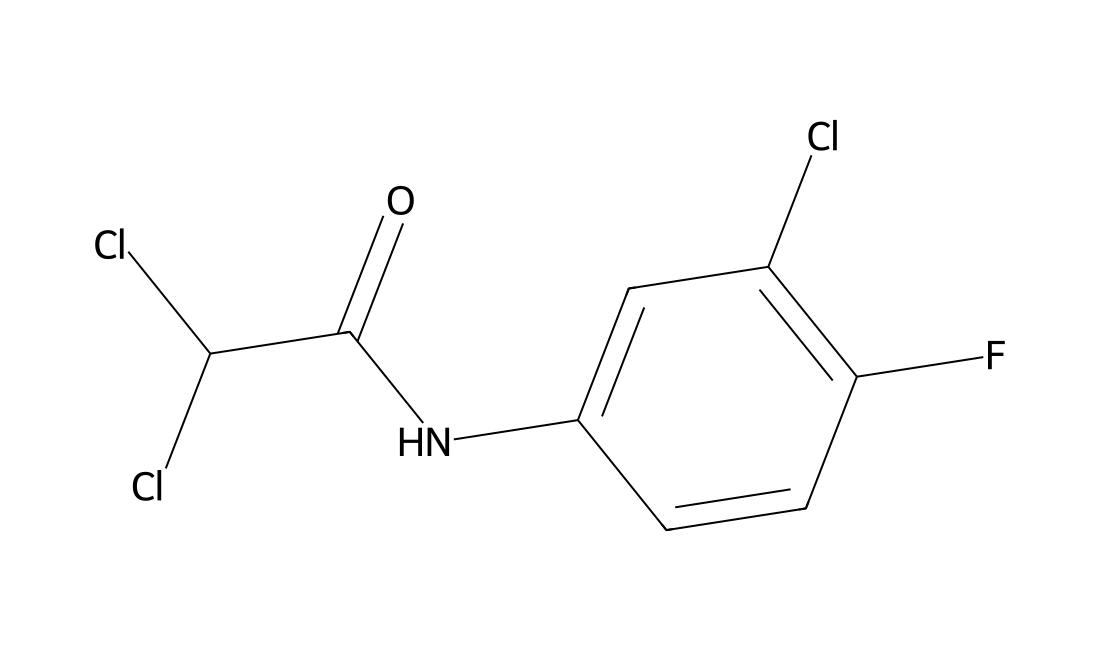
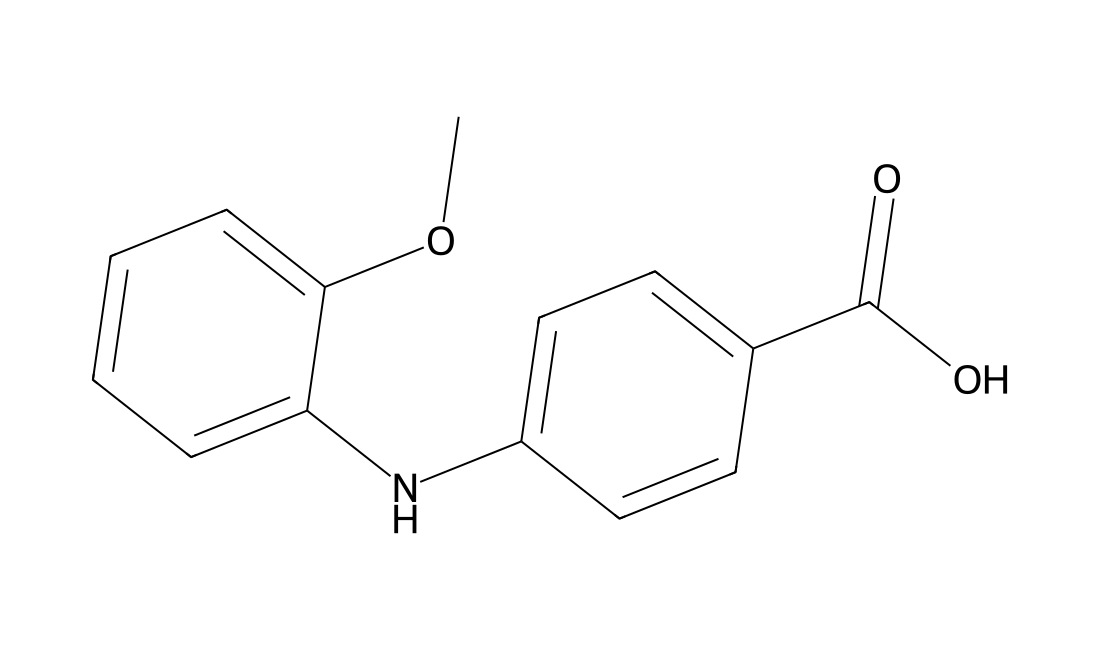
DC48742

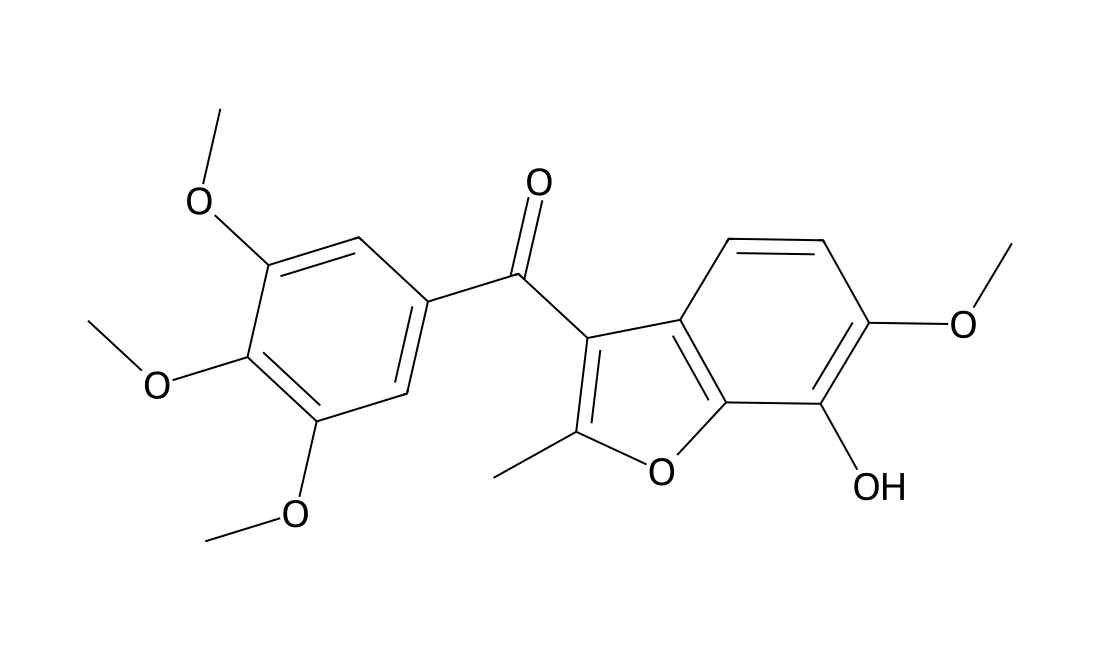
YH-306

CAS 1373764-75-0

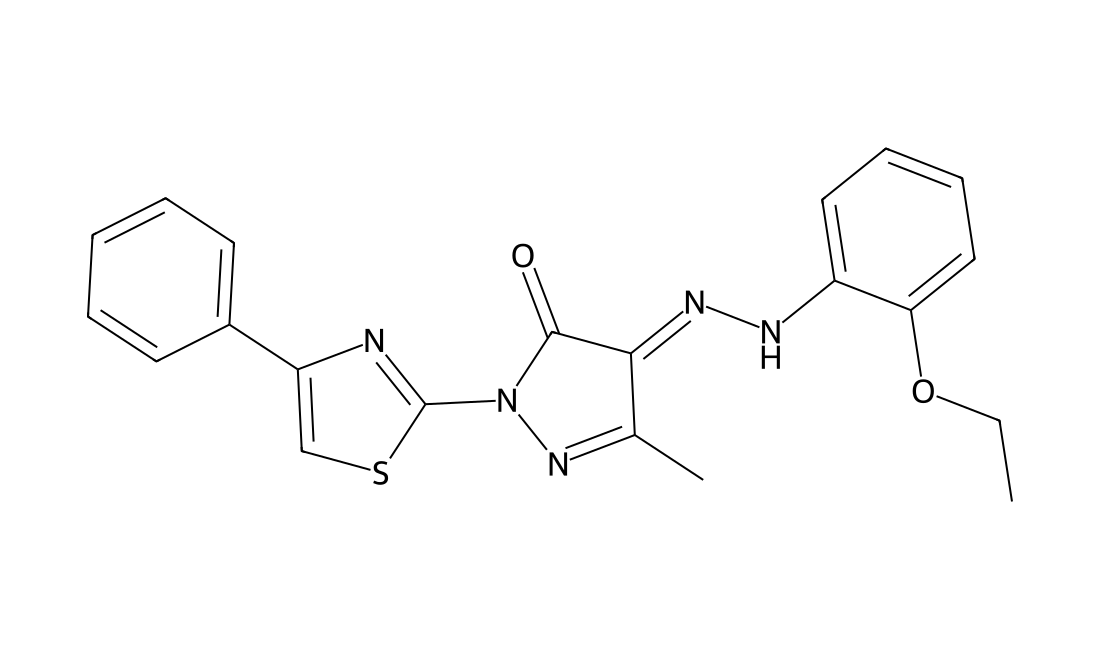
YH-306 is a candidate drug in preventing growth and metastasis of colorectal cancer by modulating FAK signalling pathway.

YH-306 chemical structure
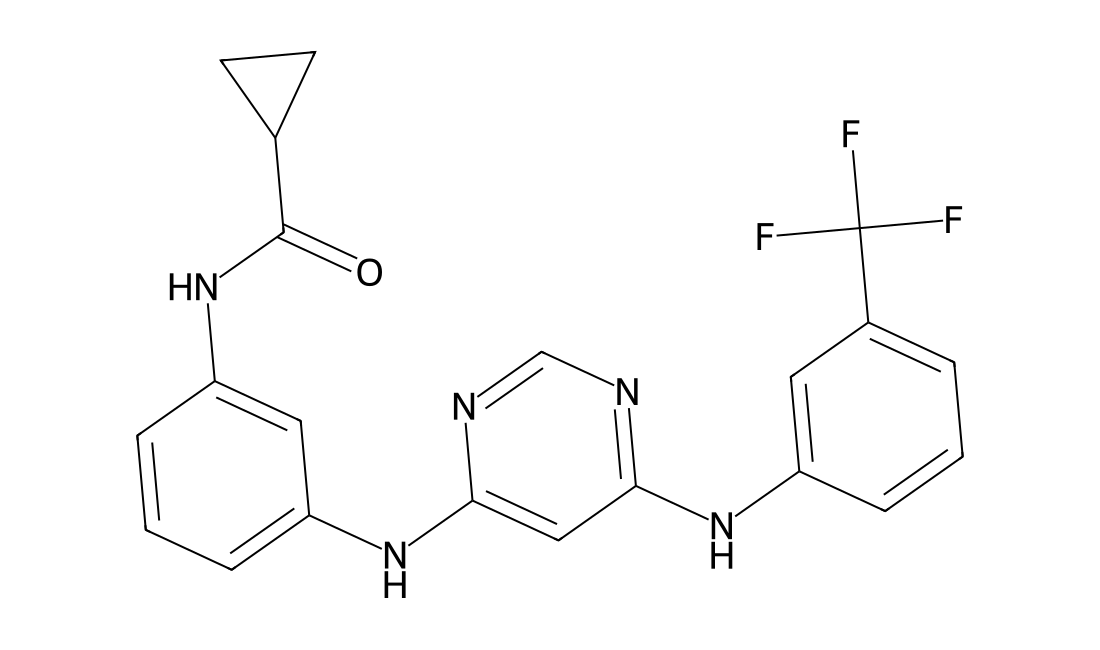
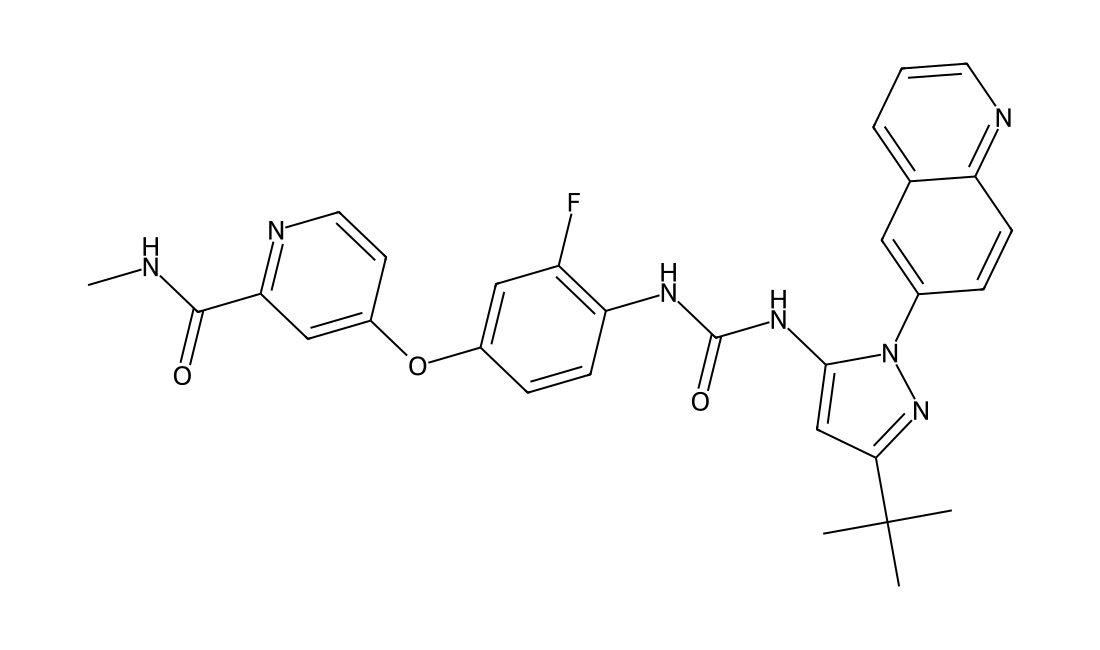
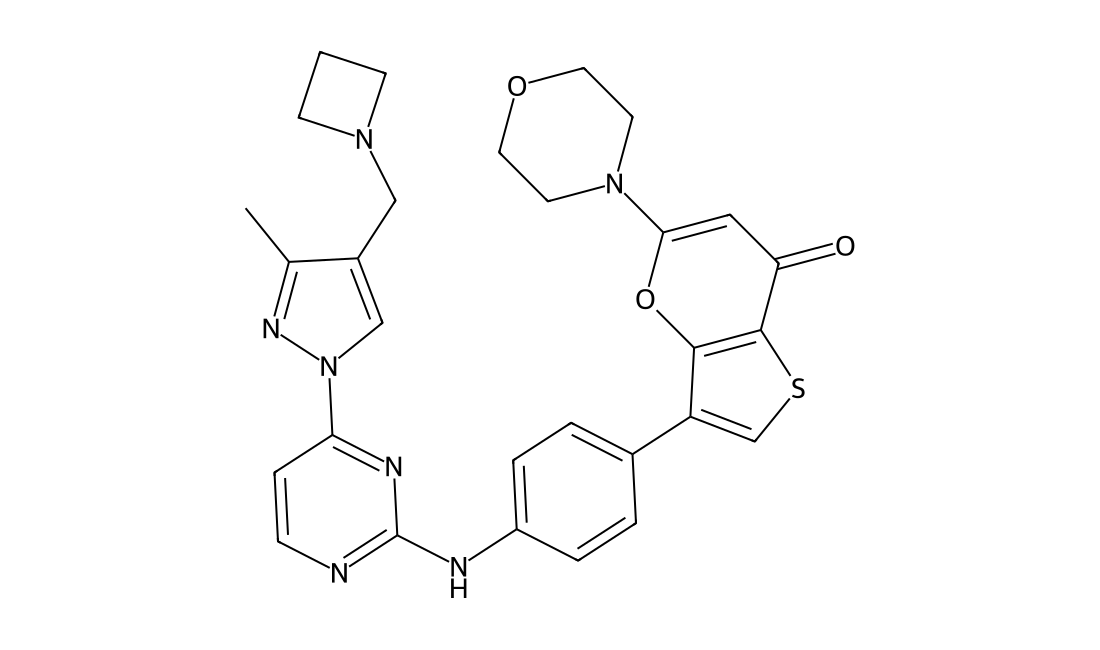
DC12462

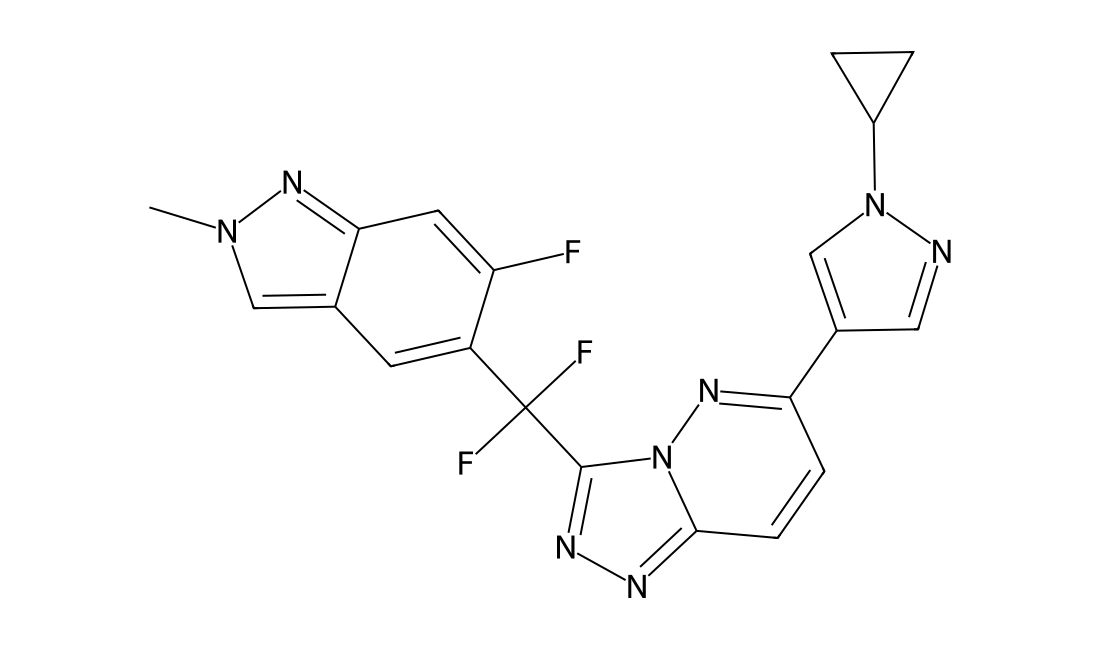
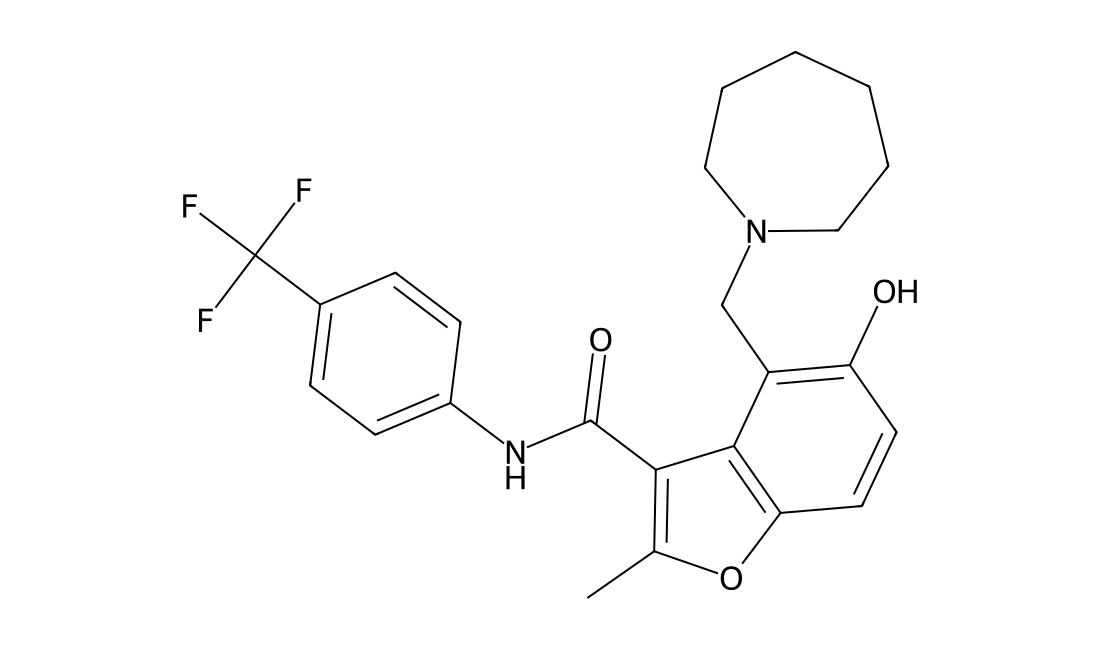
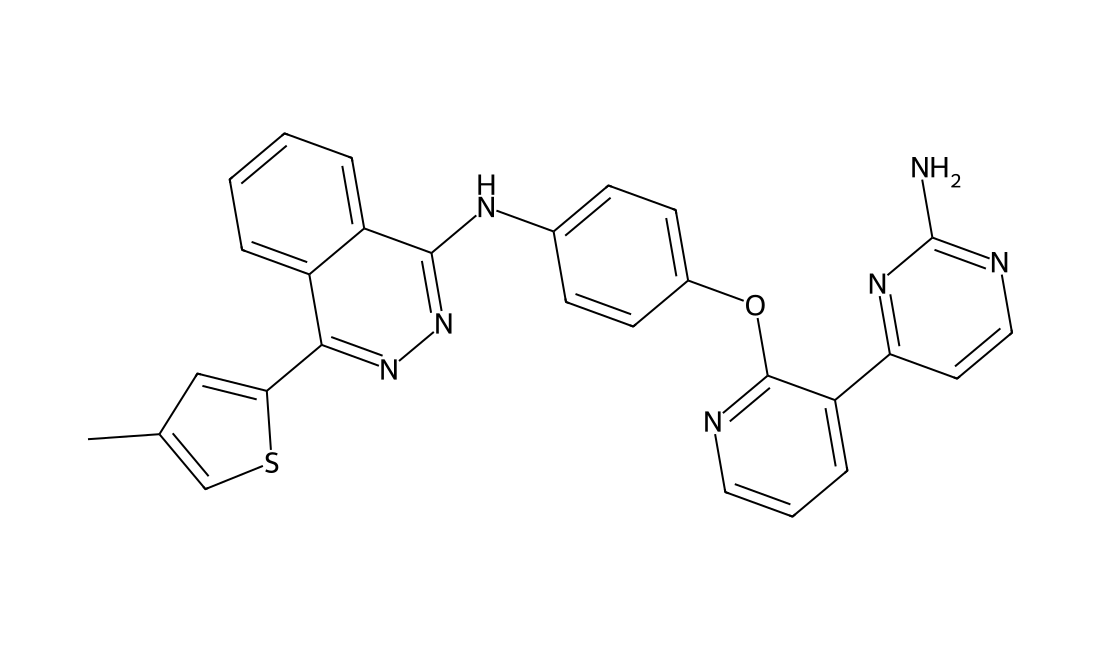
PLB-1001

CAS 1440964-89-5

Bozitinib (PLB-1001) is a highly selective c-MET kinase inhibitor with blood-brain barrier permeability. Bozitinib (PLB-1001) is a ATP-competitive small-molecule inhibitor, binds to the conventional ATP-binding pocket of the tyrosine kinase superfamily1.

PLB-1001 chemical structure
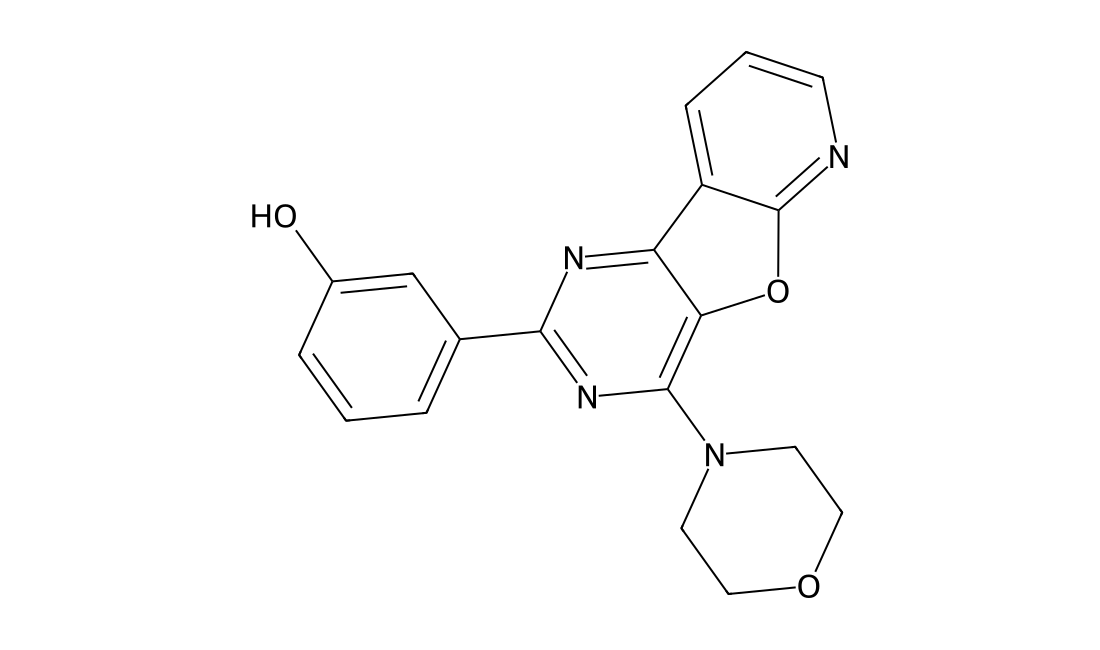
DC7232

PI-103

CAS 371935-74-9

PI103 is a potent inhibitor with low IC50 values against recombinant PI3K isoforms p110alpha (IC50= 2 nM), p110beta (IC50= 3 nM), p110delta (IC50= 3 nM), and p110gamma (IC50= 15 nM), less potent to mTOR/DNA-PK with IC50 of 30 nM/23 nM.

PI-103 chemical structure
DC8420

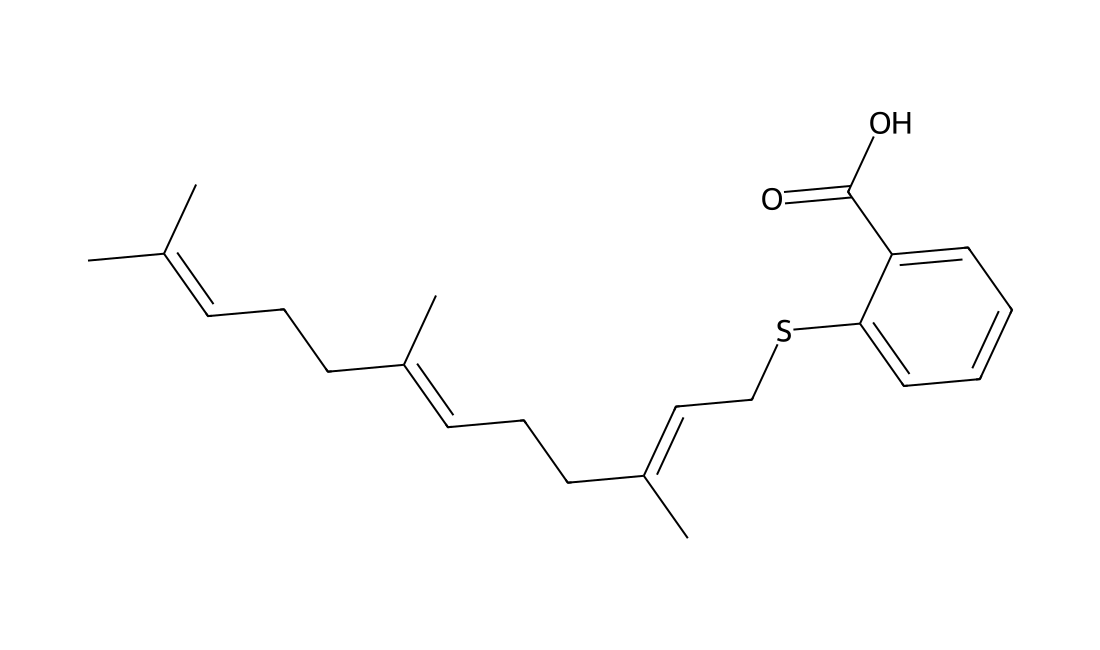
Salirasib

CAS 162520-00-5

Salirasib is a potent competitive prenylated protein methyltransferase (PPMTase) inhibitor with Ki of 2.6 μM, which inhibits Ras methylation. Phase 2.
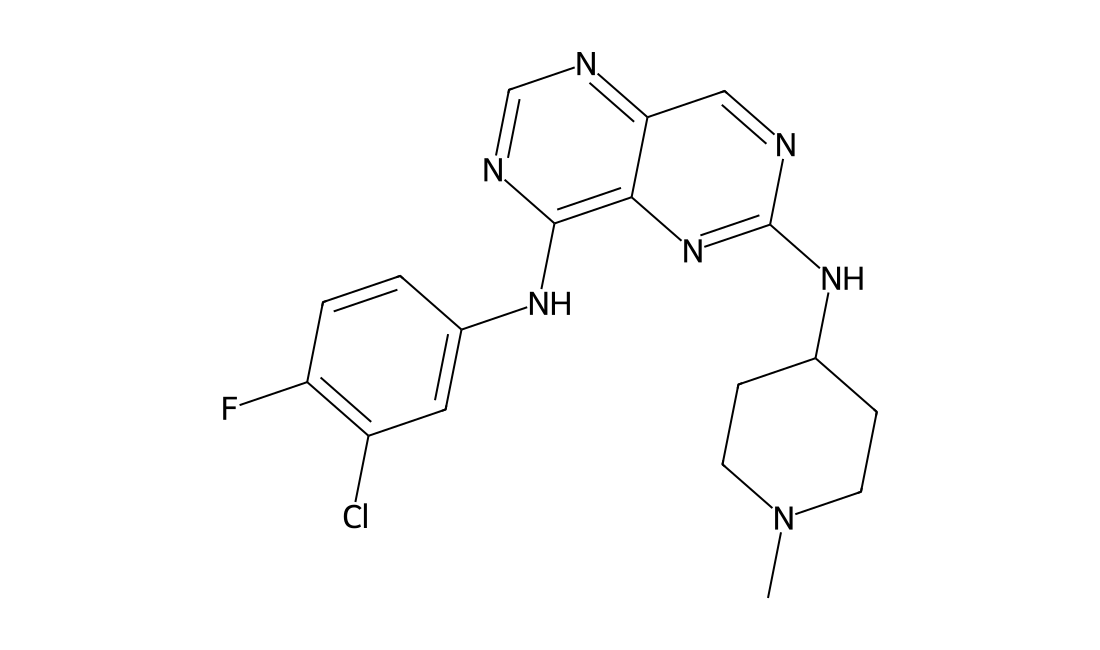
Salirasib chemical structure
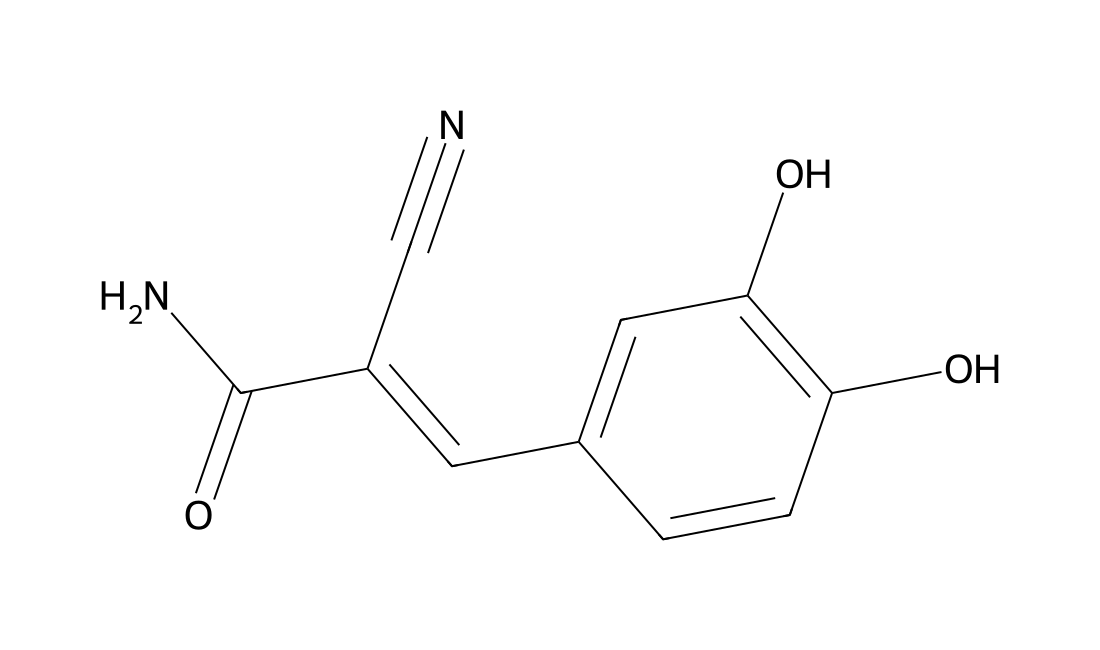
DC10456

STF-62247

CAS 315702-99-9

STF-62247 is a small molecule agonist that induces autophagy and selectively causes lethality in renal cell carcinoma (RCC) cells that have lost the von Hippel-Lindau (VHL) tumor suppressor activity (IC50 = 625 nM).
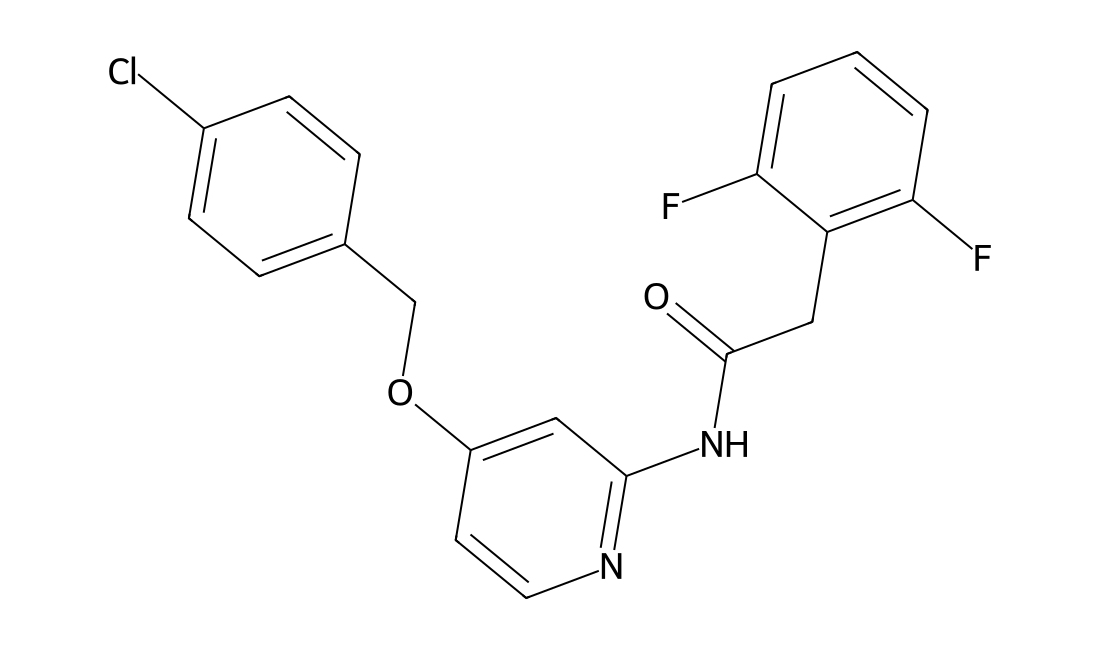
STF-62247 chemical structure
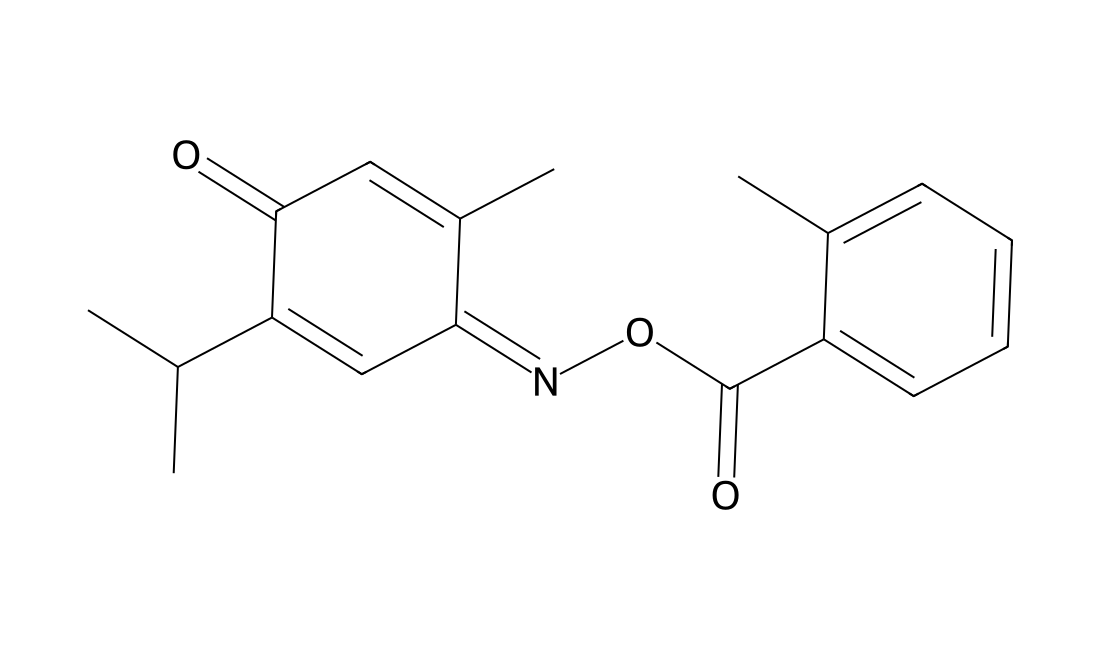
DC7929

YK-4-279

CAS 1037184-44-3

YK 4-279 is an inhibitor of RNA Helicase A (RHA) binding to the oncogenic transciption factor EWS-FLI1.

YK-4-279 chemical structure
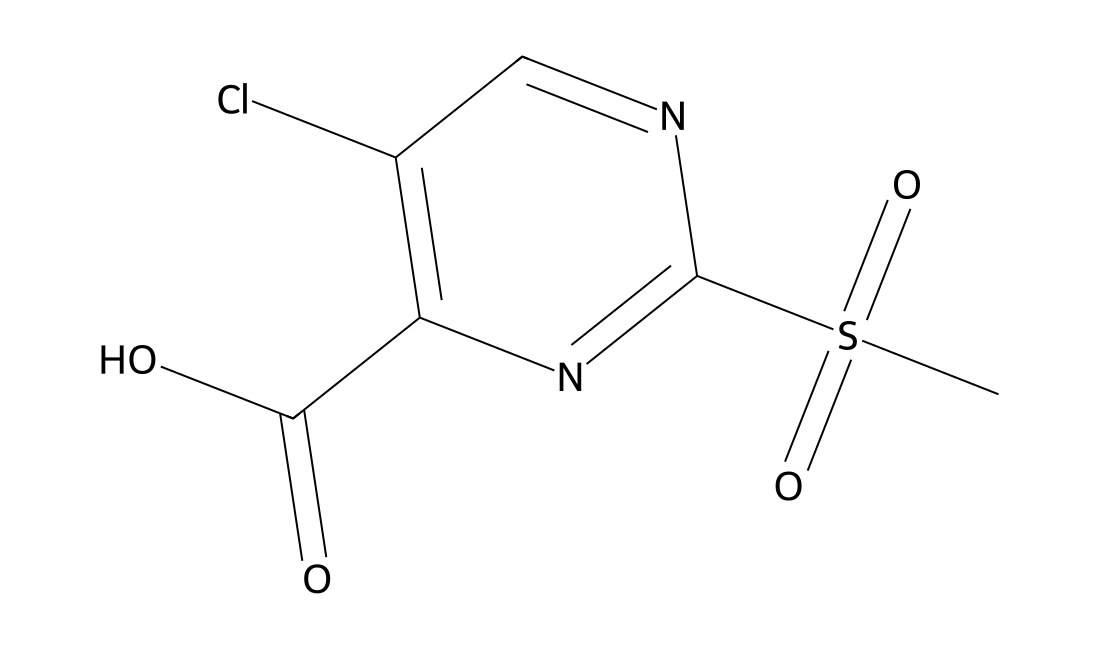
DC50010

ICCB280

CAS 2041072-41-5

ICCB280 is a potent inducer of C/EBPα. ICCB280 exhibits anti-leukemic properties including terminal differentiation, proliferation arrest, and apoptosis through activation of C/EBPα and affecting its downstream targets (such as C/EBPε, G-CSFR and c-Myc).

ICCB280 chemical structure
DC34093

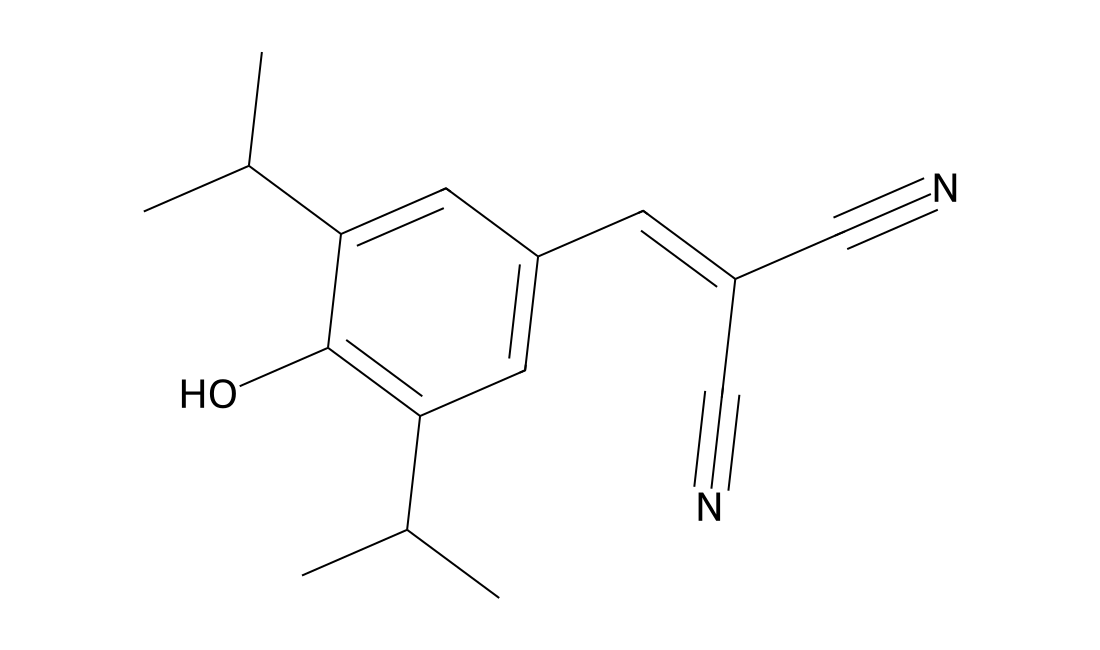
EGFR inhibitor(YUN27078)

CAS 879127-07-8

YUN27078, also known as EGFR inhibitor, is an EGFR inhibitor. It directly depolymerizes microtubules and is used as a chemical probe to investigate both the EGFR pathway and microtubule dynamics. YUN27078 hax CAS#879127-07-8, no formal name For the convenience of scientific communication, we named it as YUN27078 (combined from Inchi key plus CAS#) according to Hodoodo Chemical Nomenclature

EGFR inhibitor(YUN27078) chemical structure
DC11506

USP25 and 28 inhibitor AZ-1

CAS 2165322-94-9

USP25 and 28 inhibitor AZ-1 (AZ1) is a potent, selective, dual USP25/28 inhibitor with IC50 of 0.7/0.6 uM, respectively; shows a high degree of selectivity over other deubiquitinases (USP4,7 etc.); demonstrates target engagement against both USP25 and USP28 in cells, elicits modulation of both the total levels and the half-life of the c-Myc oncoprotein in cells, and also induces apoptosis and inhibits cell viability in a range of cancer cell lines.

USP25 and 28 inhibitor AZ-1 chemical structure
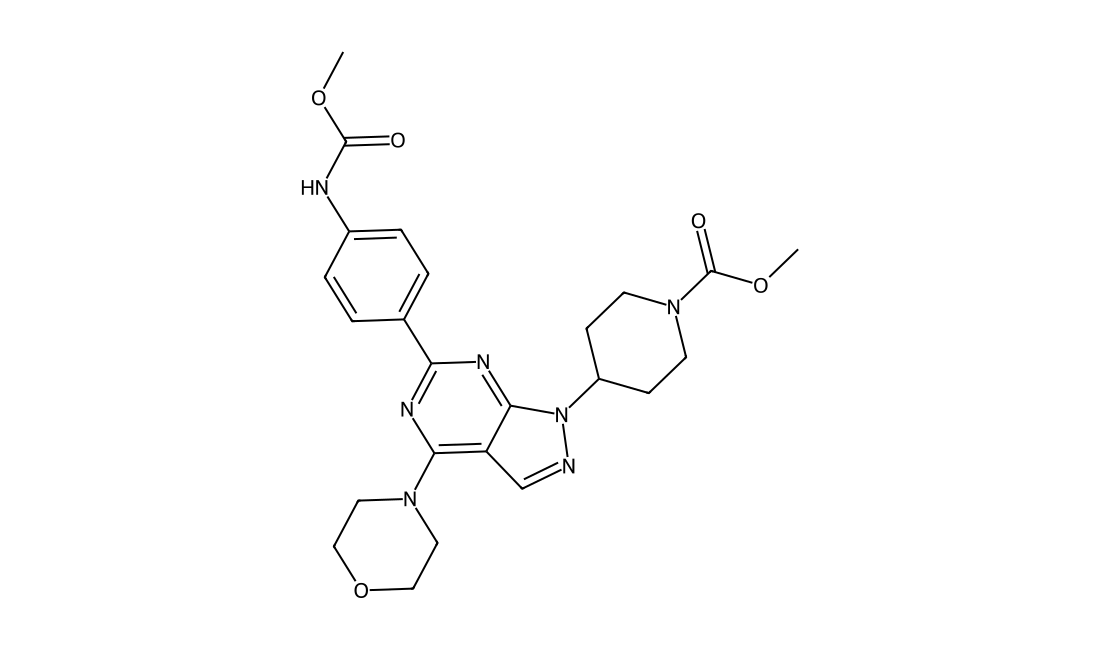
DC8552

WYE-354

CAS 1062169-56-5

WYE-354 is a potent cell-permeable inhibitor of mTOR (IC50 = 4.3 nM) which blocks signaling through both mTOR complex 1 (mTORC1) and mTORC2.1,2 It is a much weaker inhibitor of phosphatidylinositol 3-kinase α (IC50 = 1026 nM) and other kinases.3 WYE-354 i

WYE-354 chemical structure
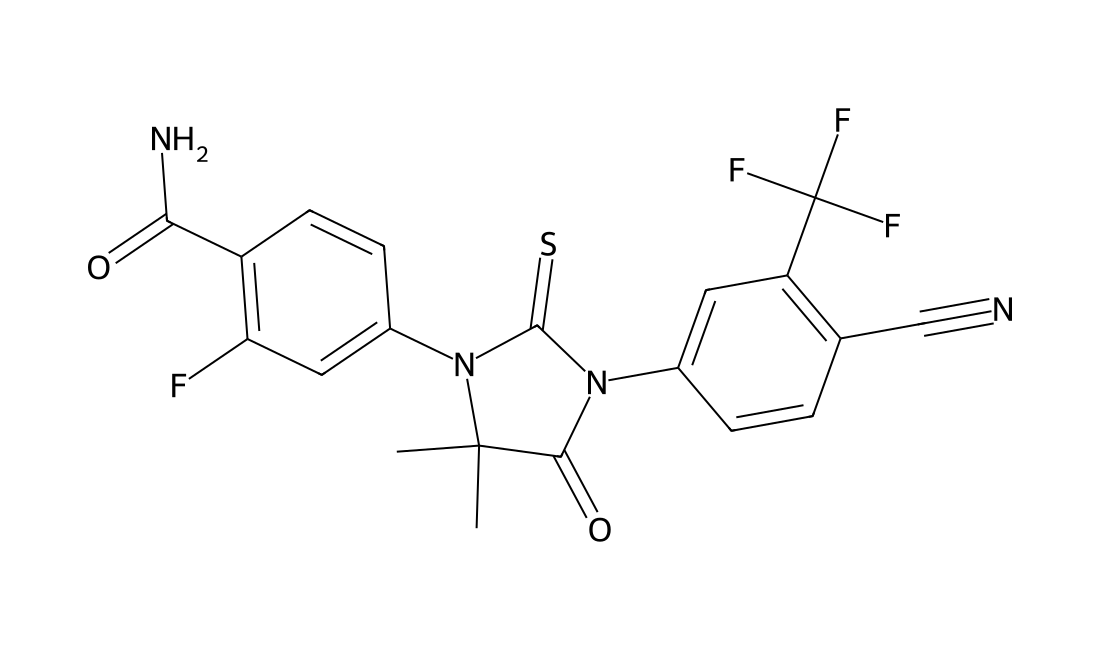
DC9347

N-desmethyl Enzalutamide

CAS 1242137-16-1

N-desmethyl Enzalutamide(N-desmethyl MDV3100) is a major metabolite of Enzalutamide, Enzalutamide(MDV3100) is an androgen-receptor (AR) antagonist with IC50 of 36 nM.

N-desmethyl Enzalutamide chemical structure
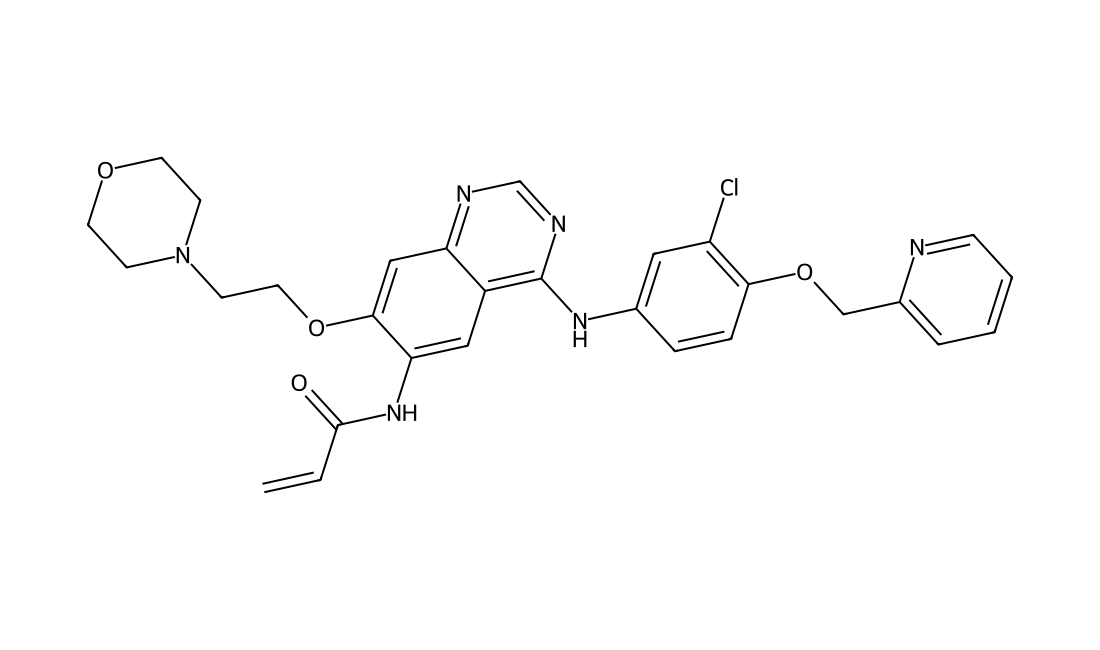
DC7622

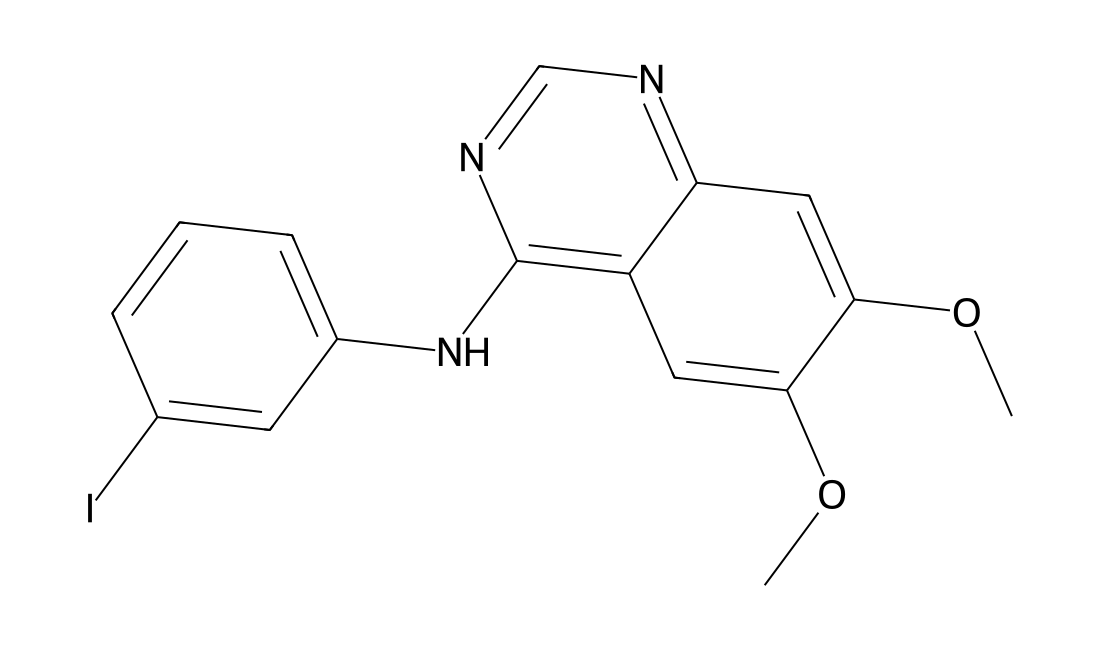
BIBX1382

CAS 196612-93-8

BIBX 1382 is a potent, selective inhibitor of EGFR tyrosine kinase (IC50 = 3 nM); displays > 1000-fold lower potency against ErbB2 (IC50 = 3.4 μM) and a range of other related tyrosine kinases (IC50 > 10 μM).

BIBX1382 chemical structure
DC41015

BDTX-189

CAS 2414572-47-5

BDTX-189 is a potent, orally active and selective inhibitor of allosteric EGFR and HER2 oncogenic mutations, includes EGFR/HER2 exon 20 insertion mutants. BDTX-189 shows KDs of 0.2, 0.76, 13 and 1.2 nM for EGFR, HER2, BLK and RIPK2, reapectively. Anticancer activity.

BDTX-189 chemical structure
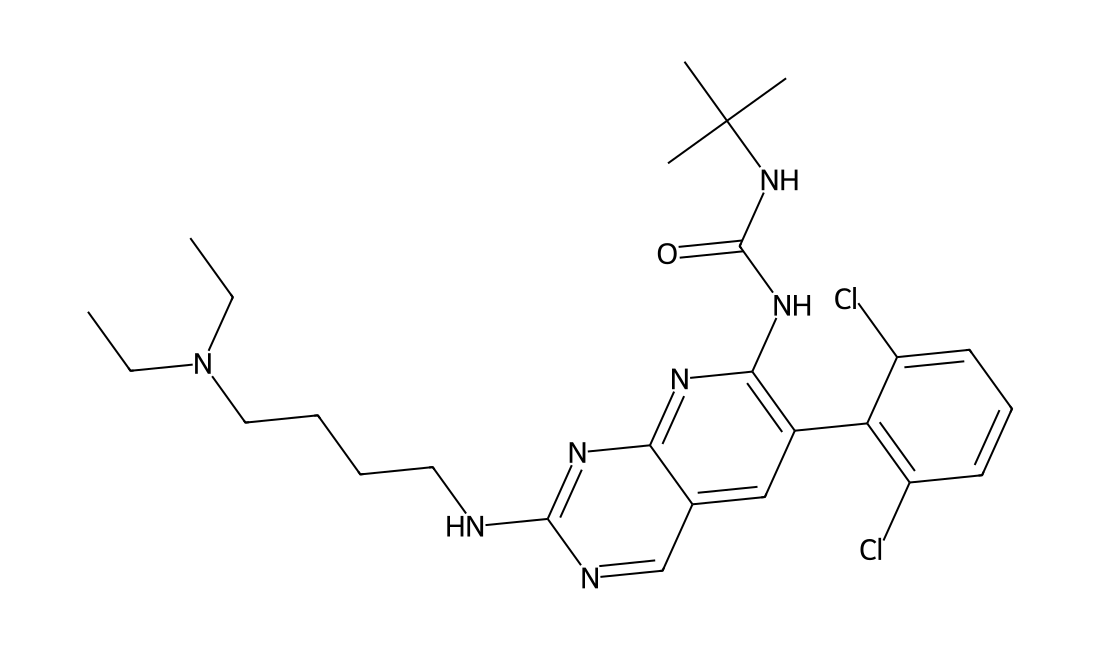
DC32540

PD-161570

CAS 192705-80-9

PD-161570 is a selective FGFR inhibitor (IC50 values are 40, 262 and 3700 nM for FGFR, PDGFR and EGFR respectively). PD 161570 had about 5- and 100-fold greater selectivity toward the FGF-1 receptor (IC50 = 40 nM) compared with the PDGFbeta receptor (IC50 = 262 nM) or EGF receptor (IC50 = 3.7 microM) tyrosine kinases, respectively. In addition, PD 161570 suppressed constitutive phosphorylation of the FGF-1 receptor in both human ovarian carcinoma cells (A121(p)) and Sf9 insect cells overexpressing the human FGF-1 receptor and blocked the growth of A121(p) cells in culture. The results demonstrate a novel synthetic inhibitor with nanomolar potency and specificity towards the FGF-1 receptor tyrosine kinase.

PD-161570 chemical structure
Browse target & topic index A–Z (366)
11β-HSD (1)15-PGDH (2)5-HT Receptor (16)Acetyl-CoA Carboxylase (ACC) (3)Acetylcholinesterase (AChE) (2)Ack1 (TNK2) (1)Acyltransferase (1)ADC Cytotoxin (6)ADCs Linker/Click Chemistry (5)Adenosine Receptor (9)Adenylate Cyclase (2)Adrenergic Receptor (11)Akt (12)Alcoholism (2)Aldehyde Dehydrogenase (ALDH) (6)Allergy (5)Alzheimer Disease (13)Aminopeptidase (1)AMPK (8)Amyloids (4)Anaplastic Lymphoma Kinase (ALK) (9)Androgen Receptor (AR) (11)Anemia (4)Angiotensin Receptor (4)Antibody/Protein labeling dyes (1)Antifolate (2)Anxiety (1)Apoptosis Inducer (3)Arginase (1)Arp2/3 complex (1)Aryl hydrocarbon Receptor (AhR) (1)Asthma (5)Atherosclerosis (2)ATM/ATR (8)Aurora Kinase (10)Autophagy (6)Autophagy-related Protein (Atg) (2)Autotaxin (2)Bacterial (26)Bacterial Infection (17)Bcl-2 (14)Bcr-Abl (5)BCRP (1)Beta-catenin (4)Beta-secretase (BACE) (4)Blood Cancer (91)BMI-1 (1)Bone Cancer (6)Brain Cancer (6)Breast Cancer (30)Bromodomain (22)BTK (10)c-Fms (CSF1R) (5)c-Fos/AP-1 (1)c-Kit (6)c-Met (HGFR) (11)c-Myc (2)Calcium Channel (4)Calcium-sensing Receptor (CaSR) (1)CaMK (4)Cannabinoid Receptor (6)Carbonic Anhydrase (1)Carboxypeptidase (1)Casein Kinase (6)Caspase (4)Cathepsin (6)Cdc2-like Kinase (CLK) (1)CETP (2)CFTR (7)Checkpoint Kinase (Chk) (8)Chemokine Receptor (CCR and CXCR) (14)Chemotherapeutic Agents (19)Chloride Channel (1)CMV (2)CMV Infection (2)Colon Cancer (9)Complement System (1)COPD (3)CREB/CBP (2)CRF Receptor (2)CRISPR/Cas9 (1)Cushing Disease (1)Cyclin-dependent Kinase (CDK) (39)Cyclooxygenase (COX) (4)Cytochrome P450 (CYPs) (5)Depression (2)Dermatitis (2)Deubiquitinase (DUB) (7)Diabetes (20)Dipeptidyl Peptidase (DPP) (3)Discoidin Domain Receptor (DDR) (1)DNA Alkylator/Crosslinker (10)DNA Methyltransferase (DNMT) (1)DNA Repair Protein (1)DNA-PK (2)DNA/RNA Synthesis (5)Dopamine beta-hydroxylase (1)Dopamine Receptor (7)Drug Metabolite (1)Drug-Linker Conjugates (11)Dyes (4)DYRK (1)Dyslipidemia (9)E3 Ligase Ligand (6)E3 Ligase Ligand-Linker Conjugate (1)E3 Ubiquitin Ligase (4)Ebola Virus Infection (1)EGFR (32)Elastase (2)Endothelin Receptor (5)Enzymes substrates (13)Epigenetic Reader Domain (3)Epilepsy (4)ERK (4)Estrogen Receptor/ERR (13)Eukaryotic Initiation Factor (eIF) (2)Exportin-1 (CRM1,XPO1) (2)FABP (1)Factor Xa (5)Farnesoid X Receptor (FXR) (5)Farnesyl transferase (FTase) (1)Ferroptosis (6)FGFR (20)Fibrosis (5)FLT3 (6)Focal Adhesion Kinase (FAK) (11)Foxo1 (1)Free Fatty Acid Receptor (FFAR) (5)Fungal (2)Fungal Infection (1)GABA Receptor (13)Galectin (1)Gastric Cancer (8)Ghrelin Receptor (GHSR) (3)Glucagon Receptor (4)Glucokinase (2)Glucose Transporter (GLUT) (2)Glutamate Transporter (2)GPCR (1)GPER (GPR30) (1)GPR139 (1)GPR183 (EBI2) (2)GPR39 (1)GPR55 (1)GPR84 (1)GRK (GPCRK) (2)Growth Hormone Deficiency (2)GSK-3 (8)Guanylate Cyclase (3)HBV (1)HBV Infection (1)HCN Channel (2)HCV (8)HCV Infection (9)HDAC (38)Heart Arrhythmia (2)Heart Failure (5)Heat Shock Protein (HSP) (15)Hedgehog (Hh) (1)HIF/HIF Prolyl-hydroxylase (8)Histamine Receptor (6)Histone Acetyltransferase (HAT) (5)Histone Demethylase (11)Histone Methyltransferase (HMTase) (31)HIV (12)HIV Infection (11)HMG-CoA Reductase (HMGCR) (3)HSV (1)HSV Infection (1)Hypercholesterolemia (1)Hyperparathyroidism (1)Hypertension (8)IAP (1)IGF-1R (3)iGluR (15)Indoleamine 2,3-Dioxygenase (IDO) (4)Infection (1)Influenza (6)Influenza Virus (6)Insulin Receptor (2)Integrin (6)Interleukin Receptor (1)IRAK (2)IRE1 (4)Irritable Bowel Syndrome (2)Ischemia (1)Isocitrate Dehydrogenase (IDH) (5)ITK (1)IκB kinase (IKK) (7)JAK (32)JNK (3)Keap1-Nrf2 (6)Kidney Cancer (10)Kinesin (5)Kruppel-like Factor (KLF) (1)Kynurenine 3-Monooxygenase (KMO) (1)Leukotriene Receptor (1)LIM Kinase (LIMK) (3)Lipids fragment (1)Liver Cancer (6)Liver X Receptor (LXR) (3)LRRK2 (9)Lung Cancer (39)Lysophospholipid Receptor (12)LYTACs (3)mAChR (9)MALT1 (2)MAP4K (1)Matrix Metalloproteinase (MMP) (10)MDM2-p53 (9)MEK (MAP2K) (14)MEKK (MAP3K) (1)Melanocortin Receptor (2)MELK (1)mGluR (7)MicroRNA (1)Microtubule/Tubulin (5)Mineralocorticoid Receptor (MLR) (1)MITF (1)Mixed Lineage Kinase (MLK) (3)MNK (2)Molecular Glues (21)Monoamine Transporter (5)Monocarboxylate Transporter (MCT) (1)Monopolar Spindle 1 (Mps1/TTK) (3)mTOR (13)Multiple Sclerosis (6)Myosin (1)Na-K-Cl Cotransporter (NKCC) (2)nAChR (2)NADPH Oxidase (NOX) (2)NAMPT (3)Natural products (37)Neprilysin (1)Neurokinin Receptor (3)Neuropeptide Y Receptor (3)NF-κB (5)Nitric Oxide Synthase (NOS) (1)NOD-like Receptor (NLR) (3)Notch (2)Nucleoside Antimetabolite/Analog (10)Nur77 (NR4A1) (1)Obesity (1)Oct3/4 (1)Opioid Receptor (5)Orexin Receptor (7)Osteoporosis (2)Ovarian Cancer (14)Oxytocin Receptor (OXTR) (2)P-glycoprotein (P-gp) (3)p21-activated Kinase (PAK) (1)P2X Receptor (2)P2Y Receptor (1)p38 MAPK (10)p97/VCP (1)Pain (12)Pancreatic Cancer (10)Parasite (5)Parasite Infection (2)Parkinson Disease (2)PARP (19)PCSK9 (1)PD-1/PD-L1 (4)PDGFR (4)PDK1 (2)PEGn (1)PERK (2)PGE synthase (2)Phosphodiesterase (PDE) (9)Phospholipase (4)PI3K (32)PI4K (2)Piezo Channel (1)PIKfyve (3)Pim (9)PKC (12)PKD (1)Plasminogen Activator Inhibitor-1 (PAI-1) (3)Polo-like Kinase (PLK) (4)Porcupine (3)Potassium Channel (13)PPAR (13)Pregnane X Receptor (PXR) (1)Progesterone Receptor (2)Prostaglandin Receptor (11)Prostate Cancer (7)PROTACs (35)Protease-activated Receptor (PAR) (3)Proteasome (12)Protein Disulfide Isomerase (PDI) (1)Protein Phosphatase/PTP (6)Proton Pump (1)Psoriasis (5)RAD51 (1)Radioligand precursors (15)Raf (18)RAR/RXR (3)Ras (17)Renin (2)RET Tyrosine Kinase (c-RET) (3)Rheumatoid Arthritis (16)Ribosomal S6 Kinase (RSK) (5)RIG-I-like Receptor (RLR) (2)RIP kinase (7)ROCK (12)ROR (2)RSV (4)RSV Infection (3)RUNX1-CBFβ (1)S-nitrosoglutathione reductase (GSNOR) (1)Saccharides and Glycosides (1)Salt Inducible Kinase (SIK) (2)SARS-CoV (16)SARS-CoV Infection (34)Schizophrenia (4)Sexual Dysfunction (1)SGLT (4)Sigma Receptor (4)Sirtuin (9)Skin Cancer (13)Sleep Disorder (7)SMN2 Modulator (1)Smoothened (Smo) (9)Sodium Channel (12)Solid Tumors (35)Somatostatin Receptor (2)Sphingosine kinase (SphK) (2)Src (7)STAT (5)Stearoyl-CoA Desaturase (SCD) (1)Steatohepatitis (7)Sterol lipids (1)STING (14)Syk (6)T Cell Receptor (TCR) (1)TAK1 (2)TAM Receptor (Tyro3-Axl-Mer) (4)Taste Receptor (1)Telomerase (2)TGF beta Receptor (TGFBR) (12)Thrombin (3)Thrombosis (13)Thyroid Cancer (1)Thyroid Hormone Receptor (THR) (1)Thyrotropin Receptor (2)TNIK (1)Toll-like Receptor (TLR) (2)TOPK (1)Topoisomerase (11)TRAIL (1)Translocator Protein (TSPO) (1)Trk Receptor (4)TRP Channel (13)Tryptophan Hydroxylase (TPH) (1)Ubiquitin-activating Enzyme (E1) (2)Ubiquitin-conjugating Enzyme (E2) (2)Ulcer (1)ULK (3)Vasopressin Receptor (2)VEGFR (25)Vitamin D Receptor (VDR) (3)Wee1 (1)WNK Kinase (1)Wnt (5)Yes-associated Protein (YAP) (4)γ-secretase (5)

Cart

Request quotation