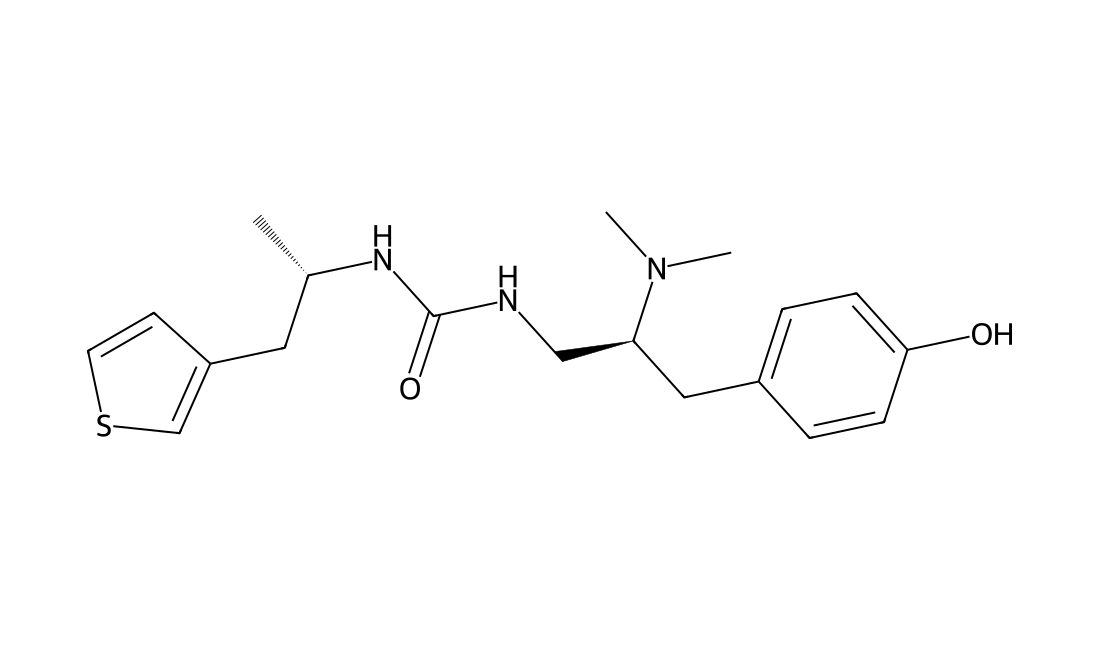
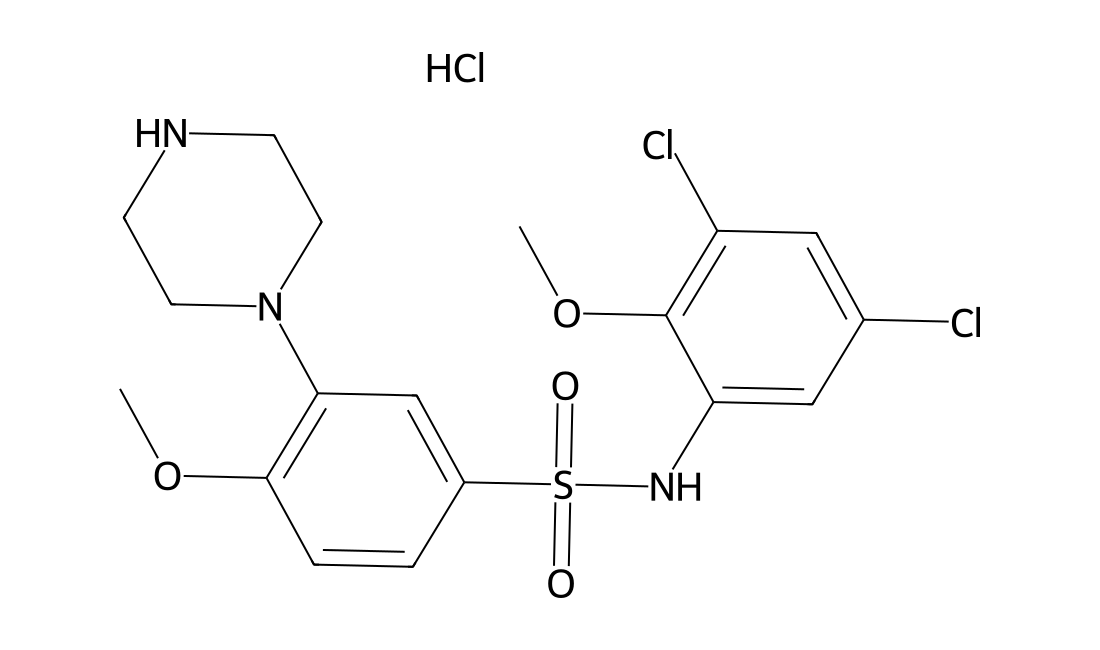
MCB-613
CAS 1162656-22-5
MCB-613 is a novel and potent stimulator of p160 steroid receptor coactivators (SRCs). It is a Pan-SRCs stimulator.

G-protein-coupled, nuclear and other ligand-binding receptors and their modulators.
Products may appear in more than one category. Counts refer to distinct catalog numbers within each category.
Other Research Tools (75) · Additional reagents, building blocks and specialized research tools.
Combine a keyword, research category and target to narrow the product list.
Loading catalog filters…
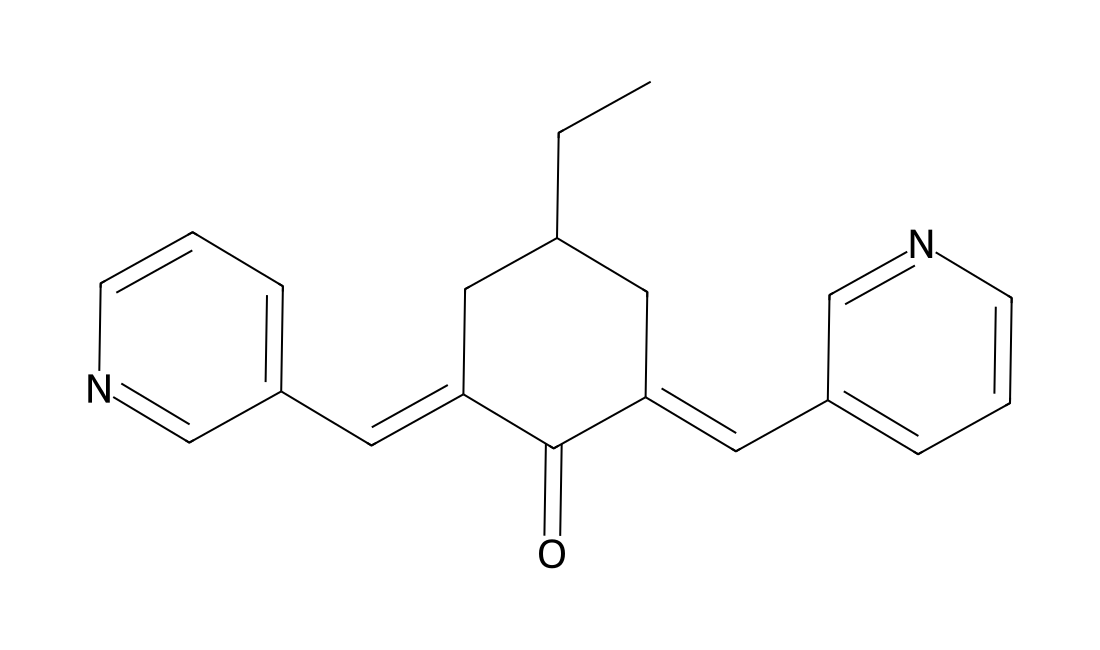
CAS 1162656-22-5
MCB-613 is a novel and potent stimulator of p160 steroid receptor coactivators (SRCs). It is a Pan-SRCs stimulator.
CAS 2414285-40-6
Sivopixant (S-600918) is a potent and selective P2X3 receptor antagonist (P2X3 IC50=4.2 nM; P2X2/3 IC50=1100 nM). Sivopixant shows strong analgesic effect.
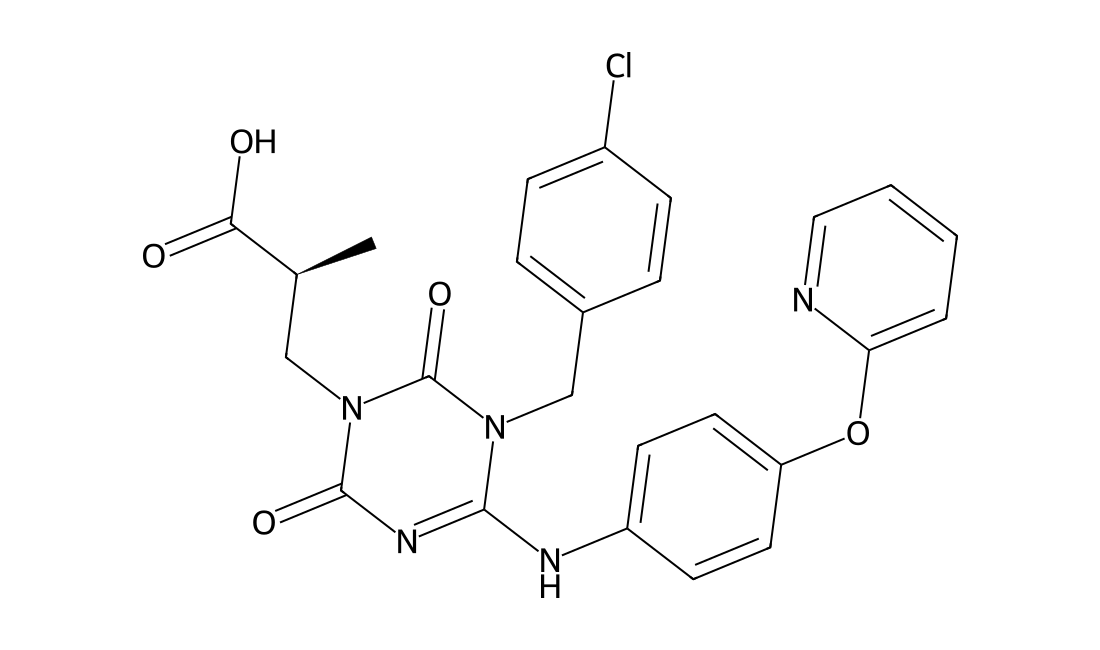
CAS 706782-28-7
Pimavanserin, also known as ACP-103, is a non-dopaminergic atypical antipsychotic for the treatment of Parkinson's disease psychosis and schizophrenia. Pimavanserin has a unique mechanism of action relative to other antipsychotics, behaving as a selective inverse agonist of the serotonin 5-HT2A receptor, with 40-fold selectivity for this site over the 5-HT2C receptor and no significant affinity or activity at the 5-HT2B receptor or dopamine receptors. It was approved by the FDA to treat hallucinations and delusions associated with psychosis experienced by some people with Parkinson's disease on April 29, 2016.
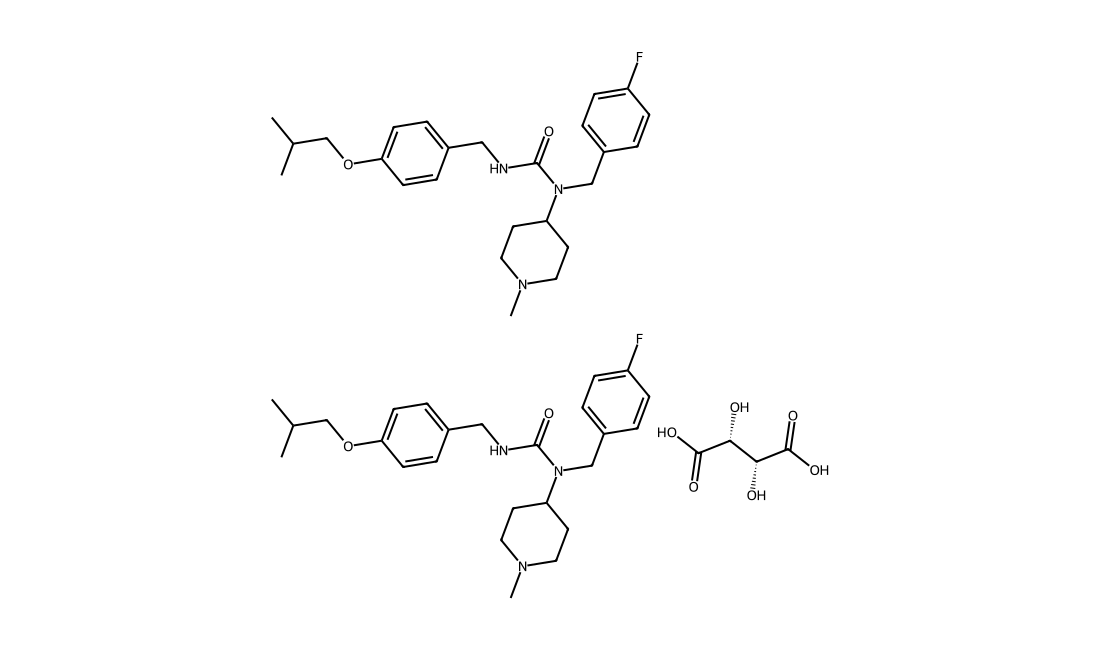
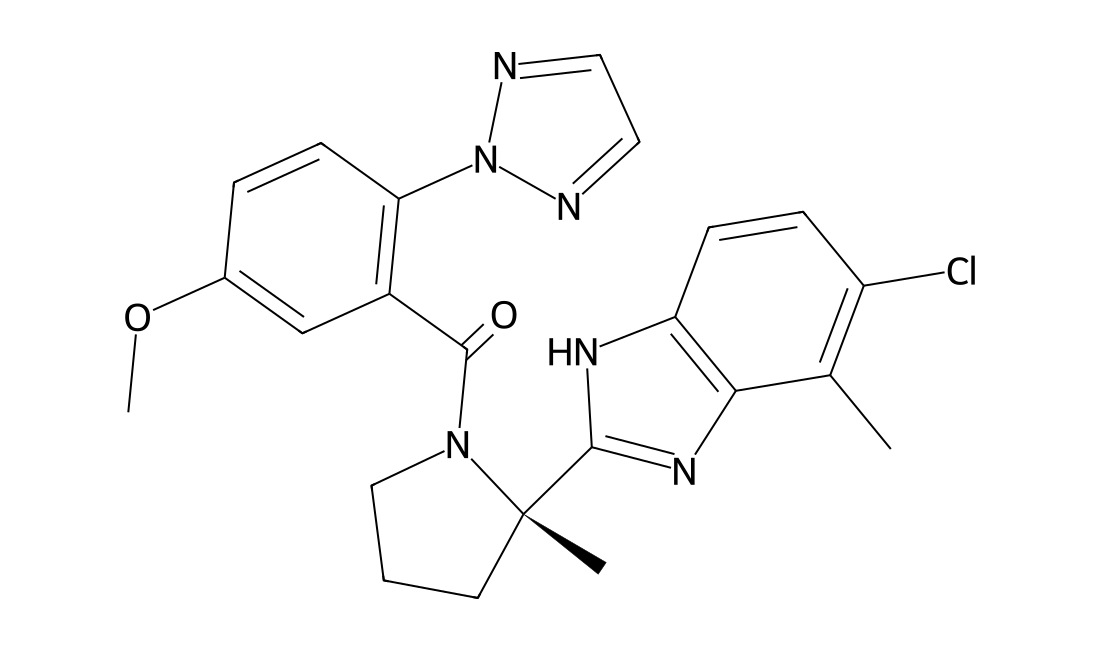
CAS 169675-08-5
Ro 60-0175 is a potent, selective 5-HT2C receptor agonist with pKi of 9, 7.5, 5.4, 5.2 and 5.6 for human 5-HT2C, 2A, 1A, 6 and 7 receptors respectively; induces hypolocomotion in rats at doses greater than 0.5 mg/kg s.c.; (0.3 and 1 mg/kg s.c.) simultaneously reduces both unpunished and punished lever pressing, a profile consistent with sedation, induces sedative-like responses via 5-HT(2C) receptor activation in vivo.
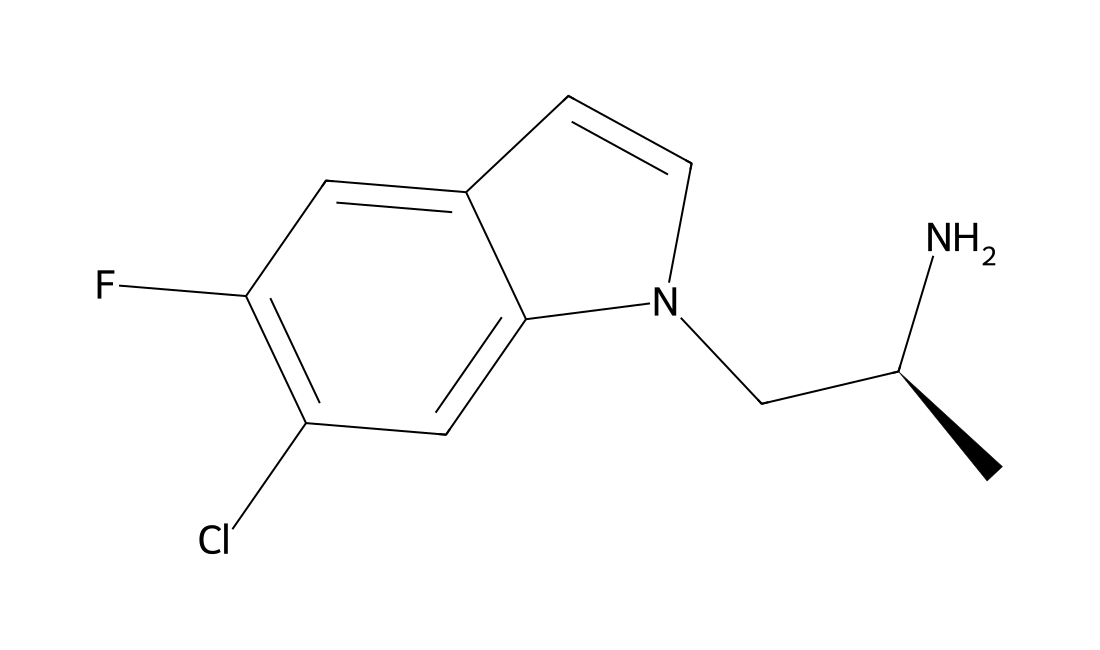
CAS 84379-13-5
Bretazenil, also known as Ro 16-6028, is GABA A receptor agonist potentially for the treatment of anxiety disorders. Bretazenil differs from traditional 1,4-benzodiazepines by being a partial agonist and because it binds to α1, α2, α3, α4, α5 and α6 subunit containing GABAA receptor benzodiazepine receptor complexes. 1,4-benzodiazepines bind only to α1, α2, α3 and α5 GABAA benzodiazepine receptor complexes.
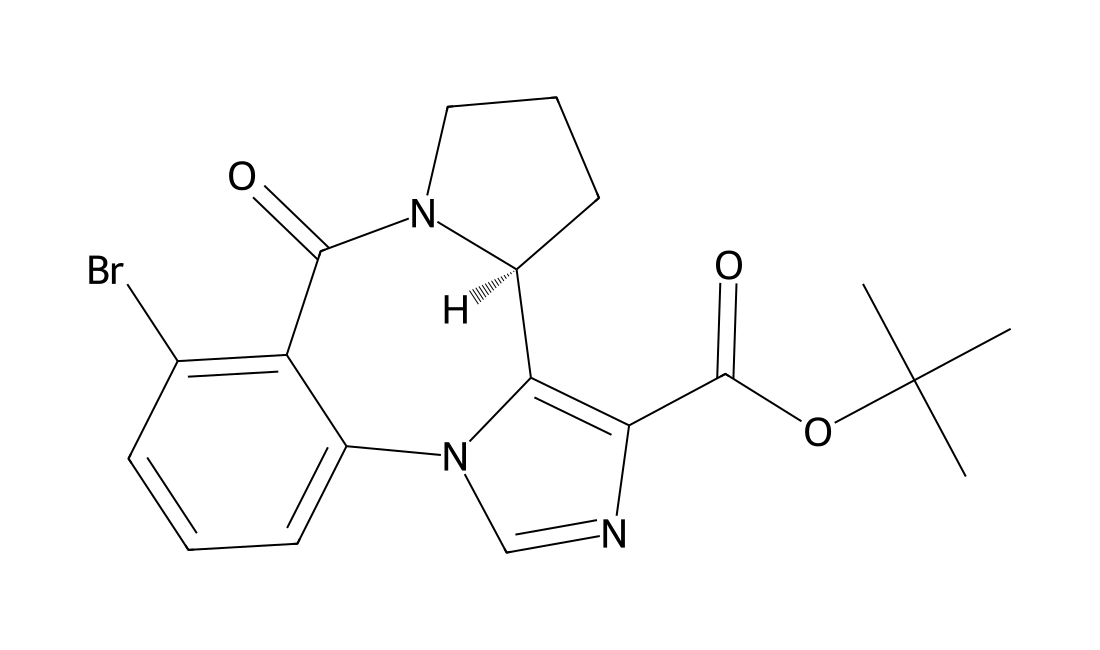
CAS 219911-35-0
MPEP hydrochloride is a potent and highly selective non-competitive antagonist at the mGlu5 receptor subtype with IC50 of 36 nM.
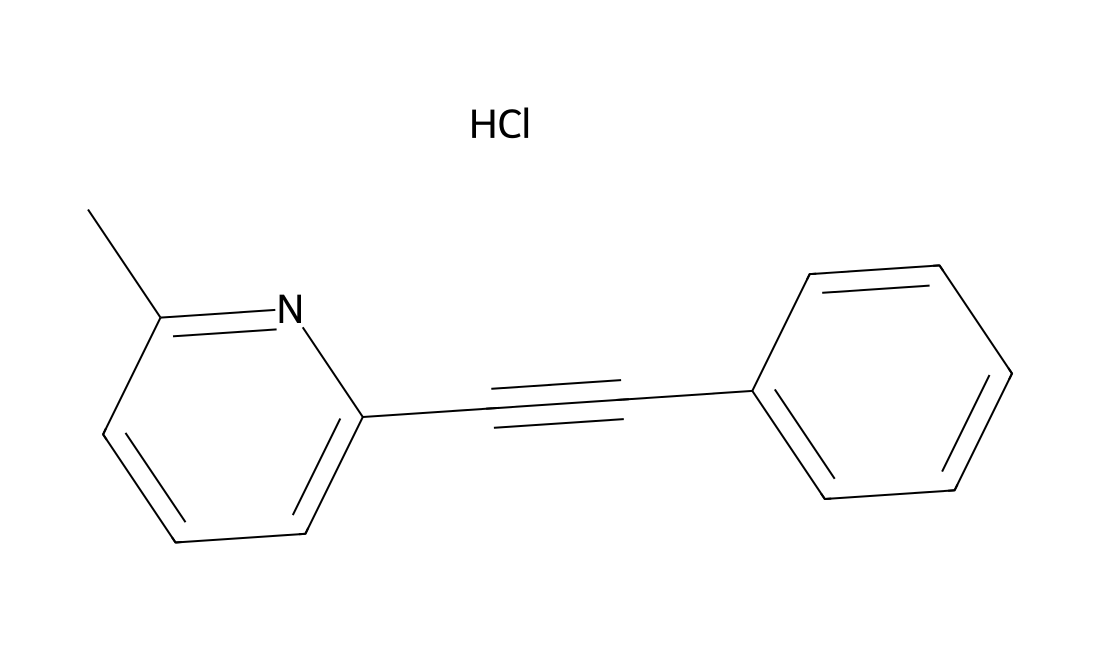
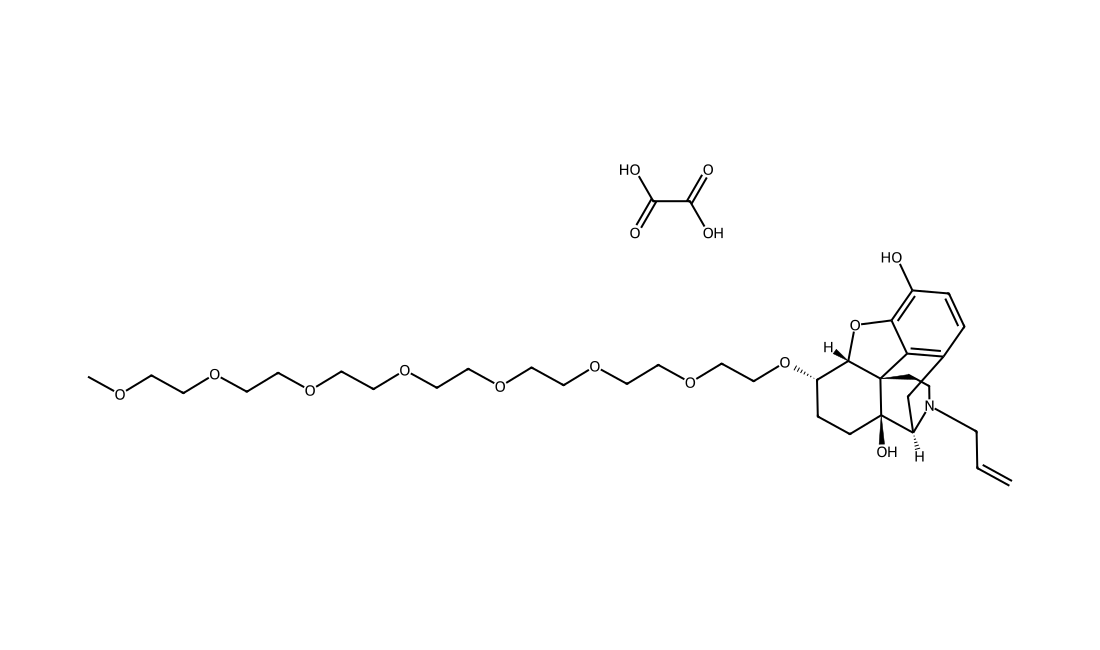
CAS 1354744-91-4
Naloxegol oxalate (NKTR-118 oxalate; AZ-13337019 oxalate) is an opioid-receptor antagonist[1].
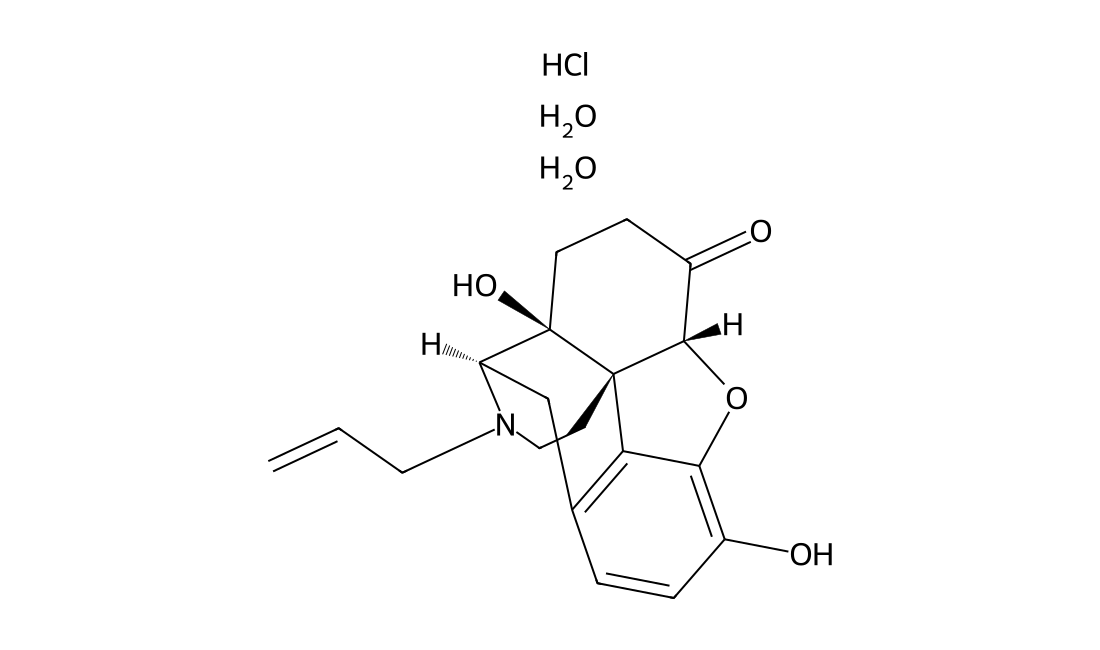
CAS 51481-60-8
Naloxone HCl Dihydrate is an opioid inverse agonist drug used to counter the effects of opiate overdose.
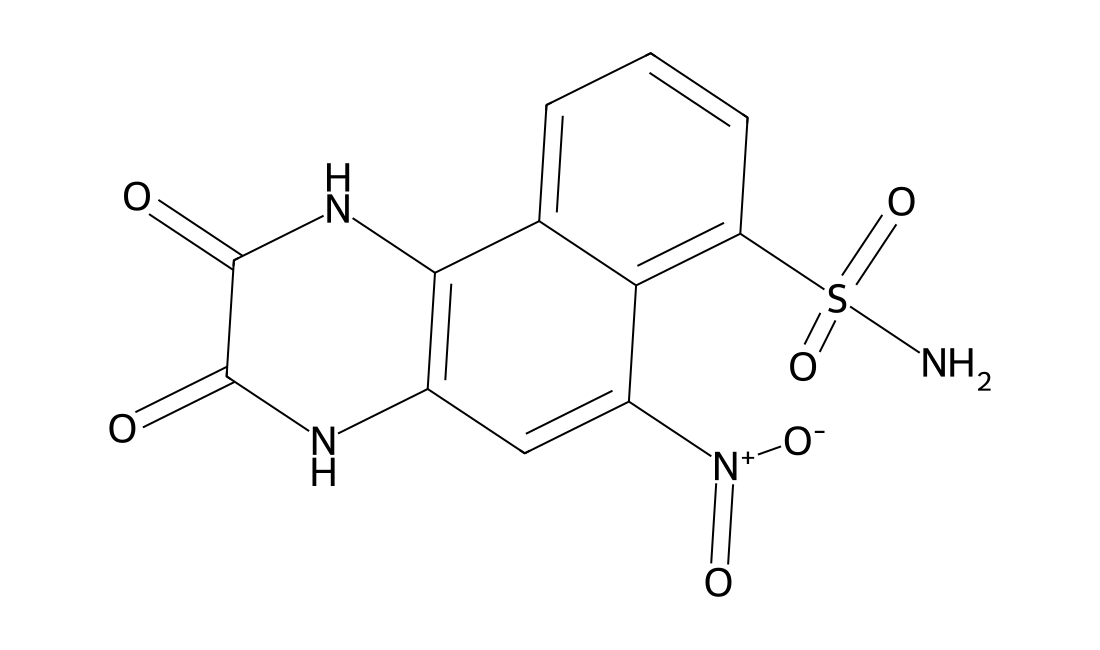
CAS 85650-56-2
Asenapine maleate is a 5-HT (1A, 1B, 2A, 2B, 2C, 5A, 6, 7) and D2 antagonist with Ki values of 0.03-4.0 nM, 1.3nM, respectively, and an antipsychotic.
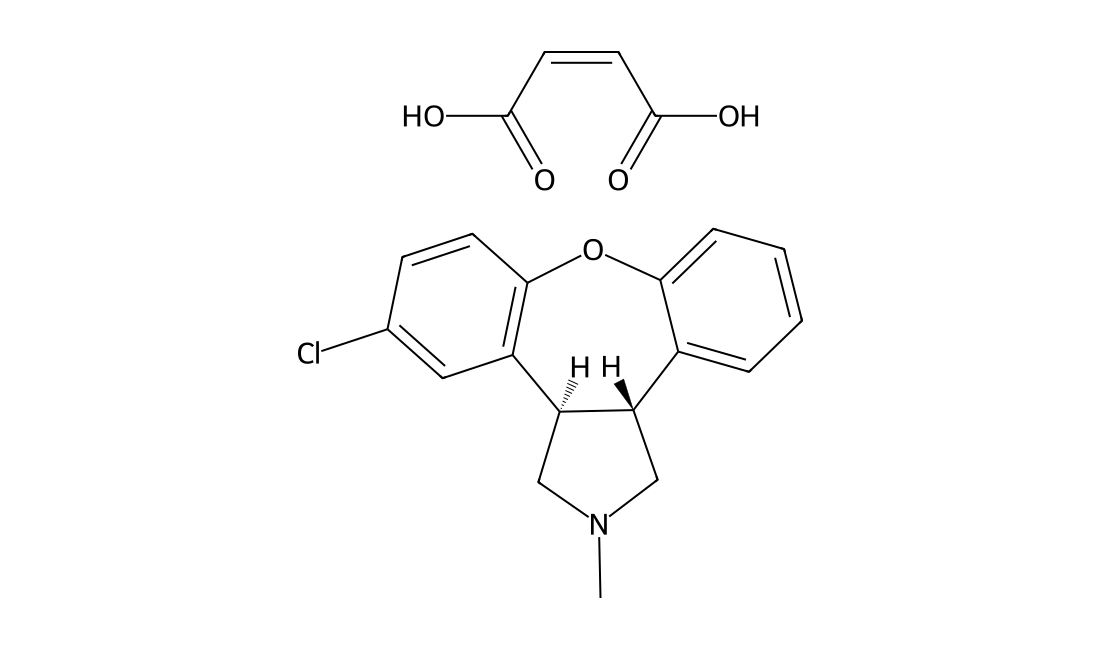
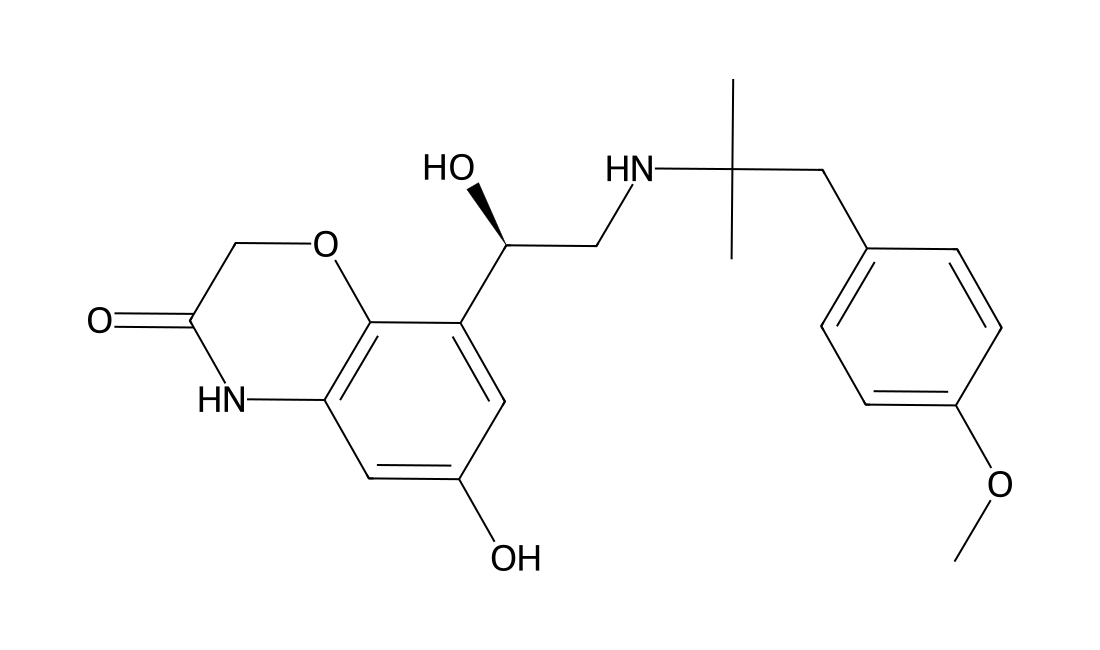
CAS 868049-49-4
Olodaterol (BI1744) is a selective, long acting β2-adrenoceptor (β2-AR) agonist (EC50=0.1 nM and pKi= 9.14 for human β2-adrenoceptor, respectively). Olodaterol can be used for chronic obstructive pulmonary disease (COPD) and pulmonary fibrosis[1][2][3].
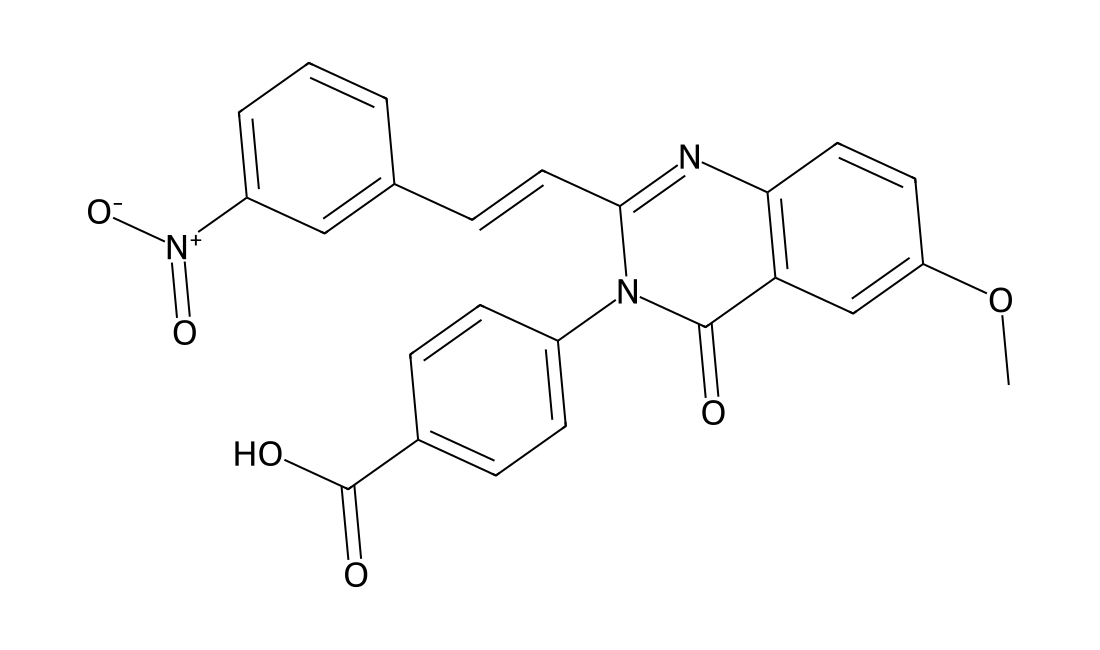
CAS 1237744-13-6
QNZ46 is a NR2C/NR2D-selective NMDA receptor non-competitive antagonist (IC50 values are 3, 6, 229, and >300, >300 μM for NR2D, NR2C, NR2A, NR2B, and GluR1, respectively).
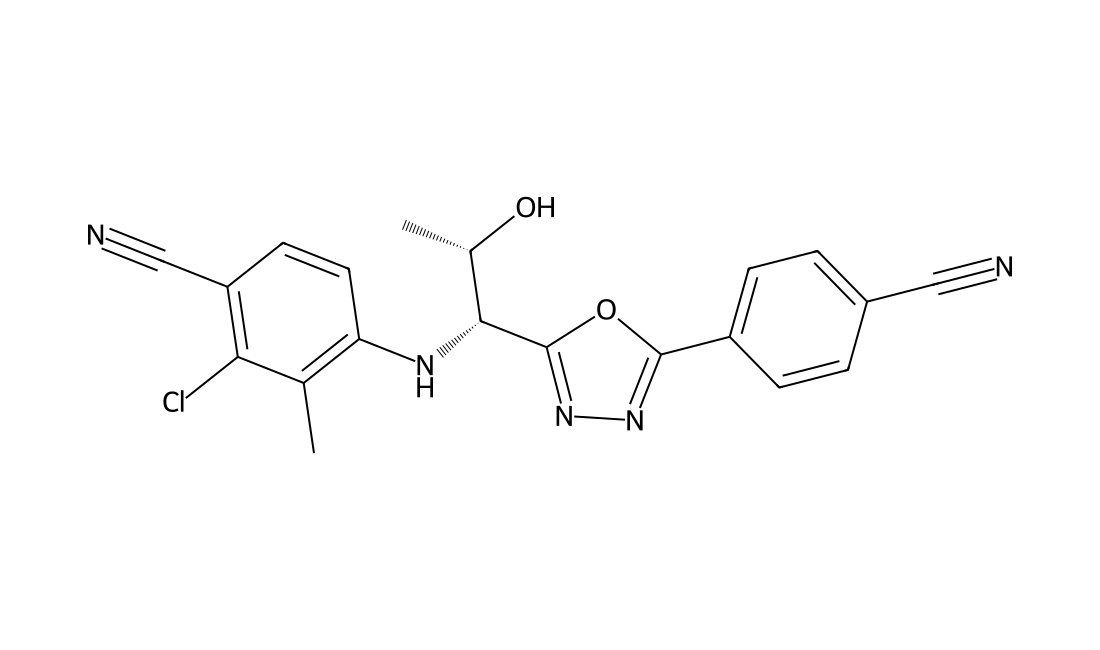
CAS 1182367-47-0
RAD140 is a potent, orally bioavailable, nonsteroidal selective androgen receptor modulator (SARM).
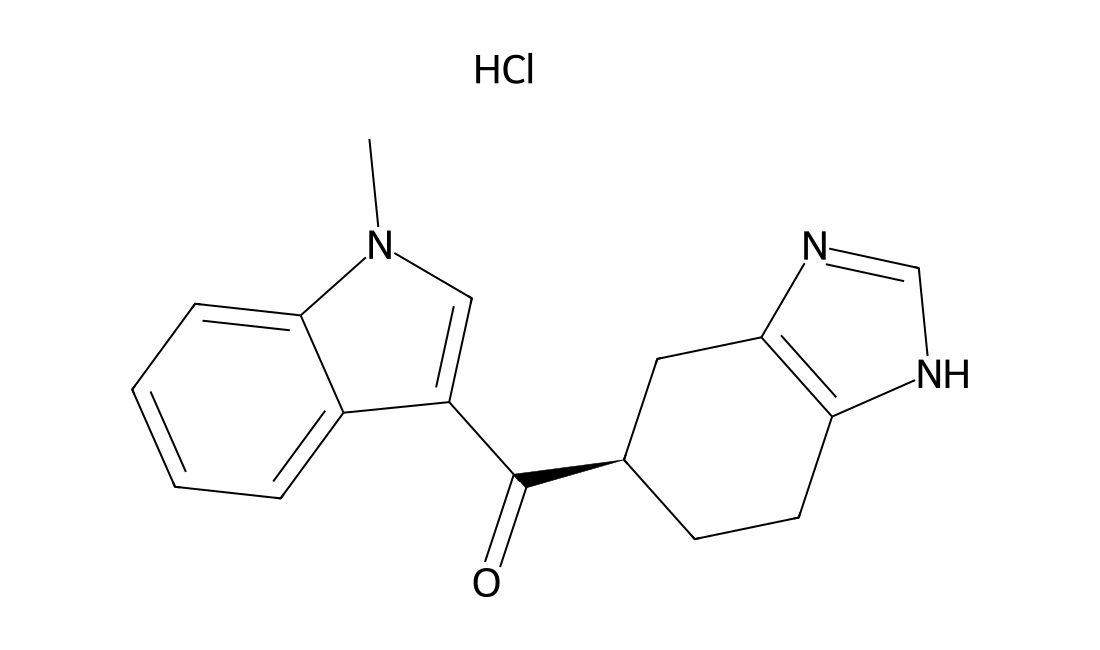
CAS 132907-72-3
Ramosetron Hydrochloride(YM060 Hydrochloride) is a serotonin 5-HT3 receptor antagonist for the treatment of nausea and vomiting.Ramosetron hydrochloride selectively blocks serotonin receptors (5-HT3). Serotonin plays a vital role in vomiting, serotonin-induced bradycardic reflex and peristalsis. The pharmacological action of Ramosetron hydrochloride is sustained and potent.
CAS 117928-94-6
Rapastinel (GLYX-13) is an N-methyl-D-aspartate receptor (NMDAR) modulator that has characteristics of a glycine site partial agonist. Rapastinel is a robust cognitive enhancer and facilitates hippocampal long-term potentiation (LTP) of synaptic transmission in slices.
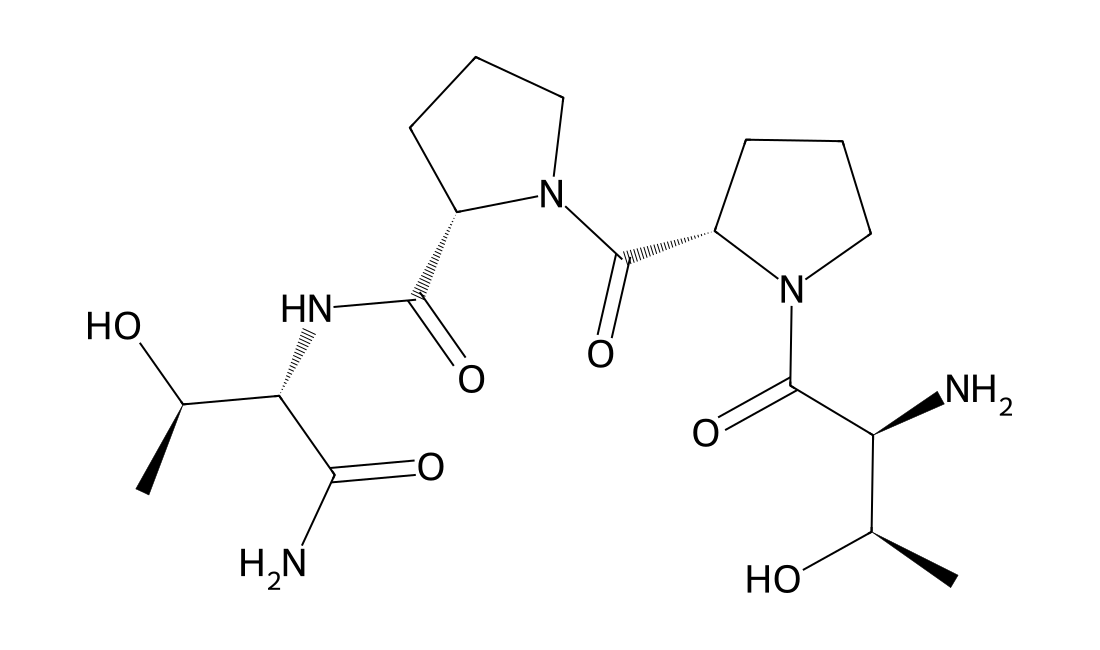
CAS 266359-83-5
Reparixin is a non-competitive allosteric inhibitor of the chemokine receptors CXCR1 and CXCR2 activation with IC50s of 1 and 100 nM, respectively.
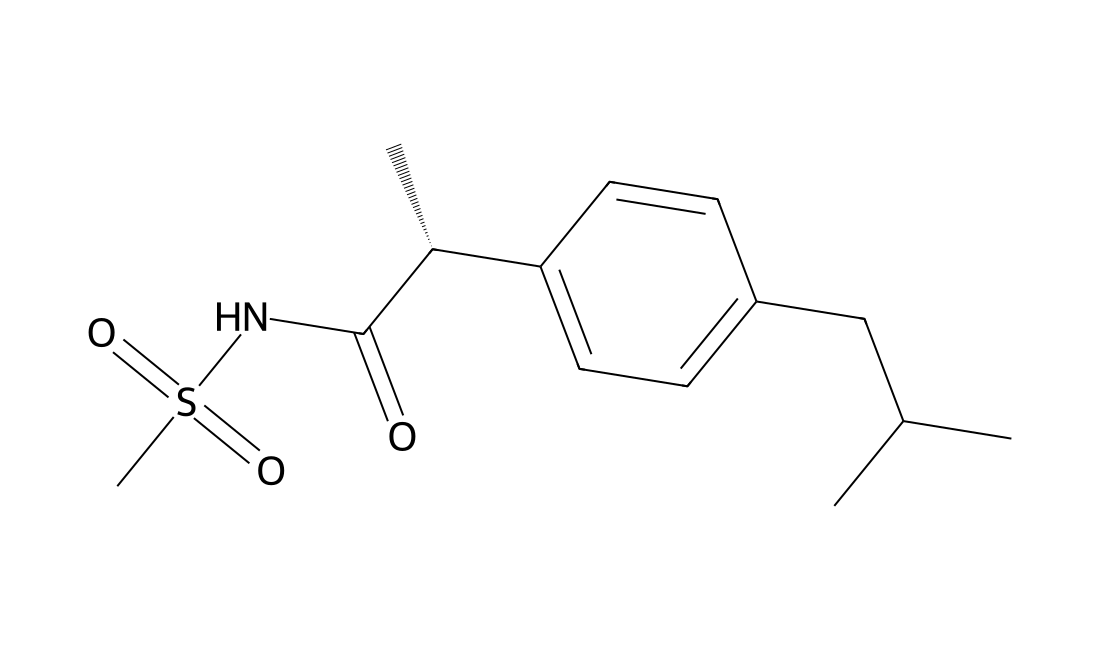
CAS 1229705-06-9
Idasanutlin (RG7388) is a potent and selective MDM2 antagonist, inhibiting p53-MDM2 binding, with an IC50 of 6 nM.
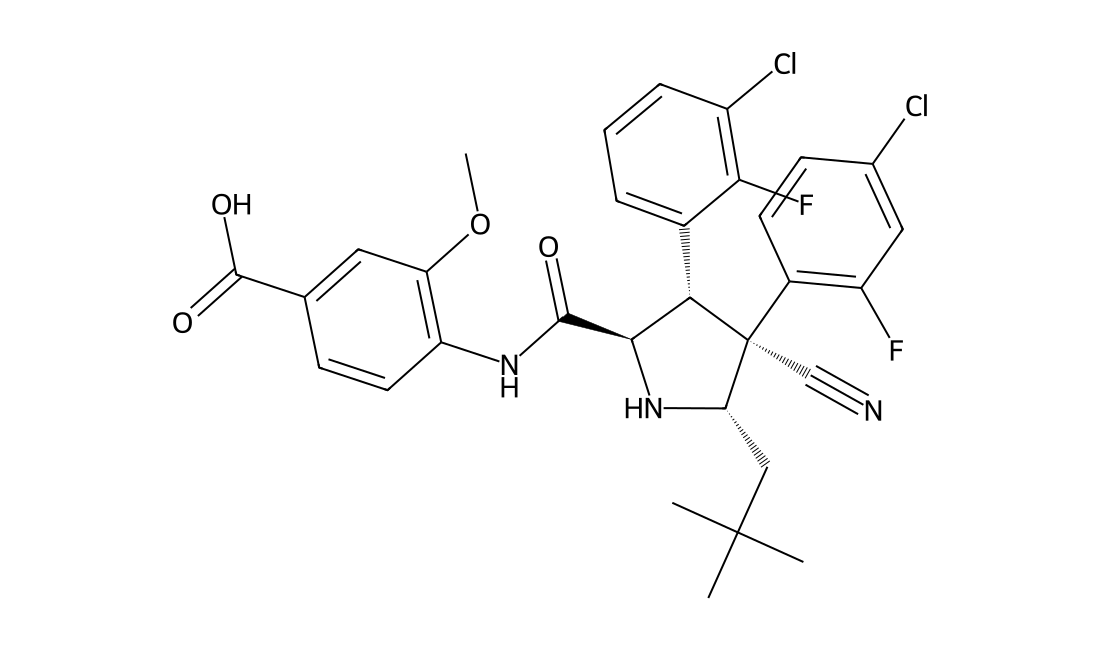
CAS 208109-39-1
F13714 fumarate, a selective 5-HT1A receptor biased agonist, shows antidepressant-like properties after a single administration in the mouse model of chronic mild stress[1].
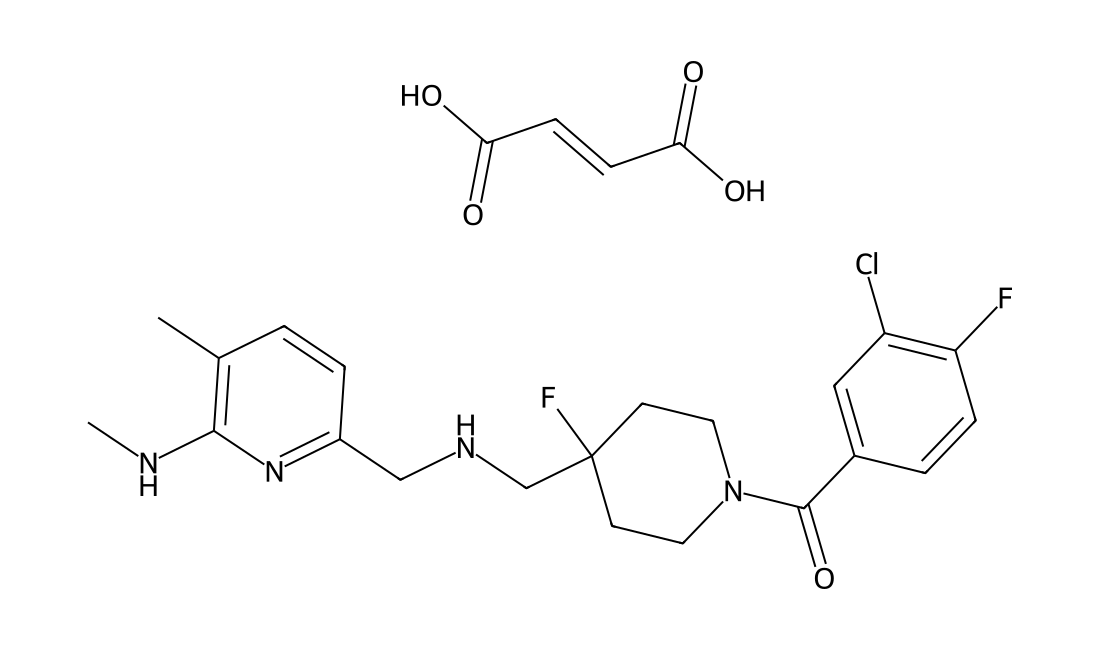
CAS 402713-80-8
Potent, brain penetrant, orally active 5-HT6 antagonist. Displays > 200-fold selectivity for 5-HT6 over other 5-HT receptors (pKi values are 9.11, 8.81 and 9.02 for human recombinant, native rat and native human 5-HT6 receptors respectively).
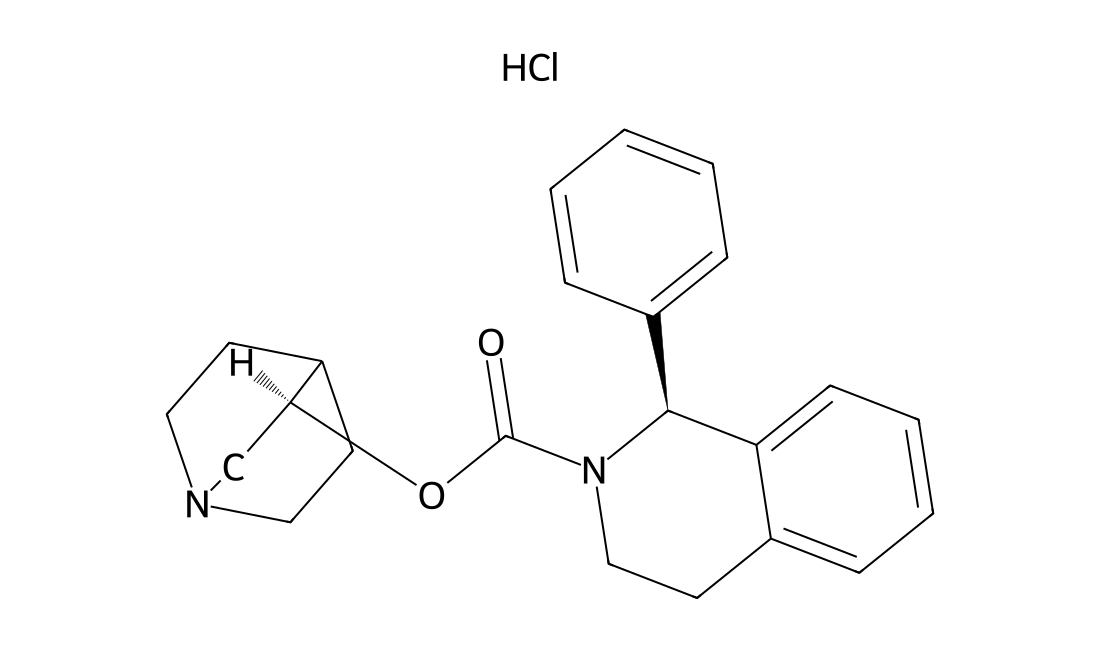
CAS 180468-39-7
Solifenacin Hcl(YM905 Hcl; Vesicare Hcl) is a muscarinic receptor antagonist.IC50 value:Target: muscarinic receptorSolifenacin Hcl (YM905; Vesicare) is a prescription medication used to treat certain bladder problems.
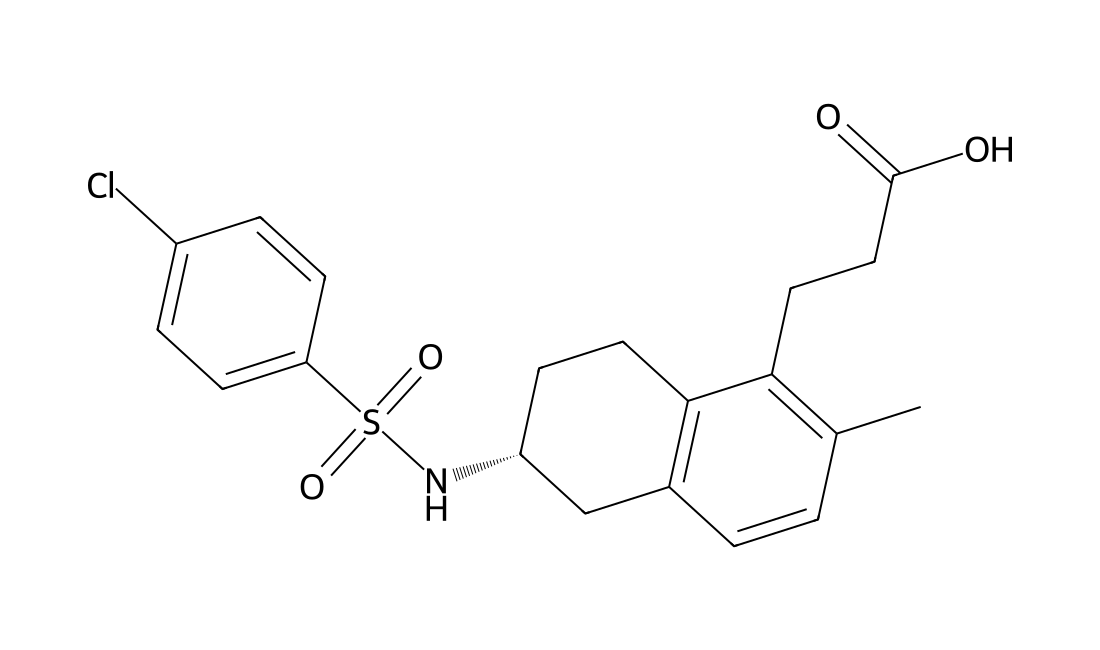
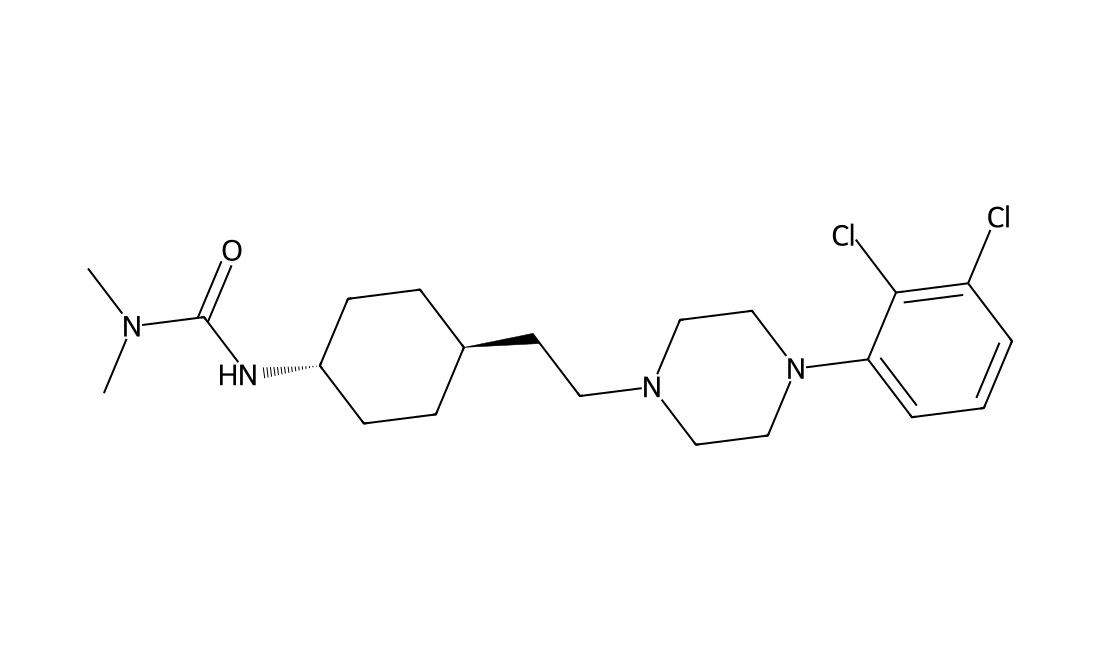
CAS 839712-12-8
Cariprazine is a novel antipsychotic drug candidate that exhibits high affinity for the D3 (Ki=0.085 nM) and D2 (Ki=0.49 nM) receptors, and moderate affinity for the 5-HT1A receptor (Ki=2.6 nM).
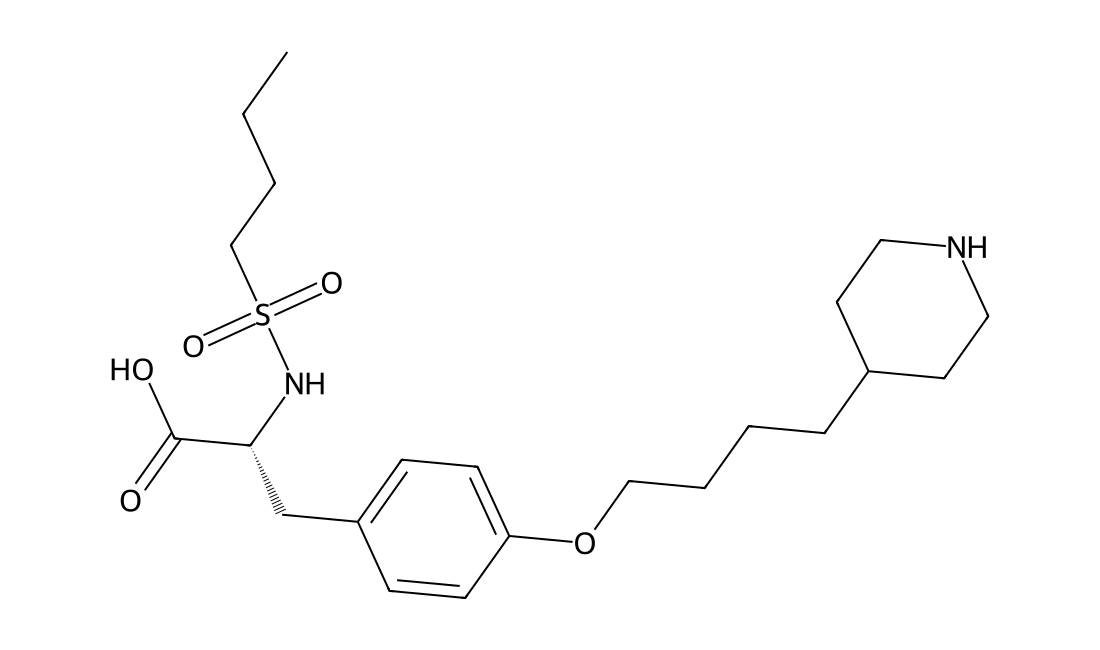
CAS 144494-65-5
Tirofiban(L700462;MK383) is a potent non-peptide, glycoprotein IIb/IIIa (integrins alphaIIbbetaIII) antagonistTarget: integrin IIb/IIIa Tirofiban hydrochloride monohydrate blocks platelet aggregation and thrombus formation. Tirofiban is an antithrombotic used in the treatment of unstable angina.Tirofiban, in a concentration-dependent manner reduced platelet aggregation evoked by ADP (IC50 approximately 70 ng/ml), collagen (IC50 approximately 200 ng/ml), and thrombin (IC50 approximately 5,000 ng/ml).
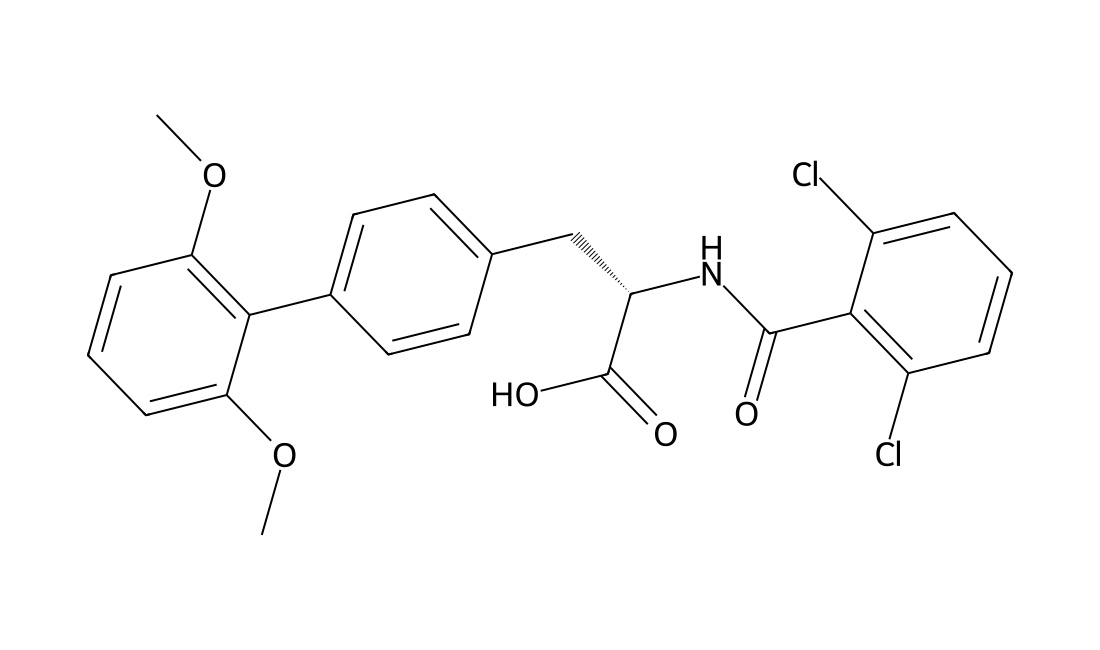
CAS 232271-19-1
TR-14035 is a a dual alpha4beta7(IC50=7 nM)/alpha4beta1 (IC50=87 nM) integrin antagonist TR14035 blocked the binding of human alpha(4)beta(7) to an (125)I-MAdCAM-Ig fusion protein with IC(50) values of 0.75 nM. TR14035 blocked binding of human alpha(4)beta(7)-expressing RPMI-8866 cells or murine mesenteric lymph node lymphocytes to MAdCAM-Ig with IC(50) values of 0.1 microM [2]. TR14035 blocked adhesion to HEVs [ED(50) of 0.01-0.1 mpk i.v.].TR-14035 was taken up by rat and human hepatocytes by an apparently single saturable mechanism with K(m) of 6.7 and 2.1 microM, respectively, and taurocholate and digoxin reduced this uptake [3].
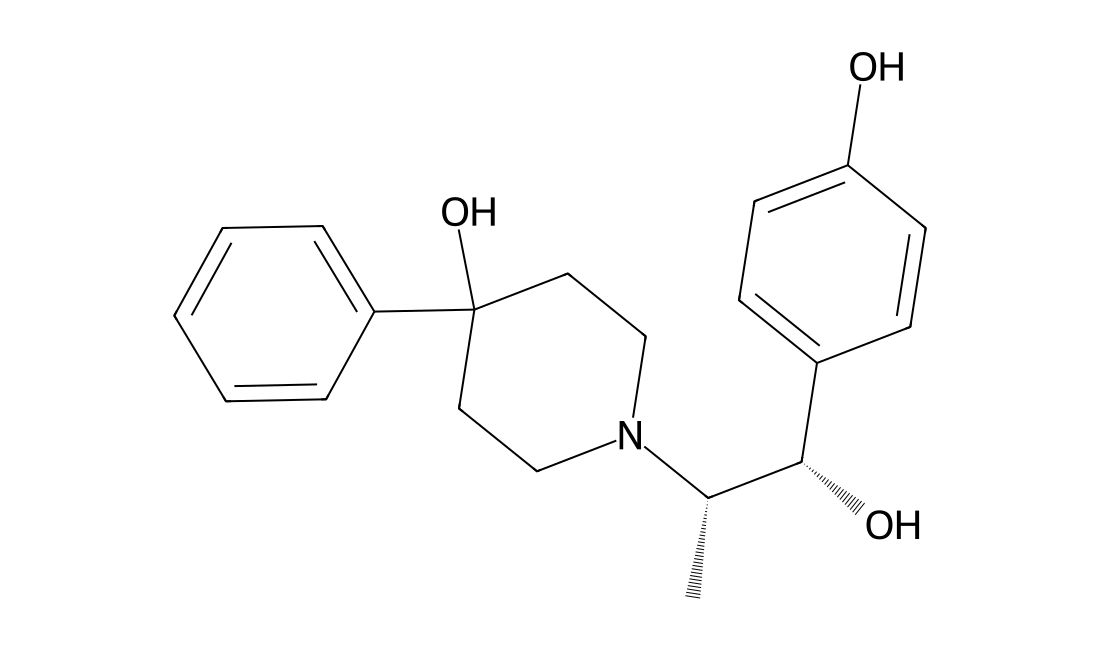
CAS 134234-12-1
Traxoprodil (CP101,606) is a potent and selective NMDA antagonist and protect hippocampal neurons with an IC50 of 10 nM.
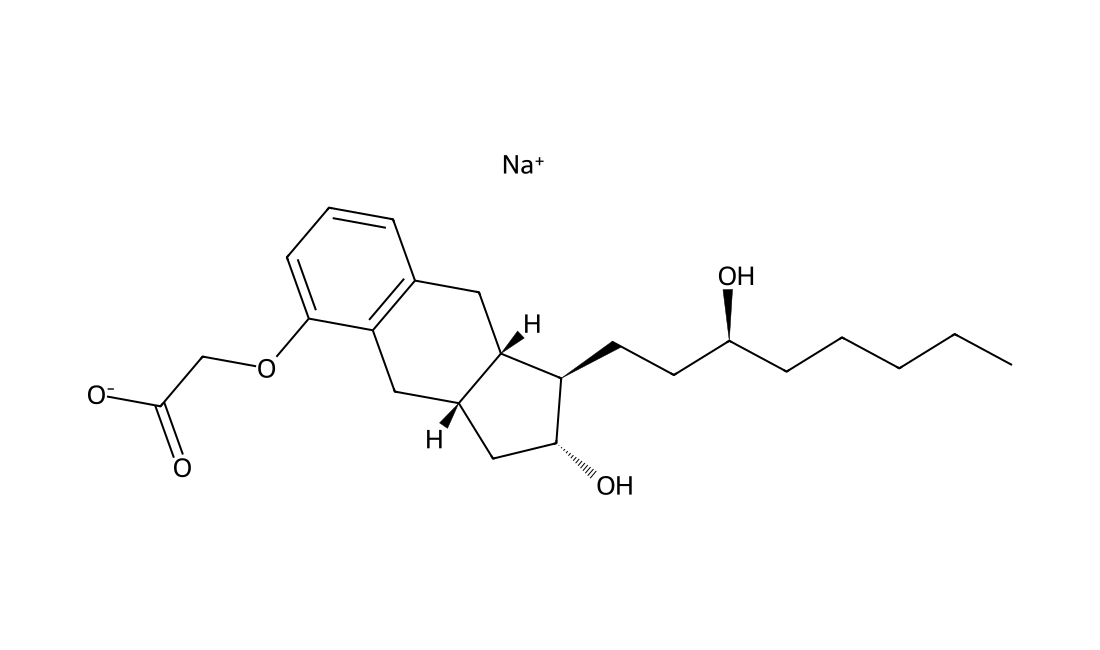
CAS 289480-64-4
Treprostinil sodium is a potent DP1 and EP2 agonist with EC50 values of 0.6±0.1 and 6.2±1.2 nM, respectively.
CAS 259674-19-6
TRPM8 Antagonist is a potent and selective TRPM8 antagonist, with an IC50 of 0.2 nM, used in the research of neuropathic pain syndromes.
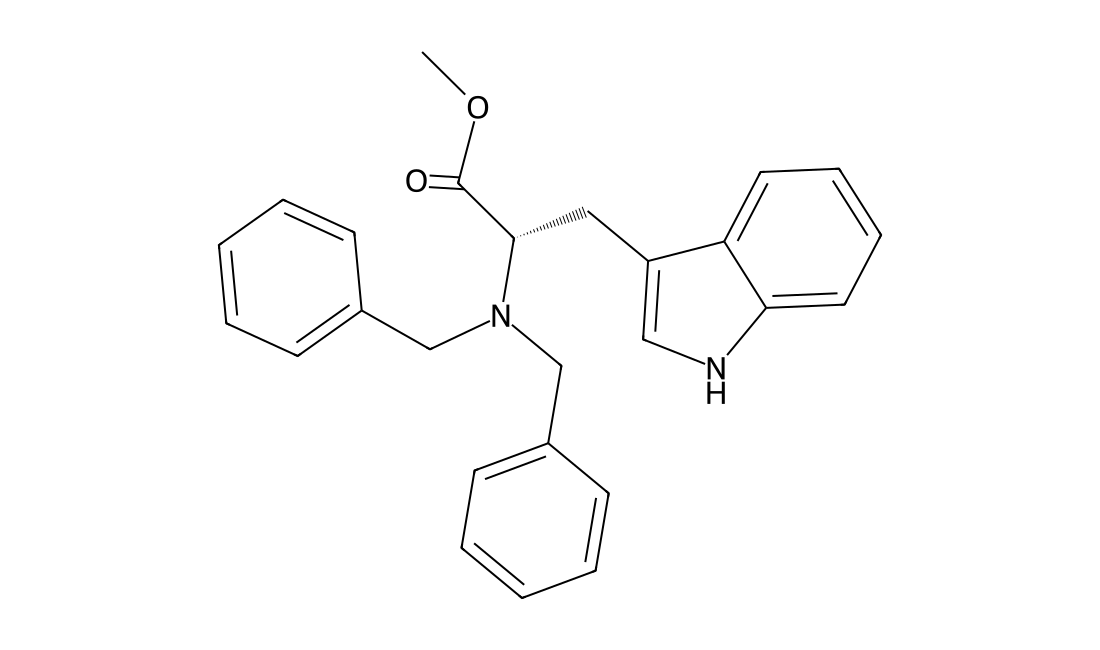
CAS 869113-09-7
Umeclidinium bromide is a novel mAChR antagonist. The affinity (Ki) of Umeclidinium bromide for the cloned human M1-M5 mAChRs ranges from 0.05 to 0.16 nM.
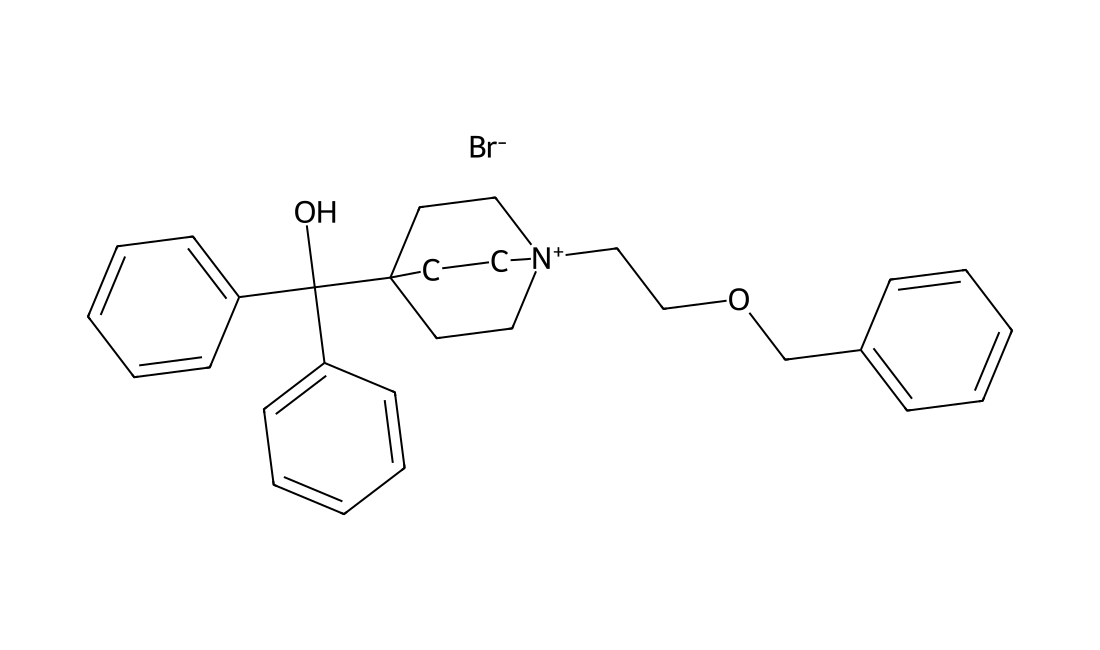
CAS 885220-61-1
Verucerfont is a corticotropin-releasing factor receptor 1 (CRF1) antagonist with IC50s of ~6.1, >1000 and >1000 nM for CRF1, CRF2, and CRF-BP, respectively.
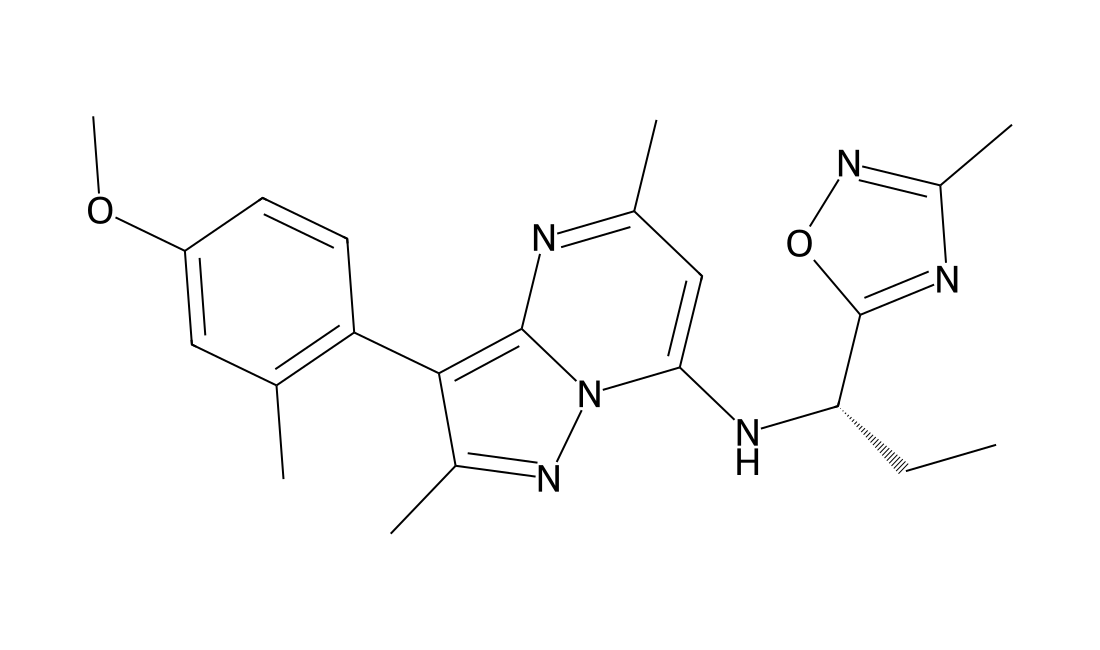
CAS 1093757-42-6
VU0155041 is a potent, selective and mixed allosteric agonist/positive allosteric modulator (PAM) of mGluR4, with EC50s of 798 nM and 693 nM for human and rat mGluR4, respectively. VU0155041 is a partial agonist of mGluR4 that activates the receptor by interacting with a site that is distinct from the glutamate binding site[1].
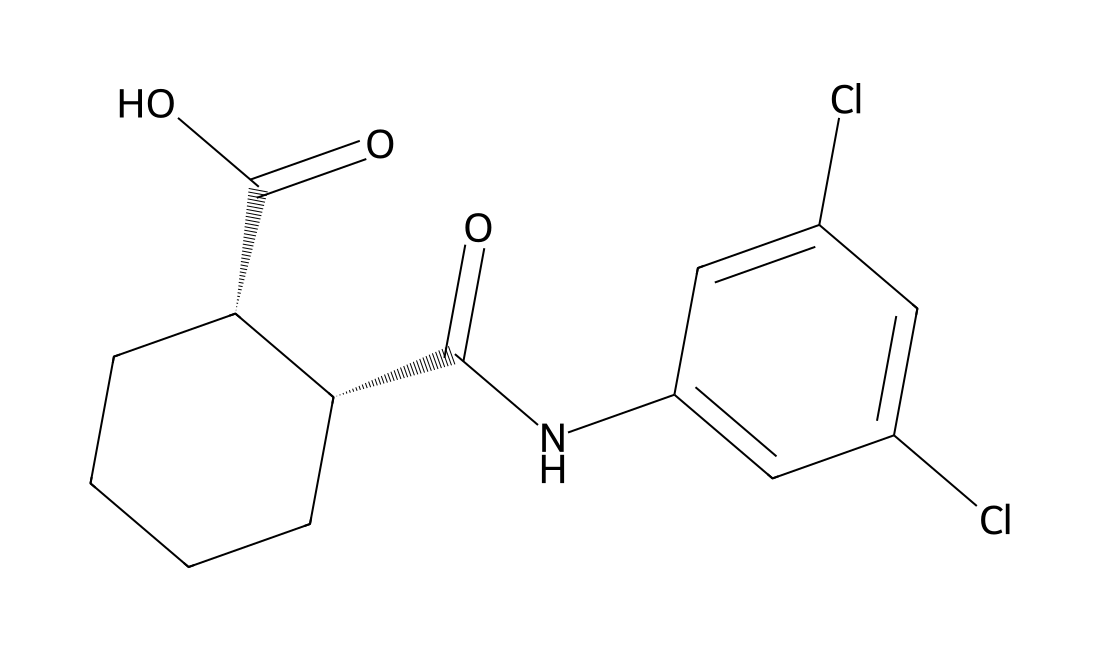
CAS 1110873-99-8
RU-301 is a pan-TAM receptor inhibitor, exerts pan-TAM inhibitory activity by binding at the interface between Gas6 and the Ig1 domain of the respective TAMs with Kd and IC50 values of 12 μM and 10 μM, respectively[1].
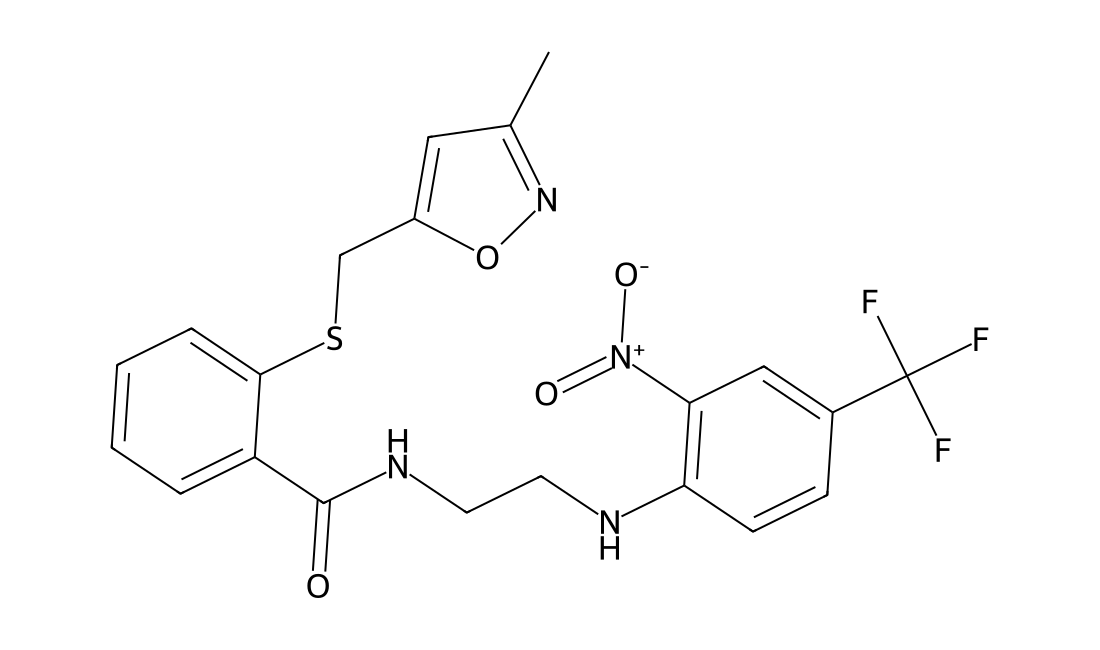
CAS 1001600-54-9
MV1 is an antagonist of IAP (inhibitor of apoptosis protein), leads to protein knockdown of HaloTag-fused proteins when combined with HaloTag ligand[1].
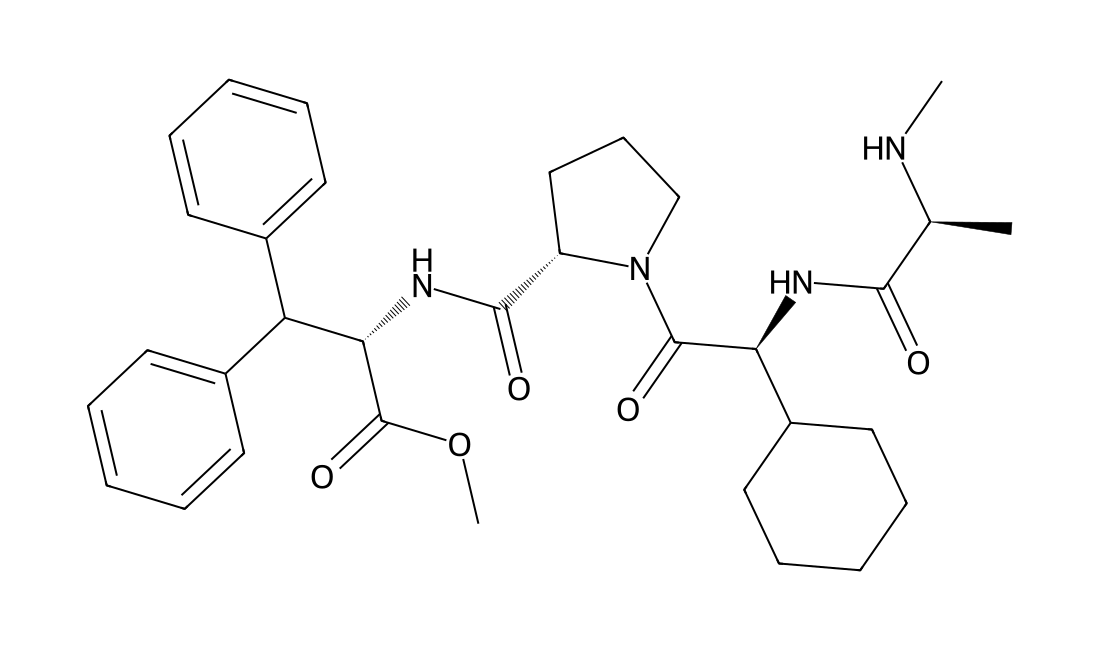
CAS 947257-66-1
D-3263 is an agonist of transient receptor potential melastatin member 8 (TRPM8) with potential antineoplastic activity.
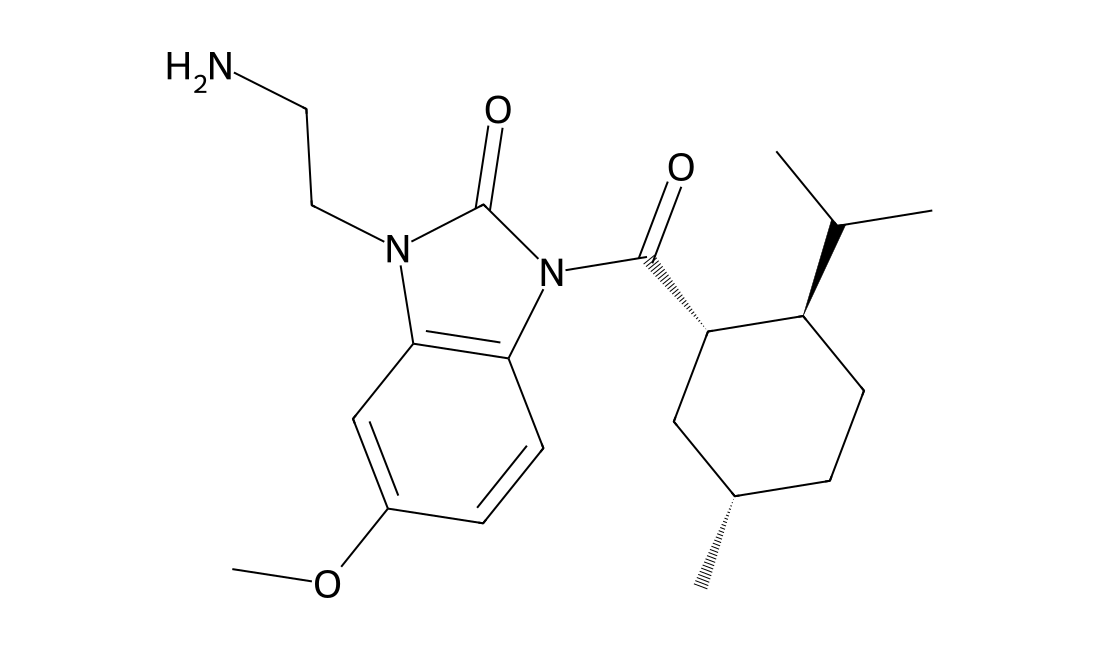
CAS 58816-69-6
SB297006 is a CCR3 antagonist, which significantly inhibits proliferation and neurosphere formation in CCL11-treated neural progenitor cells.
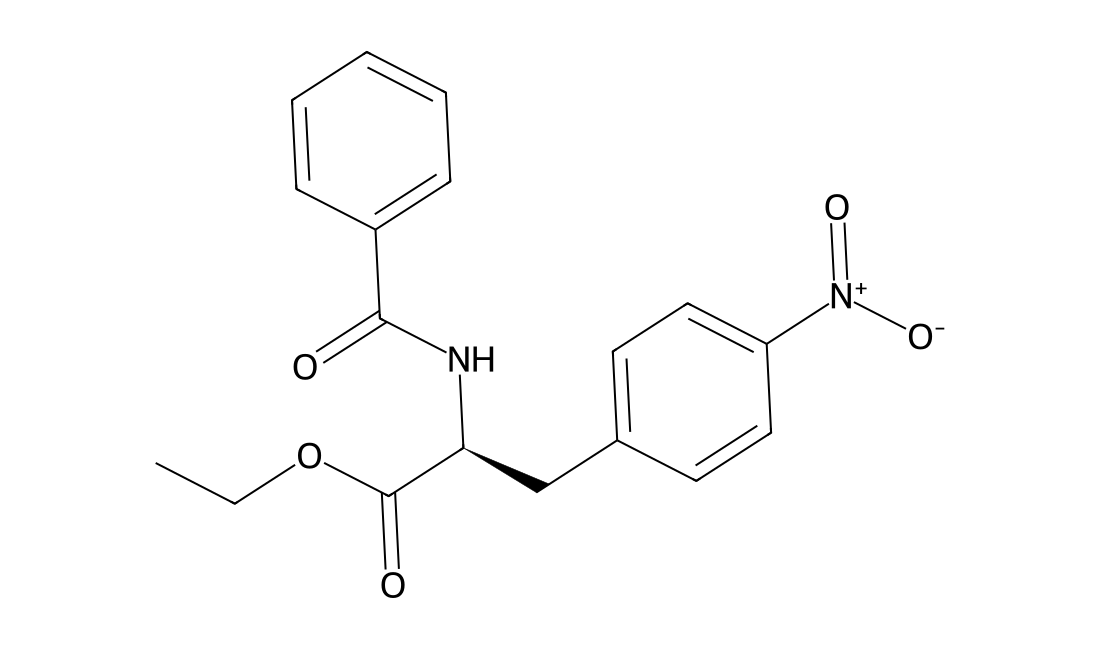
CAS 686347-12-6
Otenabant Hydrochloride is a potent and selective cannabinoid receptor CB1 antagonist with Ki of 0.7 nM, exhibits 10,000-fold greater selectivity against human CB2 receptor.
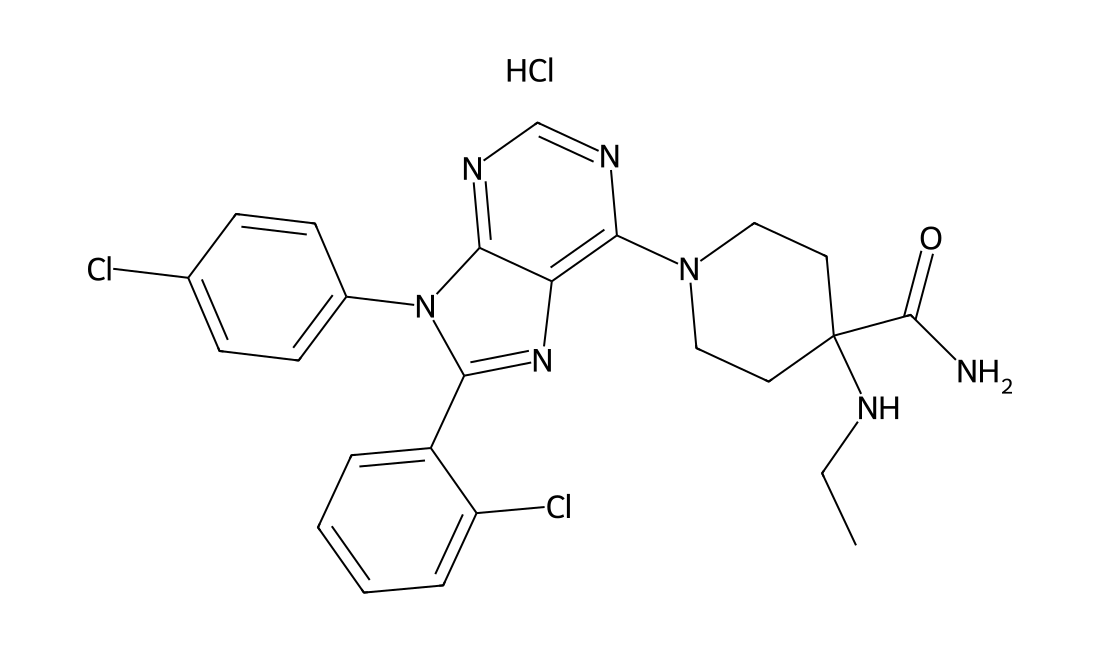
CAS 1629138-41-5
SRI-011381 is an orally active TGF-β signaling agonist, exhibits neuroprotective effects[1][2].
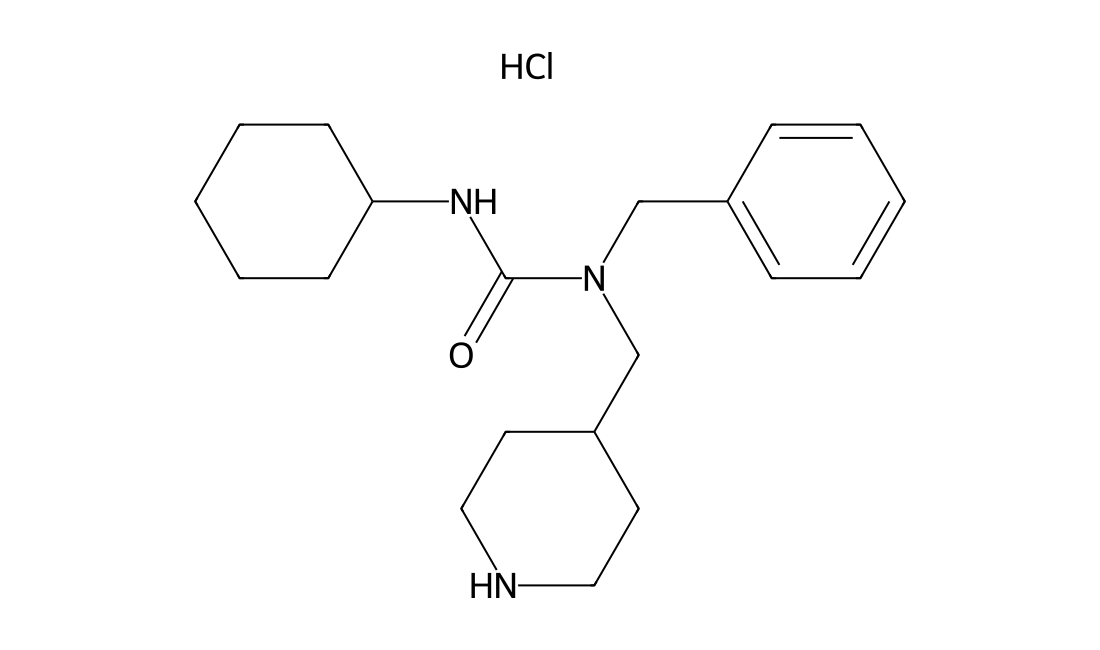
CAS 1204707-71-0
SRT3109 is an antagonist of CXCR2, with a pIC50 of 8.2, and used in the research of chemokine mediated diseases.
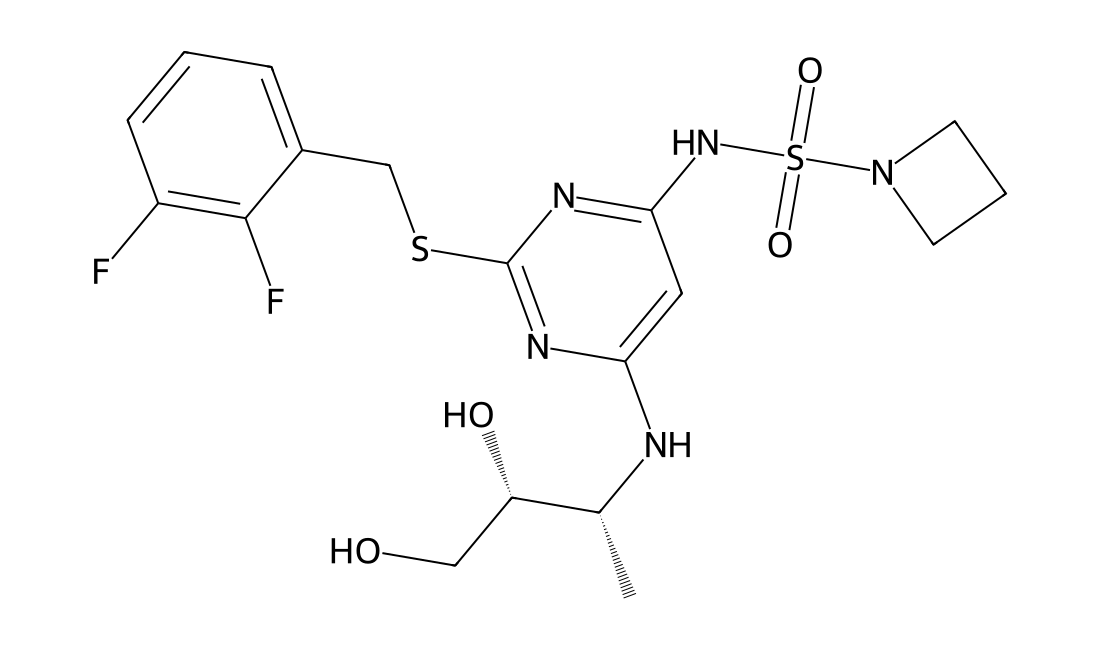
CAS 96760-69-9
Adenosine amine congener (ADAC) is a selective A1 adenosine receptor agonist, can ameliorate noise- and Cisplatin-induced cochlear injury. Adenosine amine congener also has neuroprotective effects[1][2].
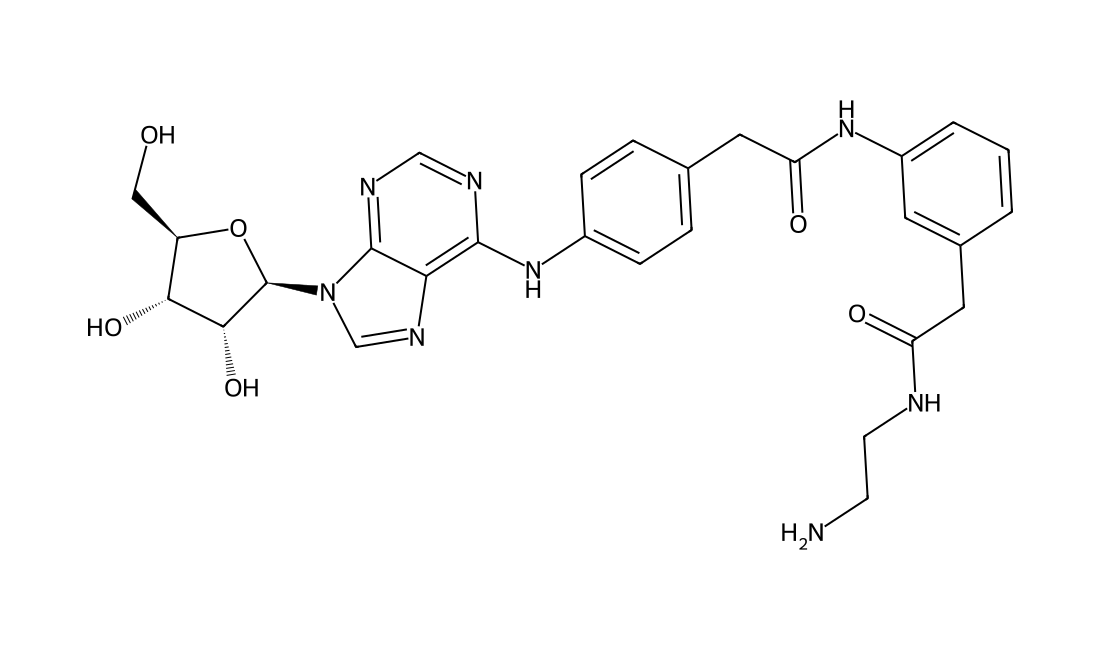
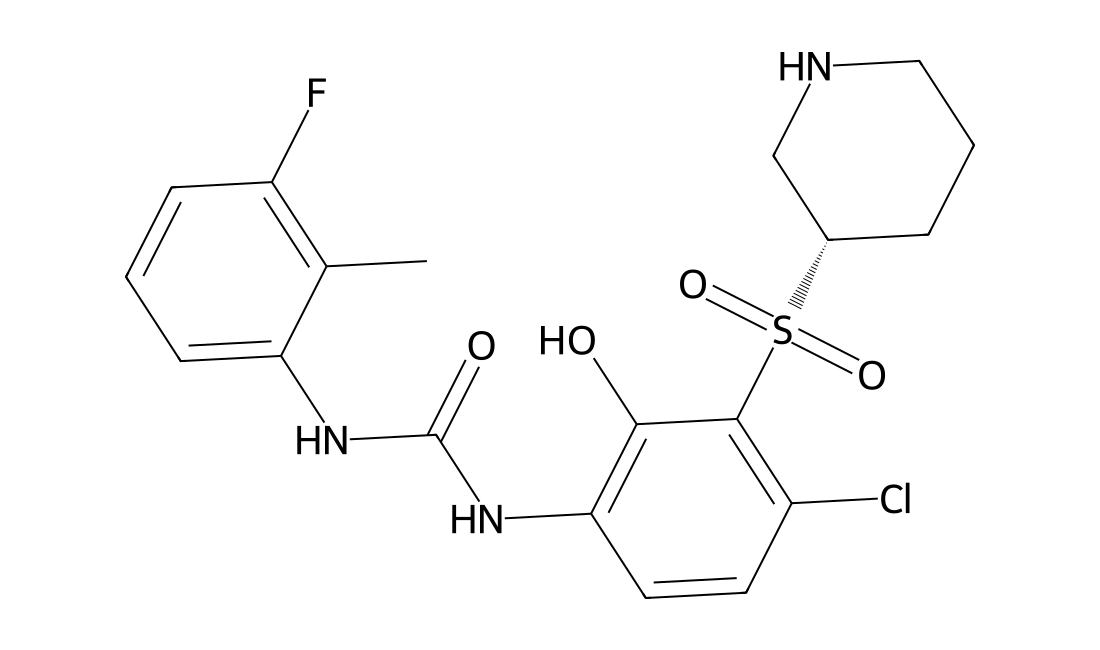
CAS 954126-98-8
Danirixin is a selective, and reversible CXCR2 antagonist, with IC50 of 12.5 nM for CXCL8.
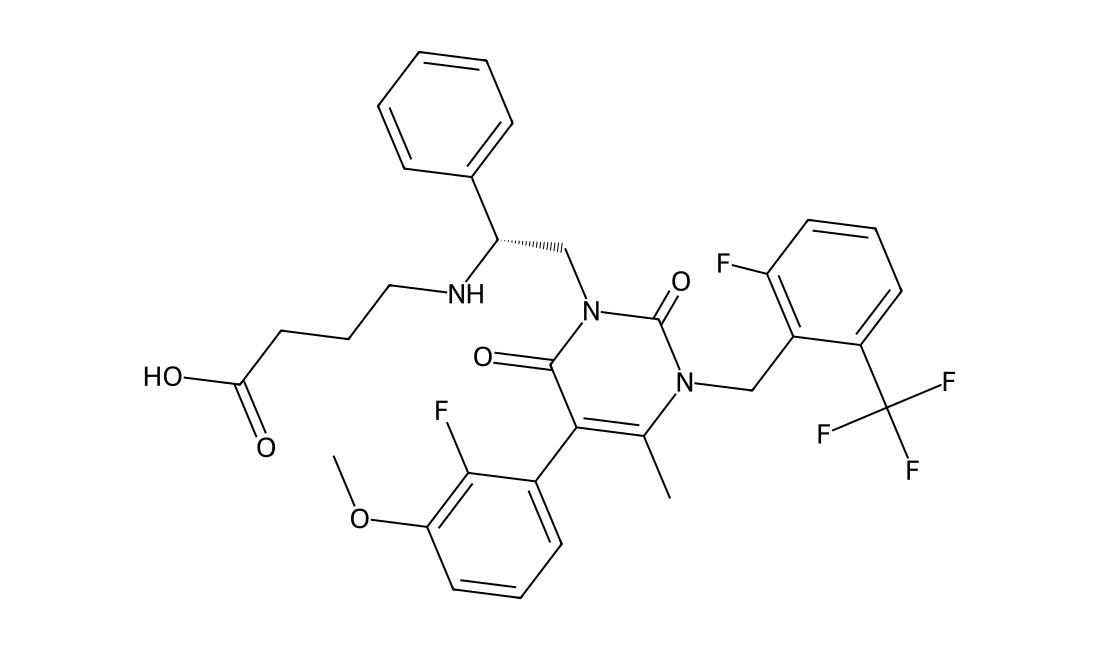
CAS 834153-87-6
Elagolix is a highly potent, selective, orally-active, short-duration, non-peptide antagonist of the gonadotropin-releasing hormone receptor (GnRHR) (KD = 54 pM).
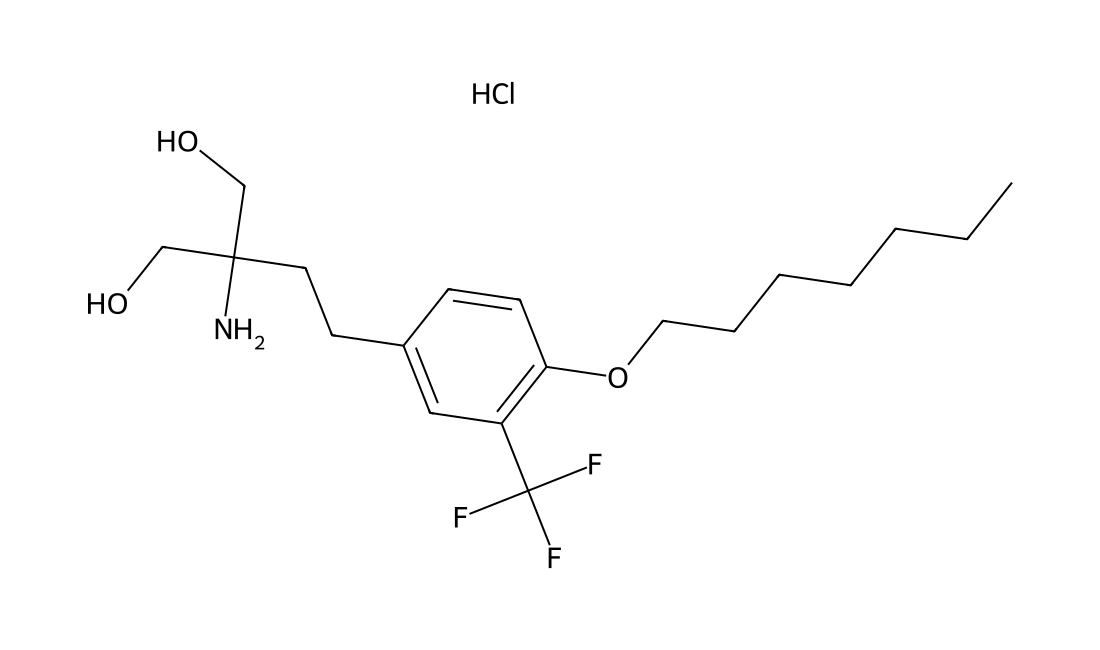
CAS 942398-84-7
Amiselimod hydrochloride is a novel sphingosine 1-phosphate receptor-1 (S1P1) modulator, designed to reduce the bradycardia effects associated with fingolimod and other S1P receptor modulators.target: S1P1In vivo: After oral administration of amiselimod or fingolimod at 1 mg/kg, the concentration of amiselimod-P in rat heart tissue was relatively lower than that of fingolimod-P, potentially contributing to the minimal cardiac effects of amiselimod. Amiselimod-P showed potent selectivity for S1P1 , high selectivity for S1P5 , minimal agonist activity for S1P4 , no distinct agonist activity for S1P2 or S1P3 , and approximately 5-fold weaker GIRK activation than fingolimod-P. [1] Amiselimod 0·2 mg and 0·4 mg significantly reduced the total number of gadolinium-enhanced T1-weighted lesions. [2]
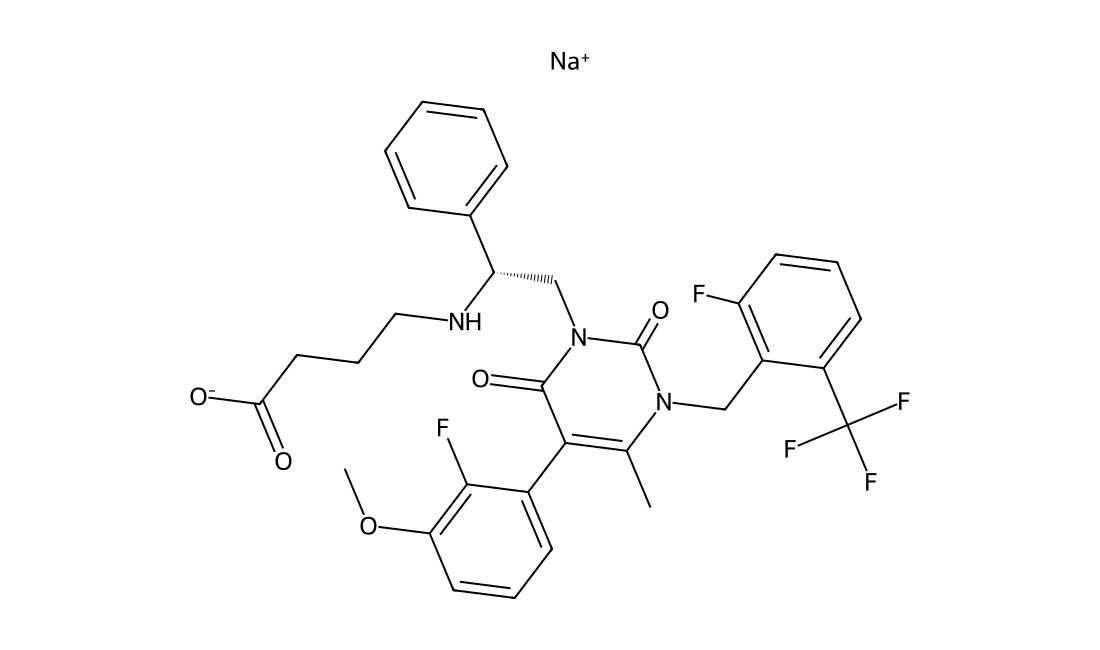
CAS 832720-36-2
Elagolix sodium is a human GnRH receptor (GnRHR) antagonist with an IC50 and Ki of 0.25 and 3.7 nM, respectively.
CAS 148451-96-1
L-732138 is a selective, potent and competitive neurokinin-1 (NK-1) receptor antagonist with an IC50 of 2.3 nM. L-732138 has 200-fold more potent in cloned human NK-1 receptors than cloned rat NK-1 receptors, and has > 1000-fold more potent than human NK-2 and NK-3 receptors. L-732138 can reduce hyperalgesia and has antitumor action[1][2].
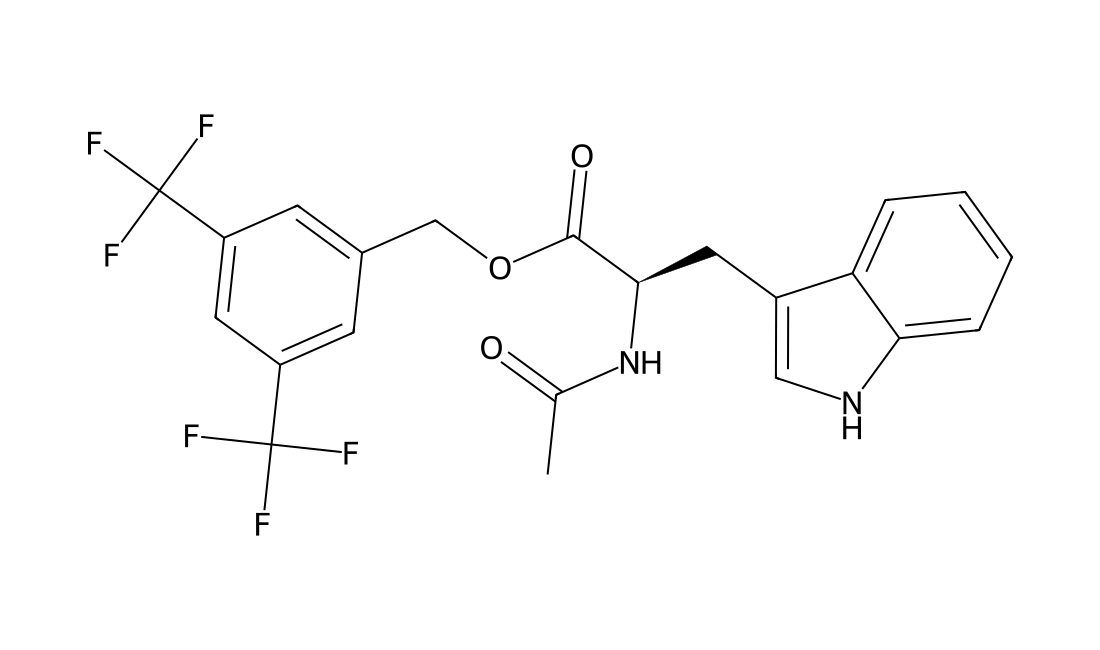
CAS 160970-54-7
Silodosin (Rapaflo; KMD-3213) is an α1-adrenoceptor antagonist with high uroselectivity; In treatment of dysuria.
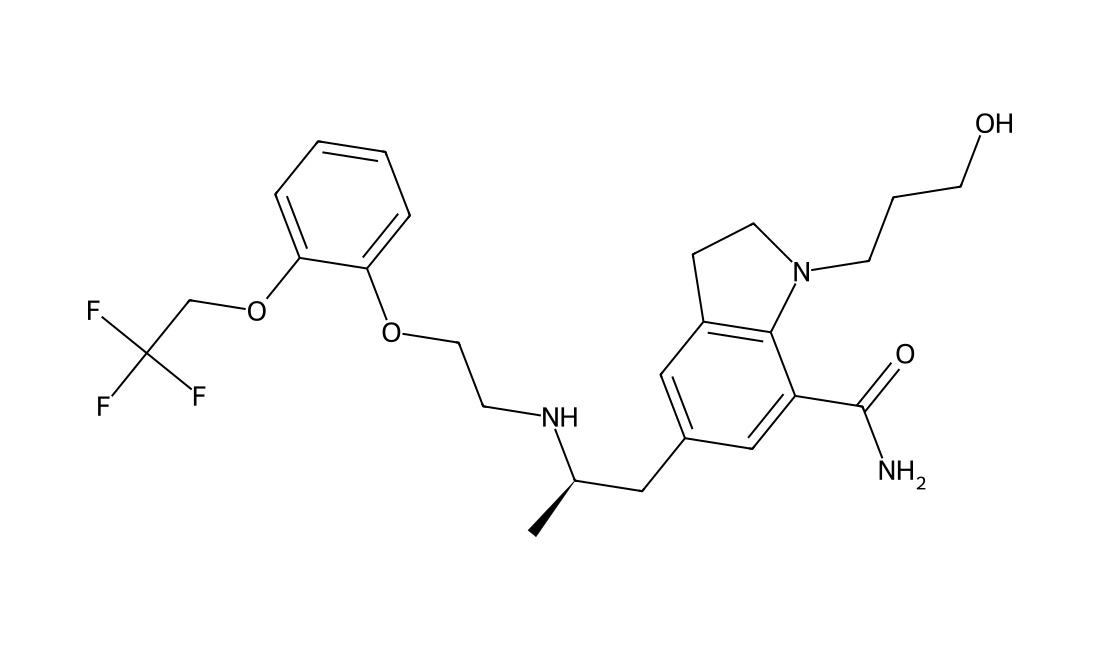
CAS 342577-38-2
Velneperit (S-2367) is a novel neuropeptide Y (NPY) Y5 receptor antagonist.Target: neuropeptide Y receptorVelneperit (S-2367) is a once-daily, oral, centrally acting, small molecule neuropeptide Y (NPY) Y5 receptor antagonist.
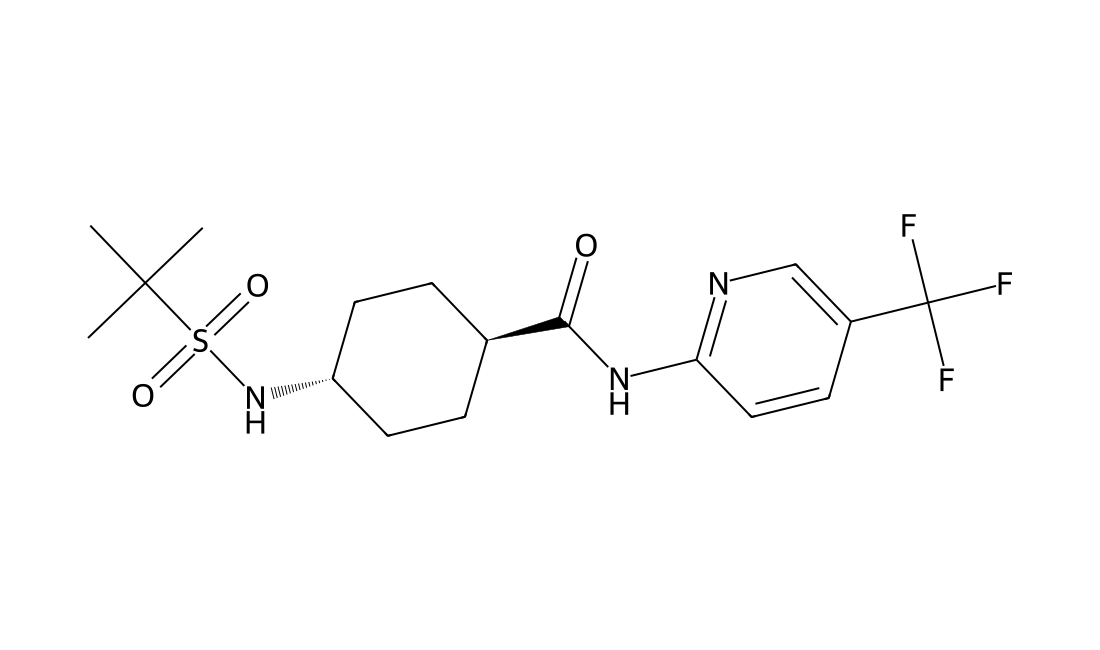
CAS 363-24-6
Prostaglandin E2 is a hormone-like substance that participate in a wide range of body functions such as the contraction and relaxation of smooth muscle, the dilation and constriction of blood vessels, control of blood pressure, and modulation of inflammation.
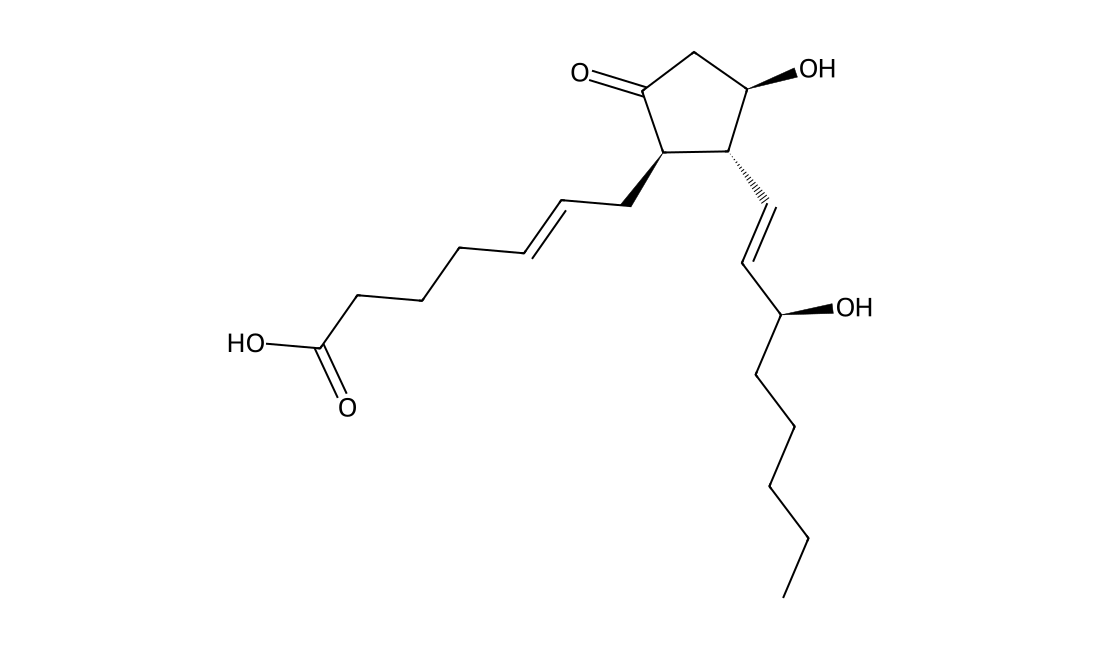
CAS 1997387-43-5
PZM21 is a potent and selective μ opioid receptor agonist with an EC50 of 1.8 nM.