Home/Small Molecules/GPCRs & Receptor Biology

GPCRs & Receptor Biology

G-protein-coupled, nuclear and other ligand-binding receptors and their modulators.

Browse all research categories

Browse by research category

Products may appear in more than one category. Counts refer to distinct catalog numbers within each category.

Other Research Tools (75) · Additional reagents, building blocks and specialized research tools.

GPCRs & Receptor Biology products

Combine a keyword, research category and target to narrow the product list.

Loading catalog filters…

1,219 products · Showing 1,201–1,219

DC9849

CGP37849

CAS 127910-31-0

CGP-37849 is a competitive antagonist at the NMDA receptor. It is a potent, orally active anticonvulsant in animal models, and was researched for the treatment of epilepsy. It also has neuroprotective activity and shows antidepressant and anxiolytic effects.

CGP37849 chemical structure
DC10338

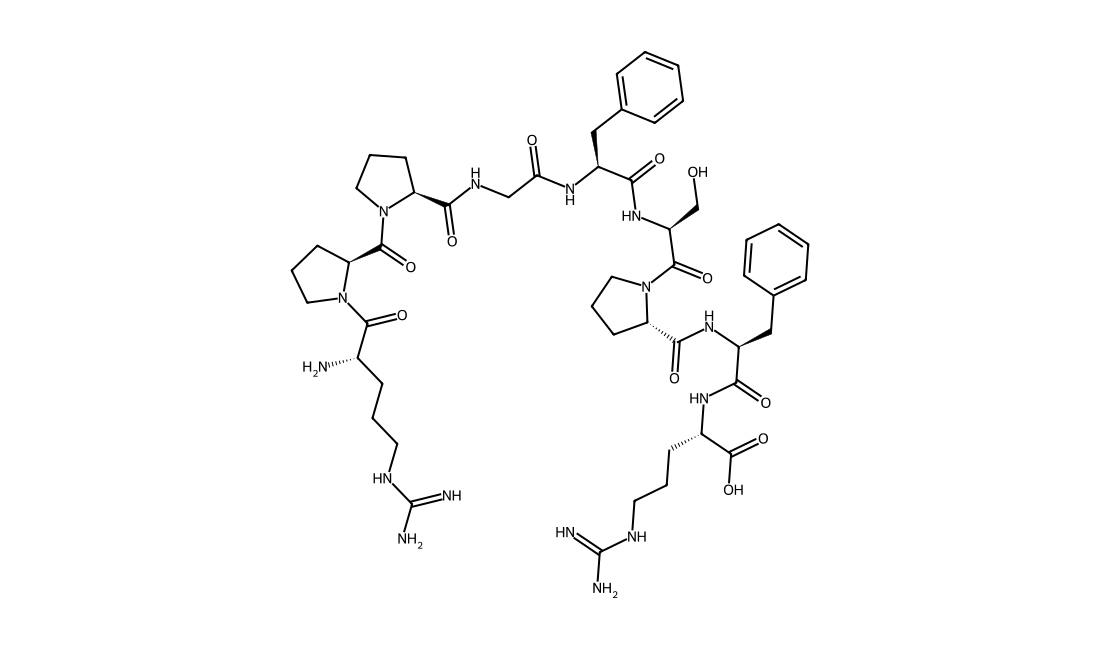
Bradykinin

CAS 58-82-2

Bradykinin is a potent vasodilator peptide that exerts its vasodilatory action through stimulation of specific endothelial B2 receptors, thereby causing the release of prostacyclin, NO, and EDHF. Bradykinin has been reported to be involved in the progression of many types of cancer. Bradykinin treatment promotes the invasion and migration of colorectal cancer cells. Bradykinin treatment stimulates ERK1/2 activation and IL-6 production. Exogenous bradykinin markedly inhibits TF expression in mRNA and protein level induced by LPS in a dose-dependent manner. The NO synthase antagonist L-NAME and PI3K inhibitor LY294002 dramatically abolish the inhibitory effects of bradykinin on tissue factor expression.Application of 1 μM bradykinin to the ovary produces significant decreases in heart rate and mean arterial pressure. In vagotomized animals, application of 1 μM bradykinin to the ovary produces bradycardia and hypotension similar to the responses evoked when vagal innervation is intact. Vascular bradykinin can improve pancreatic microcirculation and hemorheology in rats with severe acute pancreatitis. The pancreatic microcirculatory blood flow volume and velocity in the vascular bradykinin treatment group increases gradually after 48 h[5]. PI3K/Akt signaling pathway activation induced by bradykinin administration reduces the activity of GSK-3β and MAPK, and reduces NF-x03BA;B level in the nucleus, thereby inhibiting TF expression. Consistent with this, intraperitoneal injection of C57/BL6 mice with bradykinin also inhibits the thrombus formation induced by ligation of inferior vena cava.

Bradykinin chemical structure
DC9547

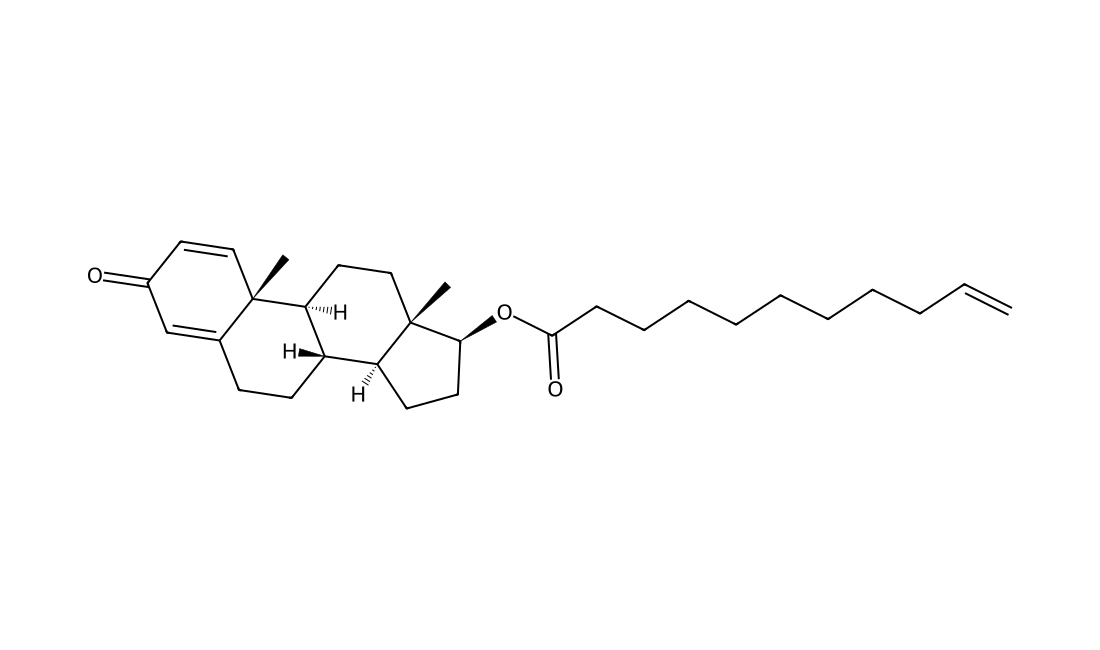
Boldenone Undecylenate

CAS 13103-34-9

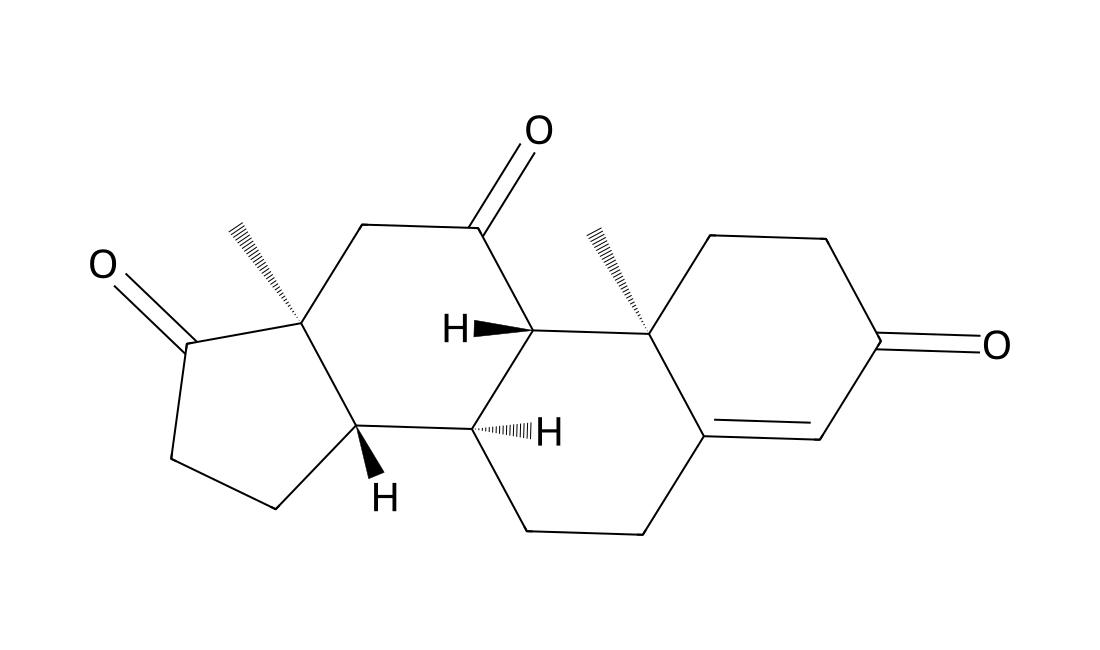
Boldenone undecylenate(Equipoise) is a synthetic steroid which has a similar effect as the natural steroid testosterone; it is frequently used in veterinary medicine, though it is also used in humans. The effects of this steroid are more subtle than that of many other steroids. in vivo: Rabbits were injected intramuscularly twice weekly for two months. BOL had no significant effect on the bwt and bwt gain. Testes and epididymis weights were decreased significantly in the BOL-treated groups. BOL caused significant reduction in serum testosterone level, seminal volume, sperm motility, and sperm count .

Boldenone Undecylenate chemical structure
DC23167

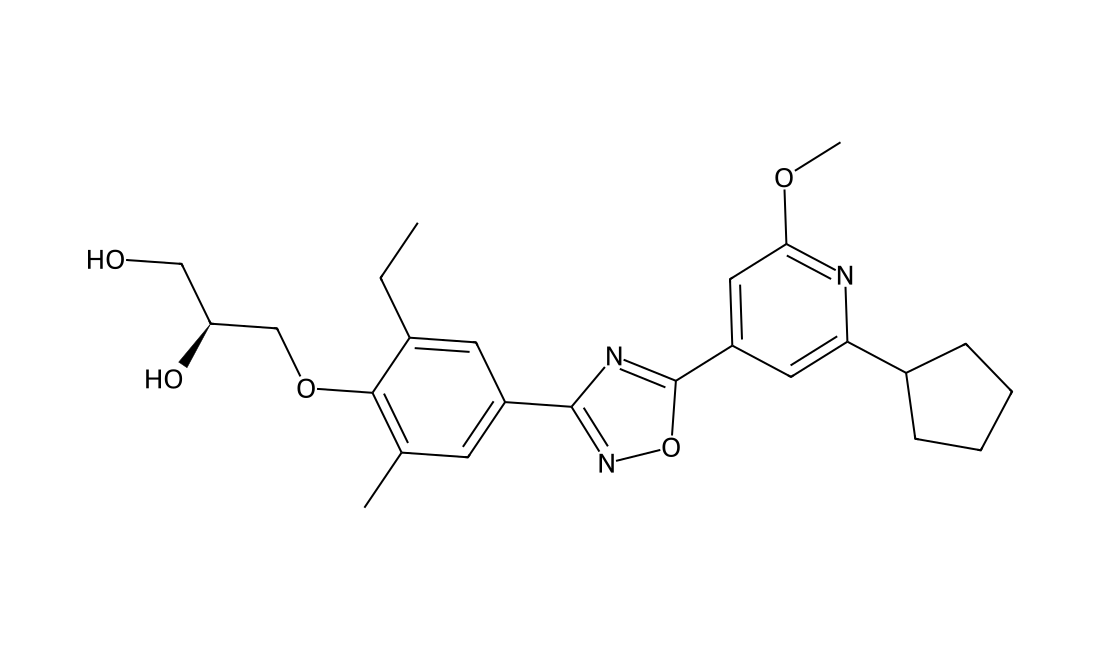
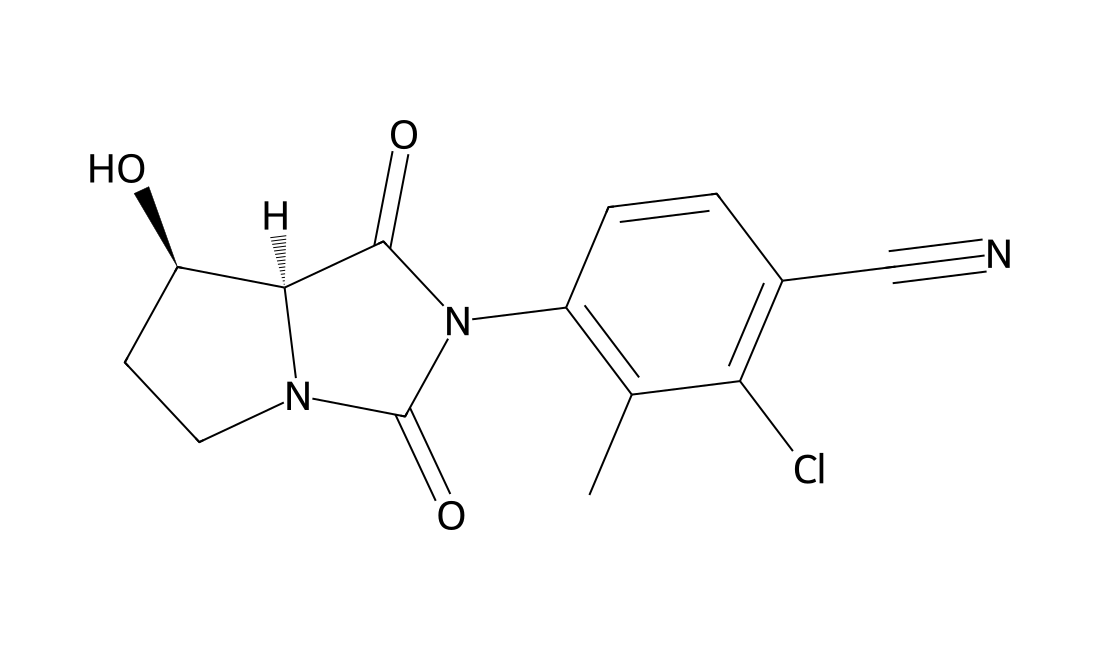
BMS-564929

CAS 627530-84-1

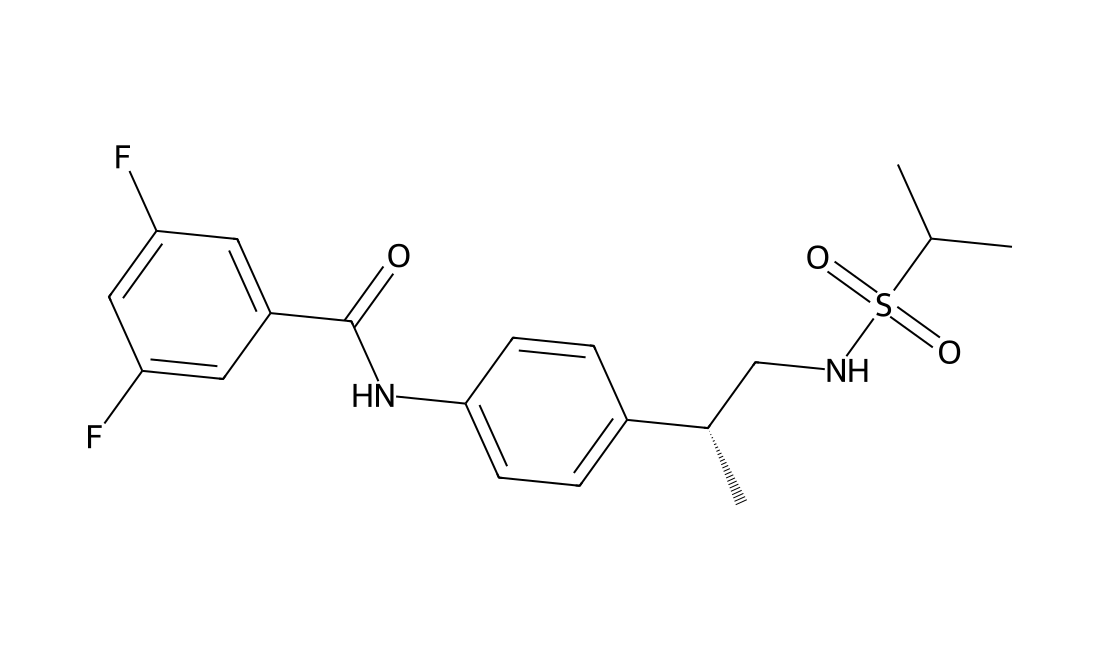
BMS-564929 is a potent, selective androgen receptor modulator (SARM) that binds to AR with Ki of 2.11 nM; BMS-564929 is a subnanomolar AR agonist in vitro, displays high selectivity for the AR versus other steroid hormone receptors and exhibits no significant interactions with SHBG or aromatase.

BMS-564929 chemical structure
DC8971

Baclofen

CAS 1134-47-0

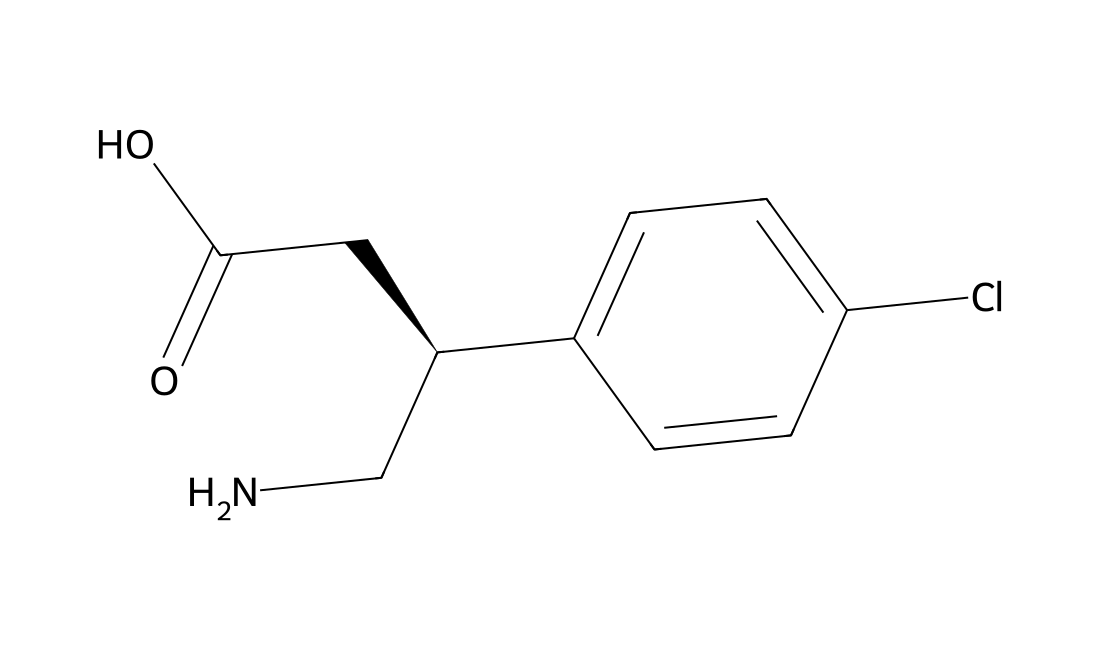
Baclofen is a gamma-amino-butyric acid (GABA) derivative used as a skeletal muscle relaxant.Baclofen, a lipophilic analog of gamma-aminobutyric acid, is clinically used to control spasticity. Baclofen pretreatment (3 mg/kg) not only prolonged the time taken for animals to reach a core body temperature of 40 degrees C (P < 0.001), but also reduced the percentage of rats attaining a core body temperature of 40 degrees C. Baclofen overdose may result in coma, apnea, autonomic disturbances, cardiac conduction abnormalities, and seizures. Levels obtained shortly after overdose correlate with length of mechanical ventilation.

Baclofen chemical structure
DC10425

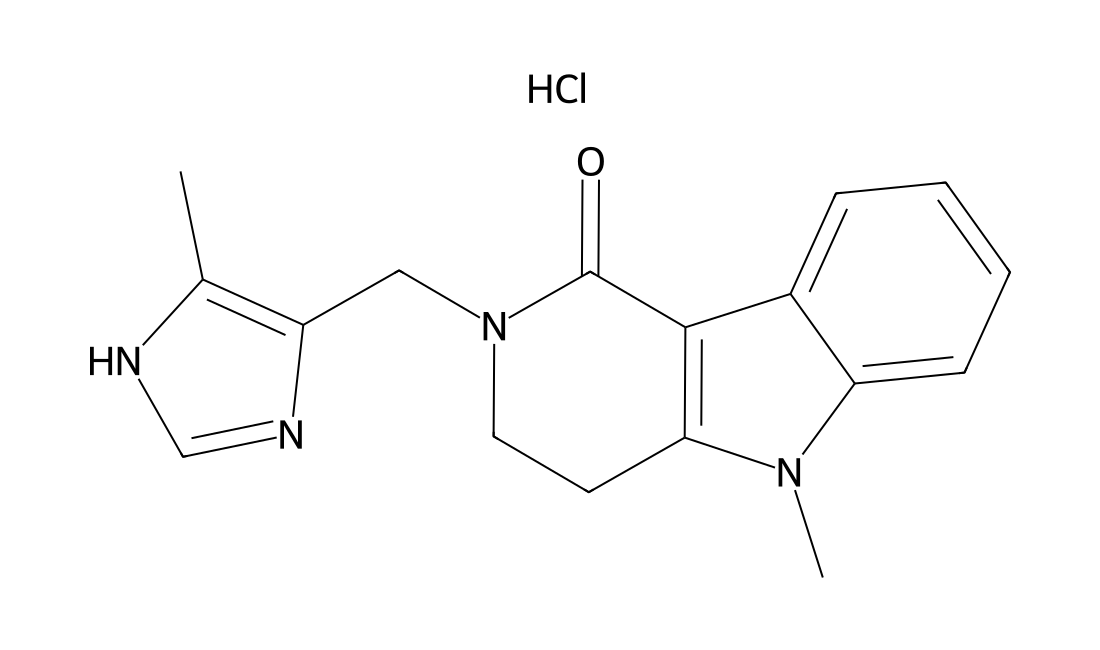
AZD9056 hydrochloride

CAS 345303-91-5

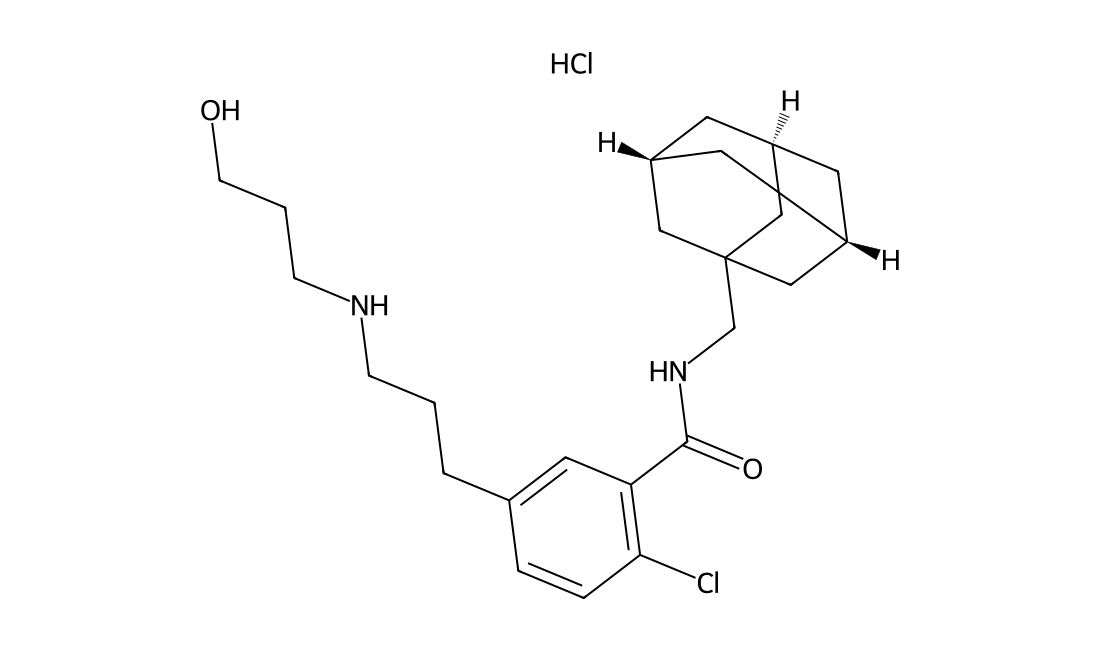
The antagonist AZD9056 blocks P2X7 receptors with an IC50 of 11.2 nM in HEK-hP2X7 cell line, indicating a high selectivity of the antagonist for the P2X7 receptor. The P2X7-receptor antagonist AZD9056 has a clear inhibitory effect (IC50=1-3 μM) in mouse microglia BV2 cells. AZD9056 is an inhibitor of BCRP and weakly inhibits BCRP-mediated transport of methotrexate (IC50=92 μM).Treatment with AZD9056 exerts pain-relieving and anti-inflammatory effects. The upregulated expression of interleukin (IL)-1β, IL-6, tumor necrosis factor-α (TNF-α), matrix metalloproteinase-13 (MMP-13), substance P (SP) and prostaglandin E2 (PGE2) which is induced by MIA in cartilage tissues is reversed by AZD9056.

AZD9056 hydrochloride chemical structure
DC9348

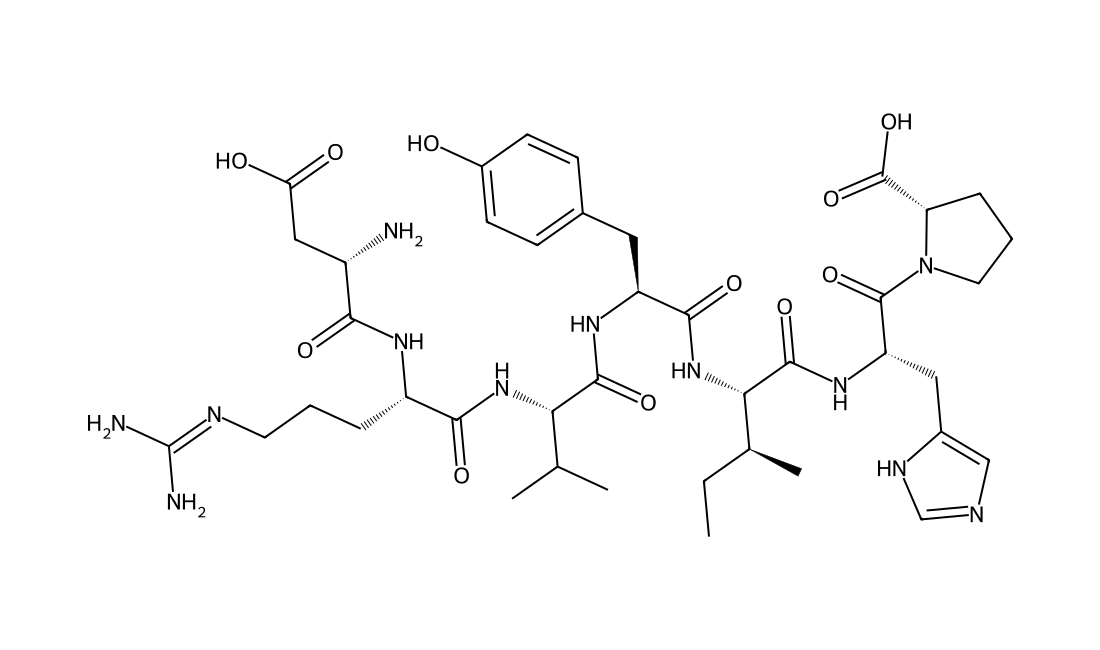
Angiotensin II human

CAS 4474-91-3

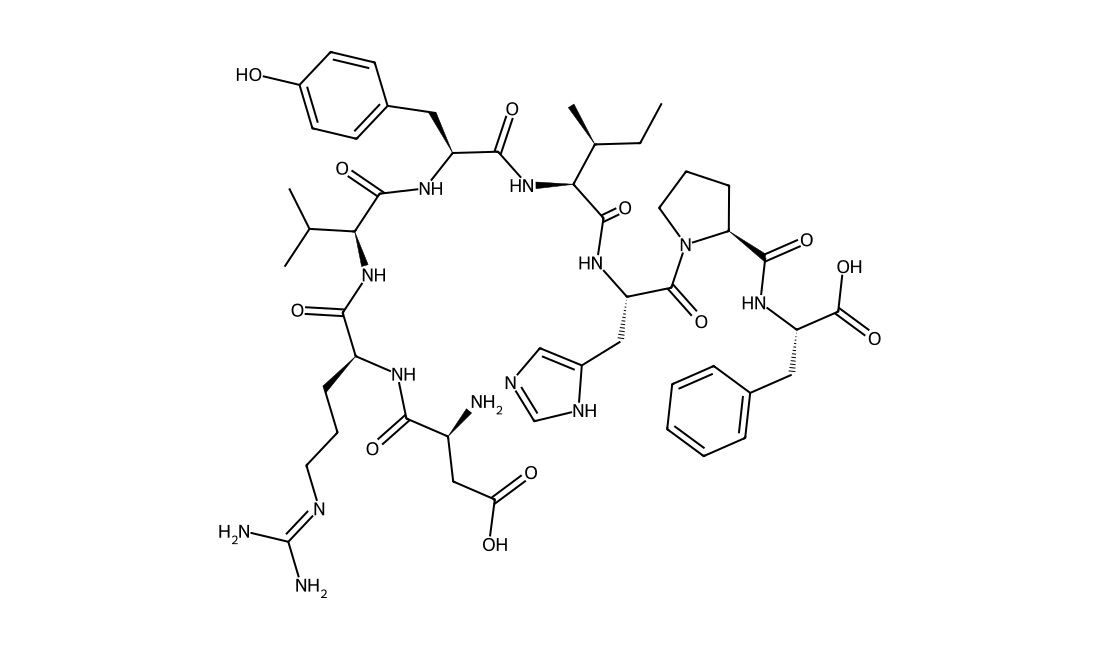
Angiotensin II human is a peptide hormone that causes vasoconstriction and a subsequent increase in blood pressure. In nature, angiotensin II (Ang II) is formed by the action of angiotensin converting enzyme (ACE), which cleaves the C-terminal -His-Leu from the decapeptide, angiotensin I. Angiotensin II is a vasoconstrictor, while its precursor is inactive. It is important in regulating cardiovascular hemodynamics and cardiovascular structure. Most of the known effects of Ang II in adult tissues are attributable to the angiotensin II type I (AT1) receptor. The AT1 and AT2 receptors have differential pharmacological and biochemical properties, and appear to exert opposite effects in terms of cardiovascular hemodynamics and cell growth. In addition, the renin-angiotensin and nitric oxidegenerating systems appear to interact in the regulation of cardiovascular function. Ang II stimulates angiogenesis and increases microvessel density.

Angiotensin II human chemical structure
DC24123

Angiotensin 1-7

CAS 51833-78-4

Angiotensin (1-7) (Ang-(1-7)) is an active heptapeptide of the Renin-angiotensin system (RAS), inhibits purified canine angiotensin converting enzyme (ACE) activity with IC50 of 0.65 uM; augments bradykinin-induced vasodilation by competing with ACE and releasing nitric oxide, abolishes AGE-induced cellular hypertrophy and myofibroblast transformation via inhibition of ERK1/2; evokes anti-arrhythmogenic effects in animal models, upregulates cardiac nitric oxide synthase in spontaneously hypertensive rats.

Angiotensin 1-7 chemical structure
DC8605

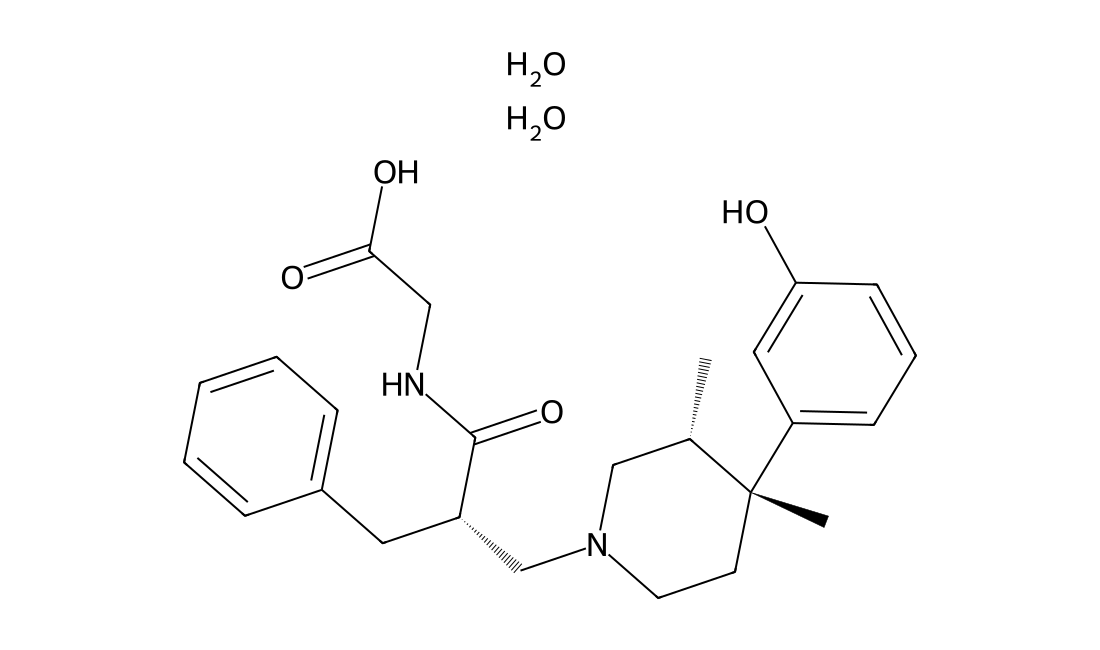
Alvimopan dihydrate

CAS 170098-38-1

Alvimopan(LY 246736; ADL 8-2698) is a peripherally acting mu-opioid receptor (PAM-OR, IC50= 1.7 nM) antagonist for accelerating gastrointestinal recovery after surgery. in vitro: The dissociation rate of alvimopan from the micro opioid receptor (t(1/2)=30--44 min) was comparable to that of the long acting partial agonist buprenorphine (t(1/2)=44 min), but was slower than those of the antagonists naloxone (t(1/2)=0.82 min) and N-methylnaltrexone (t(1/2)=0.46 min). in vivo: Alvimopan did not significantly accelerate GI-3 compared with placebo [6 mg: hazard ratio (HR) = 1.20, p = 0.080; 12 mg: HR = 1.24, p = 0.038). However, after adjustment for significant covariates (sex/surgical duration), benefits were significant for both doses (6 mg: HR = 1.24, p = 0.037; 12 mg: HR = 1.26, p = 0.028). Alvimopan also significantly accelerated time to GI-2 (6 mg: HR = 1.37, p = 0.008; 12 mg: HR = 1.33, p = 0.018) and DCO (6 mg: HR = 1.31, p = 0.008; 12 mg: HR = 1.28, p = 0.015) . Alvimopan (1 and 3 mg/kg) significantly reversed this delayed GI transit when administered 45 min prior to surgery. However, the effects of alvimopan were less pronounced when administered following surgery.

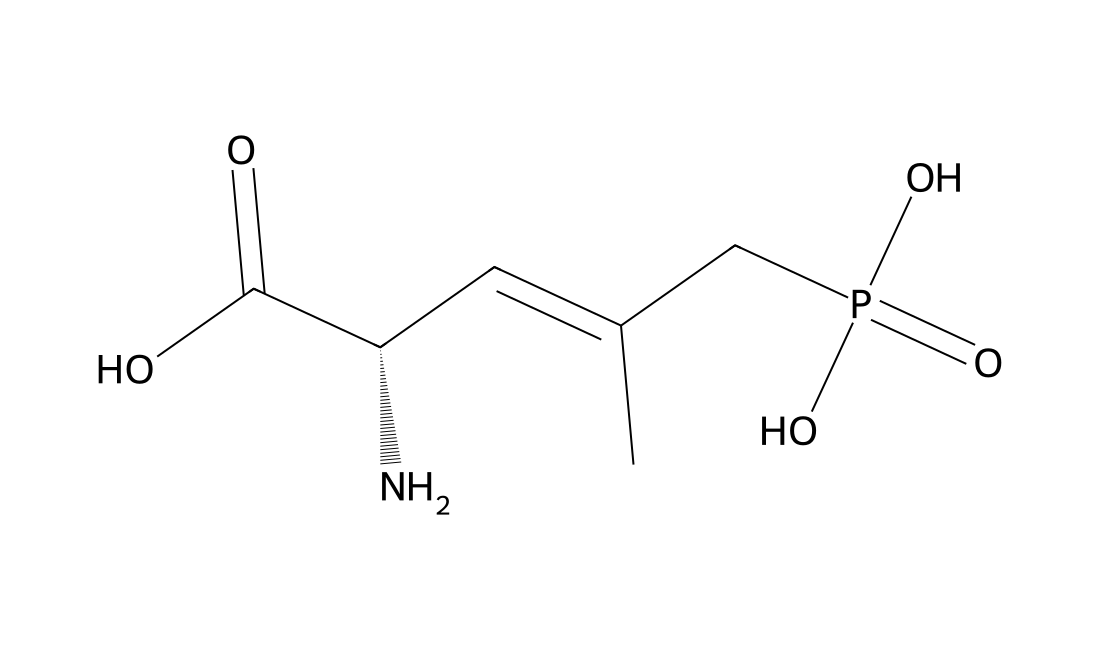
Alvimopan dihydrate chemical structure
DC23971

LY450108

CAS 376594-67-1

A potent, selective, and centrally active positive allosteric modulator of AMPAR-mediated neurotransmission, which increase ion channel flux in the presence of agonist by suppressing desensitization and/or deactivation of the receptors.

LY450108 chemical structure
DC23972

MK-2894 sodium

CAS 1006036-88-9

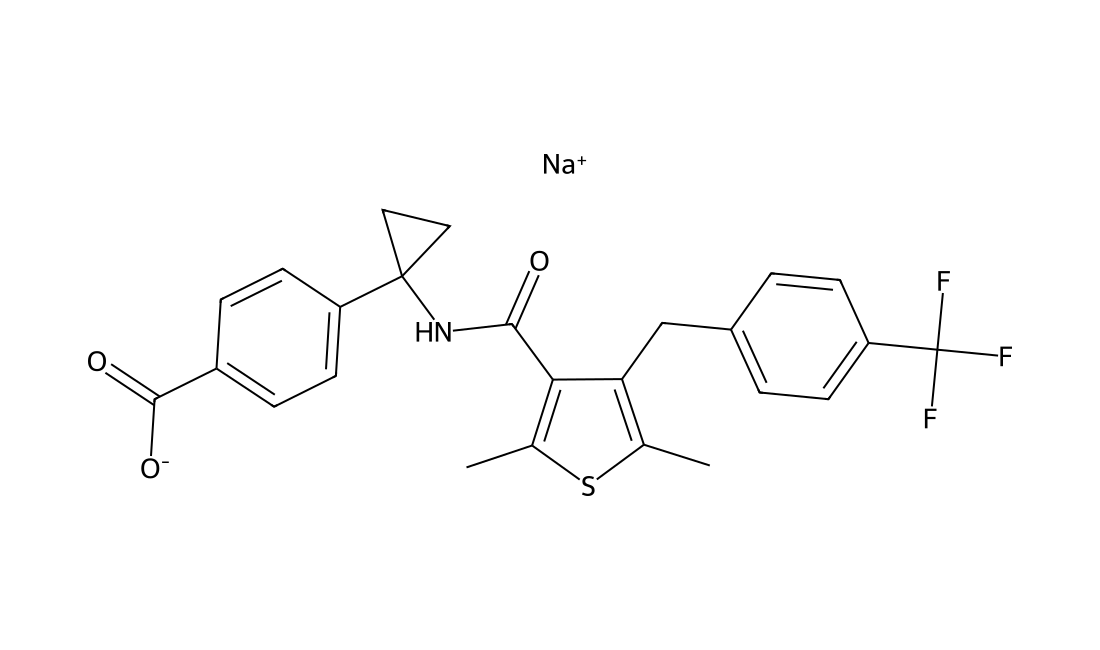
A highly potent, selective, second generation prostaglandin E2 subtype 4 receptor (EP4) antagonist with Ki of 0.56 nM; displays >10,000-fold selectivity over EP2 receptors; exhibits favorable pharmacokinetic profile and potent anti-inflammatory activity in animal models of pain/inflammation.

MK-2894 sodium chemical structure
DC11364

Levocetirizine;(R)-Cetirizine (hydrochloride)

CAS 130018-87-0

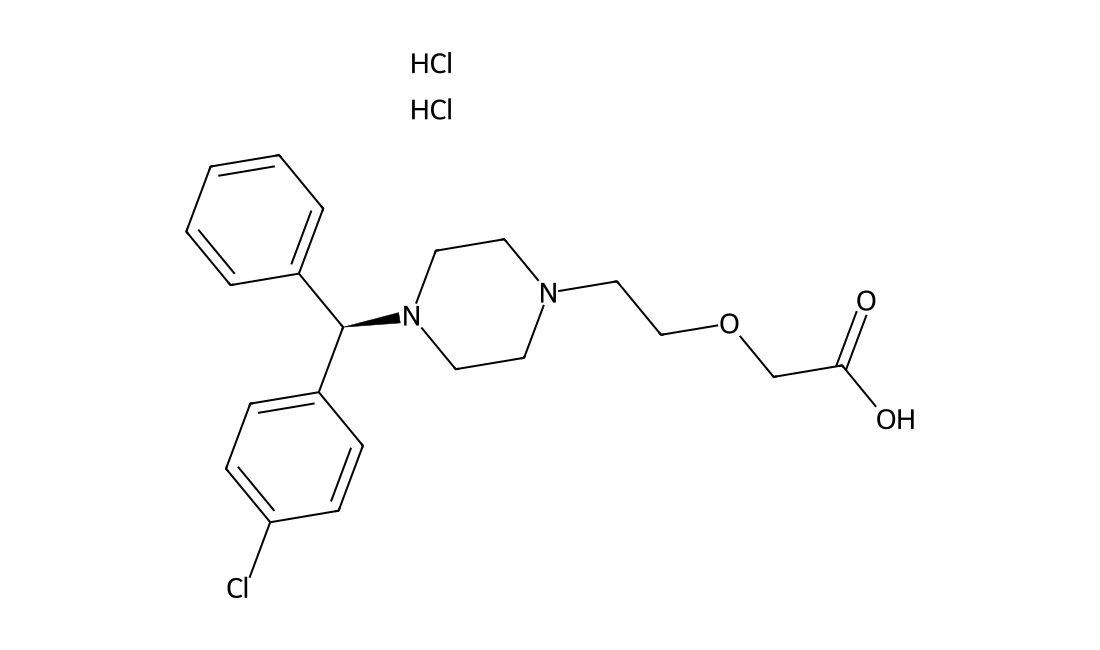
(R)-Cetirizine is the (R)-enantiomer of the histamine H1 receptor antagonist and second generation antihistamine cetirizine.(R)-Cetirizine binds to the H1 receptor with higher affinity than cetirizine (Kis = 3 and 6 nM, respectively) and is 25,000-100,000-fold selective for H1 receptors over muscarinic M1-M5 receptors.2 It decreases production of RANTES and eotaxin following antigen stimulation in mouse eosinophils in vitro in a concentration-dependent manner with a minimum effective concentration (MEC) of 0.05 µM.Intranasal administration of (R)-cetirizine (0.01-1%) dose-dependently decreases histamine-induced nasal rubbing and sneezing in mice.Formulations containing (R)-cetirizine have been used in the treatment of allergic rhinitis and chronic idiopathic urticaria.

Levocetirizine;(R)-Cetirizine (hydrochloride) chemical structure
Browse target & topic index A–Z (366)
11β-HSD (1)15-PGDH (2)5-HT Receptor (16)Acetyl-CoA Carboxylase (ACC) (3)Acetylcholinesterase (AChE) (2)Ack1 (TNK2) (1)Acyltransferase (1)ADC Cytotoxin (6)ADCs Linker/Click Chemistry (5)Adenosine Receptor (9)Adenylate Cyclase (2)Adrenergic Receptor (11)Akt (12)Alcoholism (2)Aldehyde Dehydrogenase (ALDH) (6)Allergy (5)Alzheimer Disease (13)Aminopeptidase (1)AMPK (8)Amyloids (4)Anaplastic Lymphoma Kinase (ALK) (9)Androgen Receptor (AR) (11)Anemia (4)Angiotensin Receptor (4)Antibody/Protein labeling dyes (1)Antifolate (2)Anxiety (1)Apoptosis Inducer (3)Arginase (1)Arp2/3 complex (1)Aryl hydrocarbon Receptor (AhR) (1)Asthma (5)Atherosclerosis (2)ATM/ATR (8)Aurora Kinase (10)Autophagy (6)Autophagy-related Protein (Atg) (2)Autotaxin (2)Bacterial (26)Bacterial Infection (17)Bcl-2 (14)Bcr-Abl (5)BCRP (1)Beta-catenin (4)Beta-secretase (BACE) (4)Blood Cancer (91)BMI-1 (1)Bone Cancer (6)Brain Cancer (6)Breast Cancer (30)Bromodomain (22)BTK (10)c-Fms (CSF1R) (5)c-Fos/AP-1 (1)c-Kit (6)c-Met (HGFR) (11)c-Myc (2)Calcium Channel (4)Calcium-sensing Receptor (CaSR) (1)CaMK (4)Cannabinoid Receptor (6)Carbonic Anhydrase (1)Carboxypeptidase (1)Casein Kinase (6)Caspase (4)Cathepsin (6)Cdc2-like Kinase (CLK) (1)CETP (2)CFTR (7)Checkpoint Kinase (Chk) (8)Chemokine Receptor (CCR and CXCR) (14)Chemotherapeutic Agents (19)Chloride Channel (1)CMV (2)CMV Infection (2)Colon Cancer (9)Complement System (1)COPD (3)CREB/CBP (2)CRF Receptor (2)CRISPR/Cas9 (1)Cushing Disease (1)Cyclin-dependent Kinase (CDK) (39)Cyclooxygenase (COX) (4)Cytochrome P450 (CYPs) (5)Depression (2)Dermatitis (2)Deubiquitinase (DUB) (7)Diabetes (20)Dipeptidyl Peptidase (DPP) (3)Discoidin Domain Receptor (DDR) (1)DNA Alkylator/Crosslinker (10)DNA Methyltransferase (DNMT) (1)DNA Repair Protein (1)DNA-PK (2)DNA/RNA Synthesis (5)Dopamine beta-hydroxylase (1)Dopamine Receptor (7)Drug Metabolite (1)Drug-Linker Conjugates (11)Dyes (4)DYRK (1)Dyslipidemia (9)E3 Ligase Ligand (6)E3 Ligase Ligand-Linker Conjugate (1)E3 Ubiquitin Ligase (4)Ebola Virus Infection (1)EGFR (32)Elastase (2)Endothelin Receptor (5)Enzymes substrates (13)Epigenetic Reader Domain (3)Epilepsy (4)ERK (4)Estrogen Receptor/ERR (13)Eukaryotic Initiation Factor (eIF) (2)Exportin-1 (CRM1,XPO1) (2)FABP (1)Factor Xa (5)Farnesoid X Receptor (FXR) (5)Farnesyl transferase (FTase) (1)Ferroptosis (6)FGFR (15)Fibrosis (5)FLT3 (6)Focal Adhesion Kinase (FAK) (11)Foxo1 (1)Free Fatty Acid Receptor (FFAR) (5)Fungal (2)Fungal Infection (1)GABA Receptor (13)Galectin (1)Gastric Cancer (8)Ghrelin Receptor (GHSR) (3)Glucagon Receptor (4)Glucokinase (2)Glucose Transporter (GLUT) (2)Glutamate Transporter (2)GPCR (1)GPER (GPR30) (1)GPR139 (1)GPR183 (EBI2) (2)GPR39 (1)GPR55 (1)GPR84 (1)GRK (GPCRK) (2)Growth Hormone Deficiency (2)GSK-3 (8)Guanylate Cyclase (3)HBV (1)HBV Infection (1)HCN Channel (2)HCV (8)HCV Infection (9)HDAC (38)Heart Arrhythmia (2)Heart Failure (5)Heat Shock Protein (HSP) (15)Hedgehog (Hh) (1)HIF/HIF Prolyl-hydroxylase (8)Histamine Receptor (6)Histone Acetyltransferase (HAT) (5)Histone Demethylase (11)Histone Methyltransferase (HMTase) (31)HIV (12)HIV Infection (11)HMG-CoA Reductase (HMGCR) (3)HSV (1)HSV Infection (1)Hypercholesterolemia (1)Hyperparathyroidism (1)Hypertension (8)IAP (1)IGF-1R (3)iGluR (15)Indoleamine 2,3-Dioxygenase (IDO) (4)Infection (1)Influenza (6)Influenza Virus (6)Insulin Receptor (2)Integrin (6)Interleukin Receptor (1)IRAK (2)IRE1 (4)Irritable Bowel Syndrome (2)Ischemia (1)Isocitrate Dehydrogenase (IDH) (5)ITK (1)IκB kinase (IKK) (7)JAK (32)JNK (3)Keap1-Nrf2 (6)Kidney Cancer (10)Kinesin (5)Kruppel-like Factor (KLF) (1)Kynurenine 3-Monooxygenase (KMO) (1)Leukotriene Receptor (1)LIM Kinase (LIMK) (3)Lipids fragment (1)Liver Cancer (6)Liver X Receptor (LXR) (3)LRRK2 (9)Lung Cancer (39)Lysophospholipid Receptor (12)LYTACs (3)mAChR (9)MALT1 (2)MAP4K (1)Matrix Metalloproteinase (MMP) (10)MDM2-p53 (9)MEK (MAP2K) (14)MEKK (MAP3K) (1)Melanocortin Receptor (2)MELK (1)mGluR (7)MicroRNA (1)Microtubule/Tubulin (5)Mineralocorticoid Receptor (MLR) (1)MITF (1)Mixed Lineage Kinase (MLK) (3)MNK (2)Molecular Glues (13)Monoamine Transporter (5)Monocarboxylate Transporter (MCT) (1)Monopolar Spindle 1 (Mps1/TTK) (3)mTOR (13)Multiple Sclerosis (6)Myosin (1)Na-K-Cl Cotransporter (NKCC) (2)nAChR (2)NADPH Oxidase (NOX) (2)NAMPT (3)Natural products (37)Neprilysin (1)Neurokinin Receptor (3)Neuropeptide Y Receptor (3)NF-κB (5)Nitric Oxide Synthase (NOS) (1)NOD-like Receptor (NLR) (3)Notch (2)Nucleoside Antimetabolite/Analog (10)Nur77 (NR4A1) (1)Obesity (1)Oct3/4 (1)Opioid Receptor (5)Orexin Receptor (7)Osteoporosis (2)Ovarian Cancer (14)Oxytocin Receptor (OXTR) (2)P-glycoprotein (P-gp) (3)p21-activated Kinase (PAK) (1)P2X Receptor (2)P2Y Receptor (1)p38 MAPK (10)p97/VCP (1)Pain (12)Pancreatic Cancer (10)Parasite (5)Parasite Infection (2)Parkinson Disease (2)PARP (19)PCSK9 (1)PD-1/PD-L1 (4)PDGFR (4)PDK1 (2)PEGn (1)PERK (2)PGE synthase (2)Phosphodiesterase (PDE) (9)Phospholipase (4)PI3K (32)PI4K (2)Piezo Channel (1)PIKfyve (3)Pim (9)PKC (12)PKD (1)Plasminogen Activator Inhibitor-1 (PAI-1) (3)Polo-like Kinase (PLK) (4)Porcupine (3)Potassium Channel (13)PPAR (13)Pregnane X Receptor (PXR) (1)Progesterone Receptor (2)Prostaglandin Receptor (11)Prostate Cancer (7)PROTACs (35)Protease-activated Receptor (PAR) (3)Proteasome (12)Protein Disulfide Isomerase (PDI) (1)Protein Phosphatase/PTP (6)Proton Pump (1)Psoriasis (5)RAD51 (1)Radioligand precursors (15)Raf (18)RAR/RXR (3)Ras (17)Renin (2)RET Tyrosine Kinase (c-RET) (3)Rheumatoid Arthritis (16)Ribosomal S6 Kinase (RSK) (5)RIG-I-like Receptor (RLR) (2)RIP kinase (7)ROCK (12)ROR (2)RSV (4)RSV Infection (3)RUNX1-CBFβ (1)S-nitrosoglutathione reductase (GSNOR) (1)Saccharides and Glycosides (1)Salt Inducible Kinase (SIK) (2)SARS-CoV (16)SARS-CoV Infection (34)Schizophrenia (4)Sexual Dysfunction (1)SGLT (4)Sigma Receptor (4)Sirtuin (9)Skin Cancer (13)Sleep Disorder (7)SMN2 Modulator (1)Smoothened (Smo) (9)Sodium Channel (12)Solid Tumors (35)Somatostatin Receptor (2)Sphingosine kinase (SphK) (2)Src (7)STAT (5)Stearoyl-CoA Desaturase (SCD) (1)Steatohepatitis (7)Sterol lipids (1)STING (14)Syk (6)T Cell Receptor (TCR) (1)TAK1 (2)TAM Receptor (Tyro3-Axl-Mer) (4)Taste Receptor (1)Telomerase (2)TGF beta Receptor (TGFBR) (12)Thrombin (3)Thrombosis (13)Thyroid Cancer (1)Thyroid Hormone Receptor (THR) (1)Thyrotropin Receptor (2)TNIK (1)Toll-like Receptor (TLR) (2)TOPK (1)Topoisomerase (11)TRAIL (1)Translocator Protein (TSPO) (1)Trk Receptor (4)TRP Channel (13)Tryptophan Hydroxylase (TPH) (1)Ubiquitin-activating Enzyme (E1) (2)Ubiquitin-conjugating Enzyme (E2) (2)Ulcer (1)ULK (3)Vasopressin Receptor (2)VEGFR (25)Vitamin D Receptor (VDR) (3)Wee1 (1)WNK Kinase (1)Wnt (5)Yes-associated Protein (YAP) (4)γ-secretase (5)

Cart

Request quotation