Home/Small Molecules/GPCRs & Receptor Biology

GPCRs & Receptor Biology

G-protein-coupled, nuclear and other ligand-binding receptors and their modulators.

Browse all research categories

Browse by research category

Products may appear in more than one category. Counts refer to distinct catalog numbers within each category.

Other Research Tools (75) · Additional reagents, building blocks and specialized research tools.

GPCRs & Receptor Biology products

Combine a keyword, research category and target to narrow the product list.

Loading catalog filters…

1,219 products · Showing 1,105–1,152

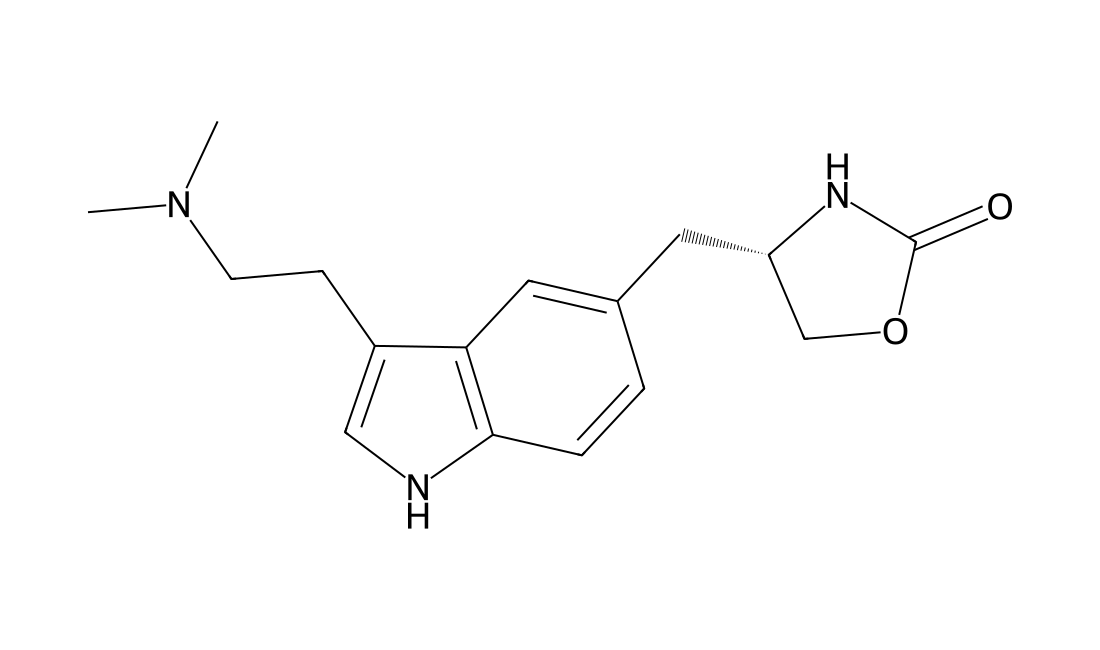
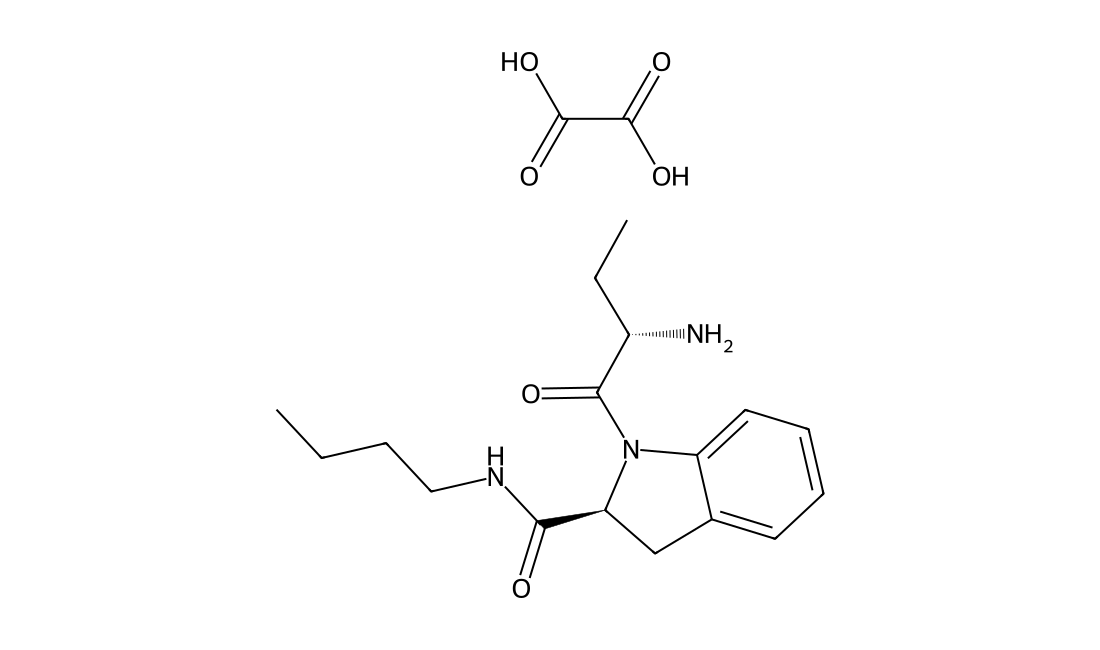
DC11381

Butabindide (oxalate)

CAS 185213-03-0

Butabindide is a potent inhibitor of cholecystokinin-inactivating peptidase/tripeptidyl peptidase 2 (CCK-inactivating peptidase/TPP-2; Ki = 7 nM).1 It is selective for CCK-inactivating peptidase/TPP-2 over a panel of serine proteases (Kis = >1 μM) as well as CCK receptors (Kis = >0.1 mM).

Butabindide (oxalate) chemical structure
DC31118

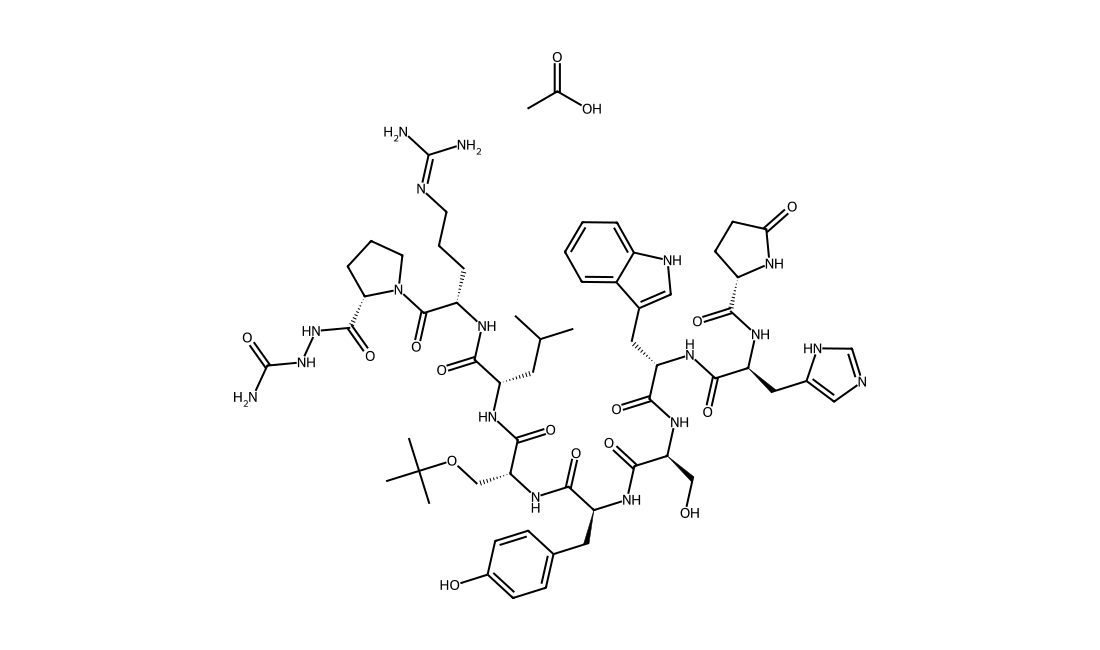
ICI118630

CAS 145781-92-6

Goserelin (ICI 118630) acetate is an injectable gonadotropin releasing hormone superagonist (GnRH agonist).Goserelin is used to treat hormone-sensitive cancers of the breast (in pre- and peri- menopausal women) and prostate, and some benign gynaecological disorders (endometriosis, uterine fibroids and endometrial thinning). In addition, goserelin is used in assisted reproduction and in the treatment of precocious puberty. It may also be used in the treatment of male-to-female transsexuals and is favoured above other anti-androgens in some countries, such as the UK. It is available as a 1-month depot and a long-acting 3-month depot. Goserelin stimulates the production of the sex hormones testosterone and estrogen in a non-pulsatile (non-physiological) manner.

ICI118630 chemical structure
DC60203

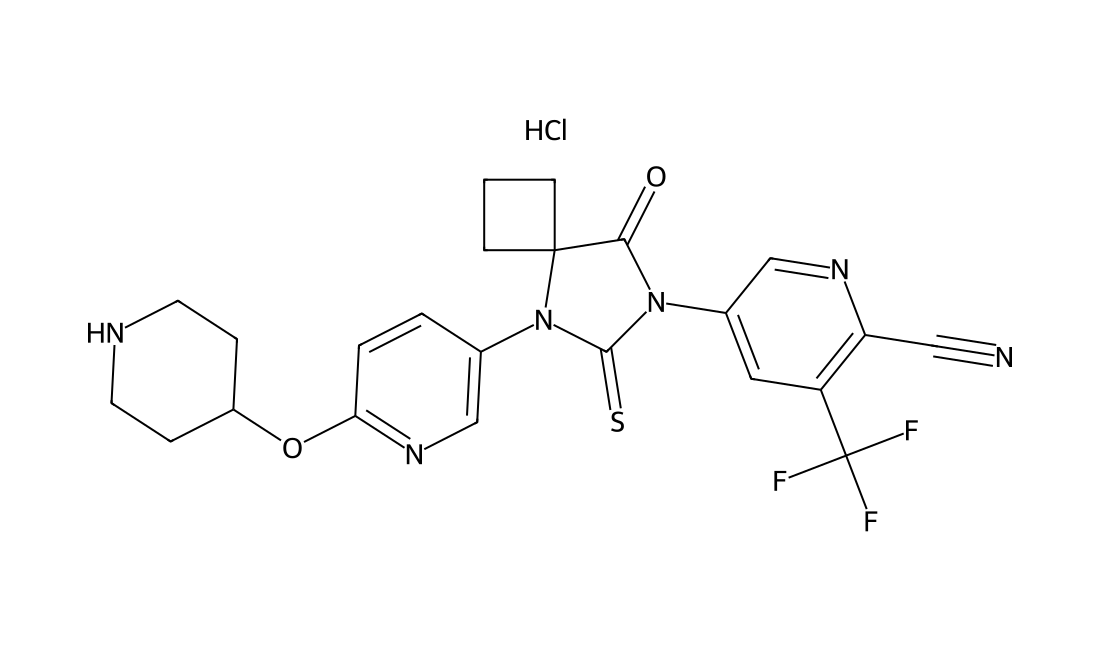
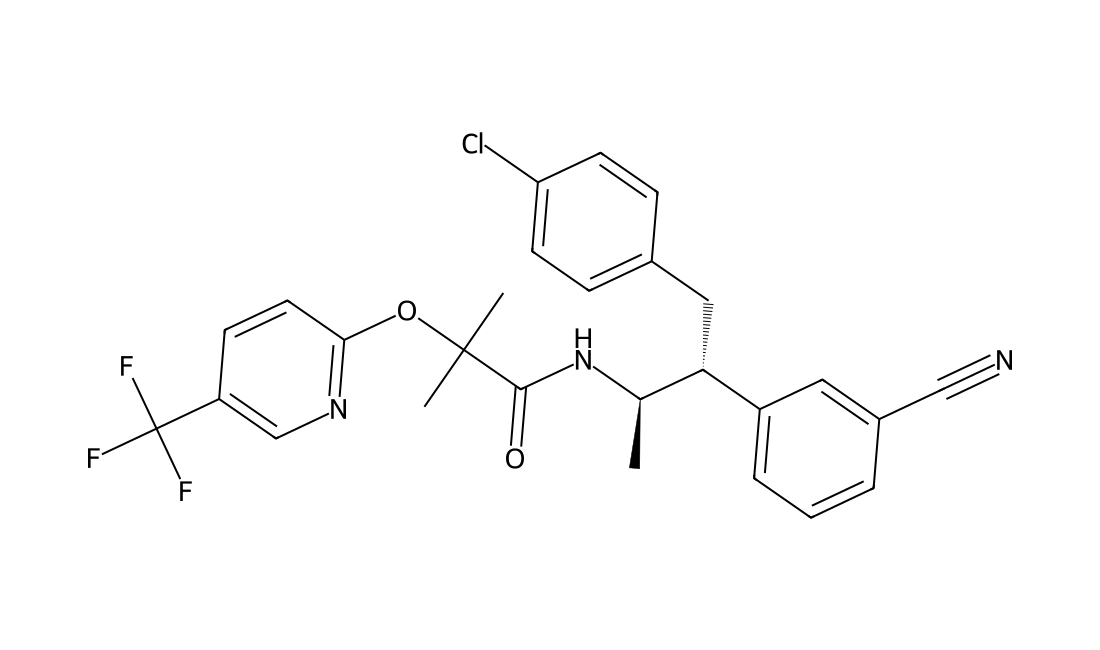
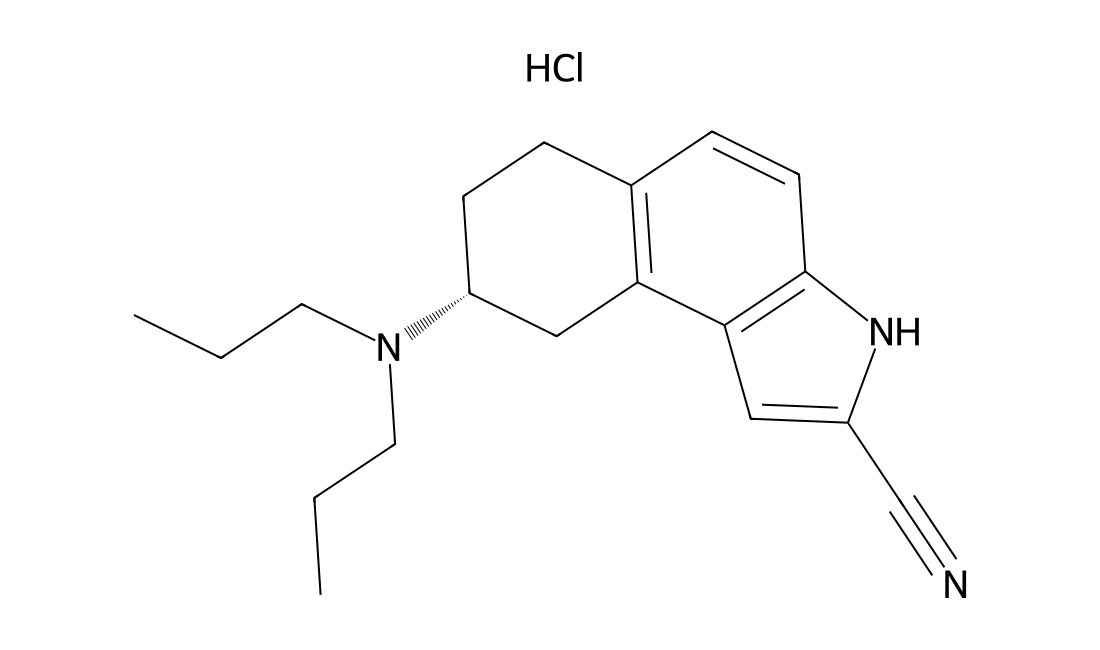
JNJ-63576253 HCl

CAS 2110428-64-1

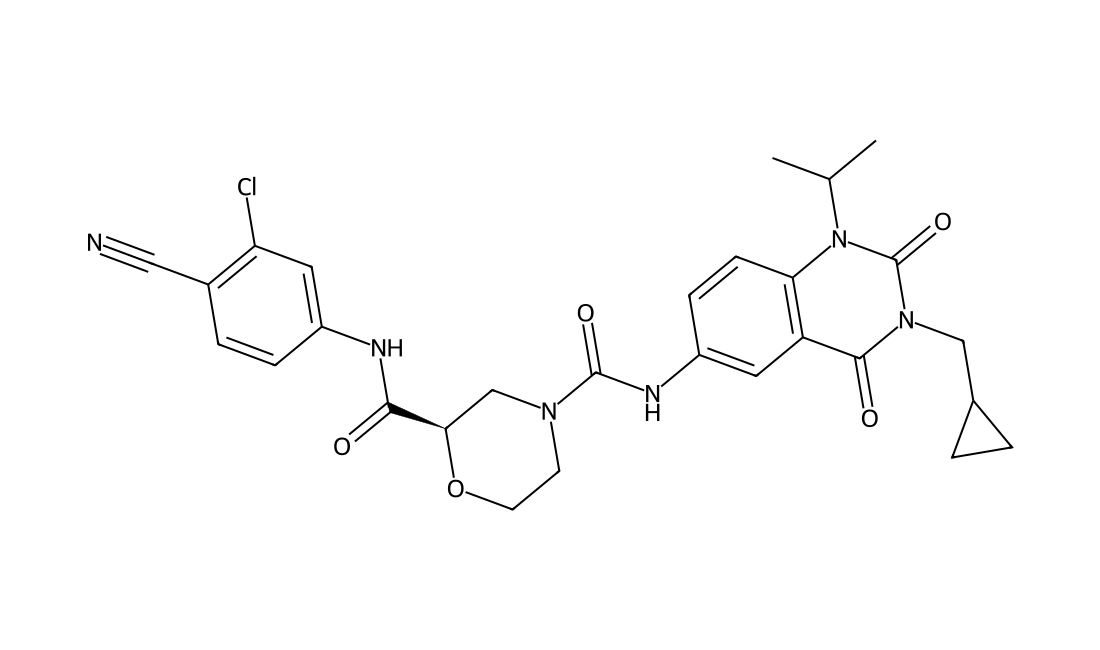
JNJ63576253, also known as TRC253, is a potent and orally active androgen receptor antagonist. TRC253 specifically binds to both wild-type and certain mutant forms of AR, thereby preventing androgen-induced receptor activation and facilitating the formation of inactive complexes that cannot translocate to the nucleus.

JNJ-63576253 HCl chemical structure
DC33300

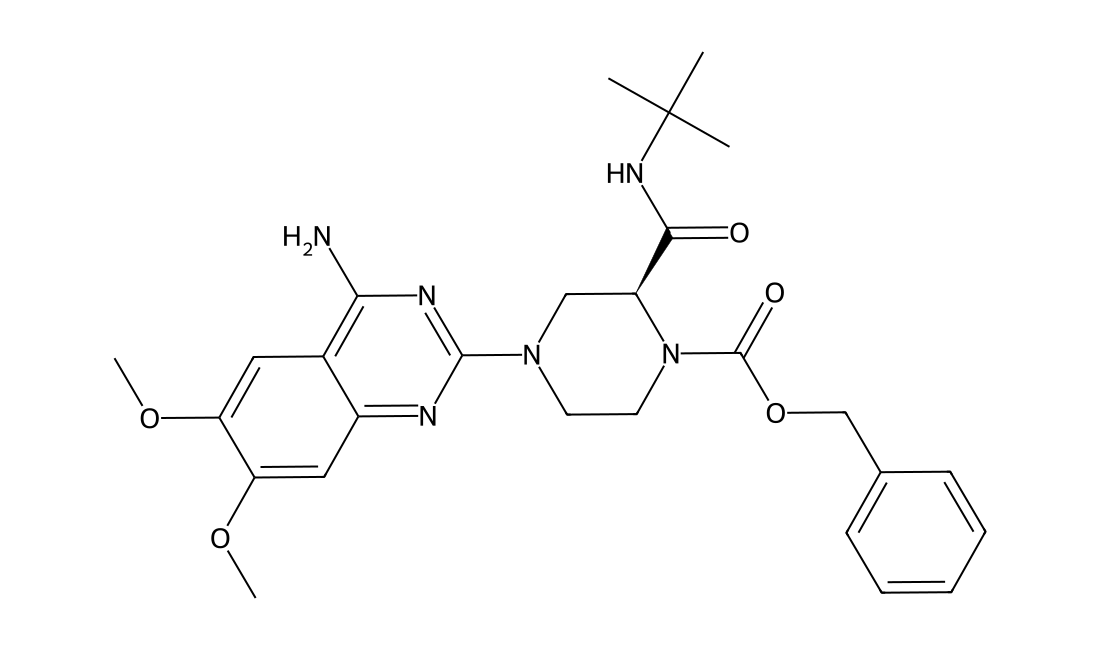
L-765314

CAS 189349-50-6

L-765314 is a potent and selective α1b adrenergic receptor antagonist with Kis of 5.4 nM and 2.0 nM for rat and human α1b adrenergic receptor, respectively.

L-765314 chemical structure
DC7925

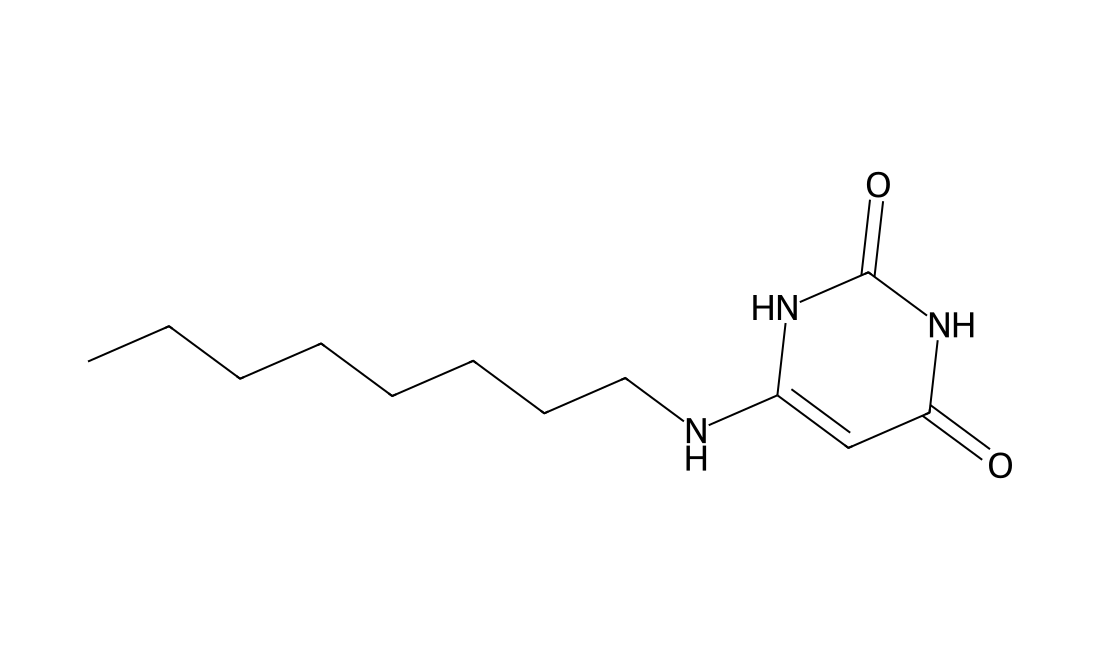
GTPL-5846 (6-OAU)

CAS 83797-69-7

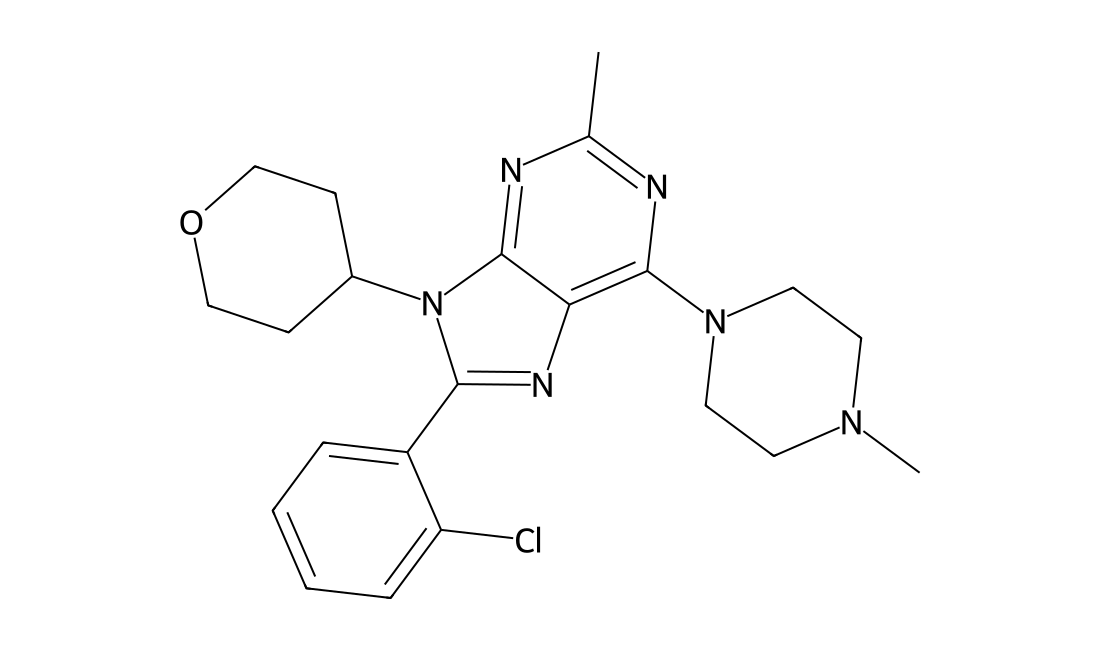
6-OAU(GTPL5846; 6-n-octylaminouracil) is a surrogate agonist of GPR84; activates human GPR84 in the presence of Gqi5 chimera in HEK293 cells with an EC50 of 105 nM in the PI assay.

GTPL-5846 (6-OAU) chemical structure
DC8020

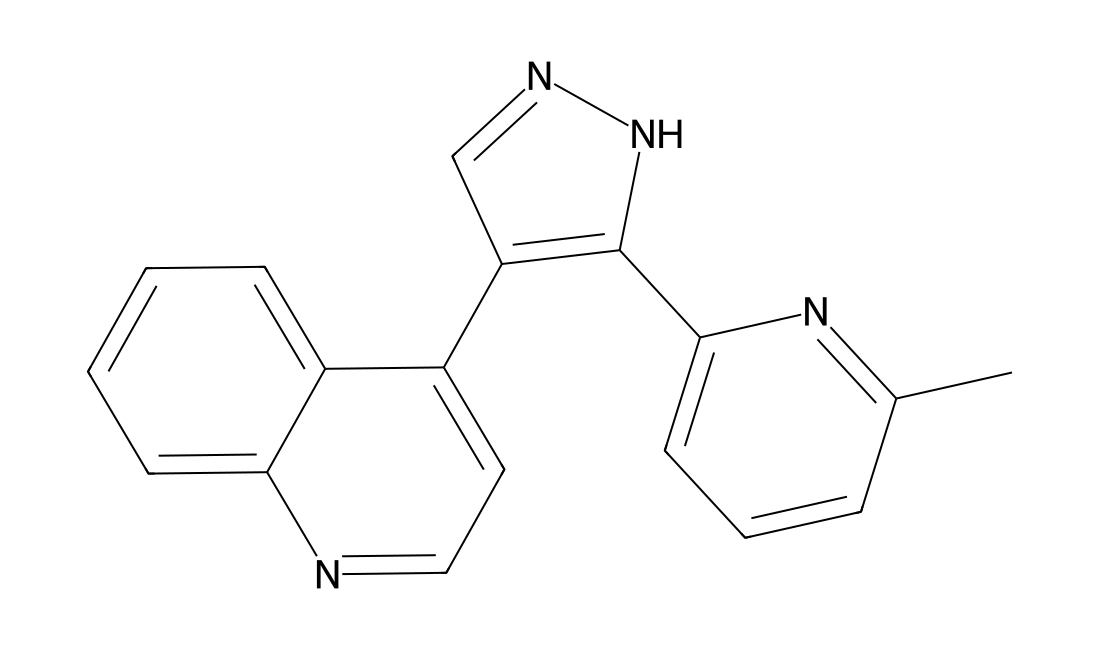
A77-01

CAS 607737-87-1

A 77-01 is a potent inhibitor of TGF-β type I receptor superfamily activin-like kinase ALK5 with IC50 of 25 nM. IC50 Value: 25 nM [1]Target: ALK5A-77-01 is a close analogue of A-83-01(Axon 1421) and has a very similar biological profile of A-83-01. A-83-01 is found to decompose to A-77-01 under certain circumstances and A-77-01 is likely an active component or metabolite of its prodrug A-83-01.

A77-01 chemical structure
DC23724

SR1555

CAS 1386439-51-5

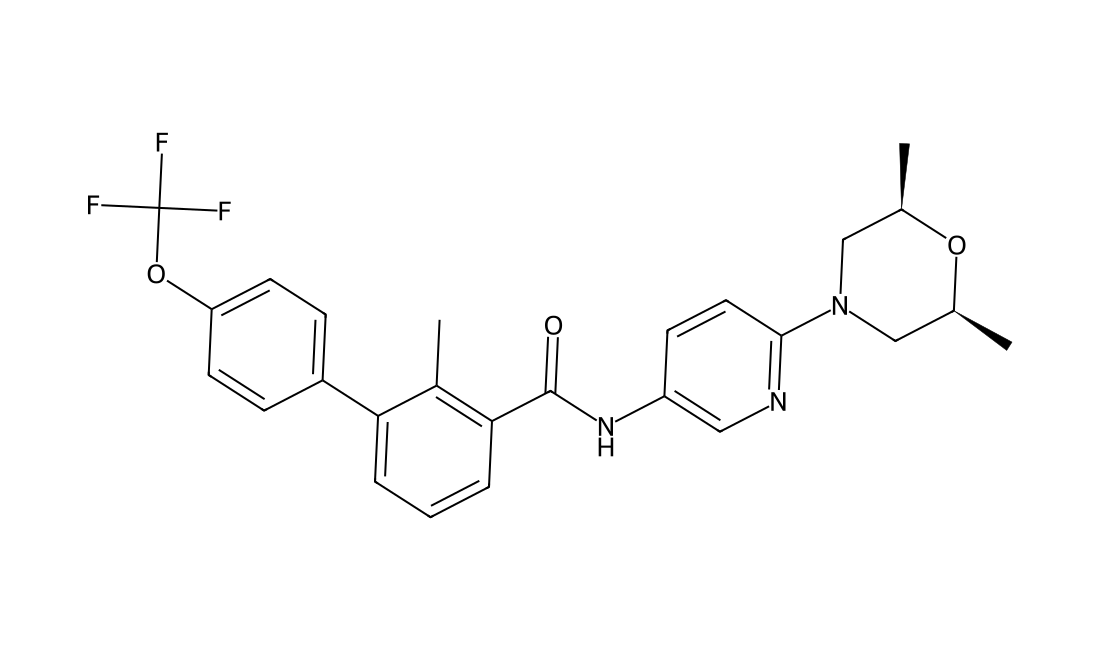
SR1555 is a selective RORγ inverse agonist (IC50=1.5 uM) that suppresses T(H)17 cells and stimulates T regulatory cells; SR1555 is devoid of LXR, FXR, and RORα activity, displaces [3H]T0901317 from the ligand binding domain (LBD) of RORγ with IC50 of 1 uM; represses the expression of RORγ while leading to increased expression of FGF21 and adipoQ in pre-adipocyctes, inhibits activation of hormone-sensitive lipase and increased fatty acid oxidation in obese diabetic mice.

SR1555 chemical structure
DC29046

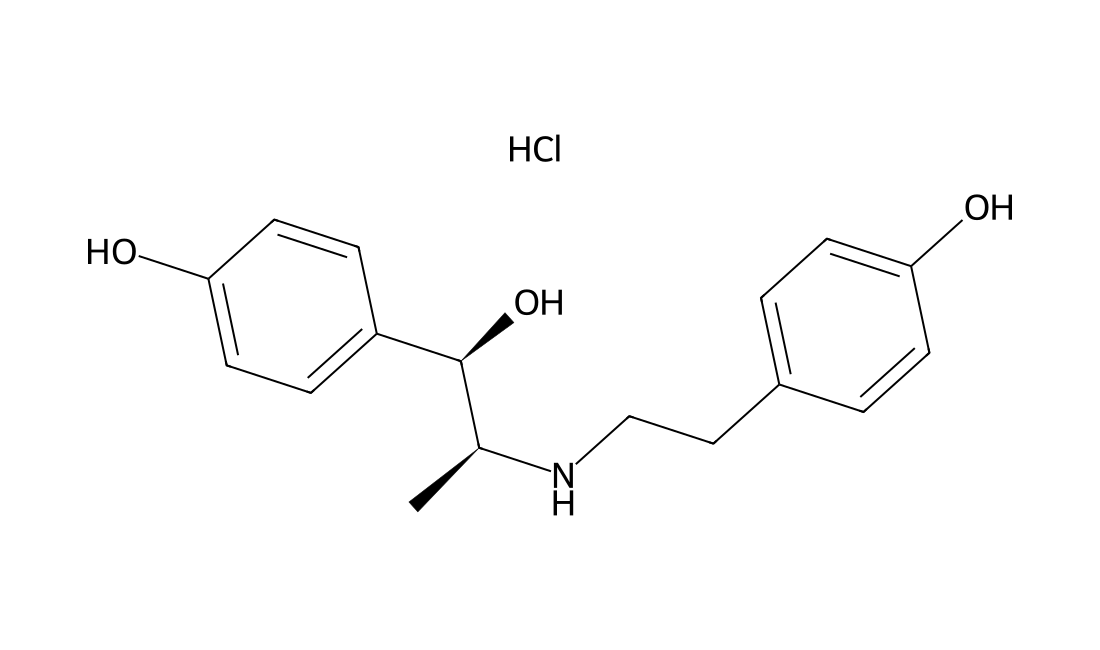
Ritodrine hydrochloride

CAS 23239-51-2

Ritodrine hydrochloride (DU21220 hydrochloride) is a β-2 adrenergic receptor agonist.Target: β-2 Adrenergic ReceptorRitodrine is a tocolytic drug, used to stop premature labor. Ritodrine can significantly prolong a short interval more quickly but with relatively more side effects than magnesium sulphate. Stratified RCTs for different gestational ages and different labour stages should be designed for further study [1]. Ritodrine is a beta-2 adrenergic receptor agonist - a class of medication used for smooth muscle relaxation. Since ritodrine has a bulky N-substituent, it has high β2-selectivity. Also, the 4'-hydroxy on the benzene ring is important for activity as it is needed to form hydrogen bonds. However, the 4'-hydroxy makes it susceptible to metabolism by COMT. Since it is β2-selective it is used for premature labor [2].

Ritodrine hydrochloride chemical structure
DC9573

SB-674042

CAS 483313-22-0

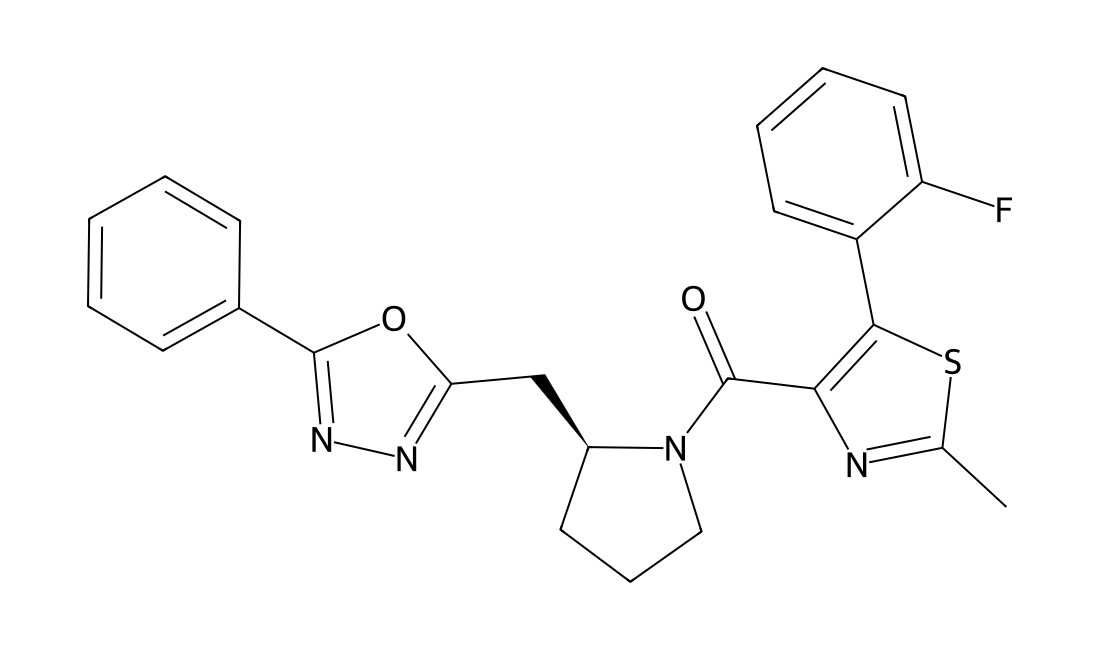
SB-674042 is a potent and selective non-peptide orexin OX1 receptor antagonist (Kd = 3.76 nM); exhibits 100-fold selectivity for OX1 over OX2 receptors. SB-674042 has no effect at serotonergic, dopaminergic, adrenergic or purinergic receptors. Inhibits orexin 1-induced Ca2+ mobilization in CHO-DG44 cells stably transfected with the OX1 receptor.

SB-674042 chemical structure
DC60155

Lu AF27139

CAS 2097117-06-9

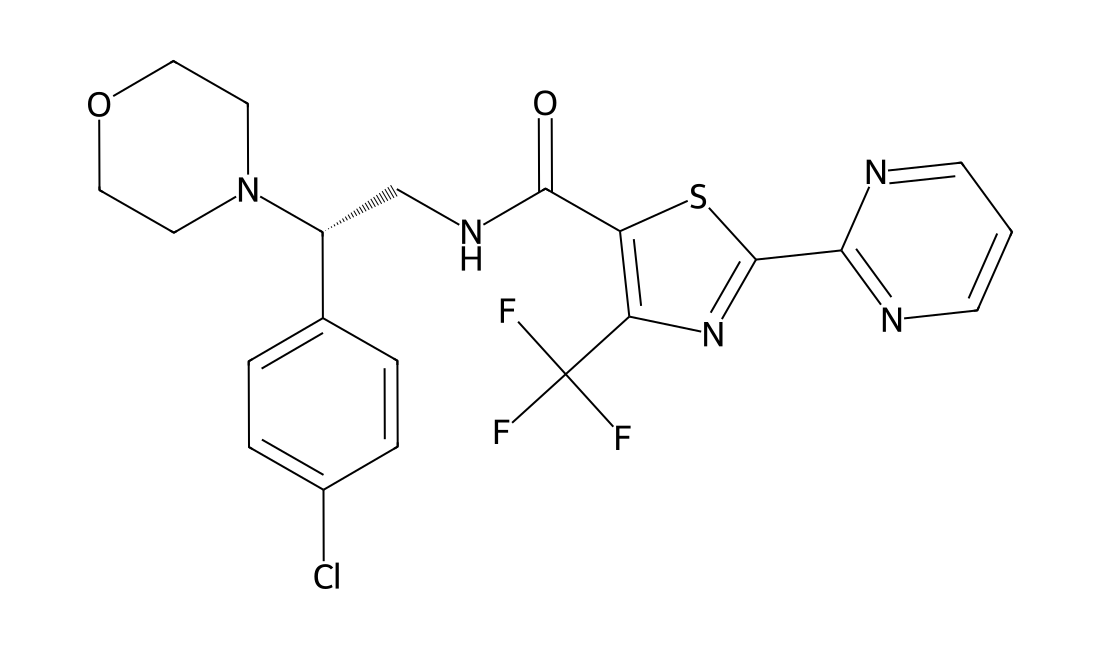
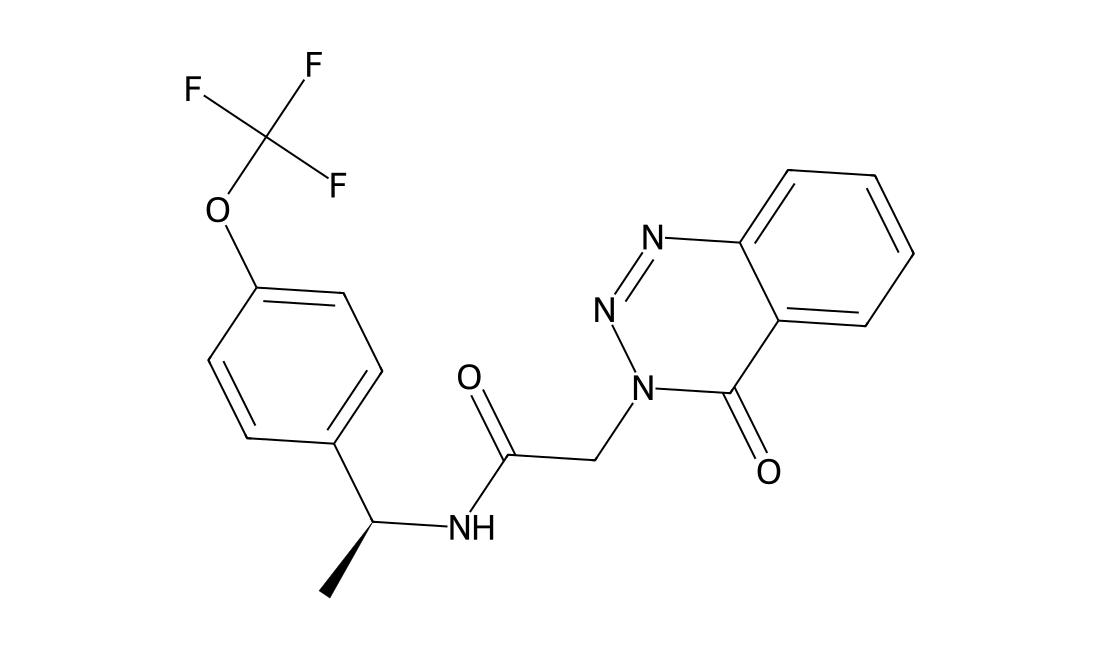
Lu AF27139 is a novel rodent-active and CNS-penetrant P2X7 receptor antagonist. Lu AF27139 is highly selective and potent against rat, mouse, and human forms of the receptors. The rat pharmacokinetic profile is favorable with high oral bioavailability, modest clearance (0.79 L/(h kg)), and good CNS permeability. Importantly, Lu AF27139 was without effect in standard in vitro and in vivo toxicity studies. Lu AF27139 is a valuable tool for probing the role of the P2X7 receptor in rodent models of CNS diseases.

Lu AF27139 chemical structure
DC46162

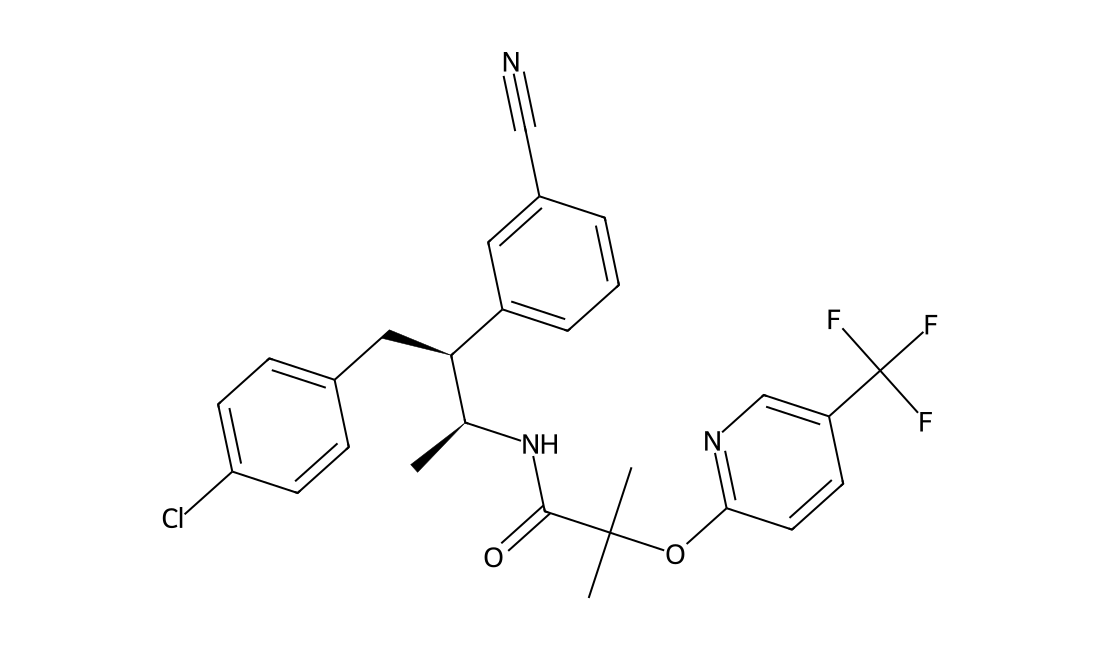
Vazegepant hydrochloride

CAS 1414976-20-7

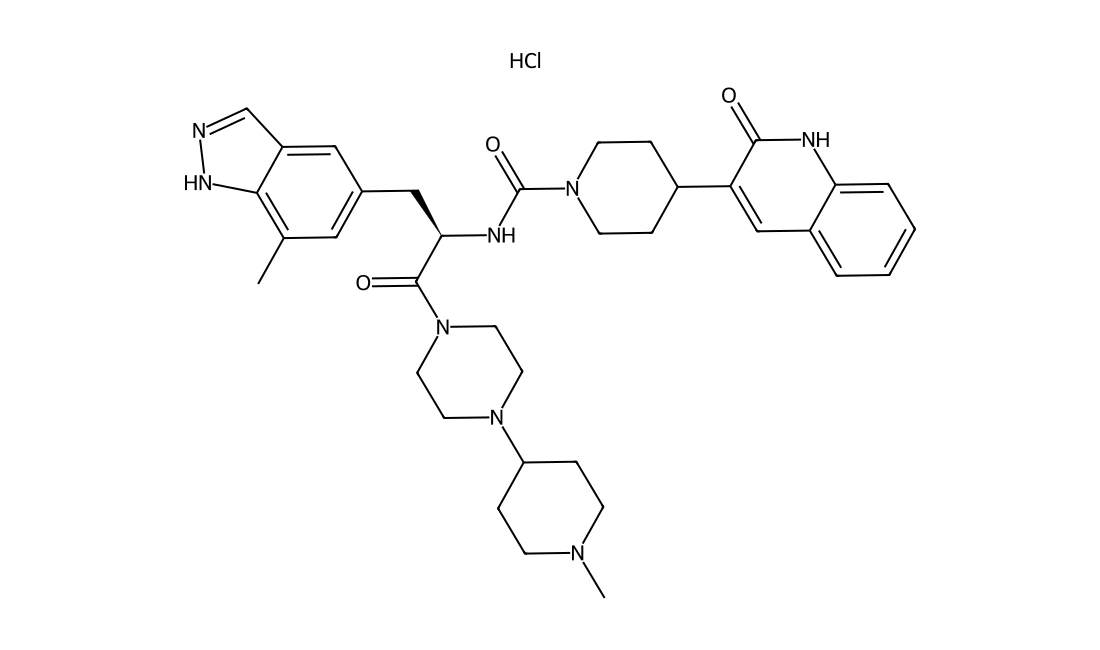
Vazegepant (BHV-3500) hydrochloride is a highly affinity CGRP receptor antagonist (hCGRP Ki= 0.023 nM). Vazegepant hydrochloride is the first intranasal gepant for migraine. Vazegepant hydrochloride may be helpful in effective management of COVID-19 associated pulmonary inflammation[1][2][3].

Vazegepant hydrochloride chemical structure
DC60185

Giredestrant (tartrate)

CAS 2407529-33-1

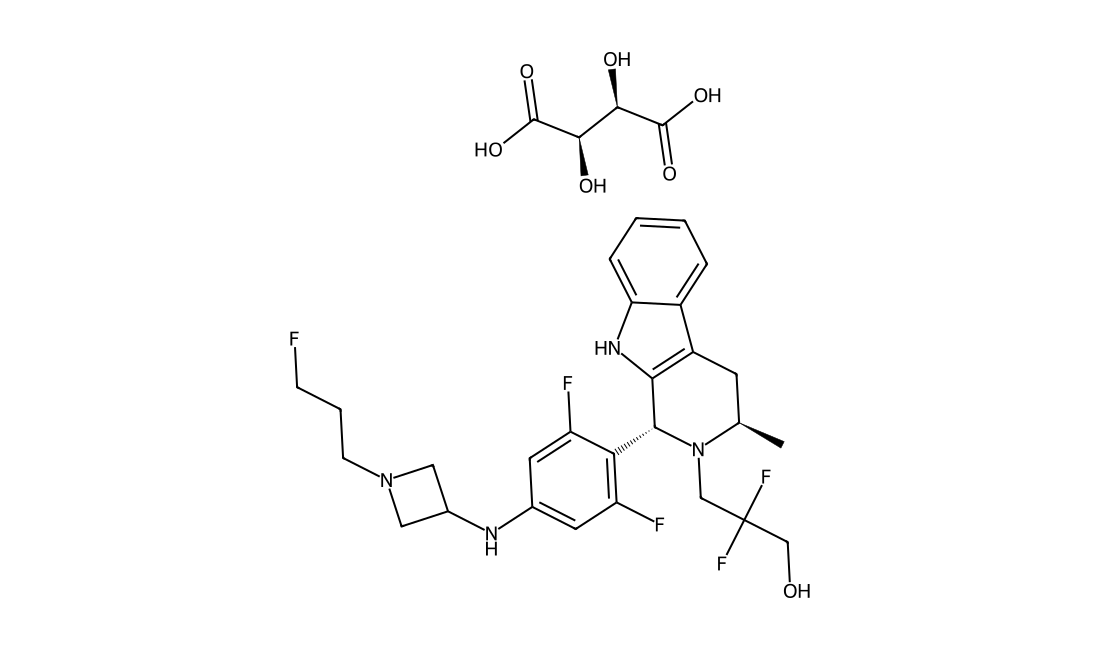
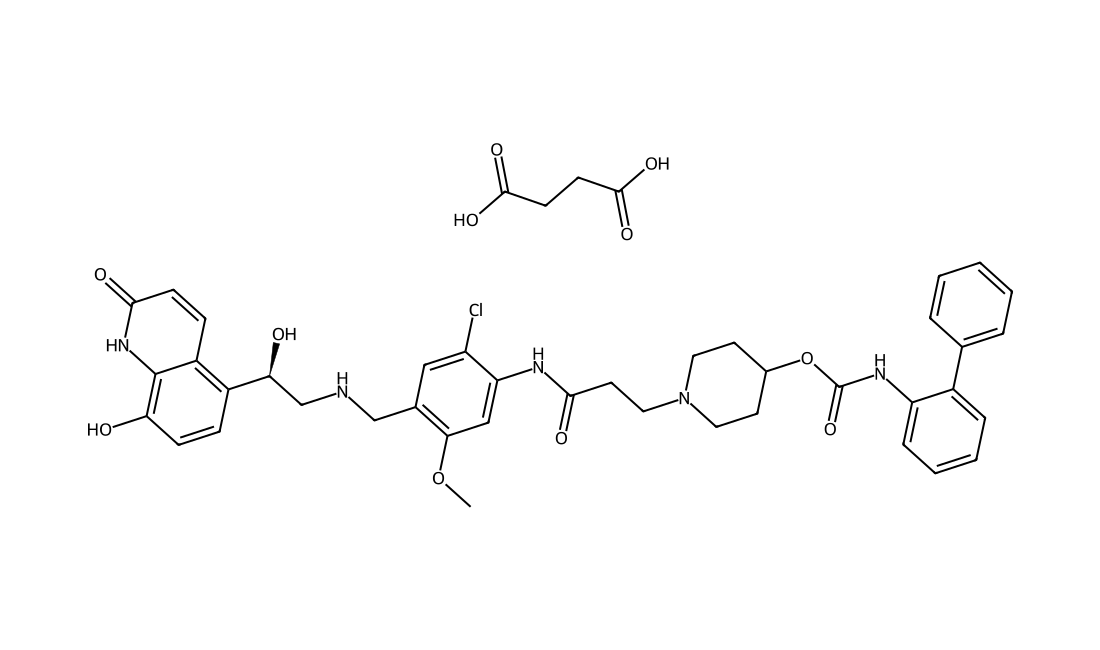
Giredestrant tartrate (GDC-9545 tartrate), a non-steroidal ER ligand, is an orally active and selective estrogen receptor (ER) antagonist. Giredestrant tartrate potently competes with estradiol for binding and induces a conformational change within the ER ligand binding domain. Anti-tumor activity[1].

Giredestrant (tartrate) chemical structure
DC60186

Difelikefalin HCl

CAS 2711717-77-8

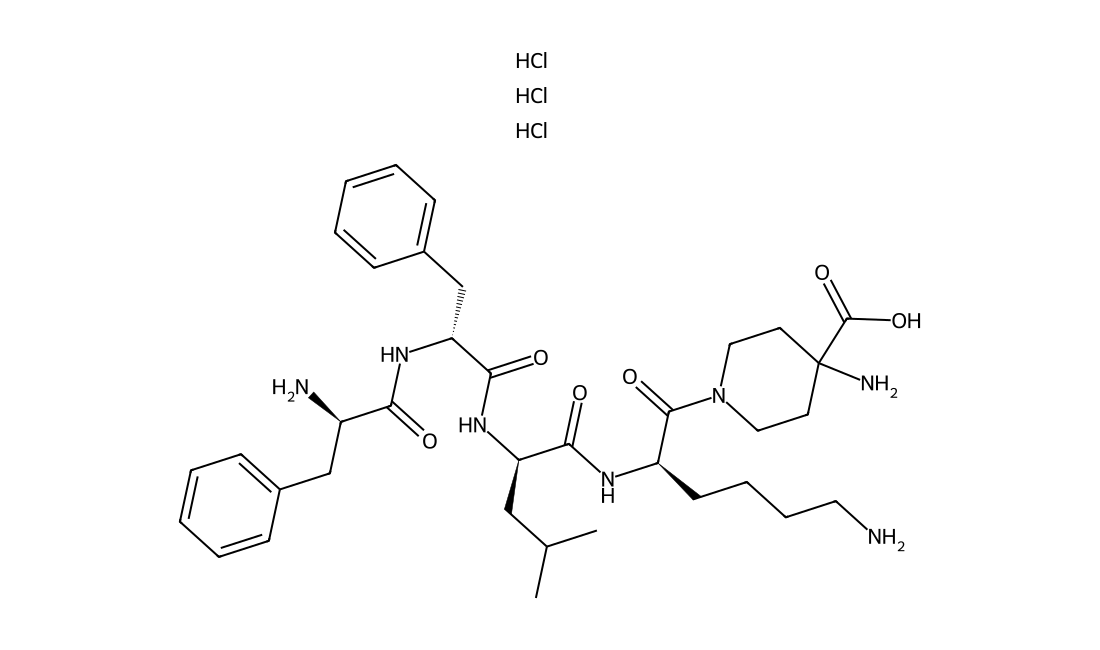
Difelikefalin is a κ-opioid receptor (KOR) agonist. It activates KOR in HEK293 cells expressing the human receptor (EC50 = 0.16 nM in a transactivation assay) and inhibits forskolin-induced cAMP production in R1.G1 mouse thyoma cells (EC50 = 0.048 nM). Difelikefalin is selective for KOR over the μ-opioid receptor.

Difelikefalin HCl chemical structure
DC11346

Salbutamol (hydrochloride)

CAS 50293-90-8

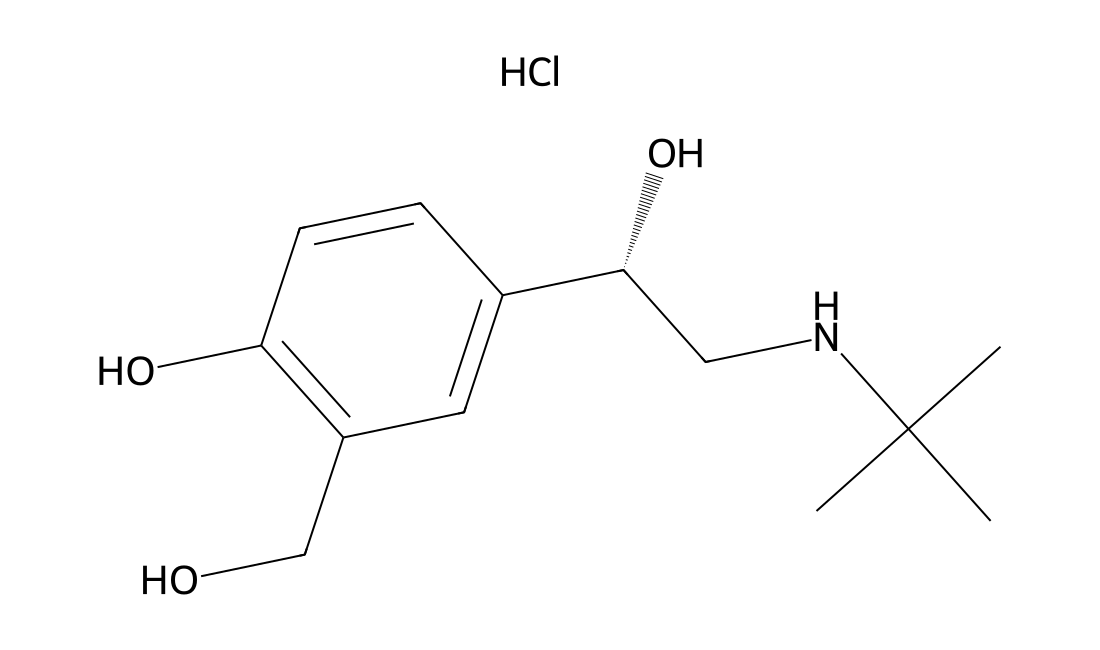
Salbutamol is an agonist of the β2-adrenergic receptor (β2-AR; Kd = 759 nM in a radioligand binding assay using CHO cells expressing the human receptor).It is selective for β2-ARs over β1- and β3-ARs (Kds = 46.8 and 21.9 μM, respectively). Salbutamol (25-50 μg/kg, i.v.) reduces acetylcholine-induced bronchospasm in anesthetized guinea pigs.It also reduces response of bronchial muscle to efferent vagal stimulation in anesthetized cats and dogs when administered at doses ranging from 1 to 2.5 and 10 to 20 μg/kg, respectively. Nebulized salbutamol reduces transpulmonary pressure in recurrent airway obstruction-affected horses (EC50 = 39.7 μg).Formulations containing salbutamol have been used in the treatment of asthma and chronic obstructive pulmonary disease (COPD).

Salbutamol (hydrochloride) chemical structure
DC9527

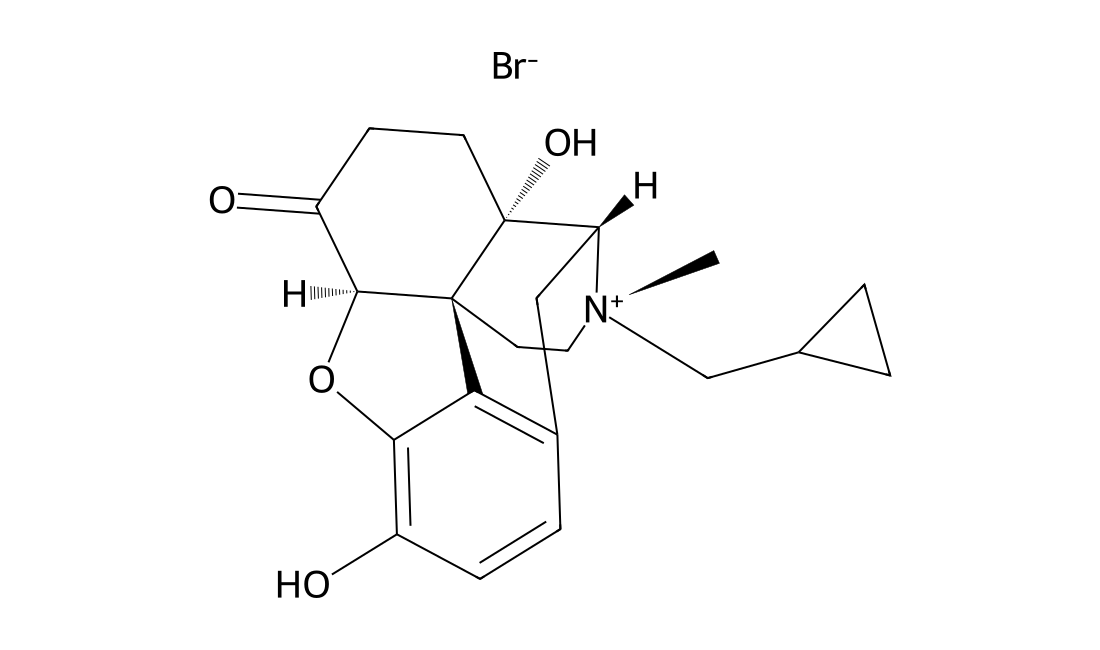
Methylnaltrexone (Bromide)

CAS 73232-52-7

Methylnaltrexone Bromide is a pheriphally-acting μ-opioid antagonist that acts on the gastrointestinal tract to decrease opioid-induced constipation. Methylnaltrexone is one of the newer agents of peripherally-acting μ-opioid antagonists that act to reverse some of the side effects of opioid drugs such as constipation without affecting analgesia or precipitating withdrawals. Because Methylnaltrexone contains a permanently charged tetravalent nitrogen atom, it cannot cross the blood-brain barrier, and so has antagonist effects throughout the body, counteracting effects such as itching and constipation, but without affecting opioid effects in the brain such as analgesia. However, since a significant fraction (up to 60 %) of opioid analgesia can be mediated by opioid receptors on peripheral sensory neurons, particularly in inflammatory conditions such as arthritis, traumatic or surgical pain, Methylnaltrexone may increase pain under such circumstances.

Methylnaltrexone (Bromide) chemical structure
DC44944

JHU37160

CAS 2369979-68-8

JHU37160 is a potent and brain-penetrant DREADD agonist, with EC50s of 18.5 nM and 0.2 nM for hM3Dq and hM4Di DREADDs in HEK-293 cells, respectively. JHU37160 exhibits selective [3H]Clozapine displacement from DREADDs and not from other Clozapine-binding sites in mice brain tissue.

JHU37160 chemical structure
DC10651

SSD114 hydrochloride

CAS 2319790-02-6

SSD114 is a novel GABAB positive allosteric modulator. SSD114 potentiates the GABA inhibition of adenylyl-cyclase mediated by GABAB receptors. SSD114 is also effective in vivo potentiating baclofen-induced sedation/hypnosis in mice, with no effect when tested alone. These findings indicate that SSD114, a molecule with a different chemical structure compared to known GABAB PAMs, is a novel GABAB PAM with potential usefulness in the GABAB-receptor research field.

SSD114 hydrochloride chemical structure
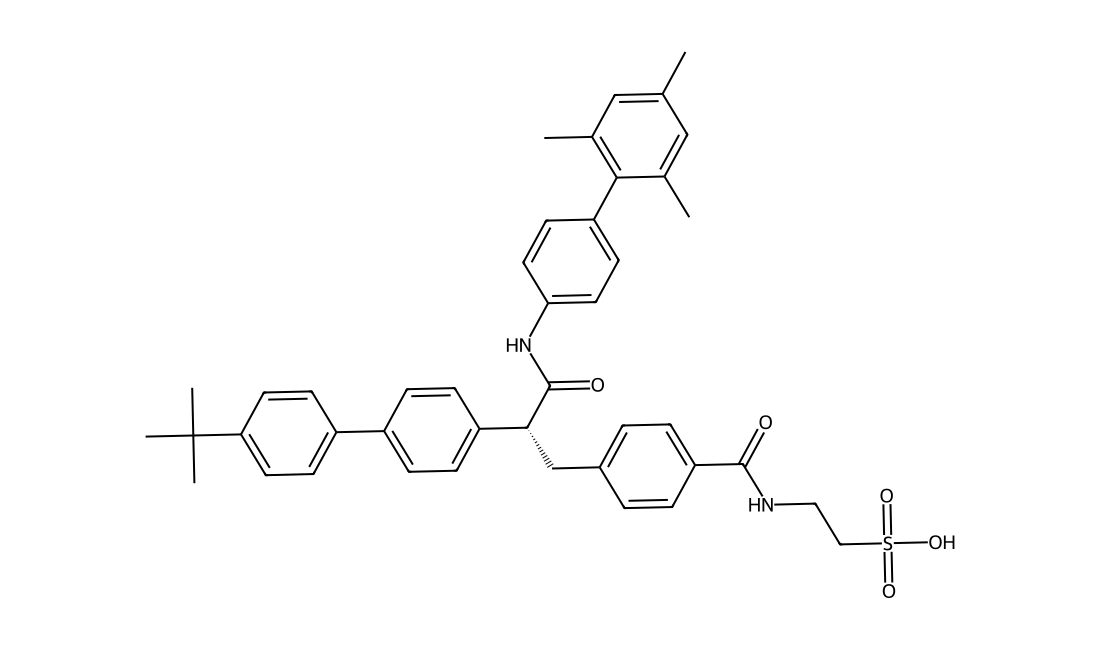
DC22513

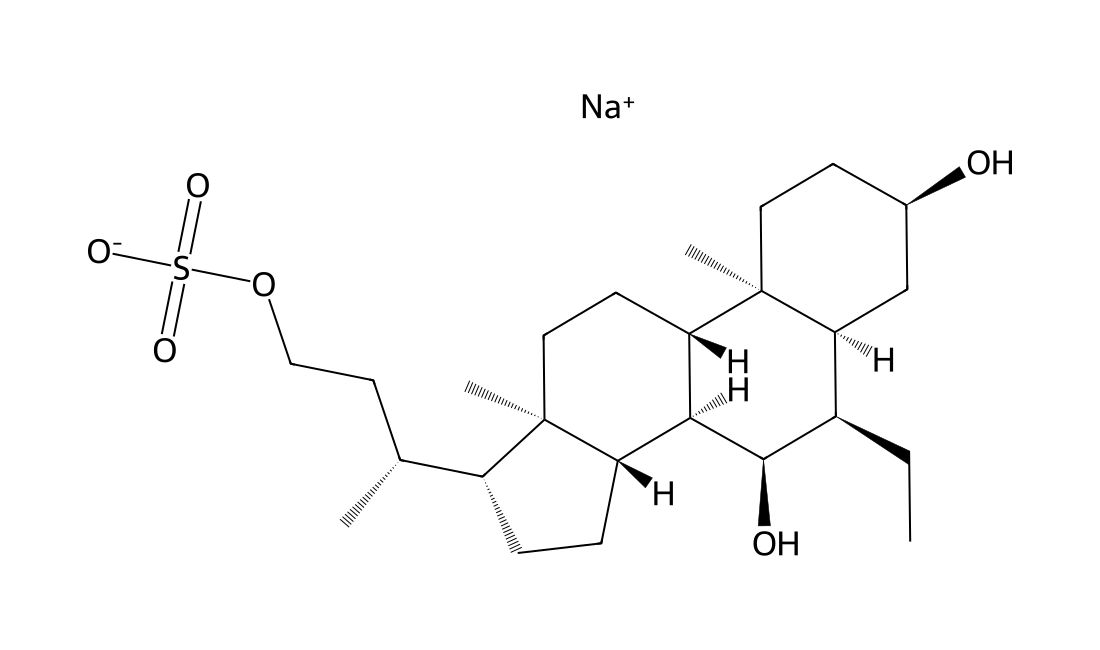
INT-767

CAS 1000403-03-1

INT-767 is a potent, selective, dual farnesoid X receptor (FXR) and TGR5 agonist with EC50 of 30 and 630 nM, respectively; fails to activate 15 other nuclear receptors involved in metabolic pathways, and does not inhibit cytochrome P450 enzymes; induces FXR-dependent lipid uptake by adipocytes and promotes TGR5-dependent glucagon-like peptide-1 (GLP-1) secretion by enteroendocrine cells; markedly decreases cholesterol and triglyceride levels in diabetic db/db mice.FibrosisPhase 1 Clinical

INT-767 chemical structure
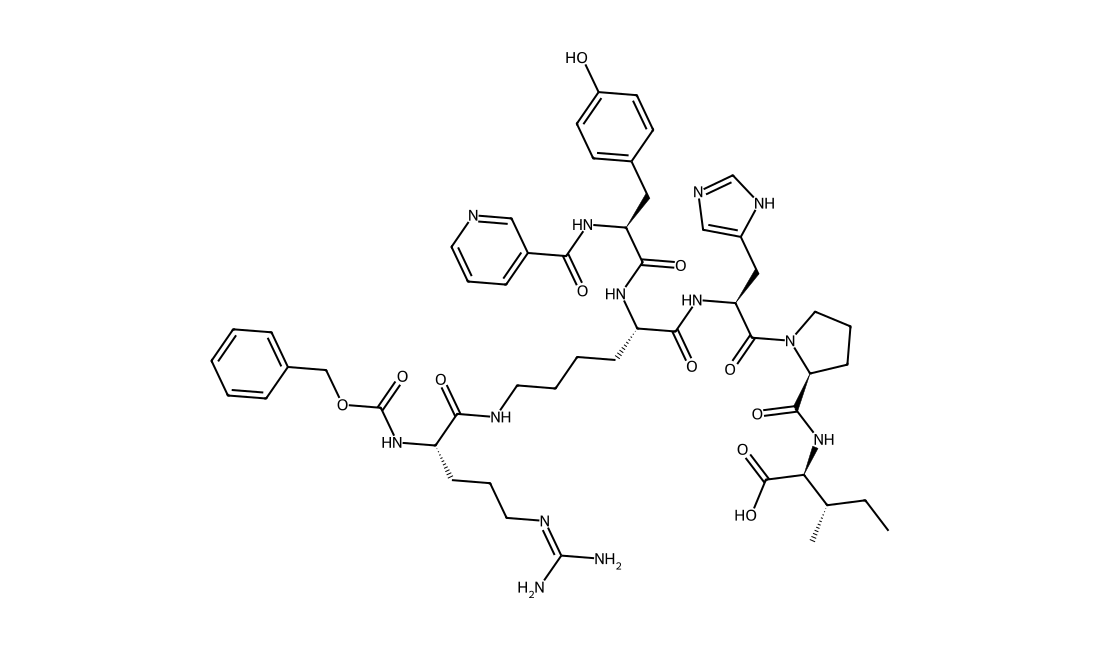
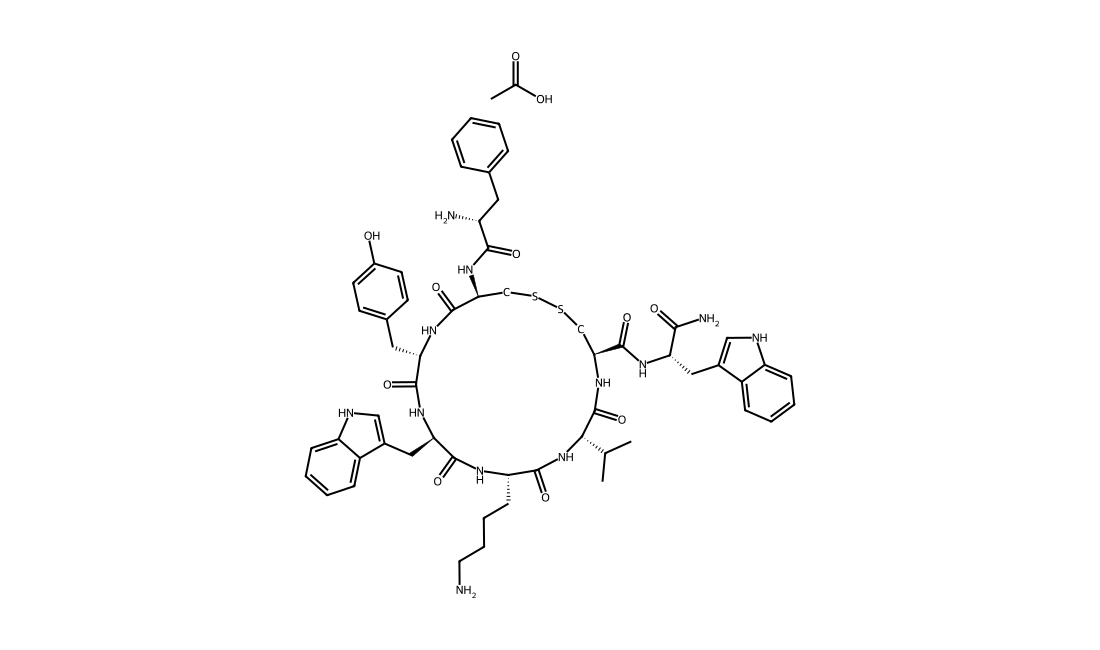
DC10348

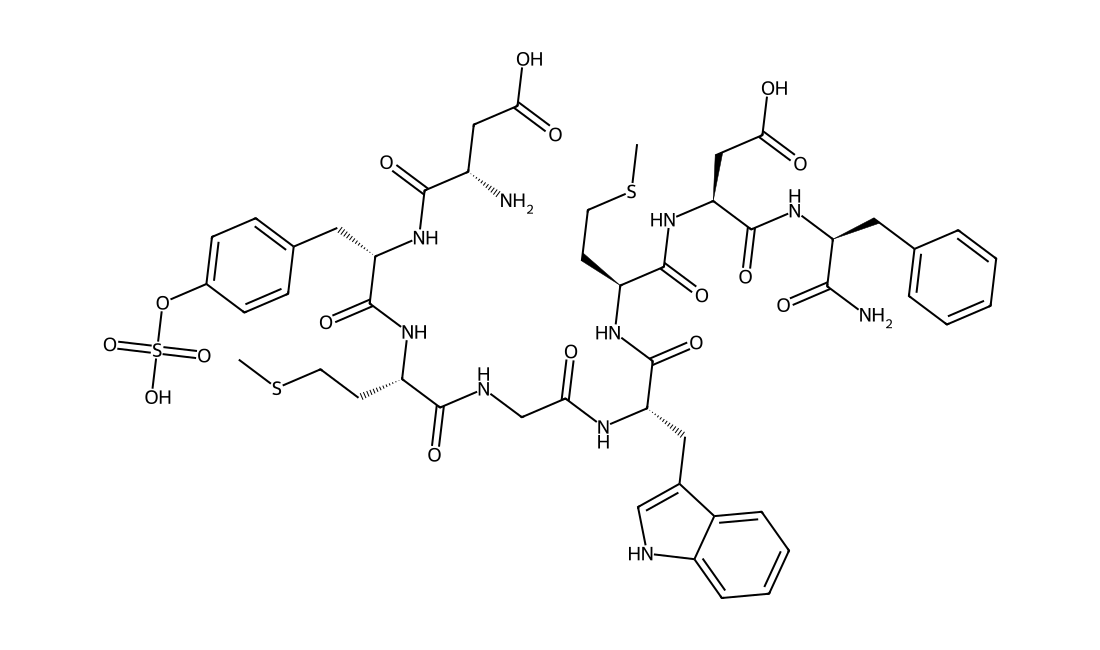
Vapreotide acetate

CAS 849479-74-9

Somatostatin is a peptide hormone which is distributed in many tissues including the immune system and the nervous system. Vapreotide attenuates the Substance P (SP)-triggered intracellular calcium increases and NF-κB activation in a dose-dependent manner. Vapreotide also inhibits SP-induced IL-8 and MCP-1 production in HEK293-NK1R and U373MG cell lines. Vapreotide inhibits HIV-1 infection of human MDM in vitro, an effect that is reversible by SP pretreatment. Vapreotide significantly inhibits GH-, PRL, and/or alpha-subunit release by human GH-secreting pituitary adenoma cells in concentrations as low as 10-12-10-14 M. Vapreotide inhibits GH release with an IC50 of 0.1 pM. Vapreotide exhibits moderate-to-high affinities for SSTR2, -3, and -5 (IC50=0.17, 0.1 and 21 nM, respectively) and low affinity for SSTR1 and -4 (IC50=200 and 620 nM, respectively). RC-160 inhibits serum-induced proliferation of CHO cells expressing SSTR2 and SSTR5 (EC50=53 and 150 pM, respectively).In cirrhosis, bleeding by rupture of oesophagogastric varices is a severe complication of portal hypertension. The acute administration of vapreotide to rats decreases collateral circulation blood flow while chronic administration attenuated its development. Tumor volumes and weights are reduced by about 40% by RC-160 by s.c. injections at doses of 100 μg/day/animal. Vapreotide can inhibit the growth of androgen-independent prostate cancer when the therapy is started at an early stage of tumor development[5].

Vapreotide acetate chemical structure
DC11316

U-92016A

CAS 149654-41-1

U-92016A is an agonist of the serotonin (5-HT) receptor subtype 5-HT1A (Ki = 0.4 nM).It is selective for 5-HT1A over 5-HT1D, 5-HT2, dopamine D1 and D2, and α1- and α2-adrenergic receptors (Kis = 7.7, >1,000, >1,000, 36, >1,000, and >1,000 nM, respectively). U-92016A inhibits forskolin-stimulated cAMP synthesis in CHO cells transfected with human 5-HT1A. In vivo, U-92016A induces hypothermia in mice (ED50 = 0.041 mg/kg). It induces 5-HT syndrome, as measured by increased flat body posture and reciprocal forepaw treading, as well as decreases accumulation of 5-HT and dopamine in rats when administered at a dose of 5 mg/kg. U-92016A also decreases arterial blood pressure and heart rate in a dose-dependent manner in spontaneously hypertensive rats and reverses isolation-induced aggression in mice.

U-92016A chemical structure
DC9499

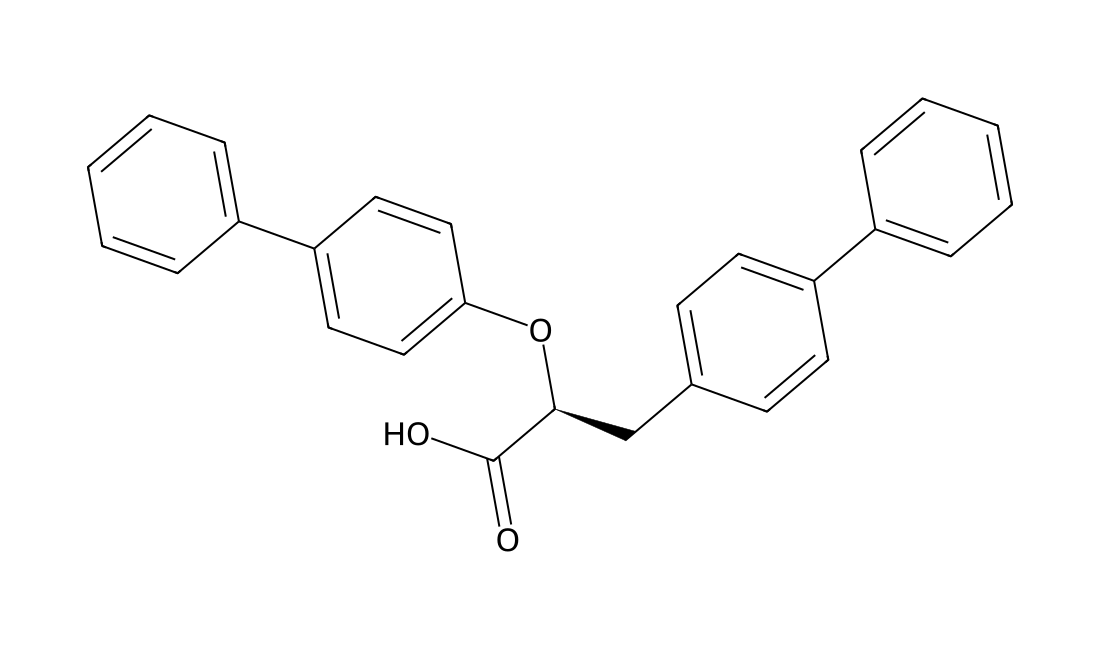
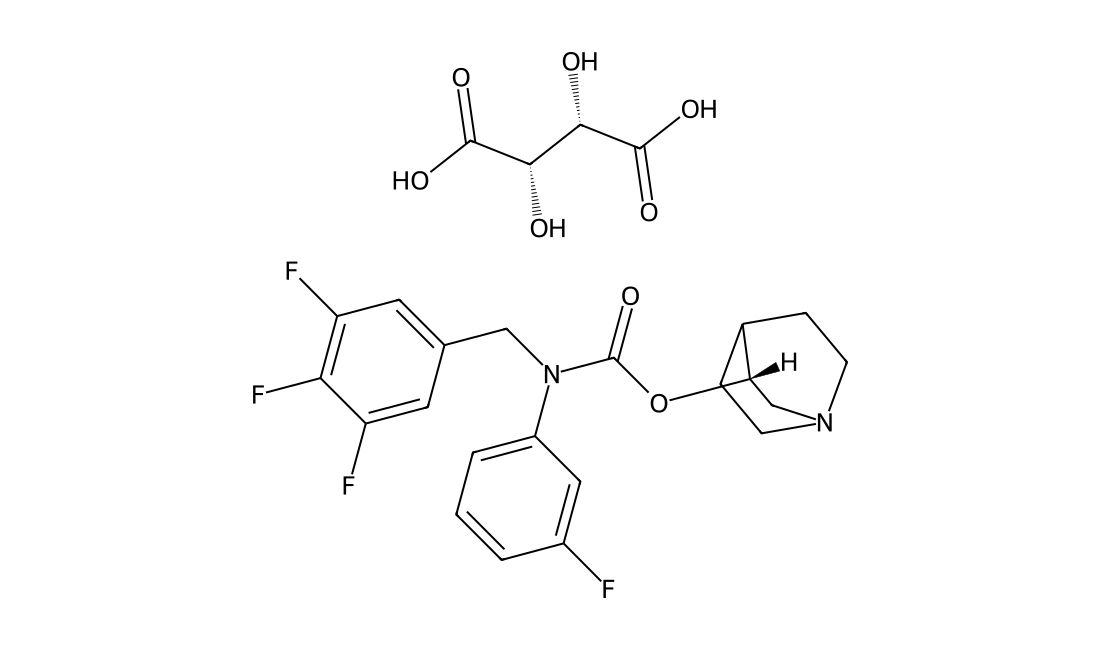
Tarafenacin (D-tartrate)

CAS 1159101-48-0

Tarafenacin(SVT-40776) is a highly selective M3 muscarinic receptor antagonist (Ki= 0.19 nM), ~200 fold selectivity over M2 receptor. in vitro: SVT-40776 is highly selective for M(3) over M(2) receptors (Ki = 0.19 nmol.L(-1) for M(3) receptor affinity). SVT-40776 was the most potent in inhibiting carbachol-induced bladder contractions of the anti-cholinergic agents tested, without affecting atrial contractions over the same range of concentrations. SVT-40776 exhibited the highest urinary versus cardiac selectivity (199-fold). SVT-40776 has a much higher binding affinity (K(d) = 0.4 nM) to M5 mAChR than that of solifenacin (K(d) = 31 nM) with the same reeptor. The calculated binding free energy change (-2.3 ± 0.3 kcal/mol) from solifenacin to SVT-40776 is in good agreement with the experimentally derived binding free energy change (-2.58 kcal/mol), suggesting that our modeled M5 mAChR structure and its complexes with the antagonists are reliable. in vivo: In the guinea pig in vivo model, SVT-40776 inhibited 25% of spontaneous bladder contractions at a very low dose (6.97 microg.kg(-1) i.v), without affecting arterial blood pressure.

Tarafenacin (D-tartrate) chemical structure
DC9522

SDZ 220-581

CAS 174575-17-8

SDZ 220-581 is a potent, competitive antagonist at the NMDA glutamate receptor subtype(pKi= 7.7). in vitro: Wake-promoting doses of LSN2463359 and LSN2814617 attenuated deficits in performance induced by the competitiveNMDA receptor antagonist SDZ 220,581 in two tests of operant behaviour: the variable interval 30 s task and the DMTP task. in vivo: Administration of SDZ 220-581 or CGS 19755 was associated with a robust reduction in PPI, whereas L-701,324, 4-Cl-KYN or MLA failed to alter PPI. With the most active agent, SDZ 220-581, full protection against maximal electroshock seizures (MES) was obtained at oral doses of 10 mg/kg in rats and in mice. The compound had a fast onset (< or = 1 hr) and a long duration (> or = 24 hr) of action. Rats were pretreated with clozapine (0 or 5.0 mg/kg) or haloperidol (0 or 0.1 mg/kg), together with SDZ 220-581 (0 or 2.5 mg/kg), and tested. SDZ 220-581 and SDZ EAB-515 decreased PPI without affecting startle magnitude.

SDZ 220-581 chemical structure
DC9523

SDZ 220-581 (hydrochloride)

CAS 179411-93-9

SDZ 220-581 Hcl is a potent, competitive antagonist at the NMDA glutamate receptor subtype. in vitro: Wake-promoting doses of LSN2463359 and LSN2814617 attenuated deficits in performance induced by the competitiveNMDA receptor antagonist SDZ 220,581 in two tests of operant behaviour: the variable interval 30 s task and the DMTP task. in vivo: Administration of SDZ 220-581 or CGS 19755 was associated with a robust reduction in PPI, whereas L-701,324, 4-Cl-KYN or MLA failed to alter PPI. With the most active agent, SDZ 220-581, full protection against maximal electroshock seizures (MES) was obtained at oral doses of 10 mg/kg in rats and in mice. The compound had a fast onset (< or = 1 hr) and a long duration (> or = 24 hr) of action. Rats were pretreated with clozapine (0 or 5.0 mg/kg) or haloperidol (0 or 0.1 mg/kg), together with SDZ 220-581 (0 or 2.5 mg/kg), and tested. SDZ 220-581 and SDZ EAB-515 decreased PPI without affecting startle magnitude.

SDZ 220-581 (hydrochloride) chemical structure
DC9410

SCH 527123

CAS 473727-83-2

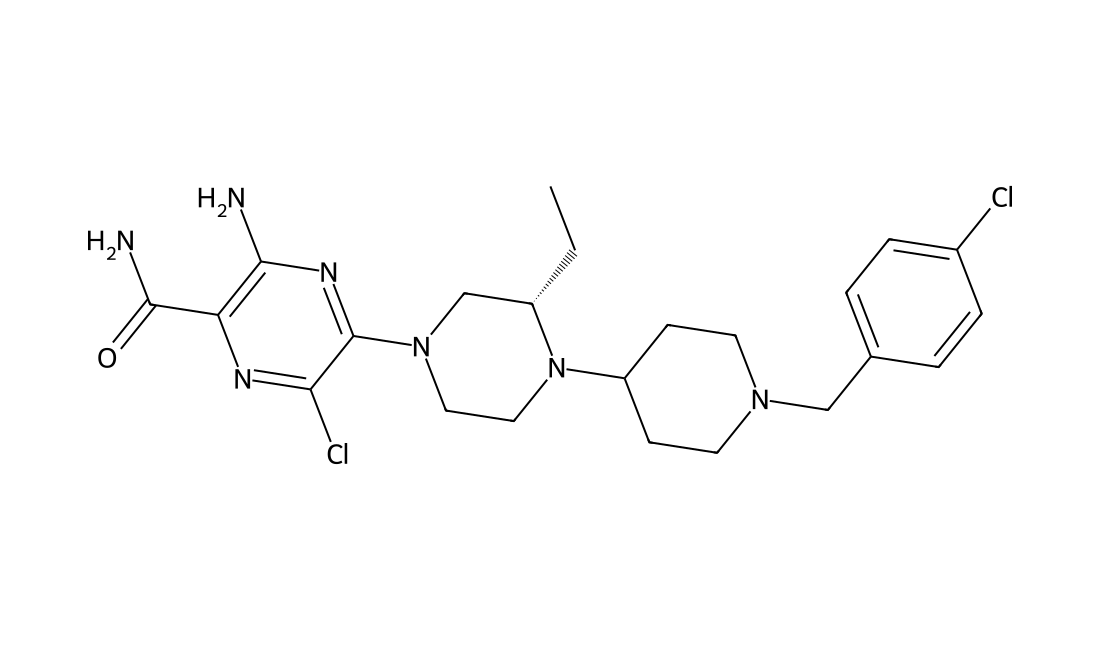
SCH-527123 is a potent antagonist of both CXCR1 and CXCR2 with IC50 of 42 nM and 3 nM, respectively. in vitro: Sch527123 inhibits chemokine binding to CXCR1 and CXCR2 receptors in an insurmountable manner and is categorized as an allosteric antagonist. Sch527123 inhibits neutrophil chemotaxis and myeloperoxidase release in response to CXCL1 and CXCL8 but has no effect on the response of these cells to C5a or formyl-methionyl-leucyl-phenylalanine. Sch527123 binding to CXCR1 and CXCR2 is both saturable and reversible. Sch527123 binds to CXCR1 with good affinity (Kd = 3.9 nM), the compound is CXCR2-selective (Kd = 0.049 nM). Sch527123 bound with high affinity to the CXCR2 receptors of mouse (Kd = 0.20 nM), rat (Kd = 0.20 nM), and cynomolgus monkey (Kd = 0.08 nM) and is a potent antagonist of CXCR2-mediated chemotaxis (IC50 ~3–6 nM). In contrast, Sch527123 bound to cynomolgus CXCR1 with lesser affinity (Kd = 41 nM) and weakly inhibited cynomolgus CXCR1-mediated chemotaxis (IC50 ~1000 nM). in vivo: Oral treatment with Sch527123 blocks pulmonary neutrophilia (ED50 = 1.2 mg/kg) and goblet cell hyperplasia (32–38% inhibition at 1–3 mg/kg) in mice following the intranasal lipopolysaccharide (LPS) administration. In rats, Sch527123 suppresses the pulmonary neutrophilia (ED50 = 1.8 mg/kg) and increase in bronchoalveolar lavage (BAL) mucin content (ED50 =<0.1 mg/kg) induced by intratracheal (i.t.) LPS. Sch527123 also suppresses the pulmonary neutrophilia (ED50 = 1.3 mg/kg), goblet cell hyperplasia (ED50 = 0.7 mg/kg), and increase in BAL mucin content (ED50 = <1 mg/kg) in rats after i.t. administration of vanadium pentoxide. In cynomolgus monkeys, Sch527123 reduces the pulmonary neutrophilia induced by repeat bronchoscopy and lavage (ED50 = 0.3 mg/kg).

SCH 527123 chemical structure
DC9409

SCH 546738

CAS 906805-42-3

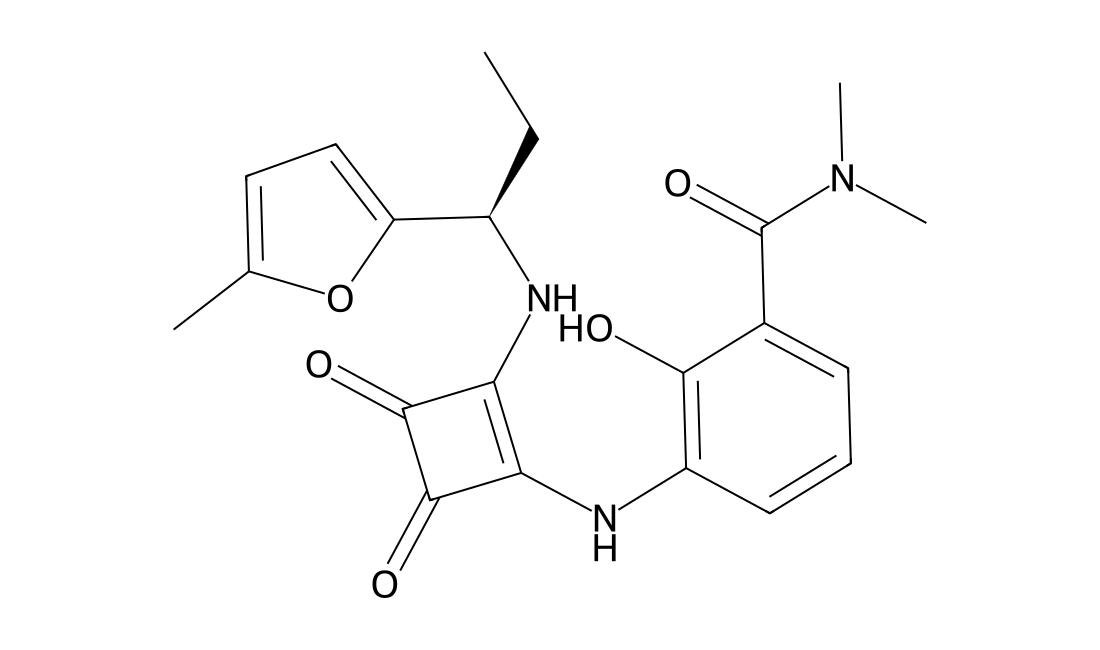
SCH 546738 is a novel, potent and non-competitive small molecule CXCR3 antagonist with Ki of 0.4 nM . in vitro: SCH 546738 at 10 nM inhibited T cell chemotaxis induced by all three CXCR3 ligands about 90%. In multiple experiments, the affinity constant (Ki) of SCH 546738 binding to human CXCR3 receptor was determined to be 0.4 nM. The IC50 of SCH 546738 is constant (~1 or 2 nM) and independent of the input concentrations of either [125I]hCXCL10 (25-500 pM) or [125I]hCXCL11 (12.5-250 pM), respectively. SCH 546738 has strong cross-species activities with IC50 of 1.3 nM, 6.4 nM, 5.9 nM and 4.2 nM in inhibiting the binding of [125I]hCXCL10 to CXCR3 of monkey, dog, mouse and rat origin, respectively. in vivo: SCH 546738 has a favourable pharmacokinetic profile in rodents. The plasma concentrations of SCH 546738 in Lewis rat and C57BL/6 mouse over 24 hr post-dose. The AUC (0-24 hr) is 7.7 μM.hr in Lewis rat @ 10 mg/kg (mpk) and is 12.6 μM.hr in C57BL/6 mouse @ 30 mpk. SCH 546738 attenuated disease development in a dose-dependent fashion, with significant reduction of the disease score evident at 40 mpk on days 4, 7 and 9, while it protected significantly on days 7 and 9 at 10 mpk. SCH 546738 administration at 3 mpk had no statistically significant effect on disease severity. SCH 546738 reduced the severity of the disease in a dose-dependent manner as well.

SCH 546738 chemical structure
DC9316

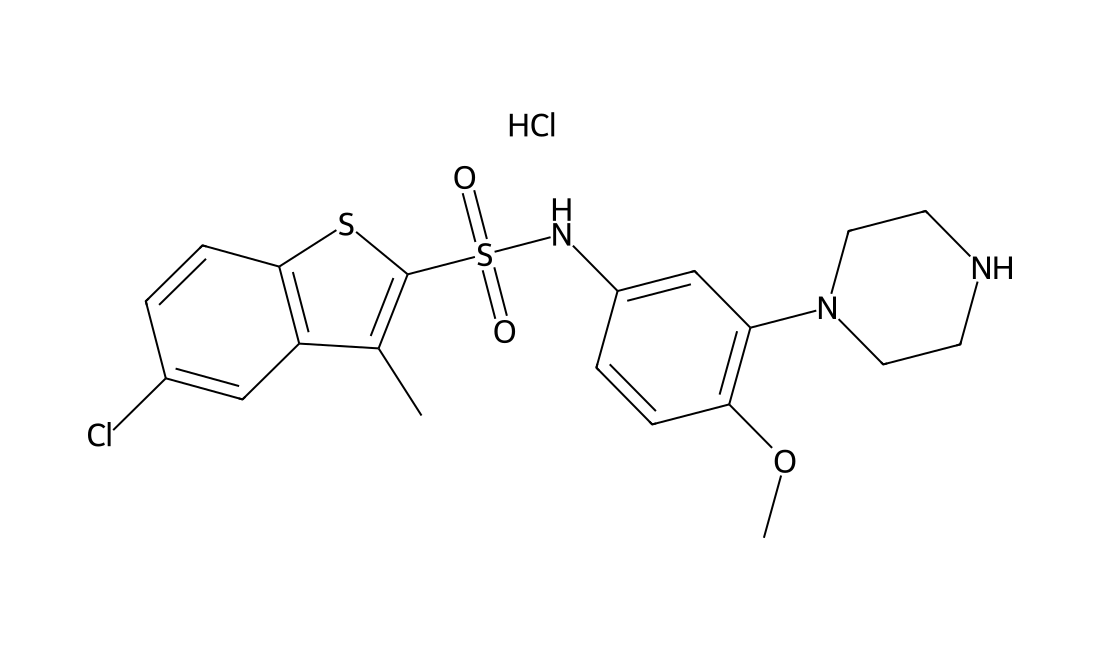
SB 271046 (Hydrochloride)

CAS 209481-24-3

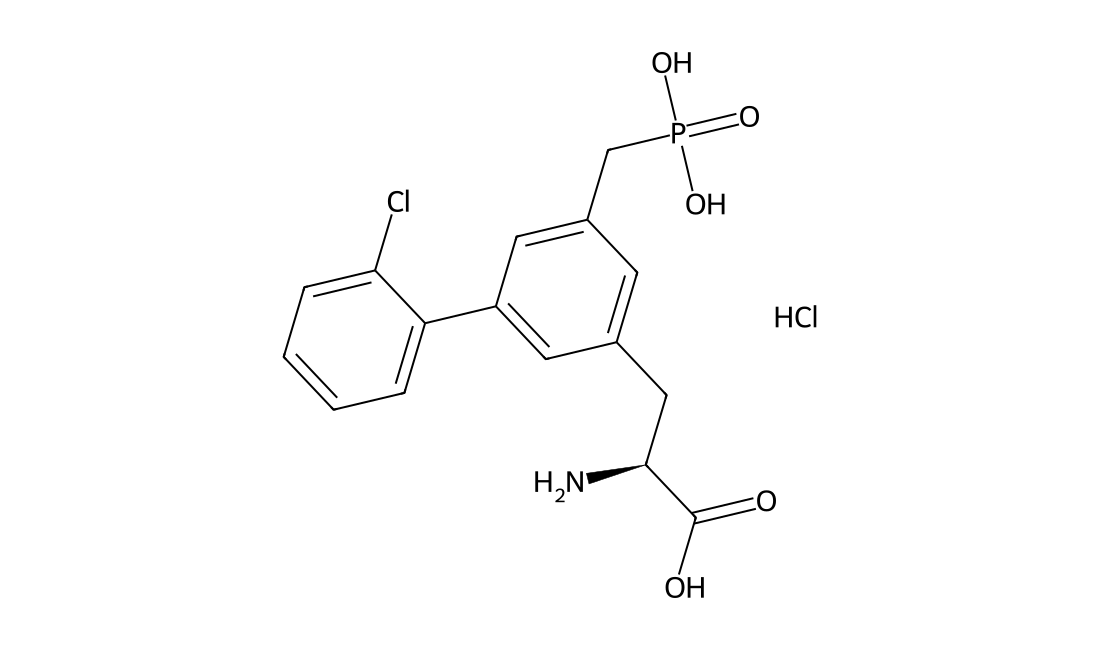
SB271046 Hcl is a potent, selective and orally active 5-HT6 receptor antagonist with pKi of 8.9. in vitro: SB 271046 hydrochloride is a sulfonamidal benzothiophene derivative that has been shown to act as a selective 5-HT6 antagonist with pKi values of 9.02-8.92, 6.55, 6.35, 6.27, 6.05, 5.95, 5.76, 5.73, 5.62, 5.55, 5.41, 5.39, 5.27 and < 4.99 for 5-HT6, 5-HT1D, 5-HT1A, D3, 5-HT1B, 5-HT1F, α1B, 5-HT2C, 5-HT2A, D2, 5-HT2B, 5-HT7, 5-HT4 and 5-HT1E respectively, and is > 200-fold selective over 55 other receptors, enzymes and ion channels. in vivo: SB-271046 is moderately brain penetrant (10%), subject to low blood clearance (7.7 mL/min/kg) with a good half-life in rats (4.8 hours), and has excellent oral bioavailability (>80%). SB-271046 produces 3-fold and 2-fold increases in extracellular glutamate levels in both frontal cortex and dorsal hippocampus of rats, respectively, which may be used for the treatment of cognitive and memory dysfunction. SB-271046 (20 mg/kg, orally gavage) 30 min prior to training Wistar rats, is found to reverse significantly the amnesia produced by administering scopolamine (0.8 mg/kg, i.p.) in the 6 hours post-training period. SB-271046 progressively and significantly decreases platform swim angle and escape latencies over the five sequential trials on four consecutive daily sessions compared to vehicle-treated controls in aged rats. SB-271046 also improves task recall as measured by significant increases in the searching of the target quadrant on post-training days 1 and 3. SB-271046 (10 mg/kg, s.c.) produces a significant, tetrodotoxin-dependent, increase in extracellular levels of both glutamate and aspartate within the frontal cortex of rats, reaching maximum values of 375.4% and 215.3% of preinjection values, respectively.

SB 271046 (Hydrochloride) chemical structure
DC12250

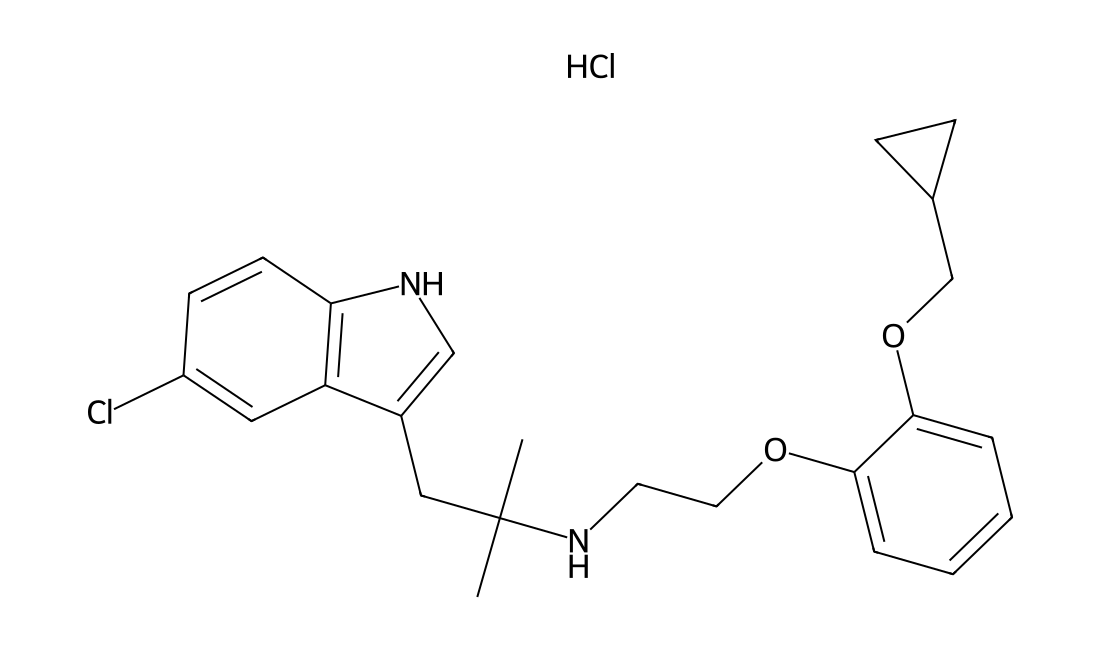
RS 17053 hydrochloride (RS-17053)

CAS 169505-93-5

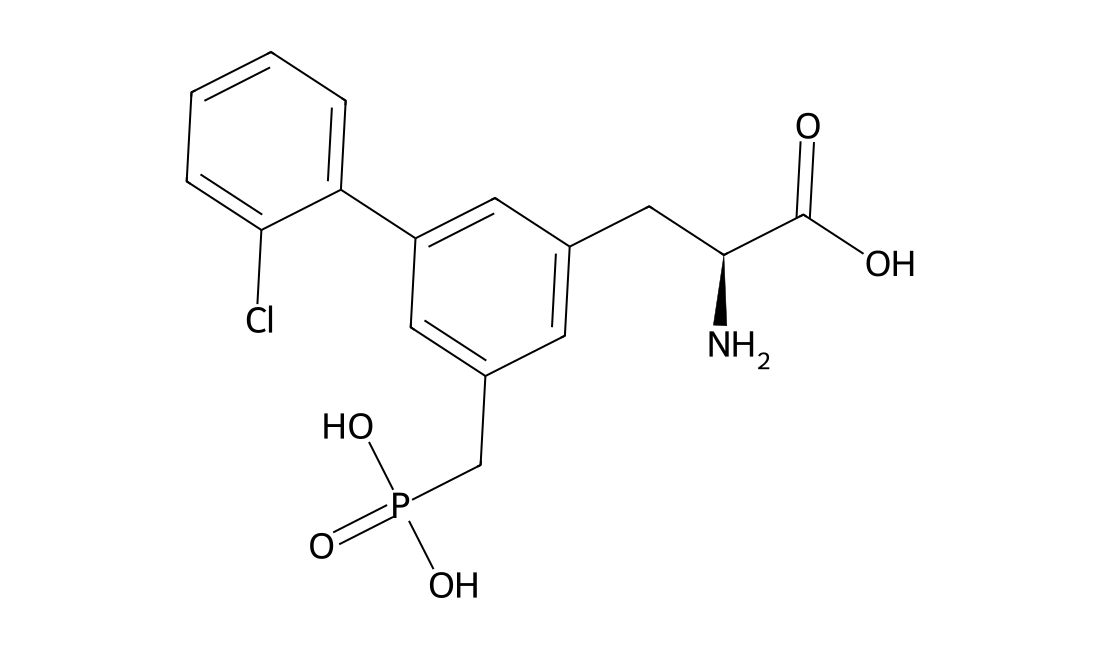
In Vitro In several tissues from rat and cloned adrenoceptors, RS 17053 hydrochloride displays high affinity for the α1A-adrenoceptor (pKi and pA2 estimates of 9.1-9.9) and a 30-100-fold selectivity over the α1 B and the α1 D-adrenoceptor subtypes (pKi and pA2 estimates of 7.7-7.8). However, in isolated smooth muscle preparations from human LUT tissues, RS 17053 hydrochloride antagonizes responses to NE only at high concentrations. Estimates of affinity (pA2) at α1-adrenoceptors mediating NE-induced contractions are 7.5 in prostatic periurethral longitudinal smooth muscle (compared with 8.6 for prazosin), 6.9 in anterior fibromuscular stroma (prazosin, 8.9), and 7.1 in bladder neck (prazosin, 8.5). In Vivo RS 17053 hydrochloride has a rapid onset of action, and a duration of action exceeding 60 min. RS 17053 hydrochloride pretreatment significantly alteres food intake [F(4, 132) 5 6.28, p , 0.0001]. 10 mg/kg RS-17053 significantly suppresses food intake.
RS 17053 hydrochloride (RS-17053) chemical structure
Browse target & topic index A–Z (366)
11β-HSD (1)15-PGDH (2)5-HT Receptor (16)Acetyl-CoA Carboxylase (ACC) (3)Acetylcholinesterase (AChE) (2)Ack1 (TNK2) (1)Acyltransferase (1)ADC Cytotoxin (6)ADCs Linker/Click Chemistry (5)Adenosine Receptor (9)Adenylate Cyclase (2)Adrenergic Receptor (11)Akt (12)Alcoholism (2)Aldehyde Dehydrogenase (ALDH) (6)Allergy (5)Alzheimer Disease (13)Aminopeptidase (1)AMPK (8)Amyloids (4)Anaplastic Lymphoma Kinase (ALK) (9)Androgen Receptor (AR) (11)Anemia (4)Angiotensin Receptor (4)Antibody/Protein labeling dyes (1)Antifolate (2)Anxiety (1)Apoptosis Inducer (3)Arginase (1)Arp2/3 complex (1)Aryl hydrocarbon Receptor (AhR) (1)Asthma (5)Atherosclerosis (2)ATM/ATR (8)Aurora Kinase (10)Autophagy (6)Autophagy-related Protein (Atg) (2)Autotaxin (2)Bacterial (26)Bacterial Infection (17)Bcl-2 (14)Bcr-Abl (5)BCRP (1)Beta-catenin (4)Beta-secretase (BACE) (4)Blood Cancer (91)BMI-1 (1)Bone Cancer (6)Brain Cancer (6)Breast Cancer (30)Bromodomain (22)BTK (10)c-Fms (CSF1R) (5)c-Fos/AP-1 (1)c-Kit (6)c-Met (HGFR) (11)c-Myc (2)Calcium Channel (4)Calcium-sensing Receptor (CaSR) (1)CaMK (4)Cannabinoid Receptor (6)Carbonic Anhydrase (1)Carboxypeptidase (1)Casein Kinase (6)Caspase (4)Cathepsin (6)Cdc2-like Kinase (CLK) (1)CETP (2)CFTR (7)Checkpoint Kinase (Chk) (8)Chemokine Receptor (CCR and CXCR) (14)Chemotherapeutic Agents (19)Chloride Channel (1)CMV (2)CMV Infection (2)Colon Cancer (9)Complement System (1)COPD (3)CREB/CBP (2)CRF Receptor (2)CRISPR/Cas9 (1)Cushing Disease (1)Cyclin-dependent Kinase (CDK) (39)Cyclooxygenase (COX) (4)Cytochrome P450 (CYPs) (5)Depression (2)Dermatitis (2)Deubiquitinase (DUB) (7)Diabetes (20)Dipeptidyl Peptidase (DPP) (3)Discoidin Domain Receptor (DDR) (1)DNA Alkylator/Crosslinker (10)DNA Methyltransferase (DNMT) (1)DNA Repair Protein (1)DNA-PK (2)DNA/RNA Synthesis (5)Dopamine beta-hydroxylase (1)Dopamine Receptor (7)Drug Metabolite (1)Drug-Linker Conjugates (11)Dyes (4)DYRK (1)Dyslipidemia (9)E3 Ligase Ligand (6)E3 Ligase Ligand-Linker Conjugate (1)E3 Ubiquitin Ligase (4)Ebola Virus Infection (1)EGFR (32)Elastase (2)Endothelin Receptor (5)Enzymes substrates (13)Epigenetic Reader Domain (3)Epilepsy (4)ERK (4)Estrogen Receptor/ERR (13)Eukaryotic Initiation Factor (eIF) (2)Exportin-1 (CRM1,XPO1) (2)FABP (1)Factor Xa (5)Farnesoid X Receptor (FXR) (5)Farnesyl transferase (FTase) (1)Ferroptosis (6)FGFR (15)Fibrosis (5)FLT3 (6)Focal Adhesion Kinase (FAK) (11)Foxo1 (1)Free Fatty Acid Receptor (FFAR) (5)Fungal (2)Fungal Infection (1)GABA Receptor (13)Galectin (1)Gastric Cancer (8)Ghrelin Receptor (GHSR) (3)Glucagon Receptor (4)Glucokinase (2)Glucose Transporter (GLUT) (2)Glutamate Transporter (2)GPCR (1)GPER (GPR30) (1)GPR139 (1)GPR183 (EBI2) (2)GPR39 (1)GPR55 (1)GPR84 (1)GRK (GPCRK) (2)Growth Hormone Deficiency (2)GSK-3 (8)Guanylate Cyclase (3)HBV (1)HBV Infection (1)HCN Channel (2)HCV (8)HCV Infection (9)HDAC (38)Heart Arrhythmia (2)Heart Failure (5)Heat Shock Protein (HSP) (15)Hedgehog (Hh) (1)HIF/HIF Prolyl-hydroxylase (8)Histamine Receptor (6)Histone Acetyltransferase (HAT) (5)Histone Demethylase (11)Histone Methyltransferase (HMTase) (31)HIV (12)HIV Infection (11)HMG-CoA Reductase (HMGCR) (3)HSV (1)HSV Infection (1)Hypercholesterolemia (1)Hyperparathyroidism (1)Hypertension (8)IAP (1)IGF-1R (3)iGluR (15)Indoleamine 2,3-Dioxygenase (IDO) (4)Infection (1)Influenza (6)Influenza Virus (6)Insulin Receptor (2)Integrin (6)Interleukin Receptor (1)IRAK (2)IRE1 (4)Irritable Bowel Syndrome (2)Ischemia (1)Isocitrate Dehydrogenase (IDH) (5)ITK (1)IκB kinase (IKK) (7)JAK (32)JNK (3)Keap1-Nrf2 (6)Kidney Cancer (10)Kinesin (5)Kruppel-like Factor (KLF) (1)Kynurenine 3-Monooxygenase (KMO) (1)Leukotriene Receptor (1)LIM Kinase (LIMK) (3)Lipids fragment (1)Liver Cancer (6)Liver X Receptor (LXR) (3)LRRK2 (9)Lung Cancer (39)Lysophospholipid Receptor (12)LYTACs (3)mAChR (9)MALT1 (2)MAP4K (1)Matrix Metalloproteinase (MMP) (10)MDM2-p53 (9)MEK (MAP2K) (14)MEKK (MAP3K) (1)Melanocortin Receptor (2)MELK (1)mGluR (7)MicroRNA (1)Microtubule/Tubulin (5)Mineralocorticoid Receptor (MLR) (1)MITF (1)Mixed Lineage Kinase (MLK) (3)MNK (2)Molecular Glues (13)Monoamine Transporter (5)Monocarboxylate Transporter (MCT) (1)Monopolar Spindle 1 (Mps1/TTK) (3)mTOR (13)Multiple Sclerosis (6)Myosin (1)Na-K-Cl Cotransporter (NKCC) (2)nAChR (2)NADPH Oxidase (NOX) (2)NAMPT (3)Natural products (37)Neprilysin (1)Neurokinin Receptor (3)Neuropeptide Y Receptor (3)NF-κB (5)Nitric Oxide Synthase (NOS) (1)NOD-like Receptor (NLR) (3)Notch (2)Nucleoside Antimetabolite/Analog (10)Nur77 (NR4A1) (1)Obesity (1)Oct3/4 (1)Opioid Receptor (5)Orexin Receptor (7)Osteoporosis (2)Ovarian Cancer (14)Oxytocin Receptor (OXTR) (2)P-glycoprotein (P-gp) (3)p21-activated Kinase (PAK) (1)P2X Receptor (2)P2Y Receptor (1)p38 MAPK (10)p97/VCP (1)Pain (12)Pancreatic Cancer (10)Parasite (5)Parasite Infection (2)Parkinson Disease (2)PARP (19)PCSK9 (1)PD-1/PD-L1 (4)PDGFR (4)PDK1 (2)PEGn (1)PERK (2)PGE synthase (2)Phosphodiesterase (PDE) (9)Phospholipase (4)PI3K (32)PI4K (2)Piezo Channel (1)PIKfyve (3)Pim (9)PKC (12)PKD (1)Plasminogen Activator Inhibitor-1 (PAI-1) (3)Polo-like Kinase (PLK) (4)Porcupine (3)Potassium Channel (13)PPAR (13)Pregnane X Receptor (PXR) (1)Progesterone Receptor (2)Prostaglandin Receptor (11)Prostate Cancer (7)PROTACs (35)Protease-activated Receptor (PAR) (3)Proteasome (12)Protein Disulfide Isomerase (PDI) (1)Protein Phosphatase/PTP (6)Proton Pump (1)Psoriasis (5)RAD51 (1)Radioligand precursors (15)Raf (18)RAR/RXR (3)Ras (17)Renin (2)RET Tyrosine Kinase (c-RET) (3)Rheumatoid Arthritis (16)Ribosomal S6 Kinase (RSK) (5)RIG-I-like Receptor (RLR) (2)RIP kinase (7)ROCK (12)ROR (2)RSV (4)RSV Infection (3)RUNX1-CBFβ (1)S-nitrosoglutathione reductase (GSNOR) (1)Saccharides and Glycosides (1)Salt Inducible Kinase (SIK) (2)SARS-CoV (16)SARS-CoV Infection (34)Schizophrenia (4)Sexual Dysfunction (1)SGLT (4)Sigma Receptor (4)Sirtuin (9)Skin Cancer (13)Sleep Disorder (7)SMN2 Modulator (1)Smoothened (Smo) (9)Sodium Channel (12)Solid Tumors (35)Somatostatin Receptor (2)Sphingosine kinase (SphK) (2)Src (7)STAT (5)Stearoyl-CoA Desaturase (SCD) (1)Steatohepatitis (7)Sterol lipids (1)STING (14)Syk (6)T Cell Receptor (TCR) (1)TAK1 (2)TAM Receptor (Tyro3-Axl-Mer) (4)Taste Receptor (1)Telomerase (2)TGF beta Receptor (TGFBR) (12)Thrombin (3)Thrombosis (13)Thyroid Cancer (1)Thyroid Hormone Receptor (THR) (1)Thyrotropin Receptor (2)TNIK (1)Toll-like Receptor (TLR) (2)TOPK (1)Topoisomerase (11)TRAIL (1)Translocator Protein (TSPO) (1)Trk Receptor (4)TRP Channel (13)Tryptophan Hydroxylase (TPH) (1)Ubiquitin-activating Enzyme (E1) (2)Ubiquitin-conjugating Enzyme (E2) (2)Ulcer (1)ULK (3)Vasopressin Receptor (2)VEGFR (25)Vitamin D Receptor (VDR) (3)Wee1 (1)WNK Kinase (1)Wnt (5)Yes-associated Protein (YAP) (4)γ-secretase (5)

Cart

Request quotation