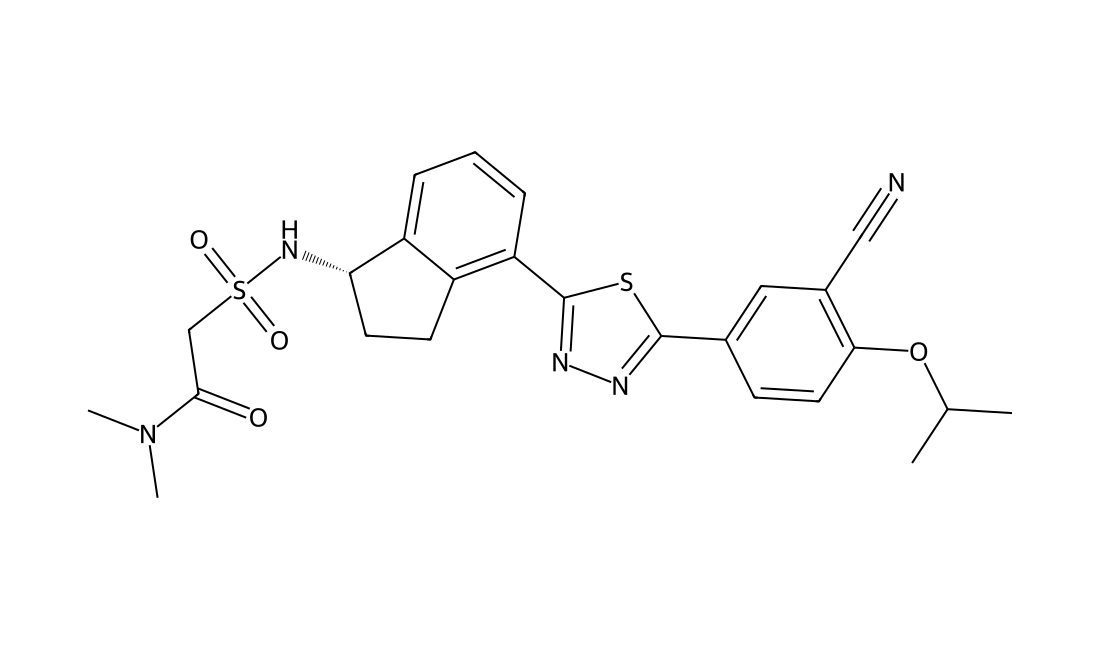
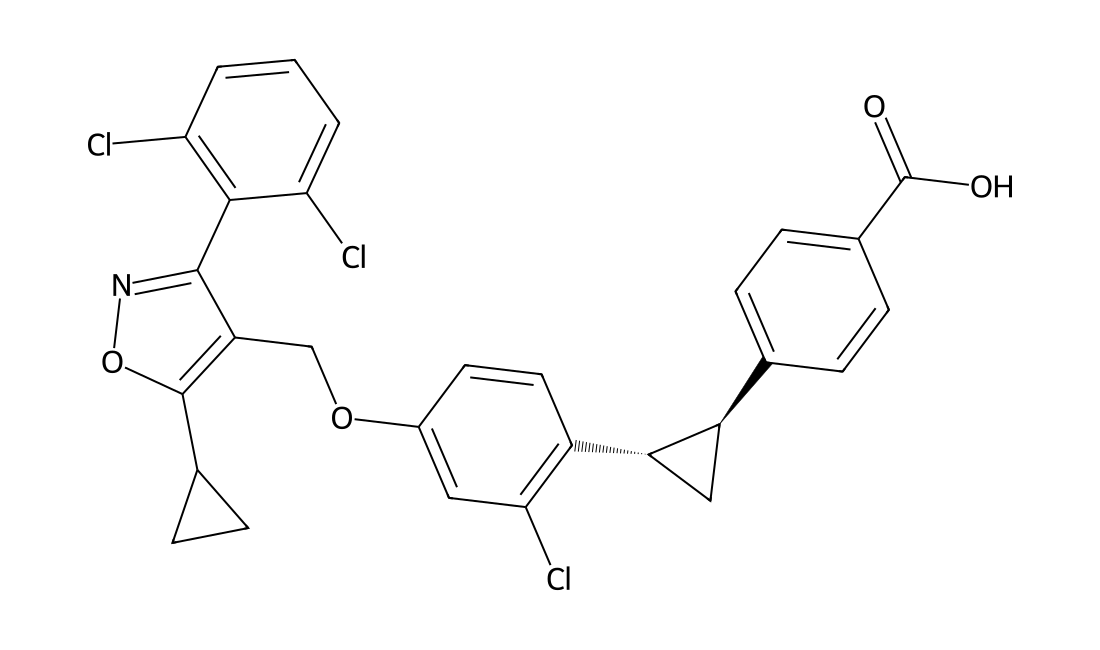
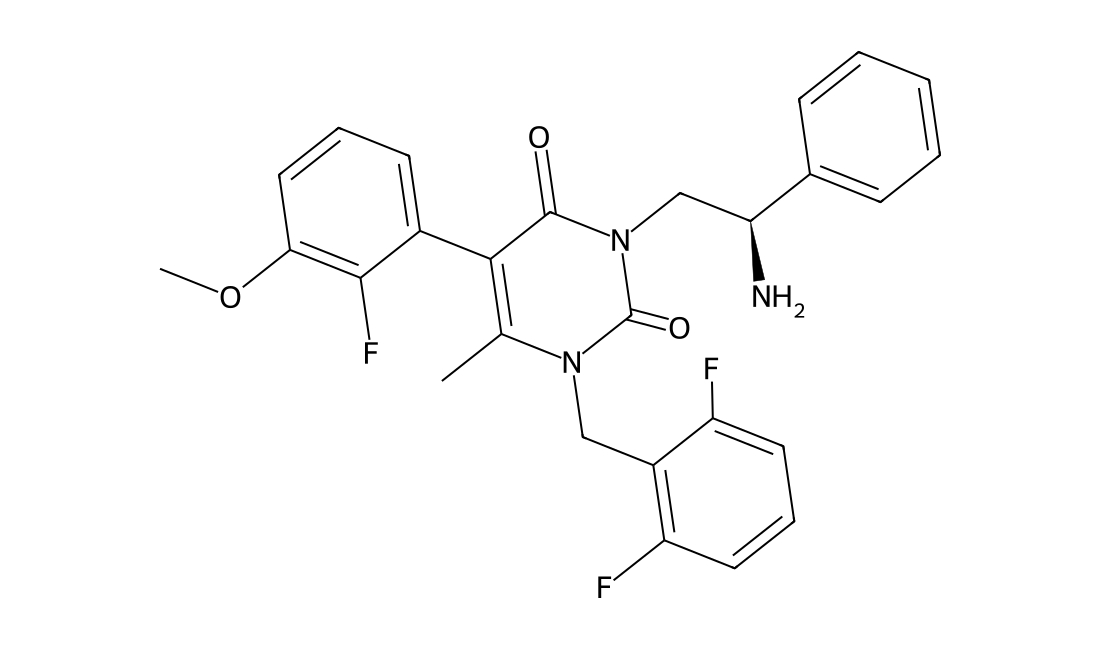
RP-1865
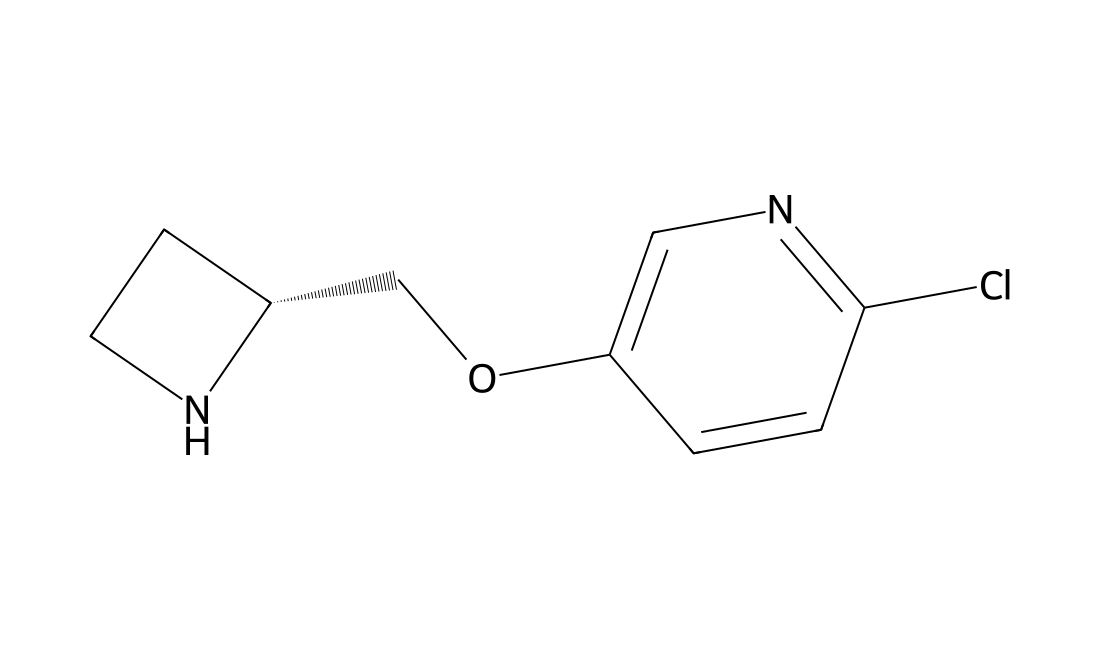
CAS 1307869-93-7
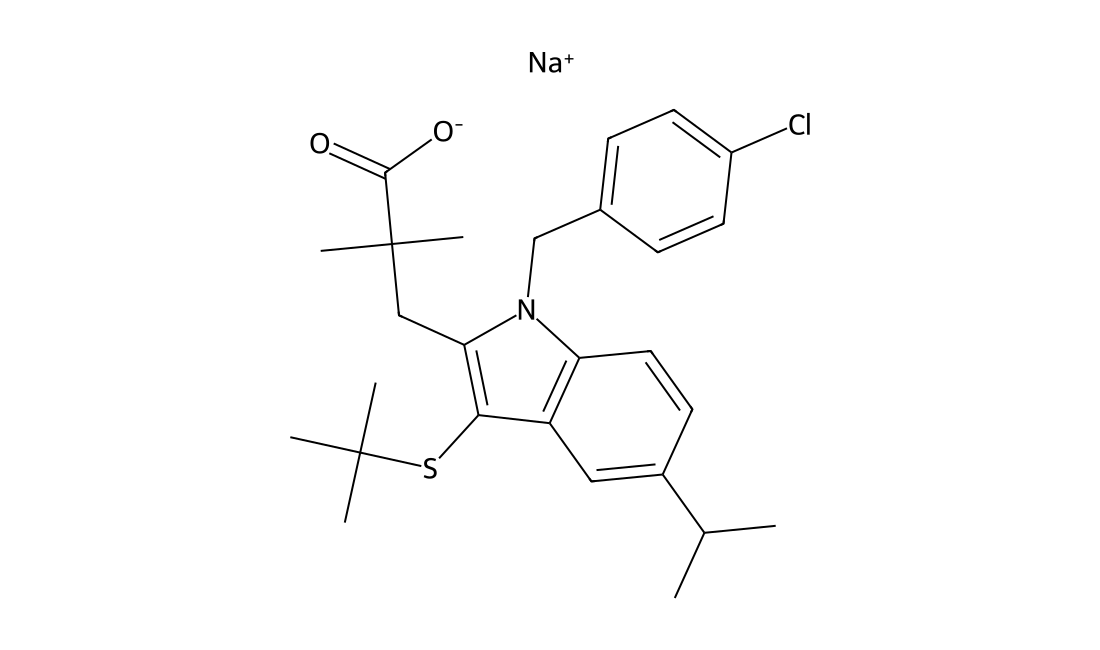
RP-1865 is a selective stimulator of S1P1 and S1P5 used for the treatment of autoimmunity disease.

G-protein-coupled, nuclear and other ligand-binding receptors and their modulators.
Products may appear in more than one category. Counts refer to distinct catalog numbers within each category.
Other Research Tools (75) · Additional reagents, building blocks and specialized research tools.
Combine a keyword, research category and target to narrow the product list.
Loading catalog filters…
CAS 1307869-93-7
RP-1865 is a selective stimulator of S1P1 and S1P5 used for the treatment of autoimmunity disease.
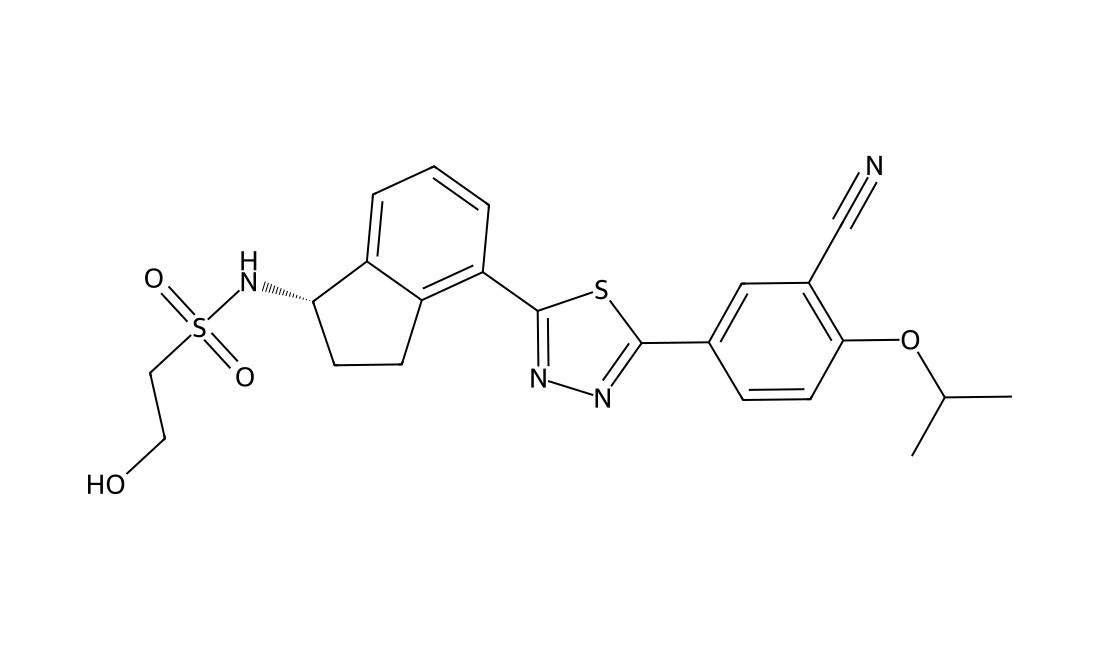
CAS 1307869-95-9
RP-1859 is a selective stimulator of S1P1 and S1P5 (S1P1 IC50 = 0.20 nM; S1P5 IC50 = 170 nM) used for the treatment of autoimmunity disease.
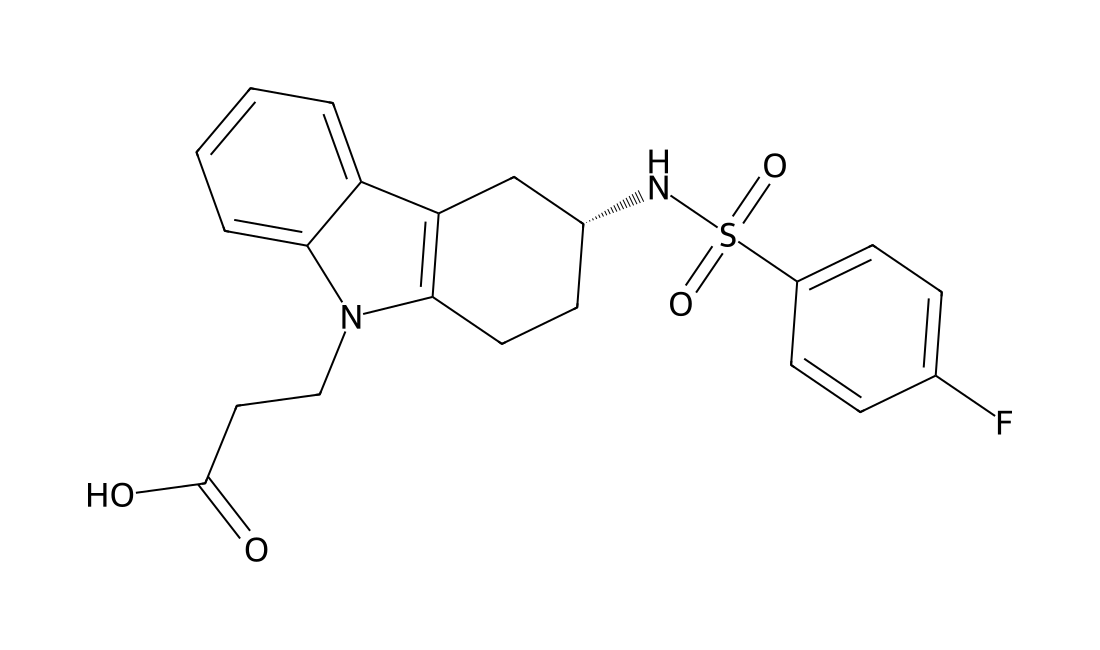
CAS 116649-85-5
Ramatroban (BAY u3405) is a thromboxane A(2) (TxA(2)) antagonist marketed for allergic rhinitis.Ramatroban (Baynas, BAY u3405), a thromboxane A(2) (TxA(2)) antagonist marketed for allergic rhinitis, has been shown to partially attenuate prostaglandin (PG)D(2)-induced bronchial hyperresponsiveness in humans, as well as reduce antigen-induced early- and late-phase inflammatory responses in mice, guinea pigs, and rats. PGD(2)-stimulated human eosinophil migration was shown to be mediated exclusively through activation of CRTH2, and surprisingly, these effects were completely inhibited by ramatroban. This is also the first report detailing an orally bioavailable small molecule CRTH2 antagonist. Our findings suggest that clinical efficacy of ramatroban may be in part mediated through its action on this Th2-, eosinophil-, and basophil-specific chemoattractant receptor. Ramatroban can block the newly identified PGD2 receptor, chemoattractant receptor-homologous molecule expressed on Th2 cells (CRTh2). Ramatroban suppresses the late-phase inflammation via TP receptor and CRTh2 blockade. Ramatroban can suppress the expression of monocyte chemoattractant protein-1 (MCP-1) and adhesion molecules in endothelial cells and prevent exacerbation of inflammation by blocking these responses. For the detailed information of Ramatroban (BAY u3405), the solubility of Ramatroban (BAY u3405) in water, the solubility of Ramatroban (BAY u3405) in DMSO, the solubility of Ramatroban (BAY u3405) in PBS buffer, the animal experiment (test) of Ramatroban (BAY u3405), the cell expriment (test) of Ramatroban (BAY u3405), the in vivo, in vitro and clinical trial test of Ramatroban (BAY u3405), the EC50, IC50,and affinity,of Ramatroban (BAY u3405), For the detailed information of Ramatroban (BAY u3405), the solubility of Ramatroban (BAY u3405) in water, the solubility of Ramatroban (BAY u3405) in DMSO, the solubility of Ramatroban (BAY u3405) in PBS buffer, the animal experiment (test) of Ramatroban (BAY u3405), the cell expriment (test) of Ramatroban (BAY u3405), the in vivo, in vitro and clinical trial test of Ramatroban (BAY u3405), the EC50, IC50,and affinity,of Ramatroban (BAY u3405), Please contact DC Chemicals.
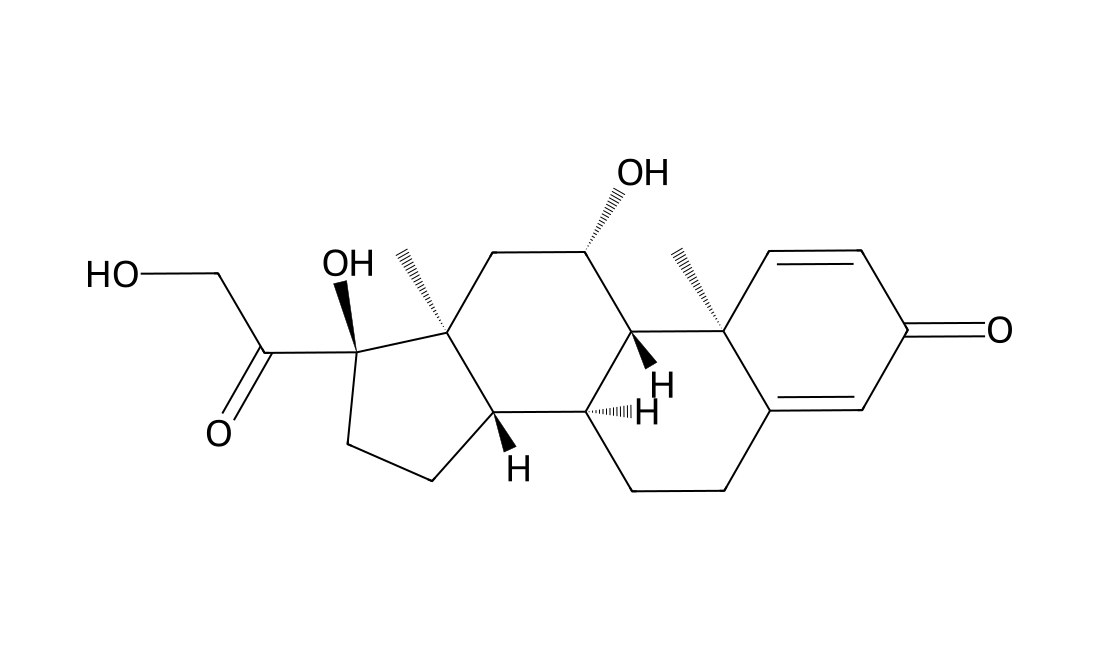
CAS 50-24-8
Prednisolone is a glucocorticoid with the general properties of the corticosteroids. Allergy Approved
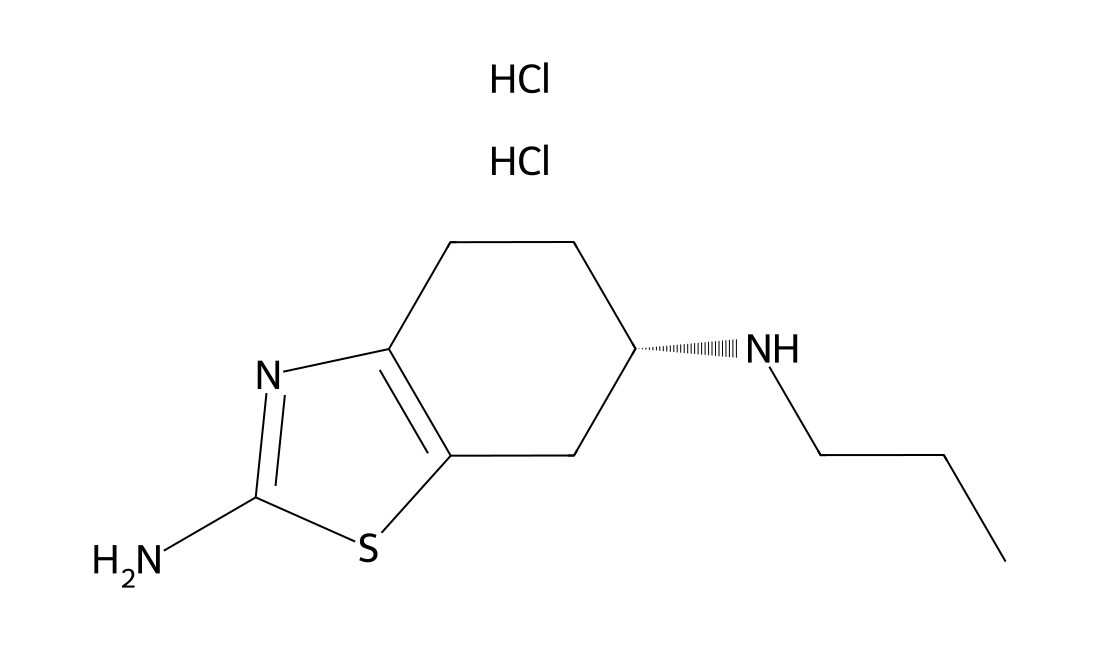
CAS 104632-25-9
Pramipexole (Mirapex, Mirapexin, Sifrol) is a dopamine agonist of the non-ergoline class indicated For treating early-stage Parkinson's disease (PD) and restless legs syndrome (RLS). It is also sometimes used off-label as a treatment For cluster headache and to counteract problems with sexual dysfunction experienced by some users of selective serotonin reuptake inhibitor (SSRI) antidepressants. Pramipexole has shown robust effects on pilot studies in a placebo-controlled proof of concept study in bipolar disorder. It is also being investigated For the treatment of clinical depression and fibromyalgia. For the detailed information about the solubility of Pramipexole dihydrochloride in water, the solubility of Pramipexole dihydrochloride in DMSO, the solubility of Pramipexole dihydrochloride in PBS buffer, the animal experiment(test) of Pramipexole dihydrochloride,the in vivo,in vitro and clinical trial test of Pramipexole dihydrochloride,the cell experiment(test) of Pramipexole dihydrochloride,the IC50, EC50 and Affinity of Pramipexole dihydrochloride, please contact DC Chemicals.
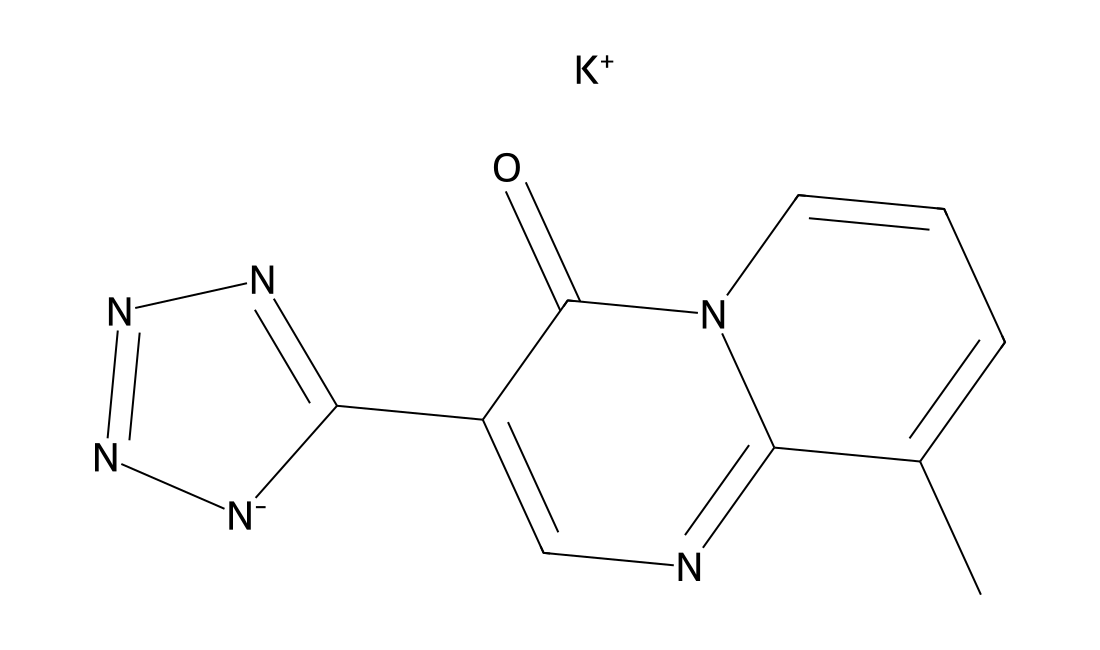
CAS 100299-08-9
Pemirolast Potassium (BMY 26517) is a histamine H1 antagonist and mast cell stabilizer that acts as an antiallergic agent.Pemirolast potassium (BMY 26517) is a new oral, nonbronchodilator antiallergy medication that is being evaluated for the therapy of asthma. Pemirolast potassium (BMY 26517) inhibits chemical mediator release from tissue mast cells and is also shown to inhibit the release of peptides including substance P, Pemirolast potassium (BMY 26517) reduces kaolin intake by inhibition of substance P release in rats. Pemirolast potently attenuates paclitaxel hypersensitivity reactions through inhibition of the release of sensory neuropeptides in rats. Pemirolast potassium is used for the treatment of allergic conjunctivitis and prophylaxis for pulmonary hypersensitivity reactions to drugs such as paclitaxel.
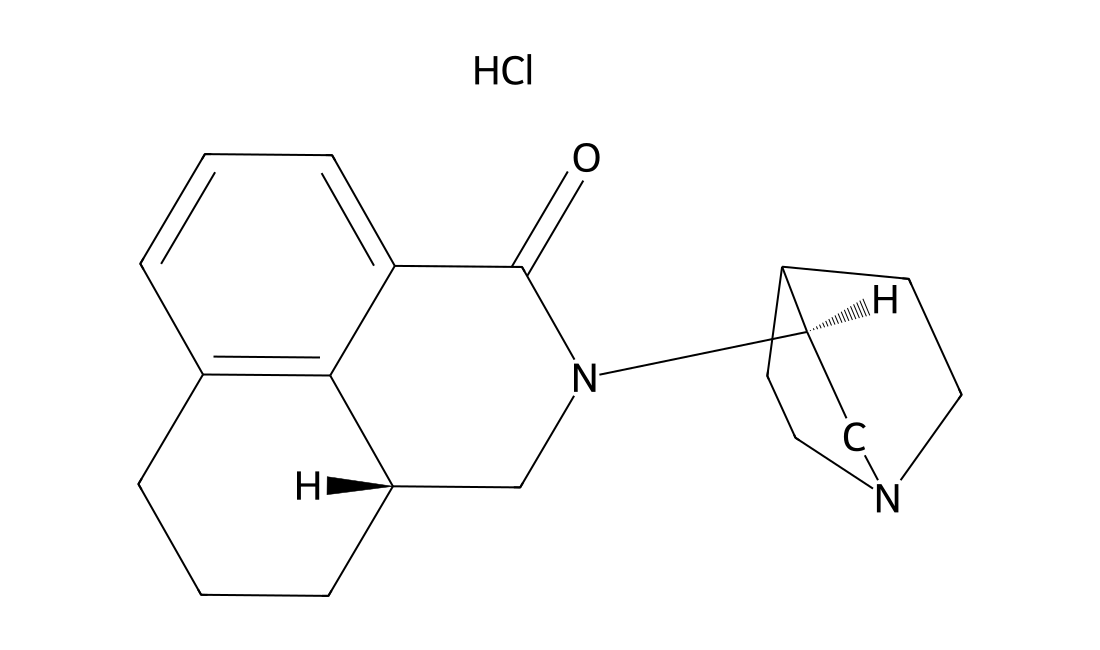
CAS 135729-62-3
A serotonin 5-HT3 receptor antagonist used in the prevention and treatment of chemotherapy-induced nausea and vomiting (CINV). It is an antiemetic.
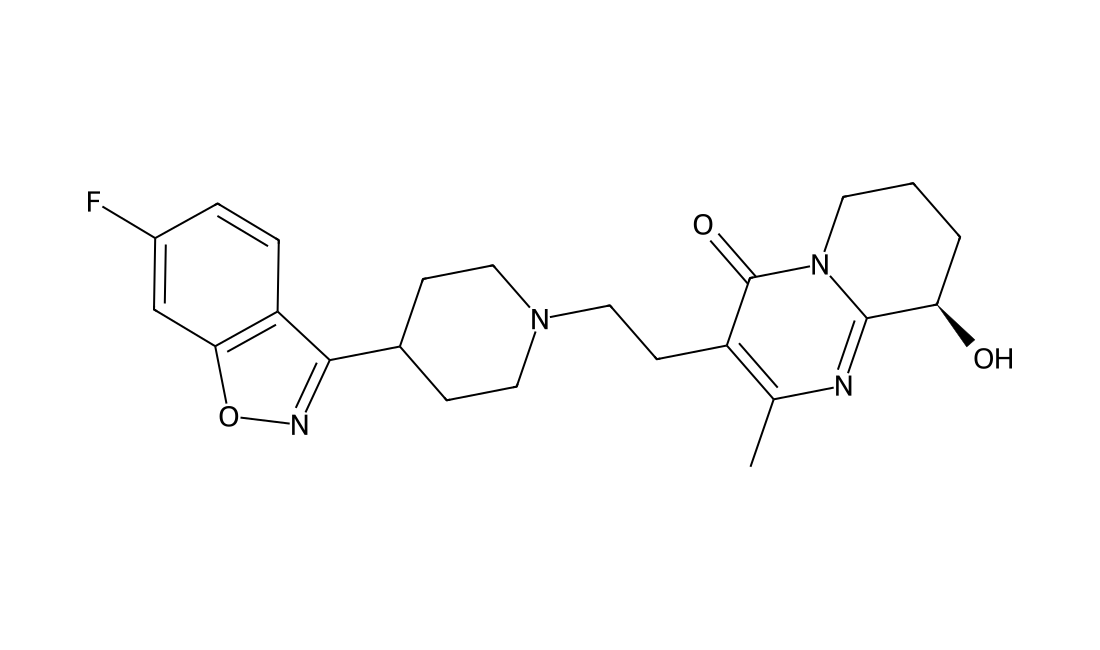
CAS 144598-75-4
Paliperidone (9-hydroxyrisperidone) is a dopamine antagonist of the atypical antipsychotic class of medications.in vitro: Paliperidone inhibited MK-801 induced neurotoxicity both in MTT metabolism assay (p<0.01) and in lactate dehydrogenase (LDH) activity assay (p<0.01). Moreover, paliperidone could significantly retard MK-801-mediated inhibition of neurite outgrowth (p<0.01) and reverse MK-801-induced decreases of gene expression and phosphorylation of Akt1 and GSK3β (both p<0.01). Furthermore, these protective effects of paliperidone were blocked by pretreatment with a PI3K inhibitor LY294002. paliperidone works finely at low concentrations (10 and 50 μM) against Aβ(25-35) and MPP(+) and solely protected SH-SY5Y from hydrogen peroxide. At 100 μM, paliperidone completely diminished cell reduction induced by different stressors, regardless of their dosages. Paliperidone was demonstrated with a higher oxidative stress-scavenging properties than other APDs in several aspects, such as generated bulk glutathione, low HNE, and protein carbonyl productions. in vivo: The 9OHRIS (4 mg/bwkg) was administred by gastric tube. Four groups were formed depending on the treatment: (1) control, (2) stress, (3) 9OHRIS, (4) stress and parallel 9OHRIS treatment (n=5-6). The expression of APP, MAPK1, β-actin mRNAs from the perfused brain samples was measured with real-time PCR technique.Male offspring were treated orally via drinking water with vehicle, risperidone (0.01mg/kg/day), or paliperidone (0.01mg/kg/day) between postnatal days 35 and 56 (periadolescence) and extracellular glutamate levels in the prefrontal cortex were determined by microdialysis at PD 56.
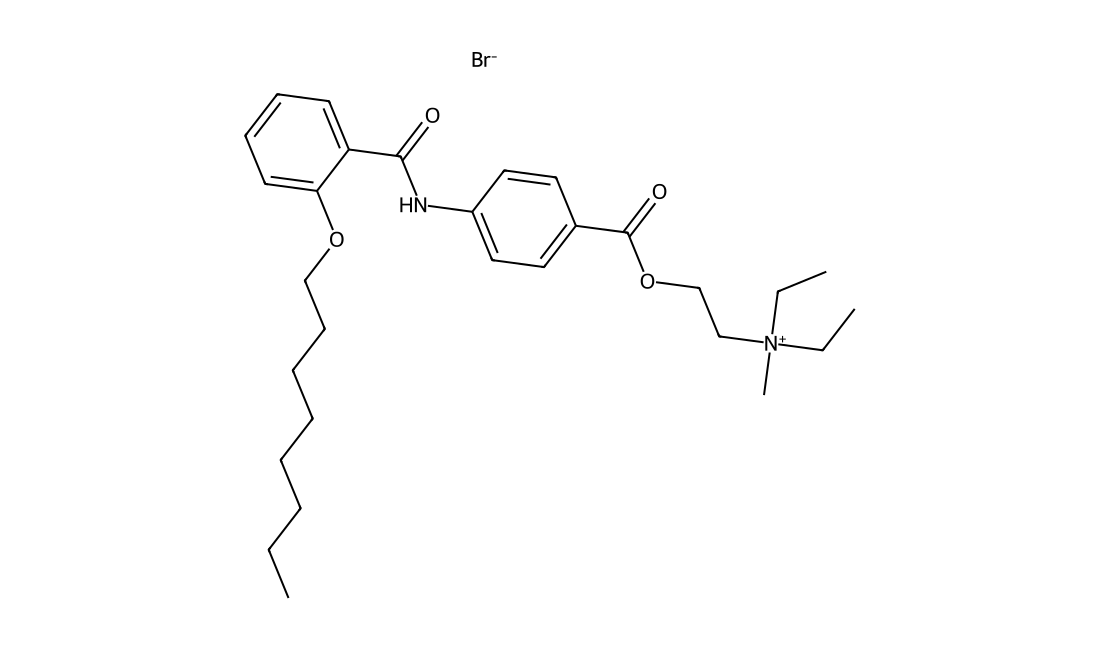
CAS 26095-59-0
Otilonium Bromide is an antimuscarinic used as a spasmolytic agent. Otilonium bromide inhibited the generation of ACh-induced calcium signals in a dose dependent manner (IC50=880 nM). Otilonium, a clinically useful spasmolytic, behaves as a potent blocker of neuronal nicotinic acetylcholine receptors (AChR). Whole-cell Ba2+ currents (IBa) through Ca2+ channels of voltage-clamped chromaffin cells were blocked by otilonium with an IC50 of 6.4 microM. Otilonium inhibited the secretory responses induced by 10 s pulses of 50 microM DMPP with an IC50 of 7.4 nM. Otilonium bromide may represent an effective treatment for irritable bowel syndrome because it reduces its predominant symptom (abdominal pain/ discomfort) more than placebo does. ilonium bromide (OB) is a spasmolytic agent that blocks L-Type Calcium channels in human colonic smooth muscle. otilonium bromide is safe, well tolerated and superior to placebo in reducing the frequency of abdominal pain, severity of abdominal bloating and protecting from symptom relapse in IBS. These results further confirm that patients with IBS can improve during and following treatment with otilonium bromide.
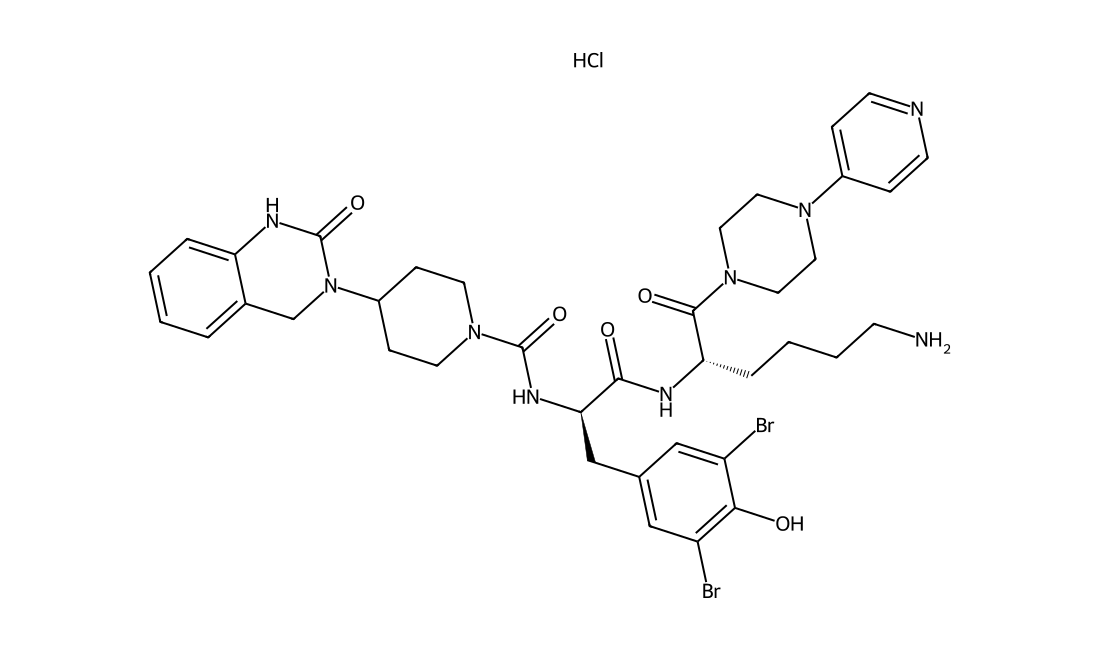
CAS 586368-06-1
Olcegepant possesses higher affinity for the human CGRP receptor than the endogenous ligand CGRP and 150-fold higher affinity compared to the peptidic antagonist CGRP8-37. Olcegepant reverses CGRP-mediated vasodilation in human cerebral vessels and inhibits neurogenic vasodilation in a surrogate animal model of migraine pathophysiology. Olcegepant (BIBN4096BS) is extremely potent at primate CGRP receptors exhibiting an affinity (Ki) for human CGRP receptors of 14.4±6.3 (n=4) pM. Several lines of evidence suggest that a calcitonin-gene related peptide (CGRP) receptor antagonist may serve as a novel abortive migraine treatment. Olcegepant (BIBN4096BS) exhibits competitive antagonism at the CGRP receptor present in SK-N-MC cells. Isolated human cerebral, coronary, and omental arteries are studied with a sensitive myograph technique. CGRP induces a concentration-dependent relaxation that is antagonized by Olcegepant in a competitive manner.Olcegepant (BIBN4096BS) in doses between 1 and 30 μg/kg (i.v.) inhibits the effects of CGRP, released by stimulation of the trigeminal ganglion, on facial blood flow in marmoset monkeys. Pre-treatment with Olcegepant (900 μg/kg) inhibits the capsaicin-induced expression of Fos throughout the spinal trigeminal nucleus by 57%. In contrast, the expression of phosphorylated extracellular signal-regulated kinase in the trigeminal ganglion is not changed by Olcegepant pre-treatment. Olcegepant (0.3 to 0.9 mg/kg, i.v.) markedly reduces mechanical allodynia in CCI-ION rats. Olcegepant (0.6 mg/kg, i.v.) significantly reduces the number of c-Fos immunolabeled cells in spinal nucleus of the trigeminal nerve and upregulation of ATF3 transcript (a marker of neuron injury) but not that of interleukin-6 in trigeminal ganglion of CCI-ION rats[5].
CAS 177707-12-9
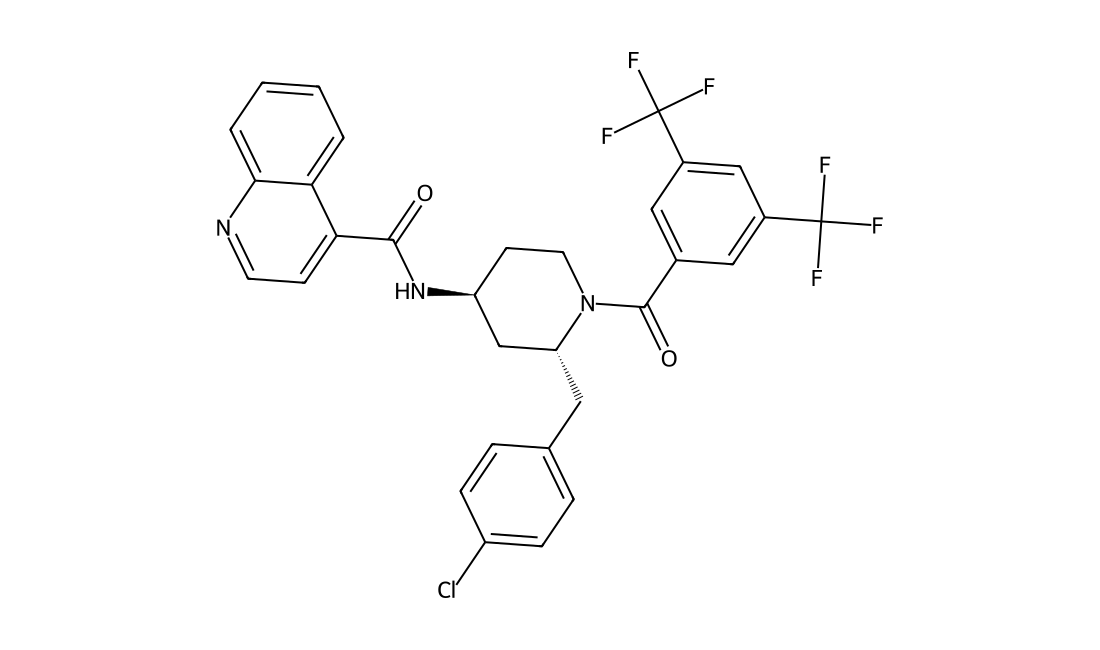
NKP608 is a non-peptidic derivative of 4-aminopiperidine which acts as a selective, specific and potent antagonist at the neurokinin-1 (NK-1) receptor both in vitro(IC50=2.6 nM) and in vivo. In vitro, the binding of NKP608 to bovine retina was characterized by an IC50 of 2.6+/-0.4 nM, whereas the compound's affinity to other receptor binding sites, including NK-2 and NK-3, was much lower. Species differences in IC(50) values with NKP608 were less pronounced than with previously described NK-1 receptor antagonists, being 13+/-2 and 27+/-2 nM in gerbil midbrain and rat striatum, respectively. In vivo, using the hind foot thumping model in gerbils, NKP608 exhibited a potent NK-1 antagonistic activity following oral administration (ID(50)=0.23 mg/kg; 2 h pretreatment), supporting a central activity of NKP608. NKP608 may prove a useful anxiolytic compound.
CAS 63612-50-0
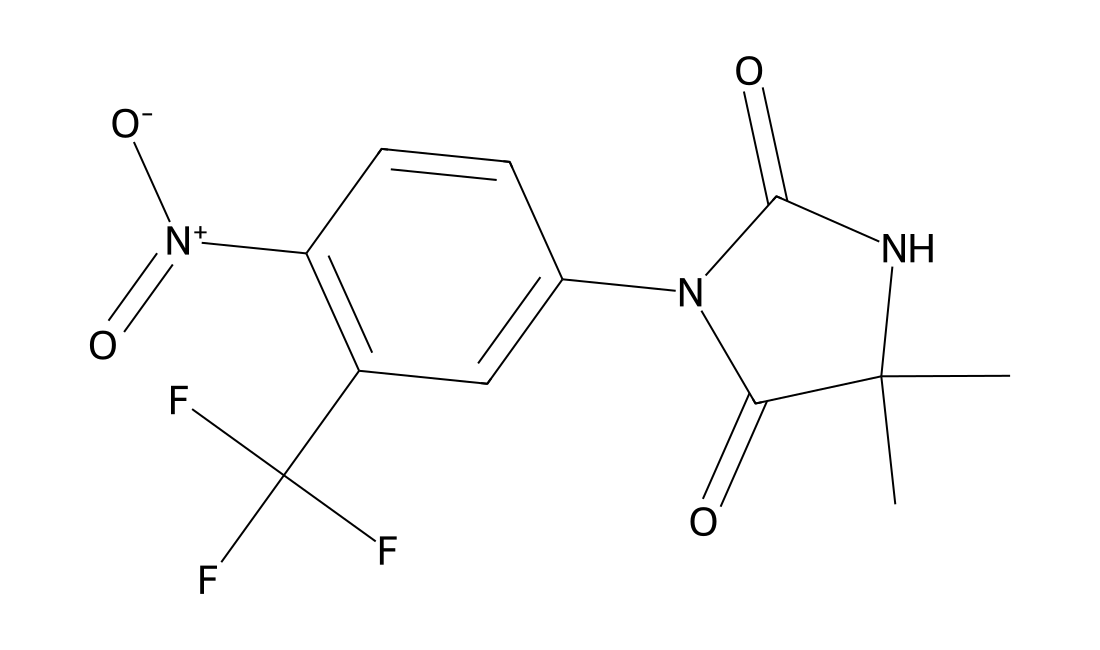
Nilutamide is an antiandrogen medication used in the treatment of advanced stage prostate cancer. Nilutamide blocks the androgen receptor, preventing its interaction with testosterone. Because most prostate cancer cells rely on the stimulation of the androgen receptor For growth and survival, nilutamide can prolong life in men with prostate cancer. Nilutamide is marketed under the name Nilandron in the United States and under the name Anandron in Canada. NILANDRON® tablets contain nilutamide, a nonsteroidal, orally active antiandrogen having the chemical name 5,5-dimethyl-3-[4-nitro-3-(trifluoromethyl)phenyl]-2,4-imidazolidinedione. Nilutamide is a microcrystalline, white to practically white powder with a molecular weight of 317.25. Its molecular Formula is C12H10F3N3O4. It is freely soluble in ethyl acetate, acetone, chloro Form, ethyl alcohol, dichloromethane, and methanol. It is slightly soluble in water [ < 0.1% W/V at 25°C (77°F)]. It melts between 153°C and 156°C (307.4°F and 312.8°F). Each NILANDRON tablet contains 150 mg of nilutamide. Other ingredients in NILANDRON tablets are corn starch, lactose, povidone, docusate sodium, magnesium stearate, and talc. For the detailed information about the solubility of Nilutamide in water, the solubility of Nilutamide in DMSO, the solubility of Nilutamide in PBS buffer, the animal experiment(test) of Nilutamide, the in vivo,in vitro and clinical trial test of Nilutamide, the cell experiment(test) of Nilutamide, the IC50, EC50 and Affinity of Nilutamide , please contact DC Chemicals.
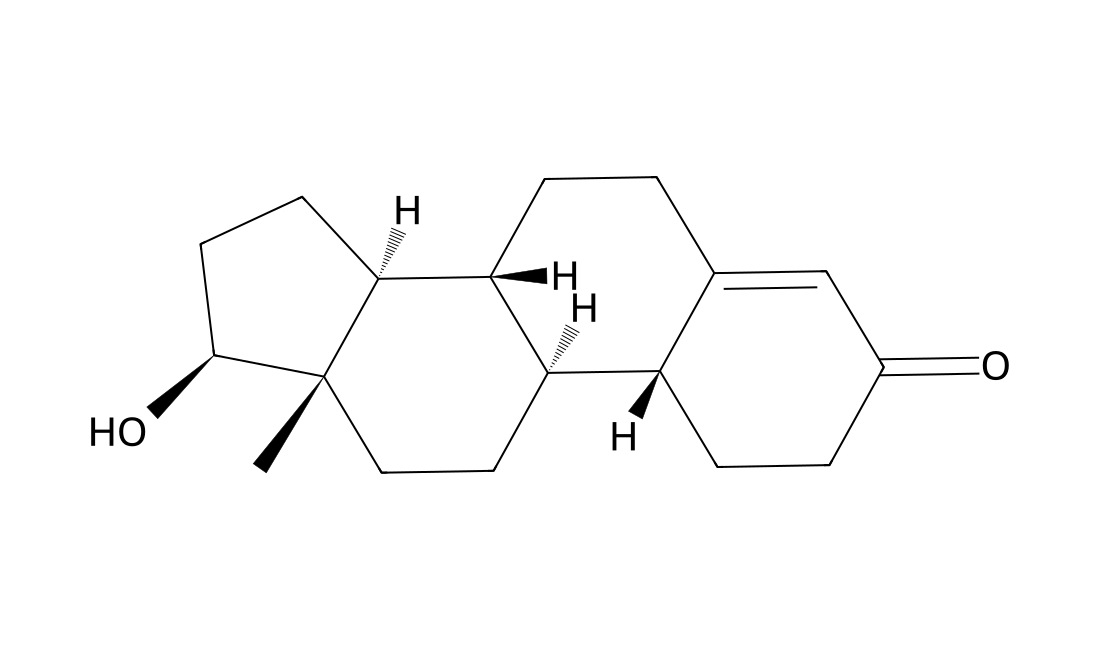
CAS 7759-35-5
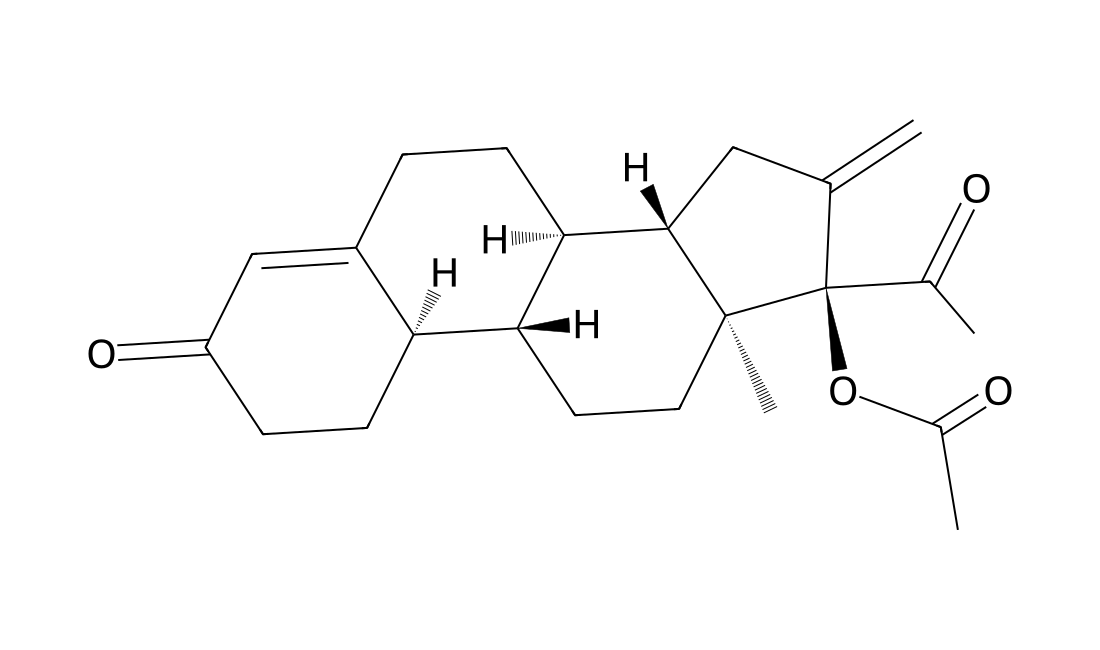
Nestoron2 (ST1435, Elcometrine) is a 19-norprogesterone derivative and steroidal progestin which is used as a hormonal contraceptive, a high-affinity agonist of the progesterone receptor.Other IndicationDiscontinued
CAS 152520-56-4
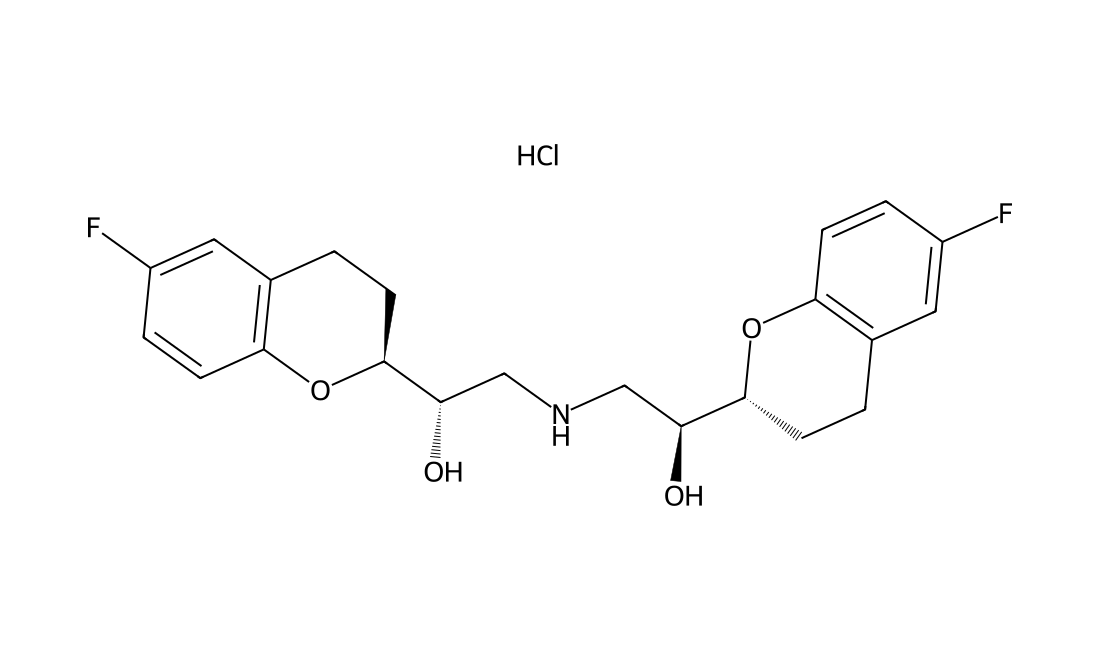
Nebivolol hydrochloride is the hydrochloride salt preparation of Nebivolol (sc-279910), a highly selective antagonist of the β1-adrenoceptor (Ki = 0.88 nM, β2-adrenoceptor Ki = 48 nM). Nebivolol is described to produce vasodilation through inducing vascular production of NO, mediated through Nebivolol agonism of the β3-adrenoceptor. Nebivolol demonstrates some affinity at the α1-adrenergic (Ki = 1160 nM), serotonin 5-HT1A (Ki = 20 nM) and 5-HT2 (Ki = 700 nM), dopamine D2 (Ki = 4000 nM), and histamine H1 (Ki = 2400 nM) receptors.For the detailed information of Nebivolol hydrochloride, the solubility of Nebivolol hydrochloride in water, the solubility of Nebivolol hydrochloride in DMSO, the solubility of Nebivolol hydrochloride in PBS buffer, the animal experiment (test) of Nebivolol hydrochloride, the cell expriment (test) of Nebivolol hydrochloride, the in vivo, in vitro and clinical trial test of Nebivolol hydrochloride, the EC50, IC50,and Affinity of Nebivolol hydrochloride, Please contact DC Chemicals.
CAS 352290-60-9
NBI-42902 is a potent inhibitor of peptide radioligand binding to the human GnRH receptor (K(i) = 0.56 nm). Tritiated NBI-42902 binds with high affinity (K(d) = 0.19 nm) to a single class of binding sites and can be displaced by a range of peptide and nonpeptide GnRH receptor ligands. In vitro experiments demonstrate that NBI-42902 is a potent functional, competitive antagonist of GnRH stimulated IP accumulation, Ca(2+) flux, and ERK1/2 activation. It did not stimulate histamine release from rat peritoneal mast cells. Finally, it is effective in lowering serum LH in castrated male macaques after oral administration. Overall, these data provide a benchmark of pharmacological characteristics required For a nonpeptide GnRH antagonist to effectively suppress gonadotropins in humans and suggest that NBI-42902 may have clinical utility as an oral agent For suppression of the hypothalamic-pituitary-gonadal axis.For the detailed information of NBI42902, the solubility of NBI42902 in water, the solubility of NBI42902 in DMSO, the solubility of NBI42902 in PBS buffer, the animal experiment (test) of NBI42902, the cell expriment (test) of NBI42902, the in vivo, in vitro and clinical trial test of NBI42902, the EC50, IC50,and Affinity of NBI42902, Please contact DC Chemicals.
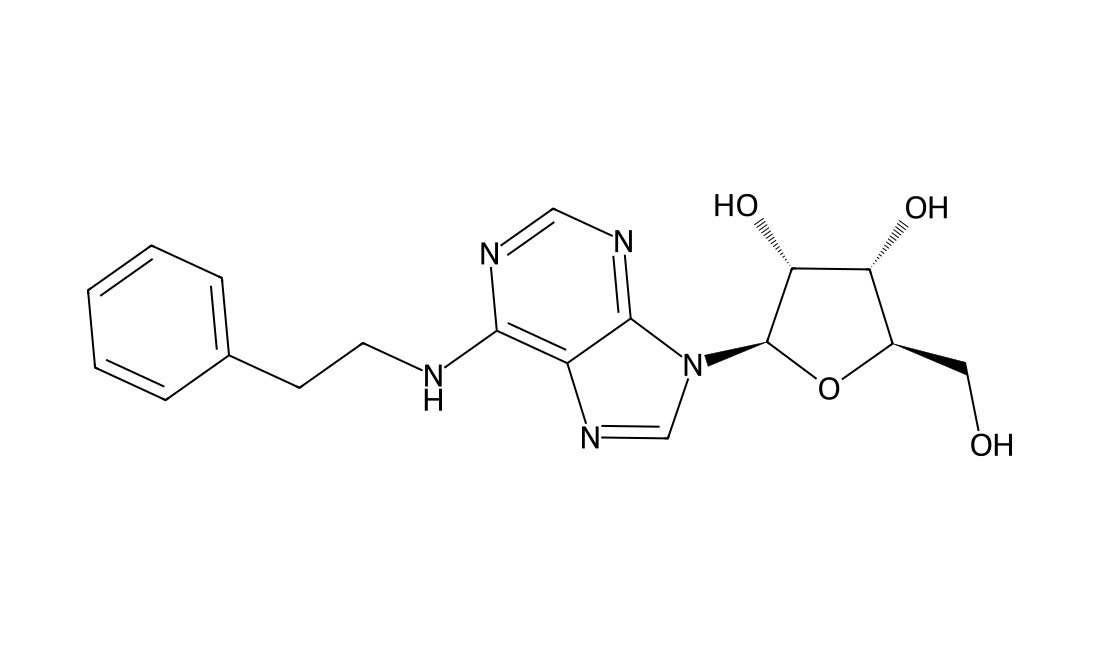
CAS 20125-39-7
N6-(2-Phenylethyl)adenosine is a selective A1 adenosine receptor agonist.
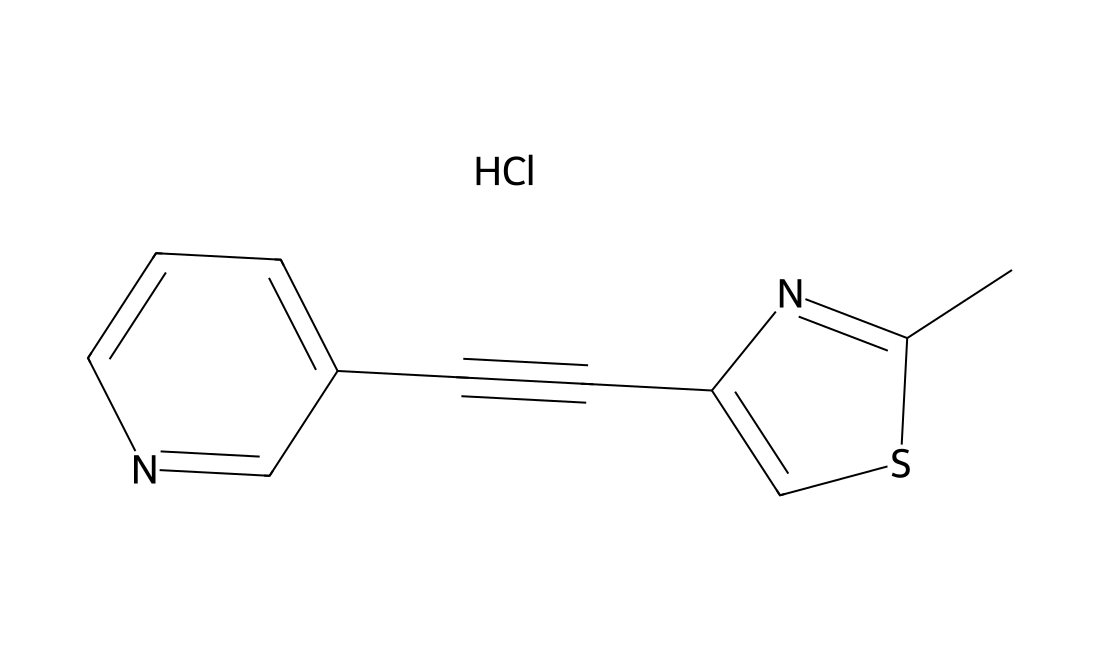
CAS 1186195-60-7
MTEP Hcl is a potent, selective and non-competitive mGlu5 antagonist with IC50 and Ki of 5 nM and 16 nM, respectively. MTEP occupied mGlu5 receptors in a dose-dependent manner with essentially full receptor occupancy at the highest dose tested (10 mg/kg, i.p.). At doses appropriate for mGlu5 receptor-mediated effects, MTEP significantly reduced fear-potentiated startle and increased punished responding in a modified Geller-Seifter conflict model consistent with an anxiolytic-like profile. MTEP decreased unpunished responding to a lesser extent than diazepam and had no effect on rotarod performance when administered either alone or in combination with ethanol. Repeated dosing with MTEP in this model eliminated the increase in punished responding observed with acute dosing.
CAS 781649-09-0
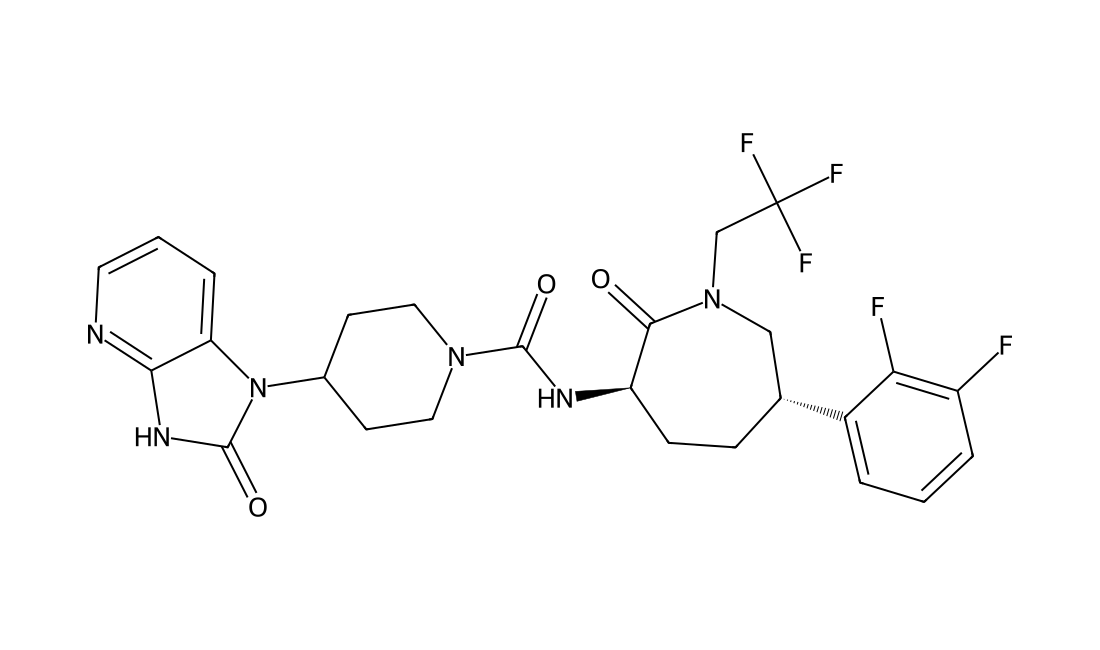
MK-0974(Telcagepant) is a highly potent, selective, and orally bioavailable CGRP receptor antagonist with Ki values of 0.77 nM and 1.2 nM for human and rhesus CGRP receptors respectively; displays >1500-fold lower affinity for the canine and rat receptors. in vitro: MK-0974 is a potent antagonist of the human (K(i) = 0.77 nM) and rhesus (K(i) = 1.2 nM) CGRP receptors but displays >1500-fold lower affinity for the canine and rat receptors as determined via (125)I-human CGRP competition binding assays. [(3)H]MK-0974 displayed reversible and saturable binding to both SK-N-MC membranes and rhesus cerebellum with a K(D) of 1.9 nM and 1.3 nM, respectively. in vivo: In monkeys, MK-0974 displayed moderate clearance (14-20 ml min(-1) kg(-1)), while oral bioavailability was 6%. The pharmacokinetics of MK-0974 remained linear across 0.5-10 mg kg(-1) intravenous dose in monkeys, but the oral area under the plasma concentration-time curve (AUC) increase (5-30 mg kg(-1)) was 15-fold over dose-proportional.
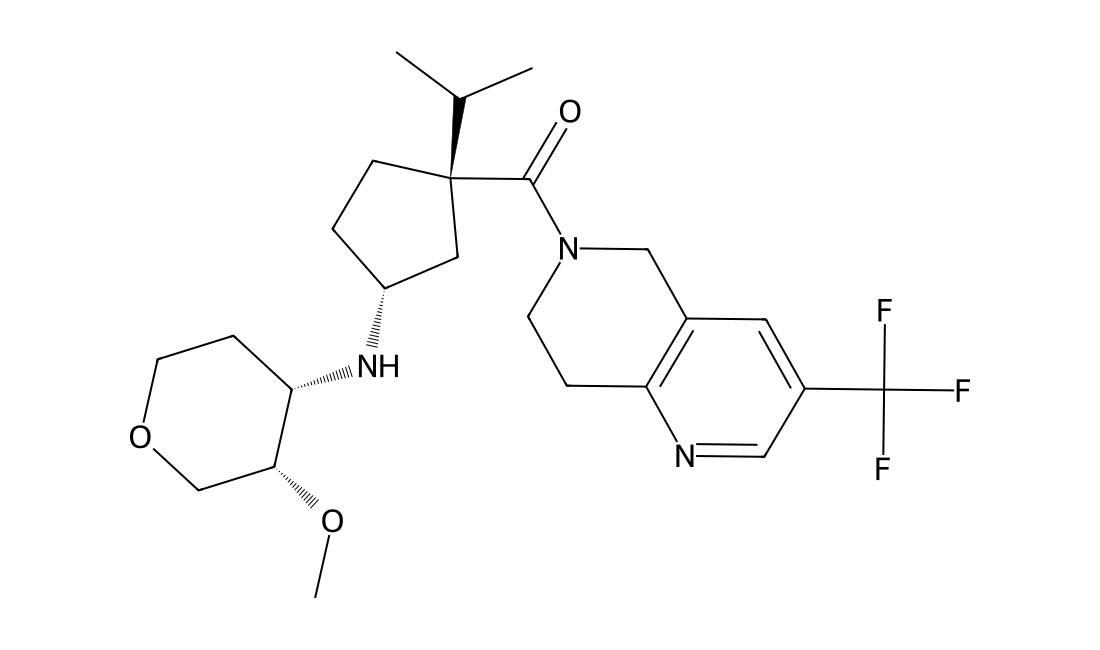
CAS 96946-42-8
Cisatracurium Besylate is a nondepolarizing neuromuscular blocking agent, antagonizing the action of acetylcholine by inhibiting neuromuscular transmission. Cisatracurium is a neuromuscular-blocking drug or skeletal muscle relaxant in the category of non-depolarizing neuromuscular-blocking drugs, used adjunctively in anesthesia to facilitate endotracheal intubation and to provide skeletal muscle relaxation during surgery or mechanical ventilation. It is a bisbenzyltetrahydroisoquinolinium agent with an intermediate duration of action. Cisatracurium is one of the ten isomers of the parent molecule, atracurium. Moreover, cisatracurium represents approximately 15% of the atracurium mixture.
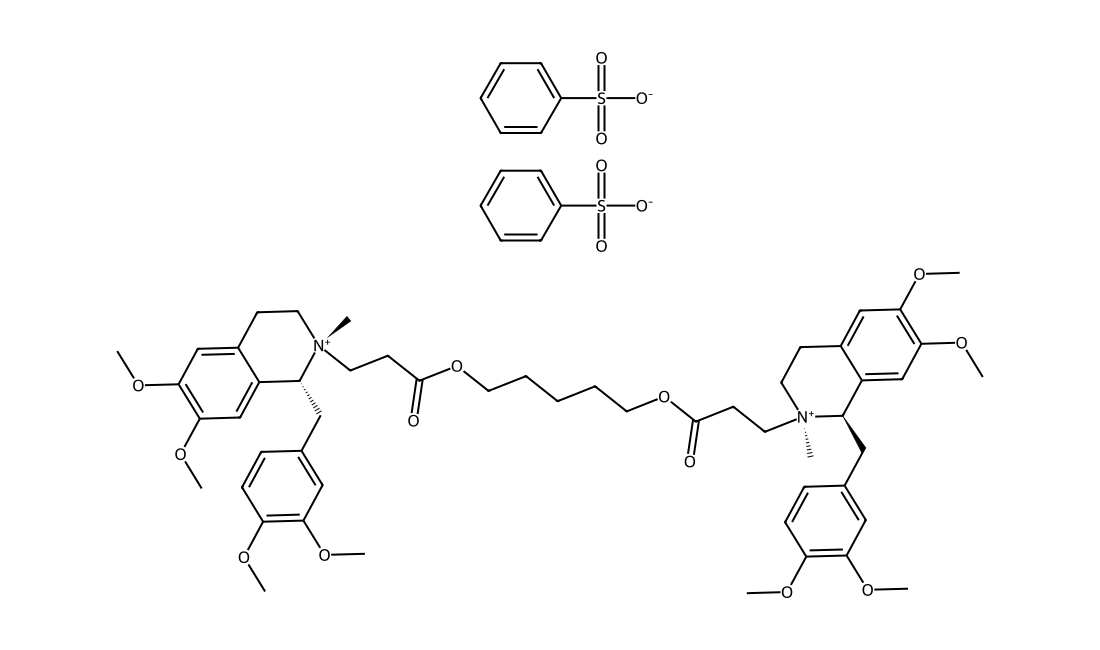
CAS 1307245-86-8
LY2940094 is a potent, selective and orally available nociceptin receptor (NOP) antagonist with an Ki of 0.105 nM.
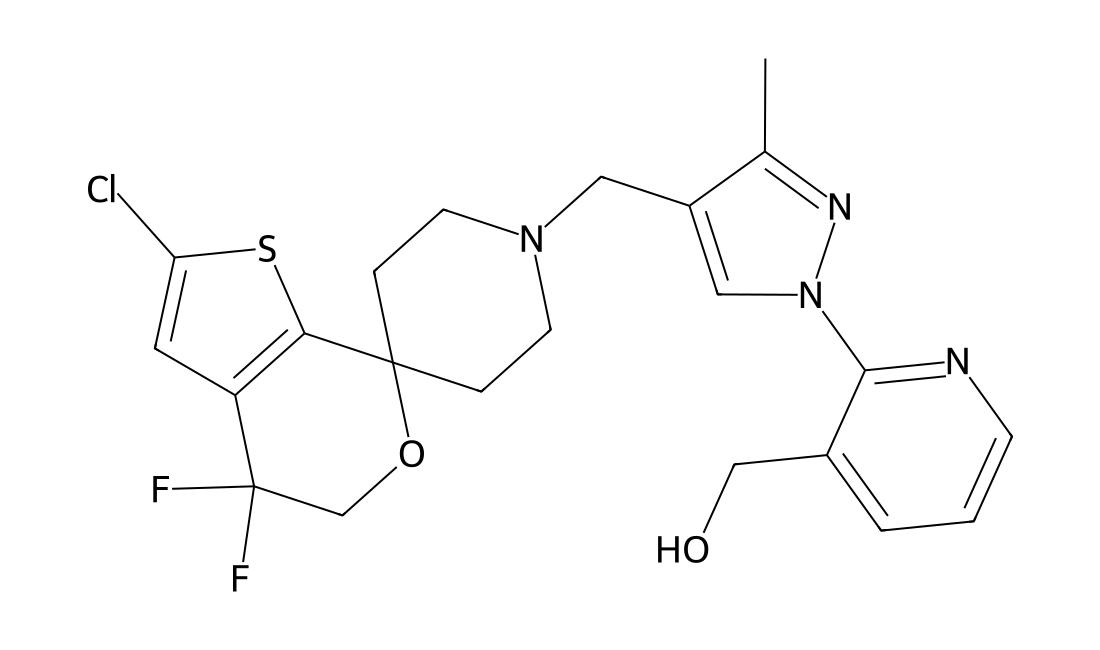
CAS 156161-89-6
BQ-788 (sodium salt) is a potent and selective ETB receptor antagonist, inhibiting ET-1 binding to ETB receptors with an IC50 of 1.2 nM in human Girrardi heart cells.
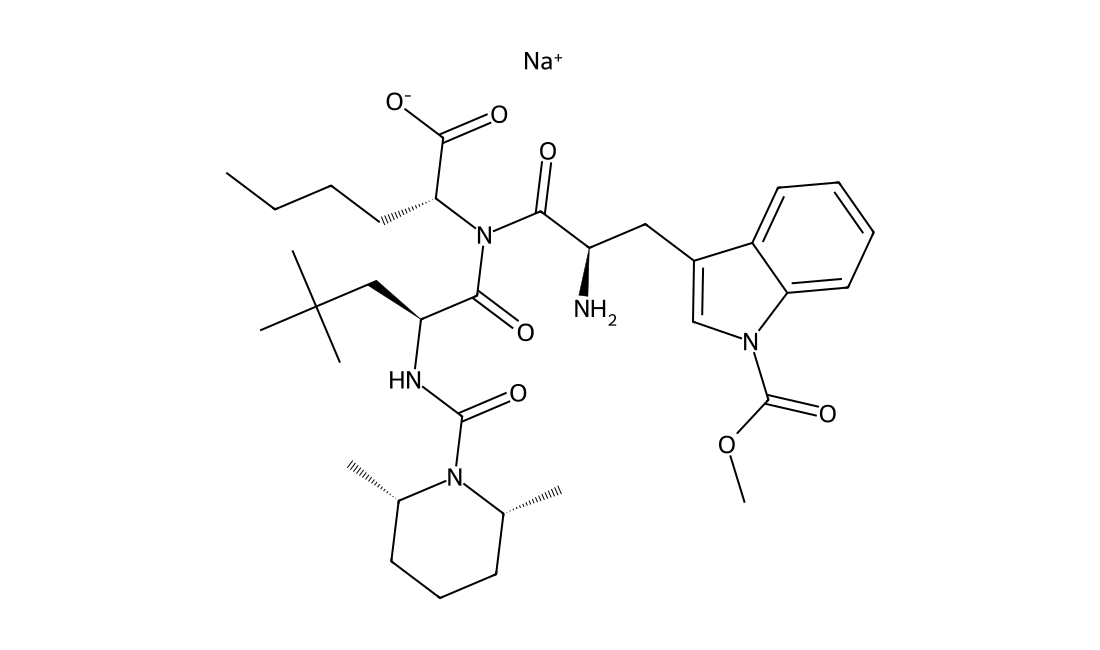
CAS 1239987-91-7
GPR52-IN-43(CAY10786) is a novel GPR52 antagonist, reducing mHTT levels by targeting GPR52 and promoting survival of mouse primary striatal neurons, and also reducing HD-related phenotypes in HdhQ140.
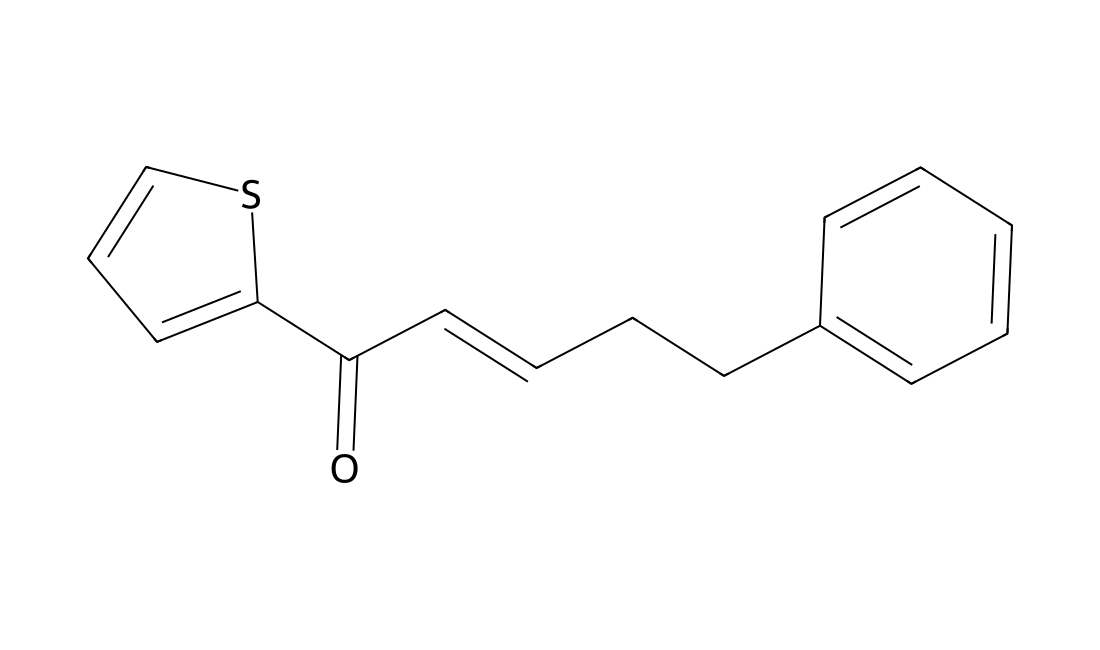
CAS 848258-31-1
The racemate of Pemafibrate, which is a highly potent, specific PPARα agonist with EC50 of 1 nM.
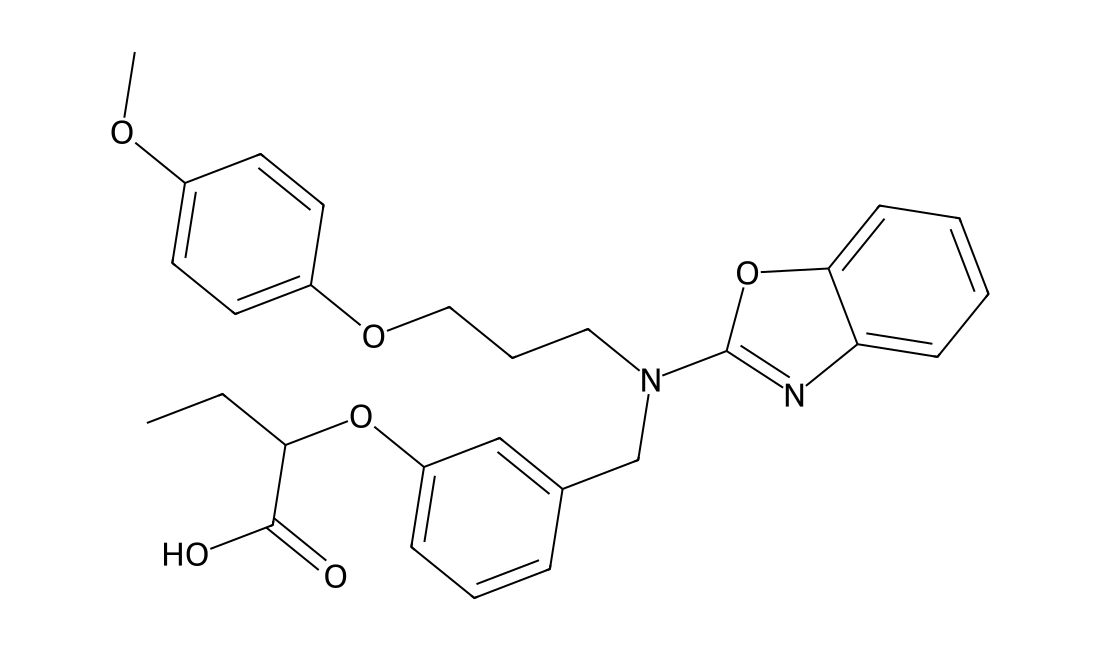
CAS 1216468-02-8
Potent and selective 5-HT6 receptor antagonist (pKi = 8.6); displays > 160-fold selectivity over other 5-HT receptor subtypes.For the detailed information of SB 258585 hydrochloride, the solubility of SB 258585 hydrochloride in water, the solubility of SB 258585 hydrochloride in DMSO, the solubility of SB 258585 hydrochloride in PBS buffer, the animal experiment (test) of SB 258585 hydrochloride, the cell expriment (test) of SB 258585 hydrochloride, the in vivo, in vitro and clinical trial test of SB 258585 hydrochloride, the EC50, IC50,and Affinity of SB 258585 hydrochloride, Please contact DC Chemicals.
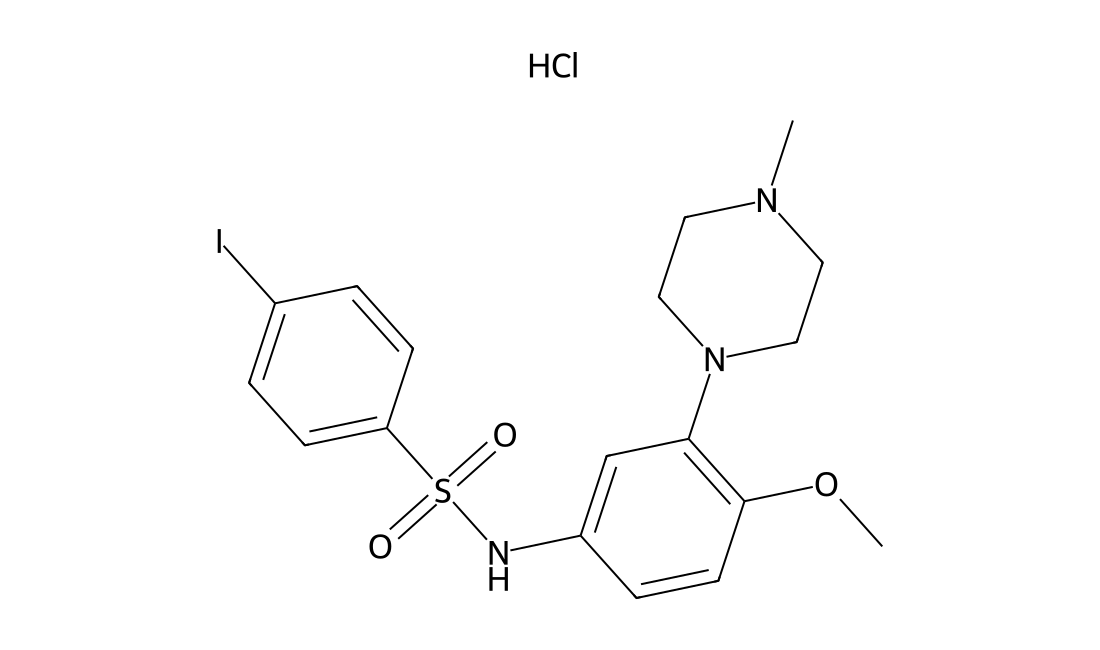
CAS 118427-55-7
An inhibitor of leukotriene biosynthesis (IC50 = 3 nM in human polymorphonuclear leukocytes). Acts by inhibiting 5-lipoxygenase-activating protein (FLAP) (IC50 = 30 nM for inhibition of [125I]-L-691,678 photoaffinity labelling). Also moderately potent PPARα antagonist (IC50 = 0.5-1 μM). Orally active in vivo.
CAS 141136-83-6
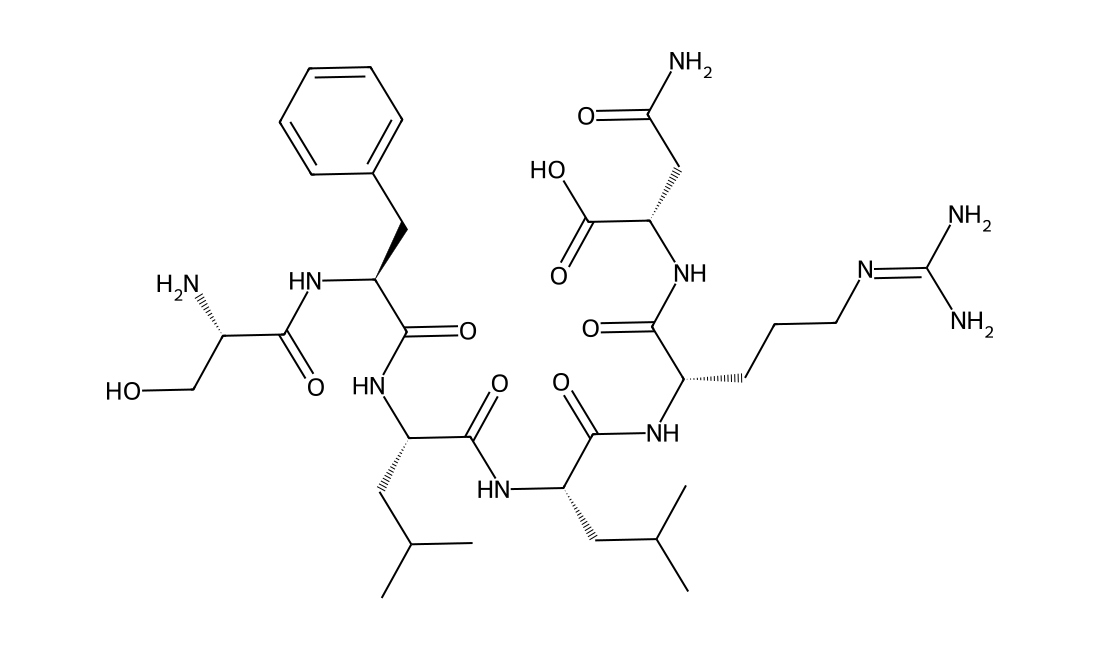
TRAP-6 is a protease-activated receptor 1 (PAR1) agonist. Sequence: Ser-Phe-Leu-Leu-Arg-Asn.
CAS 196808-24-9
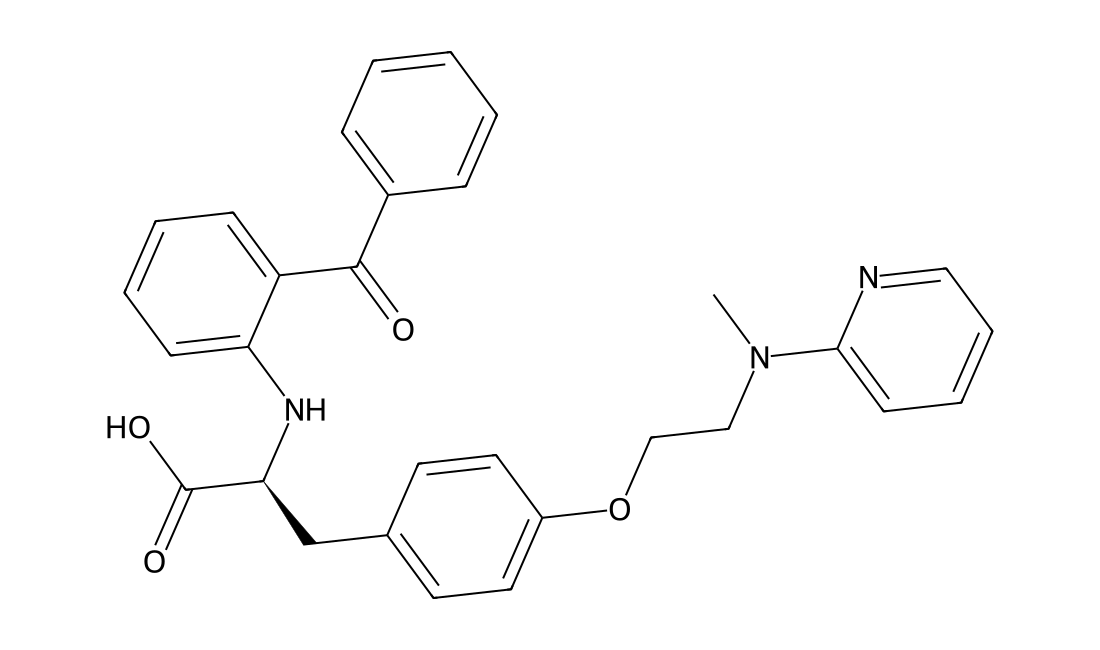
GW1929 is a potent PPAR-γ activator, with pKis of 8.84, < 5.5, and < 6.5 for human PPAR-γ, PPAR-α, and PPAR-δ, and pEC50s of 8.56 and 8.27 for human PPAR-γ and murine PPAR-γ, respectively.
CAS 154229-21-7
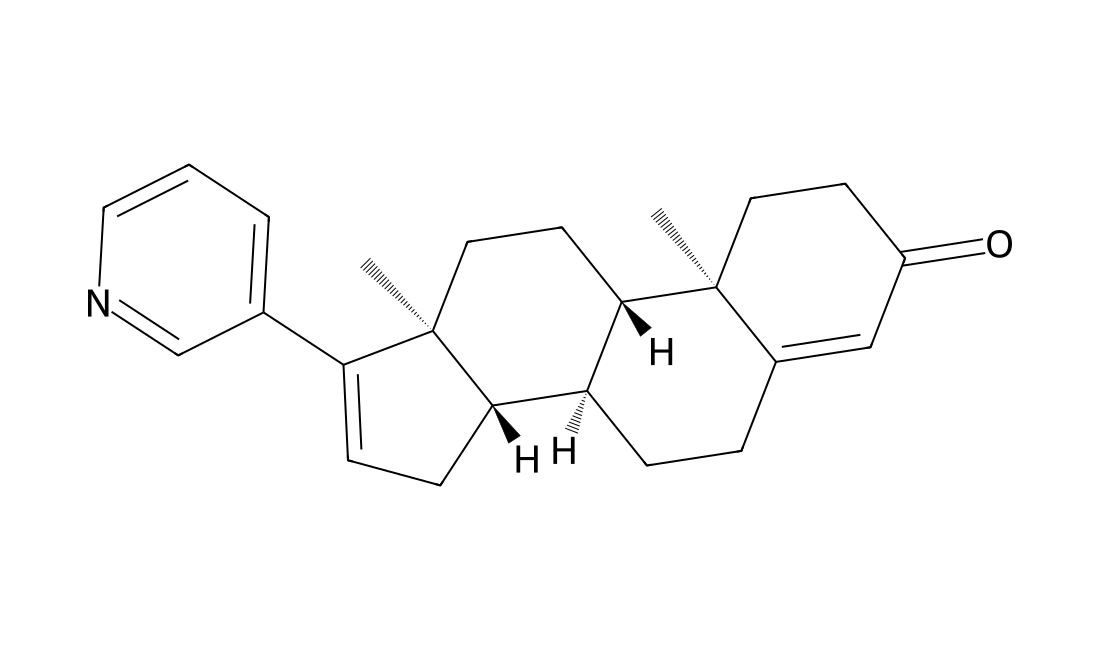
D4-abiraterone is a major metabolite of abiraterone. D4-abiraterone is an inhibitor of CYP17A1, 3b-hydroxysteroid dehydrogenase (3βHSD) and steroid-5a-reductase (SRD5A) and also an antagonist of androgen receptor.
CAS 198283-73-7
ABT-594 represents a novel class of broad-spectrum analgesics whose primary mechanism of action is activation of the neuronal nicotinic acetylcholine receptors.
CAS 1108147-88-1
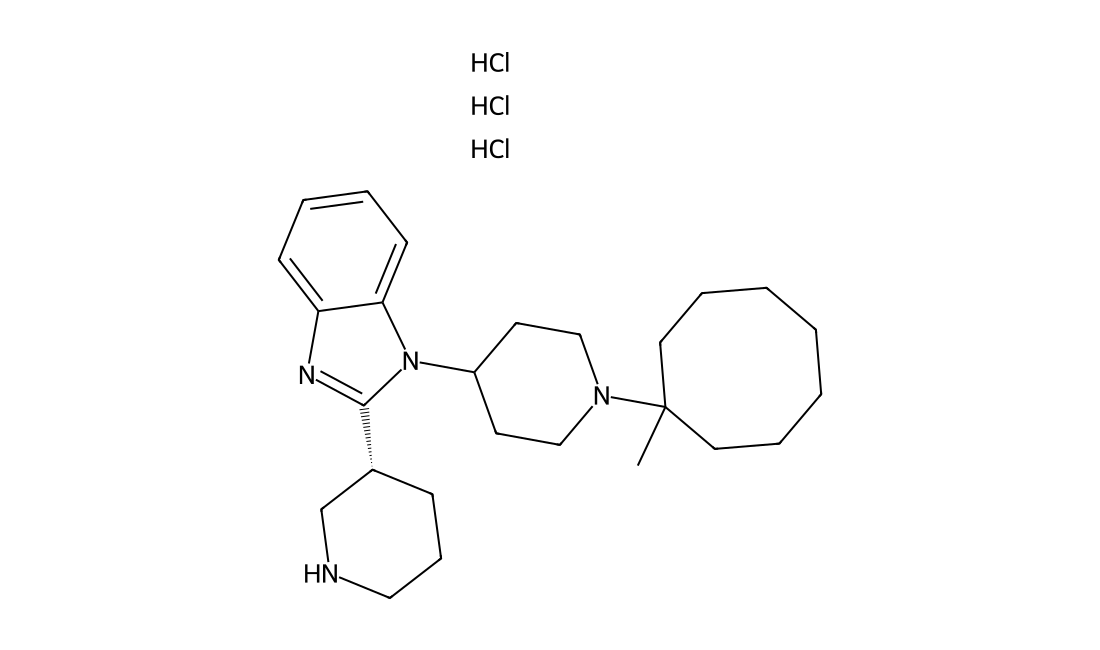
MCOPPB 3Hcl is a nociceptin receptor agonist with pKi of 10.07; weaker activity at other opioid receptors.
CAS 147116-67-4
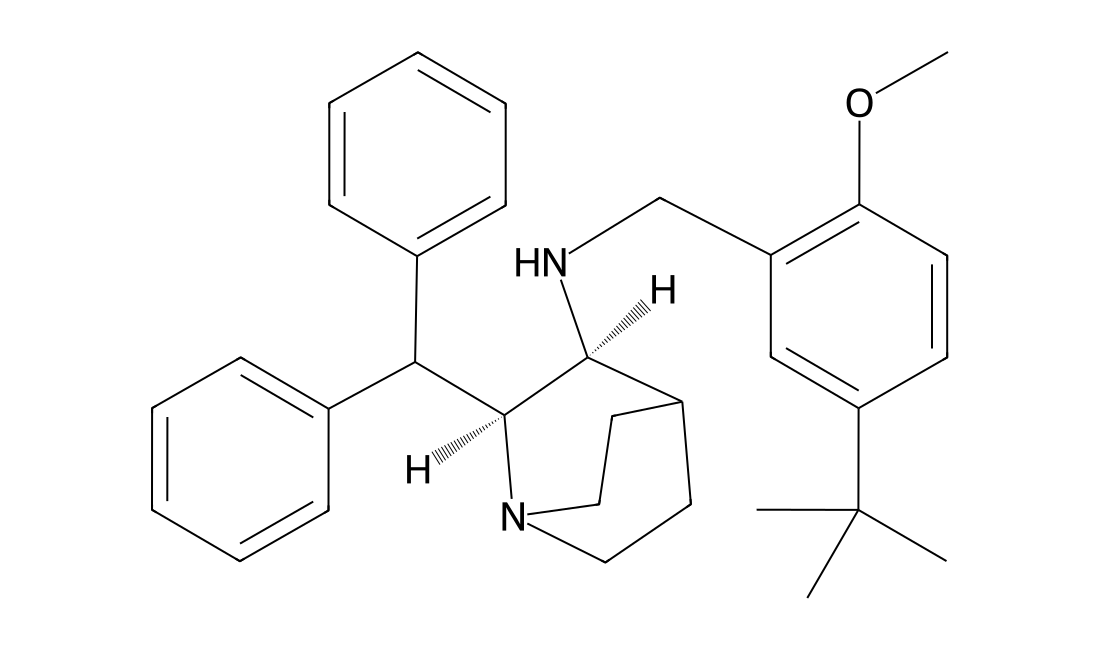
Maropitant is a neurokinin (NK1) receptor antagonist. Maropitant is the first NK1 receptor antagonist developed to treat and prevent emesis in dogs. Treatment with 1 mg/kg Maropitant citrate, significantly reduced the size of ulcerative dermatitis (UD) lesions in mice. Intravenous Maropitant decreased (p < 0.05) MAC by 16% (1.74 ± 0.17%). In contrast, epidural administration of either saline or Maropitant did not change (p > 0.05) the MAC (2.17 ± 0.34% and 1.92 ± 0.12%, respectively).
CAS 176199-48-7
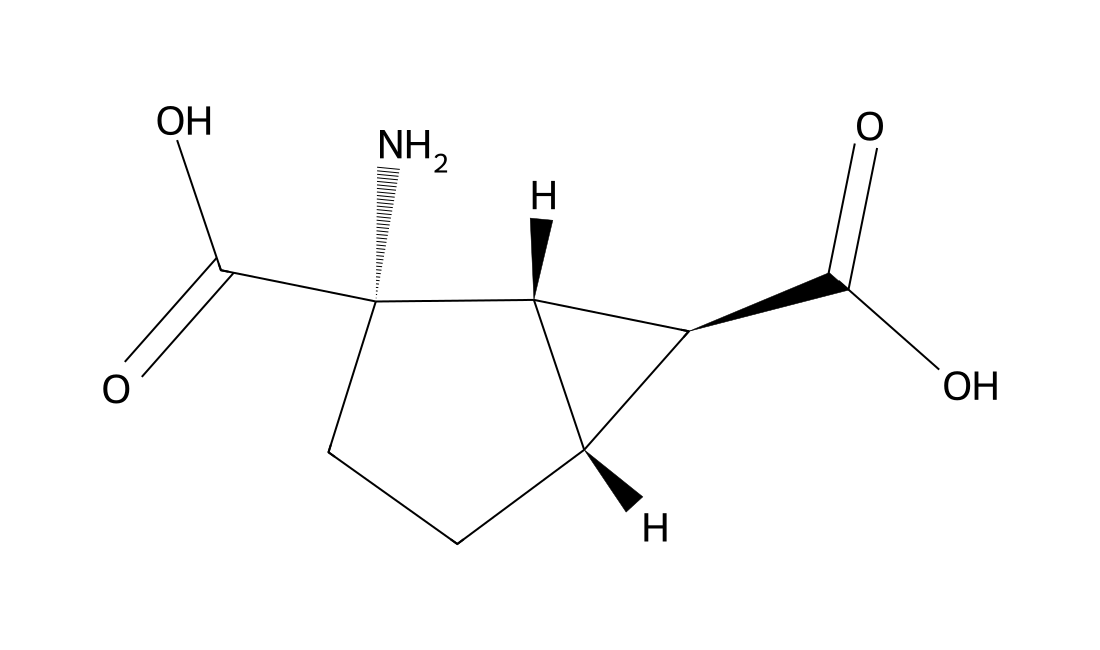
LY354740 is an agonist of the group II metabotropic glutamate receptor (mGluR) subtypes mGluR2 and mGluR3 (Kis = 99 and 94 nM, respectively).It inhibits forskolin-stimulated cAMP accumulation in cells expressing human mGluR2 and mGluR3 (EC50s = 5.1 and 24.3 nM, respectively) and is selective for mGluR2 and mGluR3 over mGluR4, mGluR7, mGluR1a, and mGluR5a (EC50s = >100 µM).LY354740 suppresses electrically stimulated excitatory postsynaptic potentials (EPSPs) in rat striatal neurons (EC50 = 20 nM) and excitatory postsynaptic currents (EPSCs) induced by serotonin in rat medial prefrontal cortex in vitro (EC50 = 89.1 nM).LY354740 (5 mM) iontophoretically ejected into the ventrobasal thalamus of rats reduces sensory inhibition by 20% compared to control in an alternating test, condition-test paradigm.It attenuates the effects of PCP on working memory, stereotypy, locomotion, and cortical glutamate efflux in a rat model of schizophrenia when administered at a dose of 10 mg/kg.LY354740 also shows efficacy in animal models of anxiety, epilepsy, and withdrawal from nicotine and morphine.
CAS 186544-26-3
LY344864 is a selective receptor agonist with an affinity of 6 nM (Ki) at the recently cloned 5-HT1F receptor. LY344864 possesses little affinity for the 56 other serotonergic and non-serotonergic neuronal binding sites examined. in vitro: he 5-HT1A, 5-HT1B and 5-HT1D receptor agonists 8-OH-DPAT (3 microM), CP93129 (3 microM) and L694247 (3 microM), but not the 5-HT1F receptor agonist LY344864 (1 - 3 microM) inhibited evoked IPSCs. in vivo: After an intravenous dose of 1 mg/kg, rat plasma LY344864 levels declined with time whereas brain cortex levels remained relatively constant for the first 6 hours after injection. Oral and intravenous LY344864 administration potently inhibited dural protein extravasation caused by electrical stimulation of the trigeminal ganglion in rats. Sumatriptan, zolmitriptan, rizatriptan, and naratriptan all contracted the rabbit saphenous vein from baseline tone, whereas LY344864 in concentrations up to 10(-4) M did not contract the rabbit saphenous vein. Furthermore, vascular contractions to sumatriptan were markedly augmented in the presence of prostaglandin F(2alpha) (PGF(2alpha)). However, even in the presence of PGF(2alpha) (3 x 10(-7) M), LY344864 did not contract the rabbit saphenous vein in concentrations well in excess of its 5-HT(1F) receptor affinity (pK(i) = 8.2) .
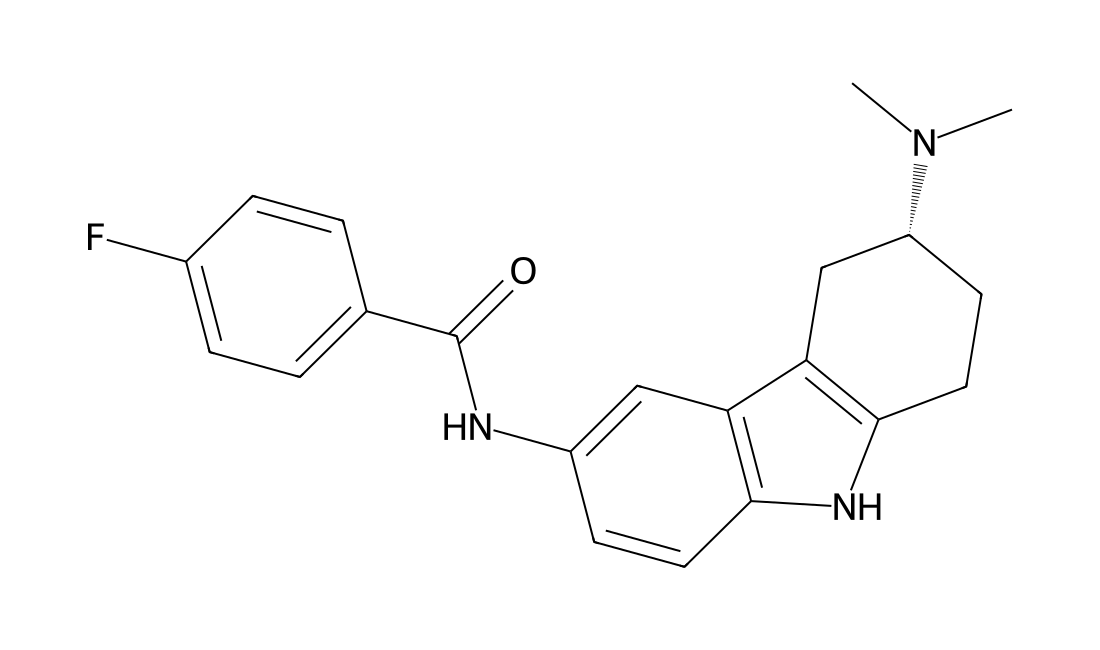
CAS 1088715-84-7
LY2510924 is an inhibitor of CXC chemokine receptor 4 (CXCR4), with potential antineoplastic activity. Upon subcutaneous administration, CXCR4 inhibitor LY2510924 binds to the chemokine receptor CXCR4, thereby preventing CXCR4 binding to its ligand, stromal derived factor-1 (SDF-1), and subsequent receptor activation. This may result in decreased tumor cell proliferation and migration. CXCR4, a chemokine receptor belonging to the G protein-coupled receptor (GPCR) gene family, plays an important role in chemotaxis and angiogenesis and is upregulated in several tumor cell types.
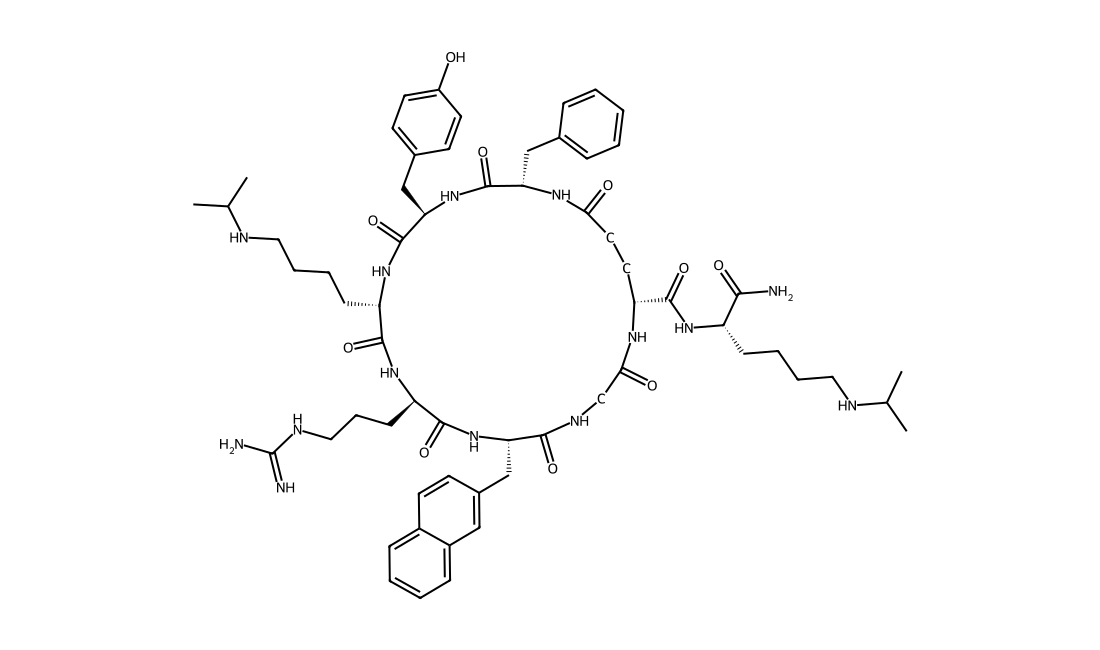
CAS 23672-07-3
Levosulpiride is the (S)-enantiomer of sulpiride, which is a D2 receptor a antagonist, an atypical antipsychotic drug of the benzamide class.
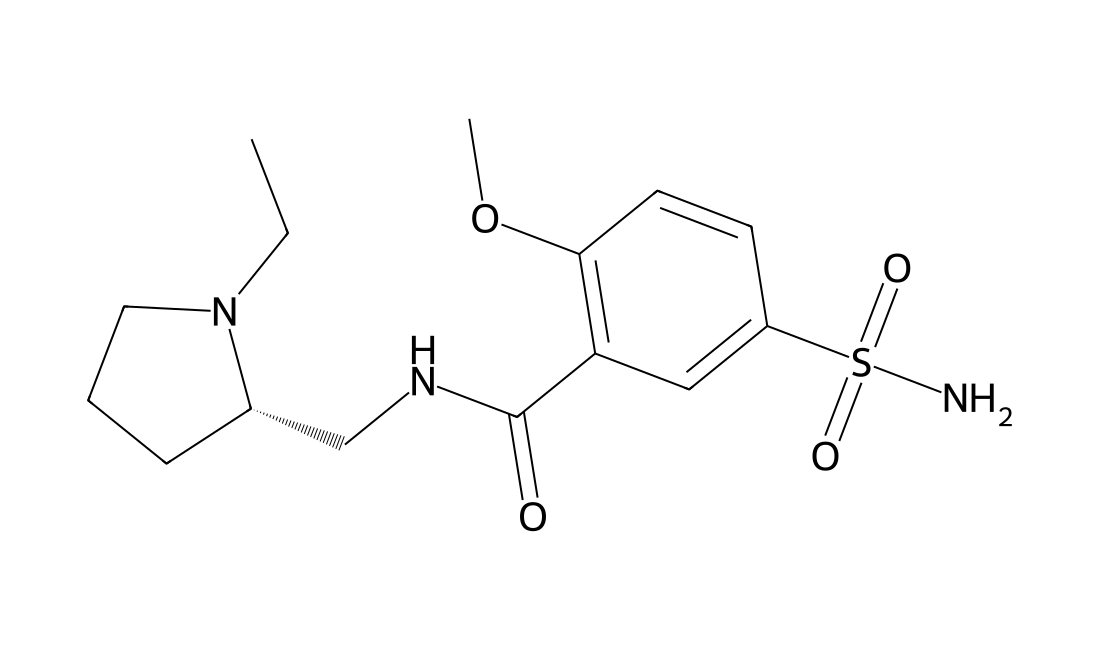
CAS 785835-79-2
JDTic 2Hcl is a highly selective antagonist for the κ-opioid receptor; without affecting the μ- or δ-opioid receptors. JDTic is a 4-phenylpiperidine derivative, distantly structurally related to analgesic drugs such as meperidine and ketobemidone, and more closely to the mu opioid antagonist alvimopan, and is structurally distinct from other kappa antagonists such as norbinaltorphimine. JDTic has a very long duration of action, with effects in animals seen for up to several weeks after administration of a single dose, although its binding to the kappa opioid receptor is not irreversible and its long-acting effects are instead caused by altered activity of c-Jun N-terminal kinases. Animal studies suggest that it may produce antidepressant and anxiolytic effects, as well as having possible application in the treatment of addiction to cocaine and morphine.
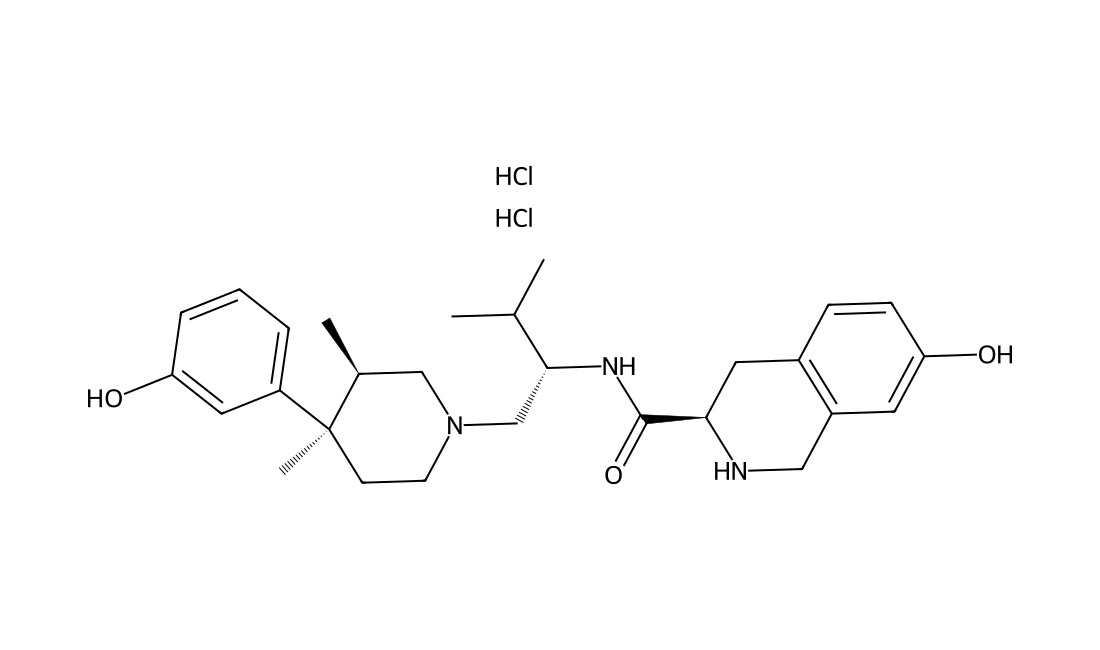
CAS 1262238-11-8
INCB3344 is a novel, potent and selective small molecule antagonist of the mouse CCR2 receptor; inhibits the binding of CCL2 to mouse monocytes with nanomolar potency (IC50 = 10 nM). In vitro: INCB3344 inhibits the binding of CCL2 to mouse monocytes with nanomolar potency (IC(50) = 10 nM) and displays dose-dependent inhibition of CCL2-mediated functional responses such as ERK phosphorylation and chemotaxis with similar potency. Against a panel of G protein-coupled receptors that includes other CC chemokine receptors, INCB3344 is at least 100-fold selective for CCR2. INCB3344 can also bind human CCR2 (hCCR2) with high affinity, having a dissociation constant (K(d)) of approximately 5nM. The binding of the compound to the receptor is rapid and reversible. INCB3344 potently inhibits hCCR2 binding of monocyte chemoattractant protein-1 (MCP-1) and MCP-1-induced signaling and function in hCCR2-expressing cells, including ERK phosphorylation and chemotaxis, and is competitive against MCP-1 in vitro. in vivo: INCB3344 possesses good oral bioavailability and systemic exposure in rodents that allows in vivo pharmacological studies. INCB3344 treatment results in a dose-dependent inhibition of macrophage influx in a mouse model of delayed-type hypersensitivity. Intervention with a CCR2 antagonist, INCB3344 (30 mg/kg per day, IP), 10 days after the induction of hypertension with DOCA/salt treatment, reduced the aortic expression of CCR2 mRNA and completely reversed the DOCA/salt-induced influx of macrophages.
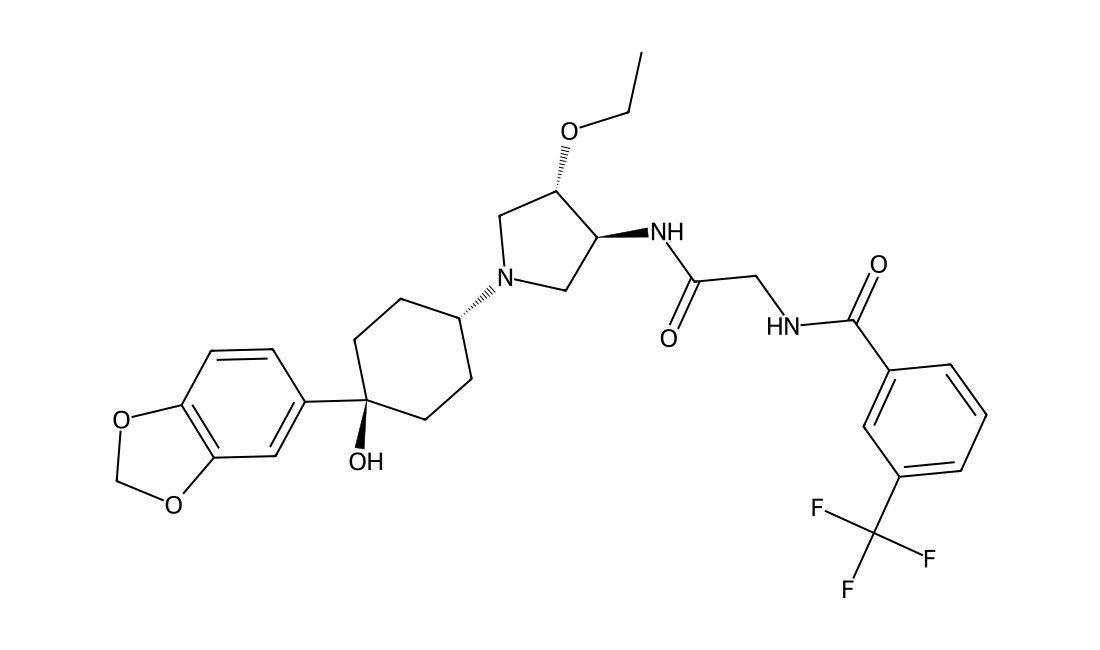
CAS 630-56-8
Hydroxyprogesterone Caproate is a synthetic progestational agent. It binds to and activates nuclear progesterone receptors in the reproductive system and inhibits ovulation and an alteration in the cervical mucus and endometrium.
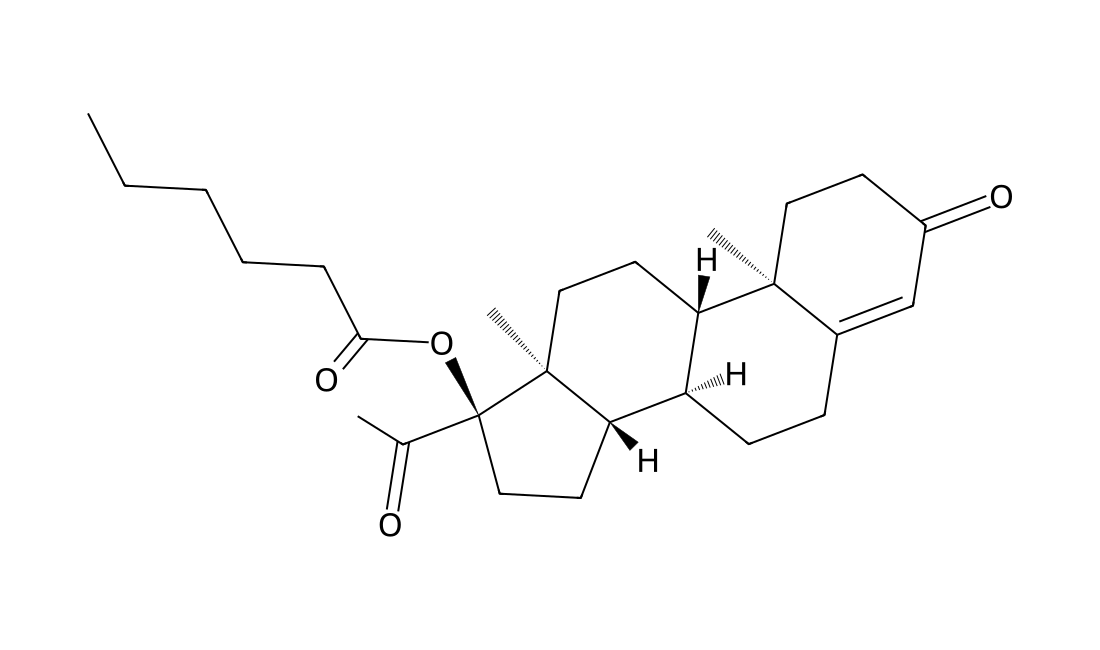
CAS 29110-48-3
Guanfacine Hydrochloride is a selective α2A-adrenoceptor agonist with anti-hypertensive effect.
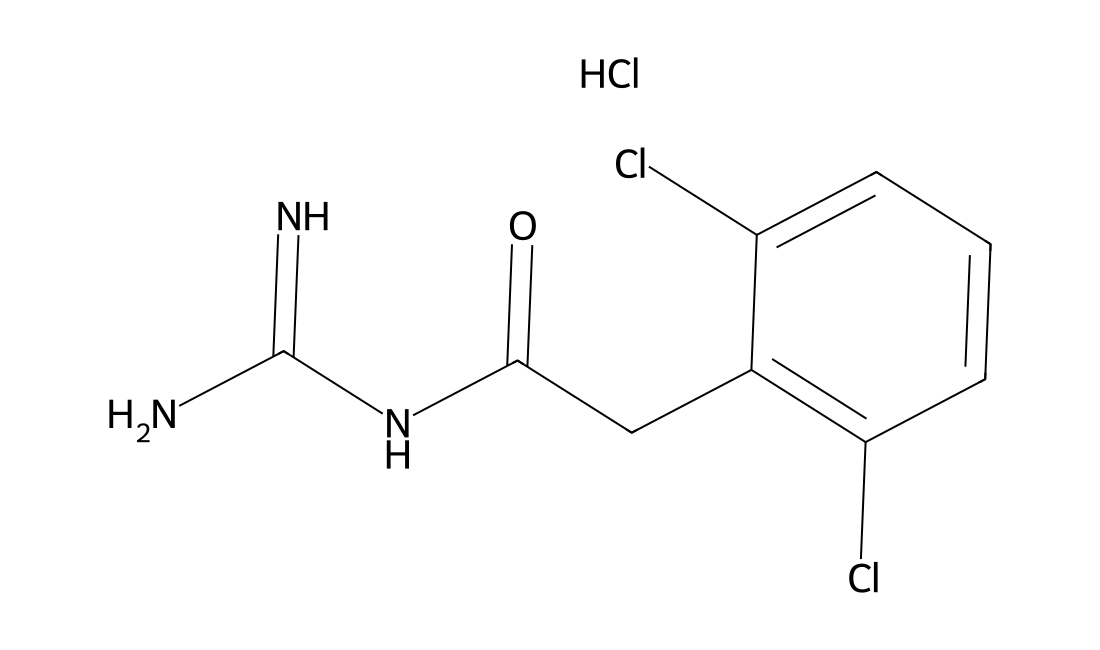
CAS 1079043-81-4
Glycodeoxycholic acid monohydrate is a nuclear receptor ligand.
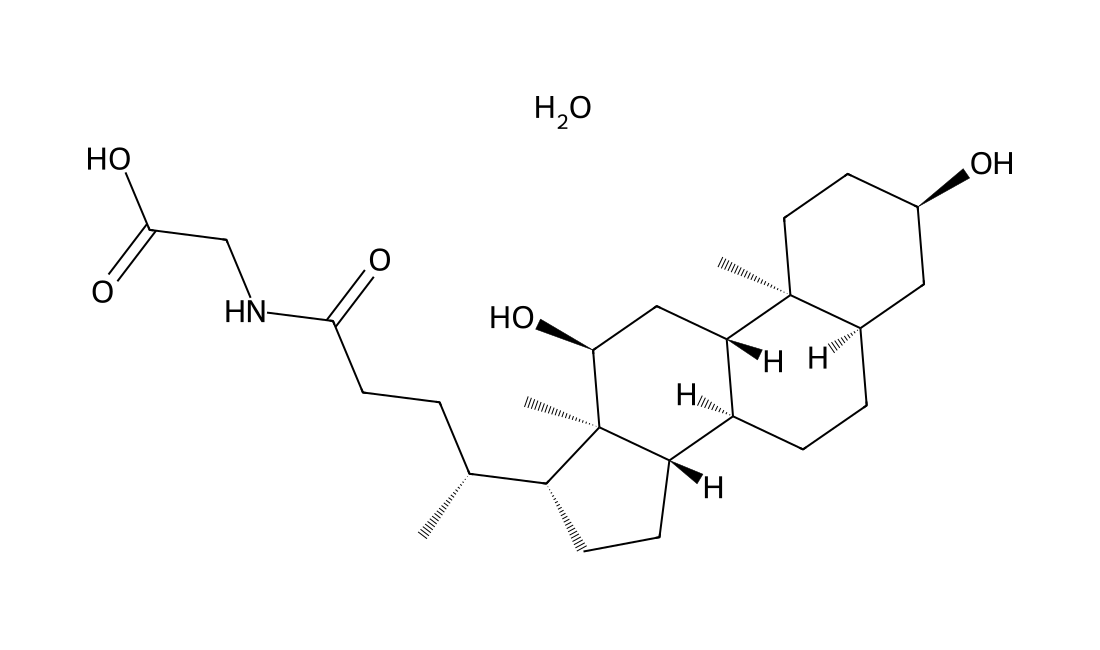
CAS 16320-04-0
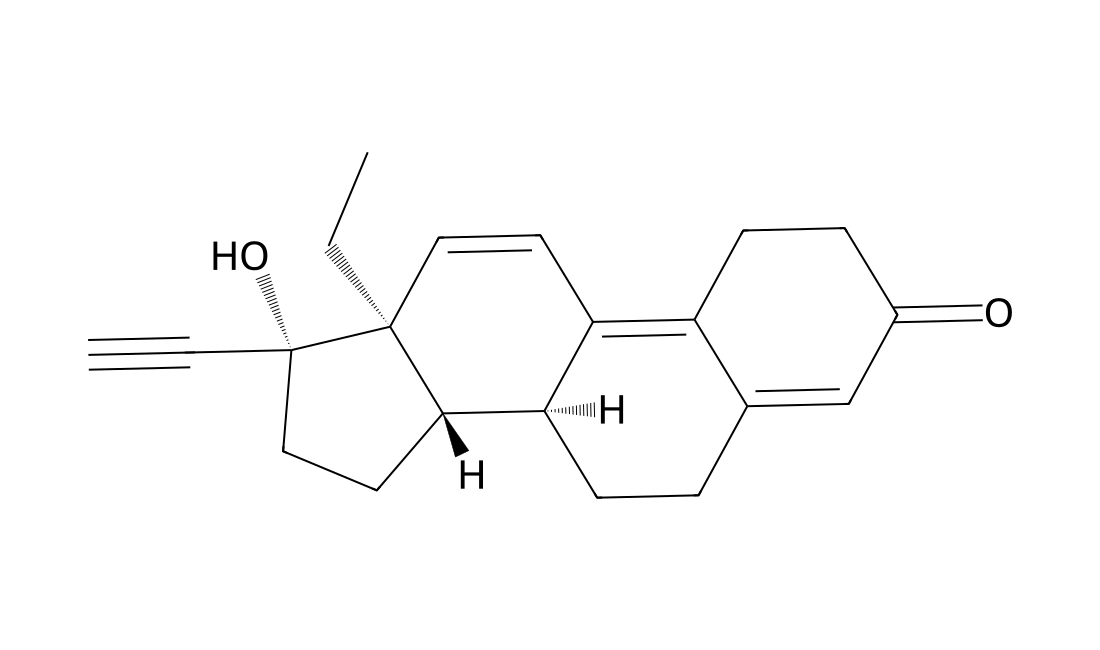
Gestrinone binds to endometrial receptors for estrogen, progesterone and androgen, occupies all specific binding sites of steroids in the steroid target cells despite the presence of endogenous steroids. Gestrinone exhibits stronger inhibitory effects on the growth of leiomyoma cells at 60 h than that at 20 and 40 h. Leiomyoma cells appears less dense, the cytoplasm is atrophic, the intercellular connections dwindled and nuclear aggregations are observed with more than 10 μM gestrinone treatment. Gestrinone treatment reduces the relative mRNA levels of estrogen α in a concentration dependent manner at concentrations of 0.1-3.0 μM.The estrogen-sensitive endpoints, vaginal keratinization and uterine progesterone receptor concentration, are enhanced by treatment with a combination of flutamide and either danazol or gestrinone. These data indicate that danazol and gestrinone have estrogenic activity that is masked by the androgenic component of these drugs. The mean hormone binding globulin treated with gestrinone fell from 56.4 nM to 28.1 nM after one week’s treatment and to 7.1 nM after 4 weeks respectively.
CAS 158930-09-7
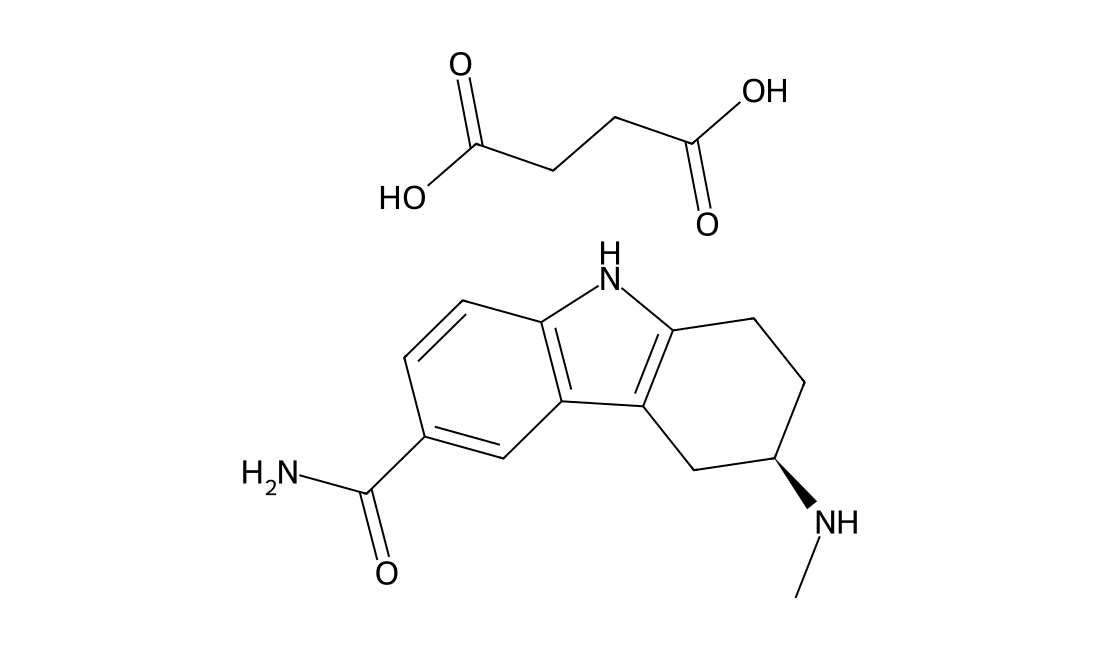
Frovatriptan Succinate is the succinate salt form of frovatriptan, a synthetic triptan with serotonin (5-HT) receptor agonist activity especially for the 5-HT1B/1D receptors.
CAS 54048-10-1
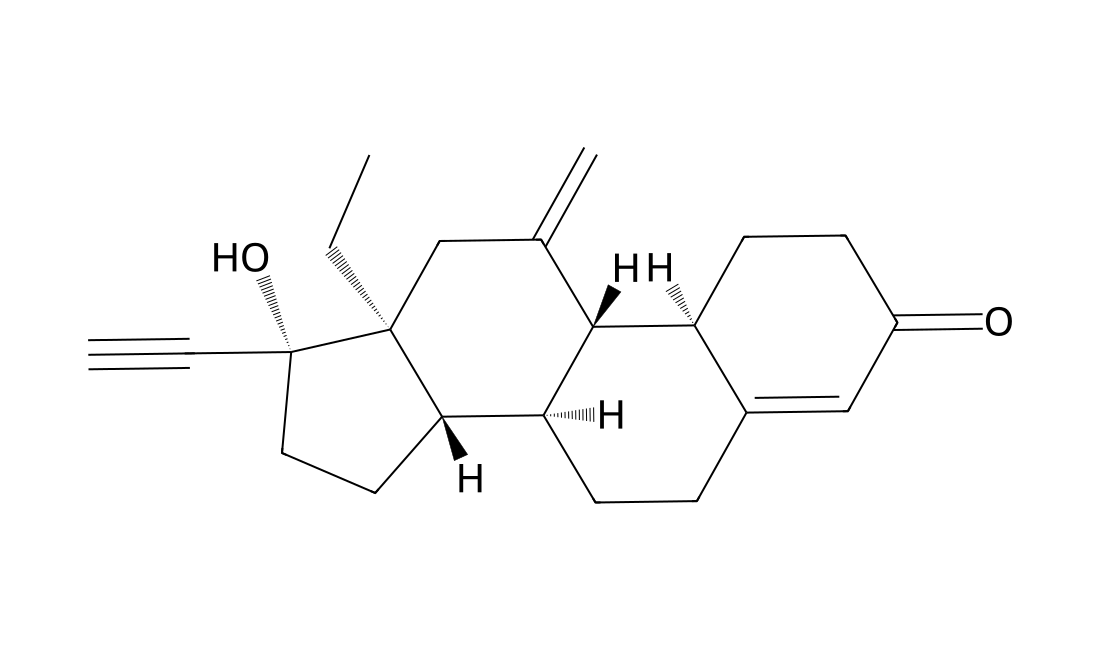
Etonogestrel is a steroidal progestin used in hormonal contraceptives. Etonogestrel is used as a female contraceptive. Etonogestrel is a progestin or a synthetic form of the naturally occurring female sex hormone, progesterone. Etonogestrel tricks the body processes into thinking that ovulation has already occurred, by maintaining high levels of the synthetic progesterone. This prevents the release of eggs from the ovaries. Etonogestrel binds to the progesterone and estrogen receptors. Target cells include the female reproductive tract, the mammary gland, the hypothalamus, and the pituitary. Once bound to the receptor, progestins like etonogestrel will slow the frequency of release of gonadotropin releasing hormone (GnRH) from the hypothalamus and blunt the pre-ovulatory LH (luteinizing hormone) surge.
CAS 1215721-40-6
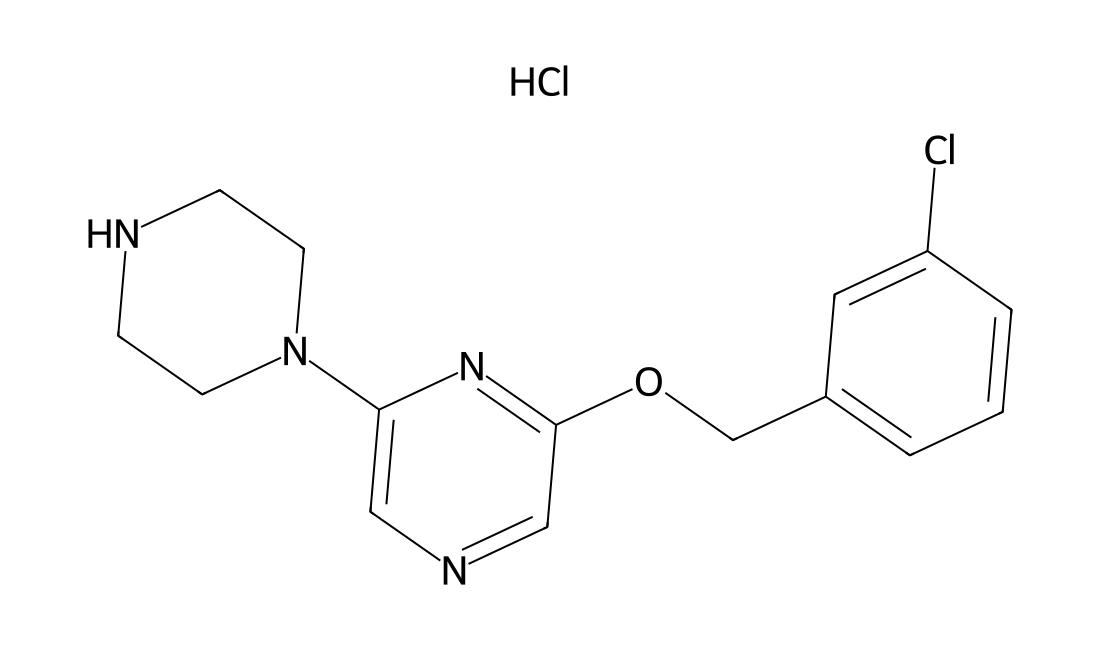
CP-809101 Hcl is a potent and selective 5-HT2C receptor agonist with pEC50 of 9.96/7.19/6.81 for human 5-HT2C/5-HT2B/5-HT2A receptors respectively. CP-809101 is a potent, functionally selective 5-HT2C agonist that displays approximately 100% efficacy in vitro. The aim of the present studies was to assess the efficacy of a selective 5-HT2C agonist in animal models predictive of antipsychotic-like efficacy and side-effect liability. Similar to currently available antipsychotic drugs, CP-809101 dose-dependently inhibited conditioned avoidance responding (CAR, ED50 = 4.8 mg/kg, sc). CP-809101 antagonized both PCP- and d-amphetamine-induced hyperactivity with ED50 values of 2.4 and 2.9 mg/kg (sc), respectively and also reversed an apomorphine induced-deficit in prepulse inhibition. At doses up to 56 mg/kg, CP-809101 did not produce catalepsy. Thus, the present results demonstrate that the 5-HT2C agonist, CP-809101, has a pharmacological profile similar to that of the atypical antipsychotics with low extrapyramidal symptom liability. CP-809101 was inactive in two animal models of antidepressant-like activity, the forced swim test and learned helplessness.
CAS 113-59-7
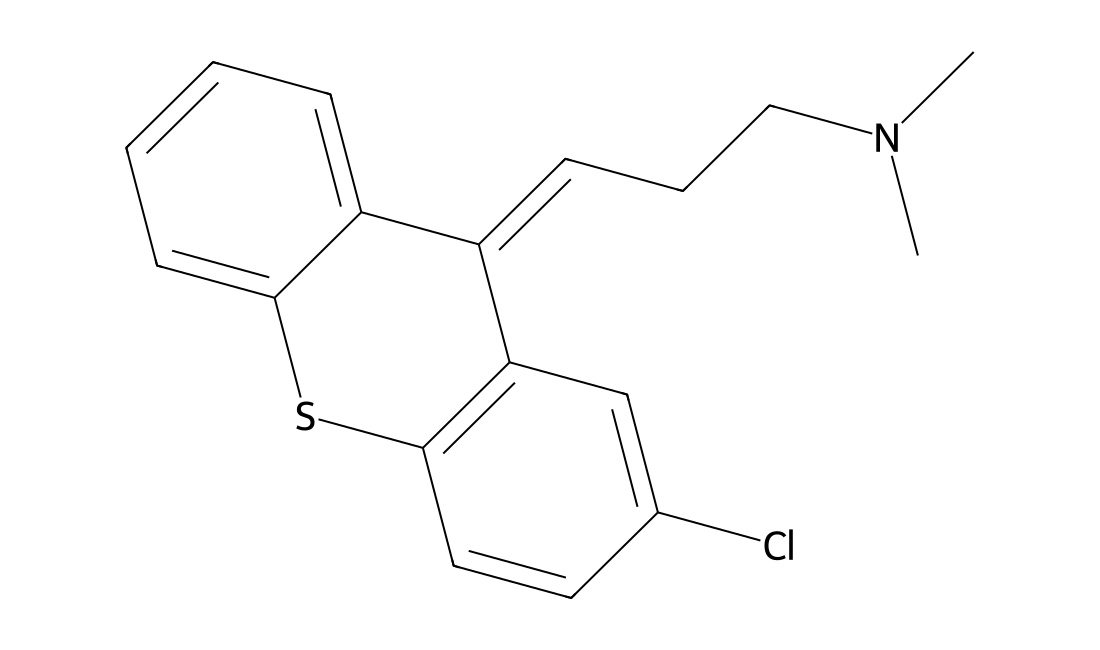
Chlorprothixene has strong binding affinities to dopamine and histamine receptors, such as D1, D2, D3, D5, H1, 5-HT2, 5-HT6 and 5-HT7, with Ki of 18 nM, 2.96 nM, 4.56 nM, 9 nM, 3.75 nM, 9.4 nM, 3 nM and 5.6 nM, respectively.Chlorprothixene exerts strong binding affinities to the dopamine and histamine receptors, such as D1, D2, D3, D5 and H1 with Ki values of 18nM, 2.96 nM, 4.56 nM, 9 nM and 3.75 nM, respectively, but has little affinity to H3 (Ki >1000 nM). Chlorprothixene also shows high affinities for both rat 5-HT6 from stably transfected HEK-293 cells, and rat 5-HT7 receptors from transiently expressed COS-7 cells, with Ki values of 3 nM and 5.6 nM, respectively. Administration of Chlorprothixene restores normal ceramide concentrations in murine bronchial epithelial cells, reduces inflammation in the lungs of mice with cystic fibrosis (CF) and prevents infection with Pseudomonas aeruginosa, by inhibiting acidsphingomyelinase (Asm) and not neutral sphingomyelinase (Nsm).