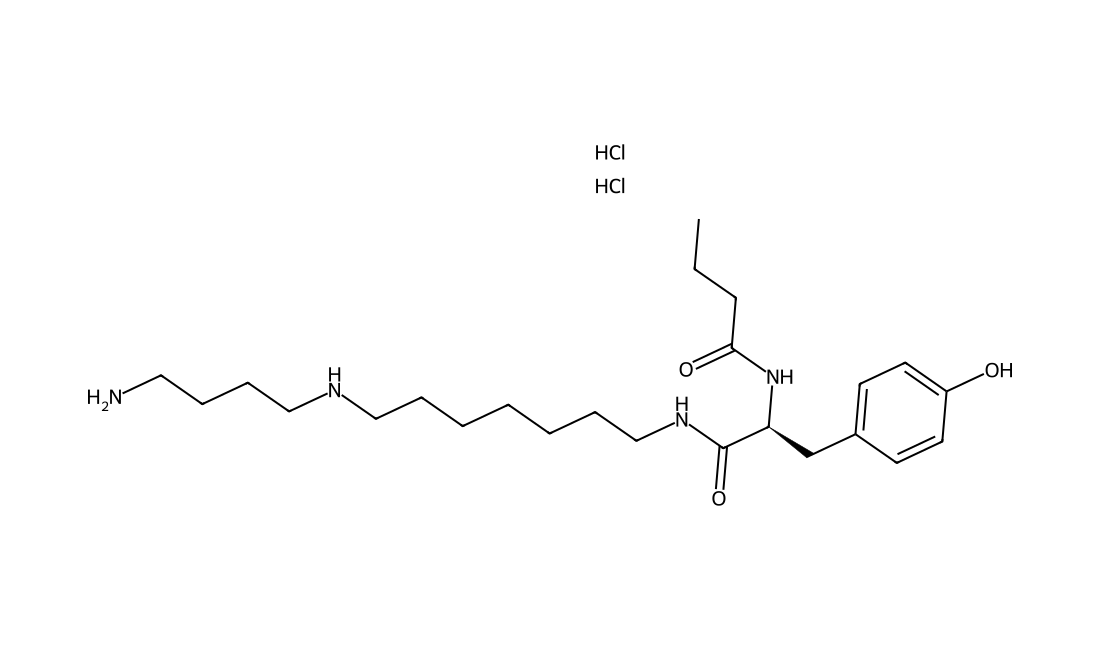
GR73632
CAS 133156-06-6
GR-73632 is a novel tachykinin neurokinin 1 (NK-1) receptor agonist[1]. GR-73632 acts directly on the peripheral terminals of primary sensory neurons through NK1 receptor which convey itch signals[2].
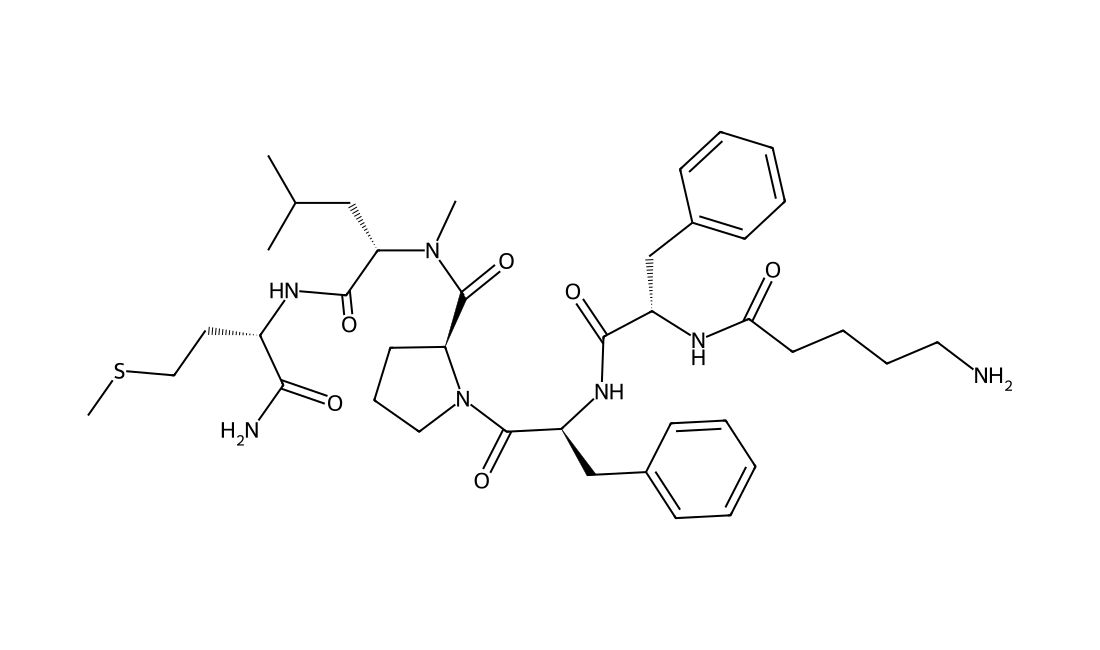

G-protein-coupled, nuclear and other ligand-binding receptors and their modulators.
Products may appear in more than one category. Counts refer to distinct catalog numbers within each category.
Other Research Tools (75) · Additional reagents, building blocks and specialized research tools.
Combine a keyword, research category and target to narrow the product list.
Loading catalog filters…
CAS 133156-06-6
GR-73632 is a novel tachykinin neurokinin 1 (NK-1) receptor agonist[1]. GR-73632 acts directly on the peripheral terminals of primary sensory neurons through NK1 receptor which convey itch signals[2].
CAS 87134-87-0
SCH-23390 maleate (R-(+)-SCH-23390 maleate) is a potent and selective dopamine D1-like receptor antagonist with Kis of 0.2 nM and 0.3 nM for the D1 and D5 receptor, respectively. SCH-23390 maleate is a potent and high efficacy human 5-HT2C receptor agonist with a Ki of 9.3 nM. SCH-23390 maleate also binds with high affinity to the 5-HT2 and 5-HT1C receptors. SCH-23390 maleate inhibits G protein-coupled inwardly rectifying potassium (GIRK) channels with an IC50 of 268 nM[1][2][3].
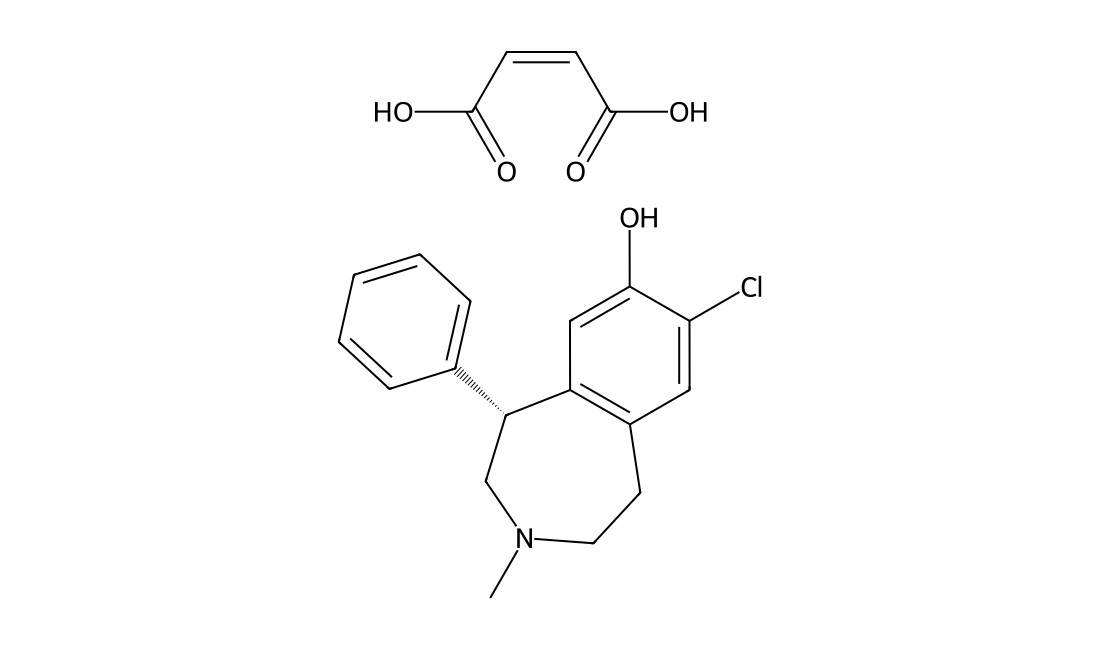
CAS 2095128-20-2
Bocidelpar is a modulator of peroxisome proliferator-activated receptor delta (PPAR-δ). Bocidelpar improves mitochondrial biogenesis and function in Duchenne Muscular Dystrophy (DMD) muscle cells (extracted from patent WO2017062468A1, compound 2b)[1].
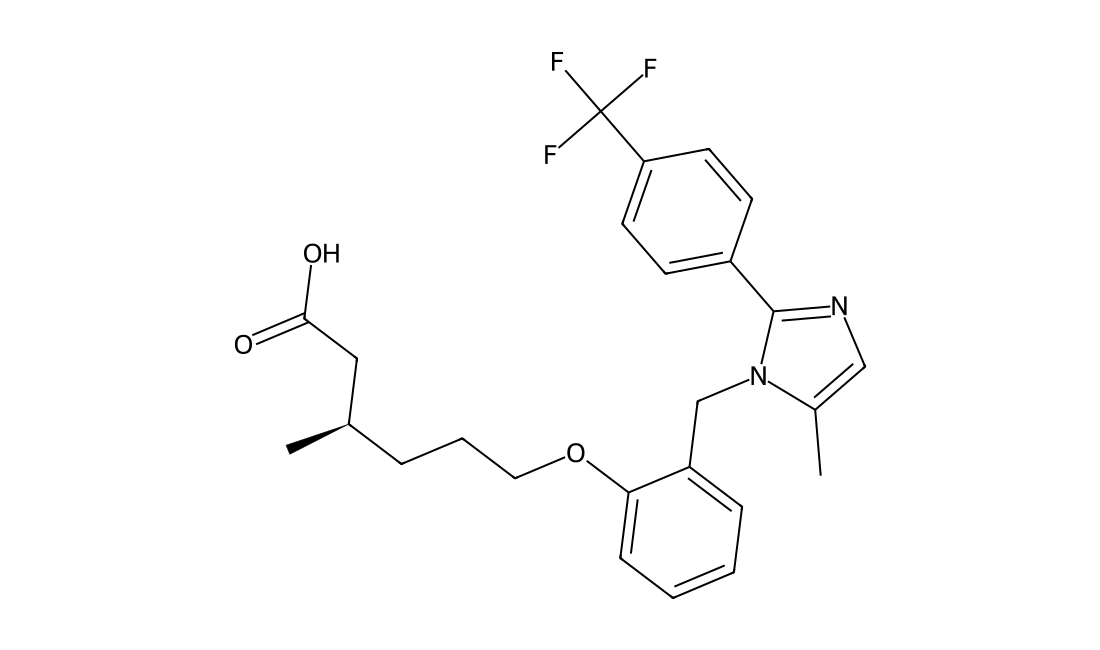
CAS 2579689-83-9
ML 339 is a potent and selective hCXCR6 antagonist (IC50 = 140 nM); 100-fold less active at the murine CXCR6 receptor (IC50 = 18 μM). Exhibits selectivity over CXCR5, CXCR4, CCR6 and APJ receptors (IC50 >79 μM).
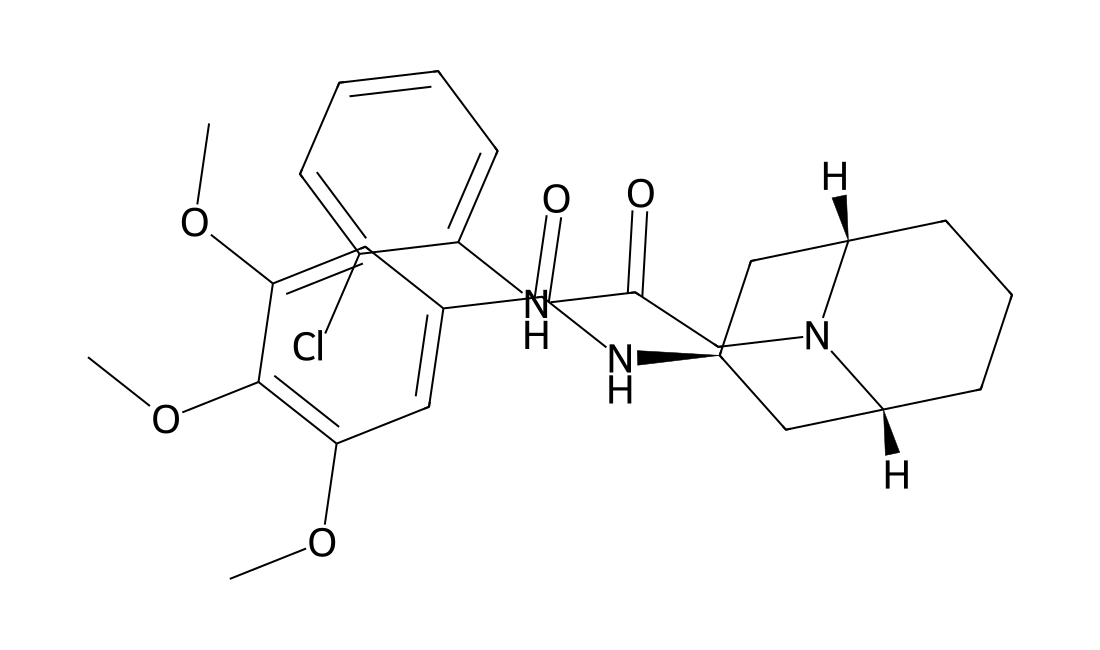
CAS 93987-29-2
BI-6015 is a hepatocyte nuclear factor 4α (HNF4α) antagonist that can inhibit the expression of known HNF4α target genes. BI6015 represses insulin promoter activity through HNF4α antagonism. BI-6015 can be used for the research of cancer and diabetes[1].
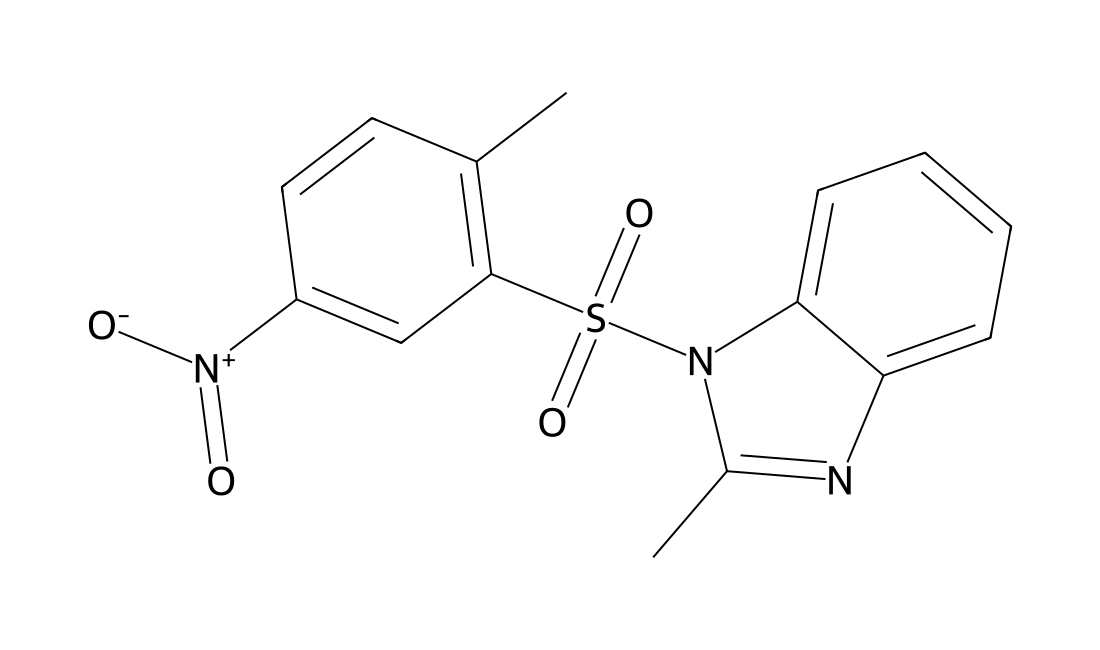
CAS 423150-91-8
BAY-4931 is a potent covalent PPARγ inverse-agonist with IC50 of 0.17 nM and could be a novel tool for probing the in vitro biology of PPARγ inverse-agonism.
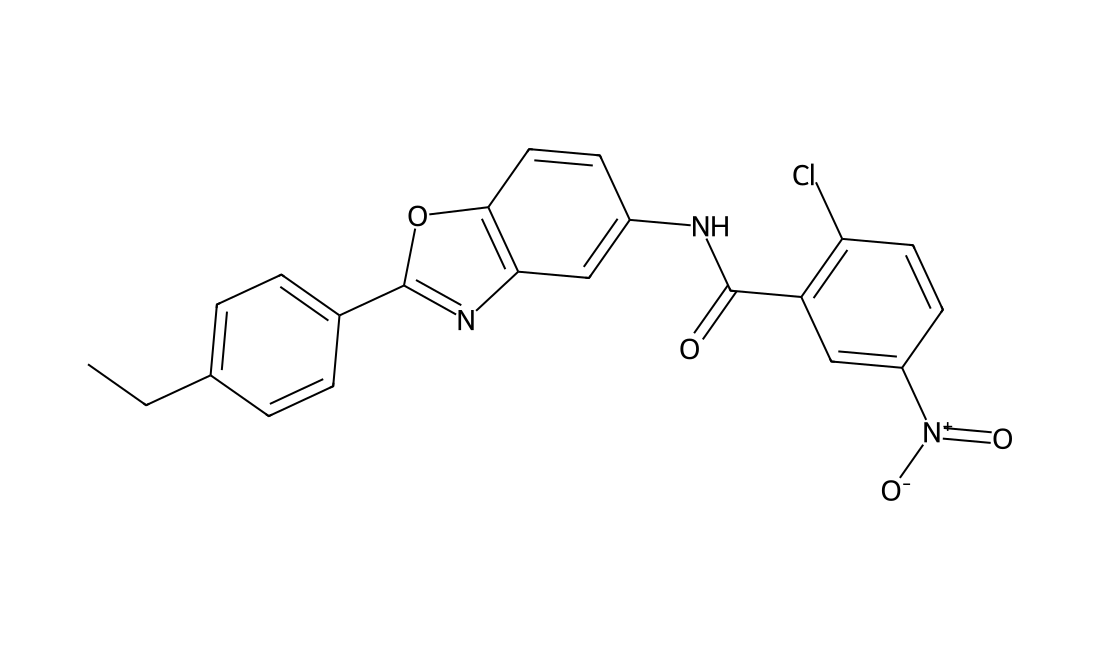
CAS 420826-65-9
BAY-0069 is a potent covalent PPARγ inverse-agonist with IC50 of 0.22 nM and could be a novel tool for probing the in vitro biology of PPARγ inverse-agonism.
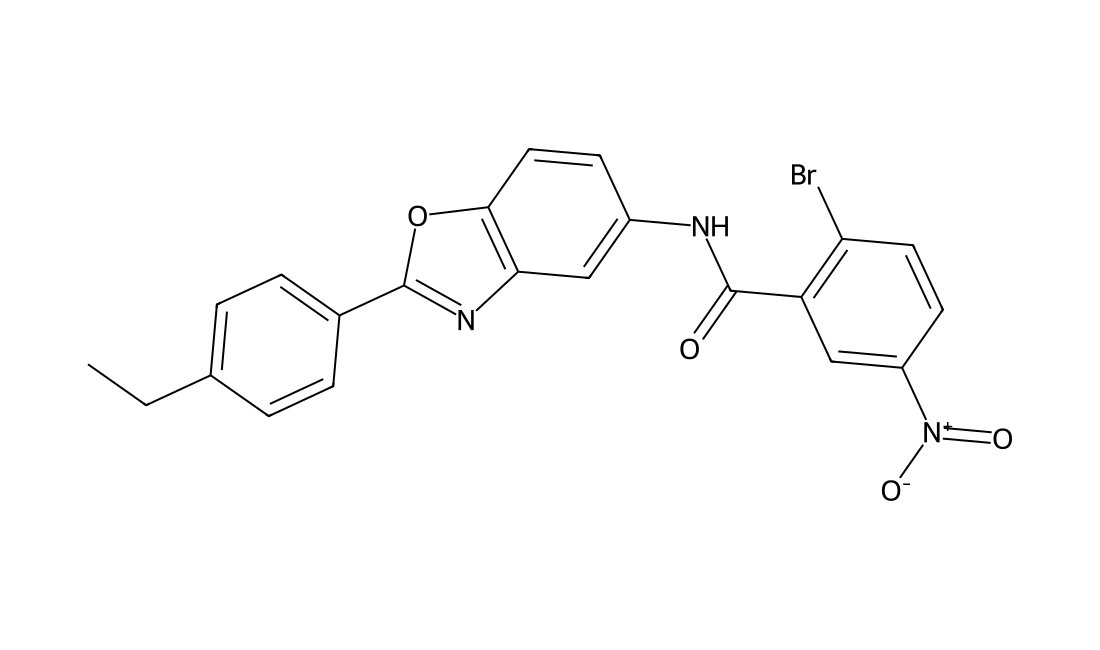
CAS 1403232-33-6
Vibozilimod (example 33) is a S1p1 receptor agonist (extracted from patent WO2012140020A1).
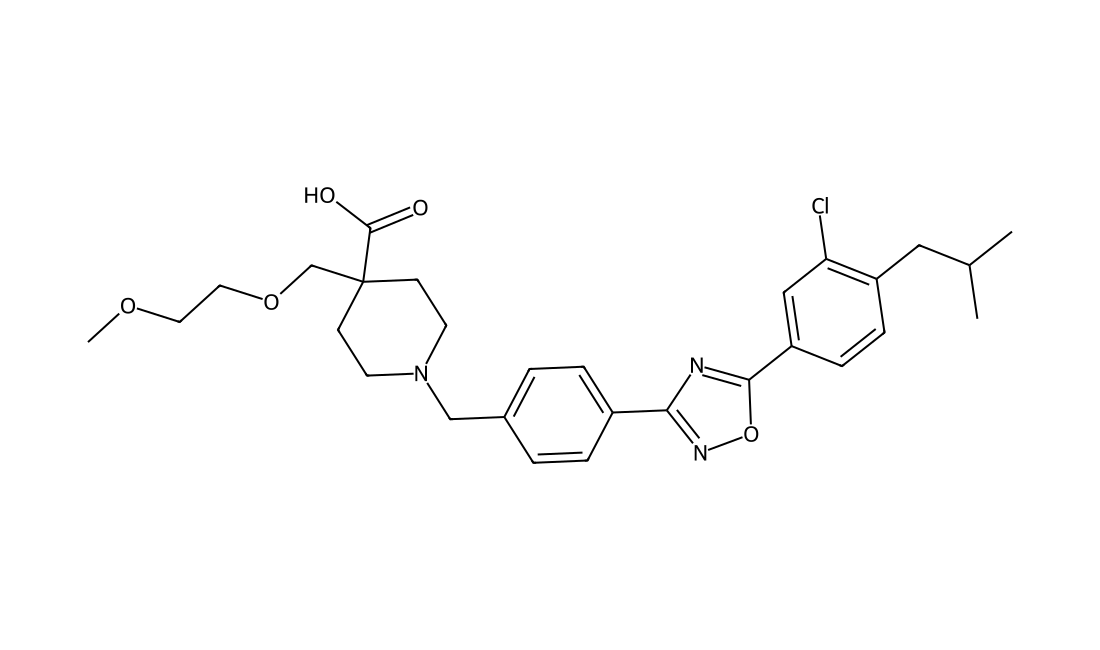
CAS 1931994-81-8
Zabedosertib (BAY 1834845) is a IRAK4 inhibitor with immunomodulatory potential. IRAK4 is a protein kinase involved in signaling innate immune responses from Toll-like receptors.
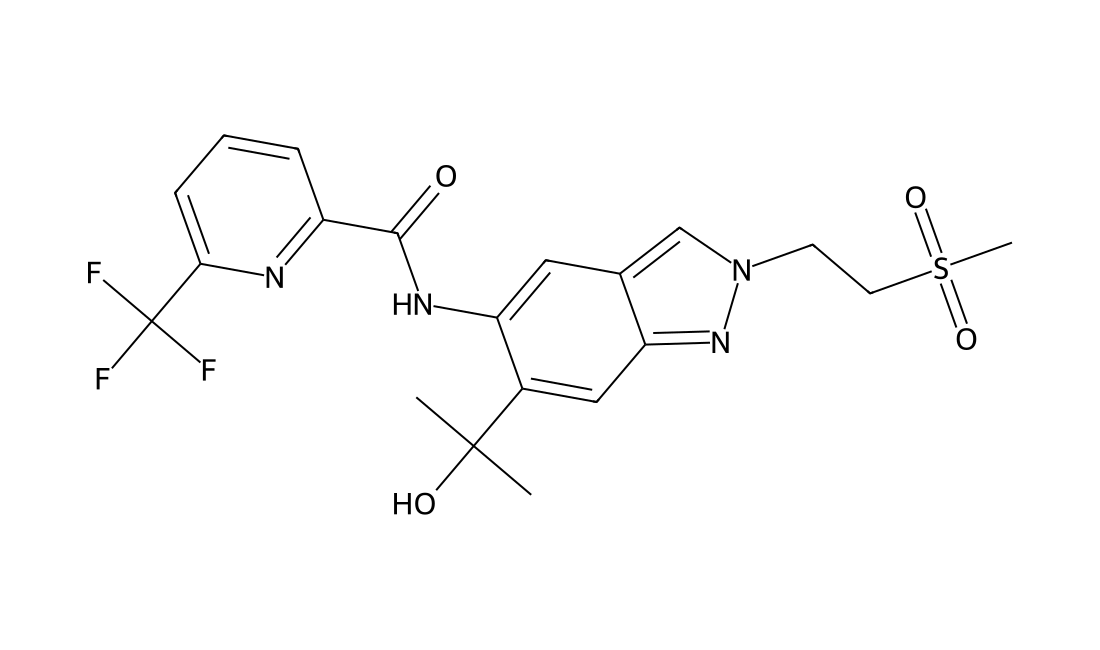
CAS 1333218-50-0
Upacicalcet is an intravenous calcimimetic agent. Upacicalcet suppresses excessive parathyroid hormone (PTH) secretion, thereby lowering blood PTH levels, by acting directly on parathyroid cell membrane calcium-sensing receptors. Upacicalcet can be used for researching the disease of secondary hyperparathyroidism (SHPT).
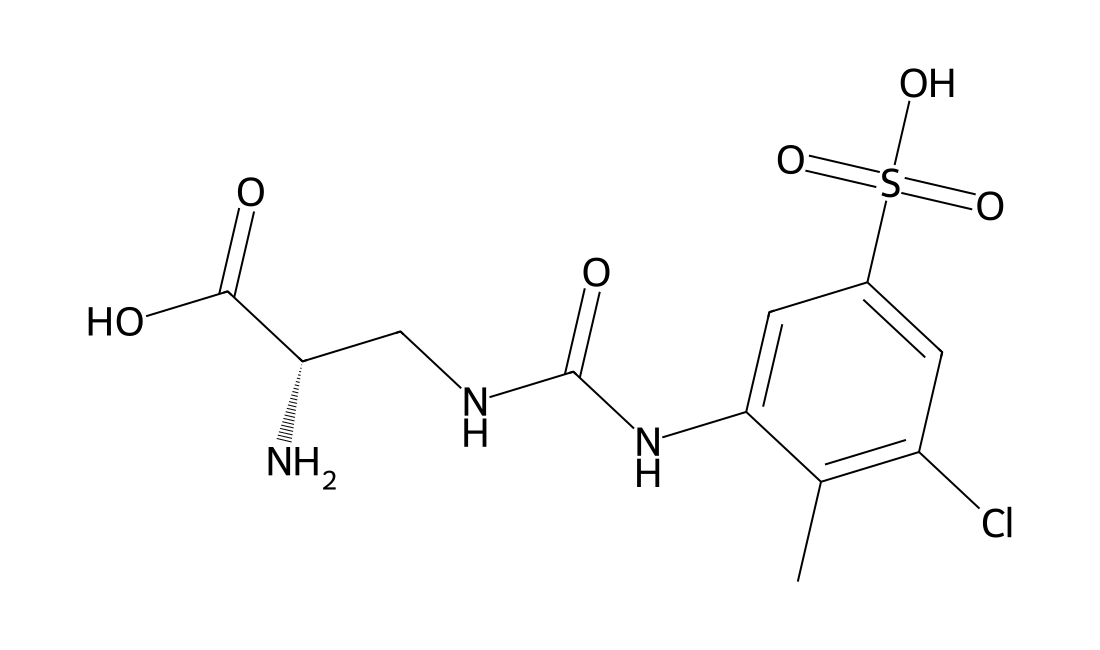
CAS 870964-67-3
Evocalcet (KHK7580) is an novel oral calcimimetic agent which acts via allosteric activation of the calcium sensing receptor (CaSR). Evocalcet (0, 20 and 60 nM) dose-dependently increases cytoplasmic [Ca2+] concentrations with an EC50 value of 92.7 nM in hCaR-HEK293 cells.
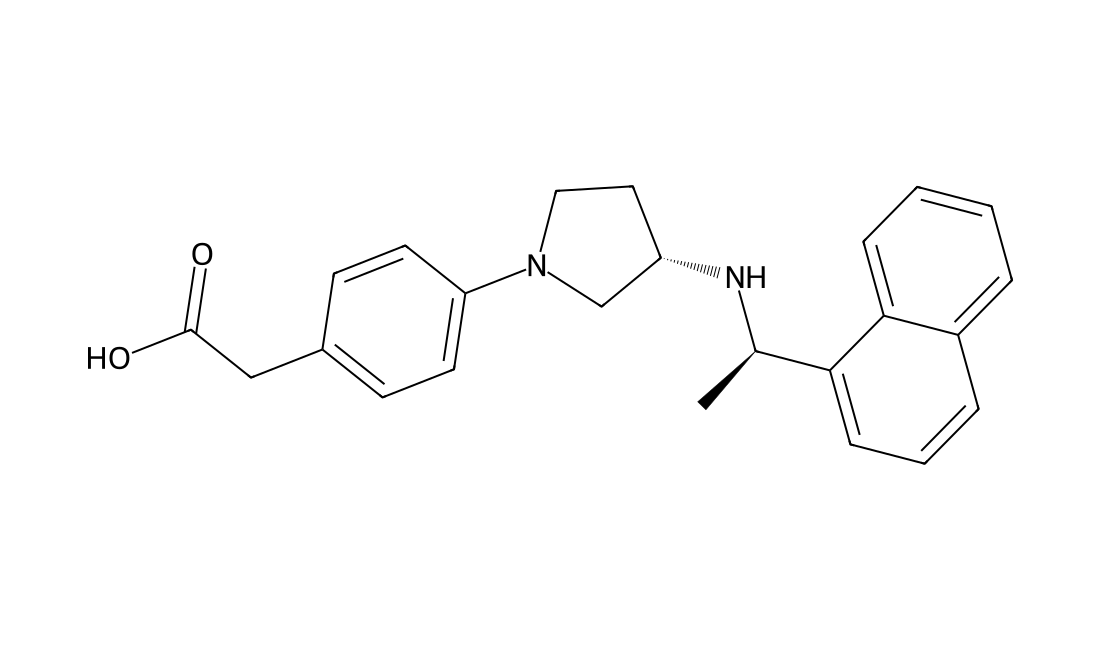
CAS 579475-24-4
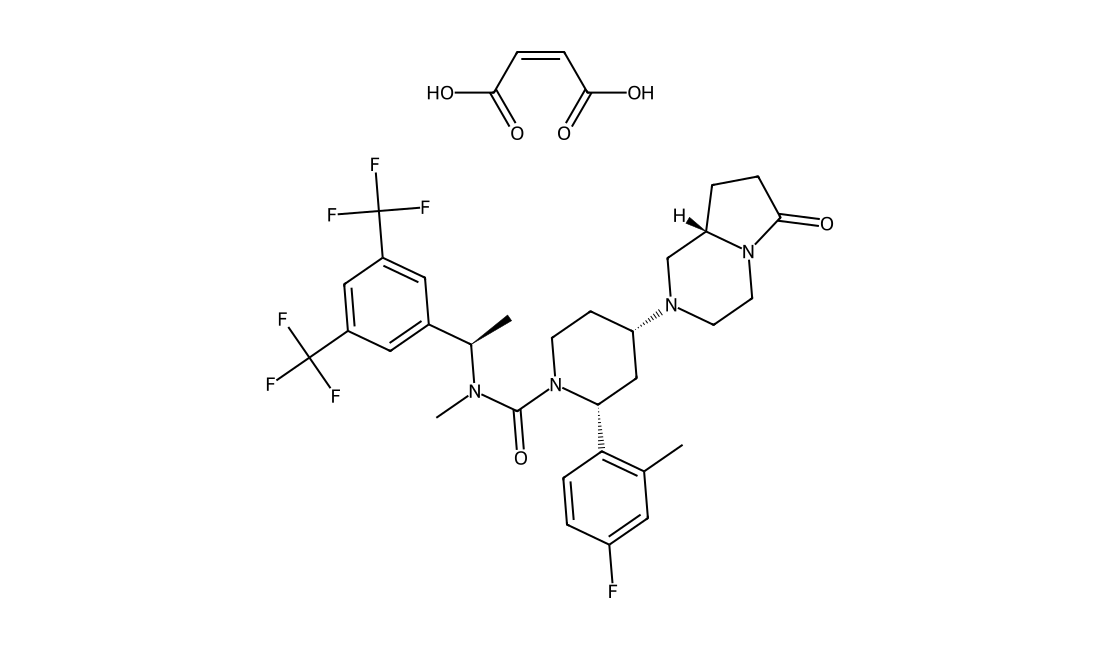
Orvepitant maleate (GW823296 maleate) is potent, selective, orally active and well-tolerated neurokinin-1 receptor (NK-1) antagonist with a pKi of 10.2 for human neurokinin-1 receptor. Orvepitant maleate can across the blood-brain barrier. Orvepitant maleate has the potential for depressive disorder and chronic refractory cough (CRC) treatment.
CAS 207678-81-7
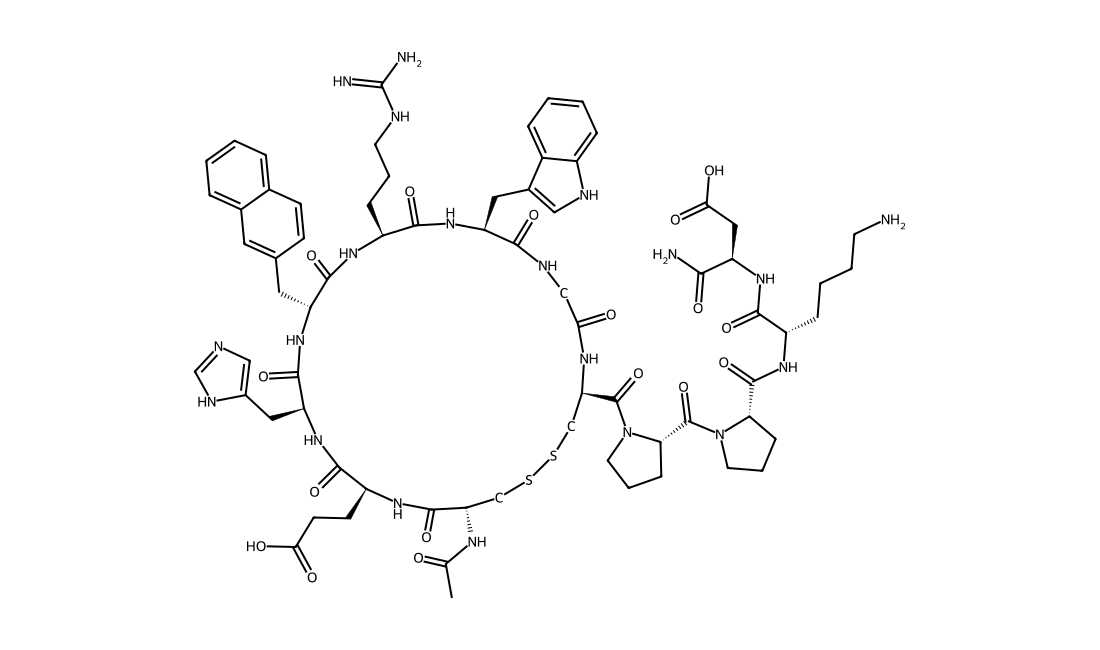
HS014 is a potent and selective melanocortin-4 (MC4) receptor antagonist, with Kis of 3.16, 108, 54.4 and 694 nM for human MC4, MC1, MC3 and MC5 receptors, respectively. HS014 modulates the behavioral effects of morphine in mice. HS014 increases food intake in free-feeding rats.
CAS 485-49-4
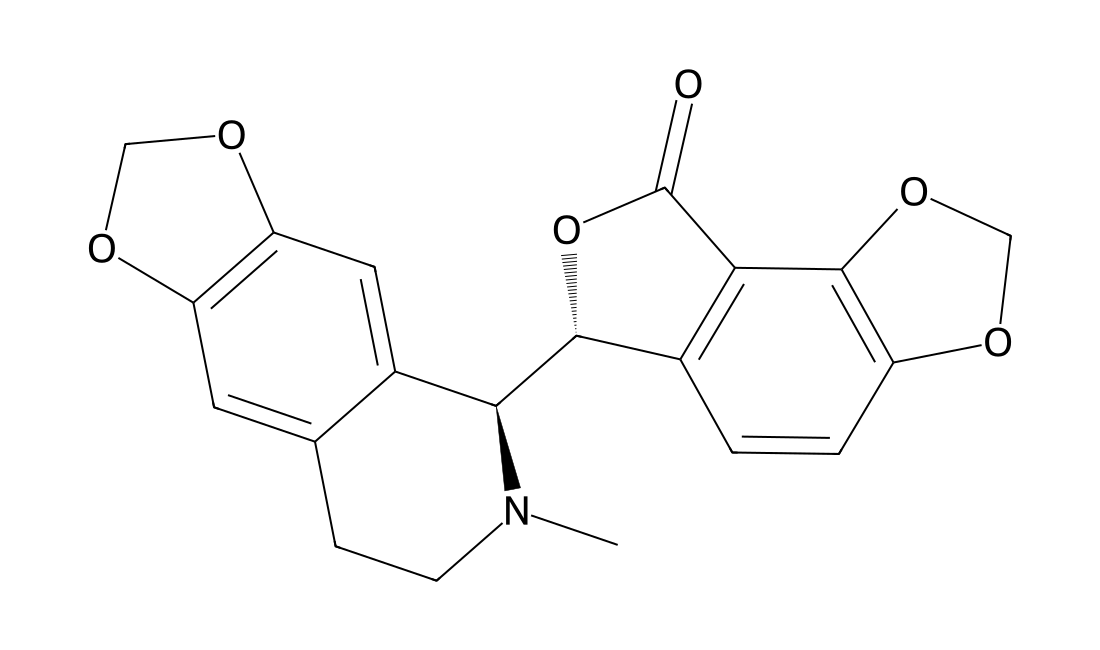
(+)-Bicuculline is a light-sensitive competitive antagonist of GABA-A receptor.
CAS 262438-43-7
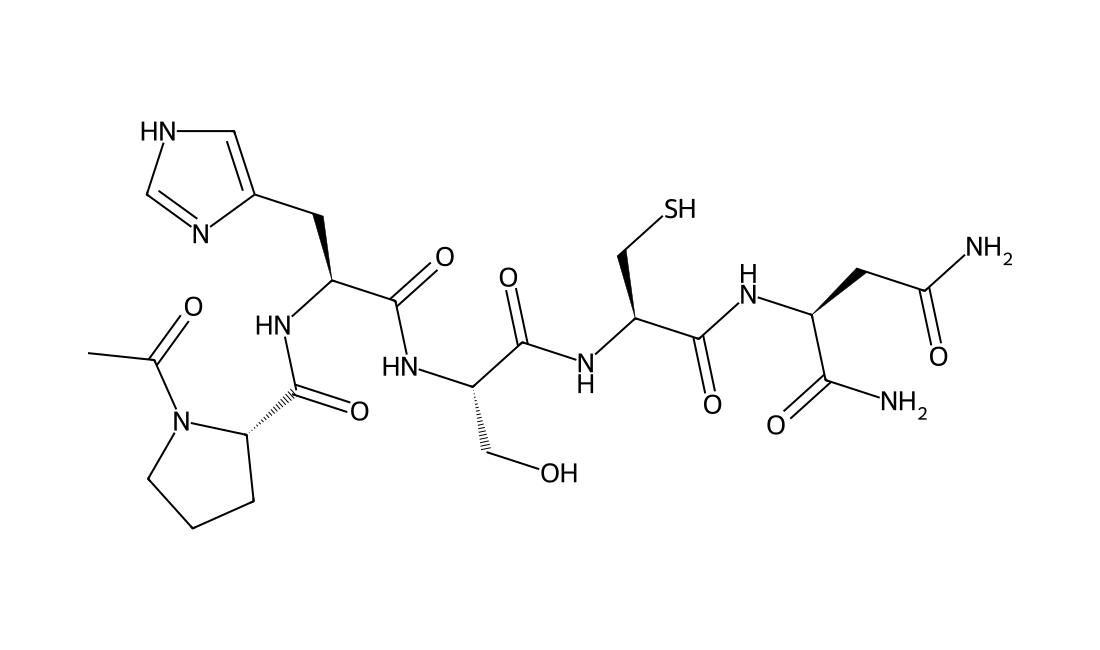
ATN-161 (Ac-PHSCN-NH2) is a five -amino-acid peptide derived from the synergy region of fibronectin; a beta integrin antagonist with antitumor activity. IC50 value: Target: Integrin antagonist in vitro: ATN-161 inhibited VEGF-induced migration and capillary tube formation in hCECs, but did not inhibit proliferation . in vivo: Murine colon cancer cells (CT26) were injected into spleens of BALB/c mice to produce liver metastases. Four days thereafter, mice were given either ATN-161 (100 mg/kg, every 3rd day) or saline by intraperitoneal injection, with or without combination of continuous-infusion 5-FU (100 mg/kg/2 weeks), which was started on day 7. On day 20 after tumor cell inoculation, mice were killed and liver weights and number of liver metastases were determined . ATN-161 after laser photocoagulation inhibited CNV leakage and neovascularization to an extent similar to AF564. Furthermore, SD-OCT and histologic examinations indicated that ATN-161 significantly decreased the size of laser-induced lesions . Treatment with ATN-161 significantly blunts atherosclerotic plaque development in apolipoprotein E-deficient mice, characterized by reduced vascular cell adhesion molecule-1 expression and macrophage accumulation without affecting fibrous cap size. For the detailed information about the solubility of ATN-161 in water, the solubility of ATN-161 in DMSO, the solubility of ATN-161 in PBS buffer, the animal experiment of ATN-161 ,the in vivo and in vitro test of ATN-161 ,the cell experiment of ATN-161 ,the IC50 and EC50 of ATN-161 please contact DC Chemicals.
CAS 414910-30-8
Casopitant (GW679769) is a potent, centrally-acting neurokinin 1 (NK1) receptor antagonist (pKi=9.48) with antidepressant and antiemetic activities; demonstrates potential for treatment of chemotherapy-induced nausea and vomiting (CINV).Chemotherapeutic AgentsPhase 2 Discontinued
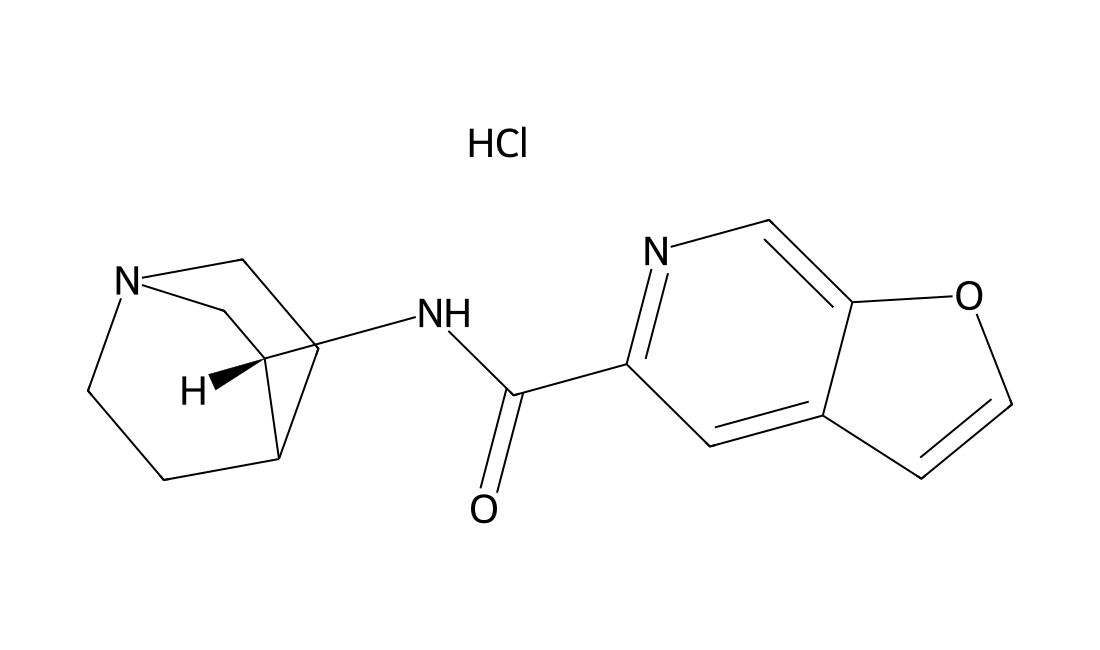
CAS 478149-53-0
PHA-543613 acts as a potent and selective agonist for the α7 subtype of neural nicotinic acetylcholine receptors, with a high level of brain penetration and good oral bioavailability. It is under development as a possible treatment for cognitive deficits in schizophrenia.
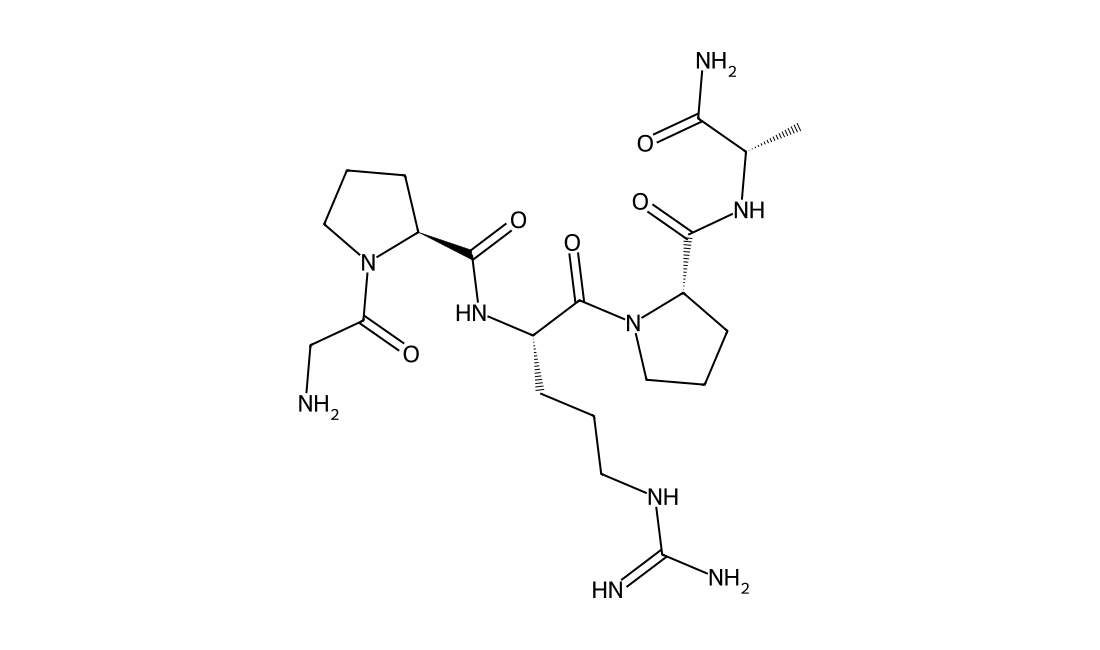
CAS 135679-88-8
Pentapeptide-3 is a pentapeptide fragment of neurotoxin waglerin-1 from the venom of Temple Viper. Pentapeptide-3 is a competitive antagonist of nicotinic acetylcholine receptors (nAChRs), it can blocks nerves at the post-synaptic membrane. Pentapeptide-3 has anti-aging effects and it can be used together with other cosmetic peptides.
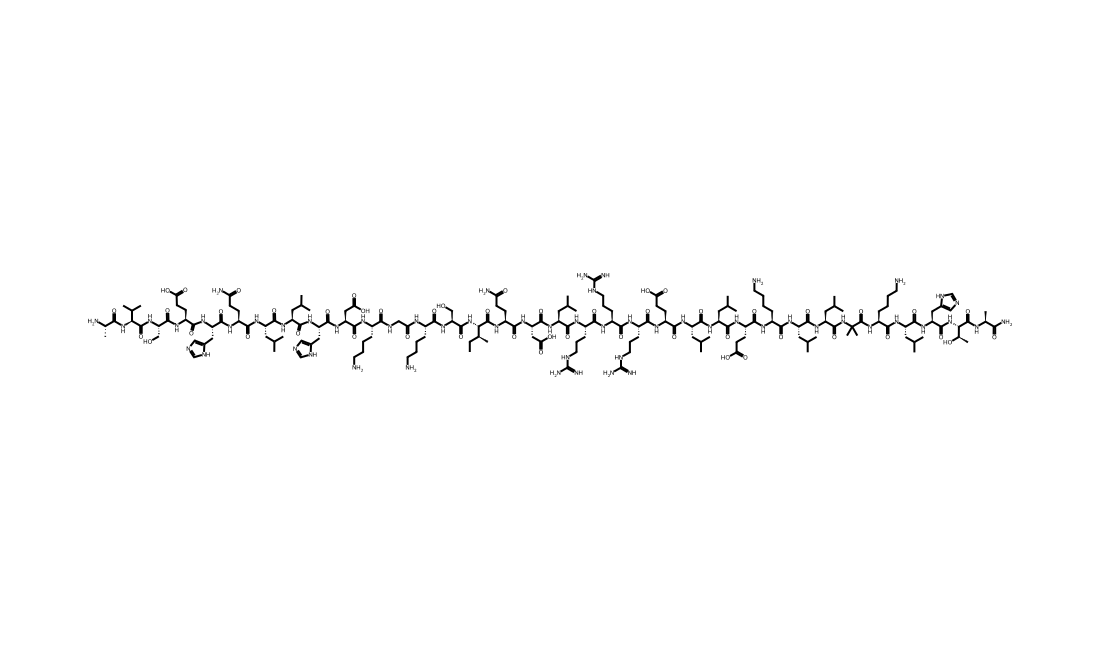
CAS 247062-33-5
Abaloparatide (BA058, BIM-44058, ITM-058) is a novel 34-amino acid peptide selected to be a potent and selective activator of the parathyroid hormone receptor (PTH1R) signaling pathway with an IC50 of 0.117 nM in SOST analysis.
CAS 79561-22-1
Alarelin is a potent LH-RH agonist in rats and mice. Alarelin reversibly delays sexual maturation in rats, stimulates spawning activity in fish. GnRH ( gonadotropin-releasing hormone, Glp-His-Trp-Ser-Tyr-Gly-Leu-Arg-Pro-Gly-NH2), which is also referred as LHRH (luteinizing hormone-releasing hormone) or gonadorelin, is crucial for mammalian reproduction and is released from hypothalamic neurons. It is responsible for the secretion of gonadotropins, luteinizing hormone (LH) and follicle-stimulating hormone (FSH), from the pituitary glands.
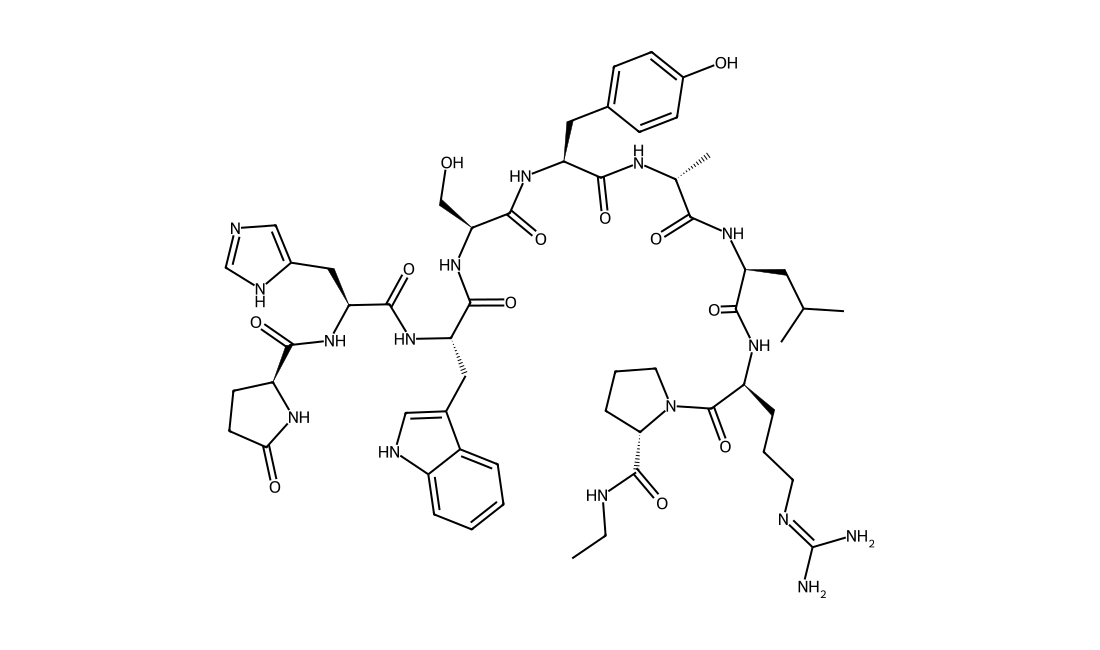
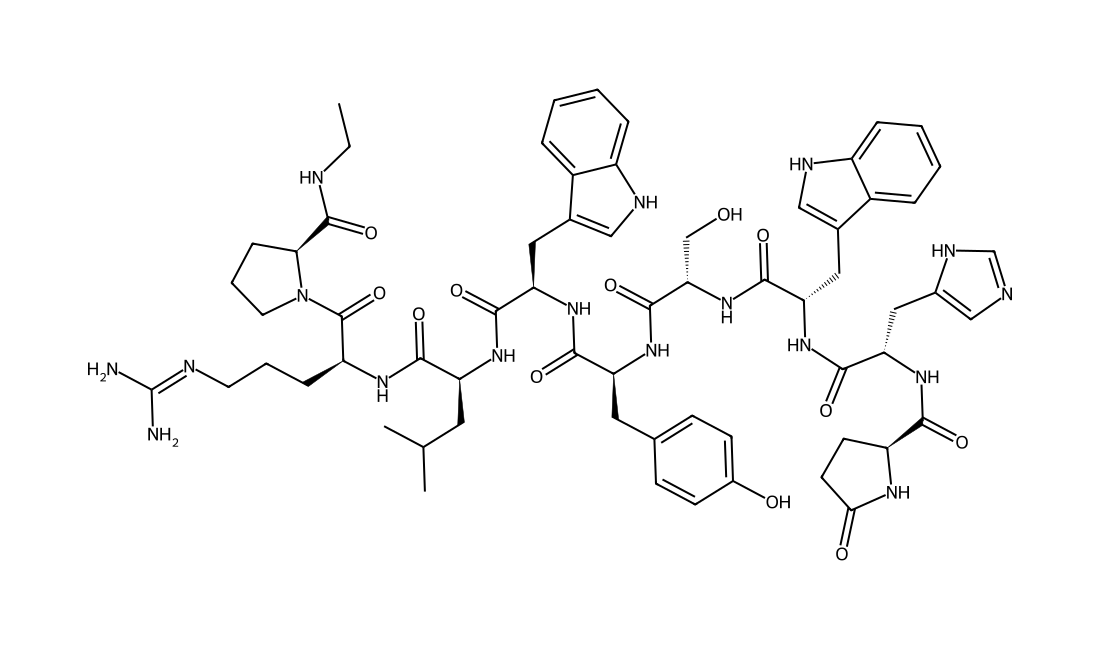
CAS 57773-65-6
Deslorelin is a GnRH agonist. Deslorelin implants can be used as an alternative to dopamine agonists to induce fertil eoestrus in the bitch in anoestrus. The deslorelin implant can be used successfully in the queen for oestrus inhibition. Deslorelin acetate did not significantly affect the spontaneous contraction amplitude but caused a decrease in the frequency in the dorsal and ventral parts of the bladder.
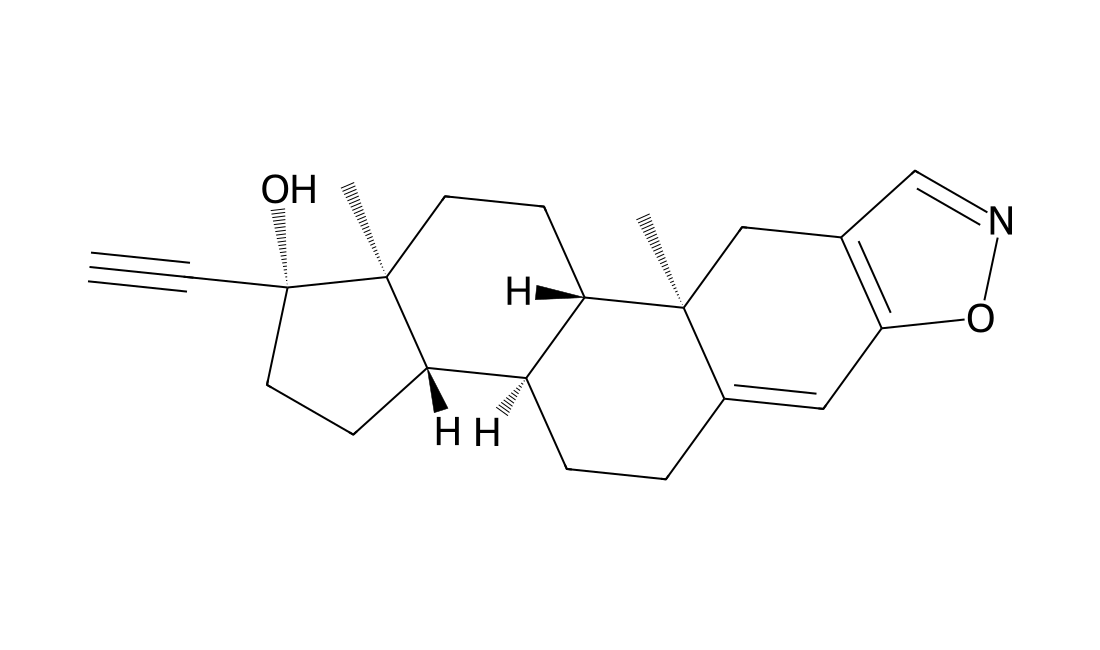
CAS 17230-88-5
Danazol is a derivative of the synthetic steroid ethisterone that suppresses the production of gonadotropins and has some weak androgenic effects. Before becoming available as a generic drug, danazol was marketed as Danocrine in the United States. It was approved by the US Food and Drug Administration (FDA) as the first drug to specifically treat endometriosis in the early 1970s. Although effective for endometriosis, its use is limited by its masculinizing side-effects. Its role as a treatment for endometriosis has been largely replaced by the GnRH agonists.
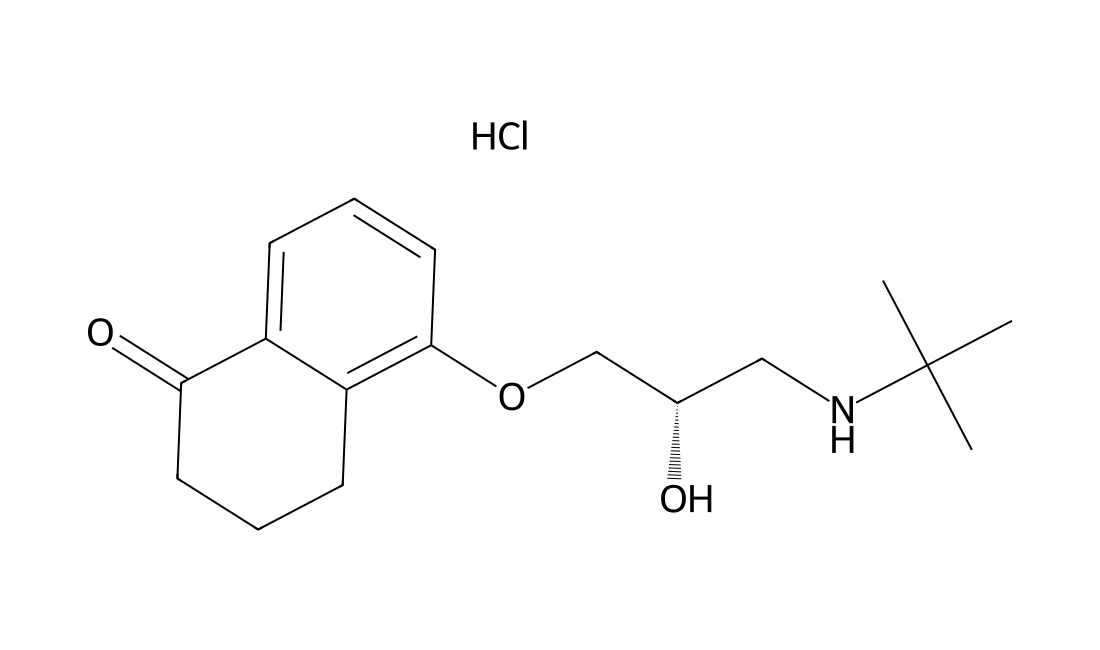
CAS 27912-14-7
Levobunolol Hydrochloride is a non-cardioselective adrenergic beta-receptor antagonist with anti-glaucoma activity.
CAS 204697-65-4
Olcegepant(BIBN 4096; BIBN 4096BS) is the first potent and selective non-peptide antagonist of the calcitonin gene-related peptide 1 (CGRP1) receptor(IC50= 0.03 nM). Olcegepant(BIBN-4096; BIBN-4096BS) inhibits the release and action of Calcitonin Gene-Related Peptide (CGRP).Olcegepant is useful for treatment of acute attacks of migraine. Olcegepant exhibiting a favorable biological profile was selected for initial clinical trials. A proof of concept study indicated that intravenous application of 19 was effective in the treatment of acute migraine headache.
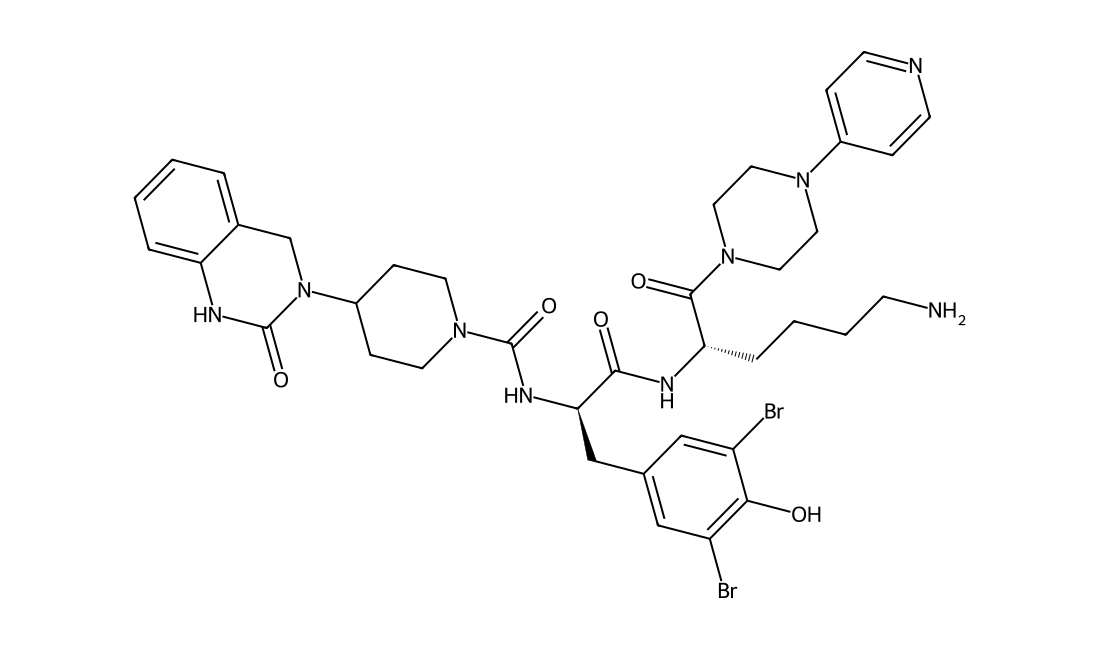
CAS 2162982-11-6
BAY2335218(BAY-218) showed IC50 values for human and murine AhR 45 and 43 nM, respectively, IC50 values of 76 and 66 for human and murine CYP1A1 mRNA in cellular functional assays, respectively.
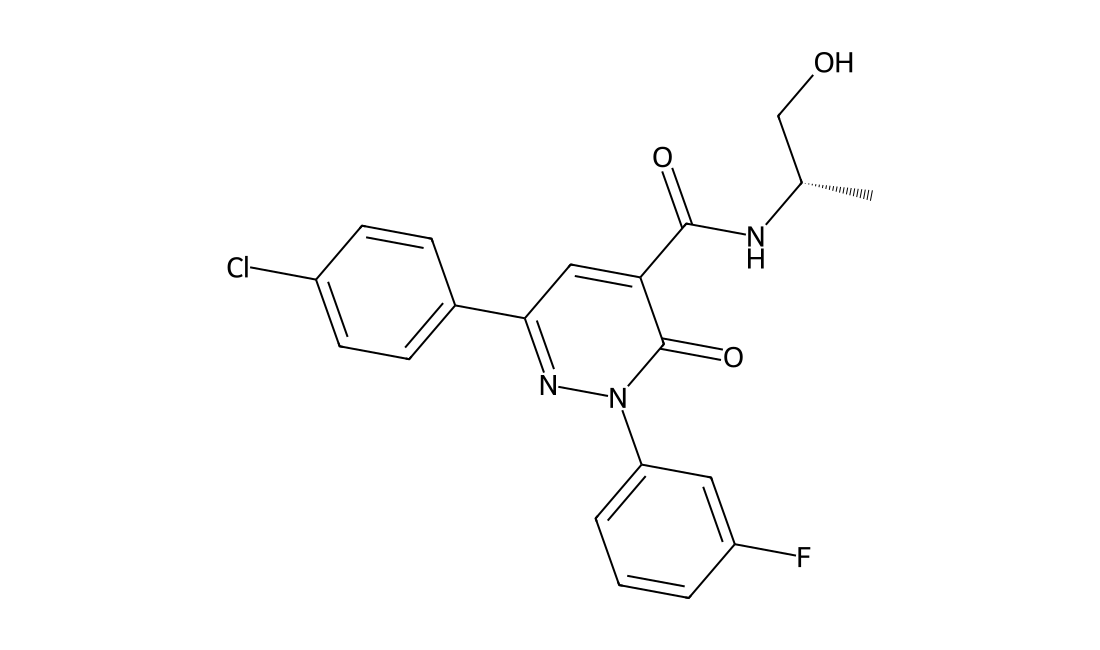
CAS 2178049-58-4
ACT-1004-1239 is a potent, selective, orally available CXCR7 antagonist with an IC50 value of 3.2 nM.
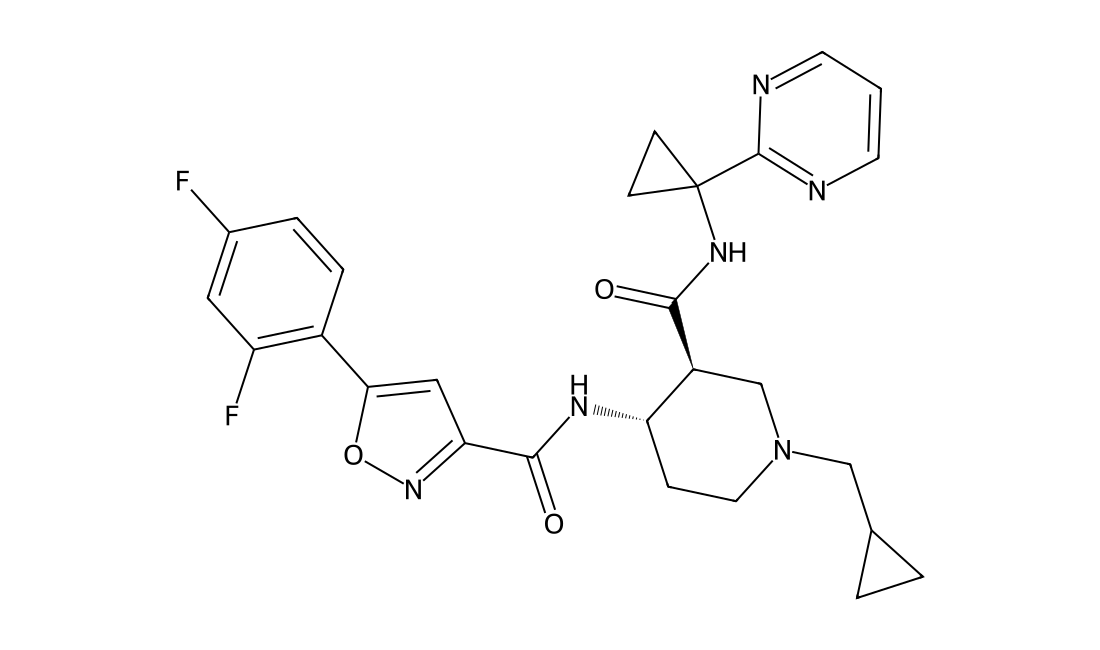
CAS 2247517-53-7
BAY-6672 is a potent and selective human Prostaglandin F (FP) receptor antagonist with an IC50 value of 11 nM.
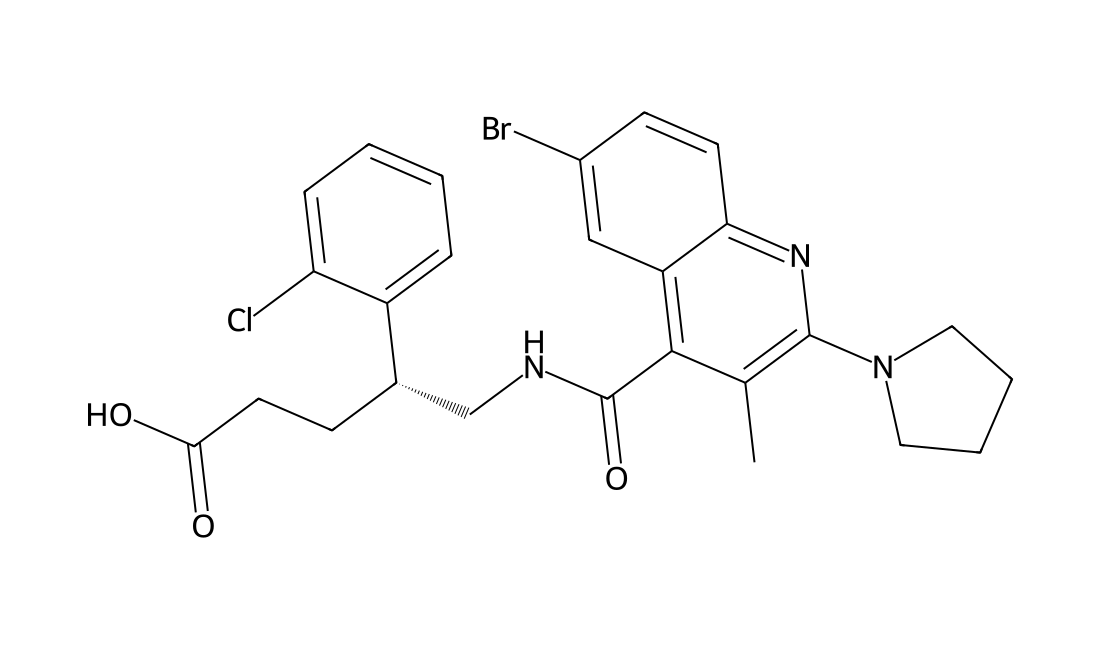
CAS 1656261-09-4
SCO-267 is an allosteric GPR40 full agonist. SCO-267 can be used for the research of chronic diseases including diabetes.
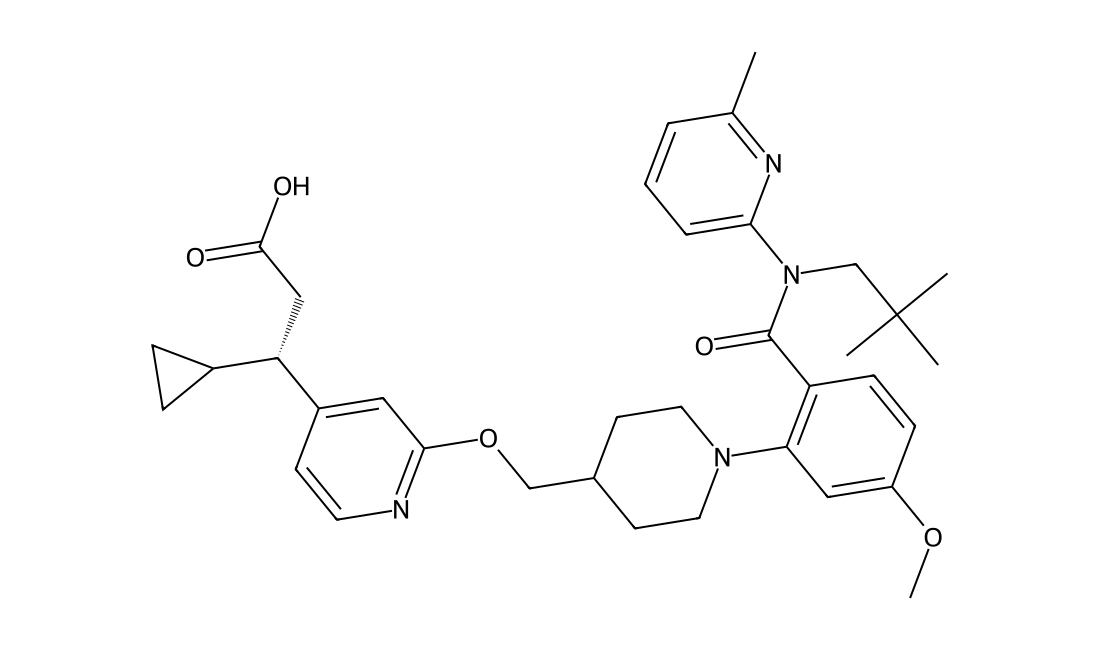
CAS 1638667-79-4
LY3154207 is a potent and selective dopamine receptor D1 positive allosteric modulator for the treatment of Parkinson's disease dementia.
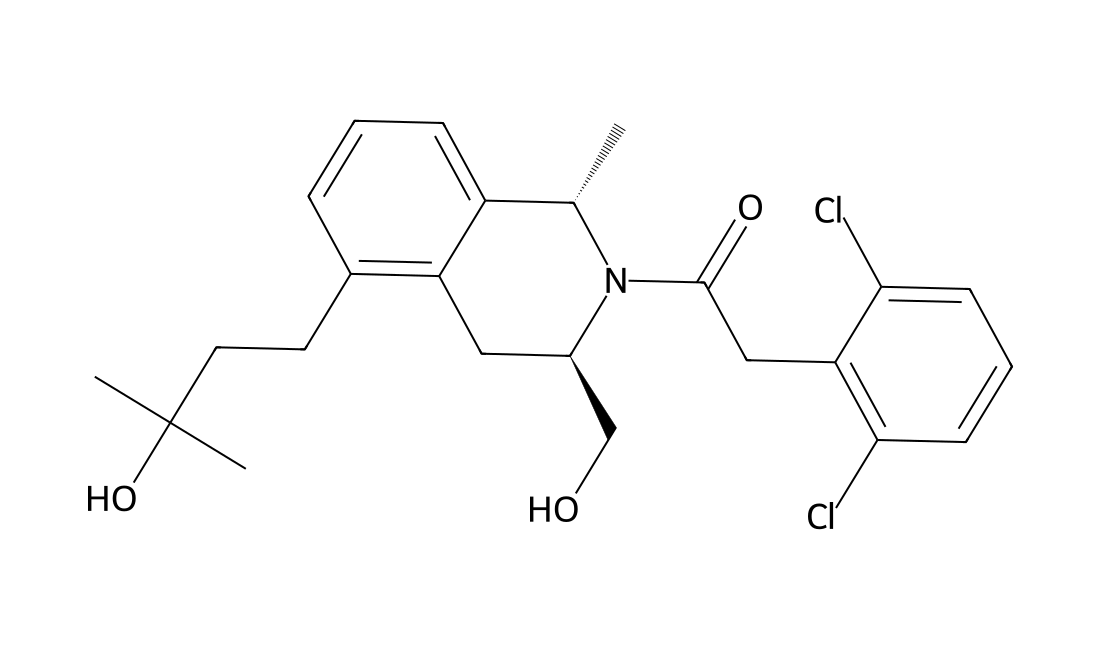
CAS 2187489-08-1
MIDD0301 is a potent, positive allosteric, α5β3γ2 selective, GABAA receptor (GABAAR) ligand with EC50 of 17 nM, shows no significant binding at the peripheral GABAAR at 10 uM; causes amplification of GABA induced current mediated by α1-3,5β3γ2 GABAARs in the presence of MIDD0301 in automated patch clamp test; relaxes airway smooth muscle at single micromolar concentrations as demonstrated with ex vivo guinea pig tracheal rings, also attenuates airway hyperresponsiveness (AHR) in an ovalbumin murine model of asthma by oral administration, with low brain distribution; reduces lung cytokine expression of IL-17A, IL-4, and TNF-α, as wells as the number of CD4+ T cells.
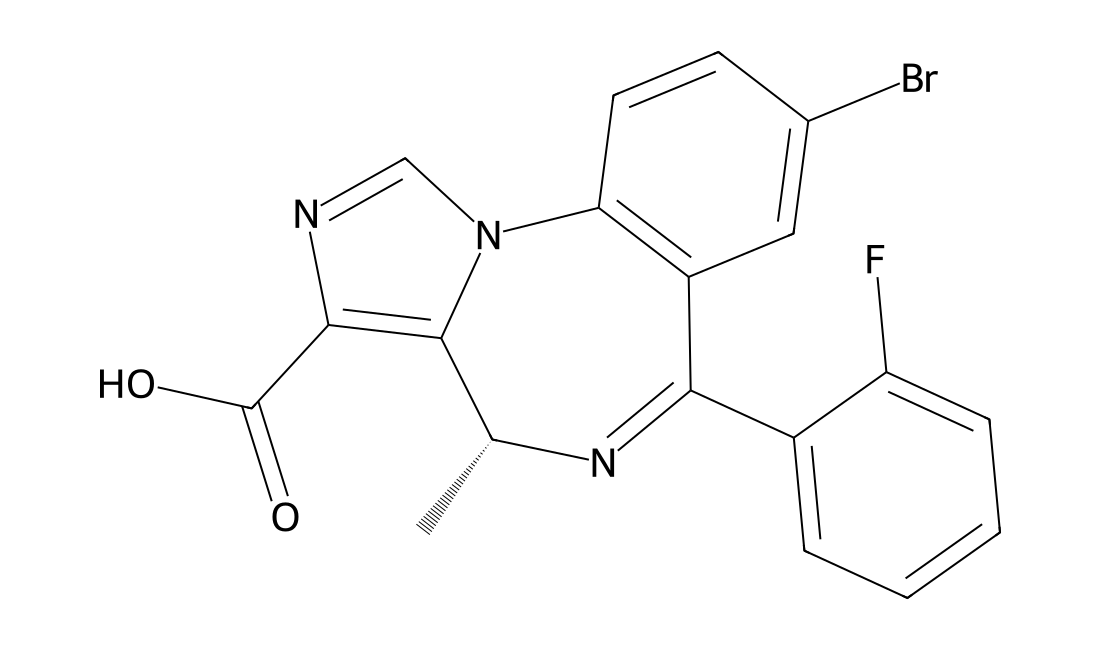
CAS 1073549-10-6
TD-0212 (TD0212) is a potent, orally efficacious, dual AT1 antagonist/Neprilysin (NEP) inhibitor with pKi of 8.9 (AT1) and pIC50 of 9.2 (NEP); produces blood pressure reductions similar to omapatrilat and combinations of AT1 receptor antagonists and NEP inhibitors in models of renin-dependent and -independent hypertension, does not increase TPE at antihypertensive doses in rat tracheal plasma extravasation (TPE) models.
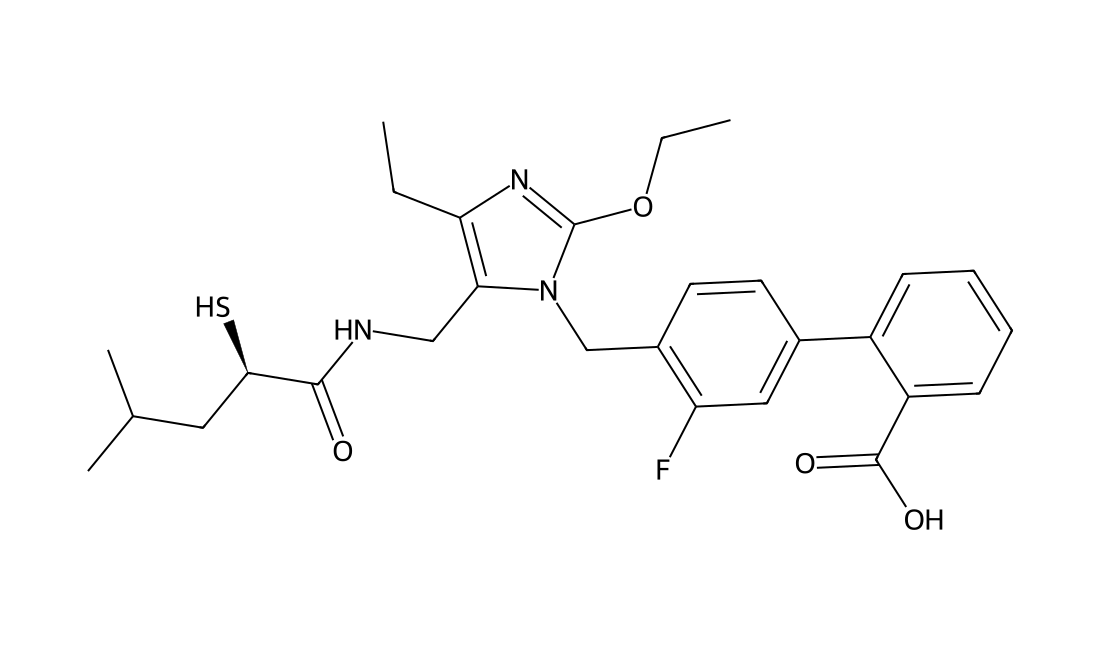
CAS 1396337-04-4
In Vitro VU0424238 with an IC50 value of 14 nM in HEK293A cells. It also binding a known allosteric site with K i value of 4.4 nM in HEK293A cells. In Vivo VU0424238 had a clearance of 19.3 mL/min/kg in rats and demonstrates 50% mGlu5 PET ligand occupancy at an oral dose of 0.8 mg/kg in rats. Plus, it also had a clearance of 15.5 mL/min/kg in cynomolgus monkeys and demonstrates 50% mGlu5 PET ligand occupancy at an oral dose of 0.06 mg/kg in baboons.
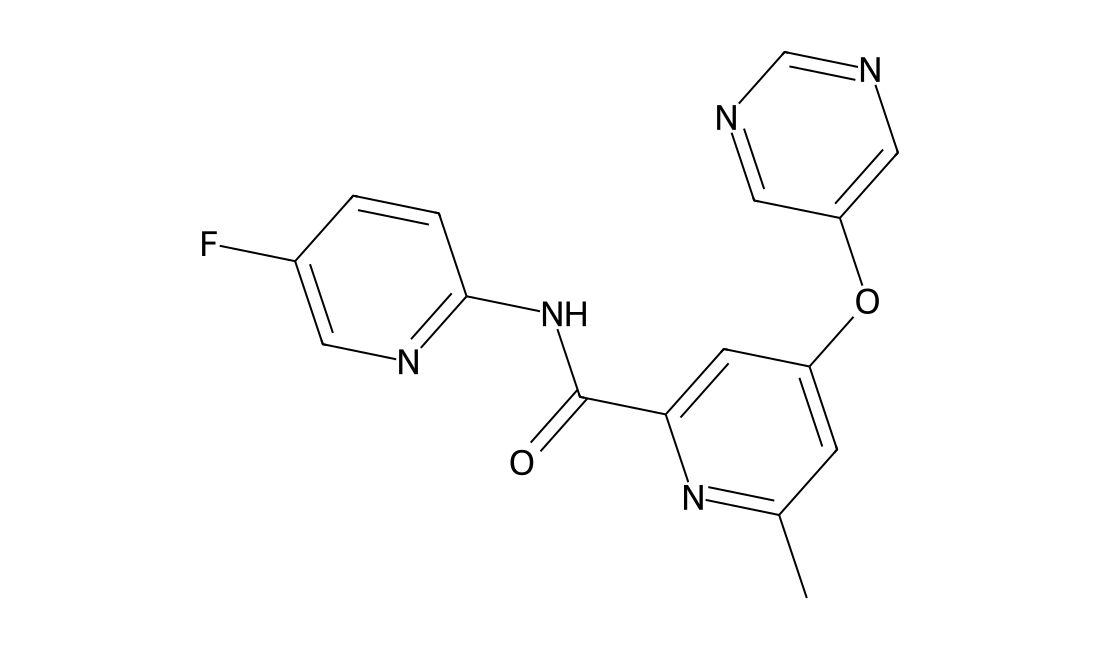
CAS 302799-86-6
TCS 46b is an orally active, subtype-selective GluN1A/GluN2B NMDA receptor antagonist
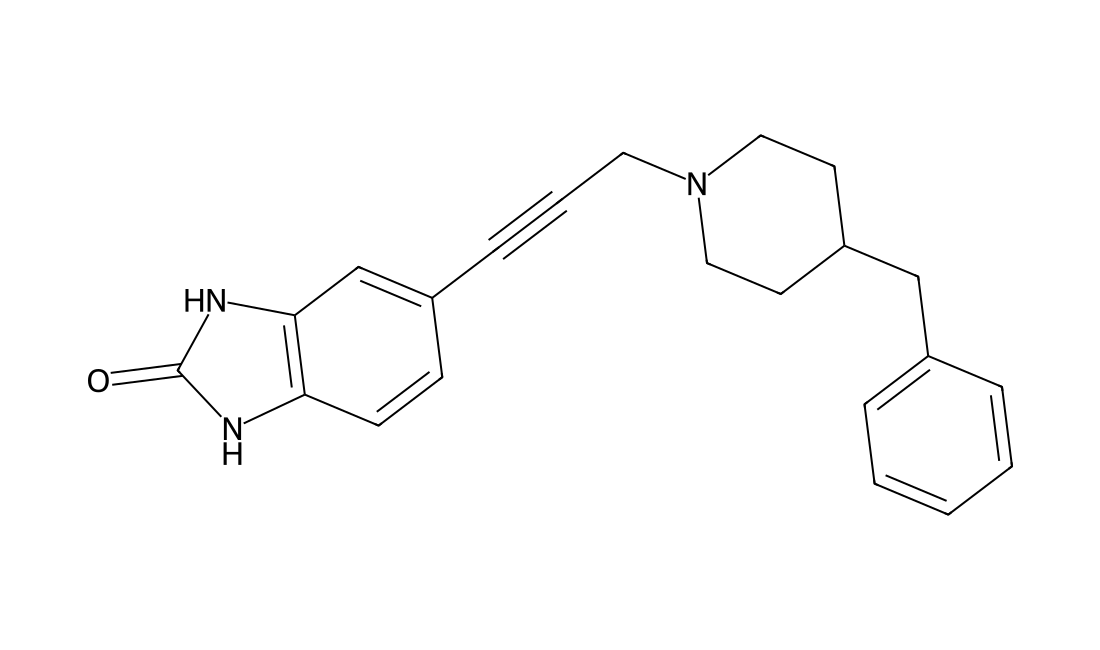
CAS 2305372-67-0
Wnt/β-catenin agonist 1 (compound 3f) is a Wnt/β-catenin signalling pathway agonist, with an EC50 of 0.27 μM.
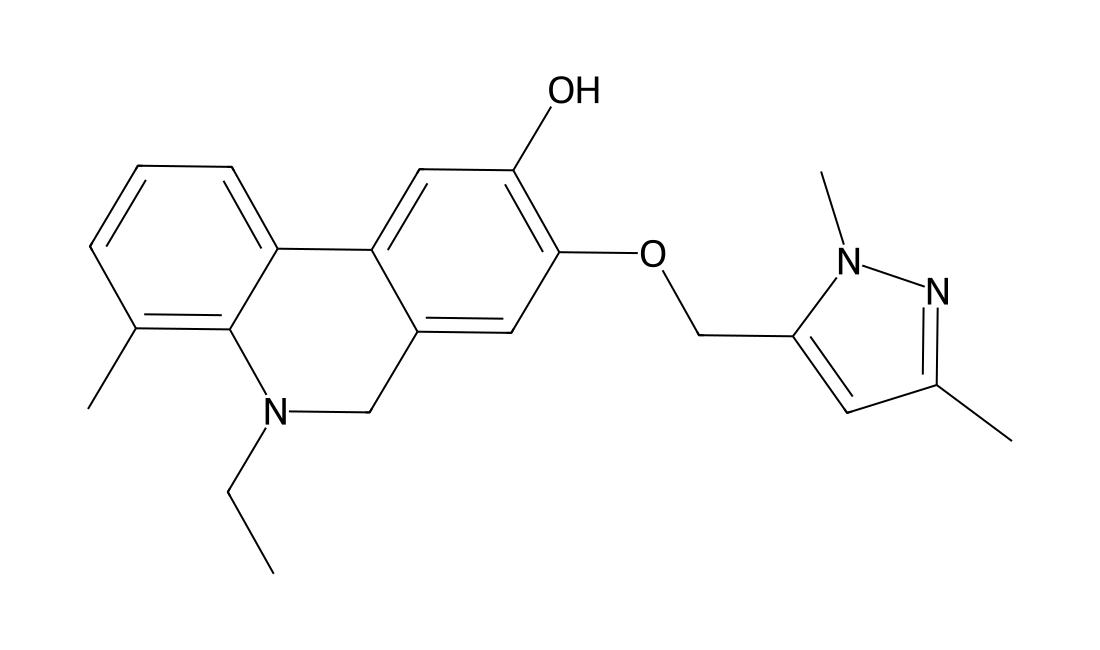
CAS 2114324-48-8
TAK-925 (Danavorexton) is a potent, selective, and brain-penetrant Orexin 2 receptor (OX2R) agonist with EC50 of 5.5 nM, no significant inhibition on OX1R (IC50>100 uM).TAK-925 also showed good selectivity against 106 off-target enzymes and receptors.
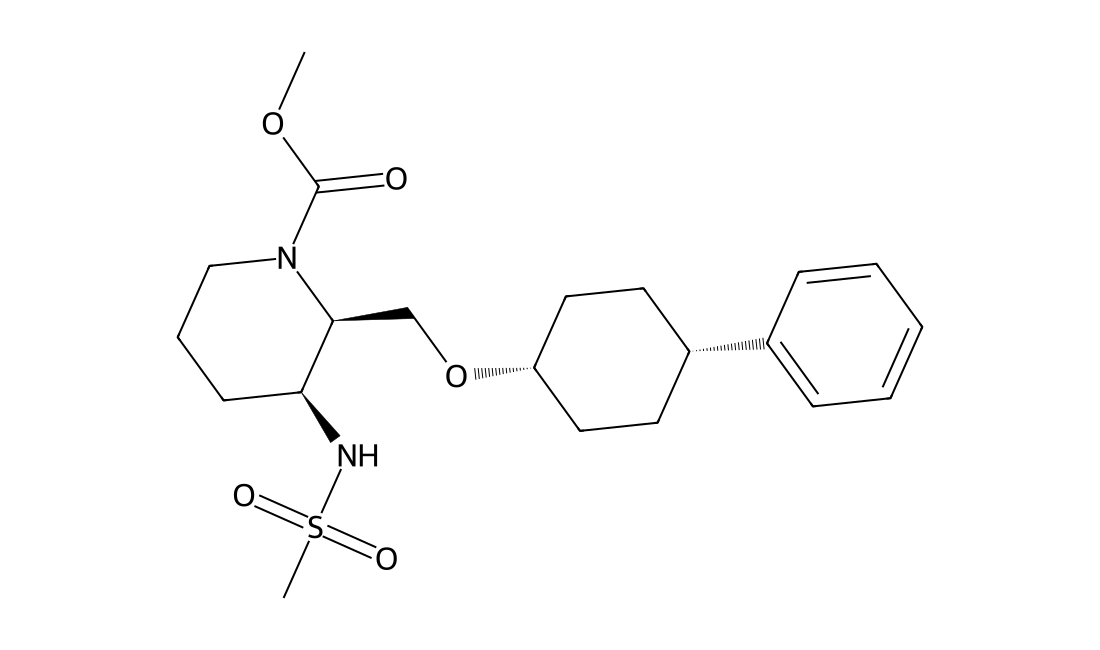
CAS 1369412-66-7
DS-3801b is a potent and non-macrolide agonist of GPR38. DS-3801b is expected to be novel gastrointestinal prokinetic agents for the research of functional gastrointestinal disorders such as gastroparesis and chronic constipation.
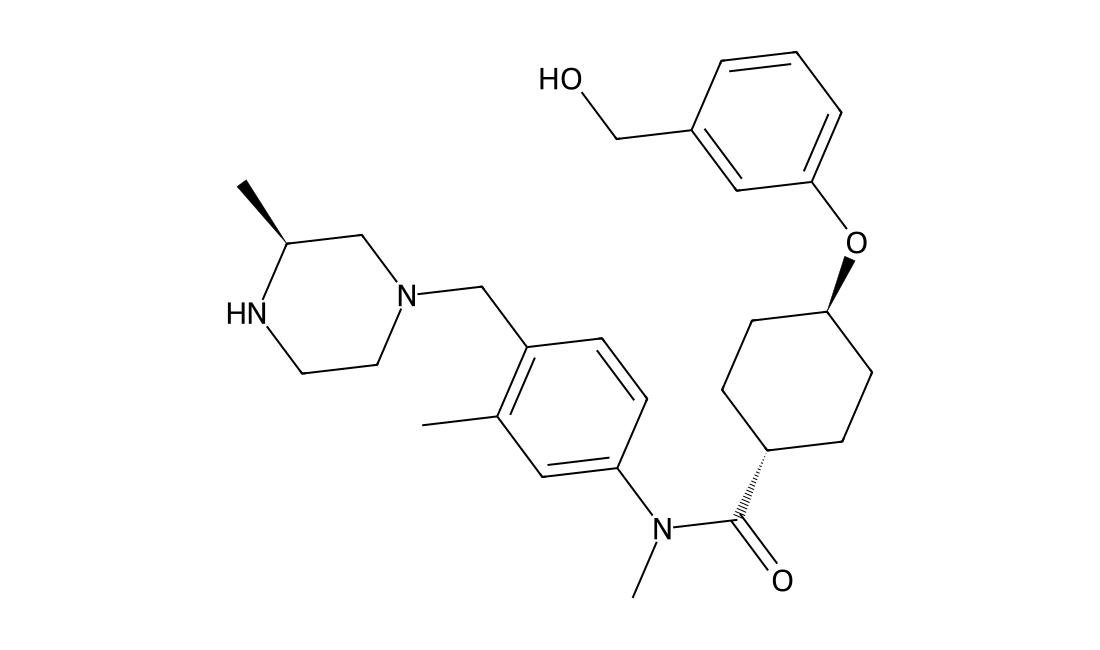
CAS 2012536-16-0
NYX-2925 has a low potential for "off-target" activity, as it did not exhibit any significant affinity for a large panel of neuroactive receptors, including hERG receptors. NYX-2925 increased MK-801 binding to human N-methyl-D-aspartate receptor NR2A-D subtypes expressed in HEK cells and enhanced N-methyl-D-aspartate receptor current and long-term potentiation (LTP) in rat hippocampal slices (100-500 nM). Single dose ex vivo studies showed increased metaplasticity in a hippocampal LTP paradigm and structural plasticity 24 hours after administration (1 mg/kg p.o.). Significant learning enhancement in both novel object recognition and positive emotional learning paradigms were observed (0.01-1 mg/kg p.o.), and these effects were blocked by the N-methyl-D-aspartate receptor antagonist CPP. NYX-2925 does not show any addictive or sedative/ataxic side effects and has a therapeutic index of >1000. NYX-2925 (1 mg/kg p.o.) has a cerebrospinal fluid half-life of 1.2 hours with a Cmax of 44 nM at 1 hour.NYX-2925, like rapastinel, activates an NMDA receptor-mediated synaptic plasticity process and may have therapeutic potential for a variety of NMDA receptor-mediated central nervous system disorders.
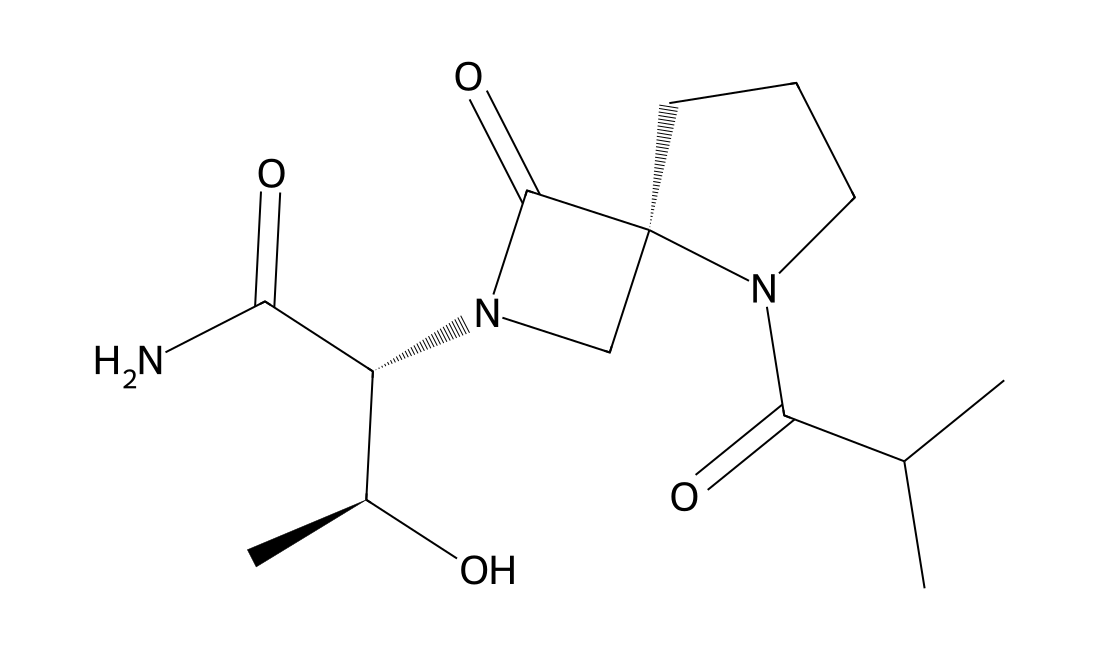
CAS 887936-68-7
Temanogrel is a highly selective 5-HT2A receptor antagonist with a Ki of 4.9 nM.
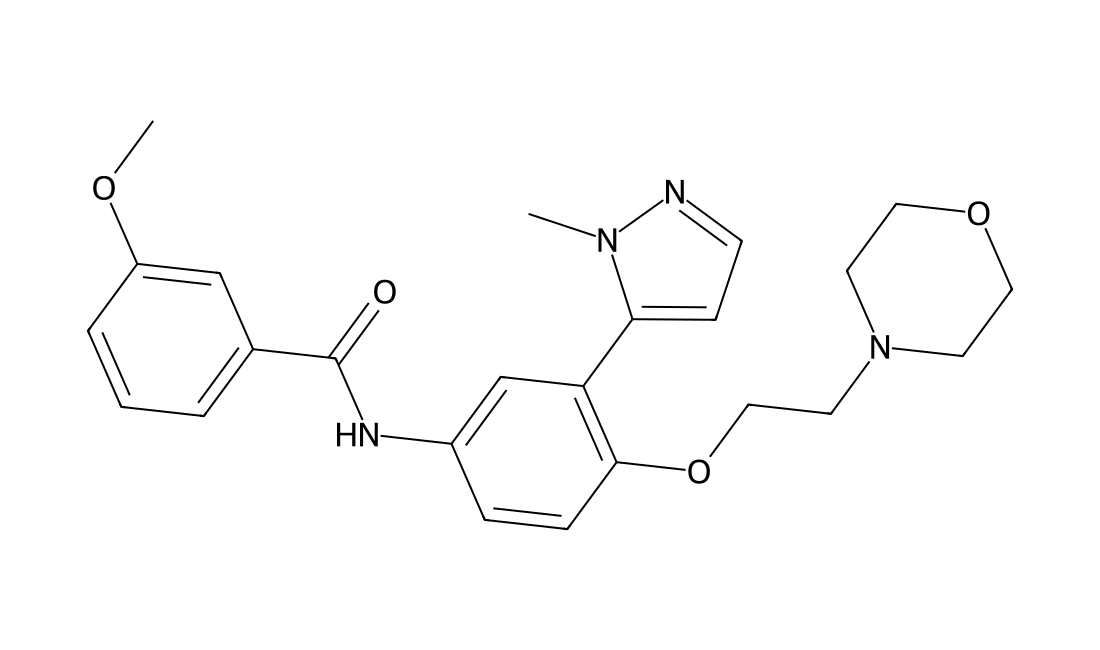
CAS 1637741-58-2
Cipepofol (HSK3486), a sedative-hypnotic agent, is a gamma-aminobutyric acid (GABA) receptor potentiator.
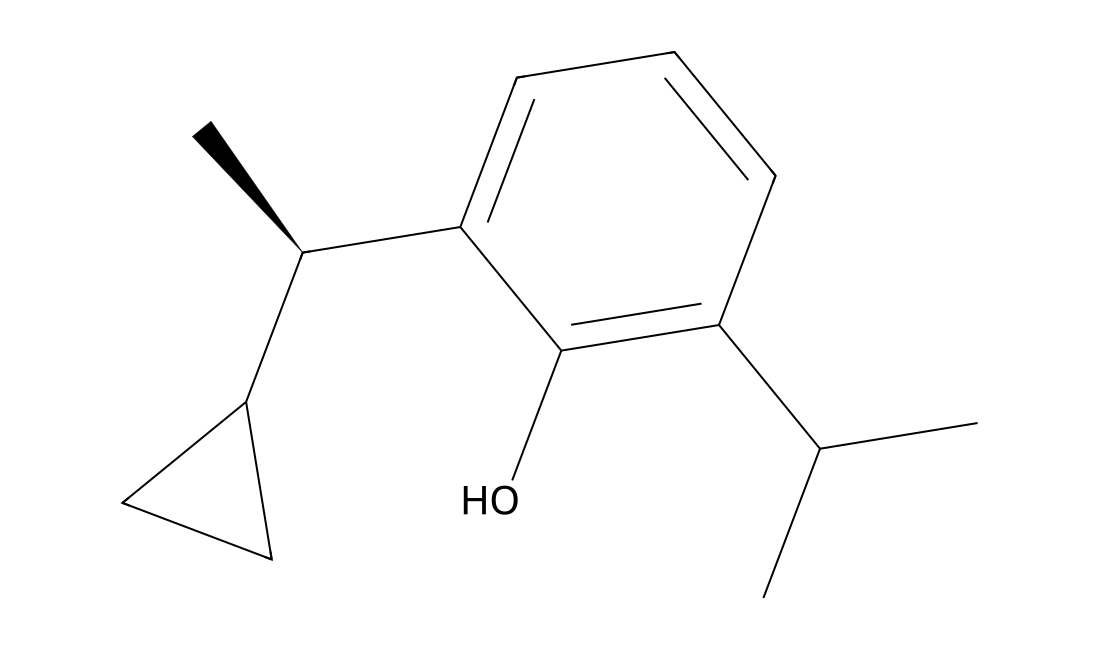
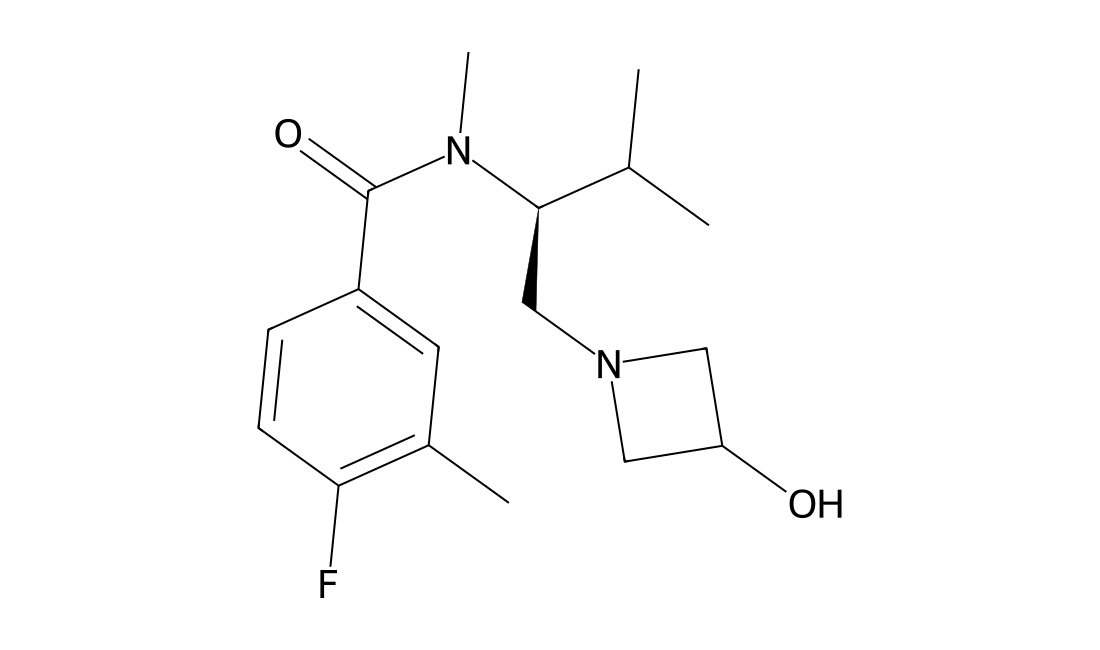
CAS 2172870-89-0
Paltusotine (CRN00808) is an orally active, nonpeptide selective somatostatin type 2 (SST2) receptor agonist. Paltusotine has the potential for maintaining GH and IGF-1 levels after depot somatostatin receptor ligand therapy.
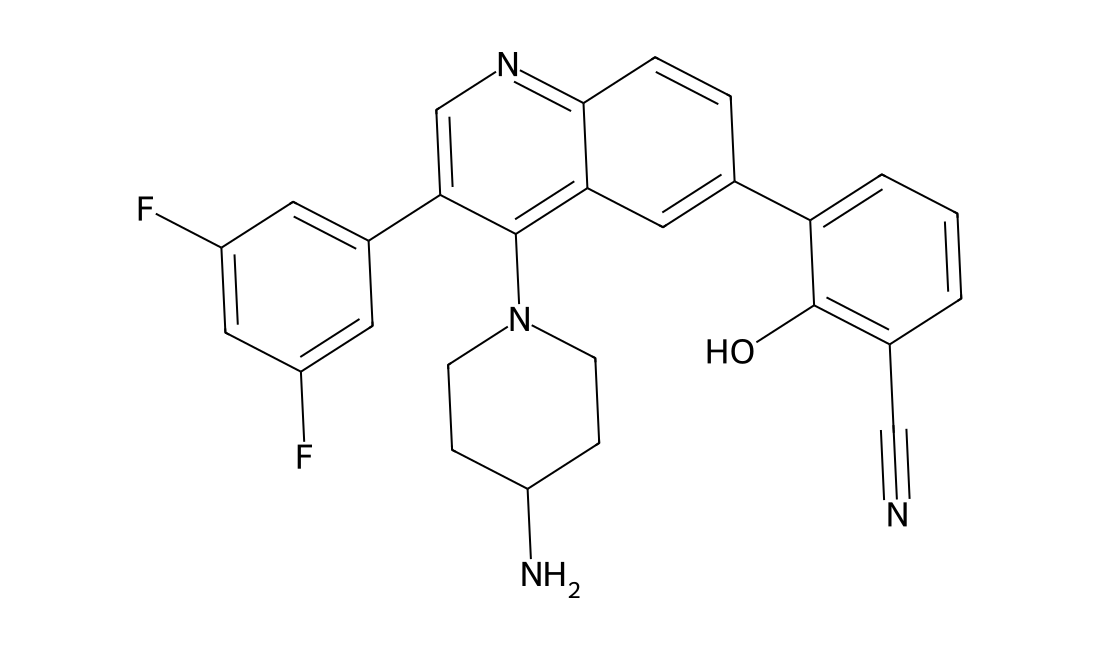
CAS 874755-26-7
GPR40/FFAR1 modulator 1 is an agonist and an allosteric modulator for Gq-coupled free fatty acid receptor 1 (GPR40/FFAR1).
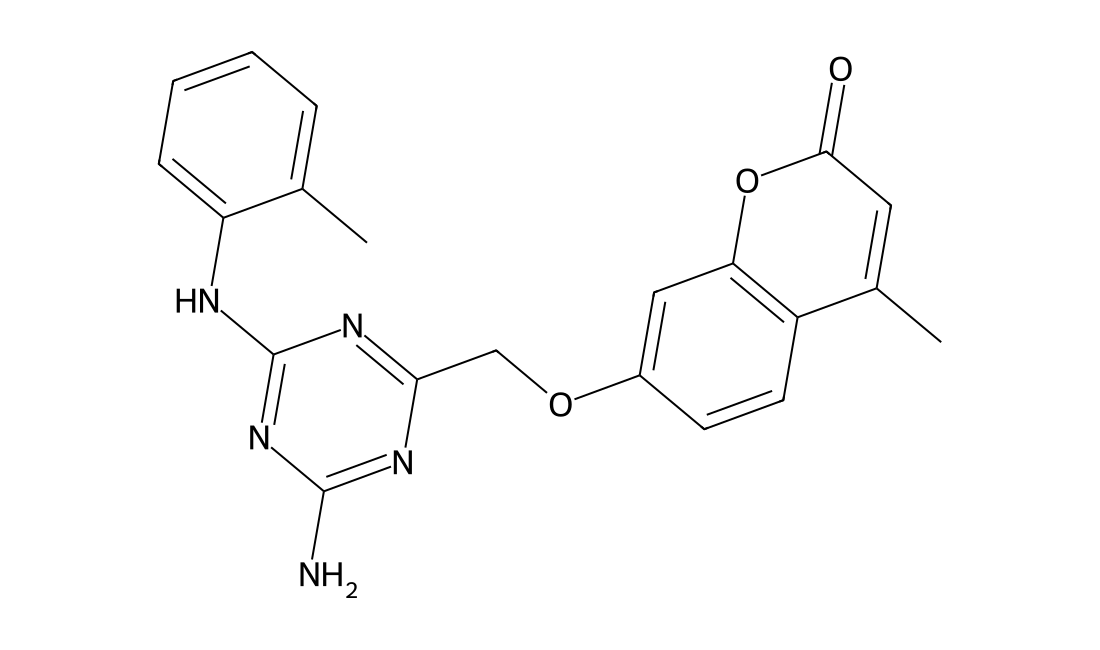
CAS 599179-03-0
Vicriviroc maleate is a potent, selective, oral bioavailable and CNS penetrated antagonist of CCR5, with a Ki of 2.5 nM, and also inhibits HIV-1 in PBMC cells, with IC90s of 3.3 nM (JrFL), 2.8 nM (ADA-M), 1.8 nM (301657), 4.9 nM (JV1083) and 10 nM (RU 570).
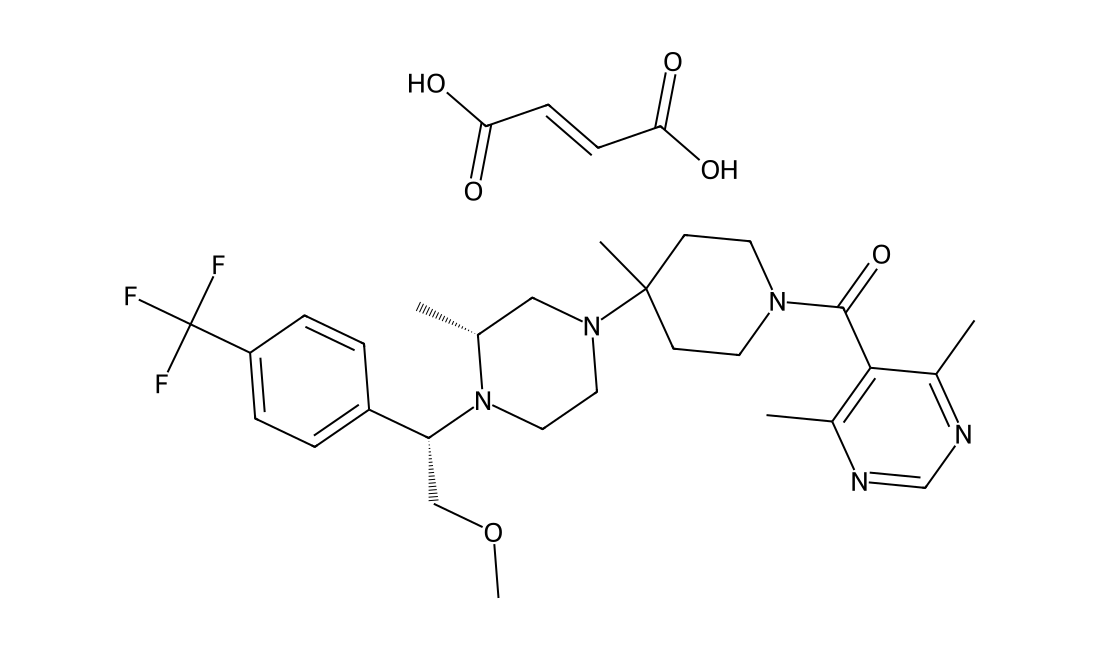
CAS 497223-28-6
Cenicriviroc is a dual CCR2/CCR5 antagonist, also inhibits both HIV-1 and HIV-2, and displays potent anti-inflammatory and antiinfective activity.
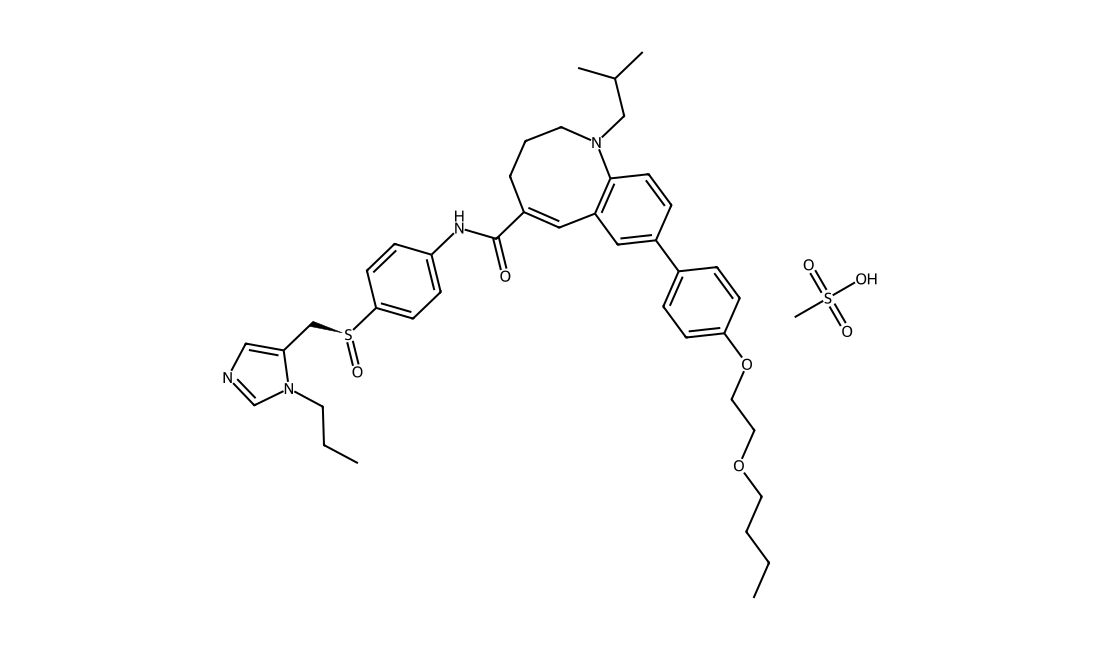
CAS 247580-43-4
SB-328437 is a potent, selective non-peptide CCR3 antagonist with an IC50 of 4.5 nM.
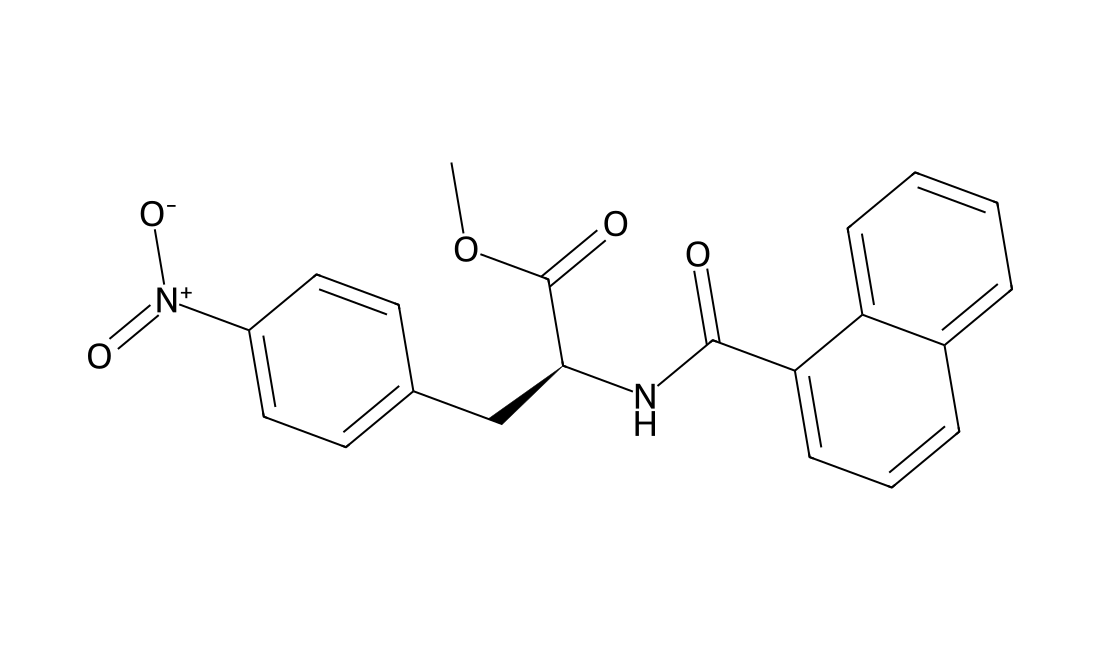
CAS 1639220-19-1
Sigma‑1 receptor antagonist 1 (compound 137) is a potent and selective sigma-1 receptor (σ1R) antagonist, with a high binding affinity to σ1R receptor (Ki = 1.06 nM). Sigma‑1 receptor antagonist 1 exhibits antineuropathic pain activity and acts as a promising agent for the treatment of neuropathic pain[1].
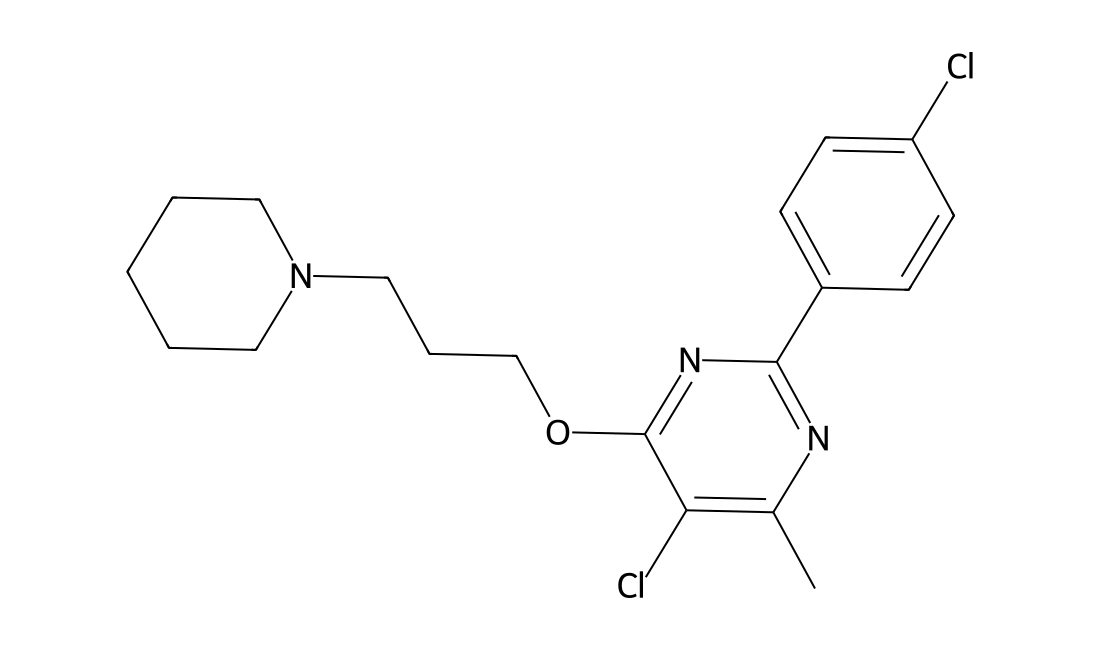
CAS 2238822-07-4
GDC-2394 is an orally active and selective NLRP3 inhibitor, and also inhibits IL-1β with IC50s of 0.4 μM (human IL-1β) and 0.1 μM (mouse IL-1β). GDC-2394 inhibits NLRP3-induced caspase-1 activity without inhibiting NLRC4-dependent inflammasome activation.
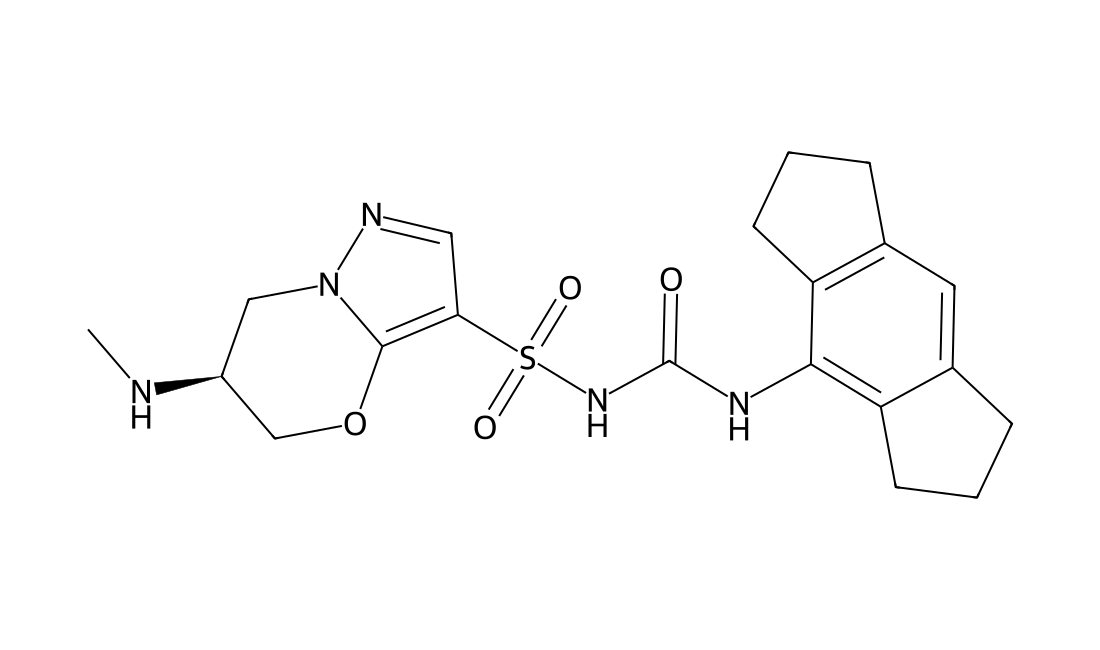
CAS 1227301-51-0
Philanthotoxin 74 dihydrochloride (PhTx 74) is an AMPAR antagonist; inhibits GluR3 and GluR1 with IC50s of 263 and 296 nM, respectively.