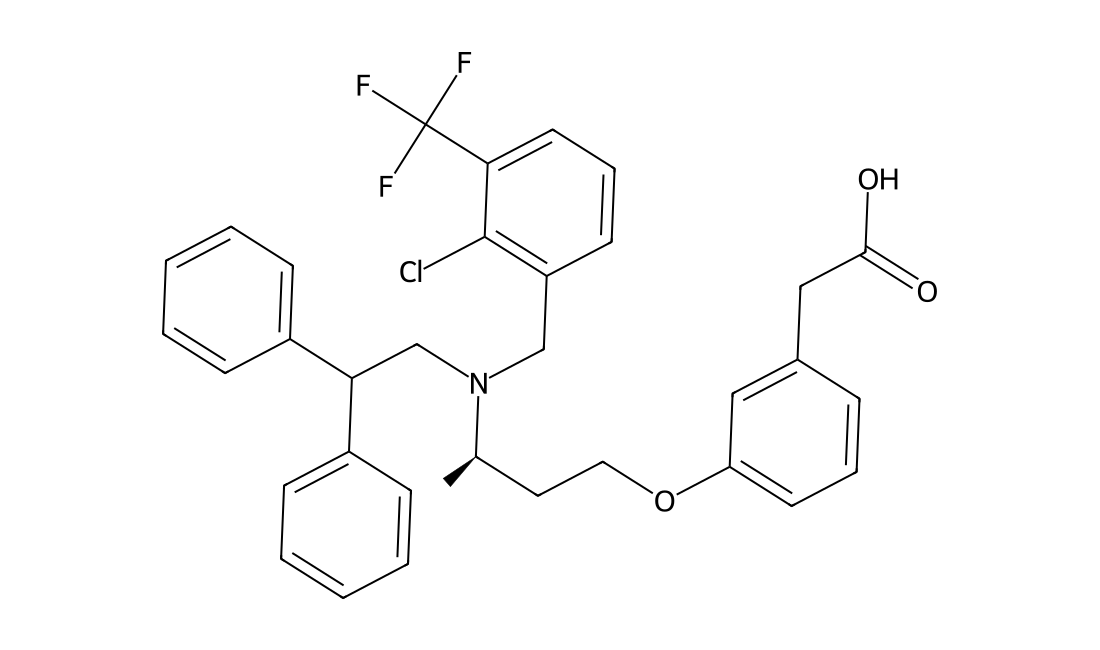
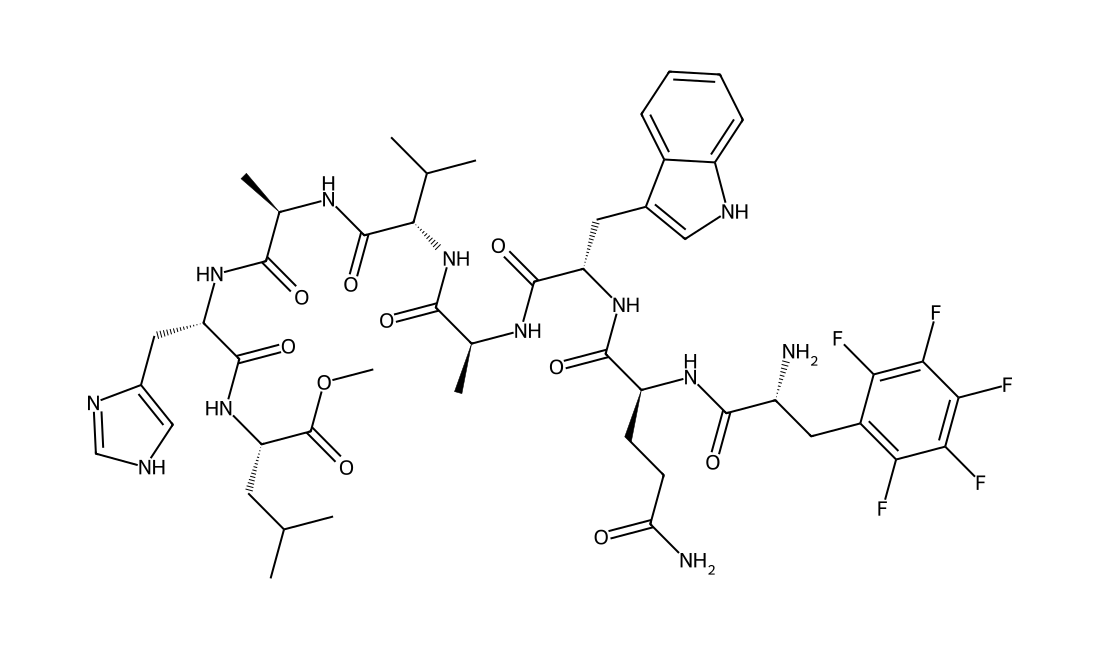
MM 07
CAS 1876450-21-3
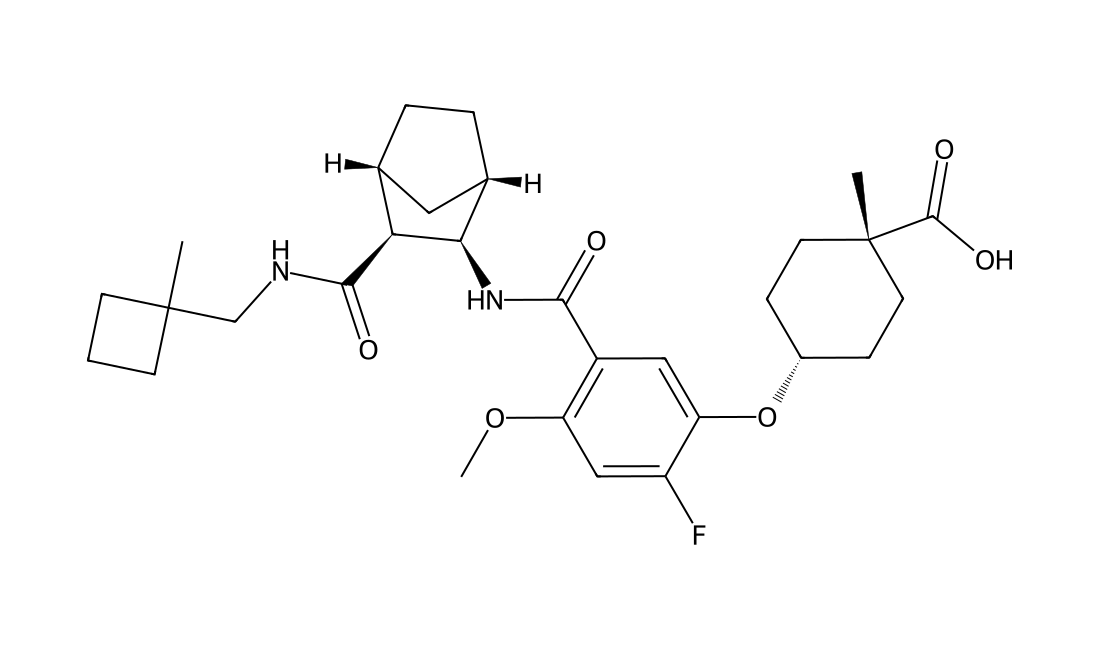
MM 07 is a biased apelin receptor agonist, with a KD of 300 nM in CHO-K1 cells and a KD of 172 nM in human heart.

G-protein-coupled, nuclear and other ligand-binding receptors and their modulators.
Products may appear in more than one category. Counts refer to distinct catalog numbers within each category.
Other Research Tools (75) · Additional reagents, building blocks and specialized research tools.
Combine a keyword, research category and target to narrow the product list.
Loading catalog filters…
CAS 1876450-21-3
MM 07 is a biased apelin receptor agonist, with a KD of 300 nM in CHO-K1 cells and a KD of 172 nM in human heart.
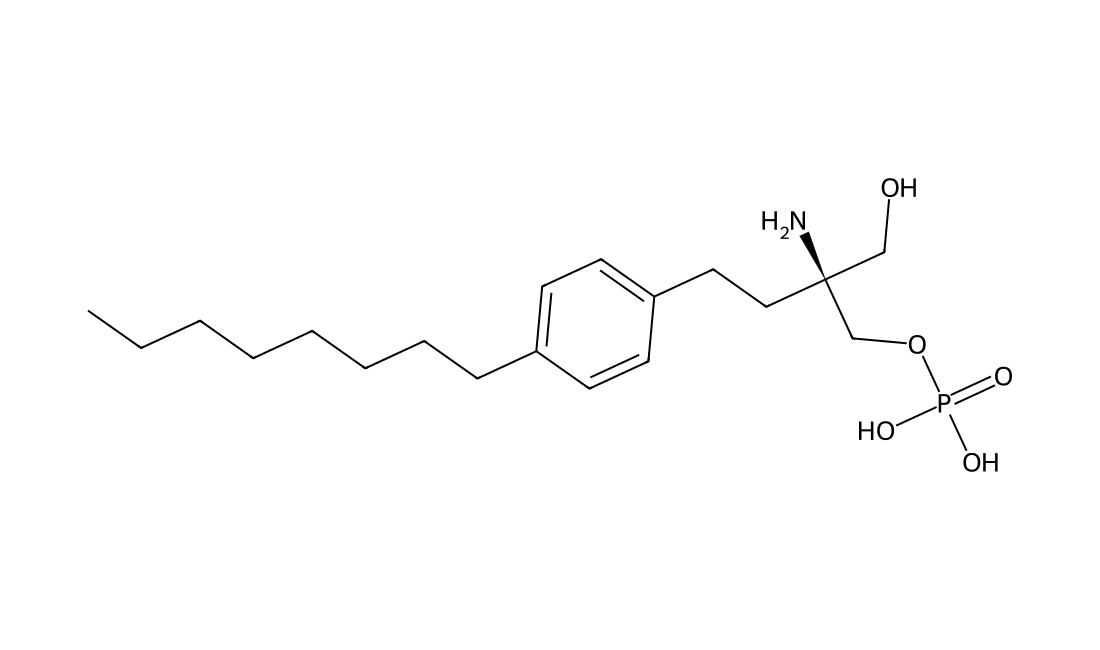
CAS 2260969-36-4
Selnoflast (example 6) is a NLRP3 inhibitor (extracted from patent WO2019008025).
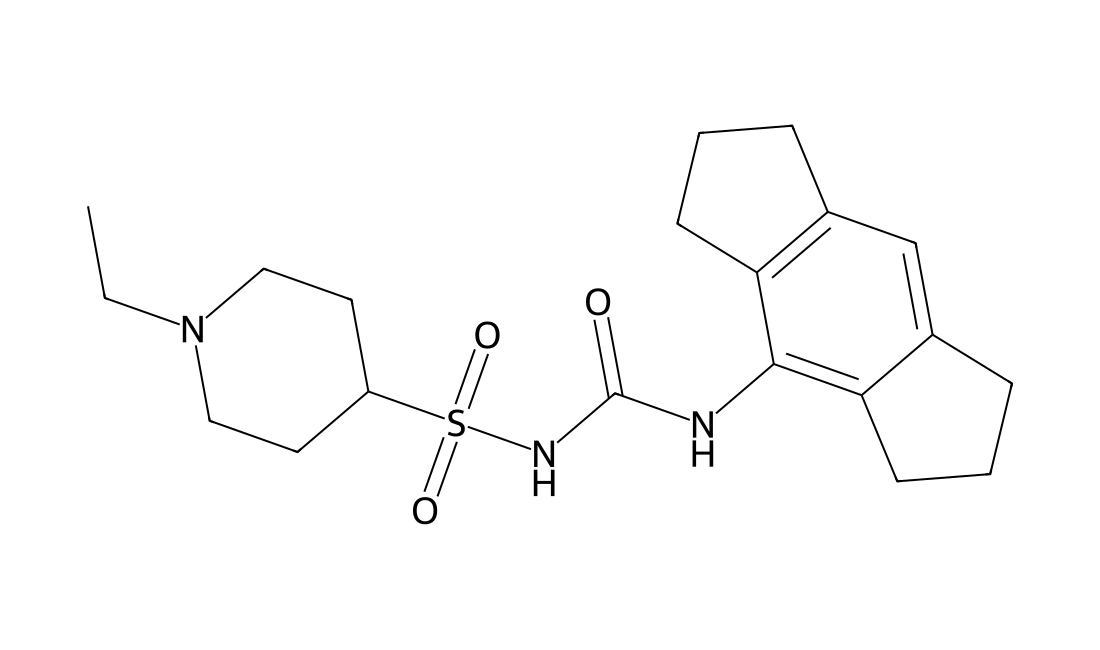
CAS 2787501-83-9
AZD5462 is a selective oral allosteric relaxin family peptide receptor 1 (RXFP1) agonist with pEC50 of 7.8. AZD5462 has better kinetic solubility and shows much improved metabolic stability compared to AZ7976 in vitro.
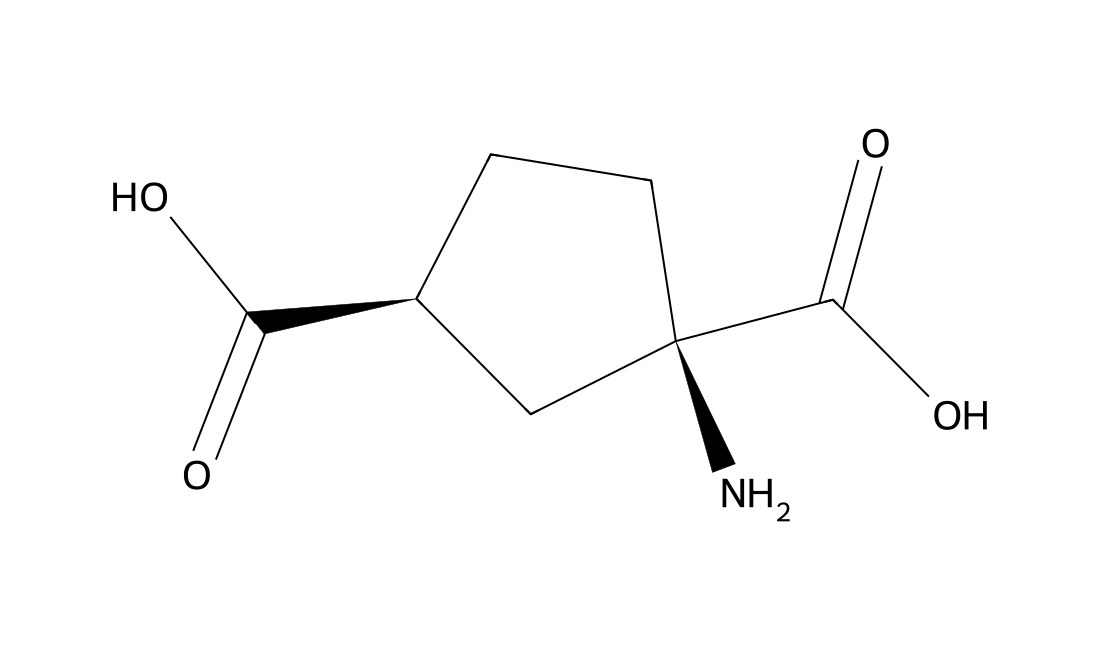
CAS 67684-64-4
A equimolecular mixture of (1S,3R)- and (1R,3S)-ACPD; selective agonist for metabotropic glutamate receptors; active at both group I and group II mGlu receptors (EC50 values are 2, 15, 23 and ~800 uM at mGluR2, mGluR1, mGluR5 and mGluR4 respectively).
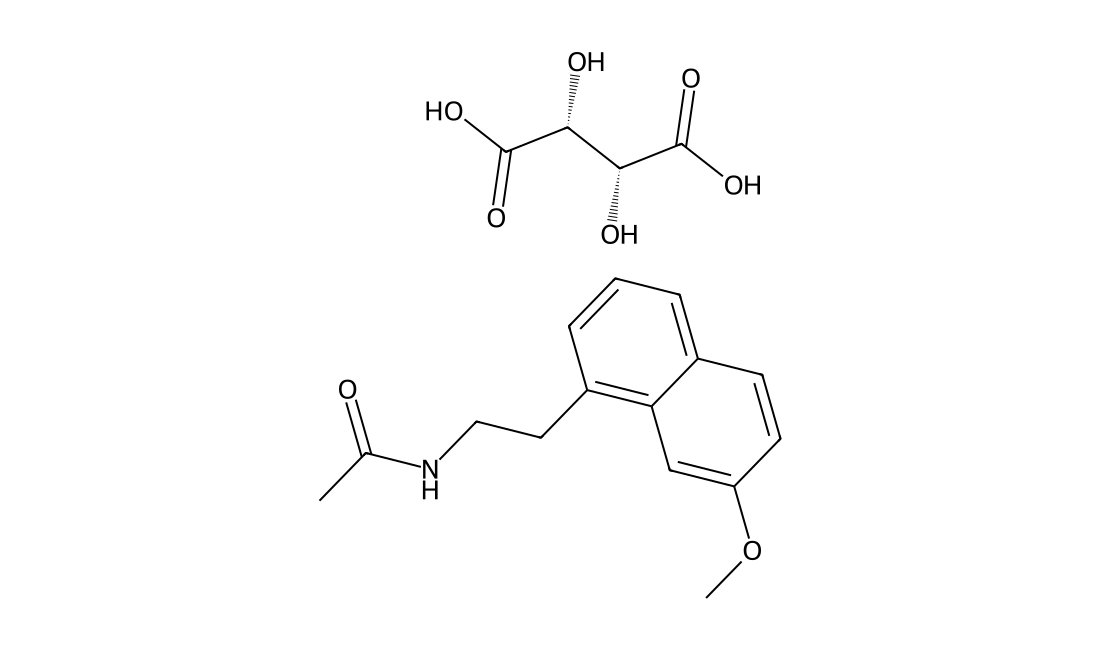
CAS 824393-18-2
A melatonin receptor agonist of MT1 (Ki=0.1nM) and MT2 (Ki=0.12nM), and a 5-HT2C (Ki=631nM) receptor antagonist; has no effect on monoamine uptake and no affinity for adrenergic, histaminergic, cholinergic, dopaminergic and benzodiazepine receptors, nor other serotonergic receptors; a melatonergic antidepressant treatment of major depressive disorder with relatively favorable side effect profile. Depression Approved
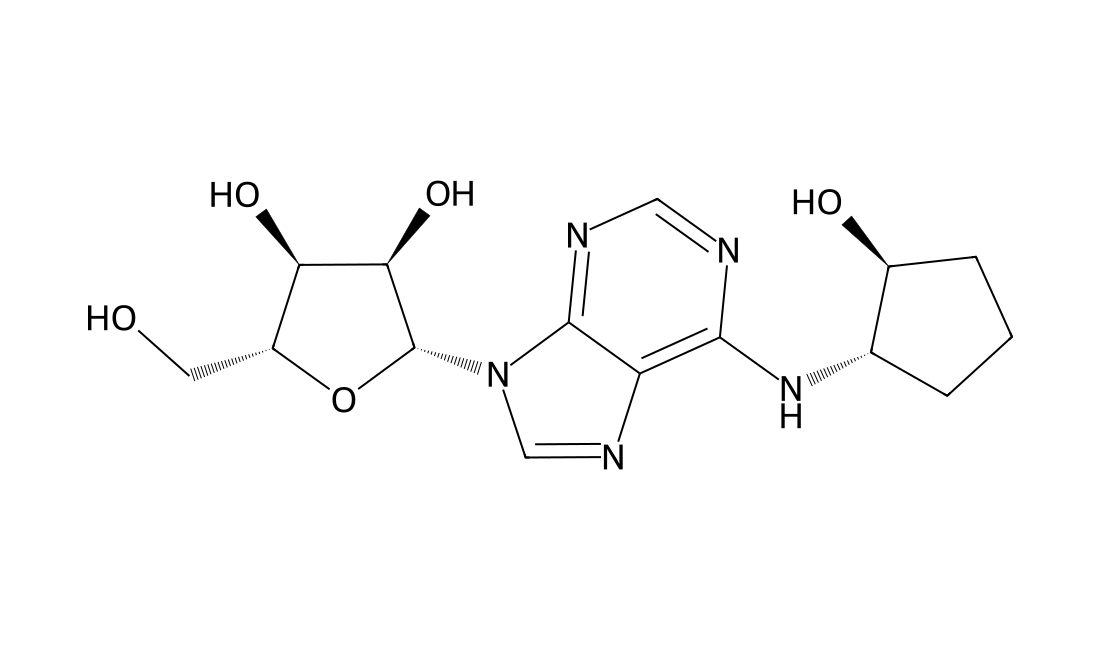
CAS 124555-18-6
A potent and selective Adenosine A1 receptor agonist with Ki of 3.1 nM; exerts profound antilipolytic effects with minimal effects on blood pressure and heart rate; orally active.
CAS 107220-28-0
A potent M1-selective muscarinic agonist; decreases the K+-evoked [3H]ACh release from hippocampal synaptosomes and increases the K+-evoked [3H]DA release from striatal synaptosomes; attenuates cognitive dysfunctions in AF64A-treated rats with low toxicity.Other IndicationApproved
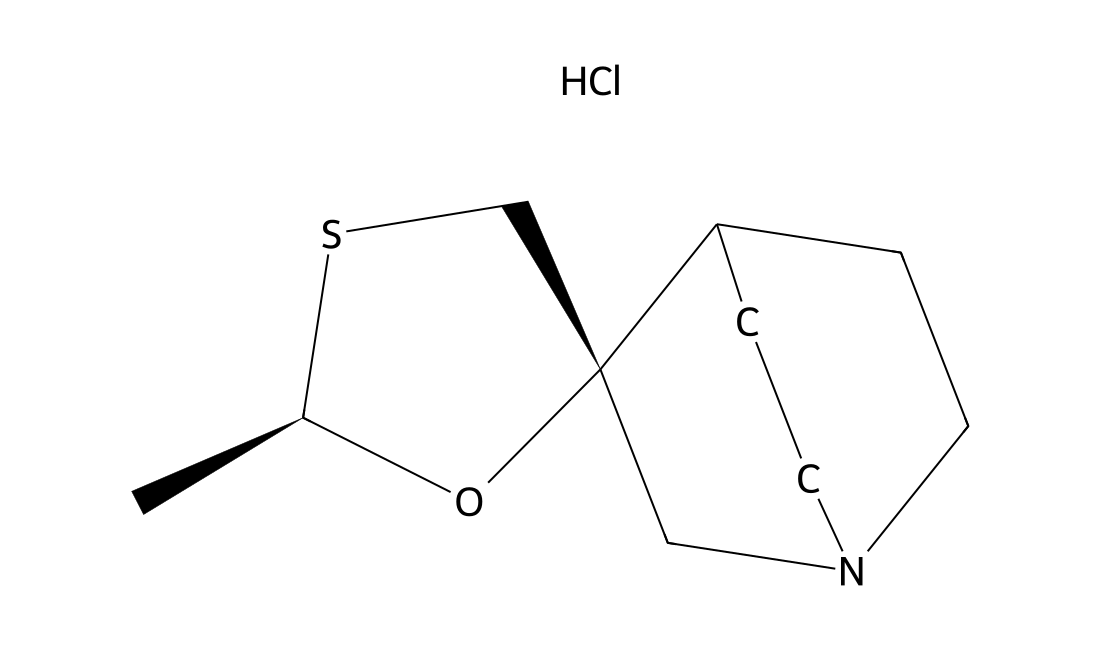
CAS 107233-08-9
A potent M1-selective muscarinic agonist; decreases the K+-evoked [3H]ACh release from hippocampal synaptosomes and increases the K+-evoked [3H]DA release from striatal synaptosomes; attenuates cognitive dysfunctions in AF64A-treated rats with low toxicity.Other IndicationApproved
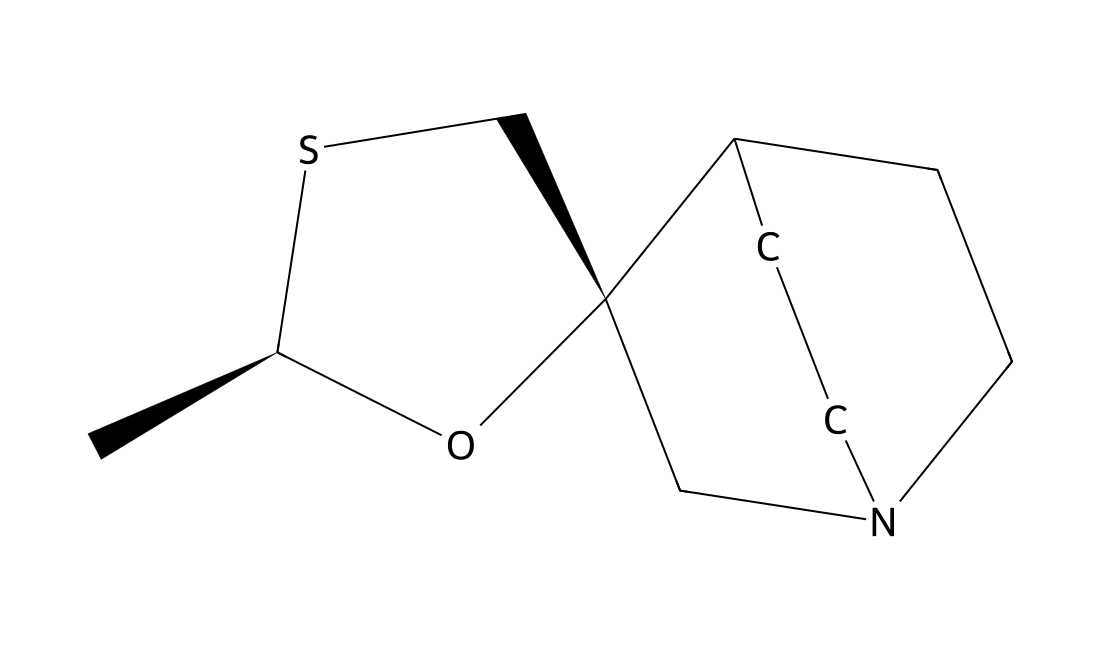
CAS 1431697-90-3
A potent, selective OX1 receptor antagonist with Ki of 57 nM (whole cell assay), and 27 nM (cell membrane-based SPA assay); displays 50-fold selectivity over OX2 receptor; prevents the stimulatory effect of Olanzapine on endogenous glucose production.
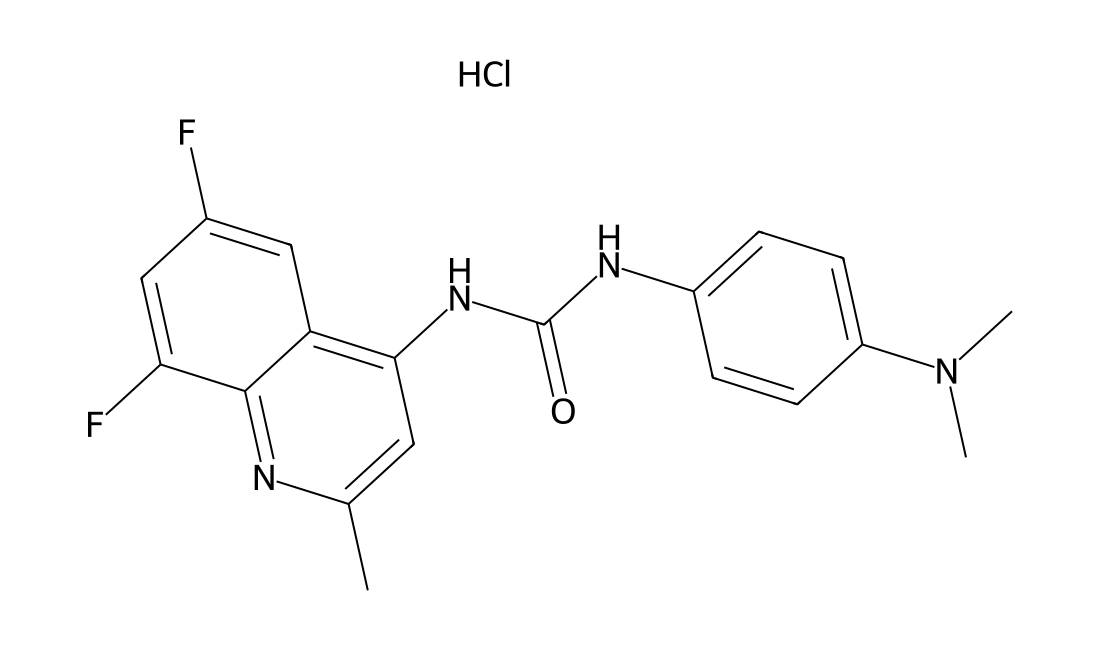
CAS 96392-15-3
An orally active adenosine receptor agonist that can induce acute cardiovascular toxicity and coronary vascular injury in vivo.
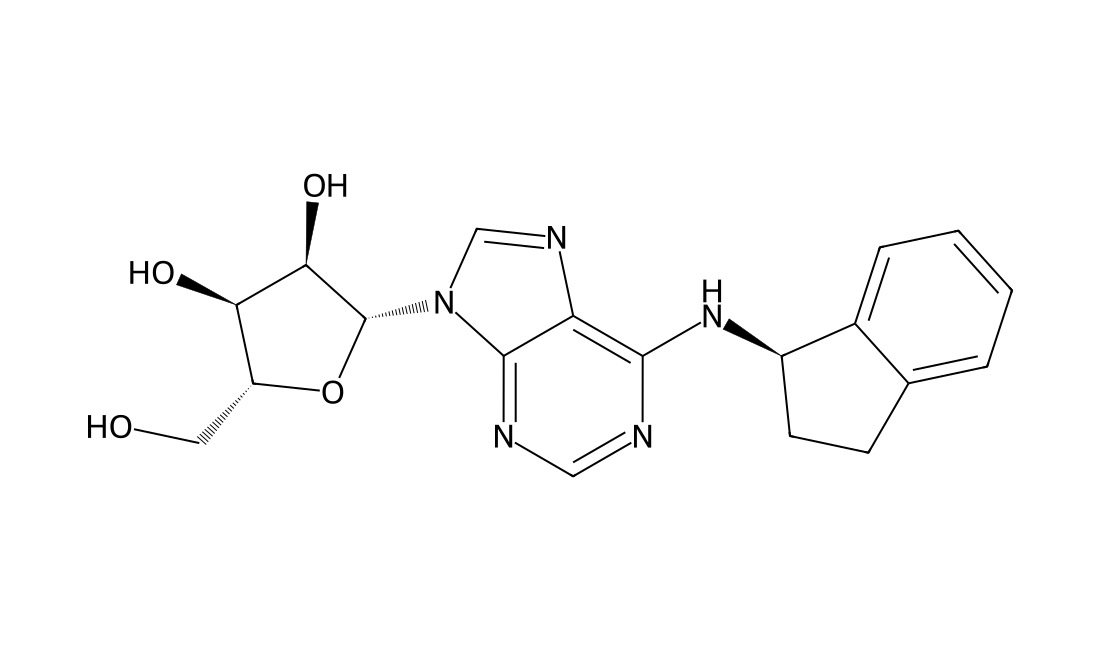
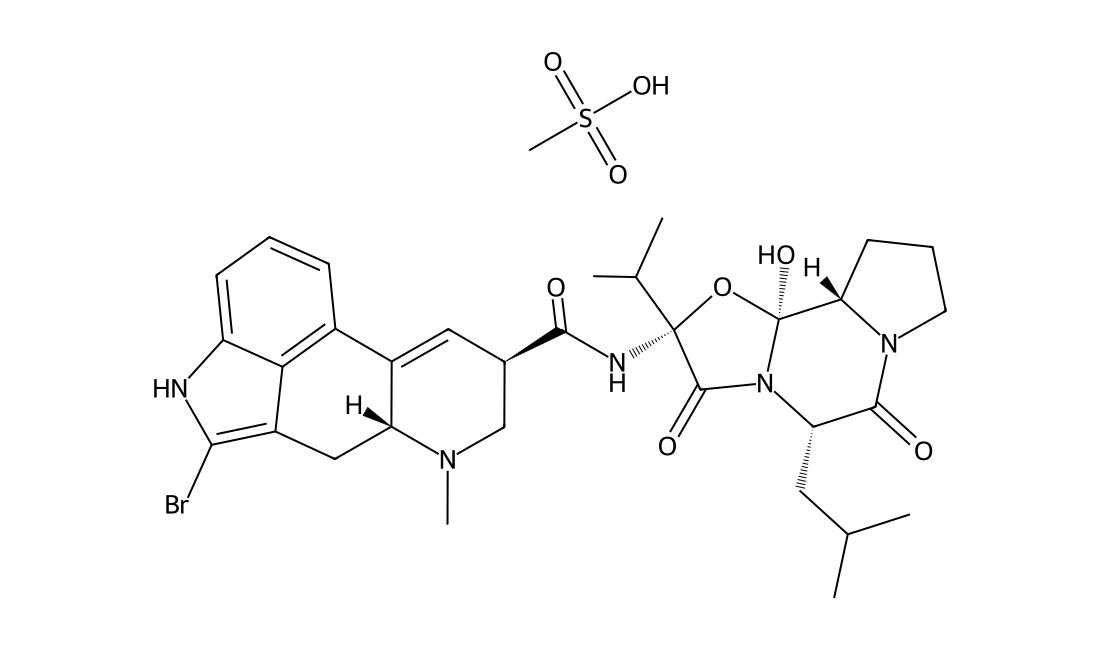
CAS 22260-51-1
Bromocriptine (CB-154) is a dopamine D2 receptor agonist (Ki=3 nM) and and various serotonin receptors, also inhibits the release of glutamate by reversing the glutamate GLT1 transporter; decreases body fat in animal and human models and increases lean muscle mass, improves glucose intolerance and insulin resistance, and reduces triglycerides and free fatty acids; also induces apoptosis and decreases colony formation in AML cells, shows synergy with standard agents and selectivity for the leukemic cell; reduces hyperphagia and adiposity in rats with diet-induced obesity.DiabetesApproved
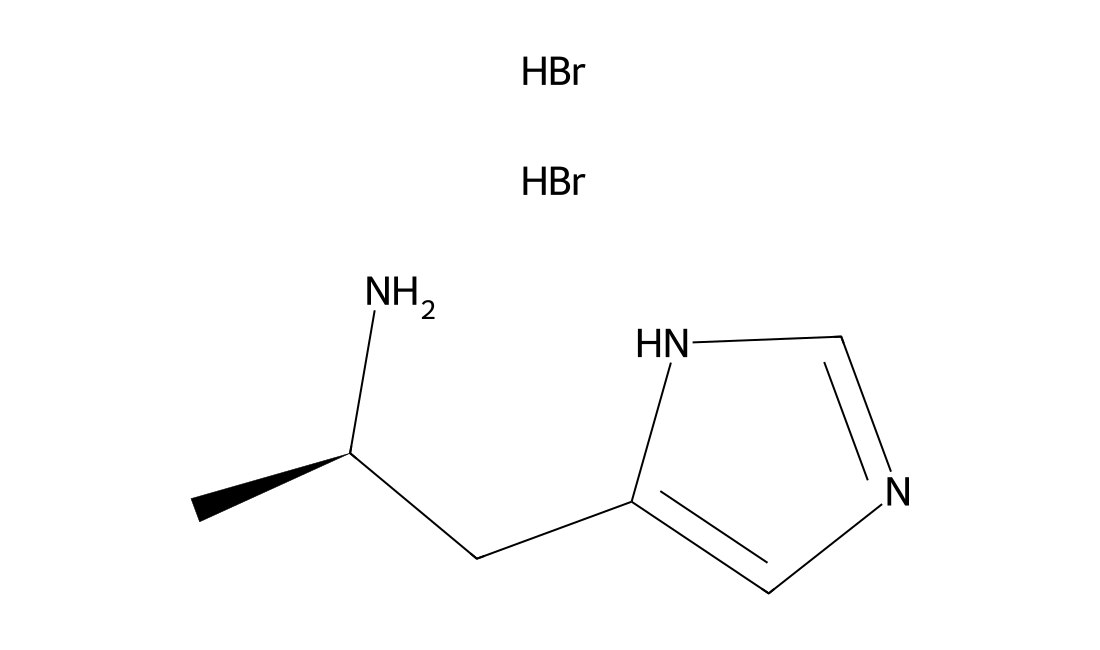
CAS 868698-49-1
(R)-(-)-α-Methylhistamine dihydrobromide is a potent, selective and brain-penetrant agonist of H3 histamine receptor, with a Kd of 50.3 nM. (R)-(-)-α-Methylhistamine dihydrobromide can enhance memory retention, attenuates memory impairment in rats.
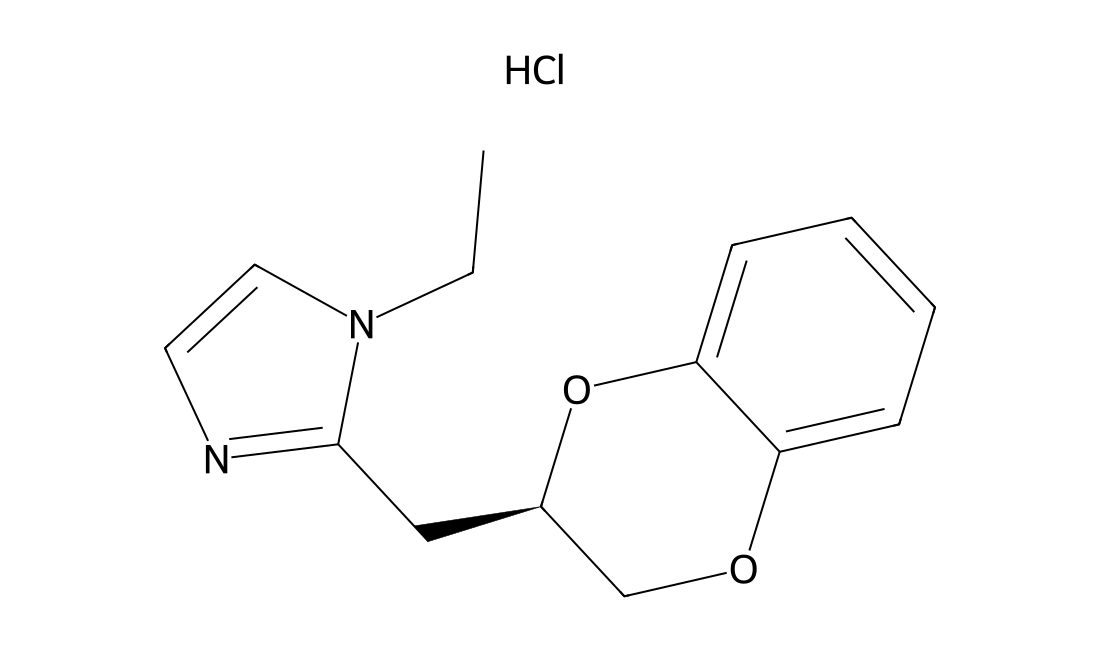
CAS 81167-22-8
Imiloxan hydrochloride is a potent and selective alpha 2B-adrenoceptor antagonist. Imiloxan hydrochloride has the potential for acute kidney injury research.
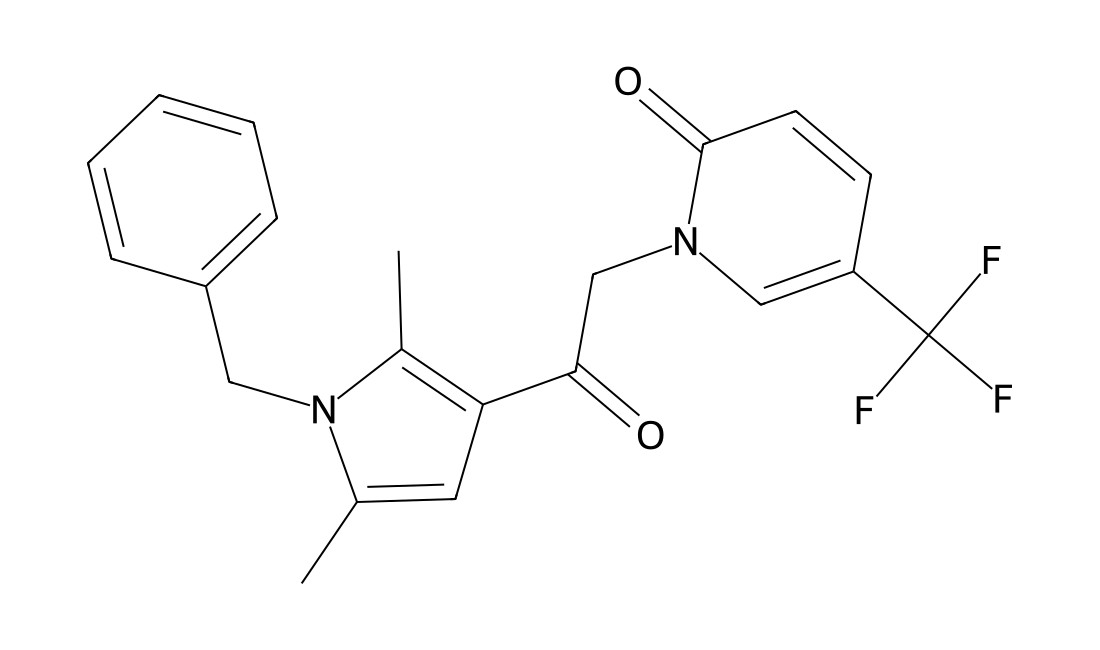
CAS 870762-83-7
CYM-5478 is a potent, selective agonist for S1P2. Under nutrient-deprivation stress produced by serum-starvation, CYM-5478 induced a statistically significant increase in the viability of C6 cells in a dose dependent manner at concentrations above 100?nM.
CAS 1623481-80-0
ML381 (VU0488130) is a highly mAChR subtype selective M5 orthosteric antagonist with IC50/Ki of 450/340 nM for hM5, has no inhibitory activity on hM1-4 (IC50>30 uM); exhibits good DMPK properties and CNS penetration (B:P ratio of 0.58) to support both in vitro and in vivo studies.
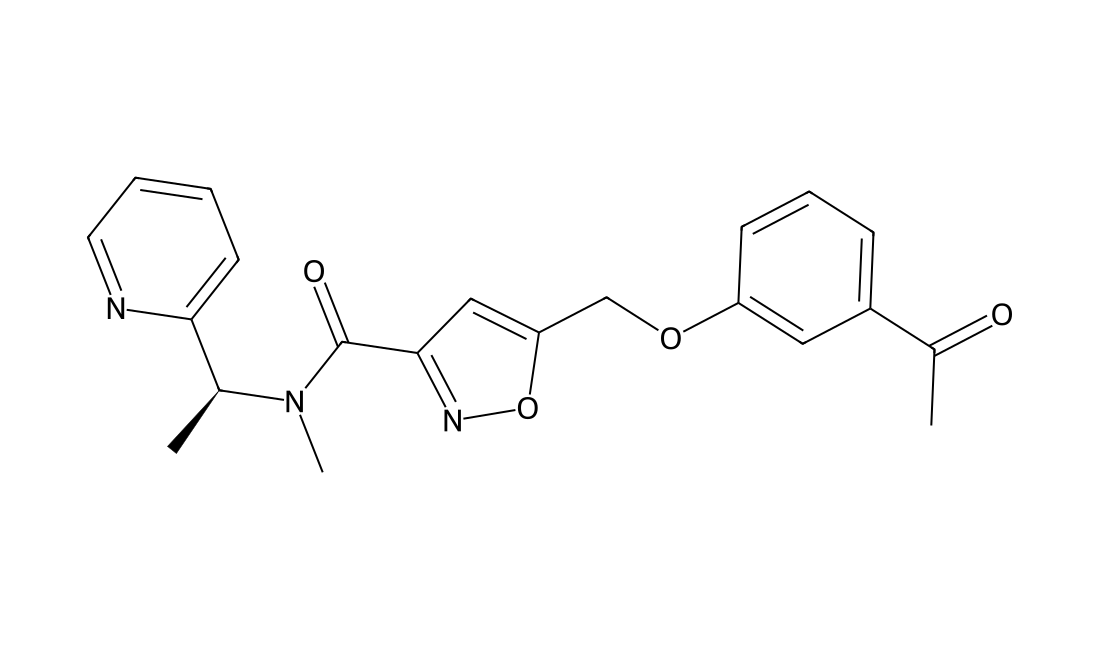
CAS 959850-74-9
AP1189 is a biased agonist at receptors MC1 and MC3. AP1189 reduced cytokine release, an effect reliant on both MC1 and MC3 as evident from the use of Mc1r(-/-) and Mc3r(-/-) macrophages. No melanogenesis was induced by AP1189 in B16-F10 melanocytes. In vivo, oral AP1189 elicited anti-inflammatory actions in peritonitis and, upon administration at the peak of inflammation, accelerated the resolution phase by ∼3-fold.
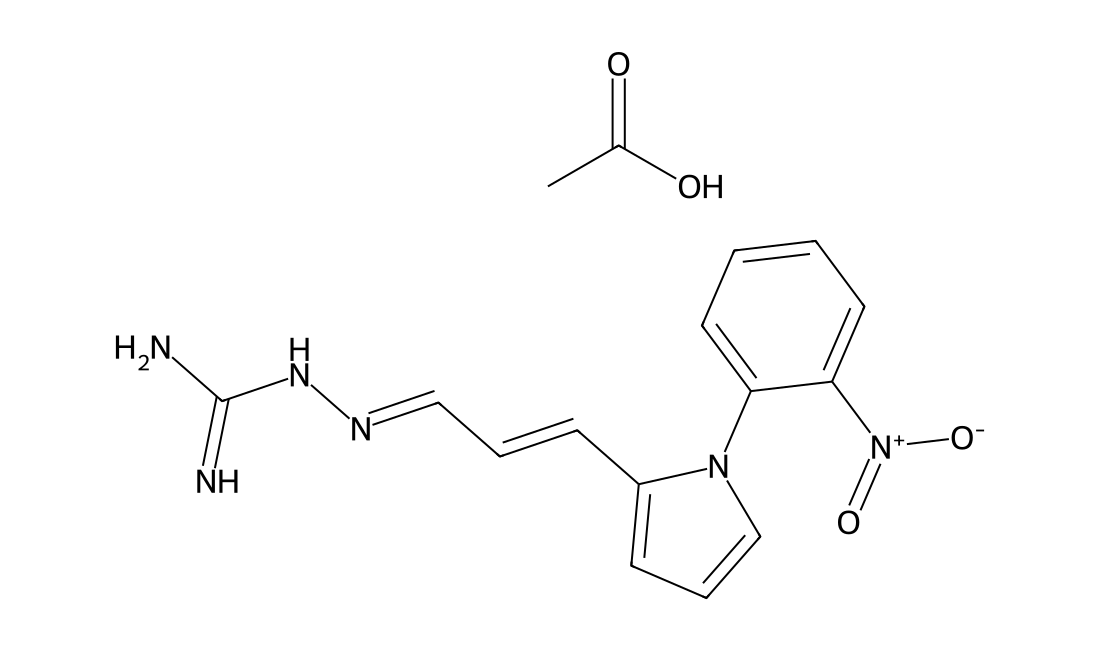
CAS 234779-34-1
ALE-0540 is a nerve growth factor (NGF) antagonist that inhibits the binding of NGF to TrkA or both p75 and TrkA with IC50 of 5.88 and 3.72 uM, respectively; produces antiallodynic actions in models of neuropathic pain.PainDiscontinued
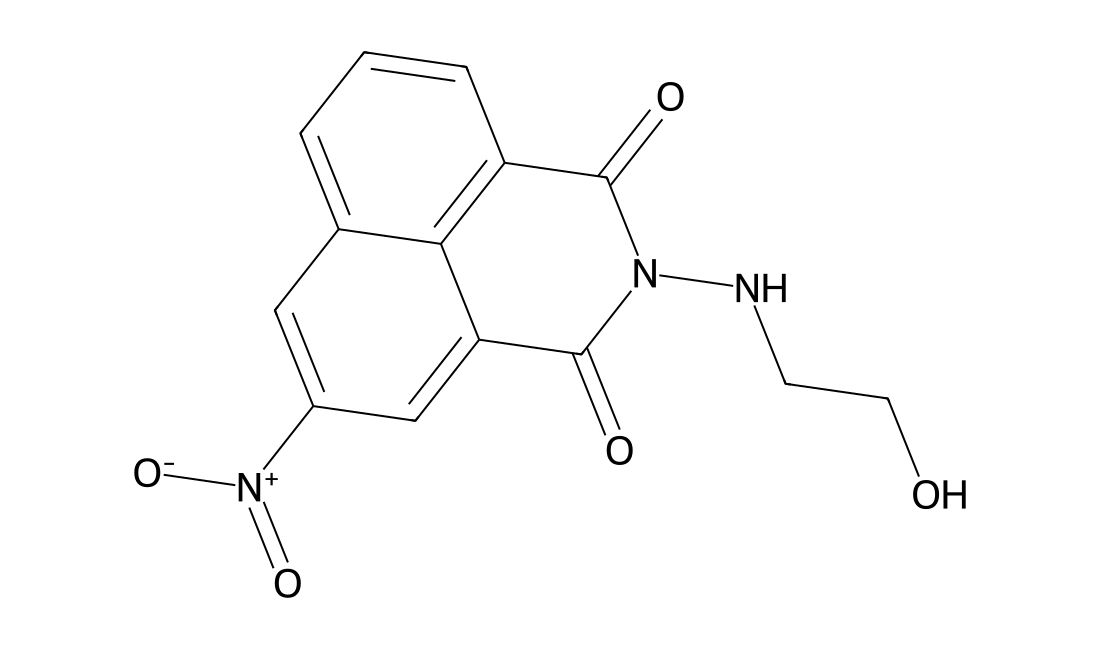
CAS 18360-29-7
AD 2900 (AD2900, AD-2900) is a novel potent, broad S1P receptor antagonist with IC50 of 3.8, 3.2, 6.2, 5.9 and 0.405 uM for S1P1, 2, 3, 4 and 5 respectively; shows no significant agonism effects (EC50>50 uM); suppresses PBMC proliferation, regulates the expression of S1P1 and CCR7 on PBMCs; accumulates T cells in the blood and spleen and in turn reduces T-cell number in the lymph nodes, shows significant effects on the localization of T-cell subpopulations in mice.
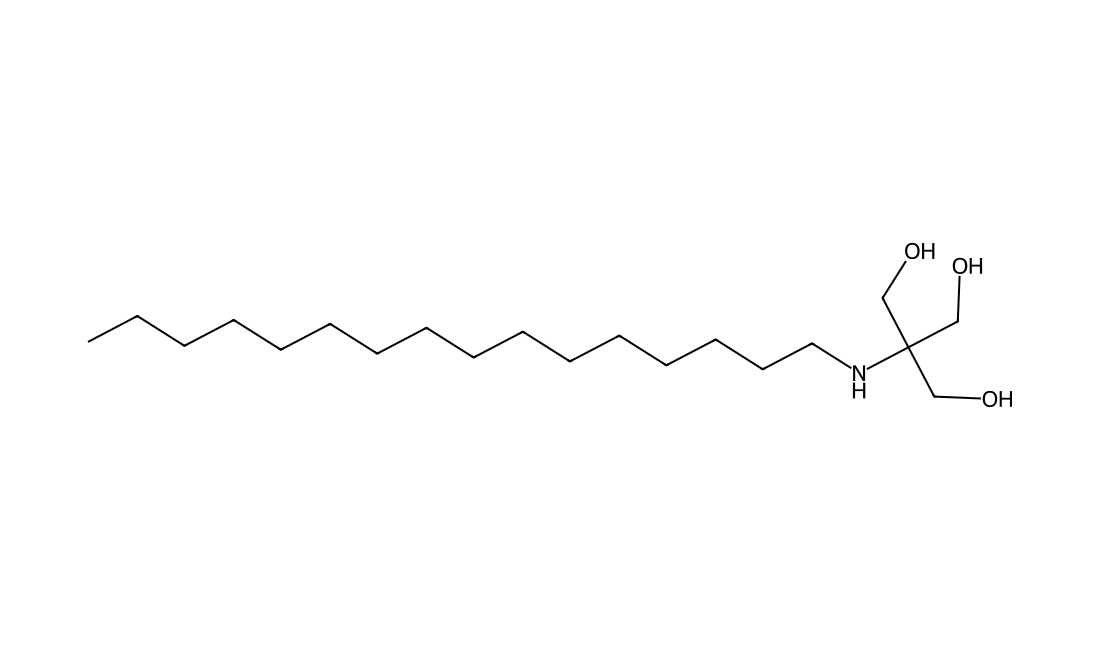
CAS 136207-23-3
BIM-26226, gastrin-releasing peptide, is a potent and selective antagonist of bombesin receptor. BIM-26226 inhibits BN- or GRP-stimulated amylase release with IC50s in the nanomolar range. BIM-26226 can be used for the research of cancer.
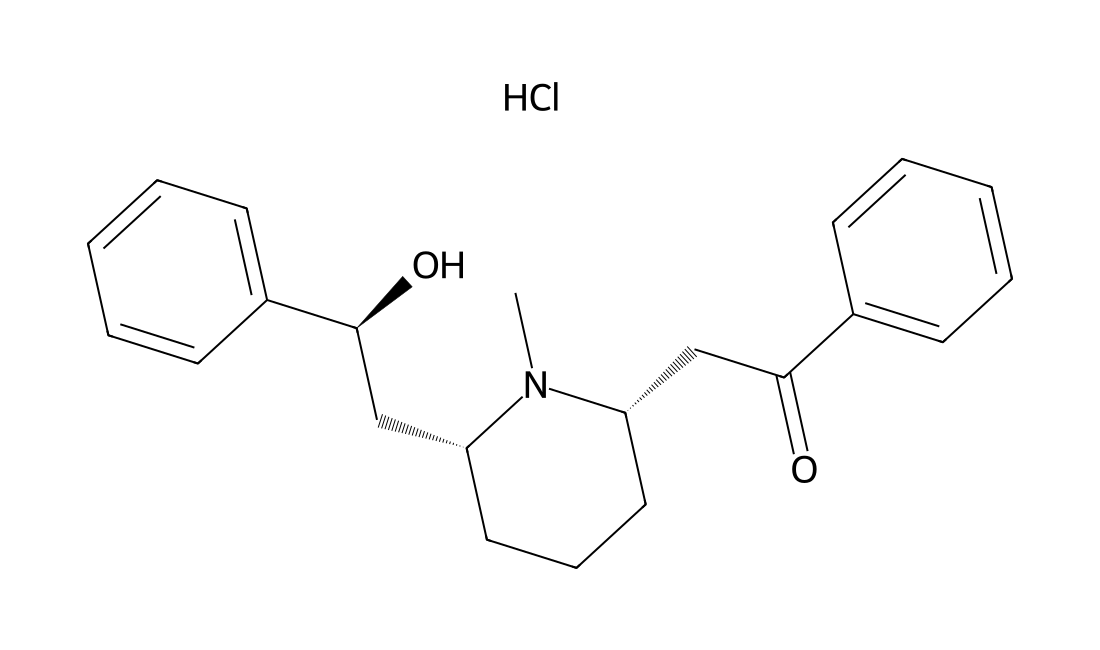
CAS 134-63-4
VMAT2 ligand, stimulating dopamine release, inhibiting the reuptake of dopamine and serotonin, acting as a mixed agonist-antagonist at nicotinic acetylcholine receptors and antagonist at µ-opioid receptors
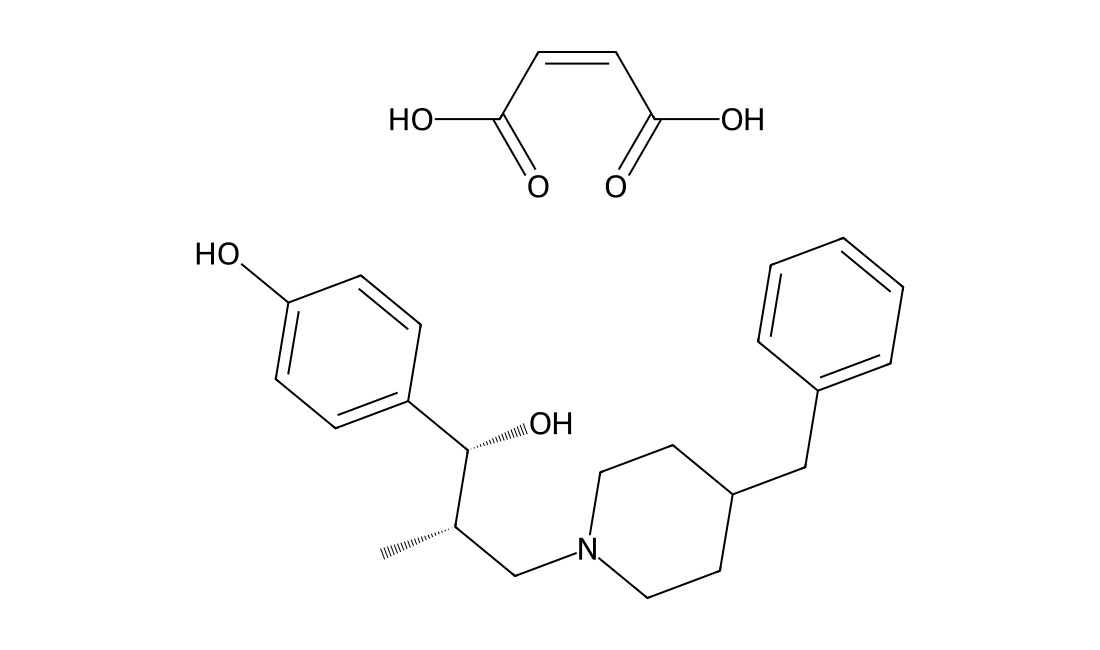
CAS 1312991-76-6
Ro 25-6981 Maleate is a potent and selective activity-dependent blocker of NMDA receptors containing the NR2B subunit. IC50 values are 0.009 and 52 μM for cloned receptor subunit combinations NR1C/NR2B and NR1C/NR2A respectively.
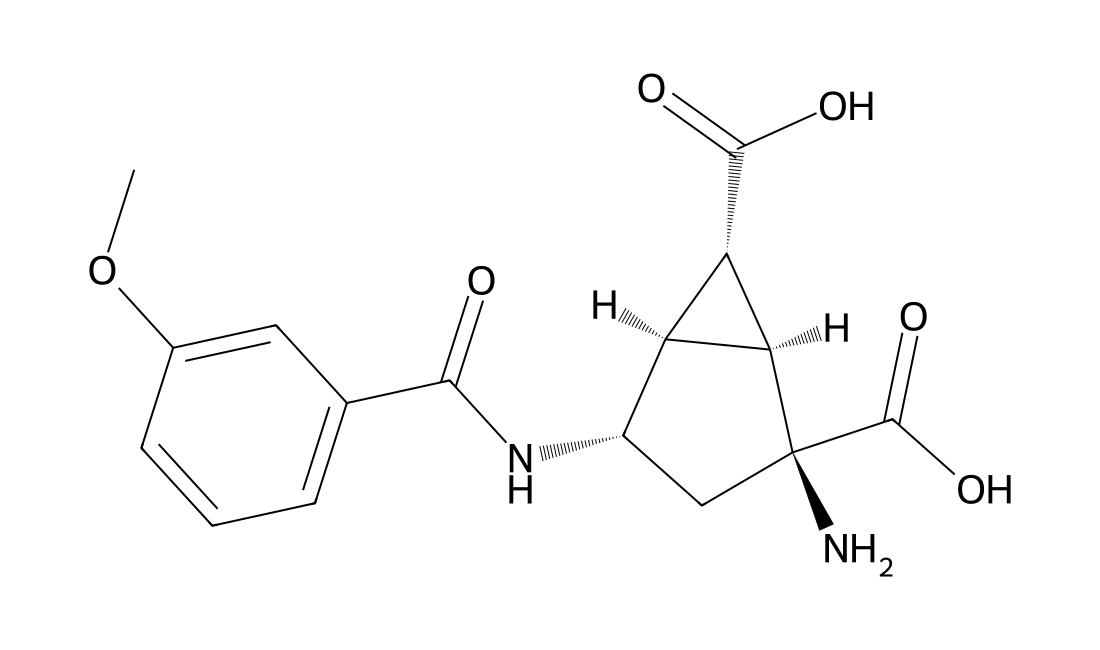
CAS 2173037-97-1
LY2794193 is a highly potent and selective mGlu3 receptor agonist with Ki of 0.93 nM and EC50 of 47 nM, >100-fold selectivity over mGlu2 receptor.
CAS 191471-52-0
Highly selective group II mGlu receptor agonist (EC50 values are 2.69 and 4.48 nM For hmGlu2 and hmGlu3 respectively) that displays > 80-fold selectivity over group I and group III receptors. Provides protection against NMDA-mediated cell death in vitro and offers almost complete protection against CA1 hippocampal damage following global ischemia in gerbils. Orally and systemically active. For the detailed information of LY379268, the solubility of LY379268 in water, the solubility of LY379268 in DMSO, the solubility of LY379268 in PBS buffer, the animal experiment (test) of LY379268, the cell expriment (test) of LY379268, the in vivo, in vitro and clinical trial test of LY379268, the EC50, IC50,and Affinity of LY379268, Please contact DC Chemicals.
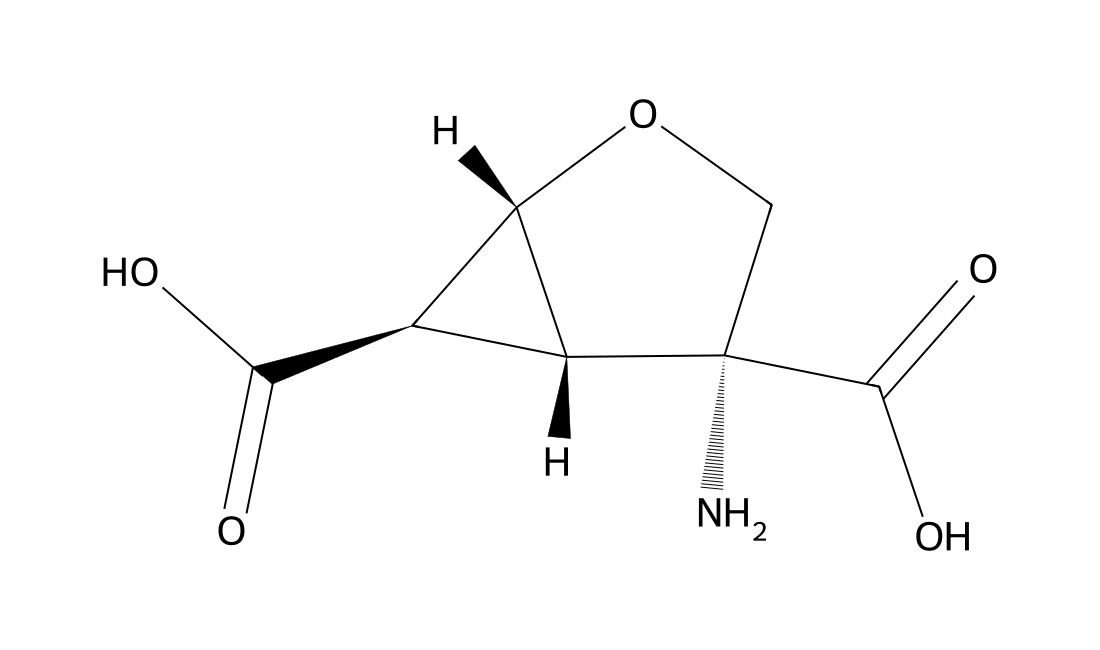
CAS 198419-91-9
LY367385 is a highly potent and selective mGluR1a antagonist. LY367385 has an IC50 of 8.8 μM for inhibits of quisqualate-induced phosphoinositide (PI) hydrolysis, compared with > 100 μM for mGlu5a. LY367385 has neuroprotective, anticonvulsant and antiepileptic effects[1][2].
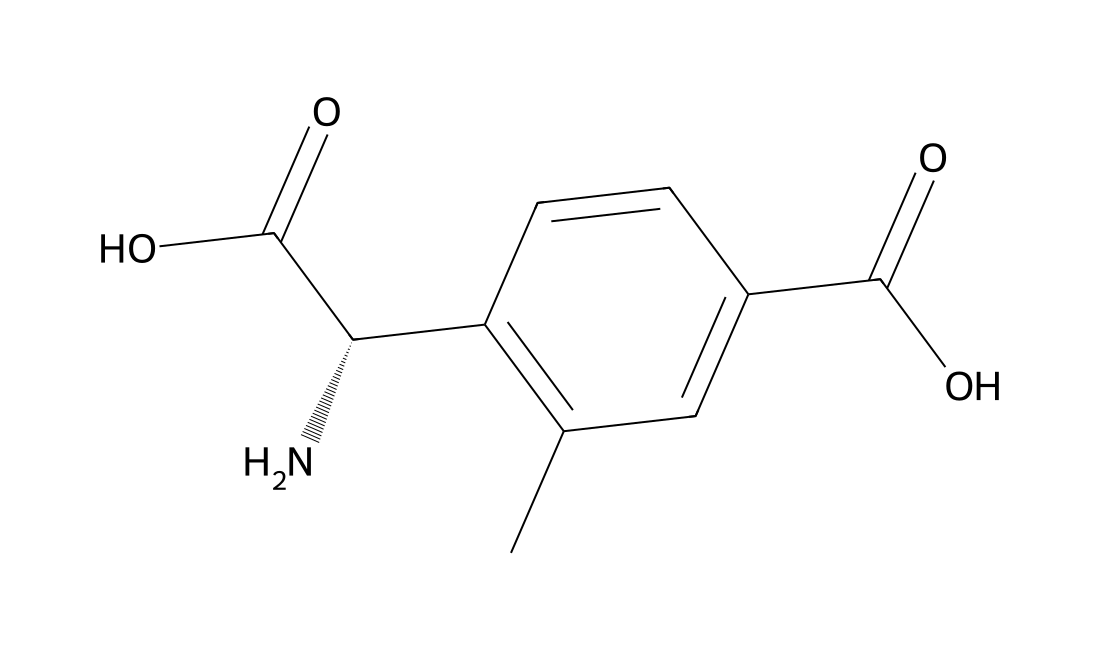
CAS 291528-35-3
WAY-622024(Compound 5j) is a GPCR GPR109b (HM74) agonist, with a pEC50 value of 6.51. GPCR agonist-2 can be used for research of lipid disorders.
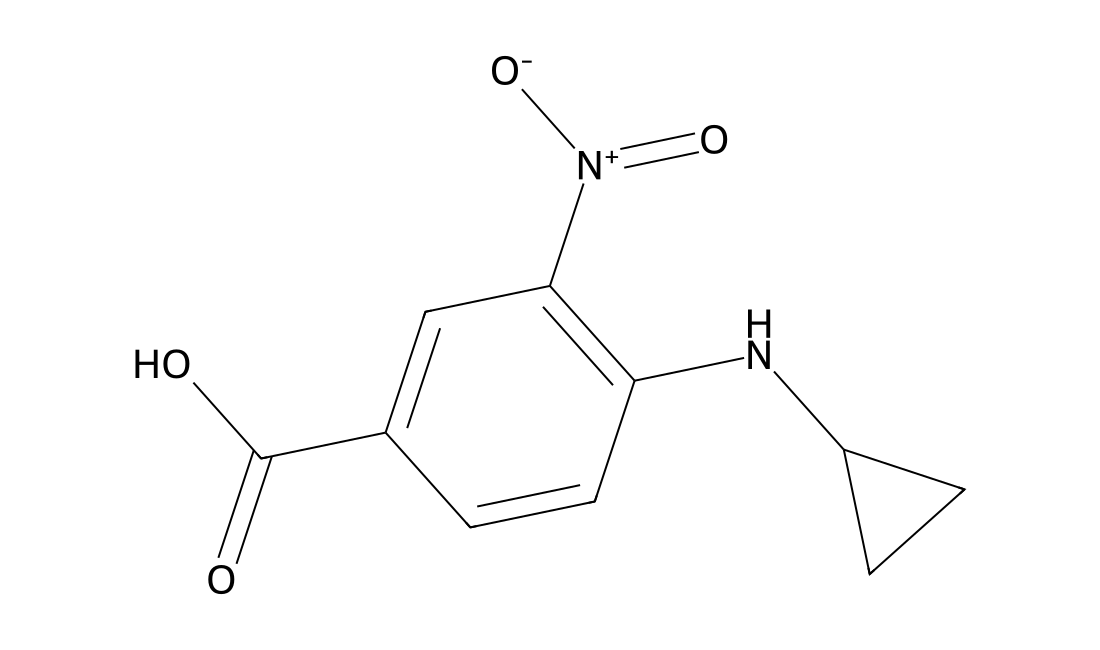
CAS 1835256-48-8
Dersimelagon, also known as MT-7117 and WHO 10832, is a novel, orally-administered, small molecule, selective melanocortin-1 receptor (MC1R) agonist that increases skin melanin without sun exposure and is being developed to increase light tolerance in EPP/XLP patients. Dersimelagon significantly boosted sunlight tolerance in patients with erythropoietic protoporphyria in a multicenter, phase 2, randomized trial.
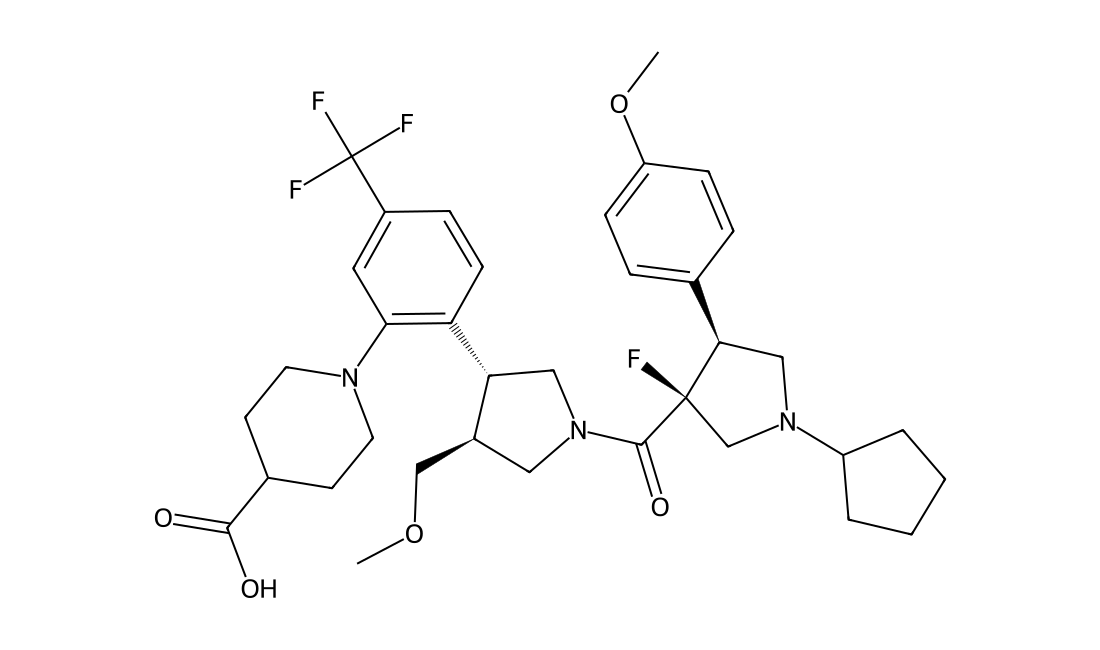
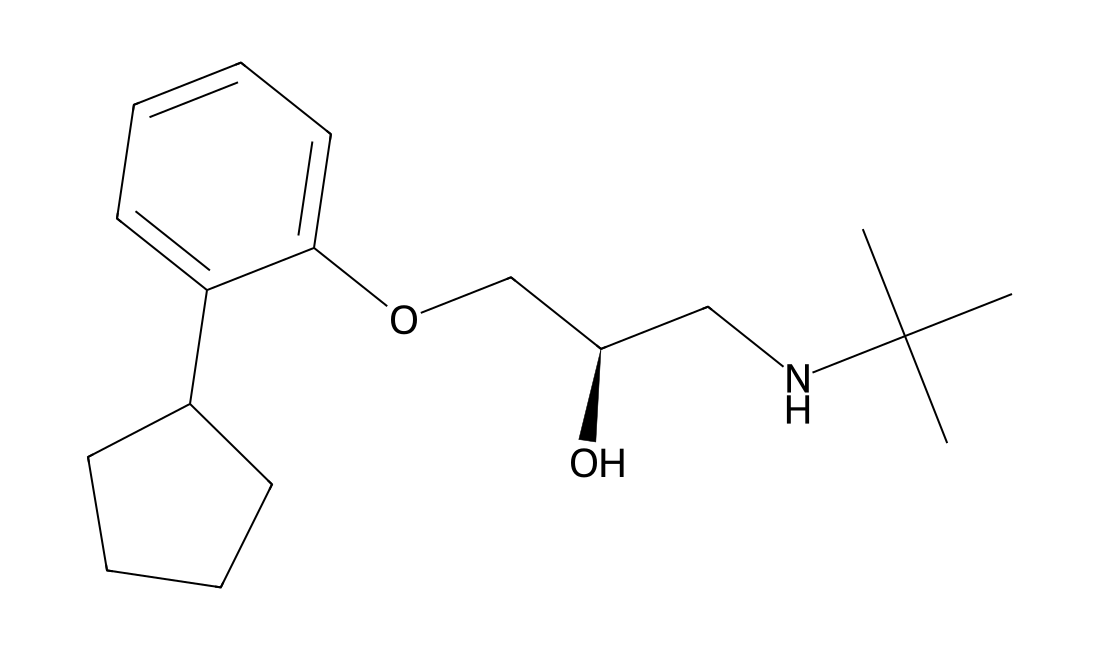
CAS 38363-41-6
In Vitro (+)-penbutolol on the [Ca2+]i-increase induced by LPC is concentration-dependent. (+)-penbutolol inhibits the rounding of cells dose dependently (8±4%, 56±4% and 66±2% at the concentrations of 10-6 M, 5×10⁻⁶ M and 10-5 M, respectively).
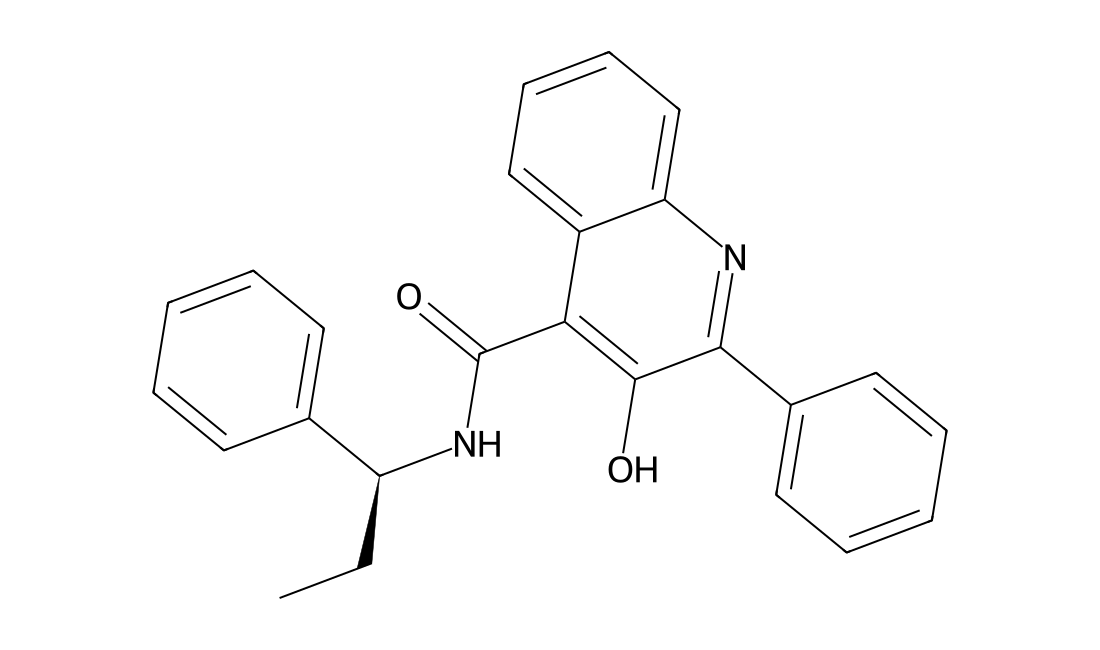
CAS 174636-32-9
Talnetant (SB 223412) is a potent and selective NK3 receptor antagonist (ki=1.4 nM, hNK-3-CHO); 100-fold selective for the hNK-3 versus hNK-2 receptor, with no affinity for the hNK-1 at concentrations up to 100 uM.
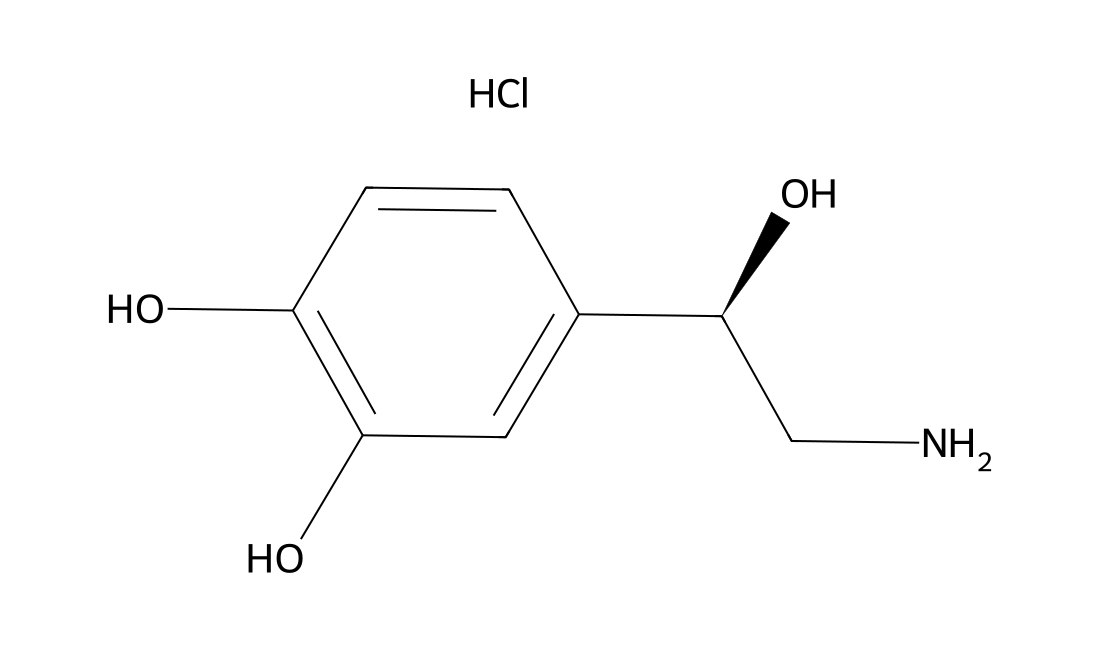
CAS 329-56-6
Norepinephrine (Levarterenol; L-Noradrenaline) hydrochloride is a potent agonist of adrenergic receptor (AR). Norepinephrine activates α1, α2, β1 receptors.
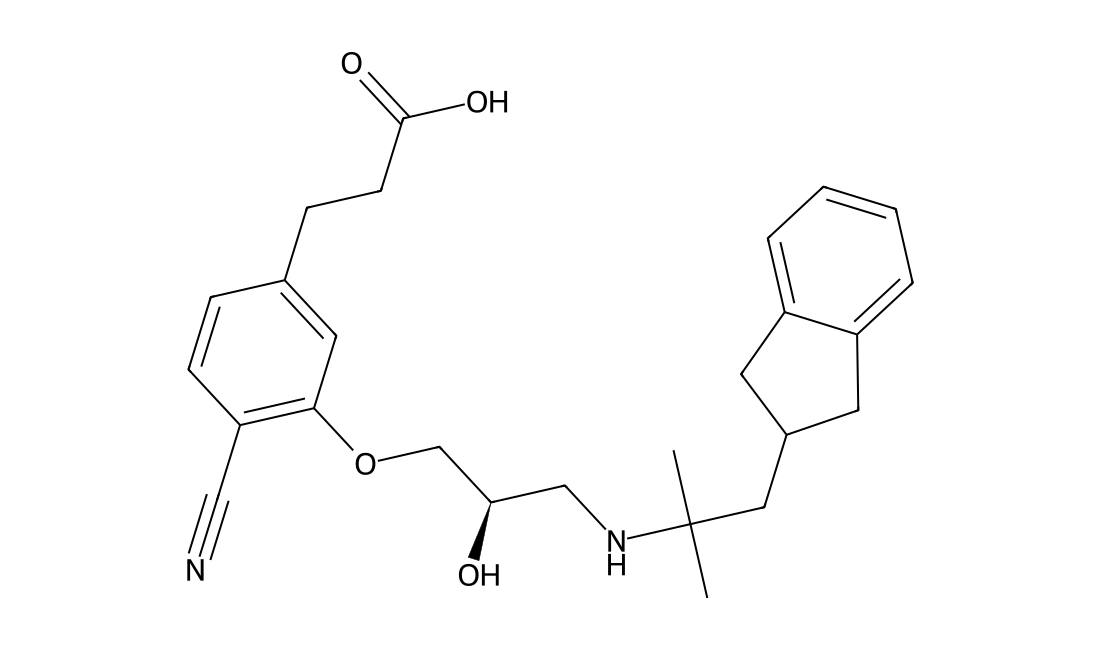
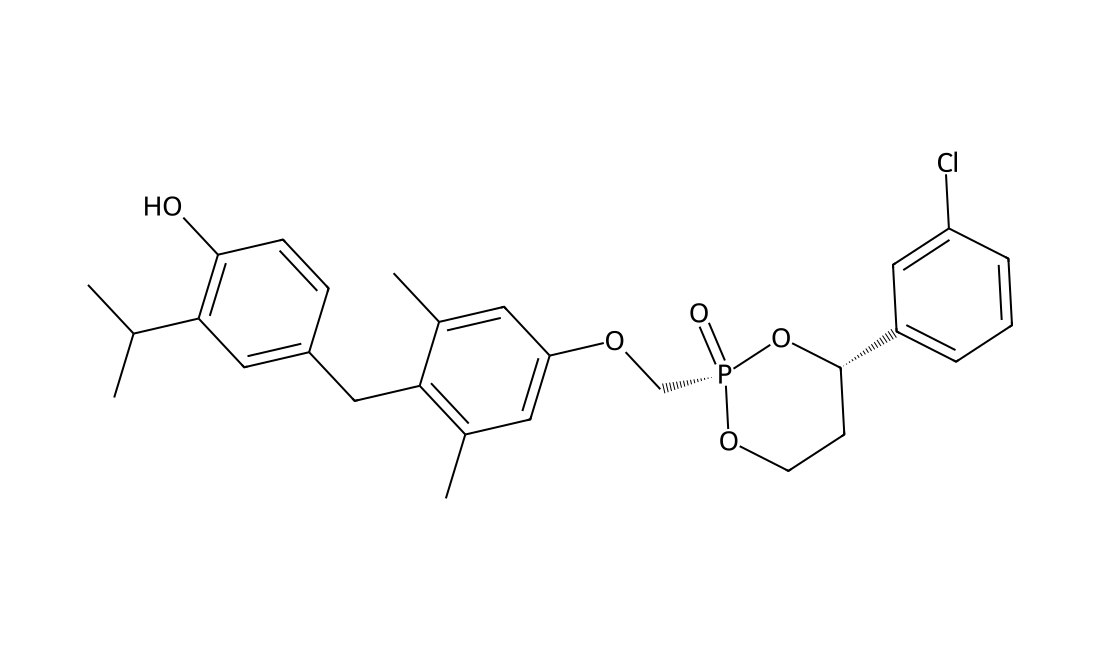
CAS 852948-13-1
MB-07811 (VK-2809) is an orally active HepDirect prodrug of MB07344, a liver-targeted thyroid hormone receptor-β agonist[1]. MB-07811 has cholesterol and triglycerides lowering activity[2].
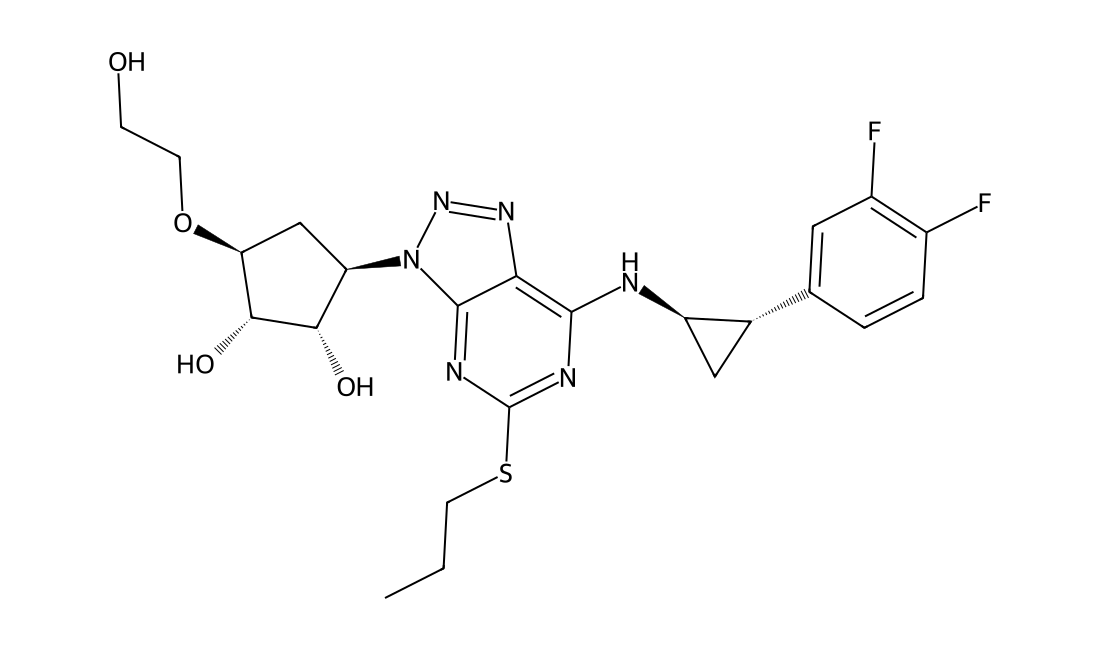
CAS 274693-27-5
Ticagrelor (AZD6140) is a reversible oral P2Y12 receptor antagonist for the treatment of platelet aggregation.
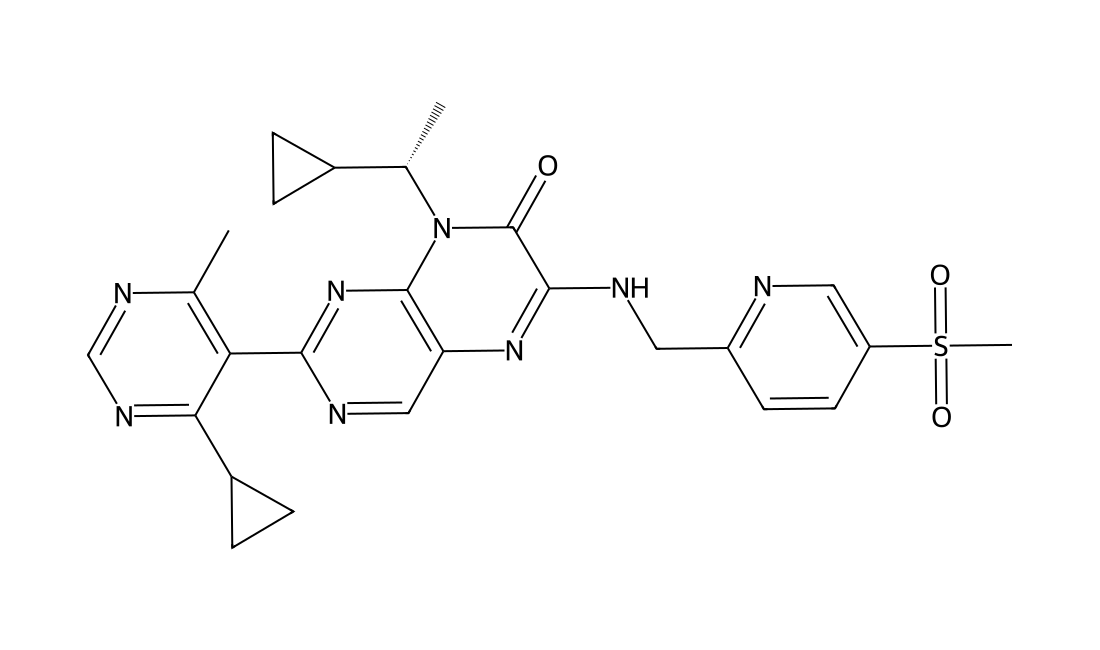
CAS 1817773-66-2
Bevurogant is a retinoid-related orphan receptor-gamma t (RORγt) antagonist. Bevurogant can be used for the research of chronic inflammatory diseases.
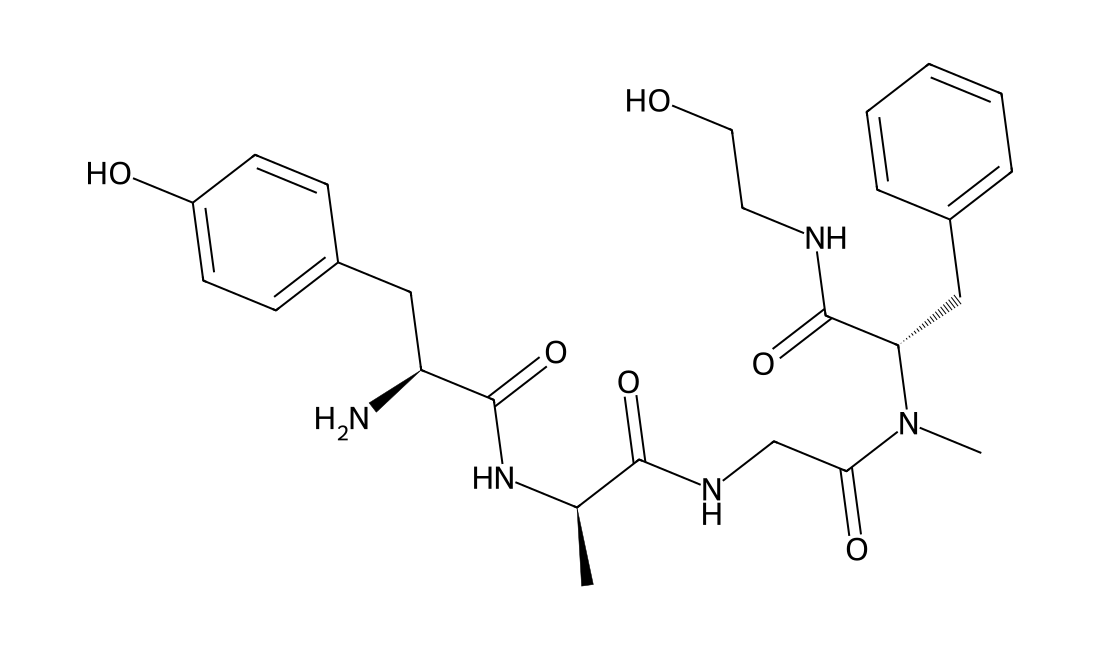
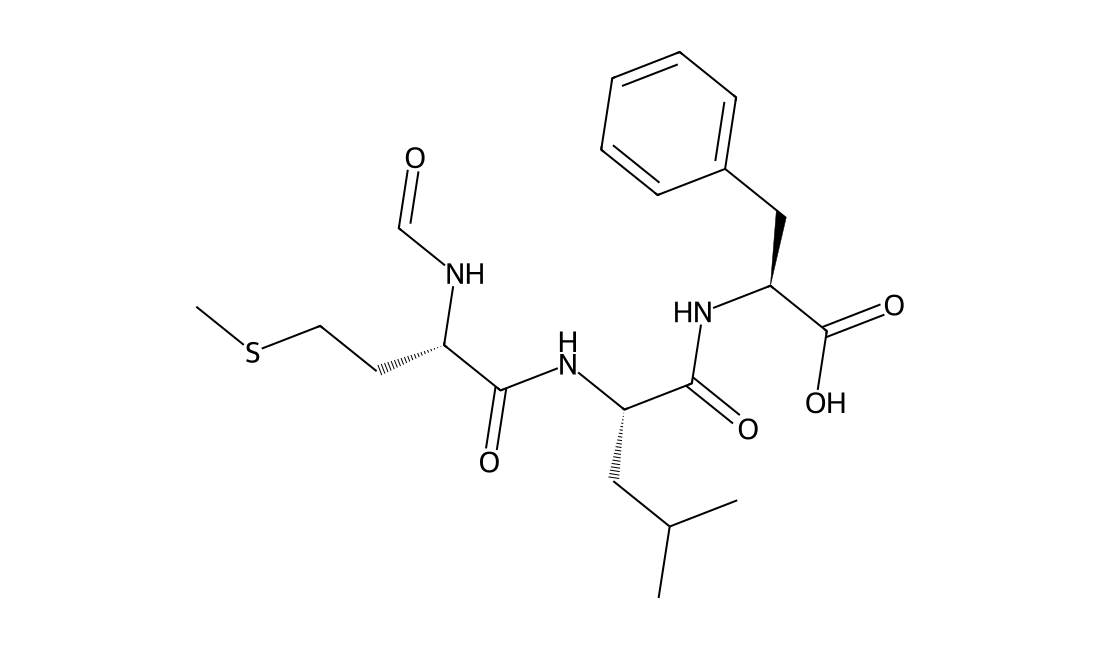
CAS 59880-97-6
N-Formyl-Met-Leu-Phe, also known as fMLF, is a potent neutrophil chemoattractant and the reference agonist for the G protein-coupled N-formylpeptide receptor (FPR).
CAS 158563-45-2
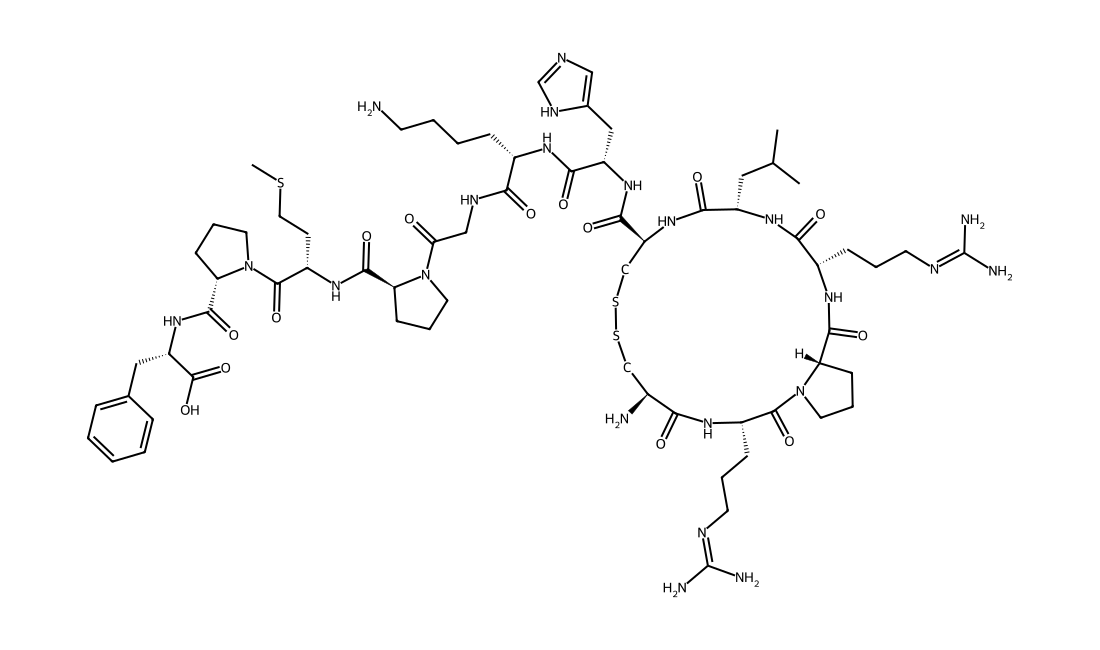
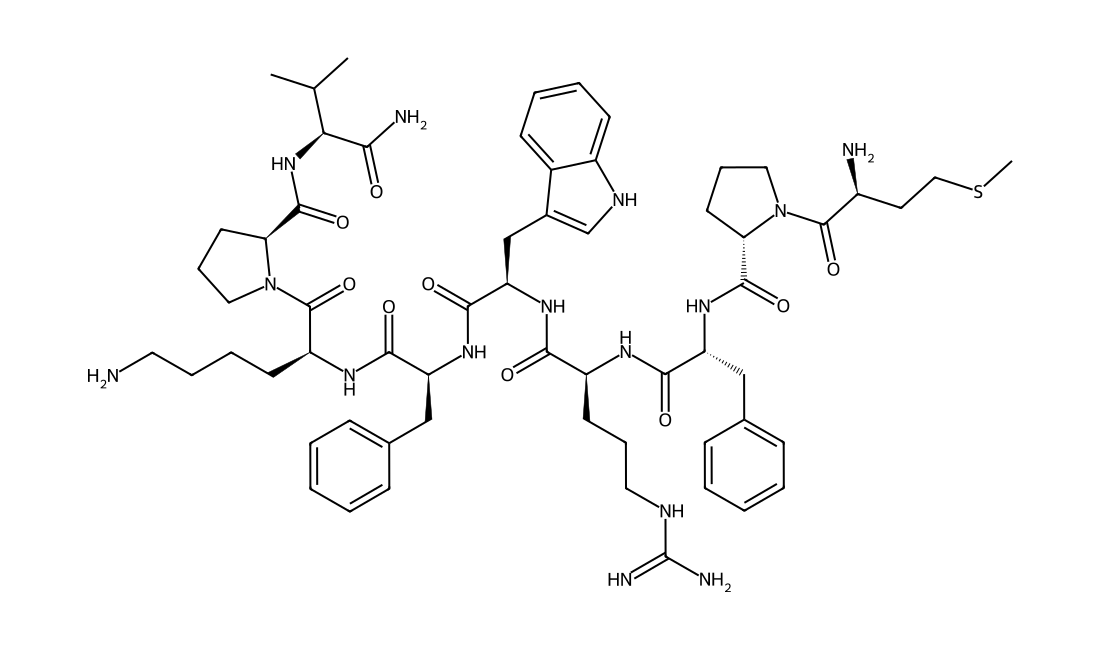
Nonapeptide-1 (Melanostatine-5), a peptide hormone, is a selective antagonist of MC1R (Ki: 40 nM). Nonapeptide-1 is a competitive α-MSH antagonist that potently inhibits intracellular cAMP and melanosome dispersion induced by α-MSH in melanocytes (IC50: 2.5 nM and 11 nM, respectively). Nonapeptide-1 inhibits melanin synthesis, and can be used in the research of skin pigmentation and regulation of steroid production in the adrenal gland, skin cancer.
CAS 1570231-89-8
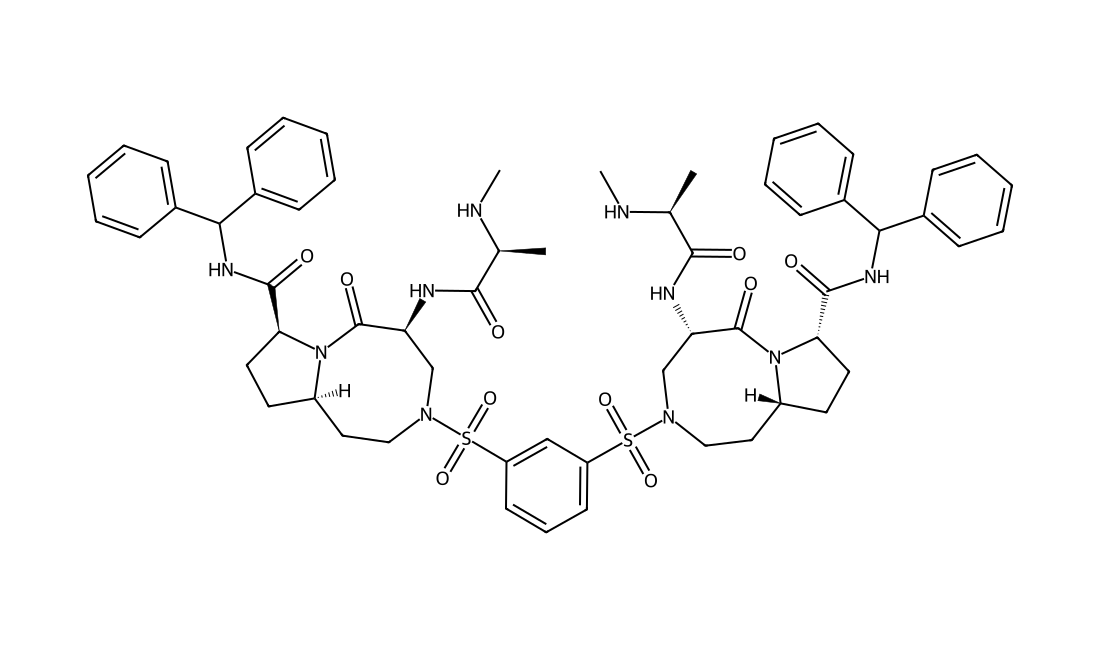
APG-1387, a bivalent SMAC mimetic, is an IAP antagonist that can induce proteasomal degradation of IAPs. APG-1387 sensitizes immune-mediated cell apoptosis in cancers. APG-1387 can be used for the research of hepatocellular carcinoma, ovarian cancer, and nasopharyngeal carcinoma.
CAS 467426-54-6
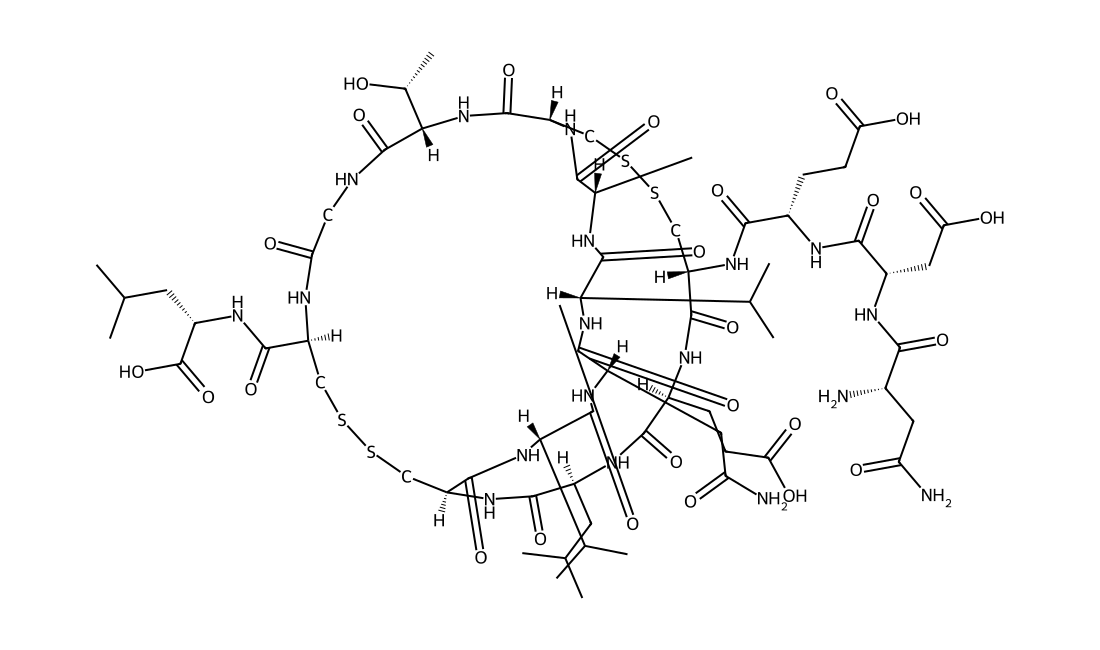
Plecanatide, an analogue of Uroguanylin, is an orally active guanylate cyclase-C (GC-C) receptor agonist. Plecanatide activates GC-C receptors to stimulate cGMP synthesis with an EC50 of 190 nM in T84 cells assay. Plecanatide shows anti-inflammatory activity in models of murine colitis.
CAS 2070015-17-5
UNC-2025 is a potent and orally bioavailable dual MER/FLT3 inhibitor with IC50 of 0.74 nM and 0.8 nM, respectively, about 20-fold selectivity over Axl and Tyro3.
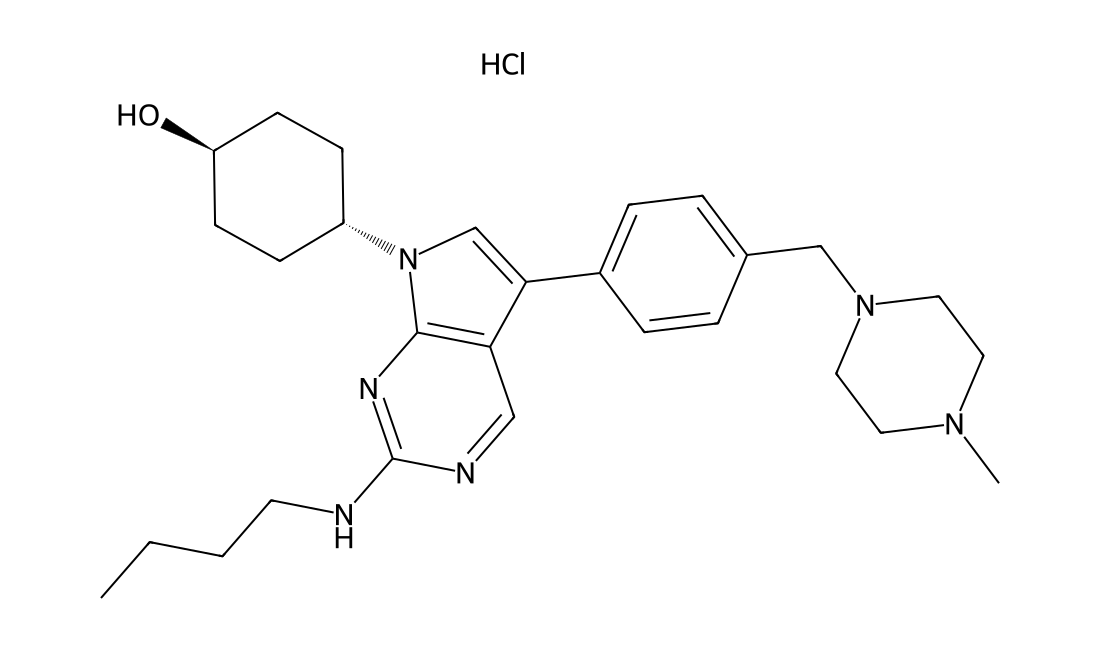
CAS 701947-53-7
DM-PIT-1 is a specific PIP3 antagonist that disrupts PIP3/Akt PH domain, PIP3/PDK1 PH domain, and PIP3/GRP1 PH domain with IC50 of 27.1 uM, 80.5 uM, and 35.5 uM, respectively; suppresses the PI3K-PDK1-Akt pathway and triggers metabolic stress and apoptosis; inhibits in vivo tumor growth in BALB/c mice; a dimethyl analog of PIT-1 with improved aqueous solubility.
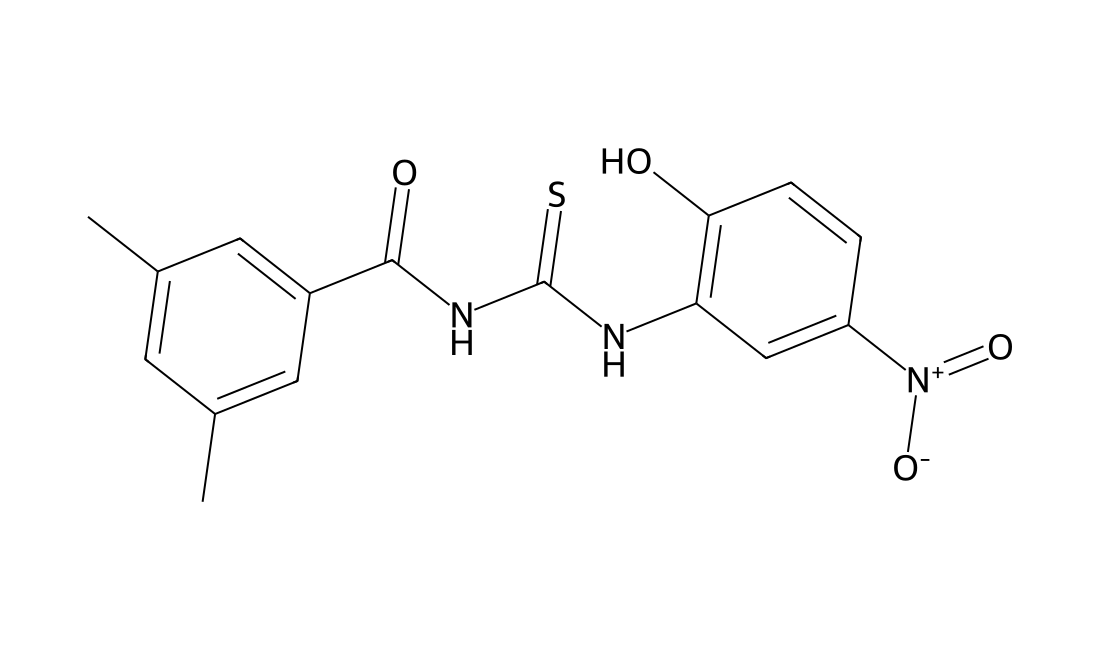
CAS 1337918-83-8
Vazegepant is the first intranasal CGRP receptor antagonist for the study the acute research of migraine[1][2].
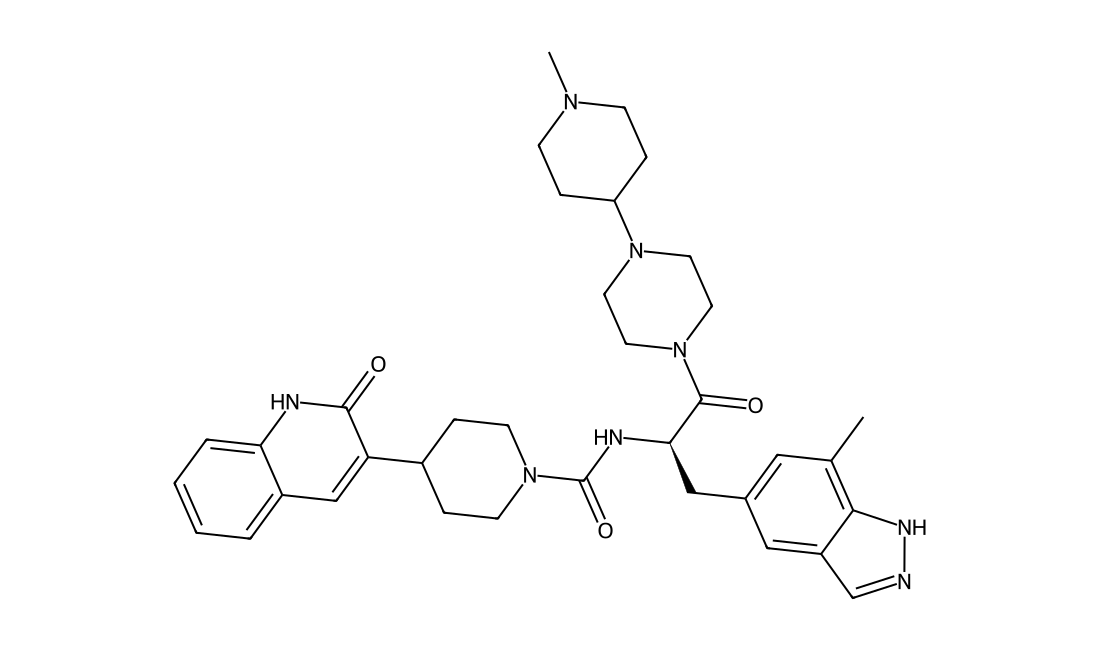
CAS 1233332-14-3
NIBR-0213 is a potent and selective S1P1 antagonist with efficacy in experimental autoimmune encephalomyelitis. NIBR-0213 displays potent and comparable potency on human and rat S1P1 (IC50 of 2.0 nM and 2.3 nM, respectively) in GTPγ35S assays[1].
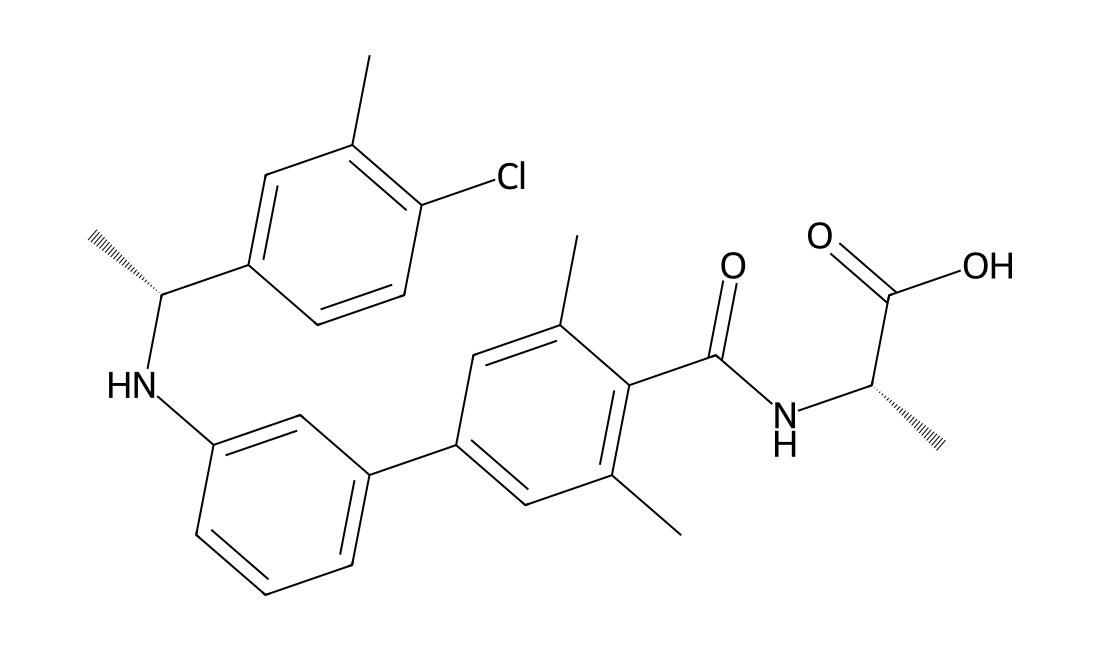
CAS 864825-13-8
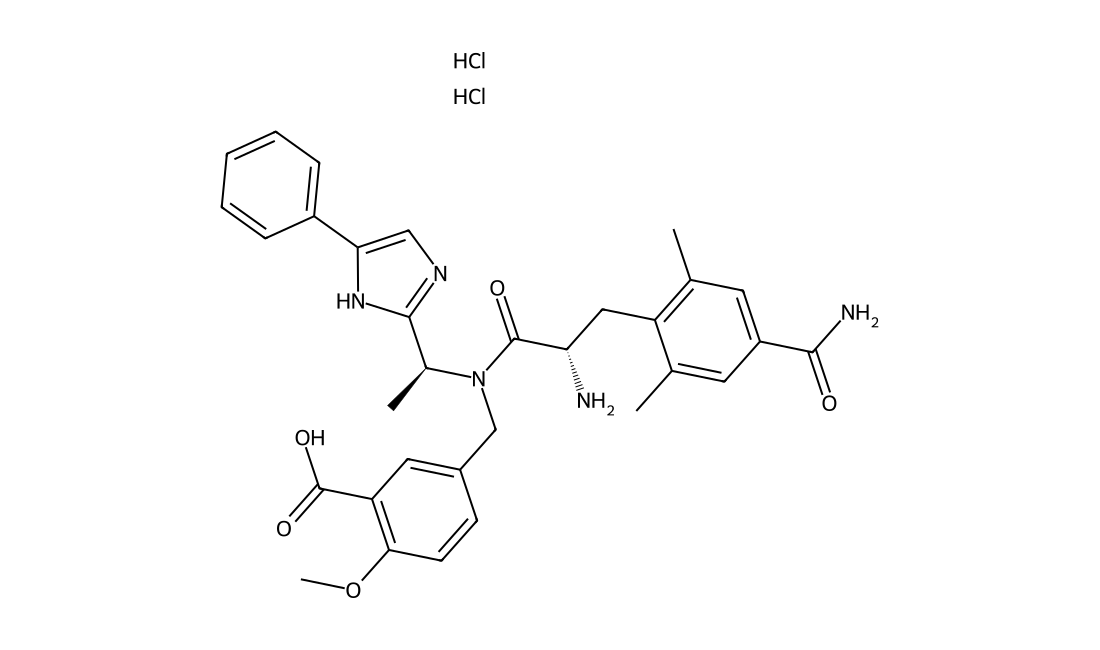
Eluxadoline Dihydrochloride is an orally active mixed μ opioid receptor (μOR) agonist δ opioid receptor (δOR) antagonist. in vitro: Eluxadoline is a locally active, mixed ?-opioid receptor (?OR) agonist and δ-opioid receptor (δOR) antagonist being developed for the treatment of IBS-d (diarrhea-predominant irritable bowel syndrome).Eluxadoline, an orally active mixed μ opioid receptor (μOR) agonist δ opioid receptor (δOR) antagonist developed for the treatment of diarrhea-predominant irritable bowel syndrome, normalizes gastrointestinal (GI) transit and defecation under conditions of novel environment stress or post-inflammatory altered GI function. in vivo: Coadministration of a single 200 mg dose of eluxadoline with cyclosporine, and probenecid increased eluxadoline systemic exposure [AUC(0-inf) ] by 4.4- and 1.4-fold, respectively, whereas peak exposure (Cmax) increased 6.2-fold and 1.3-fold, respectively. Cyclosporine had little effect on renal clearance (CLren) of eluxadoline whereas probenecid reduced CLren by nearly 50%.
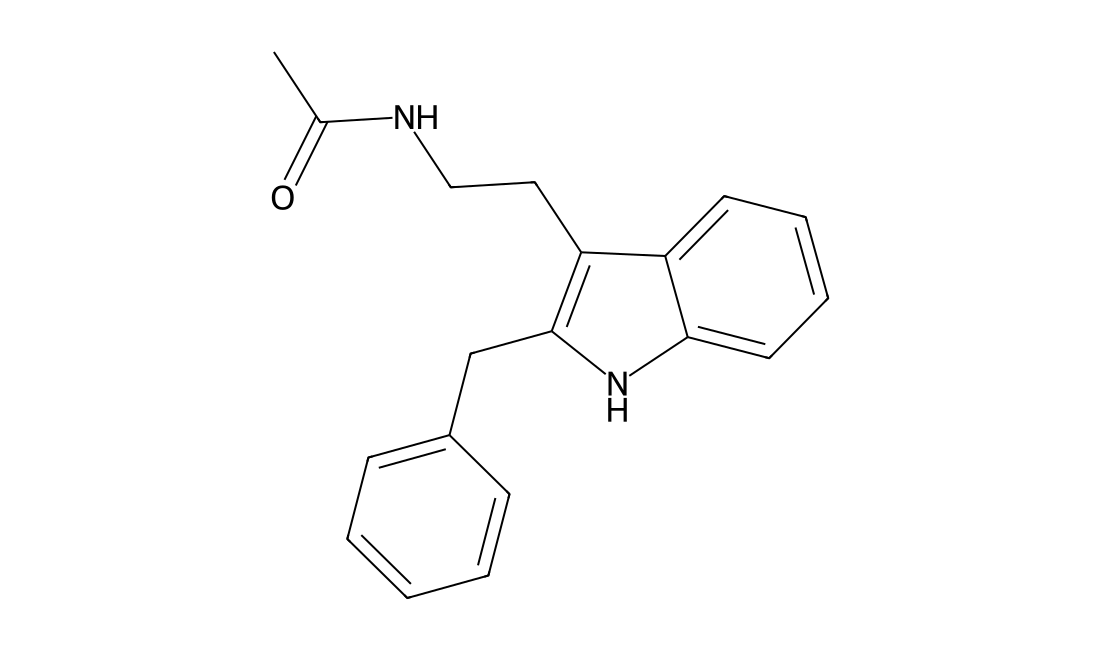
CAS 117946-91-5
Luzindole (N-0774) is a selective melatonin receptor antagonist. Luzindole preferentially targets MT2 (Mel1b) over MT1 (Mel1a) with Ki values of 10.2 and 158 nM for human MT2 and MT1, respectively. Luzindole suppresses experimental autoimmune encephalomyelitis (EAE), and exerts antidepressant-like activity[1][2][3].
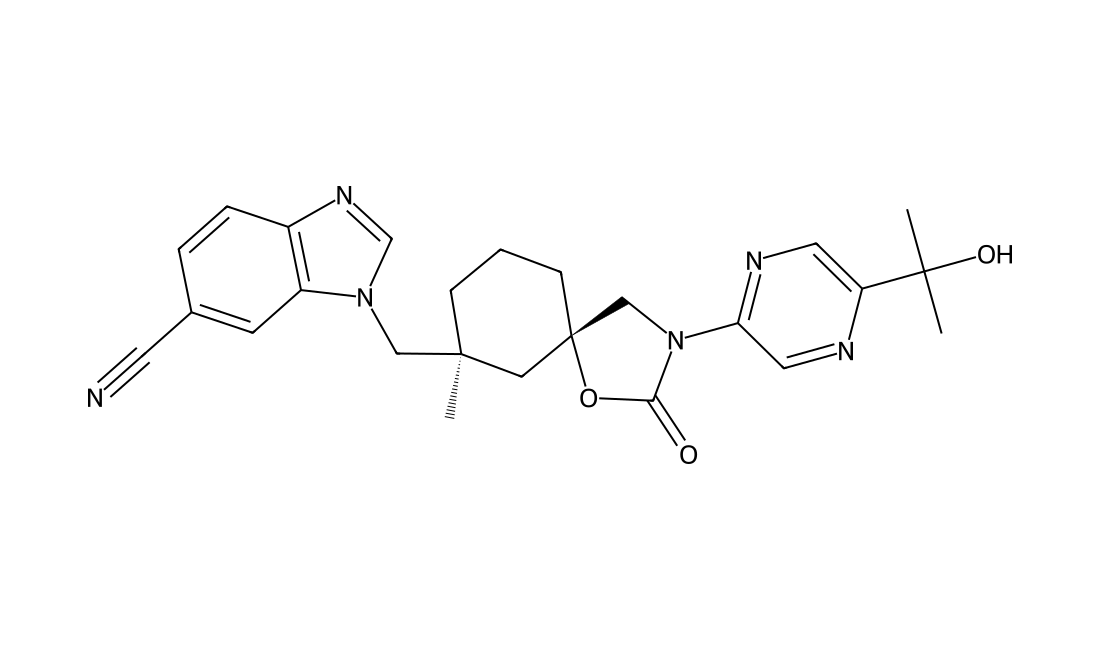
CAS 1419609-94-1
GSK2798745 is a first-in-class, highly potent, selective, orally active transient receptor potential vanilloid 4 (TRPV4) ion channel blocker with IC50s of 1.8 and 1.6 nM for hTRPV4 and rTRPV4, respectively. GSK2798745 is used in research for the treatment of pulmonary edema associated with congestive heart failure[1][2].
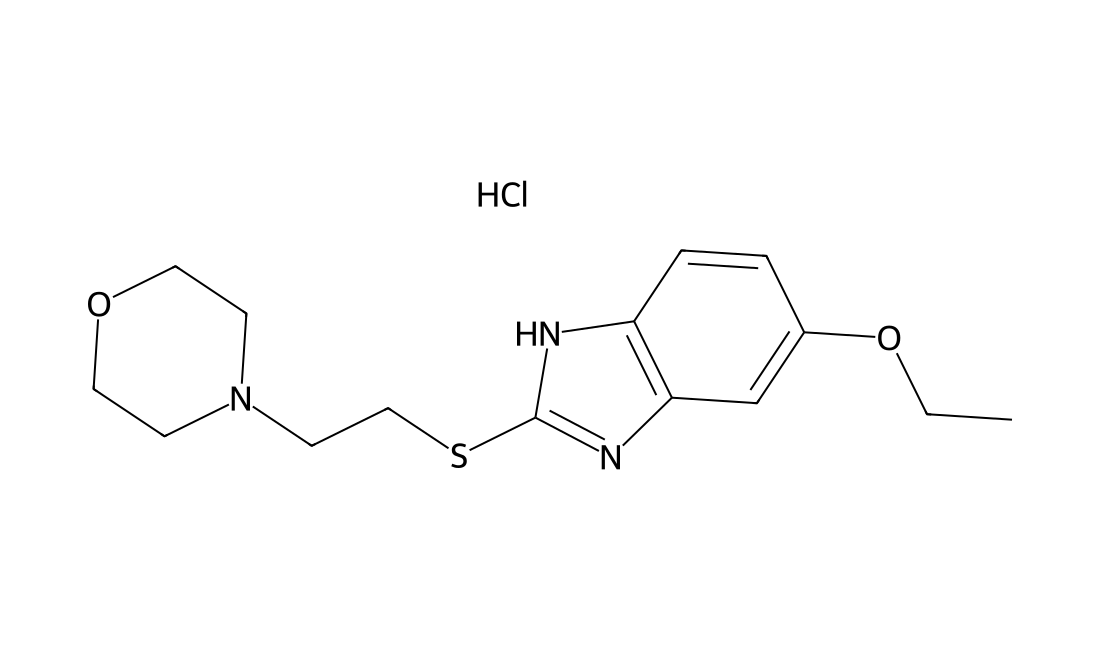
CAS 173352-39-1
Afobazol HCl(CM346 HCl) is an anxiolytic drug; produces anxiolytic and neuroprotective effects without any sedative or muscle relaxant actions.anxiolytic agent Afobazole's mechanism of action remains poorly defined however, with GABAergic, NGF and BDNF release promoting, MT1 receptor antagonism, MT3 receptor antagonism, and sigma agonism suggested as potential mechanisms. Afobazole was shown to inhibit MAO-A reversibly and there might be also some involvement with serotonin receptors. Afobazole has found little clinical use outside of Russia and has not been evaluated by the FDA.
CAS 610318-54-2
RGX-104 (free base) is an orally bioavailable and potent liver-X nuclear hormone receptor (LXR) agonist that modulates innate immunity via transcriptional activation of the ApoE gene.