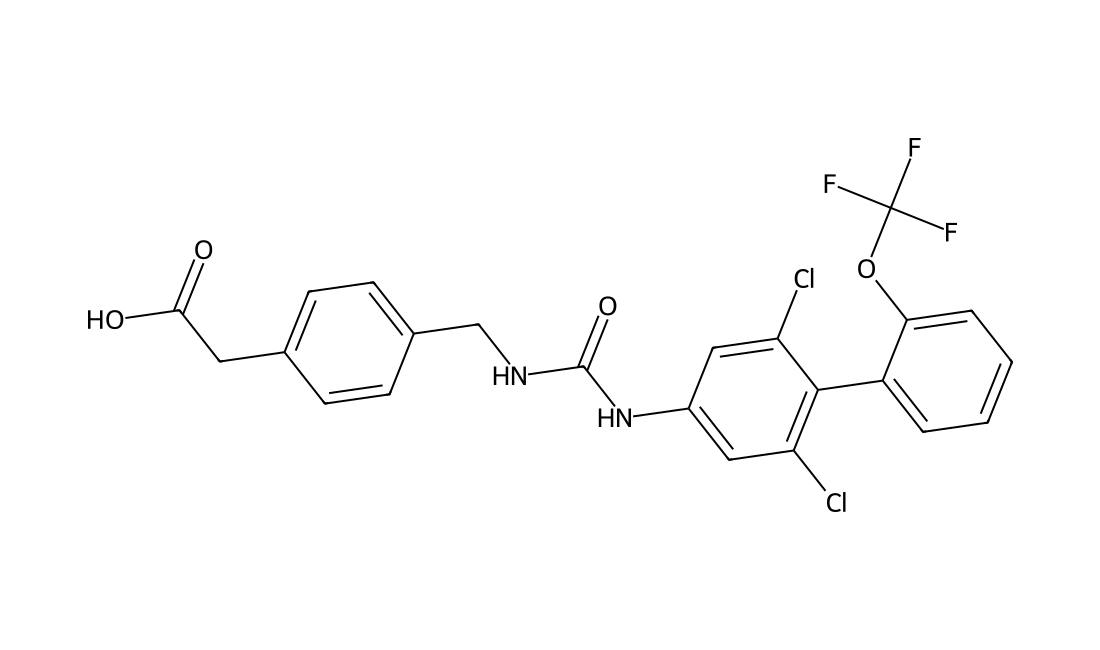
Lasmiditan (COL-144; LY573144)
CAS 439239-90-4
Lasmiditan (COL-144; LY573144) is a high-affinity, highly selective 5-HT1F receptor agonist(Ki=2.1 nM), compared with Ki of 1043 nM and 1357 nM at the 5-HT(1B) and 5-HT(1D) receptors, respectively.

G-protein-coupled, nuclear and other ligand-binding receptors and their modulators.
Products may appear in more than one category. Counts refer to distinct catalog numbers within each category.
Other Research Tools (75) · Additional reagents, building blocks and specialized research tools.
Combine a keyword, research category and target to narrow the product list.
Loading catalog filters…
CAS 439239-90-4
Lasmiditan (COL-144; LY573144) is a high-affinity, highly selective 5-HT1F receptor agonist(Ki=2.1 nM), compared with Ki of 1043 nM and 1357 nM at the 5-HT(1B) and 5-HT(1D) receptors, respectively.
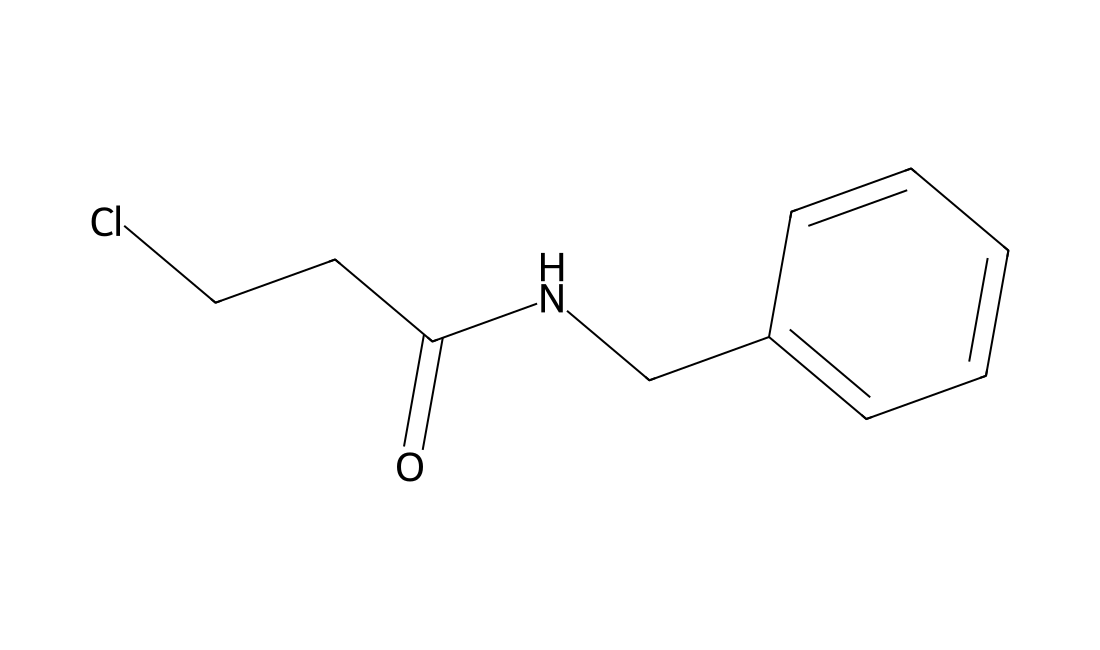
CAS 501-68-8
Beclamide is a drug that possesses anticonvulsant activity. It is no longer used. Beclamide is possibly metabolized to 3-chloropropanoic acid in vivo, which binds to the GHB receptor. It has been used as a sedative and as an anticonvulsant. It was studied in the 1950s for its anticonvulsant properties, as a treatment for generalised tonic-clonic seizures. It was not effective for absence seizures. Interest in the drug resumed in the 1990s for its psychiatric properties as an adjunct in the treatment of schizophrenia. While not classified as a DEA controlled substance in the United States, this product can only be sold STRICTLY to universities and research institutions. This product will not be sold to individuals or shipped to residential addresses.
CAS 519148-48-2
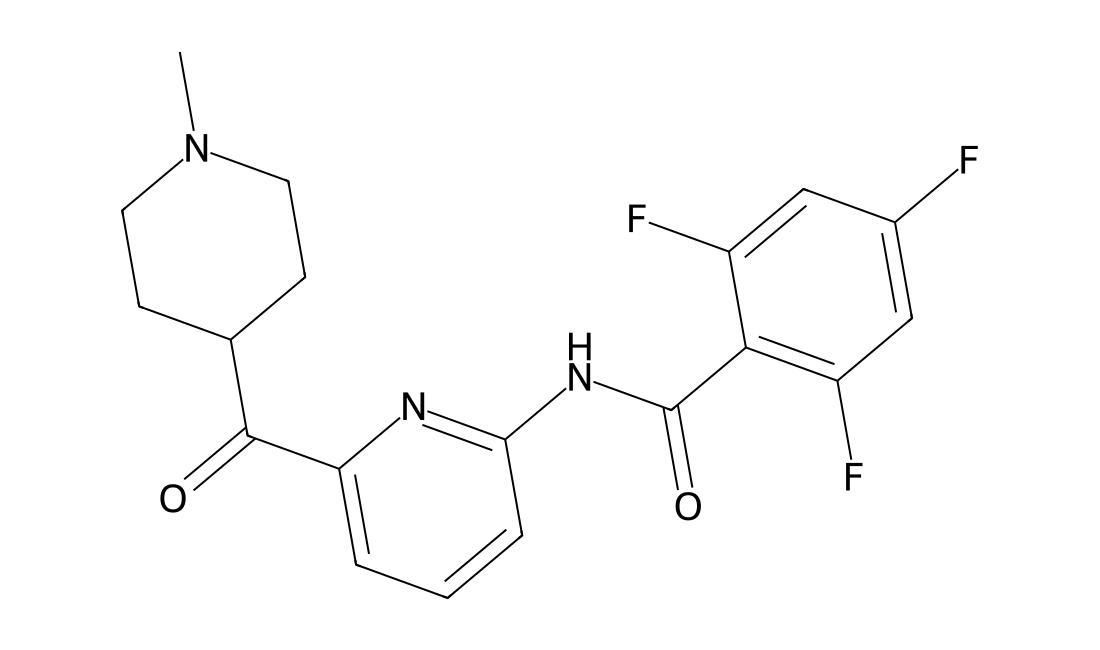
CJ033466 is a novel and selective 5-HT4 receptor partial agonist with an EC50 of 9 nM and has gastroprokinetic effect.
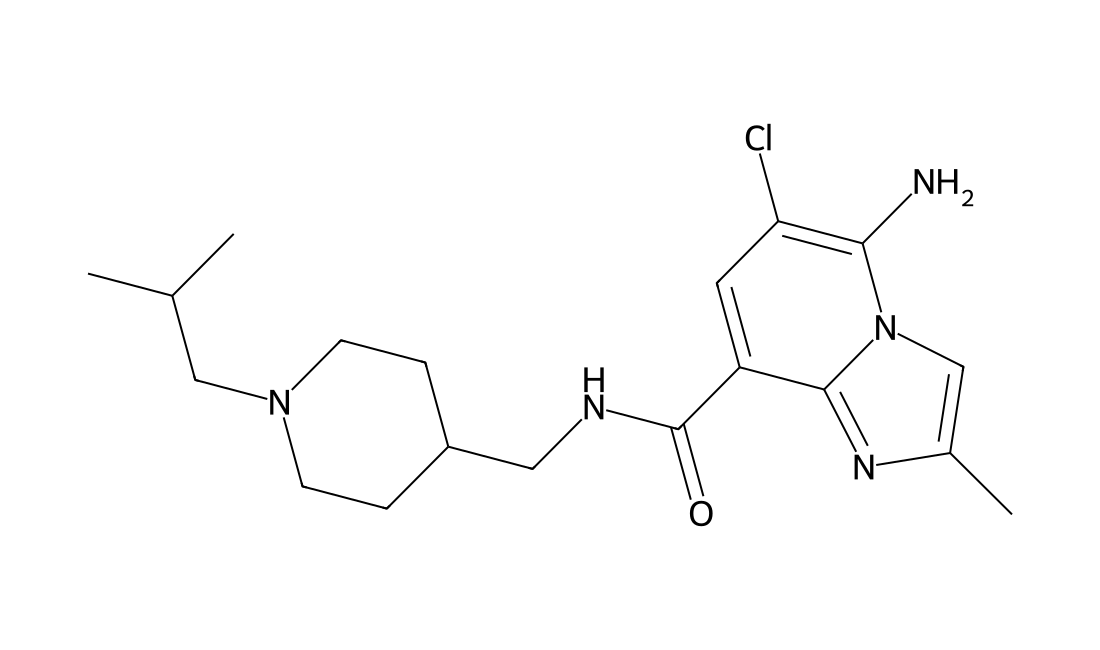
CAS 142720-24-9
FGIN-1-27 is an anxiolytic compound that acts as a selective agonist at the peripheral benzodiazepine receptor (TSPO).FGIN-1-27 inhibited Th17 cell differentiation, significantly downregulated the expression of RORγt target genes, notably Il17a, Il17f, Il23r, Ltb4r1,Ccr6.FGIN-1-27 protected mice against EAE, induced amino acid starvation response (AAR), FGIN-1-27 produced anti-anxiety and anti-panic effects in non-mammalian models.
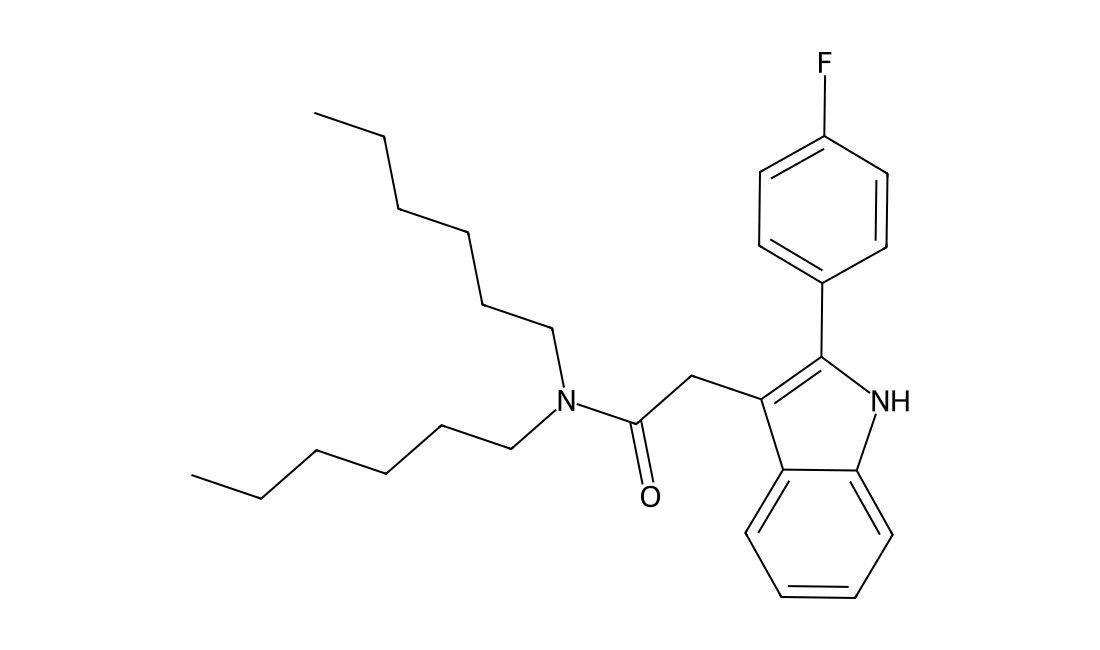
CAS 146662-42-2
SR2640 (hydrochloride) is a potent and selective competitive leukotriene D4/leukotriene E4 antagonist. SR2640 can be used for researching the role of leukotrienes in human asthma.
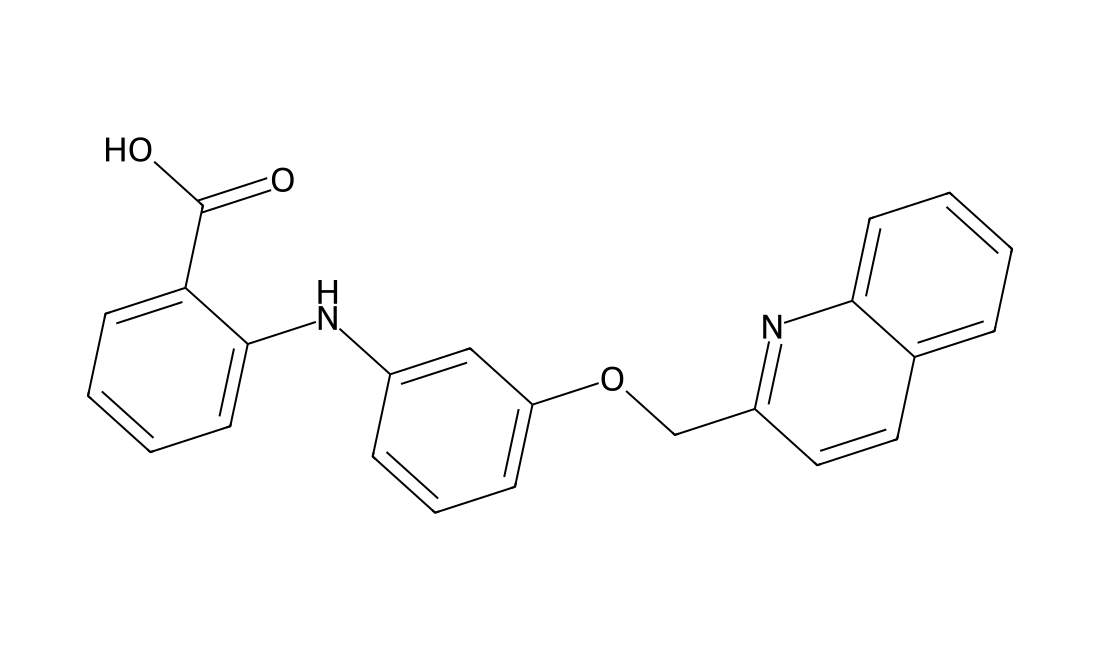
CAS 5051-62-7
Guanabenz (WY 8678) is an α2 adrenergic receptor agonist that is used as an antihypertensive agent, also has been proposed to exert protective effects against misfolding by interfering with eIF2α-P dephosphorylation through selective disruption of a PP1-PPP1R15A holophosphatase complex; also has antiparasitic activity against replicative stages of Toxoplasma.Multiple SclerosisPhase 1 Clinical
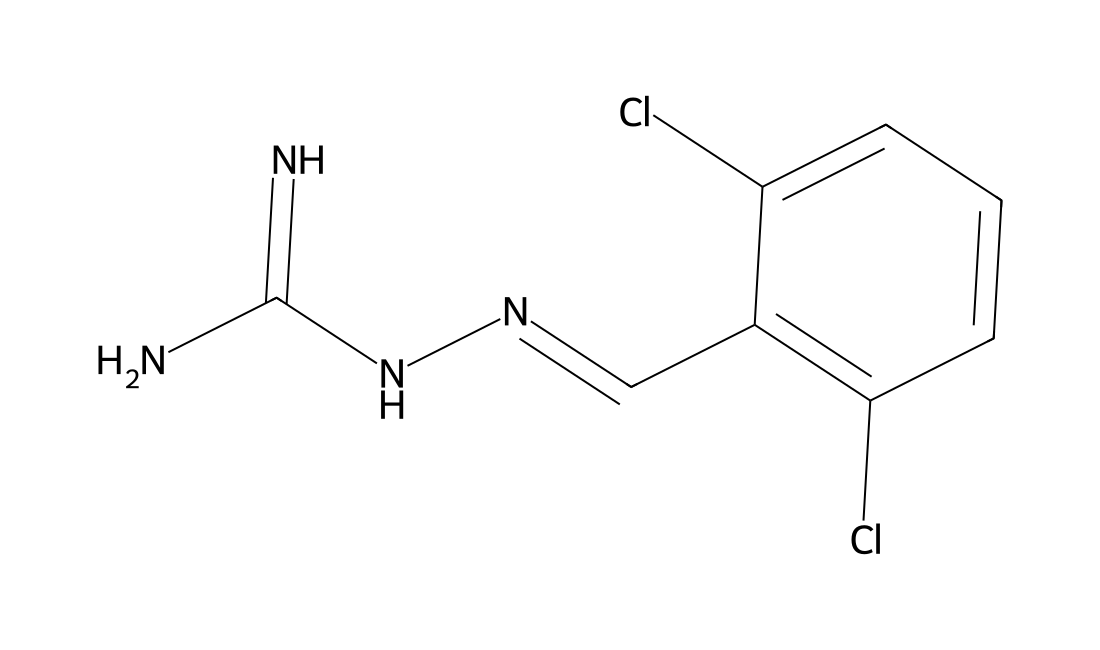
CAS 1062368-49-3
ML347(DN193719) is a highly selective ALK1/ALK2 inhibitor with IC50s of 46/32 nM; shows >300-fold selectivity for ALK2 vs. ALK3.ML347 has IC50’s of 46 and 32 nM, respectively, against ALK1 and ALK2; however, the IC50 against ALK3 is 10,800 nM, >300-fold selective over ALK3. ML347 is completely inactive against allthe other kinases tested (with weak activity against ALK6, 9830 nM and KDR (VEGFR2)19,700 nM). ML347 is potent in the BMP4 cell assay (152 nM).
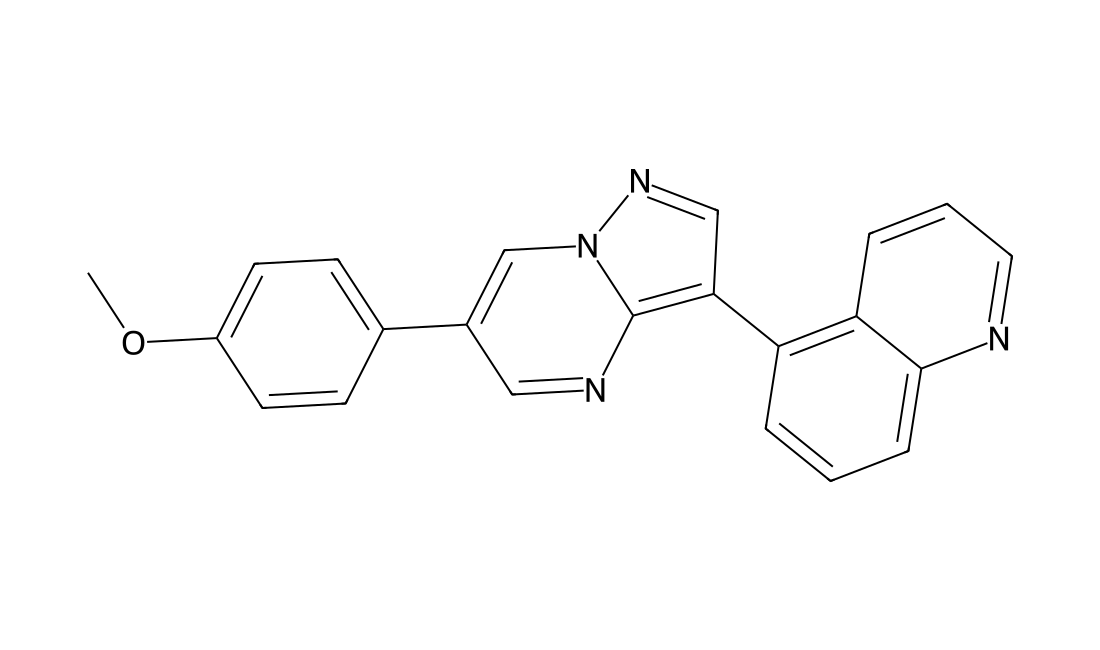
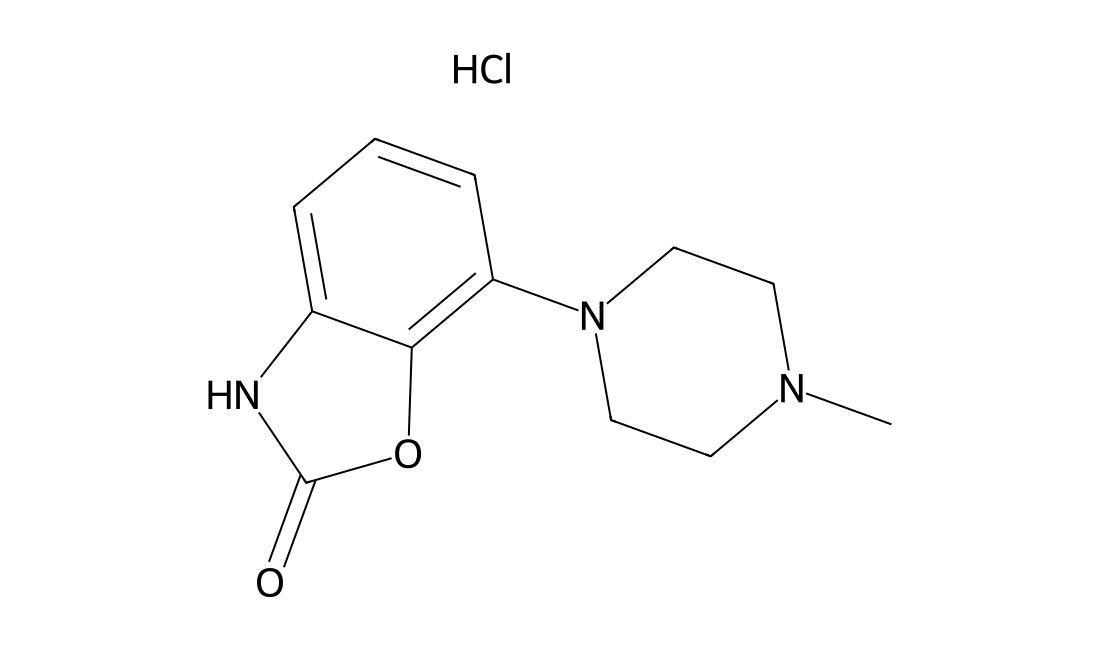
CAS 269718-83-4
Pardoprunox hydrochloride is a novel partial dopamine D2 and D3 receptor agonist and serotonin 5-HT1A receptor agonist, D2 (pKi = 8.1) and D3 receptor (pKi = 8.6) partial agonist and 5-HT1A receptor (pKi = 8.5) full agonist.
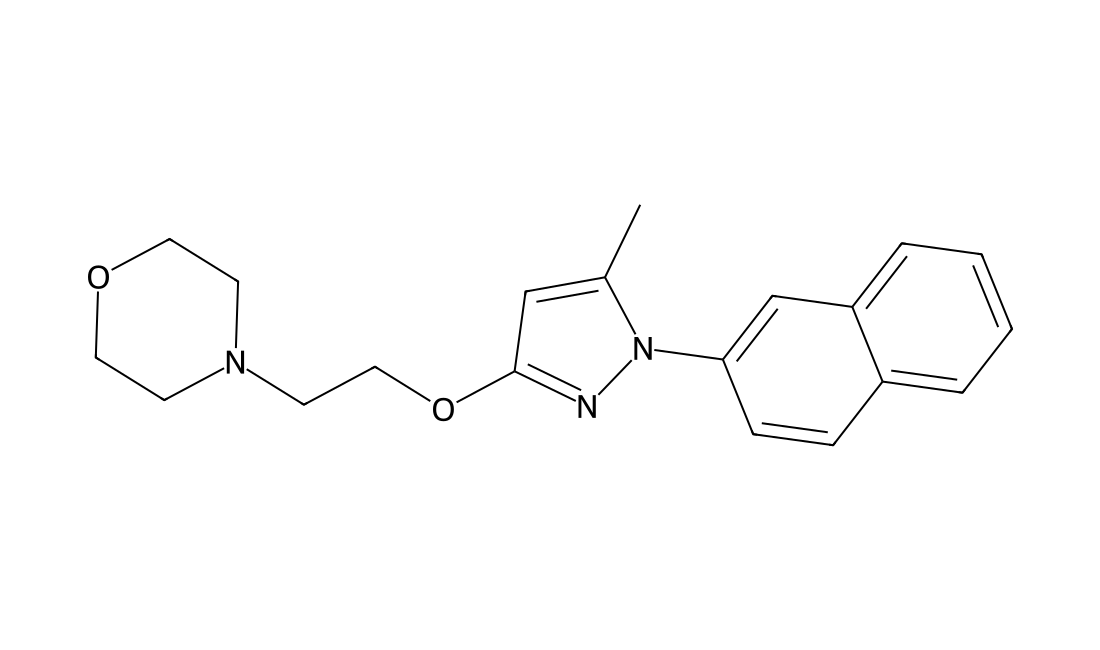
CAS 878141-96-9
S1RA(E-52862) is a potent and selective sigma-1 receptor(σ1R, Ki=17 nM) antagonist, showed good selectivity against σ2R (Ki > 1000 nM).
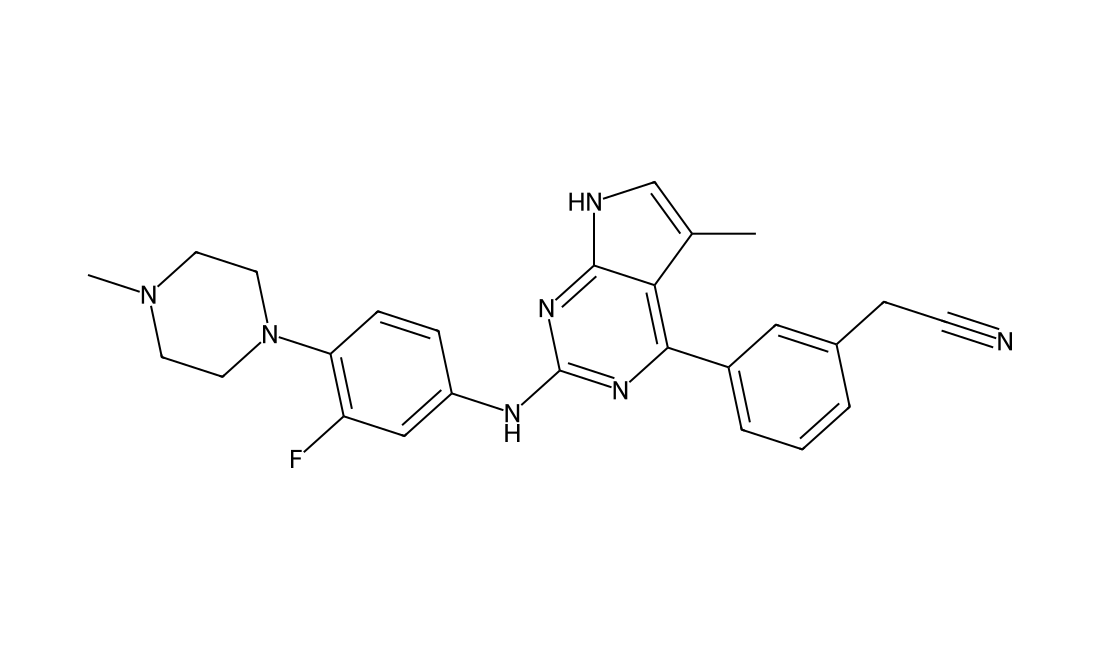
CAS 1239875-86-5
SGI-7079 is an Axl inhibitor, significantly inhibits the proliferation of SUM149 or KPL-4 cells with an IC50 of 0.43 or 0.16 μM, respectively.
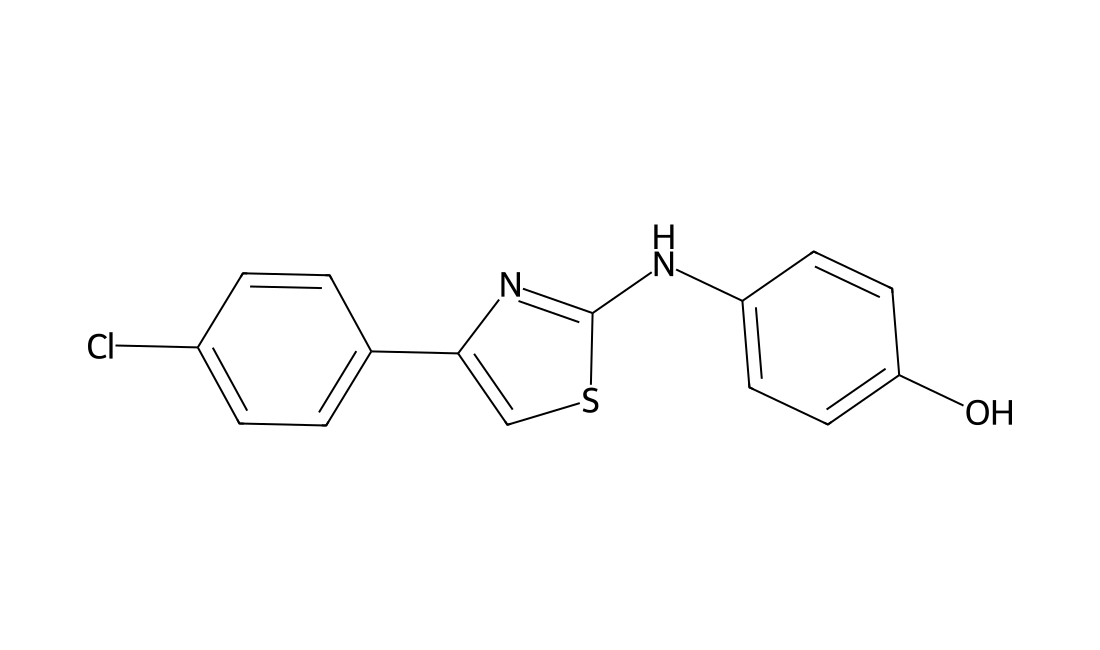
CAS 312636-16-1
SKI-II is a synthetic inhibitor of sphingosine kinase (SK) activity with IC50 of 78 μM for SK1 and 45 μM for SK2.
CAS 293754-55-9
T0901317 is a potent and selective agonist for LXR and FXR, with EC50s of 50 nM and 5 μM, respectively.
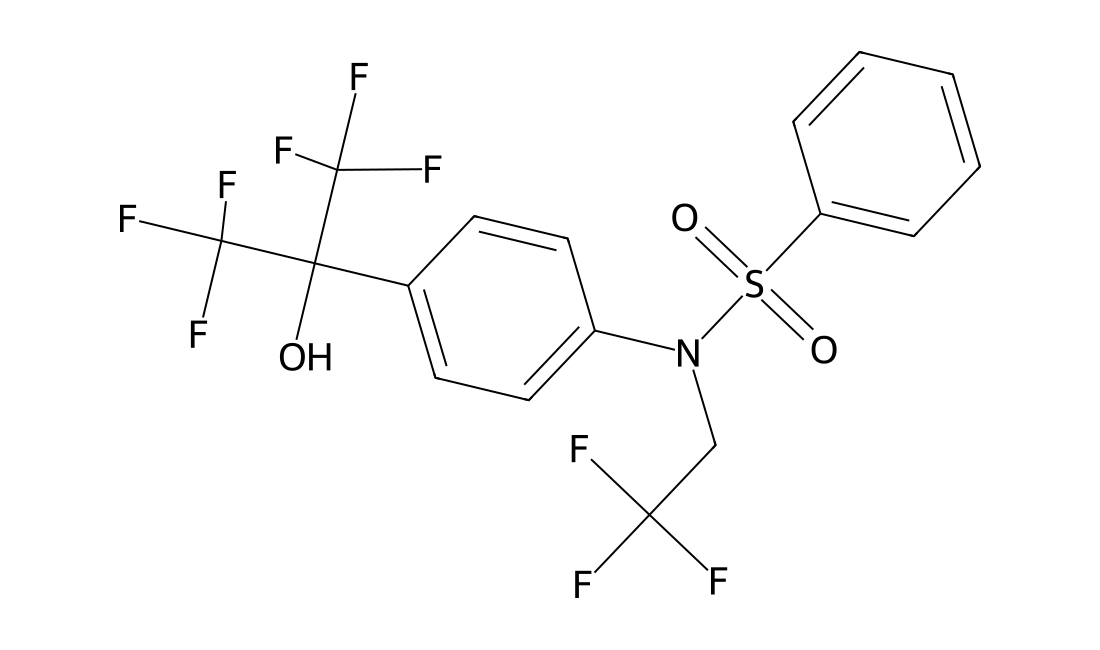
CAS 874911-96-3
ZK756326 is a full agonist of CCR8(Chemokine receptor 8) with an IC50 of 1.8 μM, dose-responsively eliciting an increase in intracellular calcium and cross-desensitizing the response of the receptor to CCL1.
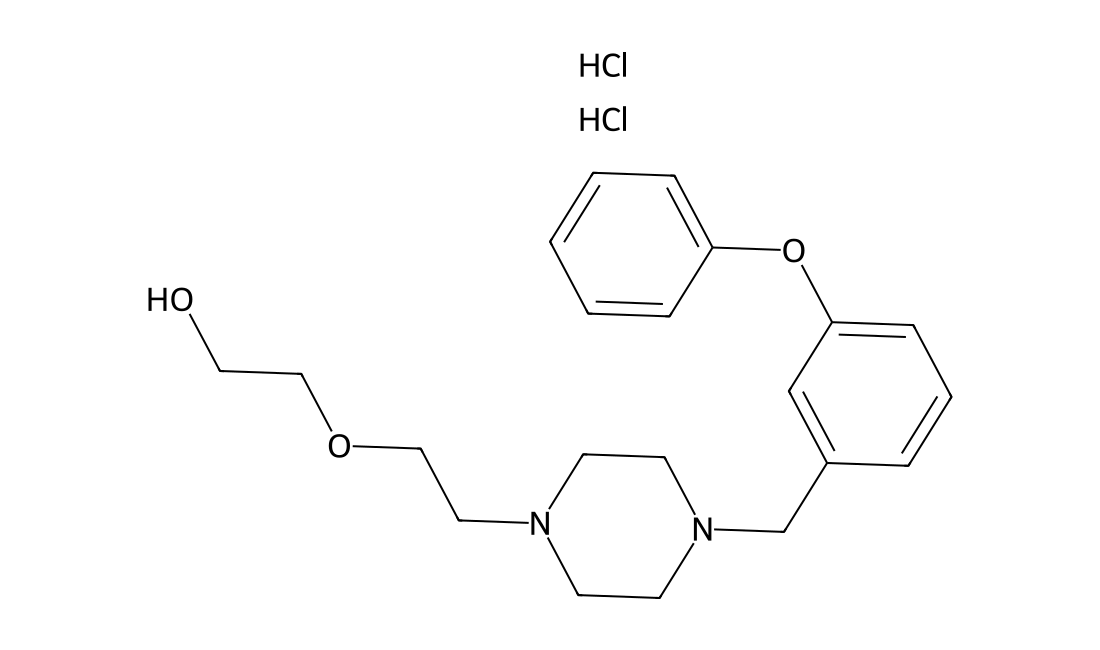
CAS 720690-73-3
GSK189254A (GSK189254) is a novel, potent and selective histamine H3 receptor antagonist with pKi values of 9.59-9.90 and 8.51-9.17 for human and rat H3, respectively.
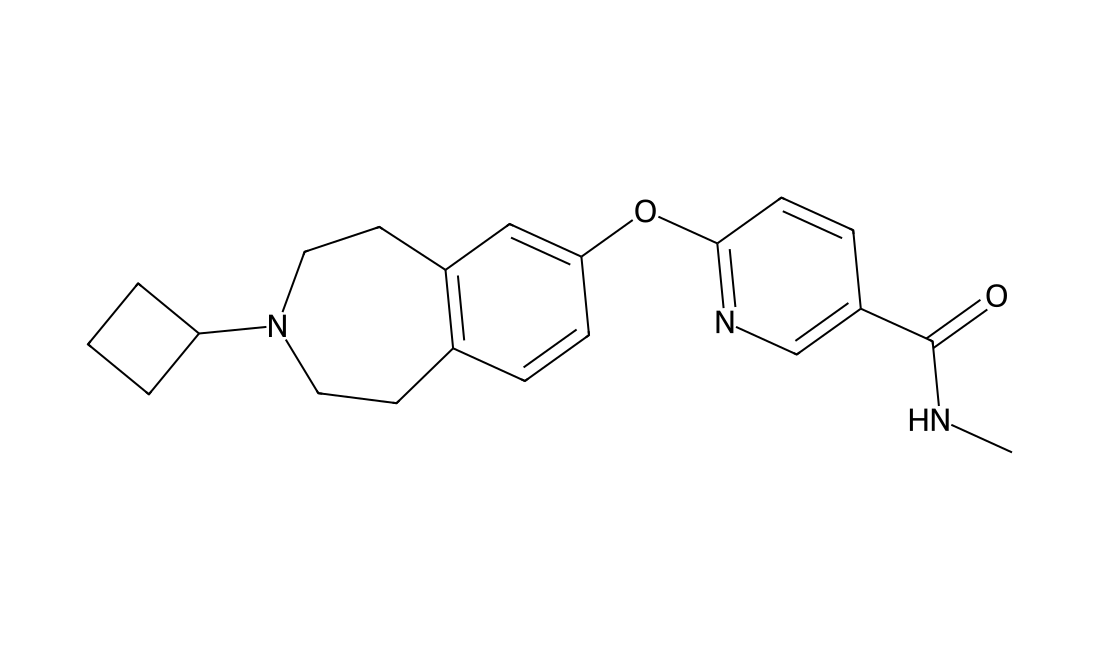
CAS 487051-12-7
SNAP 94847 is a novel, high affinity selective melanin-concentrating hormonereceptor1 (MCH1) antagonist with antidepressant-like activity, it differentiates from classic anxiolytic and antidepressant drugs.SNAP 94847 binds with high affinity to the mouse and rat MCHR1 with minimal cross-reactivity to other GPCR, ion channels, enzymes, and transporters.SNAP 94847 is a high affinity antagonist (pA2 = 7.81) of MCH-evoked inositol phosphate formation[1].
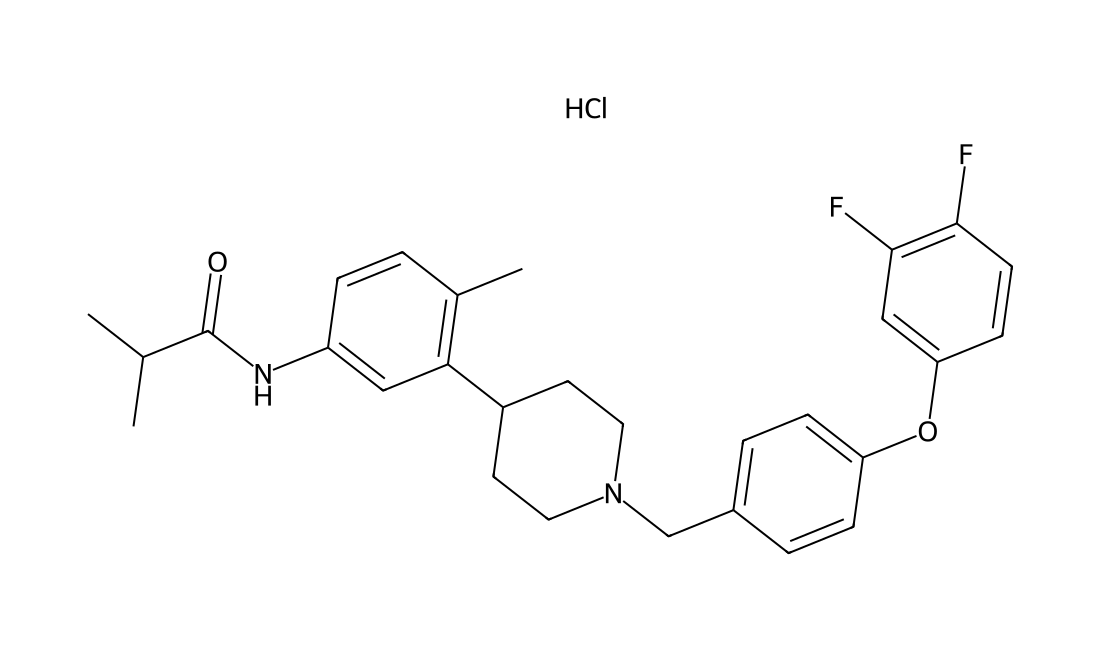
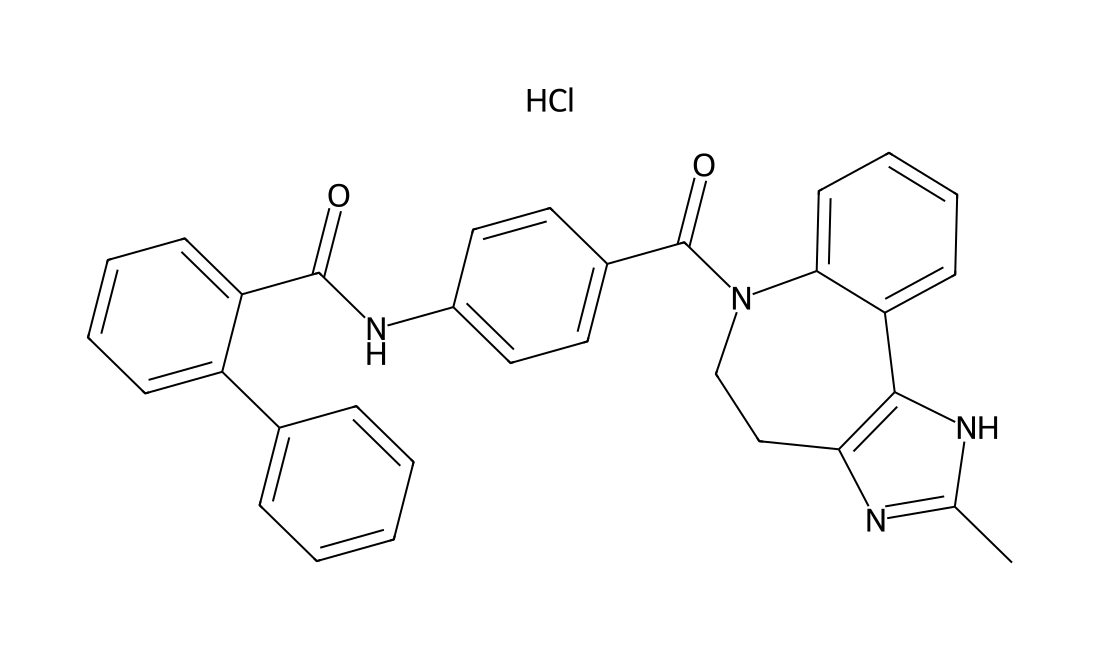
CAS 168626-94-6
Conivaptan (hydrochloride) is a non-peptide antagonist of vasopressin receptor, with Ki values of 0.48 and 3.04 nM for rat liver V1A receptor and rat kidney V2 receptor respectively.
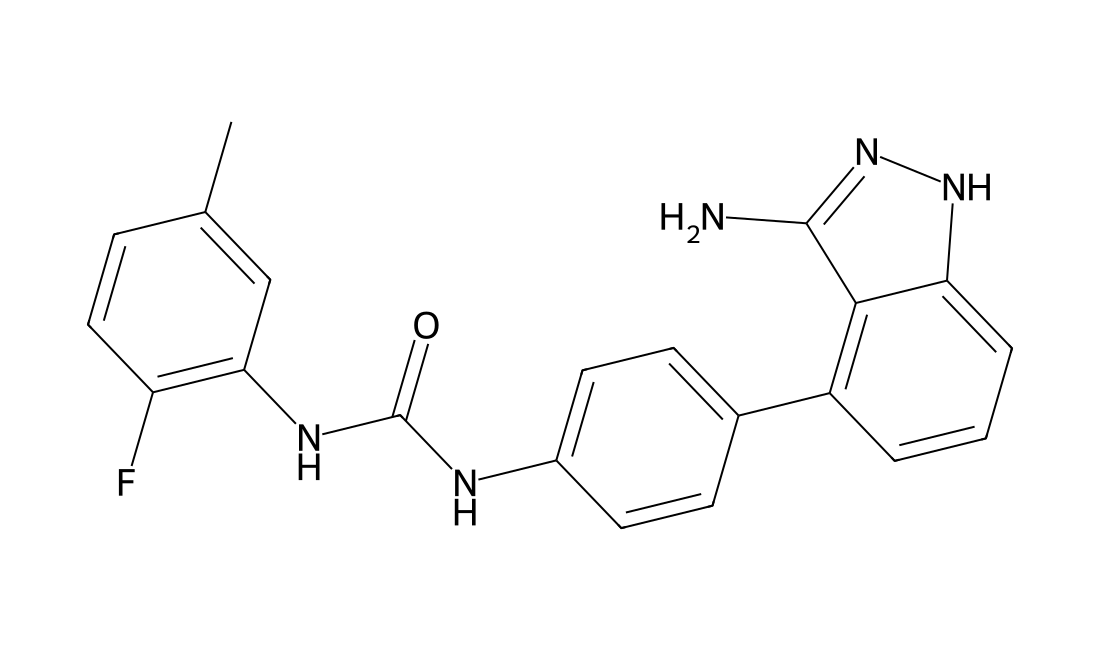
CAS 796967-16-3
Linifanib (ABT-869) is a multi-targeted inhibitor of VEGF and PDGFR receptor family with IC50s of 3, 4, 66, 4 nM for KDR, Flt-1, PDGFRβ and FLT3, respectively.
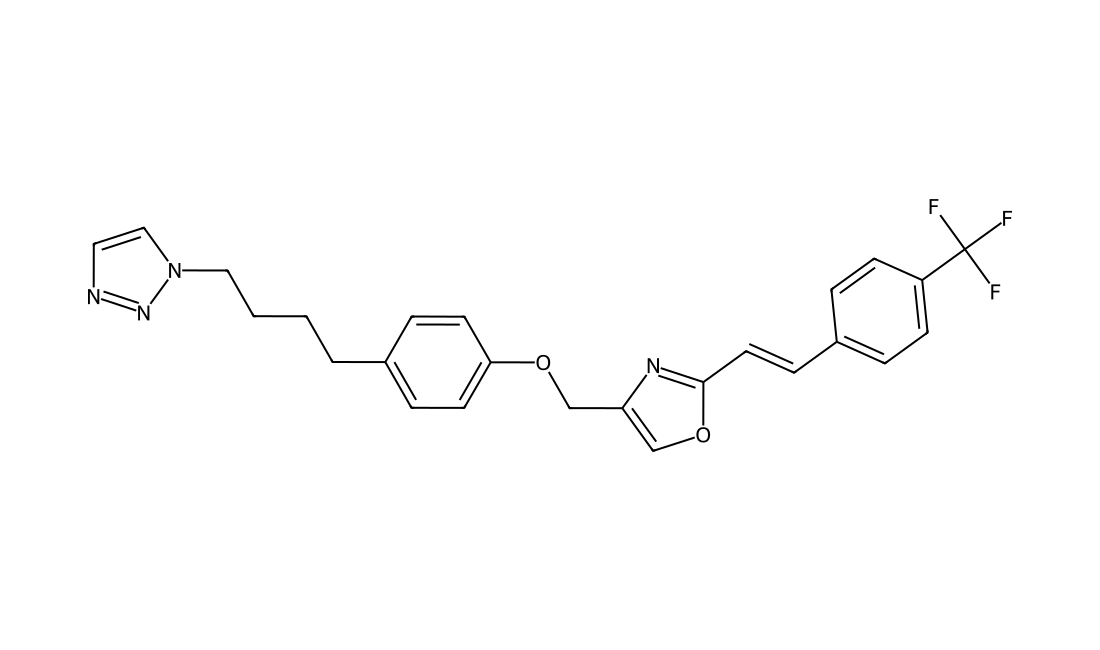
CAS 366017-09-6
Mubritinib (TAK-165) is a potent and selective EGFR2/HER2 inhibitor with an IC50 of 6 nM.
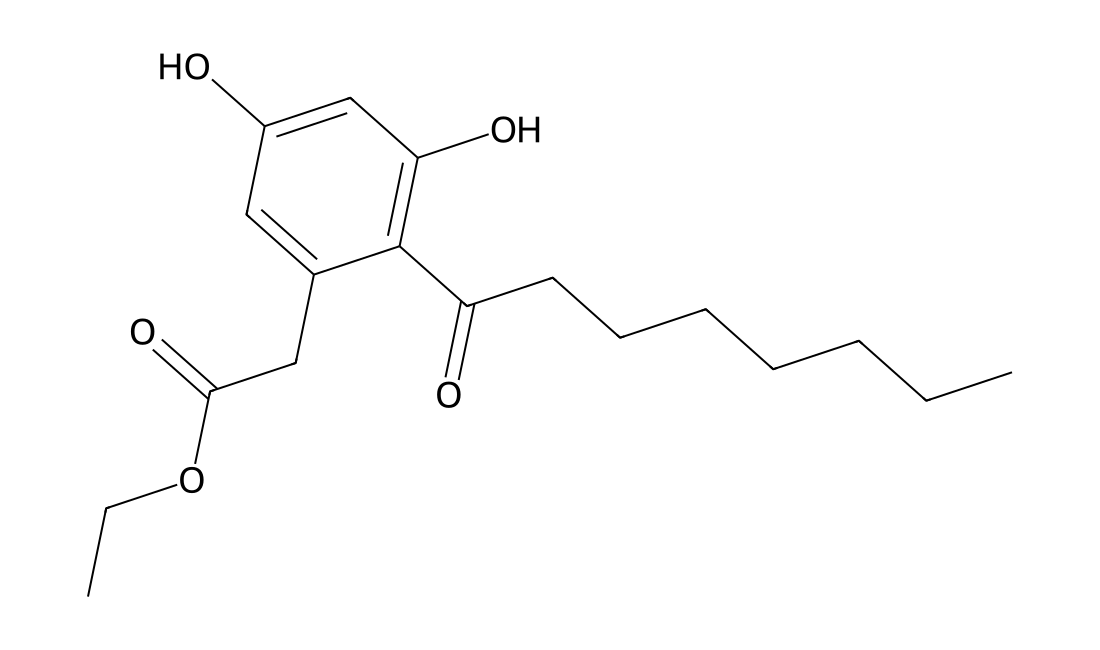
CAS 321661-62-5
Cytosporone B (Csn-B;Dothiorelone G) is a naturally occurring nuclear orphan receptor Nur77 agonist with an EC50 of 0.278 nM.
CAS 792173-99-0
SB-334867 free base is a selective non-peptide orexin OX1 receptor antagonist with a pKb value of 7.2.IC50 value: 7.2 (pKb) [1]
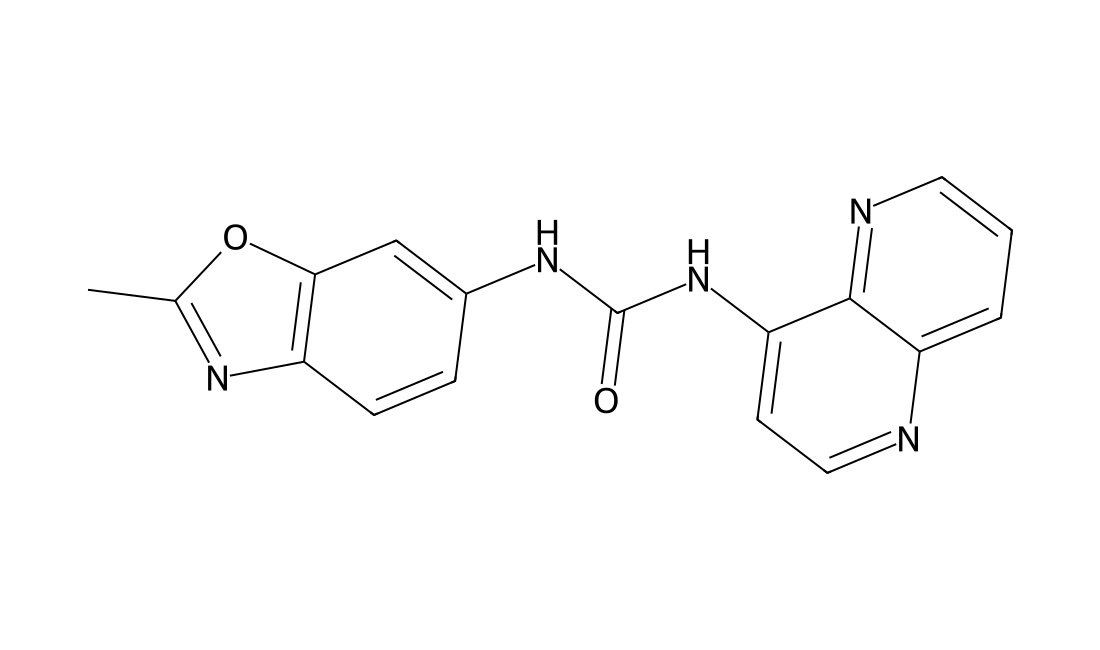
CAS 2854-32-2
BML-190(IMMA) is a potent and selective CB2 receptor ligand (Ki values are 435 nM and > 2 μM for CB2 and CB1 respectively).
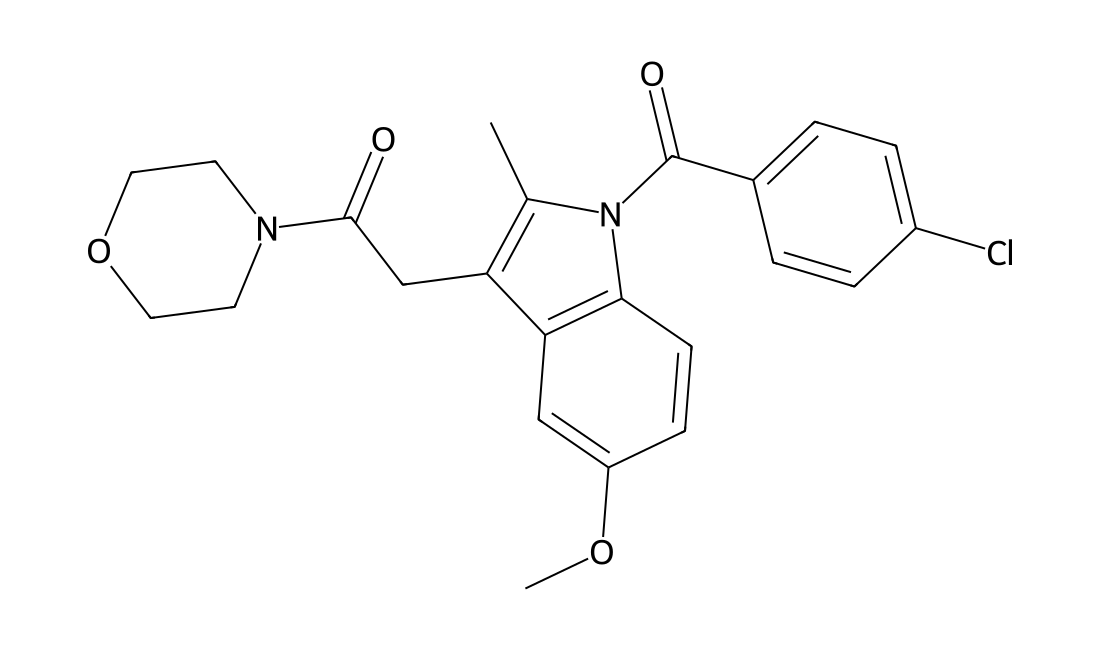
CAS 688348-33-6
CAY 10465 is a selective and high-affinity AhR agonist, with a Ki of 0.2 nM, and shows no effect on estrogen receptor (Ki >100000 nM).
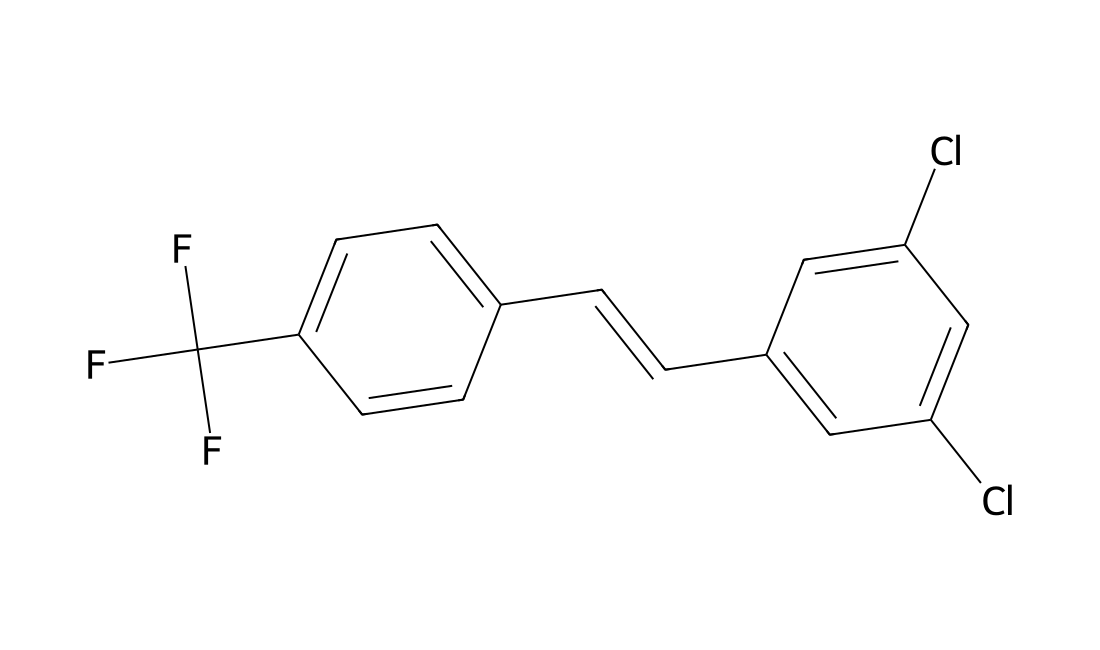
CAS 442-52-4
Clemizole is an H1 histamine receptor antagonist, is found to substantially inhibit HCV replication. The IC50 of Clemizole for RNA binding by NS4B is 24±1 nM, whereas its EC50 for viral replication is 8 µM.
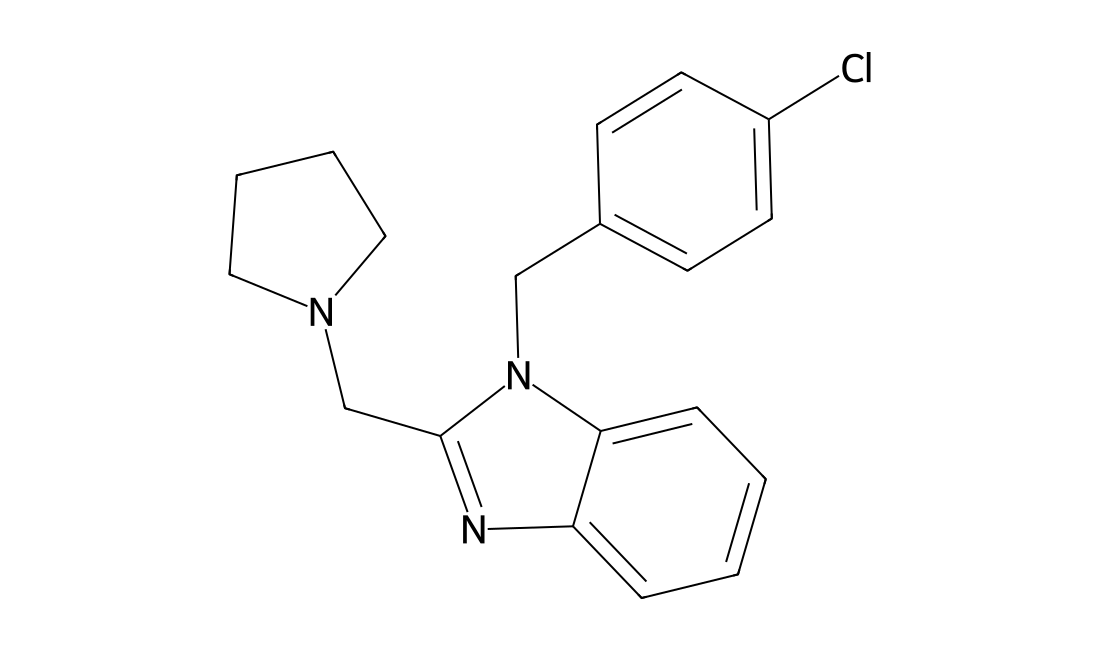
CAS 1400989-25-4
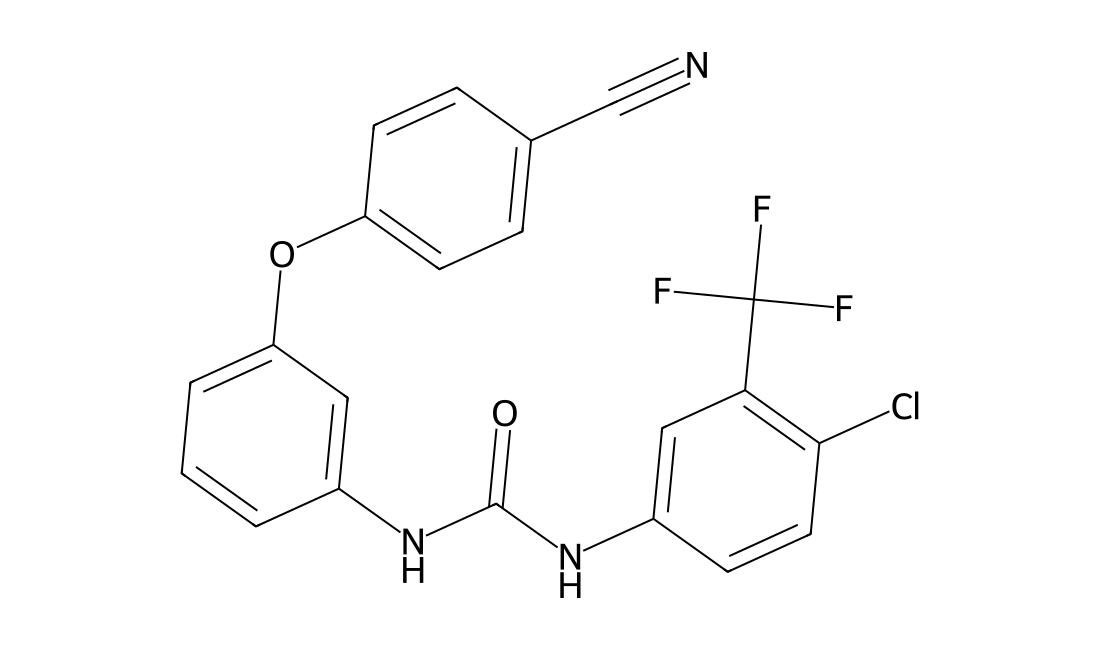
SC-43, a Sorafenib derivative, is a potent and orally active SHP-1 (PTPN6) agonist. SC-43 inhibits the phosphorylation of STAT3 and induces cell apoptosis. SC-43 has anti-fibrotic and anticancer effects[1][2].
CAS 185951-07-9
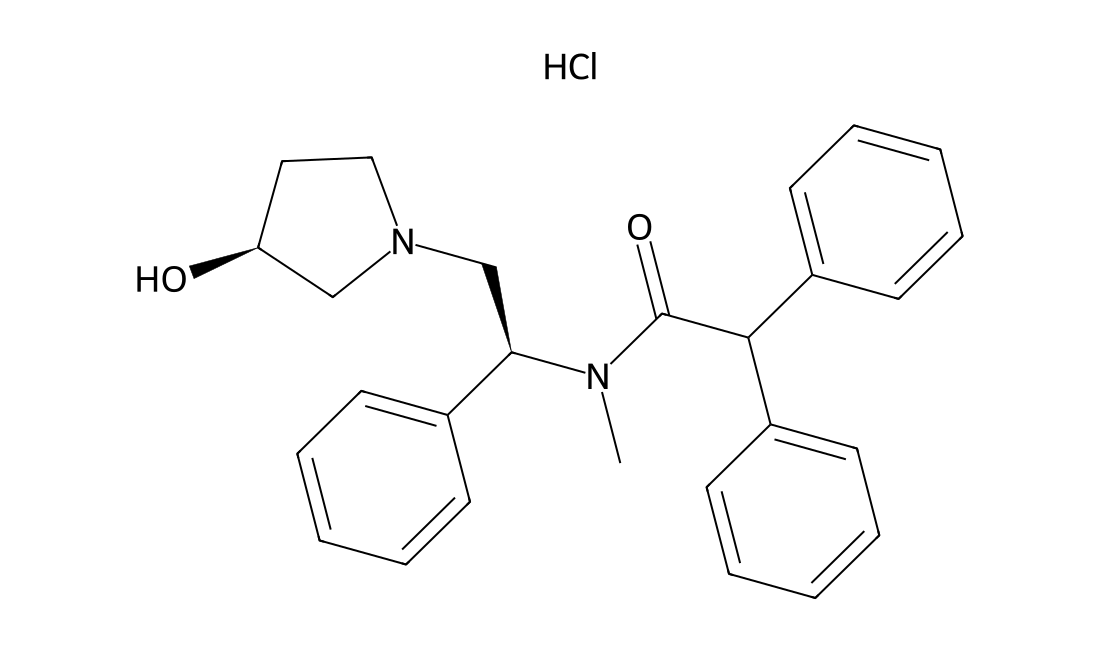
Asimadoline HCl is a κ-opioid receptor agonist potentially for the treatment of pruritus. Asimadoline has also been shown to be used in the treatment of irritable bowel syndrome.
CAS 13187-06-9
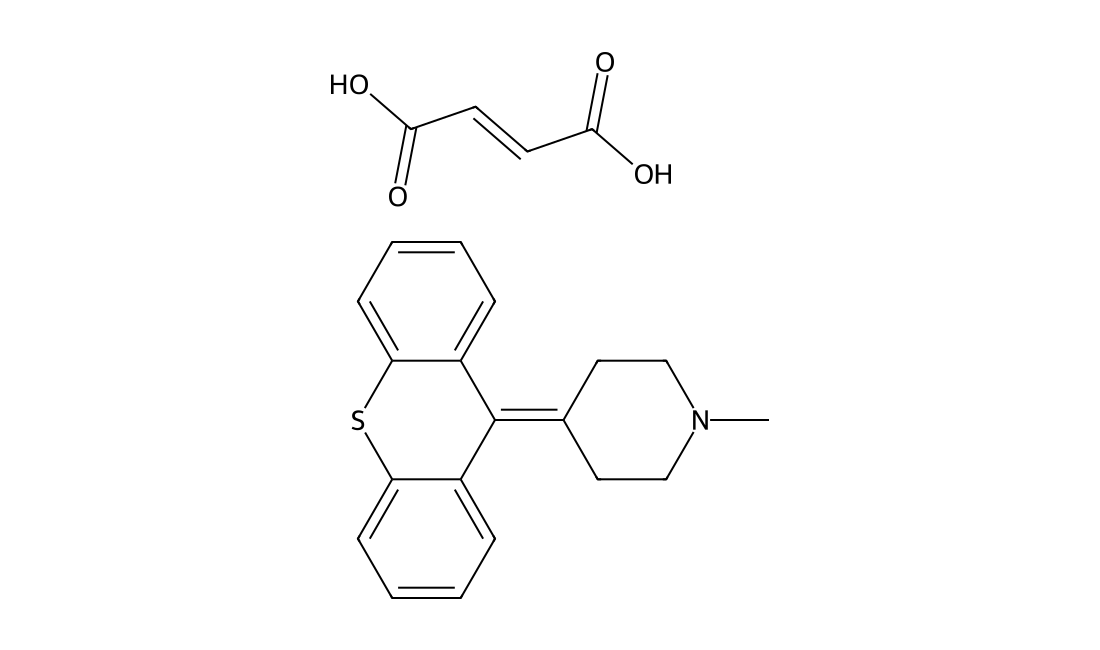
Pimethixene maleate is antihistamine and antiserotonergic compound, acts as an antimigraine agent.Pimethixene maleate is a highly potent antagonist of 5-HT1A, 5-HT2A, 5-HT2B, 5-HT2C, histamine H1, dopamine D2 and D4.4 as well as muscarinic M1 and M2 receptors, with pKis of 7.63, 10.22, 10.44, 8.42, 10.14, 8.19, 7.54, 8.61 and 9.38, respectively[1].
CAS 125572-93-2
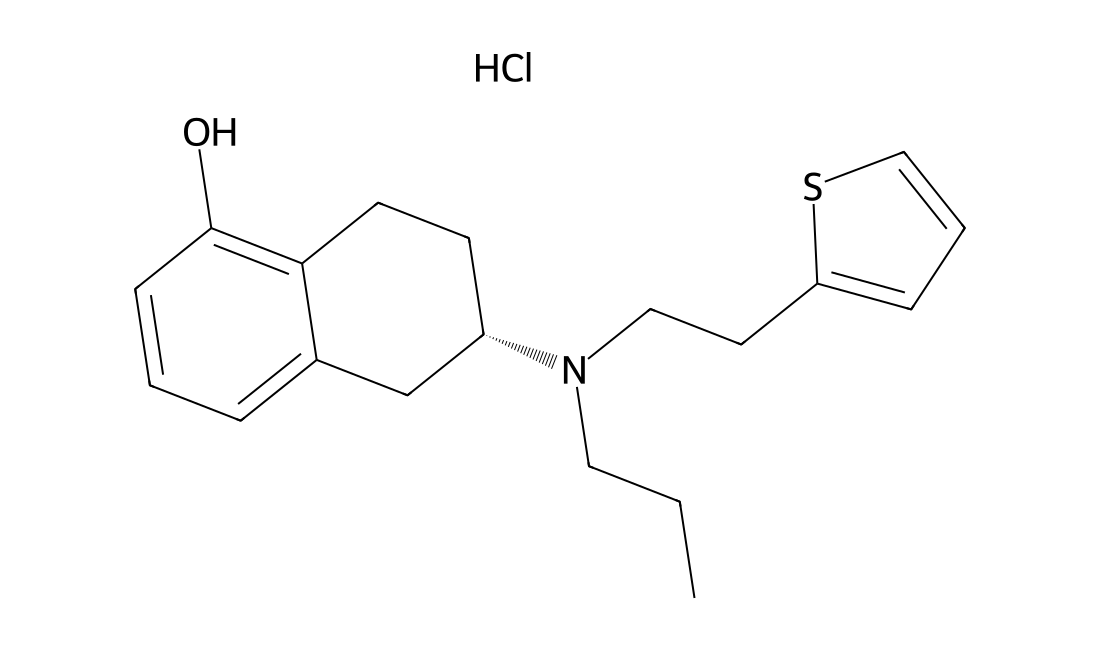
Rotigotine is dopamine D2 and D3 receptor agonist. Ki values are 13 and 0.71 nM for D2 and D3 respectively. Rotigotine also has significant affinity for 5-HT1A and adrenergic α2B receptors. Rotigotine exhibits antiparkinsonian acitivity.
CAS 115066-04-1
alpha-NETA (α-NETA) is a small molecule antagonist of chemerin receptor chemokine-like receptor 1 (CMKLR1), inhibits chemerin-stimulated β-arrestin2 association with CMKLR1 with IC50 of 4.9 uM.
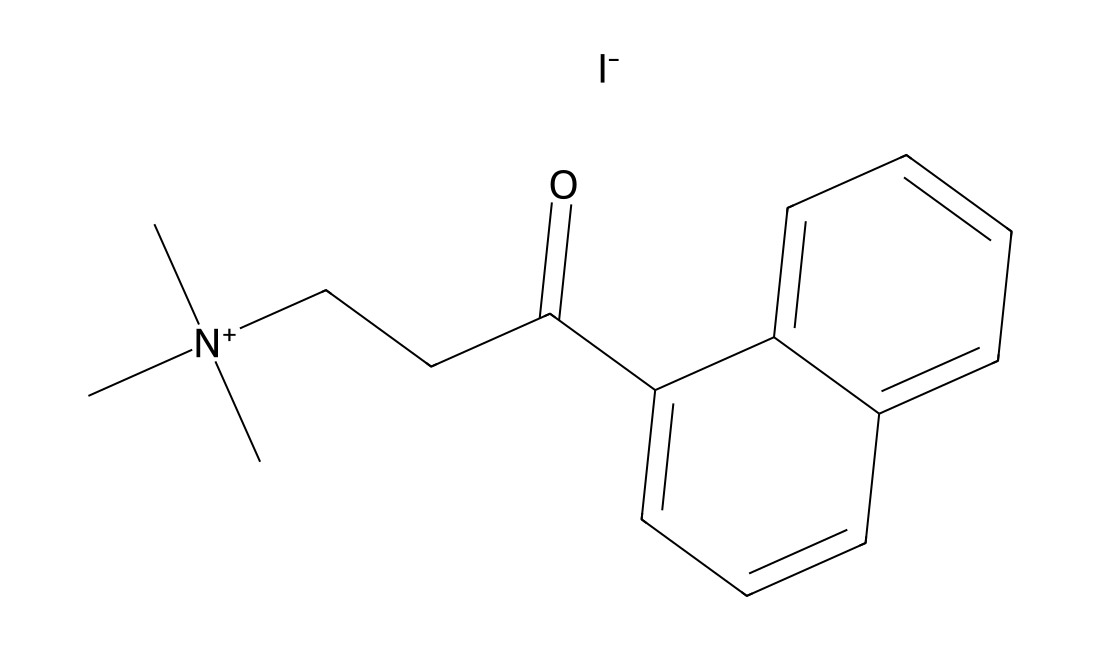
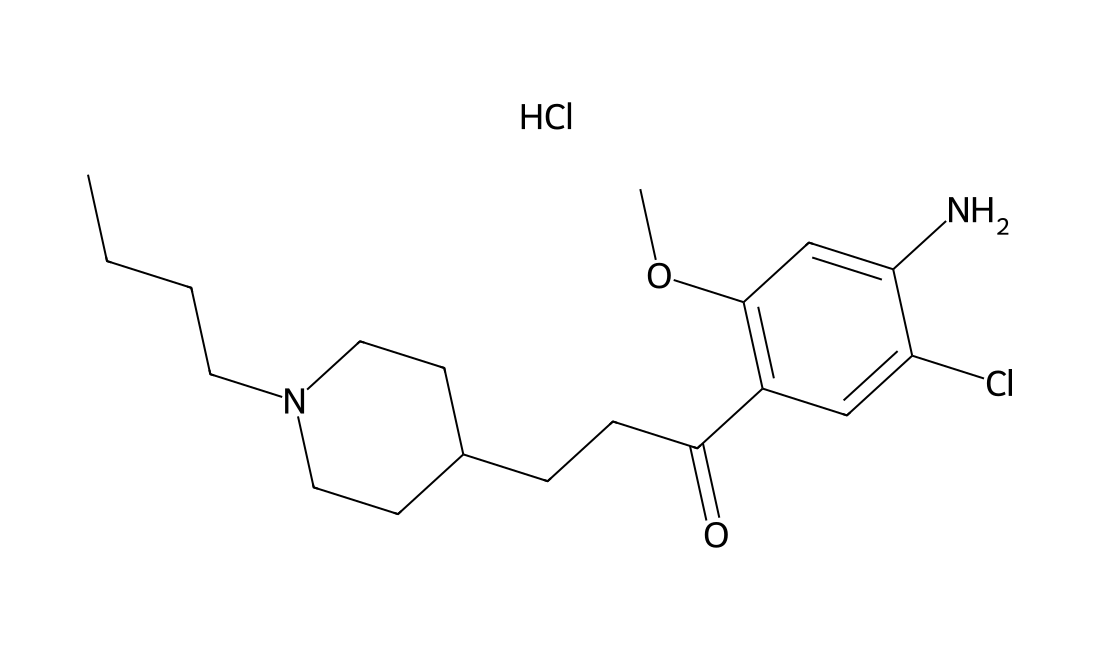
CAS 168986-60-5
RS 67333 hydrochloride is a potent and selective 5-HT4 receptor (5-HT4R) partial agonist with a pKi of 8.7 in guinea-pig striatum. RS 67333 hydrochloride exhibits lower affinities at several other receptors including 5-HT1A, 5-HT1D, 5-HT2A, 5-HT2C, dopamine D1, D2 and muscarinic M1-M3 receptors. RS 67333 hydrochloride has neuroprotective effects, and can be used for Alzheimer's disease research.
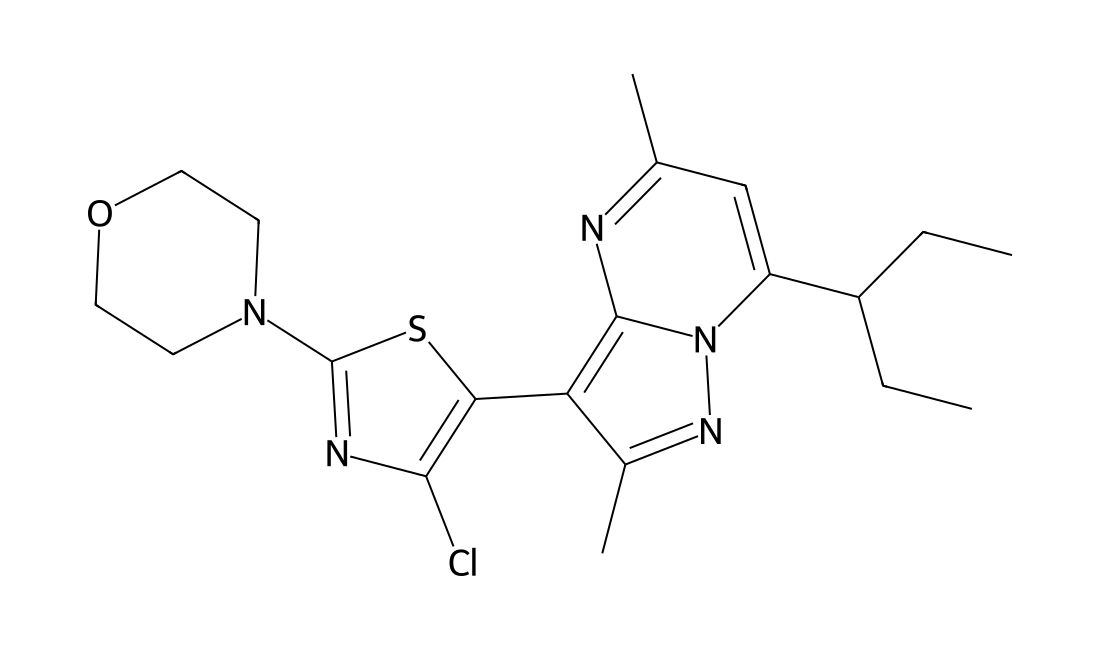
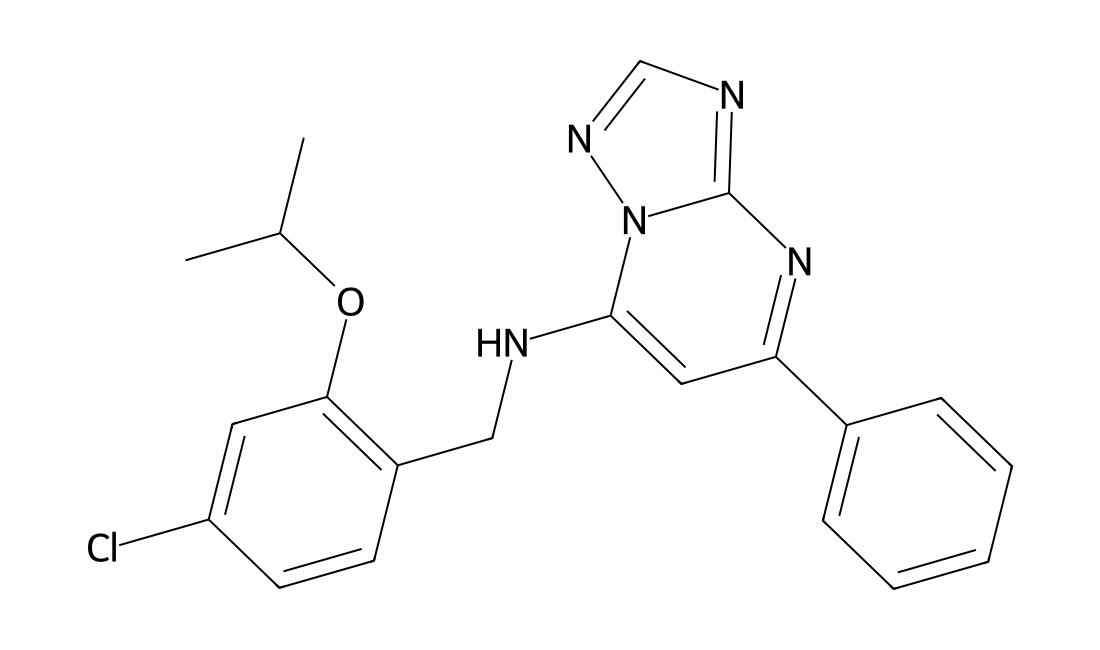
CAS 449173-19-7
VPC23019, an aryl amide-containing Sphingosine 1-phosphate (S1P) analog, is a competitive antagonist at the S1P1 and S1P3 receptors (pKi= 7.86 and 5.93, respectively) and a agonist at the S1P4 and S1P5 receptors (pEC50= 6.58 and 7.07, respectively)[1].
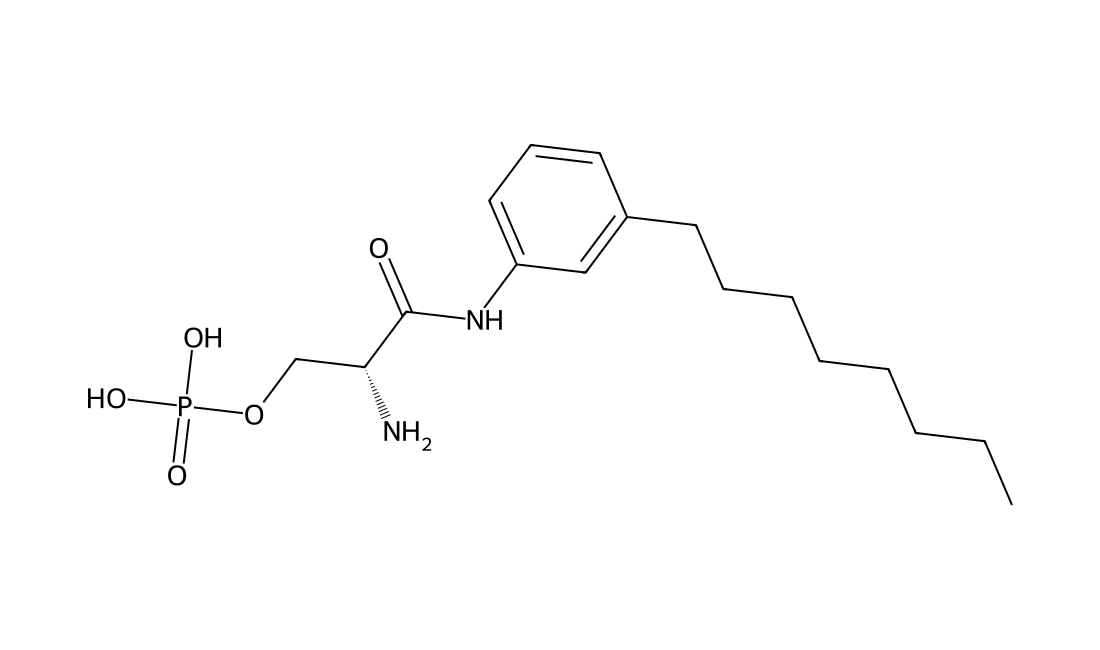
CAS 1308833-36-4
CYM2503 is a potential positive allosteric modulator of the galanin receptor subtype 2 (GalR2). Preclinical studies indicate that CYM2503 prolongs the onset of electrographic seizures and reduces overall seizure duration. Additionally, it exhibits protective effects against electroshock-induced seizures in murine models. Both GalR1 and GalR2 receptors are considered promising therapeutic targets for investigating seizure disorders and epilepsy.
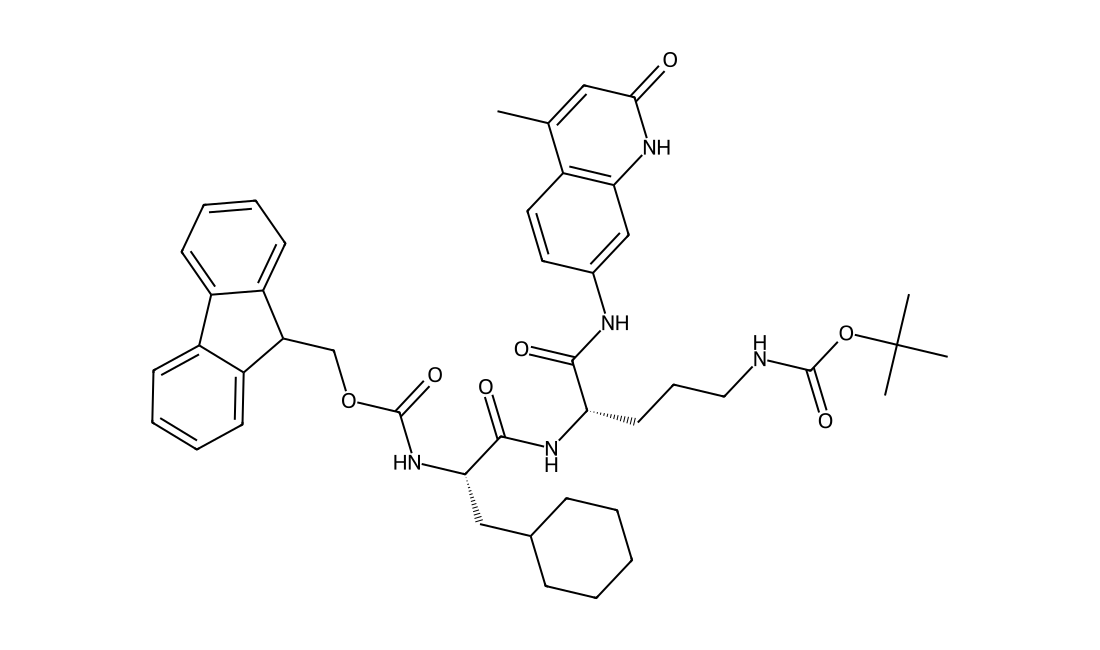
CAS 1638211-04-7
ML303 is a pyrazolopyridine influenza virus nonstructural protein 1 (NS1) antagonist (IC90 = 155 nM), with an EC50 of 0.7 μM for Influenza A virus H1N1[1].
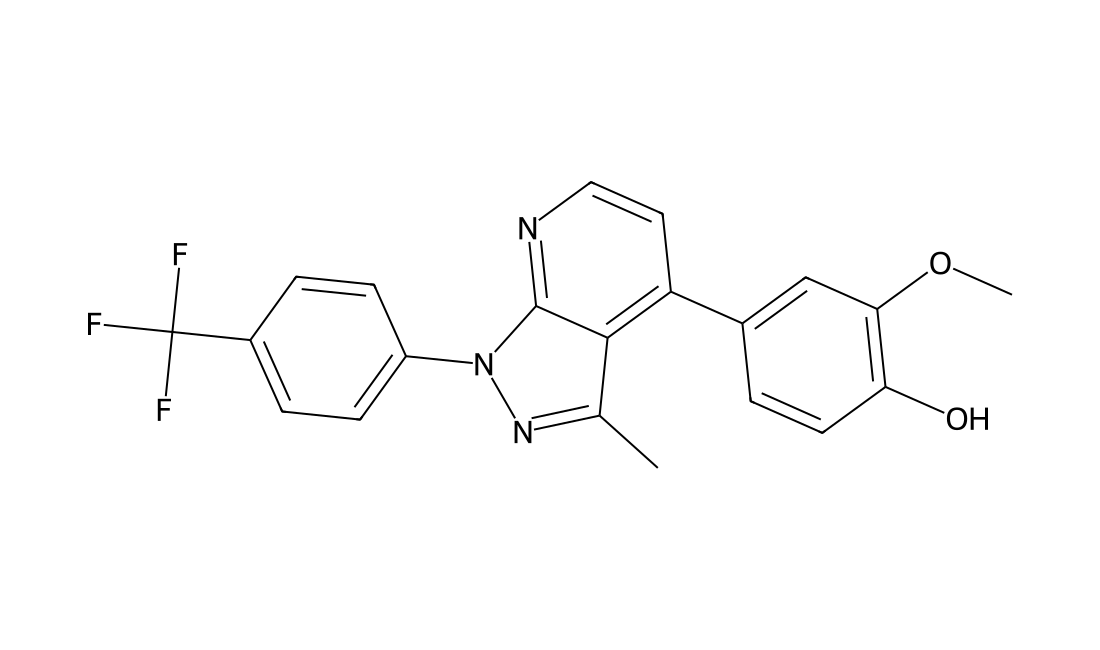
CAS 1617495-03-0
RA190 covalently binds to cysteine 88 of ubiquitin receptor RPN13 in the 19S regulatory particle and inhibits proteasome function, triggering rapid accumulation of polyubiquitinated proteins. Multiple myeloma (MM) lines, even those resistant to bortezomib, are sensitive to RA190 via endoplasmic reticulum stress-related apoptosis. RA190 stabilizes targets of human papillomavirus (HPV) E6 oncoprotein, and preferentially kills HPV-transformed cells.RA190 distributes to plasma and major organs excepting brain, and inhibits proteasome function in skin and muscle. RA190 administration profoundly reduces growth of multiple myeloma and ovarian cancer xenografts, and oral RA190 treatment retards HPV16+ syngeneic mouse tumor growth, without impacting spontaneous HPV-specific CD8+ T cell responses.
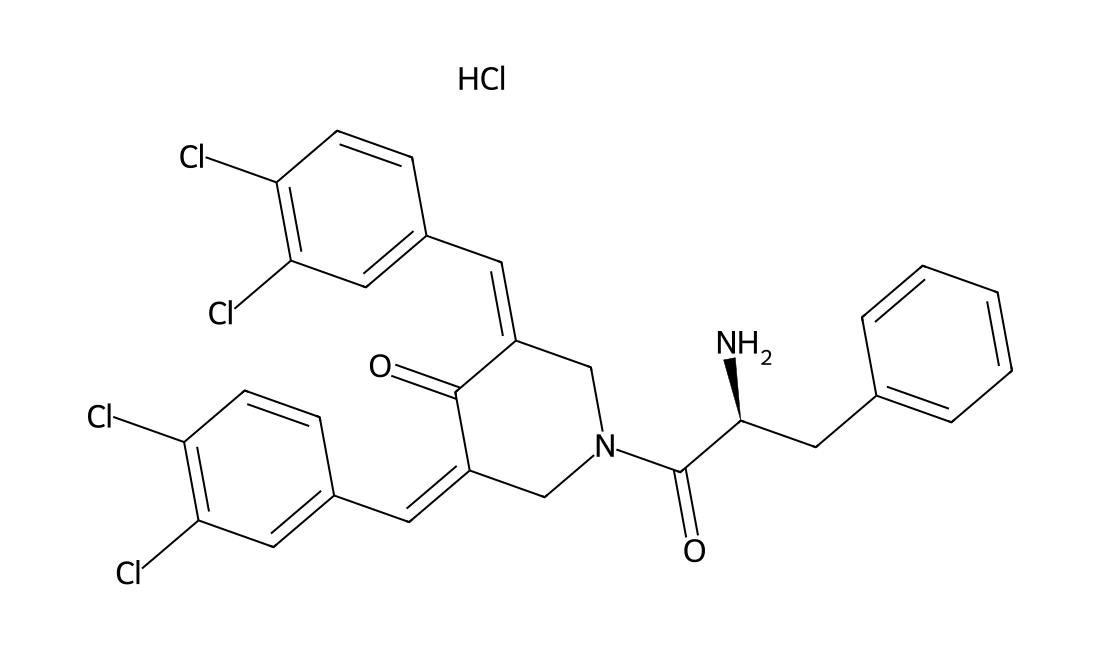
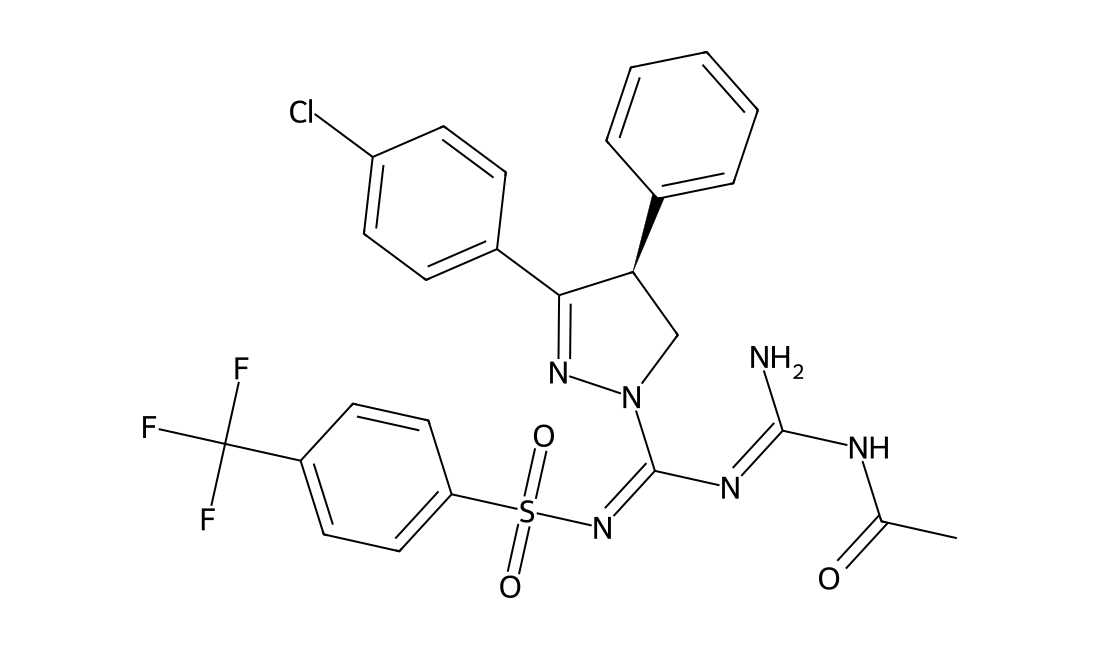
CAS 2712480-46-9
Monlunabant, also known as INV-202, is a potent CB1R inverse agonist. INV-202 reduced glomerular injury, preserved podocyte structure and function, reduced injury to PTECs, and ultimately reduced renal fibrosis in a streptozotocin-induced diabetic nephropathy mouse model.
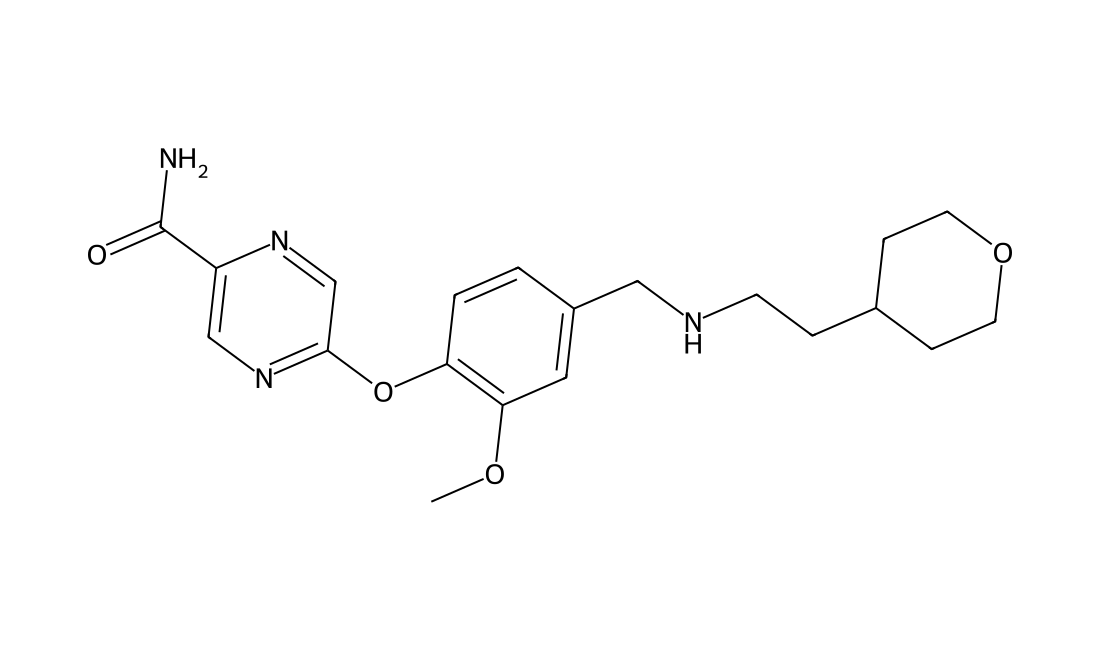
CAS 1680204-90-3
CC618 is a selective peroxisome proliferator-activated receptor (PPARβ/δ) antagonist that exhibits antagonism by covalently binding to PPARβ/δ receptors.
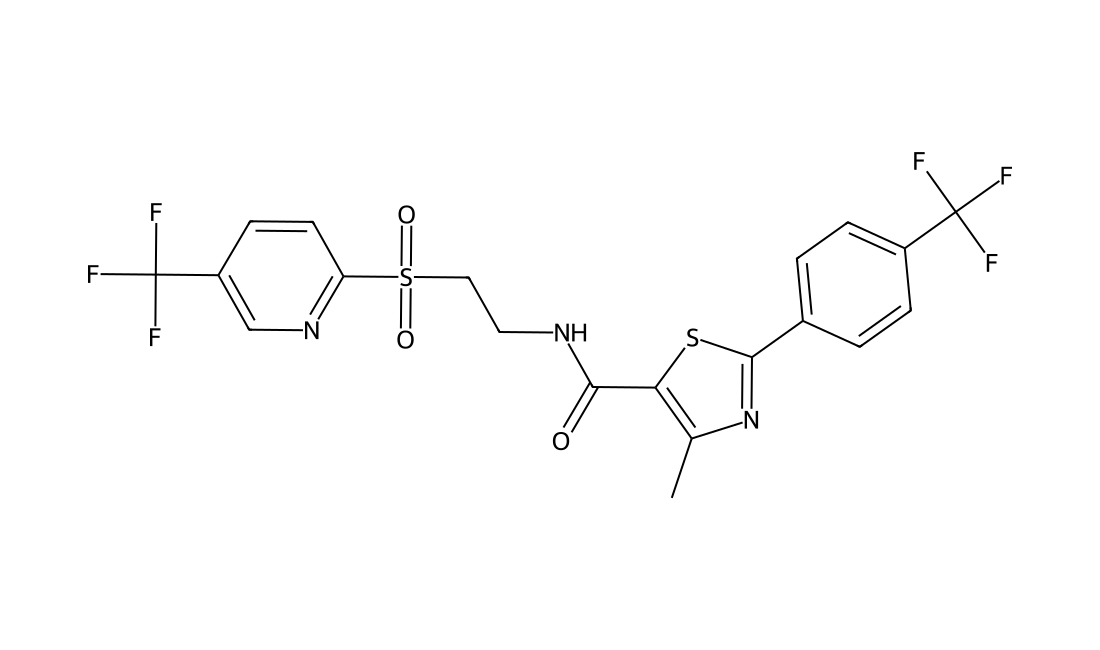
CAS 161172-51-6
Etalocib (LY293111), an orally active leukotriene B4 receptor antagonist, inhibits the binding of [3H]LTB4, with a Ki of 25 nM. Etalocib (LY293111) prevents LTB4-induced calcium mobilization with an lC50 of 20 nM. Etalocib (LY293111) induces apoptosis.
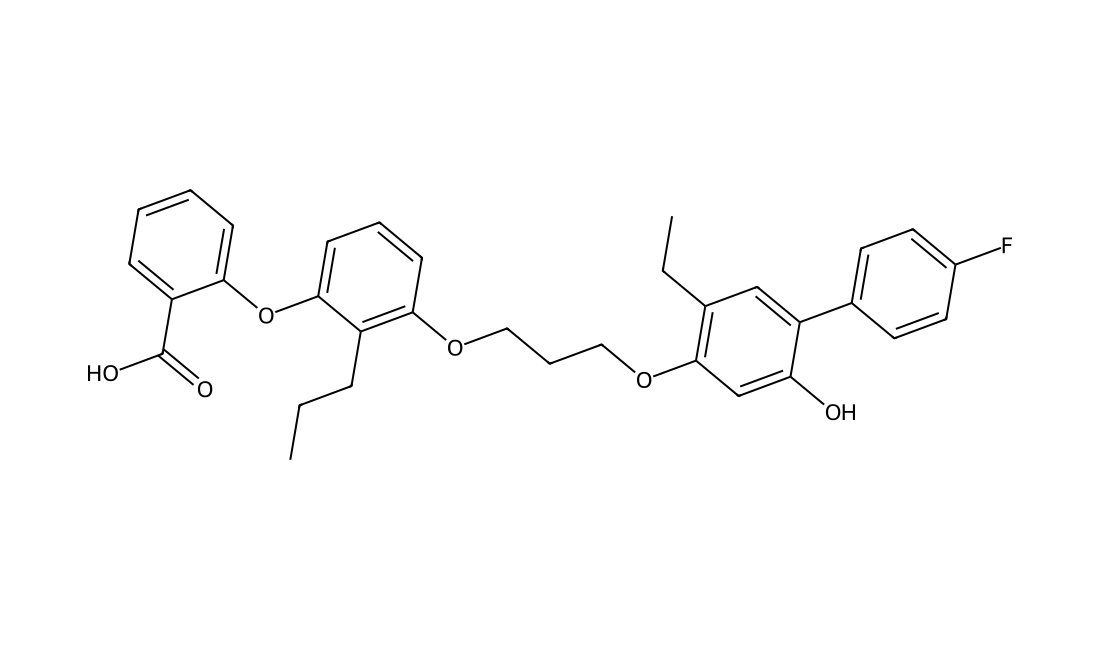
CAS 317353-73-4
Novel Integrin very late antigen-4 (VLA-4; α4β1) antagonist, blocking the activation of inflammatory cells.
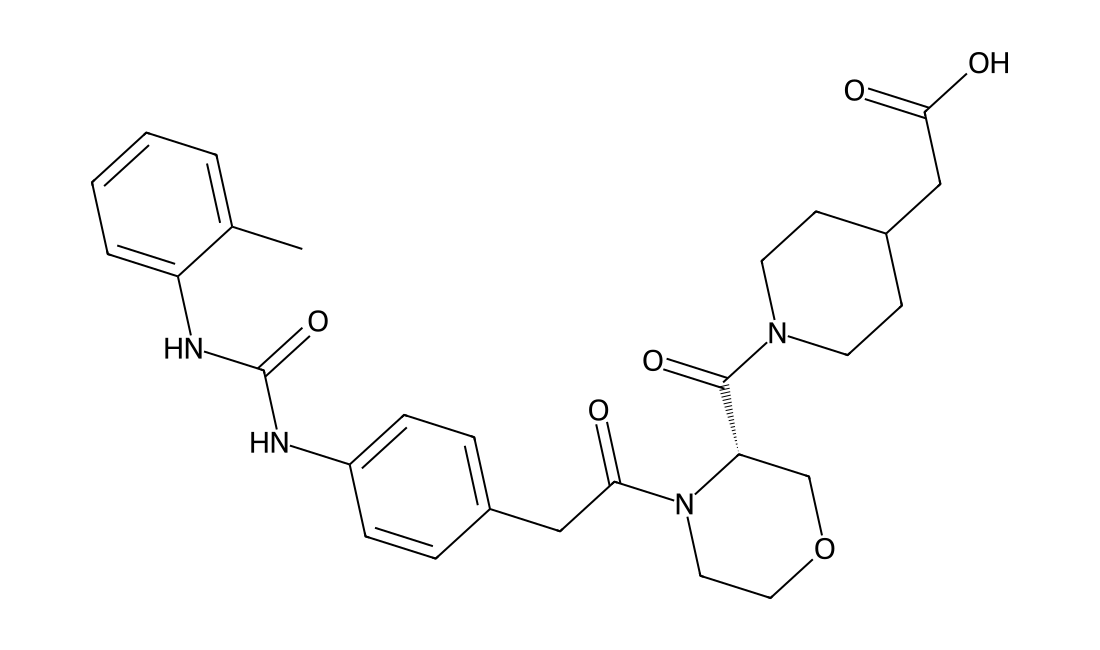
CAS 89159-60-4
ML354 (VU0099704) is a novel potent and selective PAR4 antagonist with IC50 of 140 nM, displays 71-fold selectivity versus PAR-1; also displays improved physical properties and is very amenable to future medicinal chemistry development.
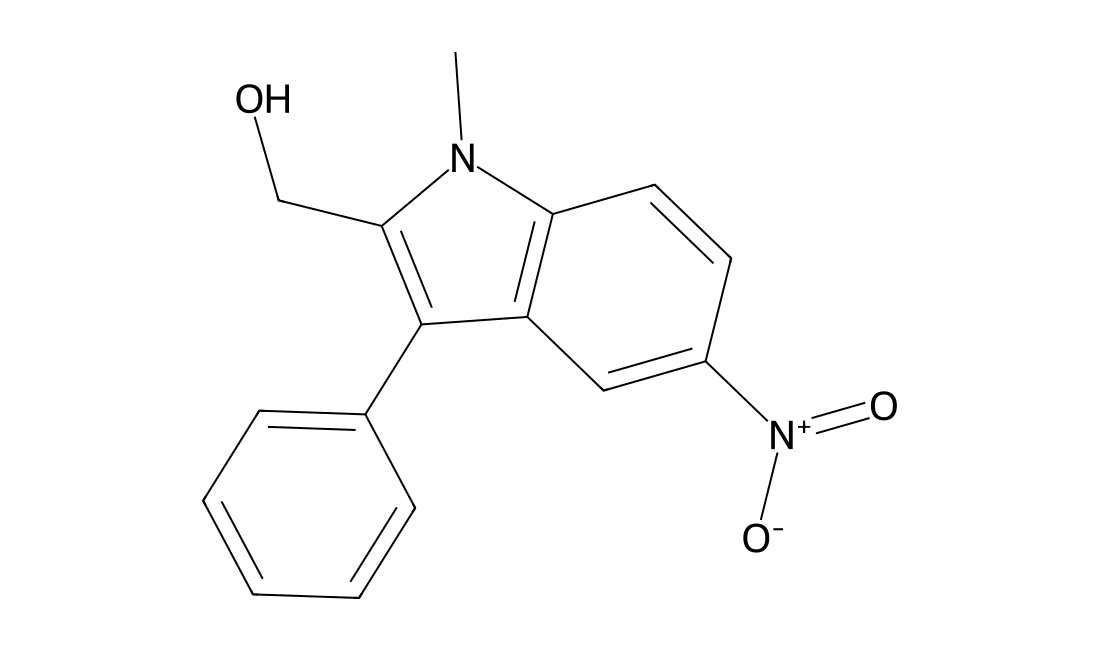
CAS 1443748-47-7
VU0469650 is a potent, selective and CNS-penetrated negative allosteric modulator of mGlu1 receptor, with an IC50 of 99 nM.
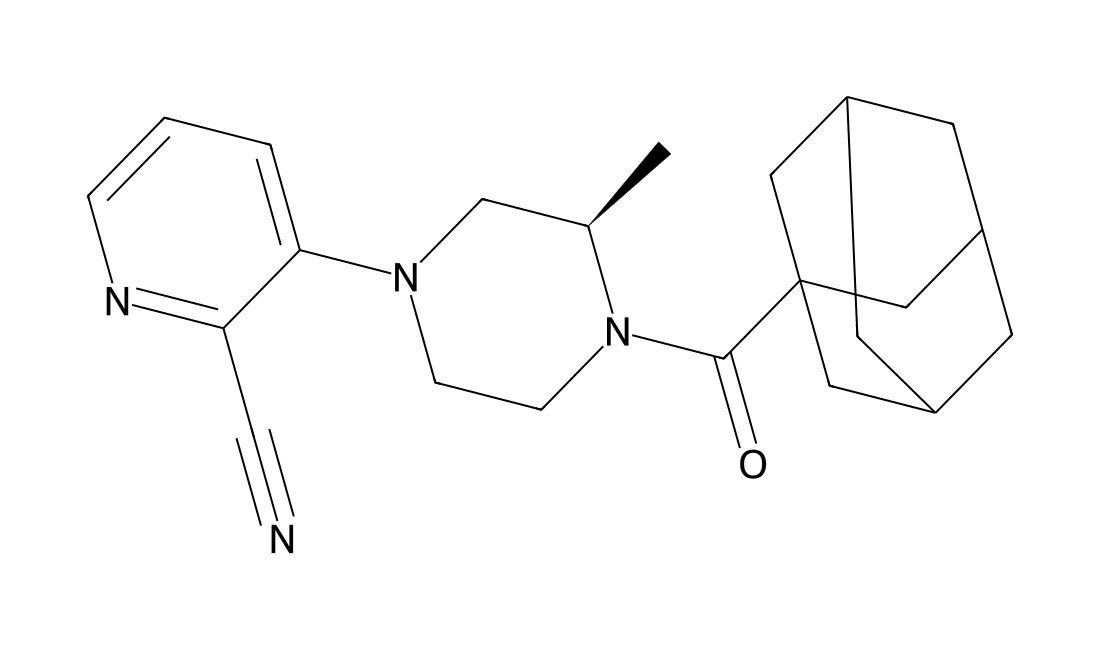
CAS 150915-41-6
Perospirone (SM-9018 free base) is an orally active antagonist of 5-HT2A receptor (Ki=0.6 nM) and dopamine D2 receptor (Ki=1.4 nM), and also a partial agonist of 5-HT1A receptor (Ki=2.9 nM). Perospirone is an atypical antipsychotic drug and has the potential for schizophrenic disease treatment.
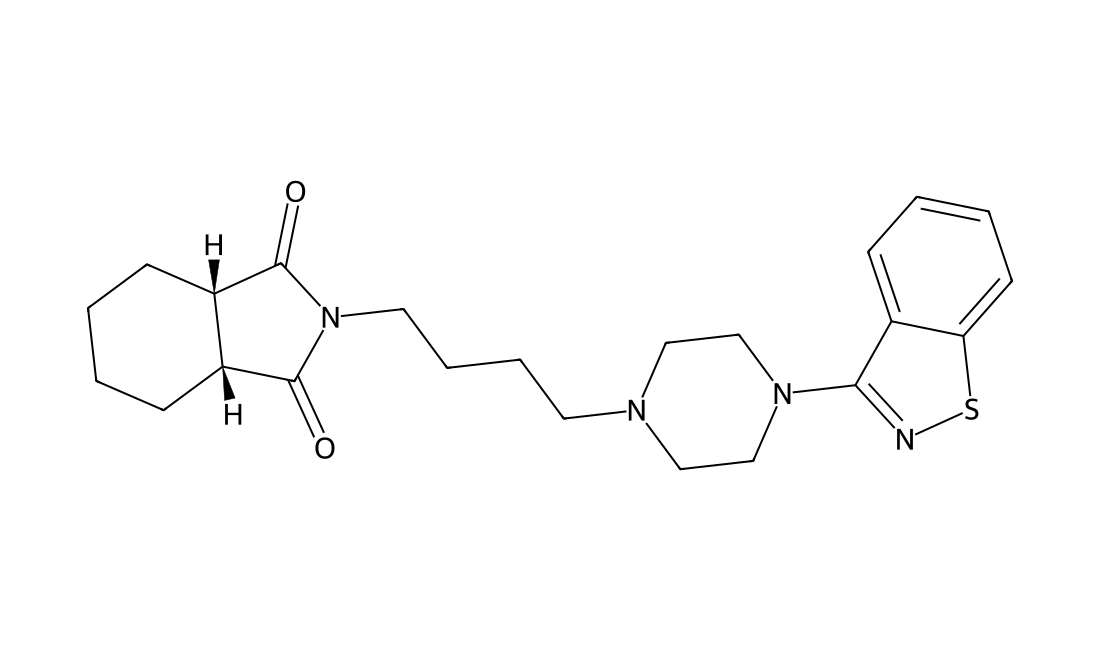
CAS 375345-95-2
A potent, selective, and centrally active positive allosteric modulator of AMPAR-mediated neurotransmission, which increase ion channel flux in the presence of agonist by suppressing desensitization and/or deactivation of the receptors.
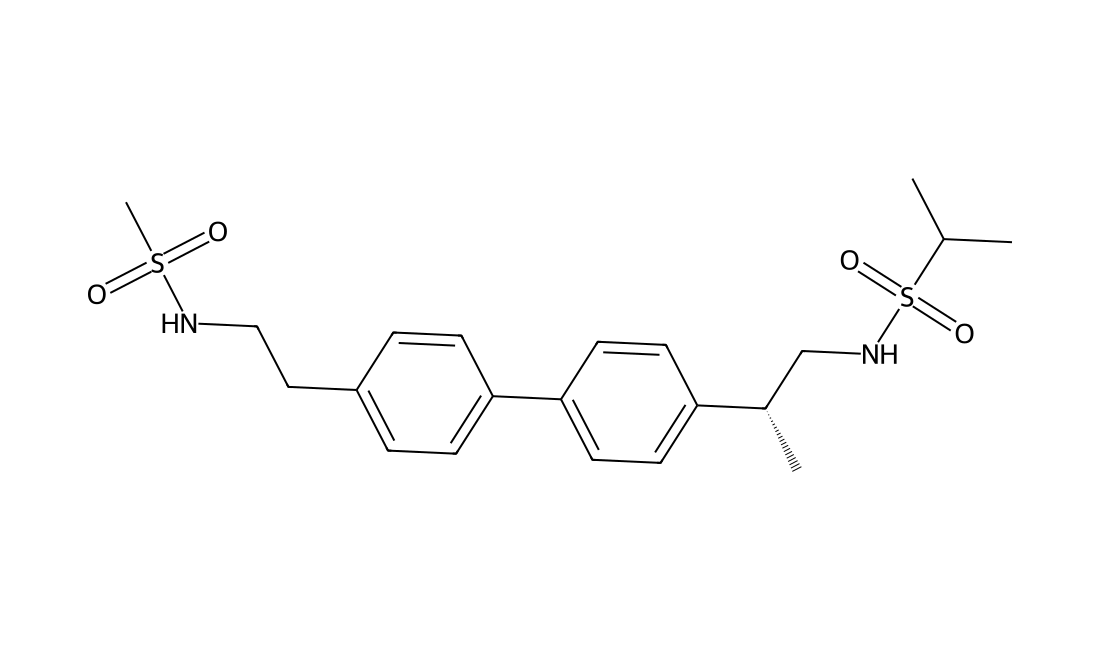
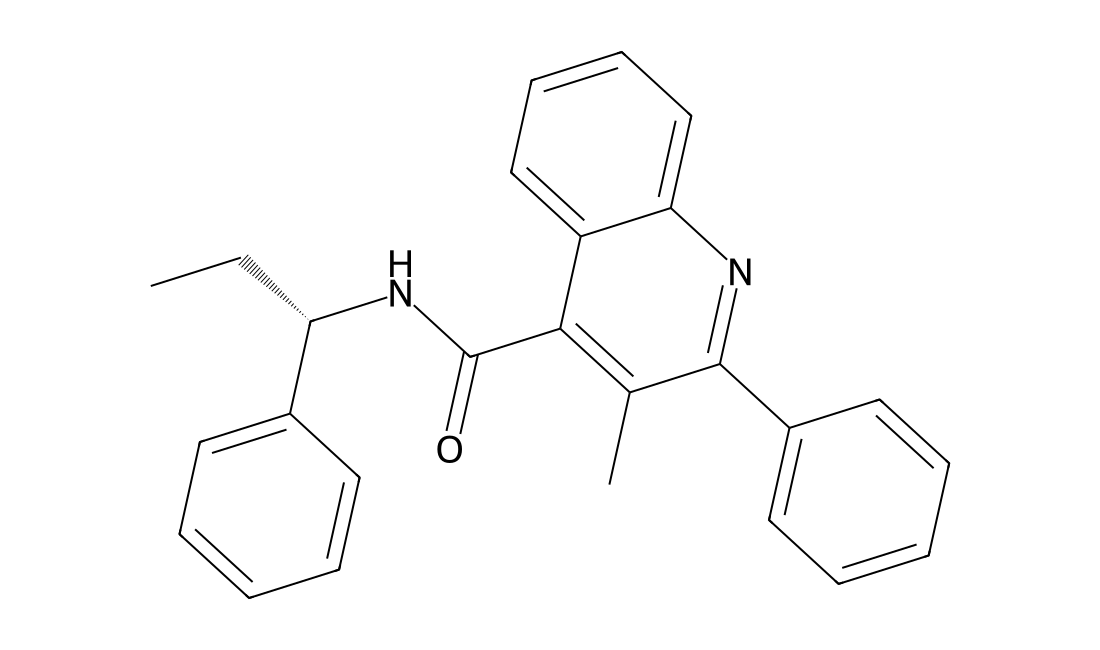
CAS 174635-69-9
Potent and selective non-peptide NK3 receptor antagonist (Ki values are 4.4, > 100,000 and 250 nM For human NK3, NK1 and NK2 receptors respectively). Antihypertensive in vivo. Brain penetrant.For the detailed information of SB 222200, the solubility of SB 222200 in water, the solubility of SB 222200 in DMSO, the solubility of SB 222200 in PBS buffer, the animal experiment (test) of SB 222200, the cell expriment (test) of SB 222200, the in vivo, in vitro and clinical trial test of SB 222200, the EC50, IC50,and Affinity of SB 222200, Please contact DC Chemicals.
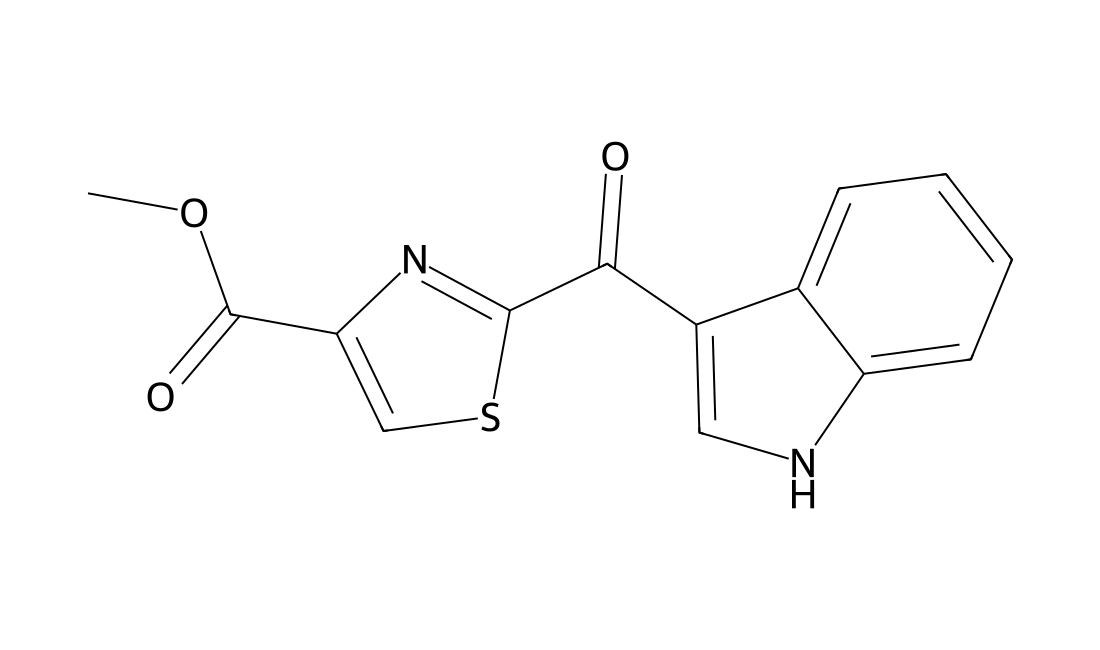
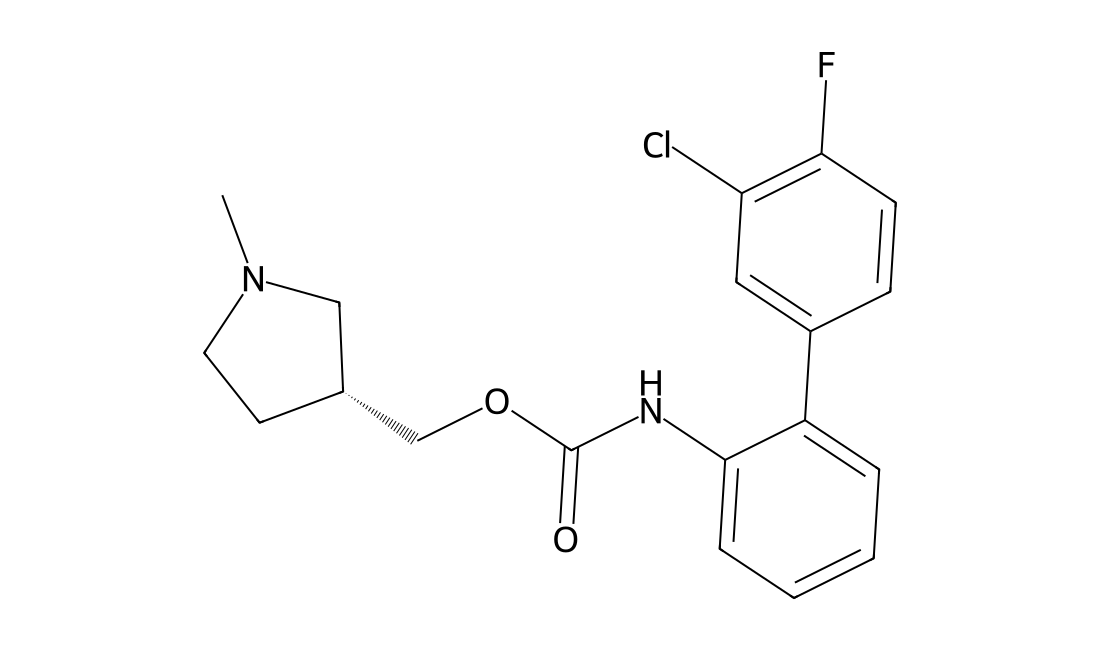
CAS 2170477-75-3
RORγt inverse agonist 13 (Compound 3i) is a potent, orally active and selective RORγt inverse agonist, with improved drug-like properties, with an IC50 of 63.8 nM.