Home/Small Molecules/GPCRs & Receptor Biology

GPCRs & Receptor Biology

G-protein-coupled, nuclear and other ligand-binding receptors and their modulators.

Browse all research categories

Browse by research category

Products may appear in more than one category. Counts refer to distinct catalog numbers within each category.

Other Research Tools (75) · Additional reagents, building blocks and specialized research tools.

GPCRs & Receptor Biology products

Combine a keyword, research category and target to narrow the product list.

Loading catalog filters…

1,219 products · Showing 913–960

DC72116

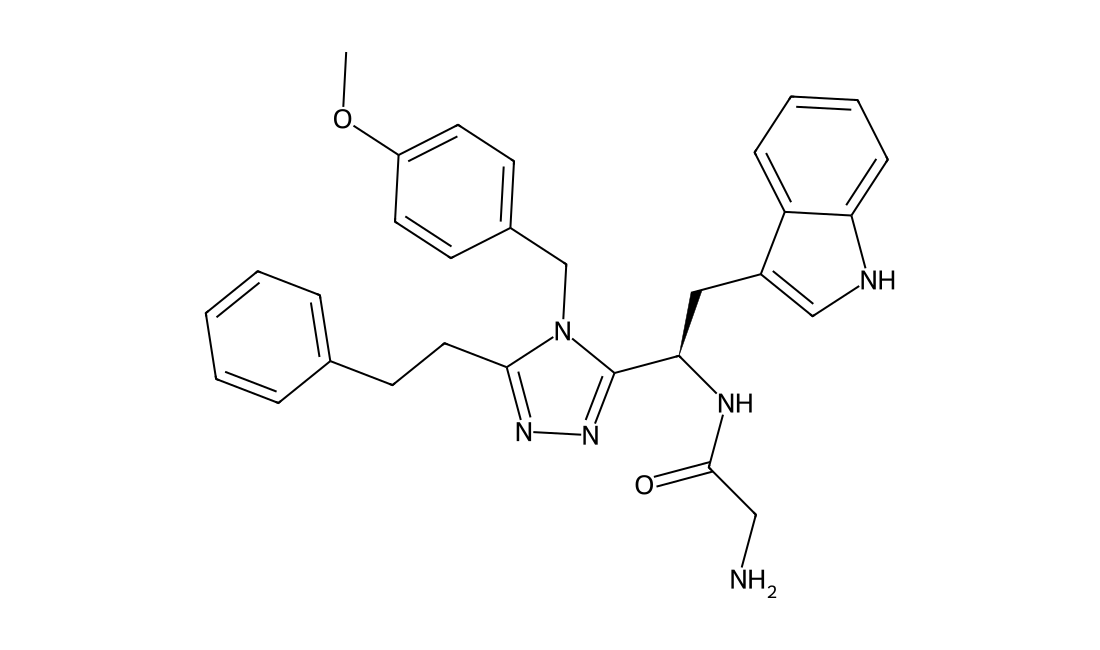
Chiauranib

CAS 1256349-48-0

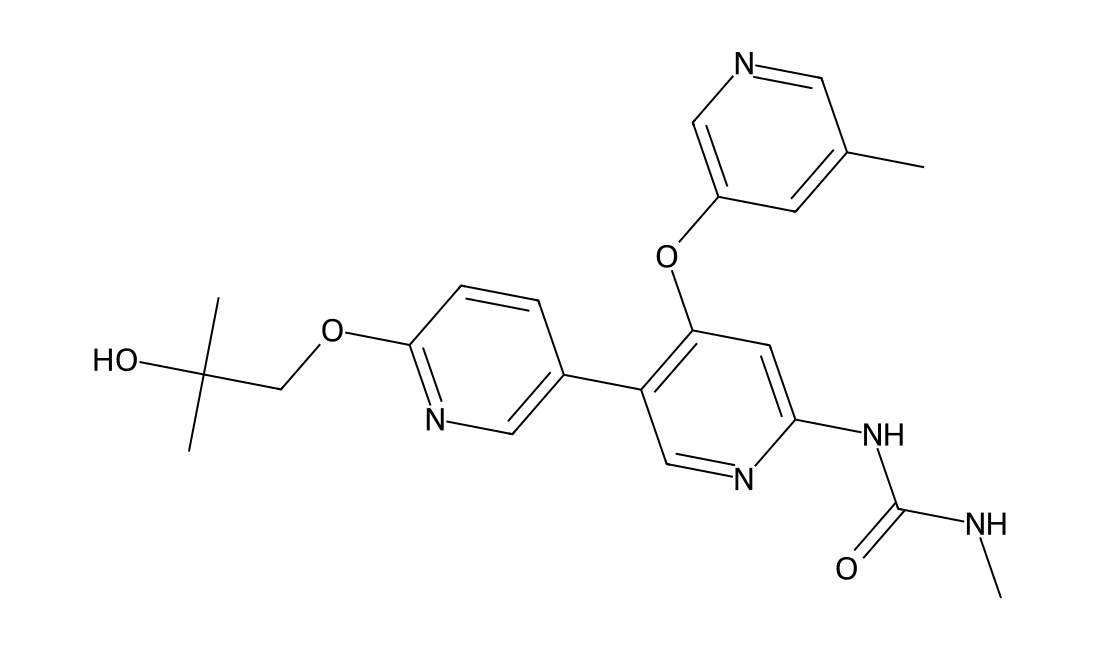
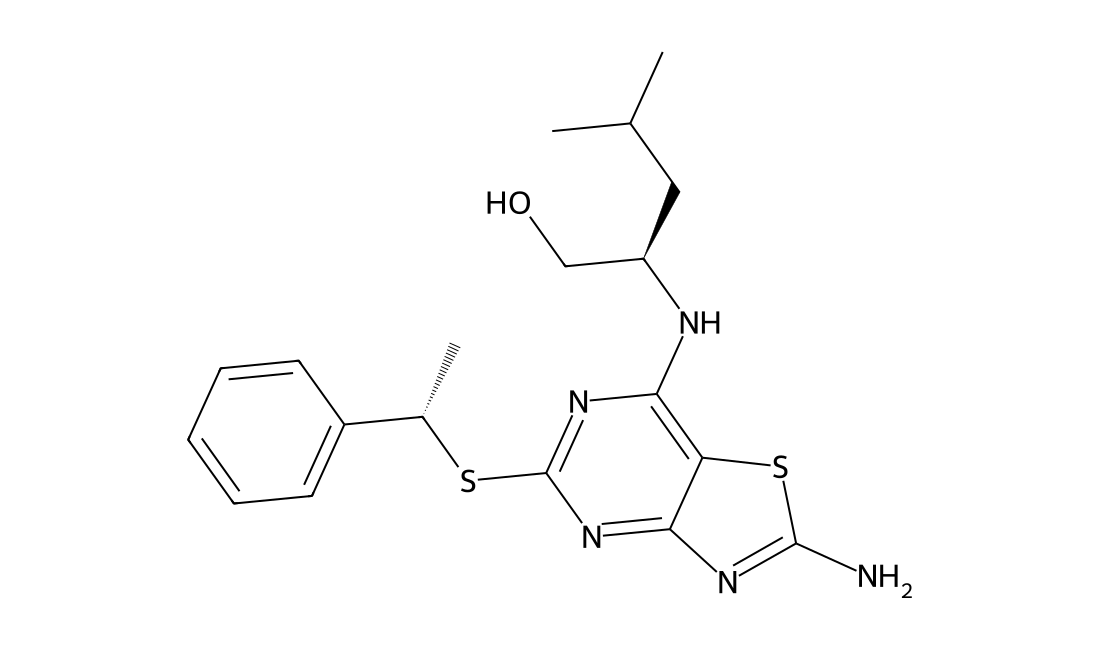
Chiauranib (CS2164) selectively inhibits multiple kinase targets aurora B kinase (AURKB), colony-stimulating factor 1 receptor (CSF1R), and vascular endothelial growth factor receptor (VEGFR)/platelet-derived growth factor receptor (PDGFR)/c-Kit , thereby inhibiting the rapid proliferation of tumor cells, enhancing the antitumor immunity, and inhibiting tumor angiogenesis, to achieve the anti-tumor efficacy.

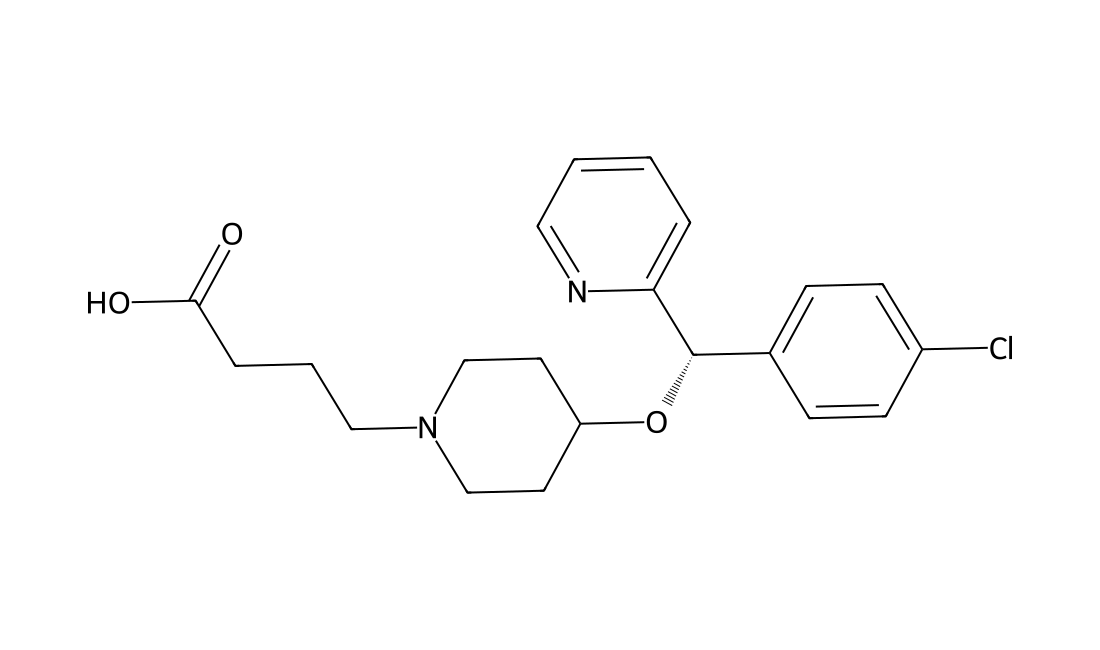
Chiauranib chemical structure
DC44976

LY2940094 tartrate

CAS 1307245-87-9

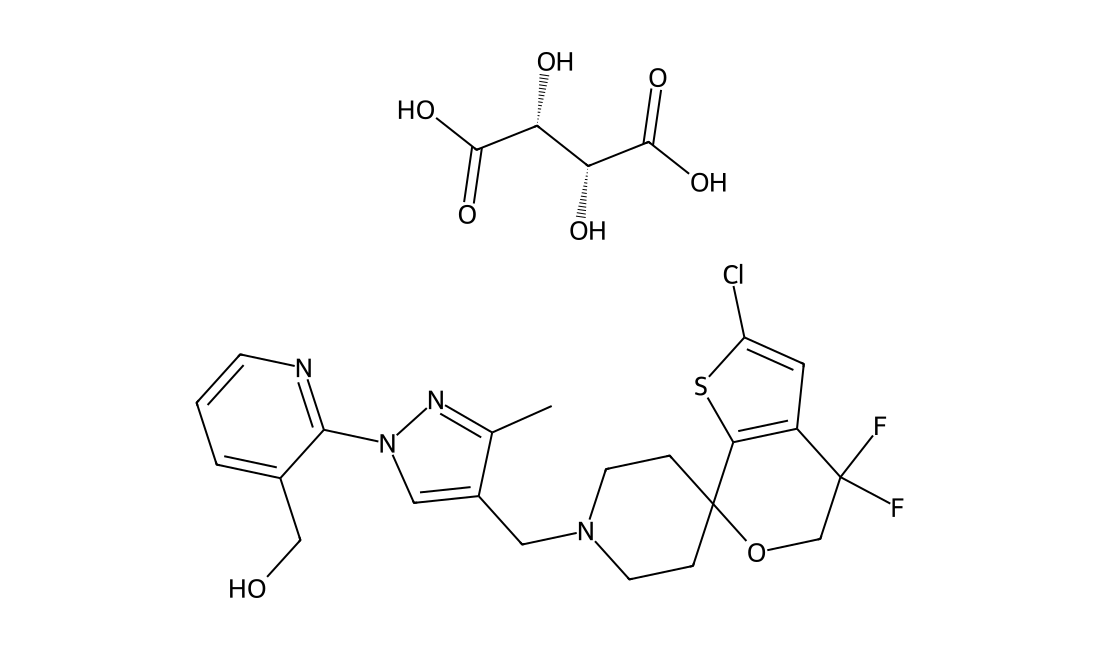
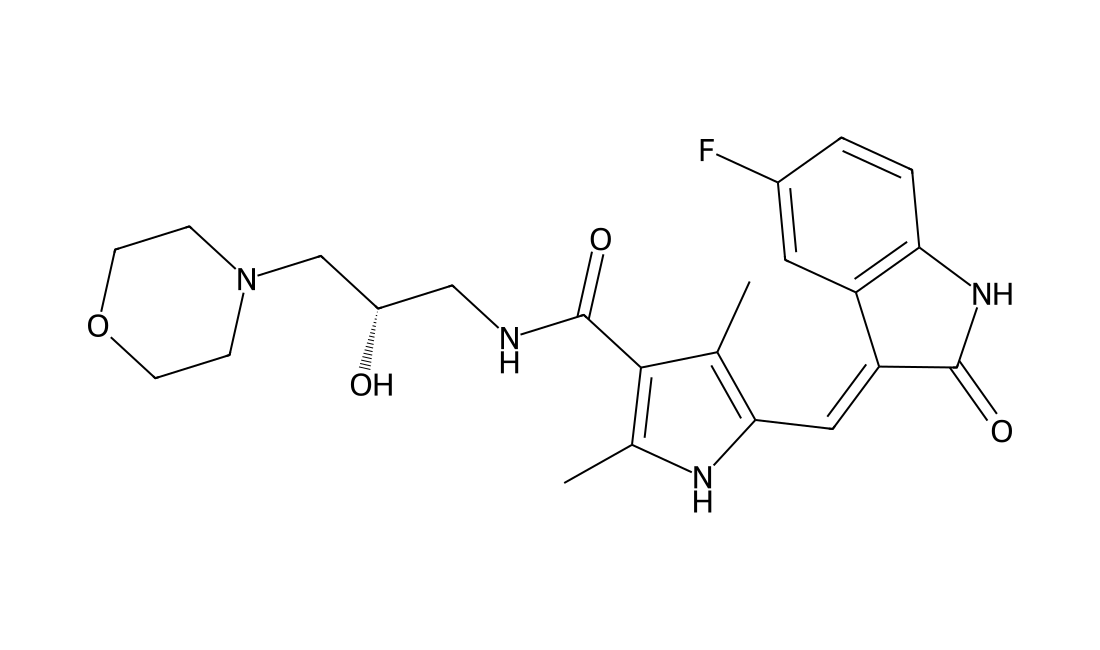
LY2940094 (BTRX-246040) tartrate is a potent, brain penetrant, selective and orally available N/OFQ peptide (NOP) receptor antagonist with high affinity (Ki=0.105 nM) and antagonist potency (Kb=0.166 nM). LY2940094 tartrate reduces Ethanol self-administration and Ethanol seeking in animal models.

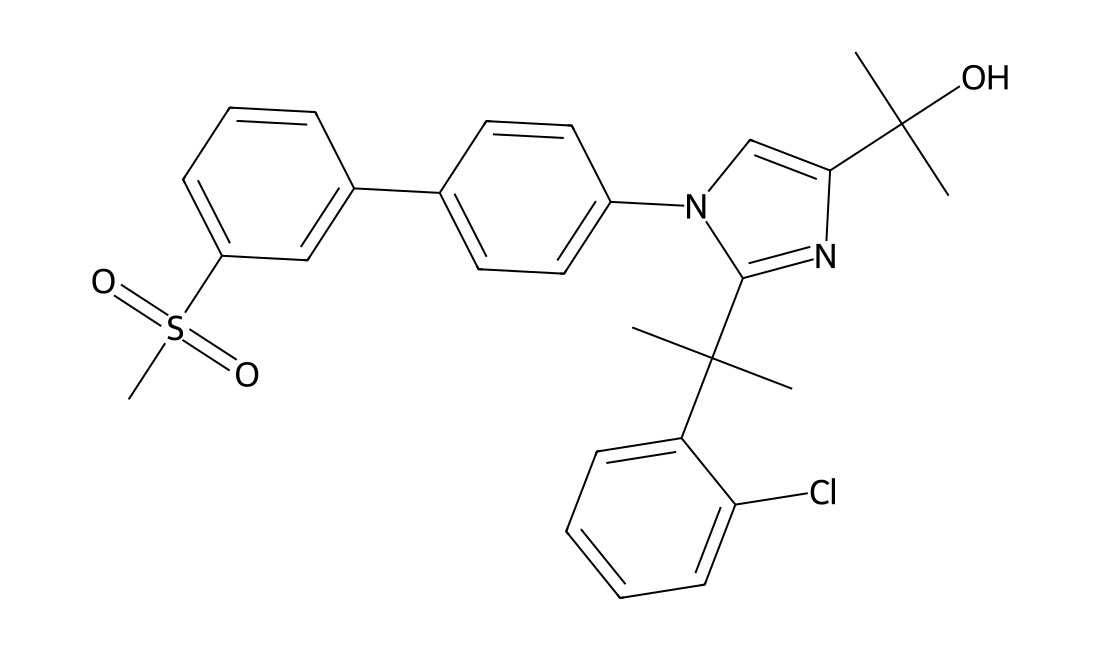
LY2940094 tartrate chemical structure
DC22900

MLE-4901

CAS 941690-55-7

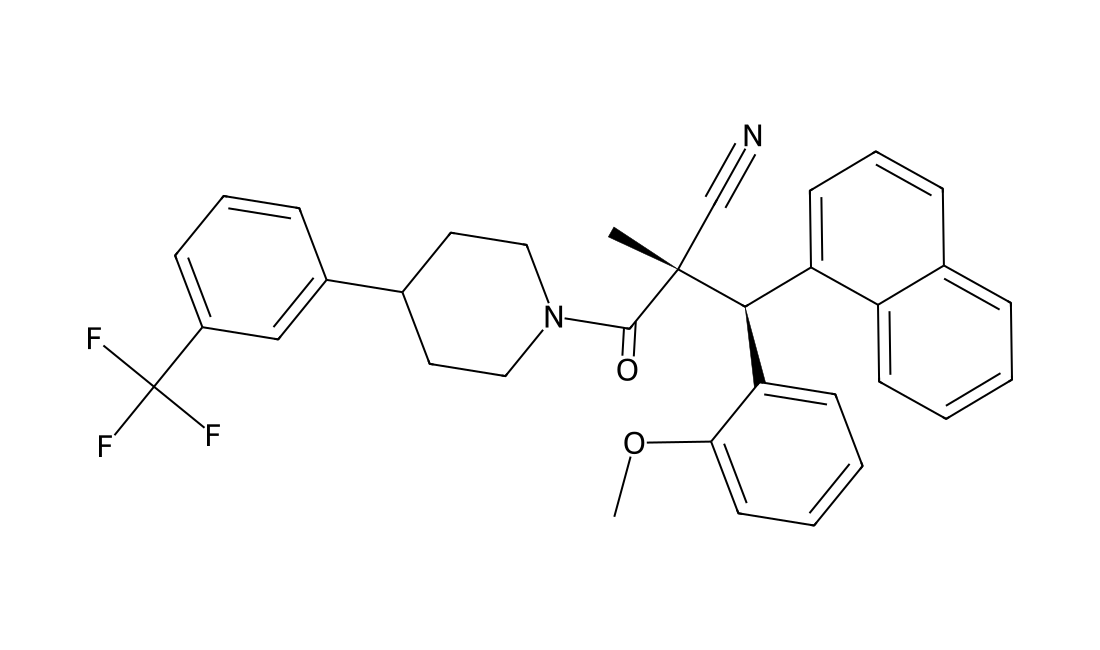
A potent, selective, orally active neurokinin 3 (NK3R) antagonist for the treatment of schizophrenia; demonstrates drug-like properties with low metabolic turnover rate in vitro and moderate human plasma protein binding.SchizophreniaPhase 2 Discontinued

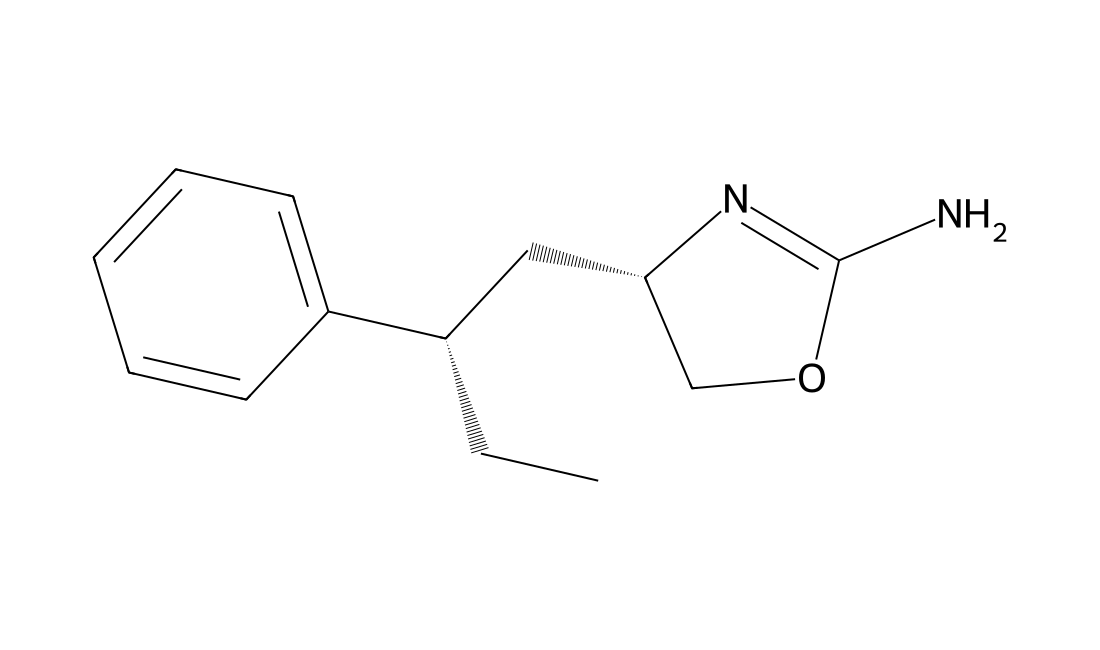
MLE-4901 chemical structure
DC22616

CJ-42794

CAS 847728-01-2

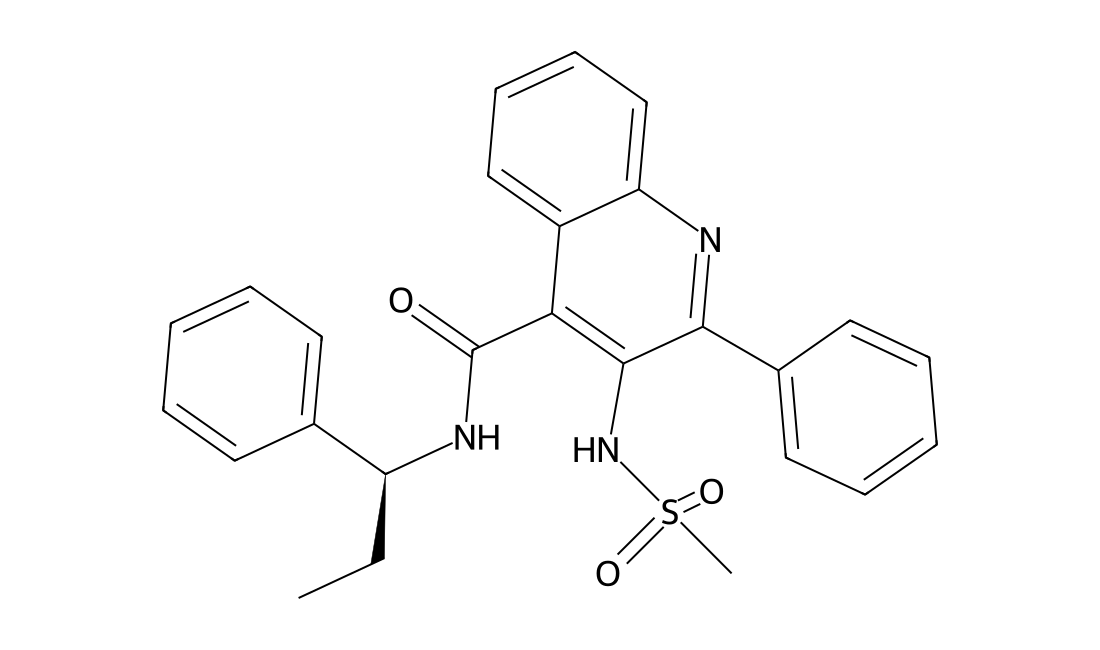
A selective prostaglandin E receptor subtype 4 (EP4) antagonist with pKi of 8.5; displays >200-fold more selective for human EP4 receptor than EP1, EP2, and EP3; competitively inhibits PGE2-evoked elevations of intracellular cAMP levels in HEK293 cells overexpressing EP4 receptor with a mean pA(2) value of 8.6; reverses the inhibitory effects of PGE2 on LPS-induced TNFα production.

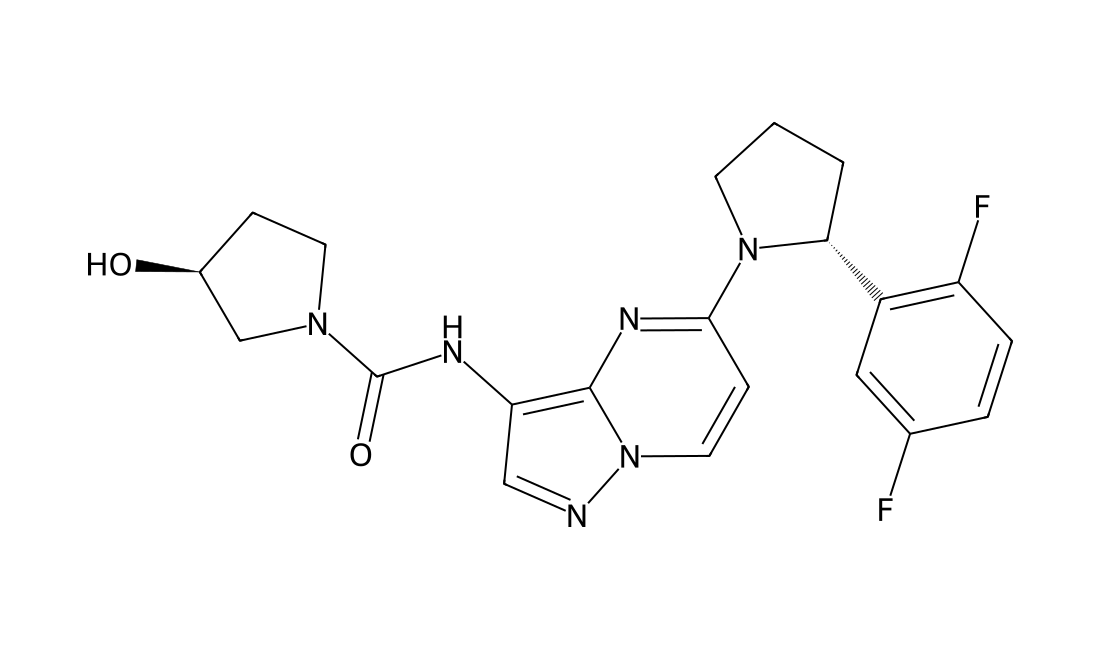
CJ-42794 chemical structure
DC28254

Lanraplenib monosuccinate

CAS 1800046-97-2

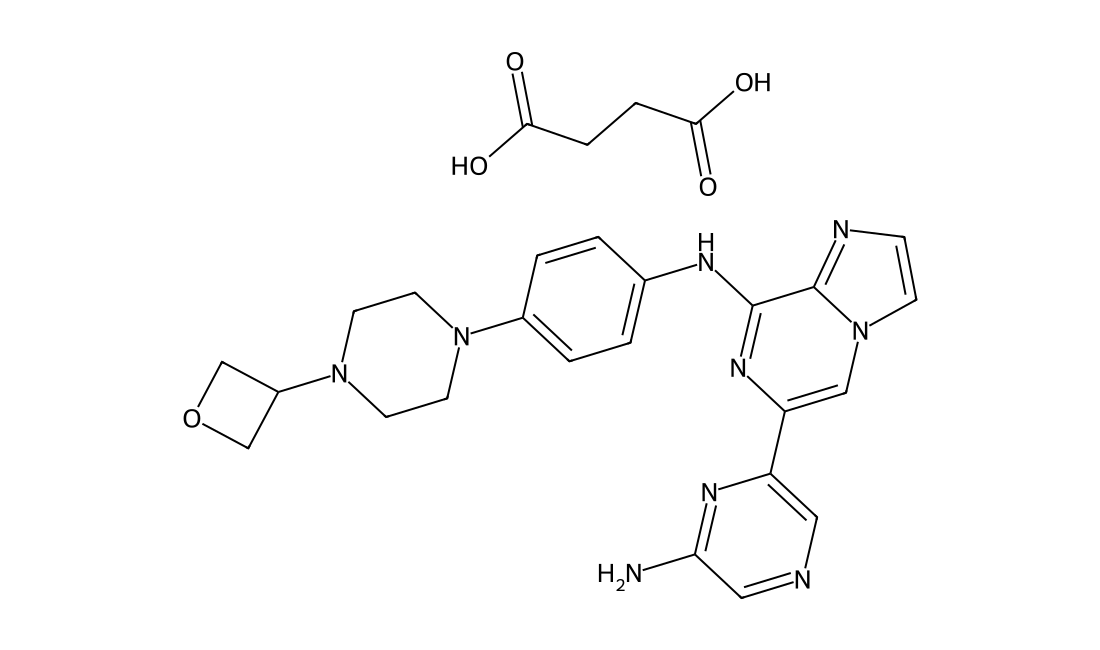
Lanraplenib monosuccinate (GS-9876 monosuccinate) is a highly selective and orally active SYK inhibitor (IC50=9.5 nM) in development for the treatment of inflammatory diseases. Lanraplenib monosuccinate (GS-9876 monosuccinate) inhibits SYK activity in platelets via the glycoprotein VI (GPVI) receptor without prolonging bleeding time (BT) in monkeys or humans.

Lanraplenib monosuccinate chemical structure
DC12434

LIT-001 trifluoroacetate

CAS 2245072-21-1

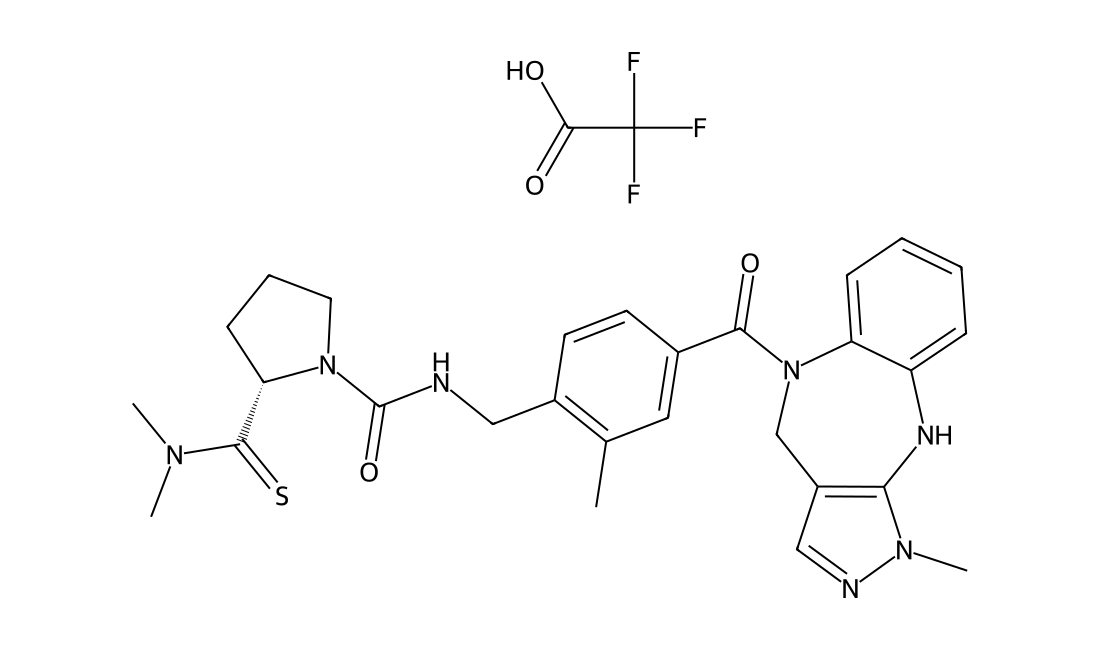
LIT-001 trifluoroacetate (LIT001) is the first nonpeptide Oxytocin receptor (OT-R) agonist with EC50 of 55 nM, Emax=96%; efficiently relieved social interaction deficits in Oprm1−/− mice, a mouse model of autism.

LIT-001 trifluoroacetate chemical structure
DC32828

AMG-009

CAS 1027847-67-1

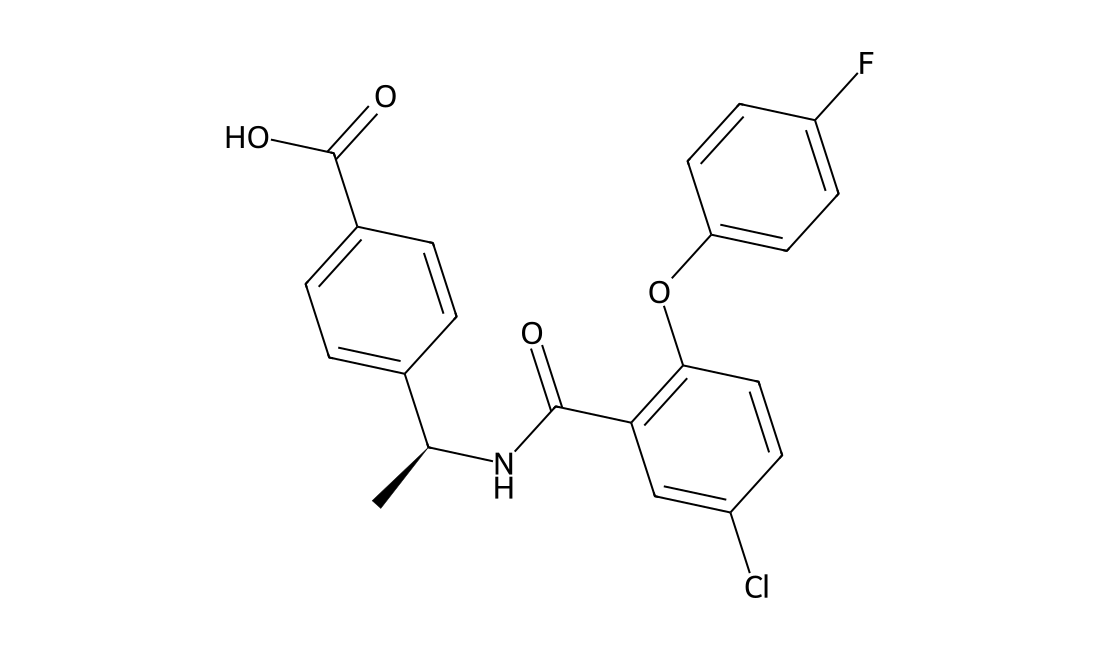
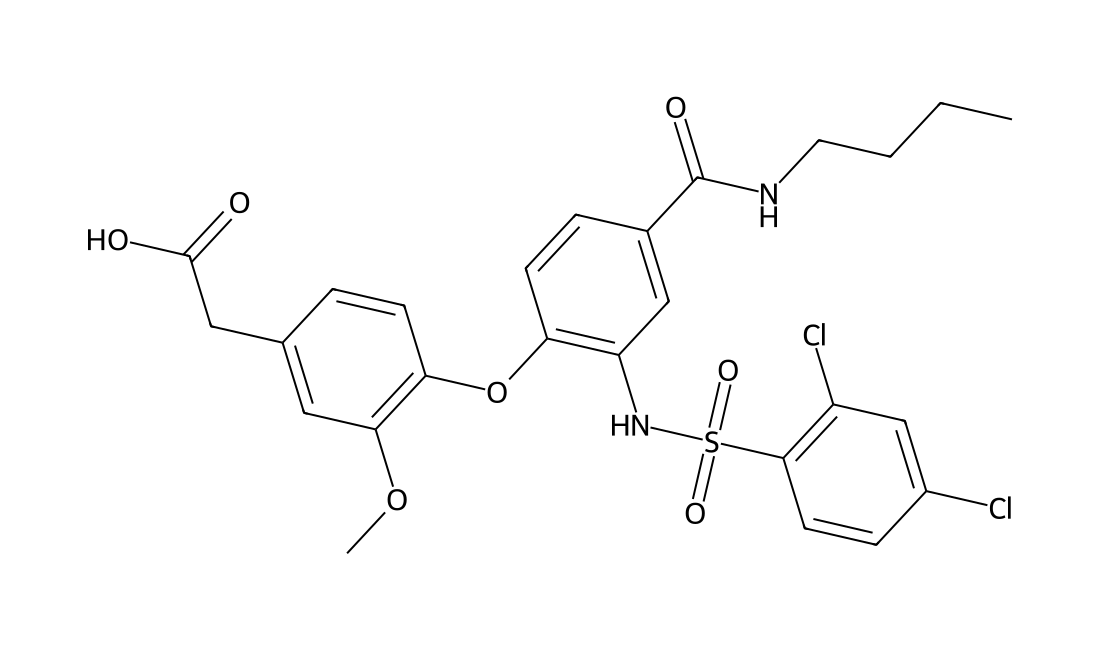
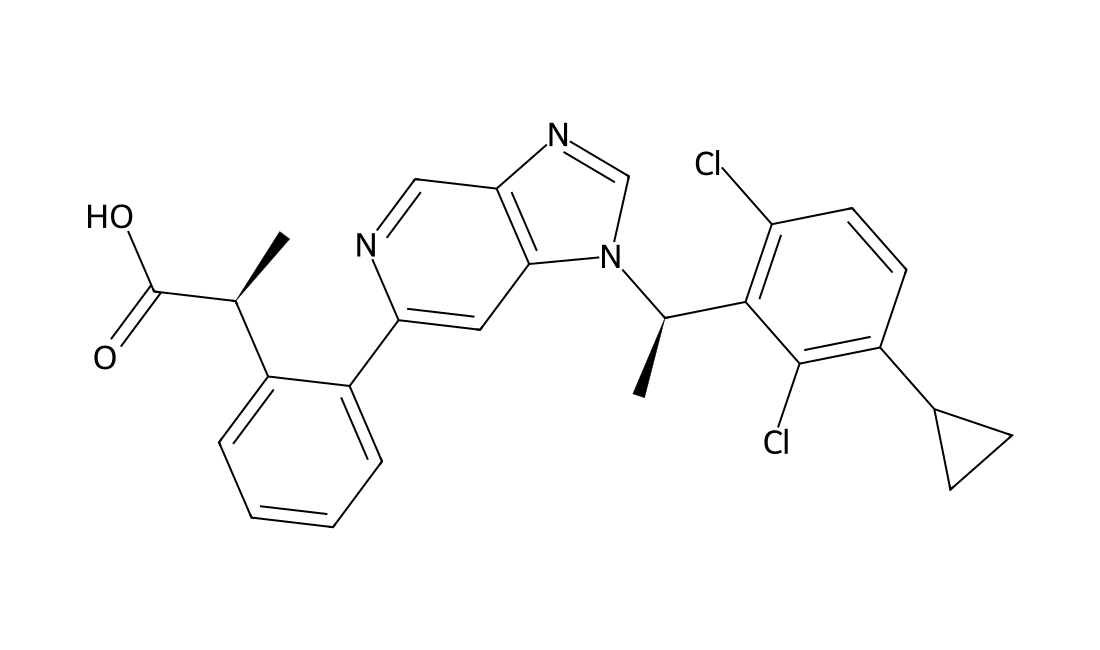
AMG 009 is an orally active, small molecule CRTH2 (chemoattractant receptor-homologous molecule expressed on Th2 cells) and DP (D prostanoid) dual antagonist, which was in preclinical development in the US for the treatment of asthma and allergic rhinitis.

AMG-009 chemical structure
DC67179

Bavisant dihydrochloride

CAS 929622-09-3

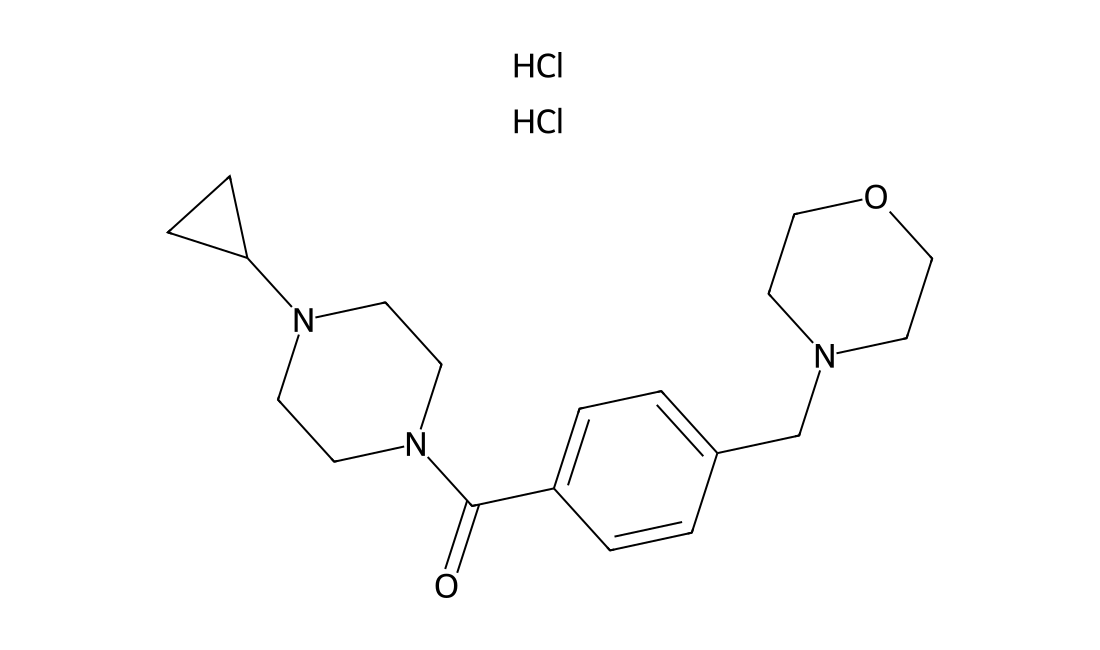
Bavisant (JNJ-31001074) dihydrochloride is an orally active, potent, brain-penetrating and highly selective antagonist of the histamine H3 receptor. Bavisant dihydrochloride can be used for attention-deficit hyperactivity disorder (ADHD) research.

Bavisant dihydrochloride chemical structure
DC50036

RAD-150

CAS 1208070-53-4

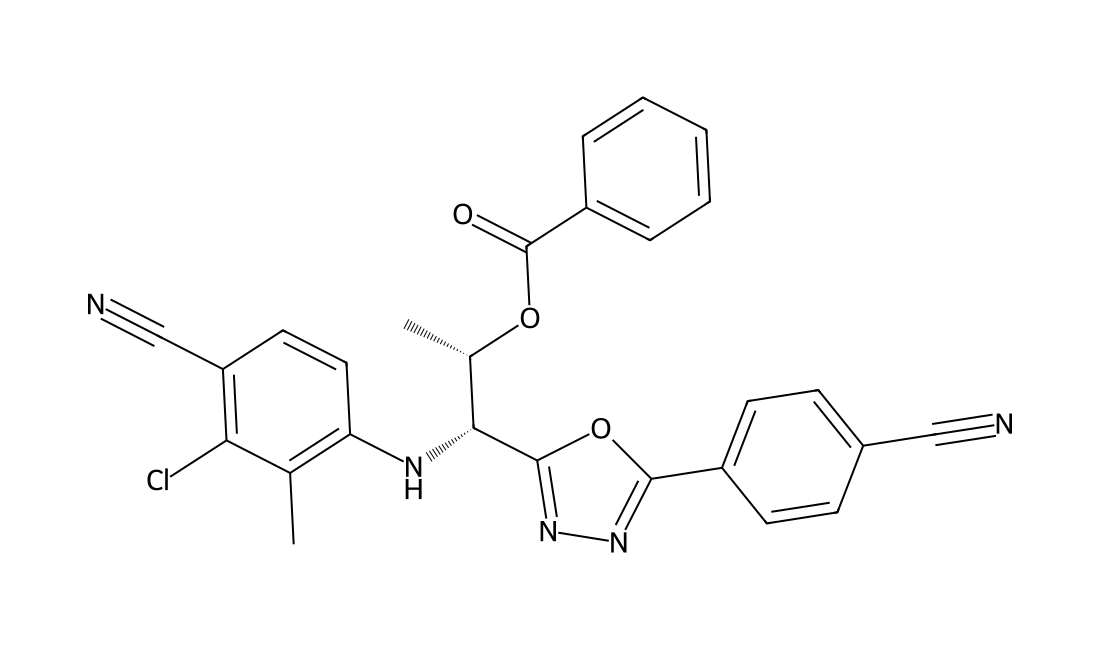
RAD150 is a nonsteroidal androgen receptor modulator (IC50 = 130 nM) and benzoate ester derivative of the selective androgen receptor modulator (SARM) RAD140.

RAD-150 chemical structure
DC10812

ACP-105

CAS 899821-23-9

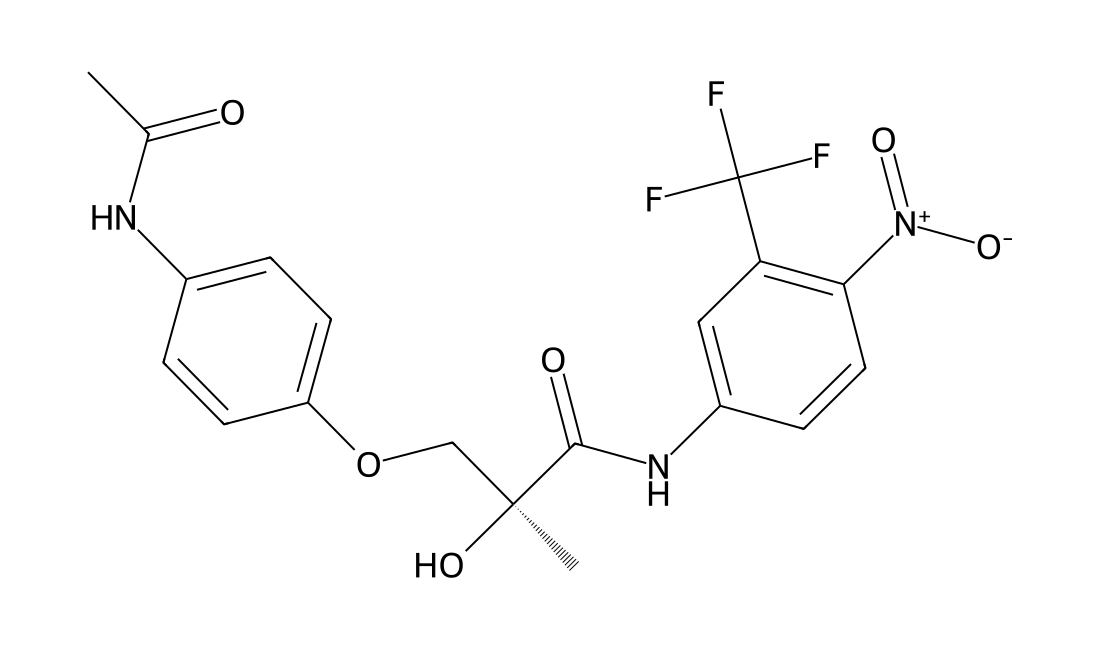
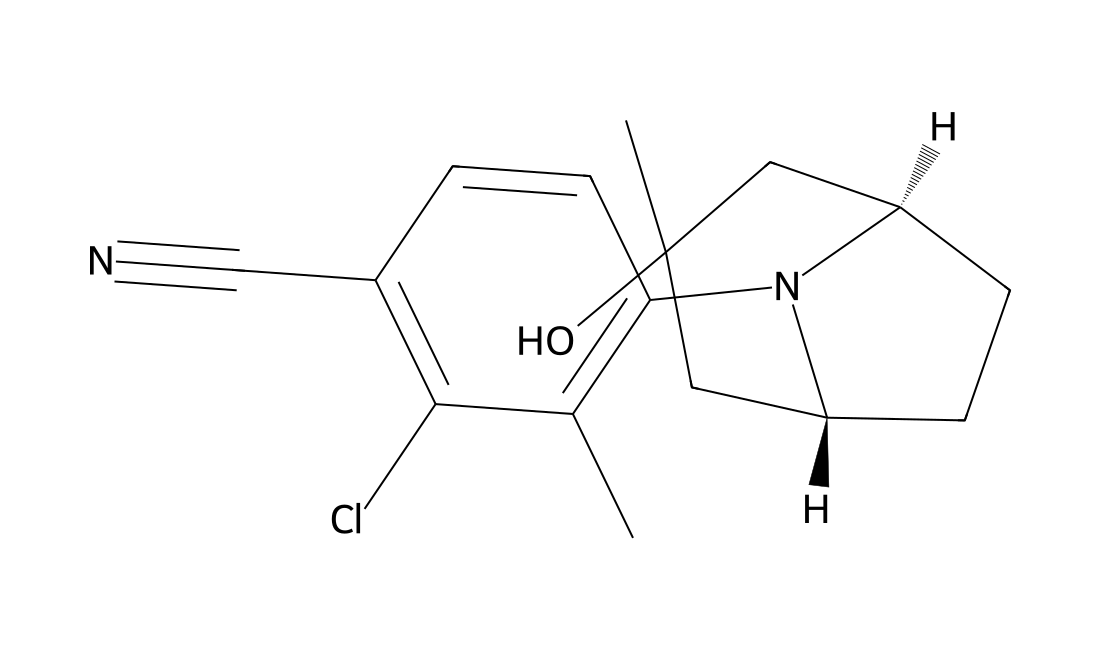
ACP-105 is an orally available, selective amd potent androgen receptor modulator (SARM), with pEC50s of 9.0 and 9.3 for AR wild type and T877A mutant, respectively.

ACP-105 chemical structure
DC21177

JNJ 39758979

CAS 1046447-90-8

A potent, selective, orally bioavailable histamine H4 receptor antagonist with Ki of 12.5 nM, >80-fold selectivity over other histamine receptors; shows dose-dependent activity in models of asthma and dermatitis, has good pharmacokinetics.AsthmaPhase 2 Clinical

JNJ 39758979 chemical structure
DC48046

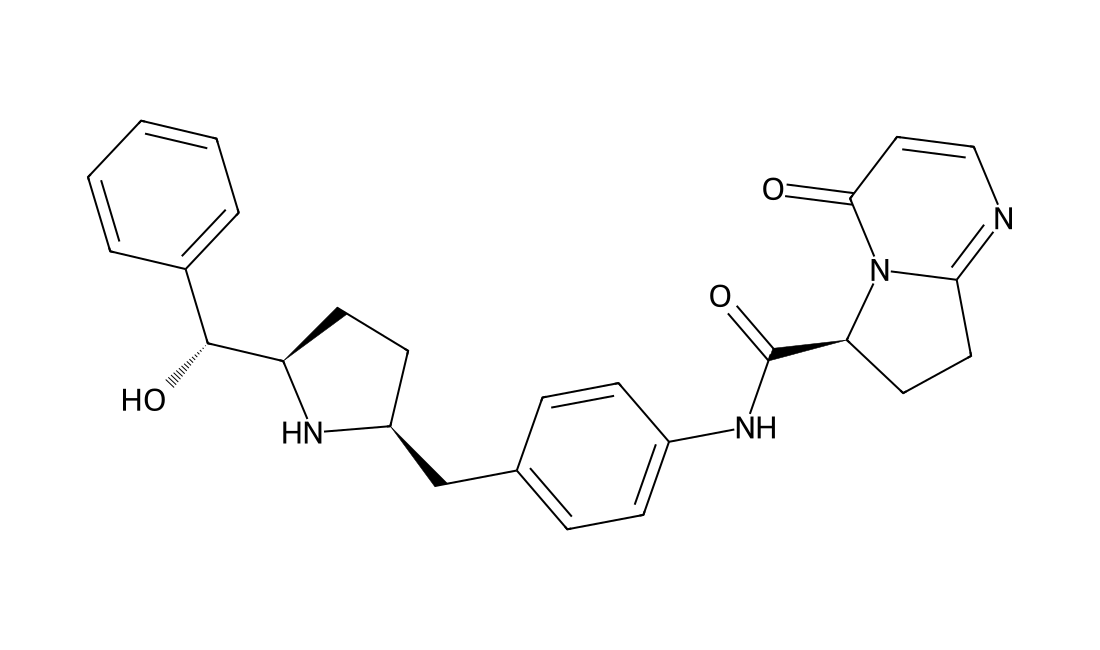
AZD-5672

CAS 780750-65-4

AZD-5672 is an orally active, potent, and selective CCR5 antagonist (IC50=0.32 nM). AZD-5672 shows moderate activity against the hERG ion channel (binding IC50=7.3 μM). AZD5672 is a substrate of human P-gp, and inhibits P-gp-mediated digoxin transport (IC50=32 μM). AZD-5672 can be used for the research of rheumatoid arthritis.

AZD-5672 chemical structure
DC33613

INT-777

CAS 1199796-29-6

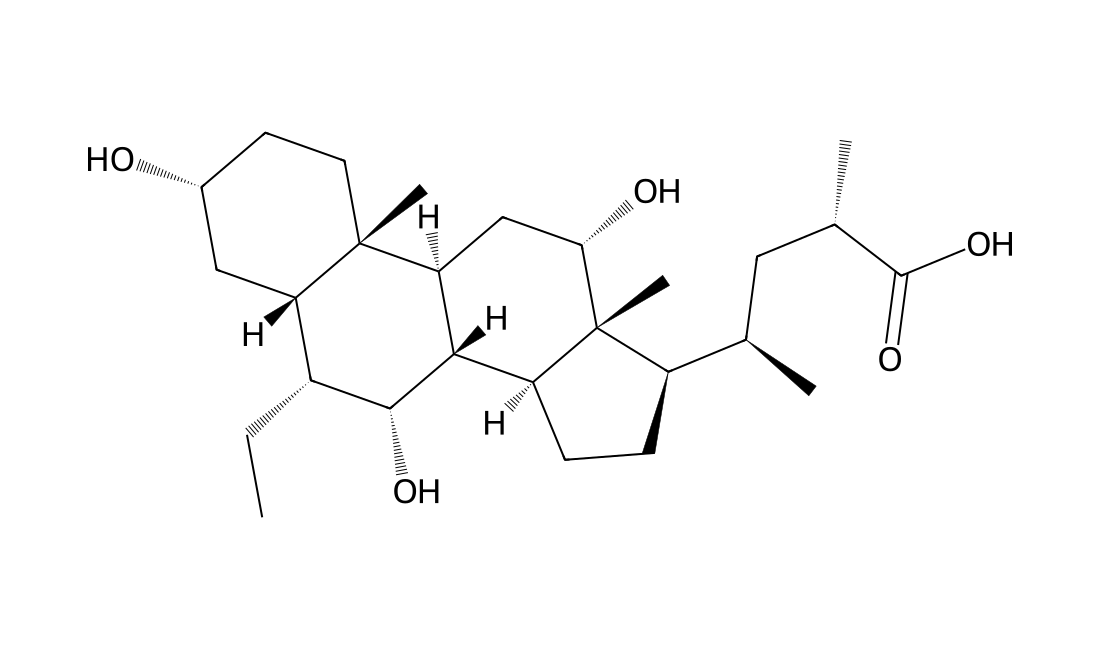
INT-777 is a semisynthetic bile acid that acts as an agonist of TGR5 (EC50 = 0.82 μM). INT-777 mitigates inflammatory response in human endometriotic stromal cells: A therapeutic implication for endometriosis.

INT-777 chemical structure
DC66700

(S,R)-LSN3318839

CAS 2765539-92-0

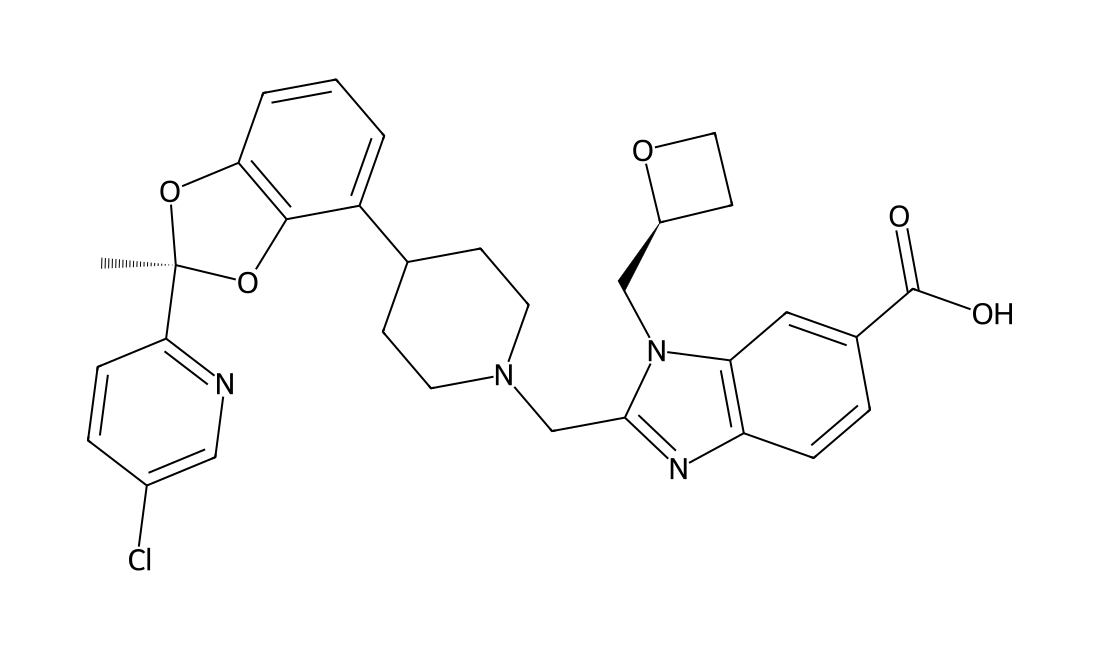
(S,R)-LSN3318839 is the stereoisomer of LSN3318839 (HY-142162). LSN3318839 is an orally active positive allosteric modulator of the glucagon-like peptide-1 receptor (GLP-1R).

(S,R)-LSN3318839 chemical structure
DC23475

W146

CAS 909725-61-7

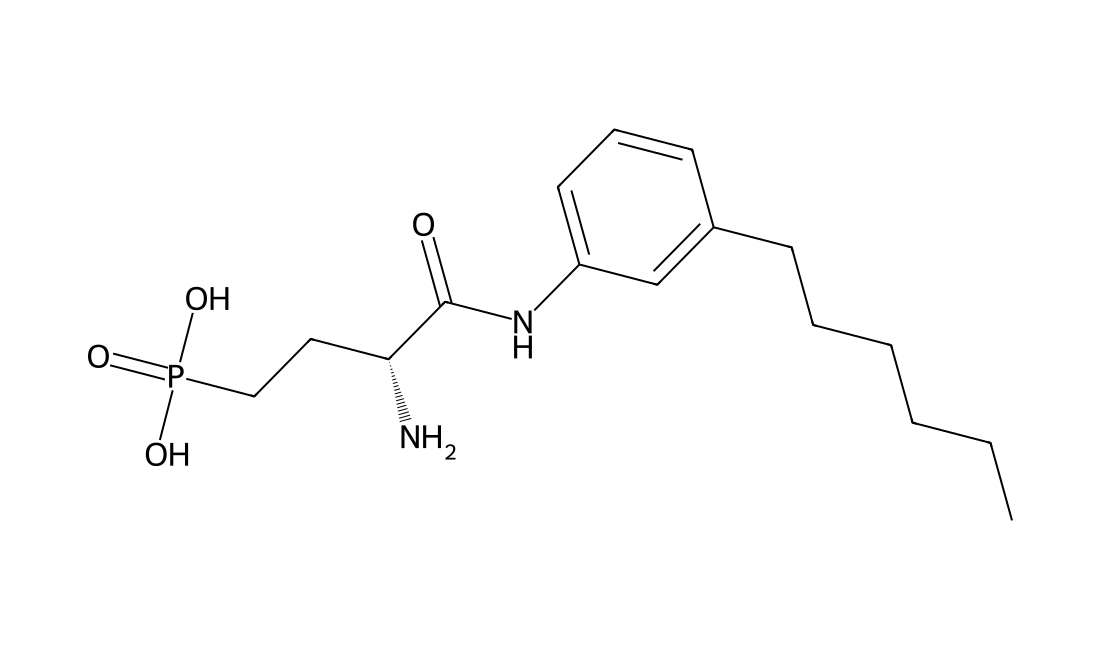
W146 is a potent, selective S1P1 antagonist with Ki of 18 nM, displays no effect at S1P2, S1P3 or S1P5, enhances capillary leakage and restores lymphocyte egress in vivo.

W146 chemical structure
DC71747

Aripiprazole monohydrate

CAS 851220-85-4

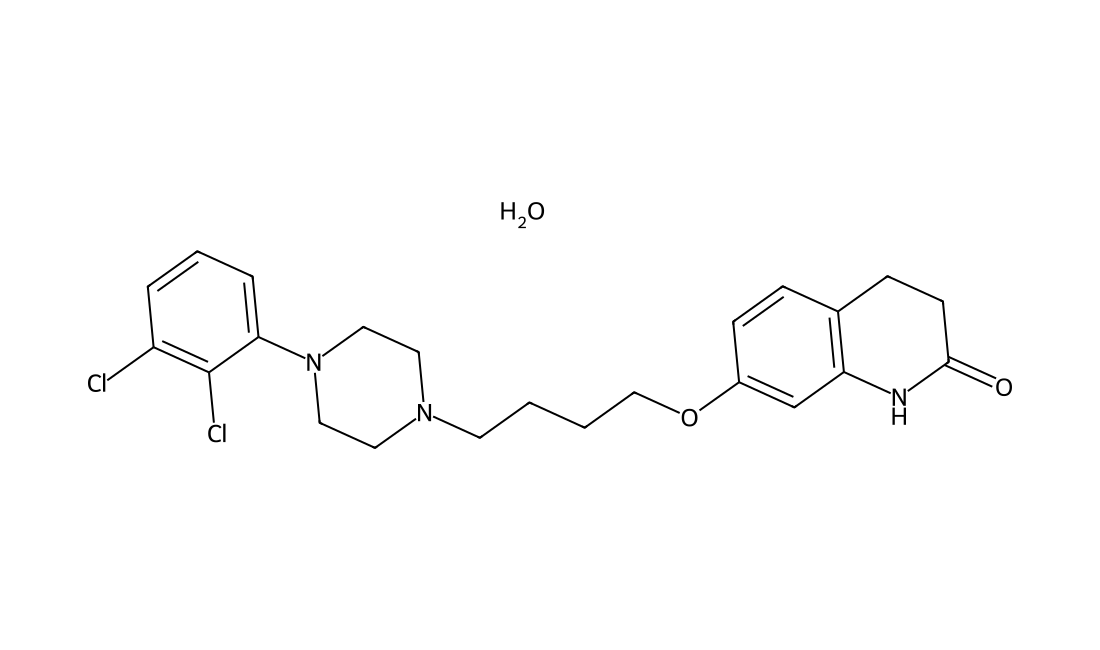
Aripiprazole (OPC-14597) monohydrate, an atypical antipsychotic, is a potent and high-affinity dopamine D2 receptor partial agonist. Aripiprazole monohydrate is an inverse agonist at 5-HT2B and 5-HT2A receptors and displays partial agonist actions at 5-HT1A, 5-HT2C, D3, and D4 receptors. Aripiprazole monohydrate can be used for the research of schizophrenia and COVID19.

Aripiprazole monohydrate chemical structure
DC46189

Teduglutide

CAS 197922-42-2

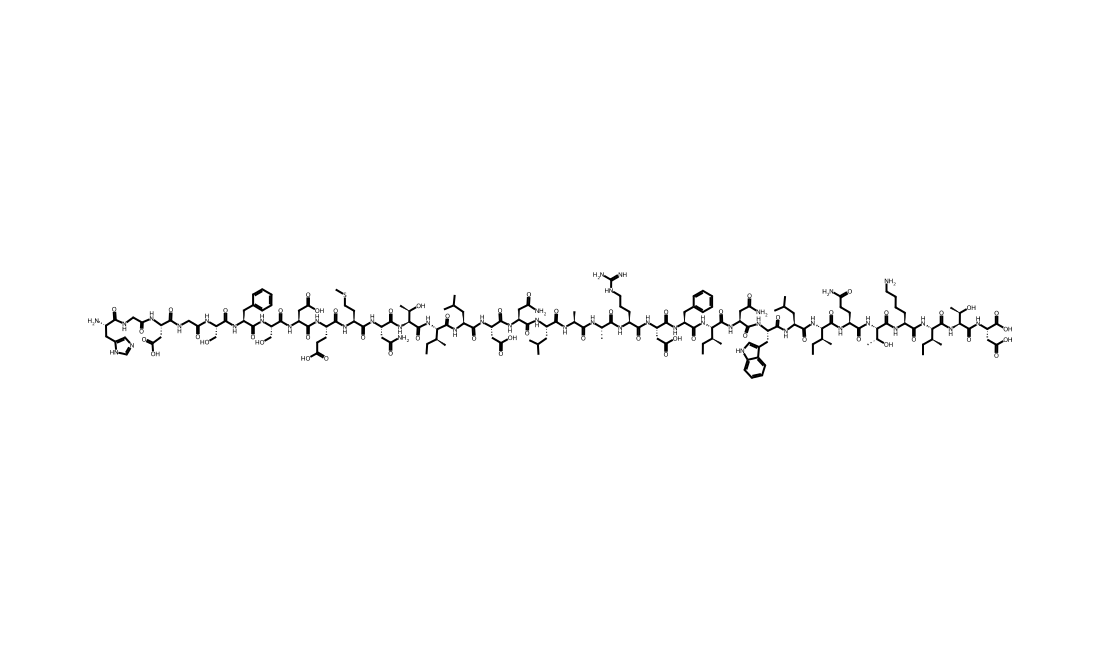
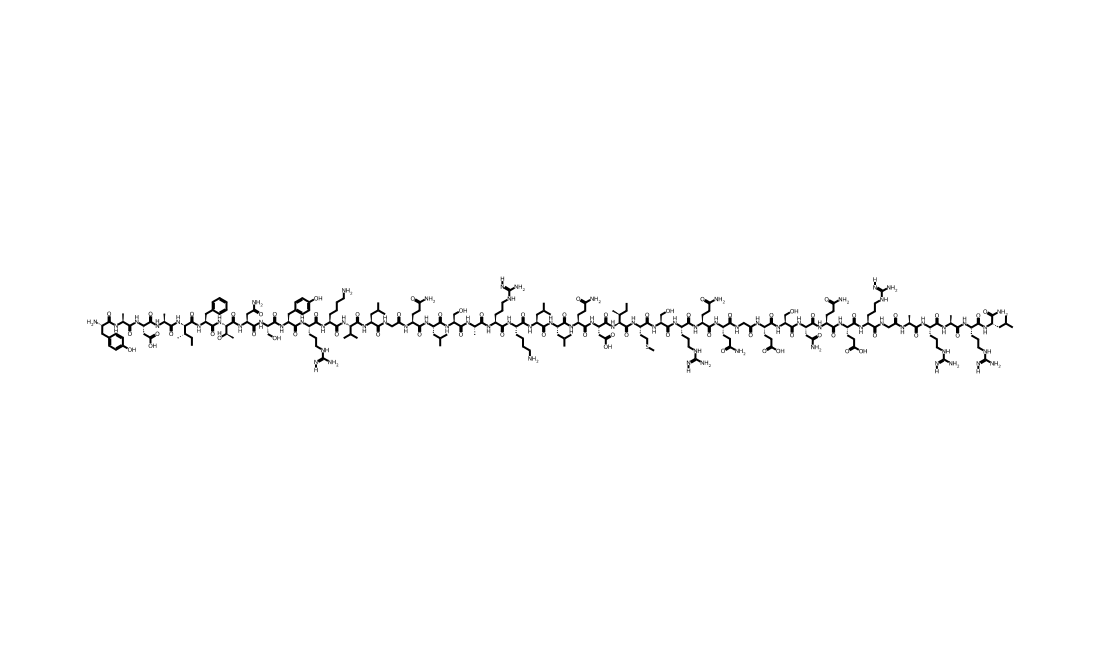
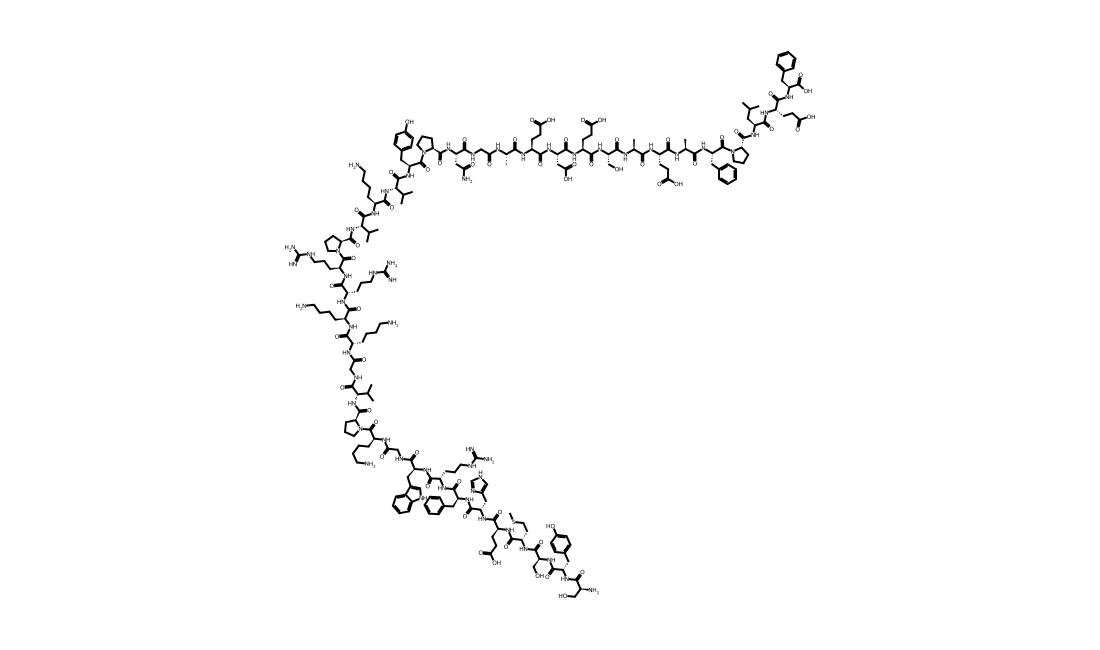
Teduglutide (ALX-0600, Gattex, Revestive, TAK 633) is an analogue of human glucagon-like peptide-2 (GLP-2) and binds to the GLP-2 receptors. Teduglutide prolongs the intestinotrophic properties of GLP-2 in animal models.

Teduglutide chemical structure
DC10202

AZD8797

CAS 911715-90-7

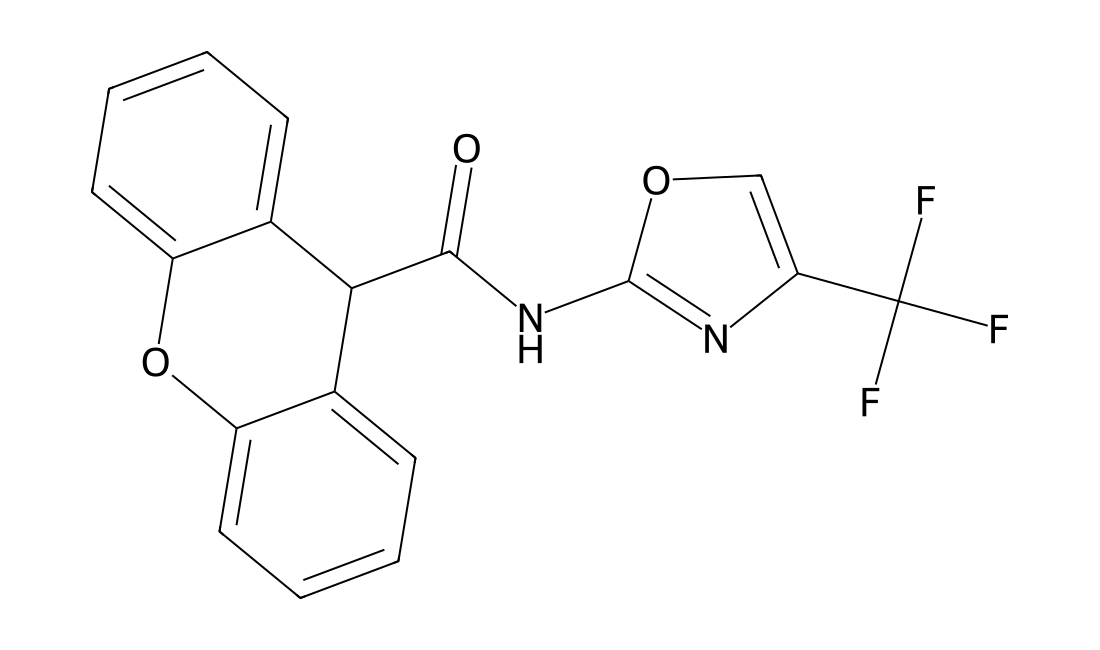
In a flow adhesion assay, AZD8797 antagonizes the natural ligand, fractalkine (CX3CL1), in both human whole blood (hWB) and in a B-lymphocyte cell line with IC50 values of 300 and 6 nM respectively. AZD8797 also prevents G-protein activation in a [35S]GTPγS accumulation assay. AZD8797 positively modulates the CX3CL1 response at sub-micromolar concentrations in a β-arrestin recruitment assay. In equilibrium saturation binding experiments, AZD8797 reduces the maximal binding of 125I-CX3CL1 without affecting Kd. AZD8797 binds selectively with high affinity to human and rat CX3CR1 (Ki of hCX3CR1, 4 nM; Ki of rCX3CR1, 7 nM, respectively). The equilibrium dissociation constant, KB, demonstrates that AZD8797 is a very potent inhibitor for human CX3CR1 (10 nM). The potency is threefold lower for rat CX3CR1 (29 nM) and decreases even further at mouse CX3CR1 (54 nM).AZD8797 treatment in Dark Agouti rats with myelin oligodendrocyte glycoprotein-induced EAE results in reduced paralysis, CNS pathology, and incidence of relapses. The compound is effective when starting treatment before onset, as well as after the acute phase.

AZD8797 chemical structure
DC20594

(R)-ZINC-3573

CAS 2089389-15-9

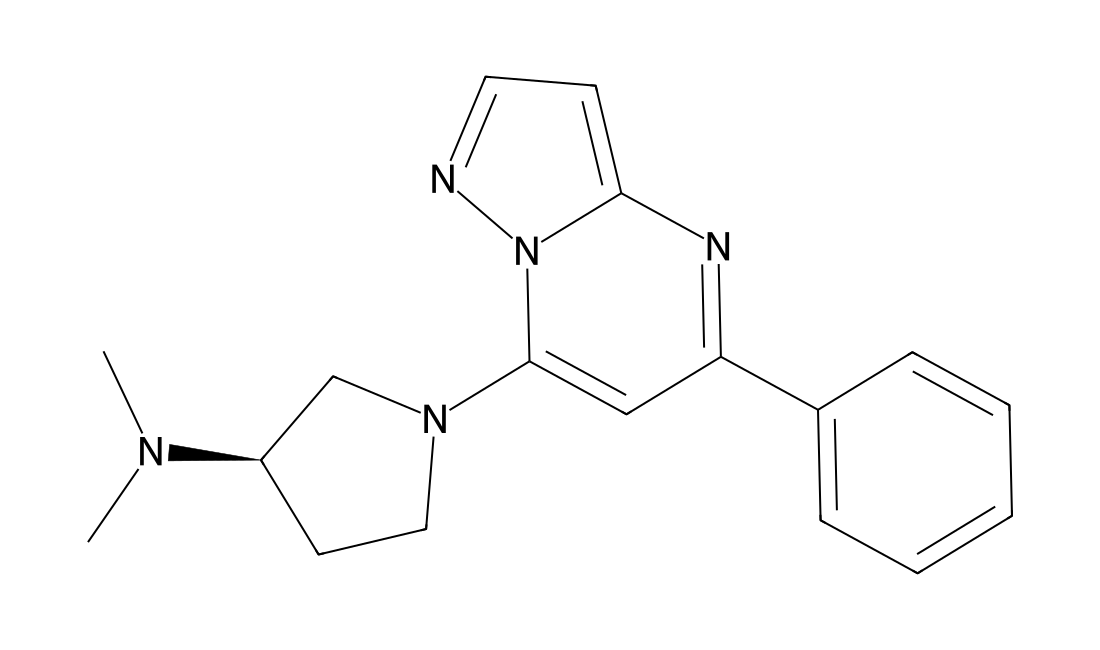
(R)-ZINC-3573 is a potent, selective agonist of the atypical opioid receptor MRGPRX2 (EC50=0.76 uM), showing little activity against 315 other GPCRs and 97 representative kinases; activates endogenous MRGPRX2 in a human mast cell line, inducing degranulation and calcium release.

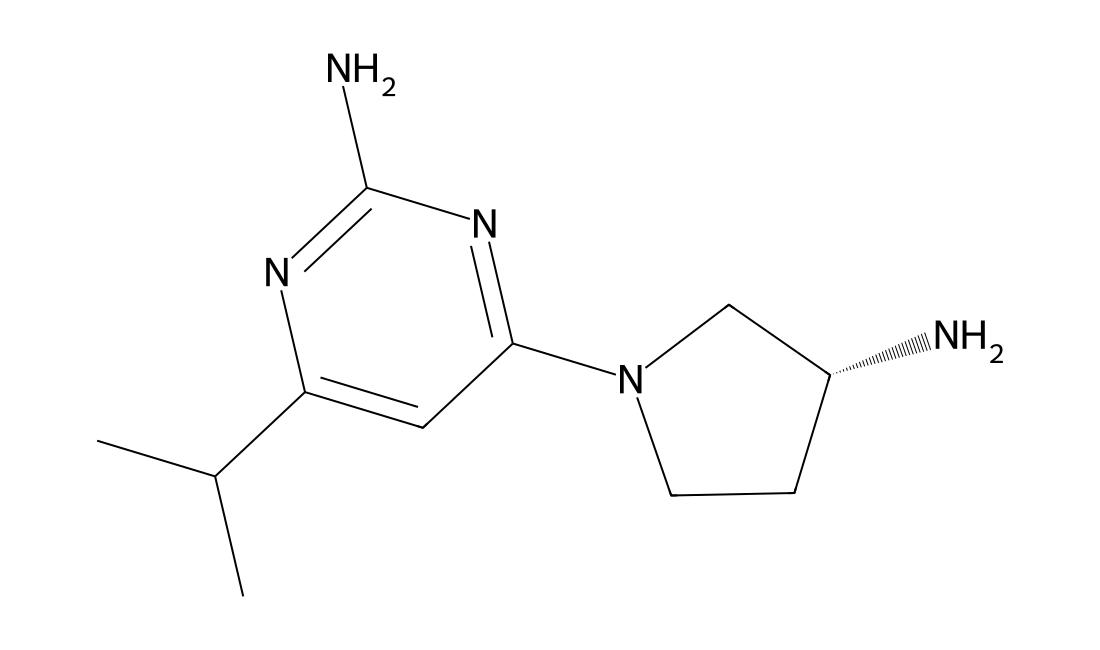
(R)-ZINC-3573 chemical structure
DC33548

SCH-336

CAS 447459-51-0

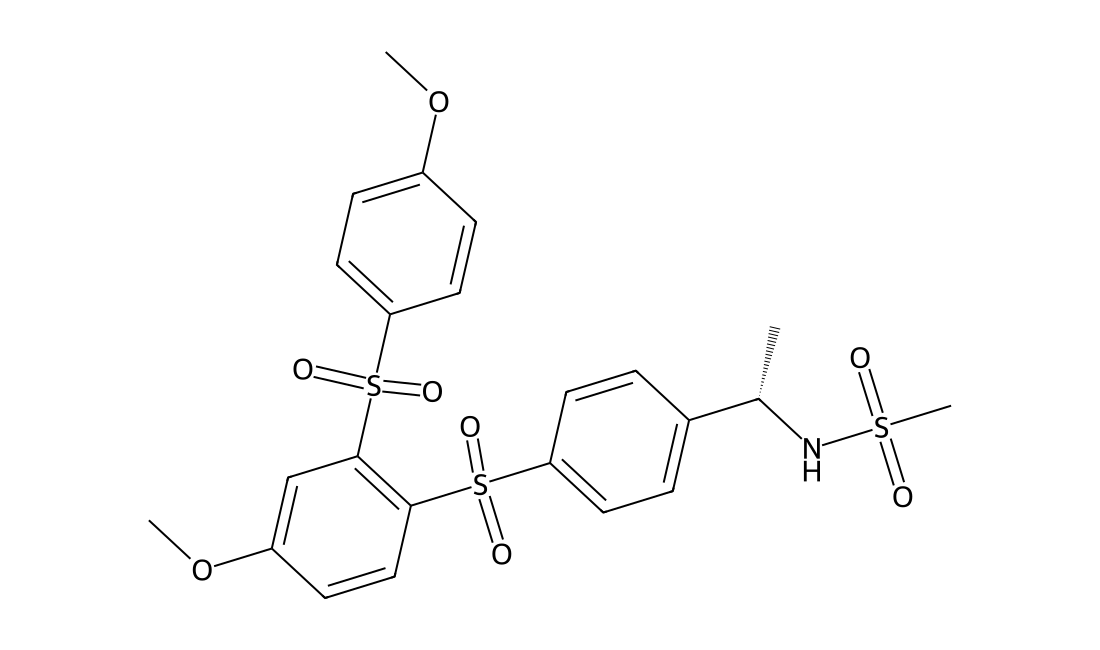
SCH 336 is a potent, selective, inverse and orally active CB2 agonist. SCH 336 inhibits BaF3/CB2 migration. SCH 336 significantly inhibits the migration of leukocytes in vivo. SCH 336 blocks ovalbumin-induced lung eosinophilia in mice.

SCH-336 chemical structure
DC7224

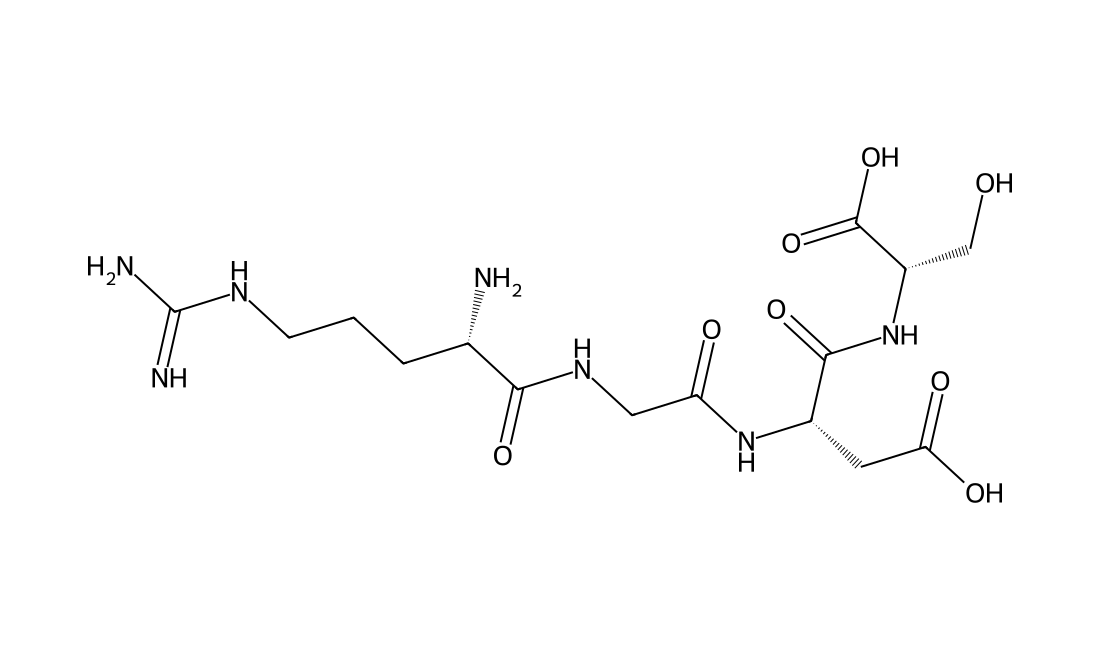
PD 123319

CAS 136676-91-0

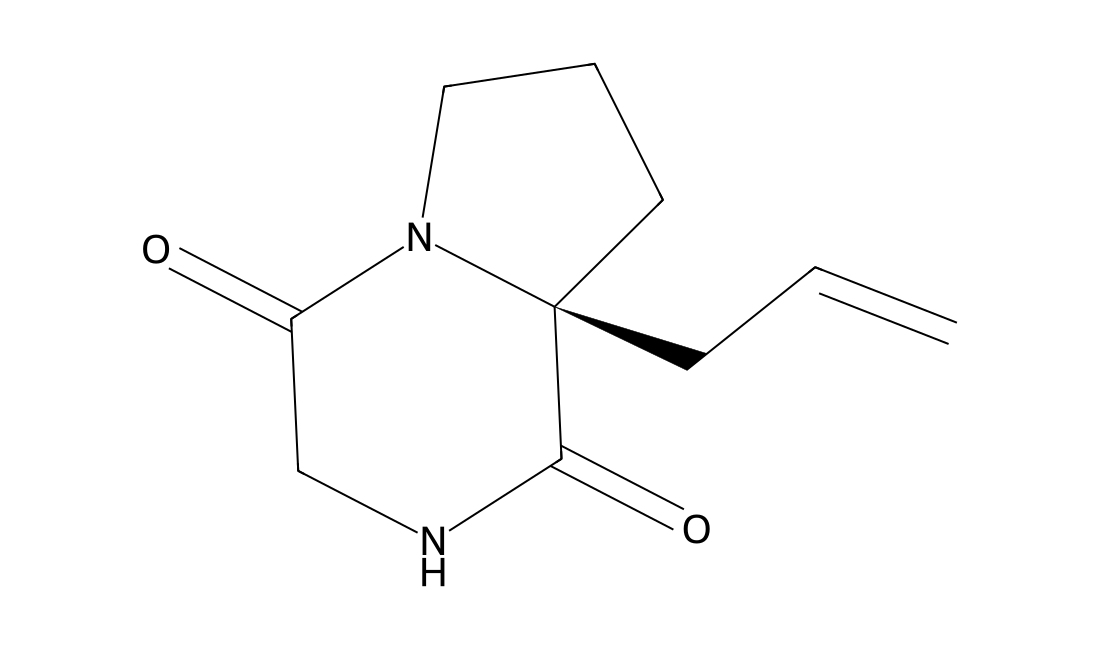
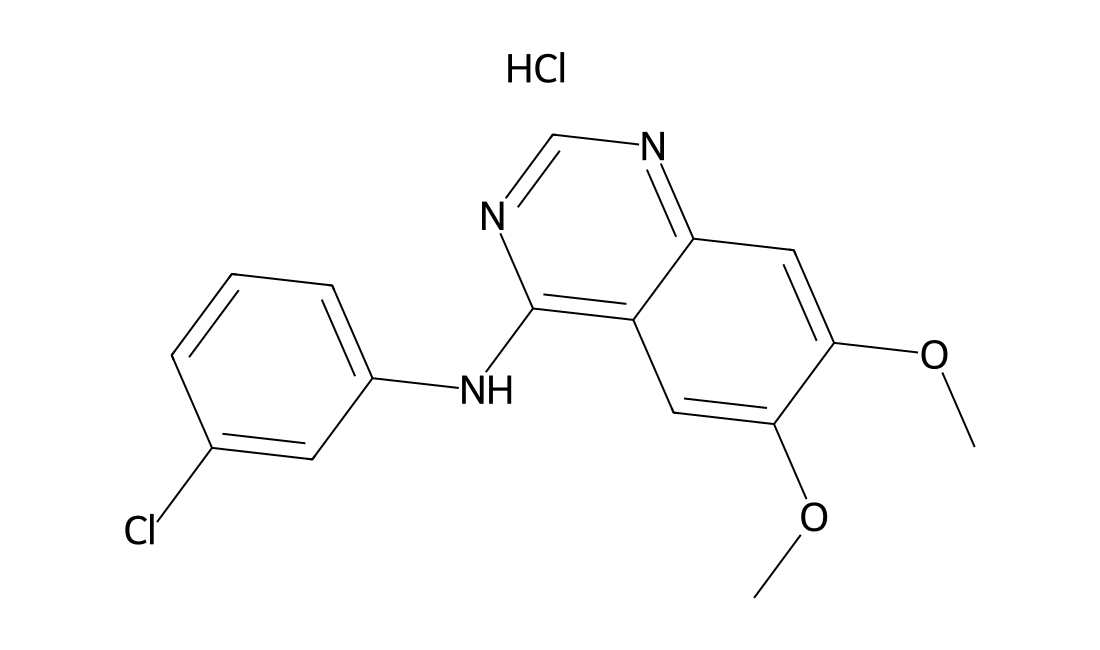
PD 123319 is shown to discriminate between two subclasses of AII receptors in many different tissues. 125I-AII specifically labeled two classes of binding sites For AII in a membrane preparation of bovine adrenal glomerulosa cells. The first class (DuP-753 sensitive) represents approximately 85% of the total binding sites For AII and possesses a high affinity (IC50 of 92.9 nM) For DuP-753. PD-123319 does not have any effect on 125I-AII binding to this site. The second class of binding sites is more sensitive to PD-123319, with an IC50 of 6.9 nM, and has a much lower affinity For DuP-753 (IC50 around 10 microM). PD 123319 has no effect on cerebral blood flow autoregulation. Acute AT2-receptor blockade does not influence CBF autoregulation. Intravenous administration of PD 123319 to conscious hypertensive rats elicites an immediate dose-dependent increase in MAP that is sustained For approximately 7.4 min with 3 mg/kg PD 123319.For the detailed information of PD 123319, the solubility of PD 123319 in water, the solubility of PD 123319 in DMSO, the solubility of PD 123319 in PBS buffer, the animal experiment (test) of PD 123319, the cell expriment (test) of PD 123319, the in vivo, in vitro and clinical trial test of PD 123319, the EC50, IC50,and Affinity of PD 123319, Please contact DC Chemicals.

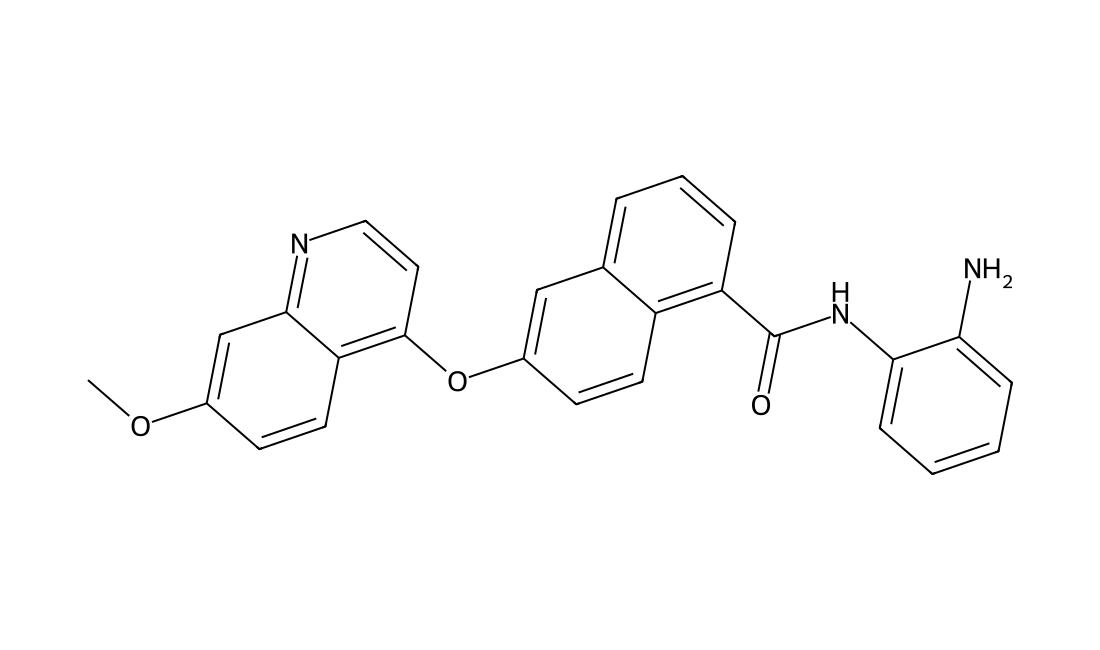
PD 123319 chemical structure
DC66454

Melanotan I acetate

CAS 1566590-77-9

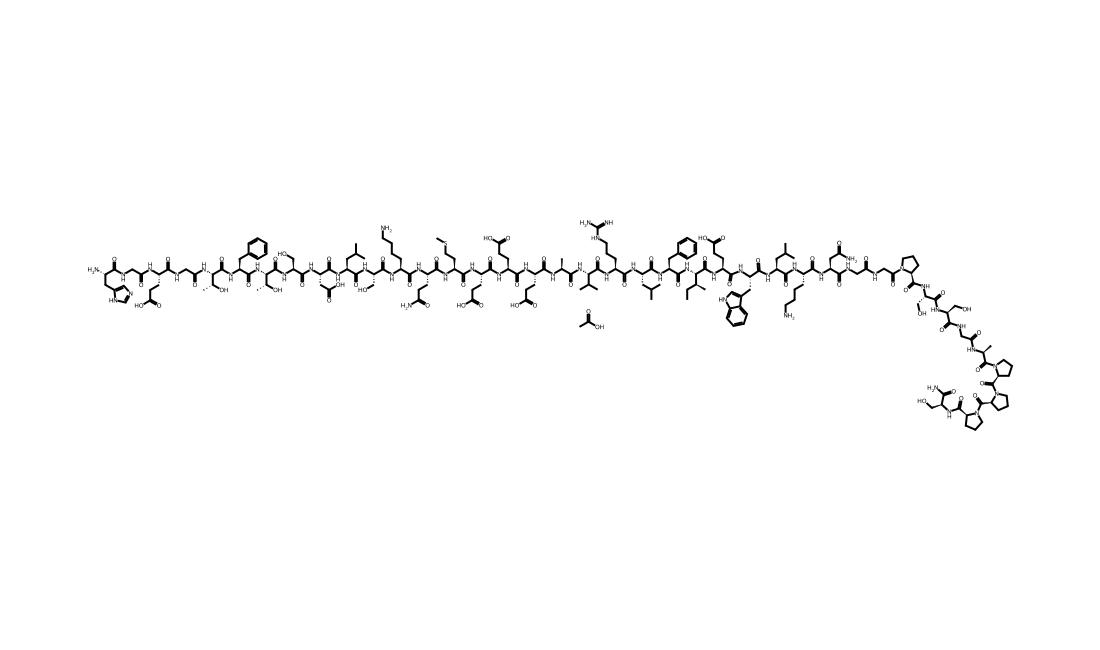
Melanotan I acetate is a potent non-selective melanocortin receptor (MCR) agonist. Melanotan I acetate is a synthetic analogue of α-melanocyte stimulating hormone (α-MSH) that stimulates melanogenesis. Melanotan I acetate can induce skin tanning by mimicking the actions of a-MSH on the melanocortin type 1 receptors (MC1R) of melanocytes. Melanotan I acetate can be used for sunlight-induced skin cancers research.
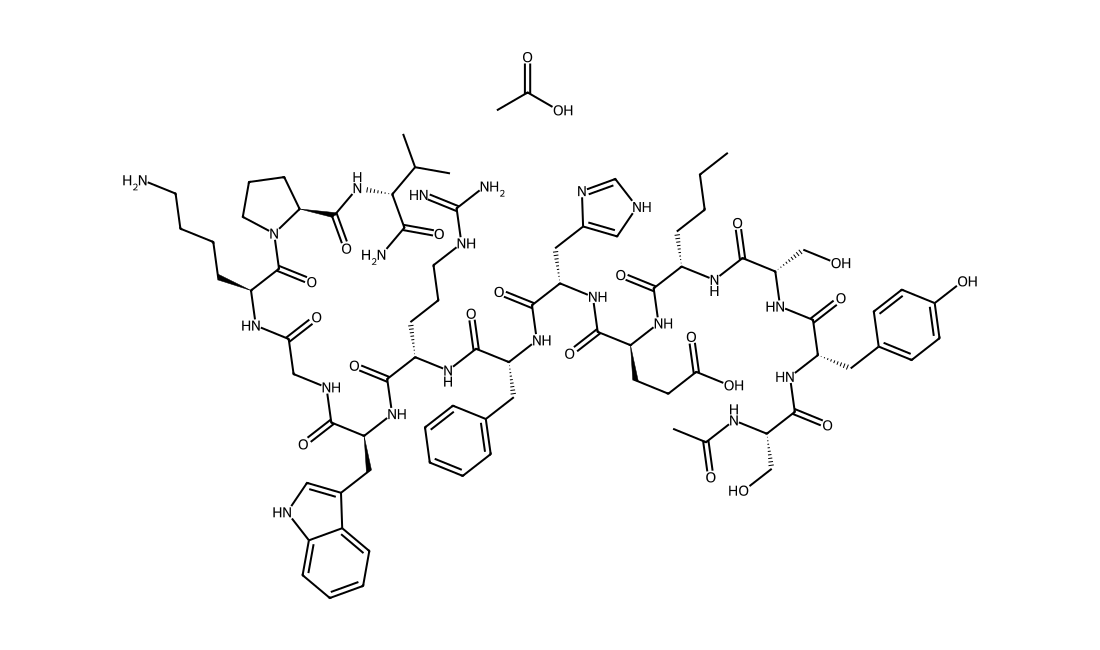
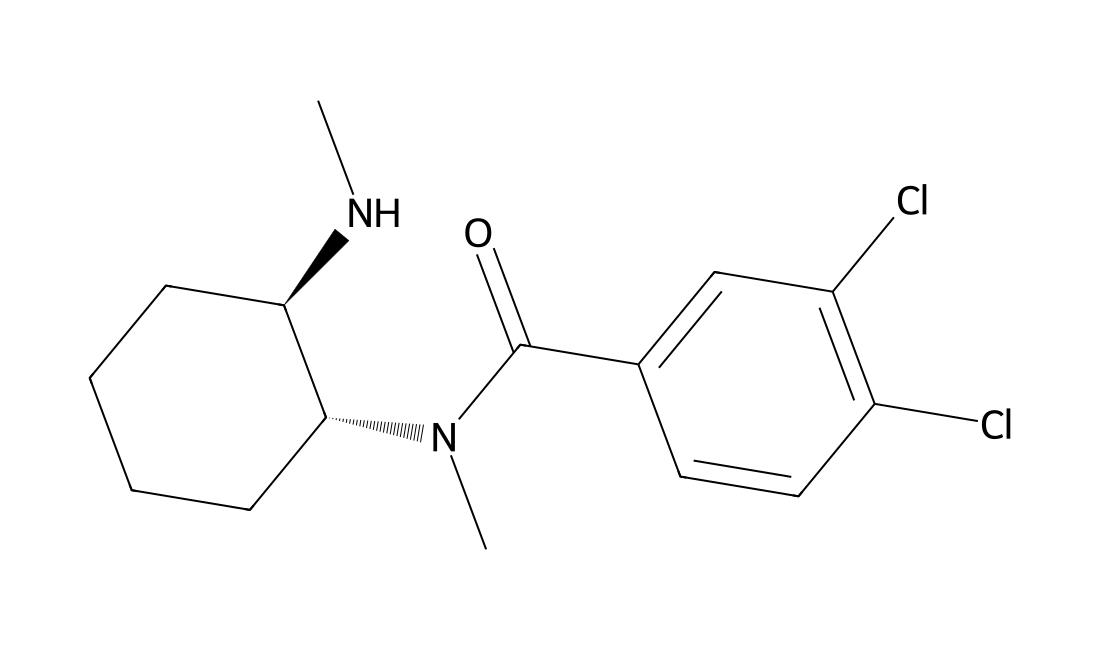
Melanotan I acetate chemical structure
DC11203

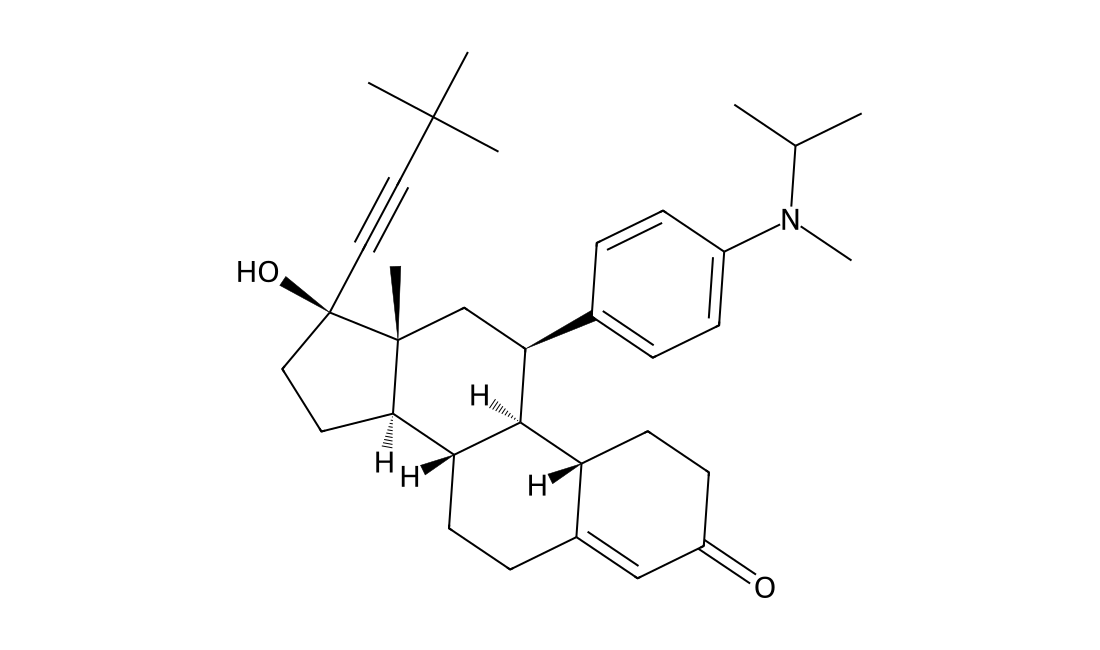
ORIC-101

CAS 2222344-98-9

ORIC-101 (ORIC101) is a highly potent, selective steroidal glucocorticoid receptor (GR) antagonist (IC50=5.6 nM) with reduced androgen receptor (AR) agonistic activity; dose-dependently reduces the expression levels of two established GR target genes, GILZ and FKBP5 with IC50 of 24.9 and 19.5 nM in human PBMCs; demonstrates in vivo antitumor activity by enhancing response to chemotherapy in the GR+ OVCAR5 ovarian cancer xenograft model.

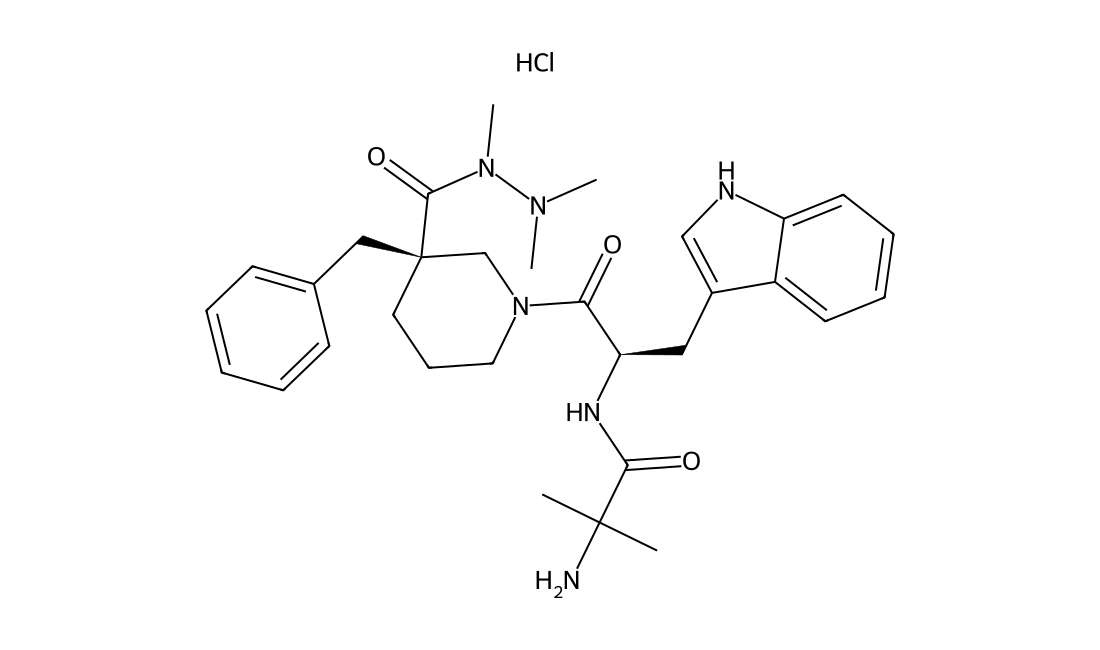
ORIC-101 chemical structure
DC22691

MK-4618

CAS 1190389-15-1

A potent and selective full β3 adrenergic receptor agonist with EC50 of 1.1 nM; displays no activity for β1 and β2 receptors (EC50>20 uM); dose-dependently increases bladder capacity, decreased micturition pressure, and increased bladder compliance in rhesus monkeys, dose-dependently increases the circulating glycerol and fatty acid levels in rhesus and rat in vivo; shows the potential for treatment of overactive bladder with M2/M3 antimuscarinics.Other IndicationPhase 3 Clinical

MK-4618 chemical structure
DC11371

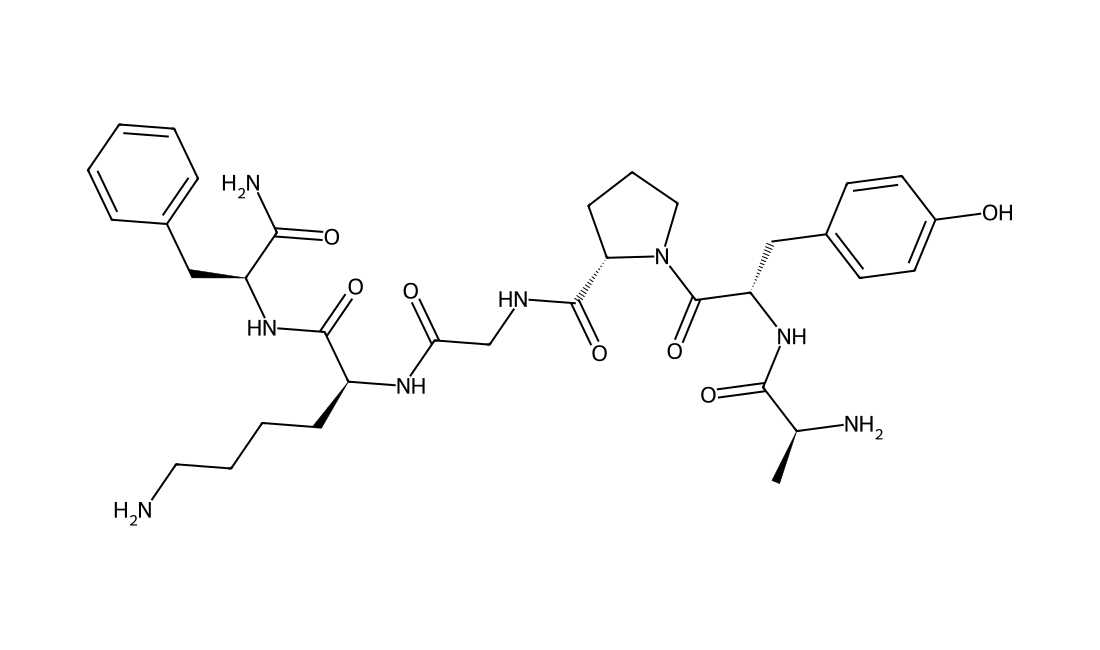
AY-NH2

CAS 352017-71-1

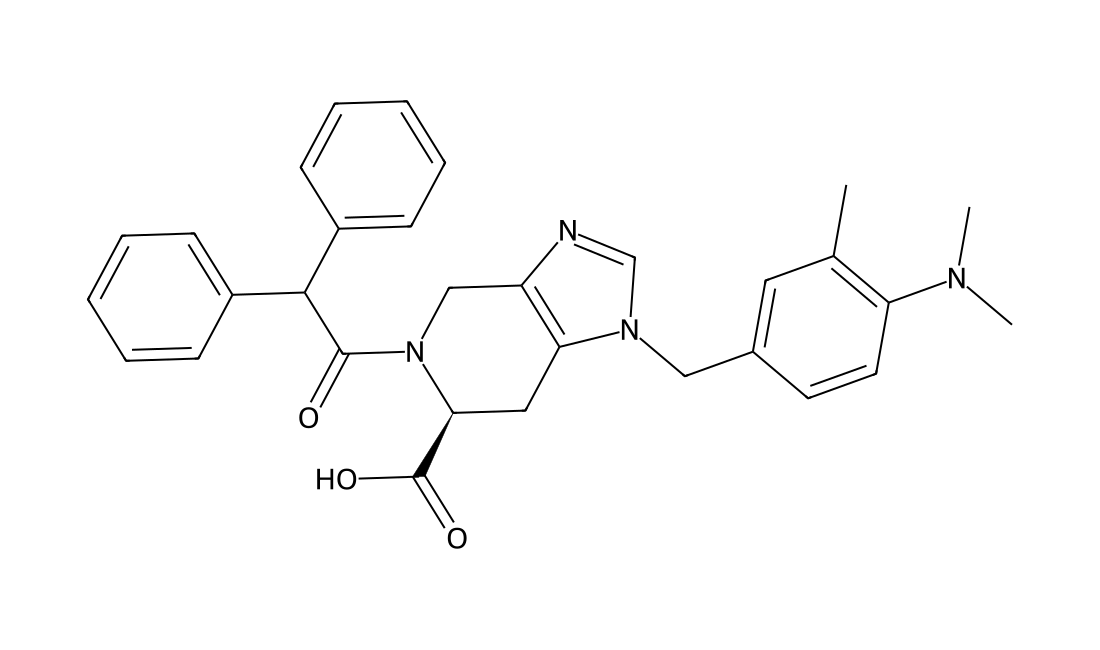
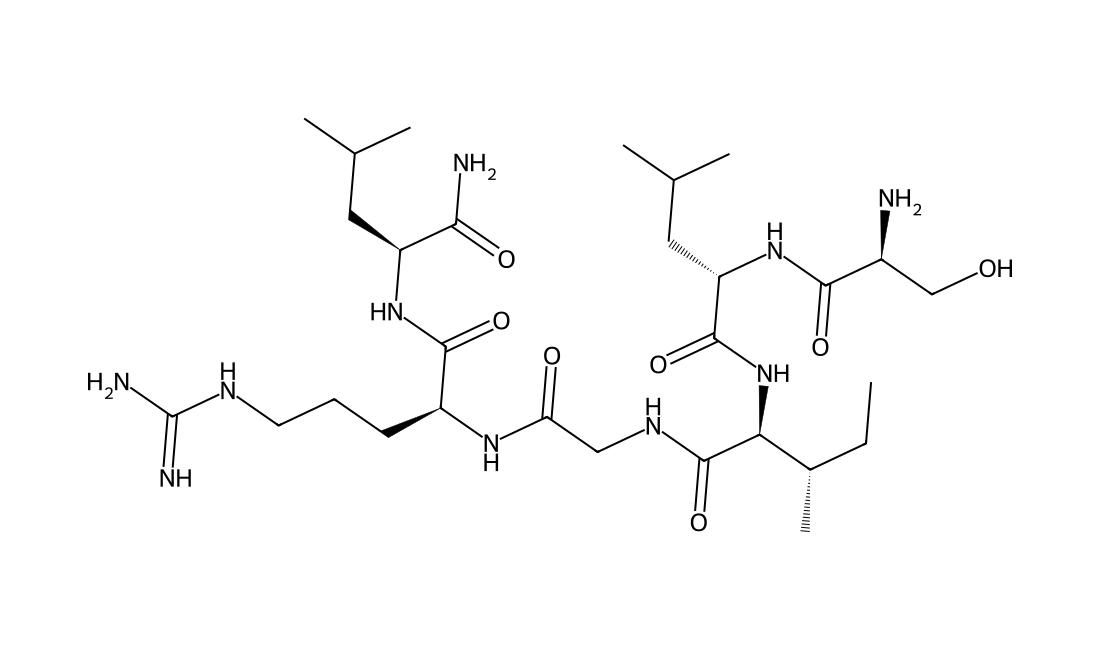
AY-NH2 is a peptide agonist of proteinase-activated receptor 4 (PAR4) that induces aggregation of rat and human platelets in vitro (EC50s = 15 and 60 μM, respectively).It reduces expression of glycoprotein (GP) Ib, and increases expression of GPIIb/IIIa on the surface of human platelets.AY-NH2 induces relaxation of isolated rat aortic rings and contraction of rat gastric longitudinal muscle strips (EC50s = 11 and 110 μM, respectively) as well as inhibits calcium mobilization evoked by capsaicin in rat sensory neurons.In vivo, AY-NH2 (1-100 μg) increases latency to paw withdrawal and the nociceptive threshold in response to thermal and mechanical stimuli.AY-NH2 (200 μg) also increases paw thickness in a rat paw edema assay.

AY-NH2 chemical structure
DC9861

BMS-779788(XL-652)

CAS 918348-67-1

BMS-779788, also known as XL-652, EXEL 04286652 and BMS-788, is potent partial LXR agonist with LXRβ selectivity, which has an improved therapeutic window in the cynomolgus monkey compared with a full pan agonist. BMS-779788 induced LXR target genes in blood in vivo with an EC50 = 610 nM, a value similar to its in vitro blood gene induction potency. BMS-779788 was 29- and 12-fold less potent than the full agonist T0901317 in elevating plasma triglyceride and LDL cholesterol, respectively, with similar results for plasma cholesteryl ester transfer protein and apolipoprotein B.

BMS-779788(XL-652) chemical structure
DC23424

RO 5256390

CAS 1043495-96-0

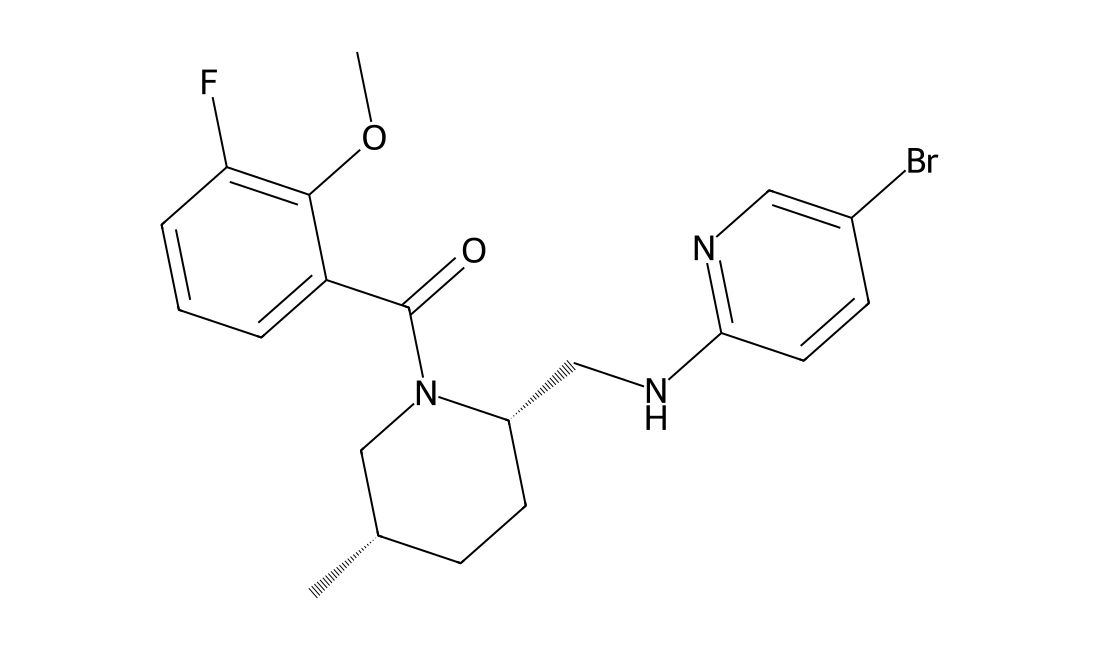
A highly potent, selective and orally bioavailable trace amine-associated receptor 1 (TRRA1) full agonist with EC50 of 18 nM, >500-fold selectivity over human adrenergic α2A receptor; blocks psychostimulant-induced hyperactivity and produces a brain activation pattern reminiscent of the antipsychotic drug olanzapine in vivo, does not induce catalepsy or weight gain.

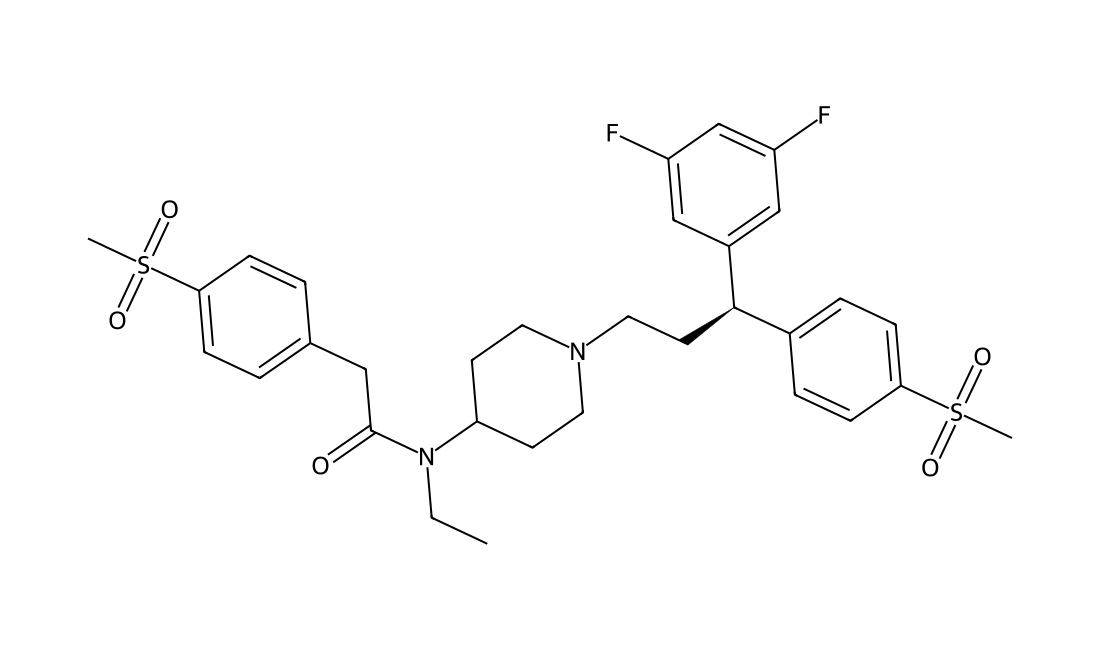
RO 5256390 chemical structure
DC21167

JMV 2959

CAS 925238-89-7

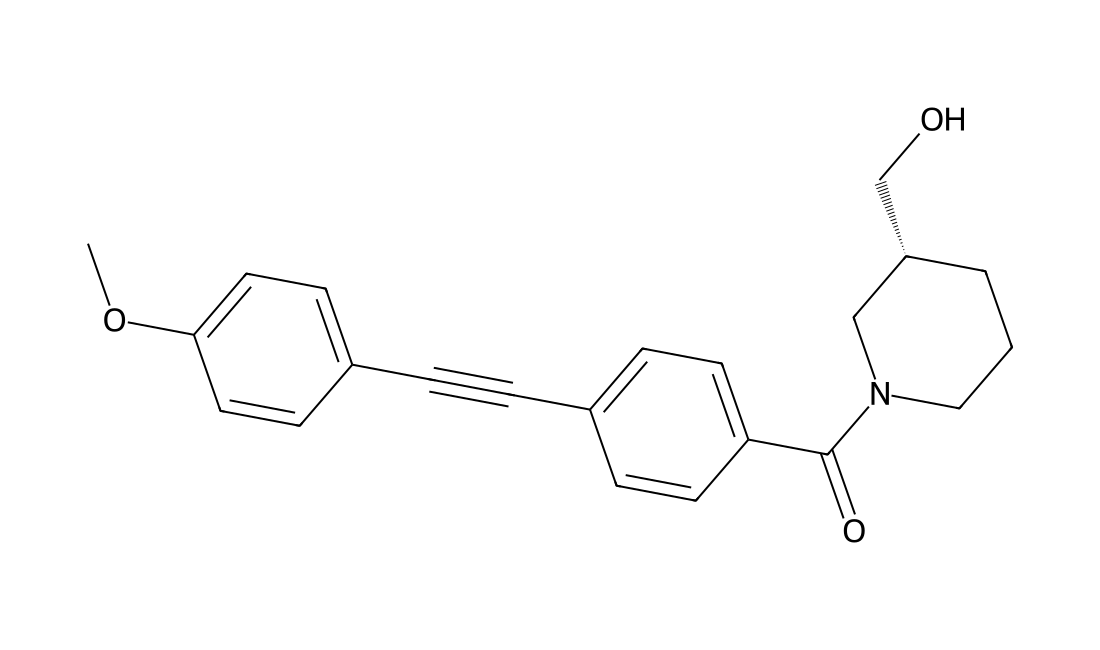
JMV 2959 (AEZS-123) is a potent ghrelin receptor (GHS-R1A) antaognist with binding IC50 of 32 nM; suppresses ghrelin-induced and fasting-induced food intake at the level of the central nervous system, attenuates the NMDAR antagonist, phencyclidine-induced impairments in prepulse inhibition in rats.

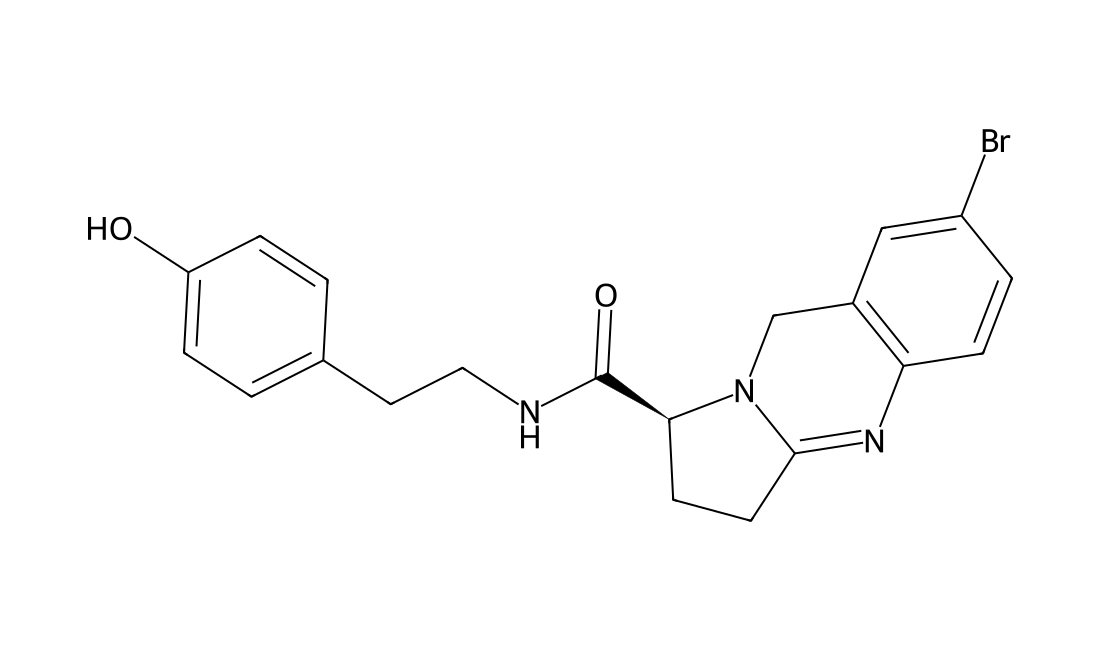
JMV 2959 chemical structure
Browse target & topic index A–Z (366)
11β-HSD (1)15-PGDH (2)5-HT Receptor (16)Acetyl-CoA Carboxylase (ACC) (3)Acetylcholinesterase (AChE) (2)Ack1 (TNK2) (1)Acyltransferase (1)ADC Cytotoxin (6)ADCs Linker/Click Chemistry (5)Adenosine Receptor (9)Adenylate Cyclase (2)Adrenergic Receptor (11)Akt (12)Alcoholism (2)Aldehyde Dehydrogenase (ALDH) (6)Allergy (5)Alzheimer Disease (13)Aminopeptidase (1)AMPK (8)Amyloids (4)Anaplastic Lymphoma Kinase (ALK) (9)Androgen Receptor (AR) (11)Anemia (4)Angiotensin Receptor (4)Antibody/Protein labeling dyes (1)Antifolate (2)Anxiety (1)Apoptosis Inducer (3)Arginase (1)Arp2/3 complex (1)Aryl hydrocarbon Receptor (AhR) (1)Asthma (5)Atherosclerosis (2)ATM/ATR (8)Aurora Kinase (10)Autophagy (6)Autophagy-related Protein (Atg) (2)Autotaxin (2)Bacterial (26)Bacterial Infection (17)Bcl-2 (14)Bcr-Abl (5)BCRP (1)Beta-catenin (4)Beta-secretase (BACE) (4)Blood Cancer (91)BMI-1 (1)Bone Cancer (6)Brain Cancer (6)Breast Cancer (30)Bromodomain (22)BTK (10)c-Fms (CSF1R) (5)c-Fos/AP-1 (1)c-Kit (6)c-Met (HGFR) (11)c-Myc (2)Calcium Channel (4)Calcium-sensing Receptor (CaSR) (1)CaMK (4)Cannabinoid Receptor (6)Carbonic Anhydrase (1)Carboxypeptidase (1)Casein Kinase (6)Caspase (4)Cathepsin (6)Cdc2-like Kinase (CLK) (1)CETP (2)CFTR (7)Checkpoint Kinase (Chk) (8)Chemokine Receptor (CCR and CXCR) (14)Chemotherapeutic Agents (19)Chloride Channel (1)CMV (2)CMV Infection (2)Colon Cancer (9)Complement System (1)COPD (3)CREB/CBP (2)CRF Receptor (2)CRISPR/Cas9 (1)Cushing Disease (1)Cyclin-dependent Kinase (CDK) (39)Cyclooxygenase (COX) (4)Cytochrome P450 (CYPs) (5)Depression (2)Dermatitis (2)Deubiquitinase (DUB) (7)Diabetes (20)Dipeptidyl Peptidase (DPP) (3)Discoidin Domain Receptor (DDR) (1)DNA Alkylator/Crosslinker (10)DNA Methyltransferase (DNMT) (1)DNA Repair Protein (1)DNA-PK (2)DNA/RNA Synthesis (5)Dopamine beta-hydroxylase (1)Dopamine Receptor (7)Drug Metabolite (1)Drug-Linker Conjugates (11)Dyes (4)DYRK (1)Dyslipidemia (9)E3 Ligase Ligand (6)E3 Ligase Ligand-Linker Conjugate (1)E3 Ubiquitin Ligase (4)Ebola Virus Infection (1)EGFR (32)Elastase (2)Endothelin Receptor (5)Enzymes substrates (13)Epigenetic Reader Domain (3)Epilepsy (4)ERK (4)Estrogen Receptor/ERR (13)Eukaryotic Initiation Factor (eIF) (2)Exportin-1 (CRM1,XPO1) (2)FABP (1)Factor Xa (5)Farnesoid X Receptor (FXR) (5)Farnesyl transferase (FTase) (1)Ferroptosis (6)FGFR (15)Fibrosis (5)FLT3 (6)Focal Adhesion Kinase (FAK) (11)Foxo1 (1)Free Fatty Acid Receptor (FFAR) (5)Fungal (2)Fungal Infection (1)GABA Receptor (13)Galectin (1)Gastric Cancer (8)Ghrelin Receptor (GHSR) (3)Glucagon Receptor (4)Glucokinase (2)Glucose Transporter (GLUT) (2)Glutamate Transporter (2)GPCR (1)GPER (GPR30) (1)GPR139 (1)GPR183 (EBI2) (2)GPR39 (1)GPR55 (1)GPR84 (1)GRK (GPCRK) (2)Growth Hormone Deficiency (2)GSK-3 (8)Guanylate Cyclase (3)HBV (1)HBV Infection (1)HCN Channel (2)HCV (8)HCV Infection (9)HDAC (38)Heart Arrhythmia (2)Heart Failure (5)Heat Shock Protein (HSP) (15)Hedgehog (Hh) (1)HIF/HIF Prolyl-hydroxylase (8)Histamine Receptor (6)Histone Acetyltransferase (HAT) (5)Histone Demethylase (11)Histone Methyltransferase (HMTase) (31)HIV (12)HIV Infection (11)HMG-CoA Reductase (HMGCR) (3)HSV (1)HSV Infection (1)Hypercholesterolemia (1)Hyperparathyroidism (1)Hypertension (8)IAP (1)IGF-1R (3)iGluR (15)Indoleamine 2,3-Dioxygenase (IDO) (4)Infection (1)Influenza (6)Influenza Virus (6)Insulin Receptor (2)Integrin (6)Interleukin Receptor (1)IRAK (2)IRE1 (4)Irritable Bowel Syndrome (2)Ischemia (1)Isocitrate Dehydrogenase (IDH) (5)ITK (1)IκB kinase (IKK) (7)JAK (32)JNK (3)Keap1-Nrf2 (6)Kidney Cancer (10)Kinesin (5)Kruppel-like Factor (KLF) (1)Kynurenine 3-Monooxygenase (KMO) (1)Leukotriene Receptor (1)LIM Kinase (LIMK) (3)Lipids fragment (1)Liver Cancer (6)Liver X Receptor (LXR) (3)LRRK2 (9)Lung Cancer (39)Lysophospholipid Receptor (12)LYTACs (3)mAChR (9)MALT1 (2)MAP4K (1)Matrix Metalloproteinase (MMP) (10)MDM2-p53 (9)MEK (MAP2K) (14)MEKK (MAP3K) (1)Melanocortin Receptor (2)MELK (1)mGluR (7)MicroRNA (1)Microtubule/Tubulin (5)Mineralocorticoid Receptor (MLR) (1)MITF (1)Mixed Lineage Kinase (MLK) (3)MNK (2)Molecular Glues (13)Monoamine Transporter (5)Monocarboxylate Transporter (MCT) (1)Monopolar Spindle 1 (Mps1/TTK) (3)mTOR (13)Multiple Sclerosis (6)Myosin (1)Na-K-Cl Cotransporter (NKCC) (2)nAChR (2)NADPH Oxidase (NOX) (2)NAMPT (3)Natural products (37)Neprilysin (1)Neurokinin Receptor (3)Neuropeptide Y Receptor (3)NF-κB (5)Nitric Oxide Synthase (NOS) (1)NOD-like Receptor (NLR) (3)Notch (2)Nucleoside Antimetabolite/Analog (10)Nur77 (NR4A1) (1)Obesity (1)Oct3/4 (1)Opioid Receptor (5)Orexin Receptor (7)Osteoporosis (2)Ovarian Cancer (14)Oxytocin Receptor (OXTR) (2)P-glycoprotein (P-gp) (3)p21-activated Kinase (PAK) (1)P2X Receptor (2)P2Y Receptor (1)p38 MAPK (10)p97/VCP (1)Pain (12)Pancreatic Cancer (10)Parasite (5)Parasite Infection (2)Parkinson Disease (2)PARP (19)PCSK9 (1)PD-1/PD-L1 (4)PDGFR (4)PDK1 (2)PEGn (1)PERK (2)PGE synthase (2)Phosphodiesterase (PDE) (9)Phospholipase (4)PI3K (32)PI4K (2)Piezo Channel (1)PIKfyve (3)Pim (9)PKC (12)PKD (1)Plasminogen Activator Inhibitor-1 (PAI-1) (3)Polo-like Kinase (PLK) (4)Porcupine (3)Potassium Channel (13)PPAR (13)Pregnane X Receptor (PXR) (1)Progesterone Receptor (2)Prostaglandin Receptor (11)Prostate Cancer (7)PROTACs (35)Protease-activated Receptor (PAR) (3)Proteasome (12)Protein Disulfide Isomerase (PDI) (1)Protein Phosphatase/PTP (6)Proton Pump (1)Psoriasis (5)RAD51 (1)Radioligand precursors (15)Raf (18)RAR/RXR (3)Ras (17)Renin (2)RET Tyrosine Kinase (c-RET) (3)Rheumatoid Arthritis (16)Ribosomal S6 Kinase (RSK) (5)RIG-I-like Receptor (RLR) (2)RIP kinase (7)ROCK (12)ROR (2)RSV (4)RSV Infection (3)RUNX1-CBFβ (1)S-nitrosoglutathione reductase (GSNOR) (1)Saccharides and Glycosides (1)Salt Inducible Kinase (SIK) (2)SARS-CoV (16)SARS-CoV Infection (34)Schizophrenia (4)Sexual Dysfunction (1)SGLT (4)Sigma Receptor (4)Sirtuin (9)Skin Cancer (13)Sleep Disorder (7)SMN2 Modulator (1)Smoothened (Smo) (9)Sodium Channel (12)Solid Tumors (35)Somatostatin Receptor (2)Sphingosine kinase (SphK) (2)Src (7)STAT (5)Stearoyl-CoA Desaturase (SCD) (1)Steatohepatitis (7)Sterol lipids (1)STING (14)Syk (6)T Cell Receptor (TCR) (1)TAK1 (2)TAM Receptor (Tyro3-Axl-Mer) (4)Taste Receptor (1)Telomerase (2)TGF beta Receptor (TGFBR) (12)Thrombin (3)Thrombosis (13)Thyroid Cancer (1)Thyroid Hormone Receptor (THR) (1)Thyrotropin Receptor (2)TNIK (1)Toll-like Receptor (TLR) (2)TOPK (1)Topoisomerase (11)TRAIL (1)Translocator Protein (TSPO) (1)Trk Receptor (4)TRP Channel (13)Tryptophan Hydroxylase (TPH) (1)Ubiquitin-activating Enzyme (E1) (2)Ubiquitin-conjugating Enzyme (E2) (2)Ulcer (1)ULK (3)Vasopressin Receptor (2)VEGFR (25)Vitamin D Receptor (VDR) (3)Wee1 (1)WNK Kinase (1)Wnt (5)Yes-associated Protein (YAP) (4)γ-secretase (5)

Cart

Request quotation