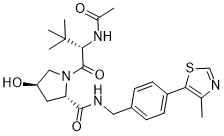
VH032
CAS 1448188-62-2
VH-032 (VHL ligand 1) is a VHL ligand for PROTAC and potent, small molecule inhibitor of the VHL/HIF-1α interaction with Kd of 185 nM.

PROTACs, molecular glues, ubiquitin systems, chaperones and proteostasis.
Products may appear in more than one category. Counts refer to distinct catalog numbers within each category.
Other Research Tools (75) · Additional reagents, building blocks and specialized research tools.
Combine a keyword, research category and target to narrow the product list.
Loading catalog filters…
CAS 1448188-62-2
VH-032 (VHL ligand 1) is a VHL ligand for PROTAC and potent, small molecule inhibitor of the VHL/HIF-1α interaction with Kd of 185 nM.
CAS 2566480-63-3
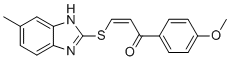
UC-764865 (UC764865) is a small-molecule inhibitor that targeted ubiquitin-conjugating enzyme UBE2N active site.UC-764865 blocks ubiquitination of innate immune- and inflammatory-related substrates in human AML cell lines.Inhibition of UBE2N function…
CAS 59865-13-3
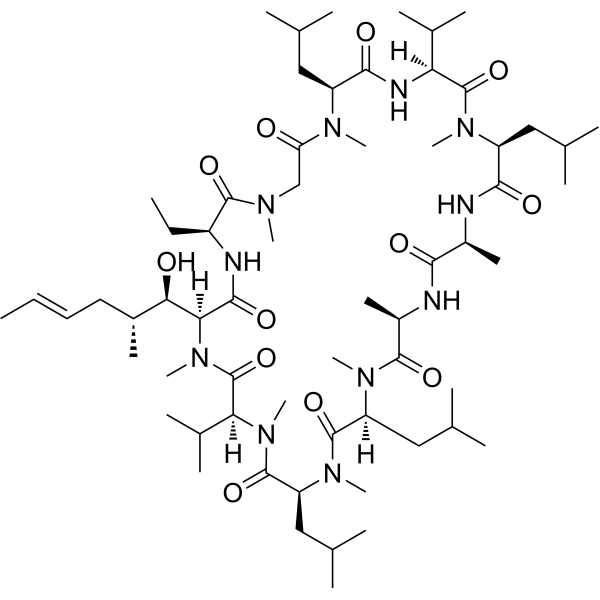
Cyclosporin A is an immunosuppressant which binds to the cyclophilin and inhibits phosphatase activity of calcineurin with an IC50 of 5 nM.
CAS 50-35-1
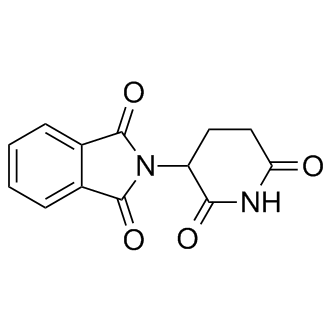
Thalidomide can directly inhibit angiogenesis induced by bFGF or VEGF in vivo.Thalidomide was commonly used therapeutically in the late 1950's; however, it was withdrawn from the market when it was discovered to cause birth defects. More recent research has…
CAS 3080678-93-6
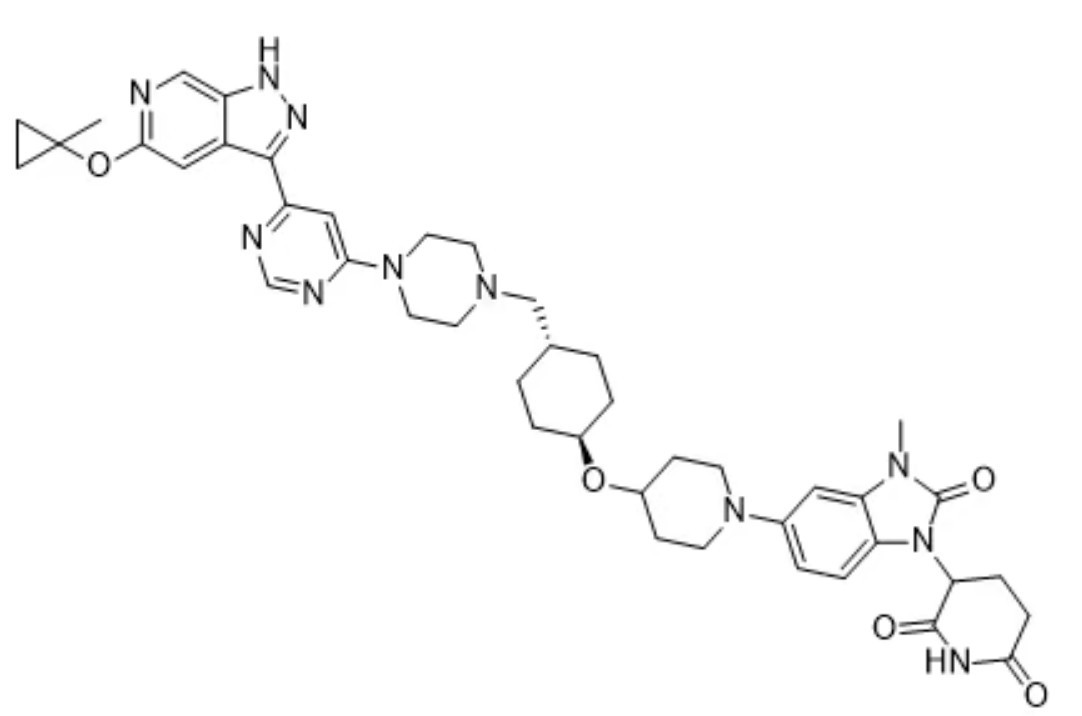
ARV-102 is a highly potent, orally bioavailable PROTAC that targets LRRK2 with a of 0.14 nM, designed to cross the blood-brain barrier to address neurodegenerative diseases. By hijacking the body’s ubiquitin-proteasome system, it achieves deep and sustained…
CAS 1185329-96-7
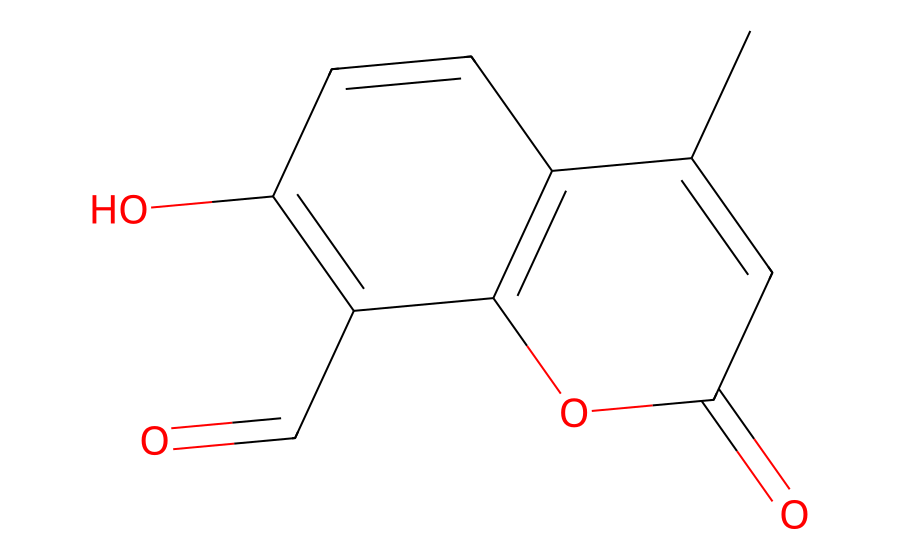
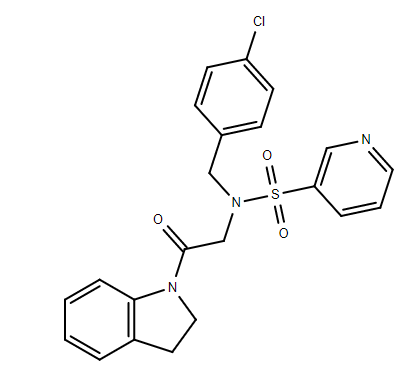
IXA4 is the most selective for the IRE1–XBP1s signaling pathway.IXA4 selectively activate IRE1–XBP1s signaling and reduces secretion of APP through IRE1 activation.
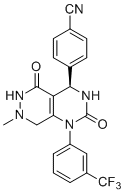
CAS 1194453-23-0
Bay-8040 is a potent, selective human neutrophil elastase (HNE) inhibitor with IC50 of 28 nM; displays no significant inhibition toward 68 other pharmacologically relevant targets (>10 uM), and a panel of related serine proteases; shows in vivo efficacy with…
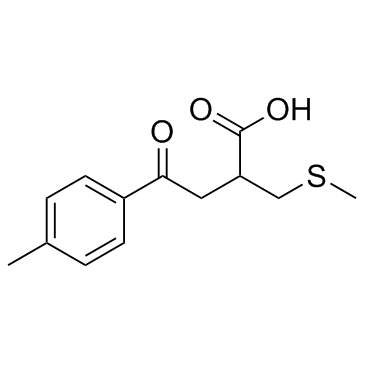
CAS 143584-75-2
S-methyl-KE-298 is an active metabolite of KE-298. KE-298 inhibits matrix metalloproteinase (MMP-1) production from rheumatoid arthritis (RA) synovial cells.
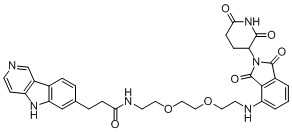
CAS 2267290-96-8
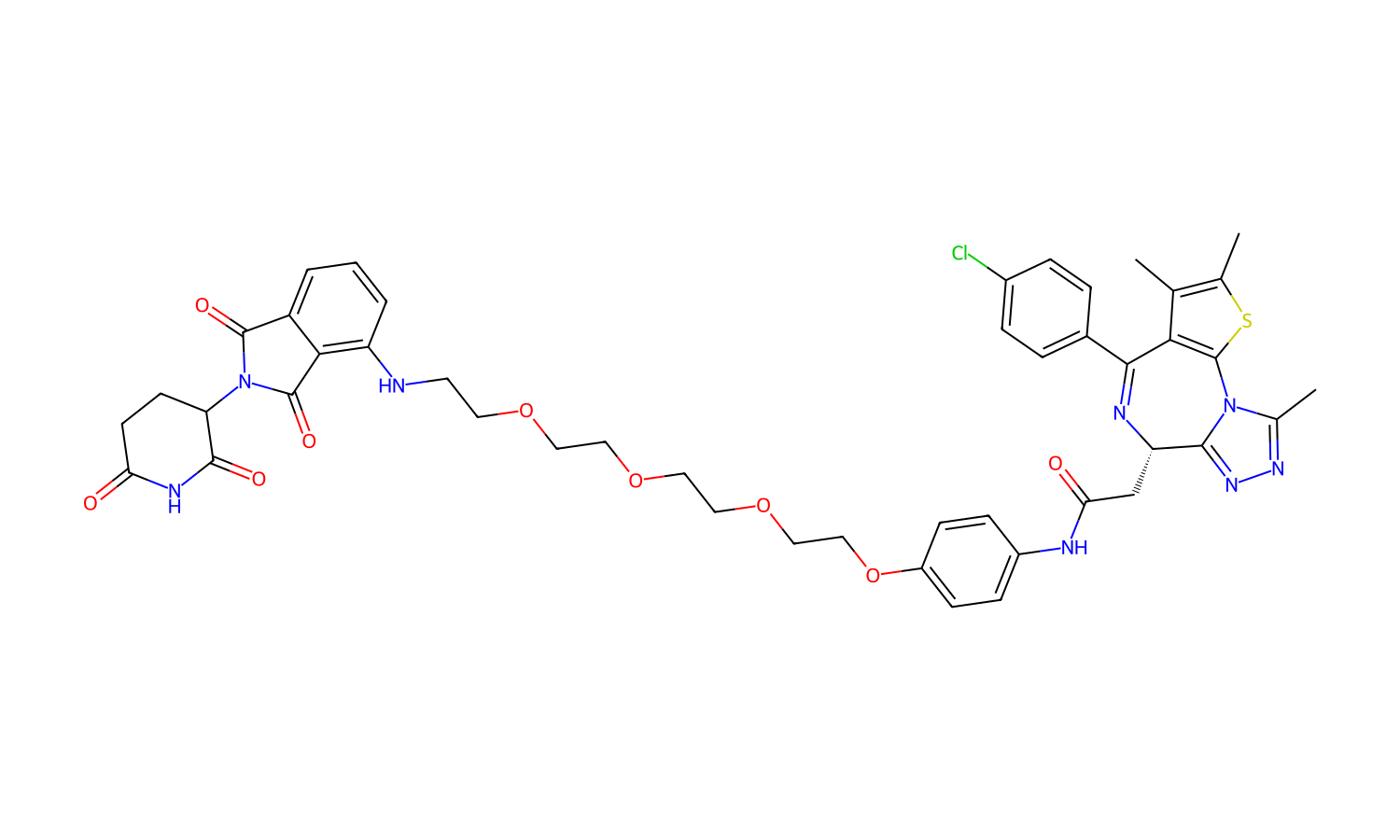
QC-01-175 is a hetero-bifunctional molecule designed to engage both tau and Cereblon (CRBN) to trigger tau ubiquitination and proteasomal degradation (tau PROTAC).QC-01–175 effected clearance of tau in frontotemporal dementia (FTD) patient-derived neuronal…
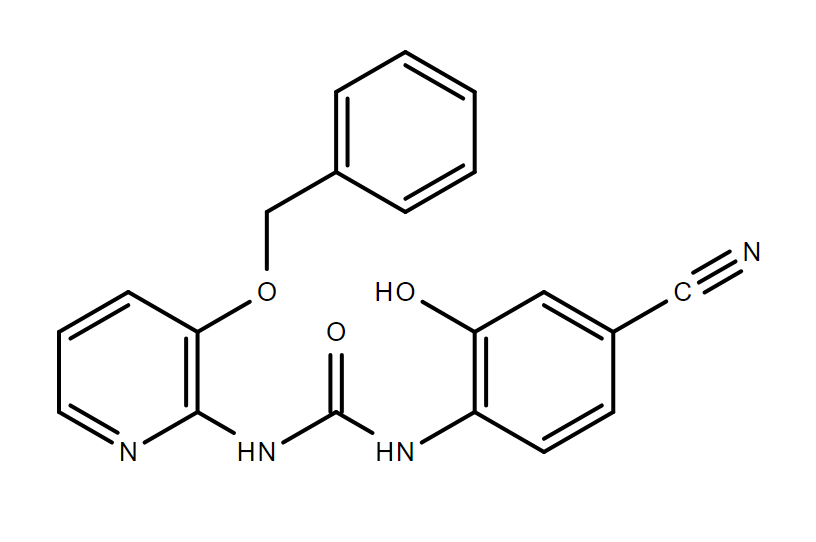
SB-405483 is a specific small-molecule chemical compound used in scientific research as an allosteric ligand for the protein cereblon (CRBN). It is primarily a biochemical tool for studying protein degradation pathways and has potential implications for drug…
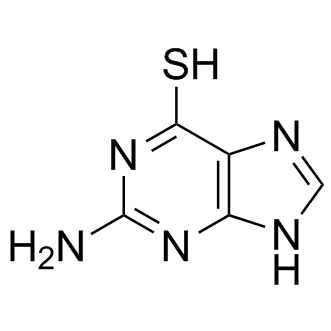
CAS 154-42-7
6-Thioguanine is an anti-leukemia and immunosuppressant agent, acts as an inhibitor of SARS and MERS coronavirus papain-like proteases (PLpros) and also potently inhibits USP2 activity, with IC50s of 25 μM and 40 μM for Plpros and recombinant human USP2,…
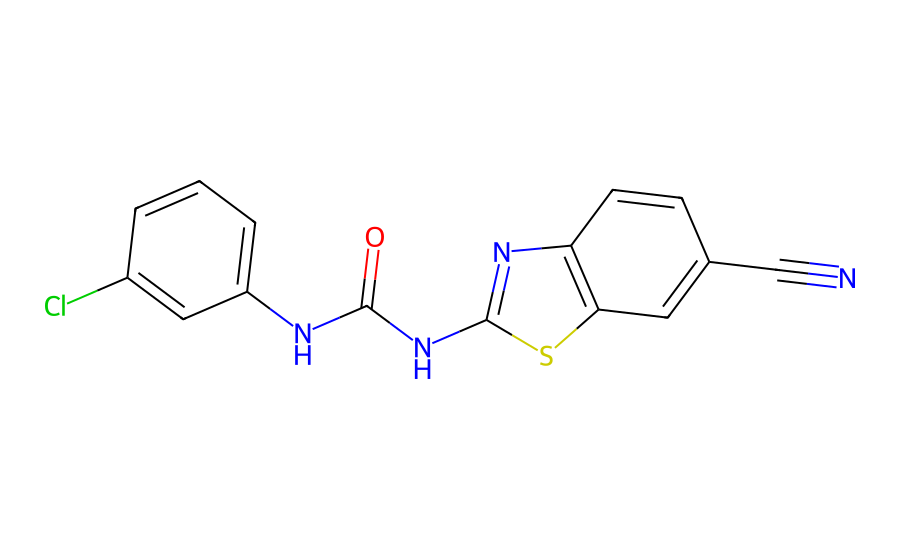
CAS 2387821-46-5
HB007 is a small ubiquitin-related modifier 1 (SUMO1) degrader. HB007 induces ubiquitination and degradation of SUMO1, resulting in reduced tumor growth in vivo. HB007 can be used for the research of brain, breast, colon, and lung cancers[1][2].
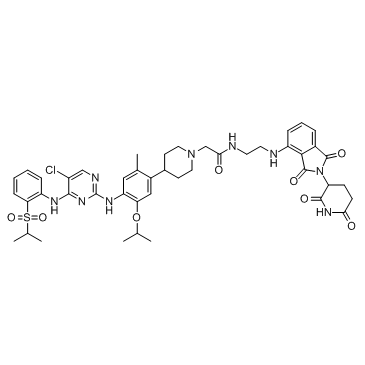
CAS 2229036-62-6
MS4078 is an anaplastic lymphoma kinase (ALK) PROTAC (degrader) with a Kd of 19 nM for binding affinity to ALK[1].
CAS 2222094-18-8
BC1618 is a novel Fbxo48 inhibitor and prevent pAmpkα degradation with MEC (minimal efficacious concentration) of 0.6 μM.
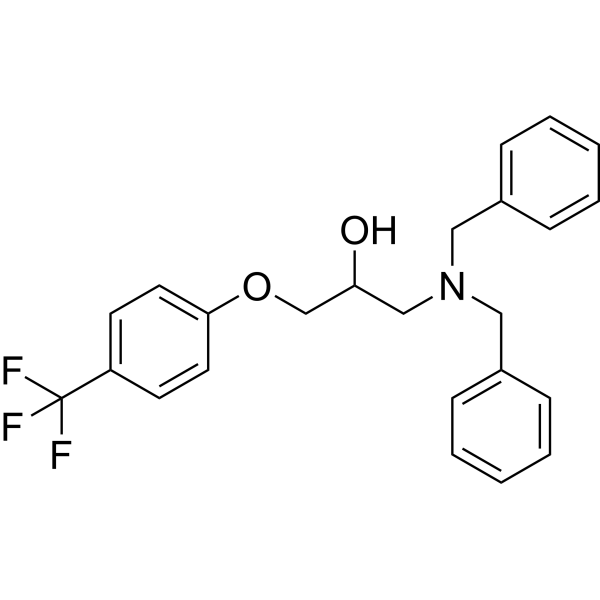
CAS 2225938-86-1
MS177 (MS-177) is a potent and selective EZH2 degarder (PROTAC) based on EZH2 inhibitor C24 with CRBN ligand pomalidomide with DC50 of 0.2 uM in EOL-1 cells.MS177 effectively degraded cellular EZH2-PRC2, suppressed global H3K27me3 in leukaemia cells.MS177…
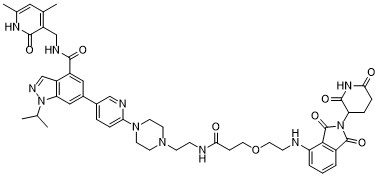
CAS 309735-96-4
Usp22i-S02(USP22-IN-1, compound S02) is a potent inhibitor of ubiquitin specific peptidase 22 (USP22). It showed anticancer activity by suppressing Foxp3 expression in T-regulatory cells.
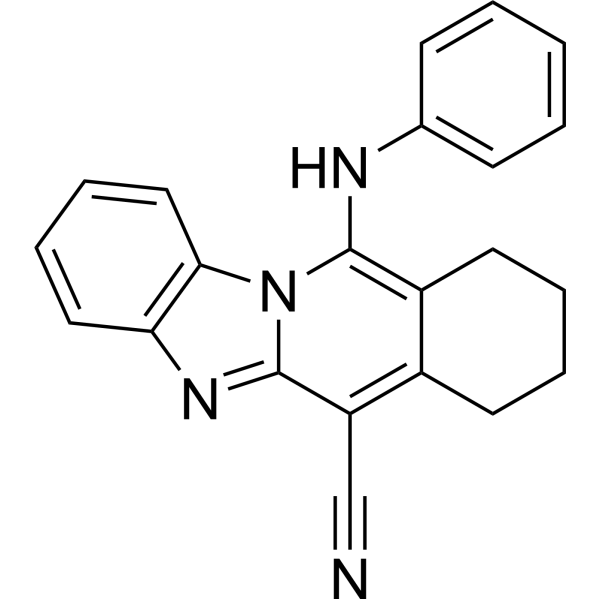
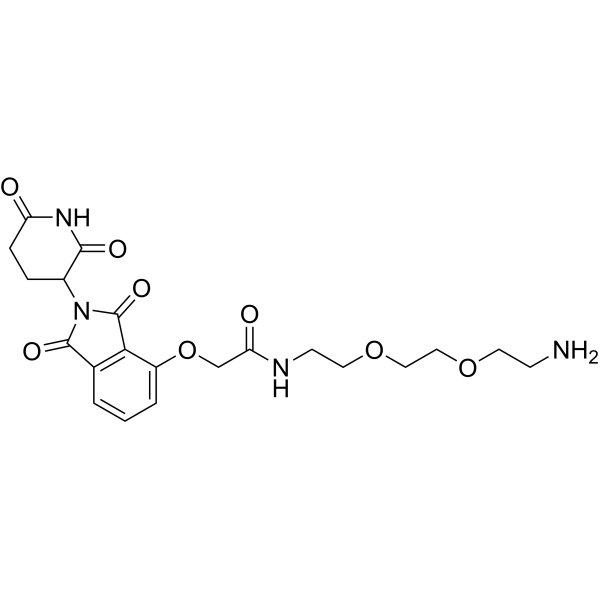
CAS 1651890-48-0
Foldamer 33 is a small molecule HSP110 inhibitor, directly binds to the nucleotide-binding domain (NBD) of HSP110, blocks HSP110 chaperone function and colorectal cancer growth.Foldamer 33 significantly inhibit HSP110 anti-aggregating activity with IC50 of…
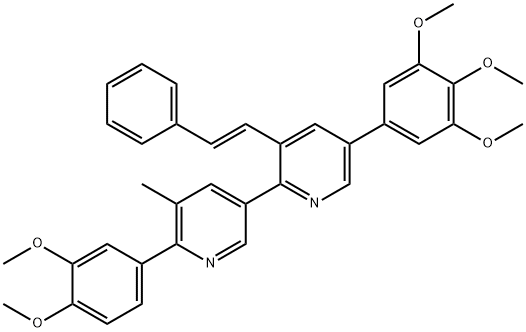
CAS 2756388-01-7
BSJ-05-037 is a potent and selective heterobifunctional degrader of ITK with DC50 of 17.6-41.8 nM in TCL lines DERL-2 and Hut78. BSJ-05-037 induces potent degradation of ITK dependent on CRBN, neddylation, and the proteasome. BSJ-05-037 induces GATA-3 loss…
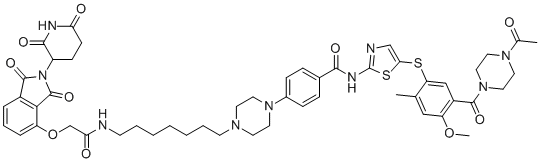
CAS 530112-00-6
RS-0406 is a novel beta-sheet breaker, RS-0406 reverses amyloid beta-induced cytotoxicity and impairment of long-term potentiation in vitro. RS-0406 arrests amyloid-beta oligomer-induced behavioural deterioration in vivo.
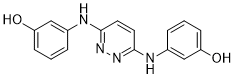
Tri-GaNAc-PEG8-Gly-Gly-Gly is a compound that targets the asialoglycoprotein receptor (ASGPR) and is utilized to conjutate with antibody.
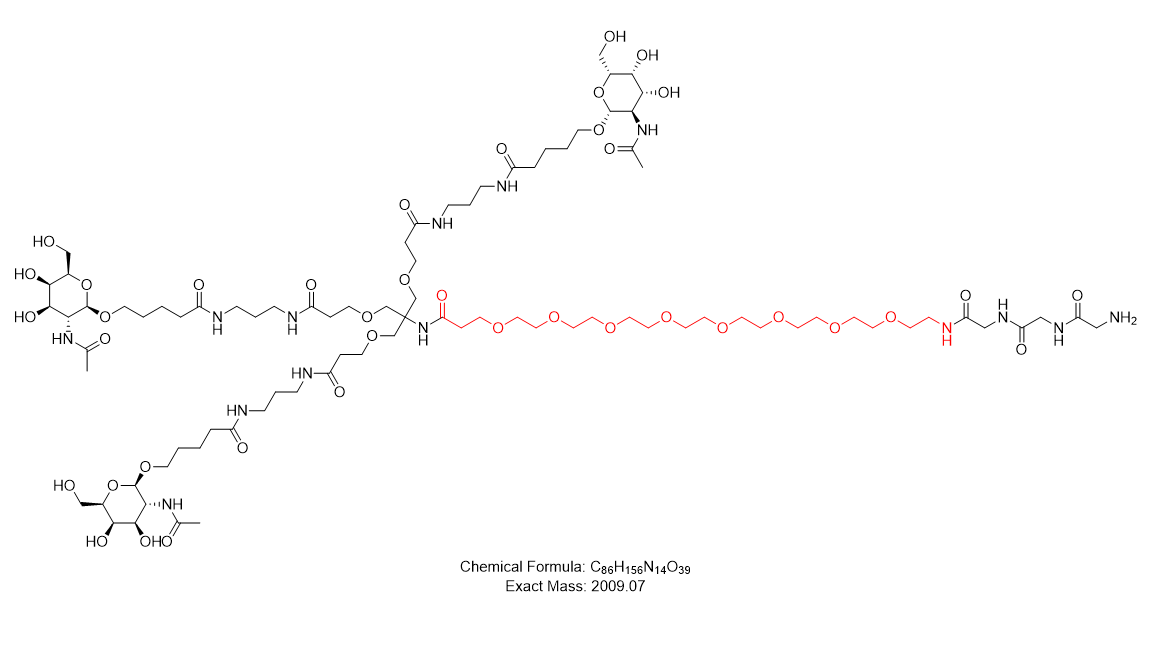
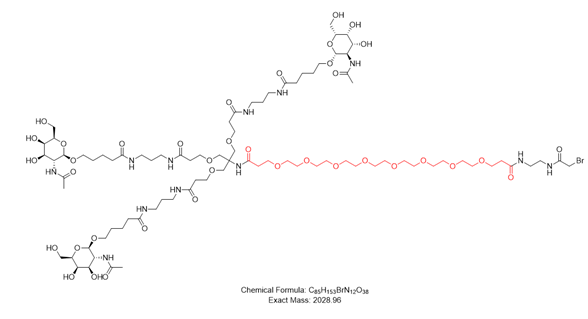
Tri-GaNAc-PEG8-NH2-CH2CH2-NH2-bromoacetyl is a compound that targets the asialoglycoprotein receptor (ASGPR) and is utilized to conjutate with antibody.
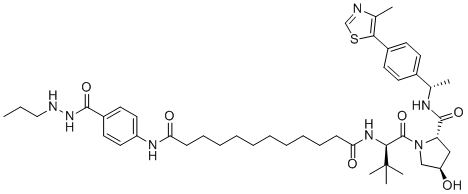
HDAC3 PROTAC P7 is a potent and selective HDAC3-directed PROTAC with IC50 of 40 nM (HDAC3 deacetylase activity), effectively induces HDAC3 degradation with DC50 of 0.6 nM in THP-1 cells (Emax=90%).
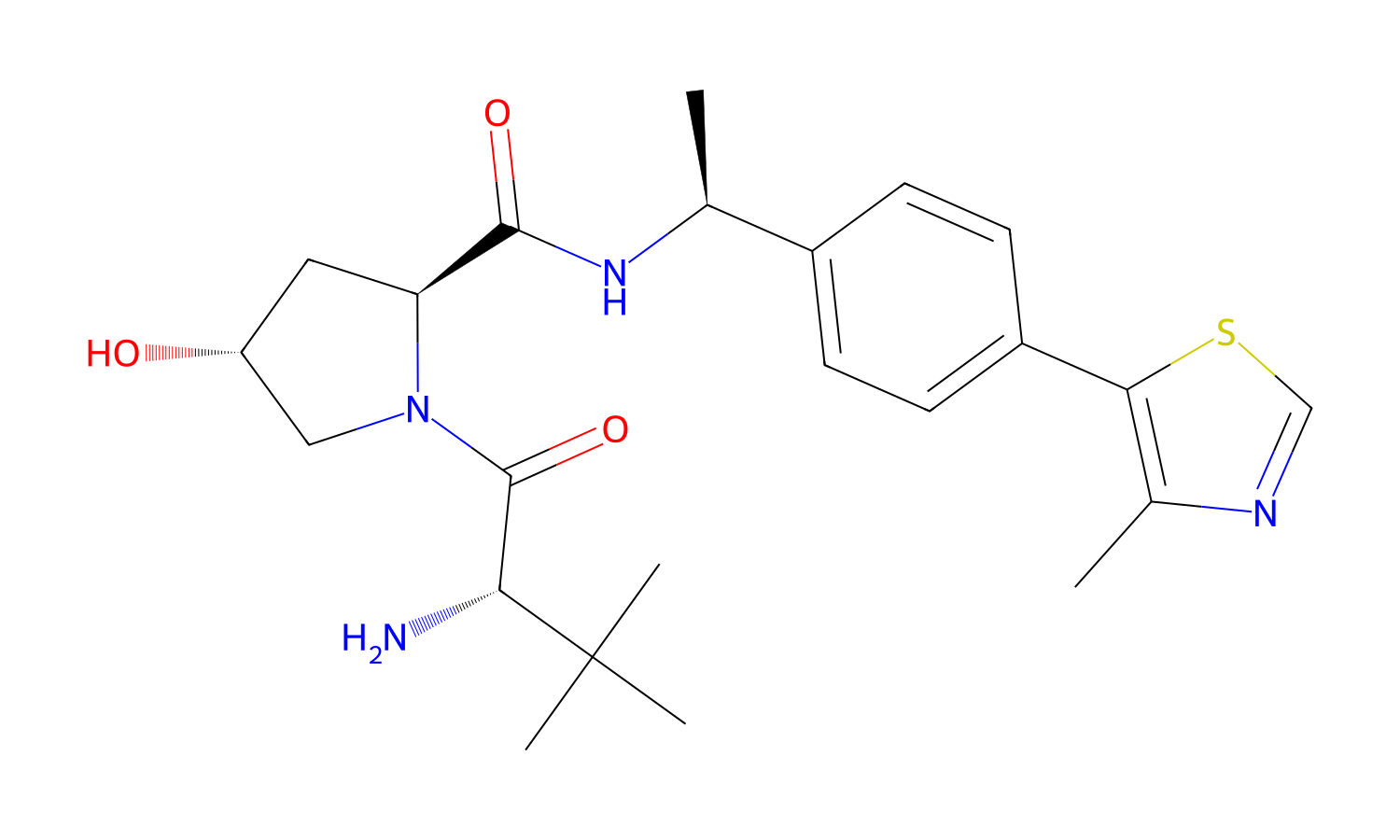
CAS 1948273-02-6
E3 ligase Ligand 1A is a ligand of E3 ligase, used in PROTAC technology; E3 ligase Ligand 1A can be used in the research of cancer.
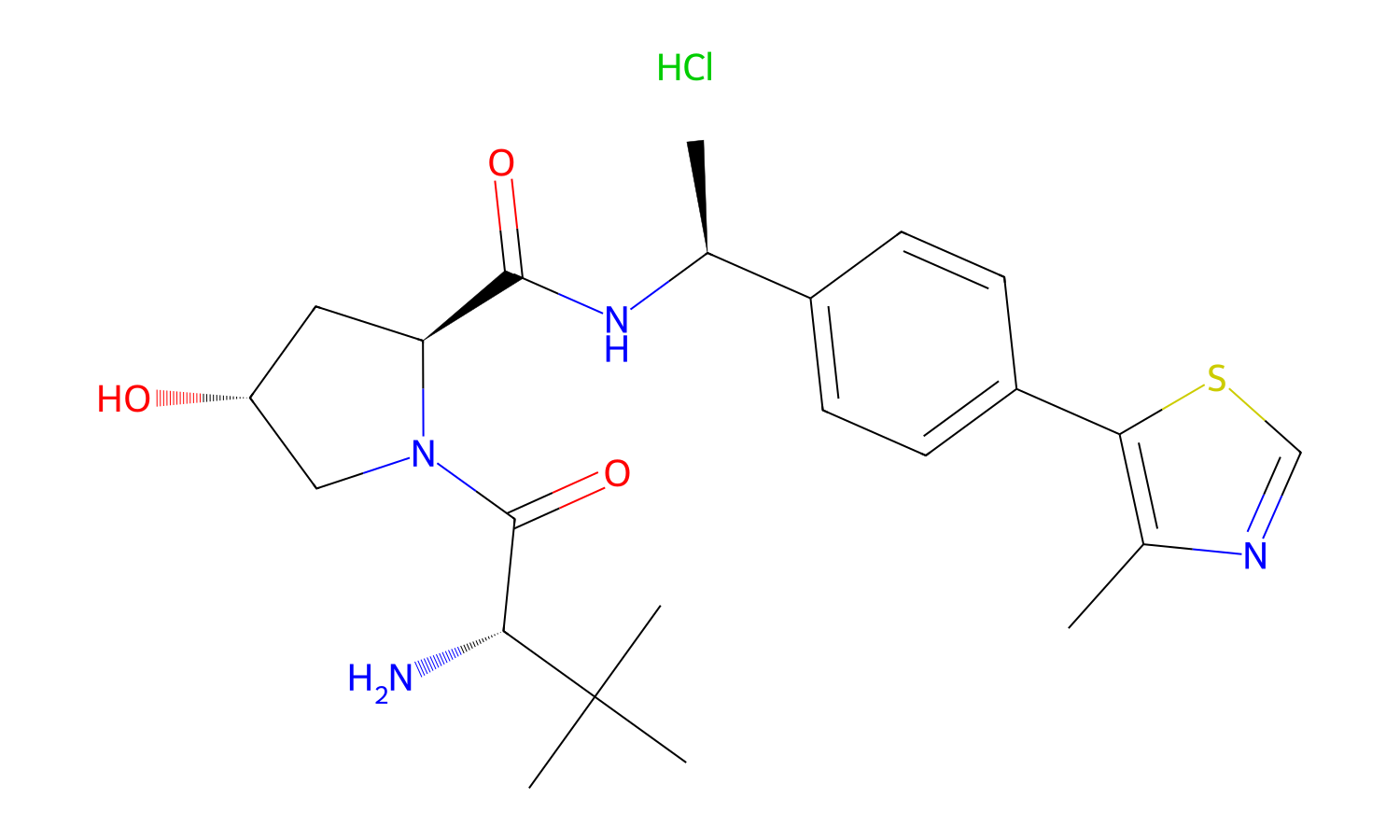
CAS 1948273-03-7
VHL ligand 2 hydrochloride is a Ligand for E3 Ligase extracted from patent WO/2017/030814A1 compound example 202, used in PROTAC technology.
CAS 53619-67-3
MS.001 is a small molecule that inhibits both the chaperone binding and ubiquitin ligase activity of C-terminus of Hsc70 interacting protein (CHIP) at low micromolar concentrations (IC50=3.3 uM).
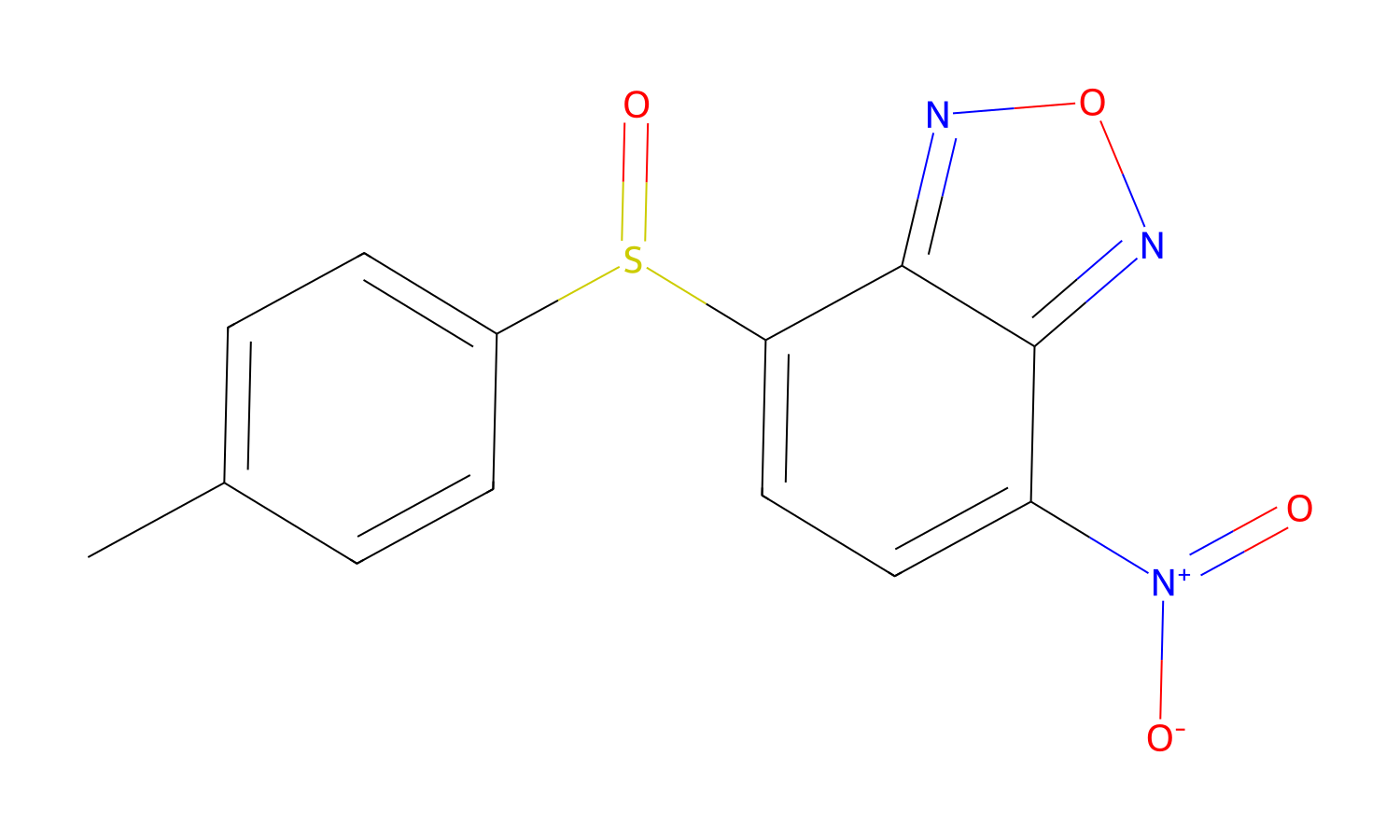
CAS 1818885-28-7
ARV-825 is a hetero-bifunctional proteolysis-targeting chimera (PROTAC) that recruits BRD4 to the E3 ubiquitin ligase cereblon. ARV-825 actively recruits BRD4 to cereblon, resulting in the rapid and efficient degradation of the former via the proteasome.…