Home/Small Molecules/Other Research Tools

Other Research Tools

Additional reagents, chemical building blocks and specialized research tools.

Browse all research categories

Browse by research category

Products may appear in more than one category. Counts refer to distinct catalog numbers within each category.

Other Research Tools (75) · Additional reagents, building blocks and specialized research tools.

Other Research Tools products

Combine a keyword, research category and target to narrow the product list.

Loading catalog filters…

959 products · Showing 289–336

DC10256

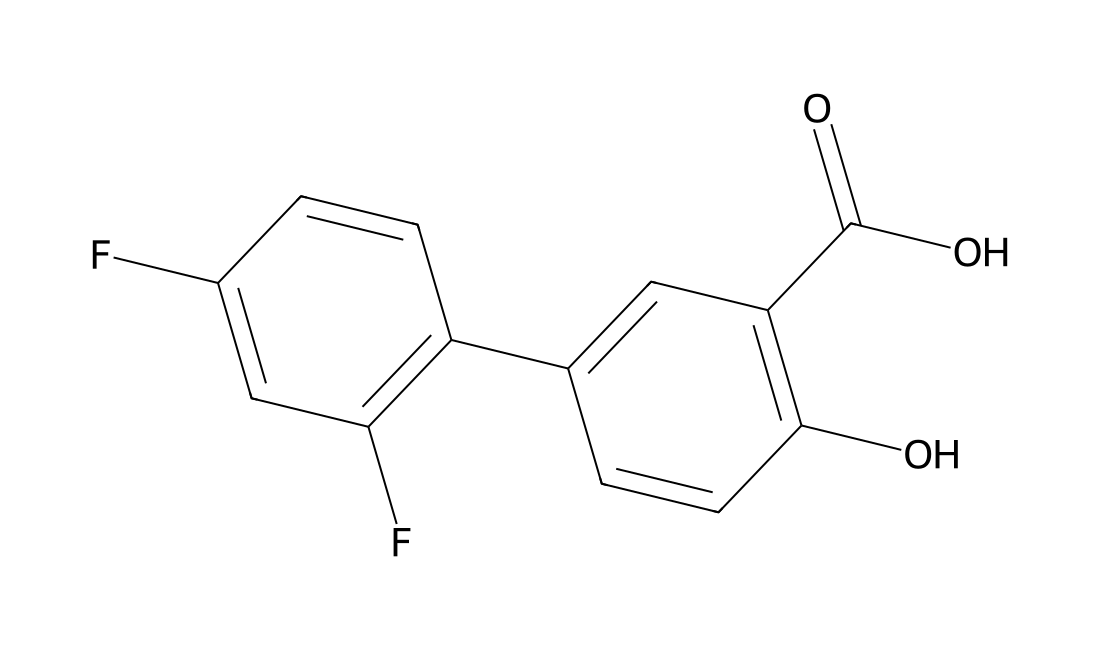
Diflunisal

CAS 22494-42-4

Diflunisal is a difluorophenyl derivate of salicylic acid and a nonsteroidal anti-inflammatory drug (NSAID) with antipyretic, analgesic and anti-inflammatory properties. The mechanism of action of diflunisal is as a Cyclooxygenase Inhibitor.

Diflunisal chemical structure
DC12140

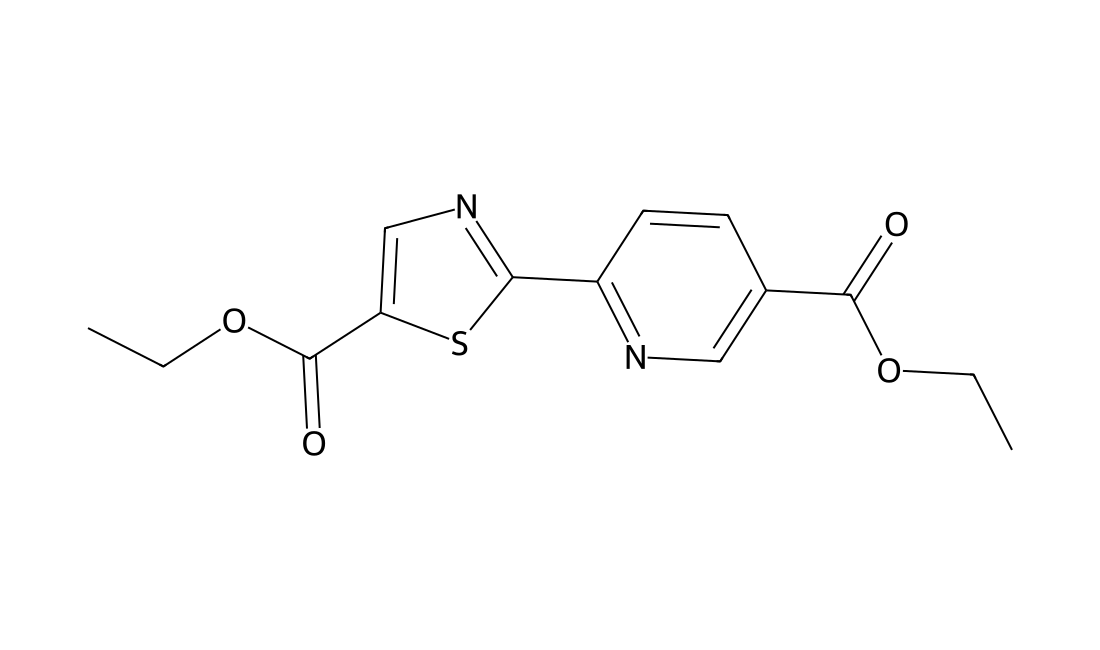
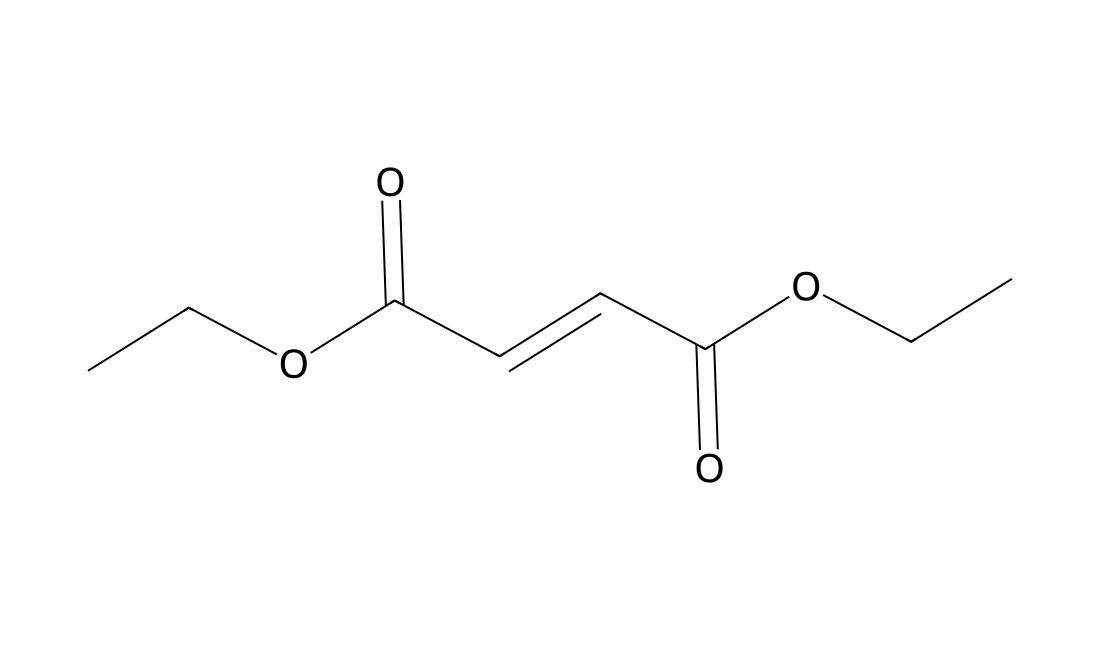
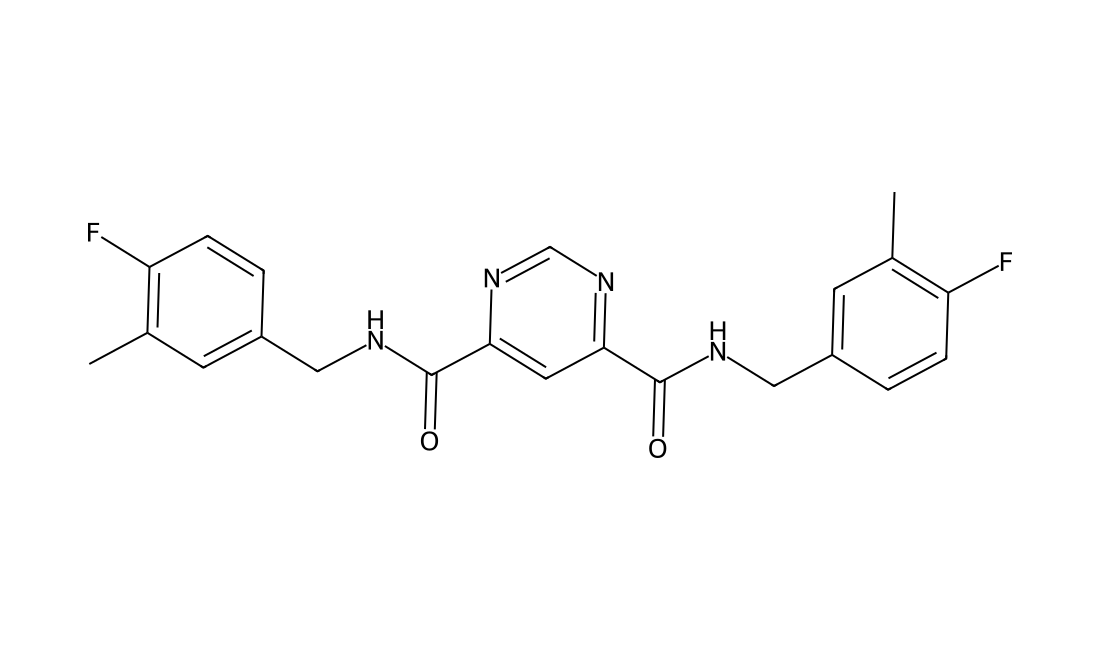
Diethyl-pythiDC

CAS 1821370-70-0

In Vitro Diethyl-pythiDC inhibits CP4H activity in cultured cells at concentrations that do not cause iron deficiency. MDA-MB-231 cells are treated with biheteroaryl dicarboxylates, and assayed for cytotoxicity and indicators of iron deficiency. None of the esterified biheteroaryl dicarboxylates exhibited cytotoxic activity at high micromolar concentrations. Cells treated with dihydroxybenzoate (EDHB demonstrate a strong iron-deficient phenotype. In contrast, cells treated with Diethyl-pythiDC (Diethyl pythiDC) appear to be normal at concentrations as high as 500 µM. Treatment with Diethyl-pythiDC and low levels of diethyl pyimDC does not affect the level of TfR, HIF-1α, or ferritin.

Diethyl-pythiDC chemical structure
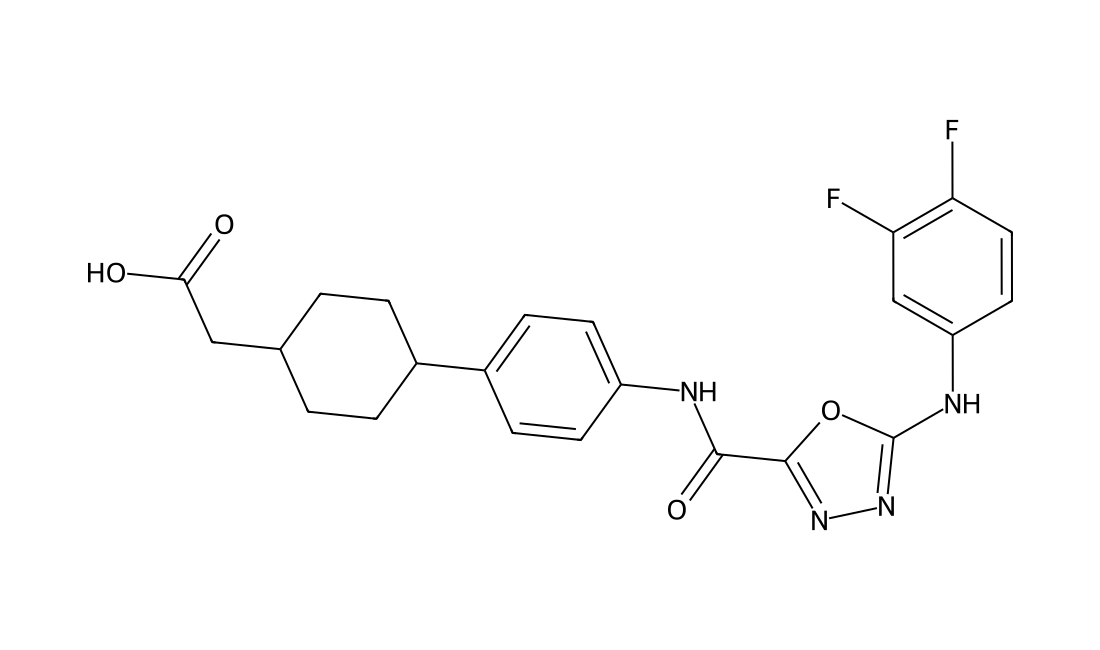
DC9414

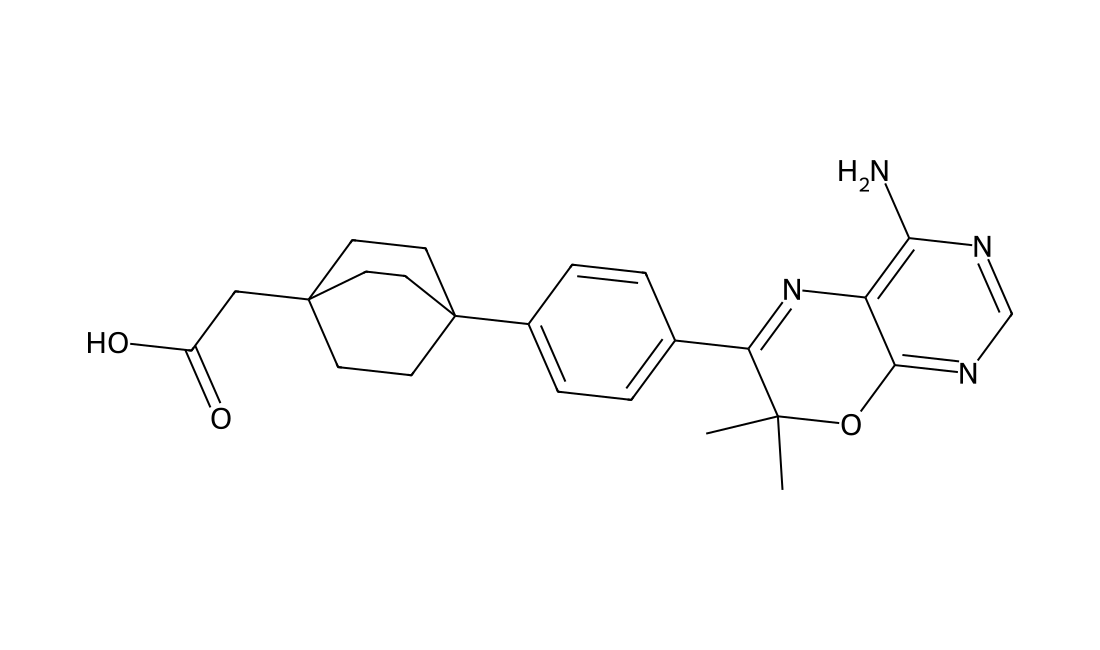
DGAT-1 inhibitor 2

CAS 942999-61-3

DGAT-1 inhibitor 2 is an effective inhibitor of DGAT-1;antiobesity agents. Acyl-CoA:diacylglycerol acyltransferase 1 (DGAT1) is one of two known DGAT enzymes that catalyze the final step in triglyceride synthesis. Findings from genetically modified mice as well as pharmacological studies suggest that inhibition of DGAT1 is a promising strategy for the treatment of obesity and type 2 diabetes.

DGAT-1 inhibitor 2 chemical structure
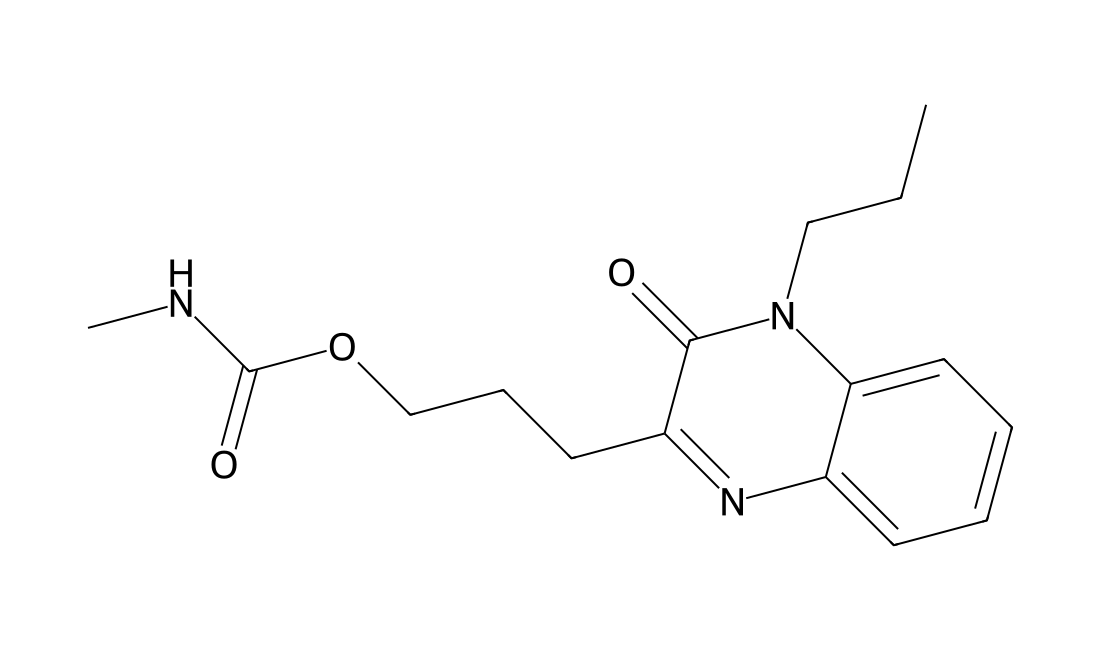
DC20942

DB04760

CAS 544678-85-5

DB04760 is a potent, highly selective, non–zinc-chelating MMP-13 inhibitor with IC50 of 8 nM, displays high selectivity over other MMPs; does not interact with the catalytic zinc but bind deeply in the S1' pocket of MMP-13; significantly rescues axon regeneration and axon debris clearance, greatly reduces neurotoxicity associated with paclitaxel treatment in larval and adult zebrafish.

DB04760 chemical structure
DC10576

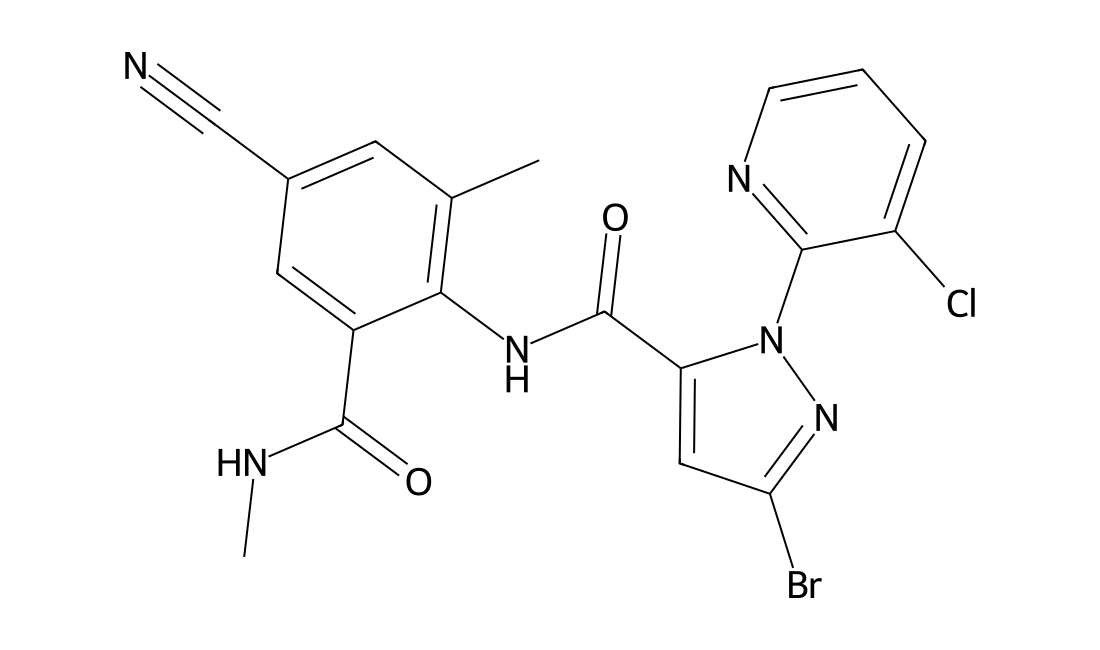
Cyantraniliprole

CAS 736994-63-1

Cyantraniliprole(HGW-86) is an insecticide of the ryanoid class; has activity against pests such as Diaphorina citri that have developed resistance to other classes insecticides.

Cyantraniliprole chemical structure
DC12291

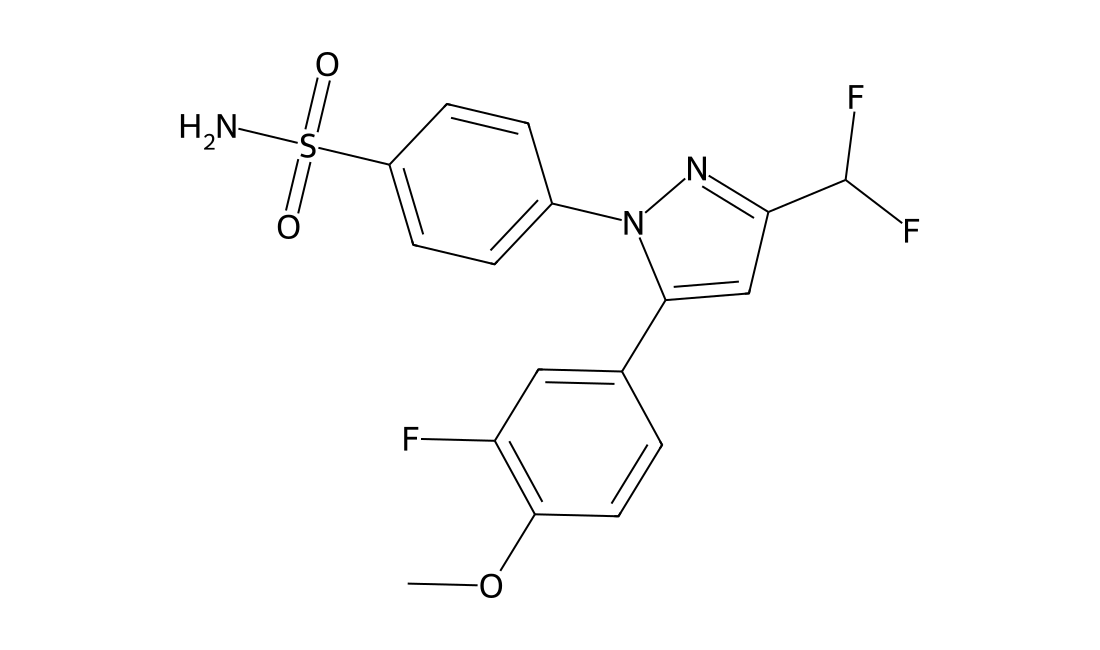
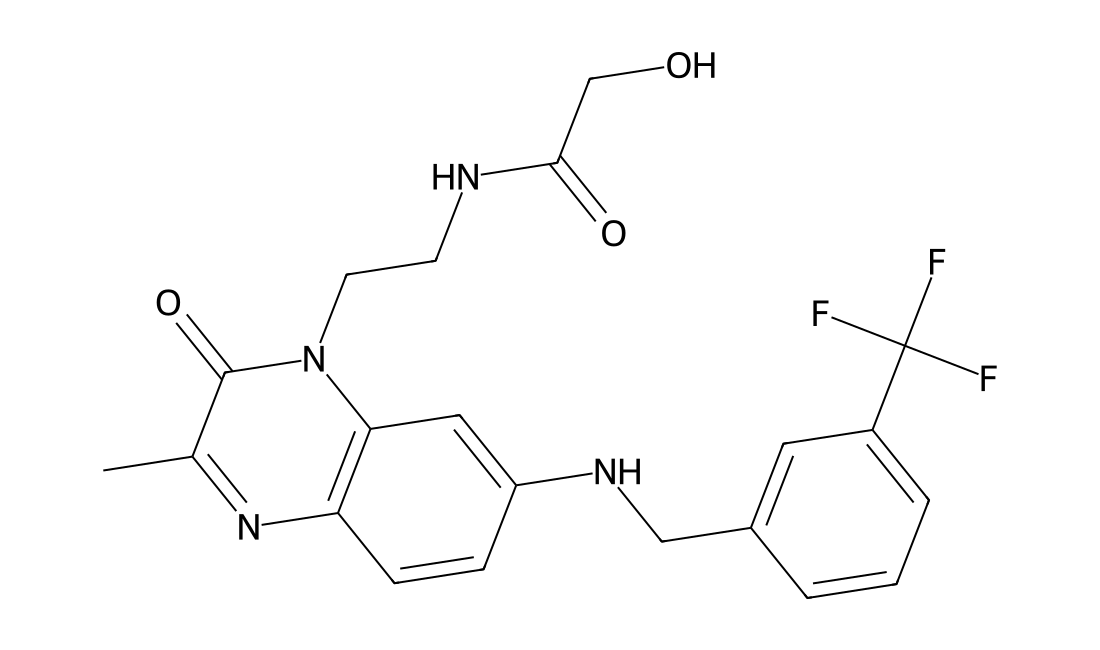
CVT-12012

CAS 1018675-35-8

In Vitro CVT-12012 (Compound 5b) displays the highest potency in both the microsomal and the HEPG2 SCD assays (IC50 38 nM and 6.1 nM, respectively) compared to the other methyl-substituted compounds. In Vivo In a rat PK study, CVT-12012 demonstrates good oral bioavailability (78%). It appears that the oral absorption of CVT-12012 is not affected by a significant Pgp efflux, which is expected based on Caco-2 assay result. The plasma clearance of CVT-12012 is high (88 mL/min/kg) with elimination half-life of approximately 1 h.

CVT-12012 chemical structure
DCAPI1143

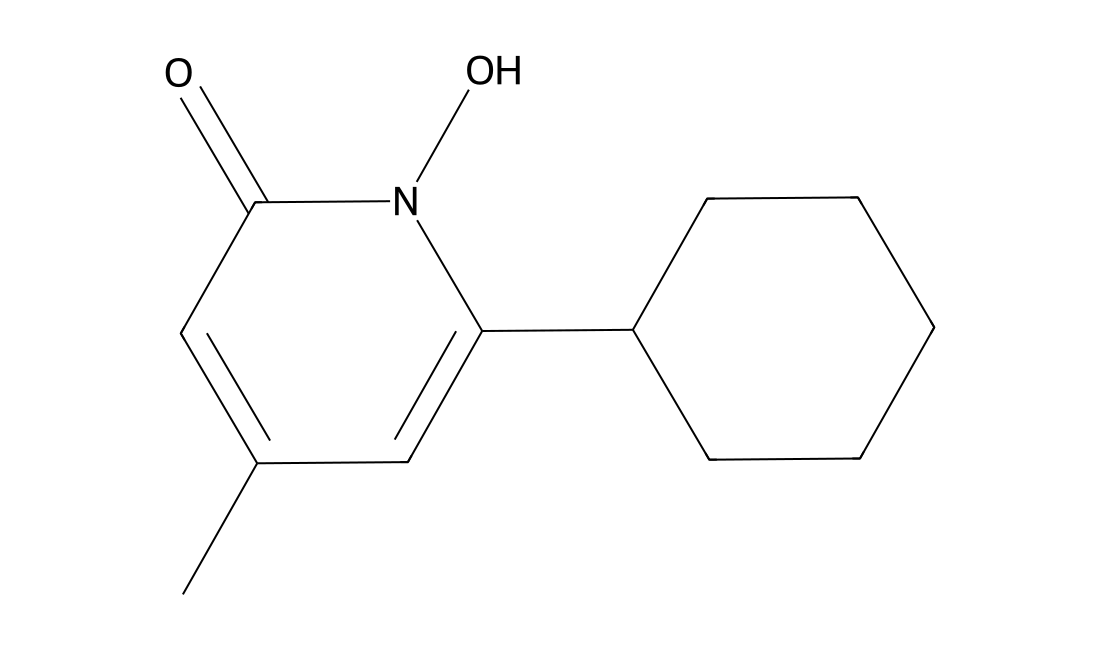
Ciclopirox (Penlac)

CAS 29342-05-0

For the detailed information of Ciclopirox (Penlac), the solubility of Ciclopirox (Penlac) in water, the solubility of Ciclopirox (Penlac) in DMSO, the solubility of Ciclopirox (Penlac) in PBS buffer, the animal experiment(test) (test) of Ciclopirox (Penlac), the cell expriment (test) of Ciclopirox (Penlac), the in vivo, in vitro and clinical trial test of Ciclopirox (Penlac), the EC50, IC50,and Affinity of Ciclopirox (Penlac),, please contact DC Chemicals.

Ciclopirox (Penlac) chemical structure
DC9194

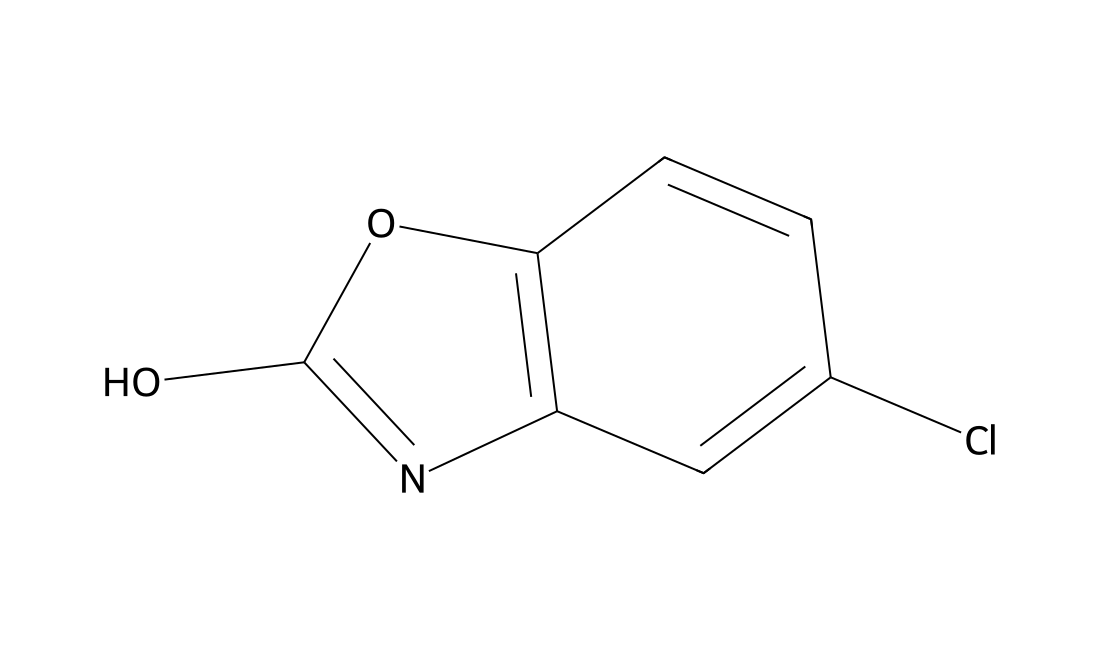
Chlorzoxazone

CAS 95-25-0

Chlorzoxazone is a centrally acting muscle relaxant used to treat muscle spasm and the resulting pain or discomfort. It acts on the spinal cord by depressing reflexes.Chlorzoxazone is currently being used as a marker substrate in vitro/vivo studies to quantify cytochrome P450 2E1 (CYP2E1) activity in humans.

Chlorzoxazone chemical structure
DCAPI1270

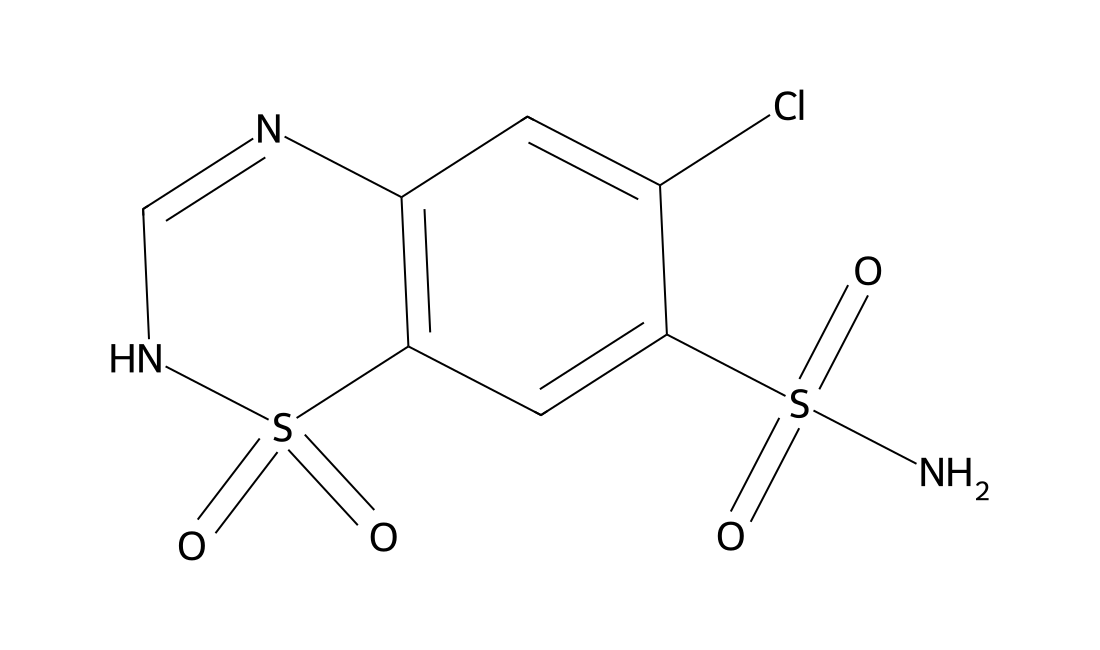
Chlorothiazide

CAS 58-94-6

For the detailed information of Chlorothiazide, the solubility of Chlorothiazide in water, the solubility of Chlorothiazide in DMSO, the solubility of Chlorothiazide in PBS buffer, the animal experiment(test) (test) of Chlorothiazide, the cell expriment (test) of Chlorothiazide, the in vivo, in vitro and clinical trial test of Chlorothiazide, the EC50, IC50,and Affinity of Chlorothiazide,, please contact DC Chemicals.

Chlorothiazide chemical structure
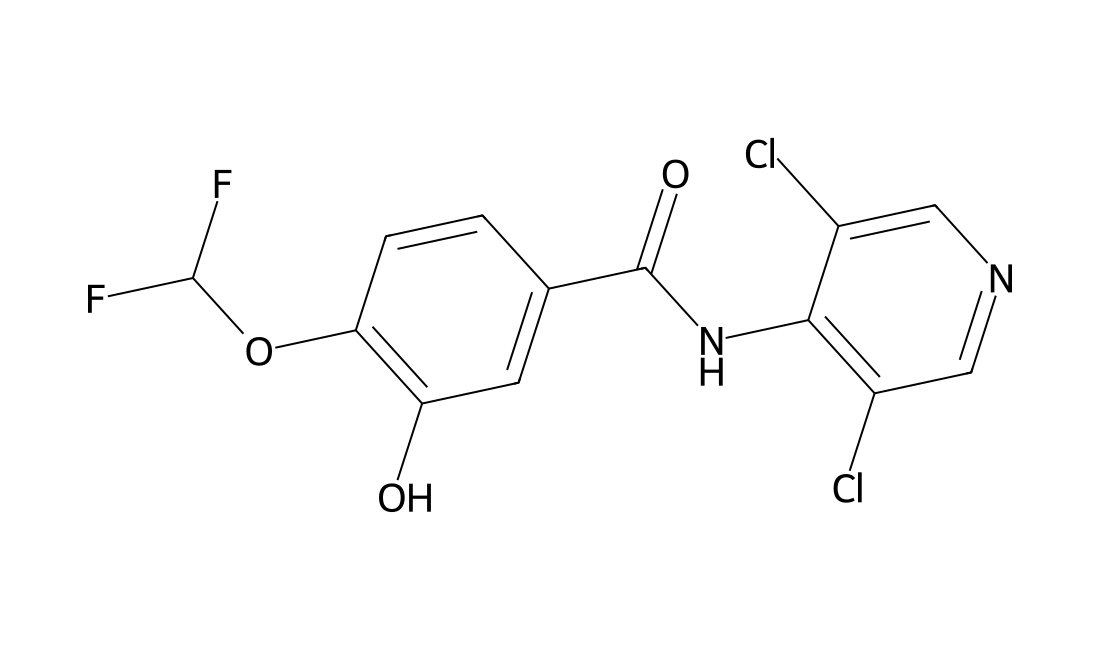
DC9612

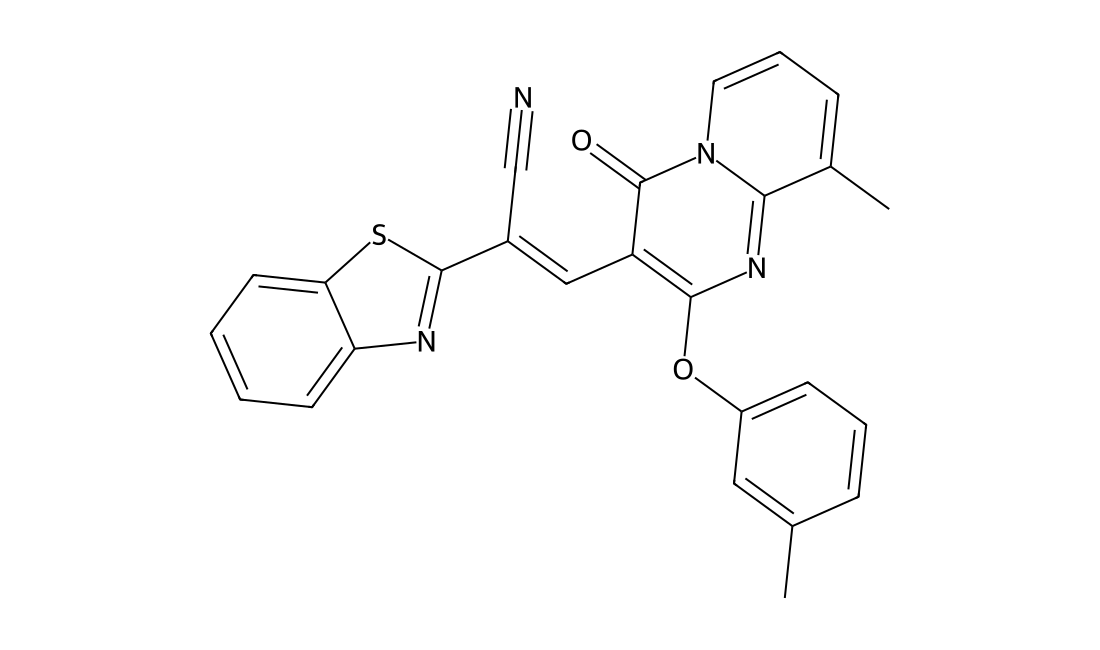
CCG-63802

CAS 620112-78-9

CCG-63802 is a reversible inhibitor of regulator of G-protein signaling (RGS) protein; with greatest potency at RGS4. CCG-63802 is selective amongst RGS proteins, with greatest potency at RGS4. CCG-63802 inhibits GTPase accelerating protein activity of RGS4 and blocks its interaction with Gαo. Retains activity under reducing conditions.

CCG-63802 chemical structure
DC8705

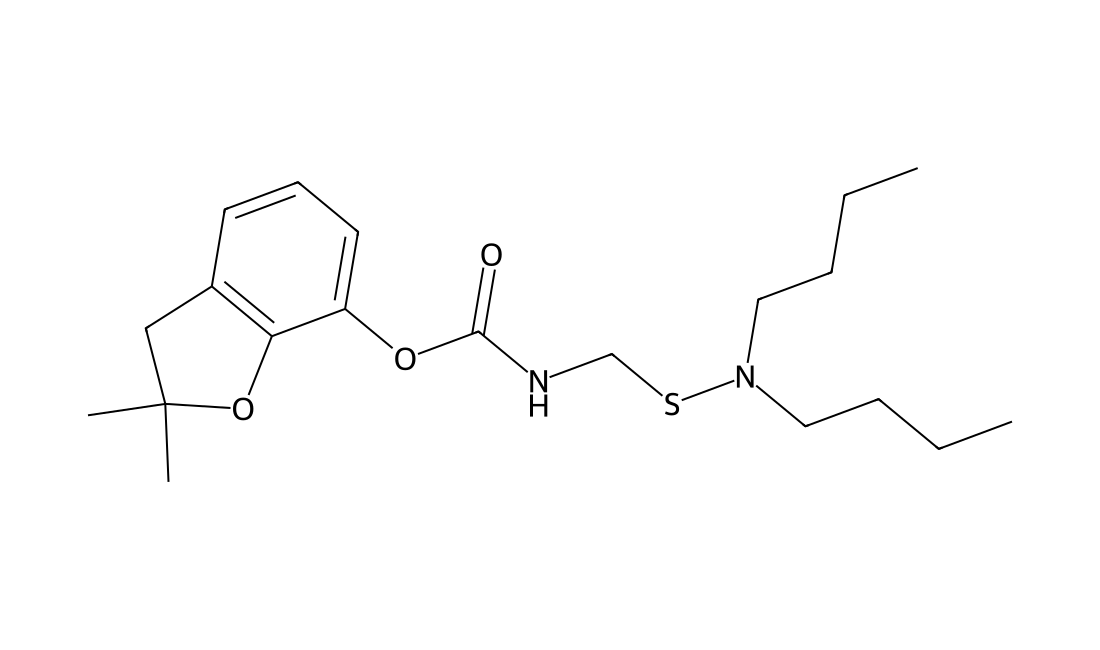
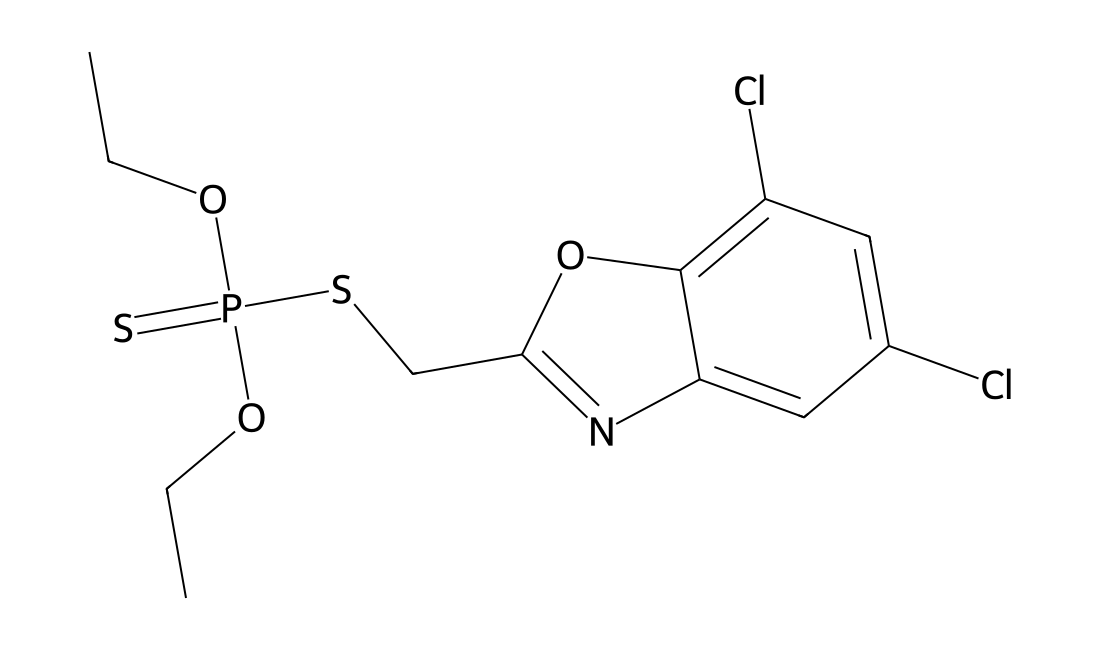
Carbosulfan

CAS 55285-14-8

Carbosulfan inhibited relatively potently CYP3A4 and moderately CYP1A1/2 and CYP2C19 in pooled HLM (human livers). Carbosulfan activation is predominantly catalyzed in humans by CYP3A4.

Carbosulfan chemical structure
DCAPI1407

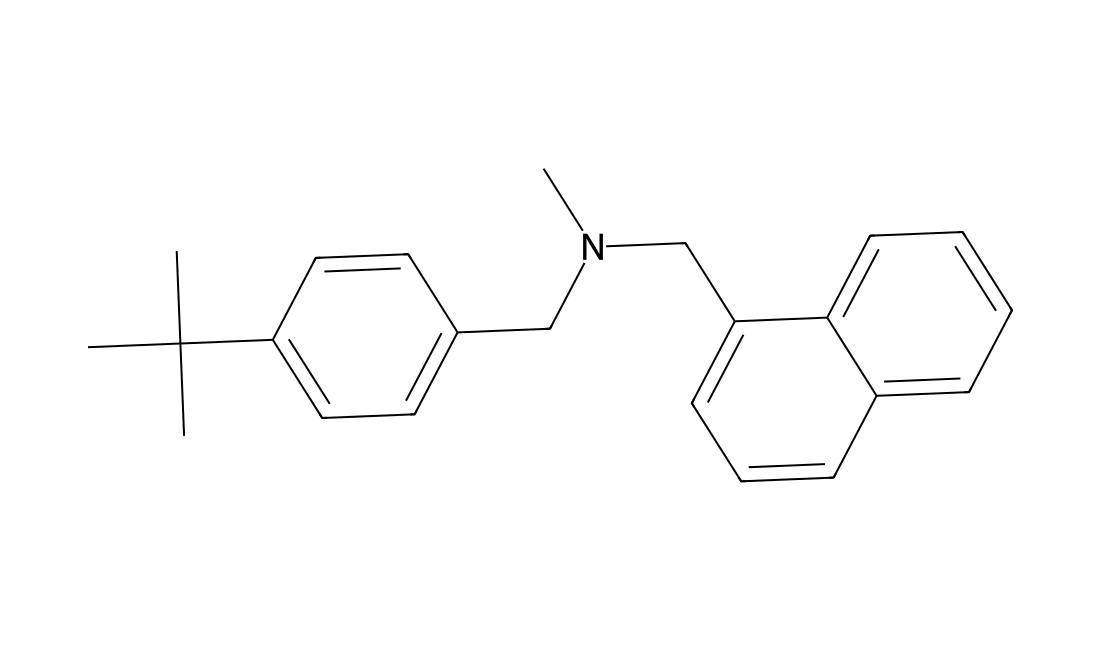
Butenafine

CAS 101828-21-1

For the detailed information of Butenafine, the solubility of Butenafine in water, the solubility of Butenafine in DMSO, the solubility of Butenafine in PBS buffer, the animal experiment(test) (test) of Butenafine, the cell expriment (test) of Butenafine, the in vivo, in vitro and clinical trial test of Butenafine, the EC50, IC50,and Affinity of Butenafine,, please contact DC Chemicals.

Butenafine chemical structure
DC8995

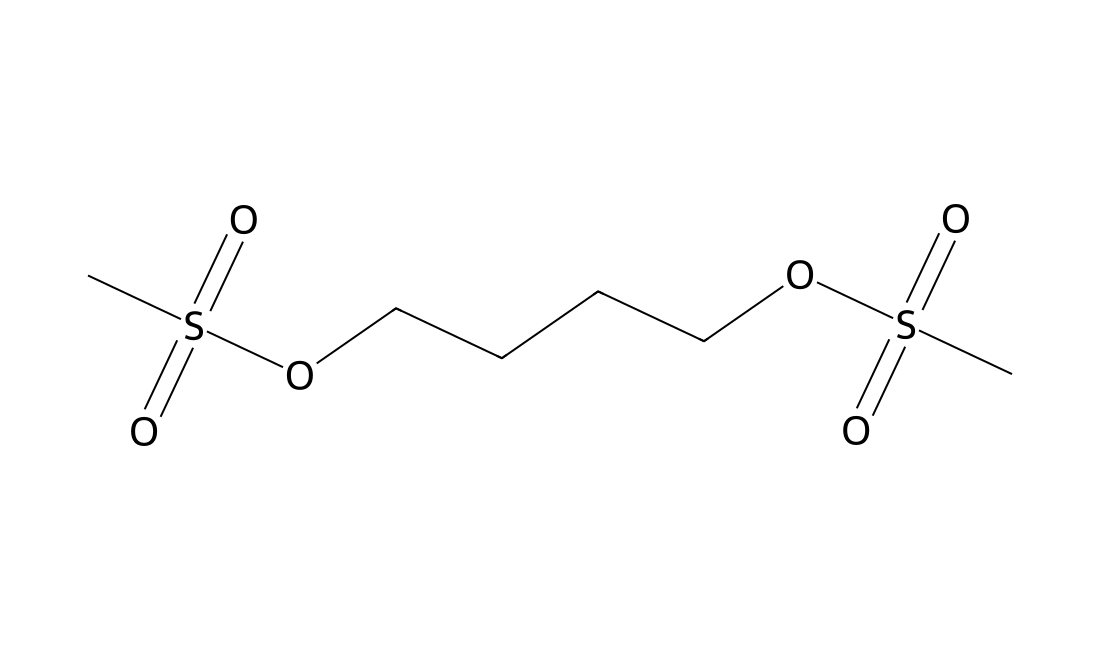
Busulfan/Myleran

CAS 55-98-1

Busulfan is a bifunctional alkylating agent.Busulfan, a cytotoxic alkylating agent used for treatment of chronic myeloid leukemia has effects in mammalian germ cells. Busulfan is bifunctional and thus may effectively induce DNA damage, which may play an important role in the cytotoxicity. Busulfan induced DNA damage dose-dependently. busulfan caused double-base lesions mainly at 5'-GA-3' and, to a lesser extent, at 5'-GG-3' sequences.

Busulfan/Myleran chemical structure
DC9124

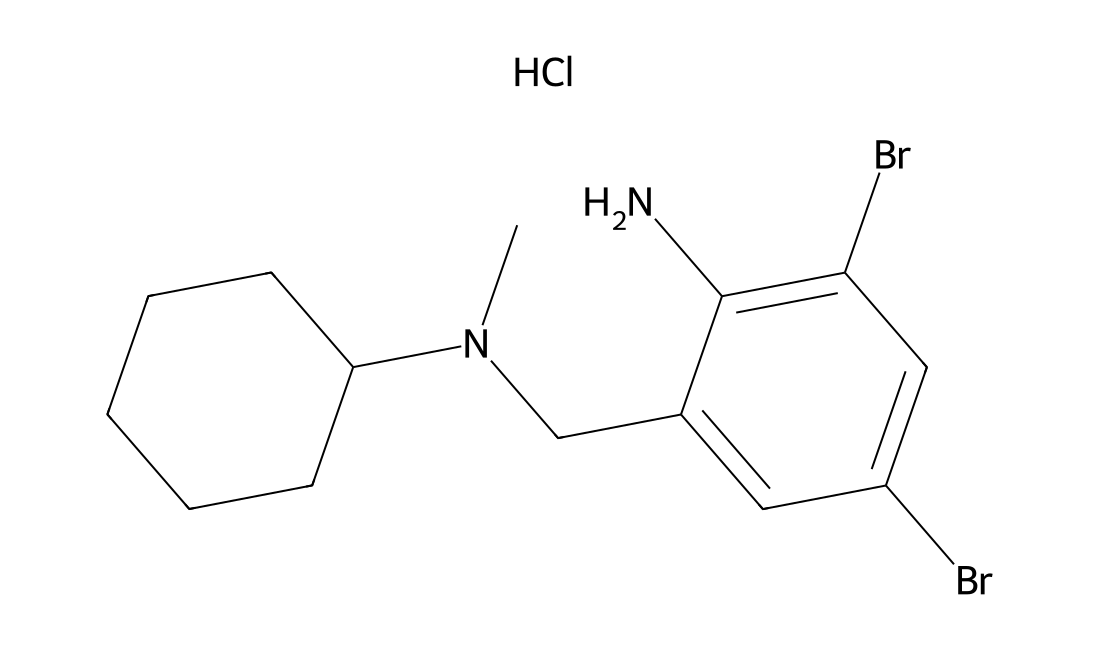
Bromhexine HCl

CAS 611-75-6

Bromhexine Hydrochloride is a medication prescribed for coughs which works by dissolving hard phlegm.Bromhexine is a mucolytic agent used in the treatment of respiratory disorders associated with viscid or excessive mucus. In addition, bromhexine has antioxidant properties. Bromhexine is intended to support the body's mechanisms for clearing mucus from the respiratory tract. Bromhexine is a synthetic derivative of the herbal active ingredient vasicine. It has been shown to increase the proportion of serous bronchial secretion, making it more easily expectorated. It is indicated as "secretolytic therapy in bronchopulmonary diseases associated with abnormal mucus secretion and impaired mucus transport". From Wikipedia.

Bromhexine HCl chemical structure
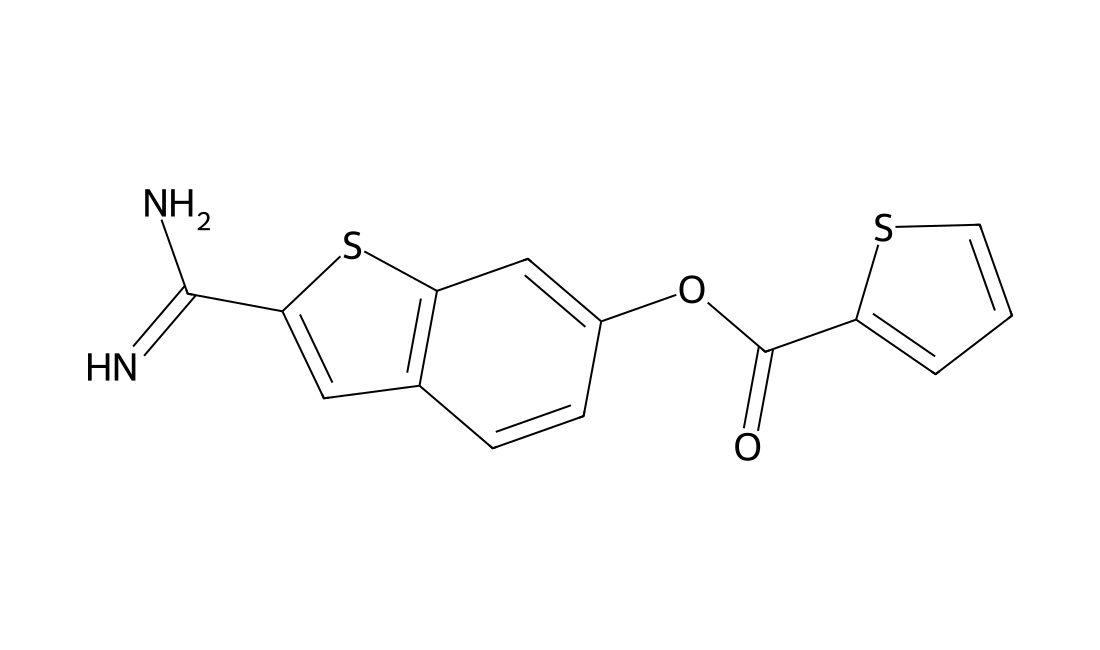
DC23980

BCX-1470

CAS 217099-43-9

BCX-1470 (BCX1470) is a serine protease inhibitor that inhibits the esterolytic activity of factor D (IC50=96 nM) and C1s (IC50=1.6 nM); displays 3.4-fold and 200-fold bette than that of trypsin, respectively; inhibits esterolytic activity translates into potent inhibition of the proteolytic activity of C1s, factor D, and consequently of the classical and alternative pathway-mediated hemolysis of target RBC (IC50=46 nM and 330 nM, respectively); blocks the reverse passive Arthus (RPA) reaction in rats. Thrombosis Phase 1 Discontinued

BCX-1470 chemical structure
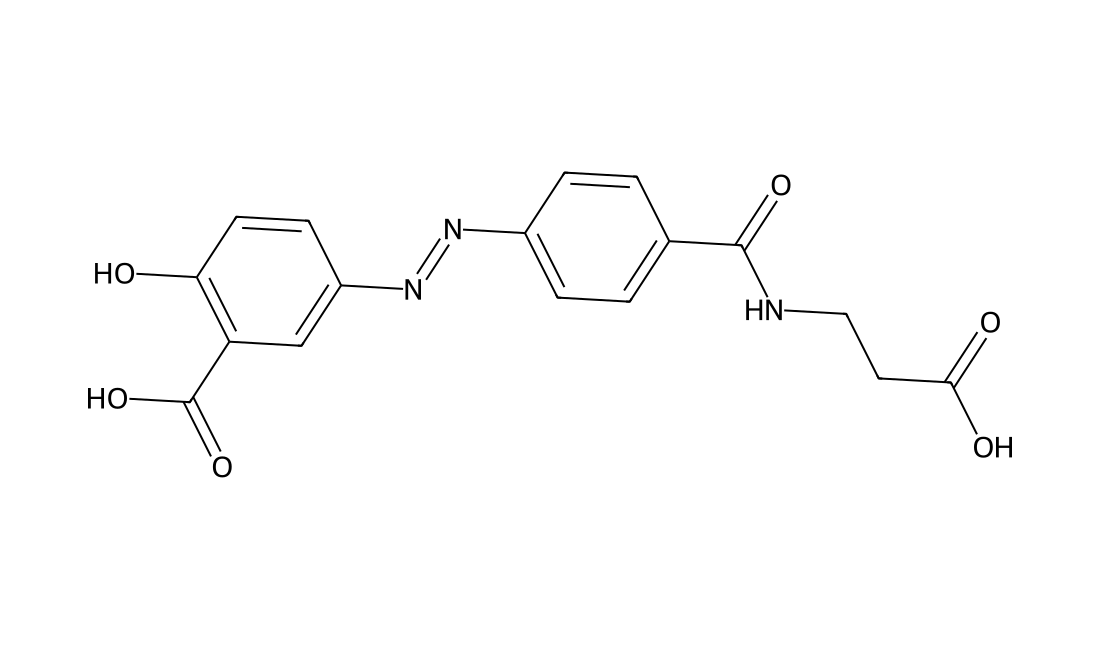
DC9562

Balsalazide

CAS 80573-04-2

Balsalazide is an anti-inflammatory drug used in the treatment of Inflammatory Bowel Disease. Balsalazide is a new 5-aminosalicylic acid (5-ASA) containing prodrug. High dose balsalazide (3.0 g twice daily) was superior in maintaining remission in patients with ulcerative colitis compared with a low dose (1.5 g twice daily) or a standard dose of mesalazine (0.5 g three times daily). All three treatments were safe and well tolerated. Balsalazide is approved for the treatment of mild-to-moderate active UC. It is efficacious for the induction of remission in mild to moderate UC and has a favorable safety profile, with the added advantages of greater efficacy of remission induction and rapidity of onset.

Balsalazide chemical structure
DC8060

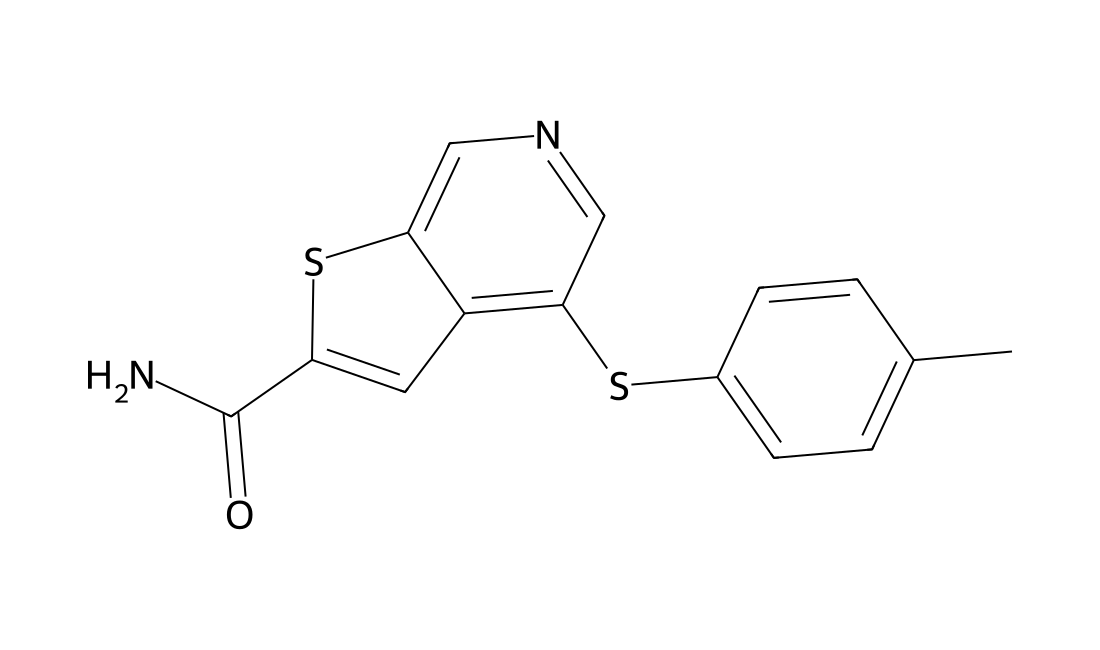
AZD-3988

CAS 892489-52-0

Potent and selective diacylglycerol acyltransferase (DGAT-1) inhibitor (IC50 = 0.6 nM). Exhibits selectivity for DGAT-1 over DGAT-2, Kv11.1 (hERG) and cytochrome P450 enzymes. Suppresses triacylglyceride (TAG) plasma excursion and adipose tissue TAG synthesis in rats. Reduces body weight of diet-induced obese rats. Cell permeable and orally bioavailable. For the detailed information of AZD-3988, the solubility of AZD-3988 in water, the solubility of AZD-3988 in DMSO, the solubility of AZD-3988 in PBS buffer, the animal experiment (test) of AZD-3988, the cell expriment (test) of AZD-3988, the in vivo, in vitro and clinical trial test of AZD-3988, the EC50, IC50,and affinity,of AZD-3988, For the detailed information of AZD-3988, the solubility of AZD-3988 in water, the solubility of AZD-3988 in DMSO, the solubility of AZD-3988 in PBS buffer, the animal experiment (test) of AZD-3988, the cell expriment (test) of AZD-3988, the in vivo, in vitro and clinical trial test of AZD-3988, the EC50, IC50,and affinity,of AZD-3988, Please contact DC Chemicals.

AZD-3988 chemical structure
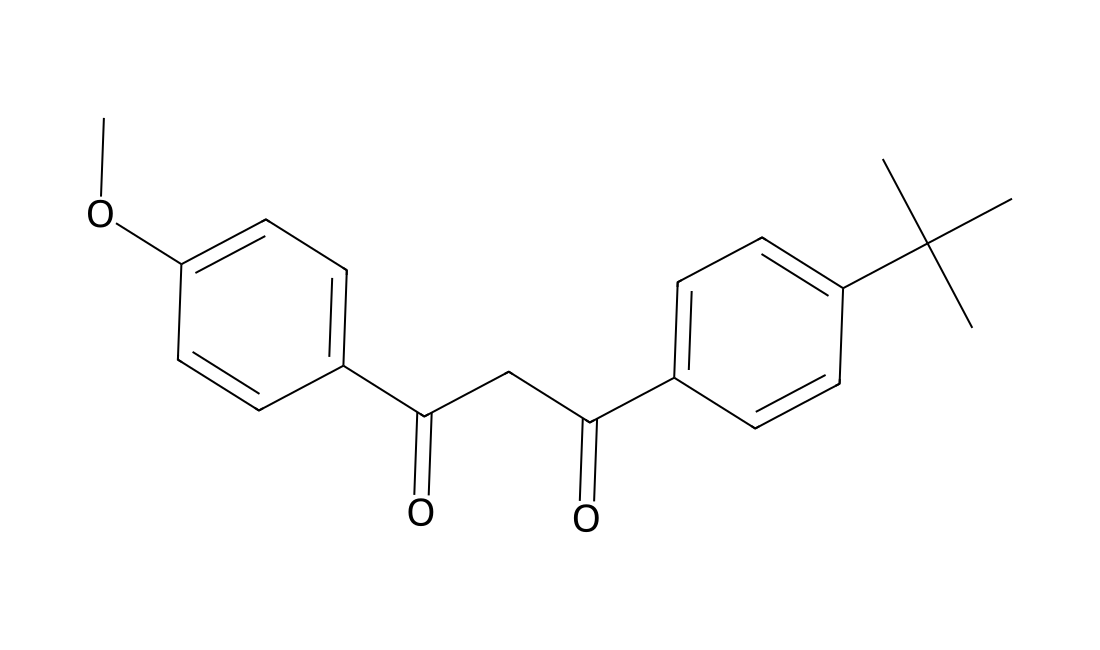
DCAPI1313

Avobenzone(Parsol 1789)

CAS 70356-09-1

For the detailed information of Avobenzone(Parsol 1789), the solubility of Avobenzone(Parsol 1789) in water, the solubility of Avobenzone(Parsol 1789) in DMSO, the solubility of Avobenzone(Parsol 1789) in PBS buffer, the animal experiment(test) (test) of Avobenzone(Parsol 1789), the cell expriment (test) of Avobenzone(Parsol 1789), the in vivo, in vitro and clinical trial test of Avobenzone(Parsol 1789), the EC50, IC50,and Affinity of Avobenzone(Parsol 1789),, please contact DC Chemicals.

Avobenzone(Parsol 1789) chemical structure
DC8959

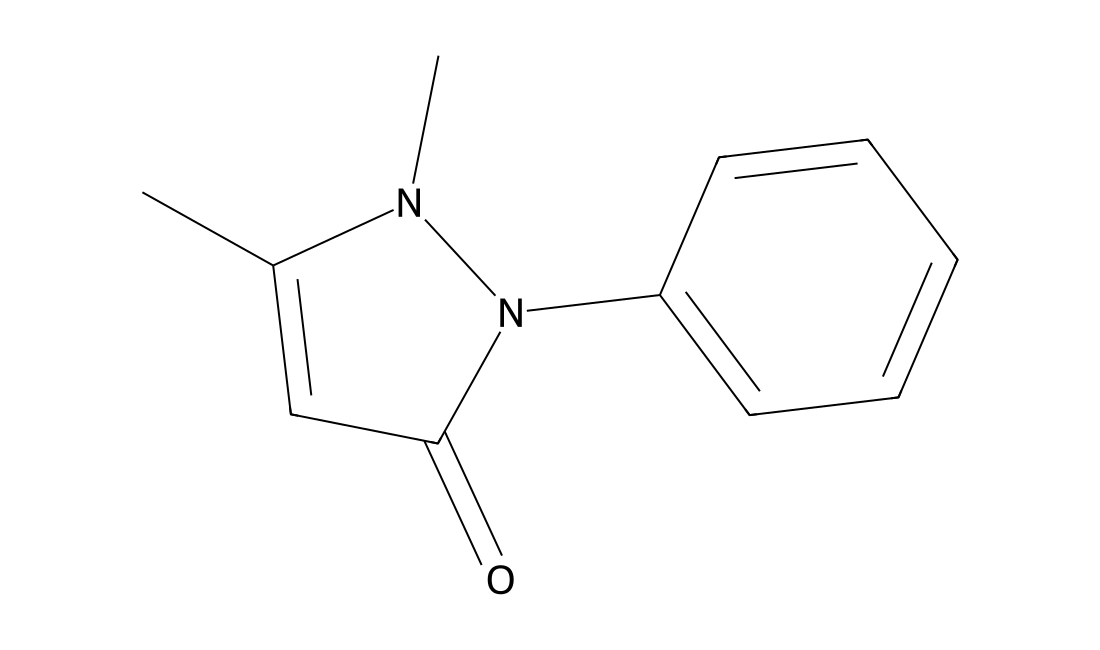
Antipyrine

CAS 60-80-0

Antipyrine is an analgesic and antipyretic agentAntipyrine is an analgesic and antipyretic that has been given by mouth and as ear drops. Antipyrine is often used in testing the effects of other drugs or diseases on drug-metabolizing enzymes in the liver. Antipyrine was one of the first important synthetic drugs. antipyrine went into widespread clinical use as an antipyretic the same year it was synthesized. Two years after its introduction, reports began to appear of its analgesic effects and in the succeeding years, as the use of antipyrine as an antipyretic declined, it gained considerable popularity as an analgesic. The plasma halflife of antipyrine is significantly longer and the clearance significantly lower in the elderly group. This finding of an impaired metabolism of antipyrine in the elderly has since been confirmed in a much larger study and subsequently other drugs have been shown to be metabolized more slowly in this age group.

Antipyrine chemical structure
DC9580

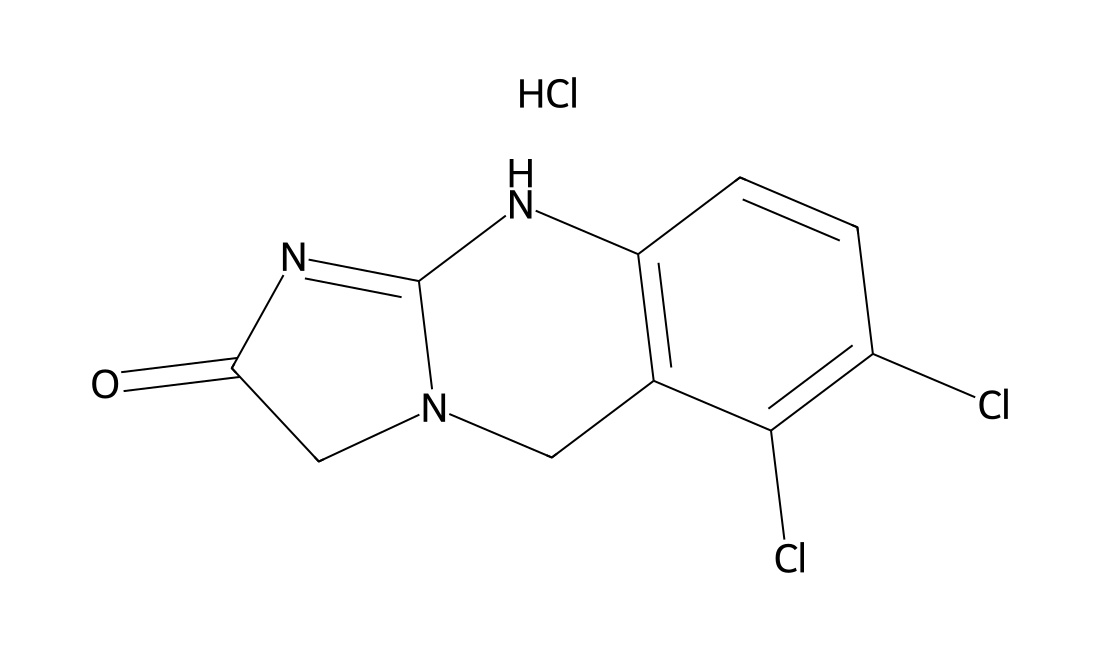
Anagrelide (hydrochloride)

CAS 58579-51-4

Anagrelide Hydrochloride(BL4162A) is a drug used for the treatment of essential thrombocytosis. Anagrelide hydrochloride is an oral imidazoquinazoline agent that has been shown to reduce elevated platelet counts and the risk of thrombosis in patients with thrombocythaemia in various myeloproliferative disorders (MPD). It is currently approved by the FDA as oral treatment for essential thrombocythaemia (ET) and thrombocythaemia associated with polycythaemia vera (PV). Anagrelide is known to inhibit platelet cyclic adenosine monophosphate (cAMP) phosphodiesterase at concentrations that exceed those achieved at doses used to treat ET. Anagrelide is extensively metabolised in the liver and its metabolites are primarily excreted in the urine. Anagrelide is an established platelet-reducing drug. Studies have also investigated the effects of anagrelide on platelets, indicating that platelet function is as important as platelet counts in ET.

Anagrelide (hydrochloride) chemical structure
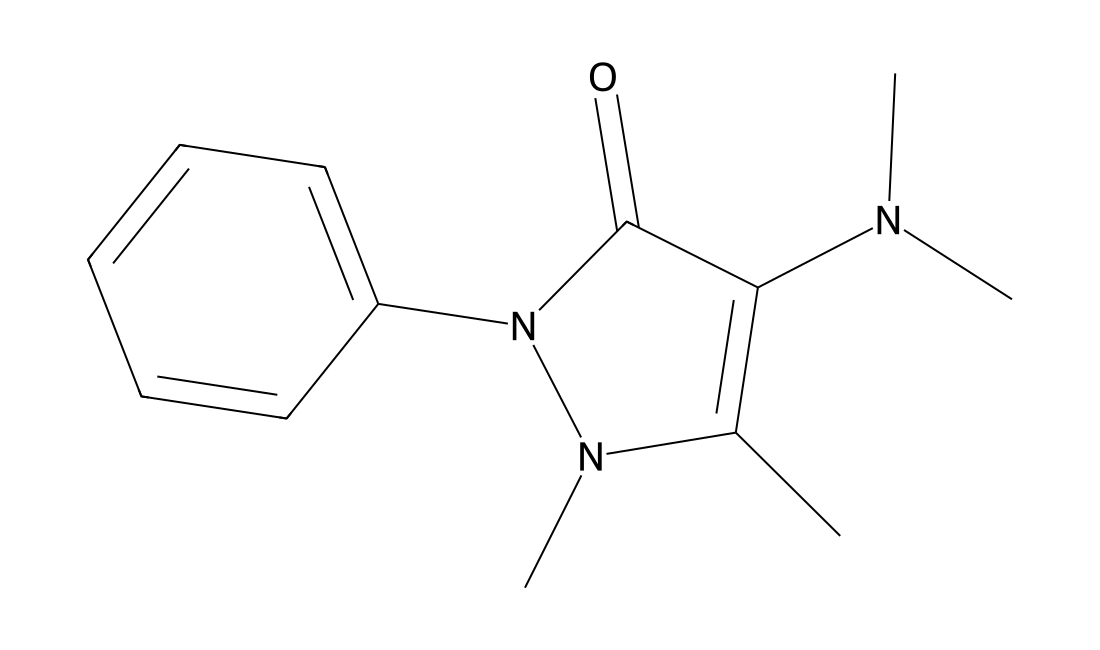
DCAPI1263

Amidopyrine

CAS 58-15-1

For the detailed information of Amidopyrine, the solubility of Amidopyrine in water, the solubility of Amidopyrine in DMSO, the solubility of Amidopyrine in PBS buffer, the animal experiment(test) (test) of Amidopyrine, the cell expriment (test) of Amidopyrine, the in vivo, in vitro and clinical trial test of Amidopyrine, the EC50, IC50,and Affinity of Amidopyrine,, please contact DC Chemicals.

Amidopyrine chemical structure
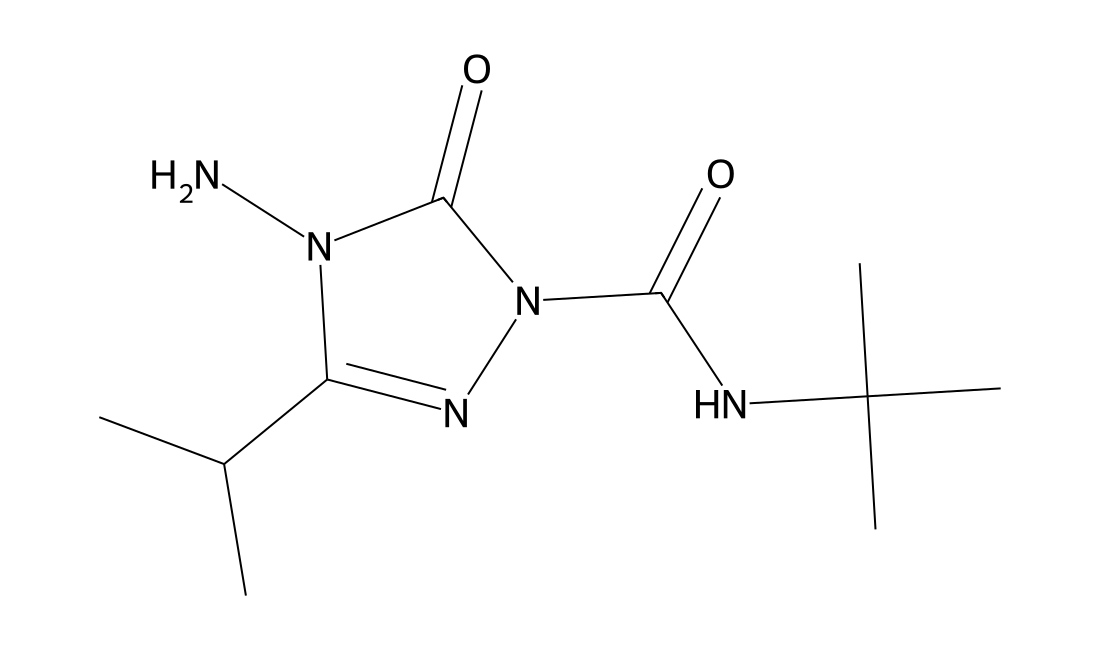
DC9548

Amicarbazone

CAS 129909-90-6

Amicarbazone(BAY-MKH3586; BAY314666) is a potent inhibitor of photosynthetic electron transport via binding to the Qb domain of photosystem II (PSII); herbicide with a broad spectrum of weed control. The phenotypic responses of sensitive plants exposed to amicarbazone include chlorosis, stunted growth, tissue necrosis, and death. Its efficacy as both a foliar- and root-applied herbicide suggests that absorption and translocation of this compound is very rapid. As a result, its efficacy is susceptible to the most common form of resistance to PSII inhibitors. Nonetheless, amicarbazone has a good selectivity profile and is a more potent herbicide than atrazine, which enables its use at lower rates than those of traditional photosynthetic inhibitors.

Amicarbazone chemical structure
DC7356

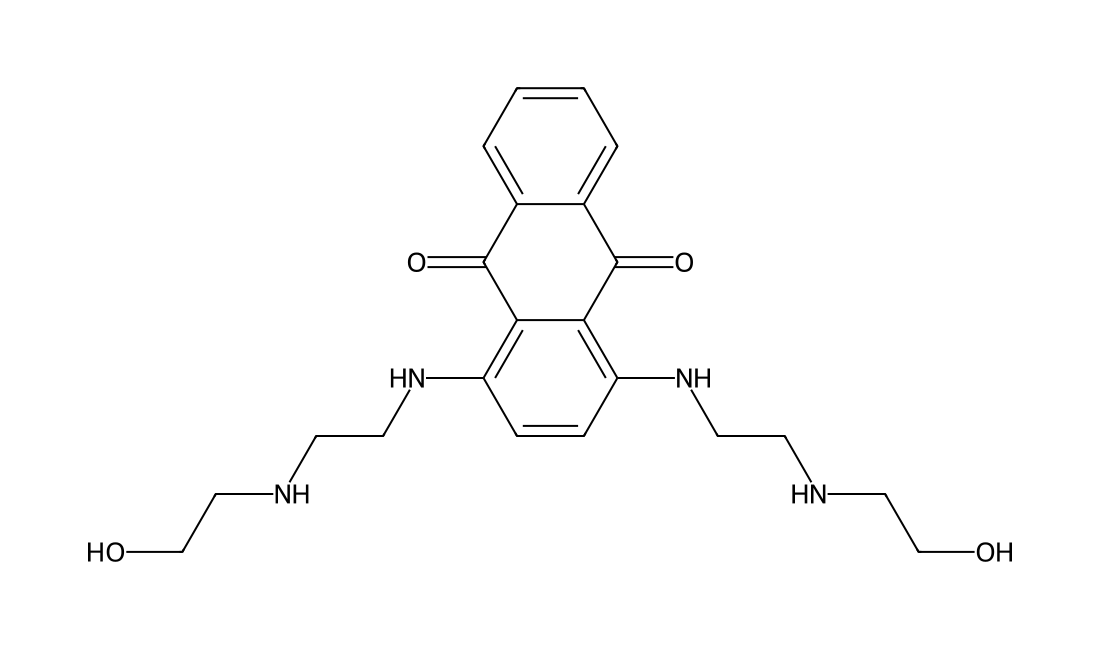
Ametantrone

CAS 64862-96-0

Ametantrone (AM) is a synthetic 9,10-anthracenedione bearing two (hydroxyethylamino)ethylamino residues at positions 1 and 4; along with other anthraquinones and anthracyclines, it shares a polycyclic intercalating moiety and charged side chains that stabilize DNA binding. Ametantrone is the second anthracene derivative to enter clinical trials. For the detailed information of Ametantrone, the solubility of Ametantrone in water, the solubility of Ametantrone in DMSO, the solubility of Ametantrone in PBS buffer, the animal experiment (test) of Ametantrone, the cell expriment (test) of Ametantrone, the in vivo, in vitro and clinical trial test of Ametantrone, the EC50, IC50,and Affinity of Ametantrone, Please contact DC Chemicals.
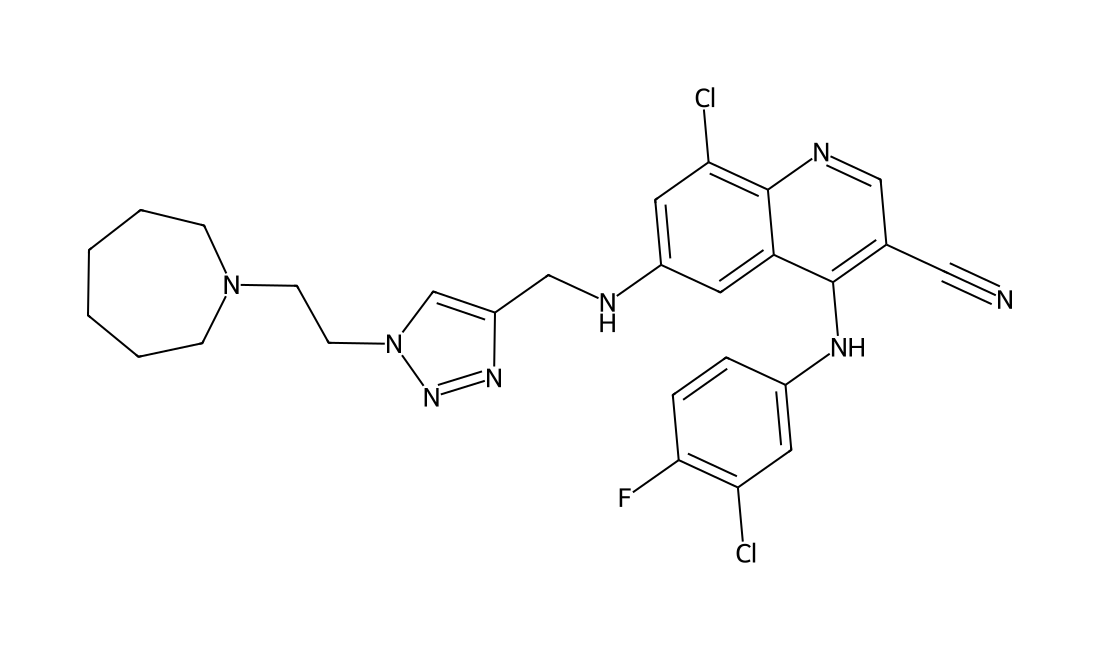
Ametantrone chemical structure
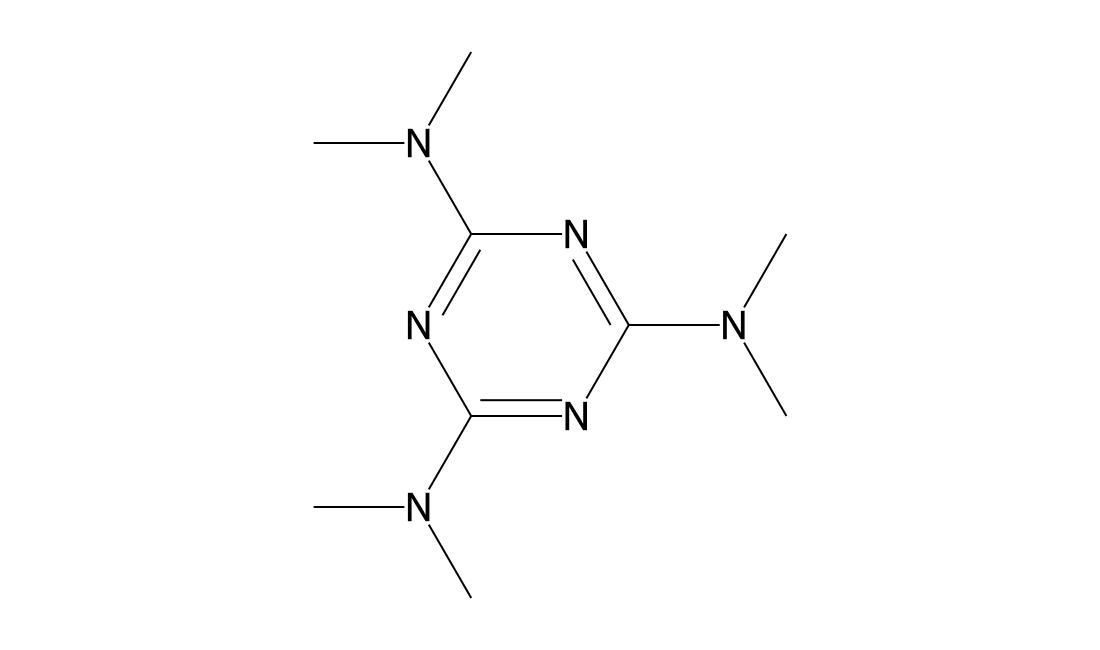
DCAPI1290

Altretamine (Hexalen)

CAS 645-05-6

For the detailed information of Altretamine (Hexalen), the solubility of Altretamine (Hexalen) in water, the solubility of Altretamine (Hexalen) in DMSO, the solubility of Altretamine (Hexalen) in PBS buffer, the animal experiment(test) (test) of Altretamine (Hexalen), the cell expriment (test) of Altretamine (Hexalen), the in vivo, in vitro and clinical trial test of Altretamine (Hexalen), the EC50, IC50,and Affinity of Altretamine (Hexalen),, please contact DC Chemicals.

Altretamine (Hexalen) chemical structure
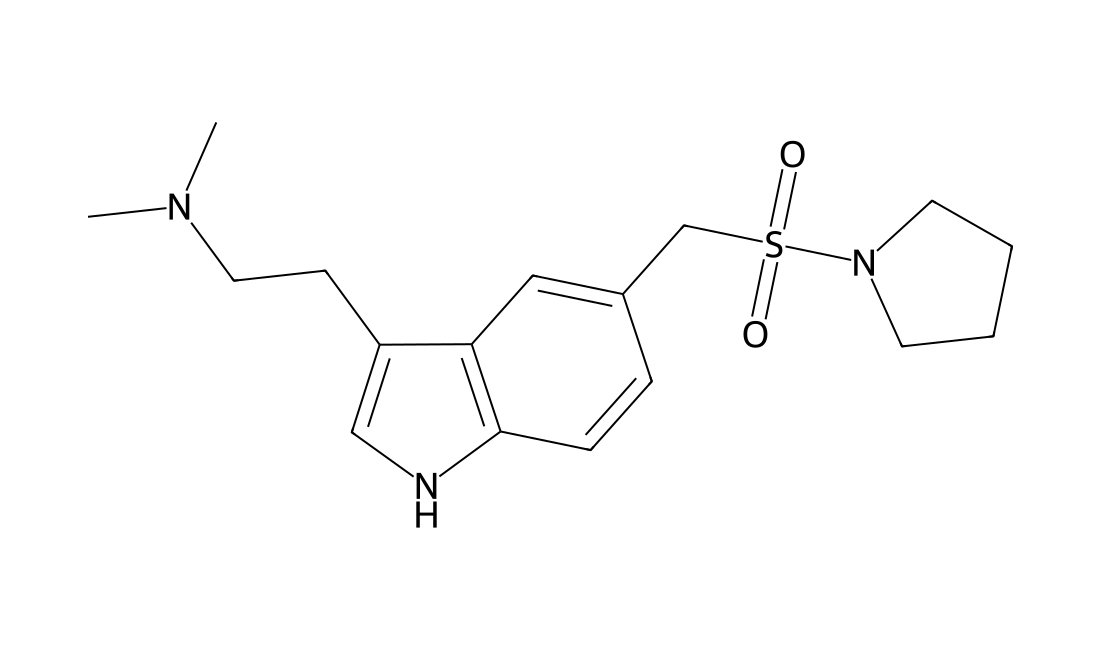
DCAPI1478

Almotriptan

CAS 154323-57-6

For the detailed information of Almotriptan, the solubility of Almotriptan in water, the solubility of Almotriptan in DMSO, the solubility of Almotriptan in PBS buffer, the animal experiment(test) (test) of Almotriptan, the cell expriment (test) of Almotriptan, the in vivo, in vitro and clinical trial test of Almotriptan, the EC50, IC50,and Affinity of Almotriptan,, please contact DC Chemicals.

Almotriptan chemical structure
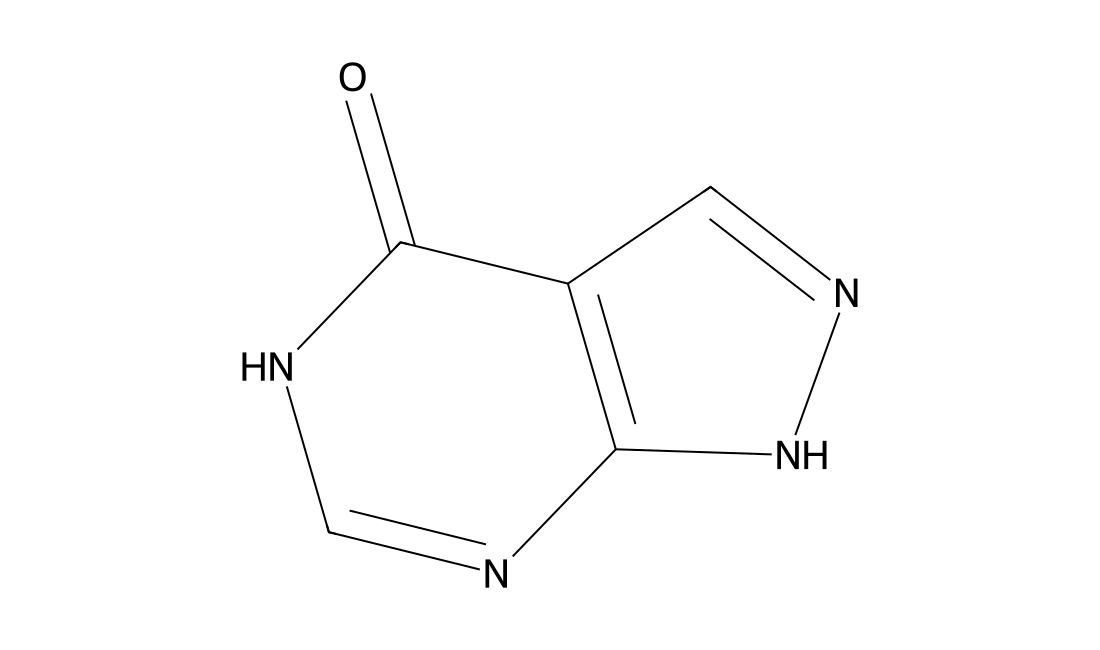
DC8945

Allopurinol

CAS 315-30-0

Allopurinol (Zyloprim) is a xanthine oxidase inhibitor with an IC50 of 7.82±0.12 μM.Allopurinol (Zyloprim, and generics) is a drug used primarily to treat hyperuricemia (excess uric acid in blood plasma) and its complications, including chronic gout. It is a xanthine oxidase inhibitor which is administered orally. A common misconception is that allopurinol is metabolized by its target, xanthine oxidase, but this action is principally carried out by Aldehyde oxidase. The active metabolite of allopurinol is oxypurinol, which is also an inhibitor of xanthine oxidase. Allopurinol is almost completely metabolized to oxypurinol within two hours of oral administration, whereas oxypurinol is slowly excreted by the kidneys over 18–30 hours. For this reason, oxypurinol is believed responsible for the majority of allopurinol's effect. Allopurinol is a purine analog; it is a structural isomer of hypoxanthine (a naturally occurring purine in the body) and is an inhibitor of the enzyme xanthine oxidase. In addition to blocking uric acid production, inhibition of xanthine oxidase causes an increase in hypoxanthine and xanthine. While xanthine cannot be converted to purine ribotides, hypoxanthine can be salvaged to the purine ribotides adenosine and guanosine monophosphates. Increased levels of these ribotides may cause feedback inhibition of amidophosphoribosyl transferase, the first and rate-limiting enzyme of purine biosynthesis. Allopurinol, therefore, decreases uric acid formation and may also inhibit purine synthesis.

Allopurinol chemical structure
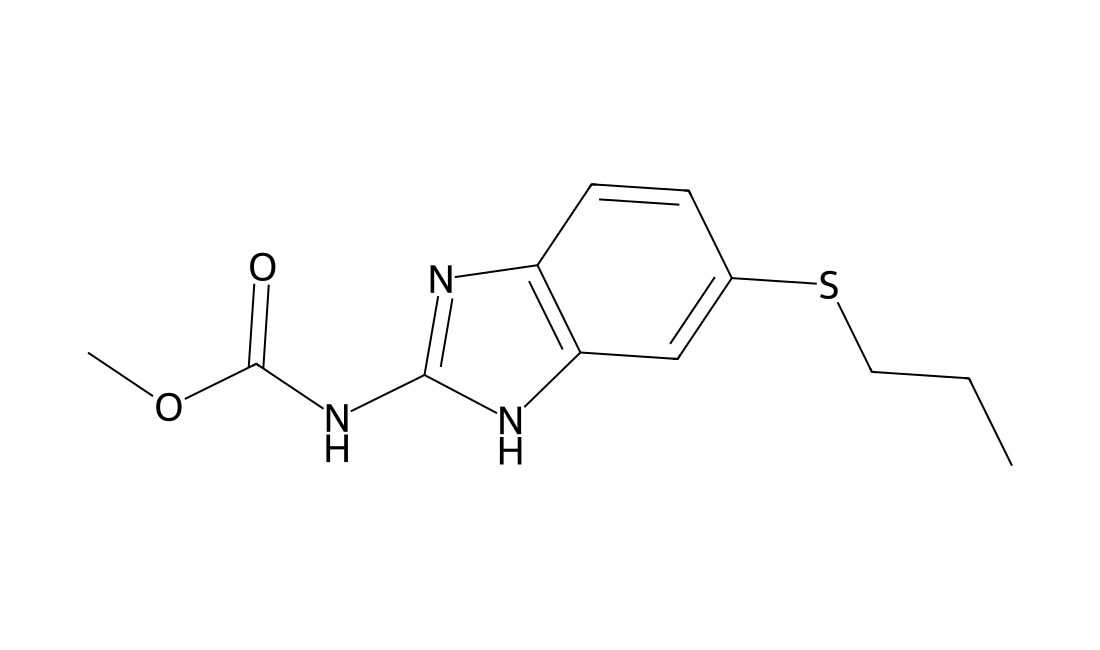
DCAPI1243

Albendazole(Albenza)

CAS 54965-21-8

For the detailed information of Albendazole(Albenza), the solubility of Albendazole(Albenza) in water, the solubility of Albendazole(Albenza) in DMSO, the solubility of Albendazole(Albenza) in PBS buffer, the animal experiment(test) (test) of Albendazole(Albenza), the cell expriment (test) of Albendazole(Albenza), the in vivo, in vitro and clinical trial test of Albendazole(Albenza), the EC50, IC50,and Affinity of Albendazole(Albenza),, please contact DC Chemicals.

Albendazole(Albenza) chemical structure
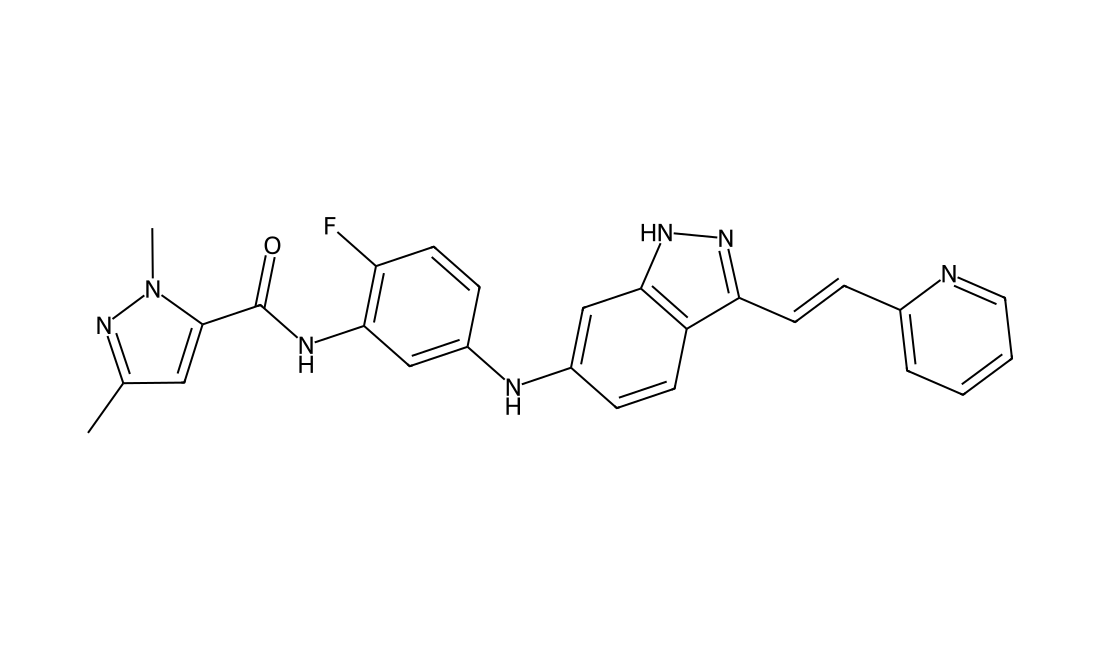
DC8507

AG13958

CAS 319460-94-1

AG13958 is a VEGF inhibitor that was clinical development by Pfizer in 2006-07 for treatment of age-related macular degeneration (AMD). The drug displays low water solubility and so far in trials delivery has been difficult needing direct injection to be truly effective and it varied by the species used because of species specific differences in eye circulation and vascularization. As a VEGF inhibitor AG13958 was targeted to FLT/TYK receptor inhibition.

AG13958 chemical structure
DCAPI1244

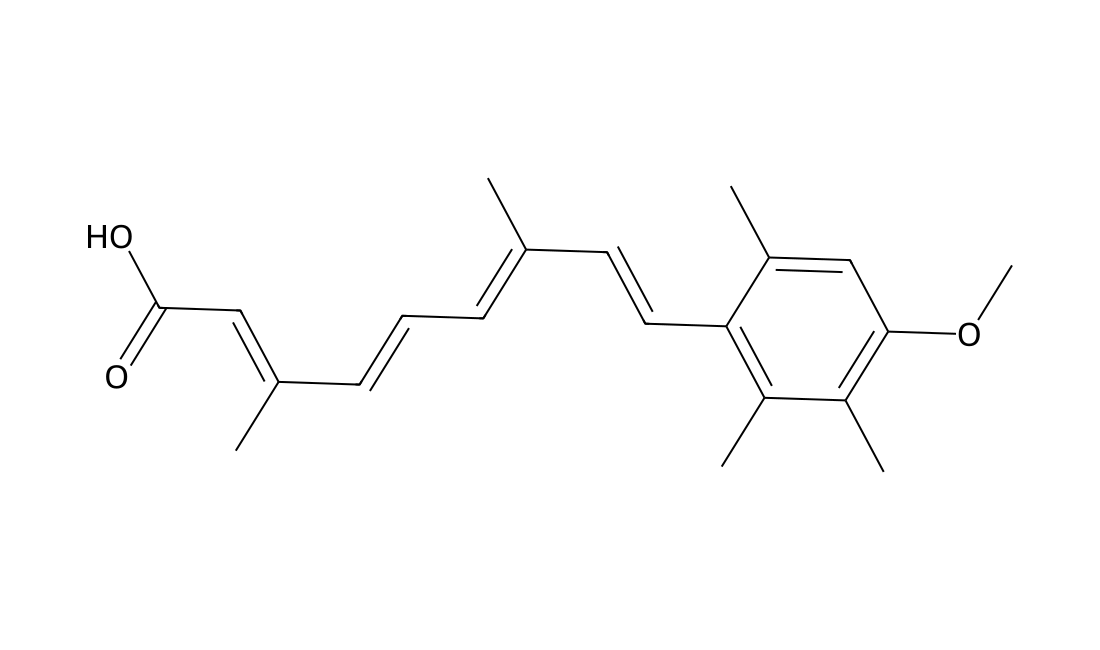
Acitretin

CAS 55079-83-9

For the detailed information of Acitretin, the solubility of Acitretin in water, the solubility of Acitretin in DMSO, the solubility of Acitretin in PBS buffer, the animal experiment(test) (test) of Acitretin, the cell expriment (test) of Acitretin, the in vivo, in vitro and clinical trial test of Acitretin, the EC50, IC50,and Affinity of Acitretin,, please contact DC Chemicals.

Acitretin chemical structure
DCAPI1009

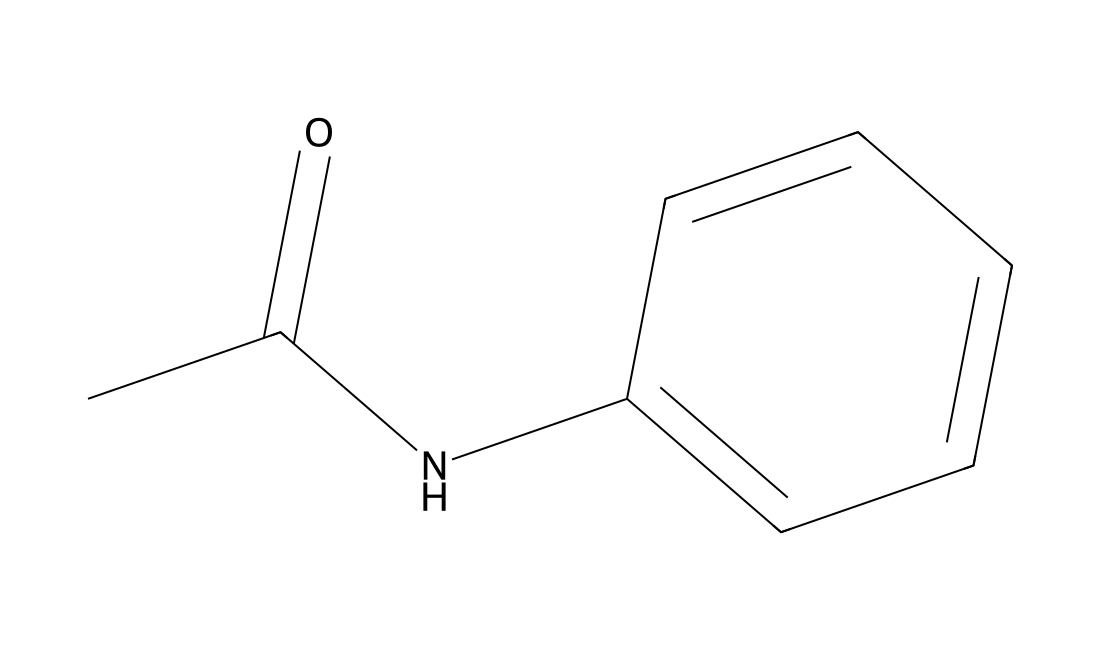
Acetanilide (Antifebrin)

CAS 103-84-4

For the detailed information of Acetanilide (Antifebrin), the solubility of Acetanilide (Antifebrin) in water, the solubility of Acetanilide (Antifebrin) in DMSO, the solubility of Acetanilide (Antifebrin) in PBS buffer, the animal experiment(test) (test) of Acetanilide (Antifebrin), the cell expriment (test) of Acetanilide (Antifebrin), the in vivo, in vitro and clinical trial test of Acetanilide (Antifebrin), the EC50, IC50,and Affinity of Acetanilide (Antifebrin),, please contact DC Chemicals.

Acetanilide (Antifebrin) chemical structure
DC12317

A-484954

CAS 142557-61-7

In Vitro A-484954 is a highly selective eEF2K inhibitor with an IC50 value of 280 nM against eEF2K in the enzymatic assay and little activity against a wide panel of serine/threonine and tyrosine kinases. In enzymatic assay, the IC50 value of A-484954 is increased as the concentration of ATP increased but unaffected by increasing concentrations of calmodulin. In Vivo A484954 causes relaxation in E (+) and E (-) aorta or mesenteric artery precontracted with NA. Pretreatment with L-NAME but not indomethacin or cimetidine partially inhibits the A484954-induced relaxation in mesenteric artery. Long-term A-484954 treatment inhibits MCT-induced increases PA pressure. It is revealed that A-484954 inhibits MCT-induced PA hypertrophy and fibrosis but not impairment of endothelium-dependent and -independent relaxation. Furthermore, A-484954 inhibits MCT-induced NADPH oxidase-1 expression and ROS generation as well as matrix metalloproteinase-2 activation.

A-484954 chemical structure
DC7044

A-205804

CAS 251992-66-2

A-205804 selectively inhibits the surface expression of the cell adhesion molecules ICAM-1 and E-selectin in human endothelial cells. A-205804 inhibites the IL-1β-induced expression of E-selectin (IC50 = 20 nM) and ICAM-1 (IC50 = 10 nM) with essentially the same level of potency as that For TNFα-induced expression. For reasons which are unclear, the ability of A-205804 to inhibit PMA-induced E-selectin expression is significantly reduced (IC50 > 1000 nM), but A-205804 is a potent inhibitor of ICAM-1 expression (IC50 = 40 nM) using this protein-kinase C-activating agent. For the detailed information of A-205804, the solubility of A-205804 in water, the solubility of A-205804 in DMSO, the solubility of A-205804 in PBS buffer, the animal experiment (test) of A-205804, the cell expriment (test) of A-205804, the in vivo, in vitro and clinical trial test of A-205804, the EC50, IC50,and Affinity of A-205804, Please contact DC Chemicals.
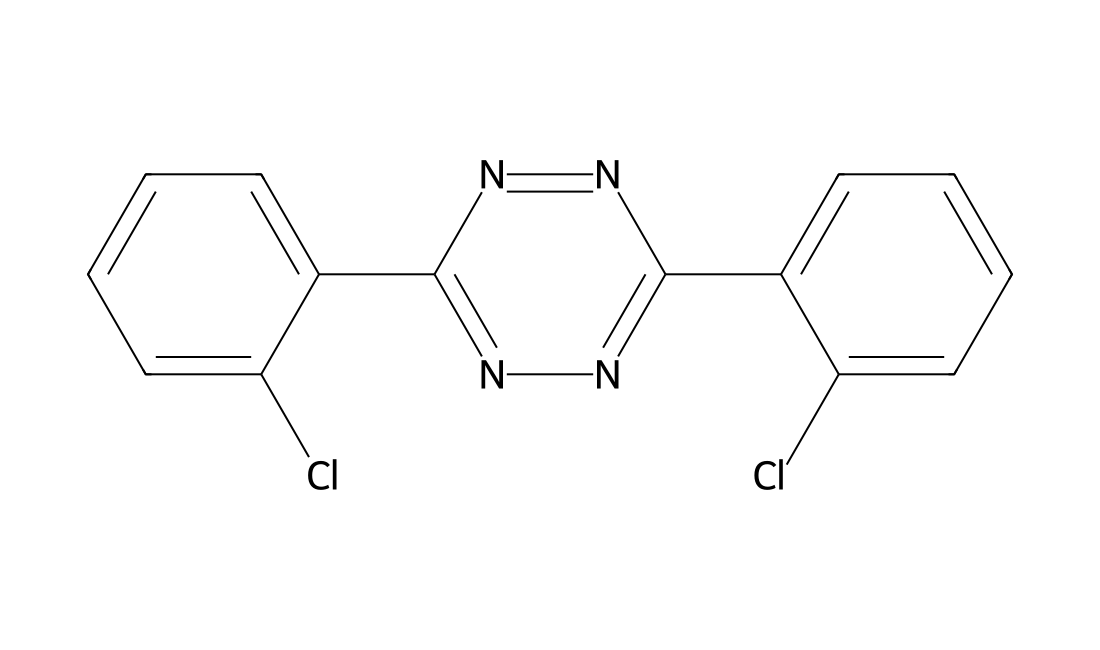
A-205804 chemical structure
DC24097

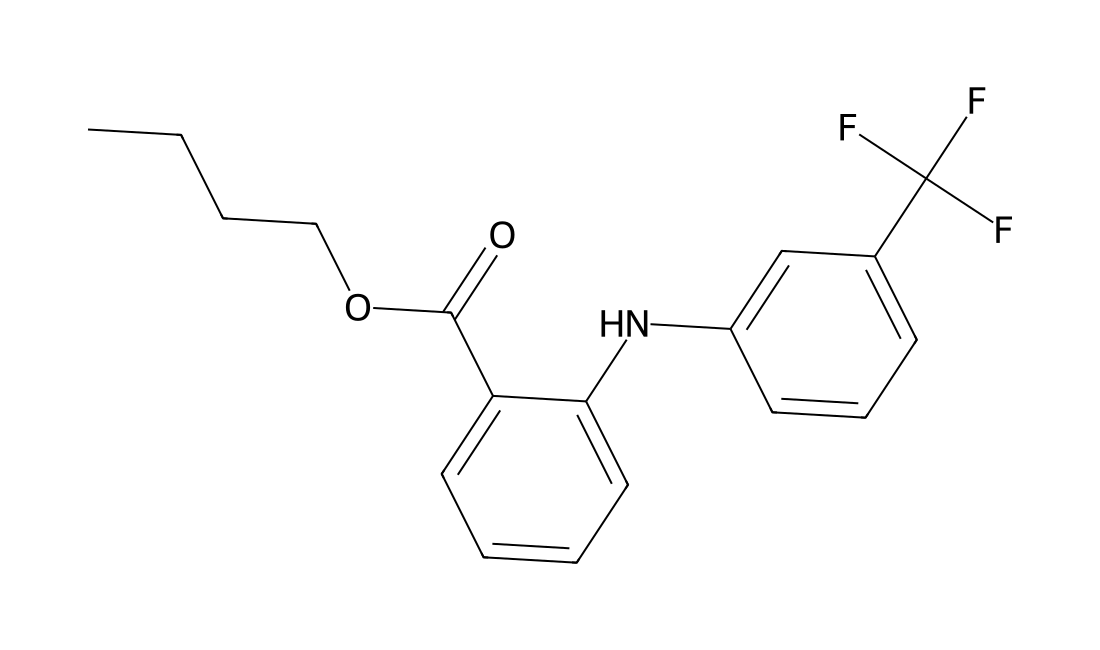
Ufenamate

CAS 67330-25-0

A topical analgesic that possesses anti-inflammatory effect for treatment of skin diseases, such as acute and chronic eczema, contact dermatitis, diaper dermatitis, miliaria and atopic dermatitis.
Ufenamate chemical structure
DC22357

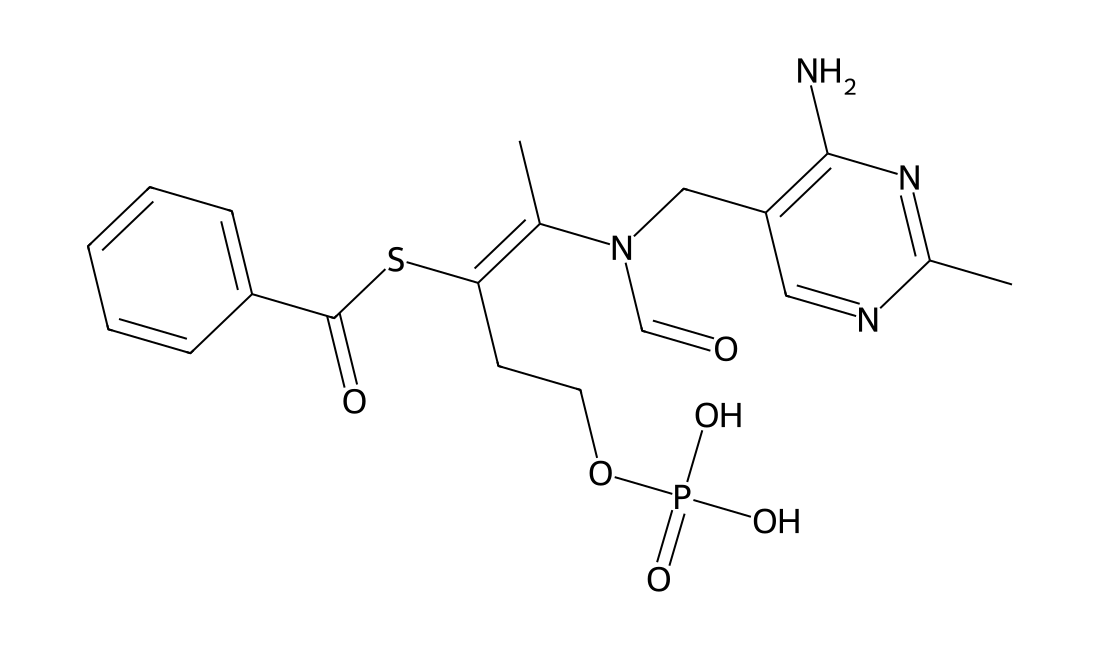
Benfotiamine

CAS 22457-89-2

A synthetic S-acyl derivative of thiamine (vitamin B1) that possesses anti-inflammatory effects; upregulates antioxidative system in activated BV-2 microglia cells; significantly improves the cognitive abilities of mild to moderate AD patients independently of brain amyloid accumulation.
Benfotiamine chemical structure
Browse target & topic index A–Z (366)
11β-HSD (1)15-PGDH (2)5-HT Receptor (16)Acetyl-CoA Carboxylase (ACC) (3)Acetylcholinesterase (AChE) (2)Ack1 (TNK2) (1)Acyltransferase (1)ADC Cytotoxin (6)ADCs Linker/Click Chemistry (5)Adenosine Receptor (9)Adenylate Cyclase (2)Adrenergic Receptor (11)Akt (12)Alcoholism (2)Aldehyde Dehydrogenase (ALDH) (6)Allergy (5)Alzheimer Disease (13)Aminopeptidase (1)AMPK (8)Amyloids (4)Anaplastic Lymphoma Kinase (ALK) (9)Androgen Receptor (AR) (11)Anemia (4)Angiotensin Receptor (4)Antibody/Protein labeling dyes (1)Antifolate (2)Anxiety (1)Apoptosis Inducer (3)Arginase (1)Arp2/3 complex (1)Aryl hydrocarbon Receptor (AhR) (1)Asthma (5)Atherosclerosis (2)ATM/ATR (8)Aurora Kinase (10)Autophagy (6)Autophagy-related Protein (Atg) (2)Autotaxin (2)Bacterial (26)Bacterial Infection (17)Bcl-2 (14)Bcr-Abl (5)BCRP (1)Beta-catenin (4)Beta-secretase (BACE) (4)Blood Cancer (91)BMI-1 (1)Bone Cancer (6)Brain Cancer (6)Breast Cancer (30)Bromodomain (22)BTK (10)c-Fms (CSF1R) (5)c-Fos/AP-1 (1)c-Kit (6)c-Met (HGFR) (11)c-Myc (2)Calcium Channel (4)Calcium-sensing Receptor (CaSR) (1)CaMK (4)Cannabinoid Receptor (6)Carbonic Anhydrase (1)Carboxypeptidase (1)Casein Kinase (6)Caspase (4)Cathepsin (6)Cdc2-like Kinase (CLK) (1)CETP (2)CFTR (7)Checkpoint Kinase (Chk) (8)Chemokine Receptor (CCR and CXCR) (14)Chemotherapeutic Agents (19)Chloride Channel (1)CMV (2)CMV Infection (2)Colon Cancer (9)Complement System (1)COPD (3)CREB/CBP (2)CRF Receptor (2)CRISPR/Cas9 (1)Cushing Disease (1)Cyclin-dependent Kinase (CDK) (39)Cyclooxygenase (COX) (4)Cytochrome P450 (CYPs) (5)Depression (2)Dermatitis (2)Deubiquitinase (DUB) (7)Diabetes (20)Dipeptidyl Peptidase (DPP) (3)Discoidin Domain Receptor (DDR) (1)DNA Alkylator/Crosslinker (10)DNA Methyltransferase (DNMT) (1)DNA Repair Protein (1)DNA-PK (2)DNA/RNA Synthesis (5)Dopamine beta-hydroxylase (1)Dopamine Receptor (7)Drug Metabolite (1)Drug-Linker Conjugates (11)Dyes (4)DYRK (1)Dyslipidemia (9)E3 Ligase Ligand (6)E3 Ligase Ligand-Linker Conjugate (1)E3 Ubiquitin Ligase (4)Ebola Virus Infection (1)EGFR (32)Elastase (2)Endothelin Receptor (5)Enzymes substrates (13)Epigenetic Reader Domain (3)Epilepsy (4)ERK (4)Estrogen Receptor/ERR (13)Eukaryotic Initiation Factor (eIF) (2)Exportin-1 (CRM1,XPO1) (2)FABP (1)Factor Xa (5)Farnesoid X Receptor (FXR) (5)Farnesyl transferase (FTase) (1)Ferroptosis (6)FGFR (15)Fibrosis (5)FLT3 (6)Focal Adhesion Kinase (FAK) (11)Foxo1 (1)Free Fatty Acid Receptor (FFAR) (5)Fungal (2)Fungal Infection (1)GABA Receptor (13)Galectin (1)Gastric Cancer (8)Ghrelin Receptor (GHSR) (3)Glucagon Receptor (4)Glucokinase (2)Glucose Transporter (GLUT) (2)Glutamate Transporter (2)GPCR (1)GPER (GPR30) (1)GPR139 (1)GPR183 (EBI2) (2)GPR39 (1)GPR55 (1)GPR84 (1)GRK (GPCRK) (2)Growth Hormone Deficiency (2)GSK-3 (8)Guanylate Cyclase (3)HBV (1)HBV Infection (1)HCN Channel (2)HCV (8)HCV Infection (9)HDAC (38)Heart Arrhythmia (2)Heart Failure (5)Heat Shock Protein (HSP) (15)Hedgehog (Hh) (1)HIF/HIF Prolyl-hydroxylase (8)Histamine Receptor (6)Histone Acetyltransferase (HAT) (5)Histone Demethylase (11)Histone Methyltransferase (HMTase) (31)HIV (12)HIV Infection (11)HMG-CoA Reductase (HMGCR) (3)HSV (1)HSV Infection (1)Hypercholesterolemia (1)Hyperparathyroidism (1)Hypertension (8)IAP (1)IGF-1R (3)iGluR (15)Indoleamine 2,3-Dioxygenase (IDO) (4)Infection (1)Influenza (6)Influenza Virus (6)Insulin Receptor (2)Integrin (6)Interleukin Receptor (1)IRAK (2)IRE1 (4)Irritable Bowel Syndrome (2)Ischemia (1)Isocitrate Dehydrogenase (IDH) (5)ITK (1)IκB kinase (IKK) (7)JAK (32)JNK (3)Keap1-Nrf2 (6)Kidney Cancer (10)Kinesin (5)Kruppel-like Factor (KLF) (1)Kynurenine 3-Monooxygenase (KMO) (1)Leukotriene Receptor (1)LIM Kinase (LIMK) (3)Lipids fragment (1)Liver Cancer (6)Liver X Receptor (LXR) (3)LRRK2 (9)Lung Cancer (39)Lysophospholipid Receptor (12)LYTACs (3)mAChR (9)MALT1 (2)MAP4K (1)Matrix Metalloproteinase (MMP) (10)MDM2-p53 (9)MEK (MAP2K) (14)MEKK (MAP3K) (1)Melanocortin Receptor (2)MELK (1)mGluR (7)MicroRNA (1)Microtubule/Tubulin (5)Mineralocorticoid Receptor (MLR) (1)MITF (1)Mixed Lineage Kinase (MLK) (3)MNK (2)Molecular Glues (13)Monoamine Transporter (5)Monocarboxylate Transporter (MCT) (1)Monopolar Spindle 1 (Mps1/TTK) (3)mTOR (13)Multiple Sclerosis (6)Myosin (1)Na-K-Cl Cotransporter (NKCC) (2)nAChR (2)NADPH Oxidase (NOX) (2)NAMPT (3)Natural products (37)Neprilysin (1)Neurokinin Receptor (3)Neuropeptide Y Receptor (3)NF-κB (5)Nitric Oxide Synthase (NOS) (1)NOD-like Receptor (NLR) (3)Notch (2)Nucleoside Antimetabolite/Analog (10)Nur77 (NR4A1) (1)Obesity (1)Oct3/4 (1)Opioid Receptor (5)Orexin Receptor (7)Osteoporosis (2)Ovarian Cancer (14)Oxytocin Receptor (OXTR) (2)P-glycoprotein (P-gp) (3)p21-activated Kinase (PAK) (1)P2X Receptor (2)P2Y Receptor (1)p38 MAPK (10)p97/VCP (1)Pain (12)Pancreatic Cancer (10)Parasite (5)Parasite Infection (2)Parkinson Disease (2)PARP (19)PCSK9 (1)PD-1/PD-L1 (4)PDGFR (4)PDK1 (2)PEGn (1)PERK (2)PGE synthase (2)Phosphodiesterase (PDE) (9)Phospholipase (4)PI3K (32)PI4K (2)Piezo Channel (1)PIKfyve (3)Pim (9)PKC (12)PKD (1)Plasminogen Activator Inhibitor-1 (PAI-1) (3)Polo-like Kinase (PLK) (4)Porcupine (3)Potassium Channel (13)PPAR (13)Pregnane X Receptor (PXR) (1)Progesterone Receptor (2)Prostaglandin Receptor (11)Prostate Cancer (7)PROTACs (35)Protease-activated Receptor (PAR) (3)Proteasome (12)Protein Disulfide Isomerase (PDI) (1)Protein Phosphatase/PTP (6)Proton Pump (1)Psoriasis (5)RAD51 (1)Radioligand precursors (15)Raf (18)RAR/RXR (3)Ras (17)Renin (2)RET Tyrosine Kinase (c-RET) (3)Rheumatoid Arthritis (16)Ribosomal S6 Kinase (RSK) (5)RIG-I-like Receptor (RLR) (2)RIP kinase (7)ROCK (12)ROR (2)RSV (4)RSV Infection (3)RUNX1-CBFβ (1)S-nitrosoglutathione reductase (GSNOR) (1)Saccharides and Glycosides (1)Salt Inducible Kinase (SIK) (2)SARS-CoV (16)SARS-CoV Infection (34)Schizophrenia (4)Sexual Dysfunction (1)SGLT (4)Sigma Receptor (4)Sirtuin (9)Skin Cancer (13)Sleep Disorder (7)SMN2 Modulator (1)Smoothened (Smo) (9)Sodium Channel (12)Solid Tumors (35)Somatostatin Receptor (2)Sphingosine kinase (SphK) (2)Src (7)STAT (5)Stearoyl-CoA Desaturase (SCD) (1)Steatohepatitis (7)Sterol lipids (1)STING (14)Syk (6)T Cell Receptor (TCR) (1)TAK1 (2)TAM Receptor (Tyro3-Axl-Mer) (4)Taste Receptor (1)Telomerase (2)TGF beta Receptor (TGFBR) (12)Thrombin (3)Thrombosis (13)Thyroid Cancer (1)Thyroid Hormone Receptor (THR) (1)Thyrotropin Receptor (2)TNIK (1)Toll-like Receptor (TLR) (2)TOPK (1)Topoisomerase (11)TRAIL (1)Translocator Protein (TSPO) (1)Trk Receptor (4)TRP Channel (13)Tryptophan Hydroxylase (TPH) (1)Ubiquitin-activating Enzyme (E1) (2)Ubiquitin-conjugating Enzyme (E2) (2)Ulcer (1)ULK (3)Vasopressin Receptor (2)VEGFR (25)Vitamin D Receptor (VDR) (3)Wee1 (1)WNK Kinase (1)Wnt (5)Yes-associated Protein (YAP) (4)γ-secretase (5)

Cart

Request quotation