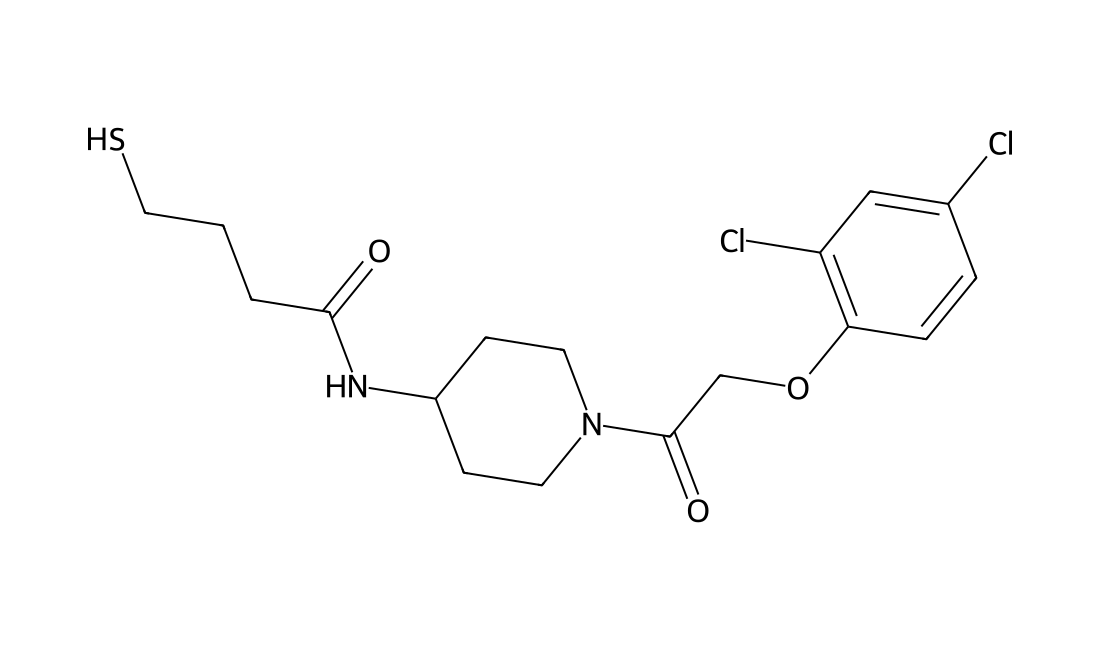
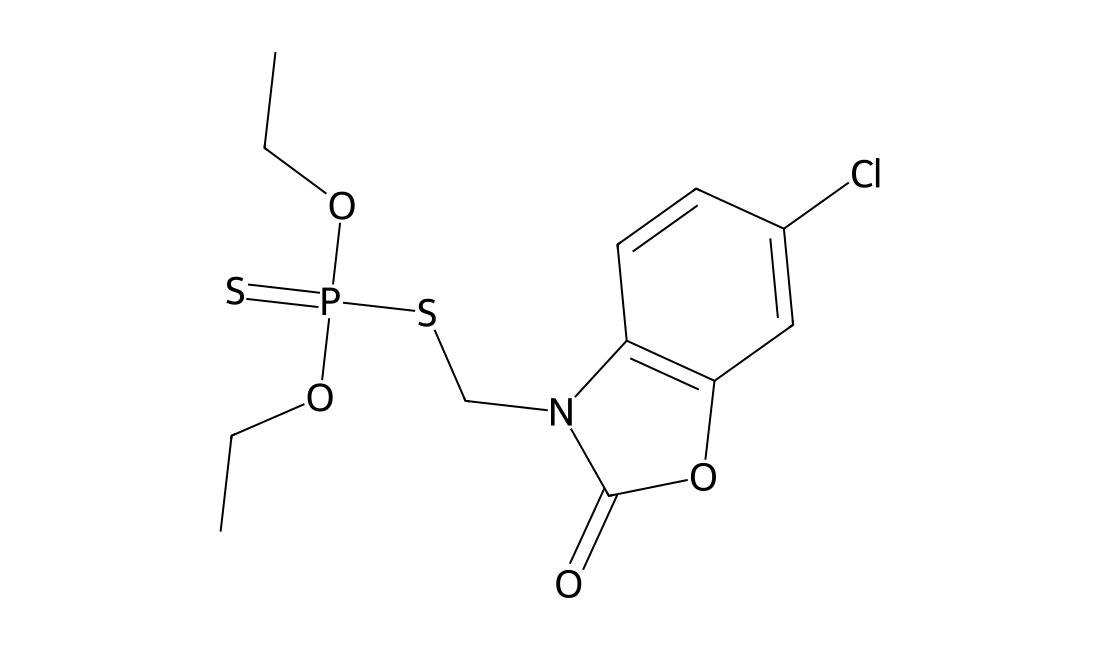
Phosalone
CAS 2310-17-0
Phosalone is a member of the organophosphate family of insecticides. It is used as both an insecticide and acaricide.

Additional reagents, chemical building blocks and specialized research tools.
Products may appear in more than one category. Counts refer to distinct catalog numbers within each category.
Other Research Tools (75) · Additional reagents, building blocks and specialized research tools.
Combine a keyword, research category and target to narrow the product list.
Loading catalog filters…
CAS 2310-17-0
Phosalone is a member of the organophosphate family of insecticides. It is used as both an insecticide and acaricide.
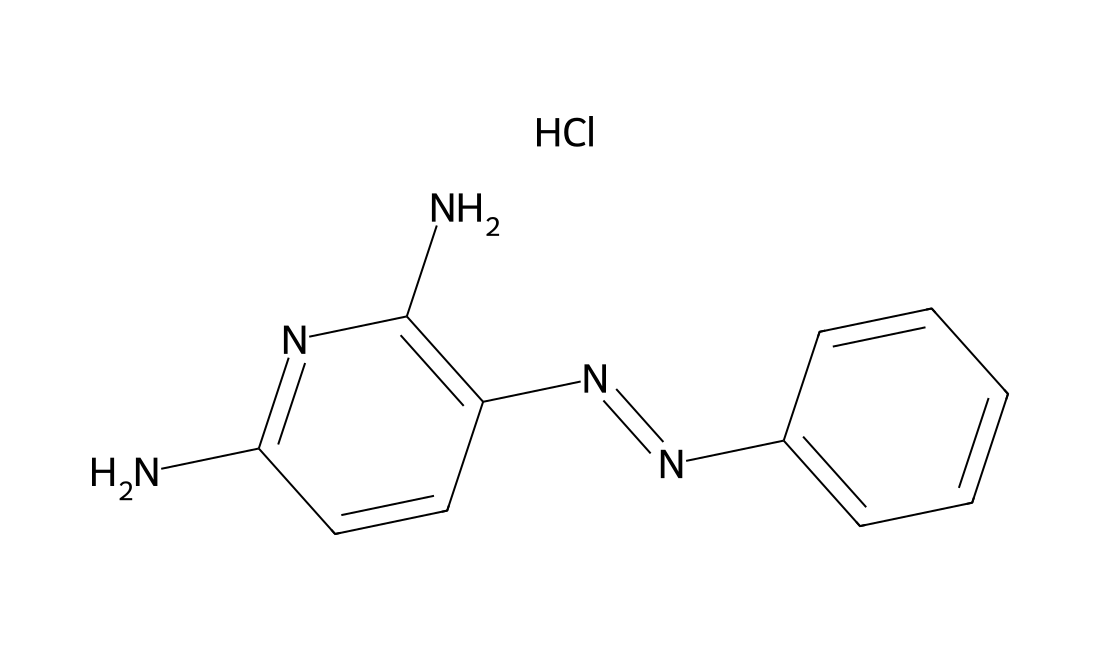
CAS 50-33-9
Phenylbutazone is used as a non-steroidal anti-inflammatory agent for the treatment of chronic pain, including the symptoms of arthritis.Phenylbutazone was originally made available for use in humans for the treatment of rheumatoid arthritis and gout in 1949. However, when combined with paracetamol and many other household painkillers even in the smallest doses can cause irreversible liver degradation proving fatal in many cases. It is no longer approved, and therefore not marketed, for any human use in the United States. In the UK it is used to treat ankylosing spondylitis, but only when other therapies are unsuitable. Phenylbutazone may be administered orally (via paste, powder or feed-in) or intravenously. It should not be given intramuscularly or injected in any place other than a vein, as it can cause tissue damage. Tissue damage and edema may also occur if the drug is injected repetitively into the same vein. Phenylbutazone should be administered only under the advice of a veterinarian.
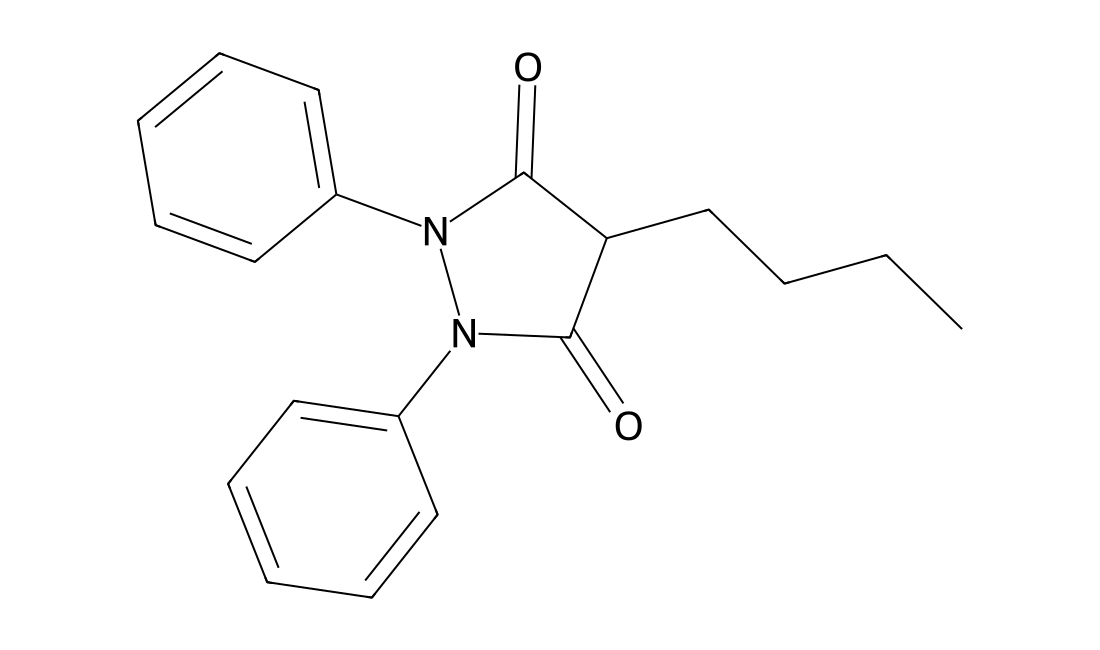
CAS 136-40-3
Phenazopyridine Hcl is a chemical, which has a local analgesic effect, often used to alleviate the pain, irritation, discomfort, or urgency caused by urinary tract infections, surgery, or injury to the urinary tract.
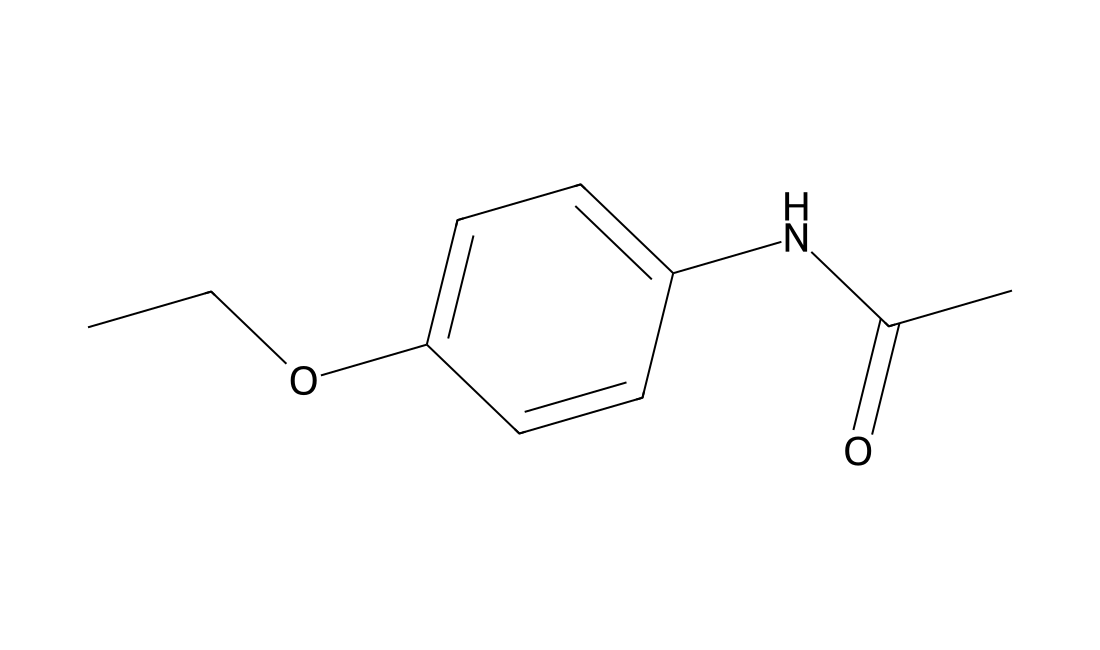
CAS 62-44-2
Phenacetin is a non-opioid analgesic without anti-inflammatory properties.Phenacetin is a pain-relieving and fever-reducing drug, Phenacetin was withdrawn from the Canadian market in June 1973 due to concerns regarding nephropathy. the clinical and laboratory data were compatible with "phenacetin nephritis" as described in Europe and Australia and recently in the United States and Canada. This report evaluates the findings in the 23 cases and cautions against the use of phenacetin, particularly in patients with impaired renal function. Phenacetin has been linked to renal papillary necrosis in human beings.
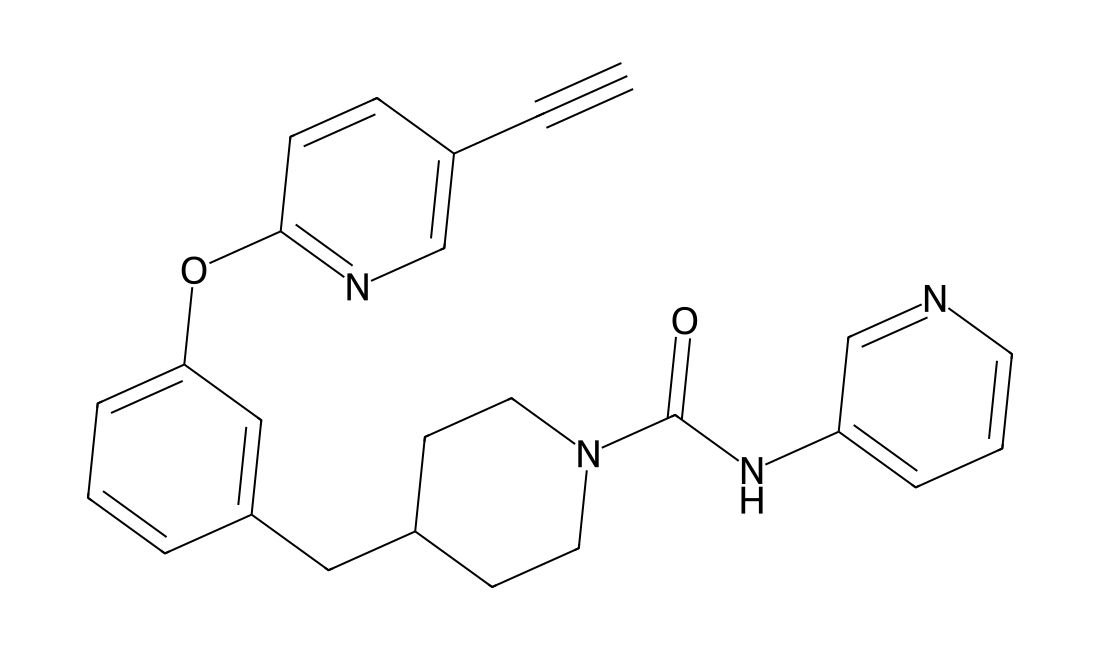
CAS 1196109-53-1
Both PF3845yne and JP104 selectively reacted with a single brain protein, which was confirmed to be FAAH based on its absent from FAAH(−/−) mice. In liver, however, PF3845yne and JP104 showed strikingly different profiles, with the former agent once again showing selective reactivity with FAAH and the latter inhibitor labeling a number of proteins. These data indicate that PF-3845 inhibits FAAH in vivo with exceptional efficacy and selectivity. For the detailed information of PF3845 yne, the solubility of PF3845 yne in water, the solubility of PF3845 yne in DMSO, the solubility of PF3845 yne in PBS buffer, the animal experiment (test) of PF3845 yne, the cell expriment (test) of PF3845 yne, the in vivo, in vitro and clinical trial test of PF3845 yne, the EC50, IC50,and affinity,of PF3845 yne, For the detailed information of PF3845 yne, the solubility of PF3845 yne in water, the solubility of PF3845 yne in DMSO, the solubility of PF3845 yne in PBS buffer, the animal experiment (test) of PF3845 yne, the cell expriment (test) of PF3845 yne, the in vivo, in vitro and clinical trial test of PF3845 yne, the EC50, IC50,and affinity,of PF3845 yne, Please contact DC Chemicals.
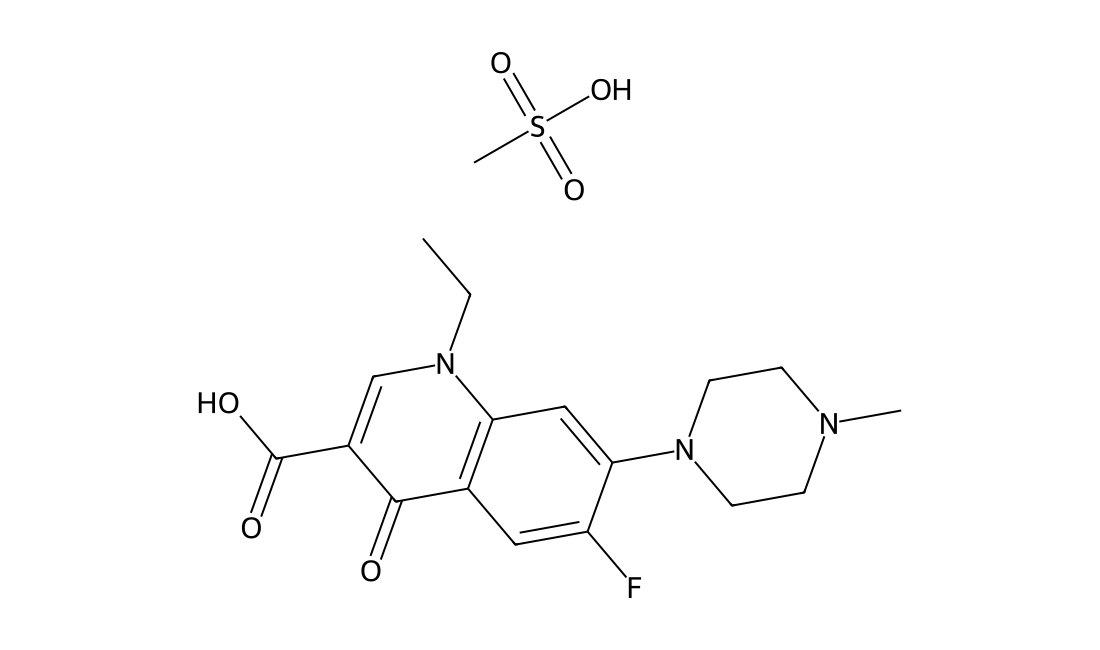
CAS 70458-95-6
For the detailed information of Pefloxacin mesylate, the solubility of Pefloxacin mesylate in water, the solubility of Pefloxacin mesylate in DMSO, the solubility of Pefloxacin mesylate in PBS buffer, the animal experiment(test) (test) of Pefloxacin mesylate, the cell expriment (test) of Pefloxacin mesylate, the in vivo, in vitro and clinical trial test of Pefloxacin mesylate, the EC50, IC50,and Affinity of Pefloxacin mesylate,, please contact DC Chemicals.
CAS 1904611-63-7
PDE1-IN-2 is an inhibitor of PDE1 extracted from patent WO2016/55618 A1, example 31; has IC50 values of 6, 140 and 164 nM for PDE1C, PDE1B and PDE1A, respectvely.
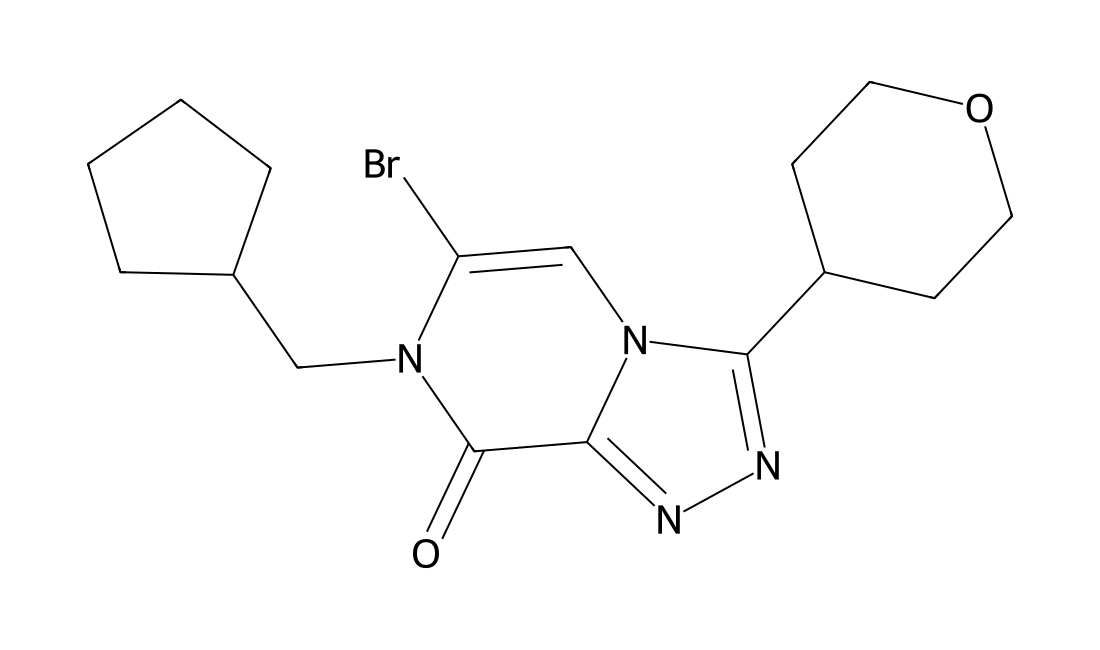
CAS 1835283-94-7
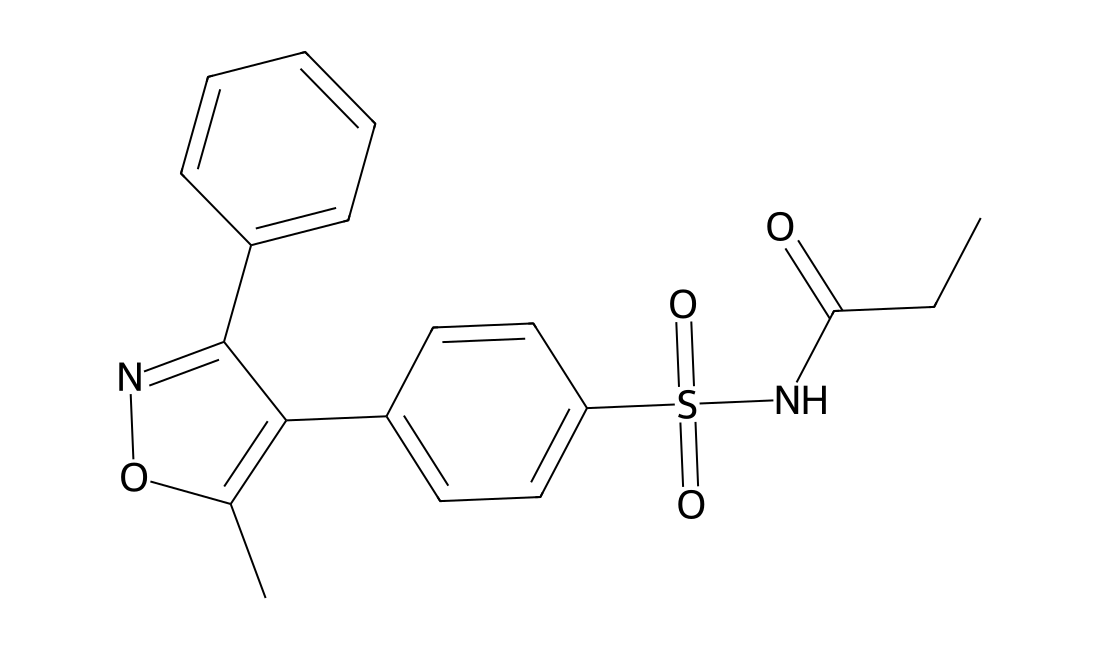
Pan-RAS-IN-1 binds to KRasG12D-GppNHp with an affinity less than 20 μM. Pan-RAS-IN-1 binds to Ras proteins and exhibits lethality in cells partially dependent on expression of Ras proteins. The potency of pan-RAS-IN-1 correlates with the degree of dependency on the mutated isoform over a 5-fold concentration range. At some concentrations, pan-RAS-IN-1 is cytostatic, possibly due to pan-RAS inhibition. Pan-RAS-IN-1 is evaluated in primary T cell acute lymphoblastic leukemia (T-ALL) cells. Selective lethality is observed, with mutant NRAS cells retaining only 20%-40% viability after 5 μM treatment.Pan-RAS-IN-1 administration results in inhibition of tumor growth over 15 days of treatment. Pan-RAS-IN-1-treated mice exhibits decreased tumor pERK levels compared with vehicle treated mice. A modest increase in cleaved caspase-3 is also observed, showing that in this model, pan-RAS-IN-1 has the capacity to induce caspase activation.
CAS 40391-99-9
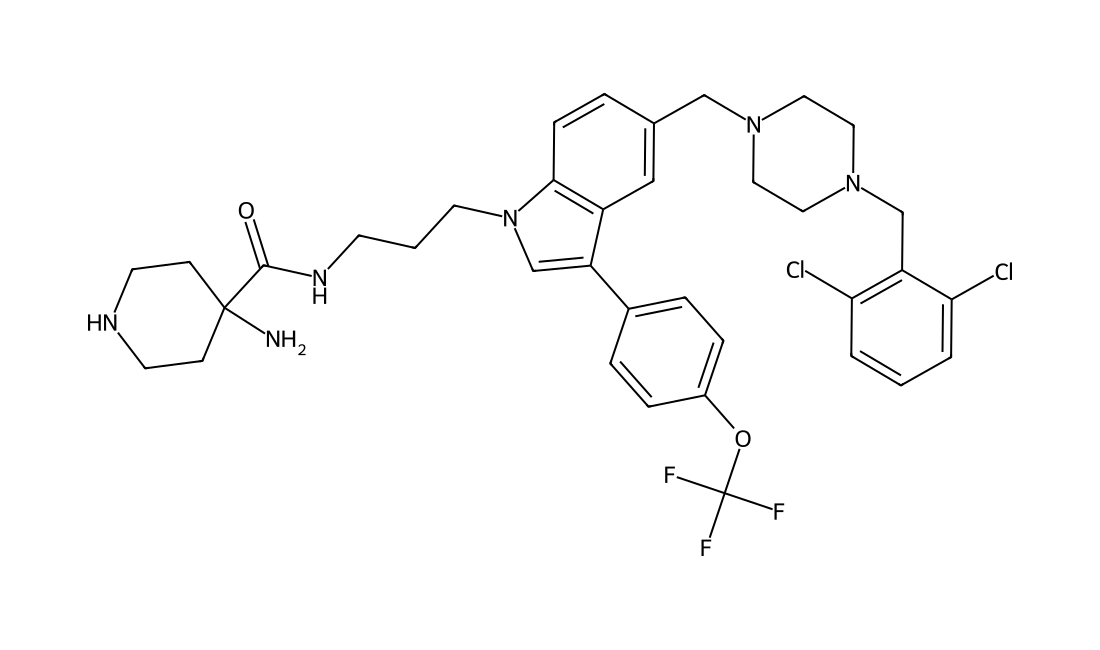
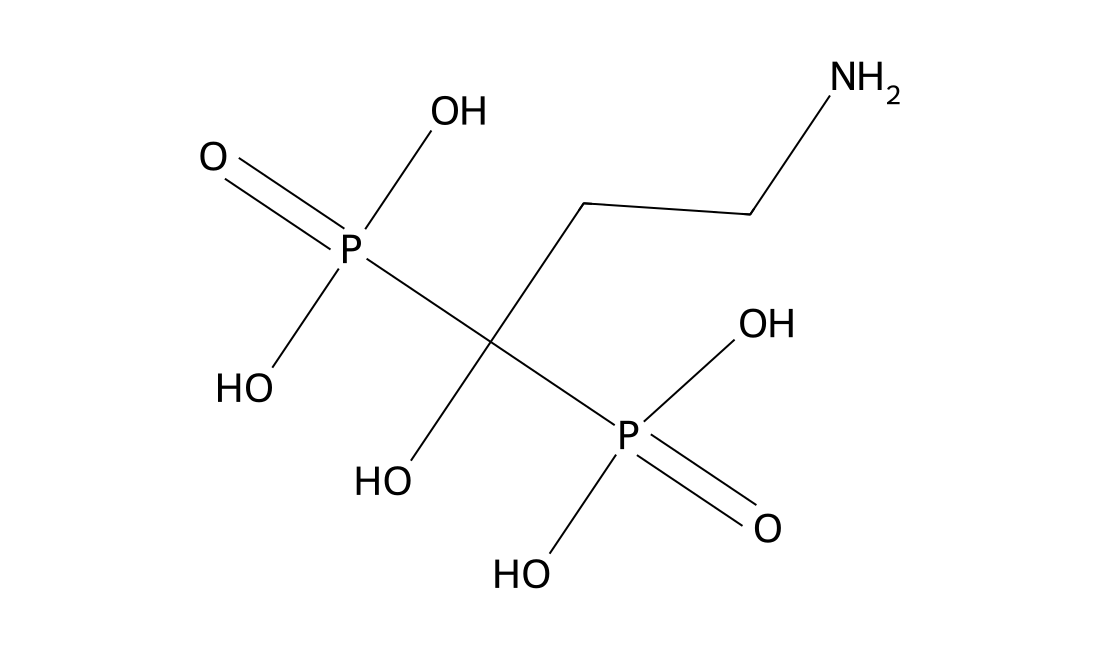
For the detailed information of Pamidronic acid, the solubility of Pamidronic acid in water, the solubility of Pamidronic acid in DMSO, the solubility of Pamidronic acid in PBS buffer, the animal experiment(test) (test) of Pamidronic acid, the cell expriment (test) of Pamidronic acid, the in vivo, in vitro and clinical trial test of Pamidronic acid, the EC50, IC50,and Affinity of Pamidronic acid,, please contact DC Chemicals.
CAS 20559-55-1
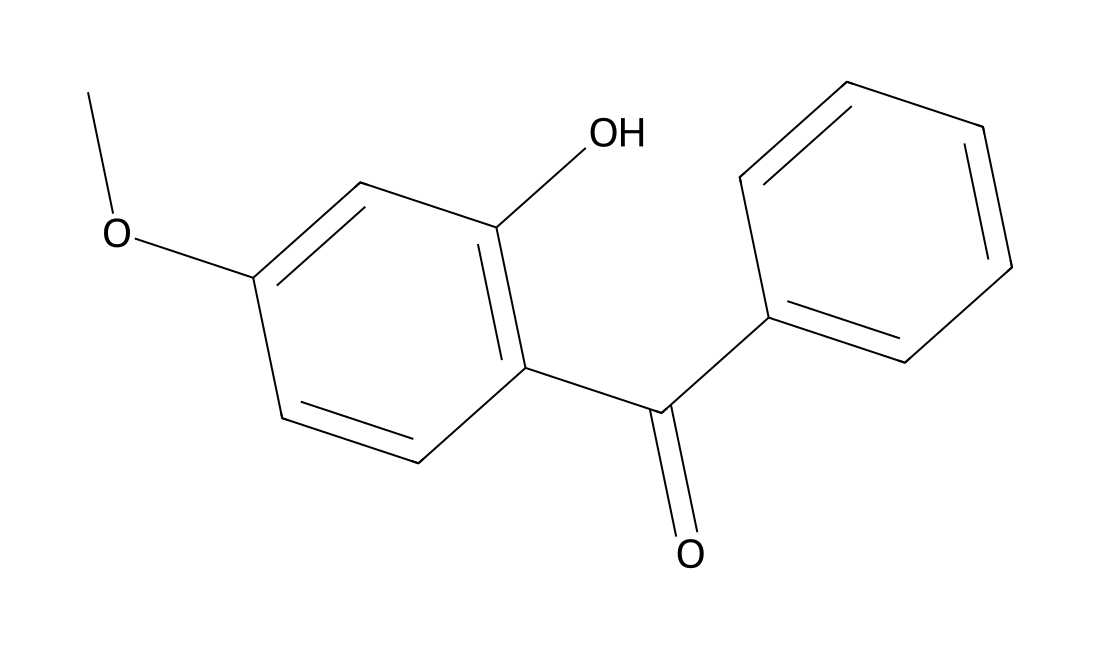
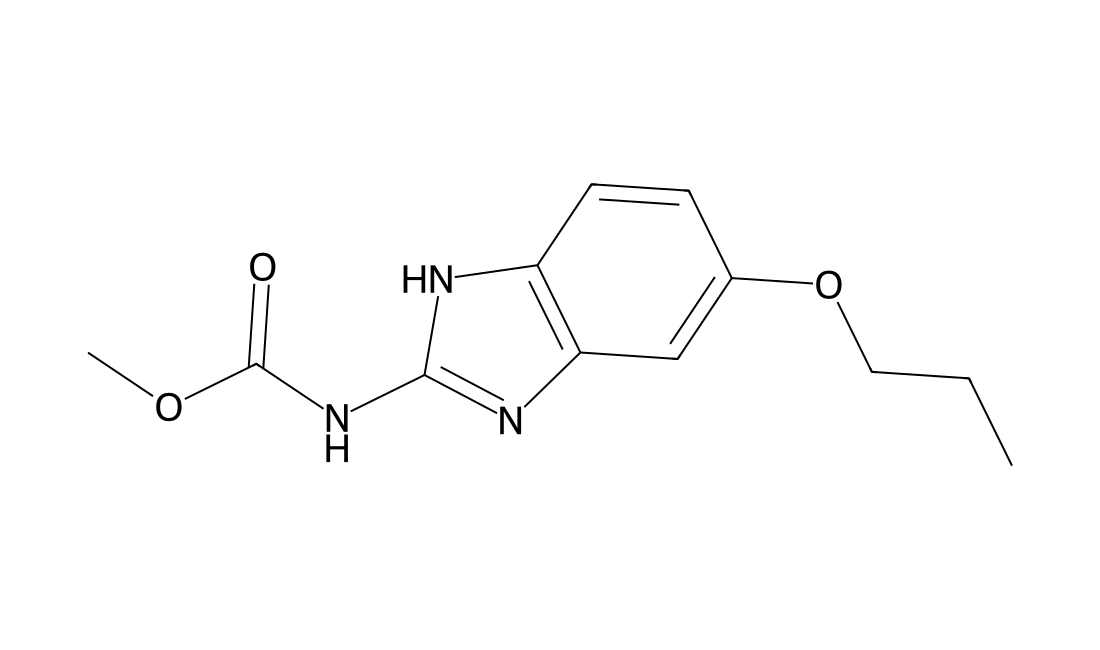
For the detailed information of Oxibendazole, the solubility of Oxibendazole in water, the solubility of Oxibendazole in DMSO, the solubility of Oxibendazole in PBS buffer, the animal experiment(test) (test) of Oxibendazole, the cell expriment (test) of Oxibendazole, the in vivo, in vitro and clinical trial test of Oxibendazole, the EC50, IC50,and Affinity of Oxibendazole,, please contact DC Chemicals.
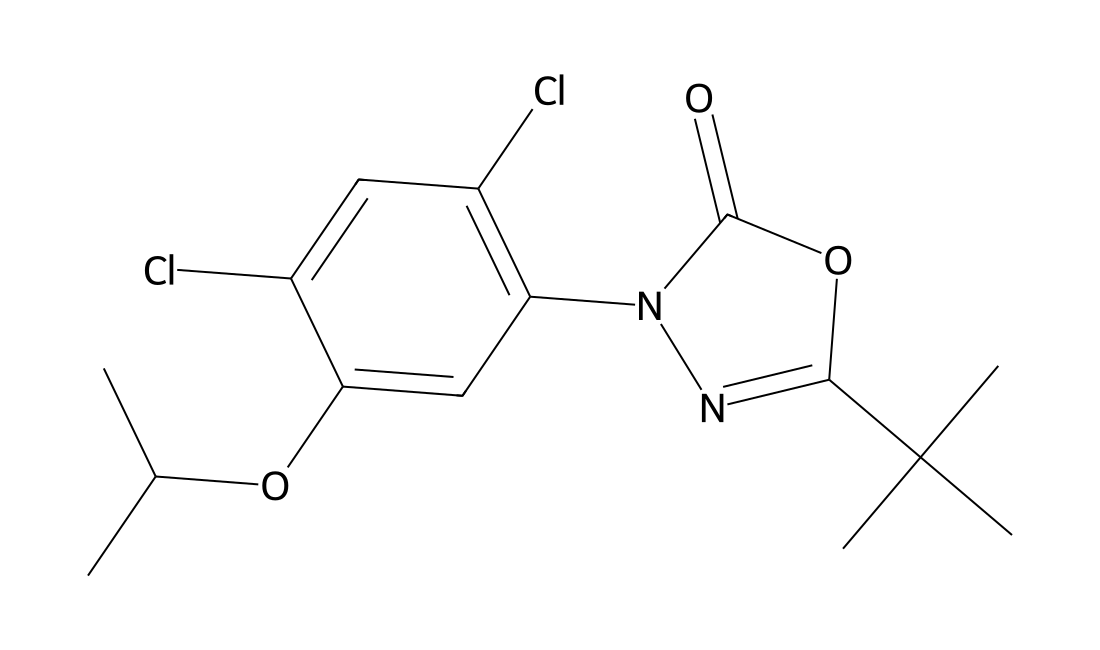
CAS 65-86-1
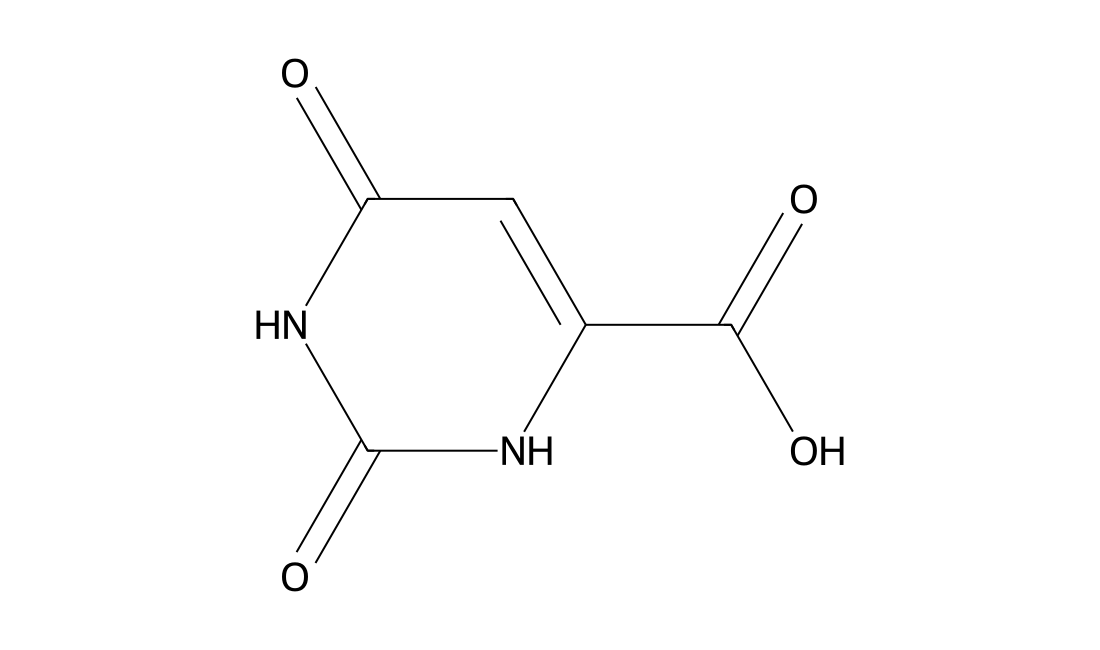
For the detailed information of Orotic acid (6-Carboxyuracil), the solubility of Orotic acid (6-Carboxyuracil) in water, the solubility of Orotic acid (6-Carboxyuracil) in DMSO, the solubility of Orotic acid (6-Carboxyuracil) in PBS buffer, the animal experiment(test) (test) of Orotic acid (6-Carboxyuracil), the cell expriment (test) of Orotic acid (6-Carboxyuracil), the in vivo, in vitro and clinical trial test of Orotic acid (6-Carboxyuracil), the EC50, IC50,and Affinity of Orotic acid (6-Carboxyuracil),, please contact DC Chemicals.
CAS 1261491-89-7
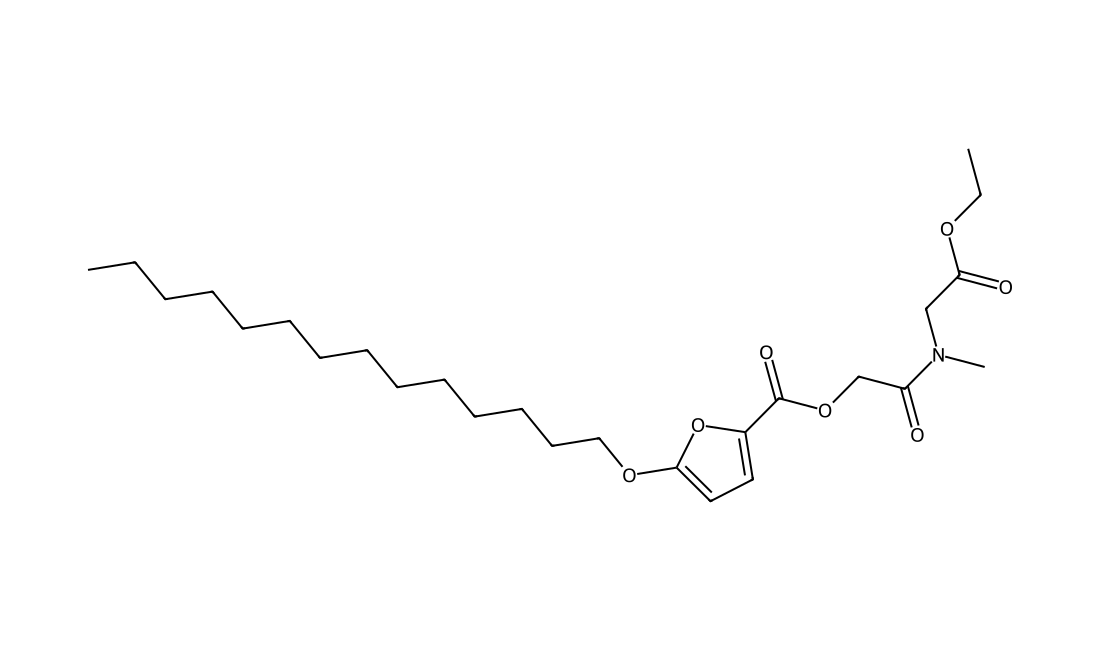
Acetyl coenzyme A carboxylase controls the first, rate limiting step in fatty acid biosynthesis. Olumacostat glasaretil inhibits de novo lipid synthesis in primary and transformed human sebocytes. At 3 μM, olumacostat glasaretil reduces fatty acid synthesis to at or below baseline levels. 14C-acetate incorporation levels are 85%-90% lower for SEB-1 cultures treated with olumacostat glasaretil at 20 μM compared to control samples. At 3 μM, olumacostat glasaretil reduces sebocyte triacylglycerol, cholesteryl/wax ester, diacylglycerol, cholesterol and phospholipid levels from control values on average by approximately 86%, 57%, 51%, 39% and 37%, respectively.Olumacostat glasaretil is a pro-drug of the ACC inhibitor 5-(tetradecyloxy)-2-furoic acid (TOFA) and is designed to enhance delivery in vivo. Topical application of olumacostat glasaretil but not TOFA significantly reduces hamster ear sebaceous gland size. HPLC analyses of hamster ear extracts shows that olumacostat glasaretil treatment increases ACC levels and the ratio of acetyl-CoA to free CoA in tested animals, indicating increased fatty acid oxidation. These changes are consistent with ACC inhibition. Matrix-assisted laser desorption/ionization (MALDI) imaging reveals that OG applied onto Yorkshire pig ears accumulates in sebaceous glands relative to the surrounding dermis. At week 12, OG treatment shows greater reductions from baseline in inflammatory lesions and noninflammatory lesions, and more patients with greater than or equal to 2-grade improvement in investigator global assessment score than vehicle.
CAS 362003-83-6
NVP-231 is a potent, reversible inhibitor of ceramide kinase (IC50 = 12 nM). It has minimal effect on several other lipid kinases, including sphingosine kinases 1 and 2.3 In cells in which exogenous short chain ceramide is converted to C1P, resulting in cell death, NVP-231 prevents both C1P synthesis and cell death.In mouse dermal microvascular endothelial cells, where ceramide kinase increases capillary-like tube formation, NVP-231 (100 nM) inhibits C1P formation as well as tube formation. For the detailed information of NVP-231, the solubility of NVP-231 in water, the solubility of NVP-231 in DMSO, the solubility of NVP-231 in PBS buffer, the animal experiment (test) of NVP-231, the cell expriment (test) of NVP-231, the in vivo, in vitro and clinical trial test of NVP-231, the EC50, IC50,and affinity,of NVP-231, For the detailed information of NVP-231, the solubility of NVP-231 in water, the solubility of NVP-231 in DMSO, the solubility of NVP-231 in PBS buffer, the animal experiment (test) of NVP-231, the cell expriment (test) of NVP-231, the in vivo, in vitro and clinical trial test of NVP-231, the EC50, IC50,and affinity,of NVP-231, Please contact DC Chemicals.
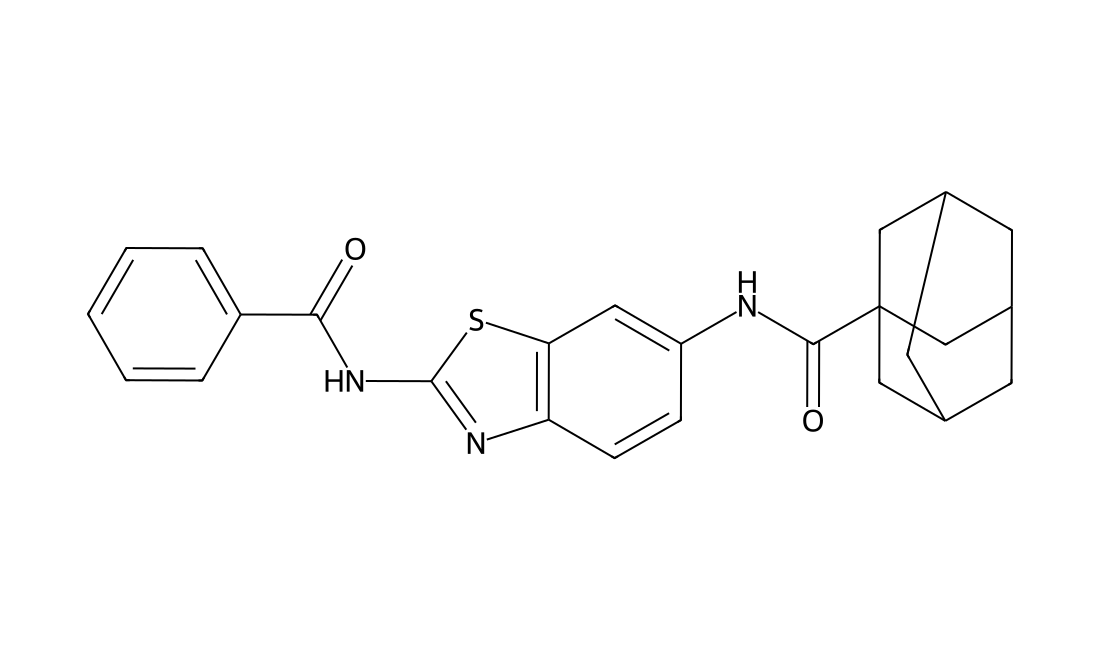
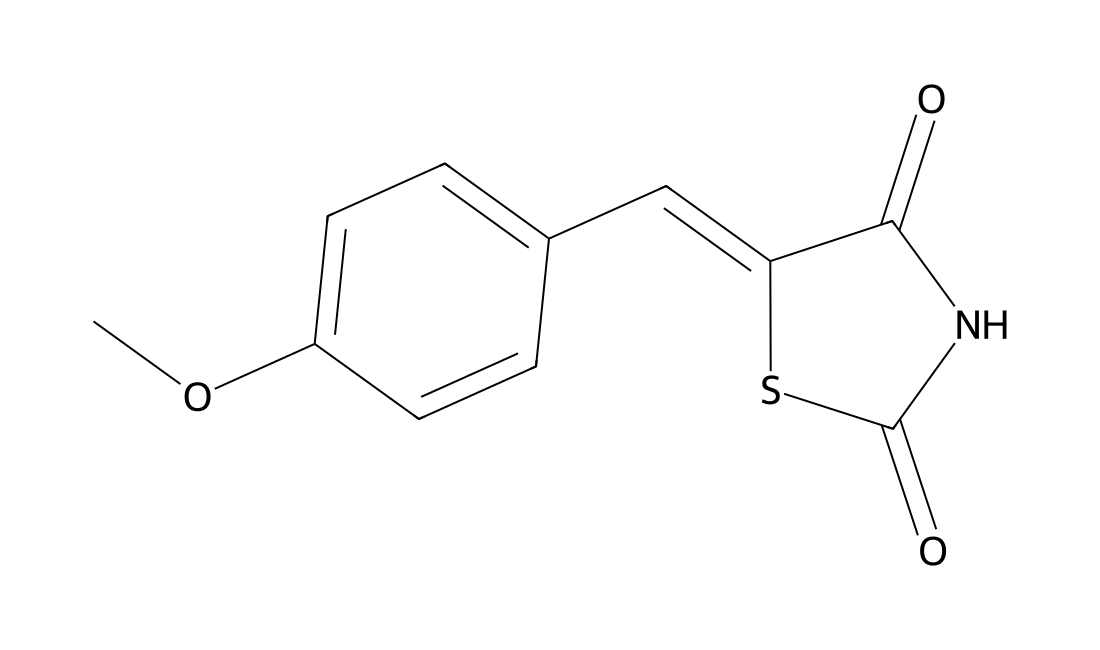
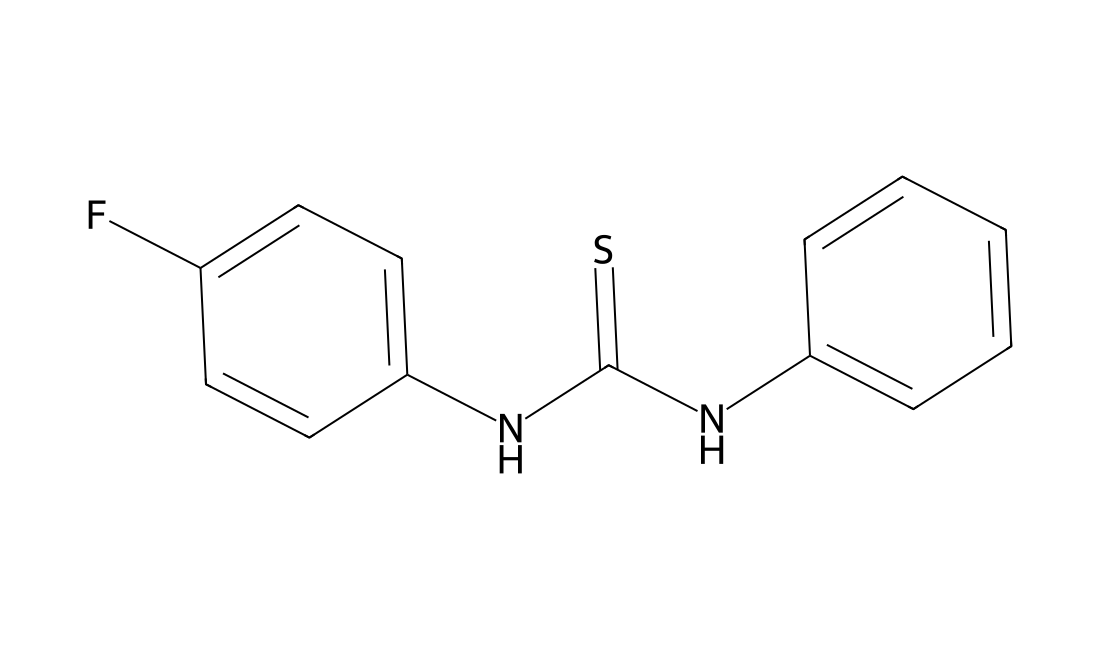
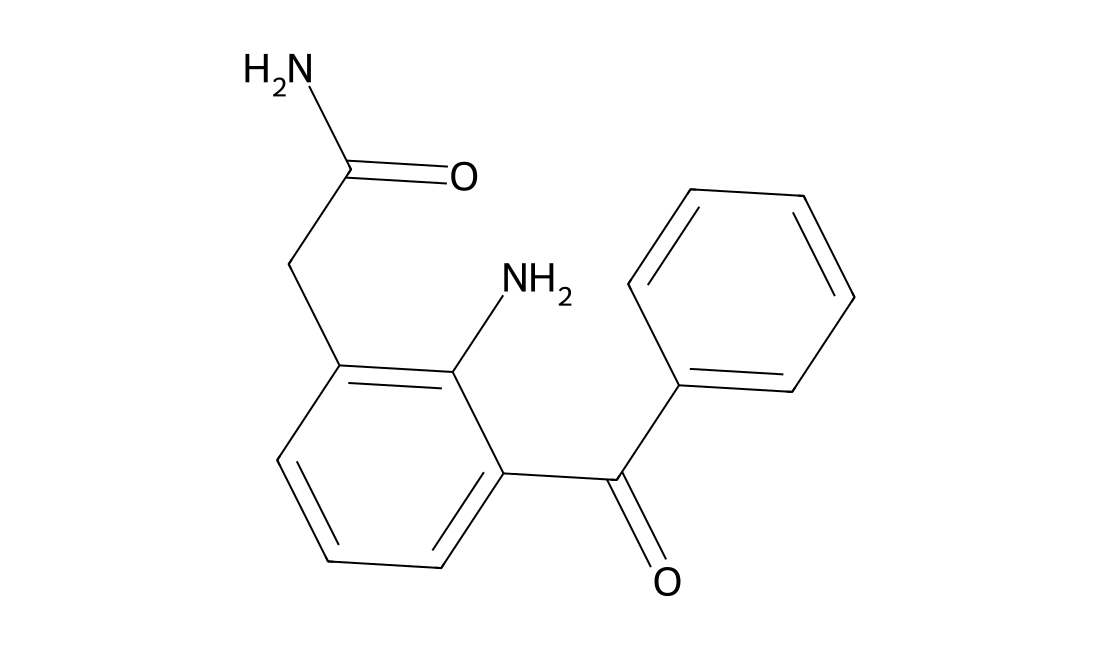
CAS 78281-72-8
For the detailed information of Nepafenac, the solubility of Nepafenac in water, the solubility of Nepafenac in DMSO, the solubility of Nepafenac in PBS buffer, the animal experiment(test) (test) of Nepafenac, the cell expriment (test) of Nepafenac, the in vivo, in vitro and clinical trial test of Nepafenac, the EC50, IC50,and Affinity of Nepafenac,, please contact DC Chemicals.
CAS 1802088-50-1
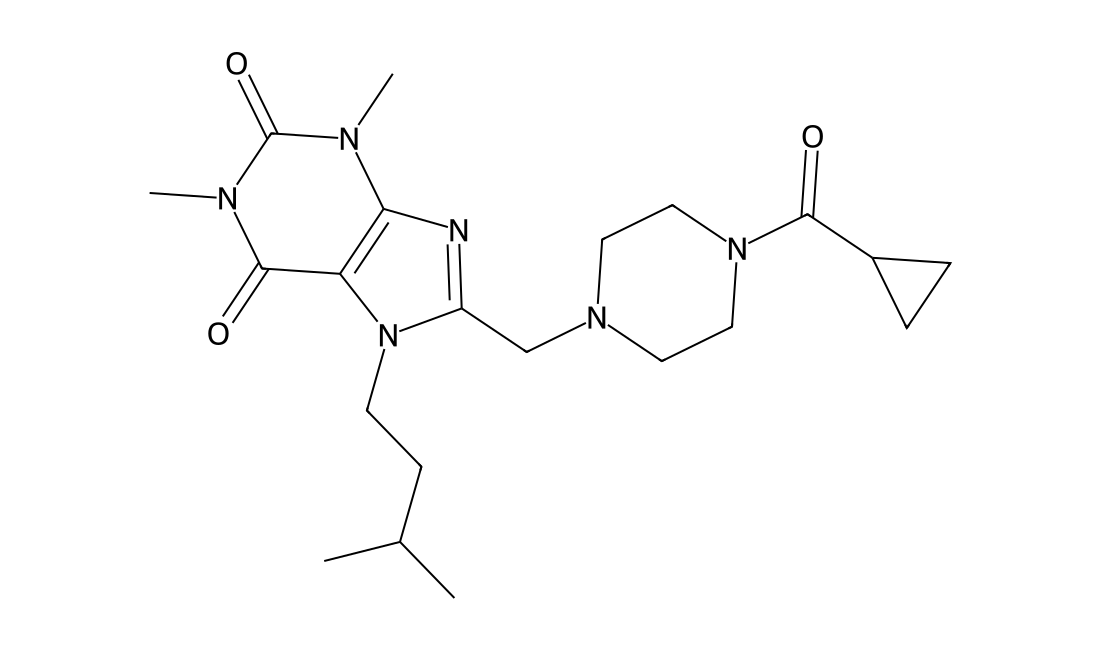
NCT-501 is a potent and selective inhibitor of Aldehyde Dehydrogenase 1A1 (ALDH1A1) with IC50 of 40 nM.
CAS 143388-64-1
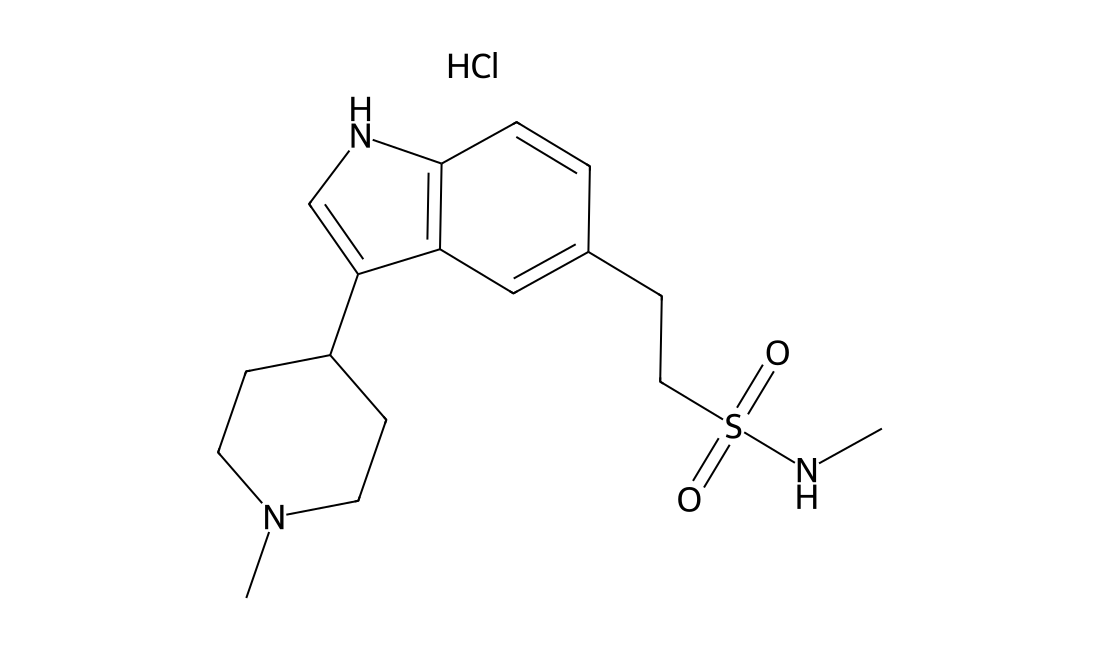
For the detailed information of Naratriptan hydrochloride, the solubility of Naratriptan hydrochloride in water, the solubility of Naratriptan hydrochloride in DMSO, the solubility of Naratriptan hydrochloride in PBS buffer, the animal experiment(test) (test) of Naratriptan hydrochloride, the cell expriment (test) of Naratriptan hydrochloride, the in vivo, in vitro and clinical trial test of Naratriptan hydrochloride, the EC50, IC50,and Affinity of Naratriptan hydrochloride,, please contact DC Chemicals.
CAS 389-08-2
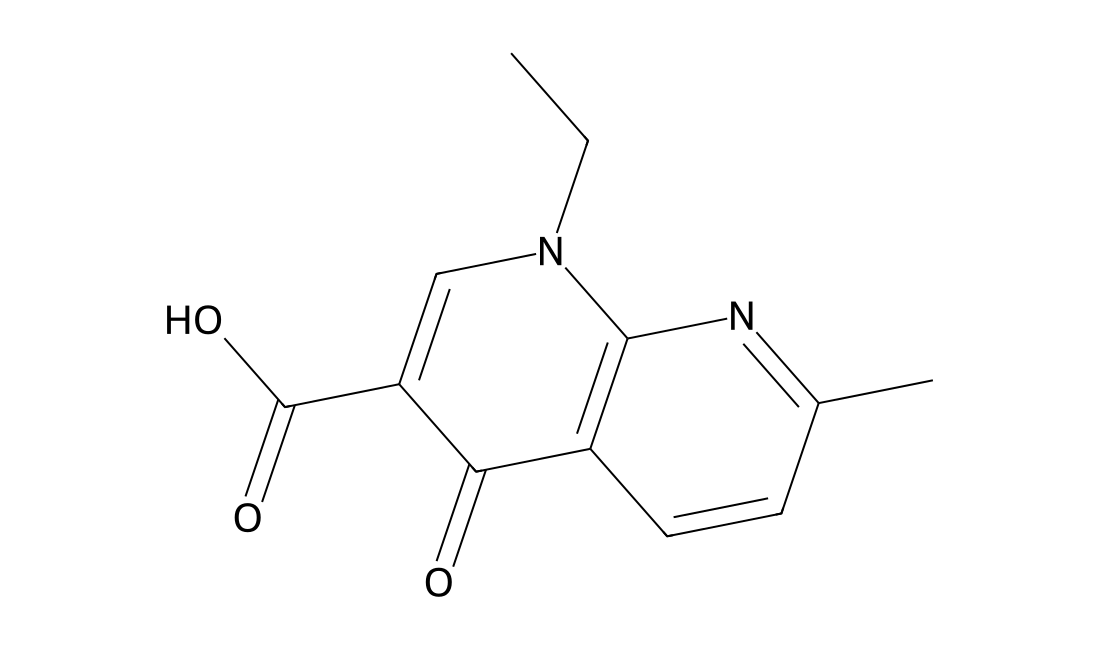
For the detailed information of Nalidixic acid (NegGram), the solubility of Nalidixic acid (NegGram) in water, the solubility of Nalidixic acid (NegGram) in DMSO, the solubility of Nalidixic acid (NegGram) in PBS buffer, the animal experiment(test) (test) of Nalidixic acid (NegGram), the cell expriment (test) of Nalidixic acid (NegGram), the in vivo, in vitro and clinical trial test of Nalidixic acid (NegGram), the EC50, IC50,and Affinity of Nalidixic acid (NegGram),, please contact DC Chemicals.
CAS 10030-78-1
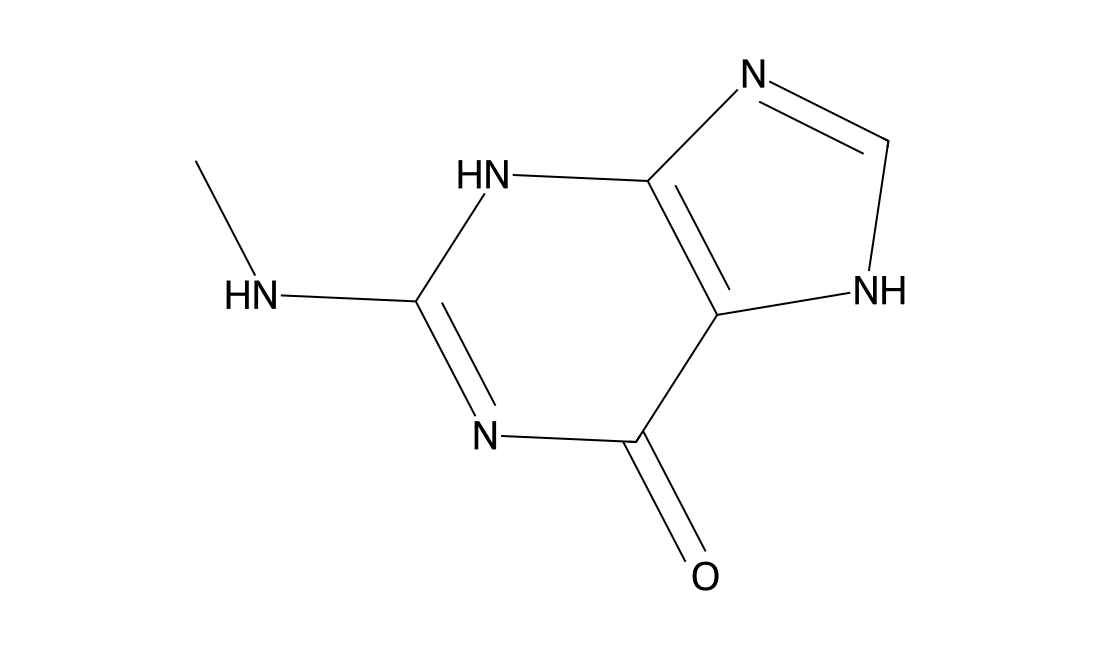
N2-methylguanine is found within both helical and looped regions of RNA secondary structure, and it can exist in either the s-cis or the s-trans rotamer. If there is a rotational preference for the methyl group, the effect of N2-methylguanine substitution may be specific to the sequence context depending upon which face of the base participates in hydrogen bonding. N2-methylguanine is the principal kinetic barrier for reverse transcription in the 1340 bases proximal to the 5' end of E. coli 16S rRNA. Transcription intermediates correspond to attenuation at the positions of N2-methylguanine in the rRNA sequence. The relaxation time for elongation of the cDNA through m2G is approximately 3 min.
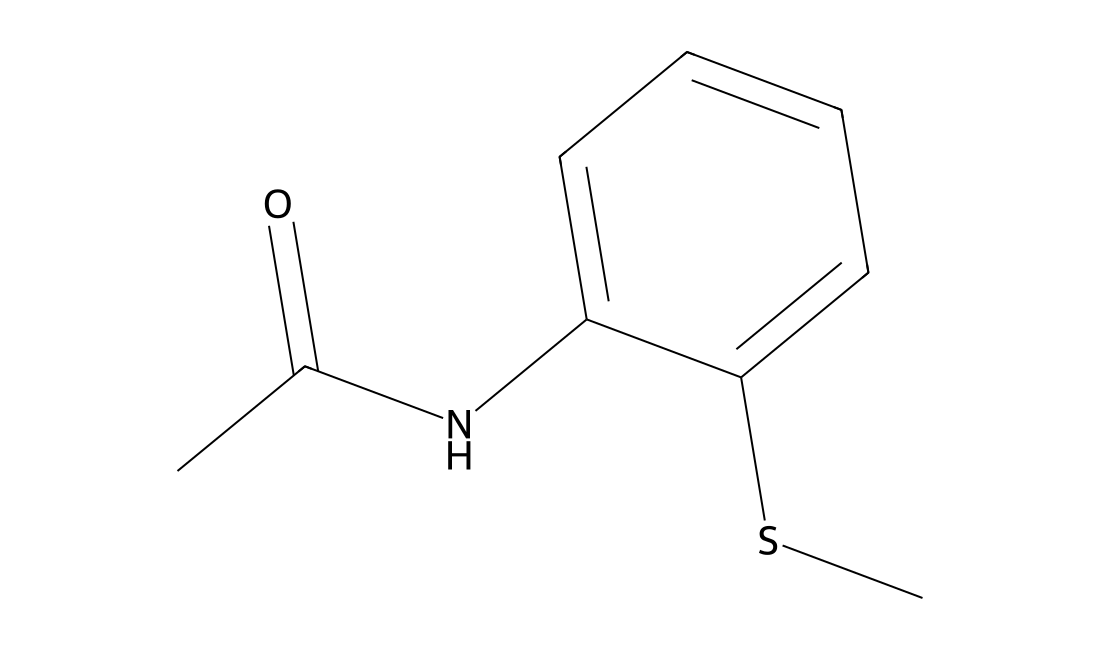
CAS 6310-41-4
N-[2-(methylsulfanyl) phenyl]acetamide. For the detailed information of NSC-41589, the solubility of NSC-41589 in water, the solubility of NSC-41589 in DMSO, the solubility of NSC-41589 in PBS buffer, the animal experiment (test) of NSC-41589, the cell expriment (test) of NSC-41589, the in vivo, in vitro and clinical trial test of NSC-41589, the EC50, IC50,and affinity,of NSC-41589, For the detailed information of NSC-41589, the solubility of NSC-41589 in water, the solubility of NSC-41589 in DMSO, the solubility of NSC-41589 in PBS buffer, the animal experiment (test) of NSC-41589, the cell expriment (test) of NSC-41589, the in vivo, in vitro and clinical trial test of NSC-41589, the EC50, IC50,and affinity,of NSC-41589, Please contact DC Chemicals.
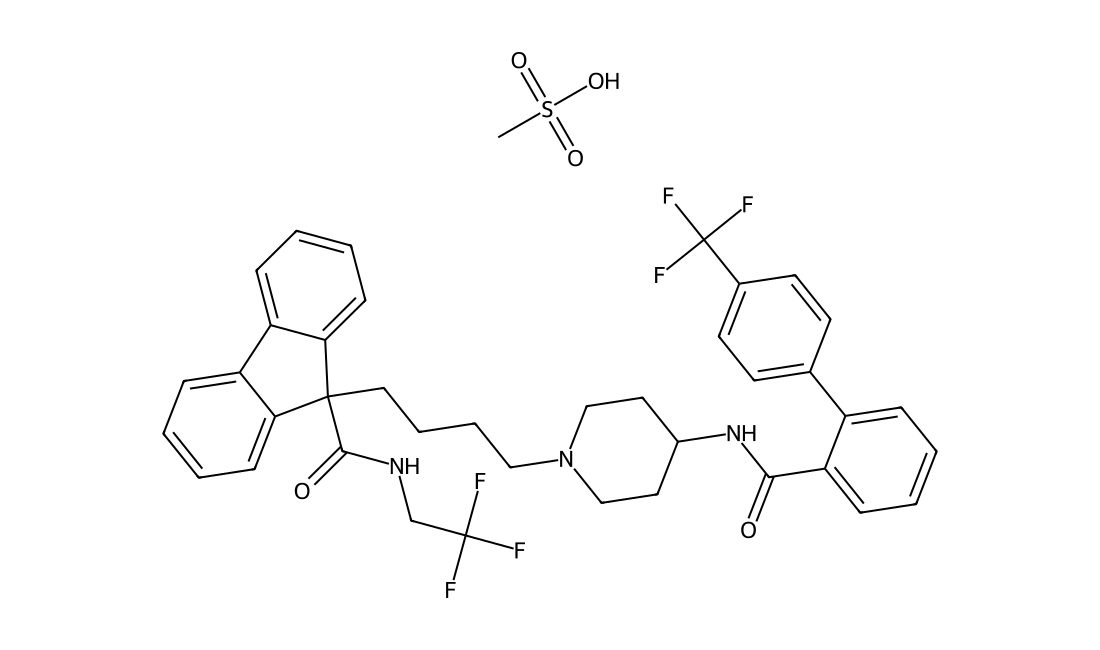
CAS 202914-84-9
For the detailed information of Lomitapide Mesylate, the solubility of Lomitapide Mesylate in water, the solubility of Lomitapide Mesylate in DMSO, the solubility of Lomitapide Mesylate in PBS buffer, the animal experiment (test) of Lomitapide Mesylate, the cell expriment (test) of Lomitapide Mesylate, the in vivo, in vitro and clinical trial test of Lomitapide Mesylate, the EC50, IC50,and affinity,of Lomitapide Mesylate, For the detailed information of Lomitapide Mesylate, the solubility of Lomitapide Mesylate in water, the solubility of Lomitapide Mesylate in DMSO, the solubility of Lomitapide Mesylate in PBS buffer, the animal experiment (test) of Lomitapide Mesylate, the cell expriment (test) of Lomitapide Mesylate, the in vivo, in vitro and clinical trial test of Lomitapide Mesylate, the EC50, IC50,and affinity,of Lomitapide Mesylate, Please contact DC Chemicals.
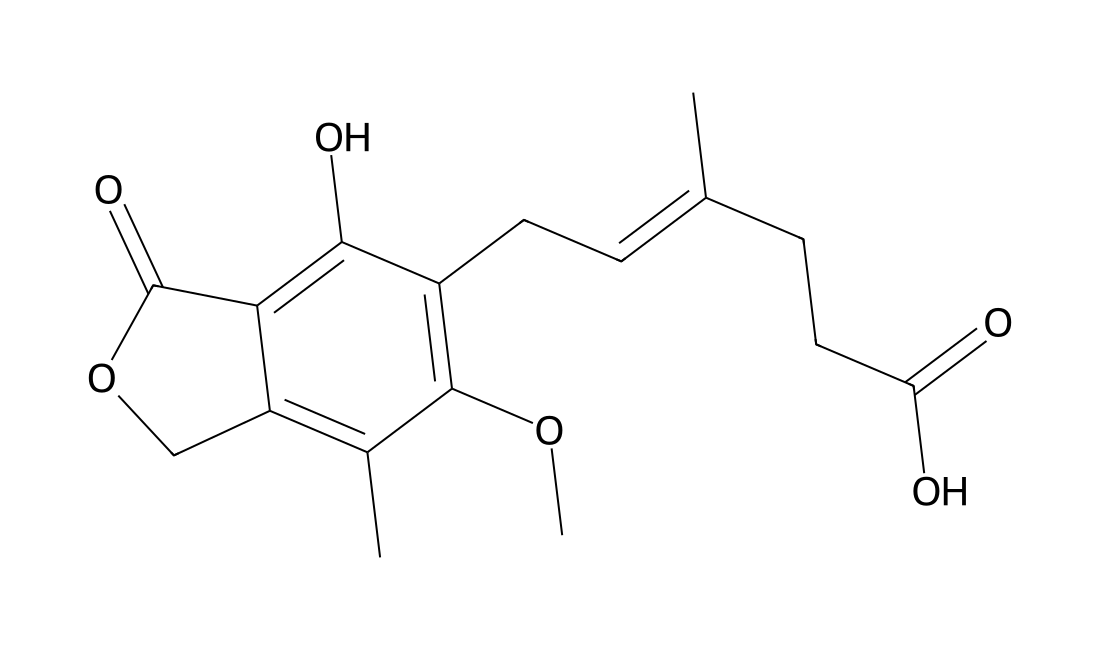
CAS 24280-93-1
For the detailed information of Mycophenolic (Mycophenolate), the solubility of Mycophenolic (Mycophenolate) in water, the solubility of Mycophenolic (Mycophenolate) in DMSO, the solubility of Mycophenolic (Mycophenolate) in PBS buffer, the animal experiment(test) (test) of Mycophenolic (Mycophenolate), the cell expriment (test) of Mycophenolic (Mycophenolate), the in vivo, in vitro and clinical trial test of Mycophenolic (Mycophenolate), the EC50, IC50,and Affinity of Mycophenolic (Mycophenolate),, please contact DC Chemicals.
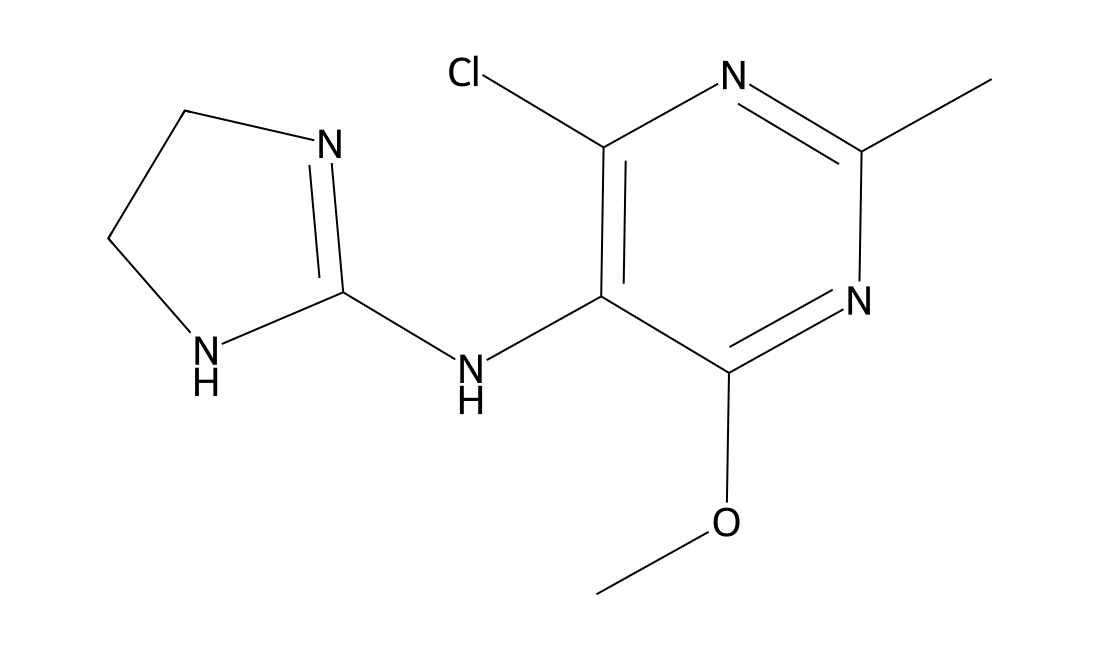
CAS 75438-57-2
For the detailed information of Moxonidine, the solubility of Moxonidine in water, the solubility of Moxonidine in DMSO, the solubility of Moxonidine in PBS buffer, the animal experiment(test) (test) of Moxonidine, the cell expriment (test) of Moxonidine, the in vivo, in vitro and clinical trial test of Moxonidine, the EC50, IC50,and Affinity of Moxonidine,, please contact DC Chemicals.
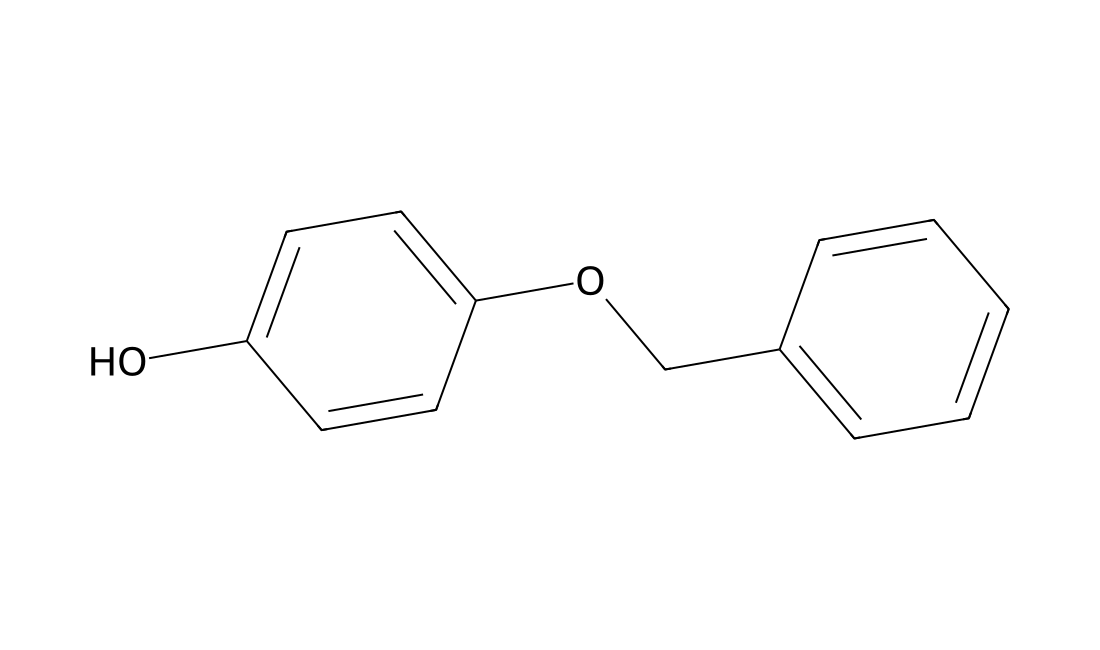
CAS 103-16-2
For the detailed information of Monobenzone (Benoquin), the solubility of Monobenzone (Benoquin) in water, the solubility of Monobenzone (Benoquin) in DMSO, the solubility of Monobenzone (Benoquin) in PBS buffer, the animal experiment(test) (test) of Monobenzone (Benoquin), the cell expriment (test) of Monobenzone (Benoquin), the in vivo, in vitro and clinical trial test of Monobenzone (Benoquin), the EC50, IC50,and Affinity of Monobenzone (Benoquin),, please contact DC Chemicals.
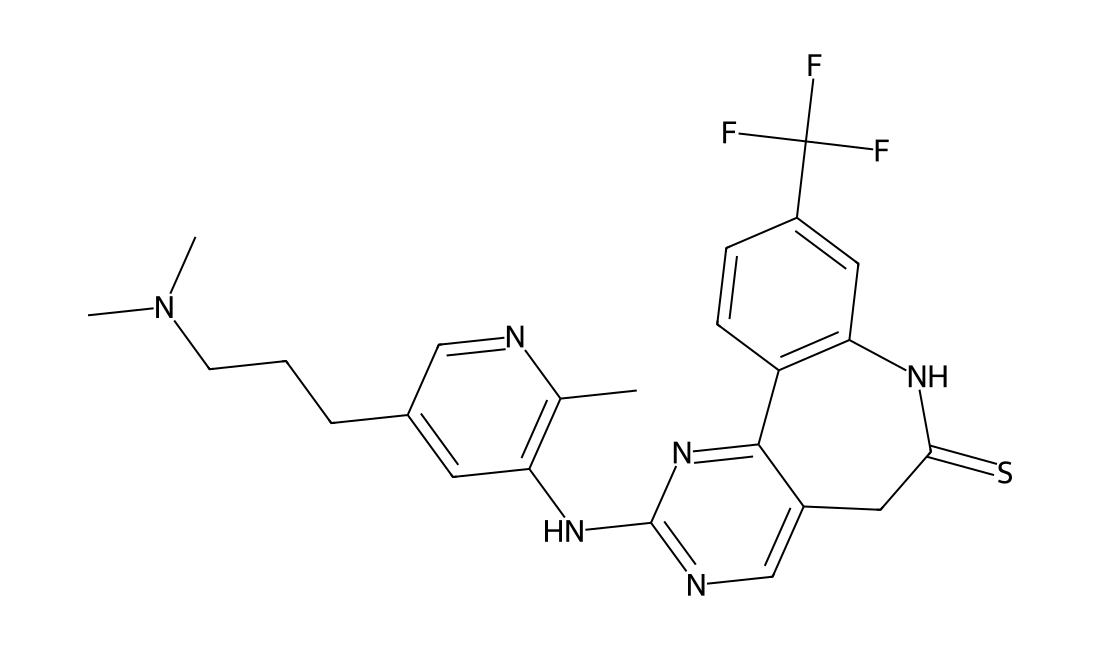
CAS 1228960-69-7
MLN0905 is a potent inhibitor of PLK1 with IC50 of 2 nM. MLN0905 inhibits cell mitosis with EC50 of 9 nM. MLN0905 inhibits Cdc25C-T96 phosphorylation, a direct readout of PLK1 inhibition with EC50 of 29 nM. MLN0905 inhibits HT-29 viability with LD50 of 22 nM. MLN0905 possesses reasonable selectivity against a panel of 359 kinases. MLN0905 inhibits a panel of lymphoma cells viability with IC50 of 3 – 24 nM. Nude mice bearing HT-29 xenografts administered with MLN0905 (6.25 mg/Kg - 50 mg/Kg, p.o.) shows dose-dependent pharmacodynamic responses (48 hours after treatment). OCI LY-19-Luc tumor bearing mice administered with MLN0905 (3.12 mg/Kg – 6.25 mg/Kg, p.o.) shows significant pharmacodynamic responses amd peaks at 8 hours after treatment. MLN0905 shows antitumor efficacy in treatment with OCI LY-19-Luc xenografts bearing scid mice For 21 days. The T/C of 6.25 mg/Kg daily group is 0.15. For the detailed information of MLN0905, the solubility of MLN0905 in water, the solubility of MLN0905 in DMSO, the solubility of MLN0905 in PBS buffer, the animal experiment (test) of MLN0905, the cell expriment (test) of MLN0905, the in vivo, in vitro and clinical trial test of MLN0905, the EC50, IC50,and Affinity of MLN0905, Please contact DC Chemicals.
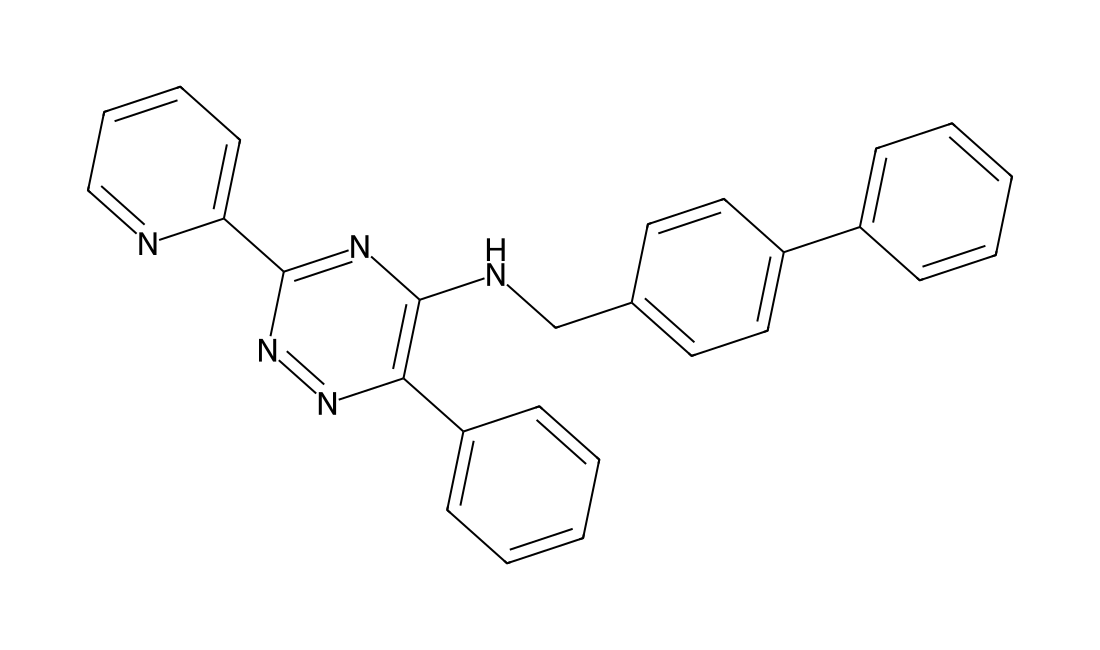
CAS 1357171-62-0
HIF pathway activator (EC50 values are 1.23 and 1.4 μM for HRE gene reporter assay and HIF-1α nuclear translocation assay respectively); acts via chelation of iron, independently of PHD. Also exhibits > 80% inhibition of the human A3 receptor, dopamine transporter, μ receptor, hERG and 5-HT2B receptor, and rat sodium channel site 2, at a concentration of 10 μM.For the detailed information about the solubility of ML-228 in water, the solubility of ML-228 in DMSO, the solubility of ML-228 in PBS buffer, the animal experiment of ML-228,the in vivo and in vitro test of ML-228,the cell experiment of ML-228,the IC50 and EC50 of ML-228 please contact DC Chemicals.
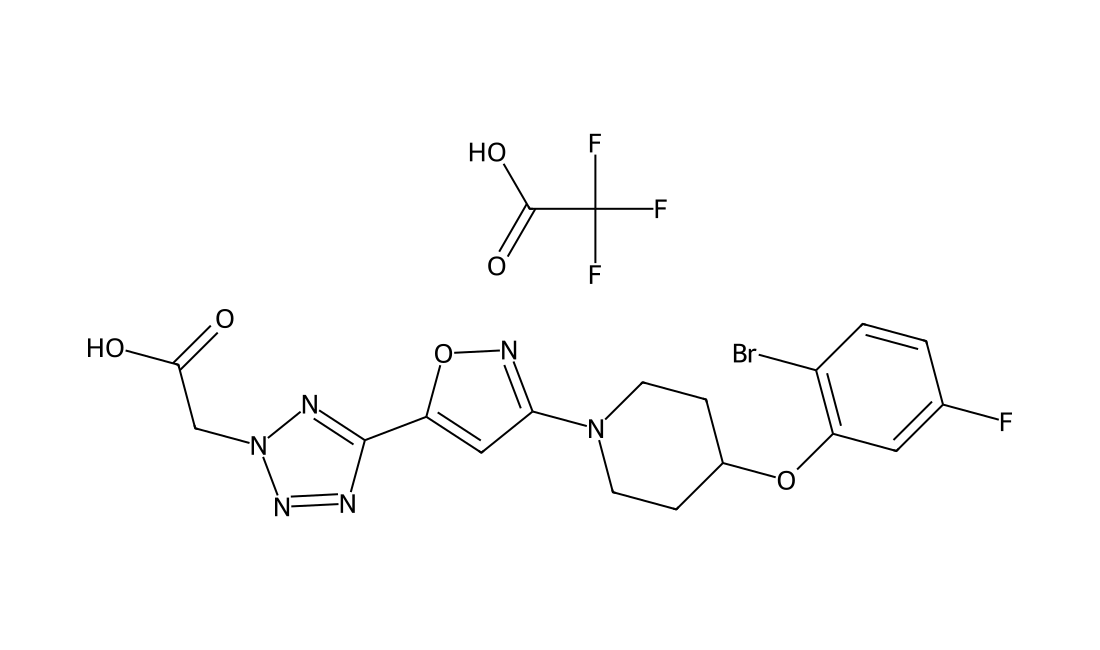
CAS 1415559-41-9
MK-8245 trifluoroacetate is a potent, selective liver-targeted stearoyl-CoA desaturase (SCD) inhibitor with IC50 of 3, 3 and 1 nM for rat, mouse and human SCD1 enzyme, respectively; displays highly selective over the Δ-5 and Δ-6 desaturases (IC50>100 uM); has IC50 values of 68 nM and 1066 nM in Hum HepG2 and rat hepatocyte assays, demonstrates HepG2/hepatocyte ratio of 16:1; exhibits preclinical antidiabetic and antidyslipidemic efficacy in vivo, demonstrats maximal liver SCD inhibition while sparing inhibition in the skin and eye tissues associated with adverse events.DiabetesPhase 1 Discontinued
CAS 875337-44-3
MGCD-265 is a multi-target inhibitor of receptor tyrosine kinases. MGCD-265 potently inhibits Met, MetY1235D, MetM1250T, VEGFR1, VEGF2, VEGF3, Ron, and Tie2, with IC50 values ranging from 1 nM to 7 nM. MGCD-265 inhibits cell proliferation both in c-Met-driven tumor cells (MKN45, MNNG-HOS, and SNU-5) and in non-c-Met-driven tumor cells (HCT116 and MDA-MB-231), with IC50 values of 6 nM–30 nM and 1 μM–3 μM, respectively. In serum starved MKN45 cells, MGCD-265 (40 nM–5 μM) effectively inhibits c-Met phosphorylation and its downstream signaling pathways, including Erk, Akt, Stat3, and Fak. MGCD-265 (6 nM–1 μM) also induces apoptosis in MKN45 cells. In c-Met-driven or non-c-Met-driven mice xenograft models of MKN45, U87MG, MDA-MB-231, COLO205, and A549 tumor cells, MGCD-265 (20 mg/kg–60 mg/kg) inhibits tumor growth and c-Met signaling. MGCD-265 (40 mg/kg) also downregulates genes involved in angiogenesis, including VEGF and IL-8, both in tumor and plasma of mice with U87MG xenograft. MGCD-265 also inhibits the plasma level of shed-Met. For the detailed information of MGCD-265, the solubility of MGCD-265 in water, the solubility of MGCD-265 in DMSO, the solubility of MGCD-265 in PBS buffer, the animal experiment (test) of MGCD-265, the cell expriment (test) of MGCD-265, the in vivo, in vitro and clinical trial test of MGCD-265, the EC50, IC50,and Affinity of MGCD-265, Please contact DC Chemicals.
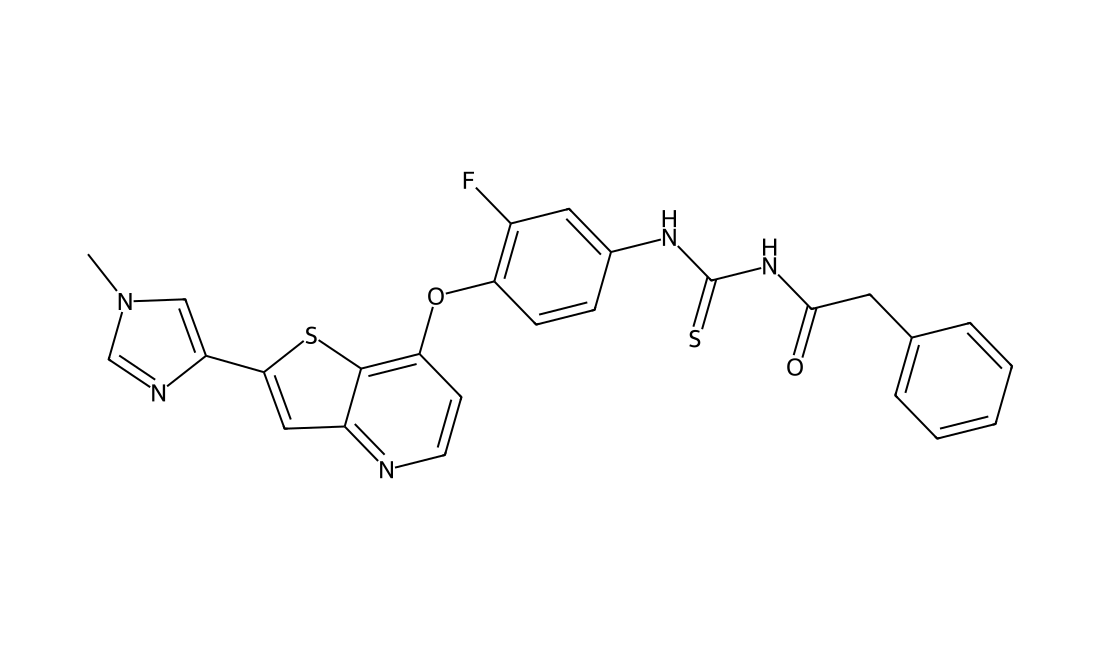
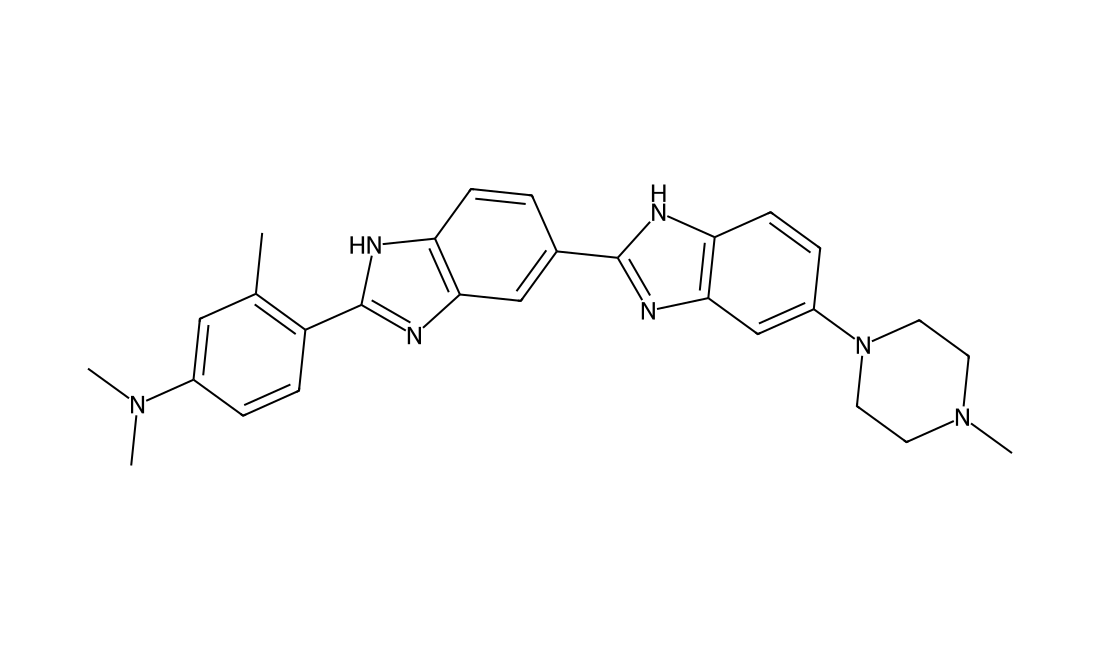
CAS 188247-01-0
Methylproamine is a DNA-binding radioprotector which, on the basis of published pulse radiolysis studies, acts by repair of transient radiation-induced oxidative species on DNA. in vitro: The extent of radioprotection at the clonogenic survival endpoint increased with methylproamine concentration up to a maximum dose modification factor (DMF) of 2.0 at 10 μM. At least 0.1 fmole/nucleus of methylproamine is required to achieve a substantial level of radioprotection (DMF of 1.3) with maximum protection (DMF of 2.0) achieved at 0.23 fmole/nucleus. The γH2AX focus yield per cell nucleus 45 min after irradiation decreased with drug concentration with a DMF of 2.5 at 10 μM. Methylproamine-treated cells had fewer γH2AX foci after IR compared to untreated cells. Also, the presence ofmethylproamine decreased the amount of lower molecular weight DNA entering the gel as shown by the pulsed field gel electrophoresis assay. Experiments with V79 cells have shown that methylproamine is approximately 100-fold more potent than the classical aminothiol radioprotector WR1065. The crystal structures of methylproamine and proamine complexes with the dodecamer d(CGCGAATTCGCG)(2) confirm that the new analogues also are minor groove binders.
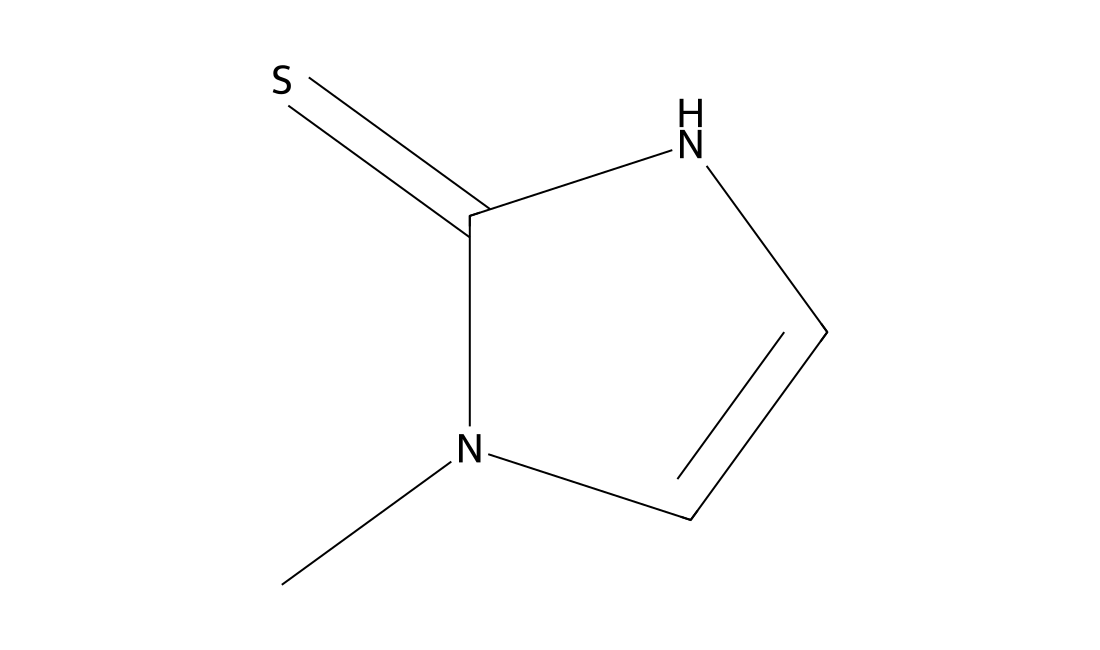
CAS 60-56-0
Methimazole(Tapazole, Northyx) is an antithyroid medicine.Methimazole is an antithyroid drug, and part of the thioamide group. Like its counterpart propylthiouracil, a major side effect of treatment is agranulocytosis. Methimazole is a drug used to treat hyperthyroidism, a condition that occurs when the thyroid gland begins to produce an excess of thyroid hormone. The drug may also be taken before thyroid surgery to lower thyroid hormone levels and minimize the effects of thyroid manipulation. Additionally, Methimazole is used in the veterinary setting to treat hyperthyroidism in cats. Methimazole inhibits the enzyme thyroperoxidase, which normally acts in thyroid hormone synthesis by oxidizing the anion iodide (I-) to iodine (I0), facilitating iodine's addition to tyrosine residues on the hormone precursor thyroglobulin, a necessary step in the synthesis of triiodothyronine (T3) and thyroxine. It does not inhibit the action of the sodium-dependent iodide transporter located on follicular cells' basolateral membranes. Inhibition of this step requires competitive inhibitors such as perchlorate and thiocyanate.
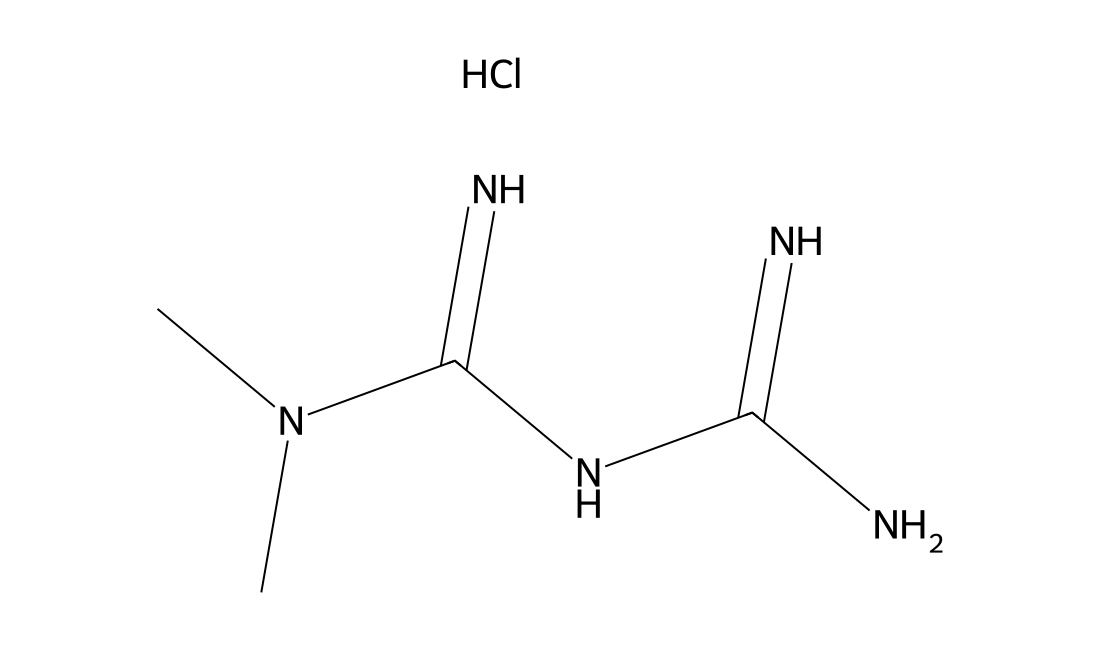
CAS 1115-70-4
For the detailed information of Met Formin HCl(Glucophage), the solubility of Met Formin HCl(Glucophage) in water, the solubility of Met Formin HCl(Glucophage) in DMSO, the solubility of Met Formin HCl(Glucophage) in PBS buffer, the animal experiment(test) (test) of Met Formin HCl(Glucophage), the cell expriment (test) of Met Formin HCl(Glucophage), the in vivo, in vitro and clinical trial test of Met Formin HCl(Glucophage), the EC50, IC50,and Affinity of Met Formin HCl(Glucophage),, please contact DC Chemicals.
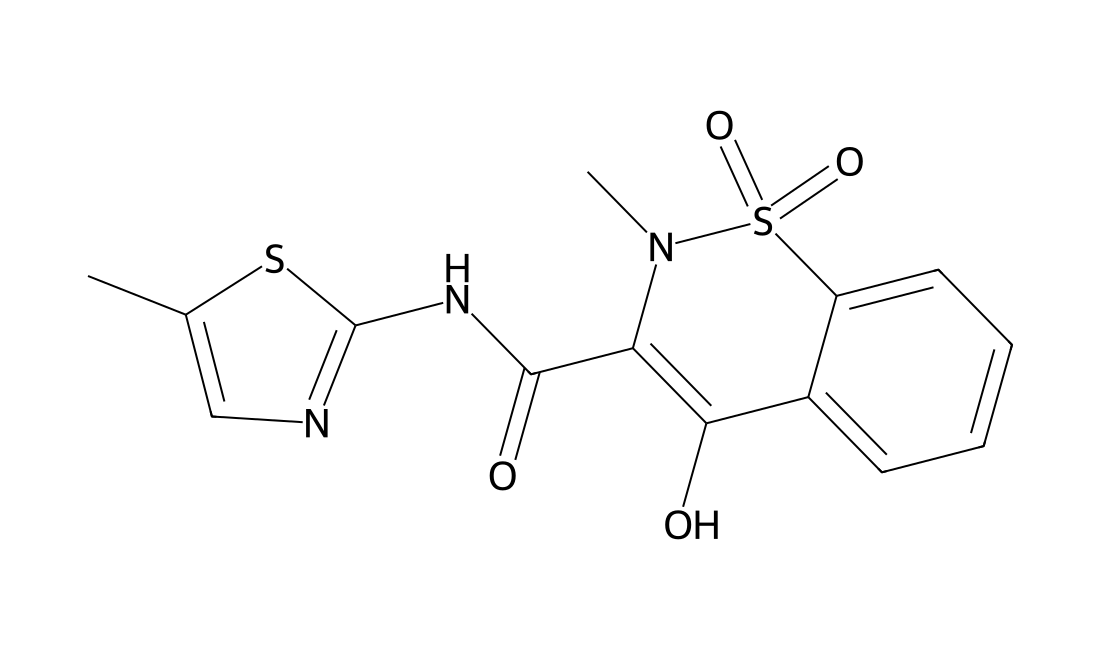
CAS 71125-38-7
For the detailed information of Meloxicam (Mobic), the solubility of Meloxicam (Mobic) in water, the solubility of Meloxicam (Mobic) in DMSO, the solubility of Meloxicam (Mobic) in PBS buffer, the animal experiment(test) (test) of Meloxicam (Mobic), the cell expriment (test) of Meloxicam (Mobic), the in vivo, in vitro and clinical trial test of Meloxicam (Mobic), the EC50, IC50,and Affinity of Meloxicam (Mobic),, please contact DC Chemicals.
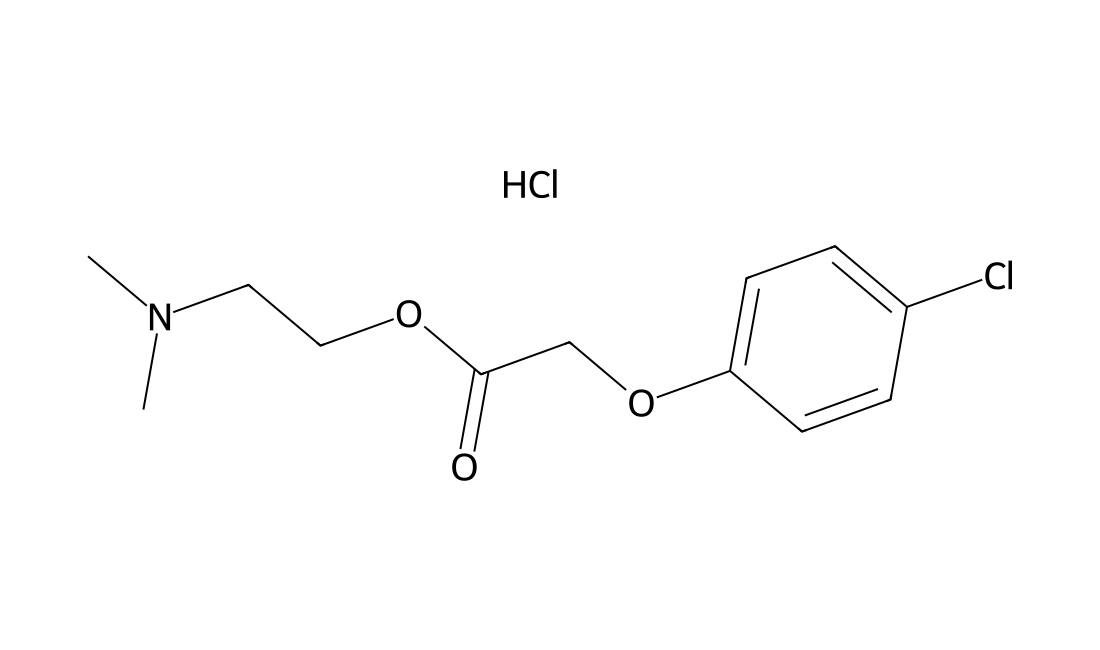
CAS 3685-84-5
Meclofenoxate hydrochloride, an ester of dimethylethanolamine (DMAE) and 4-chlorophenoxyacetic acid (pCPA), has been shown to improve memory, have a mentally stimulating effect, and improve general cognition.Meclofenoxate, administered in a dose of 50 mg/kg twice daily for 7 days using the maze-training method, increased the number of responses to the conditioned stimulus, when retention tests were made 24 hours and 7 days after training, whereas citicholine, applied in the same way in a dose of 10 mg/kg, shortened the latency of the responses with reinforcement during the training and increased the number of correct responses to the conditioned stimulus in retention tests 7 days after the training. Meclofenoxate appears to increase the consolidation of new information into long-term memory, but does not affect other aspects of remembering.
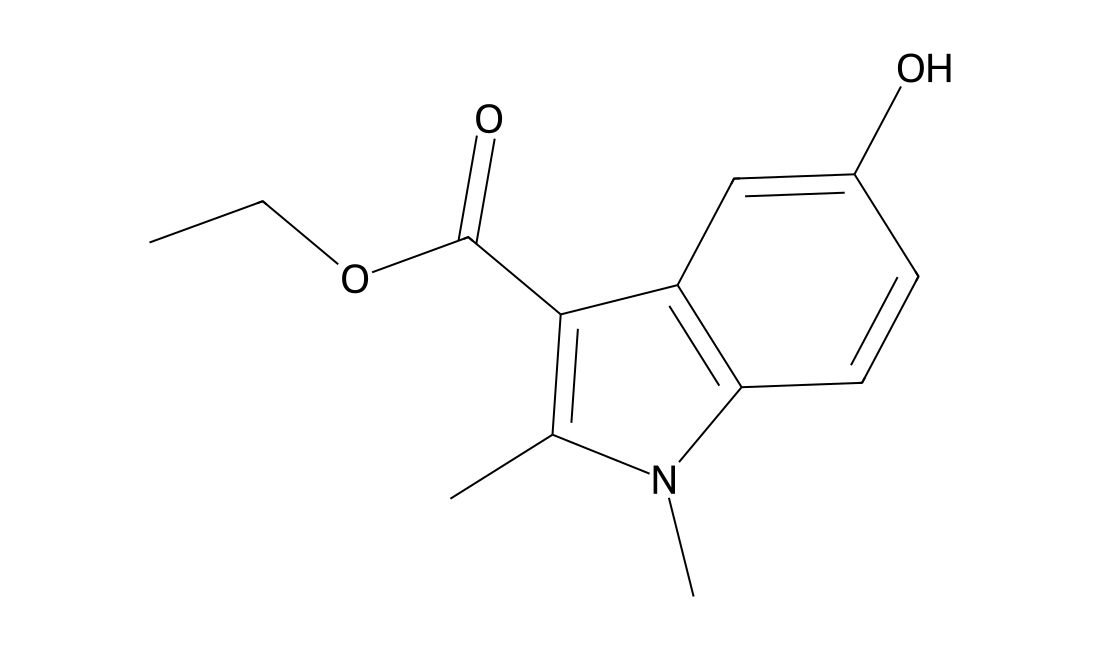
CAS 15574-49-9
For the detailed information of Mecarbinate, the solubility of Mecarbinate in water, the solubility of Mecarbinate in DMSO, the solubility of Mecarbinate in PBS buffer, the animal experiment(test) (test) of Mecarbinate, the cell expriment (test) of Mecarbinate, the in vivo, in vitro and clinical trial test of Mecarbinate, the EC50, IC50,and Affinity of Mecarbinate,, please contact DC Chemicals.
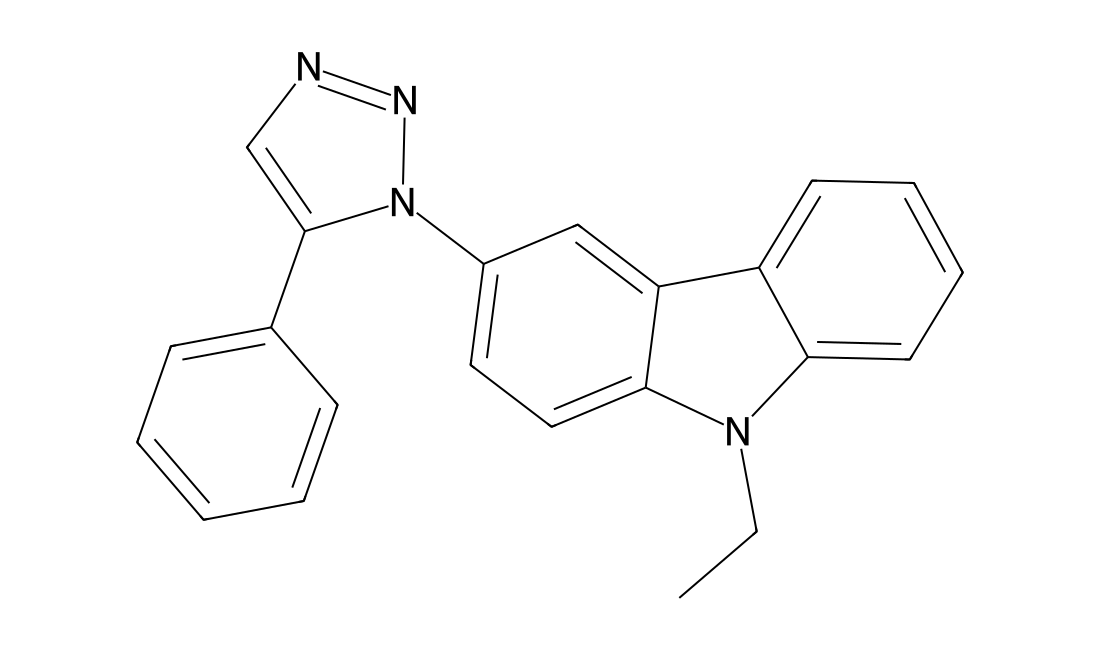
CAS 2097938-73-1
In Vitro MBQ-167 (≥100 nM) induces a loss of polarity in metastatic breast cancer cells. Treatment with 500 nM MBQ-167 for 24 h results in ~95% cell rounding and detachment from the substratum in metastatic MDA-MB-231 cells. Moreover, MBQ-167 induces this phenotype in multiple mesenchymal cancer cell types including GFP-HER2-BM, MDA-MB-468, and Hs578t human breast cancer cells, as well as Mia-PaCa-2 pancreatic cancer cells, SKOV3 ovarian cancer cells, AGS and NCI-N87 gastric cancer cells, and SH-SY5Y neuroblastoma cells. Following treatment with 250 nM MBQ-167 for 24 h, the attached population of MDA-MB-231 cells demonstrate a ~25% decrease in Rac activation while the detached cells are more responsive with a ~75% decrease. At earlier times (6h), treatment with 250 or 500 nM MBQ-167, induce a inhibition in Rac activity in the attached cell population, while the detached population demonstrate a ~40-50% inhibition. In Vivo MBQ-167-treated mice demonstrated a statistically significant reduction in tumor growth. At sacrifice, 1.0 mg/kg BW of MBQ-167 results in a ~80% reduction in tumor growth, and the 10 mg/kg BW MBQ-167 treatment results in ~95% reduction in tumor growth. Since EHop-016 only exerts ~40% reduction of tumor growth at 10 mg/kg BW, MBQ-167 is 10X more effective than EHop-016. MBQ-167 treated mice demonstrated similar doubling times for both treatments (10 and 11 days).
CAS 59937-28-9
For the detailed information of Malotilate, the solubility of Malotilate in water, the solubility of Malotilate in DMSO, the solubility of Malotilate in PBS buffer, the animal experiment(test) (test) of Malotilate, the cell expriment (test) of Malotilate, the in vivo, in vitro and clinical trial test of Malotilate, the EC50, IC50,and Affinity of Malotilate,, please contact DC Chemicals.
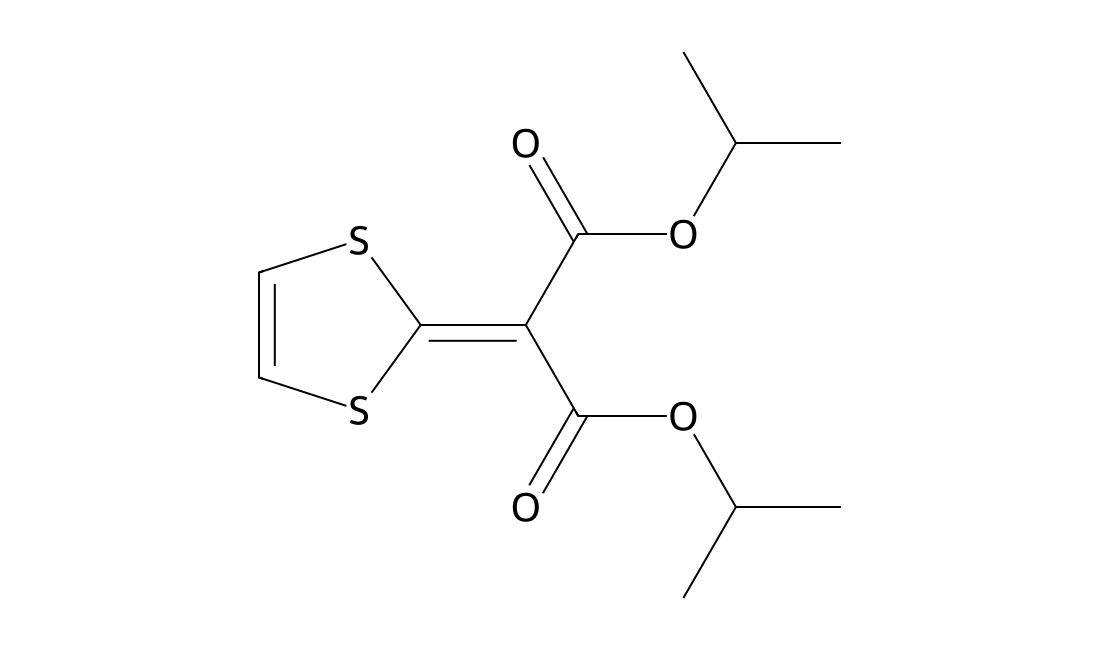
CAS 1192189-69-7
LX7101 is a potent, dual LIMK and ROCK inhibitor with IC50 of 4.3/32//69/32/ nM for LIMK2/LIMK1/ROCK1/ROCK2, respectively; kinase selectivity are eveluated in a panel of binding assays including 78 different receptors and transporters at Cerep (only 5 have >60% inhibition at 10 uM); demonstrates high efficacy in mouse model of ocular hypertension, ans shows potential for the treatment of glaucoma.Other IndicationPhase 2 Clinical
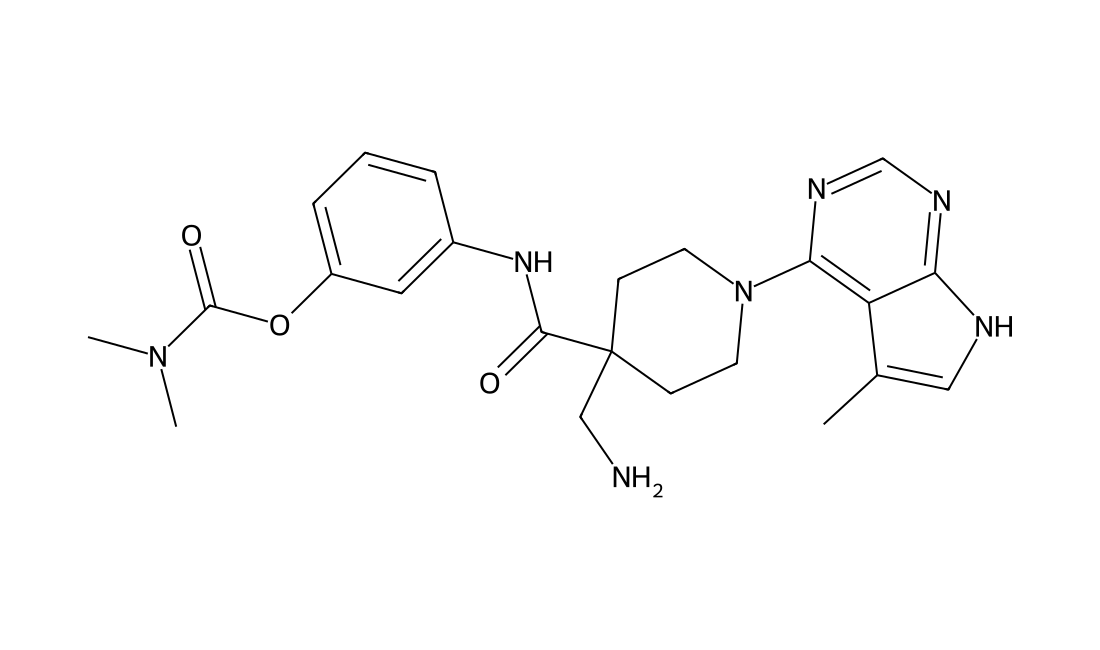
CAS 478-08-0
Inhibits the mechanisms of hyperpigmentation appearance and effectively brightens the existing hyperpigmentation: prevents the creation of tyrosinase – enzyme taking part in the production of melanin hampers the activity of tyrosinase already present in the skin prevents excessive production of melanin by ‘catching’ copper ions regulates epidermis exfoliation and slightly intensifies the processFor the detailed information of Lucidin (NSC 30546), the solubility of Lucidin (NSC 30546) in water, the solubility of Lucidin (NSC 30546) in DMSO, the solubility of Lucidin (NSC 30546) in PBS buffer, the animal experiment (test) of Lucidin (NSC 30546), the cell expriment (test) of Lucidin (NSC 30546), the in vivo, in vitro and clinical trial test of Lucidin (NSC 30546), the EC50, IC50,and Affinity of Lucidin (NSC 30546), Please contact DC Chemicals.
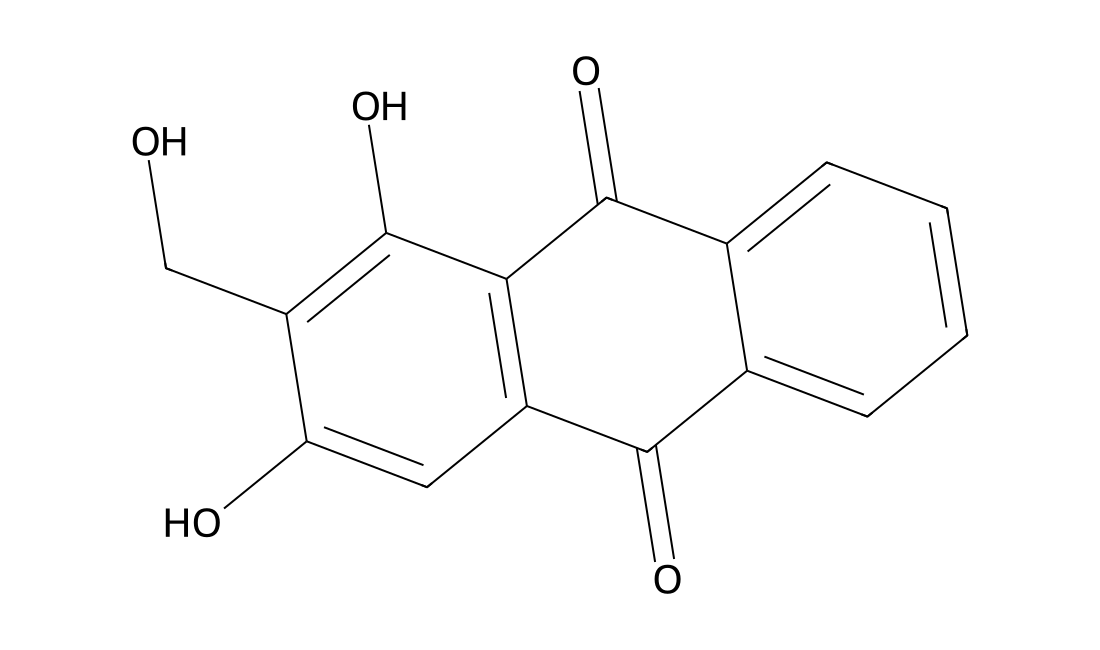
CAS 347379-29-7
LTV-1 is a highly potent, cell-permeable and reversible LYP (lymphoid tyrosine phosphatase) inhibitor with IC50 of 508 nM; shows 3-fold selectivity over TCPTP (IC50=1.52 uM) and PTP1B (IC50=1.59 uM), 46-fold over SHP1 (IC50=23.2 uM), and 59-fold over CD45 (IC50=30.1 uM), > 200-fold over PTP-PEST (IC50 >100 uM); increases the phosphorylation levels of the direct physiological targets of LYP, augments calcium mobilization, activates the proximal IL-2 promoter, and enhances the expression of the early activation marker CD25 in T cells.
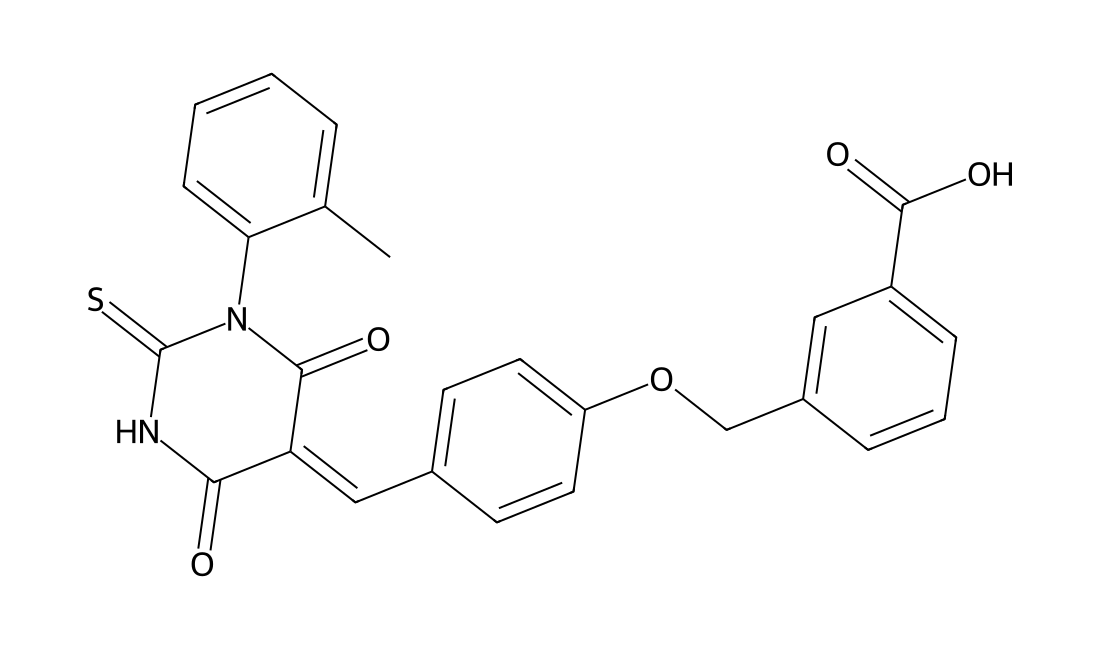
CAS 1879887-96-3
LTURM34 shows potent inhibition of DNA-PK with excellent selectivity over the Class I PI3K isoforms. The IC50s are 5.8 and 8.5 μM for PI3K β and δ, respectively. LTURM34 shows potent and broad ranging antiproliferative activity. LTURM34 is more consistently active against the selected cell lines (11 of 16), but at best shows 54% inhibition against the HOP-92 non-small cell lung cancer line.
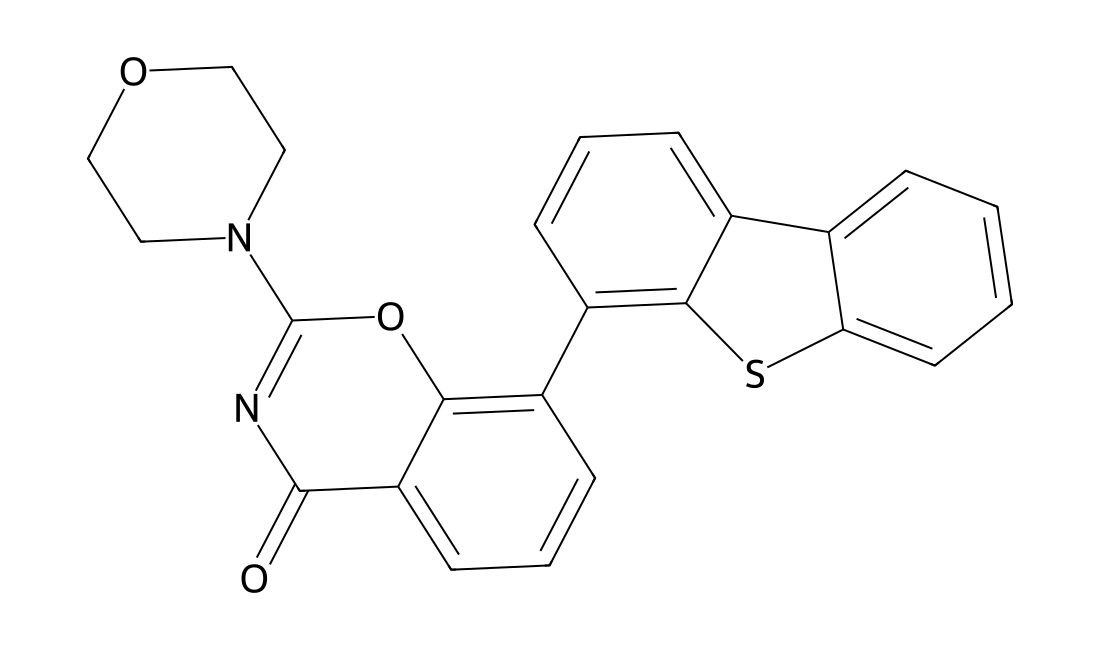
CAS 13010-47-4
For the detailed information of Lomustine (CeeNU), the solubility of Lomustine (CeeNU) in water, the solubility of Lomustine (CeeNU) in DMSO, the solubility of Lomustine (CeeNU) in PBS buffer, the animal experiment(test) (test) of Lomustine (CeeNU), the cell expriment (test) of Lomustine (CeeNU), the in vivo, in vitro and clinical trial test of Lomustine (CeeNU), the EC50, IC50,and Affinity of Lomustine (CeeNU),, please contact DC Chemicals.
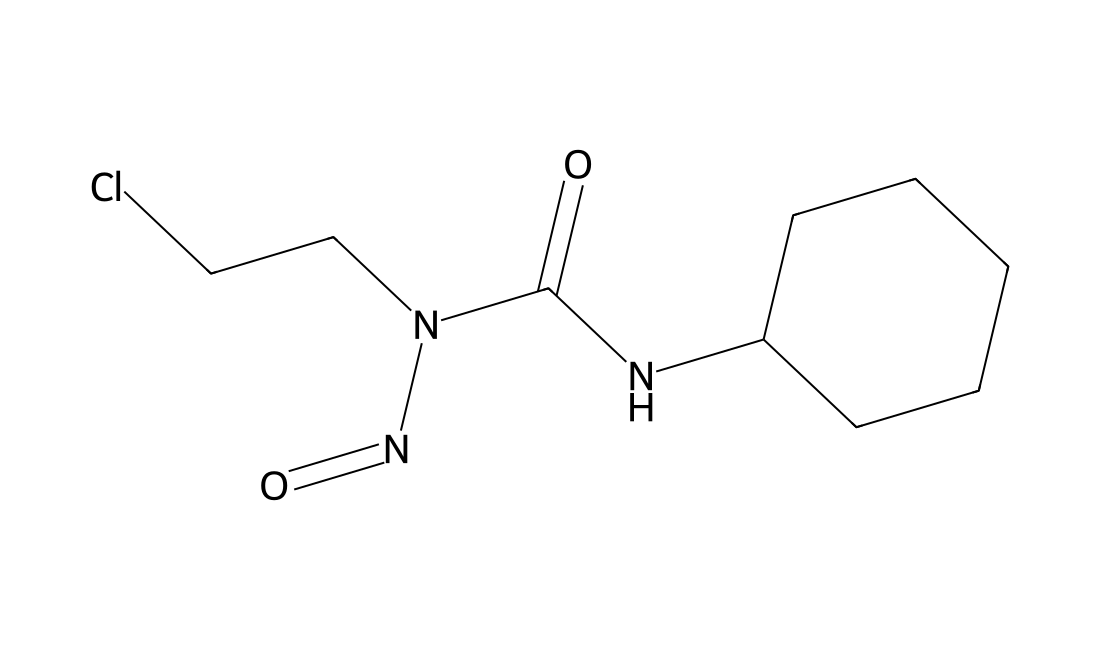
CAS 156897-06-2
Licofelone is a dual COX/LOX inhibitor being considered as a treatment for osteoarthritis.
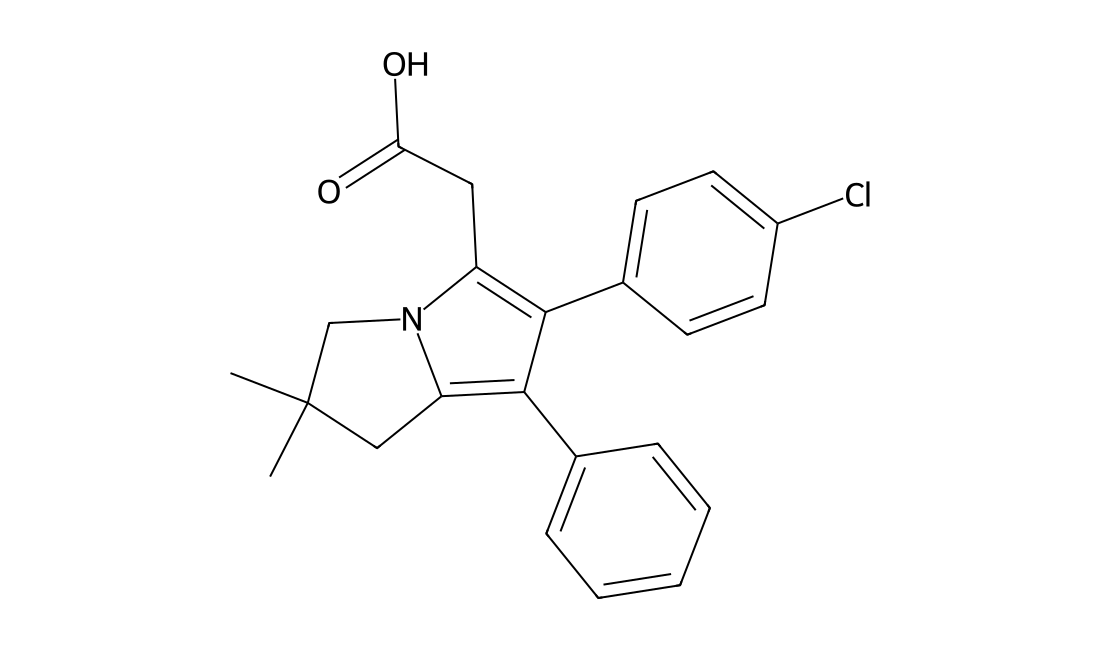
CAS 143-07-7
Lauric Acid is a saturated medium-chain fatty acid with a 12-carbon backbone. Lauric acid is found naturally in various plant and animal fats and oils, and is a major component of coconut oil and palm kernel oil.
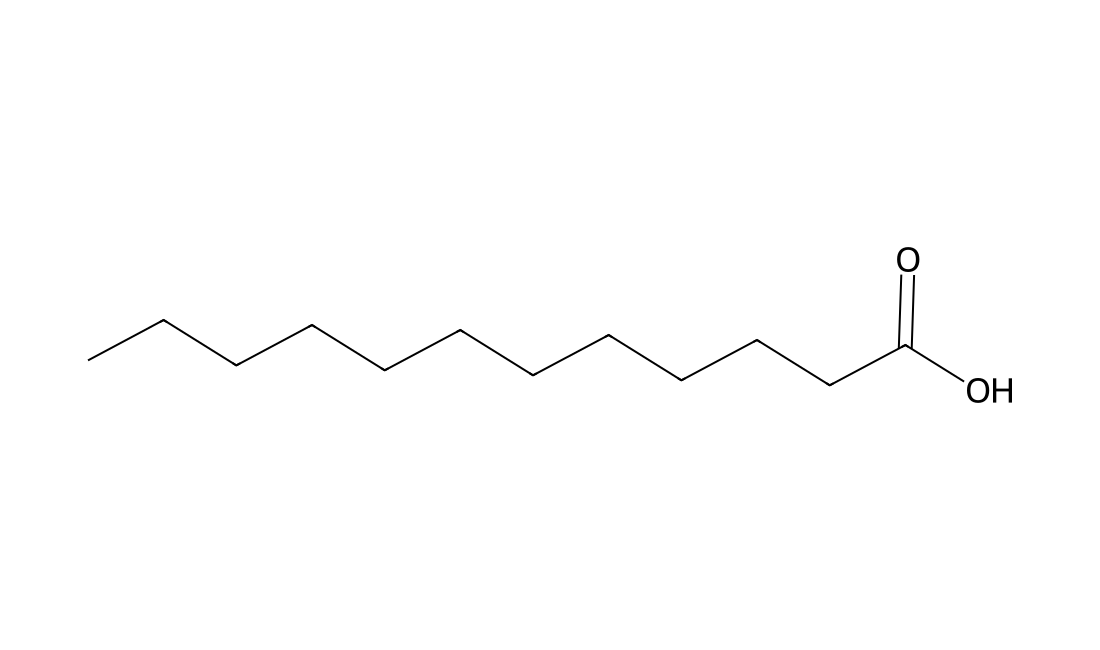
CAS 2060530-16-5
K-Ras(G12C) inhibitor 6 belongs to a series of small molecules, which irreversibly bind to a common oncogenic mutant K-Ras(G12C) and blocks K-Ras(G12C) interactions. Some of them decrease viability and increase apoptosis of G12C-containing cancer cell lines. For the detailed information of K-Ras(G12C) inhibitor 6, the solubility of K-Ras(G12C) inhibitor 6 in water, the solubility of K-Ras(G12C) inhibitor 6 in DMSO, the solubility of K-Ras(G12C) inhibitor 6 in PBS buffer, the animal experiment (test) of K-Ras(G12C) inhibitor 6, the cell expriment (test) of K-Ras(G12C) inhibitor 6, the in vivo, in vitro and clinical trial test of K-Ras(G12C) inhibitor 6, the EC50, IC50,and Affinity of K-Ras(G12C) inhibitor 6, Please contact DC Chemicals.