Home/Small Molecules/Other Research Tools

Other Research Tools

Additional reagents, chemical building blocks and specialized research tools.

Browse all research categories

Browse by research category

Products may appear in more than one category. Counts refer to distinct catalog numbers within each category.

Other Research Tools (75) · Additional reagents, building blocks and specialized research tools.

Other Research Tools products

Combine a keyword, research category and target to narrow the product list.

Loading catalog filters…

959 products · Showing 913–959

DC11301

ALZ-801

CAS 1034190-08-3

ALZ-801 is an orally available, small-molecule β-amyloid (Aβ) anti-oligomer and aggregation inhibitor, valine-conjugated prodrug of Tramiprosate with substantially improved PK properties and gastrointestinal tolerability compared with the parent compound[1]. ALZ-801 is an advanced and markedly improved clinical candidate for the treatment of Alzheimer’s disease[2].

ALZ-801 chemical structure
DCAPI1251

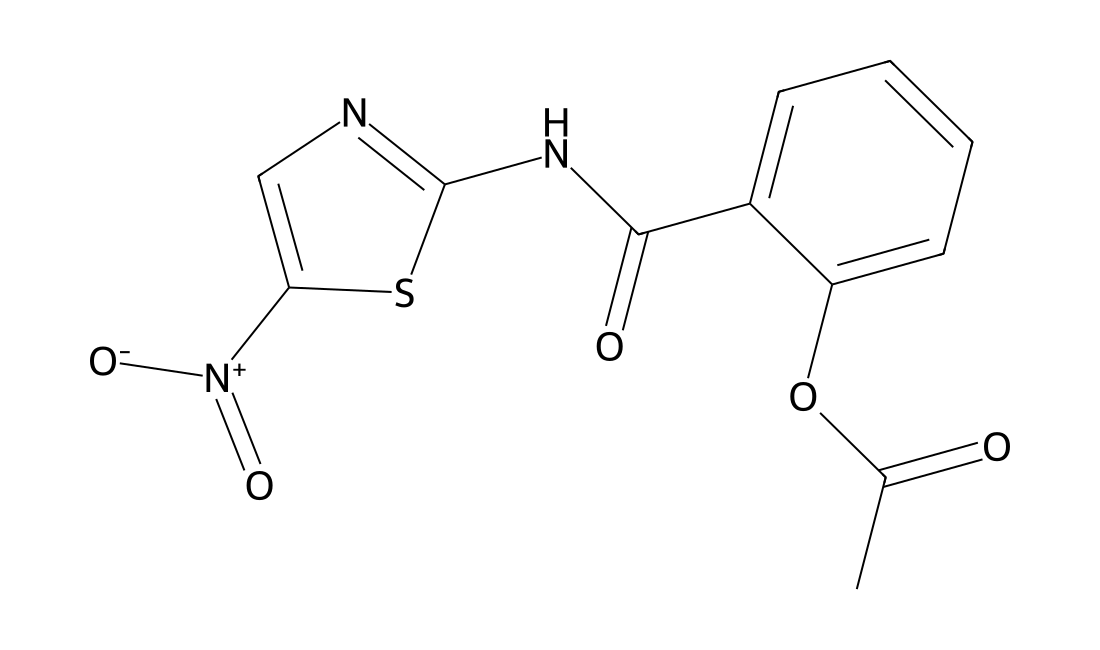
Nitazoxanide (Alinia, Annita)

CAS 55981-09-4

Nitazoxanide is a synthetic nitrothiazolyl-salicylamide derivative and an antiprotozoal agent. (IC50 for canine influenza virus ranges from 0.17 to 0.21 μM).Nitazoxanide is a synthetic nitrothiazolyl-salicylamide derivative and an antiprotozoal agent. In vitro studies demonstrated much broader activity. Dr. Rossignol co-founded Romark Laboratories, with the goal of bringing nitazoxanide to market as an anti-parasitic drug. Initial studies in the USA were conducted in collaboration with Unimed Pharmaceuticals, Inc. (Marietta, GA) and focused on development of the drug for treatment of cryptosporidiosis in AIDS.The anti-protozoal activity of nitazoxanide is believed to be due to interference with the pyruvate:ferredoxin oxidoreductase (PFOR) enzyme dependent electron transfer reaction which is essential to anaerobic energy metabolism. It has also been shown to have activity against influenza A virus in vitro. The mechanism appears to be by selectively blocking the maturation of the viral hemagglutinin at a stage preceding resistance to endoglycosidase H digestion. This impairs hemagglutinin intracellular trafficking and insertion of the protein into the host plasma membrane.

Nitazoxanide (Alinia, Annita) chemical structure
DC7630

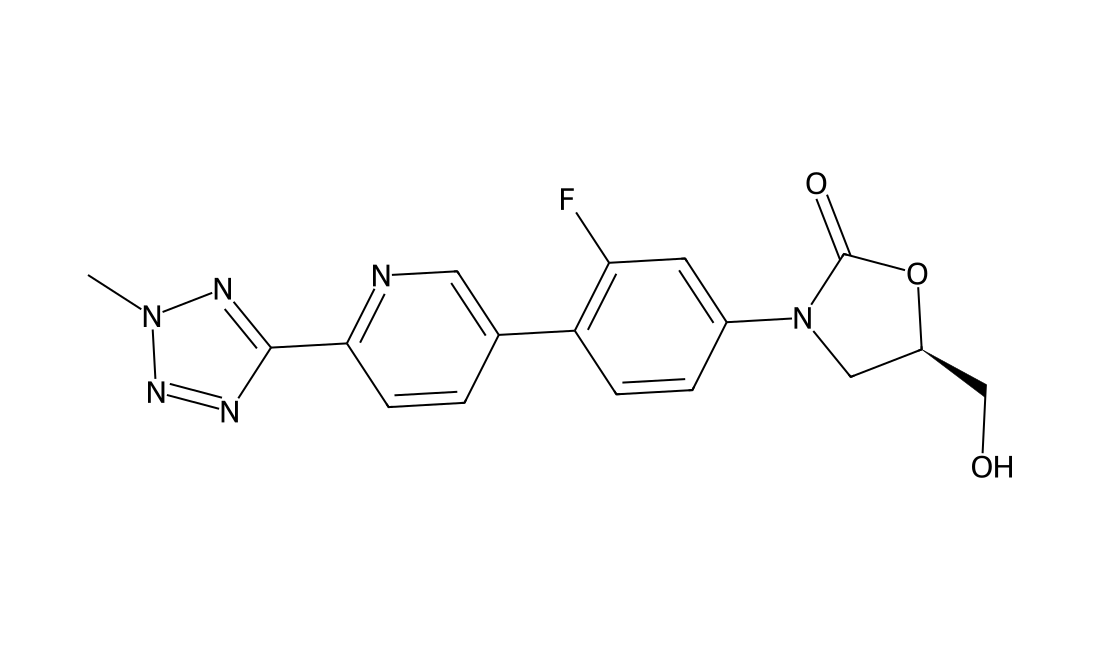
Tedizolid

CAS 856866-72-3

Tedizolid is a novel oxazolidinone, acting through inhibition of bacterial protein synthesis by binding to 23S ribosomal RNA (rRNA) of the 50S subunit of the ribosome.

Tedizolid chemical structure
DC21240

LLY-283

CAS 2040291-27-6

LLY-283 is a potent, selective and oral protein arginine methyltransferase 5 (PRMT5) inhibitor, with an IC50 of 22 nM and a Kd of 6 nM for PRMT5:MEP50 complex, and shows antitumor activity.

LLY-283 chemical structure
DC33651

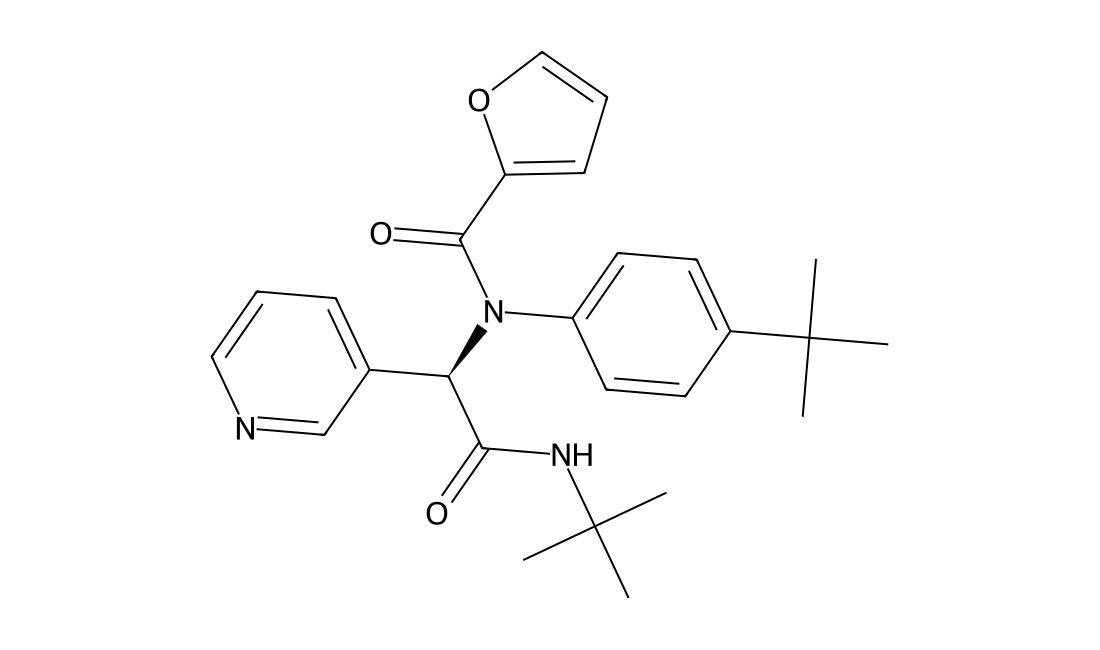
ML188

CAS 1417700-13-0

ML188, a first in class probe, is a selective non-covalent SARS-CoV 3CLpro inhibitor with an IC50 of 1.5 μM. Antiviral activity[1].

ML188 chemical structure
DC21915

LIN28 inhibitor LI71

CAS 1357248-83-9

LIN28 inhibitor LI71 is a potent and cell-permeable LIN28 inhibitor, which abolishes LIN28-mediated oligouridylation with an IC50 of 7 uM. LIN28 inhibitor LI71 directly binds the cold shock domain (CSD) to suppress LIN28’s activity against let-7 in leukemia cells and embryonic stem cells[1].

LIN28 inhibitor LI71 chemical structure
DC44151

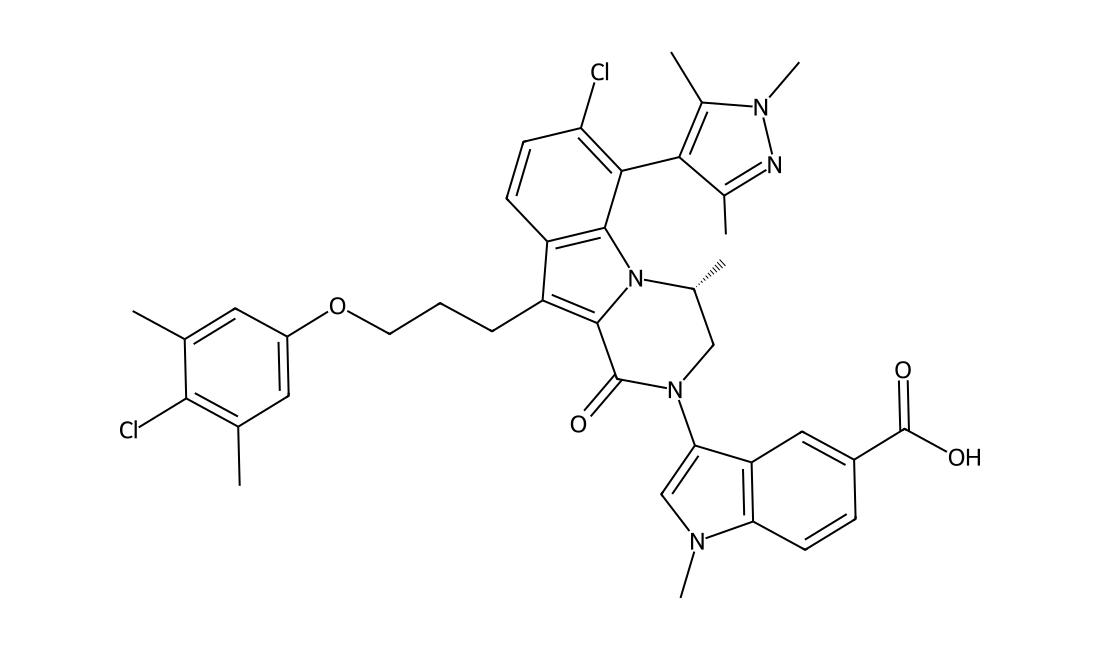
Complement factor D-IN-2

CAS 1903742-34-6

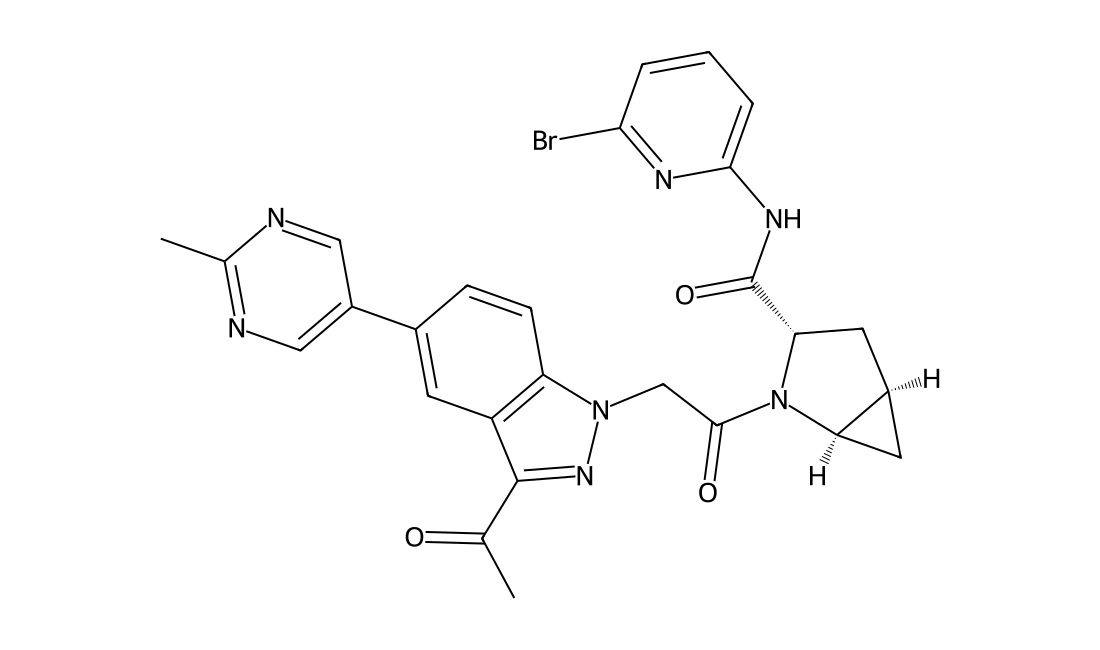
Complement factor D-IN-2 is an inhibitor of complement factor D extracted from patent WO2015130838A1, compound 190. Complement factor D-IN-2 targets factor D and inhibits the complement cascade at an early and essential point in the alternative complement pathway. Complement factor D-IN-2 can be used for the research of autoimmune diseases.

Complement factor D-IN-2 chemical structure
DC8589

PAD4 inhibitor GSK484

CAS 1652591-81-5

GSK484 is a peptidylarginine deiminase 4 (PAD4) inhibitor. GSK484 demonstrates high affinity binding to PAD4 with IC50s of 50 nM in the absence of Calcium. In the presence of 2 mM Calcium, notably lower potency (250 nM) is observed.

PAD4 inhibitor GSK484 chemical structure
DC26225

Antagonist G

CAS 115150-59-9

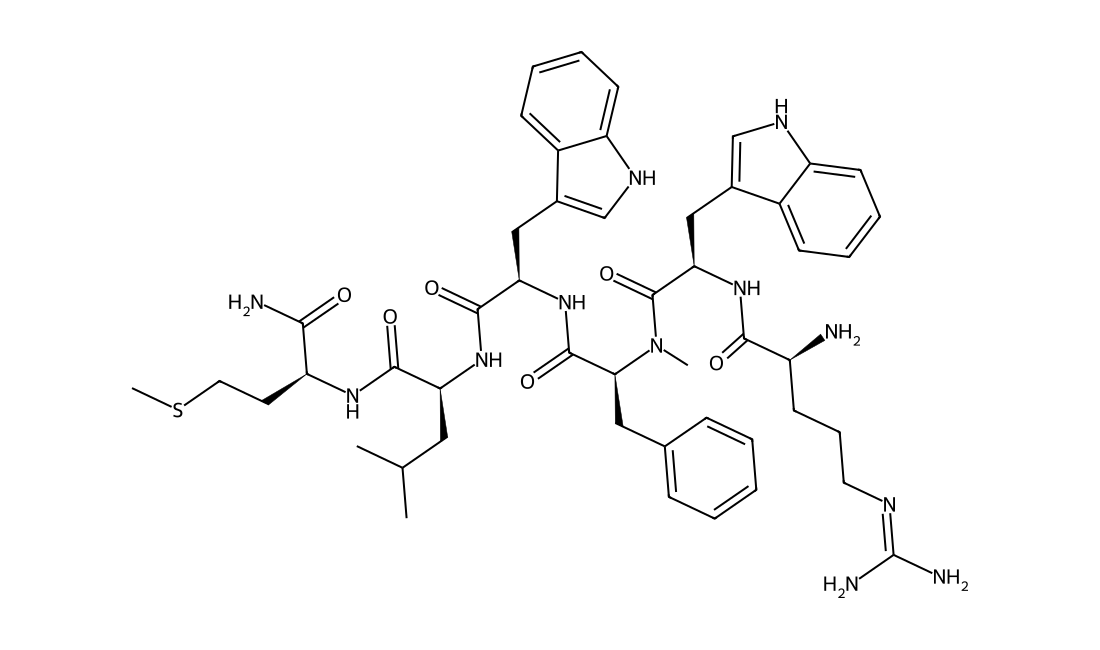
Antagonist G is a potent vasopressin antagonist. Antagonist G is also a weak antagonist of GRP and Bradykinin. Antagonist G induces AP-1 transcription and sensitizes cells to chemotherapy[1][2].

Antagonist G chemical structure
DC20243

AWZ1066S

CAS 2239272-16-1

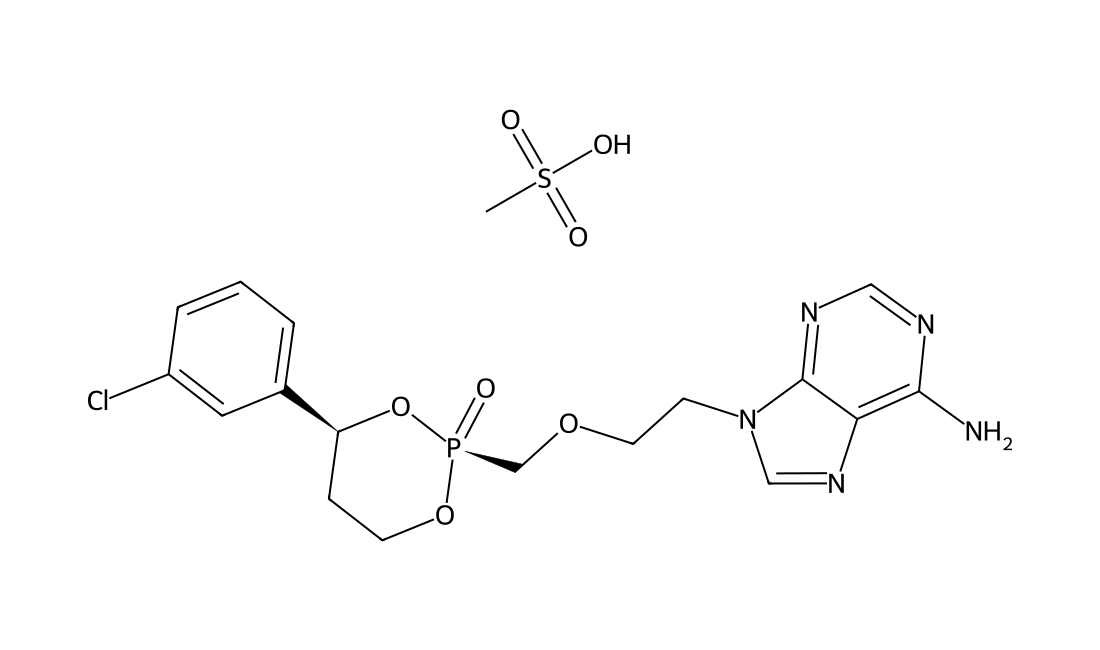
AWZ1066S is a highly specific anti-Wolbachia drug candidate for a short-course treatment of filariasis, with an EC50 of 2.5 nM in cell assay[1].

AWZ1066S chemical structure
DC11782

IDF-11774

CAS 1429054-28-3

IDF-11774 is a novel hypoxia-inducible factor (HIF)-1 inhibitor with an IC50 of 3.65 μM. IDF-11774 has been approved as a clinical candidate for a phase I study.

IDF-11774 chemical structure
DC9551

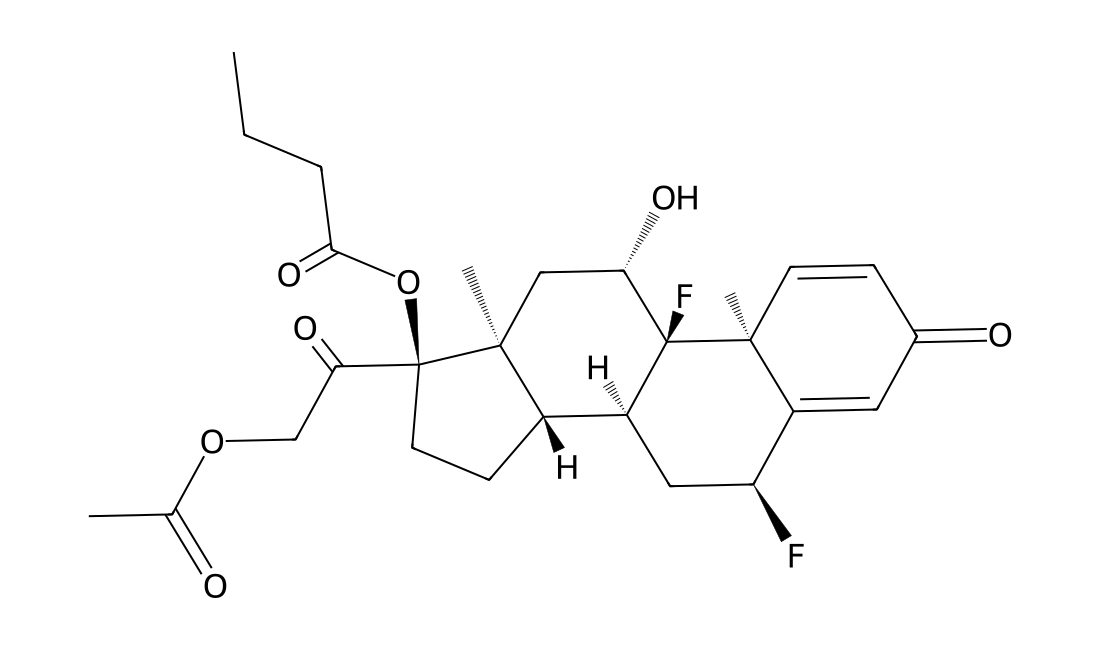
Difluprednate

CAS 23674-86-4

Difluprednate(Durezol) is a corticosteroid, approved difluprednate for the treatment of post-operative ocular inflammation and pain.Difluprednate ophthalmic emulsion 0.05% is also being studied in other ocular inflammatory diseases, including a U.S. Phase 3 study evaluating difluprednate for the treatment of anterior uveitis.

Difluprednate chemical structure
DC10857

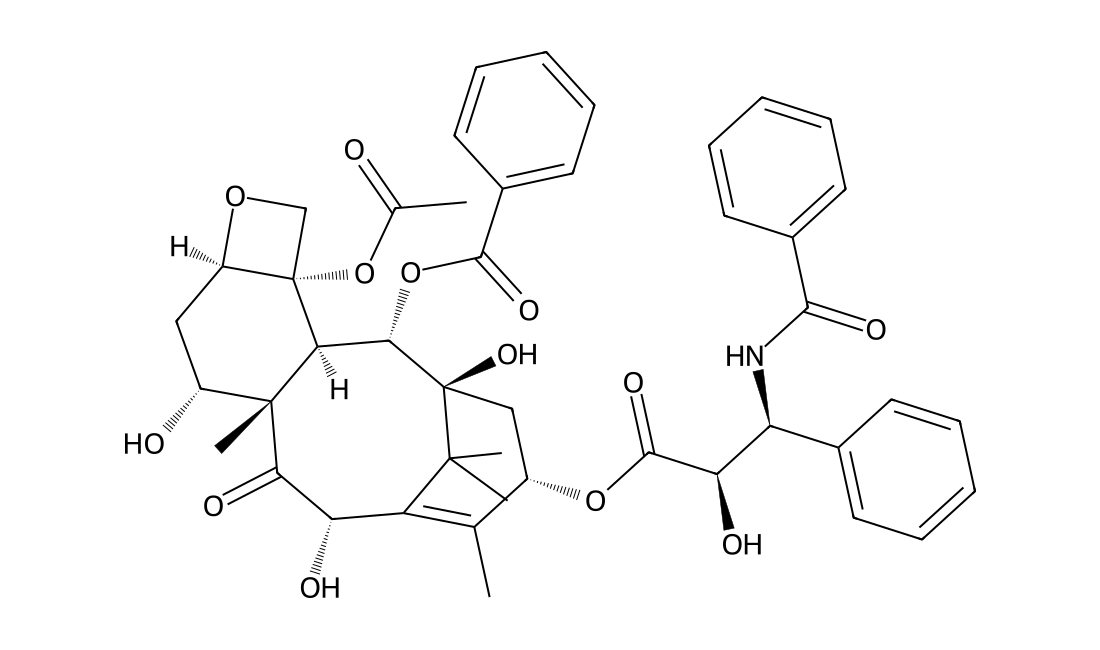
10-Deacetylpaclitaxel

CAS 78432-77-6

10-Deacetyltaxol (10-Deacetylpaclitaxel) is a taxane derivative isolated from Taxus wallichiana Zucc[1]. 10-Deacetyltaxol (10-Deacetylpaclitaxel) promotes the polymerization of tubulin and to inhibit the depolymerization of microtubules induced by cold or by calcium ions in vitro[2]. 10-Deacetyltaxol (10-Deacetylpaclitaxel) exhibits cytotoxicity in human glial and neuroblastoma cell-lines[3].

10-Deacetylpaclitaxel chemical structure
DC12129

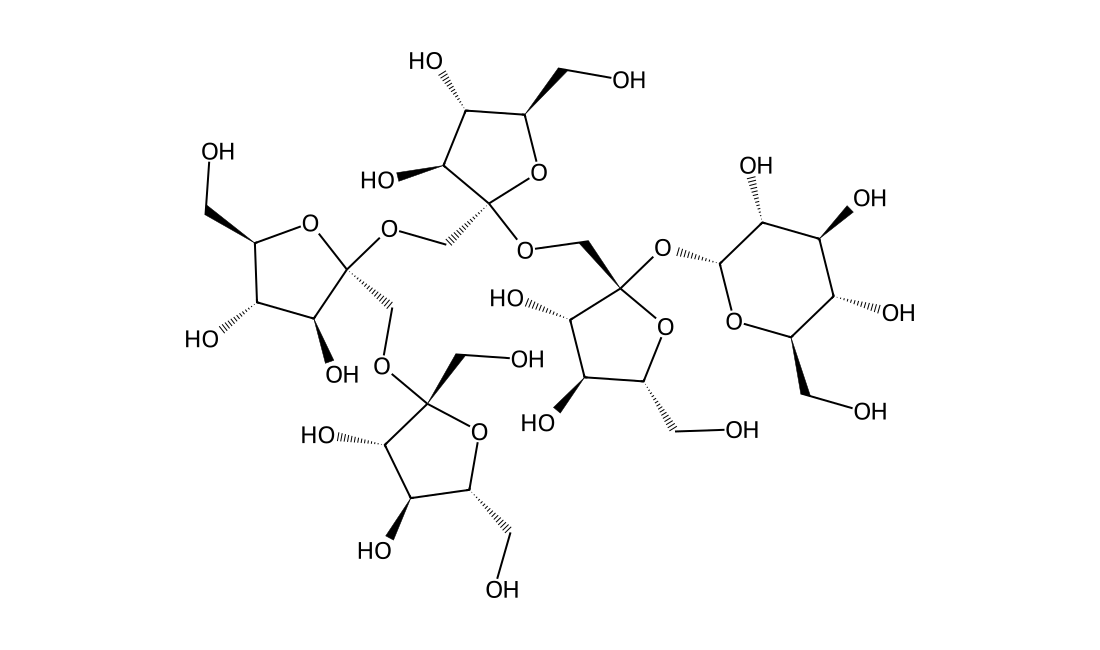
1F-Fructofuranosylnystose

CAS 59432-60-9

1F-Fructofuranosylnystose can be used in the synthesis of Fructooligosaccharides (FOSs). Fructooligosaccharides exhibit lots of beneficial effects on our health and have been used as food ingredients.

1F-Fructofuranosylnystose chemical structure
DC20155

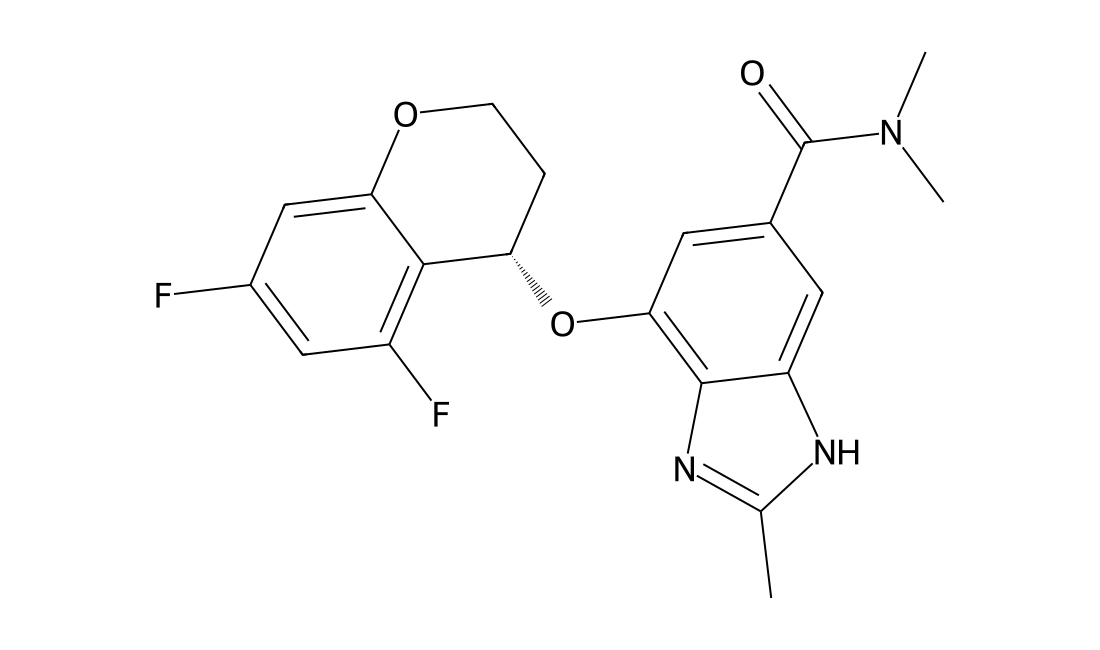
Tegoprazan

CAS 942195-55-3

Tegoprazan, a potassium-competitive acid blocker, is a potent, oral active and highly selective inhibitor of gastric H+/K+-ATPase that could control gastric acid secretion and motility, with IC50 values ranging from 0.29-0.52 μM for porcine, canine, and human H+/K+-ATPases in vitro[1].

Tegoprazan chemical structure
DC8245

4E1rcat

CAS 328998-25-0

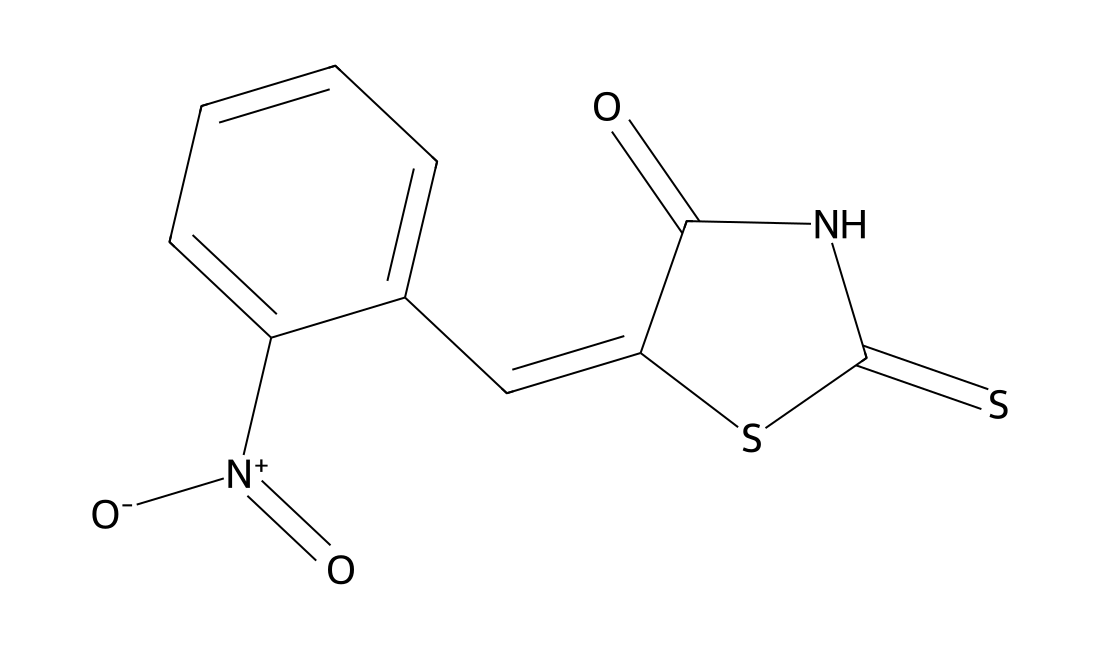
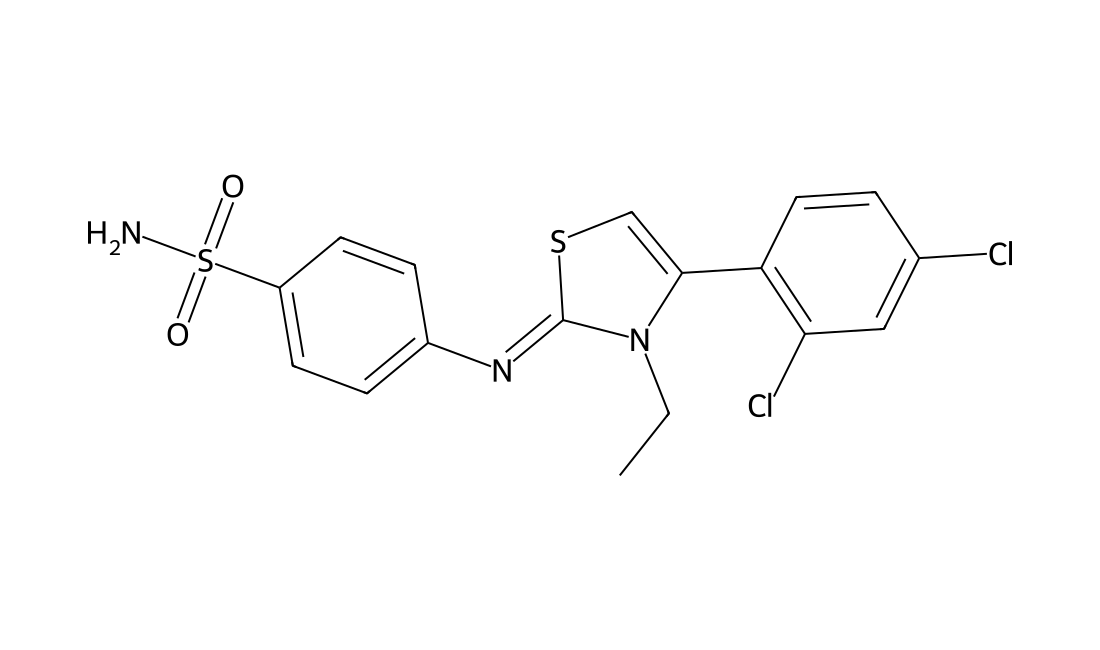
4E1RCat is an inhibitor of cap-dependent translation, and inhibits eIF4E:eIF4GI interaction, with an IC50 an of ∼4 μM.

4E1rcat chemical structure
DC20009

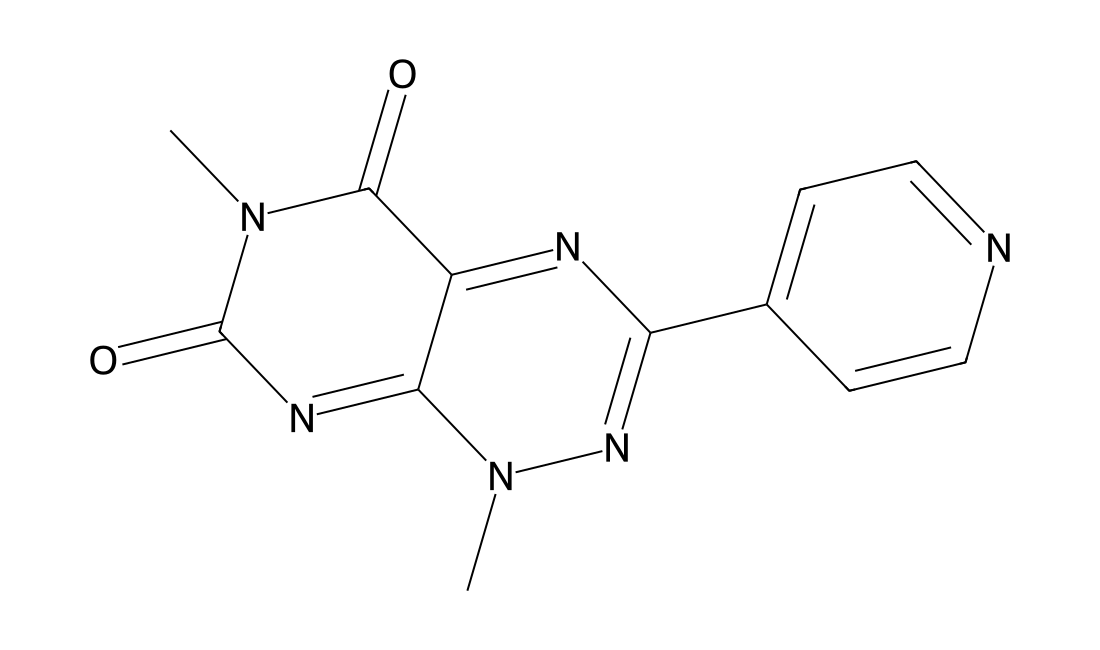
KH7

CAS 330676-02-3

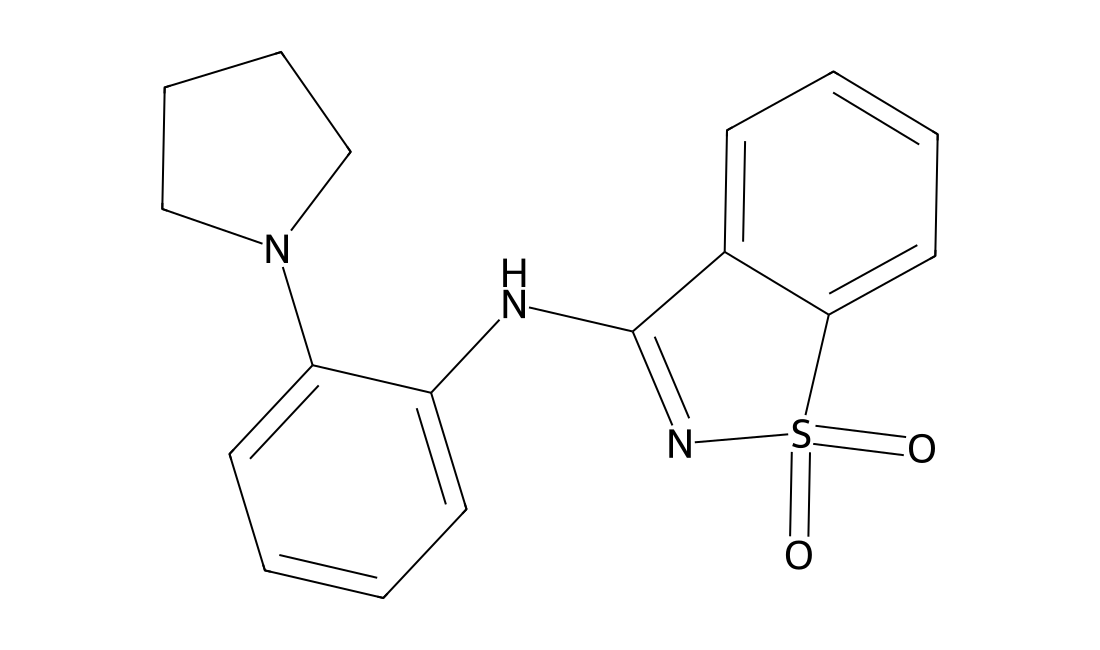
KH7 is a soluble adenylyl cyclase (sAC)-specific inhibitor, with IC50s of 3-10 μM toward both recombinant purified human sACt protein and heterologously expressed sACt in cellular assays[1].

KH7 chemical structure
DC9375

GPDA

CAS 65096-46-0

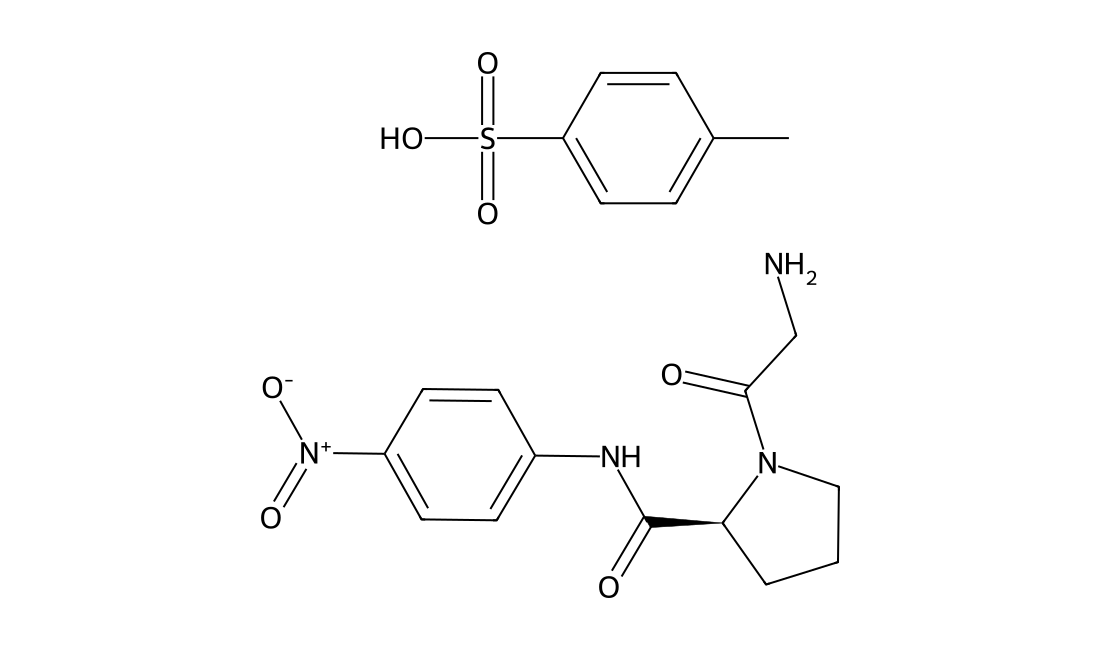
GPDA(Glycylproline p-nitroanilide tosylate) is the substarate of X-Prolyl dipeptidyl-aminopeptidase in the enzyme assay.

GPDA chemical structure
DC60176

M1001

CAS 874590-32-6

M1001 is a weak agonist of HIF-2α, directly binds to the HIF-2α PAS-B domain, with a Kd of 667 nM. M1001 enhances the stabilities of HIF-2α-ARNT complex[1].

M1001 chemical structure
DC60090

WWL 154

CAS 1338574-93-8

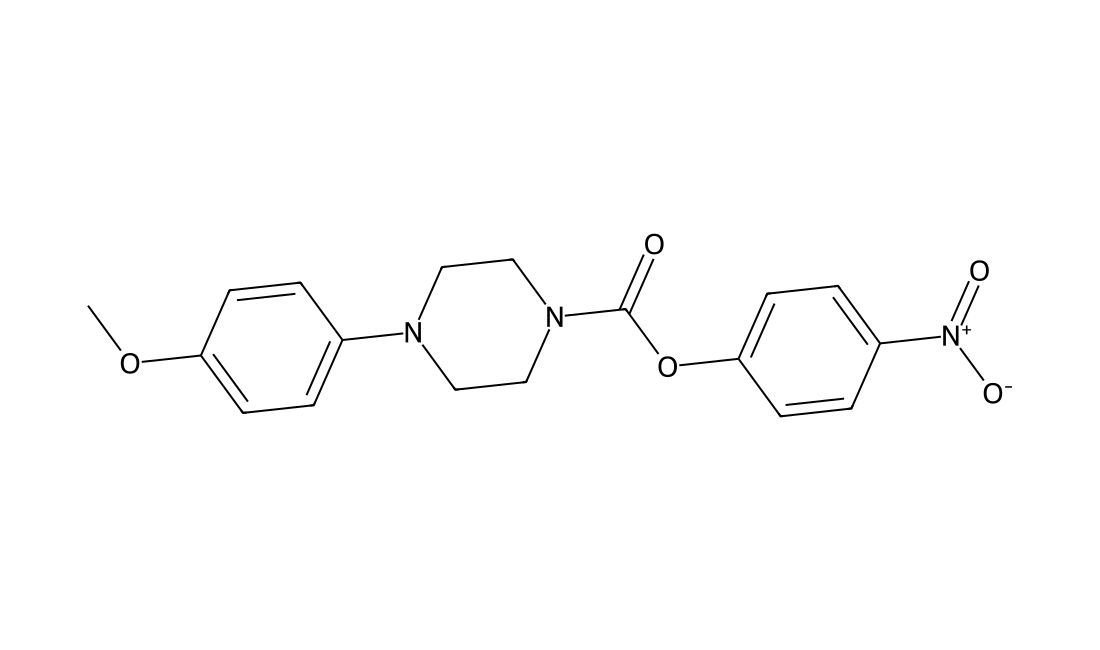
WWL-154 is a serine hydrolase inhibitor. Serine hydrolases (SHs) are-​one of the largest and most diverse enzyme classes in mammals. They play fundamental roles in virtually all physiol. processes and are targeted by drugs to treat diseases such as diabetes, obesity, and neurodegenerative disorders.

WWL 154 chemical structure
DC20101

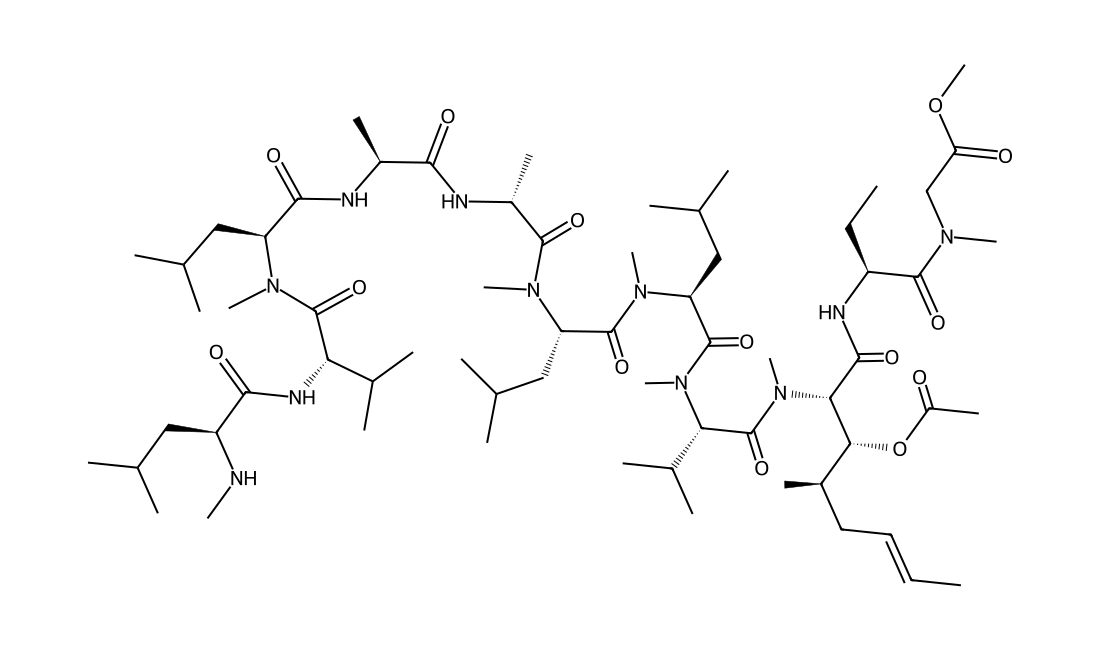
Cyclosporin A-Derivative 1 Free base

CAS 286852-20-8

In Vitro Cyclosporin A-Derivative 1 is a non-immunosuppressive Cyclosporin A derivative. The cyclosporin is acylated on the butenyl-methyl-threonine side chain and then subjected to a ring-opening reaction (the ring opens between the sarcosine and the N-methyl-leucine residues). Cyclosporin A-Derivative 1 is a linear peptide intermediate.

Cyclosporin A-Derivative 1 Free base chemical structure
DC23937

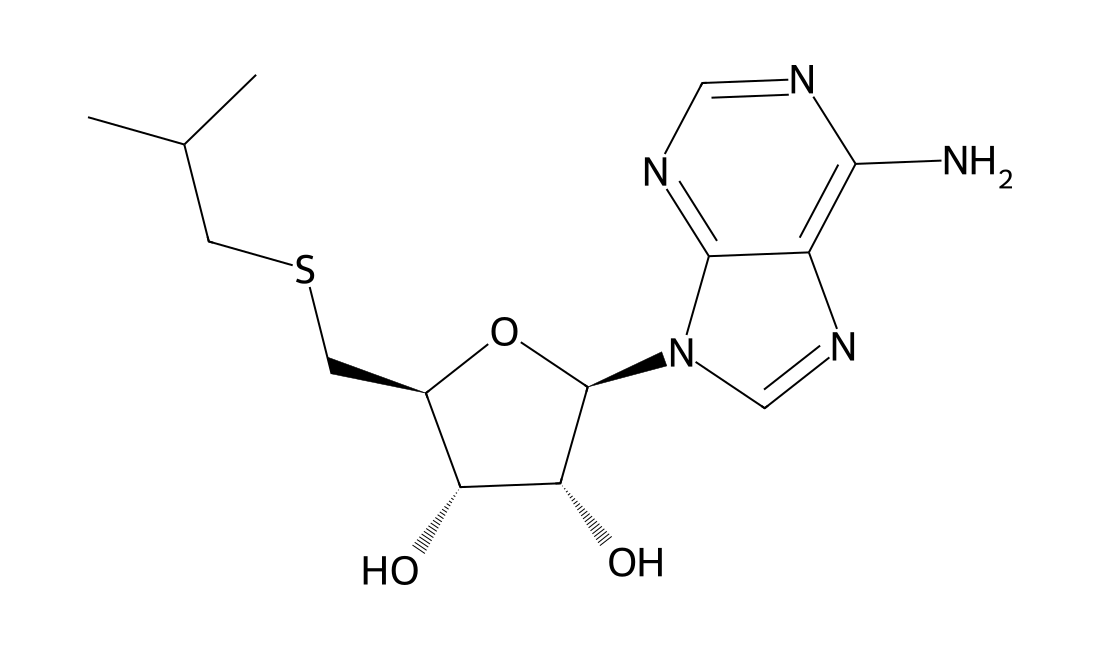
SIBA

CAS 35899-54-8

An inhibitor of the IMP-selective cytosolic 5'-nucleotidase (IC50=2-6 mM); also inhibits the ecto-5'-nucleotidase of polymorphonuclear leucocytes.

SIBA chemical structure
DC10350

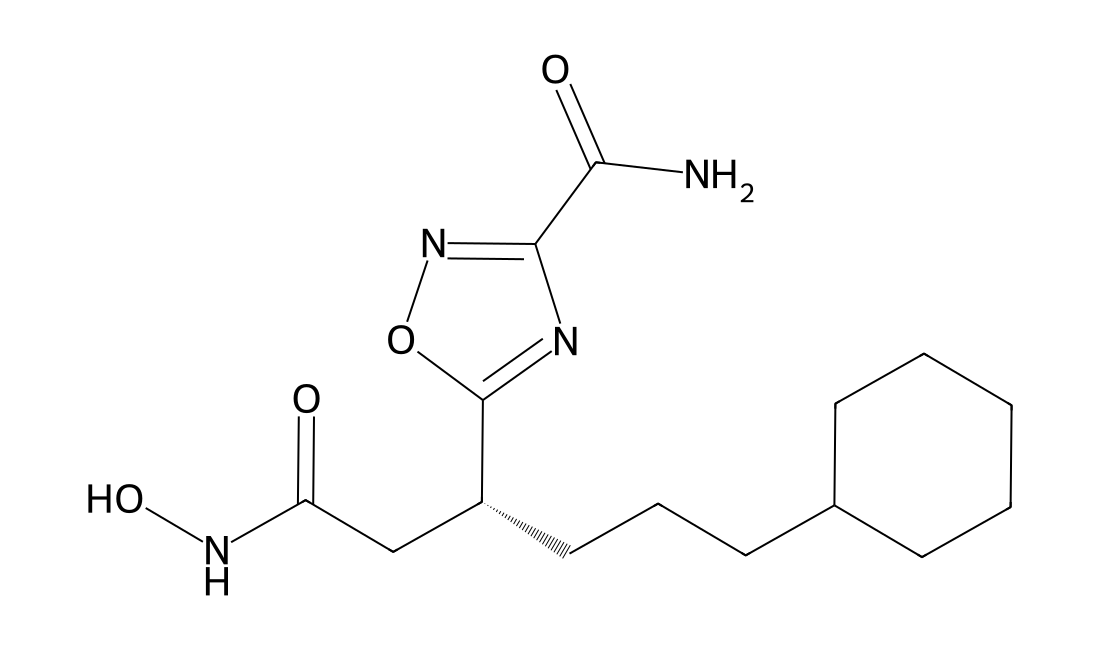
UK-383367

CAS 348622-88-8

UK-383367 (UK 383367) is a potent and selective inhibitor of BMP-1 (procollagen C-proteinase) with IC50 of 44 nM; Selective for BMP-1 over MMPs 1, 2, 3, 9 and 14 (IC50 values are >10,000 nM for listed MMPs).

UK-383367 chemical structure
DC10089

UAMC00039

CAS 697797-51-6

UAMC00039 dihydrochloride is a potent inhibitor of dipeptidyl peptidase II (DPP-II) (IC50 = 0.48 nM). UAMC00039 exhibits selectivity for DPP-II against DPP-9, DPP-8 and DPP-IV (IC50 values are 78.6, 142 and 165 μM, respectively). Orally available.

UAMC00039 chemical structure
DC20152

trans-Zeatinriboside

CAS 6025-53-2

trans-Zeatinriboside is a type of cytokinin precursor, acts as a major long-distance signalling form in xylem vessels, regulates leaf size and meristem activity-related traits.

trans-Zeatinriboside chemical structure
DC24135

THS-044

CAS 62054-67-5

THS-044 is a low micromolar HIF2α PAS-B binding compound (Kd=2 uM); modulates the affinity of the HIF2α:ARNT PAS-B heterodimer in vitro.

THS-044 chemical structure
DC32002

sugammadex

CAS 343306-71-8

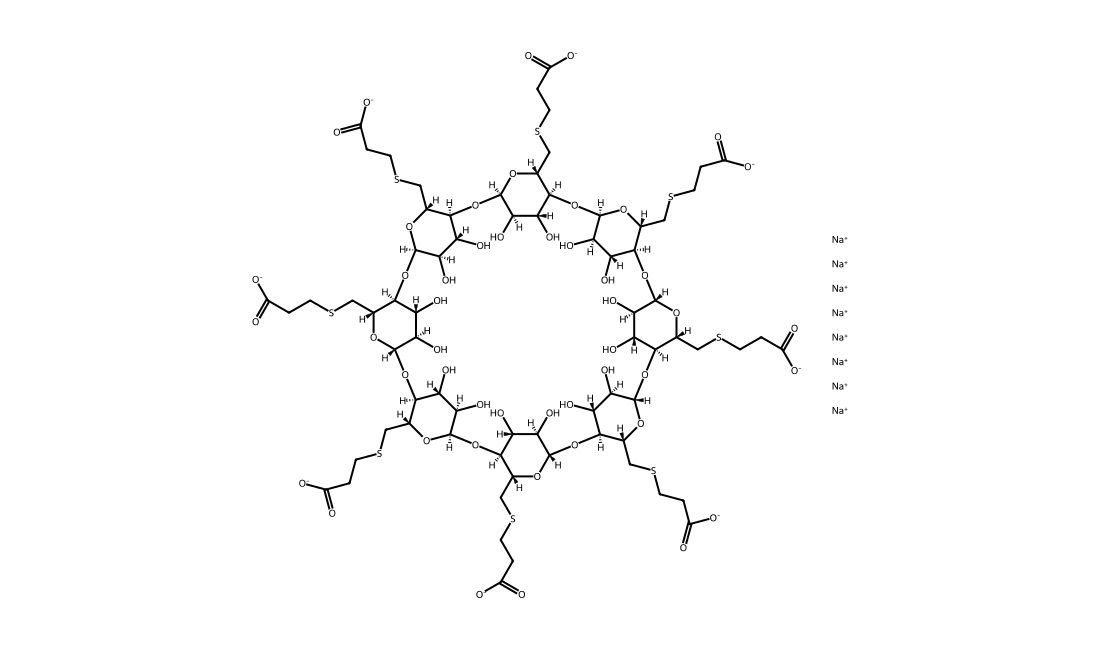
Sugammadex is an agent for reversal of neuromuscular blockade by the agent rocuronium in general anaesthesia. It is the first selective relaxant binding agent (SRBA). Sugammadex is a modified γ-cyclodextrin, with a lipophilic core and a hydrophilic periphery. This gamma cyclodextrin has been modified from its natural state by placing eight carboxyl thio ether groups at the sixth carbon positions. These extensions extend the cavity size allowing greater encapsulation of the rocuronium molecule. These negatively charged extensions electrostatically bind to the quaternary nitrogen of the target as well as contribute to the aqueous nature of the cyclodextrin.

sugammadex chemical structure
DC9434

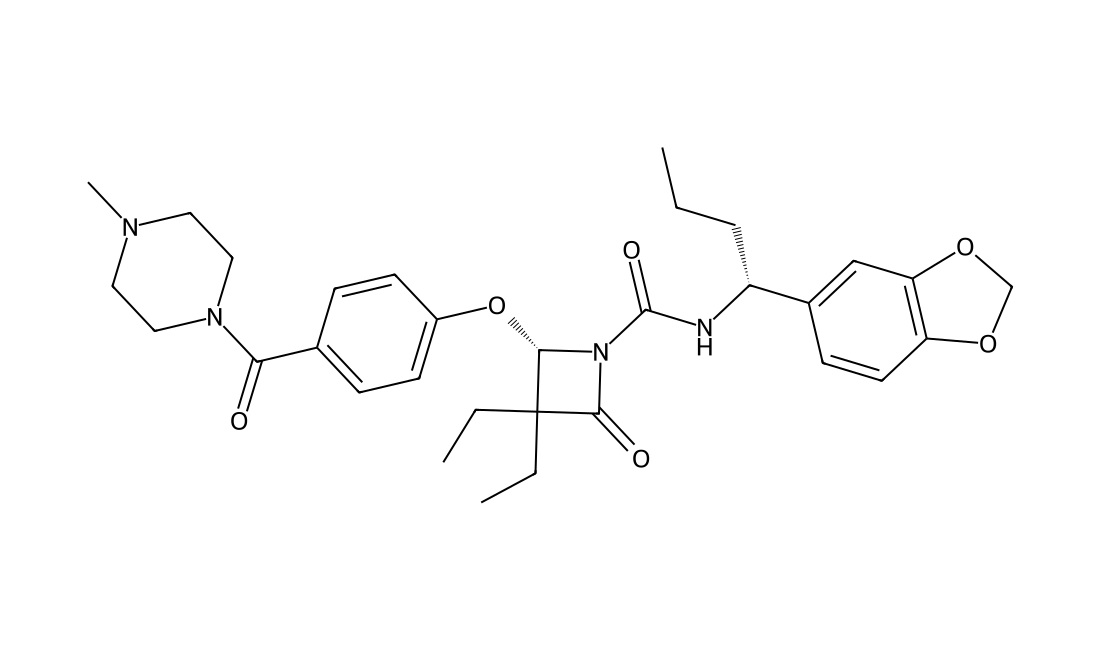
DMP 777

CAS 157341-41-8

DMP 777(L-694458) is a potent, selective, and orally active human leukocyte elastase (HLE) inhibitor. After iv dosing, L-694,458 exhibited similar pharmacokinetic parameters in rats and rhesus monkeys. The bioavailability of a 10 mg/kg oral dose was higher in rats (65%) than in rhesus monkeys (39%). In both species, concentrations of L-694,458 in plasma increased more than proportionally when the oral dose was increased from 10 mg/kg to 40 mg/kg. In monkeys a protracted plasma concentration-time profile was observed at 40 mg/kg, characterized by a delayed T(max) (8-24 hr) and a long terminal half-life (6 hr). DMP-777 dissipated a gastric tubulovesicle proton gradient without impairing the H/K-ATPase activity, consistent with its pharmacological action as a parietal cell-specific protonophore which could induce parietal cell necrosis through backwash of luminal acid into actively secreting cells.

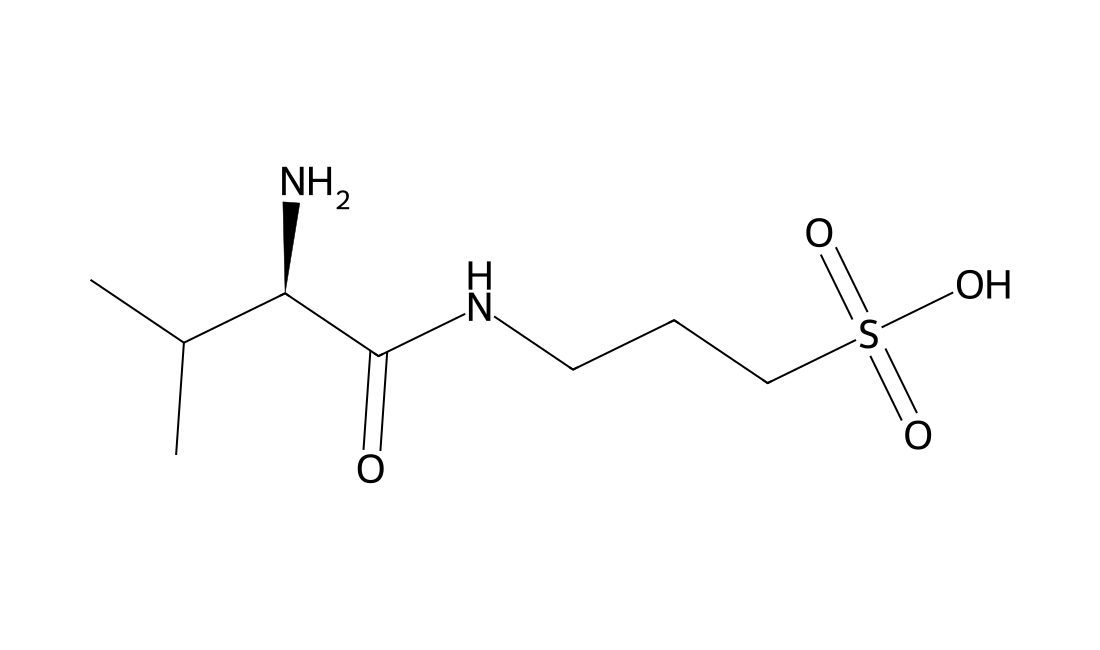
DMP 777 chemical structure
DC12299

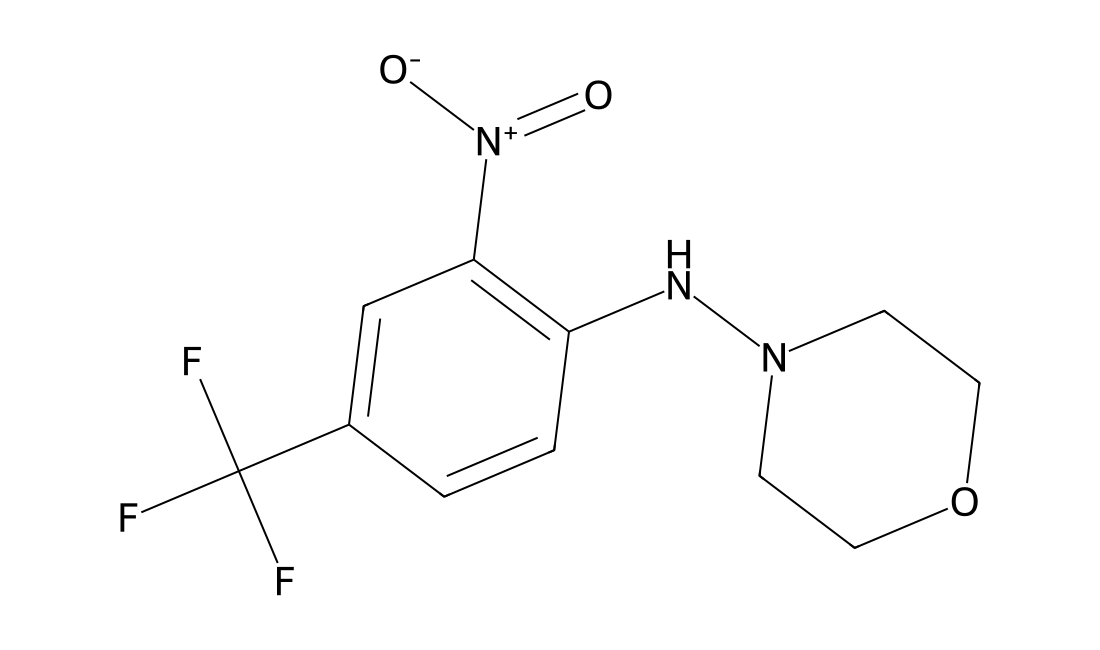
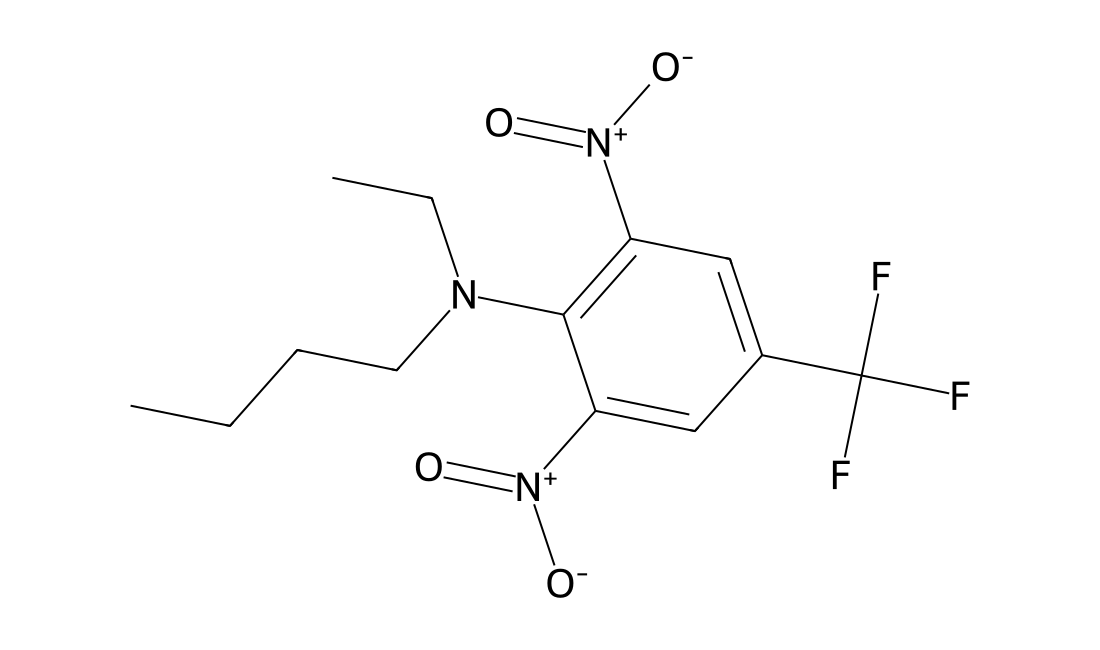
Benfluralin

CAS 1861-40-1

Benfluralin is a kind of herbicide and an agrochemical which can be used as a pre-emergence herbicide used for the control of grass and other weeds in a range of food and non-food crops.
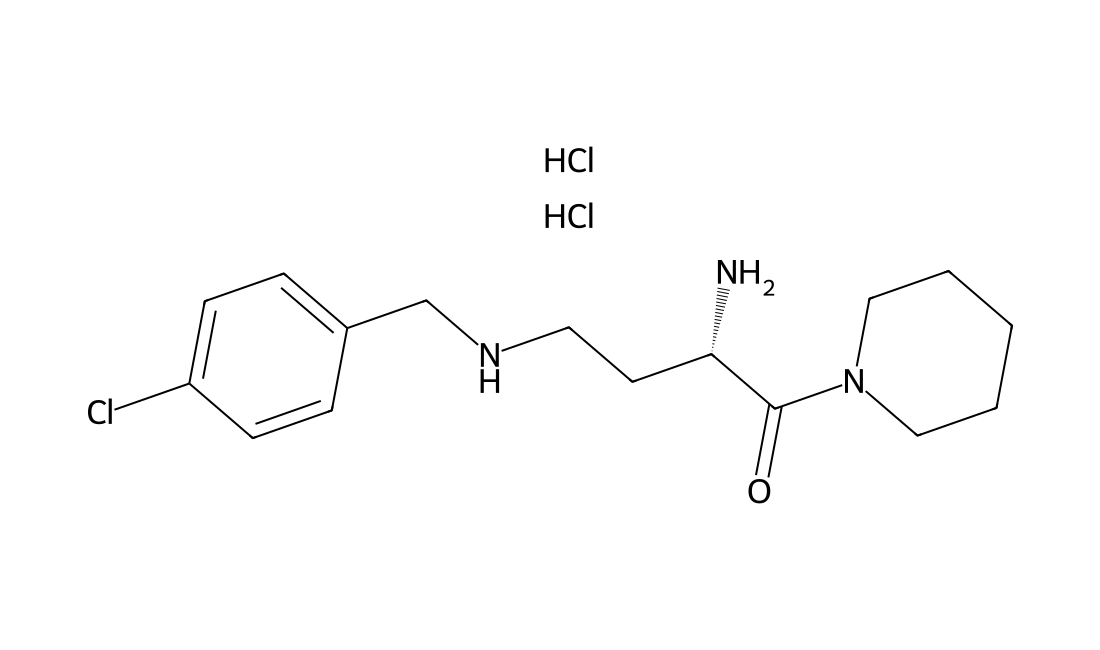
Benfluralin chemical structure
DC11324

Aminopeptidase N Inhibitor

CAS 596108-59-7

Aminopeptidase N (AP-N) inhibitor is a reversible inhibitor of AP-N/CD13 (IC50 = 25 μM).It is selective for AP-N/CD13 over matrix metalloproteinase-9 (MMP-9), angiotensin converting enzyme (ACE), neutral endopeptidase (NEP), γ-glutamyl transpeptidase, and the serine proteases dipeptidyl peptidase 4 (DPP-4) and cathepsin G at a concentration of 1 mM. AP-N inhibitor is non-cytotoxic to U937 cells at a concentration of 100 μM.
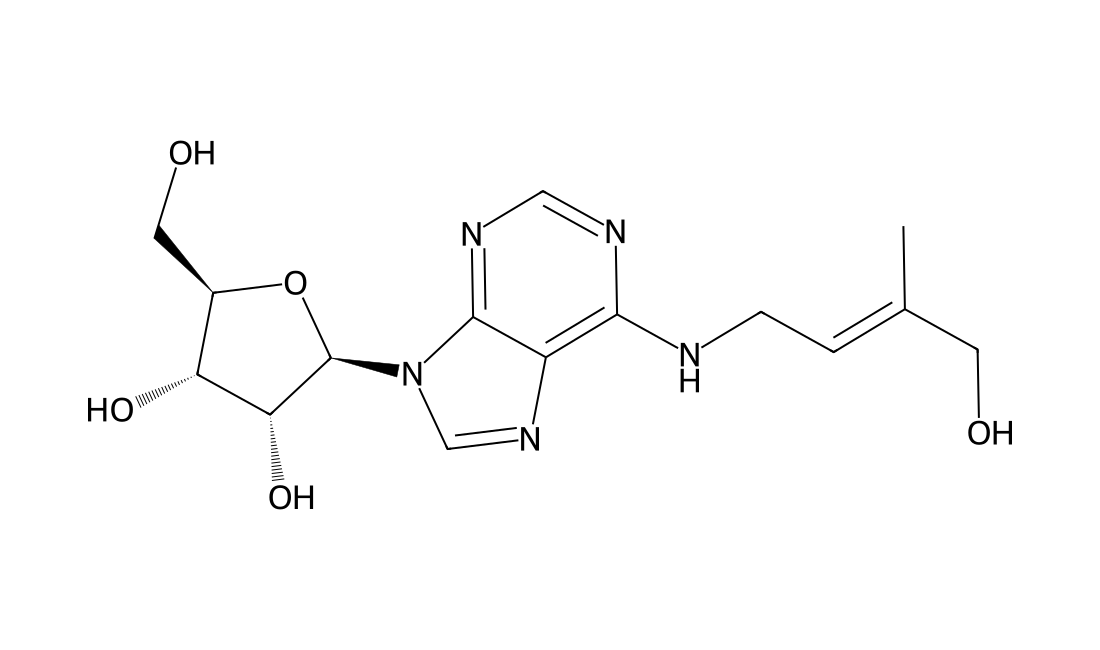
Aminopeptidase N Inhibitor chemical structure
Browse target & topic index A–Z (366)
11β-HSD (1)15-PGDH (2)5-HT Receptor (16)Acetyl-CoA Carboxylase (ACC) (3)Acetylcholinesterase (AChE) (2)Ack1 (TNK2) (1)Acyltransferase (1)ADC Cytotoxin (6)ADCs Linker/Click Chemistry (5)Adenosine Receptor (9)Adenylate Cyclase (2)Adrenergic Receptor (11)Akt (12)Alcoholism (2)Aldehyde Dehydrogenase (ALDH) (6)Allergy (5)Alzheimer Disease (13)Aminopeptidase (1)AMPK (8)Amyloids (4)Anaplastic Lymphoma Kinase (ALK) (9)Androgen Receptor (AR) (11)Anemia (4)Angiotensin Receptor (4)Antibody/Protein labeling dyes (1)Antifolate (2)Anxiety (1)Apoptosis Inducer (3)Arginase (1)Arp2/3 complex (1)Aryl hydrocarbon Receptor (AhR) (1)Asthma (5)Atherosclerosis (2)ATM/ATR (8)Aurora Kinase (10)Autophagy (6)Autophagy-related Protein (Atg) (2)Autotaxin (2)Bacterial (26)Bacterial Infection (17)Bcl-2 (14)Bcr-Abl (5)BCRP (1)Beta-catenin (4)Beta-secretase (BACE) (4)Blood Cancer (91)BMI-1 (1)Bone Cancer (6)Brain Cancer (6)Breast Cancer (30)Bromodomain (22)BTK (10)c-Fms (CSF1R) (5)c-Fos/AP-1 (1)c-Kit (6)c-Met (HGFR) (11)c-Myc (2)Calcium Channel (4)Calcium-sensing Receptor (CaSR) (1)CaMK (4)Cannabinoid Receptor (6)Carbonic Anhydrase (1)Carboxypeptidase (1)Casein Kinase (6)Caspase (4)Cathepsin (6)Cdc2-like Kinase (CLK) (1)CETP (2)CFTR (7)Checkpoint Kinase (Chk) (8)Chemokine Receptor (CCR and CXCR) (14)Chemotherapeutic Agents (19)Chloride Channel (1)CMV (2)CMV Infection (2)Colon Cancer (9)Complement System (1)COPD (3)CREB/CBP (2)CRF Receptor (2)CRISPR/Cas9 (1)Cushing Disease (1)Cyclin-dependent Kinase (CDK) (39)Cyclooxygenase (COX) (4)Cytochrome P450 (CYPs) (5)Depression (2)Dermatitis (2)Deubiquitinase (DUB) (7)Diabetes (20)Dipeptidyl Peptidase (DPP) (3)Discoidin Domain Receptor (DDR) (1)DNA Alkylator/Crosslinker (10)DNA Methyltransferase (DNMT) (1)DNA Repair Protein (1)DNA-PK (2)DNA/RNA Synthesis (5)Dopamine beta-hydroxylase (1)Dopamine Receptor (7)Drug Metabolite (1)Drug-Linker Conjugates (11)Dyes (4)DYRK (1)Dyslipidemia (9)E3 Ligase Ligand (6)E3 Ligase Ligand-Linker Conjugate (1)E3 Ubiquitin Ligase (4)Ebola Virus Infection (1)EGFR (32)Elastase (2)Endothelin Receptor (5)Enzymes substrates (13)Epigenetic Reader Domain (3)Epilepsy (4)ERK (4)Estrogen Receptor/ERR (13)Eukaryotic Initiation Factor (eIF) (2)Exportin-1 (CRM1,XPO1) (2)FABP (1)Factor Xa (5)Farnesoid X Receptor (FXR) (5)Farnesyl transferase (FTase) (1)Ferroptosis (6)FGFR (15)Fibrosis (5)FLT3 (6)Focal Adhesion Kinase (FAK) (11)Foxo1 (1)Free Fatty Acid Receptor (FFAR) (5)Fungal (2)Fungal Infection (1)GABA Receptor (13)Galectin (1)Gastric Cancer (8)Ghrelin Receptor (GHSR) (3)Glucagon Receptor (4)Glucokinase (2)Glucose Transporter (GLUT) (2)Glutamate Transporter (2)GPCR (1)GPER (GPR30) (1)GPR139 (1)GPR183 (EBI2) (2)GPR39 (1)GPR55 (1)GPR84 (1)GRK (GPCRK) (2)Growth Hormone Deficiency (2)GSK-3 (8)Guanylate Cyclase (3)HBV (1)HBV Infection (1)HCN Channel (2)HCV (8)HCV Infection (9)HDAC (38)Heart Arrhythmia (2)Heart Failure (5)Heat Shock Protein (HSP) (15)Hedgehog (Hh) (1)HIF/HIF Prolyl-hydroxylase (8)Histamine Receptor (6)Histone Acetyltransferase (HAT) (5)Histone Demethylase (11)Histone Methyltransferase (HMTase) (31)HIV (12)HIV Infection (11)HMG-CoA Reductase (HMGCR) (3)HSV (1)HSV Infection (1)Hypercholesterolemia (1)Hyperparathyroidism (1)Hypertension (8)IAP (1)IGF-1R (3)iGluR (15)Indoleamine 2,3-Dioxygenase (IDO) (4)Infection (1)Influenza (6)Influenza Virus (6)Insulin Receptor (2)Integrin (6)Interleukin Receptor (1)IRAK (2)IRE1 (4)Irritable Bowel Syndrome (2)Ischemia (1)Isocitrate Dehydrogenase (IDH) (5)ITK (1)IκB kinase (IKK) (7)JAK (32)JNK (3)Keap1-Nrf2 (6)Kidney Cancer (10)Kinesin (5)Kruppel-like Factor (KLF) (1)Kynurenine 3-Monooxygenase (KMO) (1)Leukotriene Receptor (1)LIM Kinase (LIMK) (3)Lipids fragment (1)Liver Cancer (6)Liver X Receptor (LXR) (3)LRRK2 (9)Lung Cancer (39)Lysophospholipid Receptor (12)LYTACs (3)mAChR (9)MALT1 (2)MAP4K (1)Matrix Metalloproteinase (MMP) (10)MDM2-p53 (9)MEK (MAP2K) (14)MEKK (MAP3K) (1)Melanocortin Receptor (2)MELK (1)mGluR (7)MicroRNA (1)Microtubule/Tubulin (5)Mineralocorticoid Receptor (MLR) (1)MITF (1)Mixed Lineage Kinase (MLK) (3)MNK (2)Molecular Glues (13)Monoamine Transporter (5)Monocarboxylate Transporter (MCT) (1)Monopolar Spindle 1 (Mps1/TTK) (3)mTOR (13)Multiple Sclerosis (6)Myosin (1)Na-K-Cl Cotransporter (NKCC) (2)nAChR (2)NADPH Oxidase (NOX) (2)NAMPT (3)Natural products (37)Neprilysin (1)Neurokinin Receptor (3)Neuropeptide Y Receptor (3)NF-κB (5)Nitric Oxide Synthase (NOS) (1)NOD-like Receptor (NLR) (3)Notch (2)Nucleoside Antimetabolite/Analog (10)Nur77 (NR4A1) (1)Obesity (1)Oct3/4 (1)Opioid Receptor (5)Orexin Receptor (7)Osteoporosis (2)Ovarian Cancer (14)Oxytocin Receptor (OXTR) (2)P-glycoprotein (P-gp) (3)p21-activated Kinase (PAK) (1)P2X Receptor (2)P2Y Receptor (1)p38 MAPK (10)p97/VCP (1)Pain (12)Pancreatic Cancer (10)Parasite (5)Parasite Infection (2)Parkinson Disease (2)PARP (19)PCSK9 (1)PD-1/PD-L1 (4)PDGFR (4)PDK1 (2)PEGn (1)PERK (2)PGE synthase (2)Phosphodiesterase (PDE) (9)Phospholipase (4)PI3K (32)PI4K (2)Piezo Channel (1)PIKfyve (3)Pim (9)PKC (12)PKD (1)Plasminogen Activator Inhibitor-1 (PAI-1) (3)Polo-like Kinase (PLK) (4)Porcupine (3)Potassium Channel (13)PPAR (13)Pregnane X Receptor (PXR) (1)Progesterone Receptor (2)Prostaglandin Receptor (11)Prostate Cancer (7)PROTACs (35)Protease-activated Receptor (PAR) (3)Proteasome (12)Protein Disulfide Isomerase (PDI) (1)Protein Phosphatase/PTP (6)Proton Pump (1)Psoriasis (5)RAD51 (1)Radioligand precursors (15)Raf (18)RAR/RXR (3)Ras (17)Renin (2)RET Tyrosine Kinase (c-RET) (3)Rheumatoid Arthritis (16)Ribosomal S6 Kinase (RSK) (5)RIG-I-like Receptor (RLR) (2)RIP kinase (7)ROCK (12)ROR (2)RSV (4)RSV Infection (3)RUNX1-CBFβ (1)S-nitrosoglutathione reductase (GSNOR) (1)Saccharides and Glycosides (1)Salt Inducible Kinase (SIK) (2)SARS-CoV (16)SARS-CoV Infection (34)Schizophrenia (4)Sexual Dysfunction (1)SGLT (4)Sigma Receptor (4)Sirtuin (9)Skin Cancer (13)Sleep Disorder (7)SMN2 Modulator (1)Smoothened (Smo) (9)Sodium Channel (12)Solid Tumors (35)Somatostatin Receptor (2)Sphingosine kinase (SphK) (2)Src (7)STAT (5)Stearoyl-CoA Desaturase (SCD) (1)Steatohepatitis (7)Sterol lipids (1)STING (14)Syk (6)T Cell Receptor (TCR) (1)TAK1 (2)TAM Receptor (Tyro3-Axl-Mer) (4)Taste Receptor (1)Telomerase (2)TGF beta Receptor (TGFBR) (12)Thrombin (3)Thrombosis (13)Thyroid Cancer (1)Thyroid Hormone Receptor (THR) (1)Thyrotropin Receptor (2)TNIK (1)Toll-like Receptor (TLR) (2)TOPK (1)Topoisomerase (11)TRAIL (1)Translocator Protein (TSPO) (1)Trk Receptor (4)TRP Channel (13)Tryptophan Hydroxylase (TPH) (1)Ubiquitin-activating Enzyme (E1) (2)Ubiquitin-conjugating Enzyme (E2) (2)Ulcer (1)ULK (3)Vasopressin Receptor (2)VEGFR (25)Vitamin D Receptor (VDR) (3)Wee1 (1)WNK Kinase (1)Wnt (5)Yes-associated Protein (YAP) (4)γ-secretase (5)

Cart

Request quotation