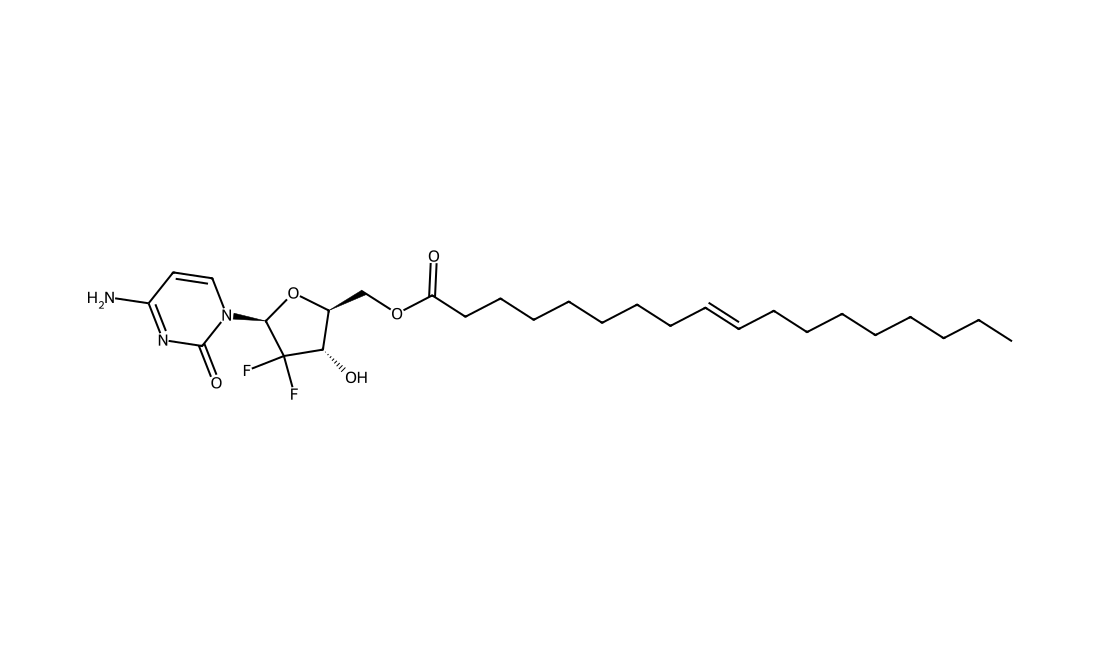
ZINC69391
CAS 303094-67-9
Novel specific Rac1 inhibitor, interferring with the interaction of Rac1 with Dock180, a relevant Rac1 activator in glioma invasion, and to reduce Rac1-GTP levels

Additional reagents, chemical building blocks and specialized research tools.
Products may appear in more than one category. Counts refer to distinct catalog numbers within each category.
Other Research Tools (75) · Additional reagents, building blocks and specialized research tools.
Combine a keyword, research category and target to narrow the product list.
Loading catalog filters…
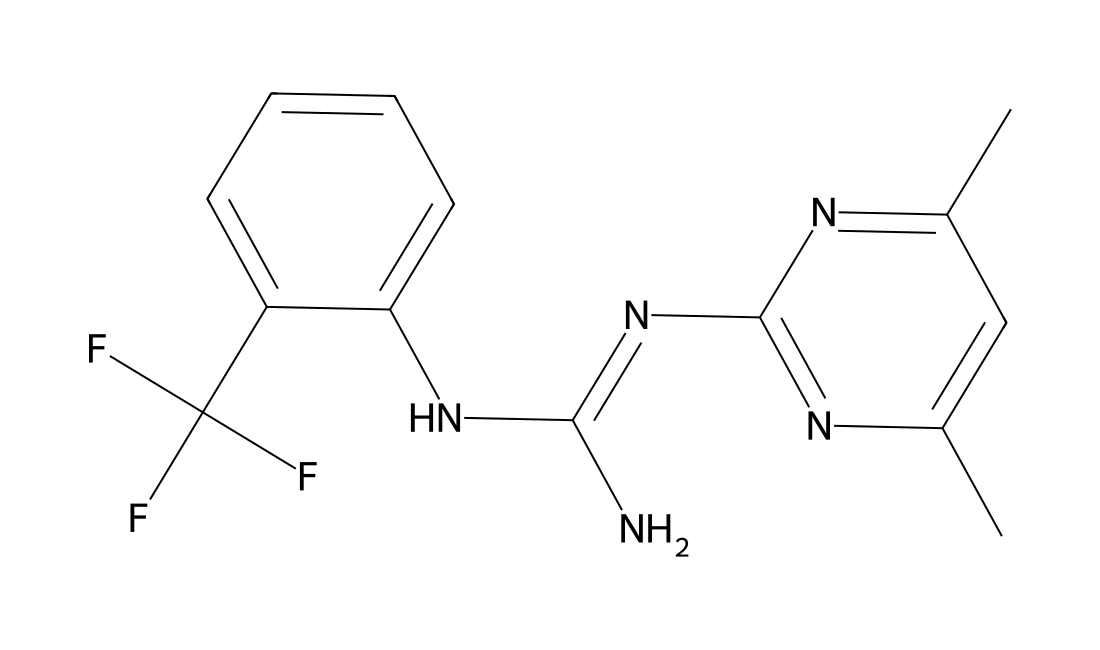
CAS 303094-67-9
Novel specific Rac1 inhibitor, interferring with the interaction of Rac1 with Dock180, a relevant Rac1 activator in glioma invasion, and to reduce Rac1-GTP levels
CAS 75629-57-1
Oncrasin 1 is a proapoptotic substance. Induces abnormal nuclear aggregation of PKCι and suppressing RNA transcription. Displays antiproliferative effects against various human tumor cell lines. Shown to inhibit human xenograft growth by 75% in vivo. For the detailed information of Oncrasin 1, the solubility of Oncrasin 1 in water, the solubility of Oncrasin 1 in DMSO, the solubility of Oncrasin 1 in PBS buffer, the animal experiment (test) of Oncrasin 1, the cell expriment (test) of Oncrasin 1, the in vivo, in vitro and clinical trial test of Oncrasin 1, the EC50, IC50,and affinity,of Oncrasin 1, For the detailed information of Oncrasin 1, the solubility of Oncrasin 1 in water, the solubility of Oncrasin 1 in DMSO, the solubility of Oncrasin 1 in PBS buffer, the animal experiment (test) of Oncrasin 1, the cell expriment (test) of Oncrasin 1, the in vivo, in vitro and clinical trial test of Oncrasin 1, the EC50, IC50,and affinity,of Oncrasin 1, Please contact DC Chemicals.
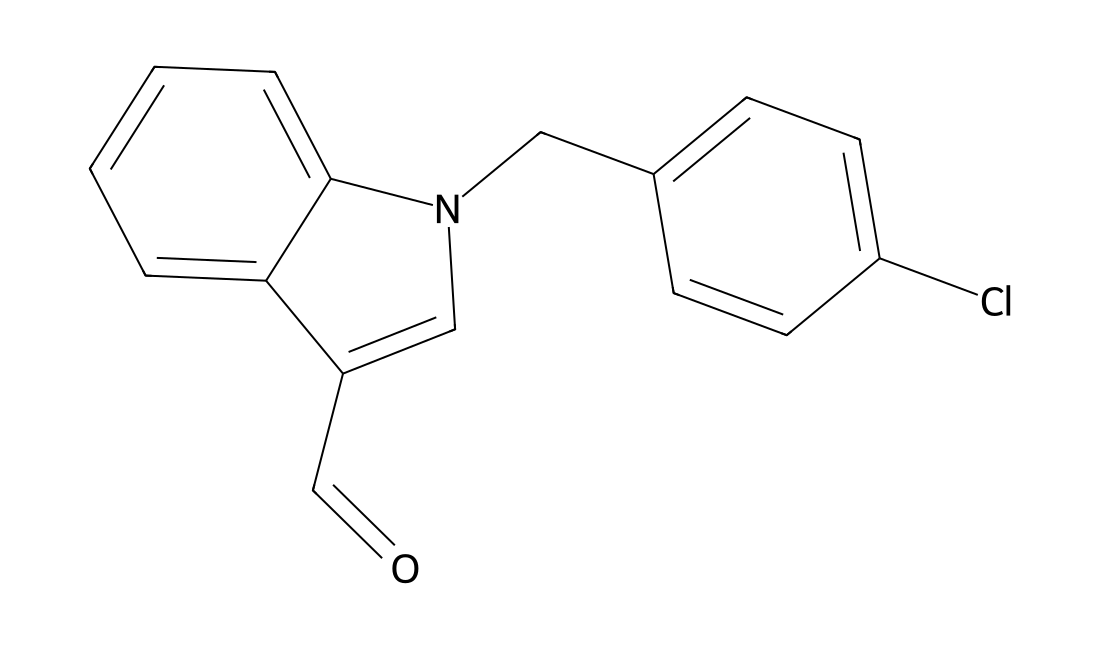
CAS 2446817-72-5
APOL1-IN-1 is a apolipoprotein L1 (APOL1) inhibitor extracted from patent WO2020131807A1 compound 87. APOL1-IN-1 can be used for the research of focal segmental glomerulosclerosis (FSGS) and non-diabetic kidney disease (NDKD)[1].
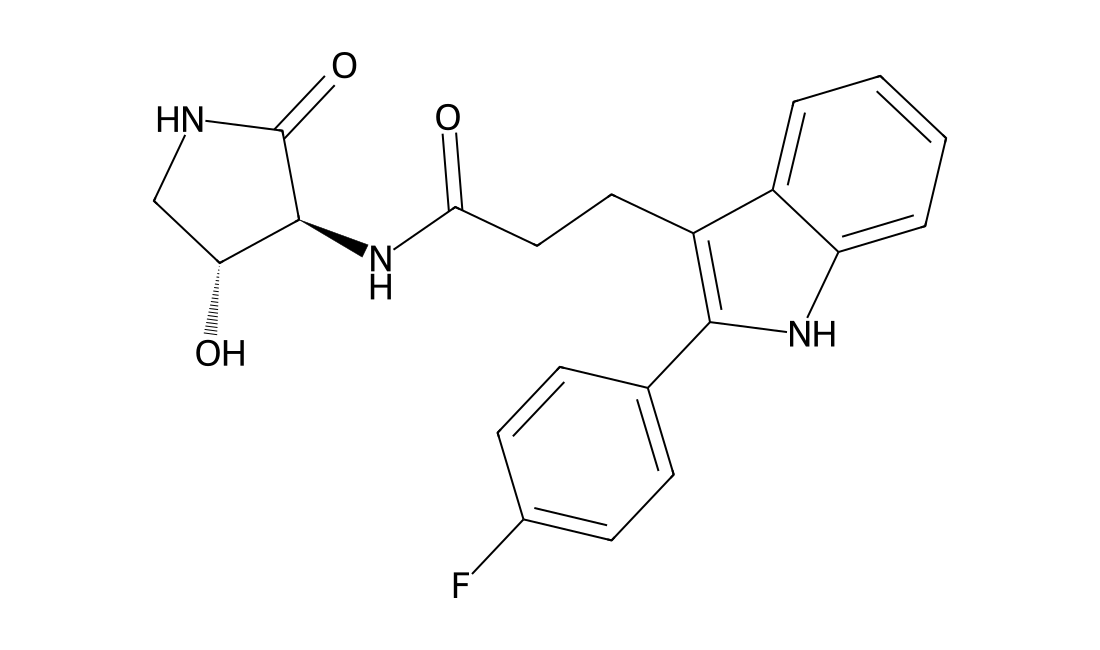
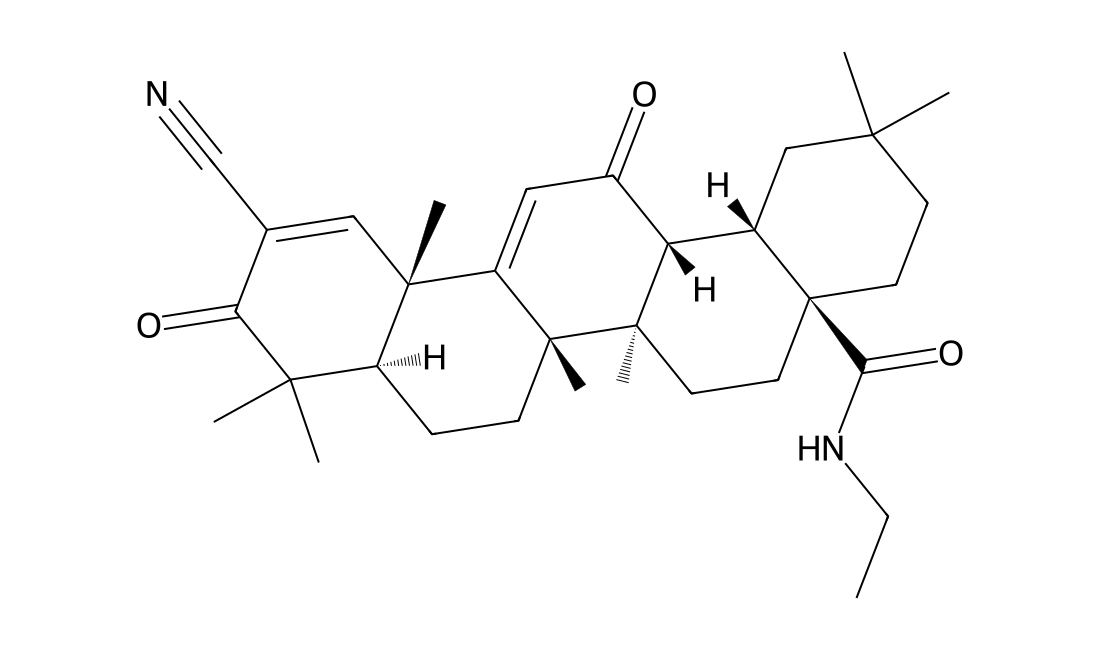
CAS 932730-51-3
A potent Nrf2 activator that upregulates Nrf2 expression and resulted in translocation of Nrf2 into the nucleus.
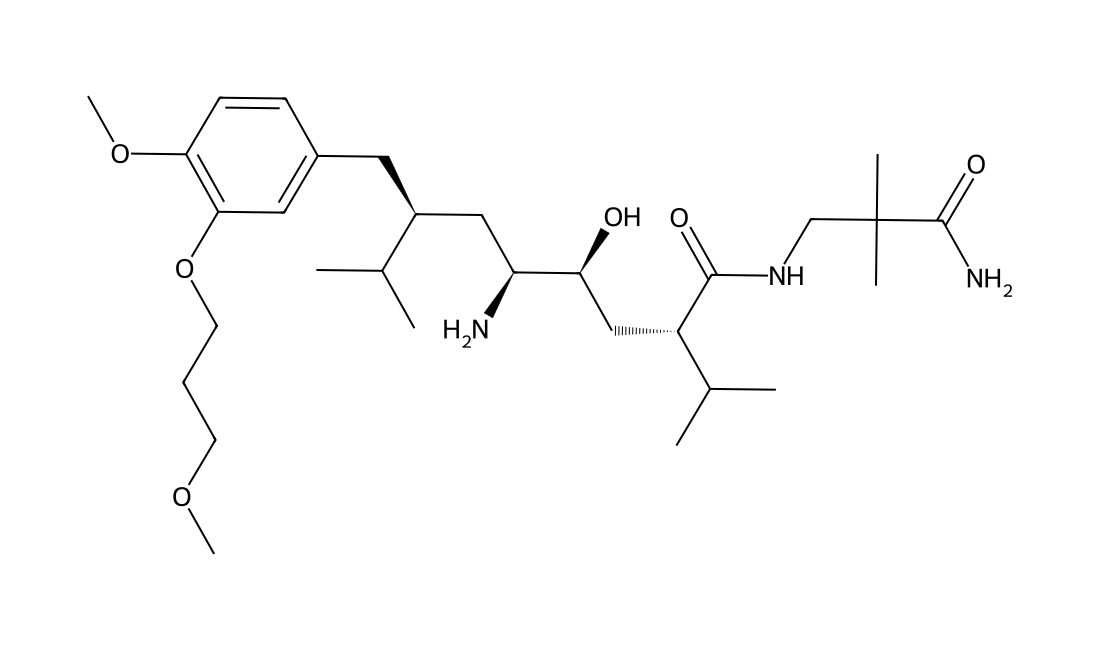
CAS 173334-57-1
The first in a class, potent and highly selective, direct renin inhibitor with IC50 of 0.6 nM; no significant inhibition on Cathepsin D, Cathepsin E, Pepsin and HIV-1 peptidase (> 50 uM); orally bioactive.HypertensionApproved
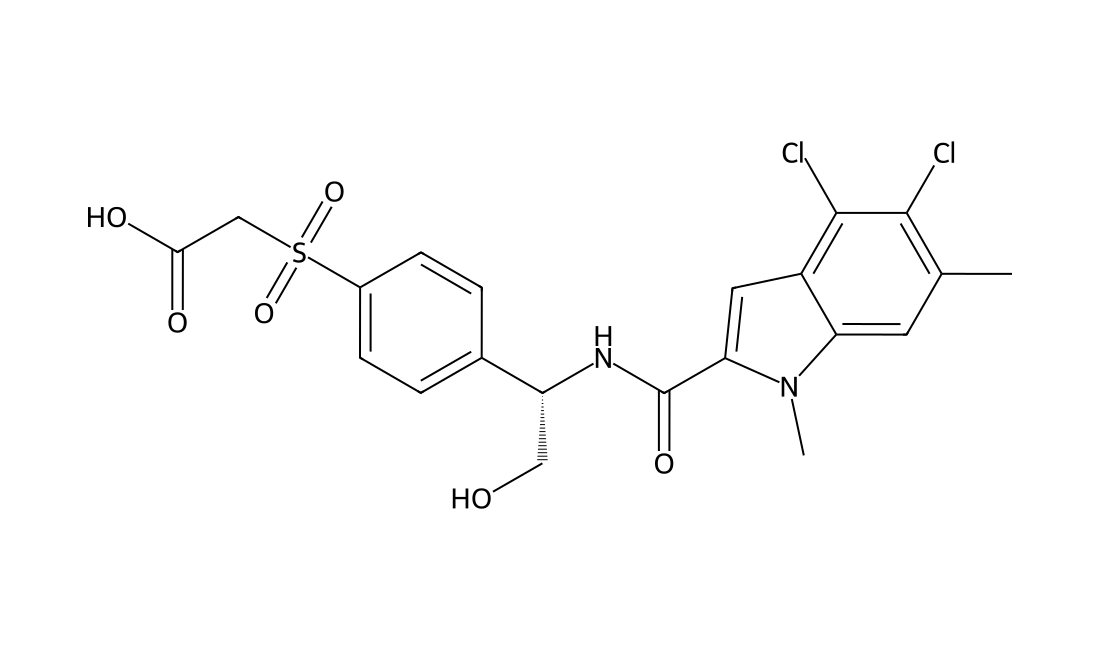
CAS 2244452-09-1
BI-4924 (BI 4924) is a potent, selective NADH/NAD+-competitive PHGDH inhibitor with IC50 of 2 nM.BI-4924 splays high selectivity against the majority of other dehydrogenase targets.
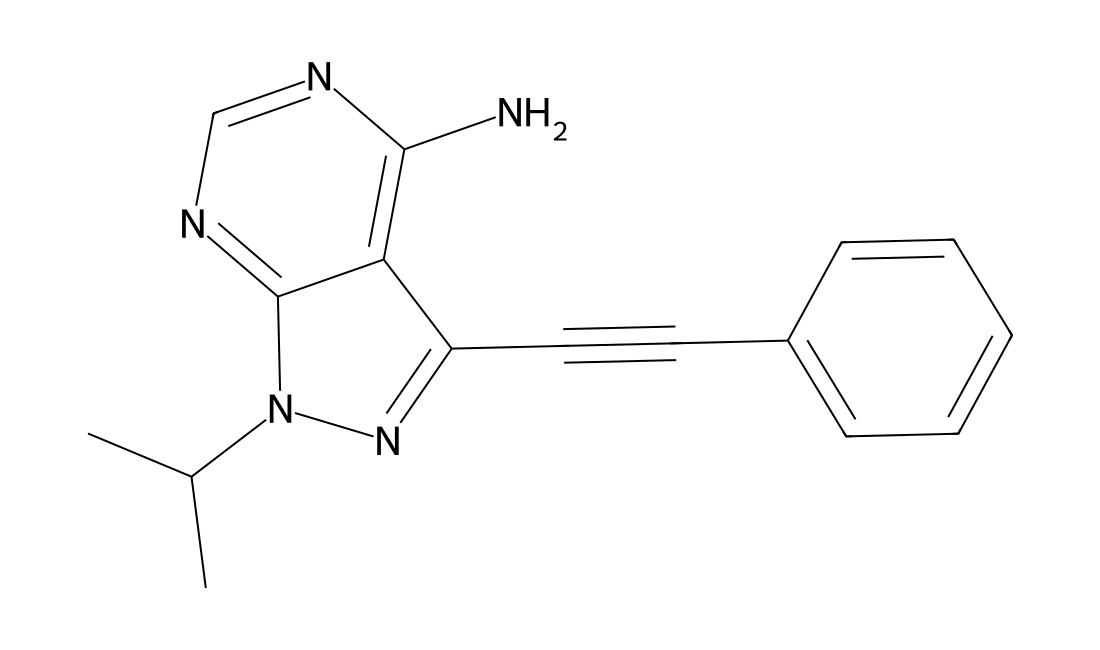
CAS 1630086-20-2
In Vitro KIRA8 blocks IRE1α oligomerization, and potently inhibits IRE1α RNase activity against XBP1 and Ins2 RNAs. KIRA8 more potently reduces IRE1α-driven apoptosis in INS-1 cells than KIRA6 and also reverses XBP1 splicing promoted by GNF-2. In Vivo Kira8 efficaciously reverses established diabetes in NOD mice by sparing β-cells and preserving their physiological function. KIRA8 is first tested in 3-week-old male pre-diabetic Akita mice by i.p. daily dosing of 50 mg/kg, whereupon significant reduction of hyperglycemia became apparent over several weeks. Then KIRA8 (50 mg/kg) is tested in the complex NOD. Showing target engagement, one week treatment of pre-diabetic NODs with KIRA8 leads to significant reductions in islet XBP1 splicing and TXNIP mRNAs, and preserved Ins1/Ins2, BiP and MANF mRNAs.
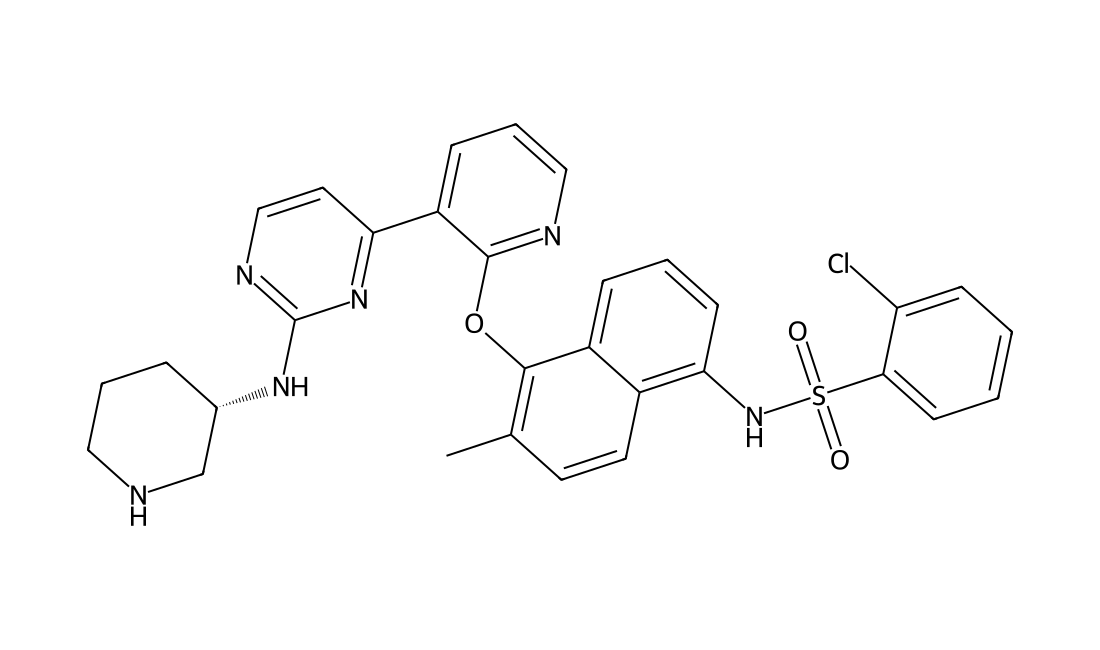
CAS 68729-05-5
A novel LTA4 hydrolase (LTA4H) inhibitor that inhibits LTB4 synthesis in human neutrophils with IC50 of 0.5 uM; selectively blocks conversion of LTA4 into LTB4, sparing the enzyme's anti-inflammatory aminopeptidase activity; represents a new class of LTA4 hydrolase inhibitor that holds promise for improved anti-inflammatory properties.
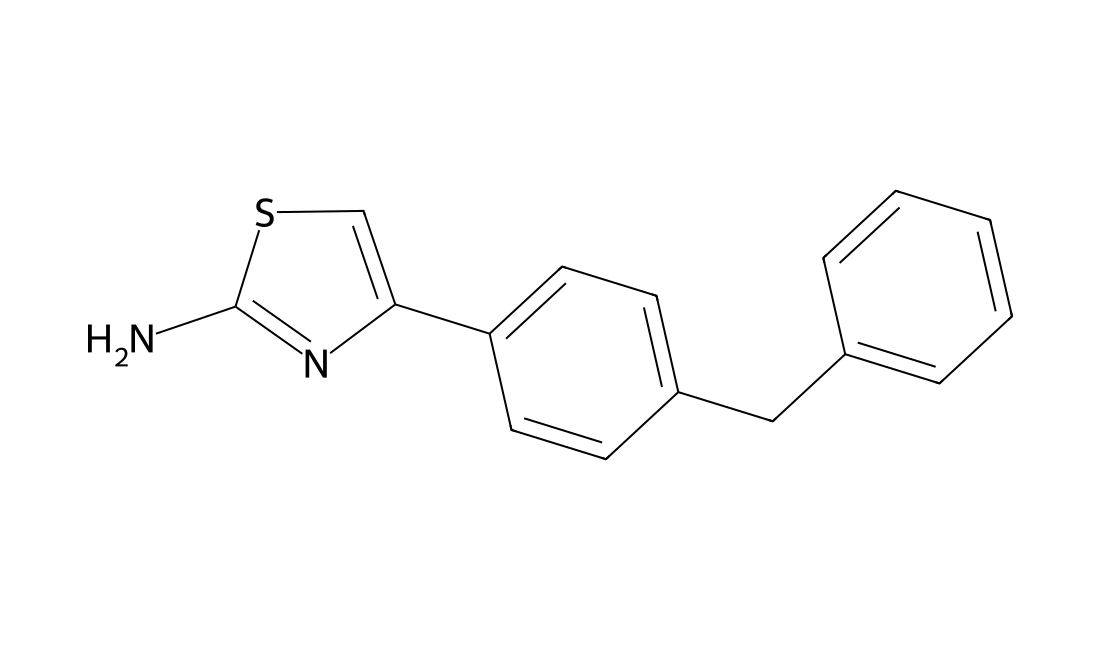
CAS 1644342-14-2
ML 792 is a potent, seletive SUMO-activating enzyme (SAE) inhibitor with IC50 of 3 nM and 11 nM for SAE/SUMO1 and SAE/SUMO2, respectively; shows no significant inhibition for closely related E1 enzymes NAE (IC50=32 uM) and ubiquitin-activating enzyme (UAE) (IC50 >100 uM), as well as a panel of 366 ATP-using enzymes; dose-dependently decreases global SUMOylation in HCT116 cells (EC50=19 nM), demonstrates potent antiproliferative effect in HCT116 cells and MDA-MB-231 cells with EC50 of 0.04 and 0.11 uM, respectively.
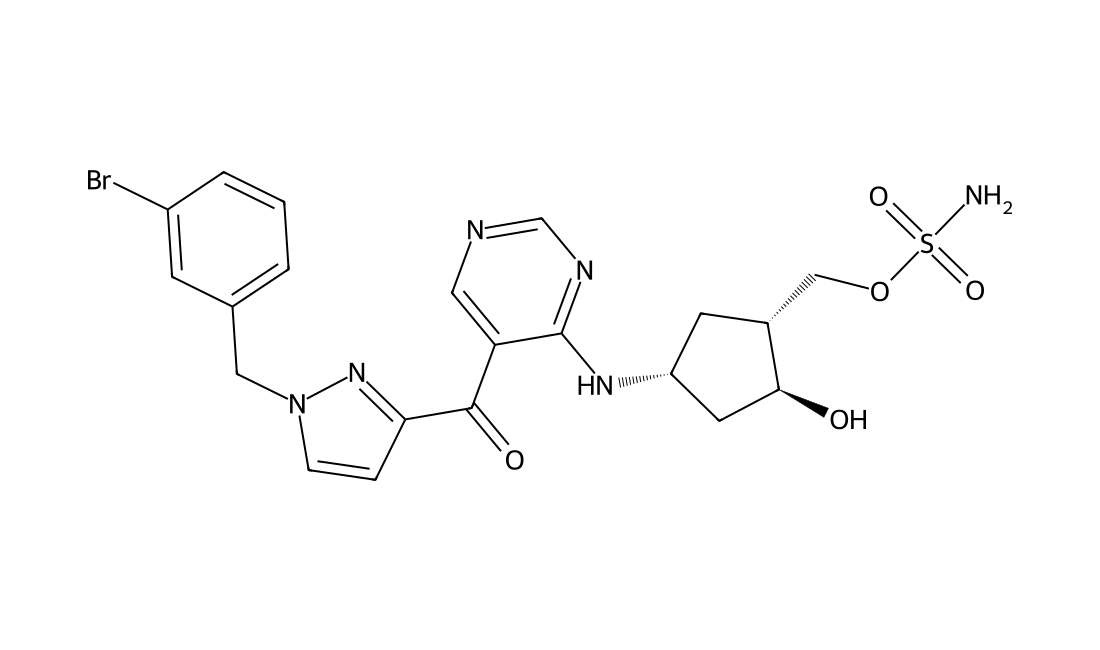
CAS 1508250-71-2
Nazartinib (EGF816) is a novel, covalent mutant-selective EGFR inhibitor, with Ki and Kinact of 31 nM and 0.222 min−1 on EGFR(L858R/790M) mutant, respectively.
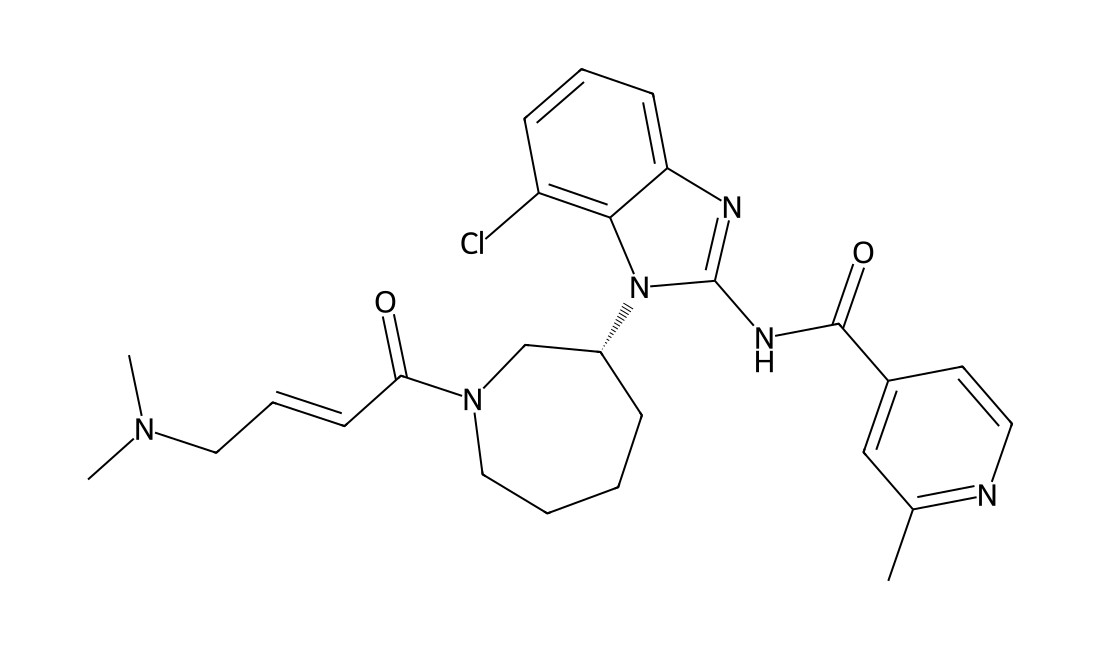
CAS 113104-25-9
NSC 228155 is a potent inhibitor of KIX-KID interaction, inhibits kinase-inducible domain (KID) from CREB and KID-interacting domain (KIX) from CBP, with an IC50 of 0.36 μM. NSC 228155 is not selective against CREB-mediated gene transcription in living HEK 293T cells[1].
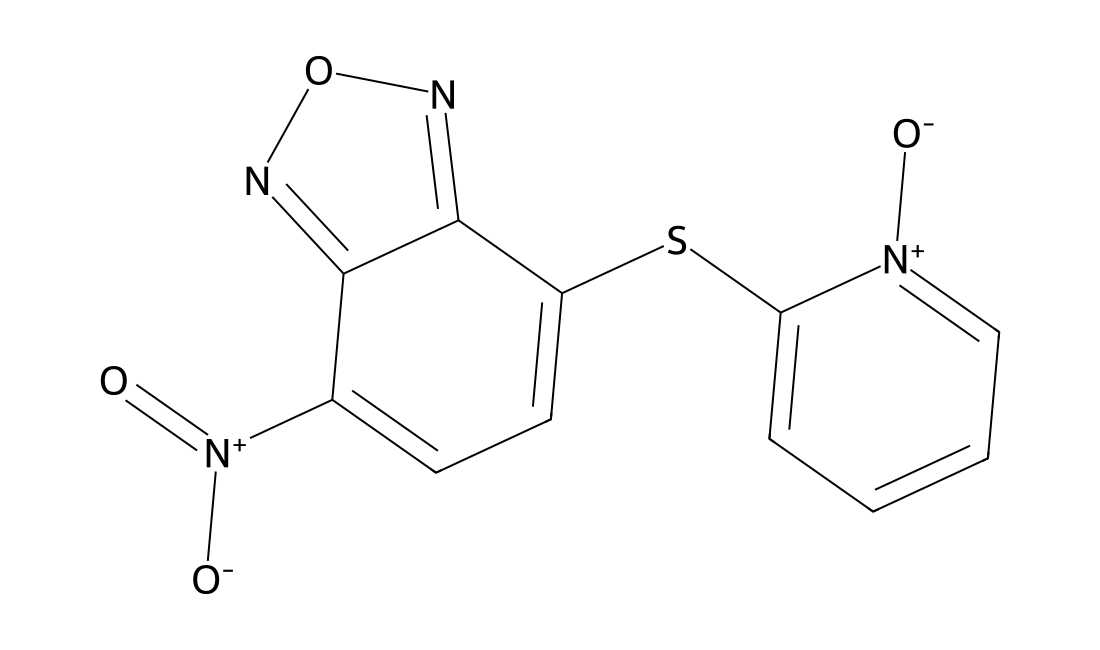
CAS 475488-23-4
NVP-ADW742(ADW742; GSK 552602A ) is an selective IGF-1R inhibitor with IC50 of 0.17 μM, >16-fold more potent against IGF-1R than InsR; little activity to HER2, PDGFR, VEGFR-2, Bcr-Abl and c-Kit.
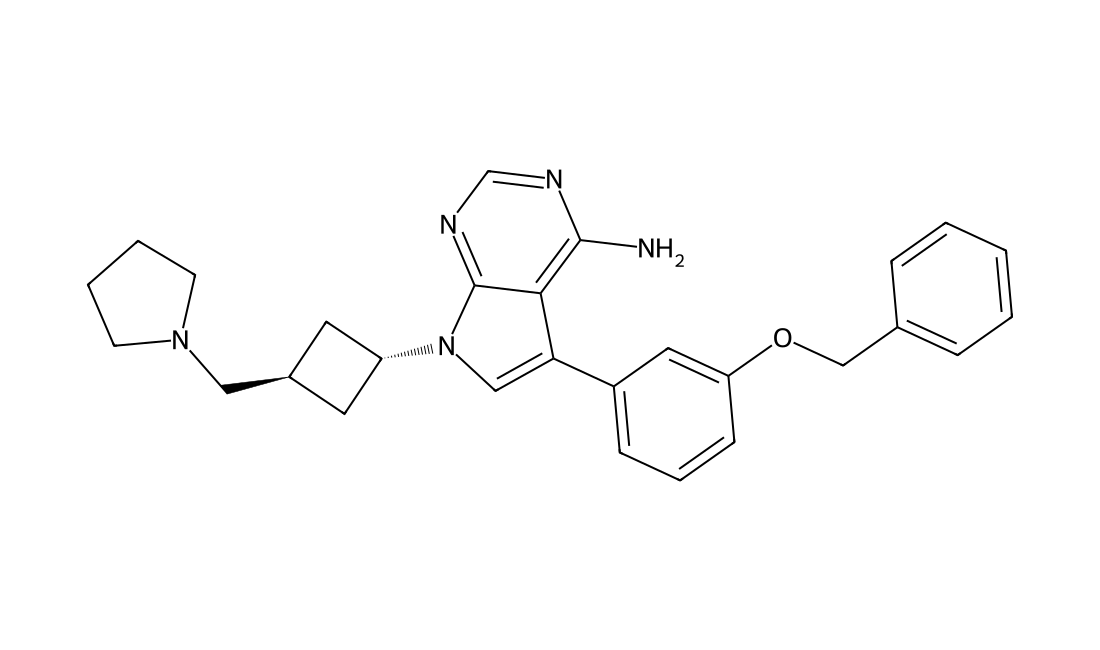
CAS 13040-46-5
Paulownin, a component of wood of Paulownia tomentosa Steud, is a constituent of medicinal plants[1].
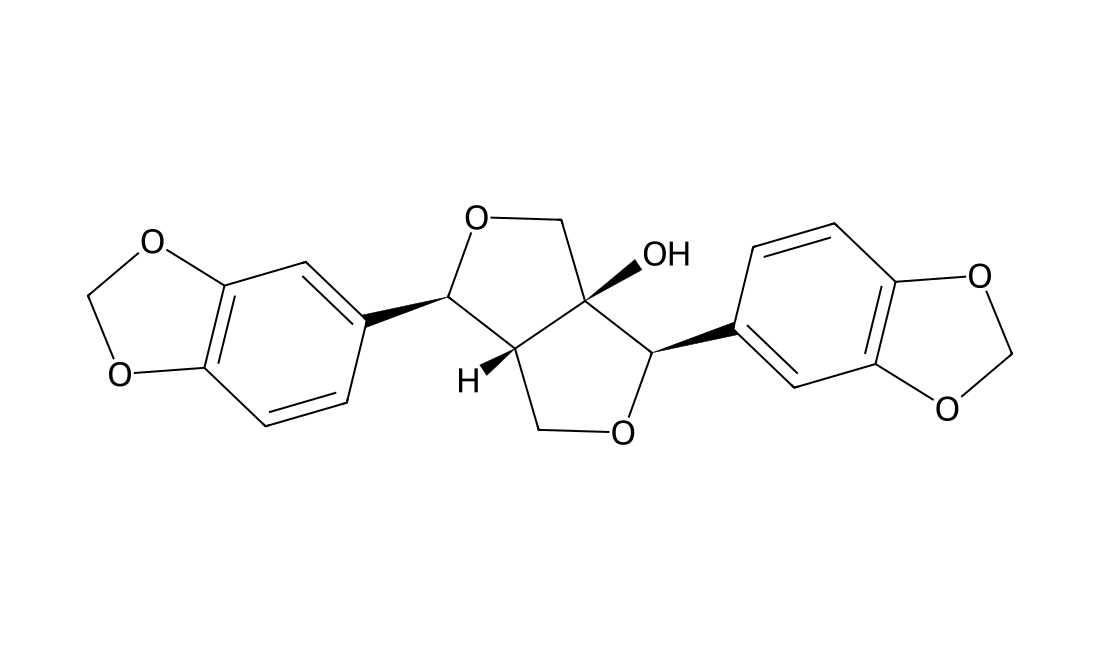
CAS 372196-77-5
PIK-75 is a DNA-PK and PI3K inhibitor, which inhibits DNA-PK, p110α and p110γ with IC50s of 2, 5.8 and 76 nM, respectively. PIK-75 inhibits p110α >200-fold more potently than p110β (IC50=1.3 μM).
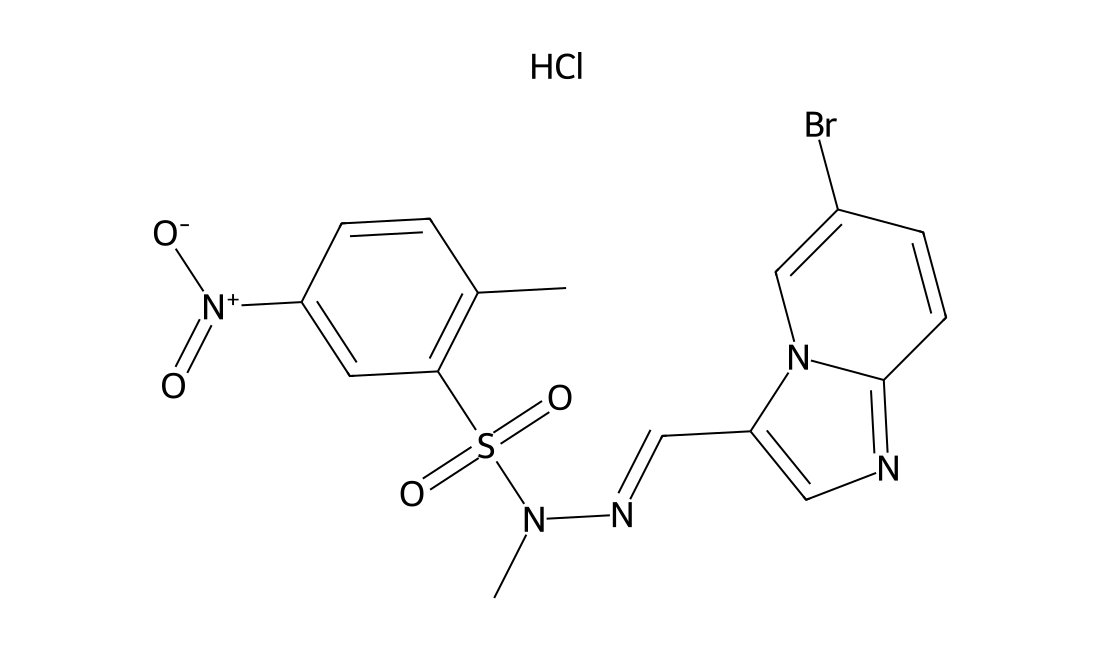
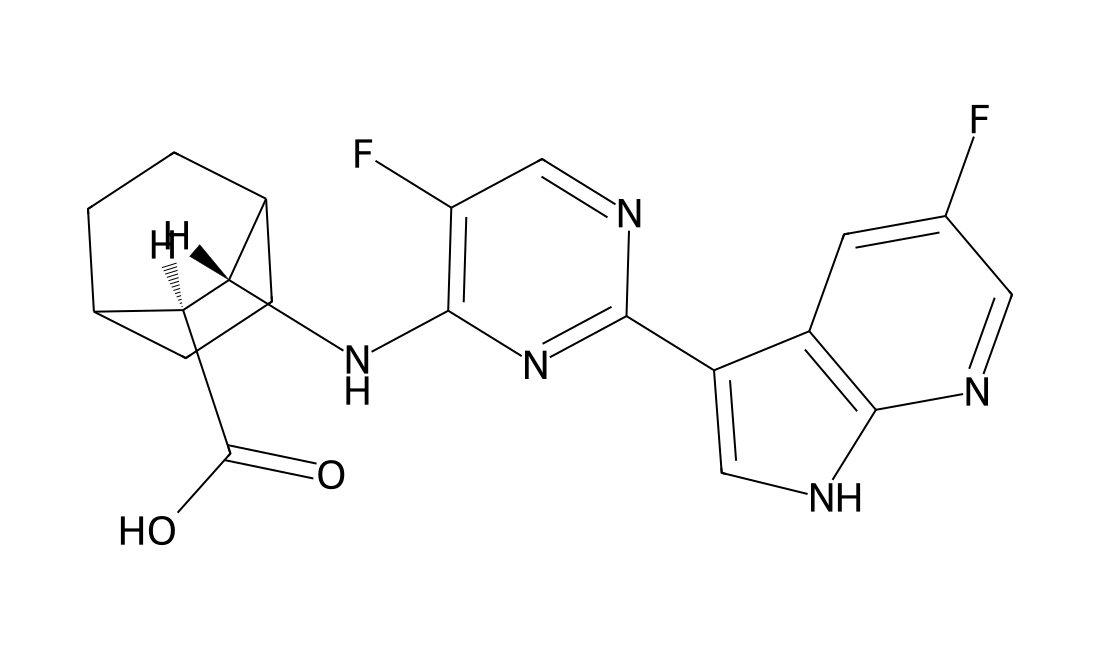
CAS 1629869-44-8
Pimodivir (VX-787) is an orally bioavailable inhibitor of influenza A virus polymerases through interaction with the viral PB2 subunit.
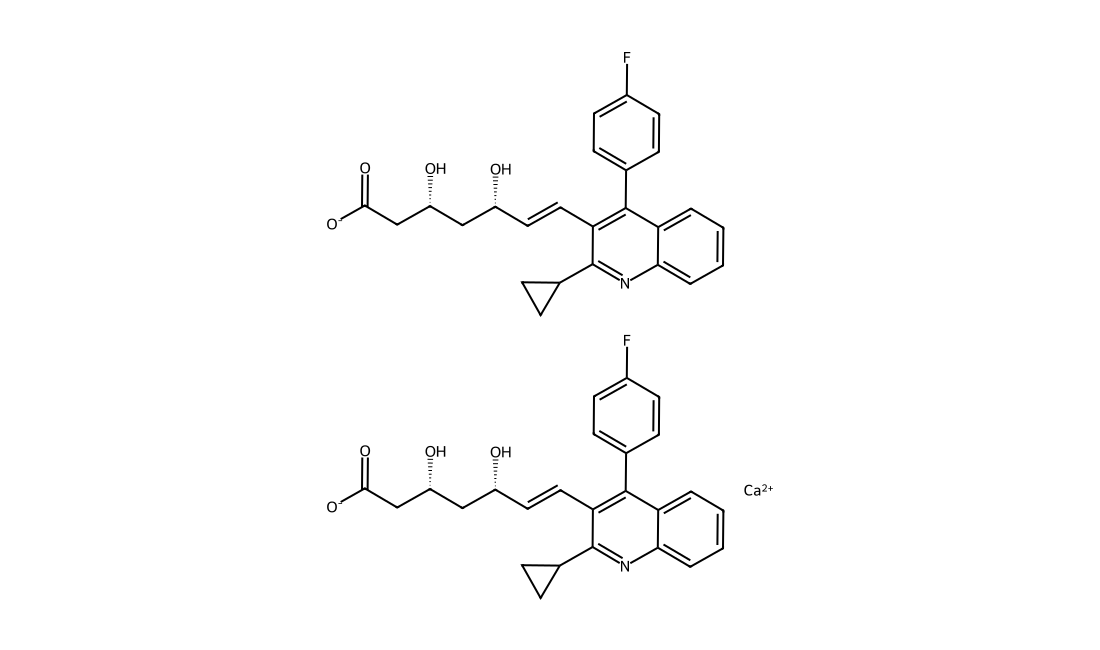
CAS 147526-32-7
Pitavastatin Calcium is a potent hydroxymethylglutaryl-CoA (HMG-CoA) reductase inhibitor. Pitavastatin inhibits cholesterol synthesis from acetic acid with an IC50 of 5.8 nM in HepG2 cells.
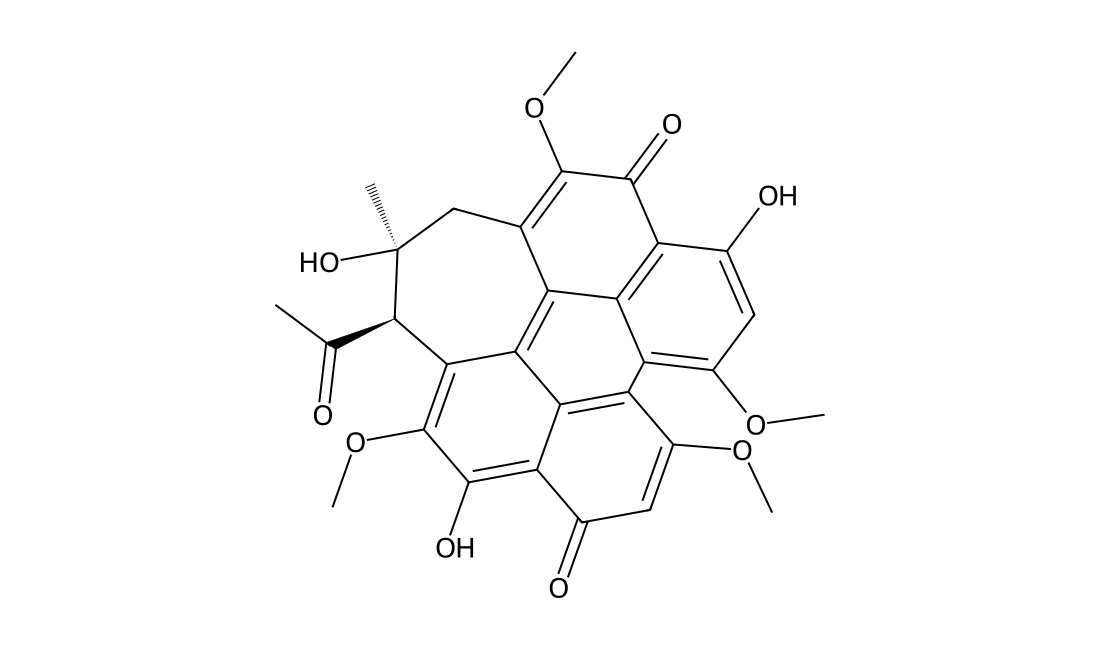
CAS 77029-83-5
Hypocrellin A, a naturally occurring PKC inhibitor, has many biological and pharmacological properties, such as antitumour, antiviral, antibacterial, and antileishmanial activities. Hypocrellin A is a promising photosensitizer for anticancer photodynamic therapy (PDT)[1][2][3][4].
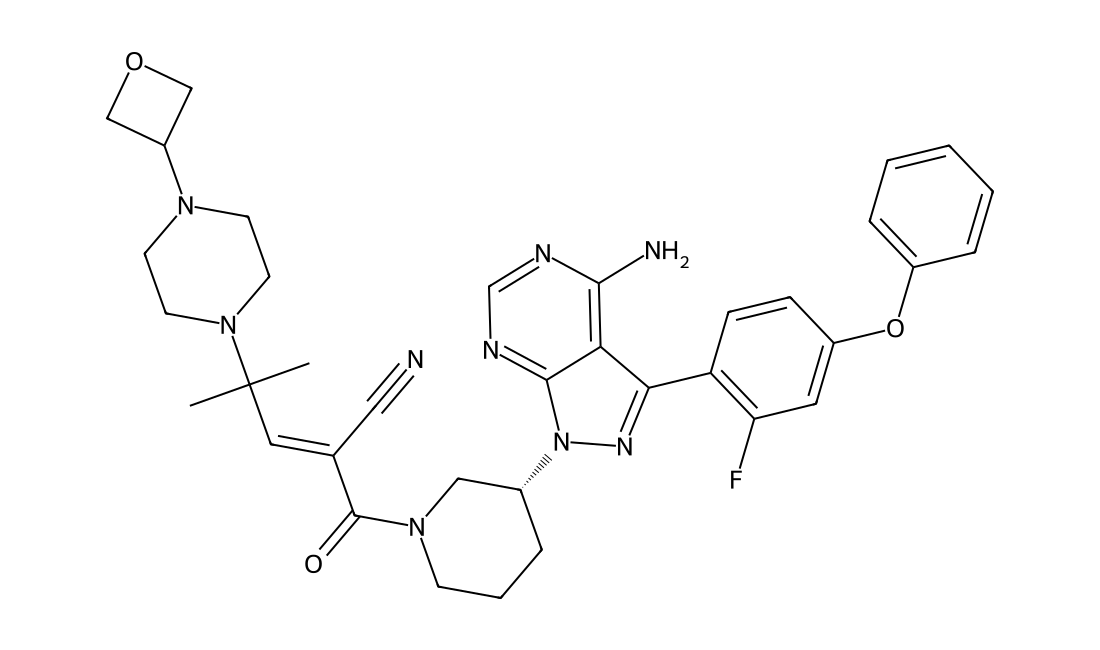
CAS 1575596-29-0
PRN1008 is a reversible covalent inhibitor of Bruton’s Tyrosine Kinase (BTK), with an IC50 of 1.3 nM.
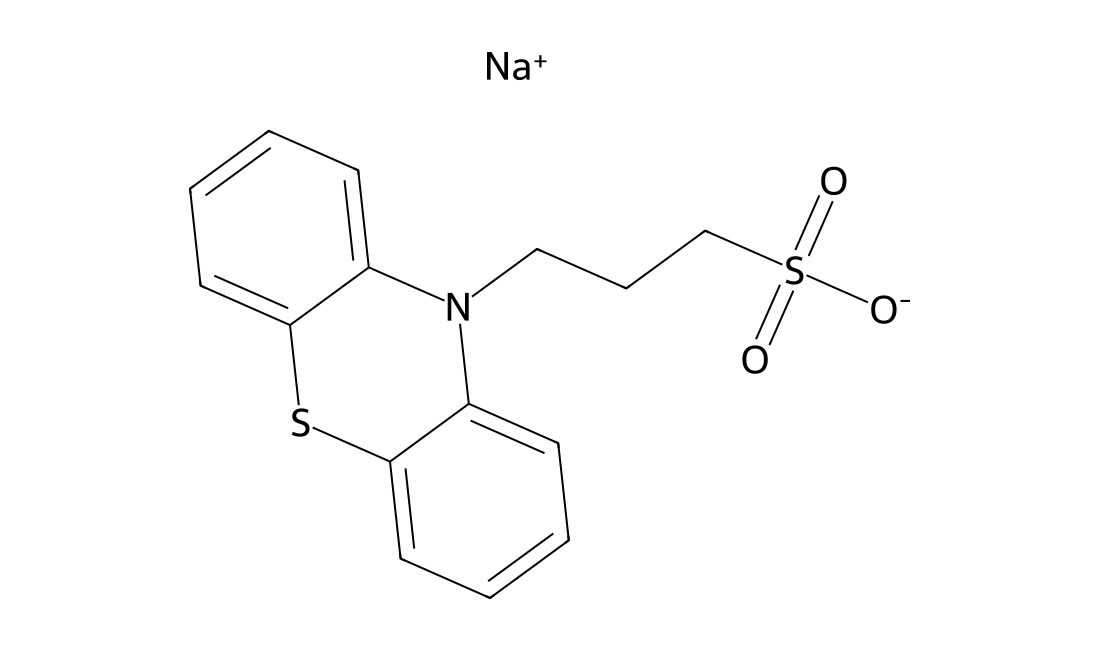
CAS 101199-38-6
PTZ-343 is a potent enhancer of Luminol (HY-15922). PTZ-343 greatly increases the light output of the peroxidase-catalyzed luminol chemiluminescent oxidation reaction (>80%)[1][2].
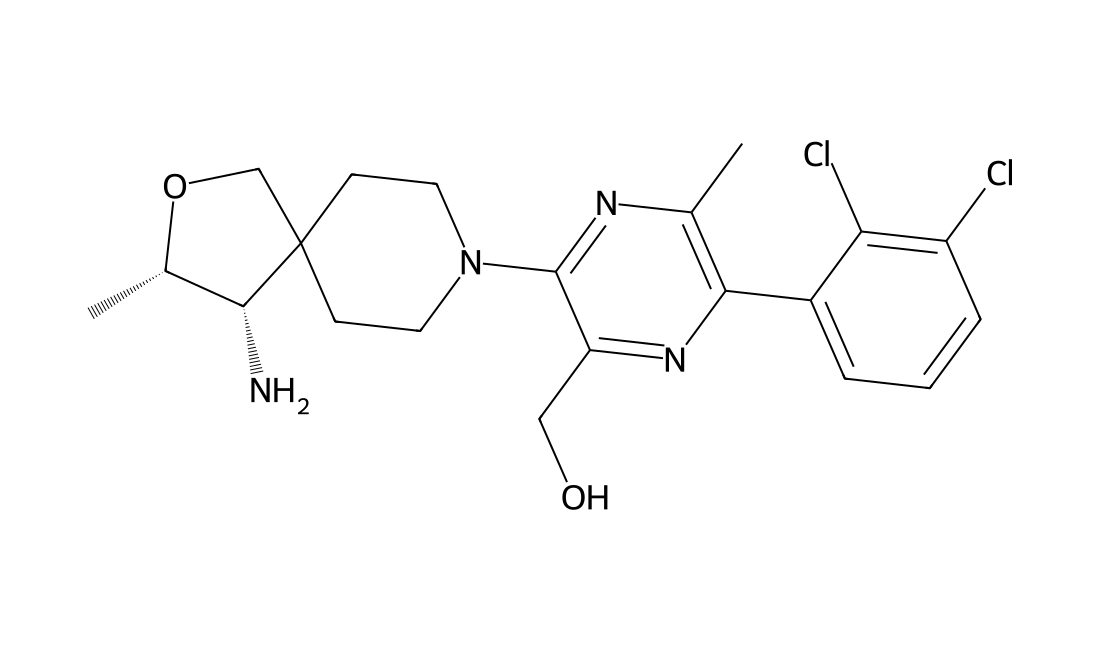
CAS 2172651-73-7
RMC-4550 is a potent, selective and allosteric inhibitor of SHP2, with an IC50 of 0.583 nM.
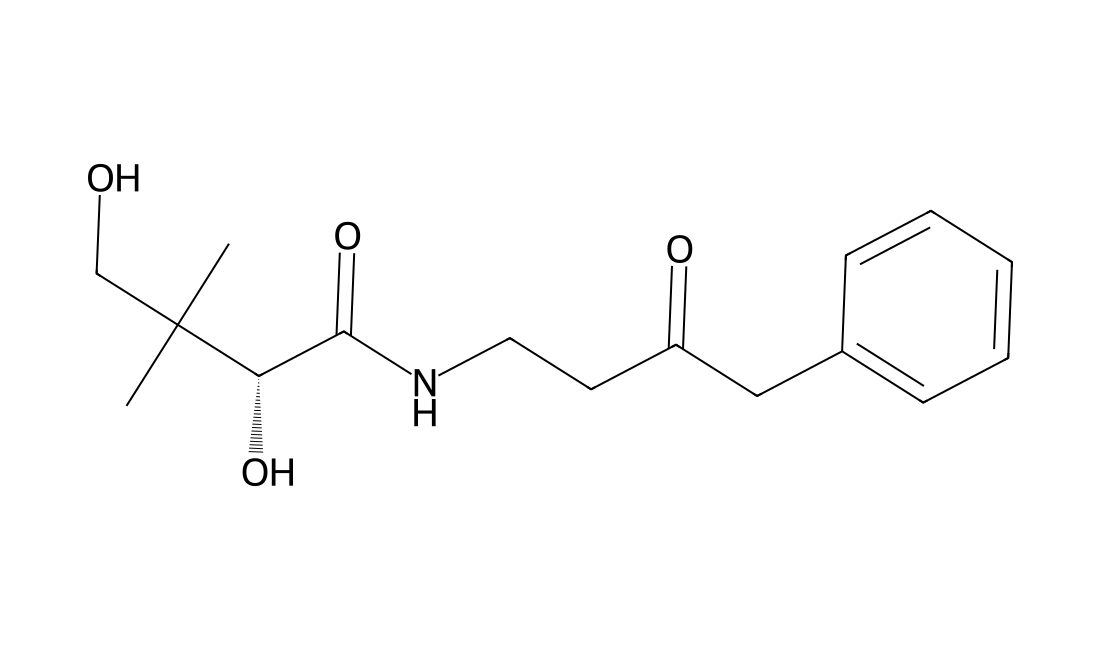
CAS 1351758-37-6
RR6 is a selective, reversible, and competitive vanin inhibitor.target: vaninIn vivo: Oral administration of RR6 in rats completely inhibited plasma vanin activity and caused alterations of plasma lipid concentrations upon fasting, thereby illustrating its potential use in chemical biology research. RR6 at 3 mg/mL inrats caused a nearly complete inhibition of plasma vanin.
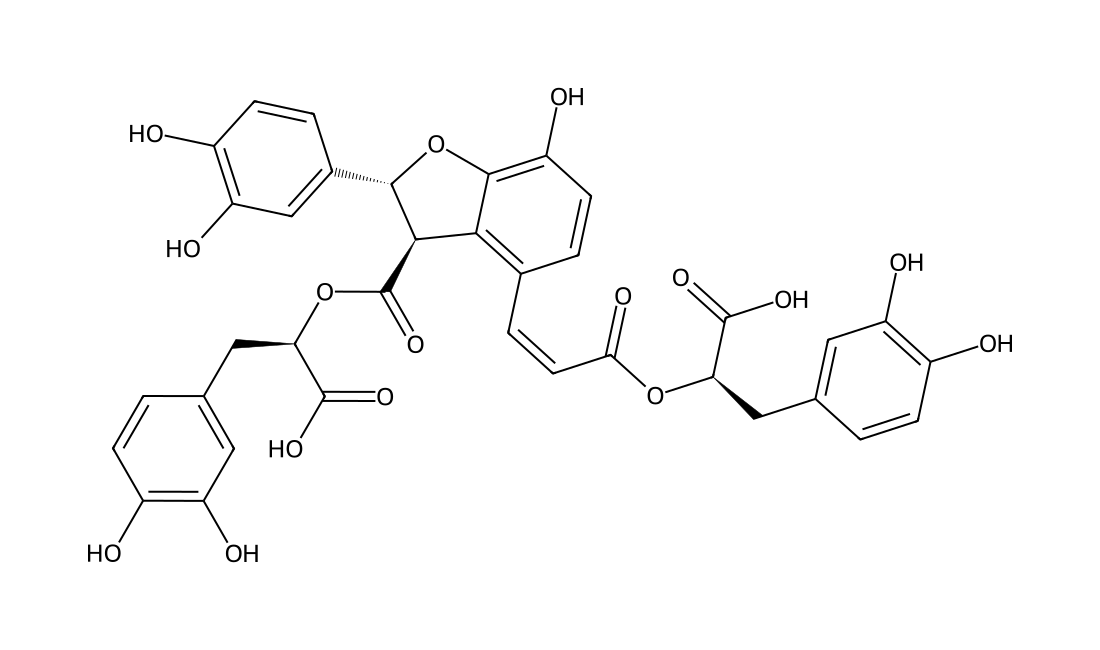
CAS 121521-90-2
Salvianolic acid B is an active ingredient of Salvia miltiorrhiza, which has been widely applied in China for the management of various microcirculation-related disorders, such as cardiovascular disease, cerebrovascular disease, and diabetic vascular complication.
CAS 425613-09-8
SJ000291942 is an activator of the canonical bone morphogenetic proteins (BMP) signaling pathway. BMPs are members of the transforming growth factor beta (TGFβ) family of secreted signaling molecules.
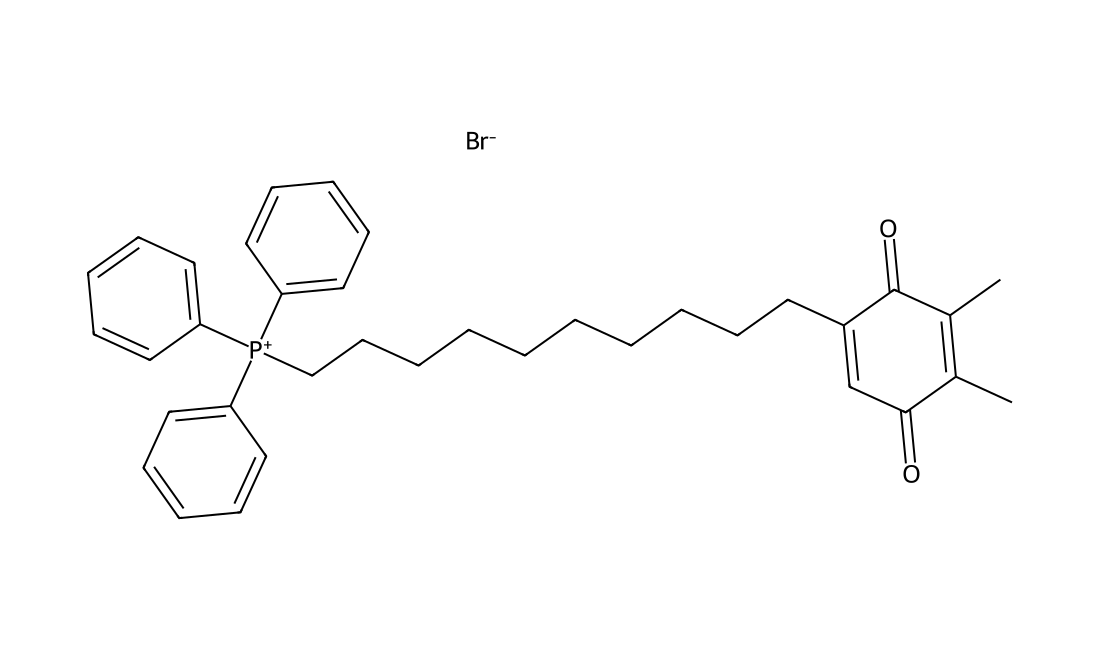
CAS 934826-68-3
Visomitin is a new antioxidant with the highest mitochondrion membrane penetrating ability and potent antioxidant capability.
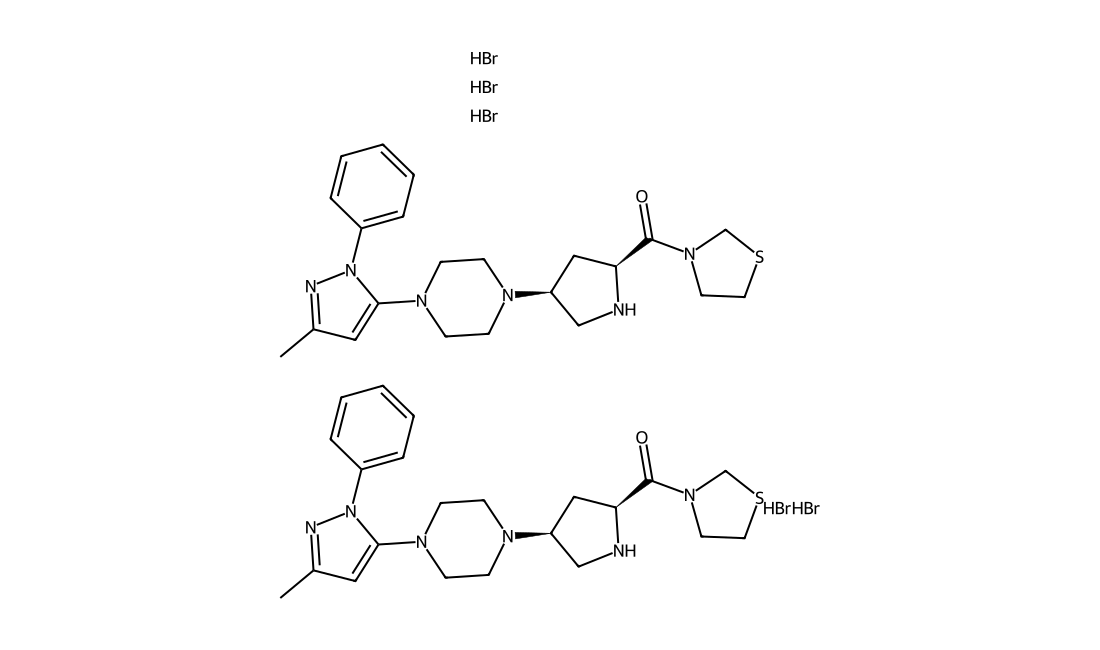
CAS 906093-29-6
Teneligliptin hydrobromide is a potent chemotype prolylthiazolidine-based DPP-4 inhibitor, which competitively inhibits human plasma, rat plasma, and human recombinant DPP-4 in vitro, with IC50s of approximately 1 nM.
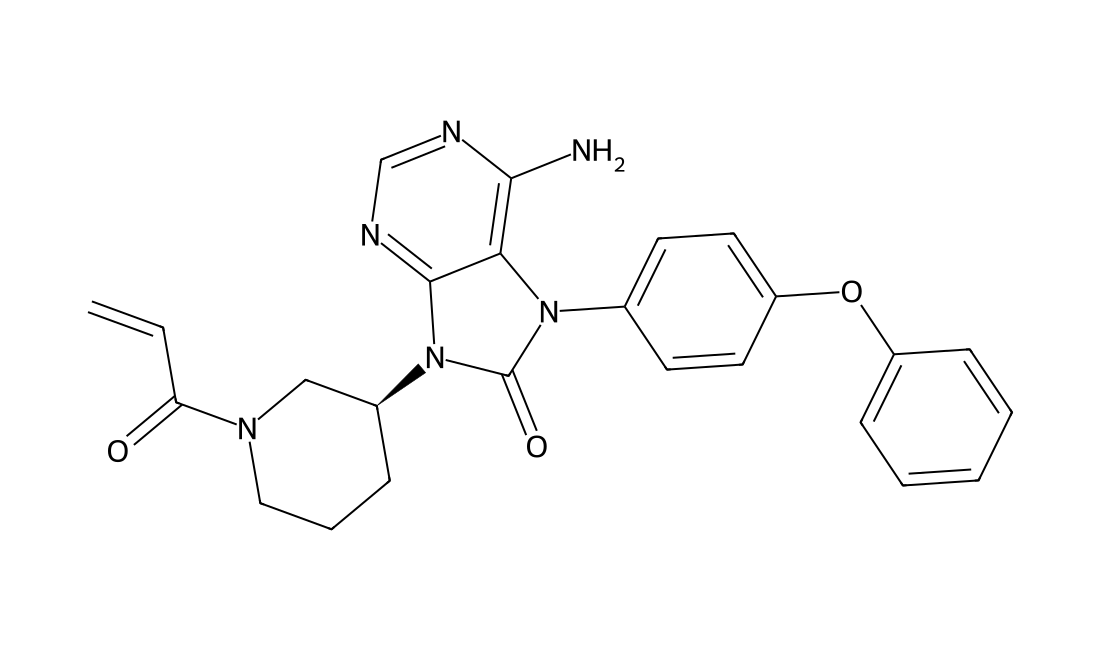
CAS 1351635-67-0
The product is the analog of ONO-4059, ONO-4059 is a highly potent and selective Btk inhibitor with an IC50 in the sub-nM range.
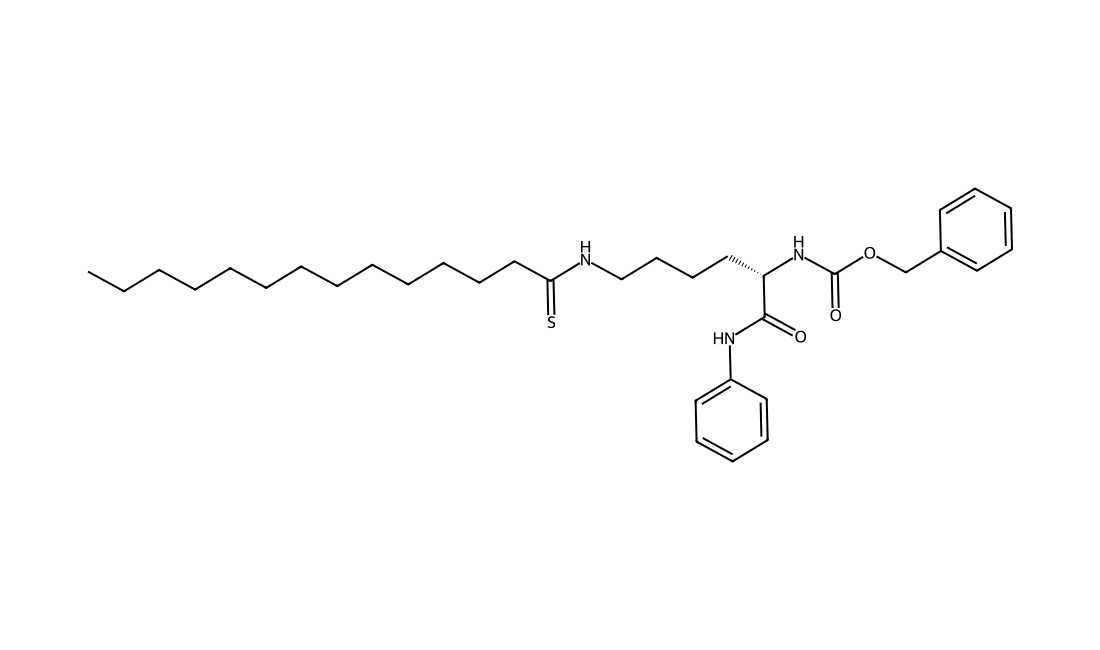
CAS 1429749-41-6
Thiomyristoyl is a potent and specific SIRT2 inhibitor with an IC50 of 28 nM.
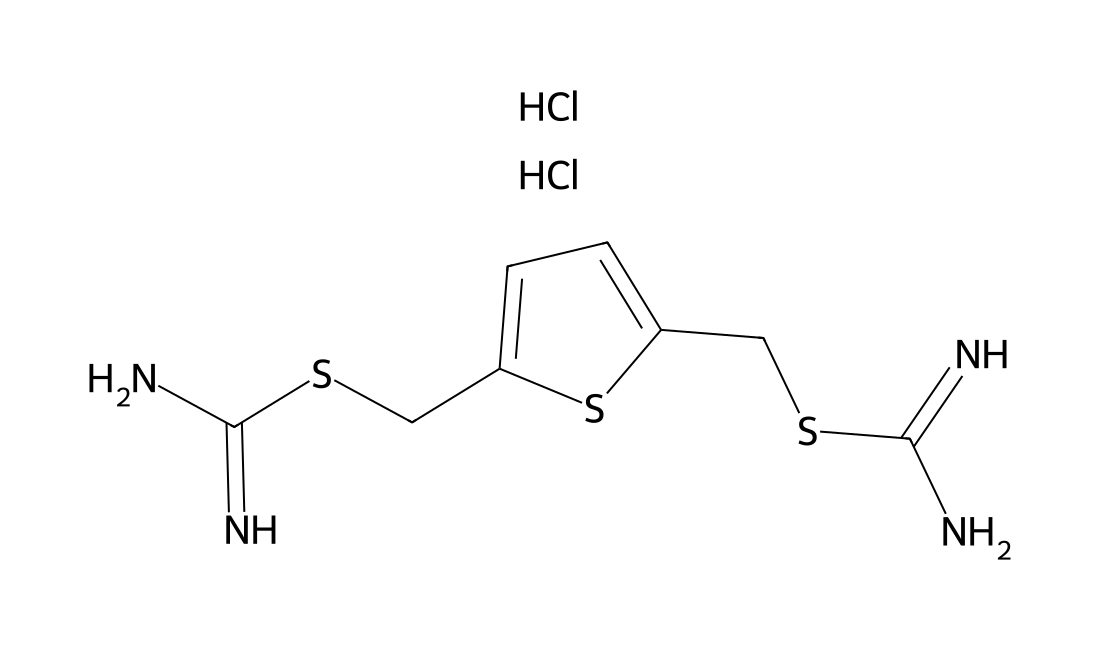
CAS 2076-91-7
TPT-260 2Hcl (TPU260 2Hcl) is a thiophene thiourea derivative with molecule weight 260.00 in free base form; There is no formal name yet, we temporally call this molecule as TPT-260.
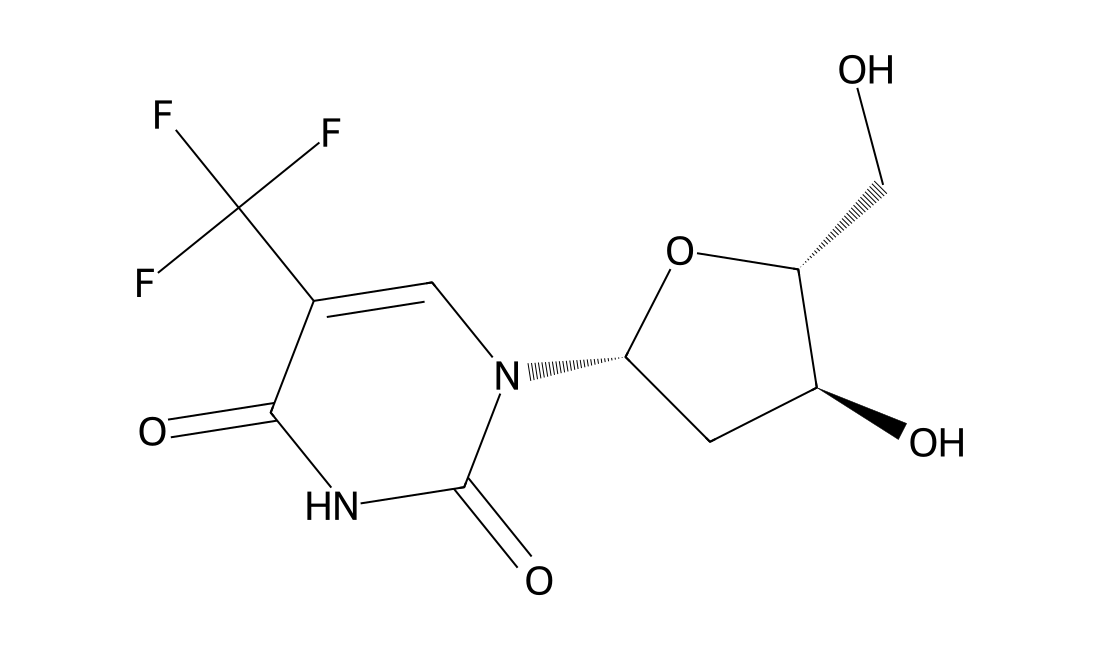
CAS 70-00-8
Trifluridine is an irreversible thymidylate synthase inhibitor, and thereby suppresses DNA synthesis. Trifluridine is an antiviral drug for herpes simplex virus (HSV) infection.
CAS 138168-48-6
Tyroserleutide (YSL), isolated from the degradation products of porcine spleen[1], is a small molecular tripeptide which inhibits tumor growth both in vitro and in vivo[2].
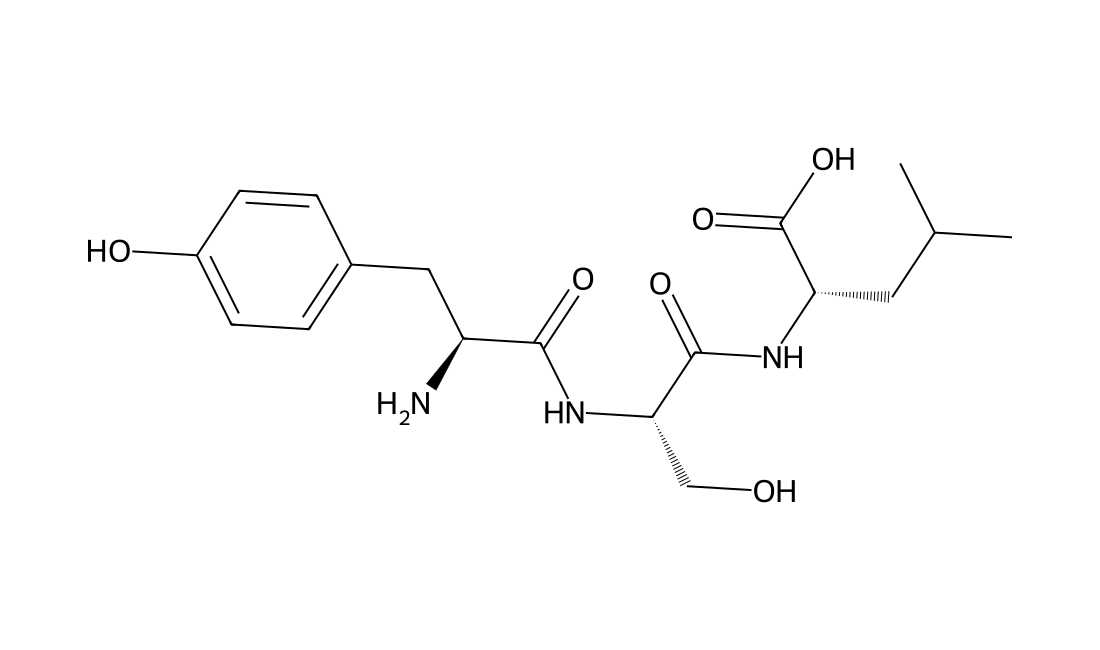
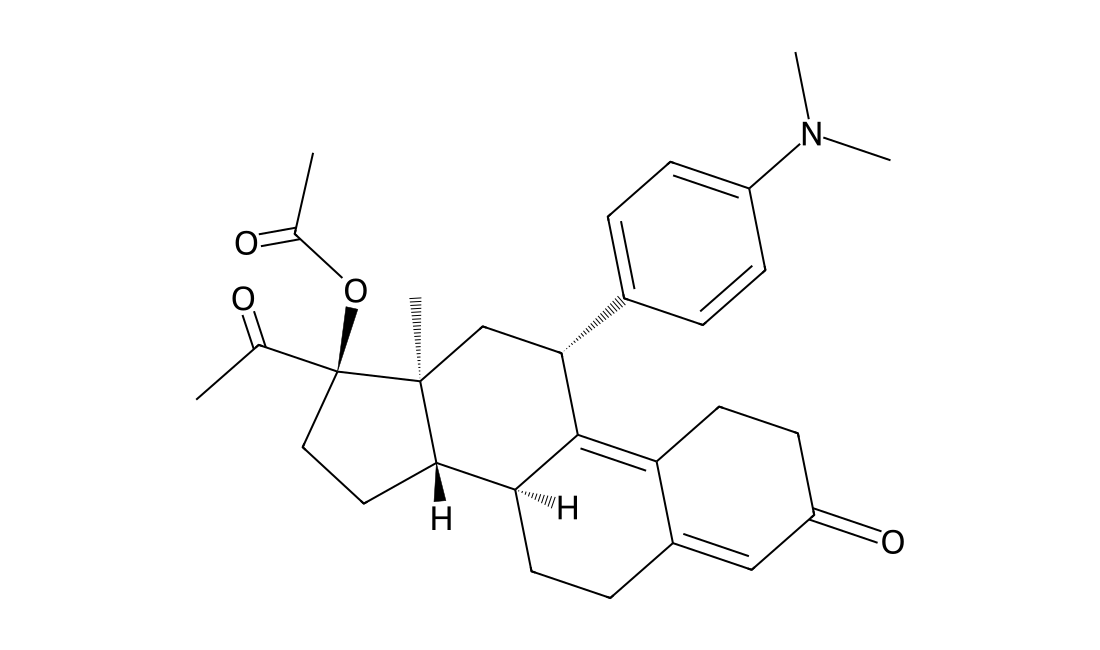
CAS 126784-99-4
Ulipristal (acetate) is a novel selective progesterone receptor modulator (SPRM) for the treatment of benign gynecological conditions such as uterine myoma.
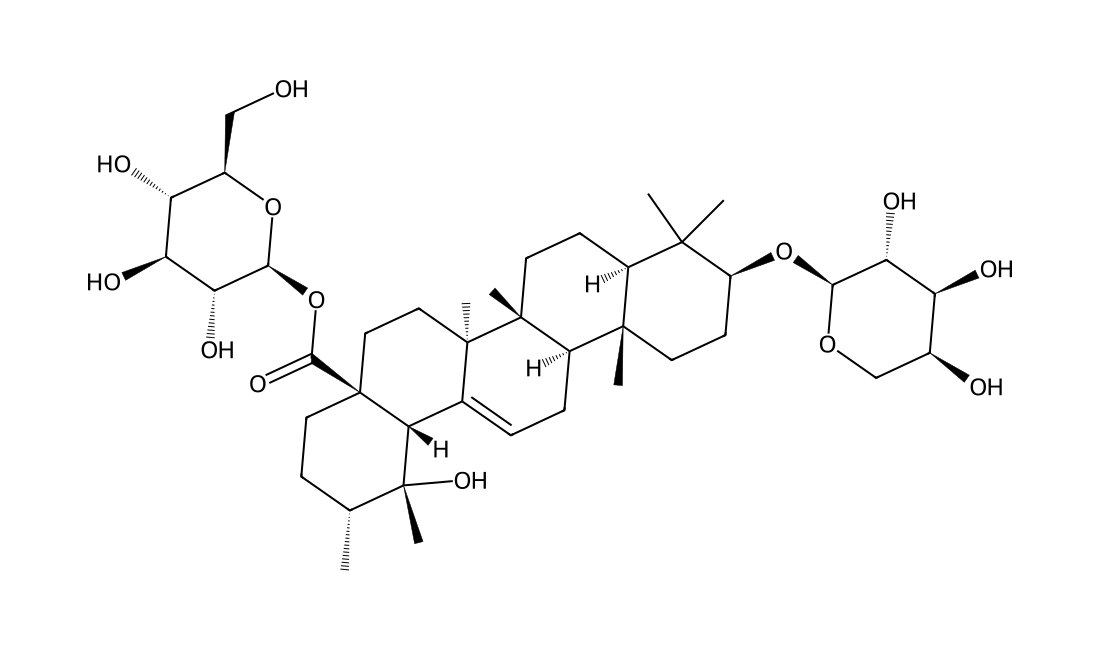
CAS 35286-58-9
Ziyuglycoside I isolated from S. officinalis root, has anti-wrinkle activity, and increases the expression of type I collagen. Ziyuglycoside I could be used as an active ingredient for cosmetics[1].Ziyuglycoside I triggers cell cycle arrest and apoptosis mediated by p53, it can be a potential drug candidate for treating triple-negative breast cancer (TNBC)[2].
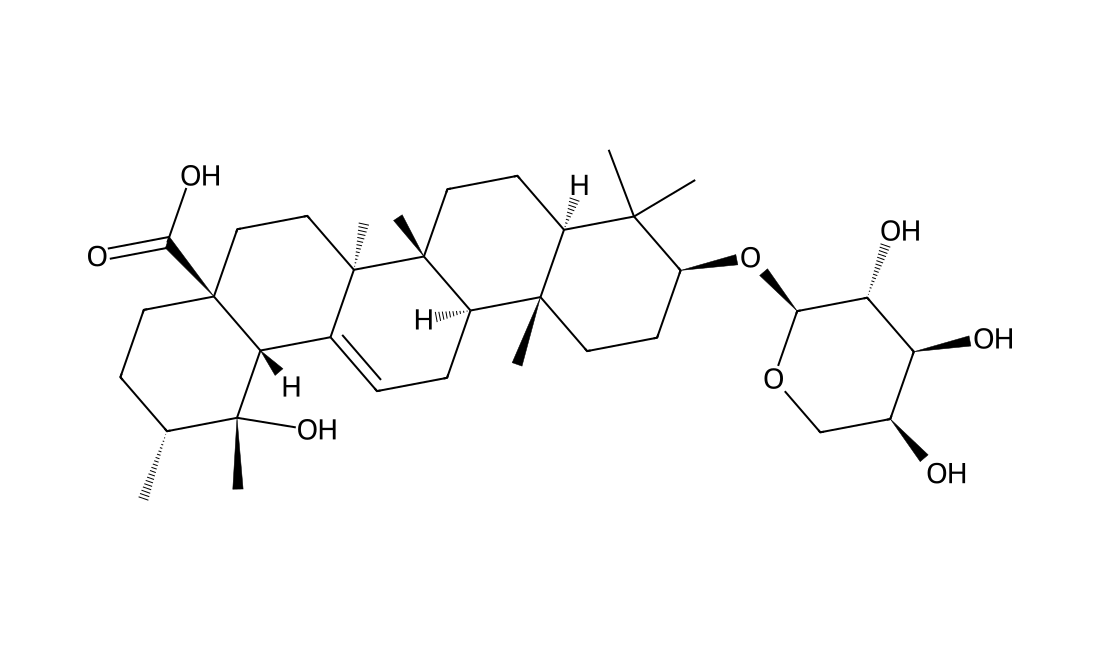
CAS 35286-59-0
Ziyuglycoside II is a triterpenoid saponin compound extracted from Sanguisorba officinalis L.. Ziyuglycoside II induces reactive oxygen species (ROS) production and apoptosis. Anti-inflammation and anti-cancer effect[1].
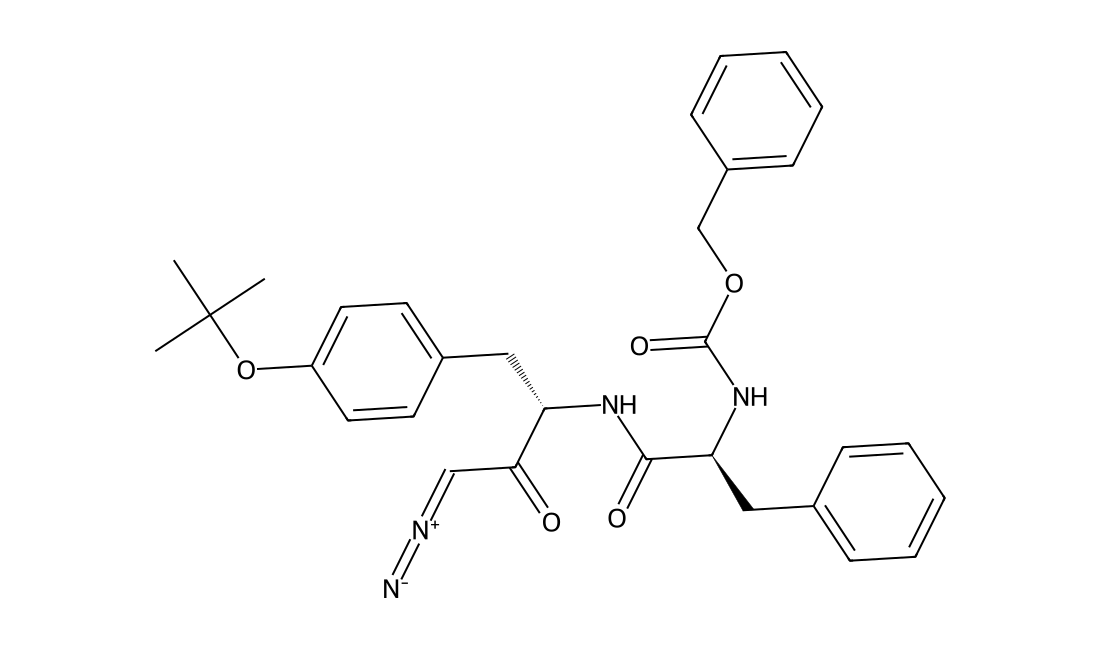
CAS 114014-15-2
Z-Phe-Tyr(tBu)-diazomethylketone is an inhibitor of cathepsin L
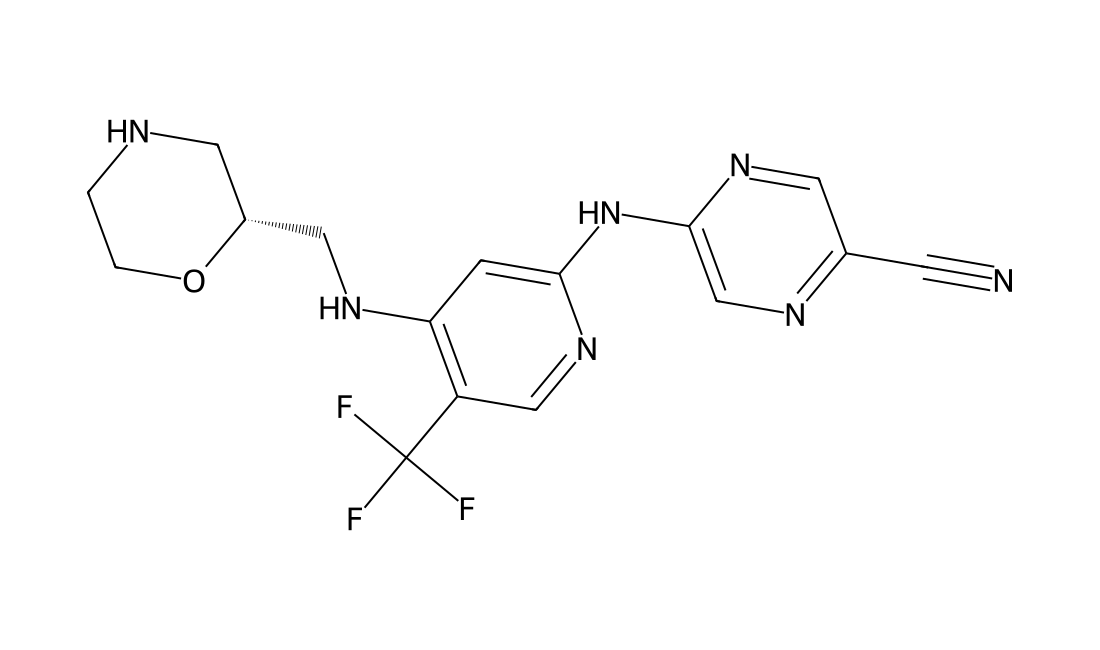
CAS 1489389-18-5
SRA737(CCT245737) is a orally active and seletive Chk1 inhibitor, with an IC50 of 1.3 nM。
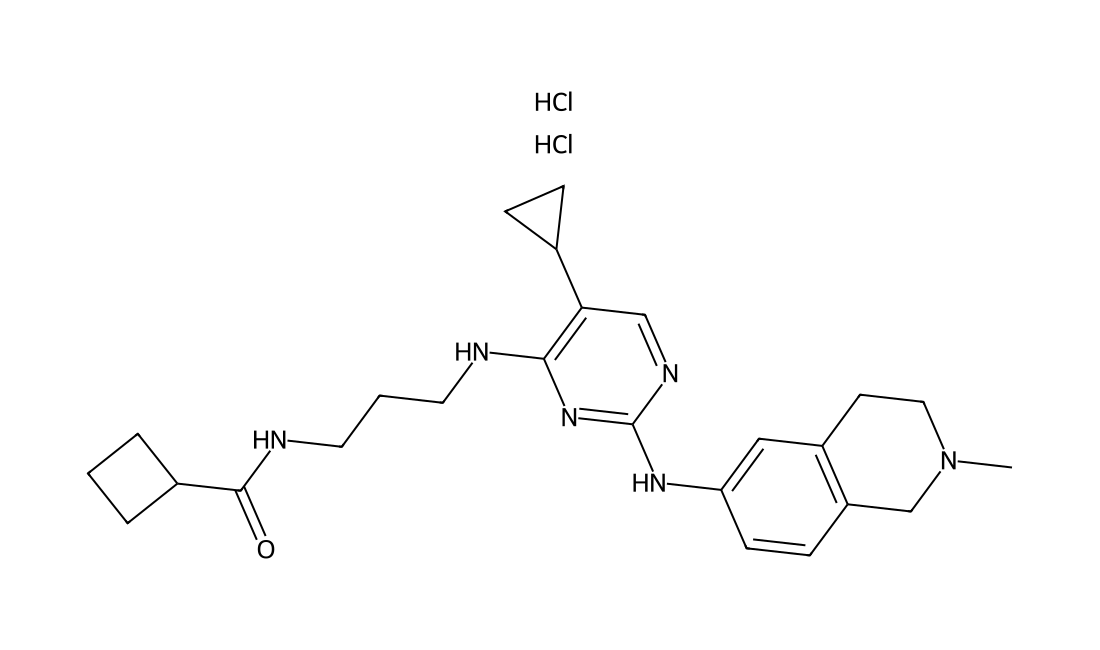
CAS 2080306-21-2
MRT68921 hydrochloride is the most potent inhibitor of ULK1 and ULK2, with IC50 values of 2.9 nM and 1.1 nM, respectively.
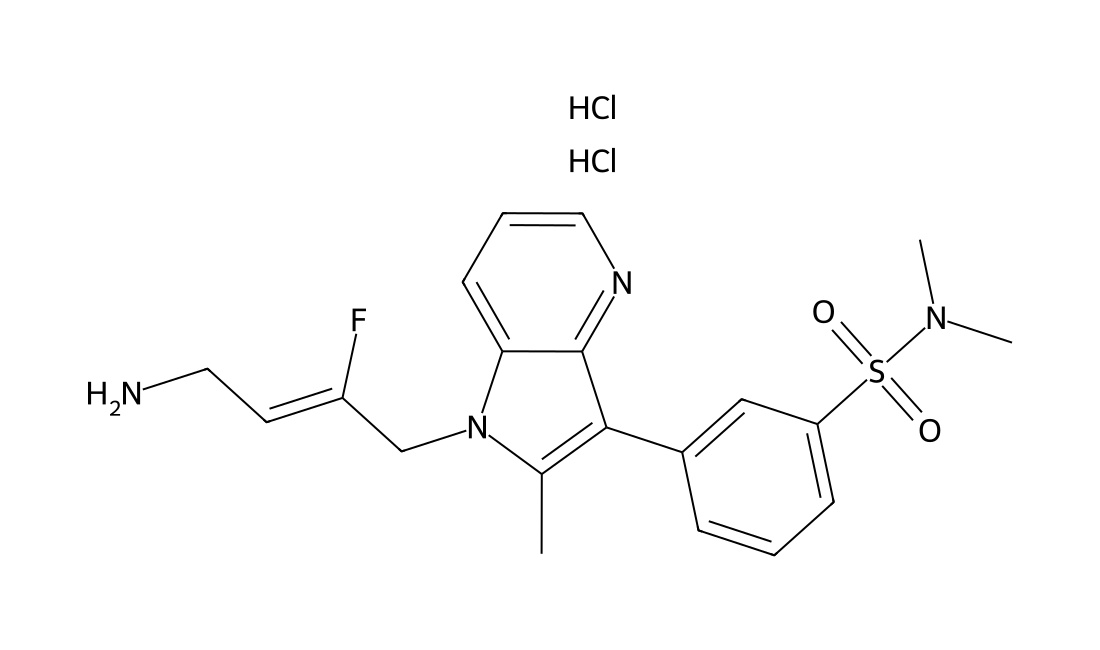
CAS 2125956-82-1
PXS-5153A is a potent, selective, orally active and fast-acting inhibitor of lysyl oxidase like 2/3 enzymatic (LOXL2/LOXL3), with an IC50 of <40 nM for LOXL2 across all mammalian species and an IC50 of 63 nM for human LOXL3. PXS-5153A could reduce crosslinks and ameliorates fibrosis.
CAS 736048-65-0
PKC-theta inhibitor is a selective PKC-θinhibitor, with an IC50 of 12 nM.
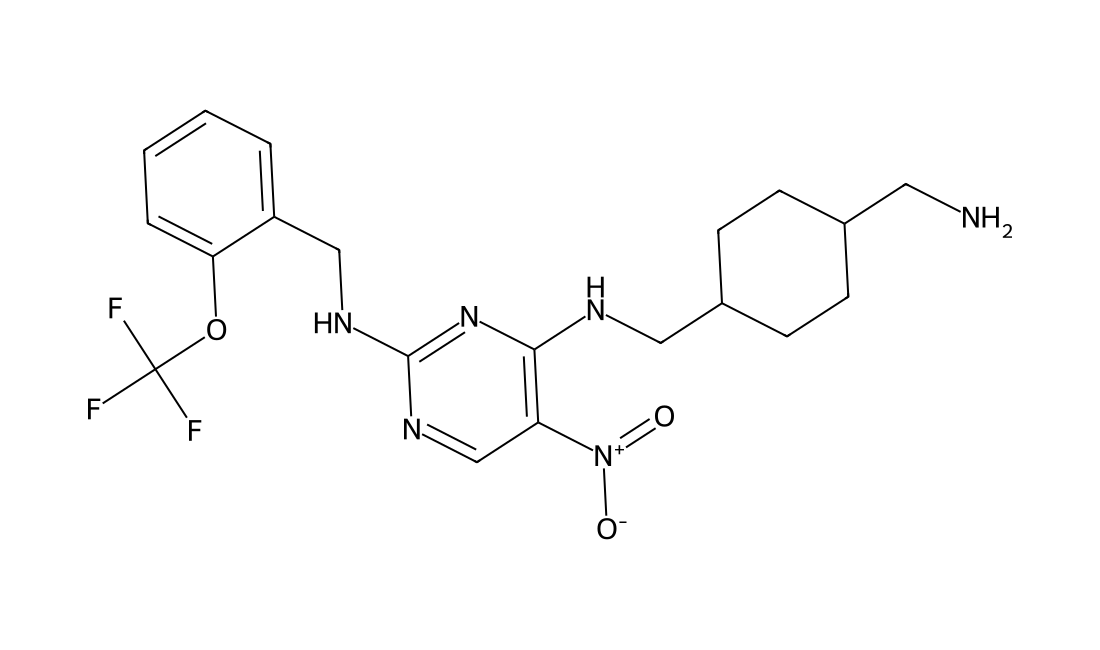
CAS 341001-38-5
Nucleozin targets influenza A nucleoprotein (NP), a multifunctional, RNA-binding protein necessary for virus replication. IC50 Value: Target: Influenza Virus NPNucleozin targets influenza A nucleoprotein, a multifunctional, RNA-binding protein necessary for virus replication. It induces the formation of nucleoptotein aggregates and inhibits its accumulation, interfering with viral replication. EC50 is in the nM range. Nucleozin is effective in H1N1, H3N2, and H5N1 flu virus strains.
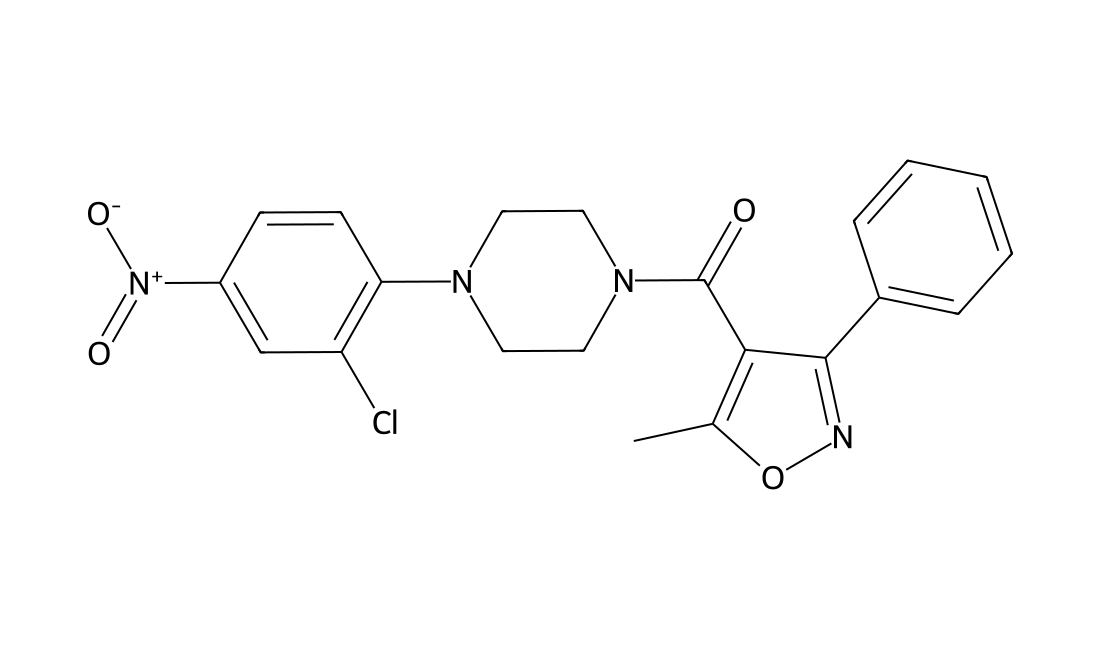
CAS 355406-09-6
A potent, specific survivin inhibitor that inhibits survivin promoter activity with IC50 of 0.54 nM; does not significantly inhibit SV40 promoter activity (>30 uM); suppresses expression of survivin and induces apoptosis in PC-3 and PPC-1 human HRPC cell lines at 10 nM, without effect on IAP- or Bcl-2-related proteins; induces massive tumor regression in PC-3 tumor mice model (3-10 mg/kg).Blood CancerPhase 1 Discontinued
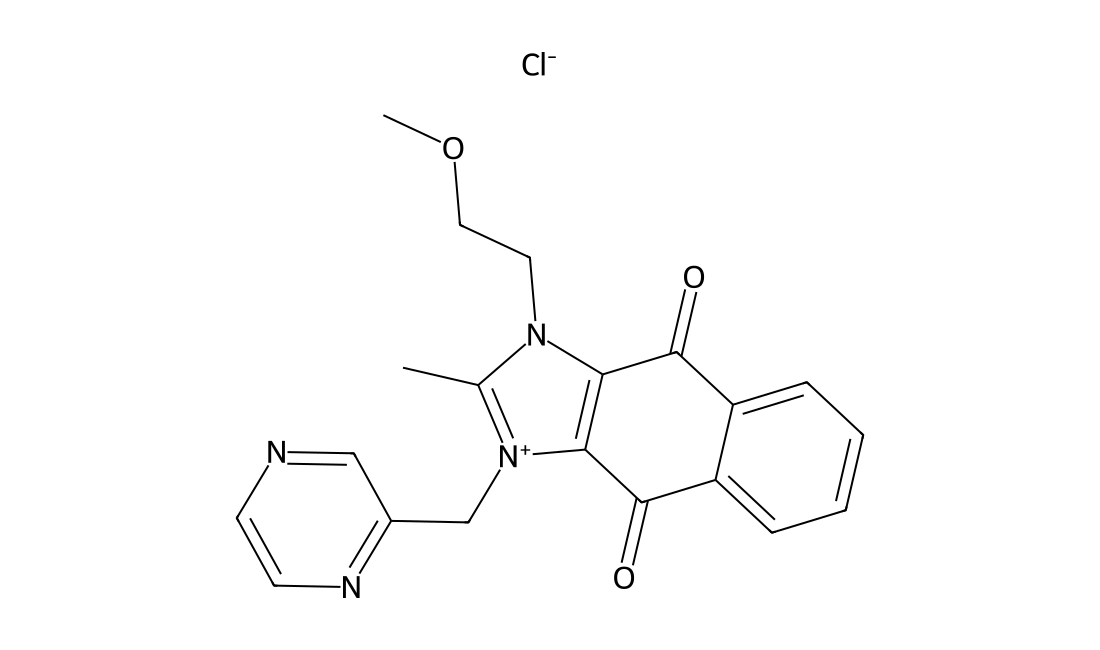
CAS 1903768-17-1
Danicopan, a selective and orally active small-molecule factor D inhibitor, inhibits alternative pathway of complement (APC) activity. Danicopan has potential to block the alternative pathway of complement in paroxysmal nocturnal hemoglobinuria (PNH) and atypical hemolytic uremic syndrome (aHUS)[1].
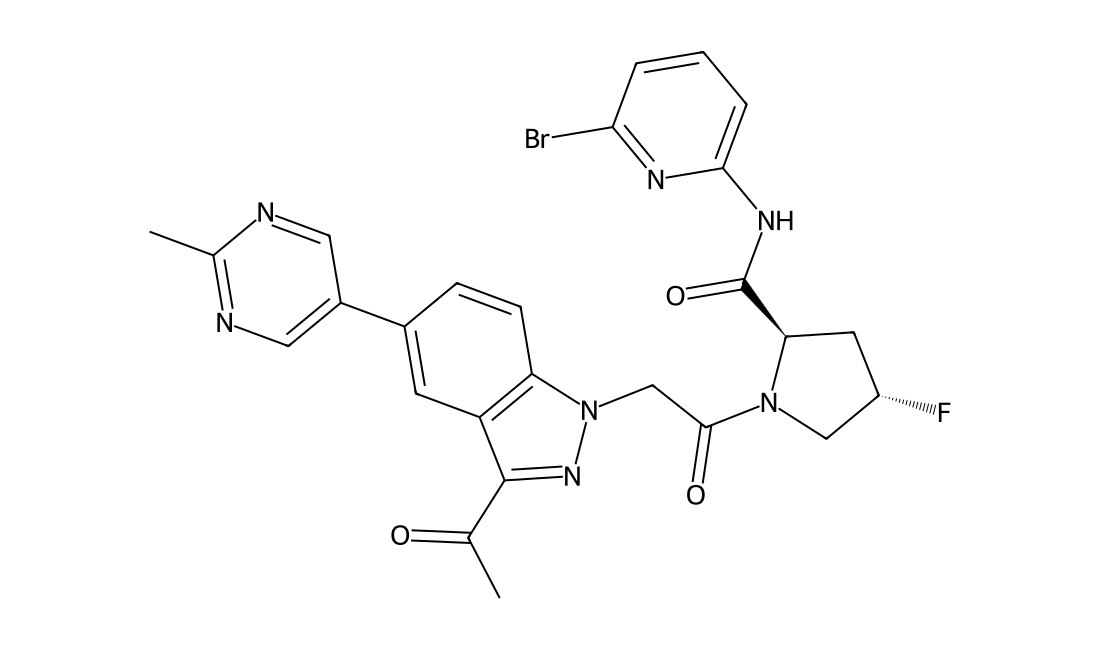
CAS 1172854-54-4
NS-3-008 is a novel small-molecule transcriptional inhibitor of G0s2 (G0/G1 switch 2) with IC50 of 2.25 uM; decreases levels of G0s2 and Ccl2 mRNA in the kidneys (5 mg/kg, p.o.); decreases the phosphorylation of Stat5 and p65 protein and suppresses renal inflammation in 5/6Nx mice, ameliorates renal dysfunction in mouse model of chronic kidney disease (CKD).
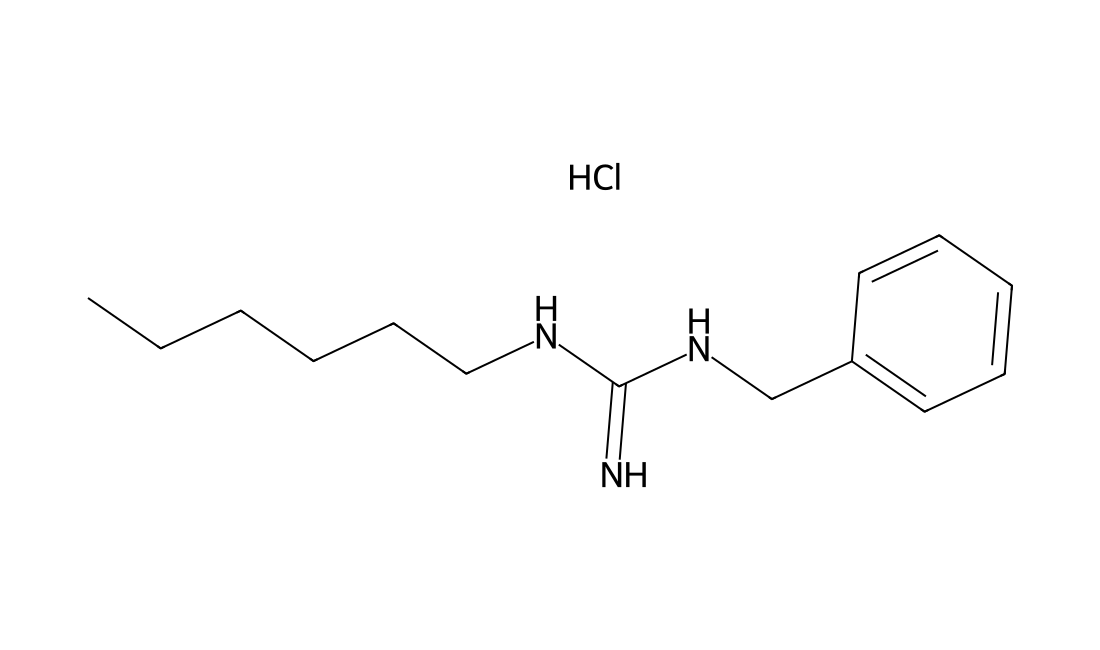
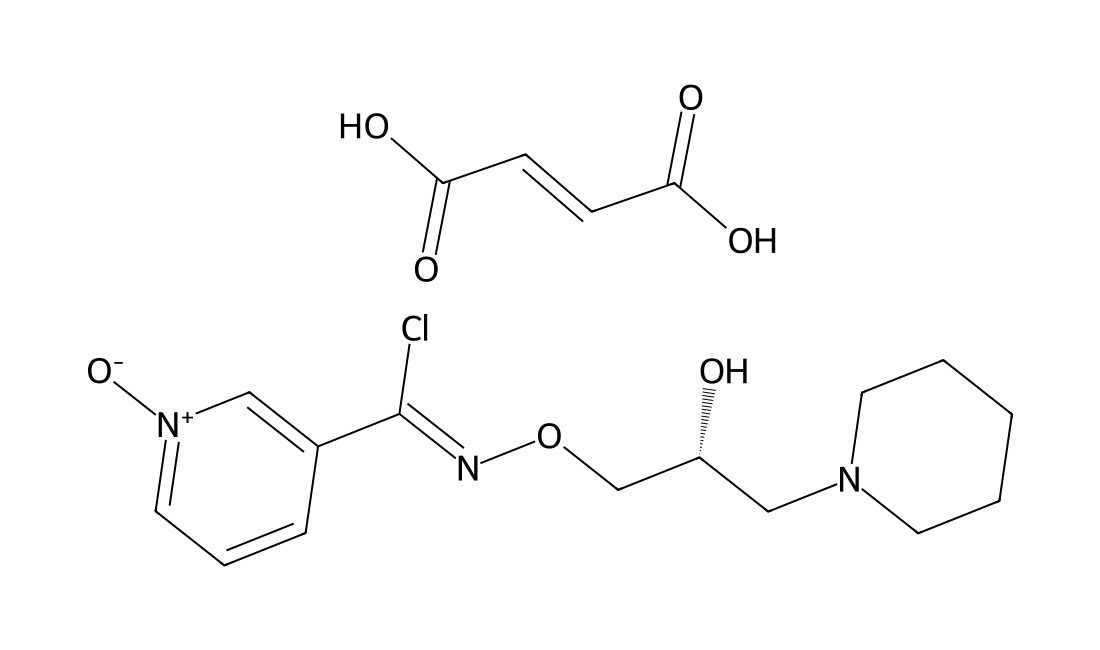
CAS 433695-36-4
BRL-50481 is a novel and selective inhibitor of PDE7 with IC50s of 0.15, 12.1, 62 and 490 μM for PDE7A, PDE7B, PDE4 and PDE3, respectively.
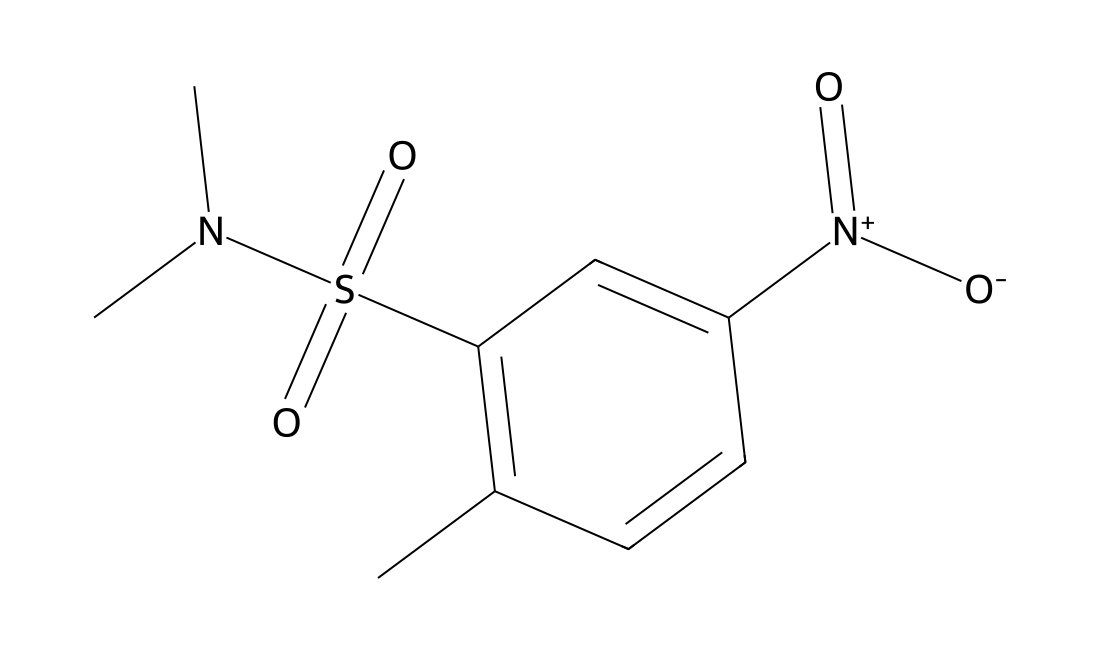
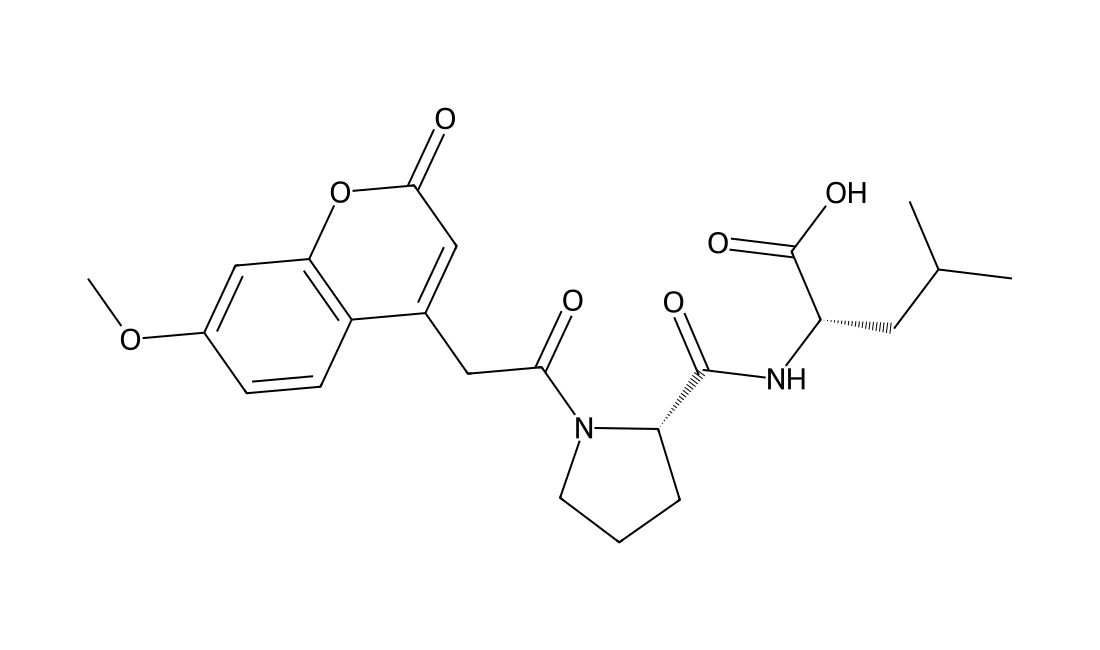
CAS 140430-55-3
Mca-PL is a fluorogenic peptide that has been used as a building block in the synthesis of Mca-PLGL-Dpa-AR-NH2, a fluorogenic substrate for matrix metalloproteinase-2 (MMP-2) and MMP-7.
CAS 210829-30-4
Gemcitabine elaidate(CP-4126; CO-101) is a lipophilic, unsaturated fatty acid ester derivative of gemcitabine (dFdC), an antimetabolite deoxynucleoside analogue, with potential antineoplastic activity.Gemcitabine analogUpon hydrolysis intracellularly by esterases, the prodrug gemcitabine is converted into the active metabolites difluorodeoxycytidine di- and tri-phosphate (dFdCDP and dFdCTP) by deoxycytidine kinase. dFdCDP inhibits ribonucleotide reductase, thereby decreasing the deoxynucleotide pool available for DNA synthesis; dFdCTP is incorporated into DNA, resulting in DNA strand termination and apoptosis. Due to its lipophilicity, gemcitabine 5'-elaidic acid ester exhibits an increased cellular uptake and accumulation, resulting in an increased conversion to active metabolites, compared to gemcitabine. In addition, this formulation of gemcitabine may be less susceptible to deamination and deactivation by deoxycytidine deaminase. Check for active clinical trials or closed clinical trials using this agent.