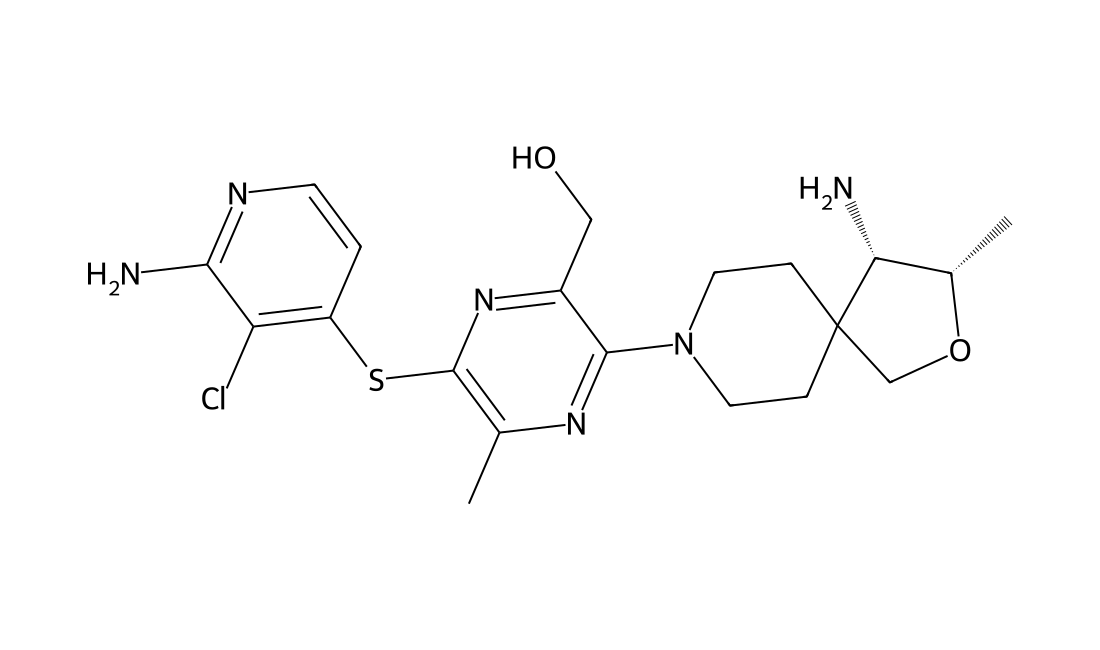
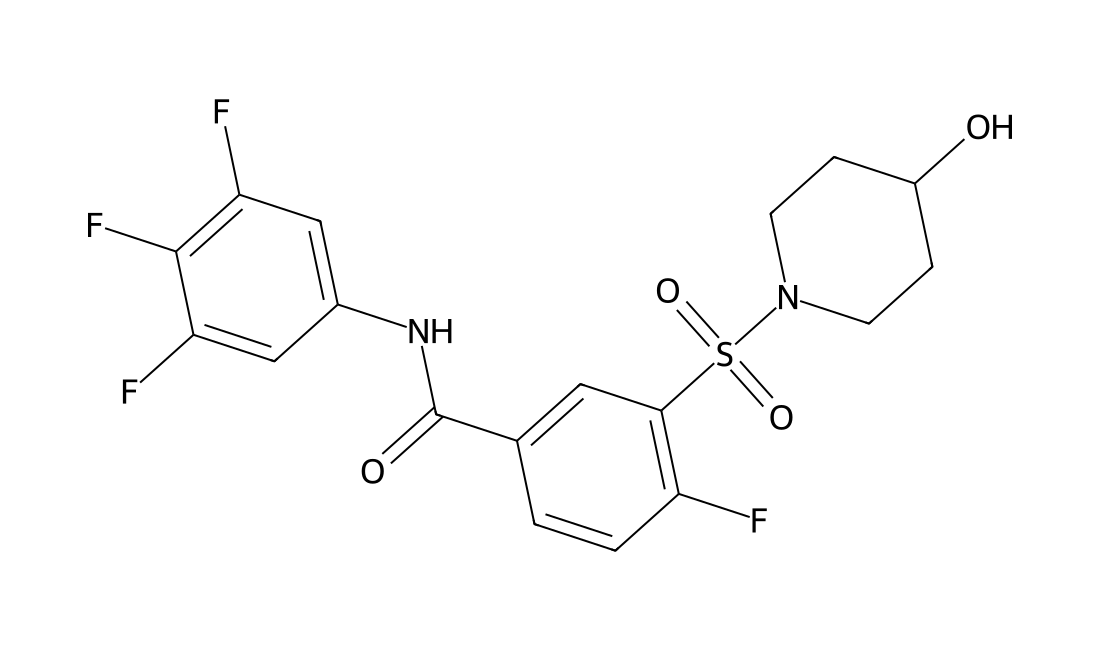
Home/Small Molecules/Other Research Tools

Other Research Tools

Additional reagents, chemical building blocks and specialized research tools.

Browse all research categories

Browse by research category

Products may appear in more than one category. Counts refer to distinct catalog numbers within each category.

Other Research Tools (75) · Additional reagents, building blocks and specialized research tools.

Other Research Tools products

Combine a keyword, research category and target to narrow the product list.

Loading catalog filters…

959 products · Showing 817–864

DC33607

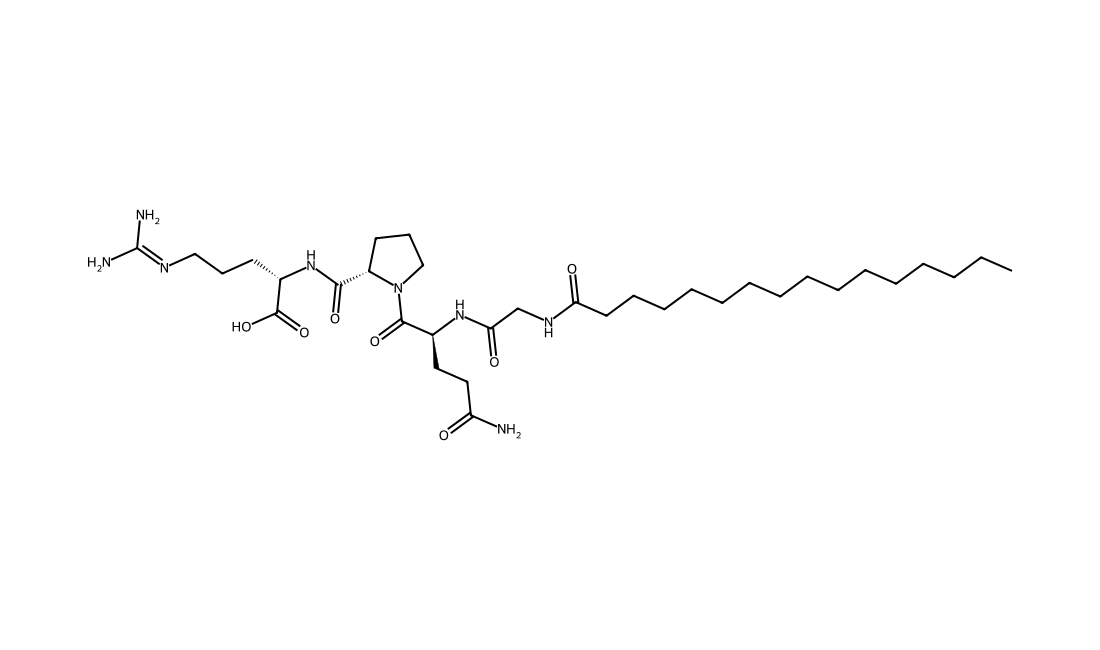
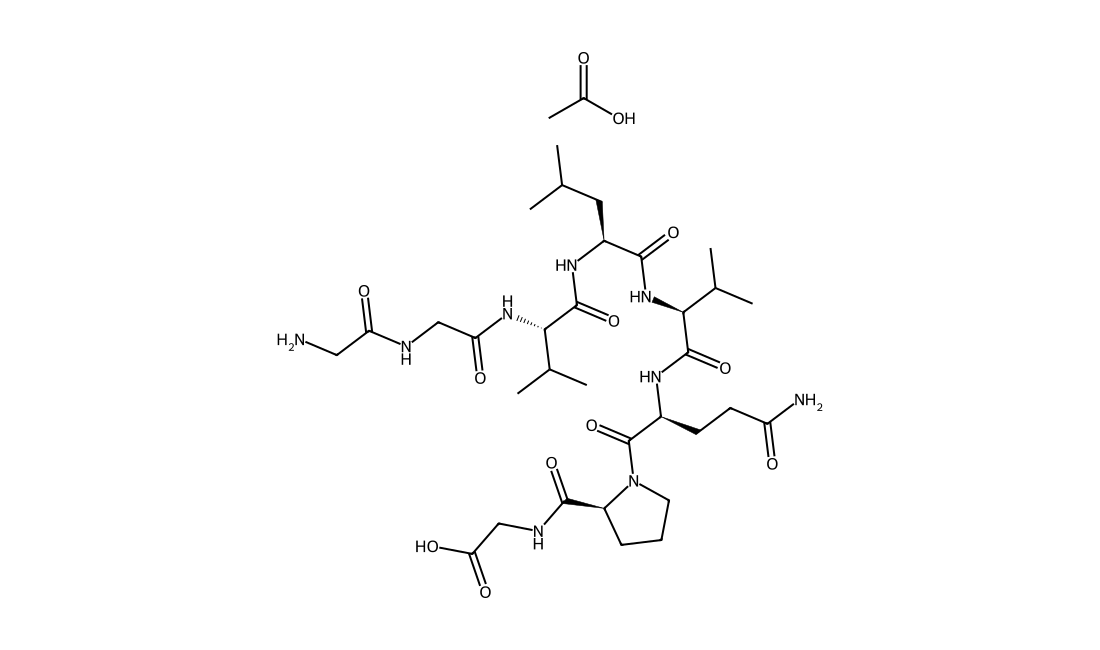
Myristoyl Pentapeptide-17

CAS 959610-30-1

Myristoyl Pentapeptide-17 is small peptide. Myristoyl Pentapeptide-17 promotes the delivery of key ingredients for quicker lash growth, thus stimulates the hair growth at the follicle. Myristoyl Pentapeptide-17 effectively promotes the growth of eyelashes. It lengthens and thickens the eyelashes, fortifies the hair and noticeably intensifies eye expression.
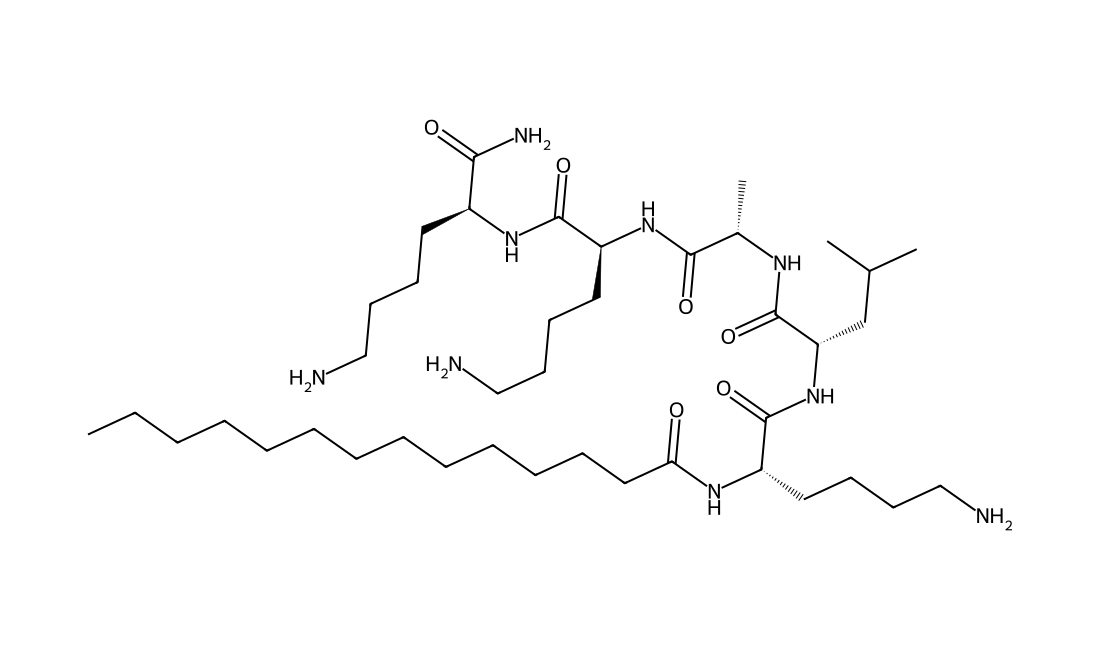
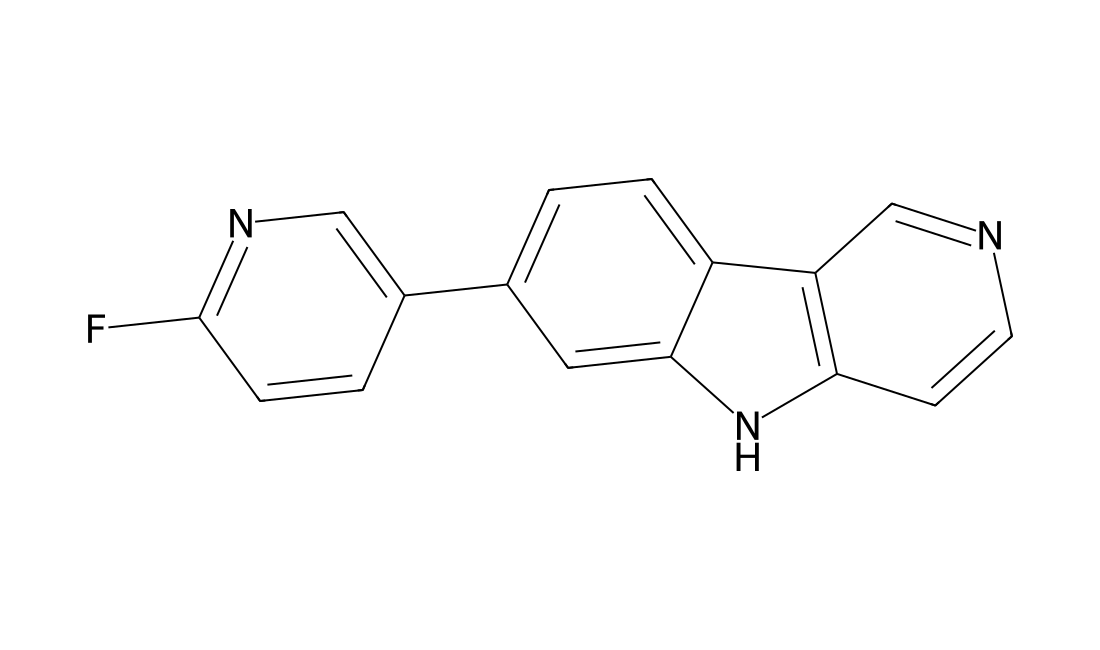
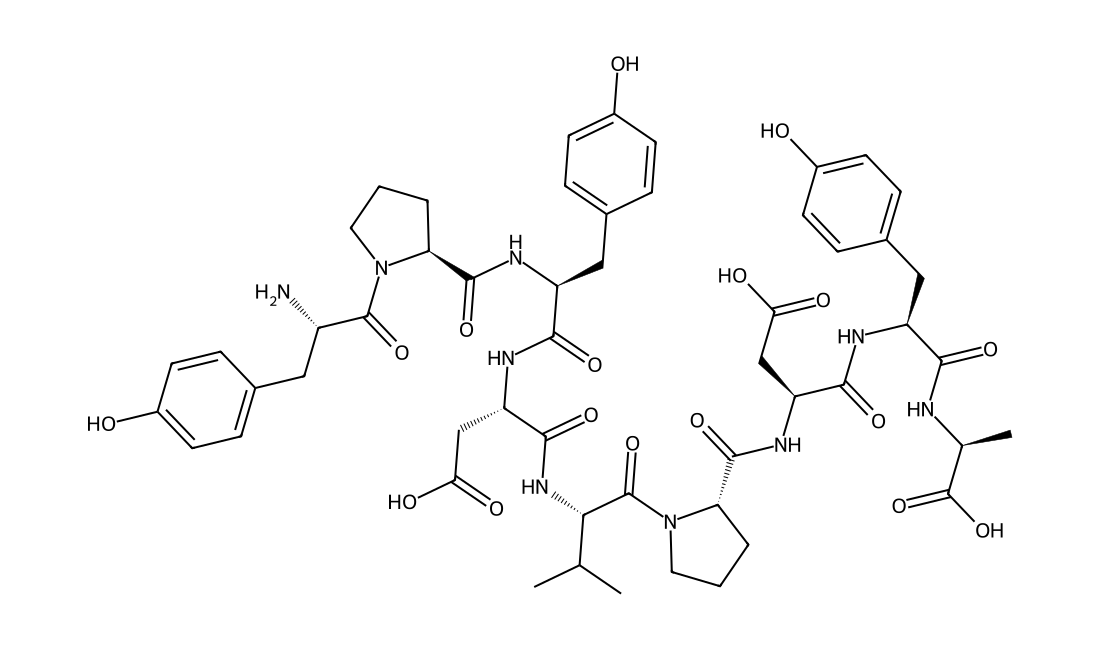
Myristoyl Pentapeptide-17 chemical structure
DC65651

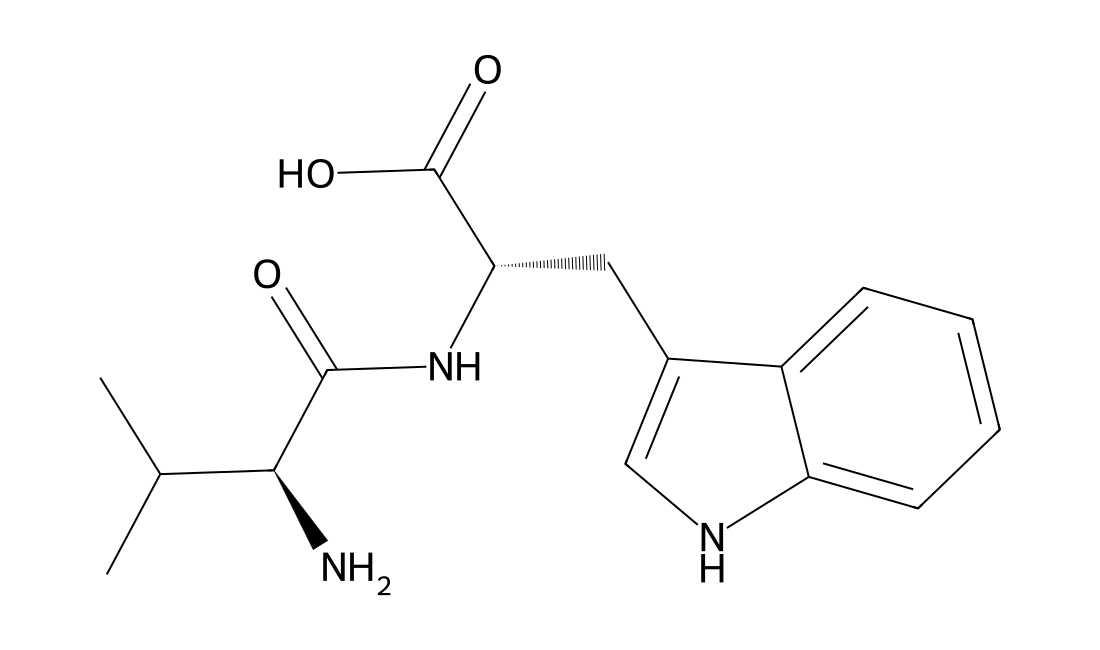
Dipeptide-2

CAS 24587-37-9

Dipeptide 2 (N-Valyltryptophan; Val-Trp) is a bioactive peptide with anti-aging effect and has been reported used as a cosmetic ingredient.

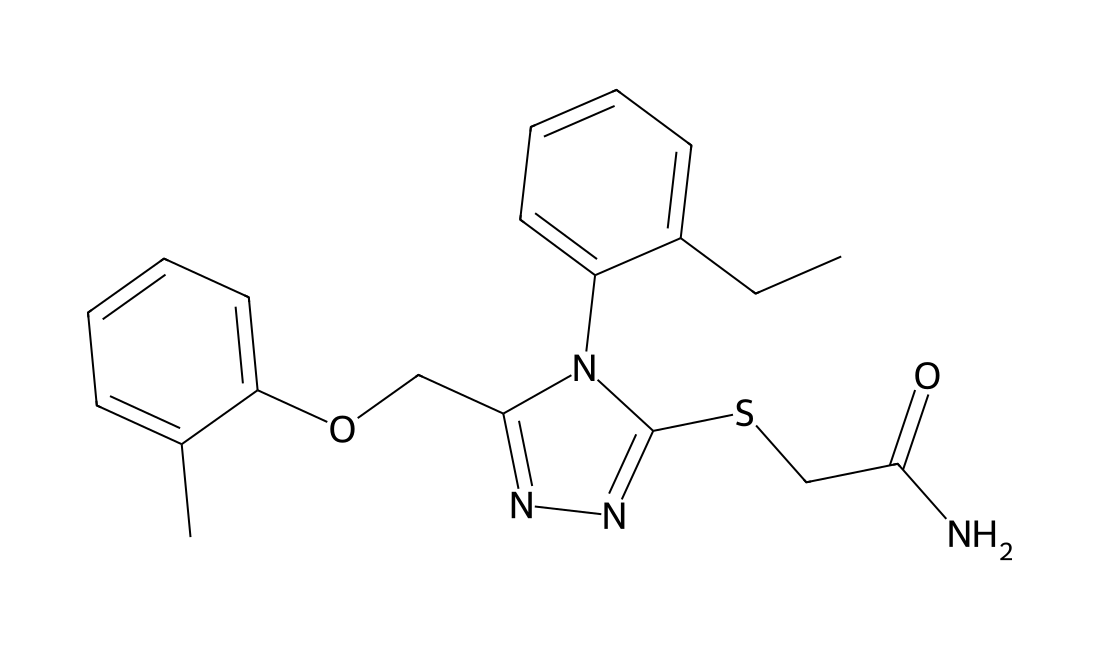
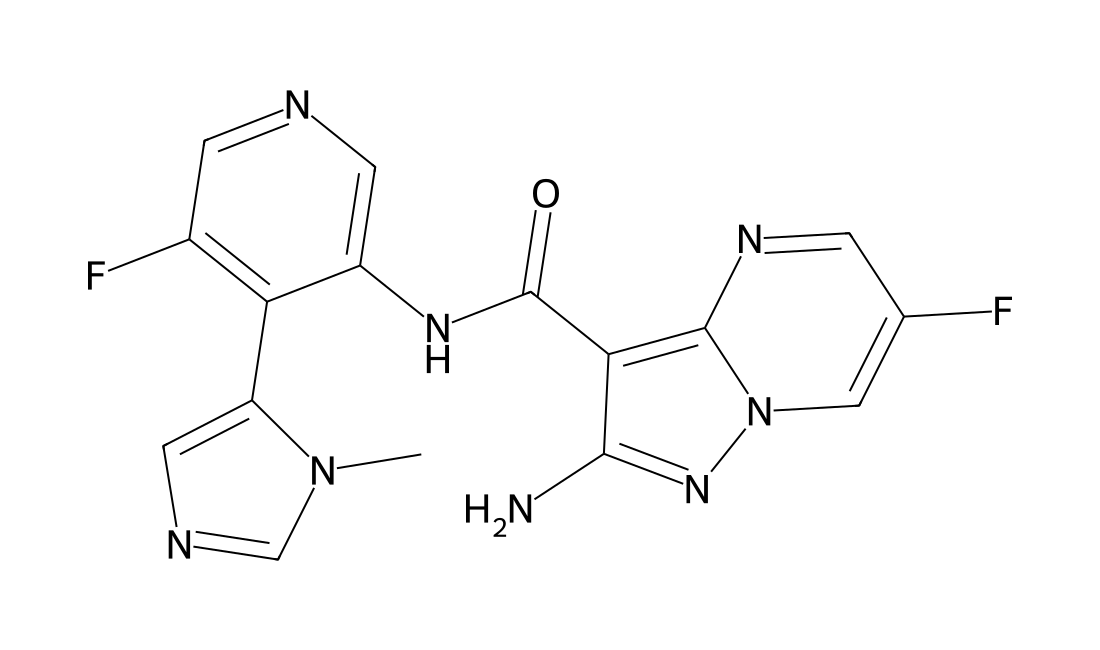
Dipeptide-2 chemical structure
DC22485

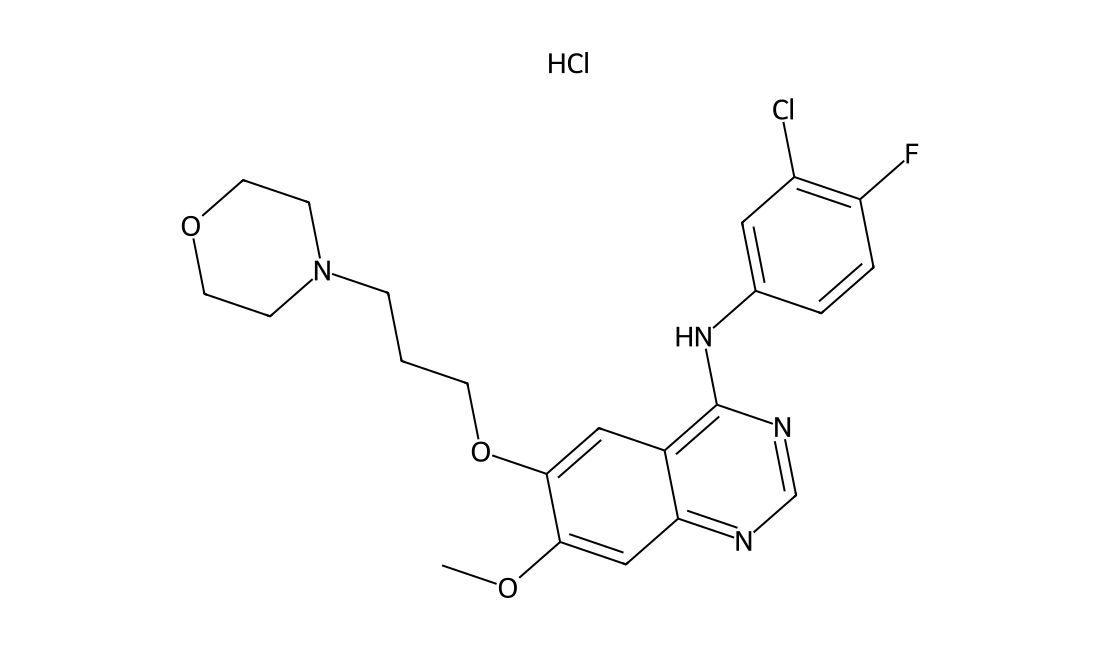
Gefitinib hydrochloride

CAS 184475-55-6

A potent, selective, orally active EGFR inhibitor with IC50 of 23 nM; inhibits EGF-stimulated proliferation of KB cells with IC50 of 80 nM; blocks the growth of GEO colon cancer, ZR-75-1 and MCF-10A Ha-ras breast cancer, and OVCAR-3 ovarian cancer cell lines with IC50 of 0.2-0.4 uM; significantly decreases EGFRvIII phosphotyrosine load, EGFRvIII-mediated proliferation and anchorage-independent growth; has been used to treat advanced (or recurrent) non-small cell lung cancer.Lung CancerApproved

Gefitinib hydrochloride chemical structure
DC40957

A2ti-1

CAS 570390-00-0

A2ti-1 is a selective and high-affinity annexin A2/S100A10 heterotetramer (A2t) inhibitor with an IC50 of 24 μM. A2ti-1 specifically disrupts the protein-protein interaction (PPI) between A2 and S100A10. A2ti-1 prevents human papillomavirus type 16 (HPV16) infection.
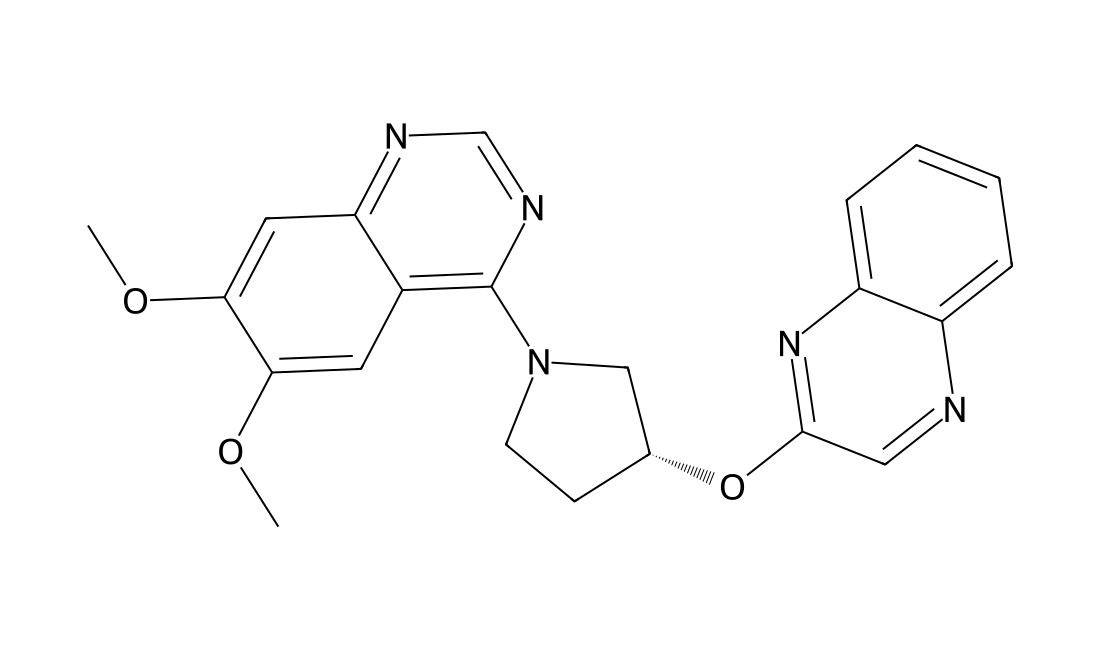
A2ti-1 chemical structure
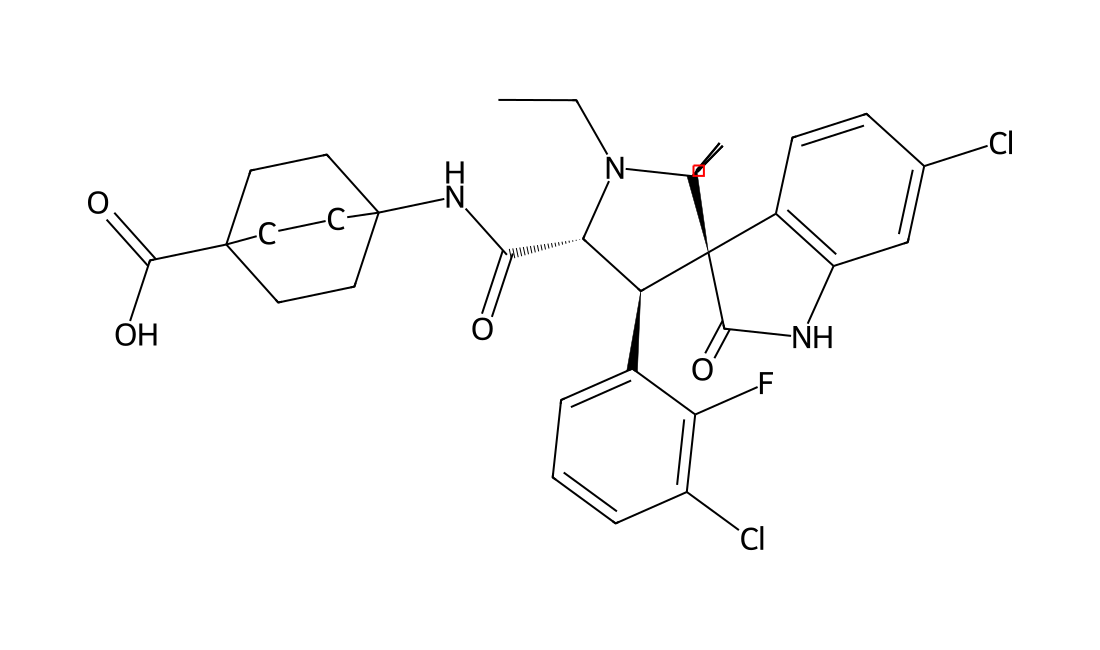
DC23277

AA-115

CAS 1818393-16-6

AA-115 (APG 115) is a potent and orally active MDM2 inhibitor with Ki <1 nM, potently inhibits SJSA-1 cell growth with IC50 of 60 nM; exhibits IC50 values of 38, 18, and 104 nM in the RS4;11 acute leukemia, LNCaP prostate cancer, and HCT116 colon cancer cell lines, respectively; effectively inhibits tumor growth and causes no or minimal weight loss.

AA-115 chemical structure
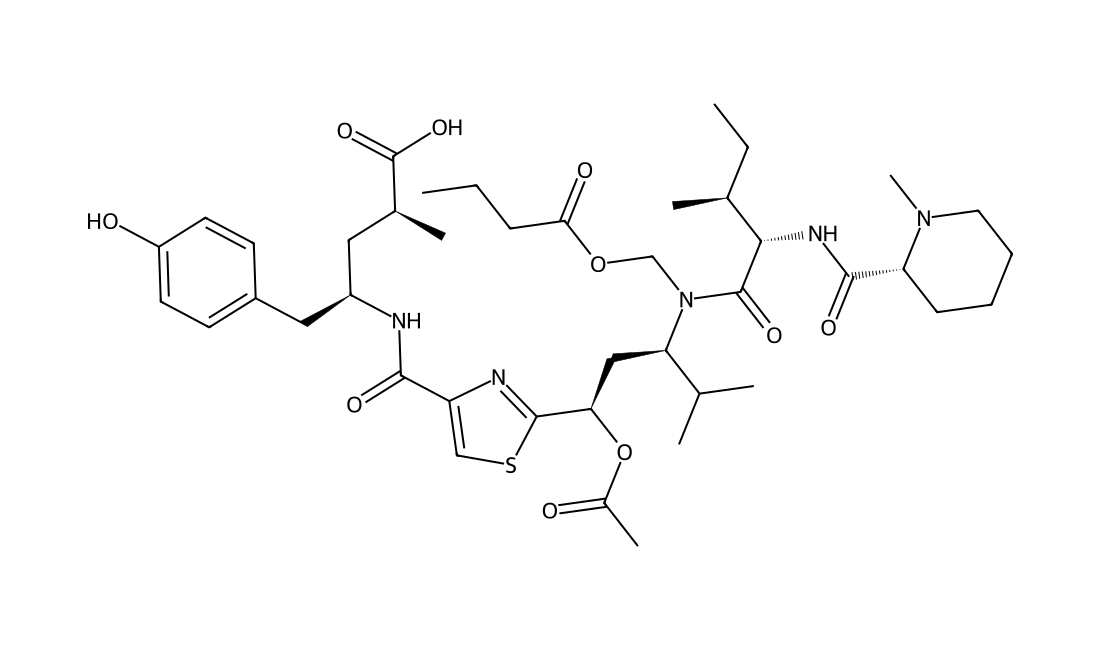
DC11284

Tubulysin B

CAS 205304-87-6

Tubulysin B is a highly cytotoxic peptide and potent microtubule destabilizing agents isolated from the myxobacteria Archangium geophyra and Angiococcus disciformis. Tubulysin B has IC50 values in the picomolar range against many cancer cell lines, including those with multidrug resistant properties[1].Tubulysin B is a cytotoxic activity tubulysin which inhibits tubulin polymerization and leads to cell cycle arrest and apoptosis[2].

Tubulysin B chemical structure
DC31458

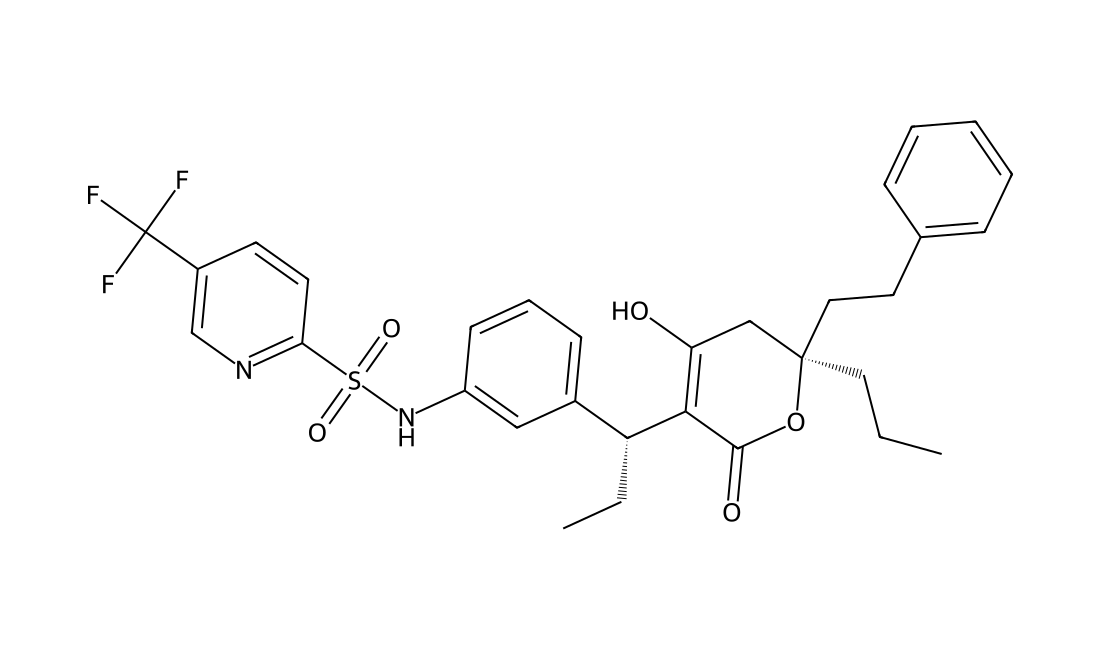
Tipranavir

CAS 174484-41-4

Tipranavir is a nonpeptidic protease inhibitor. Tipranavir has the ability to inhibit the replication of viruses that are resistant to other protease inhibitors and it recommended for patients who are resistant to other treatments. Resistance to tipranavir itself seems to require multiple mutations. Tipranavir was approved by the Food and Drug Administration (FDA) on June 22, 2005, and was approved for pediatric use on June 24, 2008. Like lopinavir and atazanavir, it is very potent and is effective in salvage therapy for patients with some drug resistance.

Tipranavir chemical structure
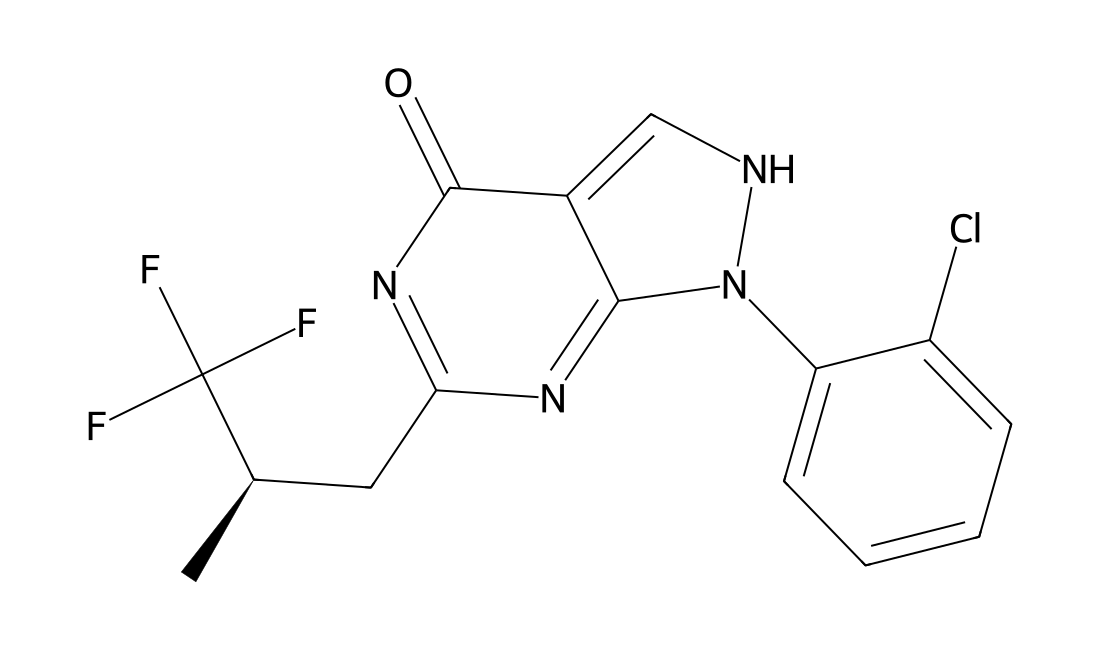
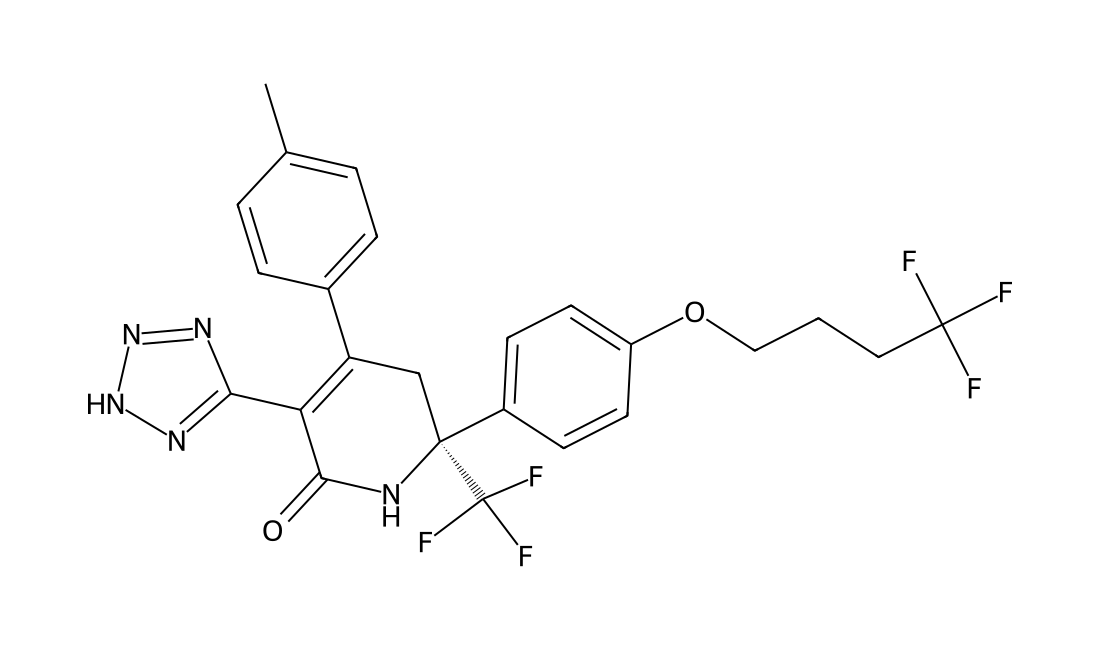
DC47768

BMS-963272

CAS 1441057-15-3

BMS-963272 is a potent, selective MGAT2 inhibitor with IC50 of 7.1 nM/18 nM (hMGAT2/mMGAT2) and shows excellent efficacy, safety, and tolerability profile.

BMS-963272 chemical structure
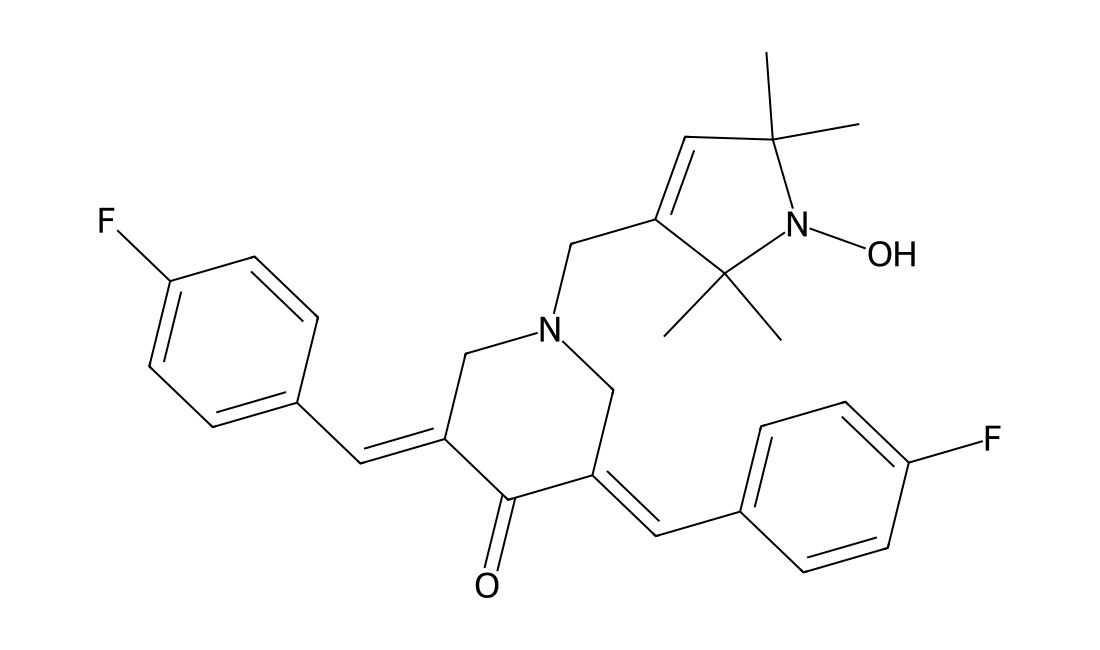
DC23209

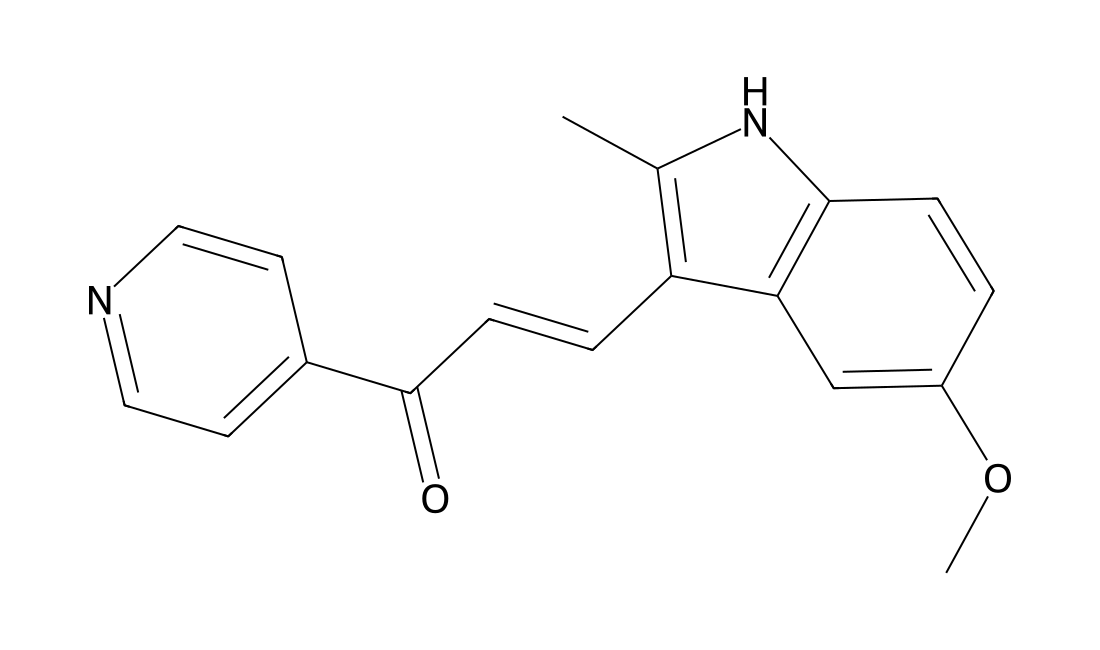
HO-3867

CAS 1172133-28-6

A synthetic curcuminoid that selectively inhibits STAT3 phosphorylation, transcription, and DNA binding without affecting the expression of other active STATs; induces G2-M cell cycle arrest in A2780 cells by modulating cell cycle regulatory molecules p53, p21, p27, CDK 2, and cyclin, and promotes apoptosis, inhibits pSTAT3 (Tyr705 and Ser727) and JAK1 and increases apoptotic markers cleaved caspase-3 and PARP in xenograft tumor tissues.

HO-3867 chemical structure
DC65295

SSK1

CAS 2629250-69-5

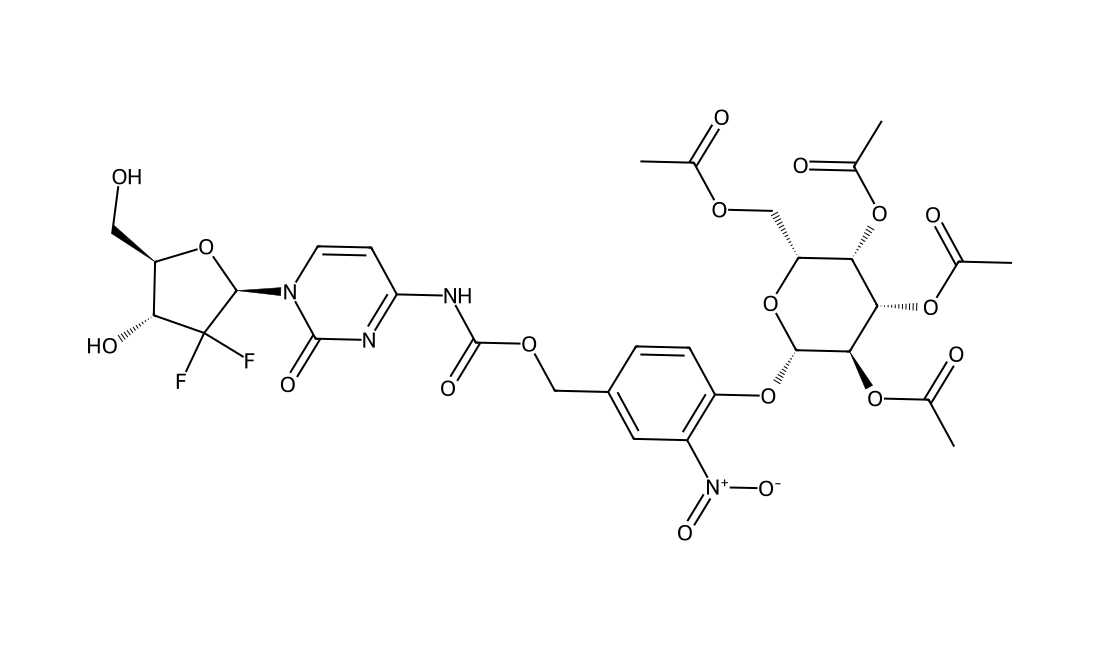
SSK1 is a senolytic prodrug, which was designed from gemcitabine, by chem. modifying gemcitabin to incorporate a site cleavable by SA-β-gal following delivery of the prodrug in vivo, to release the active parent drug gemcitabine. SSK1 can be used to reduce one or more symptoms associated with a Senescence-associated disease or disorder in a subject. SSK1 is specifically activated by β-gal and eliminates mouse and human senescent cells independently of senescence inducers and cell types. In aged mice, SSK1 effectively cleared senescent cells in different tissues, decreased the senescence- and age-associated gene signatures, attenuated low-grade local and systemic inflammation, and restored physical function.
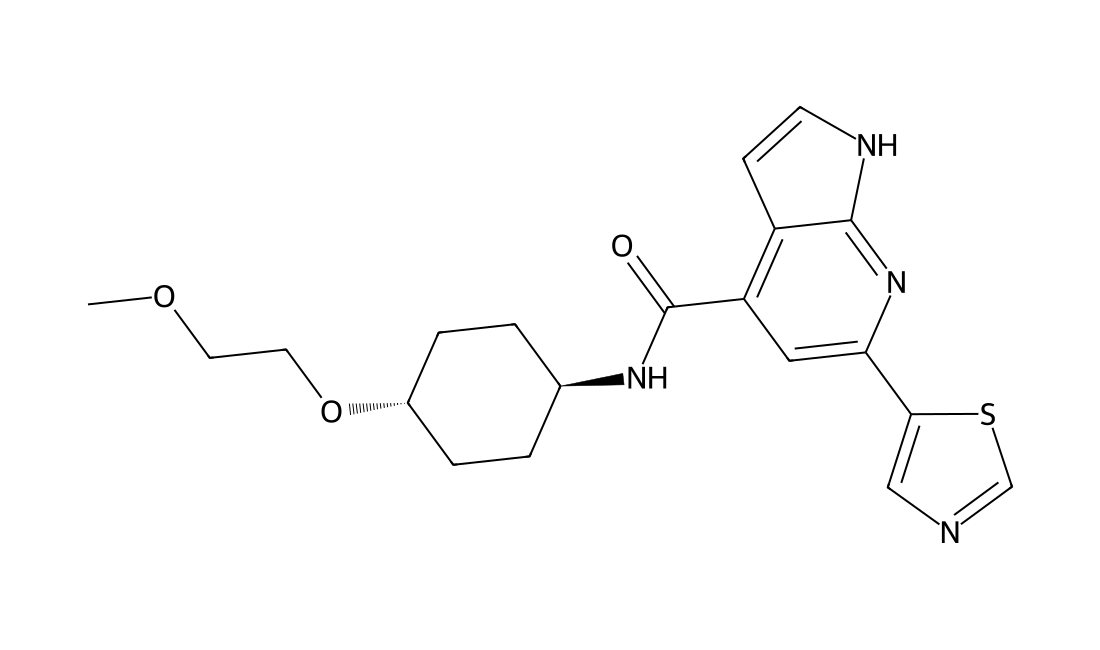
SSK1 chemical structure
DC11673

CK-2127107

CAS 1345410-31-2

CK-2127107(CK-107, Reldesemtiv) is a novel orally active fast skeletal troponin activator, selectively activates fast skeletal myofibrils with EC50 of 3.4 uM; has no effect on slow skeletal or cardiac myofibrils; significantly improves rotarod performance in exercise-intolerant LAD-HF rats.

CK-2127107 chemical structure
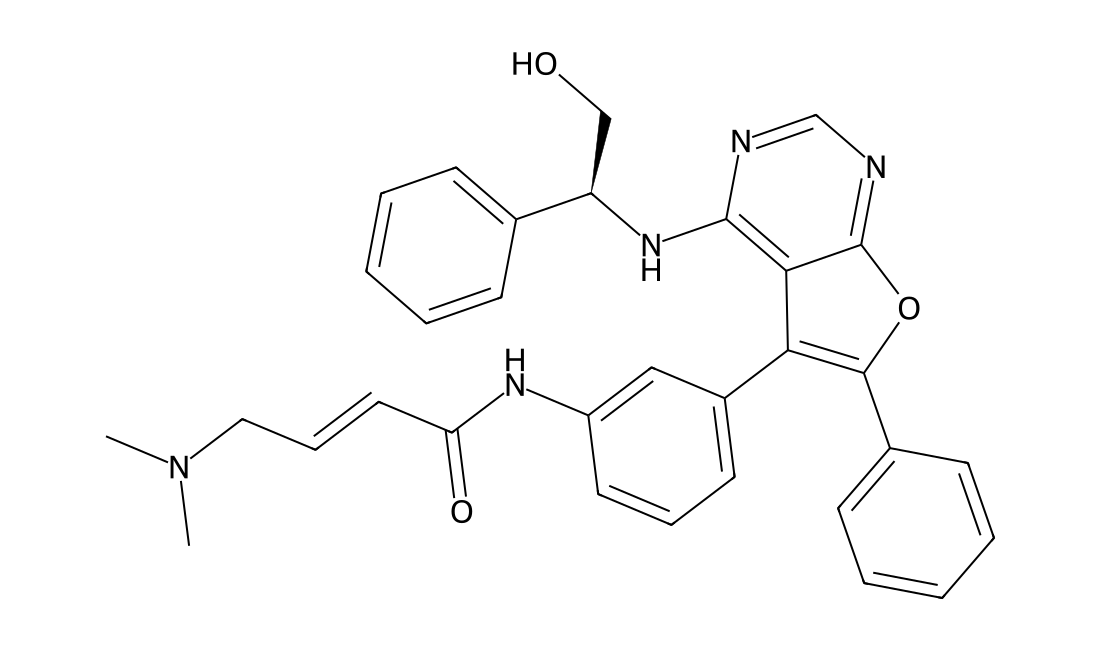
DC26184

DBPR112

CAS 1226549-49-0

DBPR112 is a potent EGFR mutation inhibitor against EGFRL858R/T790M double mutations with IC50 of 48 nM and also exhibits 10-fold potency better than Osimertinib, against EGFR and HER2 exon 20 insertion mutations.

DBPR112 chemical structure
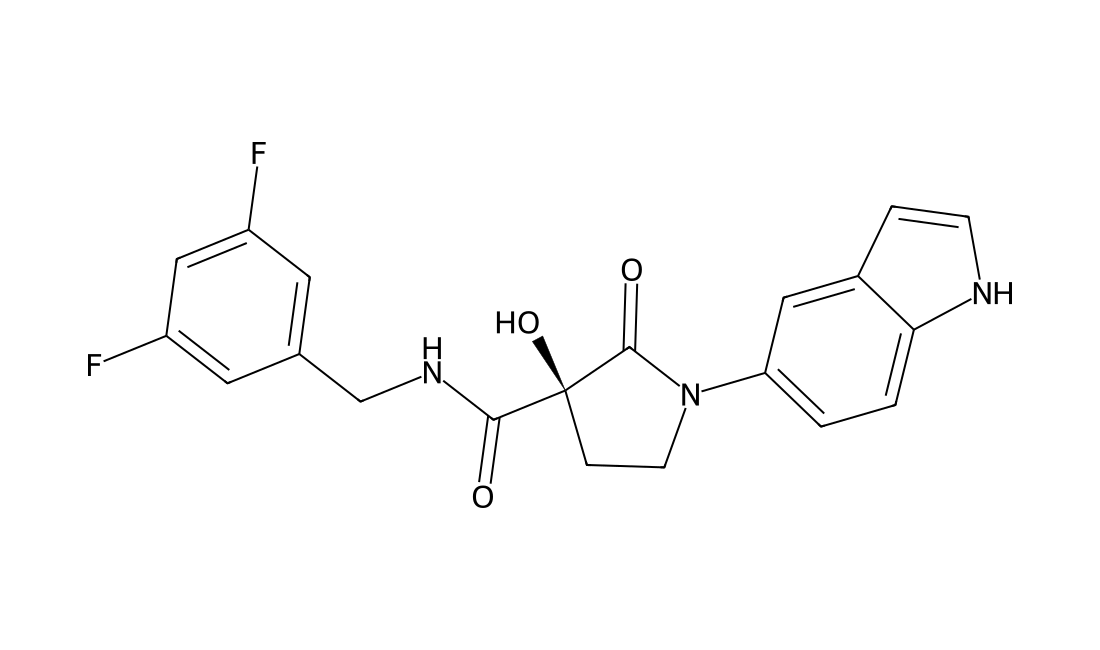
DC26181

M8891

CAS 1464842-09-8

M8891 is a methionine aminopeptidase-2 (MetAP-2) selective inhibitor with Ki and IC50 of 4.33 nM and 54 nM, respectively.

M8891 chemical structure
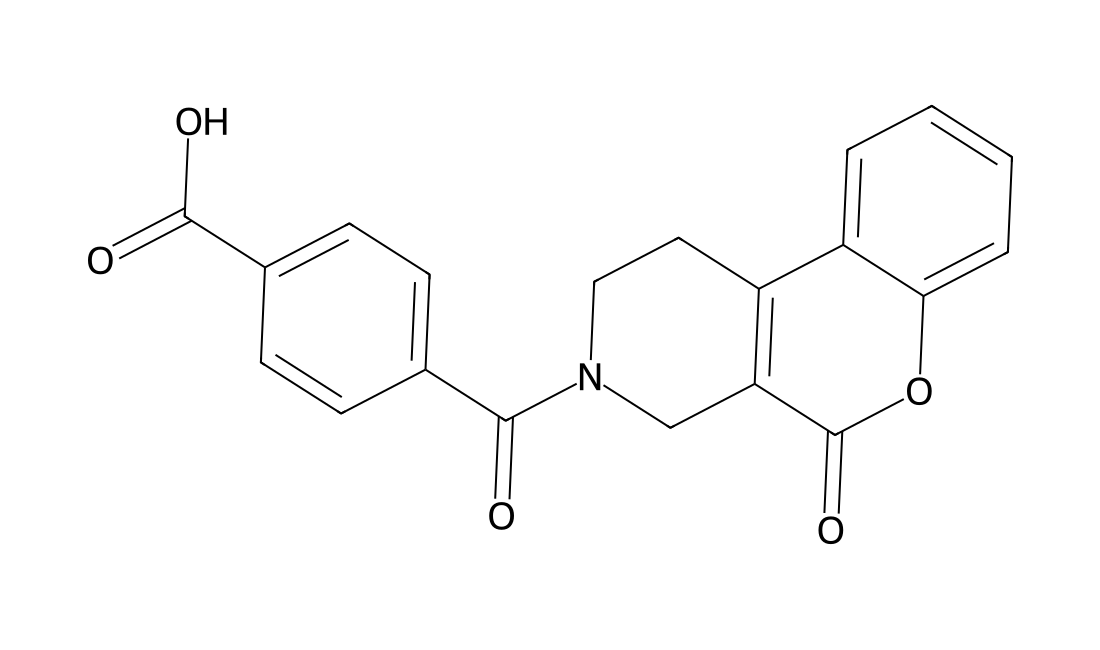
DC47113

DS44960156

CAS 2361327-08-2

DS44960156 is a selective Methylenetetrahydrofolate dehydrogenase 2 (MTHFD2) inhibitor, with IC50 values of 1.6 μM and >30 μM for MTHFD2 and MTHFD1, respectively.

DS44960156 chemical structure
DC20729

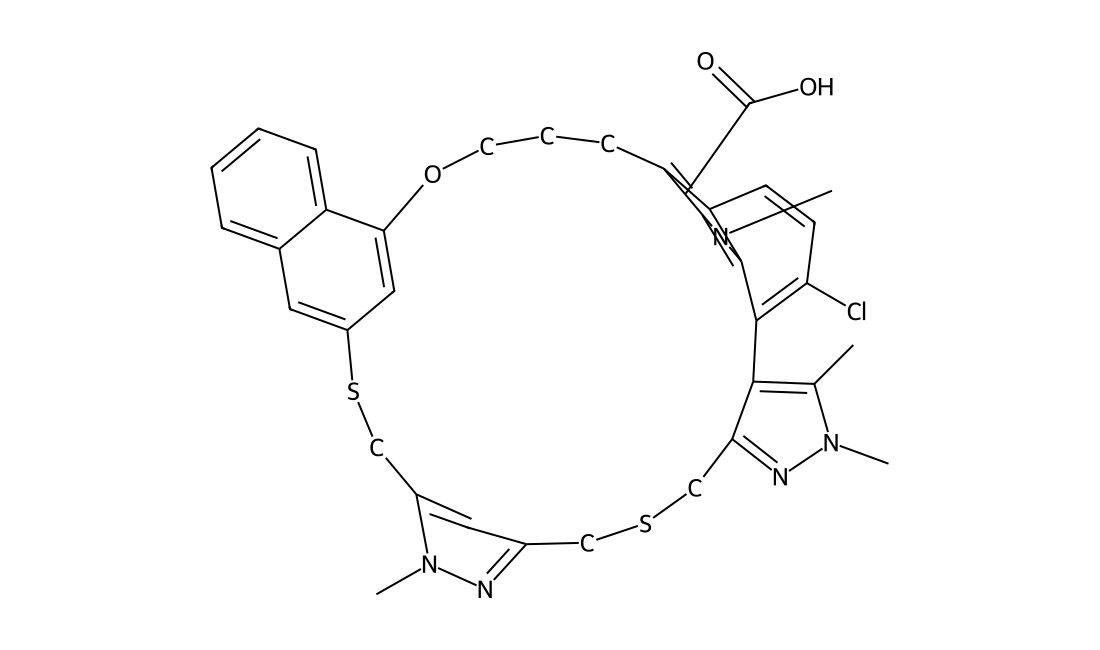
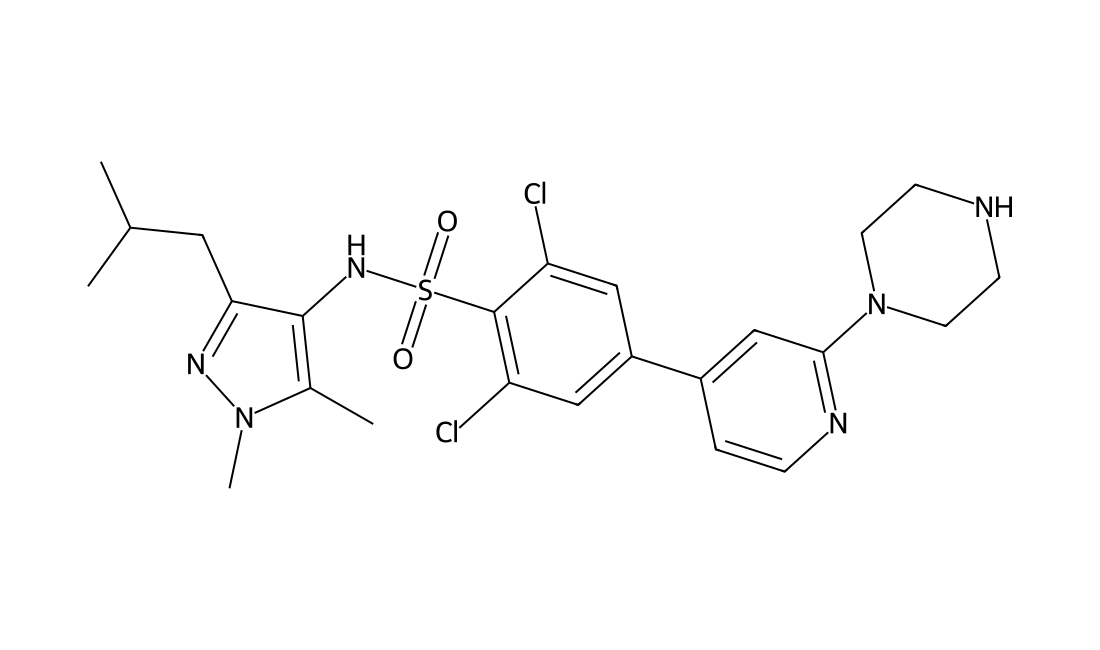
AZD 5991

CAS 2143061-81-6

AZD 5991 (AZD5991) is a potent and selective macrocyclic inhibitor of Mcl-1 with sub-nanomolar affinity; promotes rapid apoptosis in Mcl-1-dependent cell lines (GI50=10 nM in multiple myeloma cell lines), disrupts Mcl-1/Bak complex; completely causes tumor regression in several mouse xenograft models after a single tolerated dose. Blood Cancer Phase 1 Clinical

AZD 5991 chemical structure
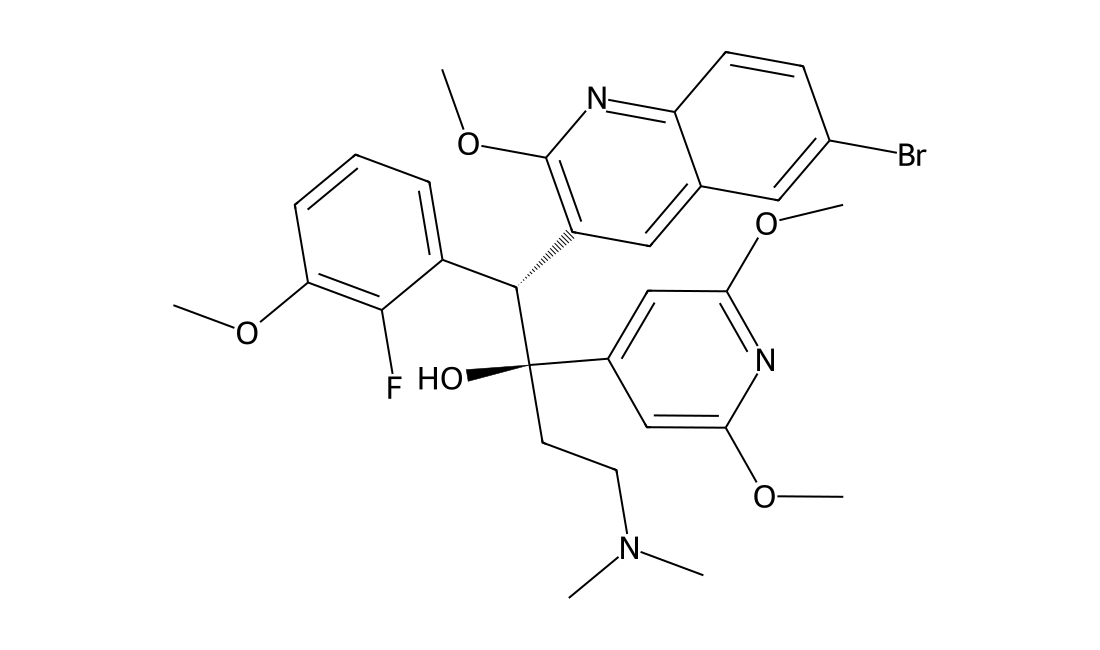
DC33618

TBAJ-587

CAS 2252316-16-6

TBAJ-587 is a potent anti-tuberculosis agent. TBAJ-587 inhibits M.tb strain H37Rv growth with MIC90s of 0.006 and <0.02 μg/mL in MABA and LORA assay, respectively. BAJ-587 has more potent activity against M. tuberculosis and better efficacy in animal models of TB.

TBAJ-587 chemical structure
DC12583

NVR 3-778

CAS 1445790-55-5

NVR 3-778 (NVR3-778, NVR 3778) is a small molecule inhibitor of HBV replication that targets the viral core protein, a first-in-class capsid assembly modulator; inhibits the generation of infectious HBV DNA containing virus particles with EC50 of 0.40 uM in HepG2.2.15 cells; NVR 3-778 inhibits pgRNA encapsidation, viral replication and the production of HBV DNA- and HBV RNA-containing particles, also inhibits de novo infection and viral replication in primary human hepatocytes with EC50 of 0.81 uM against HBV DNA and 3.7-4.8 uM against the production of HBV antigens and intracellular HBV RNA; demonstrates favorable pharmacokinetics and safety in animal species.

NVR 3-778 chemical structure
DC22964

PQ-10

CAS 927691-21-2

A potent, selective, brain penetrant PDE10A inhibitor with Ki of 4 nM; displays 53-fold and 68-fold selectivity over PDE3A and PDE3B, respectively; selectively inhibits colon tumor cell growth with IC50 of 0.1-28 uM; selectively activates cGMP/cGMP-dependent protein kinase signaling to suppress β-catenin levels and T-cell factor (TCF) transcriptional activity in colon tumor cells.

PQ-10 chemical structure
DC65242

MK-0159

CAS 2641484-61-7

MK-0159 is a CD38 enzymatic inhibitor. Mice treated with MK-0159 show strong protection from myocardial damage upon cardiac I/R injury compared to those treated with NAD+ precursors (nicotinamide riboside) or another CD38 inhibitor.

MK-0159 chemical structure
DC23662

ITI214 free base

CAS 1160521-50-5

ITI-214 is a potent, selective phosphodiesterase 1 (PDE1) inhibitor with Ki of 58 pM, displays >1,000-fold selectivity over PDE4A/4D and other PDE isoforms; improves the memory processes of acquisition, consolidation, and retrieval across a broad dose range (0.1-10 mg/kg, po) without disrupting the antipsychotic-like activity of a clinical antipsychotic medication, shows potential for schizophrenia and Alzheimer's disease, movement disorders, attention deficit and hyperactivity disorders, and other central nervous system (CNS) and non-CNS disorders.Parkinson DiseasePhase 2 Clinical

ITI214 free base chemical structure
DC48132

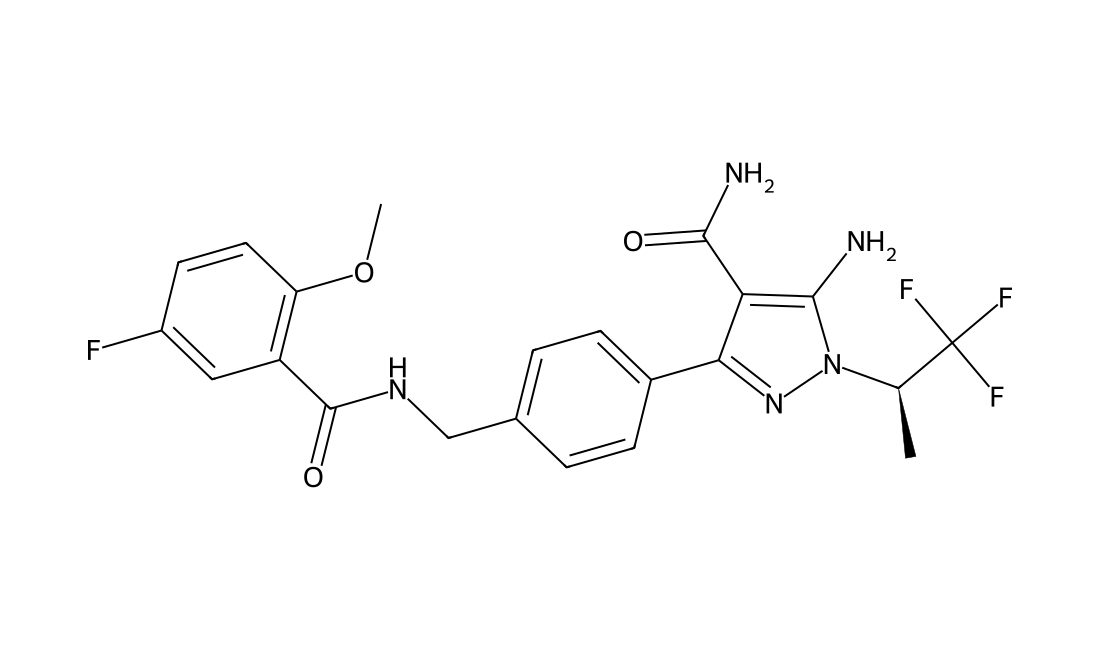
Bexotegrast

CAS 2376257-44-0

Bexotegrast is a potent inhibitor of ανβ6 integrin. Bexotegrast can be used for researching fibrosis such as idiopathic pulmonary fibrosis (IPF) and nonspecific interstitial pneumonia (NSIP) (extracted from patent WO2020210404A1, compound 5).
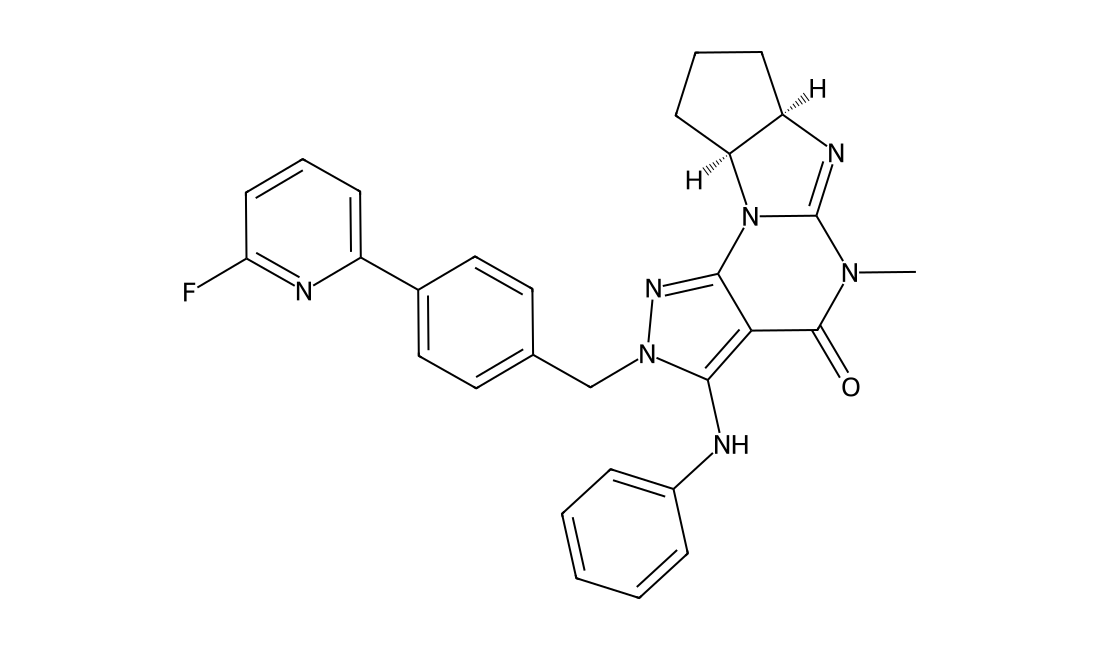
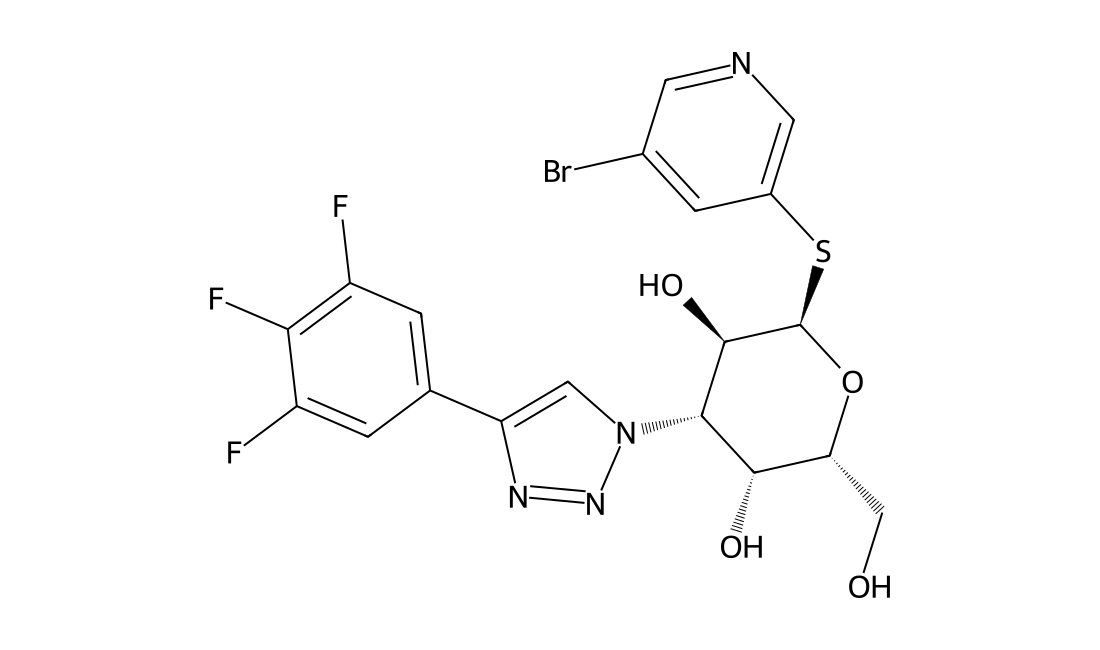
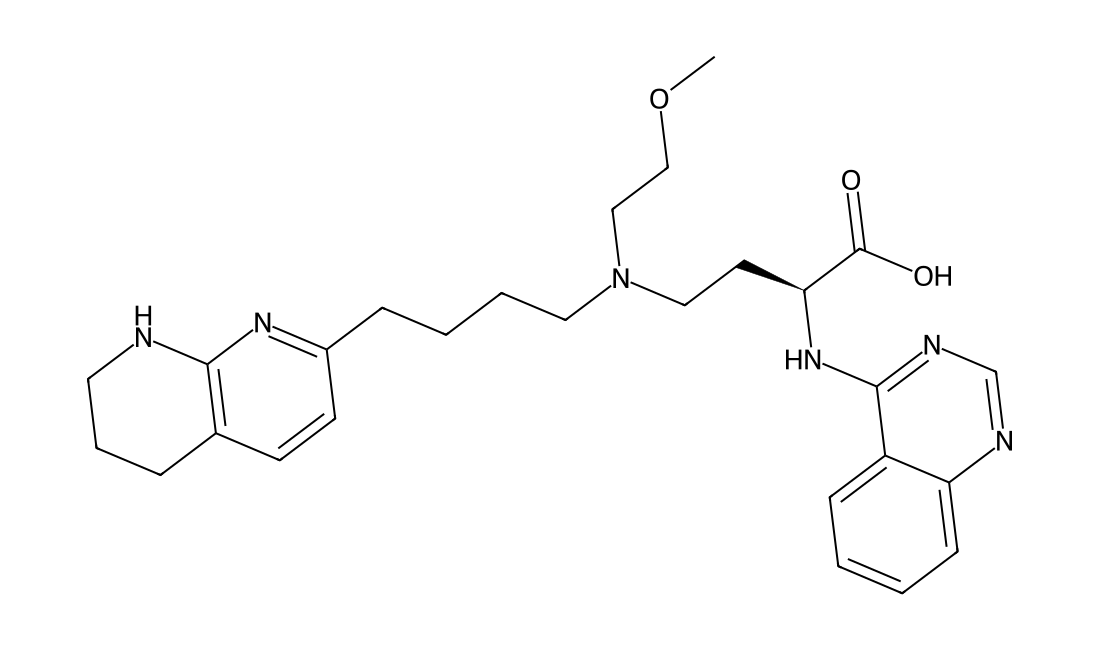
Bexotegrast chemical structure
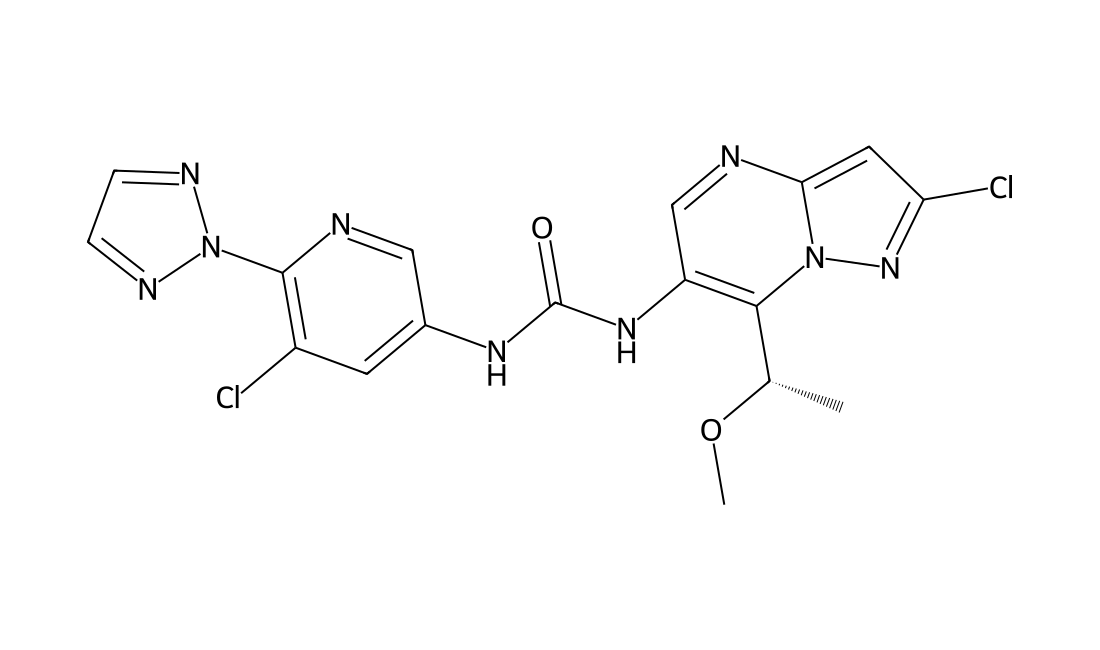
DC44837

M4205

CAS 2590556-80-0

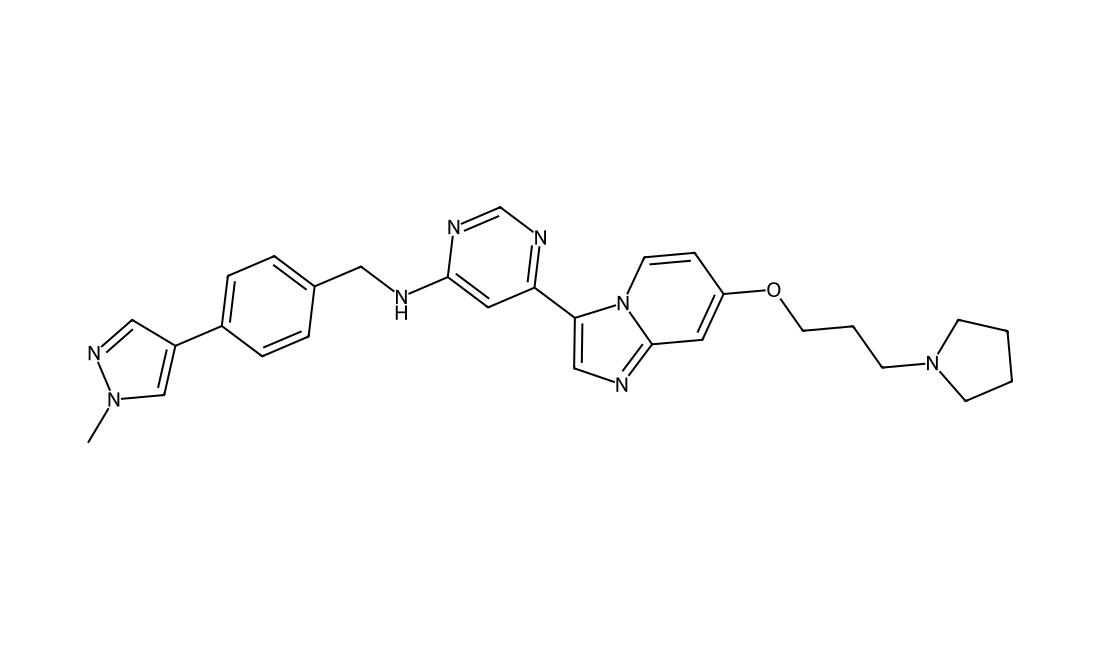
M4205 is a c-KIT inhibitor, with an IC50 of 10 nM for c-KIT V654A. M4205 has high activity on c-KIT mutations in exon 11, 13, 17.

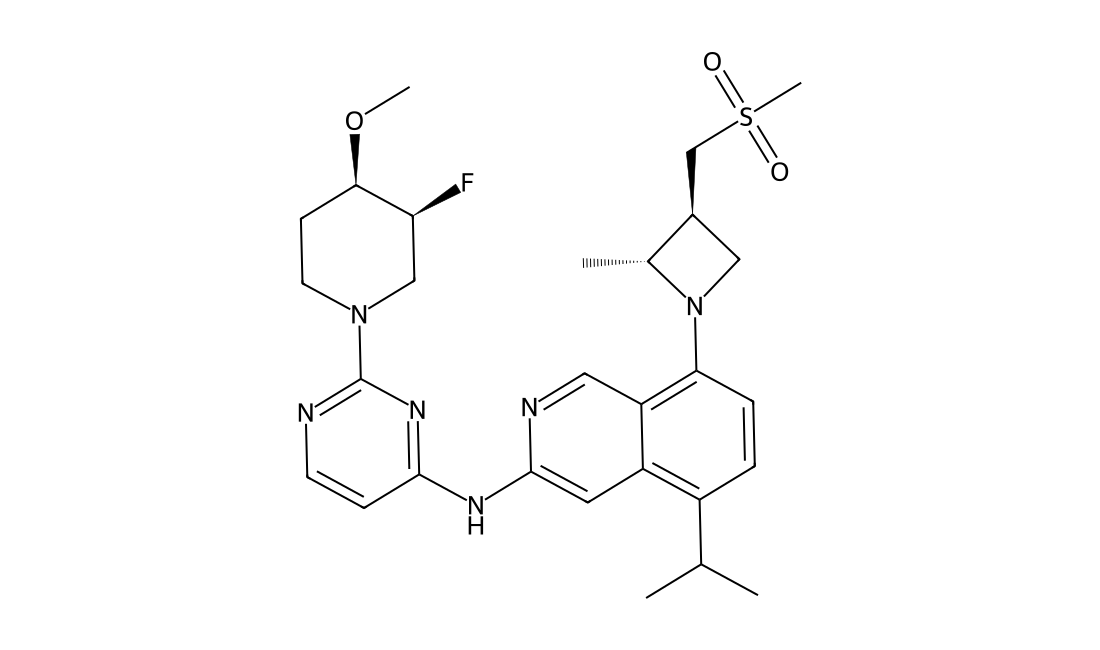
M4205 chemical structure
DC71735

PCLX-001

CAS 1215011-08-7

PCLX-001 is an orally acitve, small-molecule, dual N-myristoyltransferase (NMT) inhibitor, with IC50s of 5 nM (NMT1) and 8 nM (NMT2), respectively.

PCLX-001 chemical structure
DC46686

(R)-Pirtobrutinib

CAS 2101700-14-3

(R)-Pirtobrutinib ((R)-LOXO-305) is a less active enantiomer of Pirtobrutinib. Pirtobrutinib (LOXO-305), a highly selective and non-covalent next generation BTK inhibitor, inhibits diverse BTK C481 substitution mutations.

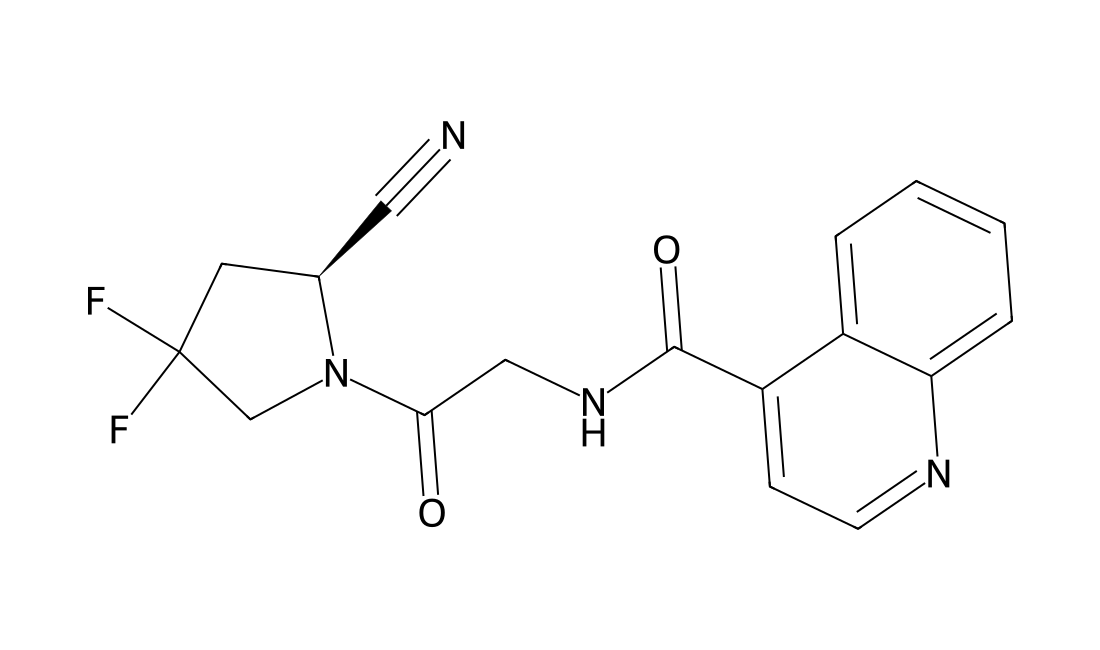
(R)-Pirtobrutinib chemical structure
DC42729

UAMC-1110

CAS 1448440-52-5

SP-13786(UAMC-1110) is a Novel potent and selective inhibitor of fibroblast activation protein (FAP), displaying low nanomolar inhibitory potency and high selectivity against the related dipeptidyl peptidases (DPPs) DPPIV, DPP9, DPPII, and prolyl oligopeptidase (PREP)

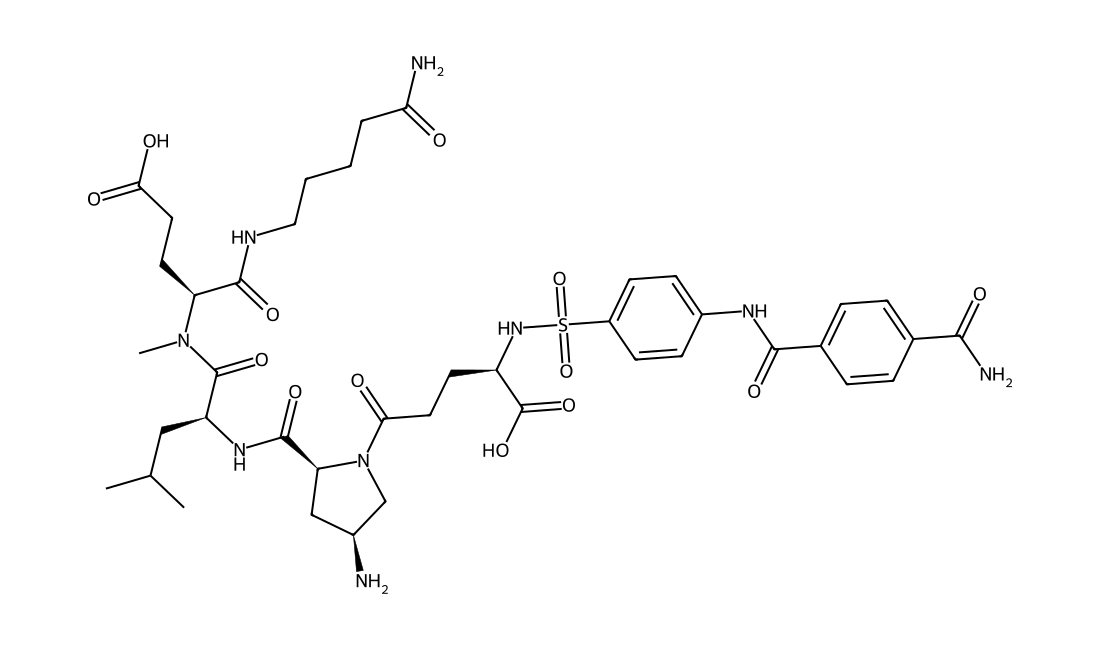
UAMC-1110 chemical structure
DC60259

BLU-945

CAS 2660250-10-0

BLU-945(BLU945,BLU 945) is a highly potent and selective EGFR+/T790M/C797S (IC50 of 0.5 nM) and EGFR+/T790M (IC50 of 0.4 nM) inhibitor with >900-fold selectivity over EGFR WT (IC50 of 736.3 nM).

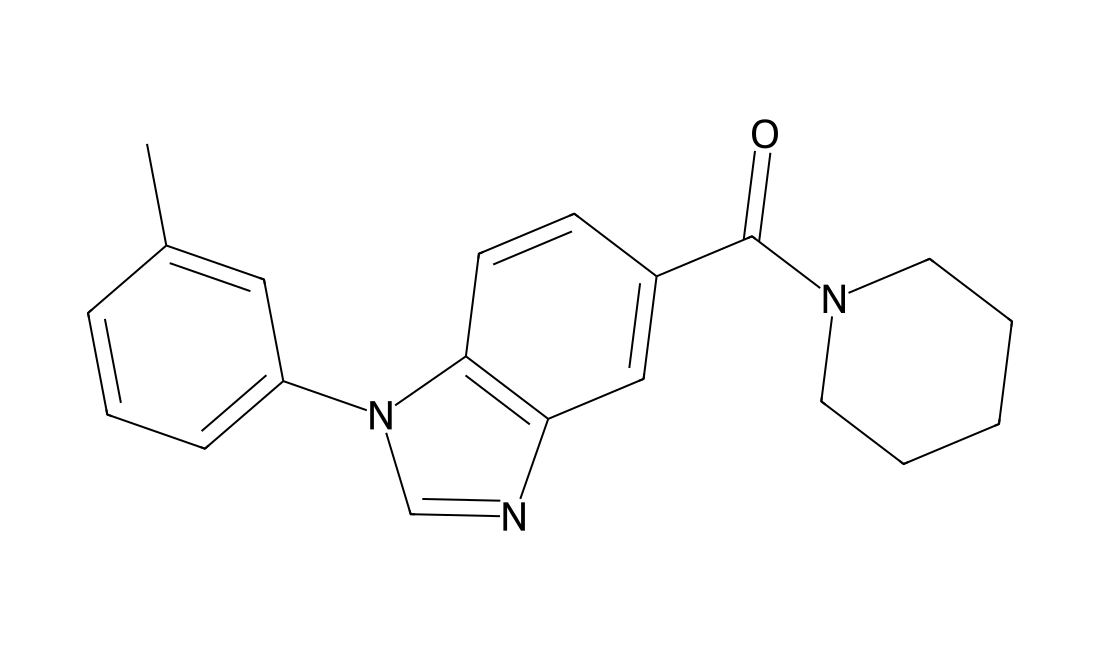
BLU-945 chemical structure
Browse target & topic index A–Z (366)
11β-HSD (1)15-PGDH (2)5-HT Receptor (16)Acetyl-CoA Carboxylase (ACC) (3)Acetylcholinesterase (AChE) (2)Ack1 (TNK2) (1)Acyltransferase (1)ADC Cytotoxin (6)ADCs Linker/Click Chemistry (5)Adenosine Receptor (9)Adenylate Cyclase (2)Adrenergic Receptor (11)Akt (12)Alcoholism (2)Aldehyde Dehydrogenase (ALDH) (6)Allergy (5)Alzheimer Disease (13)Aminopeptidase (1)AMPK (8)Amyloids (4)Anaplastic Lymphoma Kinase (ALK) (9)Androgen Receptor (AR) (11)Anemia (4)Angiotensin Receptor (4)Antibody/Protein labeling dyes (1)Antifolate (2)Anxiety (1)Apoptosis Inducer (3)Arginase (1)Arp2/3 complex (1)Aryl hydrocarbon Receptor (AhR) (1)Asthma (5)Atherosclerosis (2)ATM/ATR (8)Aurora Kinase (10)Autophagy (6)Autophagy-related Protein (Atg) (2)Autotaxin (2)Bacterial (26)Bacterial Infection (17)Bcl-2 (14)Bcr-Abl (5)BCRP (1)Beta-catenin (4)Beta-secretase (BACE) (4)Blood Cancer (91)BMI-1 (1)Bone Cancer (6)Brain Cancer (6)Breast Cancer (30)Bromodomain (22)BTK (10)c-Fms (CSF1R) (5)c-Fos/AP-1 (1)c-Kit (6)c-Met (HGFR) (11)c-Myc (2)Calcium Channel (4)Calcium-sensing Receptor (CaSR) (1)CaMK (4)Cannabinoid Receptor (6)Carbonic Anhydrase (1)Carboxypeptidase (1)Casein Kinase (6)Caspase (4)Cathepsin (6)Cdc2-like Kinase (CLK) (1)CETP (2)CFTR (7)Checkpoint Kinase (Chk) (8)Chemokine Receptor (CCR and CXCR) (14)Chemotherapeutic Agents (19)Chloride Channel (1)CMV (2)CMV Infection (2)Colon Cancer (9)Complement System (1)COPD (3)CREB/CBP (2)CRF Receptor (2)CRISPR/Cas9 (1)Cushing Disease (1)Cyclin-dependent Kinase (CDK) (39)Cyclooxygenase (COX) (4)Cytochrome P450 (CYPs) (5)Depression (2)Dermatitis (2)Deubiquitinase (DUB) (7)Diabetes (20)Dipeptidyl Peptidase (DPP) (3)Discoidin Domain Receptor (DDR) (1)DNA Alkylator/Crosslinker (10)DNA Methyltransferase (DNMT) (1)DNA Repair Protein (1)DNA-PK (2)DNA/RNA Synthesis (5)Dopamine beta-hydroxylase (1)Dopamine Receptor (7)Drug Metabolite (1)Drug-Linker Conjugates (11)Dyes (4)DYRK (1)Dyslipidemia (9)E3 Ligase Ligand (6)E3 Ligase Ligand-Linker Conjugate (1)E3 Ubiquitin Ligase (4)Ebola Virus Infection (1)EGFR (32)Elastase (2)Endothelin Receptor (5)Enzymes substrates (13)Epigenetic Reader Domain (3)Epilepsy (4)ERK (4)Estrogen Receptor/ERR (13)Eukaryotic Initiation Factor (eIF) (2)Exportin-1 (CRM1,XPO1) (2)FABP (1)Factor Xa (5)Farnesoid X Receptor (FXR) (5)Farnesyl transferase (FTase) (1)Ferroptosis (6)FGFR (15)Fibrosis (5)FLT3 (6)Focal Adhesion Kinase (FAK) (11)Foxo1 (1)Free Fatty Acid Receptor (FFAR) (5)Fungal (2)Fungal Infection (1)GABA Receptor (13)Galectin (1)Gastric Cancer (8)Ghrelin Receptor (GHSR) (3)Glucagon Receptor (4)Glucokinase (2)Glucose Transporter (GLUT) (2)Glutamate Transporter (2)GPCR (1)GPER (GPR30) (1)GPR139 (1)GPR183 (EBI2) (2)GPR39 (1)GPR55 (1)GPR84 (1)GRK (GPCRK) (2)Growth Hormone Deficiency (2)GSK-3 (8)Guanylate Cyclase (3)HBV (1)HBV Infection (1)HCN Channel (2)HCV (8)HCV Infection (9)HDAC (38)Heart Arrhythmia (2)Heart Failure (5)Heat Shock Protein (HSP) (15)Hedgehog (Hh) (1)HIF/HIF Prolyl-hydroxylase (8)Histamine Receptor (6)Histone Acetyltransferase (HAT) (5)Histone Demethylase (11)Histone Methyltransferase (HMTase) (31)HIV (12)HIV Infection (11)HMG-CoA Reductase (HMGCR) (3)HSV (1)HSV Infection (1)Hypercholesterolemia (1)Hyperparathyroidism (1)Hypertension (8)IAP (1)IGF-1R (3)iGluR (15)Indoleamine 2,3-Dioxygenase (IDO) (4)Infection (1)Influenza (6)Influenza Virus (6)Insulin Receptor (2)Integrin (6)Interleukin Receptor (1)IRAK (2)IRE1 (4)Irritable Bowel Syndrome (2)Ischemia (1)Isocitrate Dehydrogenase (IDH) (5)ITK (1)IκB kinase (IKK) (7)JAK (32)JNK (3)Keap1-Nrf2 (6)Kidney Cancer (10)Kinesin (5)Kruppel-like Factor (KLF) (1)Kynurenine 3-Monooxygenase (KMO) (1)Leukotriene Receptor (1)LIM Kinase (LIMK) (3)Lipids fragment (1)Liver Cancer (6)Liver X Receptor (LXR) (3)LRRK2 (9)Lung Cancer (39)Lysophospholipid Receptor (12)LYTACs (3)mAChR (9)MALT1 (2)MAP4K (1)Matrix Metalloproteinase (MMP) (10)MDM2-p53 (9)MEK (MAP2K) (14)MEKK (MAP3K) (1)Melanocortin Receptor (2)MELK (1)mGluR (7)MicroRNA (1)Microtubule/Tubulin (5)Mineralocorticoid Receptor (MLR) (1)MITF (1)Mixed Lineage Kinase (MLK) (3)MNK (2)Molecular Glues (13)Monoamine Transporter (5)Monocarboxylate Transporter (MCT) (1)Monopolar Spindle 1 (Mps1/TTK) (3)mTOR (13)Multiple Sclerosis (6)Myosin (1)Na-K-Cl Cotransporter (NKCC) (2)nAChR (2)NADPH Oxidase (NOX) (2)NAMPT (3)Natural products (37)Neprilysin (1)Neurokinin Receptor (3)Neuropeptide Y Receptor (3)NF-κB (5)Nitric Oxide Synthase (NOS) (1)NOD-like Receptor (NLR) (3)Notch (2)Nucleoside Antimetabolite/Analog (10)Nur77 (NR4A1) (1)Obesity (1)Oct3/4 (1)Opioid Receptor (5)Orexin Receptor (7)Osteoporosis (2)Ovarian Cancer (14)Oxytocin Receptor (OXTR) (2)P-glycoprotein (P-gp) (3)p21-activated Kinase (PAK) (1)P2X Receptor (2)P2Y Receptor (1)p38 MAPK (10)p97/VCP (1)Pain (12)Pancreatic Cancer (10)Parasite (5)Parasite Infection (2)Parkinson Disease (2)PARP (19)PCSK9 (1)PD-1/PD-L1 (4)PDGFR (4)PDK1 (2)PEGn (1)PERK (2)PGE synthase (2)Phosphodiesterase (PDE) (9)Phospholipase (4)PI3K (32)PI4K (2)Piezo Channel (1)PIKfyve (3)Pim (9)PKC (12)PKD (1)Plasminogen Activator Inhibitor-1 (PAI-1) (3)Polo-like Kinase (PLK) (4)Porcupine (3)Potassium Channel (13)PPAR (13)Pregnane X Receptor (PXR) (1)Progesterone Receptor (2)Prostaglandin Receptor (11)Prostate Cancer (7)PROTACs (35)Protease-activated Receptor (PAR) (3)Proteasome (12)Protein Disulfide Isomerase (PDI) (1)Protein Phosphatase/PTP (6)Proton Pump (1)Psoriasis (5)RAD51 (1)Radioligand precursors (15)Raf (18)RAR/RXR (3)Ras (17)Renin (2)RET Tyrosine Kinase (c-RET) (3)Rheumatoid Arthritis (16)Ribosomal S6 Kinase (RSK) (5)RIG-I-like Receptor (RLR) (2)RIP kinase (7)ROCK (12)ROR (2)RSV (4)RSV Infection (3)RUNX1-CBFβ (1)S-nitrosoglutathione reductase (GSNOR) (1)Saccharides and Glycosides (1)Salt Inducible Kinase (SIK) (2)SARS-CoV (16)SARS-CoV Infection (34)Schizophrenia (4)Sexual Dysfunction (1)SGLT (4)Sigma Receptor (4)Sirtuin (9)Skin Cancer (13)Sleep Disorder (7)SMN2 Modulator (1)Smoothened (Smo) (9)Sodium Channel (12)Solid Tumors (35)Somatostatin Receptor (2)Sphingosine kinase (SphK) (2)Src (7)STAT (5)Stearoyl-CoA Desaturase (SCD) (1)Steatohepatitis (7)Sterol lipids (1)STING (14)Syk (6)T Cell Receptor (TCR) (1)TAK1 (2)TAM Receptor (Tyro3-Axl-Mer) (4)Taste Receptor (1)Telomerase (2)TGF beta Receptor (TGFBR) (12)Thrombin (3)Thrombosis (13)Thyroid Cancer (1)Thyroid Hormone Receptor (THR) (1)Thyrotropin Receptor (2)TNIK (1)Toll-like Receptor (TLR) (2)TOPK (1)Topoisomerase (11)TRAIL (1)Translocator Protein (TSPO) (1)Trk Receptor (4)TRP Channel (13)Tryptophan Hydroxylase (TPH) (1)Ubiquitin-activating Enzyme (E1) (2)Ubiquitin-conjugating Enzyme (E2) (2)Ulcer (1)ULK (3)Vasopressin Receptor (2)VEGFR (25)Vitamin D Receptor (VDR) (3)Wee1 (1)WNK Kinase (1)Wnt (5)Yes-associated Protein (YAP) (4)γ-secretase (5)

Cart

Request quotation