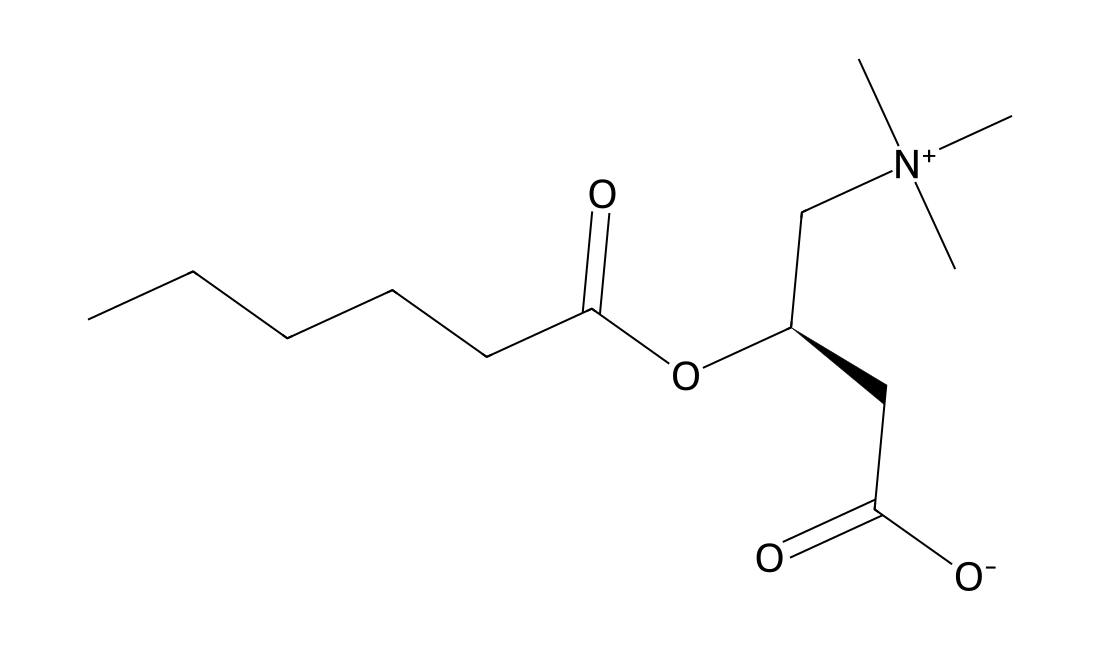
Home/Small Molecules/Other Research Tools

Other Research Tools

Additional reagents, chemical building blocks and specialized research tools.

Browse all research categories

Browse by research category

Products may appear in more than one category. Counts refer to distinct catalog numbers within each category.

Other Research Tools (75) · Additional reagents, building blocks and specialized research tools.

Other Research Tools products

Combine a keyword, research category and target to narrow the product list.

Loading catalog filters…

959 products · Showing 721–768

DC11554

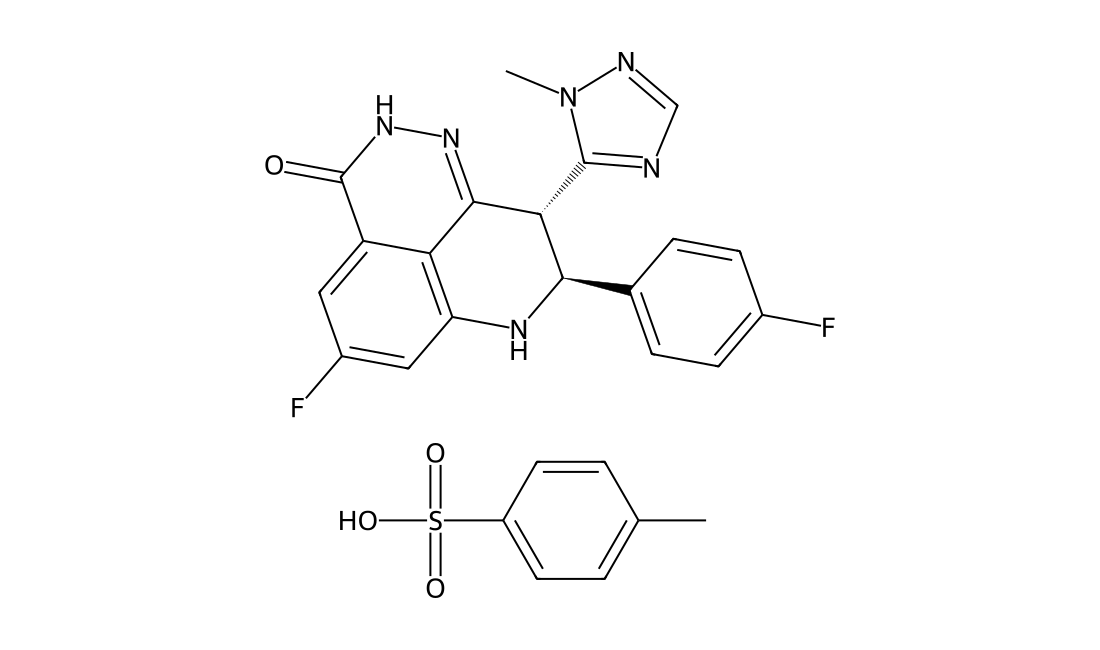
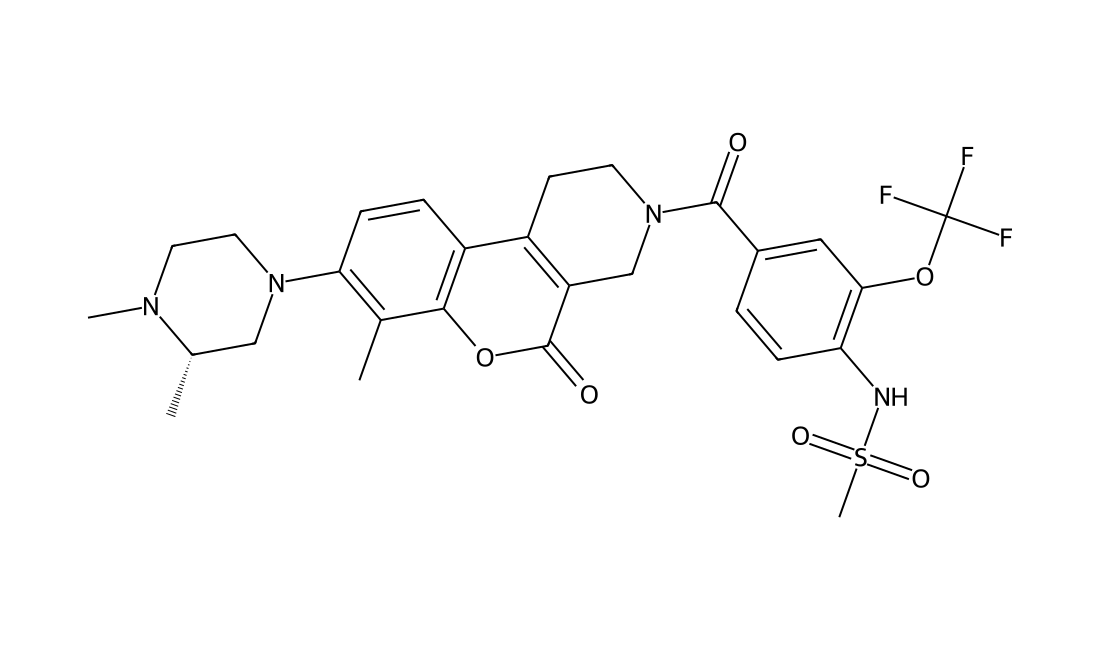
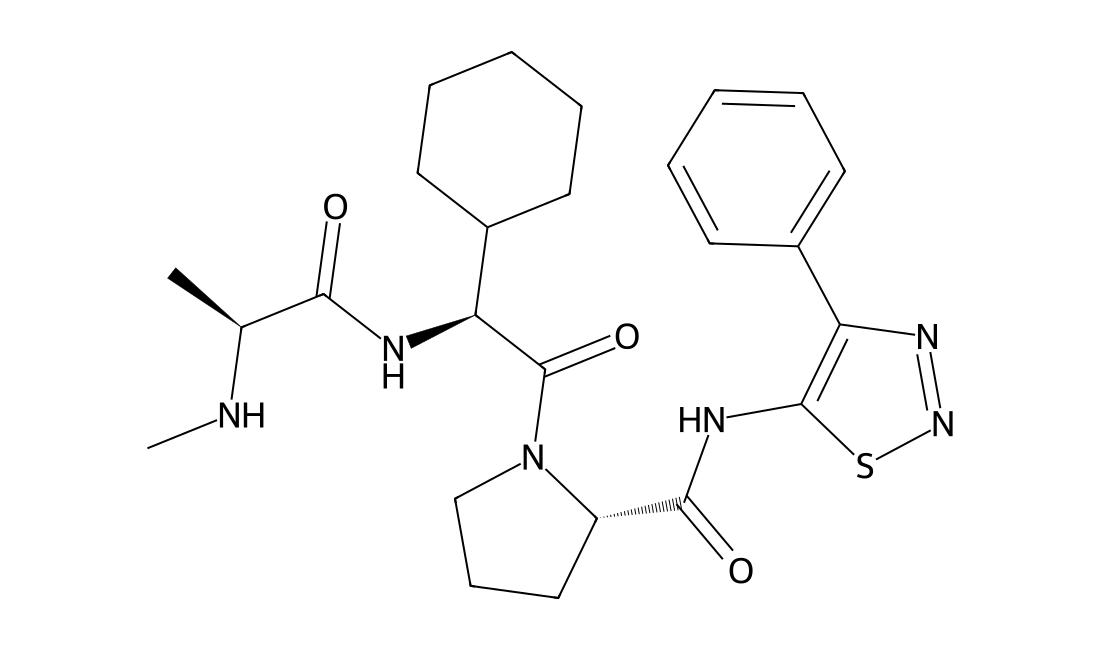
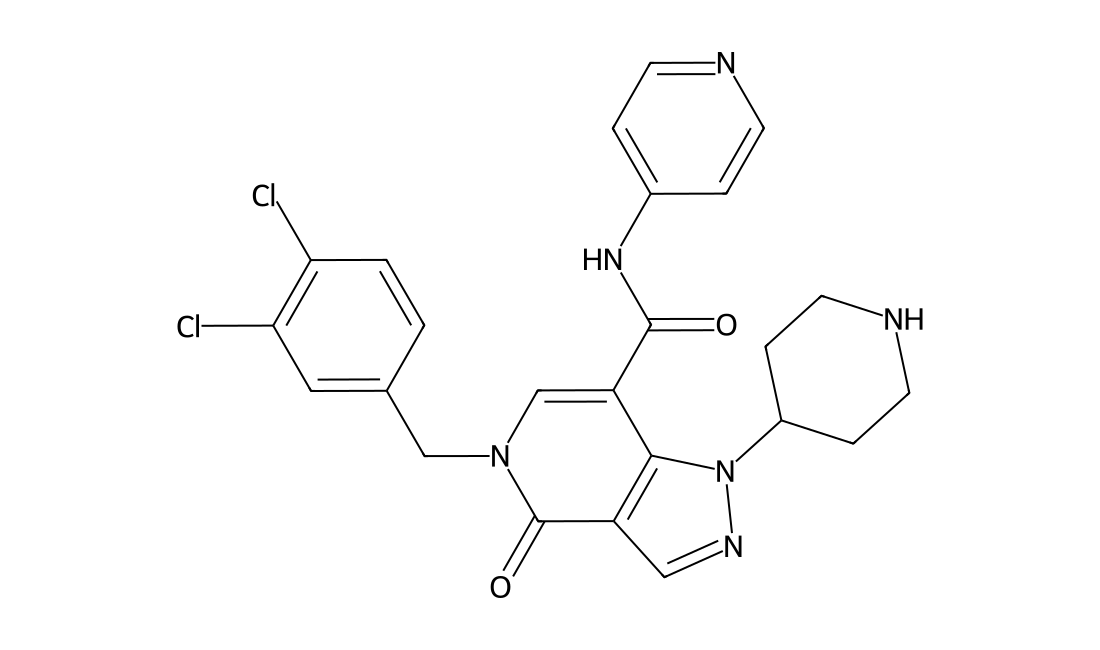
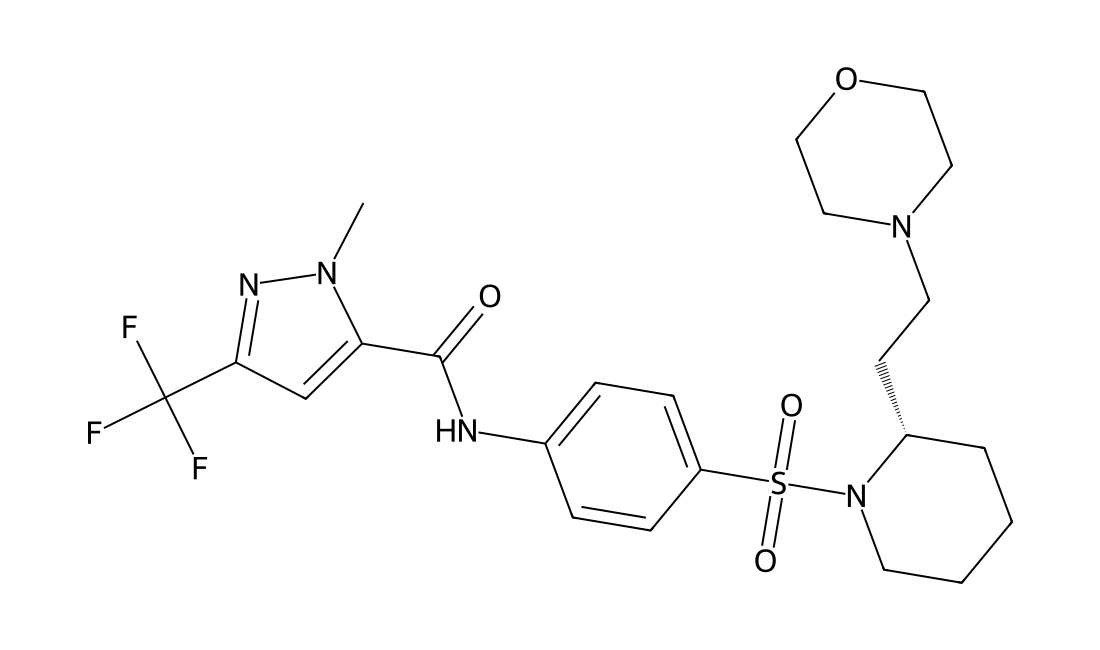
FT-671

CAS 1959551-26-8

FT-671 is a novel potent, specific, non-covalent USP7 inhibitor with Kd of 65 nM (USP7 catalytic domain); inhibits USP7 with IC50 values of 52 nM (USP7 CD) and 69 nM (USP7C-term), display good USP7 selectivity in a panel of 38 deubiquitinases (DUBs); destabilizes USP7 substrates including MDM2, increases levels of p53, and results in the transcription of p53 target genes and induces tumour suppressor p21; blocks the proliferation of MM.1S cells (IC50=33 nM), suppresses tumour growth in mice; orally available.

FT-671 chemical structure
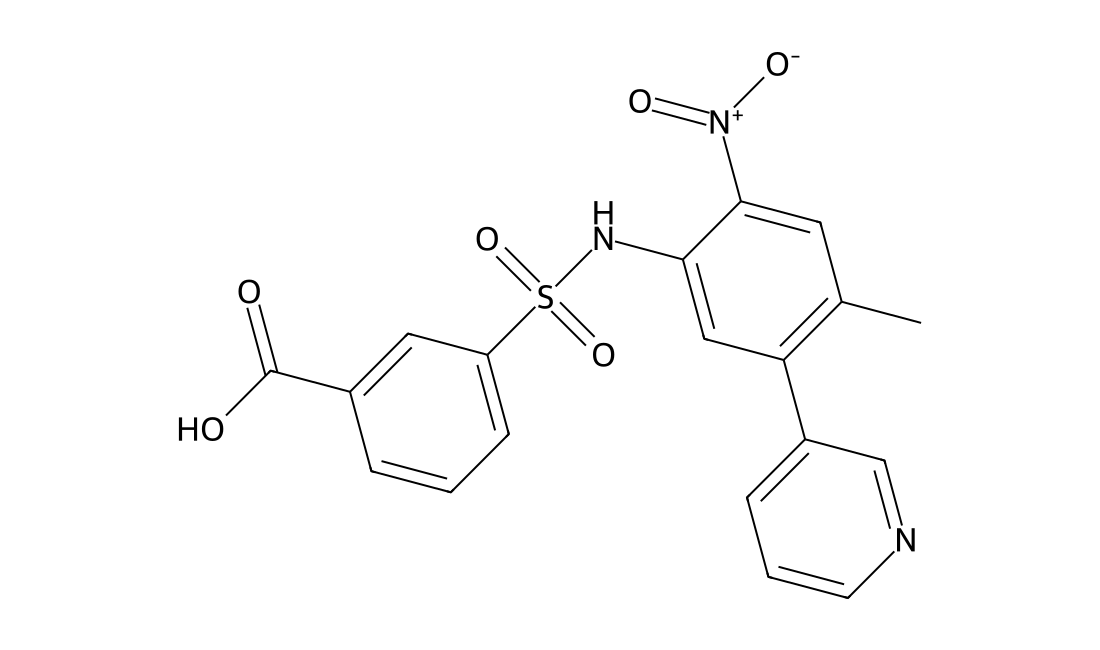
DC70309

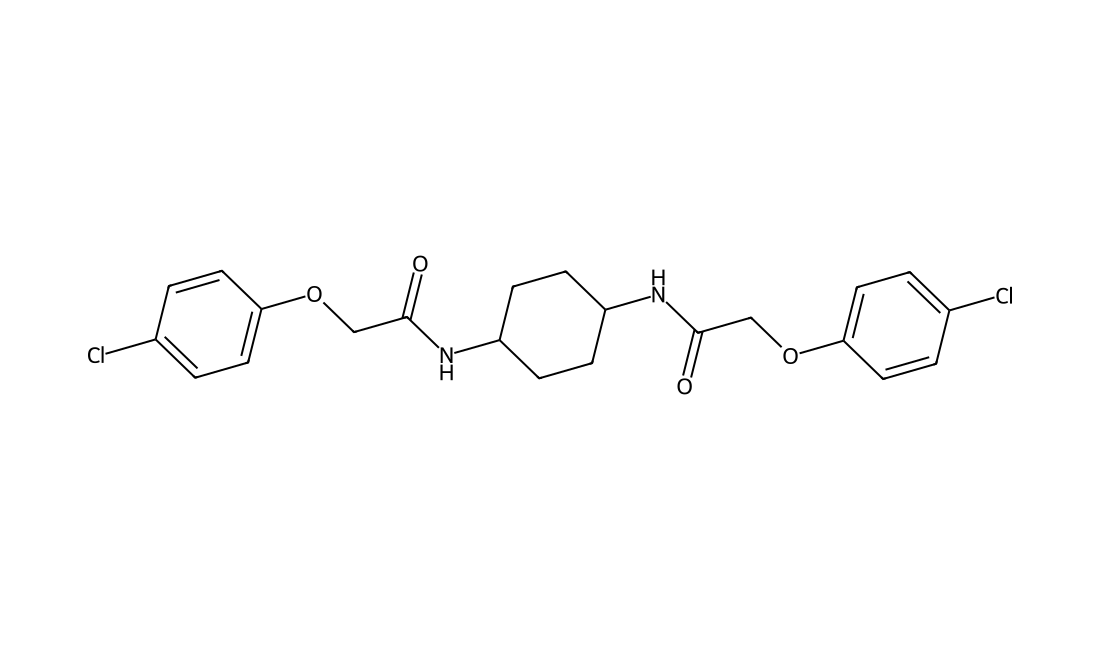
cis-ISRIB

CAS 548470-11-7

cis-ISRIB is a weak inhibitor of PERK signaling compared to trans-ISRIB , potently reverses the effects of eIF2α phosphorylation with IC50 of 600 nM.ISRIB reduces the viability of cells subjected to PERK-activation by chronic endoplasmic reticulum stress, displays significant enhancement in spatial and fear-associated learning.ISRIB is a potent inhibitor of the integrated stress response (ISR)integrated stress response (ISR).

cis-ISRIB chemical structure
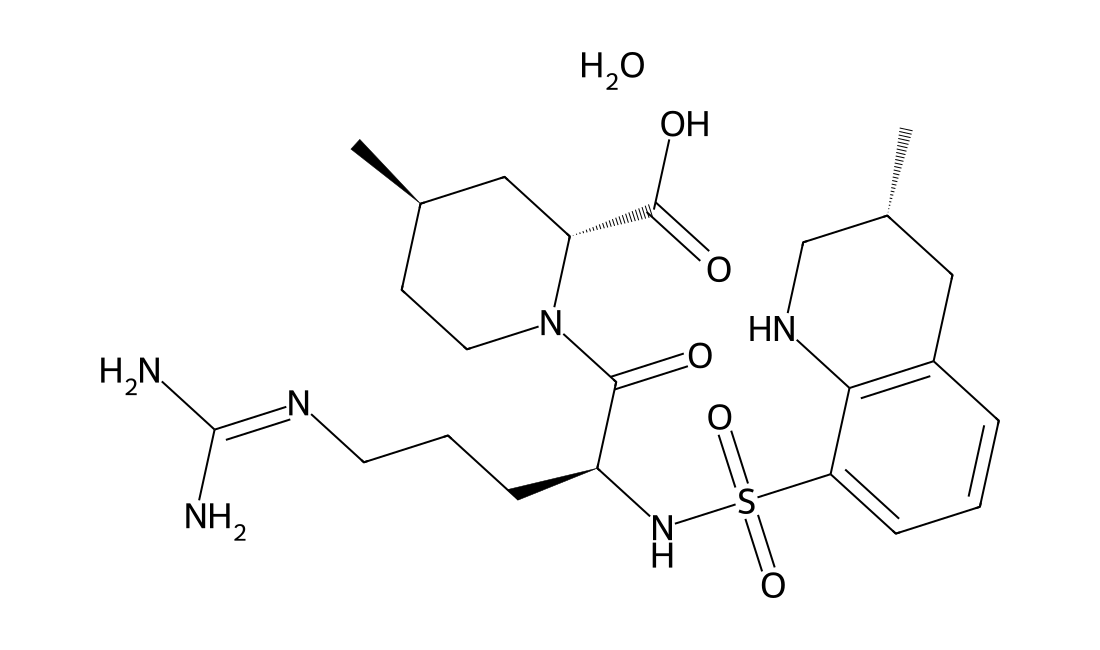
DC22365

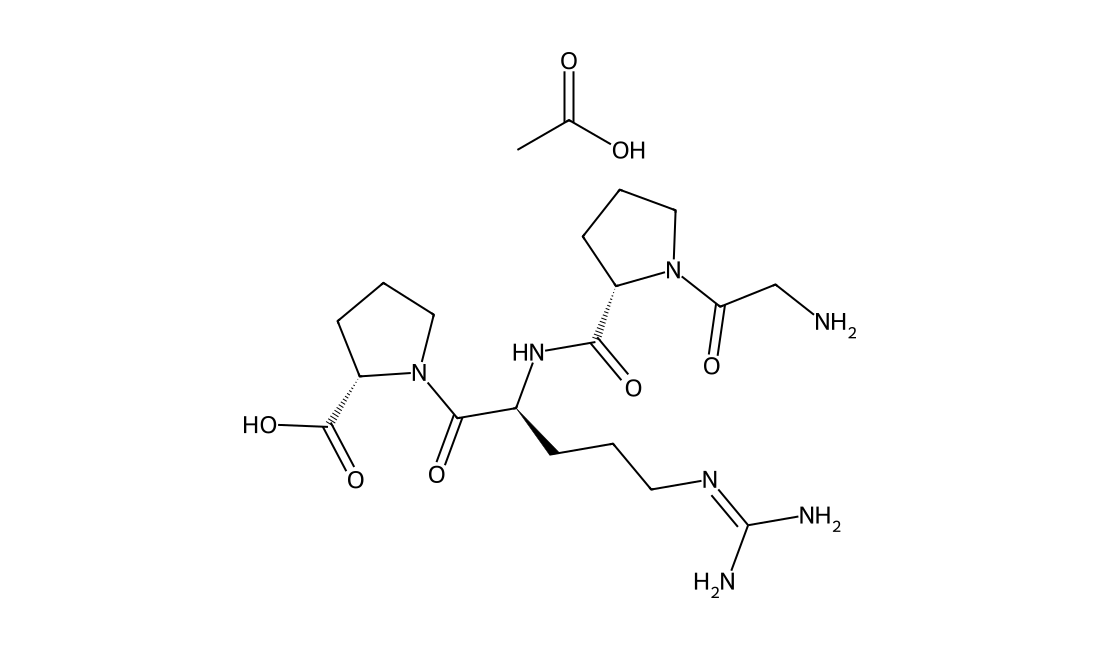
GPRP acetate

CAS 157009-81-9

GPRP acetate is fibrinogen-related peptide, which inhibits the interaction of fibrinogen with the platelet membrane glycoprotein IIb/IIIa complex (GPIIb/IIIa). Sequence: Gly-Pro-Arg-Pro.

GPRP acetate chemical structure
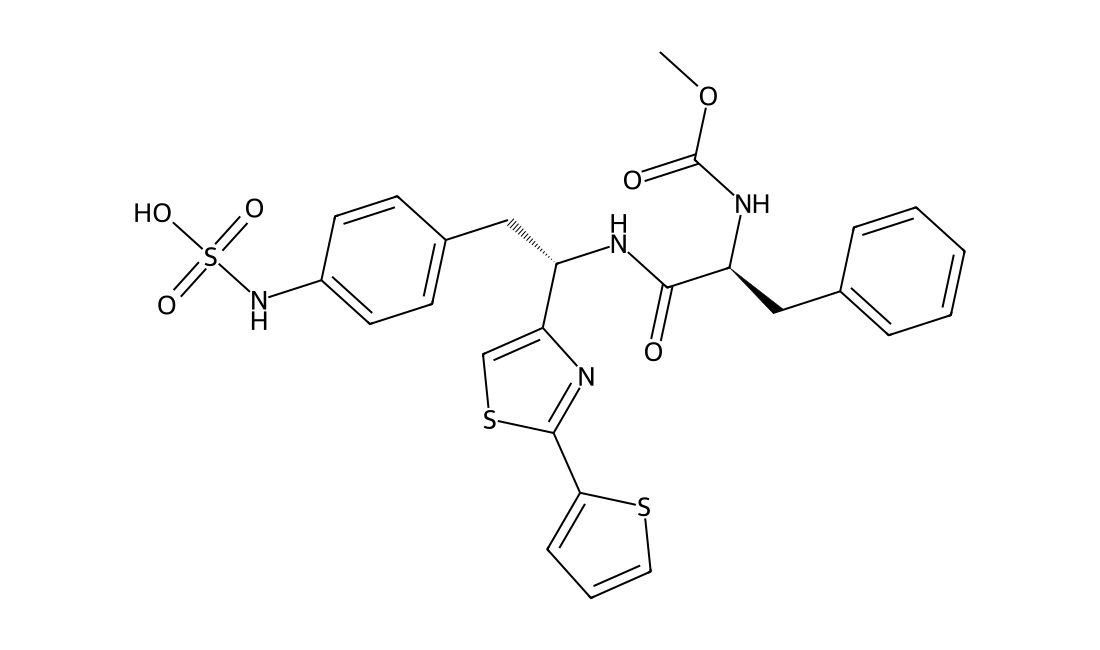
DC31690

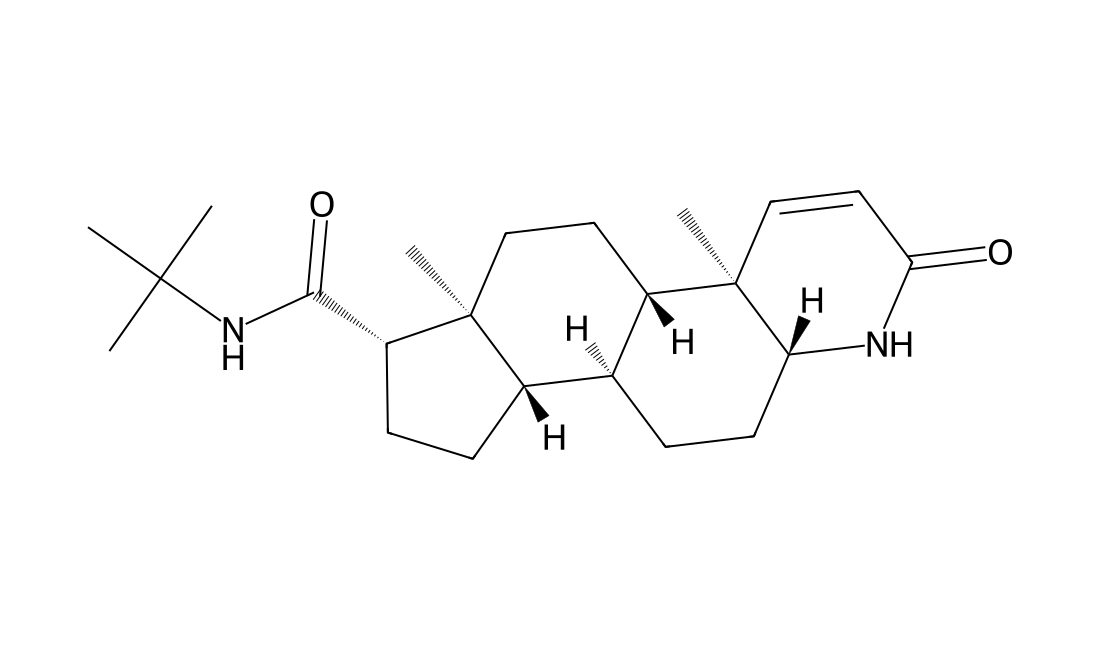
Finasteride

CAS 98319-26-7

Finasteride is a medication used for the treatment of benign prostatic hyperplasia (BPH) and male pattern baldness (MPB). It is a type II and type III 5α-reductase inhibitor; 5α-reductase, an enzyme, converts testosterone to dihydrotestosterone (DHT).

Finasteride chemical structure
DC6504

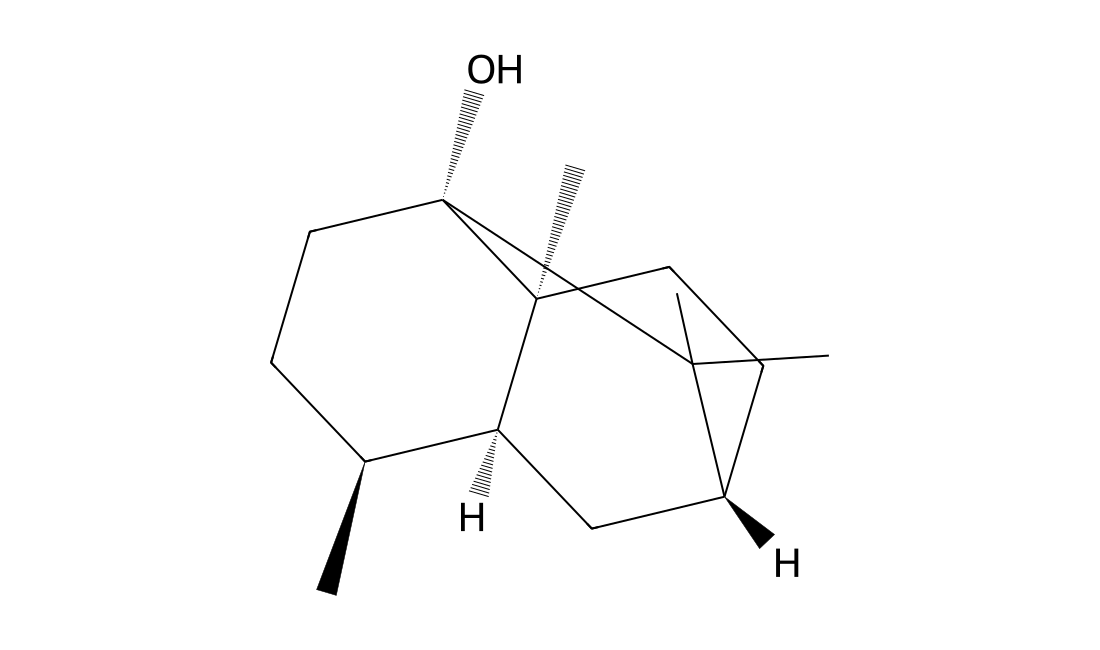
Patchouli Alcohol

CAS 5986-55-0

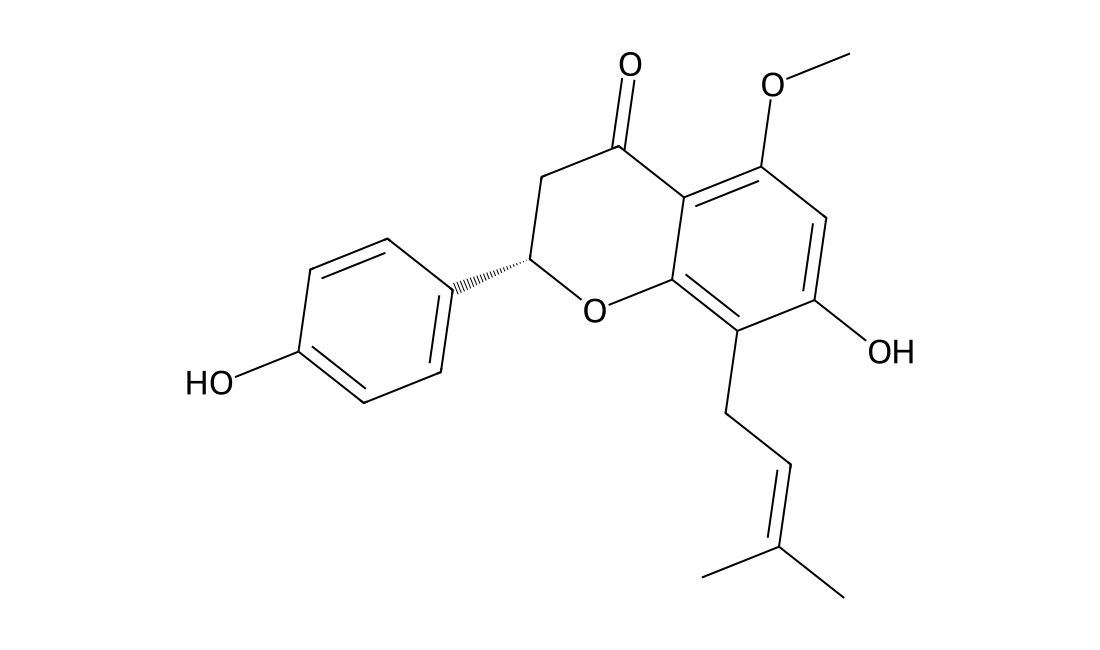
Patchouli alcohol is a natural tricyclic sesquiterpene extracted from Pogostemon cablin (Blanco) Benth, and exhibits anti-Helicobacter pylori and anti-inflammatory properties[1].

Patchouli Alcohol chemical structure
DC7275

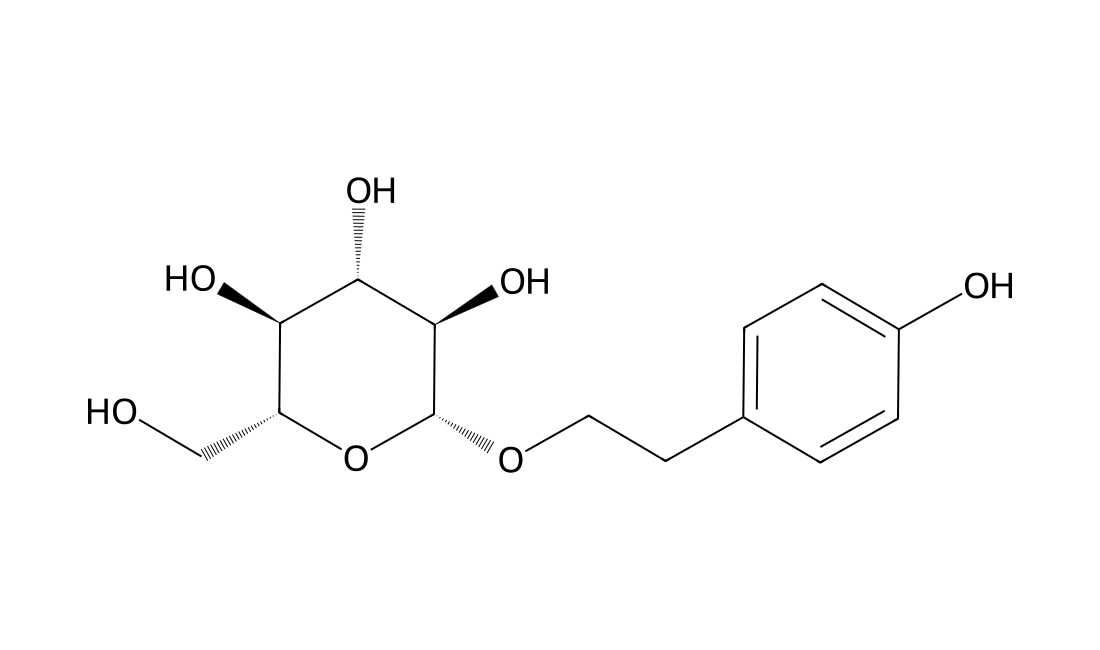
Salidroside

CAS 10338-51-9

Salidroside is a prolyl endopeptidase Inhibitor. Salidroside alleviates cachexia symptoms in mouse models of cancer cachexia via activating mTOR signalling.

Salidroside chemical structure
DC10908

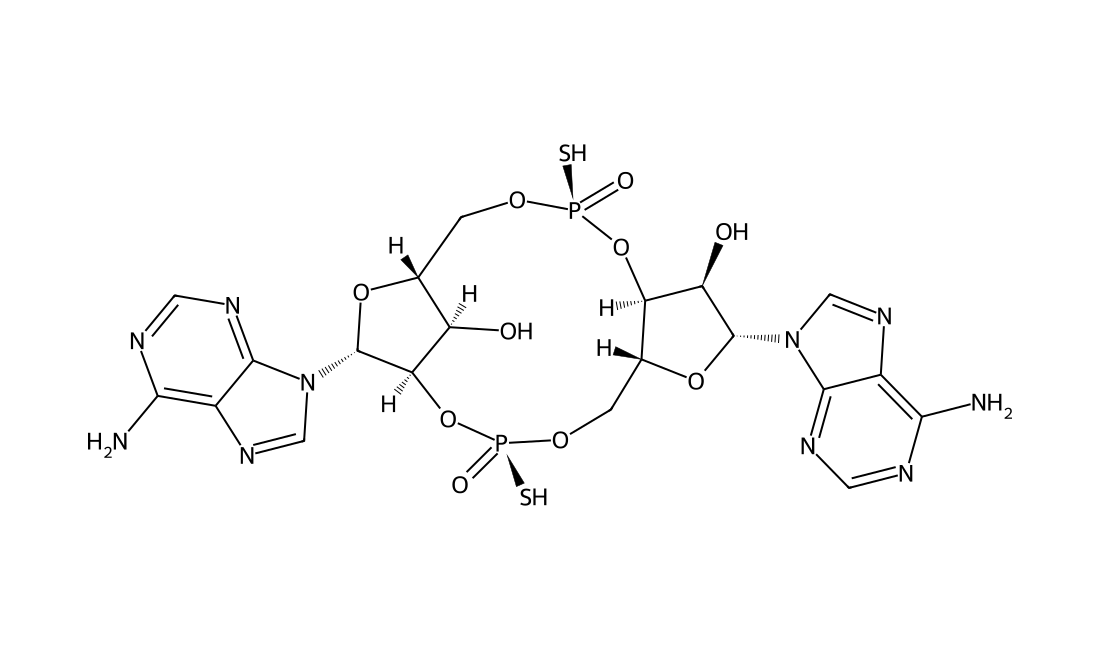
ML RR-S2 CDA

CAS 1638241-89-0

ML-RR-S2 CDA is a potent STING-activating cyclic di-adenosine (CDA or c-diAMP) nucleotide ligand with the 2′-5′, 3′-5′ mixed phosphodiester linkage (ML) in the [Rp,Rp] configuration and doubly substituted thiophosphate (S2) for optimal phosphodiesterase-resistance and thereby enhanced cellular potency. ML-RR-S2 CDA effectively induces IRF3, NF-kB, and STAT6 transcription activities in a STING-dependent manner in both murine (DC2.4 & BMMs) and human (THP1 & PBMCs) cultures (5-100 μM) as well as displays profound anti-tumor efficacy in vivo (100% growth inhibition of established B16.F10, 4T-1 or CT26 tumor with 3X 50 μg/mouse/96 hr intratumoral injections) with lasting immune-mediated tumor rejection.It contains mixed linkages (ML) with both 2'5' and 3'5' linkages, which leads to increased thermal stability of human STING in a differential scanning fluorimetry (DSF) assay. ML RR-S2 CDA increases type I interferon production by THP-1 human monocytes relative to unmodified cyclic di-AMP, indicating the ML enhances its action at human STING. It induces expression of IFN-β and the pro-inflammatory cytokines TNF-α, IL-6, and Mcp-1 in murine bone marrow macrophages (BMM) isolated from wild-type, but not STING-/-, mice. ML RR-S2 CDA also induces IFN-β expression in peripheral blood mononuclear cells (PBMCs) isolated from donors carrying STINGWT/WT, STINGWT/REF, and STINGWT/HAQ alleles. In vivo, ML RR-S2 CDA initiates tumor regression and prevents tumor growth upon tumor cell reimplantation in 4T1 breast and CT26 colon cancer mouse xenograft models.

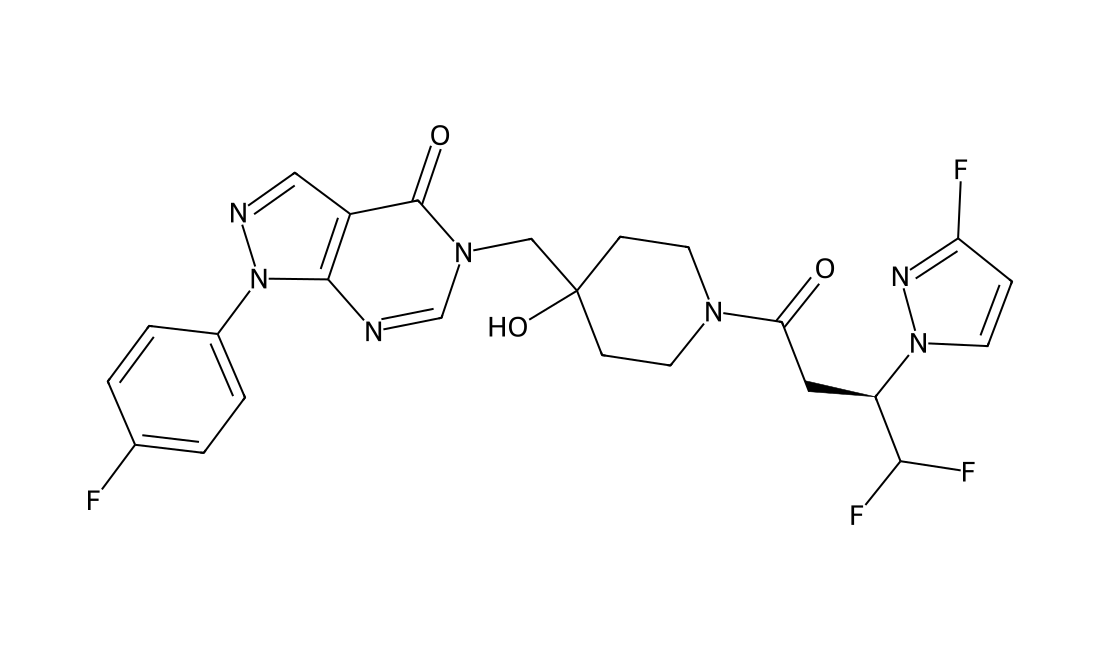
ML RR-S2 CDA chemical structure
DC11485

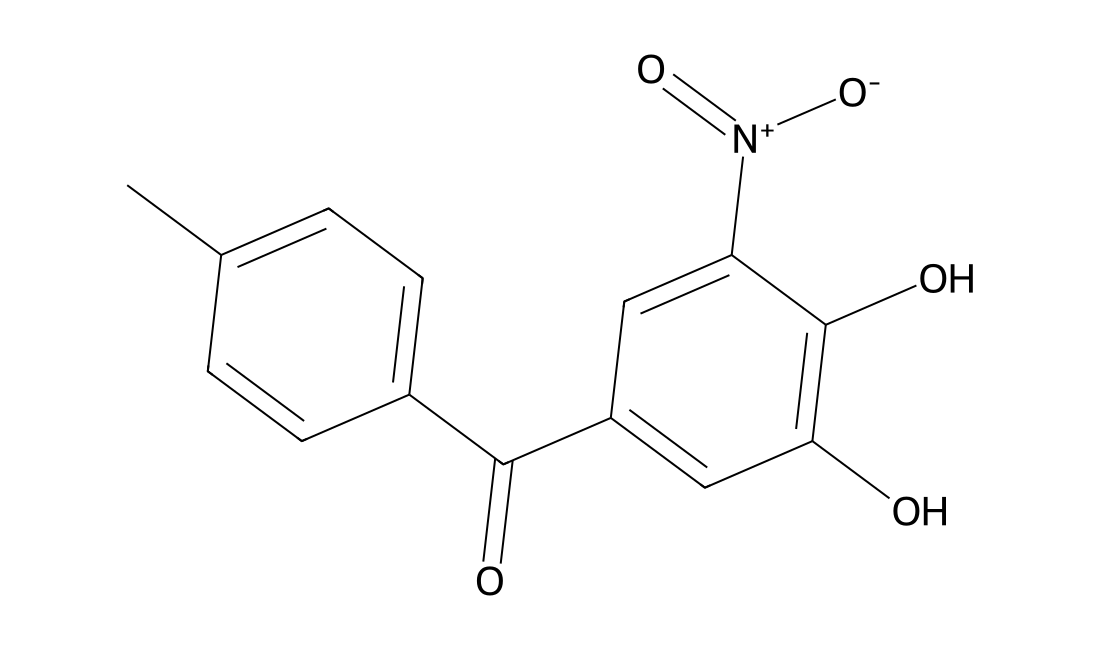
Tolcapone

CAS 134308-13-7

Tolcapone(Ro 40-7592) is an orally active selective, potent catechol-O-methyltransferase (COMT) inhibitor.Tolcapone inhibits both central and peripheral COMT. Tolcapone caused a rapid and reversible inhibition of COMT activity in erythrocytes in parallel with a dose-dependent decrease in the formation of 3-OMD. Tolcapone increased the area under the concentration-time curve and elimination half-life of levodopa. Tolcapone crosses the blood-brain barrier, and has been used for L-DOPA adjunct therapy in the treatment of Parkinson's disease.

Tolcapone chemical structure
DC12377

Tafamidis meglumine

CAS 951395-08-7

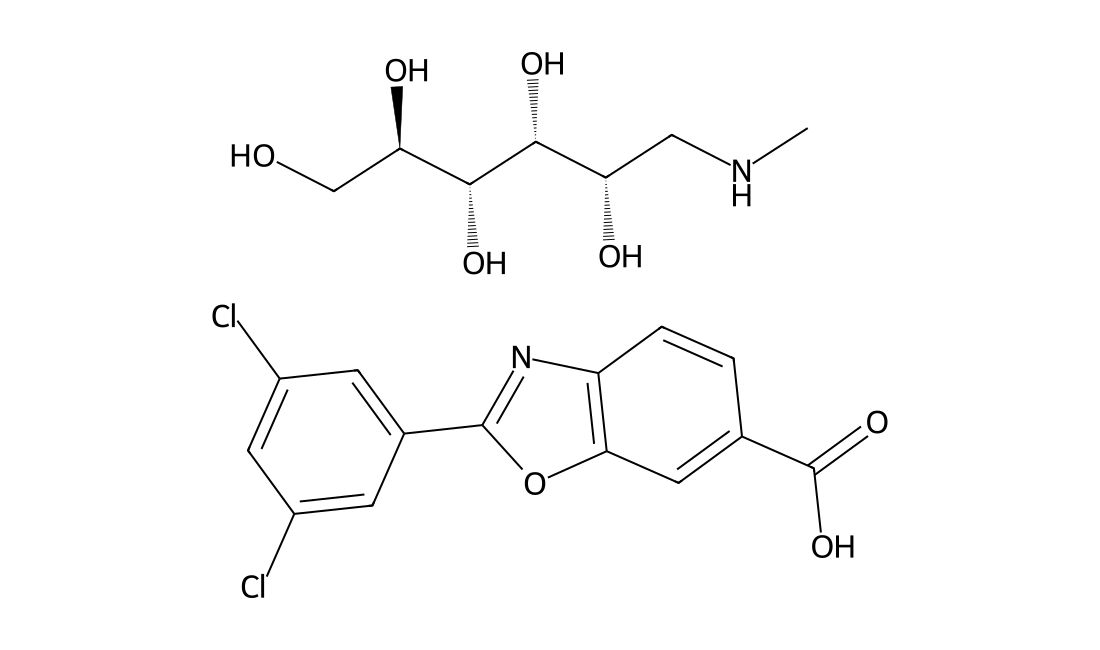
Tafamidis meglumine (Fx-1006A) is a potent and selective transthyretin (TTR) stabilizer, shows comparable potency and efficacy to the mutumant homotetramers V30M-TTR, V122I-TTR and wild type WT-TTR, with EC50s of 2.7-3.2 μM. Tafamidis meglumine inhibits amyloidogenesis[1].

Tafamidis meglumine chemical structure
DCAPI1410

Eldecalcitol

CAS 104121-92-8

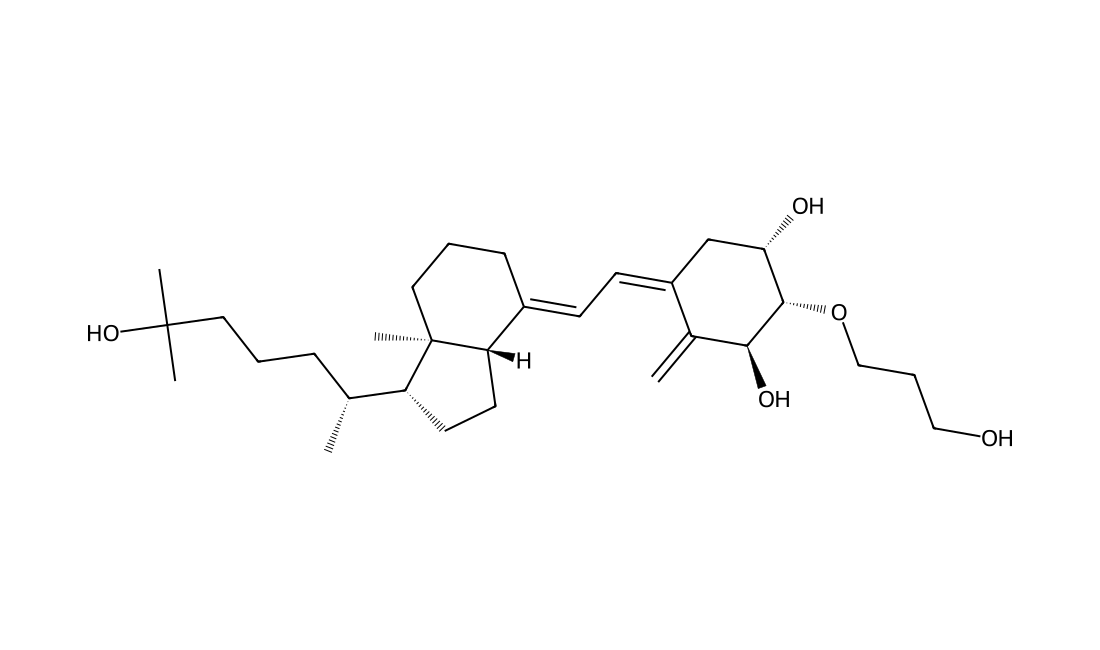
Eldecalcitol (ED-71; 2.beta.-(3-Hydroxypropoxy)-1.alpha.,25-dihydroxyvitamin D3) is an analog of 1,25-dihydroxyvitamin D3 that improves bone mineral density.Eldecalcitol (ED-71; 2.beta.-(3-Hydroxypropoxy)-1.alpha.,25-dihydroxyvitamin D3) is more efficacious than alfacalcidol in preventing vertebral and wrist fractures in osteoporotic patients with vitamin D sufficiency, with a safety profile similar to alfacalcidol.

Eldecalcitol chemical structure
DC22082

DS-437

CAS 1674364-87-4

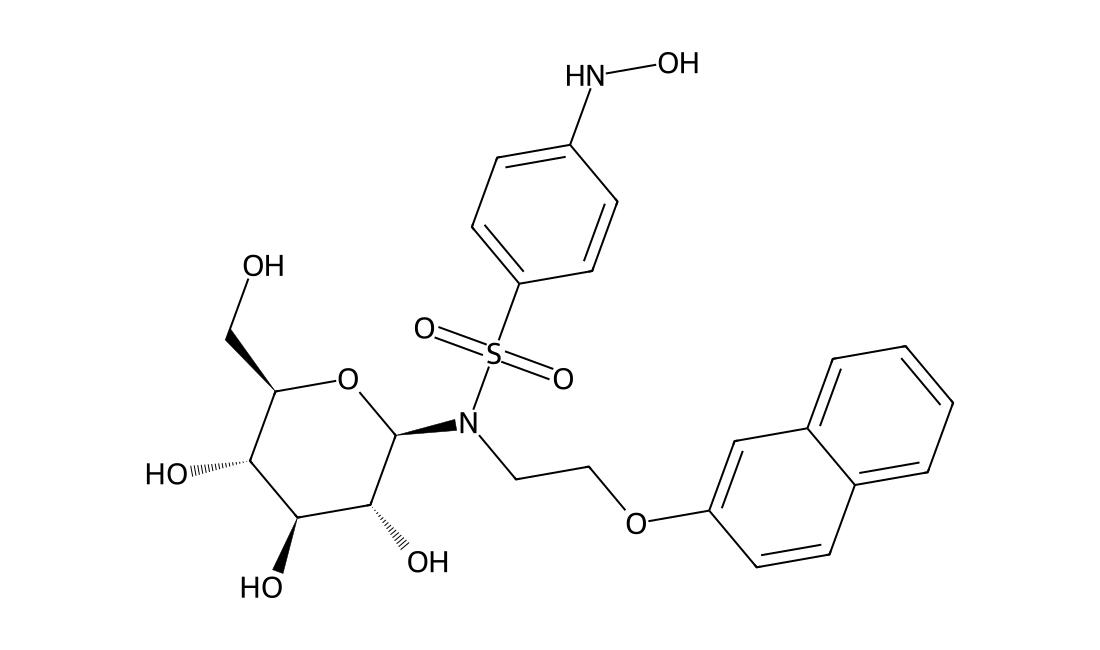
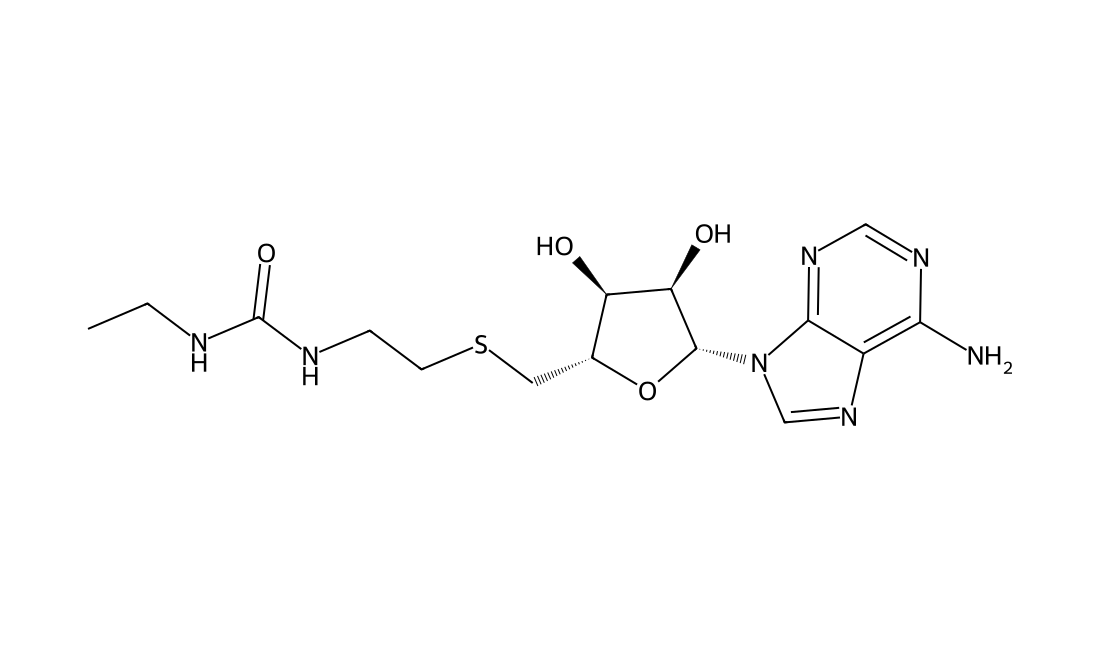
DS-437 is a potent, selective, dual inhibitor of PRMT5 and PRMT7 with IC50 of 6.0 uM for both, DS-437 is inactive against 29 other human protein-, DNA-, and RNA-methyltransferases; inhibits methylation of full-length histone 4 by PRMT5-MEP50 with an IC50 of 37 ± 1.2 μM in a biochemical assay; inhibits symmetrical dimethylation of PRMT5 substrates in cells.

DS-437 chemical structure
DC26191

DS18561882

CAS 2227149-22-4

DS18561882 is a potent and isozyme-selective MTHFD2 inhibitor with GI50 of 140 nM, which also shows good oral pharmacokinetic profile.

DS18561882 chemical structure
DC11931

Alofanib

CAS 1612888-66-0

Alofanib (RPT835) is a potent and selective allosteric inhibitor of fibroblast growth factor receptor 2 (FGFR2). Anticancer activities[1]. Antiangiogenic Activity[2].

Alofanib chemical structure
DC10698

Amoscanate

CAS 100990-46-3

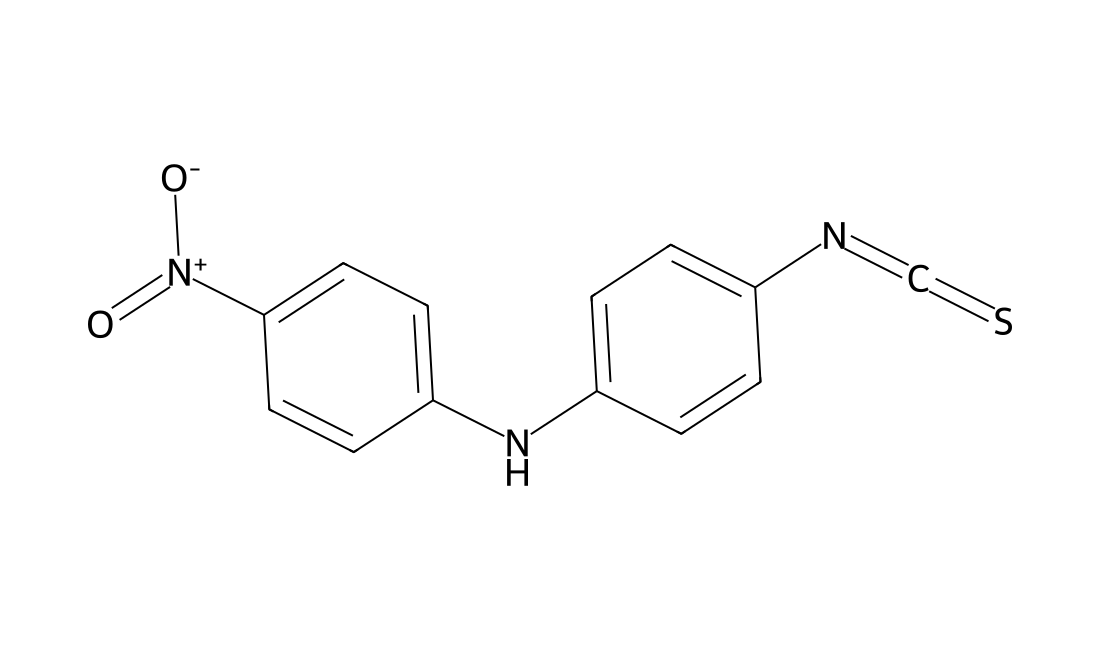
Amoscanate (cgp4540) is phenyl isothiocyanate in which the hydrogen at the para-position has been replaced by a 4-nitroanilinyl group. Amoscanate is an anti-schistosomal agent. Amoscanate, as an isothiocyanate compound and uncoupler of oxidative phosphorylation, potently injures rodent ependyma[1].

Amoscanate chemical structure
DC10556

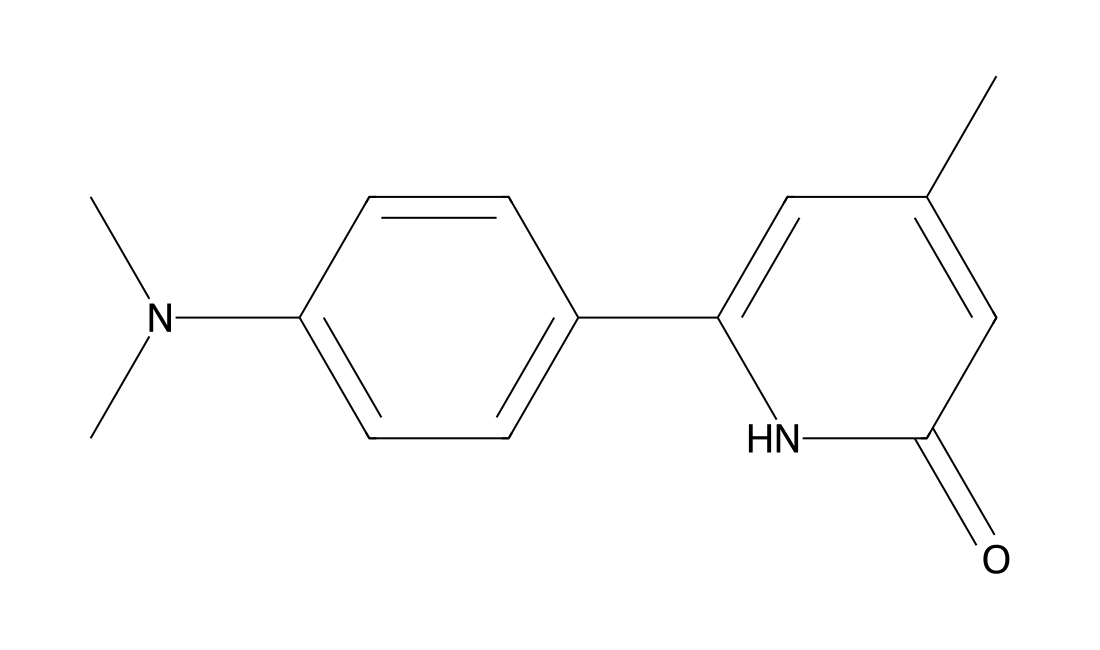
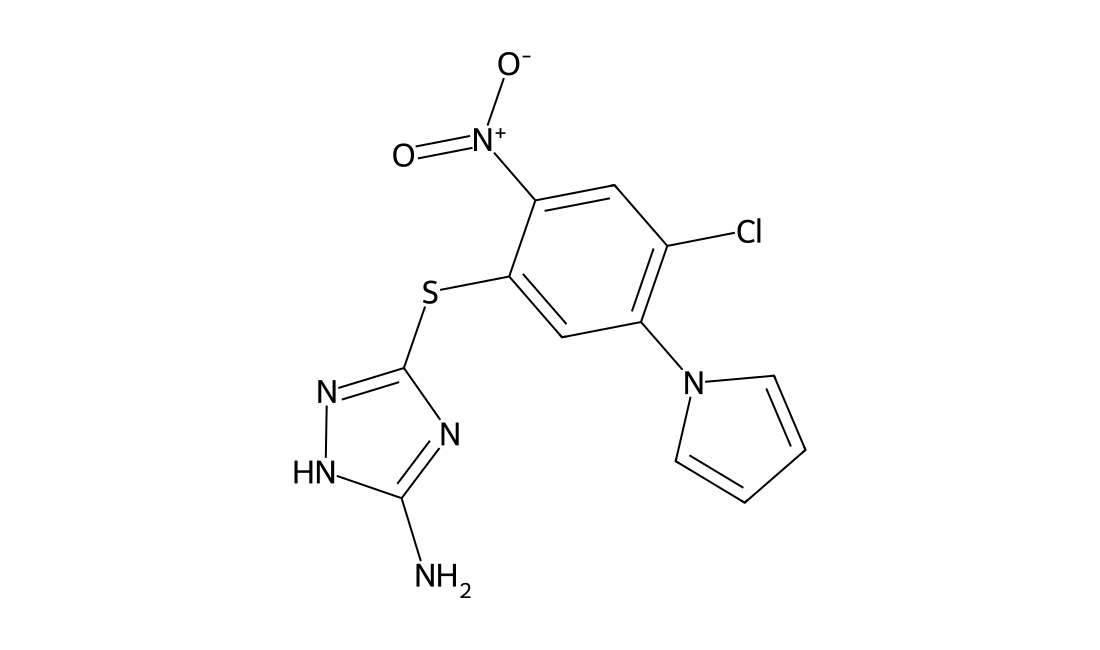
KY1220

CAS 292168-79-7

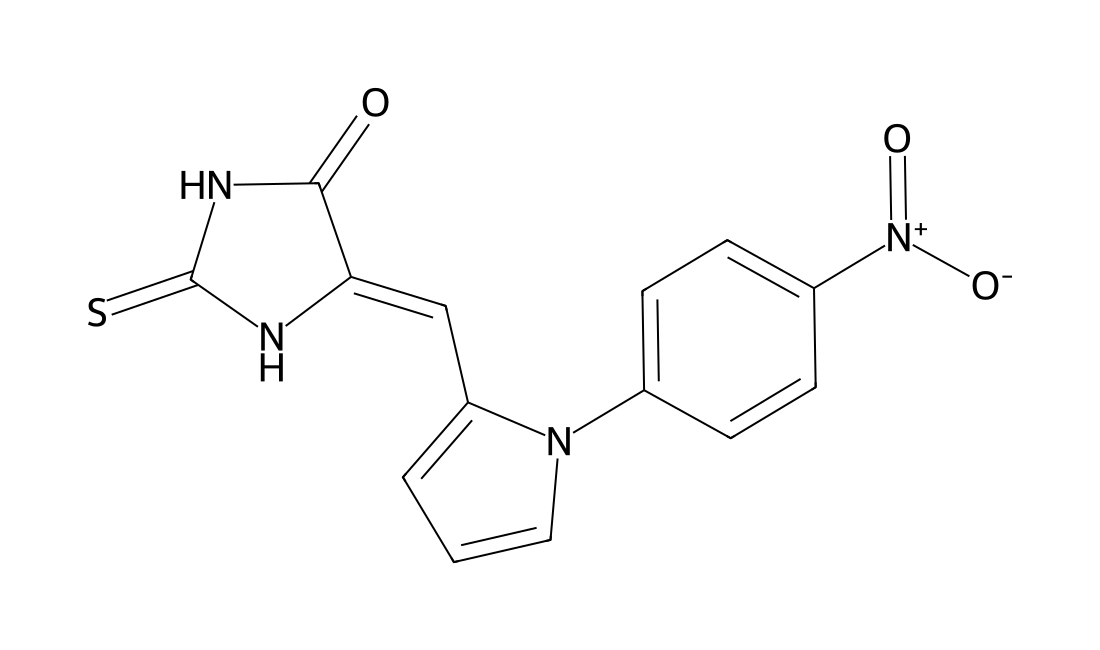
KY1220 is a compound that destabilizes both β-catenin and Ras, via targeting the Wnt/β-catenin pathway; with an IC50 of 2.1 μM in HEK293 reporter cells.

KY1220 chemical structure
DC23071

Epigoitrin

CAS 1072-93-1

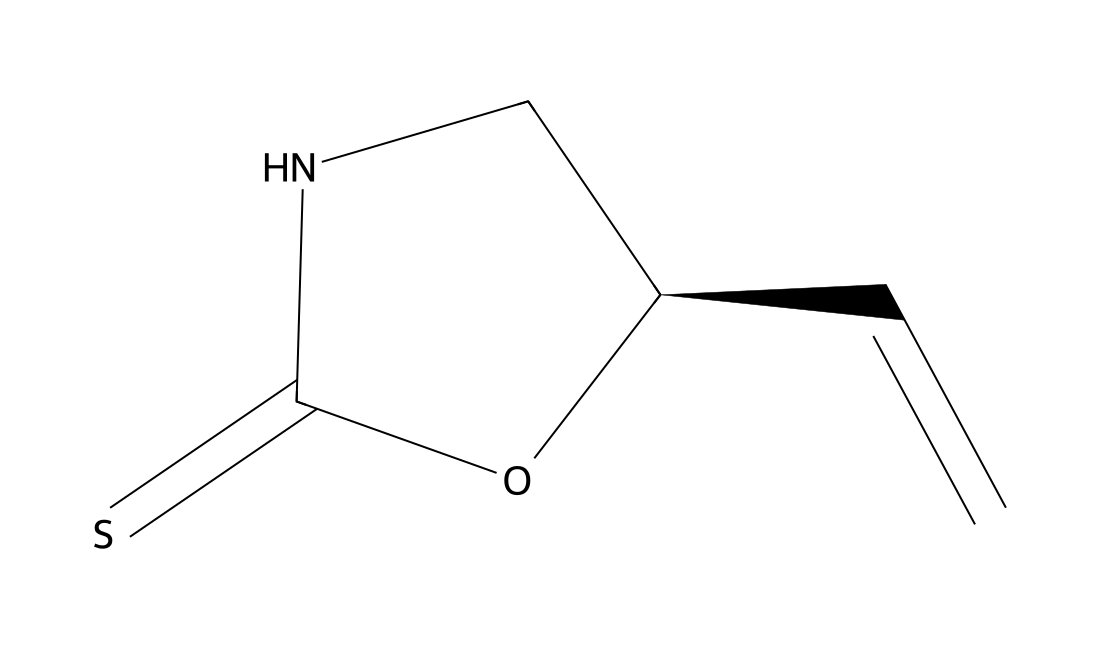
Epigoitrin is a natural alkaloid from Isatis indigotica, with antiviral activities. Epigoitrin reduces susceptibility to influenza virus via mitochondrial antiviral signaling[1][2].

Epigoitrin chemical structure
DC8597

Gdc-0152

CAS 873652-48-3

GDC-0152 is a potent inhibitor of IAPs which binds to the XIAP BIR3 domain, the BIR domain of ML-IAP, and the BIR3 domains of cIAP1 and cIAP2 with Ki values of 28, 14, 17, and 43 nM, respectively.

Gdc-0152 chemical structure
DC9532

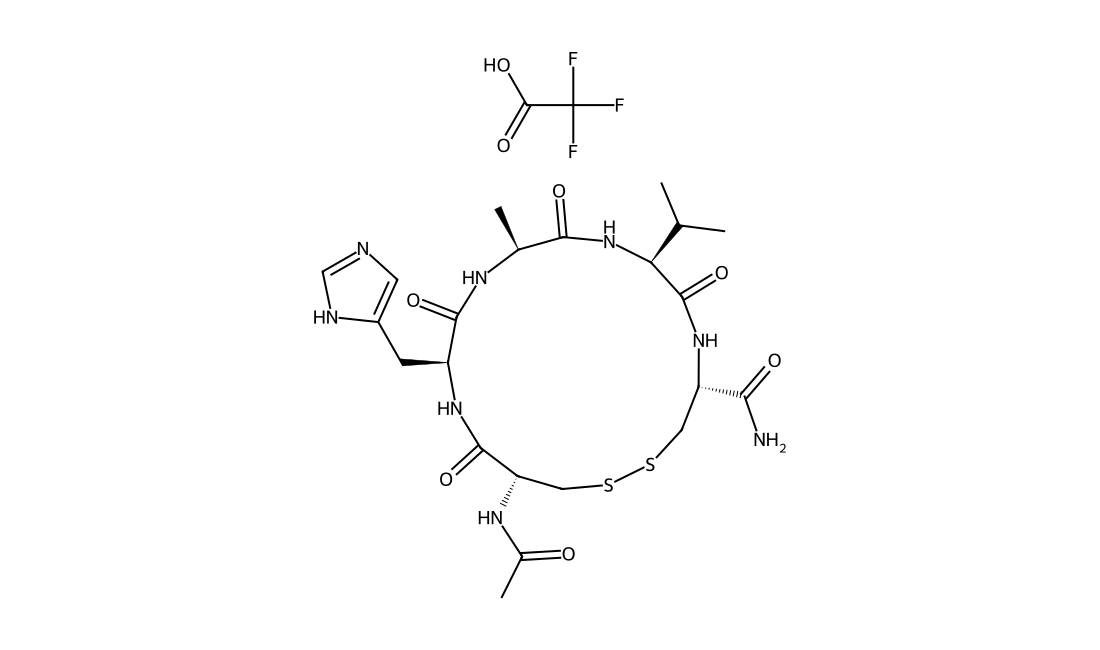
ADH-1 trifluoroacetate

CAS 1135237-88-5

Exherin (ADH-1) trifluoroacetate is a small, cyclic pentapeptide vascular-targeting agent with potential antineoplastic and antiangiogenic activities; selectively and competitively binds to and blocks N-cadherin. ADH-1 selectively and competitively binds to and blocks N-cadherin, which may result in disruption of tumor vasculature, inhibition of tumor cell growth, and the induction of tumor cell and endothelial cell apoptosis. N-cadherin, a cell- surface transmembrane glycoprotein of the cadherin superfamily of proteins involved in calcium-mediated cell-cell adhesion and signaling mechanisms; may be upregulated in some aggressive tumors and the endothelial cells and pericytes of some tumor blood vessels.
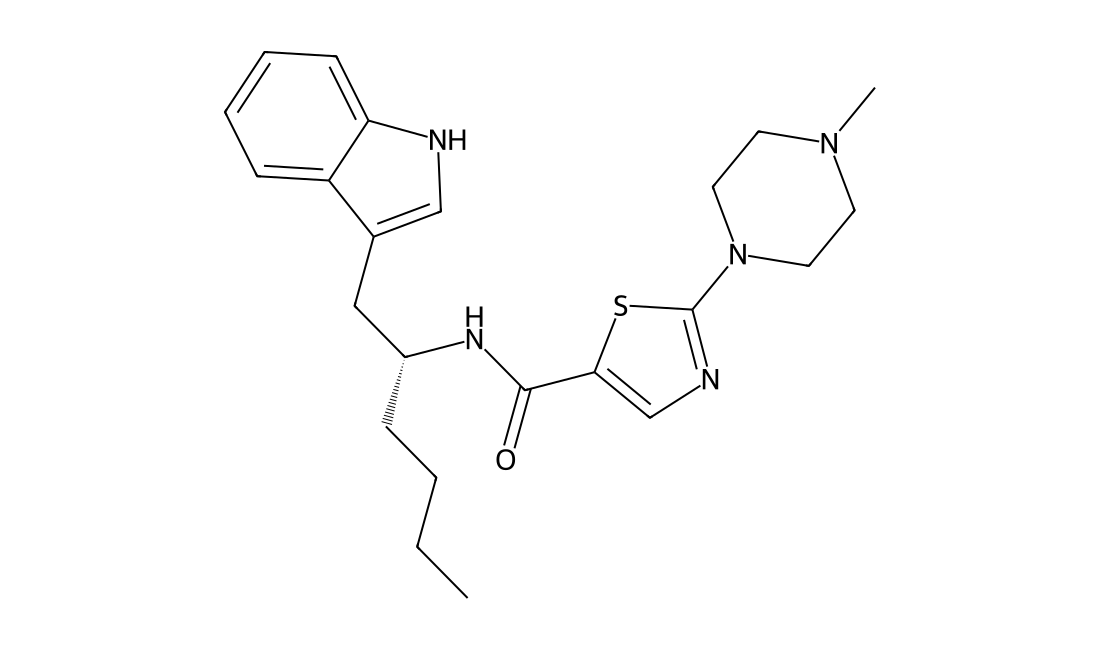
ADH-1 trifluoroacetate chemical structure
DC60046

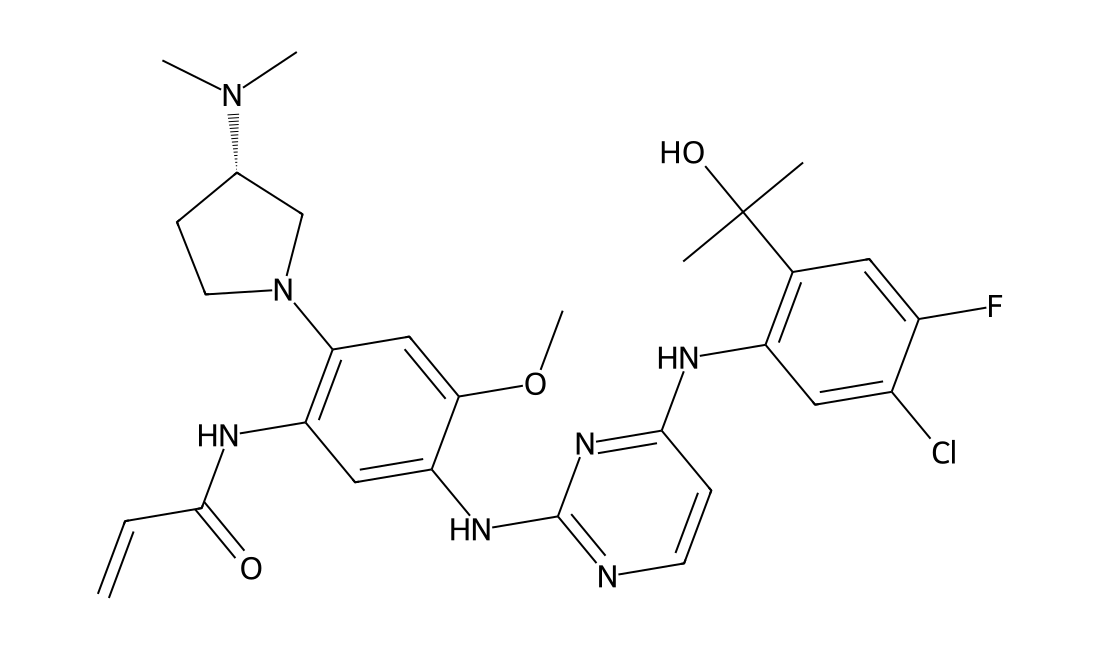
(S)-Sunvozertinib

CAS 2370013-49-1

(S)-Sunvozertinib ((S)-DZD9008), the S-enantiomer of Sunvozertinib, shows inhibitory activity against EGFR exon 20 NPH and ASV insertions, EGFR L858R/T790M mutation and Her2 exon20 YVMA insertion (IC50=51.2 nM, 51.9 nM, 1 nM, and 21.2 nM, respectively).

(S)-Sunvozertinib chemical structure
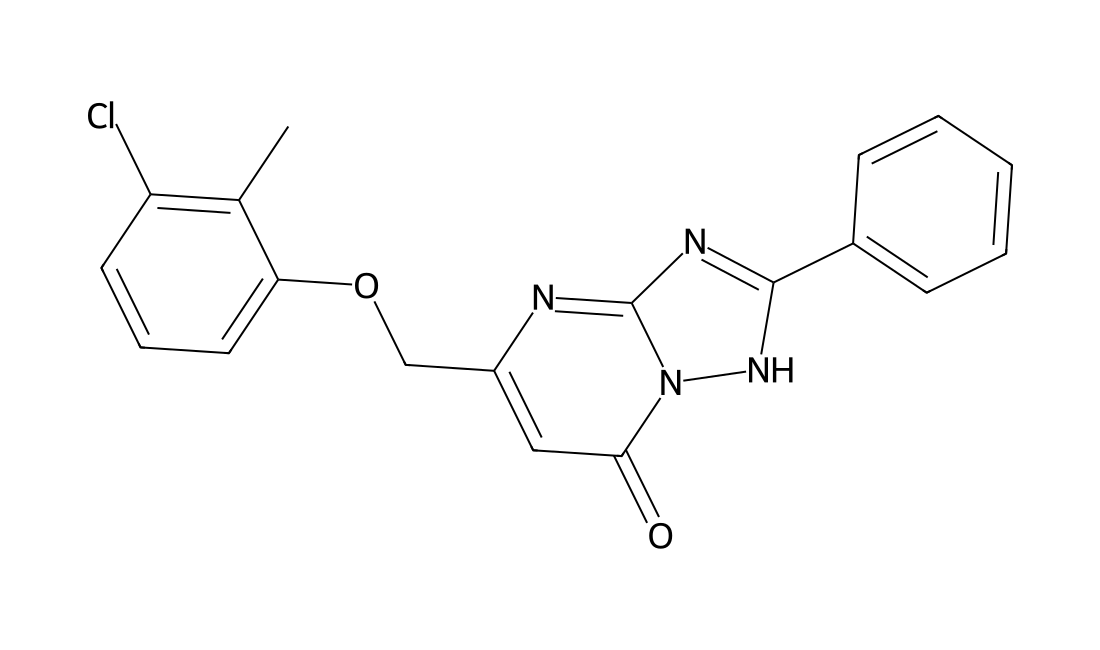
DC40141

BDP-13176

CAS 2290660-61-4

BDP-13176 is a potent fascin 1 inhibitor, with a Kd of 90 nM and an IC50 of 240 nM. BDP-13176 has potential as an anti-metastatic agent.

BDP-13176 chemical structure
DC21565

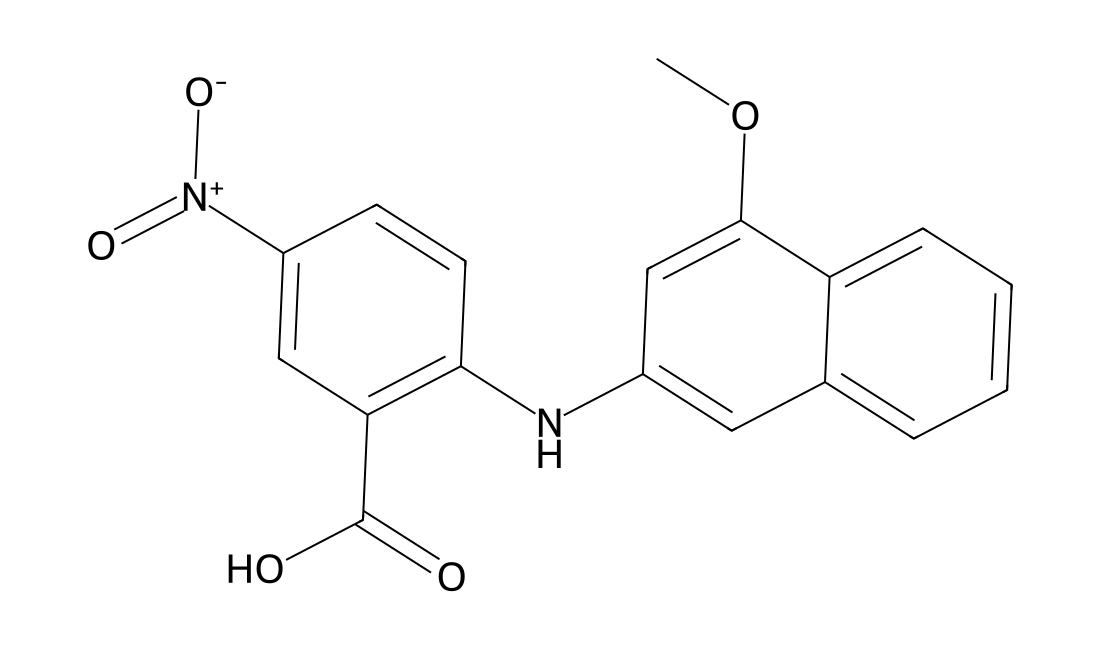
RH01687

CAS 302901-13-9

RH01687 is a small molecule that protect pancreatic β cells against endoplasmic reticulum stress-induced cell death; increases the survival of human primary β cells and rodent β cell lines subjected to ER stressors including palmitate; also restores ER stress-impaired glucose-stimulated insulin secretion responses.
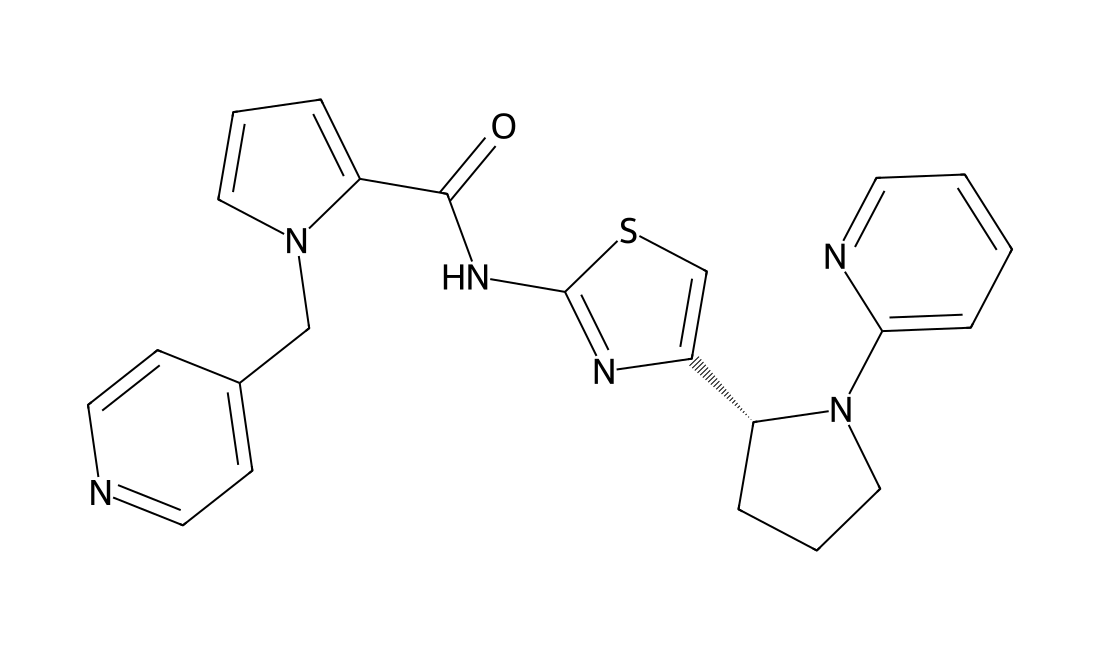
RH01687 chemical structure
DC29158

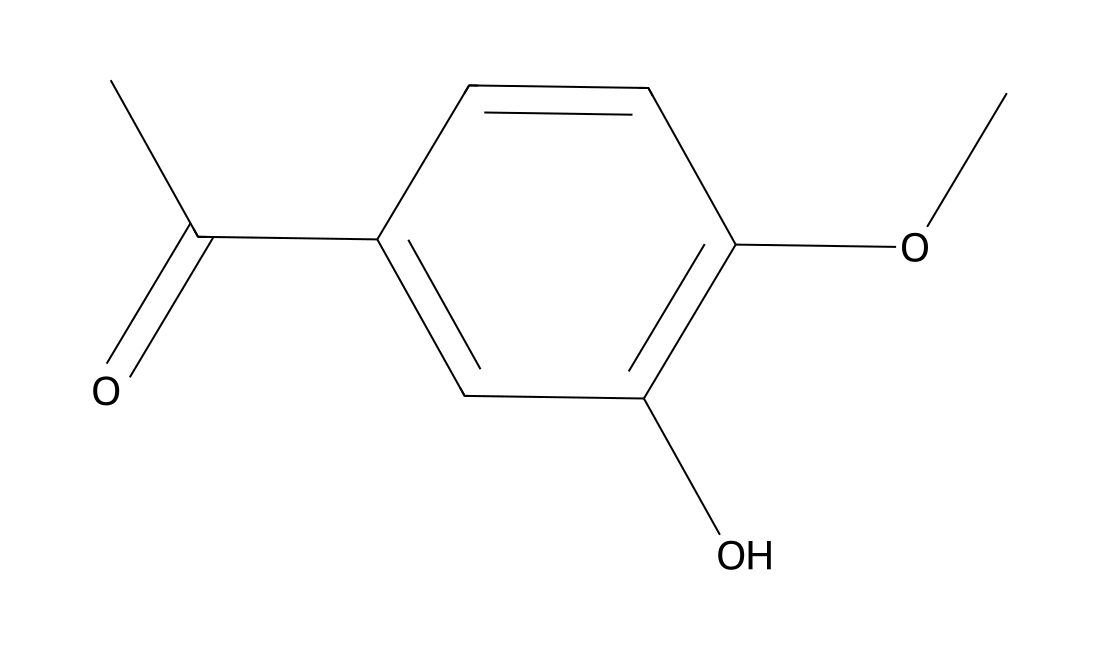
3-Hydroxy-4-methoxyacetophenone

CAS 6100-74-9

3-Hydroxy-4-methoxyacetophenone(Acetoisovanillone; Isoacetovanillone) is an active compound isolated from P. spinosa. Isoacetovanillone possesses anti-inflammatory activity and prevented injuries due to administration of acetic acid in the colon[1].
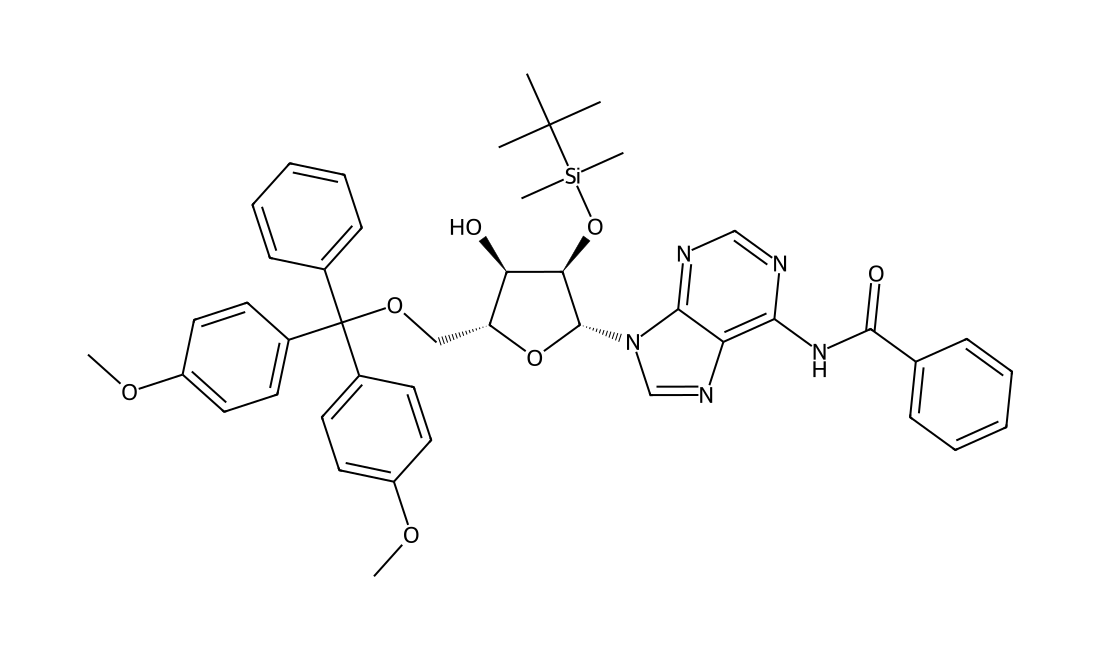
3-Hydroxy-4-methoxyacetophenone chemical structure
Browse target & topic index A–Z (366)
11β-HSD (1)15-PGDH (2)5-HT Receptor (16)Acetyl-CoA Carboxylase (ACC) (3)Acetylcholinesterase (AChE) (2)Ack1 (TNK2) (1)Acyltransferase (1)ADC Cytotoxin (6)ADCs Linker/Click Chemistry (5)Adenosine Receptor (9)Adenylate Cyclase (2)Adrenergic Receptor (11)Akt (12)Alcoholism (2)Aldehyde Dehydrogenase (ALDH) (6)Allergy (5)Alzheimer Disease (13)Aminopeptidase (1)AMPK (8)Amyloids (4)Anaplastic Lymphoma Kinase (ALK) (9)Androgen Receptor (AR) (11)Anemia (4)Angiotensin Receptor (4)Antibody/Protein labeling dyes (1)Antifolate (2)Anxiety (1)Apoptosis Inducer (3)Arginase (1)Arp2/3 complex (1)Aryl hydrocarbon Receptor (AhR) (1)Asthma (5)Atherosclerosis (2)ATM/ATR (8)Aurora Kinase (10)Autophagy (6)Autophagy-related Protein (Atg) (2)Autotaxin (2)Bacterial (26)Bacterial Infection (17)Bcl-2 (14)Bcr-Abl (5)BCRP (1)Beta-catenin (4)Beta-secretase (BACE) (4)Blood Cancer (91)BMI-1 (1)Bone Cancer (6)Brain Cancer (6)Breast Cancer (30)Bromodomain (22)BTK (10)c-Fms (CSF1R) (5)c-Fos/AP-1 (1)c-Kit (6)c-Met (HGFR) (11)c-Myc (2)Calcium Channel (4)Calcium-sensing Receptor (CaSR) (1)CaMK (4)Cannabinoid Receptor (6)Carbonic Anhydrase (1)Carboxypeptidase (1)Casein Kinase (6)Caspase (4)Cathepsin (6)Cdc2-like Kinase (CLK) (1)CETP (2)CFTR (7)Checkpoint Kinase (Chk) (8)Chemokine Receptor (CCR and CXCR) (14)Chemotherapeutic Agents (19)Chloride Channel (1)CMV (2)CMV Infection (2)Colon Cancer (9)Complement System (1)COPD (3)CREB/CBP (2)CRF Receptor (2)CRISPR/Cas9 (1)Cushing Disease (1)Cyclin-dependent Kinase (CDK) (39)Cyclooxygenase (COX) (4)Cytochrome P450 (CYPs) (5)Depression (2)Dermatitis (2)Deubiquitinase (DUB) (7)Diabetes (20)Dipeptidyl Peptidase (DPP) (3)Discoidin Domain Receptor (DDR) (1)DNA Alkylator/Crosslinker (10)DNA Methyltransferase (DNMT) (1)DNA Repair Protein (1)DNA-PK (2)DNA/RNA Synthesis (5)Dopamine beta-hydroxylase (1)Dopamine Receptor (7)Drug Metabolite (1)Drug-Linker Conjugates (11)Dyes (4)DYRK (1)Dyslipidemia (9)E3 Ligase Ligand (6)E3 Ligase Ligand-Linker Conjugate (1)E3 Ubiquitin Ligase (4)Ebola Virus Infection (1)EGFR (32)Elastase (2)Endothelin Receptor (5)Enzymes substrates (13)Epigenetic Reader Domain (3)Epilepsy (4)ERK (4)Estrogen Receptor/ERR (13)Eukaryotic Initiation Factor (eIF) (2)Exportin-1 (CRM1,XPO1) (2)FABP (1)Factor Xa (5)Farnesoid X Receptor (FXR) (5)Farnesyl transferase (FTase) (1)Ferroptosis (6)FGFR (15)Fibrosis (5)FLT3 (6)Focal Adhesion Kinase (FAK) (11)Foxo1 (1)Free Fatty Acid Receptor (FFAR) (5)Fungal (2)Fungal Infection (1)GABA Receptor (13)Galectin (1)Gastric Cancer (8)Ghrelin Receptor (GHSR) (3)Glucagon Receptor (4)Glucokinase (2)Glucose Transporter (GLUT) (2)Glutamate Transporter (2)GPCR (1)GPER (GPR30) (1)GPR139 (1)GPR183 (EBI2) (2)GPR39 (1)GPR55 (1)GPR84 (1)GRK (GPCRK) (2)Growth Hormone Deficiency (2)GSK-3 (8)Guanylate Cyclase (3)HBV (1)HBV Infection (1)HCN Channel (2)HCV (8)HCV Infection (9)HDAC (38)Heart Arrhythmia (2)Heart Failure (5)Heat Shock Protein (HSP) (15)Hedgehog (Hh) (1)HIF/HIF Prolyl-hydroxylase (8)Histamine Receptor (6)Histone Acetyltransferase (HAT) (5)Histone Demethylase (11)Histone Methyltransferase (HMTase) (31)HIV (12)HIV Infection (11)HMG-CoA Reductase (HMGCR) (3)HSV (1)HSV Infection (1)Hypercholesterolemia (1)Hyperparathyroidism (1)Hypertension (8)IAP (1)IGF-1R (3)iGluR (15)Indoleamine 2,3-Dioxygenase (IDO) (4)Infection (1)Influenza (6)Influenza Virus (6)Insulin Receptor (2)Integrin (6)Interleukin Receptor (1)IRAK (2)IRE1 (4)Irritable Bowel Syndrome (2)Ischemia (1)Isocitrate Dehydrogenase (IDH) (5)ITK (1)IκB kinase (IKK) (7)JAK (32)JNK (3)Keap1-Nrf2 (6)Kidney Cancer (10)Kinesin (5)Kruppel-like Factor (KLF) (1)Kynurenine 3-Monooxygenase (KMO) (1)Leukotriene Receptor (1)LIM Kinase (LIMK) (3)Lipids fragment (1)Liver Cancer (6)Liver X Receptor (LXR) (3)LRRK2 (9)Lung Cancer (39)Lysophospholipid Receptor (12)LYTACs (3)mAChR (9)MALT1 (2)MAP4K (1)Matrix Metalloproteinase (MMP) (10)MDM2-p53 (9)MEK (MAP2K) (14)MEKK (MAP3K) (1)Melanocortin Receptor (2)MELK (1)mGluR (7)MicroRNA (1)Microtubule/Tubulin (5)Mineralocorticoid Receptor (MLR) (1)MITF (1)Mixed Lineage Kinase (MLK) (3)MNK (2)Molecular Glues (13)Monoamine Transporter (5)Monocarboxylate Transporter (MCT) (1)Monopolar Spindle 1 (Mps1/TTK) (3)mTOR (13)Multiple Sclerosis (6)Myosin (1)Na-K-Cl Cotransporter (NKCC) (2)nAChR (2)NADPH Oxidase (NOX) (2)NAMPT (3)Natural products (37)Neprilysin (1)Neurokinin Receptor (3)Neuropeptide Y Receptor (3)NF-κB (5)Nitric Oxide Synthase (NOS) (1)NOD-like Receptor (NLR) (3)Notch (2)Nucleoside Antimetabolite/Analog (10)Nur77 (NR4A1) (1)Obesity (1)Oct3/4 (1)Opioid Receptor (5)Orexin Receptor (7)Osteoporosis (2)Ovarian Cancer (14)Oxytocin Receptor (OXTR) (2)P-glycoprotein (P-gp) (3)p21-activated Kinase (PAK) (1)P2X Receptor (2)P2Y Receptor (1)p38 MAPK (10)p97/VCP (1)Pain (12)Pancreatic Cancer (10)Parasite (5)Parasite Infection (2)Parkinson Disease (2)PARP (19)PCSK9 (1)PD-1/PD-L1 (4)PDGFR (4)PDK1 (2)PEGn (1)PERK (2)PGE synthase (2)Phosphodiesterase (PDE) (9)Phospholipase (4)PI3K (32)PI4K (2)Piezo Channel (1)PIKfyve (3)Pim (9)PKC (12)PKD (1)Plasminogen Activator Inhibitor-1 (PAI-1) (3)Polo-like Kinase (PLK) (4)Porcupine (3)Potassium Channel (13)PPAR (13)Pregnane X Receptor (PXR) (1)Progesterone Receptor (2)Prostaglandin Receptor (11)Prostate Cancer (7)PROTACs (35)Protease-activated Receptor (PAR) (3)Proteasome (12)Protein Disulfide Isomerase (PDI) (1)Protein Phosphatase/PTP (6)Proton Pump (1)Psoriasis (5)RAD51 (1)Radioligand precursors (15)Raf (18)RAR/RXR (3)Ras (17)Renin (2)RET Tyrosine Kinase (c-RET) (3)Rheumatoid Arthritis (16)Ribosomal S6 Kinase (RSK) (5)RIG-I-like Receptor (RLR) (2)RIP kinase (7)ROCK (12)ROR (2)RSV (4)RSV Infection (3)RUNX1-CBFβ (1)S-nitrosoglutathione reductase (GSNOR) (1)Saccharides and Glycosides (1)Salt Inducible Kinase (SIK) (2)SARS-CoV (16)SARS-CoV Infection (34)Schizophrenia (4)Sexual Dysfunction (1)SGLT (4)Sigma Receptor (4)Sirtuin (9)Skin Cancer (13)Sleep Disorder (7)SMN2 Modulator (1)Smoothened (Smo) (9)Sodium Channel (12)Solid Tumors (35)Somatostatin Receptor (2)Sphingosine kinase (SphK) (2)Src (7)STAT (5)Stearoyl-CoA Desaturase (SCD) (1)Steatohepatitis (7)Sterol lipids (1)STING (14)Syk (6)T Cell Receptor (TCR) (1)TAK1 (2)TAM Receptor (Tyro3-Axl-Mer) (4)Taste Receptor (1)Telomerase (2)TGF beta Receptor (TGFBR) (12)Thrombin (3)Thrombosis (13)Thyroid Cancer (1)Thyroid Hormone Receptor (THR) (1)Thyrotropin Receptor (2)TNIK (1)Toll-like Receptor (TLR) (2)TOPK (1)Topoisomerase (11)TRAIL (1)Translocator Protein (TSPO) (1)Trk Receptor (4)TRP Channel (13)Tryptophan Hydroxylase (TPH) (1)Ubiquitin-activating Enzyme (E1) (2)Ubiquitin-conjugating Enzyme (E2) (2)Ulcer (1)ULK (3)Vasopressin Receptor (2)VEGFR (25)Vitamin D Receptor (VDR) (3)Wee1 (1)WNK Kinase (1)Wnt (5)Yes-associated Protein (YAP) (4)γ-secretase (5)

Cart

Request quotation