
Other Research Tools
Additional reagents, chemical building blocks and specialized research tools.
Browse all research categories
Browse by research category
Products may appear in more than one category. Counts refer to distinct catalog numbers within each category.
Kinases & Cell Signaling1,548 products →938 products →Epigenetics & Gene Regulation410 products →277 products →DNA Damage, Repair & Cell Cycle342 products →228 products →Cell Death & Autophagy233 products →117 products →Protein Degradation & Proteostasis252 products →178 products →Immunology & Inflammation515 products →297 products →Neuroscience793 products →363 products →GPCRs & Receptor Biology1,219 products →428 products →Ion Channels & Transporters373 products →196 products →Metabolism & Endocrinology697 products →404 products →Cardiovascular & Hematology264 products →141 products →Anti-infectives453 products →205 products →Cancer Research1,049 products →532 products →ADCs & Bioconjugation61 products →38 products →Probes & Assay Reagents150 products →82 products →Natural Products424 products →73 products →Cell Biology & Intracellular Transport181 products →61 products →
Other Research Tools (75) · Additional reagents, building blocks and specialized research tools.
Other Research Tools products
Combine a keyword, research category and target to narrow the product list.
Loading catalog filters…
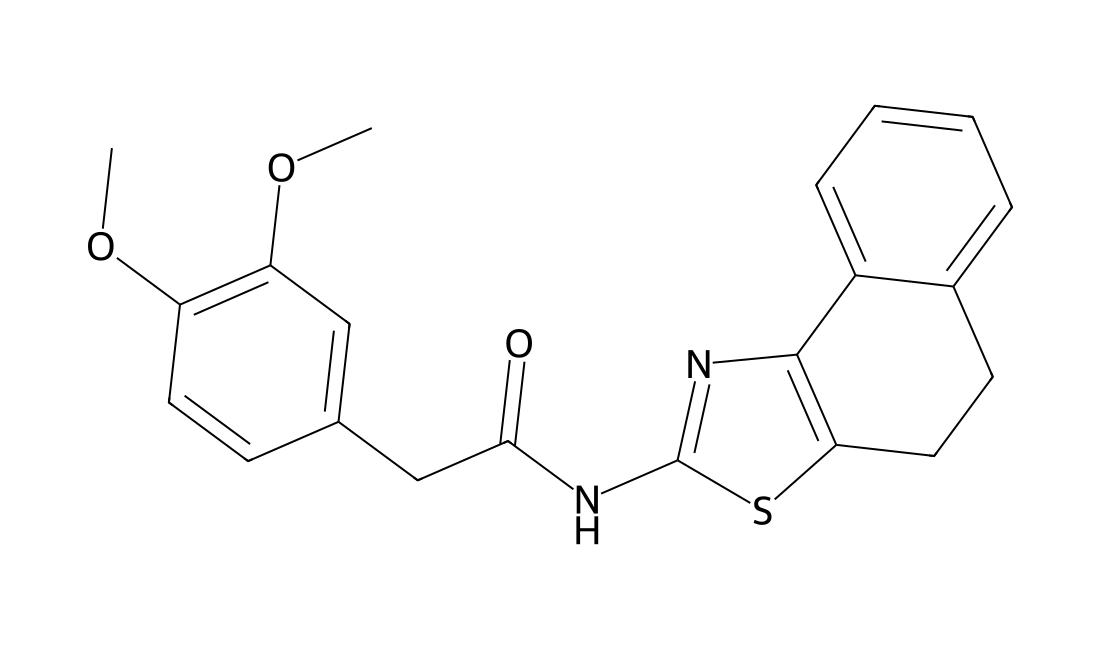
CC-11050
CAS 340019-69-4
Dovramilast (CC-11050) is a potent and orally active phosphodiesterase 4 (PDE4) inhibitor, CC-11050 is a promising candidate for host directed therapy of patients with pulmonary TB.
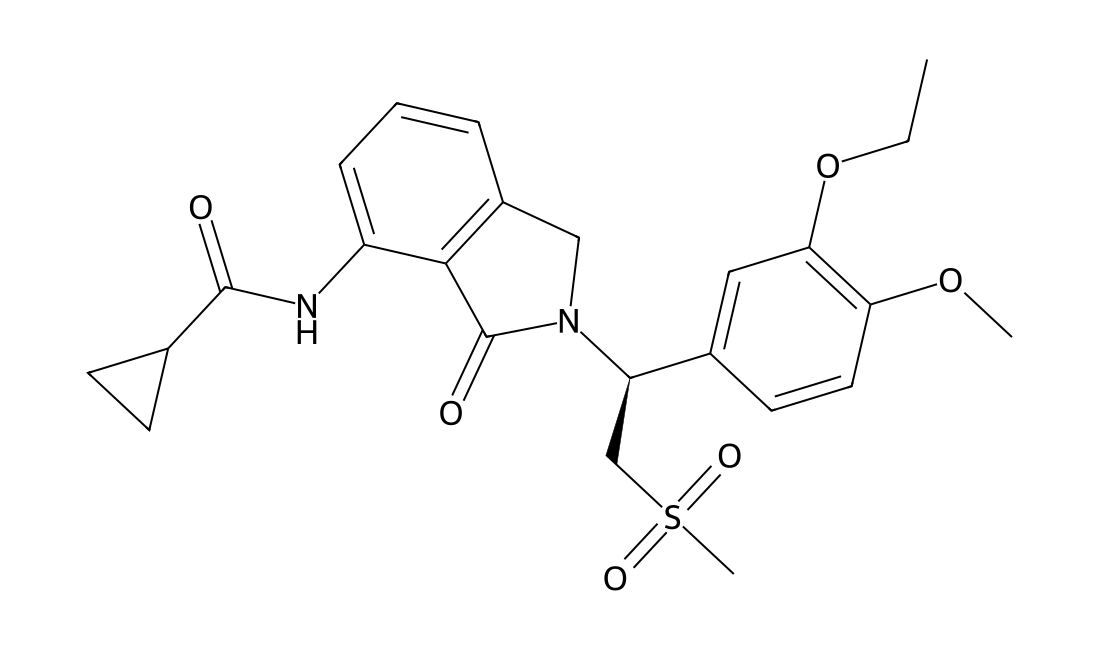
Tigulixostat
CAS 1287766-55-5
Tigulixostat is a novel (indolyl)heteroarylcarboxylate derivatives effective as non-purine selective xanthine oxidase inhibitor, which lowers the production of uric acid.
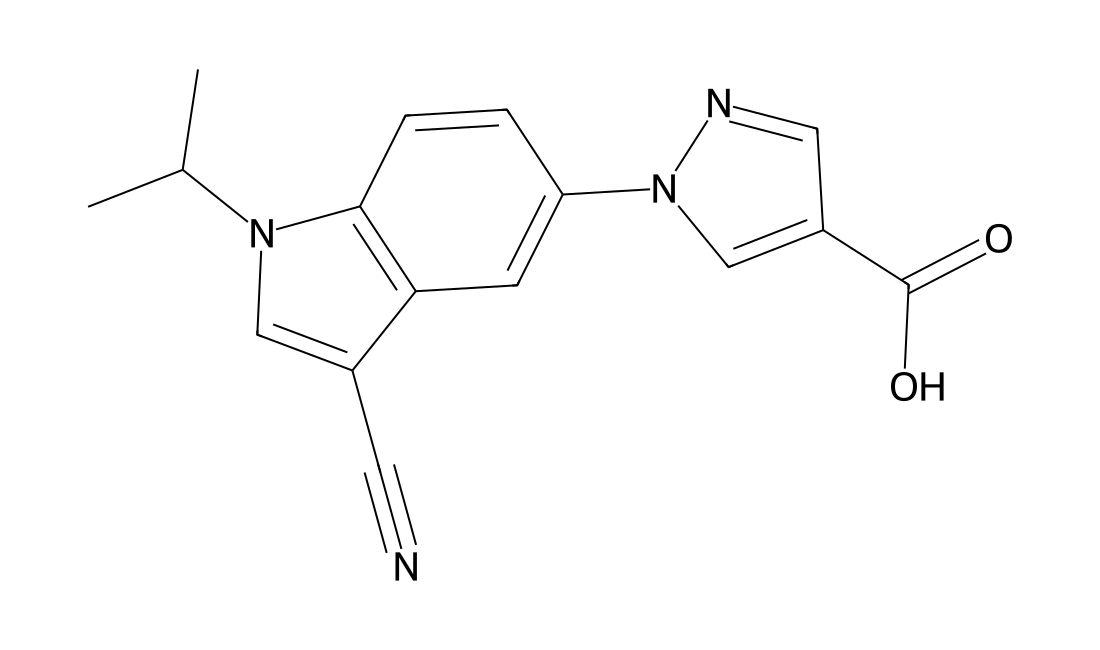
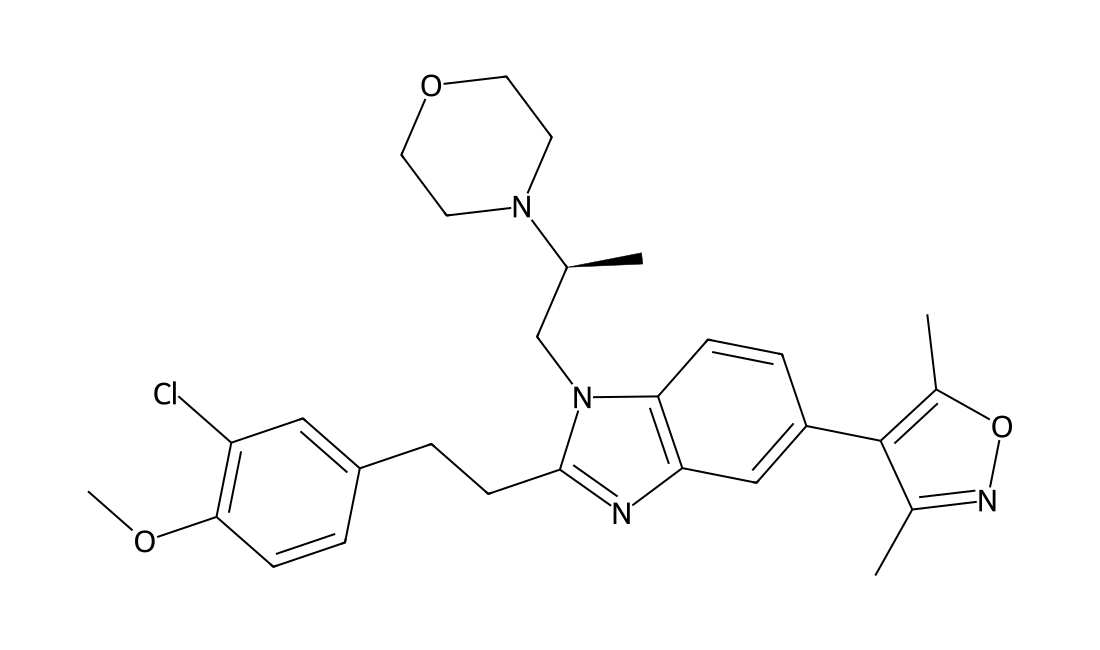
SGC-CBP30
CAS 1613695-14-9
As a CREBBP/EP300-selective chemical probe, SGC-CBP30 shows moderate cytotoxicity in U2OS cells and HeLa cells.For the detailed information of SGC-CBP30, the solubility of SGC-CBP30 in water, the solubility of SGC-CBP30 in DMSO, the solubility of SGC-CBP30 in PBS buffer, the animal experiment (test) of SGC-CBP30, the cell expriment (test) of SGC-CBP30, the in vivo, in vitro and clinical trial test of SGC-CBP30, the EC50, IC50,and Affinity of SGC-CBP30, Please contact DC Chemicals.
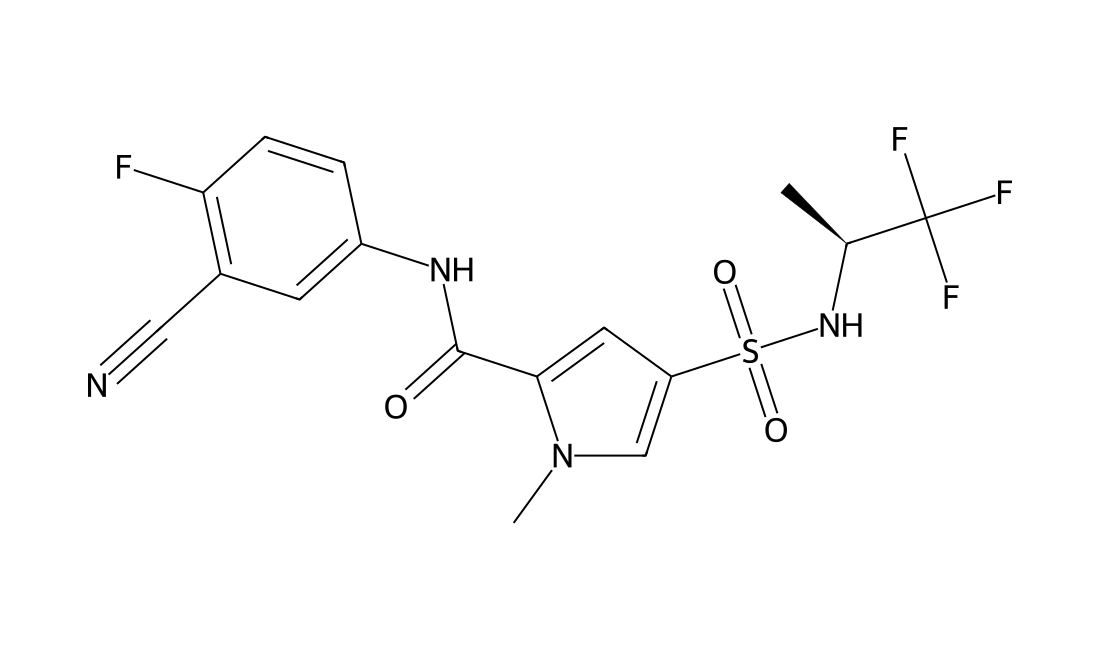
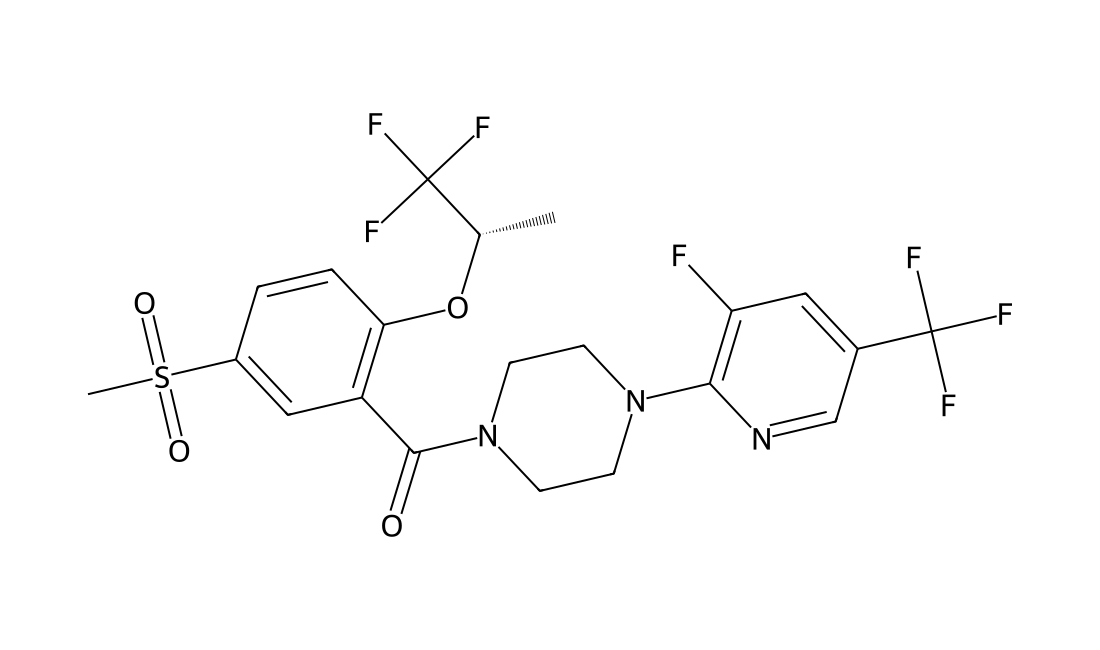
Bitopertin
CAS 845614-11-1
Bitopertin, also known as RG1678, is a potent and selective inhibitor of GlyT1 with an EC50 of 30nM.
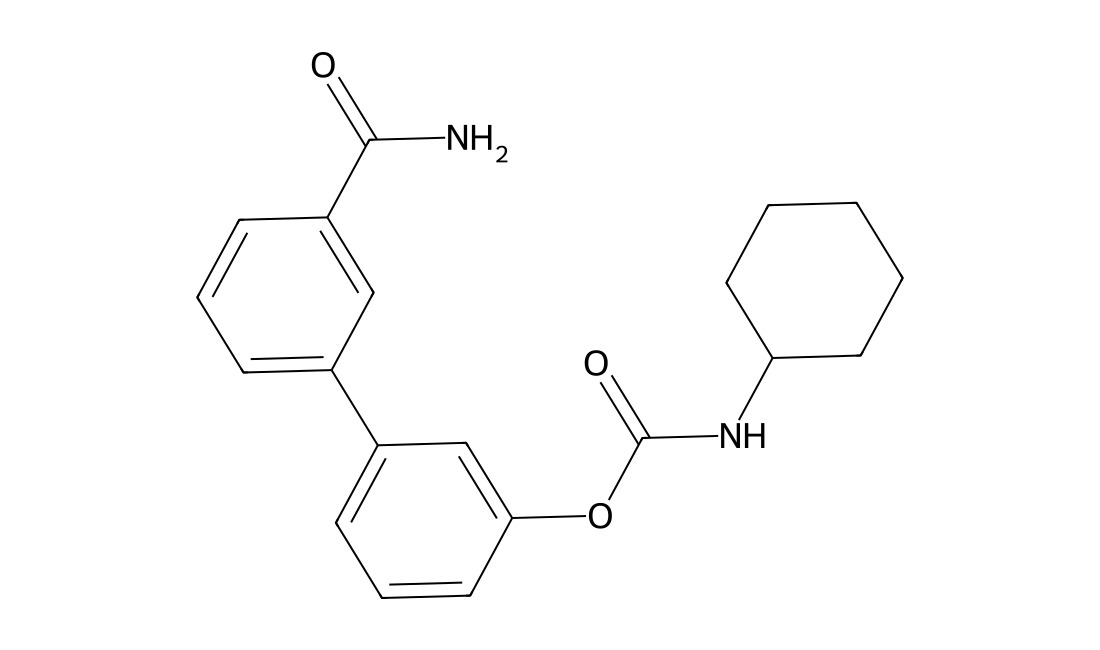
URB-597
CAS 546141-08-6
URB597 binds in the hydrophobic pocket and catalytic core of FAAH that connects the active site residues to the membrane surface of FAAH. URB597 inhibits FAAH activity in human liver microsomes with IC50 of 3 nM. URB597 reduces the expression of the LPS-induced enzymes cyclo-oxygenase 2 (COX-2) and inducible nitric oxide synthase (iNOS; NOS2) in primary rat microglial cell, with a concomitant reduction in the release of the inflammatory mediators prostaglandin E2 (PGE2) and (NO) nitric oxide. URB597 evokes Ca2+ entry in HEK293-F Cells transiently expressing human or rat TRPA1 gene. URB597 also activates Ca2+ entry in rat DRG neurons natively expressed TRPA1 channels. URB597 inhibits [3H]anandamide hydrolysis in rat brain membranes with a parallel increase in brain anandamide, OEA, and PEA content by inhibition of FAAH. URB597 enhances the hypothermia effect induced by ethanolamide by inhibiting FAAH. [5] When delivered intraperitonealy (0.3 mg/kg) URB597 reduces allodynia and hyperalgesia through cannabinoid CB1 and CB2 receptor-mediated analgesia in rats with inflammatory pain. [6] URB597 reduces the reduction in body weight gain and sucrose intake induced by the chronic mild stress in rats through inhibition of brain FAAH activity. [7] URB597 could reverse most depressive-like symptoms induced by adolescent THC exposure in femal rats. [8]For the detailed information of URB-597, the solubility of URB-597 in water, the solubility of URB-597 in DMSO, the solubility of URB-597 in PBS buffer, the animal experiment (test) of URB-597, the cell expriment (test) of URB-597, the in vivo, in vitro and clinical trial test of URB-597, the EC50, IC50,and Affinity of URB-597, Please contact DC Chemicals.
ML390
CAS 2029049-79-2
ML390 is a human DHODH Inhibitor That Induces Differentiation in Acute Myeloid Leukemia. ML390 bioactivity: ER-HOX-GFP (EC50 μM) = 1.8 ± 0.6; U937 (EC50 μM) = 8.8 ± 0.8; THP-1 (EC50 μM) = 6.5 ± 0.9; DHODH (IC50, μM) = 0.56 ± 0.1. ML390 may offer insight into the mechanism of overcoming differentiation arrest, and will translate into a starting point for a much-needed new and potent treatment for patients with acute myeloid leukemia. Inhibitors of dihydroorotate dehydrogenase (DHODH) showed activity to induce differentiation in multiple animal models of AML in vitro and in vivo. DHODH inhibitors demonstrated effective at prolonging survival in animal models of leukemia.
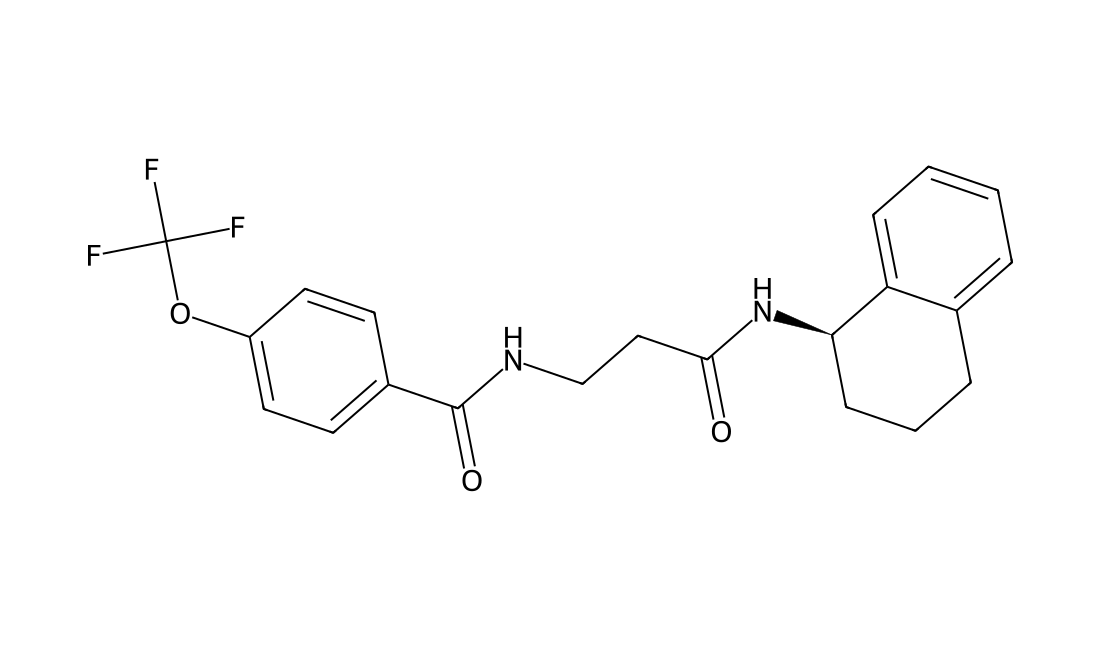
NITD-2
CAS 1197896-79-9
NITD-2, a dengue virus (DENV) polymerase inhibitor, inhibits the DENV RdRp-mediated RNA elongation. NITD-2 penetrates cell membrane poorly.
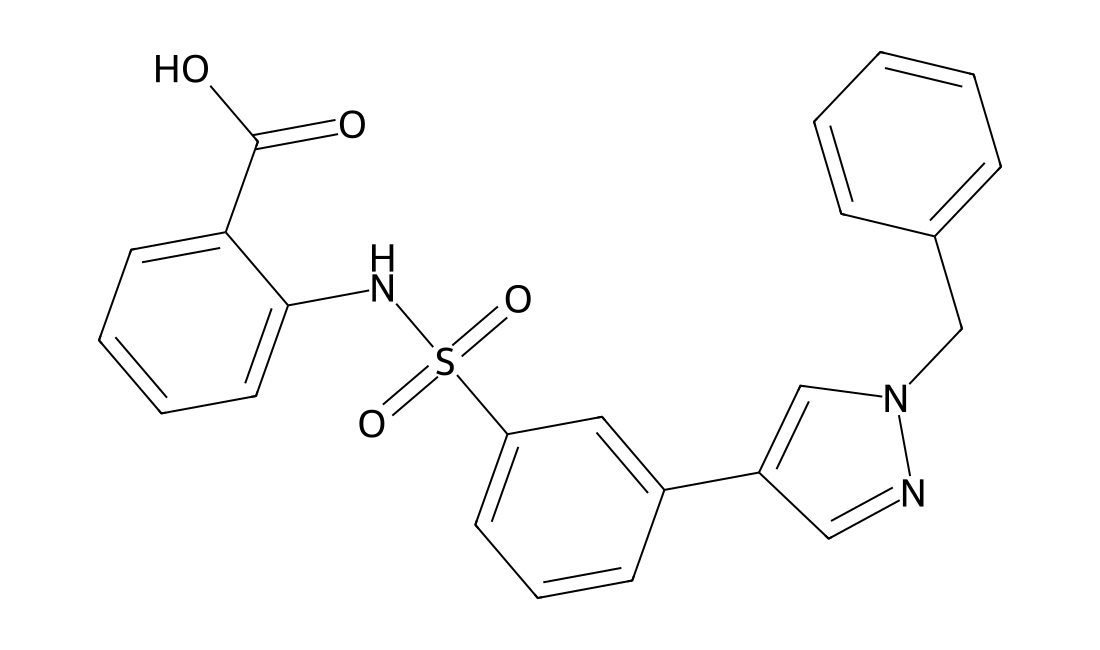
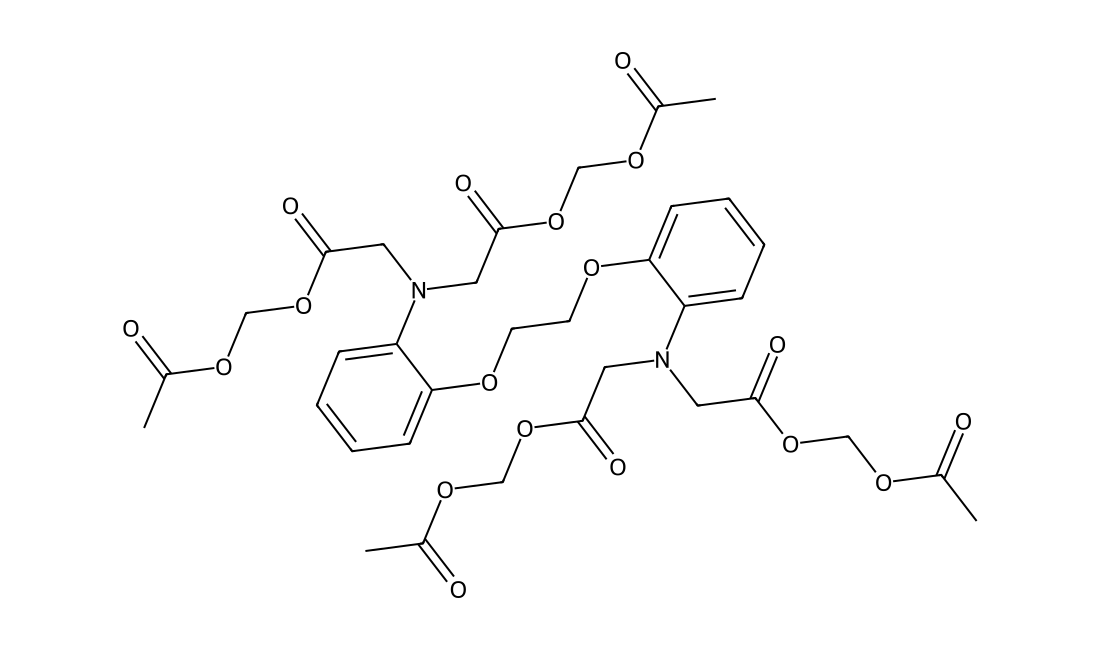
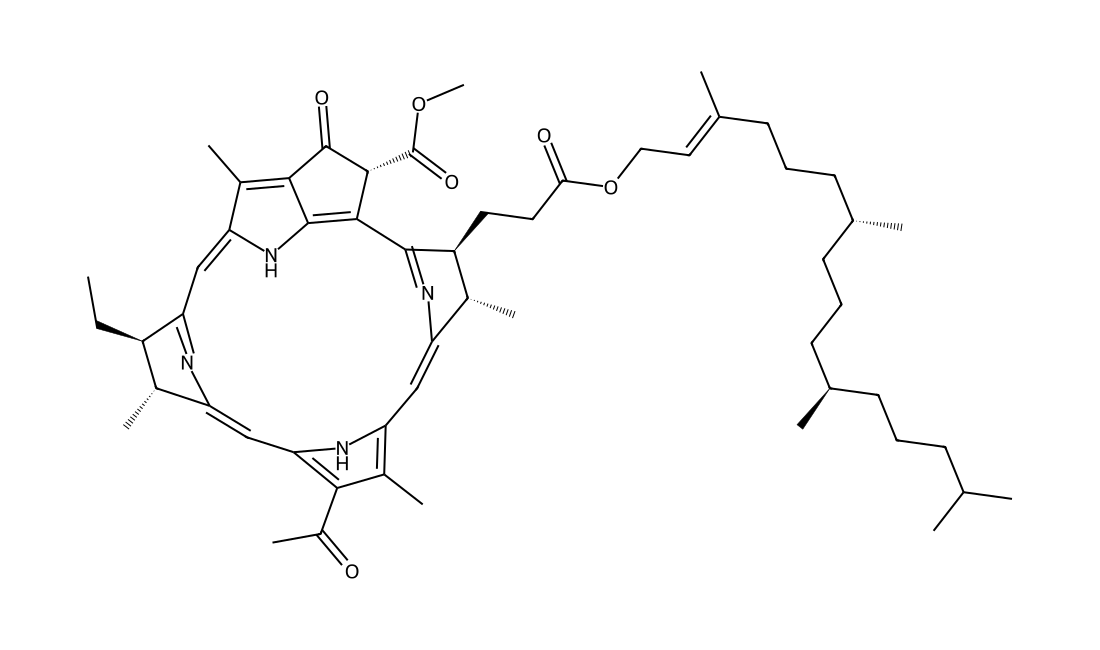
Bacteriopheophytin
CAS 17453-58-6
Bacteriopheophytin, also known as Bacteriopheophytin a, is a Pigment which is the degradation product of bacteriochlorophyll.
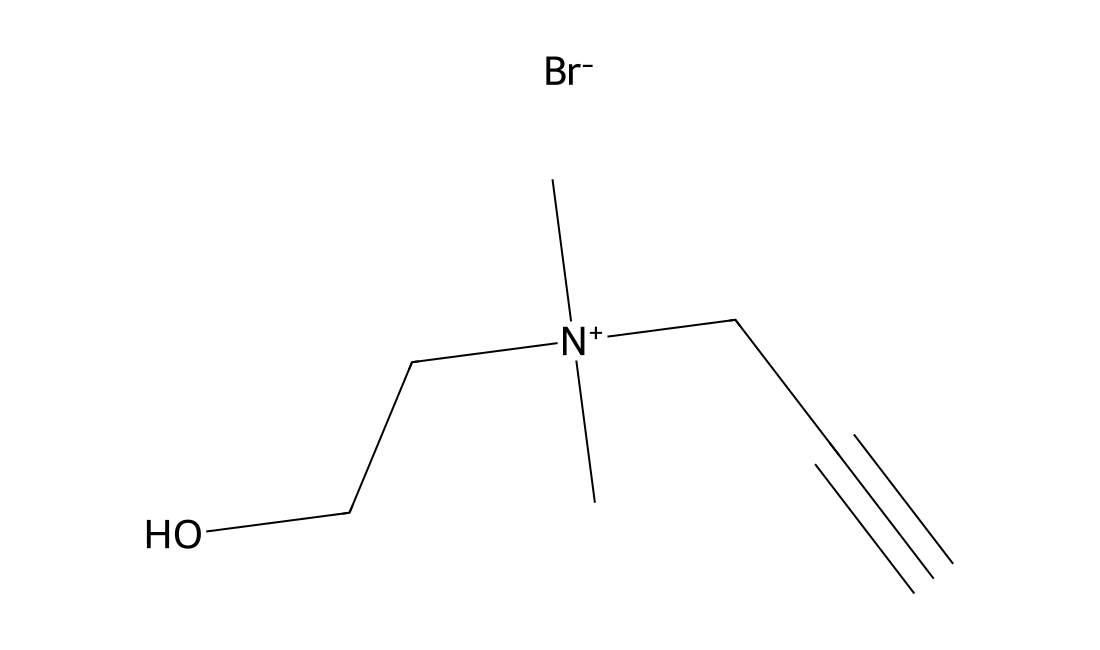
Propargylcholine bromide
CAS 111755-76-1
Propargylcholine bromide is a choline analogue containing terminal propargyl that can be incorporated into all classes of Choline-containing phospholipids such as phosphatidylcholine and sphingomyelin, labeling Choline-containing phospholipids. Propargylcholine bromide-labeled phospholipid molecules can be visualized in cells with high sensitivity and spatial resolution.
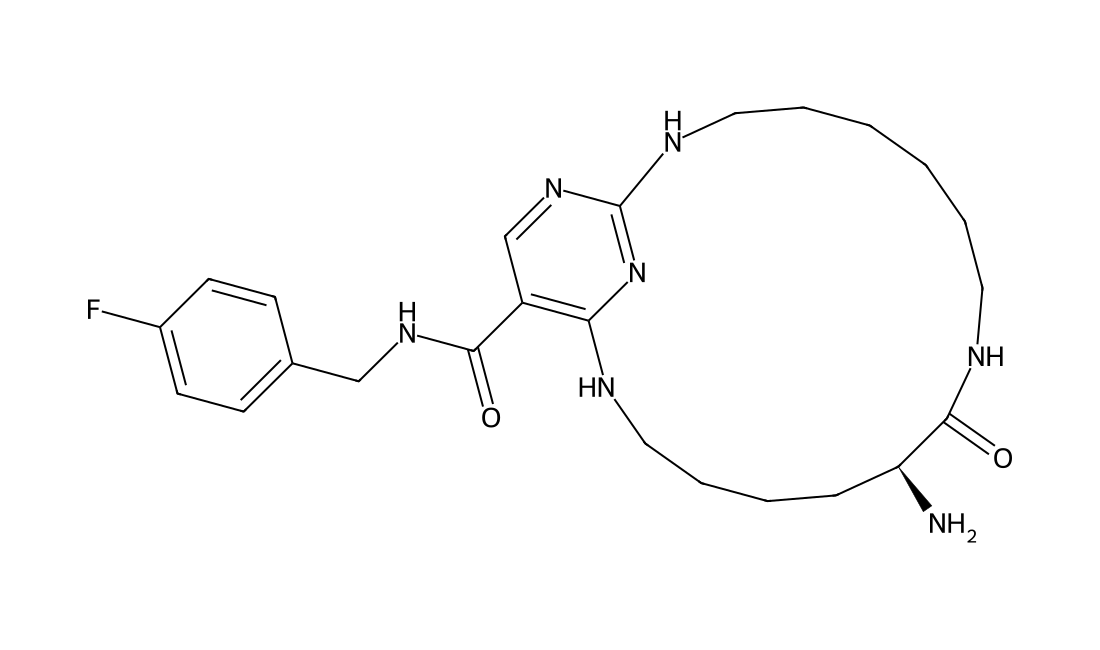
UNC2541
CAS 1612782-86-1
UNC2541 is a potent and MerTK-specific inhibitor that exhibits sub-micromolar inhibitory activity in the cell-based ELISA. In addition, an X-ray structure of MerTK protein in complex with 11 was resolved to show that these macrocycles bind in the MerTK ATP pocket. UNC2541 showed IC50 MerTH=4.4 nM; IC50 AXL = 120 nM; IC50 TYRO3 = 220 nM; IC50 FLT3 = 320 nM.
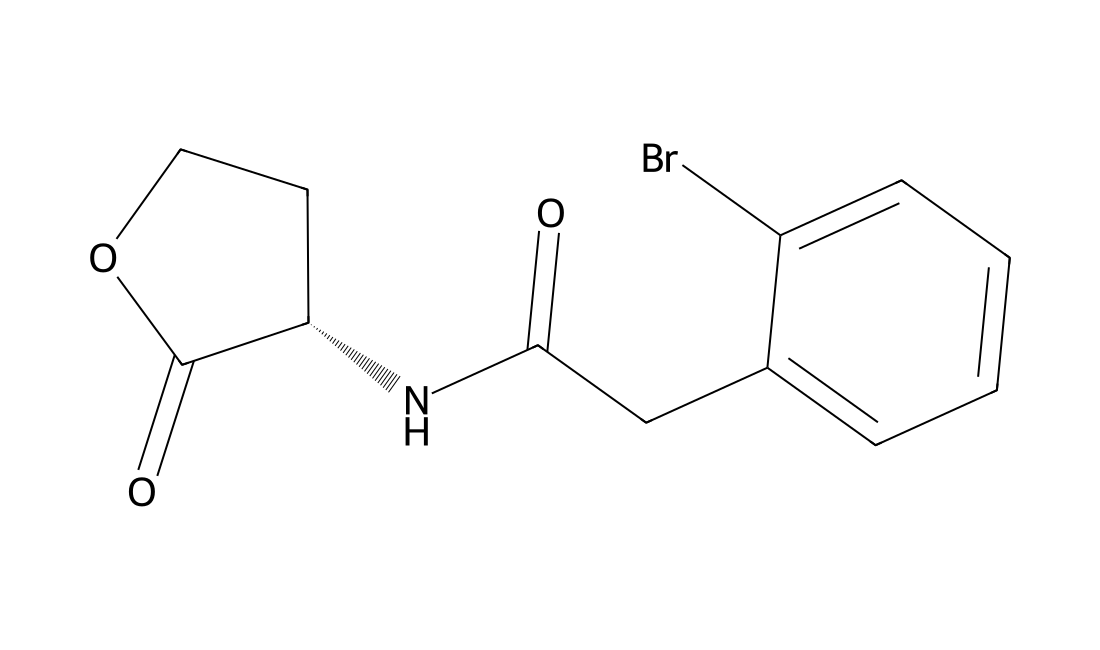
AHL modulator-1
CAS 942296-18-6
AHL modulator-1 (compound 12) is a modulator of N-acylated L-homoserine lactone (AHL), with the agonism and antagonism of 21% and 42% in cellulase activity and 5% and 32% in potato macerationa, respectively.
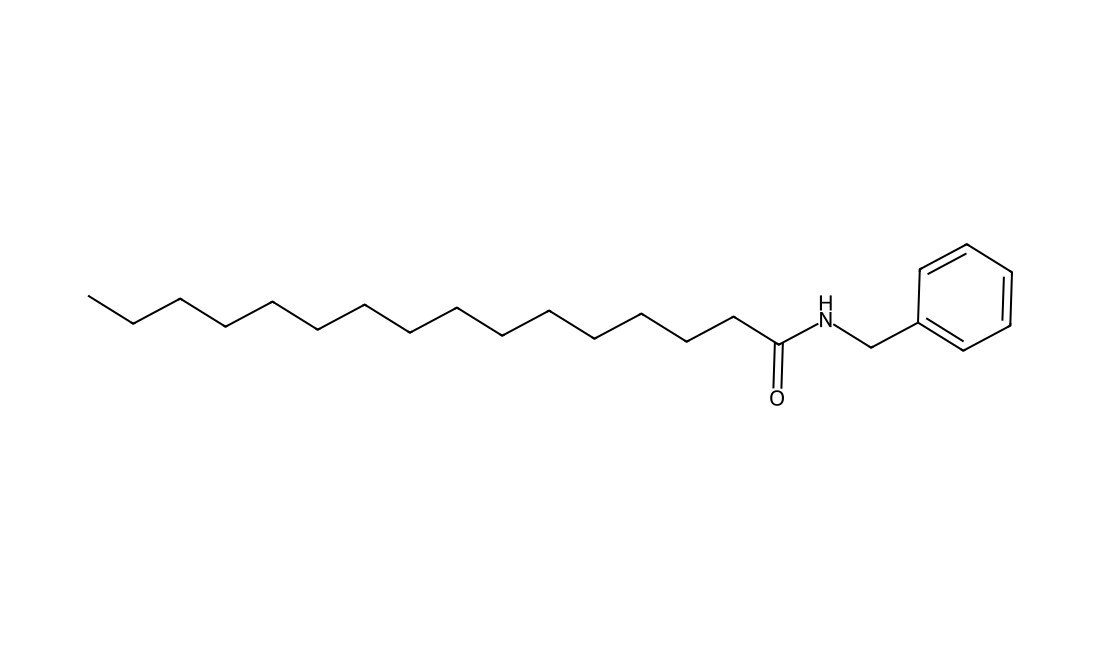
Macamide B
CAS 74058-71-2
Macamide B (N-Benzylhexadecanamide; Macamide 1) is a macamide isolated from Lepidium meyenii, acts as an inhibitor of fatty acid amide hydrolase (FAAH).
NLG802
CAS 2071683-99-1
NLG802 is a prodrug of indoximod, an orally active indoleamine 2,3-dioxygenase (IDO) inhibitor.
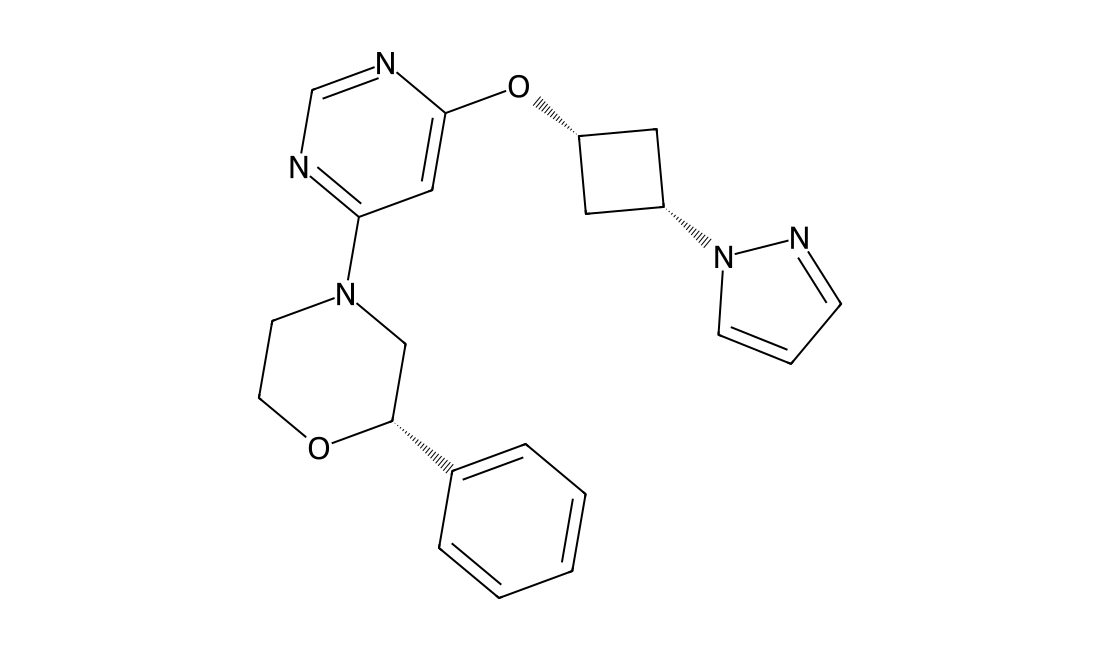
ELOVL1-IN-3
CAS 2761063-99-2
ELOVL1-IN-3 (Compound 22) is a potent and orally active inhibitor of elongation of very long chain fatty acid 1 (ELOVL1) enzyme. ELOVL1-IN-3 serves as a useful tool for researching adrenoleukodystrophy (ALD)[1].
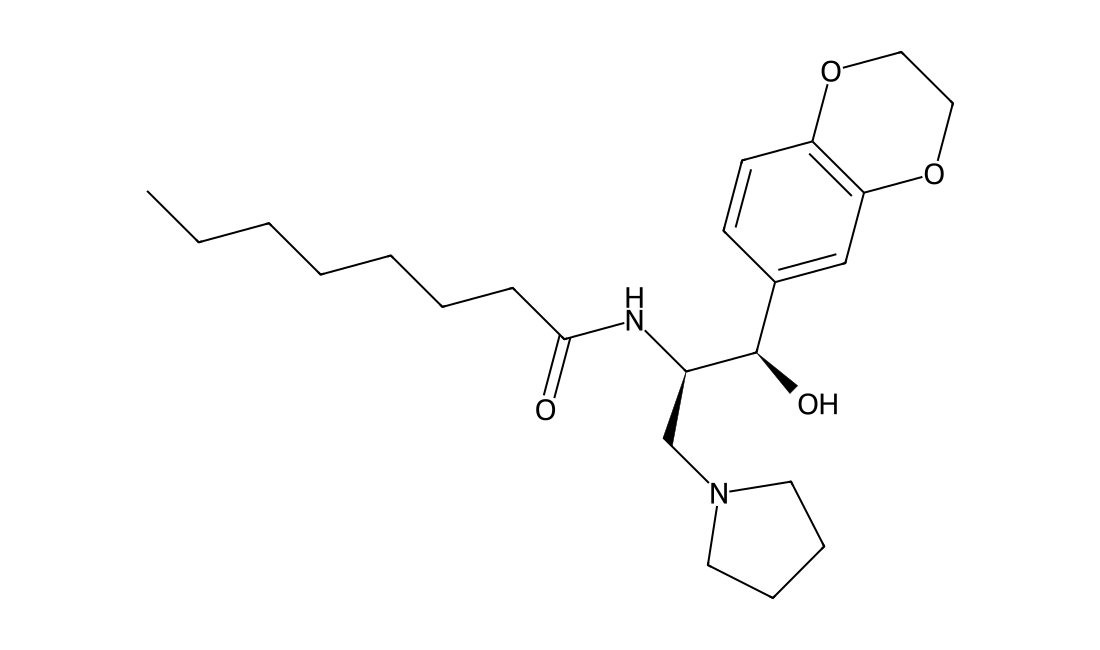
Eliglustat(Genz-99067)
CAS 491833-29-5
Eliglustat is an specific, potent and orally active glucocerebroside synthase inhibitor with an IC50 of 24 nM.
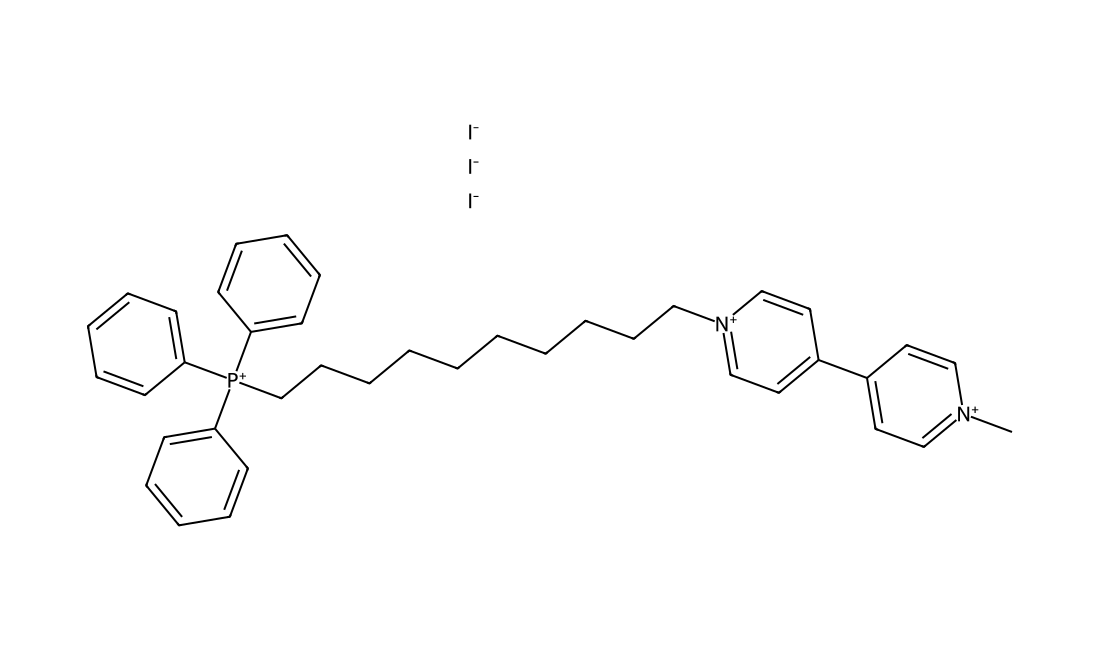
MitoPQ
CAS 1821370-28-8
MitoPQ, also known as MitoParaquat, is a redox cycler. MitoParaquat (MitoPQ) that comprises a triphenylphosphonium lipophilic cation conjugated to the redox cycler paraquat. MitoPQ accumulates selectively in the mitochondrial matrix driven by the membrane potential. Within the matrix, MitoPQ produces superoxide by redox cycling at the flavin site of complex I, selectively increasing superoxide production within mitochondria. MitoPQ increased mitochondrial superoxide in isolated mitochondria and cells in culture ~a thousand-fold more effectively than untargeted paraquat. MitoPQ was also more toxic than paraquat in the isolated perfused heart and in Drosophila in vivo. MitoPQ enables the selective generation of superoxide within mitochondria and is a useful tool to investigate the many roles of mitochondrial superoxide in pathology and redox signaling in cells and in vivo.
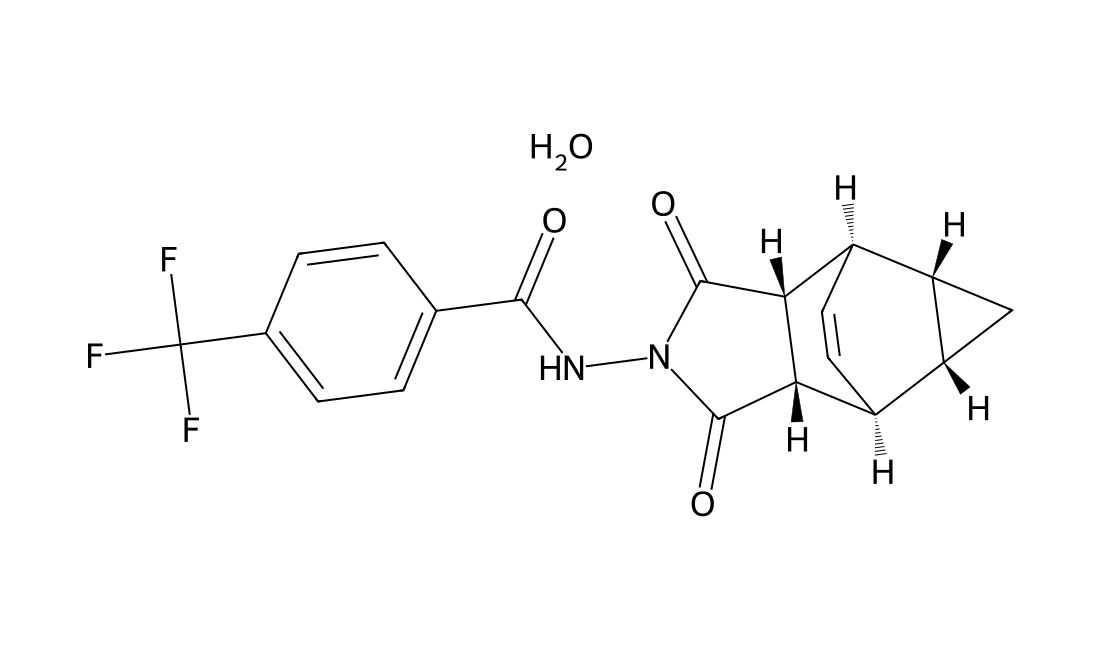
Tecovirimat Hydrate
CAS 1162664-19-8
Novel inhibitor of viral p37, blocking the ability of virus particles to be released from infected cells, being used for the treatment of smallpox, monkeypox, orthopoxvirus, and orthopoxviral Disease.
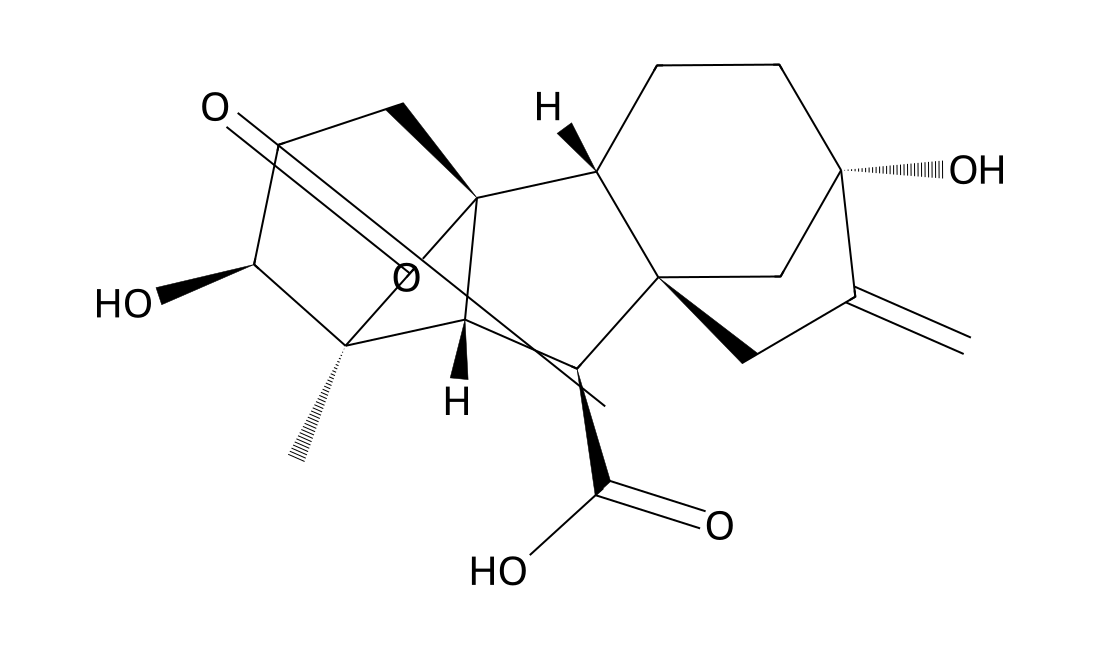
Gibberellin A1
CAS 545-97-1
Gibberellin A1 is a kind of plant hormones. Gibberellin A1 is a growth-promoting acids isolated from immature seed of Phaseolus multiflorus.
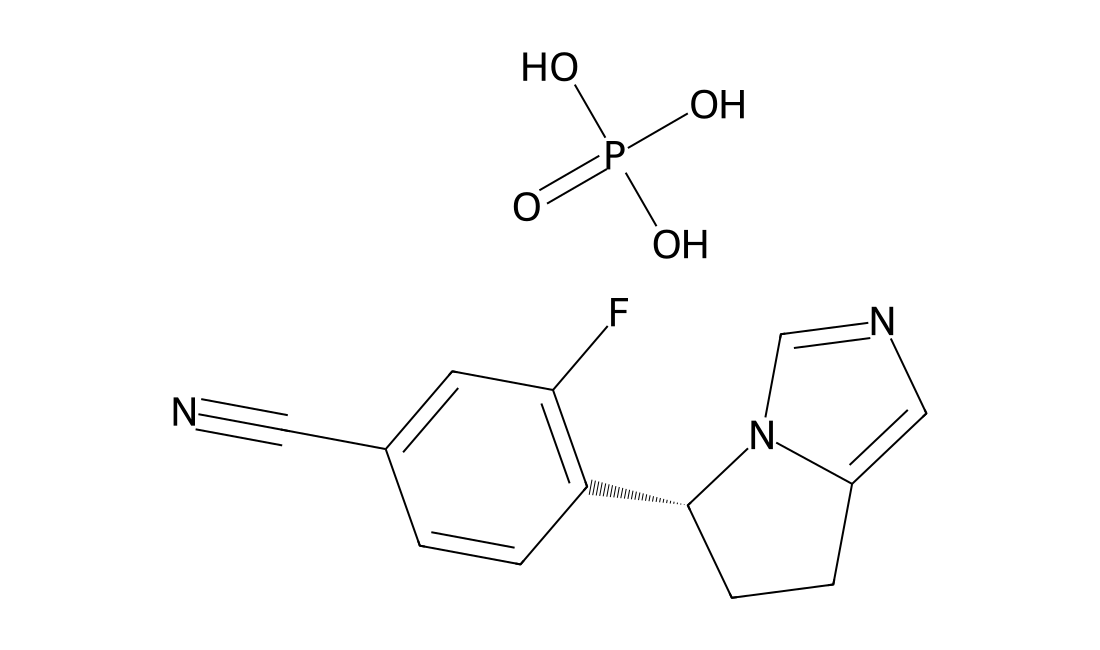
Osilodrostat phosphate
CAS 1315449-72-9
Osilodrostat (LCI699) phosphate is a potent, orally active11β-hydroxylase (CYP11B1) inhibitor with an IC50 value of 35 nM. Osilodrostat phosphate is a potent, orally aldosterone synthase (CYP11B2) inhibitor with IC50 values of 0.7 nM and 160 nM for human aldosterone synthase and rat aldosterone synthase, respectively. Osilodrostat phosphate inhibits aldosterone and corticosterone synthesis. Osilodrostat phosphate has blood pressure lowering ability. Osilodrostat phosphate can be used for research of Cushing syndrome (CS).
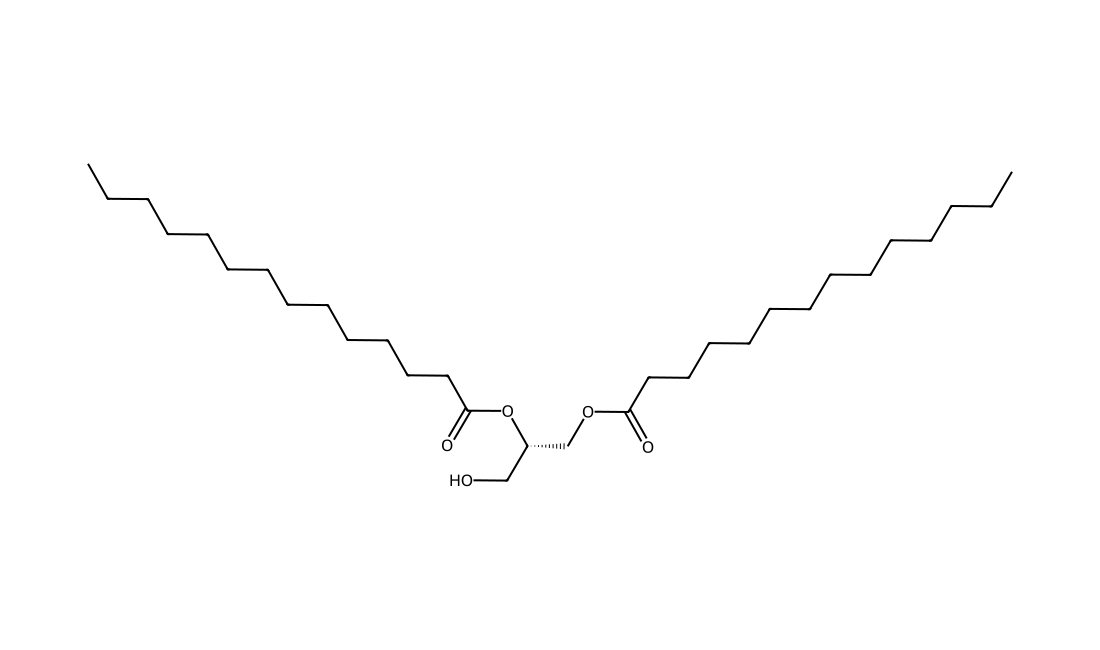
1,2-Dimyristoyl-sn-glycerol
CAS 60562-16-5
1,2-Dimyristoyl-sn-glycerol is a saturated diacylglycerol and a weak second messenger for the activation of PKC.
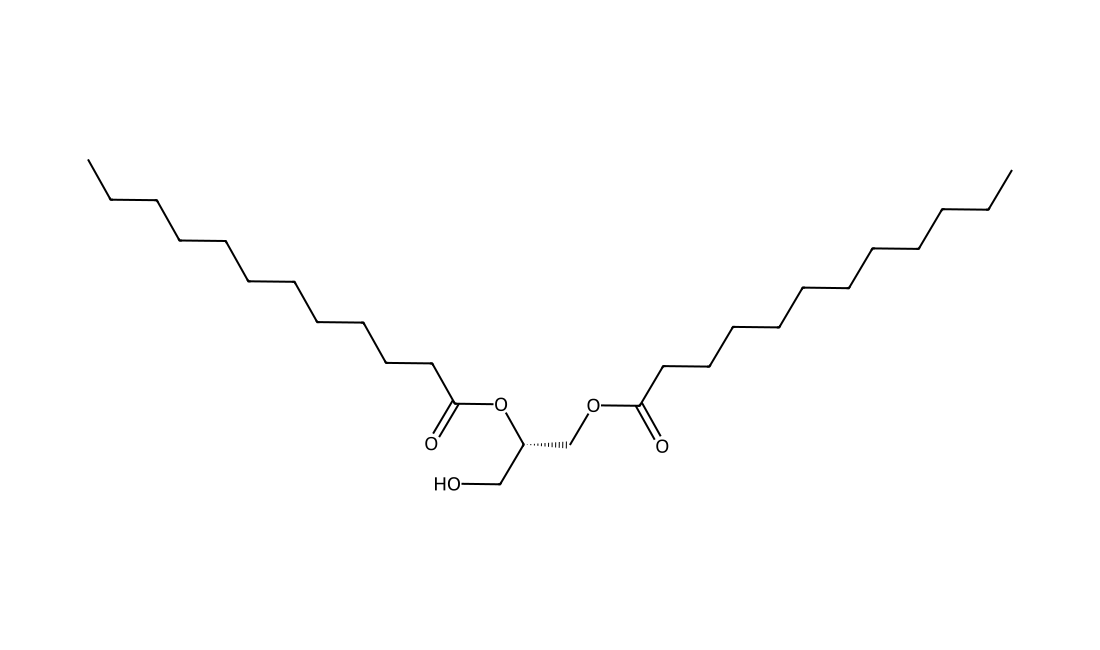
1,2-Dilauroyl-sn-glycerol
CAS 60562-15-4
1,2-Dilauroyl-sn-glycerol is a saturated diacylglycerol and may play a role in second messenger signal transduction.
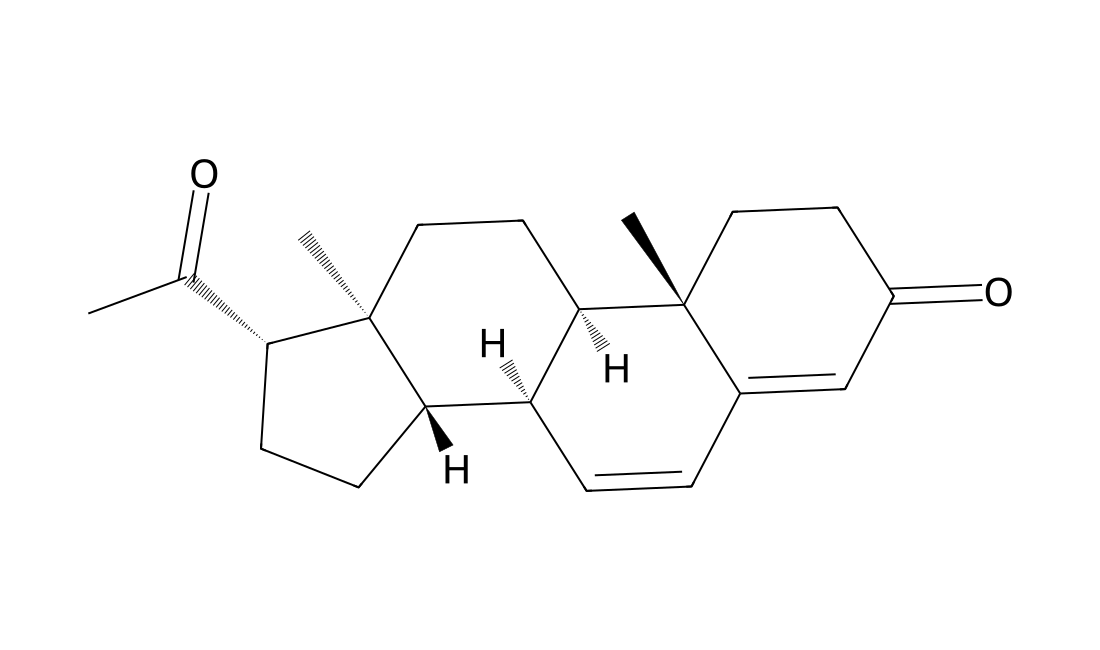
Dydrogesterone
CAS 152-62-5
Dydrogesterone is a synthetic progestin. Dydrogesterone alone or in combination with estrogen to endothelial cells results in neutral effects on NO synthesis and on the activity and expression of eNOS. Unlike many other progestational compounds, dydrogesterone produces no increase in temperature and does not inhibit ovulation.
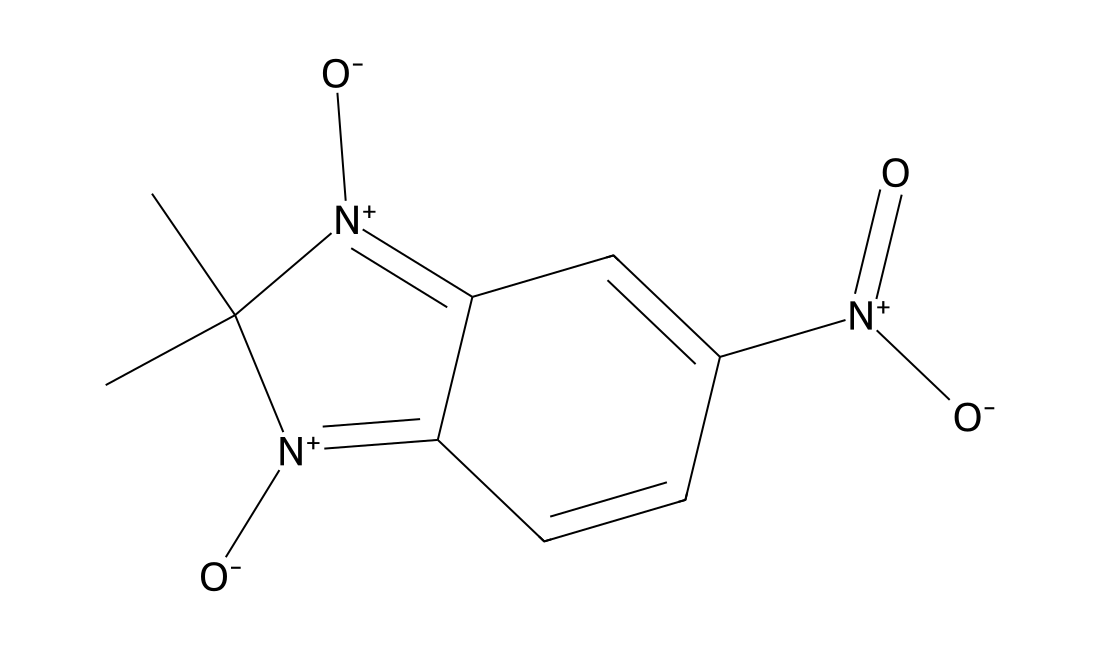
Sepin-1
CAS 163126-81-6
Sepin-1 is a small molecule, noncompetitive separase inhibitor with IC50 of 14.8 uM; inhibits the growth of human cancer cell lines and breast cancer xenograft tumors in mice by inhibiting cell proliferation and inducing apoptosis.
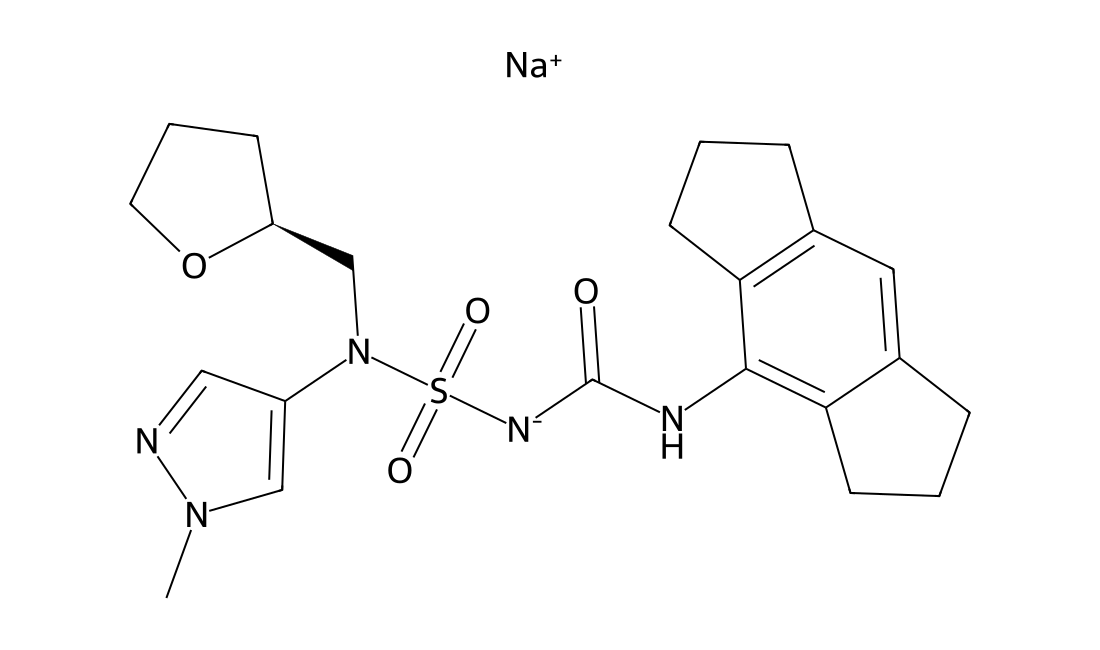
NT-0249
CAS 2763617-39-4
NT-0249 is an orally active NLRP3 inhibitor. NT-0249 has anti-inflammatory activity[1]
BAY-850
CAS 2099142-76-2
BAY-850 is a potent and isoform selective ATPase family AAA domain-containing protein 2 (ATAD2) inhibitor, with an IC50 of 166 nM.
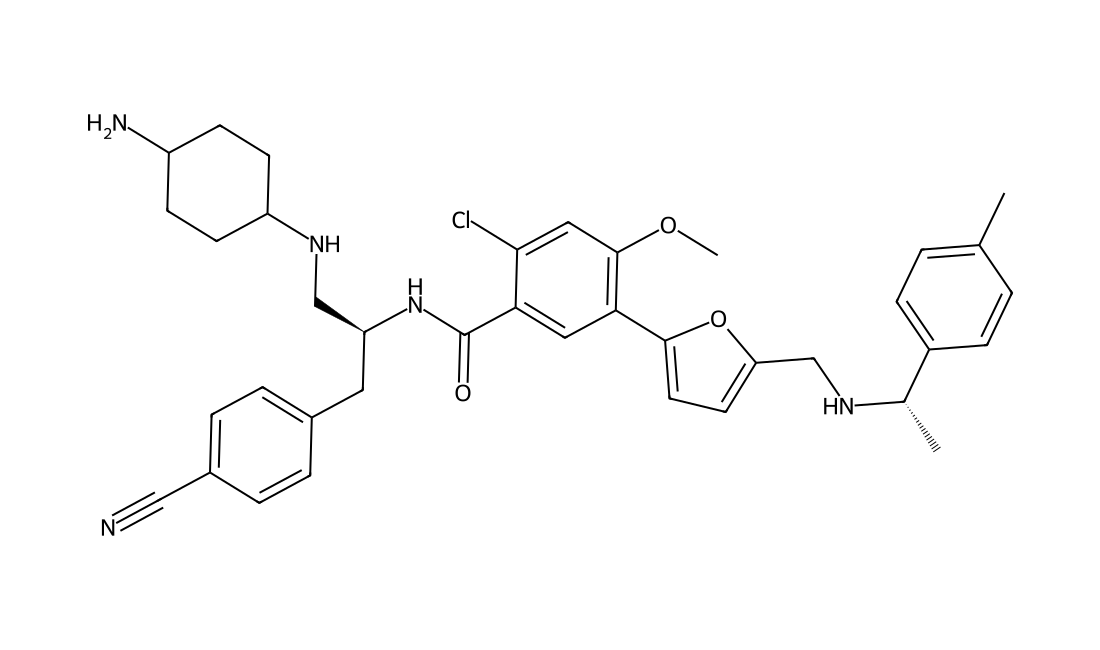
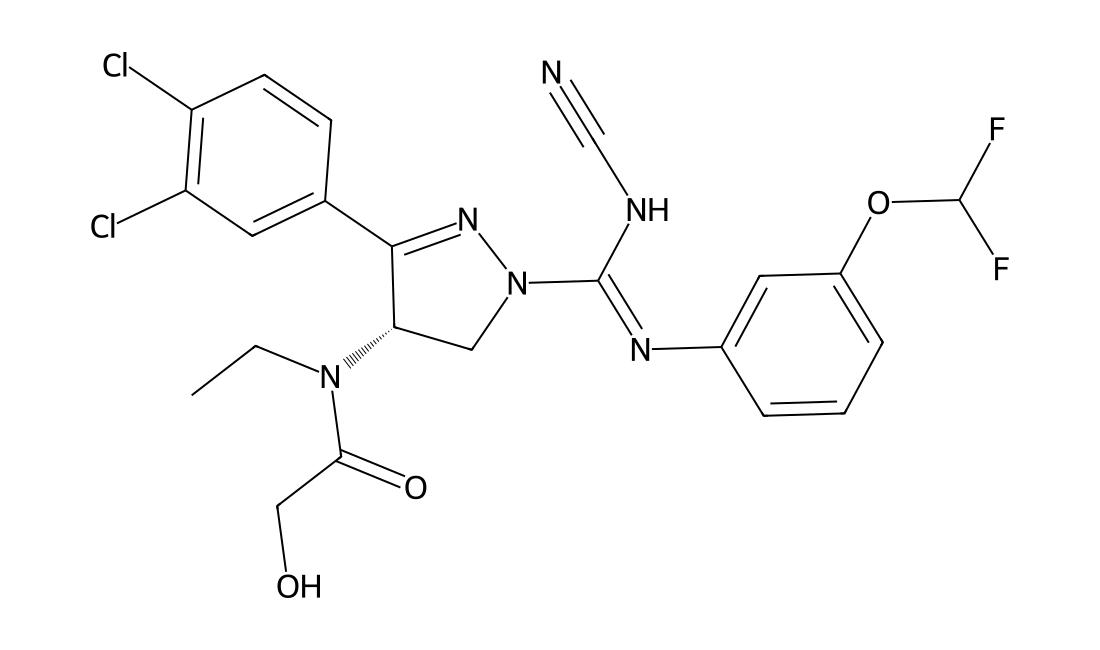
7α-Hydroxycholesterol
CAS 566-26-7
7α-Hydroxycholesterol is a cholesterol oxide and is formed by both enzymatic and non-enzymatic oxidation. 7α-Hydroxycholesterol can be used as a biomarker for lipid peroxidation.
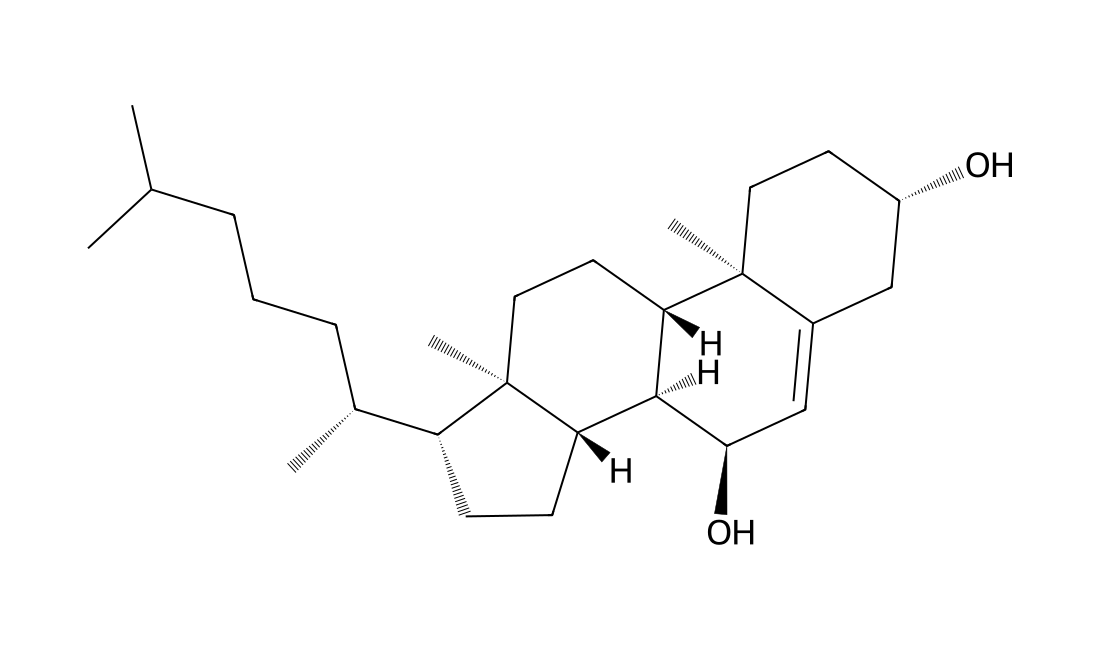
P11
CAS 942285-55-4
PAFAH inhibitor P11 (P11) is a potent, selective platelet-activating factor acetylhydrolases PAFAH1b2 and PAFAH1b3 inhibitor with IC50 of 40 nM and 900 nM respectively; blocks PAFAH1b2- and PAFAH1b3-mediated hydrolysis of the substrate PAF to lyso-PAF with IC50 values of 36 nM and 880 nM; impairs tumor cell survival; in situ-active and can be used to investigate the cellular functions of PAFAH1b2/3.
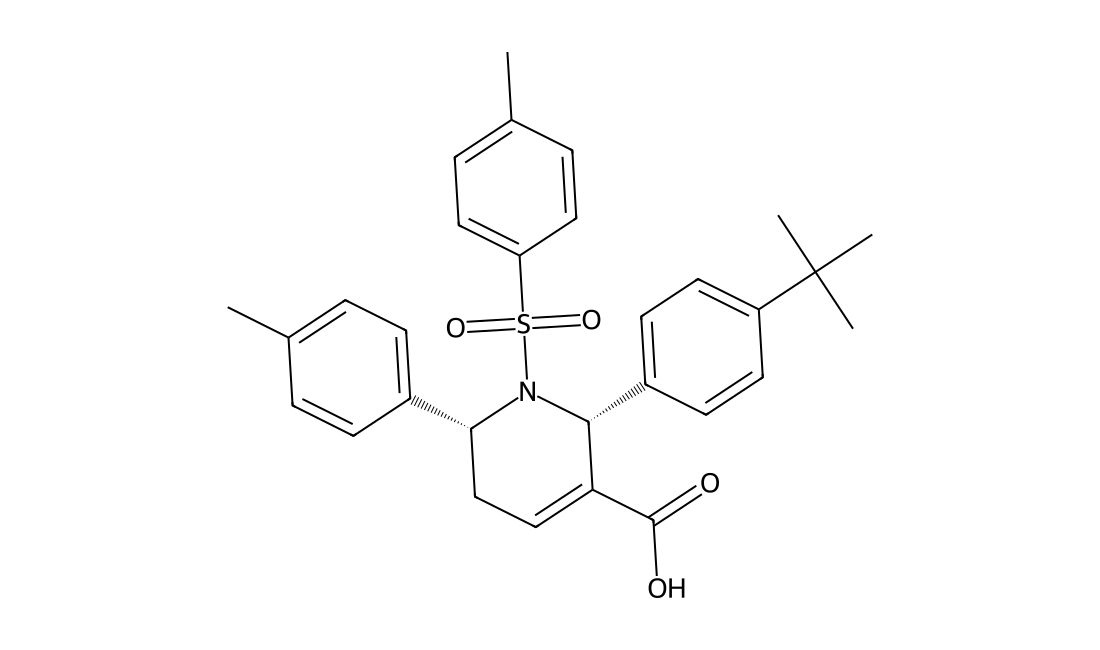
Taflpostamide(Tafluprost ethyl amide)
CAS 1185851-52-8
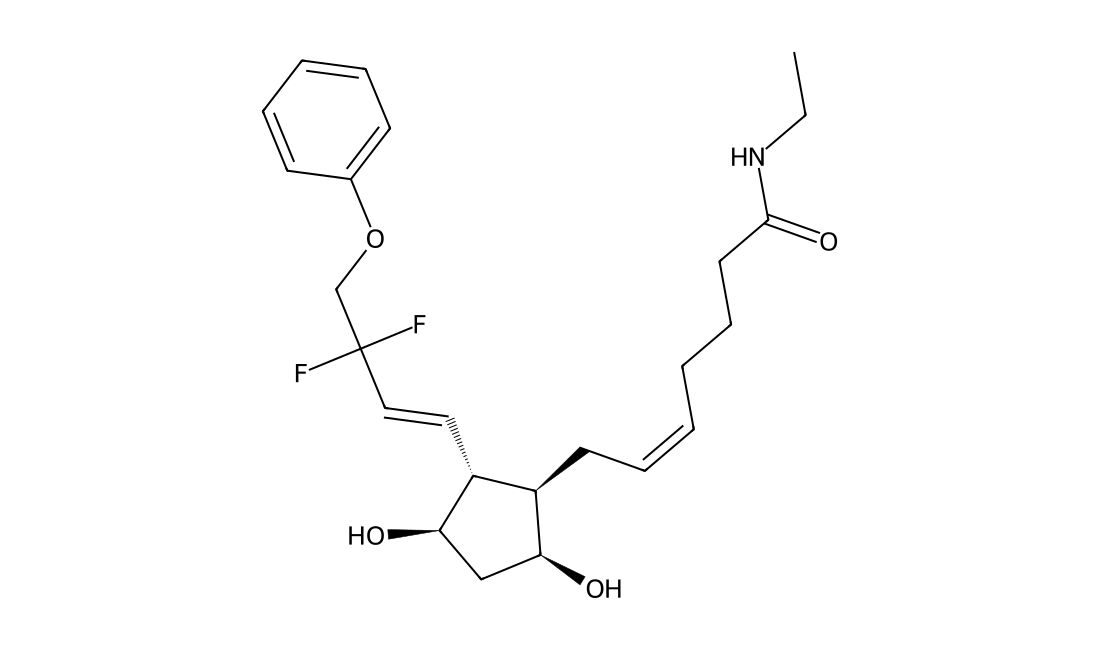
Tafluprost ethyl amide is a prostaglandin derivative. Tafluprost ethyl amide is capable of intraocular pressure (IOP) reduction and influencing eyelash growth. Tafluprost ethyl amide can be used in antiglaucoma ophthalmic compositions or cosmetics.
AZD0780
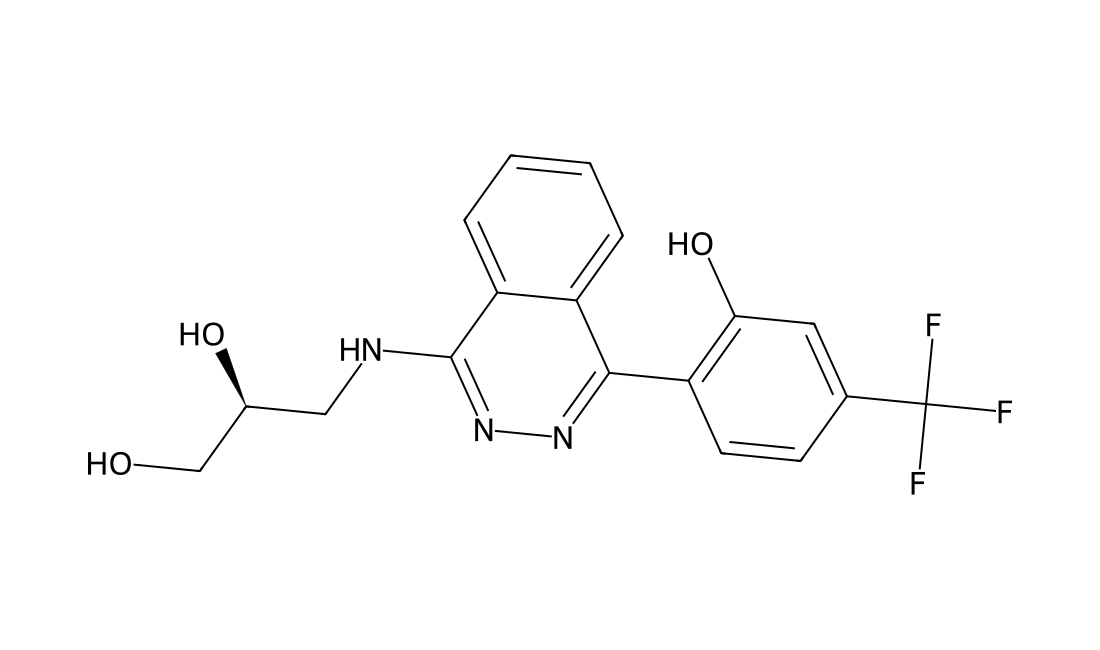
CAS 2455427-91-3
AZD0780 is the first oral small molecule PCSK9 inhibitor for the treatment of hypercholesterolemia.
G140
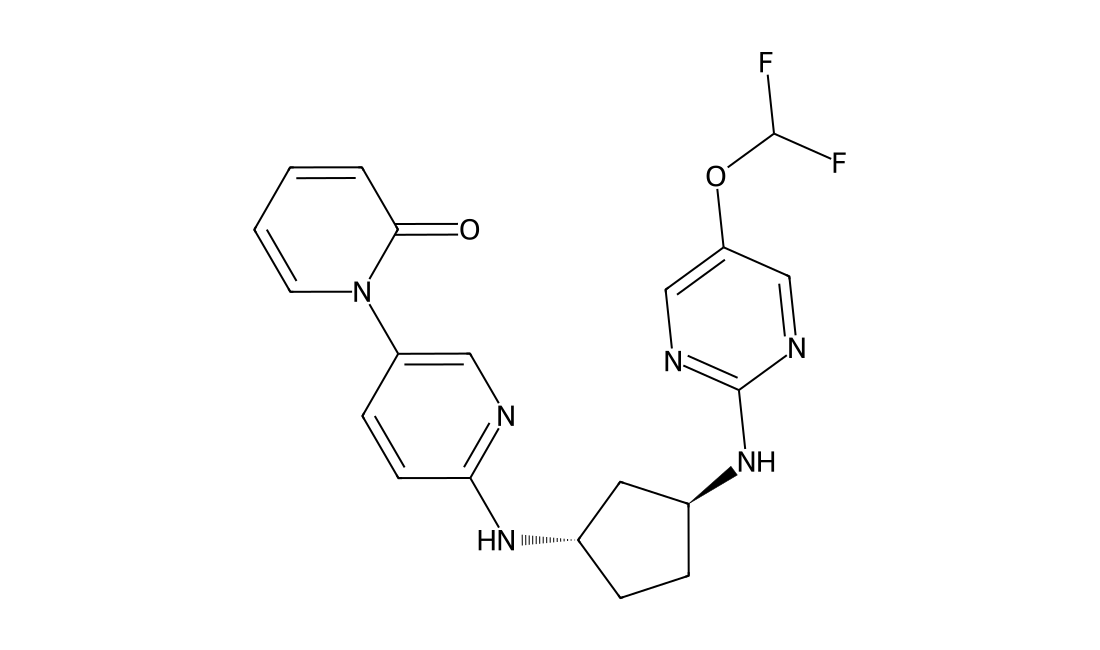
CAS 2369751-07-3
G140 is a potent and selective inhibitor of cyclic GMP-AMP synthase (cGAS), with IC50s of 14.0 nM and 442 nM for h-cGAS and m-cGAS, respectively. G140 has anti-inflammatory activity.
GDC-1971
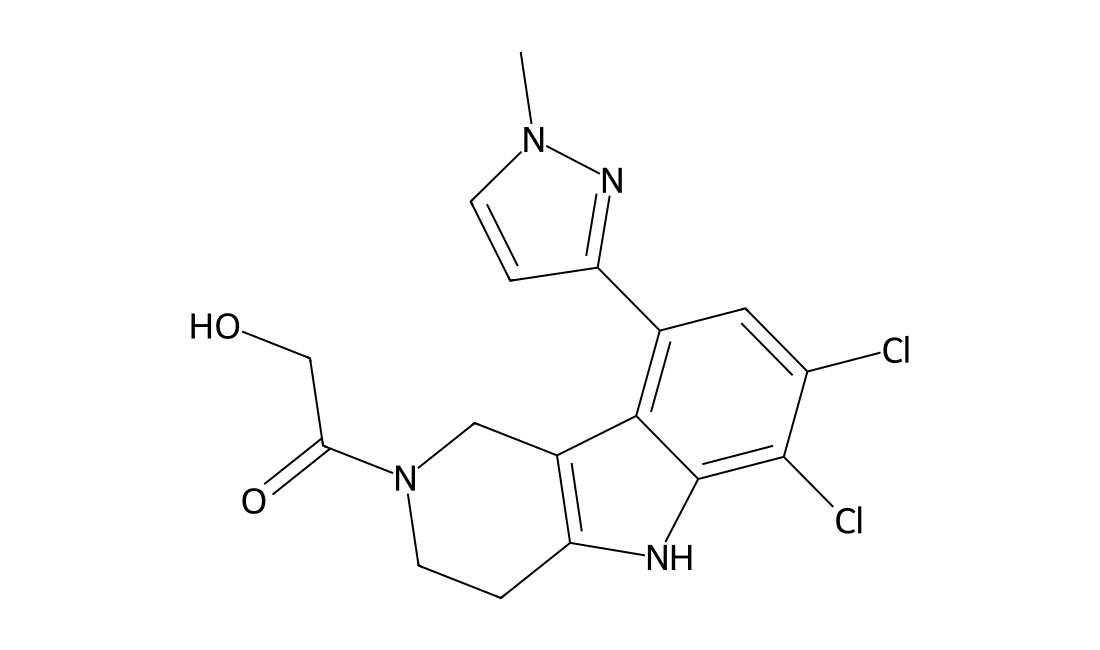
CAS 2377352-49-1
GDC-1971 showed outstanding potency in biochemical and cell models, and it had a predicted human PK profile that suggested it would achieve target engagement at reasonable doses. GDC-1971 showed an IC50 below the limit of detection of the assay (≪0.001 μM), while that IC50 shifted to 0.17 μM in the same biochemical assay with the constitutively active E76K SHP2 mutant.
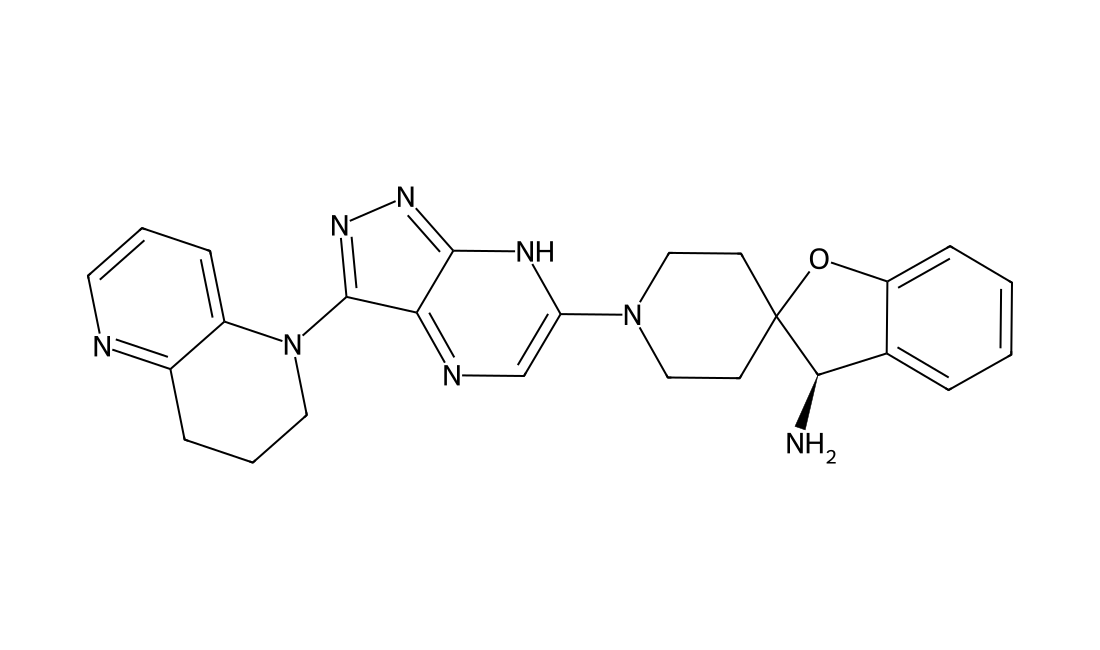
Pradigastat
CAS 956136-95-1
Pradigastat (LCQ-908) is a potent, selective and orally active diacylglycerol acyltransferase 1 (DGAT1) inhibitor. Pradigastat has anti-obesity and anti-diabetic effects.
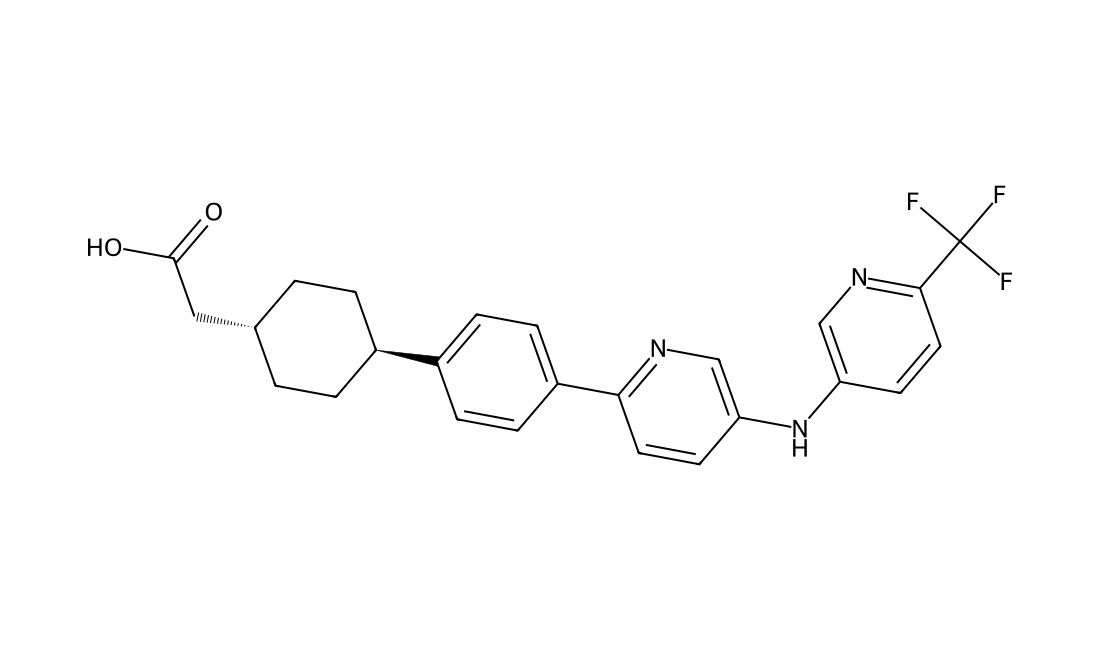
PF-04620110
CAS 1109276-89-2
PF-04620110 is an orally active, selective and potent diglyceride acyltransferase-1 (DGAT1) inhibitor with IC50 of 19 nM.For the detailed information of PF-04620110, the solubility of PF-04620110 in water, the solubility of PF-04620110 in DMSO, the solubility of PF-04620110 in PBS buffer, the animal experiment (test) of PF-04620110, the cell expriment (test) of PF-04620110, the in vivo, in vitro and clinical trial test of PF-04620110, the EC50, IC50,and Affinity of PF-04620110, Please contact DC Chemicals.
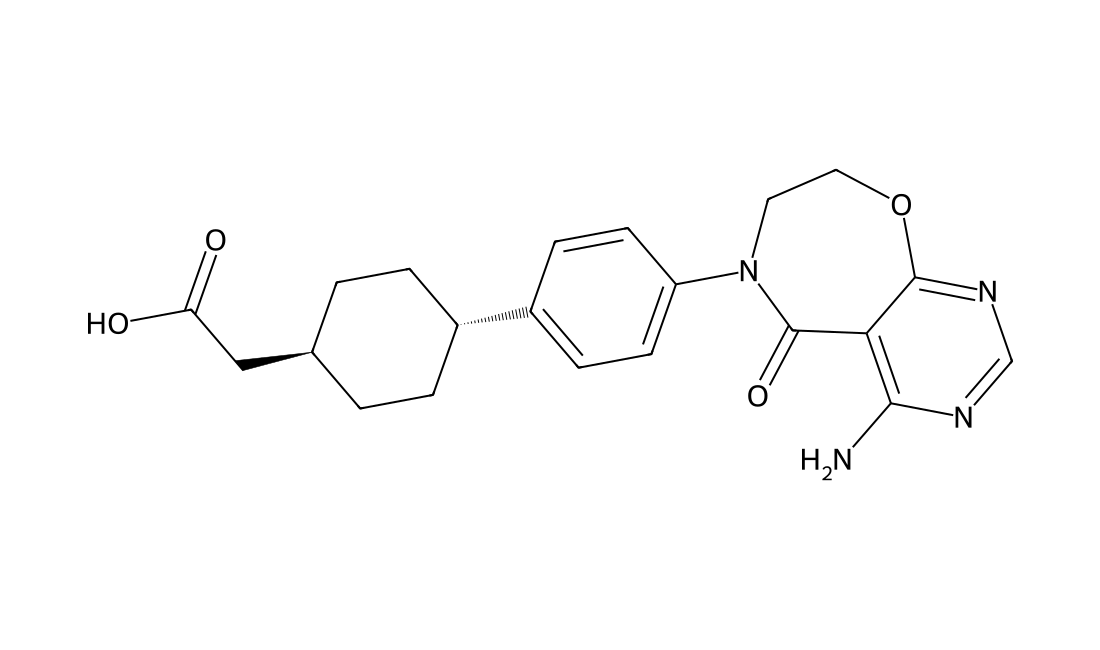
T863
CAS 701232-20-4
T-863(DGAT-1 inhibitor) is an orally active, selective and potent DGAT1 (Acyl-CoA:diacylglycerol acyltransferase 1) inhibitor that interacts with the acyl-CoA binding site of DGAT1, and inhibits triacylglycerol synthesis in cells.IC50 value:Target: DGAT1T863 causes weight loss, reduction in serum and liver triglycerides, and improved insulin sensitivity in obese mice.
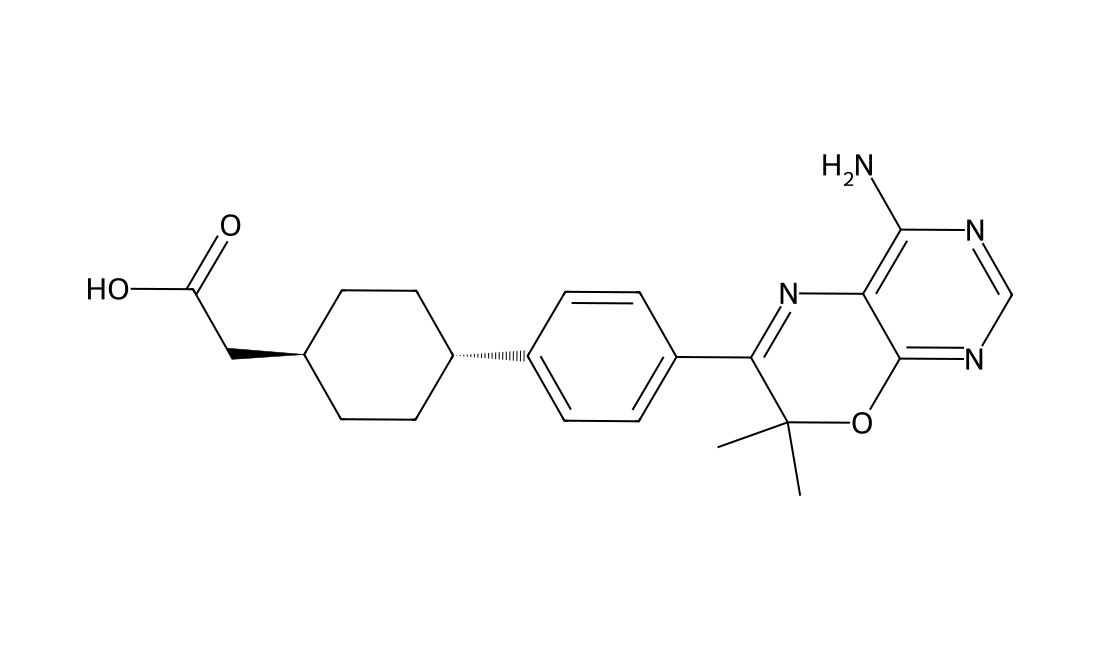
PF-07202954
CAS 2639372-47-5
PF-07202954 is a DGAT2 Inhibitor (IC50 = 10 nM) with Longer Predicted Half-Life.
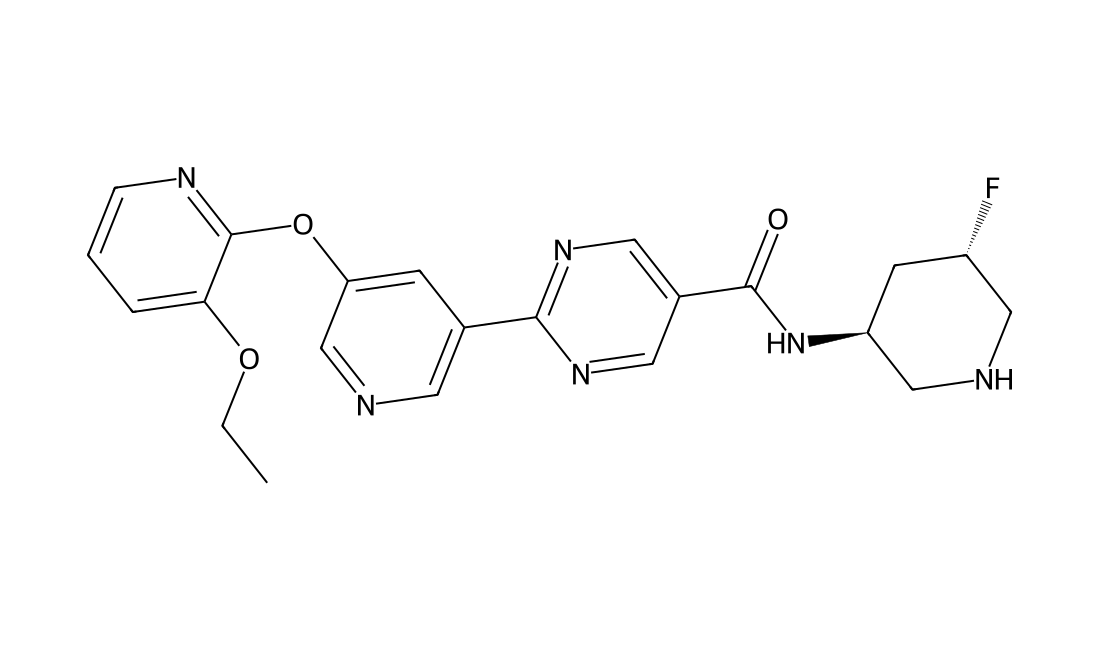
PF-06928215
CAS 2378173-15-8
PF-06928215 (PF06928215) is a high affinity Cyclic GMP-AMP synthase (cGAS) inhibitor with Kd of 200 nM, IC50 of 4.9 uM.
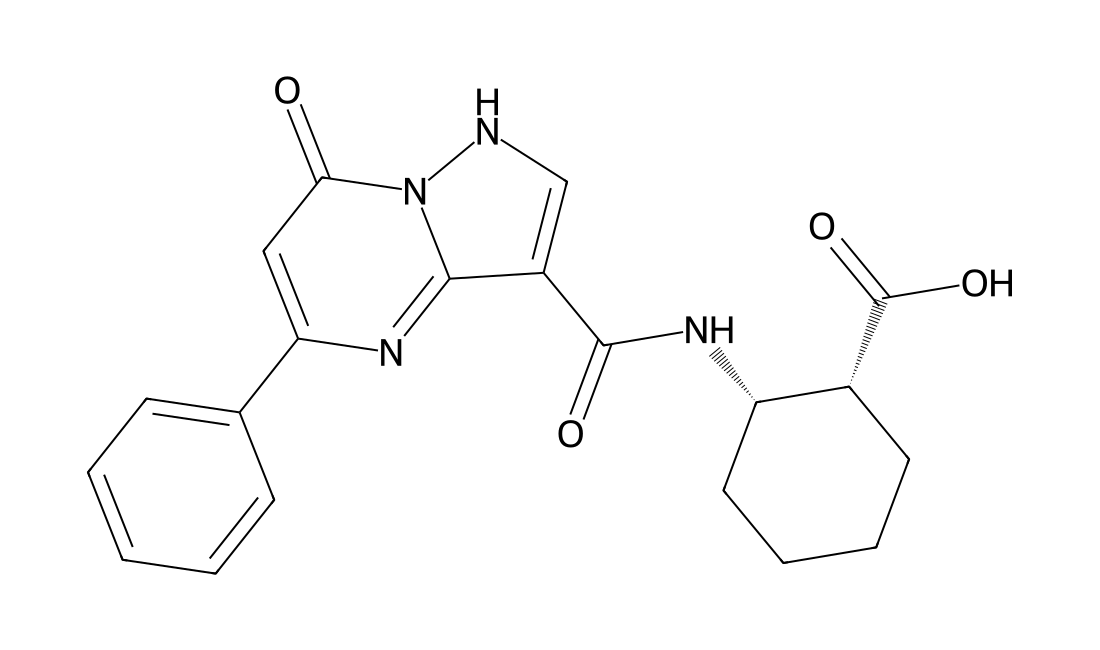
Cofrogliptin
CAS 1844874-26-5
Cofrogliptin (HSK7653) (compound 2), a tetrahydropyran derivative, is a potent oral dipeptidyl aminopeptidase 4 (DPP-4) inhibitor with Long-acting antidiabetic efficacy. Cofrogliptin (compound 2) has a great potential for type 2 diabetes mellitus (T2DM) .
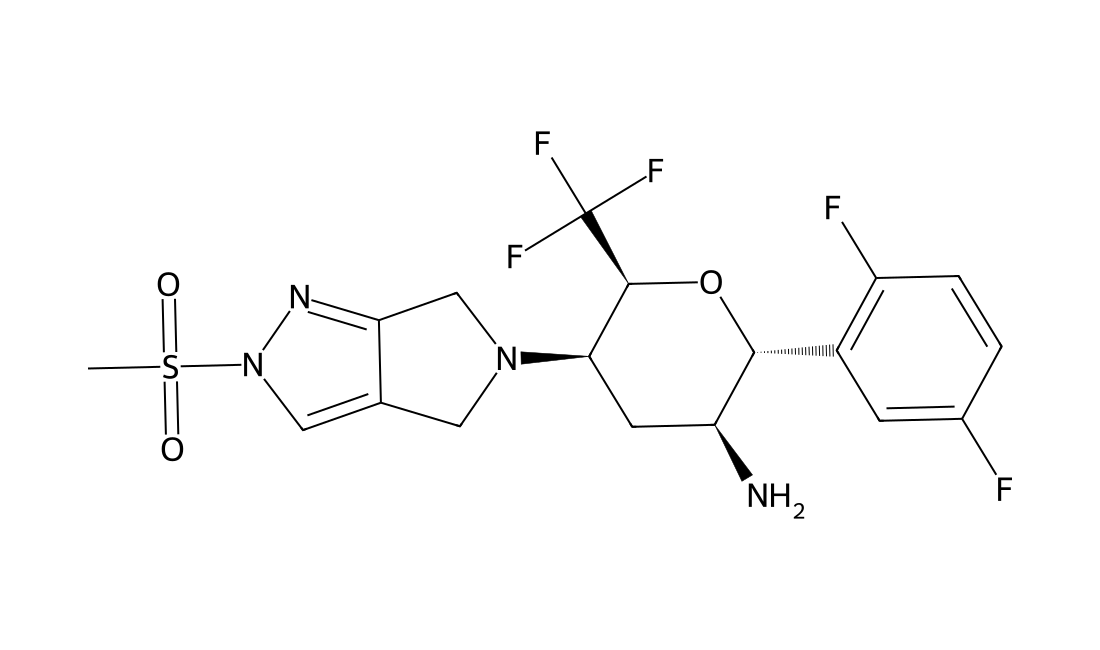
ZED3197
CAS 2379345-24-9
ZED3197 (ZED-3197) is a novel peptidomimetic direct-acting, potent and selective inhibitor of human FXIIIa, inhibits human plasma derived FXIII‐A2B2 and the recombinant cellular form (FXIII‐A2) with IC50 of 10 and 14 nM, respectively.ZED3197 strongly blocks FXIII‐A2 from mouse, rat, rabbit, dog, and cynomolgus monkey (IC50 8-30 nM), is a significantly weaker inhibitor of FXIII‐A2 from pig (IC50=220 nM).ZED3197 displays 20‐fold to 3000‐fold selectivity against human transglutaminases TG1, TG2, TG3, and TG7.ZED3197 prolonged clot formation, reduced clot firmness, and facilitated clot lysis in whole human blood without affecting the clotting time, indicating minimal impact on hemostasis.ZED3197 effectively decreased the weight of clots and facilitated flow restoration without prolongation of the bleeding time in vivo.
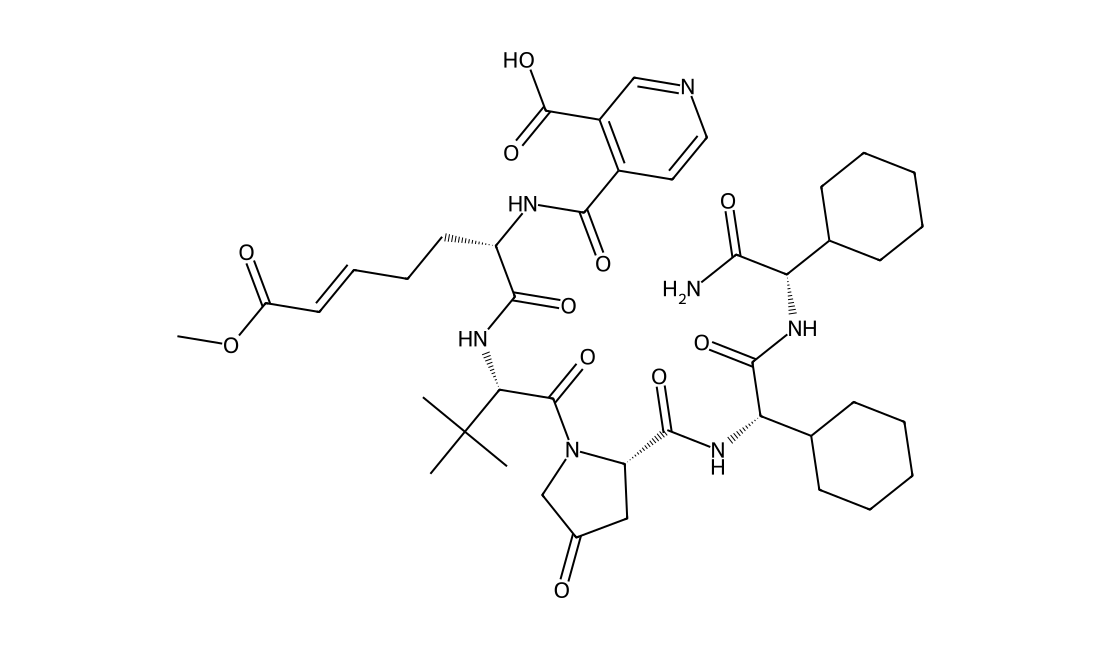
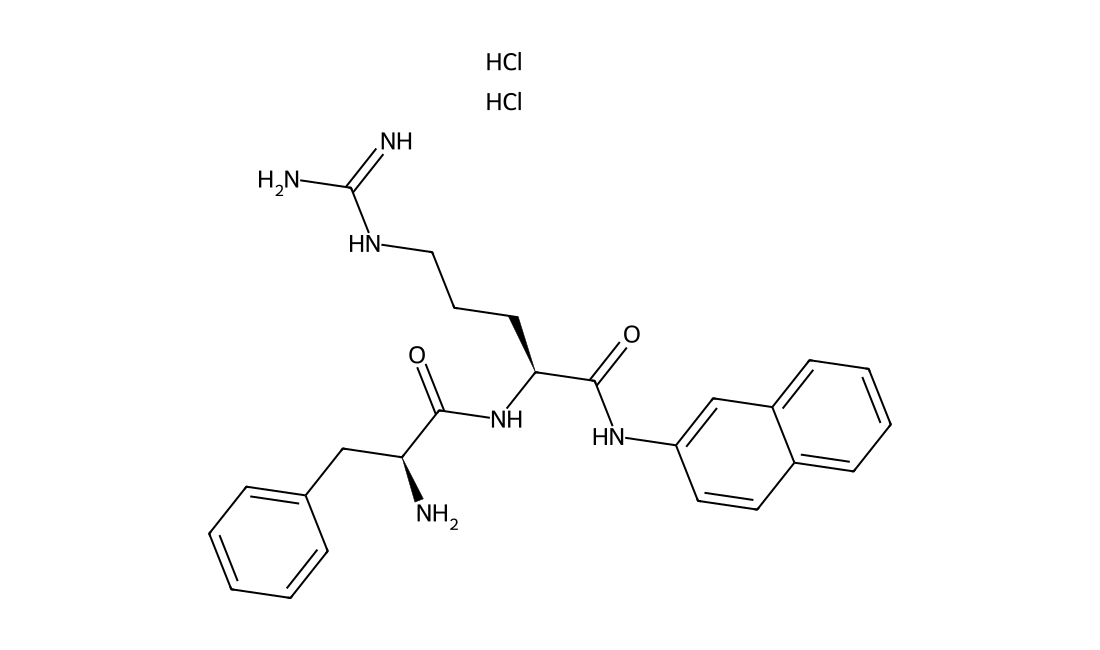
PAβN dihydrochloride
CAS 100929-99-5
PAβN dihydrochloride (MC-207110 dihydrochloride) is an efflux pump inhibitor.
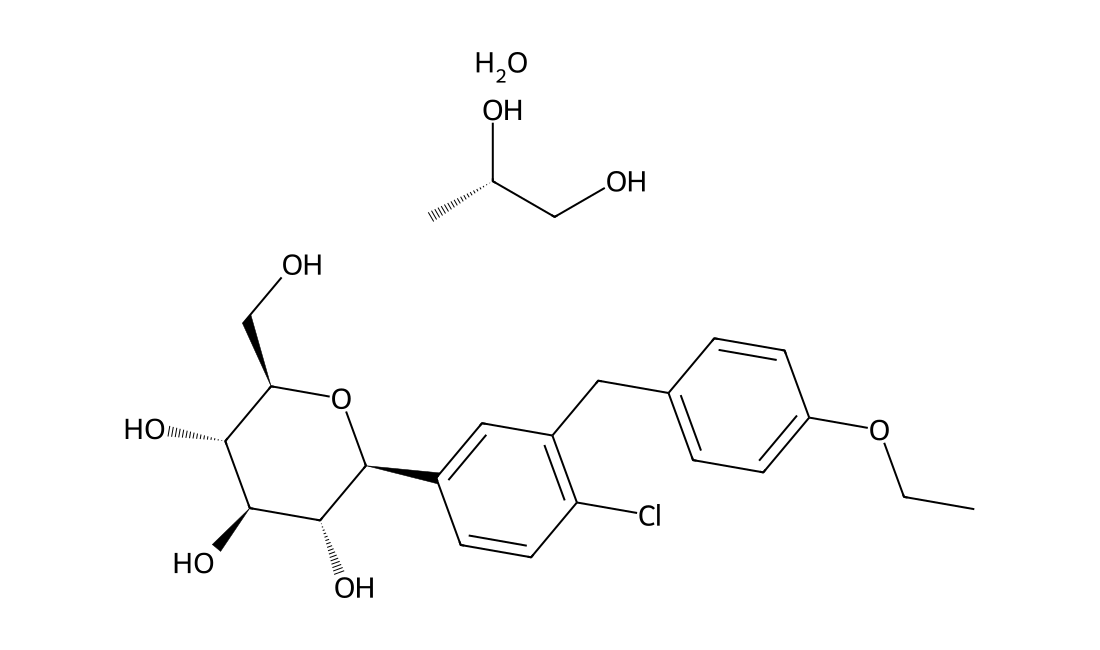
Dapagliflozin propanediol monohydrate
CAS 960404-48-2
Dapagliflozin (2S)-1,2-propanediol, hydrate is the S-enantiomer of Dapagliflozin 1,2-propanediol, hydrate. Dapagliflozin inhibits sodium/glucose cotransporter 2 (SGLT2), which results in excretion of glucose into the urine.
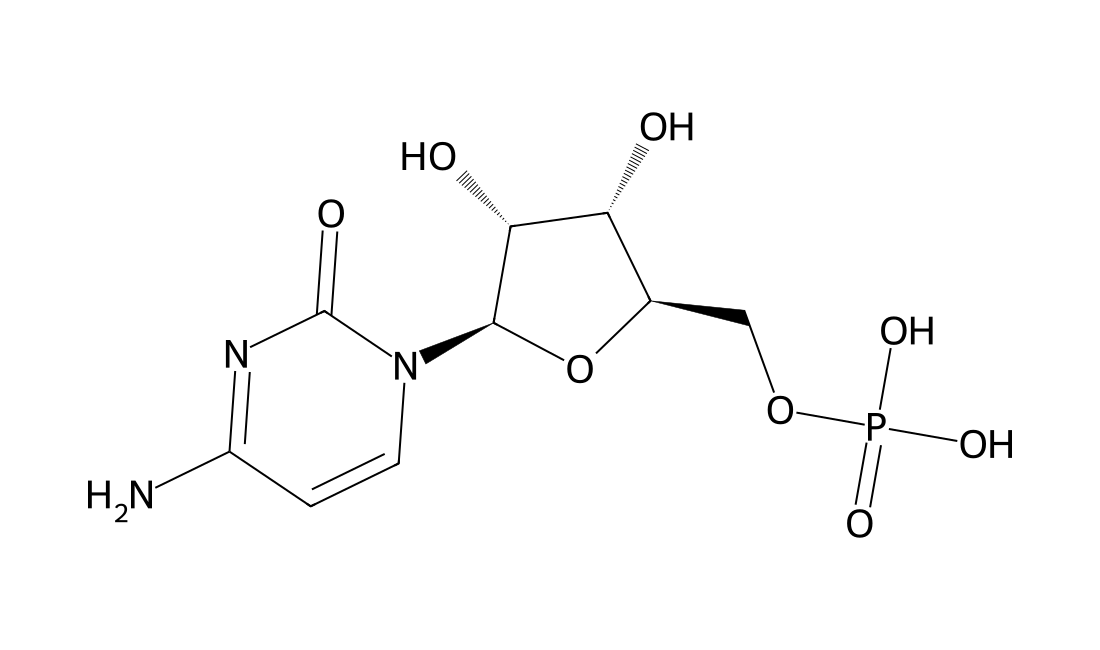
5'-Cytidylic acid; Cytidine monophosphate, Cytidine 5'-phosphate
CAS 63-37-6
5'-Cytidylic acid is a nucleotide that is used as a monomer in RNA.
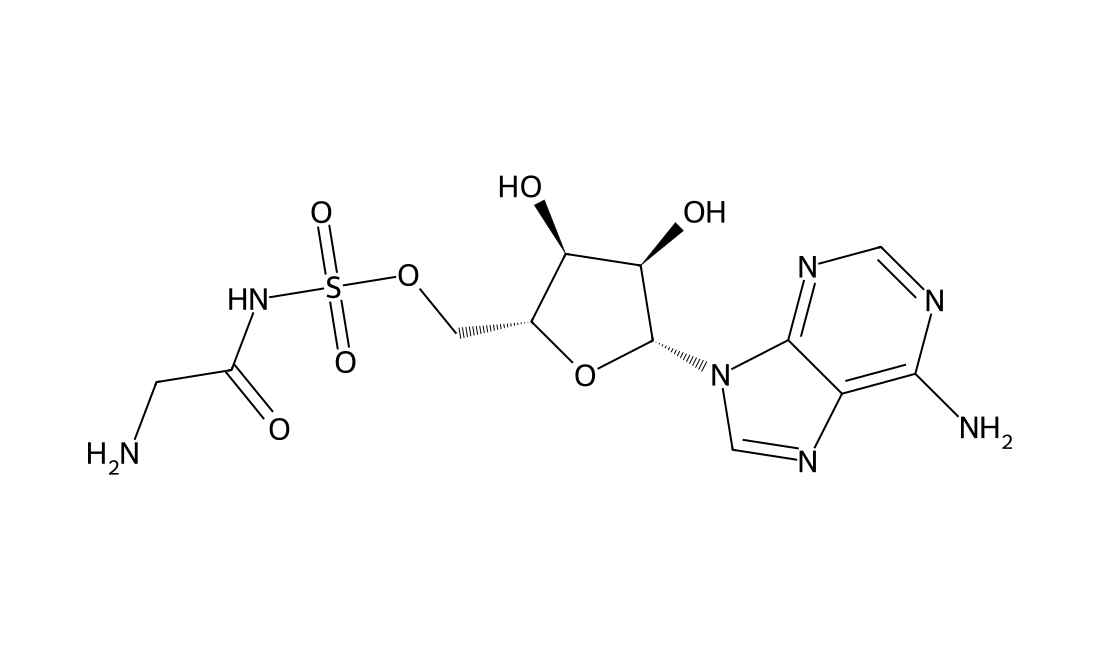
GlyRS-IN-1
CAS 112921-11-6
GlyRS-IN-1 is a glycyl-tRNA synthase (GlyRS) inhibitor extracted from patent WO 2017066459 A1. GlyRS-IN-1 can also inhibit the growth of bacteria.
Browse target & topic index A–Z (366)
11β-HSD (1)15-PGDH (2)5-HT Receptor (16)Acetyl-CoA Carboxylase (ACC) (3)Acetylcholinesterase (AChE) (2)Ack1 (TNK2) (1)Acyltransferase (1)ADC Cytotoxin (6)ADCs Linker/Click Chemistry (5)Adenosine Receptor (9)Adenylate Cyclase (2)Adrenergic Receptor (11)Akt (12)Alcoholism (2)Aldehyde Dehydrogenase (ALDH) (6)Allergy (5)Alzheimer Disease (13)Aminopeptidase (1)AMPK (8)Amyloids (4)Anaplastic Lymphoma Kinase (ALK) (9)Androgen Receptor (AR) (11)Anemia (4)Angiotensin Receptor (4)Antibody/Protein labeling dyes (1)Antifolate (2)Anxiety (1)Apoptosis Inducer (3)Arginase (1)Arp2/3 complex (1)Aryl hydrocarbon Receptor (AhR) (1)Asthma (5)Atherosclerosis (2)ATM/ATR (8)Aurora Kinase (10)Autophagy (6)Autophagy-related Protein (Atg) (2)Autotaxin (2)Bacterial (26)Bacterial Infection (17)Bcl-2 (14)Bcr-Abl (5)BCRP (1)Beta-catenin (4)Beta-secretase (BACE) (4)Blood Cancer (91)BMI-1 (1)Bone Cancer (6)Brain Cancer (6)Breast Cancer (30)Bromodomain (22)BTK (10)c-Fms (CSF1R) (5)c-Fos/AP-1 (1)c-Kit (6)c-Met (HGFR) (11)c-Myc (2)Calcium Channel (4)Calcium-sensing Receptor (CaSR) (1)CaMK (4)Cannabinoid Receptor (6)Carbonic Anhydrase (1)Carboxypeptidase (1)Casein Kinase (6)Caspase (4)Cathepsin (6)Cdc2-like Kinase (CLK) (1)CETP (2)CFTR (7)Checkpoint Kinase (Chk) (8)Chemokine Receptor (CCR and CXCR) (14)Chemotherapeutic Agents (19)Chloride Channel (1)CMV (2)CMV Infection (2)Colon Cancer (9)Complement System (1)COPD (3)CREB/CBP (2)CRF Receptor (2)CRISPR/Cas9 (1)Cushing Disease (1)Cyclin-dependent Kinase (CDK) (39)Cyclooxygenase (COX) (4)Cytochrome P450 (CYPs) (5)Depression (2)Dermatitis (2)Deubiquitinase (DUB) (7)Diabetes (20)Dipeptidyl Peptidase (DPP) (3)Discoidin Domain Receptor (DDR) (1)DNA Alkylator/Crosslinker (10)DNA Methyltransferase (DNMT) (1)DNA Repair Protein (1)DNA-PK (2)DNA/RNA Synthesis (5)Dopamine beta-hydroxylase (1)Dopamine Receptor (7)Drug Metabolite (1)Drug-Linker Conjugates (11)Dyes (4)DYRK (1)Dyslipidemia (9)E3 Ligase Ligand (6)E3 Ligase Ligand-Linker Conjugate (1)E3 Ubiquitin Ligase (4)Ebola Virus Infection (1)EGFR (32)Elastase (2)Endothelin Receptor (5)Enzymes substrates (13)Epigenetic Reader Domain (3)Epilepsy (4)ERK (4)Estrogen Receptor/ERR (13)Eukaryotic Initiation Factor (eIF) (2)Exportin-1 (CRM1,XPO1) (2)FABP (1)Factor Xa (5)Farnesoid X Receptor (FXR) (5)Farnesyl transferase (FTase) (1)Ferroptosis (6)FGFR (15)Fibrosis (5)FLT3 (6)Focal Adhesion Kinase (FAK) (11)Foxo1 (1)Free Fatty Acid Receptor (FFAR) (5)Fungal (2)Fungal Infection (1)GABA Receptor (13)Galectin (1)Gastric Cancer (8)Ghrelin Receptor (GHSR) (3)Glucagon Receptor (4)Glucokinase (2)Glucose Transporter (GLUT) (2)Glutamate Transporter (2)GPCR (1)GPER (GPR30) (1)GPR139 (1)GPR183 (EBI2) (2)GPR39 (1)GPR55 (1)GPR84 (1)GRK (GPCRK) (2)Growth Hormone Deficiency (2)GSK-3 (8)Guanylate Cyclase (3)HBV (1)HBV Infection (1)HCN Channel (2)HCV (8)HCV Infection (9)HDAC (38)Heart Arrhythmia (2)Heart Failure (5)Heat Shock Protein (HSP) (15)Hedgehog (Hh) (1)HIF/HIF Prolyl-hydroxylase (8)Histamine Receptor (6)Histone Acetyltransferase (HAT) (5)Histone Demethylase (11)Histone Methyltransferase (HMTase) (31)HIV (12)HIV Infection (11)HMG-CoA Reductase (HMGCR) (3)HSV (1)HSV Infection (1)Hypercholesterolemia (1)Hyperparathyroidism (1)Hypertension (8)IAP (1)IGF-1R (3)iGluR (15)Indoleamine 2,3-Dioxygenase (IDO) (4)Infection (1)Influenza (6)Influenza Virus (6)Insulin Receptor (2)Integrin (6)Interleukin Receptor (1)IRAK (2)IRE1 (4)Irritable Bowel Syndrome (2)Ischemia (1)Isocitrate Dehydrogenase (IDH) (5)ITK (1)IκB kinase (IKK) (7)JAK (32)JNK (3)Keap1-Nrf2 (6)Kidney Cancer (10)Kinesin (5)Kruppel-like Factor (KLF) (1)Kynurenine 3-Monooxygenase (KMO) (1)Leukotriene Receptor (1)LIM Kinase (LIMK) (3)Lipids fragment (1)Liver Cancer (6)Liver X Receptor (LXR) (3)LRRK2 (9)Lung Cancer (39)Lysophospholipid Receptor (12)LYTACs (3)mAChR (9)MALT1 (2)MAP4K (1)Matrix Metalloproteinase (MMP) (10)MDM2-p53 (9)MEK (MAP2K) (14)MEKK (MAP3K) (1)Melanocortin Receptor (2)MELK (1)mGluR (7)MicroRNA (1)Microtubule/Tubulin (5)Mineralocorticoid Receptor (MLR) (1)MITF (1)Mixed Lineage Kinase (MLK) (3)MNK (2)Molecular Glues (13)Monoamine Transporter (5)Monocarboxylate Transporter (MCT) (1)Monopolar Spindle 1 (Mps1/TTK) (3)mTOR (13)Multiple Sclerosis (6)Myosin (1)Na-K-Cl Cotransporter (NKCC) (2)nAChR (2)NADPH Oxidase (NOX) (2)NAMPT (3)Natural products (37)Neprilysin (1)Neurokinin Receptor (3)Neuropeptide Y Receptor (3)NF-κB (5)Nitric Oxide Synthase (NOS) (1)NOD-like Receptor (NLR) (3)Notch (2)Nucleoside Antimetabolite/Analog (10)Nur77 (NR4A1) (1)Obesity (1)Oct3/4 (1)Opioid Receptor (5)Orexin Receptor (7)Osteoporosis (2)Ovarian Cancer (14)Oxytocin Receptor (OXTR) (2)P-glycoprotein (P-gp) (3)p21-activated Kinase (PAK) (1)P2X Receptor (2)P2Y Receptor (1)p38 MAPK (10)p97/VCP (1)Pain (12)Pancreatic Cancer (10)Parasite (5)Parasite Infection (2)Parkinson Disease (2)PARP (19)PCSK9 (1)PD-1/PD-L1 (4)PDGFR (4)PDK1 (2)PEGn (1)PERK (2)PGE synthase (2)Phosphodiesterase (PDE) (9)Phospholipase (4)PI3K (32)PI4K (2)Piezo Channel (1)PIKfyve (3)Pim (9)PKC (12)PKD (1)Plasminogen Activator Inhibitor-1 (PAI-1) (3)Polo-like Kinase (PLK) (4)Porcupine (3)Potassium Channel (13)PPAR (13)Pregnane X Receptor (PXR) (1)Progesterone Receptor (2)Prostaglandin Receptor (11)Prostate Cancer (7)PROTACs (35)Protease-activated Receptor (PAR) (3)Proteasome (12)Protein Disulfide Isomerase (PDI) (1)Protein Phosphatase/PTP (6)Proton Pump (1)Psoriasis (5)RAD51 (1)Radioligand precursors (15)Raf (18)RAR/RXR (3)Ras (17)Renin (2)RET Tyrosine Kinase (c-RET) (3)Rheumatoid Arthritis (16)Ribosomal S6 Kinase (RSK) (5)RIG-I-like Receptor (RLR) (2)RIP kinase (7)ROCK (12)ROR (2)RSV (4)RSV Infection (3)RUNX1-CBFβ (1)S-nitrosoglutathione reductase (GSNOR) (1)Saccharides and Glycosides (1)Salt Inducible Kinase (SIK) (2)SARS-CoV (16)SARS-CoV Infection (34)Schizophrenia (4)Sexual Dysfunction (1)SGLT (4)Sigma Receptor (4)Sirtuin (9)Skin Cancer (13)Sleep Disorder (7)SMN2 Modulator (1)Smoothened (Smo) (9)Sodium Channel (12)Solid Tumors (35)Somatostatin Receptor (2)Sphingosine kinase (SphK) (2)Src (7)STAT (5)Stearoyl-CoA Desaturase (SCD) (1)Steatohepatitis (7)Sterol lipids (1)STING (14)Syk (6)T Cell Receptor (TCR) (1)TAK1 (2)TAM Receptor (Tyro3-Axl-Mer) (4)Taste Receptor (1)Telomerase (2)TGF beta Receptor (TGFBR) (12)Thrombin (3)Thrombosis (13)Thyroid Cancer (1)Thyroid Hormone Receptor (THR) (1)Thyrotropin Receptor (2)TNIK (1)Toll-like Receptor (TLR) (2)TOPK (1)Topoisomerase (11)TRAIL (1)Translocator Protein (TSPO) (1)Trk Receptor (4)TRP Channel (13)Tryptophan Hydroxylase (TPH) (1)Ubiquitin-activating Enzyme (E1) (2)Ubiquitin-conjugating Enzyme (E2) (2)Ulcer (1)ULK (3)Vasopressin Receptor (2)VEGFR (25)Vitamin D Receptor (VDR) (3)Wee1 (1)WNK Kinase (1)Wnt (5)Yes-associated Protein (YAP) (4)γ-secretase (5)