Home/Small Molecules/Other Research Tools

Other Research Tools

Additional reagents, chemical building blocks and specialized research tools.

Browse all research categories

Browse by research category

Products may appear in more than one category. Counts refer to distinct catalog numbers within each category.

Other Research Tools (75) · Additional reagents, building blocks and specialized research tools.

Other Research Tools products

Combine a keyword, research category and target to narrow the product list.

Loading catalog filters…

959 products · Showing 529–576

DC22266

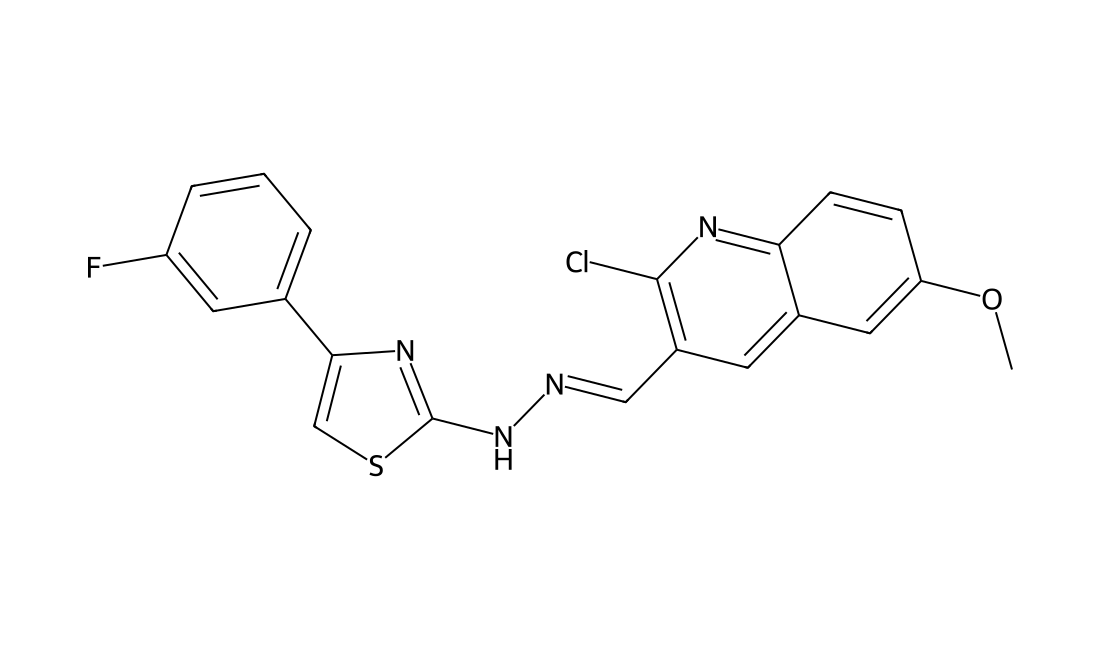
YC-001

CAS 748778-73-6

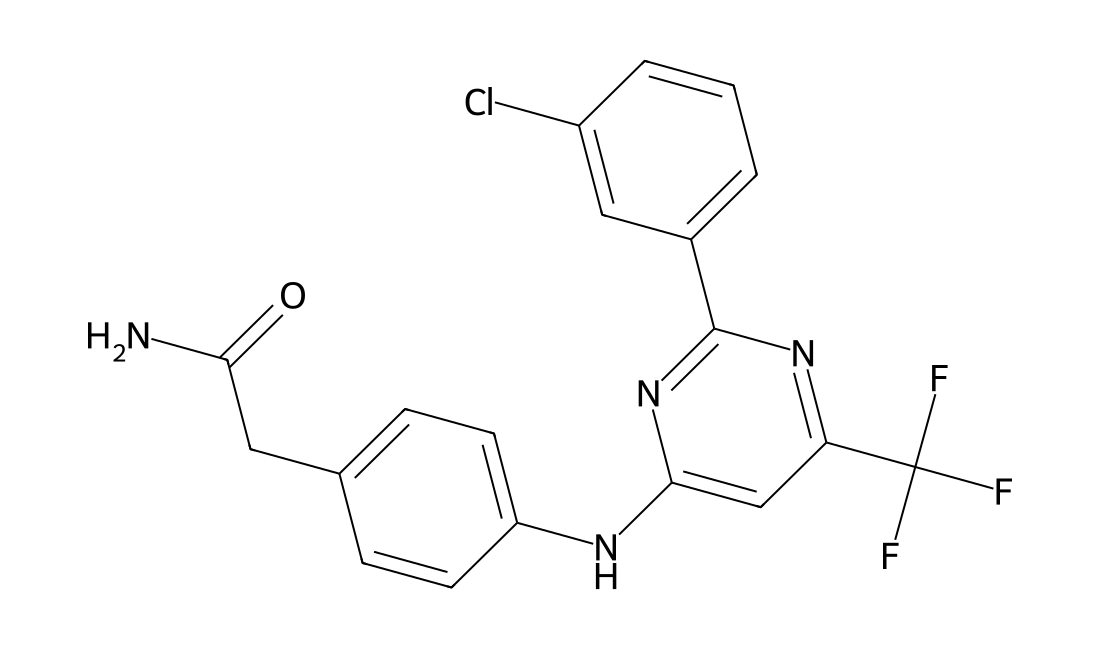
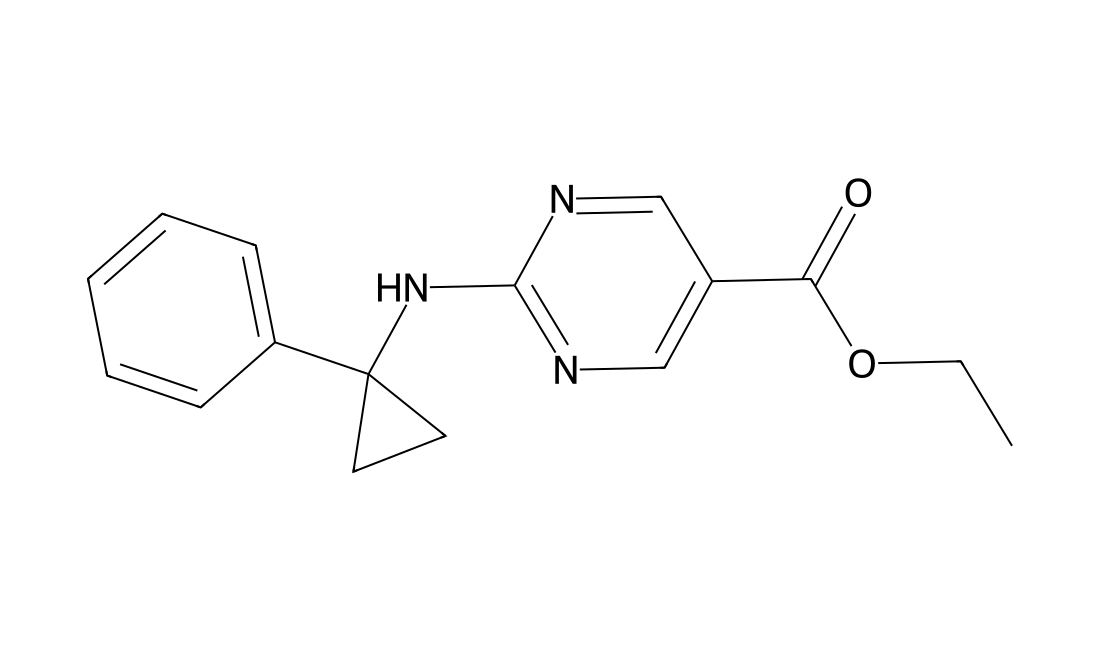
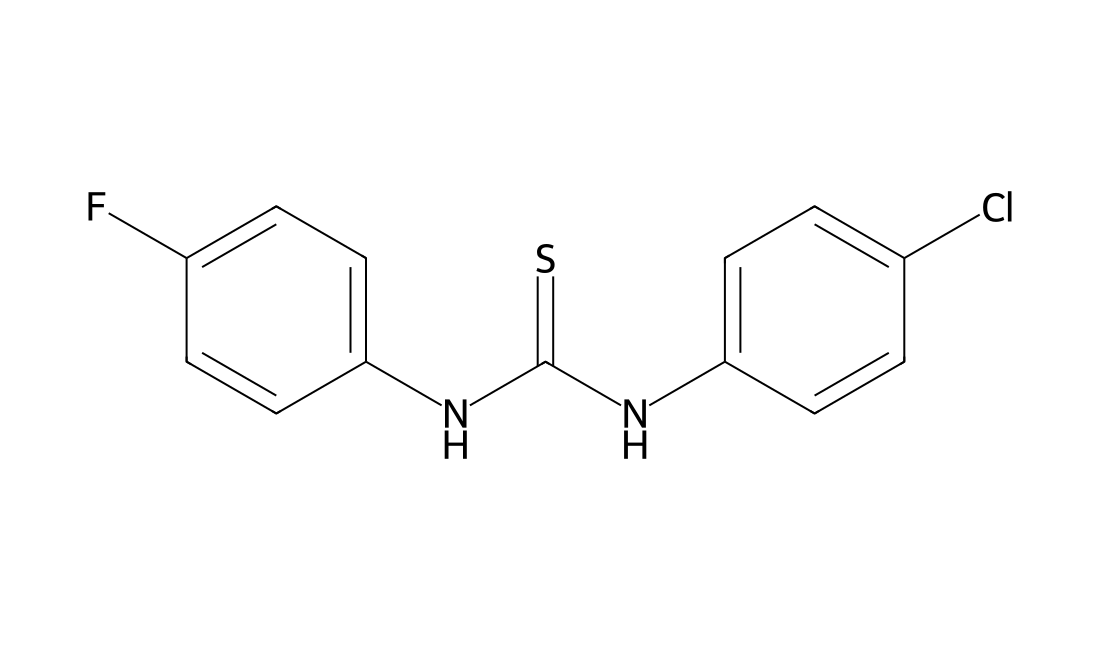
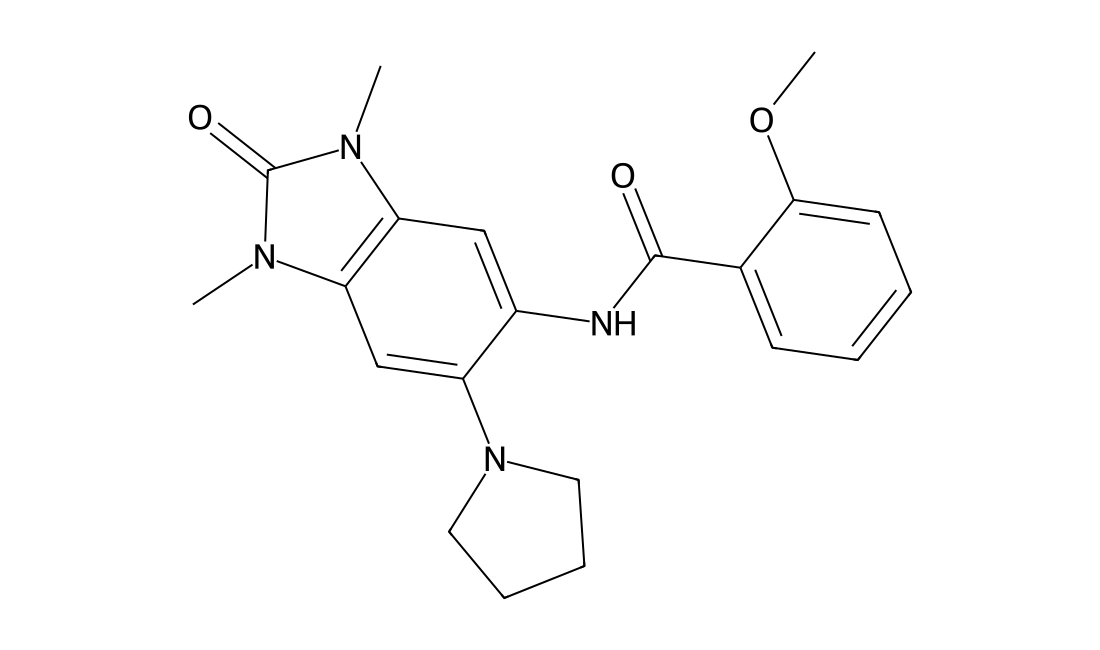
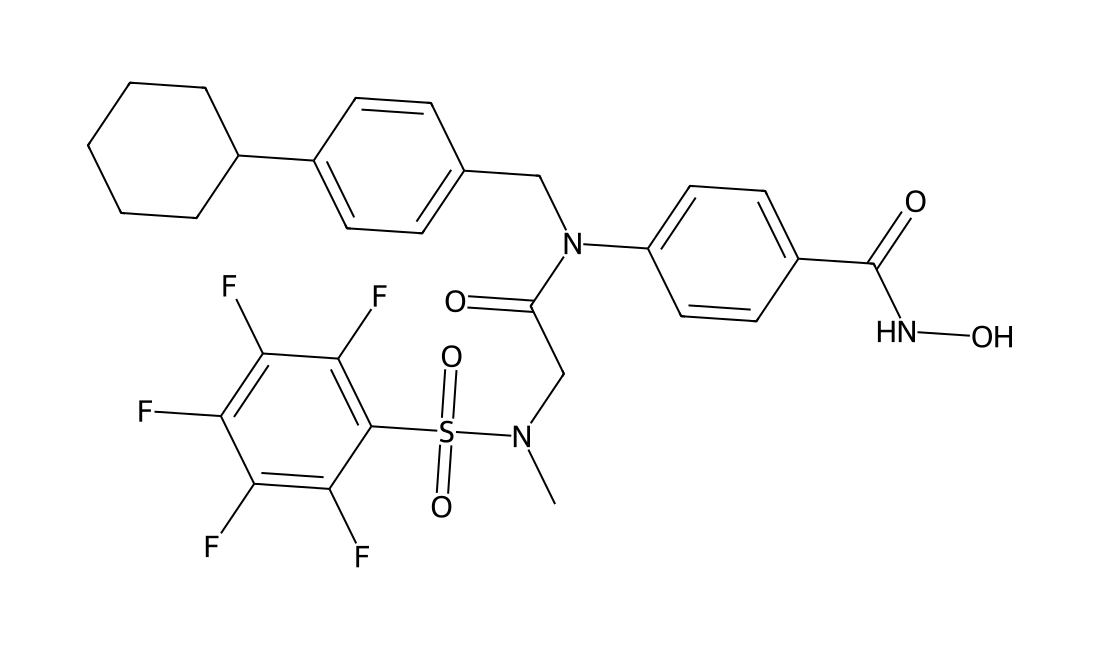
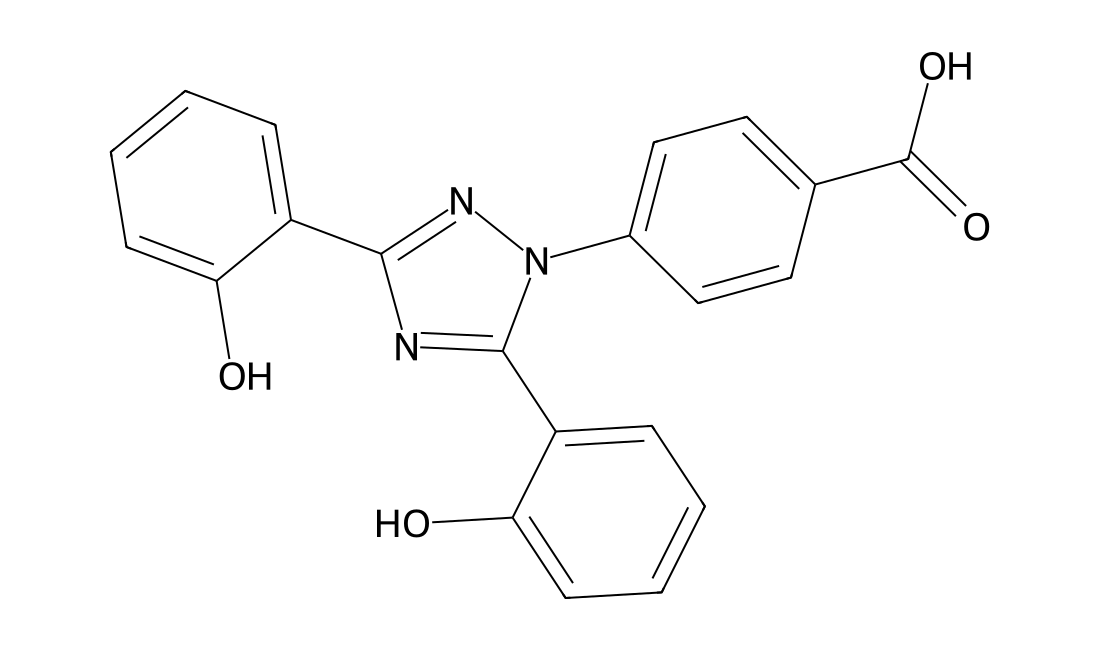
YC-001 is a novel pharmacological chaperone of rod photoreceptor opsin, rescues the transport of multiple rod opsin mutants in mammalian cells; demonstrates micromolar potency and efficacy greater than 9-cis-retinal with lower cytotoxicity; binds to bovine rod opsin with an EC50 (8.7 uM) similar to 9-cis-retinal, improves the glycosylation of the P23H-opsin mutant; YC-001 is an inverse agonist and antagonist of rod opsin that non-competitively antagonizes rod opsin signaling, delays isorhodopsin pigment regeneration; protects Abca4 -/- Rdh8 -/- mice from bright light-induced retinal degeneration.

YC-001 chemical structure
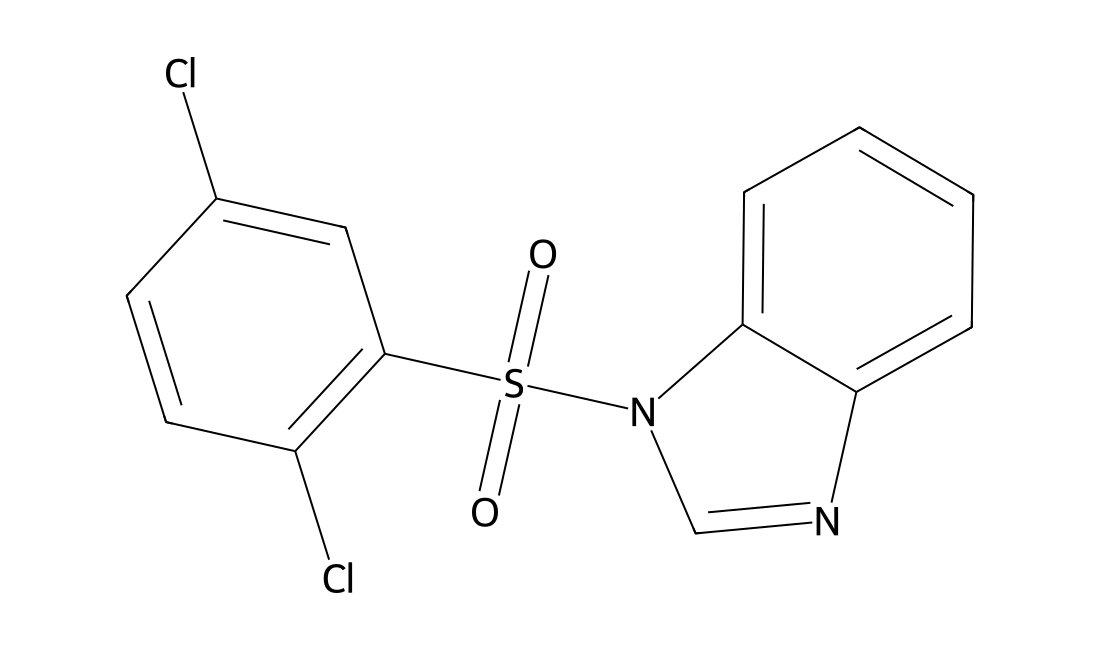
DC8726

FLLL31

CAS 52328-97-9

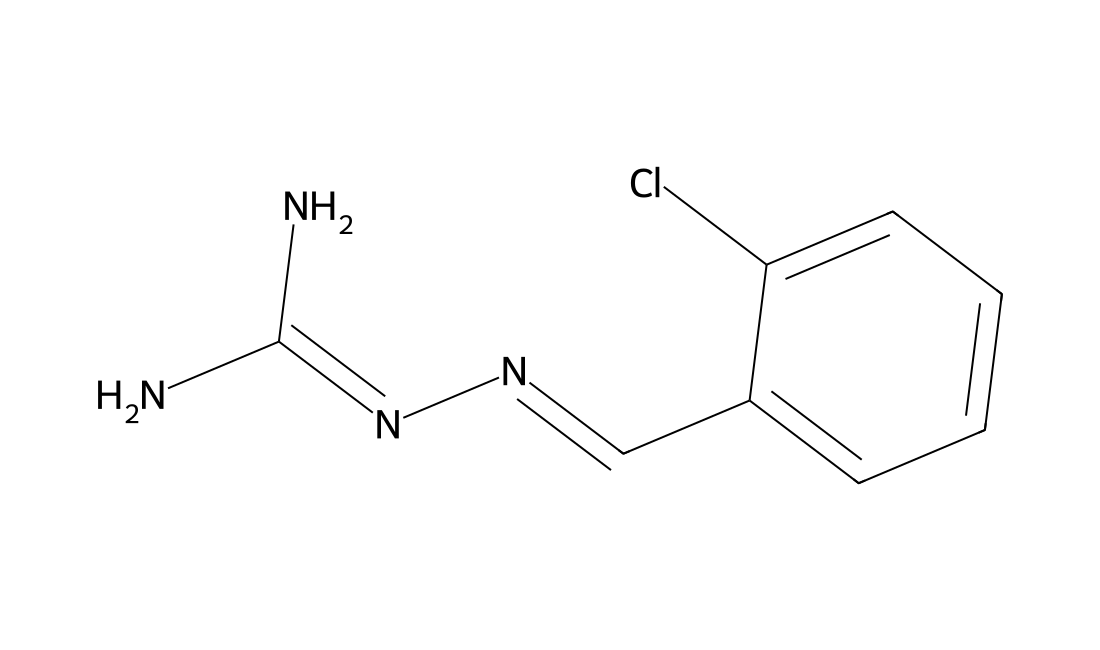
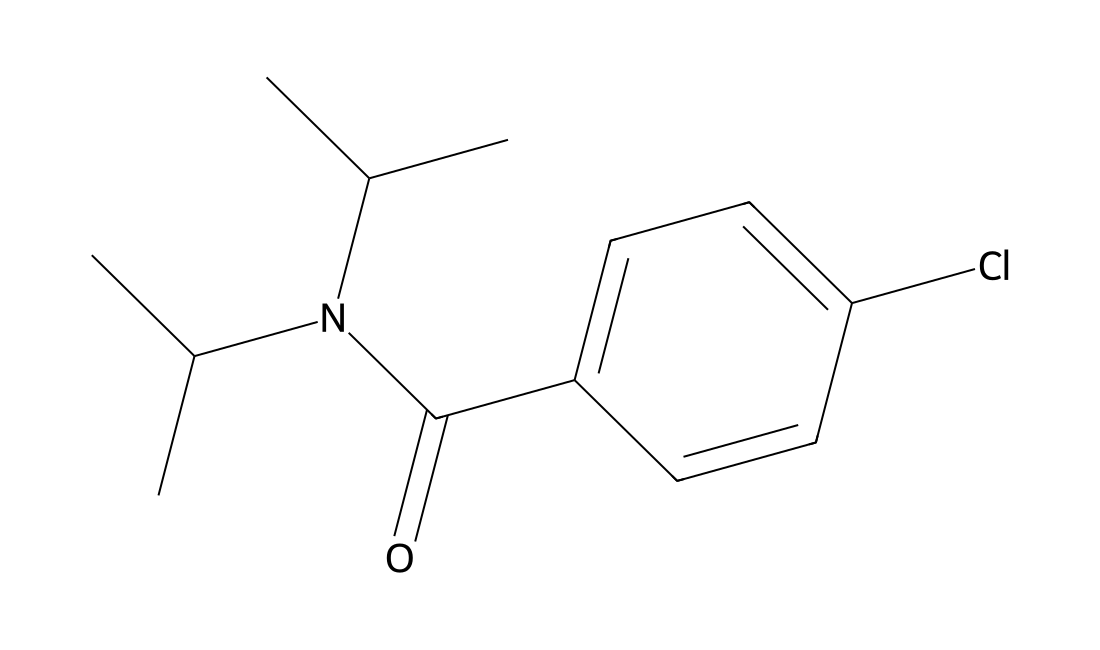
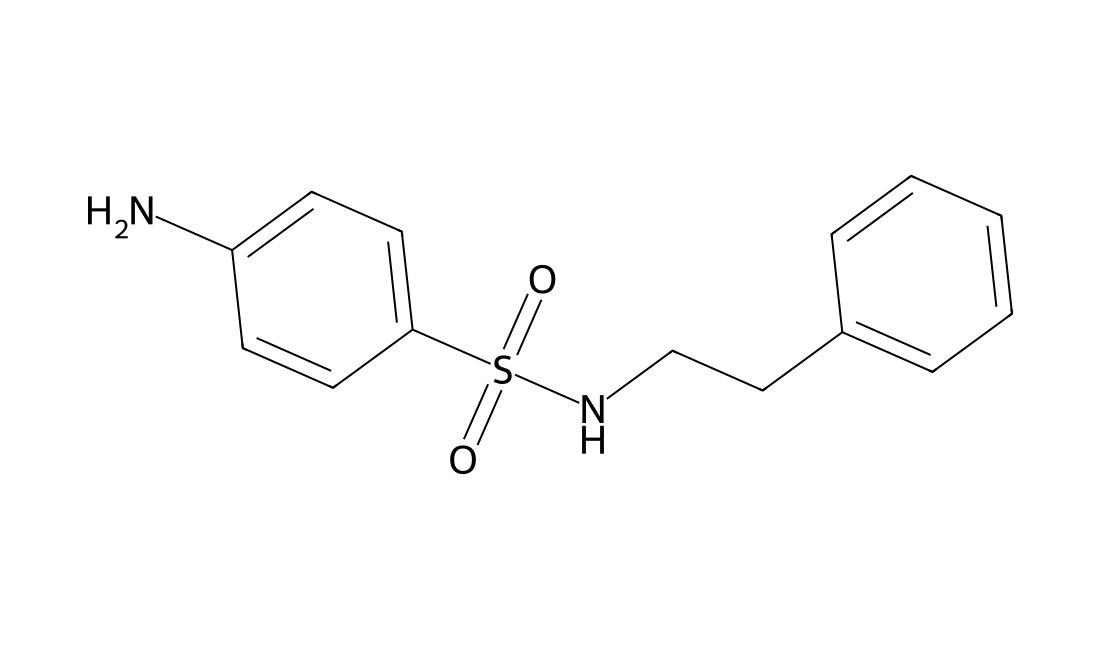
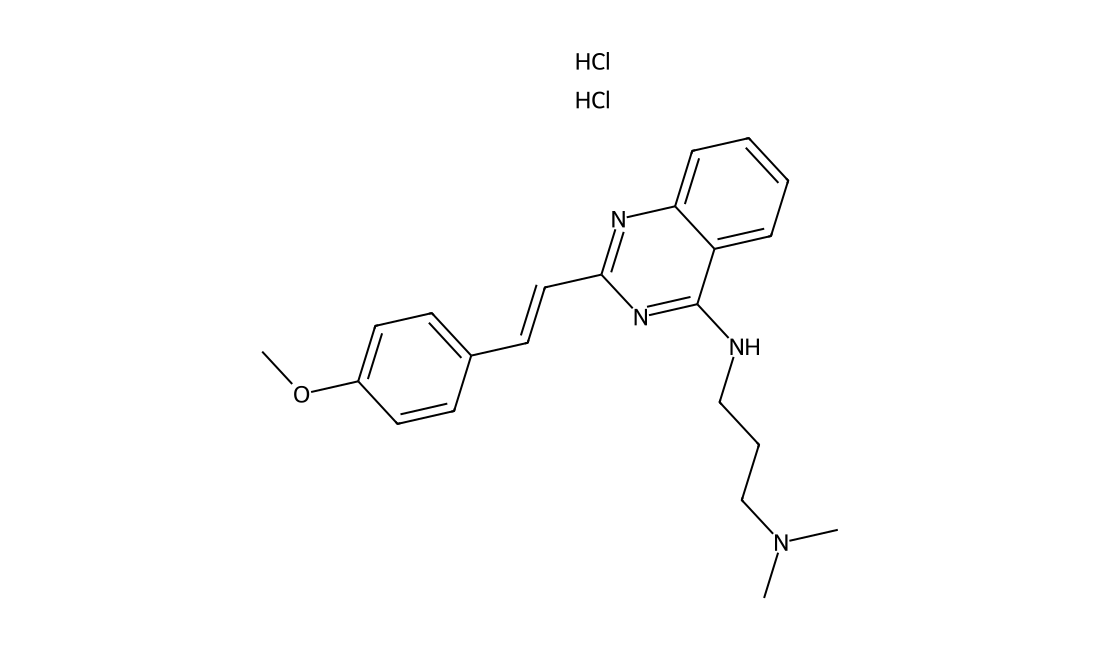
FLLL31 selectively binds to Janus kinase 2 and the STAT3 Src homology-2 (SH2) domain, effective inhibitors of STAT3 phosphorylation. STAT3 plays a critical role in early embryogenesis, but is largely dispensable in normal adult cells and tissues. On the other hand the JAK2/STAT3 signaling pathway is persistently activated in great number of human solid and blood cancers. Such activation is commonly associated with a worse prognosis. FLLL31 is a curcumin derivative locked in diketone-tautomeric form, which supposedly improves binding to SH2 domain. The compound inhibits JAK2 kinase activity and prevents STAT3 phosphorylation. FLLK31 is a potent and selective inhibitor of the STAT3 signaling pathway.

FLLL31 chemical structure
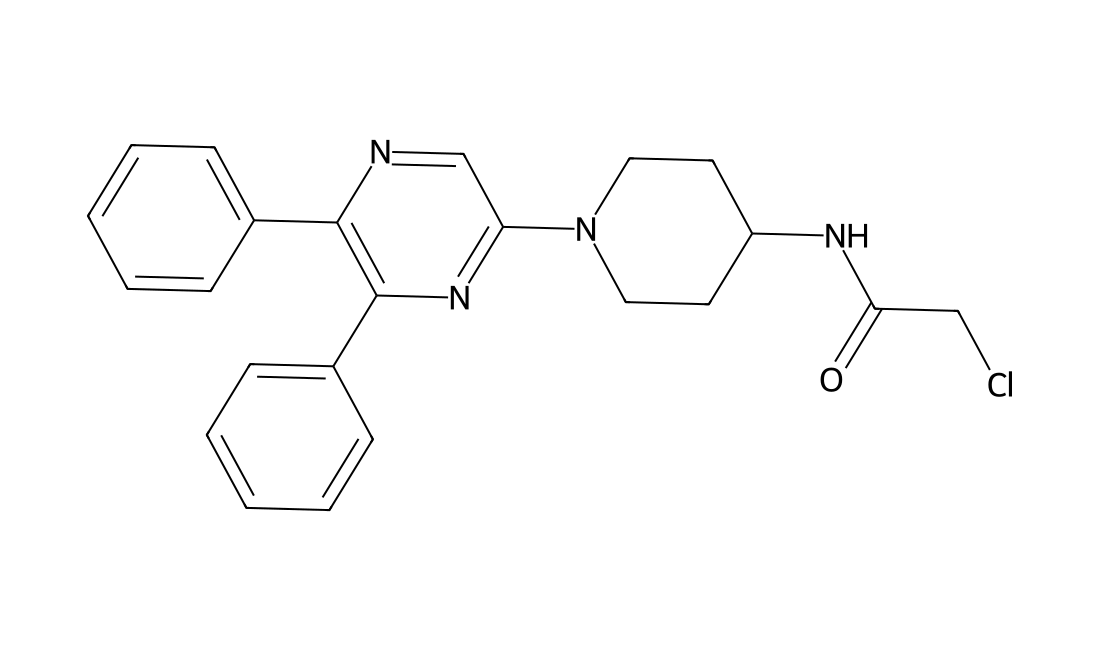
DC12608

BPN14770

CAS 1606975-12-5

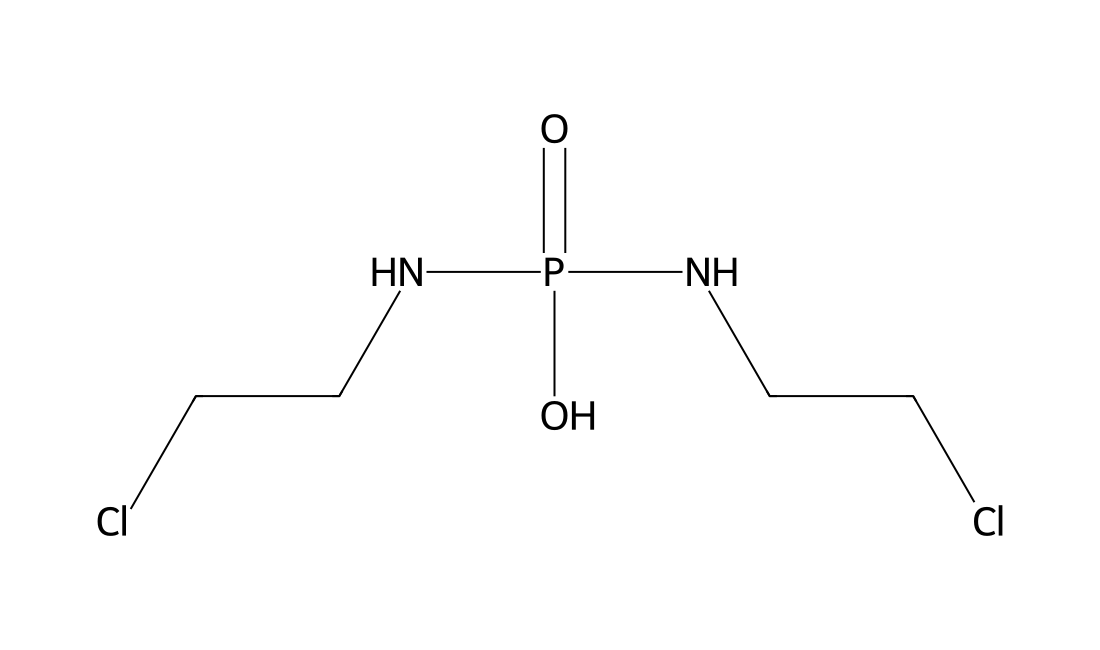
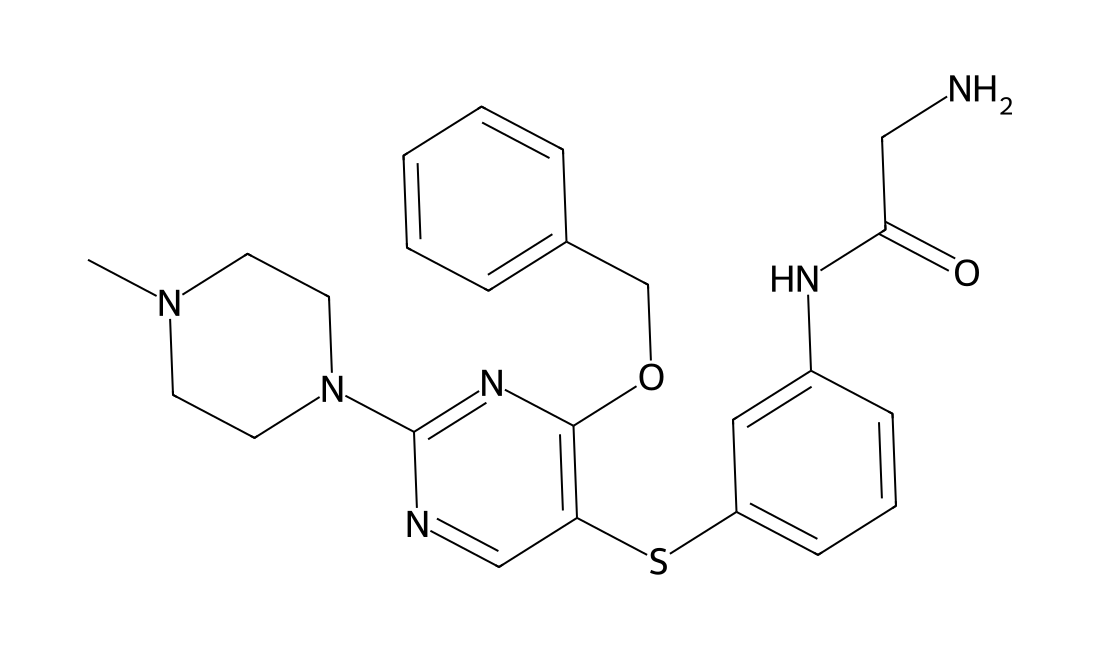
BPN14770 (BPN-14770) is an allosteric inhibitor of phosphodiesterase 4D (PDE4D) with IC50 of 7.8 and 7.4 nM for human PDE4D7 and PDE4D3 respectively, displays 16-fold less potent against monomeric form of PDE4D lacking the UCR1 dimerization domain (PDE4D2 IC50 = 127 nM); BPN14770 is 17-fold less potent against mouse PDE4D7 (IC50 = 133 nM), binds to a primate-specific, N-terminal region of PDE4D; elevates brain cAMP and facilitates hippocampal long-term potentiation (LTP) in wild-type and humanized PDE4D mice, improves cognitive performance, antagonized the amnesic effects of scopolamine and increased cAMP signaling in brain, and increased BDNF and markers of neuronal plasticity associated with memory.

BPN14770 chemical structure
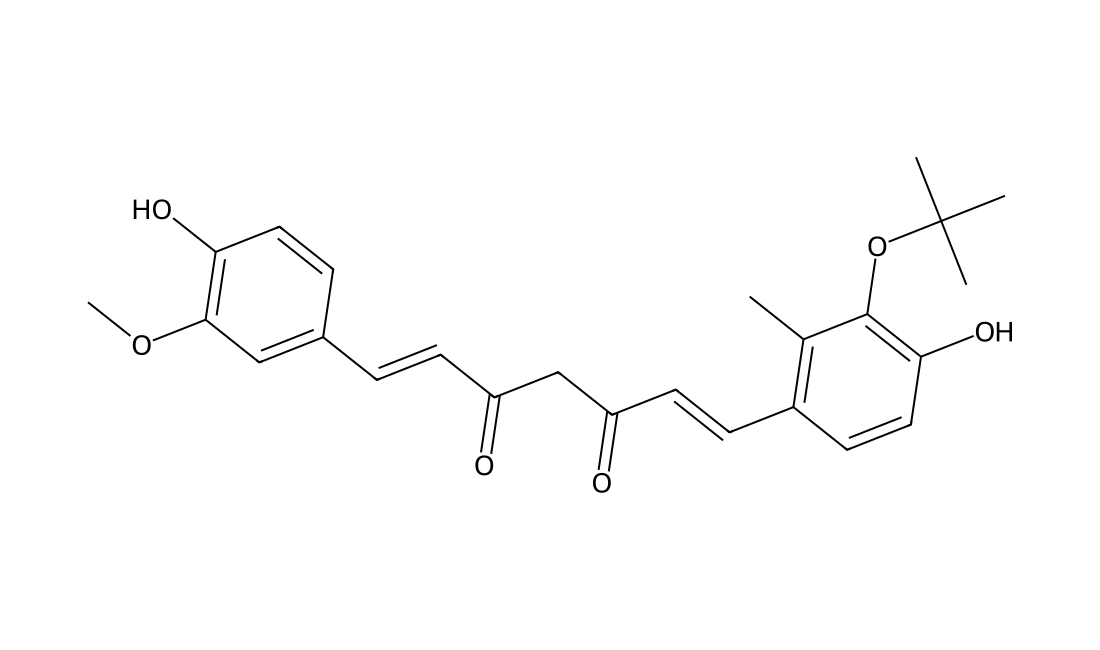
DC8600

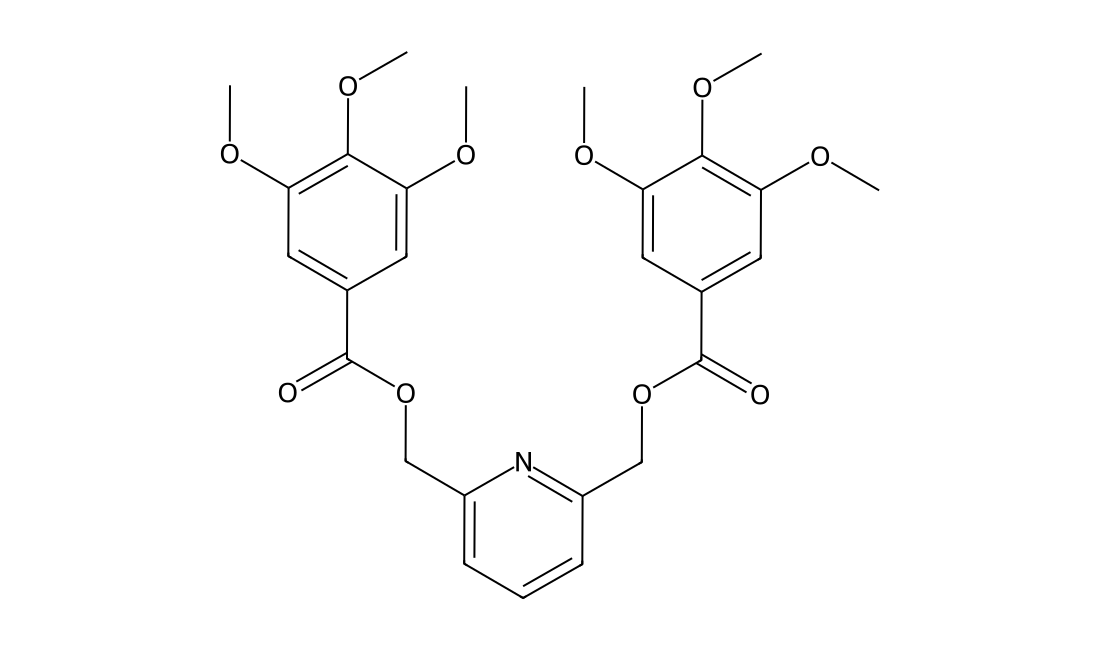
Sephin-1

CAS 13098-73-2

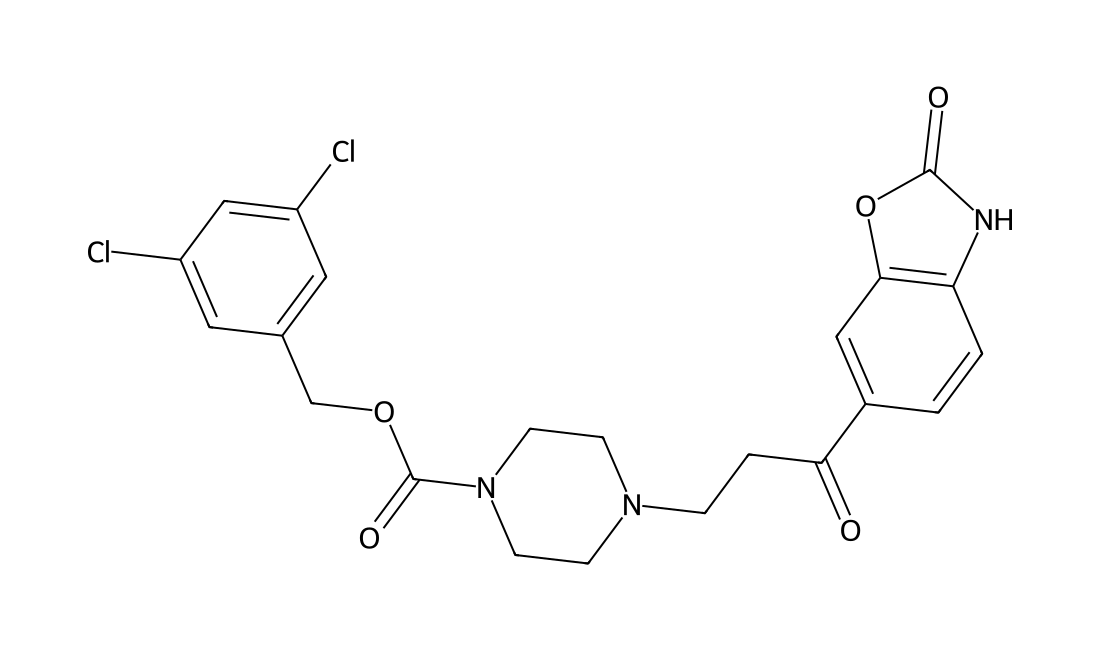
Sephin1 is a selective inhibitor of stress-induced PPP1R15A and targets disease associated with accumulation of misfolded protein. PPP1R15A is a regulator subunit of protein phosphatase 1 and regulates stress-induced eIF2α (α subunit of eukaryotic translation initiation factor 2). It brings PP1 (serine/threonine-protein phosphatase) to dephosphorylate eIF2α. Phosphorylation of eIF2α reduces protein synthesis and prevents the accumulation of misfolded protein in ER (endoplasmic reticulum). Thus inhibiting PPP1R15A prolongs the phosphorylation of eIF2α, and benefits the treatment for protein misfolding disease. In cells treated with 5μm Sephin1 for 6 hours, Sephin1 specifically disrupted the PPP1R15A-PP1c complex without affecting PPP115B-PP1c complex. As a consequence, Sephin1 prolonged eIF2a phosphorylation in HeLa cells after stress (*2.5 μg/ml tunicamycin treatment) and delayed translational recovery. Sephin1 recused cell from cytotoxic ER stress* in wild-type cell but not the PPP1R15A mutant cell. In mice administrated orally with 1-5mg/kg Sephin1 for given time, Sephin1 exhibited no adverse effects on rotarod performances, total body weight gain or memory. Treating MPZ (Deletion of serine 63 of myelin protein zero) mutant mice with 1mg/kg orally twice a day, prevented the molecular, morphological and motor defects. Oral treatment of 5 mg/kg of Sephin1 once a day, prevented motor deficits, motor neuron loss and the molecular defects in SOD1 (Mutant and misfolding-prone superoxide dismutase 1) mutant mice.

Sephin-1 chemical structure
DC60417

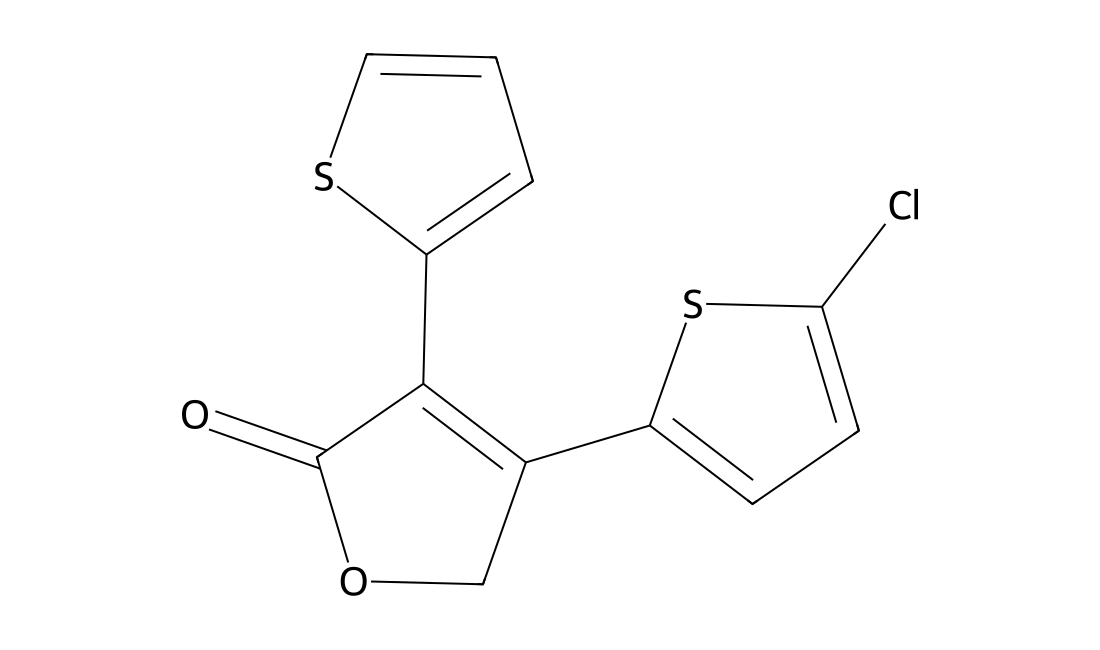
EN106

CAS 757192-67-9

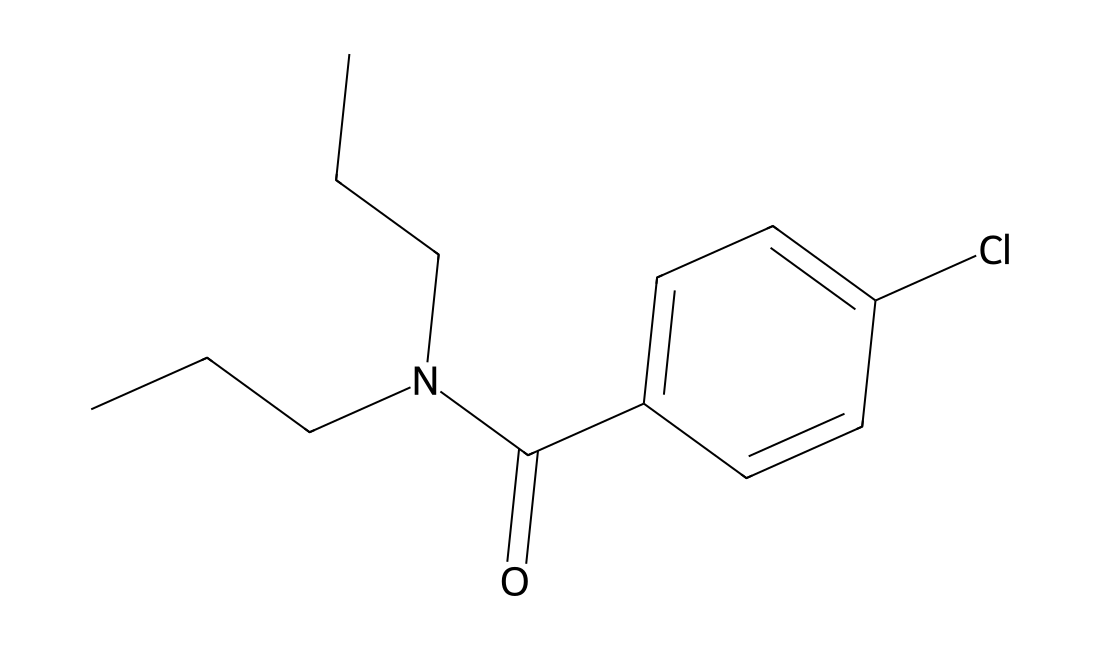
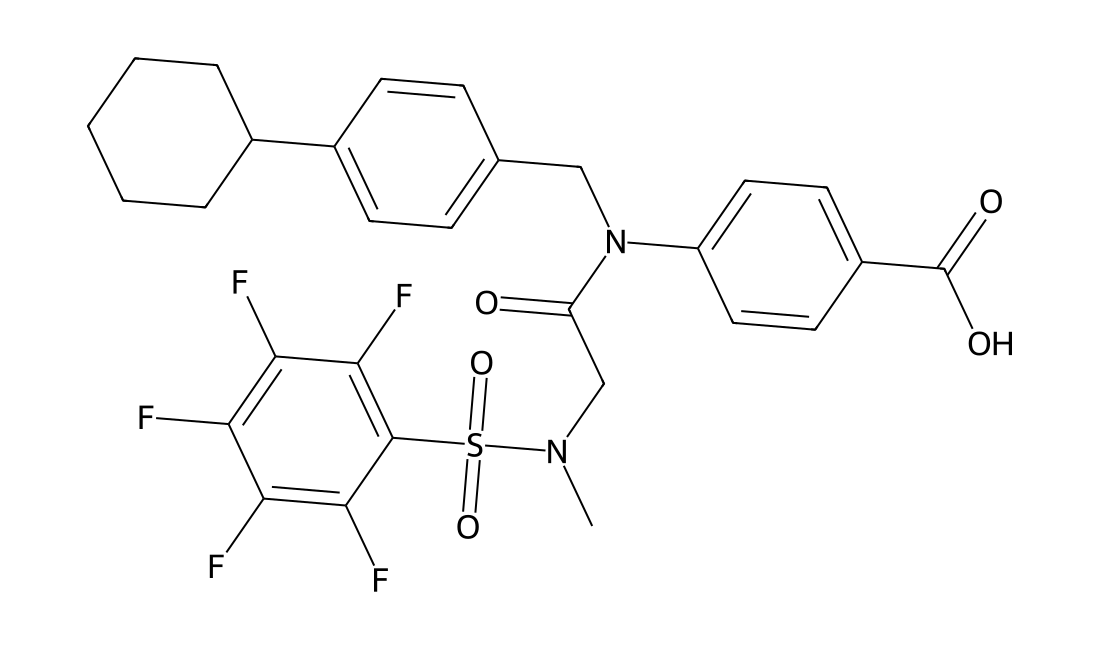
EN106 is a potent inhibitor of FEMIB. EN106 targets FEM1B, an E3 ligase recently discovered as the critical component of the cellular response to reductive stress. By targeting C186 in FEM1B, EN106 disrupts recognition of the key reductive stress substrate of FEM1B, FNIP1.
EN106 chemical structure
DC8346

O4I-1

CAS 175135-47-4

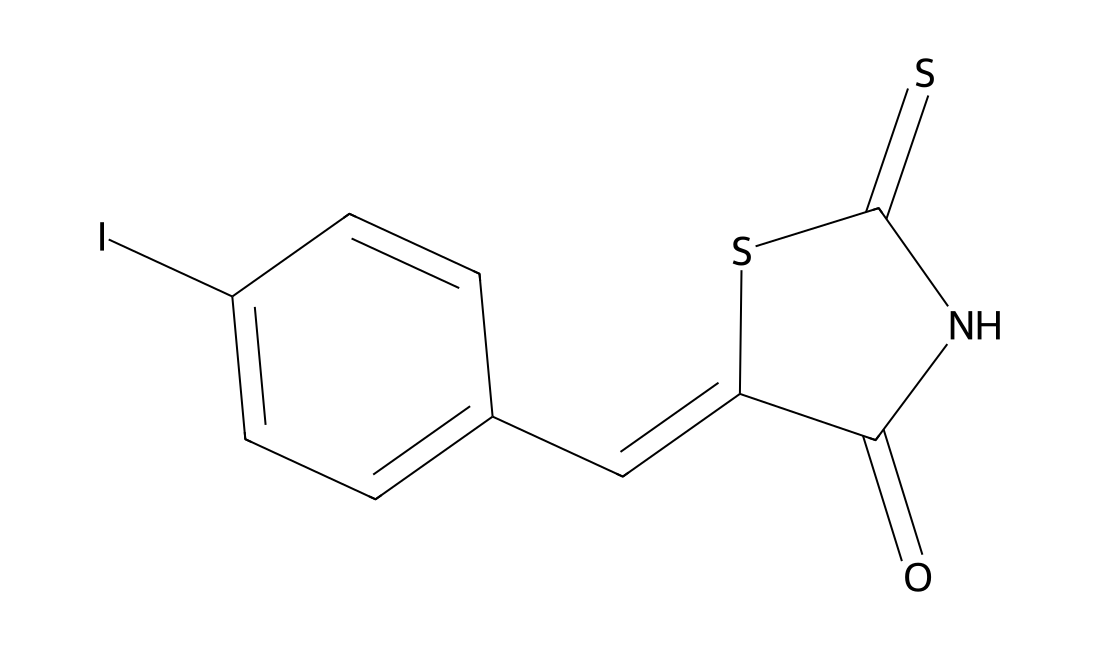
O4I1 is as a potent Oct3/4 inducer.Target: Oct3/4O4I1 enhances Oct3/4 gene expression, increases Oct3/4 protein levels, and promotes Oct3/4 mediated transcriptional activation. O4I1 activates Oct3/4 at the transcriptional and translational levels in diverse human cell lines. O4I1 promotes Oct3/4 expression in untransfected HEK293 cells quantified by qRT-PCR after 72 h of treatment. O4I1 is sufficient to enhance Oct3/4 overexpression 2-fold and 3-fold after 48 and 72 h of treatment, respectively.

O4I-1 chemical structure
DC10711

ML-327

CAS 1883510-31-3

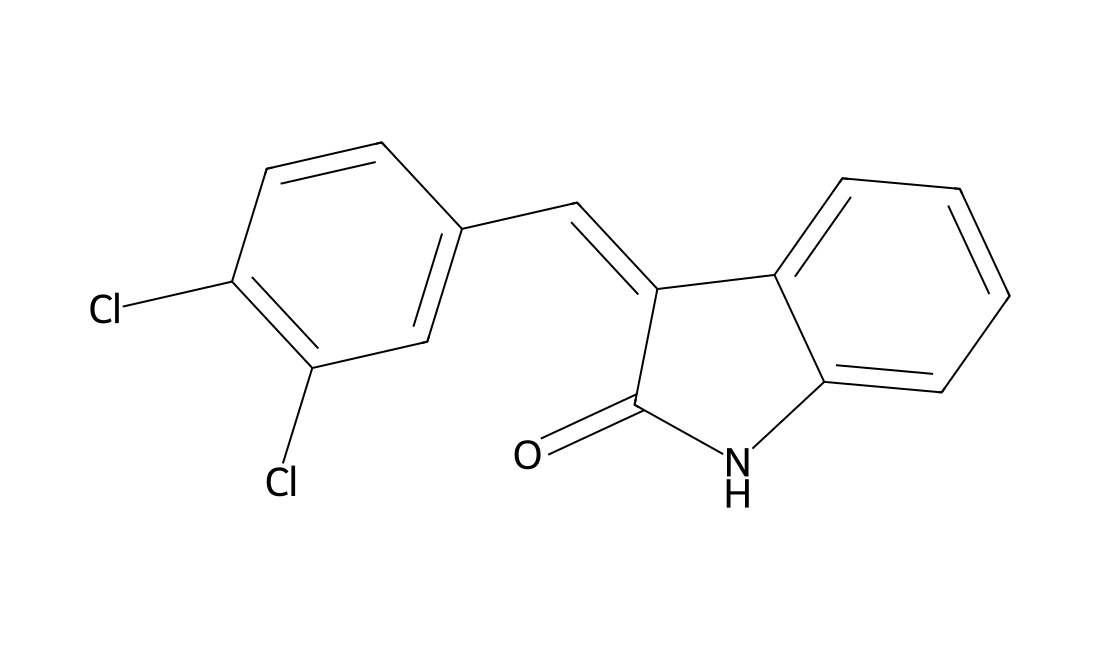
ML327 is a blocker of MYC which can also de-repress E-cadherin transcription and reverse Epithelial-to-Mesenchymal Transition (EMT).

ML-327 chemical structure
DC7771

ML216

CAS 1430213-30-1

ML216(CID-49852229) is a potent inhibitor of the DNA unwinding activity of BLM helicase; showing similar IC50s of 3.0 and 0.97 μM for full length BLM and BLM636–1298 respectively.ML216 shows cell-based activity, and can induce sister chromatid exchanges, enhance to the toxicity of aphidicolin and exert anti-proliferative activity in cells expressing BLM, but not in those lacking BLM.

ML216 chemical structure
DC7247

PF-8380

CAS 1144035-53-9

PF-8380 is a potent autotaxin inhibitor with an IC50 of 2.8 nM in isolated enzyme assay and 101 nM in human whole blood.

PF-8380 chemical structure
DC8291

PFI-4

CAS 900305-37-5

PFI-4 is a potent and selective and cell permeable BRPF1 bromodomain inhibitor (IC50 = 80 nM). Exhibits >100-fold selectivity for BRPF1 over a panel of other bromodomains including BRPF2 (BRD1), BRPF3 and BRD4.

PFI-4 chemical structure
DC7983

SH-4-54

CAS 1456632-40-8

SH-4-54 is a most potent, small molecule, nonphosphorylated STAT inhibitor, with KDs of 300, 464 nM for STAT3 and STAT5, respectively.

SH-4-54 chemical structure
DC10601

SU 4942

CAS 76086-99-2

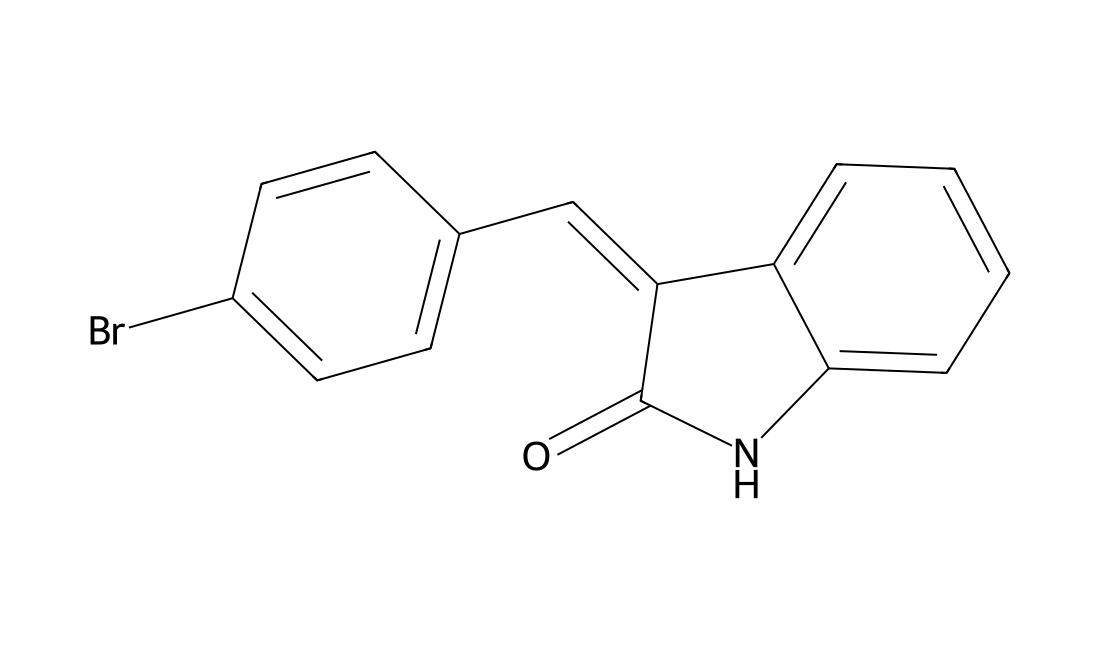
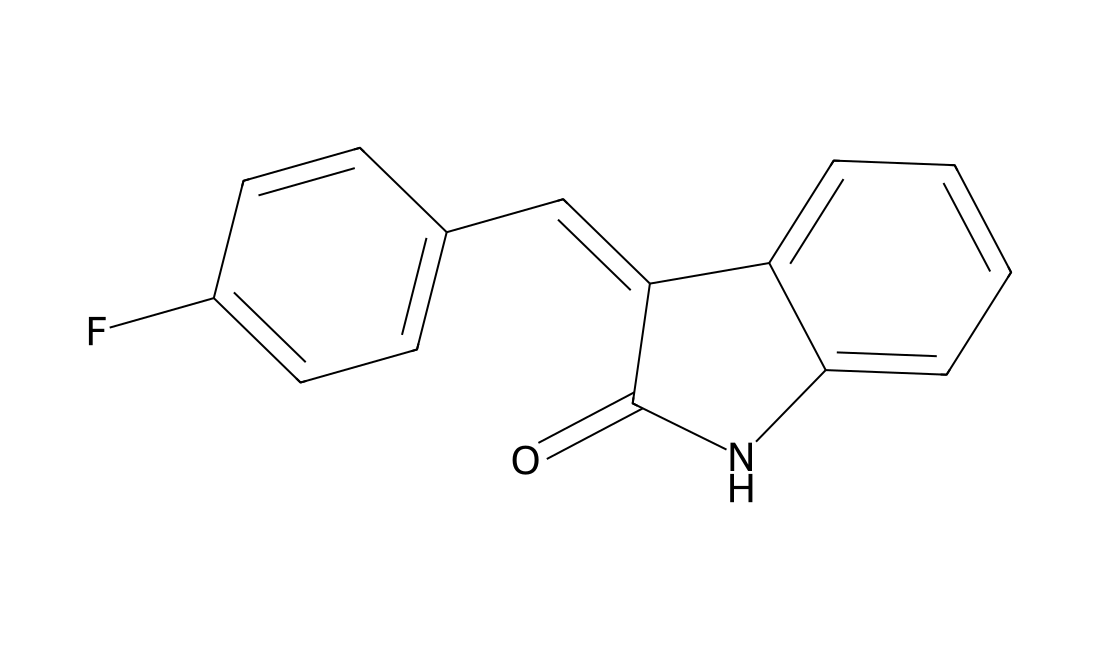
SU-4942 is a tyrosine kinase signal signal modulator. SU-4942 inhibits VEGF- and endothelial cell growth factor (ECGF)-induced mitogenesis in endothelial cells (US5792783A)[1].

SU 4942 chemical structure
DC7306

TAK-438

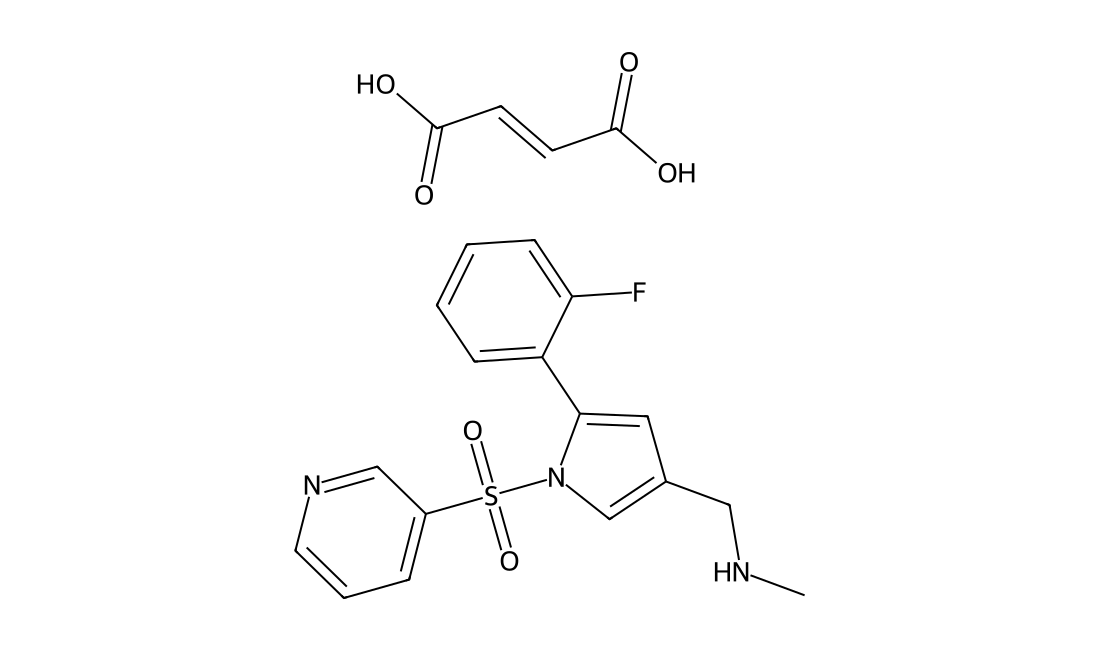
CAS 1260141-27-2

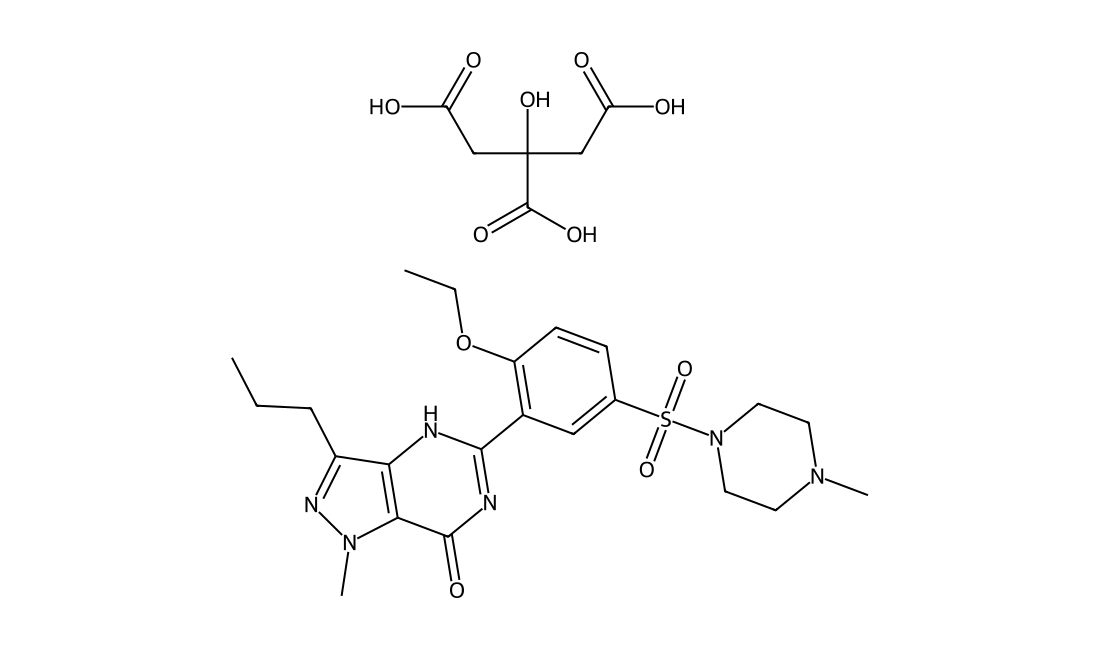
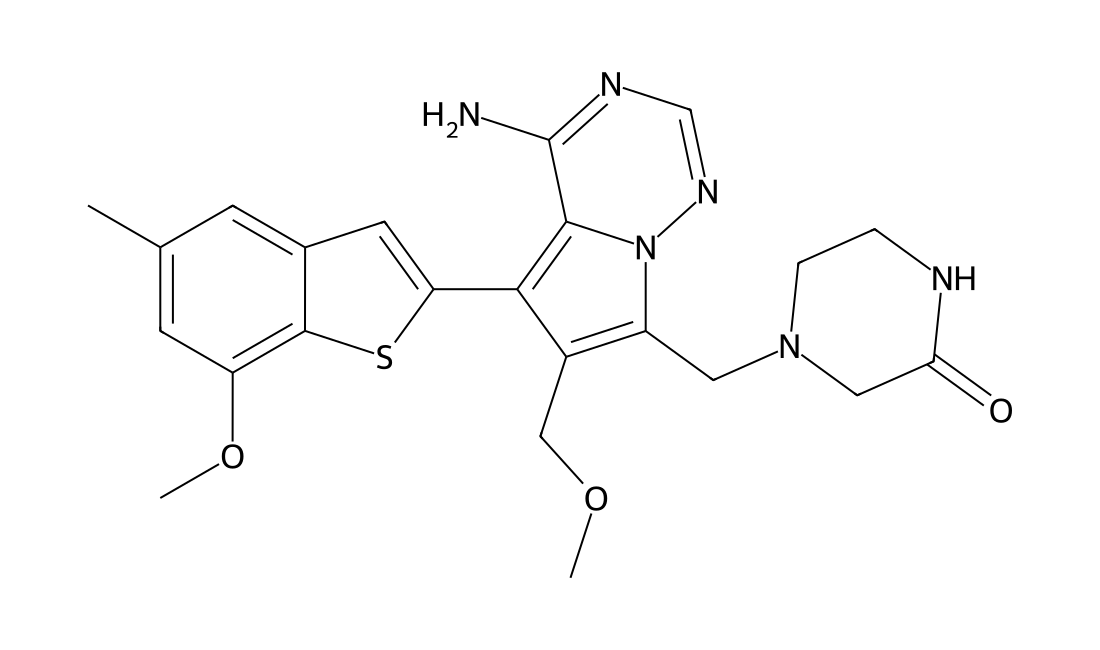
TAK-438 is an orally active potassium-competitive acid blocker which inhibits H+, K+-ATPase activity with an IC50 of 19 nM.

TAK-438 chemical structure
DC1065

Tenovin-1

CAS 380315-80-0

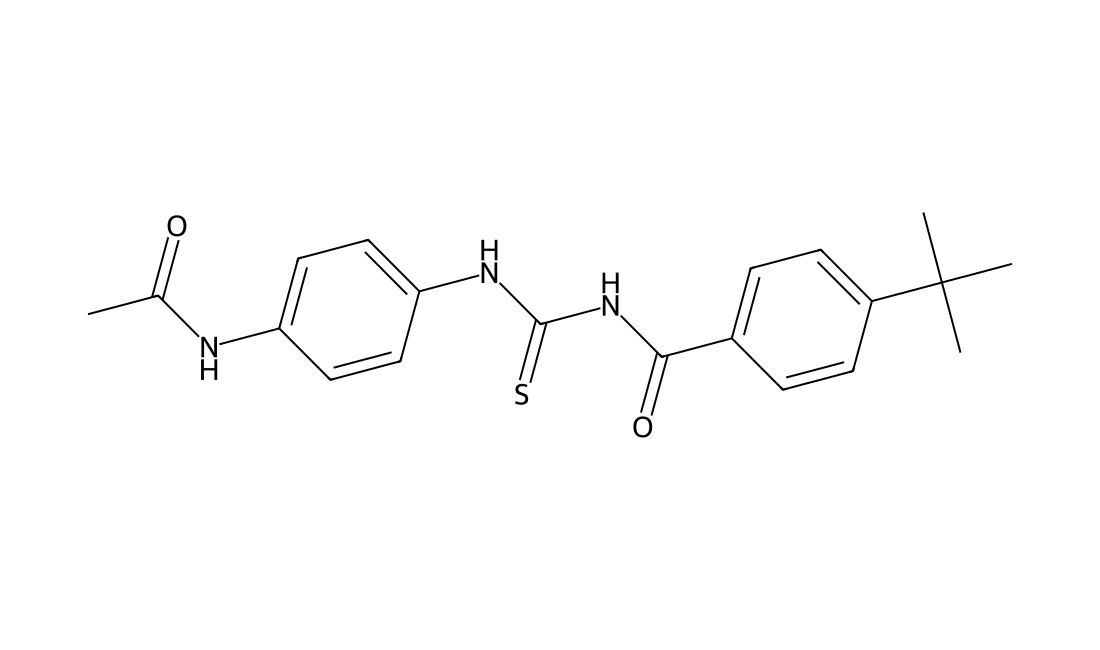
Tenovin-1 is an inhibitor of sirtuin 1 and sirtuin 2, an activator of p53 and may have potential in the management of cancer.

Tenovin-1 chemical structure
DC9941

XMD16-5

CAS 1345098-78-3

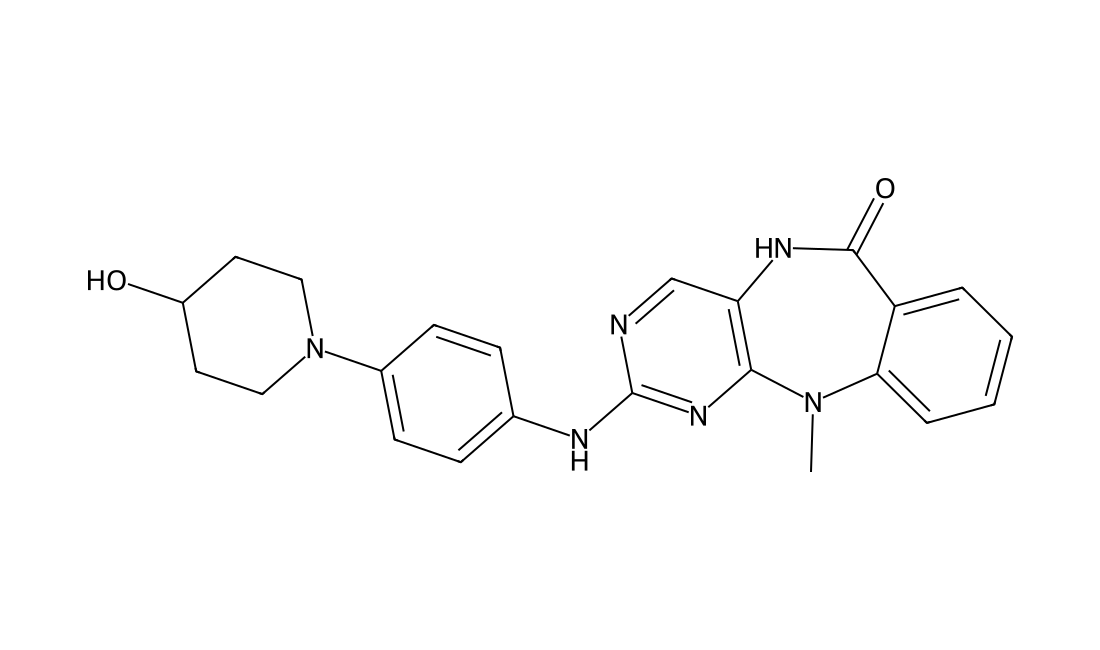
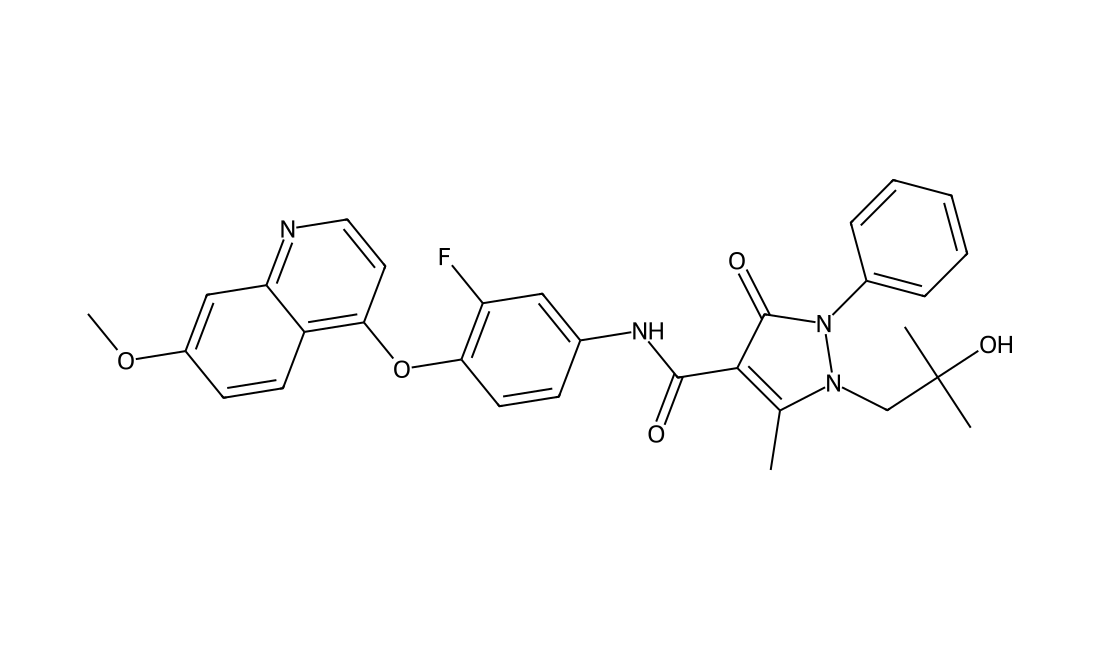
XMD16-5 is a potent TNK2 inhibitor with IC50 values of 16 and 77 nM for the D163E and R806Q mutations, respectively.

XMD16-5 chemical structure
DC21546

BI-1467335 HCl

CAS 1478364-68-9

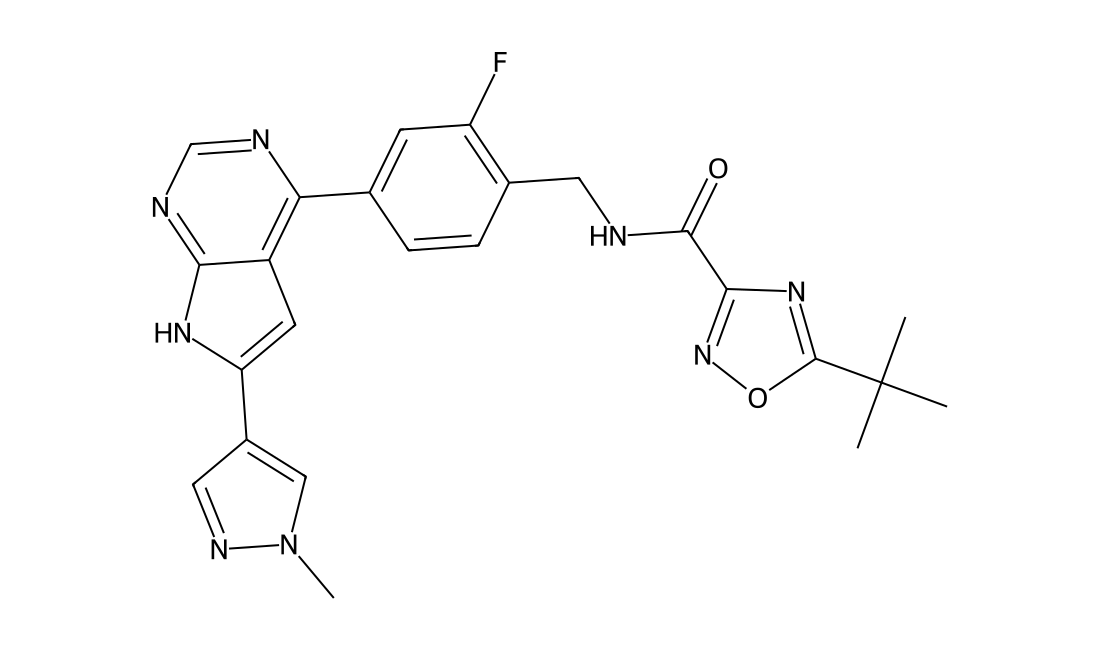
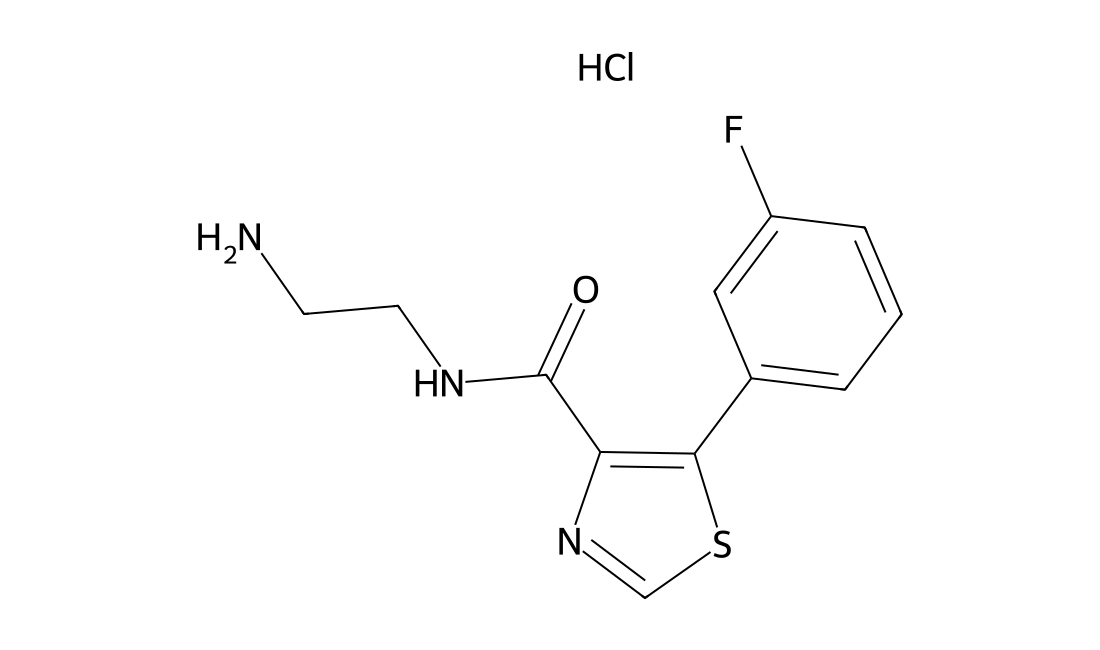
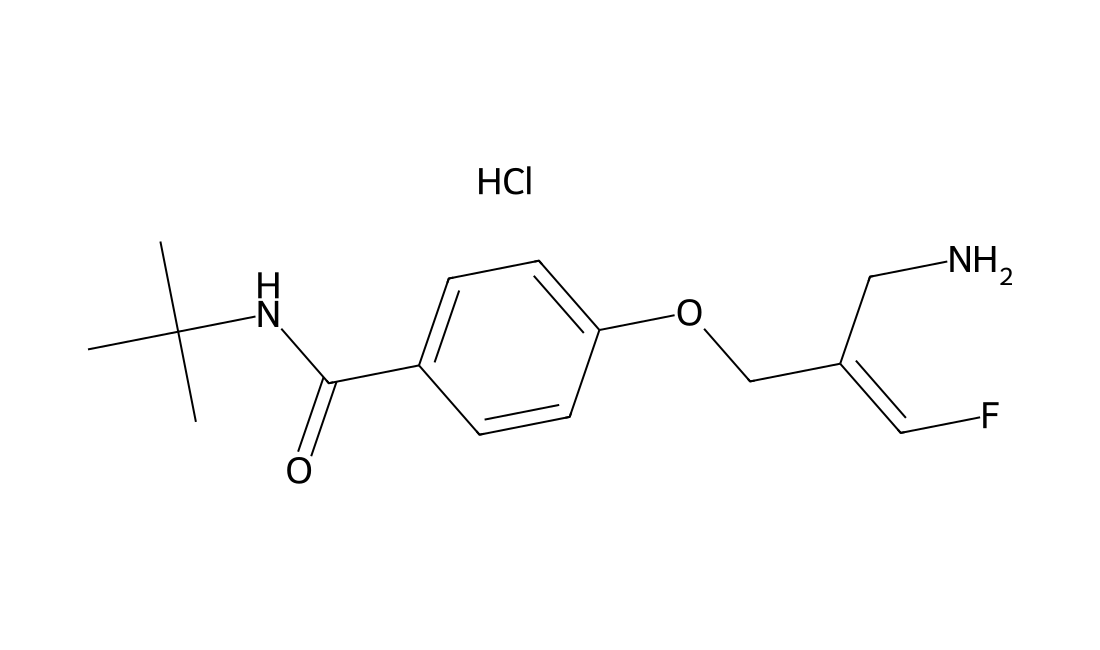
BI 1467335 (PXS-4728A, PXS-4728) is a potent, selective, orally active SSAO/VAP-1 (AOC3) inhibitor with IC50 of 5 nM; displays >500-fold selective for VAP-1/SSAO over all the related human amine oxidases; diminishes leukocyte rolling and adherence induced by CXCL1/KC, also inhibits the migration of neutrophils to the lungs in response to LPS, Klebsiella pneumoniae lung infection and CLP induced sepsis.

BI-1467335 HCl chemical structure
DC10059

BGG463

CAS 890129-26-7

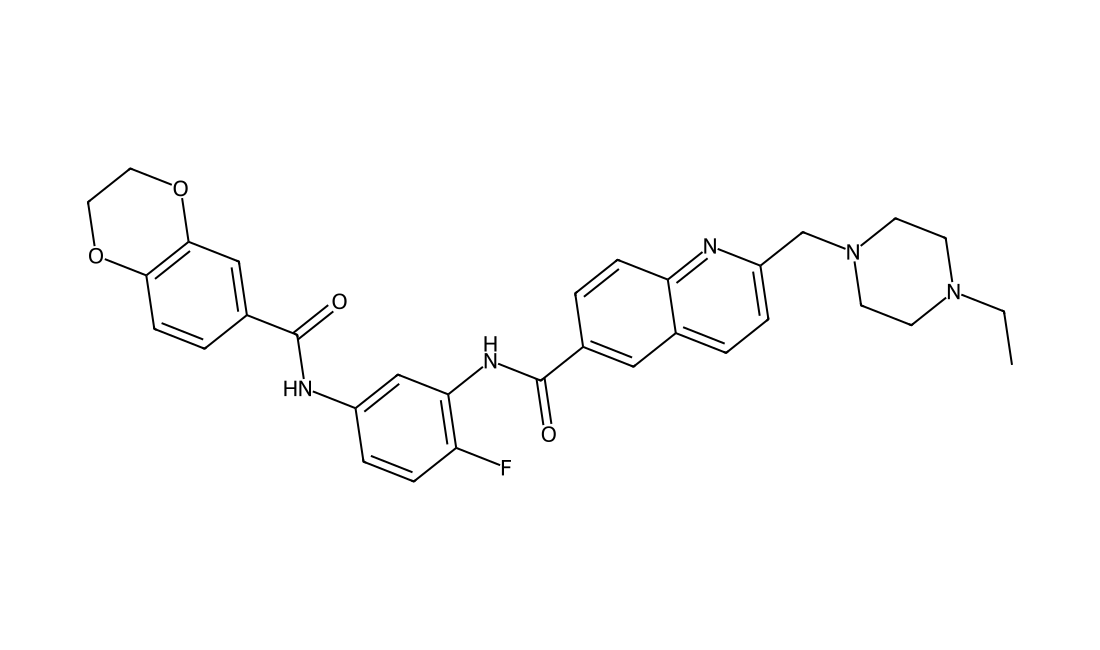
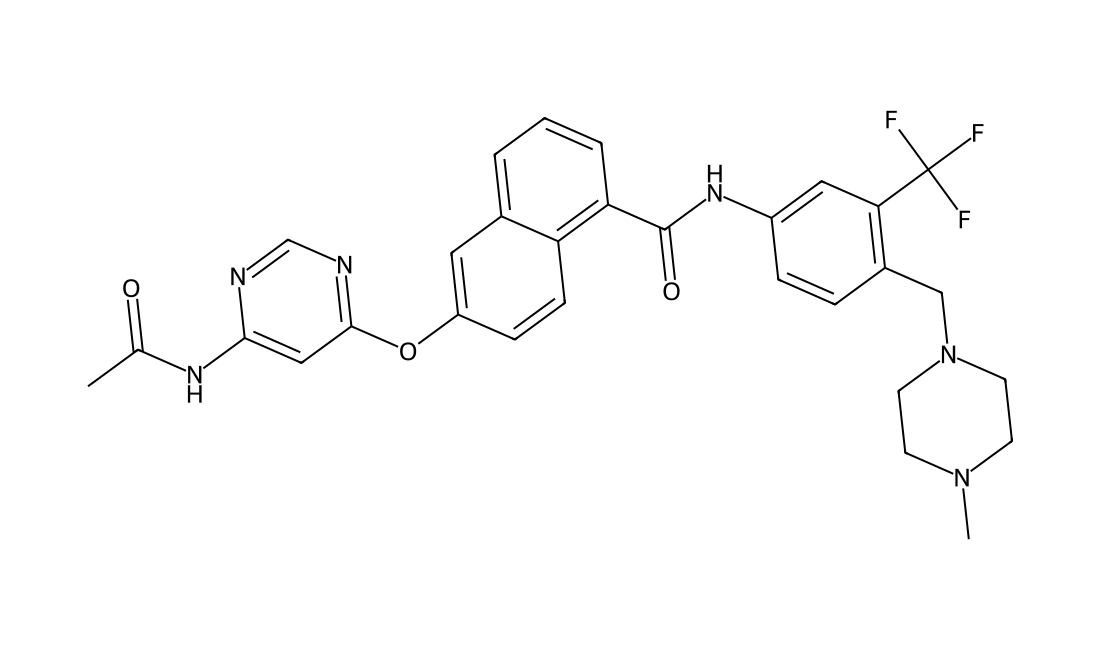
BGG463 (NVP-BGG463) was generated by a rational ‘hybrid design’ approach. Like Imatinib, BGG463 disrupts the assembly of the hydrophobic spine, a characteristic feature of the active state of several kinases, thereby locking the kinase in an inactive ‘DFG-out’ conformation. BGG463 can inhibit c-ABL-T334I, BCR-ABL and BCR-ABL-T315I variants with a 50% inhibitory concentration (IC50) of 0.25 μM, 0.09 μM and 0.590 μM, respectively.

BGG463 chemical structure
DC8528

RO495

CAS 1258296-60-4

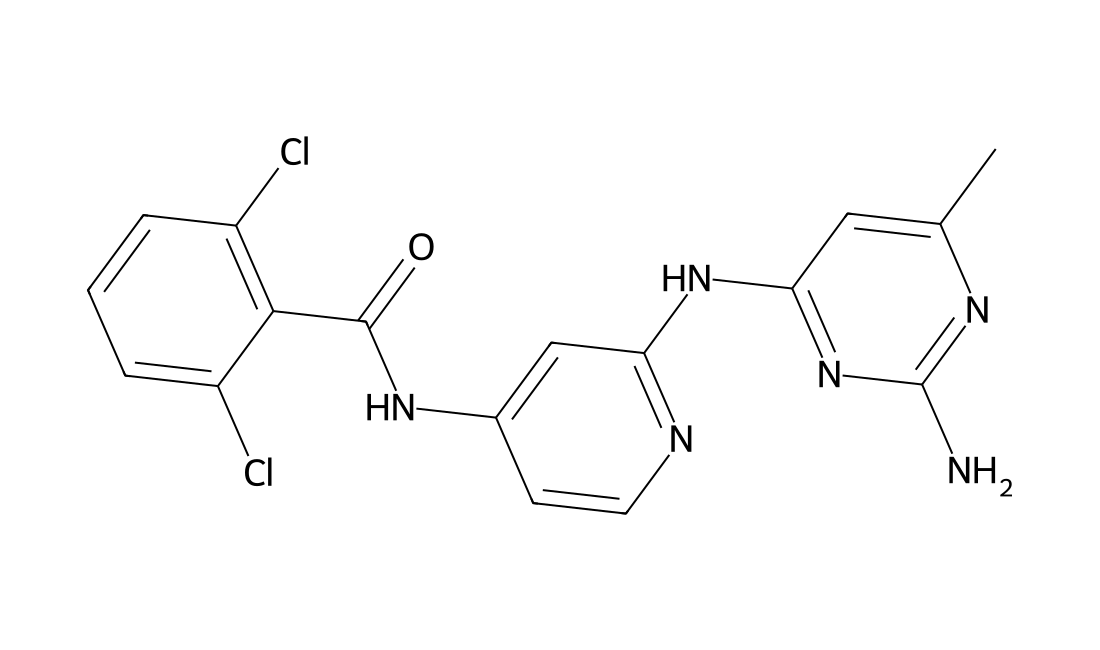
RO495 is a very potent TYK2 inhibitor with a IC50 of 1.5nM on TYK2 as tested in cell-based pharmacological assays

RO495 chemical structure
DC8895

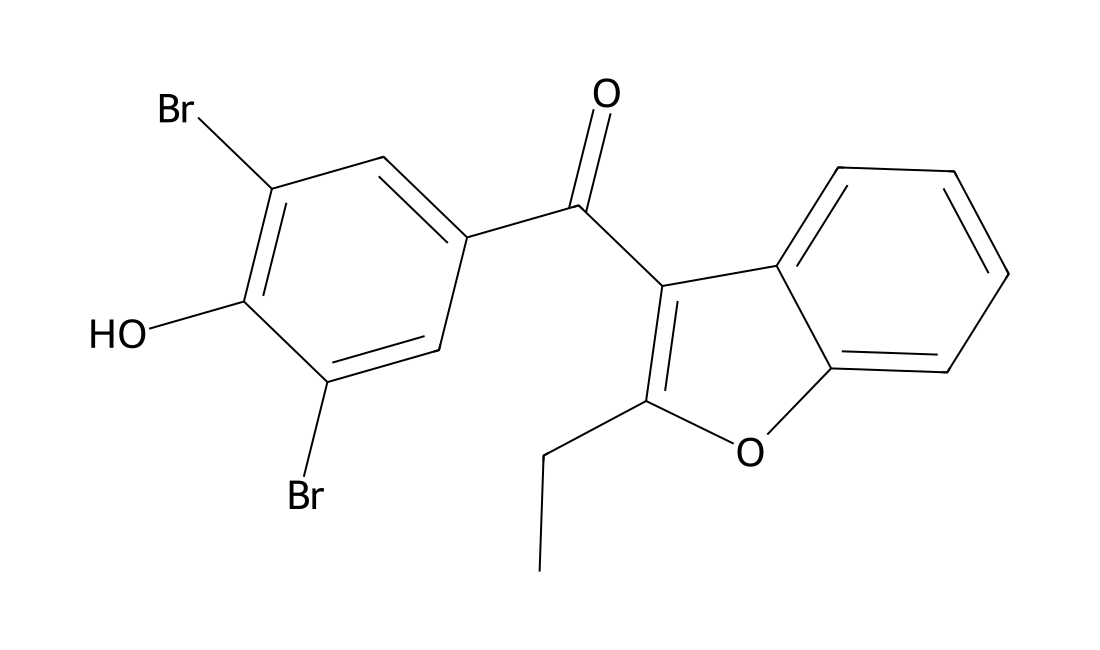
benzbromaron

CAS 3562-84-3

Benzbromarone is a highly effective and well tolerated non-competitive inhibitor of xanthine oxidase, used as an uricosuric agent, used in the treatment of gout.

benzbromaron chemical structure
DC11914

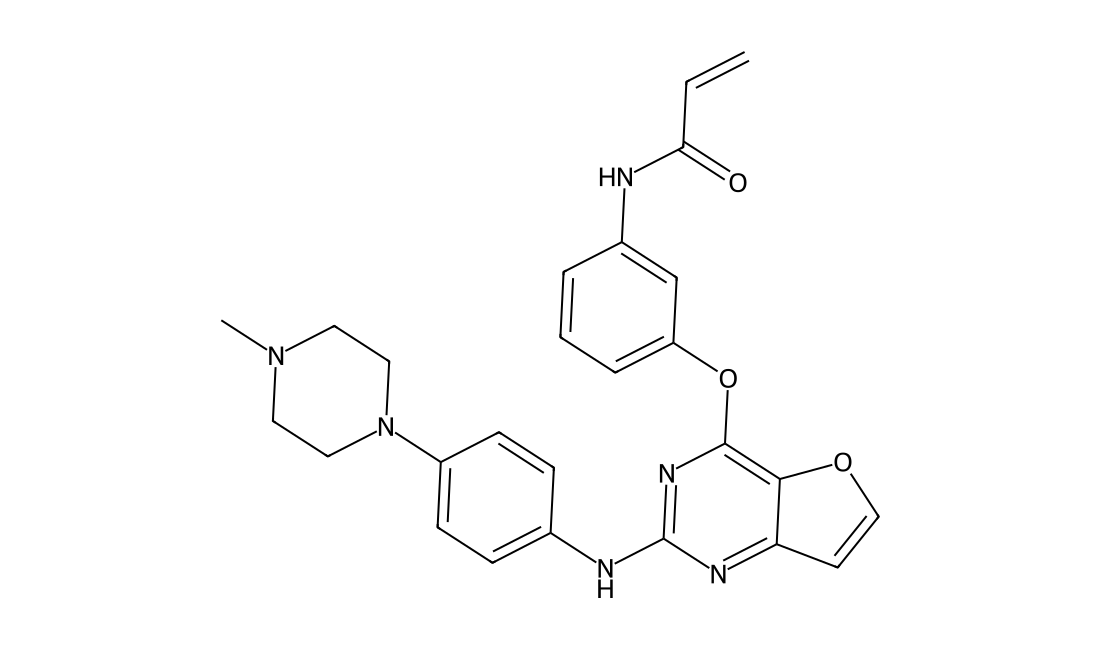
Poseltinib

CAS 1353552-97-2

Poseltinib, an orally active, selective and irreversible Bruton’s tyrosine kinase (BTK) inhibitor (IC50 =1.95 nM), with 0.3, 2.3 and 2.4-fold selectivity for BTK over BMX, TEC and TXK, respectively. Poseltinib can covalently bind to the active site (cysteine 481 residue) of BTK, and reveales potent inhibition of B cell receptor (BCR), Fc receptor (FcR), Toll-like receptor (TLR) mediated signaling[1].

Poseltinib chemical structure
Browse target & topic index A–Z (366)
11β-HSD (1)15-PGDH (2)5-HT Receptor (16)Acetyl-CoA Carboxylase (ACC) (3)Acetylcholinesterase (AChE) (2)Ack1 (TNK2) (1)Acyltransferase (1)ADC Cytotoxin (6)ADCs Linker/Click Chemistry (5)Adenosine Receptor (9)Adenylate Cyclase (2)Adrenergic Receptor (11)Akt (12)Alcoholism (2)Aldehyde Dehydrogenase (ALDH) (6)Allergy (5)Alzheimer Disease (13)Aminopeptidase (1)AMPK (8)Amyloids (4)Anaplastic Lymphoma Kinase (ALK) (9)Androgen Receptor (AR) (11)Anemia (4)Angiotensin Receptor (4)Antibody/Protein labeling dyes (1)Antifolate (2)Anxiety (1)Apoptosis Inducer (3)Arginase (1)Arp2/3 complex (1)Aryl hydrocarbon Receptor (AhR) (1)Asthma (5)Atherosclerosis (2)ATM/ATR (8)Aurora Kinase (10)Autophagy (6)Autophagy-related Protein (Atg) (2)Autotaxin (2)Bacterial (26)Bacterial Infection (17)Bcl-2 (14)Bcr-Abl (5)BCRP (1)Beta-catenin (4)Beta-secretase (BACE) (4)Blood Cancer (91)BMI-1 (1)Bone Cancer (6)Brain Cancer (6)Breast Cancer (30)Bromodomain (22)BTK (10)c-Fms (CSF1R) (5)c-Fos/AP-1 (1)c-Kit (6)c-Met (HGFR) (11)c-Myc (2)Calcium Channel (4)Calcium-sensing Receptor (CaSR) (1)CaMK (4)Cannabinoid Receptor (6)Carbonic Anhydrase (1)Carboxypeptidase (1)Casein Kinase (6)Caspase (4)Cathepsin (6)Cdc2-like Kinase (CLK) (1)CETP (2)CFTR (7)Checkpoint Kinase (Chk) (8)Chemokine Receptor (CCR and CXCR) (14)Chemotherapeutic Agents (19)Chloride Channel (1)CMV (2)CMV Infection (2)Colon Cancer (9)Complement System (1)COPD (3)CREB/CBP (2)CRF Receptor (2)CRISPR/Cas9 (1)Cushing Disease (1)Cyclin-dependent Kinase (CDK) (39)Cyclooxygenase (COX) (4)Cytochrome P450 (CYPs) (5)Depression (2)Dermatitis (2)Deubiquitinase (DUB) (7)Diabetes (20)Dipeptidyl Peptidase (DPP) (3)Discoidin Domain Receptor (DDR) (1)DNA Alkylator/Crosslinker (10)DNA Methyltransferase (DNMT) (1)DNA Repair Protein (1)DNA-PK (2)DNA/RNA Synthesis (5)Dopamine beta-hydroxylase (1)Dopamine Receptor (7)Drug Metabolite (1)Drug-Linker Conjugates (11)Dyes (4)DYRK (1)Dyslipidemia (9)E3 Ligase Ligand (6)E3 Ligase Ligand-Linker Conjugate (1)E3 Ubiquitin Ligase (4)Ebola Virus Infection (1)EGFR (32)Elastase (2)Endothelin Receptor (5)Enzymes substrates (13)Epigenetic Reader Domain (3)Epilepsy (4)ERK (4)Estrogen Receptor/ERR (13)Eukaryotic Initiation Factor (eIF) (2)Exportin-1 (CRM1,XPO1) (2)FABP (1)Factor Xa (5)Farnesoid X Receptor (FXR) (5)Farnesyl transferase (FTase) (1)Ferroptosis (6)FGFR (15)Fibrosis (5)FLT3 (6)Focal Adhesion Kinase (FAK) (11)Foxo1 (1)Free Fatty Acid Receptor (FFAR) (5)Fungal (2)Fungal Infection (1)GABA Receptor (13)Galectin (1)Gastric Cancer (8)Ghrelin Receptor (GHSR) (3)Glucagon Receptor (4)Glucokinase (2)Glucose Transporter (GLUT) (2)Glutamate Transporter (2)GPCR (1)GPER (GPR30) (1)GPR139 (1)GPR183 (EBI2) (2)GPR39 (1)GPR55 (1)GPR84 (1)GRK (GPCRK) (2)Growth Hormone Deficiency (2)GSK-3 (8)Guanylate Cyclase (3)HBV (1)HBV Infection (1)HCN Channel (2)HCV (8)HCV Infection (9)HDAC (38)Heart Arrhythmia (2)Heart Failure (5)Heat Shock Protein (HSP) (15)Hedgehog (Hh) (1)HIF/HIF Prolyl-hydroxylase (8)Histamine Receptor (6)Histone Acetyltransferase (HAT) (5)Histone Demethylase (11)Histone Methyltransferase (HMTase) (31)HIV (12)HIV Infection (11)HMG-CoA Reductase (HMGCR) (3)HSV (1)HSV Infection (1)Hypercholesterolemia (1)Hyperparathyroidism (1)Hypertension (8)IAP (1)IGF-1R (3)iGluR (15)Indoleamine 2,3-Dioxygenase (IDO) (4)Infection (1)Influenza (6)Influenza Virus (6)Insulin Receptor (2)Integrin (6)Interleukin Receptor (1)IRAK (2)IRE1 (4)Irritable Bowel Syndrome (2)Ischemia (1)Isocitrate Dehydrogenase (IDH) (5)ITK (1)IκB kinase (IKK) (7)JAK (32)JNK (3)Keap1-Nrf2 (6)Kidney Cancer (10)Kinesin (5)Kruppel-like Factor (KLF) (1)Kynurenine 3-Monooxygenase (KMO) (1)Leukotriene Receptor (1)LIM Kinase (LIMK) (3)Lipids fragment (1)Liver Cancer (6)Liver X Receptor (LXR) (3)LRRK2 (9)Lung Cancer (39)Lysophospholipid Receptor (12)LYTACs (3)mAChR (9)MALT1 (2)MAP4K (1)Matrix Metalloproteinase (MMP) (10)MDM2-p53 (9)MEK (MAP2K) (14)MEKK (MAP3K) (1)Melanocortin Receptor (2)MELK (1)mGluR (7)MicroRNA (1)Microtubule/Tubulin (5)Mineralocorticoid Receptor (MLR) (1)MITF (1)Mixed Lineage Kinase (MLK) (3)MNK (2)Molecular Glues (13)Monoamine Transporter (5)Monocarboxylate Transporter (MCT) (1)Monopolar Spindle 1 (Mps1/TTK) (3)mTOR (13)Multiple Sclerosis (6)Myosin (1)Na-K-Cl Cotransporter (NKCC) (2)nAChR (2)NADPH Oxidase (NOX) (2)NAMPT (3)Natural products (37)Neprilysin (1)Neurokinin Receptor (3)Neuropeptide Y Receptor (3)NF-κB (5)Nitric Oxide Synthase (NOS) (1)NOD-like Receptor (NLR) (3)Notch (2)Nucleoside Antimetabolite/Analog (10)Nur77 (NR4A1) (1)Obesity (1)Oct3/4 (1)Opioid Receptor (5)Orexin Receptor (7)Osteoporosis (2)Ovarian Cancer (14)Oxytocin Receptor (OXTR) (2)P-glycoprotein (P-gp) (3)p21-activated Kinase (PAK) (1)P2X Receptor (2)P2Y Receptor (1)p38 MAPK (10)p97/VCP (1)Pain (12)Pancreatic Cancer (10)Parasite (5)Parasite Infection (2)Parkinson Disease (2)PARP (19)PCSK9 (1)PD-1/PD-L1 (4)PDGFR (4)PDK1 (2)PEGn (1)PERK (2)PGE synthase (2)Phosphodiesterase (PDE) (9)Phospholipase (4)PI3K (32)PI4K (2)Piezo Channel (1)PIKfyve (3)Pim (9)PKC (12)PKD (1)Plasminogen Activator Inhibitor-1 (PAI-1) (3)Polo-like Kinase (PLK) (4)Porcupine (3)Potassium Channel (13)PPAR (13)Pregnane X Receptor (PXR) (1)Progesterone Receptor (2)Prostaglandin Receptor (11)Prostate Cancer (7)PROTACs (35)Protease-activated Receptor (PAR) (3)Proteasome (12)Protein Disulfide Isomerase (PDI) (1)Protein Phosphatase/PTP (6)Proton Pump (1)Psoriasis (5)RAD51 (1)Radioligand precursors (15)Raf (18)RAR/RXR (3)Ras (17)Renin (2)RET Tyrosine Kinase (c-RET) (3)Rheumatoid Arthritis (16)Ribosomal S6 Kinase (RSK) (5)RIG-I-like Receptor (RLR) (2)RIP kinase (7)ROCK (12)ROR (2)RSV (4)RSV Infection (3)RUNX1-CBFβ (1)S-nitrosoglutathione reductase (GSNOR) (1)Saccharides and Glycosides (1)Salt Inducible Kinase (SIK) (2)SARS-CoV (16)SARS-CoV Infection (34)Schizophrenia (4)Sexual Dysfunction (1)SGLT (4)Sigma Receptor (4)Sirtuin (9)Skin Cancer (13)Sleep Disorder (7)SMN2 Modulator (1)Smoothened (Smo) (9)Sodium Channel (12)Solid Tumors (35)Somatostatin Receptor (2)Sphingosine kinase (SphK) (2)Src (7)STAT (5)Stearoyl-CoA Desaturase (SCD) (1)Steatohepatitis (7)Sterol lipids (1)STING (14)Syk (6)T Cell Receptor (TCR) (1)TAK1 (2)TAM Receptor (Tyro3-Axl-Mer) (4)Taste Receptor (1)Telomerase (2)TGF beta Receptor (TGFBR) (12)Thrombin (3)Thrombosis (13)Thyroid Cancer (1)Thyroid Hormone Receptor (THR) (1)Thyrotropin Receptor (2)TNIK (1)Toll-like Receptor (TLR) (2)TOPK (1)Topoisomerase (11)TRAIL (1)Translocator Protein (TSPO) (1)Trk Receptor (4)TRP Channel (13)Tryptophan Hydroxylase (TPH) (1)Ubiquitin-activating Enzyme (E1) (2)Ubiquitin-conjugating Enzyme (E2) (2)Ulcer (1)ULK (3)Vasopressin Receptor (2)VEGFR (25)Vitamin D Receptor (VDR) (3)Wee1 (1)WNK Kinase (1)Wnt (5)Yes-associated Protein (YAP) (4)γ-secretase (5)

Cart

Request quotation