Home/Small Molecules/Other Research Tools

Other Research Tools

Additional reagents, chemical building blocks and specialized research tools.

Browse all research categories

Browse by research category

Products may appear in more than one category. Counts refer to distinct catalog numbers within each category.

Other Research Tools (75) · Additional reagents, building blocks and specialized research tools.

Other Research Tools products

Combine a keyword, research category and target to narrow the product list.

Loading catalog filters…

959 products · Showing 481–528

DC73191

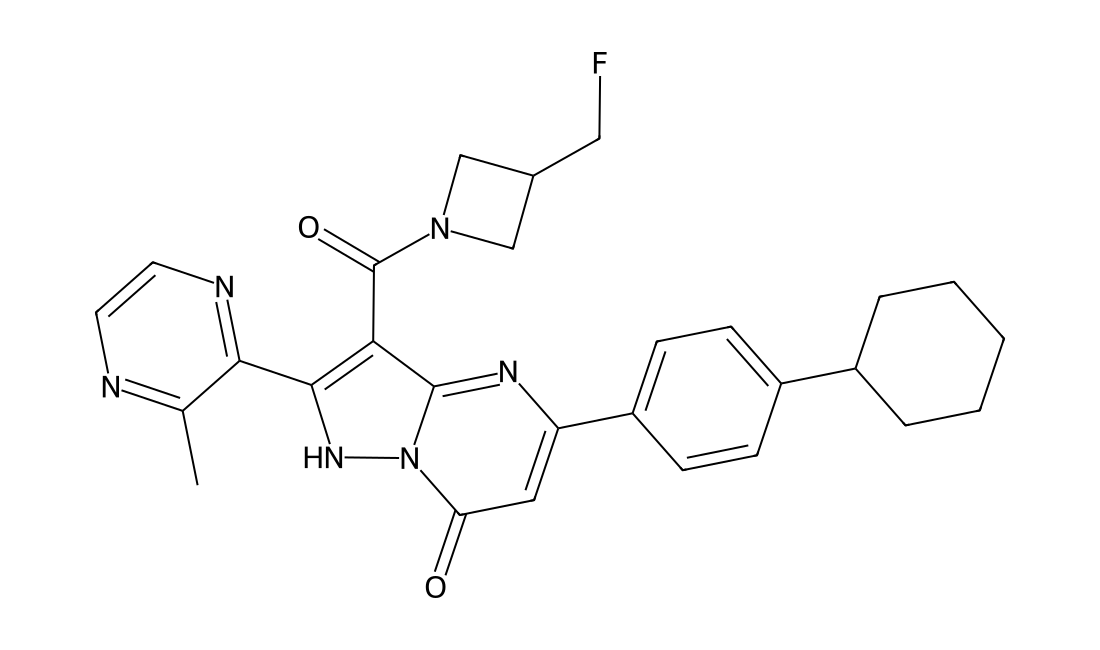
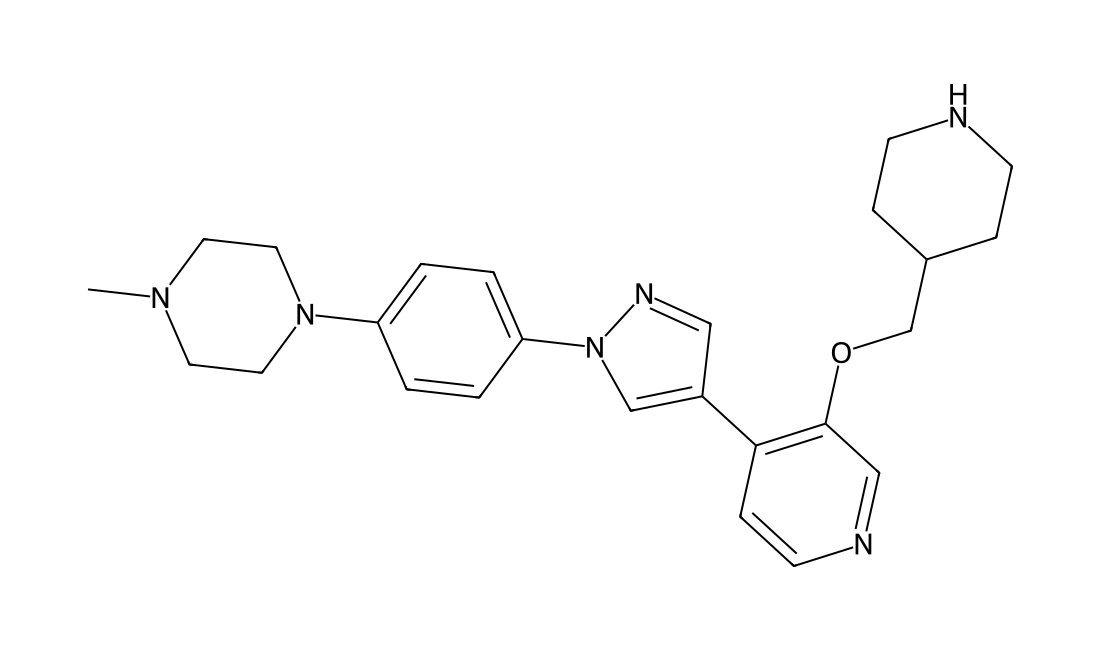
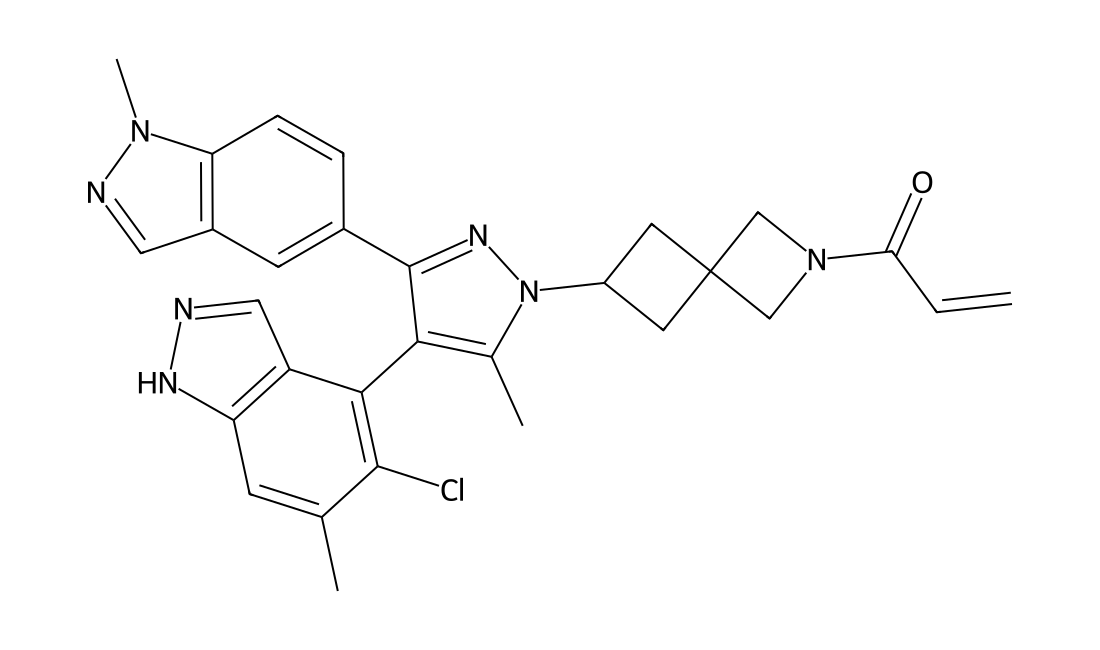
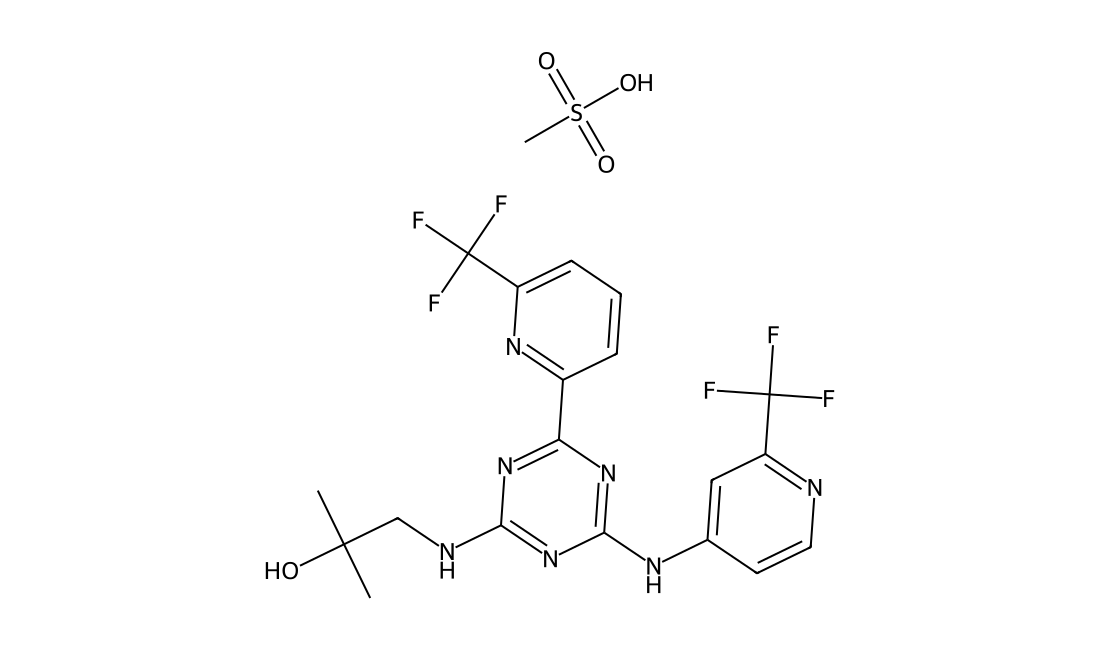
HRO761

CAS 2869954-34-5

HRO761 is a potent, selective, allosteric WRN inhibitor with IC50 of 100 nM (ATPase assay) and GI50 of 40 nM (SW48 cells), respectively. HRO761 binds at the interface of the D1 and D2 helicase domains, locking WRN in an inactive conformation.

HRO761 chemical structure
DC26173

YM-53601

CAS 182959-33-7

YM-53601, a squalene synthase inhibitor, reduces plasma cholesterol and triglyceride levels in vivo[1]. YM-53601 inhibits squalene synthase derived from human hepatoma cells with an IC50 of 79 nM. Lipid-lowering agent[2]. YM-53601 also is an inhibitor of farnesyl-diphosphate farnesyltransferase 1 (FDFT1) enzyme activity and abrogates HCV propagation[3].

YM-53601 chemical structure
DC26186

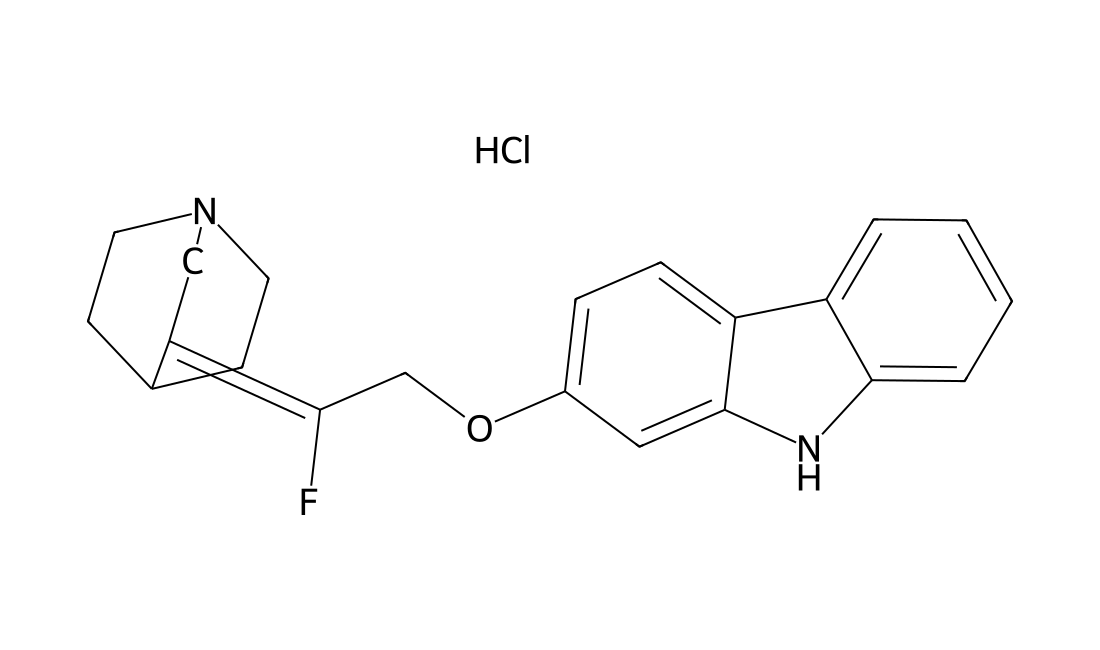
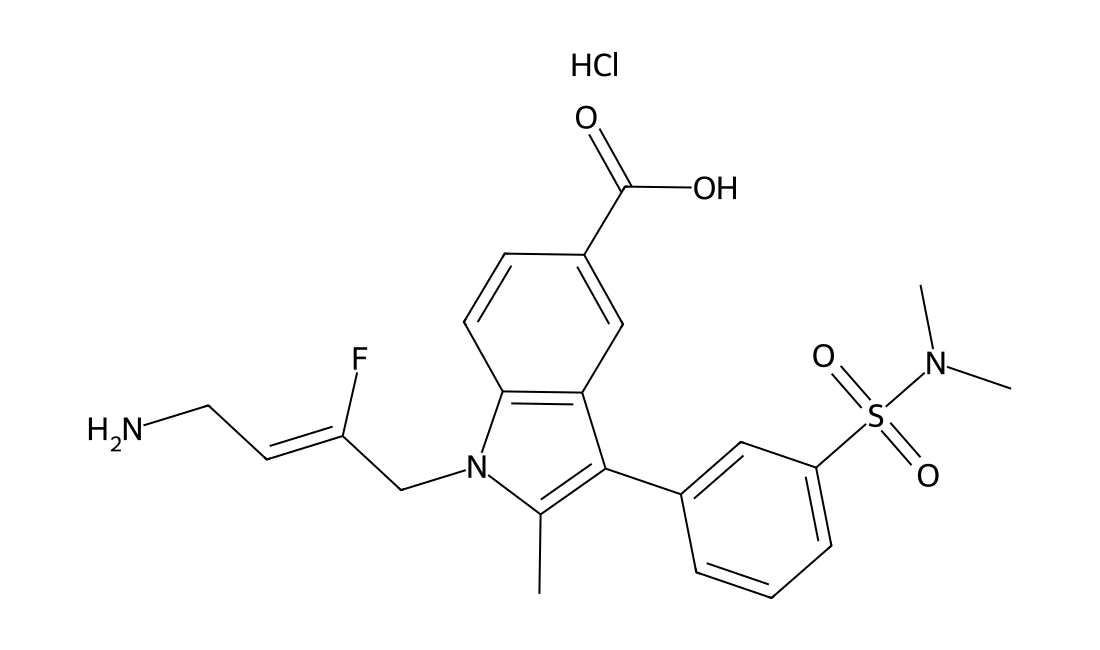
PXS-5120A

CAS 2125955-70-4

PXS-5120A is a potent, irreversible fluoroallylamine inhibitor of Lysyl Oxidase-like 2/3 (LOXL2/3) with anti-fibrotic activity. PXS-5120A is >300-fold selective for LOXL2 (Ki of 83 nM; pIC50 of 8.4) over LOXL (pIC50 of 5.8)[1].

PXS-5120A chemical structure
DC66091

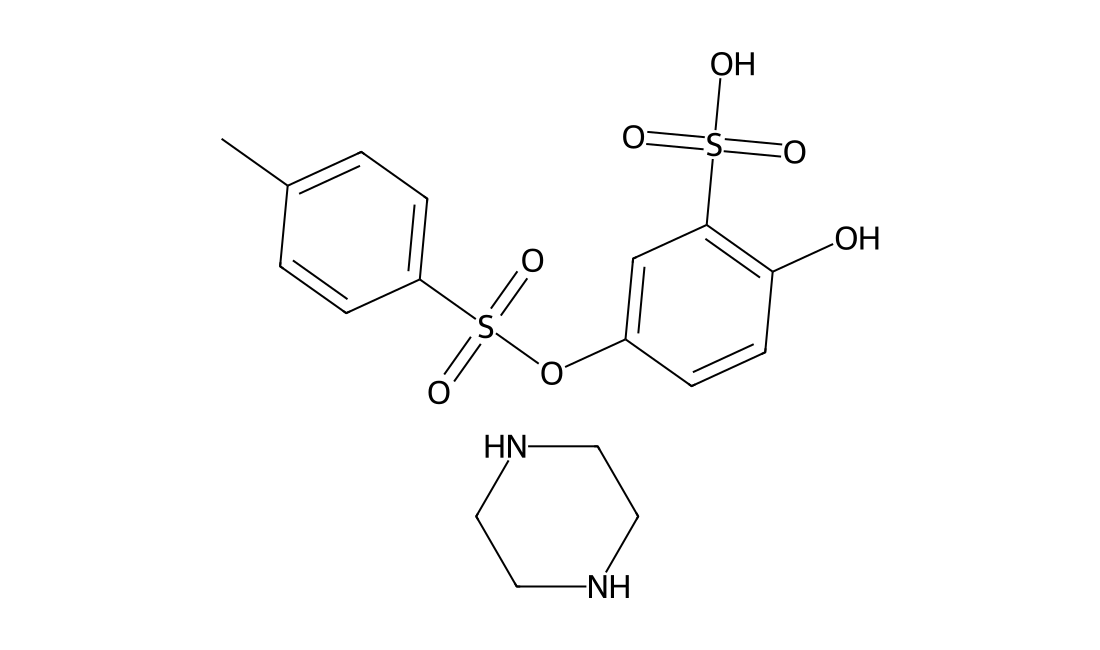
Sultosilic acid, piperazine salt

CAS 57775-27-6

Sultosilic acid, piperazine salt is a lipid lowering drug. It causes significant shortening of the euglobulin lysis time and a significant diminution of platelet adhesiveness, as well as statistically significant decrease of total cholesterol, triglycerides, beta- and pre-beta-cholesterol and an increase of alpha-cholesterol.

Sultosilic acid, piperazine salt chemical structure
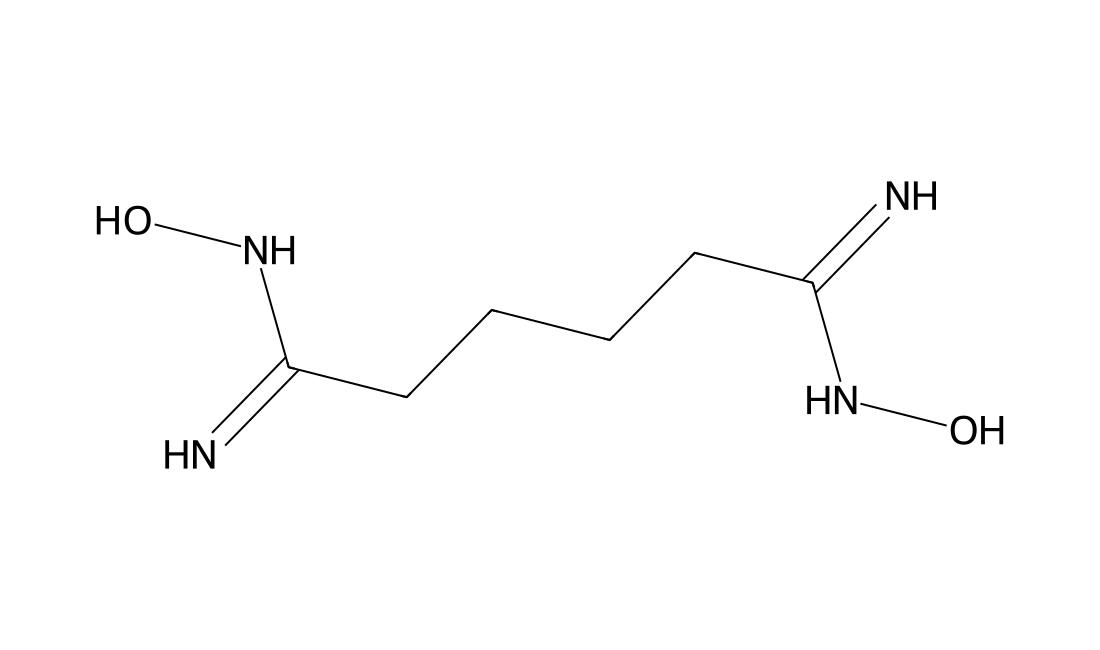
DC60093

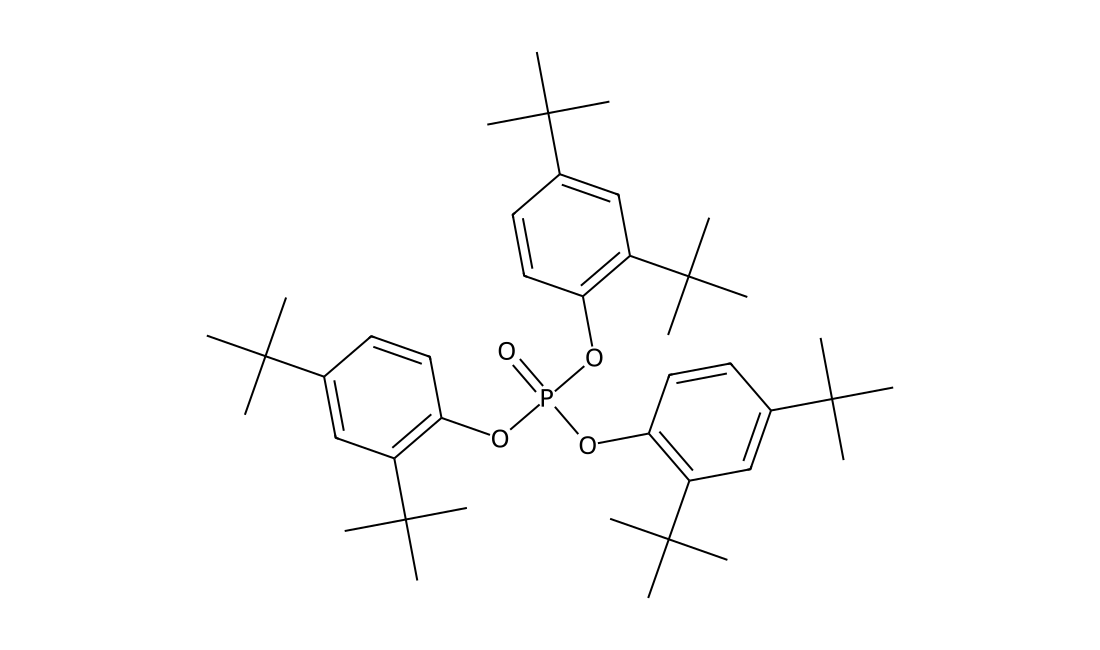
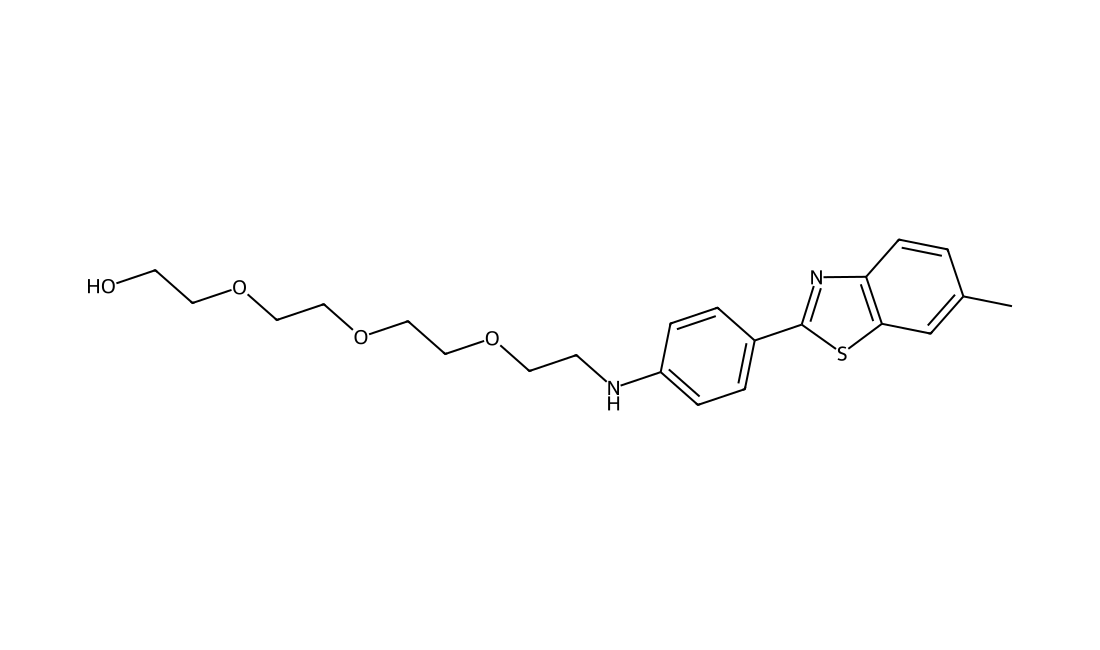
AAN06119

CAS 95906-11-9

Tris(2,4-di-tert-butylphenyl)phosphate is an active compound from the leaves of Vitex negundo L. shows anti-inflammatory activity with evidence of inhibition for secretory Phospholipase A2 (sPLA2) through molecular docking[1].

AAN06119 chemical structure
DC21624

SBI-425

CAS 1451272-71-1

SBI-425 (SBI425) is a potent, selective, orally bioavailable tissue-nonspecific alkaline phosphatase (TNAP) inhibitor with IC50 of 16 nM, shows high selectivity over other alkaline phosphatases including IAP and PLAP; demonstrates activity in blocking calcification in patient derived fibroblasts as well as in rodent models of GACI and PXE, reduces coronary calcium and lipids, improves body weight and ejection fraction in WHC-eTNAP mice.

SBI-425 chemical structure
DC66048

WAY-328162

CAS 909090-72-8

modulating CFTR activity; restore E-cadherin expression in the SW620 colon adenocarcinoma cell line; altering the lifespan of a eukaryotic organism;

WAY-328162 chemical structure
DC66011

PARP1-IN-8

CAS 836640-15-4

PARP1-IN-8 (compound 11c) is a potent and BBB-penetrated PARP1 inhibitor, with an IC50 of 97 nM. PARP1-IN-8 shows significantly potent anti-proliferative activity against Human lung adenocarcinoma epithelial cell line A549.

PARP1-IN-8 chemical structure
DC65980

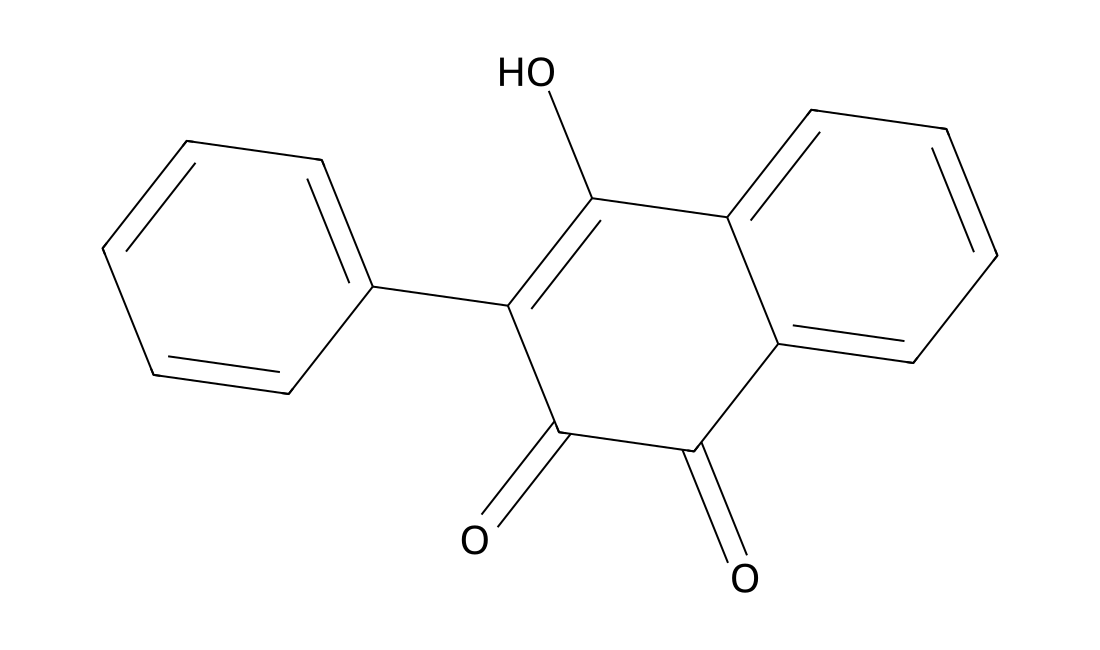
NSC 102533

CAS 1150-59-0

NSC 102533 (Compound N3) is a potent inhibitor of mitochondrial electron transport. Antimalarial agent 14 can serve as an anti-malarial agent.

NSC 102533 chemical structure
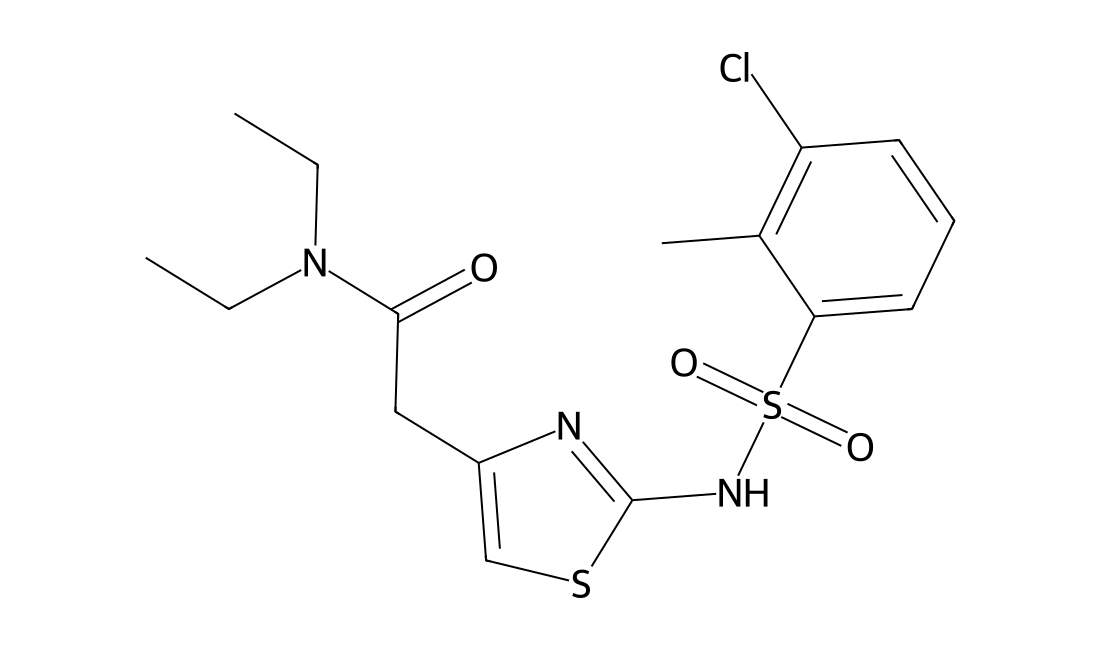
DC8278

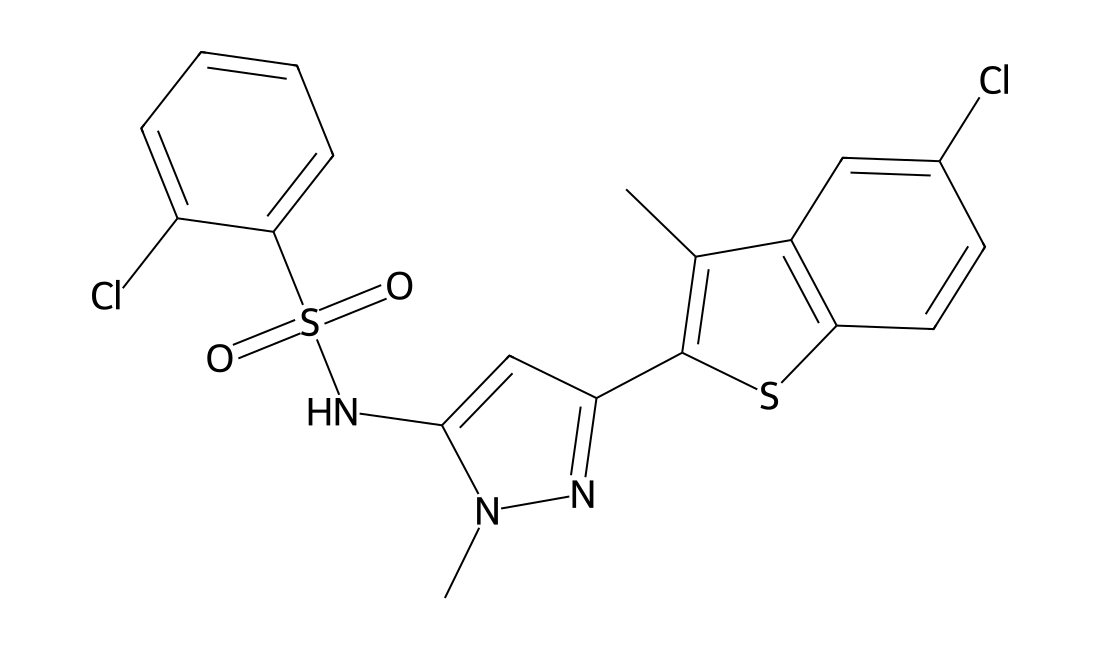
BVT-14225

CAS 376638-65-2

BVT 14225 is a new selective 11b-HSD1 inhibitor, it belongs to a class of arylsulfonamidothiazoles with in vitro and in vivo antidiabetic effects For the detailed information of BVT-14225, the solubility of BVT-14225 in water, the solubility of BVT-14225 in DMSO, the solubility of BVT-14225 in PBS buffer, the animal experiment (test) of BVT-14225, the cell expriment (test) of BVT-14225, the in vivo, in vitro and clinical trial test of BVT-14225, the EC50, IC50,and affinity,of BVT-14225, For the detailed information of BVT-14225, the solubility of BVT-14225 in water, the solubility of BVT-14225 in DMSO, the solubility of BVT-14225 in PBS buffer, the animal experiment (test) of BVT-14225, the cell expriment (test) of BVT-14225, the in vivo, in vitro and clinical trial test of BVT-14225, the EC50, IC50,and affinity,of BVT-14225, Please contact DC Chemicals.

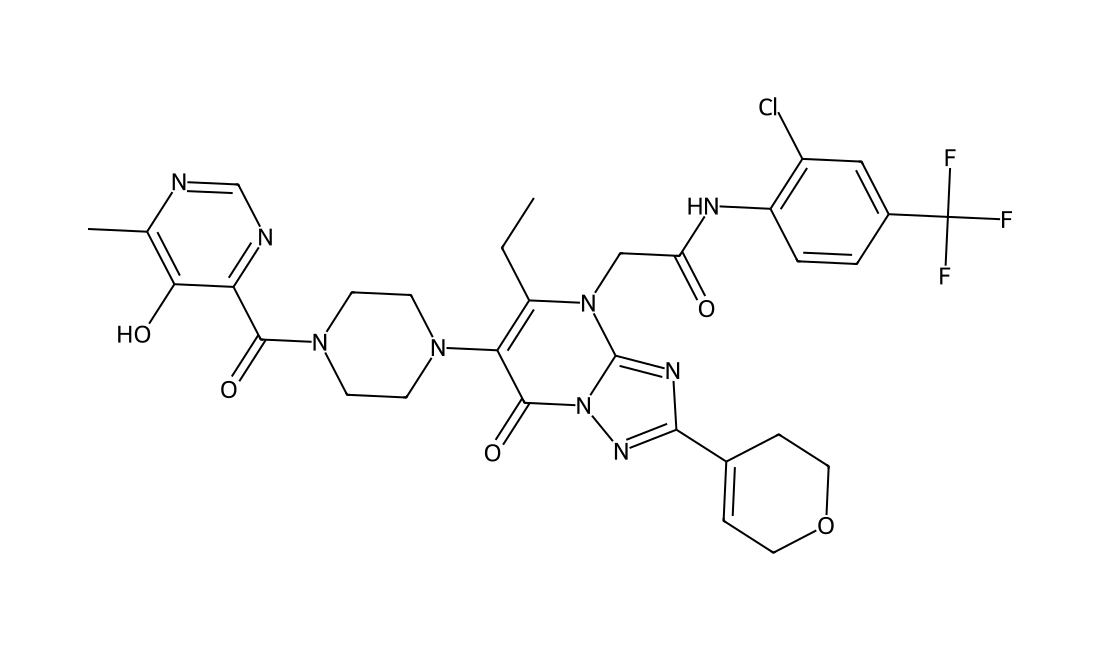
BVT-14225 chemical structure
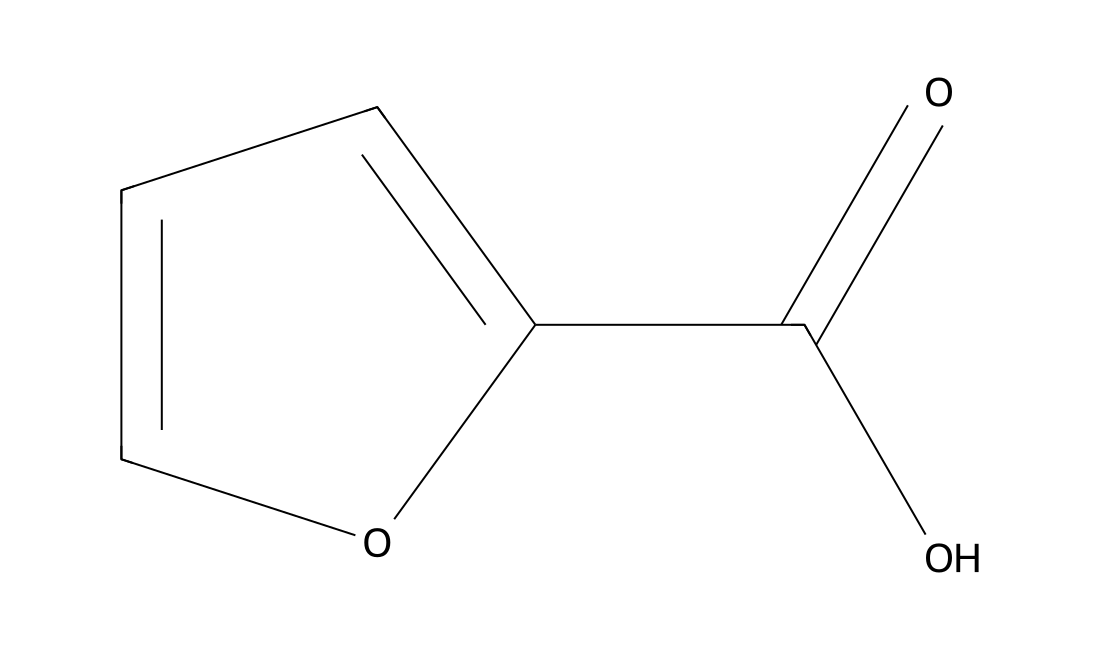
DC20144

2-Furoic acid

CAS 88-14-2

In Vivo 2-Furoic acid significantly reduces serum cholesterol and serum triglyceride levels. 2-Furoic acid also lowers the liver and small intestine ATP dependent citrate lyase, acetyl CoA synthetase, acyl CoA cholesterol acyl transferase, sn-glycerol 3-phosphate acyl transferase, phosphatidylate phosphohydrolase and heparin induced lipoprotein lipase activities. 2-Furoic acid shows the LD50 of 250 mg/kg i.p. in the acute toxicity studies in mice.

2-Furoic acid chemical structure
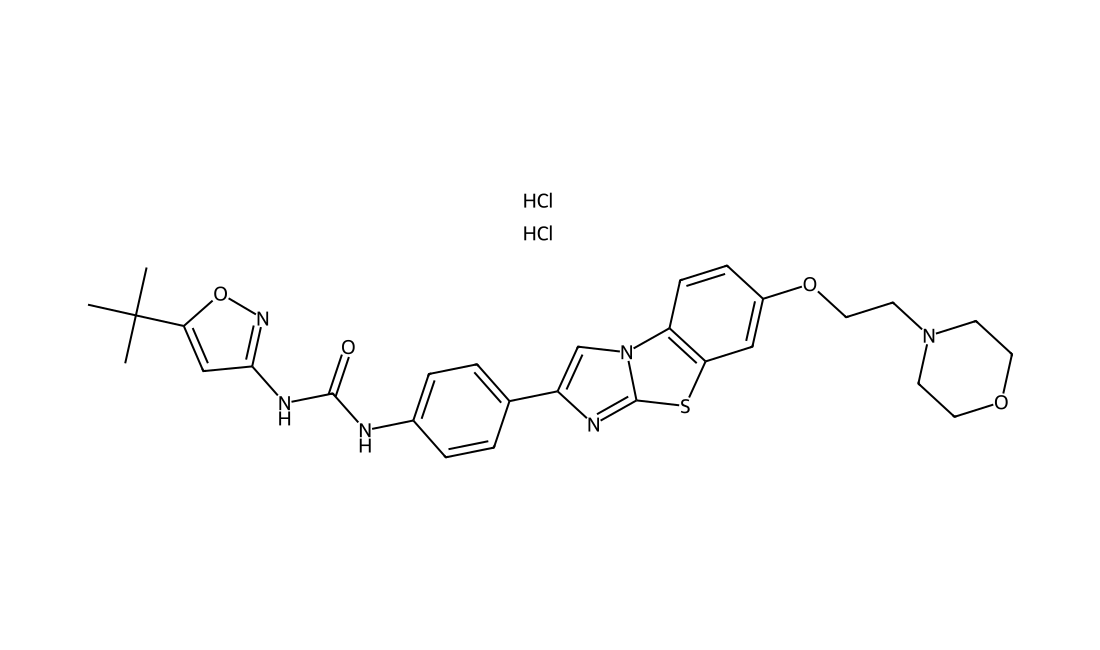
DC24047

Quizartinib hydrochloride

CAS 1132827-21-4

Quizartinib (AC220) is a potent, selective, second-generation FLT3 inhibitor with Kd of 1.6 nM, inhibits Wt FLT3 and FLT3-ITD autophosphorylation in MV4-11cell with IC50 of 4.2 and 1.1 nM, respectively; displays excellent kinase selectivity in a KinomeScan panel of 402 kinase binding assays, also potently inhibits PDGFRA, PDGFRB and RET; inhibits MV4-11 cell proliferarion with IC50 of 0.56 nM, demonstrates antitumor efficacy in the MV4-11 tumor xenograft model.Blood CancerPhase 3 Clinical

Quizartinib hydrochloride chemical structure
DC24090

KX2-391 dihydrochloride

CAS 1038395-65-1

A highly selective, non-ATP competitive substrate-pocket-directed Src/pretubulin inhibitor; inhibits c-Src kinase with GI50s of 1.34 uM and 2.30 μM in NIH3T3/c-Src527F and SYF/c-Src527F cells, respectively; causes microtubule disruption in tumor cells; orally active.Solid TumorsPhase 2 Clinical

KX2-391 dihydrochloride chemical structure
DC65916

MMP-9-IN-7

CAS 333746-76-2

MMP-9-IN-7 is a potent MMP9 inhibitor with an IC50 of 0.52 μM in proMMP9/MMP3 P126 activation assay. MMP-9-IN-7 is extracted from patent WO2012162468 (example 59), and can be used for MMP9/MMP13 mediated syndrome research.

MMP-9-IN-7 chemical structure
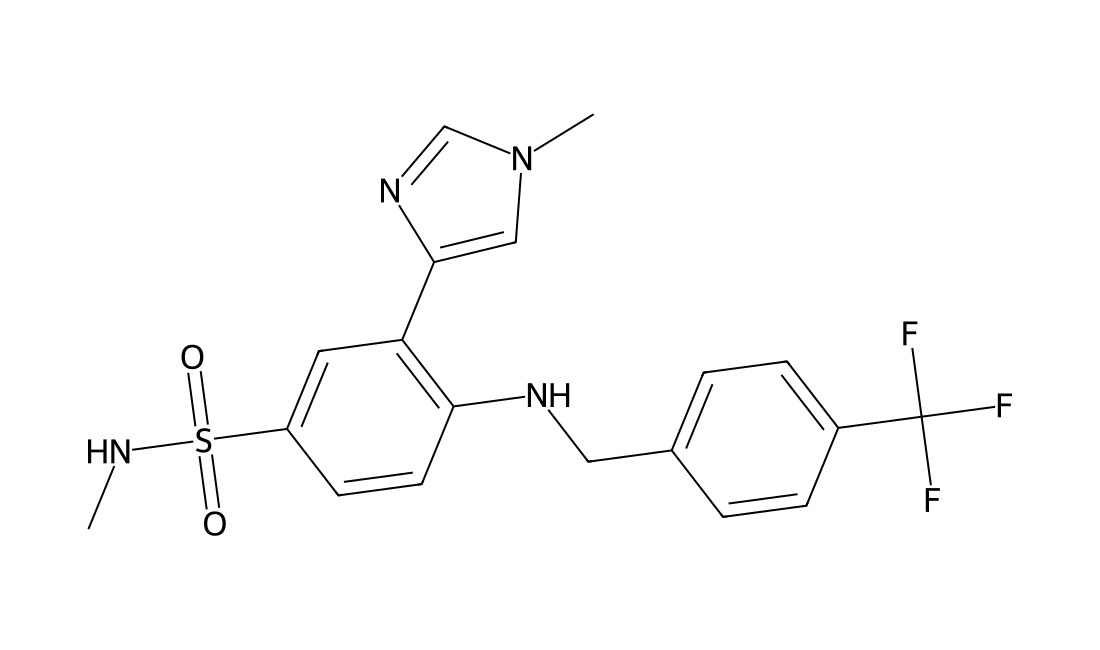
DC43506

PCNA-I1

CAS 444930-42-1

PCNA-I1 is an inhibitor of proliferating cell nuclear antigen (PCNA) that binds to PCNA trimers (Kd = 0.41 µM) and dose-dependently reduces the level of PCNA associated with chromatin in PC3 cells.

PCNA-I1 chemical structure
DC43159

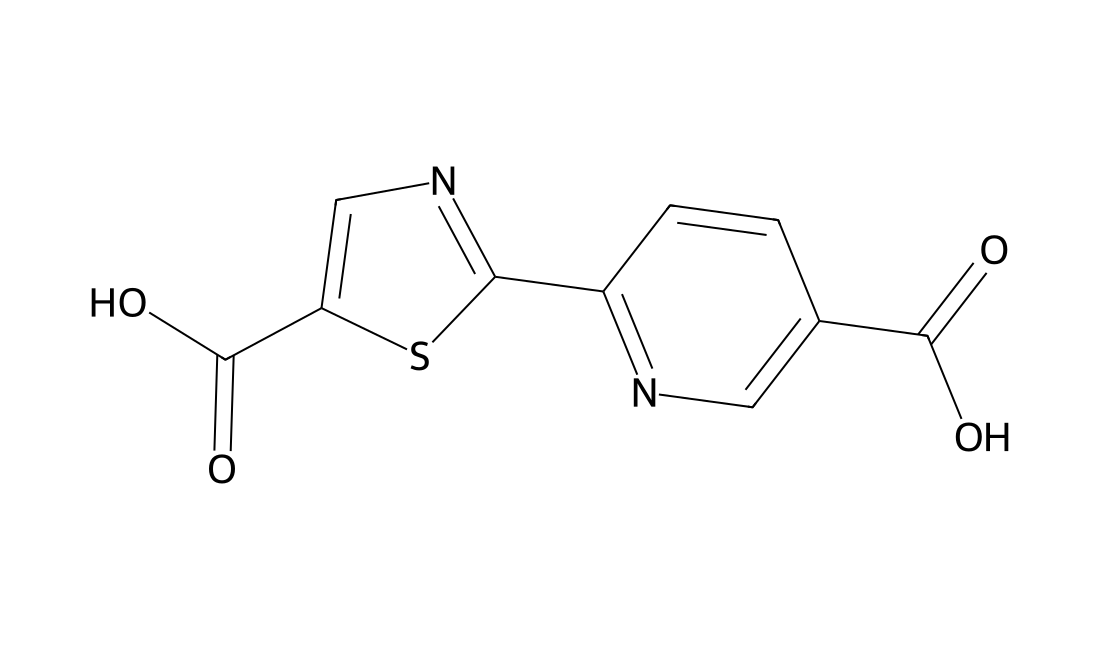
pythiDC

CAS 1821370-71-1

Novel selective inhibitor of collagen prolyl 4-hydroxylase, neither causing general toxicity nor disrupting iron homeostasis

pythiDC chemical structure
DC22248

TM5007

CAS 342595-05-5

TM5007 is a poent inhibitor plasminogen activator inhibitor-1 (PAI-1) with IC50 of 29 uM, exhibits no inhibitory activity against any of the closely related serpins or serine proteases at 250 uM.

TM5007 chemical structure
DC60140

Pyrimorph

CAS 868390-90-3

Pyrimorph is a fungicide with high activity against the plant pathogen Phytophthora capsici. Pyrimorph inhibited different stages in the life cycle of P. capsici including mycelial growth, sporangium production, zoospore release, and cystospore germination with EC(50) values of 1.84, 0.17, 4.92, and 0.09 microg mL(-1), respectively.

Pyrimorph chemical structure
DC60198

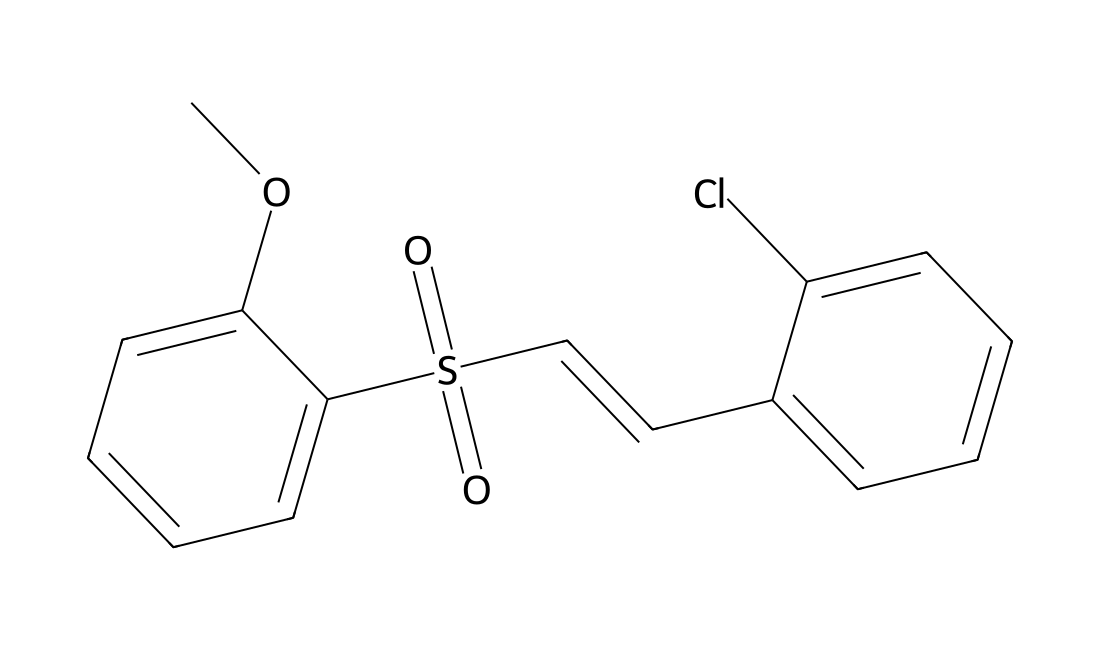
GN44028

CAS 1421448-26-1

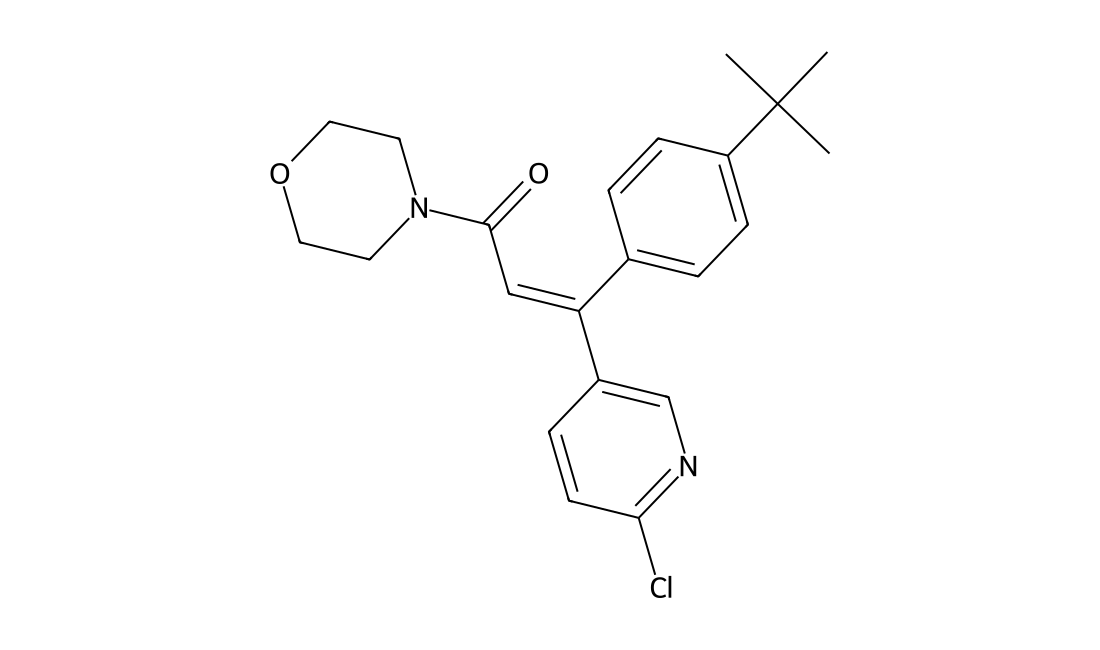
GN44028 is a hypoxia inducible factor (HIF)-1 inhibitor, with an IC50 of 14 nM. GN44028 inhibits hypoxia-induced HIF-1α transcriptional activity without suppressing HIF-1α mRNA expression, HIF-1α protein accumulation, or HIF-1α/HIF-1β heterodimerization[1].

GN44028 chemical structure
DC12480

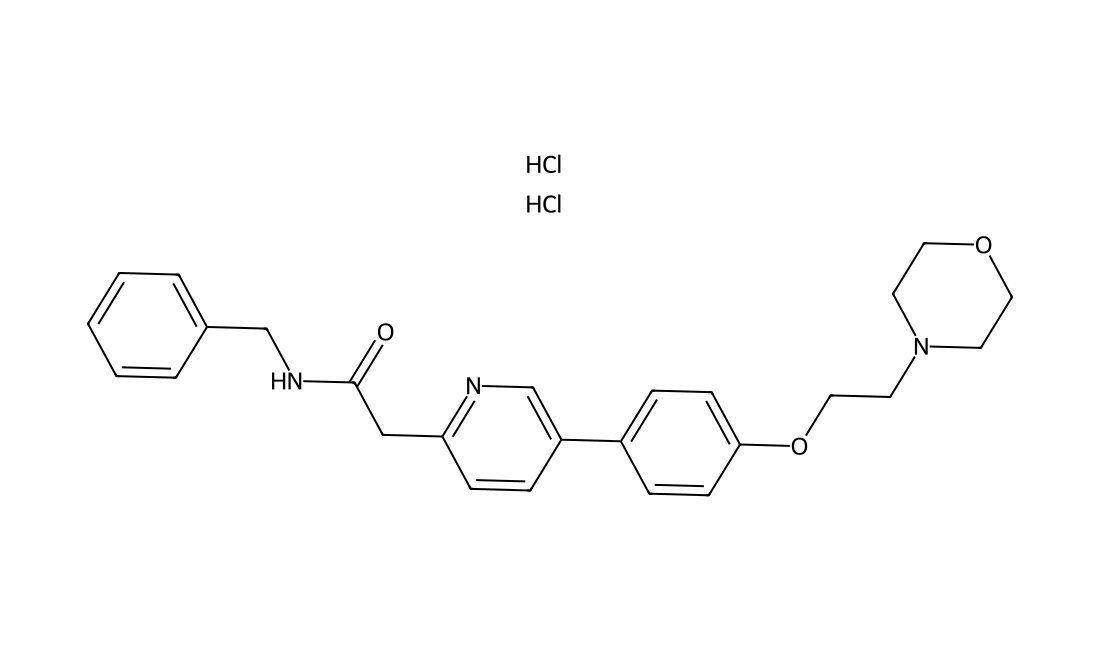
TX1-85-1

CAS 1603845-32-4

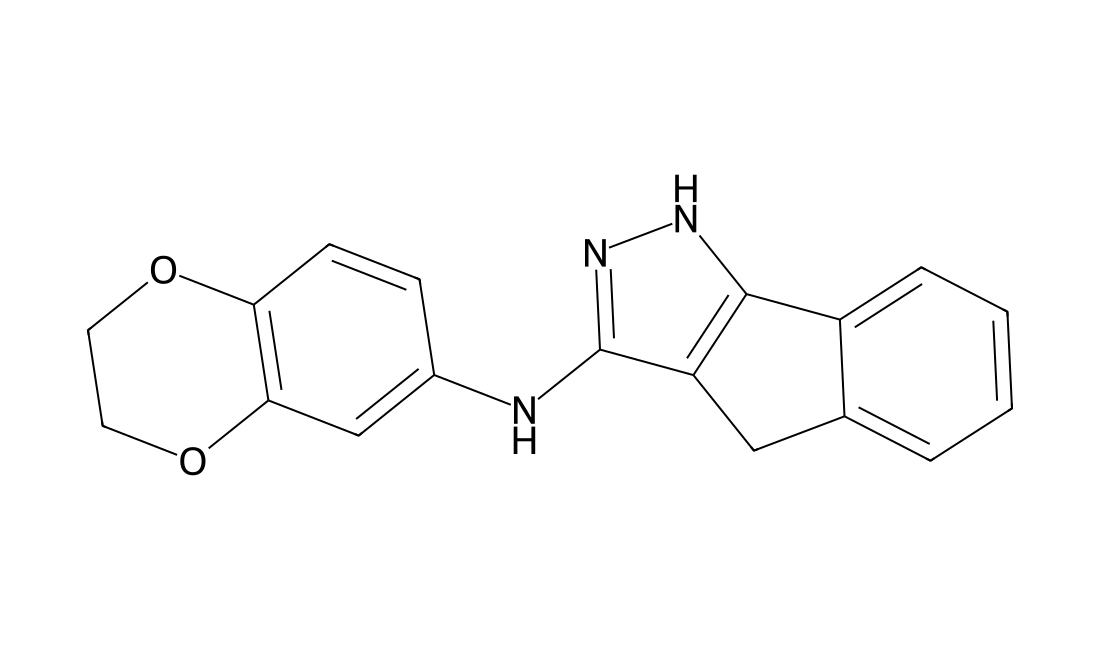
TX1-85-1 is a Her3 (ErbB3) inhibitor with an IC50 of 23 nM. TX1-85-1 induces partial degradation of Her3 protein and attenuates Her3-dependent signaling[1].

TX1-85-1 chemical structure
DC21322

ML-60218

CAS 577784-91-9

ML-60218 is a broad-spectrum RNA pol III inhibitor, with IC50s of 32 and 27 μM for Saccharomyces cerevisiae and human. ML-60218 disrupts already assembled viroplasms and to hamper the formation of new ones without the need for de novo transcription of cellular RNAs[1][2].

ML-60218 chemical structure
DC10595

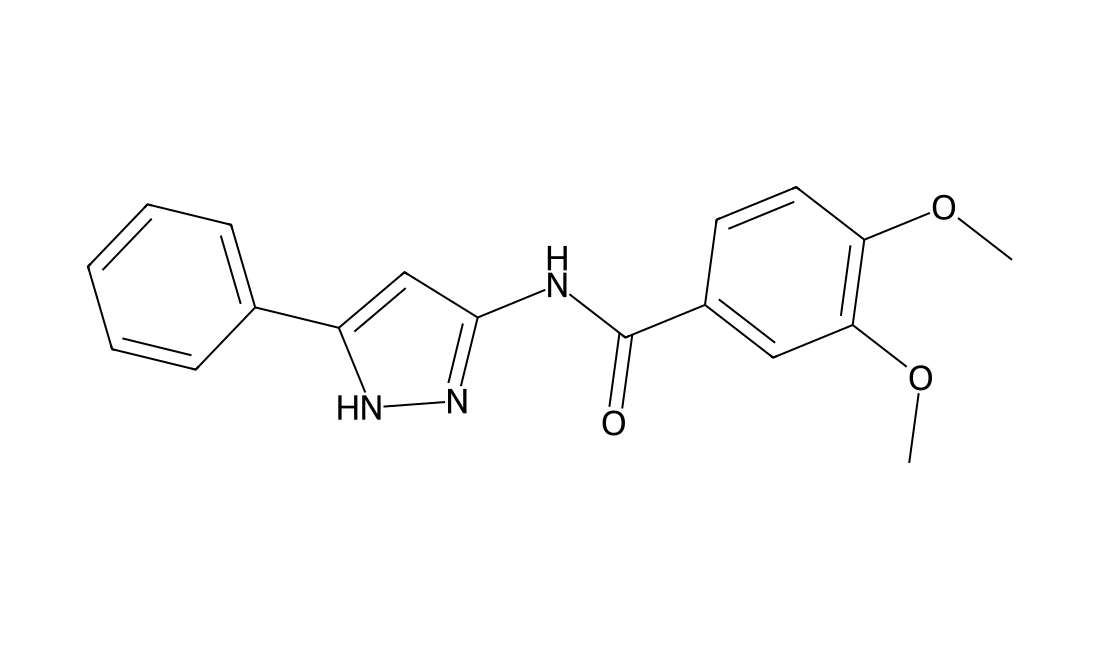
JK-P3

CAS 942655-44-9

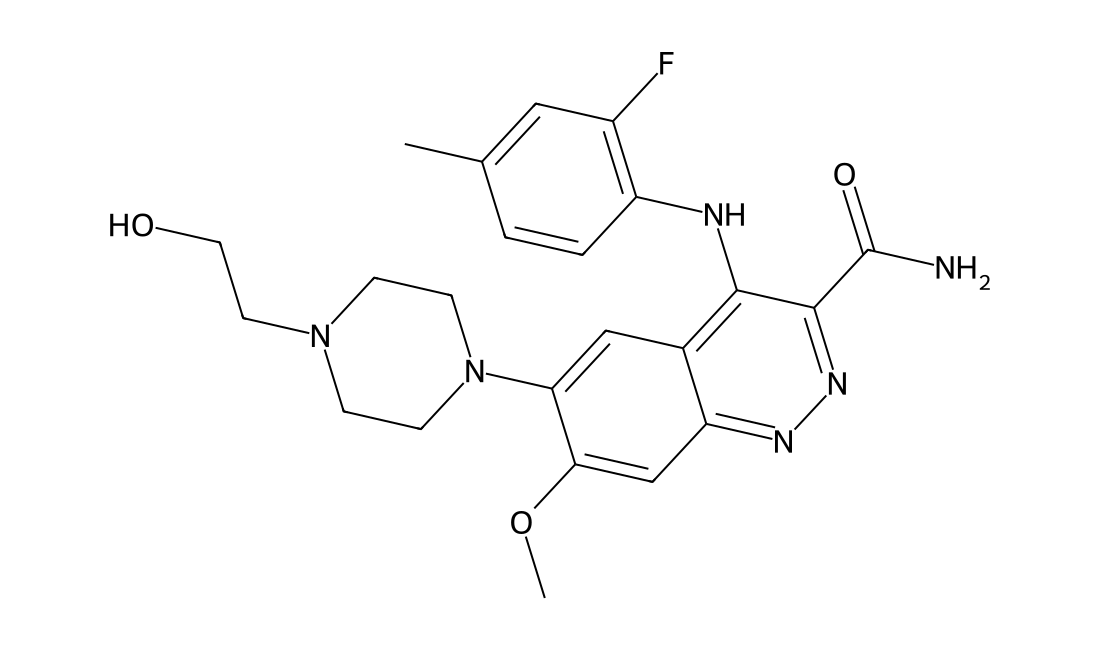
JK-P3 is a VEGFR-2 inhibitor. JK-P3 is a pyrazole-based inhibitor of VEGFR-2 (IC50 = 7.8 μM). JK-P3 inhibits FGFR 1/3 kinase activity in vitro, but has no effect on FGFR signaling in cell-based assays. The compound blocks wound healing and tube formation in HUVEC without effecting endothelial cell proliferation.

JK-P3 chemical structure
DC28161

ARP-100

CAS 704888-90-4

ARP-100 is a potent and selective matrix metalloproteinase MMP-2 inhibitor (IC50=12 nM). ARP-100 interacts with S1' pocket of MMP-2 and shows anti-invasive properties in an in vitro model of invasion on matrigel. ARP-100 shows the less inhibitory activity towards MMP-1 (>50 μM), MMP-3 (4.5 μM), MMP-7 (>50 μM), and MMP-9 (0.2 μM)[1][2].

ARP-100 chemical structure
DC20473

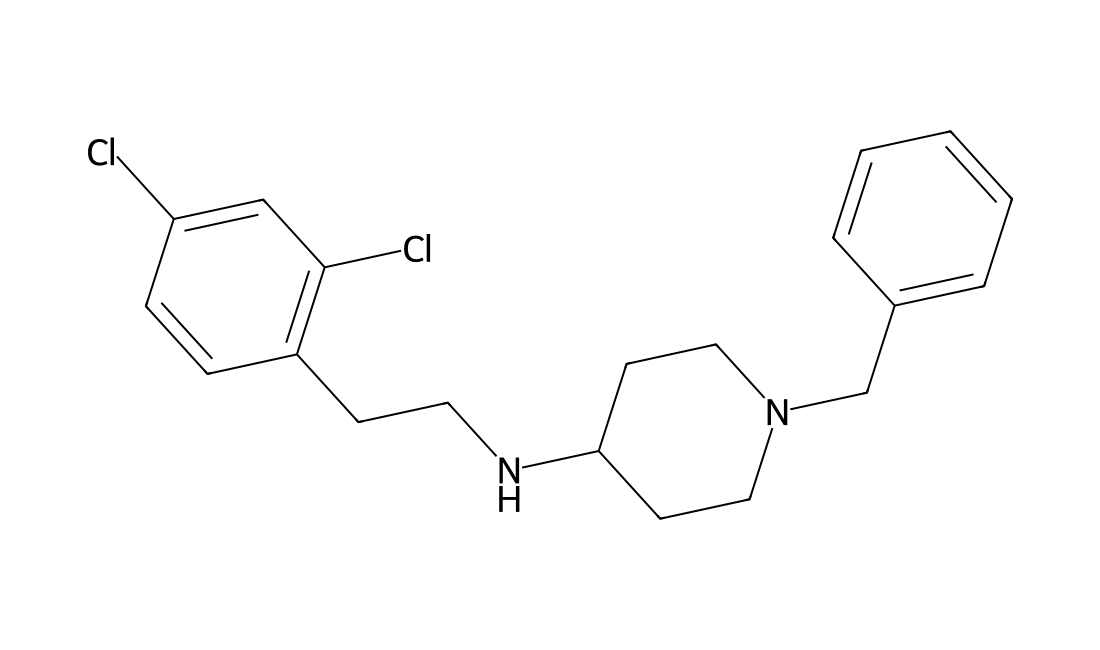
NEDD8 inhibitor M22

CAS 864420-54-2

NEDD8 inhibitor M22 is a novel, potent, selective reversible NEDD8 activating enzyme (NAE) inhibitor; inhibit A549 cell proliferation completely at 30 uM (GI50=5.5 uM and GI90=19.3 uM); produces tumor inhibition in AGS xenografts in nude mice and low acute toxicity in zebrafish model; exhibts different binding mode compared with MLN4924.

NEDD8 inhibitor M22 chemical structure
DC23765

CPYPP

CAS 310460-39-0

CPYPP is a small-molecule inhibitor of the Rac activator DOCK2 with IC50 of 22.8 uM (DOCK2DHR-2-mediated Rac GEF activity), inhibits DOCK2-Rac1 interaction; binds to DOCK2 DHR-2 domain in a reversible manner and inhibited its catalytic activity in vitro; blocks both chemokine receptor- and antigen receptor-mediated Rac activation in lymphocytes, resulting in marked reduction of chemotactic response and T cell activation.

CPYPP chemical structure
DC7973

Tenovin-2

CAS 666211-30-9

For the detailed information of Tenovin-2, the solubility of Tenovin-2 in water, the solubility of Tenovin-2 in DMSO, the solubility of Tenovin-2 in PBS buffer, the animal experiment (test) of Tenovin-2, the cell expriment (test) of Tenovin-2, the in vivo, in vitro and clinical trial test of Tenovin-2, the EC50, IC50,and affinity,of Tenovin-2, Please contact DC Chemicals.
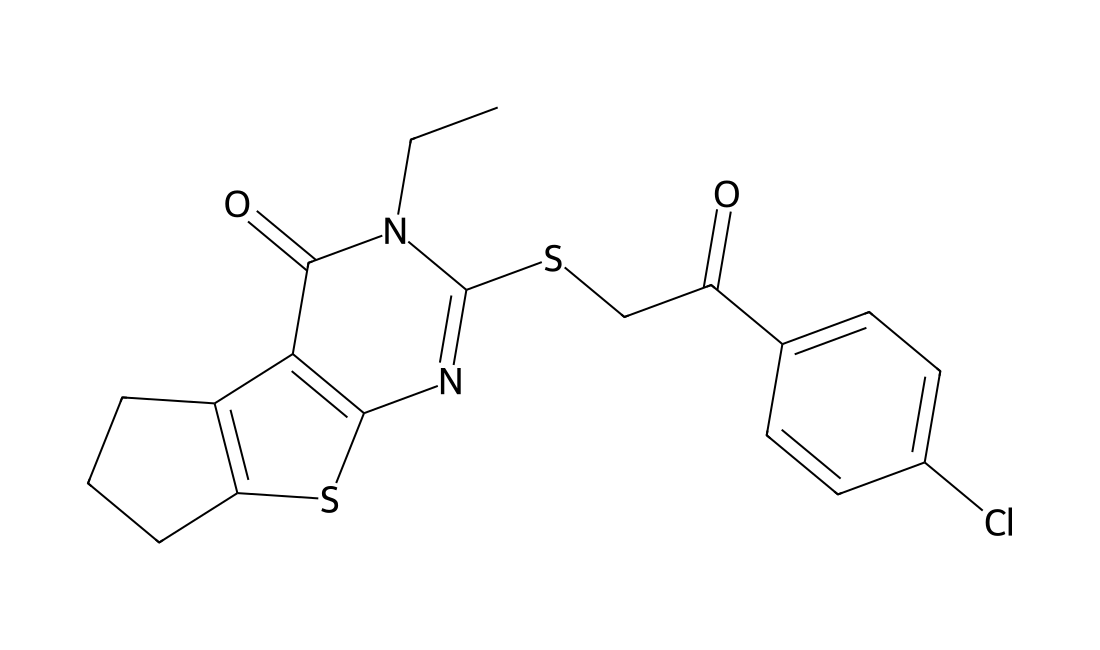
Tenovin-2 chemical structure
DC21484

PF-04802367

CAS 1962178-27-3

A potent, highly selective GSK-3 inhibitor with IC50 of 2.1 nM for human GSK-3β in enzyme assays; shows equal effectivity against GSK-3α and GSK-3β with IC50 of 10.0 and 9.0 nM respectively in mobility shift assays, inhibits phosphorylation of tau with an IC50 of 466 nM in a stable inducible CHO cell line over-expressing GSK-3β and substrate tau; modulates tau phosphorylation in vitro and in vivo.
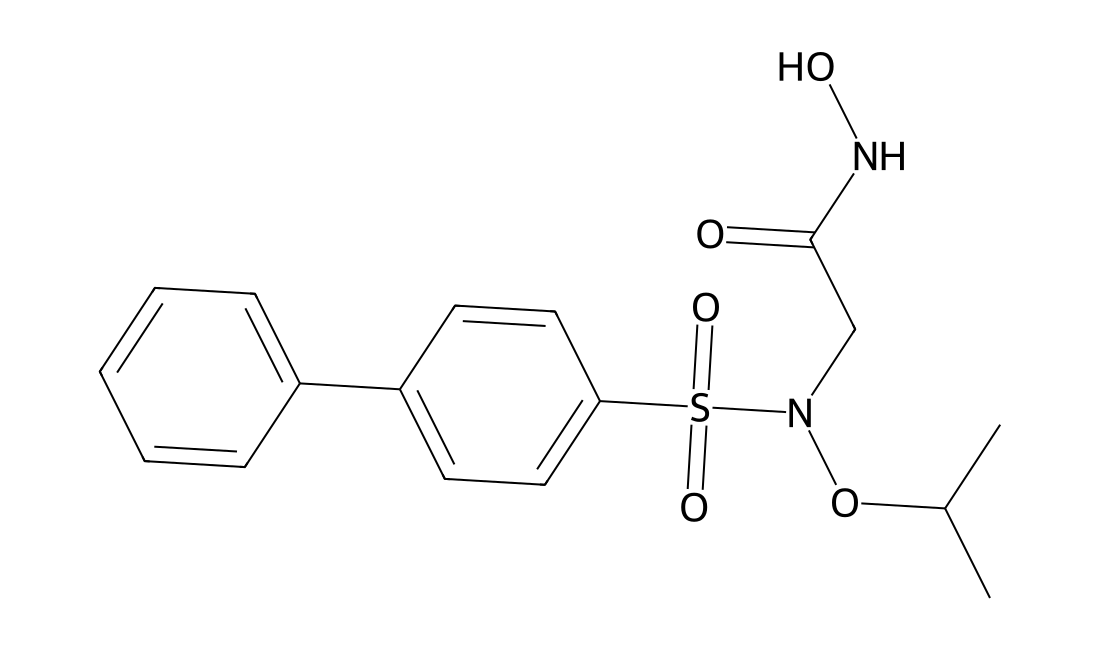
PF-04802367 chemical structure
Browse target & topic index A–Z (366)
11β-HSD (1)15-PGDH (2)5-HT Receptor (16)Acetyl-CoA Carboxylase (ACC) (3)Acetylcholinesterase (AChE) (2)Ack1 (TNK2) (1)Acyltransferase (1)ADC Cytotoxin (6)ADCs Linker/Click Chemistry (5)Adenosine Receptor (9)Adenylate Cyclase (2)Adrenergic Receptor (11)Akt (12)Alcoholism (2)Aldehyde Dehydrogenase (ALDH) (6)Allergy (5)Alzheimer Disease (13)Aminopeptidase (1)AMPK (8)Amyloids (4)Anaplastic Lymphoma Kinase (ALK) (9)Androgen Receptor (AR) (11)Anemia (4)Angiotensin Receptor (4)Antibody/Protein labeling dyes (1)Antifolate (2)Anxiety (1)Apoptosis Inducer (3)Arginase (1)Arp2/3 complex (1)Aryl hydrocarbon Receptor (AhR) (1)Asthma (5)Atherosclerosis (2)ATM/ATR (8)Aurora Kinase (10)Autophagy (6)Autophagy-related Protein (Atg) (2)Autotaxin (2)Bacterial (26)Bacterial Infection (17)Bcl-2 (14)Bcr-Abl (5)BCRP (1)Beta-catenin (4)Beta-secretase (BACE) (4)Blood Cancer (91)BMI-1 (1)Bone Cancer (6)Brain Cancer (6)Breast Cancer (30)Bromodomain (22)BTK (10)c-Fms (CSF1R) (5)c-Fos/AP-1 (1)c-Kit (6)c-Met (HGFR) (11)c-Myc (2)Calcium Channel (4)Calcium-sensing Receptor (CaSR) (1)CaMK (4)Cannabinoid Receptor (6)Carbonic Anhydrase (1)Carboxypeptidase (1)Casein Kinase (6)Caspase (4)Cathepsin (6)Cdc2-like Kinase (CLK) (1)CETP (2)CFTR (7)Checkpoint Kinase (Chk) (8)Chemokine Receptor (CCR and CXCR) (14)Chemotherapeutic Agents (19)Chloride Channel (1)CMV (2)CMV Infection (2)Colon Cancer (9)Complement System (1)COPD (3)CREB/CBP (2)CRF Receptor (2)CRISPR/Cas9 (1)Cushing Disease (1)Cyclin-dependent Kinase (CDK) (39)Cyclooxygenase (COX) (4)Cytochrome P450 (CYPs) (5)Depression (2)Dermatitis (2)Deubiquitinase (DUB) (7)Diabetes (20)Dipeptidyl Peptidase (DPP) (3)Discoidin Domain Receptor (DDR) (1)DNA Alkylator/Crosslinker (10)DNA Methyltransferase (DNMT) (1)DNA Repair Protein (1)DNA-PK (2)DNA/RNA Synthesis (5)Dopamine beta-hydroxylase (1)Dopamine Receptor (7)Drug Metabolite (1)Drug-Linker Conjugates (11)Dyes (4)DYRK (1)Dyslipidemia (9)E3 Ligase Ligand (6)E3 Ligase Ligand-Linker Conjugate (1)E3 Ubiquitin Ligase (4)Ebola Virus Infection (1)EGFR (32)Elastase (2)Endothelin Receptor (5)Enzymes substrates (13)Epigenetic Reader Domain (3)Epilepsy (4)ERK (4)Estrogen Receptor/ERR (13)Eukaryotic Initiation Factor (eIF) (2)Exportin-1 (CRM1,XPO1) (2)FABP (1)Factor Xa (5)Farnesoid X Receptor (FXR) (5)Farnesyl transferase (FTase) (1)Ferroptosis (6)FGFR (15)Fibrosis (5)FLT3 (6)Focal Adhesion Kinase (FAK) (11)Foxo1 (1)Free Fatty Acid Receptor (FFAR) (5)Fungal (2)Fungal Infection (1)GABA Receptor (13)Galectin (1)Gastric Cancer (8)Ghrelin Receptor (GHSR) (3)Glucagon Receptor (4)Glucokinase (2)Glucose Transporter (GLUT) (2)Glutamate Transporter (2)GPCR (1)GPER (GPR30) (1)GPR139 (1)GPR183 (EBI2) (2)GPR39 (1)GPR55 (1)GPR84 (1)GRK (GPCRK) (2)Growth Hormone Deficiency (2)GSK-3 (8)Guanylate Cyclase (3)HBV (1)HBV Infection (1)HCN Channel (2)HCV (8)HCV Infection (9)HDAC (38)Heart Arrhythmia (2)Heart Failure (5)Heat Shock Protein (HSP) (15)Hedgehog (Hh) (1)HIF/HIF Prolyl-hydroxylase (8)Histamine Receptor (6)Histone Acetyltransferase (HAT) (5)Histone Demethylase (11)Histone Methyltransferase (HMTase) (31)HIV (12)HIV Infection (11)HMG-CoA Reductase (HMGCR) (3)HSV (1)HSV Infection (1)Hypercholesterolemia (1)Hyperparathyroidism (1)Hypertension (8)IAP (1)IGF-1R (3)iGluR (15)Indoleamine 2,3-Dioxygenase (IDO) (4)Infection (1)Influenza (6)Influenza Virus (6)Insulin Receptor (2)Integrin (6)Interleukin Receptor (1)IRAK (2)IRE1 (4)Irritable Bowel Syndrome (2)Ischemia (1)Isocitrate Dehydrogenase (IDH) (5)ITK (1)IκB kinase (IKK) (7)JAK (32)JNK (3)Keap1-Nrf2 (6)Kidney Cancer (10)Kinesin (5)Kruppel-like Factor (KLF) (1)Kynurenine 3-Monooxygenase (KMO) (1)Leukotriene Receptor (1)LIM Kinase (LIMK) (3)Lipids fragment (1)Liver Cancer (6)Liver X Receptor (LXR) (3)LRRK2 (9)Lung Cancer (39)Lysophospholipid Receptor (12)LYTACs (3)mAChR (9)MALT1 (2)MAP4K (1)Matrix Metalloproteinase (MMP) (10)MDM2-p53 (9)MEK (MAP2K) (14)MEKK (MAP3K) (1)Melanocortin Receptor (2)MELK (1)mGluR (7)MicroRNA (1)Microtubule/Tubulin (5)Mineralocorticoid Receptor (MLR) (1)MITF (1)Mixed Lineage Kinase (MLK) (3)MNK (2)Molecular Glues (13)Monoamine Transporter (5)Monocarboxylate Transporter (MCT) (1)Monopolar Spindle 1 (Mps1/TTK) (3)mTOR (13)Multiple Sclerosis (6)Myosin (1)Na-K-Cl Cotransporter (NKCC) (2)nAChR (2)NADPH Oxidase (NOX) (2)NAMPT (3)Natural products (37)Neprilysin (1)Neurokinin Receptor (3)Neuropeptide Y Receptor (3)NF-κB (5)Nitric Oxide Synthase (NOS) (1)NOD-like Receptor (NLR) (3)Notch (2)Nucleoside Antimetabolite/Analog (10)Nur77 (NR4A1) (1)Obesity (1)Oct3/4 (1)Opioid Receptor (5)Orexin Receptor (7)Osteoporosis (2)Ovarian Cancer (14)Oxytocin Receptor (OXTR) (2)P-glycoprotein (P-gp) (3)p21-activated Kinase (PAK) (1)P2X Receptor (2)P2Y Receptor (1)p38 MAPK (10)p97/VCP (1)Pain (12)Pancreatic Cancer (10)Parasite (5)Parasite Infection (2)Parkinson Disease (2)PARP (19)PCSK9 (1)PD-1/PD-L1 (4)PDGFR (4)PDK1 (2)PEGn (1)PERK (2)PGE synthase (2)Phosphodiesterase (PDE) (9)Phospholipase (4)PI3K (32)PI4K (2)Piezo Channel (1)PIKfyve (3)Pim (9)PKC (12)PKD (1)Plasminogen Activator Inhibitor-1 (PAI-1) (3)Polo-like Kinase (PLK) (4)Porcupine (3)Potassium Channel (13)PPAR (13)Pregnane X Receptor (PXR) (1)Progesterone Receptor (2)Prostaglandin Receptor (11)Prostate Cancer (7)PROTACs (35)Protease-activated Receptor (PAR) (3)Proteasome (12)Protein Disulfide Isomerase (PDI) (1)Protein Phosphatase/PTP (6)Proton Pump (1)Psoriasis (5)RAD51 (1)Radioligand precursors (15)Raf (18)RAR/RXR (3)Ras (17)Renin (2)RET Tyrosine Kinase (c-RET) (3)Rheumatoid Arthritis (16)Ribosomal S6 Kinase (RSK) (5)RIG-I-like Receptor (RLR) (2)RIP kinase (7)ROCK (12)ROR (2)RSV (4)RSV Infection (3)RUNX1-CBFβ (1)S-nitrosoglutathione reductase (GSNOR) (1)Saccharides and Glycosides (1)Salt Inducible Kinase (SIK) (2)SARS-CoV (16)SARS-CoV Infection (34)Schizophrenia (4)Sexual Dysfunction (1)SGLT (4)Sigma Receptor (4)Sirtuin (9)Skin Cancer (13)Sleep Disorder (7)SMN2 Modulator (1)Smoothened (Smo) (9)Sodium Channel (12)Solid Tumors (35)Somatostatin Receptor (2)Sphingosine kinase (SphK) (2)Src (7)STAT (5)Stearoyl-CoA Desaturase (SCD) (1)Steatohepatitis (7)Sterol lipids (1)STING (14)Syk (6)T Cell Receptor (TCR) (1)TAK1 (2)TAM Receptor (Tyro3-Axl-Mer) (4)Taste Receptor (1)Telomerase (2)TGF beta Receptor (TGFBR) (12)Thrombin (3)Thrombosis (13)Thyroid Cancer (1)Thyroid Hormone Receptor (THR) (1)Thyrotropin Receptor (2)TNIK (1)Toll-like Receptor (TLR) (2)TOPK (1)Topoisomerase (11)TRAIL (1)Translocator Protein (TSPO) (1)Trk Receptor (4)TRP Channel (13)Tryptophan Hydroxylase (TPH) (1)Ubiquitin-activating Enzyme (E1) (2)Ubiquitin-conjugating Enzyme (E2) (2)Ulcer (1)ULK (3)Vasopressin Receptor (2)VEGFR (25)Vitamin D Receptor (VDR) (3)Wee1 (1)WNK Kinase (1)Wnt (5)Yes-associated Protein (YAP) (4)γ-secretase (5)

Cart

Request quotation