Home/Small Molecules/Other Research Tools

Other Research Tools

Additional reagents, chemical building blocks and specialized research tools.

Browse all research categories

Browse by research category

Products may appear in more than one category. Counts refer to distinct catalog numbers within each category.

Other Research Tools (75) · Additional reagents, building blocks and specialized research tools.

Other Research Tools products

Combine a keyword, research category and target to narrow the product list.

Loading catalog filters…

959 products · Showing 385–432

DCAPI1160

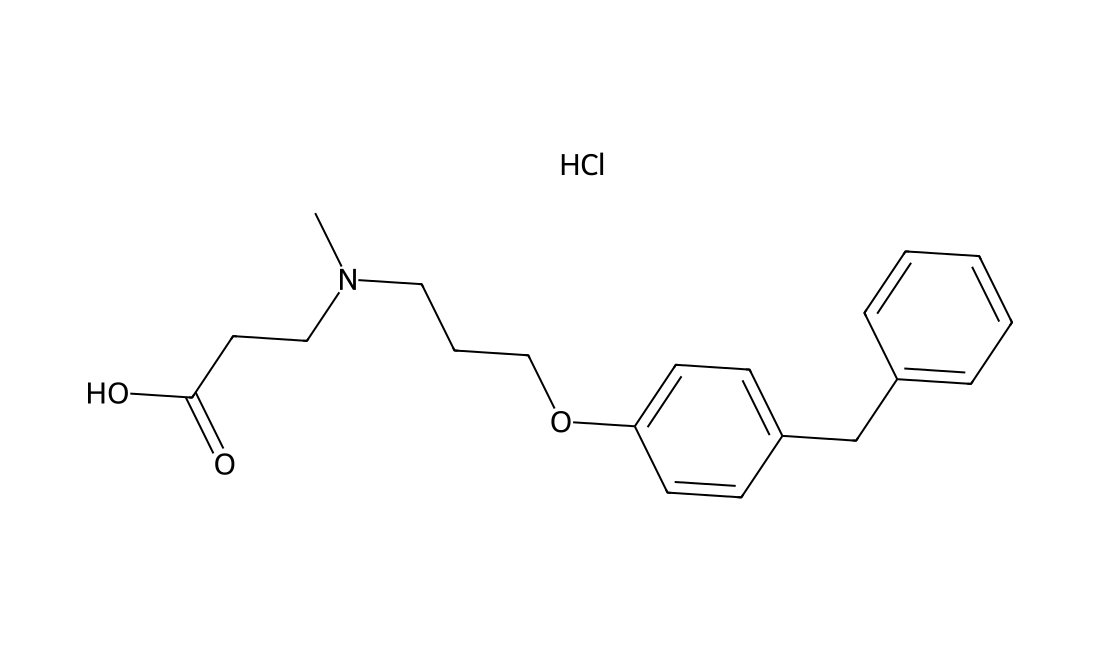
Buflomedil HCl

CAS 35543-24-9

For the detailed information of Buflomedil HCl, the solubility of Buflomedil HCl in water, the solubility of Buflomedil HCl in DMSO, the solubility of Buflomedil HCl in PBS buffer, the animal experiment(test) (test) of Buflomedil HCl, the cell expriment (test) of Buflomedil HCl, the in vivo, in vitro and clinical trial test of Buflomedil HCl, the EC50, IC50,and Affinity of Buflomedil HCl,, please contact DC Chemicals.
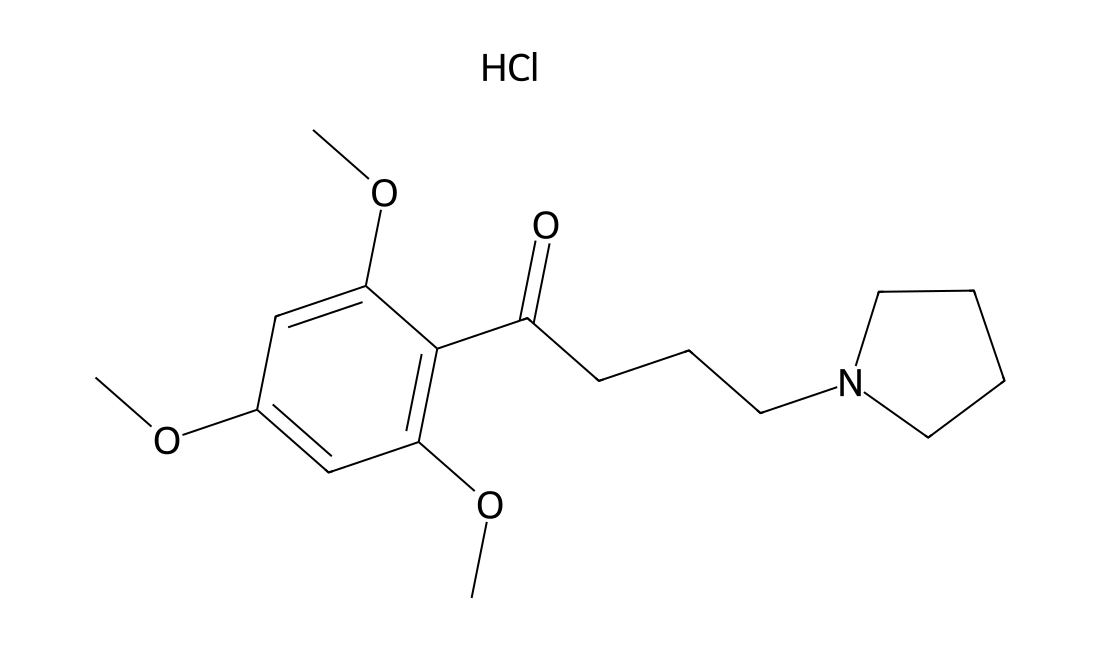
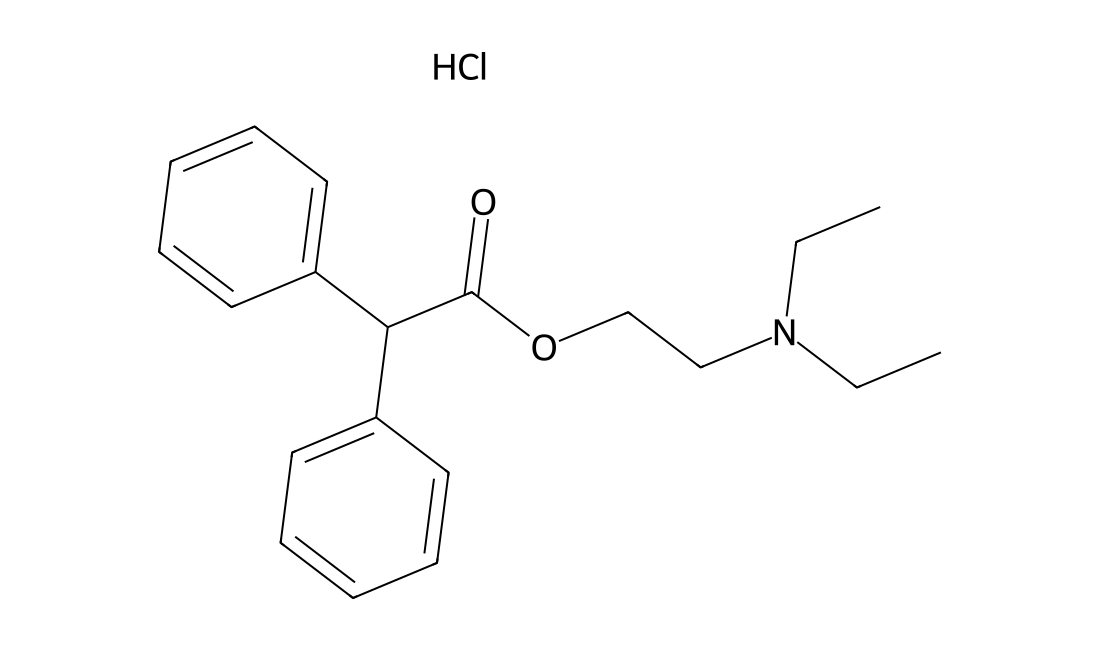
Buflomedil HCl chemical structure
DCAPI1201

Adiphenine HCl

CAS 50-42-0

For the detailed information of Adiphenine HCl, the solubility of Adiphenine HCl in water, the solubility of Adiphenine HCl in DMSO, the solubility of Adiphenine HCl in PBS buffer, the animal experiment(test) (test) of Adiphenine HCl, the cell expriment (test) of Adiphenine HCl, the in vivo, in vitro and clinical trial test of Adiphenine HCl, the EC50, IC50,and Affinity of Adiphenine HCl,, please contact DC Chemicals.
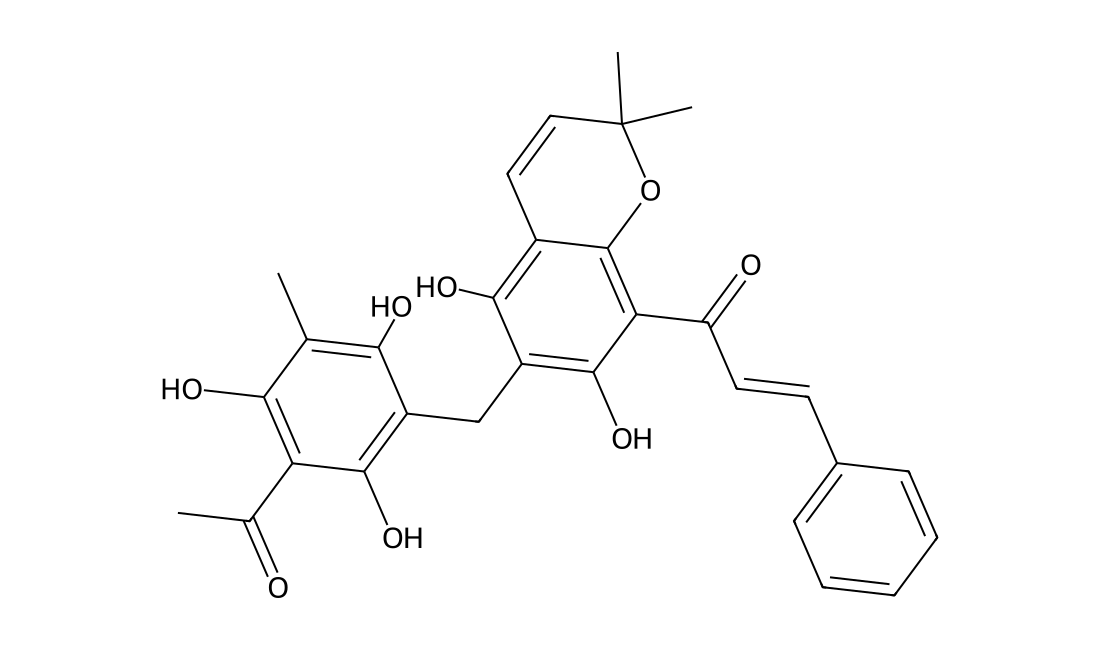
Adiphenine HCl chemical structure
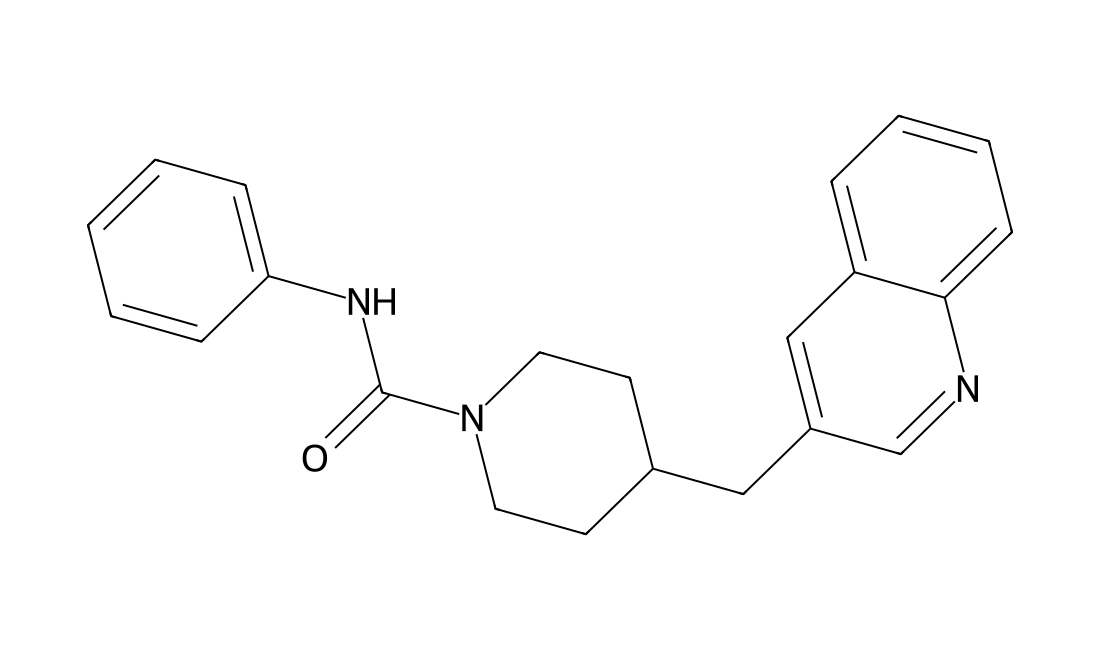
DC20027

PF 750

CAS 959151-50-9

PF 750 is a selective and covalent fatty acid amide hydrolase (FAAH) inhibitor, with IC50s varied from 16.2-595 nM in different pre-incubation times. Covalently modifies the enzyme’s active site serine nucleophile[1].

PF 750 chemical structure
DC9071

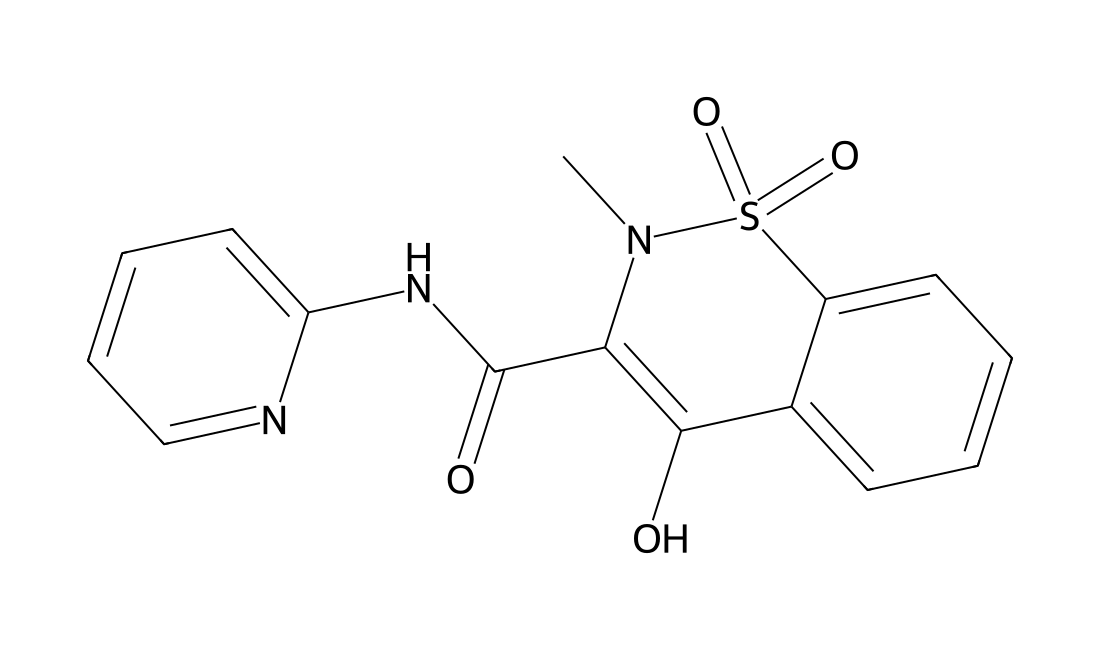
Piroxicam

CAS 36322-90-4

Piroxicam (Feldene) is a non-selective COX inhibitor with an IC50 of 6 mM.Piroxicam, is non-steroidal anti-inflammatory and analgesic agent, which is widely used in the treatment of patients with rheumatologic disorders. Piroxicam, a non-steroidal anti-inflammatory drug (NSAID) can protect neurons and improves neuronal firing after ischemia/reperfusion injury in animal model of focal cerebral ischemia. Piroxicam has no effect on surface tension values of all pH phosphate buffers and palm oil esters. Similarly, various concentrations of piroxicam did not affect the interfacial tensions between the oil phase and the buffer phases. Piroxicam has no surface activity. Additionally, there is no surface pressure activity of piroxicam at the interface of plam oil esters and phosphate buffers in the presence of Tweens and Spans.

Piroxicam chemical structure
DCAPI1358

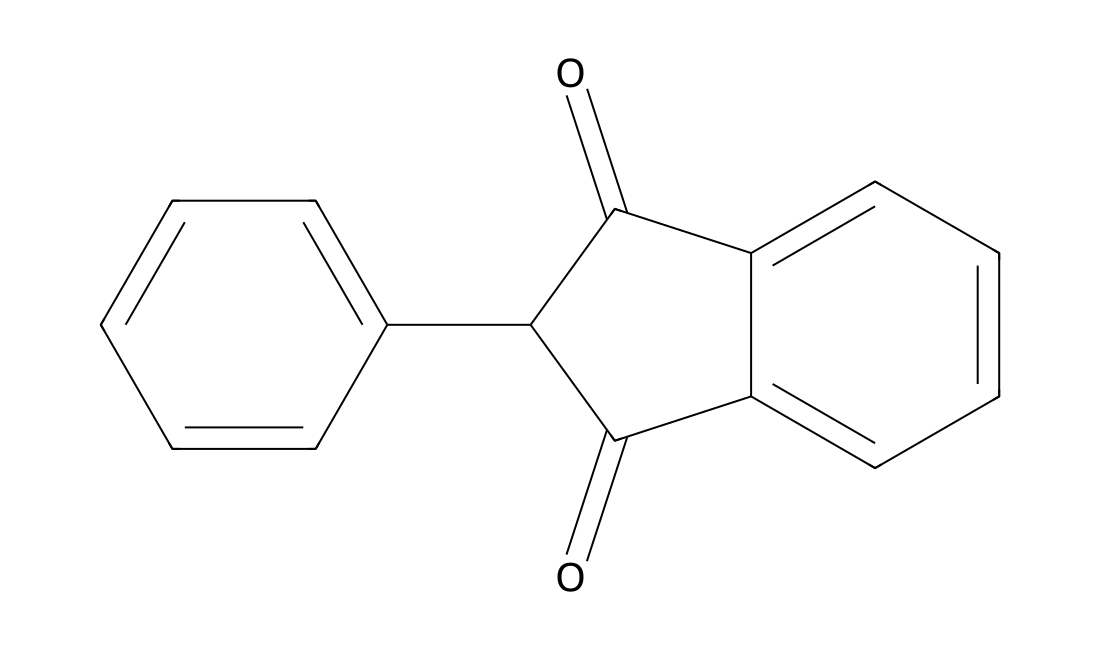
Phenindione(Rectadione)

CAS 83-12-5

For the detailed information of Phenindione(Rectadione), the solubility of Phenindione(Rectadione) in water, the solubility of Phenindione(Rectadione) in DMSO, the solubility of Phenindione(Rectadione) in PBS buffer, the animal experiment(test) (test) of Phenindione(Rectadione), the cell expriment (test) of Phenindione(Rectadione), the in vivo, in vitro and clinical trial test of Phenindione(Rectadione), the EC50, IC50,and Affinity of Phenindione(Rectadione),, please contact DC Chemicals.
Phenindione(Rectadione) chemical structure
DCAPI1333

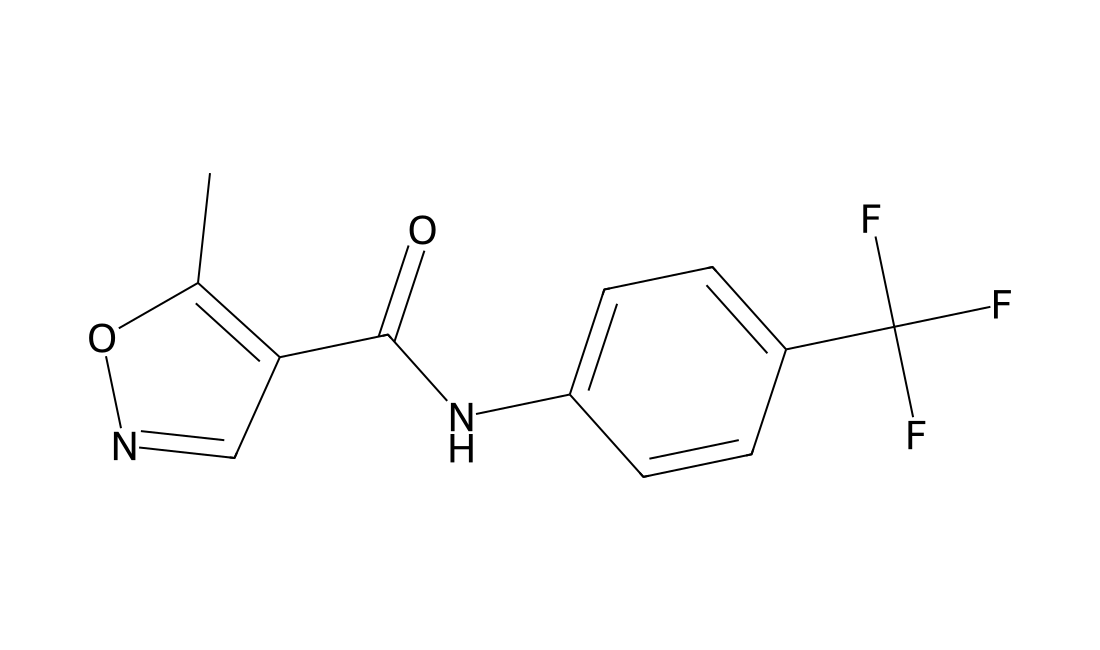
Leflunomide

CAS 75706-12-6

For the detailed information of Leflunomide, the solubility of Leflunomide in water, the solubility of Leflunomide in DMSO, the solubility of Leflunomide in PBS buffer, the animal experiment(test) (test) of Leflunomide, the cell expriment (test) of Leflunomide, the in vivo, in vitro and clinical trial test of Leflunomide, the EC50, IC50,and Affinity of Leflunomide,, please contact DC Chemicals.
Leflunomide chemical structure
DC22823

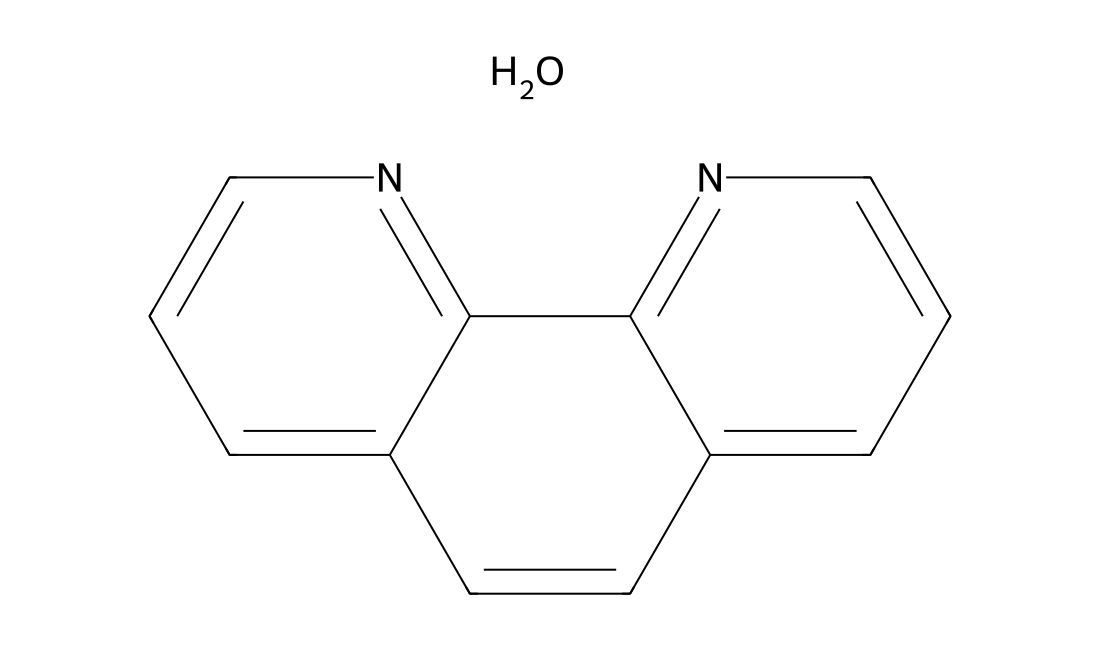
Tariquidar methanesulfonate hydrate

CAS 625375-83-9

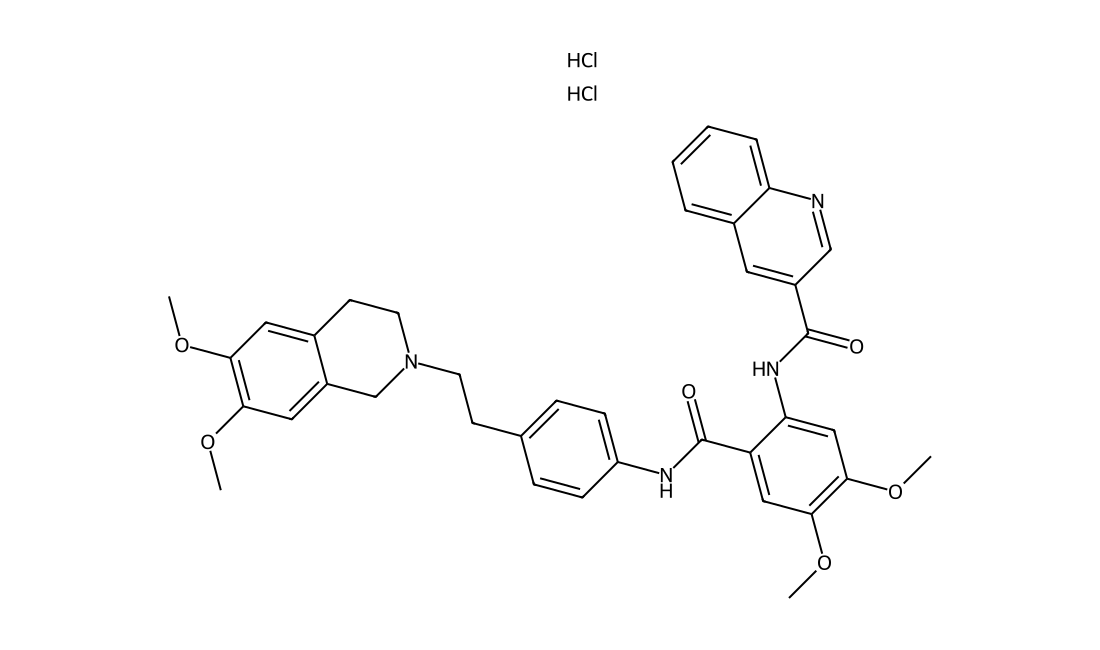
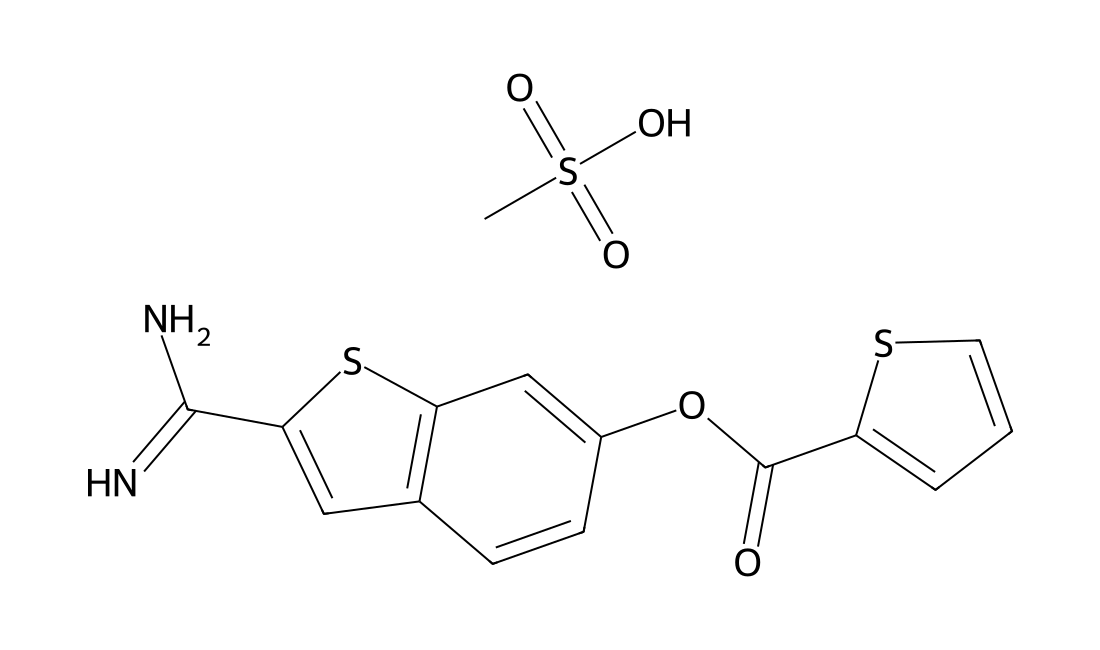
A potent, specific P-gp inhibitor with Kd of 5.1 nM; potentiates the cytotoxicity of several drugs including doxorubicin, paclitaxel, etoposide, and vincristine in a panel of human MDR cell lines at 25-80 nM; exhibits potent i.v. and p.o. activity without apparently enhancing the plasma pharmacokinetics of paclitaxel or the toxicity of coadministered drugs.Breast CancerPhase 2 Discontinued

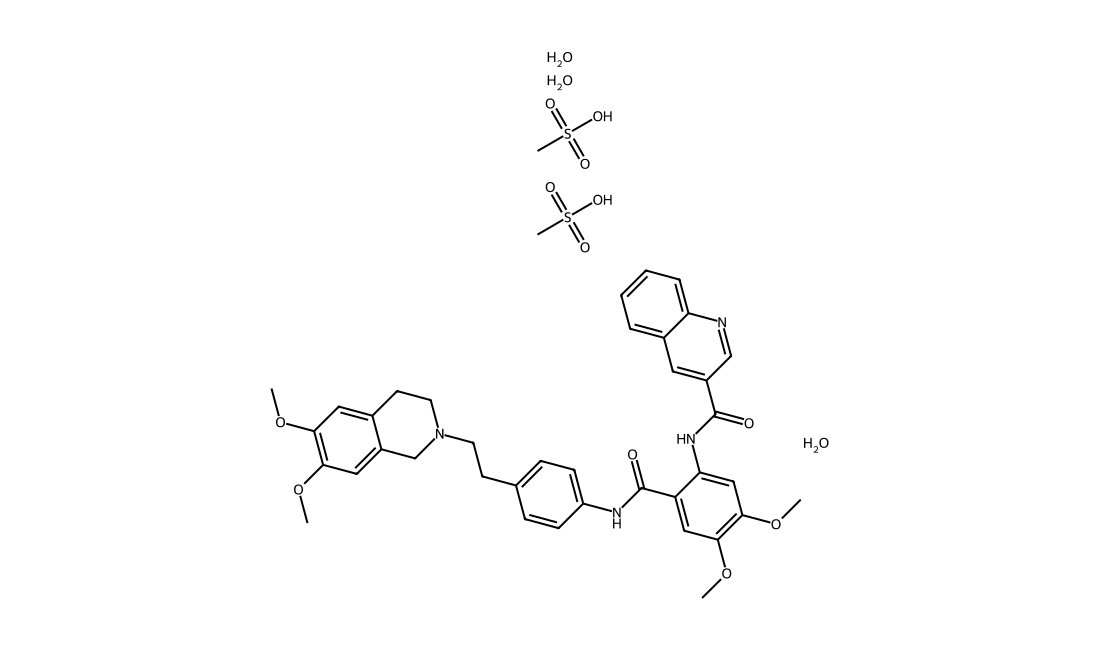
Tariquidar methanesulfonate hydrate chemical structure
DCAPI1556

Cinchocaine HCL

CAS 61-12-1

For the detailed information of Cinchocaine HCL, the solubility of Cinchocaine HCL in water, the solubility of Cinchocaine HCL in DMSO, the solubility of Cinchocaine HCL in PBS buffer, the animal experiment(test) (test) of Cinchocaine HCL, the cell expriment (test) of Cinchocaine HCL, the in vivo, in vitro and clinical trial test of Cinchocaine HCL, the EC50, IC50,and Affinity of Cinchocaine HCL,, please contact DC Chemicals.
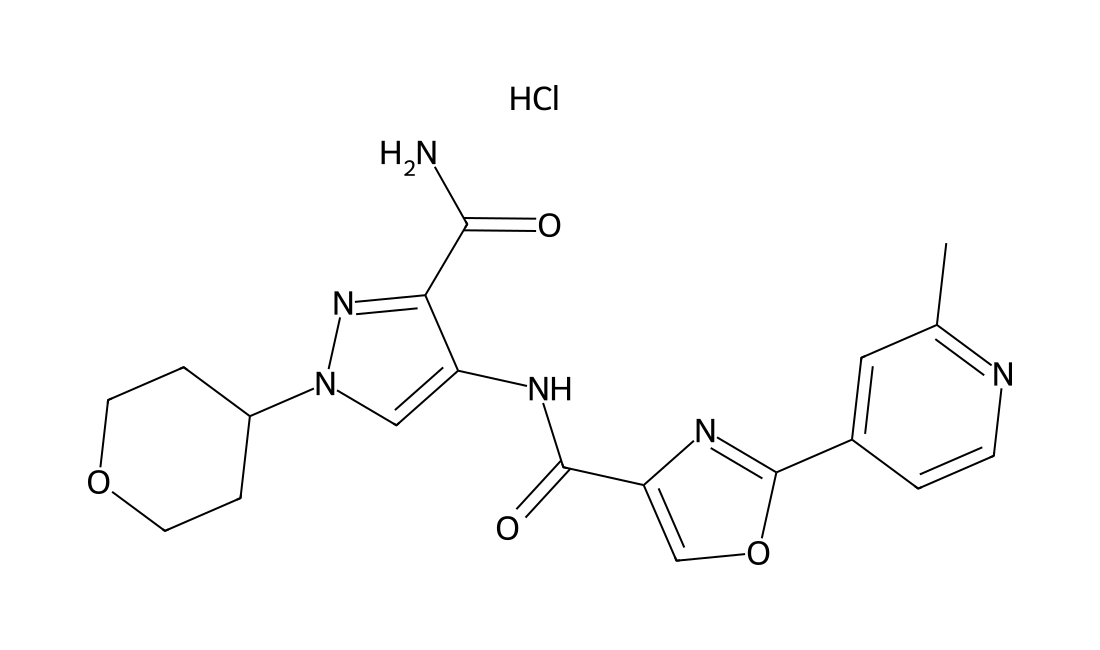
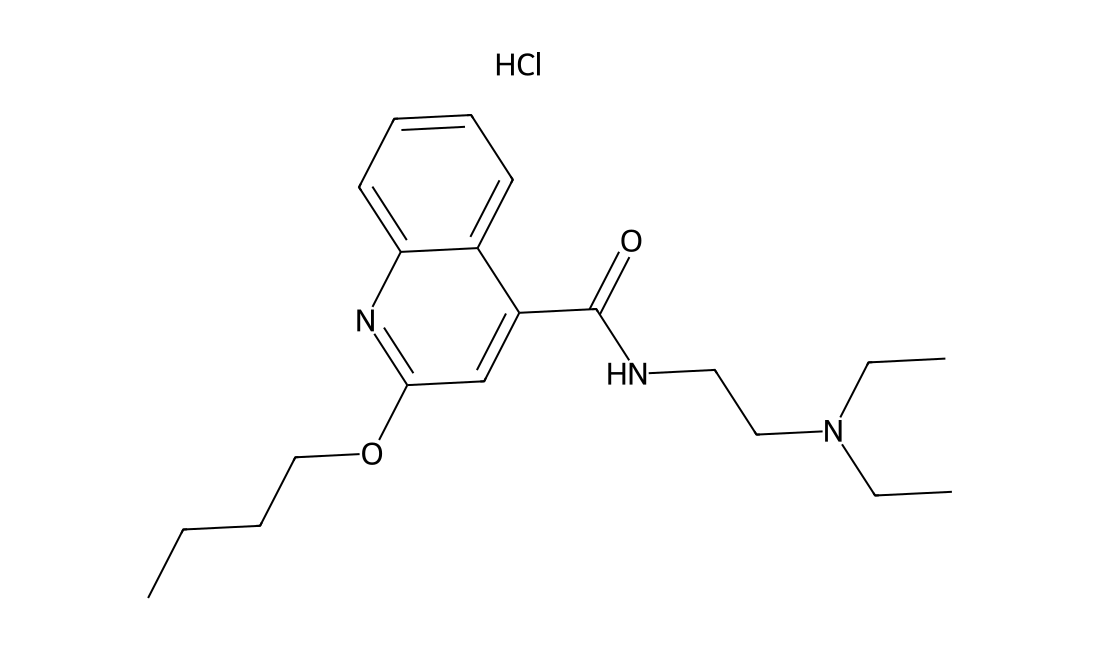
Cinchocaine HCL chemical structure
DC23552

AS-2444697 HCl

CAS 1287665-60-4

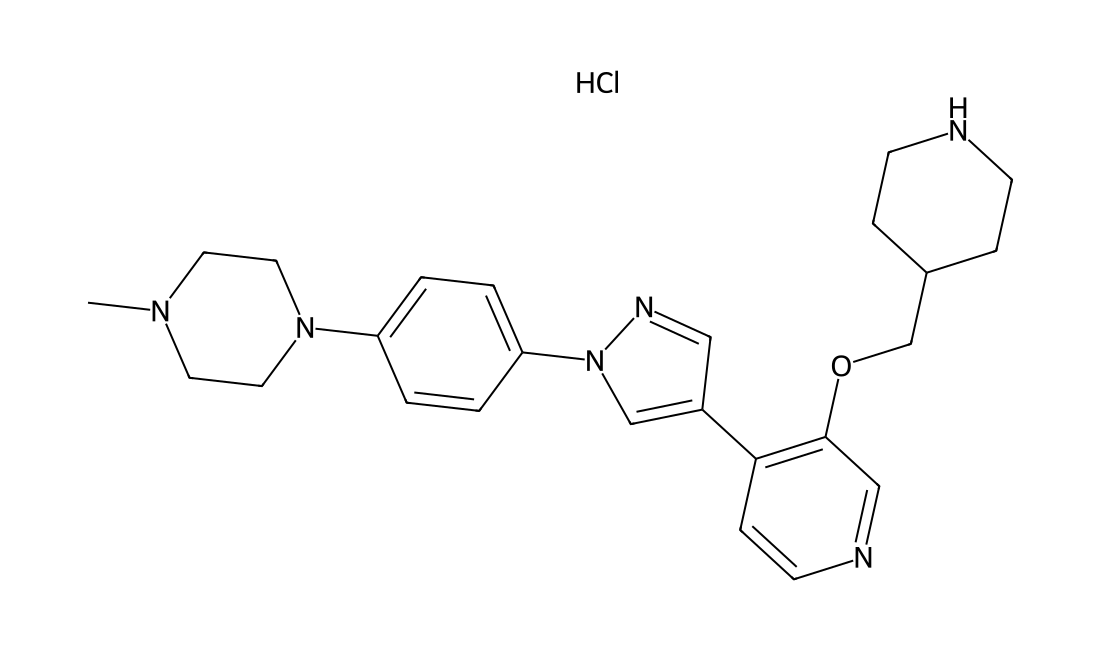
A potent, selective, orally bioavailable IRAK-4 inhibitor that potently inhibits human and rat IRAK-4 activity with subnanomolar order, >30-fold selectivity over IRAK-1; inhibited IL-1β- or TLR ligand lipopolysaccharide (LPS)-induced IL-6 production in human lung alveolar epithelial cells, fibroblast-like synoviocytes, and peripheral blood mononuclear cells; significantly reduces urinary protein excretion and preventd the development of glomerulosclerosis and interstitial fibrosis without affecting the blood pressure in mice model of chronic kidney disease.

AS-2444697 HCl chemical structure
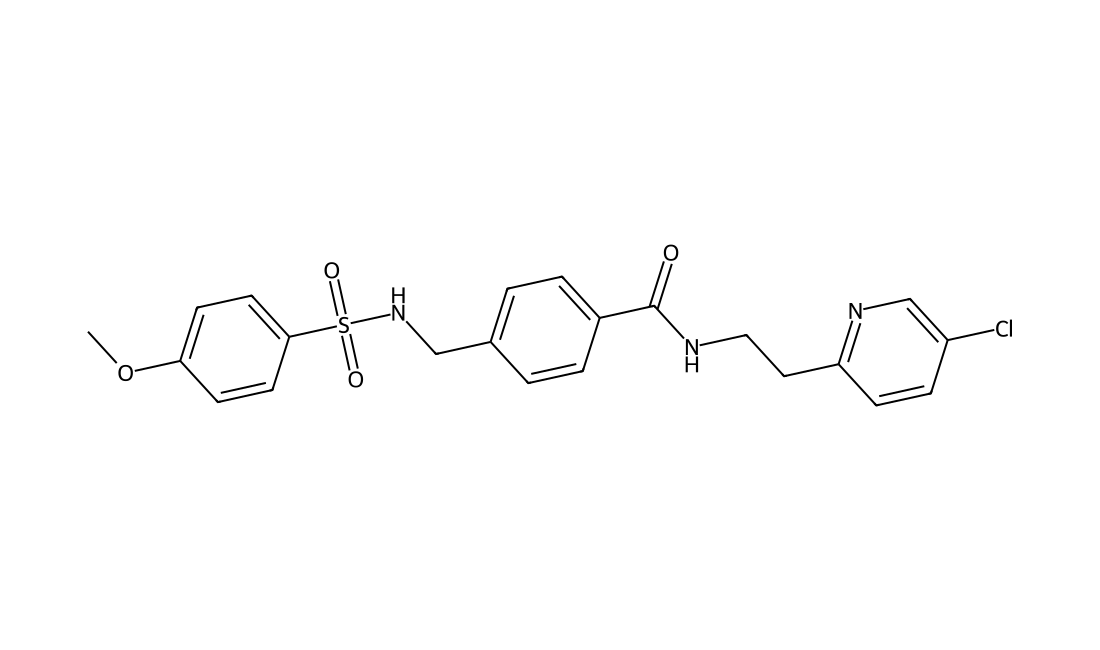
DC42708

AZ3976

CAS 1418747-15-5

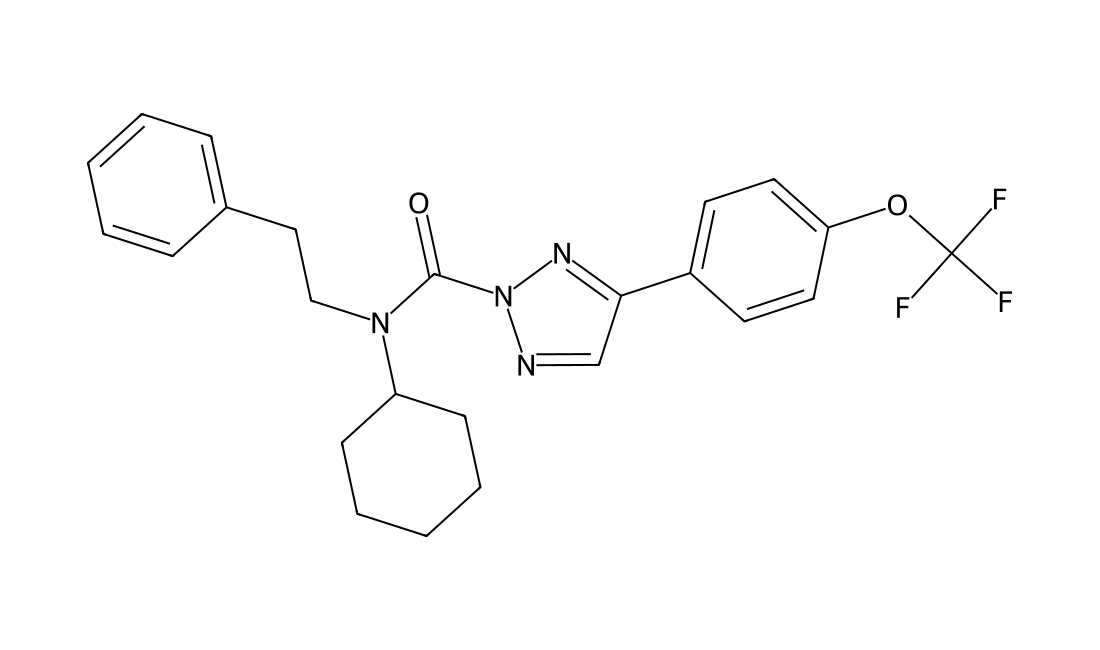
AZ3976 is a selective PAI-1 inhibitor that exhibits potent profibrinolytic effects, with IC50 values of 26 μM (chromogenic assay) and 16 μM (plasma clot lysis assay). Unlike conventional inhibitors, it does not target active PAI-1 but instead binds reversibly to the latent form, accelerating the transition of active PAI-1 to its inactive state.

AZ3976 chemical structure
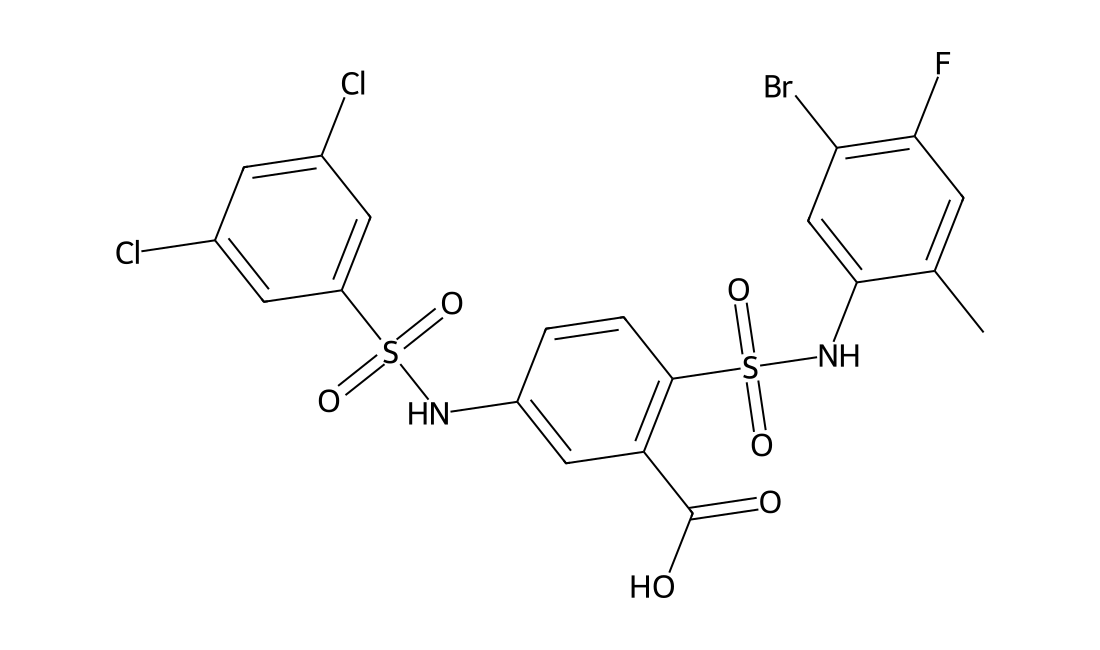
DC22180

NPD8733

CAS 696655-62-6

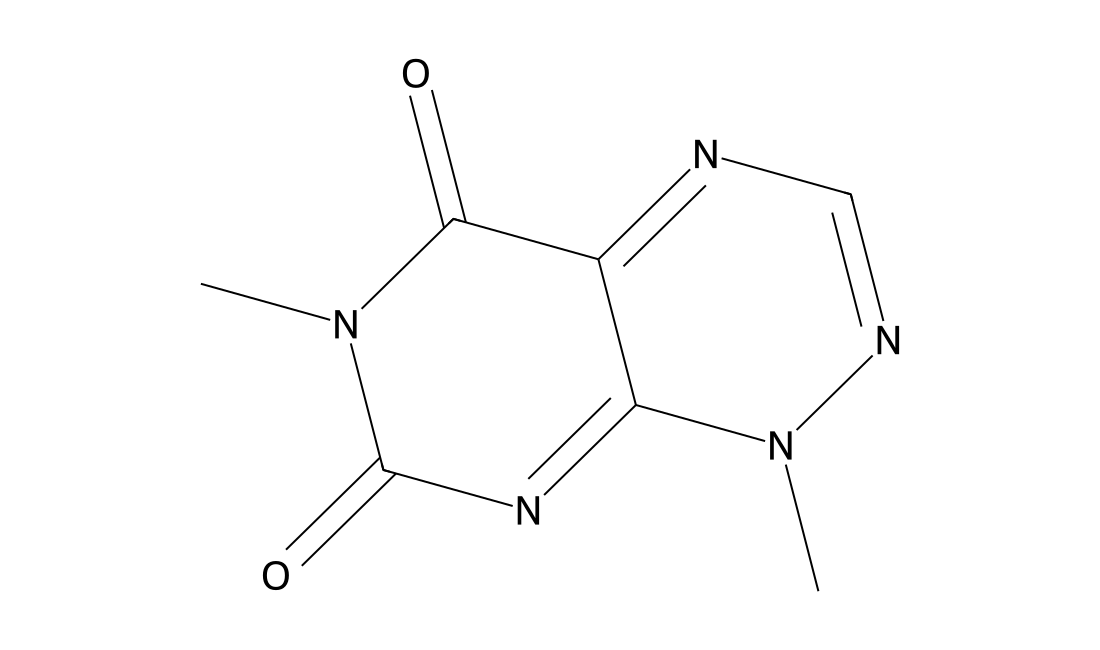
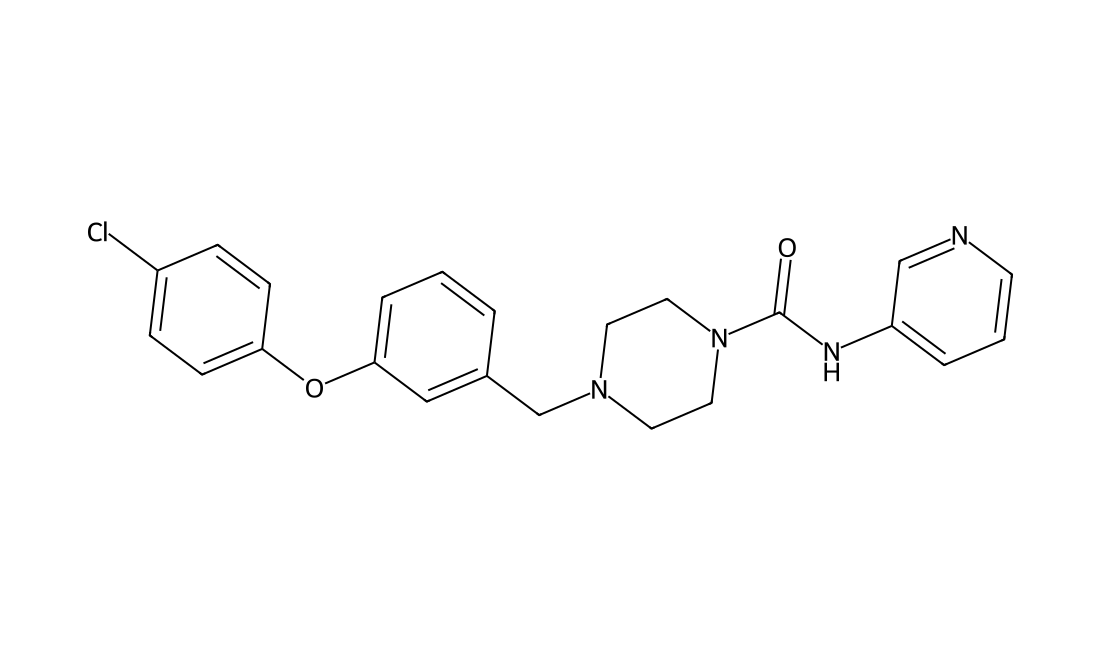
NPD8733 (NPD-8733) is a small-molecule ligand of valosin-containing protein (VCP)/p97, binds to the D1 domain of VCP/p97; suppresses the enhanced migration of NIH3T3 cells co-cultured with MCF7 cells using a wound healing co-culture assay.

NPD8733 chemical structure
DC23005

SC 57461

CAS 423169-68-0

A potent and selective inhibitor of LTA4 hydrolase (LTA4H) with IC50/Ki of 5 nM/23 nM; inhibits calcium ionophore-induced LTB(4) production in human whole blood (IC50=49 nM), no effect on production of the cyclooxygenase metabolite thromboxane B(2); orally active in vivo.Irritable Bowel SyndromeDiscontinued

SC 57461 chemical structure
DC24003

TC-S 7001(Azaindole 1)

CAS 867017-68-3

TC-S 7001(Azaindole 1) is a highly potent inhibitor of human ROCK-1 and ROCK-2, with IC50s of 0.6 and 1.1 nM, respectively, and also inhibits murine ROCK-2 or rat ROCK-2 with IC50s of 2.4 and 0.8 nM, respectively.

TC-S 7001(Azaindole 1) chemical structure
DC20353

Dafadine A

CAS 1065506-69-5

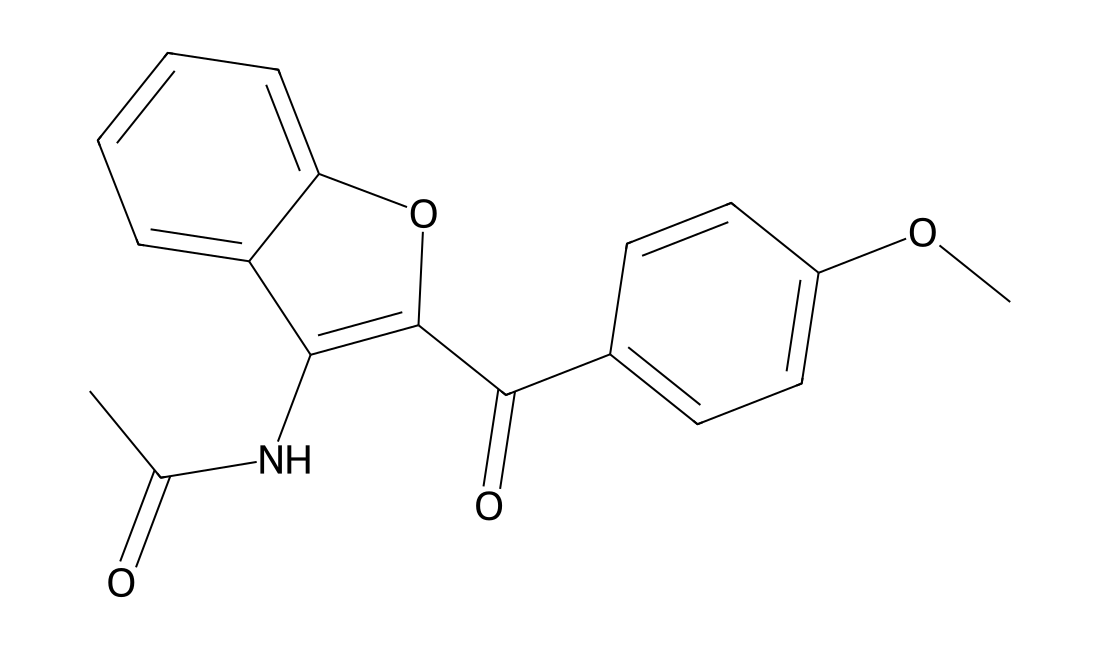
Dafadine-A, an analog of dafadine, is a novel inhibitor of DAF-9 cytochrome P450 in the nematode Caenorhabditis elegans; also inhibits the mammalian ortholog of DAF-9(CYP27A1).The DAF-9 cytochrome P450 is a key regulator of dauer formation, developmental timing and longevity in the nematodeCaenorhabditis elegans. Here we describe the first identified chemical inhibitor of DAF-9 and the first reported small-molecule tool that robustly induces dauer formation in typical culture conditions. This molecule (called dafadine) also inhibits the mammalian ortholog of DAF-9(CYP27A1), suggesting that dafadine can be used to interrogate developmental control and longevity in other animals.
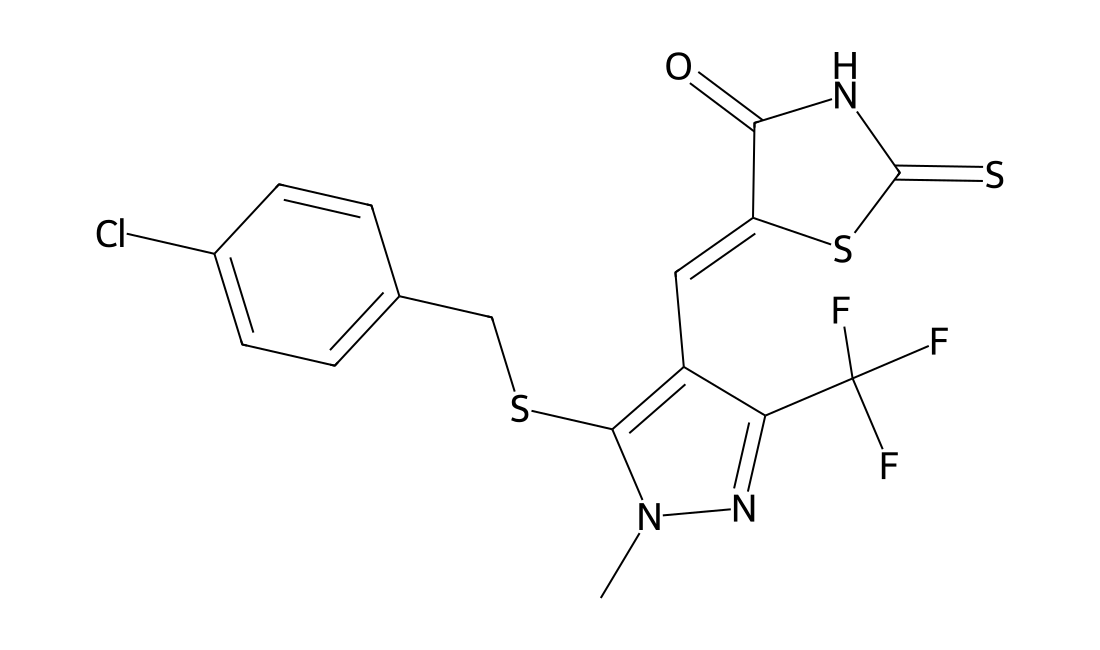
Dafadine A chemical structure
DC49996

Coelenteramine 400a

CAS 70217-82-2

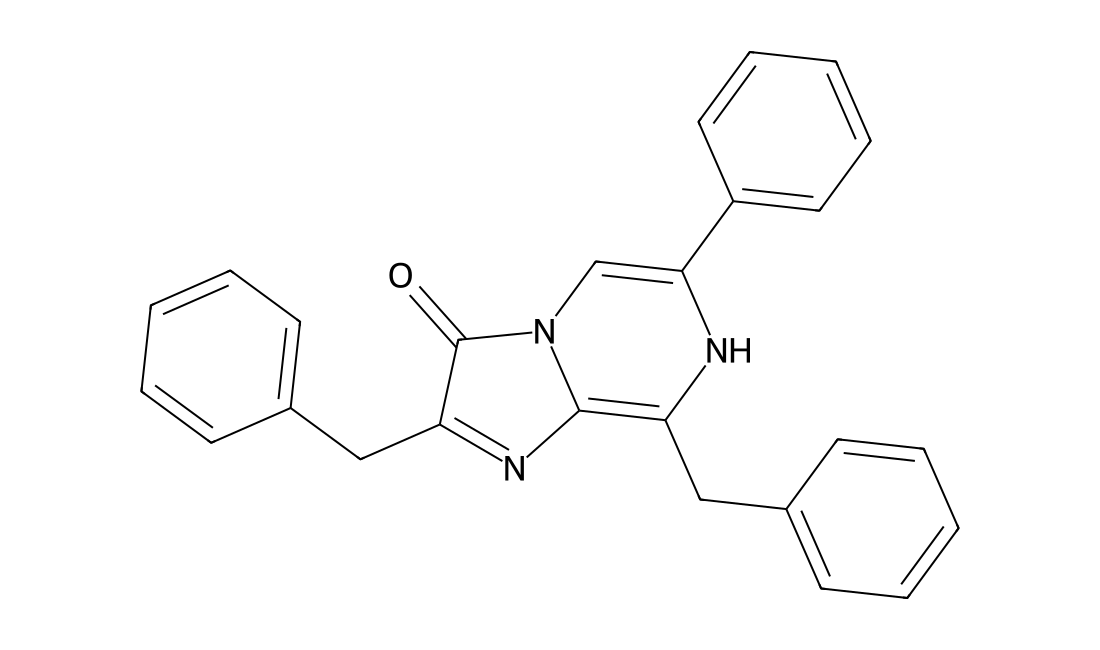
Coelenteramine 400a (Bisdeoxycoelenterazine), a structural analog of Coelenterazine, serves as a substrate for Renilla luciferase (RLuc). When interacting with Coelenteramine 400a, RLuc catalyzes the emission of blue light with a peak wavelength of 395 nm.

Coelenteramine 400a chemical structure
DC60733

F-1

CAS 2244775-31-1

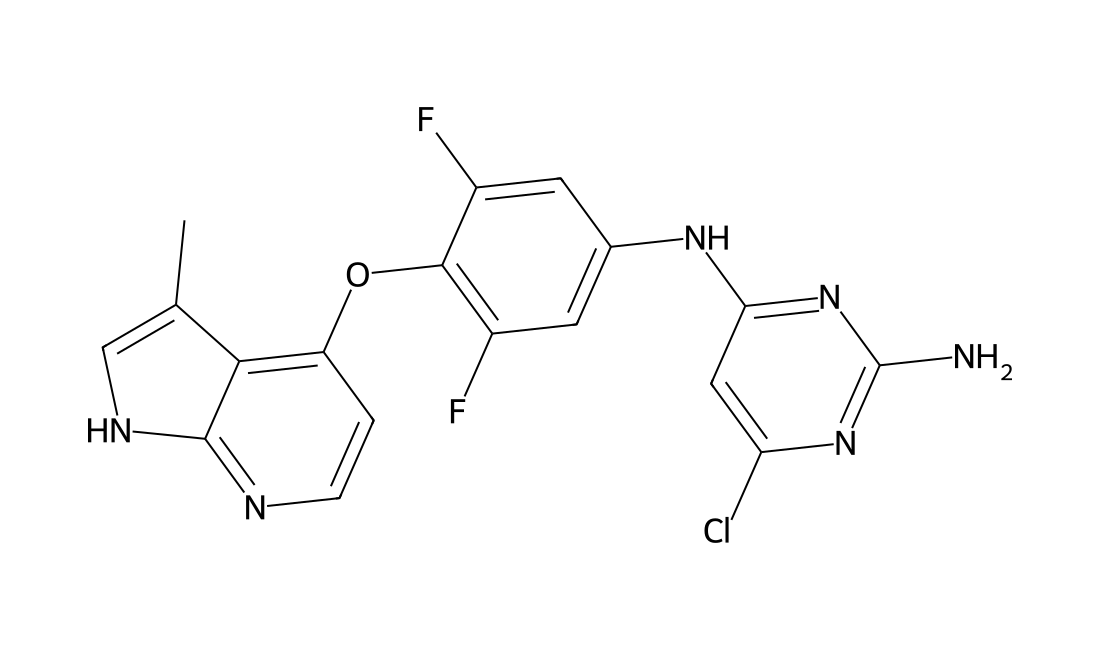
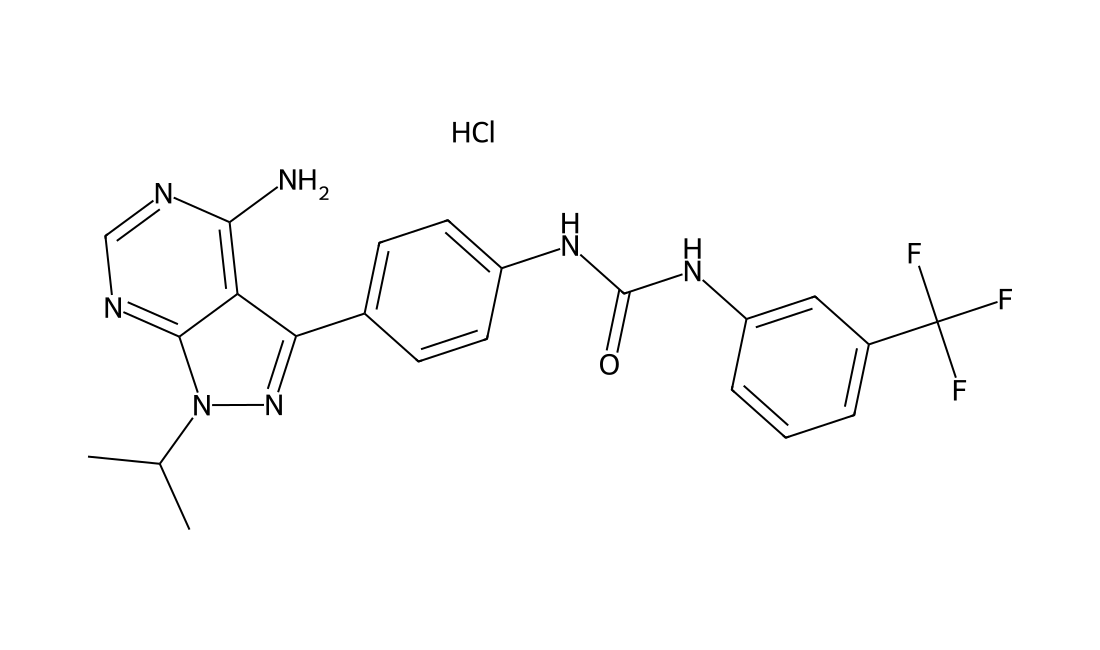
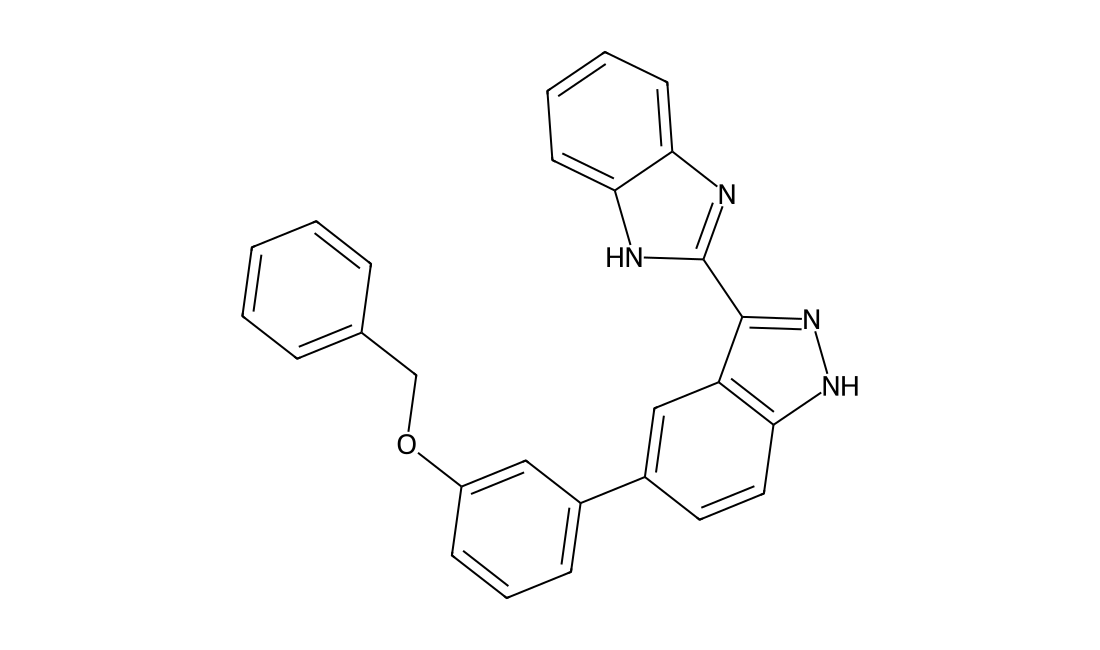
F-1 is a potent ALK and ROS1 dual inhibitor, suppresses phospho-ALK and its relative downstream signaling pathways, with IC50s of 2.1 nM, 2.3 nM, 1.3 nM and 3.9 nM for ALKWT, ROS1WT, ALKL1196M and ALKG1202R, respectively.

F-1 chemical structure
DC22564

NVP-MELK8a hydrochloride

CAS 2096992-20-8

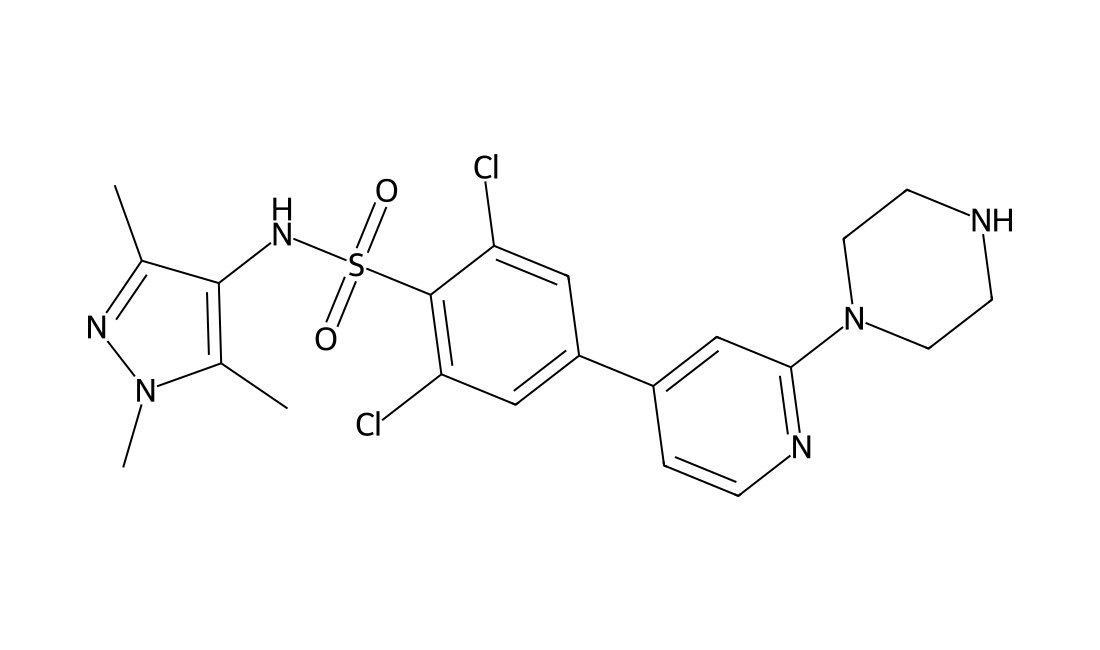
NVP-MELK8a hydrochloride (MELK8a hydrochloride) is a novel potent, and selective MELK inhibitor with IC50 of 2 nM; exhibits high selectivity with only 7 off-target kinases inhibited >85% against 456 kinases at 1 uM, Flt3 (IC50=0.18 uM), Haspin (IC50=0.19 uM), PDGFRα (IC50=0.42 uM); exhibits growth inhibition of MDA-MD-468 cells with IC50 of 0.11 uM, and increases cells harboring 4N DNA content.

NVP-MELK8a hydrochloride chemical structure
DC20038

NAcM-OPT

CAS 2089293-61-6

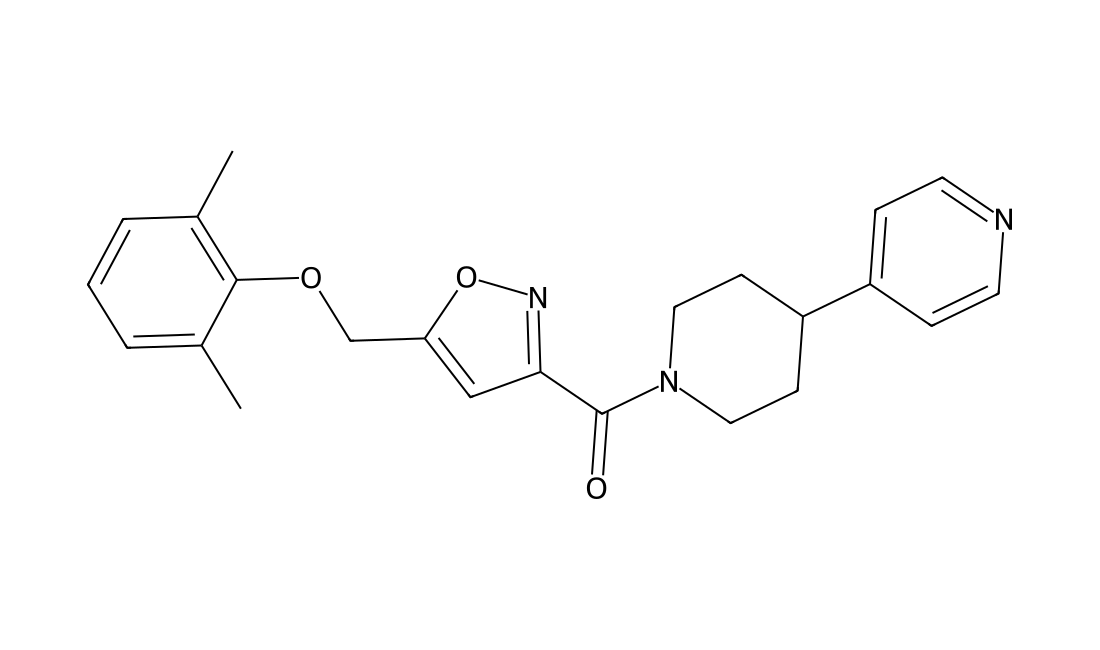
In Vitro NAcM-OPT (Compound 67) is orally bioavailable, well tolerated in mice, and currently used to study the effects of acute pharmacologic inhibition of the DCN1-UBE2M interaction on the NEDD8/CUL pathway.

NAcM-OPT chemical structure
DC74203

TR-107

CAS 2485052-87-5

TR-107 (TR107) is a highly potent, selective and orally bioavailable small-molecule activator of the mitochondrial protease ClpP with EC50 of 140 nM, binds to purified ClpP with Kd value of 180 nM in surface plasmon resonance (SPR) measurement.

TR-107 chemical structure
DC58301

SPEN-IN-1

CAS 2863686-82-0

Compound X1 (Xist) X1 (Xist) binds the non-coding RNA prototype Xist, specifically the RepA motif, with Kd of 0.4 μM. X1 binding reduces the conformational space of RepA, displaces cognate interacting protein factors (PRC2 and SPEN), suppresses histone H3K27 trimethylation, and blocks initiation of X-chromosome inactivation.

SPEN-IN-1 chemical structure
DC20947

DDD 85646

CAS 1215010-55-1

DDD 85646 is a potent, specific, dual N-Myristoyltransferase NMT1/NMT2 inhibitor with IC50 of 17 nM/22 nM respectively; inhibits myristoylation of an overexpressed protein construct in-cell-based microscopy assays; has no significant affect protein synthesis in cells; causes complete inhibition of N-myristoylation in cells at 1-10 uM; induces ER-stress, cell cycle arrest, and apoptosis in cancer cells.
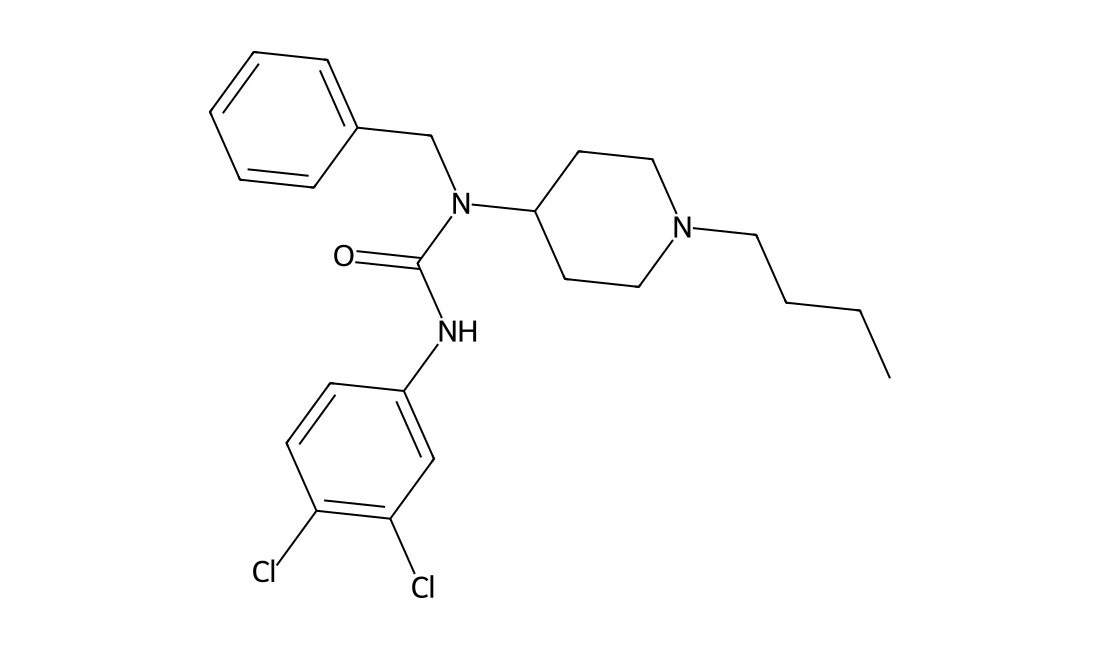
DDD 85646 chemical structure
DC21369

NCGC 00067819

CAS 847163-23-9

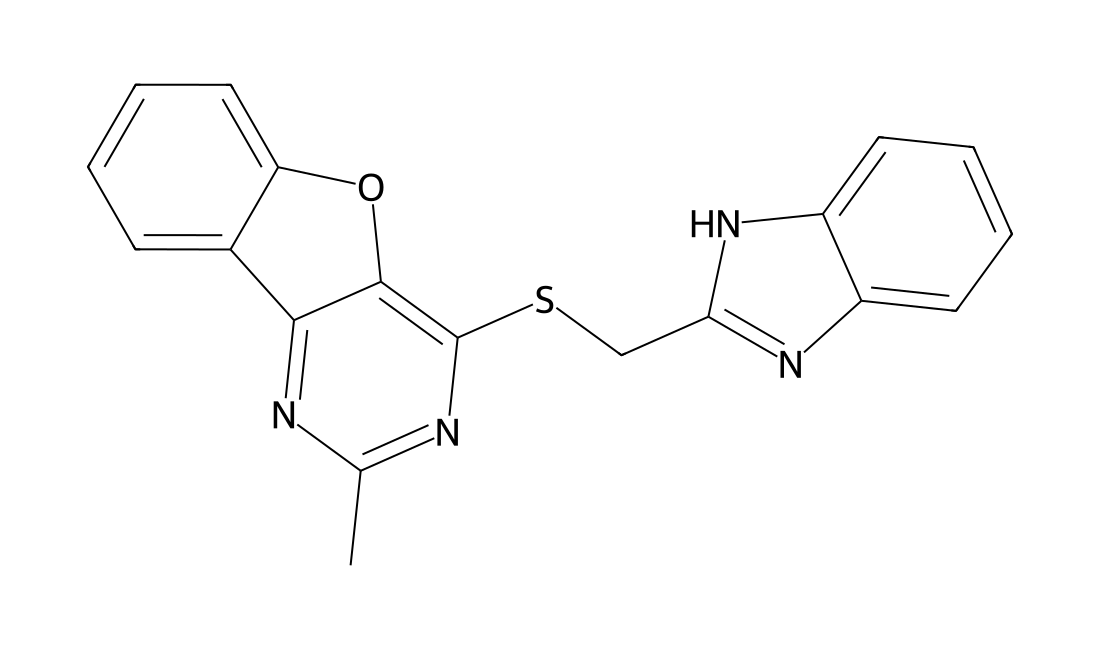
NCGC 00067819 is a small molecule compound that potentiates CREB signaling with EC50 of 16 nM in the primary screen and 79 nM in the CHO CRE-β-lactamase confirmation assay; potentiates cAMP production induced by NKH 477.
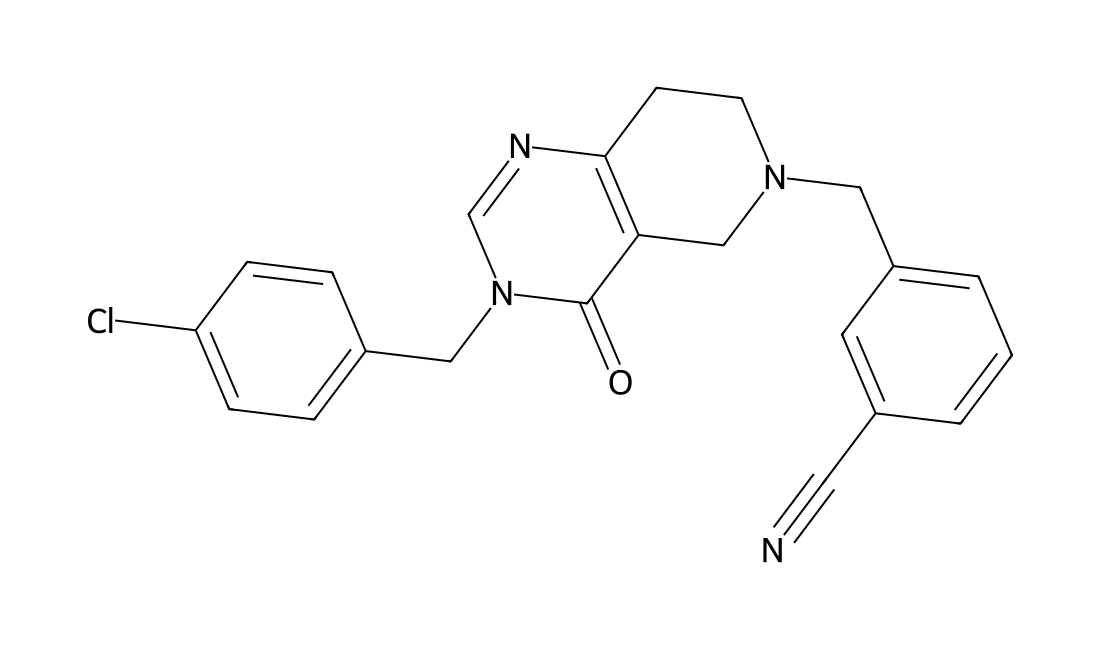
NCGC 00067819 chemical structure
DC23145

TH5487

CAS 2304947-71-3

TH5487 is a potent 8-oxoguanine DNA glycosylase 1 (OGG1) inhibitor with an IC50 of 342 nM. TH5487 stops OGG1 from recognizing its DNA substrate, inhibits DNA repair and modifies OGG1 chromatin dynamics, which results in the inhibition of proinflammatory pathway genes[1].

TH5487 chemical structure
DC23981

BCX-1470 methanesulfonate

CAS 217099-44-0

A serine protease inhibitor that inhibits the esterolytic activity of factor D (IC50=96 nM) and C1s (IC50=1.6 nM); displays 3.4-fold and 200-fold bette than that of trypsin, respectively; inhibits esterolytic activity translates into potent inhibition of the proteolytic activity of C1s, factor D, and consequently of the classical and alternative pathway-mediated hemolysis of target RBC (IC50=46 nM and 330 nM, respectively); blocks the reverse passive Arthus (RPA) reaction in rats.ThrombosisPhase 1 Discontinued

BCX-1470 methanesulfonate chemical structure
Browse target & topic index A–Z (366)
11β-HSD (1)15-PGDH (2)5-HT Receptor (16)Acetyl-CoA Carboxylase (ACC) (3)Acetylcholinesterase (AChE) (2)Ack1 (TNK2) (1)Acyltransferase (1)ADC Cytotoxin (6)ADCs Linker/Click Chemistry (5)Adenosine Receptor (9)Adenylate Cyclase (2)Adrenergic Receptor (11)Akt (12)Alcoholism (2)Aldehyde Dehydrogenase (ALDH) (6)Allergy (5)Alzheimer Disease (13)Aminopeptidase (1)AMPK (8)Amyloids (4)Anaplastic Lymphoma Kinase (ALK) (9)Androgen Receptor (AR) (11)Anemia (4)Angiotensin Receptor (4)Antibody/Protein labeling dyes (1)Antifolate (2)Anxiety (1)Apoptosis Inducer (3)Arginase (1)Arp2/3 complex (1)Aryl hydrocarbon Receptor (AhR) (1)Asthma (5)Atherosclerosis (2)ATM/ATR (8)Aurora Kinase (10)Autophagy (6)Autophagy-related Protein (Atg) (2)Autotaxin (2)Bacterial (26)Bacterial Infection (17)Bcl-2 (14)Bcr-Abl (5)BCRP (1)Beta-catenin (4)Beta-secretase (BACE) (4)Blood Cancer (91)BMI-1 (1)Bone Cancer (6)Brain Cancer (6)Breast Cancer (30)Bromodomain (22)BTK (10)c-Fms (CSF1R) (5)c-Fos/AP-1 (1)c-Kit (6)c-Met (HGFR) (11)c-Myc (2)Calcium Channel (4)Calcium-sensing Receptor (CaSR) (1)CaMK (4)Cannabinoid Receptor (6)Carbonic Anhydrase (1)Carboxypeptidase (1)Casein Kinase (6)Caspase (4)Cathepsin (6)Cdc2-like Kinase (CLK) (1)CETP (2)CFTR (7)Checkpoint Kinase (Chk) (8)Chemokine Receptor (CCR and CXCR) (14)Chemotherapeutic Agents (19)Chloride Channel (1)CMV (2)CMV Infection (2)Colon Cancer (9)Complement System (1)COPD (3)CREB/CBP (2)CRF Receptor (2)CRISPR/Cas9 (1)Cushing Disease (1)Cyclin-dependent Kinase (CDK) (39)Cyclooxygenase (COX) (4)Cytochrome P450 (CYPs) (5)Depression (2)Dermatitis (2)Deubiquitinase (DUB) (7)Diabetes (20)Dipeptidyl Peptidase (DPP) (3)Discoidin Domain Receptor (DDR) (1)DNA Alkylator/Crosslinker (10)DNA Methyltransferase (DNMT) (1)DNA Repair Protein (1)DNA-PK (2)DNA/RNA Synthesis (5)Dopamine beta-hydroxylase (1)Dopamine Receptor (7)Drug Metabolite (1)Drug-Linker Conjugates (11)Dyes (4)DYRK (1)Dyslipidemia (9)E3 Ligase Ligand (6)E3 Ligase Ligand-Linker Conjugate (1)E3 Ubiquitin Ligase (4)Ebola Virus Infection (1)EGFR (32)Elastase (2)Endothelin Receptor (5)Enzymes substrates (13)Epigenetic Reader Domain (3)Epilepsy (4)ERK (4)Estrogen Receptor/ERR (13)Eukaryotic Initiation Factor (eIF) (2)Exportin-1 (CRM1,XPO1) (2)FABP (1)Factor Xa (5)Farnesoid X Receptor (FXR) (5)Farnesyl transferase (FTase) (1)Ferroptosis (6)FGFR (15)Fibrosis (5)FLT3 (6)Focal Adhesion Kinase (FAK) (11)Foxo1 (1)Free Fatty Acid Receptor (FFAR) (5)Fungal (2)Fungal Infection (1)GABA Receptor (13)Galectin (1)Gastric Cancer (8)Ghrelin Receptor (GHSR) (3)Glucagon Receptor (4)Glucokinase (2)Glucose Transporter (GLUT) (2)Glutamate Transporter (2)GPCR (1)GPER (GPR30) (1)GPR139 (1)GPR183 (EBI2) (2)GPR39 (1)GPR55 (1)GPR84 (1)GRK (GPCRK) (2)Growth Hormone Deficiency (2)GSK-3 (8)Guanylate Cyclase (3)HBV (1)HBV Infection (1)HCN Channel (2)HCV (8)HCV Infection (9)HDAC (38)Heart Arrhythmia (2)Heart Failure (5)Heat Shock Protein (HSP) (15)Hedgehog (Hh) (1)HIF/HIF Prolyl-hydroxylase (8)Histamine Receptor (6)Histone Acetyltransferase (HAT) (5)Histone Demethylase (11)Histone Methyltransferase (HMTase) (31)HIV (12)HIV Infection (11)HMG-CoA Reductase (HMGCR) (3)HSV (1)HSV Infection (1)Hypercholesterolemia (1)Hyperparathyroidism (1)Hypertension (8)IAP (1)IGF-1R (3)iGluR (15)Indoleamine 2,3-Dioxygenase (IDO) (4)Infection (1)Influenza (6)Influenza Virus (6)Insulin Receptor (2)Integrin (6)Interleukin Receptor (1)IRAK (2)IRE1 (4)Irritable Bowel Syndrome (2)Ischemia (1)Isocitrate Dehydrogenase (IDH) (5)ITK (1)IκB kinase (IKK) (7)JAK (32)JNK (3)Keap1-Nrf2 (6)Kidney Cancer (10)Kinesin (5)Kruppel-like Factor (KLF) (1)Kynurenine 3-Monooxygenase (KMO) (1)Leukotriene Receptor (1)LIM Kinase (LIMK) (3)Lipids fragment (1)Liver Cancer (6)Liver X Receptor (LXR) (3)LRRK2 (9)Lung Cancer (39)Lysophospholipid Receptor (12)LYTACs (3)mAChR (9)MALT1 (2)MAP4K (1)Matrix Metalloproteinase (MMP) (10)MDM2-p53 (9)MEK (MAP2K) (14)MEKK (MAP3K) (1)Melanocortin Receptor (2)MELK (1)mGluR (7)MicroRNA (1)Microtubule/Tubulin (5)Mineralocorticoid Receptor (MLR) (1)MITF (1)Mixed Lineage Kinase (MLK) (3)MNK (2)Molecular Glues (13)Monoamine Transporter (5)Monocarboxylate Transporter (MCT) (1)Monopolar Spindle 1 (Mps1/TTK) (3)mTOR (13)Multiple Sclerosis (6)Myosin (1)Na-K-Cl Cotransporter (NKCC) (2)nAChR (2)NADPH Oxidase (NOX) (2)NAMPT (3)Natural products (37)Neprilysin (1)Neurokinin Receptor (3)Neuropeptide Y Receptor (3)NF-κB (5)Nitric Oxide Synthase (NOS) (1)NOD-like Receptor (NLR) (3)Notch (2)Nucleoside Antimetabolite/Analog (10)Nur77 (NR4A1) (1)Obesity (1)Oct3/4 (1)Opioid Receptor (5)Orexin Receptor (7)Osteoporosis (2)Ovarian Cancer (14)Oxytocin Receptor (OXTR) (2)P-glycoprotein (P-gp) (3)p21-activated Kinase (PAK) (1)P2X Receptor (2)P2Y Receptor (1)p38 MAPK (10)p97/VCP (1)Pain (12)Pancreatic Cancer (10)Parasite (5)Parasite Infection (2)Parkinson Disease (2)PARP (19)PCSK9 (1)PD-1/PD-L1 (4)PDGFR (4)PDK1 (2)PEGn (1)PERK (2)PGE synthase (2)Phosphodiesterase (PDE) (9)Phospholipase (4)PI3K (32)PI4K (2)Piezo Channel (1)PIKfyve (3)Pim (9)PKC (12)PKD (1)Plasminogen Activator Inhibitor-1 (PAI-1) (3)Polo-like Kinase (PLK) (4)Porcupine (3)Potassium Channel (13)PPAR (13)Pregnane X Receptor (PXR) (1)Progesterone Receptor (2)Prostaglandin Receptor (11)Prostate Cancer (7)PROTACs (35)Protease-activated Receptor (PAR) (3)Proteasome (12)Protein Disulfide Isomerase (PDI) (1)Protein Phosphatase/PTP (6)Proton Pump (1)Psoriasis (5)RAD51 (1)Radioligand precursors (15)Raf (18)RAR/RXR (3)Ras (17)Renin (2)RET Tyrosine Kinase (c-RET) (3)Rheumatoid Arthritis (16)Ribosomal S6 Kinase (RSK) (5)RIG-I-like Receptor (RLR) (2)RIP kinase (7)ROCK (12)ROR (2)RSV (4)RSV Infection (3)RUNX1-CBFβ (1)S-nitrosoglutathione reductase (GSNOR) (1)Saccharides and Glycosides (1)Salt Inducible Kinase (SIK) (2)SARS-CoV (16)SARS-CoV Infection (34)Schizophrenia (4)Sexual Dysfunction (1)SGLT (4)Sigma Receptor (4)Sirtuin (9)Skin Cancer (13)Sleep Disorder (7)SMN2 Modulator (1)Smoothened (Smo) (9)Sodium Channel (12)Solid Tumors (35)Somatostatin Receptor (2)Sphingosine kinase (SphK) (2)Src (7)STAT (5)Stearoyl-CoA Desaturase (SCD) (1)Steatohepatitis (7)Sterol lipids (1)STING (14)Syk (6)T Cell Receptor (TCR) (1)TAK1 (2)TAM Receptor (Tyro3-Axl-Mer) (4)Taste Receptor (1)Telomerase (2)TGF beta Receptor (TGFBR) (12)Thrombin (3)Thrombosis (13)Thyroid Cancer (1)Thyroid Hormone Receptor (THR) (1)Thyrotropin Receptor (2)TNIK (1)Toll-like Receptor (TLR) (2)TOPK (1)Topoisomerase (11)TRAIL (1)Translocator Protein (TSPO) (1)Trk Receptor (4)TRP Channel (13)Tryptophan Hydroxylase (TPH) (1)Ubiquitin-activating Enzyme (E1) (2)Ubiquitin-conjugating Enzyme (E2) (2)Ulcer (1)ULK (3)Vasopressin Receptor (2)VEGFR (25)Vitamin D Receptor (VDR) (3)Wee1 (1)WNK Kinase (1)Wnt (5)Yes-associated Protein (YAP) (4)γ-secretase (5)

Cart

Request quotation