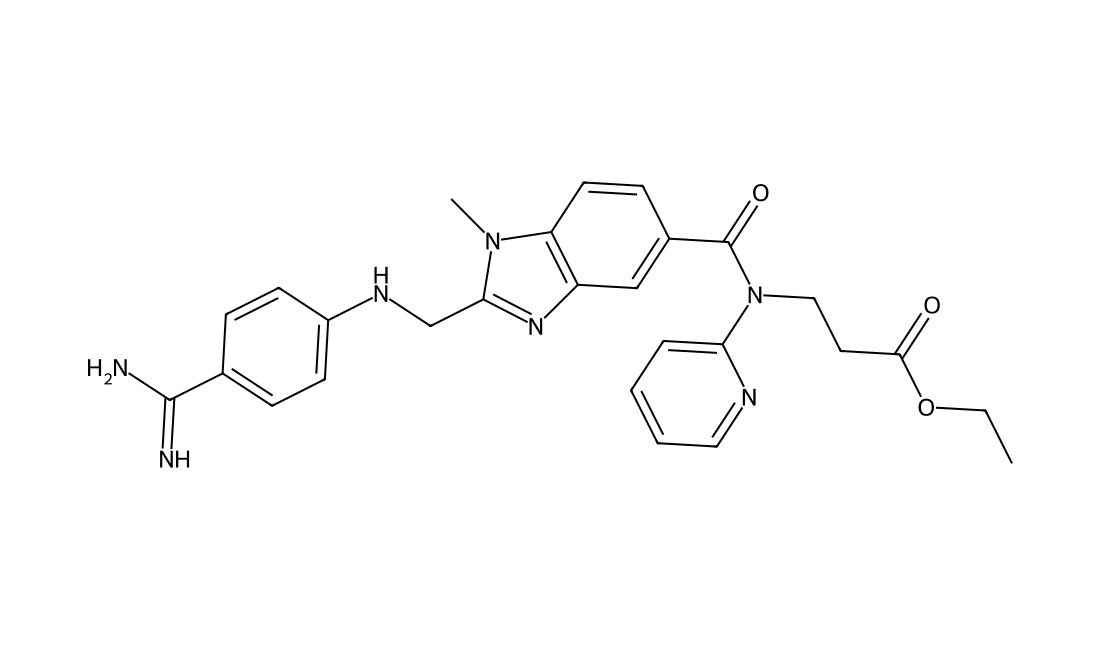
Dabigatran ethyl ester
CAS 429658-95-7
A reversible and selective, direct thrombin inhibitor (DTI) with Ki value of 4.5 nM; an anticoagulant agent used to prevent stroke with atrial fibrillation.ThrombosisApproved

Additional reagents, chemical building blocks and specialized research tools.
Products may appear in more than one category. Counts refer to distinct catalog numbers within each category.
Other Research Tools (75) · Additional reagents, building blocks and specialized research tools.
Combine a keyword, research category and target to narrow the product list.
Loading catalog filters…
CAS 429658-95-7
A reversible and selective, direct thrombin inhibitor (DTI) with Ki value of 4.5 nM; an anticoagulant agent used to prevent stroke with atrial fibrillation.ThrombosisApproved
CAS 289479-94-3
A potent, small molecule fetal hemoglobin (HbF) inducer with EC50 of 100 nM; At 100 nM, increases γ-globin expression (2.9- and 3.7-fold increase in KU812 cell and K562 cell, respectively) to higher levels than 50–100 uM hydroxyurea; a useful starting point for the generation of compounds that can be used for the treatment of SCD.
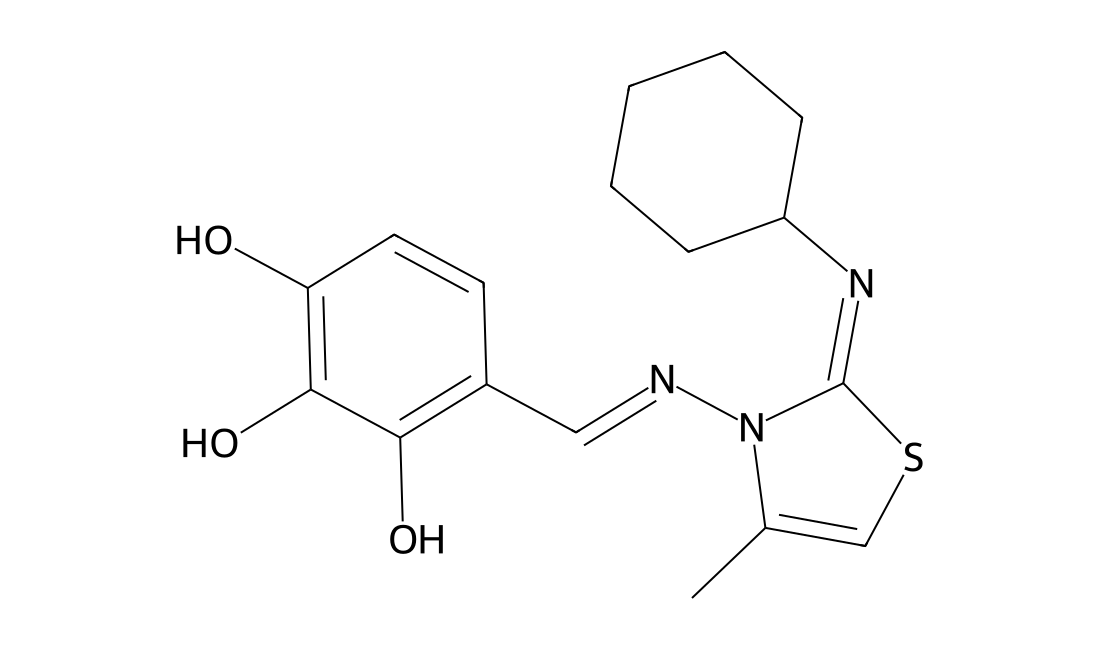
CAS 509102-00-5
A potent, selective small molecule Mcl-1 inhibitor that selectively targets the BH3-binding groove of Mcl-1; effectively competes with FITC-MCL-1 SAHBA and FITC-BID BH3 for MCL-1ΔNΔC binding with IC50 of 4.7 and 4.8 uM, respectively; shows no activity for Bcl-xL; induces caspase activation and leukemia cell death in the specific context of MCL-1 dependence.
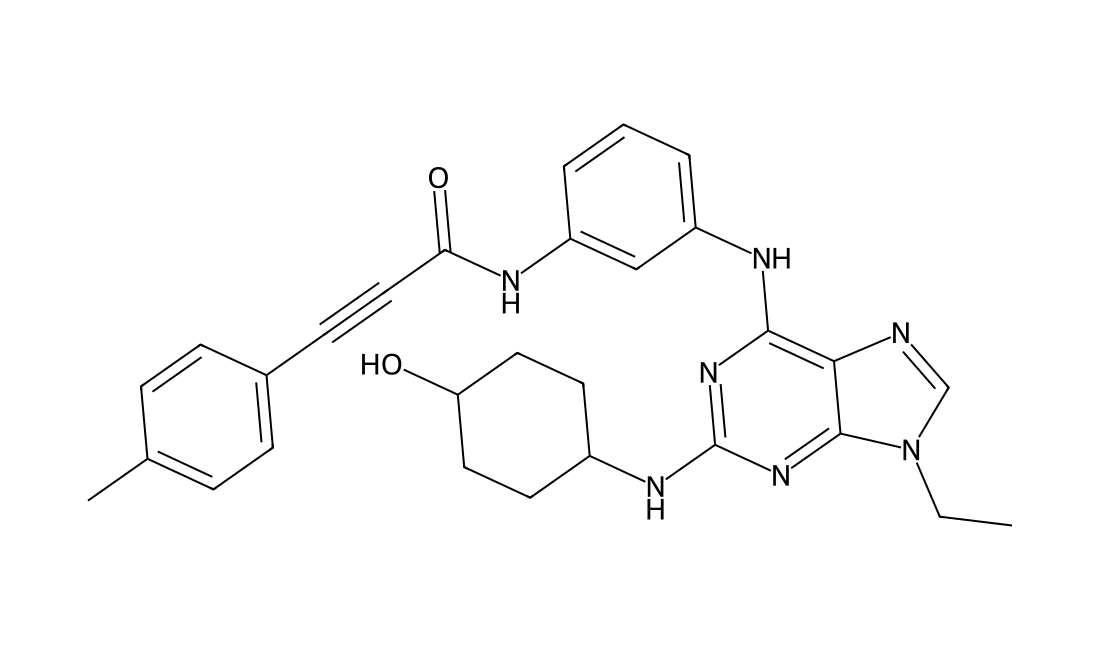
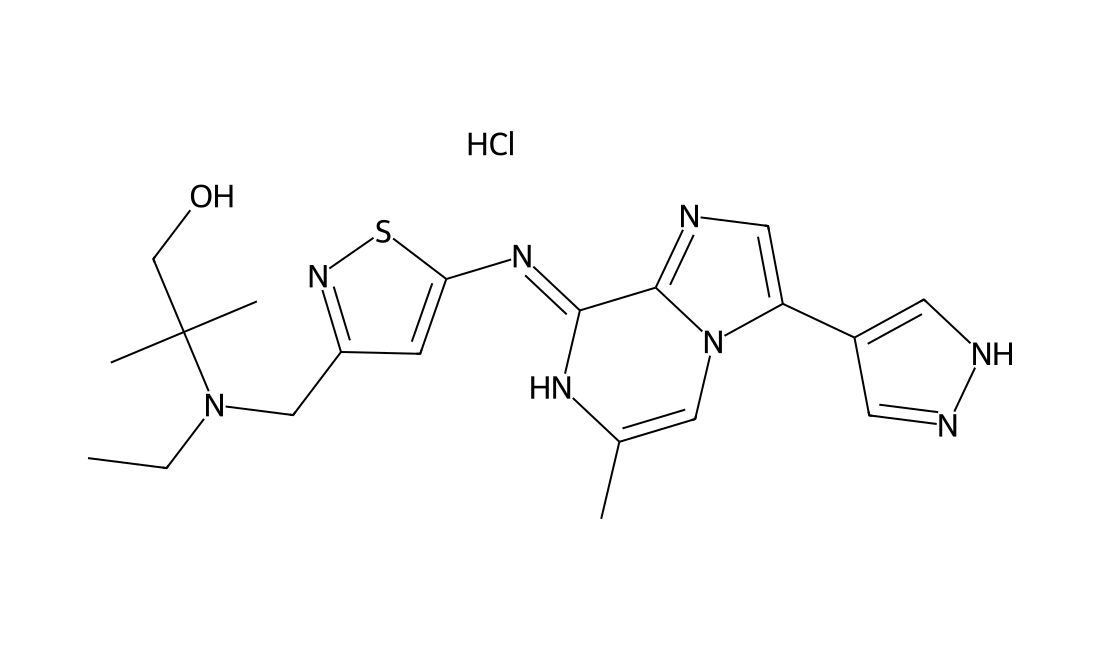
CAS 1094067-13-6
A potent, picomolar, dual inhibitor of Aurora A and B with IC50 of 0.02 and 0.03 nM, respectively; shows improved cell potency (phos-HH3 inhibition IC50=25 nM) and intrinsic aqueous solubility (11.4 mM); emonstrated efficacy and target engagement in human tumor xenograft mouse models.
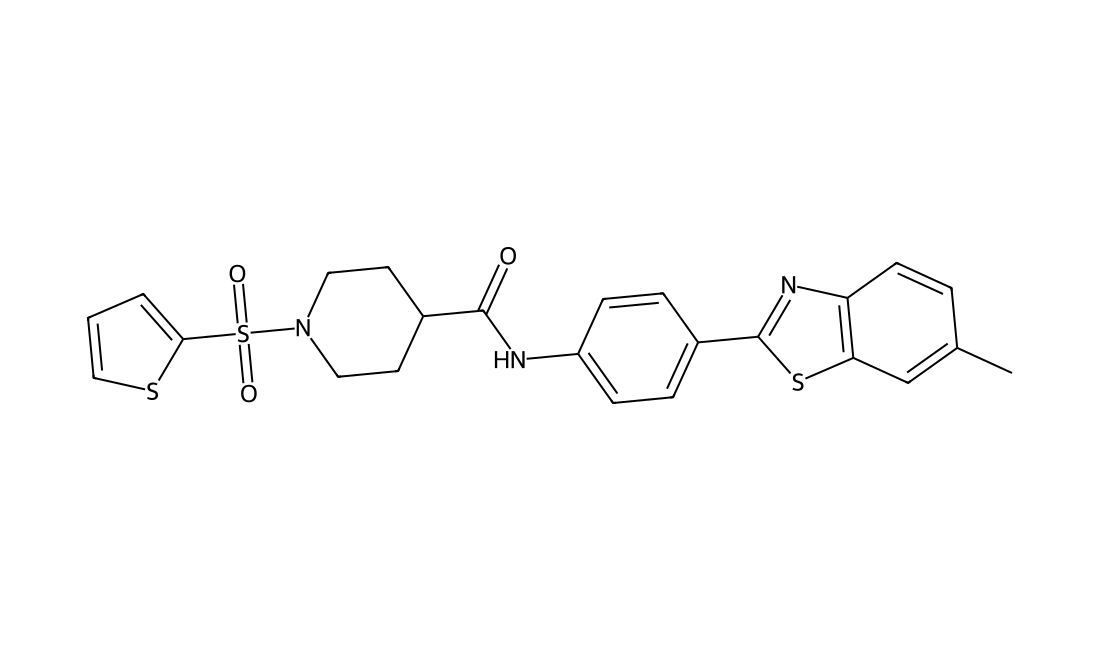
CAS 326866-17-5
A potent, and selective FAAH inhibitor with IC50 of 18 nM; shows exceptional selectivity and no off-target activity with respect to other serine hydrolases.
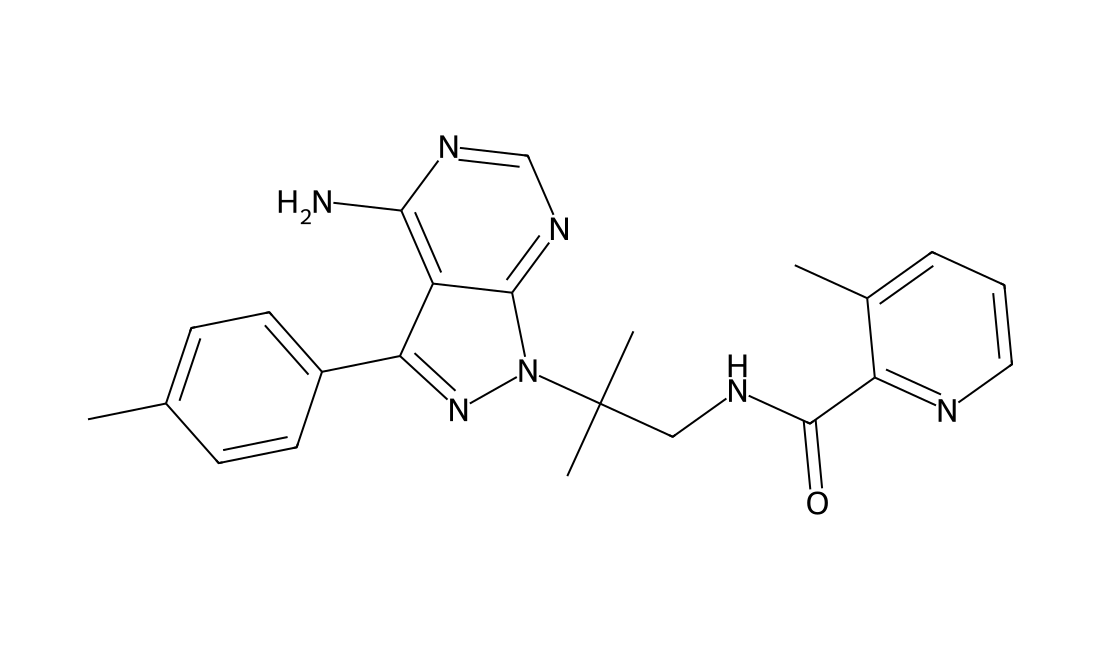
CAS 1351926-90-3
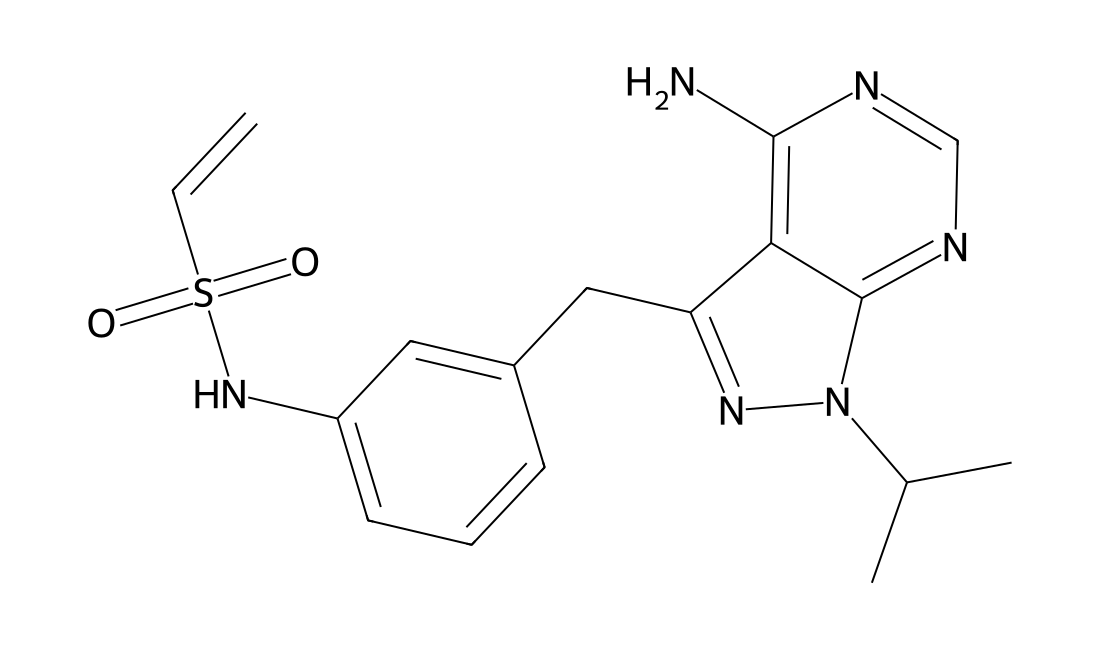
A potent mutant Src T338C inhibitor with IC50 of 111 nM; exhibited 10-fold selectivity over WT c-Src.
CAS 338992-53-3
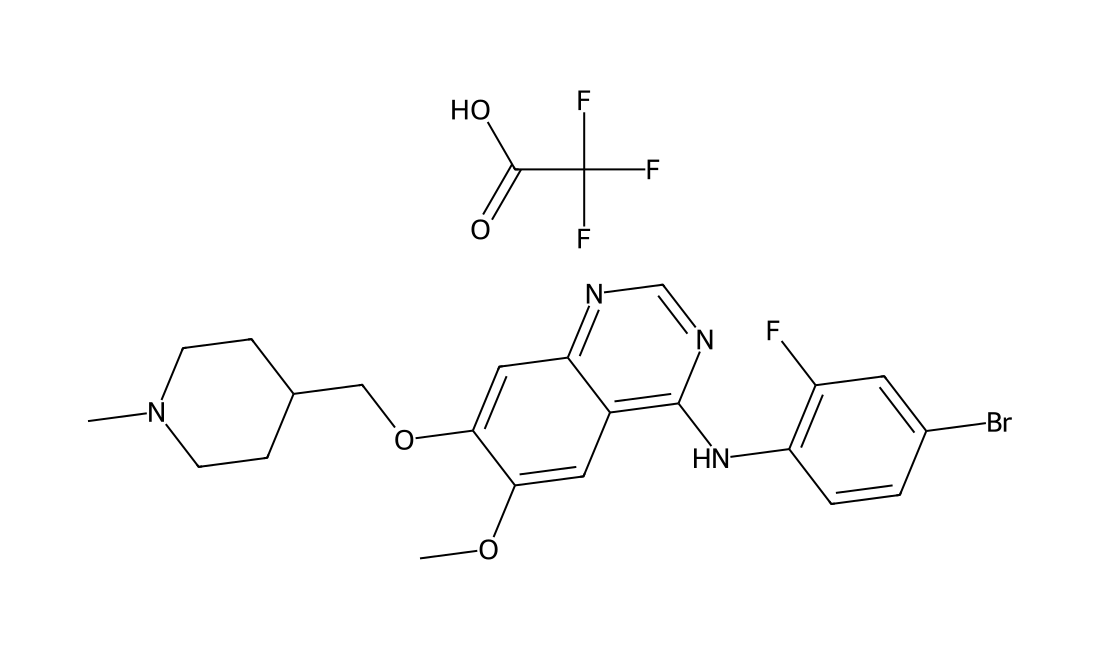
A potent and selective VEGFR2 (KDR) inhibitor with IC50 of 40 nM; shows weak inhibition for VEGFR3 and EGFR (IC50 is 100 nM and 500 nM respectively); displays excellent selectivity over erbB2, MEK, CDK-2, Tie-2, IGFR-1R, PDK, PDGFRβ, and Akt (IC50=1.1-100 uM); has excellent solubility and good oral bioavailability.Thyroid CancerApproved
CAS 223580-51-6
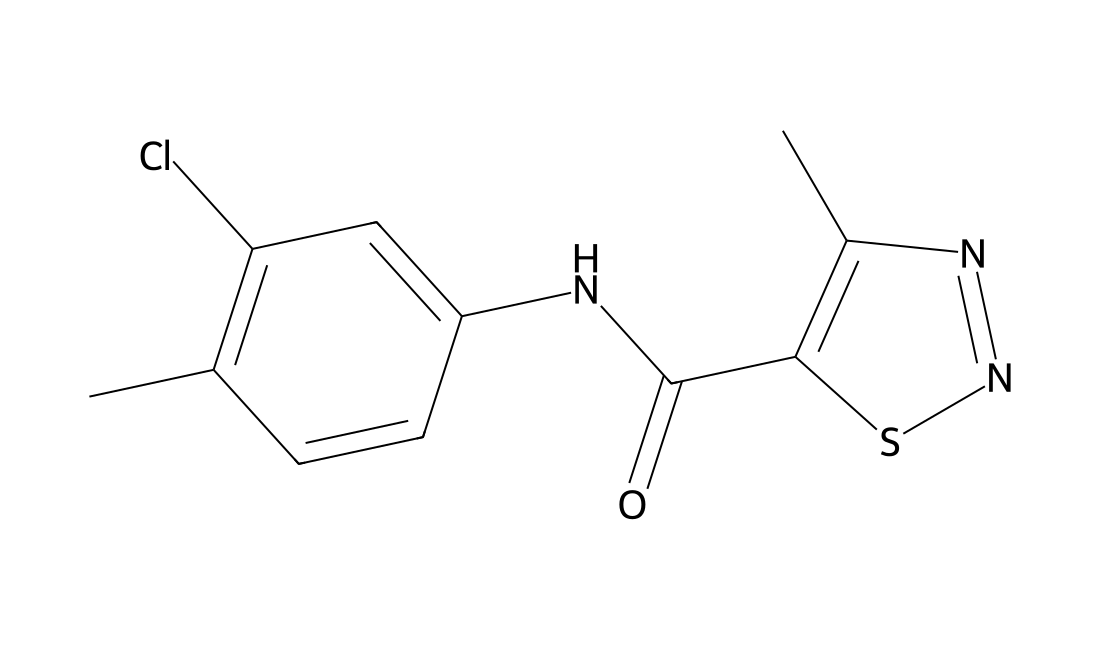
A plant activator of systemic acquired resistance, boosts the production of herbivore-induced plant volatiles; insecticide agent.
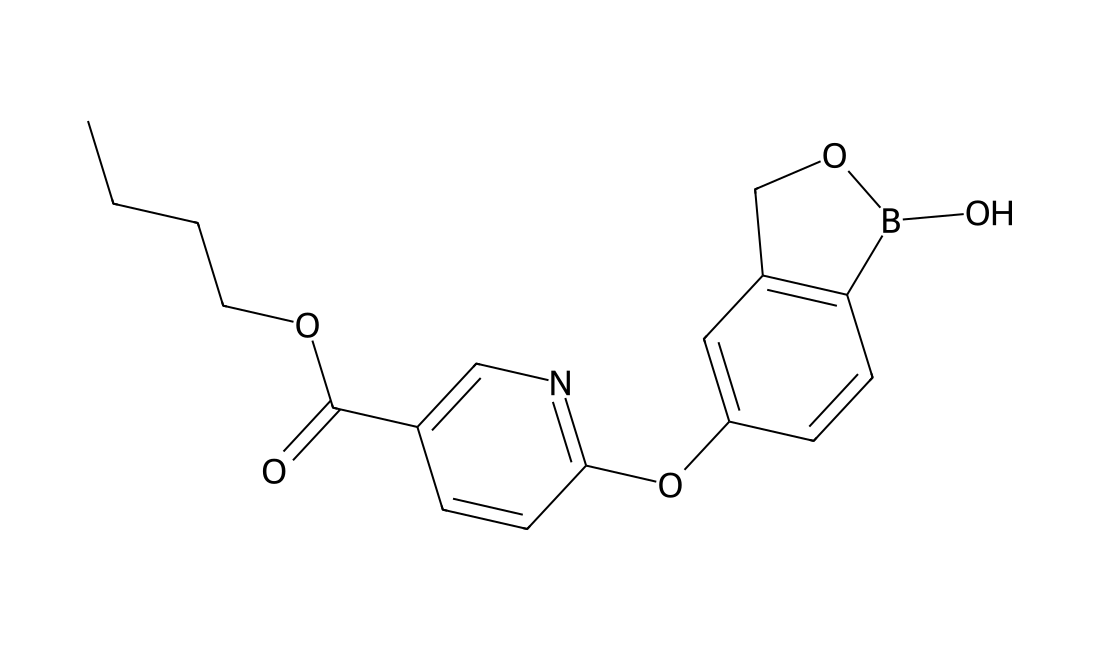
CAS 1269055-85-7
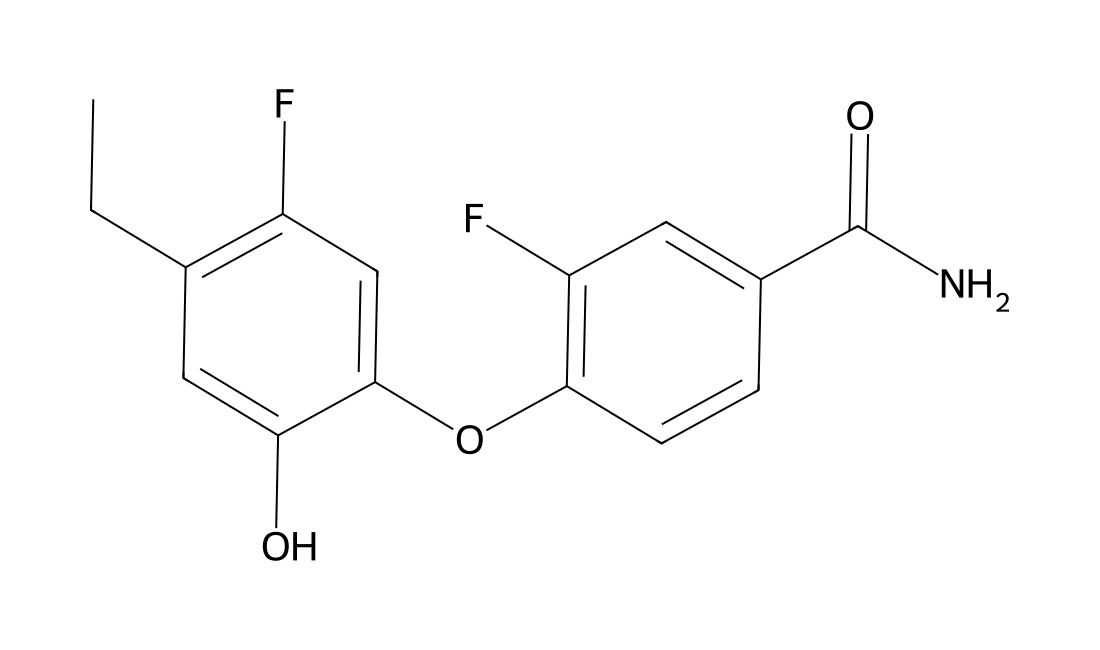
A novel, highly potent inhibitor of the FabI enzyme of both Staphylococcus aureus and Escherichia coli; shows activity against S. aureus strains, including MSSA, MRSA, linezolid-resistant, and multidrug-resistant strains with MIC90s of 0.03-0.12 ug/ml; also has active against coagulase-negative staphylococci with MIC90s of 0.12-4 ug/ml; active in vivo (19.3-49.6 mg/kg/day).Bacterial InfectionPreclinical
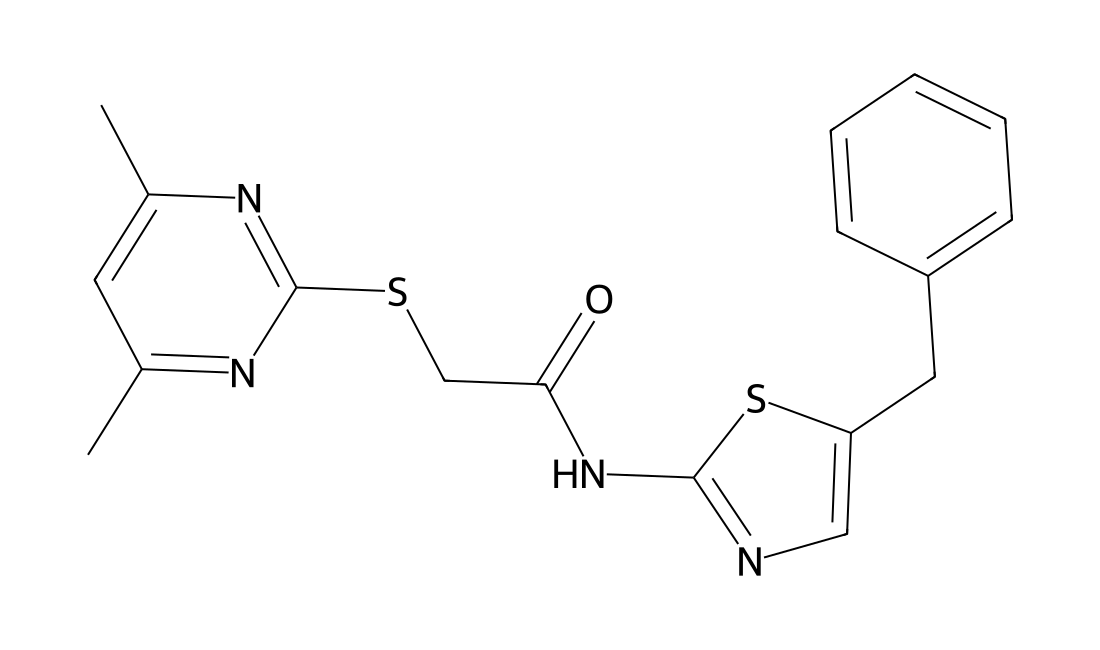
CAS 801227-82-7
A novel potent, selective Sirt2 inhibitor with IC50 of 3.745 uM; displays no inhibitory activity against Sirt1 and Sirt 3 (IC50>100 uM).
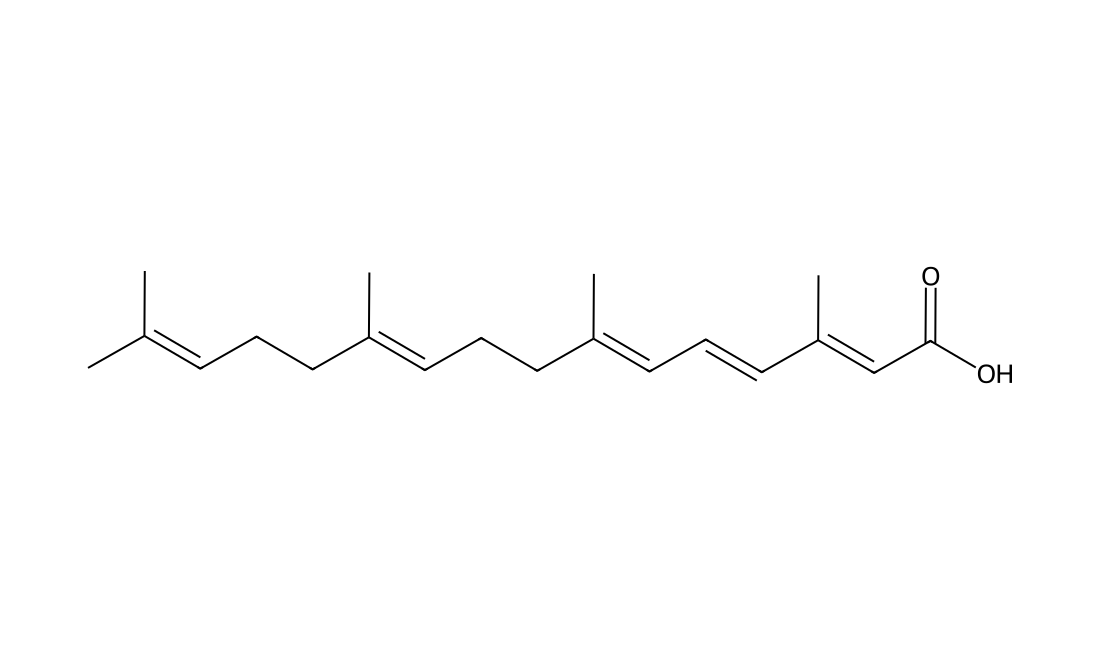
CAS 81485-25-8
A novel orally available, synthetic retinoid with potential antineoplastic and chemopreventive activities; inhibits DEN-induced rat hepatocarcinogenesis through suppression of TGF-alpha expression and cell proliferation; decreases the levels of cyclin D1, cyclin D2, cIAP2 and XIAP proteins, and inhibits growth of ATL cells both in vitro and in vivo; prevents the progression of NASH and the development of HCC through activating the autophagy pathway by increased Atg16L1 expression in mice model; also inhibits HCV replication and infectious virus release in vitro.Liver CancerPhase 3 Clinical
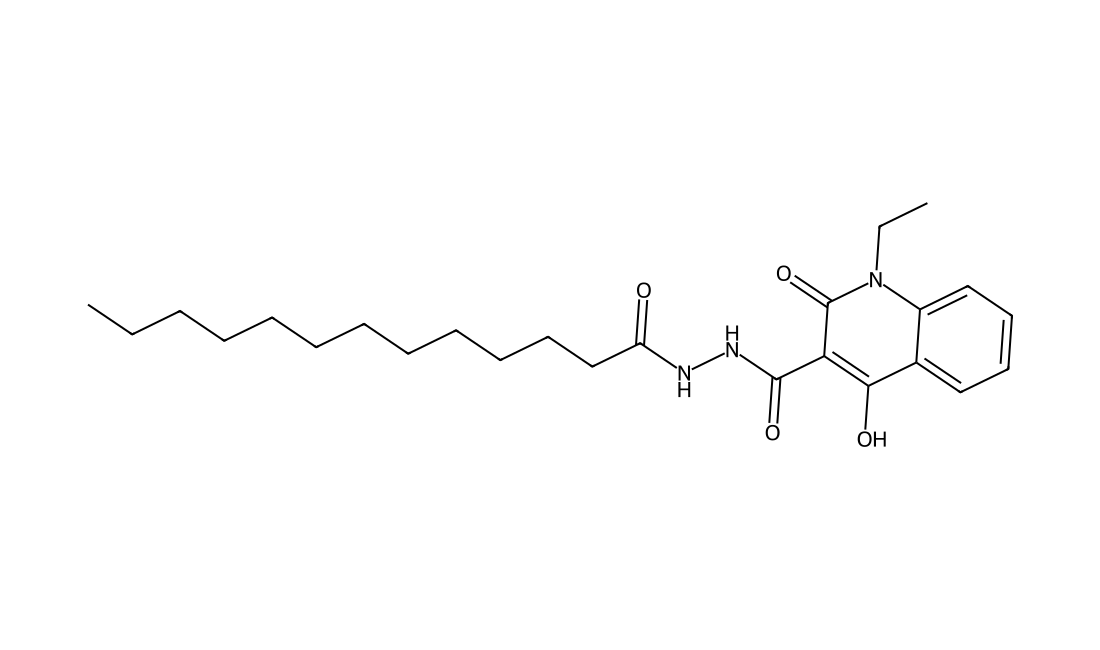
CAS 331963-29-2
A novel isocitrate lyase (ICL) inhibitor that displays showed excellent anti-Mycobacterium tuberculosisl activities and low cytotoxicity; shows good activity against M. tuberculosis H37Ra with MIC of 0.5 ug/ml; significantlt reduces bacterial loads of both lungs and spleen in a murine model.Bacterial InfectionPreclinical
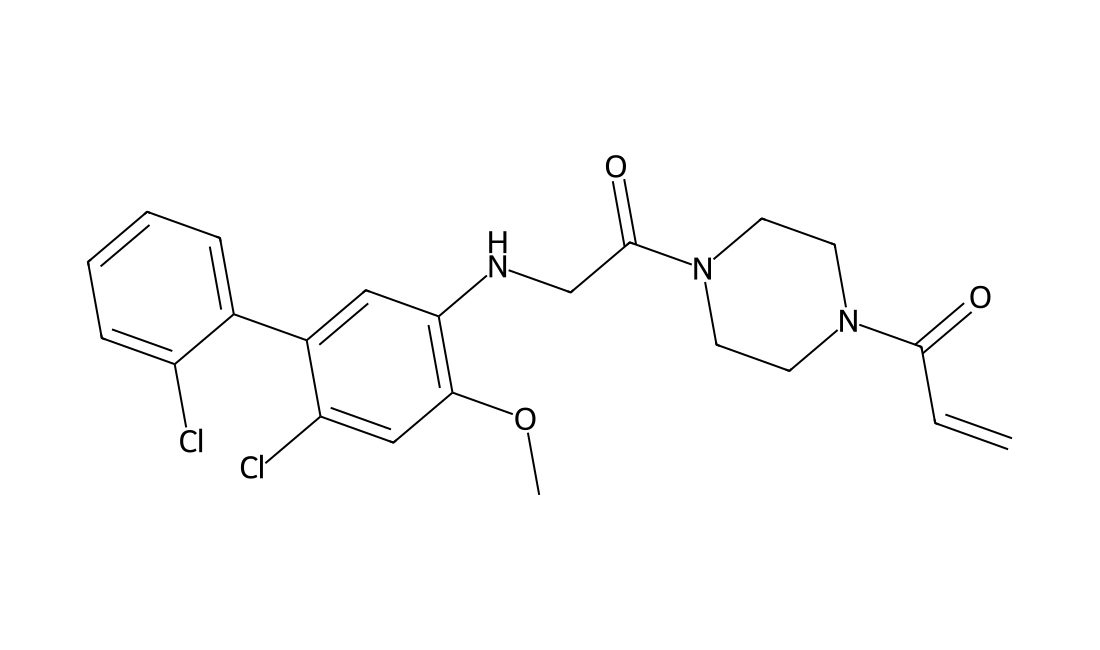
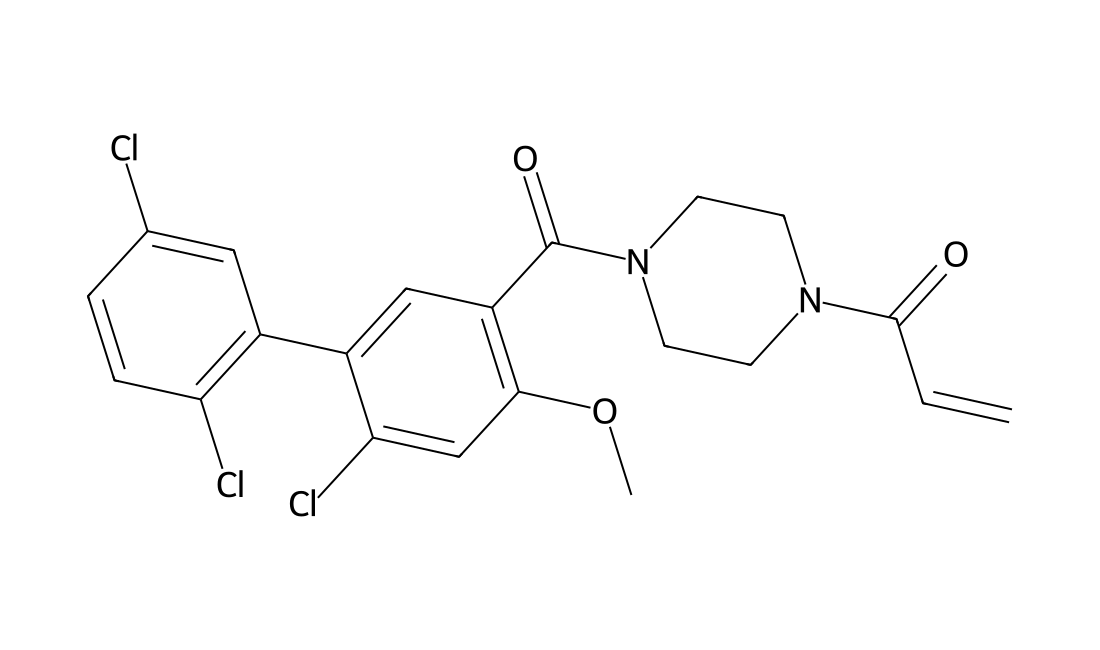
CAS 135463-81-9
A nootropic agent that enhances high-affinity choline uptake; significantly improves the learning deficits in the Morris' water maze of AF64A-treated rats, do not produce any significant side effects (1-10 mg/kg); orally active.Alzheimer's DiseasePhase 2 Discontinued
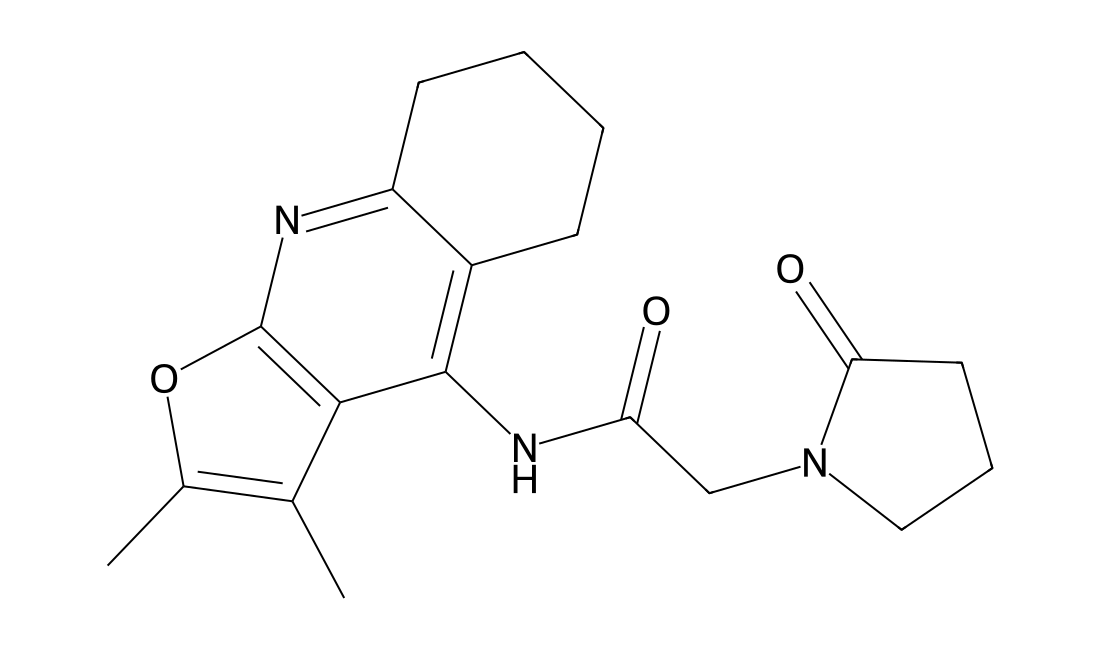
CAS 141626-36-0
A multichannel blocker agent that has antiarrhythmic activity; reduces the late sustained K(+) current, I(K) (or Isus) with EC50 of 0.85 uM in postmyocardial infarcted (PMI) rats; reduces significantly the incidence of ventricular fibrillation (VF) in rats; mainly used for treatment of cardiac arrhythmias.Heart ArrhythmiaApproved
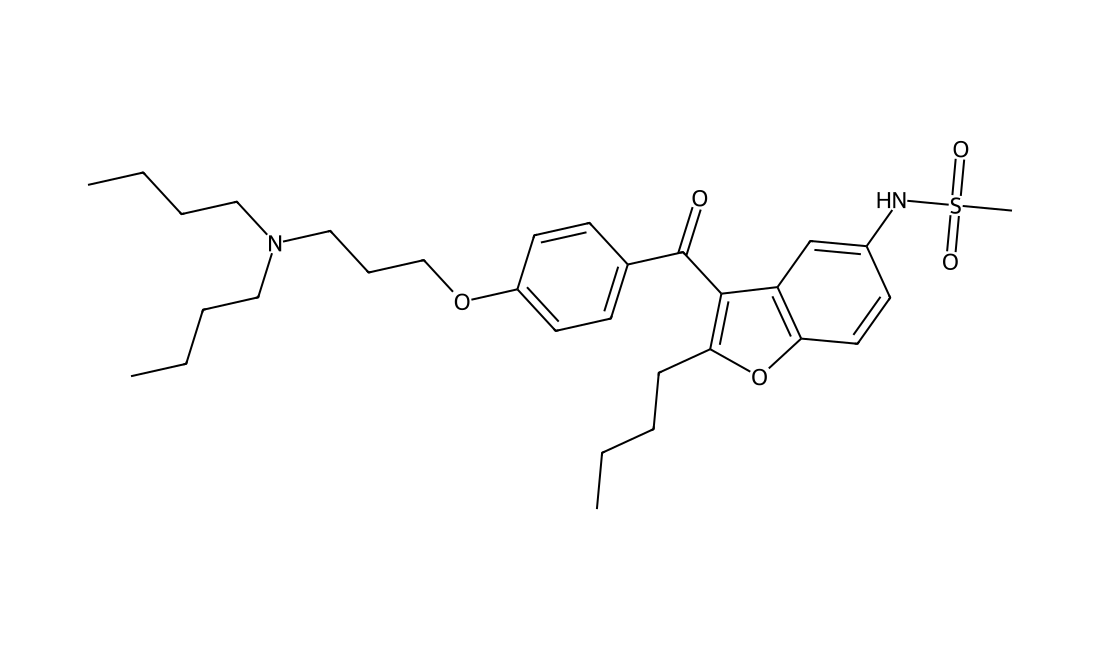
CAS 55750-63-5
A heterobifunctional cross-linking reagent incorporating an extended spacer with amine and sulfhydryl reactivity; a useful protective group in antibody drug conjugates.
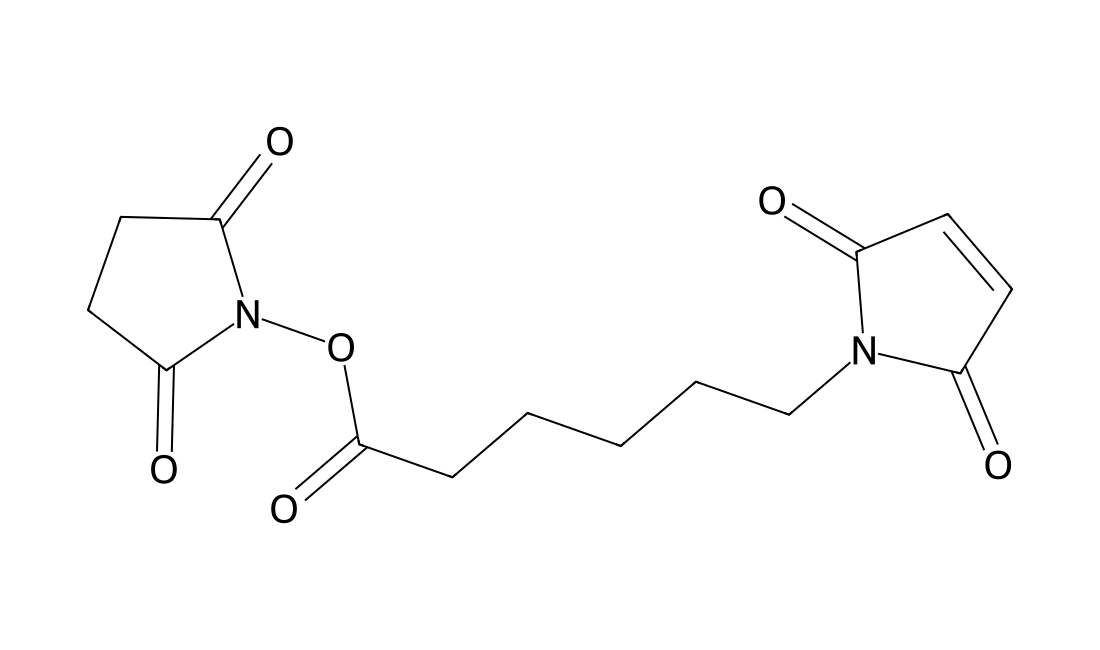
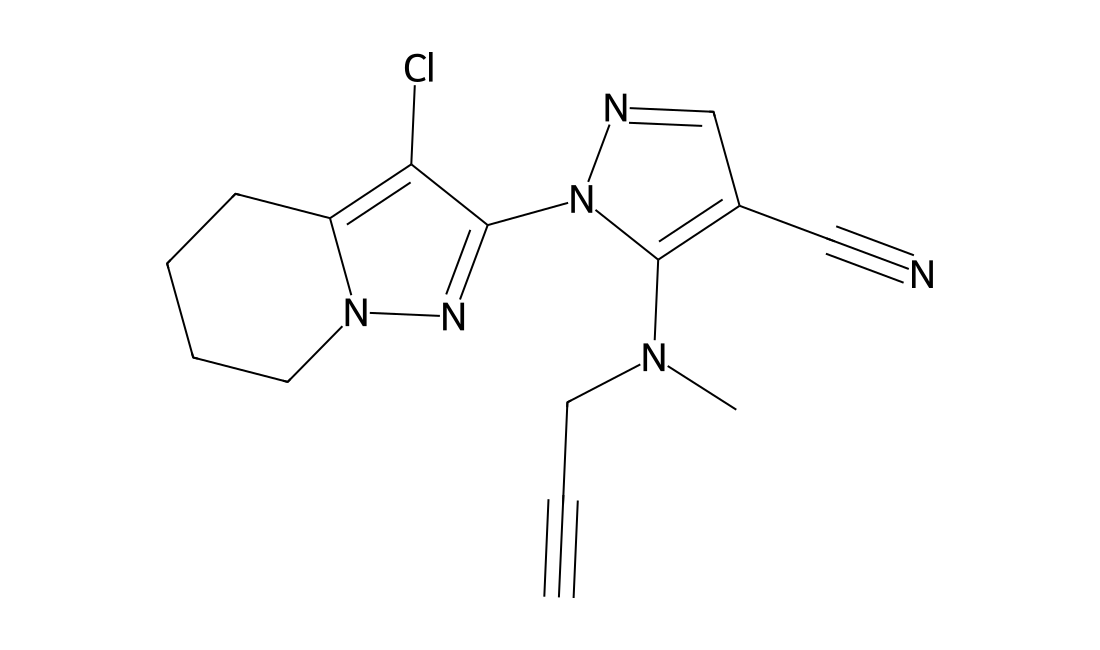
CAS 312951-85-2
A drug-like small molecule that prevents aminoglycoside-induced hair cell death in zebrafish and in mammals.
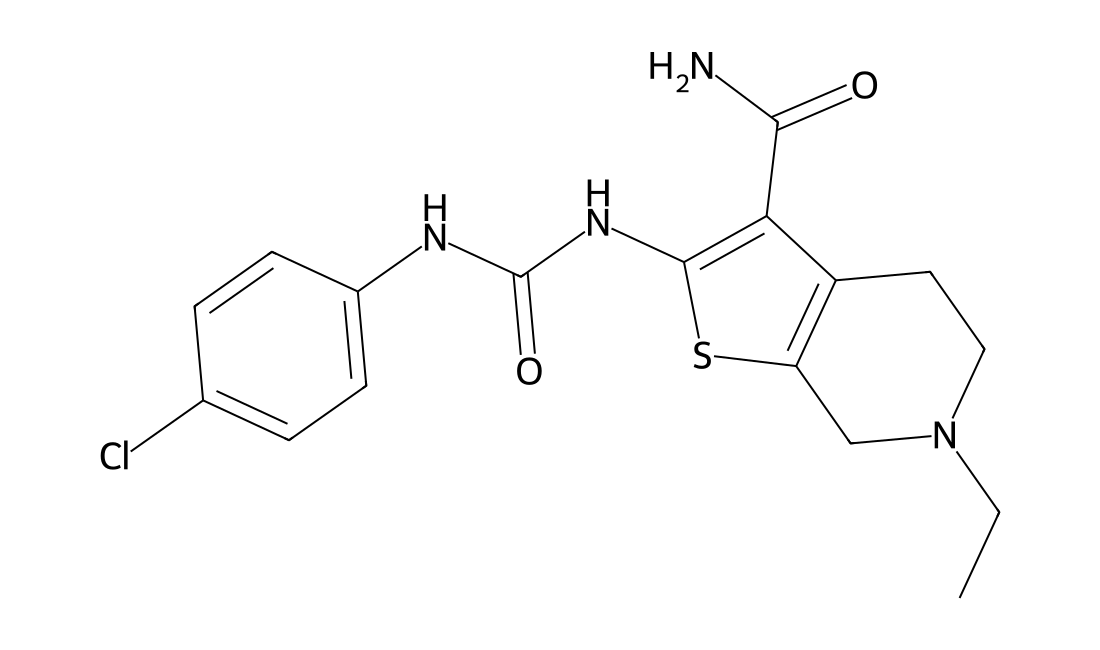
CAS 625115-52-8
A direct soluble guanylate cyclase (sGC) stimulator that acts independently of nitric oxide (NO); has an EC50 of 353 nM on P-VASP formation in rat aortic smooth muscle cells.
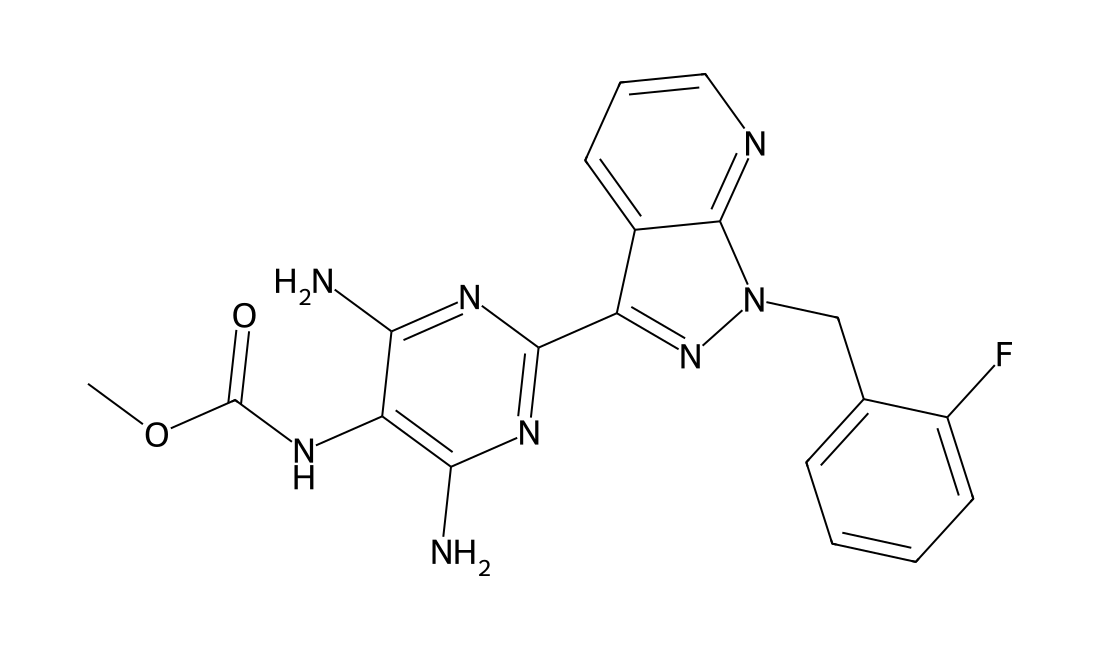
CAS 70374-39-9
For the detailed information of Lornoxicam, the solubility of Lornoxicam in water, the solubility of Lornoxicam in DMSO, the solubility of Lornoxicam in PBS buffer, the animal experiment(test) (test) of Lornoxicam, the cell expriment (test) of Lornoxicam, the in vivo, in vitro and clinical trial test of Lornoxicam, the EC50, IC50,and Affinity of Lornoxicam,, please contact DC Chemicals.
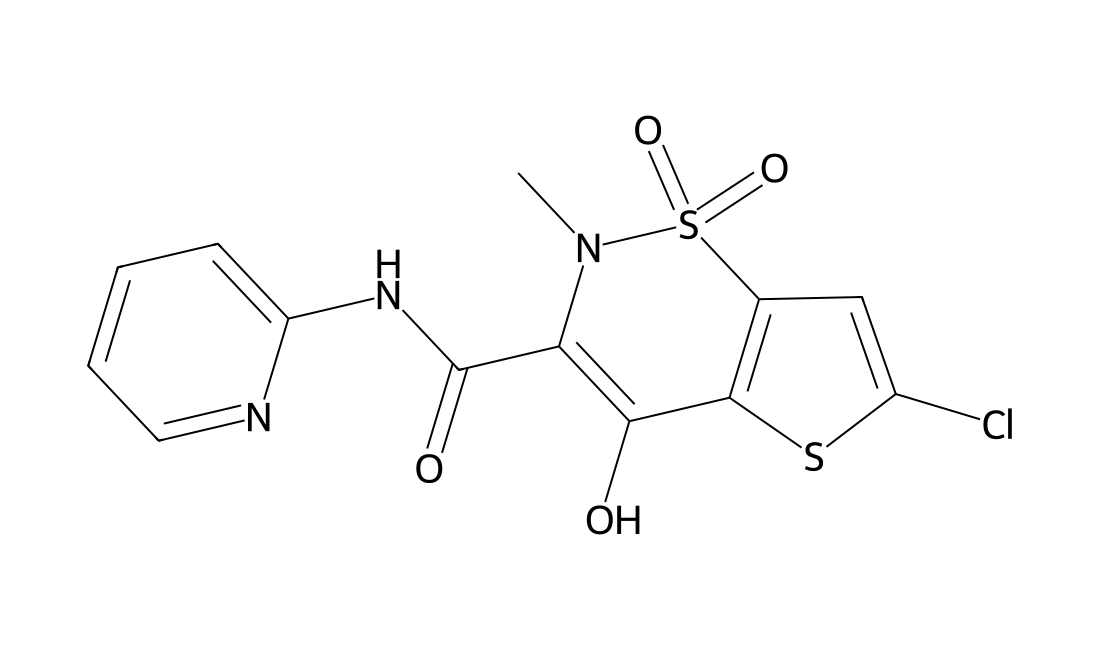
CAS 144707-18-6
A cell permeable, mechanistically unique inhibitor of protein sumoylation; inhibits sumoylation by preventing transfer of SUMO from the UBC9-SUMO thioester to the substrate; exhibits efficacious anti-aggregatory and neuroprotective effect.
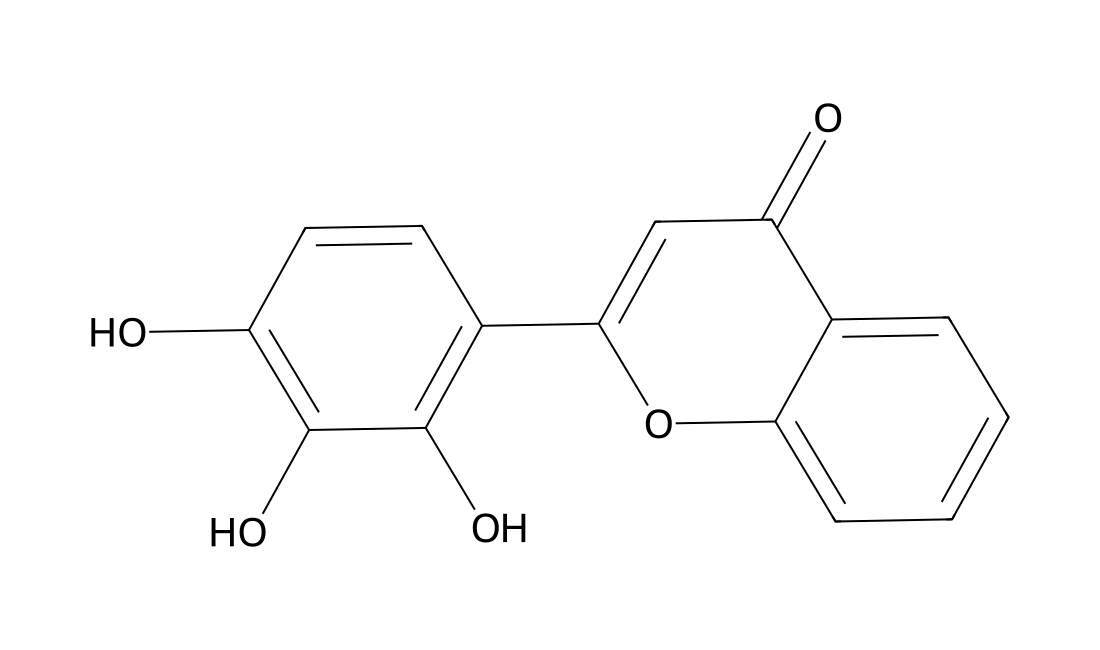
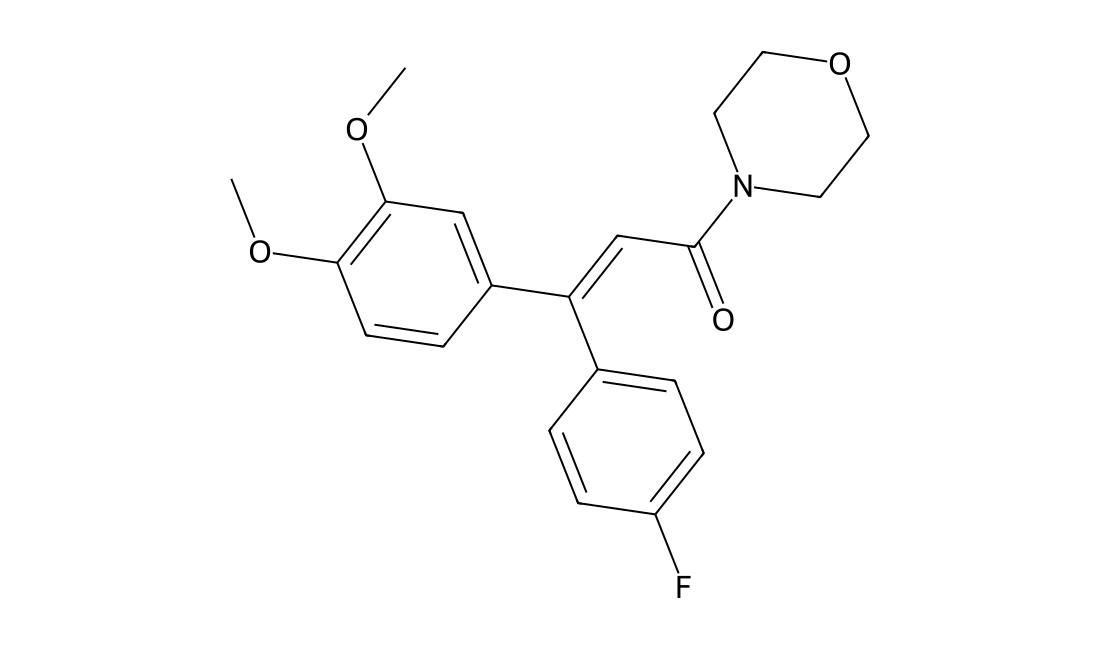
CAS 2479-49-4
A benzophenone tetracarboxylic derivative that can improve the activity and stability of alkaline phosphatases from psychrophilic and mesophilic organisms.
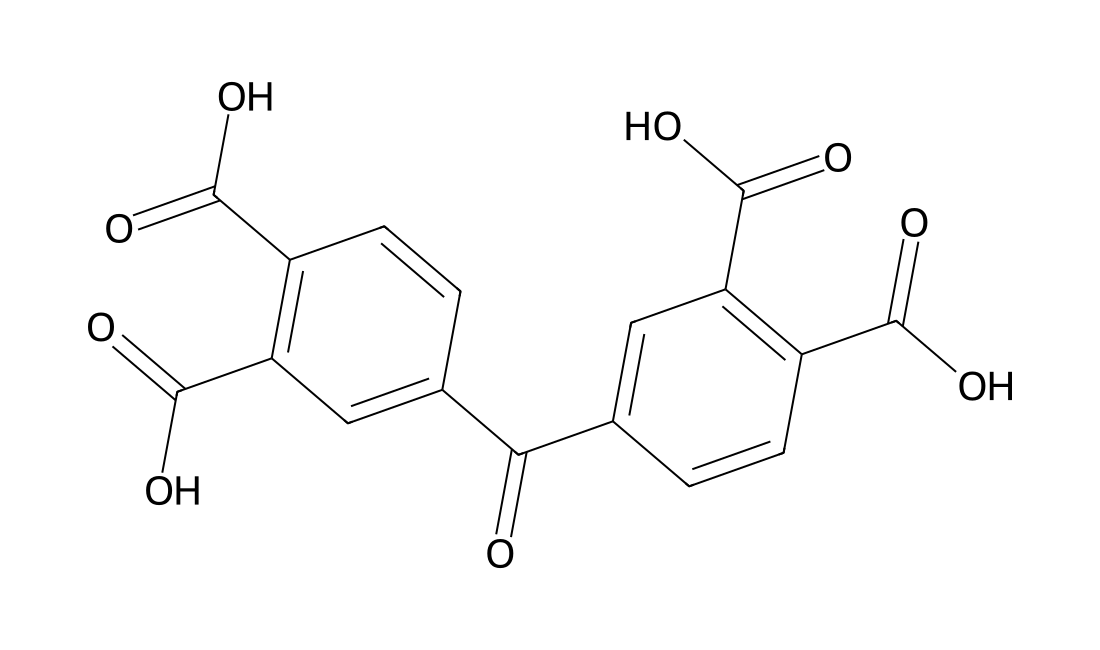
CAS 491-36-1
4-Hydroxyquinazoline is a PARP inhibitor with a high potency for PARP-1 and no effects on enzymes other than PARP.
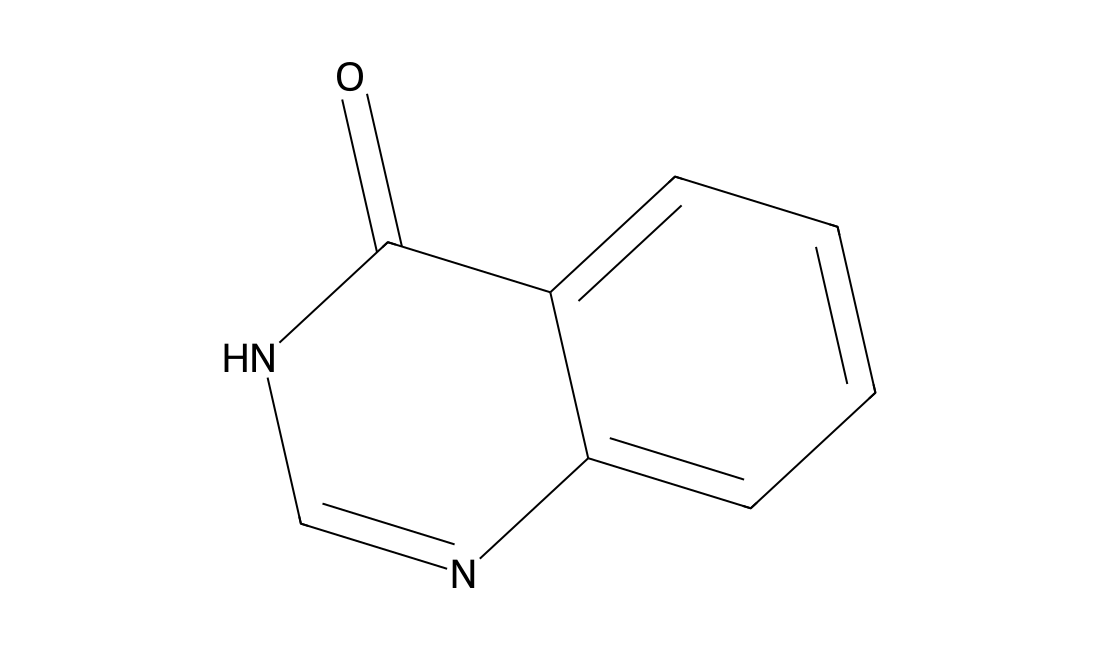
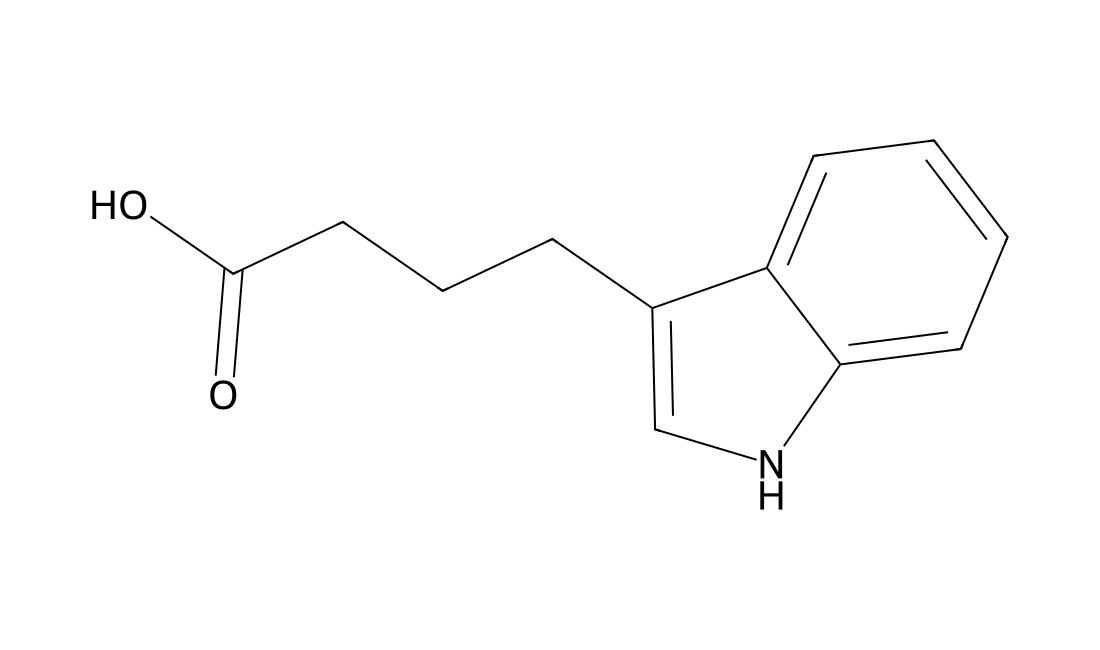
CAS 133-32-4
For the detailed information of 3-Indolebutyric acid (IBA), the solubility of 3-Indolebutyric acid (IBA) in water, the solubility of 3-Indolebutyric acid (IBA) in DMSO, the solubility of 3-Indolebutyric acid (IBA) in PBS buffer, the animal experiment(test) (test) of 3-Indolebutyric acid (IBA), the cell expriment (test) of 3-Indolebutyric acid (IBA), the in vivo, in vitro and clinical trial test of 3-Indolebutyric acid (IBA), the EC50, IC50,and Affinity of 3-Indolebutyric acid (IBA),, please contact DC Chemicals.
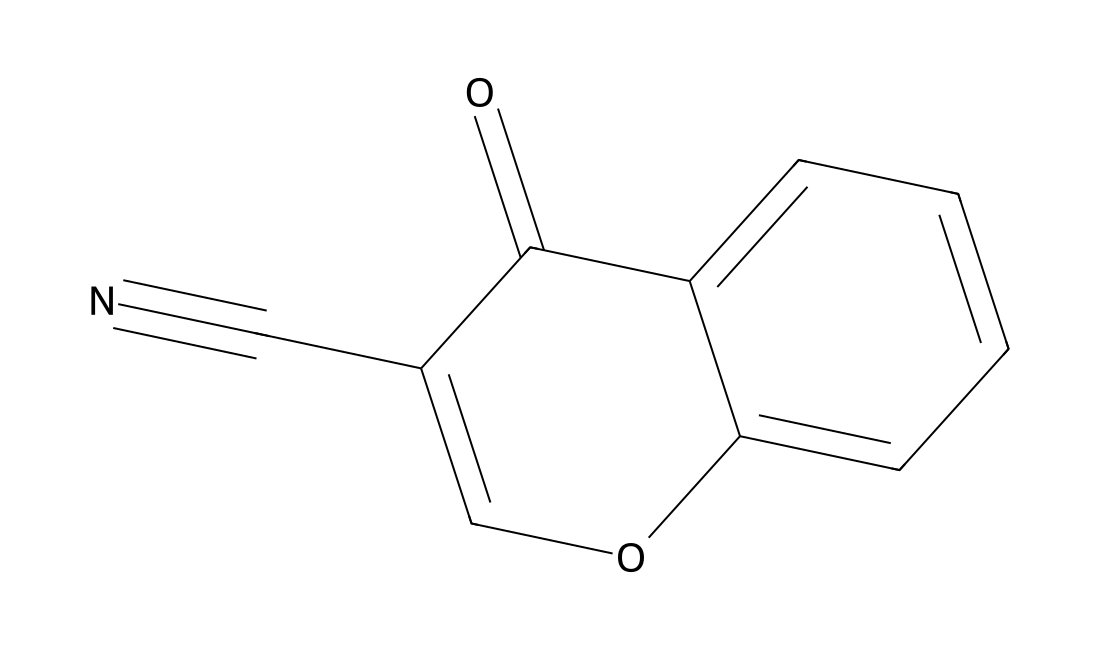
CAS 50743-17-4
3-Cyanochromone is a potent gram-negative bacteria WcbL protein inhibitor with IC50 of 28 uM in a competitive enzyme-inhibition model, shows inhibition constants Ki of 10 uM.
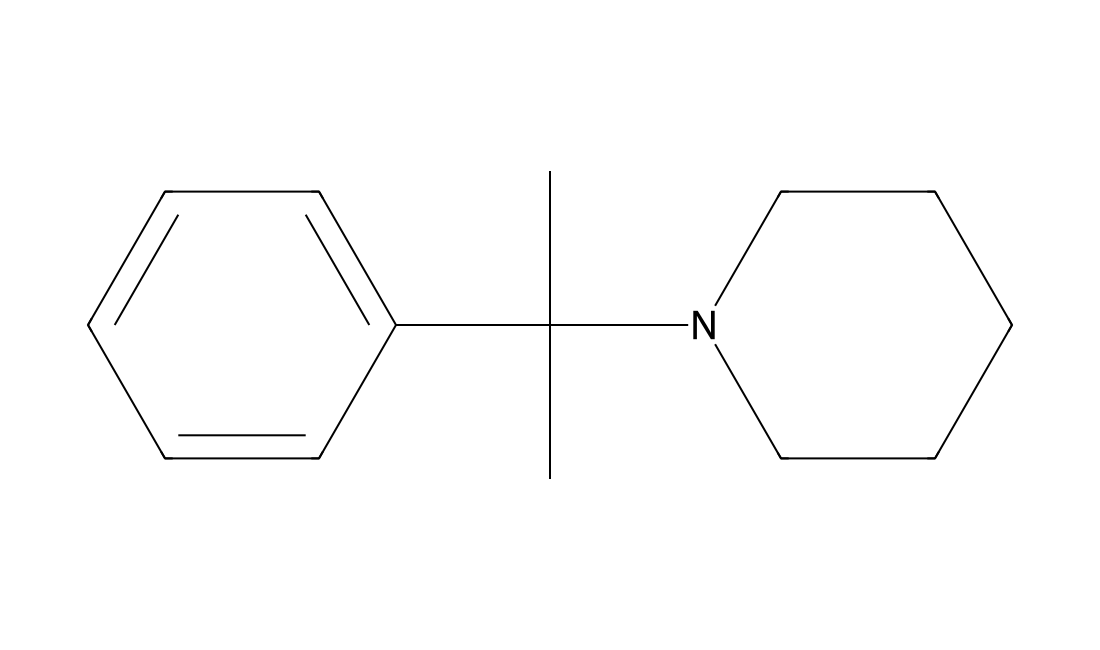
CAS 92321-29-4
2-Phenyl-2-(1-piperidinyl)propane is an analog of phencyclidine that acts as a mechanism-based inactivator of human cytochrome P450 (CYP) 2B6 (Ki = 5.6 µM; IC50 = 5.1 µM).
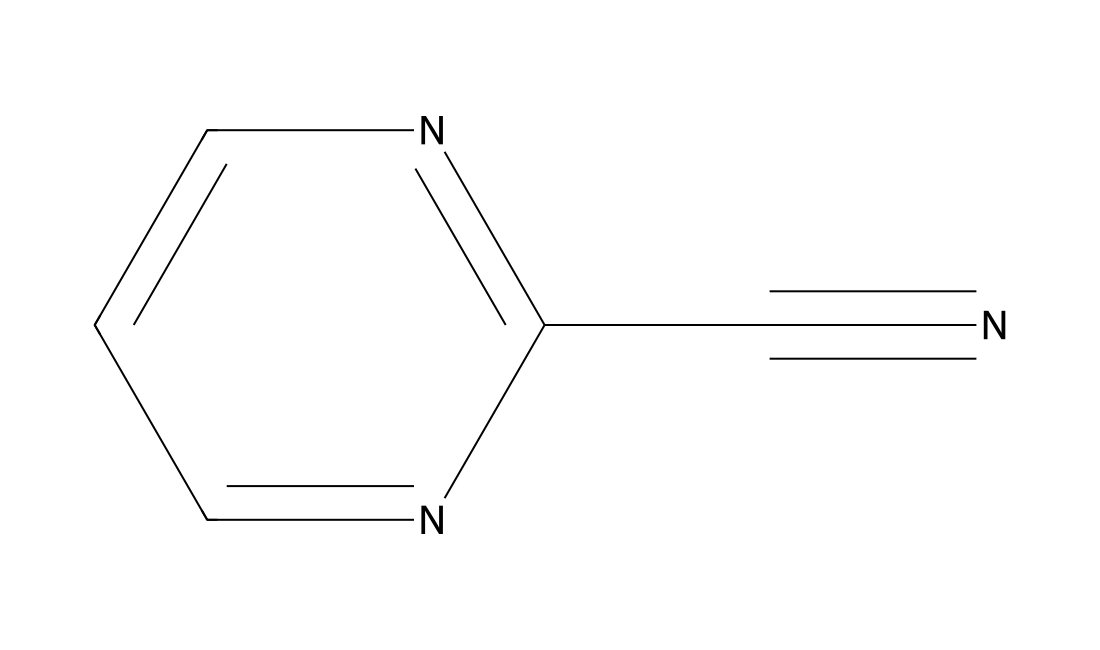
CAS 14080-23-0
2-cyano-Pyrimidine is a cathepsin K inhibitor with an IC50 of 170 nM.
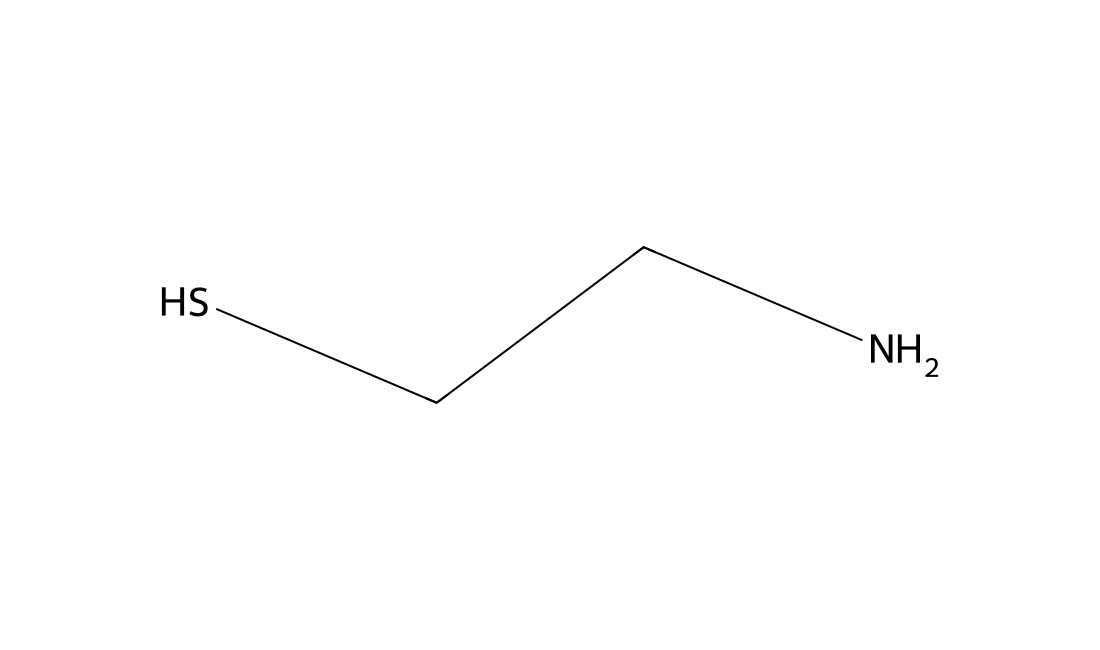
CAS 60-23-1
2-Aminoethanethiol (cysteamine) is a radiation-protective agent that oxidizes in air to form cystamine.
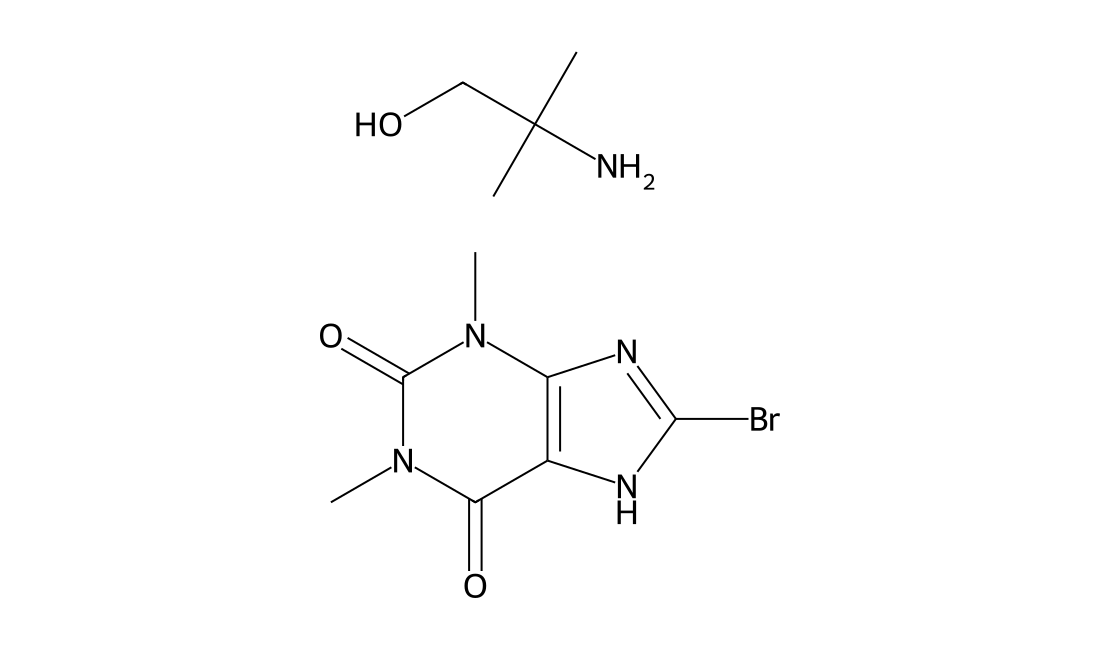
CAS 606-04-2
Pamabron is a common over-the-counter diuretic used for relief of menstrual-associated symptoms. The active diuretic ingredient in pamabrom is 8-bromotheophylline. Pamabrom is available in combination with acetaminophen (paracetamol) for various conditions such as back pain and menstrual relief. The acetaminophen helps reduce menstrual pains and the pamabrom reduces associated bloating.
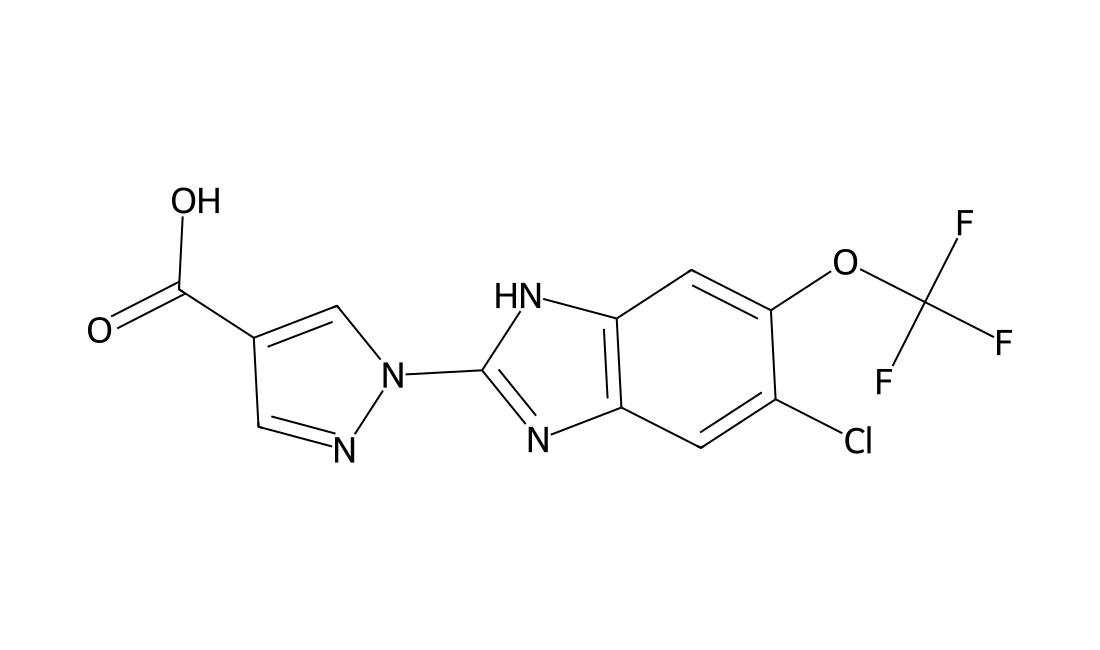
CAS 1193383-09-3
JNJ-42041935 is a potent, competitive and selective inhibitor of prolyl hydroxylase PHD; inhibits PHD1, PHD2, and PHD3 with pKi values of 7.91±0.04, 7.29 ±0.05, and 7.65±0.09, respectively.
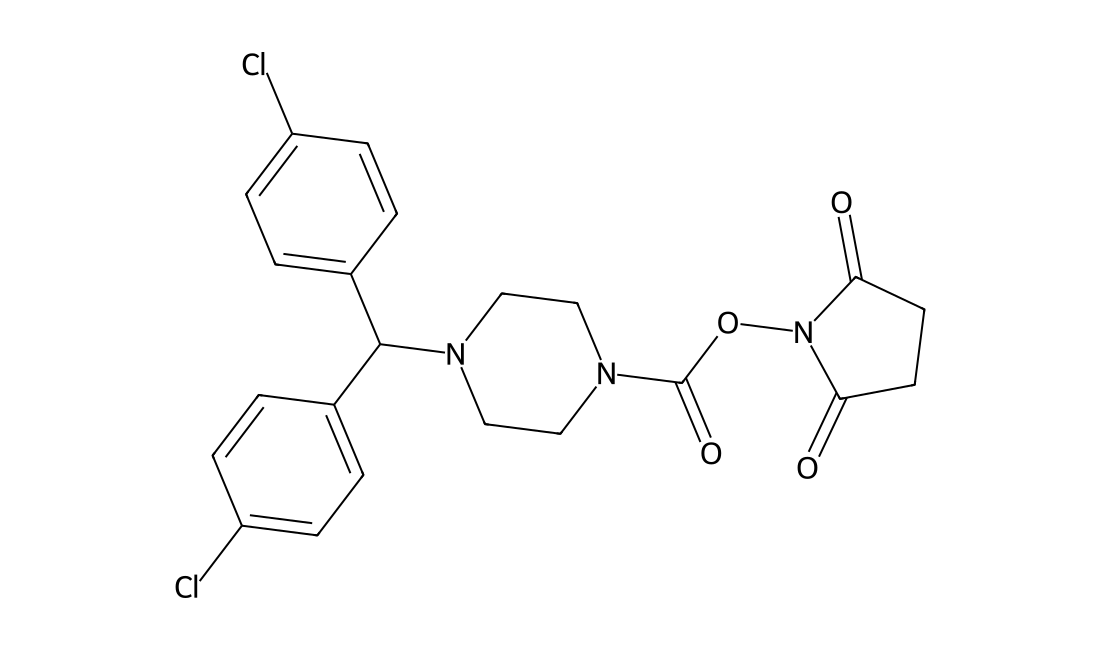
CAS 1438416-21-7
MJN110 is a potent and selective monoacylglycerol lipase (MAGL) inhibitor[1]. MJN110 reduces hepatic macrophage number, inflammatory gene expression and slowes down fibrosis progression[2].
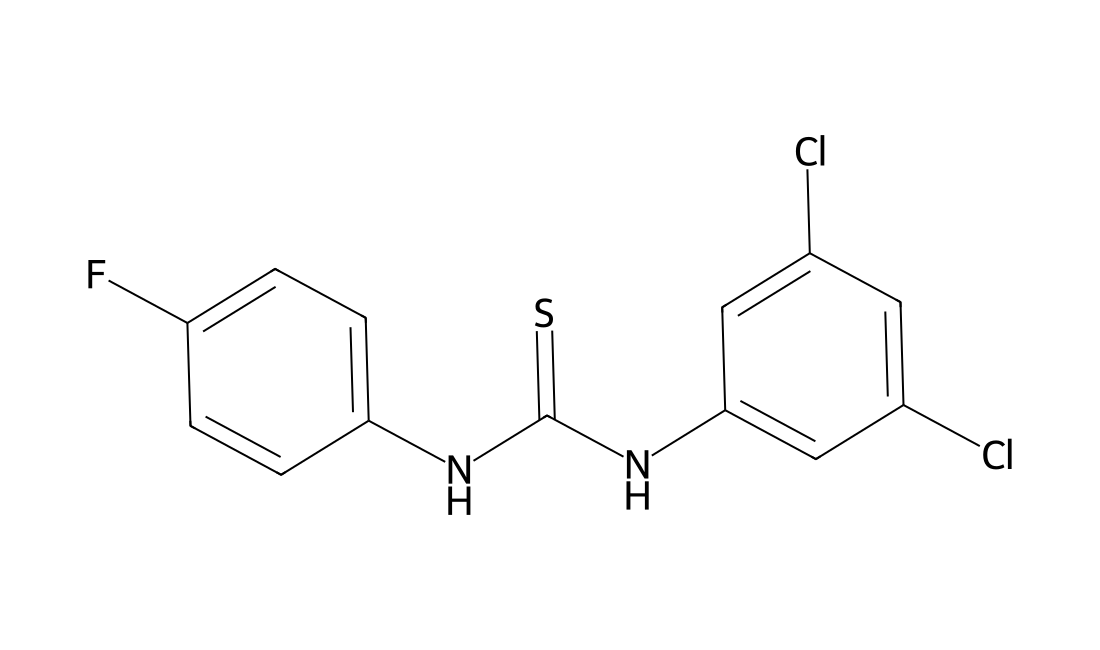
CAS 790-69-2
Loflucarban (Fluonilid) is a potent antimycotic agent. Loflucarban can be used for the research of the ear infections[1].
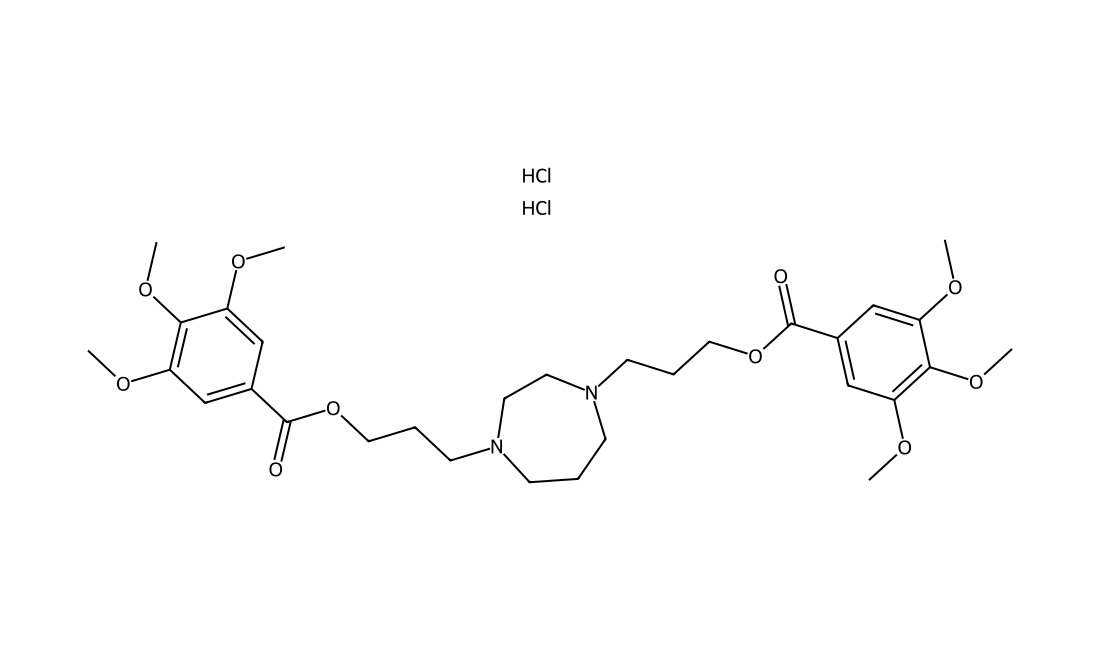
CAS 20153-98-4
Dilazep dihydrochloride is an inhibitor of adenosine uptake. Dilazep dihydrochloride has cerebral and coronary vasodilating action through enhancement of effect of adenosine. Dilazep dihydrochloride also inhibits the ischemic damage, platelet aggregation, and membrane transport of nucleosides[1][2].
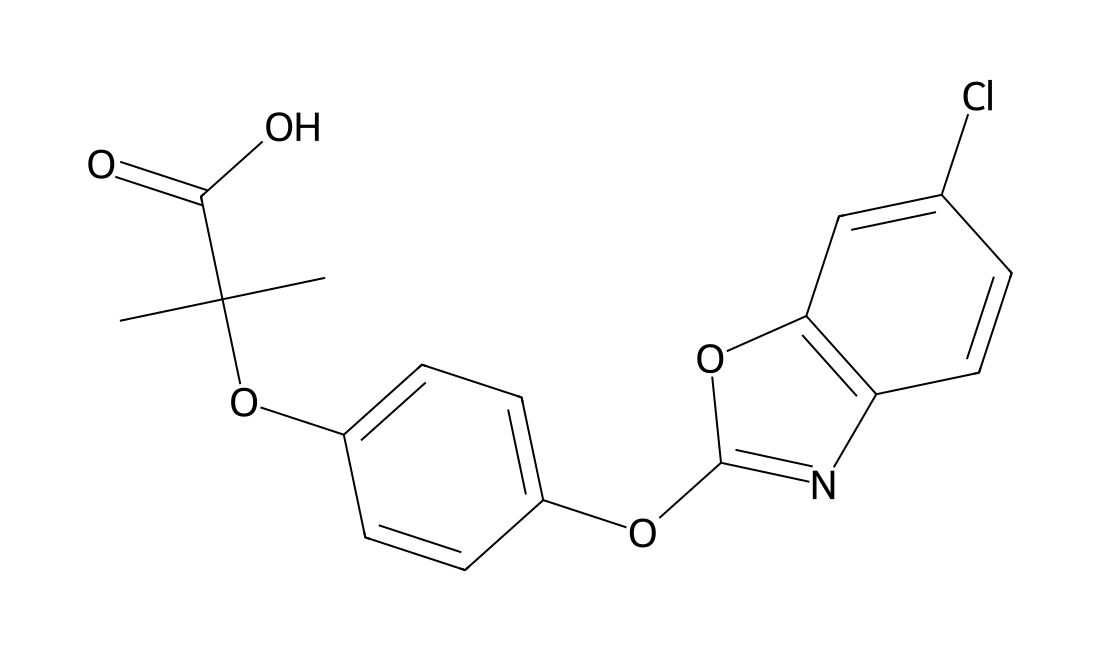
CAS 71283-80-2
Fenoxaprop-P-ethyl is a post-emergent phenoxy herbicide of the aryloxyphenoxy propionate group.
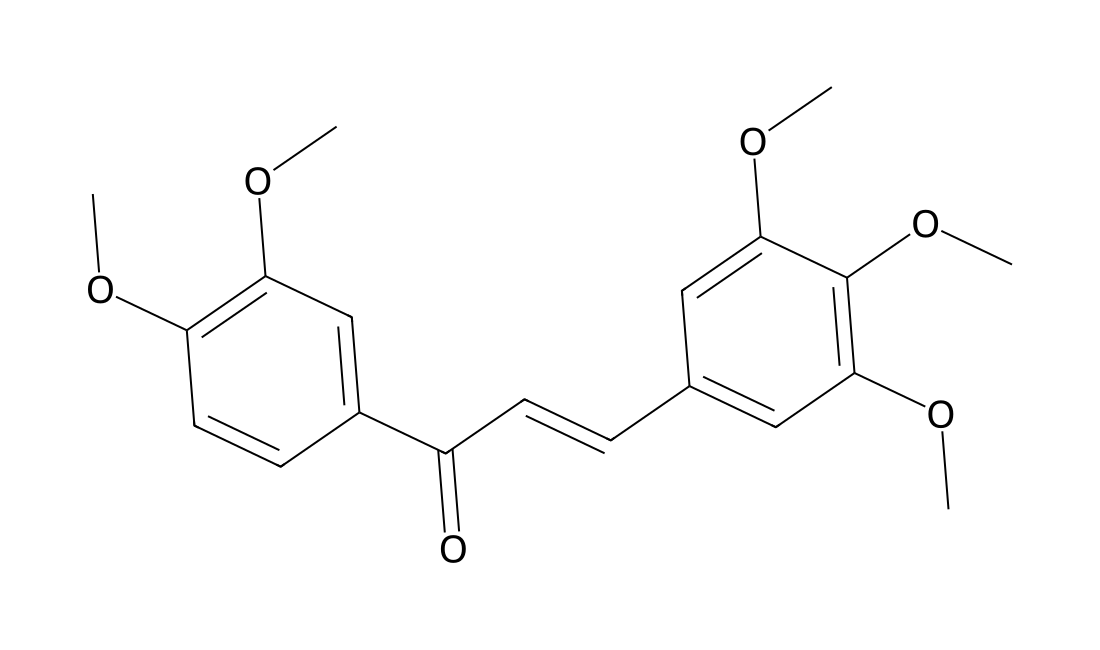
CAS 111797-22-9
MD2-IN-1 is an inhibitor of Myeloid differentiation protein 2 (MD2) with a KD of 189 μM for the recombinant human MD2 (rhMD2).
CAS 82964-04-3
Tolrestat is a potent, orally active aldose reductase inhibitor with IC50 of 35 nM.
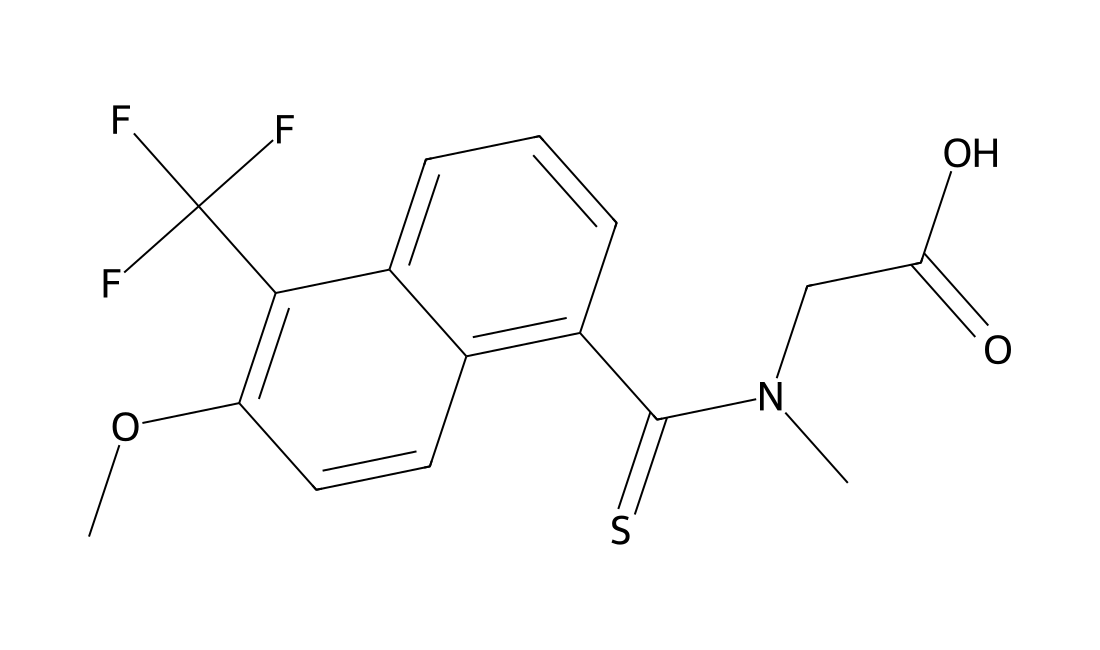
CAS 202409-33-4
Etoricoxib is a non steroidal anti-inflammatory agent, acting as a selective and orally active COX-2 inhibitor, with IC50s of 1.1 μM and 116 μM for COX-2 and COX-1 in human whole blood.
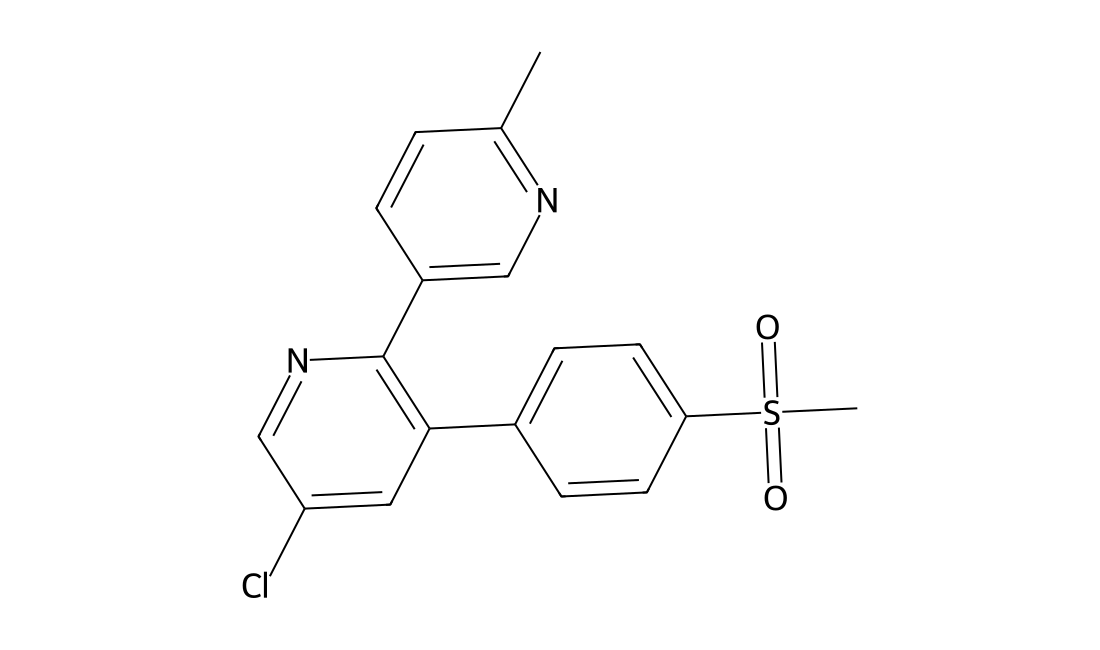
CAS 340316-62-3
SMIFH2 is a small molecule formin homology 2 domains inhibitor of formin-mediated actin assembly, targets formins from evolutionarily diverse organisms including yeast, nematode worm, and mice with IC50s of 5-15 uM; prevents both formin nucleation and processive barbed end elongation and decreases formin's affinity for the barbed end; disrupts formin-dependent, but not Arp2/3 complex-dependent, actin cytoskeletal structures in fission yeast and mammalian NIH 3T3 fibroblasts at low micromolar concentrations.
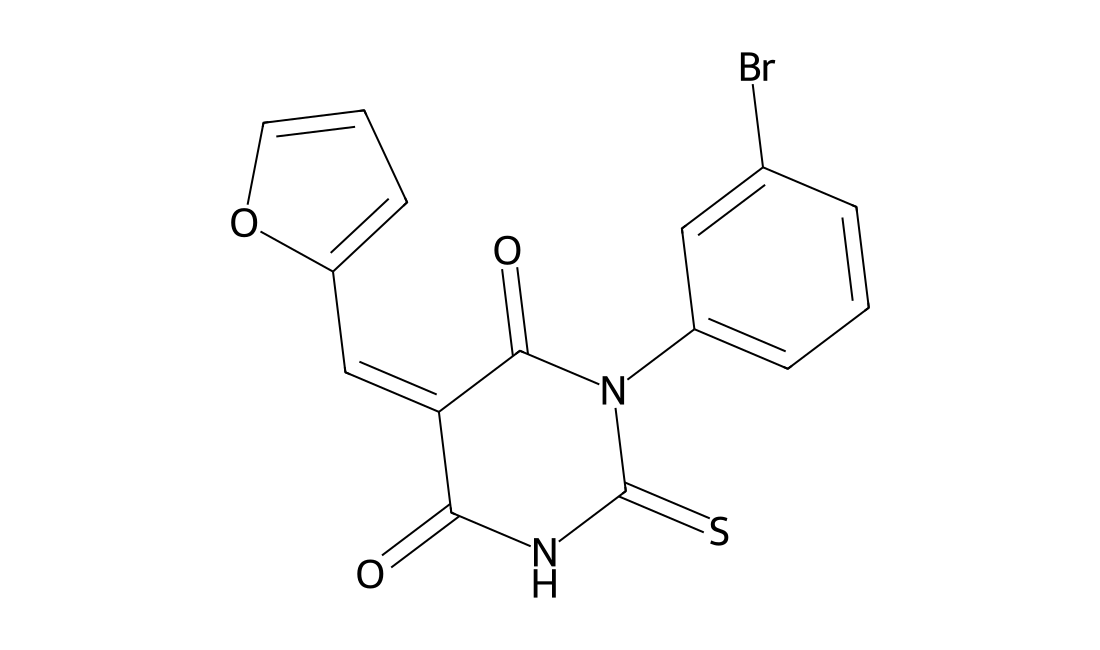
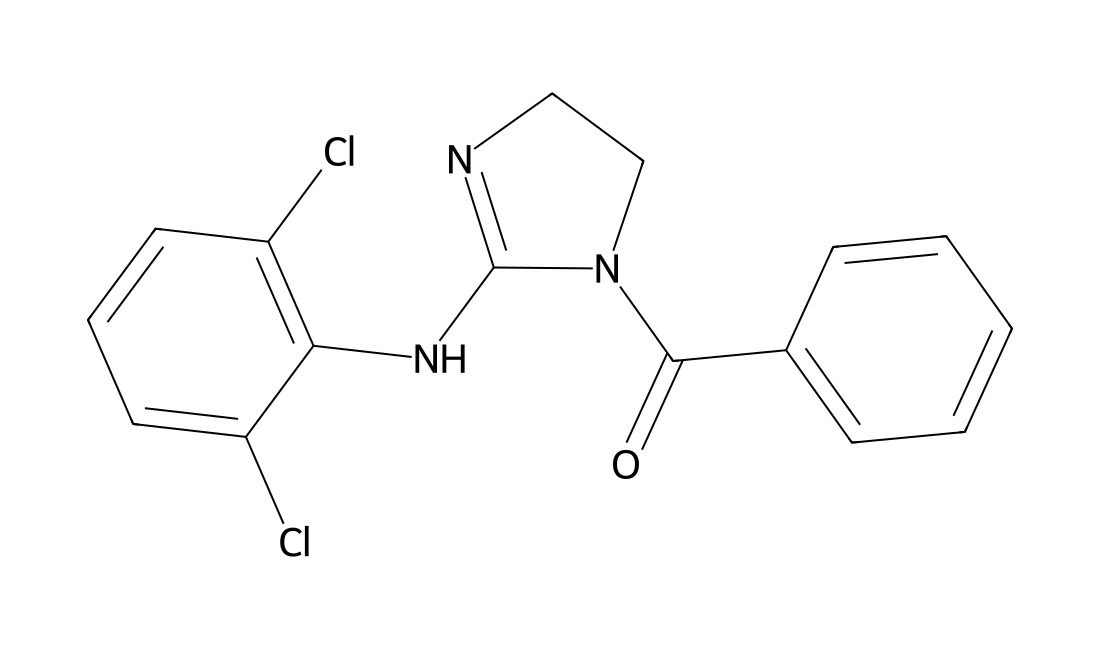
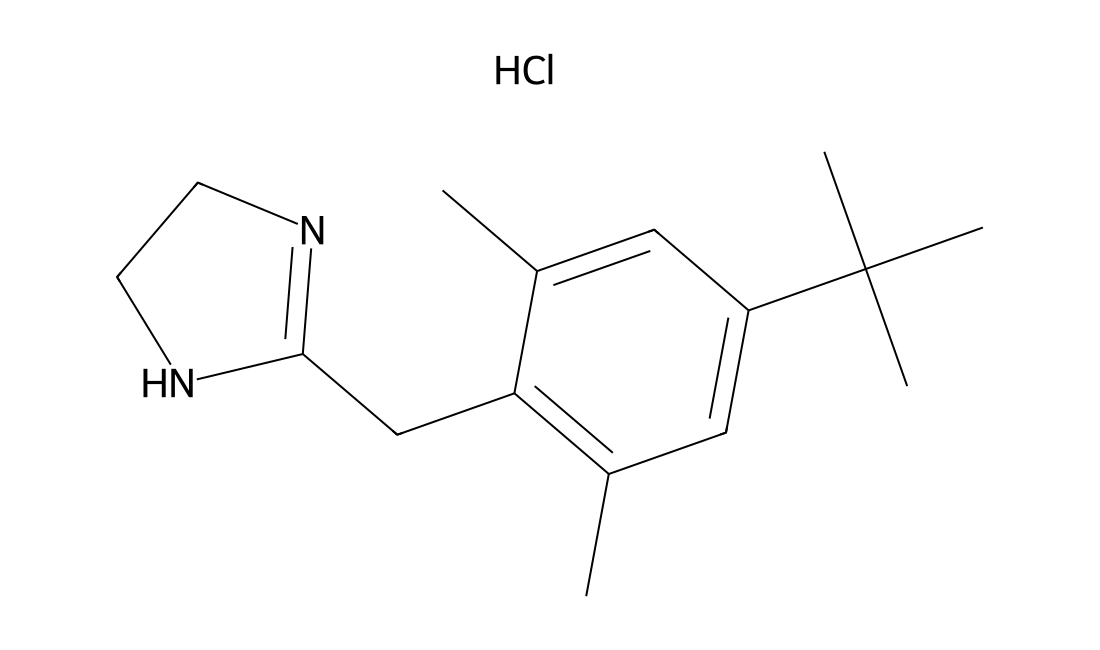
CAS 1218-35-5
For the detailed information of Xylometazoline HCl, the solubility of Xylometazoline HCl in water, the solubility of Xylometazoline HCl in DMSO, the solubility of Xylometazoline HCl in PBS buffer, the animal experiment(test) (test) of Xylometazoline HCl, the cell expriment (test) of Xylometazoline HCl, the in vivo, in vitro and clinical trial test of Xylometazoline HCl, the EC50, IC50,and Affinity of Xylometazoline HCl,, please contact DC Chemicals.
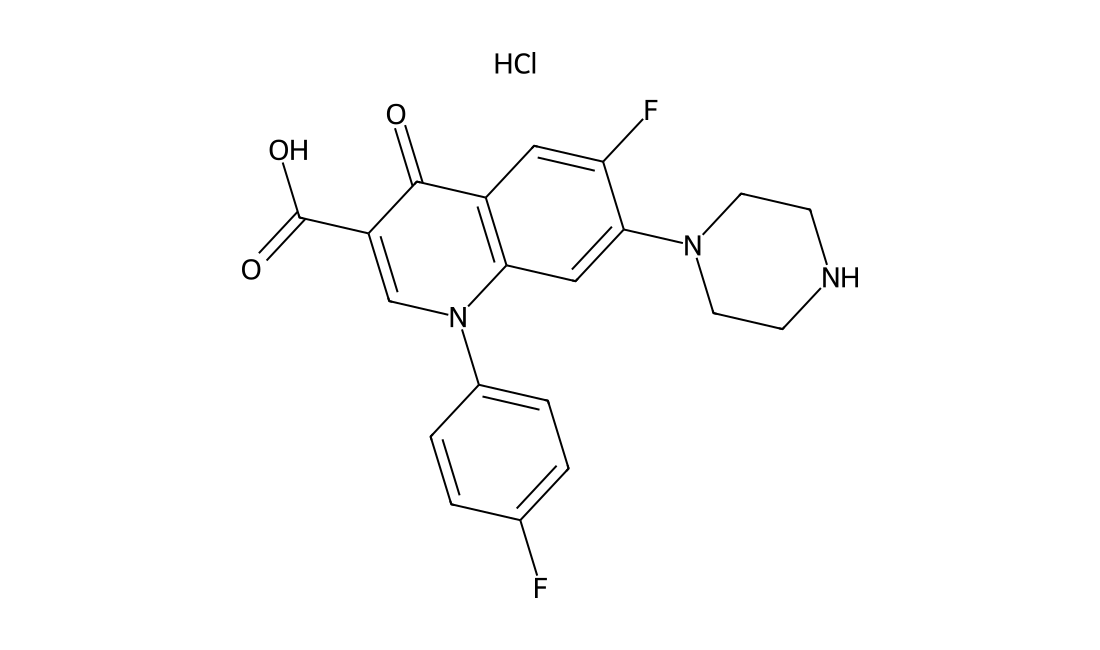
CAS 91296-87-6
For the detailed information of Sarafloxacin HCl, the solubility of Sarafloxacin HCl in water, the solubility of Sarafloxacin HCl in DMSO, the solubility of Sarafloxacin HCl in PBS buffer, the animal experiment(test) (test) of Sarafloxacin HCl, the cell expriment (test) of Sarafloxacin HCl, the in vivo, in vitro and clinical trial test of Sarafloxacin HCl, the EC50, IC50,and Affinity of Sarafloxacin HCl,, please contact DC Chemicals.
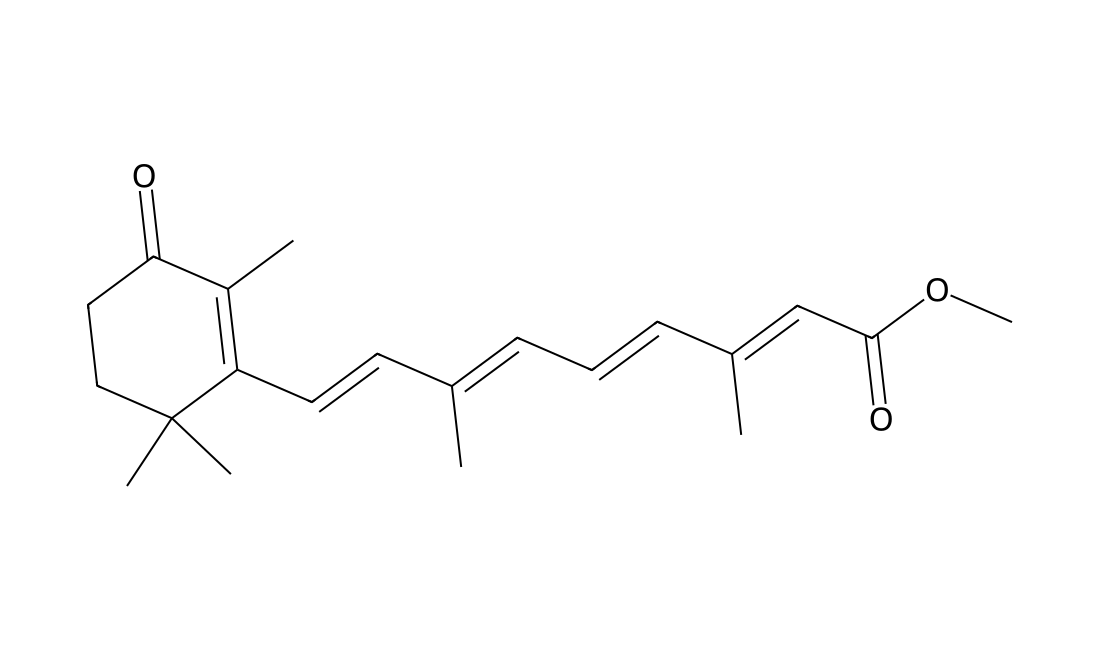
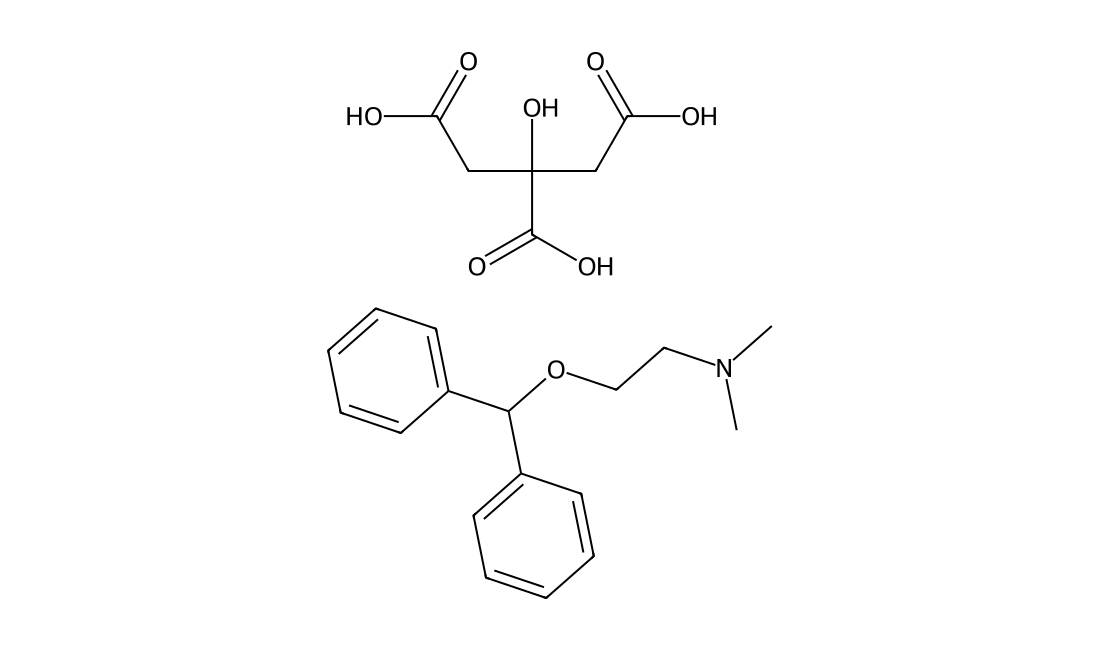
CAS 88637-37-0
For the detailed information of Diphenhydramine Citrate, the solubility of Diphenhydramine Citrate in water, the solubility of Diphenhydramine Citrate in DMSO, the solubility of Diphenhydramine Citrate in PBS buffer, the animal experiment(test) (test) of Diphenhydramine Citrate, the cell expriment (test) of Diphenhydramine Citrate, the in vivo, in vitro and clinical trial test of Diphenhydramine Citrate, the EC50, IC50,and Affinity of Diphenhydramine Citrate,, please contact DC Chemicals.
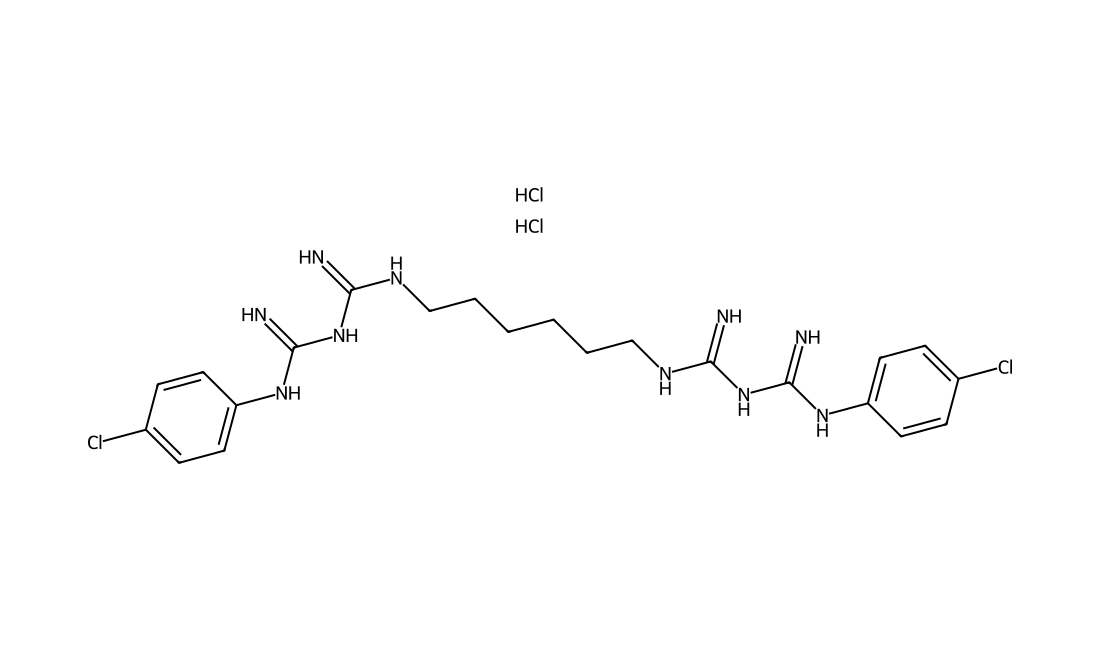
CAS 3697-42-5
For the detailed information of Chlorhexidine HCl, the solubility of Chlorhexidine HCl in water, the solubility of Chlorhexidine HCl in DMSO, the solubility of Chlorhexidine HCl in PBS buffer, the animal experiment(test) (test) of Chlorhexidine HCl, the cell expriment (test) of Chlorhexidine HCl, the in vivo, in vitro and clinical trial test of Chlorhexidine HCl, the EC50, IC50,and Affinity of Chlorhexidine HCl,, please contact DC Chemicals.