Home/Small Molecules/Other Research Tools

Other Research Tools

Additional reagents, chemical building blocks and specialized research tools.

Browse all research categories

Browse by research category

Products may appear in more than one category. Counts refer to distinct catalog numbers within each category.

Other Research Tools (75) · Additional reagents, building blocks and specialized research tools.

Other Research Tools products

Combine a keyword, research category and target to narrow the product list.

Loading catalog filters…

959 products · Showing 241–288

DCAPI1223

Kinetin (6-Furfuryladenine)

CAS 525-79-1

For the detailed information of Kinetin (6-Furfuryladenine), the solubility of Kinetin (6-Furfuryladenine) in water, the solubility of Kinetin (6-Furfuryladenine) in DMSO, the solubility of Kinetin (6-Furfuryladenine) in PBS buffer, the animal experiment(test) (test) of Kinetin (6-Furfuryladenine), the cell expriment (test) of Kinetin (6-Furfuryladenine), the in vivo, in vitro and clinical trial test of Kinetin (6-Furfuryladenine), the EC50, IC50,and Affinity of Kinetin (6-Furfuryladenine),, please contact DC Chemicals.
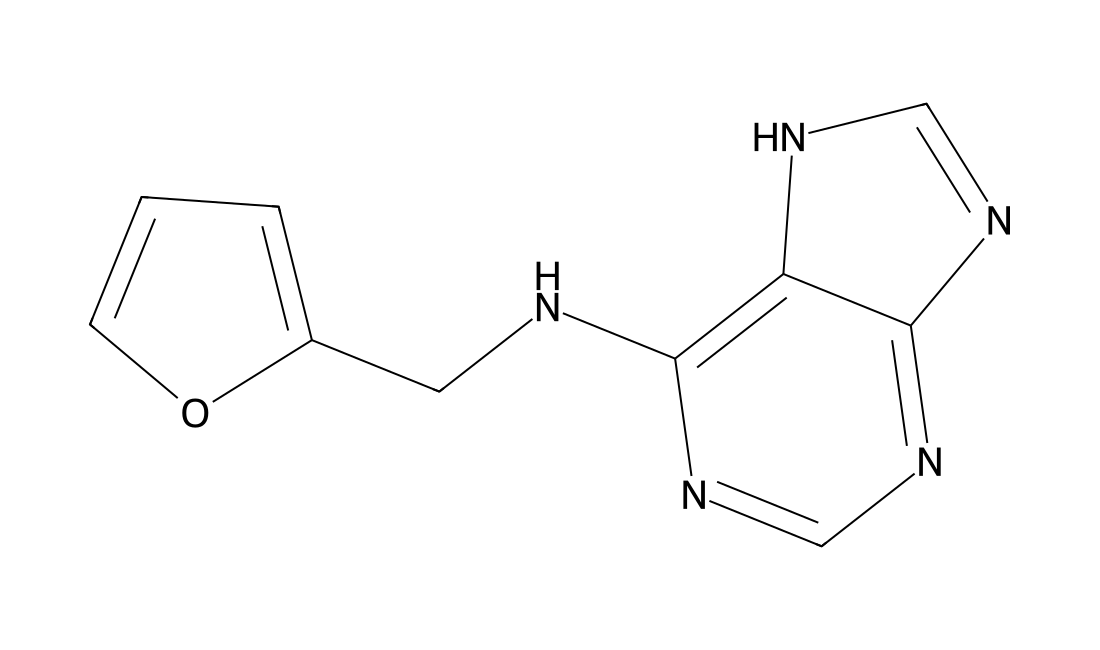
Kinetin (6-Furfuryladenine) chemical structure
DC7617

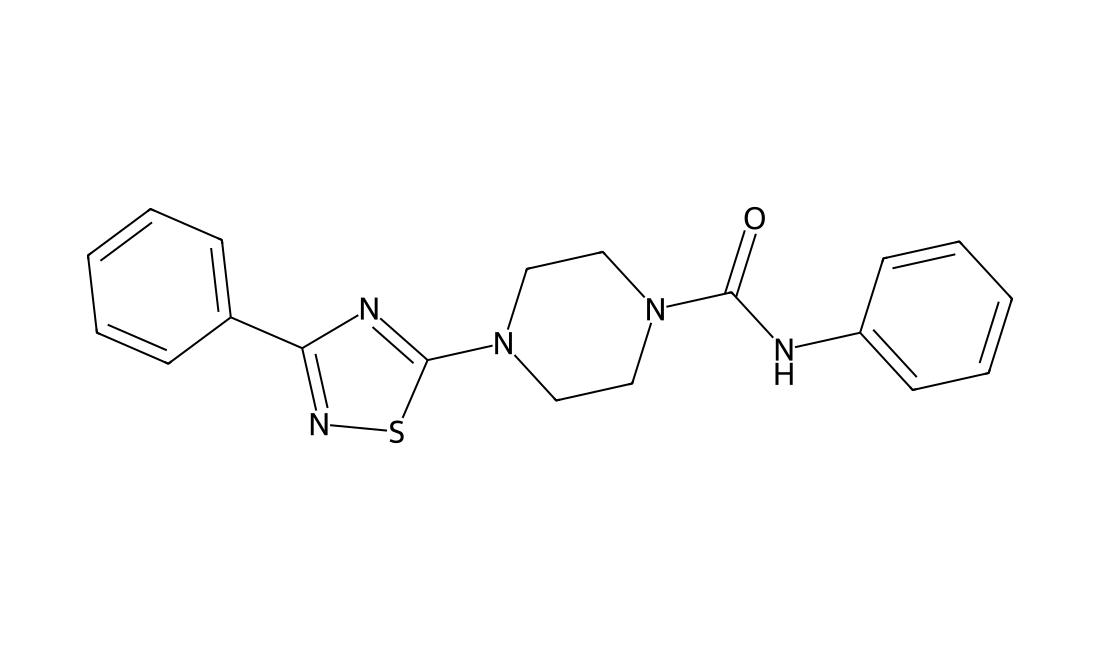
JNJ-1661010

CAS 681136-29-8

FAAH preincubated with JNJ-1661010 suggests a slow reversibility of the interaction between the JNJ-1661010 and the active site, which is accelerated at higher temperatures. JNJ-1661010 is a covalent, mechanism-based substrate inhibitor as examined by LC-ESI-MS. JNJ-1661010 docks with the phenylthiadiazole in the hydrophobic tunnel and the phenylurea in the hydrophilic pocket of FAAH. JNJ-1661010 (20 mg/kg i.p.) inhibits FAAH by at least 85% For up to 4 h after dosing, resulting accumulation of lipid ethanolamides in rat brain. JNJ-1661010 dose-dependently reverses the tactile allodynia with a maximum efficacy of approximately 90% at 30 min postdose in both Mild Thermal Injury (MTI) mice and rat model. JNJ-1661010 (20 mg/kg) reverses tactile allodynia by 60.8% at 30 min in rat spinal nerve ligation injury model. JNJ-1661010 (50 mg/kg i.p.) shows a significant attenuation of the hyperalgesia at 30 min postdose in rat carrageenan model of inflammatory pain. Rats dosed with JNJ-1661010 (20 mg/kg i.p.) has a plasma Cmax of 26.9 μM at the Tmax of 0.75 h and a Cmax in the brain of 6.04 μM at the Tmax of 2 h. JNJ-1661010 (20 mg/kg i.p.) inhibits brain FAAH and elevates AEA level in brain tissue in rat. For the detailed information of JNJ-1661010, the solubility of JNJ-1661010 in water, the solubility of JNJ-1661010 in DMSO, the solubility of JNJ-1661010 in PBS buffer, the animal experiment (test) of JNJ-1661010, the cell expriment (test) of JNJ-1661010, the in vivo, in vitro and clinical trial test of JNJ-1661010, the EC50, IC50,and Affinity of JNJ-1661010, Please contact DC Chemicals.

JNJ-1661010 chemical structure
DC5059

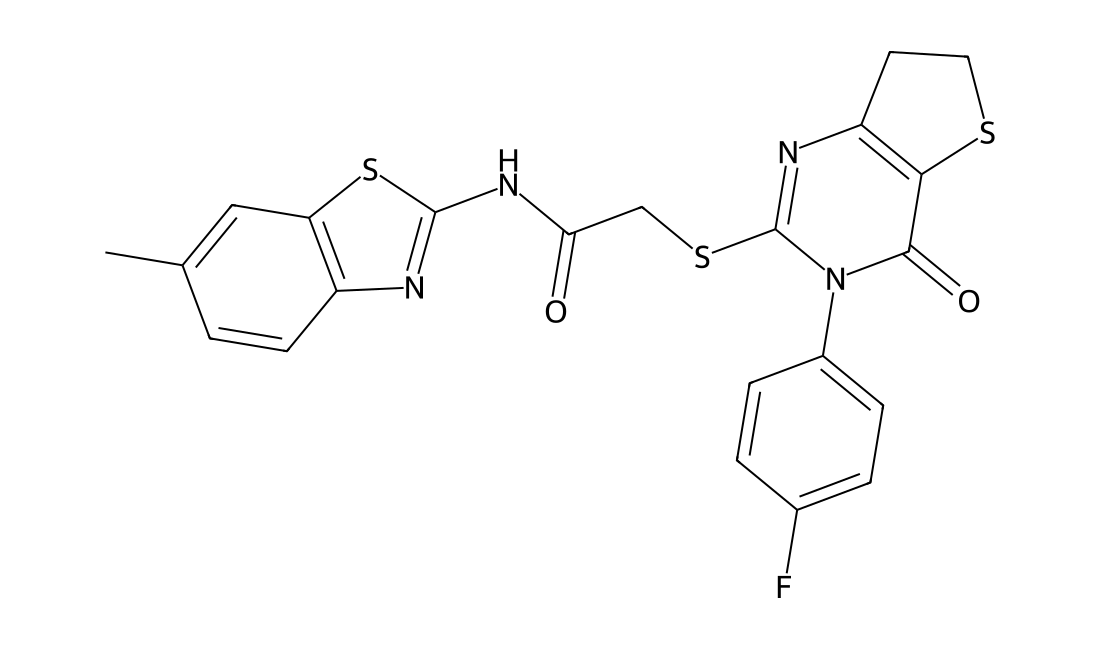
IWP-3

CAS 687561-60-0

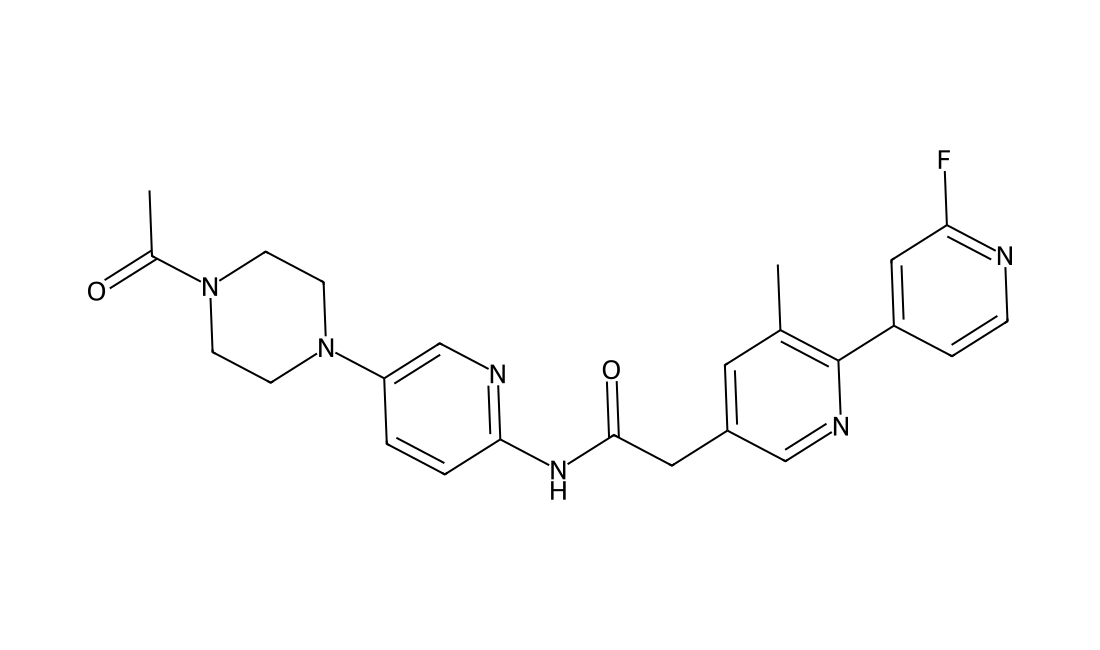
Stemolecule Wnt Inhibitor IWP-3 was identified in a high throughput screen For antagonists of the Wnt/β-catenin pathway. Wnt Inhibitor IWP-3 prevents palmitylation of Wnt proteins by Porcupine (Porcn), a membrane-bound O-acyltransferase, thereby blocking Wnt secretion and activity. It also blocks phosphorylation of the Lrp6 receptor and accumulation of both Dvl2 and β-catenin. The inhibition of the Wnt pathway through the use of IWP-3 has also been shown to promote the Formation of cardiocytes from human embryonic stem cell-derived mesoderm cells.For the detailed information of IWP-3, the solubility of IWP-3 in water, the solubility of IWP-3 in DMSO, the solubility of IWP-3 in PBS buffer, the animal experiment (test) of IWP-3, the cell expriment (test) of IWP-3, the in vivo, in vitro and clinical trial test of IWP-3, the EC50, IC50,and Affinity of IWP-3, Please contact DC Chemicals.

IWP-3 chemical structure
DC12069

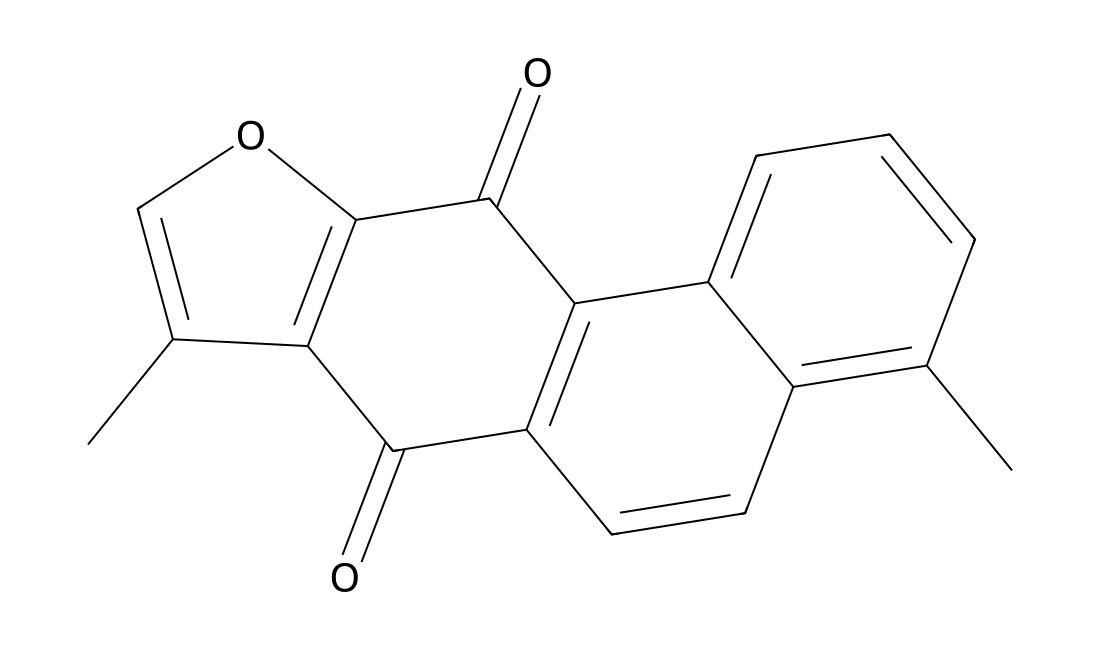
Isotanshinone I

CAS 20958-17-2

Isotanshinone I has inhibitory activity against α-glucosidase and formation of AGE, with IC50s of 1.13, 0.432 μM for α-glucosidase and AGE, respectively.

Isotanshinone I chemical structure
DCAPI1396

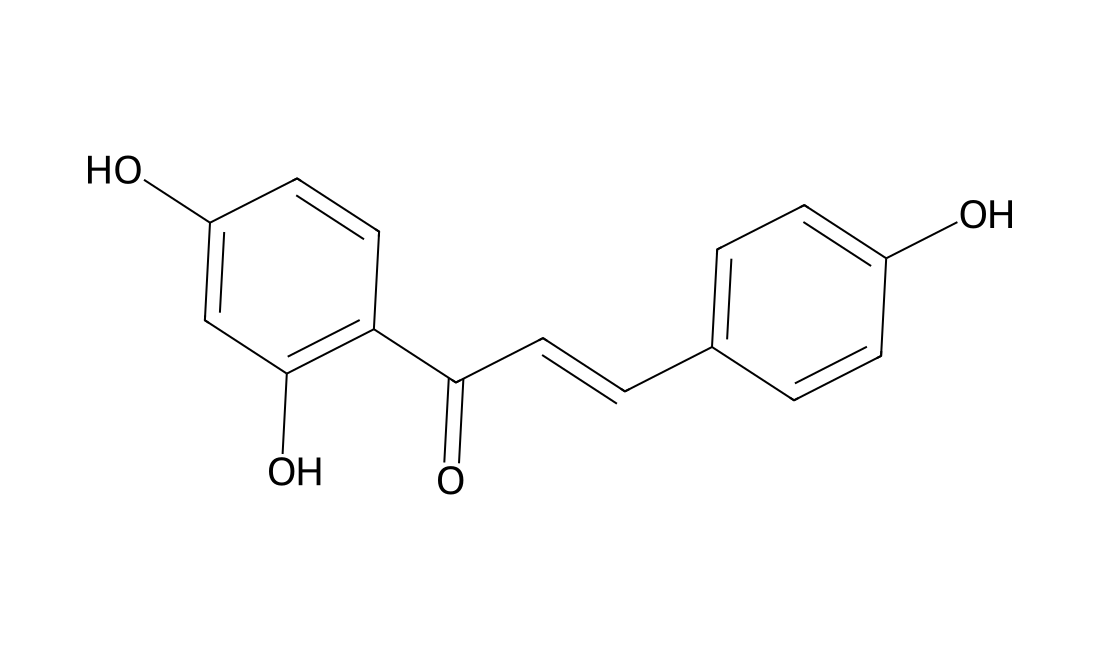
Isoliquiritigenin

CAS 961-29-5

For the detailed information of Isoliquiritigenin, the solubility of Isoliquiritigenin in water, the solubility of Isoliquiritigenin in DMSO, the solubility of Isoliquiritigenin in PBS buffer, the animal experiment(test) (test) of Isoliquiritigenin, the cell expriment (test) of Isoliquiritigenin, the in vivo, in vitro and clinical trial test of Isoliquiritigenin, the EC50, IC50,and Affinity of Isoliquiritigenin,, please contact DC Chemicals.

Isoliquiritigenin chemical structure
DC20010

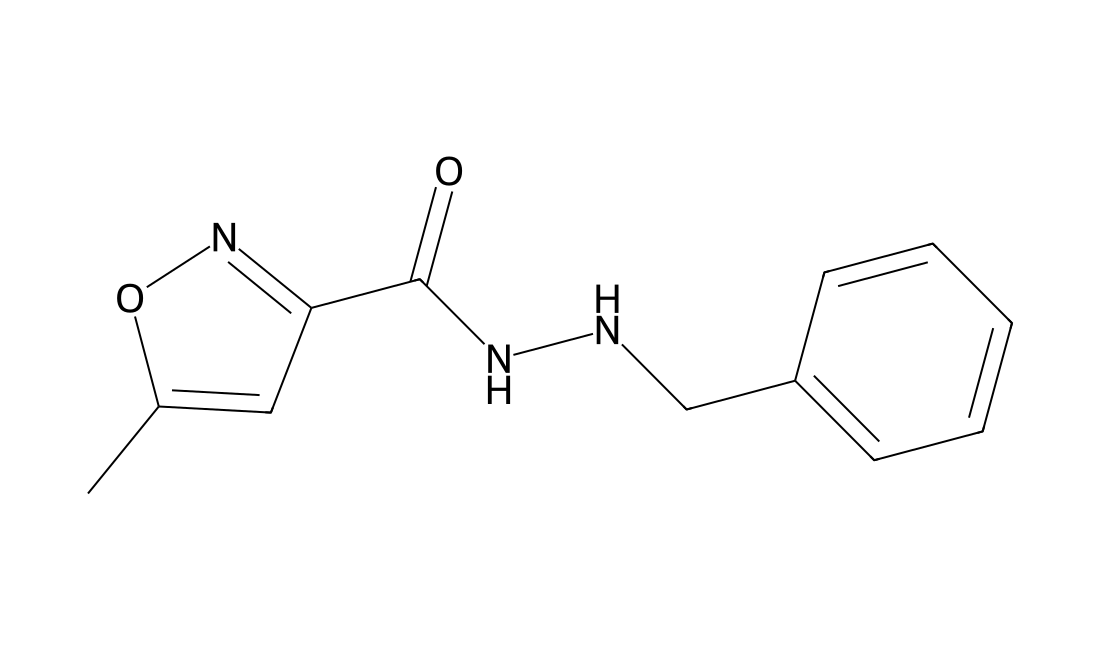
Isocarboxazid

CAS 59-63-2

In Vivo Isocarboxazid (1, 3 mg/kg, i.p., 60 min) pretreatment in mice shows the significant increased number of head twitches at 15 and 30 min after 5-HTP. Isocarboxazid (1, 3 mg/kg, i.p., 60 min) treatment in mice together with 5-HTP administration causes 43% 5-HT concentration increased and 22% of 5-HIAA decreased compared to brain concentrations in mice given 5-HTP alone.

Isocarboxazid chemical structure
DC7172

IOWH-032

CAS 1191252-49-9

IOWH032 shows inhibitory activity against CFTR in T84-CFTR cell based assays with IC50 of 6.87 μM. In a mouse closed-loop model, IOWH032 causes a statistical significant inhibition against cholera toxin (CTX) induced secretion. IOWH032 (5 mg/kg) reduces the fecal output index by ~70% in a cecetomized rat model.For the detailed information of IOWH-032, the solubility of IOWH-032 in water, the solubility of IOWH-032 in DMSO, the solubility of IOWH-032 in PBS buffer, the animal experiment (test) of IOWH-032, the cell expriment (test) of IOWH-032, the in vivo, in vitro and clinical trial test of IOWH-032, the EC50, IC50,and Affinity of IOWH-032, Please contact DC Chemicals.

IOWH-032 chemical structure
DC23238

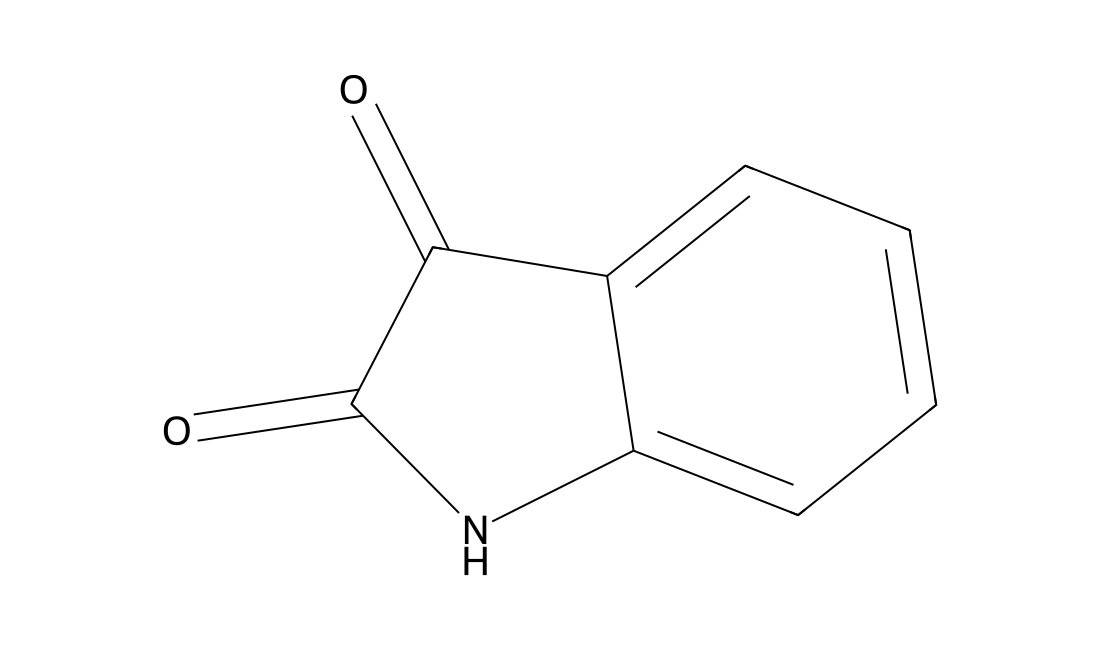
INO-1001

CAS 3544-24-9

INO-1001 is a potent, selective poly(ADP-ribose) polymerase (PARP) with IC50 of <50 nM in CHO cells; significantly radiosensitizes human and rodent cell lines at 10 uM (enhancement ratios 1.4-1.6), enhances radiation-induced cell killing by interfering with DNA repair mechanisms, resulting in necrotic cell death; attenuates various aspects of the pathophysiological response in a clinically relevant experimental model of burn/smoke inhalation injury.Brain CancerDiscontinued

INO-1001 chemical structure
DC12310

INH154

CAS 1587705-63-2

In Vitro INH154 is highly potent in treating breast tumors with co-elevated expression of Hec1 and Nek2. INH154 is the most potent inhibitor of tumor cell growth. The IC50 values of INH154 in HeLa and MDA-MB-468 cancer cells are 0.20 and 0.12 μM, respectively. INH154 also suppresses the growth of leukemia, osteosarcoma, and glioblastoma cells. In Vivo Tumor growth rates in mice treated with INH154 are evidently slower than those in control animals in a dose-dependent manner. In agreement with the tumor-growth data, the tumor proliferation index, determined by measuring BrdU staining, is clearly reduced in residual tumors treated with INH154 in comparison with vehicle alone. The expression levels of Nek2 and Hec1 S165 phosphorylation are also substantially reduced in INH154-treated tumors than in vehicle-treated tumors. On the other hand, mice body weights are measured during the 6.5 weeks treatment period and show little difference among treated and control groups. In addition, the toxicity of INHs by treating normal BALB/c ByJNarl mice with high dosage of INH154 (20 mg/kg) shows no significant difference of body weights, blood chemistry, and complete blood count (CBC) analysis among these groups of animals.

INH154 chemical structure
DCAPI1237

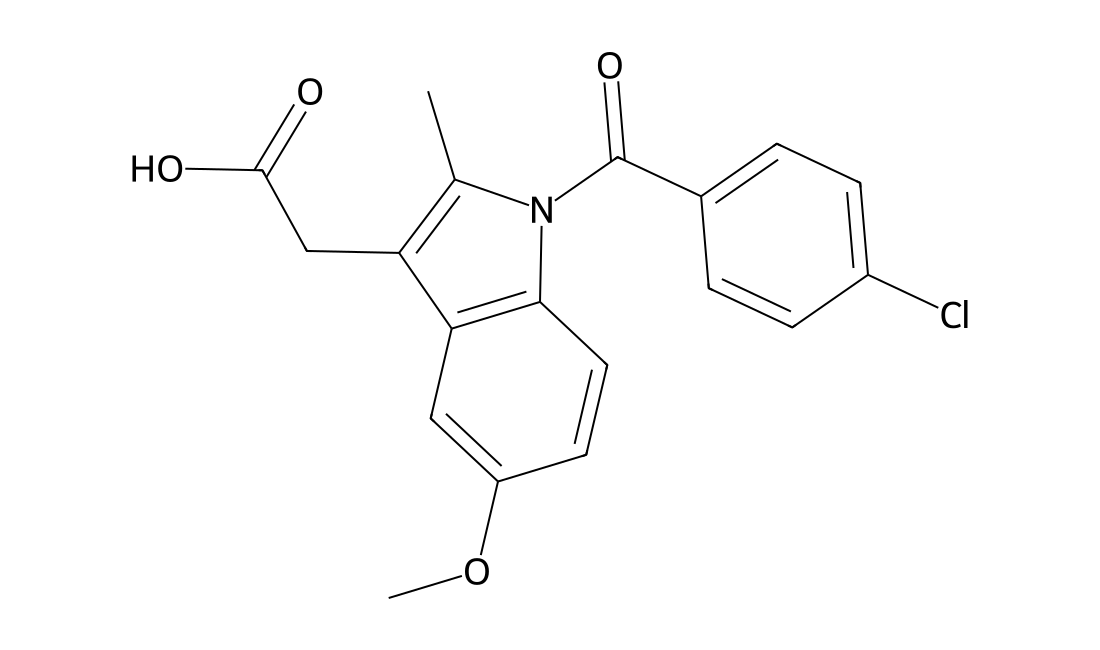
Indomethacin (Indocid, Indocin)

CAS 53-86-1

For the detailed information of Indomethacin (Indocid, Indocin), the solubility of Indomethacin (Indocid, Indocin) in water, the solubility of Indomethacin (Indocid, Indocin) in DMSO, the solubility of Indomethacin (Indocid, Indocin) in PBS buffer, the animal experiment(test) (test) of Indomethacin (Indocid, Indocin), the cell expriment (test) of Indomethacin (Indocid, Indocin), the in vivo, in vitro and clinical trial test of Indomethacin (Indocid, Indocin), the EC50, IC50,and Affinity of Indomethacin (Indocid, Indocin),, please contact DC Chemicals.

Indomethacin (Indocid, Indocin) chemical structure
DCAPI1265

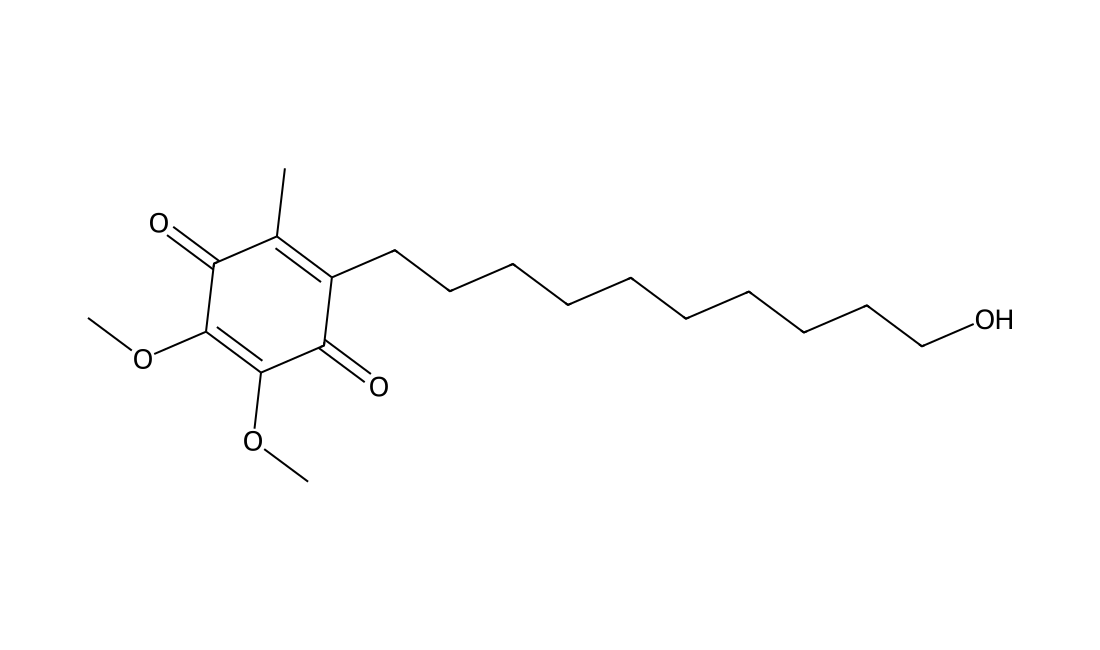
Idebenone

CAS 58186-27-9

For the detailed information of Idebenone, the solubility of Idebenone in water, the solubility of Idebenone in DMSO, the solubility of Idebenone in PBS buffer, the animal experiment(test) (test) of Idebenone, the cell expriment (test) of Idebenone, the in vivo, in vitro and clinical trial test of Idebenone, the EC50, IC50,and Affinity of Idebenone,, please contact DC Chemicals.

Idebenone chemical structure
DC8573

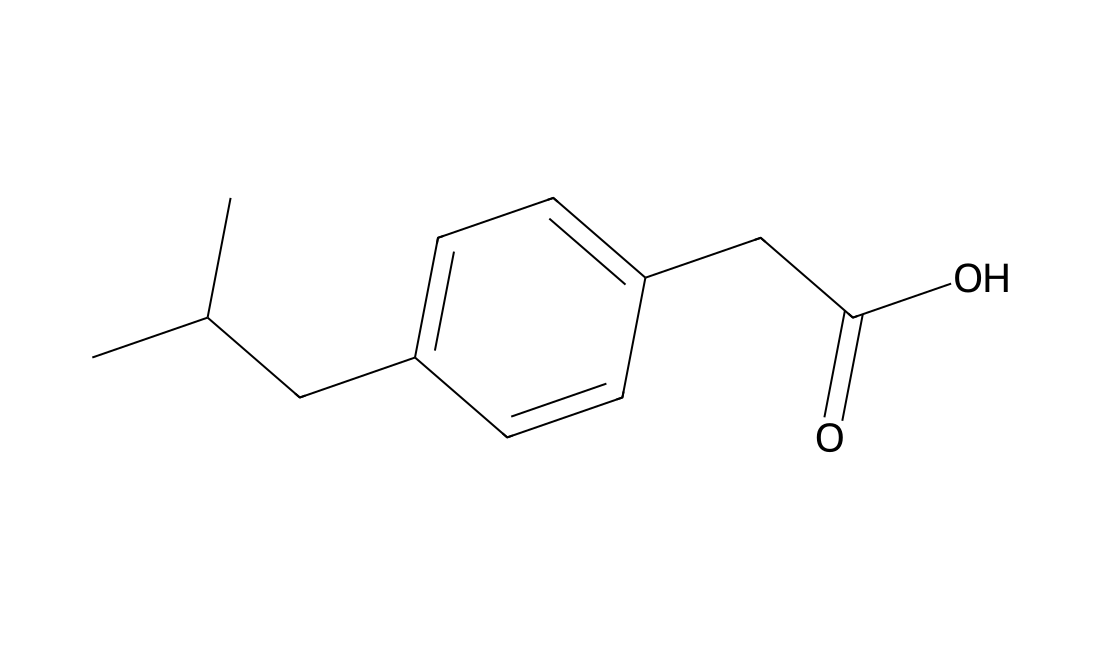
Ibufenac

CAS 1553-60-2

Ibufenac is an analog of the NSAID ibuprofen that inhibits COX-1 and -2 activity with IC50 values of 17.4 and 13.1 µM, respectively.

Ibufenac chemical structure
DCAPI1269

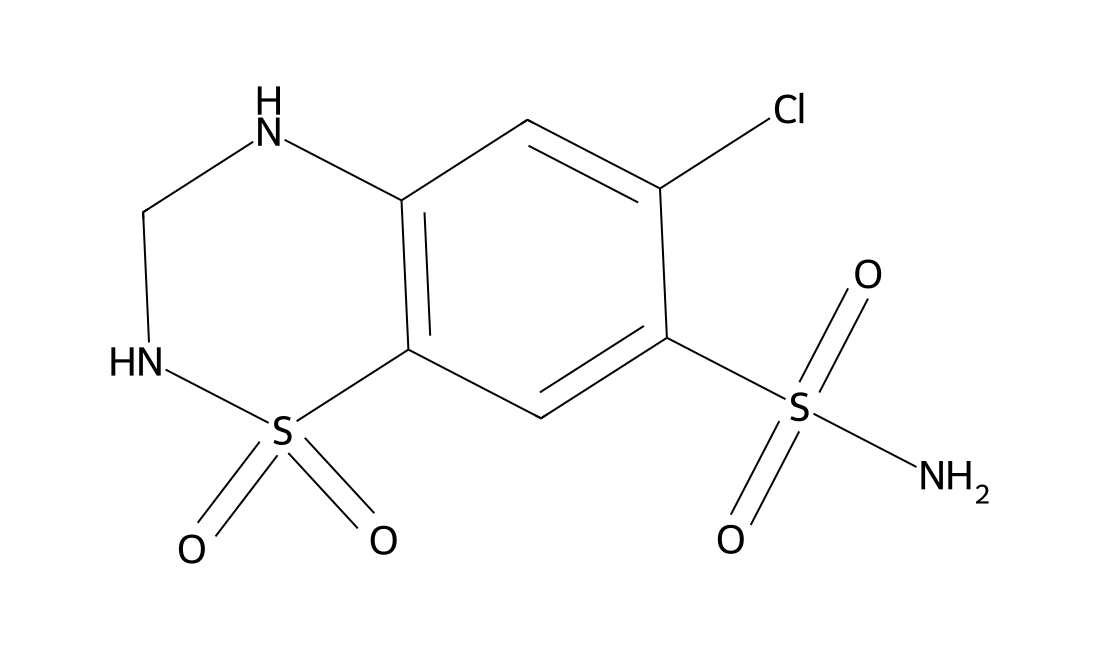
Hydrochlorothiazide

CAS 58-93-5

For the detailed information of Hydrochlorothiazide, the solubility of Hydrochlorothiazide in water, the solubility of Hydrochlorothiazide in DMSO, the solubility of Hydrochlorothiazide in PBS buffer, the animal experiment(test) (test) of Hydrochlorothiazide, the cell expriment (test) of Hydrochlorothiazide, the in vivo, in vitro and clinical trial test of Hydrochlorothiazide, the EC50, IC50,and Affinity of Hydrochlorothiazide,, please contact DC Chemicals.

Hydrochlorothiazide chemical structure
DCAPI1229

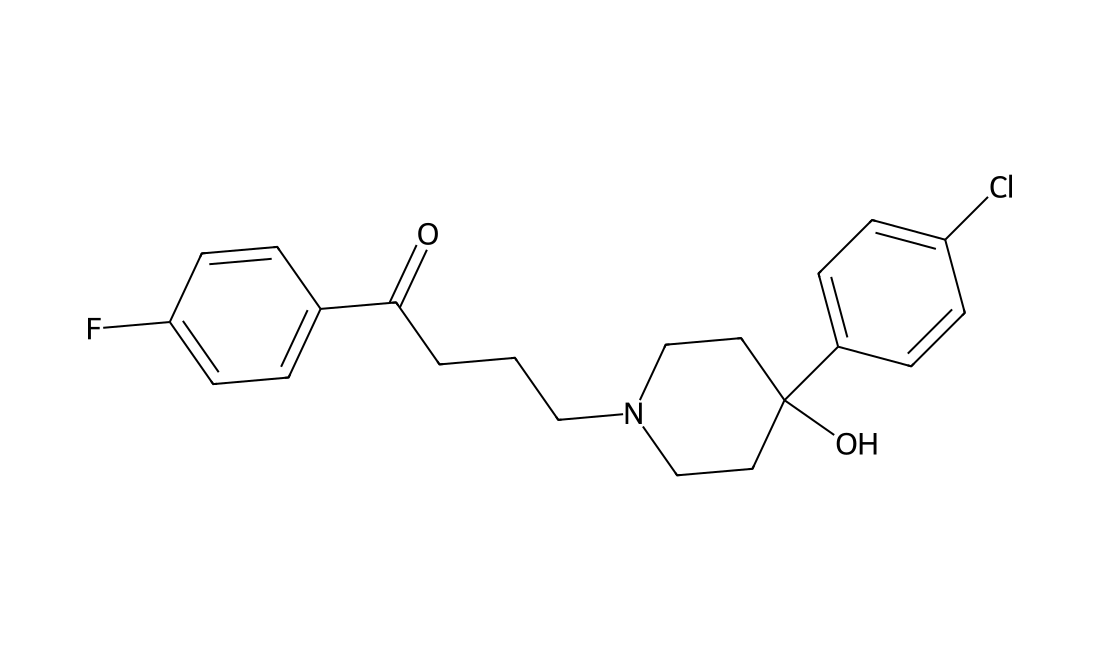
Haloperidol (Haldol)

CAS 52-86-8

For the detailed information of Haloperidol (Haldol), the solubility of Haloperidol (Haldol) in water, the solubility of Haloperidol (Haldol) in DMSO, the solubility of Haloperidol (Haldol) in PBS buffer, the animal experiment(test) (test) of Haloperidol (Haldol), the cell expriment (test) of Haloperidol (Haldol), the in vivo, in vitro and clinical trial test of Haloperidol (Haldol), the EC50, IC50,and Affinity of Haloperidol (Haldol),, please contact DC Chemicals.

Haloperidol (Haldol) chemical structure
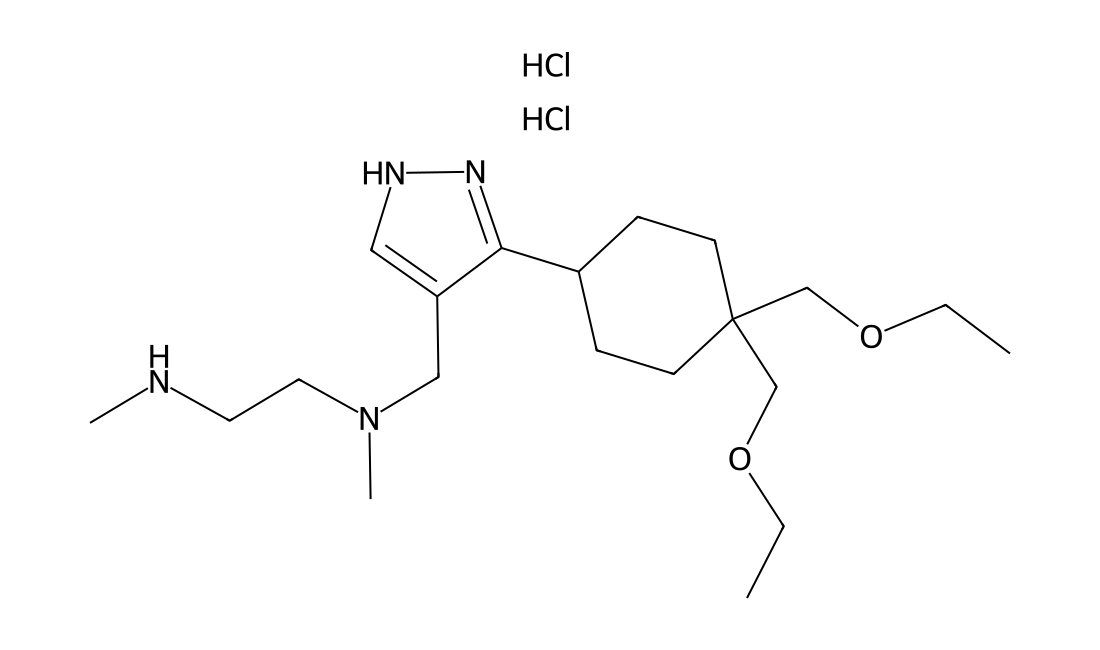
DC2069

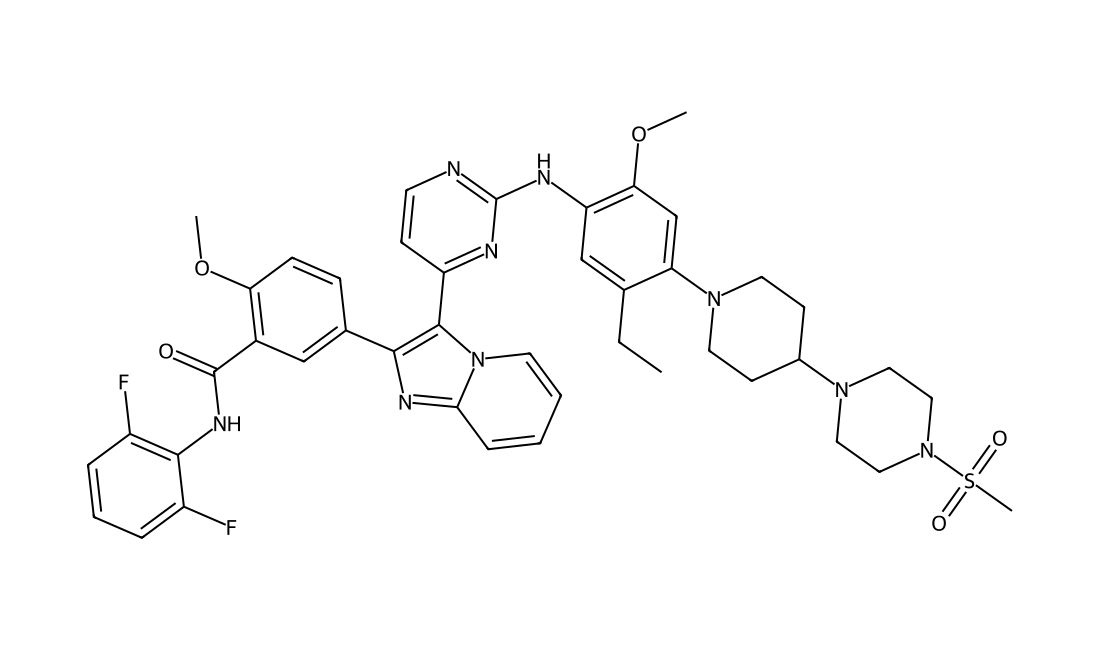
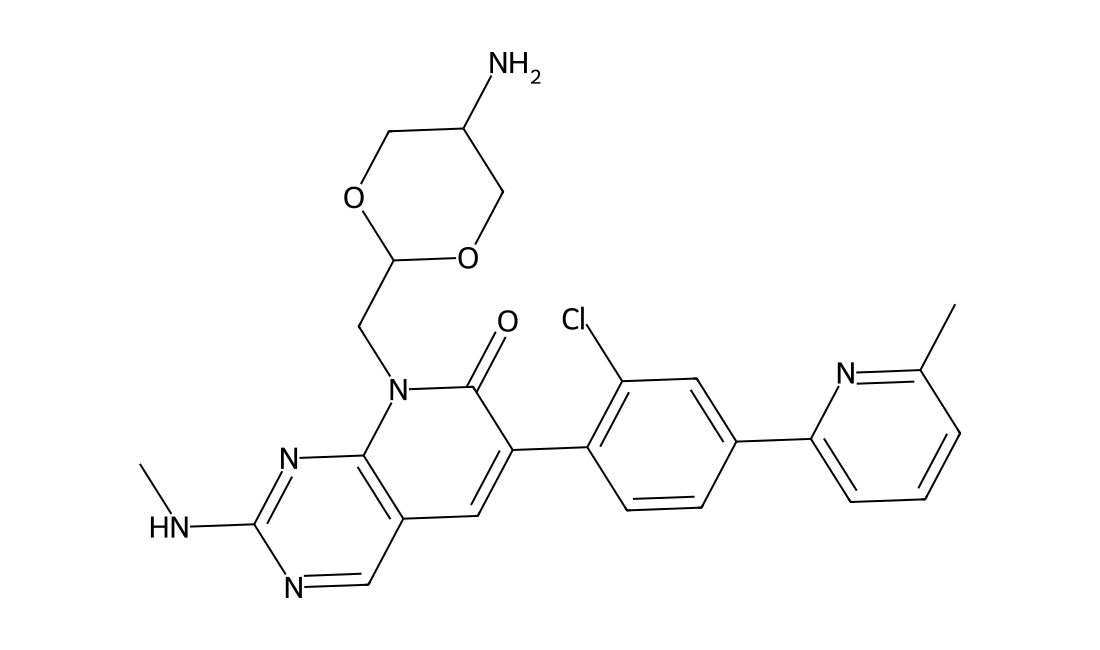
IGF-1R inhibitor GS1904529A

CAS 1089283-49-7

GSK-1904529A is an IGF-1R Inhibitor, is is a promising candidate For therapeutic use in IGF-IR–dependent tumors. GSK1904529A selectively inhibits IGF-IR and IR with IC50s of 27 and 25 nmol/L, respectively. GSK1904529A blocks receptor autophosphorylation and downstream signaling, leading to cell cycle arrest. It inhibits the proliferation of cell lines derived from solid and hematologic malignancies, with multiple myeloma and Ewing's sarcoma cell lines being most sensitive. Oral administration of GSK1904529A decreases the growth of human tumor xenografts in mice, consistent with a reduction of IGF-IR phosphorylation in tumors. Despite the potent inhibitory activity of GSK1904529A on IR in vitro and in vivo, minimal effects on blood glucose levels are observed in animals at doses that show significant antitumor activity. (source: Clin Cancer Res May 1, 2009 15; 3058 ) For the detailed information about the solubility of GSK1904529A in water, the solubility of GSK1904529A in DMSO, the solubility of GSK1904529A in PBS buffer, the animal experiment(test) of GSK1904529A,the in vivo,in vitro and clinical trial test of GSK1904529A,the cell experiment(test) of GSK1904529A,the IC50, EC50 and Affinity of GSK1904529A, please contact DC Chemicals.

IGF-1R inhibitor GS1904529A chemical structure
DC8820

GR148672X

CAS 263890-70-6

GR148672X is a specific TGH inhibitor. Using 10 μM GR148672X, there was a dramatic decrease in mobilization of stored TG and of apoB100 secretion. ApoB100 secretion was decreased by 42% (P<0.03) and apoB48 by 20% (P<0.06). GR148672X inhibited TG mass secretion by 54% (P<0.02).

GR148672X chemical structure
DCAPI1148

Gossypol

CAS 303-45-7

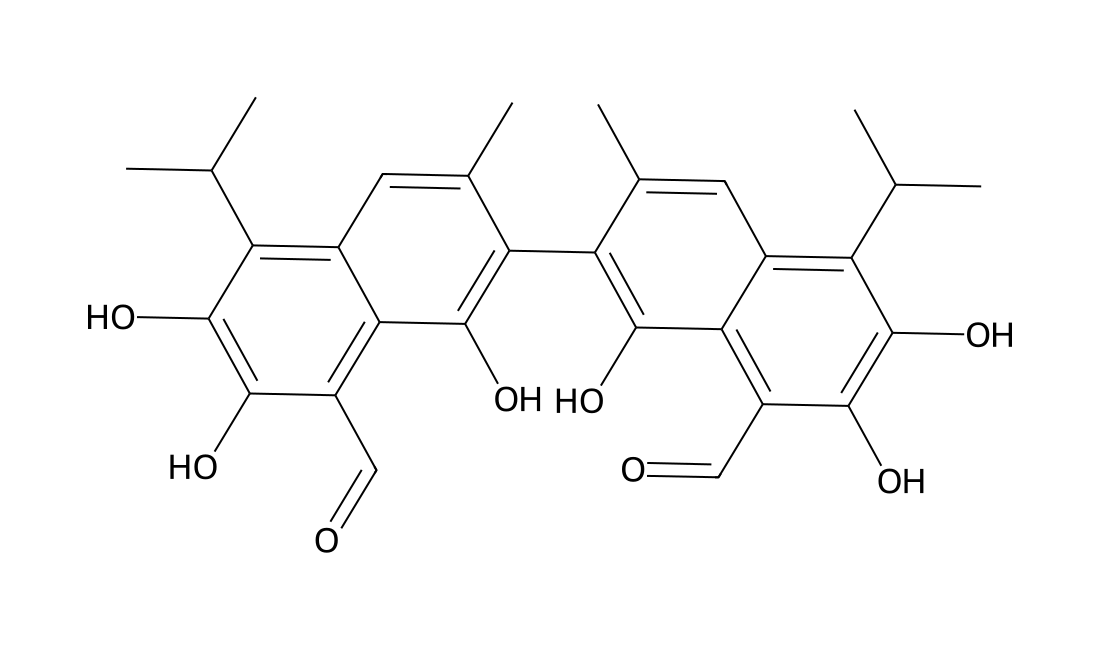
For the detailed information of Gossypol, the solubility of Gossypol in water, the solubility of Gossypol in DMSO, the solubility of Gossypol in PBS buffer, the animal experiment(test) (test) of Gossypol, the cell expriment (test) of Gossypol, the in vivo, in vitro and clinical trial test of Gossypol, the EC50, IC50,and Affinity of Gossypol,, please contact DC Chemicals.

Gossypol chemical structure
DC20204

GNF-6231

CAS 1243245-18-2

In vitro GNF-6231 shows a good solubility. It has no appreciable activities, at least up to 10 μM testing concentrations, for more than 200 off-targets, which include GPCRs, kinases, proteases, transporters, ion channels, and nuclear receptors. GNF-6231 shows IC50s of greater than 10 μM on all CYP isoforms tested (2C9, 2D6, 3A4). It shows high permeability in a Caco-2 human cell permeability assay with a possible efflux. In vivo GNF-6231 demonstrates excellent pathway inhibition and induces robust antitumor efficacy in a mouse MMTV-WNT1 xenograft tumor model. GNF-6231 is moderately bound to mouse, rat, dog, monkey, and human plasma proteins (88.0, 83.1, 90.9, 71.2, and 95%, respectively). It shows good oral bioavailability, ranging from 72 to 96% in preclinical species (mouse, rat, and dog) when dosed in solution formulations. GNF-6231 is expected to have minimal to marginal distribution to tissues compared to total body water following intravenous administration to mouse (Vss 0.57 L/kg), rat (Vss 0.70 L/kg), and dog (Vss 0.25 L/kg).

GNF-6231 chemical structure
DC9146

Glipizide

CAS 29094-61-9

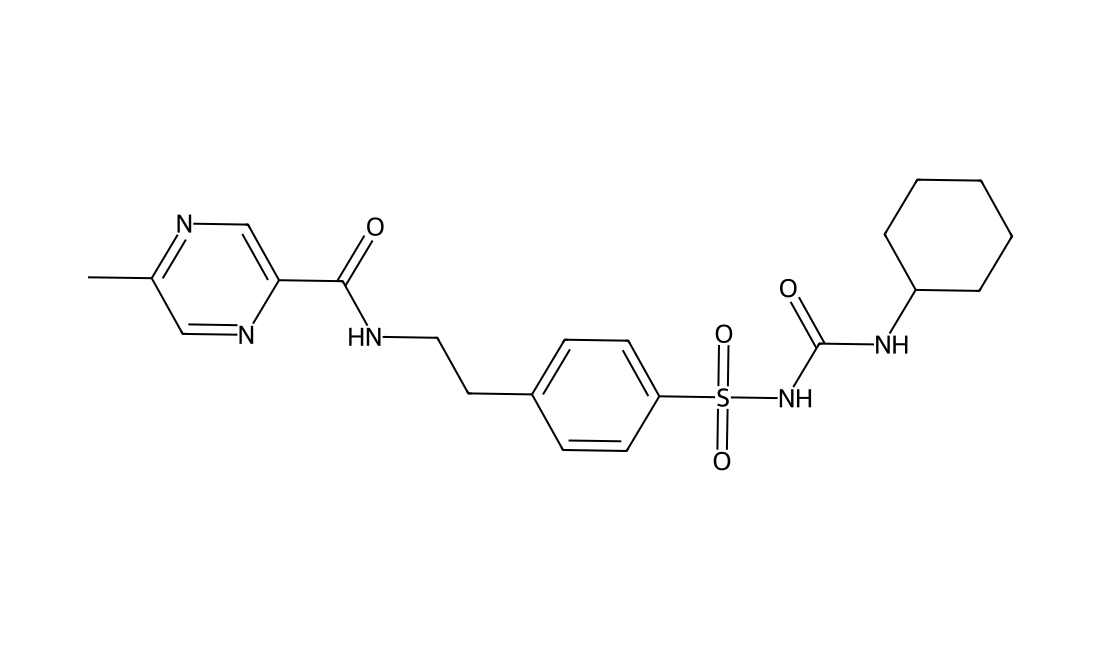
Glipizide is used to treat high blood sugar levels caused by a type of diabetes mellitus called type 2 diabetes.Glipizide is an oral rapid- and short-acting anti-diabetic drug from the sulfonylurea class. It is classified as a second generation sulfonylurea, which means that it undergoes enterohepatic circulation. Mechanism of action is produced by blocking potassium channels in the beta cells of the islets of Langerhans. By partially blocking the potassium channels, the cell remains depolarized, increasing the time the cell spends in the calcium release stage, which results in signaling leading to calcium influx. The increase in calcium will initiate more insulin release from each beta cell. Sulfonylureas may also cause the decrease of serum glucagon and potentiate the action of insulin at the extrapancreatic tissues .

Glipizide chemical structure
DCAPI1135

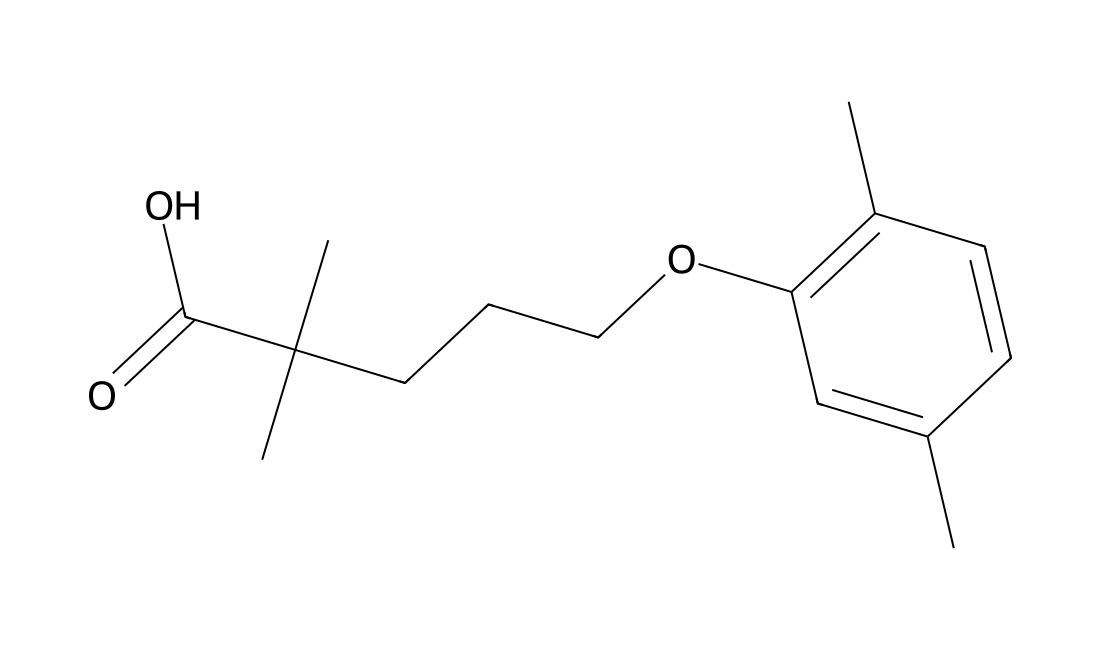
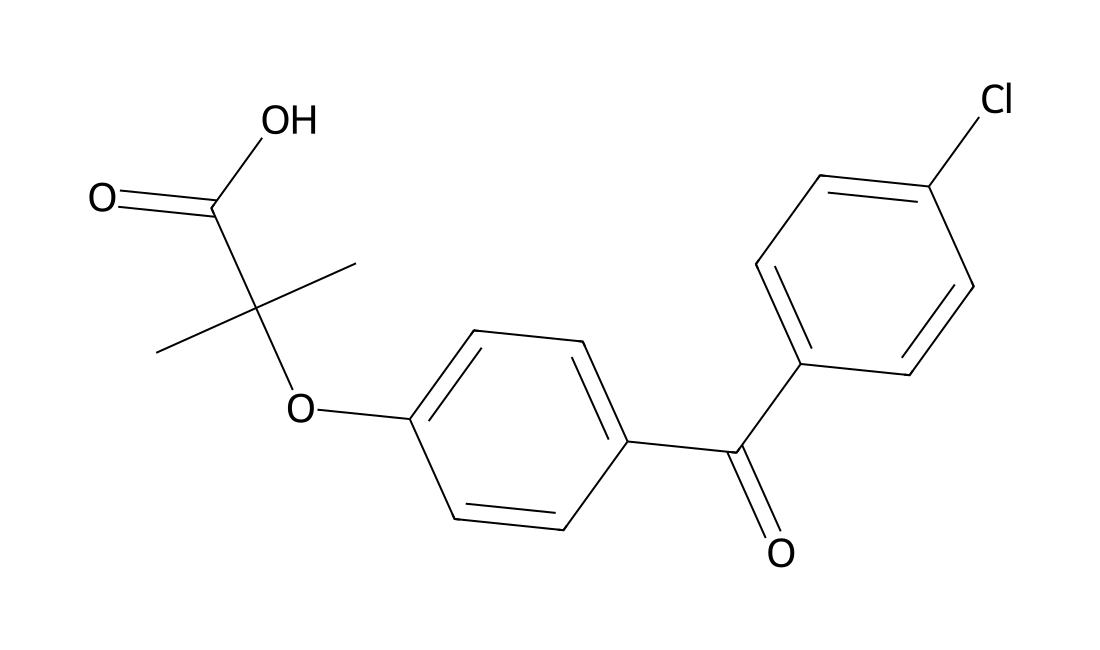
Gemfibrozil (Lopid)

CAS 25812-30-0

For the detailed information of Gemfibrozil (Lopid), the solubility of Gemfibrozil (Lopid) in water, the solubility of Gemfibrozil (Lopid) in DMSO, the solubility of Gemfibrozil (Lopid) in PBS buffer, the animal experiment(test) (test) of Gemfibrozil (Lopid), the cell expriment (test) of Gemfibrozil (Lopid), the in vivo, in vitro and clinical trial test of Gemfibrozil (Lopid), the EC50, IC50,and Affinity of Gemfibrozil (Lopid),, please contact DC Chemicals.

Gemfibrozil (Lopid) chemical structure
DCAPI1357

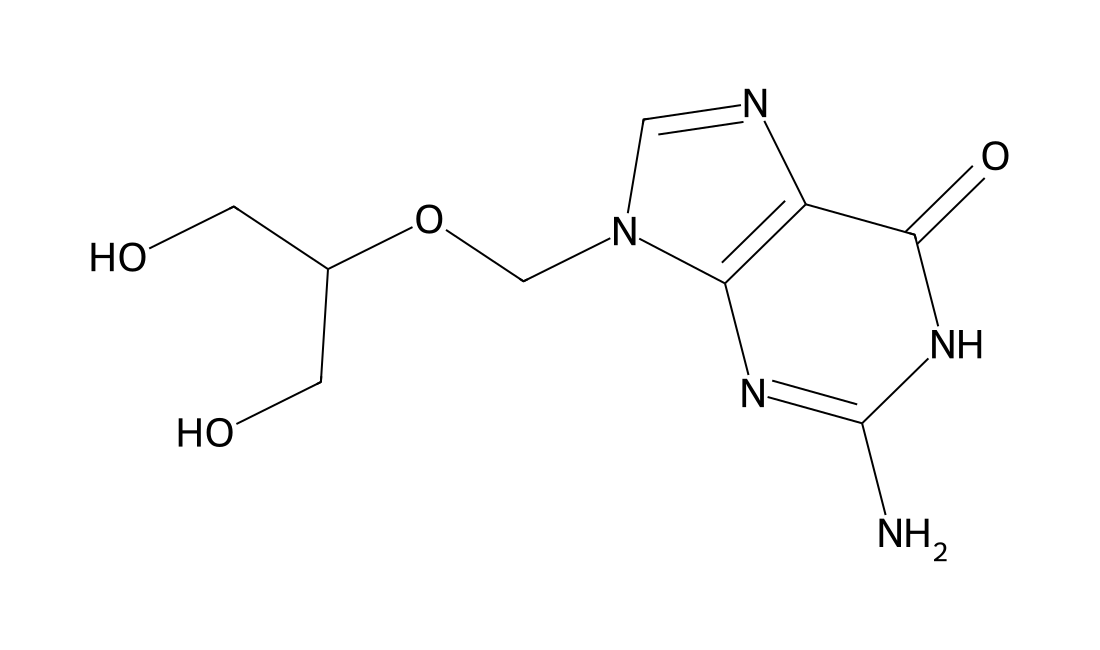
Ganciclovir

CAS 82410-32-0

For the detailed information of Ganciclovir, the solubility of Ganciclovir in water, the solubility of Ganciclovir in DMSO, the solubility of Ganciclovir in PBS buffer, the animal experiment(test) (test) of Ganciclovir, the cell expriment (test) of Ganciclovir, the in vivo, in vitro and clinical trial test of Ganciclovir, the EC50, IC50,and Affinity of Ganciclovir,, please contact DC Chemicals.

Ganciclovir chemical structure
DC22548

G-5555

CAS 1648863-90-4

G-5555 is a potent and selective PAK1 inhibitor (Ki=3.7 nM); showes excellent kinase selectivity and inhibits only eight out of the 235 kinases with inhibition >70% at 0.1 uM; inhibits S298 phosphorylation of MEK1 in EBC1 cells with IC50 of 69 nM; improved potency and selectivity than FRAX1036; shows good vivo PK/PD effects.

G-5555 chemical structure
DC6916

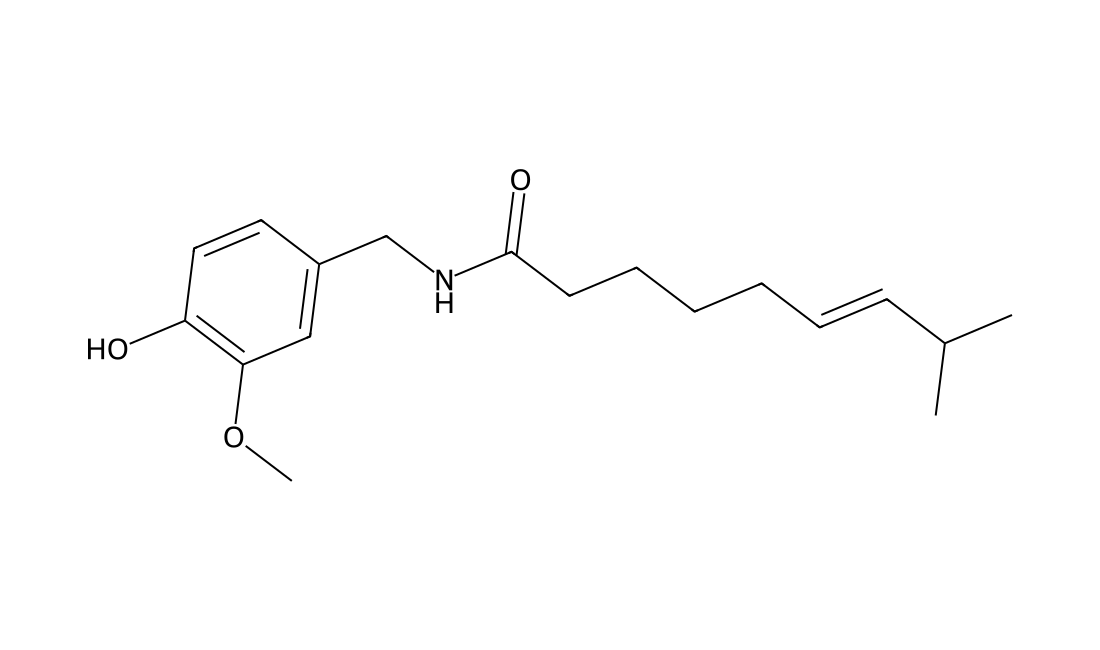
Zucapsaicin

CAS 25775-90-0

For the detailed information of Zucapsaicin, the solubility of Zucapsaicin in water, the solubility of Zucapsaicin in DMSO, the solubility of Zucapsaicin in PBS buffer, the animal experiment (test) of Zucapsaicin, the cell expriment (test) of Zucapsaicin, the in vivo, in vitro and clinical trial test of Zucapsaicin, the EC50, IC50,and affinity,of Zucapsaicin, For the detailed information of Zucapsaicin, the solubility of Zucapsaicin in water, the solubility of Zucapsaicin in DMSO, the solubility of Zucapsaicin in PBS buffer, the animal experiment (test) of Zucapsaicin, the cell expriment (test) of Zucapsaicin, the in vivo, in vitro and clinical trial test of Zucapsaicin, the EC50, IC50,and affinity,of Zucapsaicin, Please contact DC Chemicals.

Zucapsaicin chemical structure
DCAPI1260

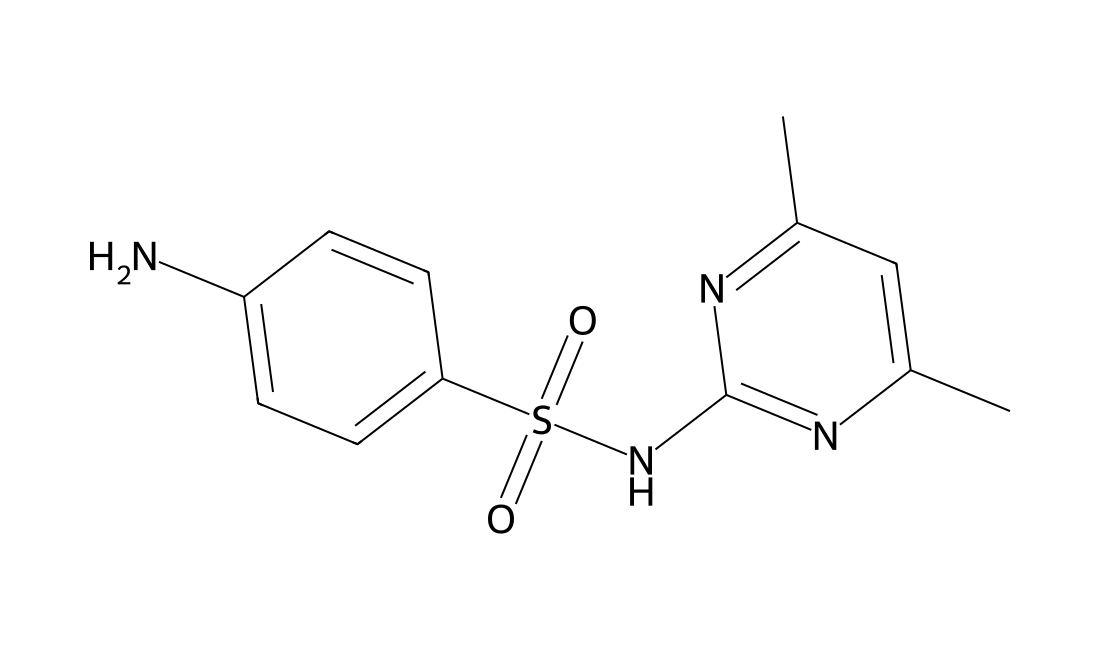
Sulfamethazine

CAS 57-68-1

For the detailed information of Sulfamethazine, the solubility of Sulfamethazine in water, the solubility of Sulfamethazine in DMSO, the solubility of Sulfamethazine in PBS buffer, the animal experiment(test) (test) of Sulfamethazine, the cell expriment (test) of Sulfamethazine, the in vivo, in vitro and clinical trial test of Sulfamethazine, the EC50, IC50,and Affinity of Sulfamethazine,, please contact DC Chemicals.

Sulfamethazine chemical structure
DC7024

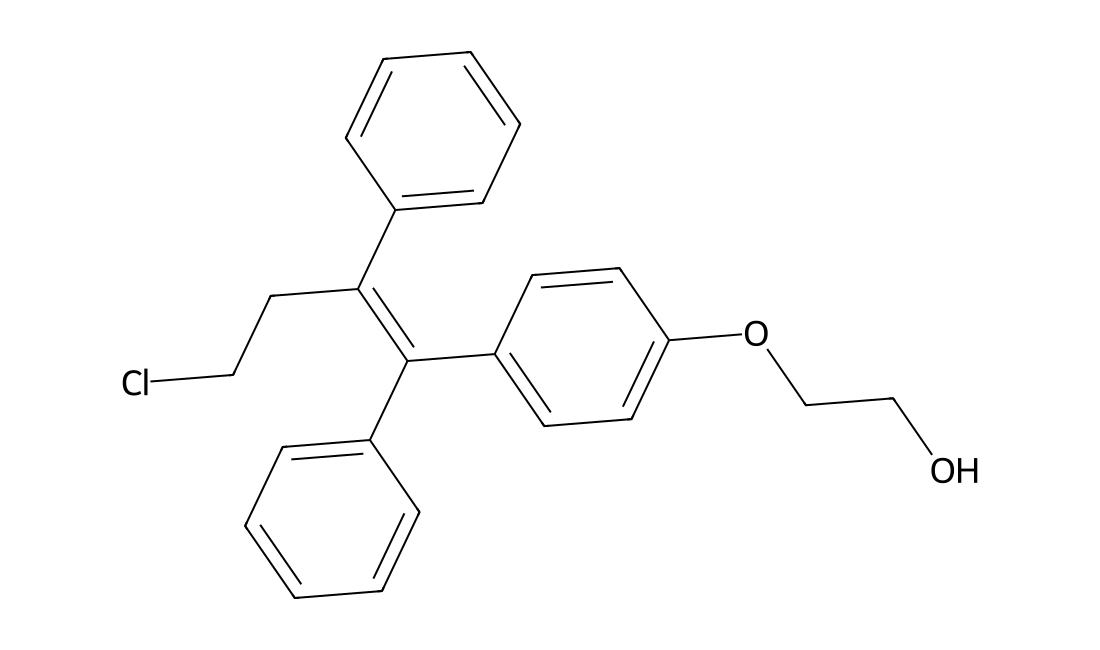
Ospemifene

CAS 128607-22-7

For the detailed information of Ospemifene, the solubility of Ospemifene in water, the solubility of Ospemifene in DMSO, the solubility of Ospemifene in PBS buffer, the animal experiment (test) of Ospemifene, the cell expriment (test) of Ospemifene, the in vivo, in vitro and clinical trial test of Ospemifene, the EC50, IC50,and Affinity of Ospemifene, Please contact DC Chemicals.

Ospemifene chemical structure
DC7022

NSC17711

CAS 1112-24-9

For the detailed information of NSC17711, the solubility of NSC17711 in water, the solubility of NSC17711 in DMSO, the solubility of NSC17711 in PBS buffer, the animal experiment (test) of NSC17711, the cell expriment (test) of NSC17711, the in vivo, in vitro and clinical trial test of NSC17711, the EC50, IC50,and Affinity of NSC17711, Please contact DC Chemicals.

NSC17711 chemical structure
DC5110

NSC157100

CAS 39204-49-4

For the detailed information of NSC157100, the solubility of NSC157100 in water, the solubility of NSC157100 in DMSO, the solubility of NSC157100 in PBS buffer, the animal experiment (test) of NSC157100, the cell expriment (test) of NSC157100, the in vivo, in vitro and clinical trial test of NSC157100, the EC50, IC50,and Affinity of NSC157100, Please contact DC Chemicals.

NSC157100 chemical structure
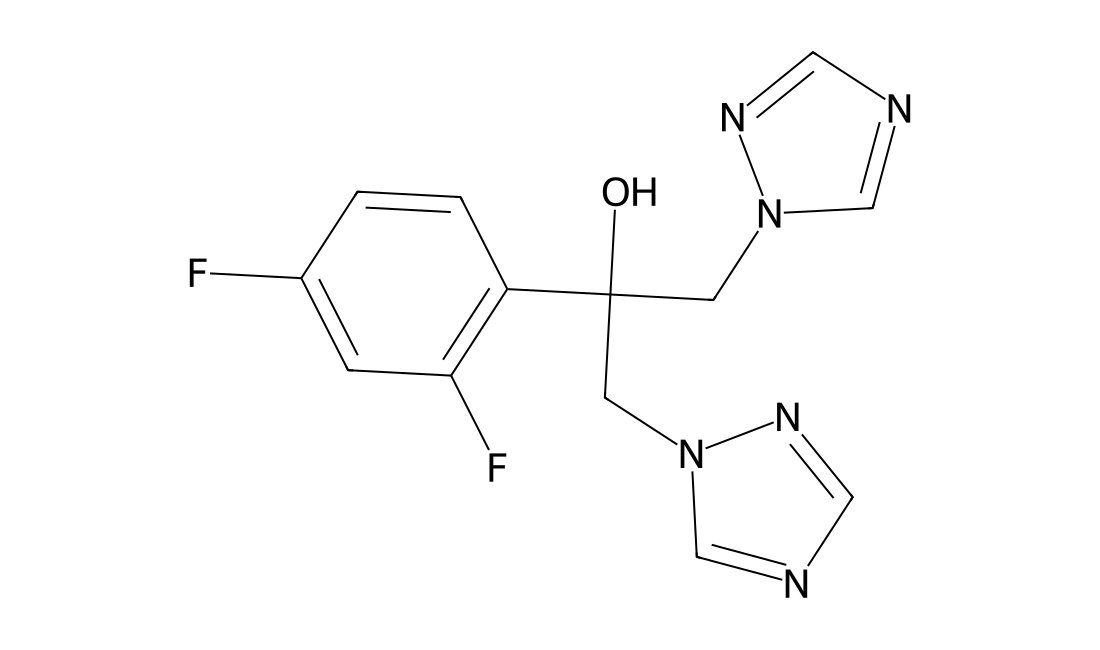
DCAPI1375

Fluconazole

CAS 86386-73-4

For the detailed information of Fluconazole, the solubility of Fluconazole in water, the solubility of Fluconazole in DMSO, the solubility of Fluconazole in PBS buffer, the animal experiment(test) (test) of Fluconazole, the cell expriment (test) of Fluconazole, the in vivo, in vitro and clinical trial test of Fluconazole, the EC50, IC50,and Affinity of Fluconazole,, please contact DC Chemicals.

Fluconazole chemical structure
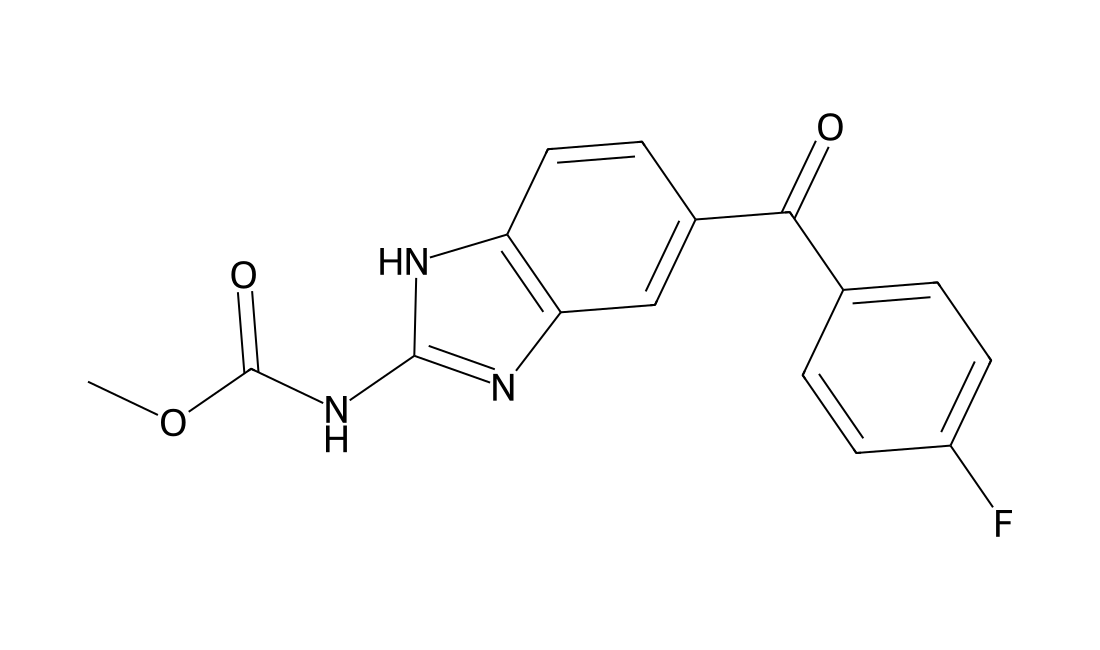
DC9060

Flubendazole

CAS 31430-15-6

Flubendazole is a potent broad spectrum anthelmintic.Flubendazole is an anthelmintic. It is also available for human use to treat worm infections.

Flubendazole chemical structure
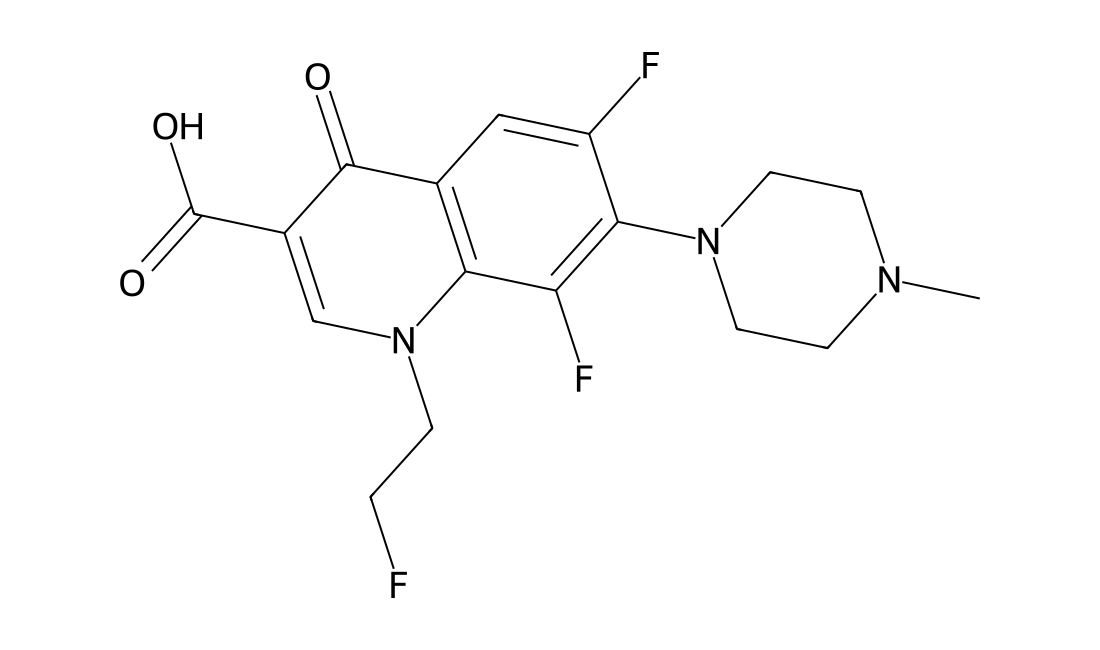
DCAPI1347

Fleroxacin (Quinodis)

CAS 79660-72-3

For the detailed information of Fleroxacin (Quinodis), the solubility of Fleroxacin (Quinodis) in water, the solubility of Fleroxacin (Quinodis) in DMSO, the solubility of Fleroxacin (Quinodis) in PBS buffer, the animal experiment(test) (test) of Fleroxacin (Quinodis), the cell expriment (test) of Fleroxacin (Quinodis), the in vivo, in vitro and clinical trial test of Fleroxacin (Quinodis), the EC50, IC50,and Affinity of Fleroxacin (Quinodis),, please contact DC Chemicals.

Fleroxacin (Quinodis) chemical structure
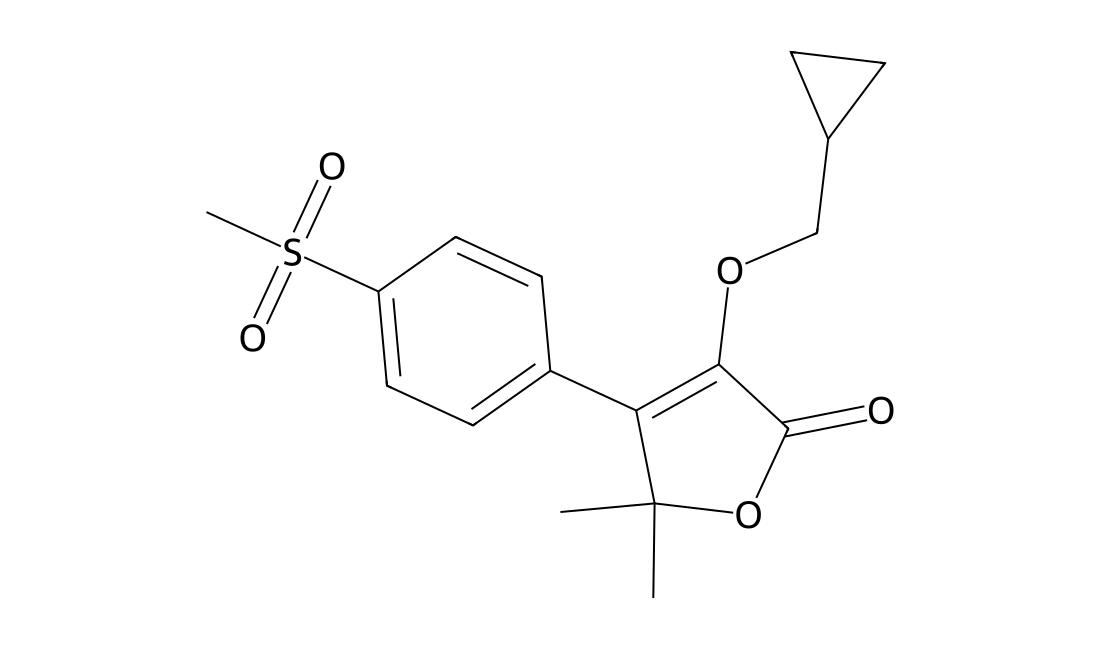
DC8917

Firocoxib

CAS 189954-96-9

Firocoxib(ML 1785713) is a potent and selective cyclooxygenase (COX)-2 inhibitor with IC50 of 0.13 uM, 58 fold sensitivity for COX2 VSCOX1.

Firocoxib chemical structure
DCAPI1181

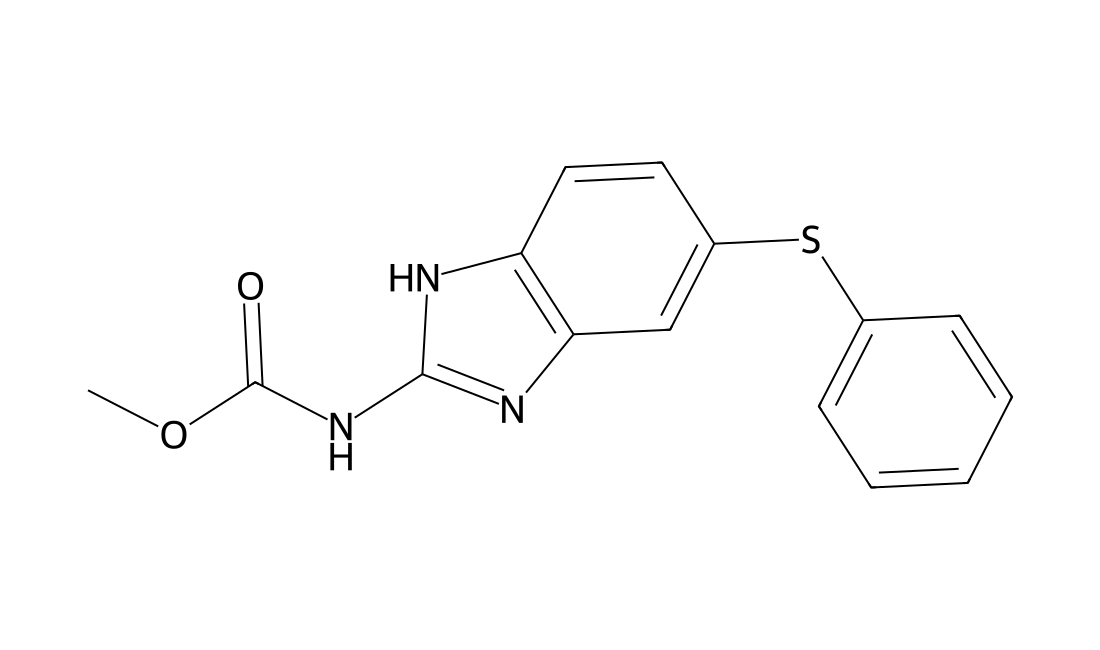
Fenbendazole (Panacur)

CAS 43210-67-9

For the detailed information of Fenbendazole (Panacur), the solubility of Fenbendazole (Panacur) in water, the solubility of Fenbendazole (Panacur) in DMSO, the solubility of Fenbendazole (Panacur) in PBS buffer, the animal experiment(test) (test) of Fenbendazole (Panacur), the cell expriment (test) of Fenbendazole (Panacur), the in vivo, in vitro and clinical trial test of Fenbendazole (Panacur), the EC50, IC50,and Affinity of Fenbendazole (Panacur),, please contact DC Chemicals.

Fenbendazole (Panacur) chemical structure
DC9884

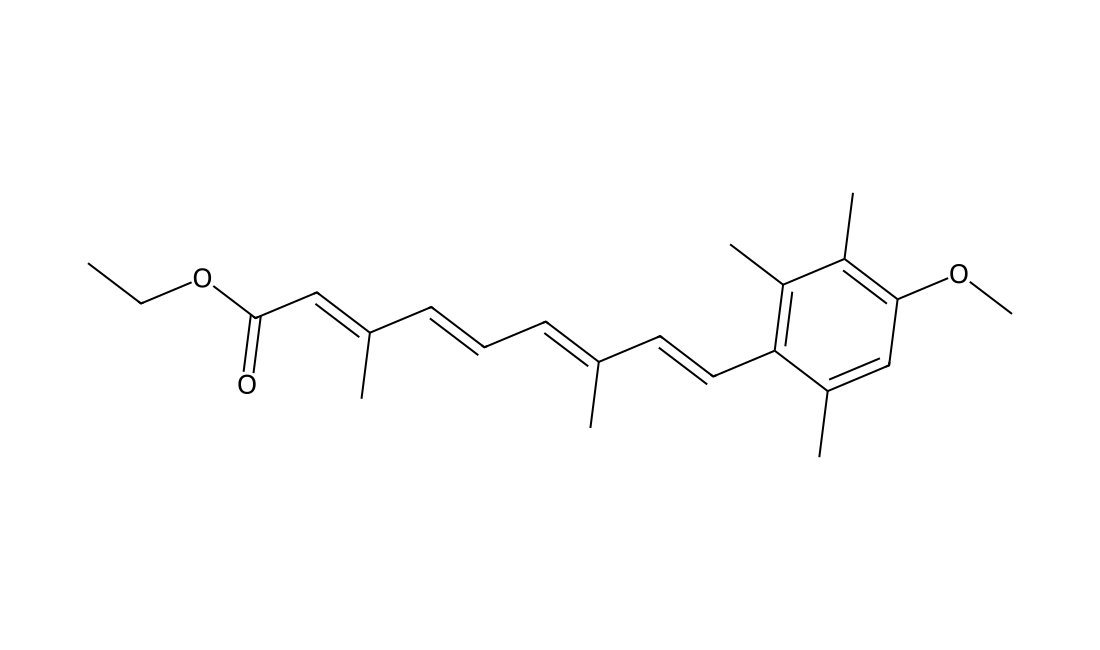
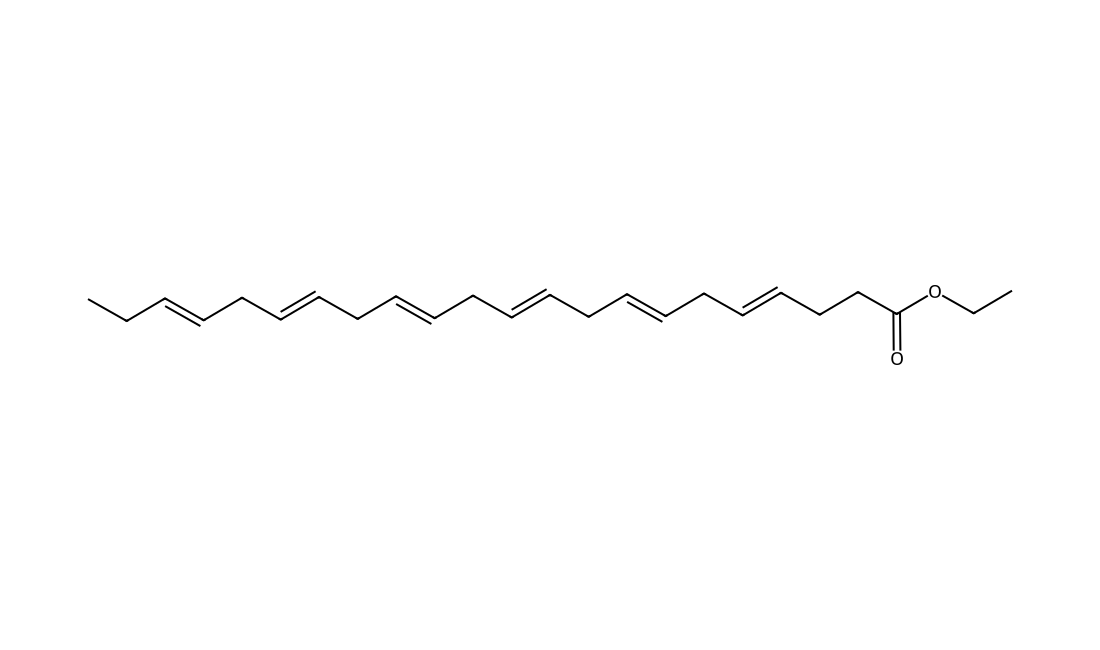
Etretinate

CAS 54350-48-0

Etretinate is an oral aromatic retinoid acid which is effective in psoriasis and other dermatological syndromes. It activates retinoid receptors, causing an induction of cell differentiation, inhibition of cell proliferation, and inhibition of tissue infiltration by inflammatory cells.

Etretinate chemical structure
DCAPI1235

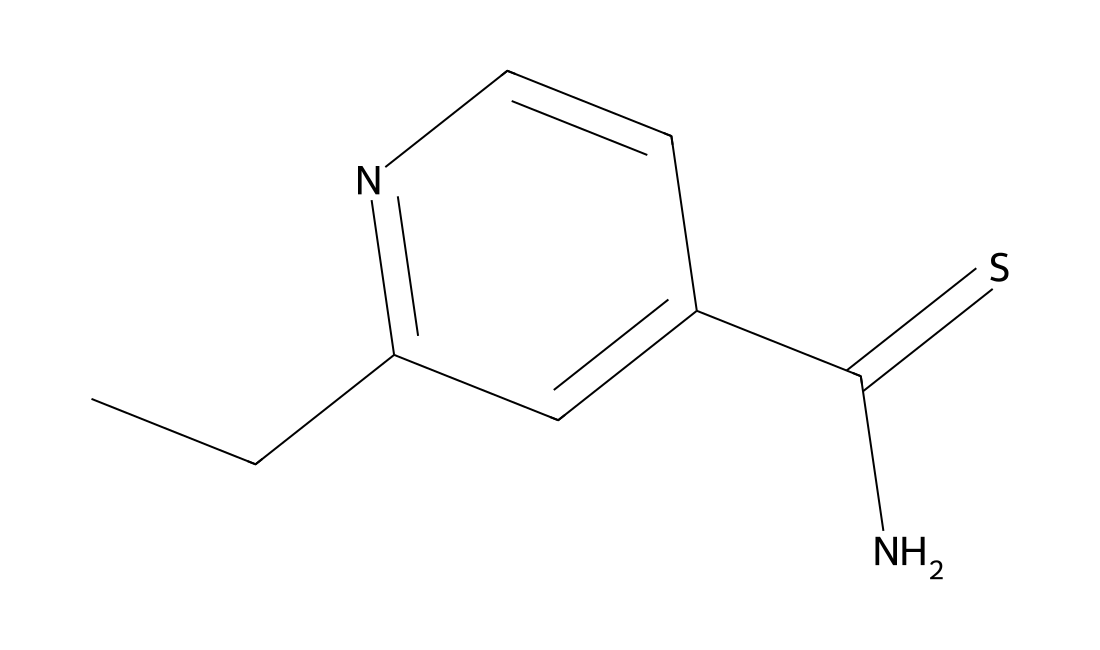
Ethionamide

CAS 536-33-4

For the detailed information of Ethionamide, the solubility of Ethionamide in water, the solubility of Ethionamide in DMSO, the solubility of Ethionamide in PBS buffer, the animal experiment(test) (test) of Ethionamide, the cell expriment (test) of Ethionamide, the in vivo, in vitro and clinical trial test of Ethionamide, the EC50, IC50,and Affinity of Ethionamide,, please contact DC Chemicals.

Ethionamide chemical structure
DC26000

EPZ019997

CAS 1628925-77-8

EPZ019997 is an orally active, reversible, and S-adenosyl-L-methionine (SAM) uncompetitive type I protein arginine methyltransferases (PRMTs) inhibitor (IC50=3.1 nM (PRMT1), 48 nM (PRMT3), 1148 nM (PRMT4), 5.7 nM (PRMT6), 1.7 nM (PRMT8)).

EPZ019997 chemical structure
DCAPI1380

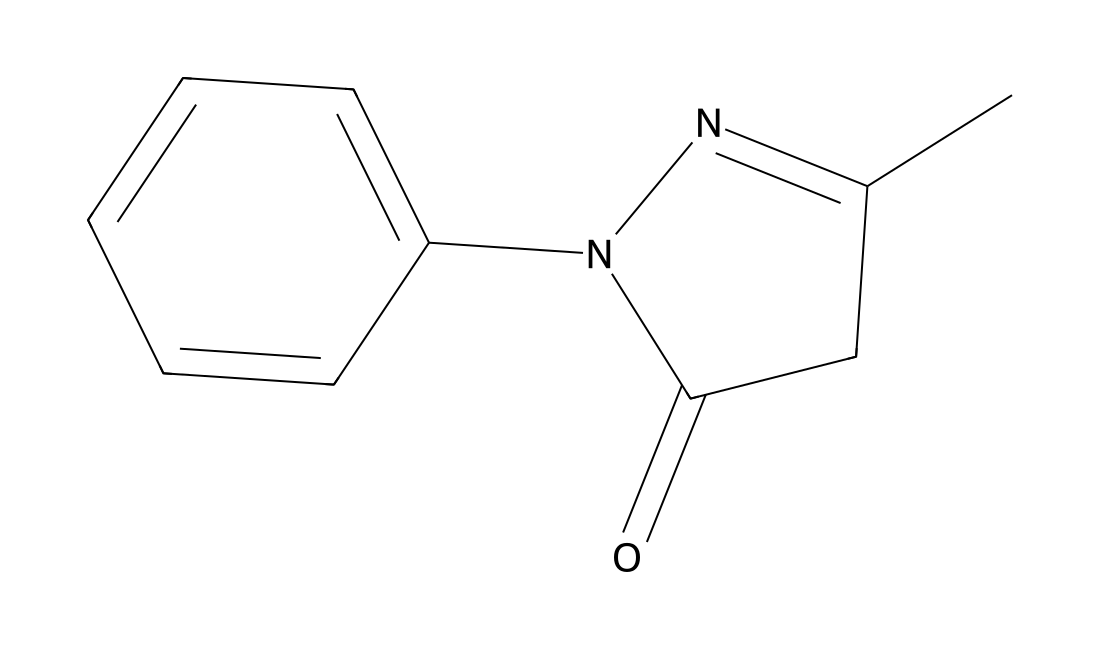
Edaravone (MCI-186)

CAS 89-25-8

For the detailed information of Edaravone (MCI-186), the solubility of Edaravone (MCI-186) in water, the solubility of Edaravone (MCI-186) in DMSO, the solubility of Edaravone (MCI-186) in PBS buffer, the animal experiment(test) (test) of Edaravone (MCI-186), the cell expriment (test) of Edaravone (MCI-186), the in vivo, in vitro and clinical trial test of Edaravone (MCI-186), the EC50, IC50,and Affinity of Edaravone (MCI-186),, please contact DC Chemicals.

Edaravone (MCI-186) chemical structure
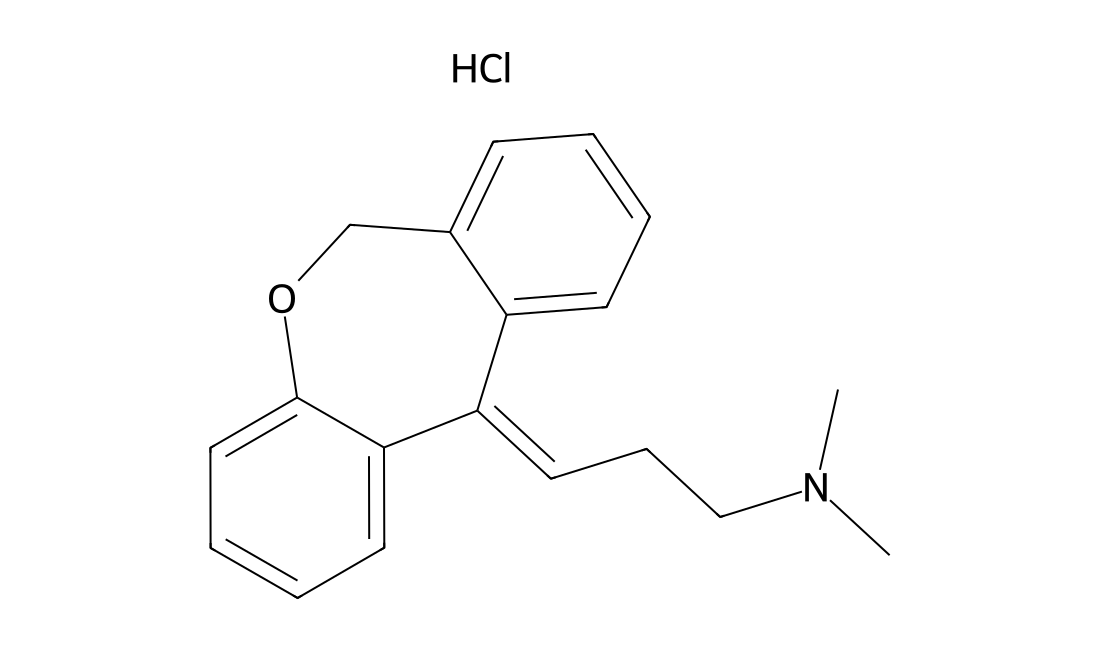
DC9061

Doxepin HCl

CAS 1229-29-4

Doxepin HCl is a tricyclic antidepressant that is marketed worldwide.Doxepin inhibits the reuptake of serotonin and norepinephrine and acts as a antagonist at various serotonergic, adrenergic, musacrinic, dopaminergic and histaminergic receptors. In the doxepin-treated patients who completed the study (N = 20, 47.6+/-11.3), medication significantly increased sleep efficiency after acute (night 1, p < or = .001) and subchronic (night 28, p < or = .05) intake compared with the patients who received placebo (N = 20, 47.4+/-16.8 years of age). Doxepin to cause significantly (p < or = .05) better global improvement at the first day of treatment.

Doxepin HCl chemical structure
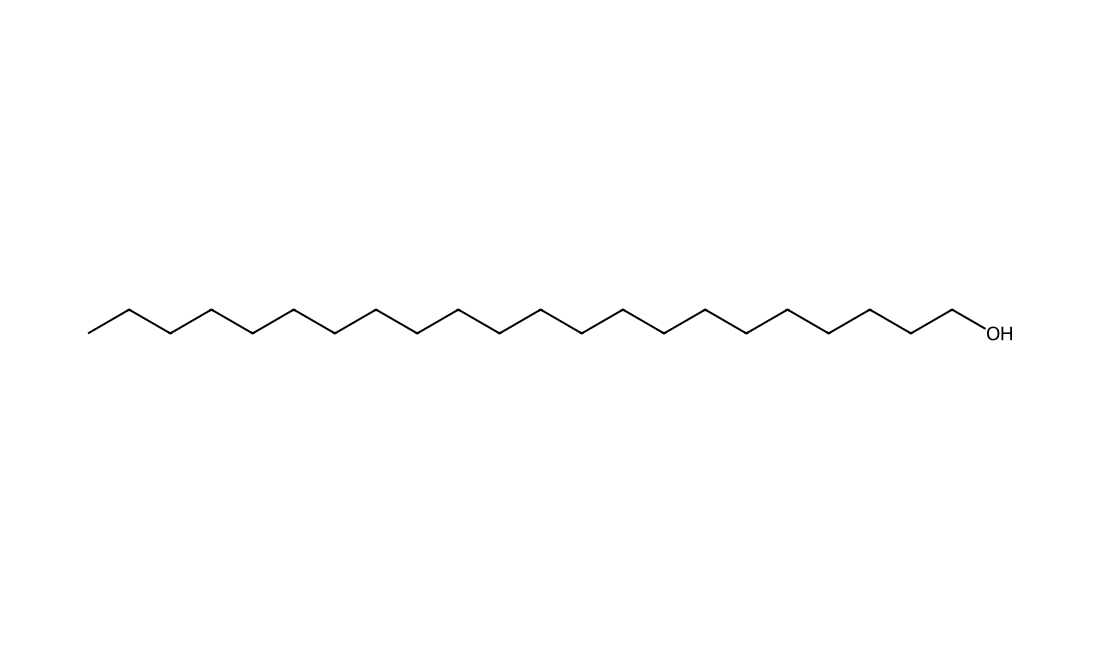
DCAPI1299

Docosanol (Abreva)

CAS 661-19-8

For the detailed information of Docosanol (Abreva), the solubility of Docosanol (Abreva) in water, the solubility of Docosanol (Abreva) in DMSO, the solubility of Docosanol (Abreva) in PBS buffer, the animal experiment(test) (test) of Docosanol (Abreva), the cell expriment (test) of Docosanol (Abreva), the in vivo, in vitro and clinical trial test of Docosanol (Abreva), the EC50, IC50,and Affinity of Docosanol (Abreva),, please contact DC Chemicals.

Docosanol (Abreva) chemical structure
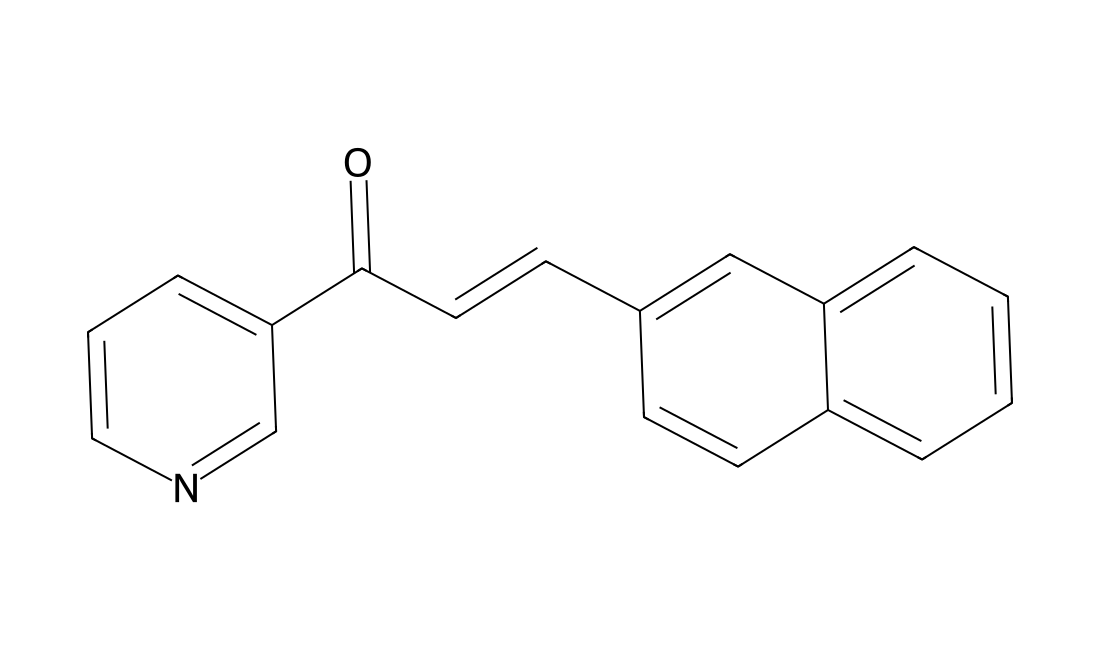
DC12079

DMU2105

CAS 1821143-79-6

In Vitro DMU2105 (Compound 7k) shows 74 and 120-fold selectivity for CYP1B1 over CYP1A1 and CYP1A2. In the presence of DMU2105 however, the EC50 goes down to 1 μM indicating that the cells had suffered from toxicity which may have been mediated by CYP1B1 inhibition. Un-transfected cells (HEK293: pcDNA3.1), when treated with cisplatin and DMU2105 (10×IC50) do not show any perceptible decrease of cisplatin EC50 (8.5 μM ± 0.9).

DMU2105 chemical structure
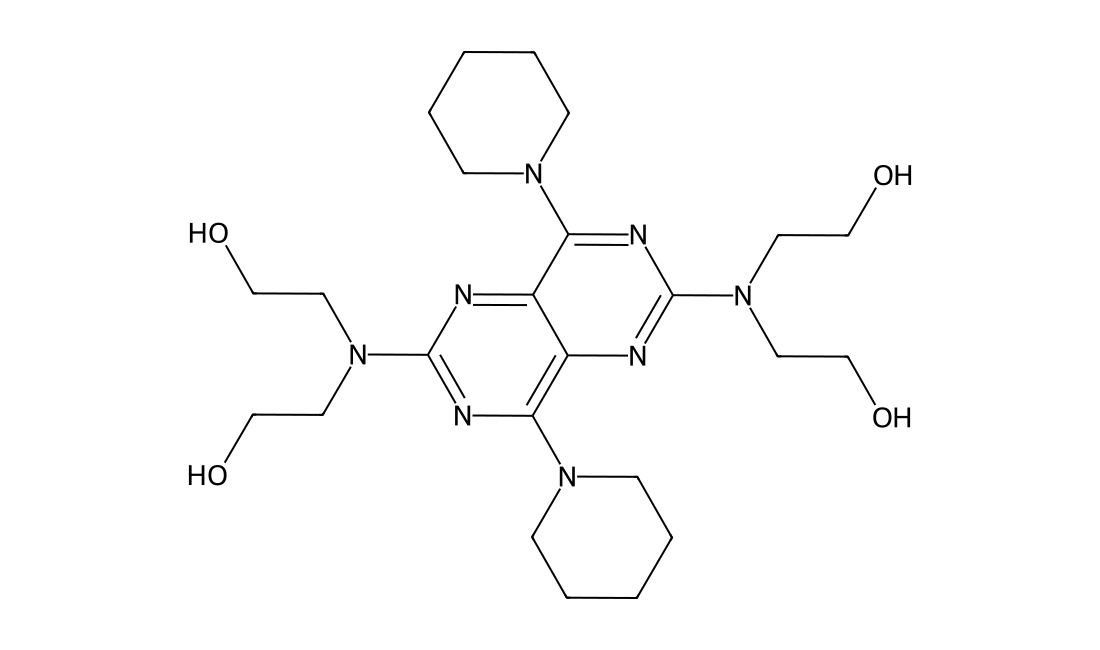
DCAPI1267

Dipyridamole (Persantine)

CAS 58-32-2

For the detailed information of Dipyridamole (Persantine), the solubility of Dipyridamole (Persantine) in water, the solubility of Dipyridamole (Persantine) in DMSO, the solubility of Dipyridamole (Persantine) in PBS buffer, the animal experiment(test) (test) of Dipyridamole (Persantine), the cell expriment (test) of Dipyridamole (Persantine), the in vivo, in vitro and clinical trial test of Dipyridamole (Persantine), the EC50, IC50,and Affinity of Dipyridamole (Persantine),, please contact DC Chemicals.
Dipyridamole (Persantine) chemical structure
Browse target & topic index A–Z (366)
11β-HSD (1)15-PGDH (2)5-HT Receptor (16)Acetyl-CoA Carboxylase (ACC) (3)Acetylcholinesterase (AChE) (2)Ack1 (TNK2) (1)Acyltransferase (1)ADC Cytotoxin (6)ADCs Linker/Click Chemistry (5)Adenosine Receptor (9)Adenylate Cyclase (2)Adrenergic Receptor (11)Akt (12)Alcoholism (2)Aldehyde Dehydrogenase (ALDH) (6)Allergy (5)Alzheimer Disease (13)Aminopeptidase (1)AMPK (8)Amyloids (4)Anaplastic Lymphoma Kinase (ALK) (9)Androgen Receptor (AR) (11)Anemia (4)Angiotensin Receptor (4)Antibody/Protein labeling dyes (1)Antifolate (2)Anxiety (1)Apoptosis Inducer (3)Arginase (1)Arp2/3 complex (1)Aryl hydrocarbon Receptor (AhR) (1)Asthma (5)Atherosclerosis (2)ATM/ATR (8)Aurora Kinase (10)Autophagy (6)Autophagy-related Protein (Atg) (2)Autotaxin (2)Bacterial (26)Bacterial Infection (17)Bcl-2 (14)Bcr-Abl (5)BCRP (1)Beta-catenin (4)Beta-secretase (BACE) (4)Blood Cancer (91)BMI-1 (1)Bone Cancer (6)Brain Cancer (6)Breast Cancer (30)Bromodomain (22)BTK (10)c-Fms (CSF1R) (5)c-Fos/AP-1 (1)c-Kit (6)c-Met (HGFR) (11)c-Myc (2)Calcium Channel (4)Calcium-sensing Receptor (CaSR) (1)CaMK (4)Cannabinoid Receptor (6)Carbonic Anhydrase (1)Carboxypeptidase (1)Casein Kinase (6)Caspase (4)Cathepsin (6)Cdc2-like Kinase (CLK) (1)CETP (2)CFTR (7)Checkpoint Kinase (Chk) (8)Chemokine Receptor (CCR and CXCR) (14)Chemotherapeutic Agents (19)Chloride Channel (1)CMV (2)CMV Infection (2)Colon Cancer (9)Complement System (1)COPD (3)CREB/CBP (2)CRF Receptor (2)CRISPR/Cas9 (1)Cushing Disease (1)Cyclin-dependent Kinase (CDK) (39)Cyclooxygenase (COX) (4)Cytochrome P450 (CYPs) (5)Depression (2)Dermatitis (2)Deubiquitinase (DUB) (7)Diabetes (20)Dipeptidyl Peptidase (DPP) (3)Discoidin Domain Receptor (DDR) (1)DNA Alkylator/Crosslinker (10)DNA Methyltransferase (DNMT) (1)DNA Repair Protein (1)DNA-PK (2)DNA/RNA Synthesis (5)Dopamine beta-hydroxylase (1)Dopamine Receptor (7)Drug Metabolite (1)Drug-Linker Conjugates (11)Dyes (4)DYRK (1)Dyslipidemia (9)E3 Ligase Ligand (6)E3 Ligase Ligand-Linker Conjugate (1)E3 Ubiquitin Ligase (4)Ebola Virus Infection (1)EGFR (32)Elastase (2)Endothelin Receptor (5)Enzymes substrates (13)Epigenetic Reader Domain (3)Epilepsy (4)ERK (4)Estrogen Receptor/ERR (13)Eukaryotic Initiation Factor (eIF) (2)Exportin-1 (CRM1,XPO1) (2)FABP (1)Factor Xa (5)Farnesoid X Receptor (FXR) (5)Farnesyl transferase (FTase) (1)Ferroptosis (6)FGFR (15)Fibrosis (5)FLT3 (6)Focal Adhesion Kinase (FAK) (11)Foxo1 (1)Free Fatty Acid Receptor (FFAR) (5)Fungal (2)Fungal Infection (1)GABA Receptor (13)Galectin (1)Gastric Cancer (8)Ghrelin Receptor (GHSR) (3)Glucagon Receptor (4)Glucokinase (2)Glucose Transporter (GLUT) (2)Glutamate Transporter (2)GPCR (1)GPER (GPR30) (1)GPR139 (1)GPR183 (EBI2) (2)GPR39 (1)GPR55 (1)GPR84 (1)GRK (GPCRK) (2)Growth Hormone Deficiency (2)GSK-3 (8)Guanylate Cyclase (3)HBV (1)HBV Infection (1)HCN Channel (2)HCV (8)HCV Infection (9)HDAC (38)Heart Arrhythmia (2)Heart Failure (5)Heat Shock Protein (HSP) (15)Hedgehog (Hh) (1)HIF/HIF Prolyl-hydroxylase (8)Histamine Receptor (6)Histone Acetyltransferase (HAT) (5)Histone Demethylase (11)Histone Methyltransferase (HMTase) (31)HIV (12)HIV Infection (11)HMG-CoA Reductase (HMGCR) (3)HSV (1)HSV Infection (1)Hypercholesterolemia (1)Hyperparathyroidism (1)Hypertension (8)IAP (1)IGF-1R (3)iGluR (15)Indoleamine 2,3-Dioxygenase (IDO) (4)Infection (1)Influenza (6)Influenza Virus (6)Insulin Receptor (2)Integrin (6)Interleukin Receptor (1)IRAK (2)IRE1 (4)Irritable Bowel Syndrome (2)Ischemia (1)Isocitrate Dehydrogenase (IDH) (5)ITK (1)IκB kinase (IKK) (7)JAK (32)JNK (3)Keap1-Nrf2 (6)Kidney Cancer (10)Kinesin (5)Kruppel-like Factor (KLF) (1)Kynurenine 3-Monooxygenase (KMO) (1)Leukotriene Receptor (1)LIM Kinase (LIMK) (3)Lipids fragment (1)Liver Cancer (6)Liver X Receptor (LXR) (3)LRRK2 (9)Lung Cancer (39)Lysophospholipid Receptor (12)LYTACs (3)mAChR (9)MALT1 (2)MAP4K (1)Matrix Metalloproteinase (MMP) (10)MDM2-p53 (9)MEK (MAP2K) (14)MEKK (MAP3K) (1)Melanocortin Receptor (2)MELK (1)mGluR (7)MicroRNA (1)Microtubule/Tubulin (5)Mineralocorticoid Receptor (MLR) (1)MITF (1)Mixed Lineage Kinase (MLK) (3)MNK (2)Molecular Glues (13)Monoamine Transporter (5)Monocarboxylate Transporter (MCT) (1)Monopolar Spindle 1 (Mps1/TTK) (3)mTOR (13)Multiple Sclerosis (6)Myosin (1)Na-K-Cl Cotransporter (NKCC) (2)nAChR (2)NADPH Oxidase (NOX) (2)NAMPT (3)Natural products (37)Neprilysin (1)Neurokinin Receptor (3)Neuropeptide Y Receptor (3)NF-κB (5)Nitric Oxide Synthase (NOS) (1)NOD-like Receptor (NLR) (3)Notch (2)Nucleoside Antimetabolite/Analog (10)Nur77 (NR4A1) (1)Obesity (1)Oct3/4 (1)Opioid Receptor (5)Orexin Receptor (7)Osteoporosis (2)Ovarian Cancer (14)Oxytocin Receptor (OXTR) (2)P-glycoprotein (P-gp) (3)p21-activated Kinase (PAK) (1)P2X Receptor (2)P2Y Receptor (1)p38 MAPK (10)p97/VCP (1)Pain (12)Pancreatic Cancer (10)Parasite (5)Parasite Infection (2)Parkinson Disease (2)PARP (19)PCSK9 (1)PD-1/PD-L1 (4)PDGFR (4)PDK1 (2)PEGn (1)PERK (2)PGE synthase (2)Phosphodiesterase (PDE) (9)Phospholipase (4)PI3K (32)PI4K (2)Piezo Channel (1)PIKfyve (3)Pim (9)PKC (12)PKD (1)Plasminogen Activator Inhibitor-1 (PAI-1) (3)Polo-like Kinase (PLK) (4)Porcupine (3)Potassium Channel (13)PPAR (13)Pregnane X Receptor (PXR) (1)Progesterone Receptor (2)Prostaglandin Receptor (11)Prostate Cancer (7)PROTACs (35)Protease-activated Receptor (PAR) (3)Proteasome (12)Protein Disulfide Isomerase (PDI) (1)Protein Phosphatase/PTP (6)Proton Pump (1)Psoriasis (5)RAD51 (1)Radioligand precursors (15)Raf (18)RAR/RXR (3)Ras (17)Renin (2)RET Tyrosine Kinase (c-RET) (3)Rheumatoid Arthritis (16)Ribosomal S6 Kinase (RSK) (5)RIG-I-like Receptor (RLR) (2)RIP kinase (7)ROCK (12)ROR (2)RSV (4)RSV Infection (3)RUNX1-CBFβ (1)S-nitrosoglutathione reductase (GSNOR) (1)Saccharides and Glycosides (1)Salt Inducible Kinase (SIK) (2)SARS-CoV (16)SARS-CoV Infection (34)Schizophrenia (4)Sexual Dysfunction (1)SGLT (4)Sigma Receptor (4)Sirtuin (9)Skin Cancer (13)Sleep Disorder (7)SMN2 Modulator (1)Smoothened (Smo) (9)Sodium Channel (12)Solid Tumors (35)Somatostatin Receptor (2)Sphingosine kinase (SphK) (2)Src (7)STAT (5)Stearoyl-CoA Desaturase (SCD) (1)Steatohepatitis (7)Sterol lipids (1)STING (14)Syk (6)T Cell Receptor (TCR) (1)TAK1 (2)TAM Receptor (Tyro3-Axl-Mer) (4)Taste Receptor (1)Telomerase (2)TGF beta Receptor (TGFBR) (12)Thrombin (3)Thrombosis (13)Thyroid Cancer (1)Thyroid Hormone Receptor (THR) (1)Thyrotropin Receptor (2)TNIK (1)Toll-like Receptor (TLR) (2)TOPK (1)Topoisomerase (11)TRAIL (1)Translocator Protein (TSPO) (1)Trk Receptor (4)TRP Channel (13)Tryptophan Hydroxylase (TPH) (1)Ubiquitin-activating Enzyme (E1) (2)Ubiquitin-conjugating Enzyme (E2) (2)Ulcer (1)ULK (3)Vasopressin Receptor (2)VEGFR (25)Vitamin D Receptor (VDR) (3)Wee1 (1)WNK Kinase (1)Wnt (5)Yes-associated Protein (YAP) (4)γ-secretase (5)

Cart

Request quotation