Home/Small Molecules/Other Research Tools

Other Research Tools

Additional reagents, chemical building blocks and specialized research tools.

Browse all research categories

Browse by research category

Products may appear in more than one category. Counts refer to distinct catalog numbers within each category.

Other Research Tools (75) · Additional reagents, building blocks and specialized research tools.

Other Research Tools products

Combine a keyword, research category and target to narrow the product list.

Loading catalog filters…

959 products · Showing 145–192

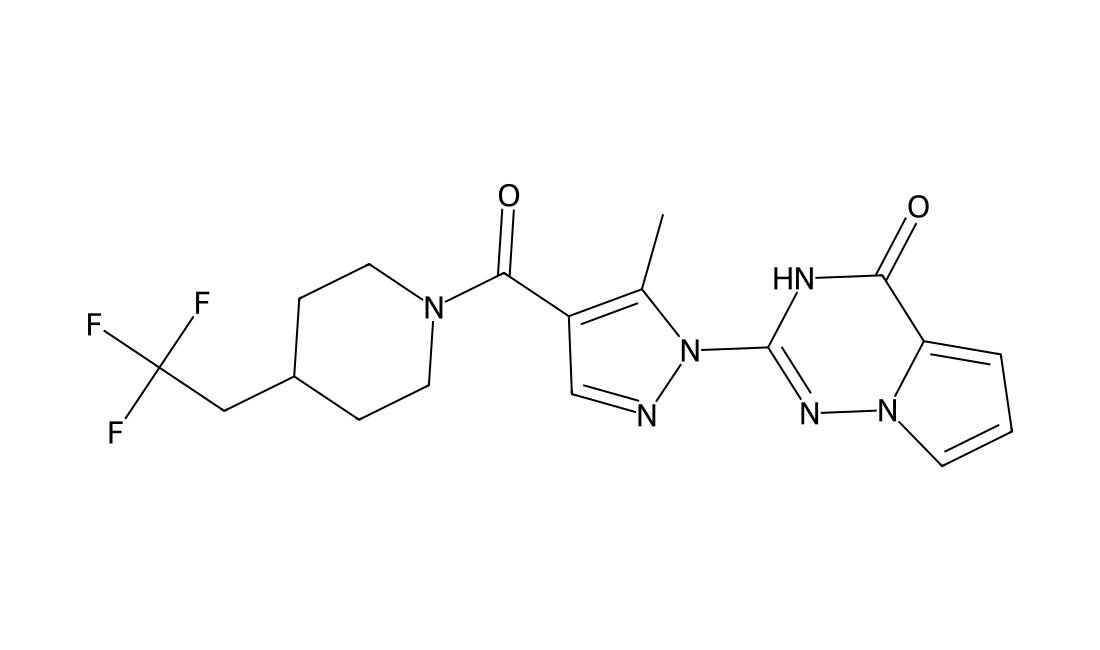
DC7525

USP7-USP47 inhibitor

CAS 1247825-37-1

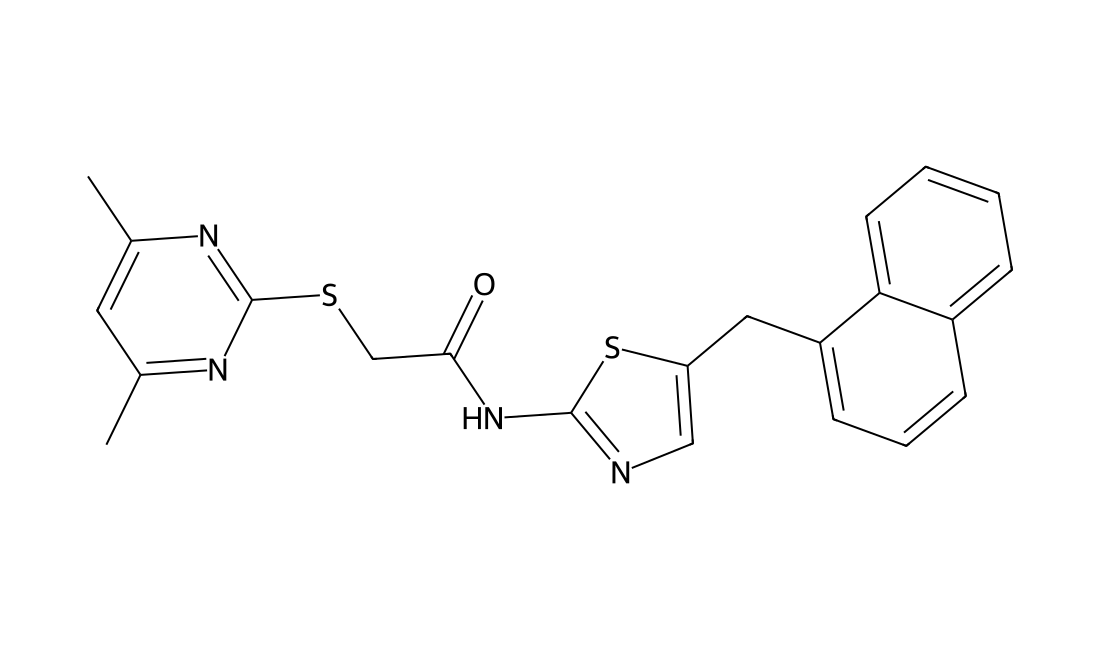
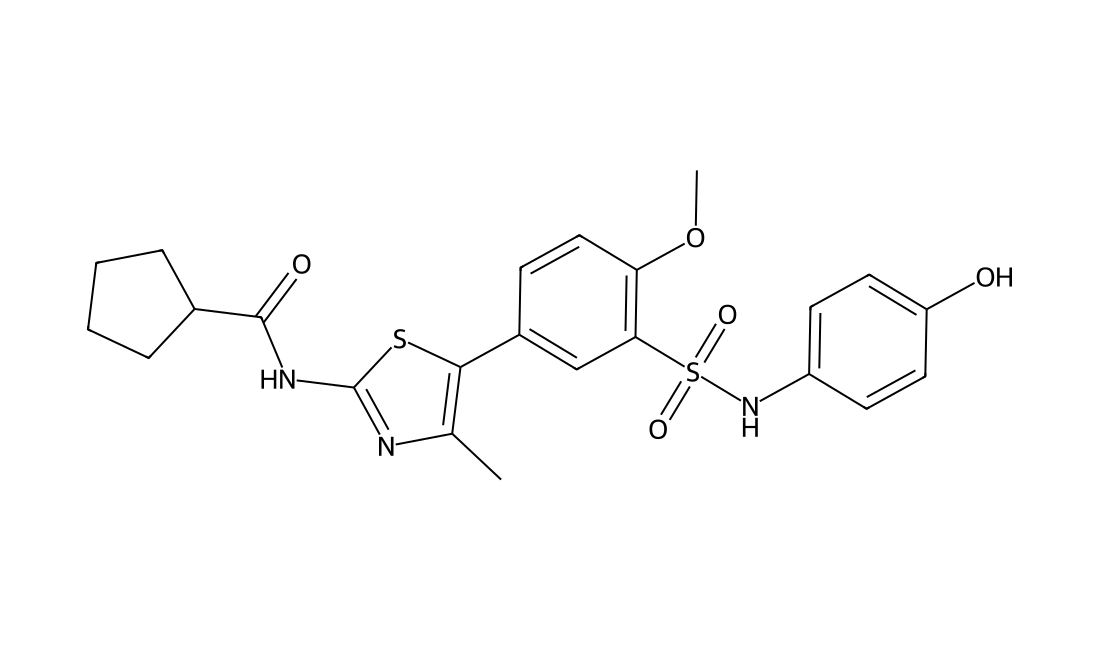
USP7/USP47 inhibitor is a potent and dual inhibitor of USP7/USP47 with IC50s of 0.42 uM(USP7) and 1.0 uM(USP47). IC50 value: 0.42/1.0 uM (USP7/47) Target: USP7/USP47 USP7/USP47 inhibitor(compound 14) is a selective USP7 (EC50= 0.42 μM)/USP47 (EC50= 1.0 μM) inhibitor but does not inhibit caspase 3, calpain 1, 20S proteasome, and a panel of representative USPs (USP2, USP5, USP8, USP21, and USP28; EC50 > 31.6 μM Selective Dual Inhibitors of the Cancer-Related Deubiquitylating Proteases USP7 and USP47. compound 14 exhibits enhanced potency against HCT-116 cells. treatment of cells with compound 14 resulted in an increase in p53 and an appreciable induction of p21 protein over the DMSO control. Thus, compound 14 penetrated the cells and modulated p53 and p21 as expected For a USP7 inhibitor .For the detailed information of USP7-USP47 inhibitor, the solubility of USP7-USP47 inhibitor in water, the solubility of USP7-USP47 inhibitor in DMSO, the solubility of USP7-USP47 inhibitor in PBS buffer, the animal experiment (test) of USP7-USP47 inhibitor, the cell expriment (test) of USP7-USP47 inhibitor, the in vivo, in vitro and clinical trial test of USP7-USP47 inhibitor, the EC50, IC50,and Affinity of USP7-USP47 inhibitor, Please contact DC Chemicals.
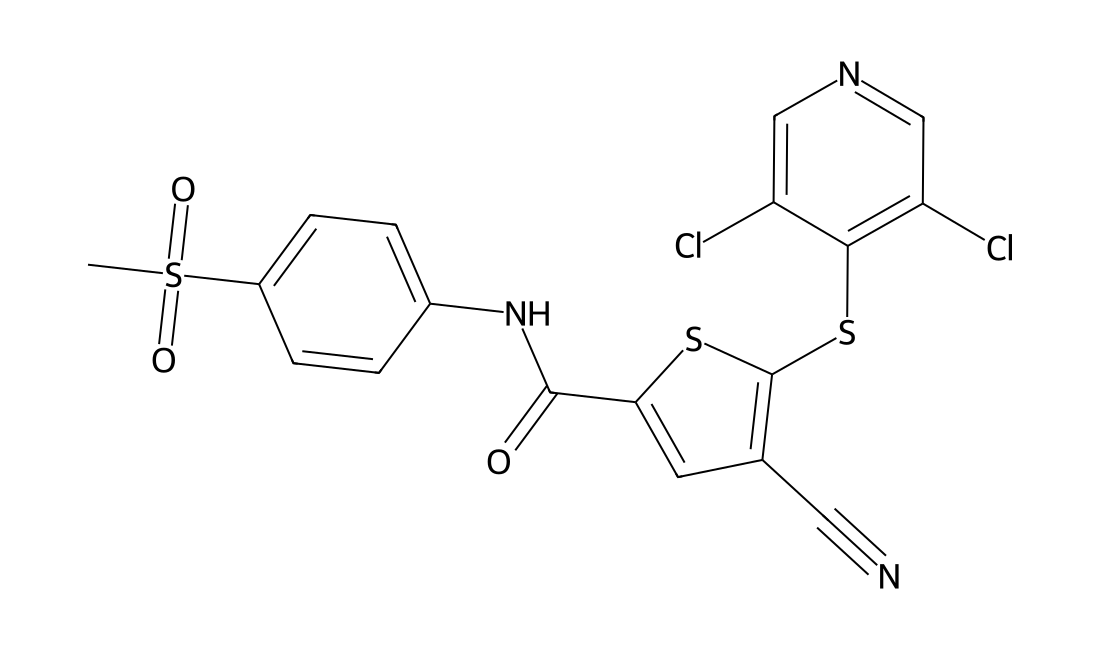
USP7-USP47 inhibitor chemical structure
DC4149

Ulinastatin

CAS 80449-31-6

For the detailed information about the solubility of Ulinastatin in water, the solubility of Ulinastatin in DMSO, the solubility of Ulinastatin in PBS buffer, the animal experiment(test) of Ulinastatin,the in vivo,in vitro and clinical trial test of Ulinastatin,the cell experiment(test) of Ulinastatin,the IC50, EC50 and Affinity of Ulinastatin, please contact DC Chemicals.

Ulinastatin chemical structure
DC9407

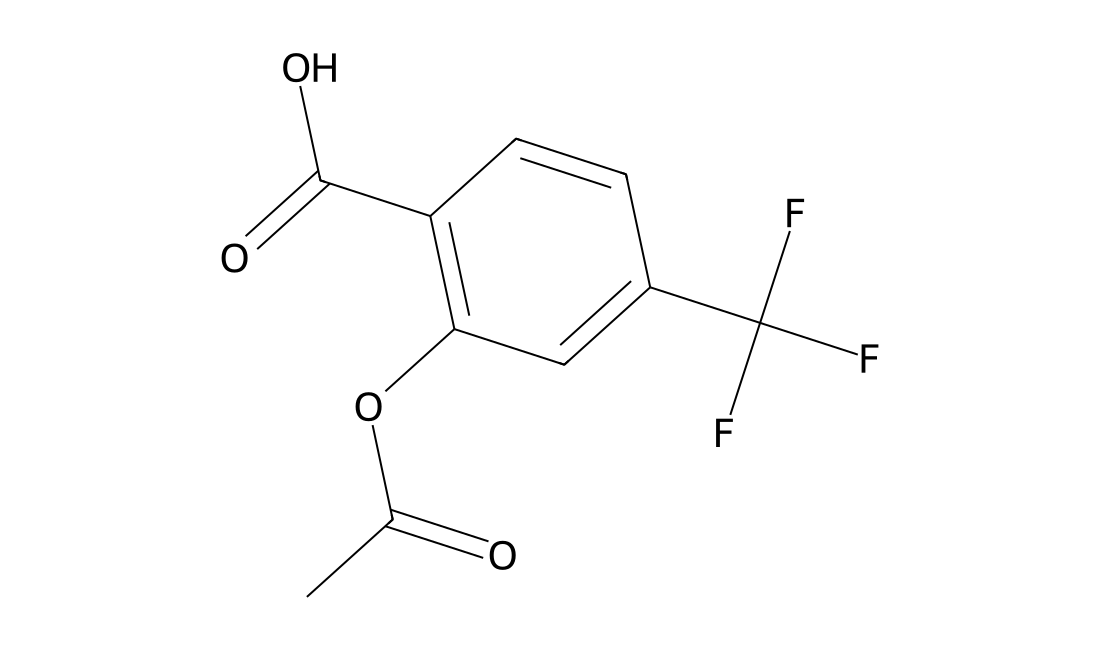
Triflusal

CAS 322-79-2

Triflusal irreversibly inhibits the production of thromboxane-B2 in platelets by acetylating cycloxygenase-1. Triflusal at 10 mM, 100 mM and 1 M decreases LDH efflux in rat brain slices after anoxia/reoxygenation by 24%, 35% and 49% respectively. Triflusal also reduces inducible NO synthase activity by 18%, 21% and 30%. Triflusal (10 mg/kg i.v.) reduces platelet deposition on subendothelium-induced primary thrombus by about 68% in rabbits. Triflusal (10 mg/kg i.v.) reduces platelet deposition on a fresh thrombus formed over tunica media by about 48% in rabbits. Triflusal (40 mg/kg p.o.) reduces platelet deposition on a primary thrombus triggered by subendothelium and tunica media by 53% in rabbits. Triflusal (40 mg/kg p.o.) significantly reduces Cox-2 mRNA levels and protein levels without influence Cox-1 mRNA levels on the vascular wall in rabbits. Triflusal (600 mg/day for 5 days) results in an increase in NO production by neutrophils and an increase in endothelial nitric oxide synthase (eNOS) protein expression in neutrophils in healthy volunteers.

Triflusal chemical structure
DC10251

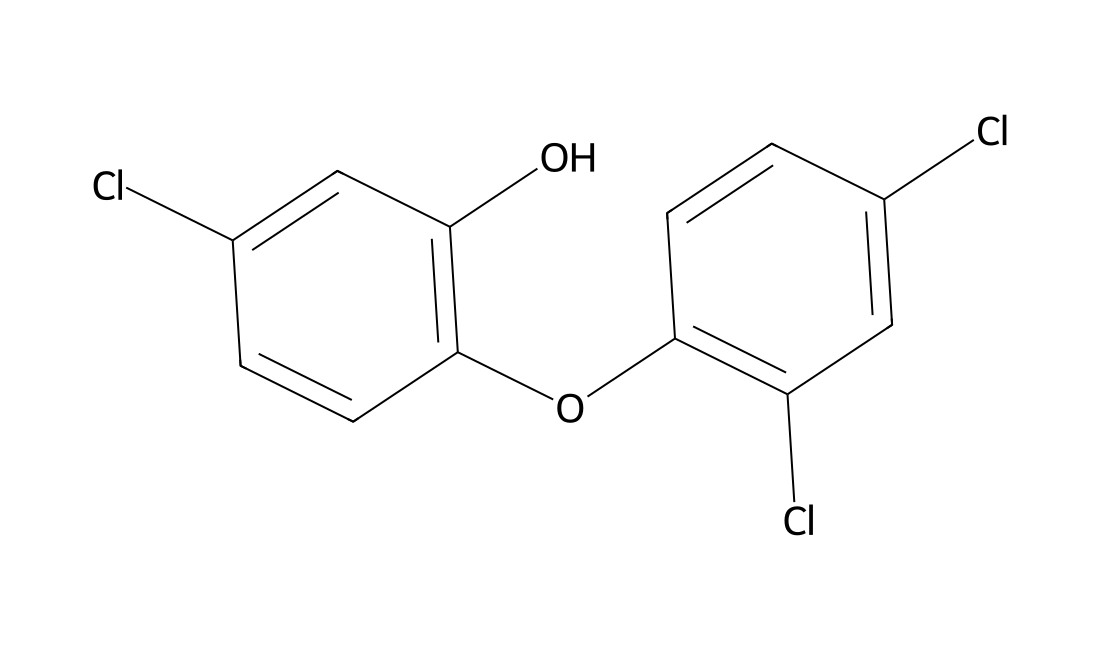
Triclosan

CAS 3380-34-5

Triclosan is a diphenyl ether derivative used in cosmetics and toilet soaps as an antiseptic. It has some bacteriostatic and fungistatic action.

Triclosan chemical structure
DCAPI1252

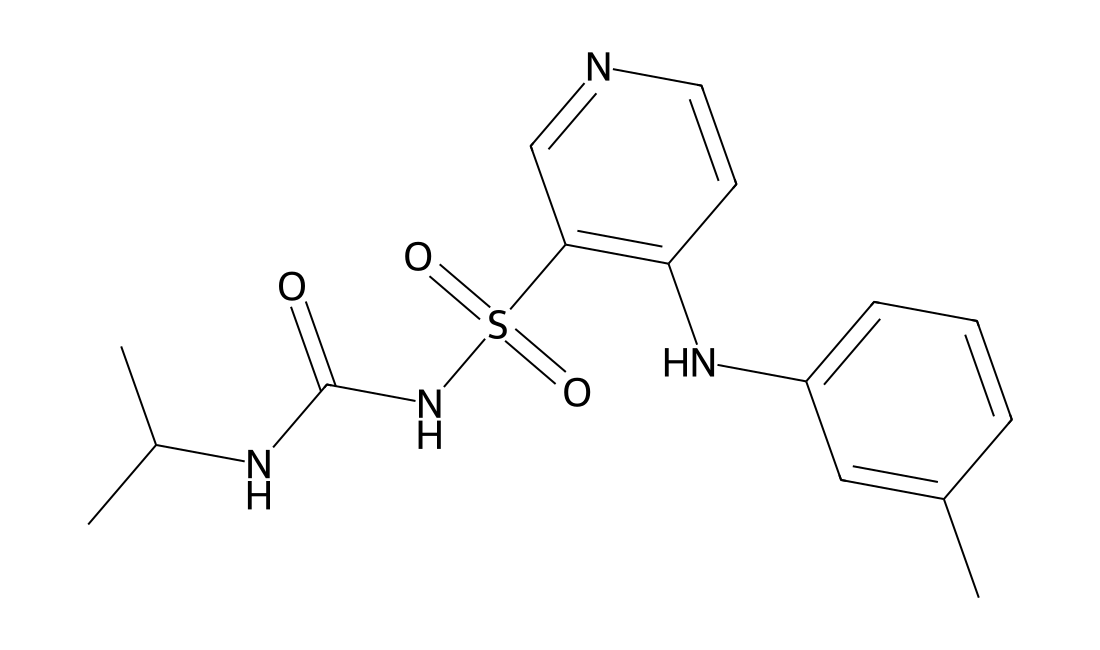
Torsemide (Demadex)

CAS 56211-40-6

For the detailed information of Torsemide (Demadex), the solubility of Torsemide (Demadex) in water, the solubility of Torsemide (Demadex) in DMSO, the solubility of Torsemide (Demadex) in PBS buffer, the animal experiment(test) (test) of Torsemide (Demadex), the cell expriment (test) of Torsemide (Demadex), the in vivo, in vitro and clinical trial test of Torsemide (Demadex), the EC50, IC50,and Affinity of Torsemide (Demadex),, please contact DC Chemicals.

Torsemide (Demadex) chemical structure
DC10381

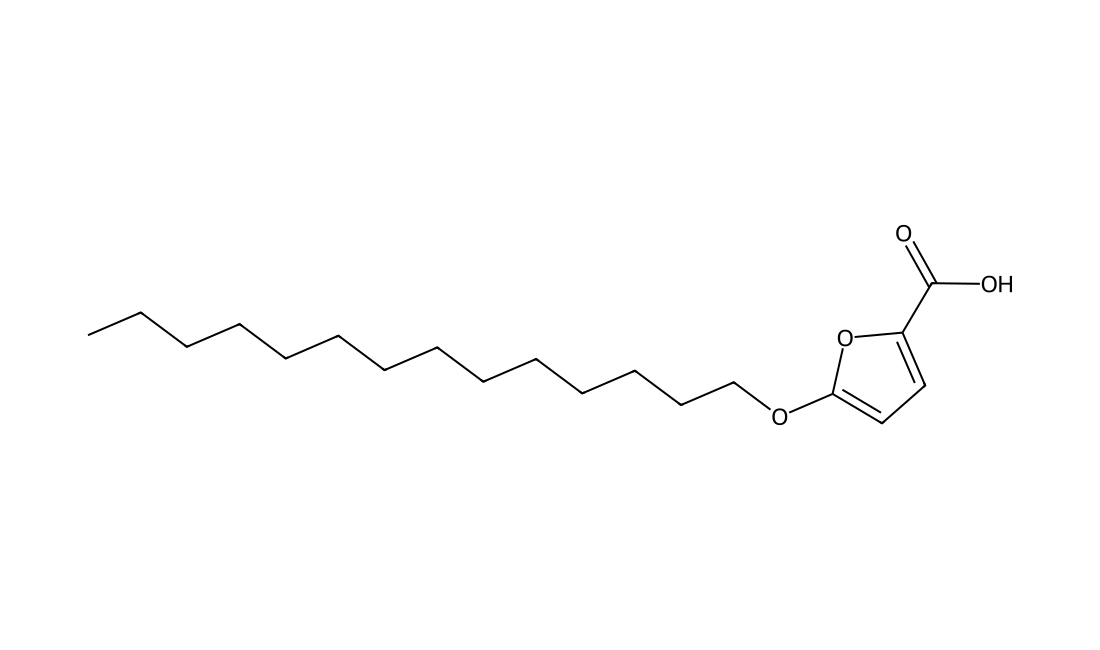
TOFA

CAS 54857-86-2

TOFA (5-tetradecyloxy-2-furoic acid) is cytotoxic to lung cancer cells NCI-H460 and colon carcinoma cells HCT-8 and HCT-15, with an IC50 at approximately 5.0, 5.0, and 4.5 μg/mL, respectively. TOFA at 1.0–20.0 μg/mL effectively blocks fatty acid synthesis and induces cell death in a dose-dependent manner. TOFA is found to be cytotoxic to COC1 and COC1/DDP cells with IC50 values of ~26.1 and 11.6 µg/mL, respectively. TOFA inhibits the proliferation of the cancer cells examined in a time and dose dependent manner, arrests the cells in the G0/G1 cell cycle phase and induces apoptosis. Acetyl-CoA-carboxylase-α (ACCA) is a key enzyme in the regulation of fatty acids synthesis. Inhibition of ACCA by TOFA decreases fatty acid synthesis and induces caspase activation and cell death in most PCa cell lines.TOFA inhibits COC1/DDP cell growth in ovarian tumor mouse xenografts. The tumor growth rate is signifi¬cantly inhibited by TOFA compared with the DMSO treated control mice (1649±356.3 vs. 5128±390.4 mm3. No toxicity is observed in the heart, liver, spleen, lung, kidney and intestinal tissues. By inhibiting ACC, TOFA may be a promising small molecule agent for ovarian cancer therapy.

TOFA chemical structure
DCAPI1605

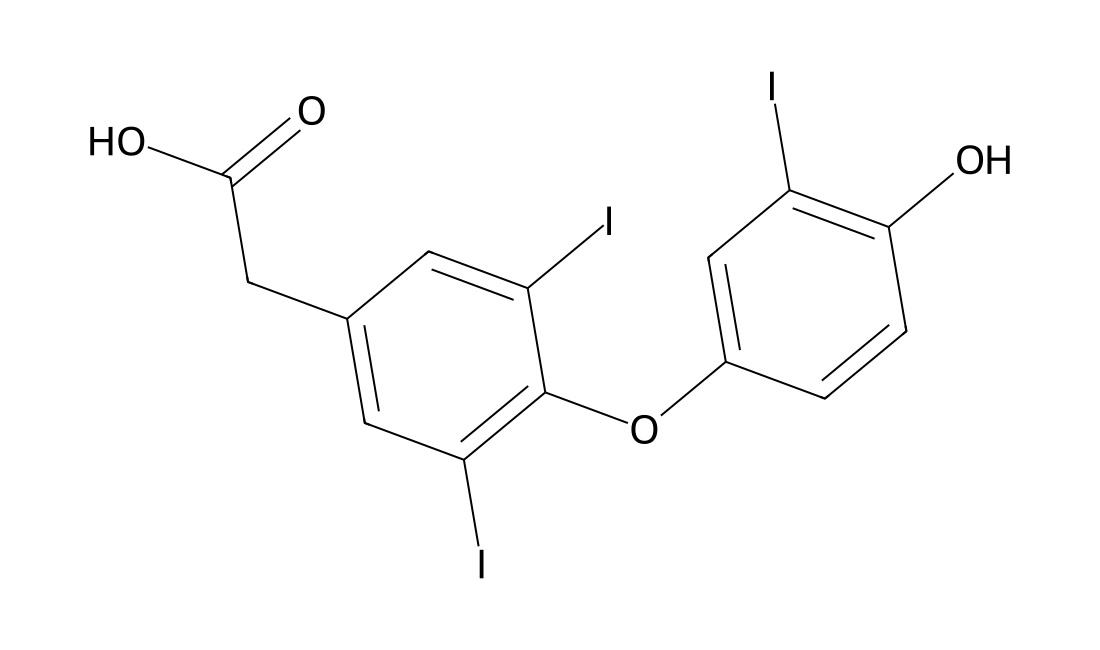
Tiratricol

CAS 51-24-1

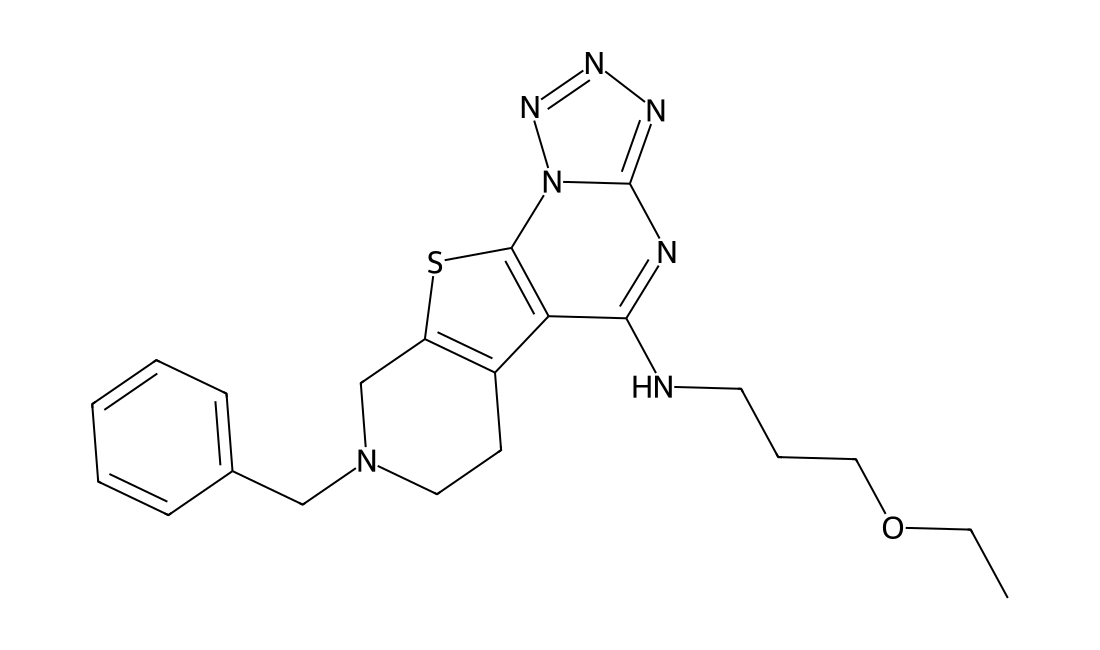
Tiratricol is indicated in the management of thyroid hormone resistance syndrome and is used, in combination with levothyroxine, to suppress thyroid-stimulating hormone production in patients with thyroid cancer.It has been investigated For use in reducing goiter. It has also shown some effectiveness in reducing the atrophy caused when using corticosteroids.For the detailed information of Tiratricol, the solubility of Tiratricol in water, the solubility of Tiratricol in DMSO, the solubility of Tiratricol in PBS buffer, the animal experiment (test) of Tiratricol, the cell expriment (test) of Tiratricol, the in vivo, in vitro and clinical trial test of Tiratricol, the EC50, IC50,and Affinity of Tiratricol, Please contact DC Chemicals.
Tiratricol chemical structure
DC23955

PF-04929113 Mesylate

CAS 1173111-67-5

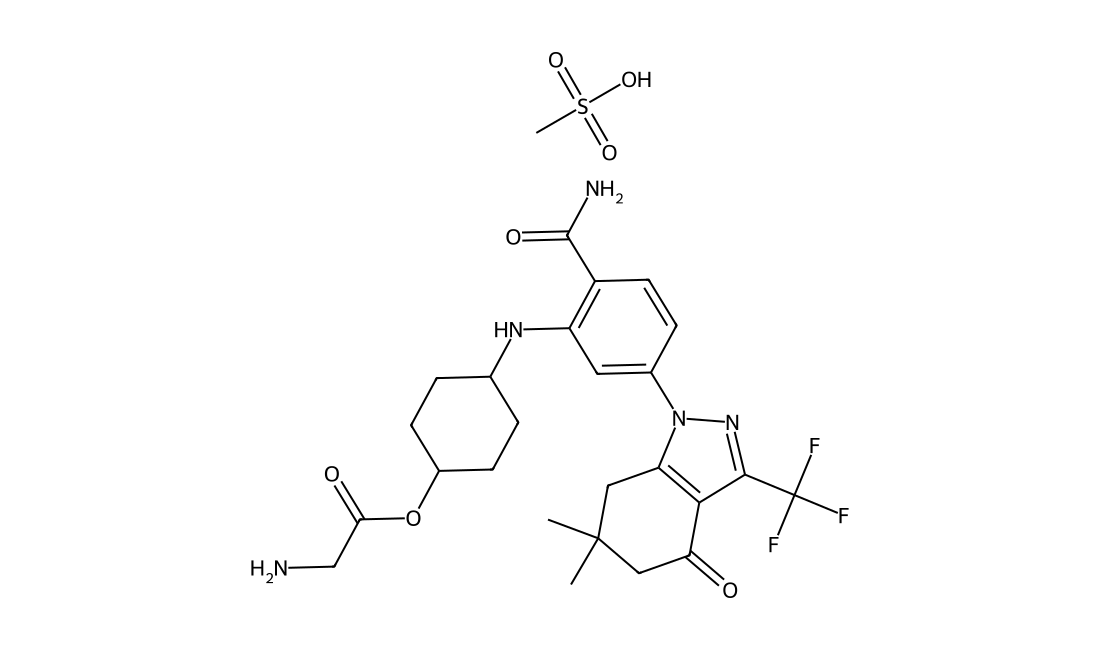
The prodrug of PF-04928473 (SNX-2112), a potent, orally bioavailable HSP90 inhibitor; inhibits several signaling pathways and induces apoptosis in CRPC LNCaP tumors in vivo.Blood CancerPhase 1 Clinical

PF-04929113 Mesylate chemical structure
DC8696

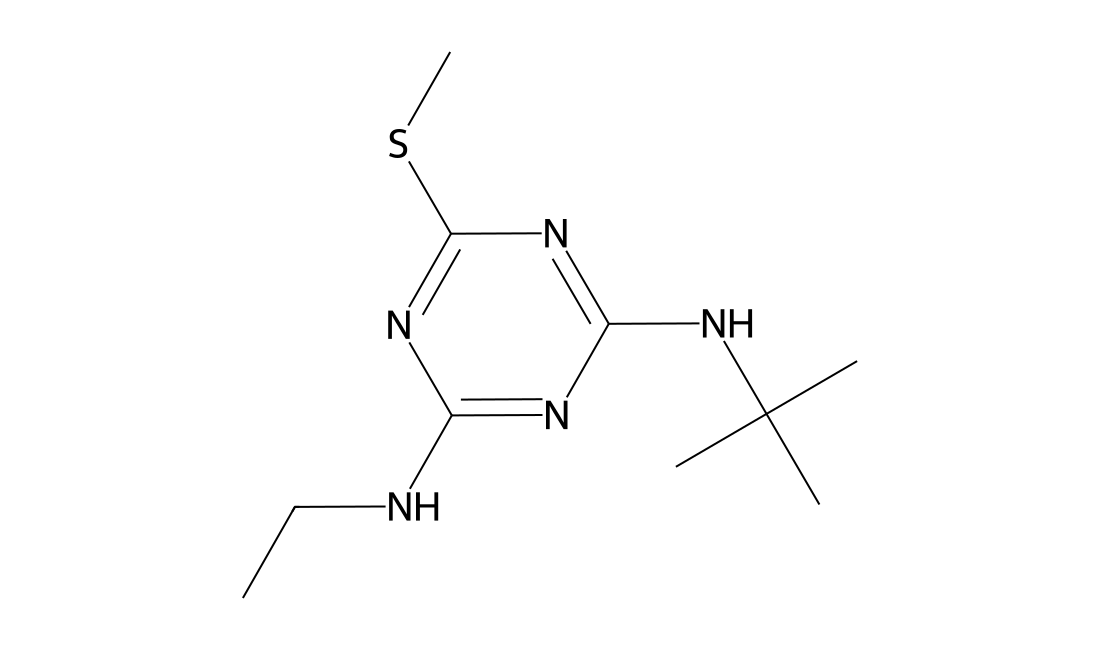
Terbutryn

CAS 886-50-0

Terbutryn is a selective herbicide and a triazine compound. It is absorbed by the roots and foliage and acts as an inhibitor of photosynthesis.

Terbutryn chemical structure
DC9072

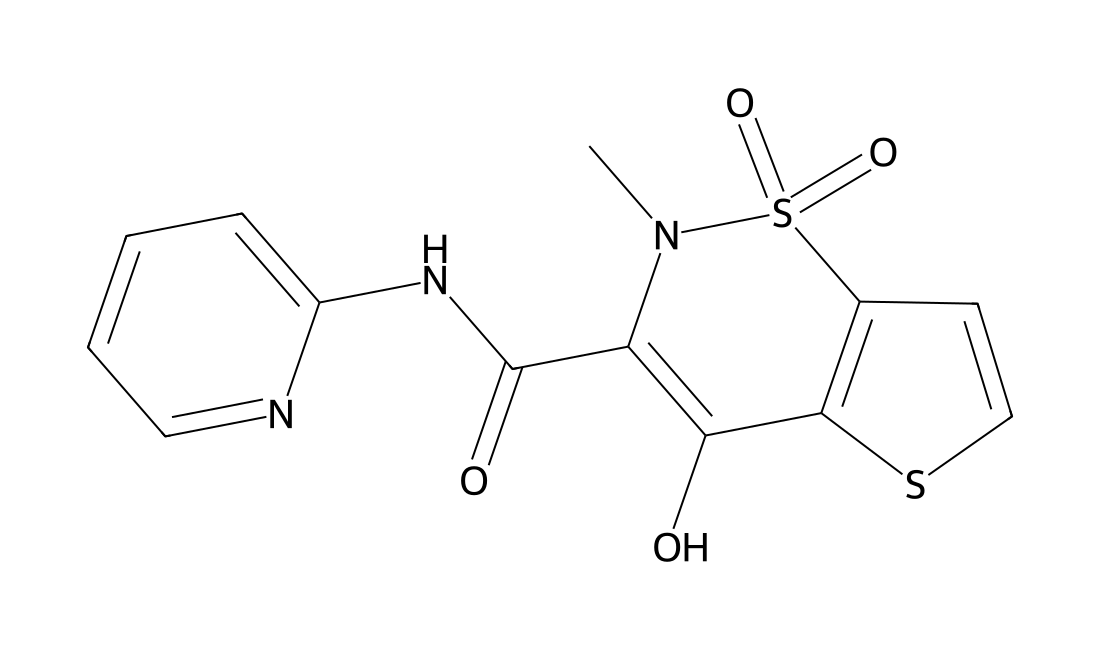
Tenoxicam

CAS 59804-37-4

Tenoxicam, an antiinflammatory agent with analgesic and antipyretic properties.Tenoxicam is a non-steroidal anti-inflammatory drug (NSAID). Tenoxicam-treated patients had significant decrease in nitrite levels (p = 0.036) and XO activity (p = 0.01), but their SOD, GSH-Px enzyme activities, and MDA levels were unchanged from baseline. Tenoxicam may have antioxidant effects, and it may reduce nitrite levels, indicating an alteration of NO pathways. Tenoxicam was administered intraperitoneally immediately after BCAO. Histological analyses show that ischemia produced significant striatal as well as hippocampal lesions which were reversed by the Tenoxicam treatment. Tenoxicam also significantly reduced, to control levels, the increased myeloperoxidase activity in hippocampus homogenates observed after ischemia.

Tenoxicam chemical structure
DCAPI1027

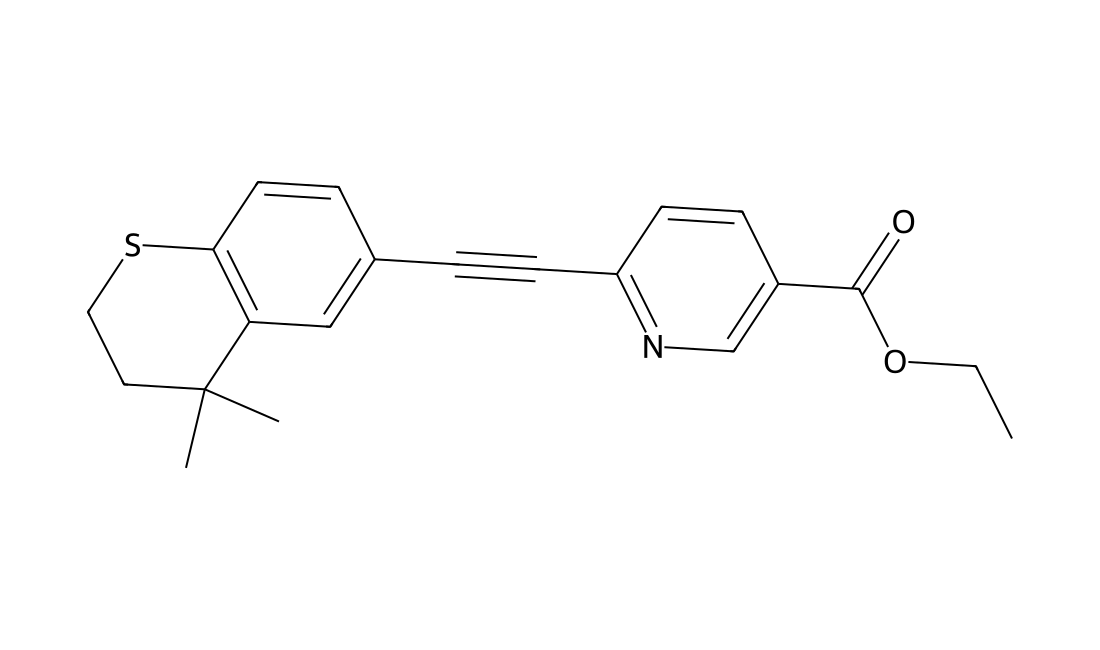
Tazarotene (Avage)

CAS 118292-40-3

For the detailed information of Tazarotene (Avage), the solubility of Tazarotene (Avage) in water, the solubility of Tazarotene (Avage) in DMSO, the solubility of Tazarotene (Avage) in PBS buffer, the animal experiment(test) (test) of Tazarotene (Avage), the cell expriment (test) of Tazarotene (Avage), the in vivo, in vitro and clinical trial test of Tazarotene (Avage), the EC50, IC50,and Affinity of Tazarotene (Avage),, please contact DC Chemicals.

Tazarotene (Avage) chemical structure
DC7898

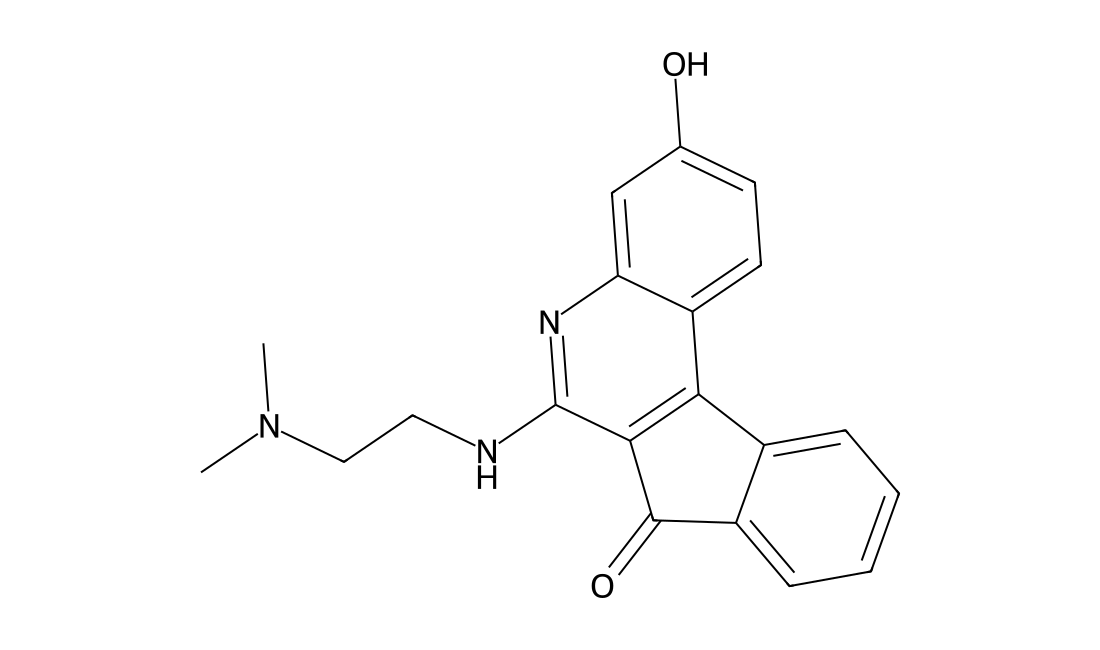
TAS-103(BMS247615)

CAS 174634-08-3

TAS-103(BMS-247615) is a dual inhibitor of topoisomerase-I (topo-I) and topoisomerase-II (topoII). IC50 value: Target: Topoisomerase in vitro: TAS-103 was effective in inhibiting in vitro proliferation of human SCLC (SBC-3 and H69) cells and their drug-resistant variants SBC-3/ADM or SBC-3/CDDP and H-69/VP, respectively. SBC-3/ADM and H-69/VP expressed high P-gp, whereas SBC-3/CDDP did not . TAS-103 disrupts SRP complex formation and reduces the amount of SRP14 and SRP19. TAS-103 treatment and RNAi-mediated knockdown of SRP54 or SRP14 promoted accumulation of the exogenously expressed chimeric protein interleukin-6-FLAG inside cells . In 13 human cancer cell lines, MGMT expression correlated with IC50 for TAS-103, whereas gamma-GCS expression inversely correlated with the IC50 value, suggesting MGMT may work to decrease TAS-103 activity but gamma-GCS may increase it . in vivo: TAS-103 also effectively reduced the tumor growth (more than 50% inhibition) of the parental as well as MDR SCLC cells grown SC in nude mice . Thirty-two patients were treated with escalating doses (50 to 200 mg/m(2)) of TAS-103, administered intravenously over 1 hour each week for 3 weeks. Pharmacokinetic analysis was performed at the 130-, 160-, and 200-mg/m(2) dose levels .For the detailed information of TAS-103 HCL, the solubility of TAS-103 HCL in water, the solubility of TAS-103 HCL in DMSO, the solubility of TAS-103 HCL in PBS buffer, the animal experiment (test) of TAS-103 HCL, the cell expriment (test) of TAS-103 HCL, the in vivo, in vitro and clinical trial test of TAS-103 HCL, the EC50, IC50,and affinity,of TAS-103 HCL, Please contact DC Chemicals.
TAS-103(BMS247615) chemical structure
DC9550

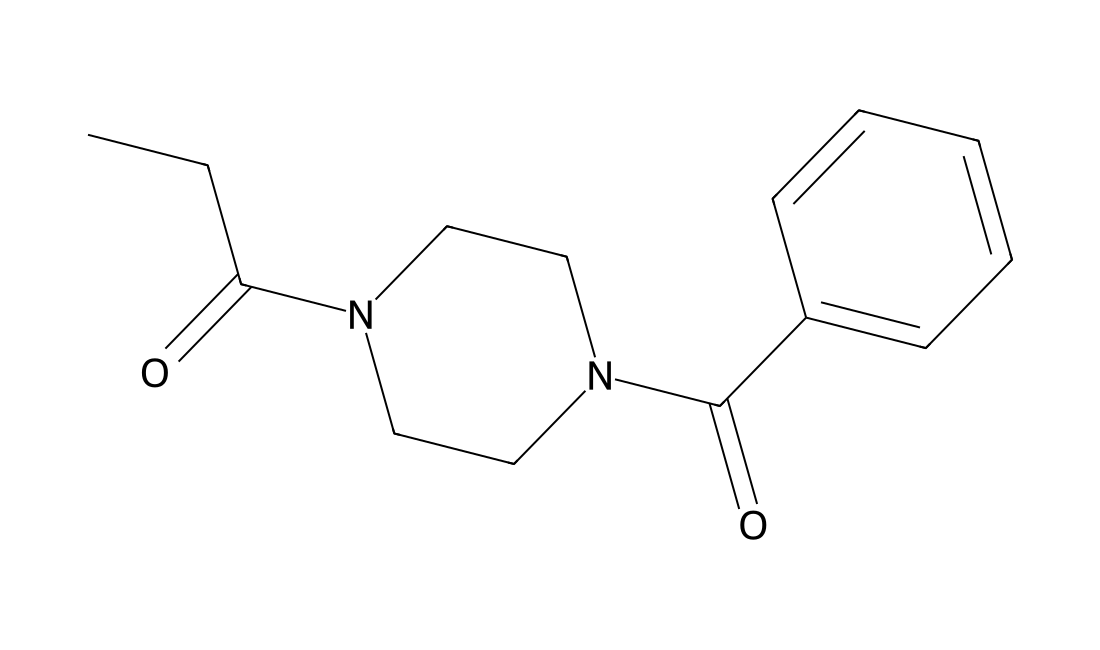
Sunifiram

CAS 314728-85-3

Sunifiram (DM-235) is a piperazine derived ampakine-like drug which has nootropic effects in animal studies with significantly higher potency than piracetam. in vitro: DM 232 and DM 235 are novel antiamnesic compounds structurally related to ampakines. The involvement of AMPA receptors in the mechanism of action of DM 232 and DM 235 was, therefore, investigated in vivo and in vitro. Both compounds (0.1 mg/kg?1 i.p.) were able to reverse the amnesia induced by the AMPA receptor antagonist NBQX (30 mg/kg?1 i.p.) in the mouse passive avoidance test. At the effective doses, the investigated compounds did not impair motor coordination, as revealed by the rota rod test, nor modify spontaneous motility and inspection activity, as revealed by the hole board test. In mouse hippocampal slices, sunifiram at 10-100 nM significantly enhanced LTP in a bell-shaped dose-response relationship which peaked at 10 nM. The enhancement of LTP by sunifiram treatment was inhibited by 7-chloro-kynurenic acid (7-ClKN), an antagonist for glycine-binding site of NMDAR, but not by ifenprodil, an inhibitor for polyamine site of NMDAR. in vivo: OBX mice were administered once a day for 7-12 days with sunifiram (0.01-1.0mg/kg p.o.) from 10 days after operation with or without gavestinel (10mg/kg i.p.), which is glycine-binding site inhibitor of N-methyl-d-aspartate receptor (NMDAR).

Sunifiram chemical structure
DCAPI1320

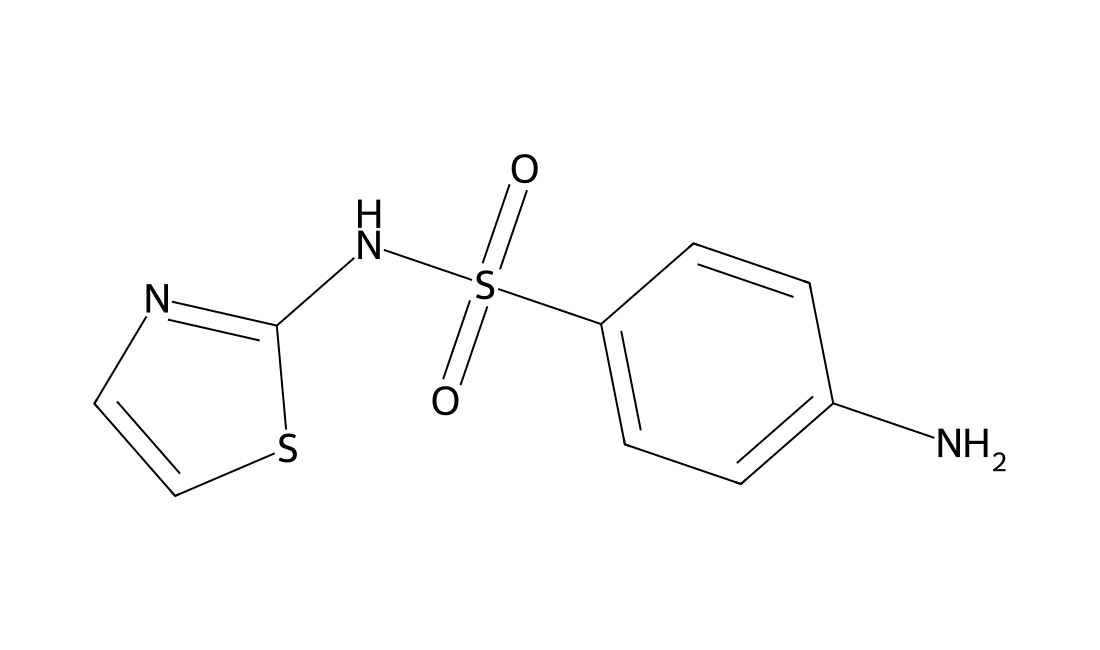
Sulfathiazole

CAS 72-14-0

For the detailed information of Sulfathiazole, the solubility of Sulfathiazole in water, the solubility of Sulfathiazole in DMSO, the solubility of Sulfathiazole in PBS buffer, the animal experiment(test) (test) of Sulfathiazole, the cell expriment (test) of Sulfathiazole, the in vivo, in vitro and clinical trial test of Sulfathiazole, the EC50, IC50,and Affinity of Sulfathiazole,, please contact DC Chemicals.

Sulfathiazole chemical structure
DC9115

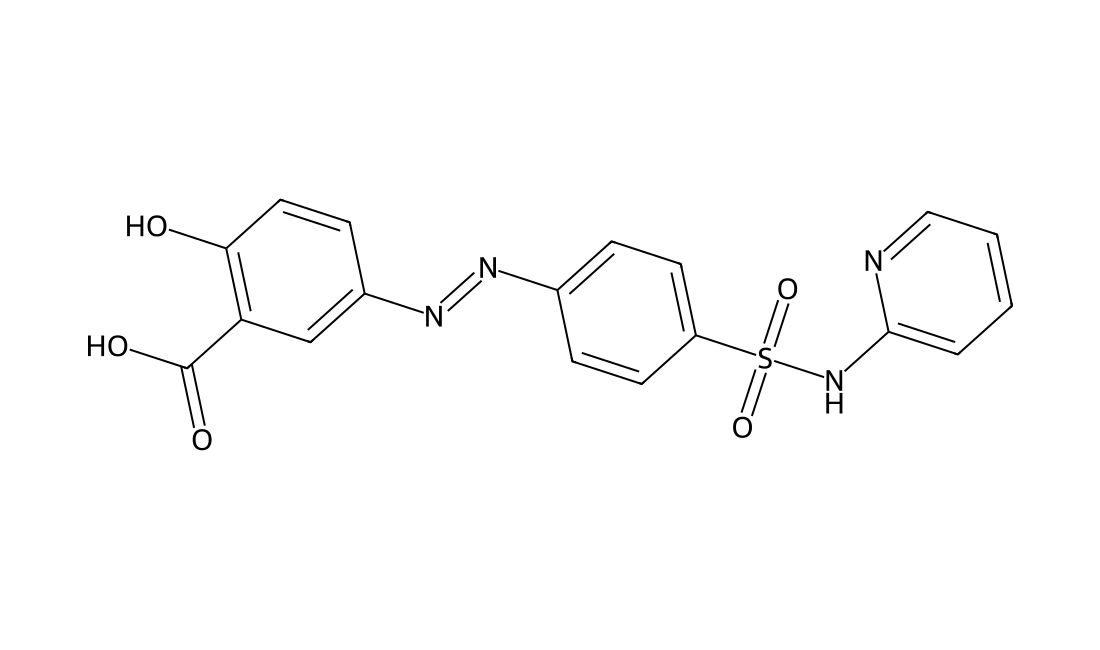
Salicylazosulfapyridine

CAS 599-79-1

Sulfasalazine, a sulfa agent and a derivative of mesalazine, is used primarily as an anti-inflammatory agent.Sulfasalazine (Azulfidine), used to treat pain and swelling in arthritis, belongs to a class of drugs called sulfa drugs. It is a combination of salicylate (the main ingredient in aspirin) and a sulfa antibiotic. Sulfasalazine is also known as a disease modifying antirheumatic drug (DMARD) because it not only decreases the pain and swelling of arthritis, but also may prevent damage to joints. In addition, it may reduce the risk of long term loss of function. Sulfasalazine is a highly effective treatment for patients with antihistamine resistant CIU. The frequency of adverse events leading to an alteration of sulfasalazine treatment supports the need for close monitoring of these patients.

Salicylazosulfapyridine chemical structure
DCAPI1071

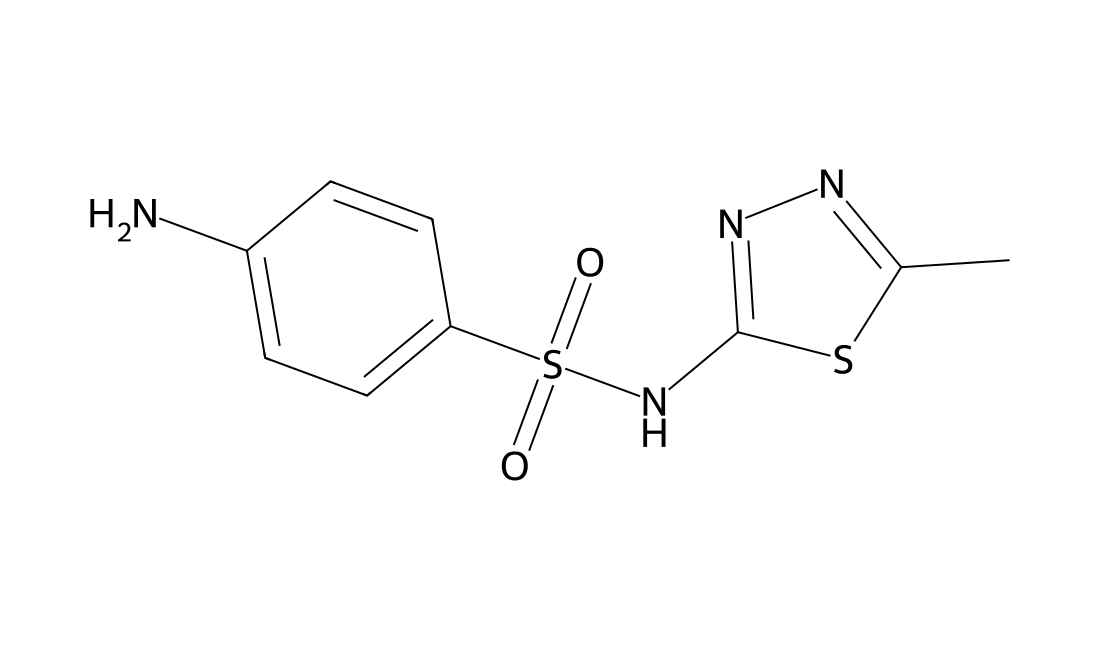
Sulfamethizole (Proklar)

CAS 144-82-1

For the detailed information of Sulfamethizole (Proklar), the solubility of Sulfamethizole (Proklar) in water, the solubility of Sulfamethizole (Proklar) in DMSO, the solubility of Sulfamethizole (Proklar) in PBS buffer, the animal experiment(test) (test) of Sulfamethizole (Proklar), the cell expriment (test) of Sulfamethizole (Proklar), the in vivo, in vitro and clinical trial test of Sulfamethizole (Proklar), the EC50, IC50,and Affinity of Sulfamethizole (Proklar),, please contact DC Chemicals.

Sulfamethizole (Proklar) chemical structure
DCAPI1294

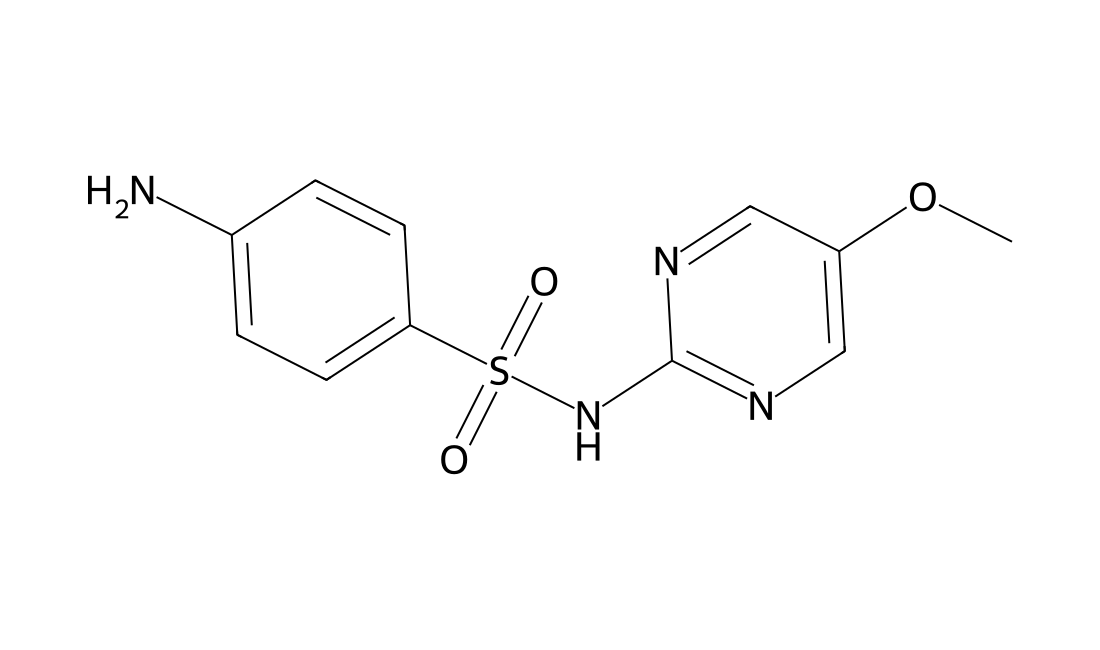
Sulfameter (Bayrena)

CAS 651-06-9

For the detailed information of Sulfameter (Bayrena), the solubility of Sulfameter (Bayrena) in water, the solubility of Sulfameter (Bayrena) in DMSO, the solubility of Sulfameter (Bayrena) in PBS buffer, the animal experiment(test) (test) of Sulfameter (Bayrena), the cell expriment (test) of Sulfameter (Bayrena), the in vivo, in vitro and clinical trial test of Sulfameter (Bayrena), the EC50, IC50,and Affinity of Sulfameter (Bayrena),, please contact DC Chemicals.

Sulfameter (Bayrena) chemical structure
DCAPI1128

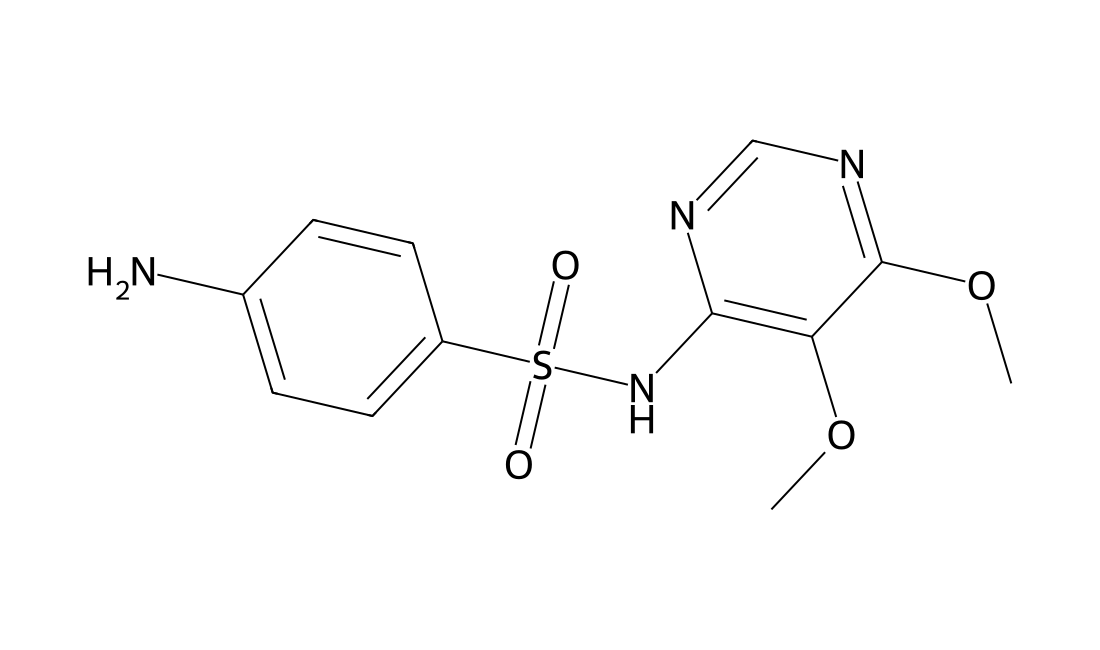
Sulfadoxine (Sulphadoxine)

CAS 2447-57-6

For the detailed information of Sulfadoxine (Sulphadoxine), the solubility of Sulfadoxine (Sulphadoxine) in water, the solubility of Sulfadoxine (Sulphadoxine) in DMSO, the solubility of Sulfadoxine (Sulphadoxine) in PBS buffer, the animal experiment(test) (test) of Sulfadoxine (Sulphadoxine), the cell expriment (test) of Sulfadoxine (Sulphadoxine), the in vivo, in vitro and clinical trial test of Sulfadoxine (Sulphadoxine), the EC50, IC50,and Affinity of Sulfadoxine (Sulphadoxine),, please contact DC Chemicals.

Sulfadoxine (Sulphadoxine) chemical structure
DC23175

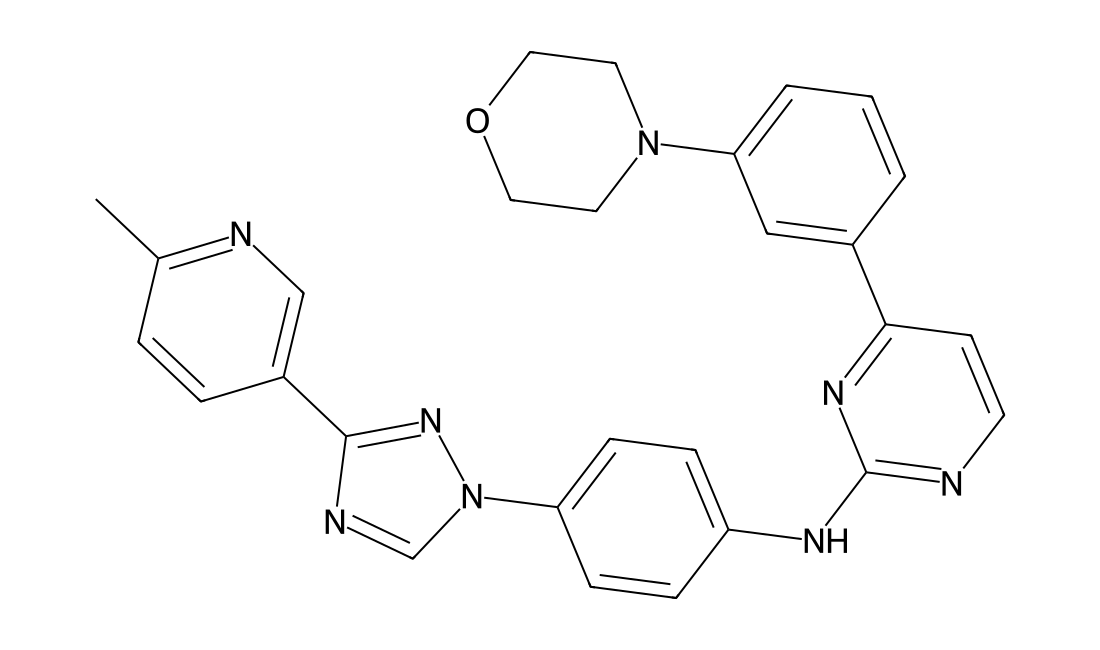
SR-3306

CAS 1128096-91-2

SR-3306 is a highly selective, brain penetrant, potent inhibitor of JNK with IC50 of 67, 283 and 159 nM for JNK1, JNK2 and JNK3, >100-fold selectivity over p38; shows cell-based IC50 of 216 nM, protects dopaminergic neurons against MPTP neurotoxicity in vitro and in vivo, achieves dopaminergic neuronal survival in the 6-OHDA model; also prevents ROS increases and mitochondrial dysfunction.

SR-3306 chemical structure
DC8096

SR1001

CAS 1335106-03-0

SR1001 is a high-affinity synthetic ligand of RORα and RORγ; suppresses TH17 cell differentiation and inhibits autoimmunity. in vitro: SR1001 binds specifically to the ligand-binding domains of RORα and RORγt, inducing a conformational change within the ligand-binding domain that encompasses the repositioning of helix 12 and leads to diminished affinity for co-activators and increased affinity for co-repressors, resulting in suppression of the receptors' transcriptional activity. SR1001 inhibited the development of murine T(H)17 cells, as demonstrated by inhibition of interleukin-17A gene expression and protein production. Furthermore, SR1001 inhibited the expression of cytokines when added to differentiated murine or human T(H)17 cells. SR1001 reduced the interaction of a coactivator TRAP220 NR box 2 peptide with RORγ in a dose dependent manner(IC50=117 nM). in vivo: SR1001 was a RORα inverse agonist eliminated the circadian pattern of expression of CS mRNA in mice. For the detailed information of SR1001, the solubility of SR1001 in water, the solubility of SR1001 in DMSO, the solubility of SR1001 in PBS buffer, the animal experiment (test) of SR1001, the cell expriment (test) of SR1001, the in vivo, in vitro and clinical trial test of SR1001, the EC50, IC50,and affinity,of SR1001, For the detailed information of SR1001, the solubility of SR1001 in water, the solubility of SR1001 in DMSO, the solubility of SR1001 in PBS buffer, the animal experiment (test) of SR1001, the cell expriment (test) of SR1001, the in vivo, in vitro and clinical trial test of SR1001, the EC50, IC50,and affinity,of SR1001, Please contact DC Chemicals.
SR1001 chemical structure
DC11300

SPR-00305

CAS 1965261-97-5

SPR-00305 is a potent MvfR inhibitor and displays target engagement. SPR-00305, potently inhibited the MvfR pathway with IC50s of 115 nM against 4-hydroxy-2-heptylquinoline (HHQ), 93 nM against pyocyanin (PYO) and 109 nM against 3,4-dihydroxy-2-heptoquinoline (PQS) in PA14. The compound was further tested in the immunocompetent acute thigh infection model. It decreased PQS by 50% and HHQ by 40% in comparison with vehicle. In the neutropenic acute thigh infection model, SPR-00305 oral administration (200 mg) resulted in a slight decrease in HHQ levels.

SPR-00305 chemical structure
DC8708

Spirodiclofen

CAS 148477-71-8

Spirodiclofen is a broad spectrum acaricide acting via lipid biosynthesis inhibition (LBI) with no cross resistance to currently available acaricides and with additional insecticidal properties.

Spirodiclofen chemical structure
DC7298

MY-5445

CAS 78351-75-4

Specific inhibitor of cyclic GMP phosphodiesterase, selective For PDE5 (IC50 = 0.5 μM).For the detailed information of MY-5445, the solubility of MY-5445 in water, the solubility of MY-5445 in DMSO, the solubility of MY-5445 in PBS buffer, the animal experiment (test) of MY-5445, the cell expriment (test) of MY-5445, the in vivo, in vitro and clinical trial test of MY-5445, the EC50, IC50,and Affinity of MY-5445, Please contact DC Chemicals.
MY-5445 chemical structure
DC8424

SecinH3

CAS 853625-60-2

In HepG2 cells, SecinH3 inhibits insulin signaling and associated gene expression. SecinH3 also markedly inhibits migration of preadipocyte 3T3-L1 cells. In the A549 cells, SecinH3 results in reduced proliferation by indirectly attenuating EGFR activation, and causes a synergistic antiproliferative effect when used in combination with gefitinib. In mice, SecinH3 increases the expression of gluconeogenic genes, reduces the expression of glycolytic, fatty acid and ketone body metabolism genes in the liver, reduces liver glycogen stores, and increases plasma insulin. In mice bearing H460 xenografts, SecinH3 significantly retards tumor growth through its antiproliferative and pro-apoptotic effect. For the detailed information of SecinH3, the solubility of SecinH3 in water, the solubility of SecinH3 in DMSO, the solubility of SecinH3 in PBS buffer, the animal experiment (test) of SecinH3, the cell expriment (test) of SecinH3, the in vivo, in vitro and clinical trial test of SecinH3, the EC50, IC50,and affinity,of SecinH3, For the detailed information of SecinH3, the solubility of SecinH3 in water, the solubility of SecinH3 in DMSO, the solubility of SecinH3 in PBS buffer, the animal experiment (test) of SecinH3, the cell expriment (test) of SecinH3, the in vivo, in vitro and clinical trial test of SecinH3, the EC50, IC50,and affinity,of SecinH3, Please contact DC Chemicals.
SecinH3 chemical structure
DC11314

Sclerotigenin

CAS 65641-84-1

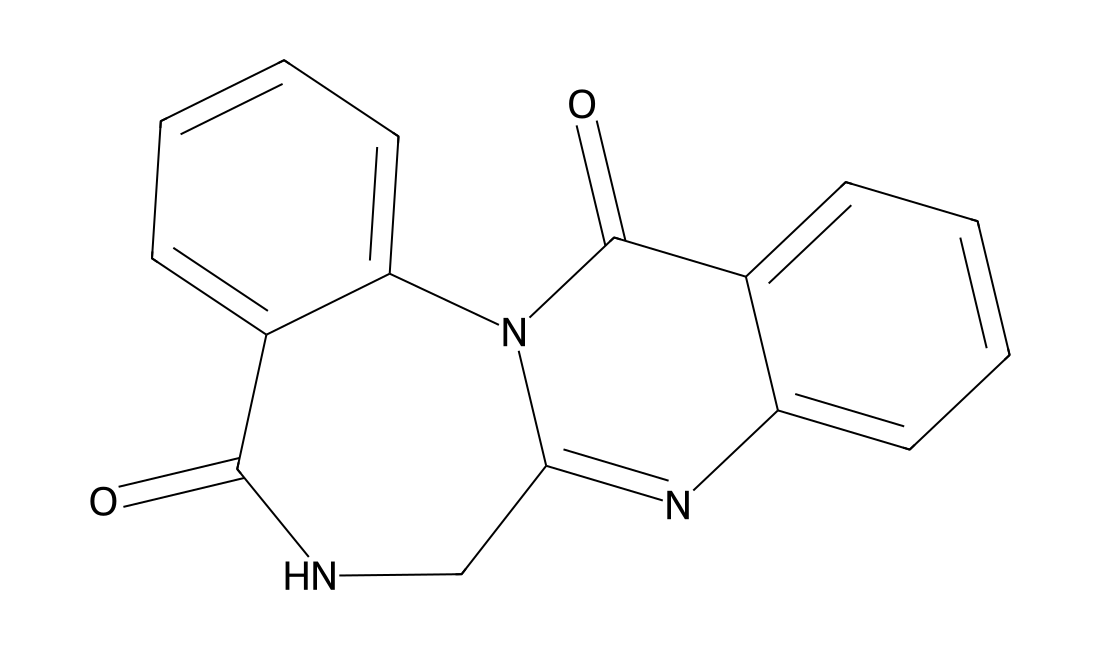
Sclerotigenin is a natural diazepine originally isolated from P. sclerotigenum that acts as an insect growth regulator.1 It reduces the growth rate of first instar H. zea larvae by 42% relative to controls when administered in the standard test diet at 200 ppm.

Sclerotigenin chemical structure
DCAPI1012

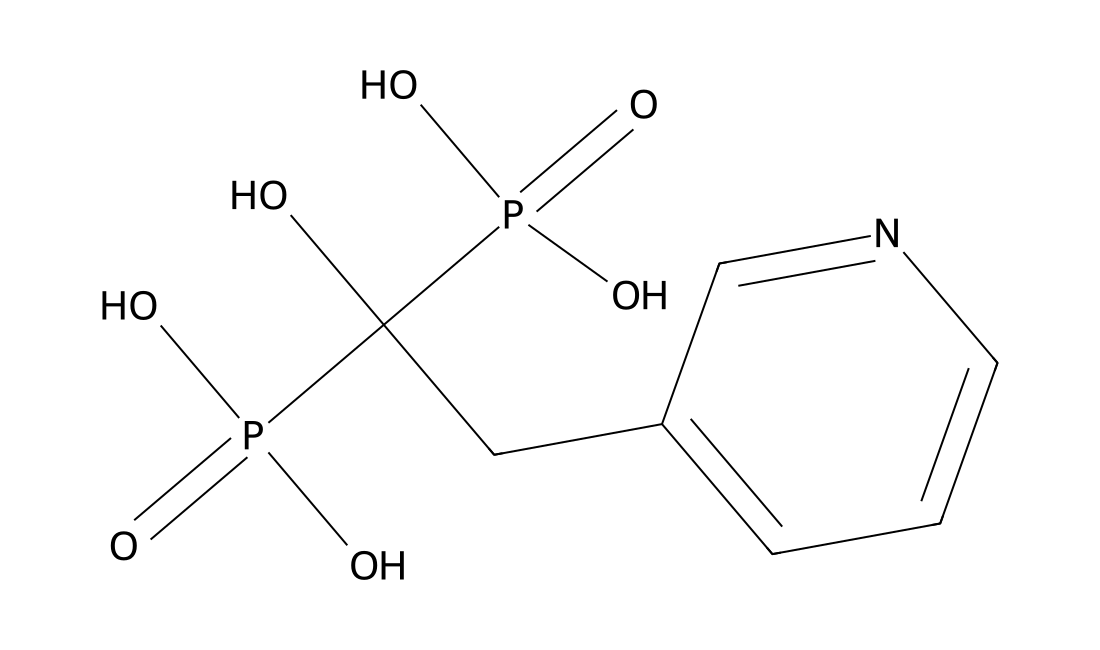
Risedronic acid (Actonel)

CAS 105462-24-6

For the detailed information of Risedronic acid (Actonel), the solubility of Risedronic acid (Actonel) in water, the solubility of Risedronic acid (Actonel) in DMSO, the solubility of Risedronic acid (Actonel) in PBS buffer, the animal experiment(test) (test) of Risedronic acid (Actonel), the cell expriment (test) of Risedronic acid (Actonel), the in vivo, in vitro and clinical trial test of Risedronic acid (Actonel), the EC50, IC50,and Affinity of Risedronic acid (Actonel),, please contact DC Chemicals.
Risedronic acid (Actonel) chemical structure
DCAPI1221

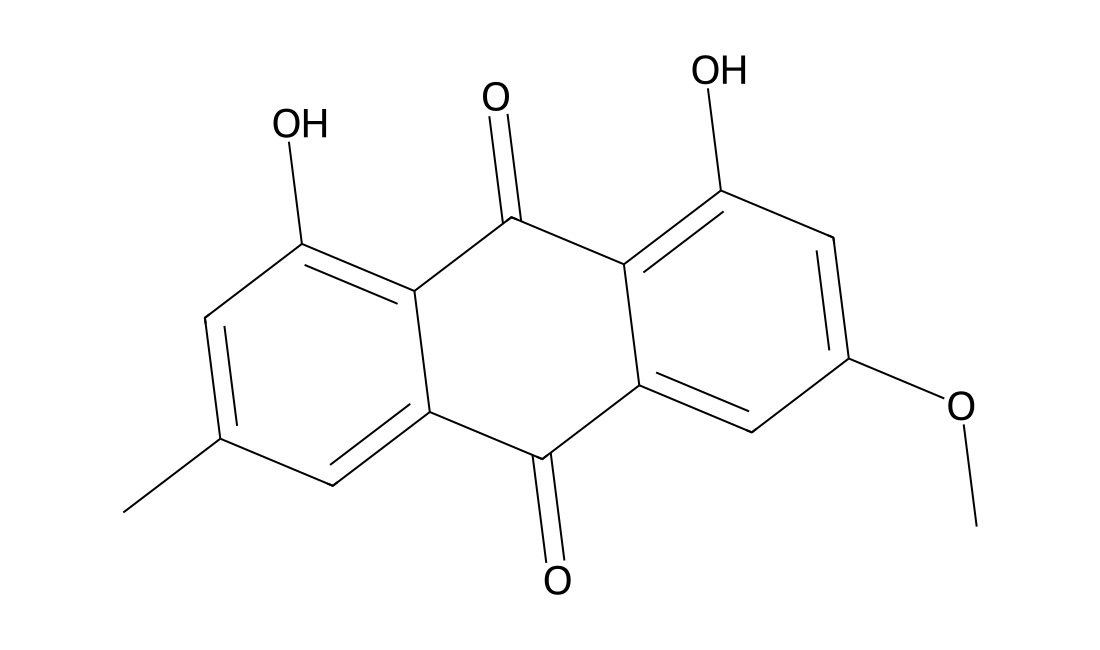
Rheochrysidin (Physcione)

CAS 521-61-9

For the detailed information of Rheochrysidin (Physcione), the solubility of Rheochrysidin (Physcione) in water, the solubility of Rheochrysidin (Physcione) in DMSO, the solubility of Rheochrysidin (Physcione) in PBS buffer, the animal experiment(test) (test) of Rheochrysidin (Physcione), the cell expriment (test) of Rheochrysidin (Physcione), the in vivo, in vitro and clinical trial test of Rheochrysidin (Physcione), the EC50, IC50,and Affinity of Rheochrysidin (Physcione),, please contact DC Chemicals.
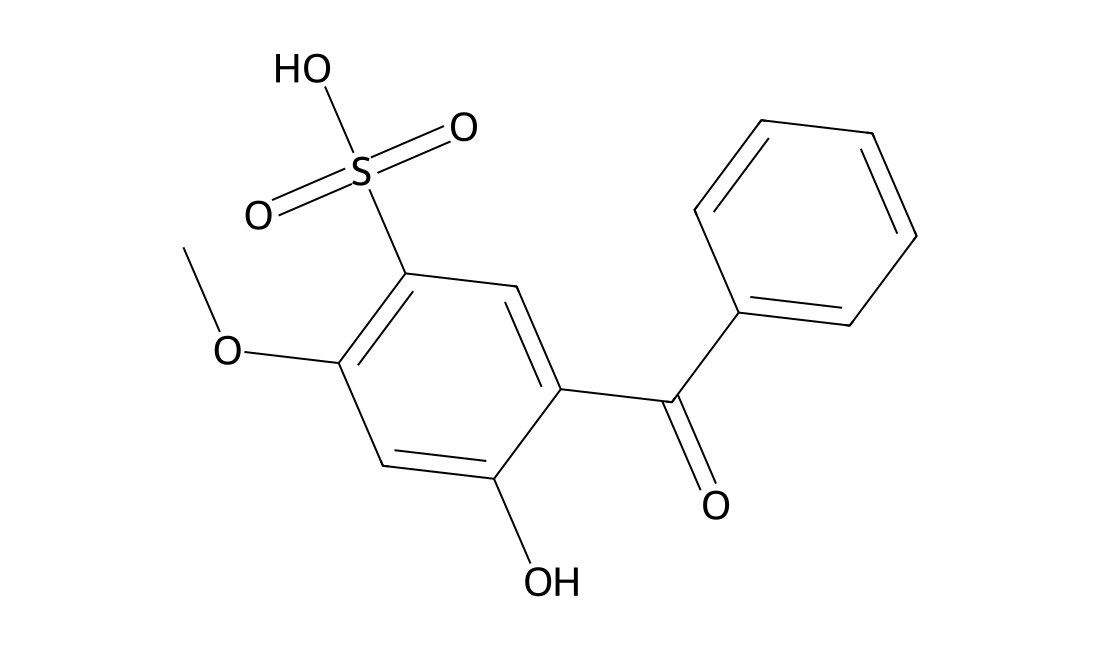
Rheochrysidin (Physcione) chemical structure
DCAPI1188

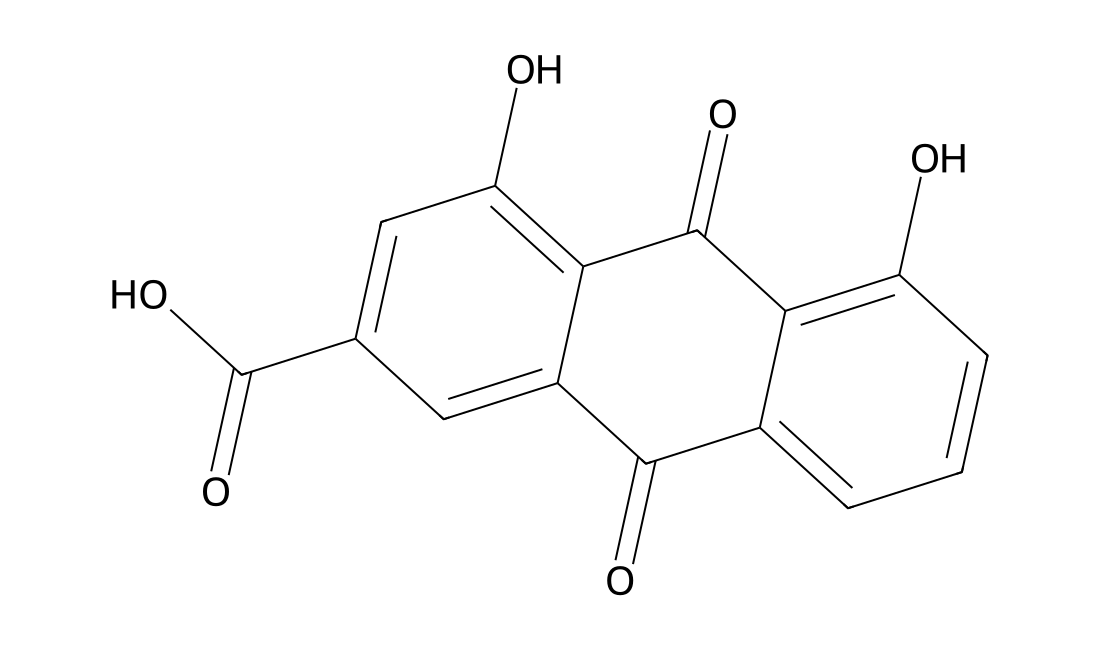
Rhein(Monorhein)

CAS 478-43-3

For the detailed information of Rhein(Monorhein), the solubility of Rhein(Monorhein) in water, the solubility of Rhein(Monorhein) in DMSO, the solubility of Rhein(Monorhein) in PBS buffer, the animal experiment(test) (test) of Rhein(Monorhein), the cell expriment (test) of Rhein(Monorhein), the in vivo, in vitro and clinical trial test of Rhein(Monorhein), the EC50, IC50,and Affinity of Rhein(Monorhein),, please contact DC Chemicals.
Rhein(Monorhein) chemical structure
DC10191

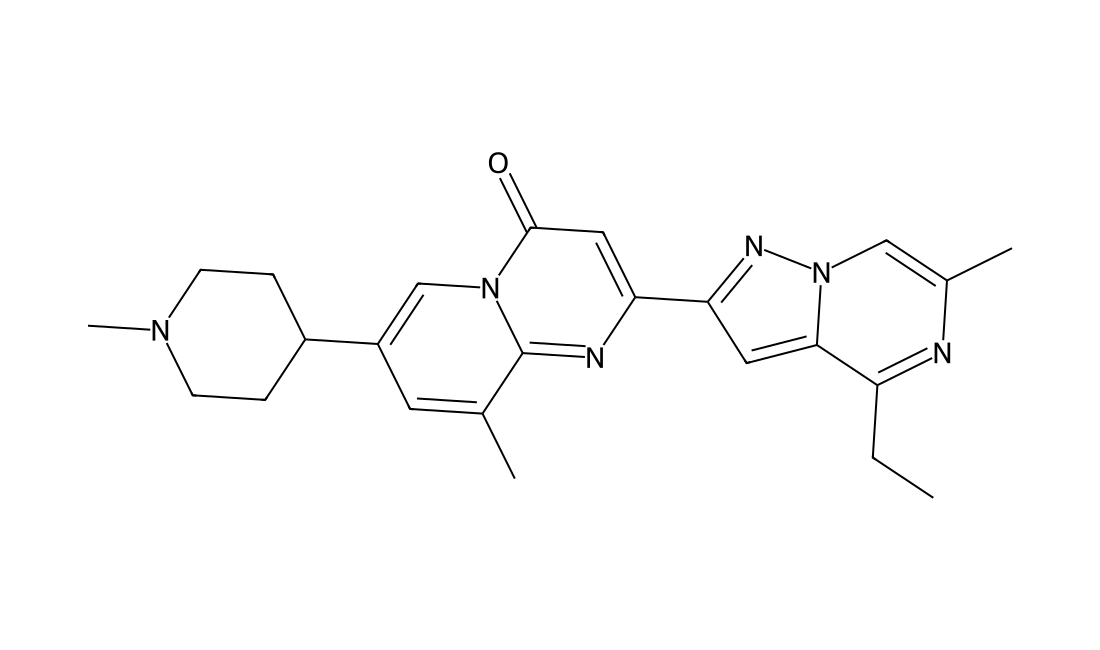
RG7800

CAS 1449598-06-4

RG7800 increases the SMN protein level via induction of alternative splicing of the SMN2 mRNA. RG7800 is shown to promote the inclusion of exon 7 in SMN2 mRNA, generating full-length mRNA in vitro using fibroblasts from an SMA type I patient.RG7800 shows favorable drug metabolism and pharmacokinetic profile in the rat and in cynomolgus monkey with good oral bioavailability. In SMA mouse model, treatment of RG7800 shows a clear dose dependent increase in SMN protein levels. Mice treated with RG7800 demonstrate a dose dependent increase in survival beginning at the low dose (0.3/1 mg/kg). In the middle and high dose groups (1/3 and 3/10 mg/kg, respectively), approximately 80−90% survive beyond PND50/PND60 with profound body weight gain when the study is terminated. RG7800 dose-dependently corrects SMN2 splicing by including exon 7 to create FL mRNA, suggesting that RG7800 corrects alternative splicing of the human SMN2 gene in the brain of transgenic SMA model mice, leading to an increase of the SMN protein in the brain.

RG7800 chemical structure
DC11478

QM385

CAS 2296727-52-9

QM385 is a highly potent small molecule SPR inhibitor,that inhibits the BH4 pathway, blocking T cell proliferation and autoimmunity.

QM385 chemical structure
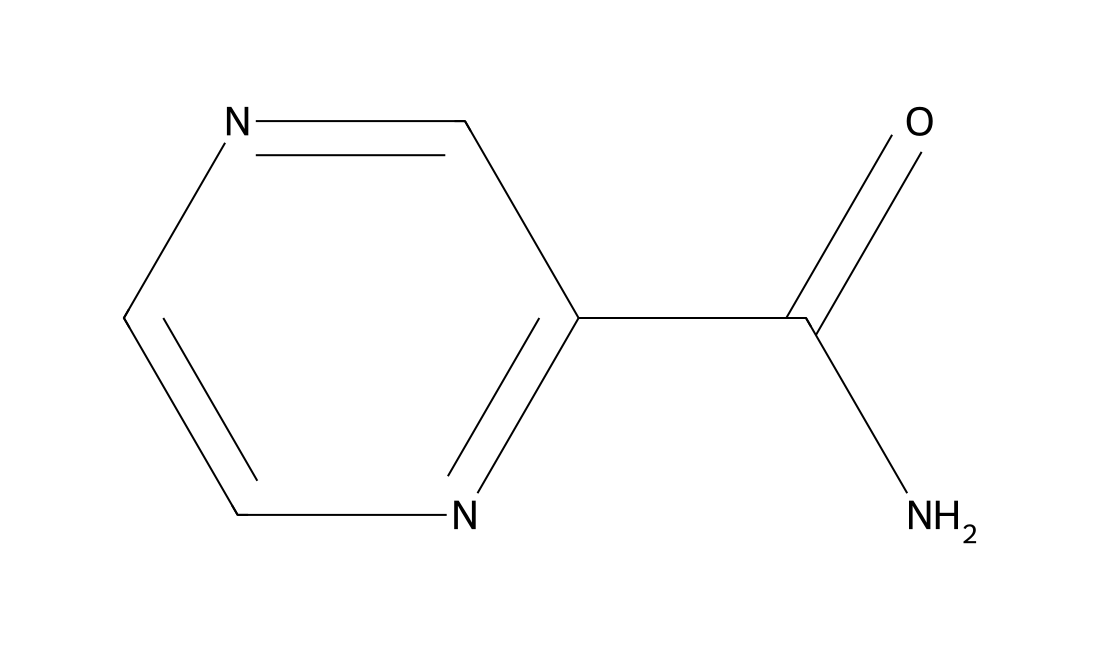
DCAPI1405

Pyrazinamide (Pyrazinoic acid amide)

CAS 98-96-4

For the detailed information of Pyrazinamide (Pyrazinoic acid amide), the solubility of Pyrazinamide (Pyrazinoic acid amide) in water, the solubility of Pyrazinamide (Pyrazinoic acid amide) in DMSO, the solubility of Pyrazinamide (Pyrazinoic acid amide) in PBS buffer, the animal experiment(test) (test) of Pyrazinamide (Pyrazinoic acid amide), the cell expriment (test) of Pyrazinamide (Pyrazinoic acid amide), the in vivo, in vitro and clinical trial test of Pyrazinamide (Pyrazinoic acid amide), the EC50, IC50,and Affinity of Pyrazinamide (Pyrazinoic acid amide),, please contact DC Chemicals.
Pyrazinamide (Pyrazinoic acid amide) chemical structure
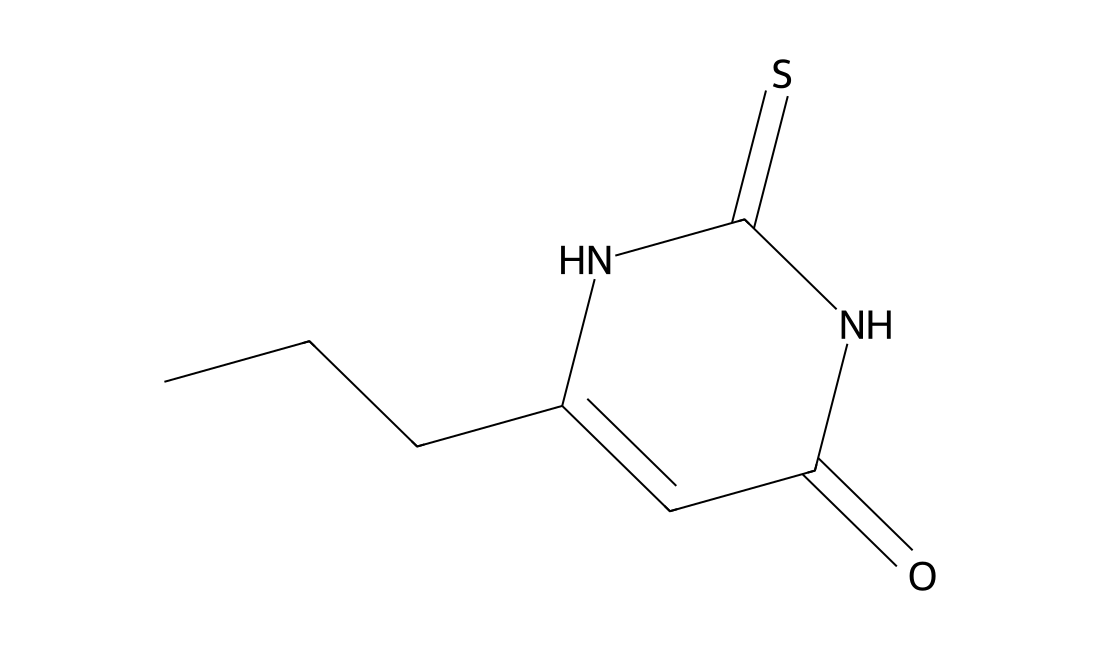
DCAPI1212

Propylthiouracil

CAS 51-52-5

For the detailed information of Propylthiouracil, the solubility of Propylthiouracil in water, the solubility of Propylthiouracil in DMSO, the solubility of Propylthiouracil in PBS buffer, the animal experiment(test) (test) of Propylthiouracil, the cell expriment (test) of Propylthiouracil, the in vivo, in vitro and clinical trial test of Propylthiouracil, the EC50, IC50,and Affinity of Propylthiouracil,, please contact DC Chemicals.
Propylthiouracil chemical structure
DCAPI1123

Probucol

CAS 23288-49-5

For the detailed information of Probucol, the solubility of Probucol in water, the solubility of Probucol in DMSO, the solubility of Probucol in PBS buffer, the animal experiment(test) (test) of Probucol, the cell expriment (test) of Probucol, the in vivo, in vitro and clinical trial test of Probucol, the EC50, IC50,and Affinity of Probucol,, please contact DC Chemicals.
Probucol chemical structure
DCAPI1042

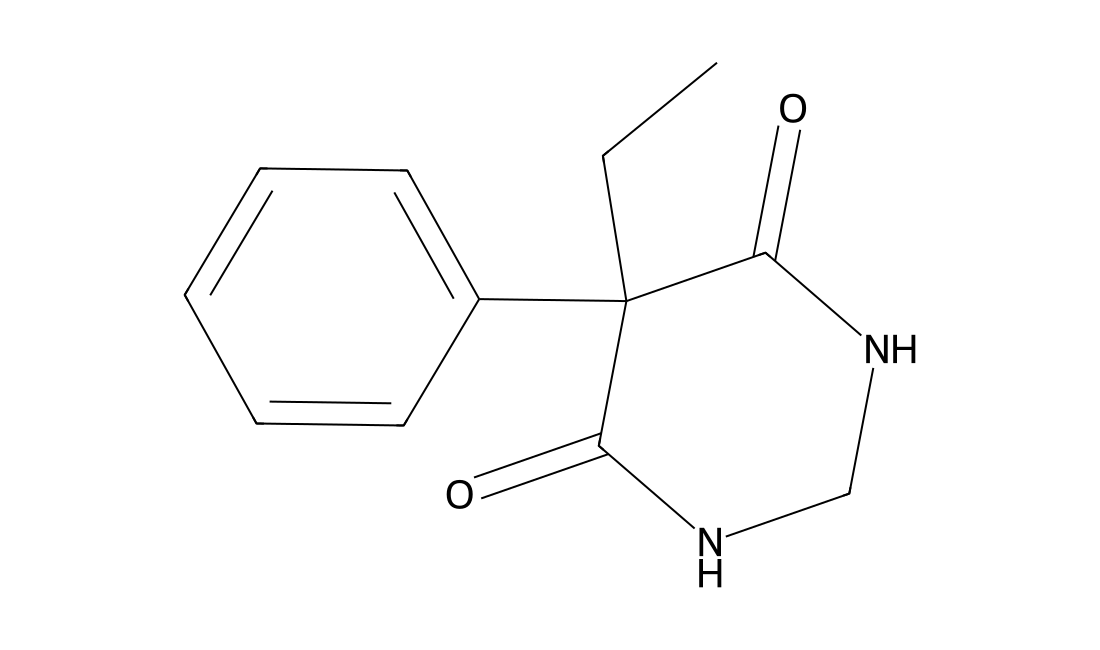
Primidone(Mysoline)

CAS 125-33-7

For the detailed information of Primidone(Mysoline), the solubility of Primidone(Mysoline) in water, the solubility of Primidone(Mysoline) in DMSO, the solubility of Primidone(Mysoline) in PBS buffer, the animal experiment(test) (test) of Primidone(Mysoline), the cell expriment (test) of Primidone(Mysoline), the in vivo, in vitro and clinical trial test of Primidone(Mysoline), the EC50, IC50,and Affinity of Primidone(Mysoline),, please contact DC Chemicals.
Primidone(Mysoline) chemical structure
DCAPI1007

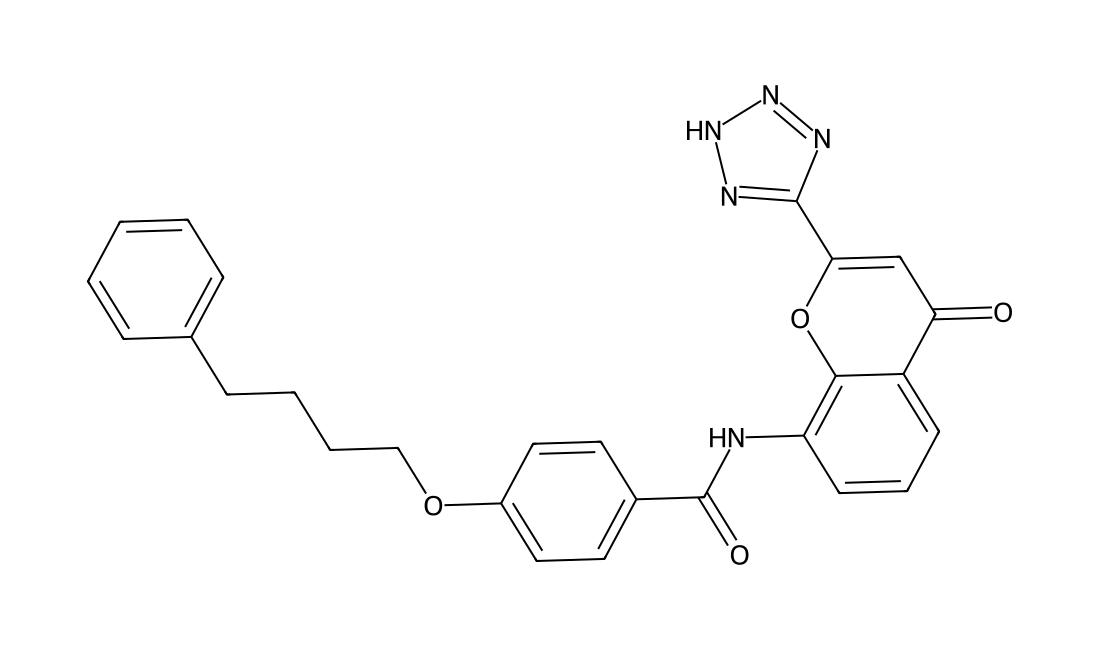
Pranlukast

CAS 103177-37-3

For the detailed information of Pranlukast, the solubility of Pranlukast in water, the solubility of Pranlukast in DMSO, the solubility of Pranlukast in PBS buffer, the animal experiment(test) (test) of Pranlukast, the cell expriment (test) of Pranlukast, the in vivo, in vitro and clinical trial test of Pranlukast, the EC50, IC50,and Affinity of Pranlukast,, please contact DC Chemicals.
Pranlukast chemical structure
DCAPI1305

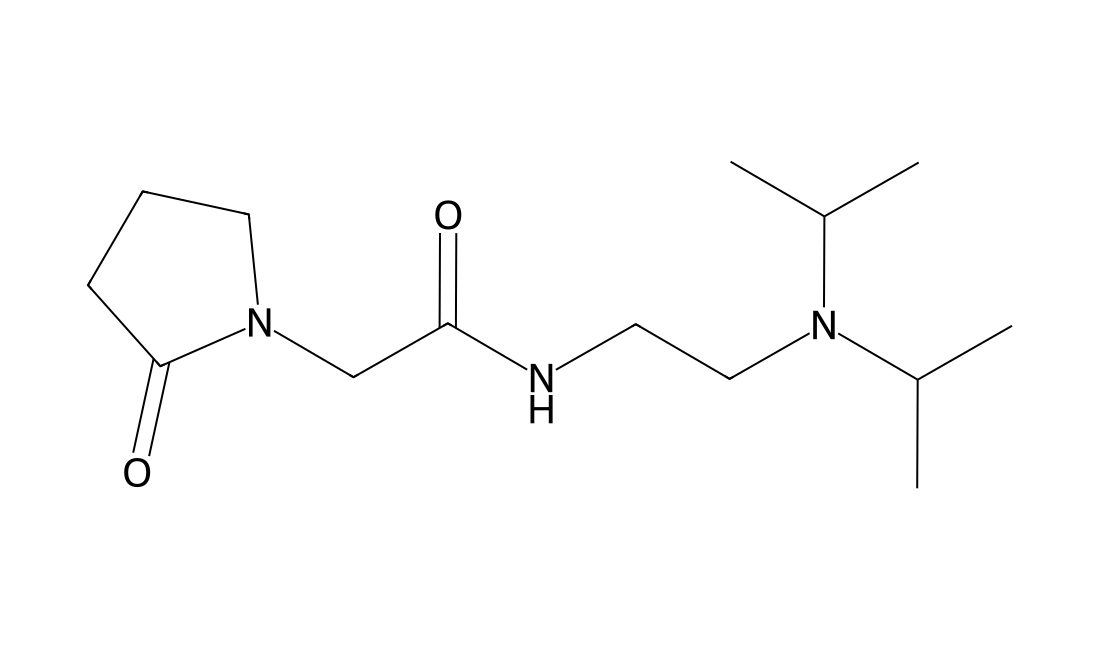
Pramiracetam

CAS 68497-62-1

For the detailed information of Pramiracetam, the solubility of Pramiracetam in water, the solubility of Pramiracetam in DMSO, the solubility of Pramiracetam in PBS buffer, the animal experiment(test) (test) of Pramiracetam, the cell expriment (test) of Pramiracetam, the in vivo, in vitro and clinical trial test of Pramiracetam, the EC50, IC50,and Affinity of Pramiracetam,, please contact DC Chemicals.
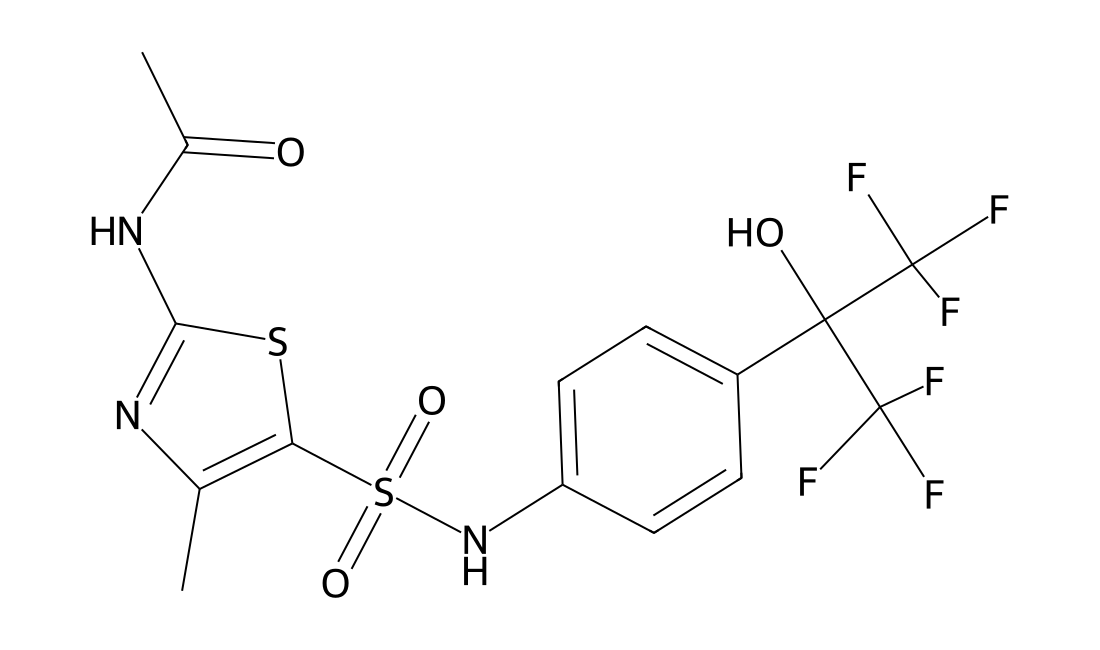
Pramiracetam chemical structure
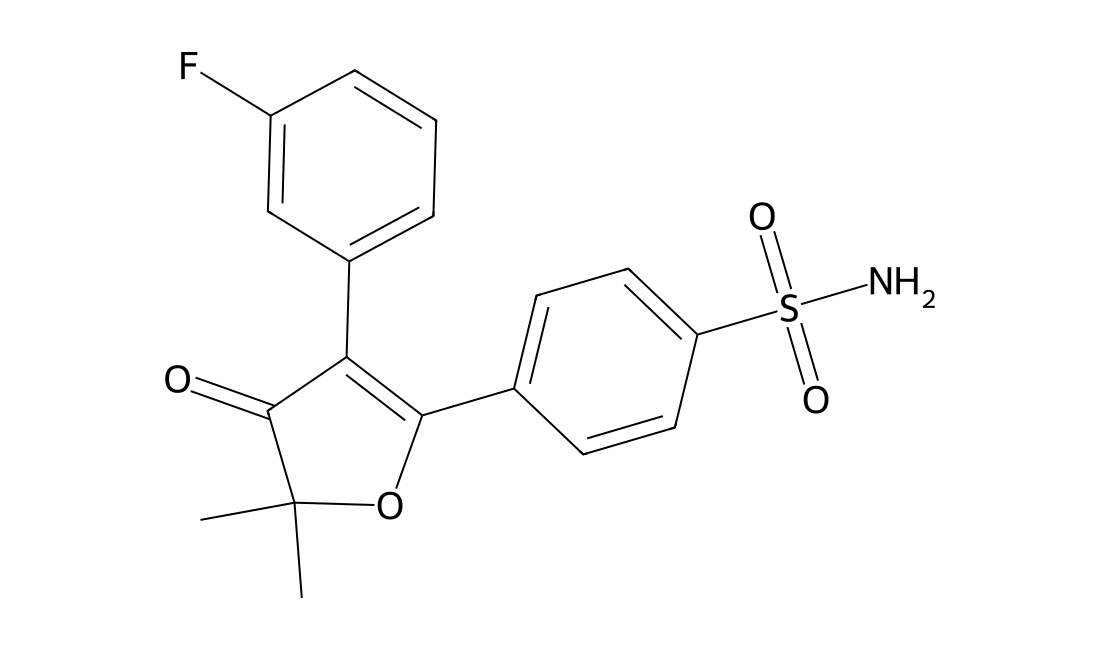
DC11373

Polmacoxib

CAS 301692-76-2

Polmacoxib is an inhibitor of cyclooxygenase 2 (COX-2) and the carbonic anhydrase subtypes I (CAI) and CAII.It inhibits COX-2 in the absence of carbonic anhydrase II with an IC50 value of 40 nM, which increases by approximately 4- and 17-fold in the presence of a CAII at a molar ratio of 1:1 and 1:5, respectively.It also inhibits CAI and CAII (IC50s = 210 and 95 nM, respectively). Polmacoxib prevents >95 and 90% of prostaglandin E2 (PGE2) production in HCA-7 and HT-29 human colon cancer cells, respectively, using concentrations of 0.01 and 0.001 µg/ml.It inhibits polyp formation in a transgenic mouse model of intestinal polyp formation and tumor growth in human colorectal carcinoma mouse xenograft models when used at a dose of 7 mg/kg. The inhibition of COX-2 and CAII by polmacoxib has the potential for fewer serious systemic adverse effects, including cardiovascular events associated with COX-2 selective inhibitors such as celecoxib (Item No. 10008672).Formulations containing polmacoxib have been used in the treatment of osteoarthritis.

Polmacoxib chemical structure
DC10409

PNU-74654

CAS 113906-27-7

PNU-74654 binds to β-catenin with a KD of 450 nM. The Tcf3/Tcf4-binding surface on β-catenin contains a well-defined hot spot around residues K435 and R469. The binding mode of PNU-74654 involves the two narrow pockets on either side of this hot spot. In NCI-H295 cells,PNU-74654 significantly decreases cell proliferation 96 h after treatment, increases early and late apoptosis, decreases nuclear beta-catenin accumulation, impairs CTNNB1/beta-catenin expression and increases beta-catenin target genes 48 h after treatment. No effects are observed on HeLa cells. In NCI-H295 cells, PNU-74654 decreases cortisol, testosterone and androstenedione secretion 24 and 48 h after treatment. The SF1 and CYP21A2 mRNA expression as well as the protein levels of STAR and aldosterone synthase are decreased in NCI-H295 cells after 48 h PNU-74654 treatment. In Y1 cells, PNU-74654 impairs corticosterone secretion 24 h after treatment but does not decrease cell viability.

PNU-74654 chemical structure
DC8234

PNRI-299

CAS 550368-41-7

PNRI-299, was identified that selectively inhibited AP-1 transcription (IC(50) of 20 microM) without affecting NF-kappaB transcription (up to 200 microM) or thioredoxin (up to 200 microM). The molecular target of PNRI-299 was determined to be the oxidoreductase, redox effector factor-1 by an affinity chromatography approach. The selective redox effector factor-1 inhibitor, PNRI-299, significantly reduced airway eosinophil infiltration, mucus hypersecretion, edema, and IL-4 levels in a mouse asthma model. These data validate AP-1 as an important therapeutic target in allergic airway inflammation. For the detailed information of PNRI-299, the solubility of PNRI-299 in water, the solubility of PNRI-299 in DMSO, the solubility of PNRI-299 in PBS buffer, the animal experiment (test) of PNRI-299, the cell expriment (test) of PNRI-299, the in vivo, in vitro and clinical trial test of PNRI-299, the EC50, IC50,and affinity,of PNRI-299, For the detailed information of PNRI-299, the solubility of PNRI-299 in water, the solubility of PNRI-299 in DMSO, the solubility of PNRI-299 in PBS buffer, the animal experiment (test) of PNRI-299, the cell expriment (test) of PNRI-299, the in vivo, in vitro and clinical trial test of PNRI-299, the EC50, IC50,and affinity,of PNRI-299, Please contact DC Chemicals.
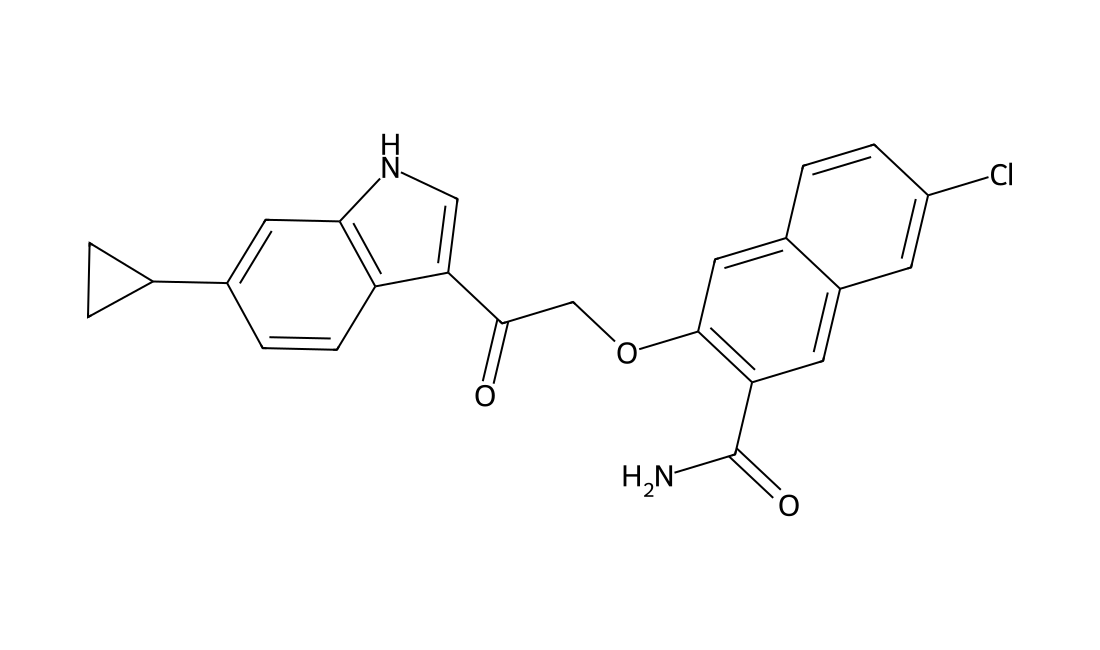
PNRI-299 chemical structure
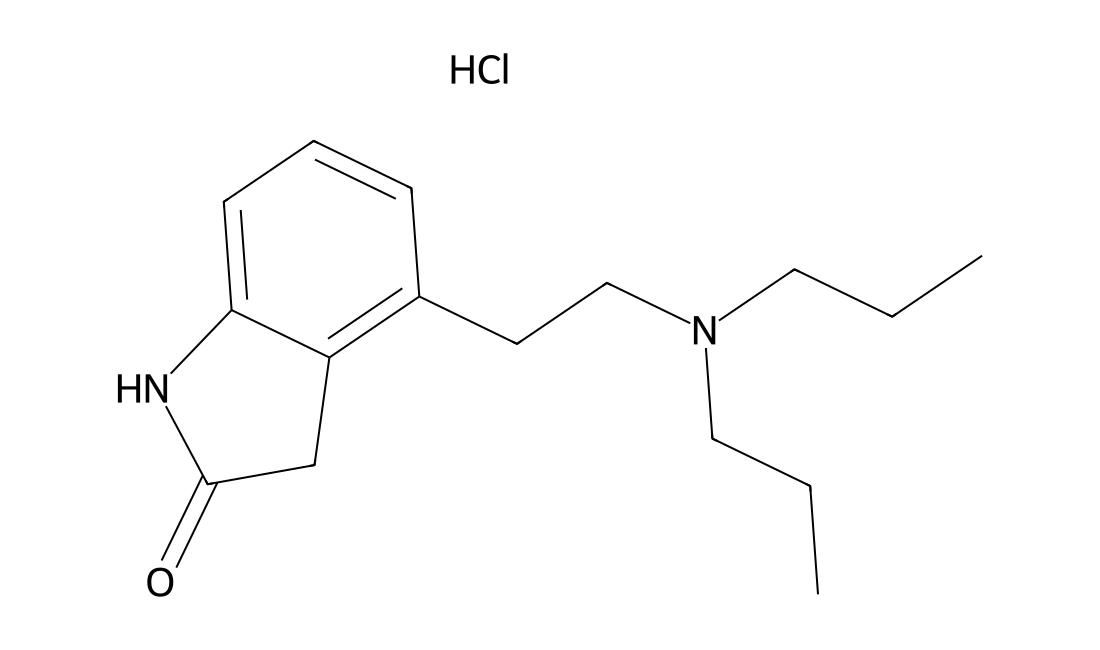
DCAPI1385

Ropinirole HCl

CAS 91374-20-8

For the detailed information of Ropinirole HCl, the solubility of Ropinirole HCl in water, the solubility of Ropinirole HCl in DMSO, the solubility of Ropinirole HCl in PBS buffer, the animal experiment(test) (test) of Ropinirole HCl, the cell expriment (test) of Ropinirole HCl, the in vivo, in vitro and clinical trial test of Ropinirole HCl, the EC50, IC50,and Affinity of Ropinirole HCl,, please contact DC Chemicals.
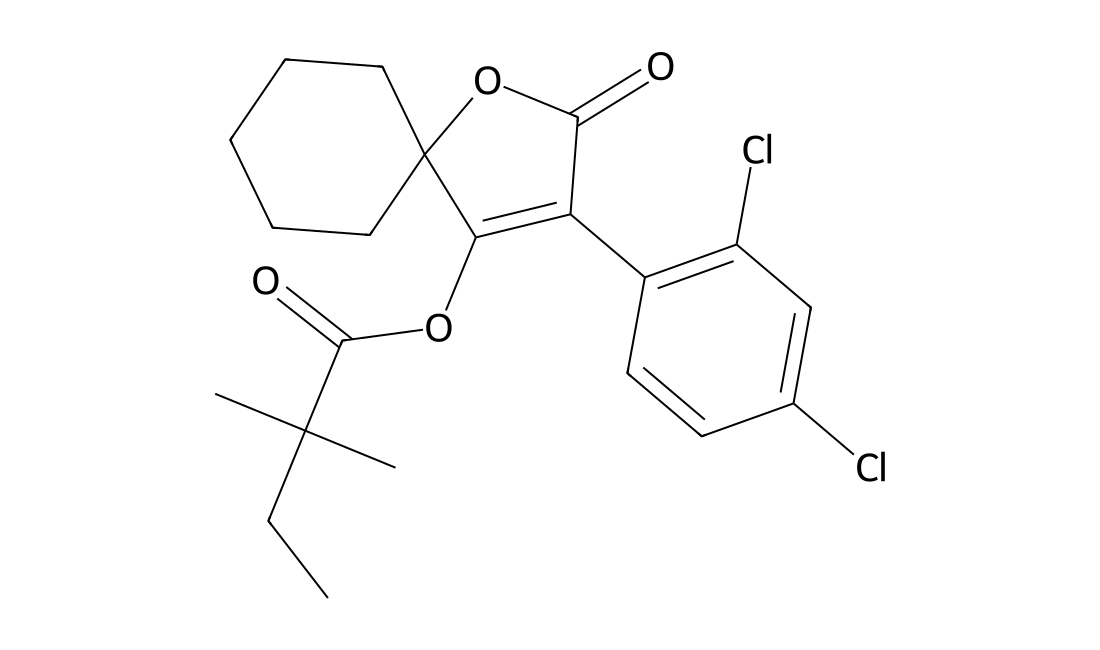
Ropinirole HCl chemical structure
DC22508

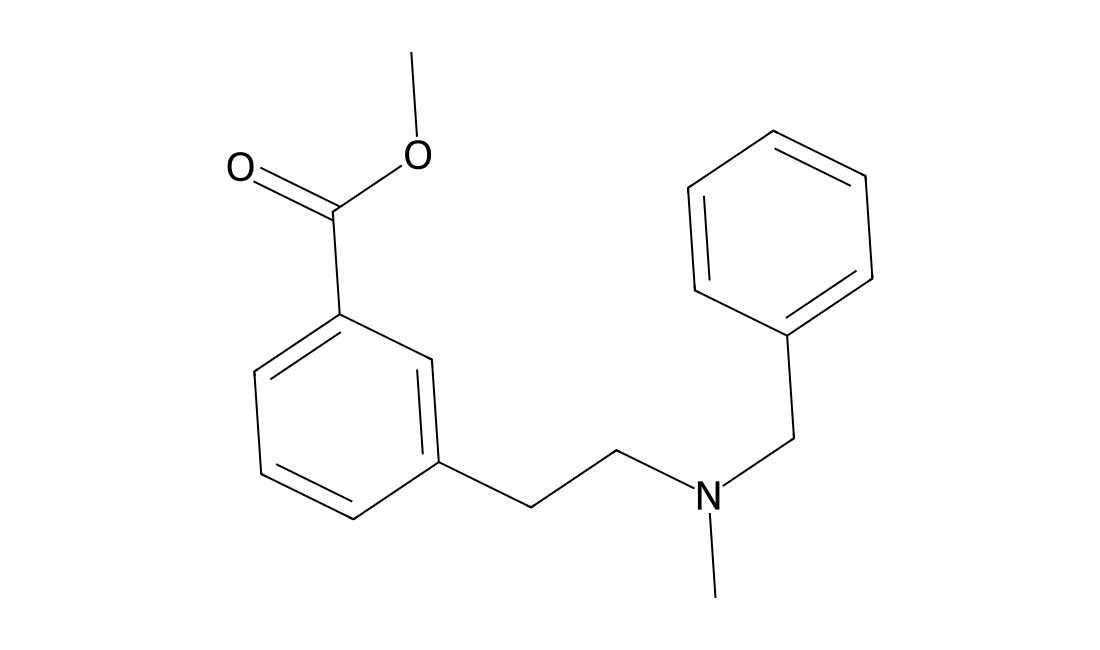
PI4KIIIβ-IN-9

CAS 1429624-84-9

PI4KIIIβ-IN-9 is a potent and selective inhibitor of PI4KIIIβ (IC50=7 nM); displays >1000-fold selectivity over class I and class III PI3Ks; A KN-93 derivative with improved selectivity.
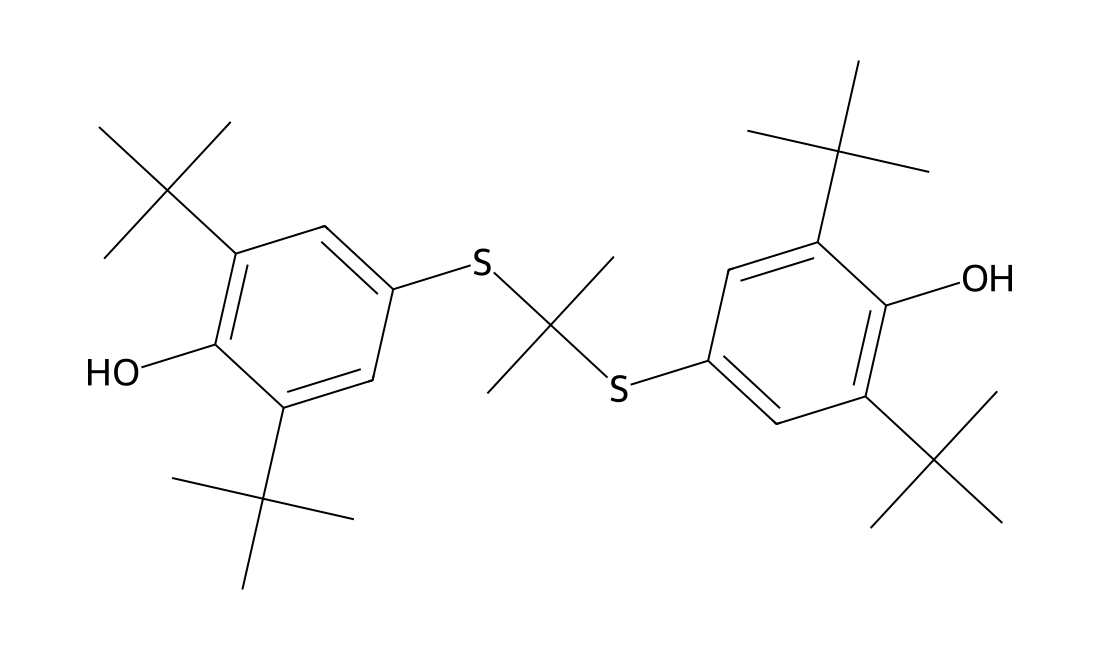
PI4KIIIβ-IN-9 chemical structure
Browse target & topic index A–Z (366)
11β-HSD (1)15-PGDH (2)5-HT Receptor (16)Acetyl-CoA Carboxylase (ACC) (3)Acetylcholinesterase (AChE) (2)Ack1 (TNK2) (1)Acyltransferase (1)ADC Cytotoxin (6)ADCs Linker/Click Chemistry (5)Adenosine Receptor (9)Adenylate Cyclase (2)Adrenergic Receptor (11)Akt (12)Alcoholism (2)Aldehyde Dehydrogenase (ALDH) (6)Allergy (5)Alzheimer Disease (13)Aminopeptidase (1)AMPK (8)Amyloids (4)Anaplastic Lymphoma Kinase (ALK) (9)Androgen Receptor (AR) (11)Anemia (4)Angiotensin Receptor (4)Antibody/Protein labeling dyes (1)Antifolate (2)Anxiety (1)Apoptosis Inducer (3)Arginase (1)Arp2/3 complex (1)Aryl hydrocarbon Receptor (AhR) (1)Asthma (5)Atherosclerosis (2)ATM/ATR (8)Aurora Kinase (10)Autophagy (6)Autophagy-related Protein (Atg) (2)Autotaxin (2)Bacterial (26)Bacterial Infection (17)Bcl-2 (14)Bcr-Abl (5)BCRP (1)Beta-catenin (4)Beta-secretase (BACE) (4)Blood Cancer (91)BMI-1 (1)Bone Cancer (6)Brain Cancer (6)Breast Cancer (30)Bromodomain (22)BTK (10)c-Fms (CSF1R) (5)c-Fos/AP-1 (1)c-Kit (6)c-Met (HGFR) (11)c-Myc (2)Calcium Channel (4)Calcium-sensing Receptor (CaSR) (1)CaMK (4)Cannabinoid Receptor (6)Carbonic Anhydrase (1)Carboxypeptidase (1)Casein Kinase (6)Caspase (4)Cathepsin (6)Cdc2-like Kinase (CLK) (1)CETP (2)CFTR (7)Checkpoint Kinase (Chk) (8)Chemokine Receptor (CCR and CXCR) (14)Chemotherapeutic Agents (19)Chloride Channel (1)CMV (2)CMV Infection (2)Colon Cancer (9)Complement System (1)COPD (3)CREB/CBP (2)CRF Receptor (2)CRISPR/Cas9 (1)Cushing Disease (1)Cyclin-dependent Kinase (CDK) (39)Cyclooxygenase (COX) (4)Cytochrome P450 (CYPs) (5)Depression (2)Dermatitis (2)Deubiquitinase (DUB) (7)Diabetes (20)Dipeptidyl Peptidase (DPP) (3)Discoidin Domain Receptor (DDR) (1)DNA Alkylator/Crosslinker (10)DNA Methyltransferase (DNMT) (1)DNA Repair Protein (1)DNA-PK (2)DNA/RNA Synthesis (5)Dopamine beta-hydroxylase (1)Dopamine Receptor (7)Drug Metabolite (1)Drug-Linker Conjugates (11)Dyes (4)DYRK (1)Dyslipidemia (9)E3 Ligase Ligand (6)E3 Ligase Ligand-Linker Conjugate (1)E3 Ubiquitin Ligase (4)Ebola Virus Infection (1)EGFR (32)Elastase (2)Endothelin Receptor (5)Enzymes substrates (13)Epigenetic Reader Domain (3)Epilepsy (4)ERK (4)Estrogen Receptor/ERR (13)Eukaryotic Initiation Factor (eIF) (2)Exportin-1 (CRM1,XPO1) (2)FABP (1)Factor Xa (5)Farnesoid X Receptor (FXR) (5)Farnesyl transferase (FTase) (1)Ferroptosis (6)FGFR (15)Fibrosis (5)FLT3 (6)Focal Adhesion Kinase (FAK) (11)Foxo1 (1)Free Fatty Acid Receptor (FFAR) (5)Fungal (2)Fungal Infection (1)GABA Receptor (13)Galectin (1)Gastric Cancer (8)Ghrelin Receptor (GHSR) (3)Glucagon Receptor (4)Glucokinase (2)Glucose Transporter (GLUT) (2)Glutamate Transporter (2)GPCR (1)GPER (GPR30) (1)GPR139 (1)GPR183 (EBI2) (2)GPR39 (1)GPR55 (1)GPR84 (1)GRK (GPCRK) (2)Growth Hormone Deficiency (2)GSK-3 (8)Guanylate Cyclase (3)HBV (1)HBV Infection (1)HCN Channel (2)HCV (8)HCV Infection (9)HDAC (38)Heart Arrhythmia (2)Heart Failure (5)Heat Shock Protein (HSP) (15)Hedgehog (Hh) (1)HIF/HIF Prolyl-hydroxylase (8)Histamine Receptor (6)Histone Acetyltransferase (HAT) (5)Histone Demethylase (11)Histone Methyltransferase (HMTase) (31)HIV (12)HIV Infection (11)HMG-CoA Reductase (HMGCR) (3)HSV (1)HSV Infection (1)Hypercholesterolemia (1)Hyperparathyroidism (1)Hypertension (8)IAP (1)IGF-1R (3)iGluR (15)Indoleamine 2,3-Dioxygenase (IDO) (4)Infection (1)Influenza (6)Influenza Virus (6)Insulin Receptor (2)Integrin (6)Interleukin Receptor (1)IRAK (2)IRE1 (4)Irritable Bowel Syndrome (2)Ischemia (1)Isocitrate Dehydrogenase (IDH) (5)ITK (1)IκB kinase (IKK) (7)JAK (32)JNK (3)Keap1-Nrf2 (6)Kidney Cancer (10)Kinesin (5)Kruppel-like Factor (KLF) (1)Kynurenine 3-Monooxygenase (KMO) (1)Leukotriene Receptor (1)LIM Kinase (LIMK) (3)Lipids fragment (1)Liver Cancer (6)Liver X Receptor (LXR) (3)LRRK2 (9)Lung Cancer (39)Lysophospholipid Receptor (12)LYTACs (3)mAChR (9)MALT1 (2)MAP4K (1)Matrix Metalloproteinase (MMP) (10)MDM2-p53 (9)MEK (MAP2K) (14)MEKK (MAP3K) (1)Melanocortin Receptor (2)MELK (1)mGluR (7)MicroRNA (1)Microtubule/Tubulin (5)Mineralocorticoid Receptor (MLR) (1)MITF (1)Mixed Lineage Kinase (MLK) (3)MNK (2)Molecular Glues (13)Monoamine Transporter (5)Monocarboxylate Transporter (MCT) (1)Monopolar Spindle 1 (Mps1/TTK) (3)mTOR (13)Multiple Sclerosis (6)Myosin (1)Na-K-Cl Cotransporter (NKCC) (2)nAChR (2)NADPH Oxidase (NOX) (2)NAMPT (3)Natural products (37)Neprilysin (1)Neurokinin Receptor (3)Neuropeptide Y Receptor (3)NF-κB (5)Nitric Oxide Synthase (NOS) (1)NOD-like Receptor (NLR) (3)Notch (2)Nucleoside Antimetabolite/Analog (10)Nur77 (NR4A1) (1)Obesity (1)Oct3/4 (1)Opioid Receptor (5)Orexin Receptor (7)Osteoporosis (2)Ovarian Cancer (14)Oxytocin Receptor (OXTR) (2)P-glycoprotein (P-gp) (3)p21-activated Kinase (PAK) (1)P2X Receptor (2)P2Y Receptor (1)p38 MAPK (10)p97/VCP (1)Pain (12)Pancreatic Cancer (10)Parasite (5)Parasite Infection (2)Parkinson Disease (2)PARP (19)PCSK9 (1)PD-1/PD-L1 (4)PDGFR (4)PDK1 (2)PEGn (1)PERK (2)PGE synthase (2)Phosphodiesterase (PDE) (9)Phospholipase (4)PI3K (32)PI4K (2)Piezo Channel (1)PIKfyve (3)Pim (9)PKC (12)PKD (1)Plasminogen Activator Inhibitor-1 (PAI-1) (3)Polo-like Kinase (PLK) (4)Porcupine (3)Potassium Channel (13)PPAR (13)Pregnane X Receptor (PXR) (1)Progesterone Receptor (2)Prostaglandin Receptor (11)Prostate Cancer (7)PROTACs (35)Protease-activated Receptor (PAR) (3)Proteasome (12)Protein Disulfide Isomerase (PDI) (1)Protein Phosphatase/PTP (6)Proton Pump (1)Psoriasis (5)RAD51 (1)Radioligand precursors (15)Raf (18)RAR/RXR (3)Ras (17)Renin (2)RET Tyrosine Kinase (c-RET) (3)Rheumatoid Arthritis (16)Ribosomal S6 Kinase (RSK) (5)RIG-I-like Receptor (RLR) (2)RIP kinase (7)ROCK (12)ROR (2)RSV (4)RSV Infection (3)RUNX1-CBFβ (1)S-nitrosoglutathione reductase (GSNOR) (1)Saccharides and Glycosides (1)Salt Inducible Kinase (SIK) (2)SARS-CoV (16)SARS-CoV Infection (34)Schizophrenia (4)Sexual Dysfunction (1)SGLT (4)Sigma Receptor (4)Sirtuin (9)Skin Cancer (13)Sleep Disorder (7)SMN2 Modulator (1)Smoothened (Smo) (9)Sodium Channel (12)Solid Tumors (35)Somatostatin Receptor (2)Sphingosine kinase (SphK) (2)Src (7)STAT (5)Stearoyl-CoA Desaturase (SCD) (1)Steatohepatitis (7)Sterol lipids (1)STING (14)Syk (6)T Cell Receptor (TCR) (1)TAK1 (2)TAM Receptor (Tyro3-Axl-Mer) (4)Taste Receptor (1)Telomerase (2)TGF beta Receptor (TGFBR) (12)Thrombin (3)Thrombosis (13)Thyroid Cancer (1)Thyroid Hormone Receptor (THR) (1)Thyrotropin Receptor (2)TNIK (1)Toll-like Receptor (TLR) (2)TOPK (1)Topoisomerase (11)TRAIL (1)Translocator Protein (TSPO) (1)Trk Receptor (4)TRP Channel (13)Tryptophan Hydroxylase (TPH) (1)Ubiquitin-activating Enzyme (E1) (2)Ubiquitin-conjugating Enzyme (E2) (2)Ulcer (1)ULK (3)Vasopressin Receptor (2)VEGFR (25)Vitamin D Receptor (VDR) (3)Wee1 (1)WNK Kinase (1)Wnt (5)Yes-associated Protein (YAP) (4)γ-secretase (5)

Cart

Request quotation