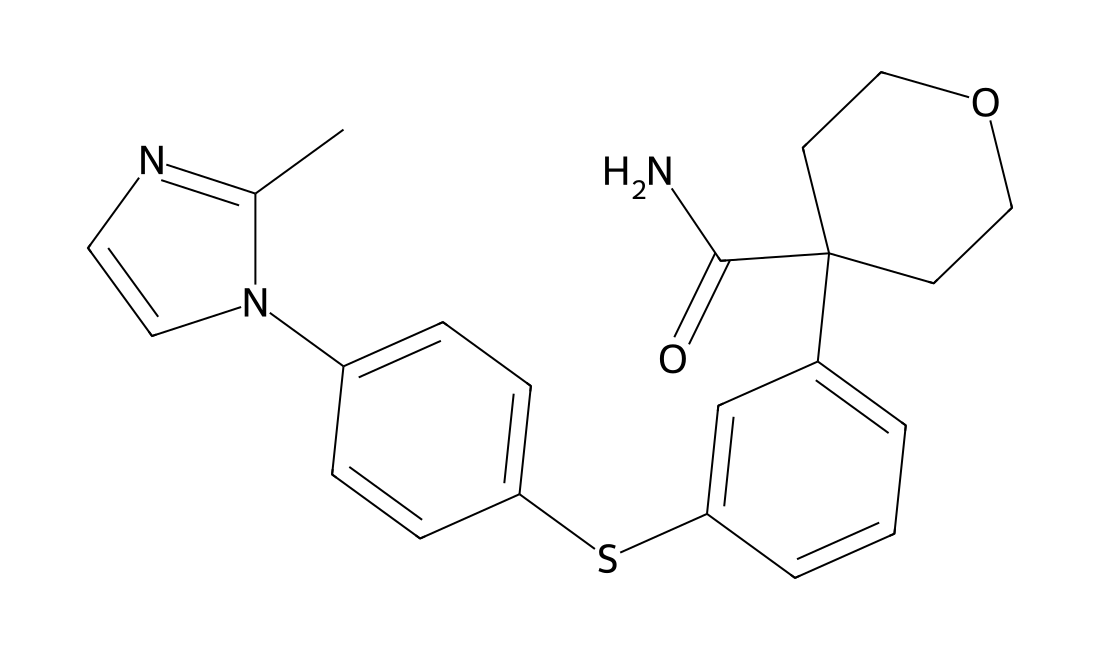
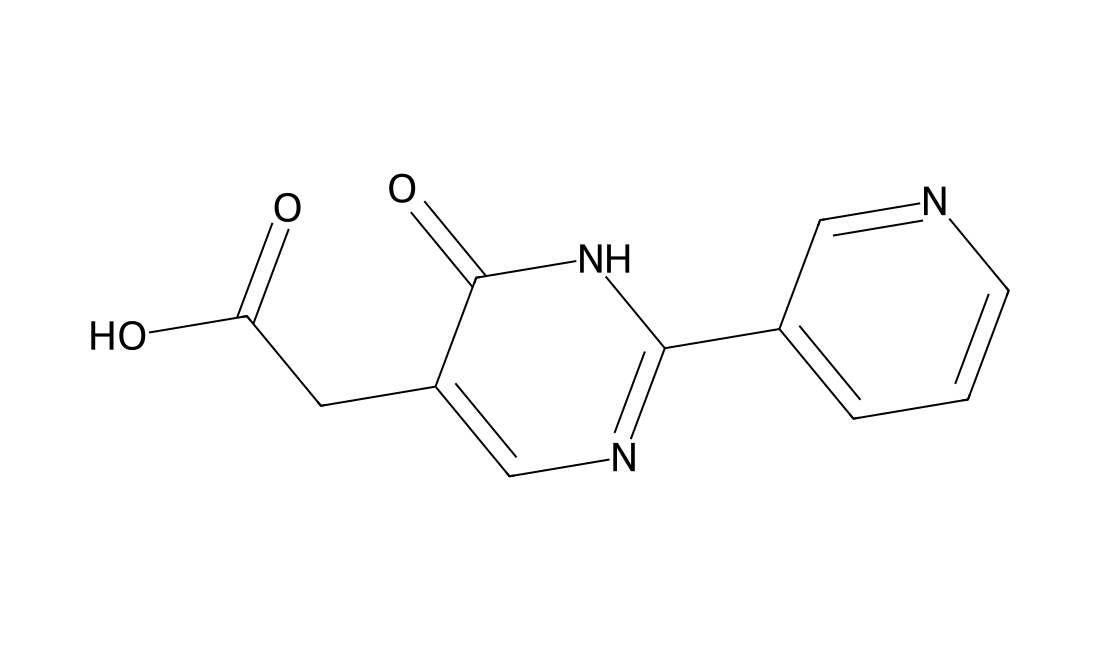
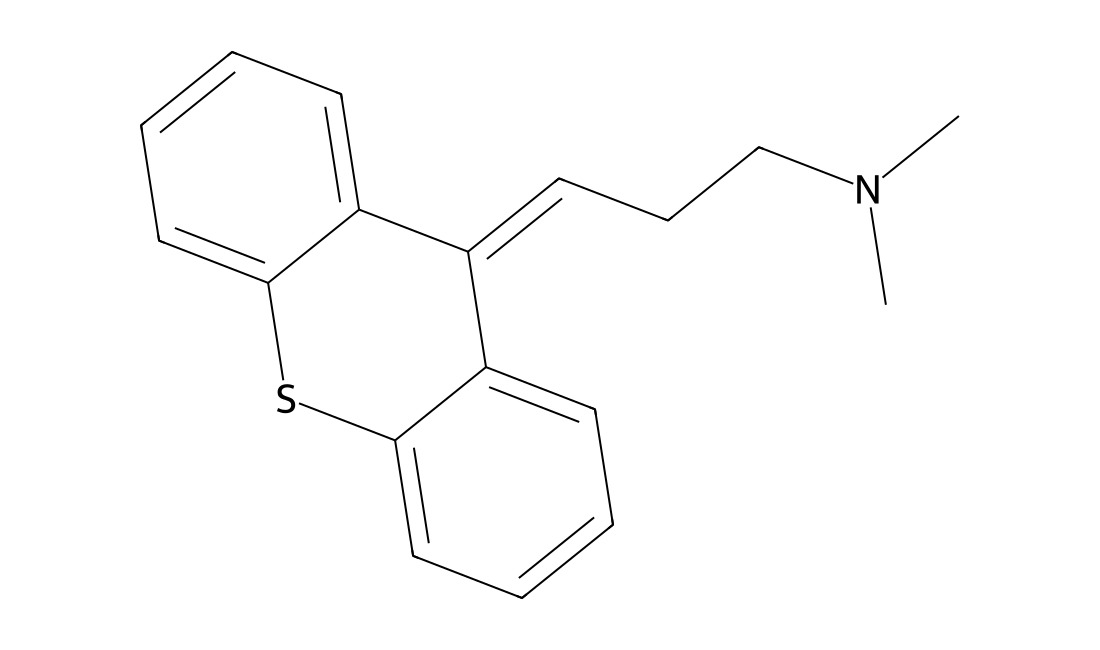
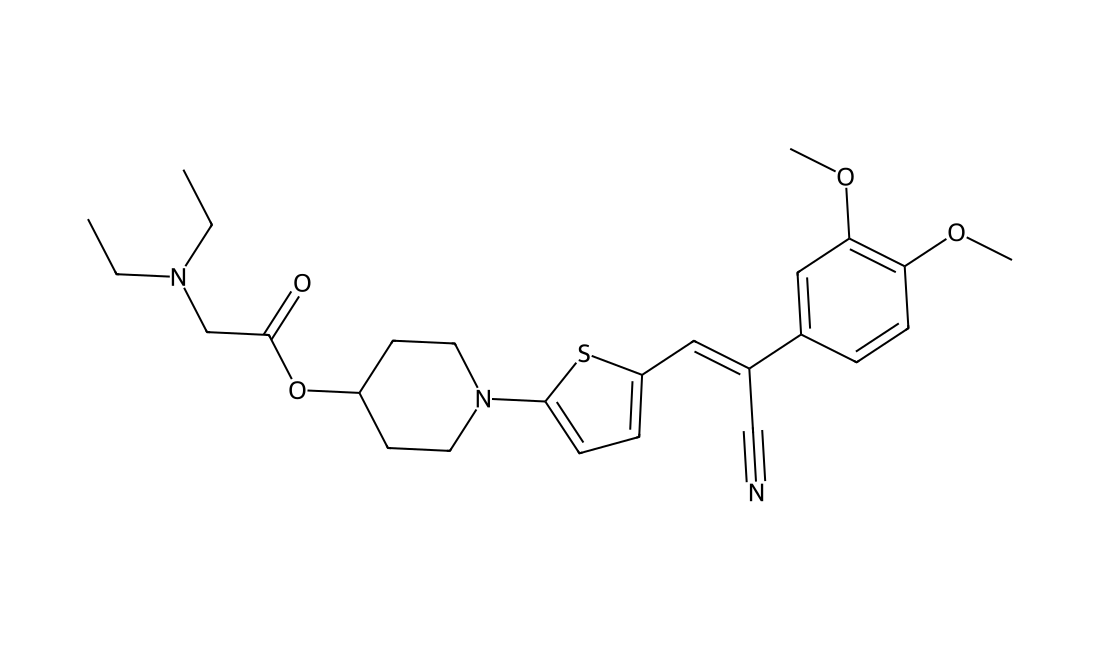
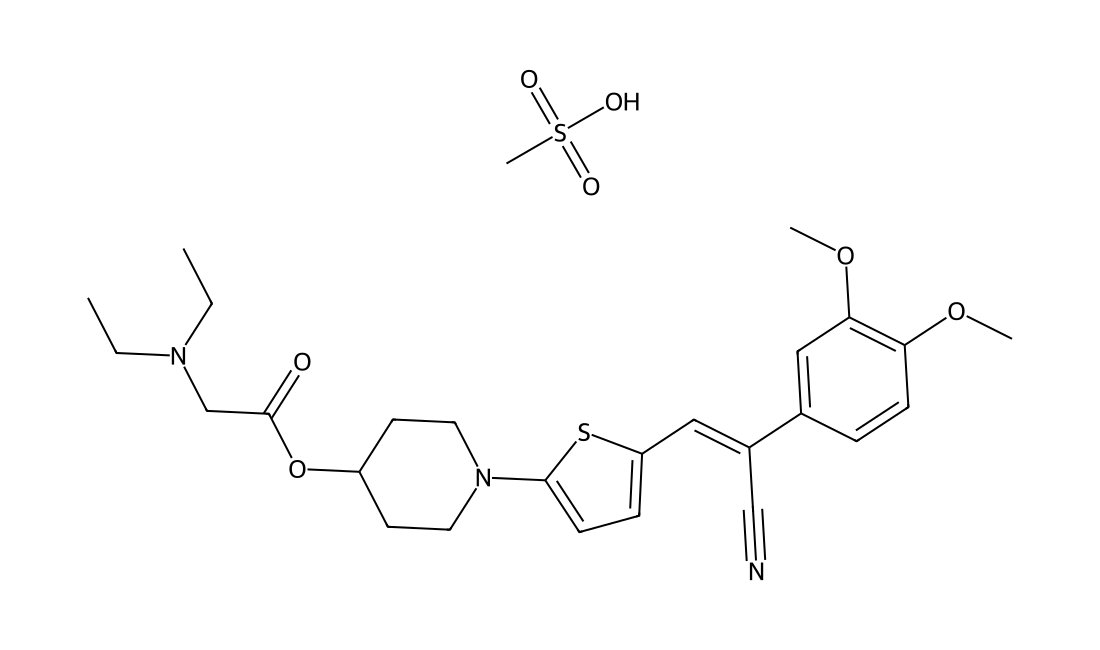
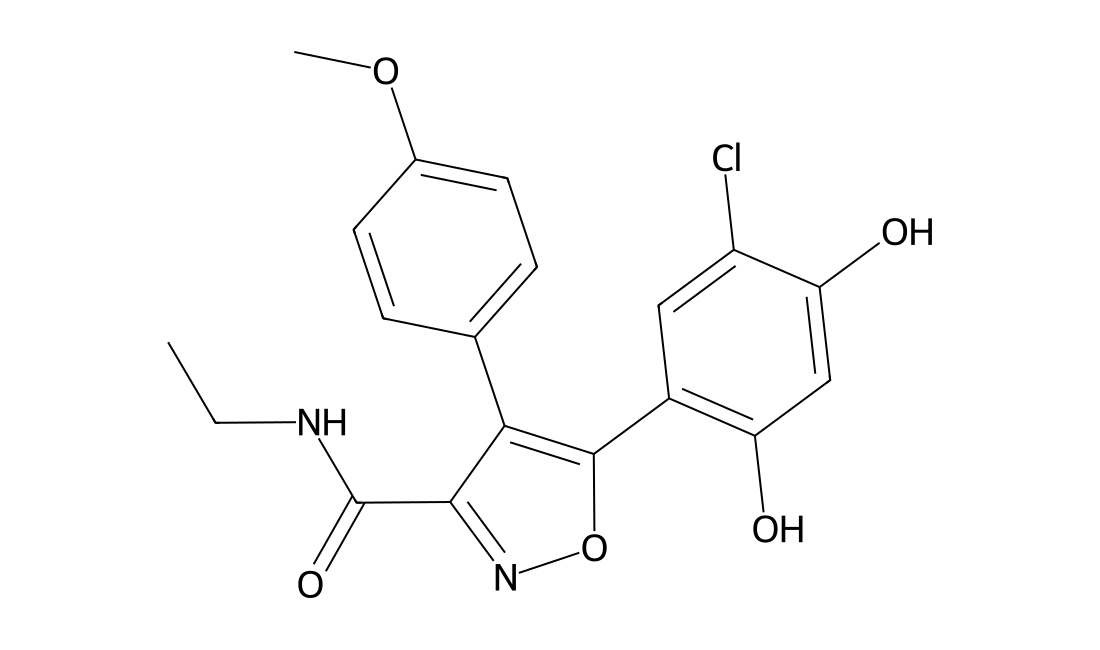
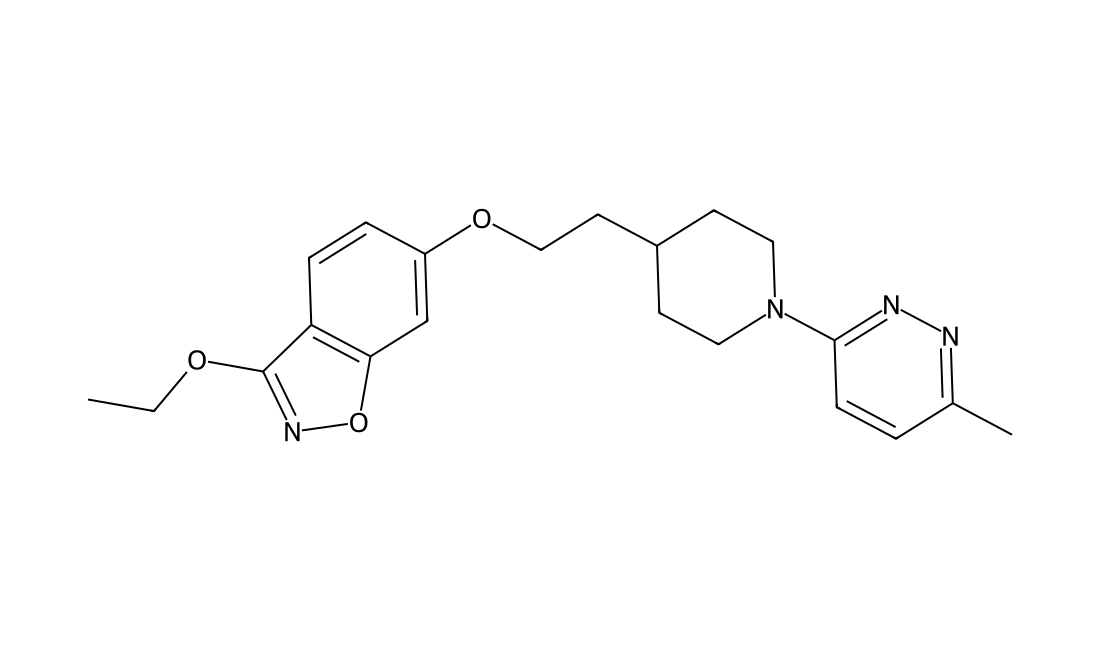
Home/Small Molecules/Other Research Tools

Other Research Tools

Additional reagents, chemical building blocks and specialized research tools.

Browse all research categories

Browse by research category

Products may appear in more than one category. Counts refer to distinct catalog numbers within each category.

Other Research Tools (75) · Additional reagents, building blocks and specialized research tools.

Other Research Tools products

Combine a keyword, research category and target to narrow the product list.

Loading catalog filters…

959 products · Showing 97–144

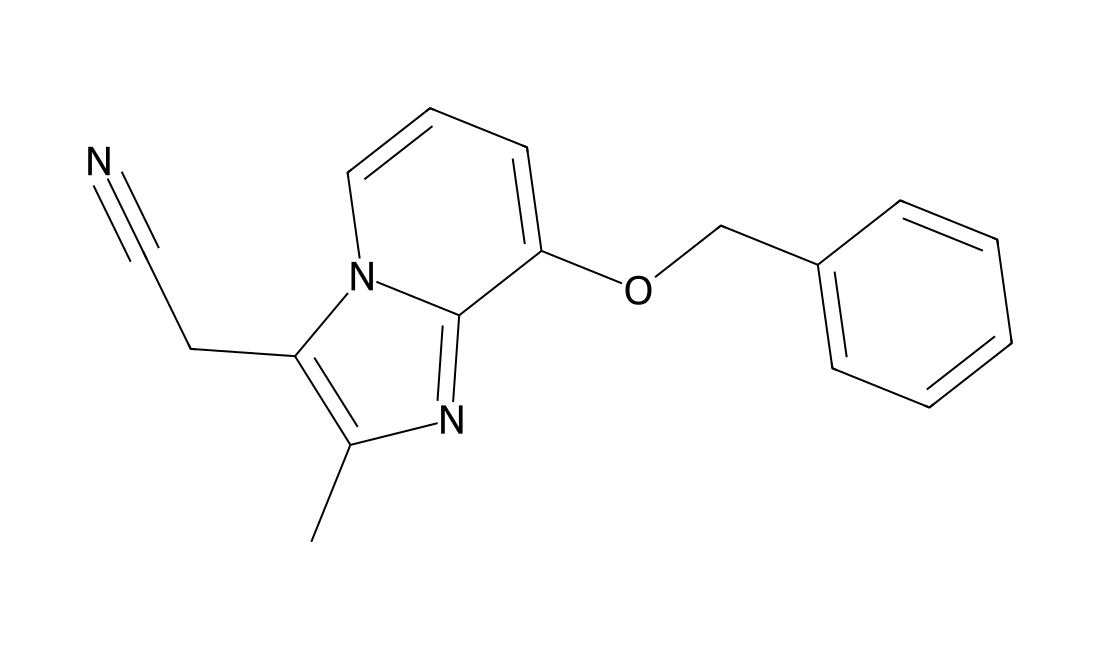
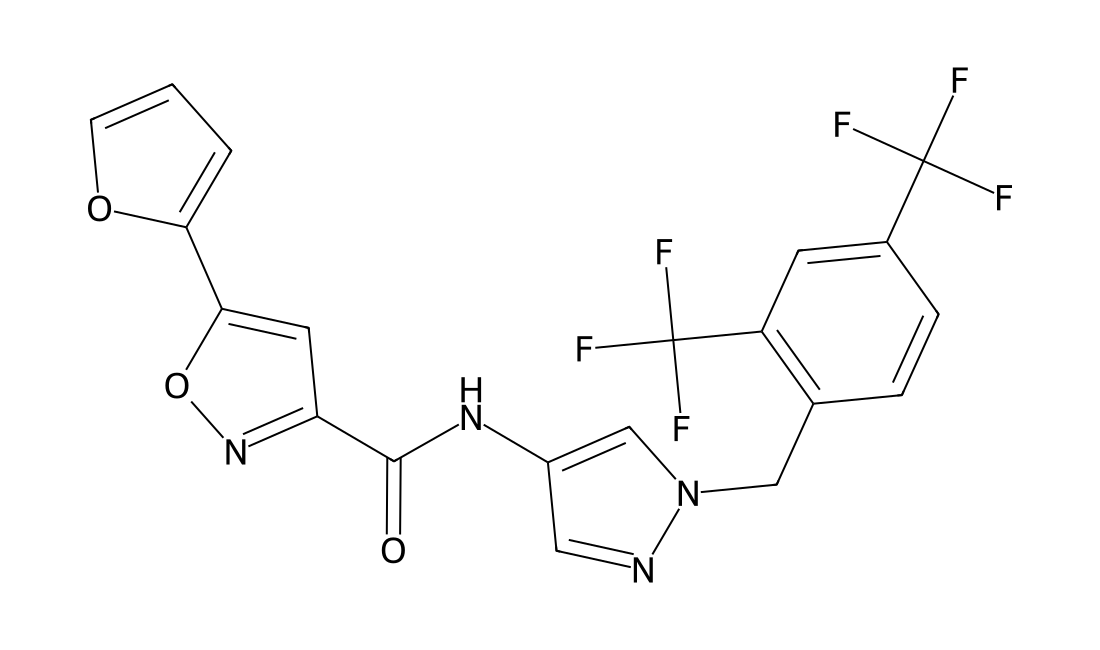
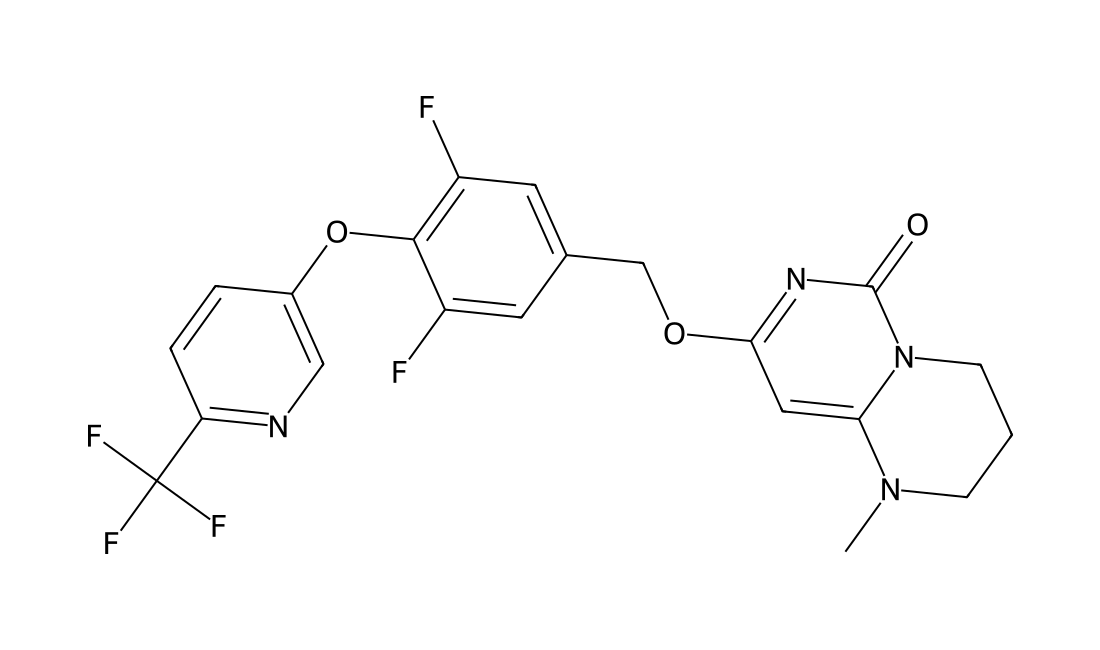
DC21853

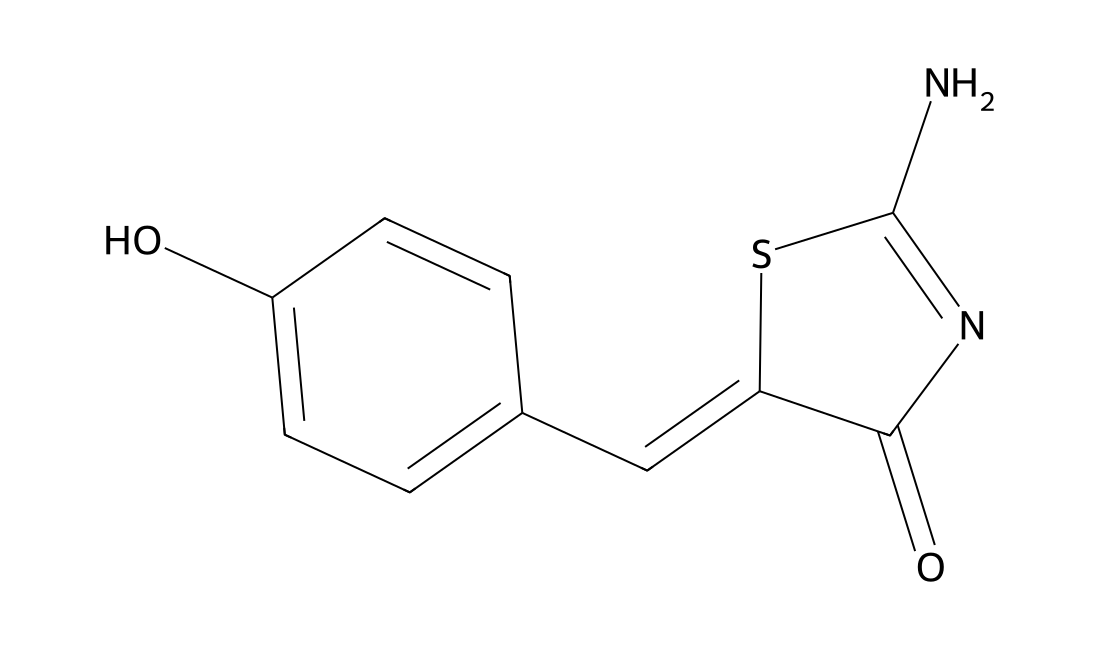
Ogerin

CAS 1309198-71-7

Ogerin is a selective GPR68 positive allosteric modulator, with a pEC50 of 6.83. Ogerin shows inverse agonist and antagonist activity (Ki, 220 nM) at A2A receptoor and weak antagonist activity (Ki, 736 nM) at 5-HT2B receptor. Ogerin blocks recall in fear conditioning in mice[1].

Ogerin chemical structure
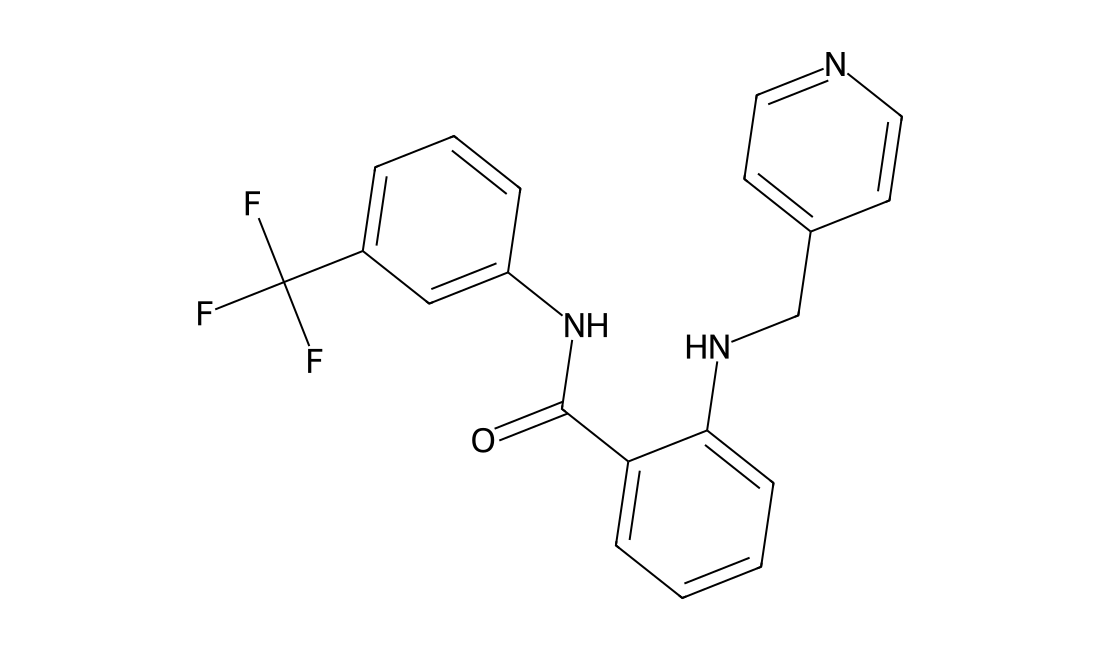
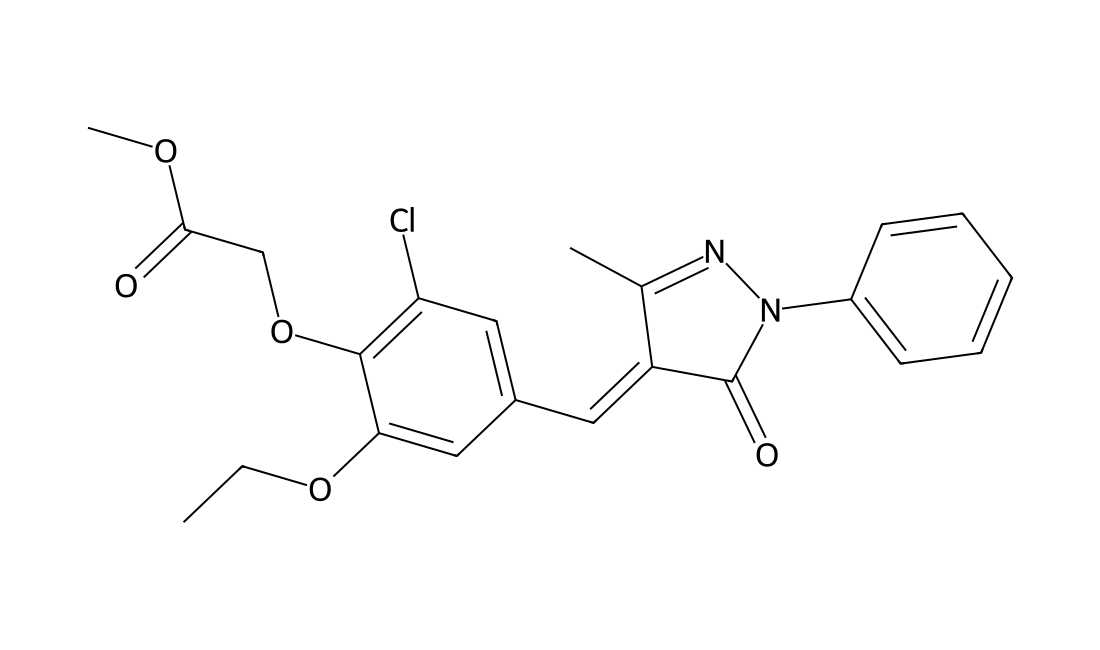
DC11310

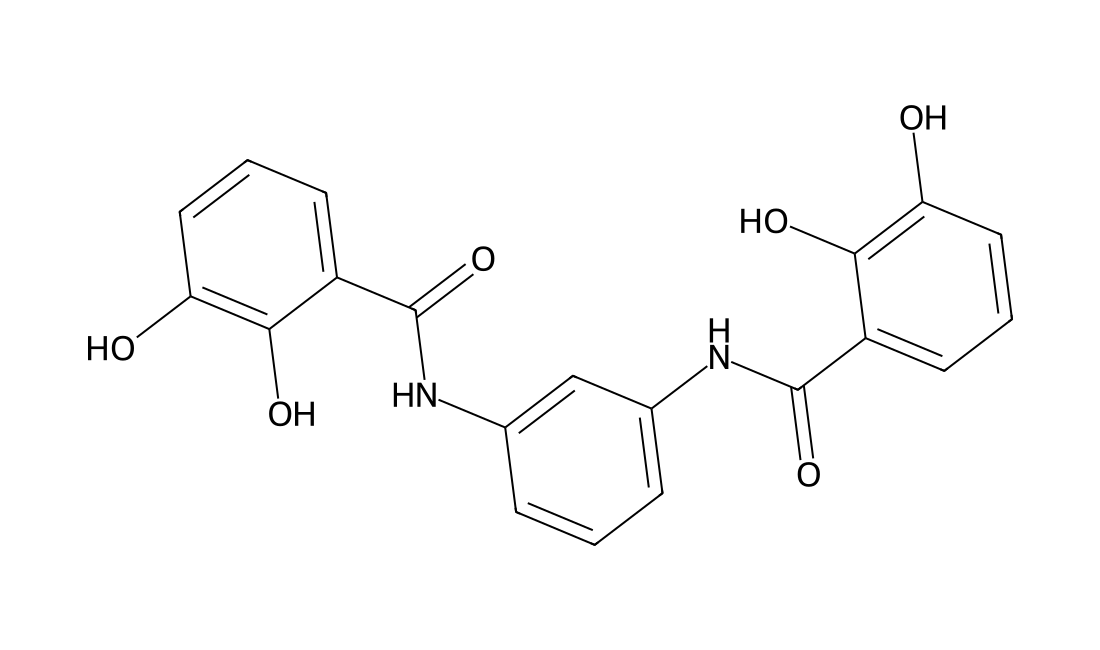
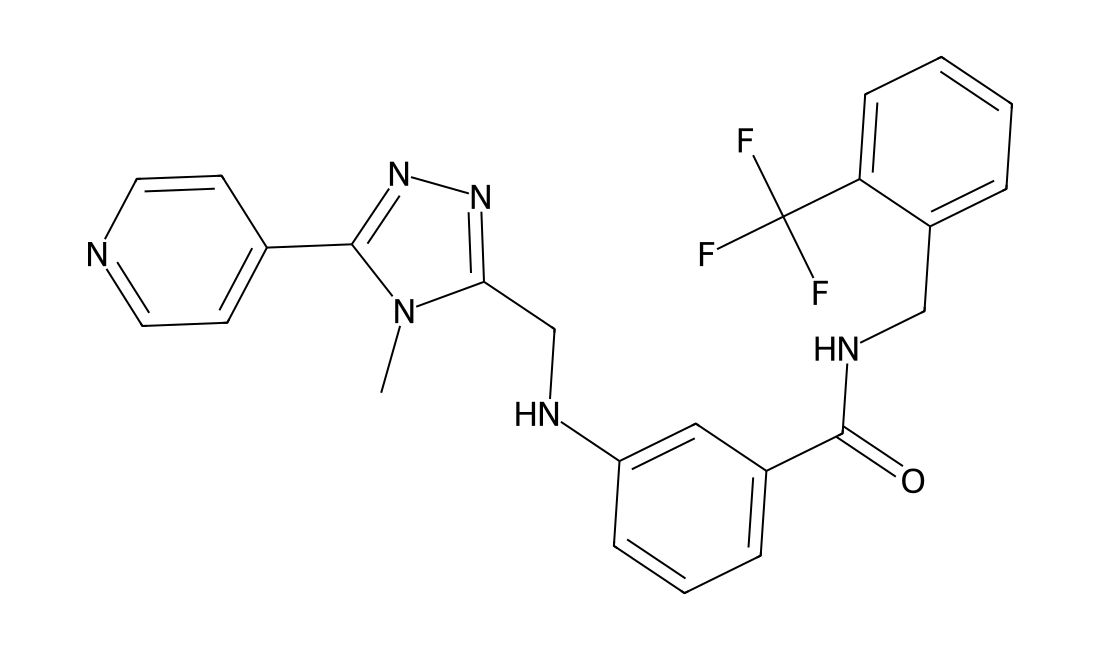
MST312

CAS 368449-04-1

MST-312 is a telomerase inhibitor. MST-312 is a chemically modified derivative of green tea epigallocatechin gallate (EGCG). MST-312 can be used for the research of cancer, such as multiple myeloma (MM)[1].

MST312 chemical structure
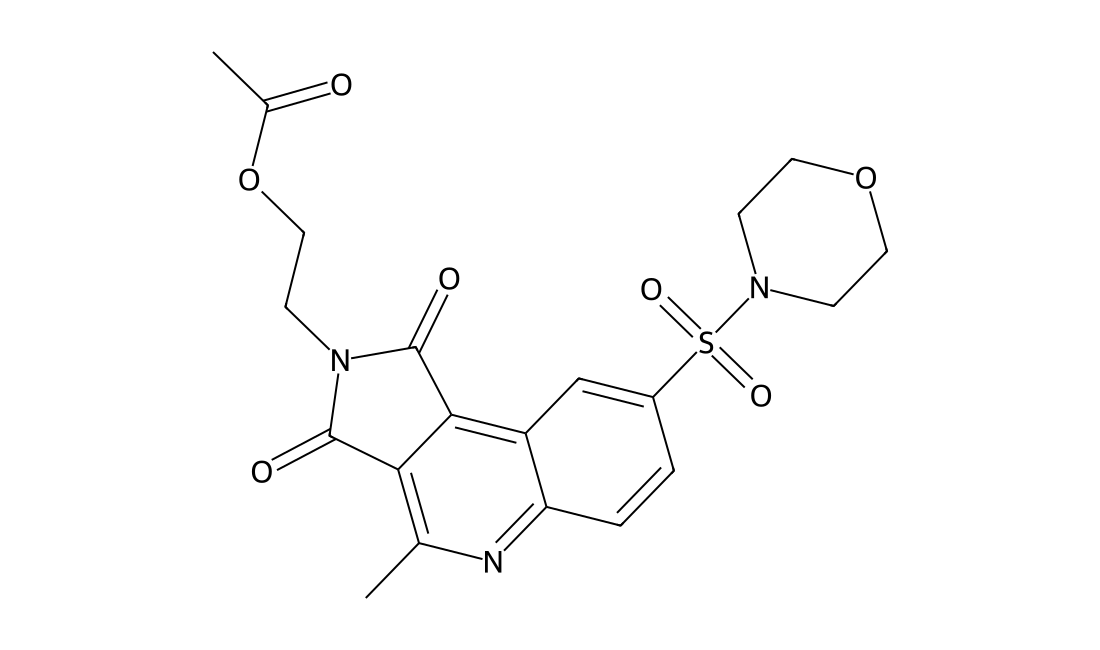
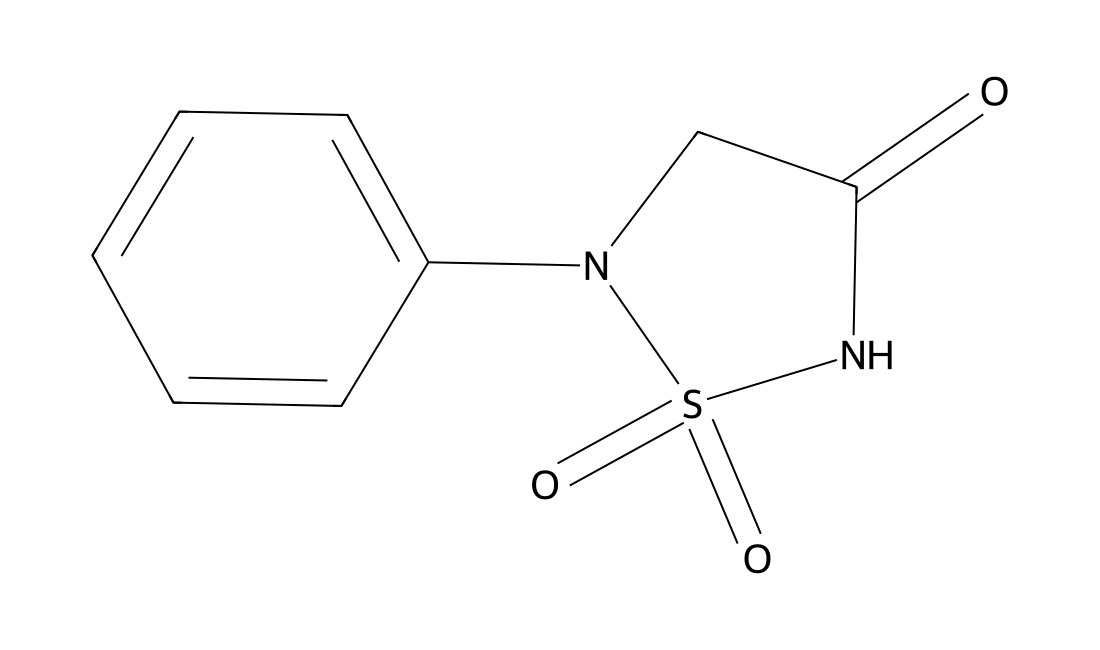
DC22737

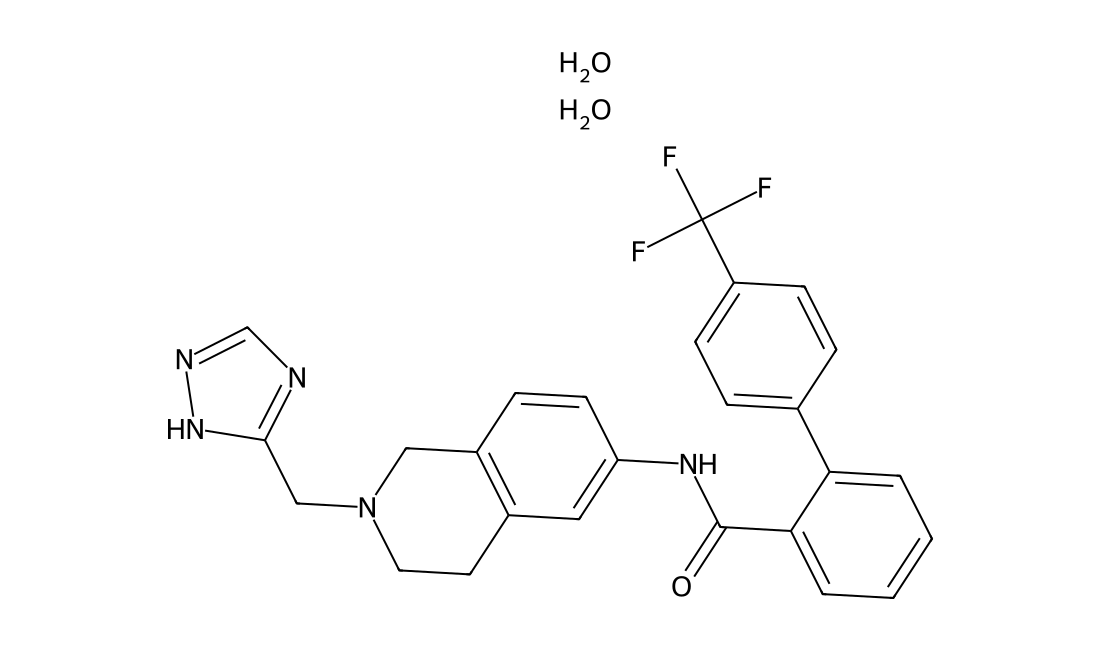
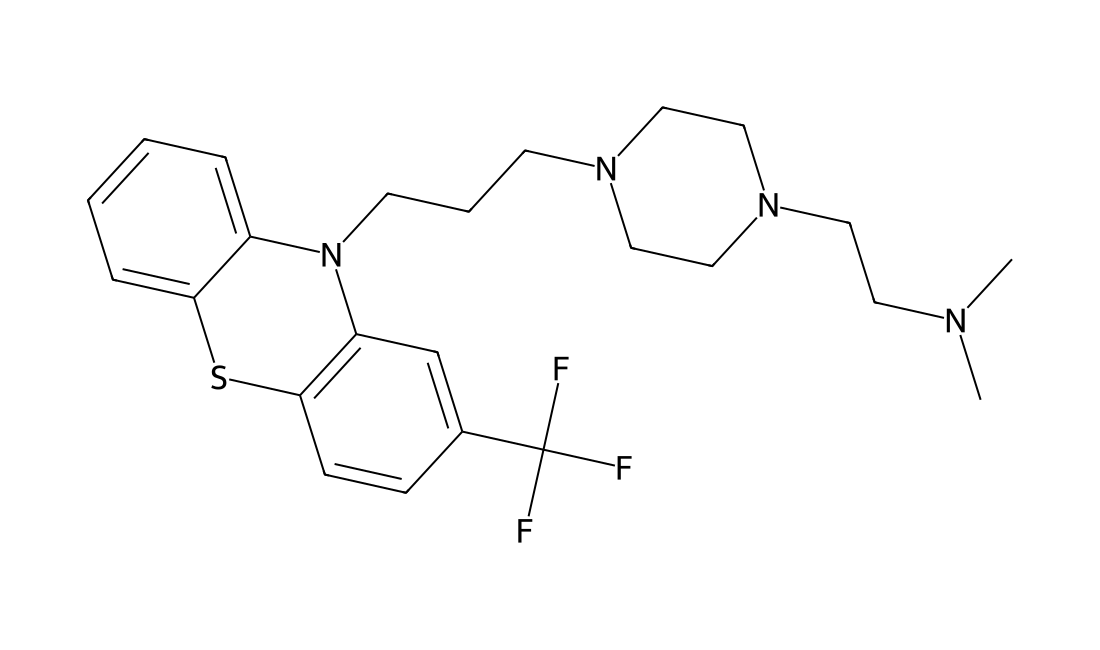
CP-346086

CAS 186390-48-7

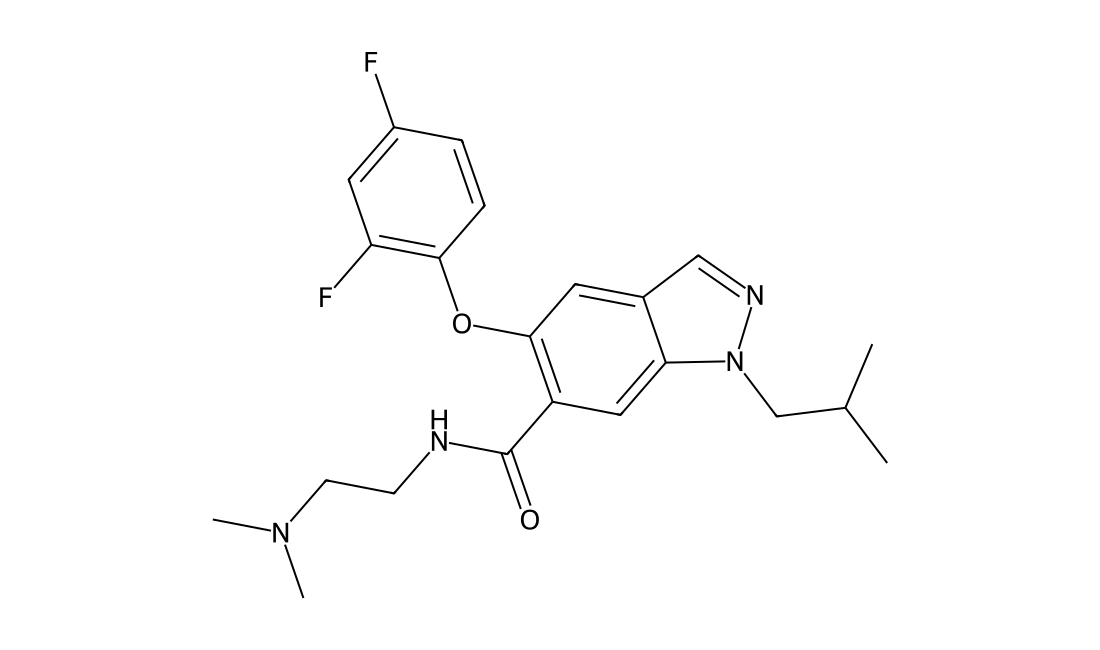
CP-346086 is a potent and orally active microsomal triglyceride transfer protein (MTP) inhibitor, with an IC50 of 2.0 nM for human and rodent MTP. CP-346086 can lower plasma cholesterol and triglycerides in vivo[1].

CP-346086 chemical structure
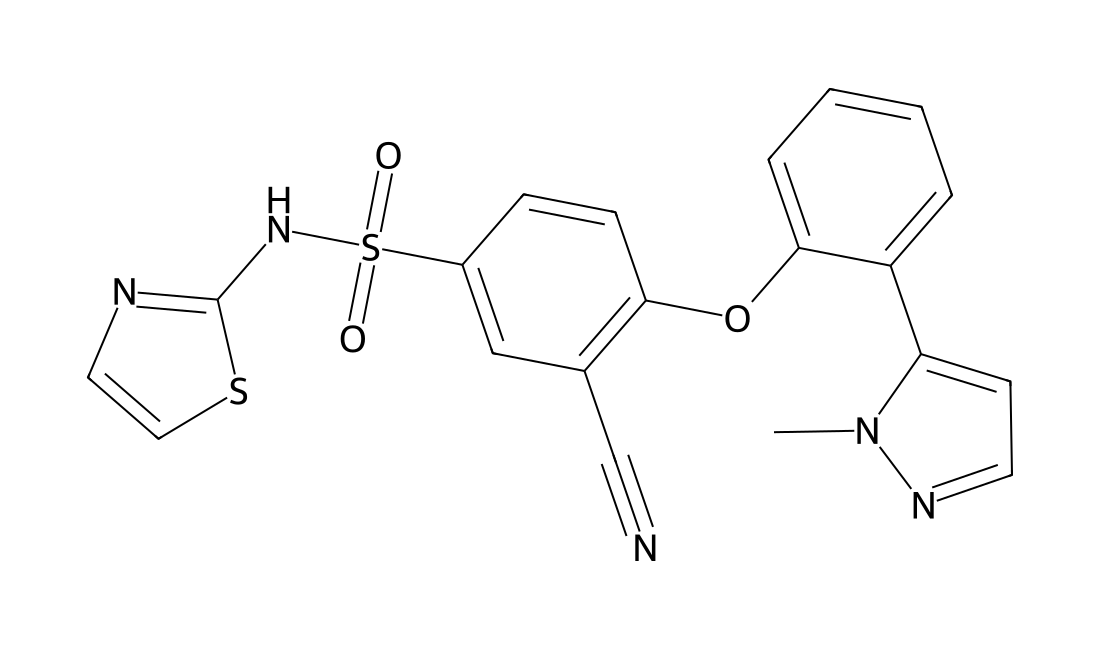
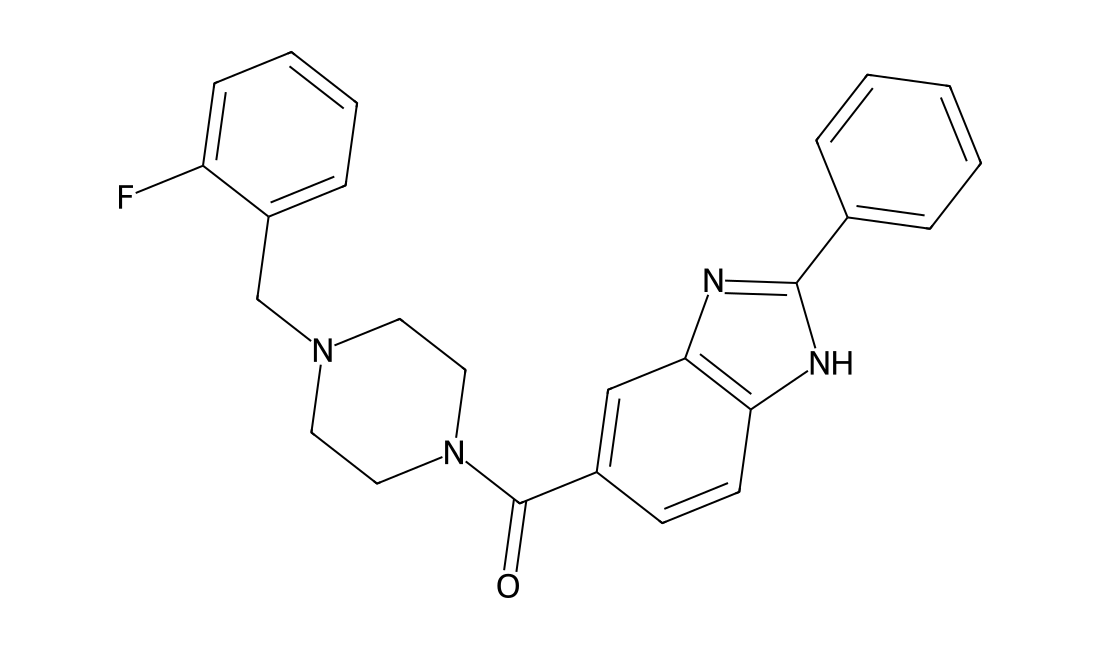
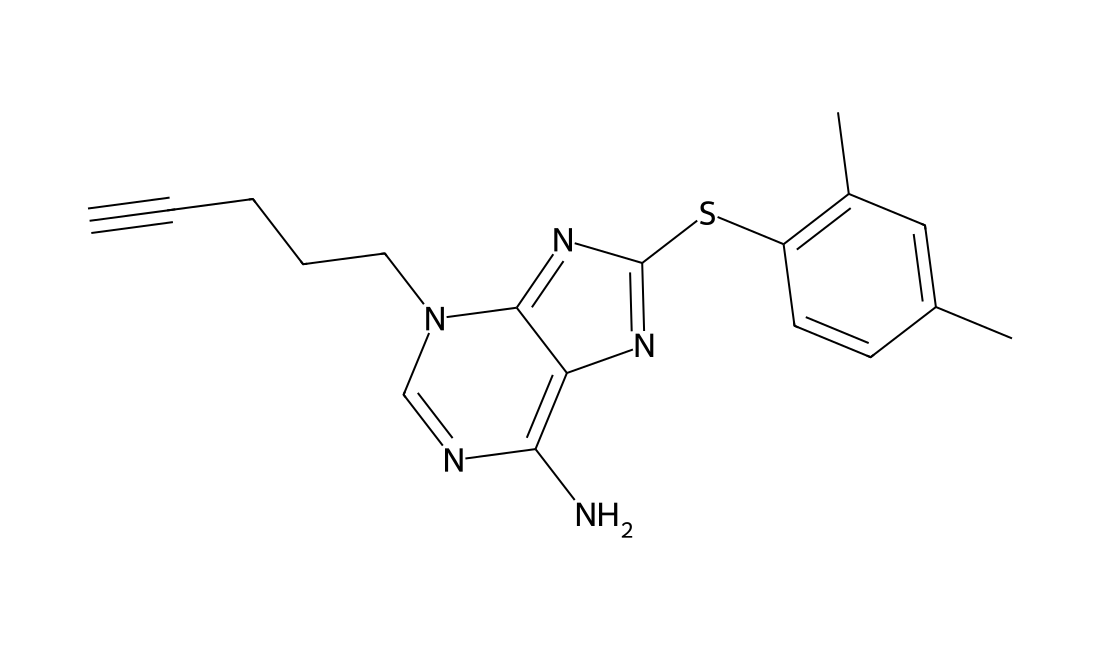
DC25003

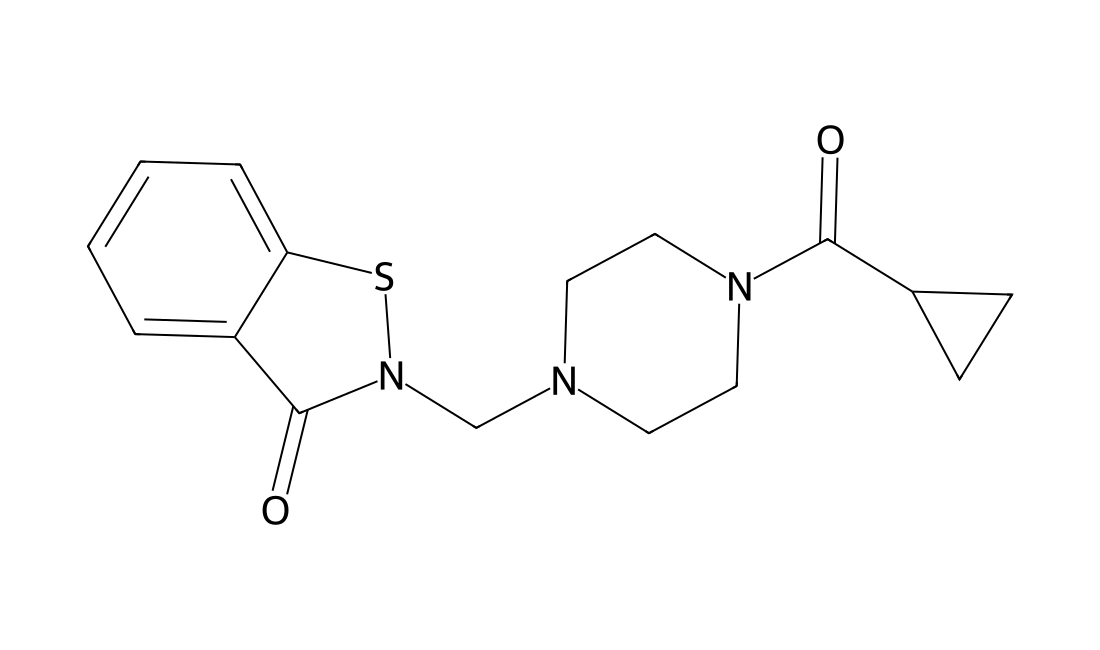
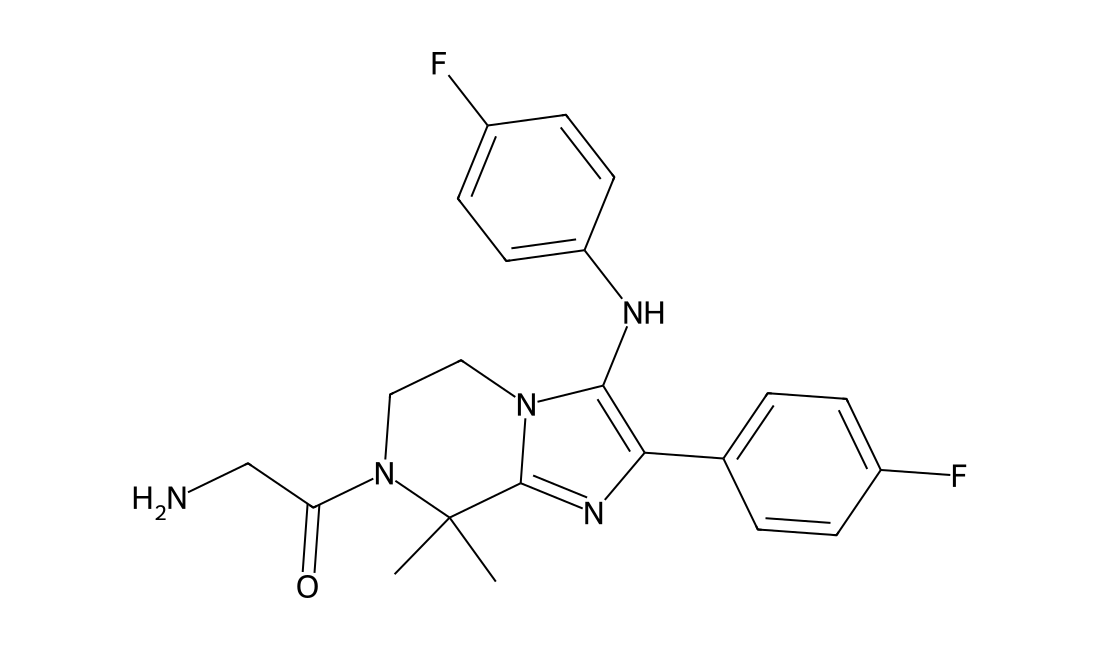
LOC14

CAS 877963-94-5

LOC14 is a potent Protein disulfide isomerase (PDI) inhibitor with EC50 and Kd values of 500 nM and 62 nM, respectively. LOC14 exhibits high stability in mouse liver microsomes and blood plasma, low intrinsic microsome clearance, and low plasma-protein binding[1].LOC14 inhibits PDIA3 activity, decreases intramolecular disulfide bonds and subsequent oligomerization (maturation) of HA in lung epithelial cells[3].

LOC14 chemical structure
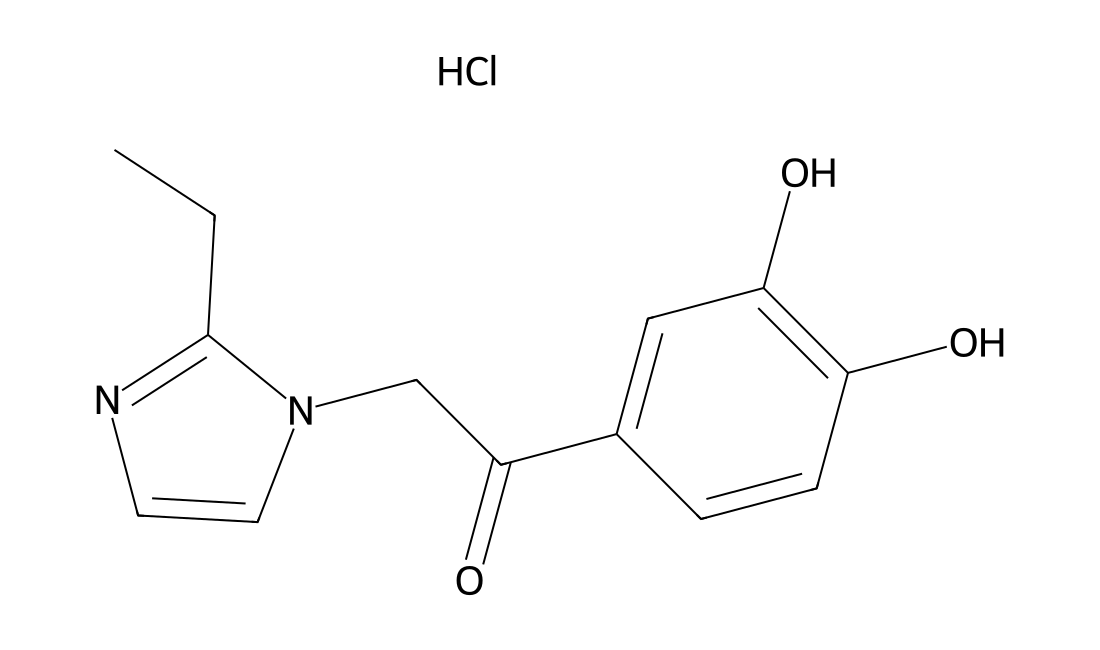
DC23600

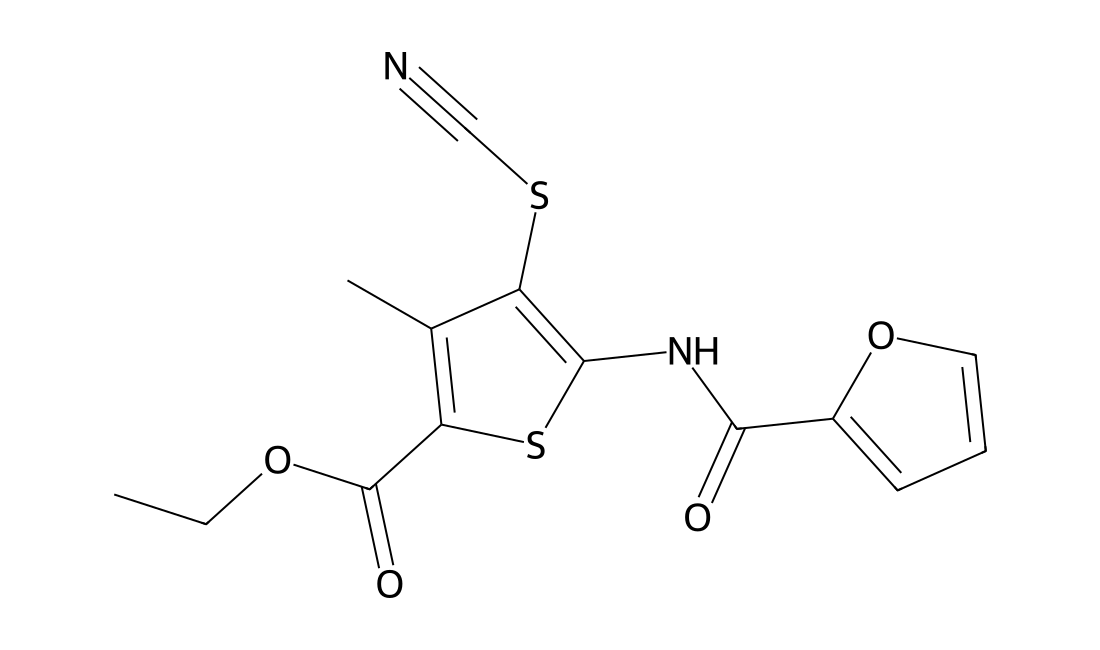
PF-04856264

CAS 1235397-05-3

PF-04856264 is a potent and selective Nav1.7 inhibitor, with IC50s of 28, 131, 19, and 42 nM for human, mouse, cynomolgus monkey and dog Nav1.7, respectively. PF-04856264 has low potency against the rat Nav1.7 channel. PF-04856264 shows analgesic effect[1][2].

PF-04856264 chemical structure
DC23626

SCH-28080

CAS 76081-98-6

SCH28080 inhibits gastric H+/K+-ATPase by K+-competitive binding, with an IC50 value of 20 nM in rabbit microsomal membranes[1]. Antisecretory and cytoprotective activities[2].

SCH-28080 chemical structure
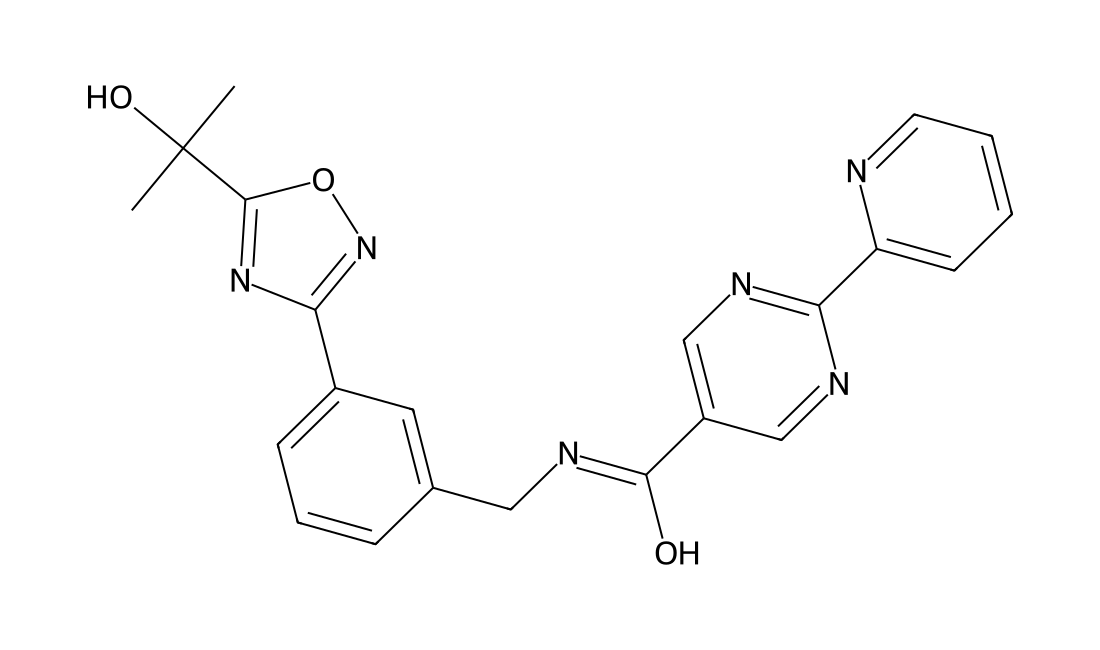
DC23864

AAL993

CAS 269390-77-4

AAL993 (ZK260253) is a potent, orally active VEGFR inhibitor with IC50 of 130, 23 and 18 nM for VEGFR-1, 2 and 3, respectively.

AAL993 chemical structure
DC29101

Ivachtin

CAS 745046-84-8

Ivachtin (Caspase-3 Inhibitor VII; compound 7a) is a nonpeptide, noncompetitive and reversibl caspase-3 inhibitor with an IC50 of 23 nM. Ivachtin has modest selectivity for the remaining caspases[1].

Ivachtin chemical structure
DC7272

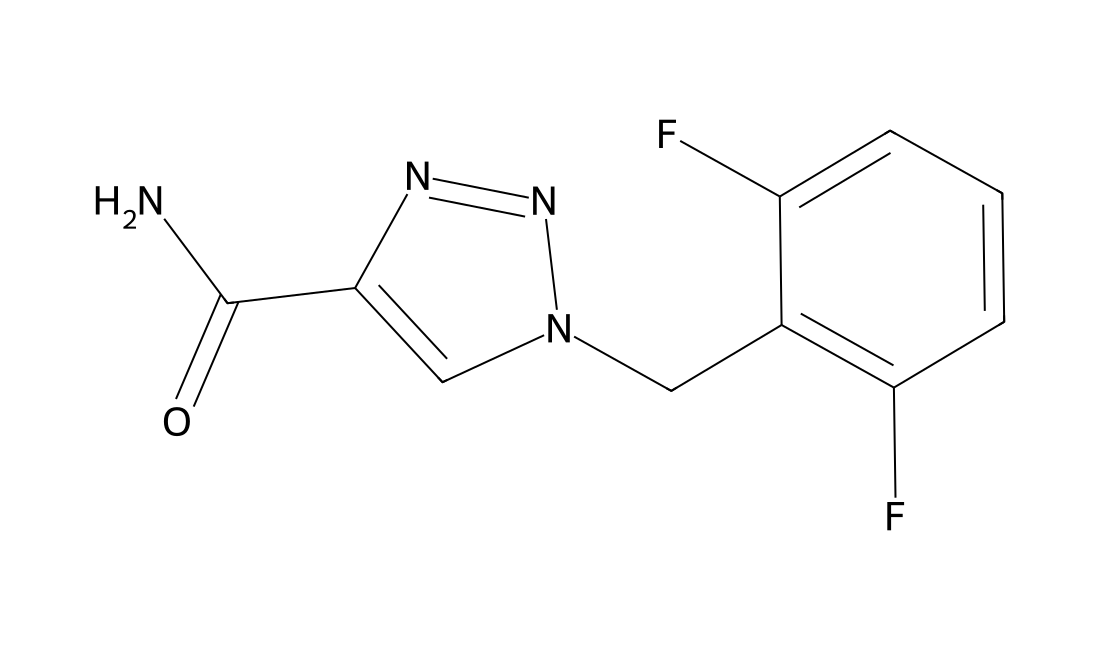
Rufinamide

CAS 106308-44-5

Rufinamide(E 2080; CGP 33101; RUF 331) is a new antiepileptic agent that differs structurally from other antiepileptic drugs and is approved as adjunctive therapy for Lennox-Gastaut syndrome (LGS).

Rufinamide chemical structure
DC8574

MS37452

CAS 423748-02-1

MS37452 is a potent inhibitor of CBX7 chromodomain binding to H3K27me3, with a Kd of 27.7 μM. MS37452 can derepress transcription of polycomb repressive complex target gene p16/CDKN2A by displacing CBX7 binding to the INK4A/ARF locus in prostate cancer cells[1].

MS37452 chemical structure
DC9010

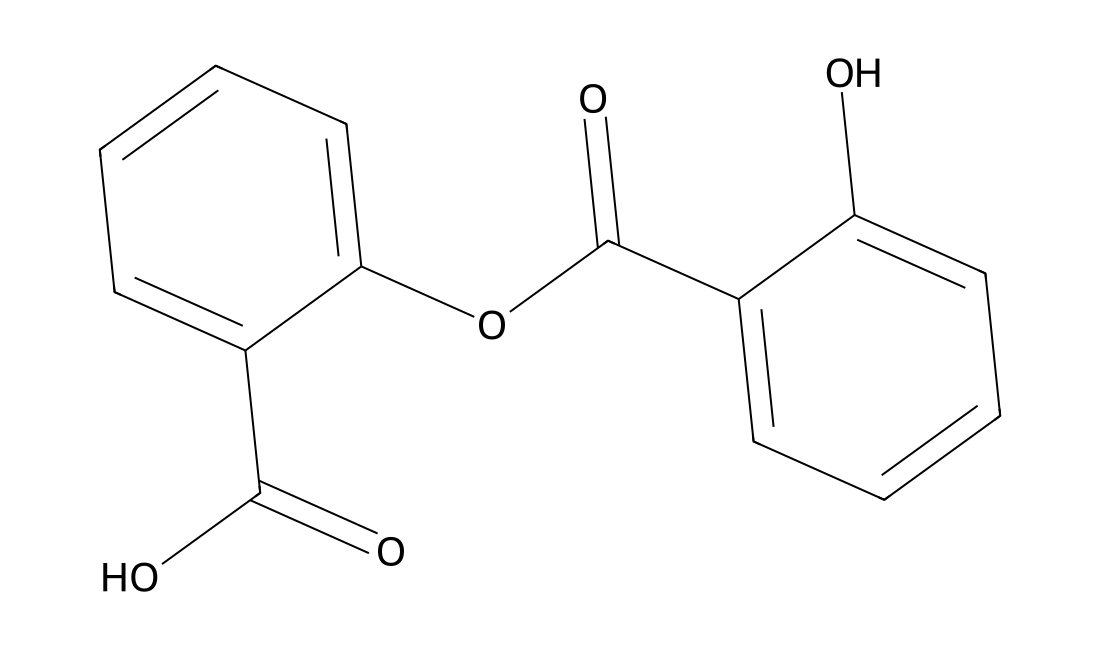
Sasapyrine

CAS 552-94-3

Salsalate is a nonsteroidal anti-inflammatory drug (NSAID).Salsalate is a medication that belongs to the salicylate and non-steroidal anti-inflammatory drug (NSAID) classes. Relative to other NSAIDs, Salsalate has a weak inhibitory effect on the cyclooxygenase enzyme and decreases the production of several pro inflammatory chemical signals such as interleukin-6, TNF-alpha, and C-reactive protein. Common conditions in which Salsalate may be indicated include inflammatory disorders such as rheumatoid arthritis or noninflammatory disorders such as osteoarthritis.

Sasapyrine chemical structure
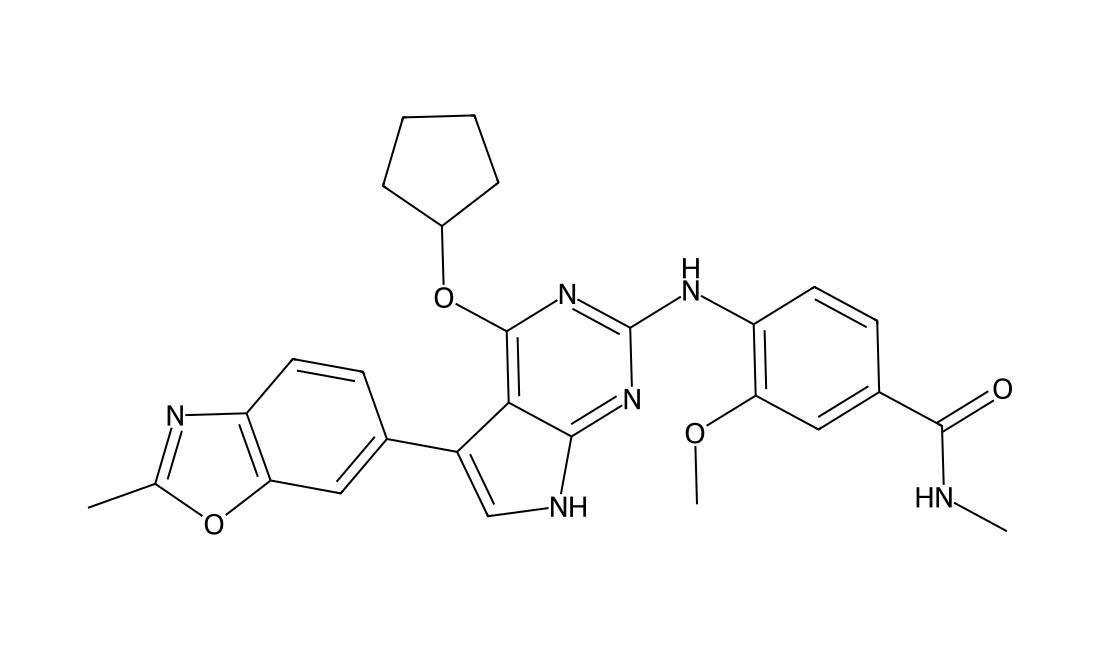
DC20866

CC-671

CAS 1618658-88-0

CC-671 is a dual TTK protein kinase/CDC2-like kinase (CLK2) inhibitor with IC50s of 0.005 and 0.006 μM for TTK and CLK2, respectively.

CC-671 chemical structure
DC9275

Mirin

CAS 1198097-97-0

Mirin is a small-molecule inhibitor of MRN (Mre11, Rad50, and Nbs1) complex.Target: in vitro: Mirin was shown to block Mre11 exonuclease activity and MRN-dependent ATM activation, and to inhibit the ionizing radiation-induced G2/M checkpoint and homologous recombination in mammalian cells. Mirin inhibition of ATM activation is independent of Mre11 nuclease inhibition since the M(HN)RN and M(HL/DV)RN mutant complexes are inhibited equivalently to the wild-type enzyme despite the fact that they are nuclease-deficient. The effects of Mirin have been ascribed to its effects on Mre11 nuclease activity, but as we show here, Mirin is inhibitory of MRN function independent of the nuclease activity of the complex. [2] Addition of the Mre11 inhibitor Mirin to egg extracts and mammalian cells reduces RCC1 association with mitotic chromosomes. HeLa cells expressing Histone H2B-EYFP were treated with Mirin (25 or 50 μM), and mitotic progression was immediately monitored using live cell imaging. Although Mirin-treated cells were able to congress chromosomes to the metaphase plate with similar kinetics as untreated cells, a significant fraction of Mirin-treated cells paused for extended periods of time in a metaphase-like stage without anaphase onset . [1]

Mirin chemical structure
DC11955

Takeda compound 101

CAS 865608-11-3

Compound 101 (GRK2 inhibitor 101, Takeda compound 101, Cmpd101)is a novel membrane-permeable, small-molecule inhibitor of both GRK2 and GRK3 with IC50s of 18 nM and 5.4 nM. CMPD101 also inhibits ROCK-2 and PKCα (IC50s=1.4 μM and 8.1 μM, respectively)[1].

Takeda compound 101 chemical structure
DC23776

ZZW-115

CAS 801991-87-7

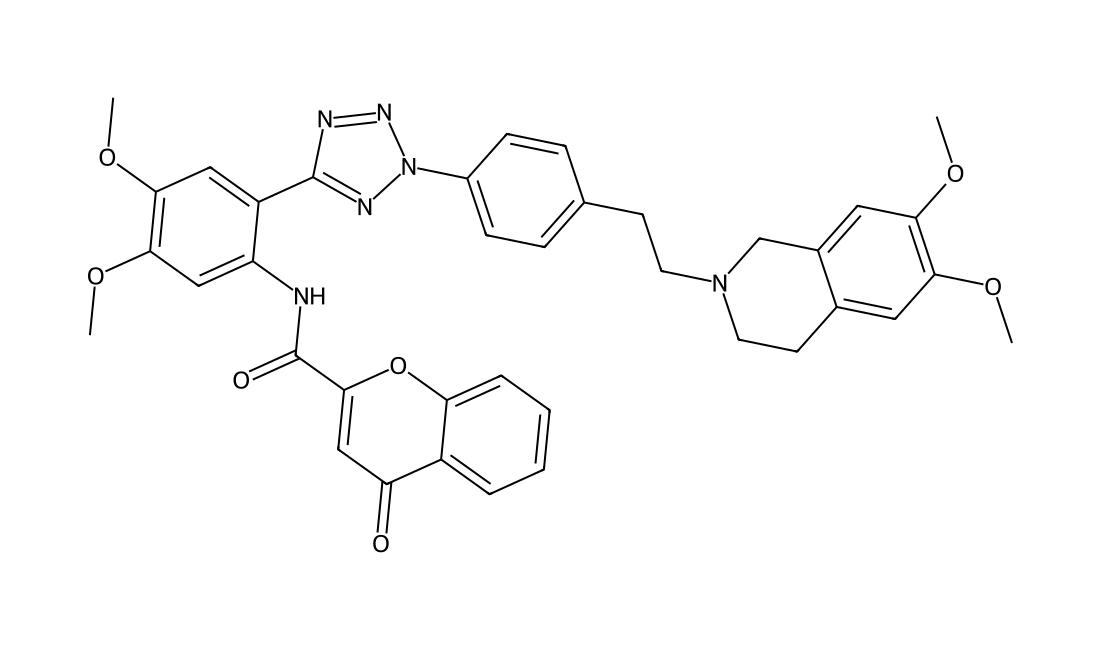
ZZW-115 (ZZW115, ZZW 115) is a potent inhibitor of NUPR1 (Kd=2.1 uM), an intrinsically disordered protein (IDP) with an entirely disordered conformation; demonstrates antitumor activity on a panel of 11 primary PDAC-derived cells and it was found to be efficient to kill the cancer cells with IC50 in the range from 0.84 μM (ANOR) to 4.93 μM (HN14), also inhibits the growth of other tumors-derived cells (IC50=0.42 μM (Hep2G cells) to 7.75 μM (SaO-2 cells)); induces pancreatic cell death by necrosis and apoptosis and inhibits the growth pancreatic xenografted tumors in vivo.

ZZW-115 chemical structure
DC21197

Ganaplacide

CAS 1261113-96-5

Ganaplacide (KAF156, GNF-156) is a novel antimalarial clinical candidate that shows blood schizonticidal activity with IC50 of 6-17.4 nM against P falciparum drug-sensitive and drug-resistant strains.

Ganaplacide chemical structure
DC24125

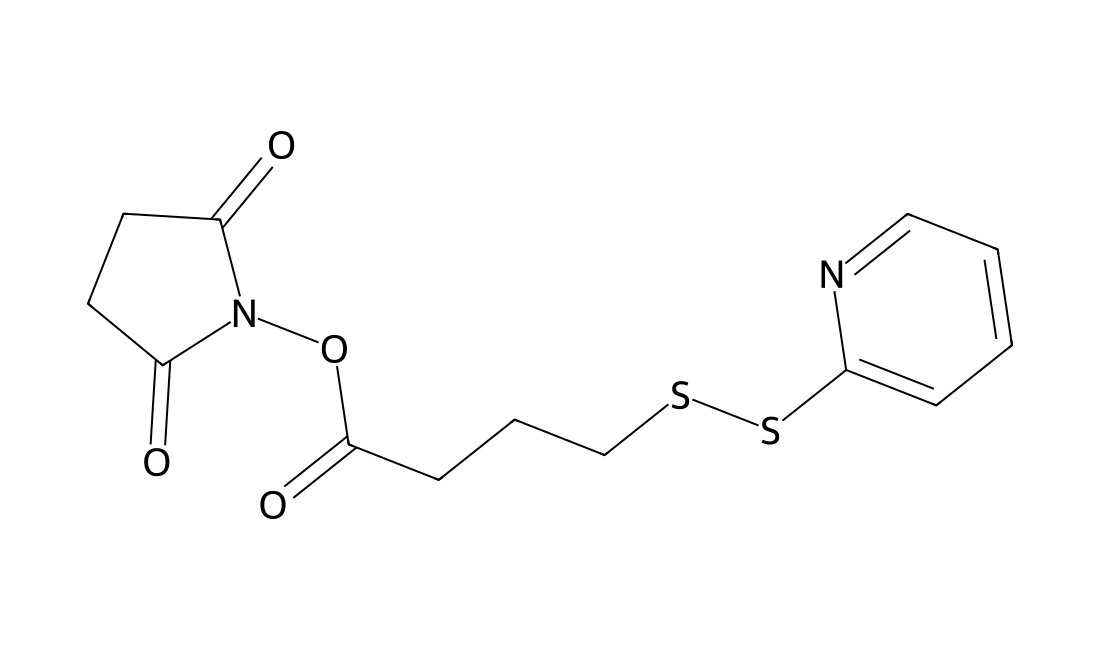
SPDB

CAS 115088-06-7

SPDB is a small fragment that can linked DM4 conjugates. Conjugated to antibodies utilizing disulfide linkers: anti-EGFR-SPDB-DM4 has been widely used.

SPDB chemical structure
DC20523

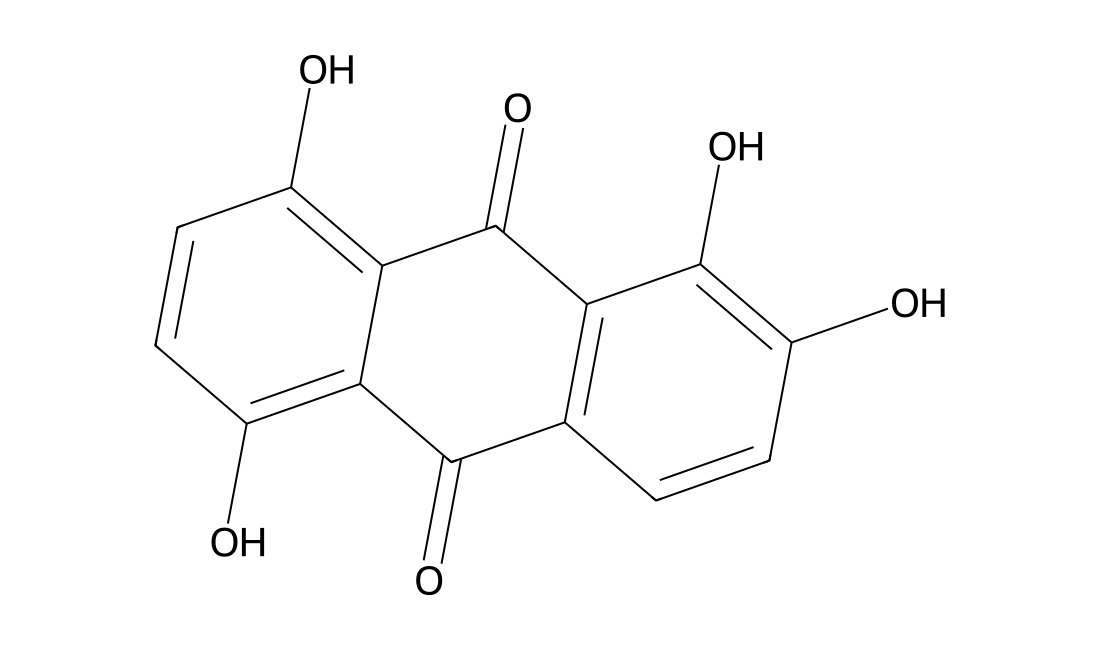
Quinalizarin

CAS 81-61-8

Quinalizarin is a potent, selective and cell-permeable inhibitor of CK2 with Ki of 58 nM; shows selectivity over DYRK1a, PIMs, HIPK2, MNK1, ERK8 and PKD1; inhibits endogenous CK2 and induces apoptosis more efficiently than Emodin in Jurkat cells; reduces cell viability with emphasis on adenocarcinoma cells harboring EGFR sensitive mutation, suppresses migration, and accelerates apoptosis in different human lung cancer cell lines.

Quinalizarin chemical structure
DC8727

PF-04880594

CAS 1111636-35-1

PF-04880594 is a potent and selective RAF inhibitor that inhibits both wild-type and mutant BRAF and CRAF. PF-04880594 potently inhibits tumor growth in BRAF-mutant melanoma xenograft models.

PF-04880594 chemical structure
DC8567

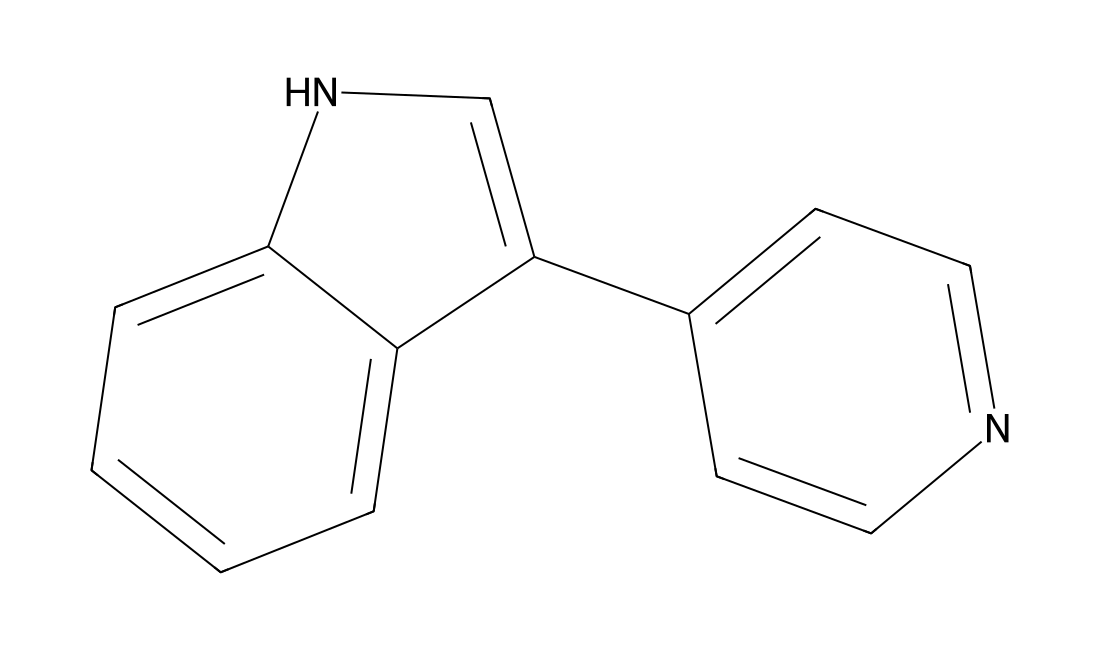
3-(4-Pyridyl)

CAS 7272-84-6

3-(4-Pyridyl)indole is a ROCK-I inhibitor (IC50 = 25 µM) that promotes cell spreading, inhibits membrane blebbing, and induces dissolution of actin stress fibers in a wound healing assay.It also inhibits ROCK-II and PRK2, another Rho-dependent kinase, with similar potency, while inhibiting MSK-1 and PKA with relatively weaker potency.

3-(4-Pyridyl) chemical structure
DC20906

CJ-13610

CAS 179420-17-8

CJ-13610 is a potent 5-Lipoxygenase (5-LO) inhibitor that suppresses 5-LO product formation with IC50 of 70 nM; demonstrates antihyperalgesic activity in inflammatory pain models including the acute carrageenan model and the chronic inflammatory model.AsthmaPhase 2 Discontinued

CJ-13610 chemical structure
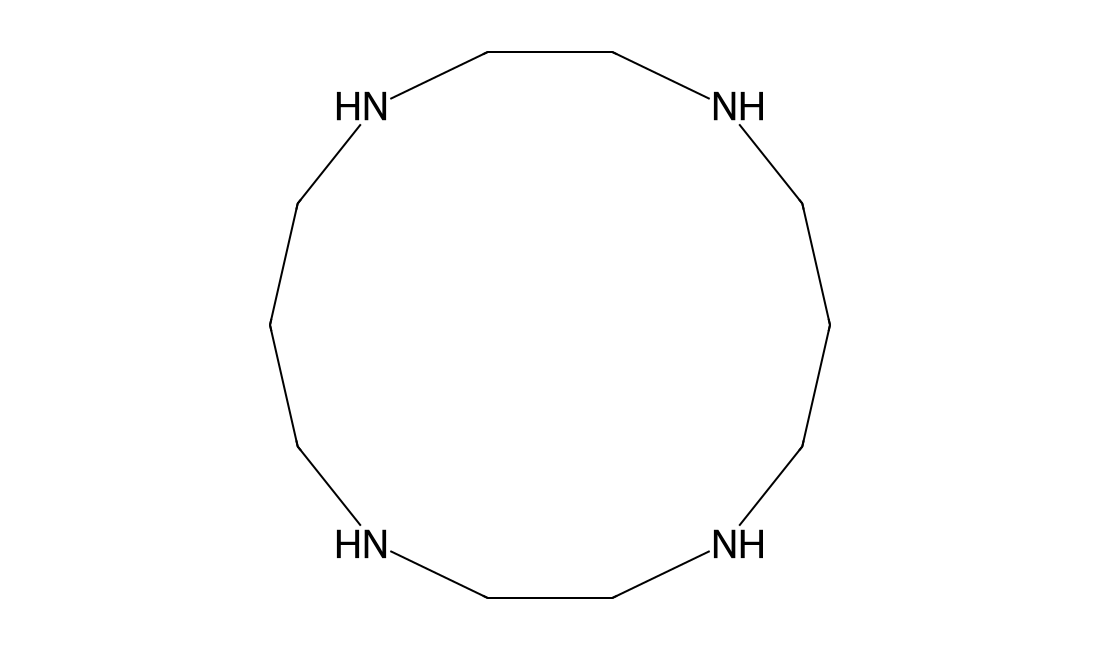
DC37639

Cyclam

CAS 295-37-4

Cyclam (1,4,8,11-tetraazacyclotetradecane) is an organic compound. It is a white solid that is soluble in water. The compound is notable as a macrocyclic ligand, which binds strongly to many transition metal cations. The compound was first prepared by the reaction of 1,3-dibromopropane and ethylenediamine.

Cyclam chemical structure
DC40100

Ceapin-A7

CAS 2323027-38-7

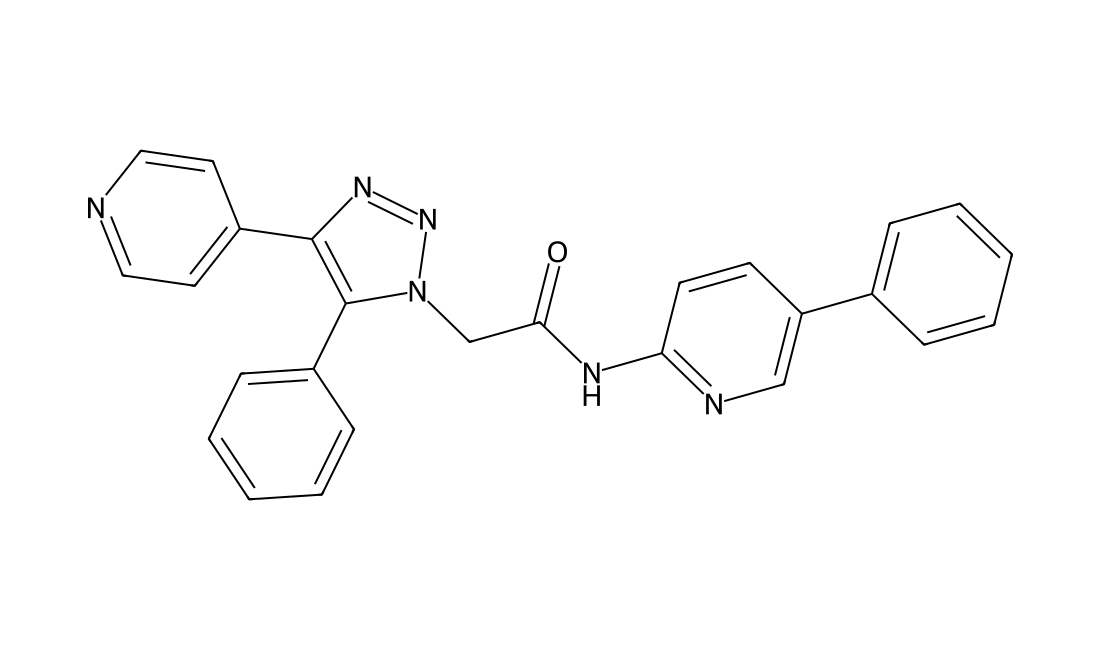
Ceapin-A7 is a selective blocker of ATF6α signaling in response to ER stress, with an IC50 of 0.59 μM. Ceapin-A7 can be used to explore both the mechanism of activation of ATF6α and its role in pathological settings.

Ceapin-A7 chemical structure
DC9506

SJ-172550

CAS 431979-47-4

SJ-172550 is the first MDMX inhibitor with EC50 of 0.84 uM; binds reversibly to MDMX and effectively kills retinoblastoma cells in which the expression of MDMX is amplified. in vitro: Unlike SJ-134433 and SJ-044557, SJ-172550 was stable in solution and did not modify the MDMX protein by covalent binding in our FP assay buffer. MDMX-p53 interaction was at least partially inhibited by SJ-172550, despite its relatively low cell permeability. SJ-172550 acts through a complicated mechanism in which the compound forms a covalent but reversible complex with MDMX and locks MDMX into a conformation that is unable to bind p53.

SJ-172550 chemical structure
DC20323

Bractoppin

CAS 2290527-07-8

Bractoppin is a potent, small-molecule chemical inhibitor that specific selectively blocks phosphopeptide recognition by the BRCA1 tBRCT domain with binding IC50 of 74 nM; shows no inhibition for recognition of cognate biotinylated phosphopeptides to the TOPBP1 tBRCT 7/8, or GRB2 SH2 proteins; engages BRCA1 tBRCT residues recognizing pSer in the consensus motif, pSer-Pro-Thr-Phe, plus an abutting hydrophobic pocket; inhibits substrate recognition detected by Förster resonance energy transfer, and diminishes BRCA1 recruitment to DNA breaks, in turn suppressing damage-induced G2 arrest and assembly of the recombinase, RAD51; selectively interrupts BRCA1 tBRCT-dependent signals evoked by DNA damage.

Bractoppin chemical structure
DC10414

HM30181(Encequidar)

CAS 849675-66-7

HM30181 is shown to be approximately equipotent with the reference Pgp inhibitor tariquidar in inhibiting rhodamine 123 efflux from CCRF-CEM T cells (IC50, tariquidar: 8.2±2.0 nM, HM30181: 13.1±2.3 nM) . HM30181 shows a high selectivity for mP-gp and its potency is 20-50 times higher than that of tariquitar, another third generation P-gp inhibitor.PET scans with the Pgp substrate (R)-[11C]verapamil in FVB wild-type mice pretreated i.v. with HM30181 (10 or 21 mg/kg) failes to show significant increases in (R)-[11C]verapamil brain uptake compared with vehicle treated animals. HM30181 inhibits P-gp mainly in the intestinal endothelium, which can be beneficial because pan-inhibition of P-gp, particularly in the brain, could lead to detrimental adverse events. HM30181 increases the oral bioavailability of co-administered paclitaxel by more than 12 times in rats.

HM30181(Encequidar) chemical structure
DC23165

GNE-7915 tosylate

CAS 2070015-00-6

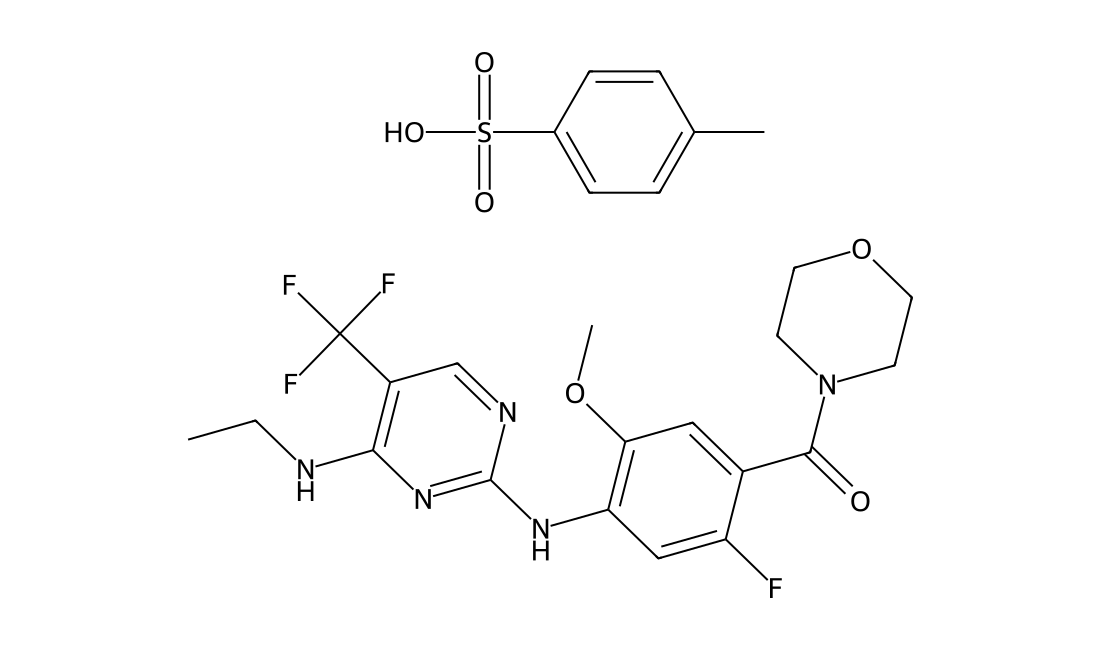
GNE-7915 tosylate (GNE7915 tosylate) is a highly potent, selective, and brain-penetrable LRRK2 inhibitor with IC50 of 1.9 nM; shows 1/187 kinases with 50% inhibition at 0.1 uM; possesses an ideal balance of LRRK2 cellular potency, broad kinase selectivity, metabolic stability, and brain penetration across multiple species. Parkinson's Disease Preclinical

GNE-7915 tosylate chemical structure
DC8918

Diclazepam

CAS 2894-68-0

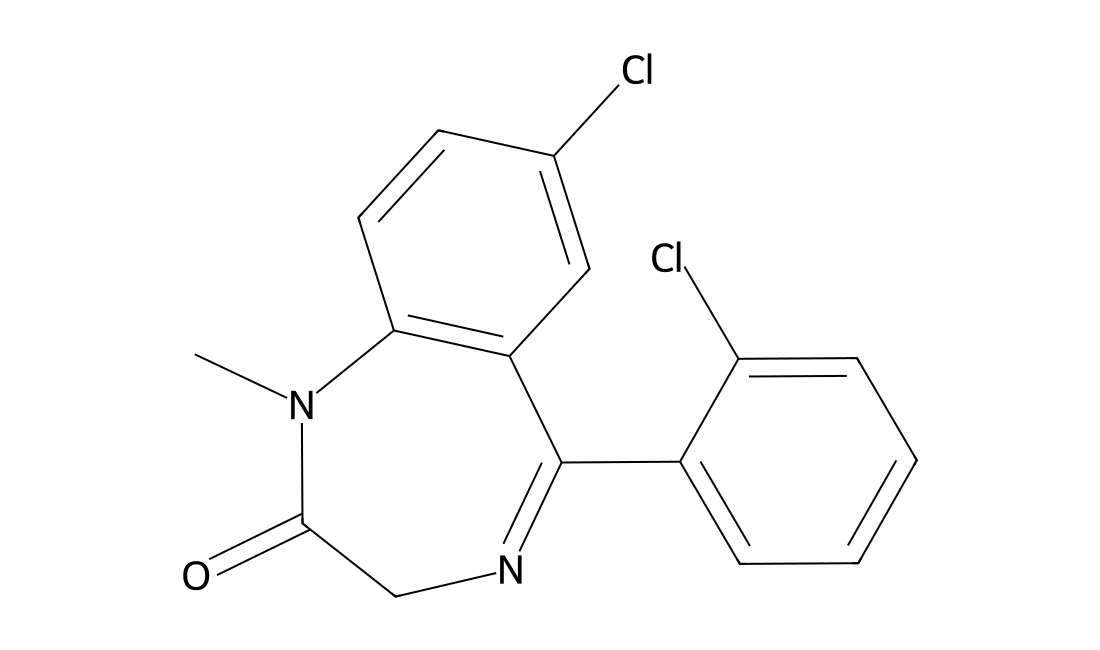
Diclazepam(Ro5-3448; Chlorodiazepam) is an analogue of diazepam; are similar to diazepam, possessing anxiolytic, anticonvulsant, hypnotic, sedative, skeletal muscle relaxant, and amnestic properties.

Diclazepam chemical structure
DC20099

TM-25659

CAS 260553-97-7

In Vitro TM-25659 (2, 10, 20, 100 μM) enhances nuclear TAZ localization in a dose-dependent manner and attenuates PPARγ-mediated adipocyte differentiation by facilitating PPARγ suppression activity of TAZ. TM-25659 (2, 10, 50 μM) enhances osteogenic gene expression and thereby increases osteoblast differentiation. In Vivo TM-25659 (50 mg/kg, i.p., every other day for 2 weeks) suppresses bone loss in vivo and decreases weight gain in an obesity model. TM-25659 has a favourable pharmacokinetic profile in rats. The plasma concentration of TM-25659 declines with an approximate t1/2 of 7 or 10 h following i.v or p.o. administration respectively. The systemic clearance (CL) is 0.21 L×h-1×kg-1 and the volume of distribution at steady-state (1.91 L×h-1×kg-1) is larger than the volume of total body fluids.

TM-25659 chemical structure
DC23086

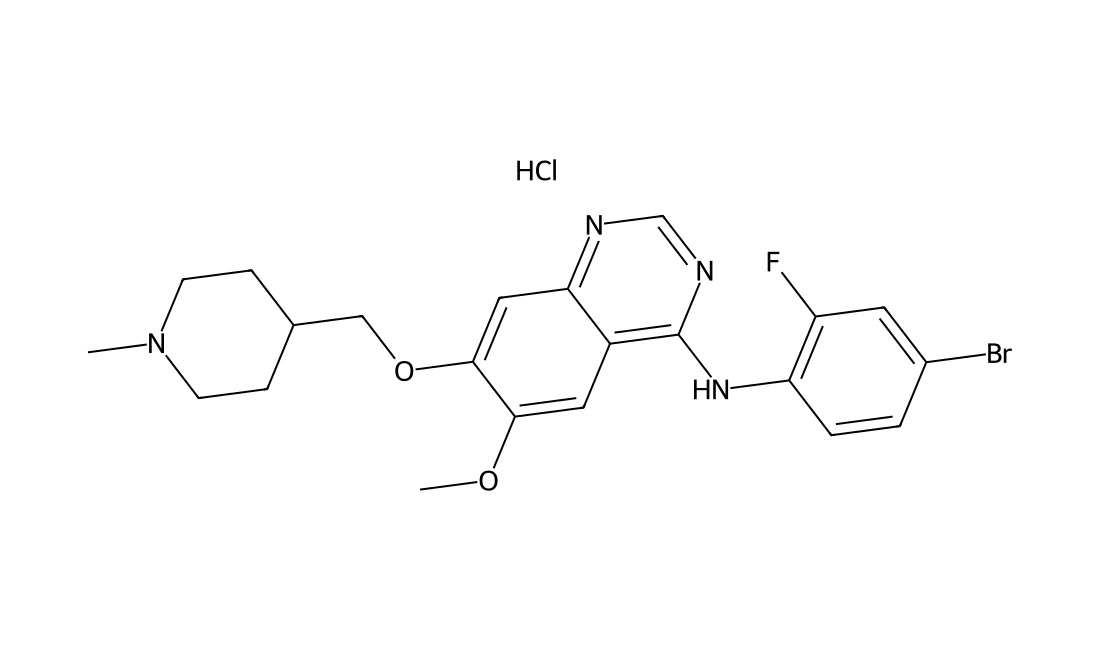
Vandetanib hydrochloride

CAS 524722-52-9

A potent and selective VEGFR2 (KDR) inhibitor with IC50 of 40 nM; shows weak inhibition for VEGFR3 and EGFR (IC50 is 100 nM and 500 nM respectively); displays excellent selectivity over erbB2, MEK, CDK-2, Tie-2, IGFR-1R, PDK, PDGFRβ, and Akt (IC50=1.1-100 uM); has excellent solubility and good oral bioavailability.Thyroid CancerApproved

Vandetanib hydrochloride chemical structure
DC10806

IMP-1088

CAS 2059148-82-0

IMP-1088, a picomolar dual inhibitor of the human N-myristoyltransferases NMT1 and NMT2, and use it to demonstrate that pharmacological inhibition of host-cell N-myristoylation rapidly and completely prevents rhinoviral replication without inducing cytotoxicity. The identification of cooperative binding between weak-binding fragments led to rapid inhibitor optimization through fragment reconstruction, structure-guided fragment linking and conformational control over linker geometry. The inhibition of the co-translational myristoylation of a specific virus-encoded protein (VP0) by IMP-1088 potently blocks a key step in viral capsid assembly, to deliver a low nanomolar antiviral activity against multiple RV strains, poliovirus and foot and-mouth disease virus, and protection of cells against virus-induced killing, highlighting the potential of host myristoylation as a drug target in picornaviral infections.

IMP-1088 chemical structure
DCAPI1302

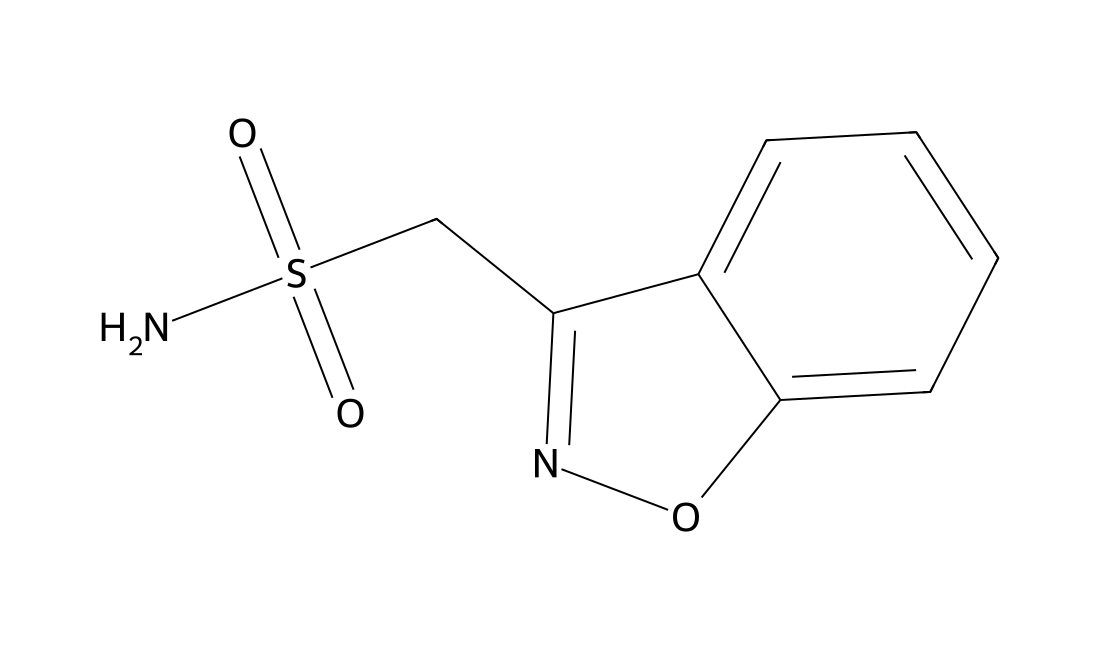
Zonisamide

CAS 68291-97-4

For the detailed information of Zonisamide, the solubility of Zonisamide in water, the solubility of Zonisamide in DMSO, the solubility of Zonisamide in PBS buffer, the animal experiment(test) (test) of Zonisamide, the cell expriment (test) of Zonisamide, the in vivo, in vitro and clinical trial test of Zonisamide, the EC50, IC50,and Affinity of Zonisamide,, please contact DC Chemicals.

Zonisamide chemical structure
DC23172

YHO-13351 free base

CAS 912288-64-3

YHO-13351 is an orally available prodrug of YHO-13177, which can specifically reverse BCRP/ABCG2-mediated drug resistance in vitro and in vivo; YHO-13351 is rapidly converted into YHO-13177 after its oral or intravenous administration, significantly increases the survival time of mice inoculated with BCRP-transduced murine leukemia P388 cells and suppressed the tumor growth in an HCT116/BCRP xenograft model coadministration of irinotecan.

YHO-13351 free base chemical structure
DC23173

YHO-13351

CAS 1346753-00-1

YHO-13351 is an orally available prodrug of YHO-13177, which can specifically reverse BCRP/ABCG2-mediated drug resistance in vitro and in vivo; YHO-13351 is rapidly converted into YHO-13177 after its oral or intravenous administration, significantly increases the survival time of mice inoculated with BCRP-transduced murine leukemia P388 cells and suppressed the tumor growth in an HCT116/BCRP xenograft model coadministration of irinotecan.

YHO-13351 chemical structure
DC7737

VER-50589

CAS 747413-08-7

VER-50589 inhibits the intrinsic ATPase activity of recombinant yeast Hsp90 with IC50 of 143 nM, and produces antiproliferative activity in a panel of human cancer cell lines and nontumorigenic cells in vitro. VER-50589 causes induction of HSP72 and HSP27 alongside depletion of client proteins, including C-RAF, B-RAF, and survivin, and the protein arginine methyltransferase PRMT5, which further result in cell cycle arrest and apoptosis. In HCT116 human colon cancer xenografts, VER-50589 (100 mg/kg i.p.) results in a statistically significant reduction of ∼30% in tumor volume and weight, as well as induction of HSP72 and depletion of ERBB2 and C-RAF. . For the detailed information of VER-50589, the solubility of VER-50589 in water, the solubility of VER-50589 in DMSO, the solubility of VER-50589 in PBS buffer, the animal experiment (test) of VER-50589, the cell expriment (test) of VER-50589, the in vivo, in vitro and clinical trial test of VER-50589, the EC50, IC50,and affinity,of VER-50589, Please contact DC Chemicals.

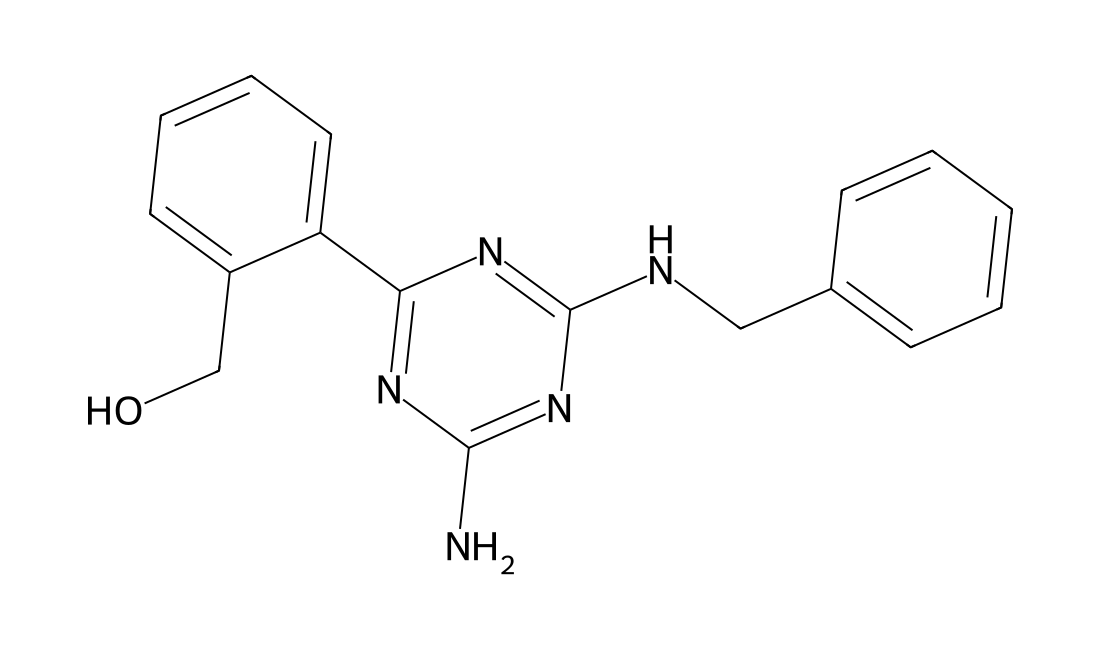
VER-50589 chemical structure
DC20849

Vapendavir

CAS 439085-51-5

Vapendavir (BTA798) is a novel potent enteroviral capsid binder, inhibits EV71 replication of all isolates with mean EC50 of 0.7 uM; efficiently inhibits the in vitro replication of 21 EV71 strains/isolates that are representative of the different genogroups A, B, and C; Vapendavir (BTA798) is currently under clinical study for the treatment of rhinovirus infections.Rhinovirus InfectionPhase 2 Clinical

Vapendavir chemical structure
DC9405

Valdecoxib

CAS 181695-72-7

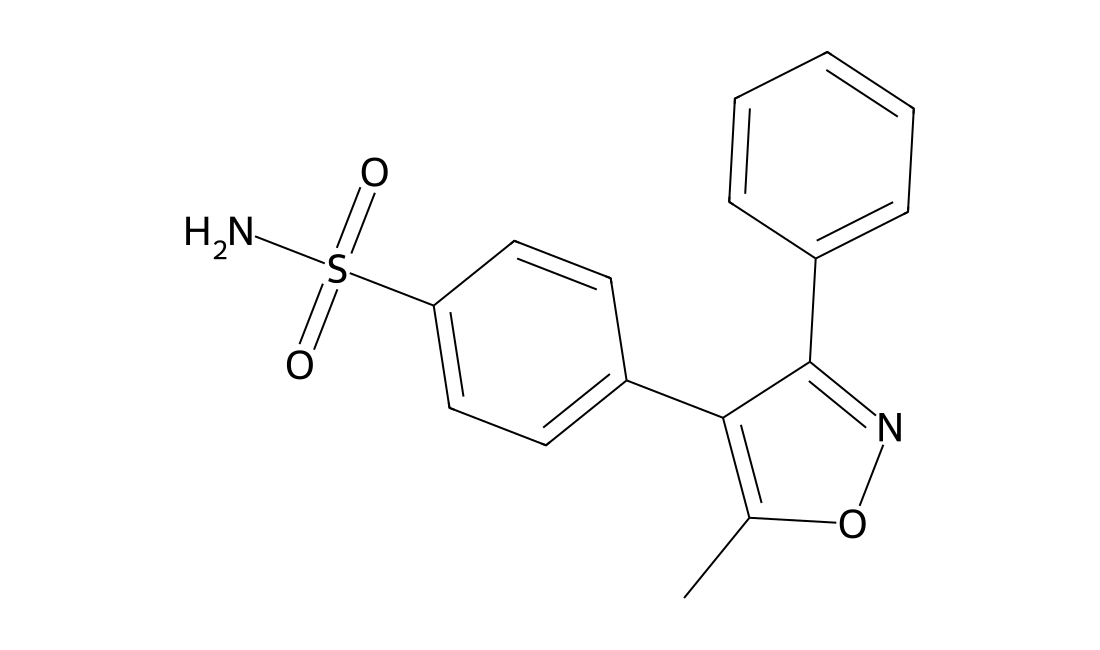
Valdecoxib (SC 65872) is a COX-2 selective inhibitor with an IC50 value of 5 nM. Valdecoxib is a non-steroidal anti-inflammatory drug (NSAID) used in the treatment of osteoarthritis, rheumatoid arthritis, and painful menstruation and menstrual symptoms. in vitro: The overall saturation binding affinity for COX-2 of valdecoxib is 2.6 nM (compared with 1.6 nM for celecoxib, 51 nM for rofecoxib, and 260 nM for etoricoxib), with a slow off-rate (t(1/2) approximately 98 min). Valdecoxib inhibits COX-1 in a competitive fashion only at very high concentrations (IC(50) = 150 microM). Collectively, these data provide a mechanistic basis for the potency and in vitro selectivity of valdecoxib for COX-2. Valdecoxib showed similar activity in the human whole-blood COX assay (COX-2 IC(50) = 0.24 microM; COX-1 IC(50) = 21.9 microM). The affinity of [(3)H]celecoxib for COX-2 (K(D) = 2.3 nM) was similar to the affinity of [(3)H]valdecoxib (K(D) = 3.2 nM). The binding to COX-2 seems to be both rapid and slowly reversible with association rates of 5.8 x 10(6)/M/min and 4.5 x 10(6)/M/min and dissociation rates of 14 x 10(-3)/min (t(1/2) = 50 min) and 7.0 x 10(-3)/min (t(1/2) = 98 min) for [(3)H]celecoxib and [(3)H]valdecoxib, respectively. in vivo: In rats, valdecoxib demonstrated marked potency in acute and chronic models of inflammation (air pouch ED(50) = 0.06 mg/kg; paw edema ED(50) = 5.9 mg/kg; adjuvant arthritis ED(50) = 0.03 mg/kg). In these same animals, COX-1 was spared at doses greater than 200 mg/kg . Valdecoxib was extensively metabolized after a single 5 mg/kg oral administration of [(14)C]valdecoxib and elimination of unchanged drug was minor (less than 1%) in male and female mice.
Valdecoxib chemical structure
Browse target & topic index A–Z (366)
11β-HSD (1)15-PGDH (2)5-HT Receptor (16)Acetyl-CoA Carboxylase (ACC) (3)Acetylcholinesterase (AChE) (2)Ack1 (TNK2) (1)Acyltransferase (1)ADC Cytotoxin (6)ADCs Linker/Click Chemistry (5)Adenosine Receptor (9)Adenylate Cyclase (2)Adrenergic Receptor (11)Akt (12)Alcoholism (2)Aldehyde Dehydrogenase (ALDH) (6)Allergy (5)Alzheimer Disease (13)Aminopeptidase (1)AMPK (8)Amyloids (4)Anaplastic Lymphoma Kinase (ALK) (9)Androgen Receptor (AR) (11)Anemia (4)Angiotensin Receptor (4)Antibody/Protein labeling dyes (1)Antifolate (2)Anxiety (1)Apoptosis Inducer (3)Arginase (1)Arp2/3 complex (1)Aryl hydrocarbon Receptor (AhR) (1)Asthma (5)Atherosclerosis (2)ATM/ATR (8)Aurora Kinase (10)Autophagy (6)Autophagy-related Protein (Atg) (2)Autotaxin (2)Bacterial (26)Bacterial Infection (17)Bcl-2 (14)Bcr-Abl (5)BCRP (1)Beta-catenin (4)Beta-secretase (BACE) (4)Blood Cancer (91)BMI-1 (1)Bone Cancer (6)Brain Cancer (6)Breast Cancer (30)Bromodomain (22)BTK (10)c-Fms (CSF1R) (5)c-Fos/AP-1 (1)c-Kit (6)c-Met (HGFR) (11)c-Myc (2)Calcium Channel (4)Calcium-sensing Receptor (CaSR) (1)CaMK (4)Cannabinoid Receptor (6)Carbonic Anhydrase (1)Carboxypeptidase (1)Casein Kinase (6)Caspase (4)Cathepsin (6)Cdc2-like Kinase (CLK) (1)CETP (2)CFTR (7)Checkpoint Kinase (Chk) (8)Chemokine Receptor (CCR and CXCR) (14)Chemotherapeutic Agents (19)Chloride Channel (1)CMV (2)CMV Infection (2)Colon Cancer (9)Complement System (1)COPD (3)CREB/CBP (2)CRF Receptor (2)CRISPR/Cas9 (1)Cushing Disease (1)Cyclin-dependent Kinase (CDK) (39)Cyclooxygenase (COX) (4)Cytochrome P450 (CYPs) (5)Depression (2)Dermatitis (2)Deubiquitinase (DUB) (7)Diabetes (20)Dipeptidyl Peptidase (DPP) (3)Discoidin Domain Receptor (DDR) (1)DNA Alkylator/Crosslinker (10)DNA Methyltransferase (DNMT) (1)DNA Repair Protein (1)DNA-PK (2)DNA/RNA Synthesis (5)Dopamine beta-hydroxylase (1)Dopamine Receptor (7)Drug Metabolite (1)Drug-Linker Conjugates (11)Dyes (4)DYRK (1)Dyslipidemia (9)E3 Ligase Ligand (6)E3 Ligase Ligand-Linker Conjugate (1)E3 Ubiquitin Ligase (4)Ebola Virus Infection (1)EGFR (32)Elastase (2)Endothelin Receptor (5)Enzymes substrates (13)Epigenetic Reader Domain (3)Epilepsy (4)ERK (4)Estrogen Receptor/ERR (13)Eukaryotic Initiation Factor (eIF) (2)Exportin-1 (CRM1,XPO1) (2)FABP (1)Factor Xa (5)Farnesoid X Receptor (FXR) (5)Farnesyl transferase (FTase) (1)Ferroptosis (6)FGFR (15)Fibrosis (5)FLT3 (6)Focal Adhesion Kinase (FAK) (11)Foxo1 (1)Free Fatty Acid Receptor (FFAR) (5)Fungal (2)Fungal Infection (1)GABA Receptor (13)Galectin (1)Gastric Cancer (8)Ghrelin Receptor (GHSR) (3)Glucagon Receptor (4)Glucokinase (2)Glucose Transporter (GLUT) (2)Glutamate Transporter (2)GPCR (1)GPER (GPR30) (1)GPR139 (1)GPR183 (EBI2) (2)GPR39 (1)GPR55 (1)GPR84 (1)GRK (GPCRK) (2)Growth Hormone Deficiency (2)GSK-3 (8)Guanylate Cyclase (3)HBV (1)HBV Infection (1)HCN Channel (2)HCV (8)HCV Infection (9)HDAC (38)Heart Arrhythmia (2)Heart Failure (5)Heat Shock Protein (HSP) (15)Hedgehog (Hh) (1)HIF/HIF Prolyl-hydroxylase (8)Histamine Receptor (6)Histone Acetyltransferase (HAT) (5)Histone Demethylase (11)Histone Methyltransferase (HMTase) (31)HIV (12)HIV Infection (11)HMG-CoA Reductase (HMGCR) (3)HSV (1)HSV Infection (1)Hypercholesterolemia (1)Hyperparathyroidism (1)Hypertension (8)IAP (1)IGF-1R (3)iGluR (15)Indoleamine 2,3-Dioxygenase (IDO) (4)Infection (1)Influenza (6)Influenza Virus (6)Insulin Receptor (2)Integrin (6)Interleukin Receptor (1)IRAK (2)IRE1 (4)Irritable Bowel Syndrome (2)Ischemia (1)Isocitrate Dehydrogenase (IDH) (5)ITK (1)IκB kinase (IKK) (7)JAK (32)JNK (3)Keap1-Nrf2 (6)Kidney Cancer (10)Kinesin (5)Kruppel-like Factor (KLF) (1)Kynurenine 3-Monooxygenase (KMO) (1)Leukotriene Receptor (1)LIM Kinase (LIMK) (3)Lipids fragment (1)Liver Cancer (6)Liver X Receptor (LXR) (3)LRRK2 (9)Lung Cancer (39)Lysophospholipid Receptor (12)LYTACs (3)mAChR (9)MALT1 (2)MAP4K (1)Matrix Metalloproteinase (MMP) (10)MDM2-p53 (9)MEK (MAP2K) (14)MEKK (MAP3K) (1)Melanocortin Receptor (2)MELK (1)mGluR (7)MicroRNA (1)Microtubule/Tubulin (5)Mineralocorticoid Receptor (MLR) (1)MITF (1)Mixed Lineage Kinase (MLK) (3)MNK (2)Molecular Glues (13)Monoamine Transporter (5)Monocarboxylate Transporter (MCT) (1)Monopolar Spindle 1 (Mps1/TTK) (3)mTOR (13)Multiple Sclerosis (6)Myosin (1)Na-K-Cl Cotransporter (NKCC) (2)nAChR (2)NADPH Oxidase (NOX) (2)NAMPT (3)Natural products (37)Neprilysin (1)Neurokinin Receptor (3)Neuropeptide Y Receptor (3)NF-κB (5)Nitric Oxide Synthase (NOS) (1)NOD-like Receptor (NLR) (3)Notch (2)Nucleoside Antimetabolite/Analog (10)Nur77 (NR4A1) (1)Obesity (1)Oct3/4 (1)Opioid Receptor (5)Orexin Receptor (7)Osteoporosis (2)Ovarian Cancer (14)Oxytocin Receptor (OXTR) (2)P-glycoprotein (P-gp) (3)p21-activated Kinase (PAK) (1)P2X Receptor (2)P2Y Receptor (1)p38 MAPK (10)p97/VCP (1)Pain (12)Pancreatic Cancer (10)Parasite (5)Parasite Infection (2)Parkinson Disease (2)PARP (19)PCSK9 (1)PD-1/PD-L1 (4)PDGFR (4)PDK1 (2)PEGn (1)PERK (2)PGE synthase (2)Phosphodiesterase (PDE) (9)Phospholipase (4)PI3K (32)PI4K (2)Piezo Channel (1)PIKfyve (3)Pim (9)PKC (12)PKD (1)Plasminogen Activator Inhibitor-1 (PAI-1) (3)Polo-like Kinase (PLK) (4)Porcupine (3)Potassium Channel (13)PPAR (13)Pregnane X Receptor (PXR) (1)Progesterone Receptor (2)Prostaglandin Receptor (11)Prostate Cancer (7)PROTACs (35)Protease-activated Receptor (PAR) (3)Proteasome (12)Protein Disulfide Isomerase (PDI) (1)Protein Phosphatase/PTP (6)Proton Pump (1)Psoriasis (5)RAD51 (1)Radioligand precursors (15)Raf (18)RAR/RXR (3)Ras (17)Renin (2)RET Tyrosine Kinase (c-RET) (3)Rheumatoid Arthritis (16)Ribosomal S6 Kinase (RSK) (5)RIG-I-like Receptor (RLR) (2)RIP kinase (7)ROCK (12)ROR (2)RSV (4)RSV Infection (3)RUNX1-CBFβ (1)S-nitrosoglutathione reductase (GSNOR) (1)Saccharides and Glycosides (1)Salt Inducible Kinase (SIK) (2)SARS-CoV (16)SARS-CoV Infection (34)Schizophrenia (4)Sexual Dysfunction (1)SGLT (4)Sigma Receptor (4)Sirtuin (9)Skin Cancer (13)Sleep Disorder (7)SMN2 Modulator (1)Smoothened (Smo) (9)Sodium Channel (12)Solid Tumors (35)Somatostatin Receptor (2)Sphingosine kinase (SphK) (2)Src (7)STAT (5)Stearoyl-CoA Desaturase (SCD) (1)Steatohepatitis (7)Sterol lipids (1)STING (14)Syk (6)T Cell Receptor (TCR) (1)TAK1 (2)TAM Receptor (Tyro3-Axl-Mer) (4)Taste Receptor (1)Telomerase (2)TGF beta Receptor (TGFBR) (12)Thrombin (3)Thrombosis (13)Thyroid Cancer (1)Thyroid Hormone Receptor (THR) (1)Thyrotropin Receptor (2)TNIK (1)Toll-like Receptor (TLR) (2)TOPK (1)Topoisomerase (11)TRAIL (1)Translocator Protein (TSPO) (1)Trk Receptor (4)TRP Channel (13)Tryptophan Hydroxylase (TPH) (1)Ubiquitin-activating Enzyme (E1) (2)Ubiquitin-conjugating Enzyme (E2) (2)Ulcer (1)ULK (3)Vasopressin Receptor (2)VEGFR (25)Vitamin D Receptor (VDR) (3)Wee1 (1)WNK Kinase (1)Wnt (5)Yes-associated Protein (YAP) (4)γ-secretase (5)

Cart

Request quotation