Home/Small Molecules/Other Research Tools

Other Research Tools

Additional reagents, chemical building blocks and specialized research tools.

Browse all research categories

Browse by research category

Products may appear in more than one category. Counts refer to distinct catalog numbers within each category.

Other Research Tools (75) · Additional reagents, building blocks and specialized research tools.

Other Research Tools products

Combine a keyword, research category and target to narrow the product list.

Loading catalog filters…

959 products · Showing 673–720

DC26004

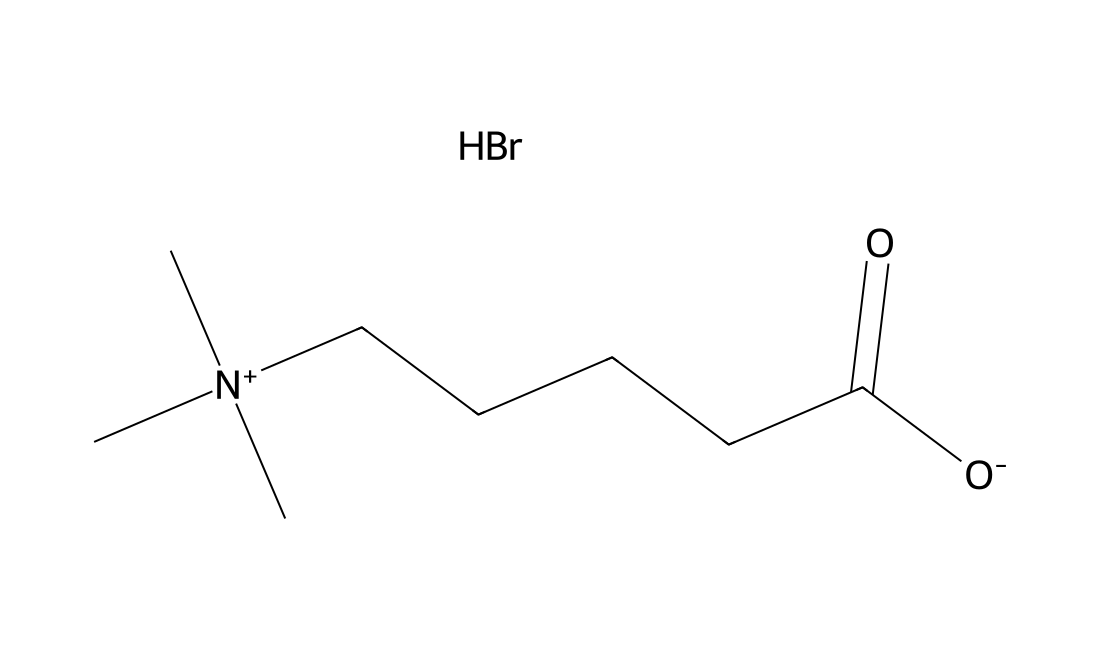
delta-Valerobetaine (hydrobromide)

CAS 66258-96-6

The levels of delta-valerobetaine were by far higher in ruminant than in non-ruminant meat and, among ruminants, cattle present higher levels of the substance than sheep and goat. The levels of delta-valerobetaine in milk of ruminants are much lower than in their meat. However, delta-valerobetaine content in milk of ruminants is noticeably higher than that observed in non-ruminant milk. It is showed that incubation of ruminal fluid with labeled Nε-trimethyllysine leads to a rapid formation of labeled delta-valerobetaine.

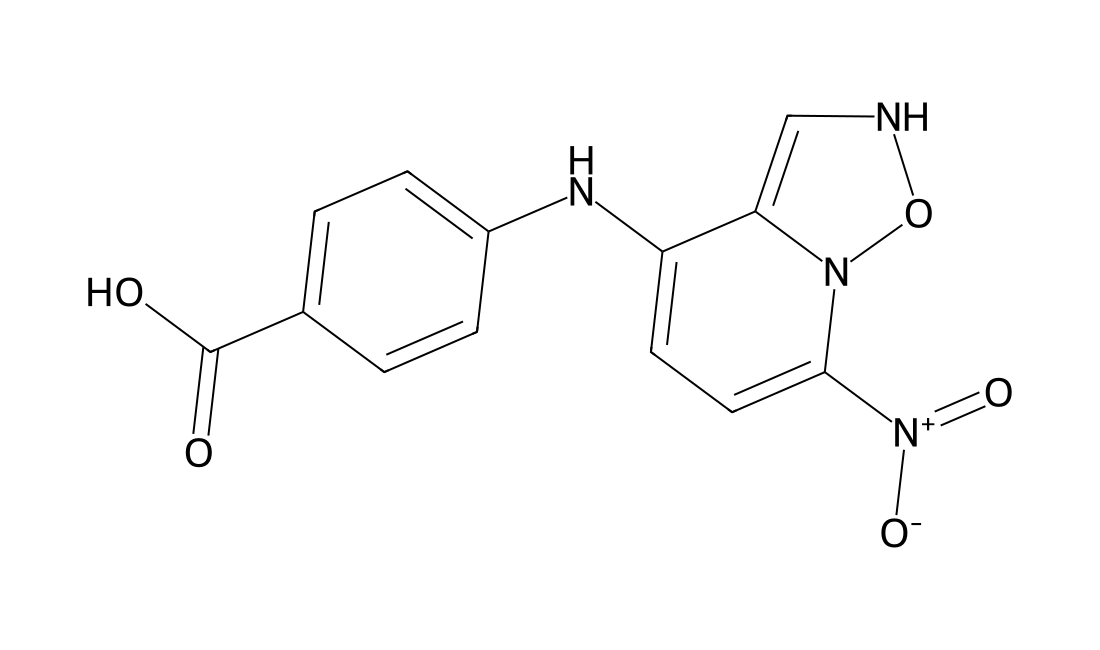
delta-Valerobetaine (hydrobromide) chemical structure
DC74365

RMC-4998

CAS 2642037-07-6

RMC-4998 (RMC4998) is a tricomplex inhibitor that targets the active state or GTP-bound state of KRAS G12C, selectively inhibits the proliferation of KRASG12C mutant cells with mean IC50 of 0.28 nM.

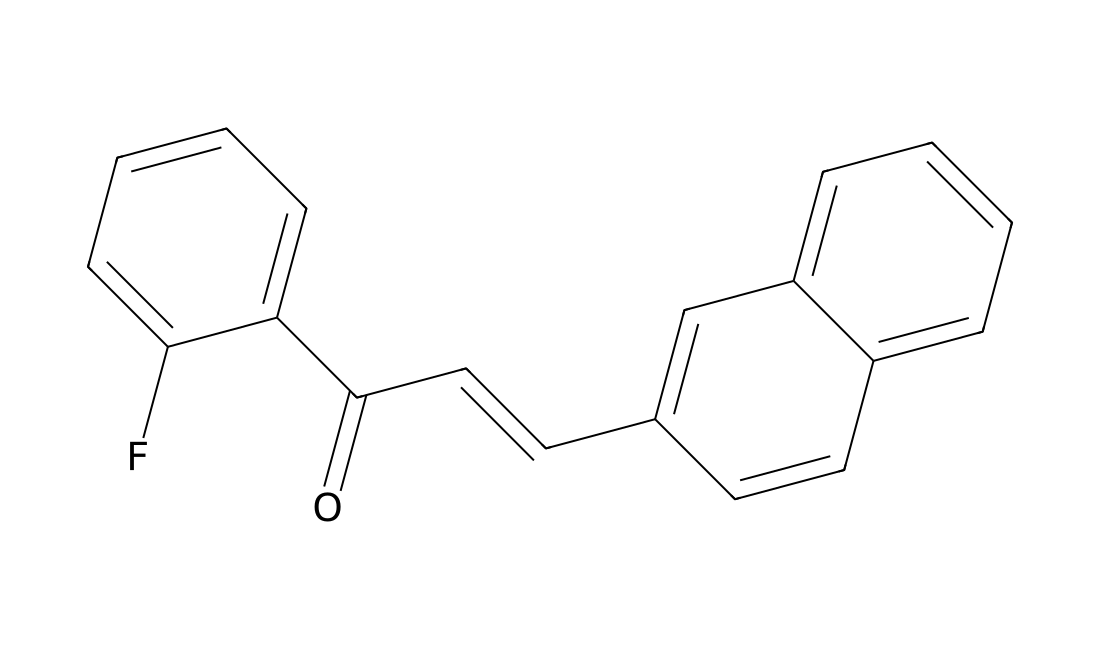
RMC-4998 chemical structure
DC43475

JY-3-094

CAS 389076-27-1

Novel selective c-Myc inhibitorReference:1) Disruption of Myc-Max heterodimerization with improved cell-penetrating analogs of the small molecule 10074-G5; Oncotarget. 2013 Jun;4(6):936-47. GoTo Paper

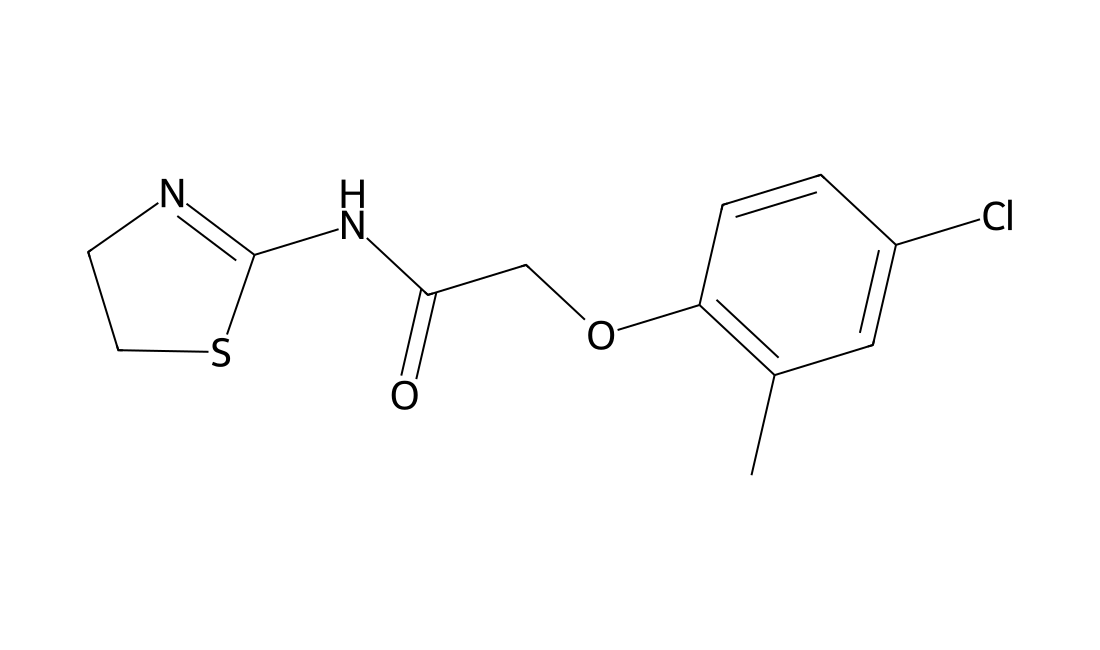
JY-3-094 chemical structure
DC66348

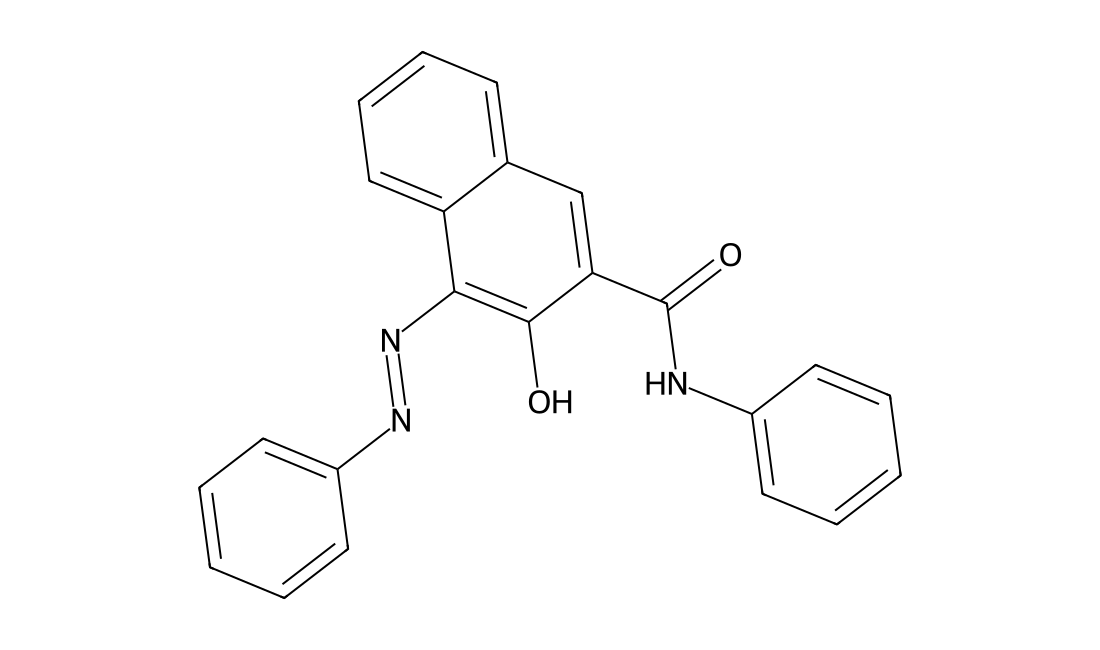
Scarlet 808

CAS 3789-75-1

Scarlet 808 (Bronze Red; Shanghai Bronze Red) is a naphthol red pigment. Scarlet 808 can be used for coloring coatings, leather, and latex paints. It has the advantages of high tinting power, good hiding power, alkali resistance, and acid resistance.

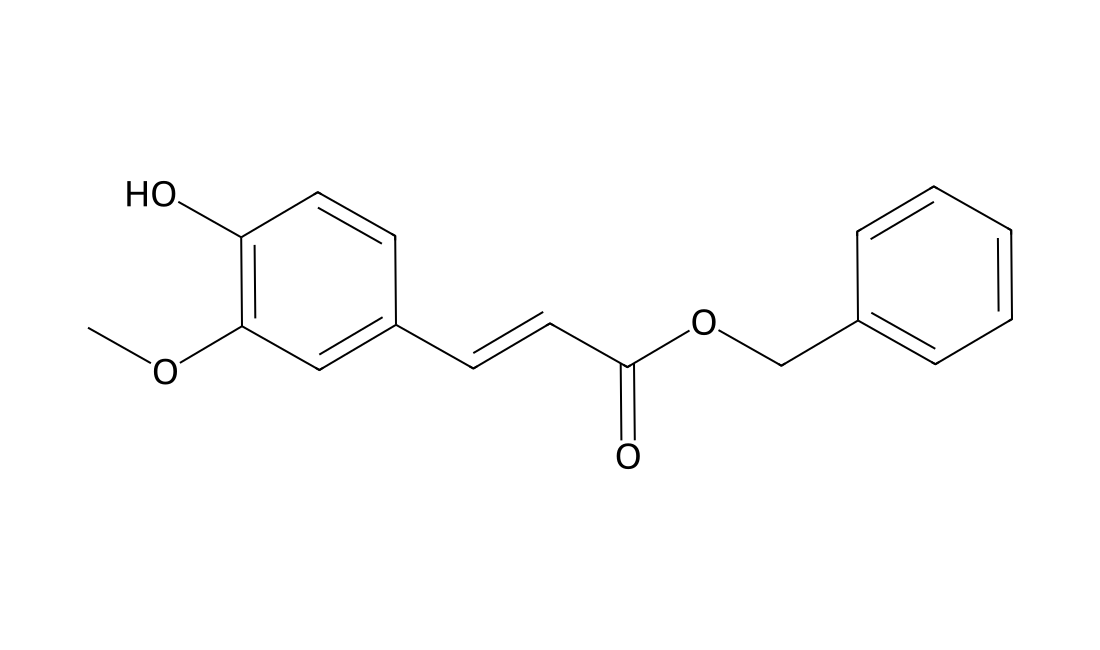
Scarlet 808 chemical structure
DC35842

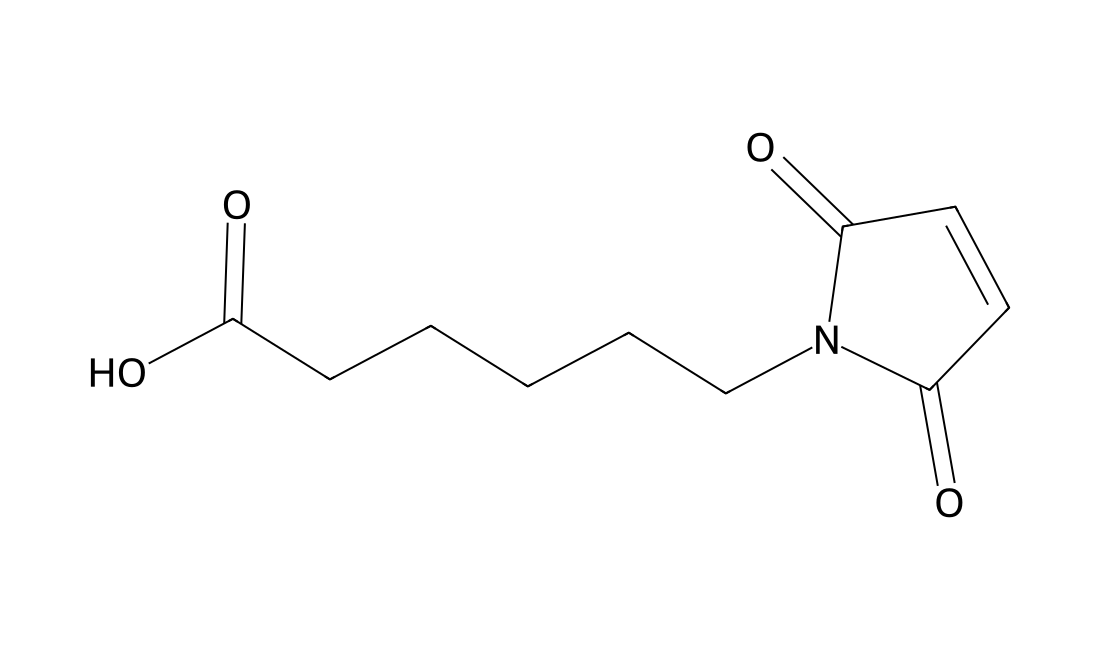
6-Maleimidocaproic acid

CAS 55750-53-3

6-Maleimidocaproic acid contains a maleimide group and a terminal carboxylic acid. The terminal carboxylic acid can be reacted with primary amine groups in the presence of activators (e.g. EDC, or DCC) to form a stable amide bond. The maleimide group will react with a thiol group to form a covalent bond, enabling the connection of biomolecule with a thiol.

6-Maleimidocaproic acid chemical structure
DC66316

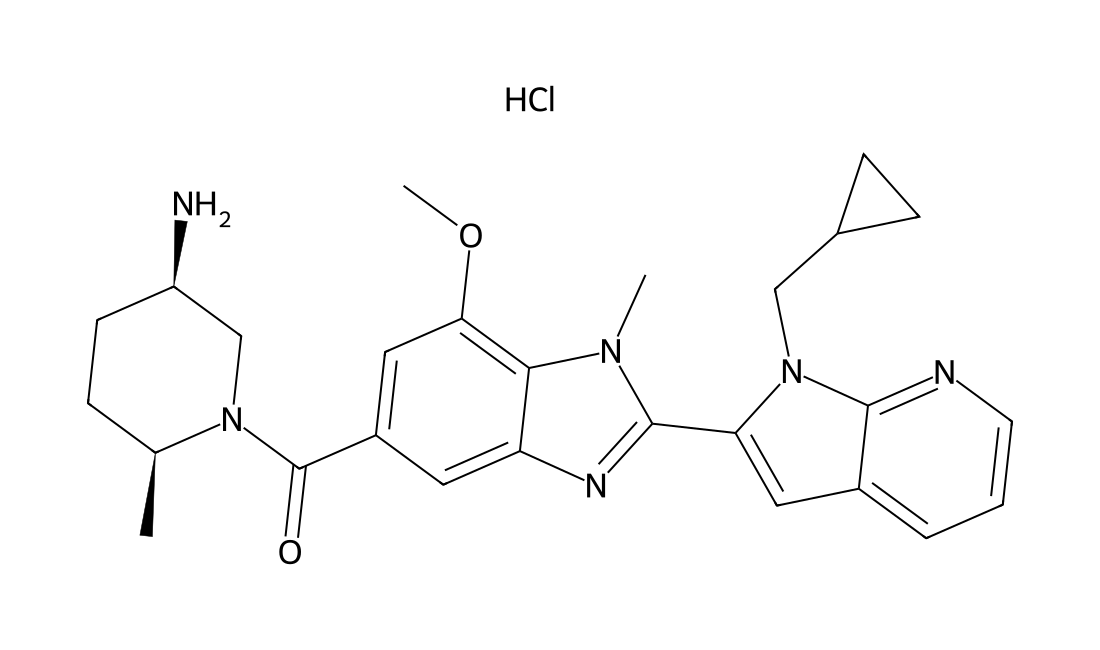
BMS-P5 HCl

CAS 1549811-36-0

BMS-P5 is a Novel Peptidylarginine Deiminase 4 (PAD4) Inhibitor with pIC50 values in the range of 5-​7.5. BMS-P5 Blocks Formation of Neutrophil Extracellular Traps and Delays Progression of Multiple Myeloma. Administration of BMS-P5 to multiple myeloma-bearing mice delays appearance of symptoms and disease progression Targeting PAD4 may be beneficial for treatment of multiple myeloma.

BMS-P5 HCl chemical structure
DC66312

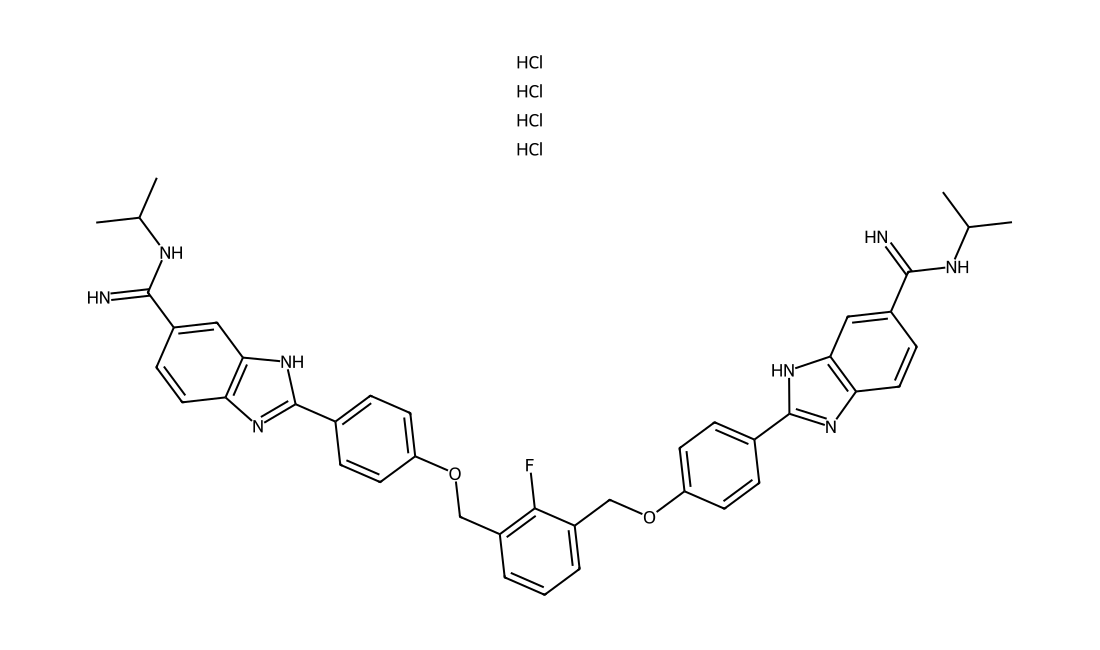
DB2313 HCl

CAS 2170606-75-2

DB2313 is a first-in-class potent small-molecule inhibitor of PU.1. DB2313 disrupts the interaction of PU.1 with target gene promoters and leads to down-regulation of canonical PU.1 transcriptional targets.

DB2313 HCl chemical structure
DC12625

MitoBloCK-10

CAS 394694-98-5

MitoBloCK-10 (MB-10) is a potential attenuator of protein import into mitochondria via targeting Tim44, inhibits the import of substrates that use the TIM23 import pathway; targets Tim44 and mutations in the α4 helix of the C-terminal domain of Tim44 confer resistence to MitoBloCK-10 (MB-10); MitoBloCK-10 (MB-10) inhibits Tim44 binding to the precursor and to Hsp70, but not other component of the PAM complex; inhibits Hela cell viability with IC50 of 17.2 uM in MTT assays, impairs cardiac development and induces apoptosis in zebrafish.

MitoBloCK-10 chemical structure
DC66303

STING-IN-3

CAS 2244881-69-2

STING-IN-3 is an inhibitor of stimulator of interferon genes (STING). STING-IN-3 efficiently inhibits both hsSTING and mmSTING through covalently target the predicted transmembrane cysteine residue 91 and thereby block the activation-induced palmitoylation of STING.

STING-IN-3 chemical structure
DC21043

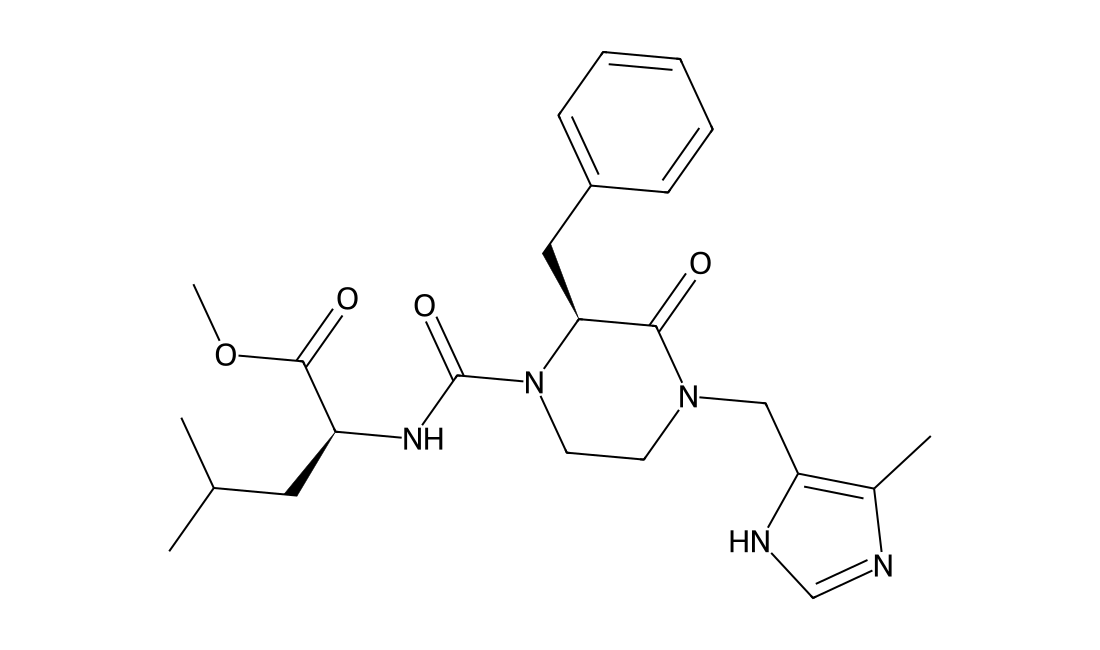
GGTI 2417

CAS 501010-05-5

GGTI 2417 is the methyl ester prodrug of GGTI-2418, a highly potent, competitive, and selective inhibitor of GGTase I; exhibits potent inhibitory activity against Rap1 geranylgeranylation with IC50 of 400 nM; increases p27 protein levels and induces accumulation in the G0/G1 phase as well as apoptotic cell death in breast cancer cells, and prevents the degradation of nuclear p27.

GGTI 2417 chemical structure
DC21042

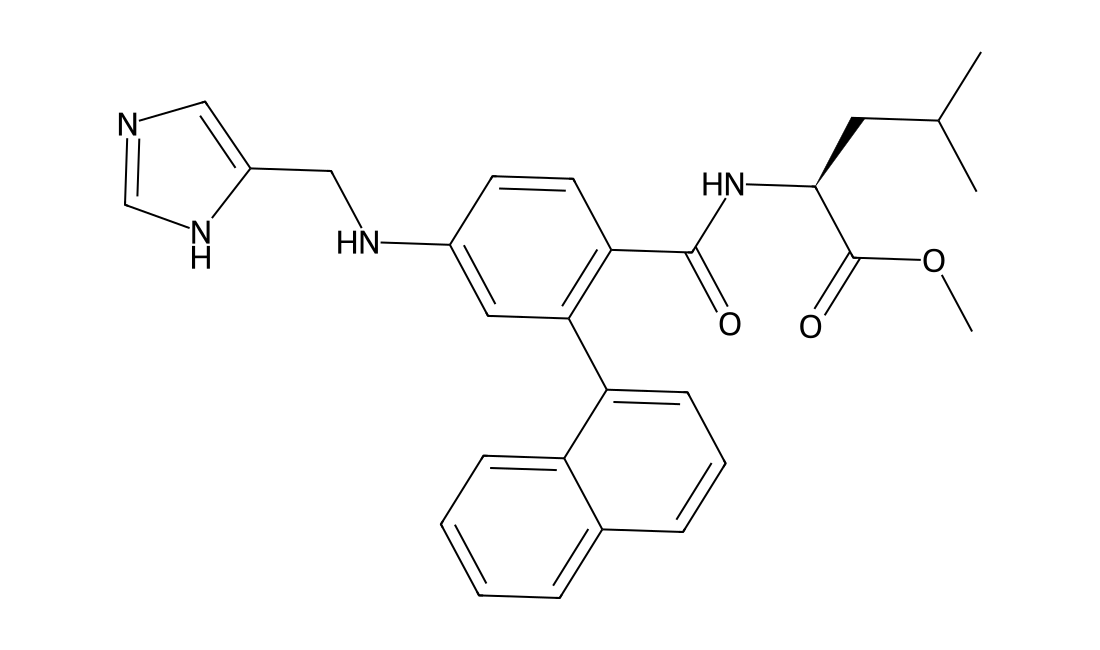
GGTI-2147

CAS 191102-87-1

GGTI-2147 is a non-thiol peptidomimetic that inhibits GGTase I and blocks geranyl-geranylation of Rap1A (IC50=0.5 uM); inhibits glucose- and KCl-induced insulin secretion; inhibits Rac1 geranylgeranylation, down-regulates the expression of p65, and ameliorated the OGD/R-induced neuronal apoptosis.

GGTI-2147 chemical structure
DC22444

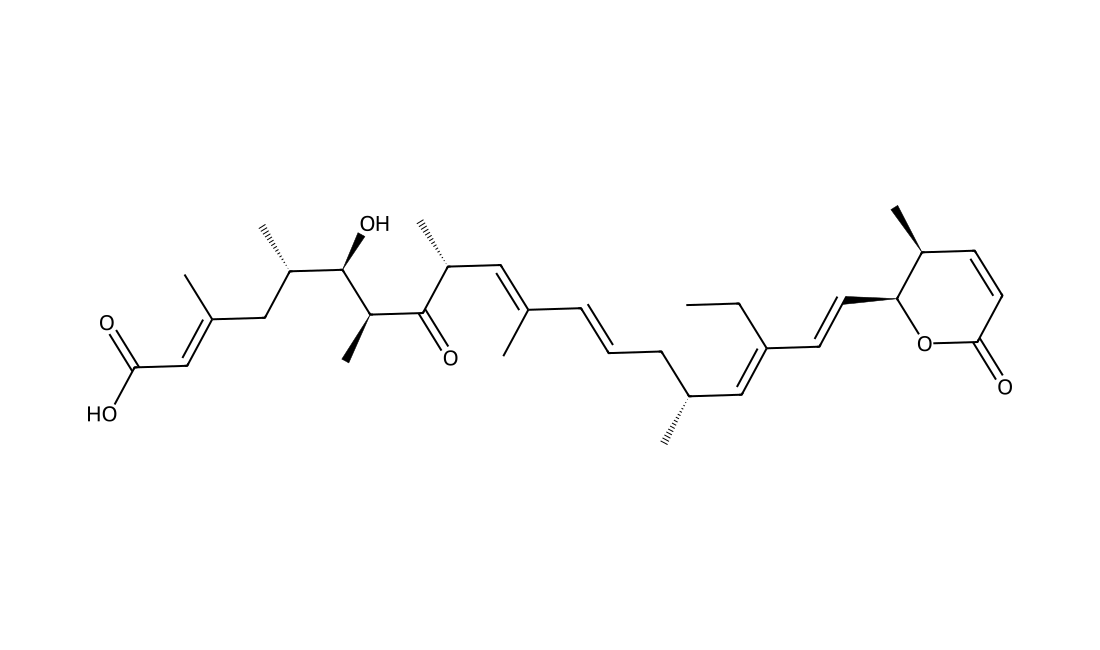
Leptomycin B

CAS 87081-35-4

Leptomycin B (CI 940; LMB) is a potent inhibitor of the nuclear export of proteins. Leptomycin B inactivates CRM1/exportin 1 by covalent modification at a cysteine residue. Leptomycin B is a potent antifungal antibiotic blocking the eukaryotic cell cycle[1].

Leptomycin B chemical structure
DC8205

Deltarasin

CAS 1440898-61-2

Deltarasin is a novel and small molecule inhibitor which can inhibit the KRAS-PDEδ interaction(Kd= 41 nM. binding to PDEδ) and impairs oncogenic KRAS signalling.Interfering with binding of mammalian PDEδ to KRAS by means of small molecules provides a novel opportunity to suppress oncogenic RAS signalling by altering its localization to endomembranes. Biochemical screening and subsequent structure-based hit optimization yielded inhibitors of the KRAS-PDEδ interaction that selectively bind to the prenyl-binding pocket of PDEδ with nanomolar affinity, inhibit oncogenic RAS signalling and suppress in vitro and in vivo proliferation of human pancreatic ductal adenocarcinoma cells that are dependent on oncogenic KRAS. For the detailed information of Deltarasin, the solubility of Deltarasin in water, the solubility of Deltarasin in DMSO, the solubility of Deltarasin in PBS buffer, the animal experiment (test) of Deltarasin, the cell expriment (test) of Deltarasin, the in vivo, in vitro and clinical trial test of Deltarasin, the EC50, IC50,and affinity,of Deltarasin, For the detailed information of Deltarasin, the solubility of Deltarasin in water, the solubility of Deltarasin in DMSO, the solubility of Deltarasin in PBS buffer, the animal experiment (test) of Deltarasin, the cell expriment (test) of Deltarasin, the in vivo, in vitro and clinical trial test of Deltarasin, the EC50, IC50,and affinity,of Deltarasin, Please contact DC Chemicals.

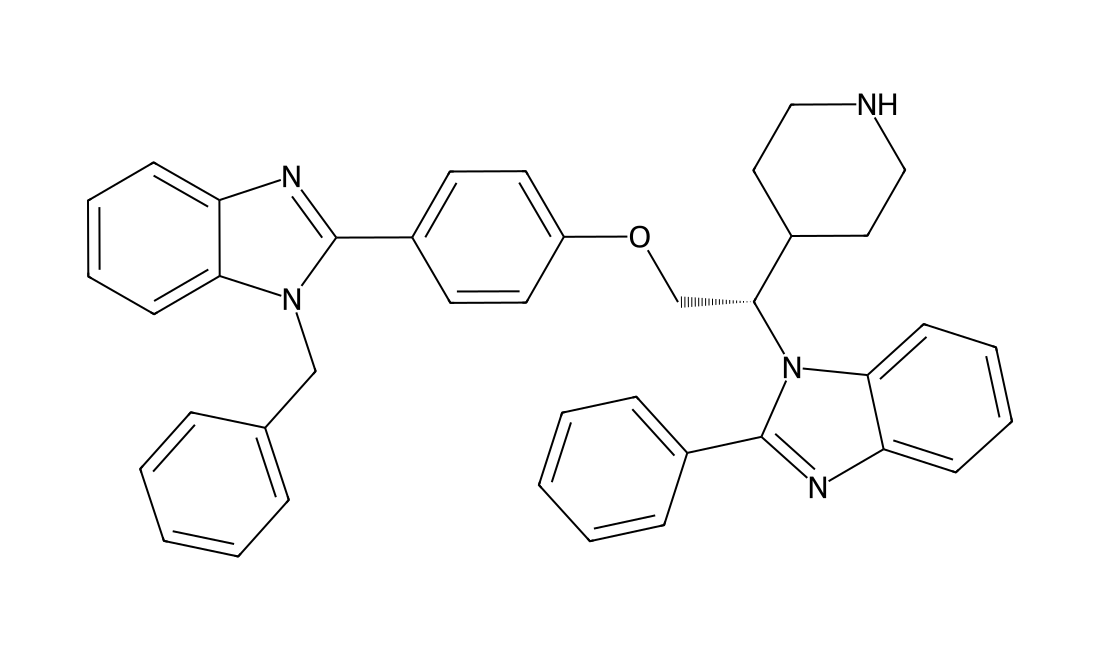
Deltarasin chemical structure
DC65663

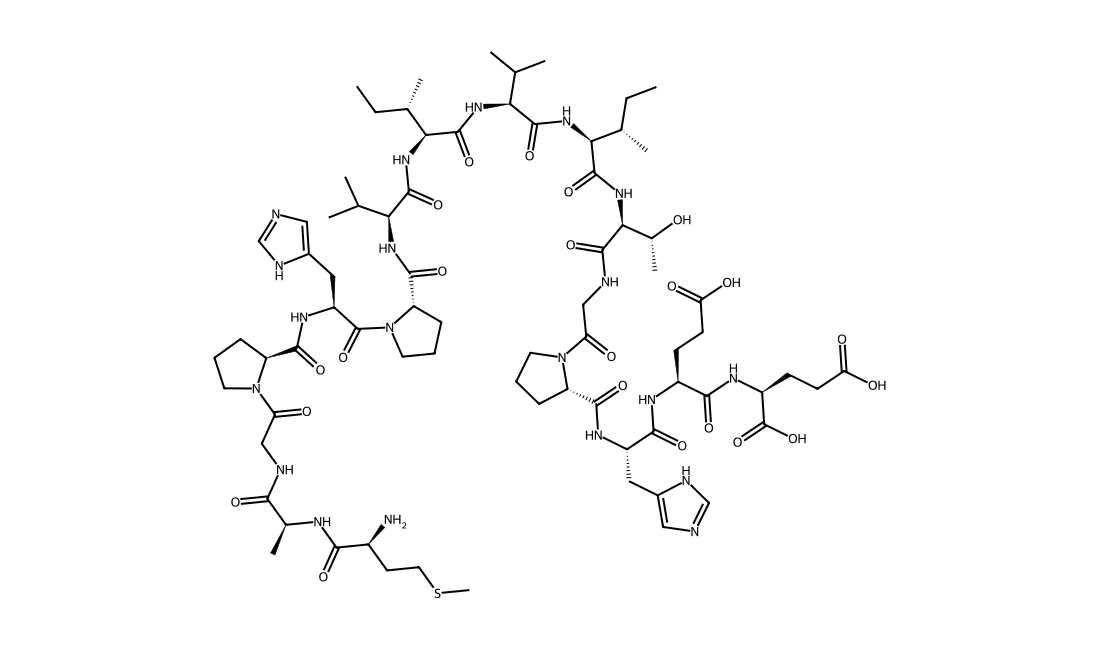
Melitane

CAS 448944-47-6

Acetyl hexapeptide-1 (Melitane) is a bioactive peptide with anti-wrinkle effect and has been reported used as a cosmetic ingredient.

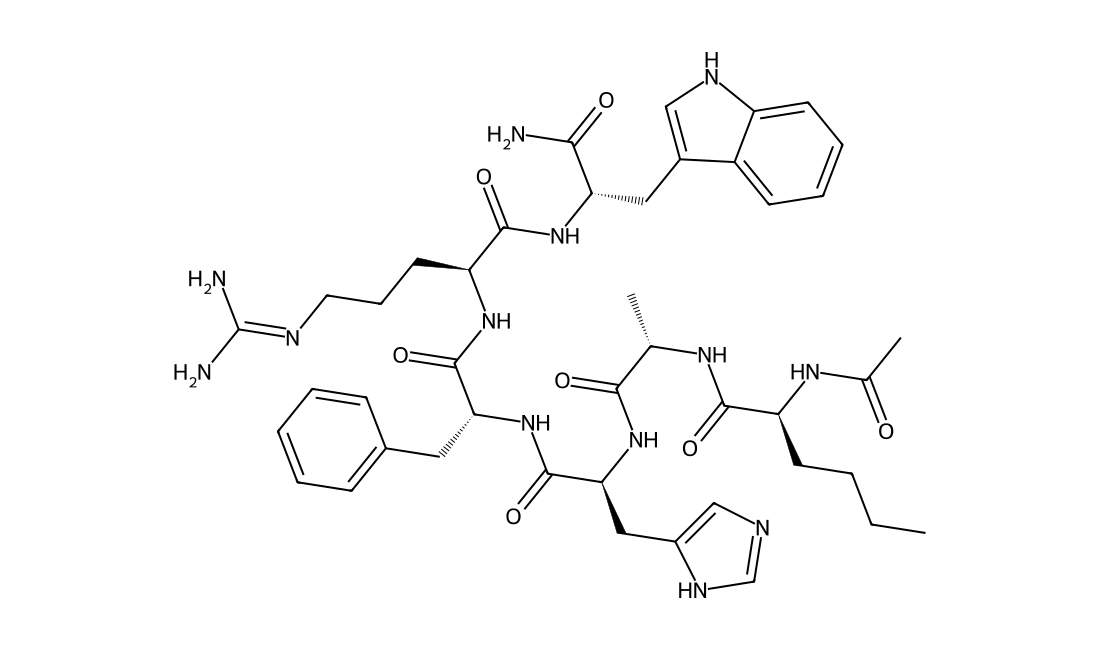
Melitane chemical structure
DC46952

Iclepertin

CAS 1421936-85-7

Iclepertin (BI-425809) is a potent, selective and orally active glycine transporter 1 (GlyT1) inhibitor. Iclepertin is inactive against GlyT2. Iclepertin can be used for Alzheimer disease and schizophrenia research.

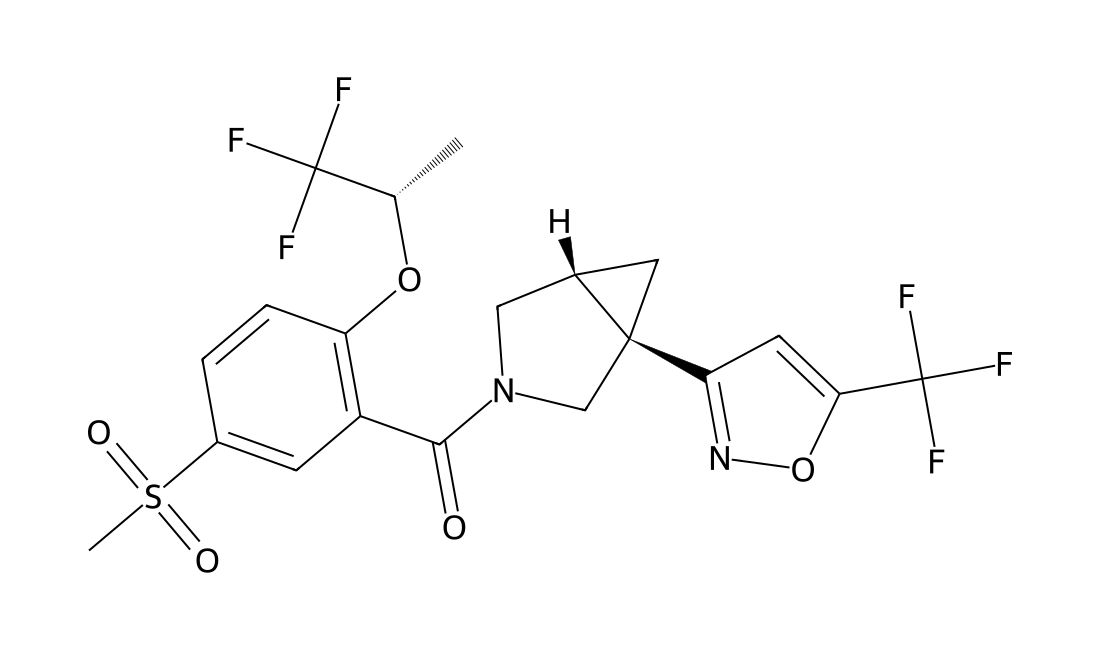
Iclepertin chemical structure
DC60563

6-Diazo-5-oxo-L-nor-Leucine

CAS 157-03-9

6-Diazo-5-oxo-L-nor-Leucine (DON) is a glutamine analog that inhibits glutaminases (Ki = 6 µM) and other glutamine-utilizing enzymes, including cytidine triphosphate synthase (CTPS), which uses glutamine in the synthesis of CTP.1,2,3 DON is commonly used in cells or tissues but its use in whole animals is limited by its teratogenicity.

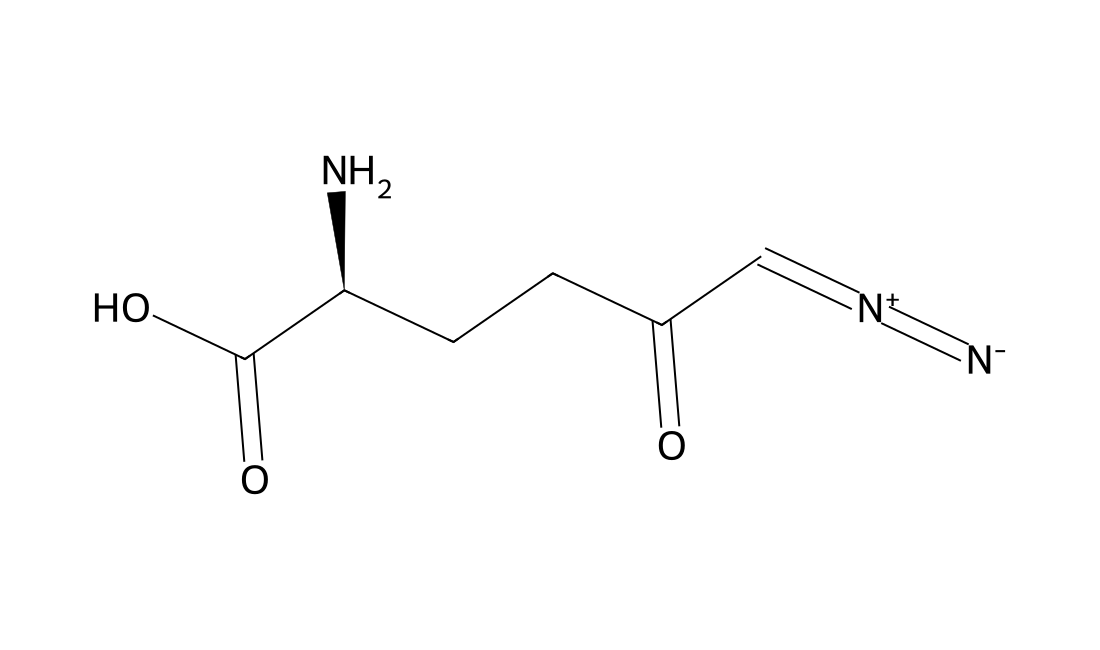
6-Diazo-5-oxo-L-nor-Leucine chemical structure
DC22527

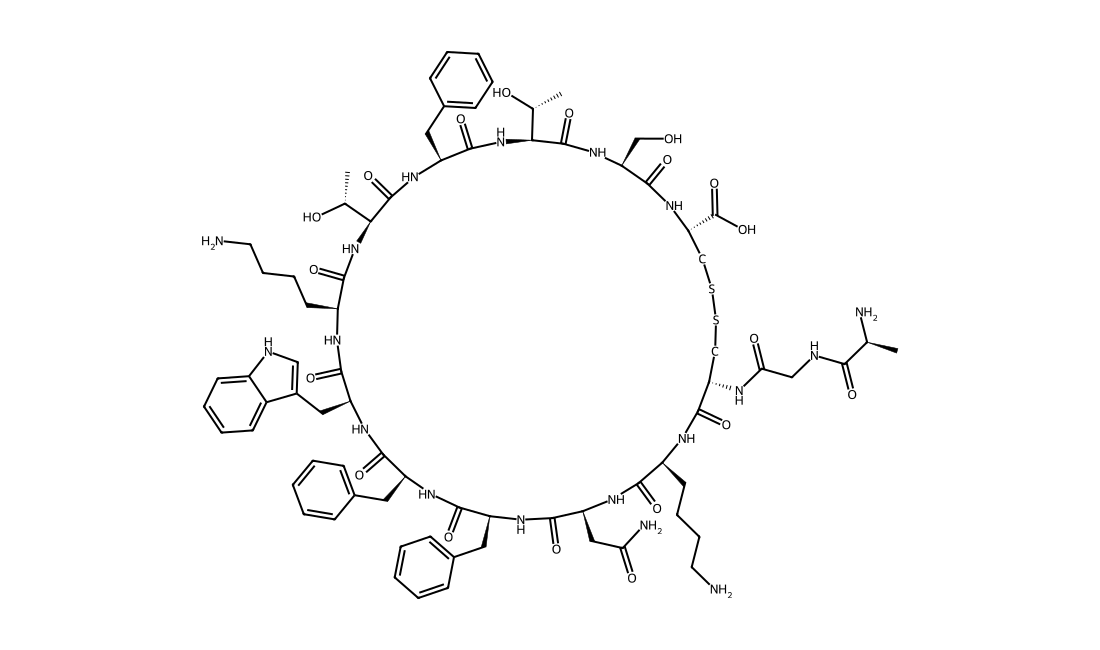
Cyclic somatostatin

CAS 38916-34-6

A growth hormone-release inhibiting factor used in the treatment of severe, acute hemorrhages of gastroduodenal ulcers; regulates the endocrine system and affects neurotransmission and cell proliferation.

Cyclic somatostatin chemical structure
DC25088

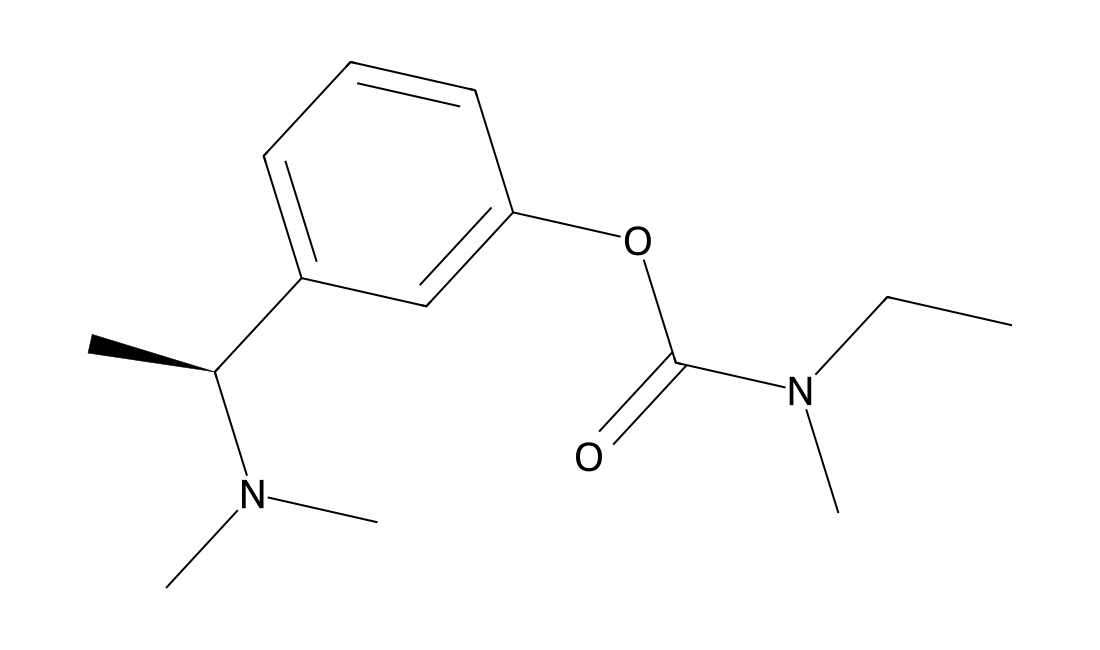
Rivastigmine

CAS 123441-03-2

An acetylcholinesterase (AChE) inhibitor that inhibits both butyrylcholinesterase and acetylcholinesterase; a parasympathomimetic or cholinergic agent for the treatment of mild to moderate dementia of the Alzheimer's type and dementia due to Parkinson's disease.Alzheimer's DiseaseApproved

Rivastigmine chemical structure
DC6908

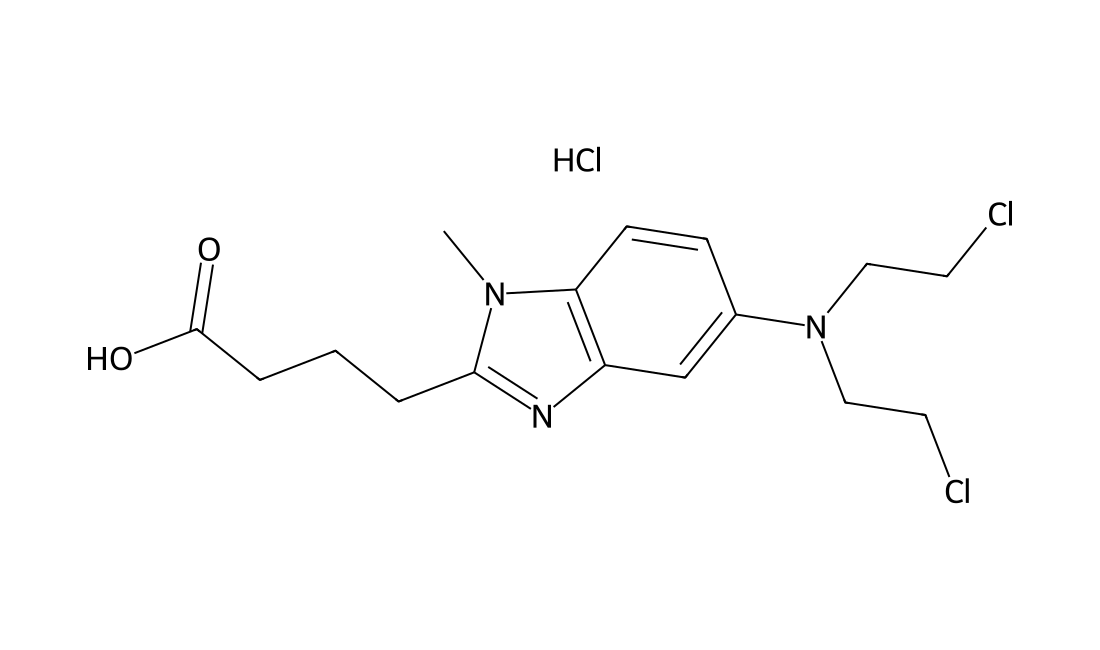
Bendamustine HCL (SDX-105, Cytostasane)

CAS 3543-75-7

Bendamustine hydrochloride is the hydrochloride salt of bendamustine, a bifunctional mechlorethamine derivative with alkylator and antimetabolite activities. Bendamustine possesses three active moieties: an alkylating group; a benzimidazole ring, which may act as a purine analogue; and a butyric acid side chain. Although its exact mechanism of action is unknown, this agent appears to act primarily as an alkylator. Bendamustine metabolites alkylate and crosslink macromolecules, resulting in DNA, RNA and protein synthesis inhibition, and, subsequently, apoptosis. Bendamustine may differ from other alkylators in that it may be more potent in activating p53-dependent stress pathways and inducing apoptosis; it may induce mitotic catastrophe; and it may activate a base excision DNA repair pathway rather than an alkyltransferase DNA repair mechanism. Accordingly, this agent may be more efficacious and less susceptible to drug resistance than other alkylators. Bendamstine was approved in USA in March 2008.For the detailed information of Bendamustine HCL (SDX-105, Cytostasane), the solubility of Bendamustine HCL (SDX-105, Cytostasane) in water, the solubility of Bendamustine HCL (SDX-105, Cytostasane) in DMSO, the solubility of Bendamustine HCL (SDX-105, Cytostasane) in PBS buffer, the animal experiment (test) of Bendamustine HCL (SDX-105, Cytostasane), the cell expriment (test) of Bendamustine HCL (SDX-105, Cytostasane), the in vivo, in vitro and clinical trial test of Bendamustine HCL (SDX-105, Cytostasane), the EC50, IC50,and Affinity of Bendamustine HCL (SDX-105, Cytostasane), Please contact DC Chemicals.

Bendamustine HCL (SDX-105, Cytostasane) chemical structure
DC20141

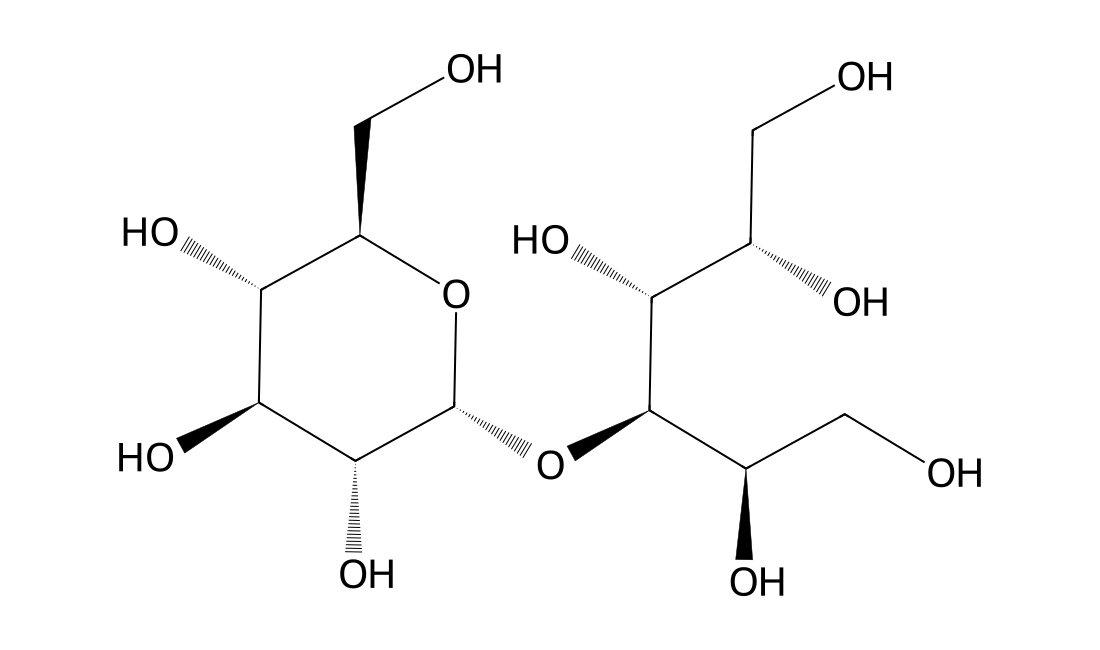
Maltitol

CAS 585-88-6

Maltitol is a sugar alcohol used as a sugar substitute. It has 75-90% of the sweetness of sucrose (table sugar) and nearly identical properties. Maltitol may also be used as a plasticizer in gelatin capsules, as an emollient, and as a humectant.

Maltitol chemical structure
DC20130

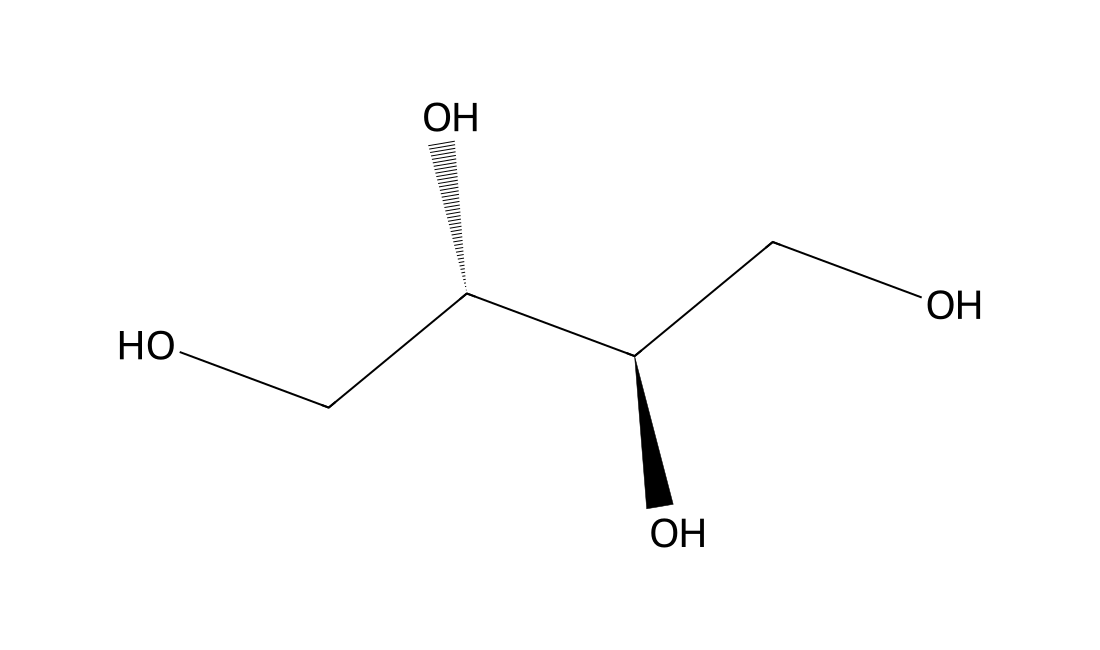
meso-Erythritol

CAS 149-32-6

meso-Erythritol is a sugar alcohol that occurs naturally in a variety of foods (e.g., pear, watermelon), is 60-80% as sweet as sucrose, and is an approved low-calorie sweetener food additive.

meso-Erythritol chemical structure
DC24053

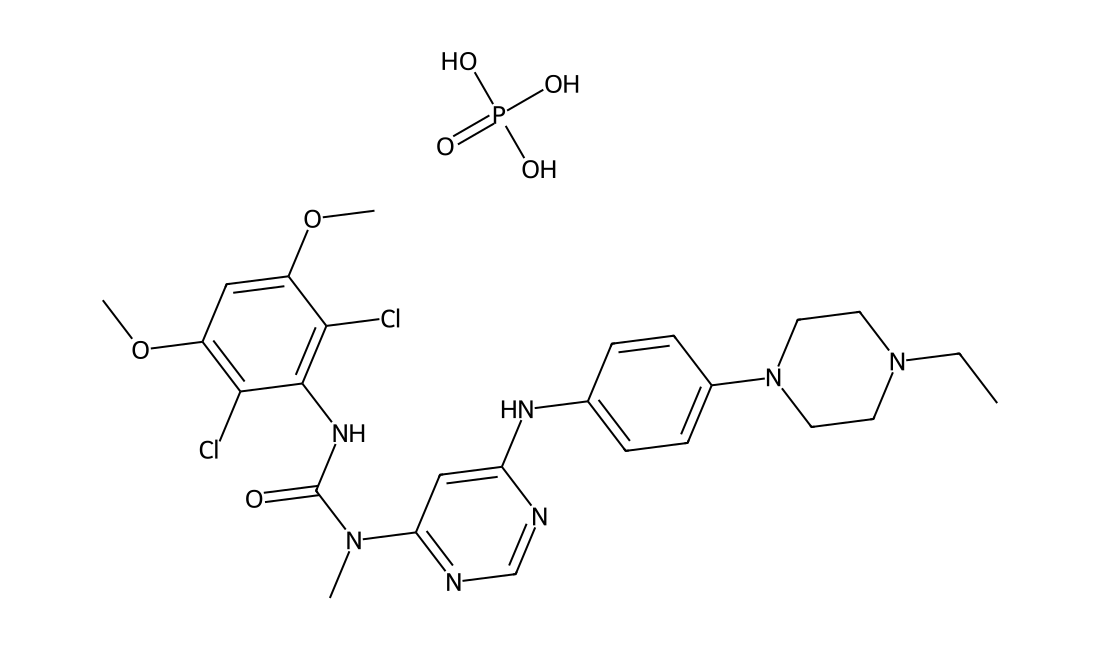
NVP-BGJ398 phosphate

CAS 1310746-10-1

NVP-BGJ398 phosphate (Infigratinib phosphate, BGJ398 phosphate) is a potent, selective pan-FGFR inhibitor with IC50 of 0.9/1.0/1.4/60 nM for FGFR1/2/3/4, also shows high potenct against mutant FGFR3-K650E with IC50 of 4.9 nM; inhibits the proliferation of the FGFR1-, FGFR2-, and FGFR3-dependent BaF3 cells with IC50 of low nanomolar range; shows significant antitumor activity in RT112 bladder cancer xenografts models overexpressing wild-type FGFR3, significantly inhibits the growth of FGFR2-mutated endometrial cancer xenograft models, also ameliorates FGF23-mediated hypophosphatemic rickets in mouse models.Blood CancerPhase 2 Clinical

NVP-BGJ398 phosphate chemical structure
DC23923

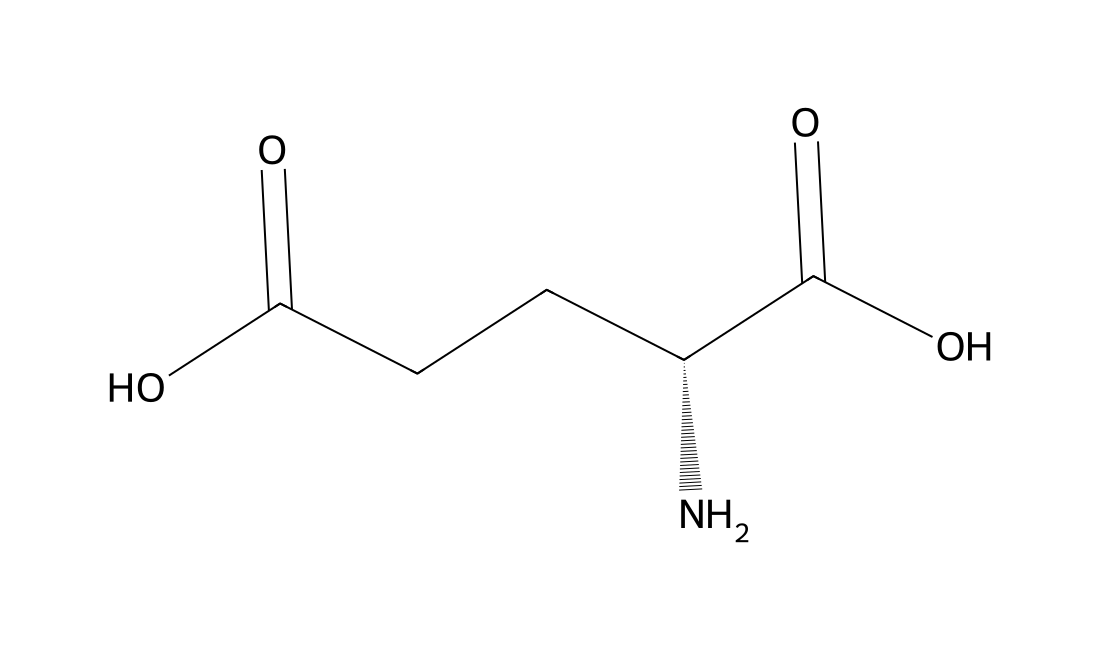
D-Glutamic acid

CAS 6893-26-1

The one form of glutamic acid found in nature, is the most potent natural inhibitor of glutathione synthesis; is not endogenously produced in higher mammals, found naturally primarily in the cell walls of certain bacteria.

D-Glutamic acid chemical structure
DC12660

NFAT Inhibitor-1

CAS 249537-73-3

Selective inhibitor of calcineurin-mediated dephosphorylation of nuclear factor of activated T cells (NFAT). Does not disrupt other calcineurin-dependent pathways. Inhibits NFAT activation and NFAT-dependent expression of endogenous cytokine genes in T cells.
NFAT Inhibitor-1 chemical structure
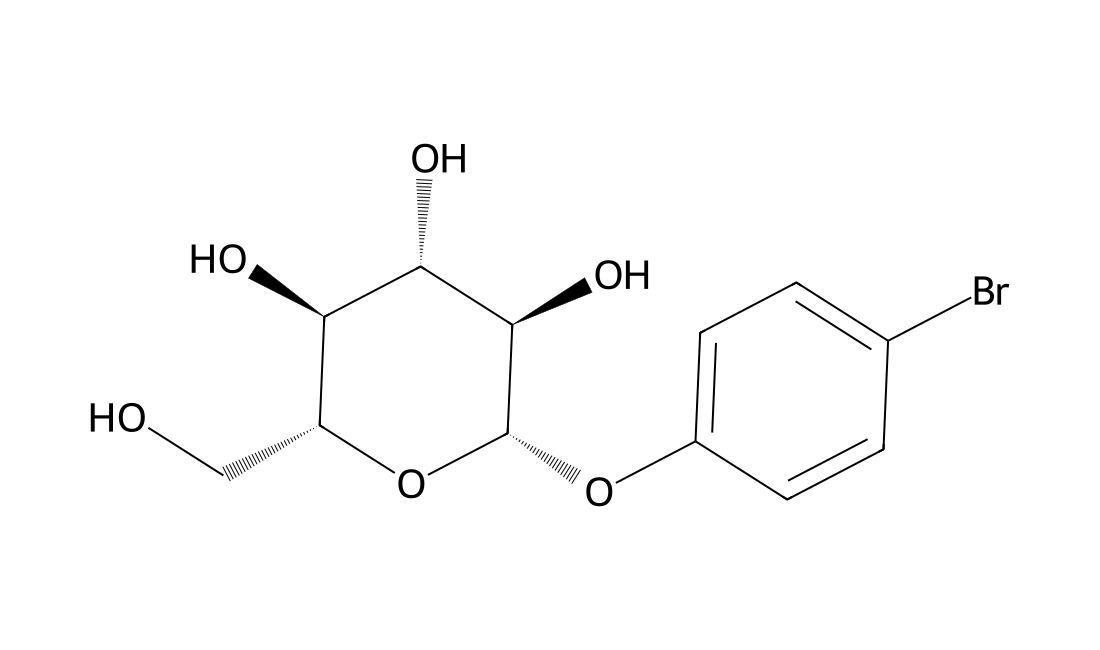
DC65913

ß-pBrPh-Glc

CAS 30572-42-0

β-pBrPh-Glc is a small-molecule ice recrystallization inhibitor. β-pBrPh-Glc can control the rate and extent of intracellular ice recrystallization in the nuclei over a broad range of subzero temperatures. β-pBrPh-Glc is an important tool to improve the recovery and function of cryopreserved cells and tissues.
ß-pBrPh-Glc chemical structure
DC21437

OAT-2068

CAS 2221950-65-6

OAT-2068 is a potent, selective, orally bioavailable inhibitor of mouse chitotriosidase (mCHIT1) with IC50 of 29 nM, 143-fold selectivity over mAMCase; exhibits excellent pharmacokinetic profile and is an ideal and unique tool for studying the role of CHIT1 in biological models.

OAT-2068 chemical structure
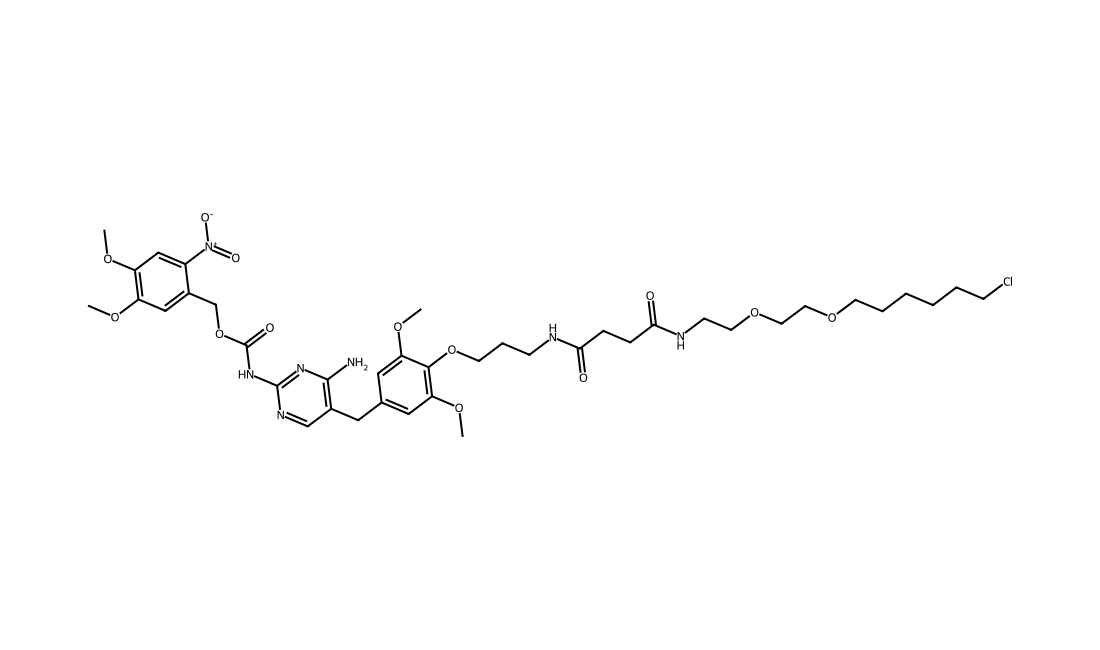
DC65870

NVOC cage-TMP-Halo

CAS 2137894-98-3

NVOC cage-TMP-Halo is a cell-permeable and photoactivatable protein dimerization inducer. NVOC cage-TMP-Halo can rapidly and reversibly control protein localization in living cells. NVOC cage-TMP-Halo can be used for dynamic cellular processes research.

NVOC cage-TMP-Halo chemical structure
Browse target & topic index A–Z (366)
11β-HSD (1)15-PGDH (2)5-HT Receptor (16)Acetyl-CoA Carboxylase (ACC) (3)Acetylcholinesterase (AChE) (2)Ack1 (TNK2) (1)Acyltransferase (1)ADC Cytotoxin (6)ADCs Linker/Click Chemistry (5)Adenosine Receptor (9)Adenylate Cyclase (2)Adrenergic Receptor (11)Akt (12)Alcoholism (2)Aldehyde Dehydrogenase (ALDH) (6)Allergy (5)Alzheimer Disease (13)Aminopeptidase (1)AMPK (8)Amyloids (4)Anaplastic Lymphoma Kinase (ALK) (9)Androgen Receptor (AR) (11)Anemia (4)Angiotensin Receptor (4)Antibody/Protein labeling dyes (1)Antifolate (2)Anxiety (1)Apoptosis Inducer (3)Arginase (1)Arp2/3 complex (1)Aryl hydrocarbon Receptor (AhR) (1)Asthma (5)Atherosclerosis (2)ATM/ATR (8)Aurora Kinase (10)Autophagy (6)Autophagy-related Protein (Atg) (2)Autotaxin (2)Bacterial (26)Bacterial Infection (17)Bcl-2 (14)Bcr-Abl (5)BCRP (1)Beta-catenin (4)Beta-secretase (BACE) (4)Blood Cancer (91)BMI-1 (1)Bone Cancer (6)Brain Cancer (6)Breast Cancer (30)Bromodomain (22)BTK (10)c-Fms (CSF1R) (5)c-Fos/AP-1 (1)c-Kit (6)c-Met (HGFR) (11)c-Myc (2)Calcium Channel (4)Calcium-sensing Receptor (CaSR) (1)CaMK (4)Cannabinoid Receptor (6)Carbonic Anhydrase (1)Carboxypeptidase (1)Casein Kinase (6)Caspase (4)Cathepsin (6)Cdc2-like Kinase (CLK) (1)CETP (2)CFTR (7)Checkpoint Kinase (Chk) (8)Chemokine Receptor (CCR and CXCR) (14)Chemotherapeutic Agents (19)Chloride Channel (1)CMV (2)CMV Infection (2)Colon Cancer (9)Complement System (1)COPD (3)CREB/CBP (2)CRF Receptor (2)CRISPR/Cas9 (1)Cushing Disease (1)Cyclin-dependent Kinase (CDK) (39)Cyclooxygenase (COX) (4)Cytochrome P450 (CYPs) (5)Depression (2)Dermatitis (2)Deubiquitinase (DUB) (7)Diabetes (20)Dipeptidyl Peptidase (DPP) (3)Discoidin Domain Receptor (DDR) (1)DNA Alkylator/Crosslinker (10)DNA Methyltransferase (DNMT) (1)DNA Repair Protein (1)DNA-PK (2)DNA/RNA Synthesis (5)Dopamine beta-hydroxylase (1)Dopamine Receptor (7)Drug Metabolite (1)Drug-Linker Conjugates (11)Dyes (4)DYRK (1)Dyslipidemia (9)E3 Ligase Ligand (6)E3 Ligase Ligand-Linker Conjugate (1)E3 Ubiquitin Ligase (4)Ebola Virus Infection (1)EGFR (32)Elastase (2)Endothelin Receptor (5)Enzymes substrates (13)Epigenetic Reader Domain (3)Epilepsy (4)ERK (4)Estrogen Receptor/ERR (13)Eukaryotic Initiation Factor (eIF) (2)Exportin-1 (CRM1,XPO1) (2)FABP (1)Factor Xa (5)Farnesoid X Receptor (FXR) (5)Farnesyl transferase (FTase) (1)Ferroptosis (6)FGFR (15)Fibrosis (5)FLT3 (6)Focal Adhesion Kinase (FAK) (11)Foxo1 (1)Free Fatty Acid Receptor (FFAR) (5)Fungal (2)Fungal Infection (1)GABA Receptor (13)Galectin (1)Gastric Cancer (8)Ghrelin Receptor (GHSR) (3)Glucagon Receptor (4)Glucokinase (2)Glucose Transporter (GLUT) (2)Glutamate Transporter (2)GPCR (1)GPER (GPR30) (1)GPR139 (1)GPR183 (EBI2) (2)GPR39 (1)GPR55 (1)GPR84 (1)GRK (GPCRK) (2)Growth Hormone Deficiency (2)GSK-3 (8)Guanylate Cyclase (3)HBV (1)HBV Infection (1)HCN Channel (2)HCV (8)HCV Infection (9)HDAC (38)Heart Arrhythmia (2)Heart Failure (5)Heat Shock Protein (HSP) (15)Hedgehog (Hh) (1)HIF/HIF Prolyl-hydroxylase (8)Histamine Receptor (6)Histone Acetyltransferase (HAT) (5)Histone Demethylase (11)Histone Methyltransferase (HMTase) (31)HIV (12)HIV Infection (11)HMG-CoA Reductase (HMGCR) (3)HSV (1)HSV Infection (1)Hypercholesterolemia (1)Hyperparathyroidism (1)Hypertension (8)IAP (1)IGF-1R (3)iGluR (15)Indoleamine 2,3-Dioxygenase (IDO) (4)Infection (1)Influenza (6)Influenza Virus (6)Insulin Receptor (2)Integrin (6)Interleukin Receptor (1)IRAK (2)IRE1 (4)Irritable Bowel Syndrome (2)Ischemia (1)Isocitrate Dehydrogenase (IDH) (5)ITK (1)IκB kinase (IKK) (7)JAK (32)JNK (3)Keap1-Nrf2 (6)Kidney Cancer (10)Kinesin (5)Kruppel-like Factor (KLF) (1)Kynurenine 3-Monooxygenase (KMO) (1)Leukotriene Receptor (1)LIM Kinase (LIMK) (3)Lipids fragment (1)Liver Cancer (6)Liver X Receptor (LXR) (3)LRRK2 (9)Lung Cancer (39)Lysophospholipid Receptor (12)LYTACs (3)mAChR (9)MALT1 (2)MAP4K (1)Matrix Metalloproteinase (MMP) (10)MDM2-p53 (9)MEK (MAP2K) (14)MEKK (MAP3K) (1)Melanocortin Receptor (2)MELK (1)mGluR (7)MicroRNA (1)Microtubule/Tubulin (5)Mineralocorticoid Receptor (MLR) (1)MITF (1)Mixed Lineage Kinase (MLK) (3)MNK (2)Molecular Glues (13)Monoamine Transporter (5)Monocarboxylate Transporter (MCT) (1)Monopolar Spindle 1 (Mps1/TTK) (3)mTOR (13)Multiple Sclerosis (6)Myosin (1)Na-K-Cl Cotransporter (NKCC) (2)nAChR (2)NADPH Oxidase (NOX) (2)NAMPT (3)Natural products (37)Neprilysin (1)Neurokinin Receptor (3)Neuropeptide Y Receptor (3)NF-κB (5)Nitric Oxide Synthase (NOS) (1)NOD-like Receptor (NLR) (3)Notch (2)Nucleoside Antimetabolite/Analog (10)Nur77 (NR4A1) (1)Obesity (1)Oct3/4 (1)Opioid Receptor (5)Orexin Receptor (7)Osteoporosis (2)Ovarian Cancer (14)Oxytocin Receptor (OXTR) (2)P-glycoprotein (P-gp) (3)p21-activated Kinase (PAK) (1)P2X Receptor (2)P2Y Receptor (1)p38 MAPK (10)p97/VCP (1)Pain (12)Pancreatic Cancer (10)Parasite (5)Parasite Infection (2)Parkinson Disease (2)PARP (19)PCSK9 (1)PD-1/PD-L1 (4)PDGFR (4)PDK1 (2)PEGn (1)PERK (2)PGE synthase (2)Phosphodiesterase (PDE) (9)Phospholipase (4)PI3K (32)PI4K (2)Piezo Channel (1)PIKfyve (3)Pim (9)PKC (12)PKD (1)Plasminogen Activator Inhibitor-1 (PAI-1) (3)Polo-like Kinase (PLK) (4)Porcupine (3)Potassium Channel (13)PPAR (13)Pregnane X Receptor (PXR) (1)Progesterone Receptor (2)Prostaglandin Receptor (11)Prostate Cancer (7)PROTACs (35)Protease-activated Receptor (PAR) (3)Proteasome (12)Protein Disulfide Isomerase (PDI) (1)Protein Phosphatase/PTP (6)Proton Pump (1)Psoriasis (5)RAD51 (1)Radioligand precursors (15)Raf (18)RAR/RXR (3)Ras (17)Renin (2)RET Tyrosine Kinase (c-RET) (3)Rheumatoid Arthritis (16)Ribosomal S6 Kinase (RSK) (5)RIG-I-like Receptor (RLR) (2)RIP kinase (7)ROCK (12)ROR (2)RSV (4)RSV Infection (3)RUNX1-CBFβ (1)S-nitrosoglutathione reductase (GSNOR) (1)Saccharides and Glycosides (1)Salt Inducible Kinase (SIK) (2)SARS-CoV (16)SARS-CoV Infection (34)Schizophrenia (4)Sexual Dysfunction (1)SGLT (4)Sigma Receptor (4)Sirtuin (9)Skin Cancer (13)Sleep Disorder (7)SMN2 Modulator (1)Smoothened (Smo) (9)Sodium Channel (12)Solid Tumors (35)Somatostatin Receptor (2)Sphingosine kinase (SphK) (2)Src (7)STAT (5)Stearoyl-CoA Desaturase (SCD) (1)Steatohepatitis (7)Sterol lipids (1)STING (14)Syk (6)T Cell Receptor (TCR) (1)TAK1 (2)TAM Receptor (Tyro3-Axl-Mer) (4)Taste Receptor (1)Telomerase (2)TGF beta Receptor (TGFBR) (12)Thrombin (3)Thrombosis (13)Thyroid Cancer (1)Thyroid Hormone Receptor (THR) (1)Thyrotropin Receptor (2)TNIK (1)Toll-like Receptor (TLR) (2)TOPK (1)Topoisomerase (11)TRAIL (1)Translocator Protein (TSPO) (1)Trk Receptor (4)TRP Channel (13)Tryptophan Hydroxylase (TPH) (1)Ubiquitin-activating Enzyme (E1) (2)Ubiquitin-conjugating Enzyme (E2) (2)Ulcer (1)ULK (3)Vasopressin Receptor (2)VEGFR (25)Vitamin D Receptor (VDR) (3)Wee1 (1)WNK Kinase (1)Wnt (5)Yes-associated Protein (YAP) (4)γ-secretase (5)

Cart

Request quotation