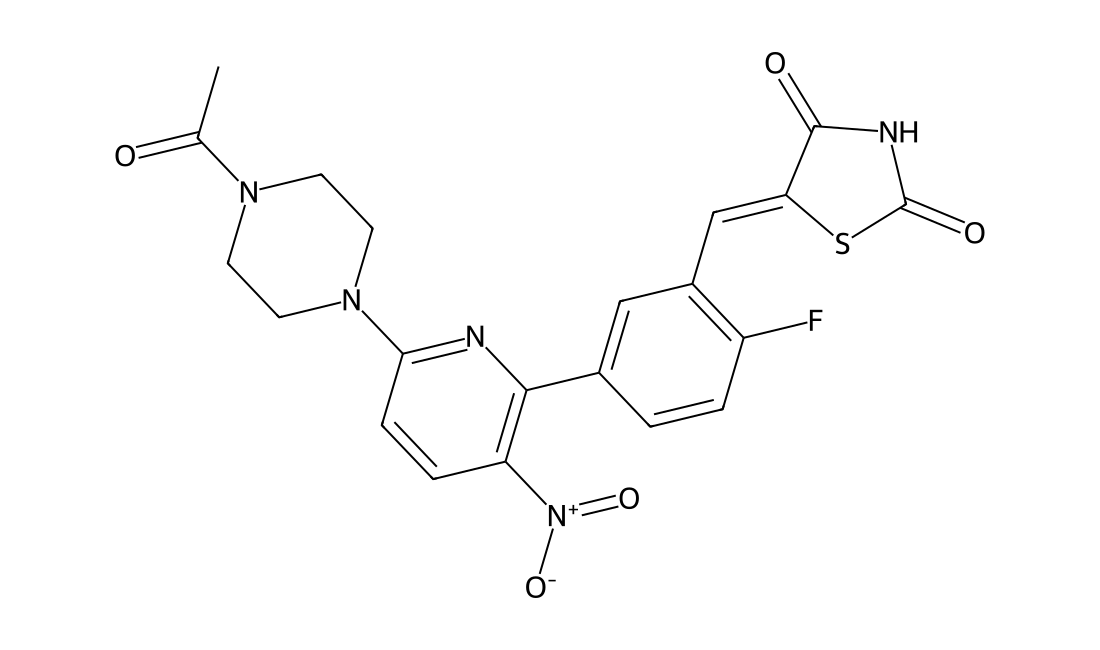
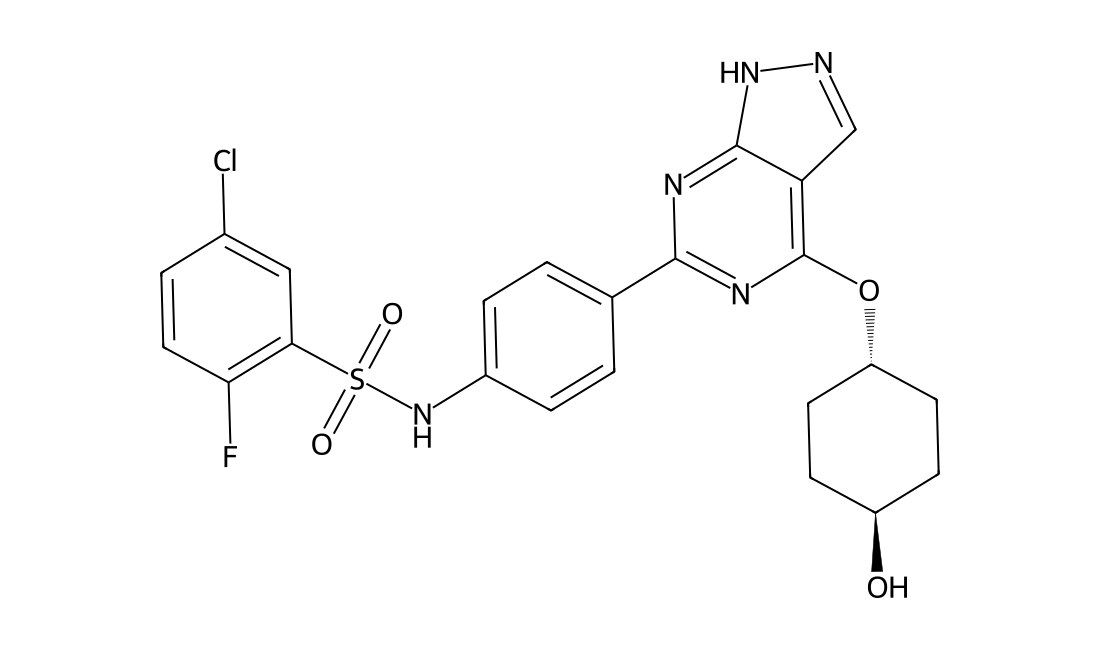
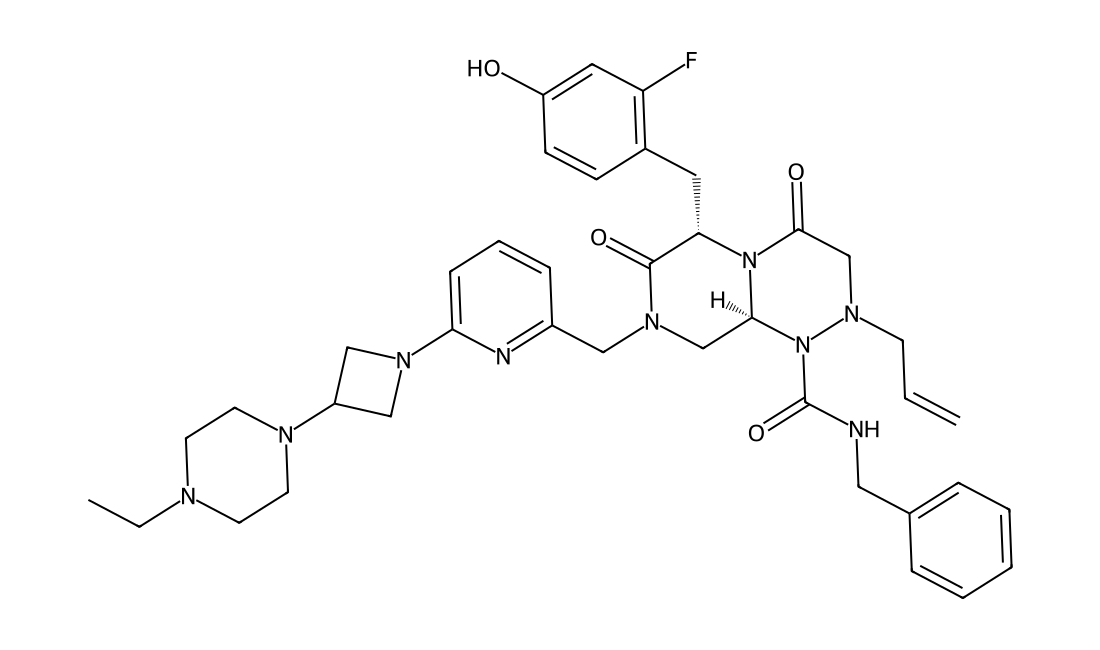
Home/Small Molecules/Other Research Tools

Other Research Tools

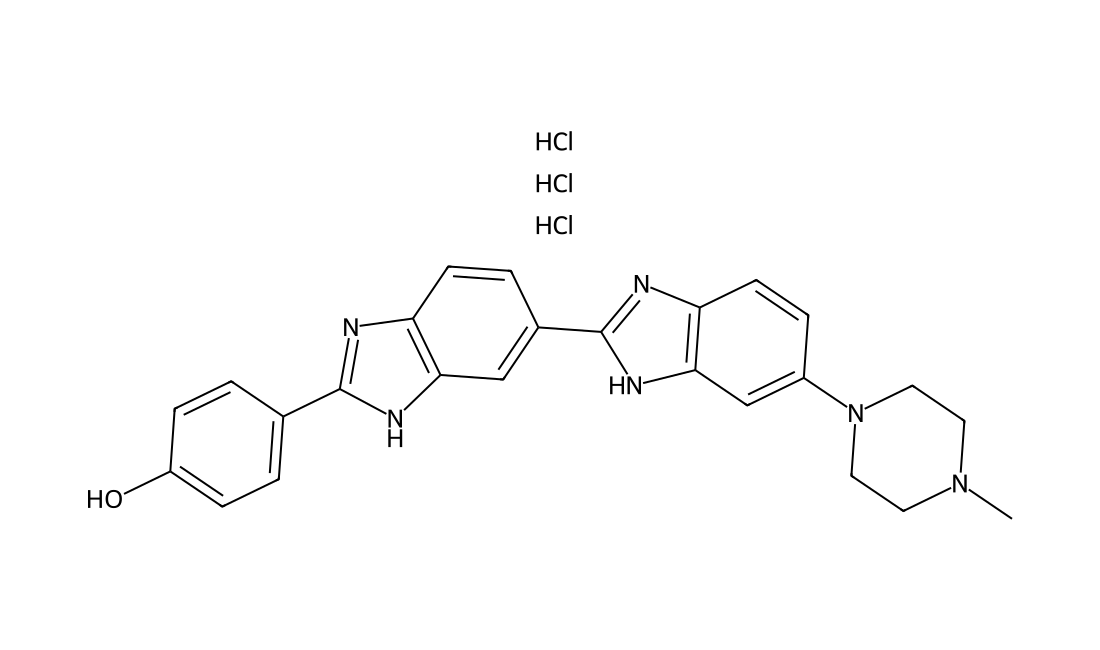
Additional reagents, chemical building blocks and specialized research tools.

Browse all research categories

Browse by research category

Products may appear in more than one category. Counts refer to distinct catalog numbers within each category.

Other Research Tools (75) · Additional reagents, building blocks and specialized research tools.

Other Research Tools products

Combine a keyword, research category and target to narrow the product list.

Loading catalog filters…

959 products · Showing 769–816

DC11858

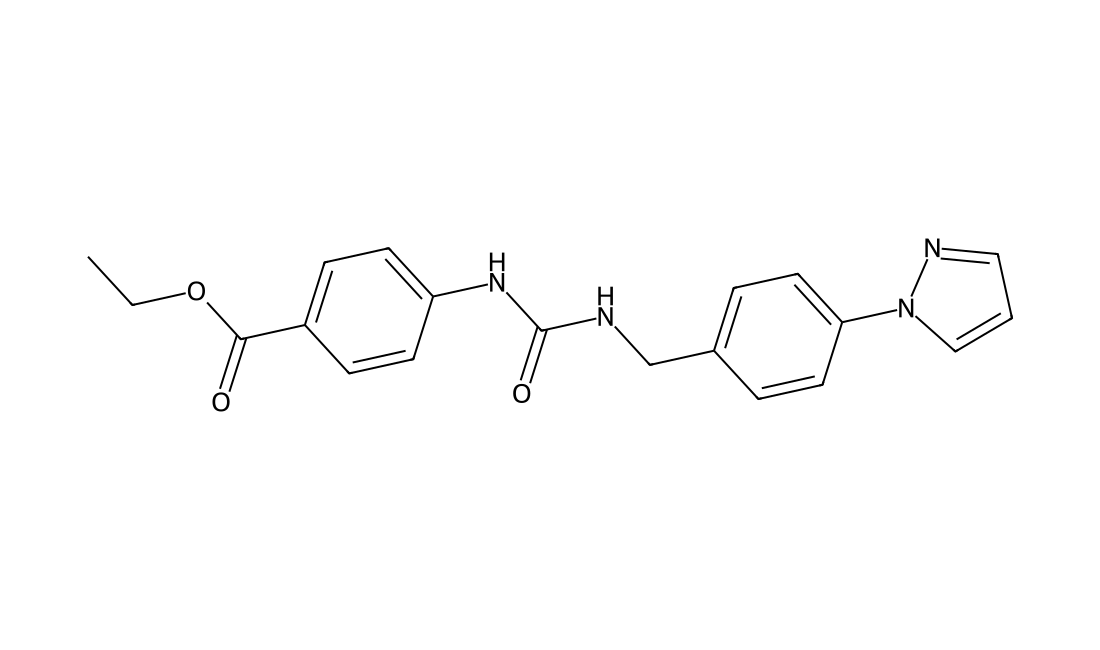
BAY-678

CAS 675103-36-3

BAY-678 is an orally bioavailable, highly potent, selective and cell-permeable inhibitor of human neutrophil elastase (HNE), with an IC50 of 20 nM. BAY-678 is also nominated as a chemical probe to the public via the Structural Genomics Consortium (SGC).

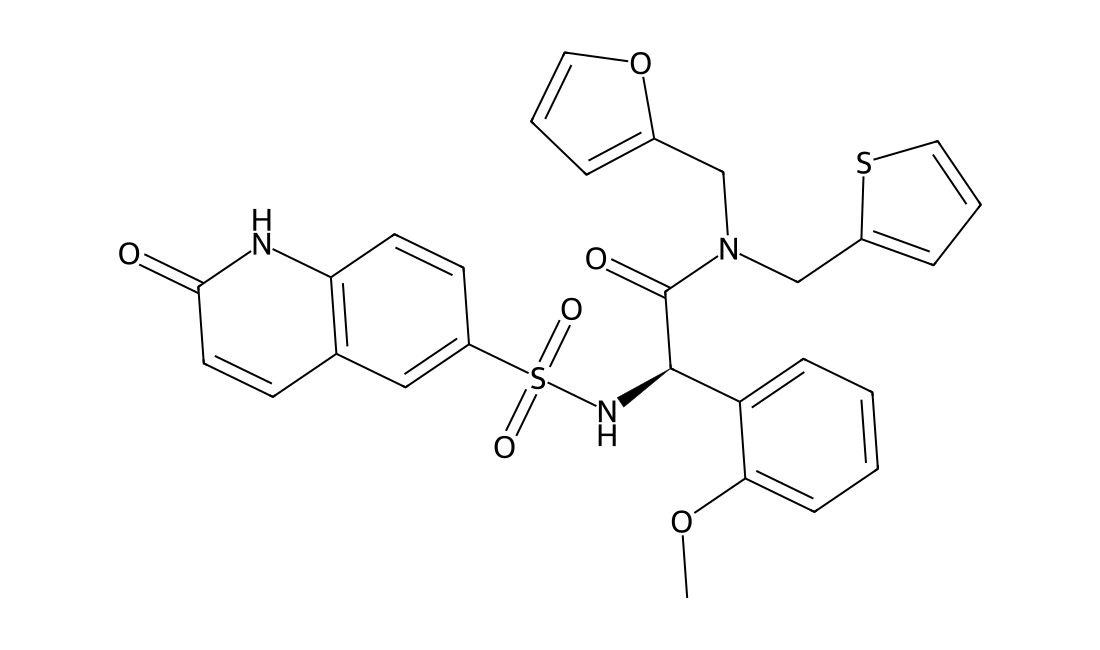
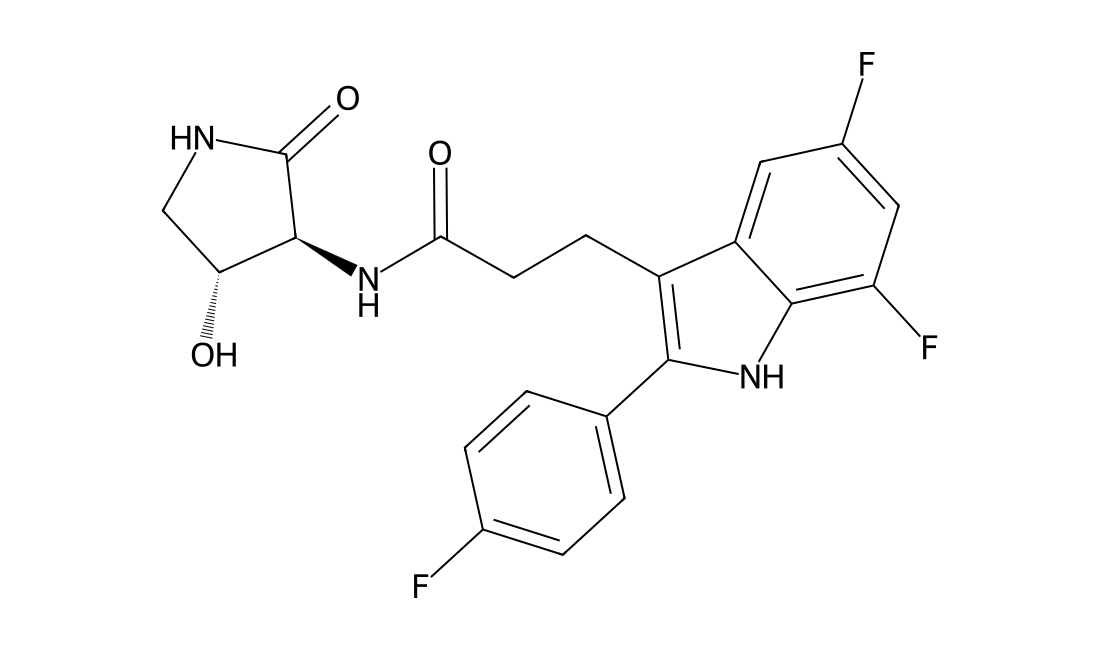
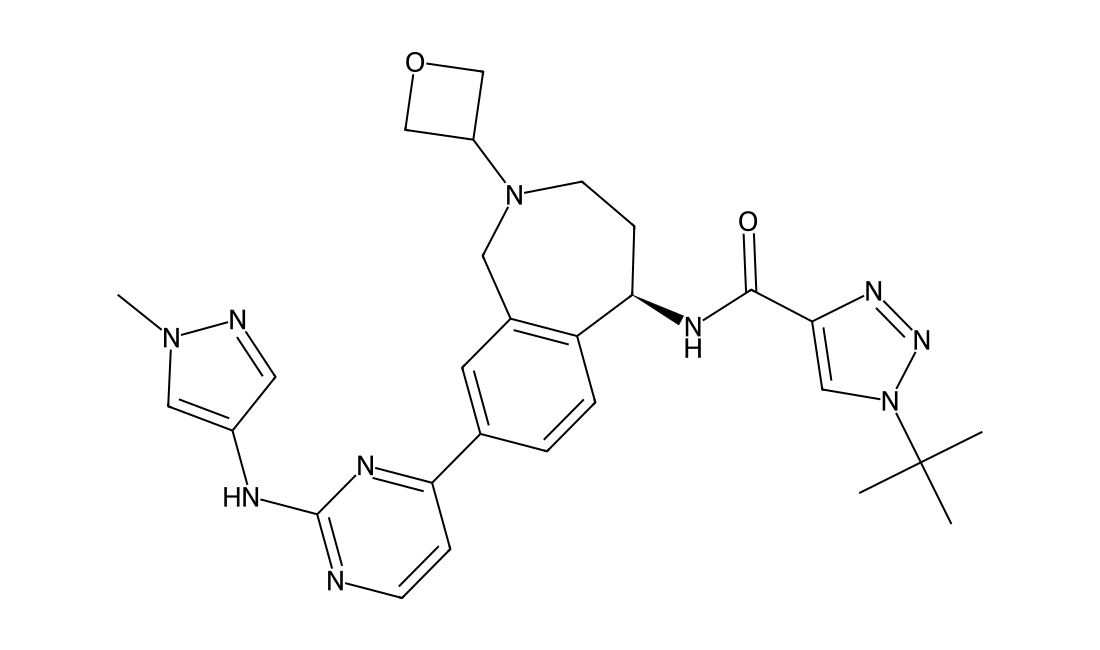
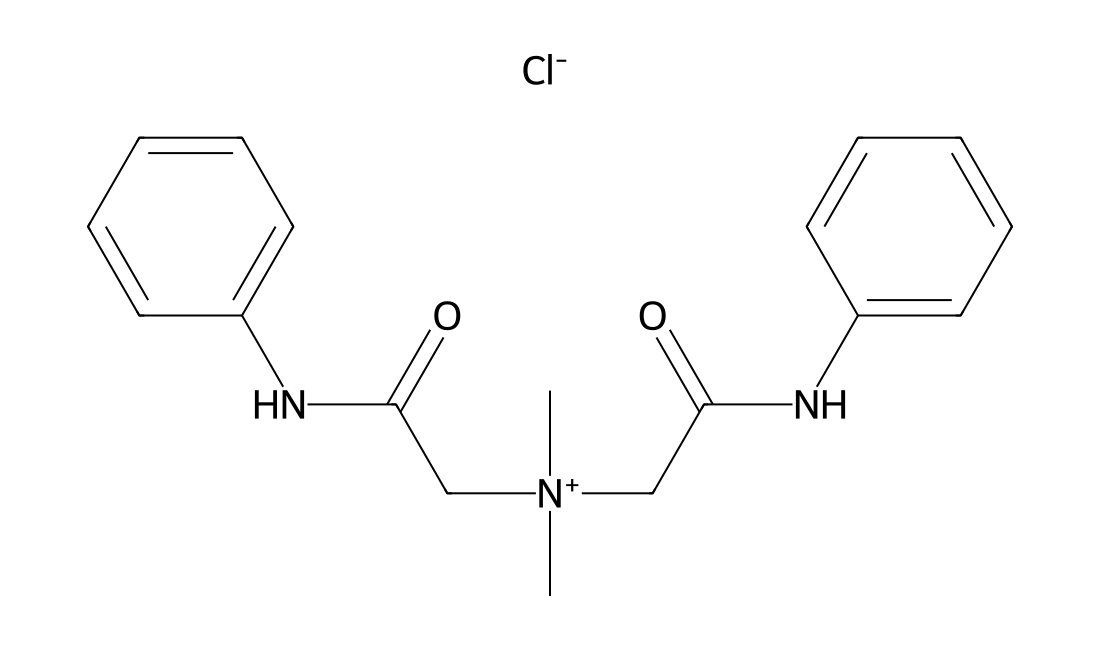
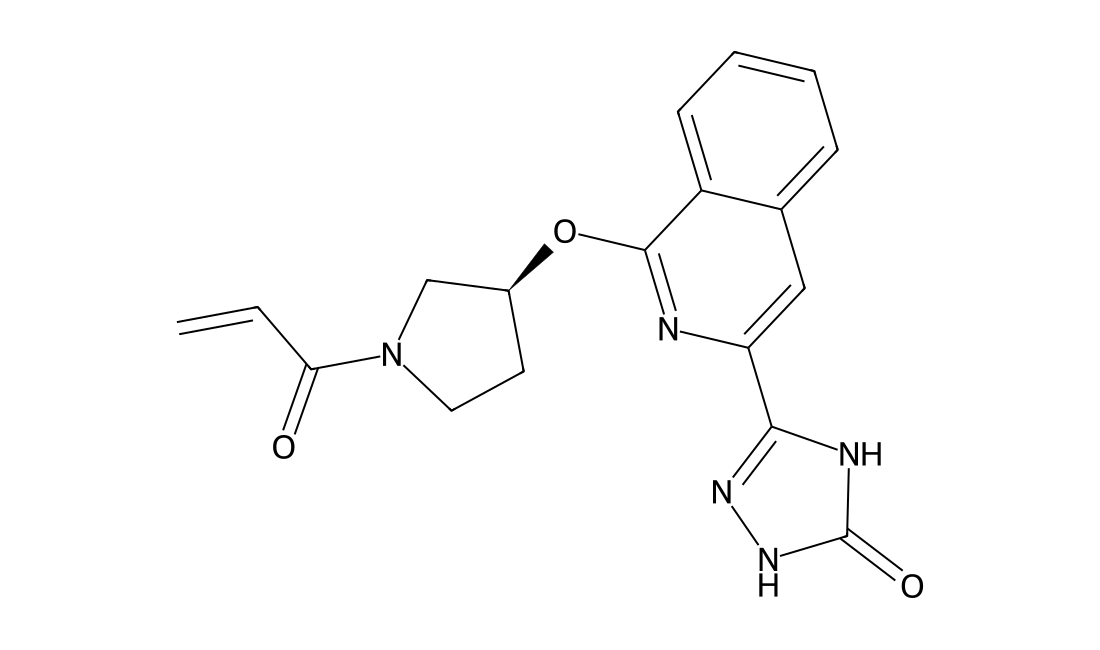
BAY-678 chemical structure
DC39082

BCH001

CAS 384859-58-9

BCH001 is a specific PAPD5 inhibitor that restores telomerase activity and telomere length in dyskeratosis congenita (DC) patient induced pluripotent stem cells. PAPD5 is a noncanonical poly(A) polymerase with an unusual RNA-binding motif.

BCH001 chemical structure
DC45577

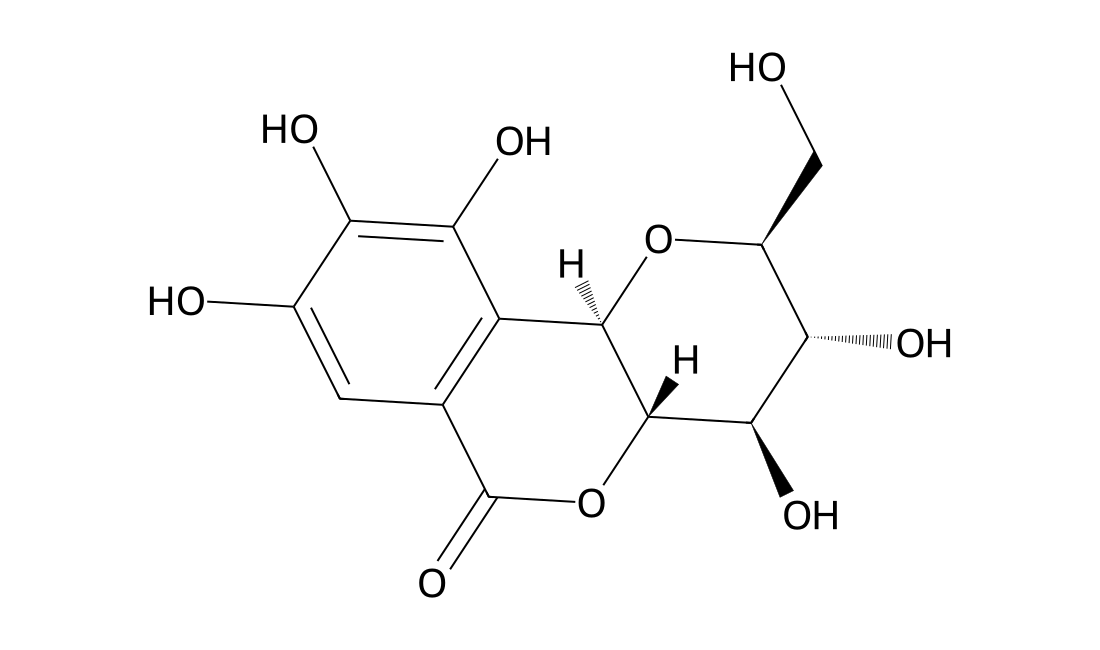
Norbergenin

CAS 79595-97-4

Norbergenin, the O-demethyl derivative of bergenin, shows moderate antioxidant activity (IC50 13 μM in DPPH radical scavenging; 32 μM in superoxide anion scavenging)[1].

Norbergenin chemical structure
DC43797

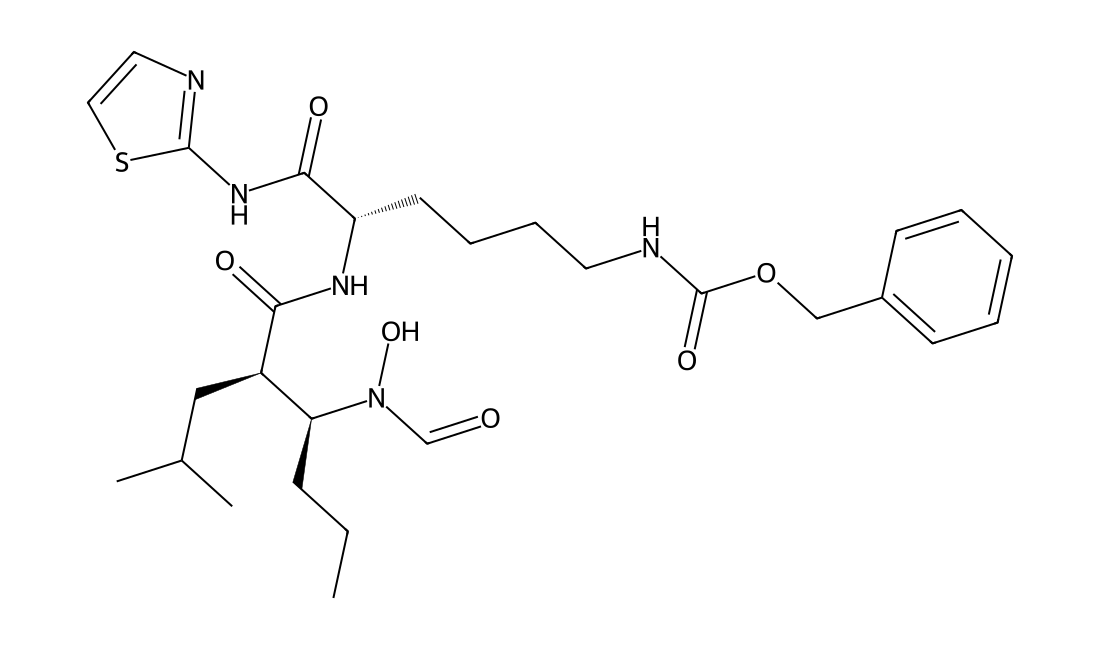
GW280264X

CAS 866924-39-2

GW280264X is the mixed ADAM10/TACE (ADAM17) metalloproteinases inhibitor. GW280264X potently blocks TACE (ADAM17) and ADAM10 with IC50s of 8.0 nM and 11.5 nM, respectively[1]. ADAM10 and 17 modulate the immunogenicity of glioblastoma-initiating cells[2].

GW280264X chemical structure
DC10667

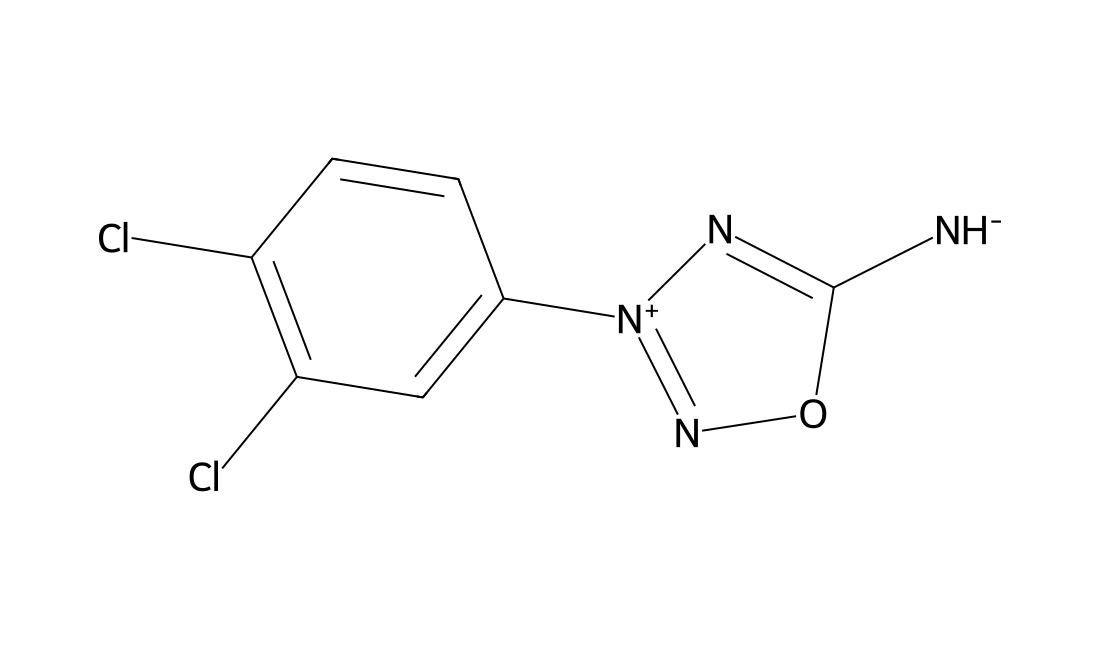
Gea3162

CAS 144576-10-3

Gea 3162 is a potent inhibitor of ADP-induced platelet aggregation in platelet rich plasma (PRP). GEA 3162 stimulates cGMP production in platelets, granulocytes, and polymorphonuclear leukocytes.

Gea3162 chemical structure
DC33186

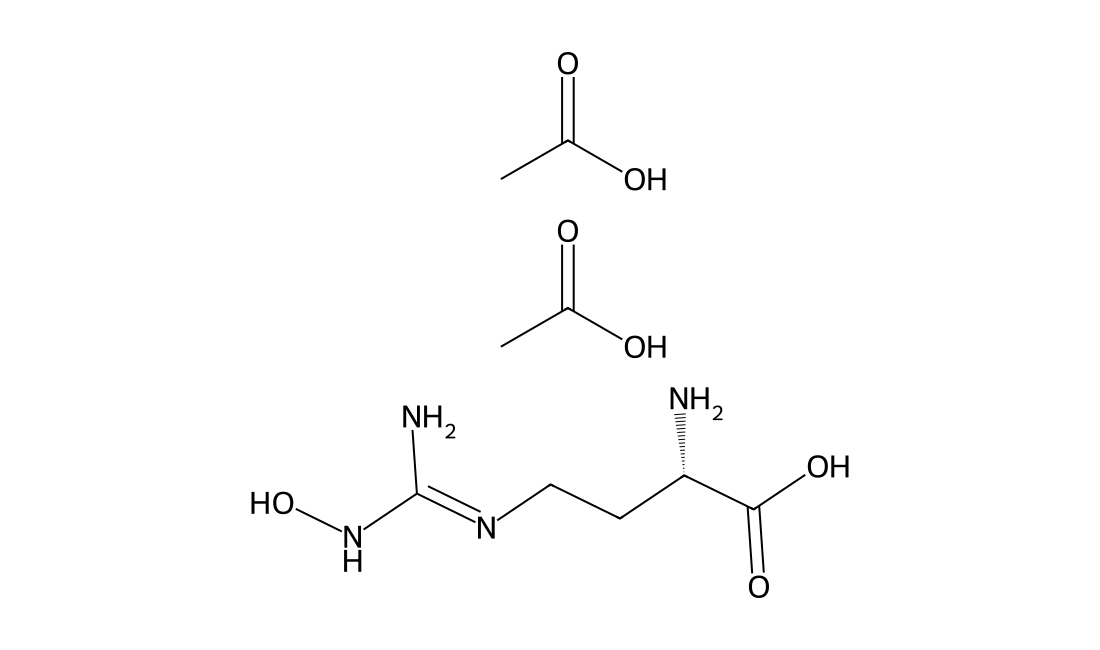
nor-NOHA acetate

CAS 1140844-63-8

nor-NOHA acetate is a specific and reversible arginase inhibitor, induces apoptosis in ARG2-expressing cells under hypoxia but not normoxia. Anti-leukemic activity, effective in endothelial dysfunction, immunosuppression and metabolism[1].

nor-NOHA acetate chemical structure
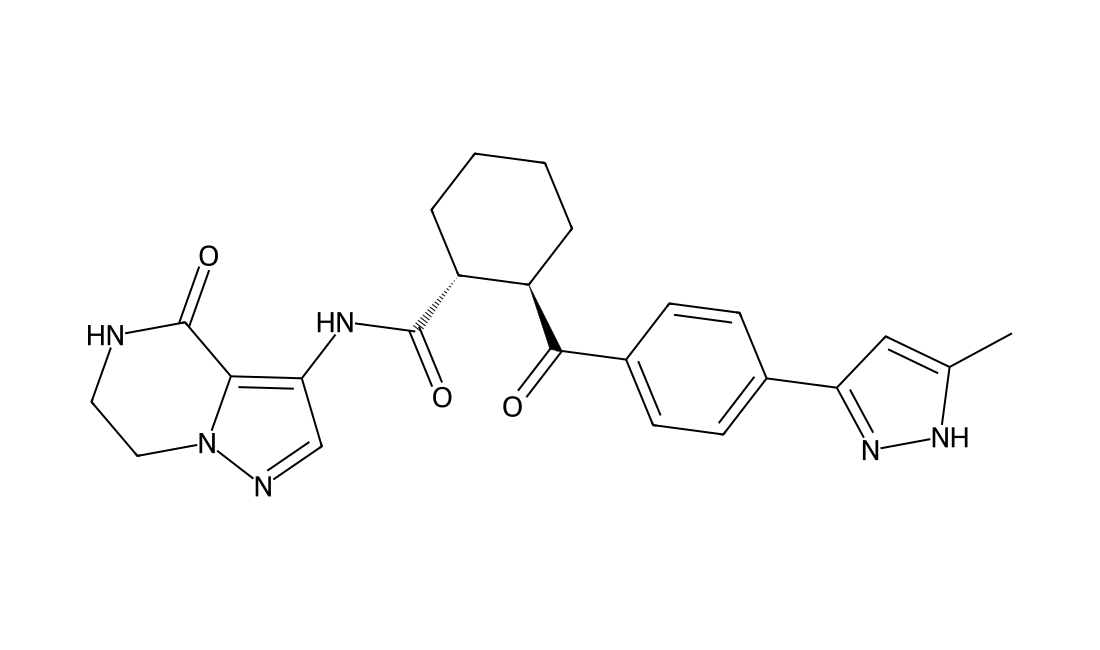
DC22009

AZD5718

CAS 2041075-86-7

AZD5718 (AZD-5718, AZD 5718) is a novel potent 5-lipoxygenase activating protein (FLAP) inhibitor with binding IC50 of 6.3 nM; exhibits LTB4 inhibition in human whole blood assays with IC50 of 39 nM; reduce the production of pro-inflammatory and vasoactive leukotrienes both in vitro and in vivo.

AZD5718 chemical structure
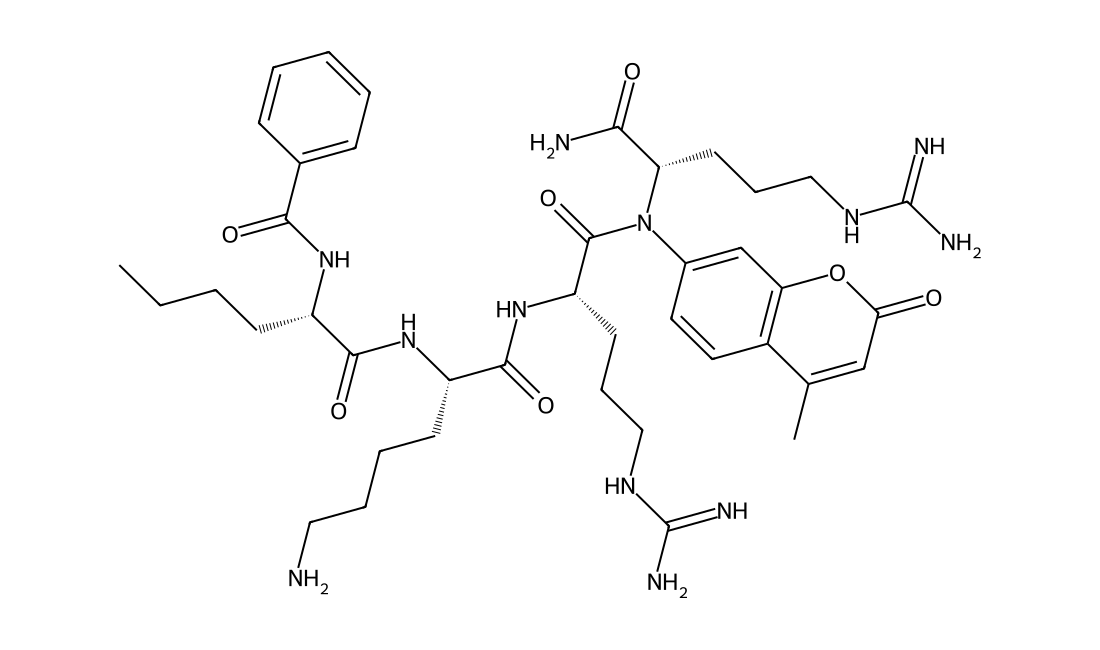
DC11453

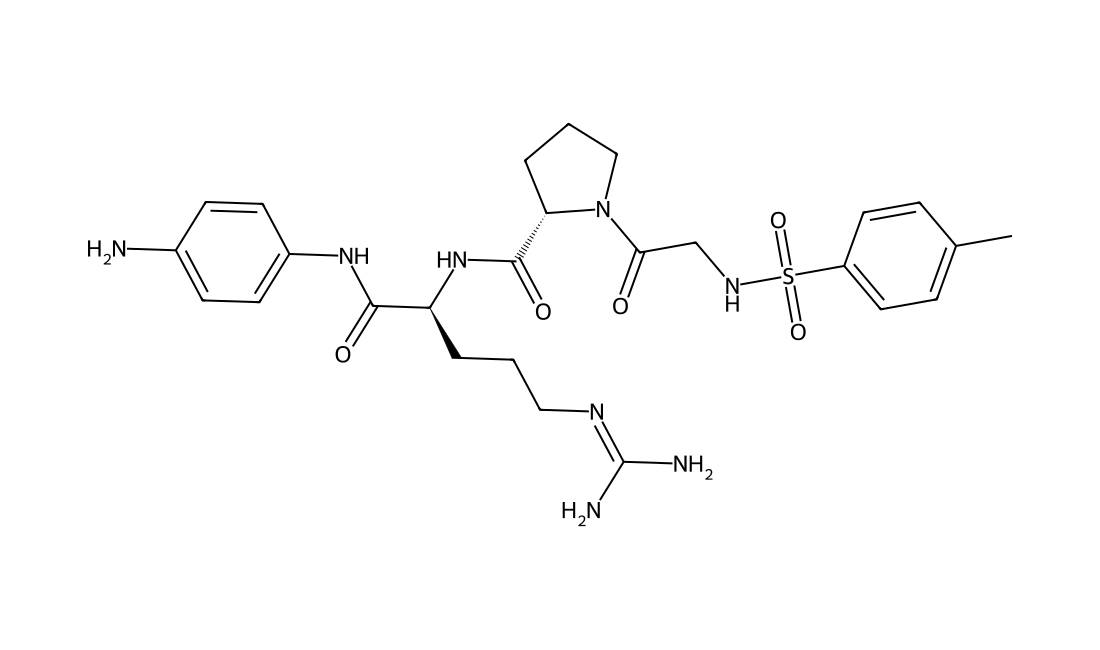
Bz-Nle-Lys-Arg-Arg-AMC

CAS 863975-32-0

Substrate for dengue virus NS2B-NS3 and yellow fever virus NS3 protease. The kcat/Km value of Bz-NleKRR-AMC for the dengue virus type 4 (DEN4) enzyme is > 800 fold higher than that of Boc-Gly-Arg-Arg-AMC (I-1565), a widely used NS3 substrate (kcat = 2.9 s⁻¹, Km = 8.6 μM for DEN4). For yellow fever virus NS3 protease the kcat value was 0.111 s⁻¹, the Km value 14.6 μM.

Bz-Nle-Lys-Arg-Arg-AMC chemical structure
DC21449

OSMI-1

CAS 1681056-61-0

OSMI-1 is a cell-permeable, small molecule O-GlcNAc transferase (OGT) inhibitor with IC50 of 2.7 uM; inhibits protein O-GlcNAcylation in several mammalian cell lines without qualitatively altering cell surface N- or O-linked glycans; also significantly decreases HSV replication.

OSMI-1 chemical structure
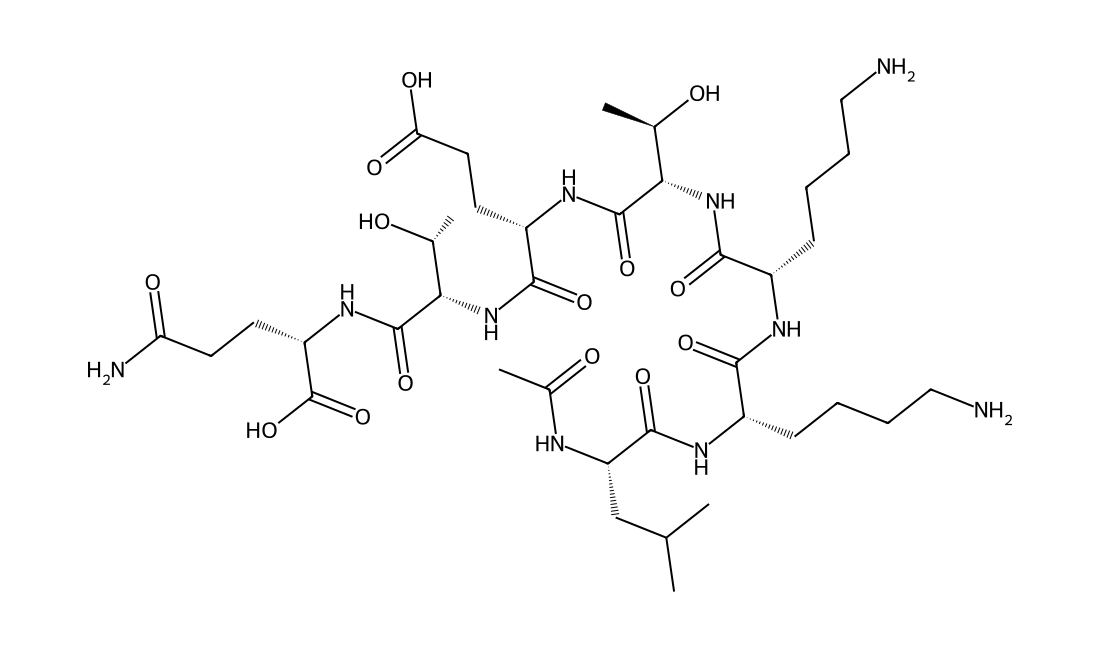
DC12428

AUNP-12

CAS 1353563-85-5

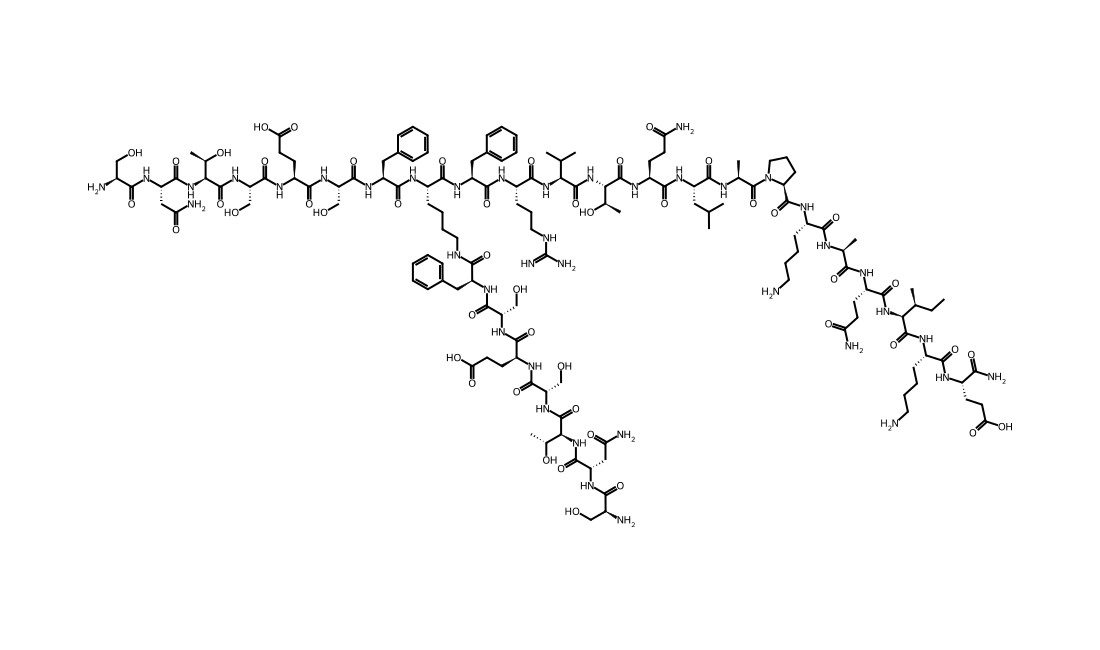
AUNP-12 (Aurigene-012) is a PD-1 inhibitor peptide, blocks the PD-1/PD-L1, PD-1/PD-L2 and PD-L1/CD80 pathways; AUNP-12 is highly effective in antagonizing PD-1 signaling, with desirable in vivo exposure upon subcutaneous dosing. It inhibits tumor growth and metastasis in preclinical models of cancer and is well tolerated with no overt toxicity at any of the tested doses.

AUNP-12 chemical structure
DC20978

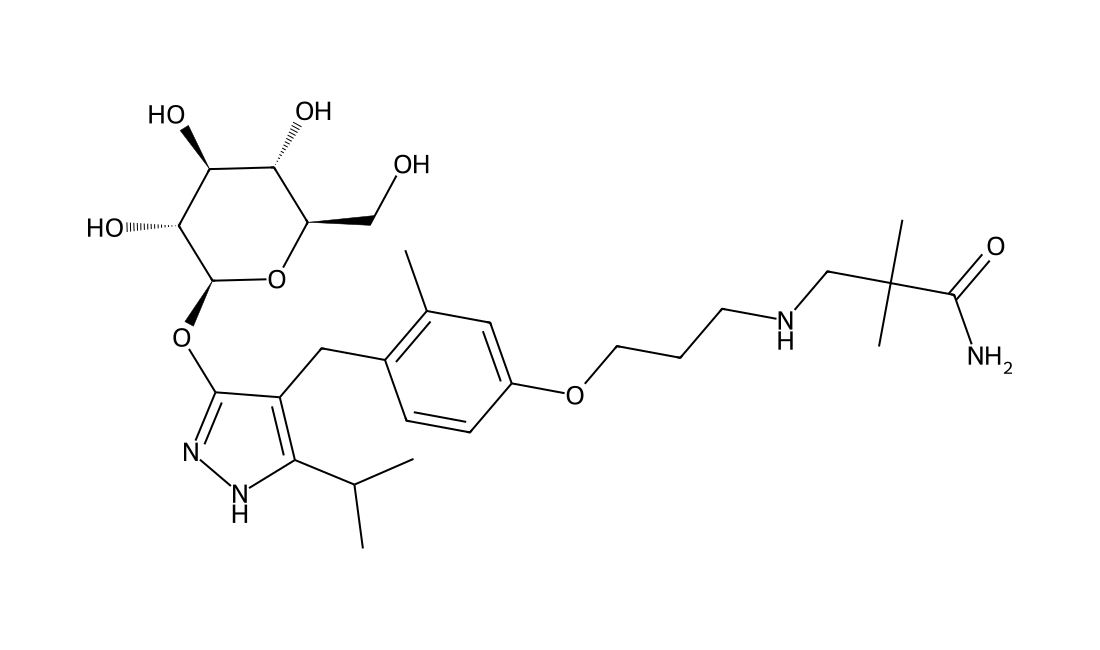
Mizagliflozin

CAS 666843-10-3

Mizagliflozin (DSP-3235, KGA-3235, GSK-1614235) is a potent, selective, orally active SGLT1 inhibitor with Ki of 27 nM, displays >350-fold selectivity over SGLT2; increases stool frequency and loosens stool consistency in phase I study; increases fecal wet weight in a dog model of loperamide-induced constipation and a rat model of low-fiber-diet-induced constipation, similar to lubiprostone. Diabetes Phase 1 Clinical

Mizagliflozin chemical structure
DC22267

Z433927330

CAS 1005883-72-6

Z433927330 is a potent and selective inhibitor of Aquaporin-7 (AQP7), less potently inhibits AQP3 and AQPs9, with IC50s of ~0.2 µM, ~0.7 µM and ~1.1 µM for mAQP7, mAQP3 and mAQP9, respectively[1].

Z433927330 chemical structure
DC50011

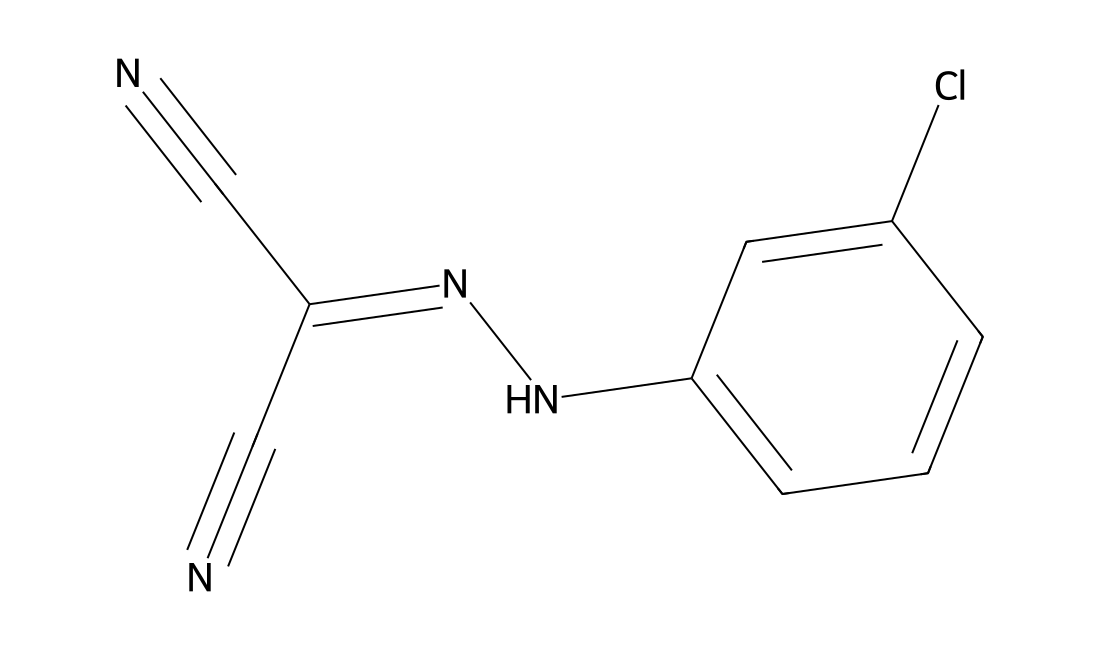
CCCP

CAS 555-60-2

CCCP is an oxidative phosphorylation (OXPHOS) uncoupler. CCCP induces activation of PINK1 leading to Parkin Ser65 phosphorylation.

CCCP chemical structure
DC47420

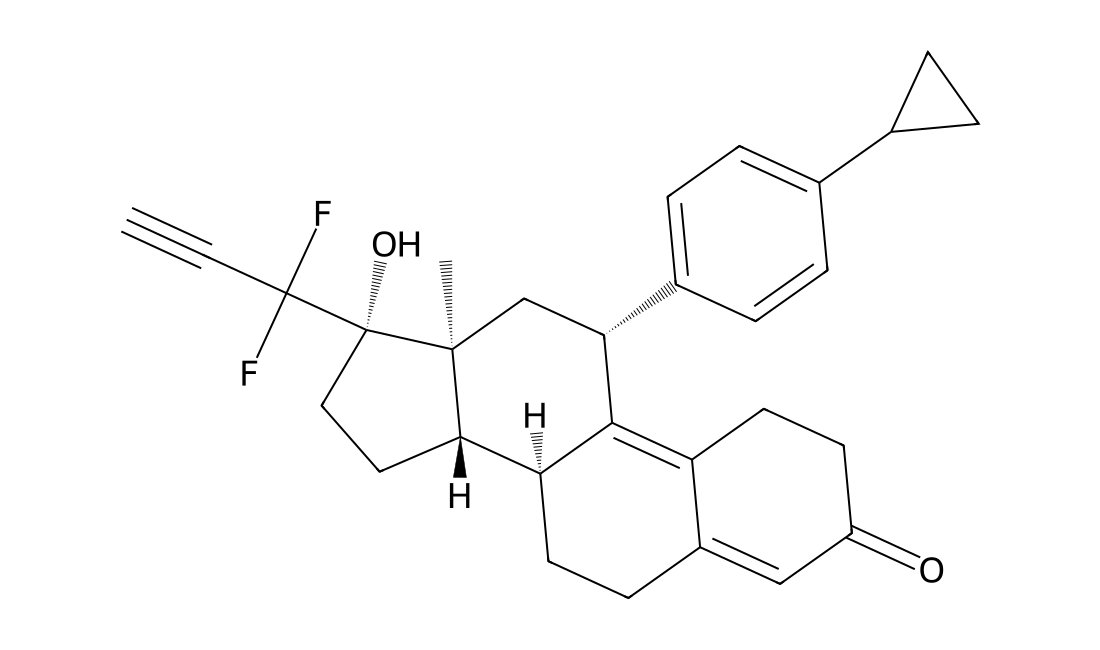
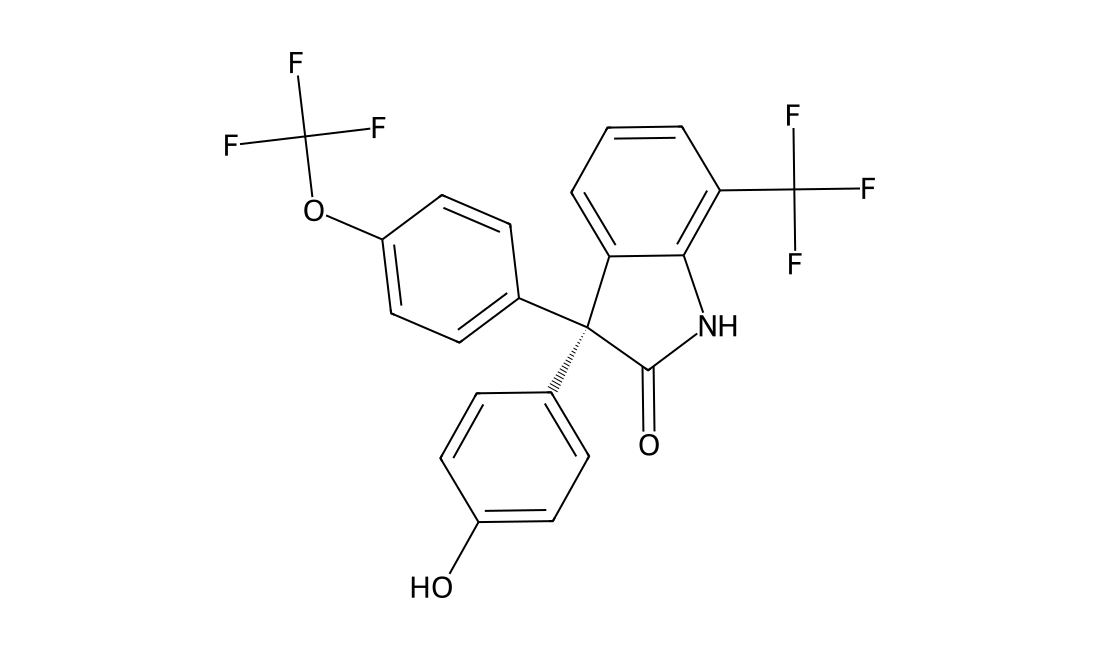
(S)-ErSO

CAS 2407860-34-6

(S)-ErSO is the dextrorotatory enantiomer of ErSO. (S)-ErSO is inactive in MCF-7 cells (from patent WO2020009958A1, compound (s)-105)[1].

(S)-ErSO chemical structure
DC48893

SGK1-IN-4

CAS 1628048-93-0

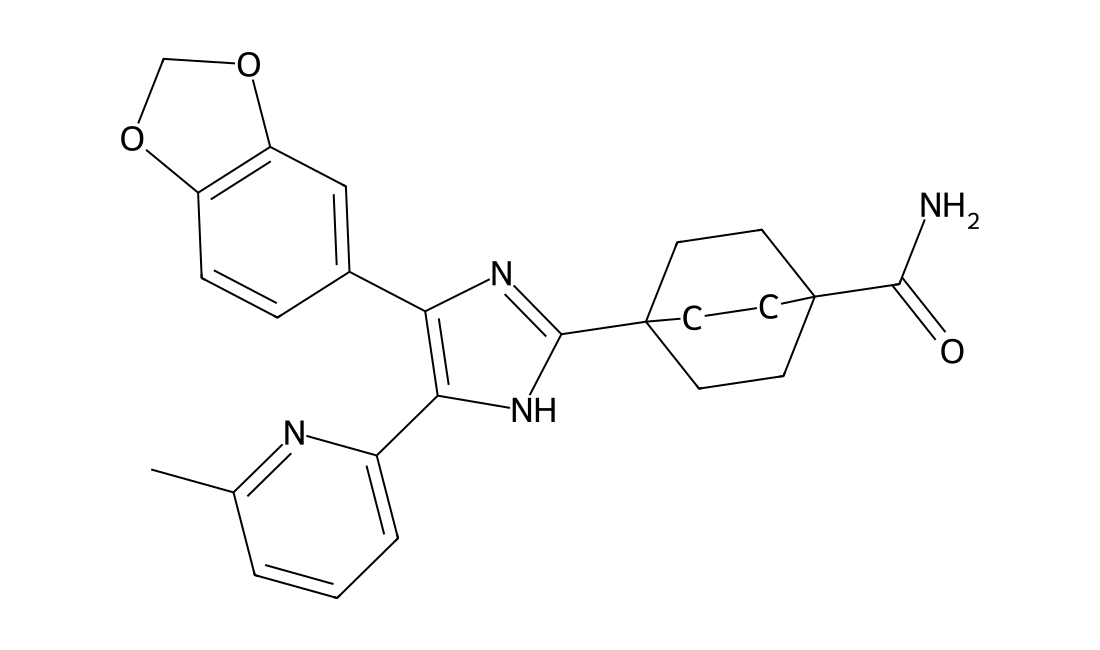
SGK1-IN-4 (compound 17a) is a highly selective, orally active SGK1 inhibitor. SGK1-IN-4 can be used for osteoarthritis research.

SGK1-IN-4 chemical structure
DC10976

E-7386

CAS 1799824-08-0

E-7386 (E7386) is a potent, orally active modulator of CBP/beta-catenin, disrupts the interaction and inhibits canonical Wnt signaling pathway /TCF reporter gene activity in LiCl-stimulated HEK-293 and MDA-MB-231 with IC50 of 55 and 73 nM, respectively; exhibits anti-tumor activity in vitro tumor proliferation panel against 28 human tumor cell lines; modulates the expression of Wnt signaling pathway related genes including AXIN2 and other genes, significantly suppressed the number of polyposis in a dose dependent manner at the dose 8.5-50 mg/kg, also significantly changed the expressions of Wnt related genes in whisker follicle of ApcMin/+mice model.

E-7386 chemical structure
DC47557

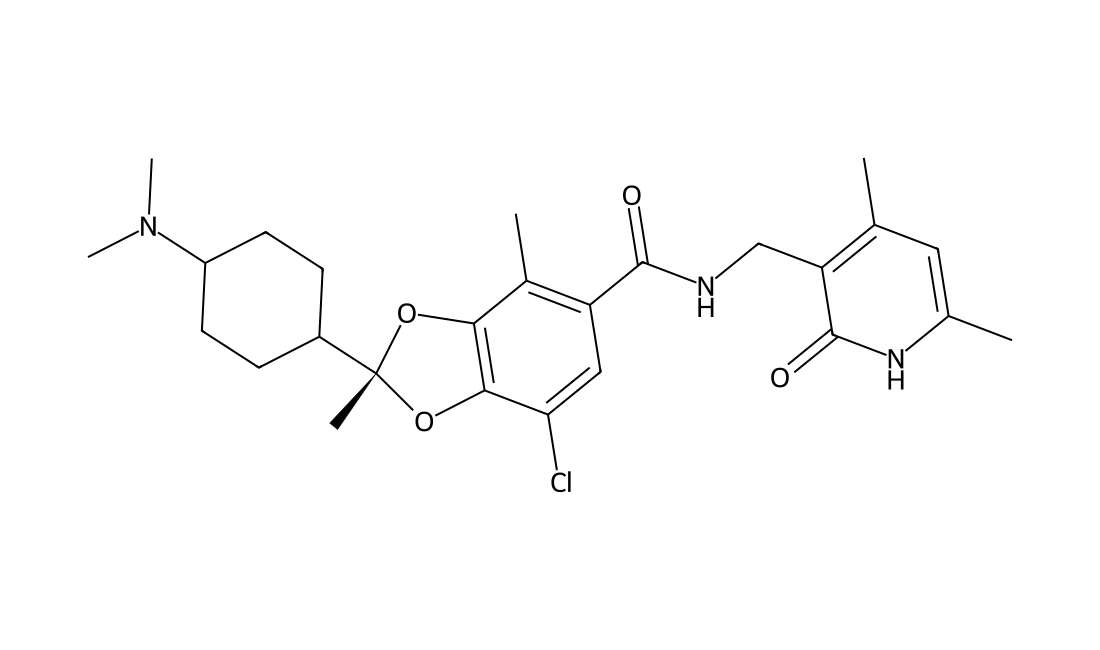
Aficamten(CK274)

CAS 2364554-48-1

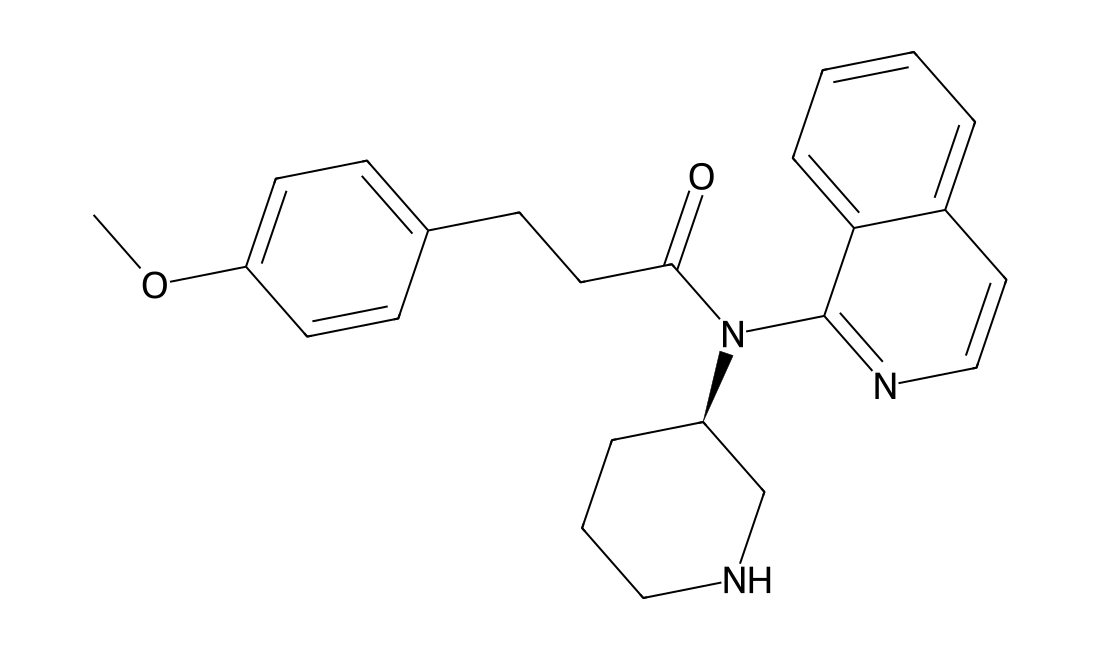
Aficamten (CK-274) is a novel cardiac myosin inhibitor with an IC50 of 1.4 μM. Aficamten can be used for the research of hypertrophic cardiomyopathy (HCM)[1].

Aficamten(CK274) chemical structure
DC65176

LNP023

CAS 1644670-37-0

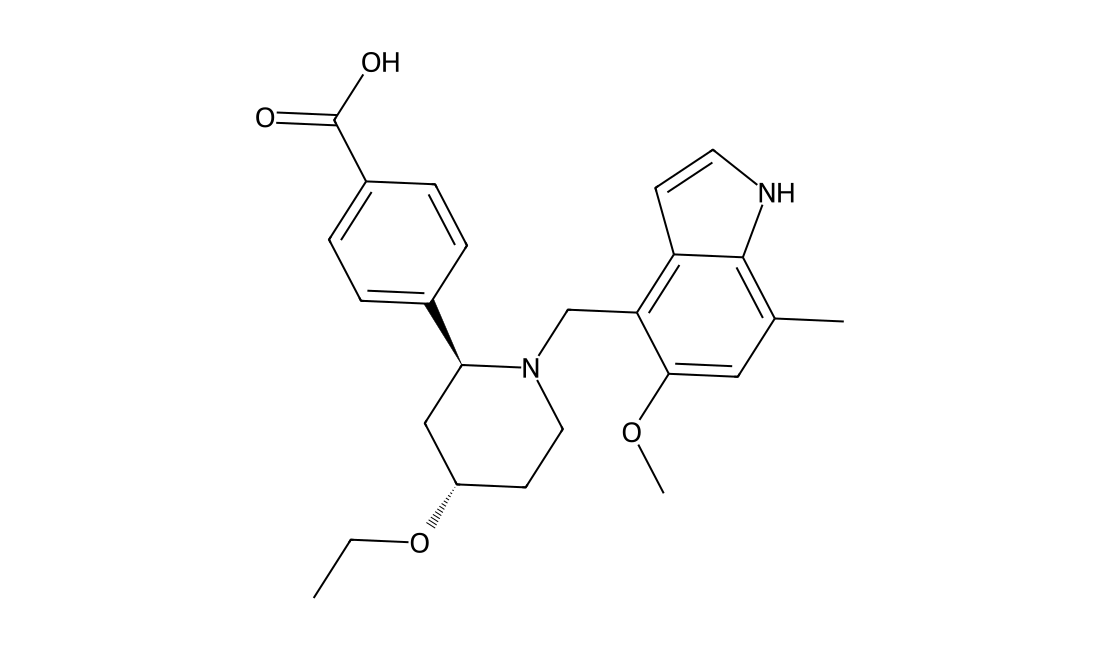
LNP023 is a highly potent factor B (FB) inhibitor with an IC50 value of 10 nM. LNP023 shows direct, reversible, and high-affinity binding to human FB (KD=7.9 nM).

LNP023 chemical structure
DC21249

LSN 3213128

CAS 1941211-99-9

LSN 3213128 is a novel potent, selective and orally-bioavailable antifolate with potent and specific inhibitory activity for AICARFT; results in dramatic elevation of 5-aminoimidazole 4-carboxamide ribonucleotide (ZMP) and growth inhibition in NCI-H460 and MDA-MB-231met2 cancer cell lines; demonstrates tumor growth inhibition in a murine based xenograft model of triple negative breast cancer (TNBC); Aminoimidazole-4-carboxamide ribonucleotide formyltransferase (AICARFT) is an enzyme in the purine biosynthetic pathway.

LSN 3213128 chemical structure
DC20966

DPM-1001

CAS 1471172-27-6

DPM-1001 is a potent, selective, orally bioavailable inhibitor of the protein-tyrosine phosphatase PTP1B with IC50 of 100 nM, also chelates copper, which enhanced its potency as a PTP1B inhibitor; displays anti-diabetic properties associated with enhanced signaling through insulin and leptin receptors in animal models of diet-induced obesity.

DPM-1001 chemical structure
DC20821

BMS-962212

CAS 1430114-34-3

BMS-962212 is a potent, highly selective and reversible small molecule coagulation Factor XIa (FXIa) inhibitor with Ki of 0.7 nM; displays an excellent protease selectivity profile, including thrombin, Factor Xa/VIIa/IXa/XIIa, plasma or tissue kallikrein; shows excellent preclinical efficacy in thrombosis models and aqueous solubility suitable for intravenous administration.ThrombosisPhase 1 Clinical

BMS-962212 chemical structure
DC22162

MLT-748

CAS 1832578-30-9

MLT-748 (MLT748) is a potent, selective, allosteric inhibitor of MALT1 paracaspase with IC50 of 5 nM, does not show inhibitory activity against 22 other tested human proteases (IC50>100 uM); binds MALT1 in the allosteric Trp580 pocket, reversibly binds and stabilizes human mutant MALT1-W580S with Kd of 13 nM, with affinity similar to that of the wild type MALT1 (Kd=42 nM); stabilizes MALT1-W580S in MALT1mut/mut B cells with EC50 of 69 nM, blocks cleavage of MALT1 substrates in human lymphocytes, including HOIL1, RelB, CYLD, and BCL10 (BCL10 cleavage IC50=31 nM), rescues MALT1 function in patient MALT1mut/mut lymphocytes.

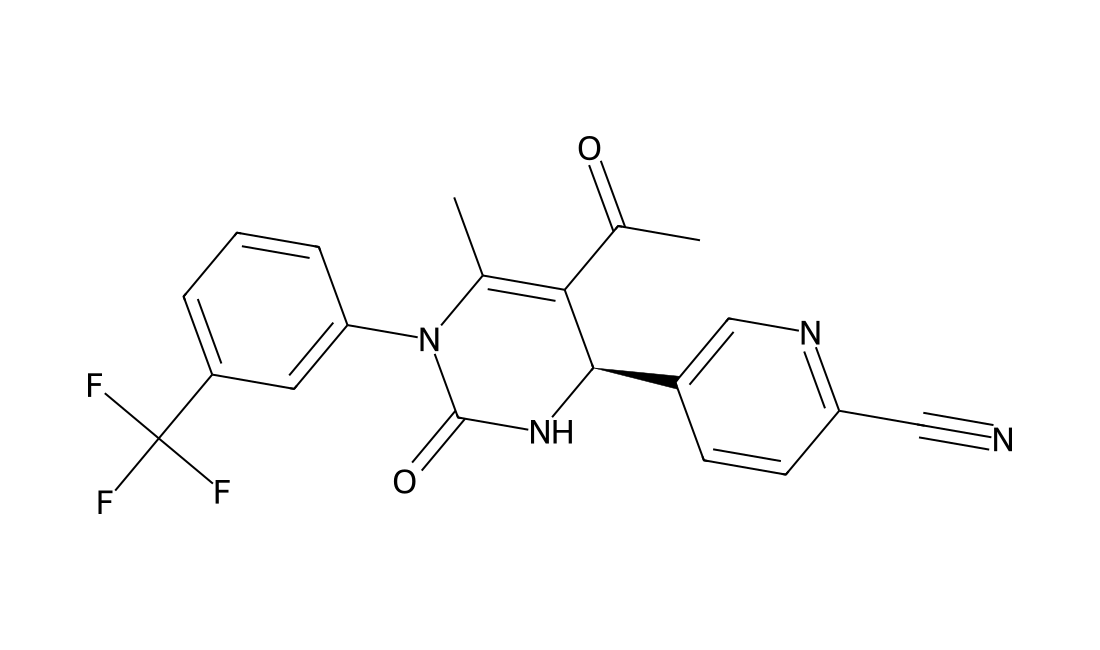
MLT-748 chemical structure
DC22161

MLT-747

CAS 2097853-86-4

MLT-747 (MLT747) is a potent, selective, allosteric inhibitor of MALT1 paracaspase with IC50 of 14 nM; binds MALT1 in the allosteric Trp580 pocket, reversibly binds and stabilizes human mutant MALT1-W580S in vitro and in MALT1mut/mut B cells, inhibits MALT1 peptide cleavage.

MLT-747 chemical structure
DC22125

JNJ4796

CAS 2241664-16-2

JNJ4796 (JNJ 4796, JNJ-4796) is an orally active small-molecule fusion inhibitor of influenza virus hemagglutinin (HA) with EC50 of 33 nM (H1N1 neutralization); mimics the binding and functionality of the broadly neutralizing antibody CR6261; targets the conserved HA stem region, acts as a fusion inhibitor by inhibiting conformational changes that lead to the postfusion HA structure, and neutralizes a broad spectrum of human pandemic, seasonal, and emerging group 1 influenza A viruses; specificly neutralizes influenza A group 1 viruses by inhibiting HA-mediated fusion in vitro, protects mice against lethal and sublethal influenza challenge after oral administration.

JNJ4796 chemical structure
DC72724

PTC258

CAS 2476724-74-8

PTC258 is a specific and orally active splicing modulator of Elongator complex protein 1 gene (ELP1). PTC258 increases the expression of ELP1 in vitro and in vivo. PTC258 is well tolerated in mouse model.

PTC258 chemical structure
DC42609

Zelpolib

CAS 701932-26-5

Novel DNA polymerase inhibitor, inhibiting DNA replication in assays to assess global DNA synthesis or single-molecule bases by DNA fiber fluorography

Zelpolib chemical structure
DC50205

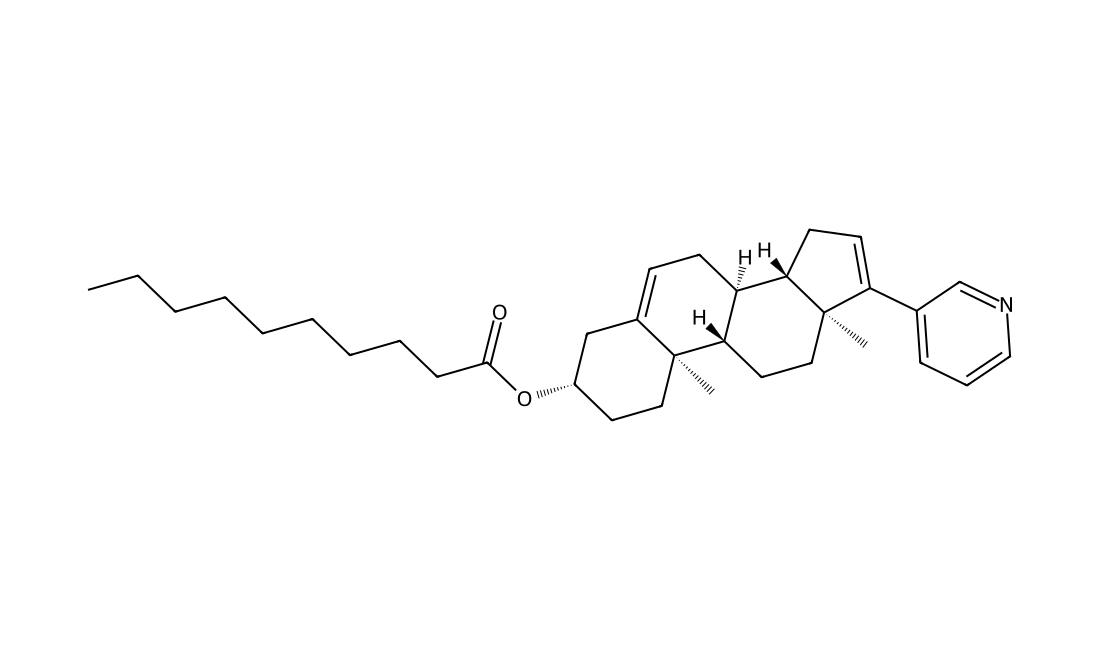
Abiraterone decanoate

CAS 2486052-18-8

Abiraterone decanoate is a potent Abiraterone prodrug. Abiraterone decanoate provide a controlled release of Abiraterone and long-acting CYP17 inhibition with intramuscular (IM) delivery.

Abiraterone decanoate chemical structure
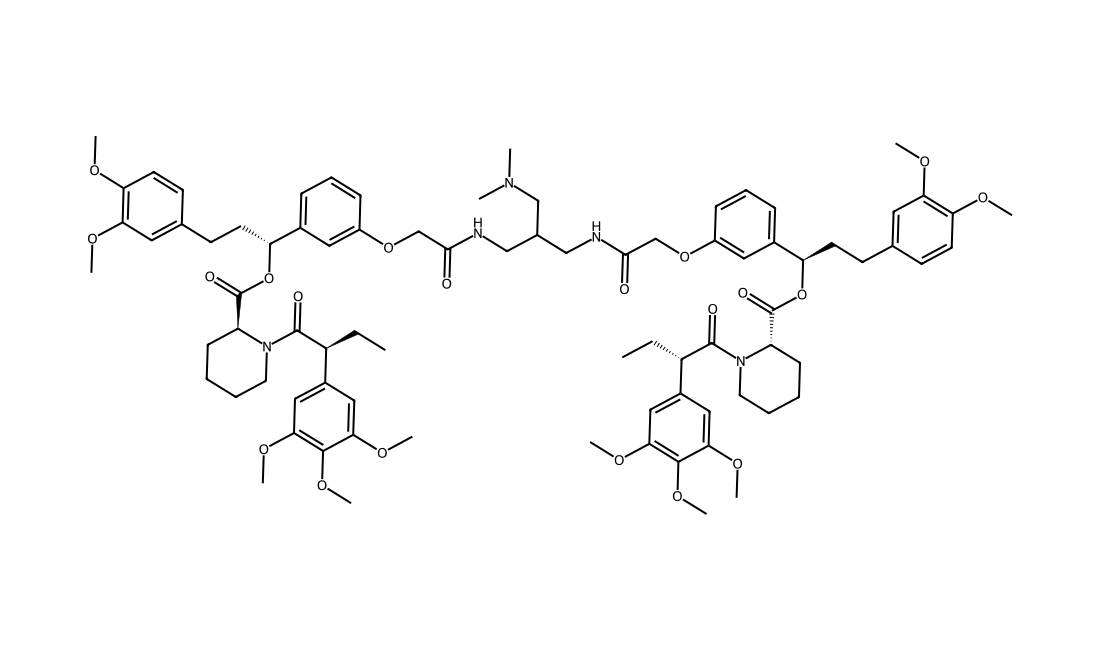
DC21997

AP20187

CAS 195514-80-8

AP20187 is a cell-permeable ligand used to dimerize FK506-binding protein (FKBP) fusion proteins and initiate biological signaling cascades and gene expression or disrupt protein-protein interactions.
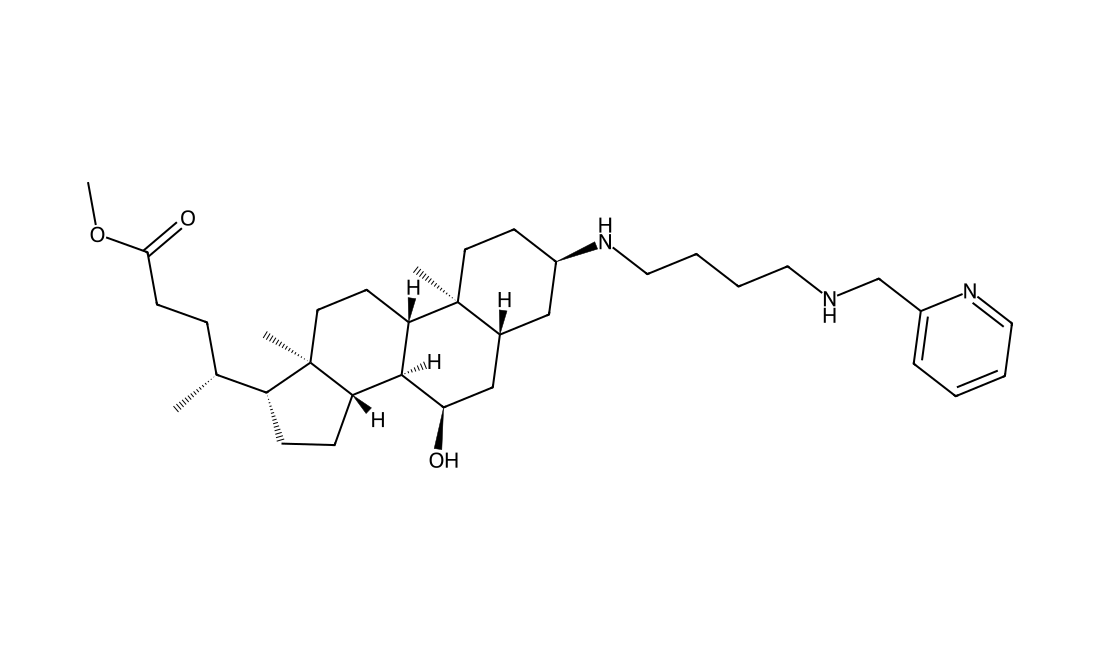
AP20187 chemical structure
DC65669

TB500

CAS 885340-08-9

TB500 is a synthetic version of an active region of thymosin β4. TB500 is claimed to promote endothelial cell differentiation, angiogenesis in dermal tissues, keratinocyte migration, collagen deposition and decrease inflammation.
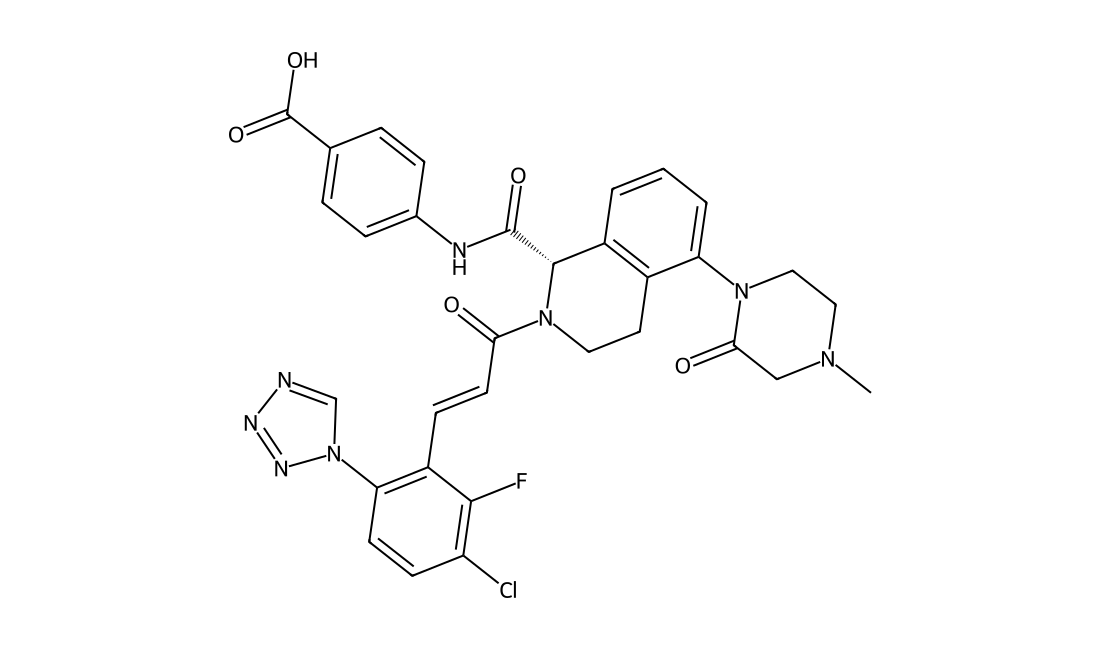
TB500 chemical structure
DC65662

L-carnosine

CAS 305-84-0

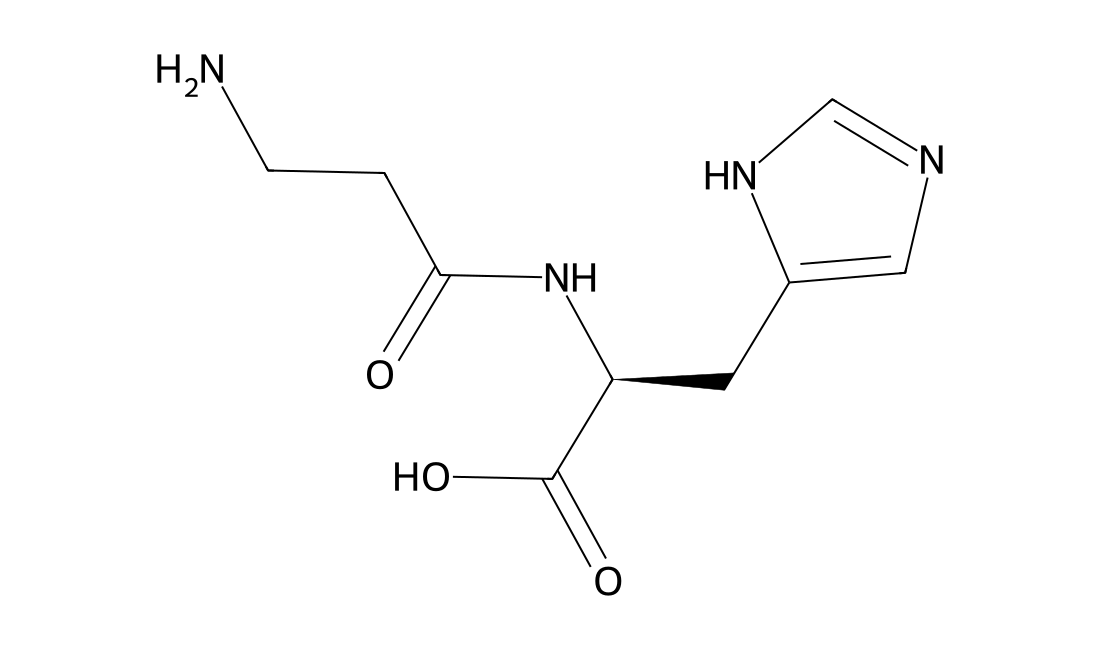
L-Carnosine is a dipeptide of the amino acids beta-alanine and histidine and has the potential to suppress many of the biochemical changes that accompany aging.

L-carnosine chemical structure
Browse target & topic index A–Z (366)
11β-HSD (1)15-PGDH (2)5-HT Receptor (16)Acetyl-CoA Carboxylase (ACC) (3)Acetylcholinesterase (AChE) (2)Ack1 (TNK2) (1)Acyltransferase (1)ADC Cytotoxin (6)ADCs Linker/Click Chemistry (5)Adenosine Receptor (9)Adenylate Cyclase (2)Adrenergic Receptor (11)Akt (12)Alcoholism (2)Aldehyde Dehydrogenase (ALDH) (6)Allergy (5)Alzheimer Disease (13)Aminopeptidase (1)AMPK (8)Amyloids (4)Anaplastic Lymphoma Kinase (ALK) (9)Androgen Receptor (AR) (11)Anemia (4)Angiotensin Receptor (4)Antibody/Protein labeling dyes (1)Antifolate (2)Anxiety (1)Apoptosis Inducer (3)Arginase (1)Arp2/3 complex (1)Aryl hydrocarbon Receptor (AhR) (1)Asthma (5)Atherosclerosis (2)ATM/ATR (8)Aurora Kinase (10)Autophagy (6)Autophagy-related Protein (Atg) (2)Autotaxin (2)Bacterial (26)Bacterial Infection (17)Bcl-2 (14)Bcr-Abl (5)BCRP (1)Beta-catenin (4)Beta-secretase (BACE) (4)Blood Cancer (91)BMI-1 (1)Bone Cancer (6)Brain Cancer (6)Breast Cancer (30)Bromodomain (22)BTK (10)c-Fms (CSF1R) (5)c-Fos/AP-1 (1)c-Kit (6)c-Met (HGFR) (11)c-Myc (2)Calcium Channel (4)Calcium-sensing Receptor (CaSR) (1)CaMK (4)Cannabinoid Receptor (6)Carbonic Anhydrase (1)Carboxypeptidase (1)Casein Kinase (6)Caspase (4)Cathepsin (6)Cdc2-like Kinase (CLK) (1)CETP (2)CFTR (7)Checkpoint Kinase (Chk) (8)Chemokine Receptor (CCR and CXCR) (14)Chemotherapeutic Agents (19)Chloride Channel (1)CMV (2)CMV Infection (2)Colon Cancer (9)Complement System (1)COPD (3)CREB/CBP (2)CRF Receptor (2)CRISPR/Cas9 (1)Cushing Disease (1)Cyclin-dependent Kinase (CDK) (39)Cyclooxygenase (COX) (4)Cytochrome P450 (CYPs) (5)Depression (2)Dermatitis (2)Deubiquitinase (DUB) (7)Diabetes (20)Dipeptidyl Peptidase (DPP) (3)Discoidin Domain Receptor (DDR) (1)DNA Alkylator/Crosslinker (10)DNA Methyltransferase (DNMT) (1)DNA Repair Protein (1)DNA-PK (2)DNA/RNA Synthesis (5)Dopamine beta-hydroxylase (1)Dopamine Receptor (7)Drug Metabolite (1)Drug-Linker Conjugates (11)Dyes (4)DYRK (1)Dyslipidemia (9)E3 Ligase Ligand (6)E3 Ligase Ligand-Linker Conjugate (1)E3 Ubiquitin Ligase (4)Ebola Virus Infection (1)EGFR (32)Elastase (2)Endothelin Receptor (5)Enzymes substrates (13)Epigenetic Reader Domain (3)Epilepsy (4)ERK (4)Estrogen Receptor/ERR (13)Eukaryotic Initiation Factor (eIF) (2)Exportin-1 (CRM1,XPO1) (2)FABP (1)Factor Xa (5)Farnesoid X Receptor (FXR) (5)Farnesyl transferase (FTase) (1)Ferroptosis (6)FGFR (15)Fibrosis (5)FLT3 (6)Focal Adhesion Kinase (FAK) (11)Foxo1 (1)Free Fatty Acid Receptor (FFAR) (5)Fungal (2)Fungal Infection (1)GABA Receptor (13)Galectin (1)Gastric Cancer (8)Ghrelin Receptor (GHSR) (3)Glucagon Receptor (4)Glucokinase (2)Glucose Transporter (GLUT) (2)Glutamate Transporter (2)GPCR (1)GPER (GPR30) (1)GPR139 (1)GPR183 (EBI2) (2)GPR39 (1)GPR55 (1)GPR84 (1)GRK (GPCRK) (2)Growth Hormone Deficiency (2)GSK-3 (8)Guanylate Cyclase (3)HBV (1)HBV Infection (1)HCN Channel (2)HCV (8)HCV Infection (9)HDAC (38)Heart Arrhythmia (2)Heart Failure (5)Heat Shock Protein (HSP) (15)Hedgehog (Hh) (1)HIF/HIF Prolyl-hydroxylase (8)Histamine Receptor (6)Histone Acetyltransferase (HAT) (5)Histone Demethylase (11)Histone Methyltransferase (HMTase) (31)HIV (12)HIV Infection (11)HMG-CoA Reductase (HMGCR) (3)HSV (1)HSV Infection (1)Hypercholesterolemia (1)Hyperparathyroidism (1)Hypertension (8)IAP (1)IGF-1R (3)iGluR (15)Indoleamine 2,3-Dioxygenase (IDO) (4)Infection (1)Influenza (6)Influenza Virus (6)Insulin Receptor (2)Integrin (6)Interleukin Receptor (1)IRAK (2)IRE1 (4)Irritable Bowel Syndrome (2)Ischemia (1)Isocitrate Dehydrogenase (IDH) (5)ITK (1)IκB kinase (IKK) (7)JAK (32)JNK (3)Keap1-Nrf2 (6)Kidney Cancer (10)Kinesin (5)Kruppel-like Factor (KLF) (1)Kynurenine 3-Monooxygenase (KMO) (1)Leukotriene Receptor (1)LIM Kinase (LIMK) (3)Lipids fragment (1)Liver Cancer (6)Liver X Receptor (LXR) (3)LRRK2 (9)Lung Cancer (39)Lysophospholipid Receptor (12)LYTACs (3)mAChR (9)MALT1 (2)MAP4K (1)Matrix Metalloproteinase (MMP) (10)MDM2-p53 (9)MEK (MAP2K) (14)MEKK (MAP3K) (1)Melanocortin Receptor (2)MELK (1)mGluR (7)MicroRNA (1)Microtubule/Tubulin (5)Mineralocorticoid Receptor (MLR) (1)MITF (1)Mixed Lineage Kinase (MLK) (3)MNK (2)Molecular Glues (13)Monoamine Transporter (5)Monocarboxylate Transporter (MCT) (1)Monopolar Spindle 1 (Mps1/TTK) (3)mTOR (13)Multiple Sclerosis (6)Myosin (1)Na-K-Cl Cotransporter (NKCC) (2)nAChR (2)NADPH Oxidase (NOX) (2)NAMPT (3)Natural products (37)Neprilysin (1)Neurokinin Receptor (3)Neuropeptide Y Receptor (3)NF-κB (5)Nitric Oxide Synthase (NOS) (1)NOD-like Receptor (NLR) (3)Notch (2)Nucleoside Antimetabolite/Analog (10)Nur77 (NR4A1) (1)Obesity (1)Oct3/4 (1)Opioid Receptor (5)Orexin Receptor (7)Osteoporosis (2)Ovarian Cancer (14)Oxytocin Receptor (OXTR) (2)P-glycoprotein (P-gp) (3)p21-activated Kinase (PAK) (1)P2X Receptor (2)P2Y Receptor (1)p38 MAPK (10)p97/VCP (1)Pain (12)Pancreatic Cancer (10)Parasite (5)Parasite Infection (2)Parkinson Disease (2)PARP (19)PCSK9 (1)PD-1/PD-L1 (4)PDGFR (4)PDK1 (2)PEGn (1)PERK (2)PGE synthase (2)Phosphodiesterase (PDE) (9)Phospholipase (4)PI3K (32)PI4K (2)Piezo Channel (1)PIKfyve (3)Pim (9)PKC (12)PKD (1)Plasminogen Activator Inhibitor-1 (PAI-1) (3)Polo-like Kinase (PLK) (4)Porcupine (3)Potassium Channel (13)PPAR (13)Pregnane X Receptor (PXR) (1)Progesterone Receptor (2)Prostaglandin Receptor (11)Prostate Cancer (7)PROTACs (35)Protease-activated Receptor (PAR) (3)Proteasome (12)Protein Disulfide Isomerase (PDI) (1)Protein Phosphatase/PTP (6)Proton Pump (1)Psoriasis (5)RAD51 (1)Radioligand precursors (15)Raf (18)RAR/RXR (3)Ras (17)Renin (2)RET Tyrosine Kinase (c-RET) (3)Rheumatoid Arthritis (16)Ribosomal S6 Kinase (RSK) (5)RIG-I-like Receptor (RLR) (2)RIP kinase (7)ROCK (12)ROR (2)RSV (4)RSV Infection (3)RUNX1-CBFβ (1)S-nitrosoglutathione reductase (GSNOR) (1)Saccharides and Glycosides (1)Salt Inducible Kinase (SIK) (2)SARS-CoV (16)SARS-CoV Infection (34)Schizophrenia (4)Sexual Dysfunction (1)SGLT (4)Sigma Receptor (4)Sirtuin (9)Skin Cancer (13)Sleep Disorder (7)SMN2 Modulator (1)Smoothened (Smo) (9)Sodium Channel (12)Solid Tumors (35)Somatostatin Receptor (2)Sphingosine kinase (SphK) (2)Src (7)STAT (5)Stearoyl-CoA Desaturase (SCD) (1)Steatohepatitis (7)Sterol lipids (1)STING (14)Syk (6)T Cell Receptor (TCR) (1)TAK1 (2)TAM Receptor (Tyro3-Axl-Mer) (4)Taste Receptor (1)Telomerase (2)TGF beta Receptor (TGFBR) (12)Thrombin (3)Thrombosis (13)Thyroid Cancer (1)Thyroid Hormone Receptor (THR) (1)Thyrotropin Receptor (2)TNIK (1)Toll-like Receptor (TLR) (2)TOPK (1)Topoisomerase (11)TRAIL (1)Translocator Protein (TSPO) (1)Trk Receptor (4)TRP Channel (13)Tryptophan Hydroxylase (TPH) (1)Ubiquitin-activating Enzyme (E1) (2)Ubiquitin-conjugating Enzyme (E2) (2)Ulcer (1)ULK (3)Vasopressin Receptor (2)VEGFR (25)Vitamin D Receptor (VDR) (3)Wee1 (1)WNK Kinase (1)Wnt (5)Yes-associated Protein (YAP) (4)γ-secretase (5)

Cart

Request quotation