Home/Small Molecules/GPCRs & Receptor Biology

GPCRs & Receptor Biology

G-protein-coupled, nuclear and other ligand-binding receptors and their modulators.

Browse all research categories

Browse by research category

Products may appear in more than one category. Counts refer to distinct catalog numbers within each category.

Other Research Tools (75) · Additional reagents, building blocks and specialized research tools.

GPCRs & Receptor Biology products

Combine a keyword, research category and target to narrow the product list.

Loading catalog filters…

1,219 products · Showing 673–720

DC9607

MK-2894

CAS 1006036-87-8

MK-2894 is a highly potent and selective second generation EP4 antagonist. MK-2894 exhibits favorable pharmacokinetic profile in a number of preclinical species and potent anti-inflammatory activity in several animal models of pain/inflammation. MK-2894 also shows favorable GI tolerability profile in rats when compared to traditional NSAID indomethacin.

MK-2894 chemical structure
DC9456

MK-0354

CAS 851776-28-8

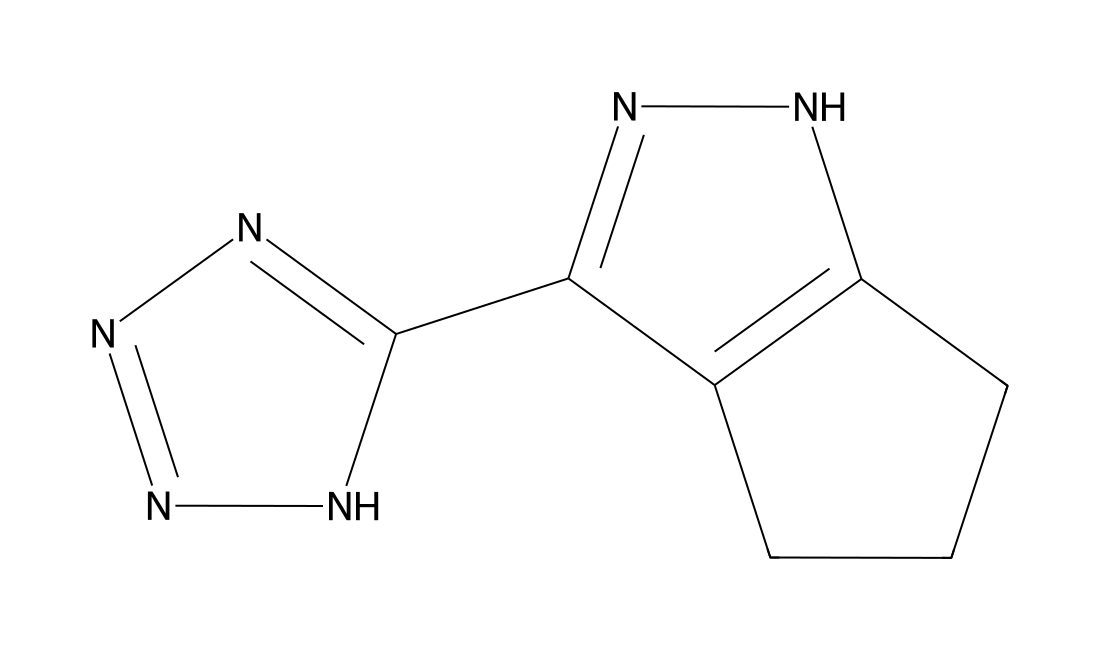
MK-0354 is a partial agonist of GPR109a receptor, for hGPR109a/ mGPR109a with EC50 of 1.65/1.08 μM, showed no activation of GPR109b. in vitro: MK-0354 demonstrated clear and statistically significant partial agonism in the cAMP assays for both the mouse and human receptors with efficacy approximately 60-70% of that of either nicotinic acid or β-hydroxy butyrate, a putative physiologically relevant ligand for hGPR109a, in the same assay platform. In addition, MK-0354 showed no activation of GPR109b in the cAMP assay at any concentration up to 100 μM. Following these interesting observations, we then prepared a number of other 5,5-fused pyrazoles analogous to those that showed receptor activity in our earlier studies. MK-0354 appeared to be somewhat unique among the members of the pyrazole tetrazole series in having reasonable receptor activity. in vivo: MK-0354 retained the plasma free fatty acid lowering effects in mice associated with GPR109a agonism, but did not induce vasodilation at the maximum feasible dose. Moreover, preadministration of MK-0354 blocked the flushing effect induced by nicotinic acid but not that induced by PGD2. This profile made MK-0354 a suitable candidate for further study for the treatment of dyslipidemia.MK-0354 is a GPR109A partial agonist that activates the antilipolytic pathway in adipocytes. The single-dose and multiple-dose pharmacokinetics and pharmacodynamics, as well as tolerability, of MK-0354 were examined in two Phase I studies conducted in healthy male volunteers. The lipid efficacy of MK-0354 was assessed in a Phase II study conducted in male and female patients with dyslipidemia.

MK-0354 chemical structure
DC9468

Mizolastine

CAS 108612-45-9

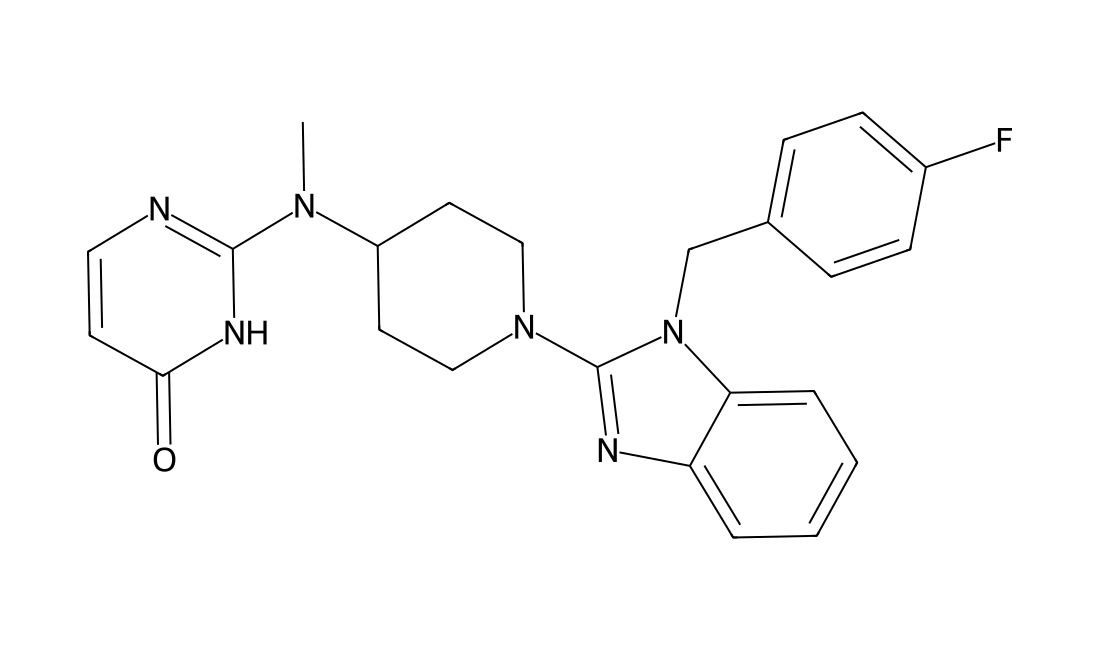
Mizolastine is a histamine H1-receptor antagonist with IC50 of 47 nM used in the treatment of hay fever (seasonal allergic rhinitis), hives and other allergic reactions. Mizolastine is a histamine H1-receptor antagonist with IC50 of 47 nM used in the treatment of hay fever (seasonal allergic rhinitis), hives and other allergic reactions. It does not prevent the actual release of histamine from mast cells, just prevents it binding to receptors. Side effects can include dry mouth and throat. Mizolastine has demonstrated antiallergic effects in animals and healthy volunteers and anti-inflammatory activity in animal models. Double-blind trials have shown mizolastine to be significantly more effective than placebo and as effective as other second generation antihistamine agents, such as loratadine or cetirizine, in the management of patients with perennial or seasonal allergic rhinitis and in patients with chronic idiopathic urticaria. Available data also suggest that prophylactic administration of mizolastine is significantly more effective than placebo and as effective as prophylactic terfenadine in delaying the onset of symptoms of seasonal allergic rhinitis.

Mizolastine chemical structure
DC8249

MF498

CAS 915191-42-3

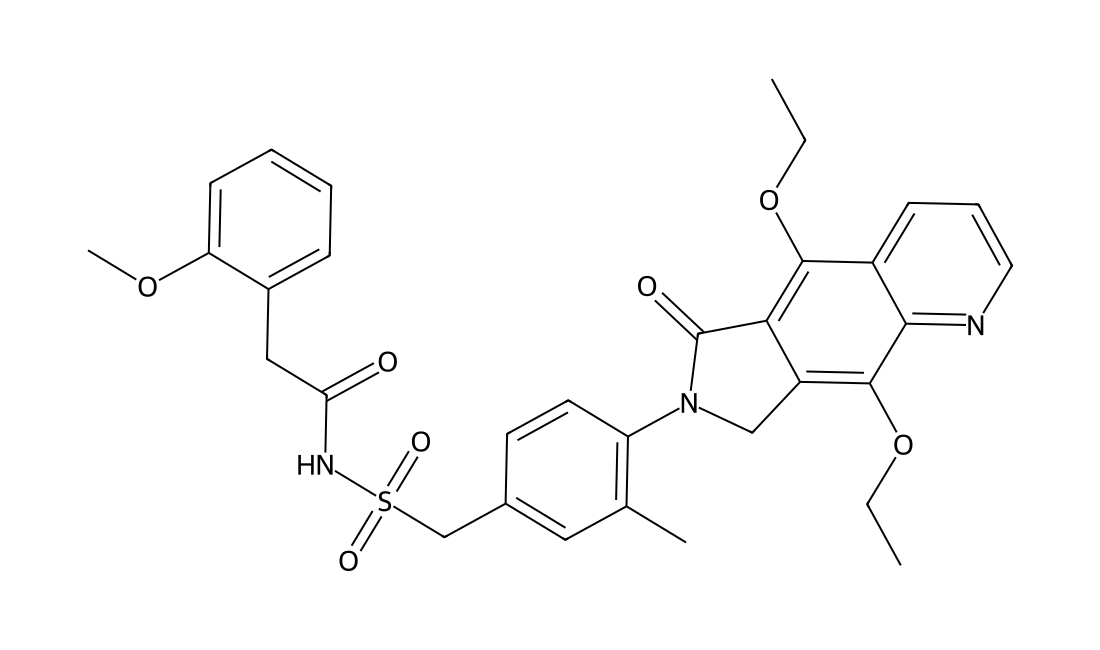
MF498 is a selective EP4 receptor antagonist (Ki = 0.7 nM versus a Ki > 1 µM for other EP receptors).In HEK293 cells expressing the human EP4 receptor, MF498 inhibits EP ligand induced activity with an IC50 value of 1.7 nM.In various animal models for arthritis, MF498 has been shown to inhibit inflammation without gastrointestinal toxicity (ED50 values as low as 0.02 mg/kg/day). For the detailed information of MF498, the solubility of MF498 in water, the solubility of MF498 in DMSO, the solubility of MF498 in PBS buffer, the animal experiment (test) of MF498, the cell expriment (test) of MF498, the in vivo, in vitro and clinical trial test of MF498, the EC50, IC50,and affinity,of MF498, For the detailed information of MF498, the solubility of MF498 in water, the solubility of MF498 in DMSO, the solubility of MF498 in PBS buffer, the animal experiment (test) of MF498, the cell expriment (test) of MF498, the in vivo, in vitro and clinical trial test of MF498, the EC50, IC50,and affinity,of MF498, Please contact DC Chemicals.

MF498 chemical structure
DC23215

Methoxy-PEPy

CAS 524924-76-3

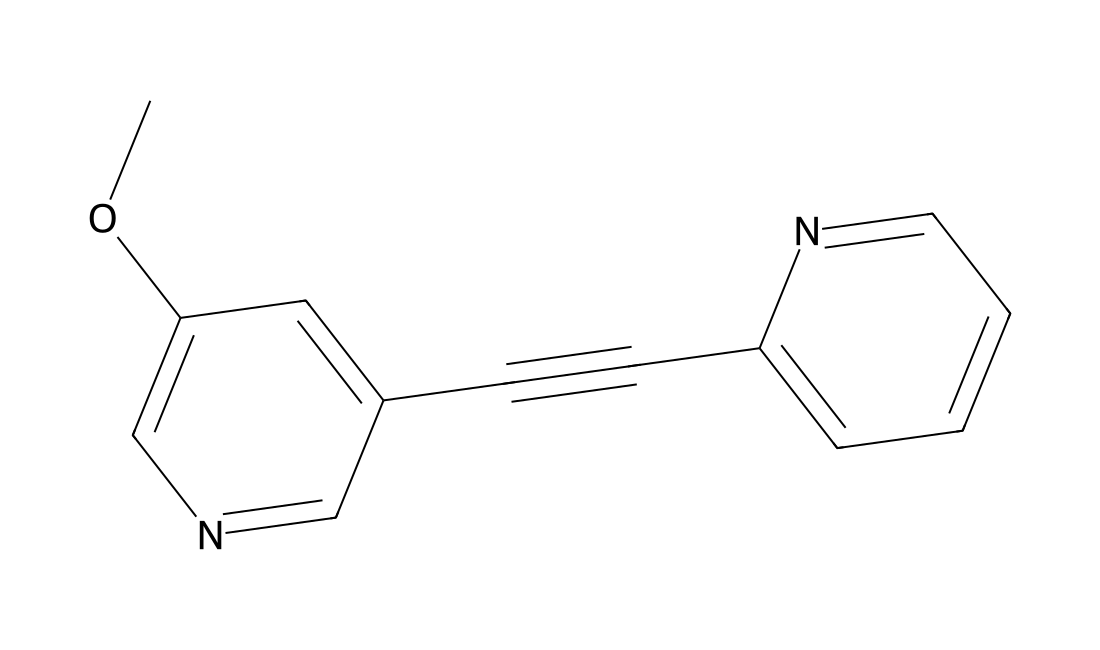
Methoxy-PEPy is a potent, selective mGlu5 receptor antagonist with IC50 of 1 nM; exhibits 14-fold higher binding in forebrain relative to cerebellum in mGlu5 receptor-deficient mice, the radioligand [3H]methoxy-PEPy is useful for determining the occupancy of mGlu5 receptors in the brain.

Methoxy-PEPy chemical structure
DC7841

MDA 19

CAS 1048973-47-2

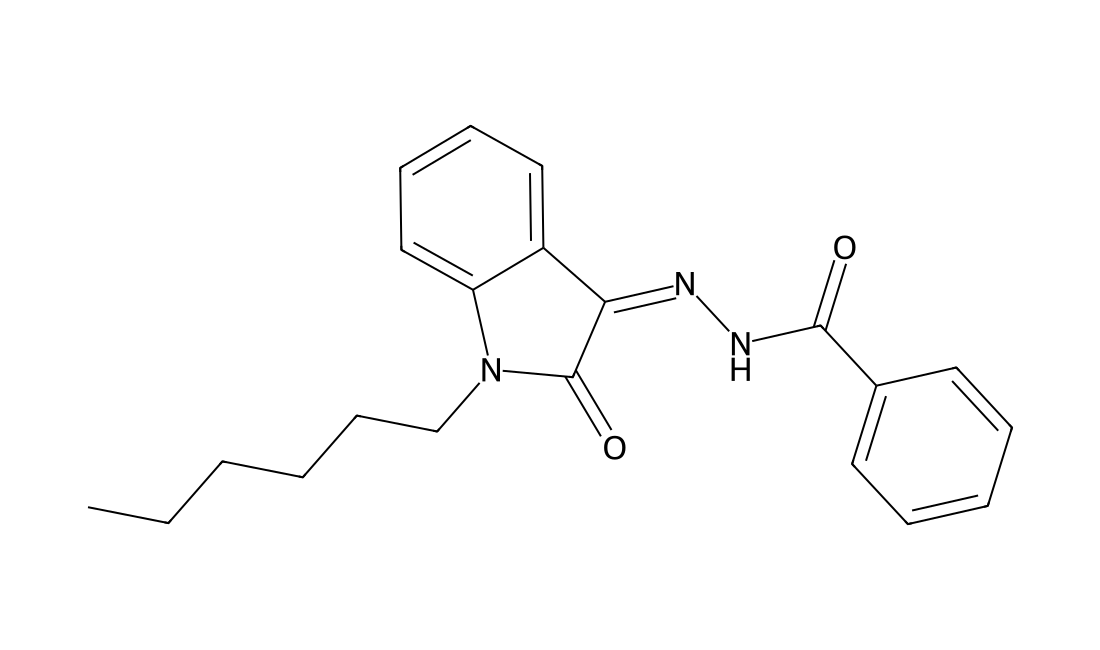
MDA19 displayed 4-fold-higher affinity at the human CB(2) than at the human CB1 receptor (K(i) = 43.3 +/- 10.3 vs 162.4 +/- 7.6 nM) and nearly 70-fold-higher affinity at the rat CB2 than at the rat CB1 receptor (K(i) = 16.3 +/- 2.1 vs 1130 +/- 574 nM). In guanosine triphosphate (GTP)gamma[(35)S] functional assays, MDA19 behaved as an agonist at the human CB1 and CB2 receptors and at the rat CB1 receptor but as an inverse agonist at the rat CB2 receptor. In 3',5'-cyclic adenosine monophosphate (cAMP) assays, MDA19 behaved as an agonist at the rat CB1 receptor and exhibited no functional activity at the rat CB(2) receptor. In extracellular signal-regulated kinases 1 and 2 activation assays, in vivo: MDA19 behaved as an agonist at the rat CB2 receptor. MDA19 attenuated tactile allodynia produced by spinal nerve ligation or paclitaxel in a dose-related manner in rats and CB2(+/+) mice but not in CB2(-/-) mice, indicating that CB2 receptors mediated the effects of MDA19. MDA19 did not affect rat locomotor activity.For the detailed information of MDA 19, the solubility of MDA 19 in water, the solubility of MDA 19 in DMSO, the solubility of MDA 19 in PBS buffer, the animal experiment (test) of MDA 19, the cell expriment (test) of MDA 19, the in vivo, in vitro and clinical trial test of MDA 19, the EC50, IC50,and affinity,of MDA 19, Please contact DC Chemicals.

MDA 19 chemical structure
DC10639

Marinopyrrole A (Maritoclax)

CAS 1227962-62-0

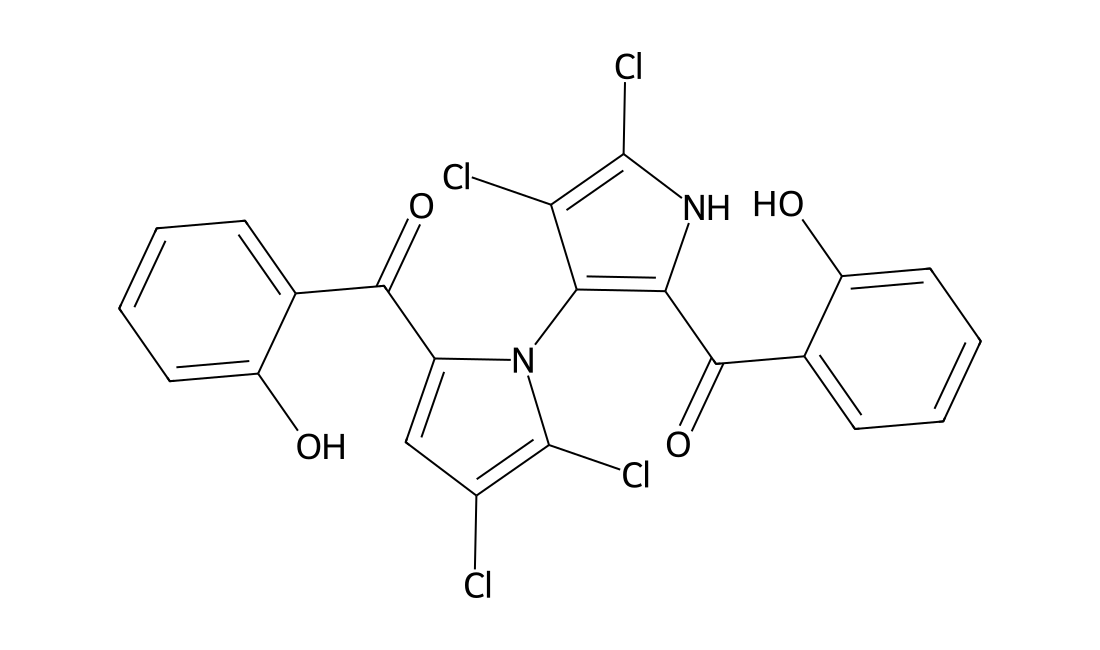
In vitro: Maritoclax induces Mcl-1 degradation via the proteasome system, which is associated with the pro-apoptotic activity of maritoclax. Maritoclax selectively kills Mcl-1-dependent, but not Bcl-2- or Bcl-XL-dependent, leukemia cells and markedly enhances the efficacy of ABT-737 against hematologic malignancies, including K562, Raji, and multidrug-resistant HL60/VCR, by ∼60- to 2000-fold at 1-2 μM. Maritoclax blocks the interaction between a biotin-labeled Bim-BH3 peptide and GST-Mcl-1 in a dose-dependent manner with an IC50 value of 10.1 μM, while it does not inhibit the binding of Bim-BH3 peptide to GST-Bcl-XL at concentrations up to 80 μM. Maritoclax induces caspase-3 activation by degradation of Mcl-1 protein. Treatment with maritoclax markedly reduces the half-life of Mcl-1 to ∼0.5 h as compared with nearly 3 h in control cells. Maritoclax has no apparent effect on Mcl-1 (Ser159/Thr163) phosphorylation, suggesting that maritoclax induces phosphorylation-independent Mcl-1 degradation. Marinopyrrole A has potent concentration-dependent bactericidal activity against clinically relevant hospital- and community-acquired MRSA strains. Marinopyrrole A shows limited toxicity to mammalian cell lines (at >20× MIC). Maritoclax sensitivity is cell type specific. It is not effective in HeLa, HEK293, or MEF cells. Maritoclax is not a substrate for p-gp mediated drug efflux. In vivo: Maritoclax administration at 20 mg/kg/d intraperitoneally causes significant U937 tumor shrinkage, as well as 36% tumors remission rate in athymic nude mice, without apparent toxicity to healthy tissue or circulating blood cells.

Marinopyrrole A (Maritoclax) chemical structure
DC12130

LY223982

CAS 117423-74-2

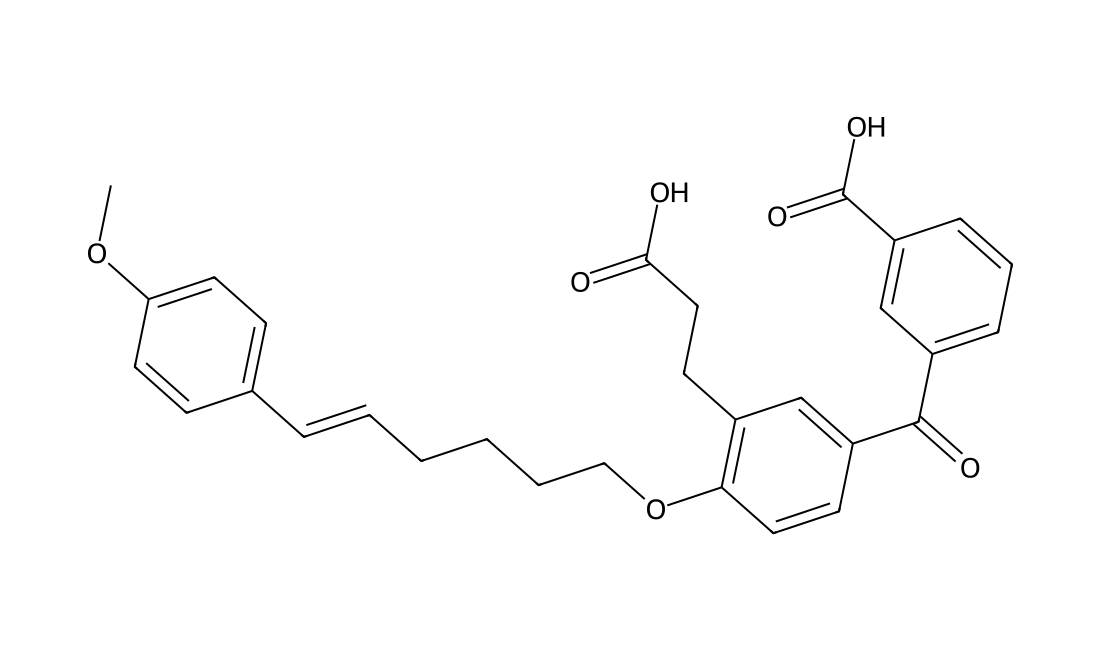
In Vitro LY223982 is a potent and specific inhibitor of leukotriene B4 (LTB4) receptor, with an IC50 of 13.2 nM against [3H]LTB4 binding to LTB4 receptor. LY223982 is also a potent antagonist of the aggregation of human neutrophils by LTB4 (IC50, 100 nM). In Vivo LY223982 inhibits transient leukopenia induced in rabbits with LTB4 (ED50, 3 mg/kg) but not with FMLP, and shows no agonist activity in any of the test systems.

LY223982 chemical structure
DC7189

LY-2109761

CAS 700874-71-1

LY2109761 treatment induces a dose-dependent low-anchorage growth inhibition of L3.6pl/GLT cells, leading to ~33% or 73% inhibition at 2 μM and 20 μM, respectively, which can be strongly enhanced when combined with gemcitabine in combination index value of 0.36581. Blocking TβRI/II kinase activity with LY2109761 (5 μM) completely suppresses both the basal and TGF-β1-stimulated migration and invasion of L3.6pl/GLT cells, significantly enhances the detachment-induced apoptosis by 26% at 8 hours treatment, and completely suppresses TGF-β–induced Smad2 phosphorylation. LY2109761 treatment at 1 nM is sufficient to significantly block the migration and invasion but not adhesion of hepatocellular carcinoma cells by increasing E-cadherin expression. LY2109761 pretreatment enhances radiosensitivity of glioblastoma cells via TGF-β signaling blockage. LY2109761 (10 μM) reduces the self-renewal and proliferation of GBM-derived cancer stem–like cells (CSLC), which can be significantly enhanced when combined with radiation. Administration of LY2109761 (50 mg/kg) alone or in combination with gemcitabine (25 mg/kg) significantly reduces the tumor volume by ~70% and ~90%, respectively, prolongs the survival with the median survival duration of 45.0 days and 77.5 days, respectively, and reduces spontaneous abdominal metastases in the L3.6pl/GLT Xenograft mice model. In consistent with the in vitro effect, administration of LY2109761 alone or in combination with radiation, markedly inhibits tumor growth in the orthotopical CSLC glioblastoma model by 43.4% and 76.3%, respectively, decreases tumor invasion and tumor microvessel density, and significantly enhances radiation-induced tumor growth delay in the U87MG xenograft mice model. For the detailed information of LY-2109761, the solubility of LY-2109761 in water, the solubility of LY-2109761 in DMSO, the solubility of LY-2109761 in PBS buffer, the animal experiment (test) of LY-2109761, the cell expriment (test) of LY-2109761, the in vivo, in vitro and clinical trial test of LY-2109761, the EC50, IC50,and Affinity of LY-2109761, Please contact DC Chemicals.

LY-2109761 chemical structure
DCAPI1419

Losartan

CAS 114798-26-4

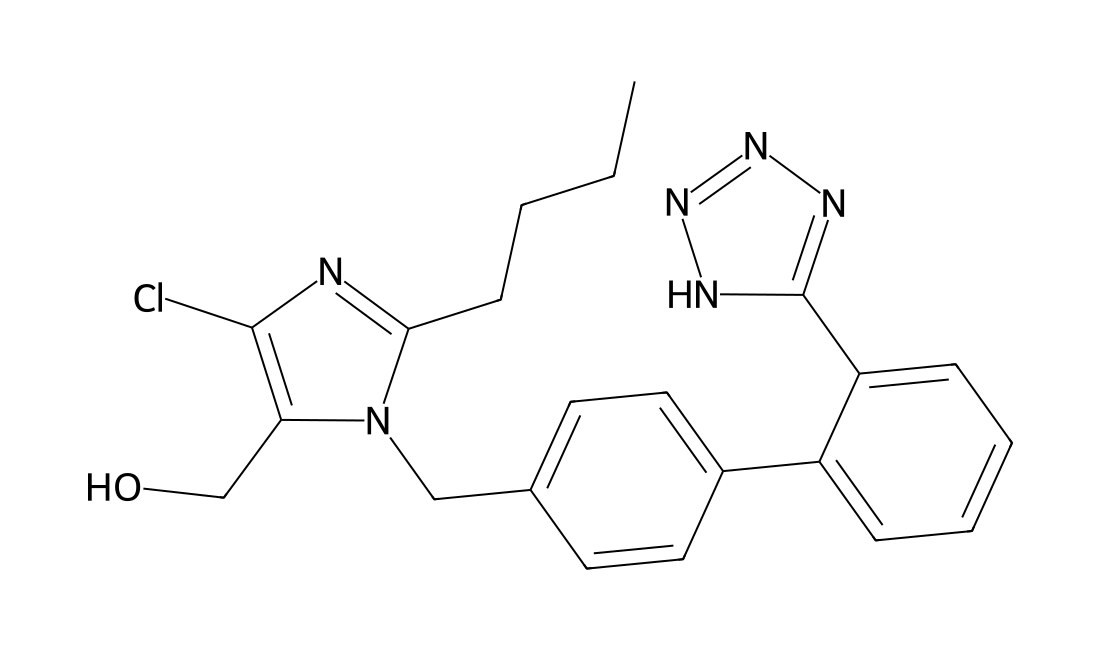
For the detailed information of Losartan, the solubility of Losartan in water, the solubility of Losartan in DMSO, the solubility of Losartan in PBS buffer, the animal experiment(test) (test) of Losartan, the cell expriment (test) of Losartan, the in vivo, in vitro and clinical trial test of Losartan, the EC50, IC50,and Affinity of Losartan,, please contact DC Chemicals.

Losartan chemical structure
DC9104

Loratadine

CAS 79794-75-5

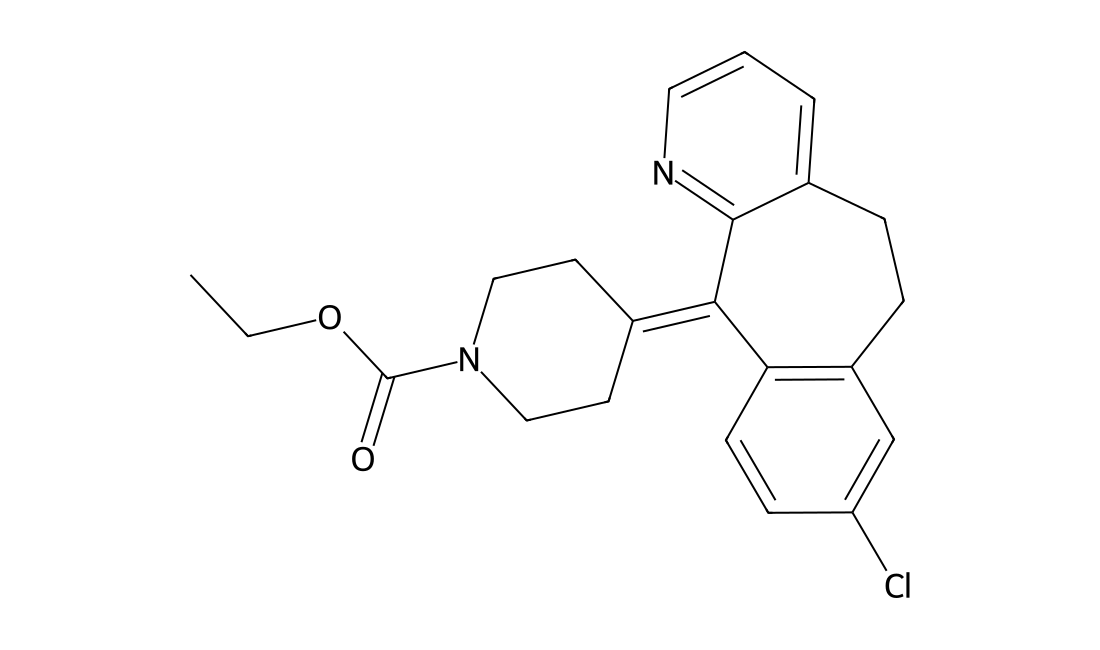
Loratadine(SCH-29851) is a selective inverse peripheral histamine H1-receptor agonist with an IC50 of >32 μM.Loratadine is a non-sedative antihistamine that inhibits histamine-induced activities of IL-6 and IL-8 secretion in endothelial cells.

Loratadine chemical structure
DC9168

Loperamide HCl

CAS 34552-83-5

Loperamide HCl is an opioid-receptor agonist used as long-acting synthetic antidiarrheals.Loperamide is an effective therapy for a variety of diarrheal syndromes. Loperamide is generally well tolerated at recommended nonprescription doses, with the most common side effects related to the impact on bowel motility (abdominal pain, distention, bloating, nausea, vomiting, and constipation). Loperamide is an opioid-receptor agonist and acts on the μ-opioid receptors in the myenteric plexus of the large intestine; by itself it does not affect the central nervous system. It works similarly to morphine, by decreasing the activity of the myenteric plexus, which in turn decreases the tone of the longitudinal and circular smooth muscles of the intestinal wall. This increases the amount of time substances stay in the intestine, allowing for more water to be absorbed out of the fecal matter. Loperamide also decreases colonic mass movements and suppresses the gastrocolic reflex.

Loperamide HCl chemical structure
DC9626

Lck Inhibitor

CAS 847950-09-8

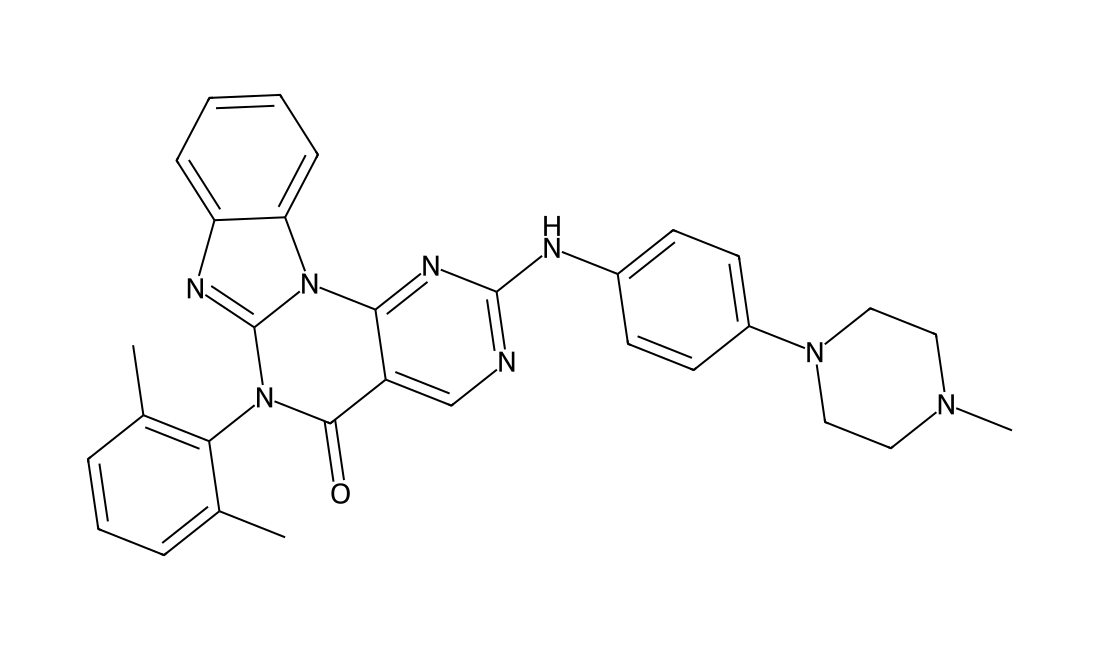
Lck Inhibitor is a new class of compounds that are potent inhibitors of Lck with an IC50 value of 7 nM. in vitro: Lck Inhibitor (compound 25) exhibited good potency in the T-cell receptor-induced IL-2 secretion assay (IL- 2) and also inhibited subsequent T-cell proliferation (T-cell prolif.) in the same human T -cells. in vivo: A once daily dose of 25was administered orally at 10, 30, and 60 mg/kg from day 9 today 17. Paw volume was measured daily from day 9 through day 18. The compound showed a dose-dependent inhibition of arthritis, with an ED50 estimated at 24 mg/kg (Figure 6). Based on the measured plasma levels from the three dose groups, the exposure of 25 at the ED50 was estimated to be 2.7 μM·h (Cmax≈ 0.7 μM).

Lck Inhibitor chemical structure
DC9006

Lamotrigine

CAS 84057-84-1

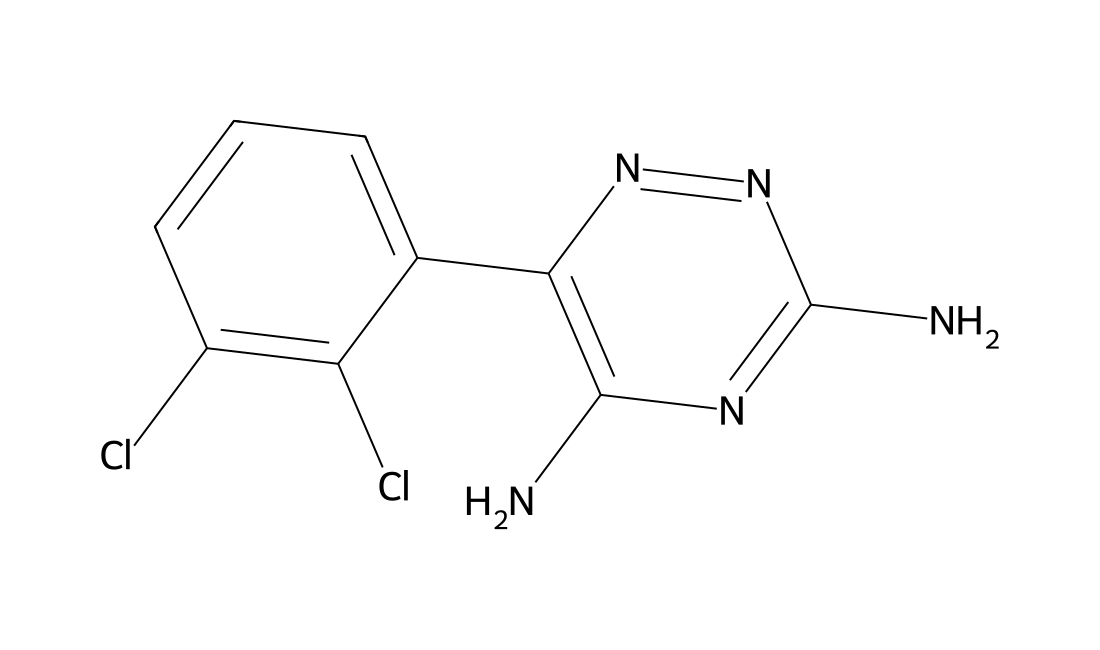
Lamotrigine(BW430C) is a novel anticonvulsant drug for inhibition of 5-HT and sodium channel.Lamotrigine stabilises presynaptic neuronal membranes by blockade of voltage-dependent sodium channels, thus preventing the release of excitatory neurotransmitters, particularly glutamate and aspartate. In rat cerebral cortex tissue incubated with veratrine 10 mg/L, lamotrigine is twice as potent in inhibiting the release of glutamate and aspartate (ED 50 = 5.38 mg/L for each) than the release of GABA (ED50 = 11.2 mg/L), and is much less potent in inhibiting acetylcholine release (ED50 = 25.6 mg/L) when cortical slices is exposed to veratrine 75 mg/L. Basal glutamate release is unaffected. Lamotrigine inhibits high-frequency sustained repetitive firing of sodium-dependent action potentials, indicating a direct effect on voltage-activated sodium channels. Lamotrigine (Lamictal), a phenyltriazine derivative, is a well established anticonvulsant agent that has shown efficacy in the prevention of mood episodes in adult patients with bipolar I disorder. lamotrigine significantly delayed time to intervention for a depressive episode and showed limited efficacy in delaying time to intervention for a manic/hypomanic episode, compared with placebo. Lamotrigine is generally well tolerated.

Lamotrigine chemical structure
DC11377

L-826,266

CAS 244101-03-9

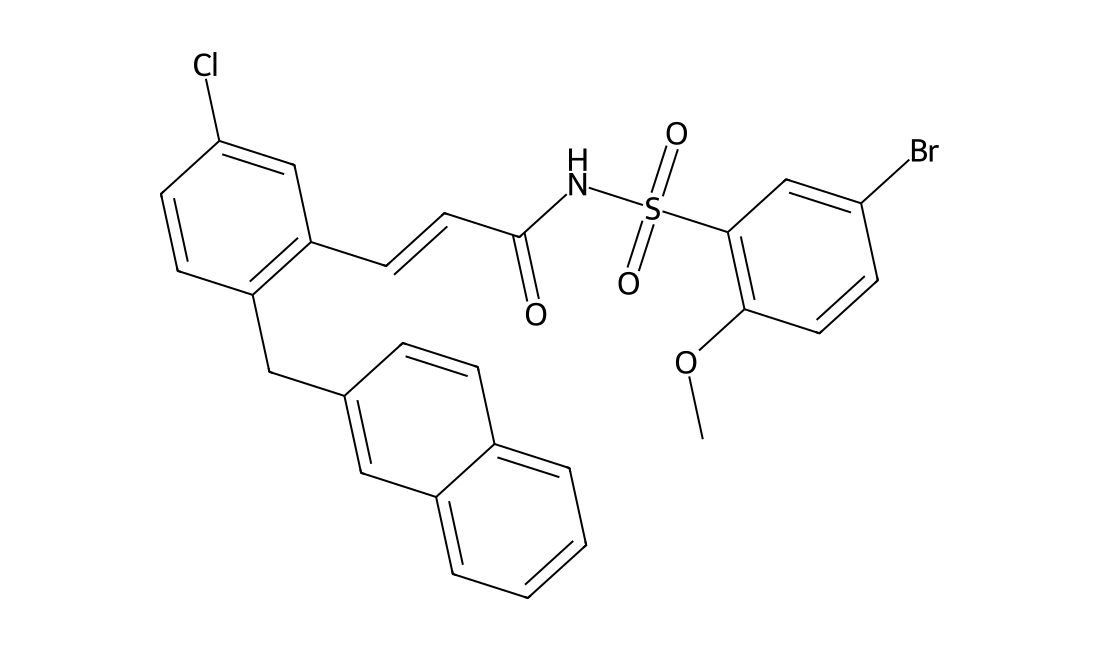
L-826,266 is a potent and selective competitive antagonist of the prostaglandin E2 receptor subtype EP3 (Ki = 0.8 nM).It also binds to the EP4 receptor (Ki = 715 nM) but does not bind to EP1 or EP2 receptors up to a concentration of 5,000 nM. L-826,266 inhibits vasoconstriction induced by the EP3 agonist sulprostone in a concentration-dependent manner (EC50s = 0.45-24.5 µM in isolated human pulmonary arteries).It also inhibits sulprostone-induced norepinephrine and serotonin release in rat cortex and norepinephrine release in rat vas deferens (pA2s = 7.56, 7.67, and 7.87, respectively).

L-826,266 chemical structure
DC9132

Ketotifen fumarate

CAS 34580-14-8

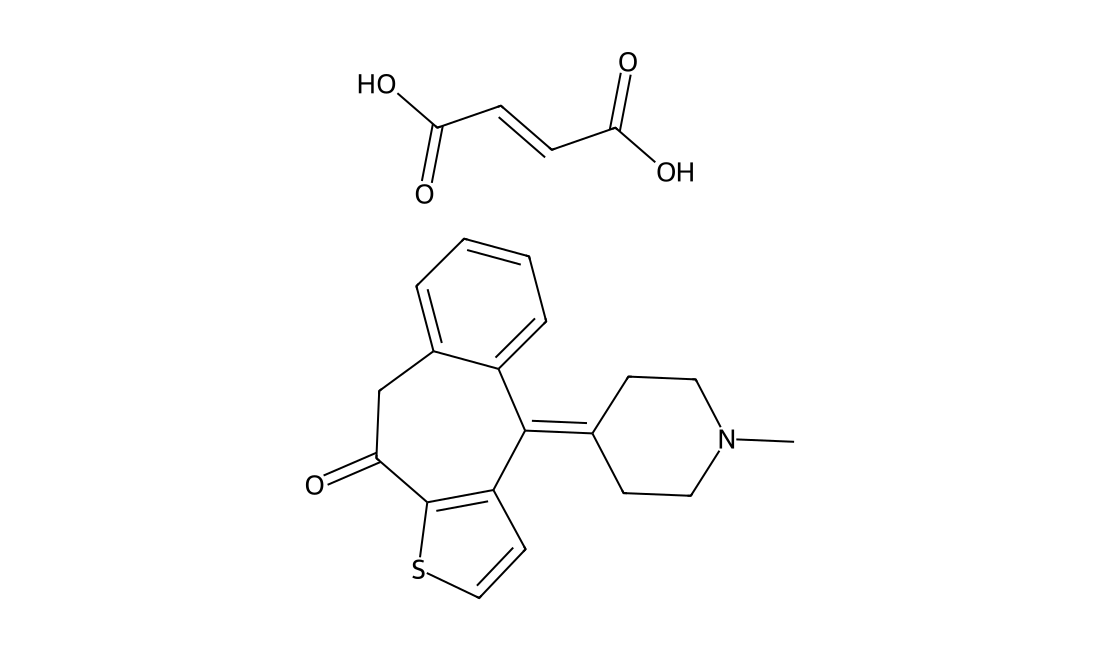
Ketotifen (fumarate) is a second-generation noncompetitive H1-antihistamine and mast cell stabilizer, which is used to prevent asthma attacks.Ketotifen is a second-generation noncompetitive H1-antihistamine and mast cell stabilizer. It is most commonly sold as a salt of fumaric acid,ketotifen fumarate, and is available in two forms. In its ophthalmic form, it is used to treat allergic conjunctivitis, or the itchy red eyes caused by allergies. In its oral form, it is used to prevent asthma attacks. Side effects include drowsiness, weight gain, dry mouth, irritability, and increased nosebleeds. Ketotifen relieves and prevents eye itchiness and/or irritation associated with most seasonal allergies. It starts working within minutes after administering the drops. The drug has not been studied in children under three. The mean elimination half life is 12 hours. Besides its anti-histaminic activity, it is also a functional leukotriene antagonist and a phosphodiesterase inhibitor. The drug may also help relieve the symptoms of Irritable bowel syndrome.

Ketotifen fumarate chemical structure
DCAPI1578

Irsogladine maleate

CAS 84504-69-8

For the detailed information of Irsogladine maleate, the solubility of Irsogladine maleate in water, the solubility of Irsogladine maleate in DMSO, the solubility of Irsogladine maleate in PBS buffer, the animal experiment(test) (test) of Irsogladine maleate, the cell expriment (test) of Irsogladine maleate, the in vivo, in vitro and clinical trial test of Irsogladine maleate, the EC50, IC50,and Affinity of Irsogladine maleate,, please contact DC Chemicals.

Irsogladine maleate chemical structure
DCAPI1055

Iloperidone (Fanapt)

CAS 133454-47-4

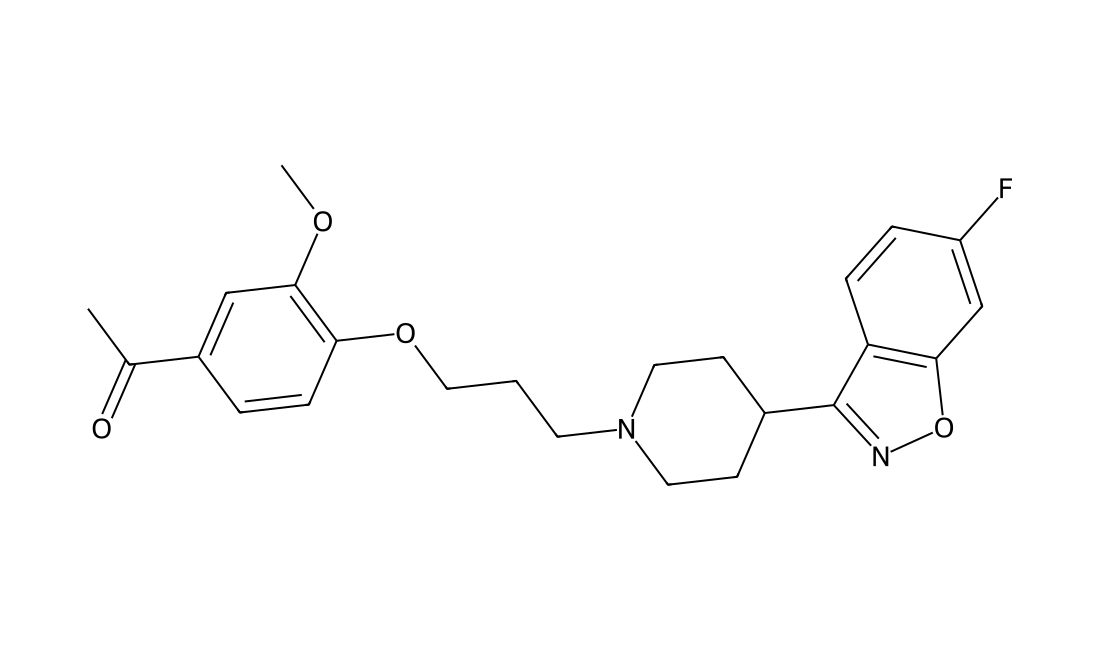
For the detailed information of Iloperidone (Fanapt), the solubility of Iloperidone (Fanapt) in water, the solubility of Iloperidone (Fanapt) in DMSO, the solubility of Iloperidone (Fanapt) in PBS buffer, the animal experiment(test) (test) of Iloperidone (Fanapt), the cell expriment (test) of Iloperidone (Fanapt), the in vivo, in vitro and clinical trial test of Iloperidone (Fanapt), the EC50, IC50,and Affinity of Iloperidone (Fanapt),, please contact DC Chemicals.

Iloperidone (Fanapt) chemical structure
DC7427

Icotinib

CAS 610798-31-7

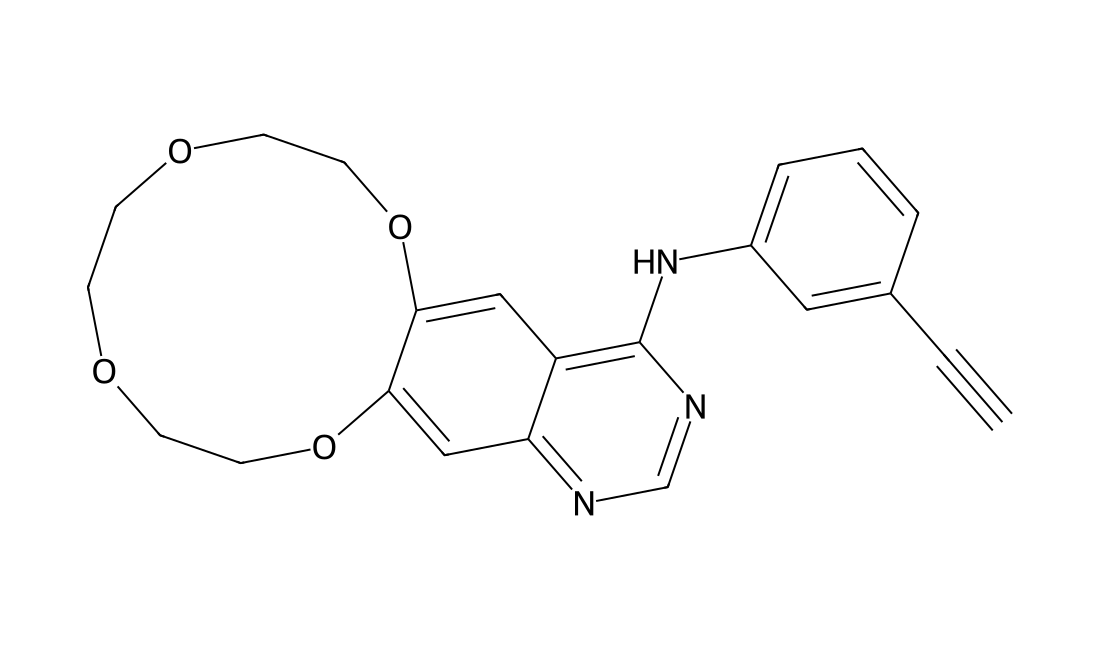
Icotinib inhibits EGFR activity in a dose-dependent manner, with an IC50 value of 5 nM and complete inhibition at 62.5 nM. Icotinib selectively solely inhibits the EGFR members including the wild type and mutants with inhibition efficacies of 61-99%. Icotinib blocks EGFR-mediated intracellular tyrosine phosphorylation in human epidermoid carcinoma A431 cells in a dose-dependent manner. Meanwhile, in our proliferation assay per Formed on A431, BGC-823, A549, H460, HCT8, KB and Bel-7402 cell lines, we found that the relative sensitivity of cell lines to Icotinib is A431 > BGC-823 > A549 > H460 > KB > HCT8 and Bel-7402. Icotinib exhibits a broad spectrum of antitumor activity and it is especially effective against tumors expressing higher levels of EGFR. Icotinib shows an antitumor effect in different types of xenografts. Icotinib inhibits tumor growth at a rate of 51.5%, 31.0% and 67.4% in the A431, A549 and H460 xenografts at a dose of 120 mg/kg, respectively. For the detailed information of Icotinib, the solubility of Icotinib in water, the solubility of Icotinib in DMSO, the solubility of Icotinib in PBS buffer, the animal experiment (test) of Icotinib, the cell expriment (test) of Icotinib, the in vivo, in vitro and clinical trial test of Icotinib, the EC50, IC50,and Affinity of Icotinib, Please contact DC Chemicals.

Icotinib chemical structure
DC9458

GW-1100

CAS 306974-70-9

GW 1100 is a selective antagonist of GPR40-mediated Ca2+ elevations in HEK293 cells stimulated by GW 9508 (an agonist of both GPR40 and GPR120, another GPCR activated by long chain fatty acids) or linoleic acid with a pIC50 value equal to 5.99. GPR40 is a G protein-coupled receptor (GPCR) that is activated by saturated and unsaturated long chain fatty acids. It is thought to play a role in the potentiation of insulin secretion by fatty acids in a glucose-sensitive manner. GW 1100 is a selective antagonist of GPR40-mediated Ca2+ elevations in HEK293 cells stimulated by GW 9508 (an agonist of both GPR40 and GPR120, another GPCR activated by long chain fatty acids) or linoleic acid with a pIC50 value equal to 5.99. However at concentrations up to 10 μM, GW 1100 has no effect on GPR120-mediated stimulation of intracellular Ca2+ release induced by either GW 9508 or linoleic acid. In the MIN6 mouse insulinoma cell line, 1 μM GW 1100 inhibits the potentiating effects of GW 9508 and linoleic acid on glucose-stimulated insulin secretion.

GW-1100 chemical structure
DC12342

Gemilukast (ONO-6950)

CAS 1232861-58-3

In Vitro Gemilukast is an orally active and potent dual cysteinyl leukotriene 1 and 2 receptors (CysLT1 and CysLT2) antagonist, with IC50s of 1.7, 25 nM for human CysLT1 and CysLT2, respectively. Both Gemilukast (ONO-6950) and montelukast inhibit human CysLT1 receptor-mediated calcium response with IC50 values of 1.7 and 0.46 nM, respectively. In Vivo Gemilukast at 0.03 to 10 mg/kg, p.o. dose-dependently attenuates LTC4-induced bronchoconstriction with almost complete inhibition at 3 mg/kg. The inhibitory effect of Gemilukast on LTC4-induced bronchoconstriction is significantly stronger than that of montelukast at the dose of 1 mg/kg or more. Gemilukast (0.03 to 1 mg/kg, p.o.) dose-dependently attenuates LTD4-induced airway vascular hyperpermeability with complete inhibition at 0.3 mg/kg. Gemilukast at 0.1 to 3 mg/kg, p.o. dose-dependently inhibits OVA-induced bronchoconstriction. The inhibitory effect of Gemilukast at 3 mg/kg is significantly greater than that of montelukast alone and comparable to that of combination therapy with montelukast and BayCysLT2RA.

Gemilukast (ONO-6950) chemical structure
DC9453

GANT 58

CAS 64048-12-0

GANT 58 is a novel and potent Gli antagonist that inhibits GLI1-induced transcription (IC50 = 5 uM). GANT 58 inhibits the hedgehog (Hh) signaling pathway downstream of SMO and SUFU causing GLI1 nuclear accumulation. Displays antiproliferative and antitumor activity in vivo.

GANT 58 chemical structure
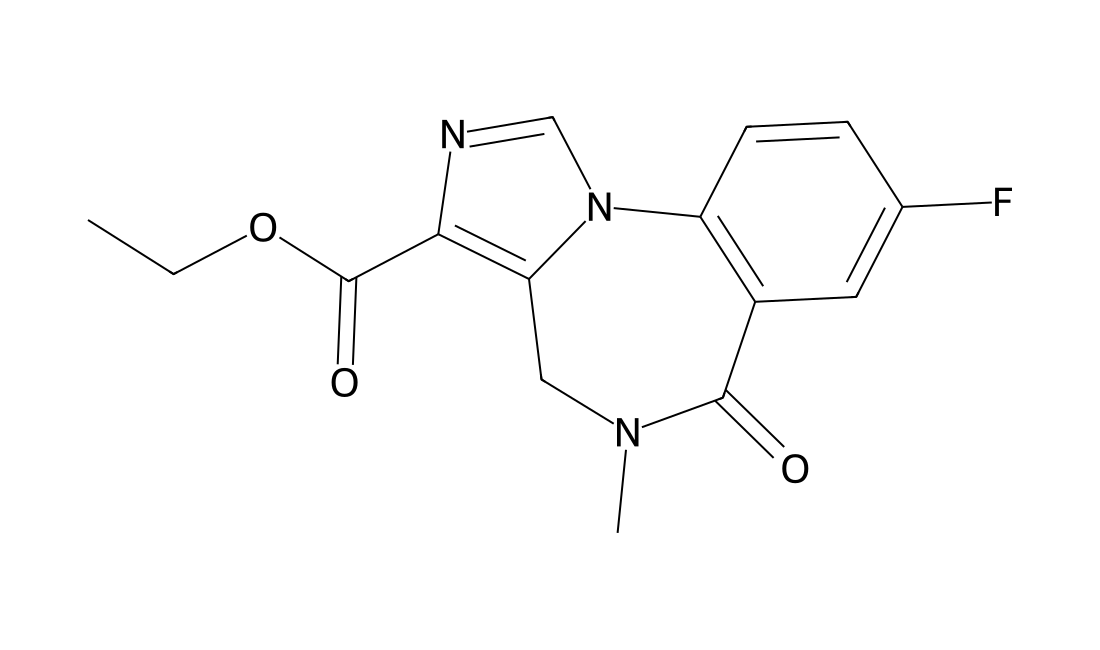
DC9451

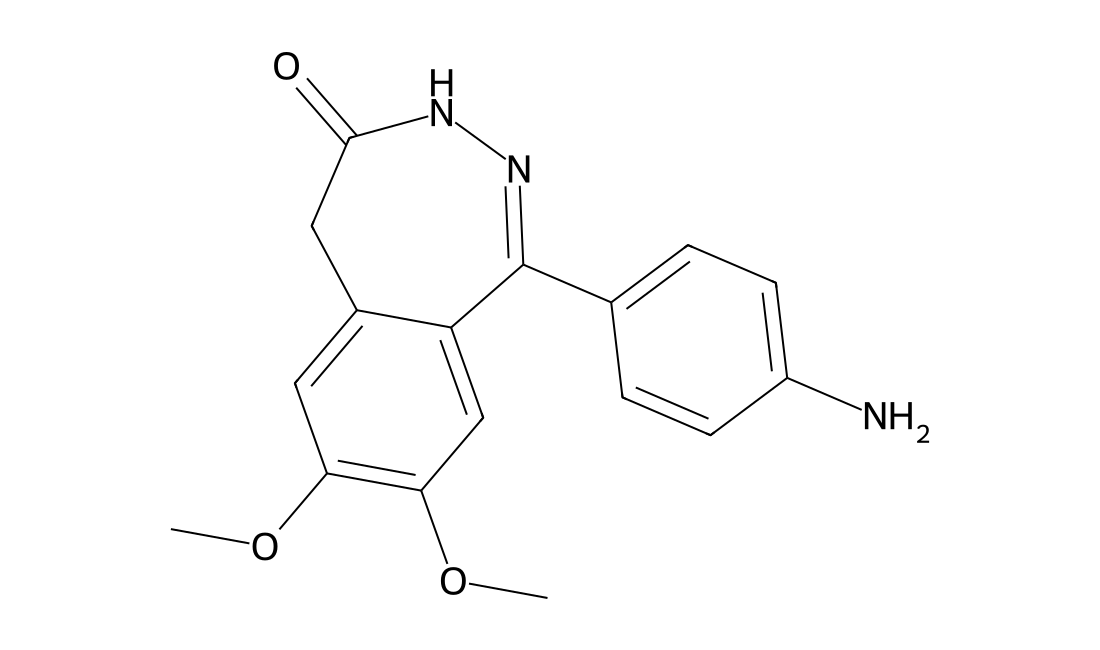
Flumazenil

CAS 78755-81-4

Flumazenil(Ro 15-1788) is a benzodiazepine antagonist, non-selective for α1, α2, α3 or α5-containing GABAA receptors. Centrally active upon systemic administration in vivo. Flumazenil, an imidazobenzodiazepine derivative, antagonizes the actions of benzodiazepines on the central nervous system. Flumazenil competitively inhibits the activity at the benzodiazepine recognition site on the GABA/benzodiazepine receptor complex. Flumazenil is a weak partial agonist in some animal models of activity, but has little or no agonist activity in humans.

Flumazenil chemical structure
DC9086

Fenofibrate

CAS 49562-28-9

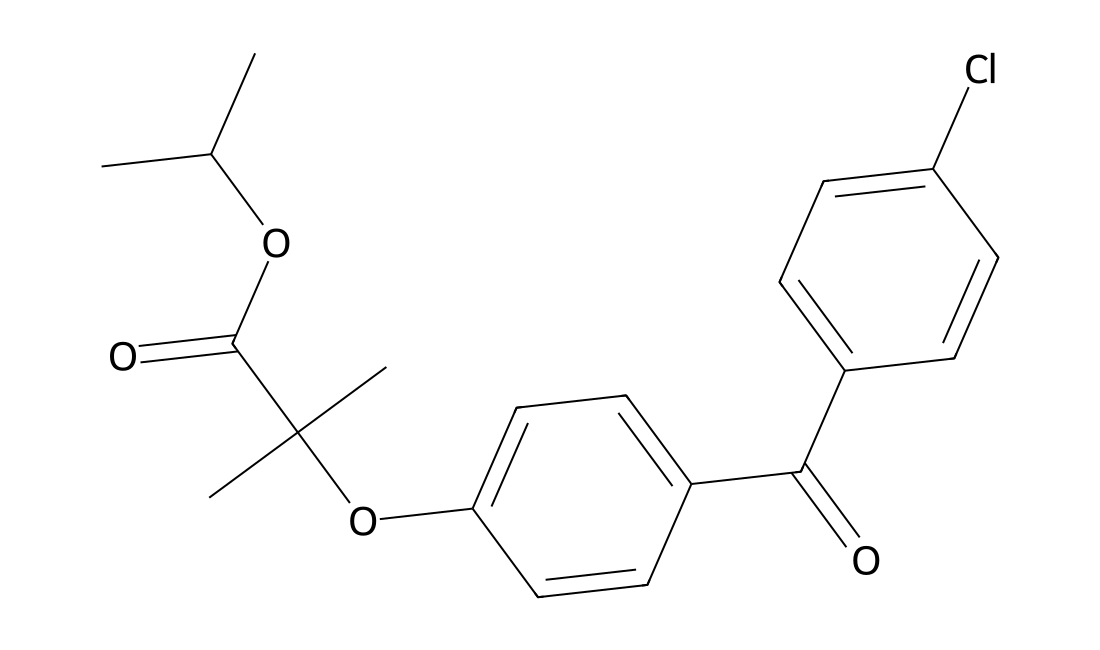
Fenofibrate is PPARα agonist with EC50 of 18 μM and 30 μM for mouse and human PPARα, respectively.Fenofibrate (Tricor, Trilipix) is a compound of the fibrate class and fibric acid derivative. Fenofibrate (Tricor, Trilipix) is mainly used to reduce cholesterol levels in patients at risk of cardiovascular disease. Like other fibrates, fenofibrate (Tricor, Trilipix) reduces both low-density lipoprotein (LDL) and very low density lipoprotein (VLDL) levels, as well as increasing high-density lipoprotein (HDL) levels and reducing tryglycerides level. Fenofibrate (Tricor, Trilipix) also appears to have a beneficial effect on the insulin resistance featured by the metabolic syndrome. Fenofibrate (Tricor, Trilipix) is used alone or in conjunction with statins in the treatment of hypercholesterolemia and hypertriglyceridemia.

Fenofibrate chemical structure
DC9073

Famotidine

CAS 76824-35-6

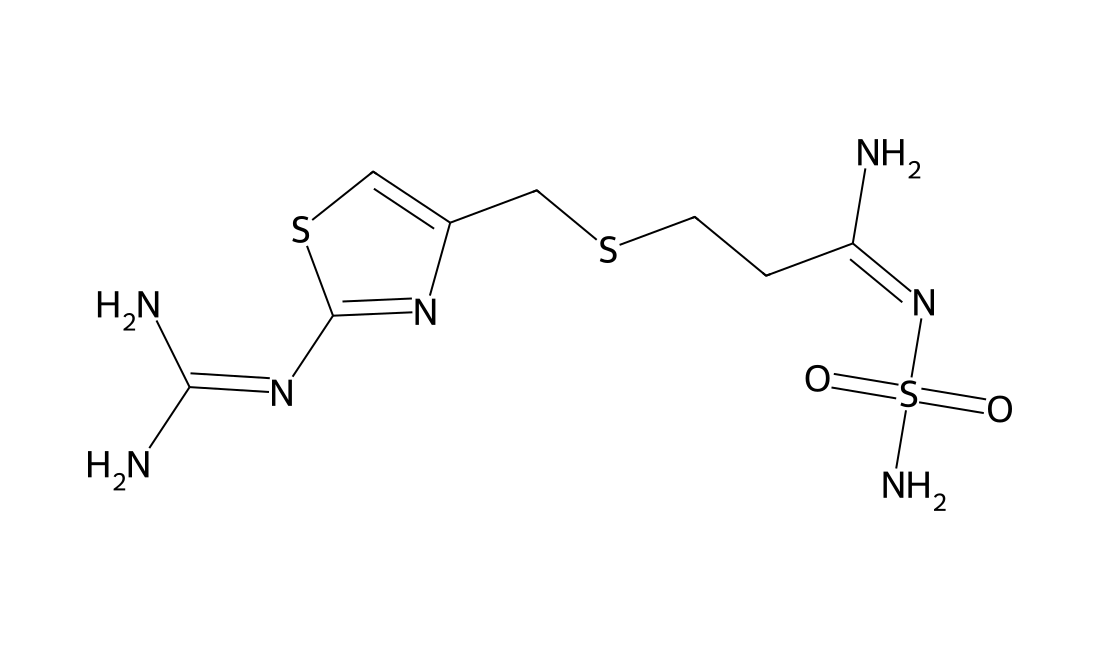
Famotidine is a competitive histamine H2-receptor antagonist. Its main pharmacodynamic effect is the inhibition of gastric secretion.Famotidine is a histamine H2-receptor antagonist that inhibits stomach acid production, and it is commonly used in the treatment of peptic ulcer disease (PUD) and gastroesophageal reflux disease (GERD/GORD). Famotidine Group(2 mg/kg/day) were significantly lower than the equivalent parameters for the Control Group on both the third and seventh days post-surgery. famotidine exerts detrimental effects on the anastomotic bursting pressure and hydroxyproline content of perianastomotic tissues in the colon of rats. famotidine increased the transgastric potential difference (PD) and promoted the recovery of decreased transgastric PD induced by acidified ethanol in rats. The preventive effect of famotidine on gastric lesions is attributable not only to suppression of acid secretion but to activation of the gastric mucosal defensive mechanisms.

Famotidine chemical structure
DC9171

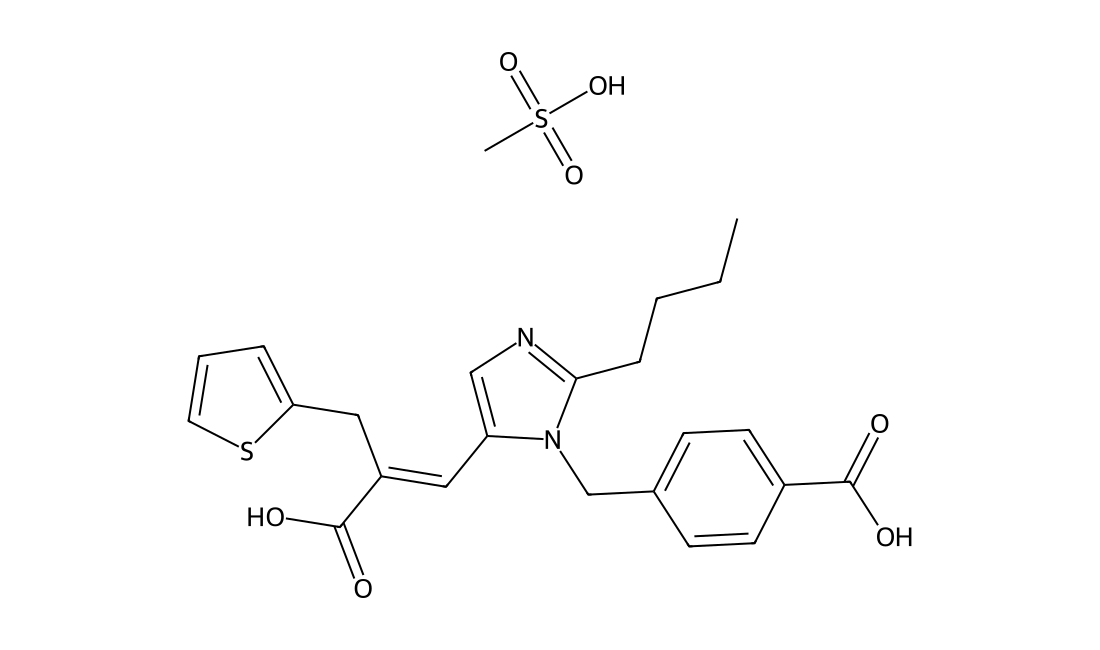
Eprosartan mesylate

CAS 144143-96-4

Eprosartan is a nonpeptide angiotensin II receptor antagonist with IC50 of 9.2 and 3.9 nM in rat and human adrenal cortical membranes, respectively.in vitro: Eprosartan mesylate, is one of the highly selective, orally active, non-peptide angiotensin-II-receptor antagonists. In rat and human adrenal cortical membranes, Eprosartan displaced specifically bound [125I]AII with IC50 of 9.2 and 3.9 nM, respectively. Eprosartan also inhibited [125I]AII binding to human liver membranes (IC50 = 1.7 nM) and to rat mesenteric artery membranes (IC50 = 1.5 nM). In rabbit aortic smooth muscle cells, Eprosartan caused a concentration-dependent inhibition of AII-induced increases in intracellular Ca++ levels. In rabbit aortic rings. in vivo: Administration of Eprosartan (3-10 mg/kg) intraduodenally or intragastrically to conscious normotensive rats resulted in a dose-dependent inhibition of the pressor response to AII (250 ng/kg, i.v.). At 10 mg/kg, i.d., significant inhibition of the pressor response to AII was observed for 3 hr. In this same rat model, Eprosartan had no effect on base-line pressure or on the pressor response to norepinephrine or vasopressin. Eprosartan is highly effective and safe in lowering blood pressure, notably SBP, in older subjects with mild to moderate hypertension. Treatment with eprosartan in once-daily doses up to 1200 mg alone or in combination with HCTZ was well tolerated, with dizziness and asthenia being the most common side effects. Therapy with eprosartan mesilat was associated with significant hypotensive effect (more evident in patients with high systolic blood pressure), improvement in 24-hour blood pressure profile and quality of life, and lower probability of secondary stroke. Side effects were not observed.

Eprosartan mesylate chemical structure
DC4161

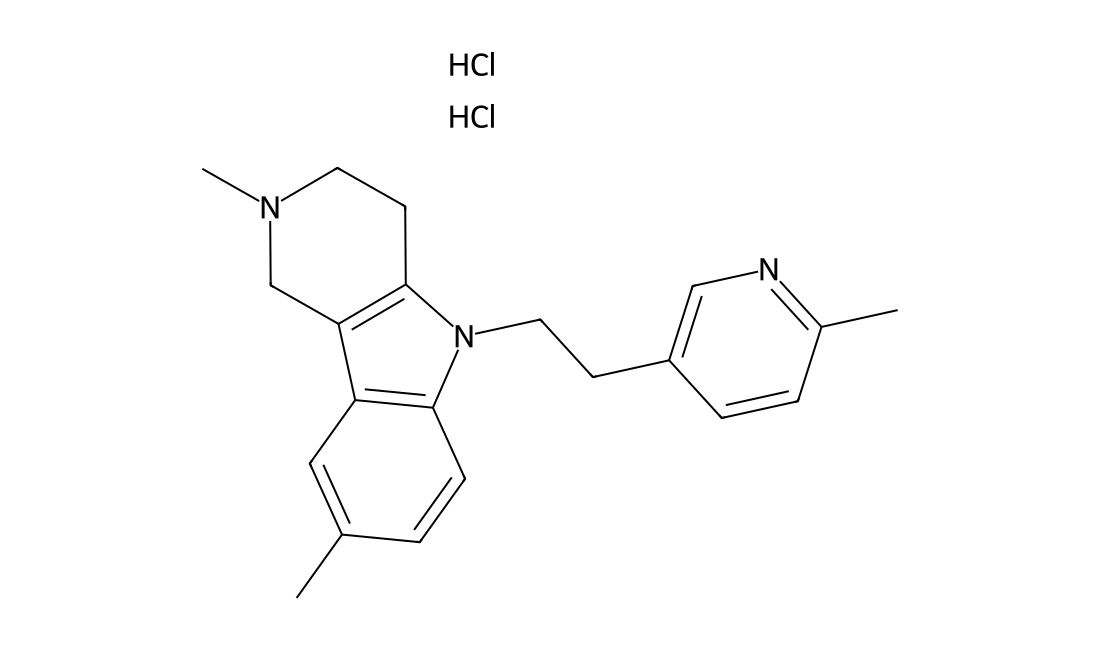
Dimebon dihydrochloride

CAS 97657-92-6

Latrepirdine (INN, also known as dimebolin and sold as Dimebon), is an antihistamine drug which has been used clinically in Russia since 1983. Research is continuing in both Russia and western nations into potential applications as a neuroprotective drug to combat Alzheimer's disease and, possibly, as a nootropic as well. However, a Phase III clinical trial For Alzheimer's disease treatment failed to show any benefit. For the detailed information about the solubility of Dimebon dihydrochloride in water, the solubility of Dimebon dihydrochloride in DMSO, the solubility of Dimebon dihydrochloride in PBS buffer, the animal experiment(test) of Dimebon dihydrochloride,the in vivo,in vitro and clinical trial test of Dimebon dihydrochloride,the cell experiment(test) of Dimebon dihydrochloride,the IC50, EC50 and Affinity of Dimebon dihydrochloride, please contact DC Chemicals.

Dimebon dihydrochloride chemical structure
DC8097

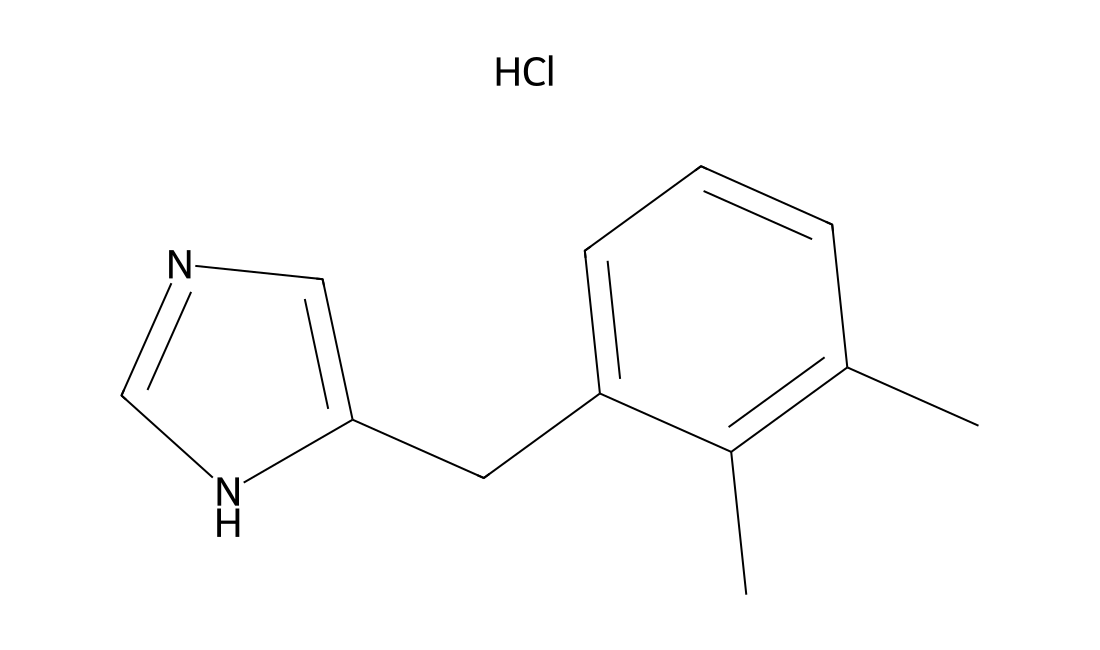
Detomidine hydrochloride

CAS 90038-01-0

Detomidine is an imidazole derivative and α2-adrenergic agonist, used as a large animal sedative, primarily used in horses. It is usually available as the salt detomidine hydrochloride. It is a prescription medication available to veterinarians sold under the trade name Dormosedan. Currently, detomidine is only licenced for use in horses. Detomidine is a sedative with analgesic properties. α2-adrenergic agonists produce dose-dependent sedative and analgesic effects, mediatated by activation of α2 catecholamine receptors, thus inducing a negative feedback response, reducing production of excitatory neurotransmitters. Due to inhibition of the sympathetic nervous system, detomidine also has cardiac and respiratory effects and an antidiuretic action. For the detailed information of Detomidine hydrochloride, the solubility of Detomidine hydrochloride in water, the solubility of Detomidine hydrochloride in DMSO, the solubility of Detomidine hydrochloride in PBS buffer, the animal experiment (test) of Detomidine hydrochloride, the cell expriment (test) of Detomidine hydrochloride, the in vivo, in vitro and clinical trial test of Detomidine hydrochloride, the EC50, IC50,and affinity,of Detomidine hydrochloride, For the detailed information of Detomidine hydrochloride, the solubility of Detomidine hydrochloride in water, the solubility of Detomidine hydrochloride in DMSO, the solubility of Detomidine hydrochloride in PBS buffer, the animal experiment (test) of Detomidine hydrochloride, the cell expriment (test) of Detomidine hydrochloride, the in vivo, in vitro and clinical trial test of Detomidine hydrochloride, the EC50, IC50,and affinity,of Detomidine hydrochloride, Please contact DC Chemicals.

Detomidine hydrochloride chemical structure
DC9057

Desloratadine

CAS 100643-71-8

Desloratadine(Sch34117) is a potent antagonist for human histamine H1 receptor used to treat allergies.Desloratadine binds to the human H1 receptor with Ki value of 0.87 nM in displacing tritiated mepyramine. Desloratadine (100 nM to 10 μM) inhibits both IgE-mediated and non-IgE-mediated generation of the cytokines IL-4 and IL-13 by human basophils. Desloratadine (300 nM to 100 μM) inhibits both IgE and non-IgE-mediated histamine release from human peripheral blood basophils. Desloratadine (0.1 μM to 10 μM) is also shown to inhibit platelet-activating factor-induced eosinophil chemotaxis and TNF-α-induced eosinophil adhesion in eosinophils obtained from patients with allergic rhinitis or allergic asthma. Desloratadine (1 μM-10 μM) dose-dependently inhibits the release of histamine and LTC4 from human basophils. Desloratadine (0.1 μM-10 μM) dose-dependently inhibits IL-13 secretion from basophils activated with IL-3 and PMA from human basophils. Desloratadine (10 μM) pretreatment results in a substantial decrease of the induced cytokine message in cultured basophils. Desloratadine (10 μM) pretreatment causes approximately an 80% reduction in the IL-4 message accumulated with anti-IgE activation in cultured basophils. Desloratadine (10 μM) also inhibits the histamine and IL-4 protein secreted into the supernatants of cultured basophils. [3H]Desloratadine binds to the human histamine H1 receptor expressed in CHO cells with Kd of 1.1 nM. Desloratadine is 52, 57, 194, and 153 times more potent than cetirizine, ebastine, fexofenadine, and loratadine, respectively, in competition-binding studies.

Desloratadine chemical structure
DC10111

Debio 0617B

CAS 1332329-27-7

Debio 0617B has been developed as a first-in-class kinase inhibitor with a unique profile targeting phospho-STAT3 (pSTAT3) and/or pSTAT5 in tumors through combined inhibition of JAK, SRC, ABL, and class III/V receptor tyrosine kinases (RTK). Debio 0617B showed dose-dependent inhibition of pSTAT3 in STAT3-activated carcinoma cell lines; Debio 0617B also showed potent antiproliferative activity in a panel of cancer cell lines and in patient-derived tumor xenografts tested in an in vitro clonogenic assay. Debio 0617B showed in vivo efficacy by inhibiting tumor growth in several mouse xenograft models. To increase in vivo efficacy and STAT3 inhibition, Debio 0617B was tested in combination with the EGFR inhibitor erlotinib in a non-small cell lung cancer xenograft model.

Debio 0617B chemical structure
DC10203

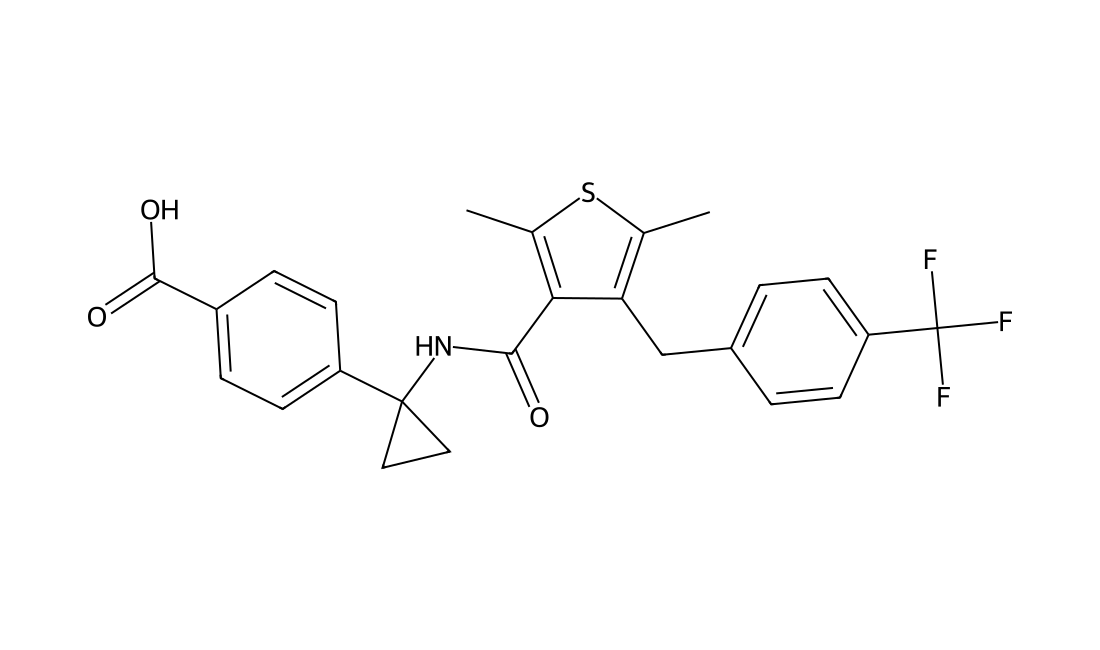
CXCR2-IN-1

CAS 1873376-49-8

CXCR2 plays an important role in the activation and recruitment of neutrophils to sites of inflammation. CXCR2-IN-1 shows favorable central nervous system penetration property (Br/Bl>0.45).CXCR2-IN-1 shows efficacy in a cuprizone-induced demyelination model through oral administration, providing evidence to support CXCR2 to be a potential therapeutic target to treat demyelinating diseases such as multiple sclerosis.

CXCR2-IN-1 chemical structure
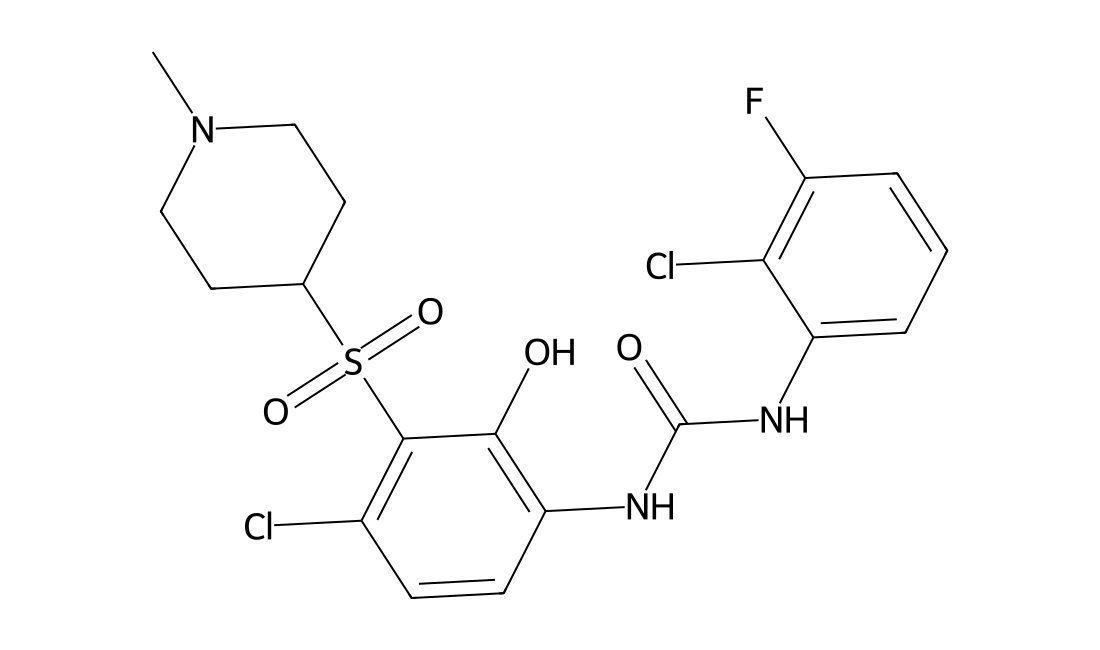
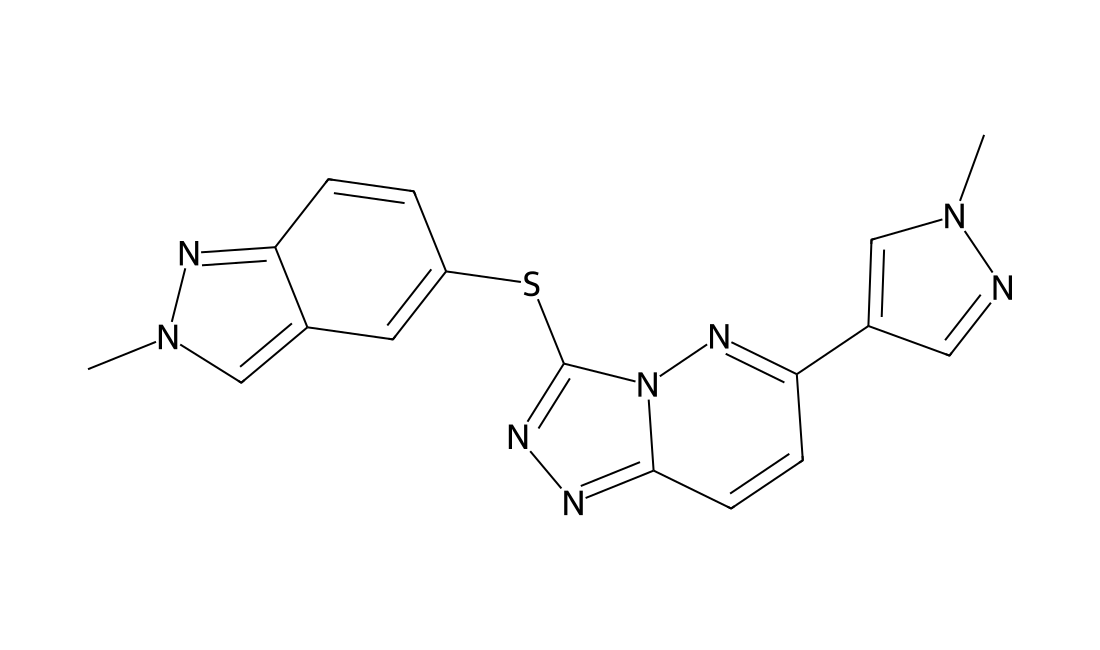
DC7388

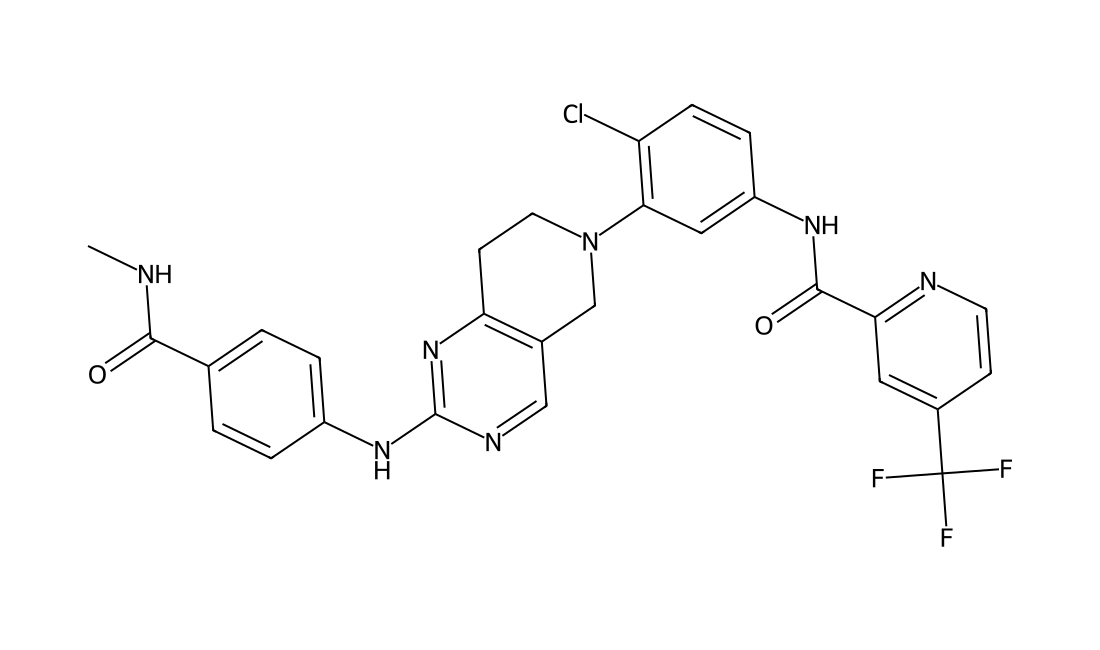
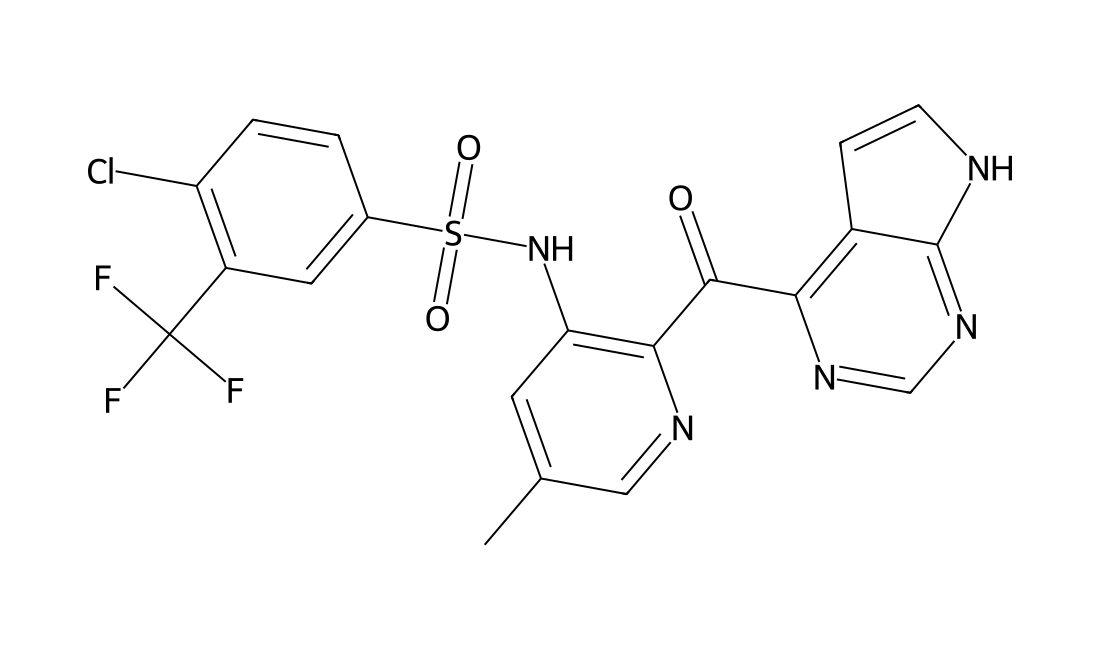
c-Met inhibitor 1

CAS 1357072-61-7

c-Met inhibitor 1 is an inhibitor of the c-Met receptor signaling pathway useful For the treatment of cancer including gastric, glioblastoma, and pancreatic cancer. More details , please refer to Patent WO 2012015677 A1For the detailed information of c-Met inhibitor 1, the solubility of c-Met inhibitor 1 in water, the solubility of c-Met inhibitor 1 in DMSO, the solubility of c-Met inhibitor 1 in PBS buffer, the animal experiment (test) of c-Met inhibitor 1, the cell expriment (test) of c-Met inhibitor 1, the in vivo, in vitro and clinical trial test of c-Met inhibitor 1, the EC50, IC50,and Affinity of c-Met inhibitor 1, Please contact DC Chemicals.
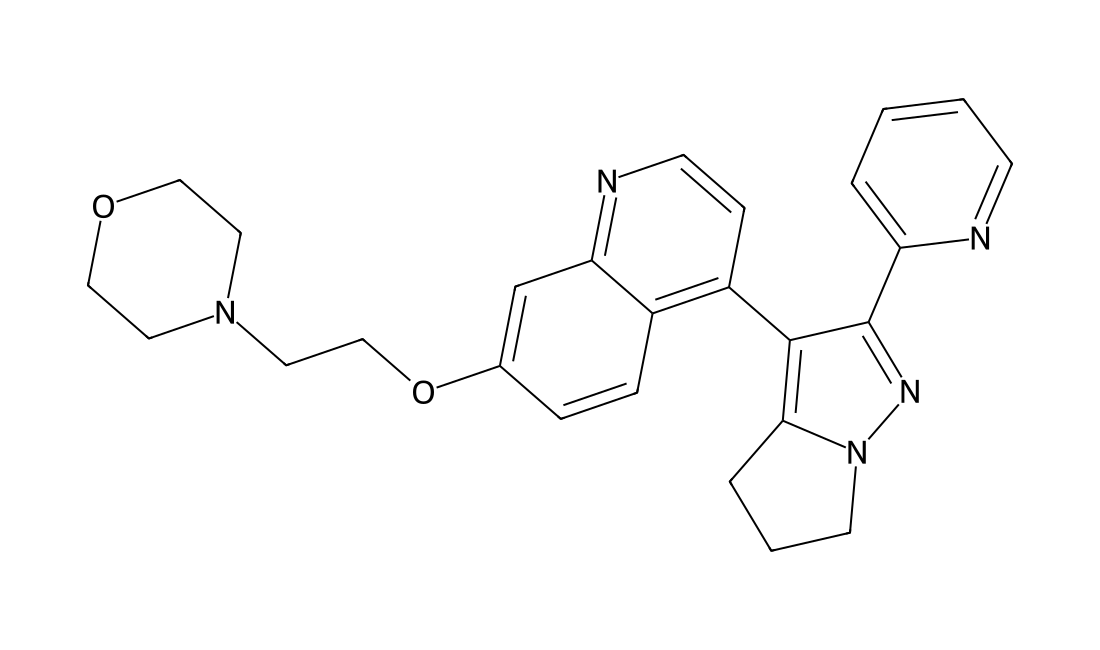
c-Met inhibitor 1 chemical structure
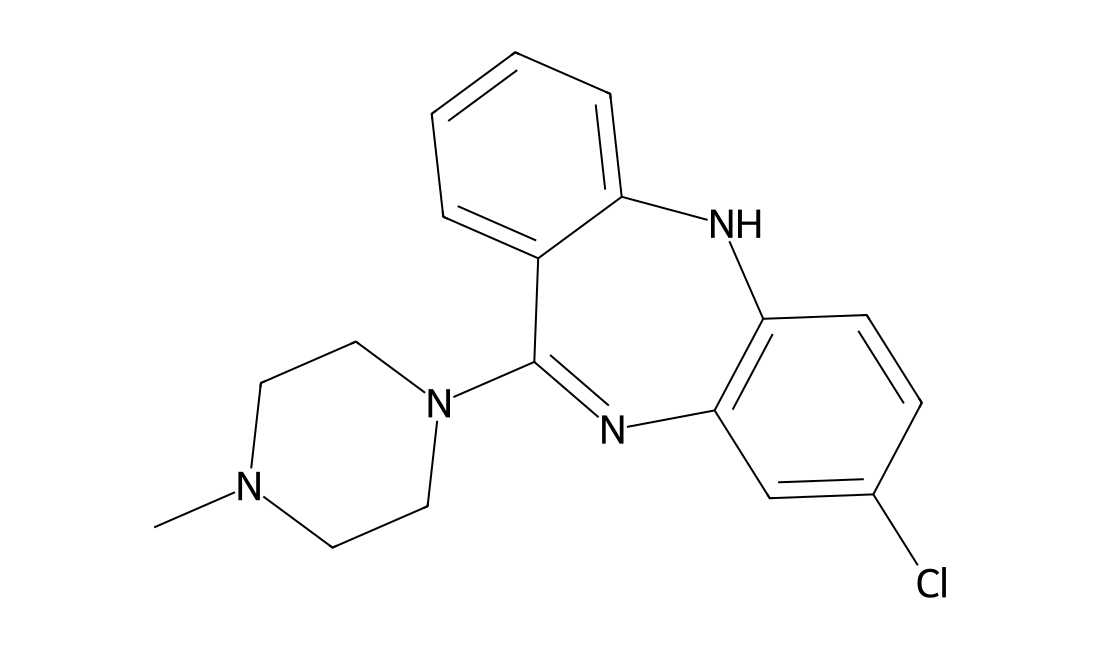
DC9067

Clozapine

CAS 5786-21-0

Clozapine(HF 1854) is a 5-HT2A/2C and dopamine receptor blocker with Ki values of 21, 170, 170, 230 and 330 nM for D4, D3, D1, D2 and D5 receptors respectively.Clozapine is atypical antipsychotic drug, with a much lower tendency to cause extrapyramidal side effects than conventional neuroleptics. Clozapine displays a broad range of pharmacological actions; the antipsychotic effects are thought to be mediated principally by 5-HT2A/2C and dopamine receptor blockade (Ki values are 21, 170, 170, 230 and 330 nM for D4, D3, D1, D2 and D5 receptors respectively).

Clozapine chemical structure
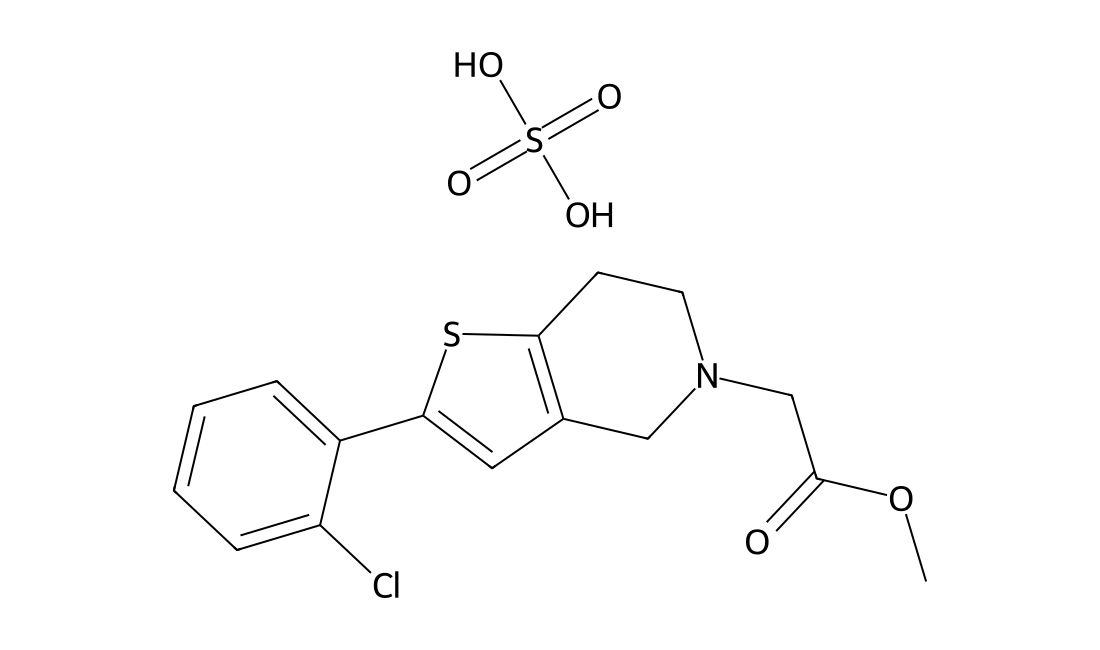
DC3147

Clopidogrel hydrogensulfate

CAS 120202-66-6

For the detailed information about the solubility of Clopidogrel hydrogen sulfate in water, the solubility of Clopidogrel hydrogen sulfate in DMSO, the solubility of Clopidogrel hydrogen sulfate in PBS buffer, the animal experiment(test) of Clopidogrel hydrogen sulfate,the in vivo,in vitro and clinical trial test of Clopidogrel hydrogen sulfate,the cell experiment(test) of Clopidogrel hydrogen sulfate,the IC50, EC50 and Affinity of Clopidogrel hydrogen sulfate, please contact DC Chemicals.
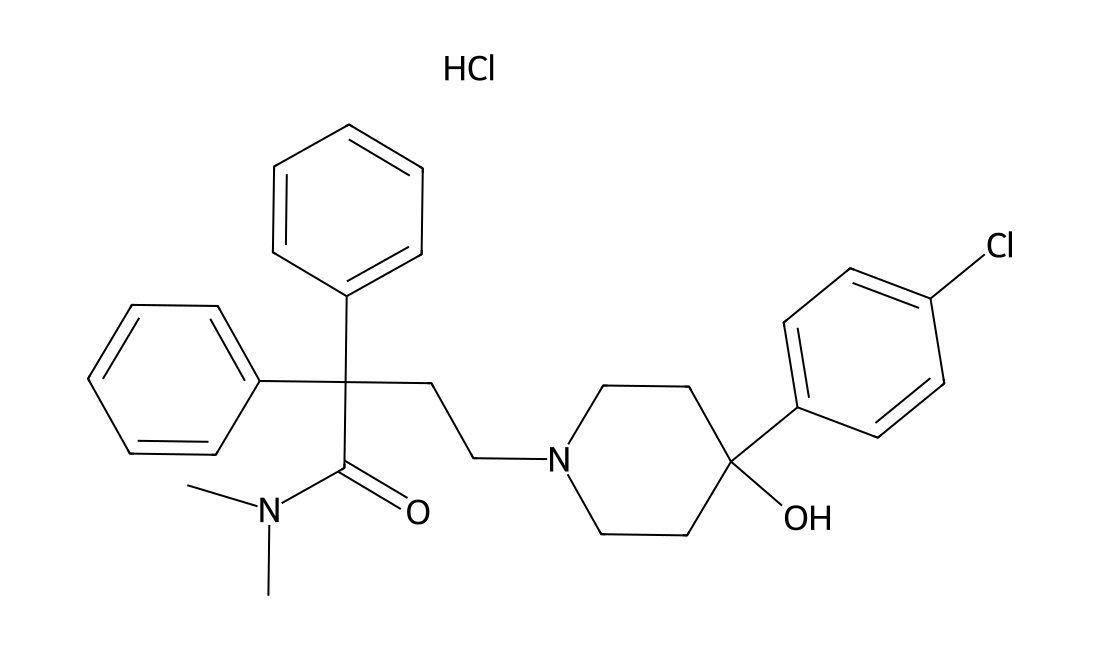
Clopidogrel hydrogensulfate chemical structure
DC9021

Clonidine hydrochloride

CAS 4205-91-8

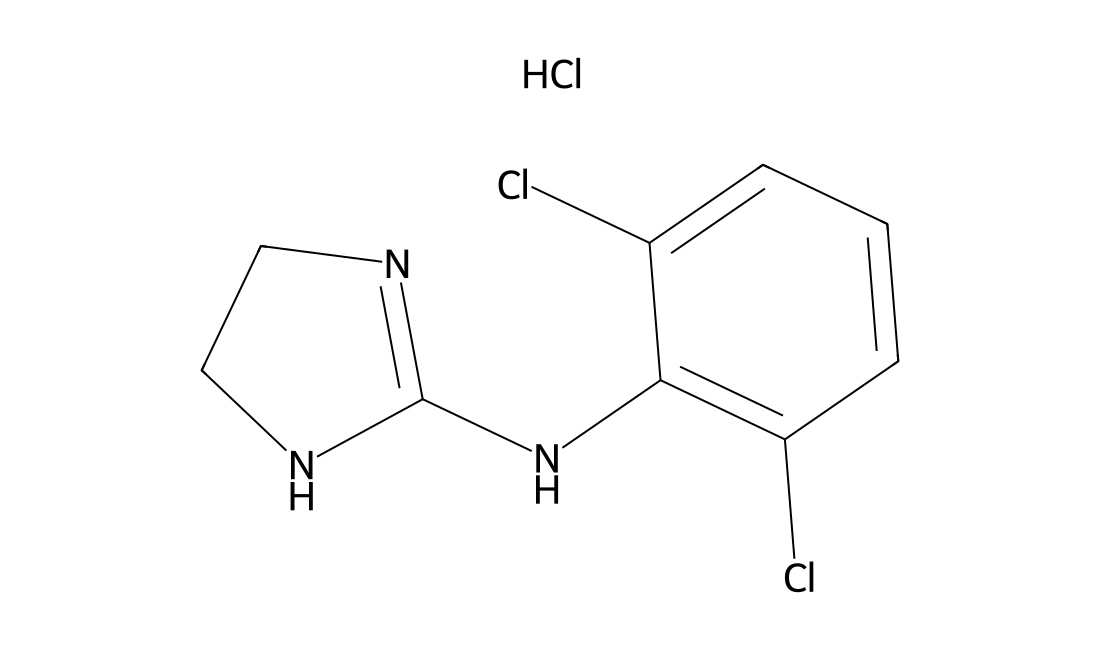
Clonidine Hydrochloride is a centrally acting alpha-agonist hypotensive agent.Clonidine, an imidazoline-derivative hypotensive agent is a centrally-acting α2-adrenergic agonist. Clonidine treats high blood pressure by stimulating α2-receptors in the brain, which decreases peripheral vascular resistance, lowering blood pressure. It has specificity towards the presynaptic α2-receptors in the vasomotor center in the brainstem. This binding decreases presynaptic calcium levels, thus inhibiting the release of norepinephrine (NE). The net effect is a decrease in sympathetic tone. Clonidine has also been proposed that the antihypertensive effect of clonidine is due to agonism on the I1-receptor (imidazoline receptor), which mediates the sympatho-inhibitory actions of imidazolines to lower blood pressure. Its mechanism of action in the treatment of ADHD is to increase noradrenergic tone in the prefrontal cortex (PFC) directly by binding to postsynaptic α2A adrenergic receptors and indirectly by increasing norepinephrine input from the locus coeruleus.

Clonidine hydrochloride chemical structure
DC9183

Clomiphene citrate

CAS 50-41-9

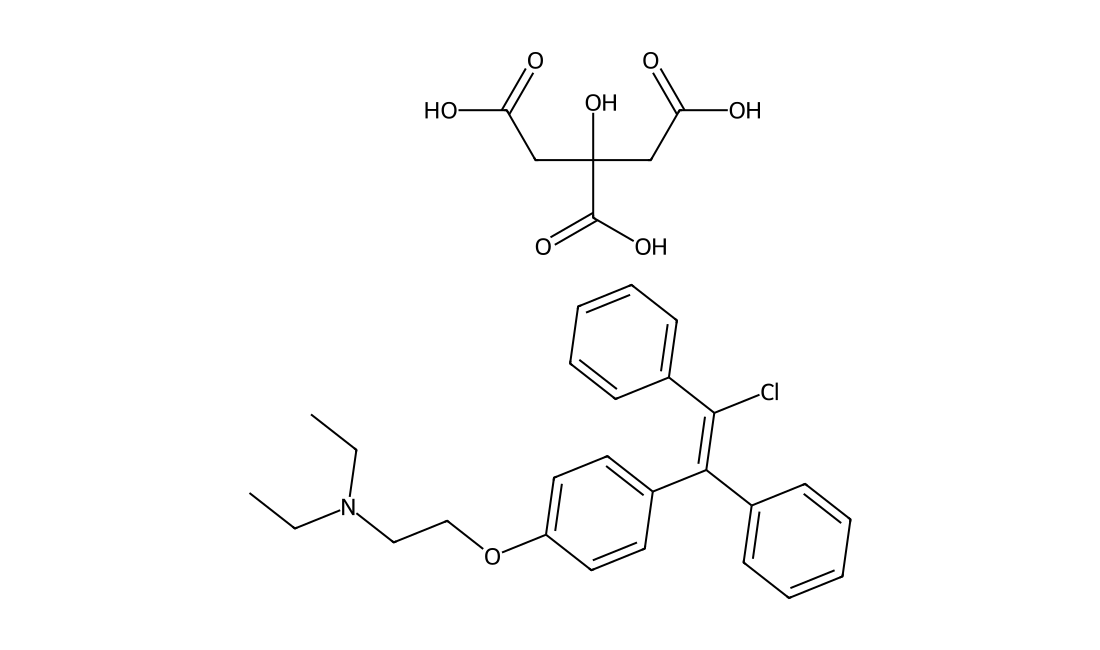
Clomifene Citrate is a selective estrogen receptor modulator.Clomifene Citrate(CC) acted as an estrogen antagonist regardless of the concentration of E2 added together. In conclusion, CC acts as an estrogen agonist/antagonist via ER alpha in a coexisting estrogen concentration-dependent way whereas it acts as an estrogen antagonist via ER beta whether or not estrogen is present. Clomiphene was effective in increasing pregnancy rate compared to placebo (OR 5.8, 95% CI 1.6 to 21.5) as was clomiphene plus dexamethasone treatment (OR 9.46, 95% CI 5.1 to 17.7) compared to clomiphene alone. A significant improvement in the pregnancy rate was reported for clomiphene plus combined oral contraceptives versus clomiphene alone. No evidence of a difference in effect on pregnancy rate was found with any of the other comparisons.

Clomiphene citrate chemical structure
DC12304

Clocapramine hydrochloride hydrate (3-Chlorocarpipramine hydrochloride hydrate)

CAS 60789-62-0

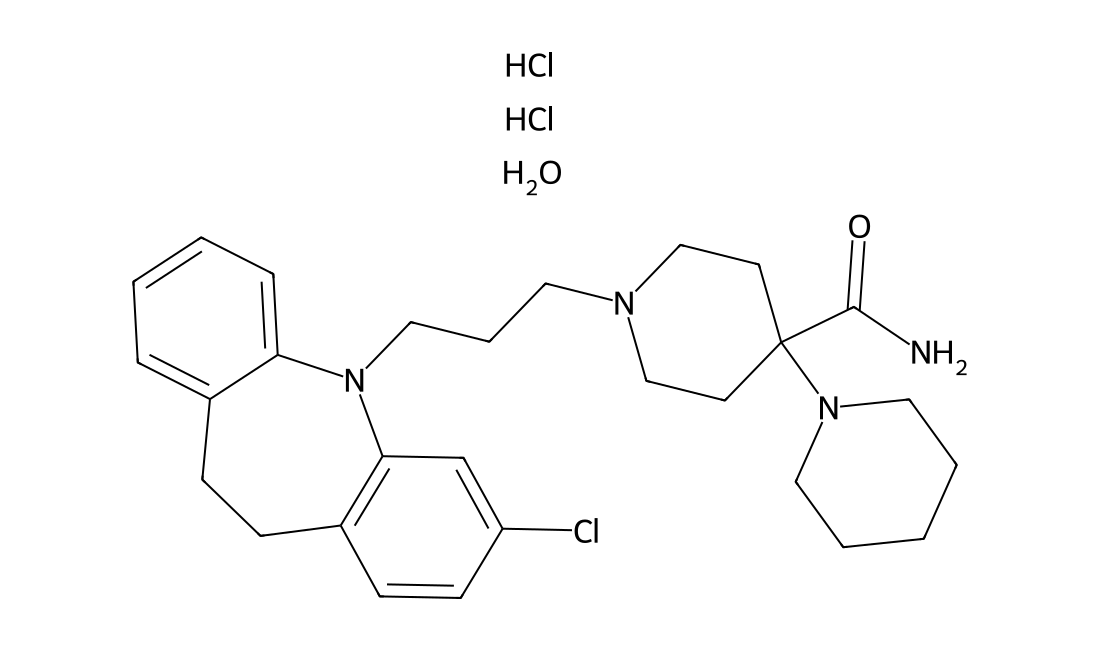
In Vivo Clocapramine shows the lowest potency for D2-occupancy in vivo. An in vivo receptor binding technique is used to evaluate the binding profiles of typical and atypical antipsychotic drugs to striatal dopamine-D2 and frontal serotonin-5-HT2 receptors in a rat brain using more specific ligands. Clocapramine produces ratios of potency in occupying 5-HT2 versus D2 receptors that fall between these two groups (ED50 of 14.5 mg/kg for D2, 4.9 mg/kg for 5-HT2).

Clocapramine hydrochloride hydrate (3-Chlorocarpipramine hydrochloride hydrate) chemical structure
DC12100

Cirsimaritin

CAS 6601-62-3

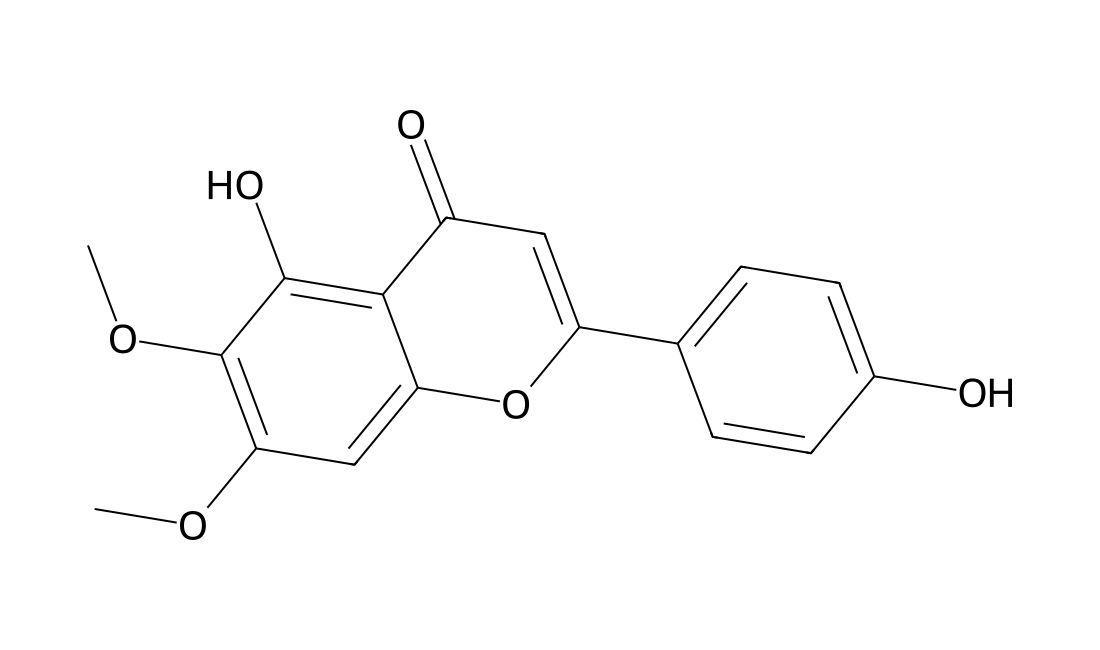
In Vivo Cirsimaritin significantly reduces the anxiety in mice. Cirsimaritin does not decrease by co-administration of flumazenil (2.5 mg/kg) with salvigenin, rosmanol and cirsimaritin (10 mg/kg), indicating that the high-affinity benzodiazepine binding site is not involved in the anxiolytic activity induced by these compounds.

Cirsimaritin chemical structure
DC9002

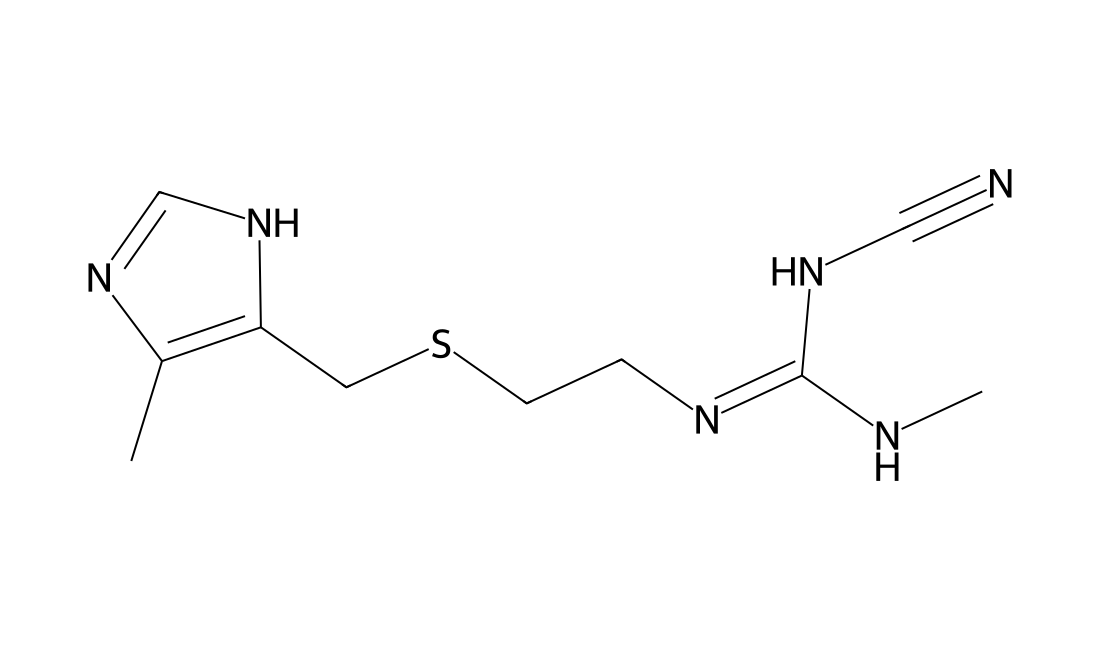
Cimetidine

CAS 51481-61-9

Cimetidine is a histamine-2 (H2) receptor antagonist.in vitro: Cimetidine, a partial agonist for H2R, has a pharmacological profile different from ranitidine and famotidine, possibly contributing to its antitumor activity on gastrointestinal cancers. Cimetidine had no effect on the uptake and cytotoxicity of cisplatin in ovarian cancer cells with high OCT2 mRNA levels (IGROV-1 cells). Cimetidine showed no effect on proliferation, survival, migration and invasion of 3LL cells. Cimetidine reversed MDSC-mediated T-cell suppression, and improved IFN-γ production. Cimetidine-mediated down-regulation of NCAM involved suppression of the nuclear translocation of NF-kappaB, a transcriptional activator of NCAM gene expression. in vivo: the antitumor efficacy of cisplatin in mice bearing luciferase-tagged IGROV-1 xenografts was unaffected by cimetidine (P = 0.39). Data obtained in 18 patients receiving cisplatin (100 mg/m(2)) in a randomized crossover fashion with or without cimetidine (800 mg × 2) revealed that cimetidine did not alter exposure to unbound cisplatin. cimetidine reduced CD11b(+)Gr-1(+) myeloid derived-suppressive cell (MDSC) accumulation in spleen, blood and tumor tissue of tumor-bearing mice. Cimetidine exerts a beneficial effect on periodontal disease in rats, decreasing the RANKL/OPG ratio in gingival connective tissue and reducing alveolar bone resorption.

Cimetidine chemical structure
DC9340

CFM-2

CAS 178616-26-7

CFM-2 is a selective non-competitive AMPAR antagonist. in vitro: AMPA antagonists GYKI 52466 and CFM-2 inhibit the extracellular signal regulated kinase (ERK1/2) pathway, CFM-2 reduced phosphorylation of cAMP-responsive element binding protein (CREB), suppressed expression of cyclin D1, upregulated the cell cycle regulators and tumor suppressor proteins p21 and p53 and decreased number of lung adenocarcinoma cells in G2 and S phases of the cell cycle. in vivo: Pretreatment with CFM-2 delayed the progression of seizure rank during repeated administration of pentylentetrazole. At the end of the period of repeated pentylentetrazole treatment (6 weeks) the mean seizure score was 0 in vehicle treated controls, 4.3 in animals treated with vehicle + pentylentetrazole, 2.2 in rats treated chronically with CFM-2 (20 micromol kg(-1) i.p.) + pentylentetrazole and 1.0 in rats treated repeatedly with CFM-2 (50 micromol kg(-1) i.p.) + pentylenetetrazole. CFM-2 was also able to antagonize the long-term increase in sensitivity of the convulsant effects of GABA function inhibitors in pentylentetrazole-kindled animals. CFM-2 has been proven to possess anticonvulsant activity in various models of seizures. Intrathecal application of two selective non-competitive AMPAR antagonists, CFM-2 (25 and 50 microg) and GYKI 52466 (50 microg), significantly attenuated mechanical and thermal hypersensitivities on the ipsilateral hind paw at 2 and 24 h post-CFA injection. Neither CFM-2 nor GYKI 52466 affected the contralateral basal responses to thermal and mechanical stimuli.
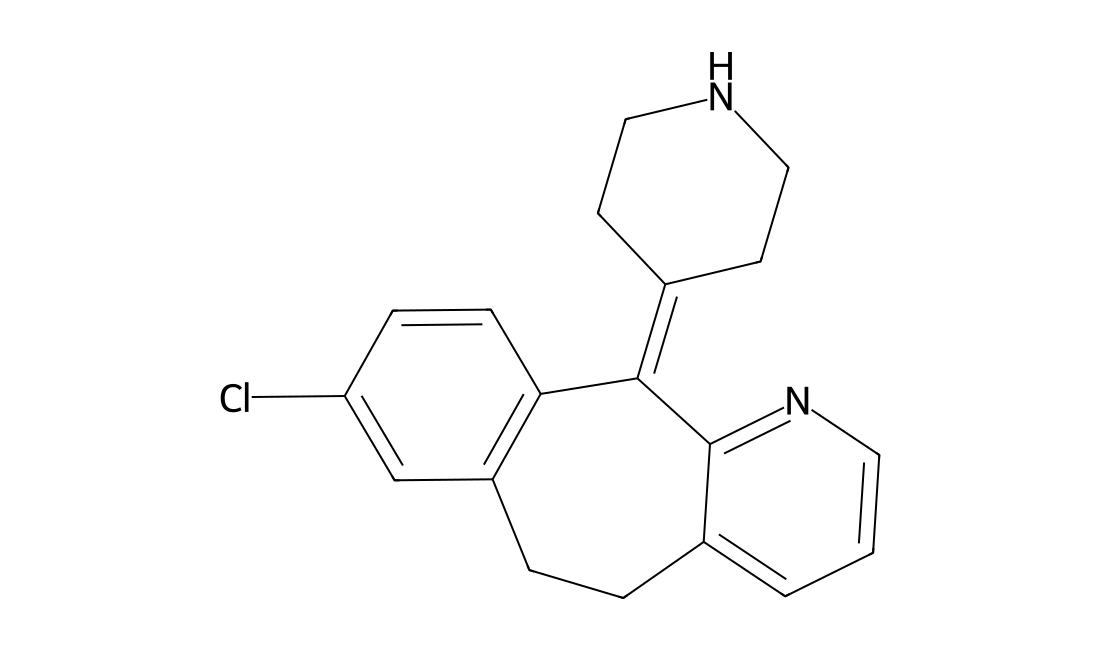
CFM-2 chemical structure
DC10206

CCX140

CAS 1100318-47-5

CCX140-B potently inhibits CCL2-induced chemotaxis of purified human blood monocytes with IC50 values of 8 nM in buffer and 200 nM in the presence of 100% human serum. CCX140-B also inhibits CCL2-induced Ca2+ mobilization in monocytes with an IC50 value of 3 nM. CCX140-B inhibits the binding of 125I-CCL2 to monocytes with an IC50 value of 17 nM. CCX140-B has a Kd value of 2.3 nM toward hCCR2. CCX140-B also inhibits monocyte chemotaxis mediated by the other CCR2 ligands: CCL8/MCP-2, CCL7/MCP-3, and CCL13/MCP-4.Treatment of hCCR2 KI mice with CCX140-B causes a dose-dependent reduction in the number of peritoneal leukocytes after thioglycollate challenge: CCX140-B strongly blocks leukocyte infiltration at 30 mg/kg, partially blocks leukocyte infiltration at 10 mg/kg, and fails to block leukocyte infiltration at 3 mg/kg. In DIO hCCR2 KI mice, treatment with 100 mg/kg CCX140-B blocks the progressive increase in UAER and ACR. CCX140-B maintains lower UAER and ACR values during the entire 8-wk dosing regimen. In DIO mice, the CCR2 antagonist completely blocks the recruitment of inflammatory macrophages to visceral adipose tissue. The mice exhibit reduced hyperglycemia and insulinemia, improved insulin sensitivity, increased circulating adiponectin levels, decreased pancreatic islet size and increased islet number. It also reduces urine output, glucose excretion, hepatic glycogen and triglyceride content and glucose 6-phosphatase levels.
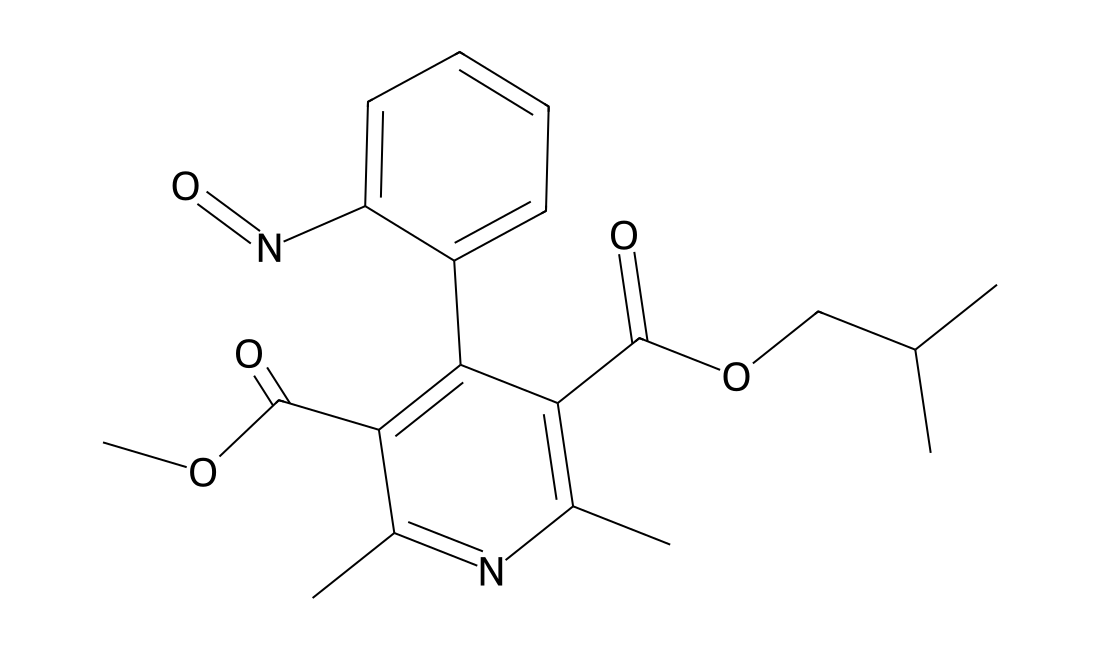
CCX140 chemical structure
Browse target & topic index A–Z (366)
11β-HSD (1)15-PGDH (2)5-HT Receptor (16)Acetyl-CoA Carboxylase (ACC) (3)Acetylcholinesterase (AChE) (2)Ack1 (TNK2) (1)Acyltransferase (1)ADC Cytotoxin (6)ADCs Linker/Click Chemistry (5)Adenosine Receptor (9)Adenylate Cyclase (2)Adrenergic Receptor (11)Akt (12)Alcoholism (2)Aldehyde Dehydrogenase (ALDH) (6)Allergy (5)Alzheimer Disease (13)Aminopeptidase (1)AMPK (8)Amyloids (4)Anaplastic Lymphoma Kinase (ALK) (9)Androgen Receptor (AR) (11)Anemia (4)Angiotensin Receptor (4)Antibody/Protein labeling dyes (1)Antifolate (2)Anxiety (1)Apoptosis Inducer (3)Arginase (1)Arp2/3 complex (1)Aryl hydrocarbon Receptor (AhR) (1)Asthma (5)Atherosclerosis (2)ATM/ATR (8)Aurora Kinase (10)Autophagy (6)Autophagy-related Protein (Atg) (2)Autotaxin (2)Bacterial (26)Bacterial Infection (17)Bcl-2 (14)Bcr-Abl (5)BCRP (1)Beta-catenin (4)Beta-secretase (BACE) (4)Blood Cancer (91)BMI-1 (1)Bone Cancer (6)Brain Cancer (6)Breast Cancer (30)Bromodomain (22)BTK (10)c-Fms (CSF1R) (5)c-Fos/AP-1 (1)c-Kit (6)c-Met (HGFR) (11)c-Myc (2)Calcium Channel (4)Calcium-sensing Receptor (CaSR) (1)CaMK (4)Cannabinoid Receptor (6)Carbonic Anhydrase (1)Carboxypeptidase (1)Casein Kinase (6)Caspase (4)Cathepsin (6)Cdc2-like Kinase (CLK) (1)CETP (2)CFTR (7)Checkpoint Kinase (Chk) (8)Chemokine Receptor (CCR and CXCR) (14)Chemotherapeutic Agents (19)Chloride Channel (1)CMV (2)CMV Infection (2)Colon Cancer (9)Complement System (1)COPD (3)CREB/CBP (2)CRF Receptor (2)CRISPR/Cas9 (1)Cushing Disease (1)Cyclin-dependent Kinase (CDK) (39)Cyclooxygenase (COX) (4)Cytochrome P450 (CYPs) (5)Depression (2)Dermatitis (2)Deubiquitinase (DUB) (7)Diabetes (20)Dipeptidyl Peptidase (DPP) (3)Discoidin Domain Receptor (DDR) (1)DNA Alkylator/Crosslinker (10)DNA Methyltransferase (DNMT) (1)DNA Repair Protein (1)DNA-PK (2)DNA/RNA Synthesis (5)Dopamine beta-hydroxylase (1)Dopamine Receptor (7)Drug Metabolite (1)Drug-Linker Conjugates (11)Dyes (4)DYRK (1)Dyslipidemia (9)E3 Ligase Ligand (6)E3 Ligase Ligand-Linker Conjugate (1)E3 Ubiquitin Ligase (4)Ebola Virus Infection (1)EGFR (32)Elastase (2)Endothelin Receptor (5)Enzymes substrates (13)Epigenetic Reader Domain (3)Epilepsy (4)ERK (4)Estrogen Receptor/ERR (13)Eukaryotic Initiation Factor (eIF) (2)Exportin-1 (CRM1,XPO1) (2)FABP (1)Factor Xa (5)Farnesoid X Receptor (FXR) (5)Farnesyl transferase (FTase) (1)Ferroptosis (6)FGFR (15)Fibrosis (5)FLT3 (6)Focal Adhesion Kinase (FAK) (11)Foxo1 (1)Free Fatty Acid Receptor (FFAR) (5)Fungal (2)Fungal Infection (1)GABA Receptor (13)Galectin (1)Gastric Cancer (8)Ghrelin Receptor (GHSR) (3)Glucagon Receptor (4)Glucokinase (2)Glucose Transporter (GLUT) (2)Glutamate Transporter (2)GPCR (1)GPER (GPR30) (1)GPR139 (1)GPR183 (EBI2) (2)GPR39 (1)GPR55 (1)GPR84 (1)GRK (GPCRK) (2)Growth Hormone Deficiency (2)GSK-3 (8)Guanylate Cyclase (3)HBV (1)HBV Infection (1)HCN Channel (2)HCV (8)HCV Infection (9)HDAC (38)Heart Arrhythmia (2)Heart Failure (5)Heat Shock Protein (HSP) (15)Hedgehog (Hh) (1)HIF/HIF Prolyl-hydroxylase (8)Histamine Receptor (6)Histone Acetyltransferase (HAT) (5)Histone Demethylase (11)Histone Methyltransferase (HMTase) (31)HIV (12)HIV Infection (11)HMG-CoA Reductase (HMGCR) (3)HSV (1)HSV Infection (1)Hypercholesterolemia (1)Hyperparathyroidism (1)Hypertension (8)IAP (1)IGF-1R (3)iGluR (15)Indoleamine 2,3-Dioxygenase (IDO) (4)Infection (1)Influenza (6)Influenza Virus (6)Insulin Receptor (2)Integrin (6)Interleukin Receptor (1)IRAK (2)IRE1 (4)Irritable Bowel Syndrome (2)Ischemia (1)Isocitrate Dehydrogenase (IDH) (5)ITK (1)IκB kinase (IKK) (7)JAK (32)JNK (3)Keap1-Nrf2 (6)Kidney Cancer (10)Kinesin (5)Kruppel-like Factor (KLF) (1)Kynurenine 3-Monooxygenase (KMO) (1)Leukotriene Receptor (1)LIM Kinase (LIMK) (3)Lipids fragment (1)Liver Cancer (6)Liver X Receptor (LXR) (3)LRRK2 (9)Lung Cancer (39)Lysophospholipid Receptor (12)LYTACs (3)mAChR (9)MALT1 (2)MAP4K (1)Matrix Metalloproteinase (MMP) (10)MDM2-p53 (9)MEK (MAP2K) (14)MEKK (MAP3K) (1)Melanocortin Receptor (2)MELK (1)mGluR (7)MicroRNA (1)Microtubule/Tubulin (5)Mineralocorticoid Receptor (MLR) (1)MITF (1)Mixed Lineage Kinase (MLK) (3)MNK (2)Molecular Glues (13)Monoamine Transporter (5)Monocarboxylate Transporter (MCT) (1)Monopolar Spindle 1 (Mps1/TTK) (3)mTOR (13)Multiple Sclerosis (6)Myosin (1)Na-K-Cl Cotransporter (NKCC) (2)nAChR (2)NADPH Oxidase (NOX) (2)NAMPT (3)Natural products (37)Neprilysin (1)Neurokinin Receptor (3)Neuropeptide Y Receptor (3)NF-κB (5)Nitric Oxide Synthase (NOS) (1)NOD-like Receptor (NLR) (3)Notch (2)Nucleoside Antimetabolite/Analog (10)Nur77 (NR4A1) (1)Obesity (1)Oct3/4 (1)Opioid Receptor (5)Orexin Receptor (7)Osteoporosis (2)Ovarian Cancer (14)Oxytocin Receptor (OXTR) (2)P-glycoprotein (P-gp) (3)p21-activated Kinase (PAK) (1)P2X Receptor (2)P2Y Receptor (1)p38 MAPK (10)p97/VCP (1)Pain (12)Pancreatic Cancer (10)Parasite (5)Parasite Infection (2)Parkinson Disease (2)PARP (19)PCSK9 (1)PD-1/PD-L1 (4)PDGFR (4)PDK1 (2)PEGn (1)PERK (2)PGE synthase (2)Phosphodiesterase (PDE) (9)Phospholipase (4)PI3K (32)PI4K (2)Piezo Channel (1)PIKfyve (3)Pim (9)PKC (12)PKD (1)Plasminogen Activator Inhibitor-1 (PAI-1) (3)Polo-like Kinase (PLK) (4)Porcupine (3)Potassium Channel (13)PPAR (13)Pregnane X Receptor (PXR) (1)Progesterone Receptor (2)Prostaglandin Receptor (11)Prostate Cancer (7)PROTACs (35)Protease-activated Receptor (PAR) (3)Proteasome (12)Protein Disulfide Isomerase (PDI) (1)Protein Phosphatase/PTP (6)Proton Pump (1)Psoriasis (5)RAD51 (1)Radioligand precursors (15)Raf (18)RAR/RXR (3)Ras (17)Renin (2)RET Tyrosine Kinase (c-RET) (3)Rheumatoid Arthritis (16)Ribosomal S6 Kinase (RSK) (5)RIG-I-like Receptor (RLR) (2)RIP kinase (7)ROCK (12)ROR (2)RSV (4)RSV Infection (3)RUNX1-CBFβ (1)S-nitrosoglutathione reductase (GSNOR) (1)Saccharides and Glycosides (1)Salt Inducible Kinase (SIK) (2)SARS-CoV (16)SARS-CoV Infection (34)Schizophrenia (4)Sexual Dysfunction (1)SGLT (4)Sigma Receptor (4)Sirtuin (9)Skin Cancer (13)Sleep Disorder (7)SMN2 Modulator (1)Smoothened (Smo) (9)Sodium Channel (12)Solid Tumors (35)Somatostatin Receptor (2)Sphingosine kinase (SphK) (2)Src (7)STAT (5)Stearoyl-CoA Desaturase (SCD) (1)Steatohepatitis (7)Sterol lipids (1)STING (14)Syk (6)T Cell Receptor (TCR) (1)TAK1 (2)TAM Receptor (Tyro3-Axl-Mer) (4)Taste Receptor (1)Telomerase (2)TGF beta Receptor (TGFBR) (12)Thrombin (3)Thrombosis (13)Thyroid Cancer (1)Thyroid Hormone Receptor (THR) (1)Thyrotropin Receptor (2)TNIK (1)Toll-like Receptor (TLR) (2)TOPK (1)Topoisomerase (11)TRAIL (1)Translocator Protein (TSPO) (1)Trk Receptor (4)TRP Channel (13)Tryptophan Hydroxylase (TPH) (1)Ubiquitin-activating Enzyme (E1) (2)Ubiquitin-conjugating Enzyme (E2) (2)Ulcer (1)ULK (3)Vasopressin Receptor (2)VEGFR (25)Vitamin D Receptor (VDR) (3)Wee1 (1)WNK Kinase (1)Wnt (5)Yes-associated Protein (YAP) (4)γ-secretase (5)

Cart

Request quotation