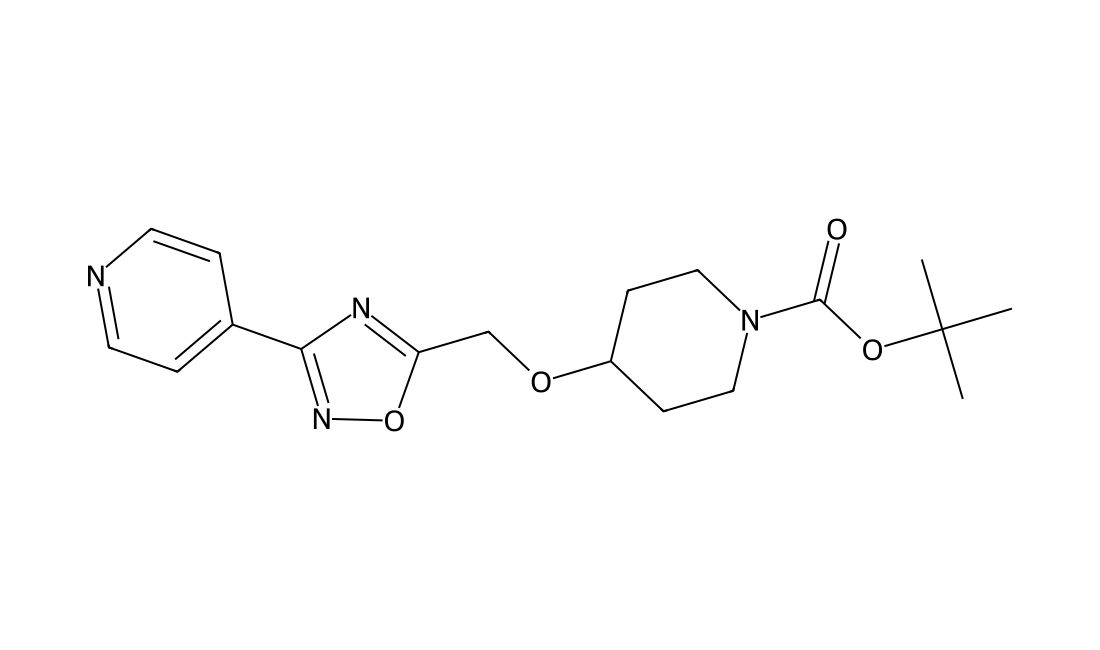
Home/Small Molecules/GPCRs & Receptor Biology

GPCRs & Receptor Biology

G-protein-coupled, nuclear and other ligand-binding receptors and their modulators.

Browse all research categories

Browse by research category

Products may appear in more than one category. Counts refer to distinct catalog numbers within each category.

Other Research Tools (75) · Additional reagents, building blocks and specialized research tools.

GPCRs & Receptor Biology products

Combine a keyword, research category and target to narrow the product list.

Loading catalog filters…

1,219 products · Showing 625–672

DC7642

Α5ia (α5IA)

CAS 215874-86-5

α5IA is a selective inverse agonist For Α5 subtype of GABAA receptor with a higher intrinsic activity at the A5 subtype than other drugs. α5IA enhances cognition in laboratory animals without being proconvulsant or anxiogenic. α5IA acts as an "alcohol antagonist," markedly reducing the amnesic effect of alcohol and partially attenuating sedation, similar to Ro15-4513, but without the anxiogenic effect. α5IA offers promise as a tool to study cognitive disorders, memory function, and treatment of alcohol-related disorders.For the detailed information of Α5ia (α5IA), the solubility of Α5ia (α5IA) in water, the solubility of Α5ia (α5IA) in DMSO, the solubility of Α5ia (α5IA) in PBS buffer, the animal experiment (test) of Α5ia (α5IA), the cell expriment (test) of Α5ia (α5IA), the in vivo, in vitro and clinical trial test of Α5ia (α5IA), the EC50, IC50,and Affinity of Α5ia (α5IA), Please contact DC Chemicals.
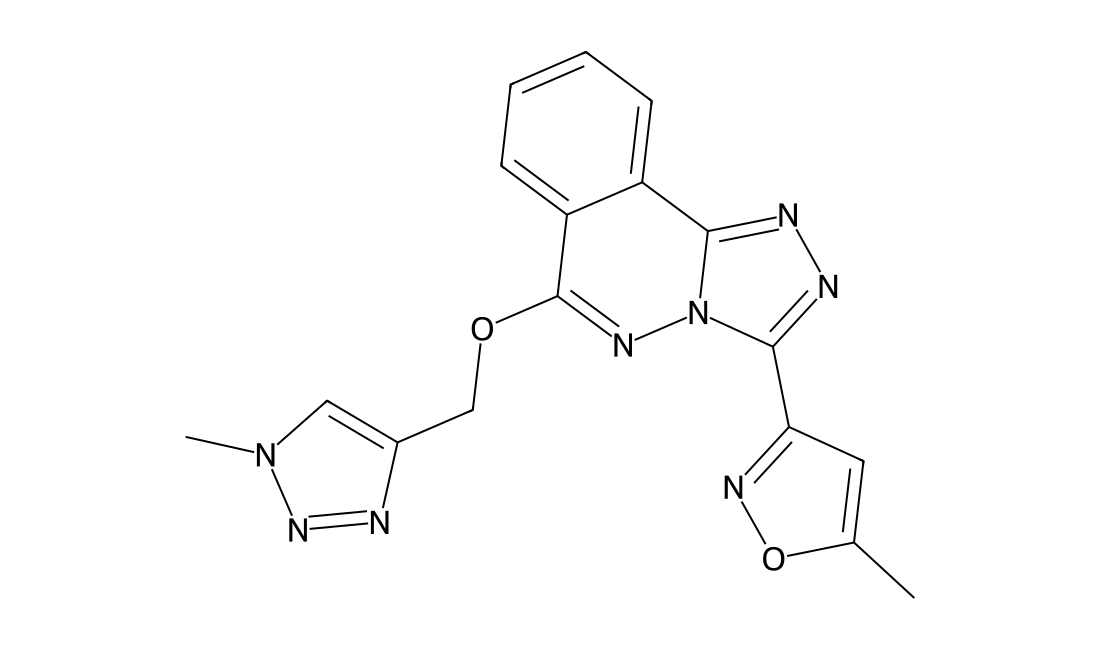
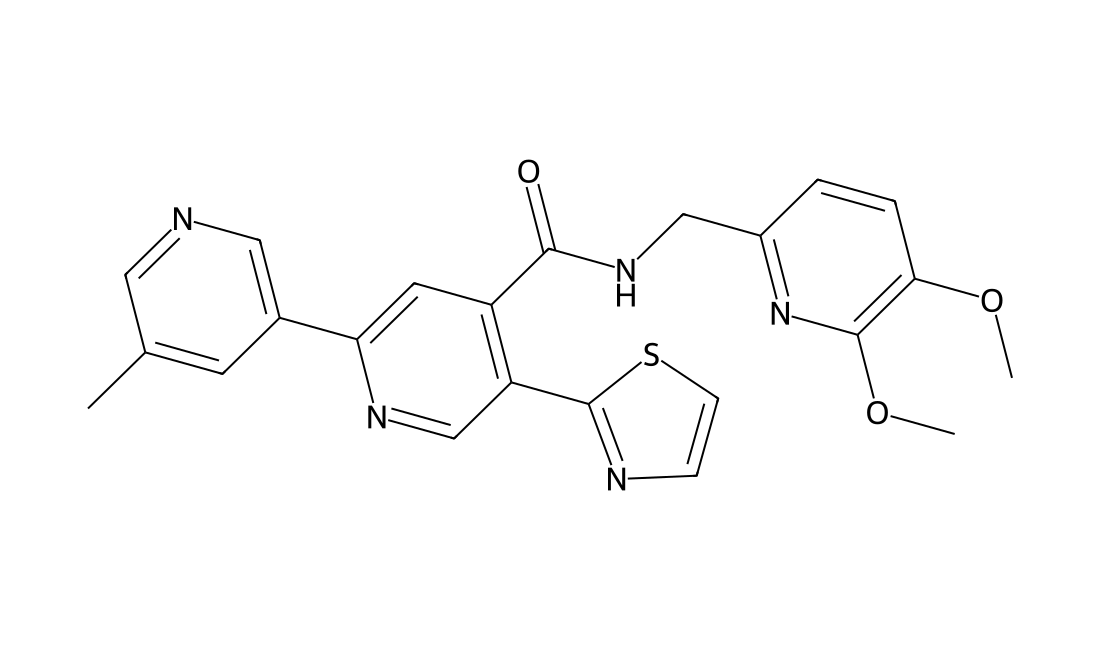
Α5ia (α5IA) chemical structure
DCAPI1517

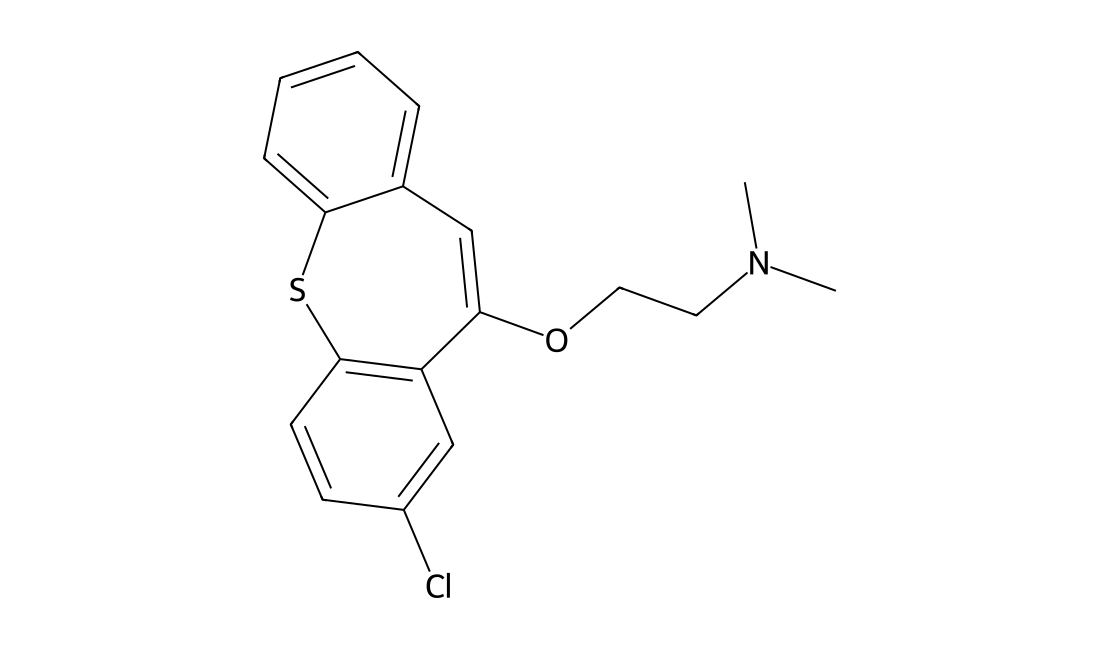
Zotepine

CAS 26615-21-4

For the detailed information of Zotepine, the solubility of Zotepine in water, the solubility of Zotepine in DMSO, the solubility of Zotepine in PBS buffer, the animal experiment(test) (test) of Zotepine, the cell expriment (test) of Zotepine, the in vivo, in vitro and clinical trial test of Zotepine, the EC50, IC50,and Affinity of Zotepine,, please contact DC Chemicals.

Zotepine chemical structure
DC9461

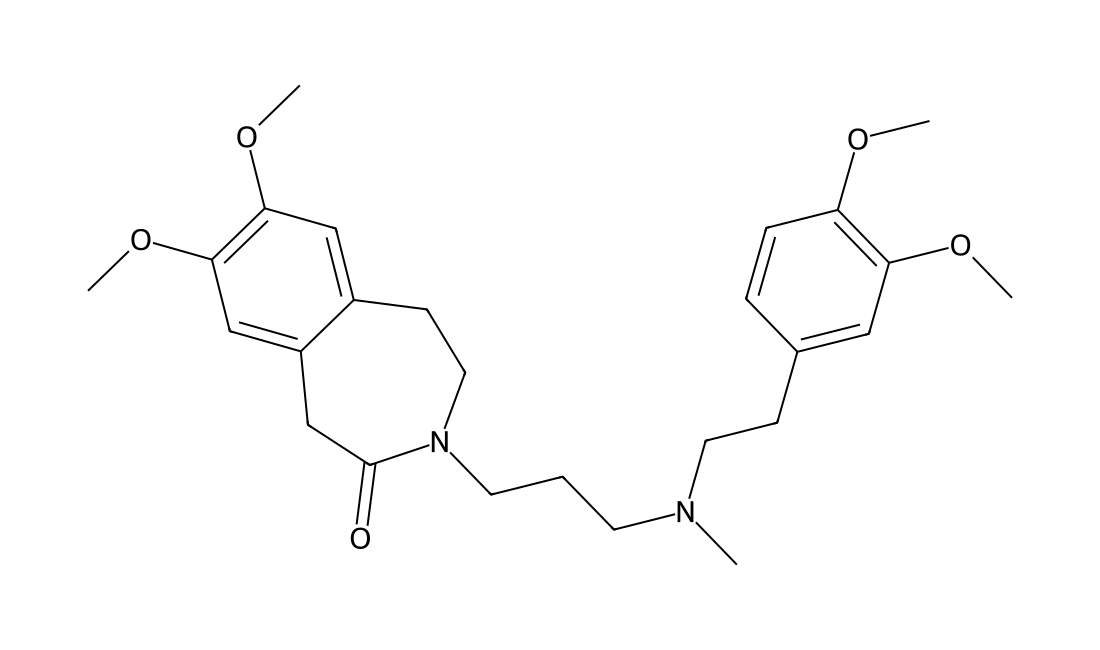
Zatebradine

CAS 85175-67-3

Zatebradine(UL-FS49) is a potent HCN channels antagonist, which decreased the heartbeat in a reversible manner; 92% inhibition of the hHCN1-mediated current at 10 uM. The pharmacological properties of hHCN1-mediated currents resembled those of native hyperpolarization-activated currents (I(h)), that is, blockade by Cs(+) (99% at 5 mm), ZD 7288 (98% at 100 microm) and zatebradine (92% at 10 microm). When voltage-clamp pulse trains were applied, cilobradine induced a use-dependent blockade of If that was stronger and faster than that with zatebradine. Recovery from blockade during prolonged hyperpolarization was significantly faster with zatebradine. The selective HCN blocker zatebradine reduced the activity of oriens-lacunosum moleculare interneurons in wild-type but not HCN2(-/-) mice and decreased the frequency of spontaneous inhibitory currents in postsynaptic CA1 pyramidal cells.

Zatebradine chemical structure
DC9007

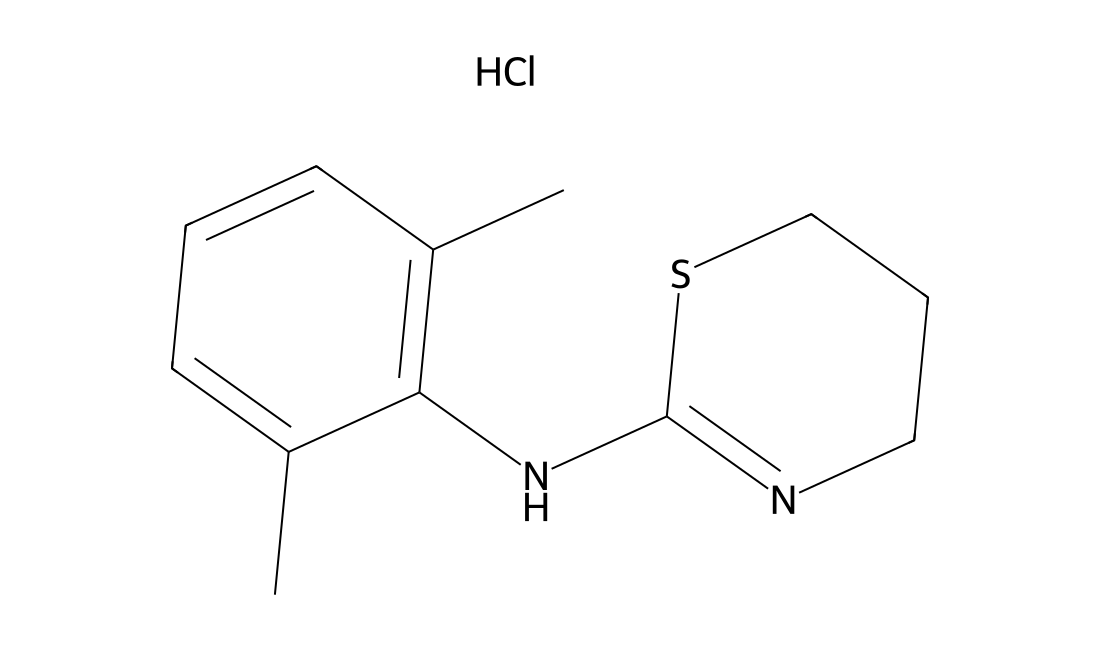
Xylazine hydrochloride

CAS 23076-35-9

Xylazine Hydrochloride is α2 class of adrenergic receptor agonist.Xylazine is a drug that is used for sedation, anesthesia, muscle relaxation, and analgesia in animals such as horses, cattle and other non-human mammals. An analogue of clonidine, it is an agonist at the α2 class of adrenergic receptor. Xylazine has recently emerged as a recreational drug, especially in Puerto Rico. Administration of xylazine (0.17 mg/kg of body weight, diluted to a 10-ml volume, using 0.9% NaCl) induced approximately 2.5 hours of local analgesia without apparent side effects. Higher doses of xylazine caused mild hind limb ataxia. Administration of lidocaine induced a similar duration of analgesia, with severe hind limb ataxia (100% incidence). We concluded that xylazine given by epidural injection results in safe, effective perineal analgesia in horses.

Xylazine hydrochloride chemical structure
DC9498

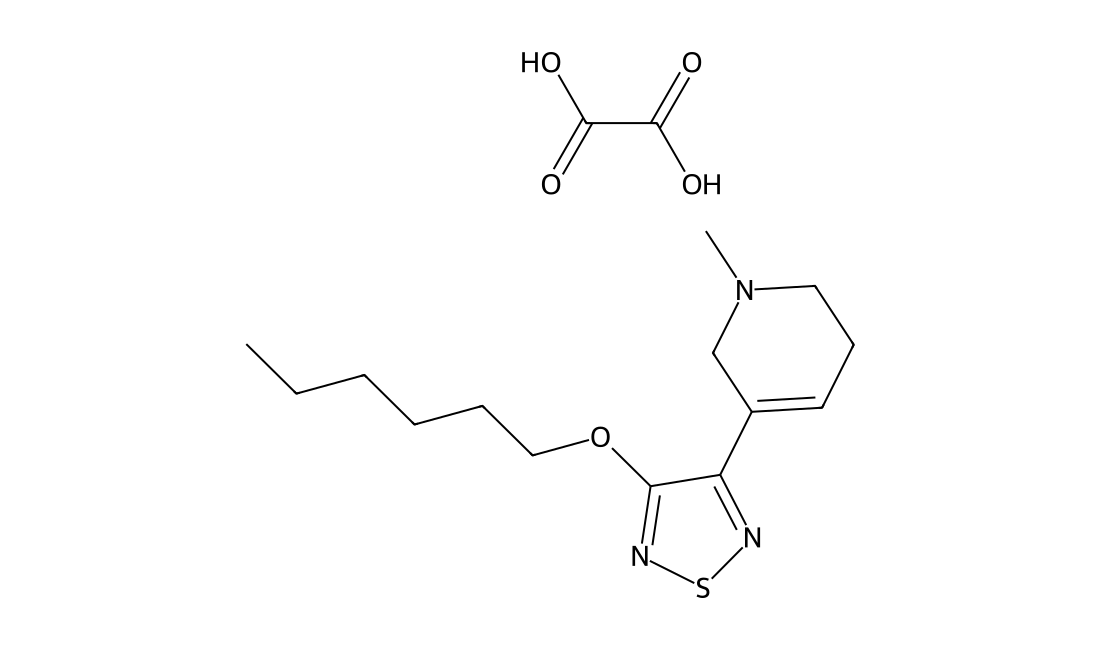
Xanomeline (oxalate)

CAS 141064-23-5

Xanomeline(LY246708) is a selective M1 muscarinic receptor agonist. in vitro: Xanomeline had high affinity for muscarinic receptors in brain homogenates, but had substantially less or no affinity for a number of other neurotransmitter receptors and uptake sites. In cells stably expressing genetic m1 receptors, xanomeline increased phospholipid hydrolysis in CHO, BHK and A9 L cells to 100, 72 and 55% of the nonselective agonist carbachol. In isolated tissues, xanomeline had high affinity for M1 receptors in the rabbit vas deferens (IC50 = 0.006 nM), low affinity for M2 receptors in guinea pig atria (EC50 = 3 microM), was a weak partial agonist in guinea pig ileum and was neither an agonist nor antagonist in guinea pig bladder. Xanomeline produced small increases in striatal acetylcholine levels and did not antagonize the large increases in acetylcholine produced by the nonselective muscarinic agonist oxotremorine, indicating that xanomeline did not block M2 autoreceptors. in vivo: Xanomeline increased striatal levels of dopamine metabolites, presumably by acting at M1 heteroreceptors on dopamine neurons to increase dopamine release. In contrast, xanomeline had only a relatively small effect on acetylcholine levels in brain, indicating that it is devoid of actions at muscarinic autoreceptors. The effects of xanomeline on ex vivo binding and DOPAC levels lasted for about 3 hr and were evident after oral administration. An analog of xanomeline with similar in vivo effects did not inhibit acetylcholinesterase or choline acetyltransferase and inhibited choline uptake only at concentrations much higher than those required to inhibit binding. These data indicate xanomeline is selective agonist for M1 over M2 and M3 receptors in vivo in rat.

Xanomeline (oxalate) chemical structure
DC9668

WAY181187.HCl(WAY-181,187)

CAS 554403-49-5

WAY-181187 is a potent and selective 5-HT6 receptor agonist. WAY-181187 possesses high affinity binding (2.2 and 4.8 nM, respectively) at the human 5-HT6 receptor and profile as full receptor agonists (WAY-181187: EC50=6.6 nM, Emax=93%). In the rat frontal cortex, acute administration of WAY-181187 (3-30 mg/kg, subcutaneous (s.c.)) significantly increased extracellular GABA concentrations without altering the levels of glutamate or norepinephrine.

WAY181187.HCl(WAY-181,187) chemical structure
DC9157

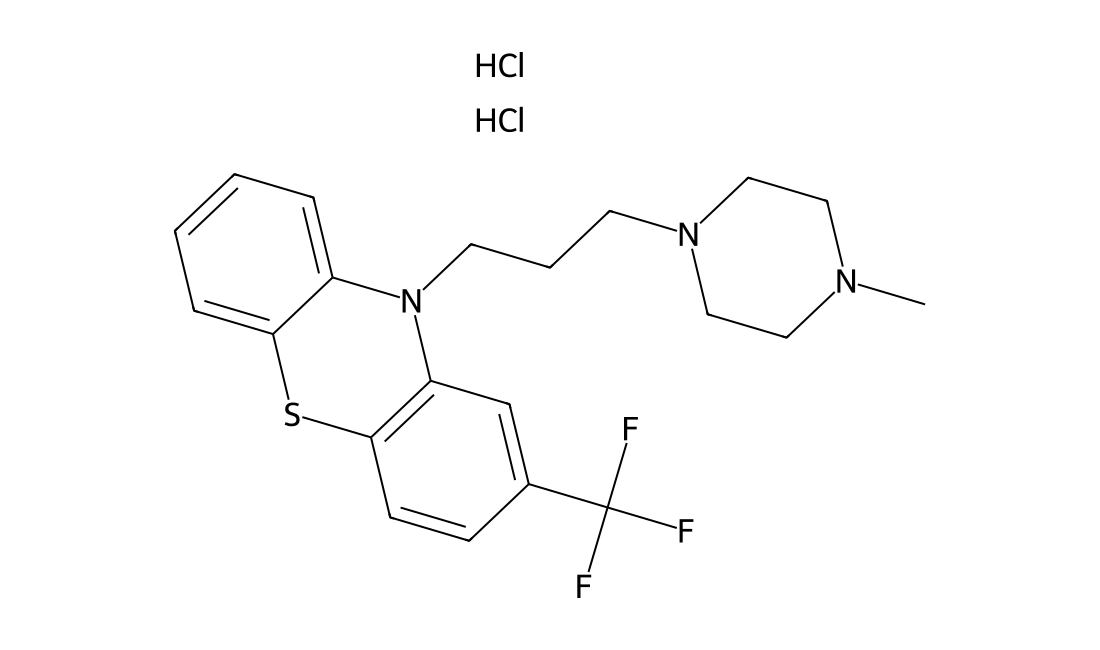
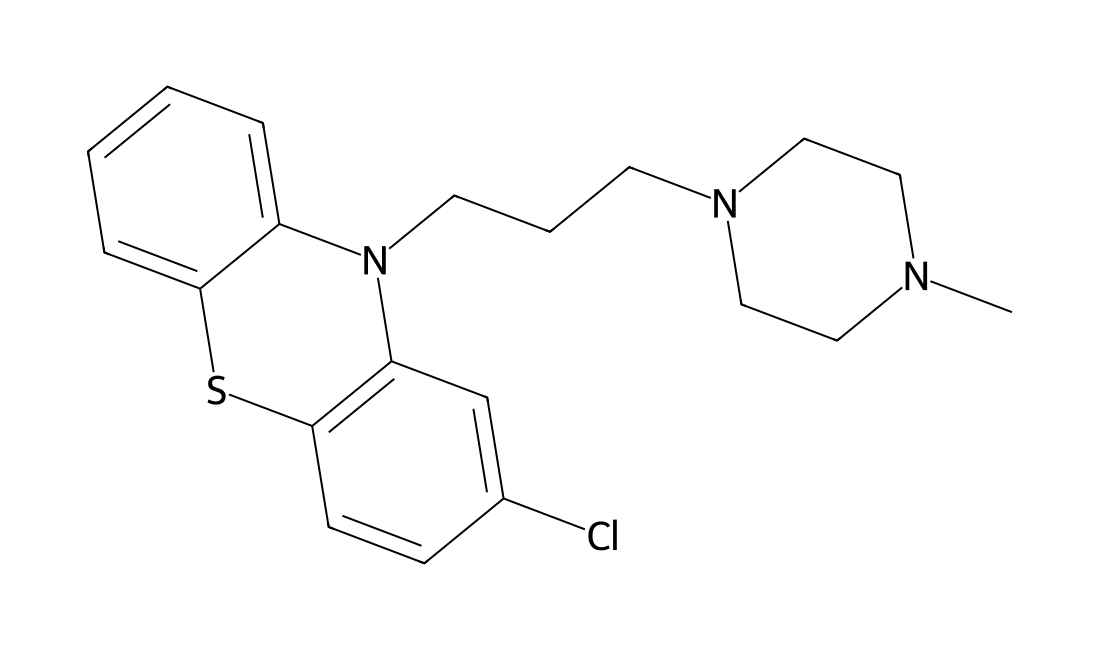
Trifluoperazine dihydrochloride

CAS 440-17-5

Trifluoperazine Dihydrochloride is a potent dopamine D2 receptor inhibitor used as an antipsychotic and an antiemetic.Trifluoperazine Dihydrochloride is a potent dopamine D2 receptor inhibitor used as an antipsychotic and an antiemetic. Trifluoperazine inhibited in a dose-dependent manner the stimulation of glycogenolysis, gluconeogenesis, and ureogenesis due to alpha 1-adrenergic stimulation in rat hepatocytes. Trifluoperazine is much more potent at alpha 1- than at alpha 2-adrenergic receptors. Trifluoperazine was not clearly different in terms of 'no substantial improvement' (n=1016, 27 RCTs, RR 1.06 CI 0.98 to 1.14) or leaving the study early (n=930, 22 RCTs, RR 1.15 CI 0.83 to 1.58). Almost identical numbers of people reported at least one adverse event (60%) in each group (n=585, 14 RCTs, RR 0.99 CI 0.87 to 1.13), although trifluoperazine was more likely to cause extrapyramidal adverse effects overall when compared to low potency antipsychotics such as chlorpromazine (n=130, 3 RCTs, RR 1.66 CI 1.03 to 2.67, NNH 6 CI 3 to 121). One small study (n=38) found no clear differences between trifluoperazine and the atypical drug, sulpiride.

Trifluoperazine dihydrochloride chemical structure
DC9121

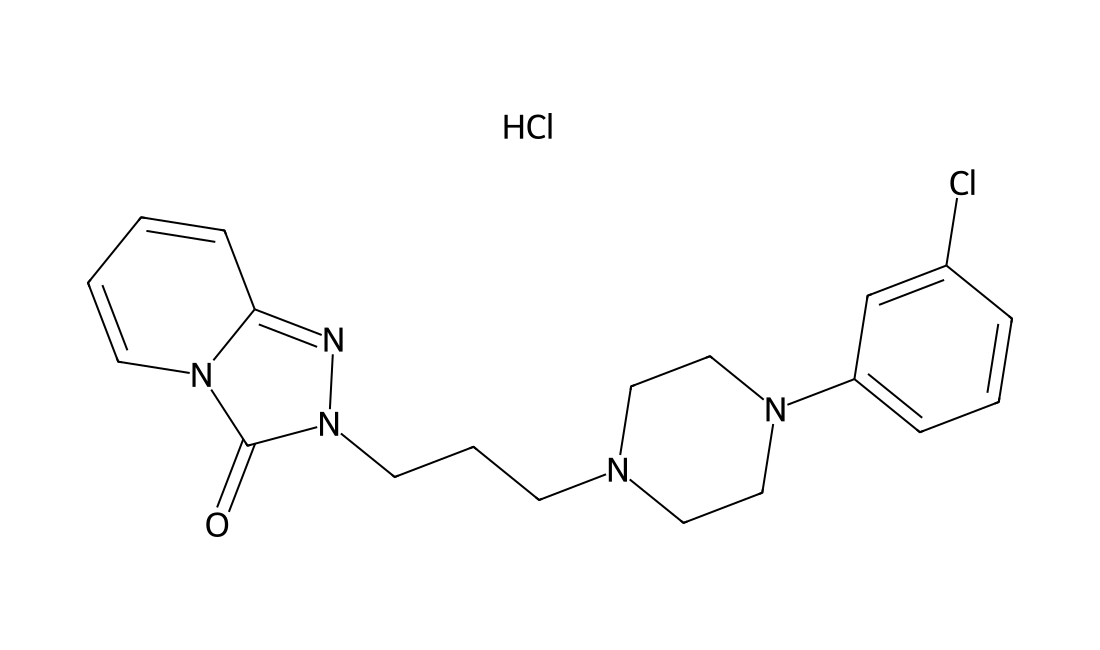
Trazodone HCl

CAS 25332-39-2

Trazodone HCl is an antidepressant belonging to the class of serotonin receptor antagonists and reuptake inhibitors for treatment of anxiety disorders.Trazodone is a triazolopyridine derivative, chemically and pharmacologically unrelated to other currently available antidepressants. Trazodone has been successfully used in a small number of patients with depression and pre-existing cardiovascular disease. trazodone has also been used as a hypnotic for psychotropic-induced or other insomnias with some success. Trazodone is an effective hypnotic for patients with antidepressant-associated insomnia. Trazodone may be helpful in men with erectile dysfunction (ED), possibly more so at higher doses, and in men with psychogenic ED. Future high-quality trials should compare trazodone with placebo and other therapies in men with depression and psychogenic ED.

Trazodone HCl chemical structure
DC9332

Tozadenant

CAS 870070-55-6

Tozadenant (SYN-115) is an adenosine A2A receptor antagonist. Treatment of Parkinson's disease, dopaminergic neurotransmission disorders. Tozadenant (SYN-115) is useful for treatment of post-traumatic stress disorder.

Tozadenant chemical structure
DC11357

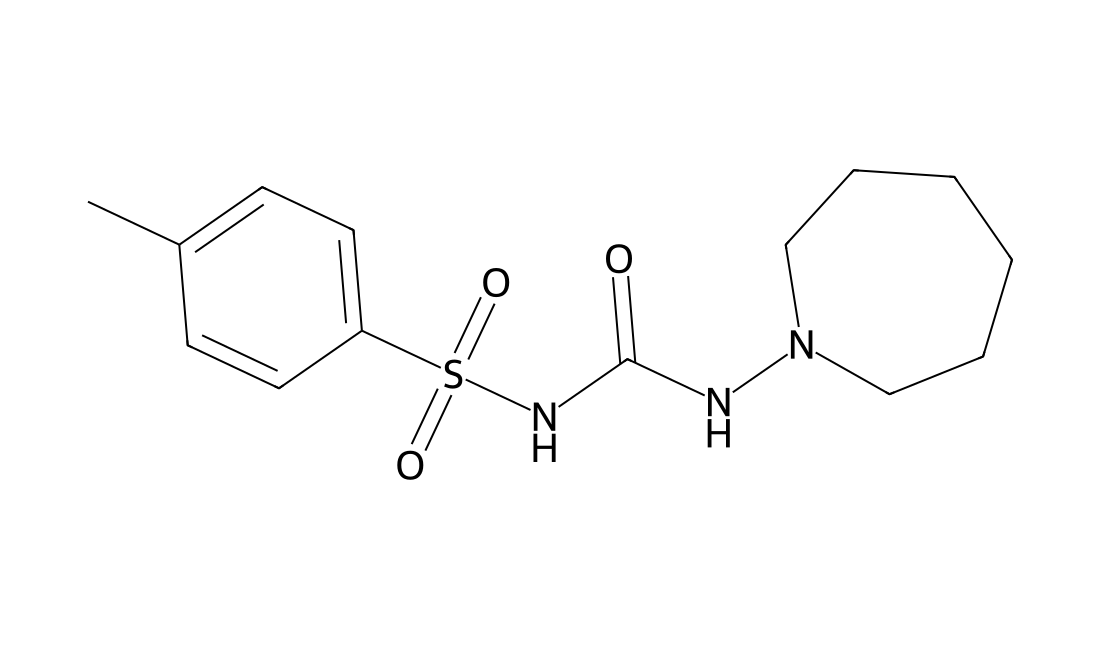
Tolazamide

CAS 1156-19-0

Tolazamide is a first generation sulfonylurea that inhibits sulfonylurea receptor 1 (SUR1) linked to the inwardly rectifying potassium channel (KIR6.2; IC50 = 4.2 µM in HEK293 cells transfected with the human receptor).It has no effect on glucose uptake in L6 rat skeletal muscle cells when used at a concentration of 0.6 mg/mL but enhances glucose uptake two-fold when used in combination with insulin.In vivo, tolazamide (128 mg/kg) reduces glomerulosclerosis and albumin excretion in a rat model of insulin-dependent diabetes induced by streptozotocin.Formulations containing tolazamide have been used in the treatment of type 2 diabetes.

Tolazamide chemical structure
DC9038

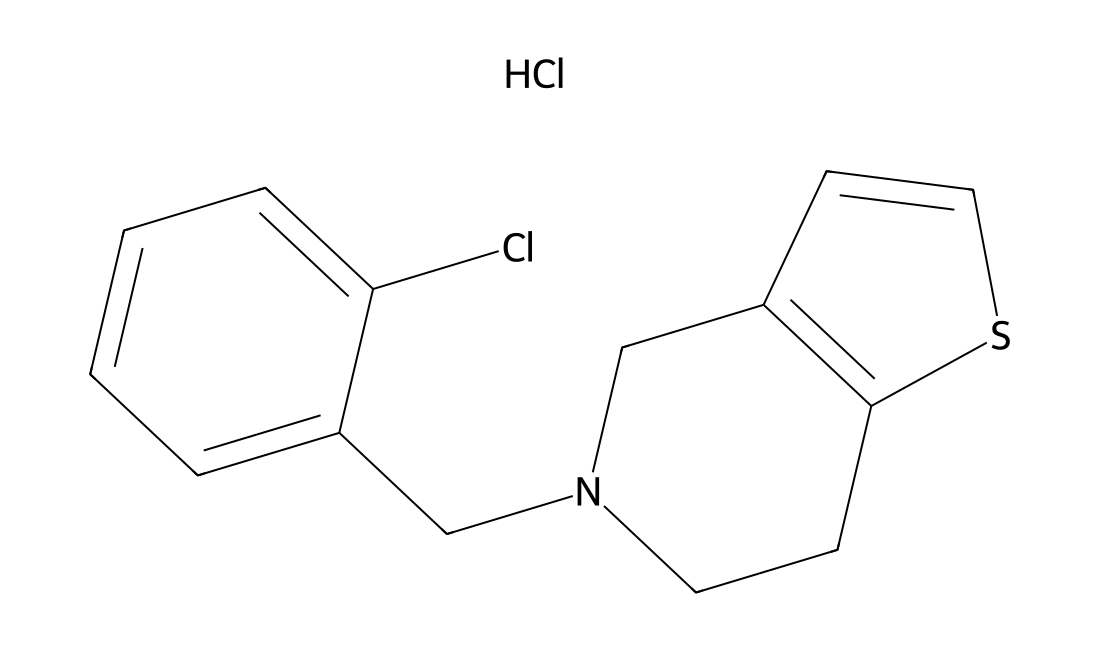
Ticlopidine HCl

CAS 53885-35-1

Ticlopidine hydrochloride is an adenosine diphosphate (ADP) receptor inhibitor against platelet aggregation with IC50 of ~2 μM.Ticlopidine (trade name Ticlid) is an antiplatelet drug in the thienopyridine family. Ticlopidine hydrochloride inhibits platelet aggregation with IC50 of ~2 μM in men. Like clopidogrel, it is an adenosine diphosphate (ADP) receptor inhibitor. It is used in patients in whom aspirin is not tolerated, or in whom dual antiplatelet therapy is desirable. Because it has been reported to increase the risk of thrombotic thrombocytopenic purpura (TTP) and neutropenia, its use has largely been supplanted by the newer drug, clopidogrel, which is felt to have a much lower hematologic risk. Its niche role as an alternative in those patients who do not tolerate Clopidogrel has now been superdeded by Ticagrelor and Prasugrel. The usual dose is 250 mg twice daily by the oral route. Ticlopidine hydrochloride, when orally administered to rats, results in activation of basal and prostaglandin E1 (PGE1)-stimulated adenylate cylase activity through increase in affinity of the cyclase in platelet membrane to PGE1, although it failed to affect adenosine- or sodium fluoride-stimulated activity of the enzyme.

Ticlopidine HCl chemical structure
DC11362

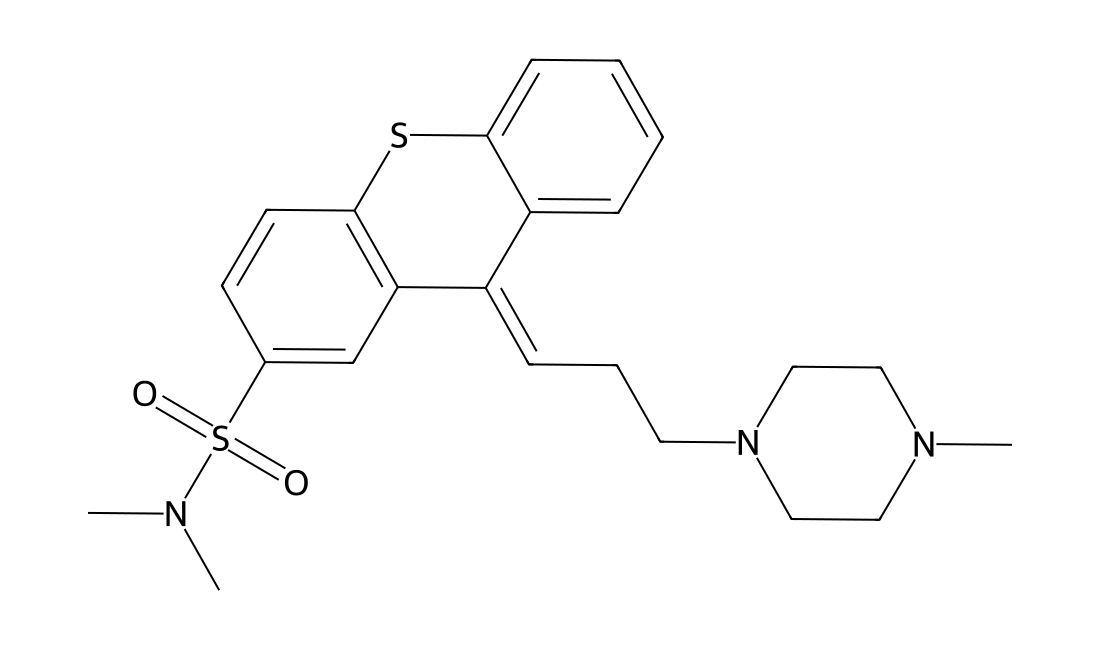
Thiothixene

CAS 5591-45-7

Thiothixene is a typical antipsychotic.1 It selectively binds to dopamine D2 over D1, D3, and D4 receptors (Kis = 0.417, 338, 186.2, and 363.1 nM, respectively). Thiothixene also binds to various serotonin (5-HT), histamine H1, α1- and α2-adrenergic, muscarinic acetylcholine, and sigma receptors (Kis = 15-5,754 nM) as well as the dopamine, norepinephrine, and serotonin transporters (Kis = 3.16-30 μM). In vivo, thiothixene reduces spontaneous and amphetamine-induced locomotor activity in rats.It enhances latent inhibition, as measured by a decreased lick latency in response to light and foot shock stimuli, which is a measure of selective attention in rats.Thiothixene also increases competitive behavior in submissive mice, indicating antidepressant-like behavior.Formulations containing thiothixene have been used in the treatment of schizophrenia and bipolar mania.

Thiothixene chemical structure
DC23989

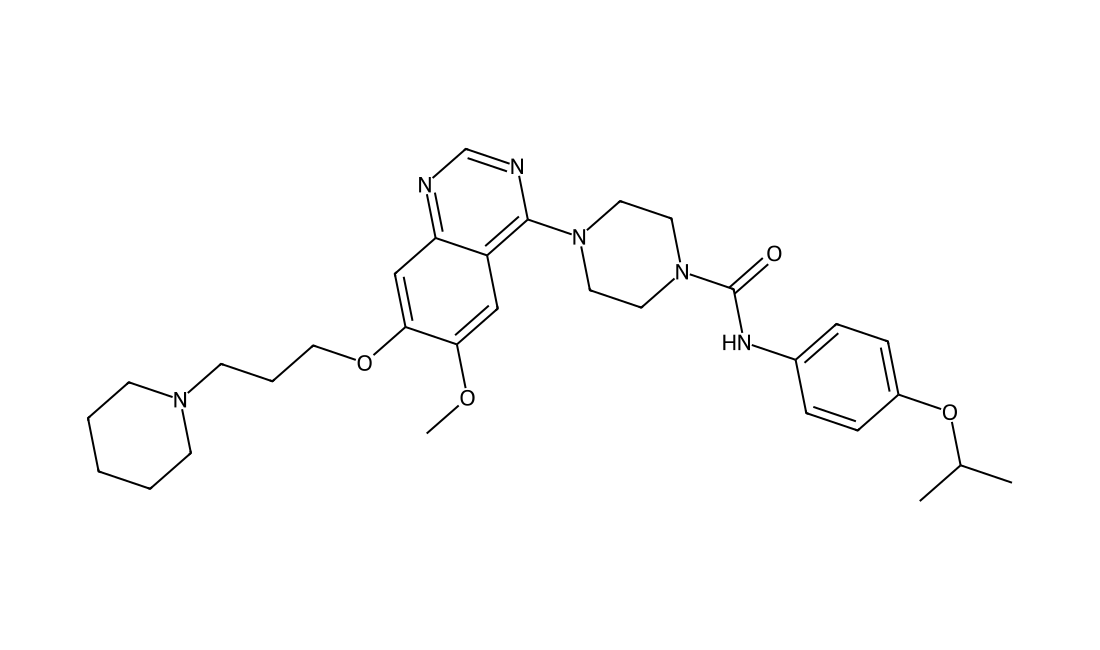
TG 100801 hydrochloride

CAS 1018069-81-2

The prodrug of TG 100572, a potent, dual receptor tyrosine kinase/Src kinase inhibitor with IC50 of 2-16 nM for VEGFR, FGFR and PDGFR, 0.1-5 nM for Src family; significantly suppresses laser-induced CNV in mice, and reduces fluorescein leakage from the vasculature and retinal thickening in a rat model of retinal vein occlusion (topical administration).

TG 100801 hydrochloride chemical structure
DC7559

TGF-B (beta) receptor inhibitor

CAS 476474-11-0

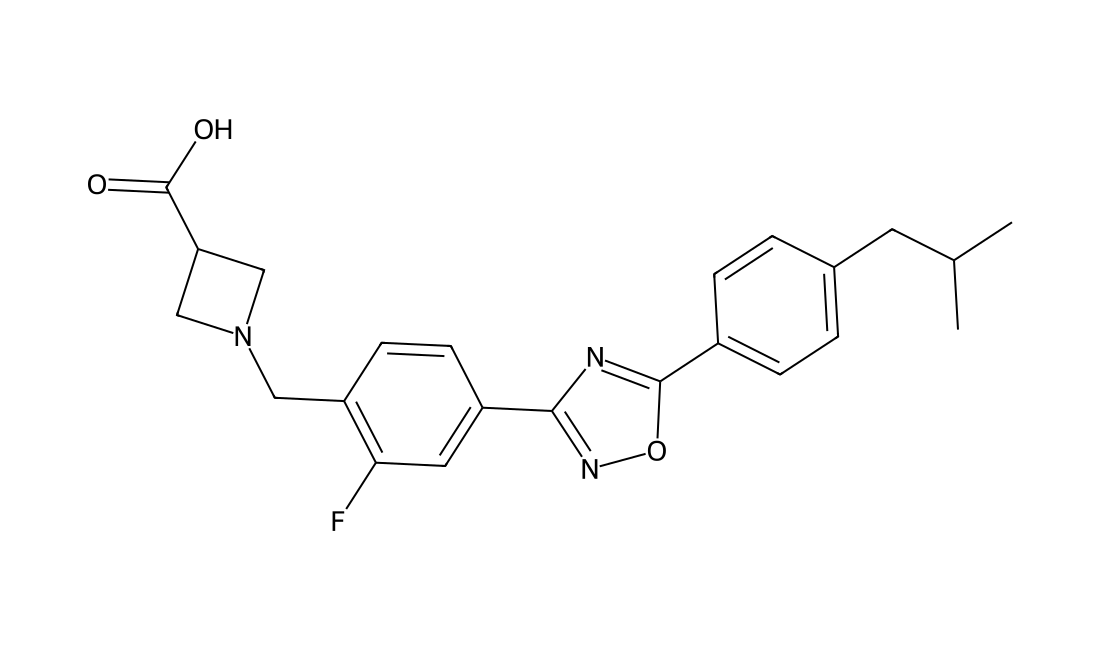
For the detailed information of F9995-0144, the solubility of F9995-0144 in water, the solubility of F9995-0144 in DMSO, the solubility of F9995-0144 in PBS buffer, the animal experiment (test) of F9995-0144, the cell expriment (test) of F9995-0144, the in vivo, in vitro and clinical trial test of F9995-0144, the EC50, IC50,and Affinity of F9995-0144, Please contact DC Chemicals.

TGF-B (beta) receptor inhibitor chemical structure
DC7316

Tesmilifene

CAS 98774-23-3

Tesmilifene is a novel agent that augments cytotoxicity of various chemotherapeutic agents both in vitro and in vivo. It binds selectively to the high-affinity microsomal antiestrogen binding site (Ki=50nm) but has no affinity For estrogen receptors. Inhibits concanavalin-A-induced histamine release in mast cells and acts as a novel antagonist of intracellular histamine.For the detailed information of Tesmilifene, the solubility of Tesmilifene in water, the solubility of Tesmilifene in DMSO, the solubility of Tesmilifene in PBS buffer, the animal experiment (test) of Tesmilifene, the cell expriment (test) of Tesmilifene, the in vivo, in vitro and clinical trial test of Tesmilifene, the EC50, IC50,and Affinity of Tesmilifene, Please contact DC Chemicals.

Tesmilifene chemical structure
DCAPI1465

Telmisartan

CAS 144701-48-4

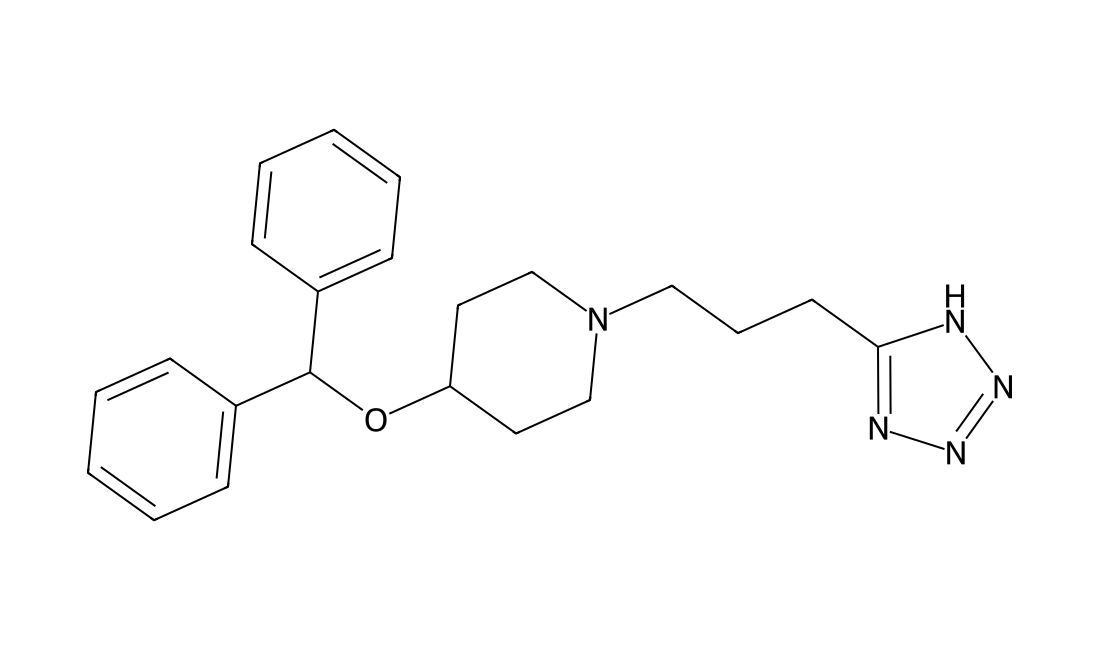
For the detailed information of Telmisartan, the solubility of Telmisartan in water, the solubility of Telmisartan in DMSO, the solubility of Telmisartan in PBS buffer, the animal experiment(test) (test) of Telmisartan, the cell expriment (test) of Telmisartan, the in vivo, in vitro and clinical trial test of Telmisartan, the EC50, IC50,and Affinity of Telmisartan,, please contact DC Chemicals.

Telmisartan chemical structure
DC10178

TCN238

CAS 125404-04-8

In the rat mGlu4 PAM in vitro assay the EC50 of TCN238 is 1 μM which is comparable to the human assay. TCN238 is screened in rat and human mGlu5 assays, the IC50 of 11 is >30 μM on human mGlu5and >10 μM on rat mGlu5. TCN238 is run in a receptor screening panel of 68 targets and no activity is observed at ≥50% at 10 μM for any of the receptors. In CaCo-2 cells, TCN238 is found to have good permeability with no apparent efflux issue.TCN238 is highly CNS penetrant with a concentration of 33.8 μM in the brain. The plasma protein binding in rats is measured as 90% bound. The metabolic stability of TCN238 is assessed in rat and human microsomes and found to be 62% and 83% hepatic blood flow. The limited stability translated into a high in vivo clearance in rats of 75 mL/min/kg and TCN238 has a moderate volume of distribution (2.7 L/kg) with a short mean residence time (0.6 h) when dosed at 2 mg/kg via intravenous injection. TCN238 is orally bioavailable and 30 min following administration of a30 mg/kg dose, the plasma concentration is found to be 11.6 μM. TCN 238 does not affect the performance of the learned task. However, the expression level of GRM4 in the hippocampus is reliable down-regulated five days after treatment with TCN 238. In addition, the expression level of GABRA1, encoding GABAA α-subunit is downregulated five days after the treatment in the frontal cortex.

TCN238 chemical structure
DC7512

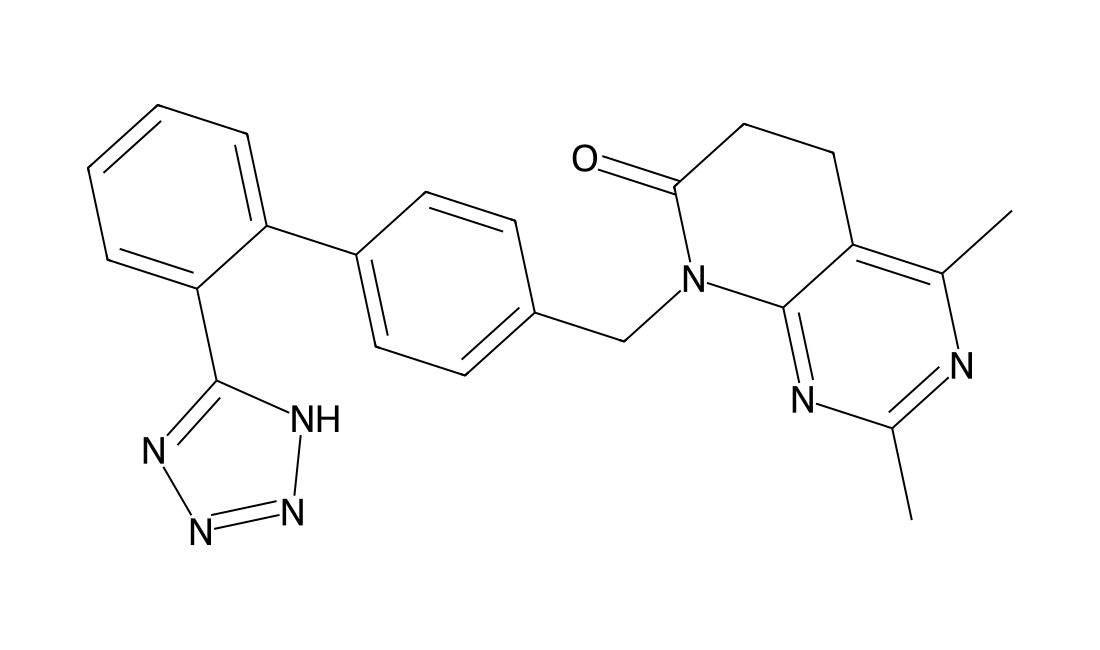
Tasosartan

CAS 145733-36-4

Tasosartan is a long-acting angiotensin II (AngII) receptor blocker. Its long duration of action has been attributed to its active metabolite enoltasosartan. It is used to treat patients with essential hypertensionFor the detailed information of Tasosartan, the solubility of Tasosartan in water, the solubility of Tasosartan in DMSO, the solubility of Tasosartan in PBS buffer, the animal experiment (test) of Tasosartan, the cell expriment (test) of Tasosartan, the in vivo, in vitro and clinical trial test of Tasosartan, the EC50, IC50,and Affinity of Tasosartan, Please contact DC Chemicals.

Tasosartan chemical structure
DC7894

Tandutinib(MLN518)

CAS 387867-13-2

Tandutinib has little activity against EGFR, FGFR, KDR, InsR, Src, Abl, PKC, PKA and MAPKs. Tandutinib inhibits IL-3-independent cell growth and FLT3-ITD autophosphorylation with an IC50 of 10-100 nM. Tandutinib also inhibits the proliferation of human leukemia Ba/F3 cells containing FLT3-ITD mutations with IC50 values of 10-30 nM, and the FLT3-ITD-positive Molm-13 and Molm-14 cells with an IC50 of 10 nM. In FLT3-ITD-positive Molm-14 cells but not the FLT3-ITD-negative THP-1 cells, Tandutinib treatment leads to significant apoptosis by 51% and 78% at 24 and 96 hours, respectively, due to specific FLT3 inhibition. Tandutinib preferentially inhibits the growth of blast colonies from FLT3 ITD-positive compared with ITD-negative patients with AML, without affecting colony formation by normal human progenitor cells. Oral administration of Tandutinib at 60 mg/kg bid significantly increases the survival in mice bearing Ba/F3 cells expressing W51 FLT3-ITD mutant, and gives a significant reduction in mortality in a mouse bone marrow transplantation model. Tandutinib treatment at 180 mg/kg twice daily has mild toxicity toward normal hematopoiesis, however, it is a dose at which Tandutinib is effective in treating FLT3 ITD-positive leukemia in mice. For the detailed information of Tandutinib(MLN518), the solubility of Tandutinib(MLN518) in water, the solubility of Tandutinib(MLN518) in DMSO, the solubility of Tandutinib(MLN518) in PBS buffer, the animal experiment (test) of Tandutinib(MLN518), the cell expriment (test) of Tandutinib(MLN518), the in vivo, in vitro and clinical trial test of Tandutinib(MLN518), the EC50, IC50,and affinity,of Tandutinib(MLN518), Please contact DC Chemicals.
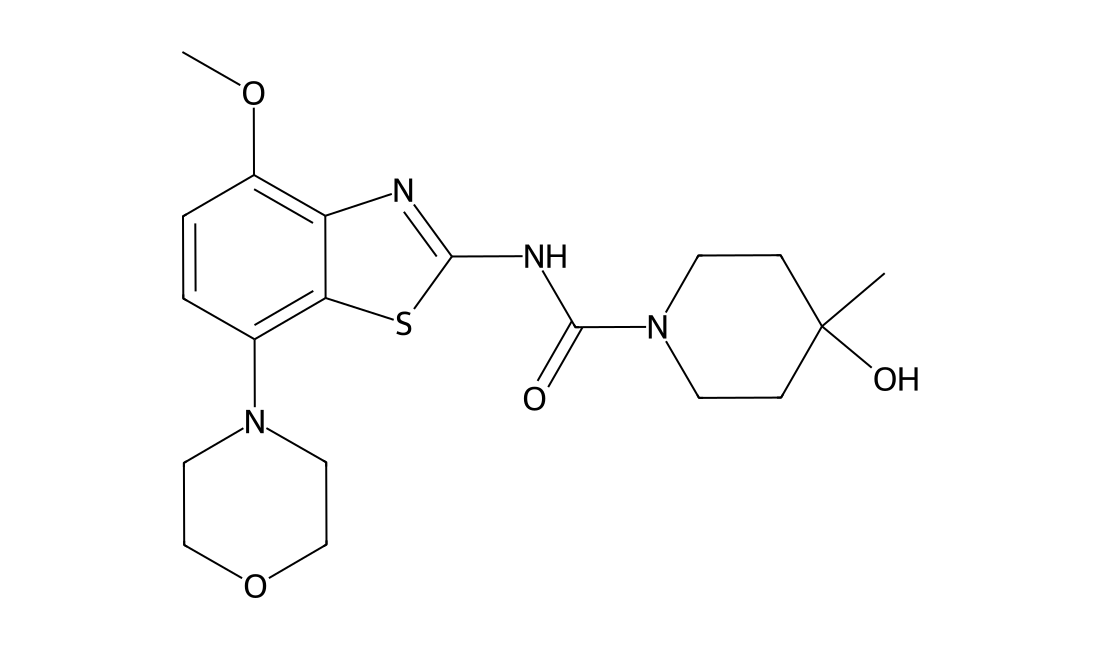
Tandutinib(MLN518) chemical structure
DC9319

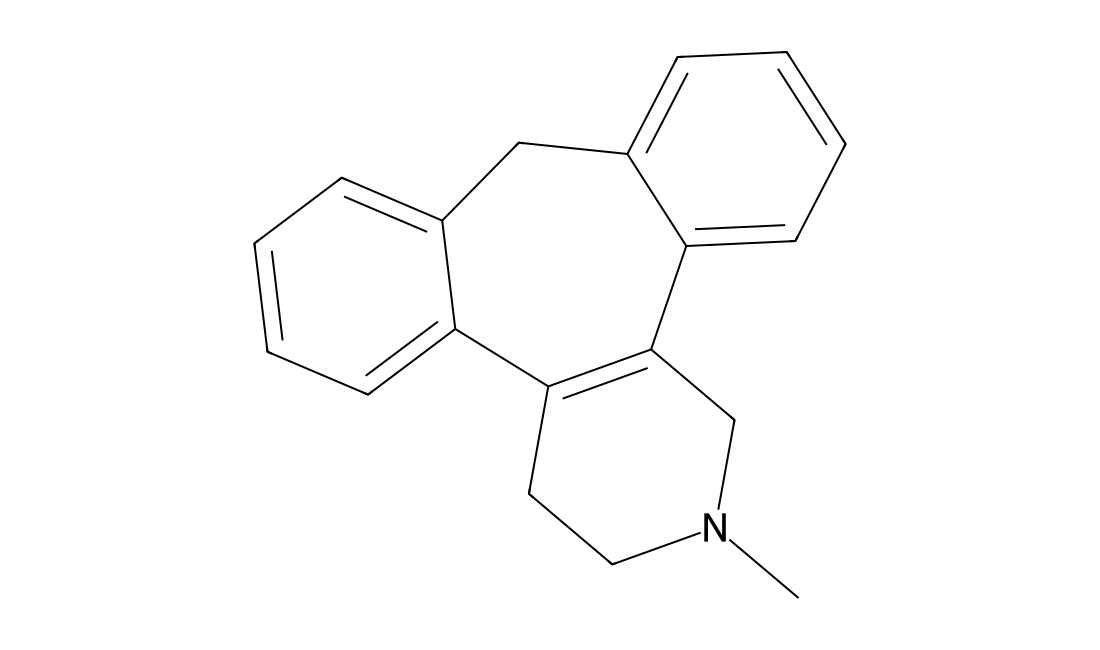
Setiptiline

CAS 57262-94-9

Setiptiline is a tetracyclic antidepressant (TeCA) which acts as a noradrenergic and specific serotonergic antidepressant (NaSSA). Setiptiline acts as a norepinephrine reuptake inhibitor, α2-adrenergic receptor antagonist, and serotonin receptor antagonist, likely at the 5-HT2A, 5-HT2C, and/or 5-HT3 subtypes, as well as an H1 receptor inverse agonist/antihistamine. From Wikipedia.

Setiptiline chemical structure
DC9320

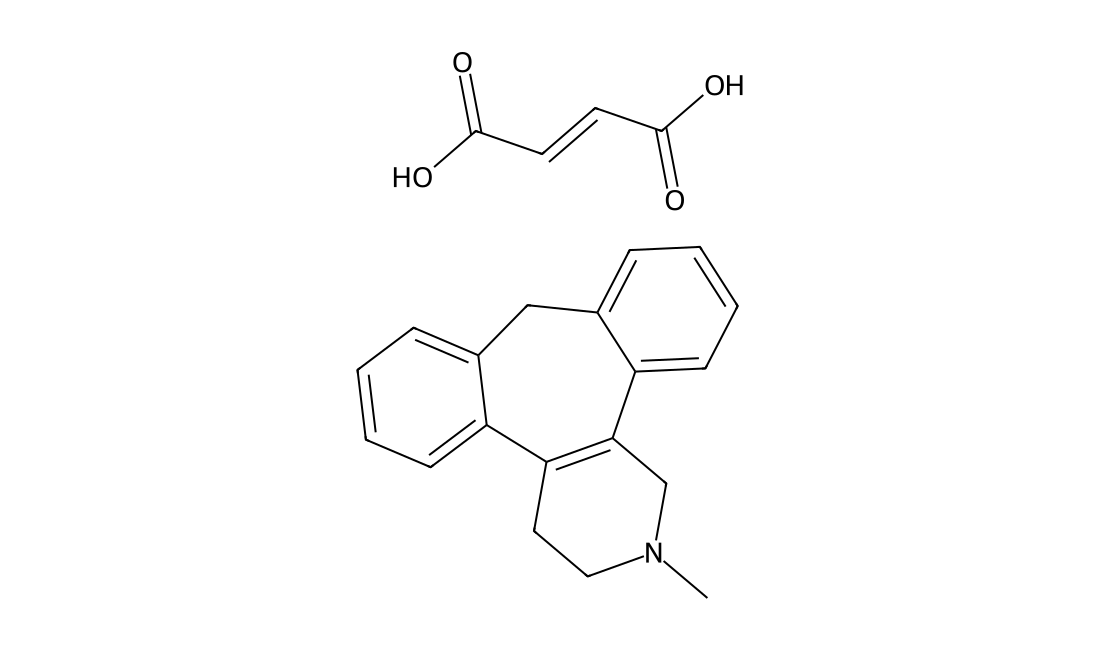
Setiptiline (maleate)

CAS 85650-57-3

Setiptiline is a serotonin receptor antagonist. Setiptiline is a tetracyclic antidepressant (TeCA) which acts as a noradrenergic and specific serotonergic antidepressant (NaSSA). Setiptiline acts as a norepinephrine reuptake inhibitor, α2-adrenergic receptor antagonist, and serotonin receptor antagonist, likely at the 5-HT2A, 5-HT2C, and/or 5-HT3 subtypes, as well as an H1 receptor inverse agonist/antihistamine. From Wikipedia.

Setiptiline (maleate) chemical structure
DC9566

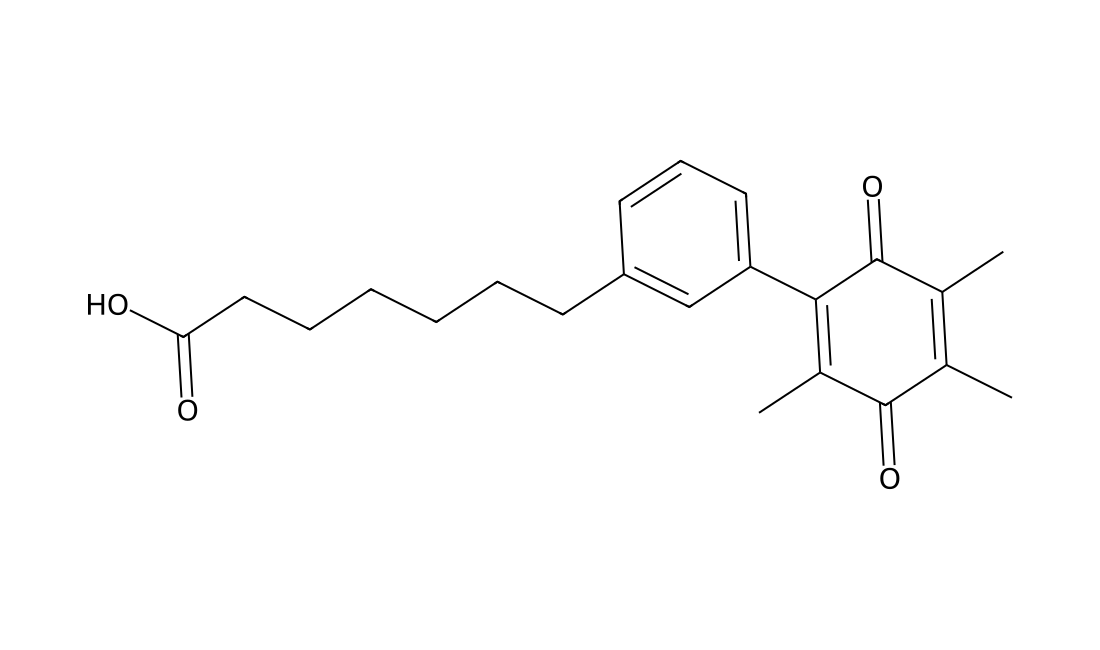
Seratrodast

CAS 112665-43-7

Seratrodast(AA 2414) is a potent and selective thromboxane A2 receptor (TP) antagonist. Seratrodast, also known as AA-2414, is a potent and selective antagonist of the TXA2R (thromboxane A2 receptor). AA-2414 reduced the induction of pulmonary inflation caused by LTD4 aerosol inhalation. AA-2414 competitively inhibited the contractile response to U-46619 in guinea pig tracheal and parenchymal strips and dog saphenous vein strips with pA2 values of 7.69, 8.29 and 6.79, respectively. AA-2414, a quinone derivative, is a novel, potent and orally active antagonist of a variety of spasmogenic prostanoids. AA-2414 inhibited peroxide-induced vasoconstriction in the human placenta, as well as peroxide- induced increases in the placental secretion rates of lipid peroxides and thromboxane, but only partially inhibited peroxide-induced increases in the placental secretion rate of prostacyclin.

Seratrodast chemical structure
DC23197

RJR-2403

CAS 15585-43-0

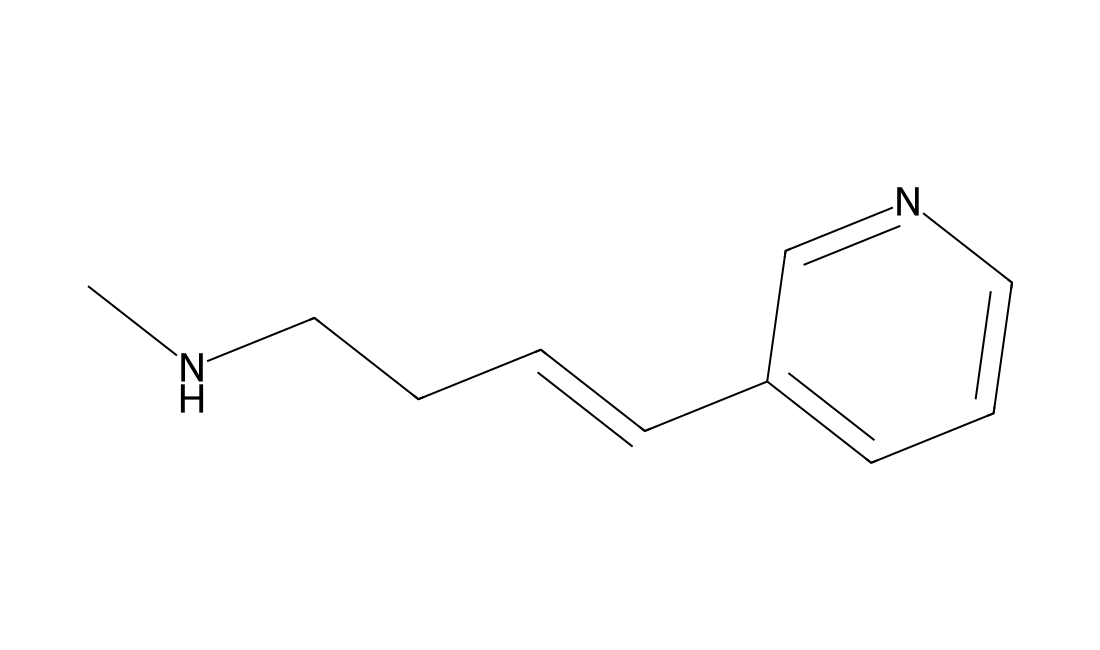
RJR-2403 (Rivanicline, Metanicotine) is a potent, selective neuronal nicotinic ACh (nAChR) agonist with high affinity to rat brain cortex (Ki=26 nM), does not significantly activate muscle type nAChRs or muscarinic receptors; RJR-2403 is comparable to nicotine in activating rat thalamic synaptosomes with EC50 of 732 nM; significantly improves passive avoidance retention after scopolamine-induced amnesia and enhanced both working and reference memory in rats, also demonstrates greatly reduced cardiovascular effects; exerts its antinociceptive effect via nicotinic rather than either opioid or muscarinic mechanisms.

RJR-2403 chemical structure
DCAPI1466

Rizatriptan Benzoate

CAS 145202-66-0

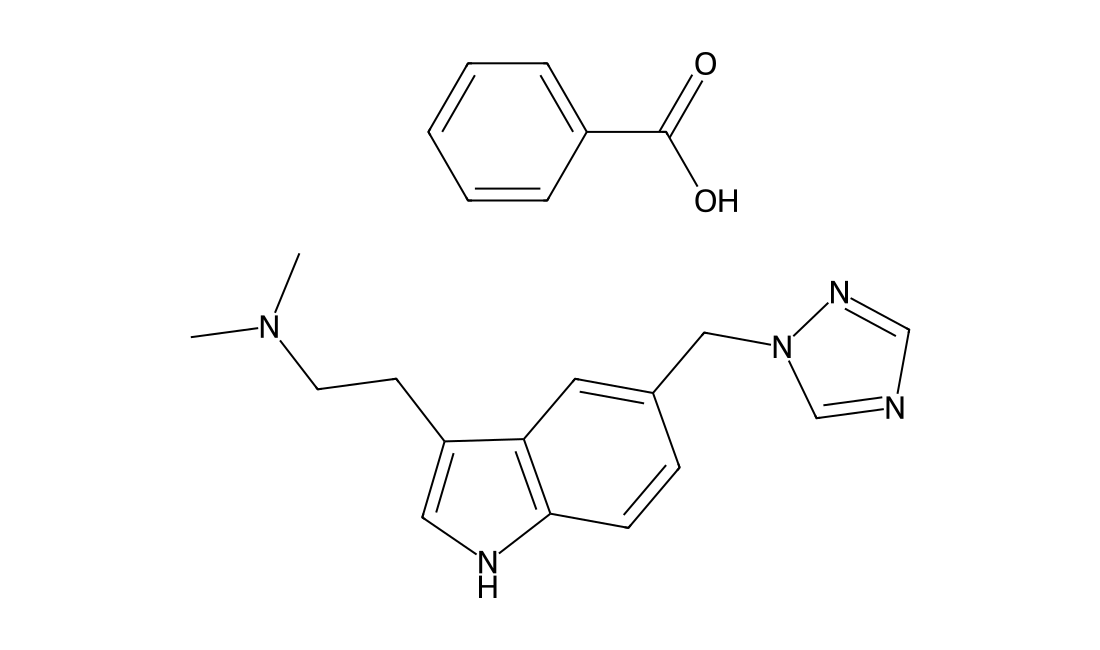
For the detailed information of Rizatriptan Benzoate, the solubility of Rizatriptan Benzoate in water, the solubility of Rizatriptan Benzoate in DMSO, the solubility of Rizatriptan Benzoate in PBS buffer, the animal experiment(test) (test) of Rizatriptan Benzoate, the cell expriment (test) of Rizatriptan Benzoate, the in vivo, in vitro and clinical trial test of Rizatriptan Benzoate, the EC50, IC50,and Affinity of Rizatriptan Benzoate,, please contact DC Chemicals.

Rizatriptan Benzoate chemical structure
DCAPI1577

Raloxifene

CAS 84449-90-1

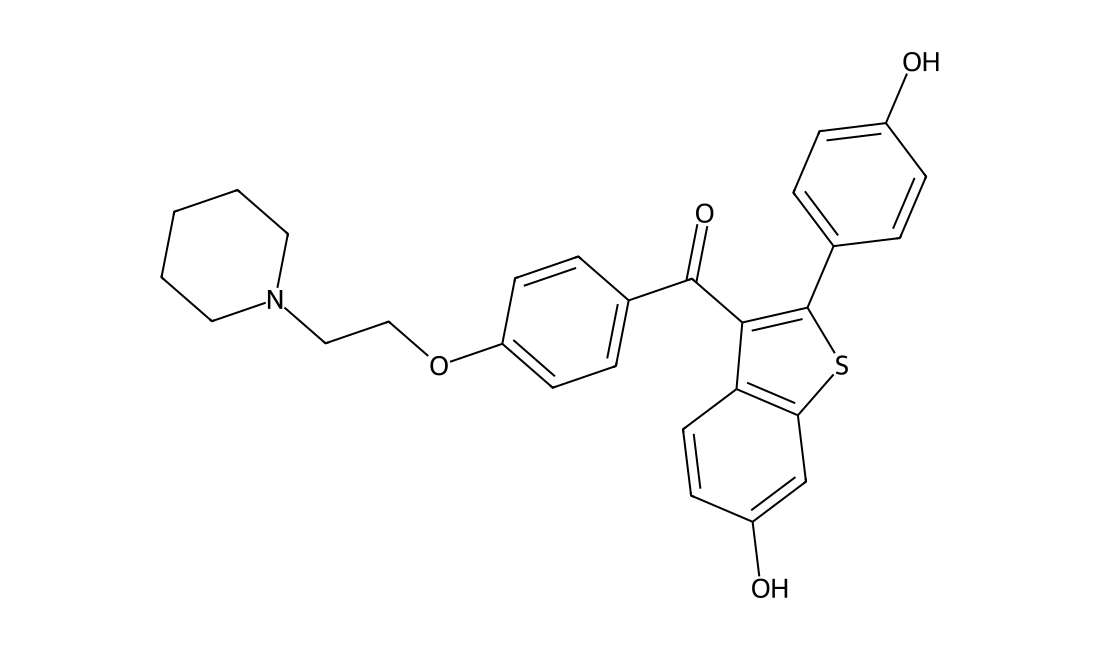
For the detailed information of Raloxifene, the solubility of Raloxifene in water, the solubility of Raloxifene in DMSO, the solubility of Raloxifene in PBS buffer, the animal experiment(test) (test) of Raloxifene, the cell expriment (test) of Raloxifene, the in vivo, in vitro and clinical trial test of Raloxifene, the EC50, IC50,and Affinity of Raloxifene,, please contact DC Chemicals.

Raloxifene chemical structure
DC7893

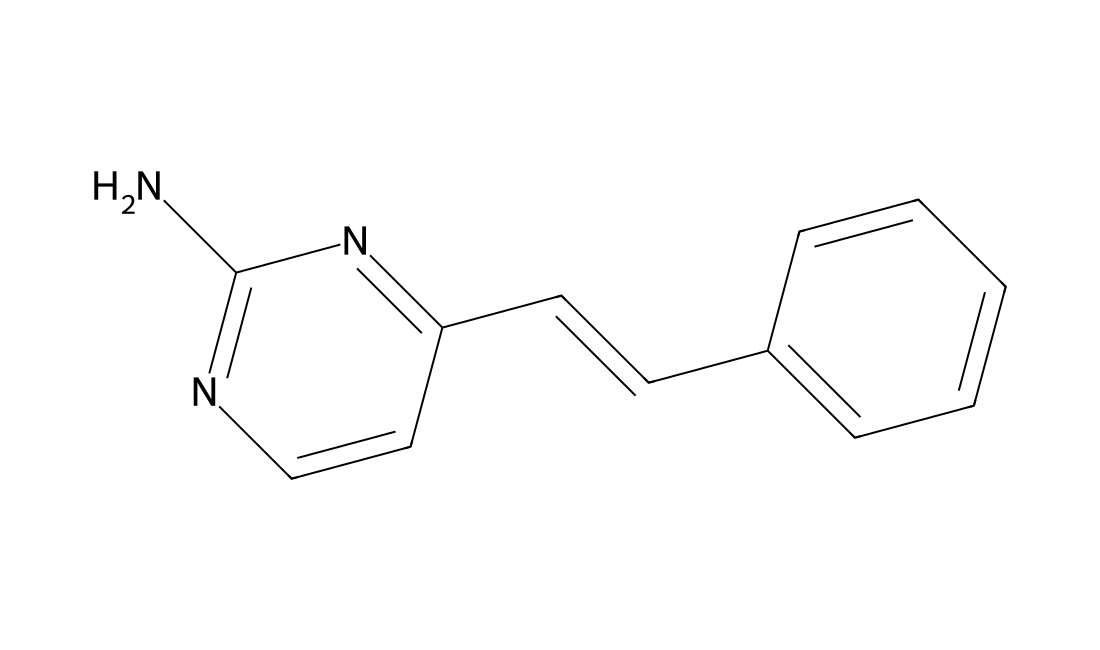
PSN632408

CAS 857652-30-3

PSN632408 is an optimized agonist of GPR119 receptors that shows similar potency to OEA at both recombinant mouse and human GPR119 receptors, exhibiting EC50 values of 5.6 and 7.9 uM, respectively. IC50 value: 5.6/7.9 uM ( recombinant mouse/ human GPR119) Target: GPR119 agonist Systemic administration of PSN632408 (30 mg/kgintraperitoneally) suppresses food intake, reduces weight gain, and white adipose tissue deposition in rats. GPR119 (previously designated SNORF25) is an orphan G protein-coupled receptor expressed predominantly in the pancreas and gastrointestinal tract in humans and in the brain, pancreas, and gastrointestinal tract in rodents. It mediates a reduction in food intake and body weight gain in rats upon treatment with oleoyl ethanolamide (OEA), an endogenous, potent agonist for PPARα. These data suggest that PSN632408 may be useful as a therapeutic agent for the treatment of obesity. For the detailed information of PSN632408, the solubility of PSN632408 in water, the solubility of PSN632408 in DMSO, the solubility of PSN632408 in PBS buffer, the animal experiment (test) of PSN632408, the cell expriment (test) of PSN632408, the in vivo, in vitro and clinical trial test of PSN632408, the EC50, IC50,and affinity,of PSN632408, Please contact DC Chemicals.
PSN632408 chemical structure
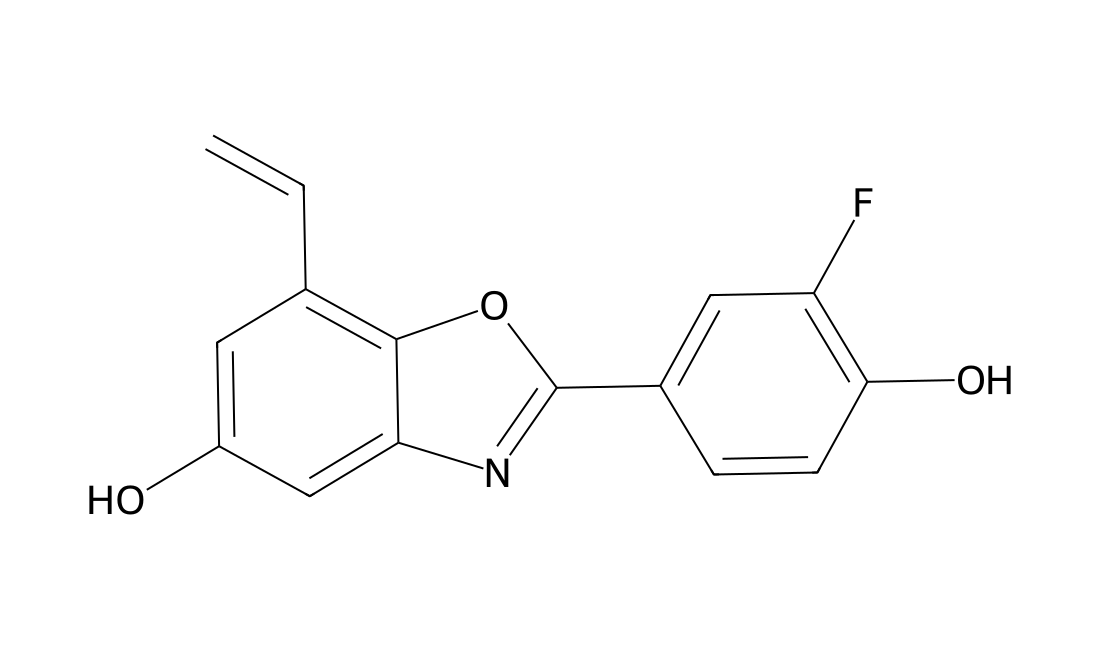
DC9438

Prinaberel

CAS 524684-52-4

Prinaberel(ERB-041) is a potent and selective ERbeta agonist; being >200-fold selective for ERbeta. in vitro: Treatment with ERβ selective estrogen agonists liquiritigenin and ERB-041 reduced the ability to invade a reconstituted basement membrane and to migrate in response to the cellular stimulus. Pretreatment the PMs with ERB-041 resulted in a significant inhibition of LPS-induced iNOS expression and NF-kappaB activation by preventing its nuclear translocation. in vivo: Tumor numbers and volume were reduced by 60% and 84%, respectively, in the Erb-041-treated group as compared with UVB (alone) control. This inhibition in tumorigenesis was accompanied by the decrease in proliferating cell nuclear antigen (PCNA), cyclin D1, VEGF, and CD31, and an increase in apoptosis.

Prinaberel chemical structure
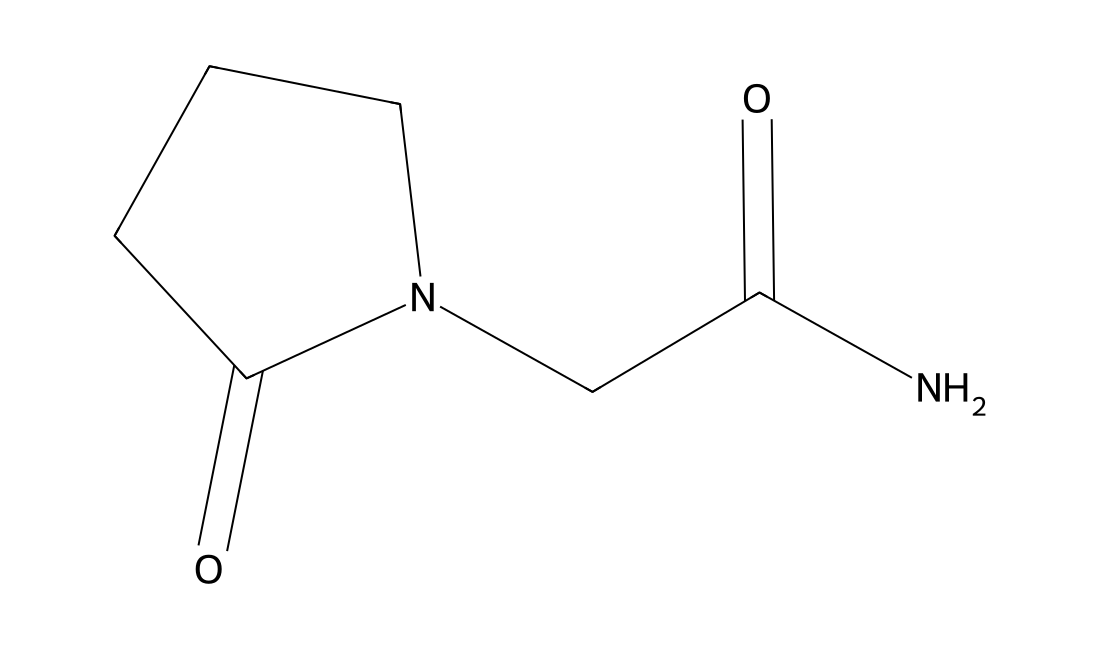
DCAPI1330

Piracetam

CAS 7491-74-9

For the detailed information of Piracetam, the solubility of Piracetam in water, the solubility of Piracetam in DMSO, the solubility of Piracetam in PBS buffer, the animal experiment(test) (test) of Piracetam, the cell expriment (test) of Piracetam, the in vivo, in vitro and clinical trial test of Piracetam, the EC50, IC50,and Affinity of Piracetam,, please contact DC Chemicals.

Piracetam chemical structure
DC12183

Phenylbiguanide (N-Phenylbiguanide; PBG; 1-Phenylbiguanide)

CAS 102-02-3

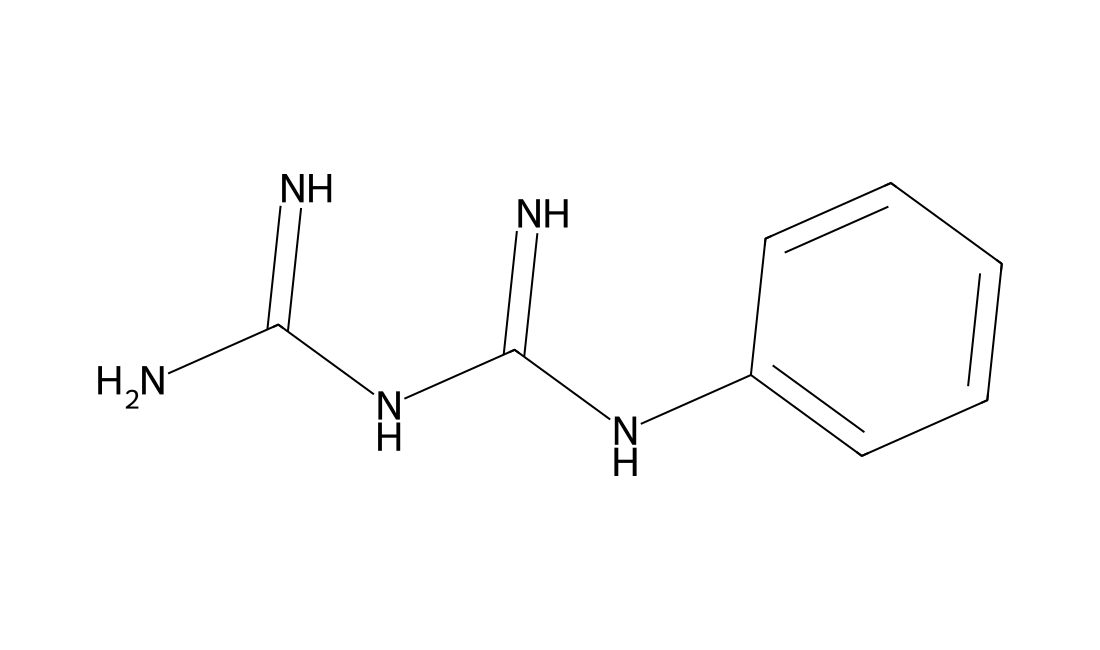
In Vitro Phenylbiguanide (1-Phenylbiguanide) is a 5-HT3 receptor selective agonist with pEC50s of 5.57, 4.07, and 4.47 for r5-HT3A(b), h5-HT3A, m5-HT3A(b) , respectively. The effect of Phenylbiguanide (1-Phenylbiguanide hydrochloride) in promoting the growth of the HT29 cell line is investigated. Phenylbiguanide causes a dose dependent proliferation of HT29 cells after 48 hours incubation. The maximum proliferation is at a 5HT concentration of 12.5 μM (P≤0.01). Phenylbiguanide significantly stimulates the growth of cells at concentrations of 3.125 μM (P≤0.05) and 6.25 μM (P≤0.01). In Vivo In anaesthetised mice, Phenylbiguanide (PBG), a drug that is known to stimulate cardiopulmonary afferent C-fibres,is injected into the right atrium of the heart and mapped c-Fos expression within specific regions of the central nervous system. Intraatrial injection of PBG produces a reflex cardiorespiratory response including a pronounced bradycardia and a respiratory depression.

Phenylbiguanide (N-Phenylbiguanide; PBG; 1-Phenylbiguanide) chemical structure
DC9101

Phentolamine mesilate

CAS 65-28-1

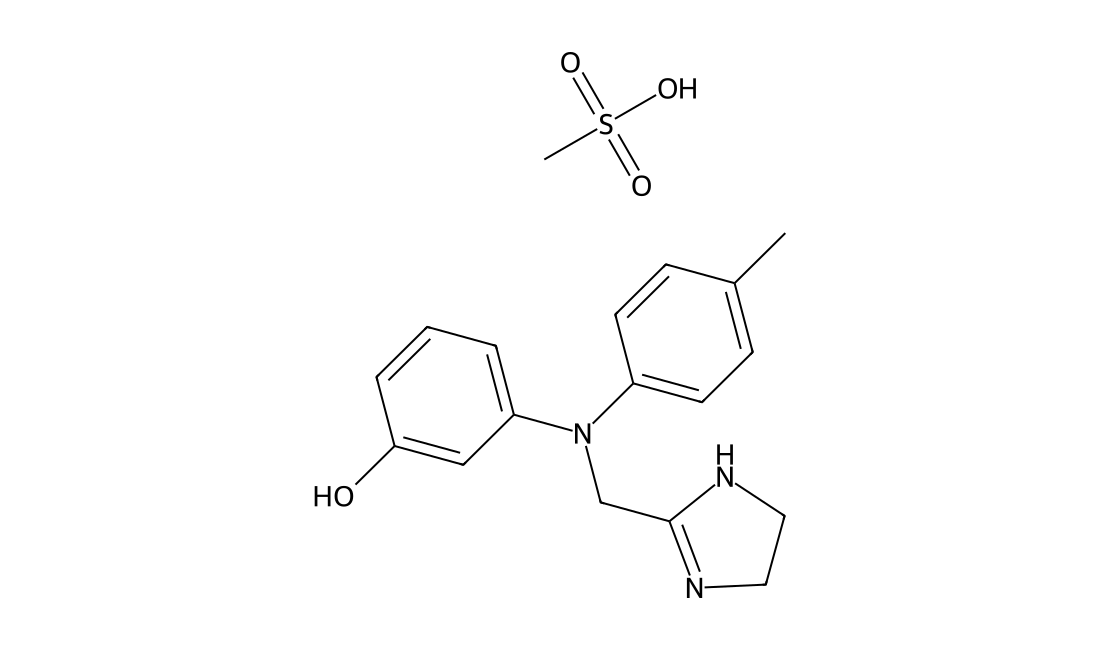
Phentolamine Mesylate is a nonselective alpha-adrenergic antagonist.Phentolamine Mesylate is a alpha 1- and alpha 2-blocking agent. Phentolamine leads to an increase in FBM by preferentially antagonizing presynaptic alpha 2-adrenoreceptors over postsynaptic alpha 1-adrenoreceptors. This influence of phentolamine on FBM may be secondary to its effect on ECoG. Promotion of LV-ECoG by catecholamines is mediated via an alpha 1-independent mechanism. phentolamine increased catecholamine release by presynaptic alpha 2-blockade, thereby suppressing the autoinhibition of transmitter release. This excess of catecholamines causes a rise of oxygen consumption and vasodilation by beta-adrenergic stimulation. Under beta-blockade, this excess competitively counteracts the postsynaptic vascular alpha-blockade. The combination of pre- and postsynaptic effects invalidates the use of phentolamine in the assessment of alpha-adrenoceptor-mediated vasoconstrictor tone.

Phentolamine mesilate chemical structure
DC11320

PF-6274484

CAS 1035638-91-5

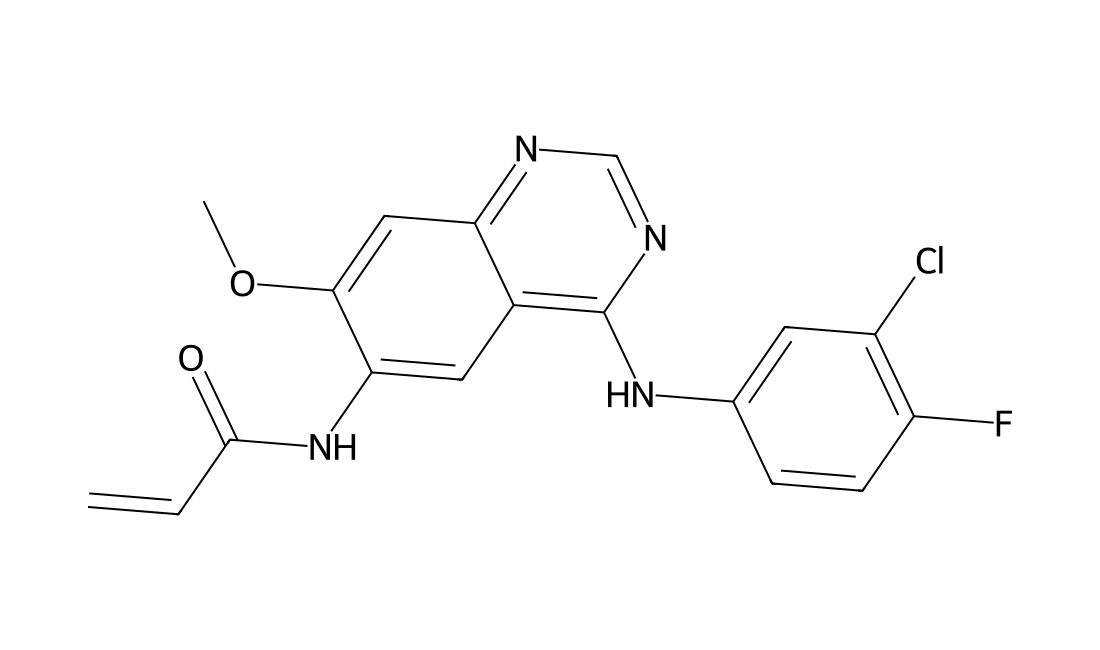
PF-6274484 is an inhibitor of the EGF receptor (EGFR; IC50s = 0.18 and 0.14 nM for wild-type EGFR and inhibitor-resistant EGFRL858R/T790M, respectively).It inhibits the autophosphorylation of wild-type EGFR in A549 cells and EGFRL858R/T790M in H1975 cells (IC50s = 5.8 and 6.6 nM, respectively).

PF-6274484 chemical structure
DC7218

Org 27569

CAS 868273-06-7

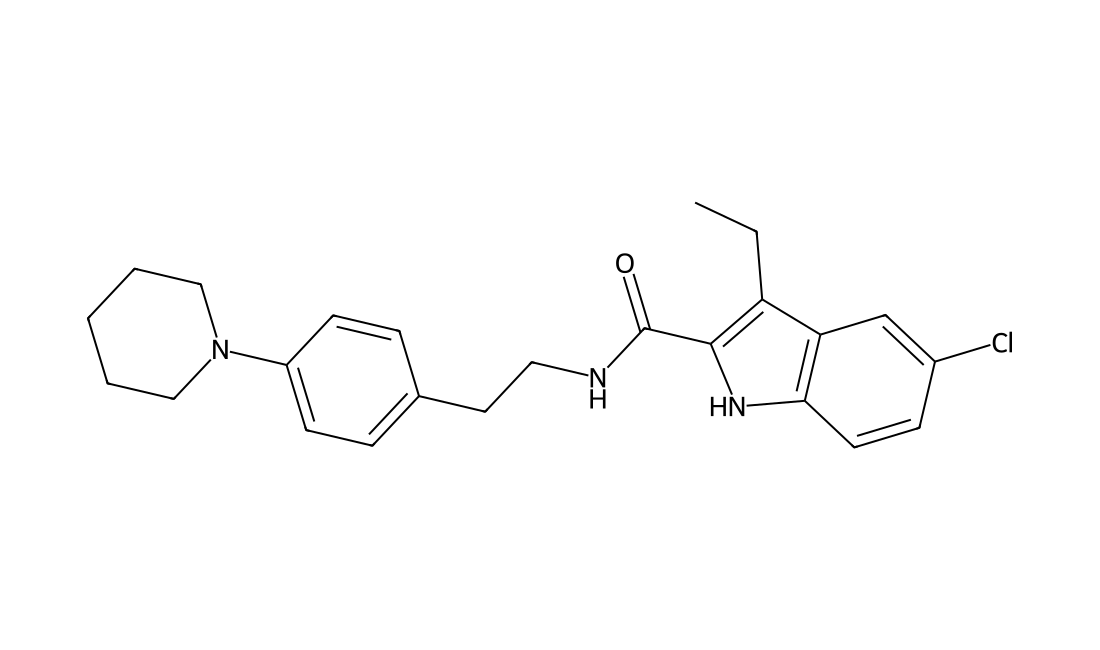
Org 27569 is an allosteric modulator of CB1 cannabinoid receptor. It significantly increases the binding of CB1 receptor agonist and causes a significant decrease in specific binding of CB1 receptor inverse agonist. Org 27569 induces CB1 high affinity agonist binding, receptor internalization, and downstream ERK phosphorylation. The allosteric ligand Org 27569 promotes agonist binding to CB1, yet blocks the agonist-induced con Formational changes in TM6. Org 27569 traps the receptor in a distinct agonist-bound, but nonsignaling con Formational state. For the detailed information of Org 27569, the solubility of Org 27569 in water, the solubility of Org 27569 in DMSO, the solubility of Org 27569 in PBS buffer, the animal experiment (test) of Org 27569, the cell expriment (test) of Org 27569, the in vivo, in vitro and clinical trial test of Org 27569, the EC50, IC50,and Affinity of Org 27569, Please contact DC Chemicals.
Org 27569 chemical structure
DC7425

HQL-79

CAS 162641-16-9

Orally active and specific inhibitor of human hematopoietic prostaglandin D synthase (H-PGDS) (IC50 = 6 μM). Antiallergic and anti-inflammatory; displays antiasthmatic activity and potent antihistaminic properties in vivo.For the detailed information of HQL-79, the solubility of HQL-79 in water, the solubility of HQL-79 in DMSO, the solubility of HQL-79 in PBS buffer, the animal experiment (test) of HQL-79, the cell expriment (test) of HQL-79, the in vivo, in vitro and clinical trial test of HQL-79, the EC50, IC50,and Affinity of HQL-79, Please contact DC Chemicals.
HQL-79 chemical structure
DCAPI1464

Olmesartan

CAS 144689-24-7

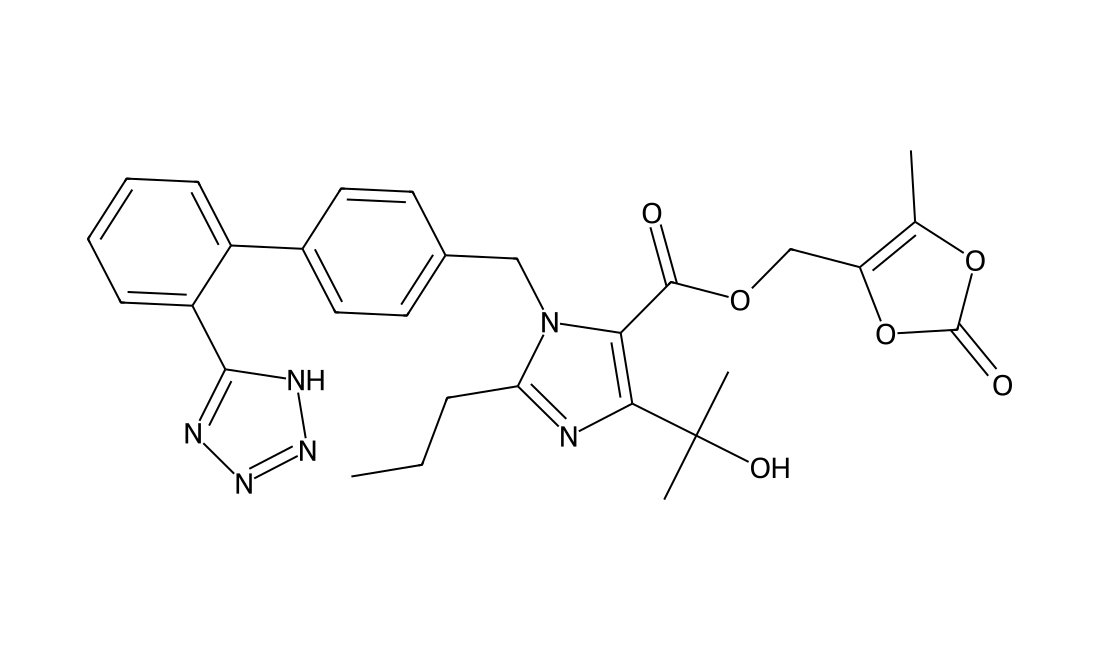
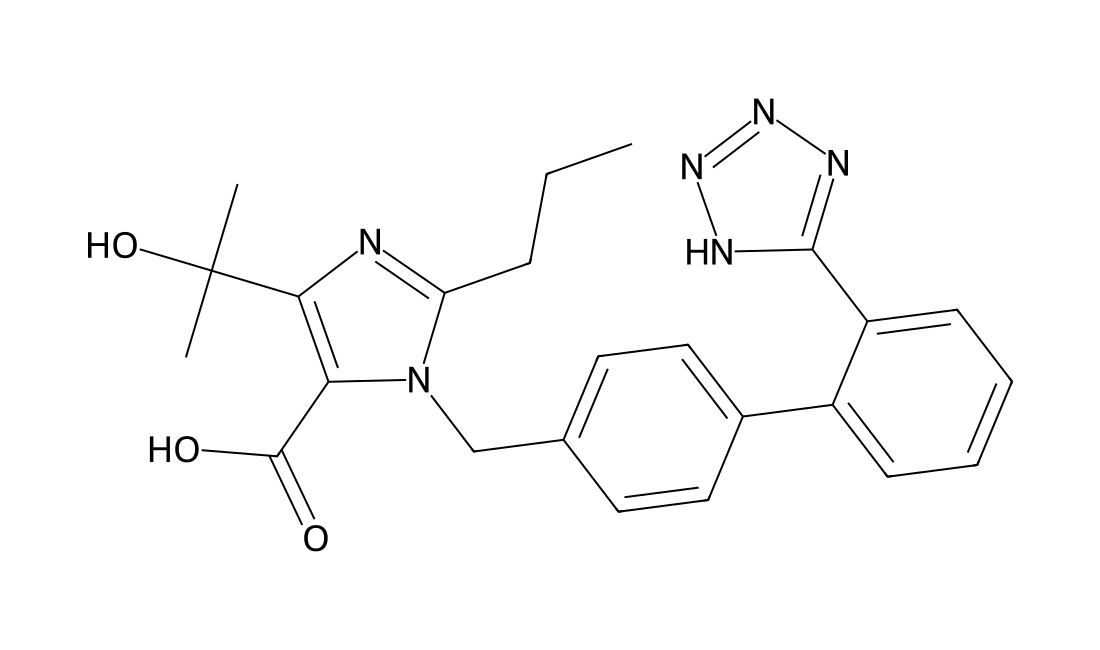
For the detailed information of Olmesartan, the solubility of Olmesartan in water, the solubility of Olmesartan in DMSO, the solubility of Olmesartan in PBS buffer, the animal experiment(test) (test) of Olmesartan, the cell expriment (test) of Olmesartan, the in vivo, in vitro and clinical trial test of Olmesartan, the EC50, IC50,and Affinity of Olmesartan,, please contact DC Chemicals.
Olmesartan chemical structure
DC12351

NMI 8739

CAS 129024-87-9

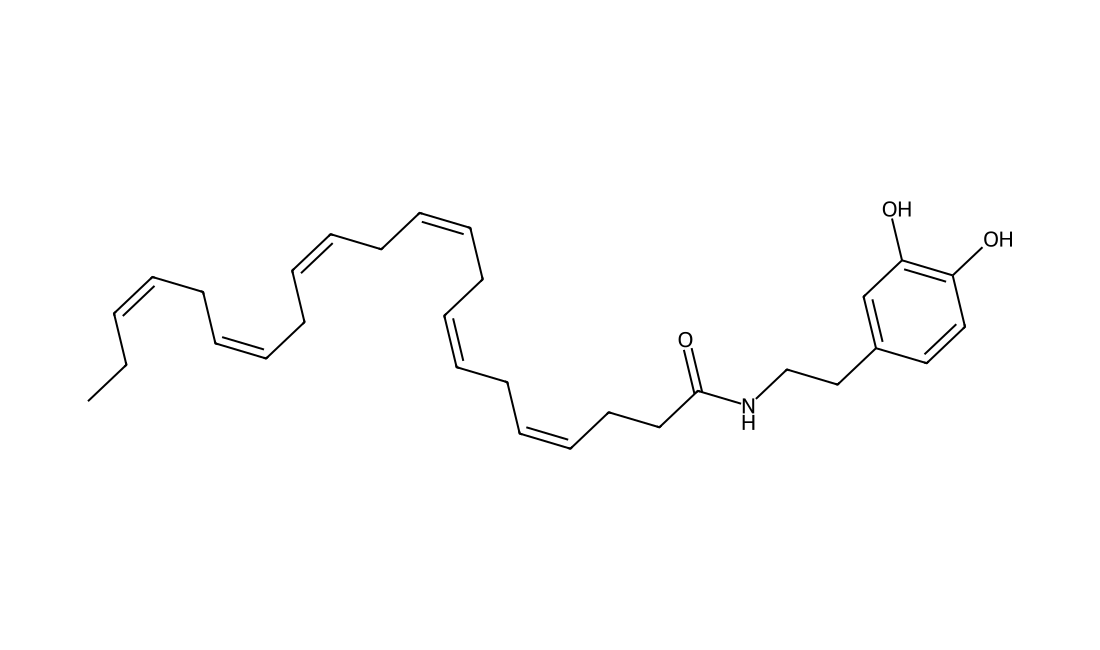
In Vitro NMI 8739 is a dopamine D2 autoreceptor agonist, which is an amine conjugate of the DHA carrier and the neurotransmitter dopamine. NMI 8739 reduces nitric oxide (NO) production in LPS-stimulated RAW264.7 Macrophages. NMI 8739 elicits concentration-dependent suppression of CCL-20, MCP-1 and IL-6 Release in RAW264.7 macrophages after LPS-stimulation. Production of PGE2 is concentration-dependently suppressed with a reduction of 25.3% at 100 nM NMI 8739 and a 75% reduction for 1 μM NMI 8739. 2 μM NMI 8739 significantly inhibits IL-6 and CCL-20 release up to 49% and 37%, respectively.

NMI 8739 chemical structure
DC8100

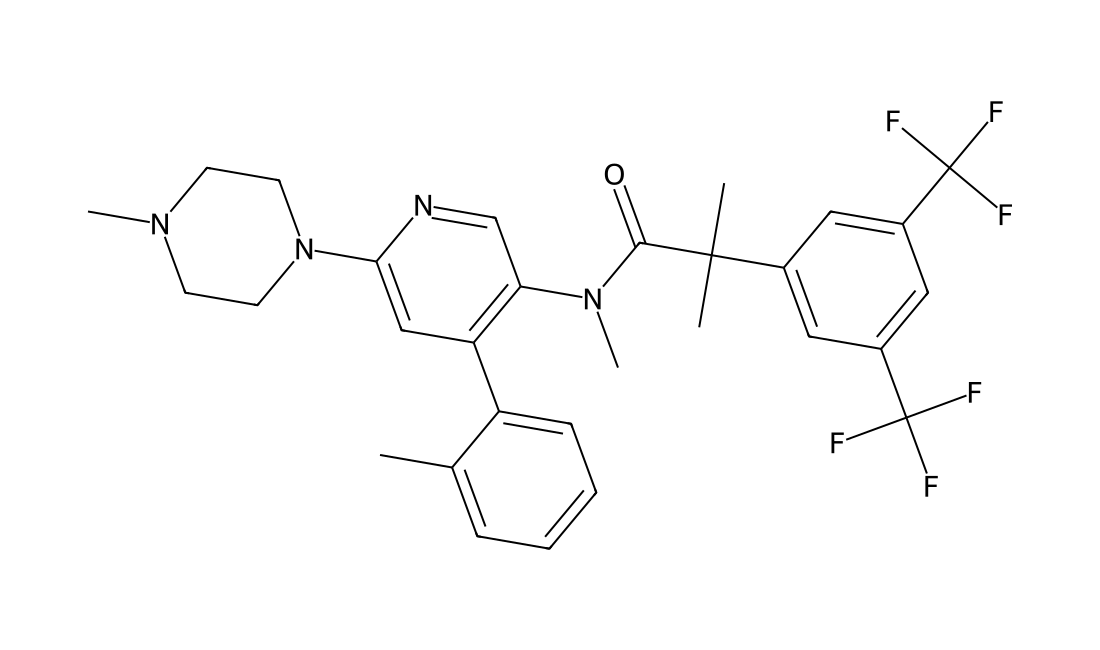
Netupitant

CAS 290297-26-6

Netupitant is a highly potent and selective, orally active neurokinin-1 receptor antagonist with Ki of 0.95 nM. IC50 value: 0.95 nM (Ki) in vitro: Netupitant also dose-dependently inhibited the SP response as expected from an NK1 receptor antagonist. Importantly, when both palonosetron and netupitant were present, they exhibited an enhanced inhibition of the SP response compared to either of the two antagonists alone. in vivo: In mice the intrathecal injection of SP elicited the typical scratching, biting and licking response that was dose-dependently inhibited by Netupitant given intraperitoneally in the 1-10mg/kg dose range. In gerbils, foot tapping behavior evoked by the intracerebroventricular injection of a NK(1) agonist was dose-dependently counteracted by Netupitant given intraperitoneally (ID(50) 1.5mg/kg) or orally (ID(50) 0.5mg/kg). For the detailed information of Netupitant, the solubility of Netupitant in water, the solubility of Netupitant in DMSO, the solubility of Netupitant in PBS buffer, the animal experiment (test) of Netupitant, the cell expriment (test) of Netupitant, the in vivo, in vitro and clinical trial test of Netupitant, the EC50, IC50,and affinity,of Netupitant, For the detailed information of Netupitant, the solubility of Netupitant in water, the solubility of Netupitant in DMSO, the solubility of Netupitant in PBS buffer, the animal experiment (test) of Netupitant, the cell expriment (test) of Netupitant, the in vivo, in vitro and clinical trial test of Netupitant, the EC50, IC50,and affinity,of Netupitant, Please contact DC Chemicals.
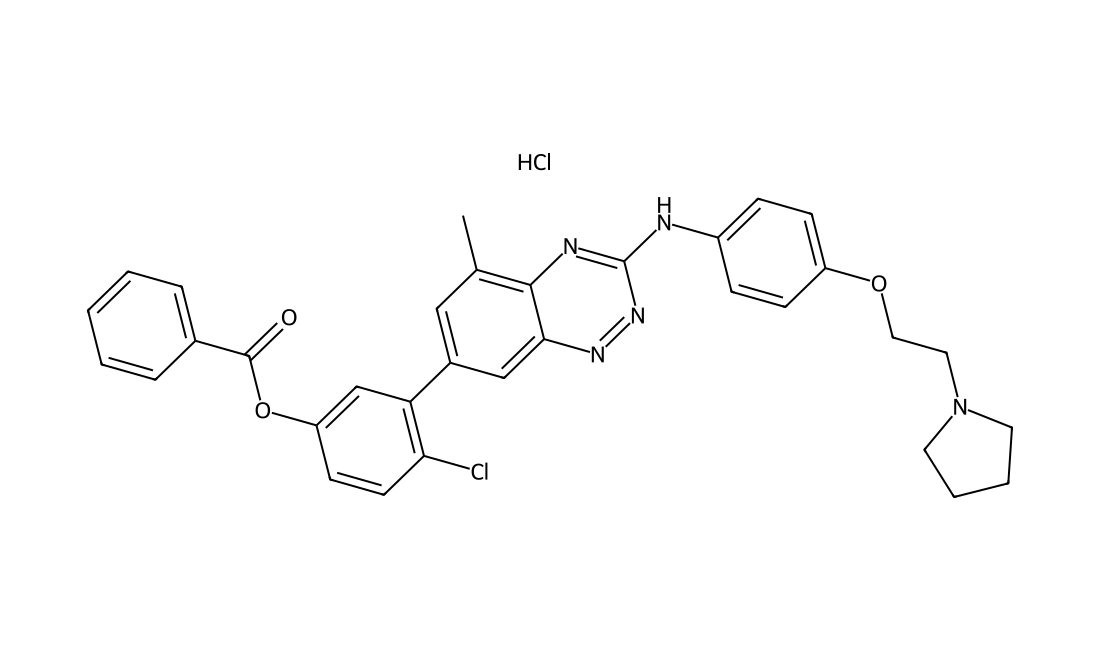
Netupitant chemical structure
DCAPI1574

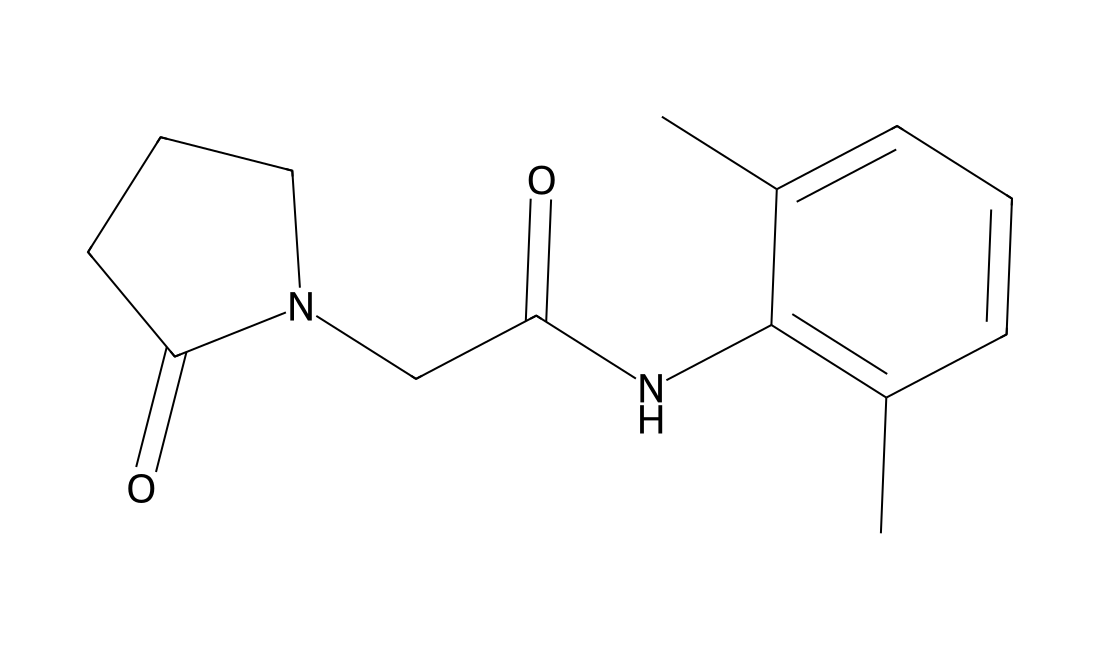
Nefiracetam

CAS 77191-36-7

For the detailed information of Nefiracetam, the solubility of Nefiracetam in water, the solubility of Nefiracetam in DMSO, the solubility of Nefiracetam in PBS buffer, the animal experiment(test) (test) of Nefiracetam, the cell expriment (test) of Nefiracetam, the in vivo, in vitro and clinical trial test of Nefiracetam, the EC50, IC50,and Affinity of Nefiracetam,, please contact DC Chemicals.
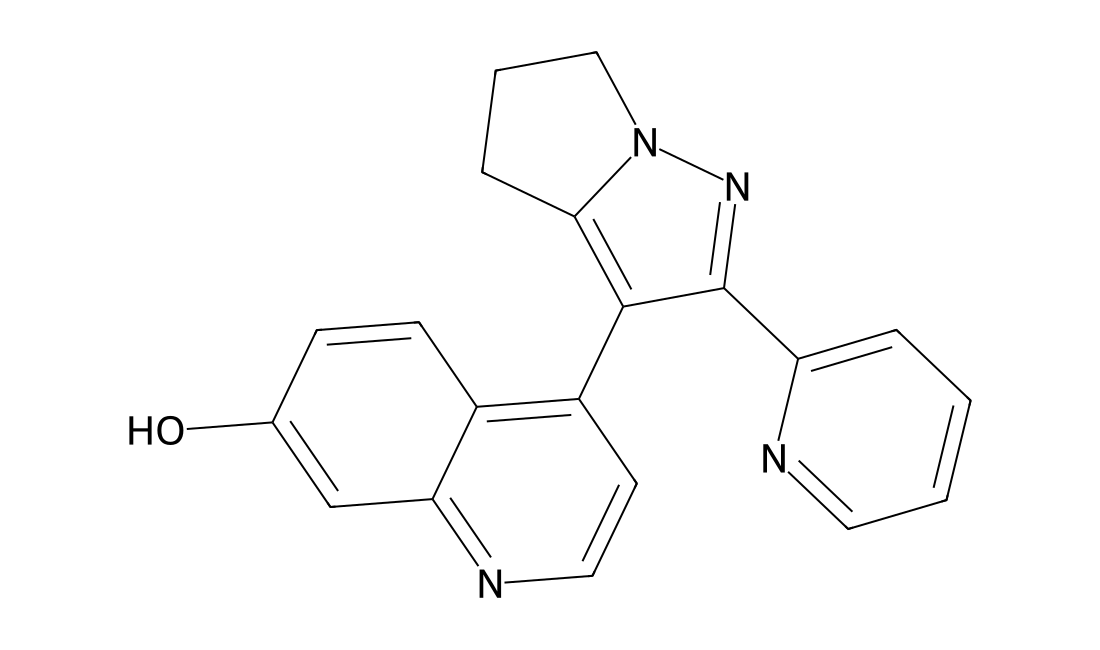
Nefiracetam chemical structure
DC7472

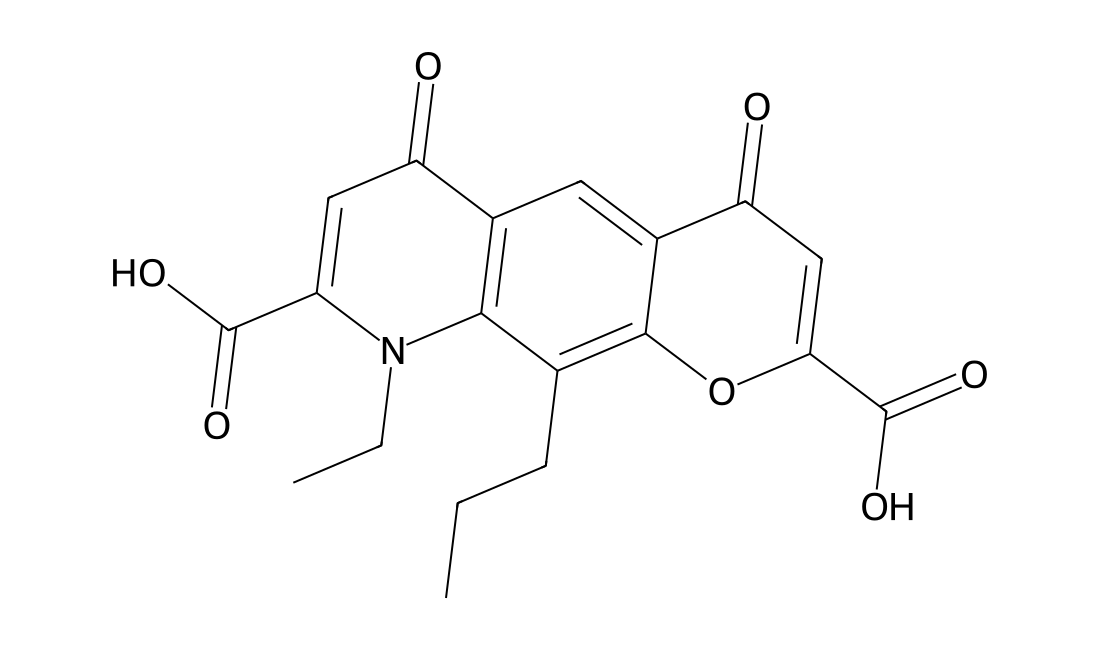
Nedocromil

CAS 69049-73-6

Nedocromil is an inhaled anti-inflammatory agent For the preventive management of asthma. IC50 Value: Target: Cysteinyl Leukotriene Receptor(CYSLTR) in vitro: in vivo: Nedocromil sodium (10(-4) M) decreased LTB4 releasability and intracellular 5-HETE concentrations in zymosan-stimulated AM from asthmatic patients, and was shown to decrease the LTC4 or LTE4-promoted Formation of LTB4 and 5-HETE . Eight atopic asthmatic subjects inhaled nedocromil or placebo be Fore the AMP challenge. Spirometry and FE(NO) were measured at intervals over a 24-h period. Nedocromil gave partial protection against this decrease in FE(NO). The time-FE(NO) curve (AUC(0-24)) differed significantly between nedocromil and placebo: 2.7% (-3.6 to -9) vs. -6.6% (-12 to -1.3) FE(NO) changes h(-1), P < 0.002, respectively. Nedocromil protected against AMP-induced bronchoconstriction (AMP PC(20)) [nedocromil 182 (72.5-291) mg mL(-1) vs. placebo 21.7 (10.7-33) mg mL(-1), P < 0.002] . Nedocromil sodium relieved symptoms of allergic conjunctivitis and further support a role For nedocromil sodium in the prevention of allergic conjunctivitis . Nedocromil, 2 to 20 mg/kg, significantly (P<0.05) inhibited cell adhesion and emigration, as well as myeloperoxidase release, in wild-type but not Anx-A1(-/-) mice .For the detailed information of Nedocromil, the solubility of Nedocromil in water, the solubility of Nedocromil in DMSO, the solubility of Nedocromil in PBS buffer, the animal experiment (test) of Nedocromil, the cell expriment (test) of Nedocromil, the in vivo, in vitro and clinical trial test of Nedocromil, the EC50, IC50,and Affinity of Nedocromil, Please contact DC Chemicals.
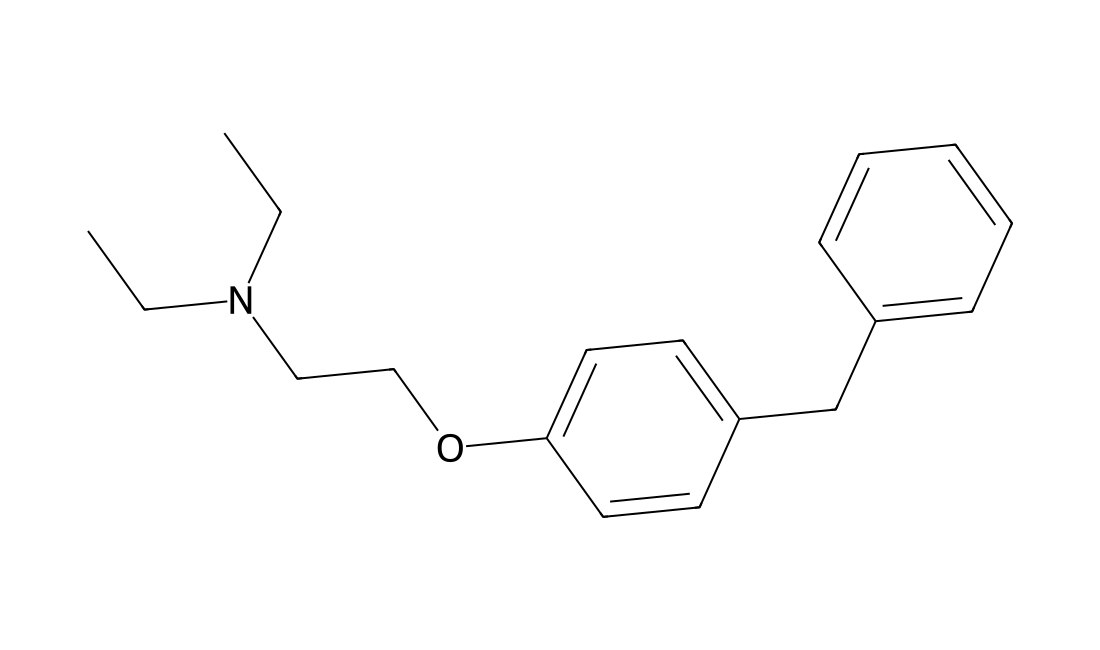
Nedocromil chemical structure
DC12288

MRT-83

CAS 1263131-92-5

In Vitro MRT-83 displays full antagonist properties with an IC50 (~3 nM) for inhibiting ShhN (3 nM)-induced proliferation of rat GCPs. MRT-83 also blocks SAG (0.01 μM)-induced proliferation of GCPs (IC50 ~6 nM). MRT-83 blocks BC binding to HEK-hSmo cells in a dose-dependent manner with an IC50 of 4.6 nM. MRT-83 abrogates BC binding to cells expressing mouse Smo with an IC50 of 14 nM, which is in good correlation with its IC50 in the Shh-light2 and alkaline phosphatase assays. In Vivo Animals treated with ShhN in the presence of MRT-83 are as healthy as those of the other groups but up-regulation of Ptc transcription in the SVZ of these animals is no longer observed in agreement with a complete inhibition of ShhN-mediated effects (8.7±2.4 Ptc+ cells/section, n=9) and is not different from vehicle-mediated effects. MRT-83 but not MRT-36 antagonizes the up-regulation of Ptc transcription induced by ShhN in vivo in the SVZ of the LV.

MRT-83 chemical structure
DC26042

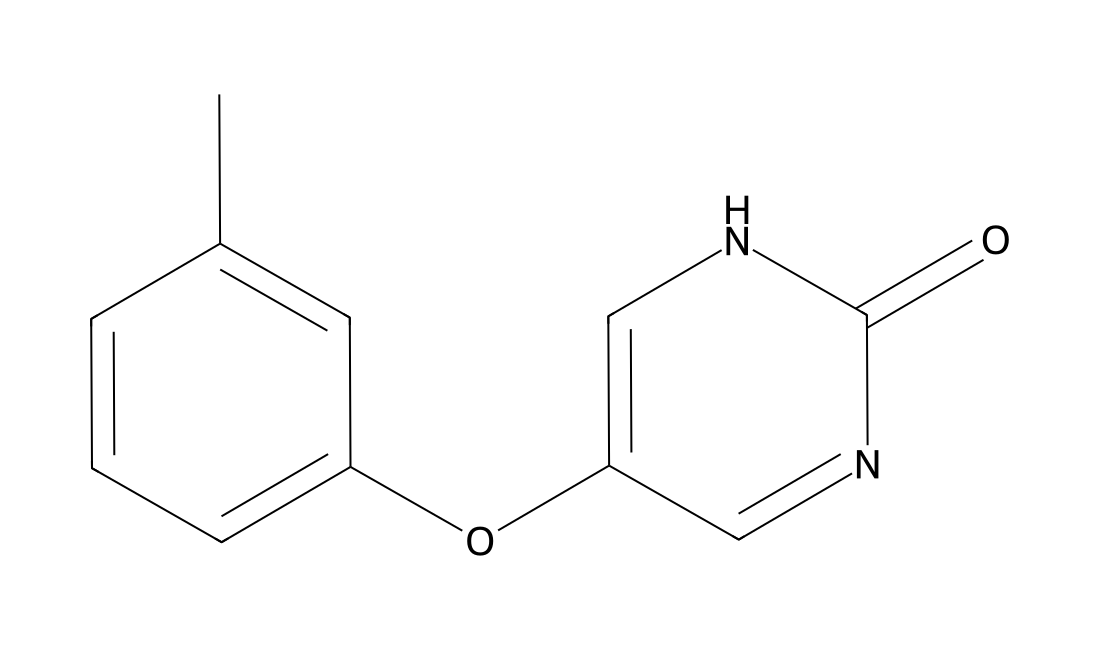
MLS-1547

CAS 315698-36-3

MLS-1547 is a G protein-biased agonist of dopamine D2 receptors (EC50 = 0.37 μM in a calcium mobilization assay).It inhibits forskolin-induced cAMP accumulation in CHO cells expressing human D2 receptors (EC50 = 0.26 μM) but is inactive in β-arrestin recruitment assays. MLS-1547 antagonizes dopamine-induced β-arrestin recruitment in cell-based assays with IC50 values ranging from 3.8 to 9.9 μM.It is also an inhibitor of type II secretion in Gram-negative bacteria.MLS-1547 inhibits secretion of phospholipase C (PlcH/N) and the virulence factor elastase (LasB) from P. aeruginosa (IC50s = 15 and 13 μM, respectively) and inhibits B. pseudomallei protease secretion by 90.8% when used at a concentration of 25 μM.

MLS-1547 chemical structure
DC10221

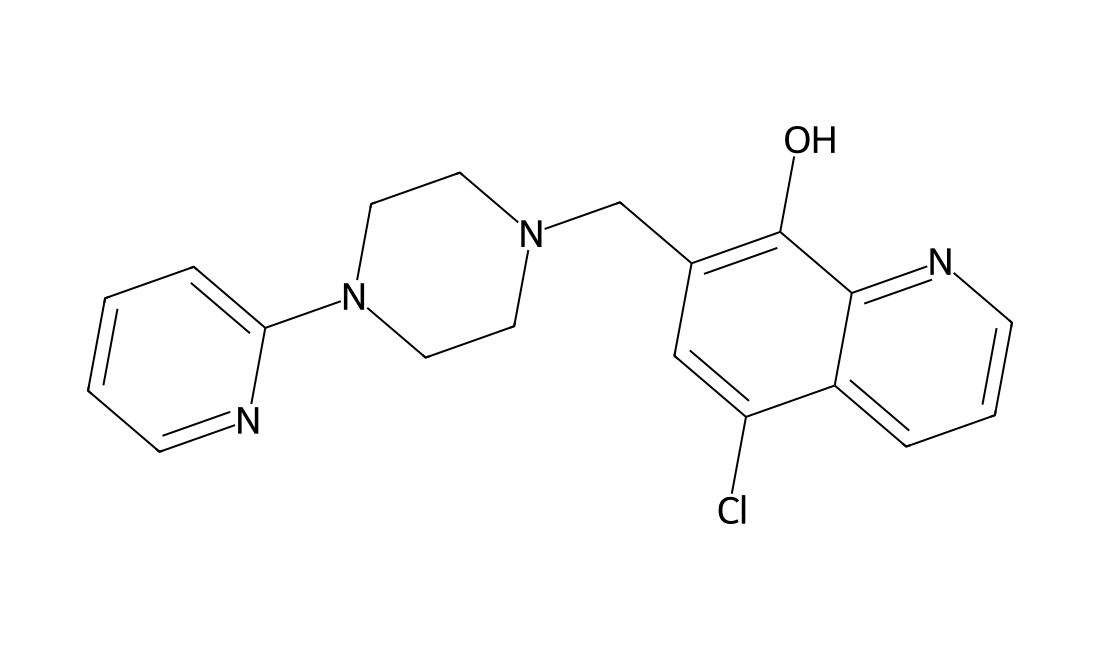
MLR-1023

CAS 41964-07-2

MLR-1023 is a chemical compound which inhibits acid secretion in animal models and also acts as a bronchodilator in histamine-challenged animals.

MLR-1023 chemical structure
DC20077

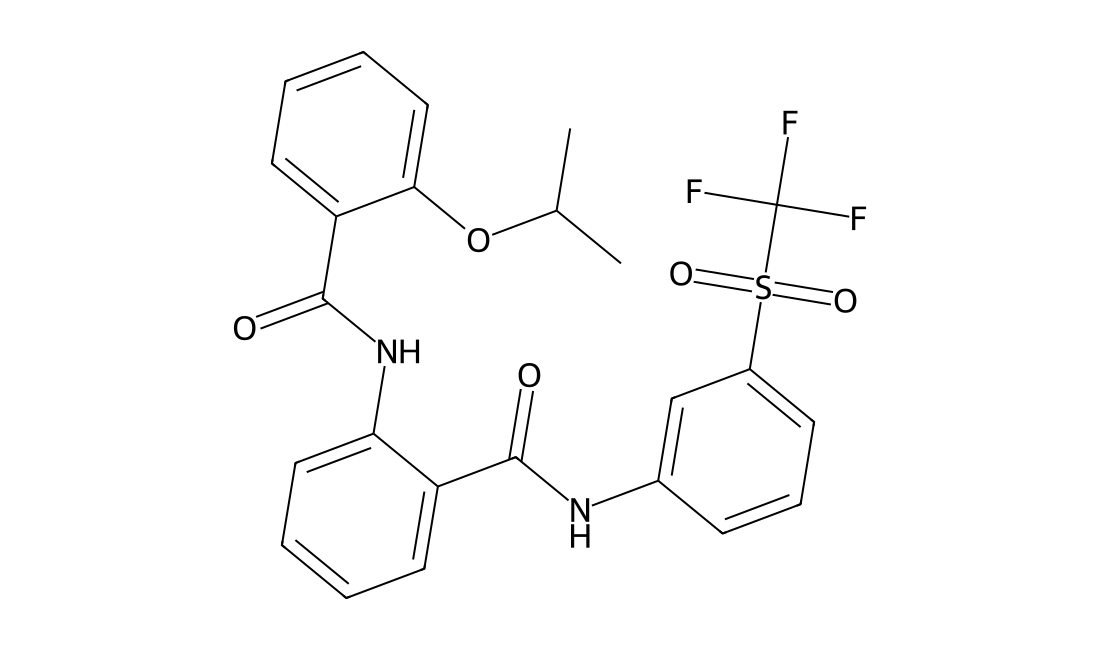
ML-290

CAS 1482500-76-4

In Vitro ML-290 is a potent and orally active relaxin/insulin-like family peptide receptor (RXFP1) agonist and activator of anti-fibrotic genes, with an EC50 of 94 nM. ML290 (5 μM) shows anti-fibrotic, relaxin-like gene expression at 24 and 72 h in activated human hepatic stellate cells.

ML-290 chemical structure
DC7646

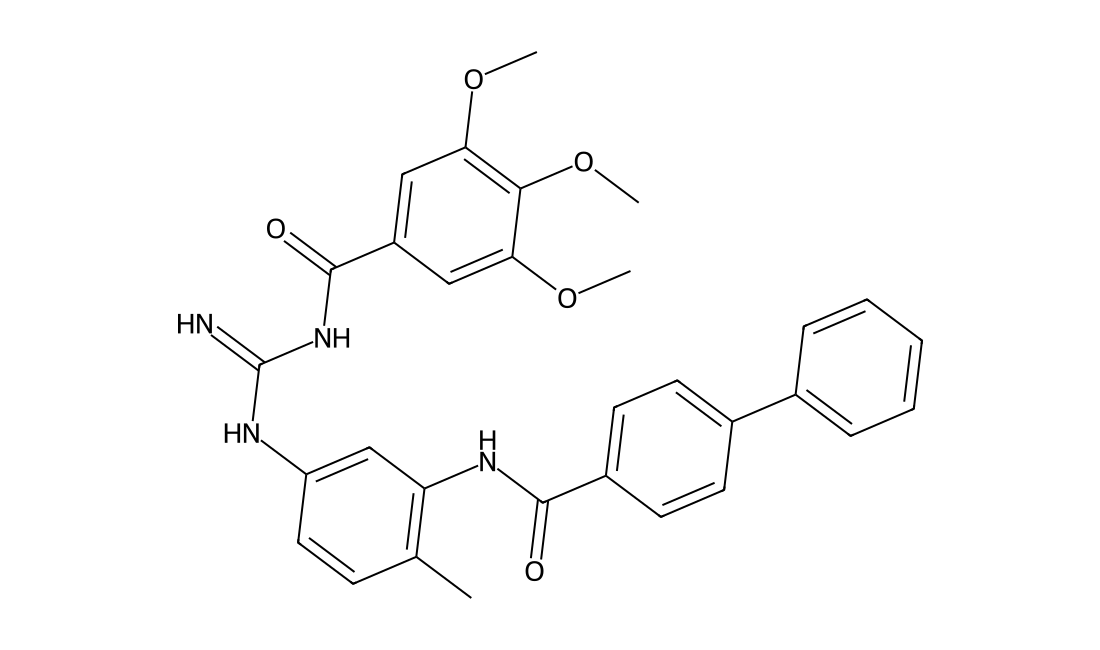
MK3697

CAS 1224846-01-8

MK-3697 is a third insomnia drug, currently being developed by Merck. MK-3697 is a potent and selective Orexin receptor antagonist with Ki = 0.95 nM. For the detailed information of MK3697, the solubility of MK3697 in water, the solubility of MK3697 in DMSO, the solubility of MK3697 in PBS buffer, the animal experiment (test) of MK3697, the cell expriment (test) of MK3697, the in vivo, in vitro and clinical trial test of MK3697, the EC50, IC50,and Affinity of MK3697, Please contact DC Chemicals.
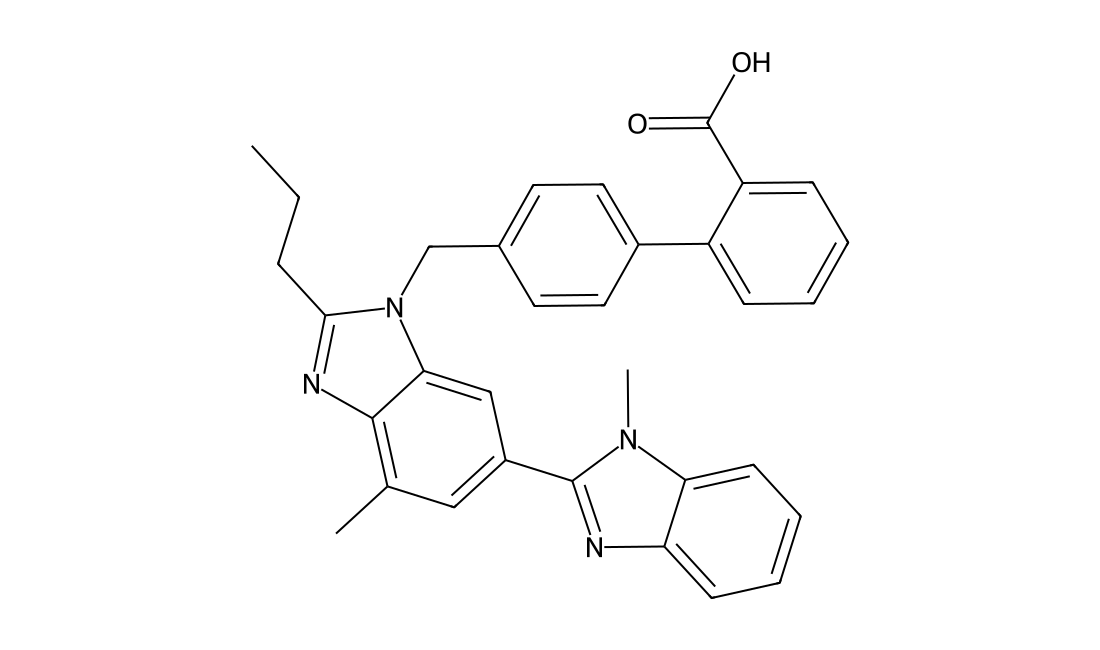
MK3697 chemical structure
Browse target & topic index A–Z (366)
11β-HSD (1)15-PGDH (2)5-HT Receptor (16)Acetyl-CoA Carboxylase (ACC) (3)Acetylcholinesterase (AChE) (2)Ack1 (TNK2) (1)Acyltransferase (1)ADC Cytotoxin (6)ADCs Linker/Click Chemistry (5)Adenosine Receptor (9)Adenylate Cyclase (2)Adrenergic Receptor (11)Akt (12)Alcoholism (2)Aldehyde Dehydrogenase (ALDH) (6)Allergy (5)Alzheimer Disease (13)Aminopeptidase (1)AMPK (8)Amyloids (4)Anaplastic Lymphoma Kinase (ALK) (9)Androgen Receptor (AR) (11)Anemia (4)Angiotensin Receptor (4)Antibody/Protein labeling dyes (1)Antifolate (2)Anxiety (1)Apoptosis Inducer (3)Arginase (1)Arp2/3 complex (1)Aryl hydrocarbon Receptor (AhR) (1)Asthma (5)Atherosclerosis (2)ATM/ATR (8)Aurora Kinase (10)Autophagy (6)Autophagy-related Protein (Atg) (2)Autotaxin (2)Bacterial (26)Bacterial Infection (17)Bcl-2 (14)Bcr-Abl (5)BCRP (1)Beta-catenin (4)Beta-secretase (BACE) (4)Blood Cancer (91)BMI-1 (1)Bone Cancer (6)Brain Cancer (6)Breast Cancer (30)Bromodomain (22)BTK (10)c-Fms (CSF1R) (5)c-Fos/AP-1 (1)c-Kit (6)c-Met (HGFR) (11)c-Myc (2)Calcium Channel (4)Calcium-sensing Receptor (CaSR) (1)CaMK (4)Cannabinoid Receptor (6)Carbonic Anhydrase (1)Carboxypeptidase (1)Casein Kinase (6)Caspase (4)Cathepsin (6)Cdc2-like Kinase (CLK) (1)CETP (2)CFTR (7)Checkpoint Kinase (Chk) (8)Chemokine Receptor (CCR and CXCR) (14)Chemotherapeutic Agents (19)Chloride Channel (1)CMV (2)CMV Infection (2)Colon Cancer (9)Complement System (1)COPD (3)CREB/CBP (2)CRF Receptor (2)CRISPR/Cas9 (1)Cushing Disease (1)Cyclin-dependent Kinase (CDK) (39)Cyclooxygenase (COX) (4)Cytochrome P450 (CYPs) (5)Depression (2)Dermatitis (2)Deubiquitinase (DUB) (7)Diabetes (20)Dipeptidyl Peptidase (DPP) (3)Discoidin Domain Receptor (DDR) (1)DNA Alkylator/Crosslinker (10)DNA Methyltransferase (DNMT) (1)DNA Repair Protein (1)DNA-PK (2)DNA/RNA Synthesis (5)Dopamine beta-hydroxylase (1)Dopamine Receptor (7)Drug Metabolite (1)Drug-Linker Conjugates (11)Dyes (4)DYRK (1)Dyslipidemia (9)E3 Ligase Ligand (6)E3 Ligase Ligand-Linker Conjugate (1)E3 Ubiquitin Ligase (4)Ebola Virus Infection (1)EGFR (32)Elastase (2)Endothelin Receptor (5)Enzymes substrates (13)Epigenetic Reader Domain (3)Epilepsy (4)ERK (4)Estrogen Receptor/ERR (13)Eukaryotic Initiation Factor (eIF) (2)Exportin-1 (CRM1,XPO1) (2)FABP (1)Factor Xa (5)Farnesoid X Receptor (FXR) (5)Farnesyl transferase (FTase) (1)Ferroptosis (6)FGFR (15)Fibrosis (5)FLT3 (6)Focal Adhesion Kinase (FAK) (11)Foxo1 (1)Free Fatty Acid Receptor (FFAR) (5)Fungal (2)Fungal Infection (1)GABA Receptor (13)Galectin (1)Gastric Cancer (8)Ghrelin Receptor (GHSR) (3)Glucagon Receptor (4)Glucokinase (2)Glucose Transporter (GLUT) (2)Glutamate Transporter (2)GPCR (1)GPER (GPR30) (1)GPR139 (1)GPR183 (EBI2) (2)GPR39 (1)GPR55 (1)GPR84 (1)GRK (GPCRK) (2)Growth Hormone Deficiency (2)GSK-3 (8)Guanylate Cyclase (3)HBV (1)HBV Infection (1)HCN Channel (2)HCV (8)HCV Infection (9)HDAC (38)Heart Arrhythmia (2)Heart Failure (5)Heat Shock Protein (HSP) (15)Hedgehog (Hh) (1)HIF/HIF Prolyl-hydroxylase (8)Histamine Receptor (6)Histone Acetyltransferase (HAT) (5)Histone Demethylase (11)Histone Methyltransferase (HMTase) (31)HIV (12)HIV Infection (11)HMG-CoA Reductase (HMGCR) (3)HSV (1)HSV Infection (1)Hypercholesterolemia (1)Hyperparathyroidism (1)Hypertension (8)IAP (1)IGF-1R (3)iGluR (15)Indoleamine 2,3-Dioxygenase (IDO) (4)Infection (1)Influenza (6)Influenza Virus (6)Insulin Receptor (2)Integrin (6)Interleukin Receptor (1)IRAK (2)IRE1 (4)Irritable Bowel Syndrome (2)Ischemia (1)Isocitrate Dehydrogenase (IDH) (5)ITK (1)IκB kinase (IKK) (7)JAK (32)JNK (3)Keap1-Nrf2 (6)Kidney Cancer (10)Kinesin (5)Kruppel-like Factor (KLF) (1)Kynurenine 3-Monooxygenase (KMO) (1)Leukotriene Receptor (1)LIM Kinase (LIMK) (3)Lipids fragment (1)Liver Cancer (6)Liver X Receptor (LXR) (3)LRRK2 (9)Lung Cancer (39)Lysophospholipid Receptor (12)LYTACs (3)mAChR (9)MALT1 (2)MAP4K (1)Matrix Metalloproteinase (MMP) (10)MDM2-p53 (9)MEK (MAP2K) (14)MEKK (MAP3K) (1)Melanocortin Receptor (2)MELK (1)mGluR (7)MicroRNA (1)Microtubule/Tubulin (5)Mineralocorticoid Receptor (MLR) (1)MITF (1)Mixed Lineage Kinase (MLK) (3)MNK (2)Molecular Glues (13)Monoamine Transporter (5)Monocarboxylate Transporter (MCT) (1)Monopolar Spindle 1 (Mps1/TTK) (3)mTOR (13)Multiple Sclerosis (6)Myosin (1)Na-K-Cl Cotransporter (NKCC) (2)nAChR (2)NADPH Oxidase (NOX) (2)NAMPT (3)Natural products (37)Neprilysin (1)Neurokinin Receptor (3)Neuropeptide Y Receptor (3)NF-κB (5)Nitric Oxide Synthase (NOS) (1)NOD-like Receptor (NLR) (3)Notch (2)Nucleoside Antimetabolite/Analog (10)Nur77 (NR4A1) (1)Obesity (1)Oct3/4 (1)Opioid Receptor (5)Orexin Receptor (7)Osteoporosis (2)Ovarian Cancer (14)Oxytocin Receptor (OXTR) (2)P-glycoprotein (P-gp) (3)p21-activated Kinase (PAK) (1)P2X Receptor (2)P2Y Receptor (1)p38 MAPK (10)p97/VCP (1)Pain (12)Pancreatic Cancer (10)Parasite (5)Parasite Infection (2)Parkinson Disease (2)PARP (19)PCSK9 (1)PD-1/PD-L1 (4)PDGFR (4)PDK1 (2)PEGn (1)PERK (2)PGE synthase (2)Phosphodiesterase (PDE) (9)Phospholipase (4)PI3K (32)PI4K (2)Piezo Channel (1)PIKfyve (3)Pim (9)PKC (12)PKD (1)Plasminogen Activator Inhibitor-1 (PAI-1) (3)Polo-like Kinase (PLK) (4)Porcupine (3)Potassium Channel (13)PPAR (13)Pregnane X Receptor (PXR) (1)Progesterone Receptor (2)Prostaglandin Receptor (11)Prostate Cancer (7)PROTACs (35)Protease-activated Receptor (PAR) (3)Proteasome (12)Protein Disulfide Isomerase (PDI) (1)Protein Phosphatase/PTP (6)Proton Pump (1)Psoriasis (5)RAD51 (1)Radioligand precursors (15)Raf (18)RAR/RXR (3)Ras (17)Renin (2)RET Tyrosine Kinase (c-RET) (3)Rheumatoid Arthritis (16)Ribosomal S6 Kinase (RSK) (5)RIG-I-like Receptor (RLR) (2)RIP kinase (7)ROCK (12)ROR (2)RSV (4)RSV Infection (3)RUNX1-CBFβ (1)S-nitrosoglutathione reductase (GSNOR) (1)Saccharides and Glycosides (1)Salt Inducible Kinase (SIK) (2)SARS-CoV (16)SARS-CoV Infection (34)Schizophrenia (4)Sexual Dysfunction (1)SGLT (4)Sigma Receptor (4)Sirtuin (9)Skin Cancer (13)Sleep Disorder (7)SMN2 Modulator (1)Smoothened (Smo) (9)Sodium Channel (12)Solid Tumors (35)Somatostatin Receptor (2)Sphingosine kinase (SphK) (2)Src (7)STAT (5)Stearoyl-CoA Desaturase (SCD) (1)Steatohepatitis (7)Sterol lipids (1)STING (14)Syk (6)T Cell Receptor (TCR) (1)TAK1 (2)TAM Receptor (Tyro3-Axl-Mer) (4)Taste Receptor (1)Telomerase (2)TGF beta Receptor (TGFBR) (12)Thrombin (3)Thrombosis (13)Thyroid Cancer (1)Thyroid Hormone Receptor (THR) (1)Thyrotropin Receptor (2)TNIK (1)Toll-like Receptor (TLR) (2)TOPK (1)Topoisomerase (11)TRAIL (1)Translocator Protein (TSPO) (1)Trk Receptor (4)TRP Channel (13)Tryptophan Hydroxylase (TPH) (1)Ubiquitin-activating Enzyme (E1) (2)Ubiquitin-conjugating Enzyme (E2) (2)Ulcer (1)ULK (3)Vasopressin Receptor (2)VEGFR (25)Vitamin D Receptor (VDR) (3)Wee1 (1)WNK Kinase (1)Wnt (5)Yes-associated Protein (YAP) (4)γ-secretase (5)

Cart

Request quotation