Home/Small Molecules/GPCRs & Receptor Biology

GPCRs & Receptor Biology

G-protein-coupled, nuclear and other ligand-binding receptors and their modulators.

Browse all research categories

Browse by research category

Products may appear in more than one category. Counts refer to distinct catalog numbers within each category.

Other Research Tools (75) · Additional reagents, building blocks and specialized research tools.

GPCRs & Receptor Biology products

Combine a keyword, research category and target to narrow the product list.

Loading catalog filters…

1,219 products · Showing 721–768

DC9142

Candesartan

CAS 139481-59-7

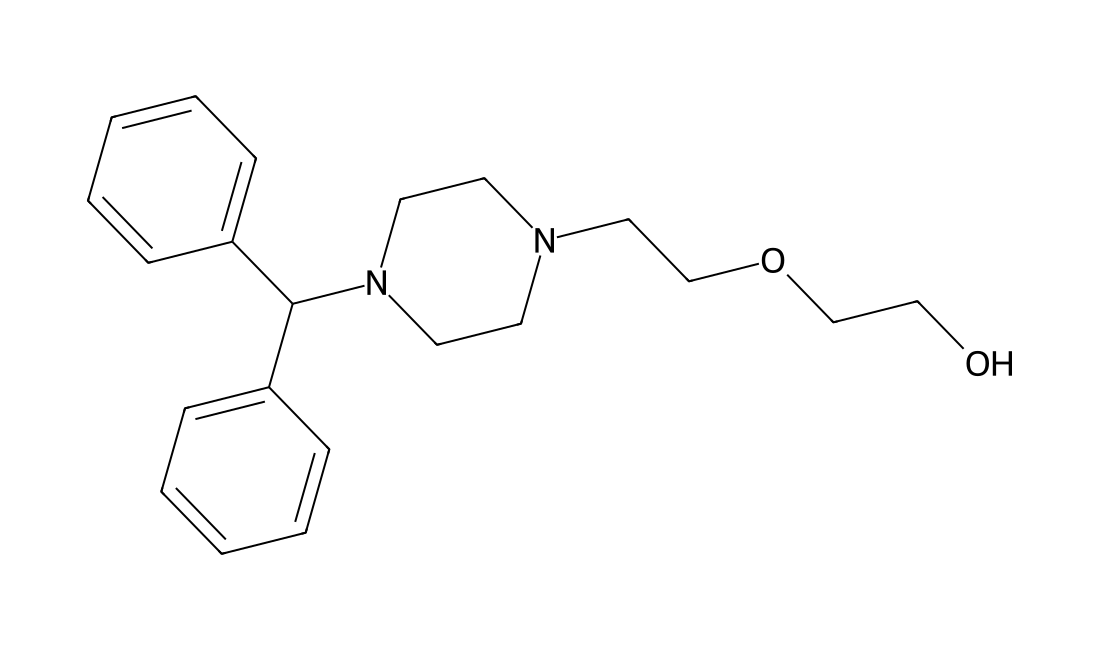
Candesartan is an angiotensin II receptor antagonist with IC50 of 0.26 nM.candesartan is indicated for the treatment of hypertension. Results from the CHARM study in the early 2000s demonstrated the morbidity and mortality reduction benefits of candesartan therapy in congestive heart failure. Thus, while ACE inhibitors are still considered first-line therapy in heart failure, candesartan can be used in combination with an ACE to achieve improved mortality and morbidity vs. an ACE alone and additionally is an alternative in patients intolerant of ACE inhibitor therapy. Candesartan (0.5 mg/kg) decreases blood pressure and inhibits AT1 binding in the subfornical organ (SFO), paraventricular nucleus of the hypothalamus (PVN), nucleus of the solitary tract (NTS) and area postrema (AP) in WKY rats. Candesartan (0.3 mg/kg) pretreatment decreases the infarct area by 31% in adult spontaneously hypertensive rats, reduces the CBF decrease at the peripheral area of ischemia and the cortical volume of severe ischemic lesion.
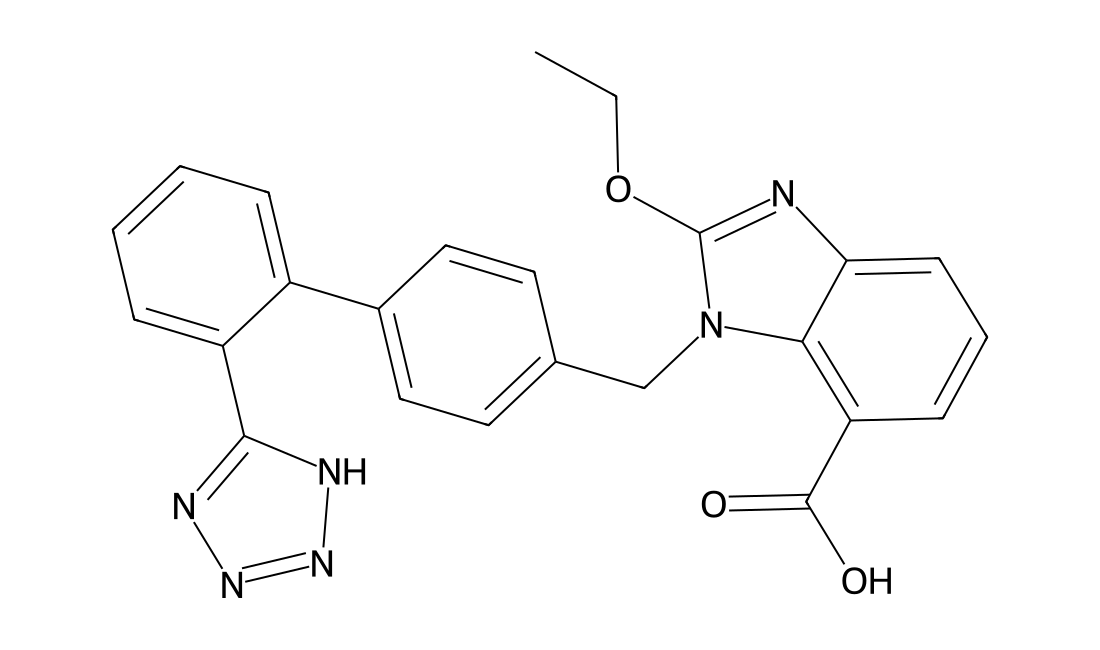
Candesartan chemical structure
DCAPI1483

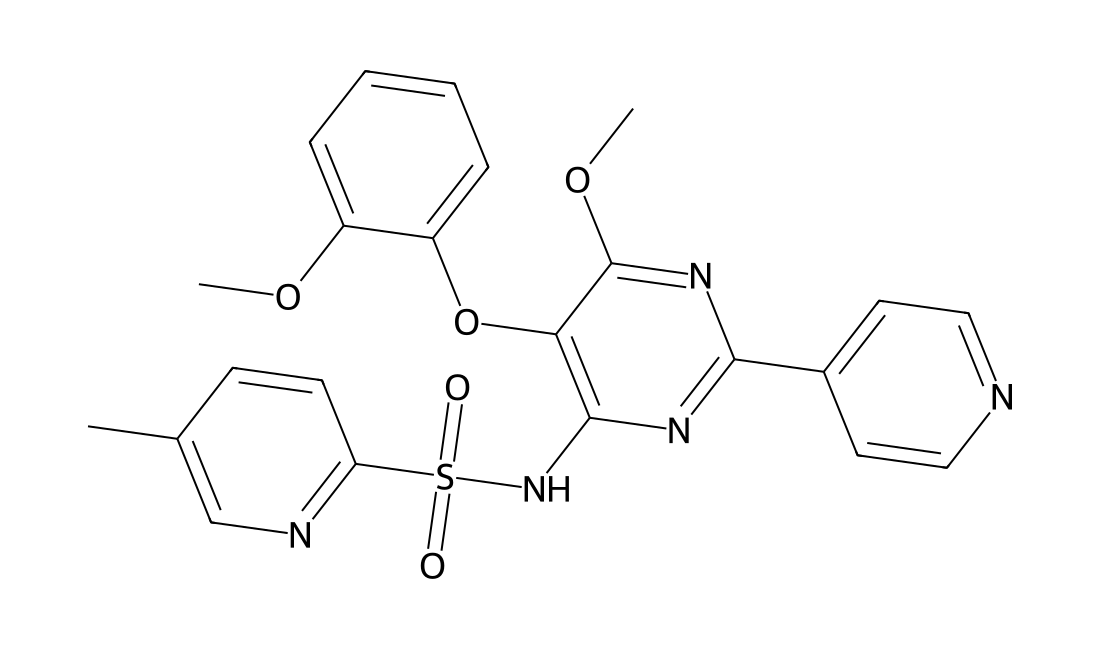
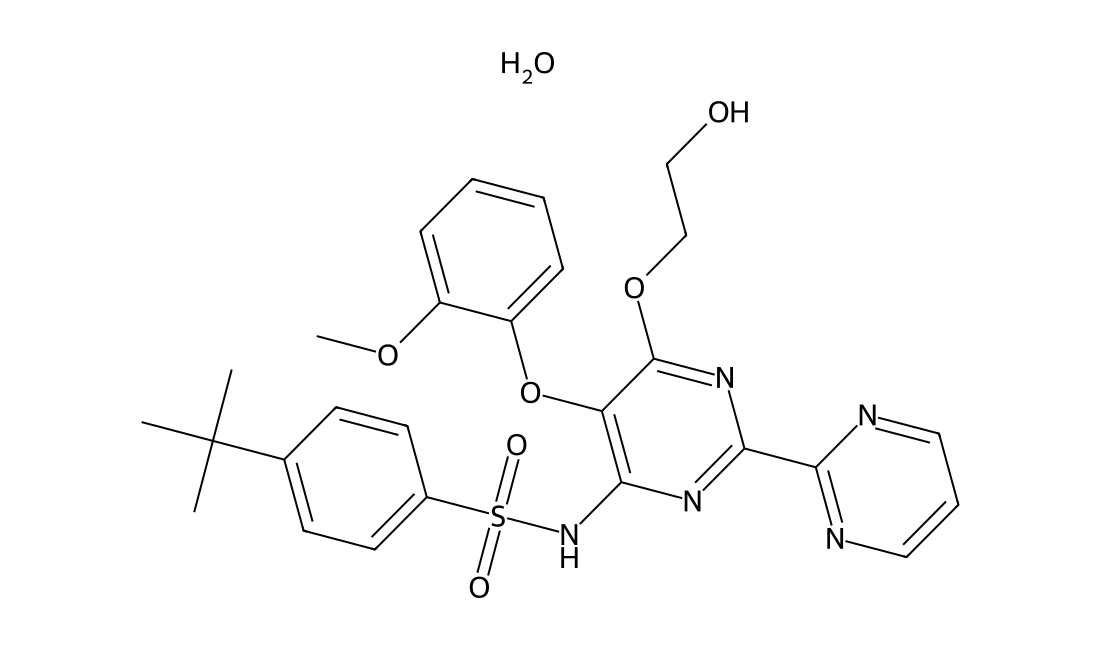
Bosentan Hydrate

CAS 157212-55-0

For the detailed information of Bosentan Hydrate, the solubility of Bosentan Hydrate in water, the solubility of Bosentan Hydrate in DMSO, the solubility of Bosentan Hydrate in PBS buffer, the animal experiment(test) (test) of Bosentan Hydrate, the cell expriment (test) of Bosentan Hydrate, the in vivo, in vitro and clinical trial test of Bosentan Hydrate, the EC50, IC50,and Affinity of Bosentan Hydrate,, please contact DC Chemicals.

Bosentan Hydrate chemical structure
DC7087

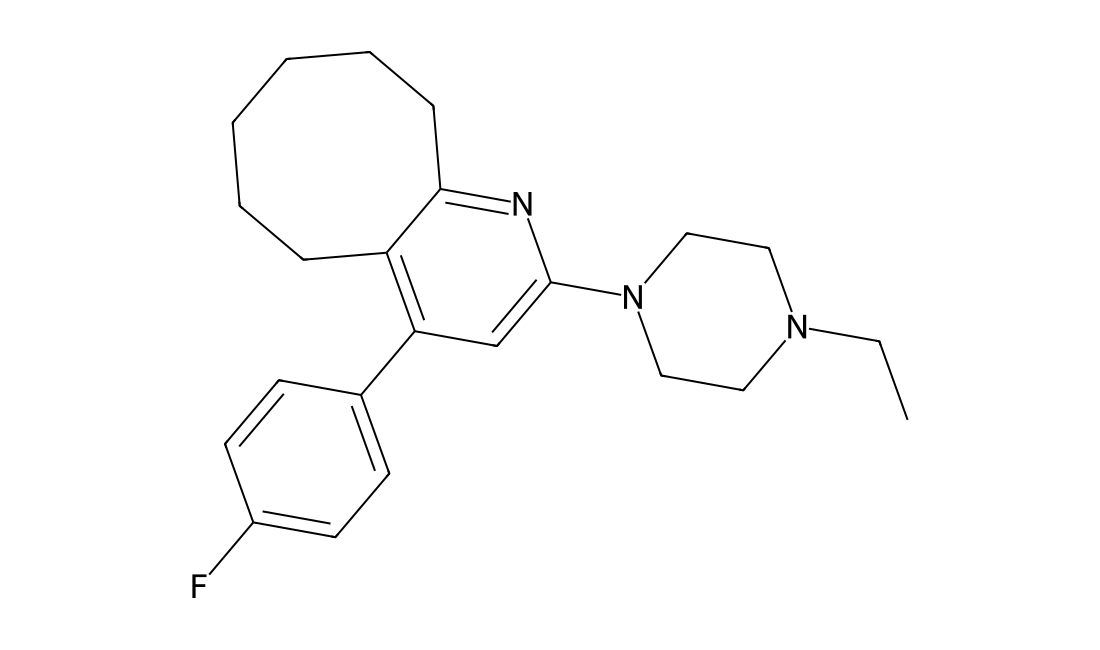
Blonanserin(AD-5423)

CAS 132810-10-7

Blonanserin is a novel atypical antipsychotic agent with potent dopamine D2 (Ki, 14.8 nM) and serotonin 5-HT2(Ki, 3.98 nM) receptors antagonist properties.For the detailed information of Blonanserin(AD-5423), the solubility of Blonanserin(AD-5423) in water, the solubility of Blonanserin(AD-5423) in DMSO, the solubility of Blonanserin(AD-5423) in PBS buffer, the animal experiment (test) of Blonanserin(AD-5423), the cell expriment (test) of Blonanserin(AD-5423), the in vivo, in vitro and clinical trial test of Blonanserin(AD-5423), the EC50, IC50,and Affinity of Blonanserin(AD-5423), Please contact DC Chemicals.

Blonanserin(AD-5423) chemical structure
DC9426

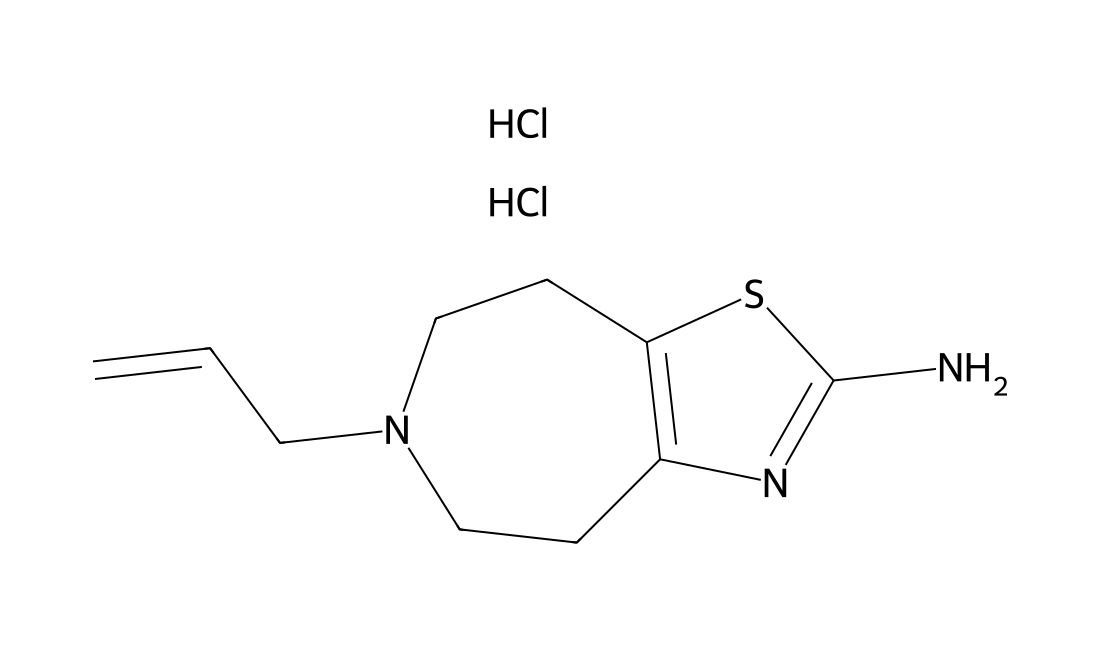
B-HT 920

CAS 36085-73-1

B-HT 920(Talipexole 2Hcl) is a dopamine D2 receptor agonist, α2-adrenoceptor agonist and 5-HT3 receptor antagonist, which displays antiParkinsonian activity. in vitro: N/A in vivo: Intravenous injection of 30 micrograms/kg of B-HT 920 into cats lead initially to an increase in blood pressure and then to a long-lasting decrease in blood pressure and heart rate. Vagally mediated reflex bradycardia elicited by angiotensin injection in beta-adrenoceptor-blocked dogs was facilitated by intracisternal injection of 10 micrograms/kg B-HT 920.

B-HT 920 chemical structure
DC8967

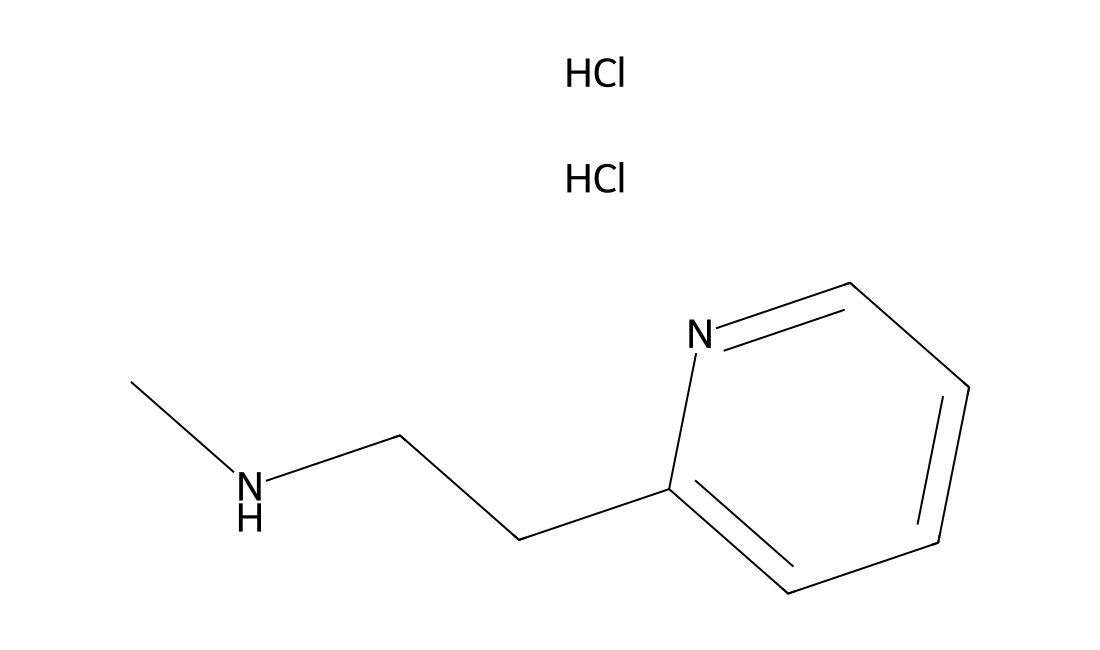
Betahistine Dihydrochloride

CAS 5579-84-0

Betahistine Dihydrochloride is a histamine H3 receptors inhibitor used as an antivertigo drug.Betahistine, a structural analogue of histamine with weak histamine H(1) receptor agonist and more potent H(3) receptor antagonist properties. Betahistine acts centrally by enhancing histamine synthesis within tuberomammillary nuclei of the posterior hypothalamus and histamine release within vestibular nuclei through antagonism of H(3) autoreceptors. Therapeutic effects of betahistine in vestibular disorders result from its antagonist properties at histamine H(3) receptors (H(3)Rs). On inhibition of cAMP formation and [(3)H]arachidonic acid release, betahistine behaved as a nanomolar inverse agonist and a micromolar agonist. After acute oral administration, Betahistine increased t-MeHA levels with an ED(50) of 2 mg/kg, a rightward shift probably caused by almost complete first-pass metabolism. Therapeutic effects of betahistine result from an enhancement of histamine neuron activity induced by inverse agonism at H(3) autoreceptors.

Betahistine Dihydrochloride chemical structure
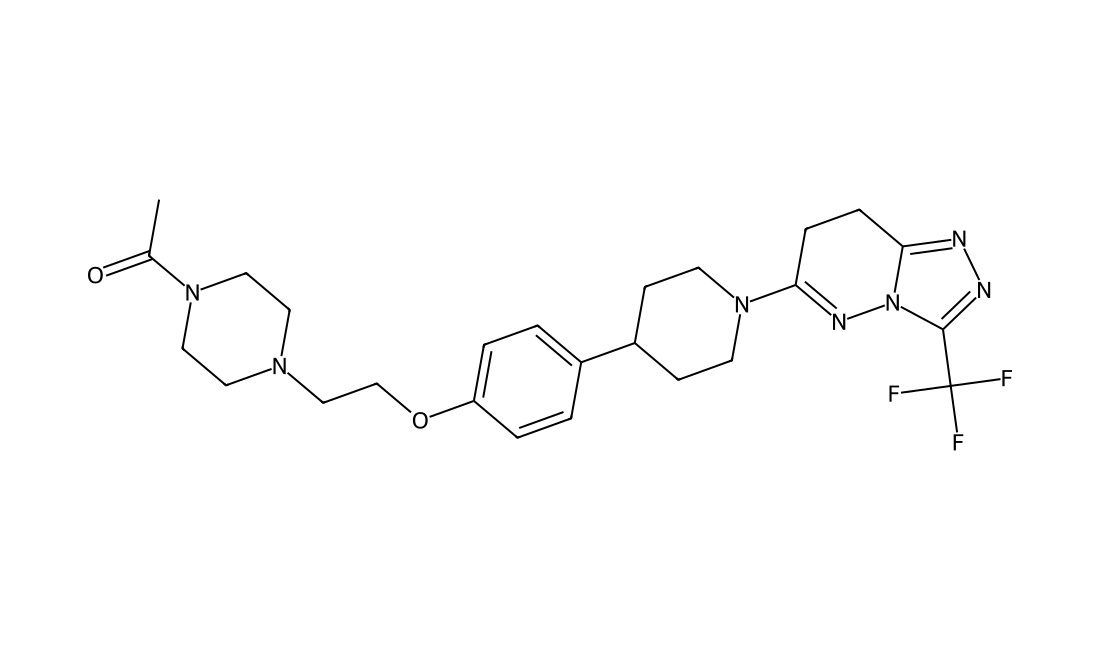
DC5013

AZD3514

CAS 1240299-33-5

AZD-3514 is a potent androgen receptor downregulator with potential anticancer cancer activity. AZD3514 is being evaluated in a Phase I clinical trial in patients with castrate-resistant prostate cancer.

AZD3514 chemical structure
DC9469

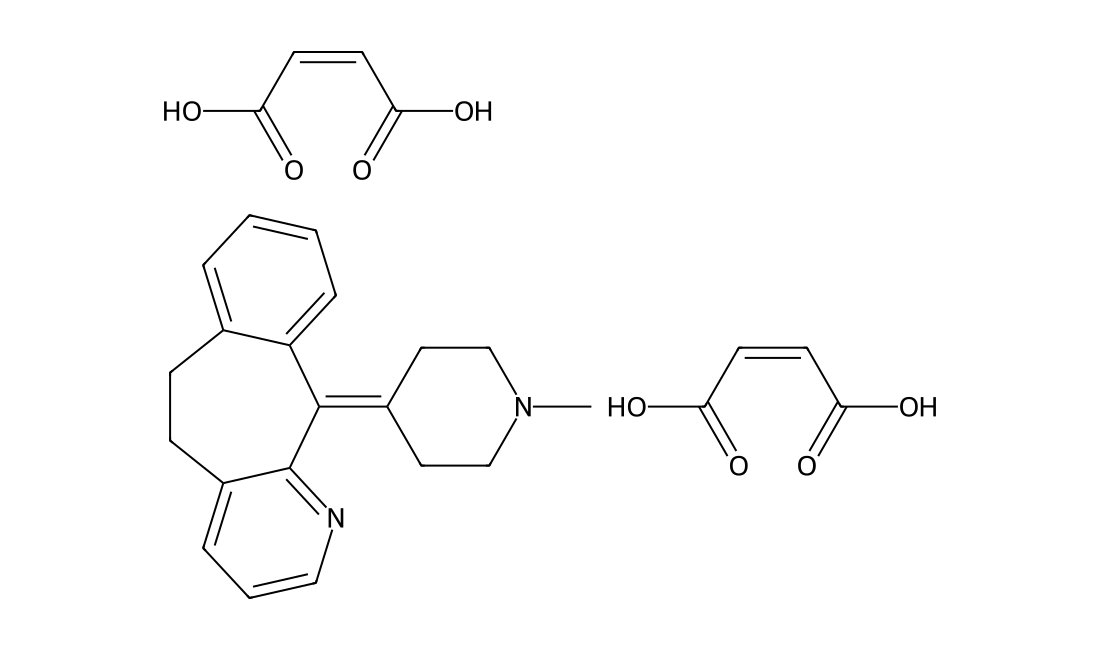
Azatadine (dimaleate)

CAS 3978-86-7

Azatadine dimaleate is an histamine and cholinergic inhibitor with IC50 of 6.5 nM and 10 nM, respectively. Azatadine, a new antihistamine, was evaluated for its efficacy in 20 patients with chronic allergic rhinitis. Eighty percent of patients had symptomatic relief with a twice daily dosage of 2 mg. Sedation was volunteered as a side effect by six of the patients and was admitted by two further patients after specific questioning. A choice reaction time test gave slowing of motor function in these sedated patients. Four of the previously sedated patients experienced good symptomatic control with minimal sedation when the azatadine dose was reduced to 1 mg twice daily; slowing of motor function was not observed at this, the normal recommended dose. Azatadine delays the onset of dyspnea-induced by aerosolized histamine, acetylcholine and serotonin in the conscious guinea-pig with PD50 of 0.01 mg/kg, 0.739 mg/kg and 0.86 mg/kg. Azatadine protects conscious guinea-pigs against death induced by the intravenous injection of histamine with oral PD50 of 0.009 mg/kg in guinea-pig and 0.22 mg/kg in mice.

Azatadine (dimaleate) chemical structure
DC8998

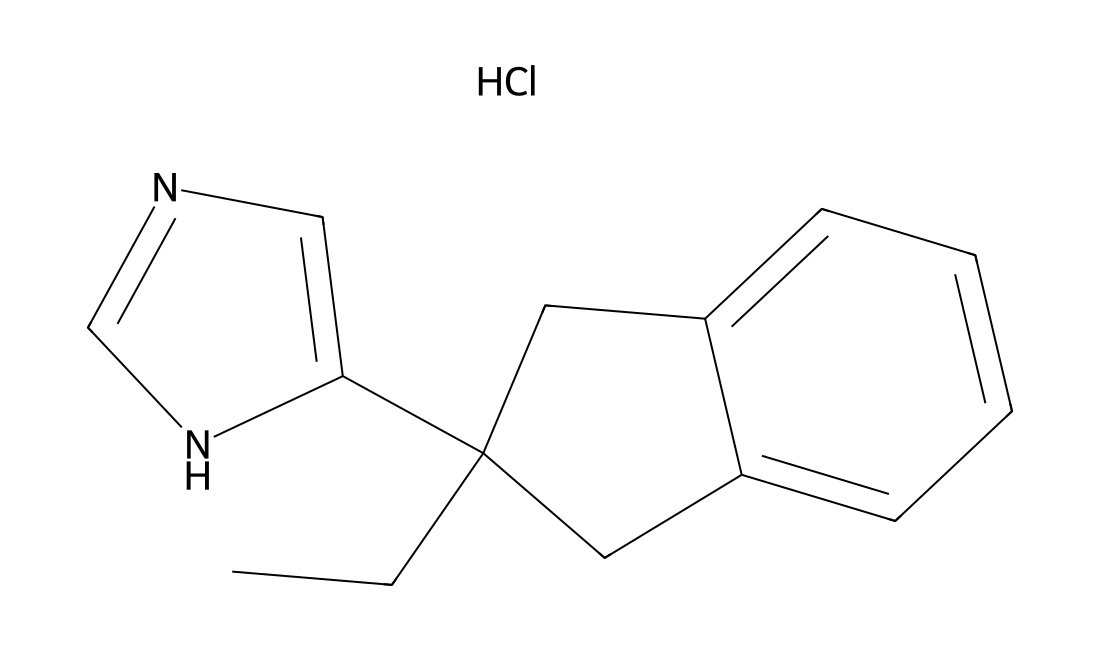
Atipamezole HCl

CAS 104075-48-1

Atipamezole Hcl(MPV1248 Hcl) is an alpha-adrenoceptor antagonist with high affinity and selectivity for the alpha 2-receptor.in vitro: The alpha2-adrenoceptor antagonist atipamezole was a potent inhibitor of aldosterone release (range 10-1000 nM). In receptor binding studies [( 3H]-clonidine and [3H]-prazosin displacement) an alpha 2/alpha 1 selectivity ratio of 8526 was obtained for atipamezole, while idazoxan and yohimbine showed ratios of 27 and 40, respectively. Atipamezole had also about a 100 times higher affinity on alpha 2-adrenoceptors than the reference compounds. in vivo: In vivo studies of [3H]atipamezole demonstrated good penetration into the brain (0.3-1.8% injected dose/g at 5 min, depending upon brain region). In addition, [3H]atipamezole displayed rapid in vivo clearance of nonspecific binding such that at 1 h following an i.v. injection of the drug (100 microCi/animal, rat tail vein administration) the pattern of radioactivity in the brain correlated very well with the receptor distribution as seen by in vitro autoradiography. In mice, medetomidine-induced sedation was effectively antagonized by atipamezole.

Atipamezole HCl chemical structure
DC8976

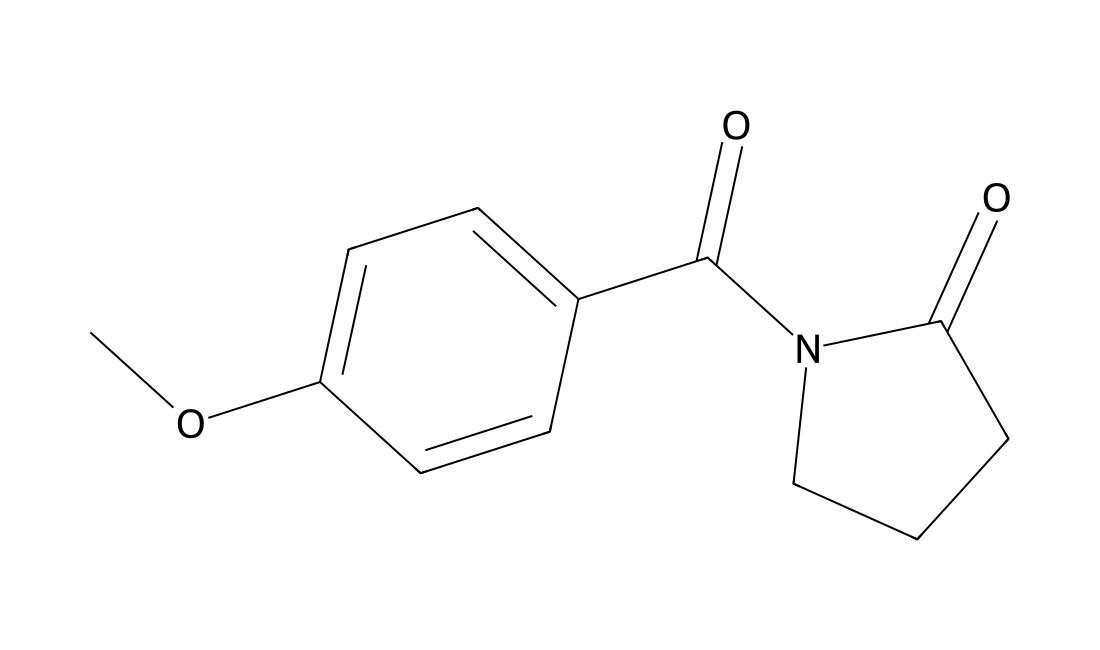
Aniracetam

CAS 72432-10-1

Aniracetam(Ro 13-5057) is a nootropics and neuroprotective drug, which is selectively modulates the AMPA receptor and nAChR.Aniracetam is an ampakine and nootropic of the racetam chemical class purported to be considerably more potent than piracetam. It selectively modulates the AMPA receptor. It is lipid soluble and has possible cognition enhancing effects. It has been tested in animals extensively, Alzheimer's patients and temporarily-impaired healthy subjects. It has shown potential as an anxiolytic in three clinical animal models. Administration of aniracetam for 10 days (post-natal days (PND) 18-27), at a dose of 50 mg/kg reversed cognitive deficits in both rat genders, indicated by a significant increase in the number of avoidances and the number of 'good learners'. After the termination of the nootropic treatment, a significant increase in both amplitude and frequency of AMPA receptor-mediated mEPSCs in hippocampal CA-1 pyramidal cells was observed.

Aniracetam chemical structure
DC3171

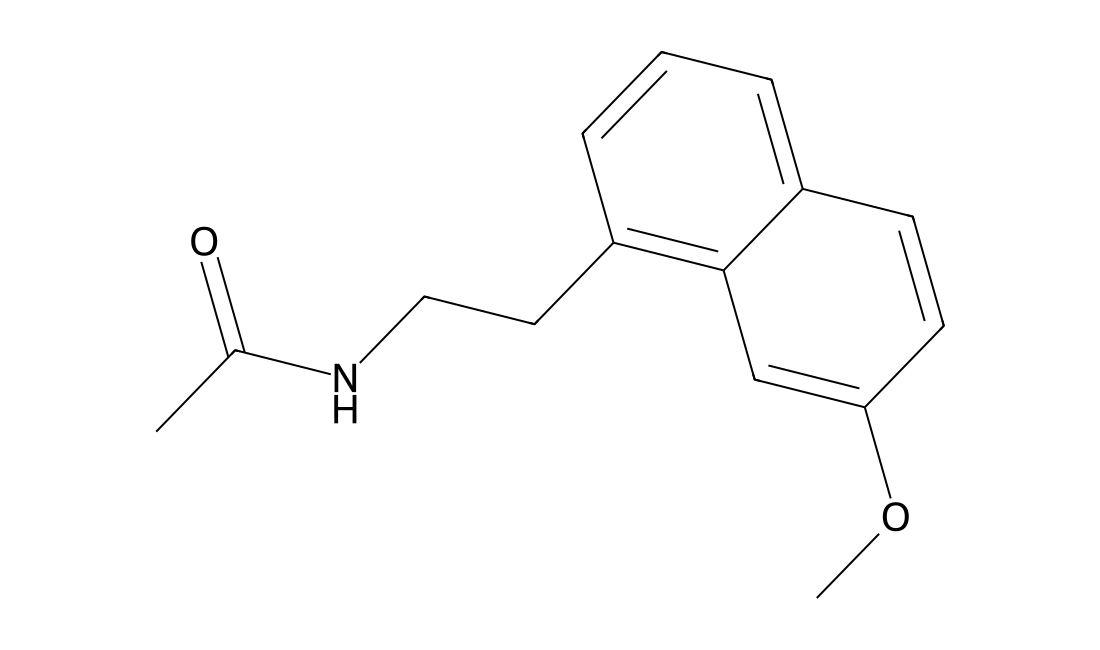
Agomelatine

CAS 138112-76-2

Agomelatine (trade names Valdoxan, Melitor, Thymanax) is an antidepressant developed by the pharmaceutical company Servier. It is marketed For the treatment of major depressive disorder and has been reported to have a reduced level of sexual side effects as well as discontinuation effects compared to some other antidepressants. Agomelatine may also have positive effects on sleep. For the detailed information about the solubility of Agomelatine in water, the solubility of Agomelatine in DMSO, the solubility of Agomelatine in PBS buffer, the animal experiment(test) of Agomelatine,the in vivo,in vitro and clinical trial test of Agomelatine,the cell experiment(test) of Agomelatine,the IC50, EC50 and Affinity of Agomelatine, please contact DC Chemicals.

Agomelatine chemical structure
DC9026

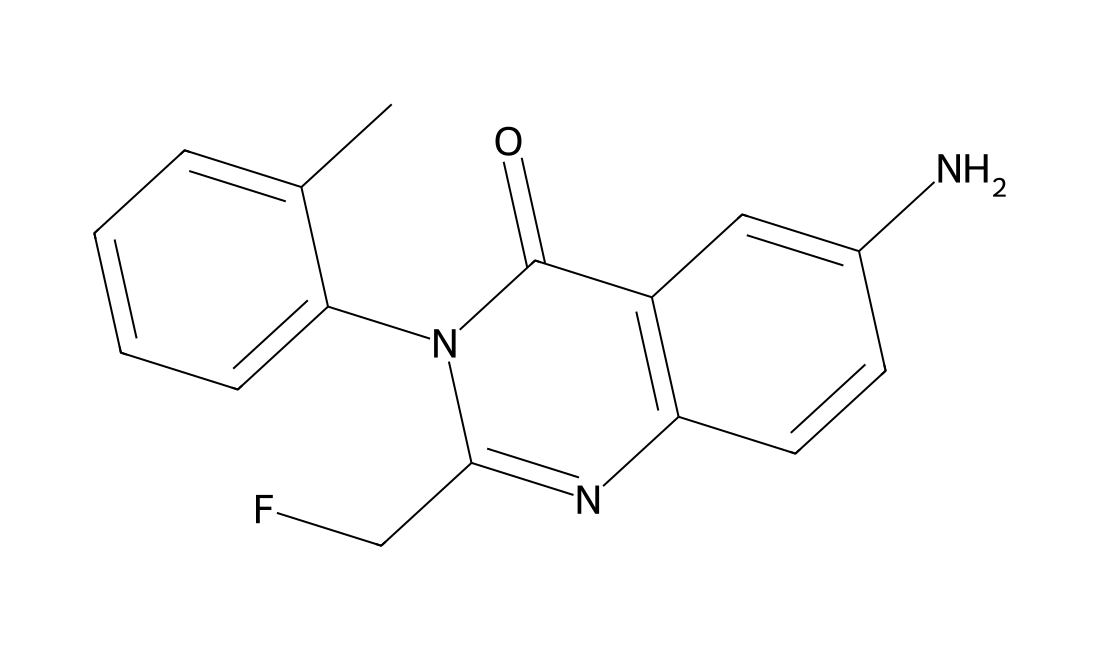
Afloqualone

CAS 56287-74-2

Afloqualone is a agonist of GABA receptor .Afloqualone is an analogue of methaqualone. It has sedative and muscle-relaxant effects, resulting from its agonist activity at the β subtype of the GABAa receptor. in vivo: Afloqualone slightly increased the response during the alarm period in one out of 3 rats at 5, 10, and 20 mg/kg p.o., respectively.

Afloqualone chemical structure
DC9324

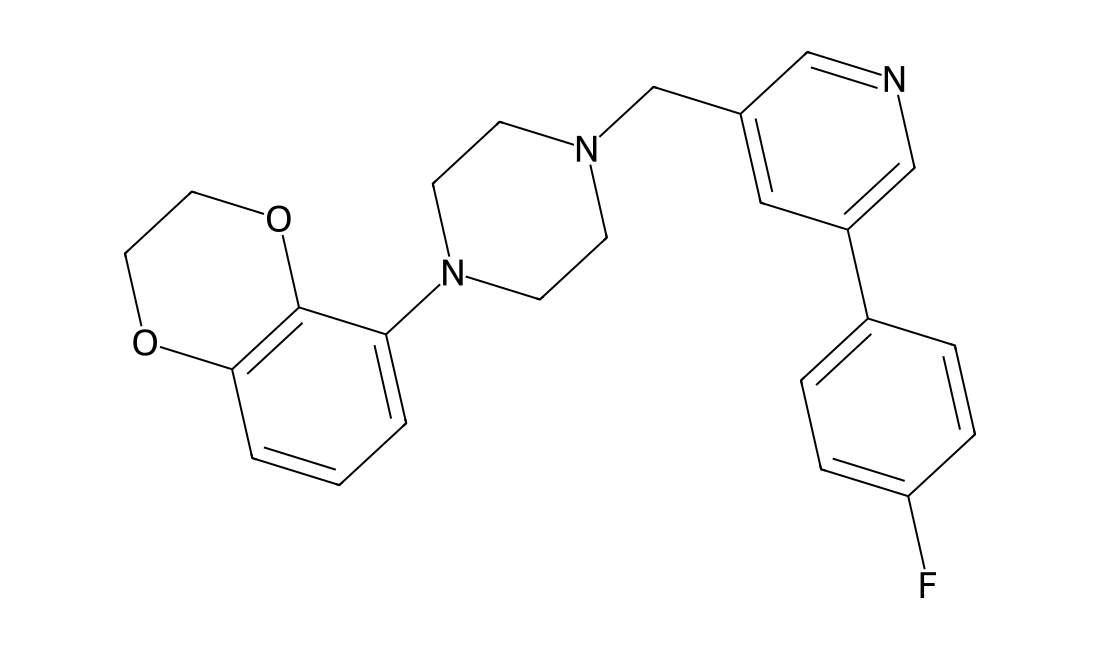
Adoprazine

CAS 222551-17-9

Adoprazine, a potential atypical antipsychotic bearing potent D2 receptor antagonist and 5-HT1A receptor agonist properties. Adoprazine is a full 5-HT1A receptor agonist and full D2/3 receptor antagonist possessing characteristics of an atypical antipsychotic, representing a potential novel treatment for schizophrenia.

Adoprazine chemical structure
DC10279

Acrivastine

CAS 87848-99-5

Acrivastine (usually 8mg three times daily) is an effective and well tolerated antihistamine in the treatment of chronic urticaria and allergic rhinitis. Acrivastine is more effective than placebo and similar in efficacy to clemastine or terfenadine in the treatment of seasonal allergic rhinitis. In the treatment of dermatoses in which histamine has a pathogenetic role, the efficacy of acrivastine is superior to that of placebo and similar to that of usual dosages of clemastine, hydroxyzine, chlorpheniramine, cyproheptadine or terfenadine. Acrivastine causes less drowsiness than clemastine, the incidence of adverse effects being indistinguishable from that with placebo or terfenadine. Both 4 mg and 8 mg acrivastine alleviate the symptoms of seasonal allergic rhinitis with significant improvements in the symptom scores for sneezing, running nose and the calculated overall score. In addition, 8 mg acrivastine reduces the symptom scores for watery eyes and itchy throat. Acrivastine is both well tolerated and effective in the treatment of seasonal allergic rhinitis.

Acrivastine chemical structure
DC10293

AC260584

CAS 560083-42-3

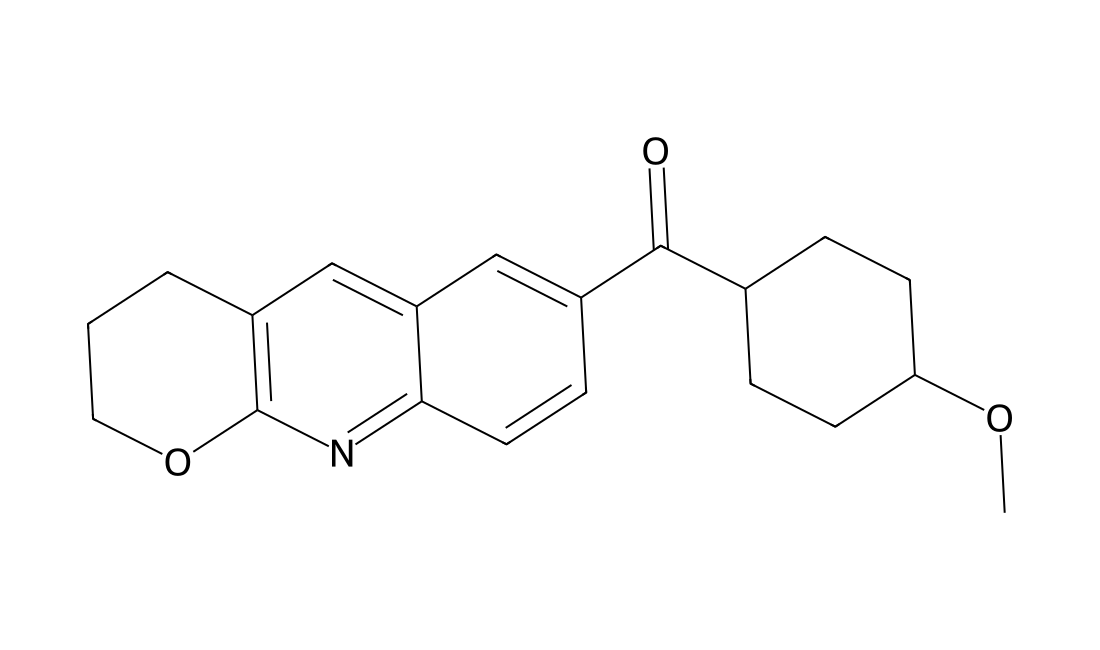
AC260584 is found to be a potent (pEC50=7.6-7.7) and efficacious (90-98% of carbachol) muscarinic M1 receptor agonist. AC260584 shows functional selectivity for the M1 receptor over the M2, M3, M4 and M5 muscarinic receptor subtypes. Its selectivity is found to be similar in native tissues expressing mAChRs to its profile in recombinant systems.In rodents, AC260584 activates extracellular signal regulated kinase 1 and 2 (ERK1/2) phosphorylation in the hippocampus, prefrontal cortex and perirhinal cortex. The ERK1/2 activation is dependent upon muscarinic M1 receptor activation since it is not observed in M1 knockout mice. AC260584 also improves the cognitive performance of mice in the novel object recognition assay and its action is blocked by the muscarinic receptor antagonist pirenzepine. In addition, AC260584 is found to be orally bioavailable in rodents. AC260584 at 3 and 10 mg/kg significantly increases dopamine release in the medial prefrontal cortex and hippocampus. However, only the high dose of AC260584, 10 mg/kg (s.c.), significantly increases acetylcholine release in these regions.

AC260584 chemical structure
DC23202

JNJ-16259685

CAS 409345-29-5

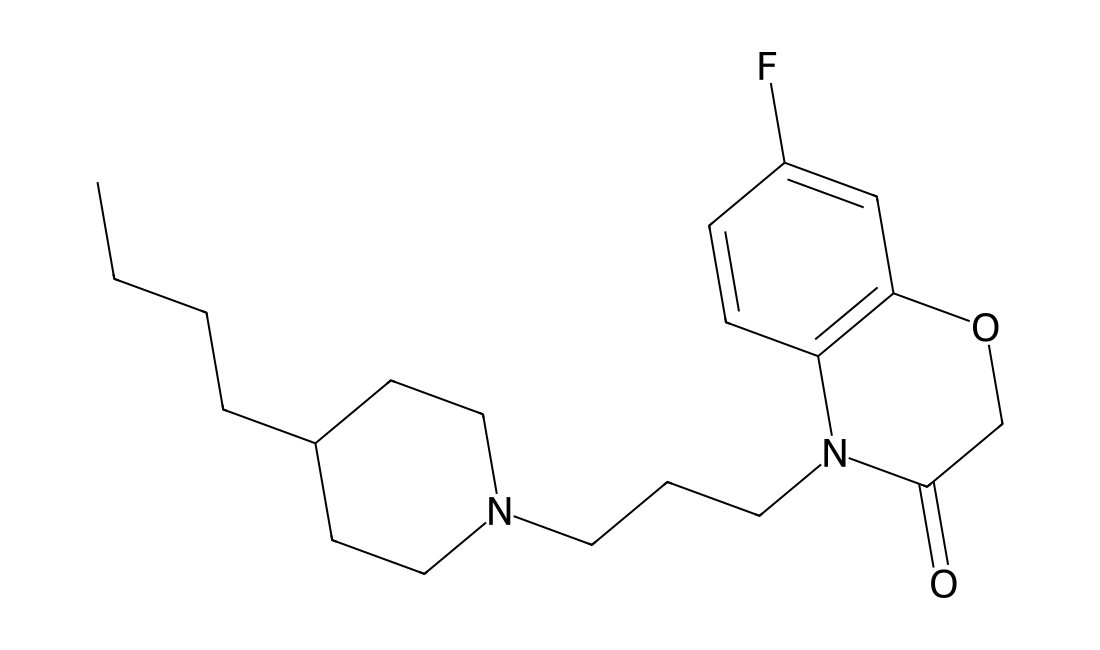
aA highly potent, selective, non-competitive and centrally active mGluR1 antagonist with Ki of 0.34 nM; shows no agonist, antagonist or PAM activity toward rat mGlu2/3/4/6 receptors (IC50>10 uM) and does not bind to AMPA, NMDA receptor and other neurotransmitter receptors; inhibits glutamate-induced Ca2+ mobilization for rat and human mGluR1 with IC50 of 3.24 and 1.21 nM, inhibits glutamate-mediated inositol phosphate production with IC50 of 1.73 nM; attenuates drug context-induced reinstatement of cocaine seeking in rats.

JNJ-16259685 chemical structure
DC23183

A-836339

CAS 959746-77-1

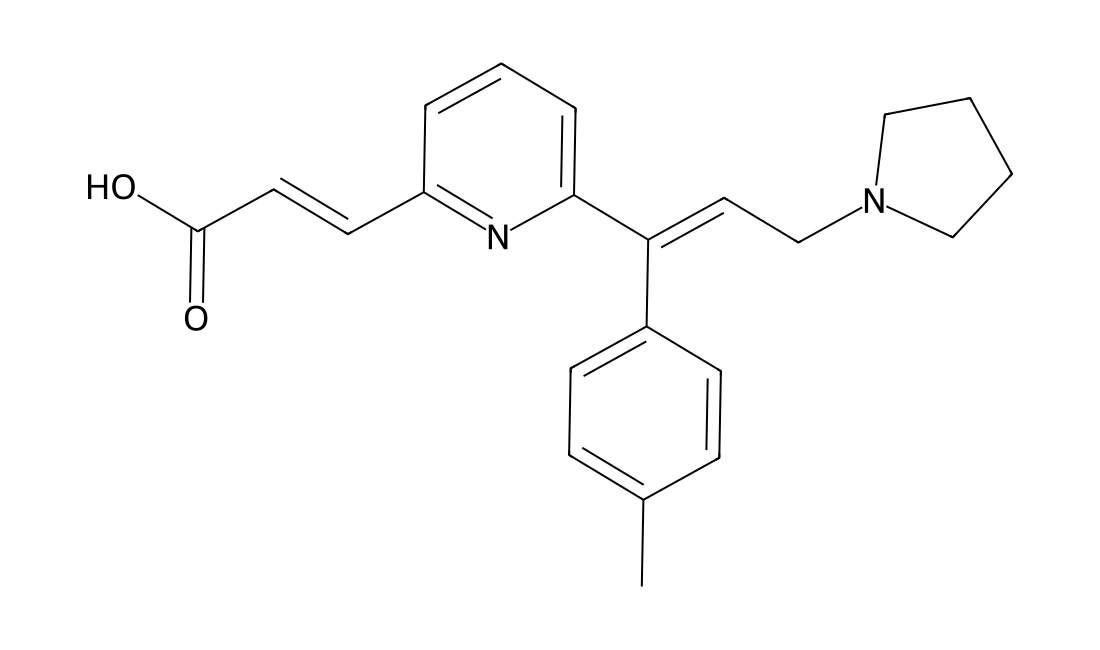
A-836339 (A836339) is a potent and selective cannabinoid CB2 receptor agonist with Ki of 0.64 and 0.76 nM for human and rat CB2 receptors, displays 425- and 189-fold selectivity over CB1 receptor, respectively; exhibits full agonist efficacy (Emax=102%) with high potency (EC50=1.6 nM), greater potency than other CB2-selective ligands including JWH-015 and GW-842166X; exhibits a potent CB2 receptor-mediated antihyperalgesic effect in various animal pain models, also demonstrates efficacies in the chronic constrain injury (CCI) model of neuropathic pain.
A-836339 chemical structure
DC23226

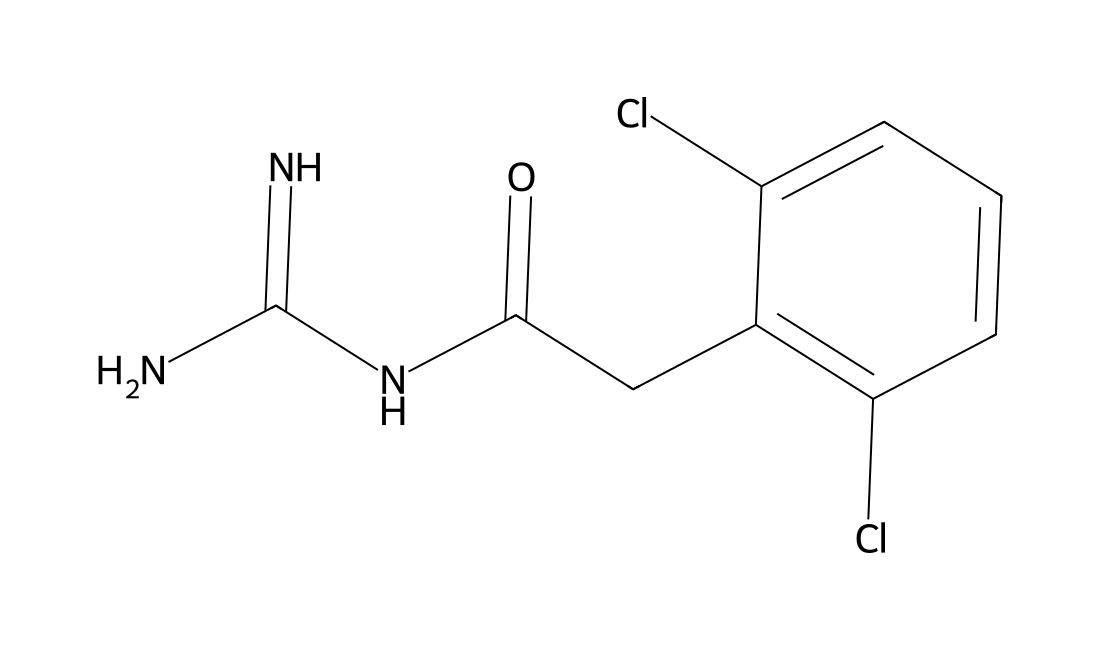
Guanfacine

CAS 29110-47-2

A selective α2A receptor agonist that can reduce peripheral sympathetic outflow and thus cansues a reduction in peripheral sympathetic tone; a sympatholytic agent used to treat hypertension and attention deficit hyperactivity disorder (ADHD).HypertensionApproved

Guanfacine chemical structure
DC22550

TAK-220

CAS 333994-00-6

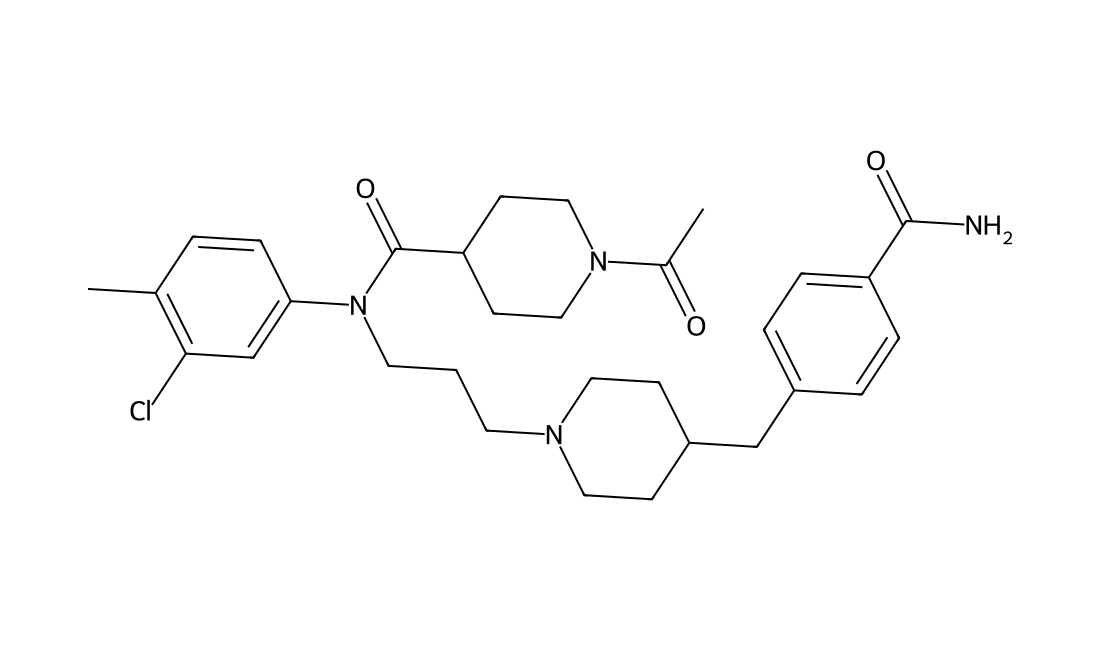
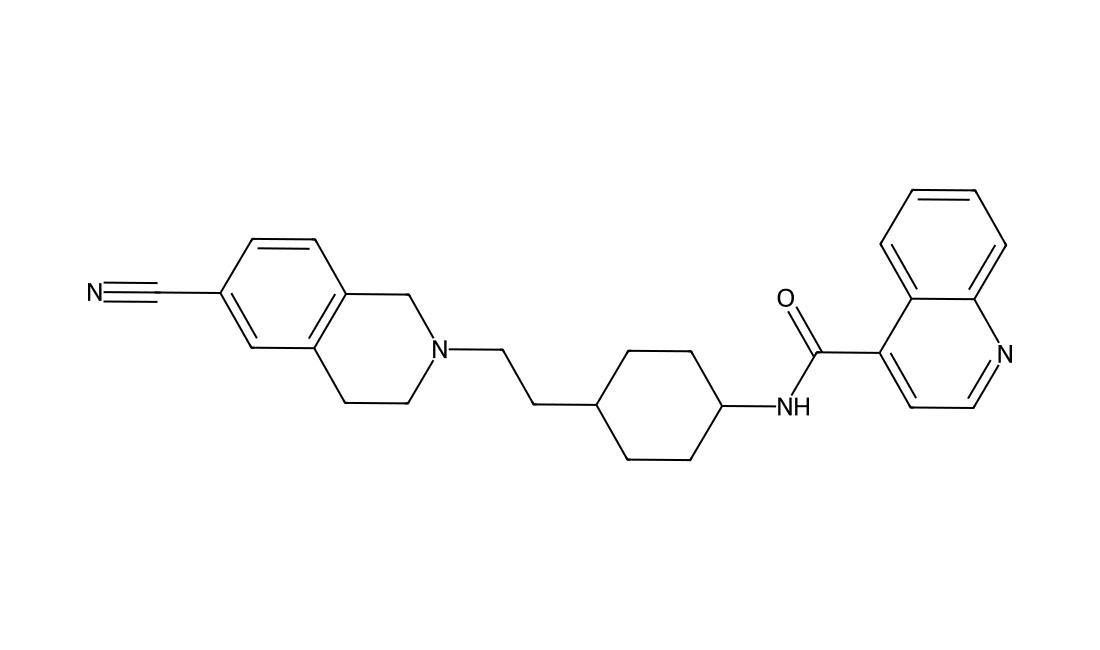
A potent, specific, orally bioavailable CCR5 antagonist that blocks the binding of MIP-1α to CCR5 with IC50 of 1.4 nM; shows no affinity for CCR1, CCR2b, CCR3, CCR4, or CCR7; inhibits the replication of 6 CCR5-using (R5) HIV-1 clinical isolates in peripheral blood mononuclear cells (PBMCs) with mean EC90 of 13 nM; selectively inhibits R5 HIV-1 replication by interfering with coreceptor-mediated entry of the virus into host cells; exhibits a good pharmacokinetic profile in monkeys.HIV InfectionPhase 1 Clinical

TAK-220 chemical structure
DC23958

MRK-016

CAS 342652-67-9

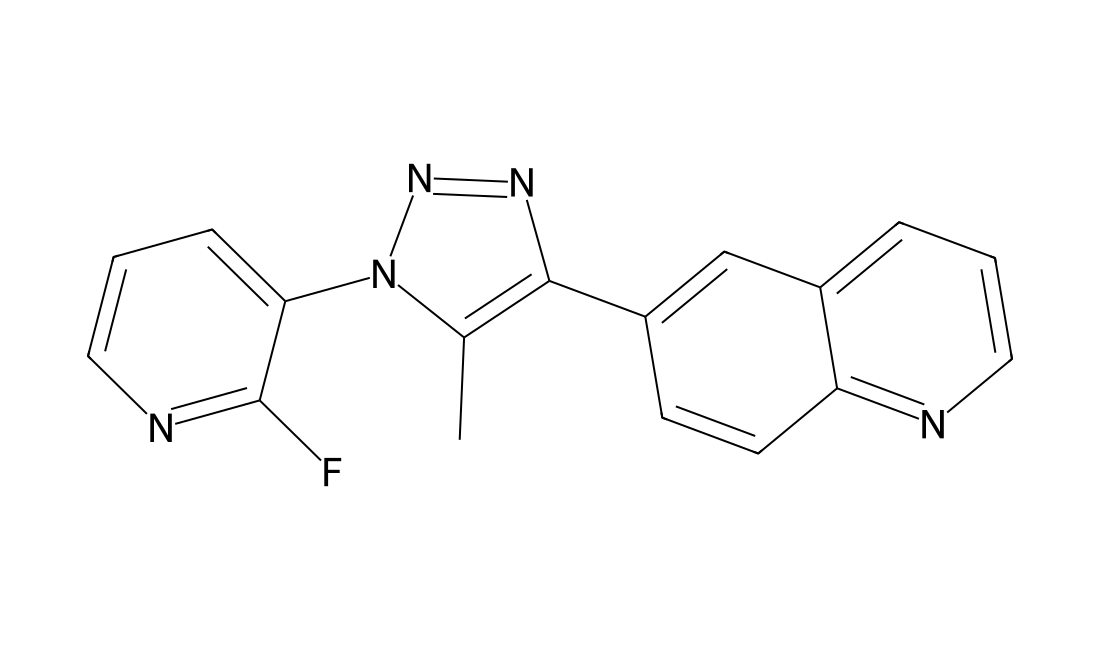
A potent, functionally selective, CNS-penetrating and orally bioavailable inverse agonist of benzodiazepine site of GABAA α5 receptor with Ki of 0.8-1.5 nM for α1-, α2-, α3-, andα5-containing GABAA receptors; has inverse agonist efficacy selective for the α5 subtype, increases long-term potentiation in mouse hippocampal slices; enhances performance in animal models of cognition, does not exhibit the convulsant, proconvulsant, or anxiogenic activity associated with nonselective GABAA inverse agonists.
MRK-016 chemical structure
DC23967

TG 100572

CAS 867334-05-2

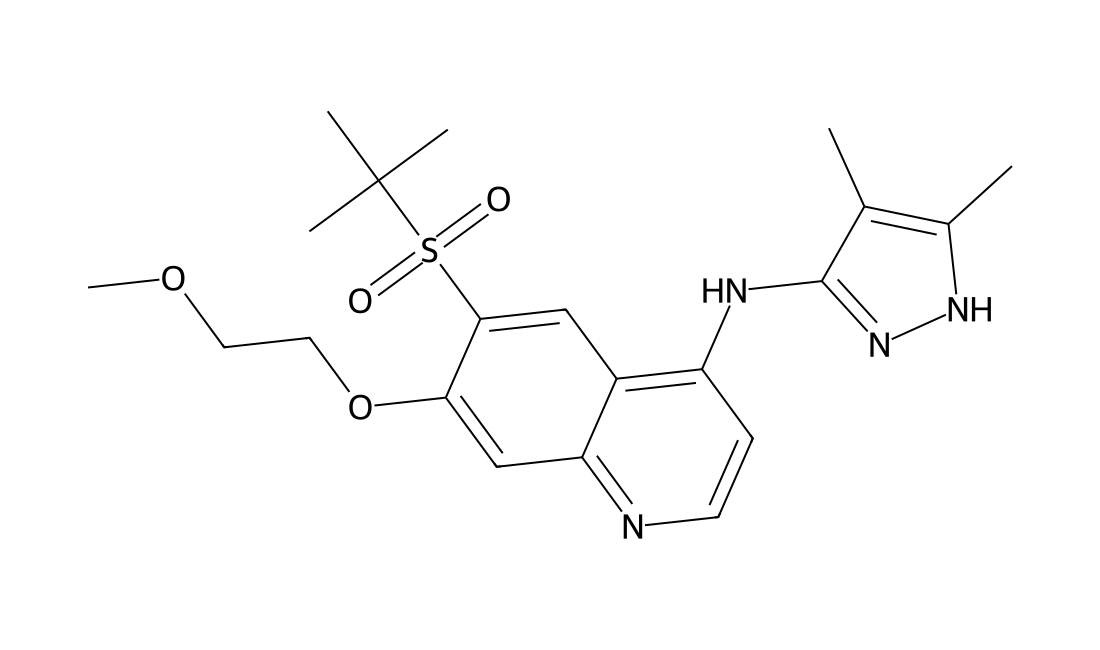
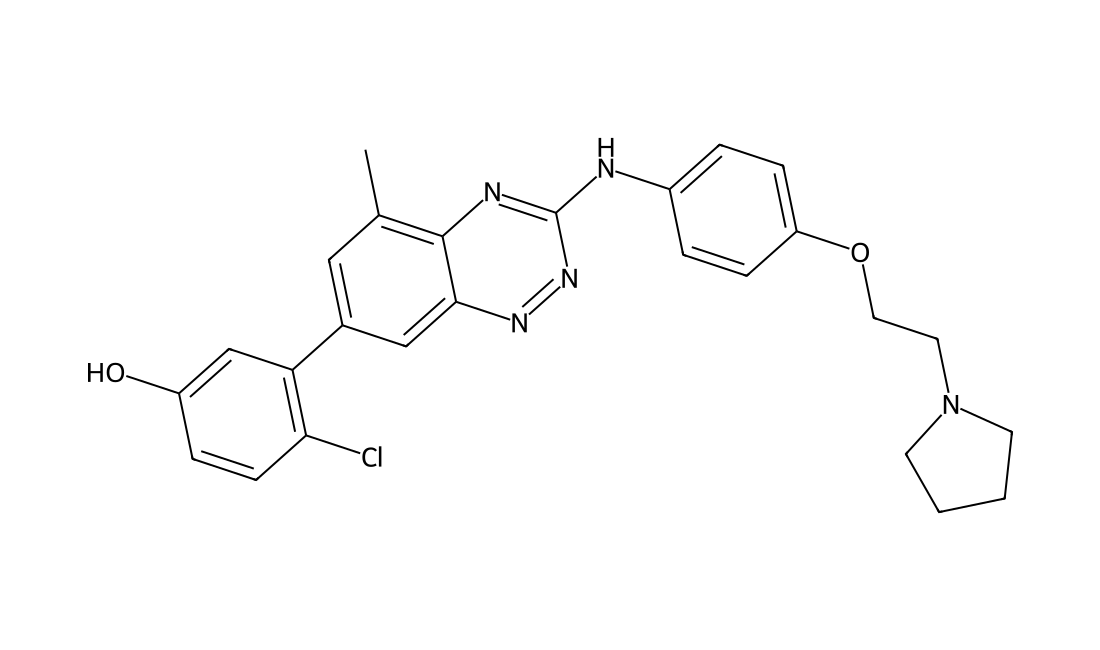
A potent, dual receptor tyrosine kinase/Src kinase inhibitor with IC50 of 2-16 nM for VEGFR, FGFR and PDGFR, 0.1-5 nM for Src family; inhibits vascular endothelial cell proliferation in vitro (ED50=610 nM) and blocks VEGF-induced phosphorylation of ERK, induces apoptosis; significant suppresses laser-induced choroidal neovascularization (CNV) in a murine model.

TG 100572 chemical structure
DC22545

TG 100572 hydrochloride

CAS 867331-64-4

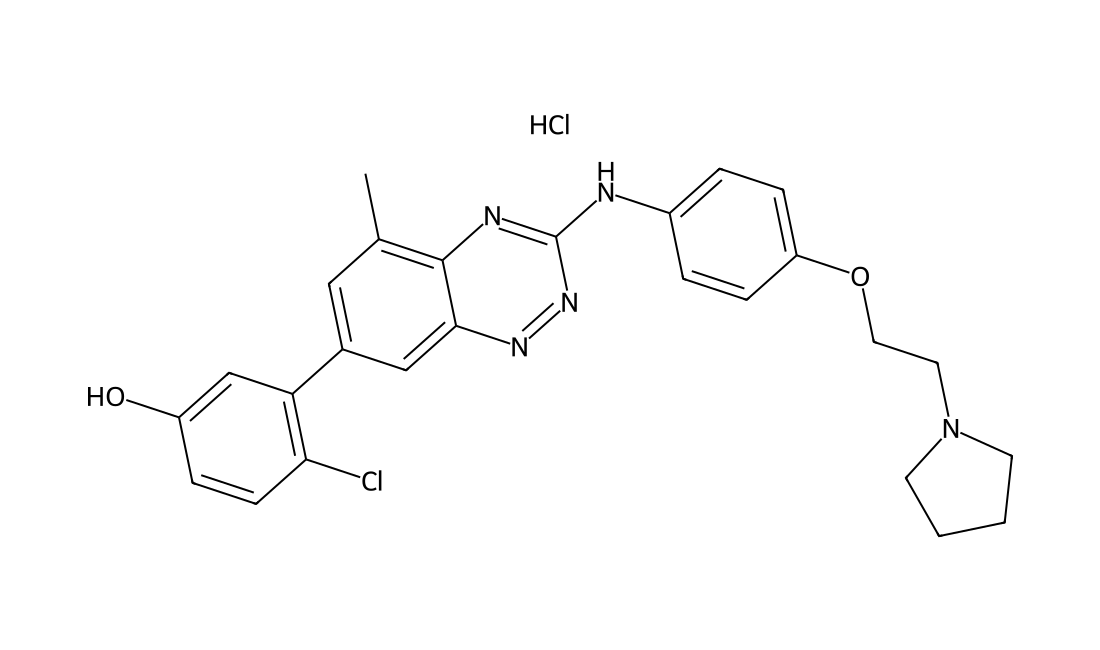
A potent, dual receptor tyrosine kinase/Src kinase inhibitor with IC50 of 2-16 nM for VEGFR, FGFR and PDGFR, 0.1-5 nM for Src family; inhibits vascular endothelial cell proliferation in vitro (ED50=610 nM) and blocks VEGF-induced phosphorylation of ERK, induces apoptosis; significant suppresses laser-induced choroidal neovascularization (CNV) in a murine model.

TG 100572 hydrochloride chemical structure
DC22389

Metoclopramide

CAS 364-62-5

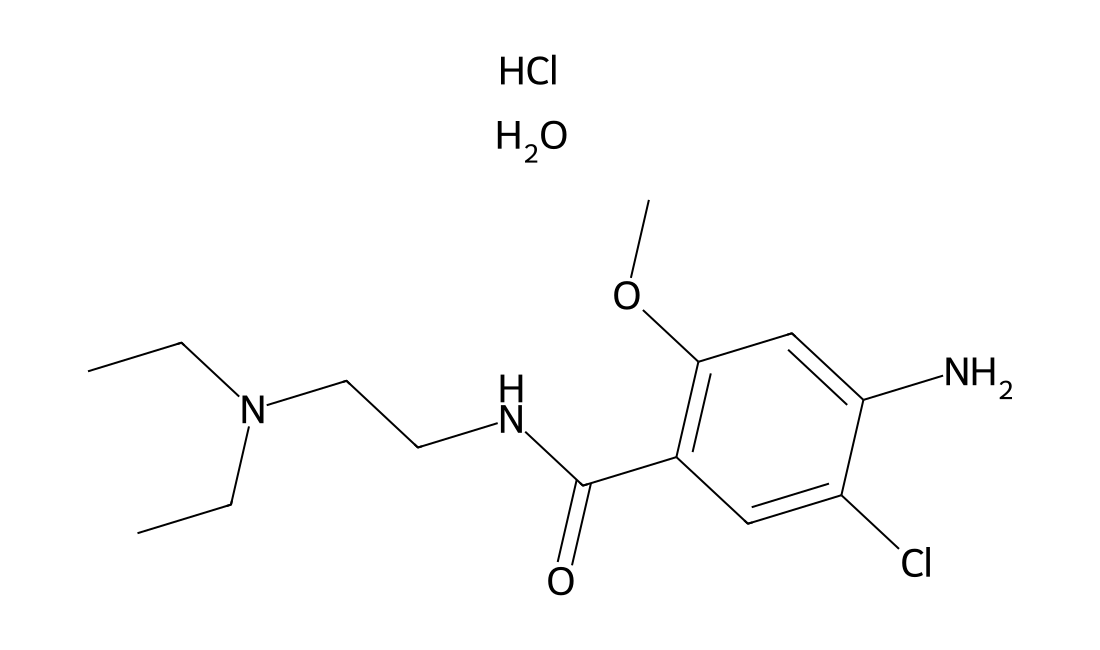
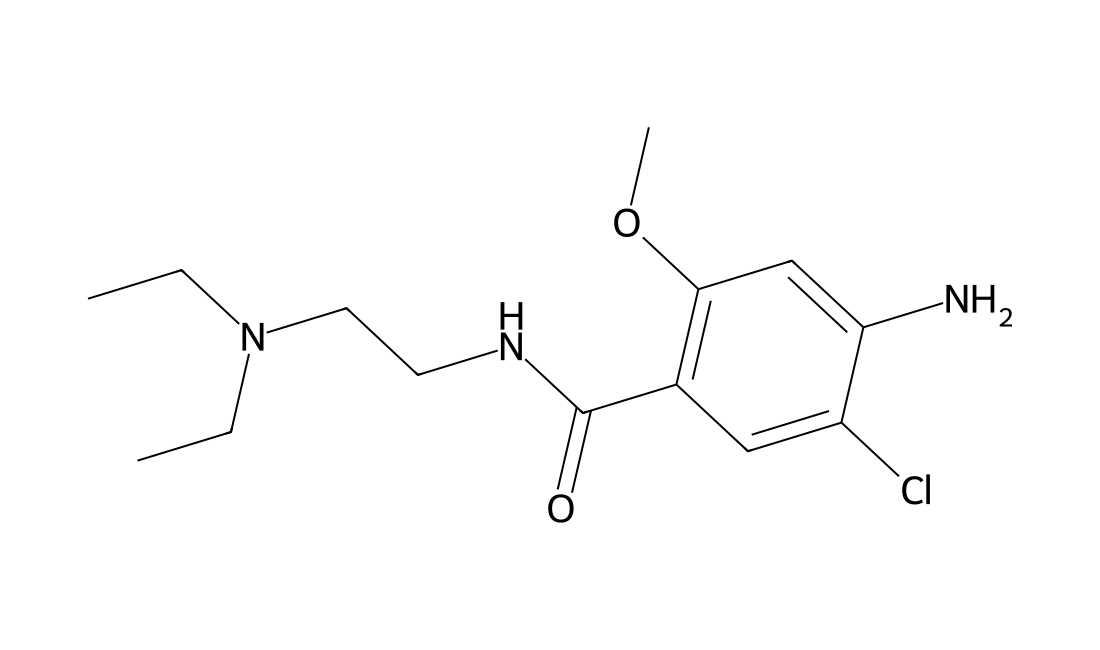
A potent dopamine D2 receptor antagonist with Ki of 28 nM; also is a mixed 5-HT3 receptor antagonist/5-HT4 receptor agonist; commonly used to treat nausea and vomiting caused by chemotherapy.Chemotherapeutic AgentsPhase 2 Discontinued

Metoclopramide chemical structure
DC22382

SB-277011

CAS 215803-78-4

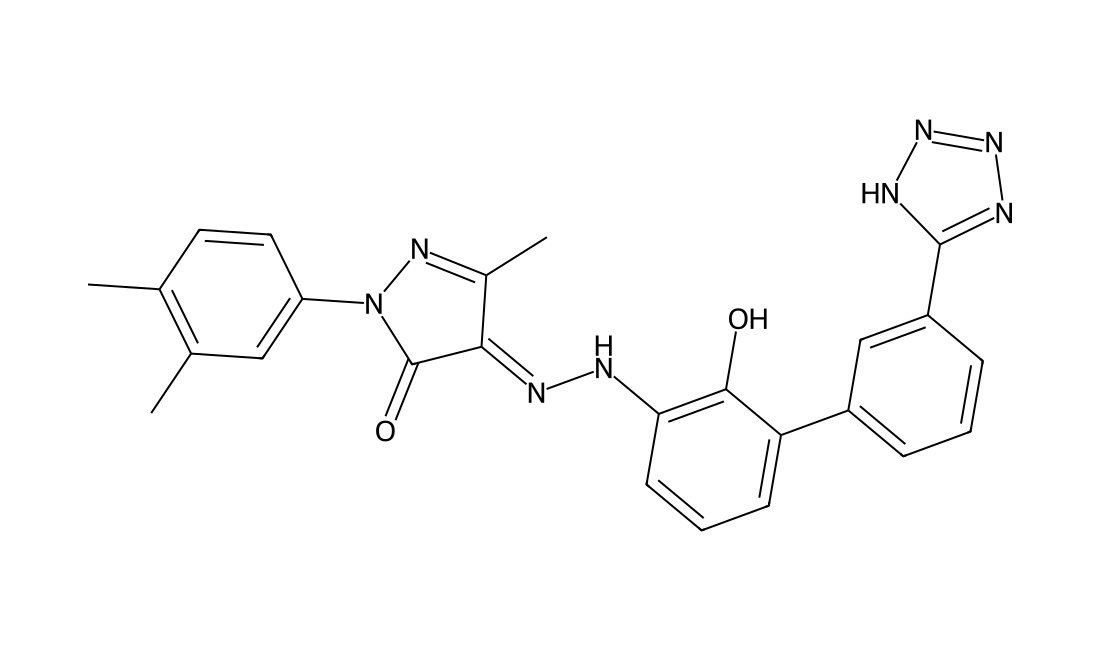
A potent and selective dopamine D3 receptor antagonist with pKi of 8.0; displays >100-fold selectivity against the D2, 5-HT1B, and 5-HT1D receptors; exhibits high oral bioavailability and brain penetration in rats.SchizophreniaDiscontinued

SB-277011 chemical structure
DC20150

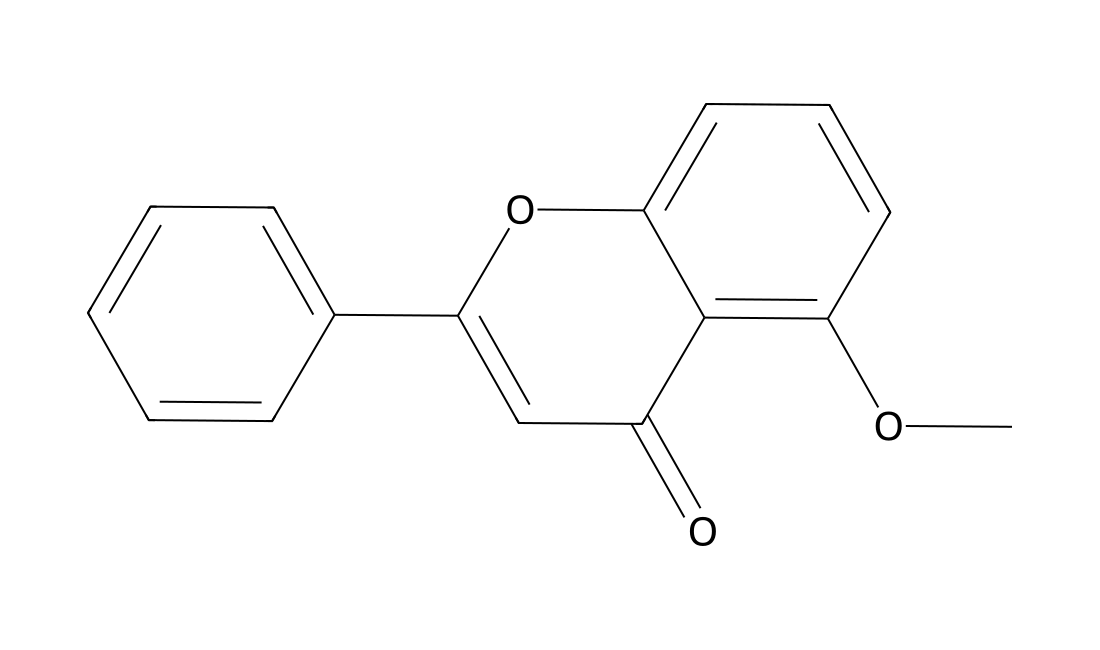
5-Methoxyflavone

CAS 42079-78-7

In Vitro 5-Methoxyflavone (compound 1) is identified as a candidate compound endowed with the ability to inhibit DNA pol-β in multiple and to prevent cell-cycle initiation and subsequent neuronal apoptosis in Aβ-challenged primary neuronal cultures. 5-methoxyflavone (10-30 μM) is able to significantly enhance toxicity of MMS on 92TAg cells. 5-Methoxyflavone (1 or 10 μM) significantly reduces polymerase activity on a gapped substrate. 5-Methoxyflavone (5-MF, 0-100 μg/mL) results in a time dependent reduction in the levels of antiapoptotic proteins cFLIP, Mcl-1 and an increase in the proapoptotic protein BAX. 5-MF induces both TRAIL-R1(DR4) and TRAIL-R2 (DR5) in a time-dependent manner. In Vivo 5-Methoxyflavone (100, 150 mg/kg, i.p) significantly decreases the latency time to loss of righting reflex. 5-Methoxyflavone (50, 100 and 150 mg/kg, i.p) exhibits a significant and dose-dependent reduction in the spontaneous locomotor activity. 5-Methoxyflavone (50, 100 mg/kg, i.p) reduces the rearing response. 5-Methoxyflavone (100, 125 and 150 mg/kg, i.p) completely abolishesed the grooming response similar to diazepam treated animals.

5-Methoxyflavone chemical structure
DCD-057

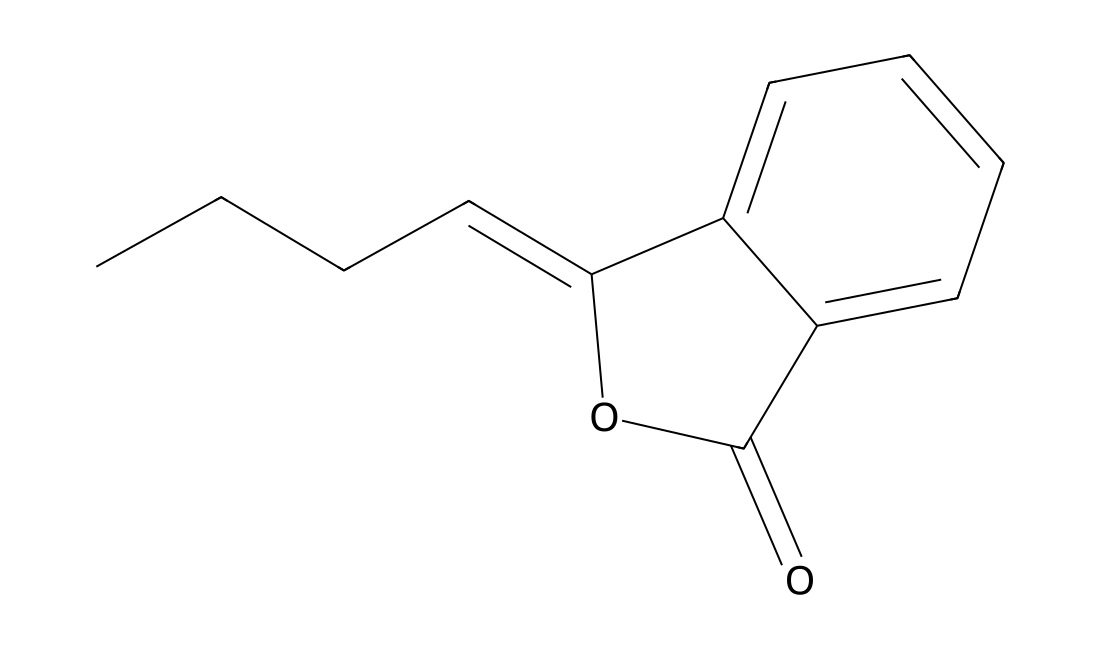
n-Butylidenephthalide

CAS 551-08-6

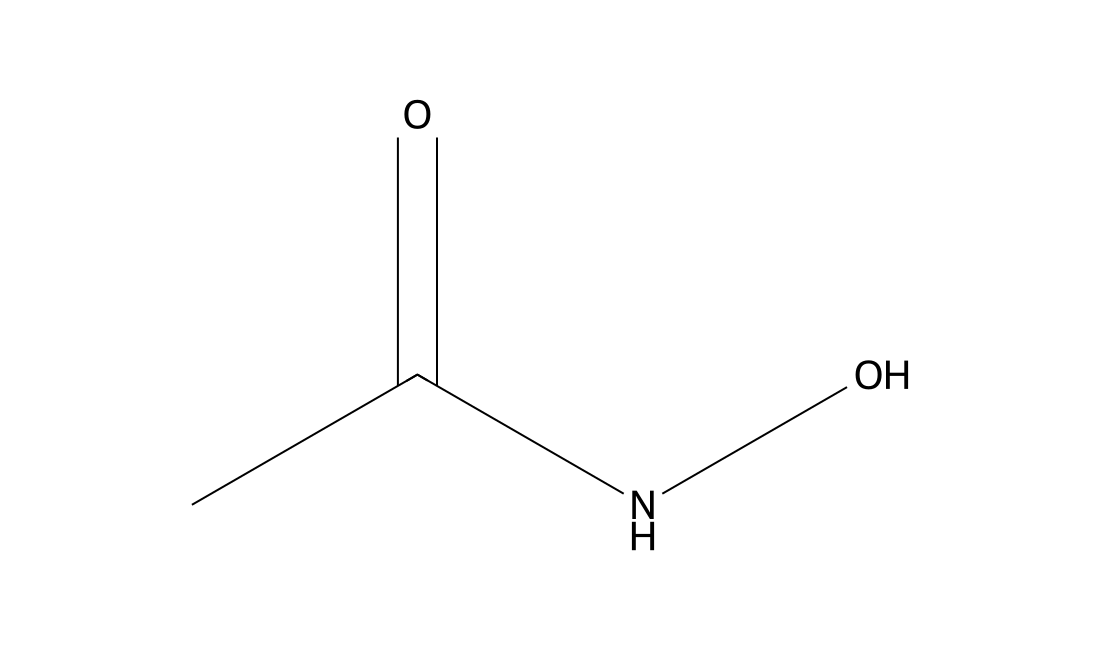
For the detailed information of n-Butylidenephthalide, the solubility of n-Butylidenephthalide in water, the solubility of n-Butylidenephthalide in DMSO, the solubility of n-Butylidenephthalide in PBS buffer, the animal experiment(test) (test) of n-Butylidenephthalide, the cell expriment (test) of n-Butylidenephthalide, the in vivo, in vitro and clinical trial test of n-Butylidenephthalide, the EC50, IC50,and Affinity of n-Butylidenephthalide,, please contact DC Chemicals.

n-Butylidenephthalide chemical structure
DC22917

SCH 79797 dihydrochloride

CAS 1216720-69-2

SCH79797 dihydrochloride is a highly potent, selective nonpeptide protease activated receptor 1 (PAR1) antagonist. SCH79797 dihydrochloride inhibits binding of a high-affinity thrombin receptor-activating peptide to PAR1 with an IC50 of 70 nM and a Ki of 35 nM. SCH79797 dihydrochloride inhibits thrombin-induced platelet aggregation with an IC50 of 3 μM. SCH79797 dihydrochloride has antiproliferative and pro-apoptotic effects, and limits myocardial ischemia/reperfusion injury in rat hearts. SCH79797 dihydrochloride also potently prevents PAR1 activation in vascular smooth muscle cells, endothelial cells, and astrocytes[1][2][3][4].

SCH 79797 dihydrochloride chemical structure
DC8159

L-701,324

CAS 142326-59-8

L-701324 is an orally active and long acting anticonvulsant with high affinity and selectivity for the glycine site on the NMDA receptor.Target: NMDA ReceptorL-701324 is a potent, active anticonvulsant with a reduced propensity to activate mesolimbic dopaminergic systems in rodents. L-701324 exhibits a beneficial action in the animal model of parkinsonian rigidity, but not that of parkinsonian akinesia. L-701324 (2.5-40 mg/kg, i.p.) dose-dependently decreased the muscle tone enhanced by haloperidol (1-5 mg/kg, i.p.).

L-701,324 chemical structure
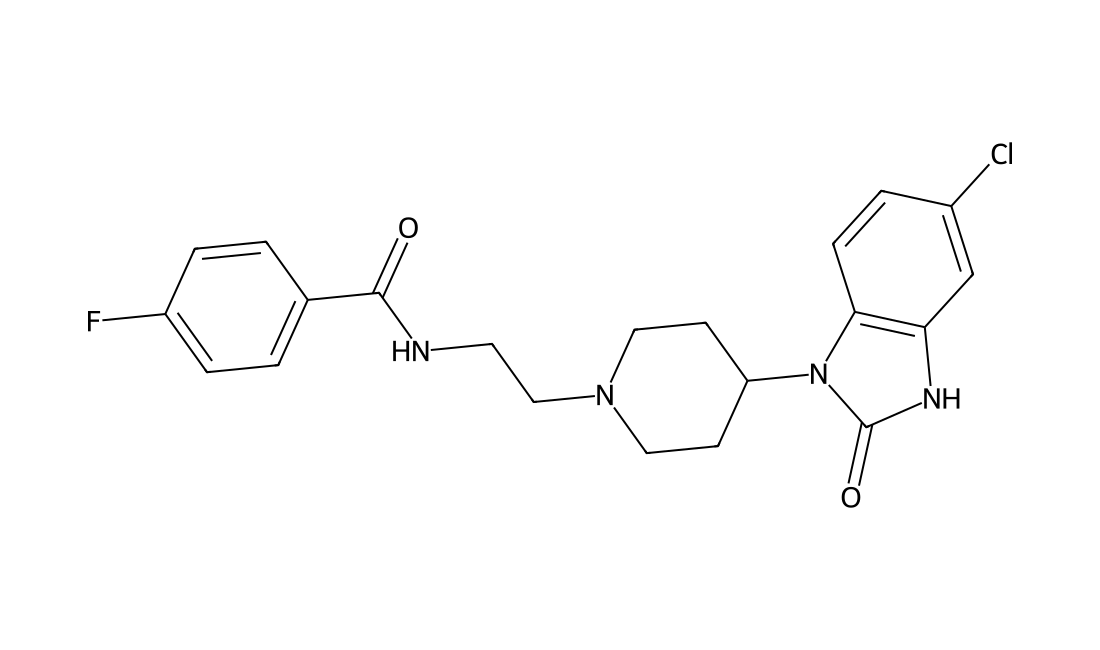
DC21689

SR 142948A

CAS 184162-21-8

A potent, selective and orally active neurotensin receptor antagonist with IC50 of 1.19 nM; antagonizes neurotensin-induced inositol monophosphate formation in HT 29 cells with IC50 of 3.9 nM, inhibits the turning behavior induced by neurotensin in mice, completely antagonizes neurotensin-evoked acetylcholine release in the rat striatum at 0.1 mg/kg; also blocks both hypothermia and analgesia induced by i.c.v. injection of neurotensin injection into the ventral tegmental area.

SR 142948A chemical structure
DC22913

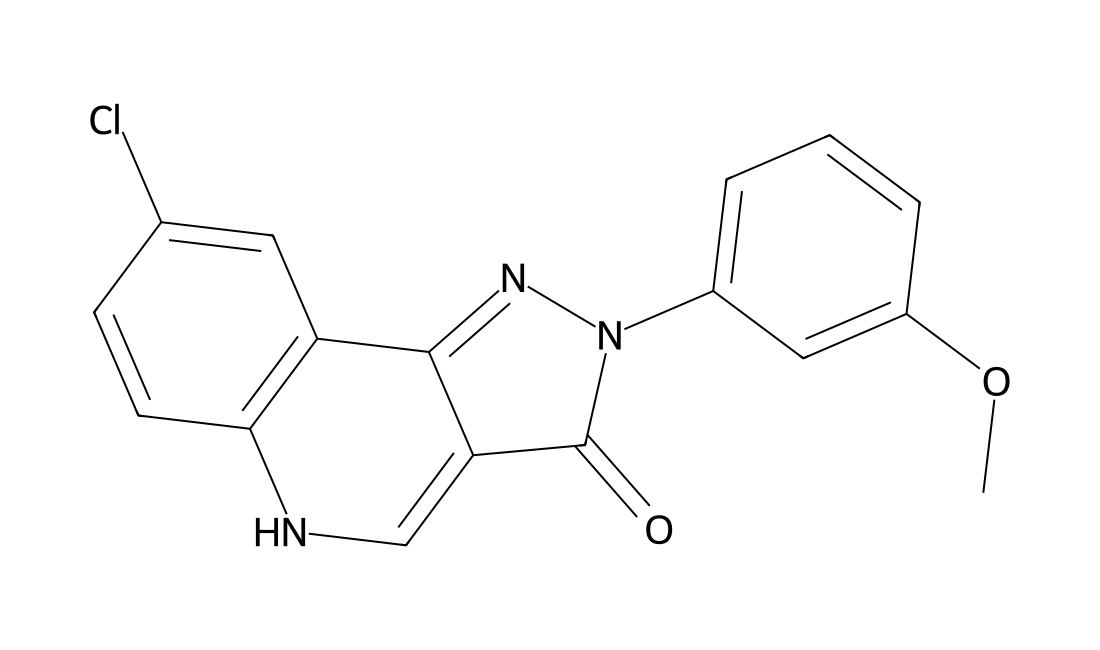
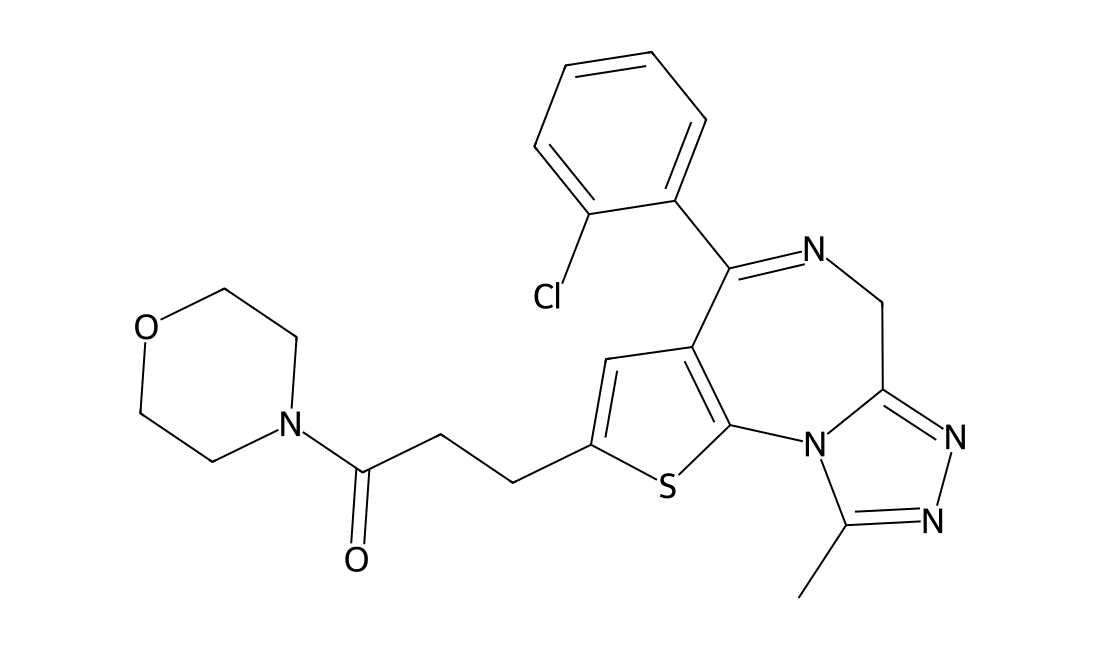
WEB-2086

CAS 105219-56-5

Apafant (WEB 2086), a potent platelet-activating factor (PAF) antagonist, inhibits PAF binding to human PAF receptors with a Ki of 9.9 nM[1].

WEB-2086 chemical structure
DC28113

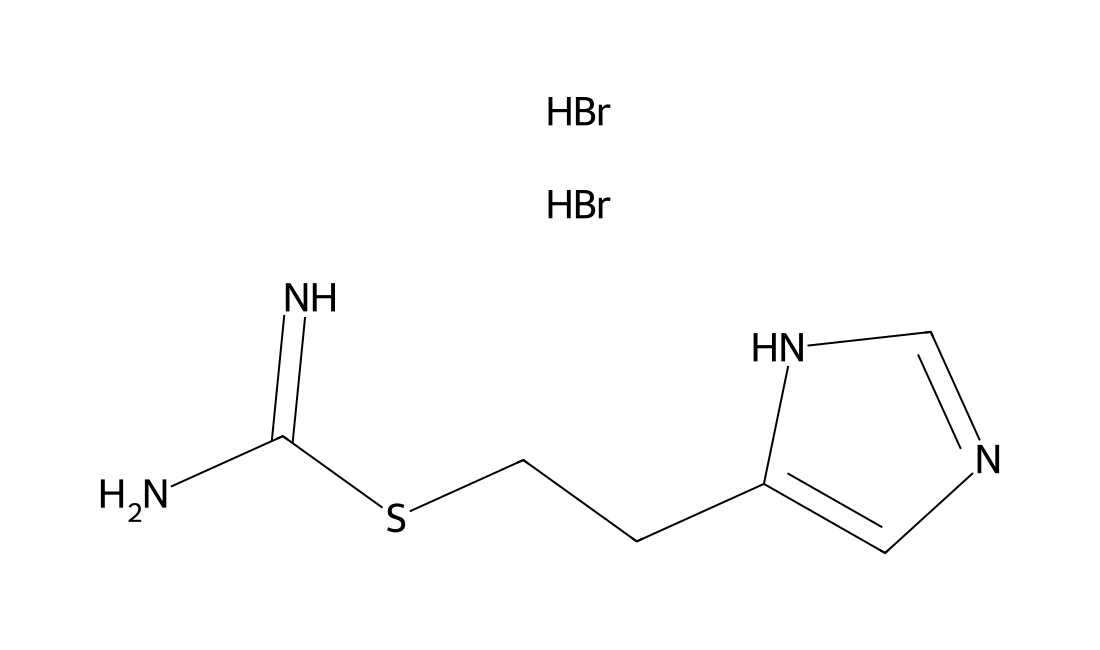
Imetit dihydrobromide

CAS 32385-58-3

Imetit dihydrobromide (VUF 8325 dihydrobromide) is a high affinity and potent agonist of histamine H3 and H4 receptors, with Ki values of 0.3 and 2.7 nM, respectively. Imetit mimics histamine effect in triggering a shape change in eosinophils (EC50=25 nM)[1][2][3].

Imetit dihydrobromide chemical structure
Browse target & topic index A–Z (366)
11β-HSD (1)15-PGDH (2)5-HT Receptor (16)Acetyl-CoA Carboxylase (ACC) (3)Acetylcholinesterase (AChE) (2)Ack1 (TNK2) (1)Acyltransferase (1)ADC Cytotoxin (6)ADCs Linker/Click Chemistry (5)Adenosine Receptor (9)Adenylate Cyclase (2)Adrenergic Receptor (11)Akt (12)Alcoholism (2)Aldehyde Dehydrogenase (ALDH) (6)Allergy (5)Alzheimer Disease (13)Aminopeptidase (1)AMPK (8)Amyloids (4)Anaplastic Lymphoma Kinase (ALK) (9)Androgen Receptor (AR) (11)Anemia (4)Angiotensin Receptor (4)Antibody/Protein labeling dyes (1)Antifolate (2)Anxiety (1)Apoptosis Inducer (3)Arginase (1)Arp2/3 complex (1)Aryl hydrocarbon Receptor (AhR) (1)Asthma (5)Atherosclerosis (2)ATM/ATR (8)Aurora Kinase (10)Autophagy (6)Autophagy-related Protein (Atg) (2)Autotaxin (2)Bacterial (26)Bacterial Infection (17)Bcl-2 (14)Bcr-Abl (5)BCRP (1)Beta-catenin (4)Beta-secretase (BACE) (4)Blood Cancer (91)BMI-1 (1)Bone Cancer (6)Brain Cancer (6)Breast Cancer (30)Bromodomain (22)BTK (10)c-Fms (CSF1R) (5)c-Fos/AP-1 (1)c-Kit (6)c-Met (HGFR) (11)c-Myc (2)Calcium Channel (4)Calcium-sensing Receptor (CaSR) (1)CaMK (4)Cannabinoid Receptor (6)Carbonic Anhydrase (1)Carboxypeptidase (1)Casein Kinase (6)Caspase (4)Cathepsin (6)Cdc2-like Kinase (CLK) (1)CETP (2)CFTR (7)Checkpoint Kinase (Chk) (8)Chemokine Receptor (CCR and CXCR) (14)Chemotherapeutic Agents (19)Chloride Channel (1)CMV (2)CMV Infection (2)Colon Cancer (9)Complement System (1)COPD (3)CREB/CBP (2)CRF Receptor (2)CRISPR/Cas9 (1)Cushing Disease (1)Cyclin-dependent Kinase (CDK) (39)Cyclooxygenase (COX) (4)Cytochrome P450 (CYPs) (5)Depression (2)Dermatitis (2)Deubiquitinase (DUB) (7)Diabetes (20)Dipeptidyl Peptidase (DPP) (3)Discoidin Domain Receptor (DDR) (1)DNA Alkylator/Crosslinker (10)DNA Methyltransferase (DNMT) (1)DNA Repair Protein (1)DNA-PK (2)DNA/RNA Synthesis (5)Dopamine beta-hydroxylase (1)Dopamine Receptor (7)Drug Metabolite (1)Drug-Linker Conjugates (11)Dyes (4)DYRK (1)Dyslipidemia (9)E3 Ligase Ligand (6)E3 Ligase Ligand-Linker Conjugate (1)E3 Ubiquitin Ligase (4)Ebola Virus Infection (1)EGFR (32)Elastase (2)Endothelin Receptor (5)Enzymes substrates (13)Epigenetic Reader Domain (3)Epilepsy (4)ERK (4)Estrogen Receptor/ERR (13)Eukaryotic Initiation Factor (eIF) (2)Exportin-1 (CRM1,XPO1) (2)FABP (1)Factor Xa (5)Farnesoid X Receptor (FXR) (5)Farnesyl transferase (FTase) (1)Ferroptosis (6)FGFR (15)Fibrosis (5)FLT3 (6)Focal Adhesion Kinase (FAK) (11)Foxo1 (1)Free Fatty Acid Receptor (FFAR) (5)Fungal (2)Fungal Infection (1)GABA Receptor (13)Galectin (1)Gastric Cancer (8)Ghrelin Receptor (GHSR) (3)Glucagon Receptor (4)Glucokinase (2)Glucose Transporter (GLUT) (2)Glutamate Transporter (2)GPCR (1)GPER (GPR30) (1)GPR139 (1)GPR183 (EBI2) (2)GPR39 (1)GPR55 (1)GPR84 (1)GRK (GPCRK) (2)Growth Hormone Deficiency (2)GSK-3 (8)Guanylate Cyclase (3)HBV (1)HBV Infection (1)HCN Channel (2)HCV (8)HCV Infection (9)HDAC (38)Heart Arrhythmia (2)Heart Failure (5)Heat Shock Protein (HSP) (15)Hedgehog (Hh) (1)HIF/HIF Prolyl-hydroxylase (8)Histamine Receptor (6)Histone Acetyltransferase (HAT) (5)Histone Demethylase (11)Histone Methyltransferase (HMTase) (31)HIV (12)HIV Infection (11)HMG-CoA Reductase (HMGCR) (3)HSV (1)HSV Infection (1)Hypercholesterolemia (1)Hyperparathyroidism (1)Hypertension (8)IAP (1)IGF-1R (3)iGluR (15)Indoleamine 2,3-Dioxygenase (IDO) (4)Infection (1)Influenza (6)Influenza Virus (6)Insulin Receptor (2)Integrin (6)Interleukin Receptor (1)IRAK (2)IRE1 (4)Irritable Bowel Syndrome (2)Ischemia (1)Isocitrate Dehydrogenase (IDH) (5)ITK (1)IκB kinase (IKK) (7)JAK (32)JNK (3)Keap1-Nrf2 (6)Kidney Cancer (10)Kinesin (5)Kruppel-like Factor (KLF) (1)Kynurenine 3-Monooxygenase (KMO) (1)Leukotriene Receptor (1)LIM Kinase (LIMK) (3)Lipids fragment (1)Liver Cancer (6)Liver X Receptor (LXR) (3)LRRK2 (9)Lung Cancer (39)Lysophospholipid Receptor (12)LYTACs (3)mAChR (9)MALT1 (2)MAP4K (1)Matrix Metalloproteinase (MMP) (10)MDM2-p53 (9)MEK (MAP2K) (14)MEKK (MAP3K) (1)Melanocortin Receptor (2)MELK (1)mGluR (7)MicroRNA (1)Microtubule/Tubulin (5)Mineralocorticoid Receptor (MLR) (1)MITF (1)Mixed Lineage Kinase (MLK) (3)MNK (2)Molecular Glues (13)Monoamine Transporter (5)Monocarboxylate Transporter (MCT) (1)Monopolar Spindle 1 (Mps1/TTK) (3)mTOR (13)Multiple Sclerosis (6)Myosin (1)Na-K-Cl Cotransporter (NKCC) (2)nAChR (2)NADPH Oxidase (NOX) (2)NAMPT (3)Natural products (37)Neprilysin (1)Neurokinin Receptor (3)Neuropeptide Y Receptor (3)NF-κB (5)Nitric Oxide Synthase (NOS) (1)NOD-like Receptor (NLR) (3)Notch (2)Nucleoside Antimetabolite/Analog (10)Nur77 (NR4A1) (1)Obesity (1)Oct3/4 (1)Opioid Receptor (5)Orexin Receptor (7)Osteoporosis (2)Ovarian Cancer (14)Oxytocin Receptor (OXTR) (2)P-glycoprotein (P-gp) (3)p21-activated Kinase (PAK) (1)P2X Receptor (2)P2Y Receptor (1)p38 MAPK (10)p97/VCP (1)Pain (12)Pancreatic Cancer (10)Parasite (5)Parasite Infection (2)Parkinson Disease (2)PARP (19)PCSK9 (1)PD-1/PD-L1 (4)PDGFR (4)PDK1 (2)PEGn (1)PERK (2)PGE synthase (2)Phosphodiesterase (PDE) (9)Phospholipase (4)PI3K (32)PI4K (2)Piezo Channel (1)PIKfyve (3)Pim (9)PKC (12)PKD (1)Plasminogen Activator Inhibitor-1 (PAI-1) (3)Polo-like Kinase (PLK) (4)Porcupine (3)Potassium Channel (13)PPAR (13)Pregnane X Receptor (PXR) (1)Progesterone Receptor (2)Prostaglandin Receptor (11)Prostate Cancer (7)PROTACs (35)Protease-activated Receptor (PAR) (3)Proteasome (12)Protein Disulfide Isomerase (PDI) (1)Protein Phosphatase/PTP (6)Proton Pump (1)Psoriasis (5)RAD51 (1)Radioligand precursors (15)Raf (18)RAR/RXR (3)Ras (17)Renin (2)RET Tyrosine Kinase (c-RET) (3)Rheumatoid Arthritis (16)Ribosomal S6 Kinase (RSK) (5)RIG-I-like Receptor (RLR) (2)RIP kinase (7)ROCK (12)ROR (2)RSV (4)RSV Infection (3)RUNX1-CBFβ (1)S-nitrosoglutathione reductase (GSNOR) (1)Saccharides and Glycosides (1)Salt Inducible Kinase (SIK) (2)SARS-CoV (16)SARS-CoV Infection (34)Schizophrenia (4)Sexual Dysfunction (1)SGLT (4)Sigma Receptor (4)Sirtuin (9)Skin Cancer (13)Sleep Disorder (7)SMN2 Modulator (1)Smoothened (Smo) (9)Sodium Channel (12)Solid Tumors (35)Somatostatin Receptor (2)Sphingosine kinase (SphK) (2)Src (7)STAT (5)Stearoyl-CoA Desaturase (SCD) (1)Steatohepatitis (7)Sterol lipids (1)STING (14)Syk (6)T Cell Receptor (TCR) (1)TAK1 (2)TAM Receptor (Tyro3-Axl-Mer) (4)Taste Receptor (1)Telomerase (2)TGF beta Receptor (TGFBR) (12)Thrombin (3)Thrombosis (13)Thyroid Cancer (1)Thyroid Hormone Receptor (THR) (1)Thyrotropin Receptor (2)TNIK (1)Toll-like Receptor (TLR) (2)TOPK (1)Topoisomerase (11)TRAIL (1)Translocator Protein (TSPO) (1)Trk Receptor (4)TRP Channel (13)Tryptophan Hydroxylase (TPH) (1)Ubiquitin-activating Enzyme (E1) (2)Ubiquitin-conjugating Enzyme (E2) (2)Ulcer (1)ULK (3)Vasopressin Receptor (2)VEGFR (25)Vitamin D Receptor (VDR) (3)Wee1 (1)WNK Kinase (1)Wnt (5)Yes-associated Protein (YAP) (4)γ-secretase (5)

Cart

Request quotation