Home/Small Molecules/GPCRs & Receptor Biology

GPCRs & Receptor Biology

G-protein-coupled, nuclear and other ligand-binding receptors and their modulators.

Browse all research categories

Browse by research category

Products may appear in more than one category. Counts refer to distinct catalog numbers within each category.

Other Research Tools (75) · Additional reagents, building blocks and specialized research tools.

GPCRs & Receptor Biology products

Combine a keyword, research category and target to narrow the product list.

Loading catalog filters…

1,219 products · Showing 577–624

DC32533

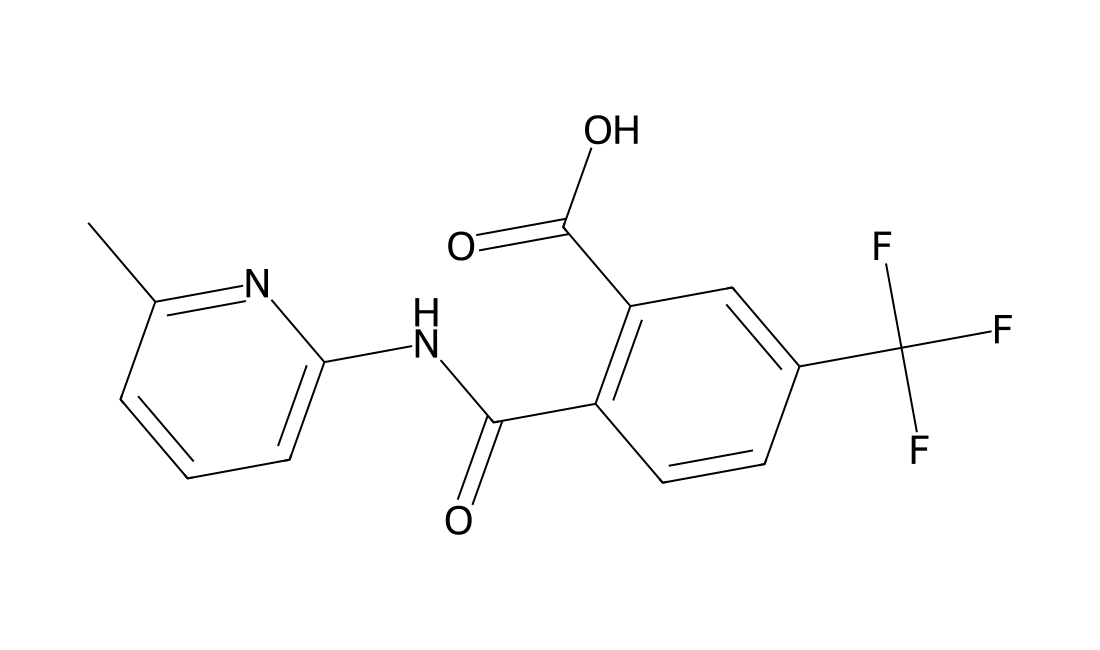
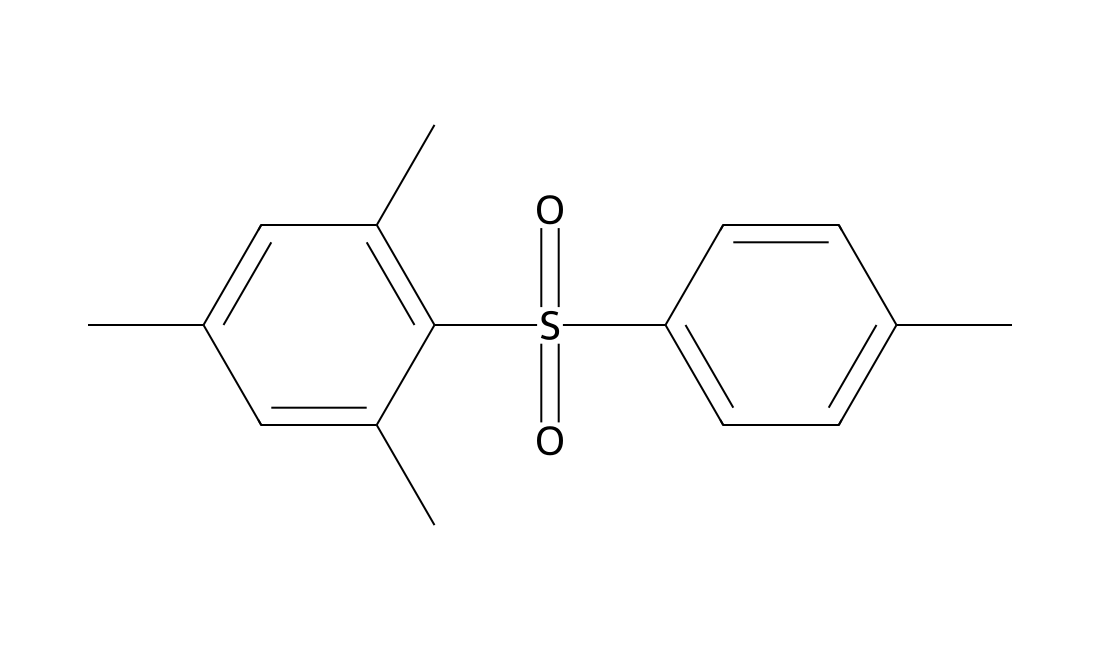
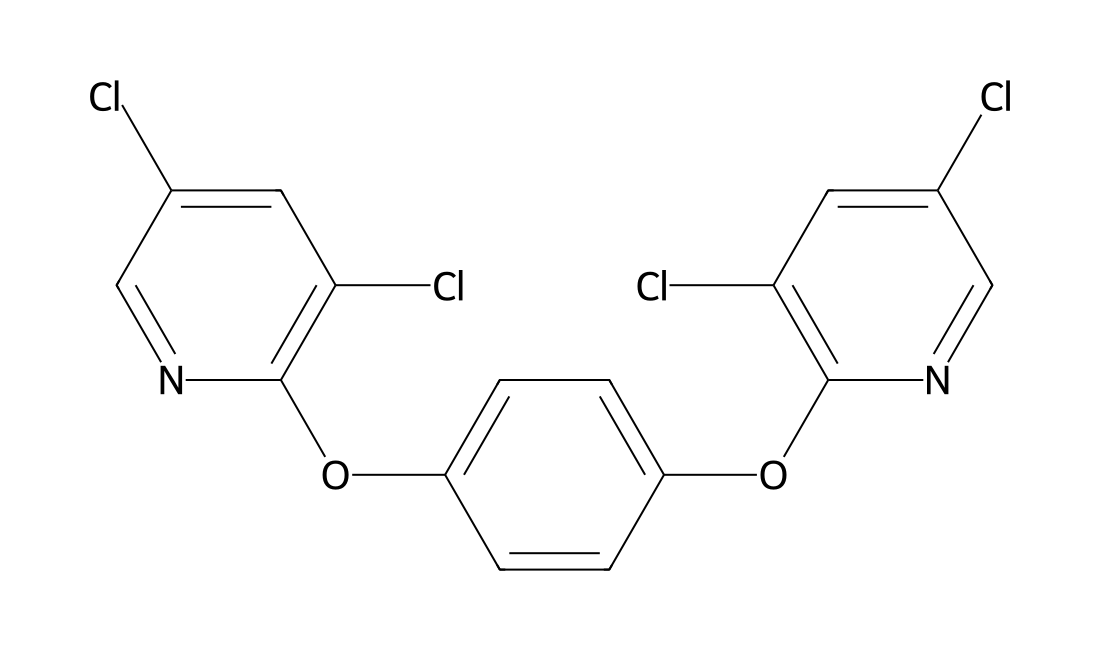
TCPOBOP

CAS 76150-91-9

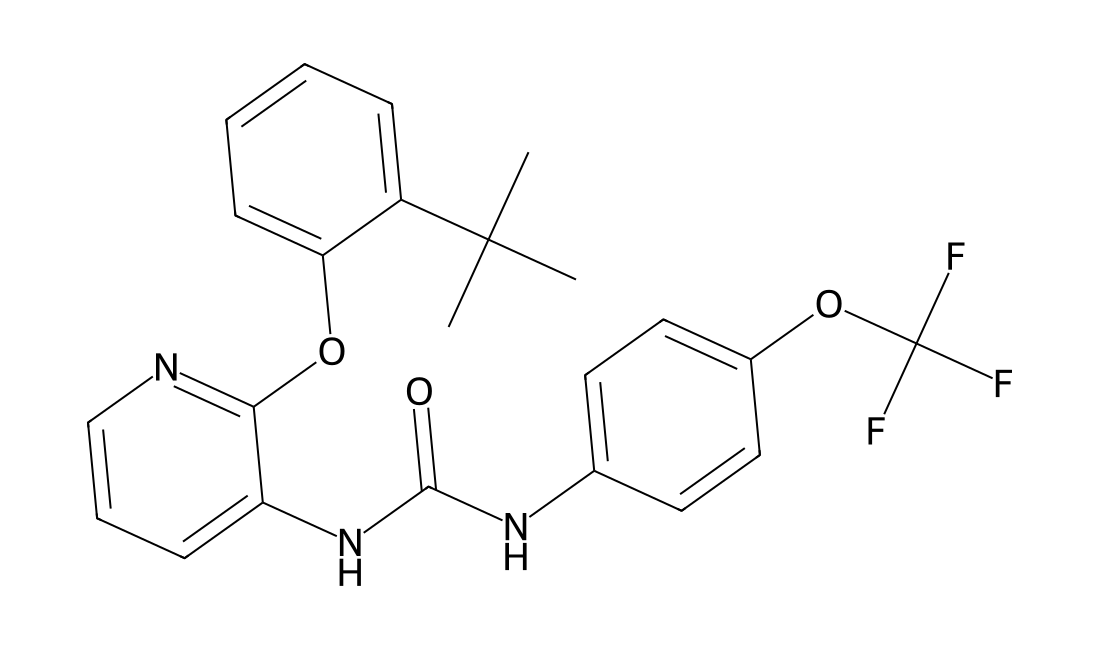
TCPOBOP is an agonist of the constitutive androstane receptor (CAR) (EC50 = 20 nM). TCPOBOP enhances the nuclear receptor CAR transactivation of cytochrome P450 (CYP), as dose-dependent direct agonist of CAR. The most potent known member of the phenobarbital-like class of CYP-inducing agents. TCPOBOP has been used for enhancing Mcl-1-Italics promoter functions in mouse hepatoma cells. TCPOBOP has also been used to study constitutive androstane receptor(CAR)-induced gene expression in mouse hepatocytes.

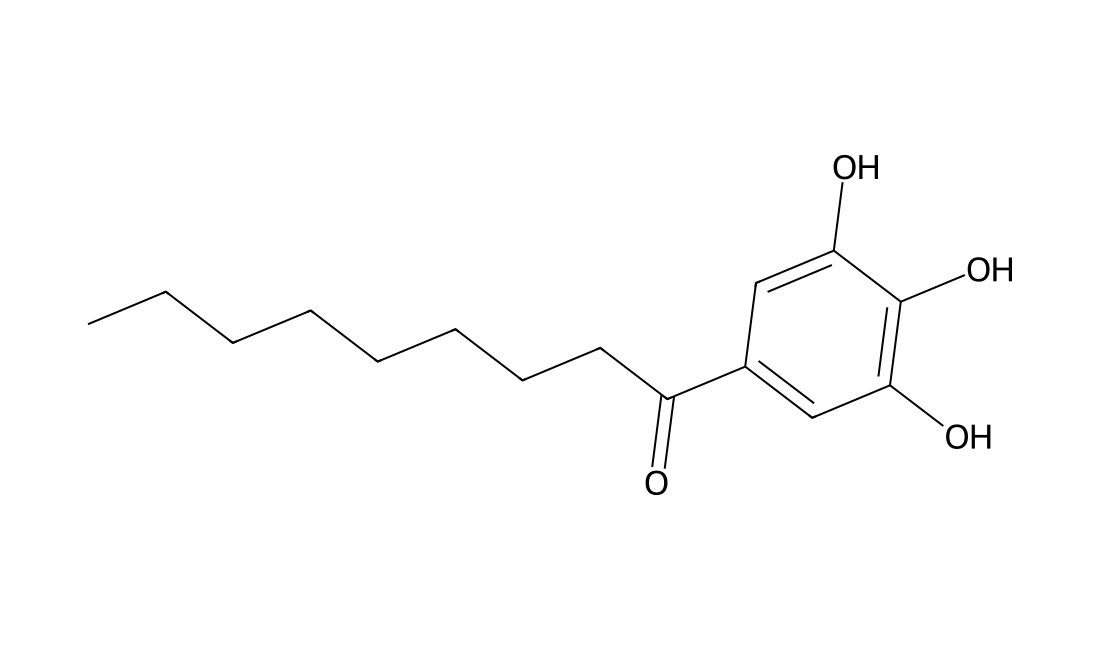
TCPOBOP chemical structure
DC31979

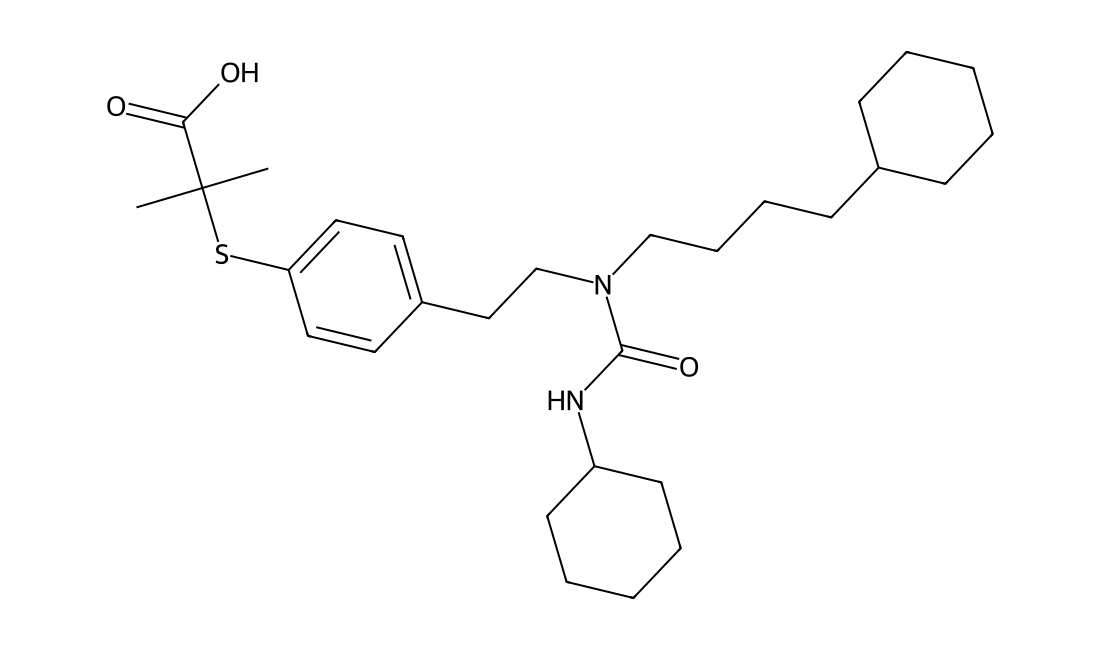
Eprotirome(KB-2115)

CAS 355129-15-6

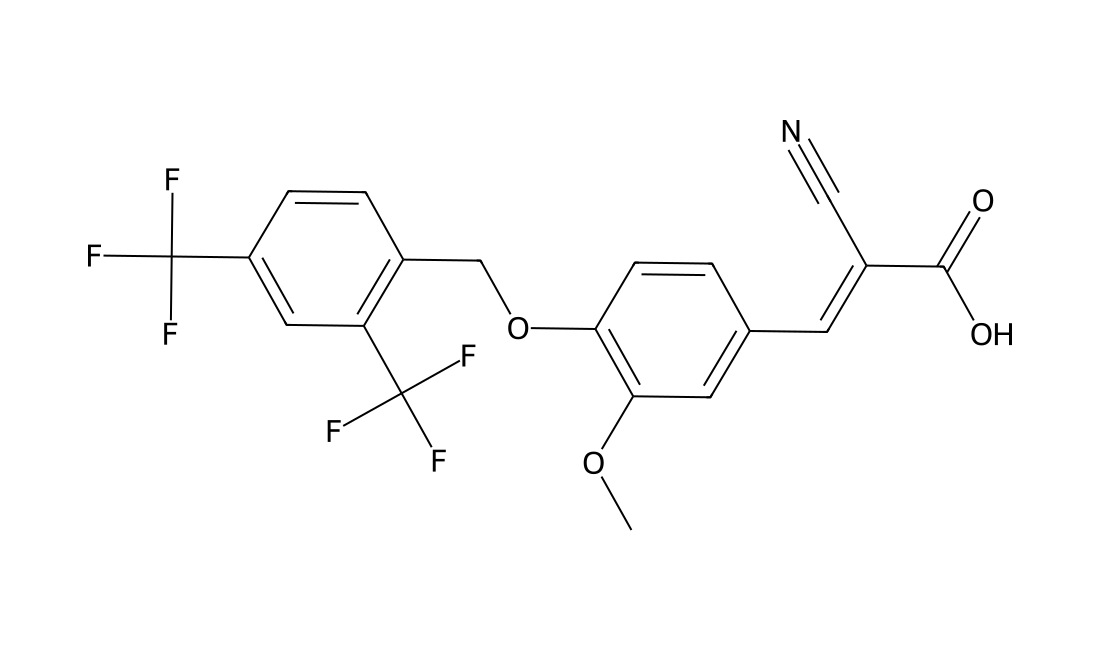
Eprotirome, also known as KB-2115, is a liver-selective thyroid hormone receptor agonist that has been shown to lower plasma LDL cholesterol concentrations in previous phase 1 and 2 studies of patients with dyslipidaemia. KB2115 lowers plasma LDL cholesterol and stimulates bile acid synthesis without cardiac effects in humans.

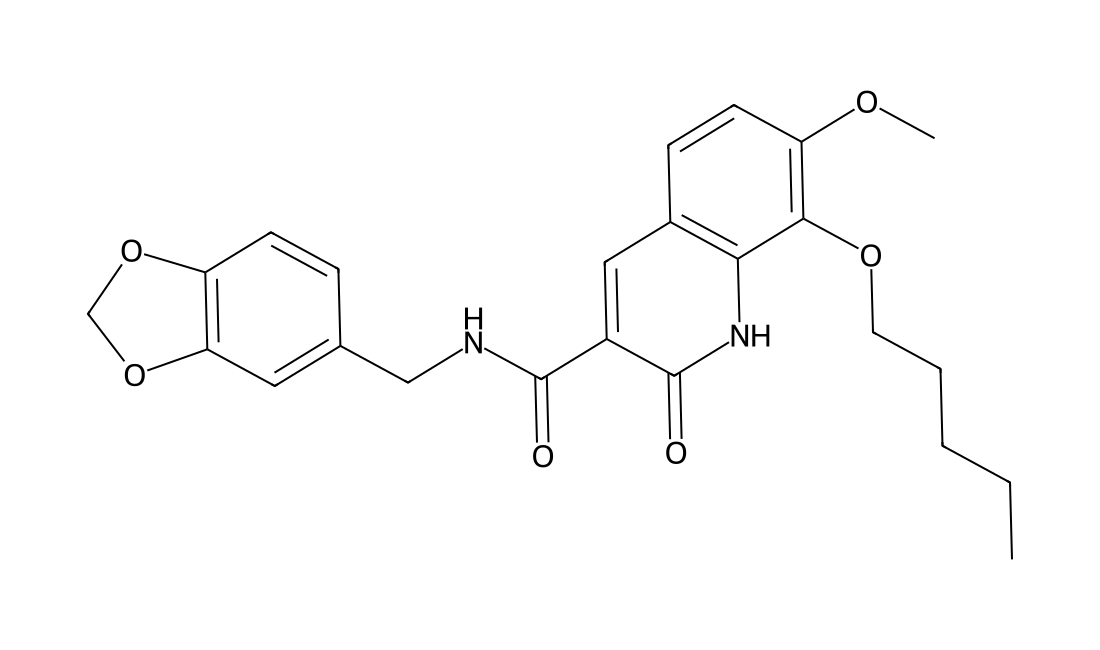
Eprotirome(KB-2115) chemical structure
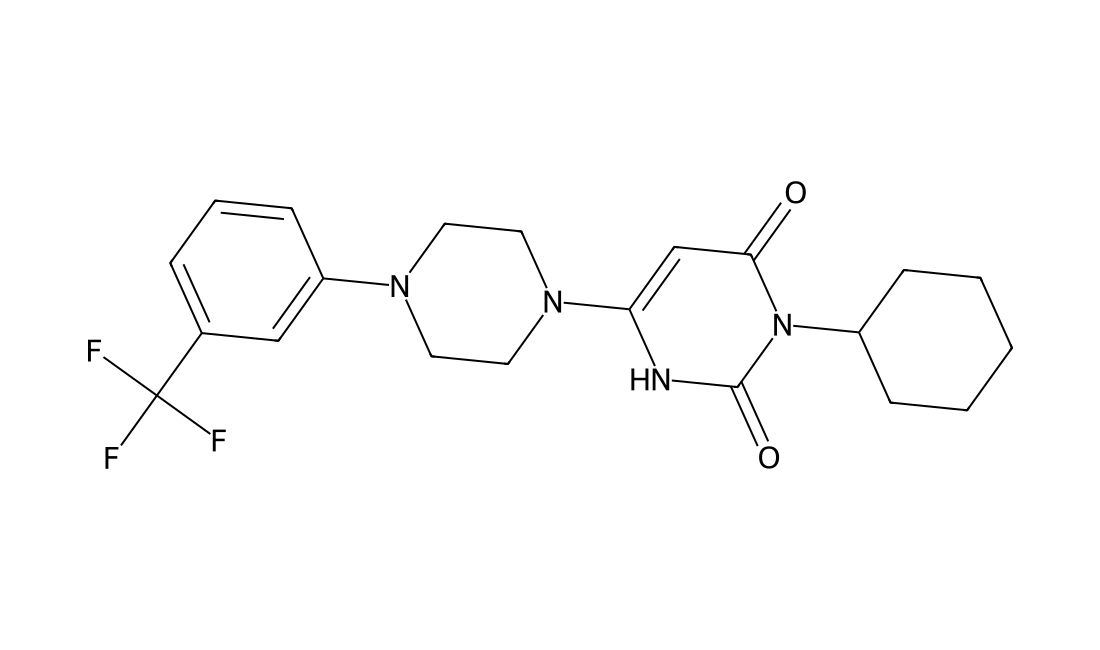
DC44945

JHU37152

CAS 2369979-67-7

JHU37152 is a Designer Receptors Exclusively Activated by Designer Drug (DREADD) agonist with Ki of 1.8 nM and 8.7 nM for human muscarinic acetylcholine M3 receptors (hM3Dq) and hM4Di in vitro, respectively. And EC50 values are 5 nM and 0.5 nM for hM3Dq and hM4Di in fluorescent and BRET-based assays in HEK-293 cells, respectively.,hM4Di 1(Cell-free assay) hM3Dq 1(Cell-free assay) hM3Dq 1(Cell-free assay) hM4Di 1(Cell-free assay) 0.5 nM(EC50) 1.8 nM(Ki) 5 nM(EC50) 8.7 nM(Ki),JHU37152 is a potent DREADD agonist with high potency and efficacy in fluorescent and BRET-based assays in HEK-293 cells, whereas no responses are observed in untransfected HEK-293 cells.1,JHU37152 exhibits high in vivo DREADD potency. JHU37152 exhibits selective 3Hclozapine displacement from DREADDs in brain tissue from WT and D1-DREADD mice.1

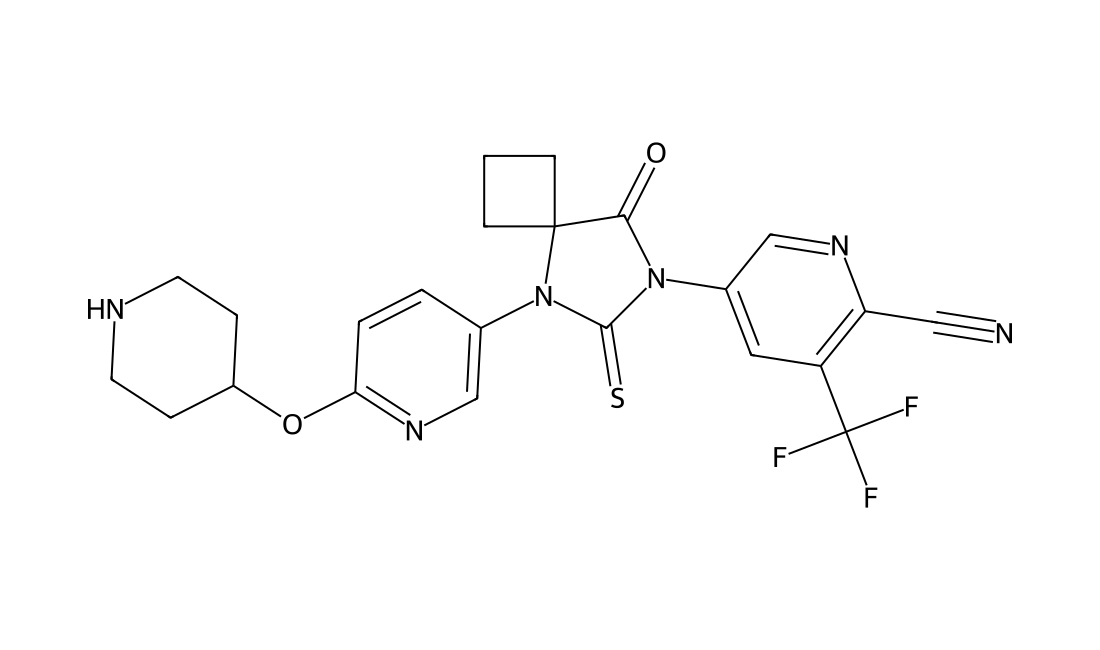
JHU37152 chemical structure
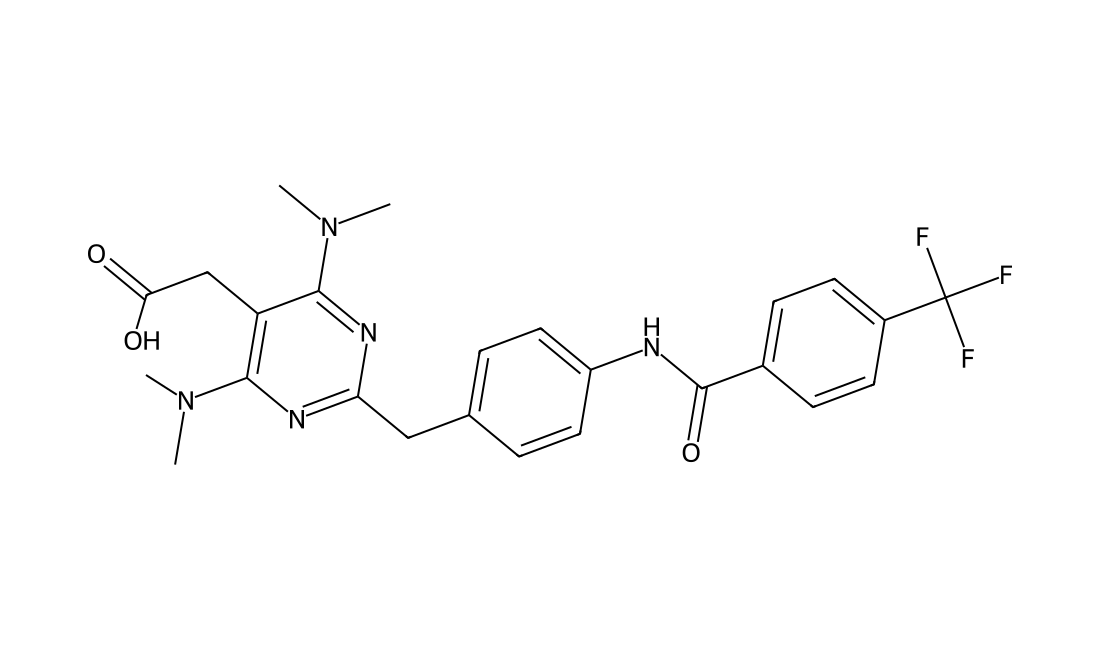
DC23140

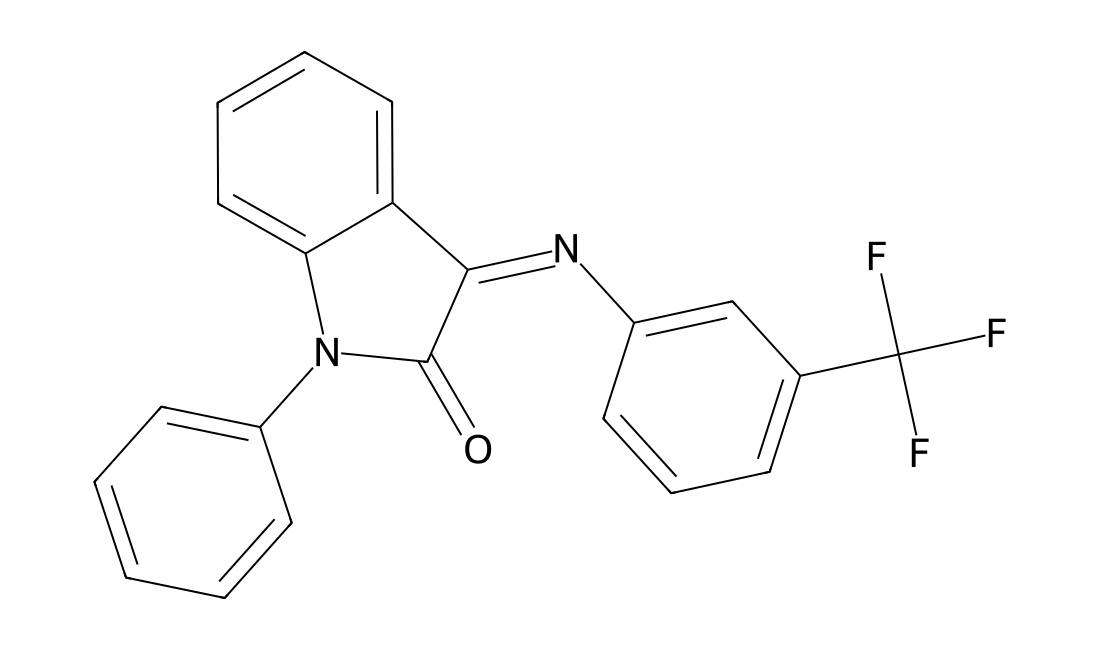
AF38469

CAS 1531634-31-7

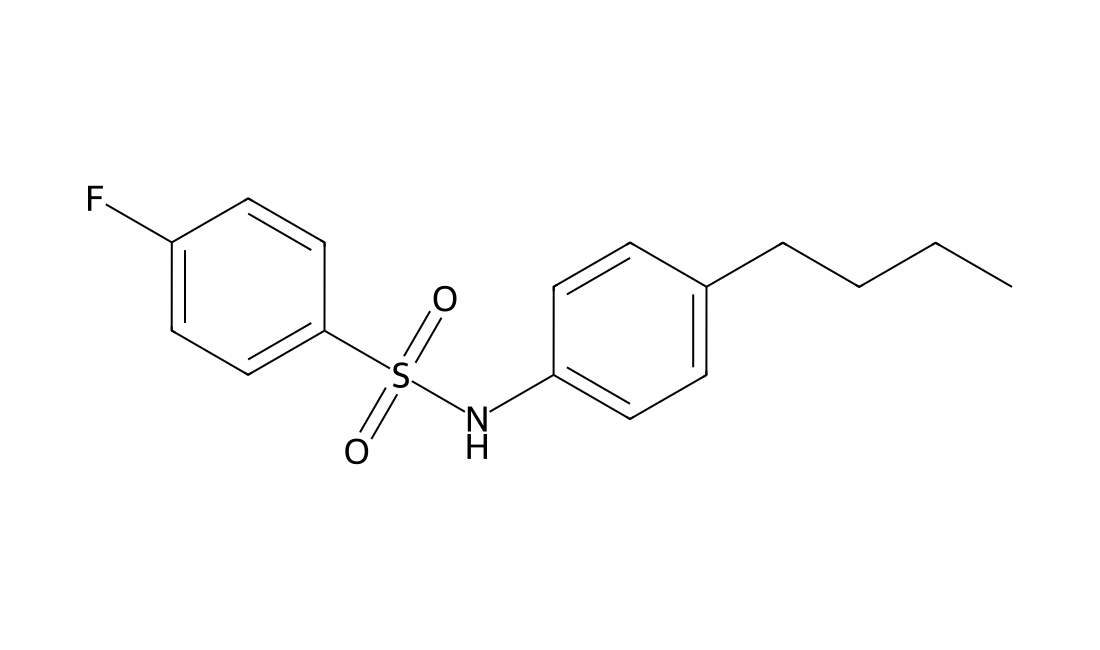
AF38469 is a potent, selective, orally bioavailable Sortilin inhibitor with IC50 of 330 nM, shows no activity against the NTR1 receptor as well as a panel of targets known to bind acidic molecules (δ-Opioid, GPR40, PPARδ, EP1, Angiotensin AT1, Endothelin

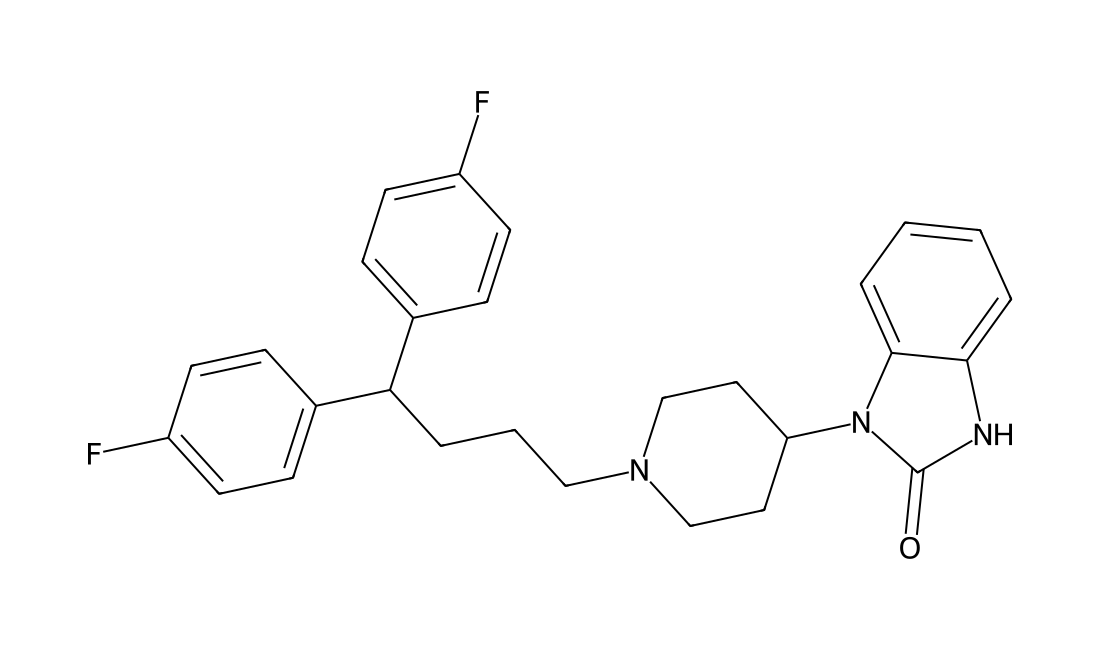
AF38469 chemical structure
DC40758

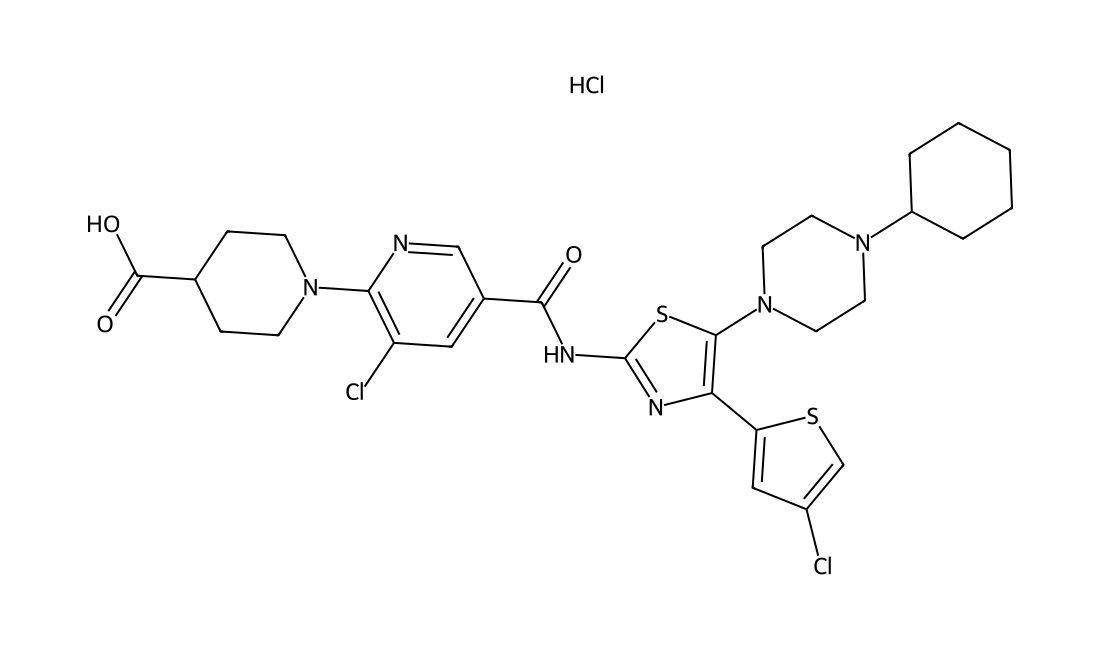
Avatrombopag hydrochloride

CAS 570403-17-7

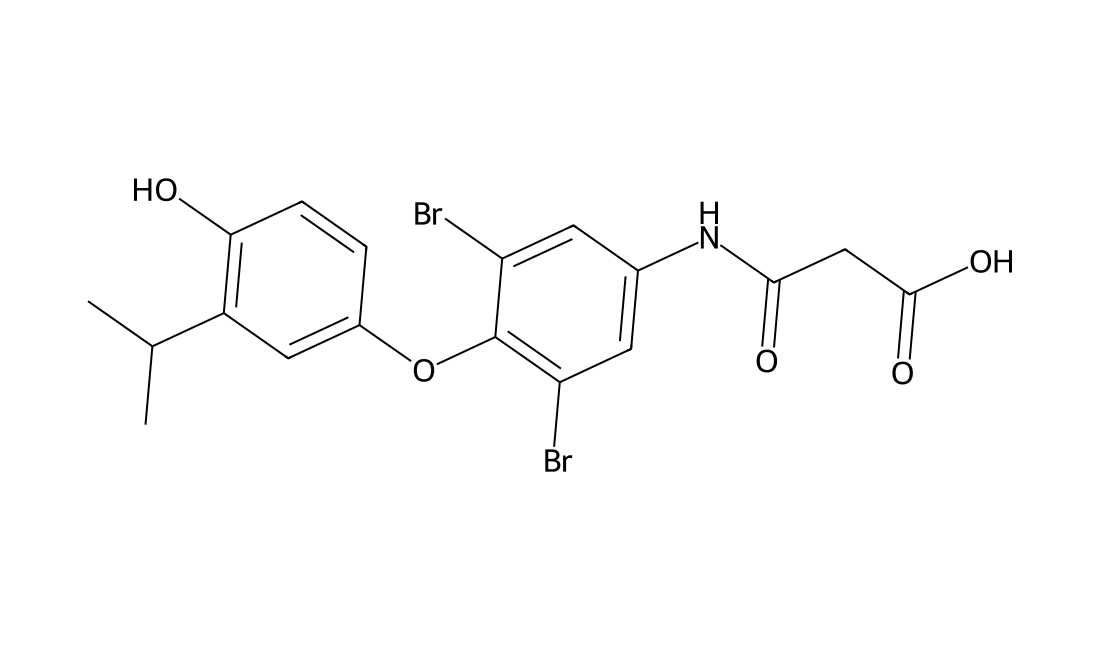
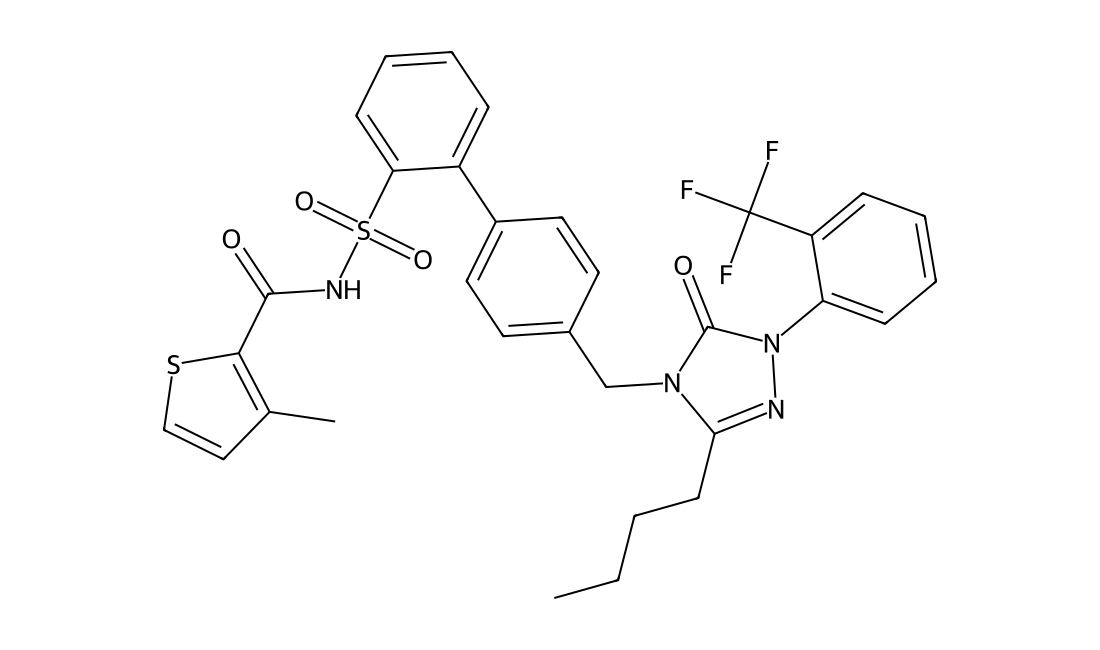
Avatrombopag (AKR-501) hydrochloride is an orally active, nonpeptide thrombopoietin (TPO) receptor agonist (EC50=3.3 nM). Avatrombopag hydrochloride mimics the biological activities of TPO. Avatrombopag hydrochloride increases platelet production by activating the intracellular signaling system, and promotes production of platelets and megakaryocytes from hemopoietic precursor cells. Avatrombopag hydrochloride is a substrate of cytochrome P450 (CYP) 2C9 and CYP3A.

Avatrombopag hydrochloride chemical structure
DC60105

SEN 12333

CAS 874450-44-9

SEN-12333, also known as WAY-31753, is is a selective agonist of the alpha(7) nAChR (EC50 = 1.6 μM, Ki = 260 nM at rat α7 nAChRs). SEN-12333 displayed excellent in vitro and in vivo profiles, excellent brain penetration and oral bioavailability, and demonstrates in vivo efficacy in multiple behavioural cognition models.

SEN 12333 chemical structure
DC7175

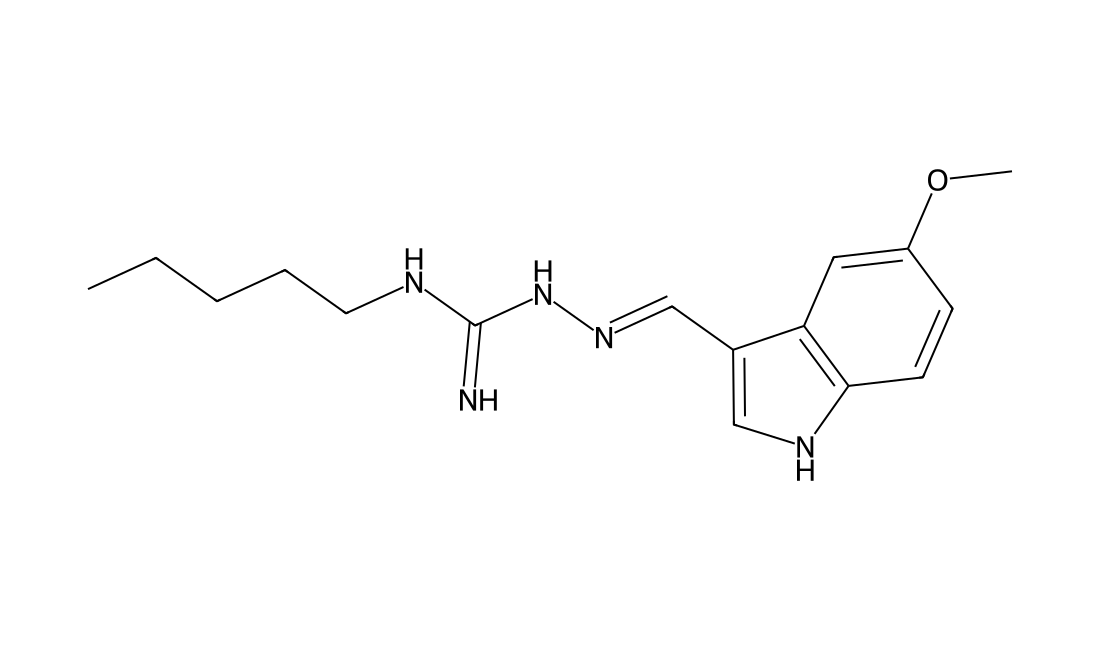
JNJ-26854165 (Serdemetan)

CAS 881202-45-5

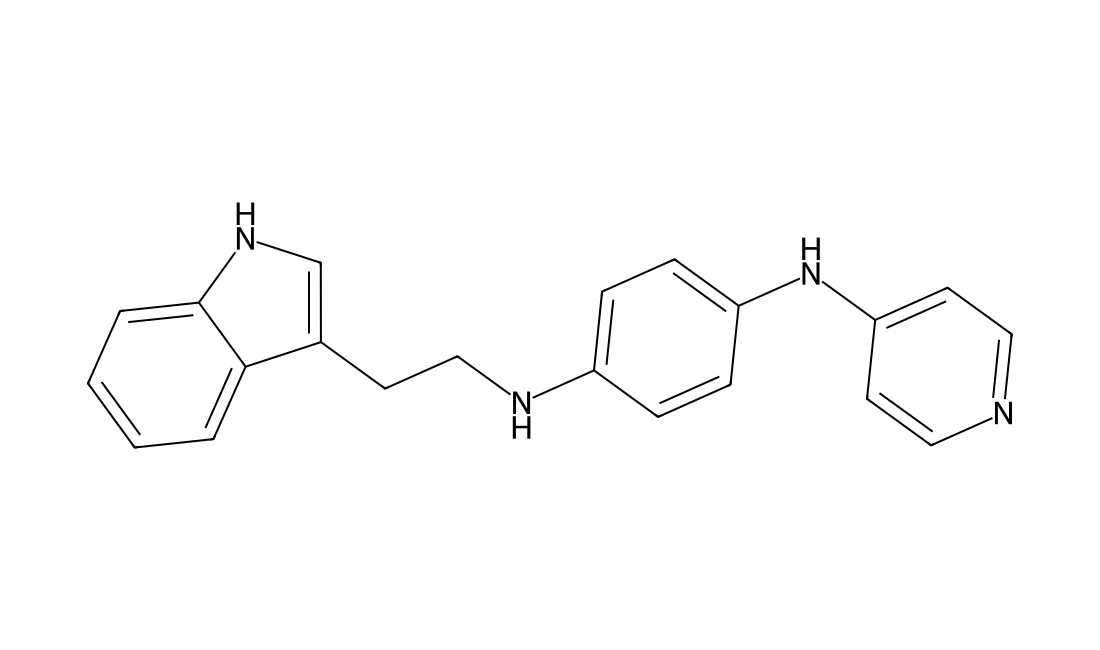
Serdemetan(JNJ-26854165) acts as a HDM2 ubiquitin ligase antagonist and also induces early apoptosis in p53 wild-type cells, inhibits cellular proliferation followed by delayed apoptosis in the absence of functional p53.IC50 value: HDM2 ubiquitin ligaseTarget: in vitro: JNJ 26854165 is a novel tryptamine derivative which activates p53 and acts as a HDM2 ubiquitin ligase antagonist. JNJ 26854165 inhibits cell growth and induces apoptosis in leukemia cell lines with IC50 values of 0.24, 0.33, 0.32 and 0.44 μM at 72 hours for OCI-AML-3, MOLM-13, NALM-6 and REH cells, respectively. In addition, JNJ 26854165 accelerates proteasome-mediated degradation of p21 and antagonizes the transcriptional induction of p21 by p53. It also induces S-phase delay and upregulates E2F1 expression in p53 mutant cells, resulting in preferential apoptosis of S-phase cells. JNJ 26854165 is an oral Mdm2 inhibitor which can inhibit the interaction of Mdm2-p53 complex with the proteasome and increase p53 levels by binding to RING domain of Mdm2. A recent study shows that JNJ 26854165 inhibits clonogenic survival in four human cancer cell lines: H460, A549, p53-WT-HCT116, and p53-null-HCT116.in vivo:JNJ 26854165 leads to significant differences in EFS distribution in 17 of the 36 (47%) evaluable solid tumor xenografts and in 5 of 7 (71%) of the evaluable ALL xenografts using a dose of 20 mg/kg administered via oral gavage daily for 5 days, repeated for 6 weeks.

JNJ-26854165 (Serdemetan) chemical structure
DC21000

ESI-05

CAS 5184-64-5

ESI-05 (NSC 116966) is a specific exchange protein directly activated by cAMP 2 (EPAC2) antagonist (IC50, 0.4 µM), suppresses the cAMP-mediated activation of EPAC2 and inhibits Rap1 activation mediated by EAPC2[1].

ESI-05 chemical structure
DC21180

JNJ-47965567

CAS 1428327-31-4

JNJ-47965567 is a potent, selective, centrally permeable P2X7 receptor antagonist with pKi of 7.9 and 8.7 for human and rat P2X7, respectively; attenuates IL-1β release with pEC50 of 6.7 (human blood), 7.5 (human monocytes) and 7.1 (rat microglia); exhibits target engagement in rat brain with brain EC50 of 78 ± 19 ng/ml, as well as functional block of Bz-ATP induced IL-1β release; attenuateas amphetamine-induced hyperactivity and exhibits modest, yet significant efficacy in the rat model of neuropathic pain.

JNJ-47965567 chemical structure
DC26084

LE-135

CAS 155877-83-1

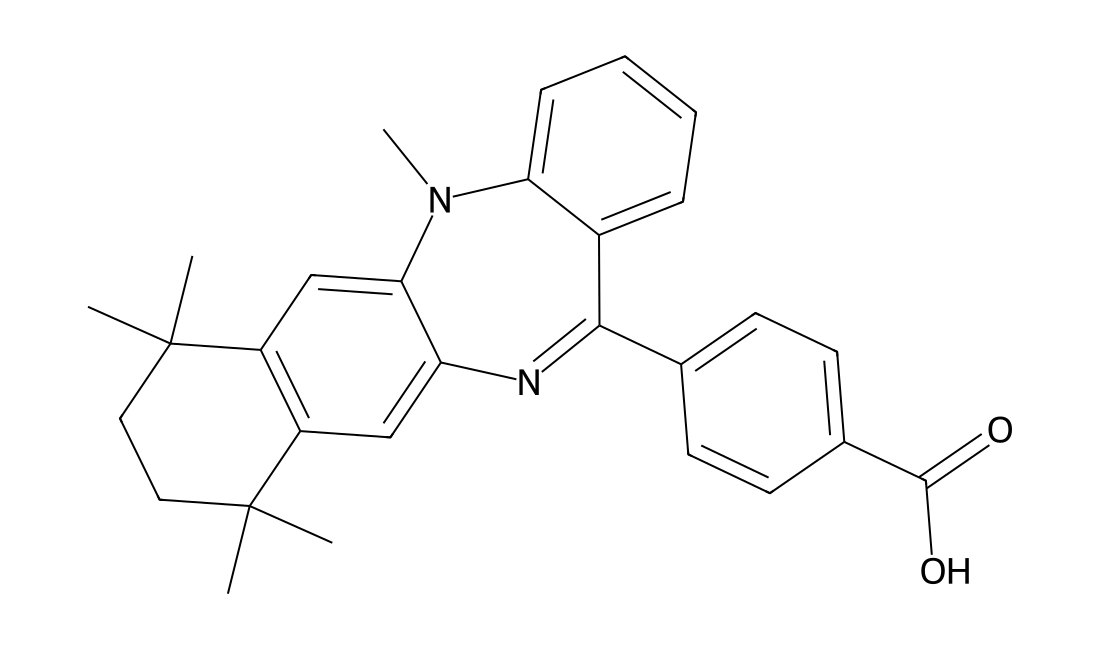
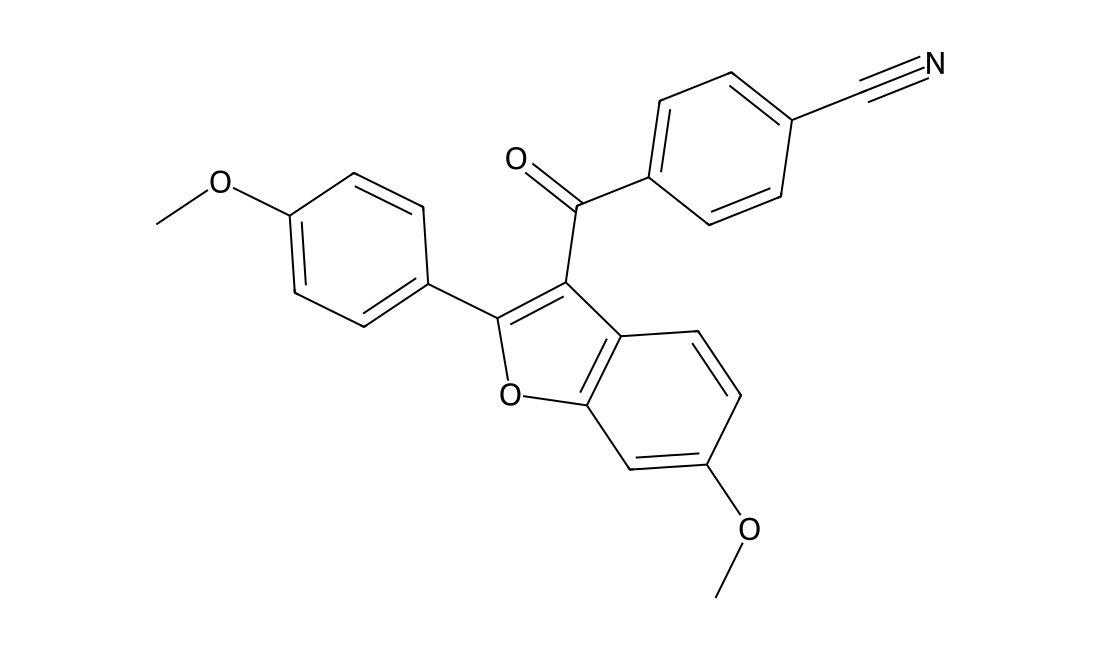
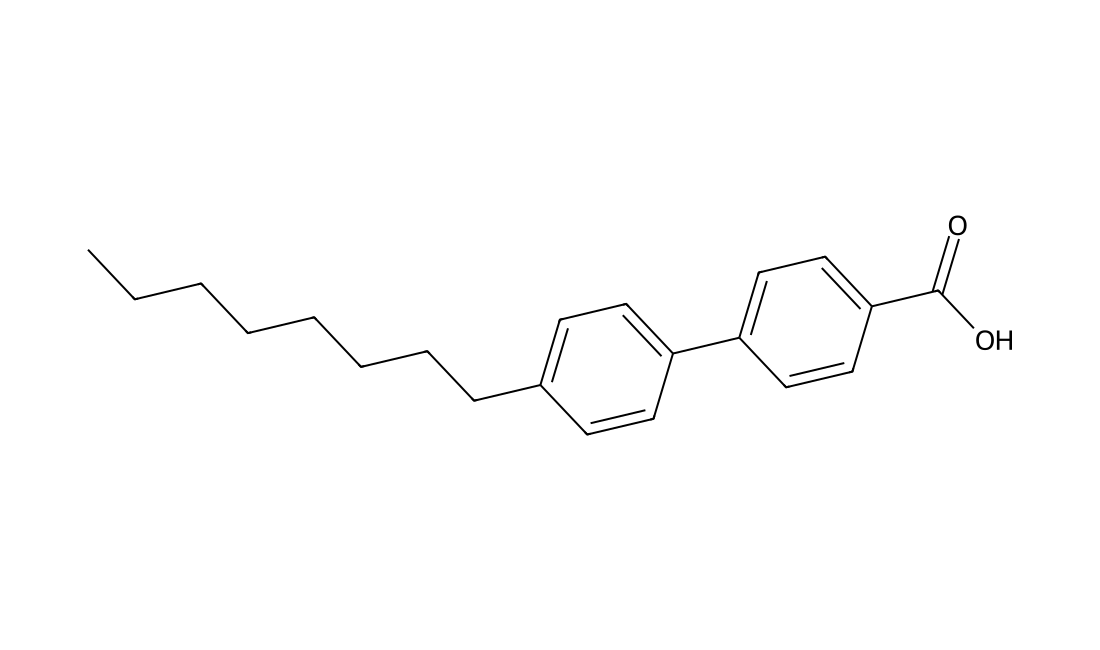
LE135 is a potent RAR antagonist that binds selectively to RARα (Ki of 1.4 μM) and RARβ (Ki of 220 nM), and has a higher affinity to RARβ. LE135 is highly selective over RARγ, RXRα, RXRβ and RXRγ. LE135 is also a potent TRPV1 and TRPA1 receptors activator with EC50s of 2.5 μM and 20 μM, respectively[1][2].

LE-135 chemical structure
DC10598

lavendustin A

CAS 125697-92-9

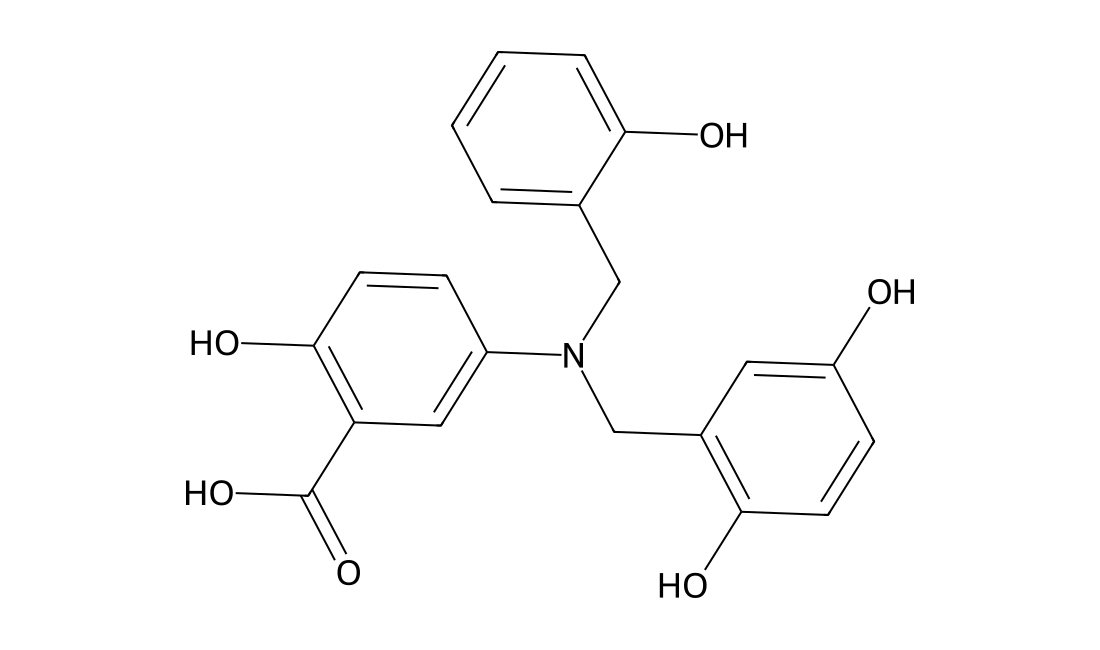
Lavendustin A (RG-14355), isolated from Streptomyces Griseolavendus, is a potent, specific and ATP-competitive inhibitor of tyrosine kinase, with an IC50 of 11 ng/mL for EGFR-associated tyrosine kinase[1]. It suppresses VEGF-induced angiogenesis and blocks the induction of LTPGABA-A[2][3].

lavendustin A chemical structure
DC11330

LY320135

CAS 176977-56-3

LY320135 is a potent and selective antagonist of CB1 receptor, with a Ki of 141 nM. LY320135 also binds to 5-HT2 and muscarinic receptors with Kis of 6.4 μM and 2.1 μM, respectively. LY320135 exhibits neuroprotective effect[1][2].

LY320135 chemical structure
DC20139

SPD304

CAS 869998-49-2

SPD304 is a selective inhibitor of tumor necrosis factor α (TNFα) and promotes dissociation of TNF trimers and therefore blocks the interaction of TNF and its receptor, with an IC50 of 22 µM for inhibiting in vitro TNF receptor 1 (TNFR1) binding to TNF-α[1][2]. SPD304 cannot be used in vivo due to its high toxicity[3].

SPD304 chemical structure
DC23237

Zaprinast

CAS 37762-06-4

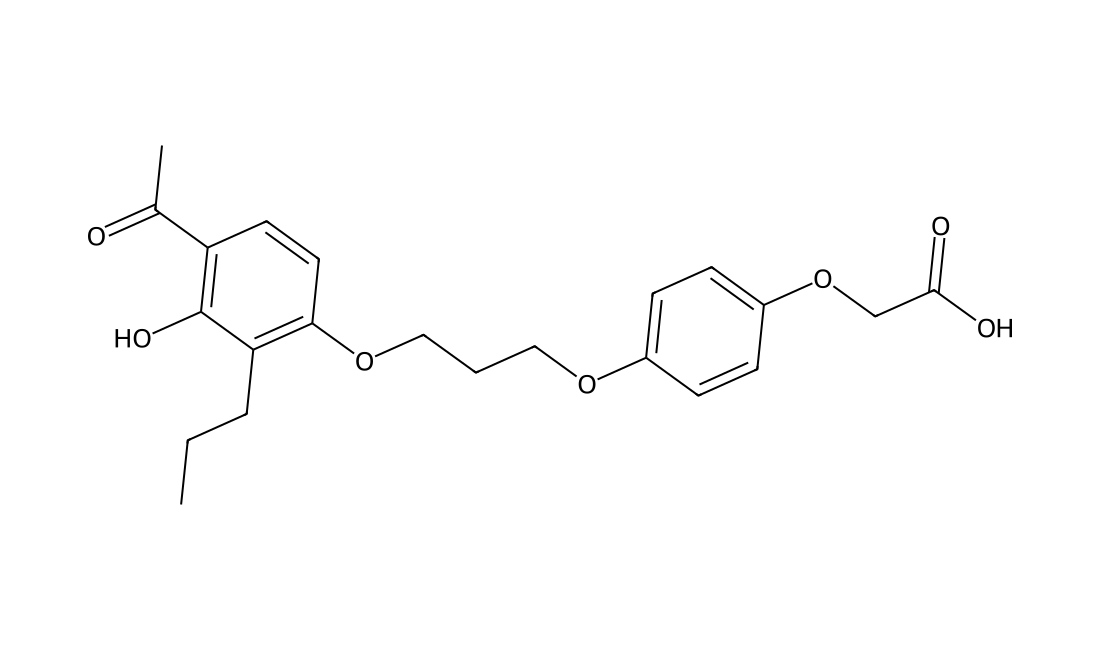
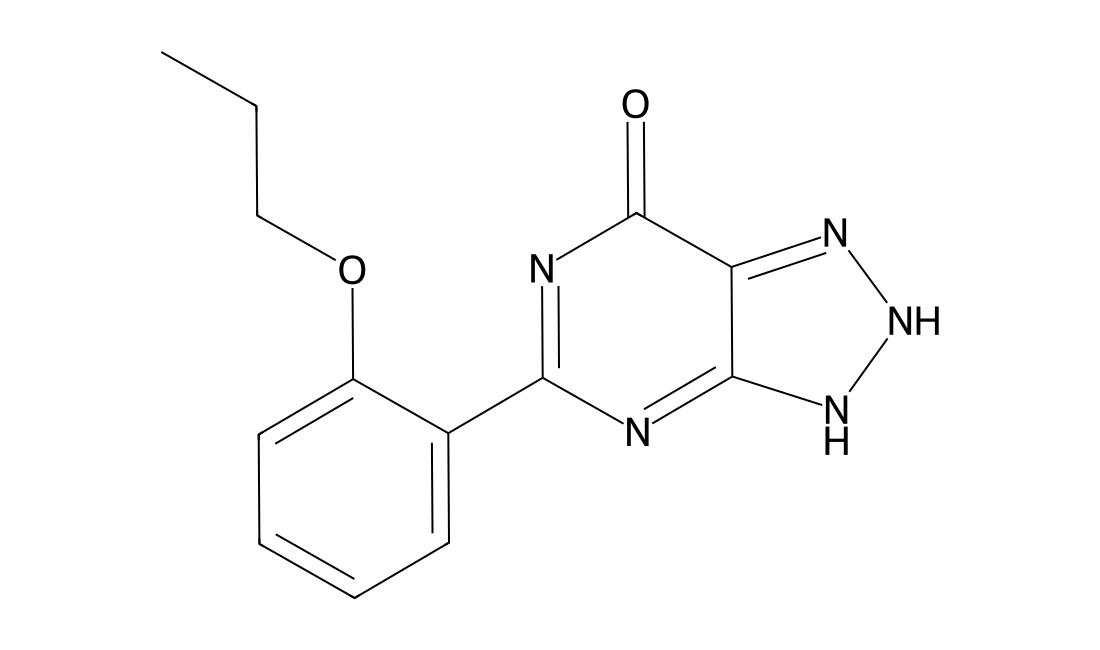
Zaprinast (M&B 22948) is an inhibitor of cGMP-selective Phosphodiesterases(PDEs)[1]. Zaprinast is a G protein-coupled receptor (GPR) 35 agonist which activates rat GPR35 strongly and activates human GPR35 moderately[2]. Zaprinast reduces vessel remodeling through antiproliferative and proapoptotic effects[3].

Zaprinast chemical structure
DC8830

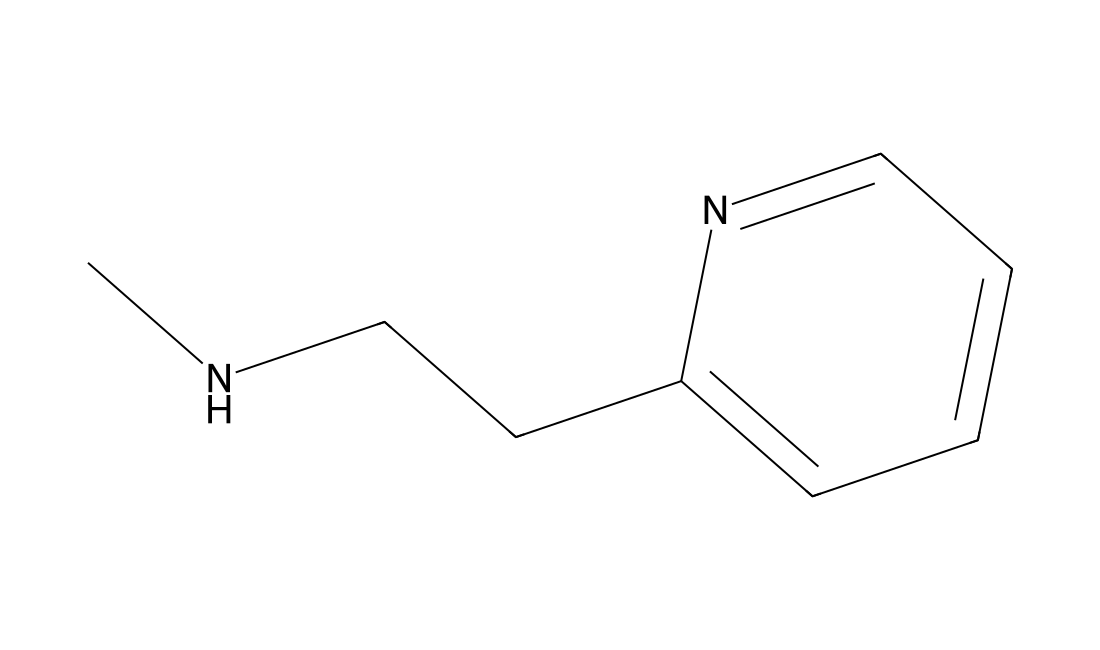
Betahistine

CAS 5638-76-6

Betahistine is an orally active histamine H1 receptor agonist and a H3 receptor antagonist[1]. Betahistine is used for the study of rheumatoid arthritis (RA)[3].

Betahistine chemical structure
DC9315

Tegaserod (maleate)

CAS 189188-57-6

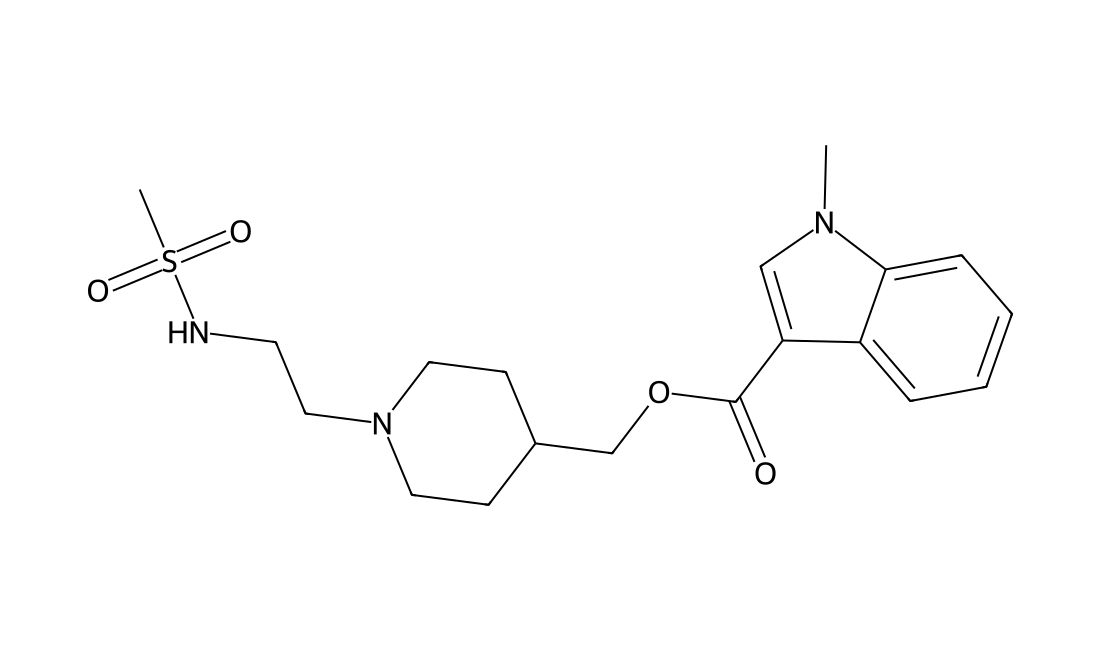
Tegaserod maleate is a partial agonist of the 5-HT4 receptor; stimulates the peristaltic reflex and accelerates gastrointestinal transit. In an in vivo model for peripheral nerve regeneration, mice receiving tegaserod at the site of injury showed enhanced recovery compared to control mice receiving vehicle control as evidenced by functional measurements and histology [1]. Treatment with fluoxetine (10 mg · kg(-1) · day(-1), days 36-42), tegaserod (1 mg · kg(-1) · day(-1), day 43), or the combination of both, reduced visceral hypersensitivity and plasma 5-HT levels [2]. Intravenous or intraduodenal tegaserod (0.3-1.0 mg.kg(-1)) had no inhibitory effect on mesenteric and colonic blood flow. Peroral treatment of rats with alosetron or tegaserod for 7 days did not modify mesenteric haemodynamics at baseline and after blockade of nitric oxide synthesis [3].

Tegaserod (maleate) chemical structure
DC8883

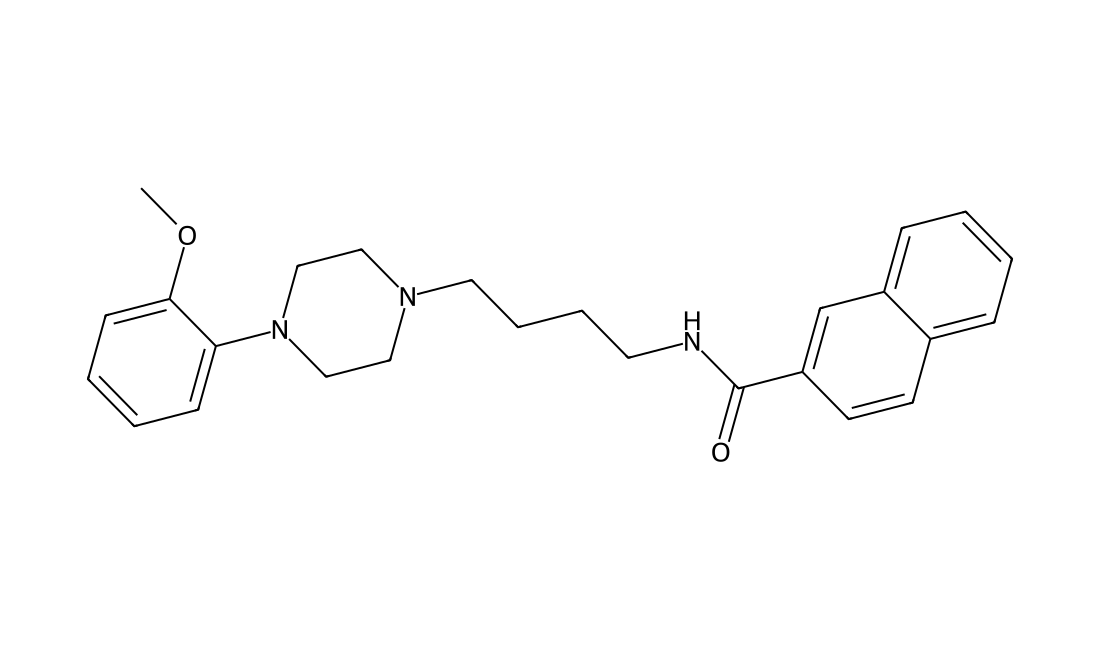
BP897

CAS 314776-92-6

BP 897 is a potent and selective dopamine D3 receptor agonist, and a weak dopamine D2 receptor antagonist, with Kis of 0.92 nM and 61 nM for D3 and D2 receptors, and shows low affinities at D1 and D4 receptors (Kis, 3 and 0.3 µM, respectively).

BP897 chemical structure
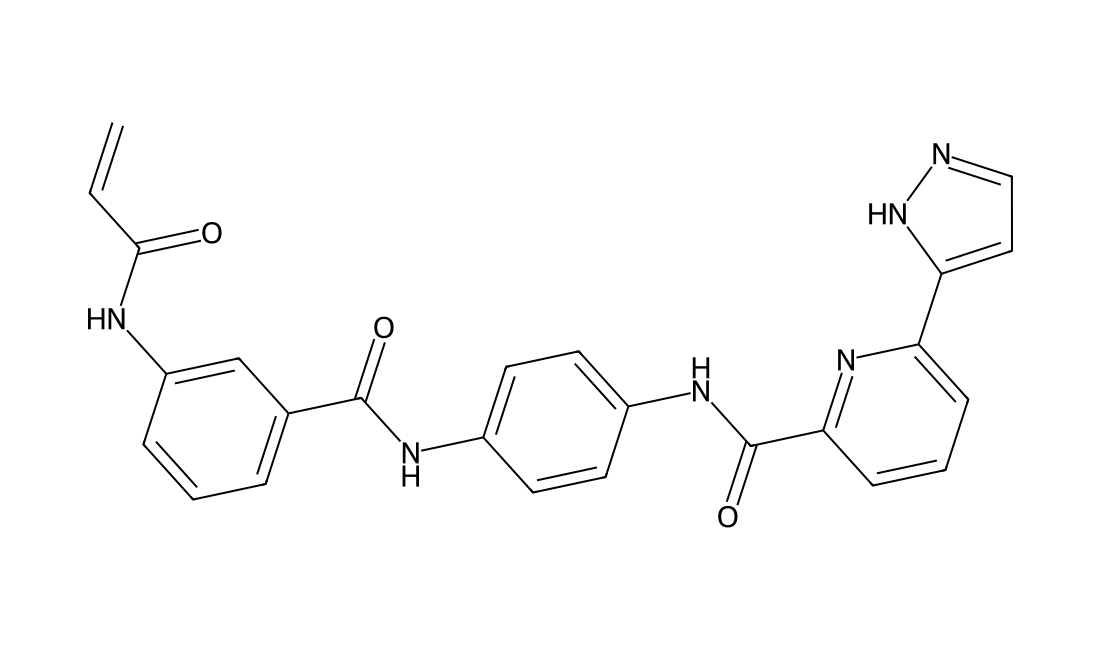
DC60125

JH-X-119-01

CAS 2227368-54-7

Jh-X-119-01 is a novel potent and selective interleukin-1 receptor-associated kinases 1 (IRAK1) inhibitor. JH-X-119-01 irreversibly labels IRAK1 at C302. This compound exhibited cytotoxic activity at single digit micromolar concentrations in a panel of WM, DLBCL, and lymphoma cell lines expressing MYD88. Cotreatment of JH-X-119-01 with the BTK inhibitor ibrutinib resulted in synergistic killing effects in these systems.
JH-X-119-01 chemical structure
DC20781

BI 671800

CAS 1093108-50-9

BI-671800 is a highly specific and potent antagonist of chemoattractant receptor-homologous molecule on Th2 cells (DP2/CRTH2), with IC50 values of 4.5 nM and 3.7 nM for PGD2 binding to CRTH2 in hCRTH2 and mCRTH2 transfected cells, respectively[1]. BI-671800 has potential for the treatment of poorly controlled asthma[2].
BI 671800 chemical structure
DC9321

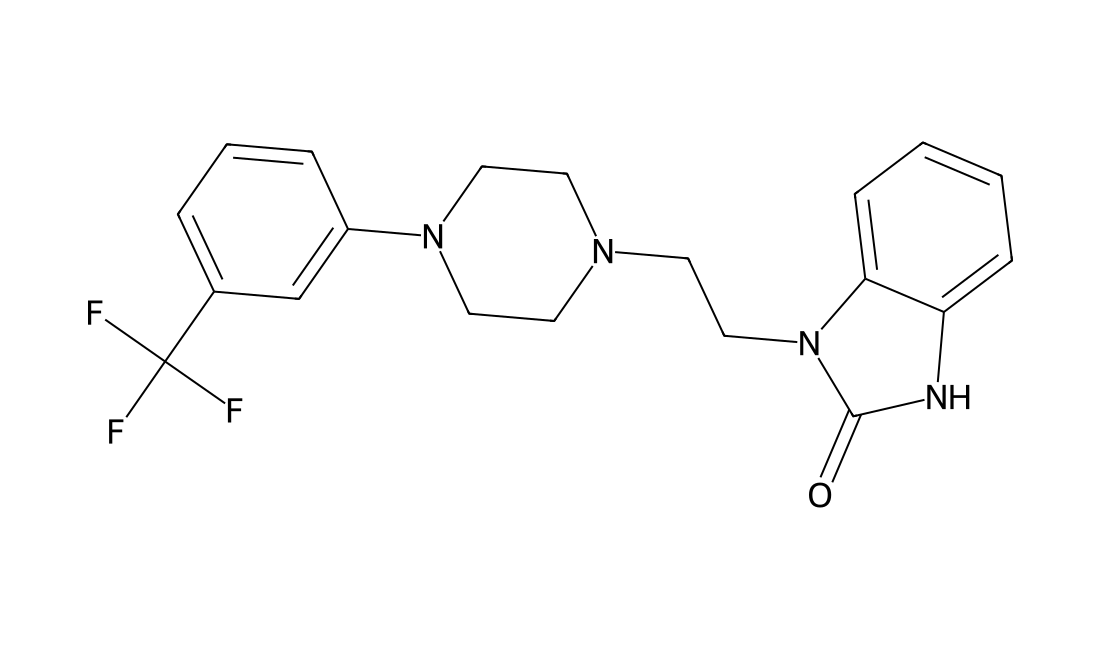
Flibanserin

CAS 167933-07-5

Flibanserin is a novel multifunctional serotonin agonist and antagonist (MSAA) that improves sexual functioning in premenopausal women who suffer from reduced sexual interest and desire. in vivo: The multifunctional serotonergic agent Flibanserin is both a serotonin 1A agonist and a serotonin 2A antagonist. Flibanserin theoretically improves sexual functioning by enhancing downstream release of dopamine and norepinephrine while reducing serotonin release in the brain circuits that mediate symptoms of reduced sexual interest and desire. Flibanserin, a new molecular entity for the treatment of hypoactive sexual desire disorder (HSDD) in premenopausal women. Flibanserin improves interest in and desire for sex by hypothetically targeting these circuits and causing the release of dopamine and norepinephrine while also reducing the release of serotonin. Flibanserin has demonstrated clinical efficacy in premenopausal women who have reduced interest in and desire for sex and has 2 principal pharmacologic actions in microcircuits: it is a full agonist at postsynaptic serotonin 5HT1A receptors and an antagonist at postsynaptic 5HT2A receptors.

Flibanserin chemical structure
DC22665

JNJ18038683

CAS 851376-05-1

JNJ-18038683 is a potent, selective 5-HT7 receptor antagonist with pKi of 8.19 and 8.20 for rat and human 5-HT7 in cell-based assays; decreases 5-HT (100 nM)-stimulated adenylyl cyclase in rat and human 5-HT7/HEK293 cells with pKb of 8.01 and 7.99, respectively; shows 10-fold selectivity over h5-HT6 receptor, 15-fold selectivity over rat adrenergic α1 receptor, 14- to 25-fold selectivity over the h5-HT2 receptor subtypes, and 20-fold selectivity over h5-HT1B receptor; prolongs rapid eye movement (REM) sleep and decreases REM duration induced by citalopram in vivo.DepressionPhase 2 Clinical

JNJ18038683 chemical structure
DC11786

THPN

CAS 100079-26-3

A potent nuclear receptor TR3 (Nur77)-specific targeting compound that can induce melanoma autophagy through a mitochondrial signaling pathway; binds TR3 to facilitate the interaction with Nix, induces TR3 localization to MIM; significantly represses tumor growth in xenograft mouse model; a chemical probe to study TR3-mediated signal transduction pathway.

THPN chemical structure
DC21187

JTE907

CAS 282089-49-0

A potent, selective, orally active cannabinoid CB2 receptor inverse agonist with Ki of 35.9, 1.55 and 0.38 nM for human, mouse and rat CB2, respectively; increases of forskolin-stimulated cAMP production in CHO cells expressing CB2 in vitro, inhibits carrageenin-induced mouse paw edema dose dependently in mice.

JTE907 chemical structure
DC20505

Pimozide

CAS 2062-78-4

Pimozide is an antipsychotic agent that acts as an antagonist of the D2, D3, and D4 receptors and the 5-HT7 receptor, also is an inhbitor of STAT5; also is a hERG blocker, inhibits USP1/UAF1 noncompetitively with Ki of 0.5 uM; displays selectivity against a number of deubiquitinases, deSUMOylase, and cysteine proteases.

Pimozide chemical structure
DC20999

CS-3150 (Esaxerenone;XL-550)

CAS 1632006-28-0

CS-3150 (Esaxerenone, XL-550) is a highly potent, selective and orally active non-steroidal mineralocorticoid receptor antagonist with IC50 of 9.4 nM; displays >1,000-fold selectivity over other steroid hormone receptors, glucocorticoid receptor, androgen receptor and progesterone receptor; inhibits aldosterone-induced transcriptional activation of human mineralocorticoid receptor with IC50 of 3.7 nM, shows superior potency to that of spironolactone and eplerenone; suppresses aldosterone-induced decrease in urinary Na(+)/K(+) ratio, inhibits blood pressure elevation induced by DOCA/salt-loading in rats. Diabetes Phase 3 Clinical

CS-3150 (Esaxerenone;XL-550) chemical structure
DC23127

LMD-009

CAS 950195-51-4

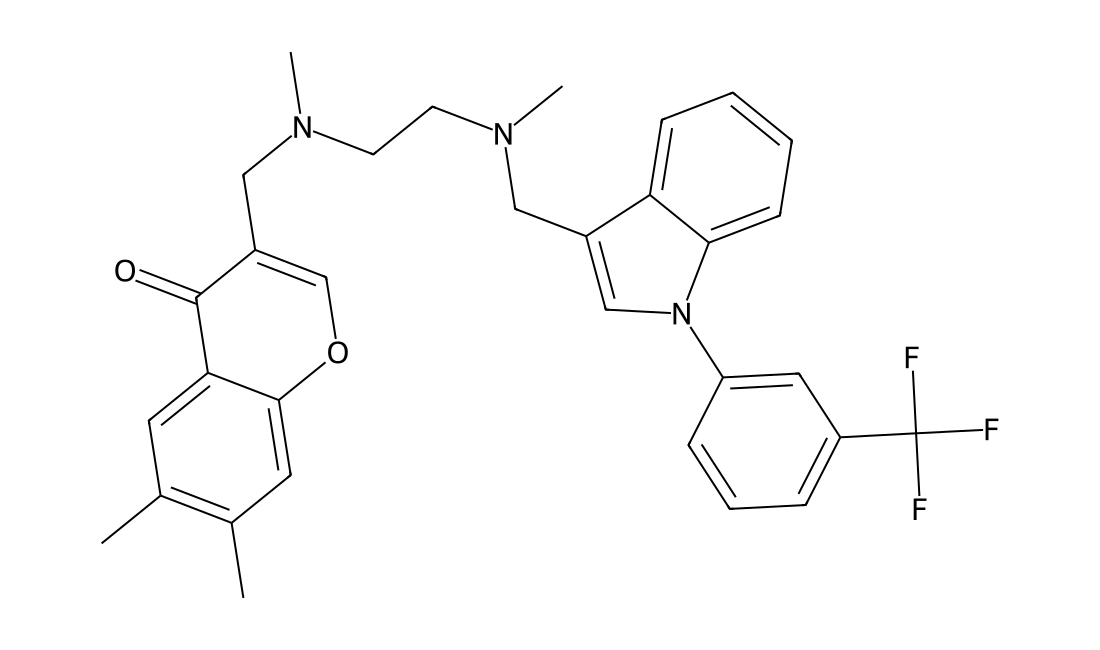
LMD-009 (LMD 009, LMD009) is a potent, selective, nonpeptide CCR8 agonist that stimulates CCR8-mediated chemotaxis, inositol phosphate accumulation and calcium release with EC50 of 11-87 nM; displays no activity against other chemokine receptors.

LMD-009 chemical structure
DC22551

DFMTI

CAS 864864-86-8

A potent, selective, brain penetrant and orally active mGluR1 antagonist with 4.3 nM and 3.6 nM for huam and rat mGluR1, respectively; display liitle to no activity for mGluR5, mGluR2 and mGluR8; has improved in vivo DMPK profiles and shows antipsychotic-like effect at a dose of 1 mg/kg in an animal model.

DFMTI chemical structure
DC22535

CGP-25454A

CAS 104391-26-6

A potent, selective presynaptic dopamine autoreceptor antagonist; increases [3H]spiperone binding to receptors of the D2 family in rat striatum by 90-110% (ED50=13 mg/kg i.p.); exerts clear-cut sedative and neuroleptic-like properties.

CGP-25454A chemical structure
Browse target & topic index A–Z (366)
11β-HSD (1)15-PGDH (2)5-HT Receptor (16)Acetyl-CoA Carboxylase (ACC) (3)Acetylcholinesterase (AChE) (2)Ack1 (TNK2) (1)Acyltransferase (1)ADC Cytotoxin (6)ADCs Linker/Click Chemistry (5)Adenosine Receptor (9)Adenylate Cyclase (2)Adrenergic Receptor (11)Akt (12)Alcoholism (2)Aldehyde Dehydrogenase (ALDH) (6)Allergy (5)Alzheimer Disease (13)Aminopeptidase (1)AMPK (8)Amyloids (4)Anaplastic Lymphoma Kinase (ALK) (9)Androgen Receptor (AR) (11)Anemia (4)Angiotensin Receptor (4)Antibody/Protein labeling dyes (1)Antifolate (2)Anxiety (1)Apoptosis Inducer (3)Arginase (1)Arp2/3 complex (1)Aryl hydrocarbon Receptor (AhR) (1)Asthma (5)Atherosclerosis (2)ATM/ATR (8)Aurora Kinase (10)Autophagy (6)Autophagy-related Protein (Atg) (2)Autotaxin (2)Bacterial (26)Bacterial Infection (17)Bcl-2 (14)Bcr-Abl (5)BCRP (1)Beta-catenin (4)Beta-secretase (BACE) (4)Blood Cancer (91)BMI-1 (1)Bone Cancer (6)Brain Cancer (6)Breast Cancer (30)Bromodomain (22)BTK (10)c-Fms (CSF1R) (5)c-Fos/AP-1 (1)c-Kit (6)c-Met (HGFR) (11)c-Myc (2)Calcium Channel (4)Calcium-sensing Receptor (CaSR) (1)CaMK (4)Cannabinoid Receptor (6)Carbonic Anhydrase (1)Carboxypeptidase (1)Casein Kinase (6)Caspase (4)Cathepsin (6)Cdc2-like Kinase (CLK) (1)CETP (2)CFTR (7)Checkpoint Kinase (Chk) (8)Chemokine Receptor (CCR and CXCR) (14)Chemotherapeutic Agents (19)Chloride Channel (1)CMV (2)CMV Infection (2)Colon Cancer (9)Complement System (1)COPD (3)CREB/CBP (2)CRF Receptor (2)CRISPR/Cas9 (1)Cushing Disease (1)Cyclin-dependent Kinase (CDK) (39)Cyclooxygenase (COX) (4)Cytochrome P450 (CYPs) (5)Depression (2)Dermatitis (2)Deubiquitinase (DUB) (7)Diabetes (20)Dipeptidyl Peptidase (DPP) (3)Discoidin Domain Receptor (DDR) (1)DNA Alkylator/Crosslinker (10)DNA Methyltransferase (DNMT) (1)DNA Repair Protein (1)DNA-PK (2)DNA/RNA Synthesis (5)Dopamine beta-hydroxylase (1)Dopamine Receptor (7)Drug Metabolite (1)Drug-Linker Conjugates (11)Dyes (4)DYRK (1)Dyslipidemia (9)E3 Ligase Ligand (6)E3 Ligase Ligand-Linker Conjugate (1)E3 Ubiquitin Ligase (4)Ebola Virus Infection (1)EGFR (32)Elastase (2)Endothelin Receptor (5)Enzymes substrates (13)Epigenetic Reader Domain (3)Epilepsy (4)ERK (4)Estrogen Receptor/ERR (13)Eukaryotic Initiation Factor (eIF) (2)Exportin-1 (CRM1,XPO1) (2)FABP (1)Factor Xa (5)Farnesoid X Receptor (FXR) (5)Farnesyl transferase (FTase) (1)Ferroptosis (6)FGFR (15)Fibrosis (5)FLT3 (6)Focal Adhesion Kinase (FAK) (11)Foxo1 (1)Free Fatty Acid Receptor (FFAR) (5)Fungal (2)Fungal Infection (1)GABA Receptor (13)Galectin (1)Gastric Cancer (8)Ghrelin Receptor (GHSR) (3)Glucagon Receptor (4)Glucokinase (2)Glucose Transporter (GLUT) (2)Glutamate Transporter (2)GPCR (1)GPER (GPR30) (1)GPR139 (1)GPR183 (EBI2) (2)GPR39 (1)GPR55 (1)GPR84 (1)GRK (GPCRK) (2)Growth Hormone Deficiency (2)GSK-3 (8)Guanylate Cyclase (3)HBV (1)HBV Infection (1)HCN Channel (2)HCV (8)HCV Infection (9)HDAC (38)Heart Arrhythmia (2)Heart Failure (5)Heat Shock Protein (HSP) (15)Hedgehog (Hh) (1)HIF/HIF Prolyl-hydroxylase (8)Histamine Receptor (6)Histone Acetyltransferase (HAT) (5)Histone Demethylase (11)Histone Methyltransferase (HMTase) (31)HIV (12)HIV Infection (11)HMG-CoA Reductase (HMGCR) (3)HSV (1)HSV Infection (1)Hypercholesterolemia (1)Hyperparathyroidism (1)Hypertension (8)IAP (1)IGF-1R (3)iGluR (15)Indoleamine 2,3-Dioxygenase (IDO) (4)Infection (1)Influenza (6)Influenza Virus (6)Insulin Receptor (2)Integrin (6)Interleukin Receptor (1)IRAK (2)IRE1 (4)Irritable Bowel Syndrome (2)Ischemia (1)Isocitrate Dehydrogenase (IDH) (5)ITK (1)IκB kinase (IKK) (7)JAK (32)JNK (3)Keap1-Nrf2 (6)Kidney Cancer (10)Kinesin (5)Kruppel-like Factor (KLF) (1)Kynurenine 3-Monooxygenase (KMO) (1)Leukotriene Receptor (1)LIM Kinase (LIMK) (3)Lipids fragment (1)Liver Cancer (6)Liver X Receptor (LXR) (3)LRRK2 (9)Lung Cancer (39)Lysophospholipid Receptor (12)LYTACs (3)mAChR (9)MALT1 (2)MAP4K (1)Matrix Metalloproteinase (MMP) (10)MDM2-p53 (9)MEK (MAP2K) (14)MEKK (MAP3K) (1)Melanocortin Receptor (2)MELK (1)mGluR (7)MicroRNA (1)Microtubule/Tubulin (5)Mineralocorticoid Receptor (MLR) (1)MITF (1)Mixed Lineage Kinase (MLK) (3)MNK (2)Molecular Glues (13)Monoamine Transporter (5)Monocarboxylate Transporter (MCT) (1)Monopolar Spindle 1 (Mps1/TTK) (3)mTOR (13)Multiple Sclerosis (6)Myosin (1)Na-K-Cl Cotransporter (NKCC) (2)nAChR (2)NADPH Oxidase (NOX) (2)NAMPT (3)Natural products (37)Neprilysin (1)Neurokinin Receptor (3)Neuropeptide Y Receptor (3)NF-κB (5)Nitric Oxide Synthase (NOS) (1)NOD-like Receptor (NLR) (3)Notch (2)Nucleoside Antimetabolite/Analog (10)Nur77 (NR4A1) (1)Obesity (1)Oct3/4 (1)Opioid Receptor (5)Orexin Receptor (7)Osteoporosis (2)Ovarian Cancer (14)Oxytocin Receptor (OXTR) (2)P-glycoprotein (P-gp) (3)p21-activated Kinase (PAK) (1)P2X Receptor (2)P2Y Receptor (1)p38 MAPK (10)p97/VCP (1)Pain (12)Pancreatic Cancer (10)Parasite (5)Parasite Infection (2)Parkinson Disease (2)PARP (19)PCSK9 (1)PD-1/PD-L1 (4)PDGFR (4)PDK1 (2)PEGn (1)PERK (2)PGE synthase (2)Phosphodiesterase (PDE) (9)Phospholipase (4)PI3K (32)PI4K (2)Piezo Channel (1)PIKfyve (3)Pim (9)PKC (12)PKD (1)Plasminogen Activator Inhibitor-1 (PAI-1) (3)Polo-like Kinase (PLK) (4)Porcupine (3)Potassium Channel (13)PPAR (13)Pregnane X Receptor (PXR) (1)Progesterone Receptor (2)Prostaglandin Receptor (11)Prostate Cancer (7)PROTACs (35)Protease-activated Receptor (PAR) (3)Proteasome (12)Protein Disulfide Isomerase (PDI) (1)Protein Phosphatase/PTP (6)Proton Pump (1)Psoriasis (5)RAD51 (1)Radioligand precursors (15)Raf (18)RAR/RXR (3)Ras (17)Renin (2)RET Tyrosine Kinase (c-RET) (3)Rheumatoid Arthritis (16)Ribosomal S6 Kinase (RSK) (5)RIG-I-like Receptor (RLR) (2)RIP kinase (7)ROCK (12)ROR (2)RSV (4)RSV Infection (3)RUNX1-CBFβ (1)S-nitrosoglutathione reductase (GSNOR) (1)Saccharides and Glycosides (1)Salt Inducible Kinase (SIK) (2)SARS-CoV (16)SARS-CoV Infection (34)Schizophrenia (4)Sexual Dysfunction (1)SGLT (4)Sigma Receptor (4)Sirtuin (9)Skin Cancer (13)Sleep Disorder (7)SMN2 Modulator (1)Smoothened (Smo) (9)Sodium Channel (12)Solid Tumors (35)Somatostatin Receptor (2)Sphingosine kinase (SphK) (2)Src (7)STAT (5)Stearoyl-CoA Desaturase (SCD) (1)Steatohepatitis (7)Sterol lipids (1)STING (14)Syk (6)T Cell Receptor (TCR) (1)TAK1 (2)TAM Receptor (Tyro3-Axl-Mer) (4)Taste Receptor (1)Telomerase (2)TGF beta Receptor (TGFBR) (12)Thrombin (3)Thrombosis (13)Thyroid Cancer (1)Thyroid Hormone Receptor (THR) (1)Thyrotropin Receptor (2)TNIK (1)Toll-like Receptor (TLR) (2)TOPK (1)Topoisomerase (11)TRAIL (1)Translocator Protein (TSPO) (1)Trk Receptor (4)TRP Channel (13)Tryptophan Hydroxylase (TPH) (1)Ubiquitin-activating Enzyme (E1) (2)Ubiquitin-conjugating Enzyme (E2) (2)Ulcer (1)ULK (3)Vasopressin Receptor (2)VEGFR (25)Vitamin D Receptor (VDR) (3)Wee1 (1)WNK Kinase (1)Wnt (5)Yes-associated Protein (YAP) (4)γ-secretase (5)

Cart

Request quotation