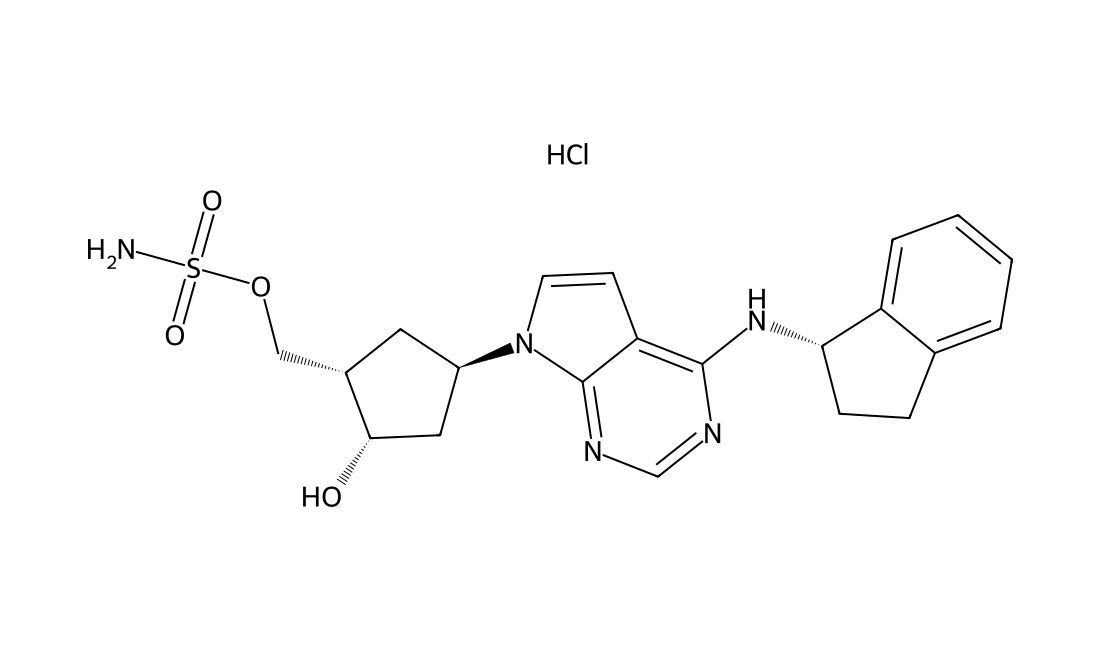
UPCDC30245
CAS 1883351-01-6
UPCDC30245 is an allosteric inhibitor of AAA ATPase p97 with IC50 of 27 nM, binds at the junction between the D1 and D2 domains of p97.
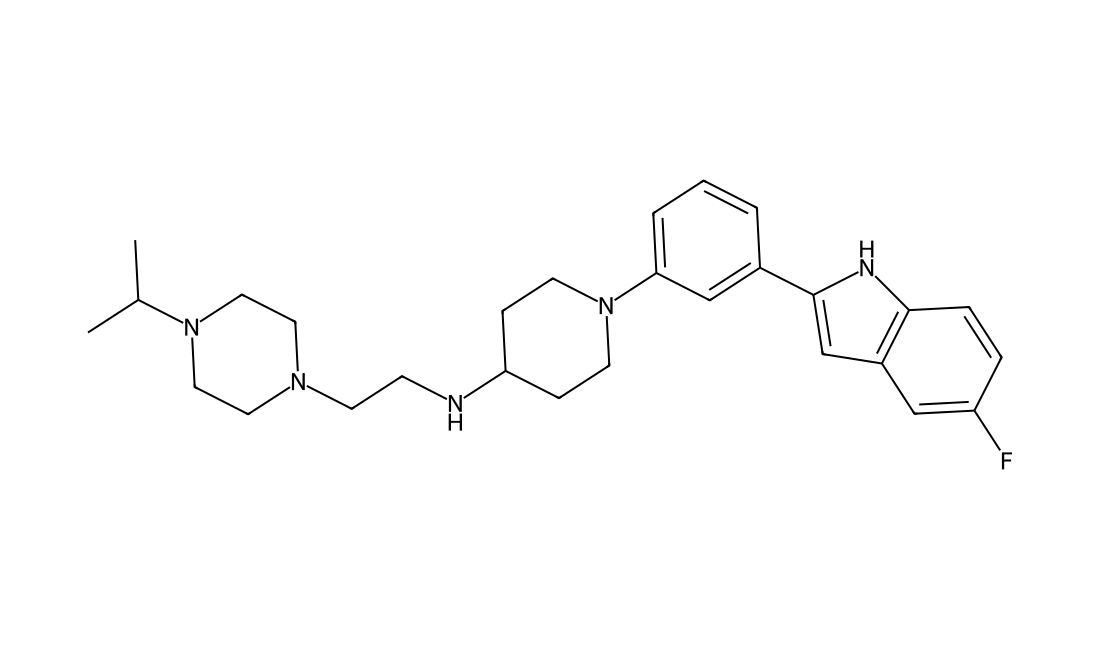

PROTACs, molecular glues, ubiquitin systems, chaperones and proteostasis.
Products may appear in more than one category. Counts refer to distinct catalog numbers within each category.
Other Research Tools (75) · Additional reagents, building blocks and specialized research tools.
LC-MG-1 (DCA0006) · LC-MG-4 (DCA0007) · LC-MG-9 (DCA0008)
View structure and evidence summaries →Combine a keyword, research category and target to narrow the product list.
Loading catalog filters…
CAS 1883351-01-6
UPCDC30245 is an allosteric inhibitor of AAA ATPase p97 with IC50 of 27 nM, binds at the junction between the D1 and D2 domains of p97.
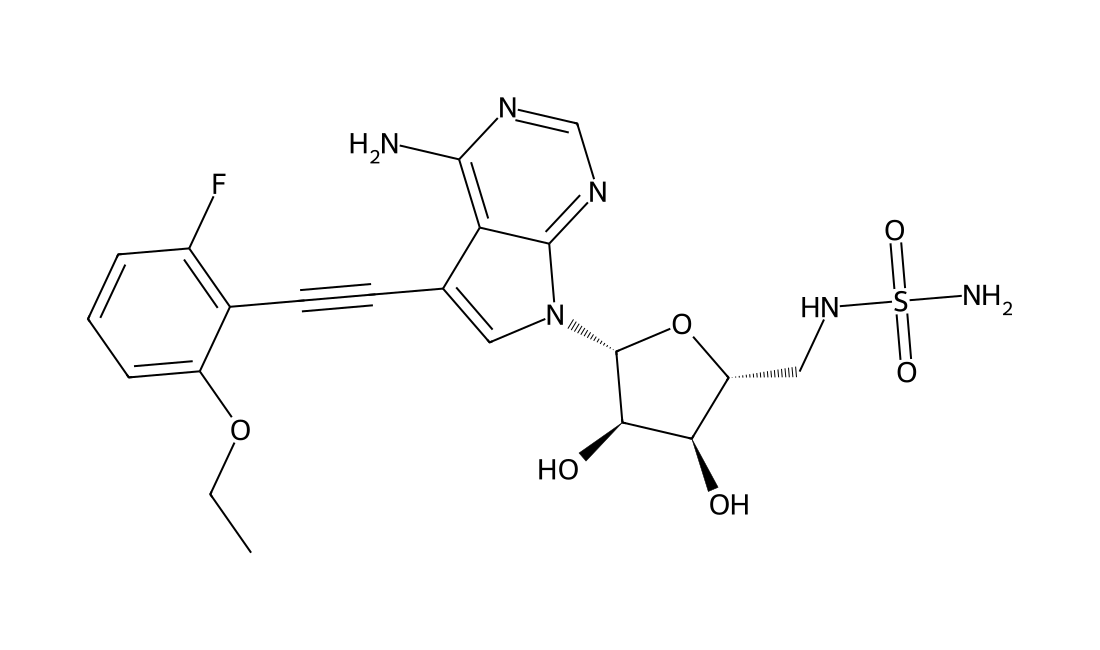
CAS 1848959-10-3
TAS4464 is a highly potent and selective inhibitor of NEDD8 activating enzyme (NAE), with an IC50 of 0.955 nM[1].
CAS 897326-30-6
DTHIB is a direct and selective heat shock factor 1 (HSF1) inhibitor with a Kd of 160 nM for DTHIB binding to the HSF1 DNA binding domain (DBD). DTHIB inhibits HSF1 cancer gene signature (HSF1 CaSig) and selectively stimulates degradation of nuclear HSF1. DTHIB has potently anticancer activities and can be used for prostate cancer research.
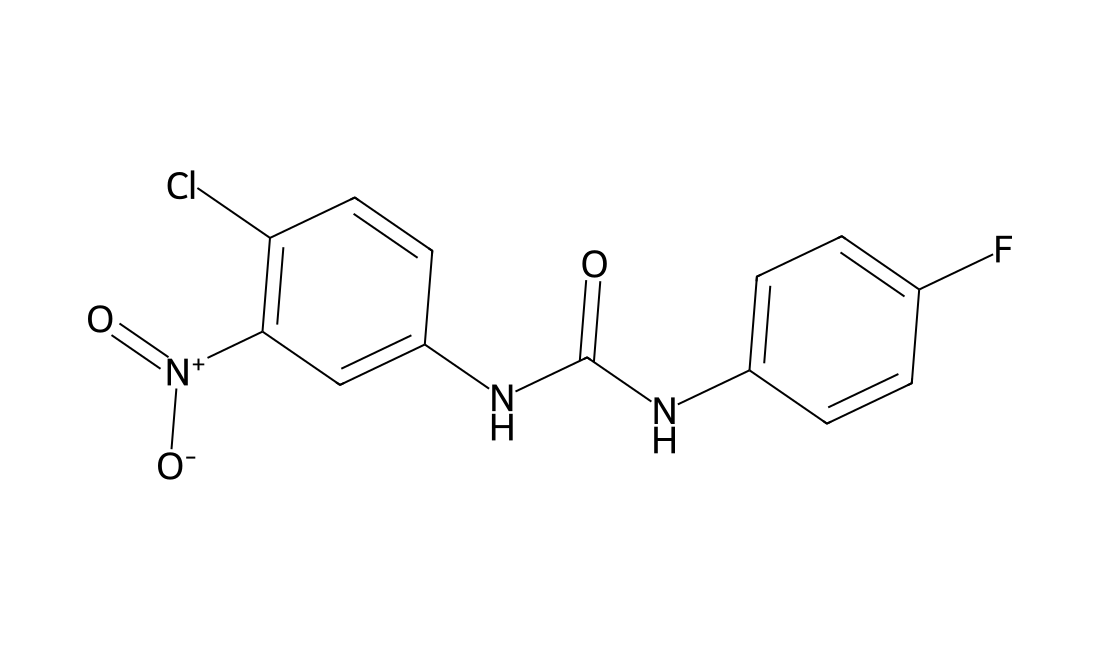
CAS 1431280-51-1
In vitro: VLX1570 is an analogue of b-AP15 that shows higher potency and improved solubility. VLX1570 preferentially inhibits proteasomal DUB activity while not inhibiting the activities of a panel of non-proteasomal DUBs. VLX1570 binds to and inhibits the activity of ubiquitin-specific protease-14 (USP14) in vitro, with comparatively weaker inhibitory activity towards UCHL5 (ubiquitin-C-terminal hydrolase-5). Treatment of multiple myeloma cells with VLX1570 induces the accumulation of proteasome-bound high molecular weight polyubiquitin conjugates and an apoptotic response. VLX1570 induces the expression of the chaperone HSP70B′, the oxidative stress marker Hmox-1, and the ER stress marker XBP-1s. VLX1570 is retained in cells after removal of drug and that USP14 was engaged by drug 17 hours after wash-out, as evidenced by thermal stabilization and persistent enzyme inhibition. In vivo: VLX1570 is an inhibitor of proteasome DUB activity currently in clinical trials for relapsed multiple myeloma. Treatment with VLX1570 is found to lead to extended survival in xenograft models of multiple myeloma. The in vivo IC50 for inhibition of proteasome DUB activity and induction of apoptosis is <1 μM, with multiple myeloma cells showing greater levels of sensitivity compared to other tumor types. The lower IC50 for activity in vivo is presumably due to rapid drug uptake and enrichment in cells.
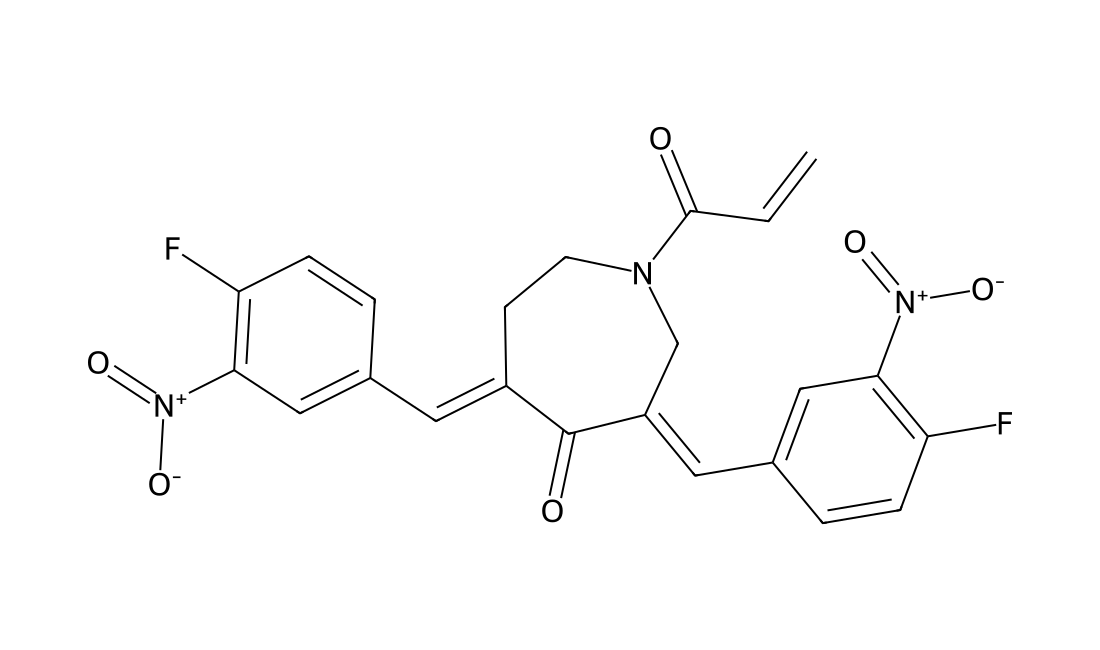
CAS 108477-18-5
G5 is capable of activating an apoptosome-independent apoptotic pathway. It targets the ubiquitinproteasome system by inhibiting the ubiquitin isopeptidases. G5 induces a rather unique apoptotic pathway, which includes a Bcl-2-dependent but apoptosome-independent mitochondrial pathway with upregulation of the BH3-only protein Noxa, stabilization of the inhibitor of apoptosis antagonist Smac, but also the involvement of the death receptor pathway. G5 is a potent apoptotic inducer showing IC50s of 1.76 and 1.6 μM in E1A and E1A/C9DN cells, respectively.
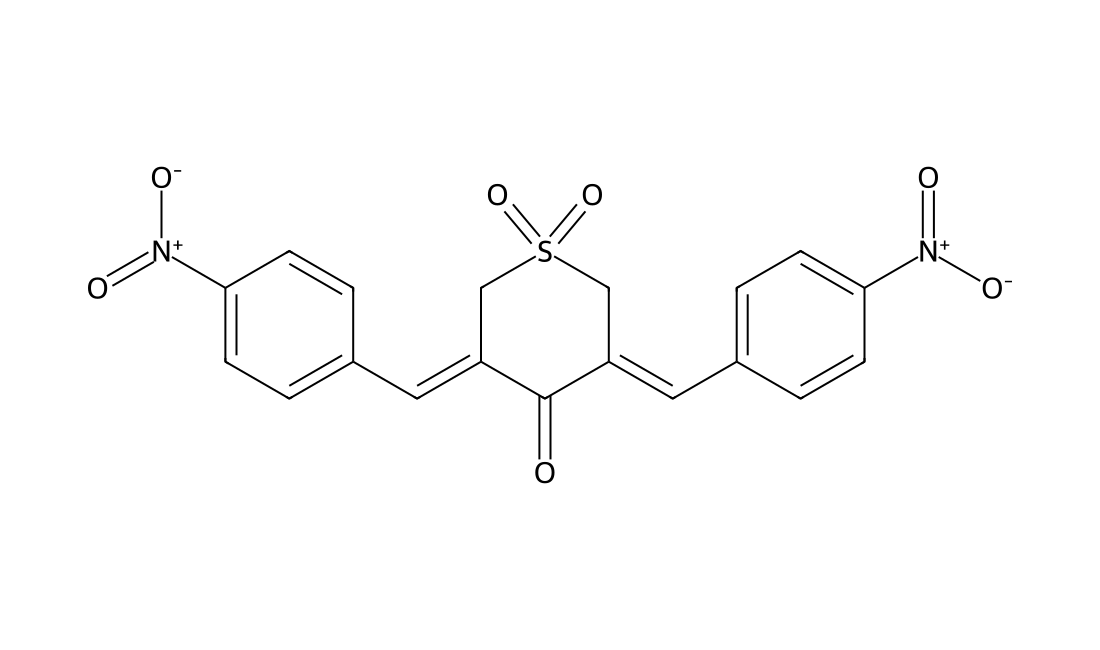
CAS 1784-03-8
In Vitro TAME shows inhibitory effect on APC activation when added to mitotic Xenopus extract. TAME (1-200 μM) inhibits Cdc20 association with mitotic APC and also inhibits Cdh1 association with interphase APC. TAME significantly inhibits crosslinking of the IR peptide to Cdc27 and Cdc16 but only slightly reduces crosslinking to Cdc23 and Apc7 at 20 µM; TAME strongly inhibits crosslinking to all APC subunits at 200 µM. TAME also inhibits binding of wild type Cdc20 to the APC, but not binding of a ΔIR mutant. TAME (200 μM) induces Cdc20 dissociation from the APC in mitotic Xenopus extract calls for APC-dependent ubiquitination. TAME induces Cdc20 dissociation from the APC by promoting Cdc20 ubiquitination, but the dissociation can be suppresses by Cyclin B1. TAME terminates cyclin B1 ubiquitination prematurely. TAME interacts with ATP by β and γ phosphate and the adenine ring of ATP. TAME in combination with the Mg(II) ion accelerates the ATP hydrolysis process.
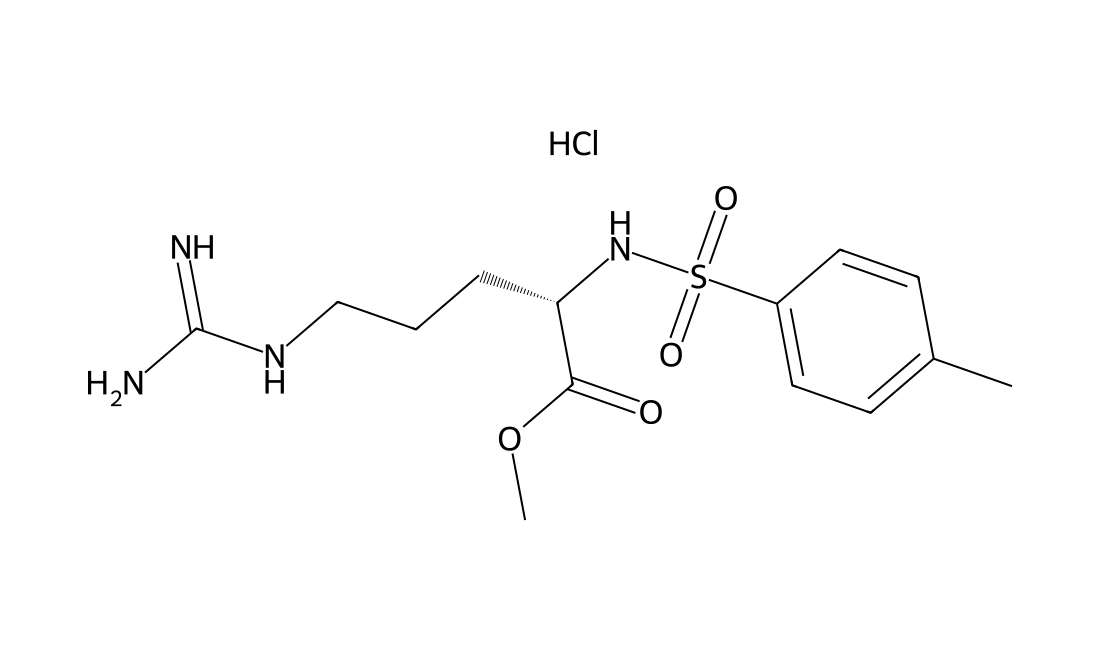
CAS 2127390-15-0
Shield-1 analog is a derivative of Shield-1,a cell-permeable FKBP ligand that is designed to protect an otherwise unstable protein domain from degradation; binds tightly to FKBP, induces rapid and processive degradation of the LID domain.
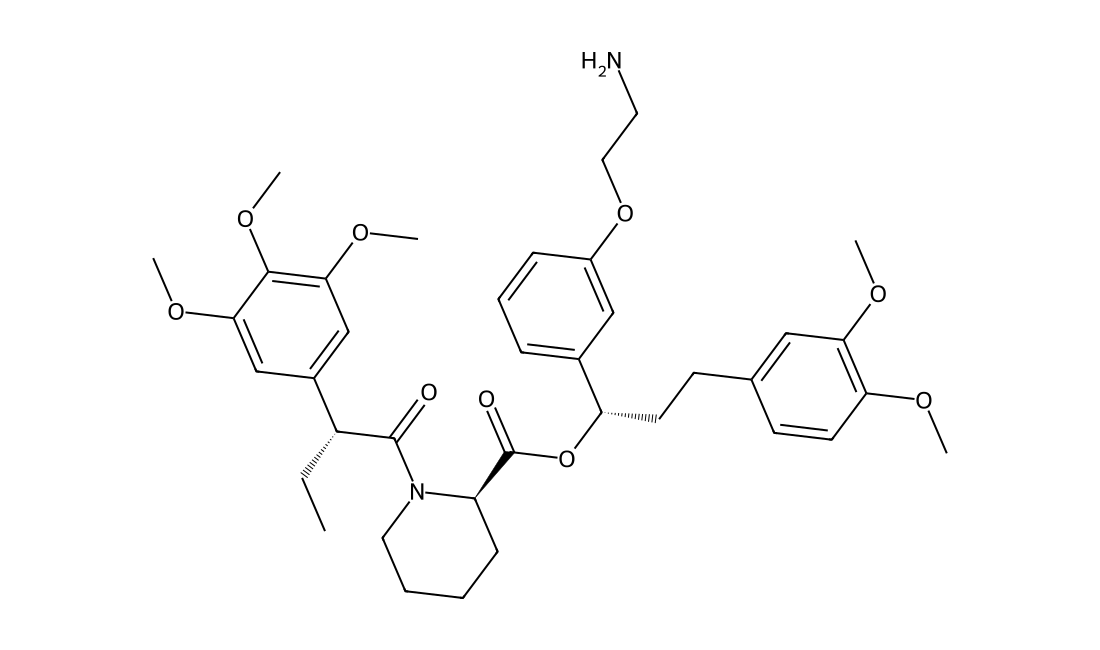
CAS 423148-78-1
PYZD-4409 is a novel small molecule inhibitor of Ubiquitin-activating enzyme UBA1/E1 enzyme with an IC50 of 20 uM (cell-free enzymatic assay). in vitro: PYZD-4409 inhibited the ATP-dependent activation of ubiquitin and subsequent transfer of the activated ubiquitin from the E1 to the common human E2 enzyme UBE2E2 in a gel-based assay. The IC50 of inhibition was estimated to be 20μM in a cell-free enzymatic assay. Suggesting specificity of PYZD-4409 for the E1 enzyme, the compound had no effect on unrelated enzymes such as α-Mannosidase II glycosylation enzyme or Luciferase at concentrations up to 100μM (data not shown). It also did not inhibit the summo E1, Uba2, at concentrations up to 100μM. In 5 of 8 leukemia and myeloma cell lines, PYZD-4409 induced cell death with a LD50 less than 10μM. Myeloma cell lines were particularly sensitive to E1 inhibition because PYZD-4409 induced cell death with 3 of 4 myeloma cell lines (ie, LP1, KMS11, and U226) having an LD50 of 3μM or less. In contrast, solid tumor cell lines were less sensitive with an LD50 of approximately 15 to 20μM. in vivo: SCID mice were injected subcutaneously with MDAY-D2 murine leukemia cells and then treated with PYZD-4409 (10 mg/kg) or buffer control intraperitoneally daily on alternate days over 8 days. Sixteen days after tumor implantation, the mice were killed, and the tumors excised and weighed. Compared with control-treated mice, treatment with PYZD-4409 delayed tumor growth and decreased tumor weight without untoward toxicity. Inhibition of the E1 can achieve an antitumor effect in vivo.
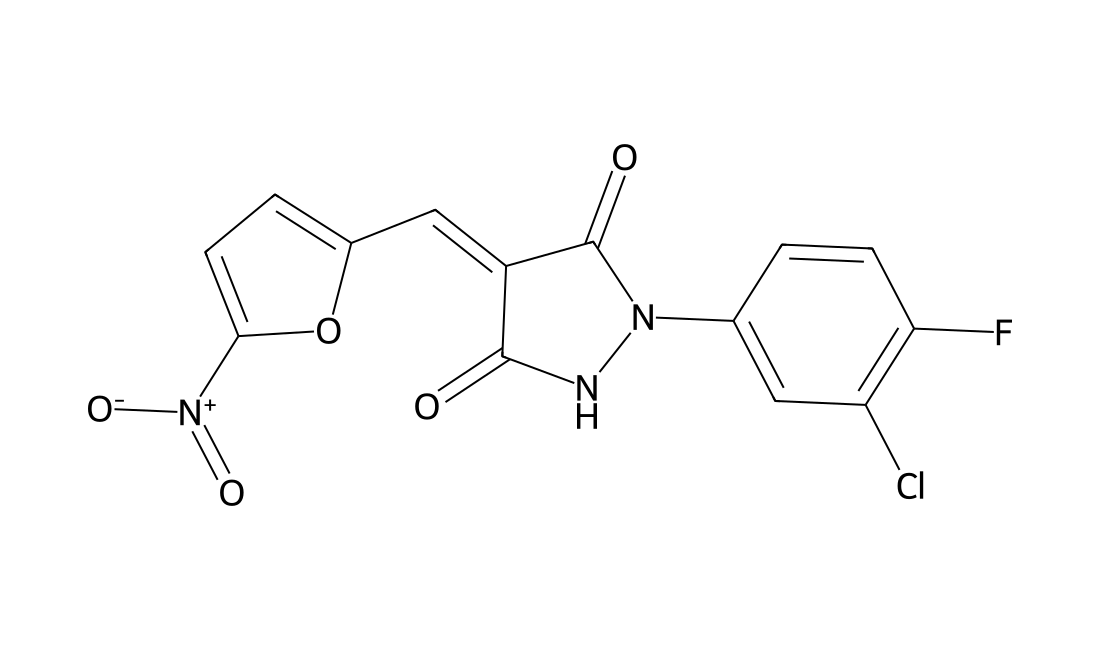
CAS 958025-66-6
MPC-3100 is a fully synthetic potent small-molecule Hsp90 inhibitor (IC50 of 60 nM). MPC-3100 causes HCT-116, NCI-N87 and DU-145 cells to result in a time-dependent reduction in client protein levels with maximal reduction by 24 hours. The IC50 values For client protein reduction ranges from 0.1 mM to 0.5 mM, comparable to the cellular cytotoxicity values of MPC-3100 at 72 hours For the various cell lines.For the detailed information of MPC-3100, the solubility of MPC-3100 in water, the solubility of MPC-3100 in DMSO, the solubility of MPC-3100 in PBS buffer, the animal experiment (test) of MPC-3100, the cell expriment (test) of MPC-3100, the in vivo, in vitro and clinical trial test of MPC-3100, the EC50, IC50,and Affinity of MPC-3100, Please contact DC Chemicals.
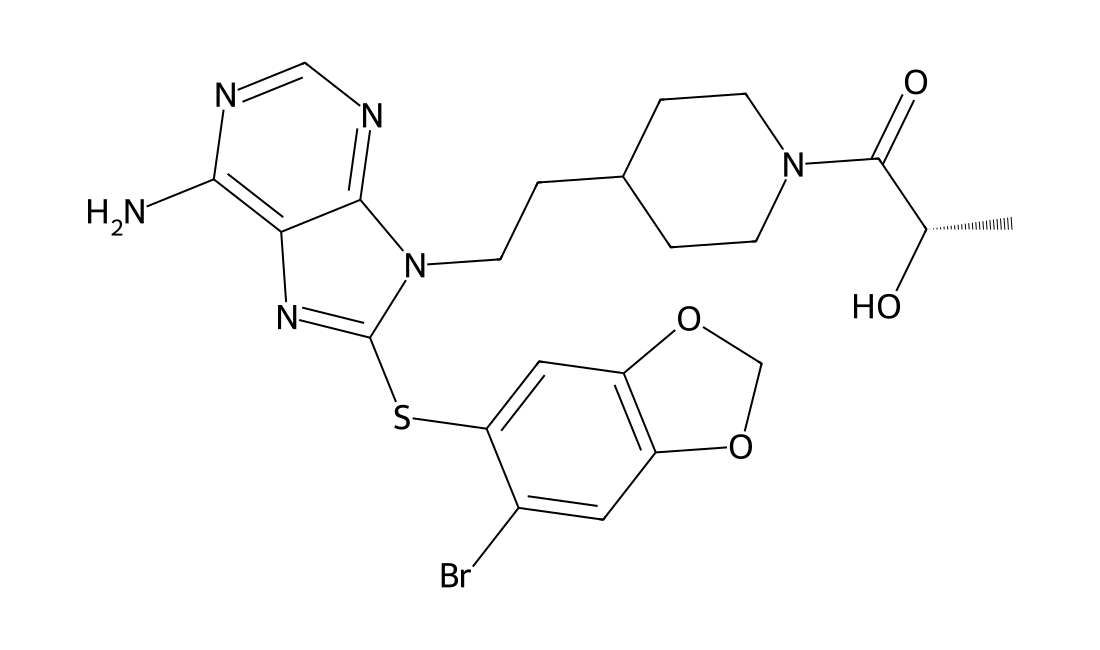
CAS 409086-68-6
YM-1 is a close derivative of MTK-077 that allosterically promotes Hsp70 binding to unfolded substrates, specificly binds to Hsp70 with Kd of 4.9 uM; enhances client protein ubiquitination and polyQ AR degradation; alleviates toxicity in a Drosophila model of spinobulbar muscular atrophy (SBMA); also disrupts the Hsp70-Bag3 interaction with IC50 of 5 uM.
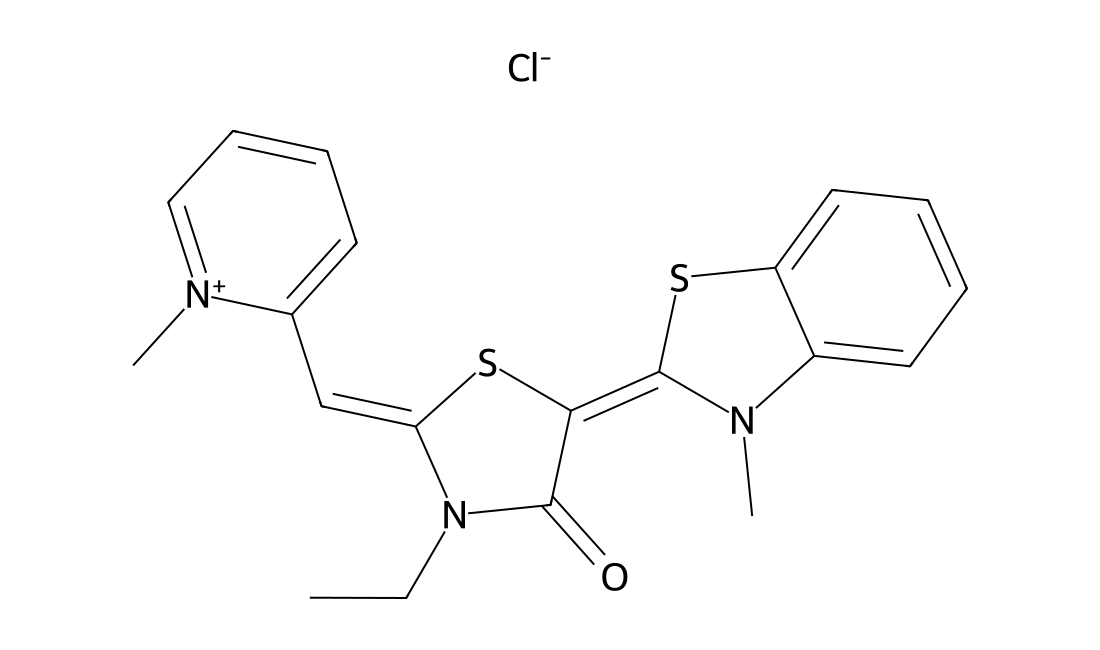
CAS 147366-41-4
MKT-077 (FJ-776) is a highly water-soluble (>200 mg/ml) rhodacyanine dye that exhibits significant antitumor activity, binds to Hsp70 family member, mortalin (mot-2), and abrogates its interactions with p53; induces release of wild-type p53 from cytoplasmically sequestered p53-mot-2 complexes and rescued its transcriptional activation function; also is a potent telomerase inhibitor with IC50 of 5 uM.
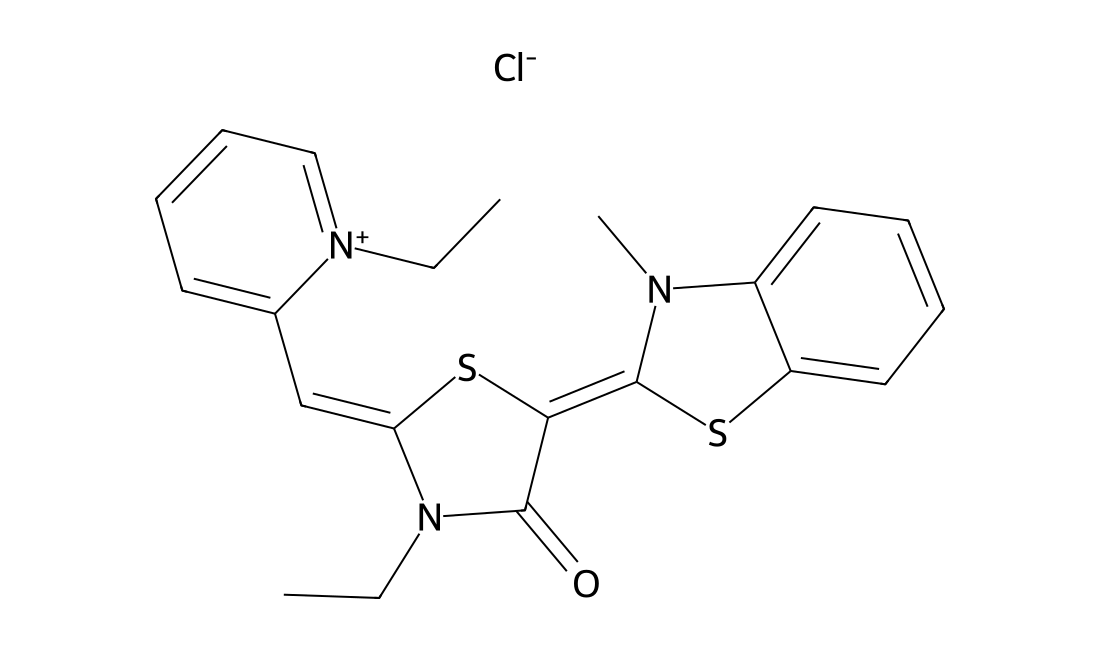
CAS 1160295-21-5
An analog of adenosine 5’-monophosphate that potently and selectively inhibits NEDD8-activating enzyme (NAE) with IC50 of 4.7 nM; also inhibits the related enzymes ubiquitin-activating enzyme (UAE) and SUMO-activating enzyme (SAE) with IC50 of 1.5 and 8.2 uM, respectively; disrupts CRL-mediated protein turnover leading to apoptosis in HCT116 cells, suppresses the growth of human tumor xenografts in mice (30-60 mg/kg).Blood CancerPhase 2 Clinical