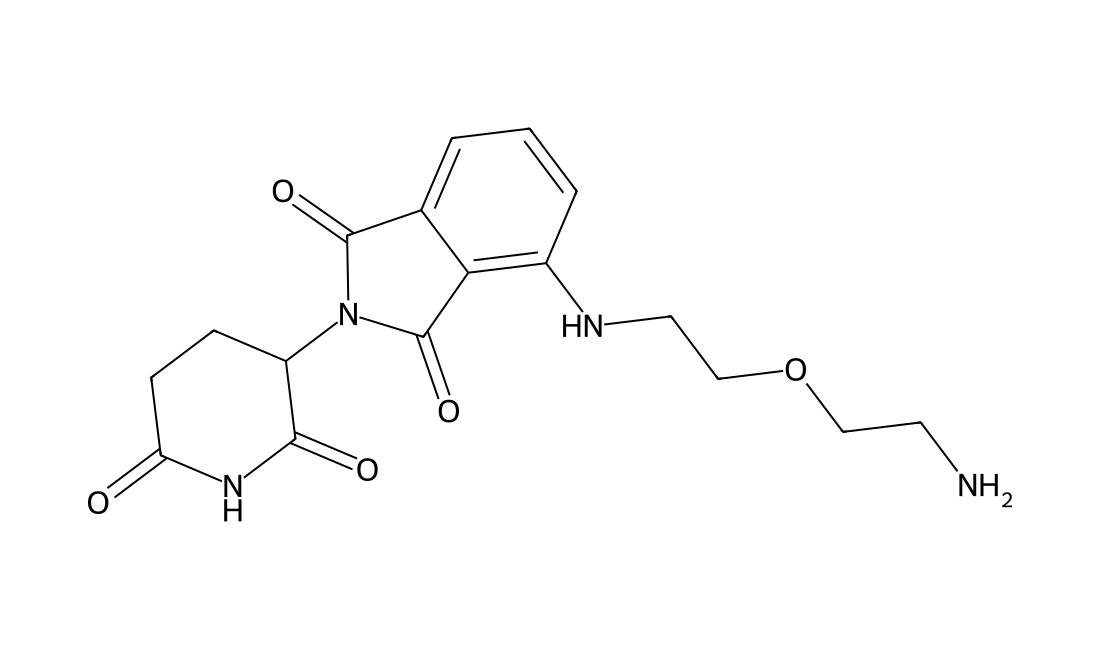
Thalidomide-NH-PEG1-C2-NH2
CAS 2138439-12-8
Thalidomide-NH-PEG1-NH2 is a synthesized E3 ligase ligand-linker conjugate that incorporates the Thalidomide based cereblon ligand and a linker used in PROTAC technology.

PROTACs, molecular glues, ubiquitin systems, chaperones and proteostasis.
Products may appear in more than one category. Counts refer to distinct catalog numbers within each category.
Other Research Tools (75) · Additional reagents, building blocks and specialized research tools.
LC-MG-1 (DCA0006) · LC-MG-4 (DCA0007) · LC-MG-9 (DCA0008)
View structure and evidence summaries →Combine a keyword, research category and target to narrow the product list.
Loading catalog filters…
CAS 2138439-12-8
Thalidomide-NH-PEG1-NH2 is a synthesized E3 ligase ligand-linker conjugate that incorporates the Thalidomide based cereblon ligand and a linker used in PROTAC technology.
NRX-103095 is an enhancer of an E3 ligase-substrate interaction.
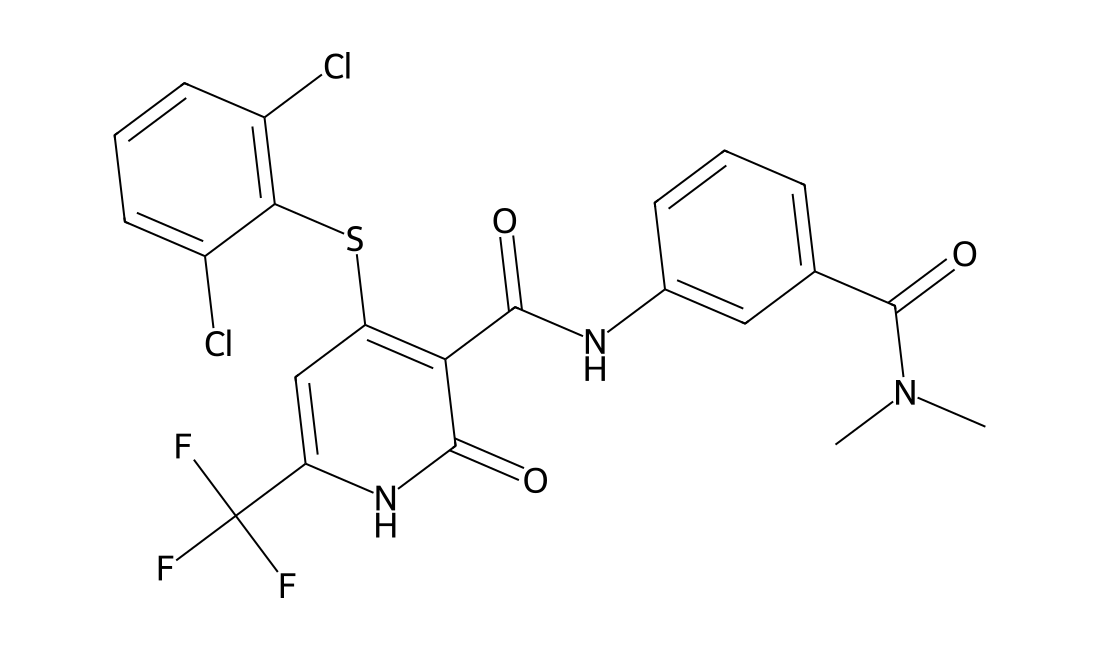
CAS 445222-91-3
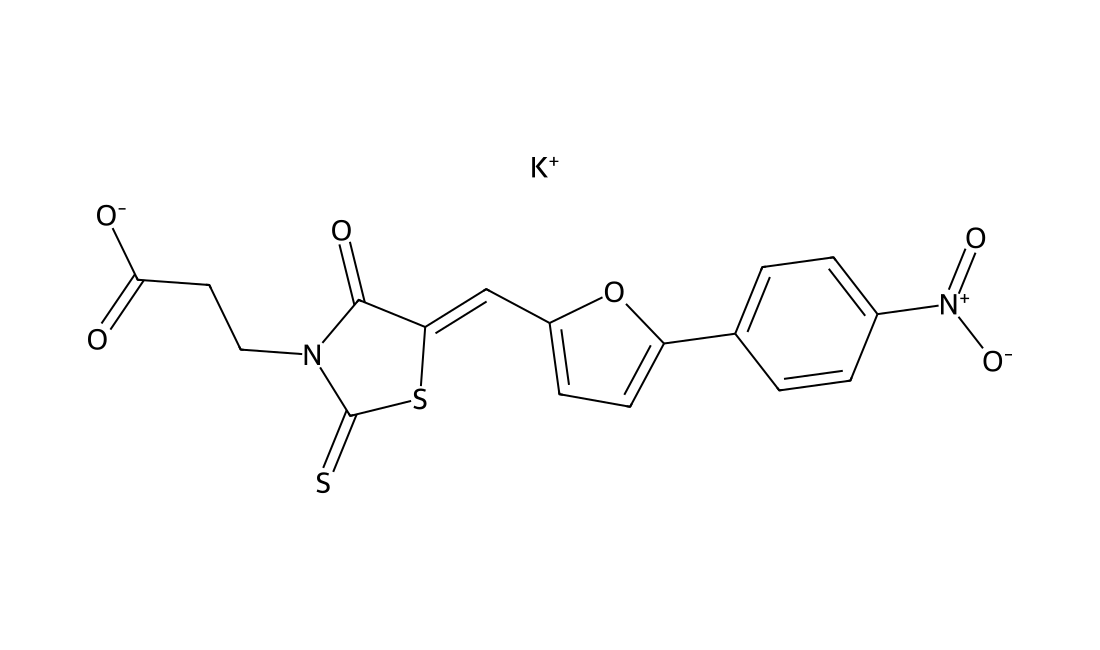
Novel inhibitor of MuRF1, attenuating skeletal muscle atrophy and dysfunction in cardiac cachexia
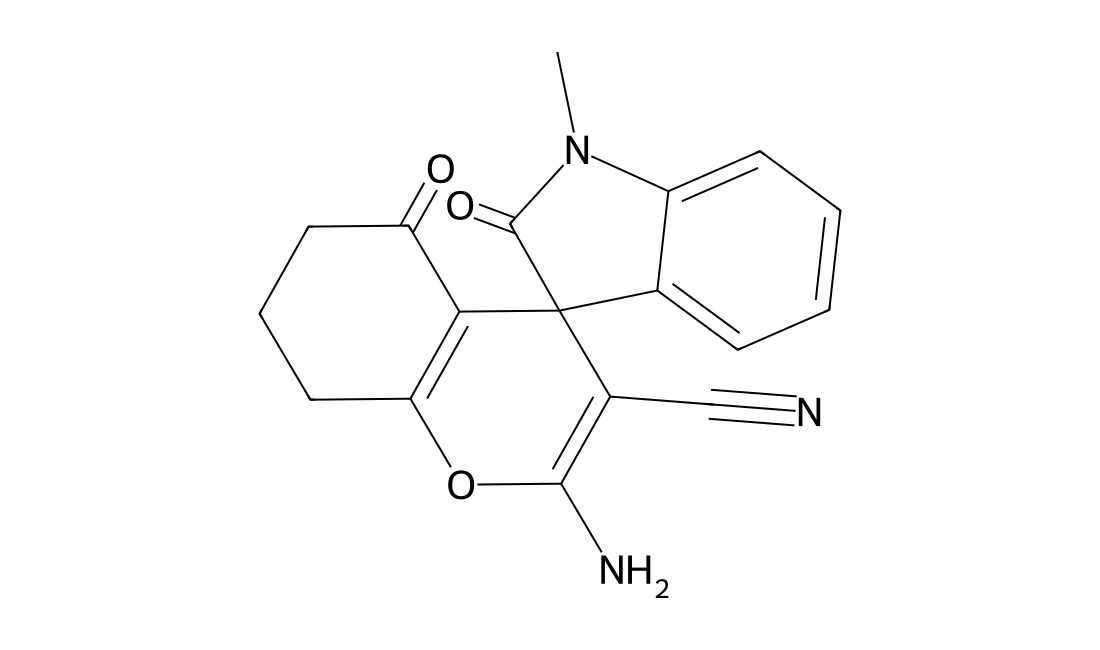
CAS 1863952-15-1
p97-IN-1 is a potent p97 inhibitor with an IC50 <30 nM (WO2015109285A1, compound FF07).
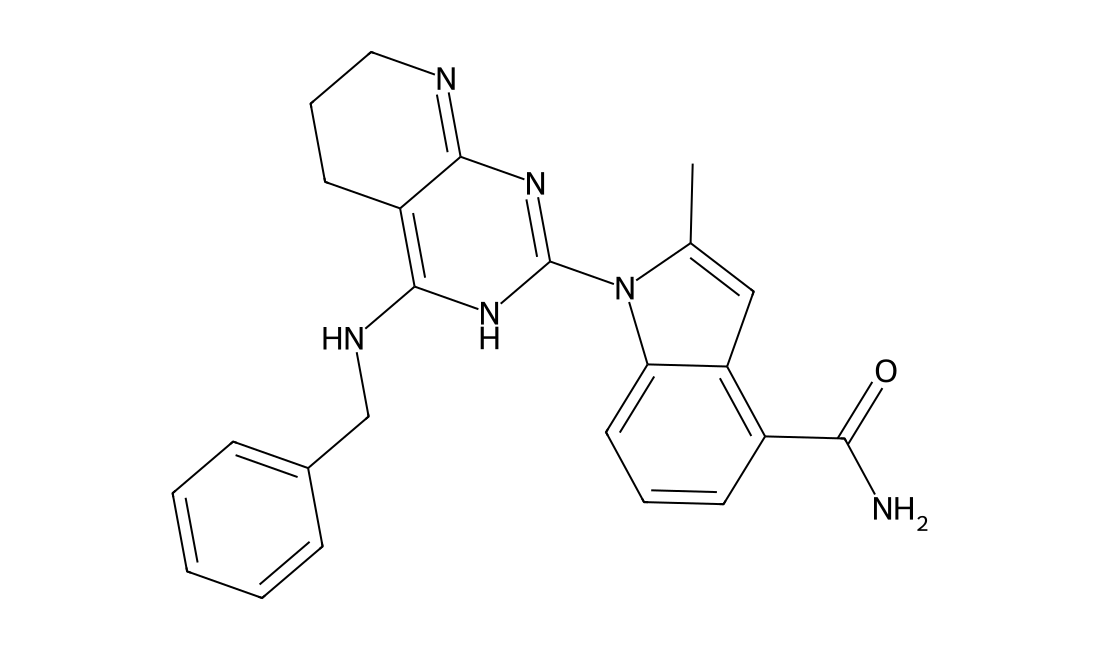
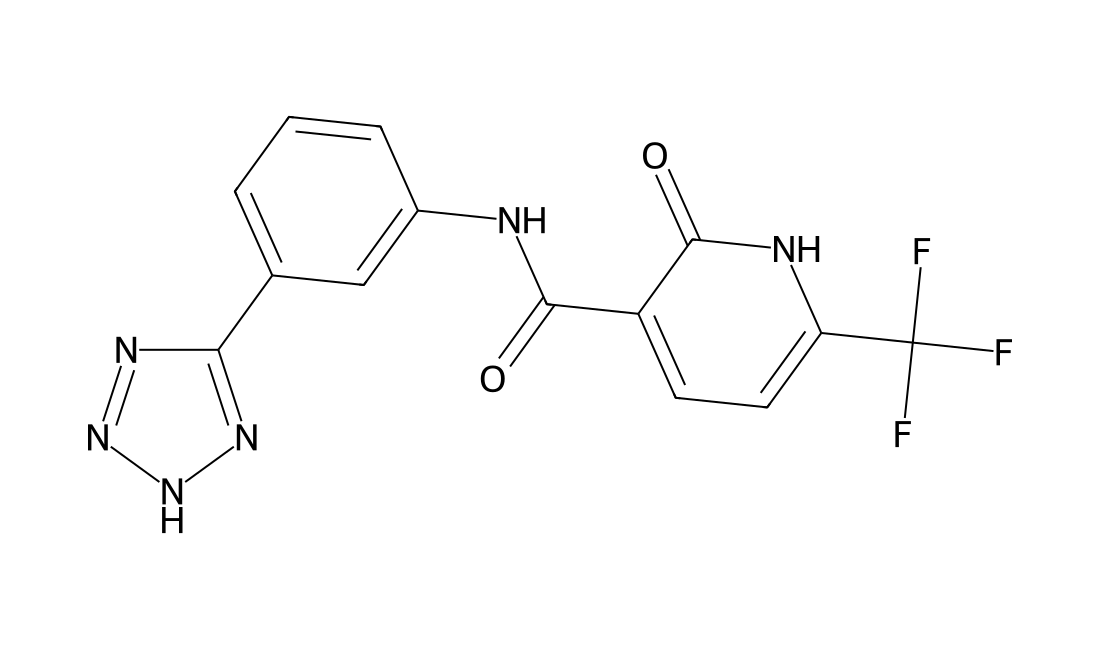
NRX-1532 is an enhancer of an E3 ligase-substrate interaction.
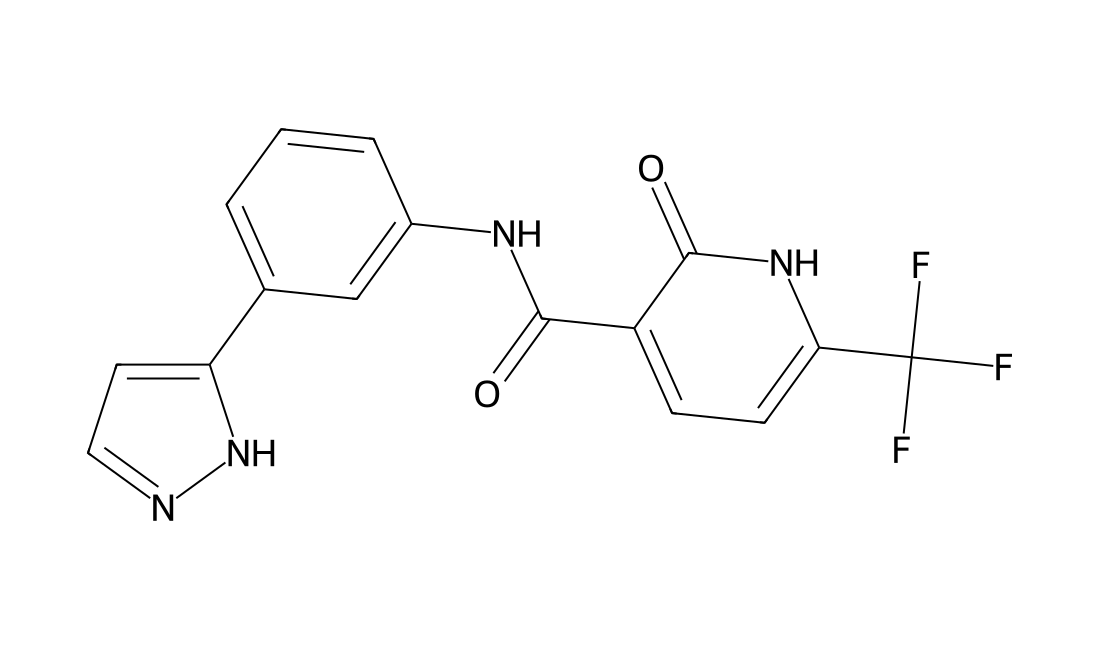
CAS 1346528-06-0
ML241 is a potent, selective, and reversible inhibitor of the AAA ATPase p97 (IC50=100 nM). It blocks p97-dependent proteasome substrate with an IC50 of 3500 nM.
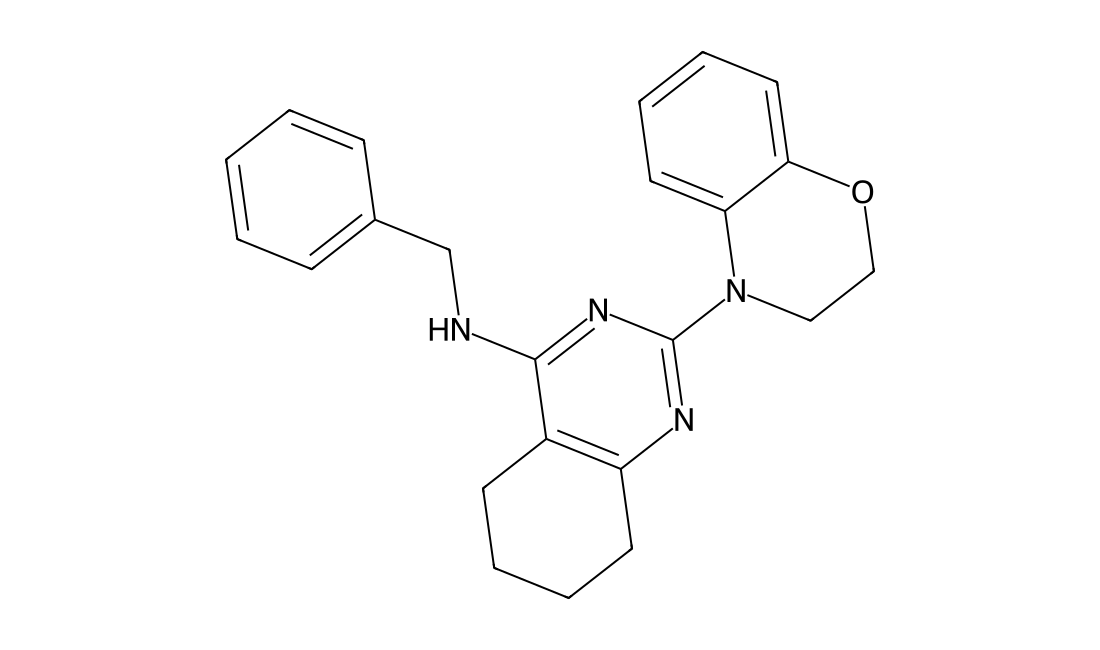
CAS 157654-67-6
NSC632839 is a nonselective isopeptidase inhibitor, which inhibits USP2, USP7, and SENP2 with EC50s of 45±4 μM, 37±1 μM, and 9.8±1.8 μM, respectively.
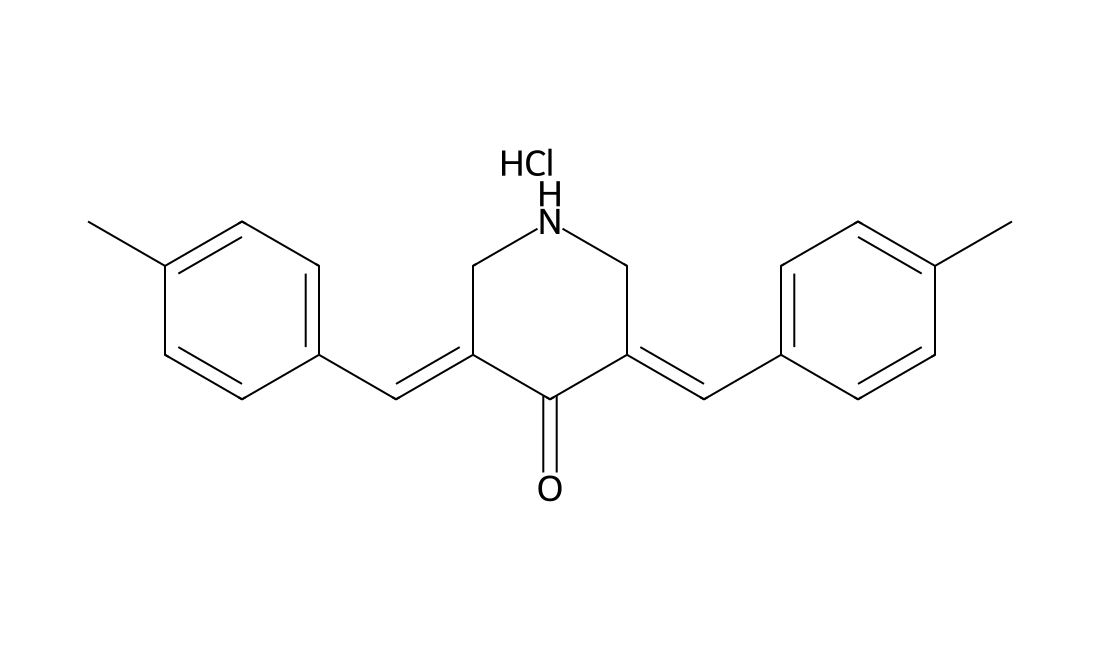
CAS 1262888-28-7
Spautin 1 is an inhibitor of autophagy; inhibits USP10 and USP13 activity (IC50 values are 0.6 and 0.7 μM respectively) and promotes degradation of Vps34 (class III PI 3-kinase) complexes.
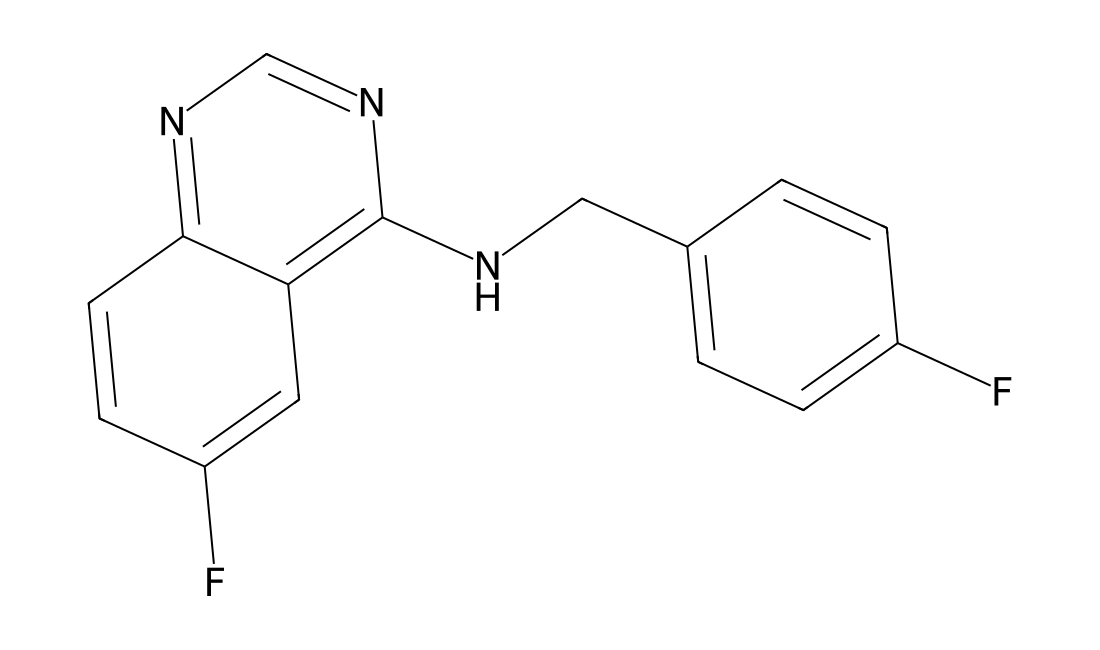
CAS 1957236-21-3
Thalidomide-O-amido-PEG3-C2-NH2 TFA is a synthesized E3 ligase ligand-linker conjugate that incorporates the Thalidomide based cereblon ligand and 3-unit PEG linker used in PROTAC technology.
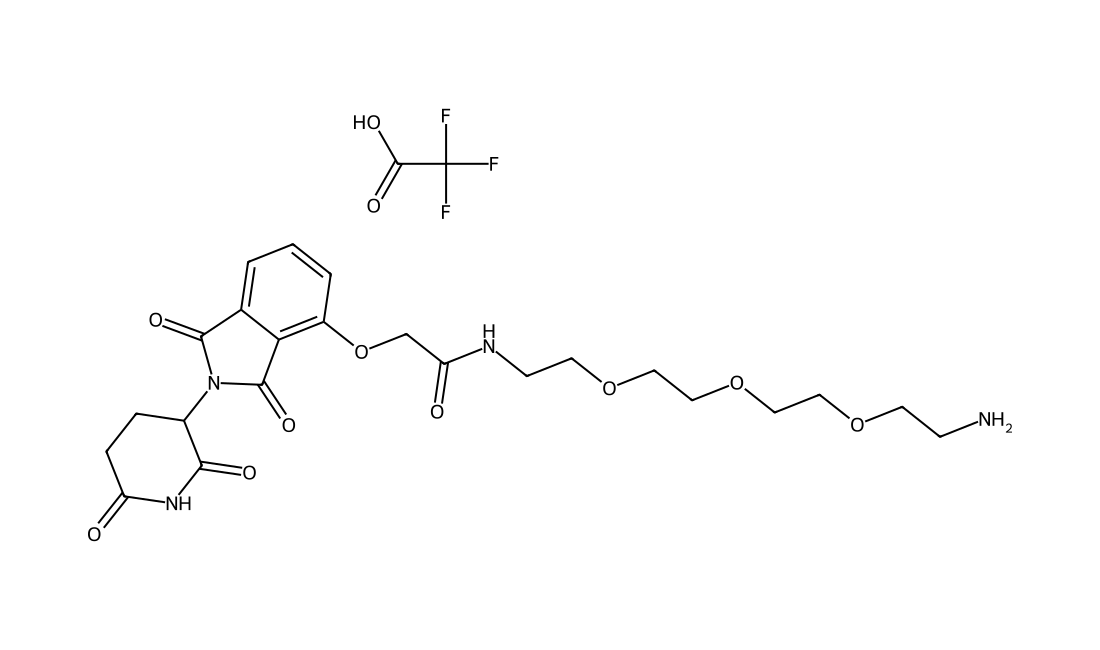
CAS 2031177-48-5
ZM223 is a novel non-sulfamide NEDD8 activating enzyme inhibitor that inhibits HCT116 colon cancer cells with an IC50 value of 100 nM.
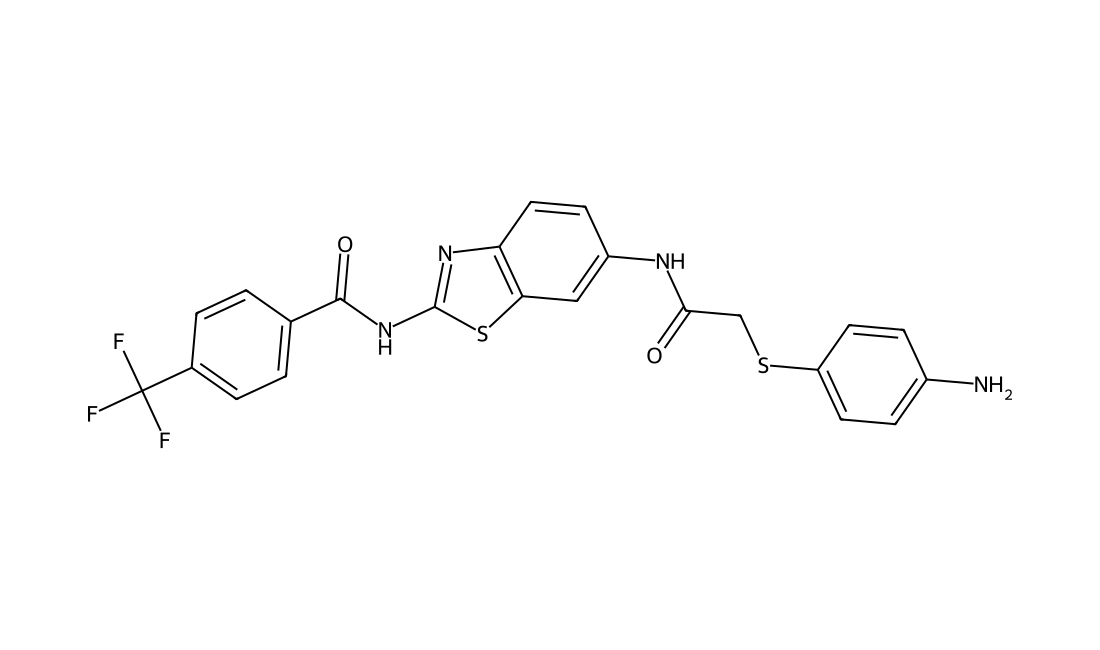
CAS 2165322-94-9
USP25 and 28 inhibitor AZ-1 (AZ1) is a potent, selective, dual USP25/28 inhibitor with IC50 of 0.7/0.6 uM, respectively; shows a high degree of selectivity over other deubiquitinases (USP4,7 etc.); demonstrates target engagement against both USP25 and USP28 in cells, elicits modulation of both the total levels and the half-life of the c-Myc oncoprotein in cells, and also induces apoptosis and inhibits cell viability in a range of cancer cell lines.
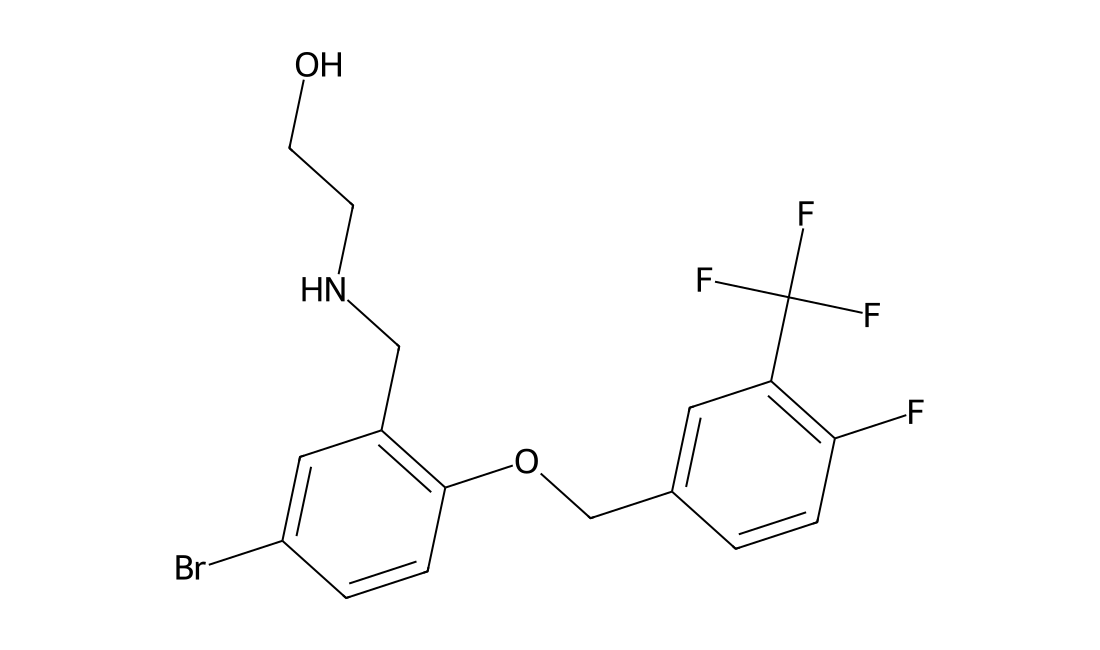
CAS 858557-69-4
MUN57694 is 26S proteasome inhibitor. MUN57694 was reported in WO 2006128196. This product has not formal name. For the convenience of scientific communication, we named it by combining its Inchi key (3 letters from the first letter of each section) with the last 5 digits of its CAS number or its molecule weight if its CAS number is not available
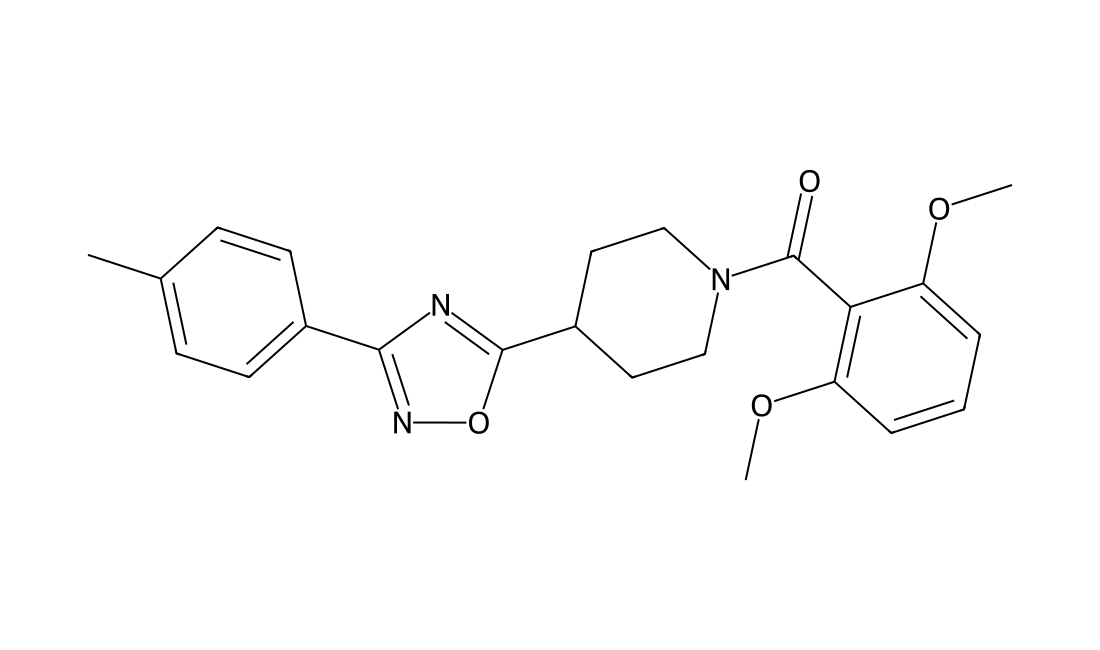
CAS 881202-45-5
Serdemetan(JNJ-26854165) acts as a HDM2 ubiquitin ligase antagonist and also induces early apoptosis in p53 wild-type cells, inhibits cellular proliferation followed by delayed apoptosis in the absence of functional p53.IC50 value: HDM2 ubiquitin ligaseTarget: in vitro: JNJ 26854165 is a novel tryptamine derivative which activates p53 and acts as a HDM2 ubiquitin ligase antagonist. JNJ 26854165 inhibits cell growth and induces apoptosis in leukemia cell lines with IC50 values of 0.24, 0.33, 0.32 and 0.44 μM at 72 hours for OCI-AML-3, MOLM-13, NALM-6 and REH cells, respectively. In addition, JNJ 26854165 accelerates proteasome-mediated degradation of p21 and antagonizes the transcriptional induction of p21 by p53. It also induces S-phase delay and upregulates E2F1 expression in p53 mutant cells, resulting in preferential apoptosis of S-phase cells. JNJ 26854165 is an oral Mdm2 inhibitor which can inhibit the interaction of Mdm2-p53 complex with the proteasome and increase p53 levels by binding to RING domain of Mdm2. A recent study shows that JNJ 26854165 inhibits clonogenic survival in four human cancer cell lines: H460, A549, p53-WT-HCT116, and p53-null-HCT116.in vivo:JNJ 26854165 leads to significant differences in EFS distribution in 17 of the 36 (47%) evaluable solid tumor xenografts and in 5 of 7 (71%) of the evaluable ALL xenografts using a dose of 20 mg/kg administered via oral gavage daily for 5 days, repeated for 6 weeks.
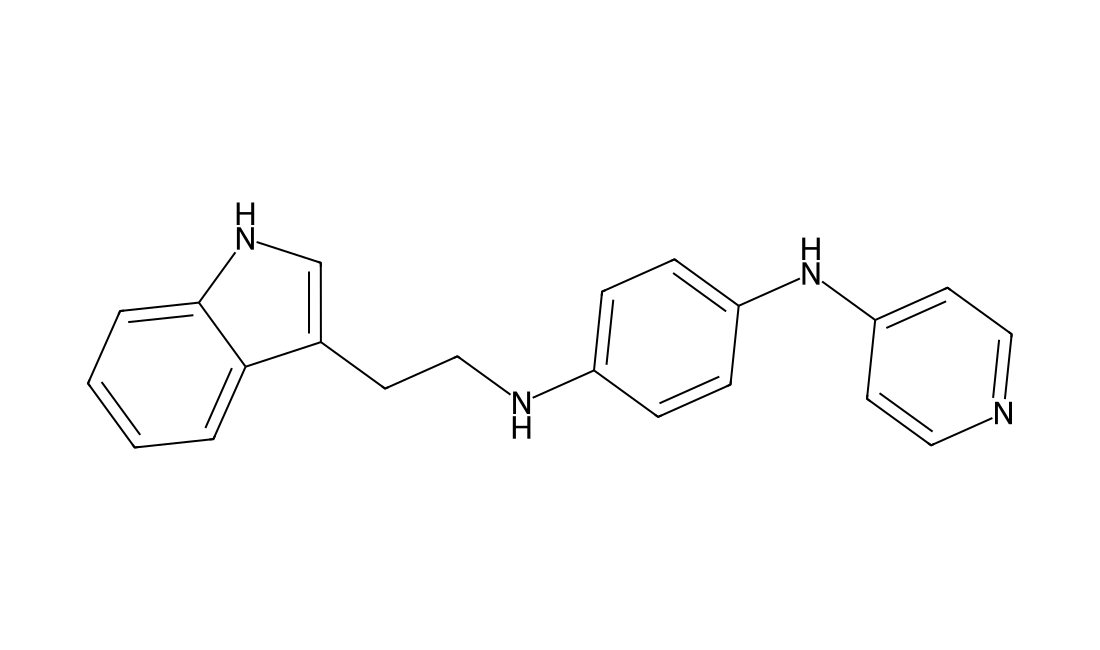
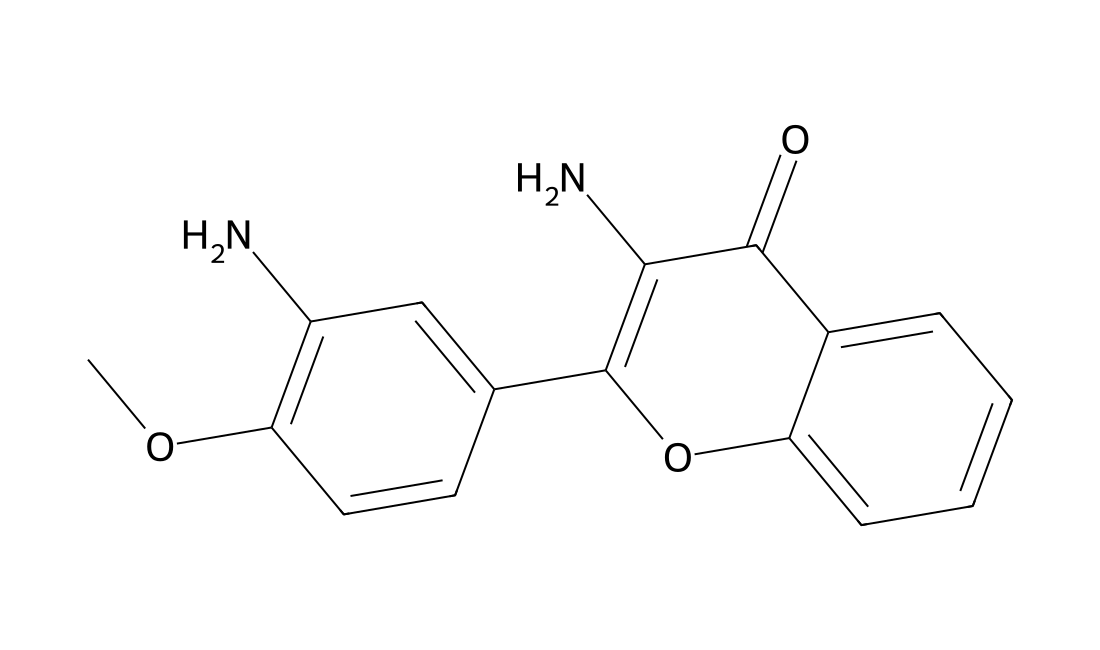
CAS 67200-34-4
Inhibition of SCFMet30 by SMER3 blocks the ubiquitination of Met4 and activates the Met4-containing transcription complex. The induction of MET-genes results in cell cycle arrest and reduced cell proliferation.1For the detailed information of SMER3, the solubility of SMER3 in water, the solubility of SMER3 in DMSO, the solubility of SMER3 in PBS buffer, the animal experiment (test) of SMER3, the cell expriment (test) of SMER3, the in vivo, in vitro and clinical trial test of SMER3, the EC50, IC50,and affinity,of SMER3, Please contact DC Chemicals.
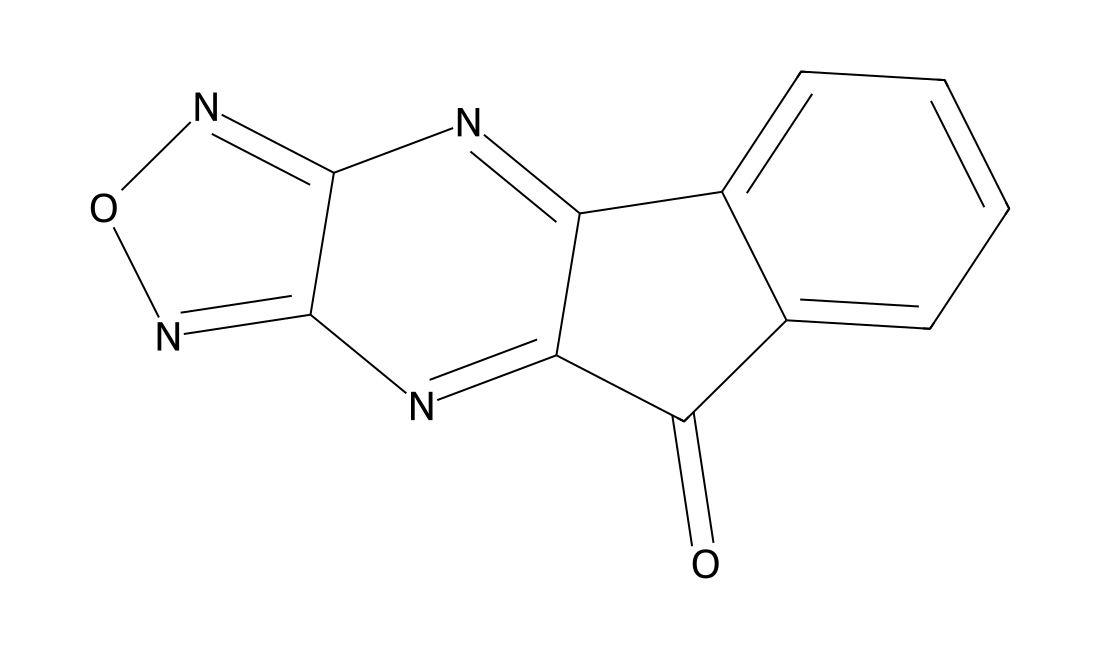
CAS 1835705-52-6
PROTAC Linker 2 is a PROTAC linker utilized to connect the respective tyrosine kinase inhibitor (TKI) to the E3 recruiting ligand.
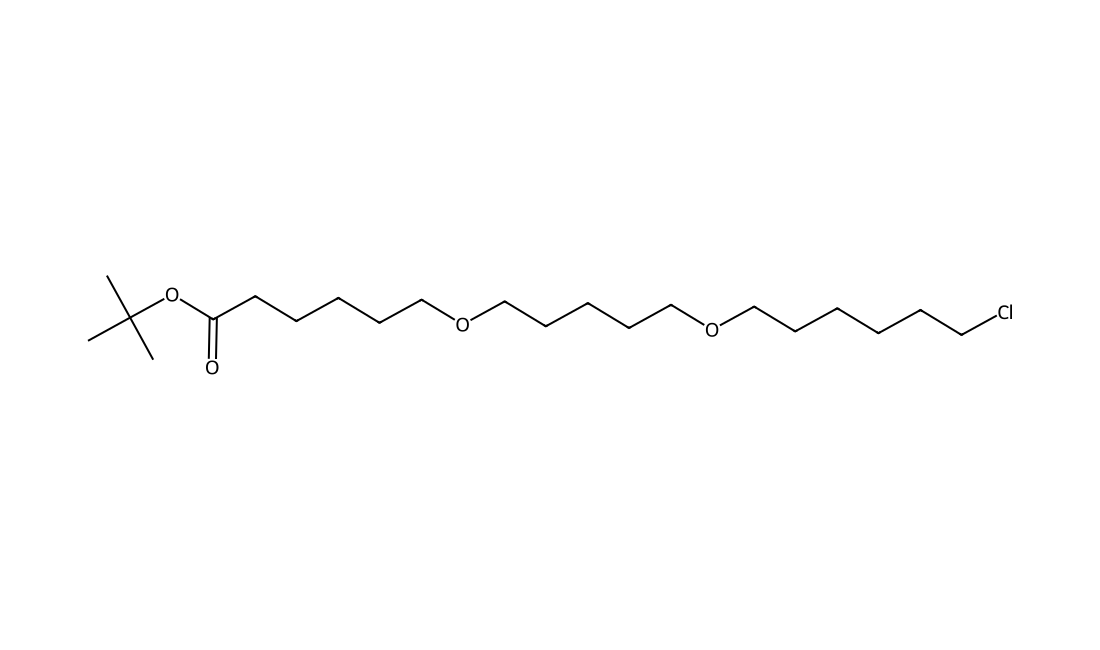
CAS 66-71-7
A selective inhibitor of 26S proteasome subunit Rpn11 with IC50 of 10±2 uM; shows no activity for other DUBs (USP1/USP2/USP4/USP5/USP7/USP8/USP20/UCH37, IC50>50 uM); blocks cellular proteasome function, induces apoptosis in MM cells and overcomes resistance to proteasome inhibitor bortezomib, activates caspase cascade and endoplasmic stress response signaling; reduces progression of tumor growth and prolongs survival in mice MM xenograft model.
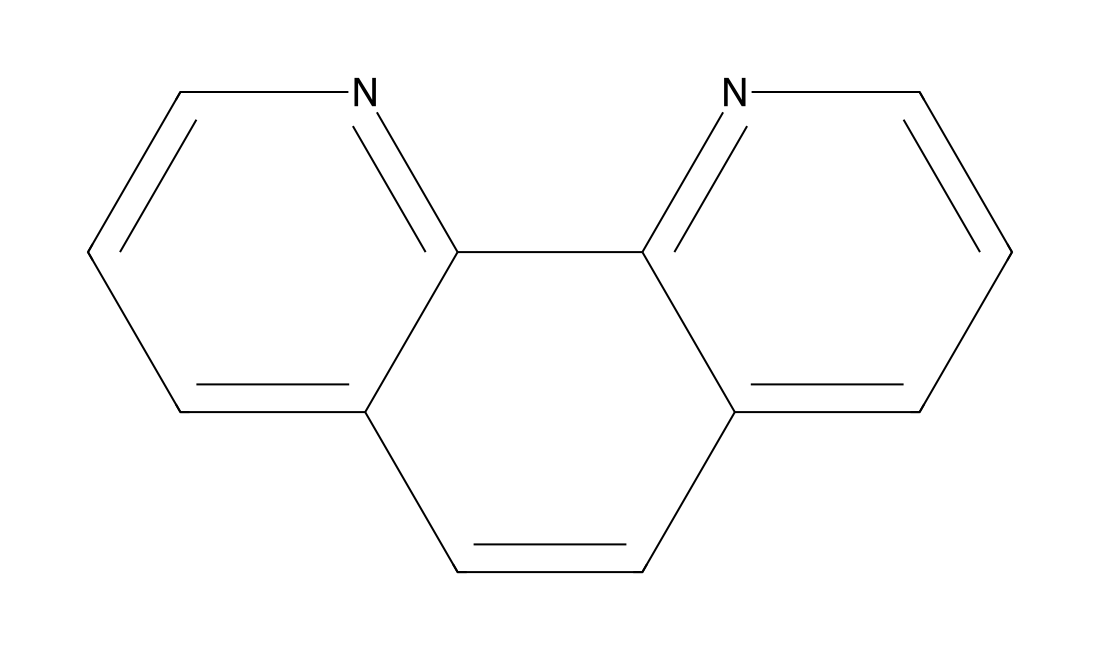
CAS 924296-18-4
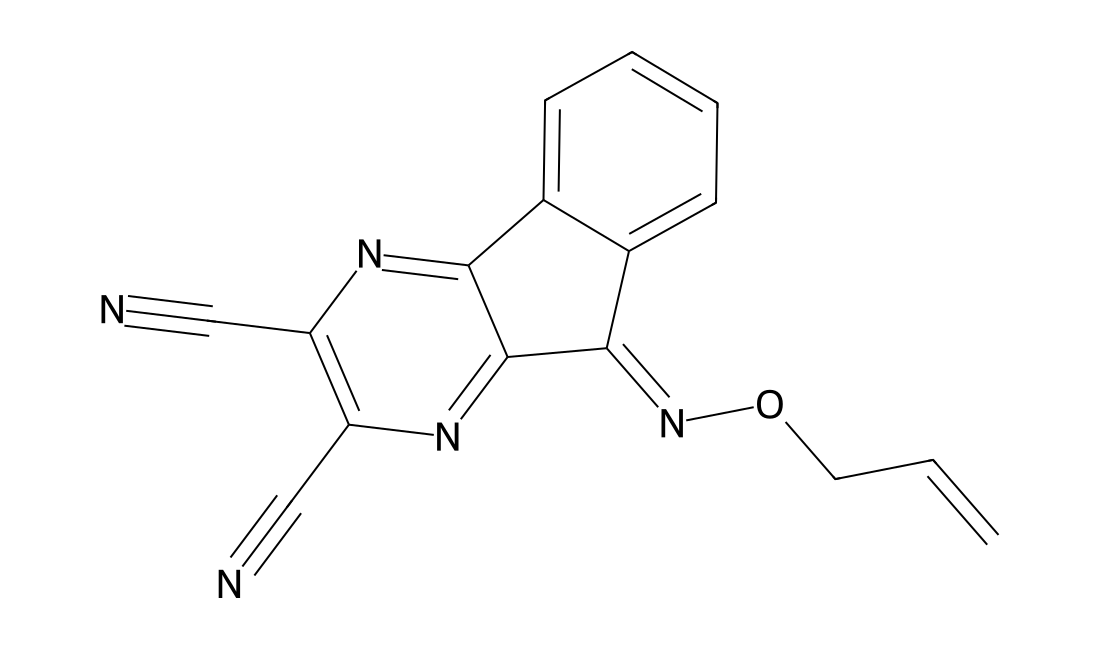
A potent, selective ubiquitin-specific protease USP8 inhibitor with IC50 of 0.85 uM; shows no inhibitory activity for USP7 (IC50>100 uM).
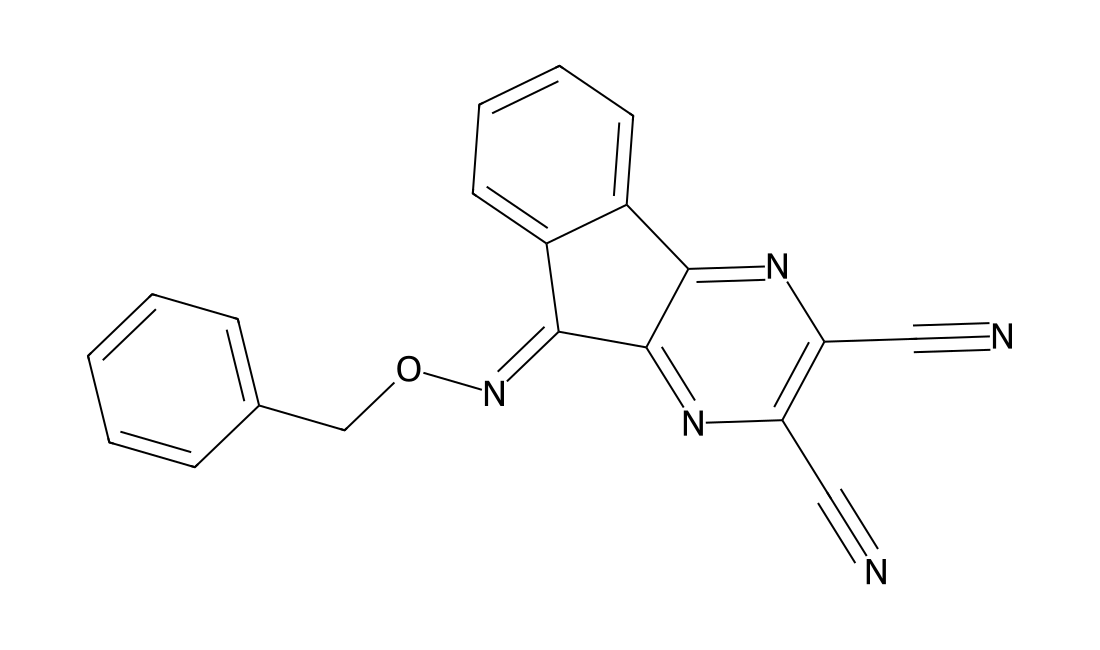
CAS 924296-17-3
A potent, selective ubiquitin-specific protease USP8 inhibitor with IC50 of 0.56 uM; shows no inhibitory activity for USP7, USP5, SENP1, Uch-L3, and caspase 3 (IC50>100 uM), and displays partial activity against Uch-L3; inhibits the viability of HCT116 colon and PC-3 prostate cancer cell lines with IC50 values in the 0.5-1.5 uM range.
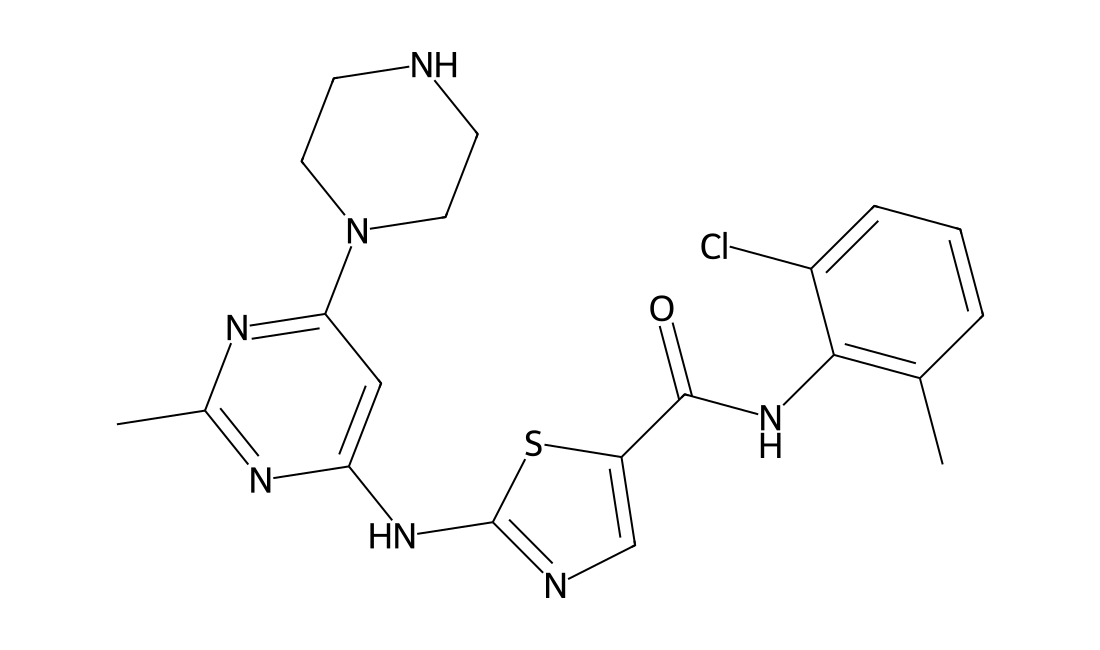
CAS 910297-51-7
N-Deshydroxyethyl Dasatinib (N-Deshydroxyethyl BMS-354825) is a metabolite of Dasatinib, Dasatinib is a multi-kinase inhibitor that potently inhibits Bcr-Abl, Src family and platelet-derived growth factor receptor kinases.
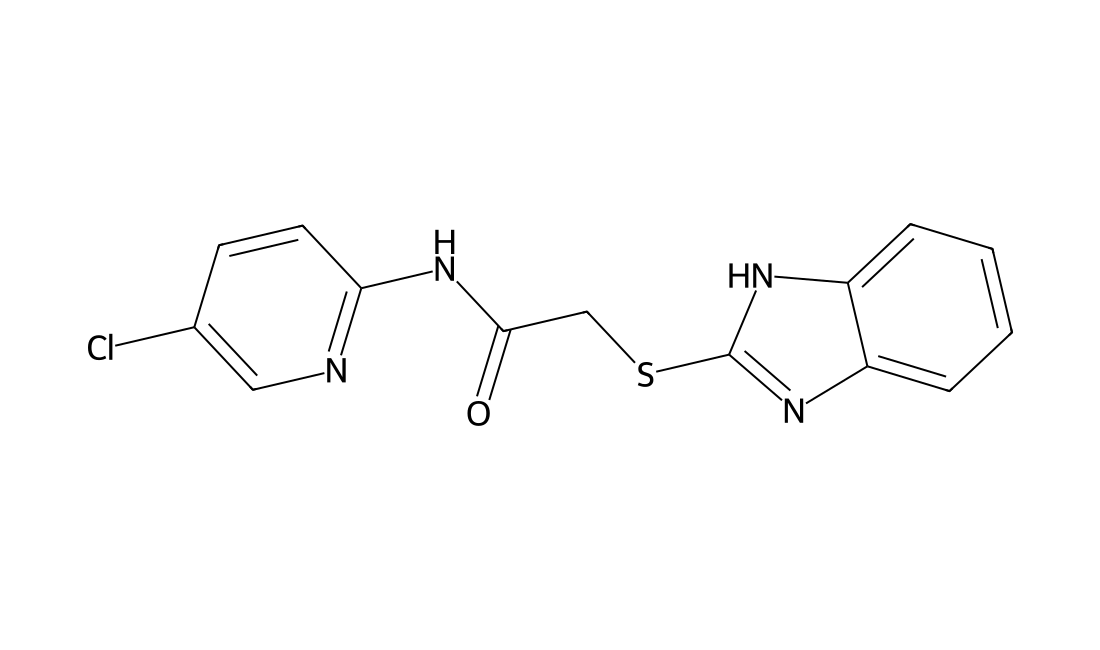
CAS 311787-85-6
dCeMM3 (Compound 3) is a molecular glue degrader that facilitates the ubiquitination and degradation of cyclin K. It achieves this by promoting an interaction between the CDK12-cyclin K complex and the CRL4B ligase complex.
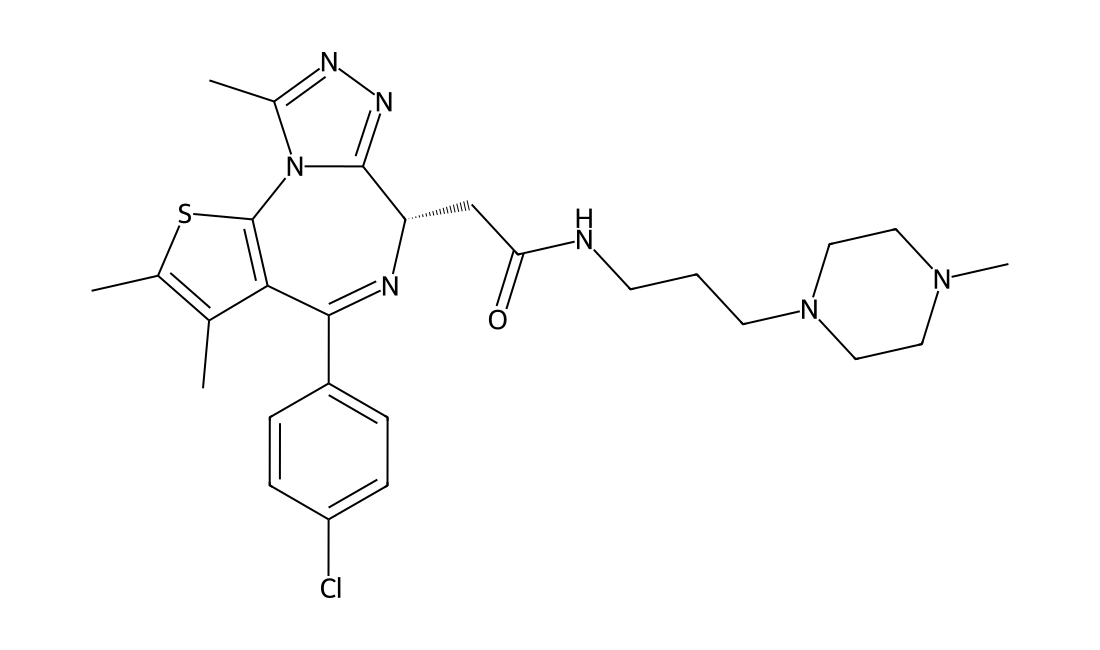
CAS 1349719-98-7
JQ-35-(S) is an inhibitor of the Bromodomain and Extra-Terminal (BET) family bromodomain-containing proteins with potential antineoplastic activity.
CAS 1226443-41-9
HQ461 is a molecular glue degrader that facilitates the interaction between CDK12 and the DDB1-CUL4-RBX1 E3 ubiquitin ligase, resulting in the polyubiquitination and subsequent degradation of the CDK12-interacting protein Cyclin K (CCNK). This degradation impairs CDK12 function, leading to reduced phosphorylation of its substrates, downregulation of DNA damage response genes, and ultimately, cell death.
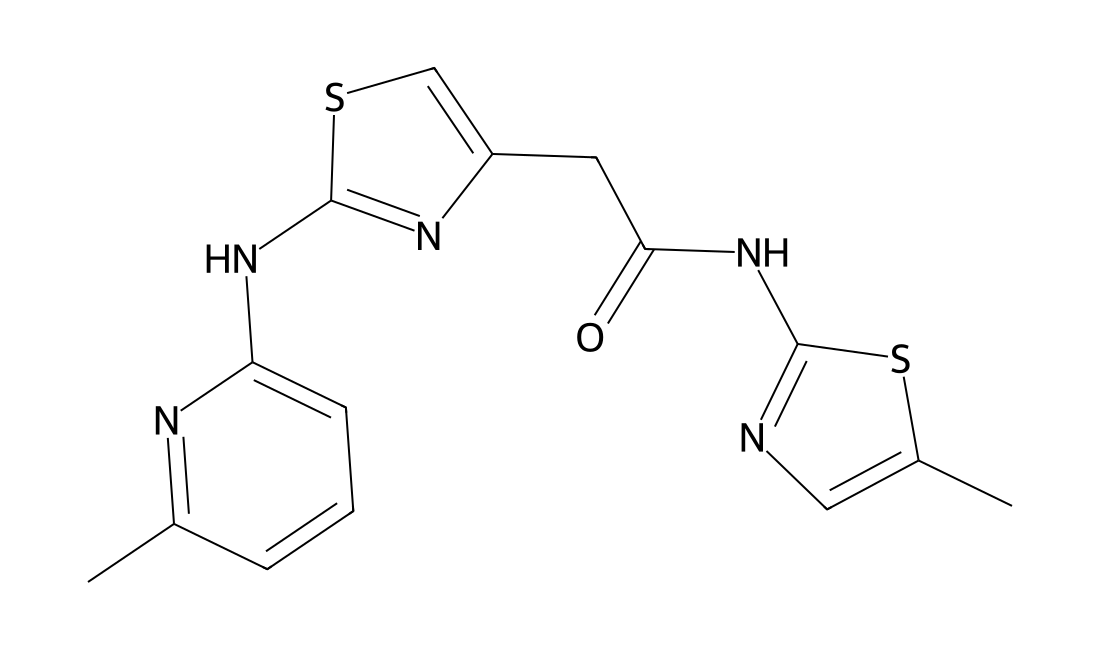
CAS 1617495-03-0
RA190 covalently binds to cysteine 88 of ubiquitin receptor RPN13 in the 19S regulatory particle and inhibits proteasome function, triggering rapid accumulation of polyubiquitinated proteins. Multiple myeloma (MM) lines, even those resistant to bortezomib, are sensitive to RA190 via endoplasmic reticulum stress-related apoptosis. RA190 stabilizes targets of human papillomavirus (HPV) E6 oncoprotein, and preferentially kills HPV-transformed cells.RA190 distributes to plasma and major organs excepting brain, and inhibits proteasome function in skin and muscle. RA190 administration profoundly reduces growth of multiple myeloma and ovarian cancer xenografts, and oral RA190 treatment retards HPV16+ syngeneic mouse tumor growth, without impacting spontaneous HPV-specific CD8+ T cell responses.
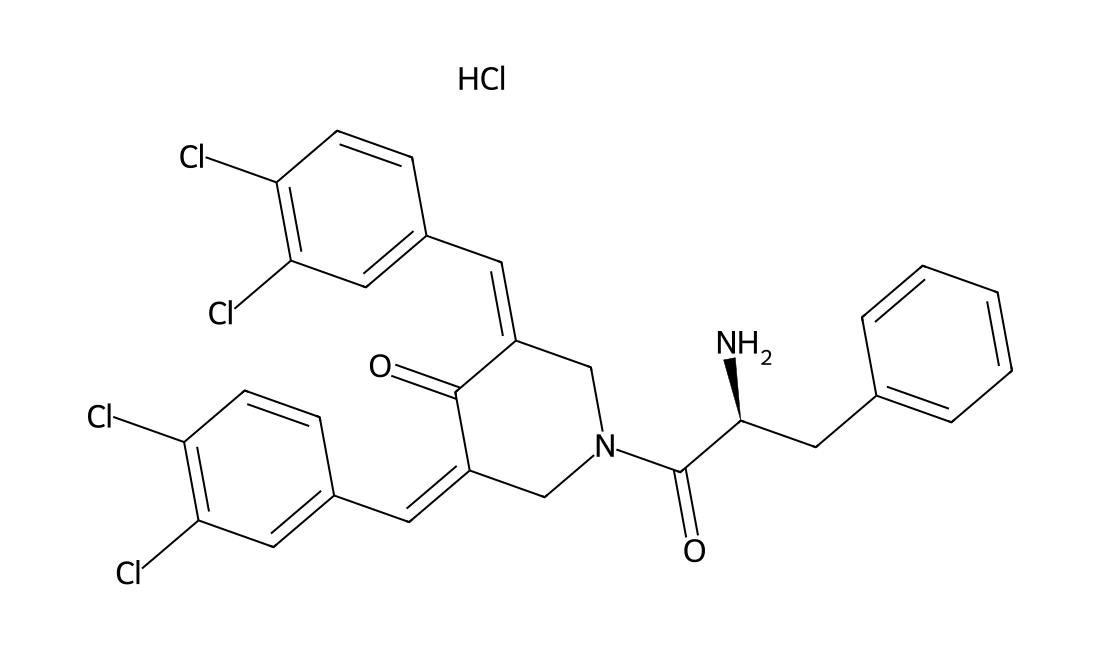
CAS 2499962-58-0
MTK458 (MTK-458) is a potent, selective and brain penetrant PINK1 activator, MTK-458 promotes the first step in mitophagy. MTK458 selectively activates PINK1 by stimulating dimerization and stabilization of the PINK1/TOM complex. MTK458 binds to PINK1 and stabilizes an active heterocomplex, thereby increasing mitophagy. MTK458 reduces the PINK1 substrate pS65-Ubiquitin (pUb) in primary neurons and in vivo. MTK458 drives clearance of pathologic α-synuclein in vitro and in vivo, decreases pS129 α-synuclein aggregates and normalized both brain and corresponding plasma pUb levels in both cellular and animal models of α-synuclein aggregation (PD-like pathology).
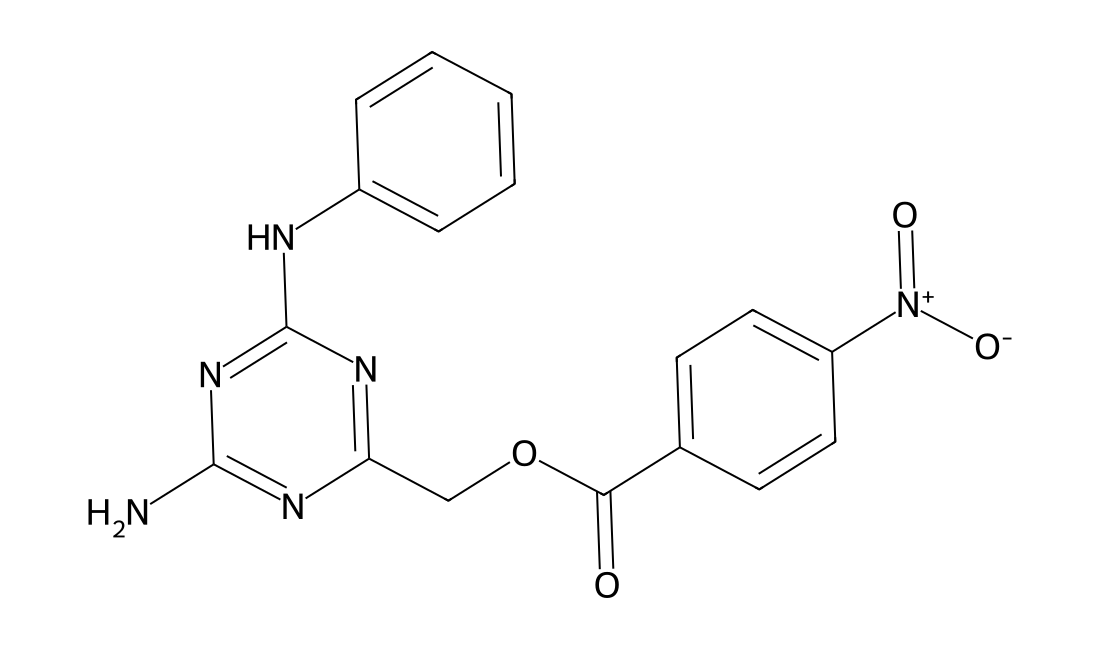
CAS 1002789-86-7
TZ9 is a novel inhibitor of Rad6 ubiquitin conjugating enzyme(E2 enzyme); inhibits MDA-MB-231 cell proliferation with IC50 of ~6 uM. The bulk of MDA-MB-231 cells treated with 10 μmol/L or more SMI #9 displayed a round morphology compared with controls and less than 5 μmol/L doses of SMI #9. Simultaneous comparison of SMIs #8 and 9 confirmed SMI #9 inhibits Matrigel-induced migration of MDA-MB-231 cells in a dose-dependent manner compared with SMI #8. 5 μmol/L SMI #9 treatment triggered morphologic changes consistent with apoptosis in a time-dependent manner. 5 μmol/L SMI #9 treatment of MDA-MB-231 cells for 24 hours increased the proportion of G2–M-arrested cells by 2-fold and was accompanied by a proportional decrease in S-phase cells. SMIs #8 or 9 treatments dramatically reduced β-catenin staining as visualized by reduced merged Rad6/β-catenin yellow fluorescence.
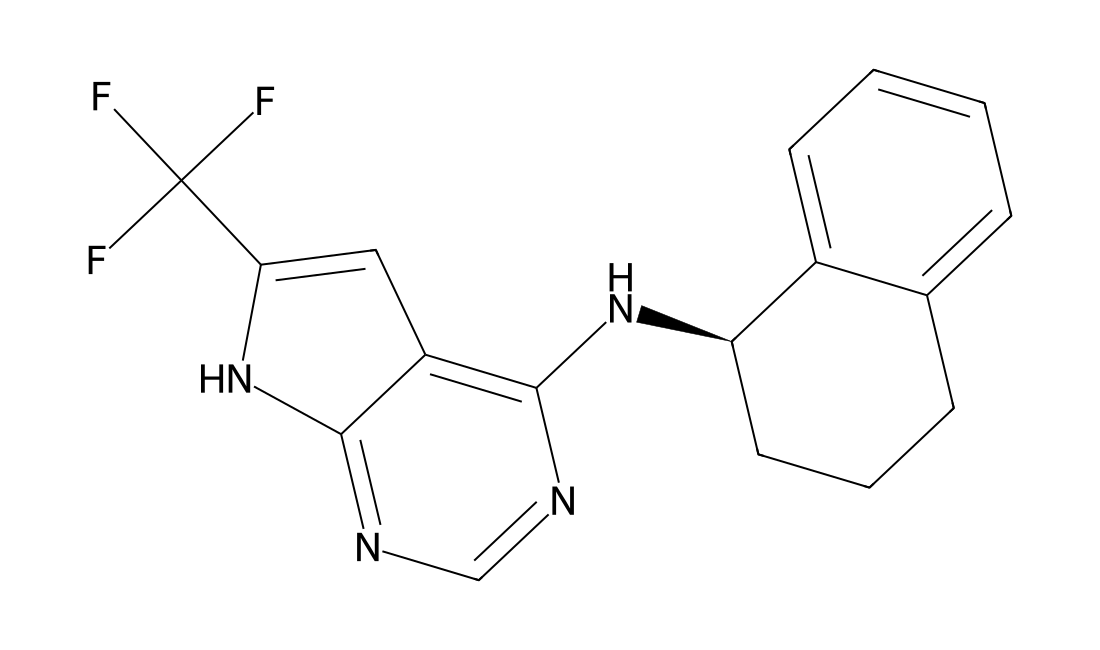
CAS 2306039-66-5
WSB1 Degrader 1 is a poten and orally active WSB1 (WD repeat and SOCS box-containing 1) degrader. WSB1 Degrader 1 has anticancer metastatic effects.
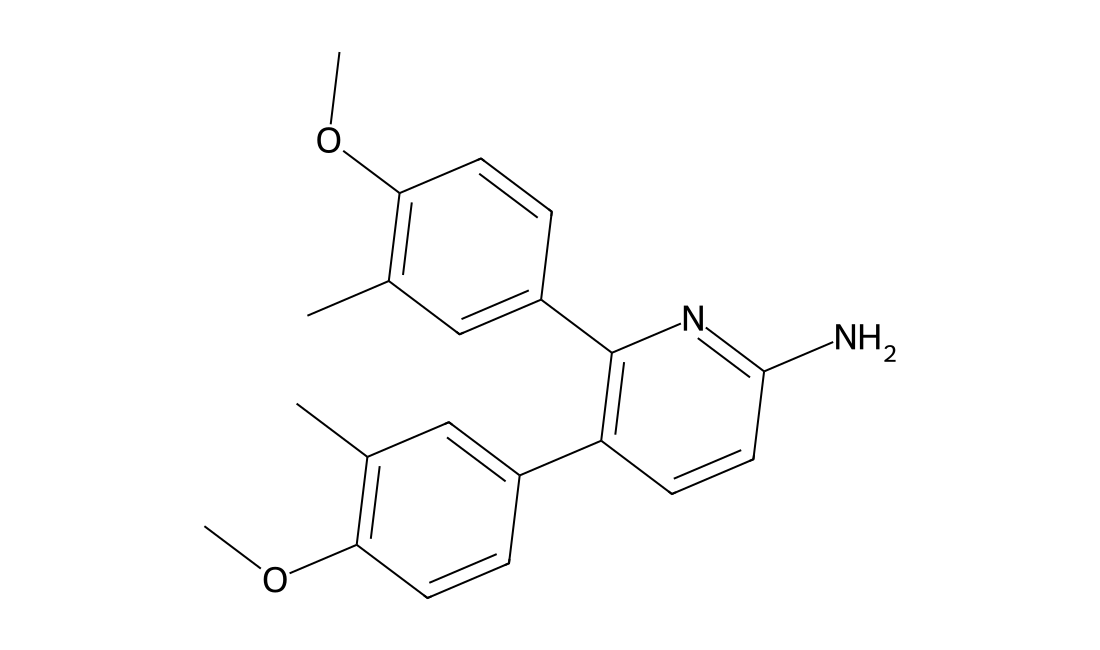
CAS 2095116-40-6
Brigimadlin is an E3 ubiquitin-protein ligase MDM-2 inhibitor. Brigimadlin serves as an antineoplastic agent.
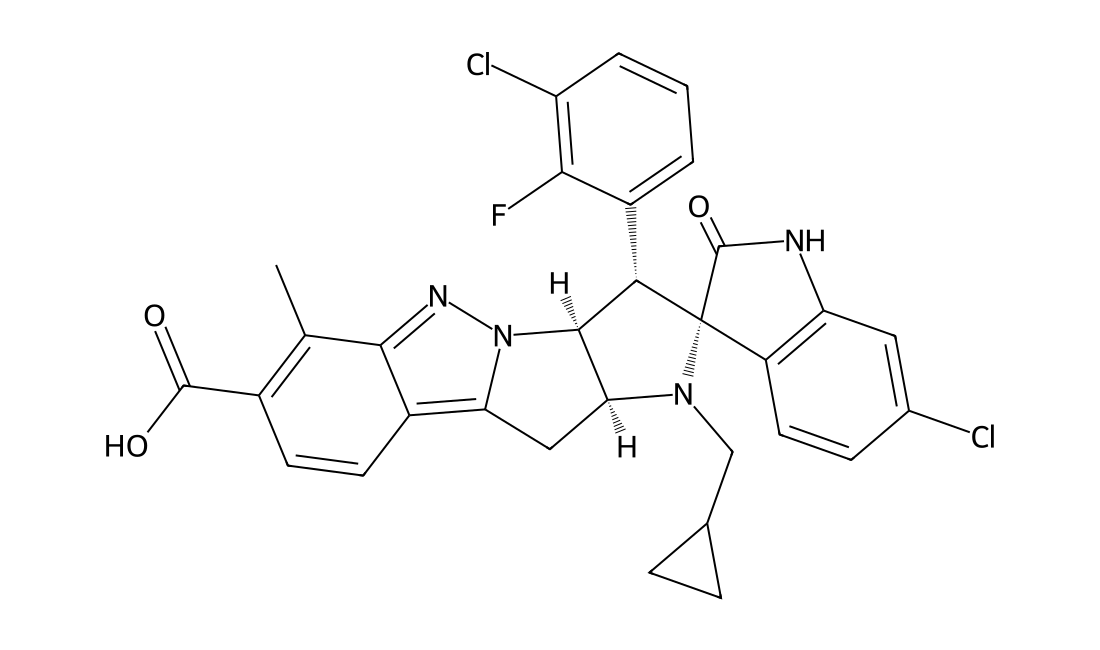
CAS 2458219-65-1
PROTAC SHP2 degrader-1 is a potent and effective SHP2 degrader. PROTAC SHP2 degrader-1 induces SHP2 degradation requires binding to VHL-1 and SHP2 proteins and is also neddylation- and proteasome-dependent.
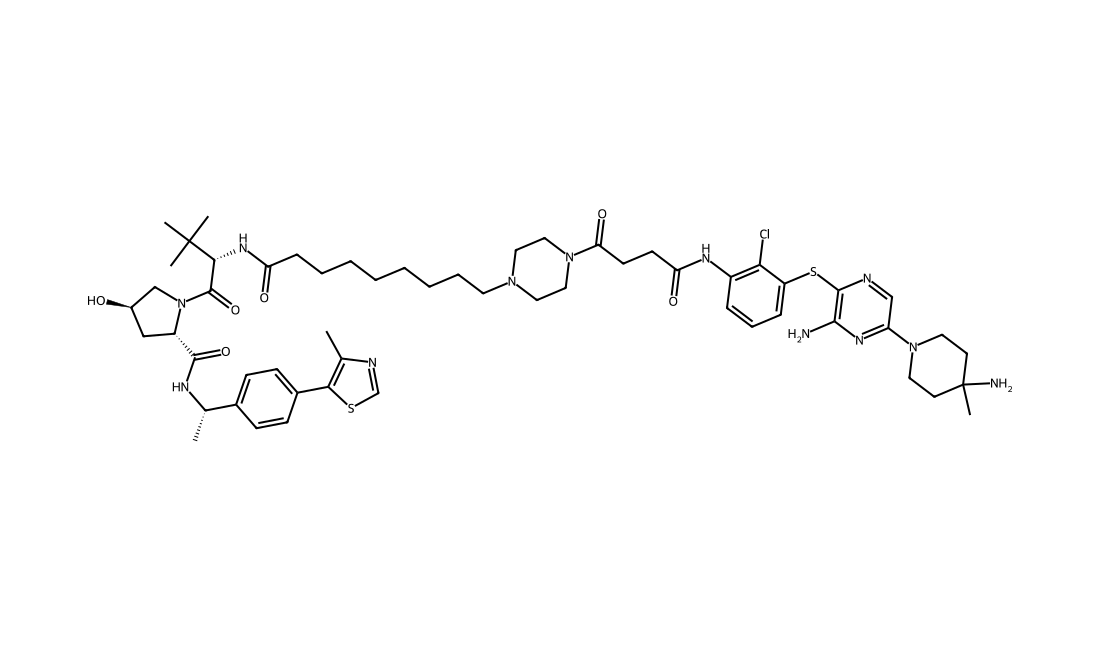
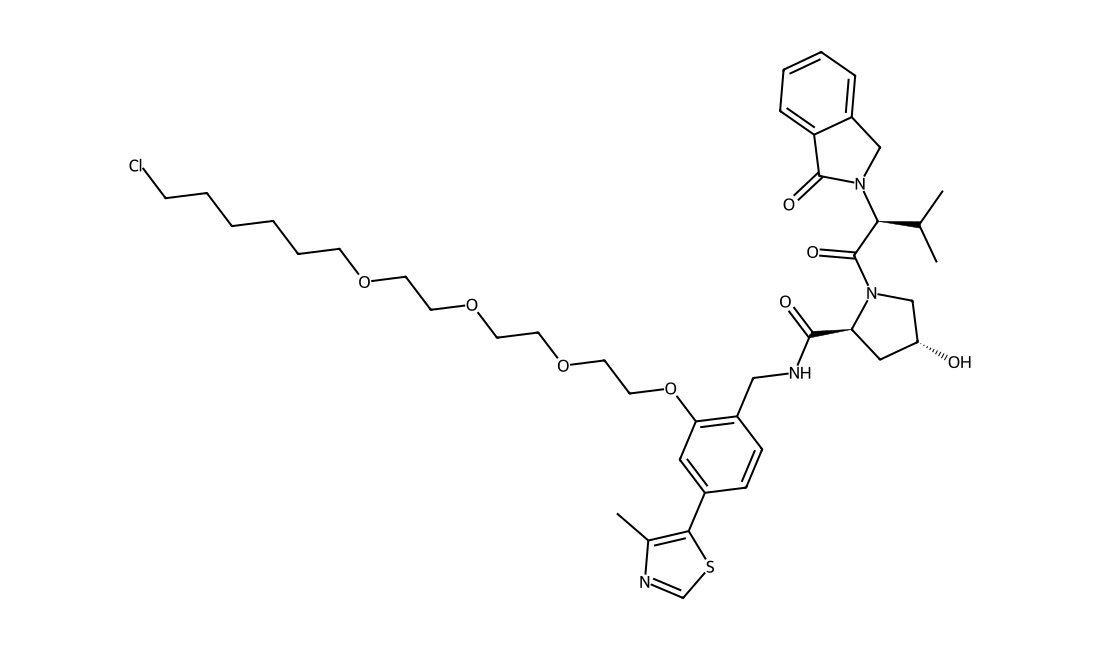
CAS 2365478-58-4
HaloPROTAC-E is a novel HaloPROTAC potent degrader, inducing reversible degradation of two endosomally localized proteins, SGK3 and VPS34, with a DC50 of 3-10 nM, remarkably selective inducing only degradation of the Halo tagged endogenous VPS34 complex (VPS34, VPS15, Beclin1, and ATG14) and no other proteins were significantly degraded.
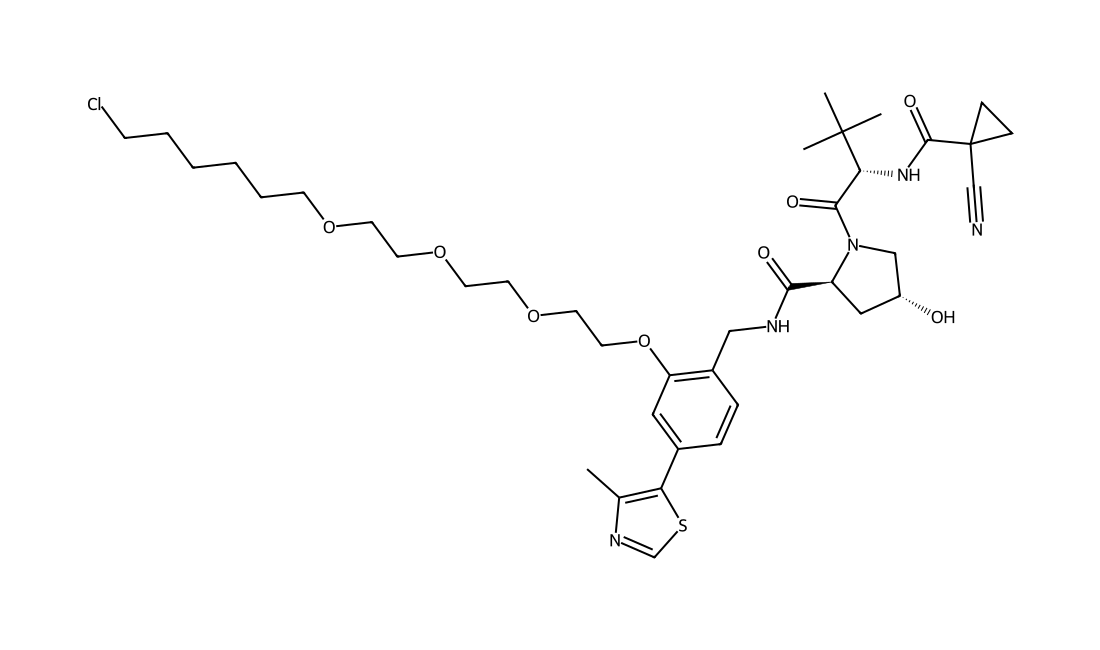
CAS 2630378-05-9
USP10 inhibitor Wu-5 (Wu-5) is a novel small molecule USP10 inhibitor inducing the degradation of FLT3-mutated protein, directly interacts and inactivates USP10, the deubiquitinase for FLT3-ITD in vitro (IC50=8.3 uM) and in FLT3-ITD-positive AML cells.Wu-5 selectively inhibited the viability of FLT3 inhibitor-sensitive (MV4-11, Molm13) and -resistant (MV4-11R) FLT3-ITD-positive AML cells with IC50 of 3.794, 5.056, and 8.386 uM, respectively.Wu-5 (1-10 μM) dose-dependently induced apoptosis of MV4-11, Molm13, and MV4-11R cells through the proteasome-mediated degradation of FLT3-ITD.Combined treatment of Wu-5 and crenolanib produced synergistic cell death in FLT3-ITD-positive cells via the reduction of both FLT3 and AMPKα proteins.
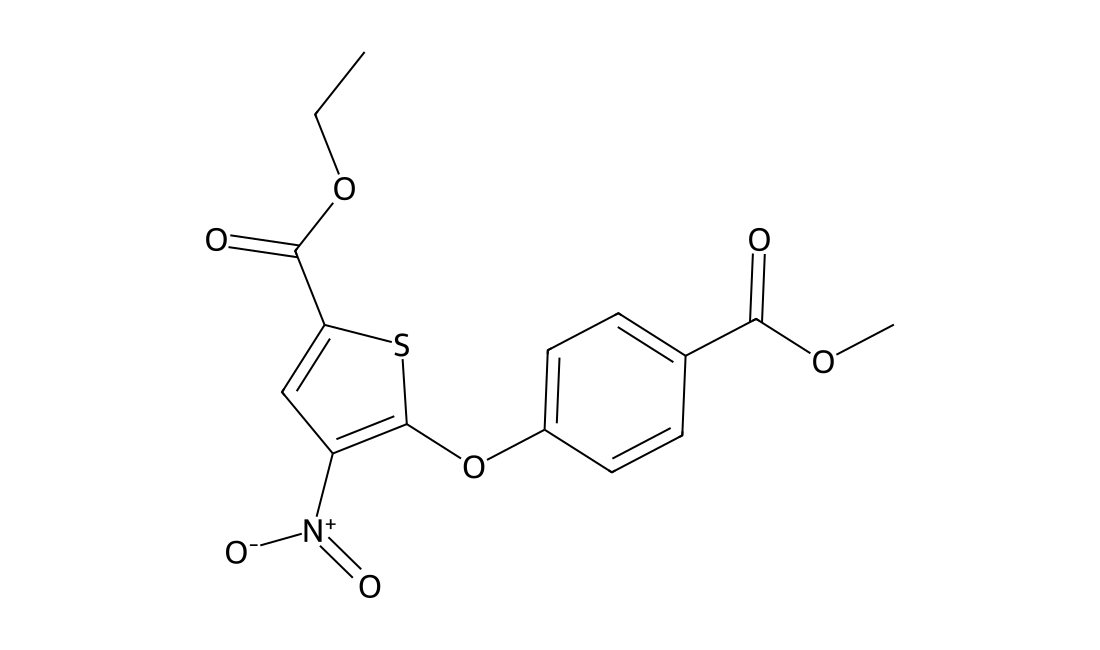
CAS 2306193-61-1
VZ185 (VZ-185) is a potent, fast and selective, VHL-based dual degrader probe (PROTAC) of BRD9 and BRD7 with DC50 of 1.8 and 4.5 nM, respectively; induces strong and rapid degradation of of BRD9, BRD7 in a time- and dose-dependent manner after treatment of RI-1 cells, also shows a DC50 between 2-8 nM for BRD9 in a panel of other human cancer cell lines (EOL-1, A-204).
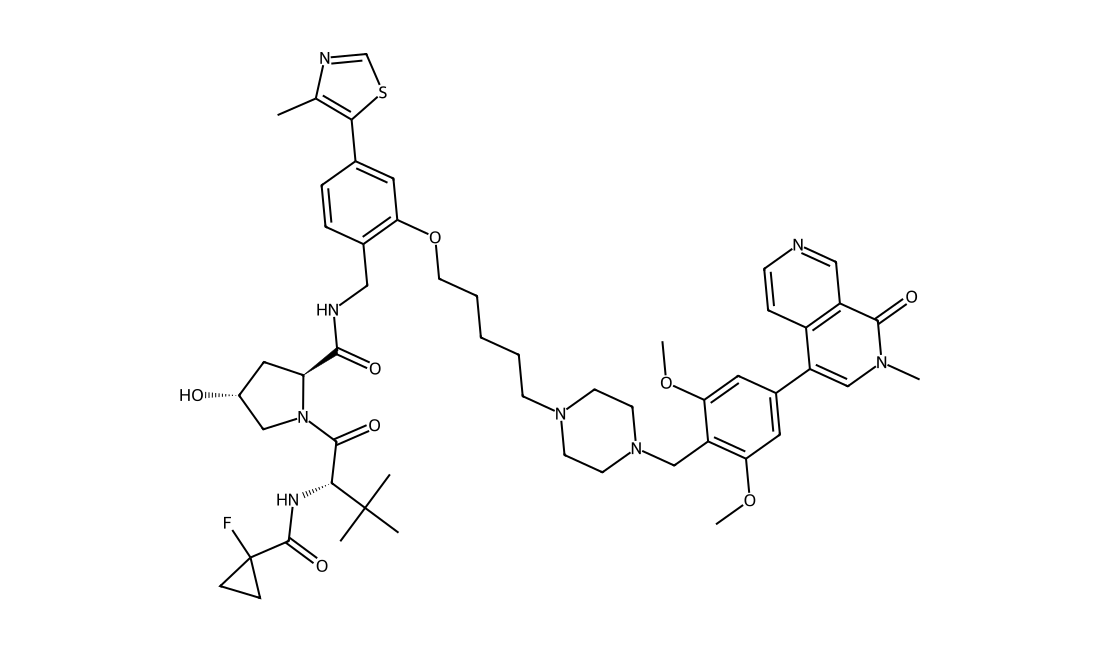
CAS 2170695-14-2
dTRIM24 is a potent TRIM24 bromodomain inhibitor with IC50 of 217.8 nM (TRIM24 ligand displacement).
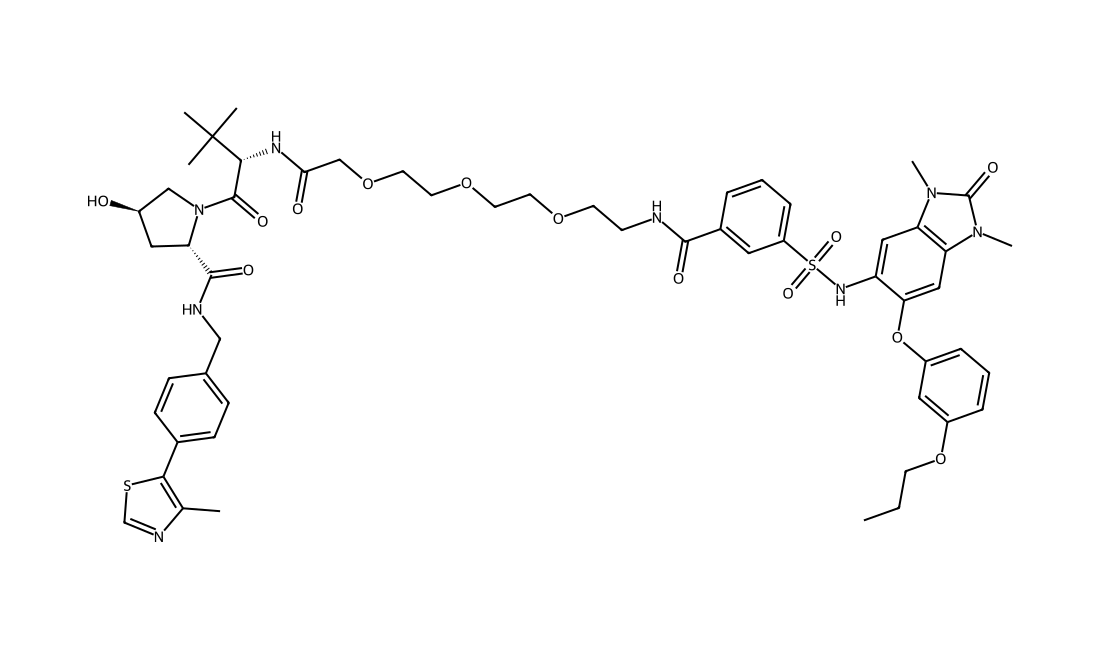
CAS 2241025-68-1
MF-094 (MF094) is a potent, highly selective inhibitor of ubiquitin specific protease 30 (USP30) with IC50 of 0.12 uM, demonstrates <30% inhibitory activity for a panel of 22 USPs assays at 10 uM; increases protein ubiquitination and accelerates mitophagy.
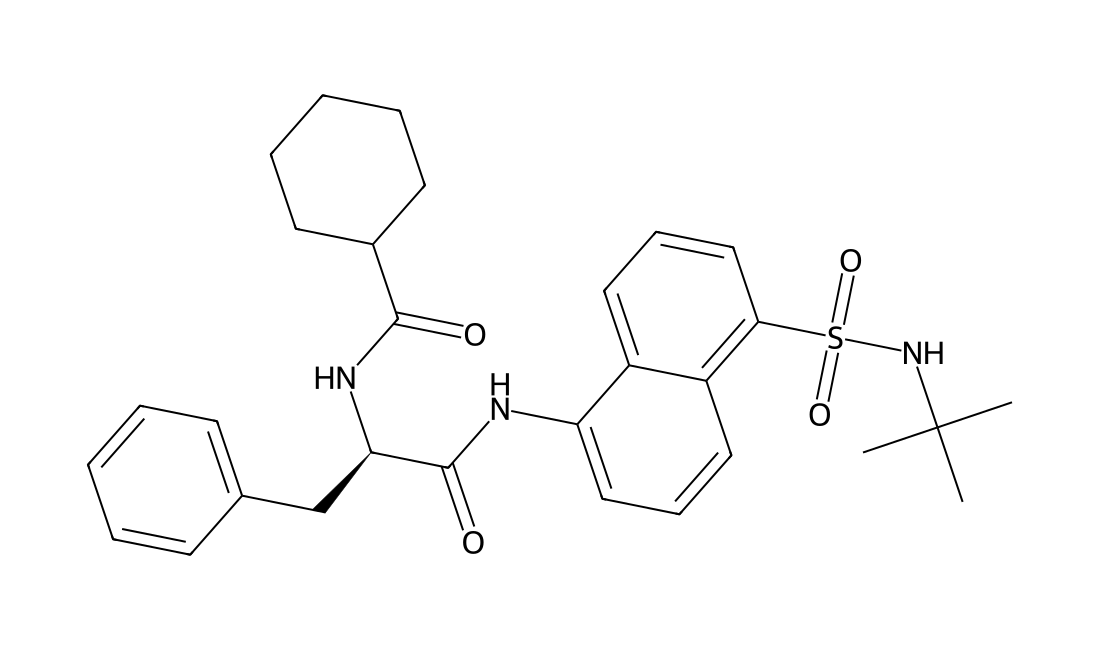
CAS 924296-19-5
A potent, selective ubiquitin-specific protease USP8 inhibitor with IC50 of 0.28 uM; shows no inhibitory activity for USP7 (IC50>100 uM).
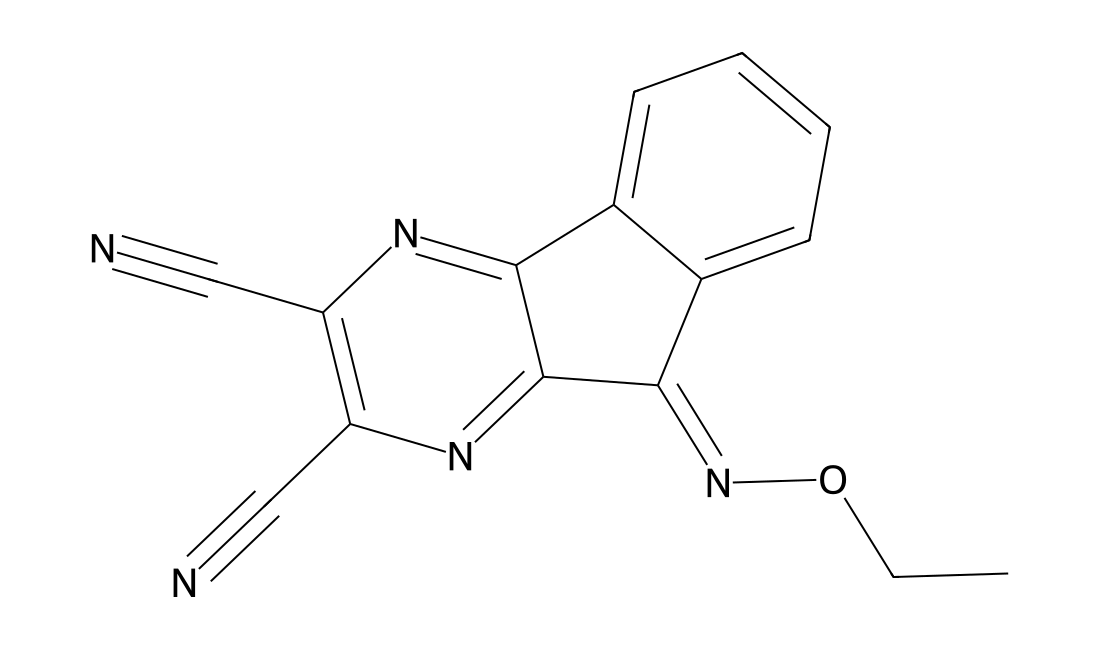
CAS 2307472-03-1
Iu1-248, a derivative of IU1, is a potent and selective ubiquitin specific peptidase 14 (USP14) inhibitor with an IC50 of 0.83 μM.
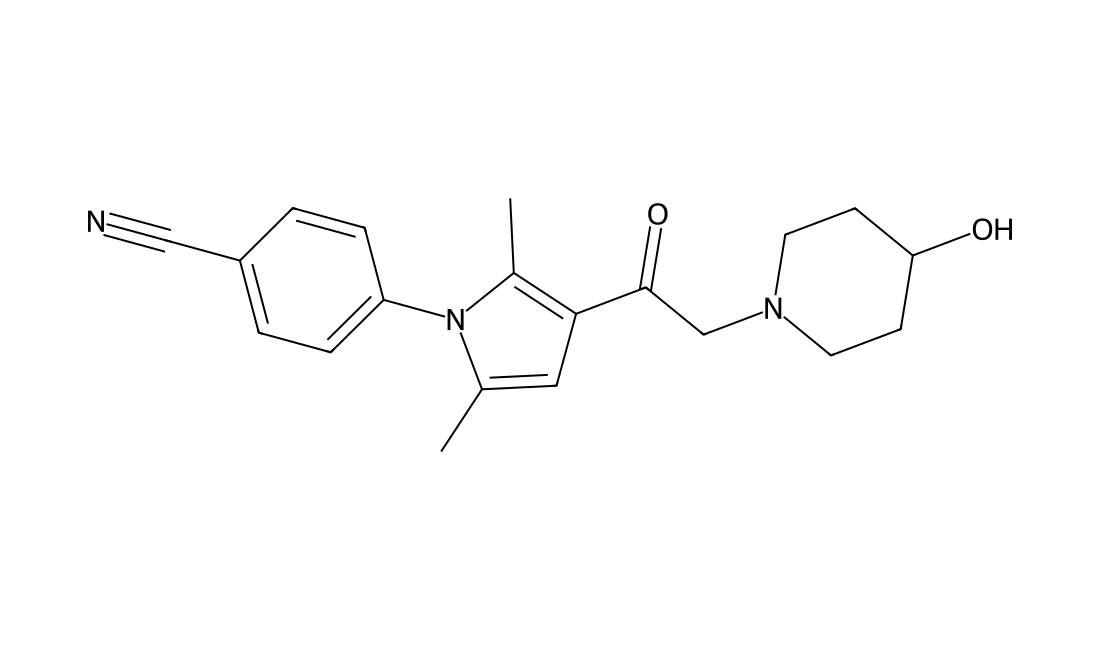
CAS 1359431-16-5
M435-1279 is a UBE2T inhibitor. M435-1279 acts inhibit the Wnt/β-catenin signaling pathway hyperactivation through blocking UBE2T-mediated degradation of RACK1[1].
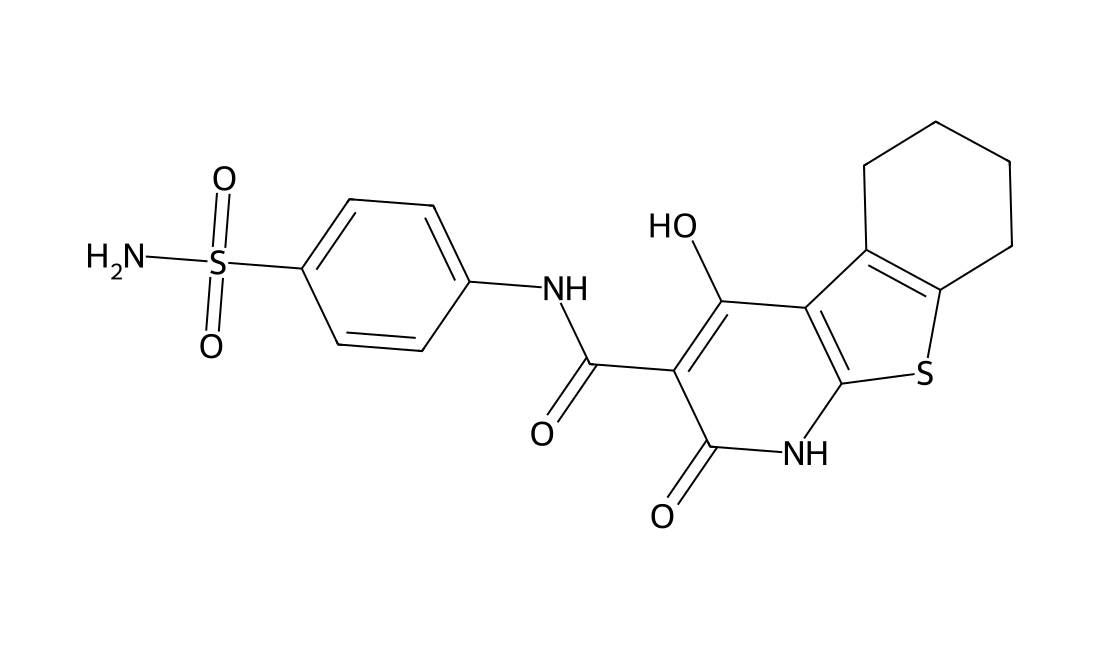
CAS 2285330-15-4
M3258 (M 3258) is a potent, reversible, highly selective and orally acitve LMP7 inhibitor with ceullar IC50 of 4.1 nM.M3258 does not inhibit other constitutive proteasome and immunoproteasome subunits (IC50>2.5 uM).M3258 demonstrated strong antitumor efficacy in multiple myeloma xenograft models.M3258 treatment led to a significant and prolonged suppression of tumor LMP7 activity and ubiquitinated protein turnover and the induction of apoptosis in multiple myeloma cells both in vitro and in vivo.M3258 showed superior antitumor efficacy in selected multiple myeloma and mantle cell lymphoma xenograft models compared with the approved nonselective proteasome inhibitors bortezomib and ixazomib.
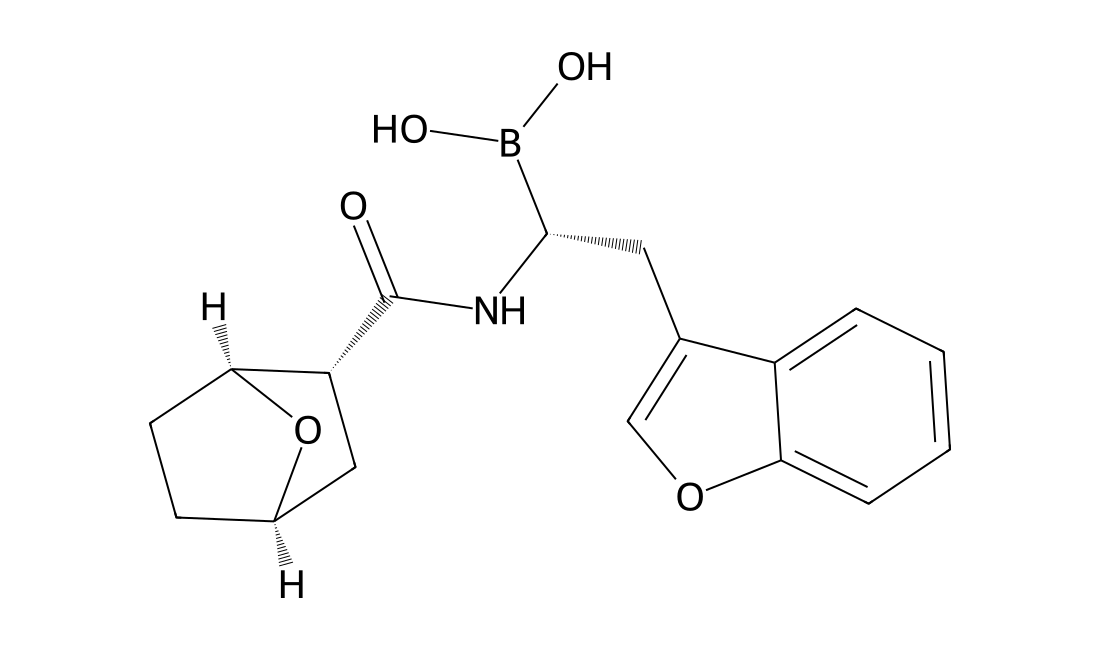
CAS 2080410-41-7
GSK3494245 (DDD01305143) is a potent, orally active, and selective inhibitor of the chymotrypsin-like activity of the parasite proteasome binding in a site sandwiched between the β4 and β5 subunits (IC50=0.16 μM for WT L. donovani proteasomes). GSK3494245 moderately inhibits chymotrypsin-like activity of human proteasome (IC50: purified 26S=13 µM; enriched THP-1 extracts IC50=40µM). GSK3494245 exhibits attractive biological and biosafety properties.
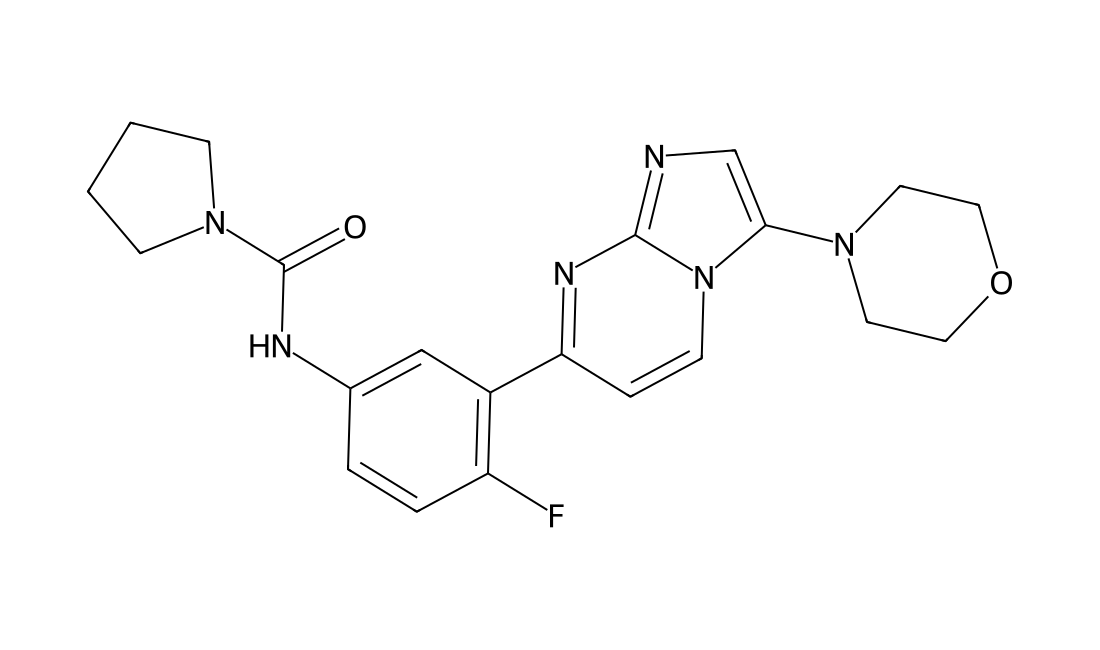
CAS 343351-67-7
NSC697923 is a potent UBE2N (ubiquitin-conjugating enzyme E2 N, Ubc13) inhibitor. NSC697923 induces neuroblastoma (NB) cell death via promoting nuclear importation of p53 in p53 wild-type NB cells. NSC697923 also induces cell death in p53 mutant NB cells by activation of JNK-mediated apoptotic pathway. NSC697923 inhibits DNA damage and NF-κB signaling. Antitumor activity[1][2].
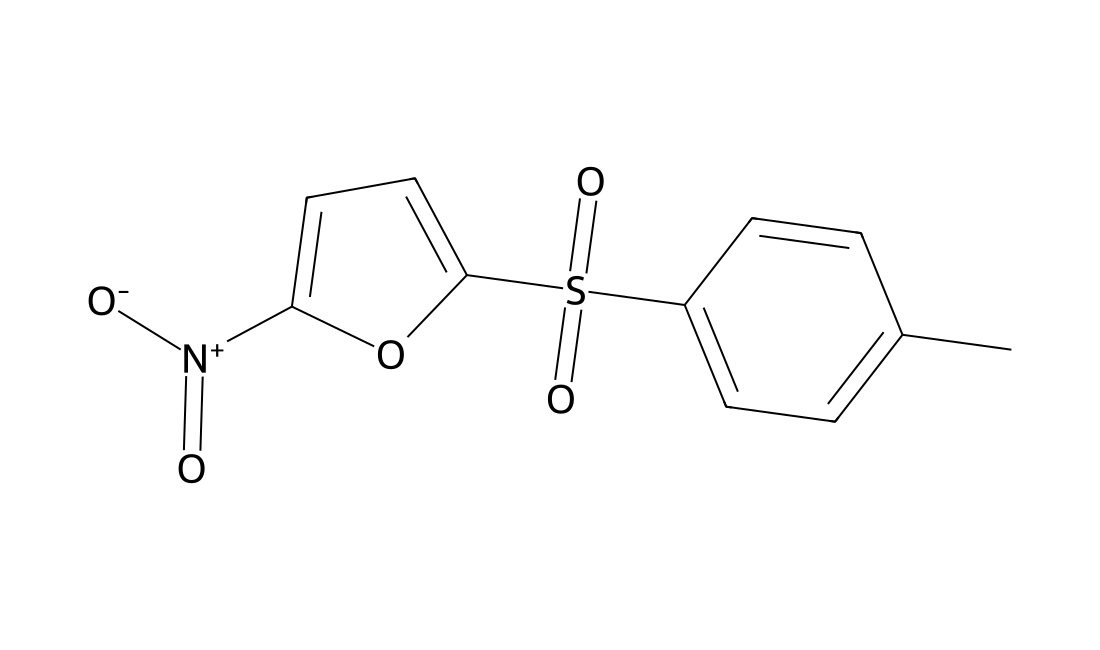
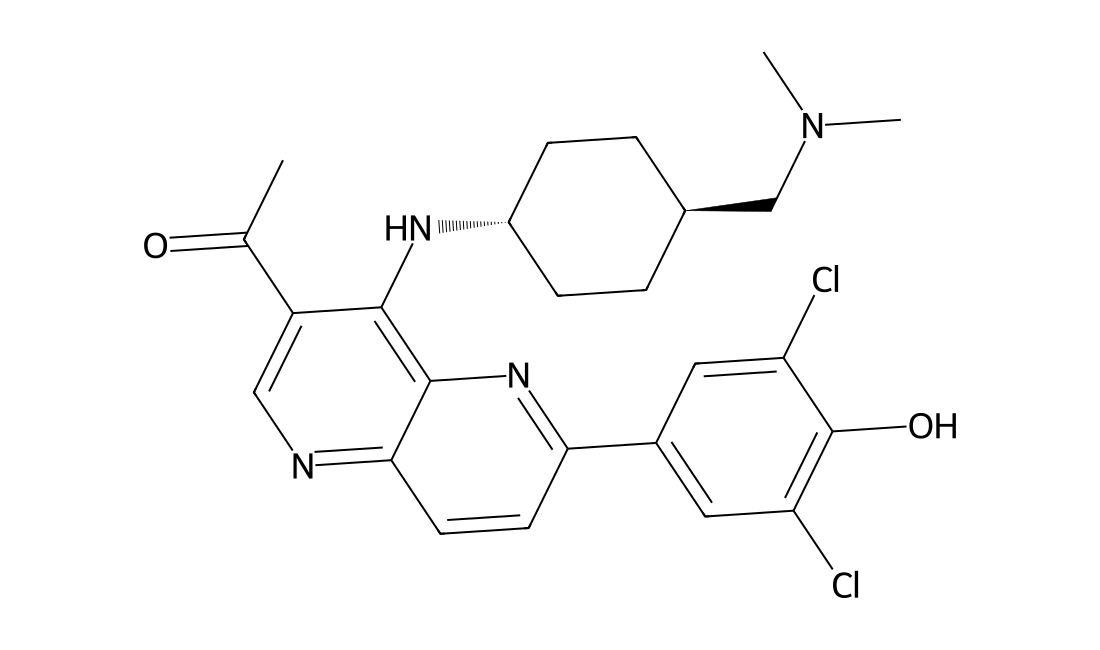
CAS 1534358-79-6
COH000 is an inhibitor of Ubiquitin-like 1-activating enzyme (SUMO-activating enzyme), with an IC50 of 0.2 μM for SUMOylation in vitro[1].
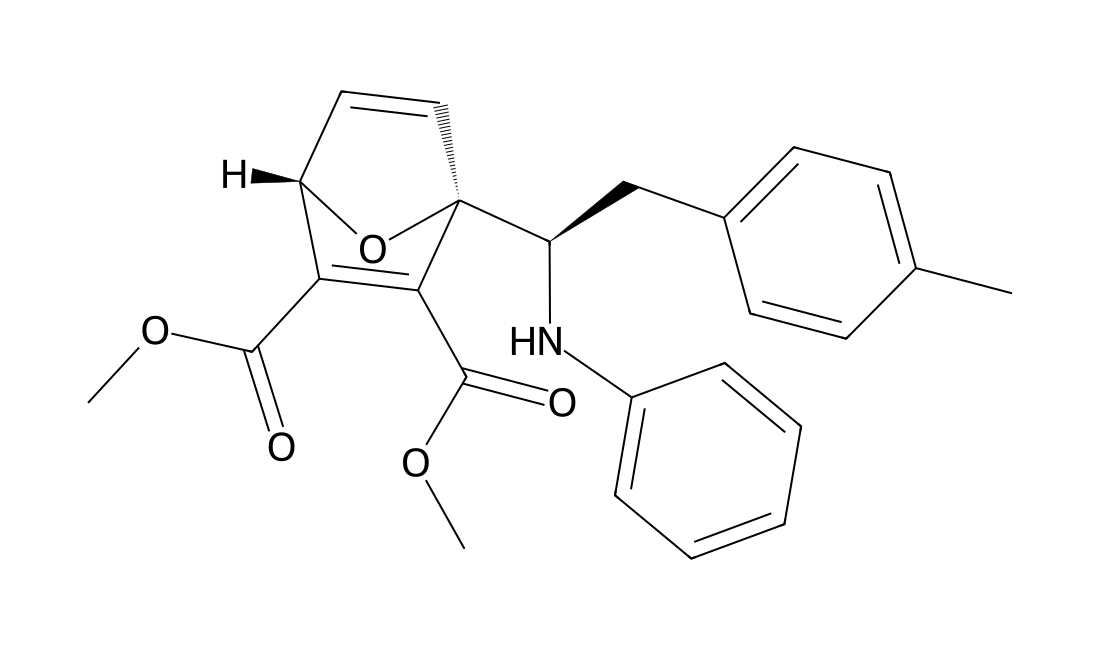
CAS 1001600-54-9
MV1 is an antagonist of IAP (inhibitor of apoptosis protein), leads to protein knockdown of HaloTag-fused proteins when combined with HaloTag ligand[1].
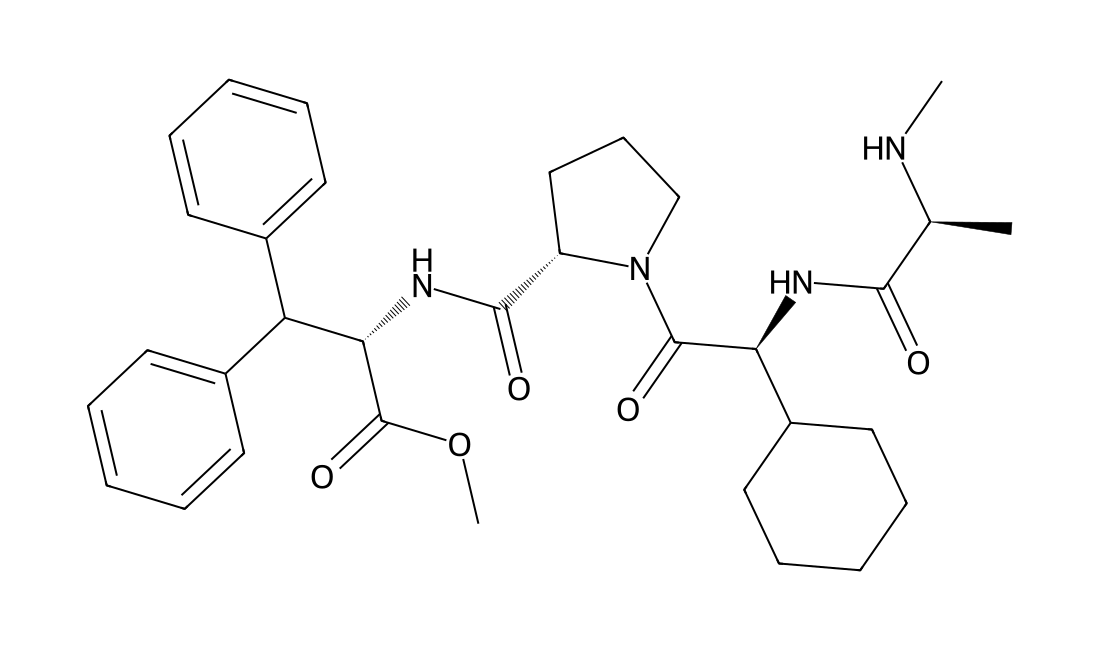
CAS 437742-34-2
Marizomib (Salinosporamide A) is second-generation, irreversible, brain-penetrant, pan-proteasome inhibitor. Marizomib inhibits the CT-L (β5), CT-T-laspase-like (C-L, β1) and trypsin-like (T-L, β2) activities of the 20S proteasome (IC50=3.5, 28, and 430 nM, respectively)[1][2][3].
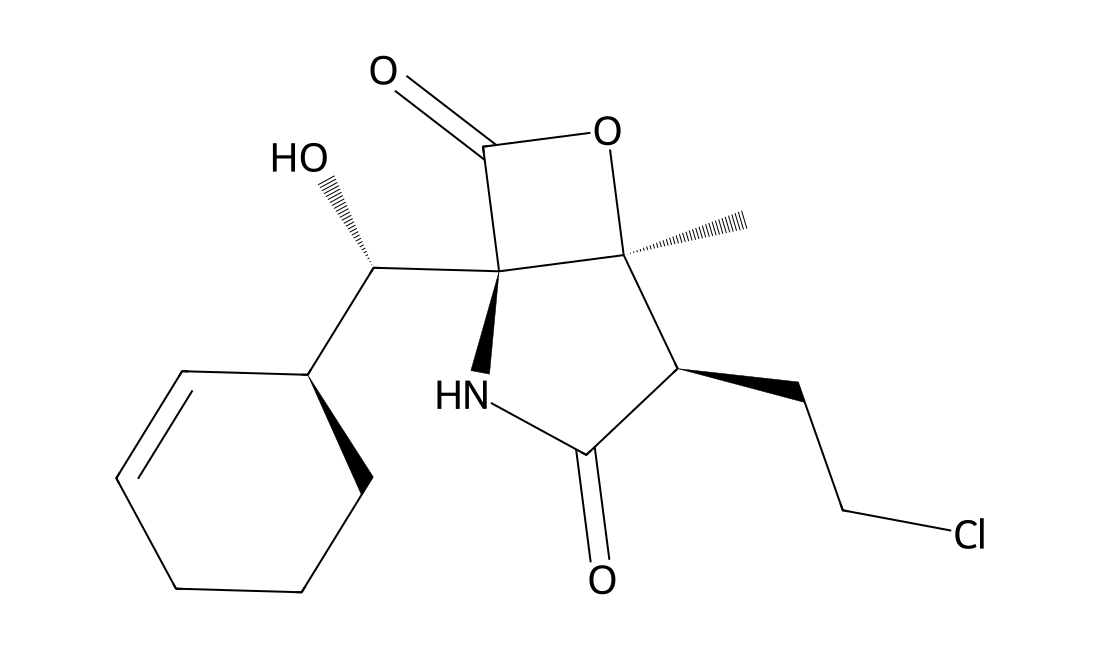
CAS 1446350-60-2
TCH-165 is a specific small molecule modulator of proteasome assembly, regulates the dynamic equilibrium between the 20S and 26S proteasome complexes, favoring 20S-mediated protein degradation; enhances the degradation of both α-syn and tau, does not induce the degradation of GAPDH, enhances the degradation of intrinsically disordered proteins in cell culture; display a decrease in assembled 26S and an increase in 20S proteasome in treated cells.
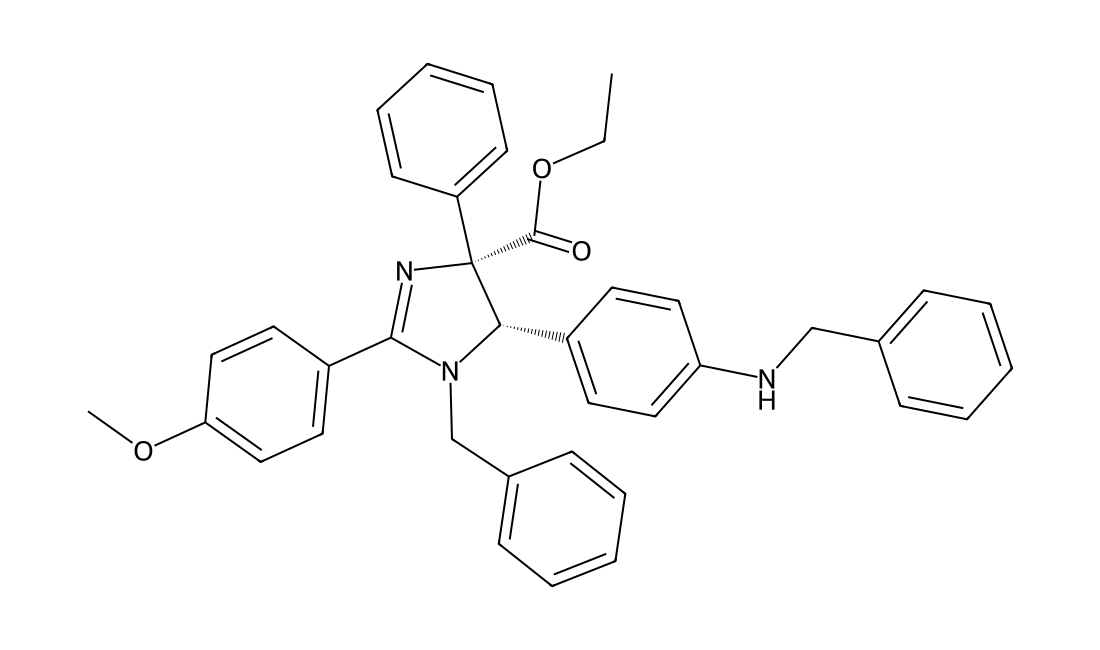
CAS 1956356-56-1
KYA1797K is a potent and selective Wnt/β-catenin inhibitor with an IC50 of 0.75 µM.