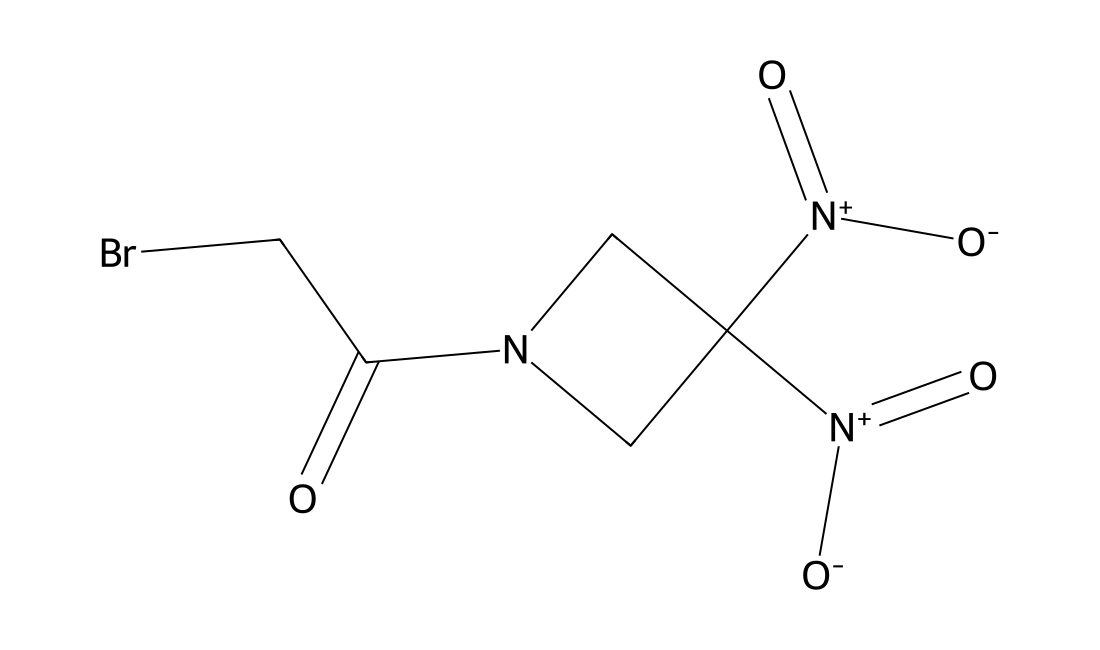
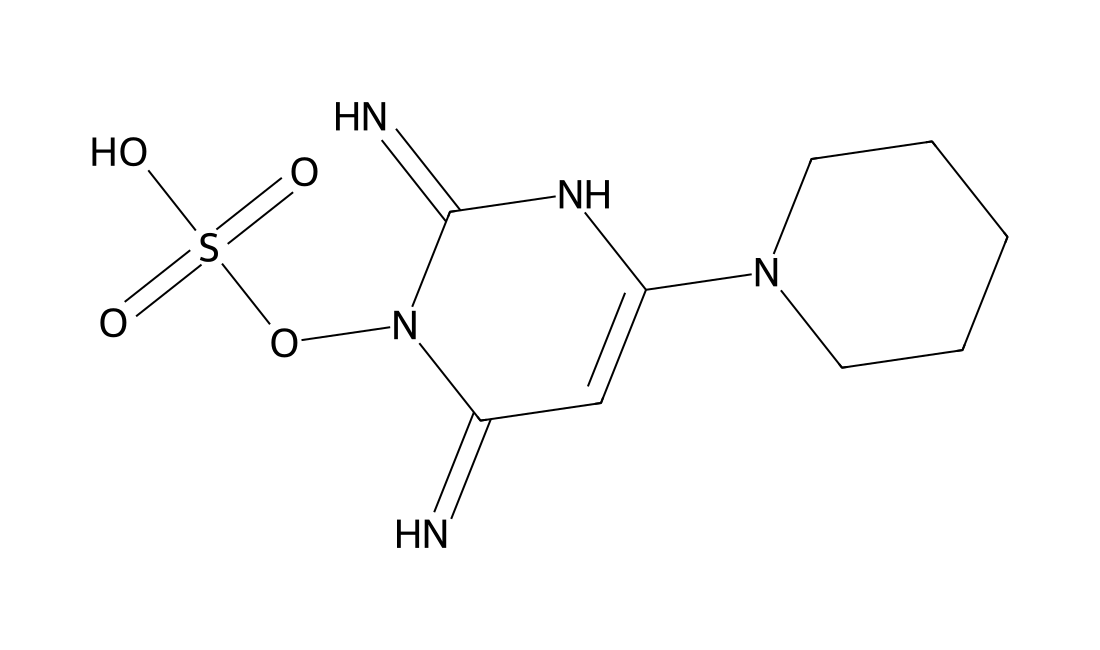
Minoxidil sulfate
CAS 83701-22-8
Minoxidil sulfate, a potent and ATP-sensitive K+ channel opener, is the sulfated metabolite of minoxidil. Minoxidil sulfate is considered as a vasodilator to promote hair growth in vivo.

Metabolic enzymes, lipid and glucose metabolism and hormone signaling.
Products may appear in more than one category. Counts refer to distinct catalog numbers within each category.
Other Research Tools (75) · Additional reagents, building blocks and specialized research tools.
Combine a keyword, research category and target to narrow the product list.
Loading catalog filters…
CAS 83701-22-8
Minoxidil sulfate, a potent and ATP-sensitive K+ channel opener, is the sulfated metabolite of minoxidil. Minoxidil sulfate is considered as a vasodilator to promote hair growth in vivo.
CAS 1446817-84-0
ABX-1431 is a highly potent, selective, and orally available, CNS-penetrant monoacylglycerol lipase (MAGL) inhibitor with an IC50 of 14 nM.
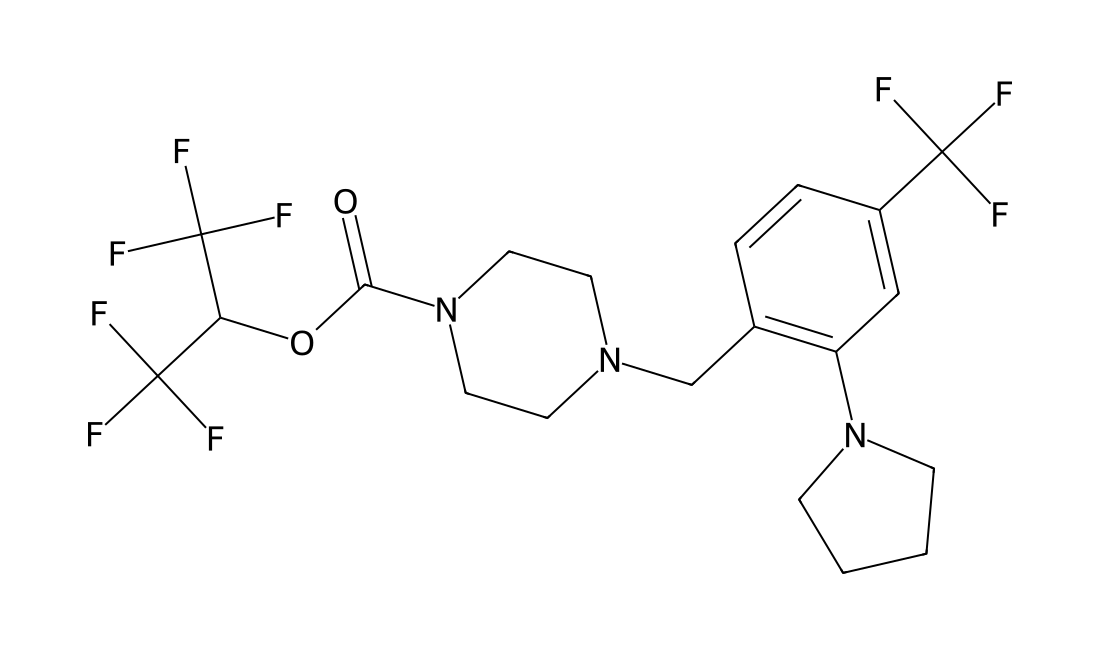
CAS 913064-47-8
ELN-441958 is a potent, neutral antagonist of B1 receptor, inhibits the binding of the B1 agonist ligand [3H]DAKD to IMR-90 cells with Ki of 0.26 nM. ELN-441958 is highly selective for B1 over B2 receptors, and >500/ 2000-fold selective for the B1 over μ/δ-opioid receptor.IC50 value: 0.26 nM (Ki)Target: B1 Receptorin vitro: ELN-441958 is a novel small molecule bradykinin B1 receptor antagonist, based on the inhibition of agonist-induced increases in intracellular calcium in native and recombinant cells. ELN-441958 does not inhibit the activation of the human bradykinin B2 receptor at concentrations up to 10 μM, showing that it is highly selective for B1 over B2 receptors. ELN-441958 also displays good selectivity for B1 over other receptors examined in a broad screening panel. It is >500-fold and >2000-fold selective for the B1 receptor over the human μ- and δ-opioid receptor, the most potent off-target activity identified. In IMR-90 cells expressing the native human B1 receptor, ELN-441958 produced a concentration-dependent antagonism of the DAKD-induced calcium mobilization with a KB of 0.12 nM. [1]in vivo: ELN-441958 is essentially completely absorbed and produces high plasma levels after oral administration in rhesus monkeys.ELN-441958 has a moderate clearance and volume of distribution in both species following i.v. administration, consistent with the high metabolic stability in rat, rhesus, and human microsomes. ELN-441958 has high oral exposure and moderate plasma half-lives in rats and rhesus monkeys. The oral availability of ELN441958 in rats was 57%. ELN-441958 dose-dependently reduced carrageenan-induced thermal hyperalgesia in a rhesus monkey tail-withdrawal model, with an ED50 3 mg/kg s.c. [1]
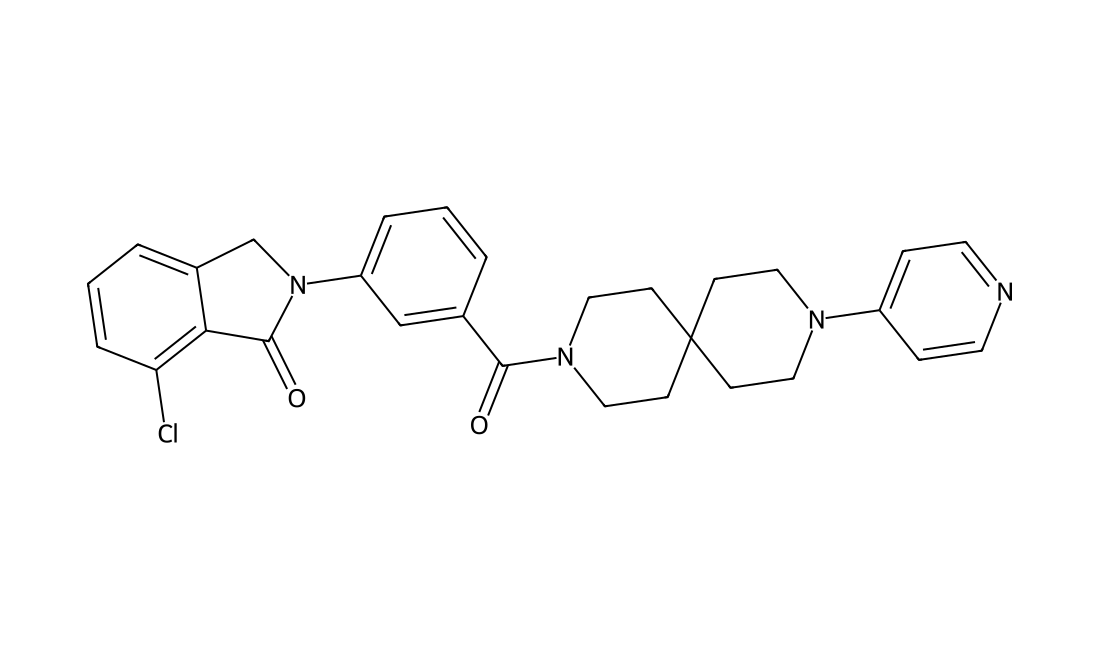
CAS 1273323-67-3
YLF-466D is an AMPK activator that inhibits platelet aggregation with IC50 of 84 μM.
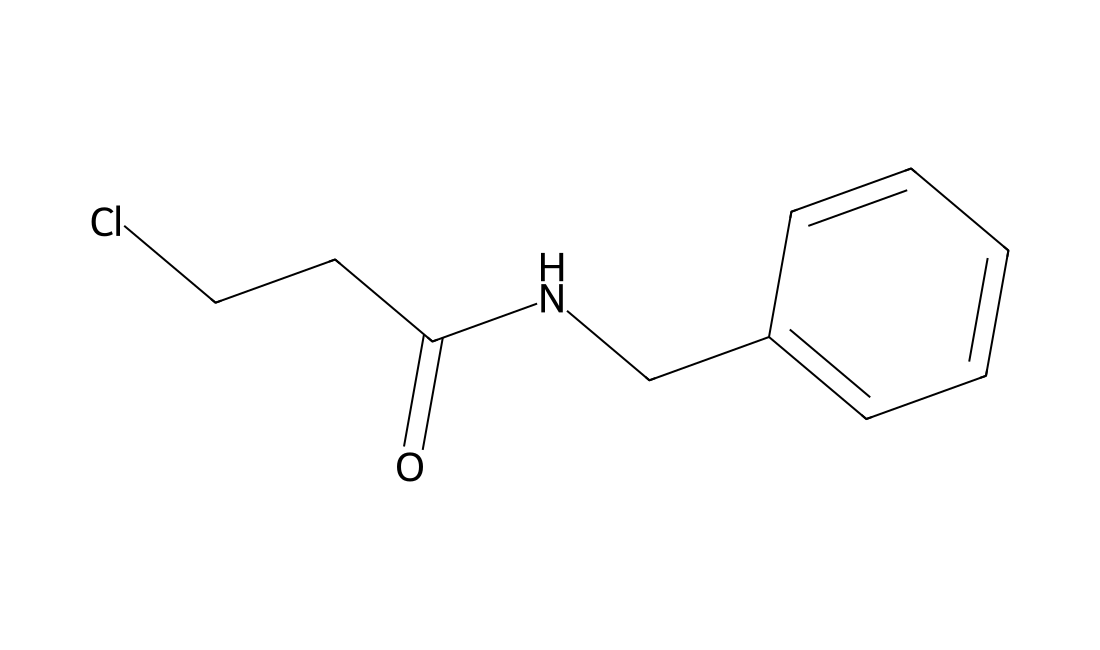
CAS 501-68-8
Beclamide is a drug that possesses anticonvulsant activity. It is no longer used. Beclamide is possibly metabolized to 3-chloropropanoic acid in vivo, which binds to the GHB receptor. It has been used as a sedative and as an anticonvulsant. It was studied in the 1950s for its anticonvulsant properties, as a treatment for generalised tonic-clonic seizures. It was not effective for absence seizures. Interest in the drug resumed in the 1990s for its psychiatric properties as an adjunct in the treatment of schizophrenia. While not classified as a DEA controlled substance in the United States, this product can only be sold STRICTLY to universities and research institutions. This product will not be sold to individuals or shipped to residential addresses.
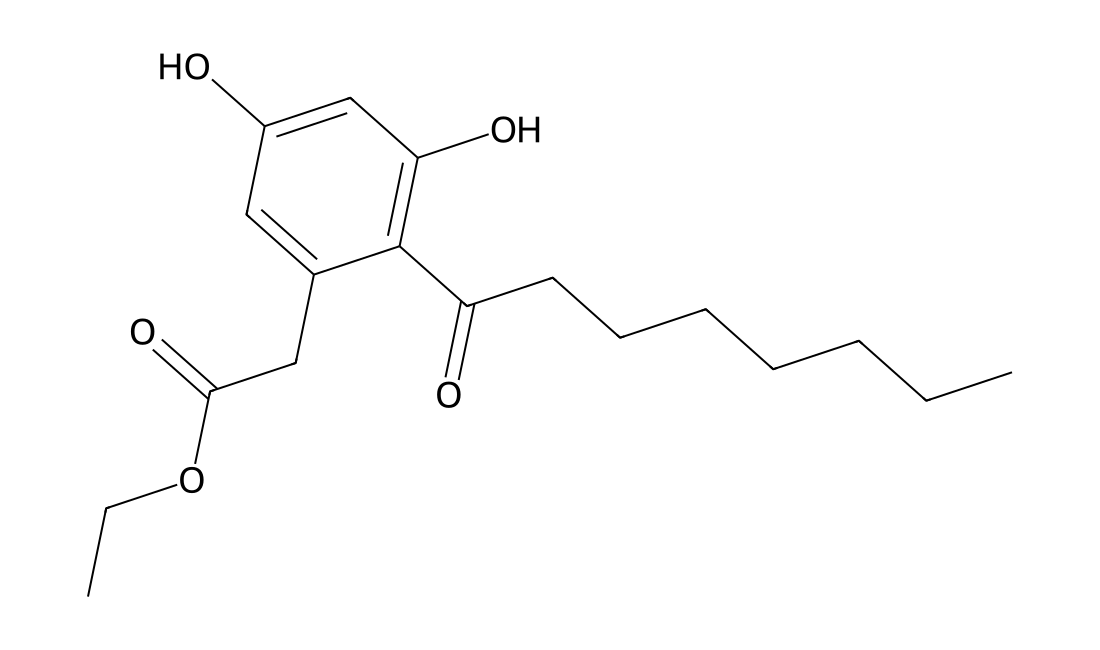
CAS 321661-62-5
Cytosporone B (Csn-B;Dothiorelone G) is a naturally occurring nuclear orphan receptor Nur77 agonist with an EC50 of 0.278 nM.
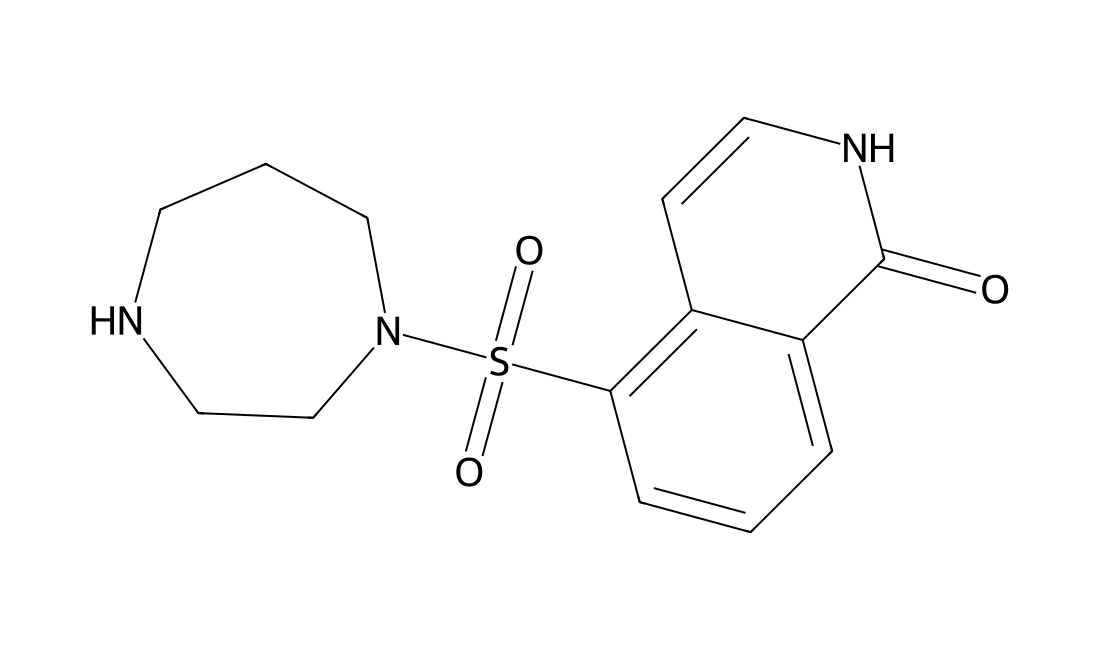
CAS 105628-72-6
Hydroxyfasudil is a ROCK inhibitor, with IC50s of 0.73 and 0.72 μM for ROCK1 and ROCK2, respectively.
CAS 1469924-27-3
Atglistatin is a highly potent, selective and competitive inhibitor of adipose triglyceride lipase (ATGL) with an IC50 of ~0.7 μM For inhibition of lipolysis in vitro, but no toxicity up to a concentration of 50 μM. IC50 value: 0.7 uM Target: ATGL Atglistatin inactivated ATGL in the presence or absence of the ATGL co-activator CGI-58. It does not displace ATGL from lipid droplets of adipocytes. Immunoprecipitation experiments revealed that Atglistatin does not interfere with the interaction of ATGL and CGI-58. Atglistatin inhibited TG hydrolase activity of wild-type WAT in a dose-dependent manner up to 78% in animal models. It was highly effective in inhibiting lipolysis in WAT organ cultures of wild-type mice. Dose and time-dependent inhibition of lipolysis was also observed in fasted wild-type C57Bl/6J mice. Atglistatin can serve as a very useful tool compound to study the pathophysiology and druggability of ATGL in animal models of metabolic disease and cachexia .For the detailed information of Atglistatin, the solubility of Atglistatin in water, the solubility of Atglistatin in DMSO, the solubility of Atglistatin in PBS buffer, the animal experiment (test) of Atglistatin, the cell expriment (test) of Atglistatin, the in vivo, in vitro and clinical trial test of Atglistatin, the EC50, IC50,and Affinity of Atglistatin, Please contact DC Chemicals.
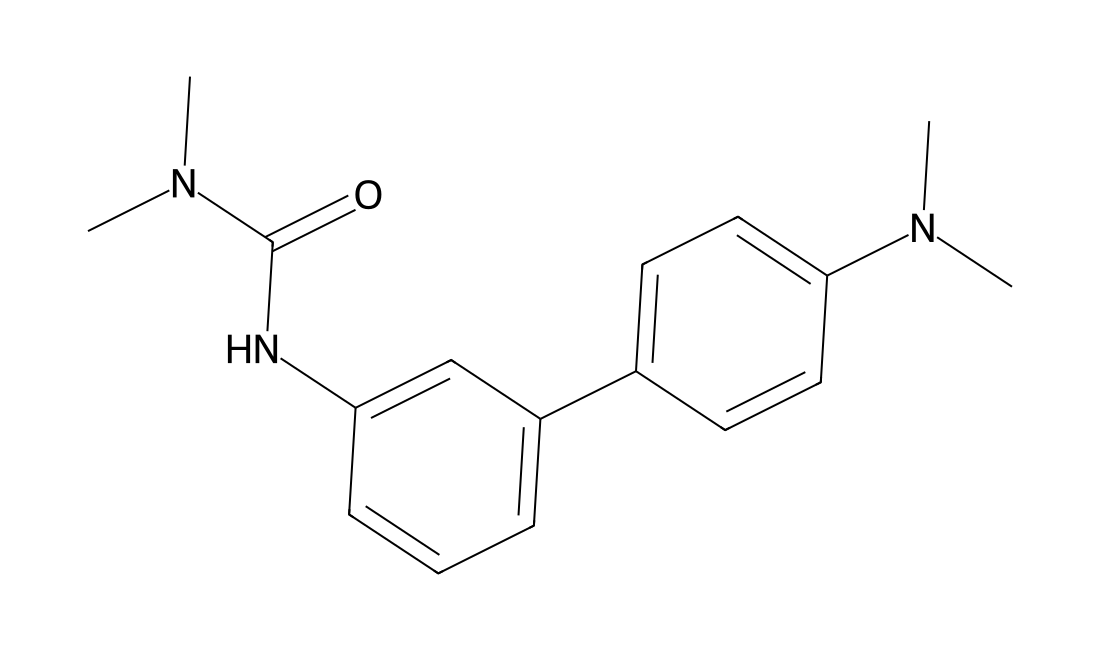
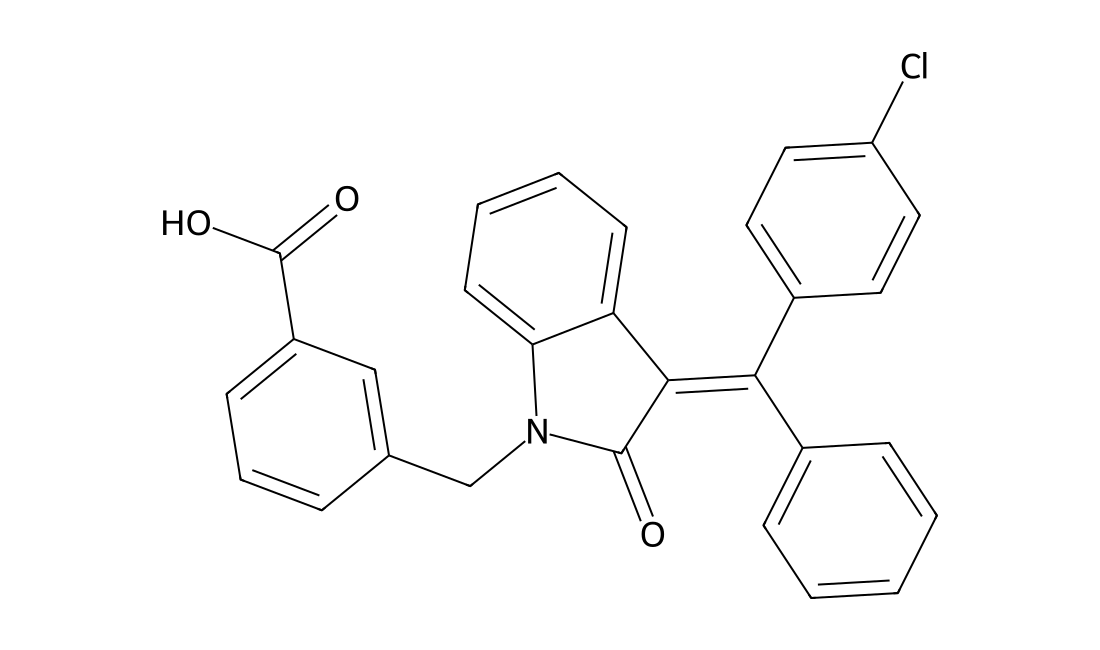
CAS 1680204-90-3
CC618 is a selective peroxisome proliferator-activated receptor (PPARβ/δ) antagonist that exhibits antagonism by covalently binding to PPARβ/δ receptors.
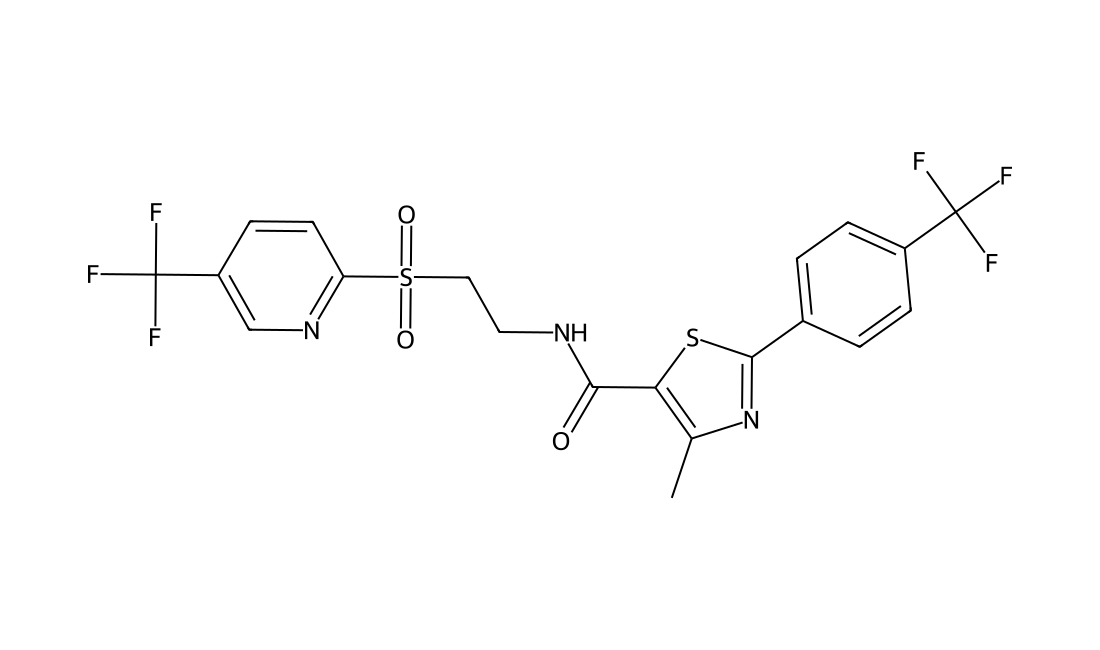
CAS 1130067-06-9
VU0155069 is a potent, selective phospholipase D1 (PLD1) inhibitor with IC50 of 46 nM, 20-fold selectivity over PLD2 (IC50=933 nM); sensitizes MCF7 and MDA-MB-231 breast cancer cells to doxorubicin-induced cytotoxicity, suppresses growth of colorectal cancer activated by the Wnt/β-catenin and PI3K signaling pathways.
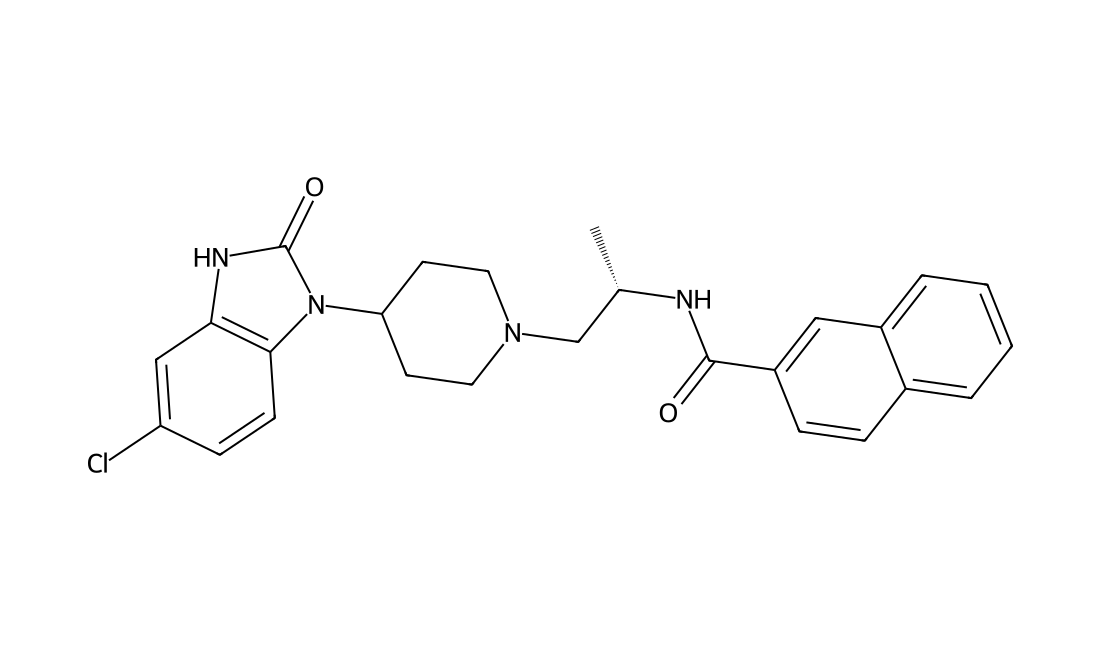
CAS 2254741-41-6
Ninerafaxstat hifts cellular metabolism from fatty acid oxidation to glucose oxidation.Ninerafaxstat decreases fatty acid oxidation and improve overall mitochondrial respiration.Ninerafaxstat inhibit the growth and proliferation of cancer cells.
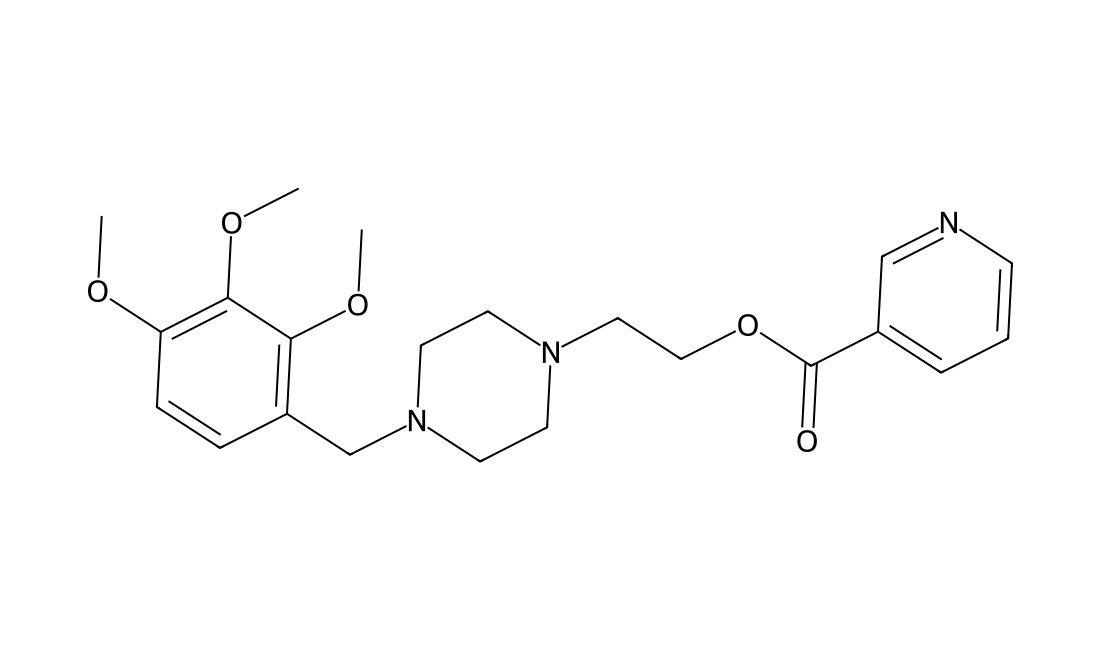
CAS 1130067-34-3
CAY10594 is a potent phospholipase D2 inhibitor. CAY10594 ameliorates acetaminophen-induced acute liver injury by regulating the phosphorylated-GSK-3β/JNK axis.
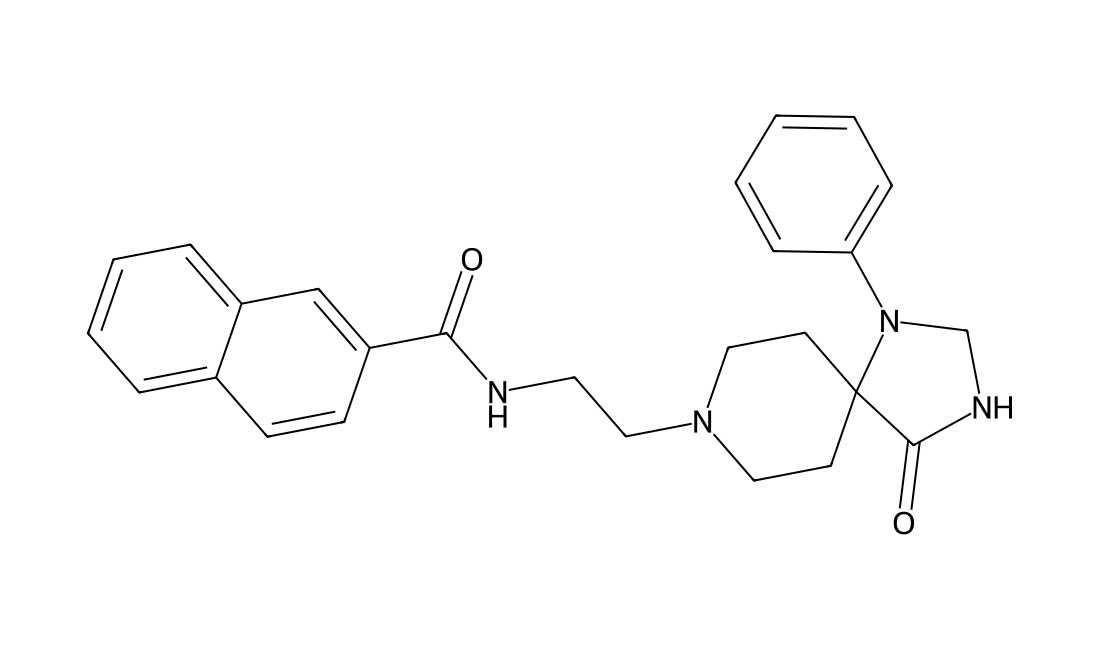
CAS 2761446-81-3
GLUT4 activator 2 (C59) is an insulin sensitizer, which can be used for research of diabetic diseases. GLUT4 activator 2 improves glucose uptake and insulin sensitivity in rodents. GLUT4 activator 2 interacts with Unc119 and Unc119B resulting in increased insulin sensitivity and GLUT4 translocation.
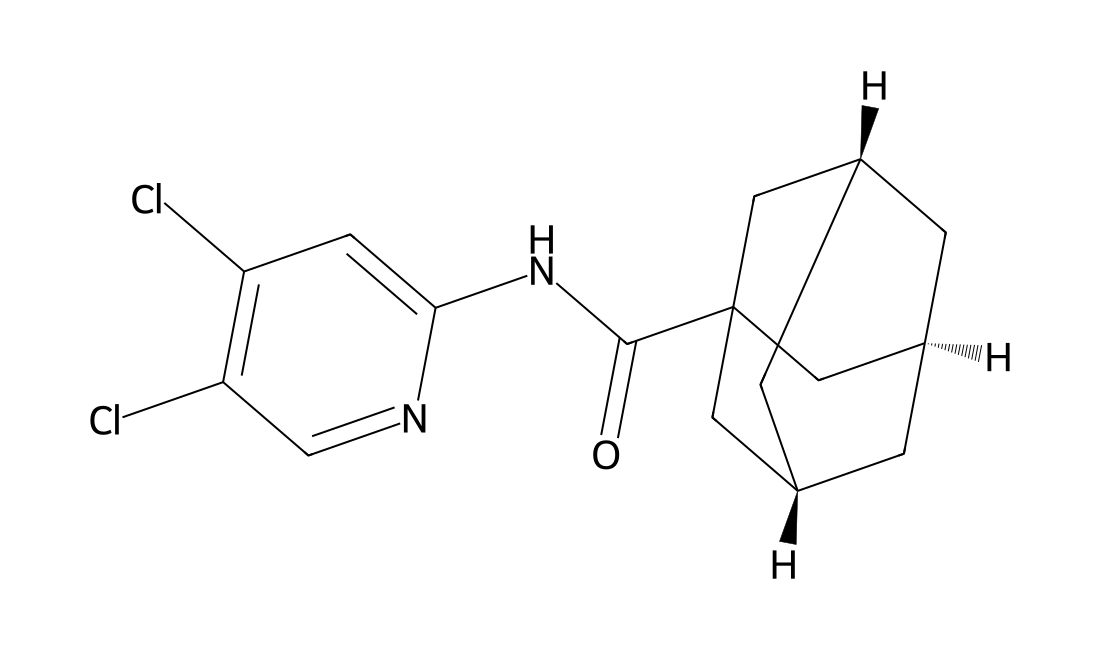
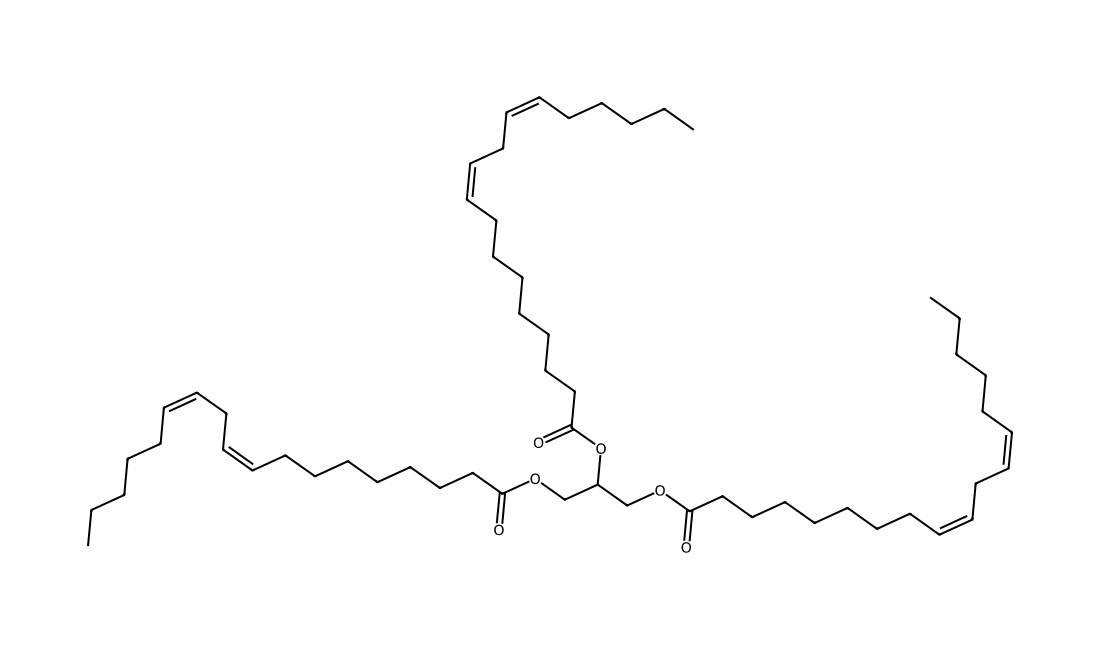
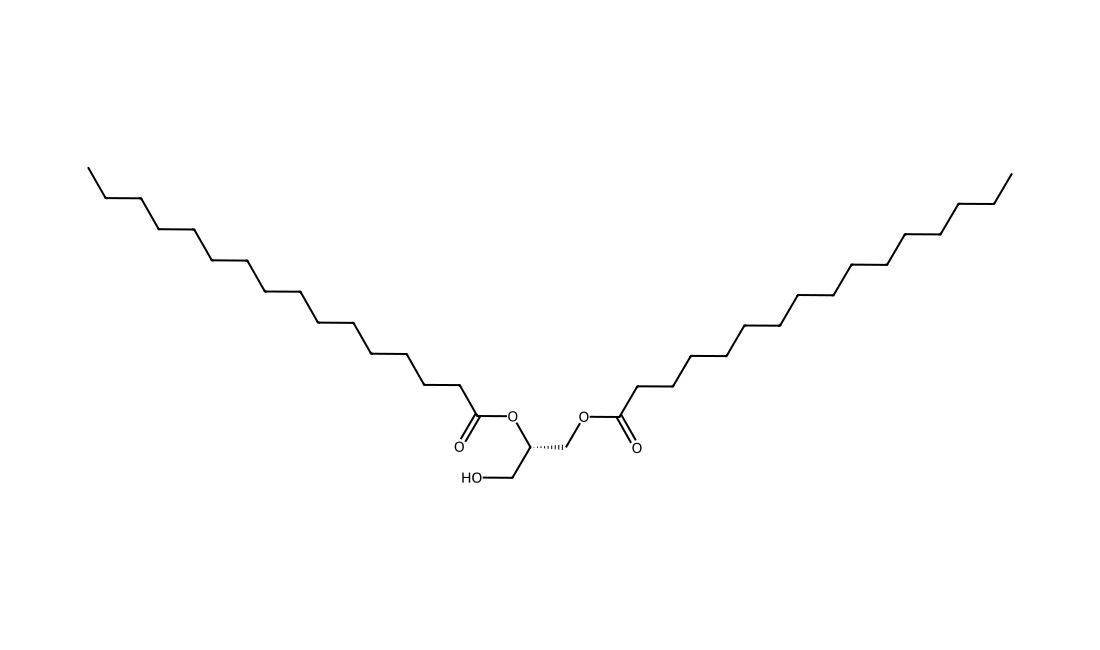
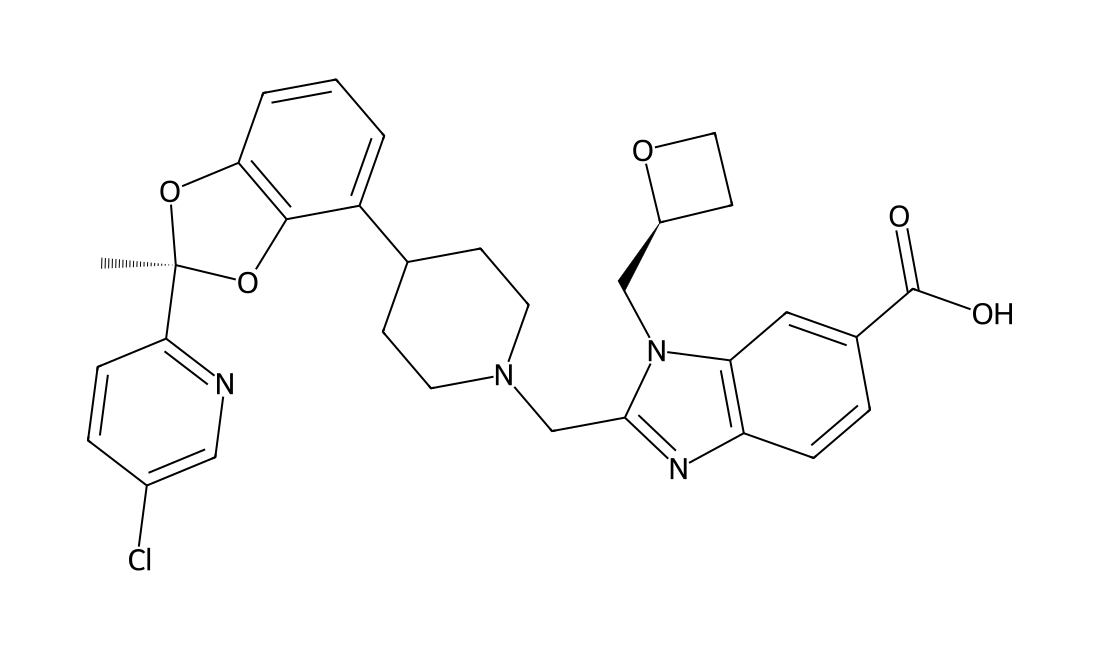
CAS 2401892-75-7
Lotiglipron (PF-07081532) is an orally active GLP-1R agonist. It reduces glucose and body weight, and has the potential to be used in Type 2 diabetes mellitus (T2DM) research.
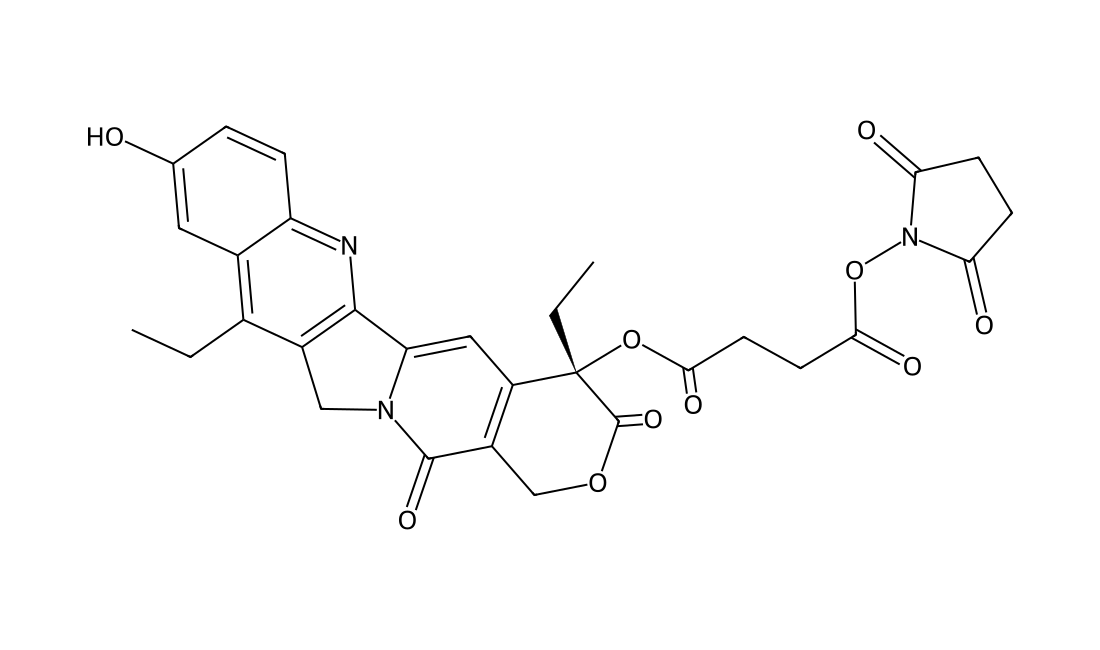
CAS 2400904-71-2
SN38 NHS ester is the NHS ester derivative of SN38. SN-38 is an active metabolite of the Topoisomerase I inhibitor Irinotecan. SN-38 inhibits DNA and RNA synthesis. SN38 NHS ester can be used for the synthesis of antibody-drug conjugates (ADCs).
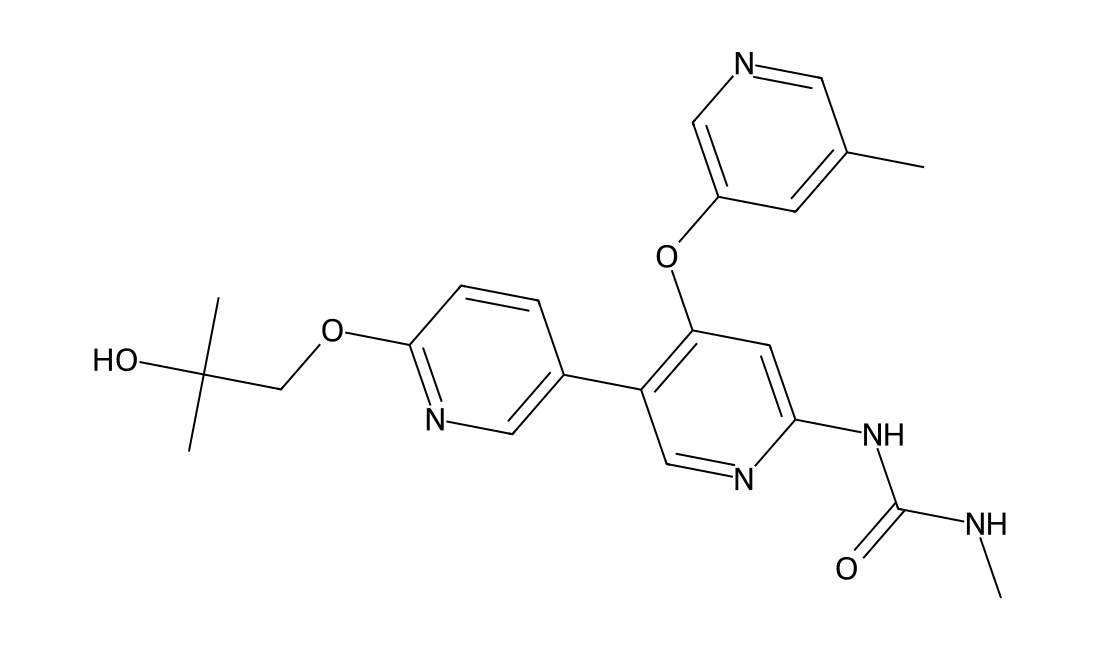
CAS 1442684-77-6
AM-2394 is a structurally distinct glucokinase activator (GKA). AM-2394 activates glucokinase (GK) with an EC50 of 60 nM.
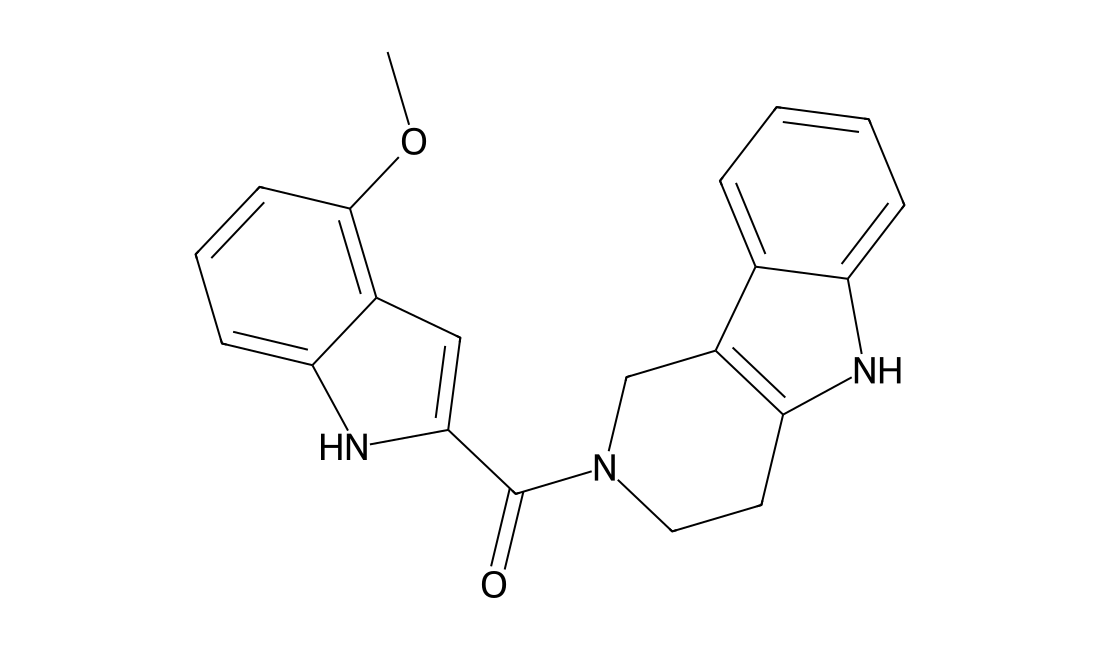
CAS 1040706-91-9
Novel inhibitor of PKM2-regulated signaling, suppressing non-glycolytic PKM2-regulated signaling in cancer cells
CAS 67579-73-1
N-Desmethyl-U-47700 is the primary metabolite of U-47700 (an opioid agonist).
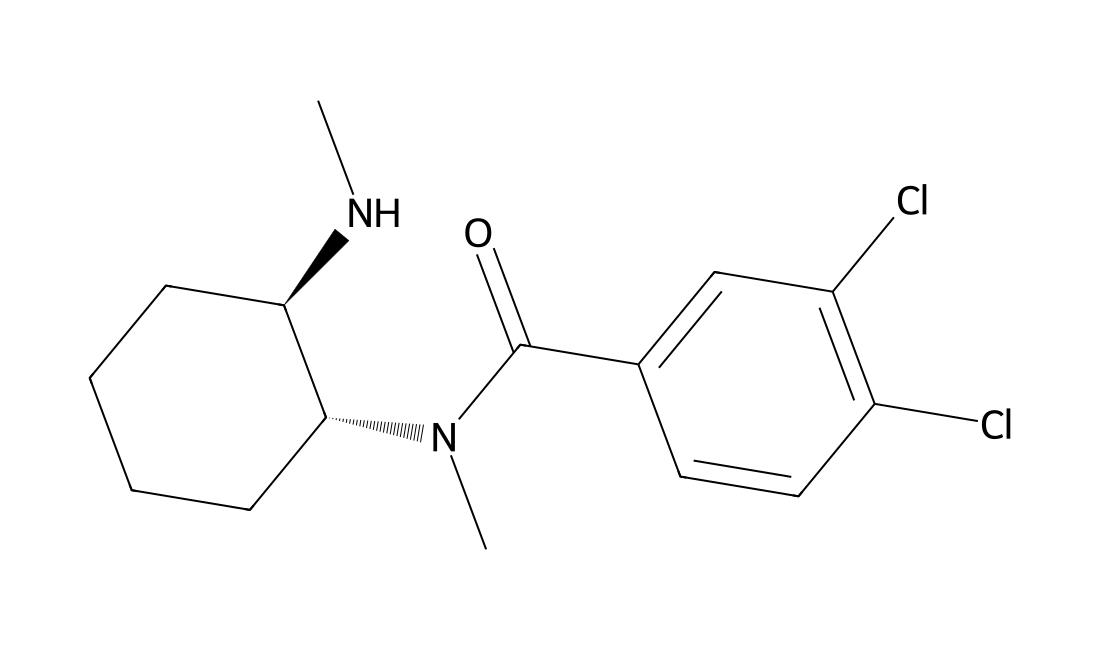
CAS 1304778-15-1
TC-F2 is a reversible non-covalent binding inhibitor of fatty acid amide hydrolase (FAAH) with an IC50 of 28 nM. FAAH is involved in many human diseases, particularly cancer, pain and inflammation as well as neurological, metabolic and cardiovascular disorders.
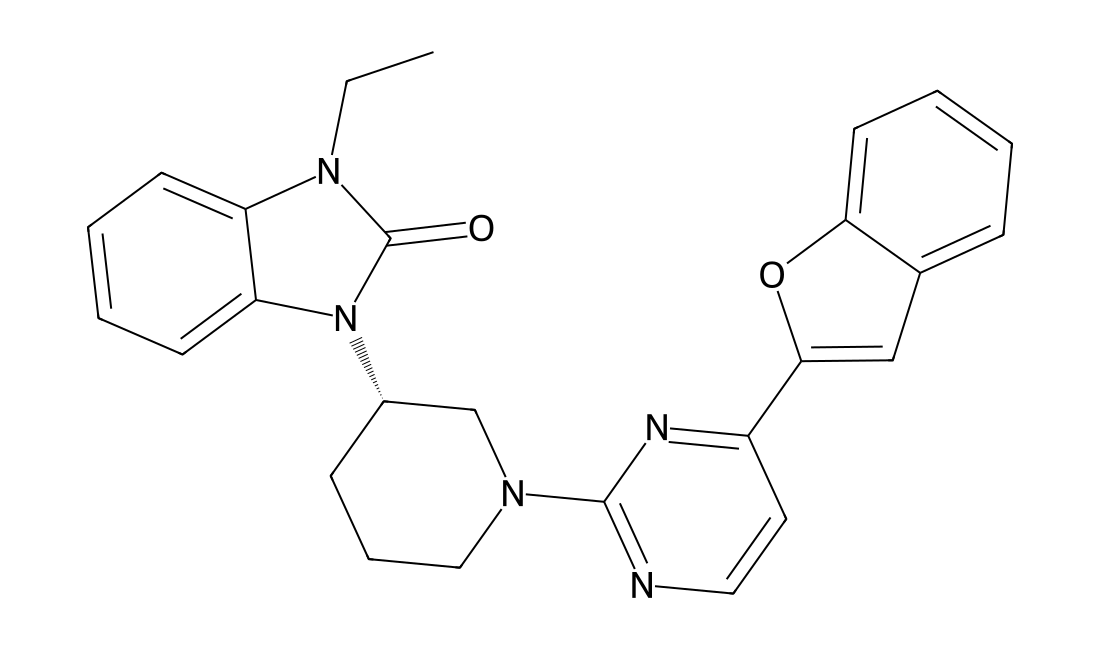
CAS 918348-67-1
BMS-779788, also known as XL-652, EXEL 04286652 and BMS-788, is potent partial LXR agonist with LXRβ selectivity, which has an improved therapeutic window in the cynomolgus monkey compared with a full pan agonist. BMS-779788 induced LXR target genes in blood in vivo with an EC50 = 610 nM, a value similar to its in vitro blood gene induction potency. BMS-779788 was 29- and 12-fold less potent than the full agonist T0901317 in elevating plasma triglyceride and LDL cholesterol, respectively, with similar results for plasma cholesteryl ester transfer protein and apolipoprotein B.
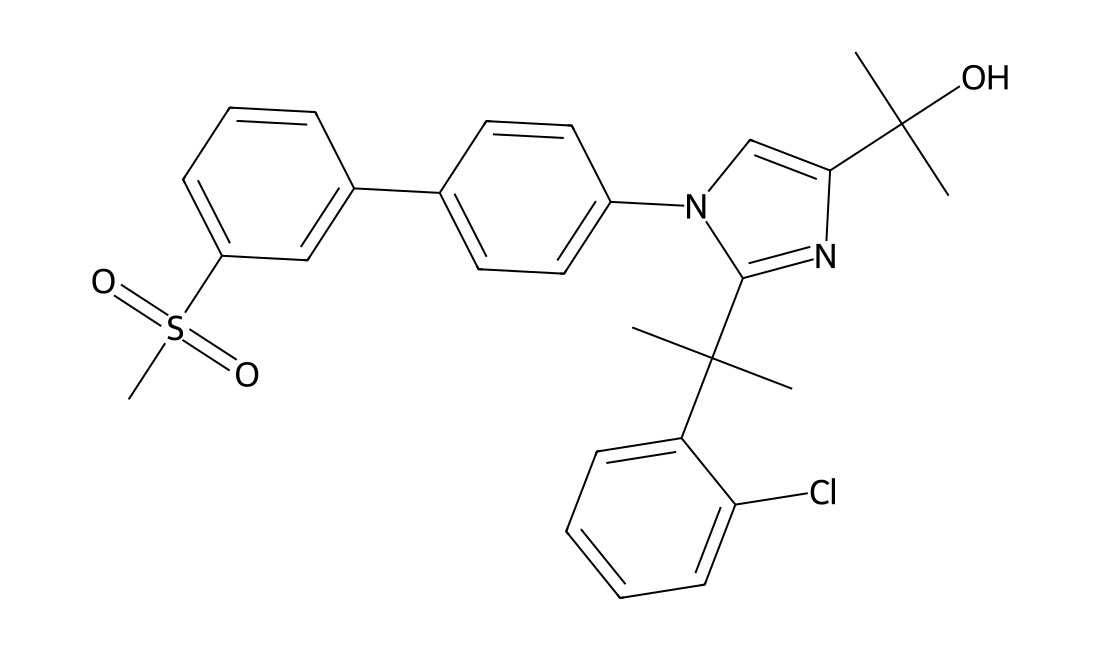
CAS 331862-41-0
IMR-1A is the metabolite of IMR-1. IMR-1 is a novel class of Notch inhibitors targeting the transcriptional activation with IC50 of 6 μmol/L.target: NotchIC 50: 6 μmol/LIn vitro: IMR-1 prevents the recruitment of Maml1 to the NTC on chromatin, inhibits Notch target gene transcription, and dramatically inhibits tumor growth .A decrease in colony formation of Notch-dependent cell lines is observed upon treatment with IMR-1 when compared with the control (DMSO).In vivo : The reference for intraperitoneal injection is 15 mg/kg. IMR-1 inhibits Notch-dependent somite development in zebrafish.
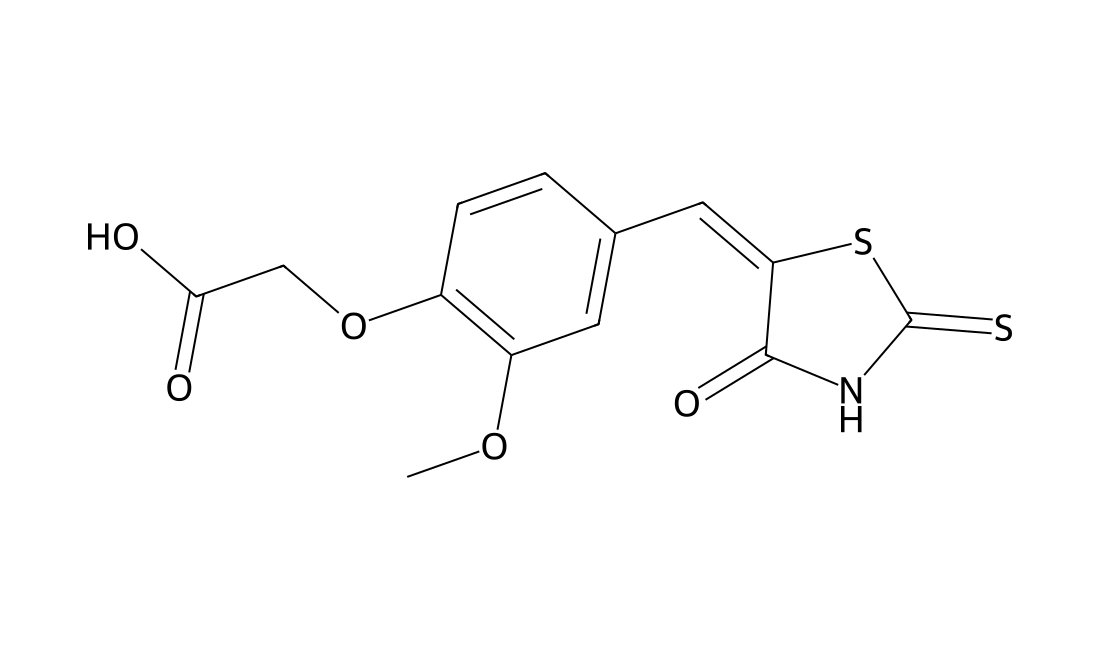
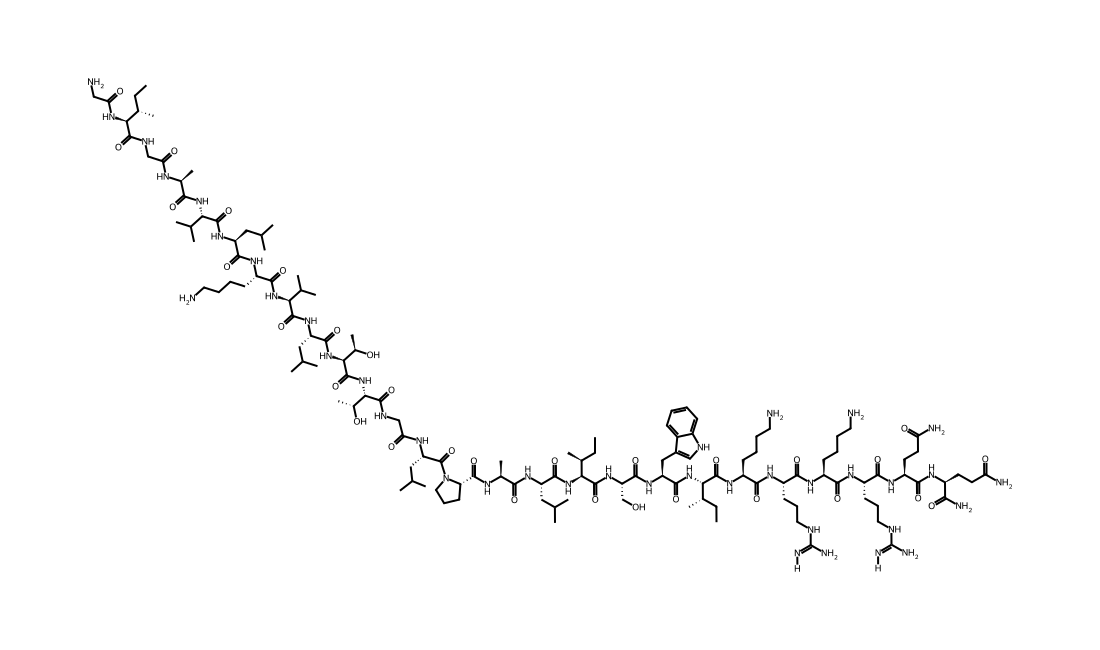
CAS 20449-79-0
Melittin (MLT, Forapin, Forapine) is an activator of phospholipase A2 (PLA2) that stimulates the activity of the low molecular weight PLA2, while it does not the increase the activity of the high molecular weight enzyme.
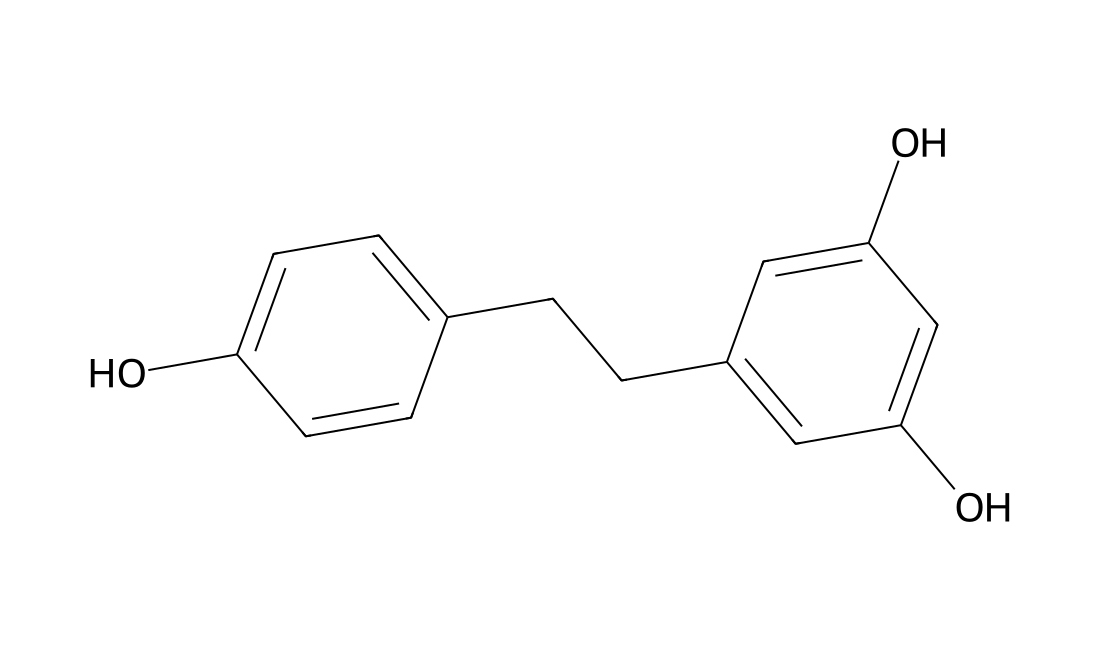
CAS 58436-28-5
Dihydroresveratrol is an SIRT1 activator. It is a primary metabolite of resveratrol.
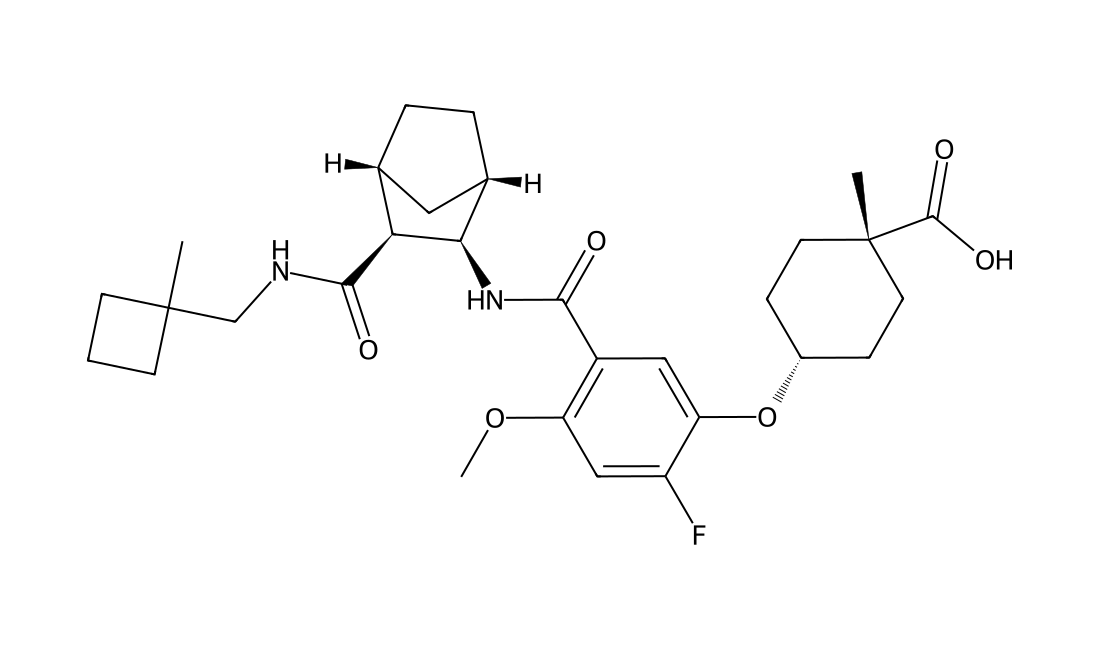
CAS 2787501-83-9
AZD5462 is a selective oral allosteric relaxin family peptide receptor 1 (RXFP1) agonist with pEC50 of 7.8. AZD5462 has better kinetic solubility and shows much improved metabolic stability compared to AZ7976 in vitro.
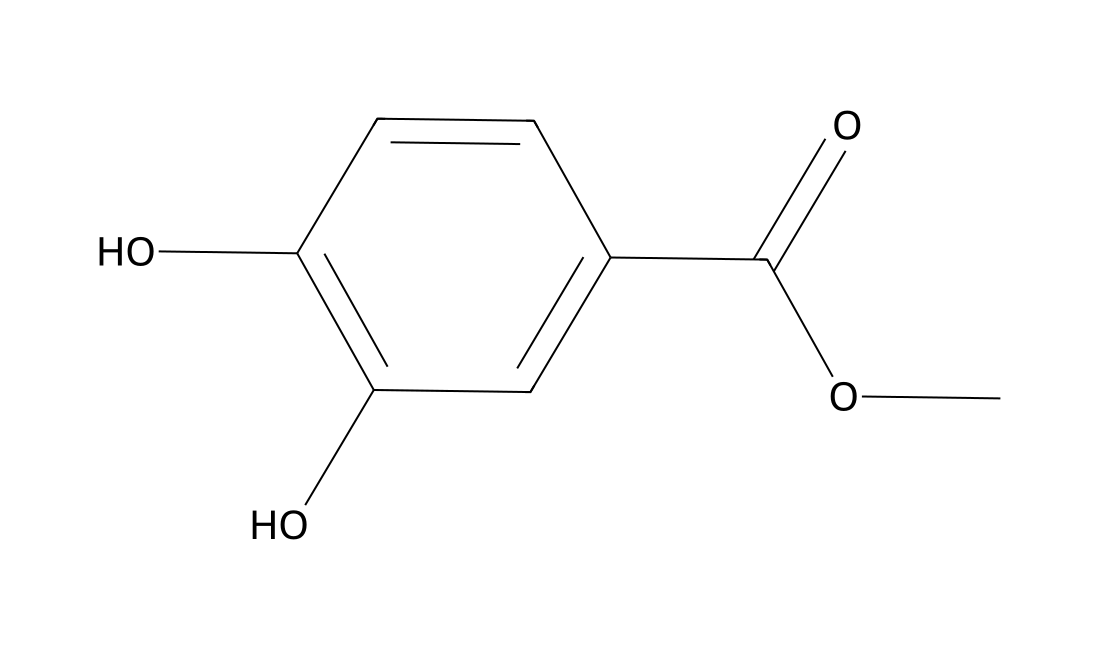
CAS 2150-43-8
In Vitro Methyl 3,4-dihydroxybenzoate (Protocatechuic acid methyl ester;Methyl protocatechuate) alleviates the toxic effects of F- via modulating its bioavailability, intracellular calcium level, mitochondrial membrane integrity and redox signaling in A549 cells. In Vivo Methyl 3,4-dihydroxybenzoate (Protocatechuic acid methyl ester;Methyl protocatechuate) (25 or 50 mg/kg bw/day) prevents the cellular F- accumulation and oxidative stress. It prevents the inflammatory and associated fibrosis progression by restoring the expression of RAGE and Nrf2.
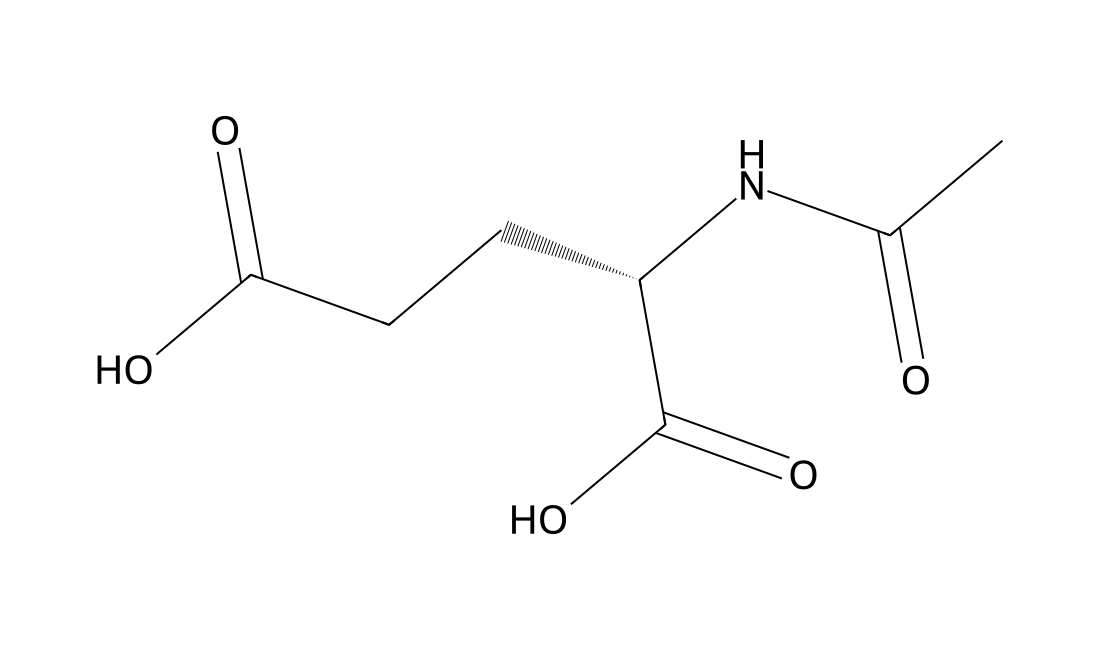
CAS 1188-37-0
N-Acetyl-L-glutamic acid, a N-acyl-L-amino acid, is a component of animal cell culturing media. N-Acetyl-L-glutamic acid is a metabolite of Saccharomyces cerevisiae and human[1].
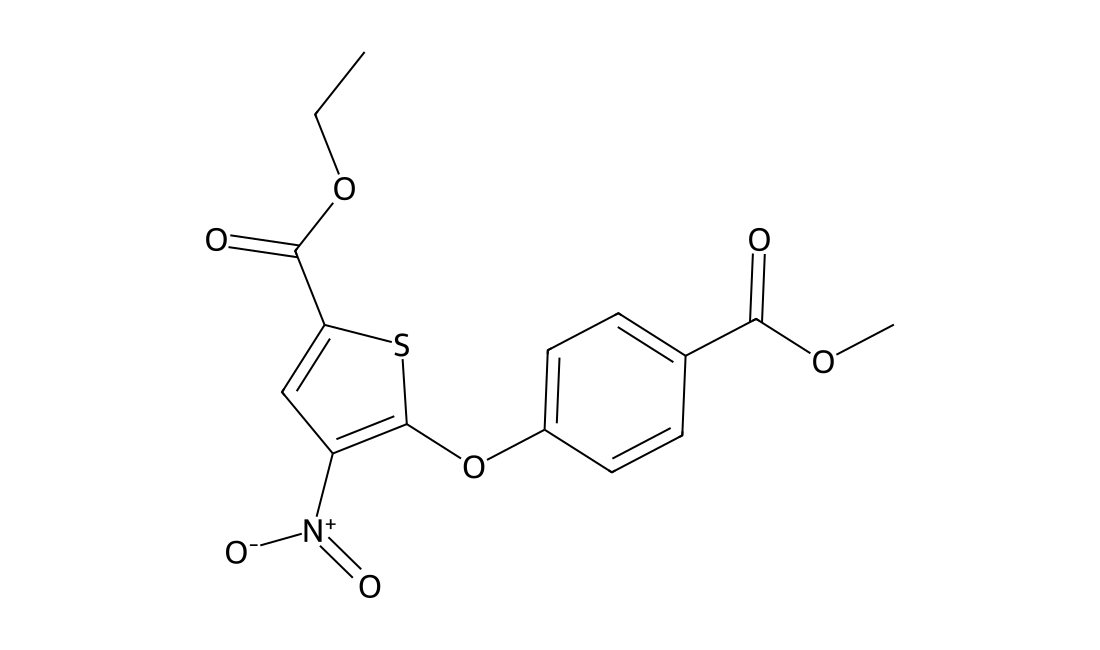
CAS 2630378-05-9
USP10 inhibitor Wu-5 (Wu-5) is a novel small molecule USP10 inhibitor inducing the degradation of FLT3-mutated protein, directly interacts and inactivates USP10, the deubiquitinase for FLT3-ITD in vitro (IC50=8.3 uM) and in FLT3-ITD-positive AML cells.Wu-5 selectively inhibited the viability of FLT3 inhibitor-sensitive (MV4-11, Molm13) and -resistant (MV4-11R) FLT3-ITD-positive AML cells with IC50 of 3.794, 5.056, and 8.386 uM, respectively.Wu-5 (1-10 μM) dose-dependently induced apoptosis of MV4-11, Molm13, and MV4-11R cells through the proteasome-mediated degradation of FLT3-ITD.Combined treatment of Wu-5 and crenolanib produced synergistic cell death in FLT3-ITD-positive cells via the reduction of both FLT3 and AMPKα proteins.
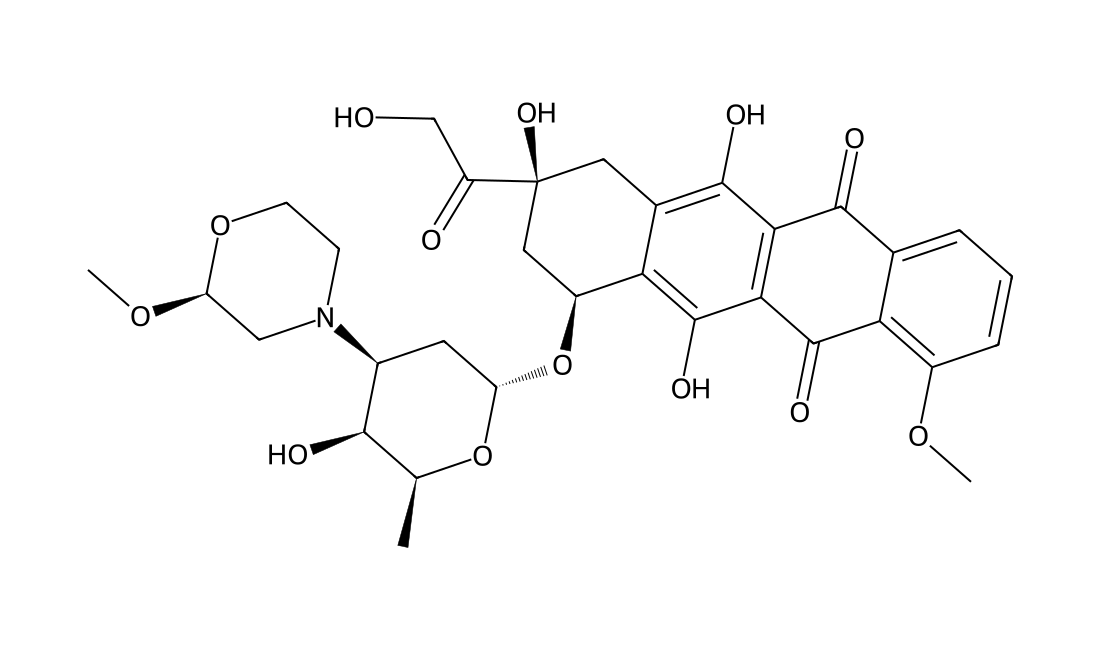
CAS 108852-90-0
Nemorubicin, also known as PNU152243A, is a doxorubicin derivative that differs significantly from its parent drug in terms of spectrum of antitumor activity, metabolism and toxicity profile. The drug is active on tumors resistant to alkylating agents, topoisomerase II inhibitors and platinum derivatives. It works primarily through topoisomerase I inhibition. Of note, Nemorubicin is active in cells with upregulation of the nucleotide excision repair (NER) pathway, where current therapies fail. Nemorubicin is biotransformed in the liver into cytotoxic metabolites that may further contribute to render this drug highly active against primary liver tumors or liver metastases.
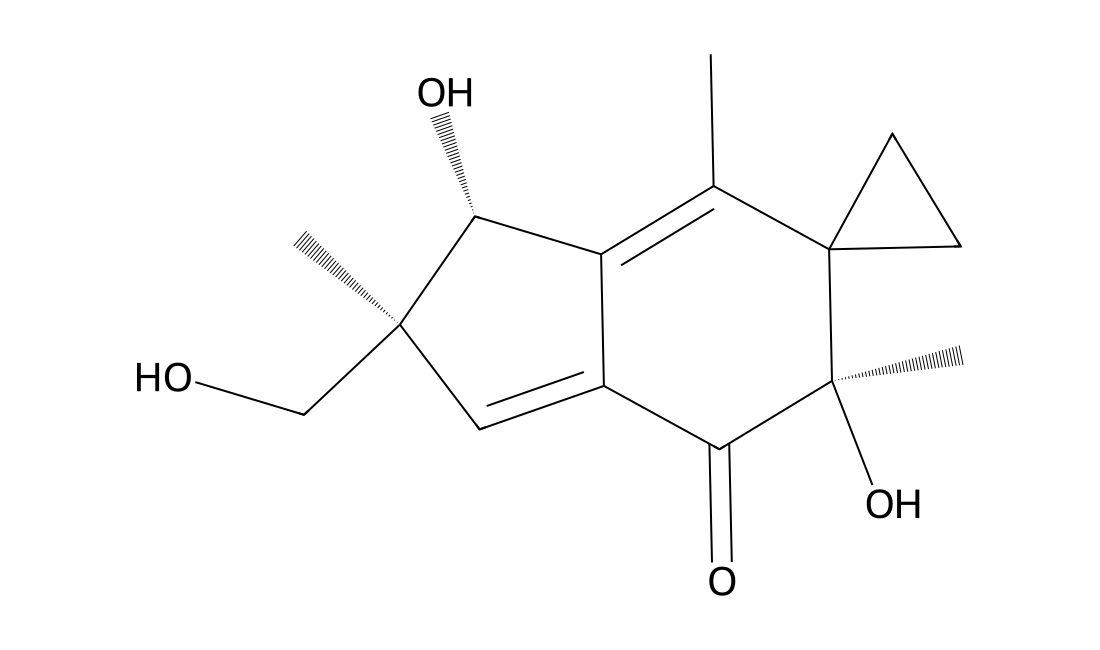
CAS 1149-99-1
Illudin S is a sesquiterpene toxin with strong anti-tumour and antiviral activities. Illudin S has genotoxic activities[1][2][3].
CAS 55589-62-3
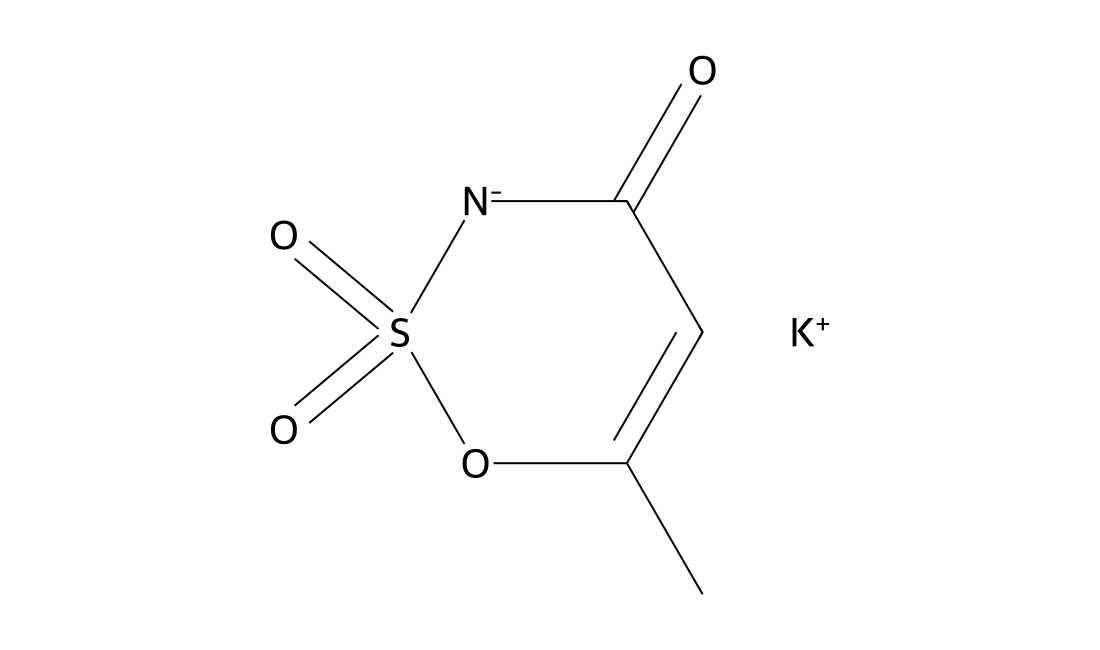
Acesulfame potassium is an artificial sweetener. Acesulfame potassium (long-term) affects cognitive functions, potentially via altering neuro-metabolic functions in mice.
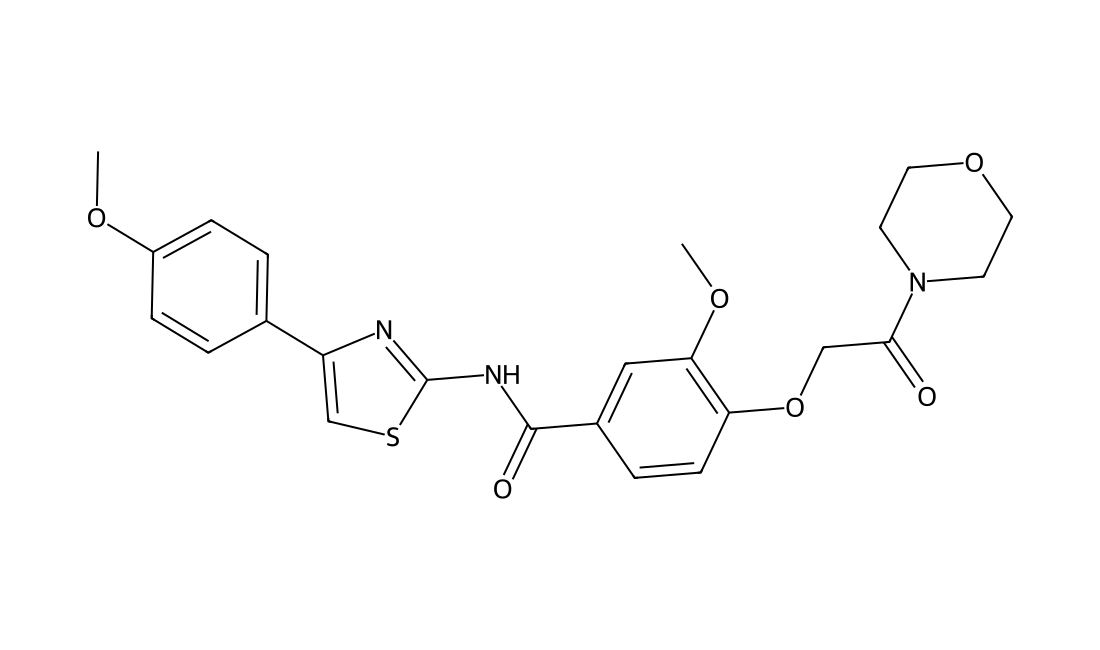
CAS 781628-99-7
SBI-477 is a chemical probe that coordinately inhibits triacylglyceride (TAG) synthesis and enhances basal glucose uptake in human skeletal myocytes with EC50 of 100 nM and 1 uM, respectively; reduces expression of TXNIP and ARRDC4, negative regulators of insulin signaling, via deactivation of the transcription factor MondoA.
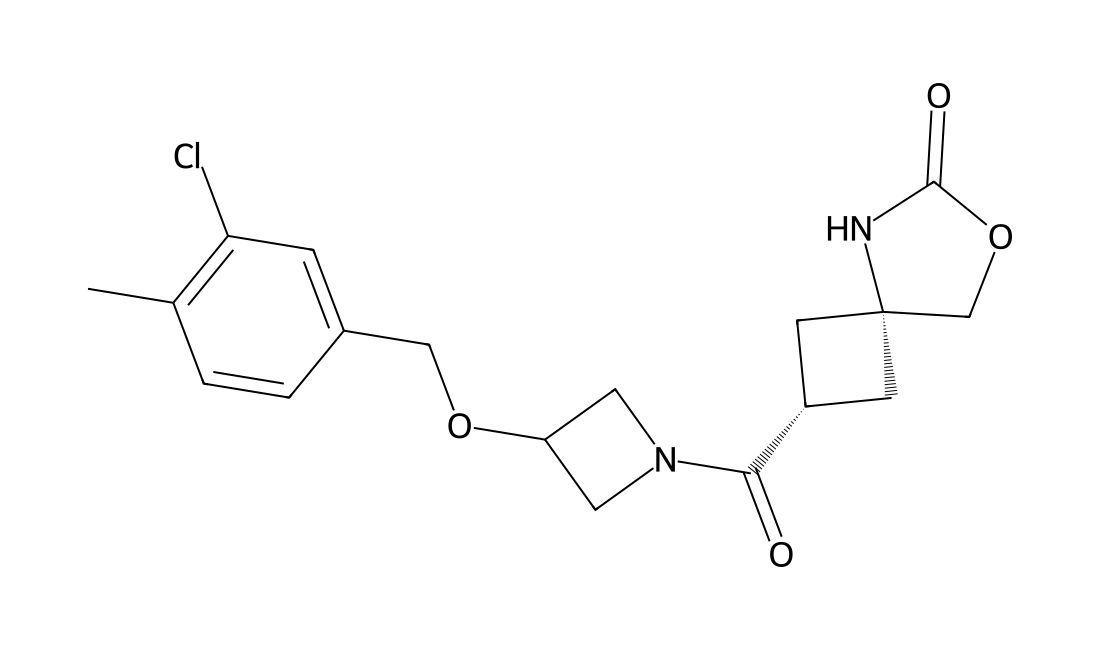
CAS 2135785-20-3
MAGL-IN-4 is an orally active, selective and reversible monoacylglycerol lipase (MAGL) inhibitor with an IC50 of 6.2 nM. MAGL-IN-4 can penetrate the blood-brain barrier (BBB). MAGL-IN-4 enhances endocannabinoid signaling mostly by the increase in the level of 2-AG via selective MAGL inhibition in the brain[1].
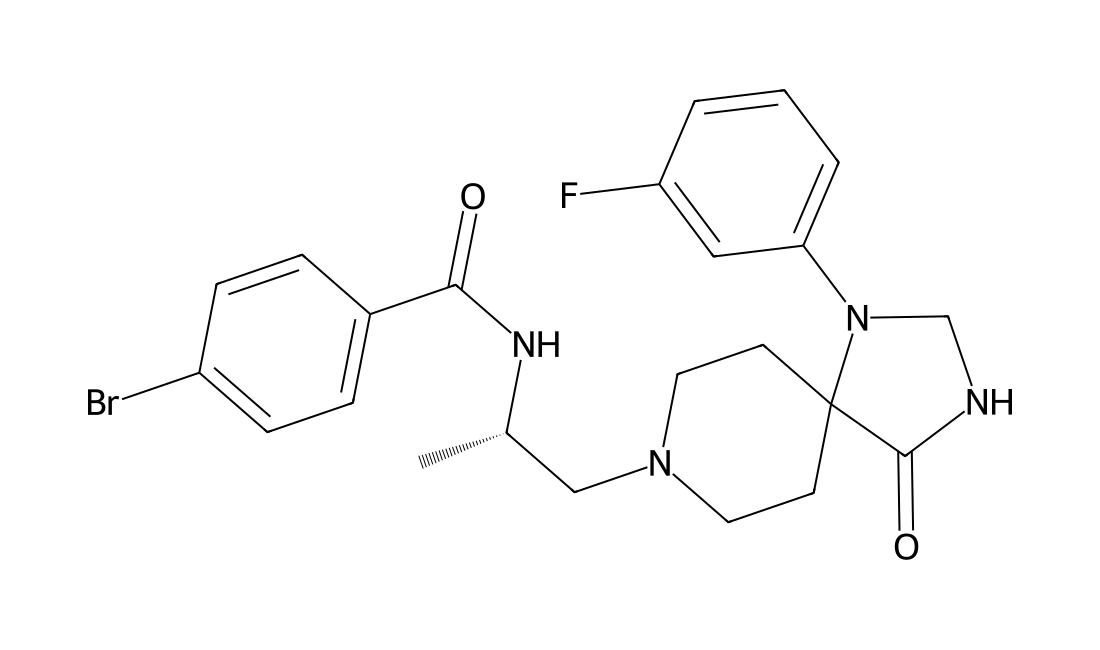
CAS 1426916-00-8
ML299 is a potent, CNS penetrant, dual phospholipase PLD1/PLD2 probe with IC50 of 6 nM/20 nM, respectively; robustly increases caspase 3/7 activation under serum-free conditions, provides a dose-dependent decrease (100 nM to 10 uM) in invasive migration in U87-MG cells, with statistical significance reached at both the 1 uM and 10 uM doses.
CAS 40225-14-7
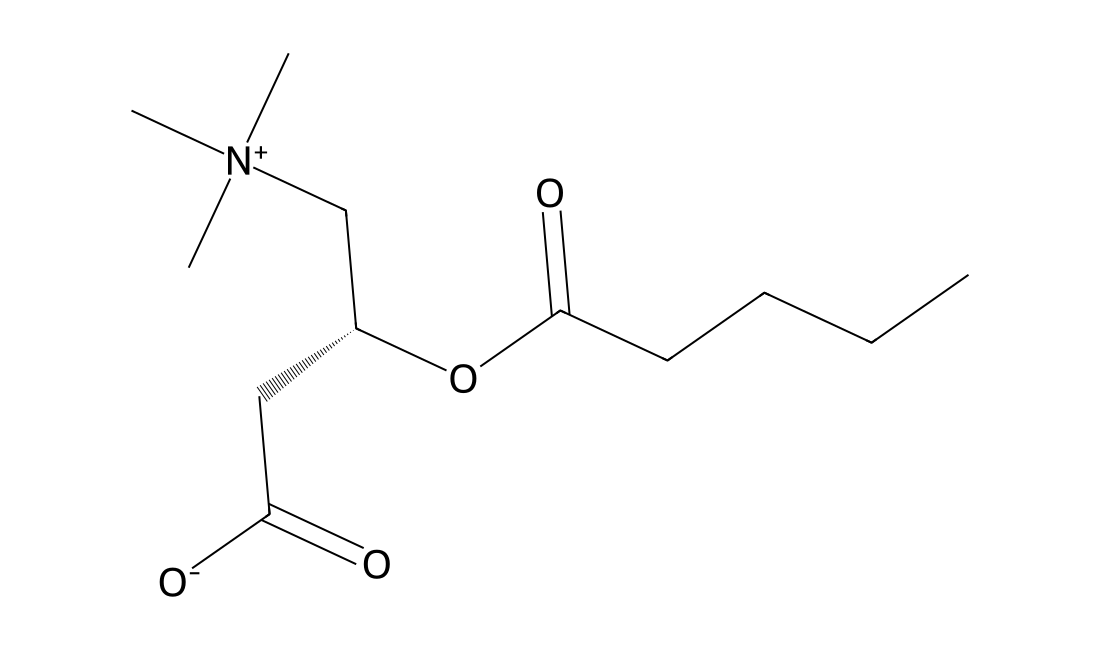
Valerylcarnitine is an endogenous metabolite, belonging to the short-chain acylcarnitines.
CAS 2095128-20-2
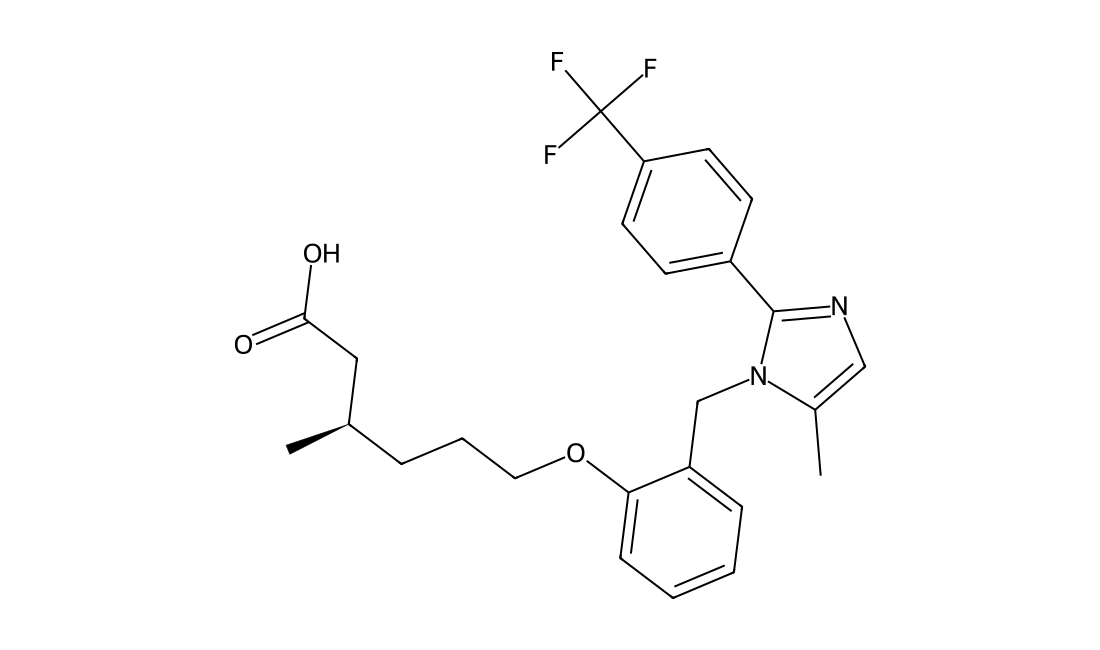
Bocidelpar is a modulator of peroxisome proliferator-activated receptor delta (PPAR-δ). Bocidelpar improves mitochondrial biogenesis and function in Duchenne Muscular Dystrophy (DMD) muscle cells (extracted from patent WO2017062468A1, compound 2b)[1].
CAS 2440087-54-5
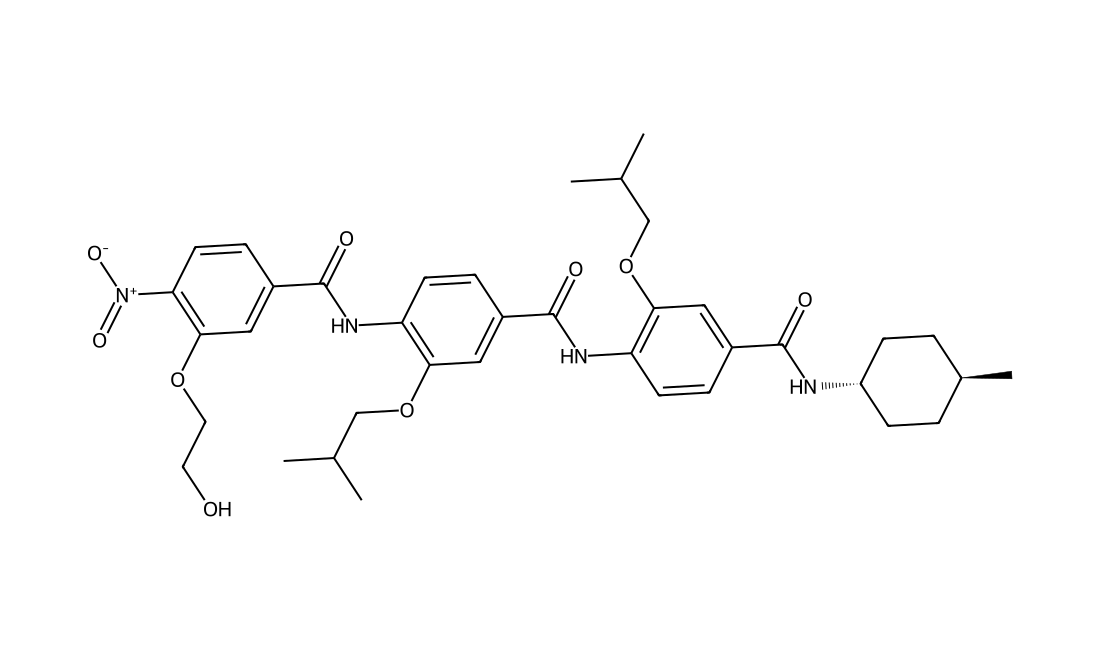
ERX-41 is a potent therapeutic agent targeting lysosomal acid lipase A (LIPA) and shows the mechanism of action (disruption of protein folding and induction of ER stress) that may have utility in treating patients with TNBC or other multiple solid tumors.
CAS 423150-91-8
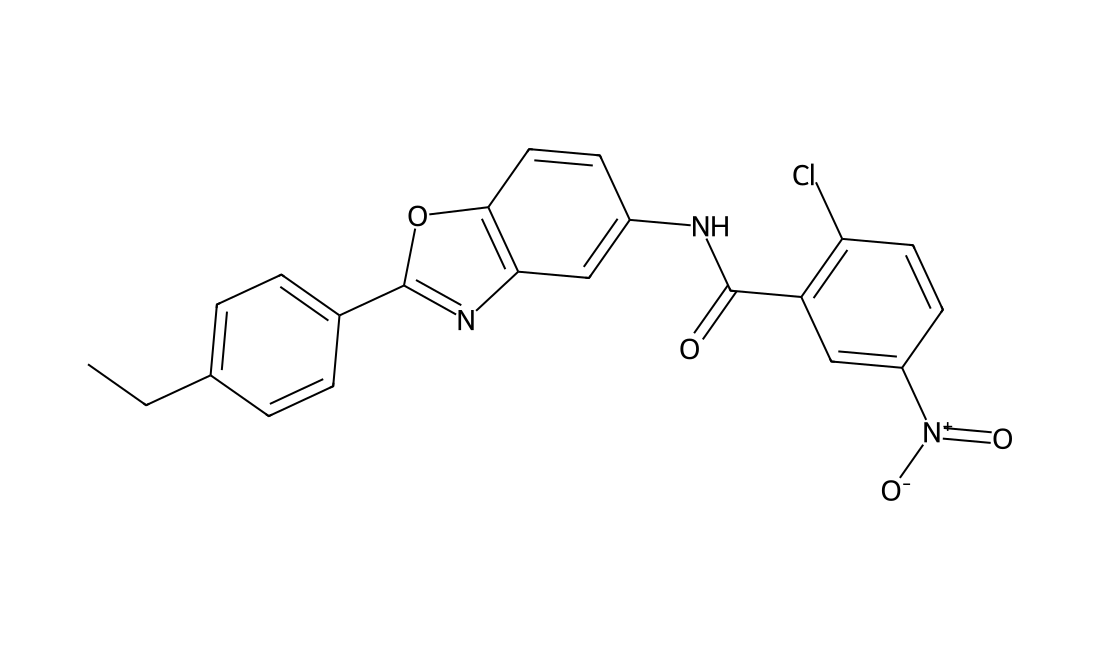
BAY-4931 is a potent covalent PPARγ inverse-agonist with IC50 of 0.17 nM and could be a novel tool for probing the in vitro biology of PPARγ inverse-agonism.
CAS 420826-65-9
BAY-0069 is a potent covalent PPARγ inverse-agonist with IC50 of 0.22 nM and could be a novel tool for probing the in vitro biology of PPARγ inverse-agonism.
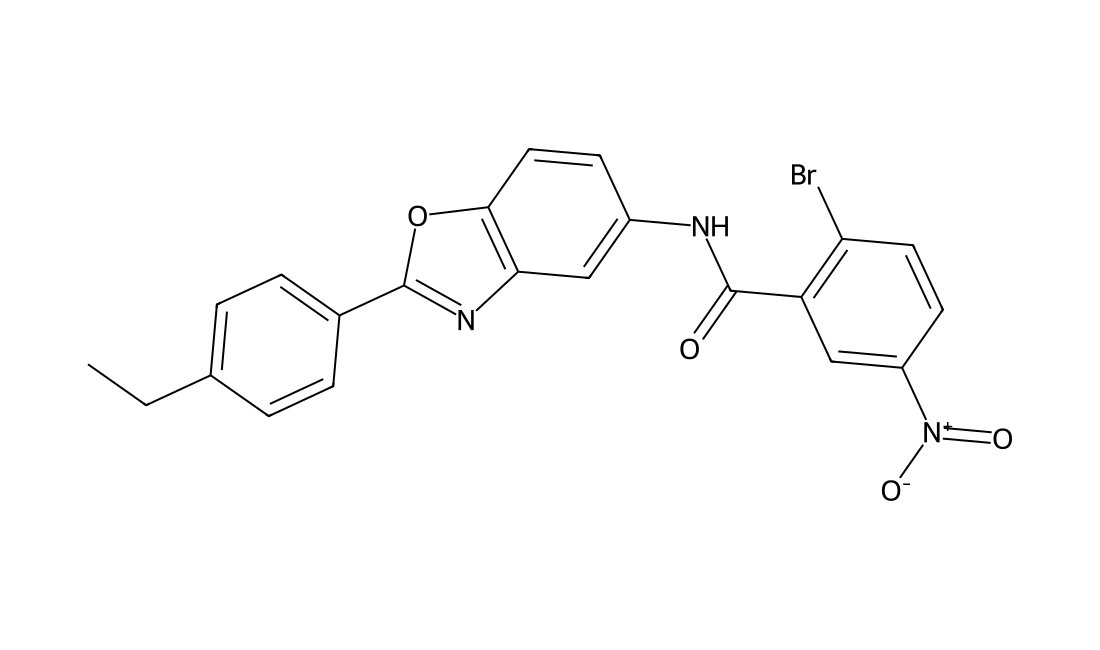
CAS 2883540-92-7
STX-478 is an allosteric PI3Kα inhibitor that selectively targets prevalent PI3Kα helical- and kinase-domain mutant tumors. STX-478 provides robust efficacy while avoiding the metabolic dysfunction associated with the nonselective inhibitor alpelisib.
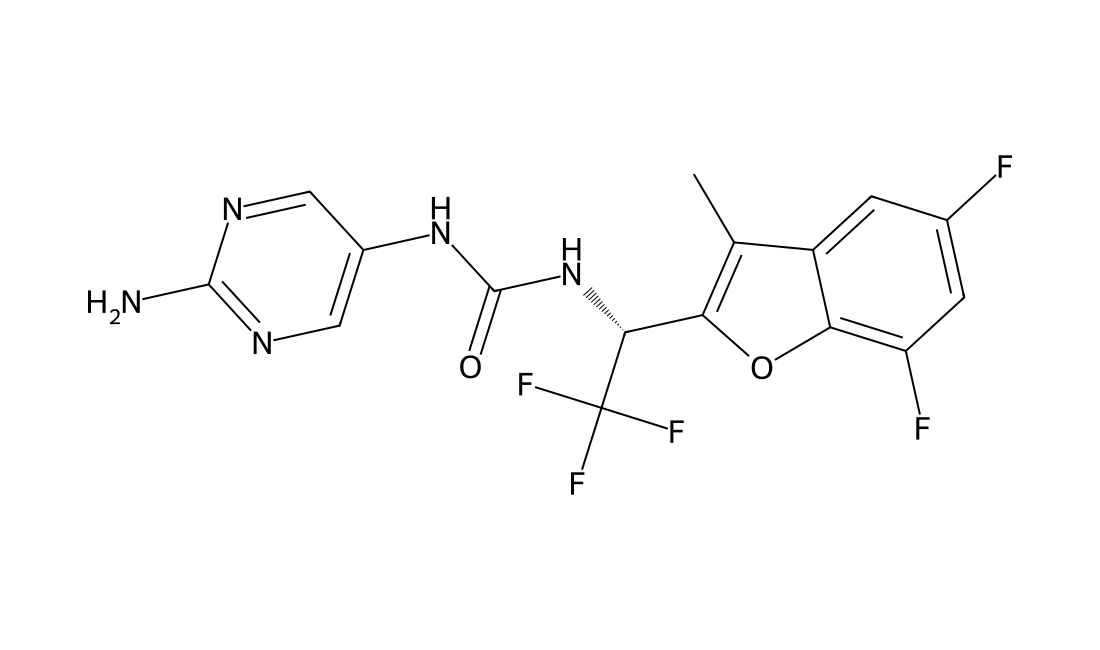
CAS 4880-88-0
Vincamone is a vinca alkaloid and a metabolite of vincamine, is a vasodilator.
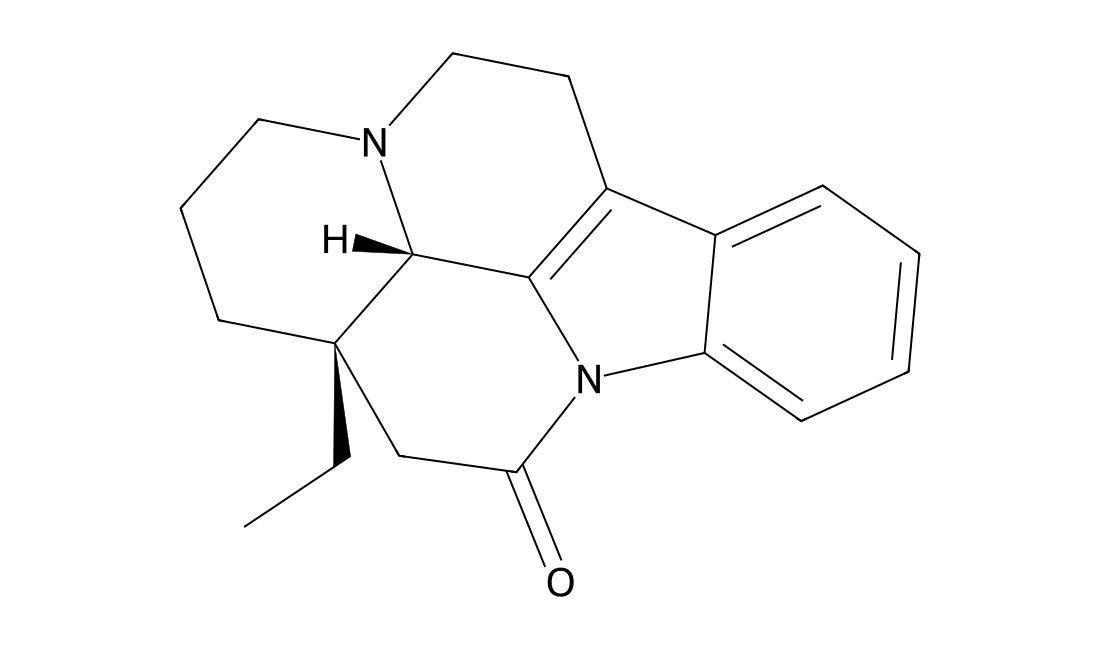
CAS 1445656-91-6
LEO 39652 is a novel PDE4 inhibitor with IC50 of 3.8 nM and selected as a clinical candidate as it is potent and rapidly degraded by blood and liver to inactive metabolites.
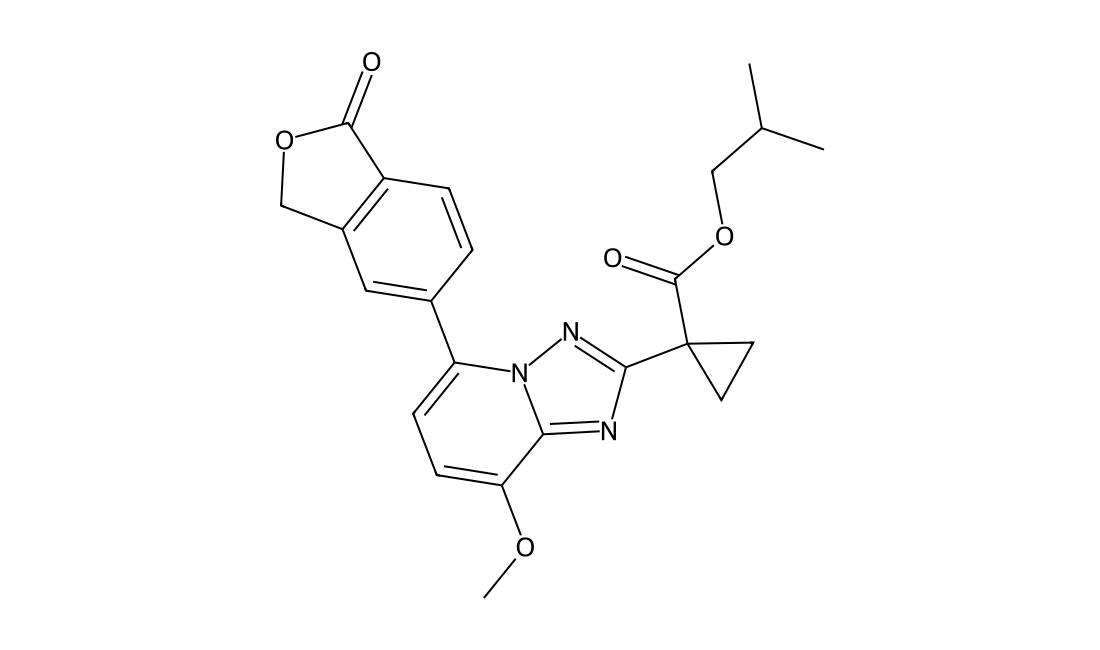
CAS 2416095-06-0
CBR-470-1 is an inhibitor of the glycolytic enzyme phosphoglycerate kinase 1 (PGK1). CBR-470-1 is also a non-covalent Nrf2 activator. CBR-470-1 protects SH-SY5Y neuronal cells against MPP+-induced cytotoxicity through activation of the Keap1-Nrf2 cascade.
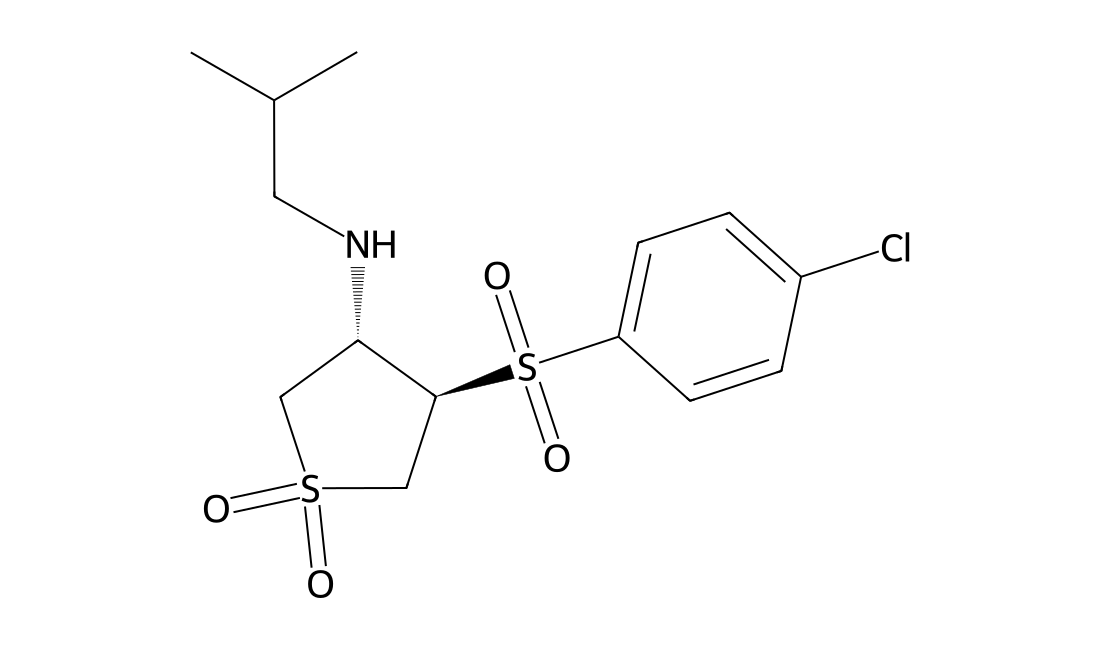
CAS 1640294-30-9
ASP4132(ASP-4132,ASP 4132) is a potent adenosine monophosphate-activated protein kinase (AMPK) activator with EC50 of 18 nM, which shows moderately aqueous solublity and oral activity.
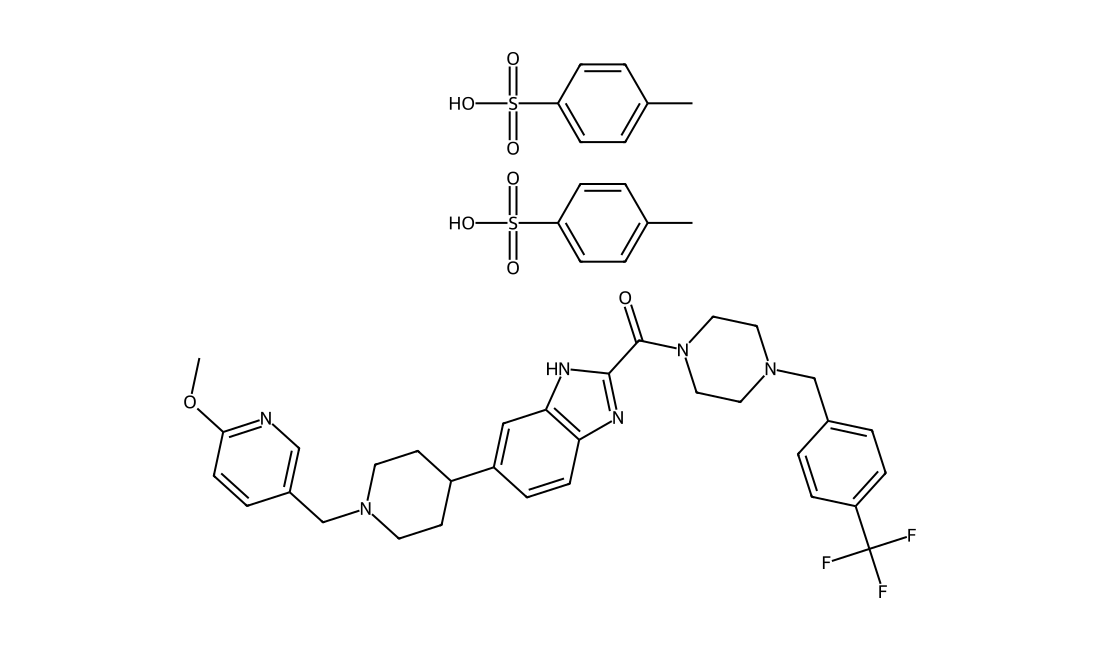
CAS 1415472-28-4
Enavogliflozin (DWP-16001), an antidiabetic agent, is an orally active, best-in-class and selective sodium-glucose cotransporter-2 (SGLT-2) inhibitor.
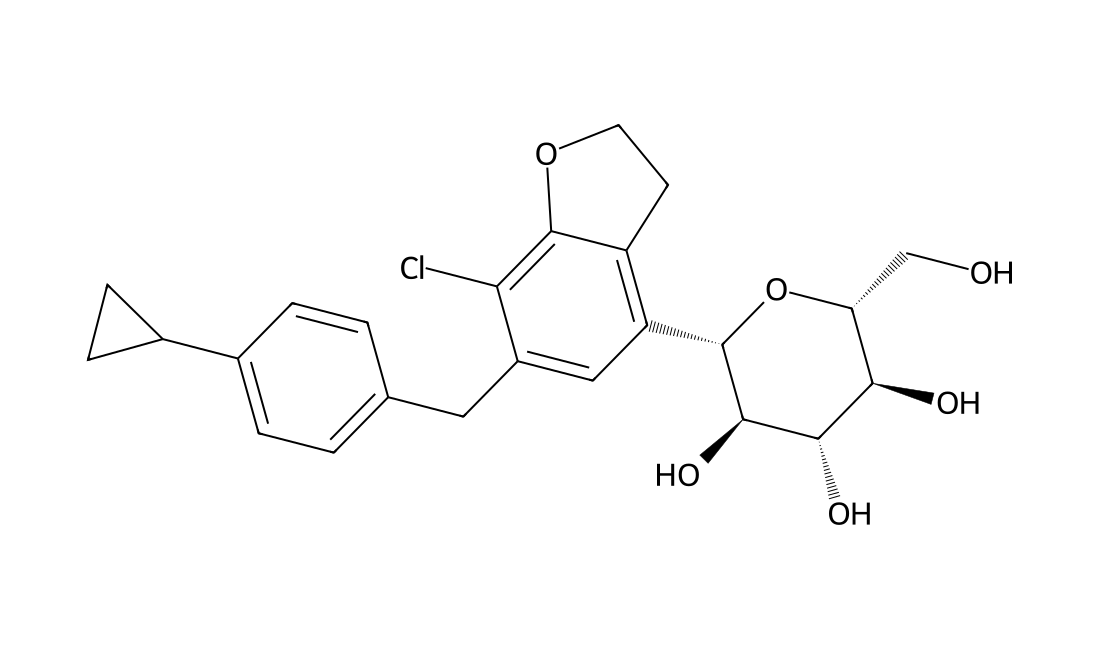
CAS 125313-92-0
MKC-1 is an orally bioavailable, small-molecule, bisindolylmaleimide cell cycle inhibitor with potential antineoplastic activity. MKC-1 and its metabolites inhibit tubulin polymerization, blocking the formation of the mitotic spindle, which may result in cell cycle arrest at the G2/M phase and apoptosis.
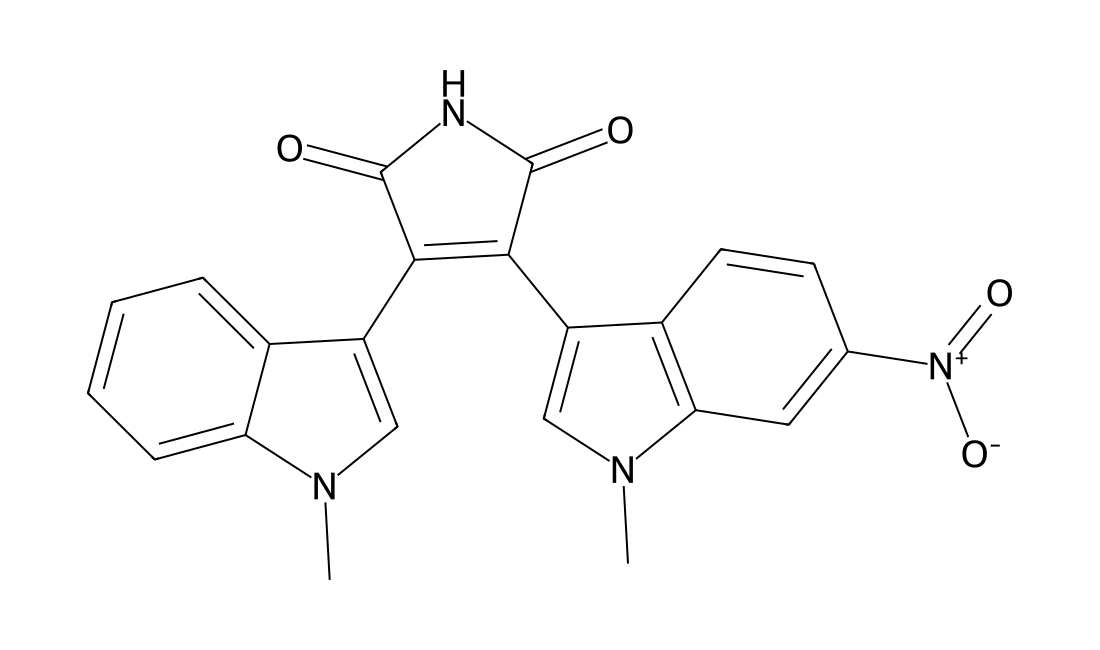
CAS 925206-65-1
RRx-001 is a potent inhibitor of G6PD. RRx-001 shows potent antimalarial, although as a single agent, the drug sensitivity testing indicated that higher dose of RRx-001 was required to inhibited 50 % of the parasite's activity (IC50 = 0.14 ± 0.04 ug/ml).