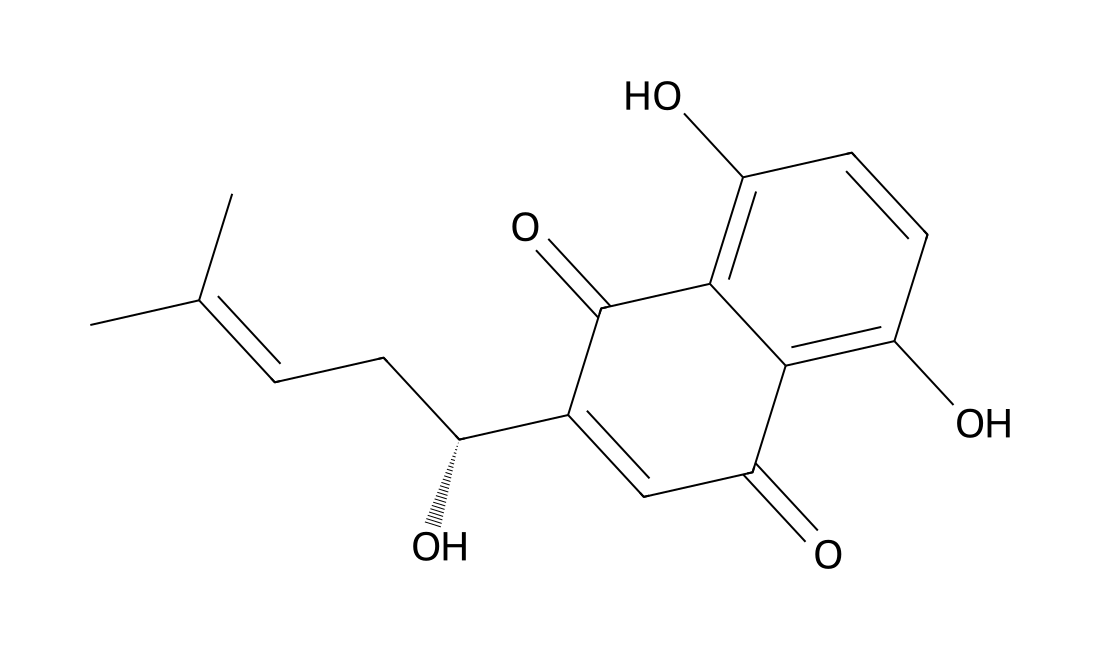
Shikonin
CAS 517-89-5
Shikonin is a major component of a Chinese herbal medicine named zicao. Shikonin has shown various biological activities, including inhibition of TNF-α, NF-κB, HIV-1.

Metabolic enzymes, lipid and glucose metabolism and hormone signaling.
Products may appear in more than one category. Counts refer to distinct catalog numbers within each category.
Other Research Tools (75) · Additional reagents, building blocks and specialized research tools.
Combine a keyword, research category and target to narrow the product list.
Loading catalog filters…
CAS 517-89-5
Shikonin is a major component of a Chinese herbal medicine named zicao. Shikonin has shown various biological activities, including inhibition of TNF-α, NF-κB, HIV-1.
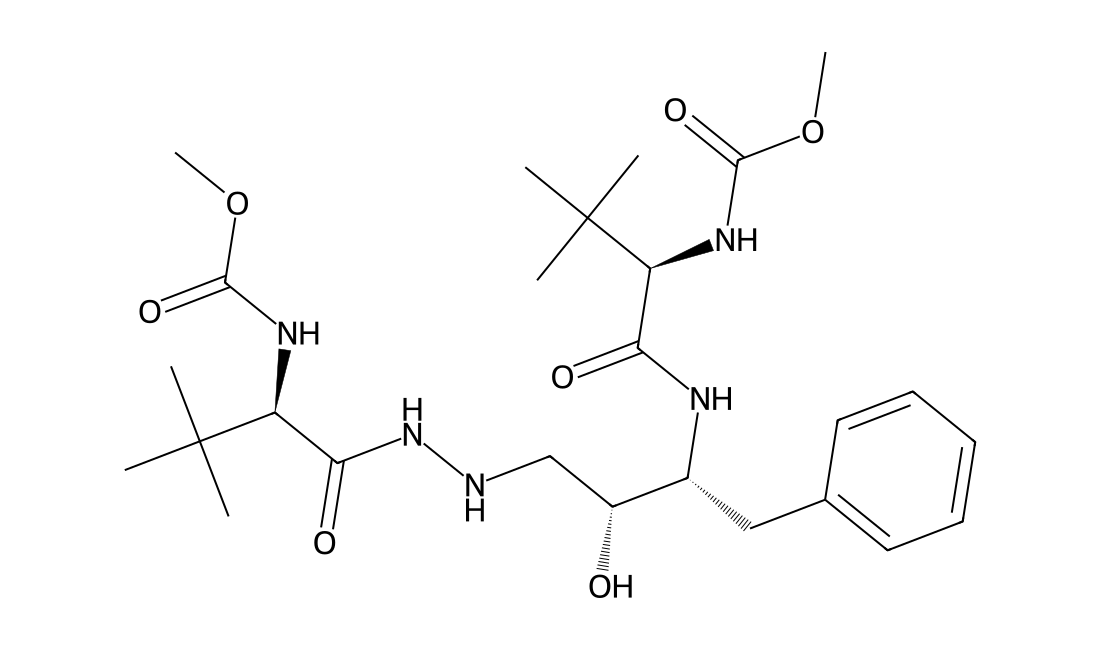
CAS 1192224-24-0
The N-dealkylated metabolite (M1) of Atazanavir (A790051), a HIV protease inhibitor.
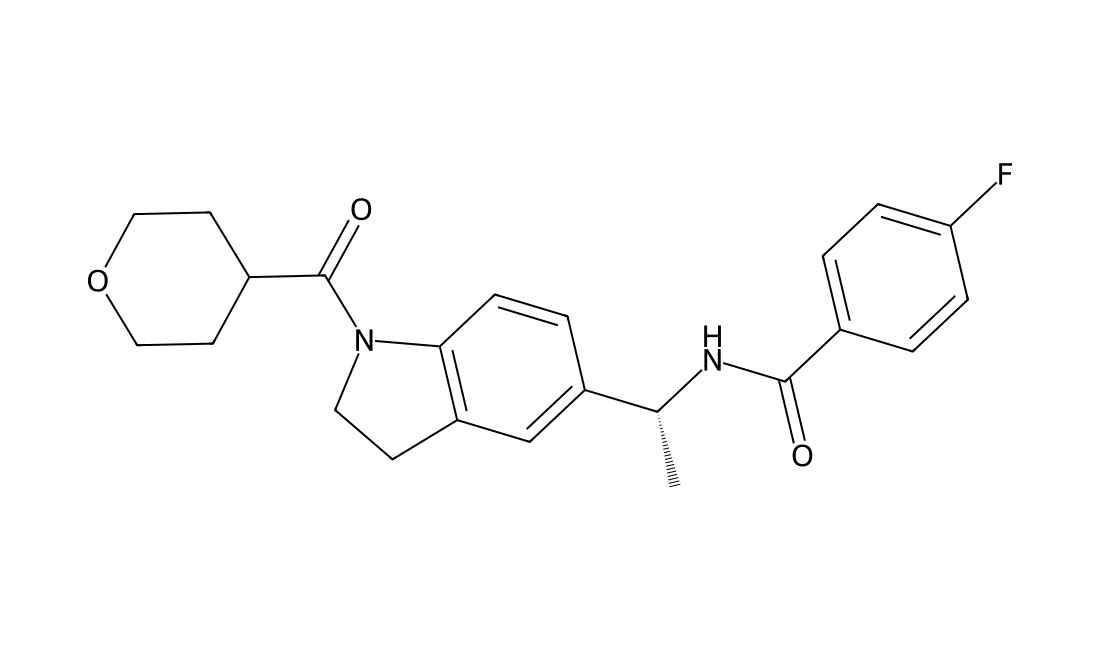
CAS 2166616-75-5
LY-3381916 is a potent, selective and brain penetrated inhibitor of IDO1 activity, binds to apo-IDO1 lacking heme rather than mature heme-bound IDO1[1].
CAS 761423-87-4
Ipragliflozin (ASP1941) is a highly potent and selective SGLT2 inhibitor with IC50 of 2.8 nM; little and NO potency for SGLT1/3/4/5/6.
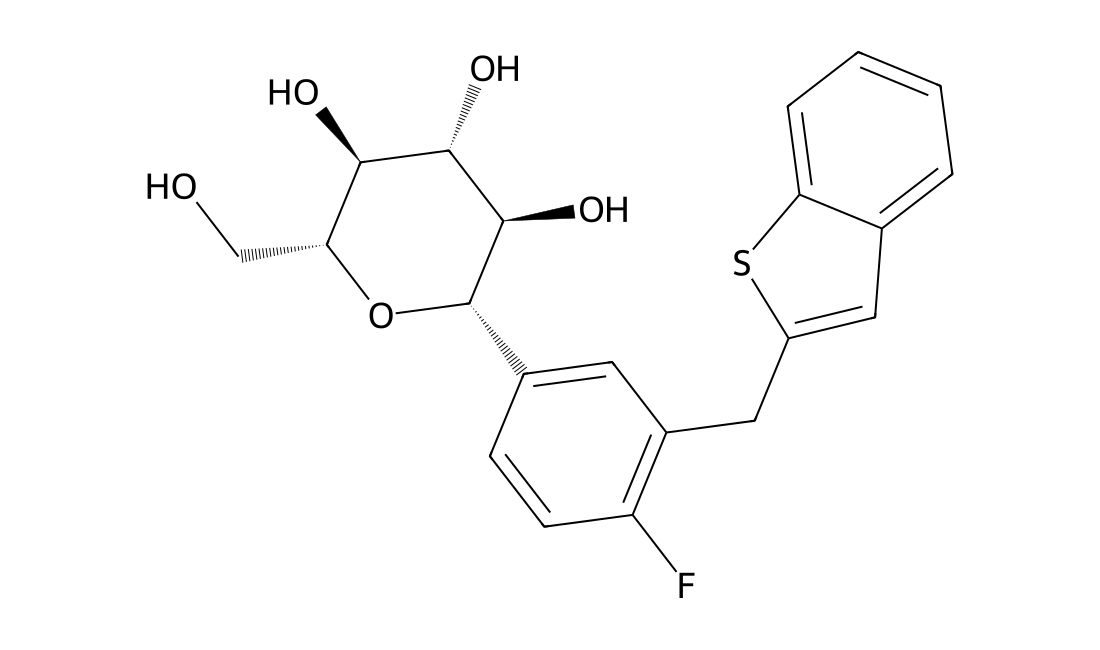
CAS 203192-01-2
MN58b is a selective choline kinase α (CHKα) inhibitor, and results in inhibition of phosphocholine synthesis. MN58b reduces cell growth through the induction of apoptosis, and also has antitumoral activity[1][2].
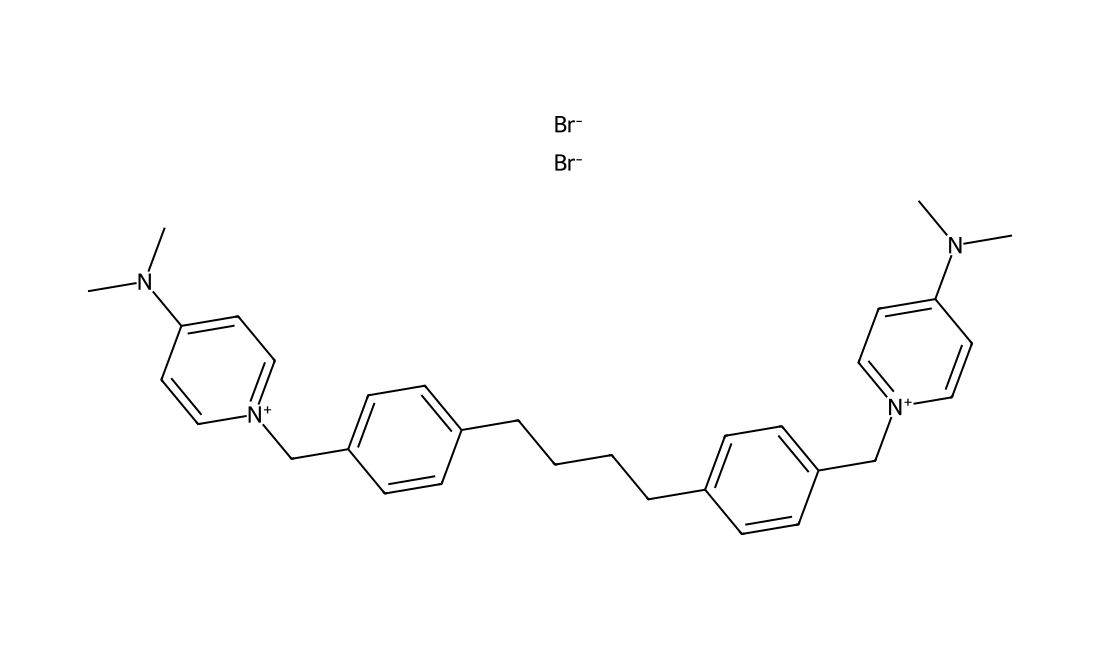
CAS 2252488-69-8
LJ570 is a PPARα/PPARγ dual agonist with EC50s of 1.05 and 0.12 μM, respectively[1].
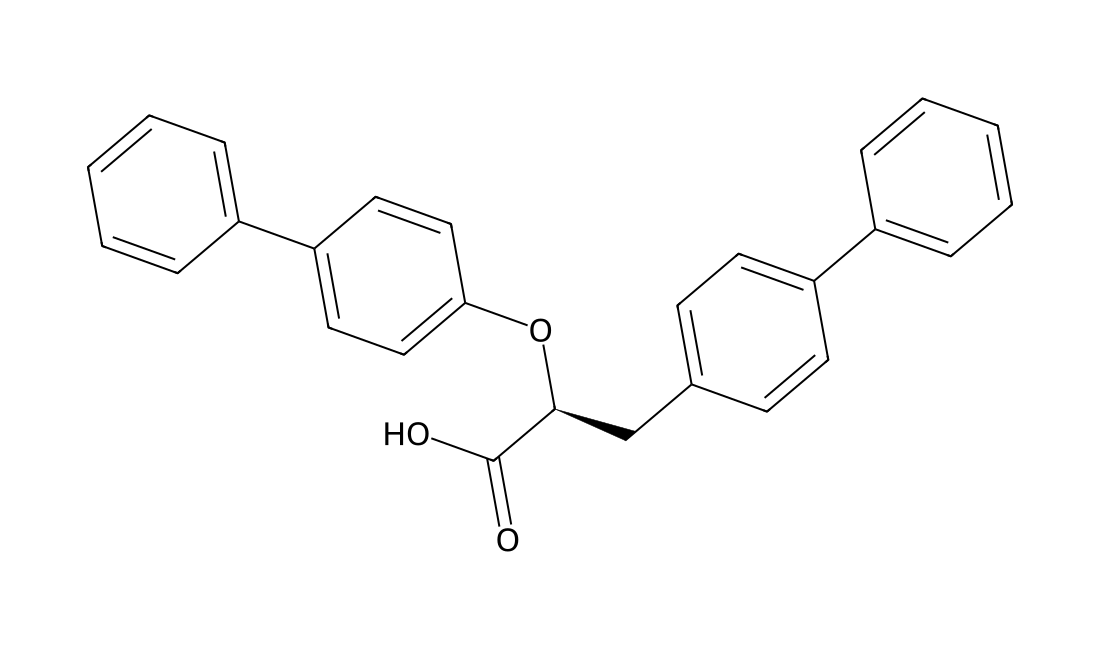
CAS 30636-90-9
(20S)-Protopanaxadiol (20-Epiprotopanaxadiol) is an aglycon metabolic derivative of the protopanaxadiol-type ginseng saponin; apoptosis inducer.
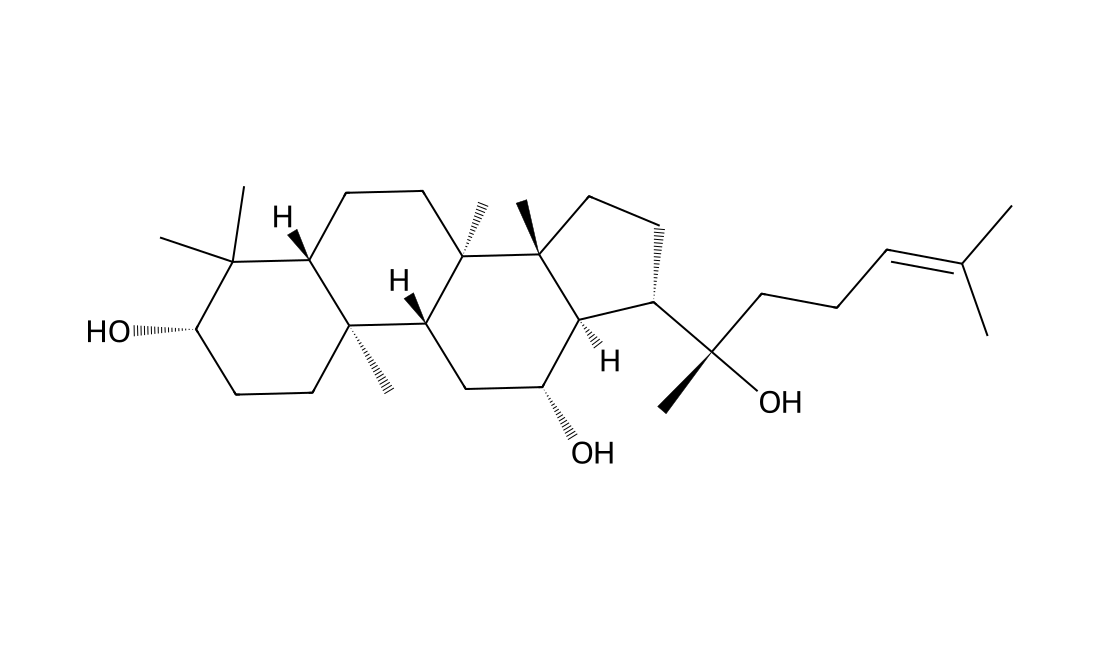
CAS 470-69-9
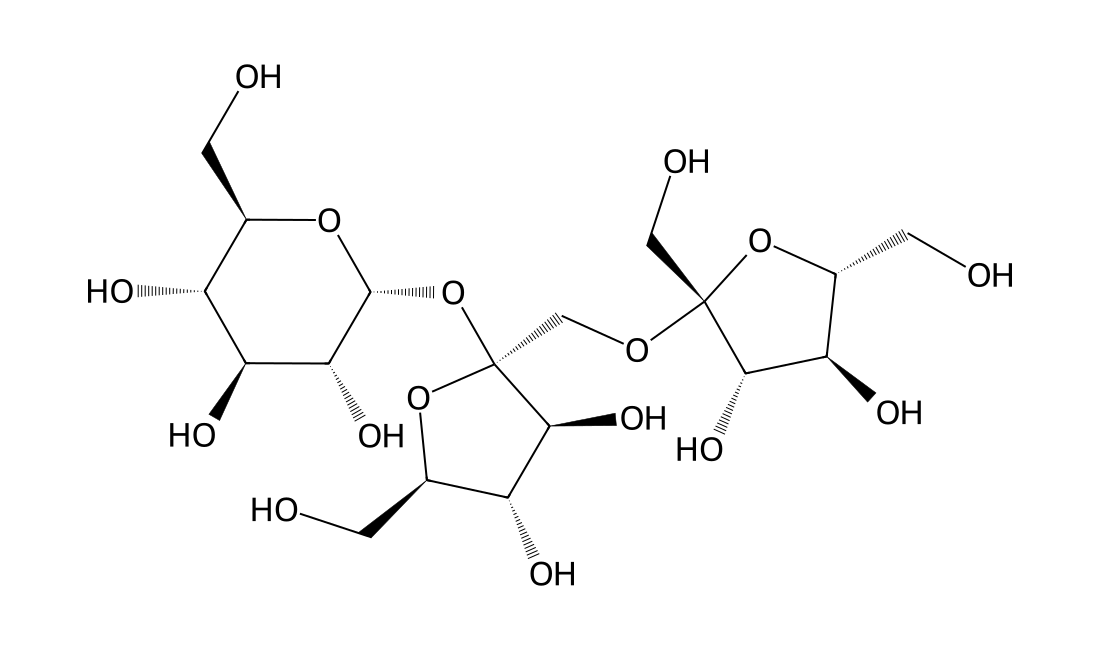
1-Kestose, the smallest fructooligosaccharide component, which efficiently stimulates Faecalibacterium prausnitzii as well as Bifidobacteria.
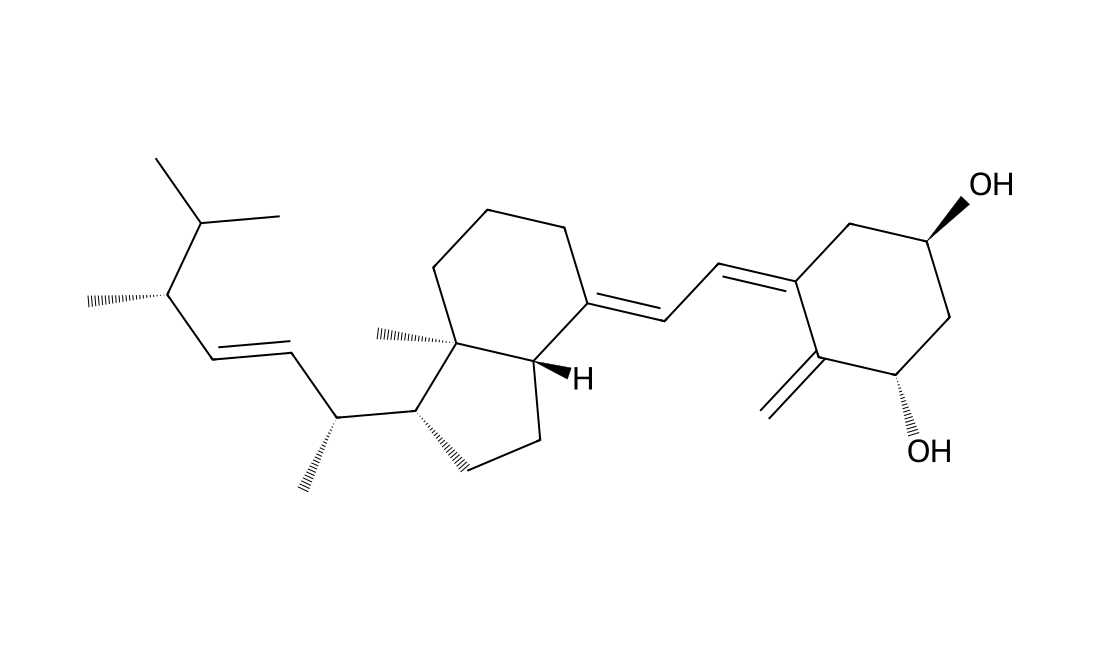
CAS 54573-75-0
Doxercalciferol is a Vitamin D2 analog, acts as an activator of Vitamin D receptor, and prevent renal disease.
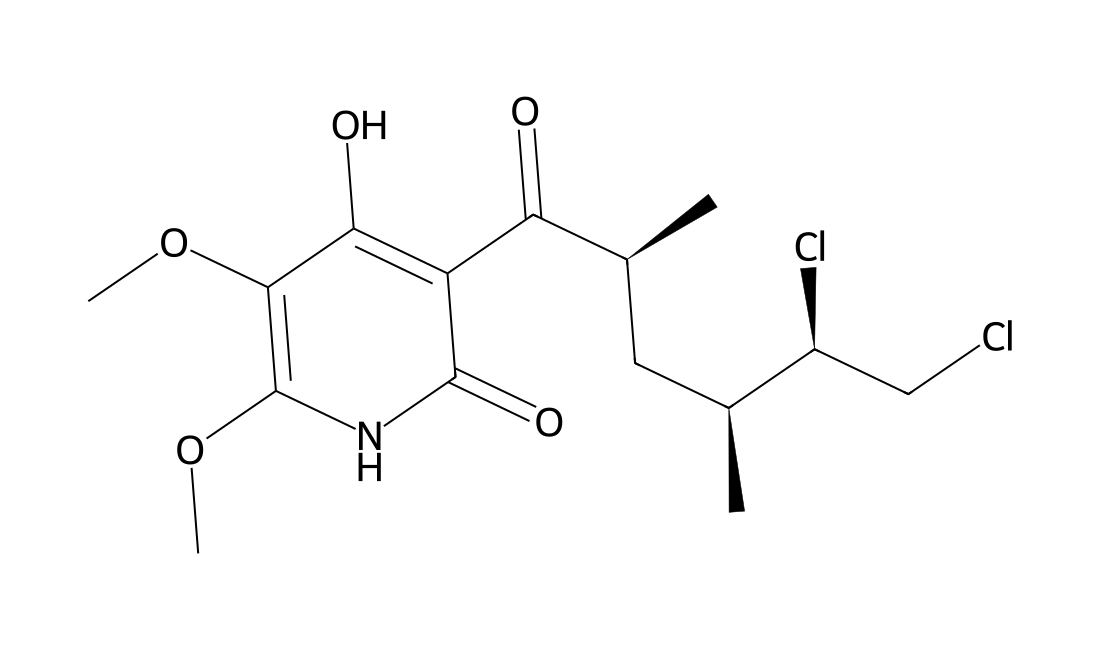
CAS 119509-24-9
Atpenin A5 is a potent and highly specific complex II inhibitor (IC50 ~10 nM), and is an effective mKATP channel agonist and cardioprotective agent[1].
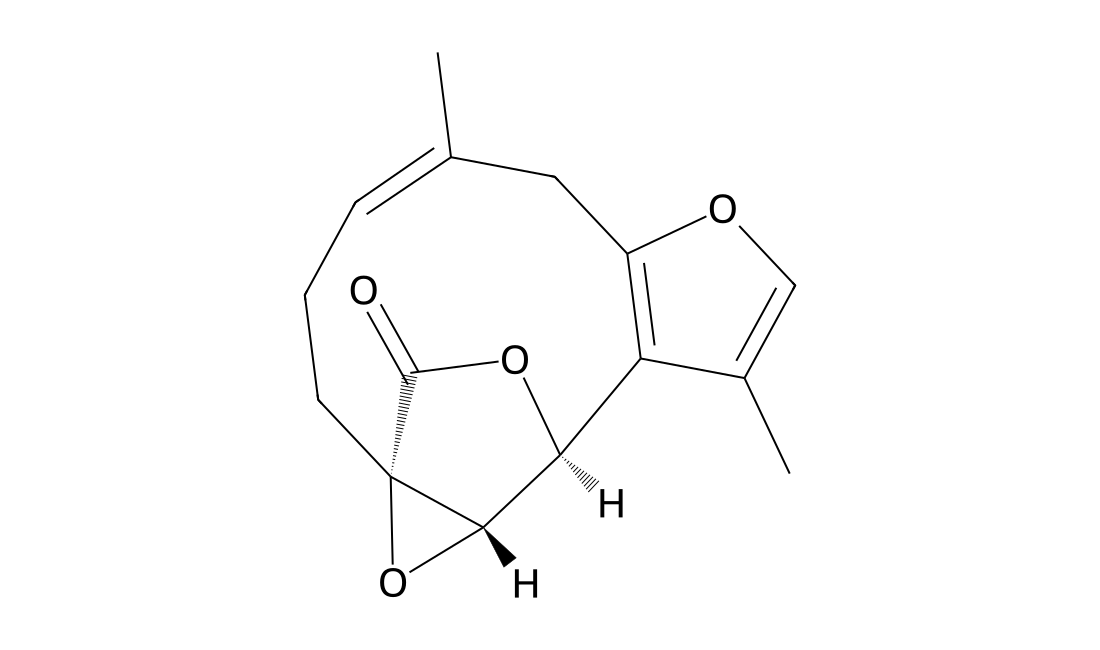
CAS 13476-25-0
Linderane, isolated from the root of Lindera strychnifolia, is an irreversible inhibitor cytochrome P450 2C9 (CYP2C9). Linderane has the potential to relieve pain and cramp[1].
CAS 875787-07-8
LXR-623 is a brain-penetrant partial LXRα and full LXRβ agonist, with IC50s of 24 nM and 179 nM, respectively.
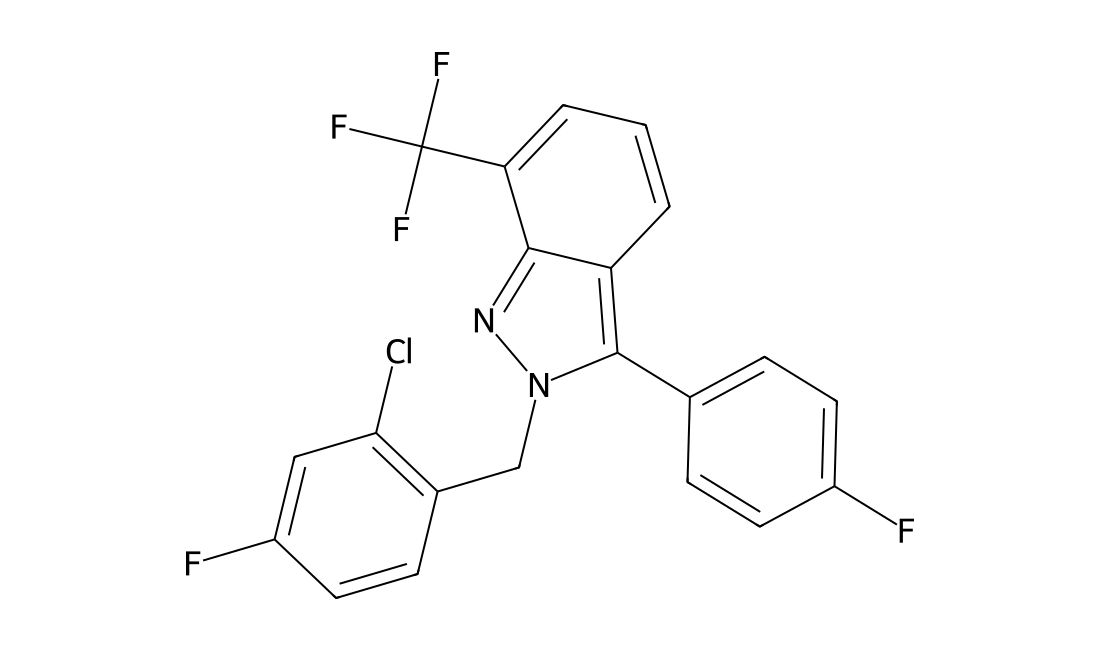
CAS 1386439-51-5
SR1555 is a selective RORγ inverse agonist (IC50=1.5 uM) that suppresses T(H)17 cells and stimulates T regulatory cells; SR1555 is devoid of LXR, FXR, and RORα activity, displaces [3H]T0901317 from the ligand binding domain (LBD) of RORγ with IC50 of 1 uM; represses the expression of RORγ while leading to increased expression of FGF21 and adipoQ in pre-adipocyctes, inhibits activation of hormone-sensitive lipase and increased fatty acid oxidation in obese diabetic mice.
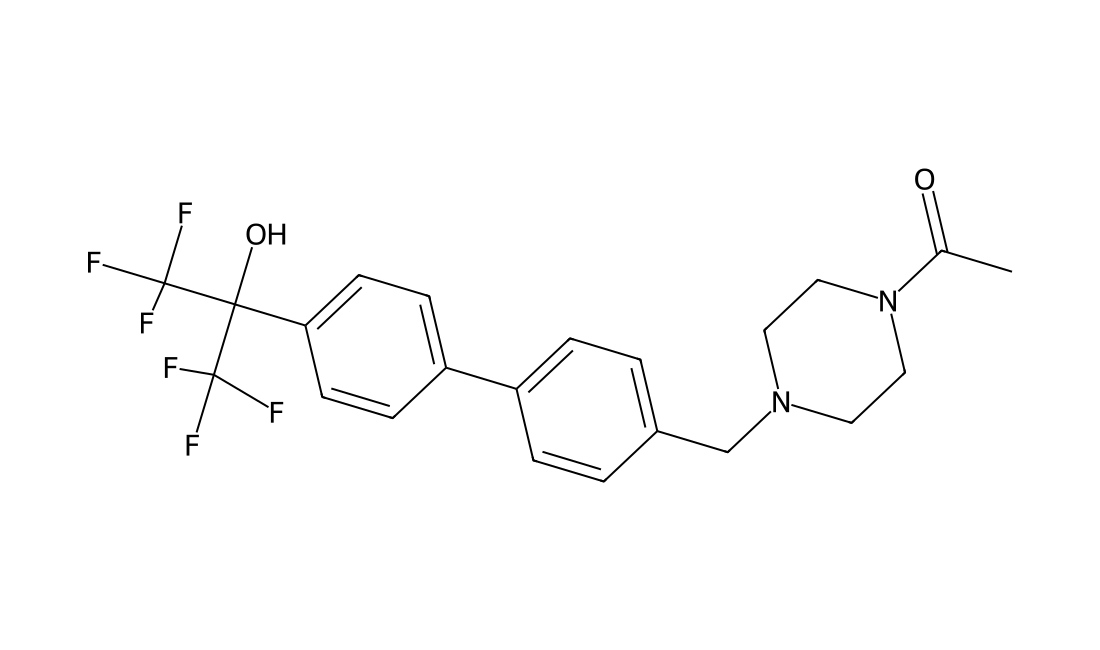
CAS 2095128-17-7
MA-0204 is a potent, highly selective and orally available peroxisome proliferator activated receptor δ (PPARδ) modulator with EC50s of 0.4 nM, 7.9 nM and 10 nM for human, mouse and rat PPARδ, respectively. Potential treatment for Duchene Muscular Dystrophy (DMD)[1].
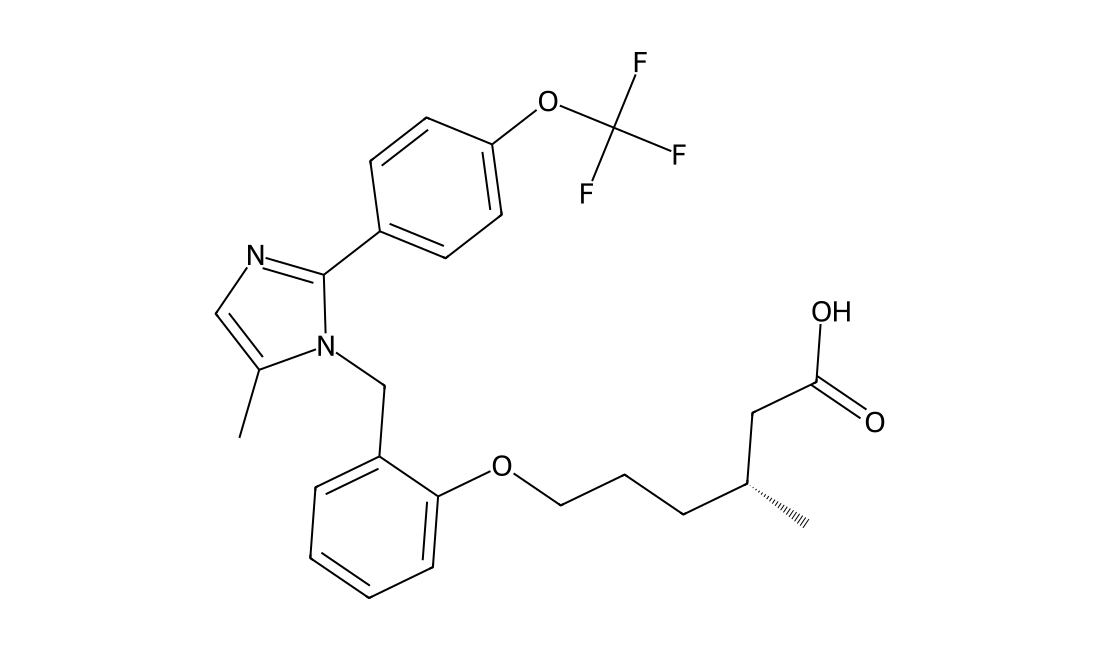
CAS 107868-30-4
Exemestane(FCE 24304) is an aromatase inhibitor, inhibits human placental and rat ovarian aromatase with IC50 of 30 nM and 40 nM, respectively.October 2005Exemestane competitively inhibits and time-dependently inactivates of human placental aromatase with Ki of 4.3 nM. Exemestane displaces [3H]DHT from rat prostate androgen receptor with IC50 of 0.9 μM [1]. Exemestane (1 μM) increases alkaline phosphatase activity in hFOB and Saos-2 cells and induces the expression of MYBL2, OSTM1, HOXD11, ADCYAP1R1, and glypican 2 in hFOB cells [2]. Exemestane causes aromatase degradation in a dose-responsive manner in MCF-7aro cells [3].Exemestane increases lumbar spine BMD by 14.0% in OVX rats at dose of 100 mg/kg. Exemestane (100 mg/kg) and 17-hydroexemestane (20 mg/kg) significantly reduces an ovariectomy-induced increase in serum pyridinoline and serum osteocalcin in rats and causes significant reductions of serum cholesterol and low-density lipoprotein cholesterol inOVX rats [4].Exemestane (20 mg/kg/day s.c.) induces 26% complete (CR) and 18% partial (PR) tumor regressions in rats with 7,12-dimethylbenzanthracene (DMBA)-induced mammary tumors [5].
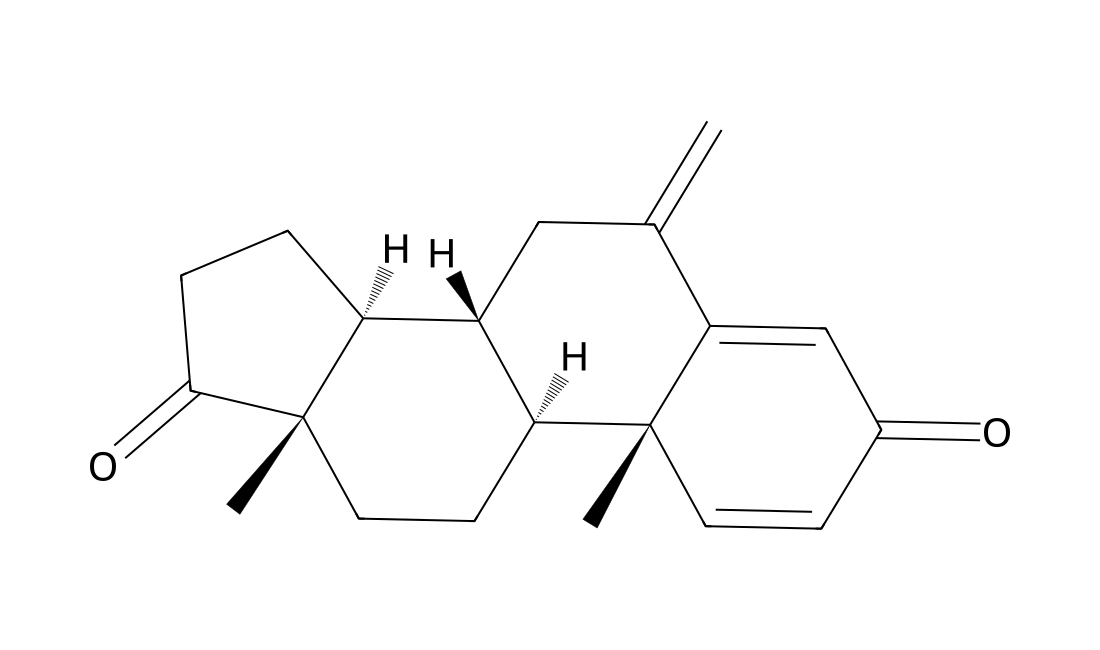
CAS 1565827-99-7
Novel upregulator of TRIB1 expression, leading to reprogramming of hepatic lipoprotein metabolism from lipogenesis to scavenging
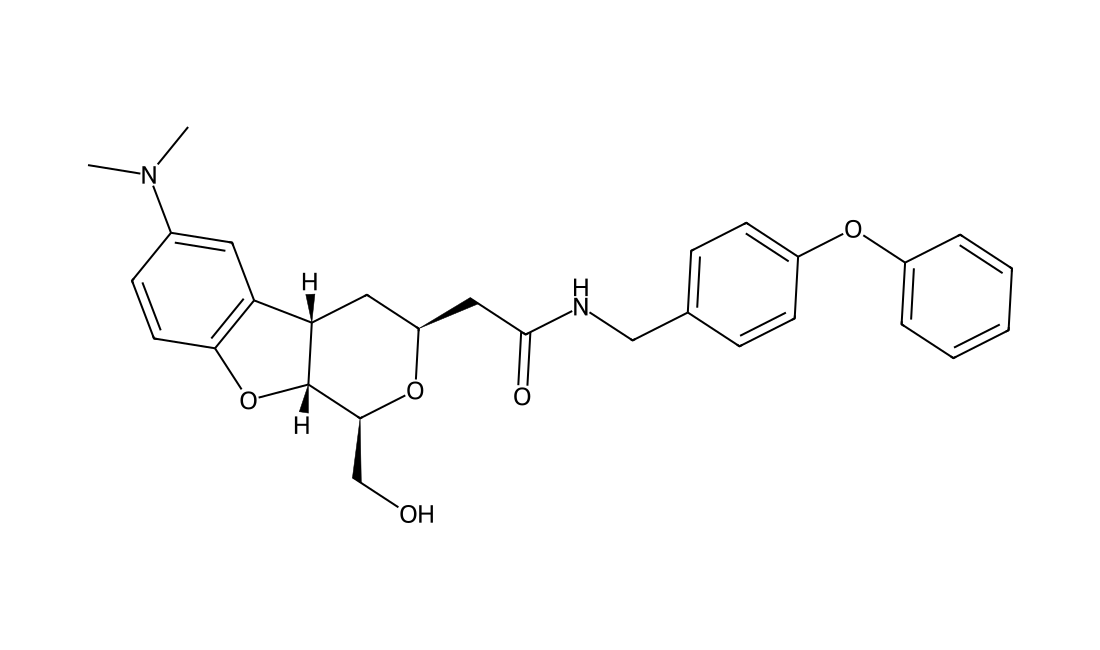
CAS 519178-28-0
IP6K1 inhibitor TNP is a potent, selective inositol hexakisphosphate kinase IP6K with IC50 of 0.47 uM (IP6K1), does not inhibit either human or yeast Vip/PPIP5K; reversibly inhibits InsP7 and InsP8 synthesis in vivo without affecting levels of other inositol phosphates; increases the IGF-1 elicited stimulation of T308 phosphorylation of Akt without influencing p-S473, combination of TNP (10 μM) and SB216763 (1 μM) virtually abolishes adipogenic differentiation of NIH3T3-L1 cells; ameliorates diet induced obesity and insulin resistance via inhibition of the IP6K1 pathway, also suppresses neutrophil-mediated pulmonary damage in bacterial pneumonia.
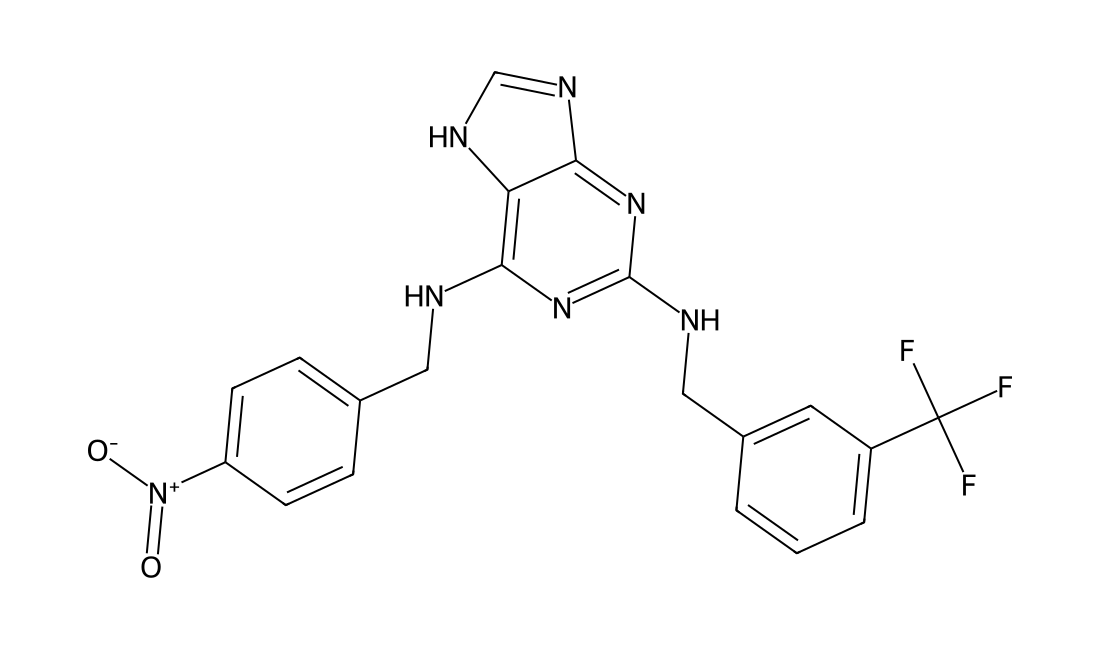
CAS 1221412-23-2
Novel lipid-lowering agent, acting as an AMPK activator, increasing ABCA1 protein expression and improving hepatic lipid metabolism and leukocyte trafficking in experimental hepatic steatosis
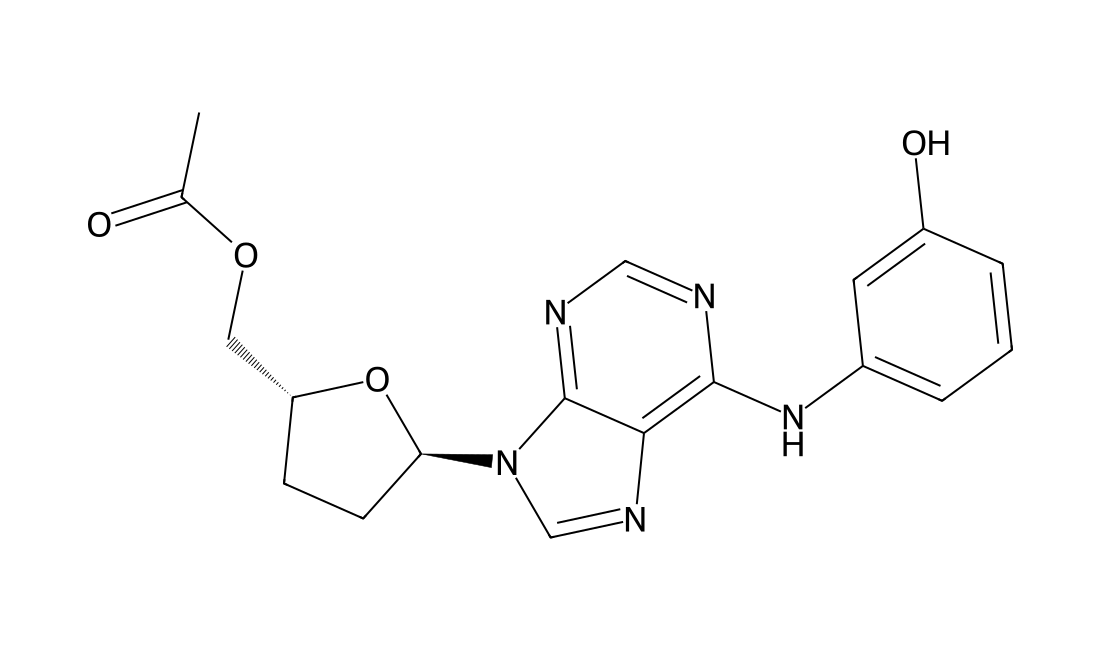
CAS 246529-22-6
Aramchol reduces ex vivo cholesterol crystallization in native human bile and dissolves pre-formed cholesterol crystals in a dose-dependent manner. In vivo, aramchol completely prevents the formation of cholesterol crystals and gallstones in mice fed a lithogenic, high-fat diet. It also prevents lithogenic, high-fat diet-induced fatty liver in mice, rats, and hamsters.Formulations containing aramchol have been investigated clinically for the treatment of non-alcoholic fatty liver disease (NAFLD).
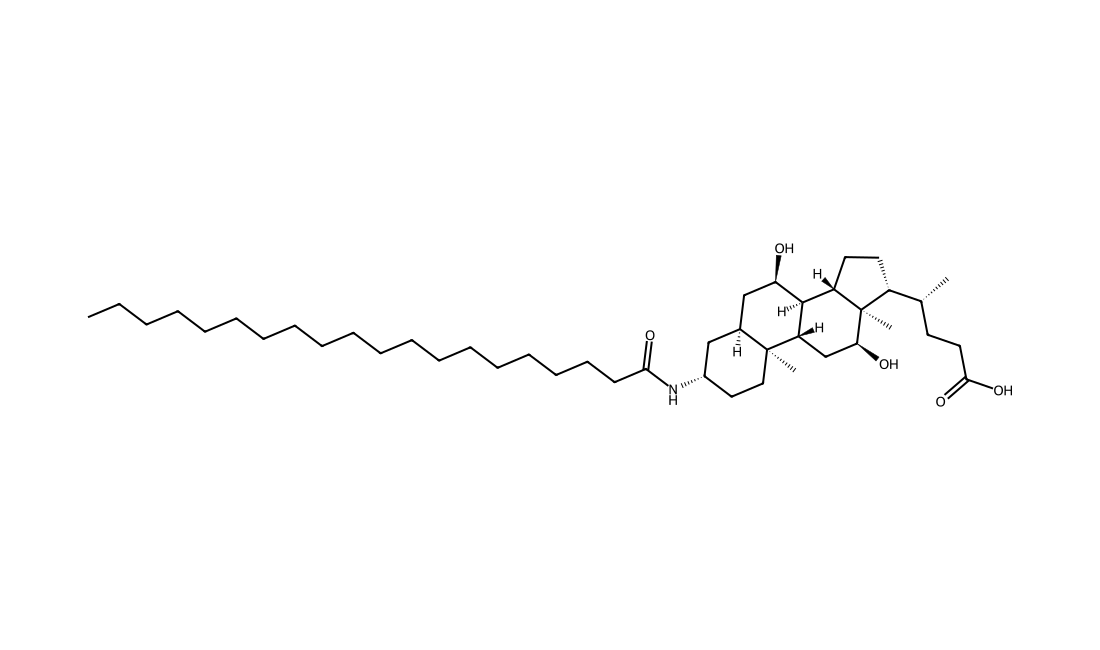
CAS 42228-92-2
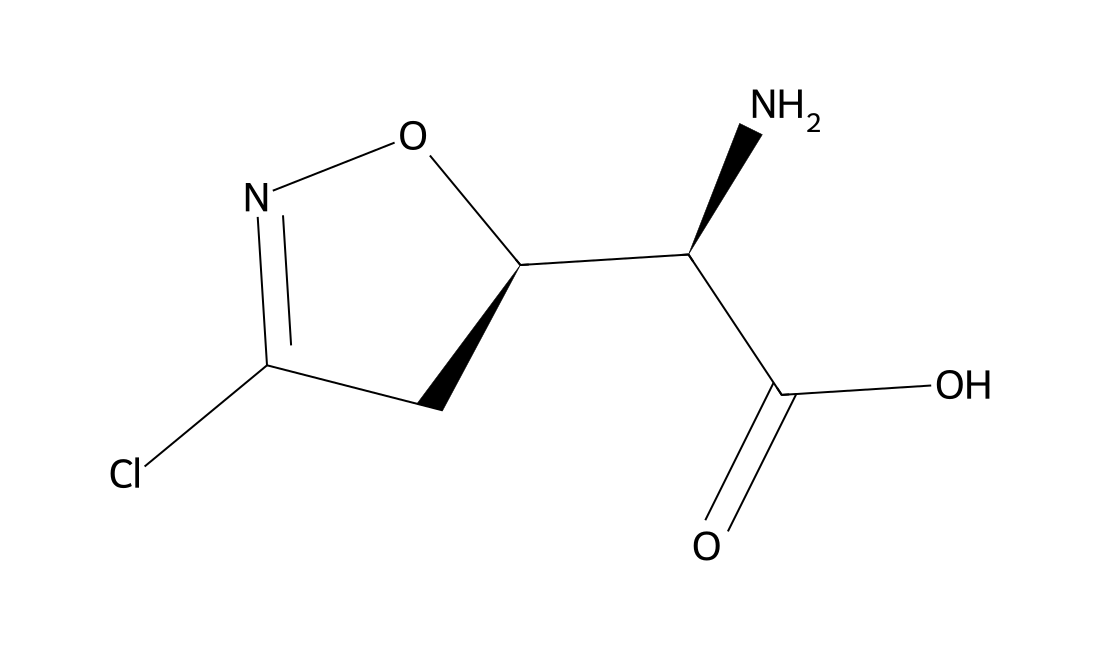
Acivicin is a glutamine analog that irreversibly inhibits glutamine-dependent amidotransferases involved in nucleotide and amino acid biosynthesis (Kis = 10 and 560 μM for anthranilate synthase and glutamate synthase, respectively).
CAS 1000403-03-1
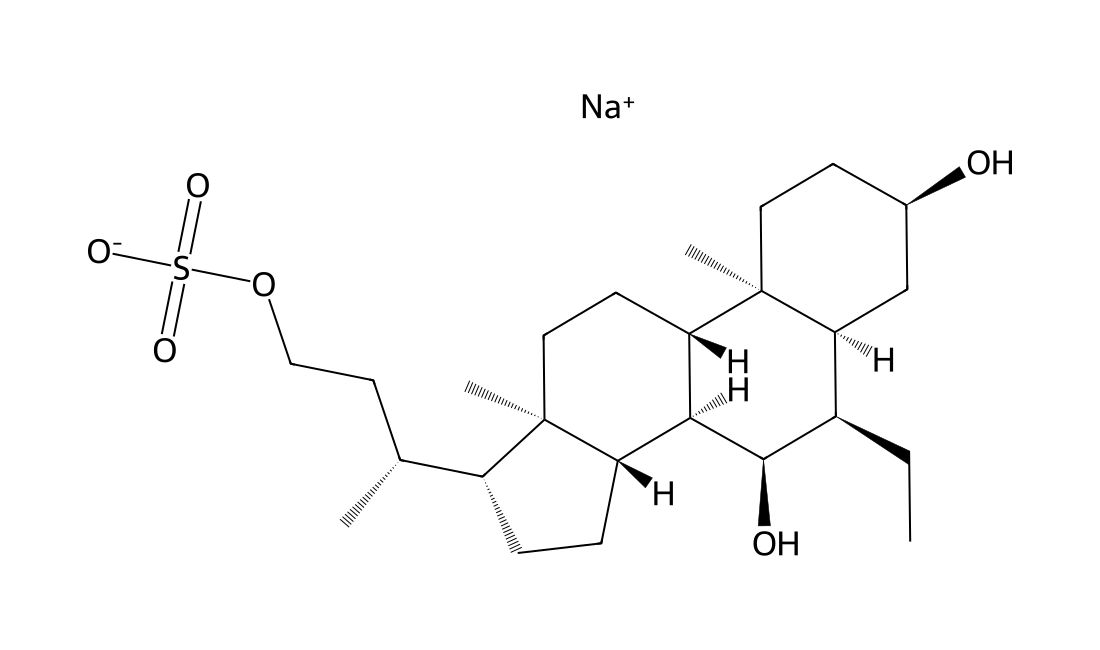
INT-767 is a potent, selective, dual farnesoid X receptor (FXR) and TGR5 agonist with EC50 of 30 and 630 nM, respectively; fails to activate 15 other nuclear receptors involved in metabolic pathways, and does not inhibit cytochrome P450 enzymes; induces FXR-dependent lipid uptake by adipocytes and promotes TGR5-dependent glucagon-like peptide-1 (GLP-1) secretion by enteroendocrine cells; markedly decreases cholesterol and triglyceride levels in diabetic db/db mice.FibrosisPhase 1 Clinical
CAS 2003234-64-6
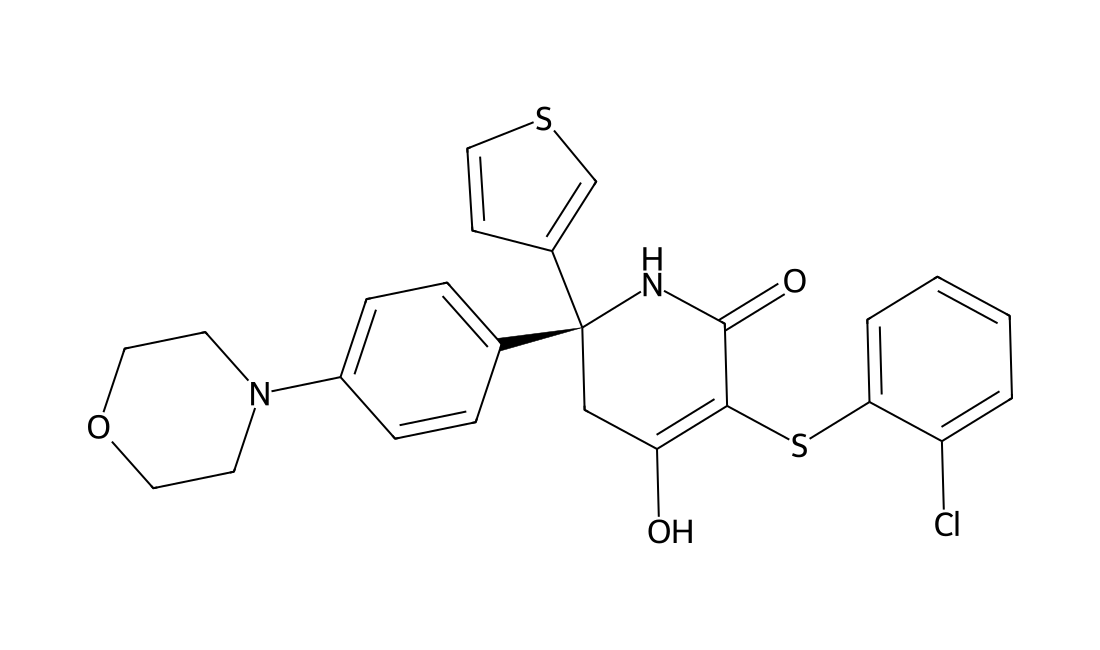
The less active enantiomer of GNE-140, inhibits LDHA activity (18-fold less potent that (R)-GNE-140).
CAS 27653-67-4
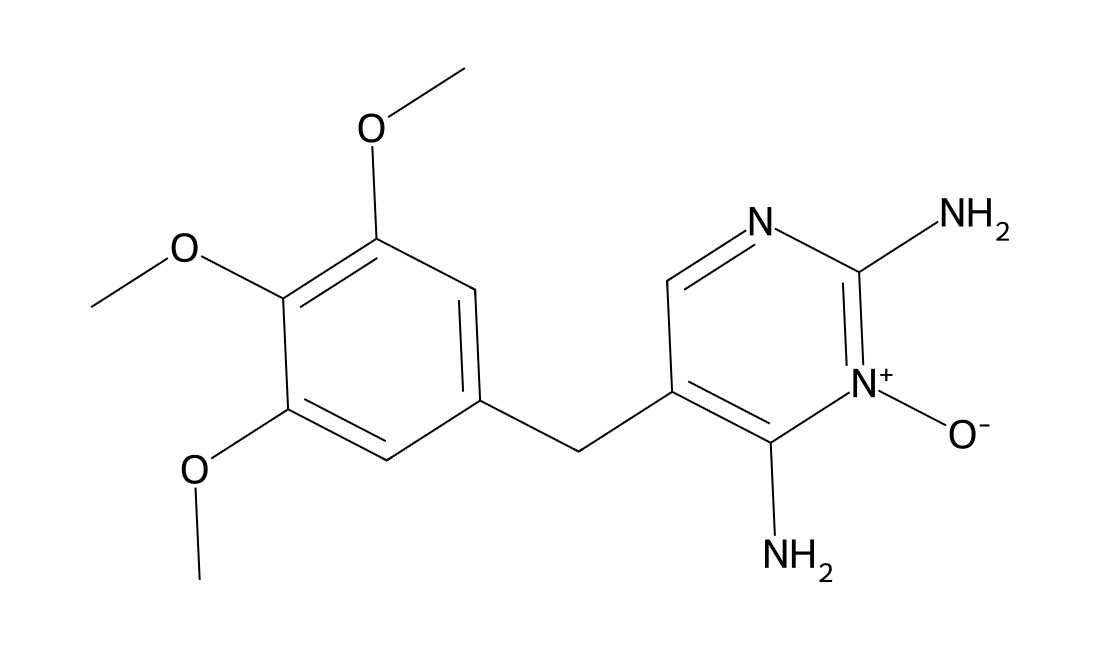
In Vitro Trimethoprim 3-oxide is the primary metabolite of trimethoprim. Trimethoprim 3-oxide (3-NO-TMP) is converted from trimethoprim by CYP1A1 and CYP1B1 with highest rates in human liver microsomes (HLMs). The CYP1A inhibitor α-Naphthoflavone inhibits Trimethoprim 3-oxide formation, however, other competitive P450 inhibitors has no obvious inhibition on the formation.
CAS 865759-25-7
Trelagliptin improves glycaemic control by inhibition of DPP-4 activity. For the detailed information of Trelagliptin, the solubility of Trelagliptin in water, the solubility of Trelagliptin in DMSO, the solubility of Trelagliptin in PBS buffer, the animal experiment (test) of Trelagliptin, the cell expriment (test) of Trelagliptin, the in vivo, in vitro and clinical trial test of Trelagliptin, the EC50, IC50,and Affinity of Trelagliptin, Please contact DC Chemicals.
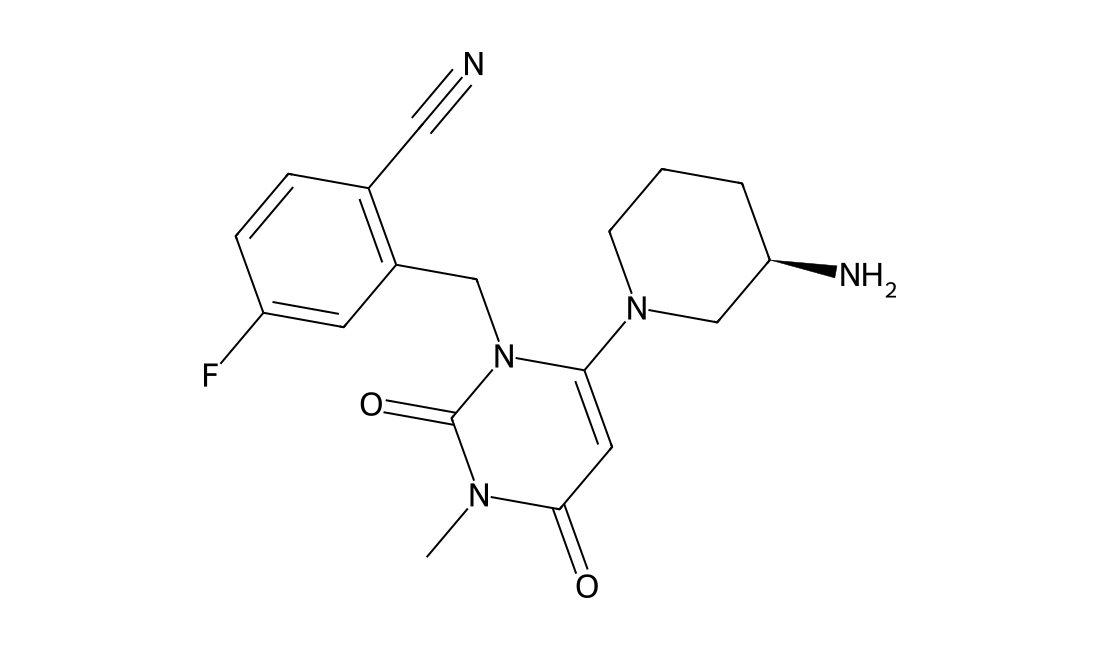
CAS 903565-83-3
Tofogliflozin (CSG-452) is a potent, highly selective SGLT2 inhibitor with Ki of 2.9, 14.9, and 6.4 nM against human, rat, and mouse SGLT2, respectively; displays high selectivity over human SGLT2 versus human SGLT1, SGLT6, and sodium/myo-inositol transporter 1; increases renal glucose clearance and lowered the blood glucose level in Zucker diabetic fatty rats, also improves postprandial glucose excursion; reduces glycated hemoglobin and improved glucose tolerance in the oral glucose tolerance test in vivo.DiabetesApproved
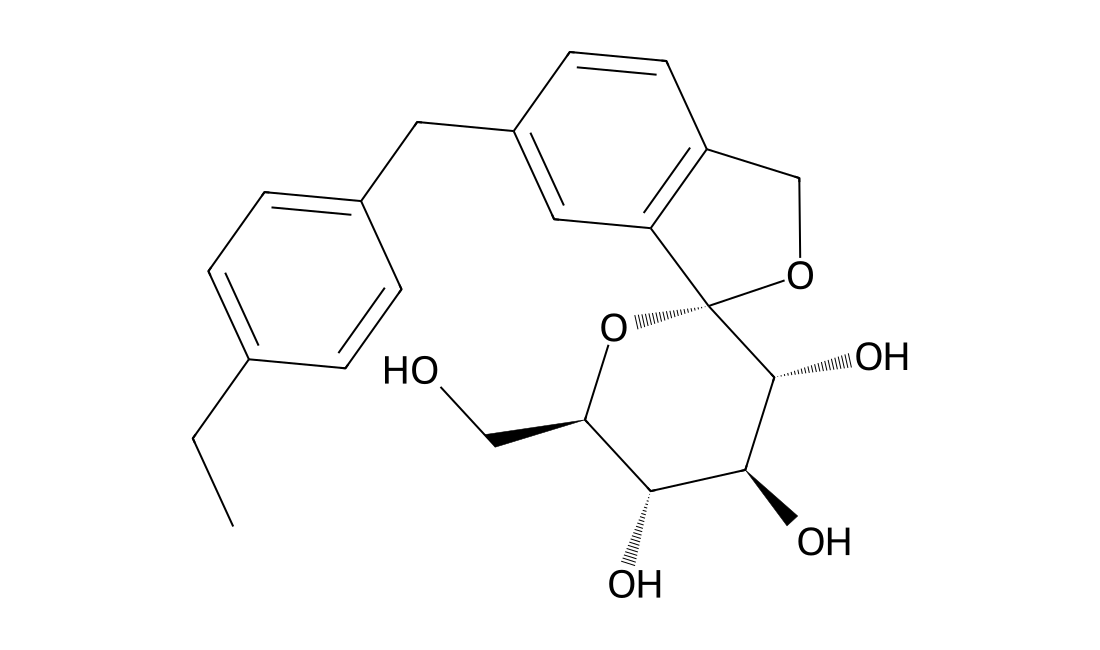
CAS 135459-87-9
Strontium Ranelate is a bone metabolism modulator that inhibits bone resorption while maintaining bone formation. Commonly used as an antiosteoporotic.
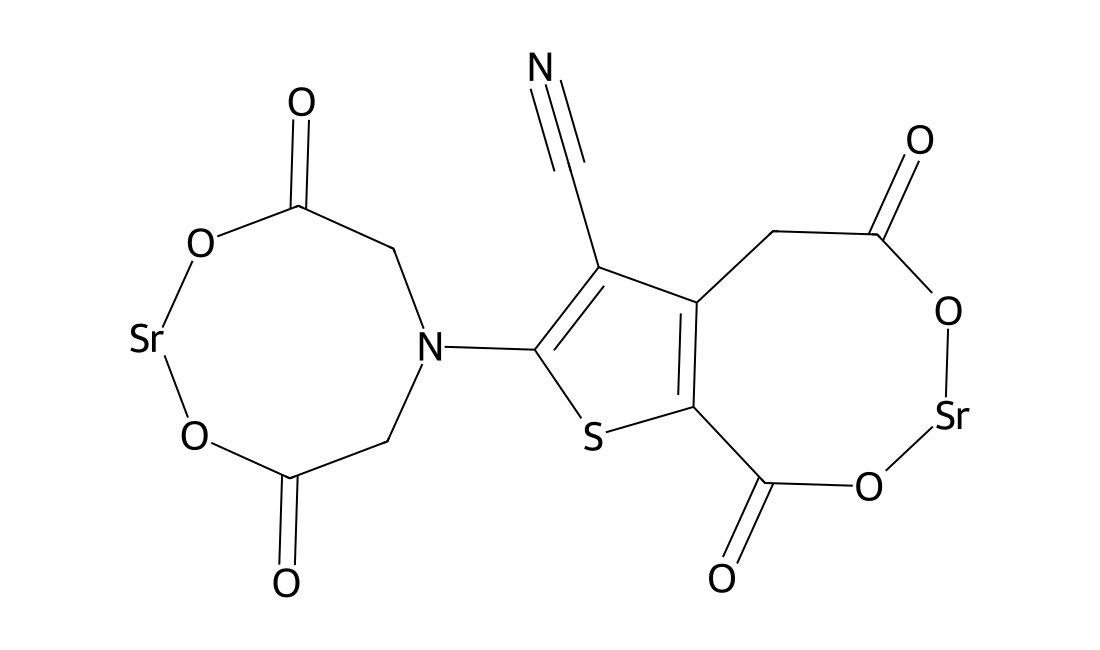
CAS 10094-58-3
In Vitro Stachyose highly promotes proliferation of lactic acid bacteria (LAB) by inducing LAB to produce more α-galactosidase to hydrolyze stachyose. In Vivo Stachyose may improve bioavailability of genistein via inhibiting intestinal degradation and first-pass metabolism of soy genistein.
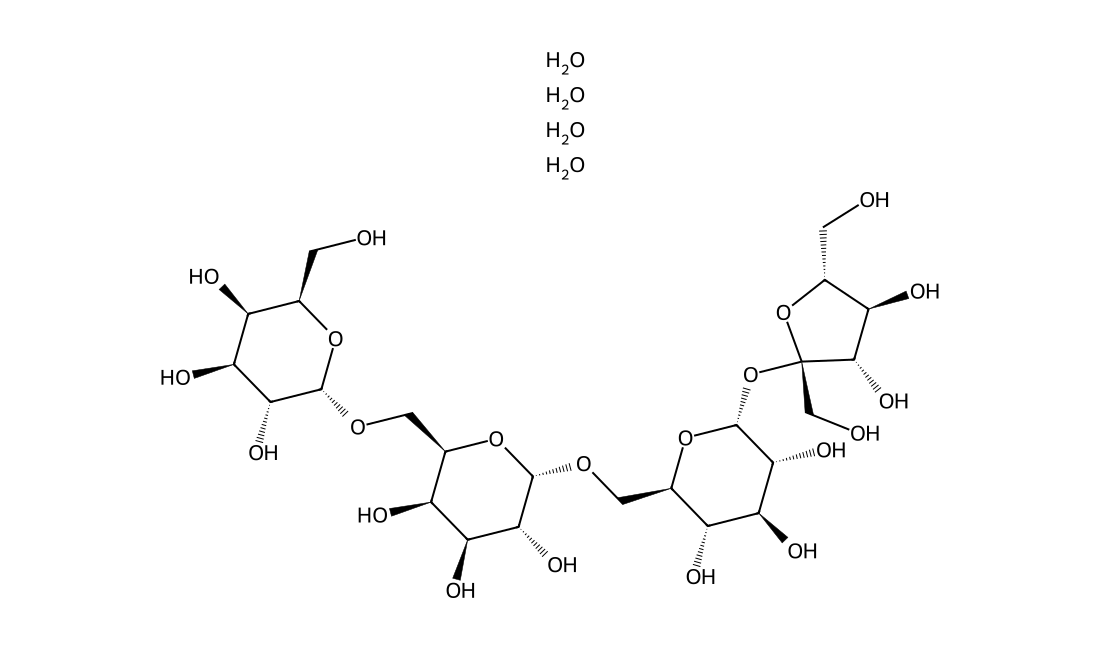
CAS 10040-45-6
Sodium Picosulfate inhibits absorption of water and electrolytes, and increases their secretion.
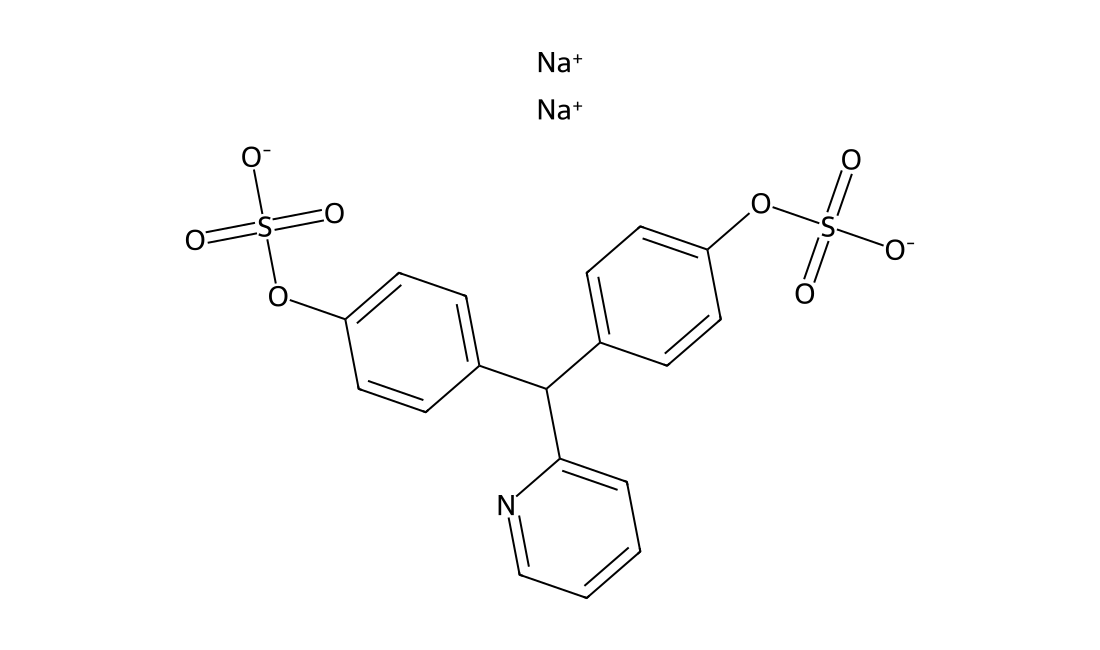
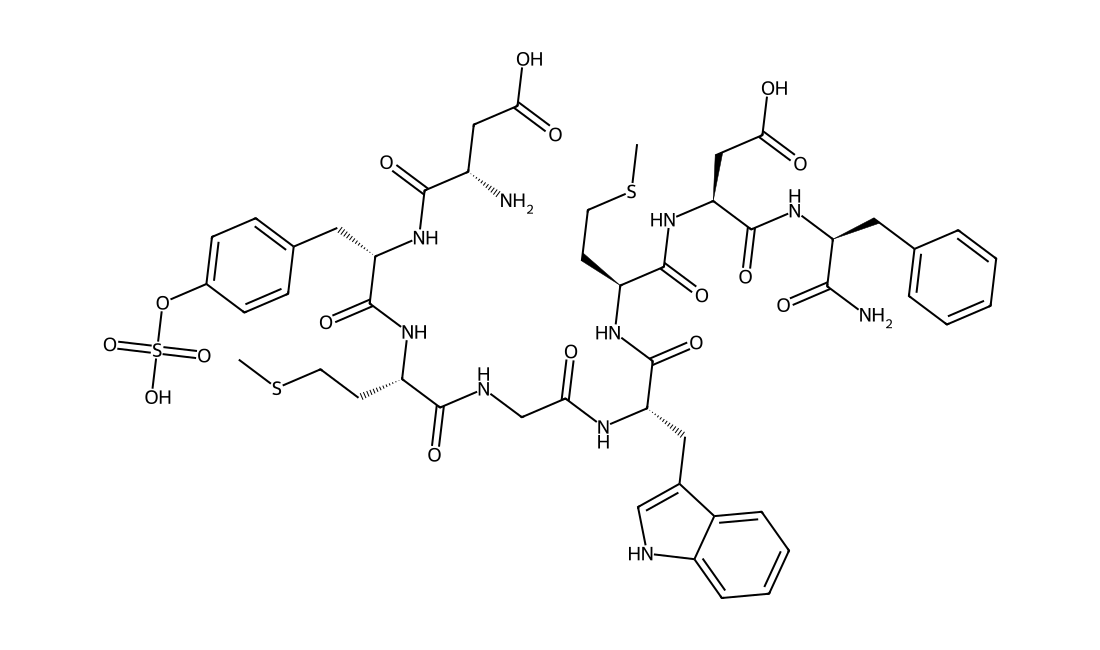
CAS 25126-32-3
Sincalide (CCK-8) is a 8-amino acid C-terminal fragment of cholecystokinin; stimulates gallbladder contraction.
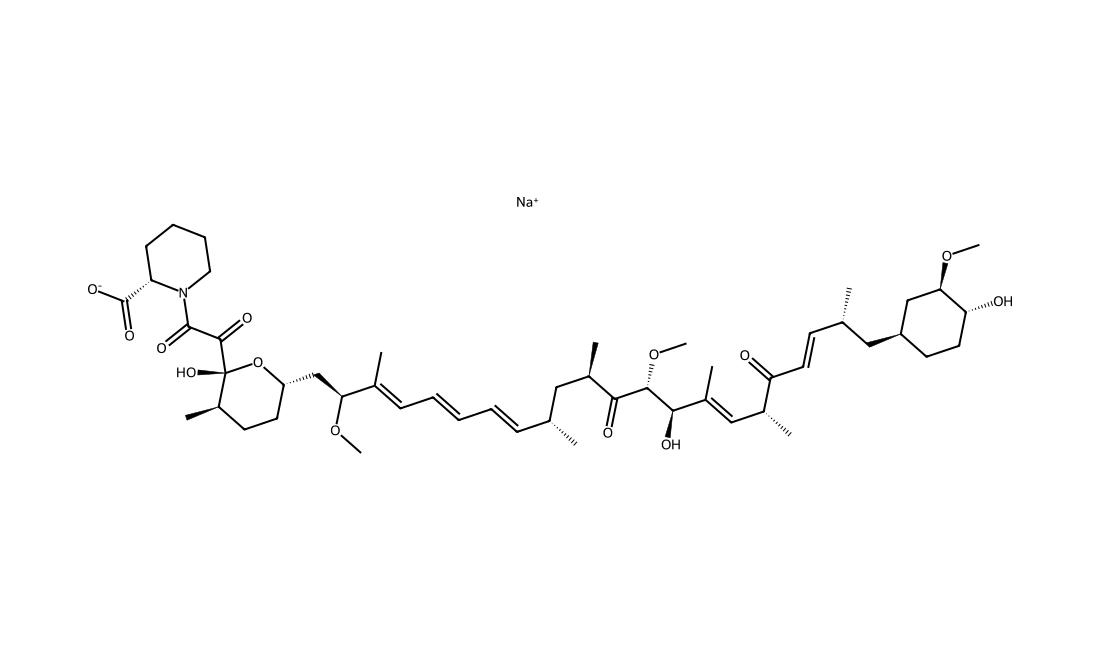
CAS 148554-65-8
Seco-rapamycin is the first in vivo open-ring metabolite of rapamycin that does not affect mTOR.
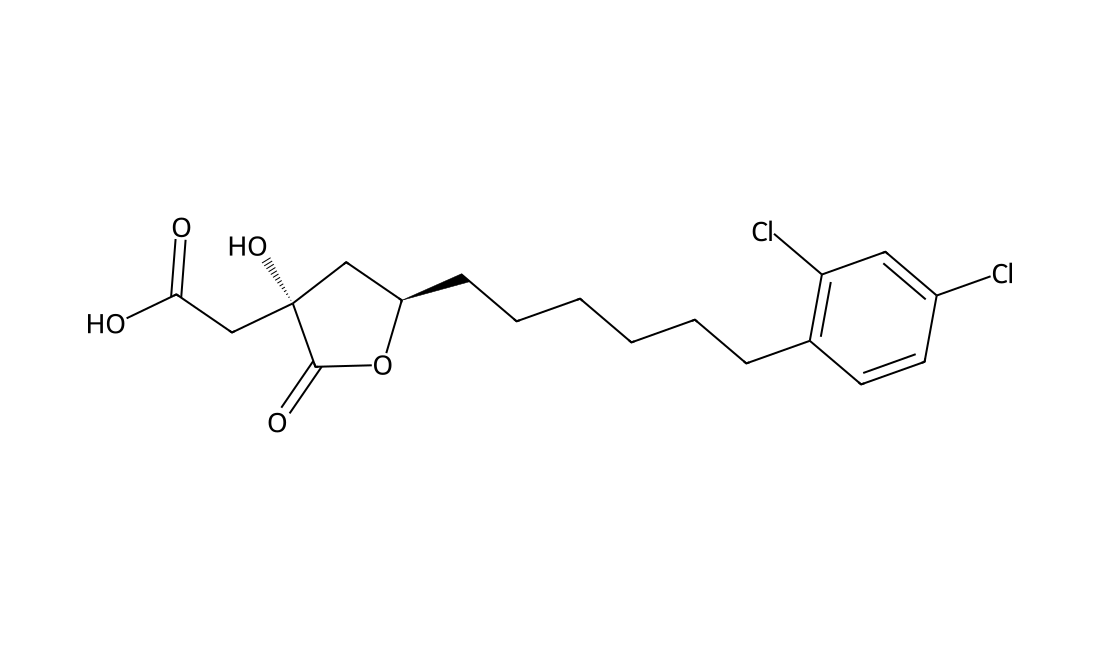
CAS 154566-12-8
In Vitro SB204990 (SB) is a specific inhibitor of ACLY enzyme. SB204990 treatment leads to a decrease in cytosolic Ac-CoA level and is thus expected to decrease acetylated and active β-catenin levels. In Vivo SB 204990, when administered orally to rats, is absorbed into the systemic circulation. When administered in the diet (0.05-0.25%, w/w) for 1 week, SB 204990 causes a dose-related decrease in plasma cholesterol (by up to 46%) and triglyceride levels (by up to 80%) in rats. SB 204990 (25 mg/kg per day) also decreases plasma cholesterol levels (by up to 23%) and triglyceride levels (by up to 38%) in the dog, preferentially decreasing low-density lipoprotein compared with high-density lipoprotein cholesterol levels.
CAS 300353-13-3
Ro 28-1675 (Ro 0281675) is a potent allosteric GK activator with a SC1.5 value of 0.24± 0.0019 uM. The R stereoisomer Ro 28-1675 activated GK with a SC1.5 of 0.24 uM, while the S isomer did not activated GK up to 10 uM. Oral administration of Ro 28-1675 (50 mg/Kg) to male C57B1/6J mice caused a statistically significant reduction in fasting glucose levels and improvement in glucose tolerance relative to the vehicle treated animals. Comparison of rat PK parameters indicated that Ro 28-1675 displayed lower clearance and higher oral bioavailability compared to 9a. Following a single oral dose, Ro 28-1675 reduced fasting and postprandial glucose levels following an OGTT, was well tolerated, and displayed no adverse effects related to drug administration other than hypoglycemia at the maximum dose (400 mg).
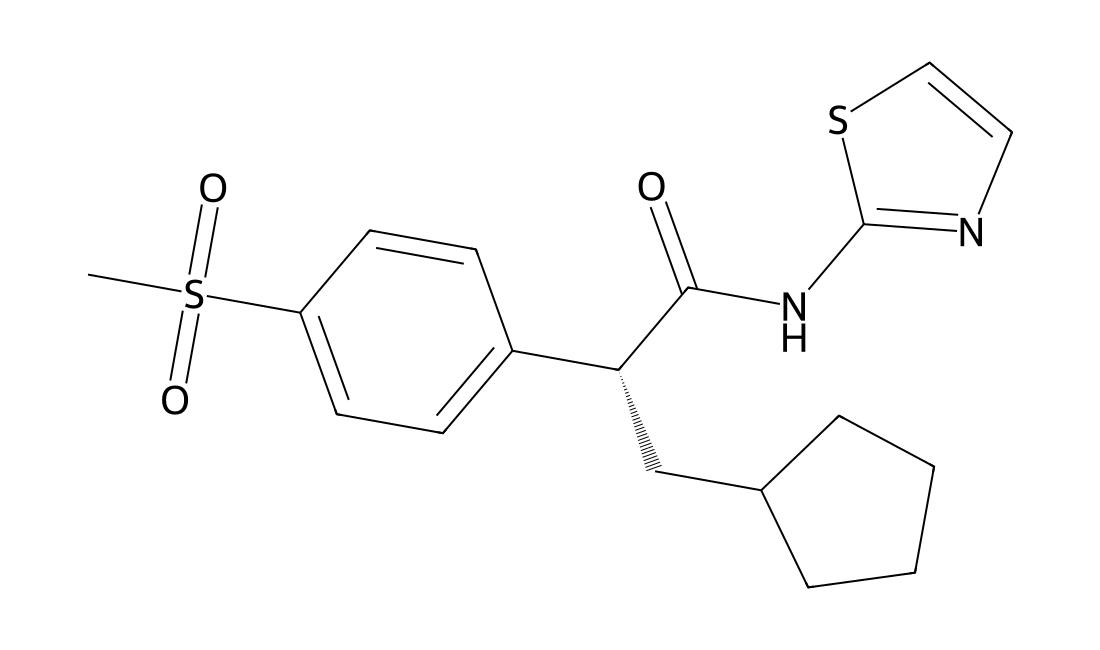
CAS 135062-02-1
Repaglinide is a KIR6 (KATP) channel blocker that binds with high affinity for SUR1 when co-expressed with KIR6.2(Kd = 0.42 nM).
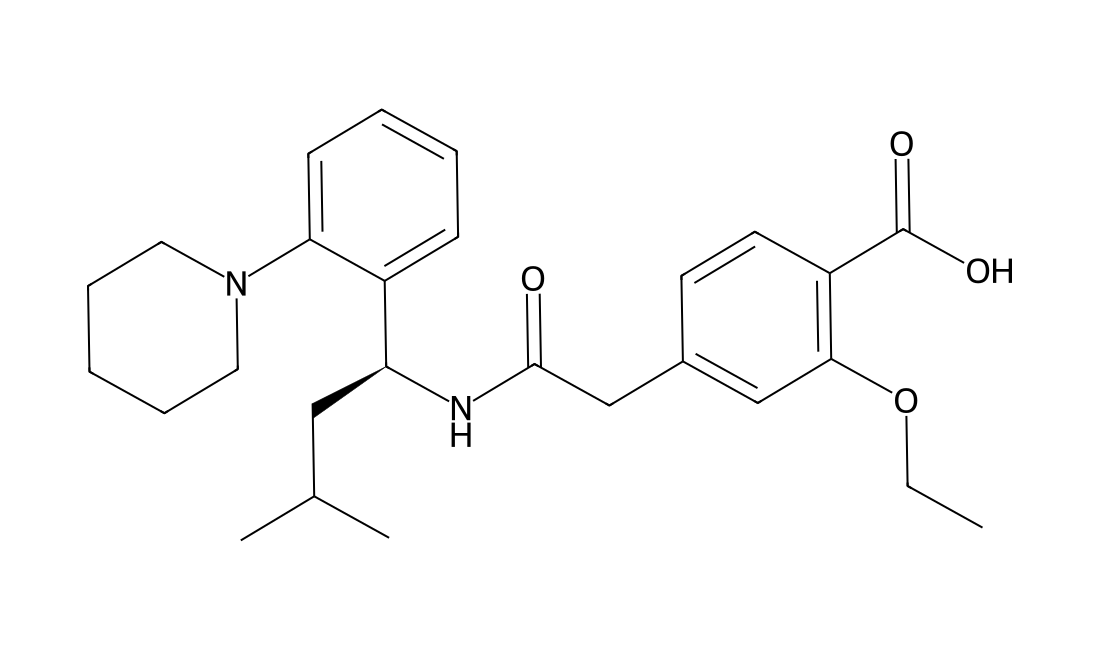
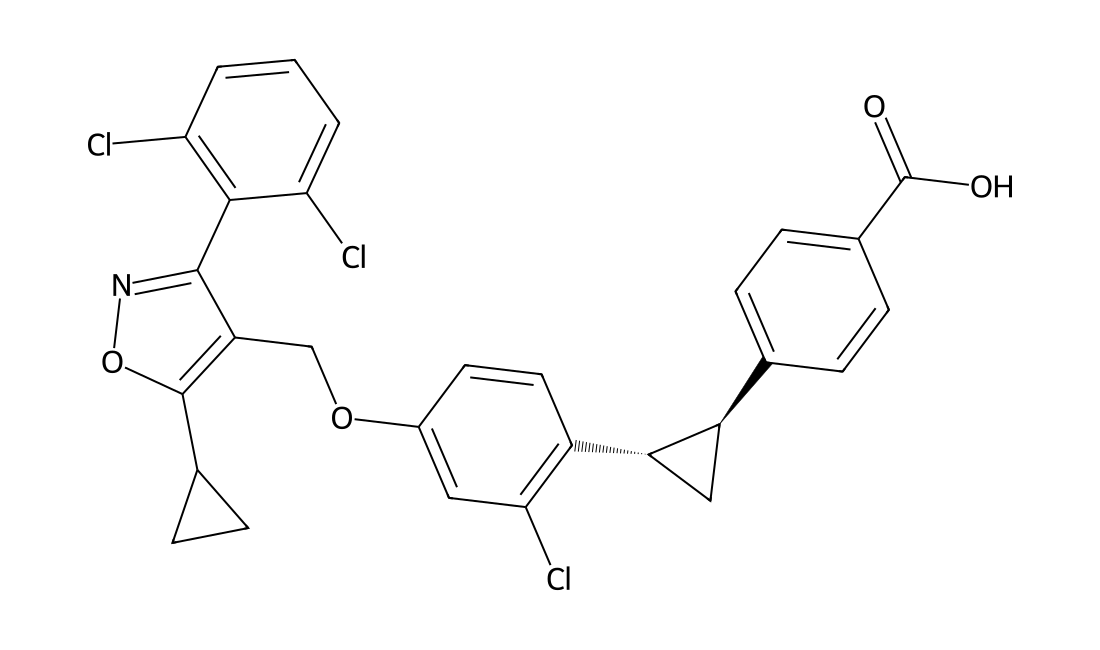
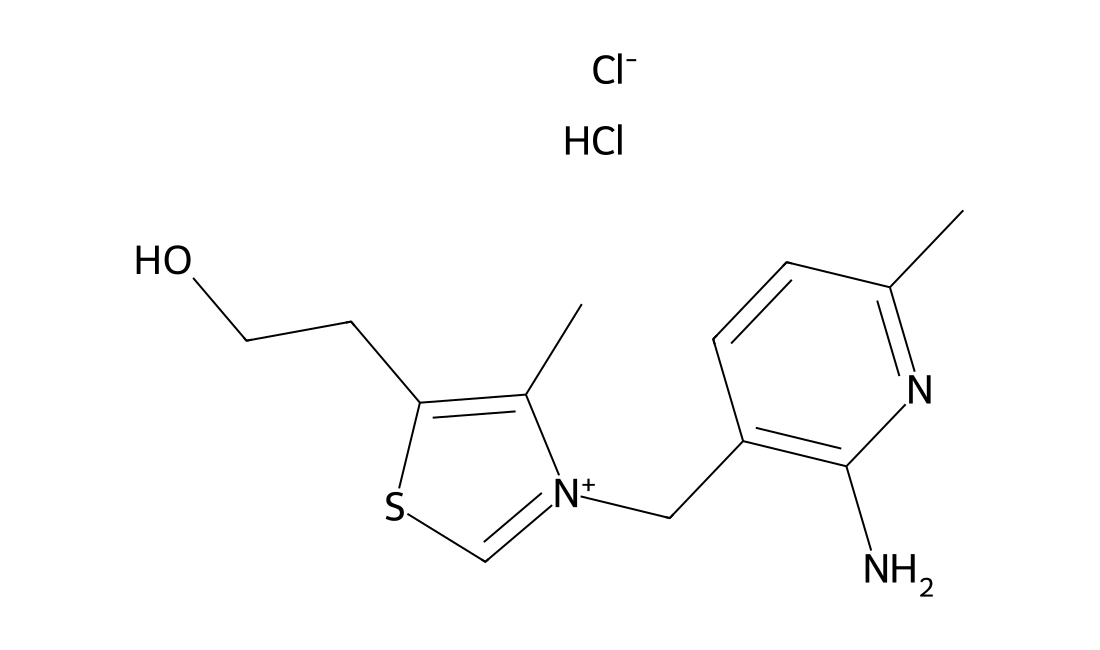
CAS 614-05-1
Oxythiamine chloride is a small molecule transketolase inhibitor with Kd of 33 nM, shows functional assay of human transketolase inhibition in HCT-116 cells with EC50 of 26 nM; Oxythiamine induces G1 arrest in Ehrlich’s ascites tumor cells implanted in mice.
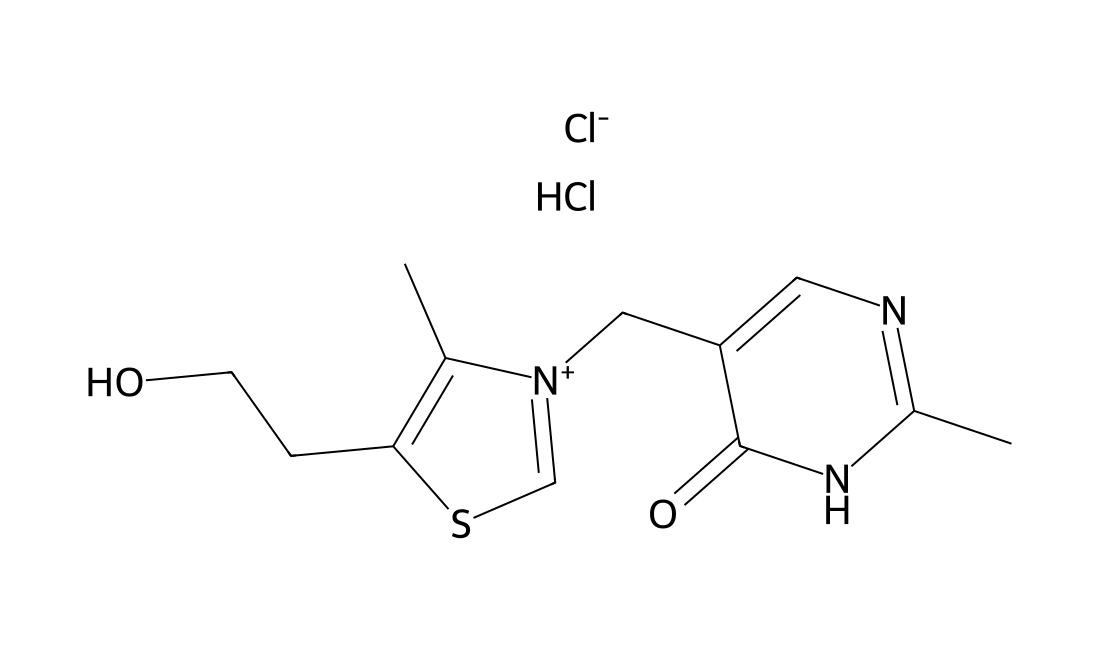
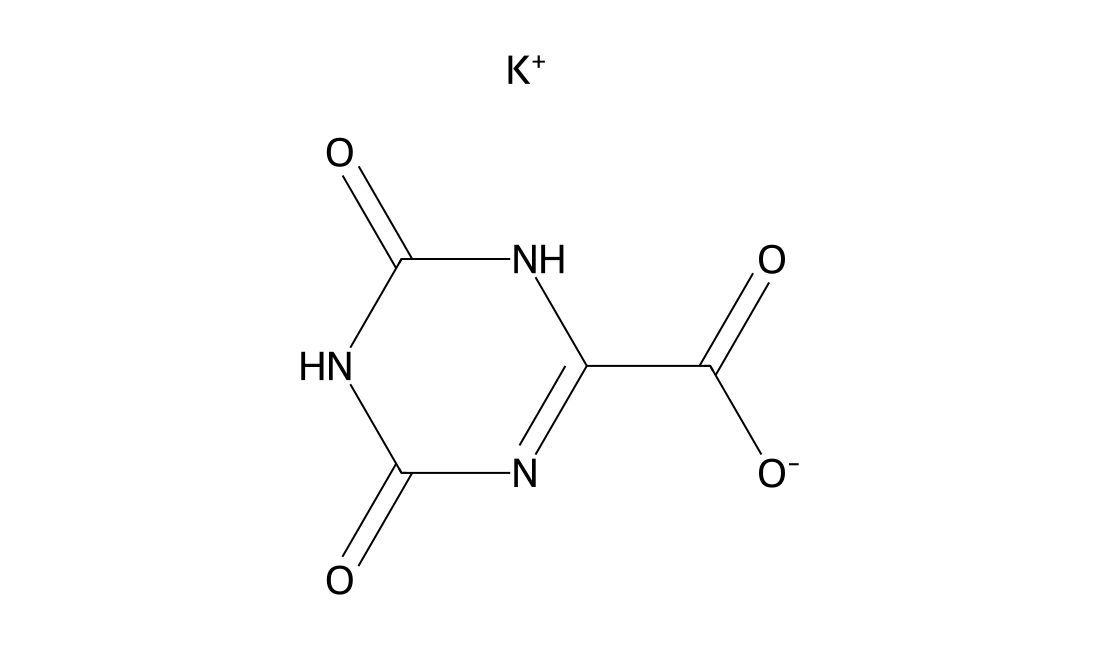
CAS 2207-75-2
Oxonic acid potassium salt is an inhibitor of uricase, oxonic inhibits the phosphorylation of 5-FU to 5-fluorouridine-5'-monophosphate catalyzed by pyrimidine phosphoribosyl-transferase in a different manner from allopurinol in cell-free extracts and intact cells in vitro.On p.o. administration of 5-FU (2 mg/kg) and a potent inhibitor of 5-FU degradation to Yoshida sarcoma-bearing rats, oxonic acid (10 mg/kg) was found to inhibit the formation of 5-fluorouridine-5'-monophosphate from 5-FU and its subsequent incorporation into the RNA fractions of small and large intestine but not of tumor and bone marrow tissues. Oxonic acid diet increased plasma uric acid by 80-90 micromol/l, while blood pressure was elevated only in hyperuricemic 5/6 nephrectomy rats (18 mmHg).
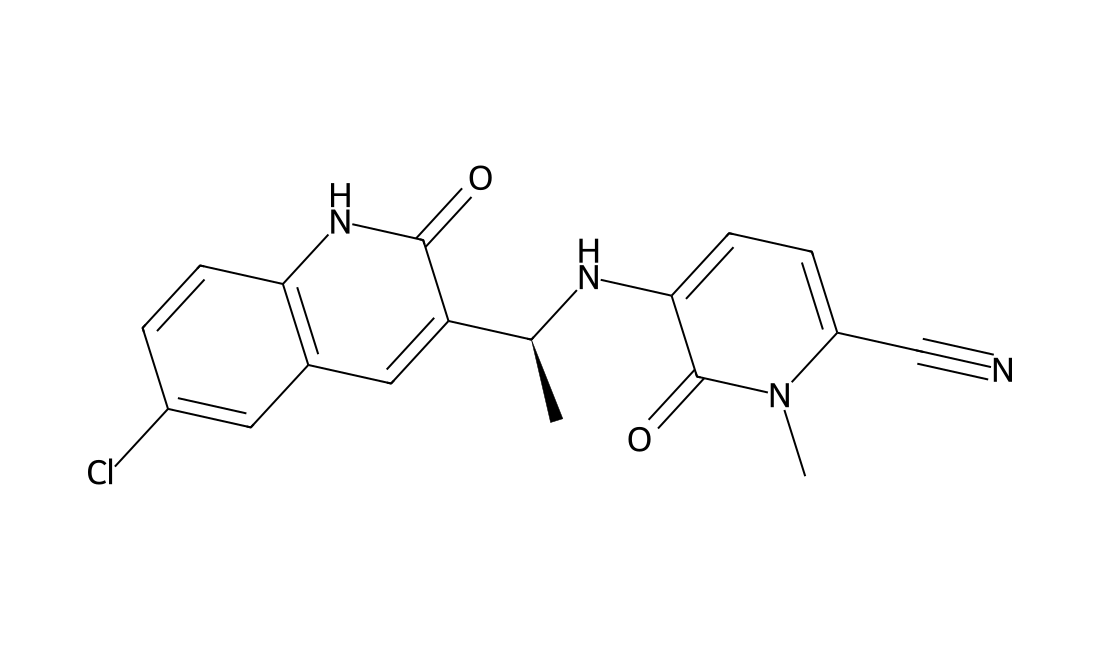
CAS 1887014-12-1
Olutasidenib (FT-2102) is a highly potent, selective small molecule inhibitor of IDH1 mutations. Scientists use it in the research of human acute myeloid leukemia. To our delight, it has entered clinical research. In the phase 1/2 study, Olutasidenib is well tolerated both as a sing-treatment and in combination with azacitidine.Overall, Olutasidenib exhibits favorable safety and PK/PD. It inhibits IDH1 mutations in AML patients. Further study need to be done to explore more potential in the treatment of acute myeloid leukemia.
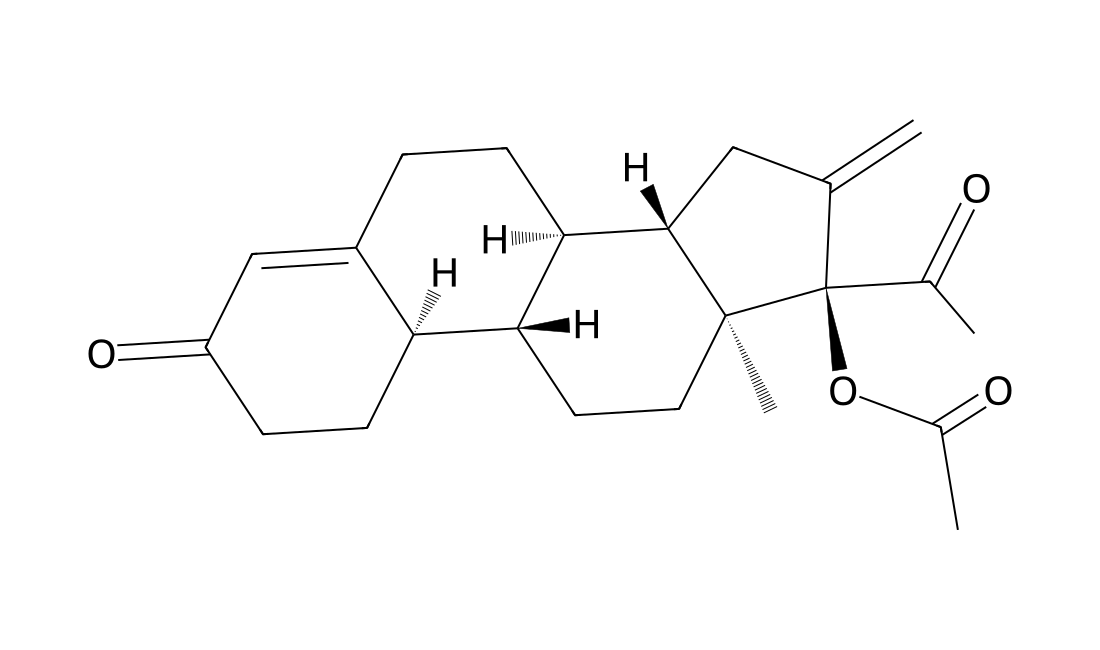
CAS 7759-35-5
Nestoron2 (ST1435, Elcometrine) is a 19-norprogesterone derivative and steroidal progestin which is used as a hormonal contraceptive, a high-affinity agonist of the progesterone receptor.Other IndicationDiscontinued
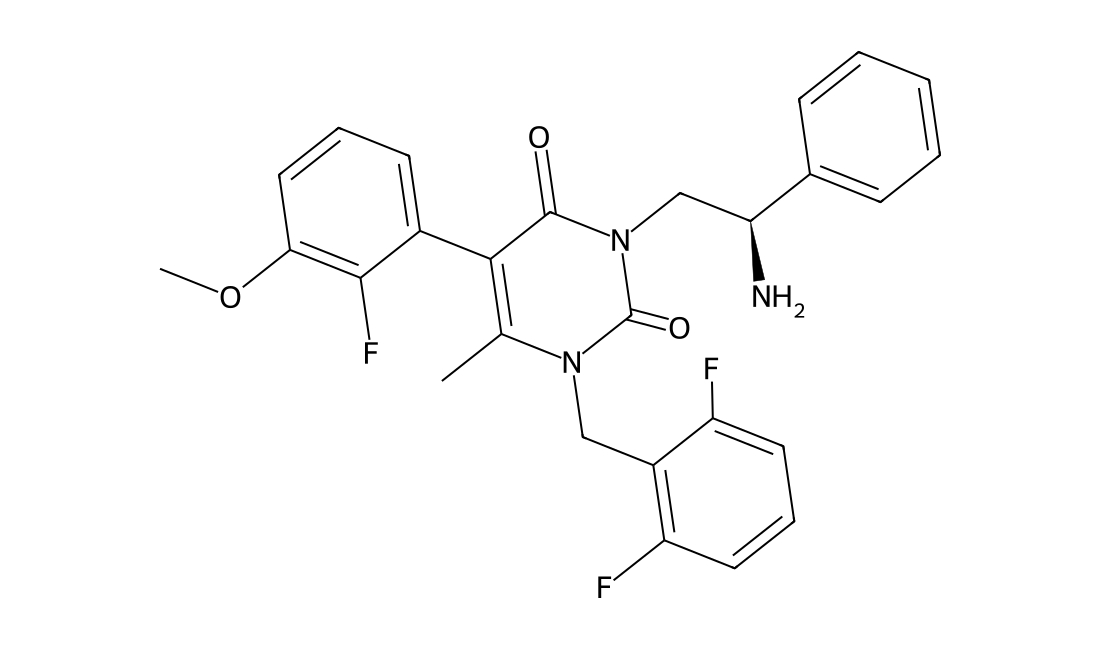
CAS 352290-60-9
NBI-42902 is a potent inhibitor of peptide radioligand binding to the human GnRH receptor (K(i) = 0.56 nm). Tritiated NBI-42902 binds with high affinity (K(d) = 0.19 nm) to a single class of binding sites and can be displaced by a range of peptide and nonpeptide GnRH receptor ligands. In vitro experiments demonstrate that NBI-42902 is a potent functional, competitive antagonist of GnRH stimulated IP accumulation, Ca(2+) flux, and ERK1/2 activation. It did not stimulate histamine release from rat peritoneal mast cells. Finally, it is effective in lowering serum LH in castrated male macaques after oral administration. Overall, these data provide a benchmark of pharmacological characteristics required For a nonpeptide GnRH antagonist to effectively suppress gonadotropins in humans and suggest that NBI-42902 may have clinical utility as an oral agent For suppression of the hypothalamic-pituitary-gonadal axis.For the detailed information of NBI42902, the solubility of NBI42902 in water, the solubility of NBI42902 in DMSO, the solubility of NBI42902 in PBS buffer, the animal experiment (test) of NBI42902, the cell expriment (test) of NBI42902, the in vivo, in vitro and clinical trial test of NBI42902, the EC50, IC50,and Affinity of NBI42902, Please contact DC Chemicals.
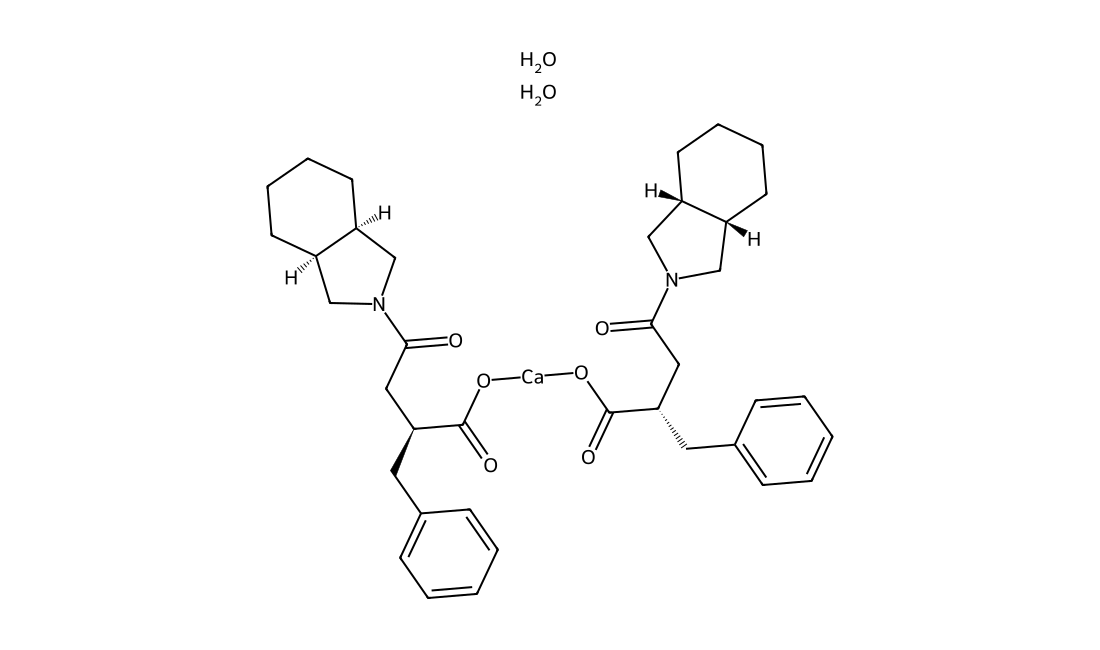
CAS 207844-01-7
Mitiglinide calcium hydrate is a drug for the treatment of type 2 diabetes; it is a highly selective KATP channel antagonist. IC50 value:Target: KATP channel
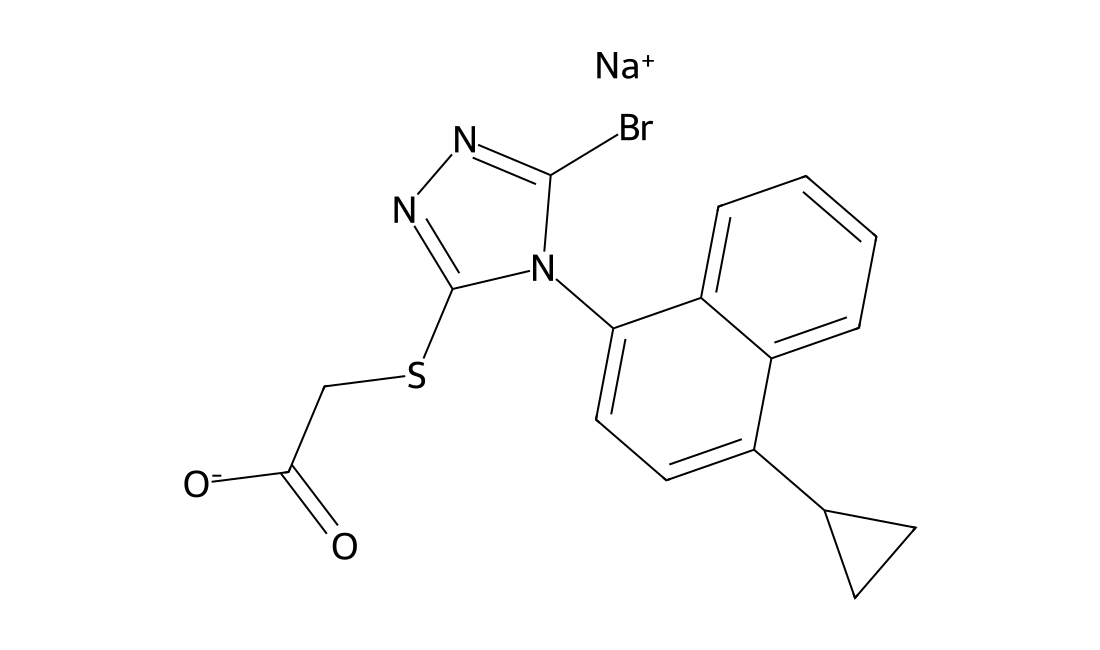
CAS 1151516-14-1
Lesinurad sodium is a URAT1 and OAT inhibitor, is determined to be a substrate for the kidney transporters OAT1 and OAT3 with Km values of 0.85 and 2 µM, respectively.
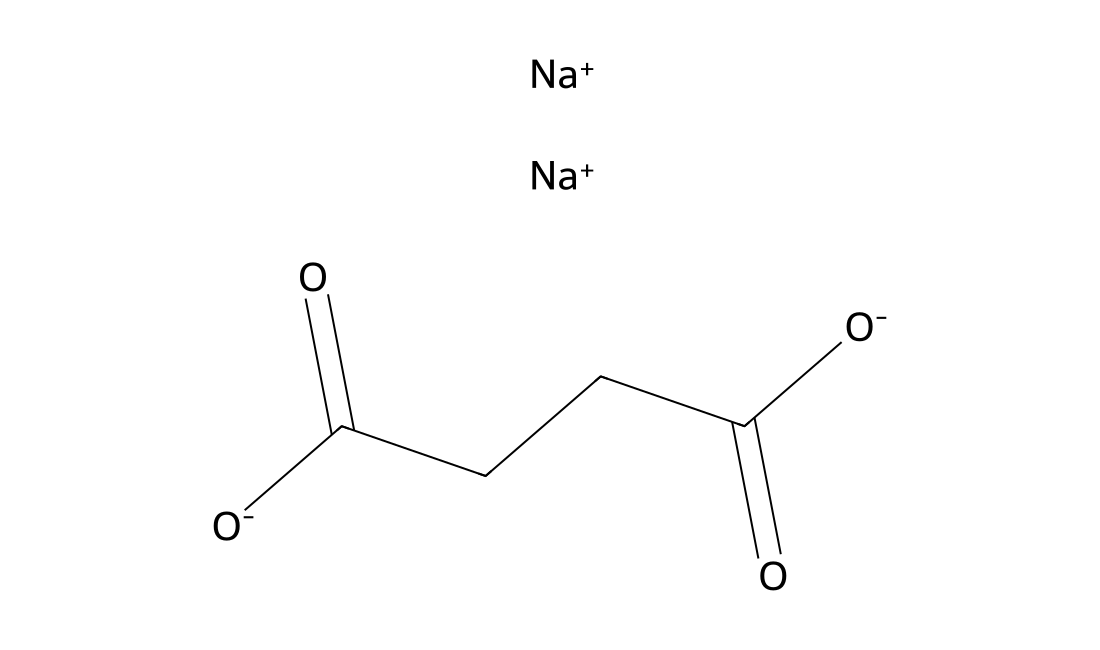
CAS 150-90-3
Disodium succinate is the disodium salt of Succinic acid. Succinic acid is an intermediate product of the tricarboxylic acid cycle, as well as one of fermentation products of anaerobic metabolism[1].
CAS 848258-31-1
The racemate of Pemafibrate, which is a highly potent, specific PPARα agonist with EC50 of 1 nM.
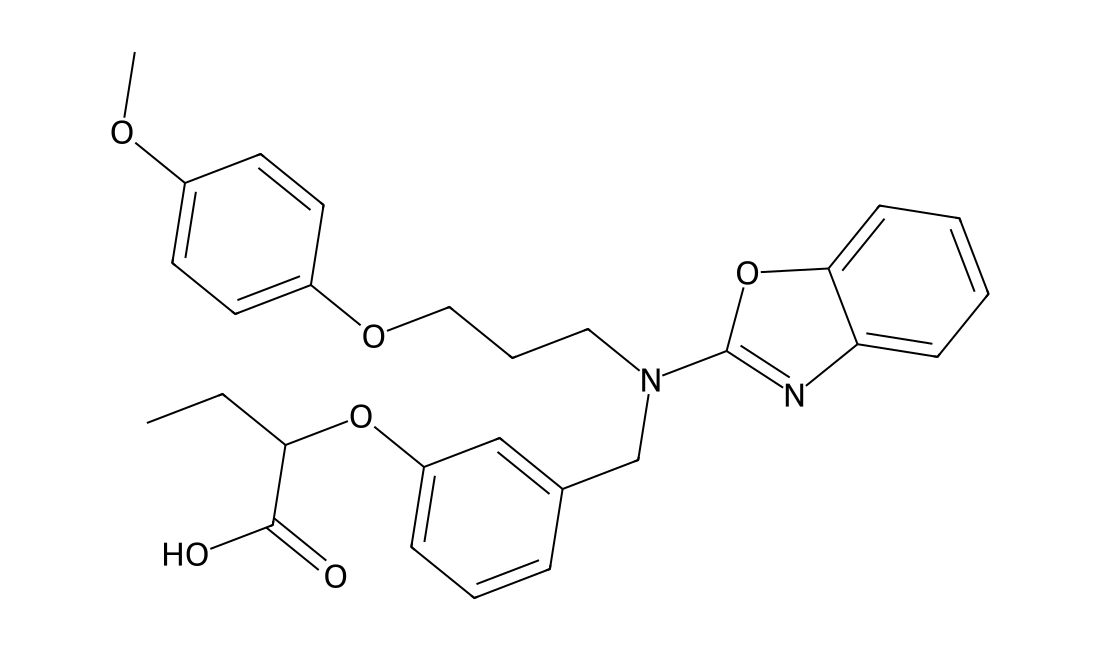
CAS 760937-92-6
Teneligliptin is a novel, potent, and long-lasting dipeptidyl peptidase-4 inhibitor; competitively inhibited human plasma, rat plasma, and human recombinant DPP-4 in vitro, with IC50 values of approximately 1 nM. in vitro: Teneligliptin is a novel chemotype prolylthiazolidine-based DPP-4 inhibitor. The present study aimed to characterize the pharmacological profiles of teneligliptin in vitro and in vivo. Teneligliptin competitively inhibited human plasma, rat plasma, and human recombinant DPP-4 in vitro, with IC(50) values of approximately 1 nmol/l. in vivo: Oral administration of teneligliptin in Wistar rats resulted in the inhibition of plasma DPP-4 with an ED(50) of 0.41 mg/kg. Plasma DPP-4 inhibition was sustained even at 24h after administration of teneligliptin. An oral carbohydrate-loading test in Zucker fatty rats showed that teneligliptin at ≥ 0.1mg/kg increased the maximum increase in plasma glucagon-like peptide-1 and insulin levels, and reduced glucose excursions. Six-weeks-old C57BL/6N mice were fed a high-fat diet (60%kcal fat) ad libitum and administered teneligliptin (30 or 60mg/kg) via drinking water for 10 weeks. Mice fed a high-fat diet showed accelerated body weight gain.
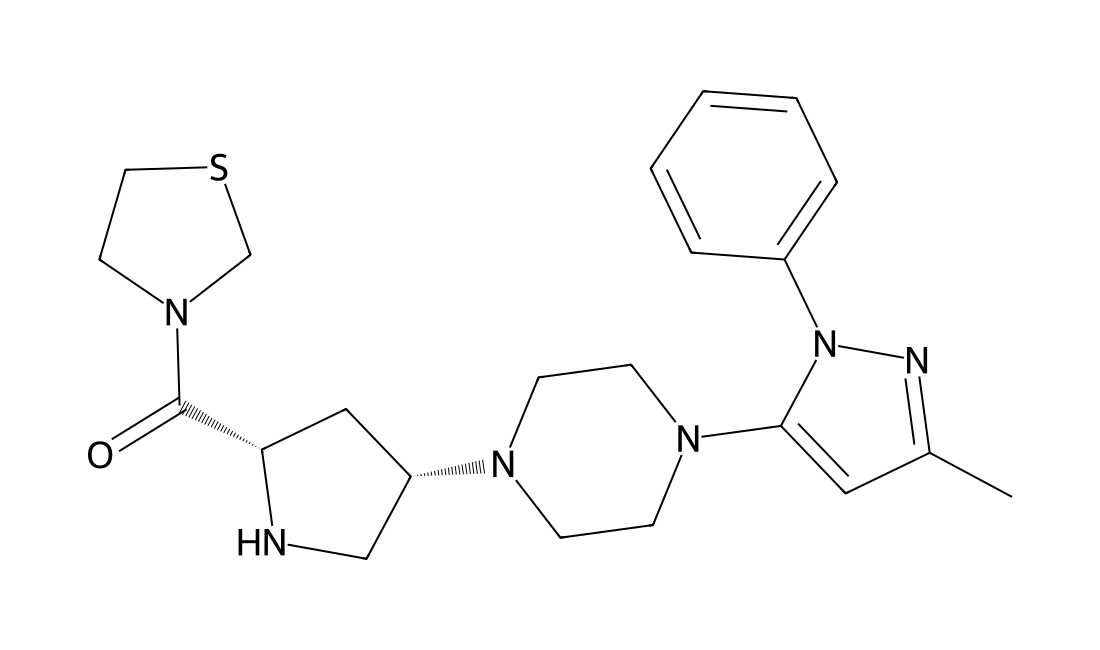
CAS 57-96-5
Sulfinpyrazone is one of the most studied platelet COX inhibitors, also a uricosuric agent that competitively inhibits uric acid reabsorption in kidney proximal tubules.
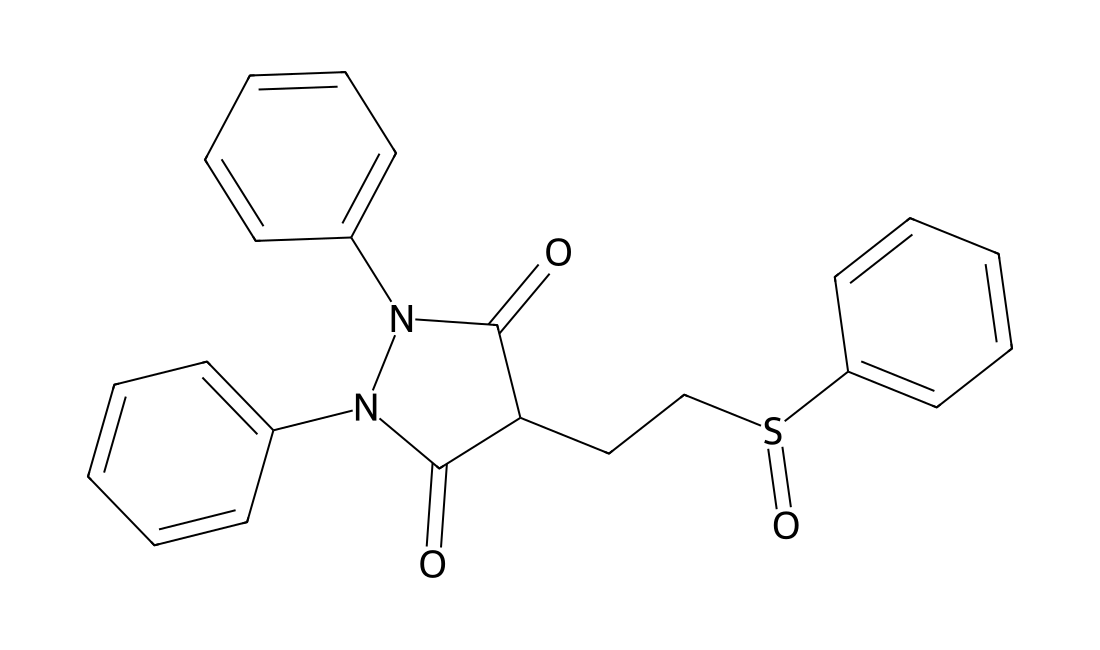
CAS 1305115-80-3
PF-04957325 is over two orders of magnitude less efficient than PICL in suppressing polyclonal Teff cell proliferation, and shows no effect on cytokine gene expression in these cells, despite its robust effect on T cell adhesion. PF-04957325 is a selective PDE8 inhibitor and inhibits breast cancer cell migration. PF-04957325 greatly potentiates steroidogenesis in WT adrenal cells. PF-04957325 shows a reported IC50 of 0.7 nM against PDE8A, 0.2 nM against PDE8B, and > 1.5 μM against all other PDE isoforms. PF-04957325 treatment of WT Leydig cells or MA10 cells increases steroid production but has no effect in PDE8A (-/-)/B(-/-) double-knockout cells, confirming the selectivity of the drug. Moreover, under basal conditions, cotreatment with PF-04957325 plus rolipram, a PDE4-selective inhibitor, synergistically potentiates steroid production.
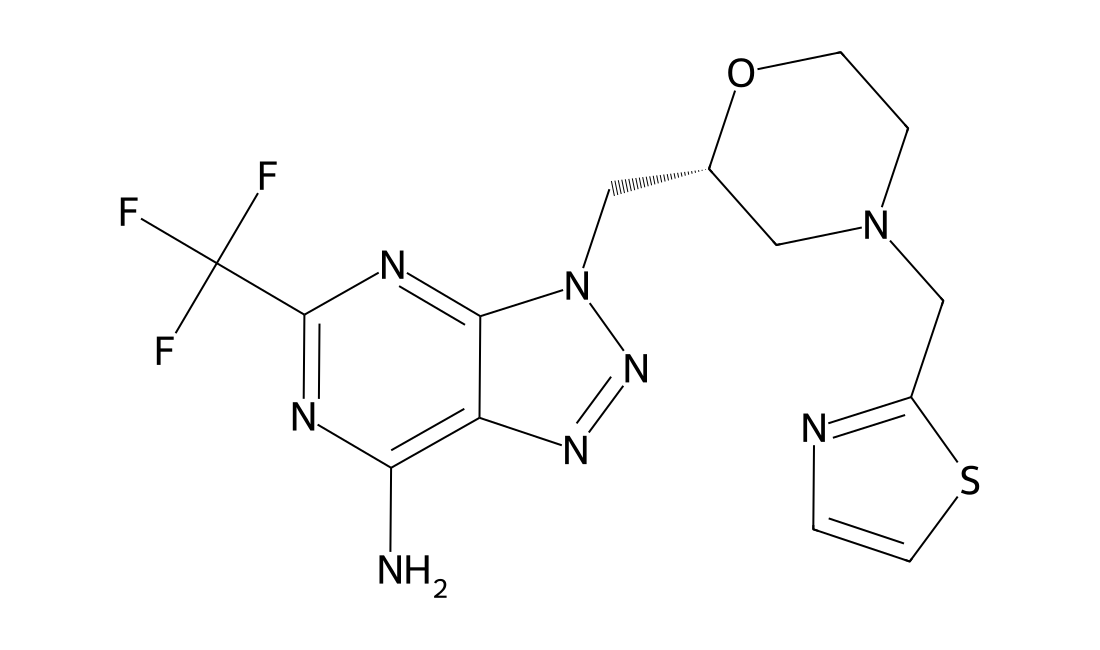
CAS 13860-66-7
N3PT(N3-pyridyl thiamine) is a potent and selective transketolase(TK) inhibitor (IC50= 22 nM for Apo-TK) both in vitro and in vivo. in vitro: N3PT inhibits transketolase activity in a cell based assay. Competitive inhibition of TK by N3PT in cells treated with increasing doses of thiamine, expressed as percentage enzymatic activity (the slope of initial linear range) of controls not treated with compounds. in vivo: Tumors were induced in mice at day 0 and mice were then treated at day 7 with vehicle alone or with N3PT. Low-thiamine diet enhances the sensitivity to N3PT inhibition of TK in spleen. Animals were switched to diets containing 16.5 mg/kg (unchanged), 5 mg/kg, 1 mg/kg, or 0 mg/kg thiamine, from a normal chow containing 16.5mg/kg thiamine.