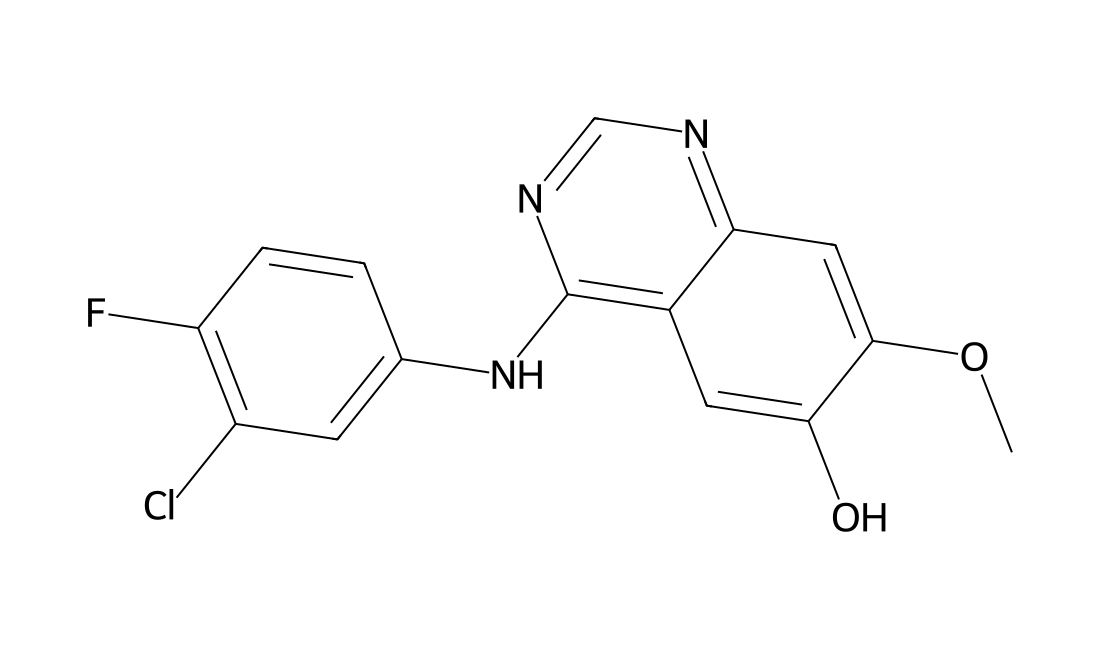
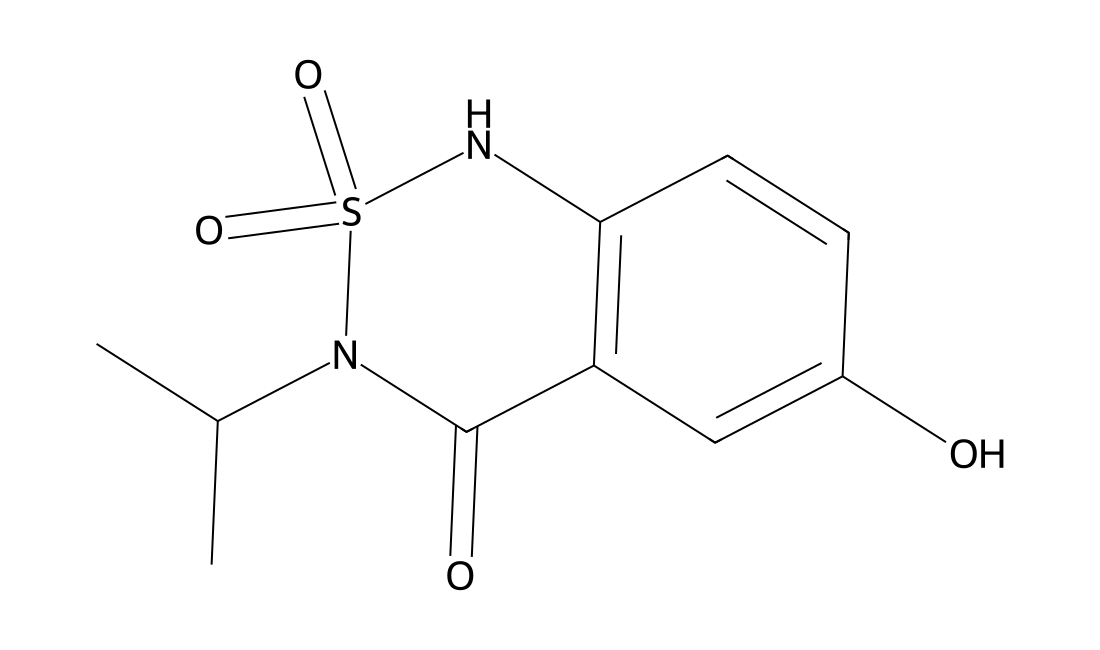
Home/Small Molecules/Metabolism & Endocrinology

Metabolism & Endocrinology

Metabolic enzymes, lipid and glucose metabolism and hormone signaling.

Browse all research categories

Browse by research category

Products may appear in more than one category. Counts refer to distinct catalog numbers within each category.

Other Research Tools (75) · Additional reagents, building blocks and specialized research tools.

Metabolism & Endocrinology products

Combine a keyword, research category and target to narrow the product list.

Loading catalog filters…

697 products · Showing 529–576

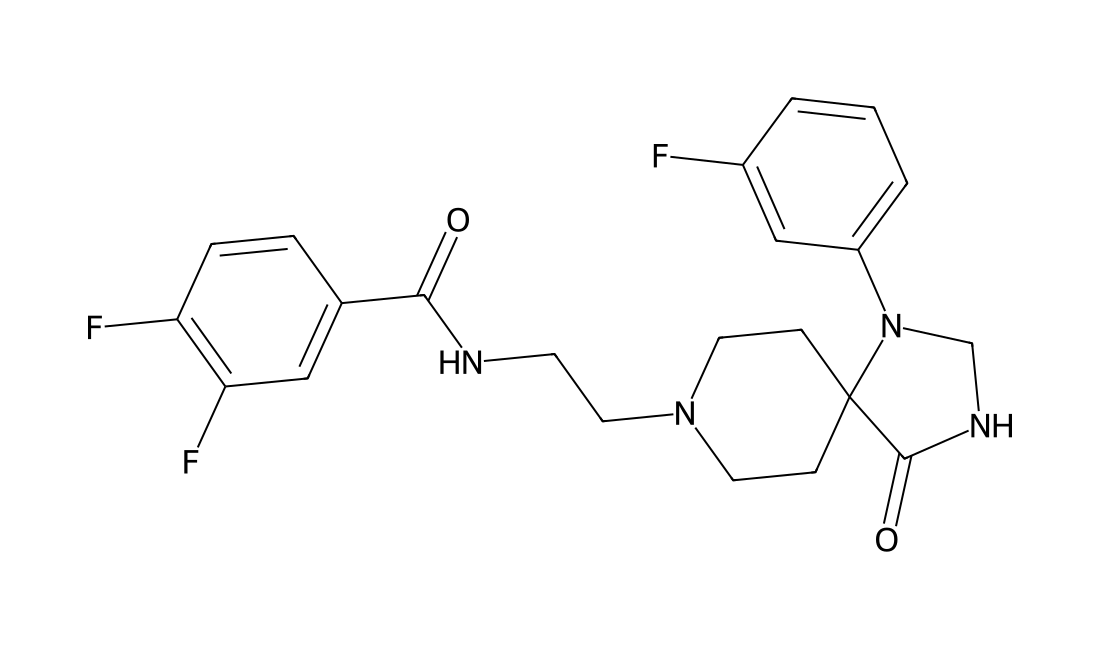
DC42342

NCGC00092410

CAS 442898-34-2

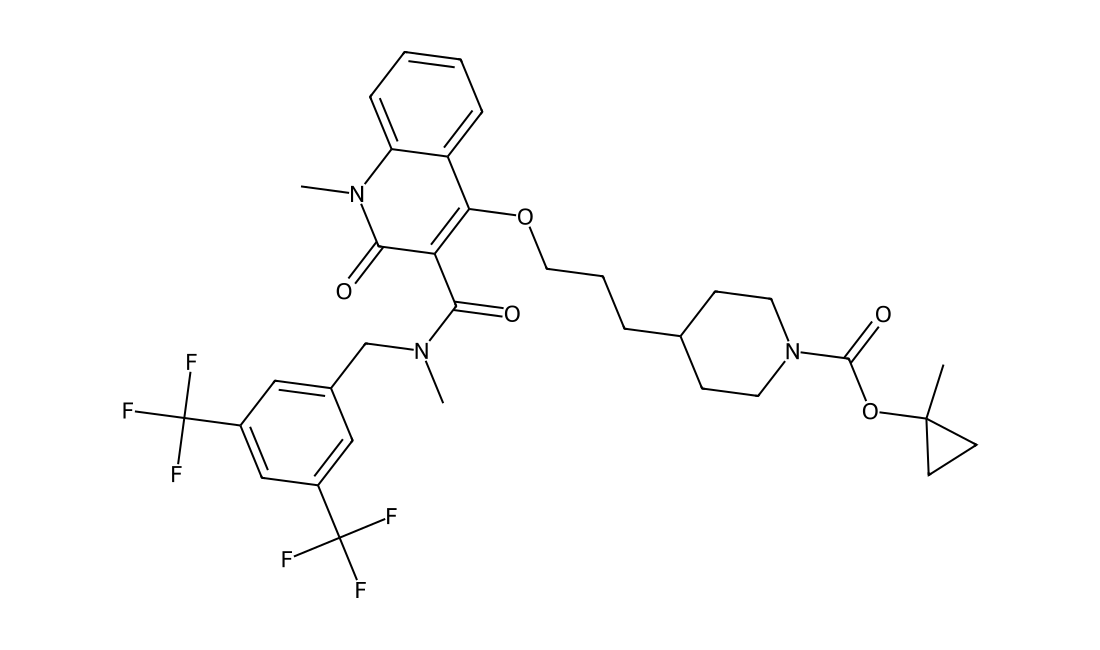
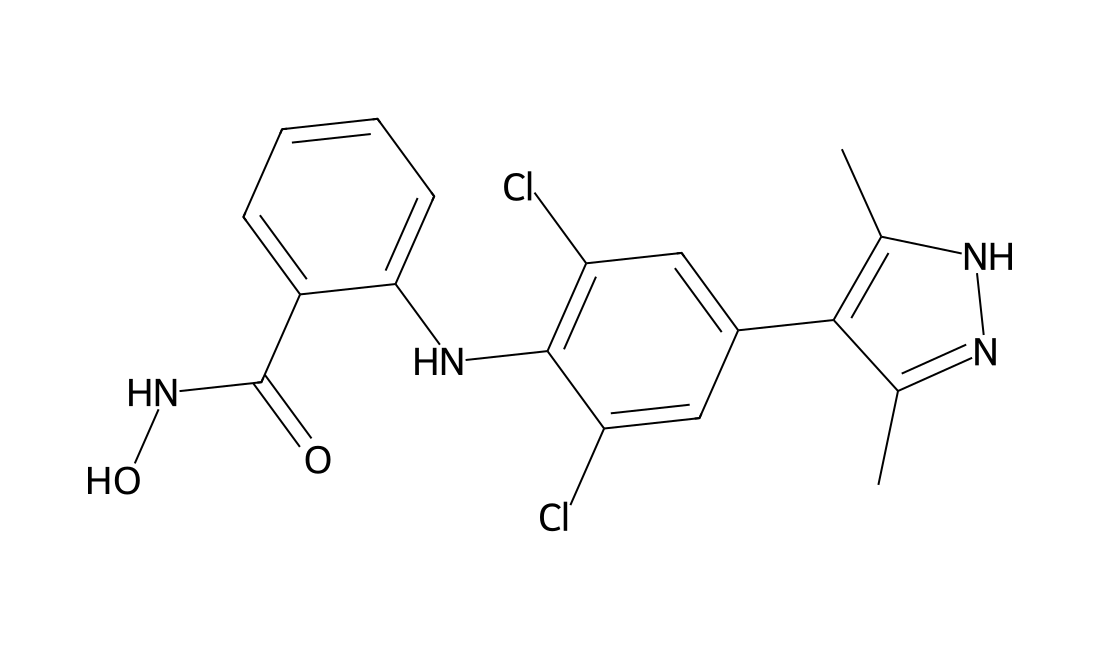
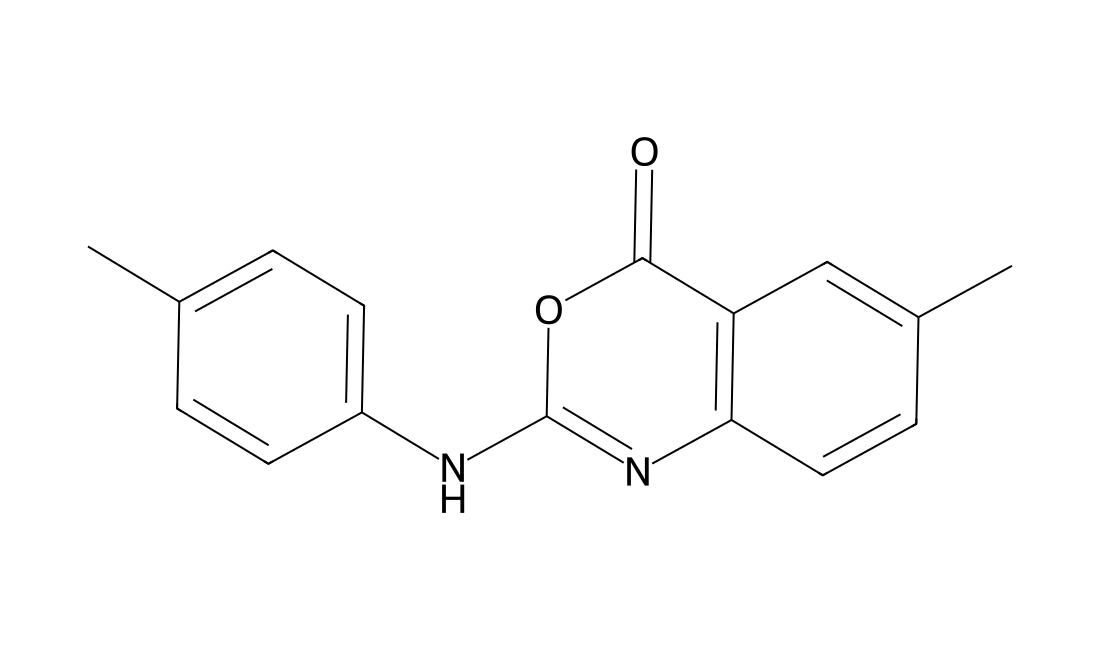
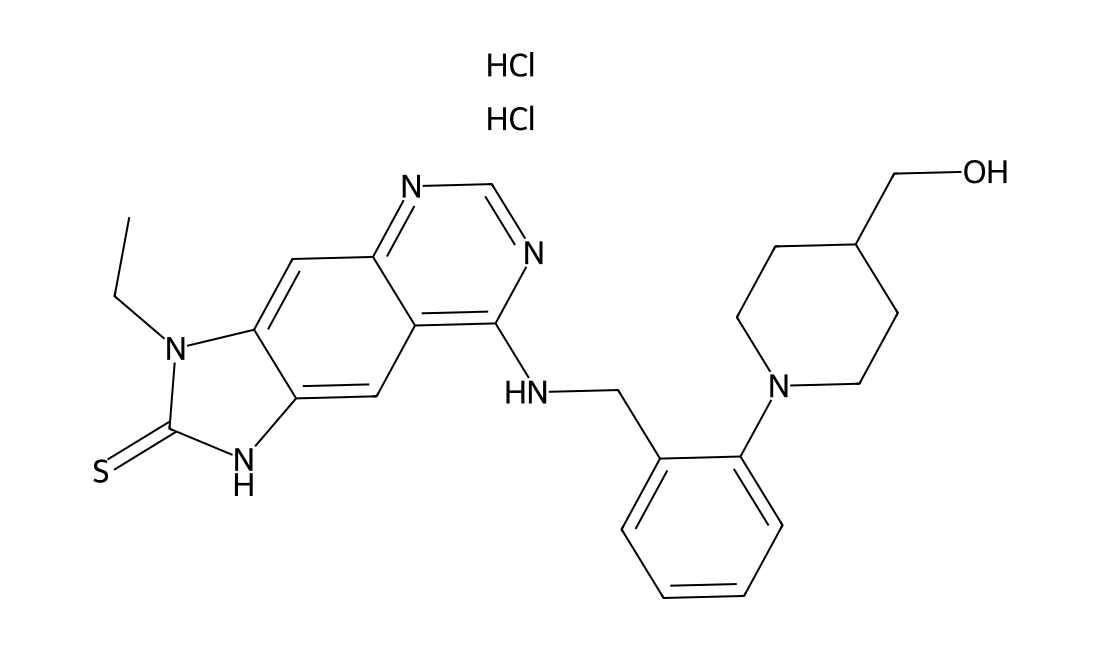
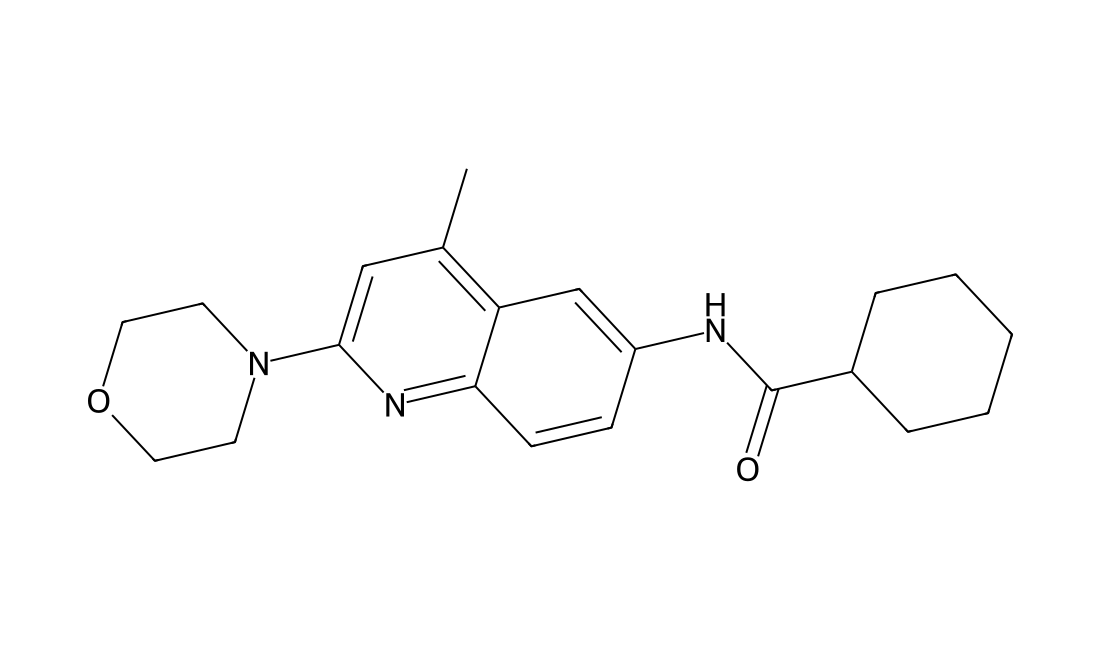
NCGC00092410 is a potent, selective, and nonsugar glucocerebrosidase (GC), with an IC50 of 31 nM. NCGC00092410 shows no activity against the related hydrolases at concentrations up to 77 μM. NCGC00092410 is a GC chaperone and increases the activity and lysosomal localization of glucocerebrosidase in mutant cell lines. NCGC00092410 can be used for the research of Gaucher disease.

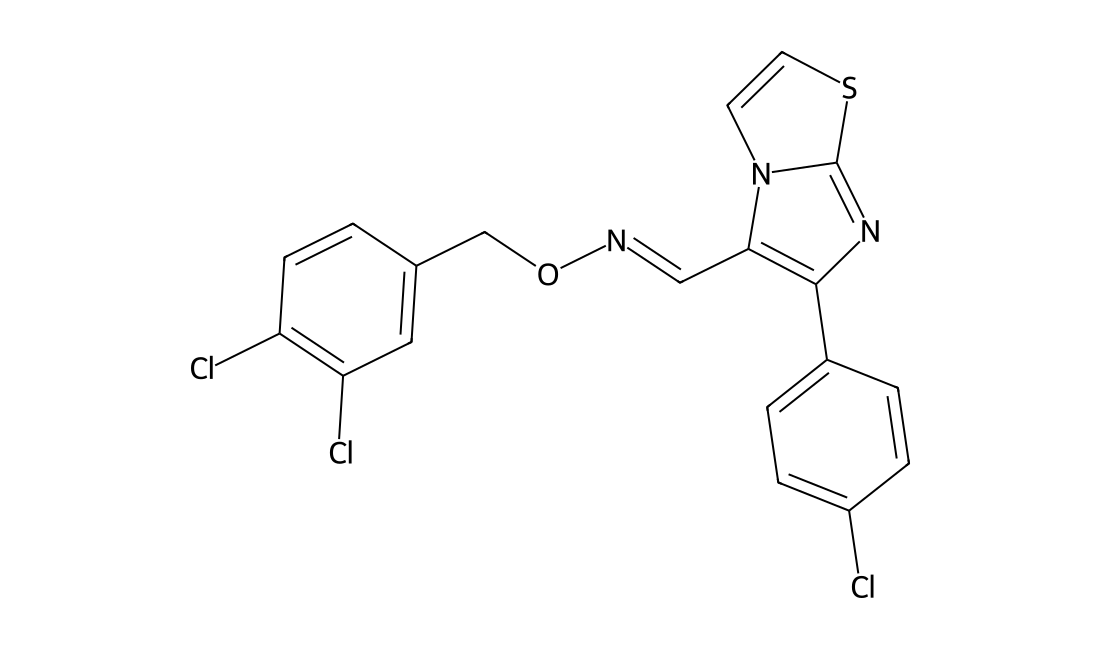
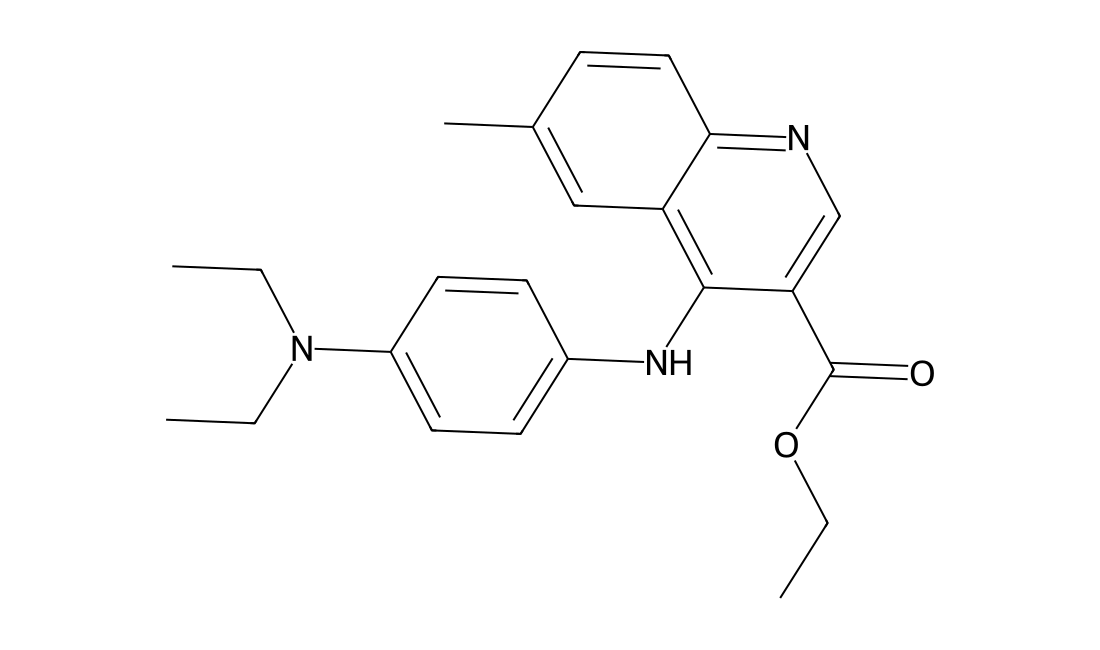
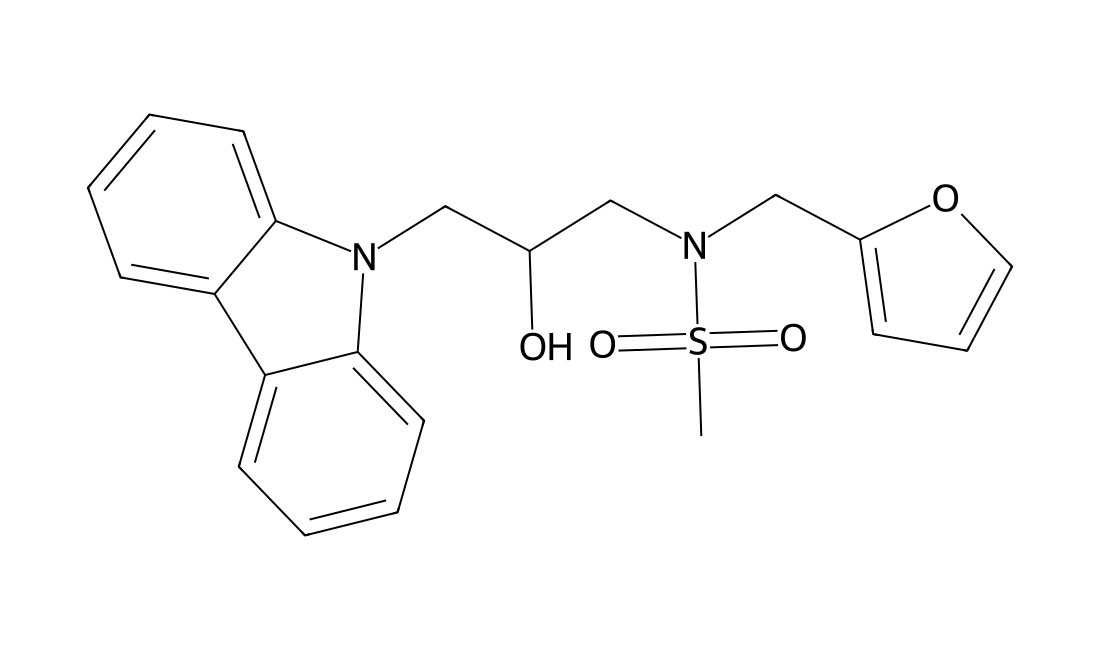
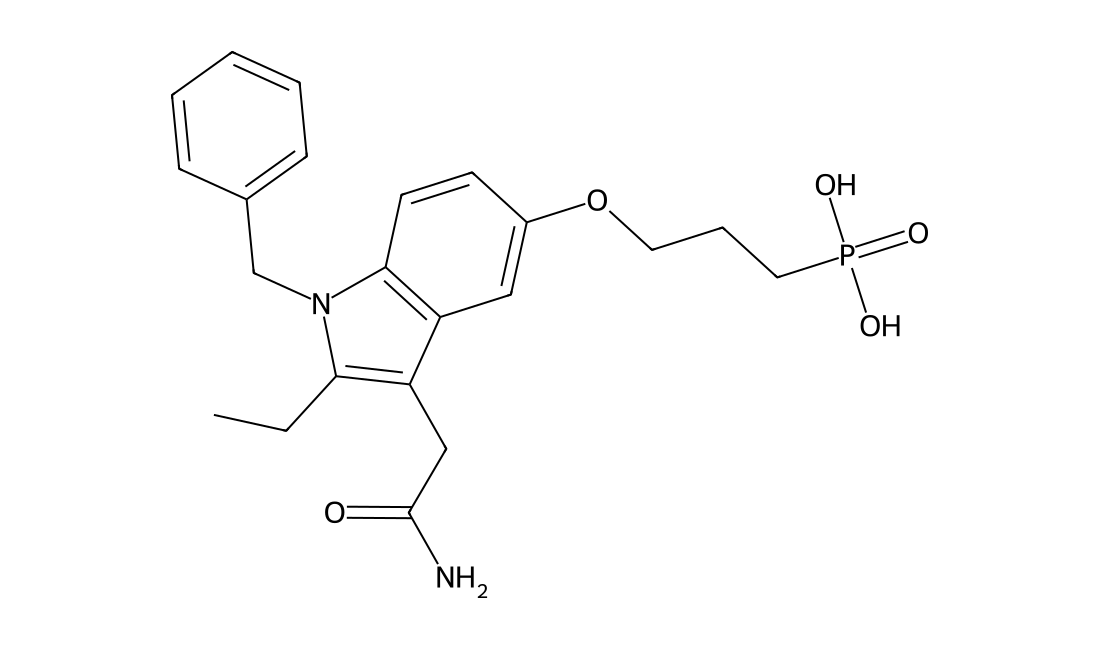
NCGC00092410 chemical structure
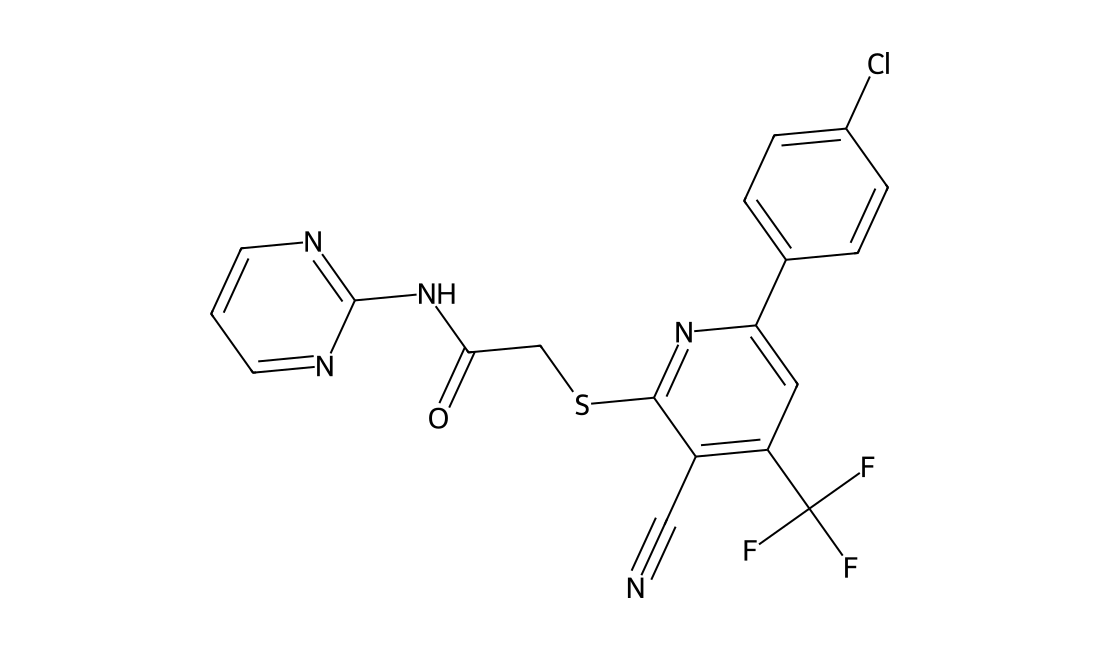
DC45585

DUN41875

CAS 1295541-87-5

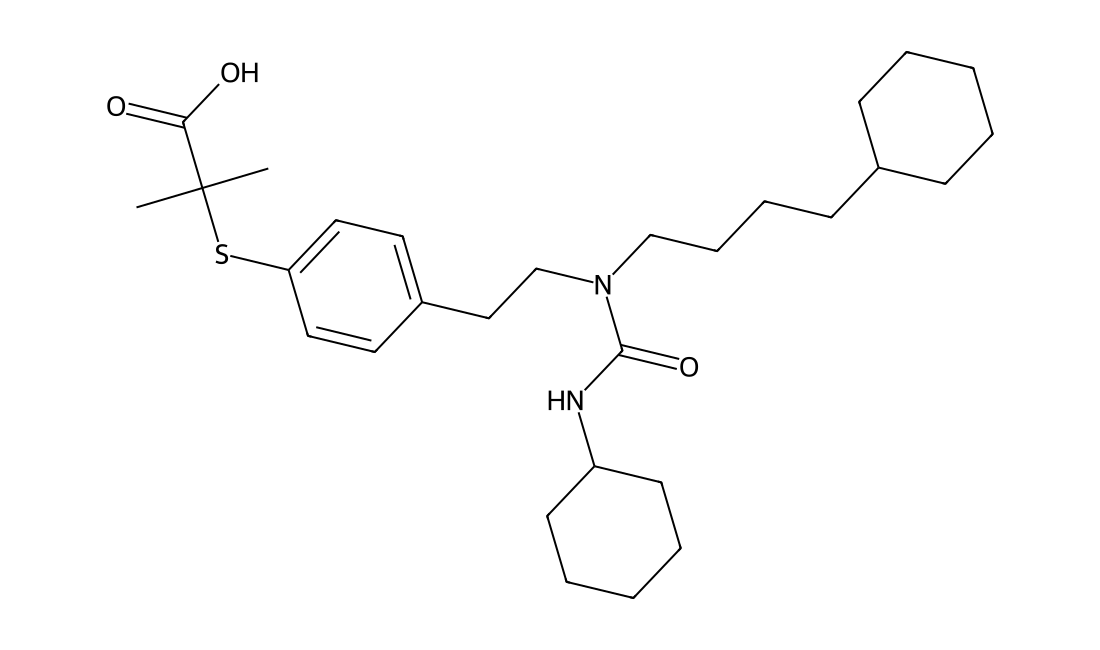
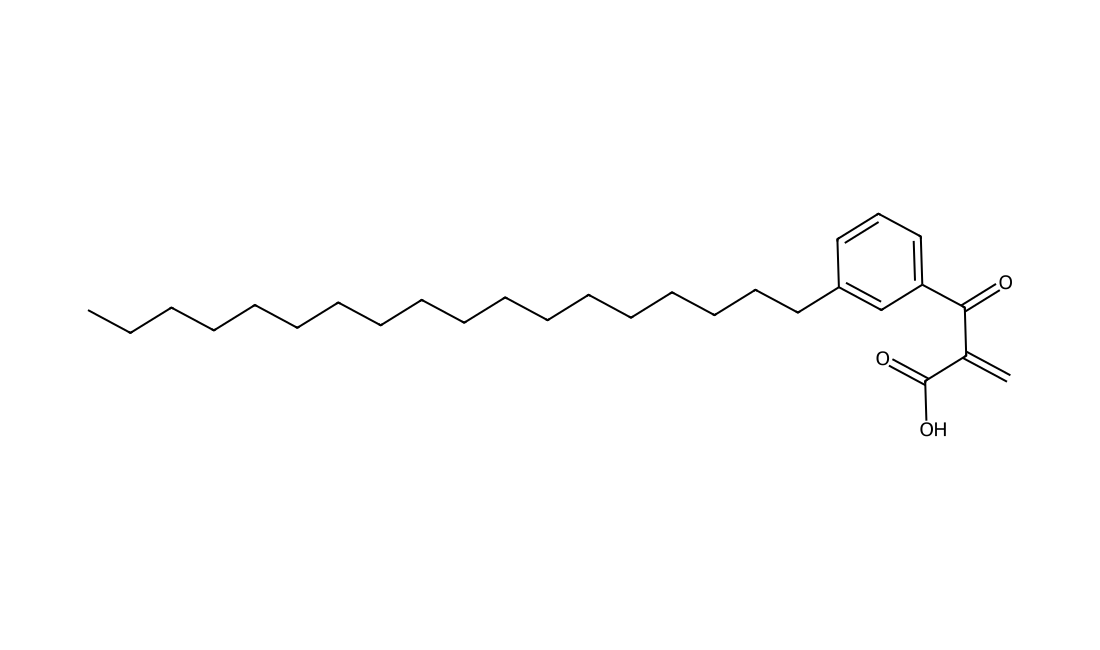
DUN41875, also known as SCD1 inhibitor-4, is a potent, orally active stearoylCoA desaturase-1 (SCD1) inhibitor. SCD1 inhibitor-4 can be used for the research of diabetes. DUN41875 was first reported in Bioorgan.Med. Chem. Lett. (2011), 21(6), 1621-1625. This product has no formal name at the moment. For the convenience of communication, a temporal code name was therefore proposed according to MedKoo Chemical Nomenclature

DUN41875 chemical structure
DC32532

CITCO

CAS 338404-52-7

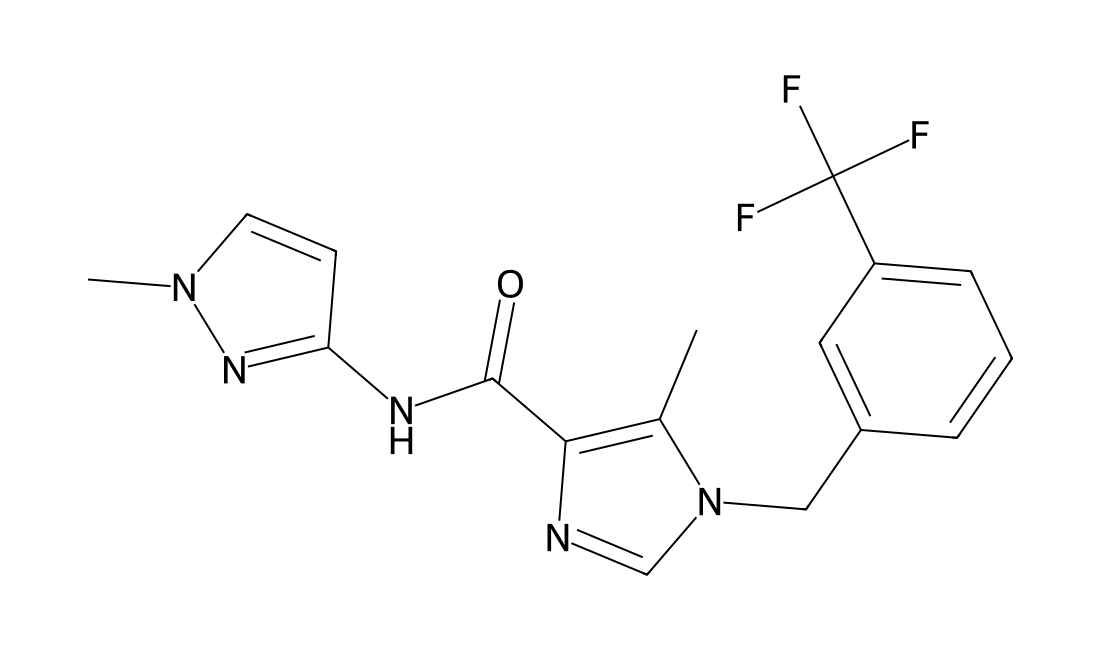
CITCO is a potent constitutive androstane receptor (CAR) agonist (EC50 = 49 nM). CITCO altered expression of key drug-metabolizing enzymes and transporters in human hepatocytes, which positively affects the metabolic profile of CHOP. Coadministration of CITCO and CHOP in the coculture model led to significantly enhanced cytotoxicity in lymphoma cells but not in cardiomyocytes. Constitutive androstane receptor (Car)-driven regeneration protects liver from failure following tissue loss. The constitutive androstane receptor (CAR and NR1i3) is a key regulator of CYP2B6.

CITCO chemical structure
DC44831

MCU-i4

CAS 371924-24-2

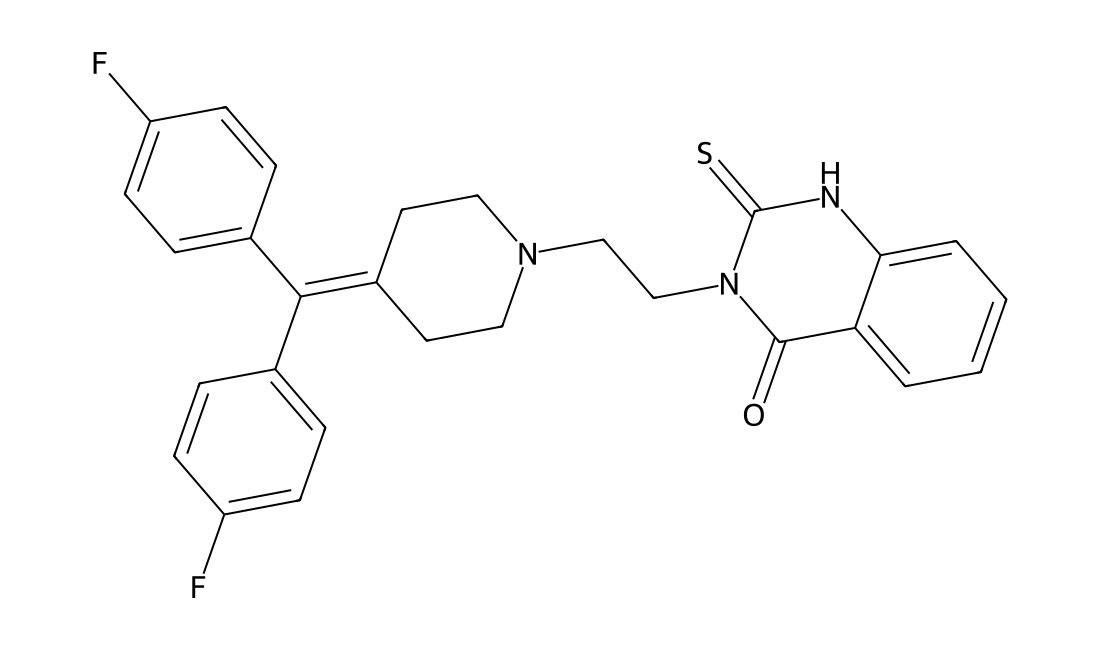
MCU-i4 is a negative modulator of the mitochondrial calcium uniporter (MCU) complex that directly binds a specific cleft in MICU1 and decreases mitochondrial Ca2+ influx.,MCU-i4 decreases mitochondrial Ca2+ influx. Docking simulations reveal that MCU-i4 directly binds a specific cleft in MICU1, a key element of the MCU complex that controls channel gating. Accordingly, in MICU1-silenced or deleted cells, the inhibitory effect of MCU-i4 is lost. Moreover, MCU-i4 fails to inhibit mitochondrial Ca2+ uptake in cells expressing a MICU1 mutated in the critical amino acids that forge the predicted binding cleft.1

MCU-i4 chemical structure
DC8602

LY311727

CAS 164083-84-5

LY-311727 is a potent secretory non-pancreatic phospholipase A2 (sPLA2) inhibitor (IC50 <1 μM for group IIA sPLA2). sPLA2 is an important proinflammatory enzyme[1][2].

LY311727 chemical structure
DC60188

RTICBM-189

CAS 551909-15-0

RTICBM-189 is a potent, brain-penetrant allosteric modulator of the cannabinoid type-1 (CB1) receptor with a pIC50 of 7.54 in Ca2+ mobilization assay. RTICBM-189 has pIC50s of 5.29 and 6.25 for hCB1 and mCB1, respectively. RTICBM-189 significantly and selectively attenuates the reinstatement of the cocaine-seeking behavior in rats[1].

RTICBM-189 chemical structure
DC60010

UUN44923

CAS 2243944-92-3

UUN44923 is a FTO inhibitor. UUN44923 may be useful for treating diseases assocd. with FTO targets, obesity, metabolic syndrome (MS)​, type 2 diabetes (T2D)​, Alzheimer's diseases, breast cancers, small-​cell lung cancers, a human bone marrow striated muscle cancer, a pancreatic cancer, malignant glioblastoma and the like. UUN44923 was reported in WO 2018157843.

UUN44923 chemical structure
DC9343

ZLN024 (hydrochloride)

CAS 723249-01-2

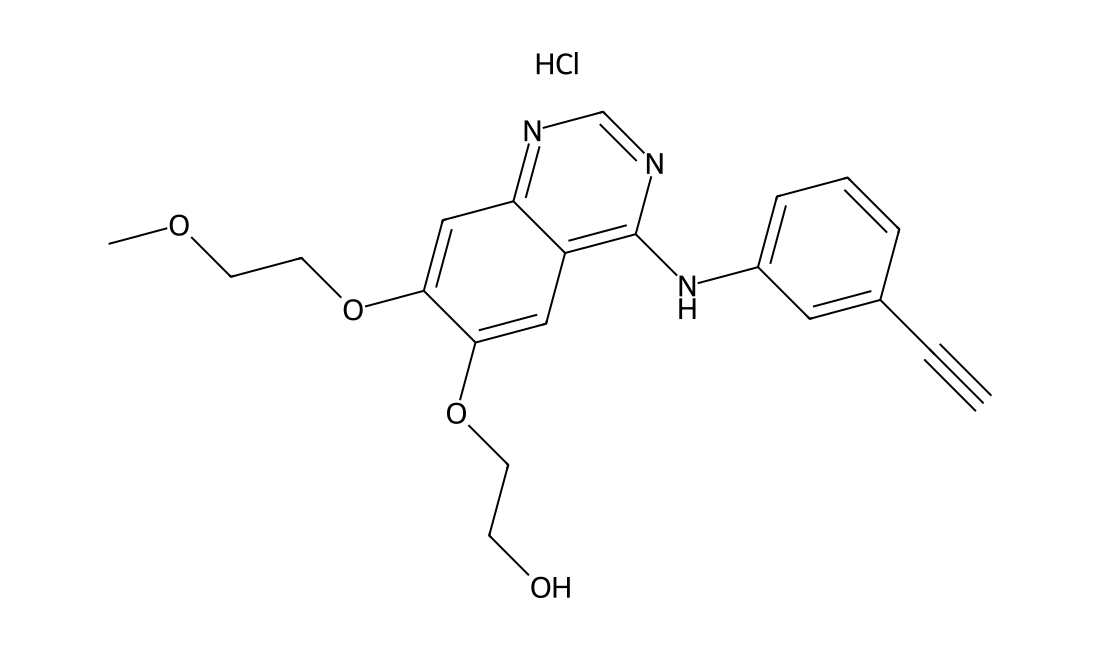
ZLN024 Hcl is a novel AMPK allosteric activator; activated α1β1γ1 and α2β1γ1 by around 2–2.5 fold with an EC50 of about 1–2 uM. ZLN024 activated AMPK in L6 myotubes and stimulated glucose uptake and fatty acid oxidation without increasing the ADP/ATP ratio. ZLN024 also activated AMPK in primary hepatocytes, decreased fatty acid synthesis and glucose output. Treatment of db/db mice with 15 mg/kg/day ZLN024 improved glucose tolerance; liver tissue weight, triacylglycerol and the total cholesterol content were decreased. The hepatic transcriptional level of G6Pase, FAS and mtGPAT were reduced.

ZLN024 (hydrochloride) chemical structure
DC8130

URB754

CAS 86672-58-4

URB-754 is a new class of designer drug and 12 synthetic cannabinoids detected in illegal products.URB-754 was reported to inhibit an endocannabinoid deactivating enzyme.Subsequent studies have shown that that URB-754 does not inhibit recombinant MAG Lipase and that the original activity was due to a contaminant, bis(methylthio)mercurane, in another commercial source. URB-754 is an inhibitor of FAAH. For the detailed information of URB754, the solubility of URB754 in water, the solubility of URB754 in DMSO, the solubility of URB754 in PBS buffer, the animal experiment (test) of URB754, the cell expriment (test) of URB754, the in vivo, in vitro and clinical trial test of URB754, the EC50, IC50,and affinity,of URB754, For the detailed information of URB754, the solubility of URB754 in water, the solubility of URB754 in DMSO, the solubility of URB754 in PBS buffer, the animal experiment (test) of URB754, the cell expriment (test) of URB754, the in vivo, in vitro and clinical trial test of URB754, the EC50, IC50,and affinity,of URB754, Please contact DC Chemicals.

URB754 chemical structure
DC7512

Tasosartan

CAS 145733-36-4

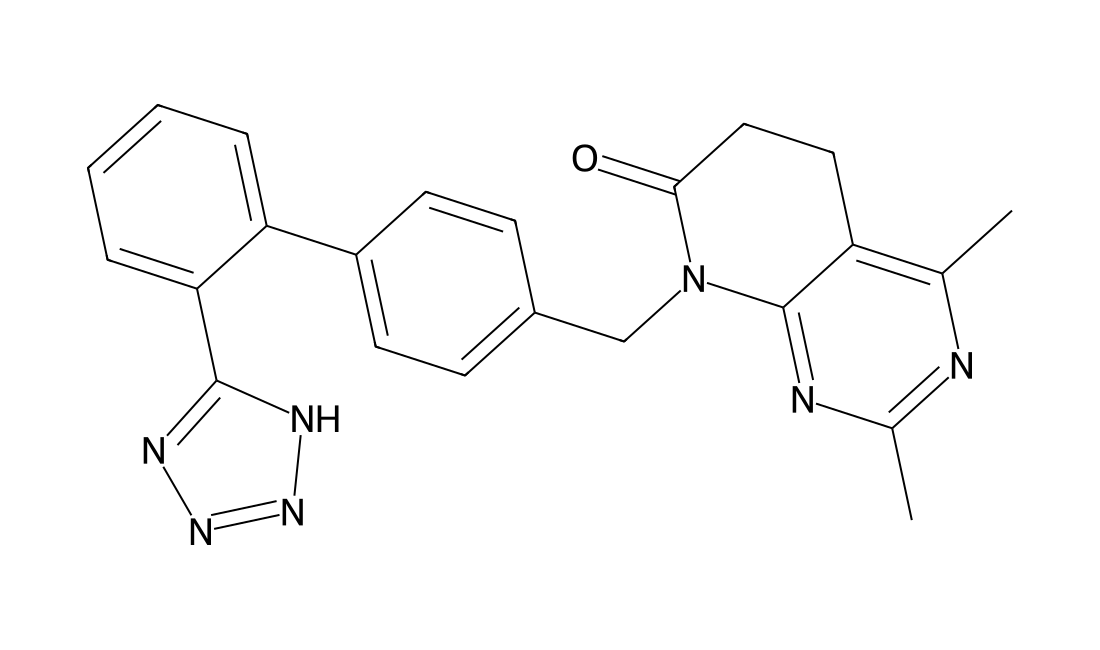
Tasosartan is a long-acting angiotensin II (AngII) receptor blocker. Its long duration of action has been attributed to its active metabolite enoltasosartan. It is used to treat patients with essential hypertensionFor the detailed information of Tasosartan, the solubility of Tasosartan in water, the solubility of Tasosartan in DMSO, the solubility of Tasosartan in PBS buffer, the animal experiment (test) of Tasosartan, the cell expriment (test) of Tasosartan, the in vivo, in vitro and clinical trial test of Tasosartan, the EC50, IC50,and Affinity of Tasosartan, Please contact DC Chemicals.
Tasosartan chemical structure
DC8980

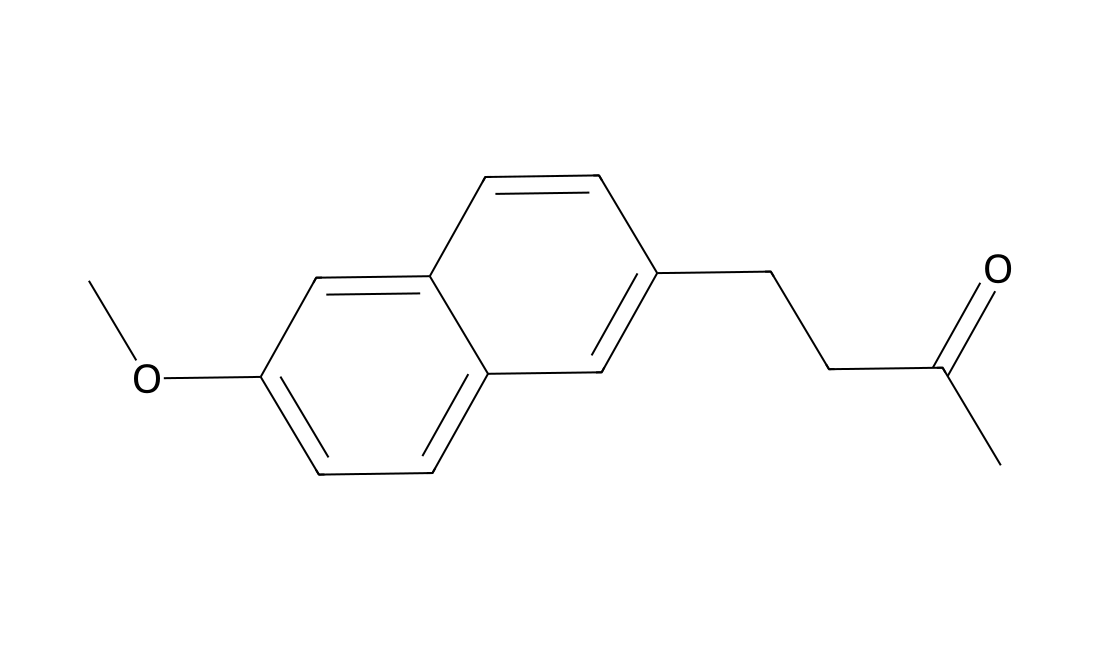
Nabumetone

CAS 42924-53-8

Nabumetone(BRL14777) is a non-steroidal anti-inflammatory drug and its active metabolite inhibits the COX.Nabumetone is a nonsteroidal anti-inflammatory drug (NSAID) of the arylalkanoic acid family. Nabumetone itself is non-acidic and, following absorption, it undergoes extensive first-pass metabolism to form the main circulating active metabolite (6-MNA) which is a much more potent inhibitor of preferentially COX-2. Nabumetone displays acute anti-inflammatory activity in the carrageenan-induced oedema model in rats and the ultraviolet-induced erythema model in guinea-pigs. Its activity in these tests is greater than that of aspirin but less than that of naproxen and indomethacin. In the cotton pellet-induced granuloma model in the rat, Nabumetone is active and produces no signs of toxicity at doses much greater than the lowest effective dose, unlike aspirin, naproxen or indomethacin. Nabumetone is also active in the adjuvant-induced arthritis test in rats. In contrast to aspirin, indomethacin and naproxen, Nabumetone is well tolerated by the stomach of fasted rats at doses in excess of those with anti-inflammatory activity.

Nabumetone chemical structure
DC10252

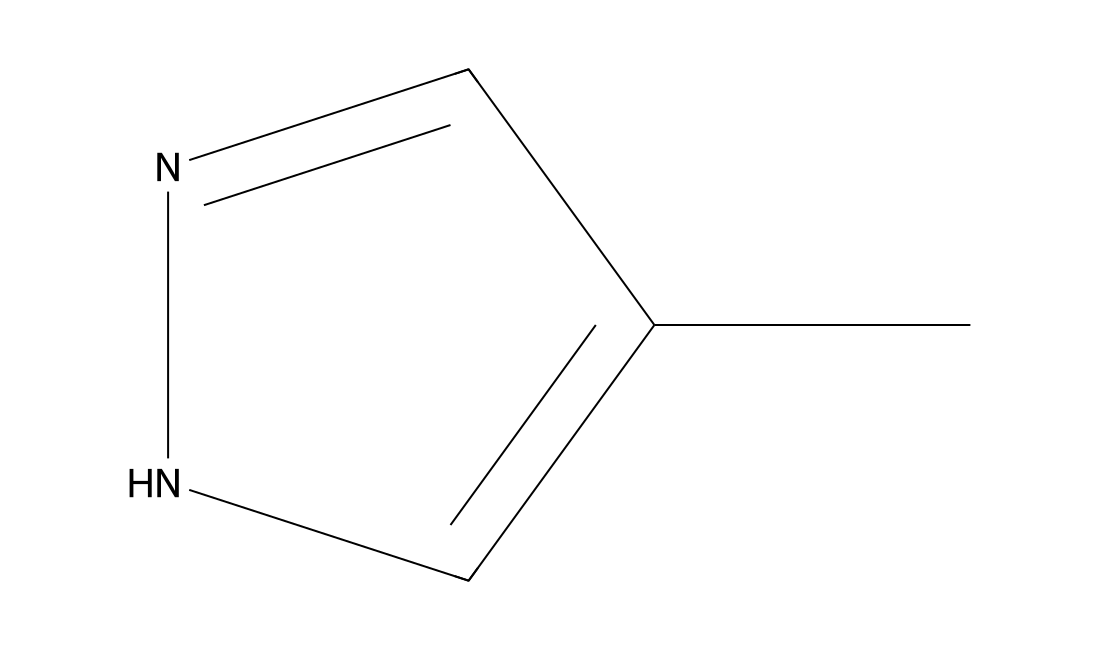
Fomepizole

CAS 7554-65-6

Fomepizole is a competitive inhibitor of alcohol dehydrogenase, the enzyme that catalyzes the initial steps in the metabolism of ethylene glycol and methanol to their toxic metabolites.

Fomepizole chemical structure
DC9086

Fenofibrate

CAS 49562-28-9

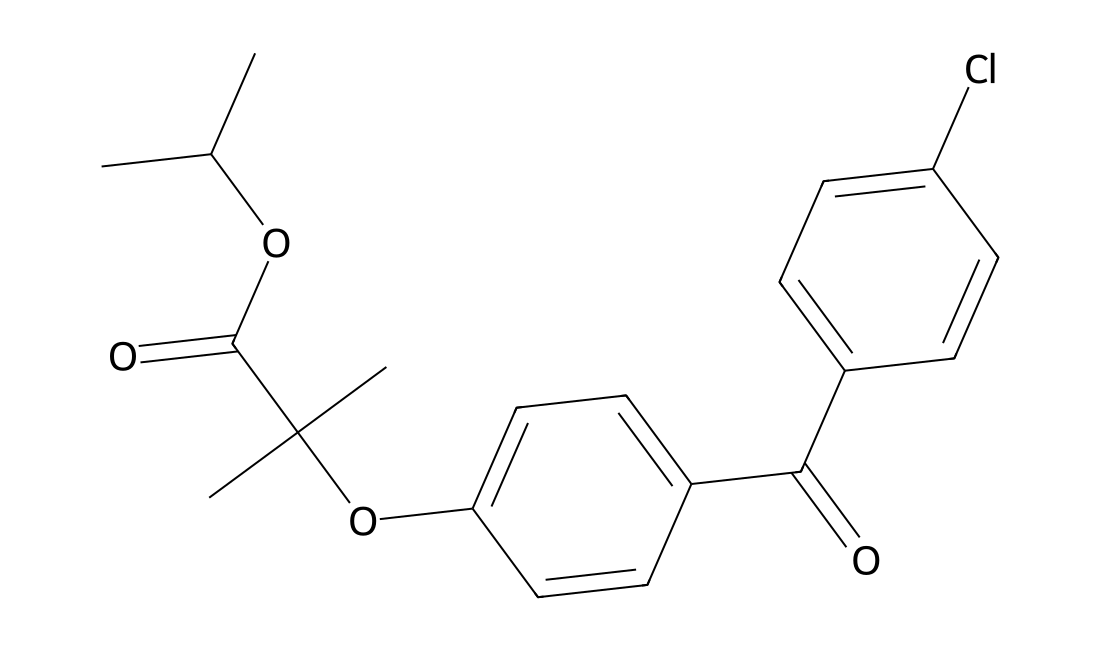
Fenofibrate is PPARα agonist with EC50 of 18 μM and 30 μM for mouse and human PPARα, respectively.Fenofibrate (Tricor, Trilipix) is a compound of the fibrate class and fibric acid derivative. Fenofibrate (Tricor, Trilipix) is mainly used to reduce cholesterol levels in patients at risk of cardiovascular disease. Like other fibrates, fenofibrate (Tricor, Trilipix) reduces both low-density lipoprotein (LDL) and very low density lipoprotein (VLDL) levels, as well as increasing high-density lipoprotein (HDL) levels and reducing tryglycerides level. Fenofibrate (Tricor, Trilipix) also appears to have a beneficial effect on the insulin resistance featured by the metabolic syndrome. Fenofibrate (Tricor, Trilipix) is used alone or in conjunction with statins in the treatment of hypercholesterolemia and hypertriglyceridemia.

Fenofibrate chemical structure
DC7402

Dimethocaine

CAS 94-15-5

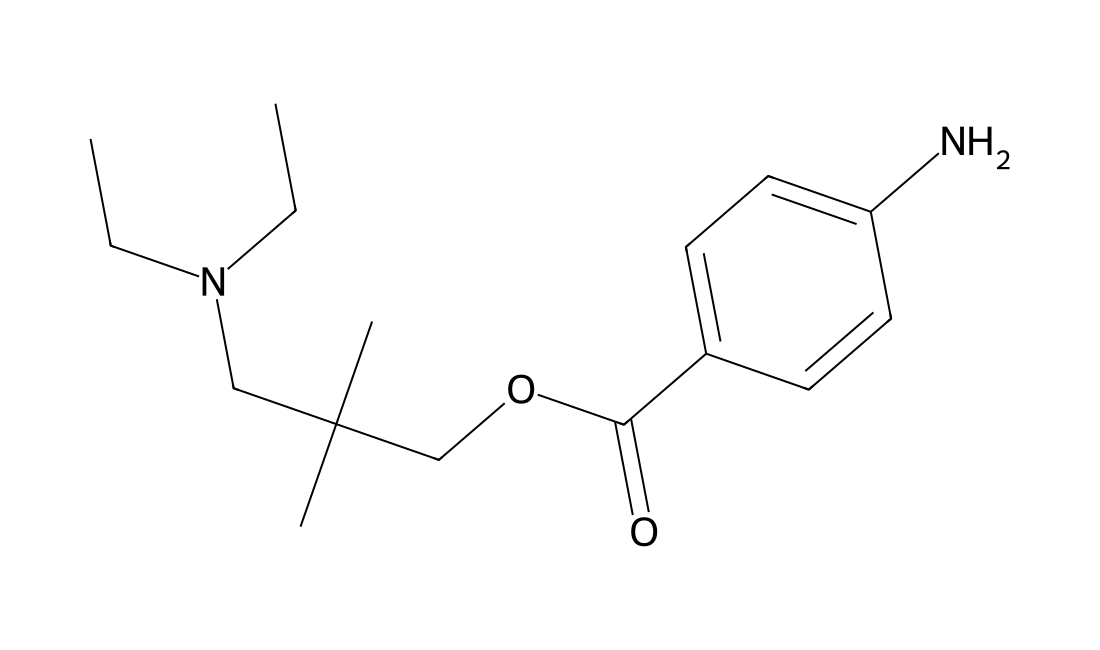
Dimethocaine, a synthetic cocaine derivative: studies on its in vitro metabolism catalyzed by P450s and NAT2.For the detailed information of Dimethocaine, the solubility of Dimethocaine in water, the solubility of Dimethocaine in DMSO, the solubility of Dimethocaine in PBS buffer, the animal experiment (test) of Dimethocaine, the cell expriment (test) of Dimethocaine, the in vivo, in vitro and clinical trial test of Dimethocaine, the EC50, IC50,and Affinity of Dimethocaine, Please contact DC Chemicals.
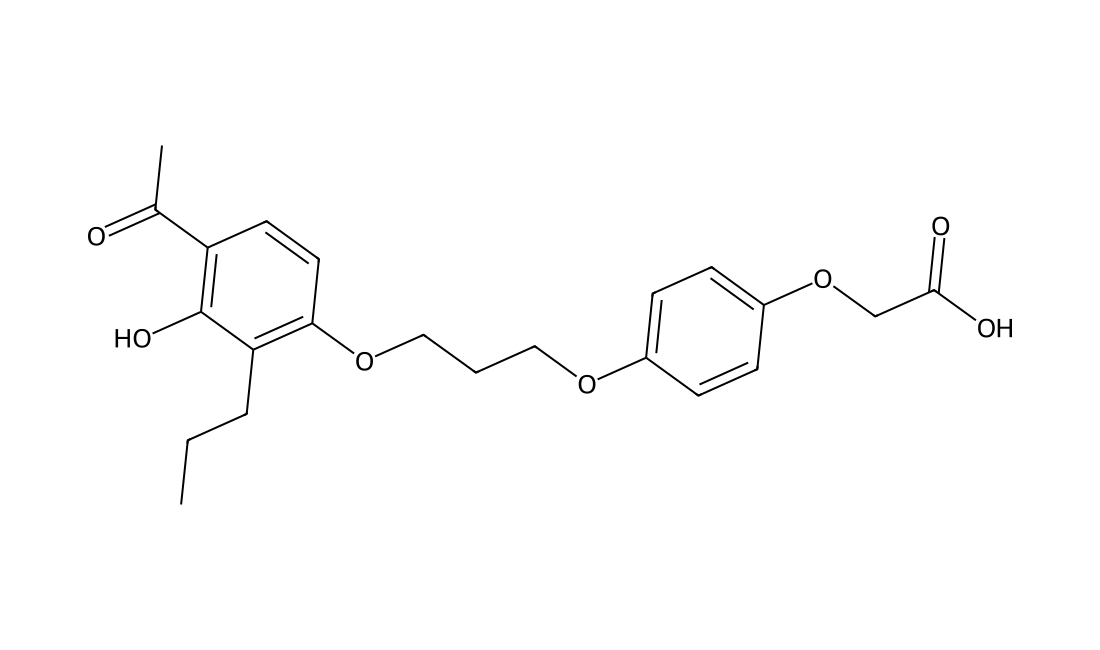
Dimethocaine chemical structure
DC24138

Synaptamide

CAS 162758-94-3

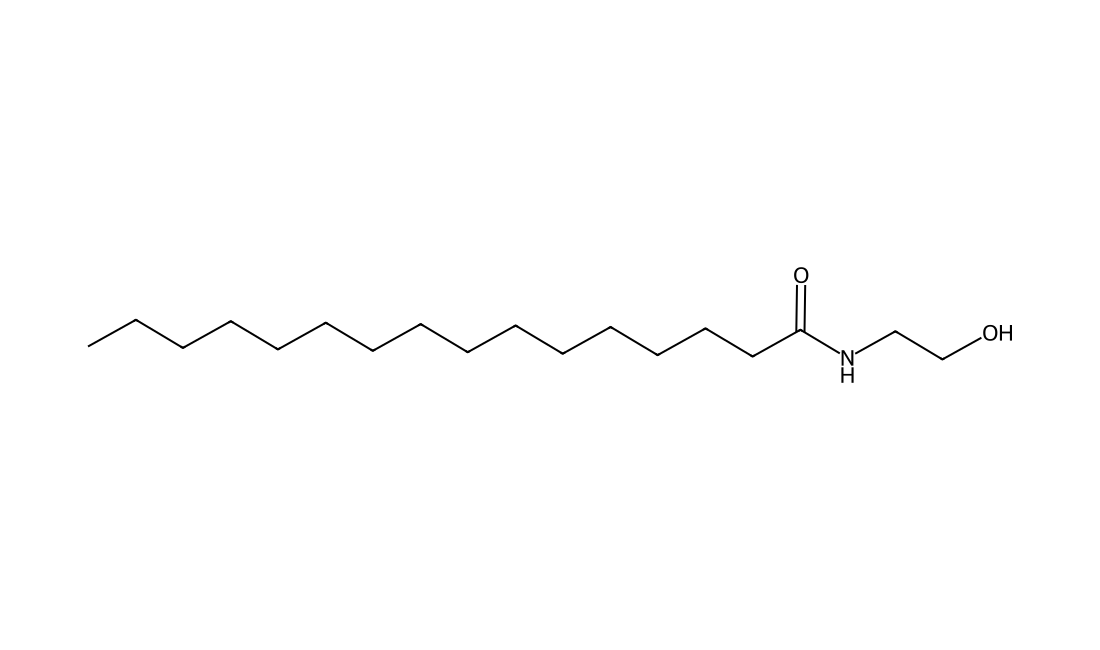
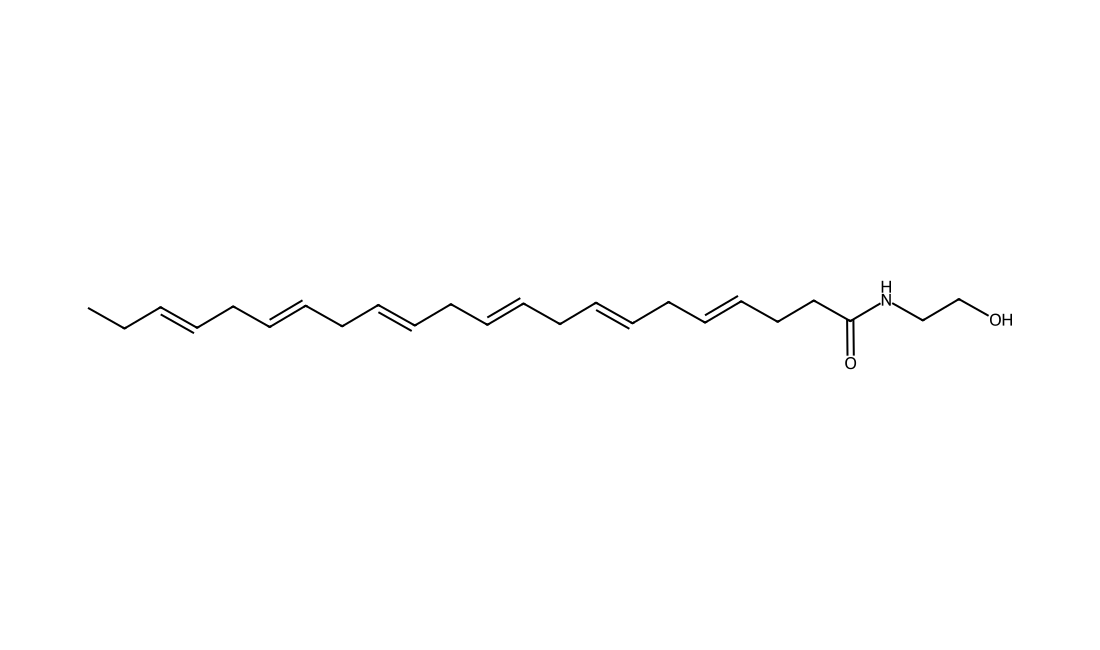
An endogenous DHA metabolite that promotes neurite growth, synaptogenesis, and synaptic function both in vitro and in vivo; significantly increased the number of MAP2 and Tuj-1-positive neurons with concomitant induction of PKA/CREB phosphorylation at low nM; induces neuronal differentiation of NSCs.

Synaptamide chemical structure
DC1092

Acitazanolast (WP-871,Zepelin)

CAS 114607-46-4

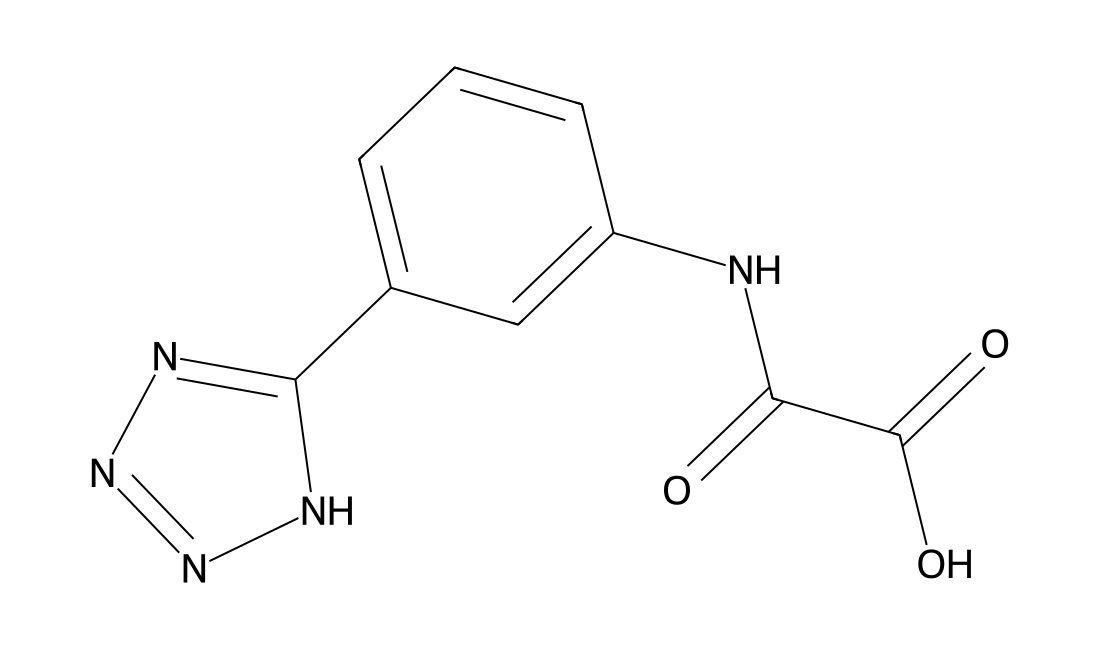
Acitazanolast is an active metabolite of tazanolast and anti-allergic drug. In a study, pretreatment with topical instillation of acitazanolast hydrate inhibited the dye leakage significantly. In the histopathological observation, acitazanolast hydrate ophthalmic solution also improved the inflammatory score and reduced the infiltration of inflammatory cells such as neutrophil and eosinophil in conjunctiva markedly. These anti-allergic effects of acitazanolast hydrate ophthalmic solution were equal to those of levocabastine and ketotifen. From these results, it is suggested that acitazanolast hydrate ophthalmic solution is a promising ophthalmic solution For treatment of allergic conjunctivitis. For the detailed information about the solubility of Acitazanolast (WP-871, Zepelin) in water, the solubility of Acitazanolast (WP-871, Zepelin)in DMSO, the solubility of Acitazanolast (WP-871, Zepelin) in PBS buffer, the animal experiment(test) of Acitazanolast (WP-871, Zepelin),the in vivo,in vitro and clinical trial test of Acitazanolast (WP-871, Zepelin),the cell experiment(test) of Acitazanolast (WP-871, Zepelin),the IC50, EC50 and Affinity of Acitazanolast (WP-871, Zepelin), please contact DC Chemicals.
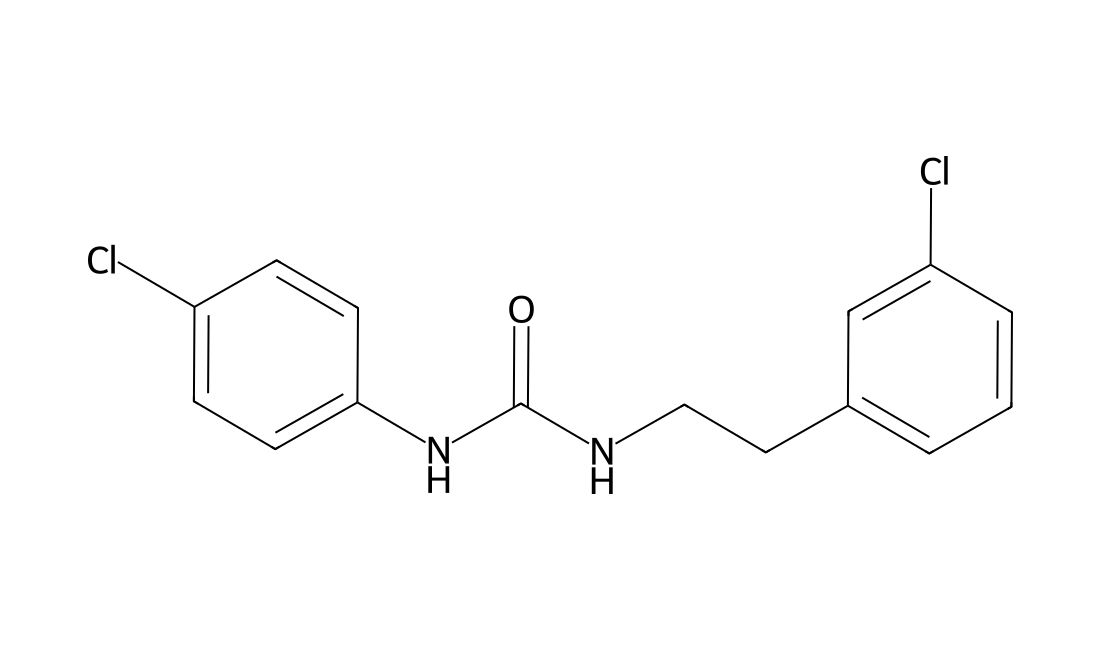
Acitazanolast (WP-871,Zepelin) chemical structure
DC9127

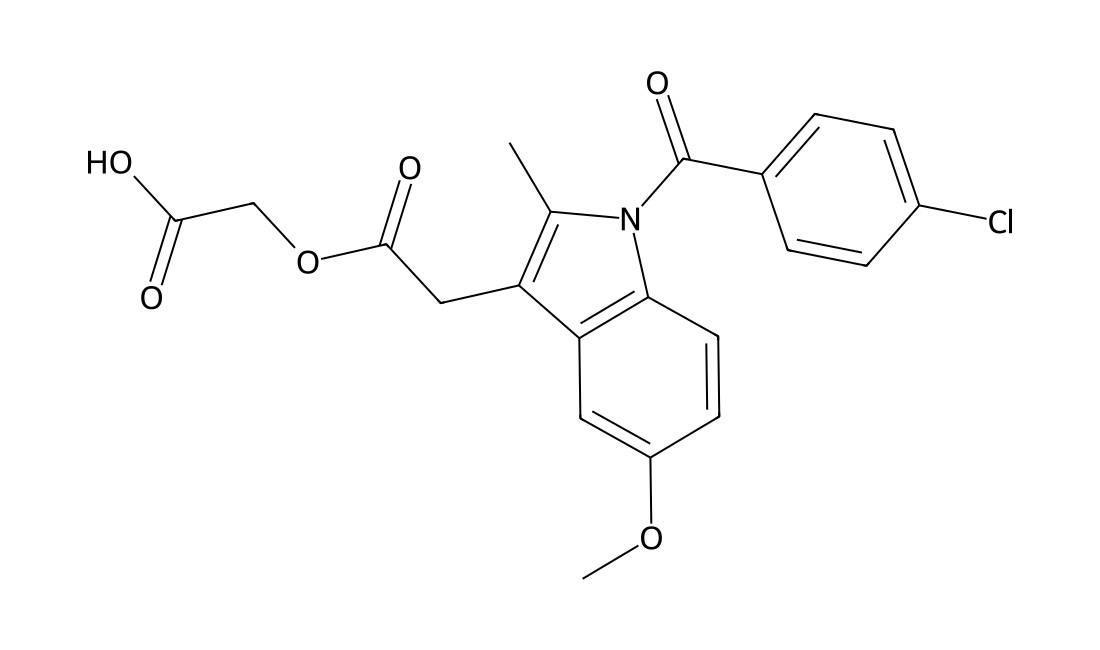
Acemetacin

CAS 53164-05-9

Acemetacin is a non-steroidal anti-inflammatory drug and a glycolic acid ester of indometacin that is a cyclooxygenase inhibitor.Acemetacin is a non-steroidal anti-inflammatory drug, used for the treatment of osteoarthritis, rheumatoid arthritis, lower back pain, and relieving post-operative pain. Acemetacin, a glycolic acid ester of indometacin, acts as a prodrug; in the body, it is metabolized to indometacin, which then acts as an inhibitor of cyclooxygenase, producing the anti-inflammatory effects. An advantage of acemetacin is that it reduces gastric damage when compared to indometacin. From Wikipedia.
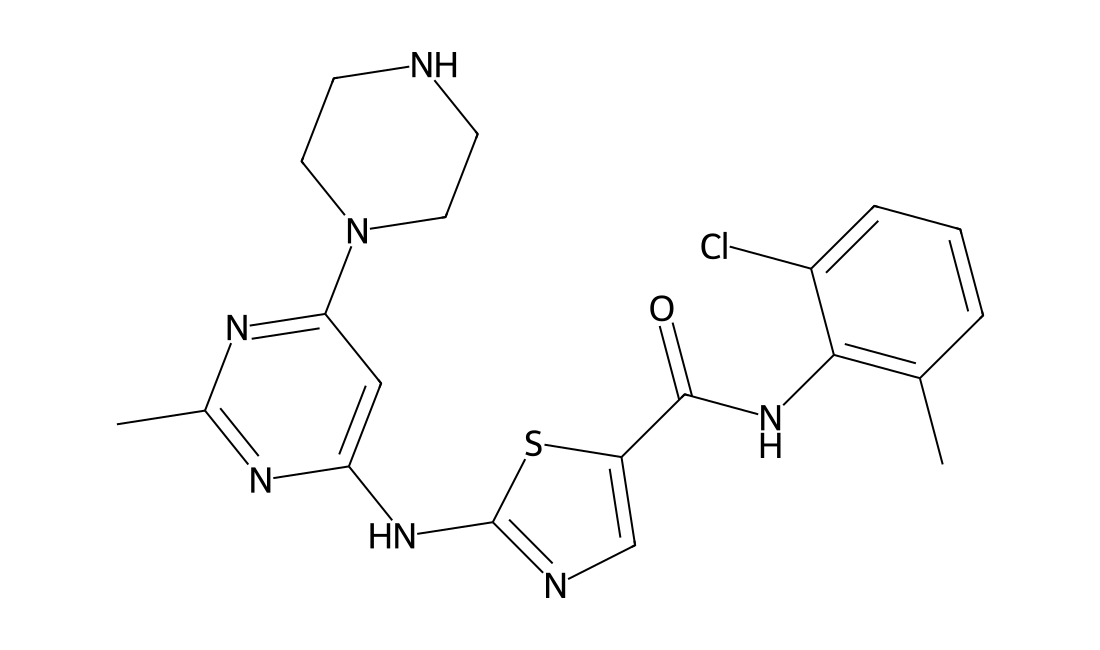
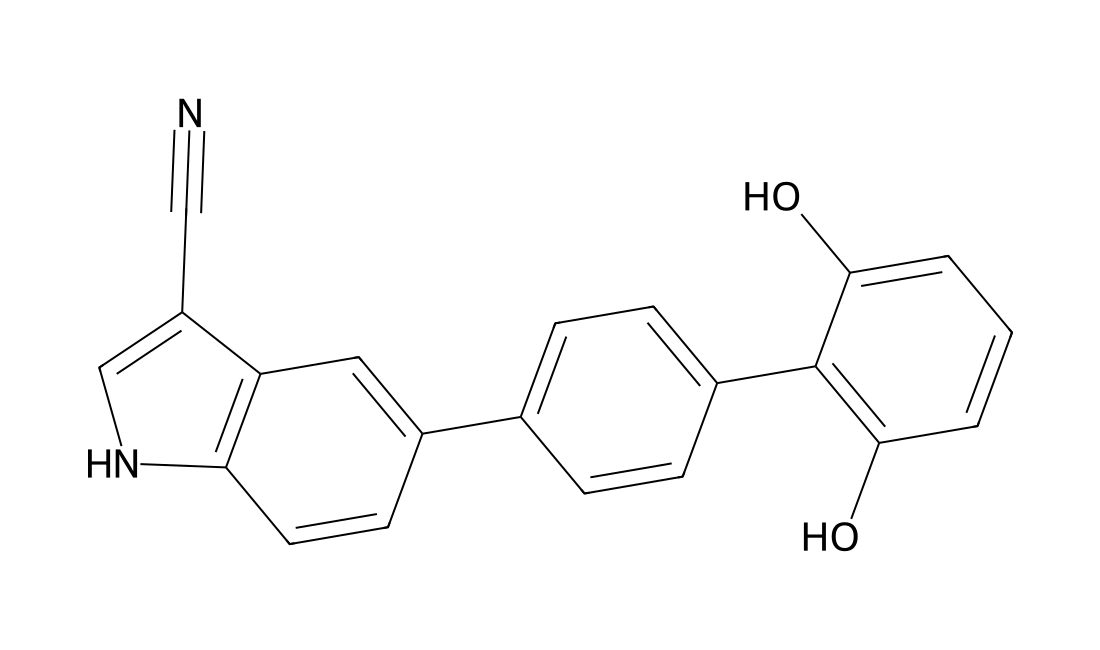
Acemetacin chemical structure
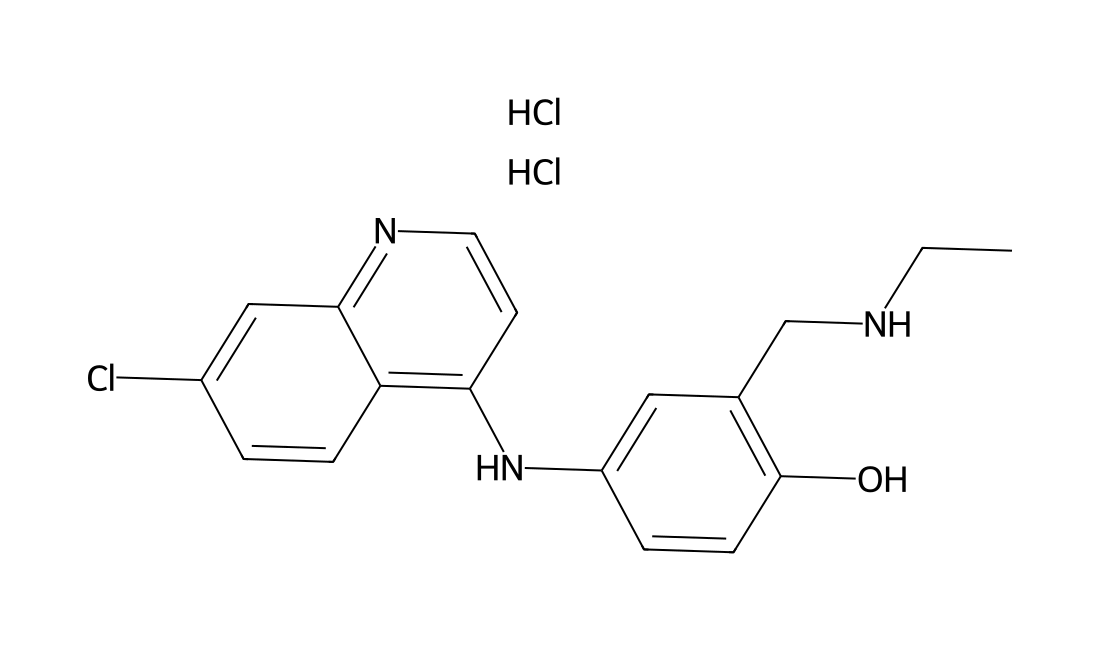
DC60123

N-desethyl Amodiaquine HCl

CAS 79049-30-2

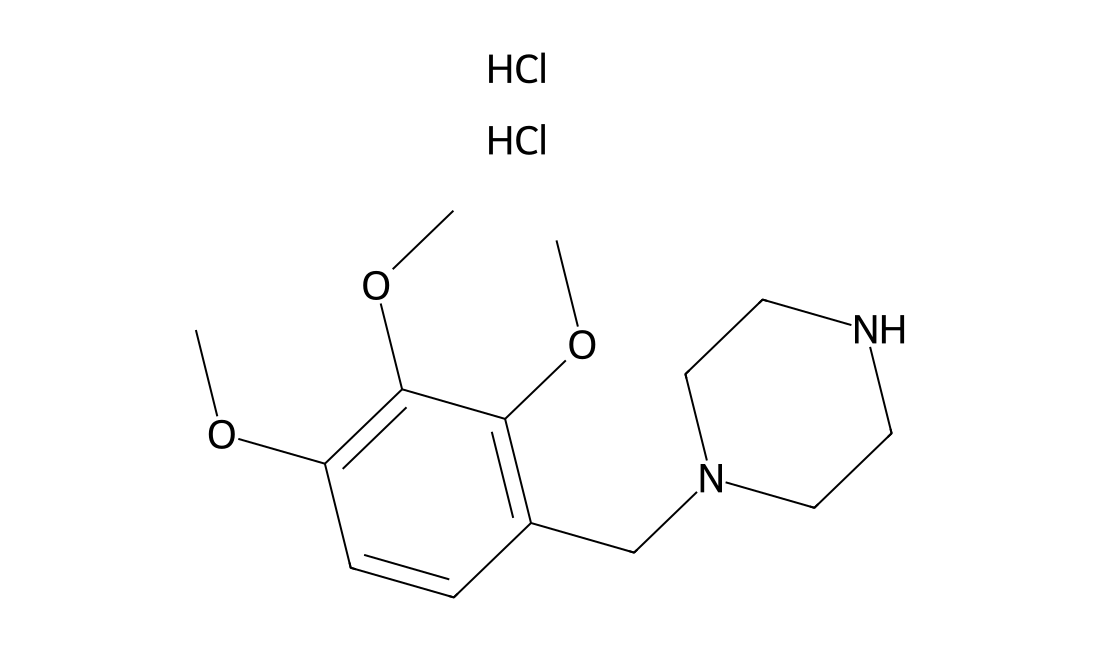
N-Desethyl amodiaquine dihydrochloride is the major biologically active metabolite of Amodiaquine. N-Desethyl amodiaquine dihydrochloride is an antiparasitic agent. IC50 values for strains V1/S and 3D7 are 97 nM and 25 nM, respectively[1].

N-desethyl Amodiaquine HCl chemical structure
DC20898

ML298

CAS 1426916-02-0

ML298 is a potent, selective phospholipase PLD2 inhibitor with IC50 of 355 nM, displays >53-fold selectivity over PLD1 (IC50>20 uM); decreases invasive migration in U87-MG glioblastoma cells; has an attractive DMPK profile, making it an attractive tool compound to further dissect PLD2 function in multiple cellular and in vivo environments.

ML298 chemical structure
DC70747

RTI-7470-44

CAS 825658-63-7

RTI-7470-44 is a highly potent and selective antagonist of the human trace amine-associated receptor 1 (hTAAR1), demonstrating an IC50 of 8.4 nM in an in vitro cAMP functional assay. In radioligand binding studies, it exhibits a Ki value of 0.3 nM, highlighting its strong affinity for hTAAR1. Notably, RTI-7470-44 shows significant species selectivity, with over 90-fold preference for hTAAR1 compared to its rat and mouse counterparts. This compound also possesses favorable pharmacokinetic properties, including good blood-brain barrier penetration, moderate metabolic stability, and a promising off-target safety profile. In electrophysiological studies, RTI-7470-44 enhanced the spontaneous firing rate of dopaminergic neurons in the mouse ventral tegmental area (VTA) and effectively counteracted the effects of the TAAR1 agonist RO5166017.

RTI-7470-44 chemical structure
DC21257

LY2780301

CAS 1226801-23-5

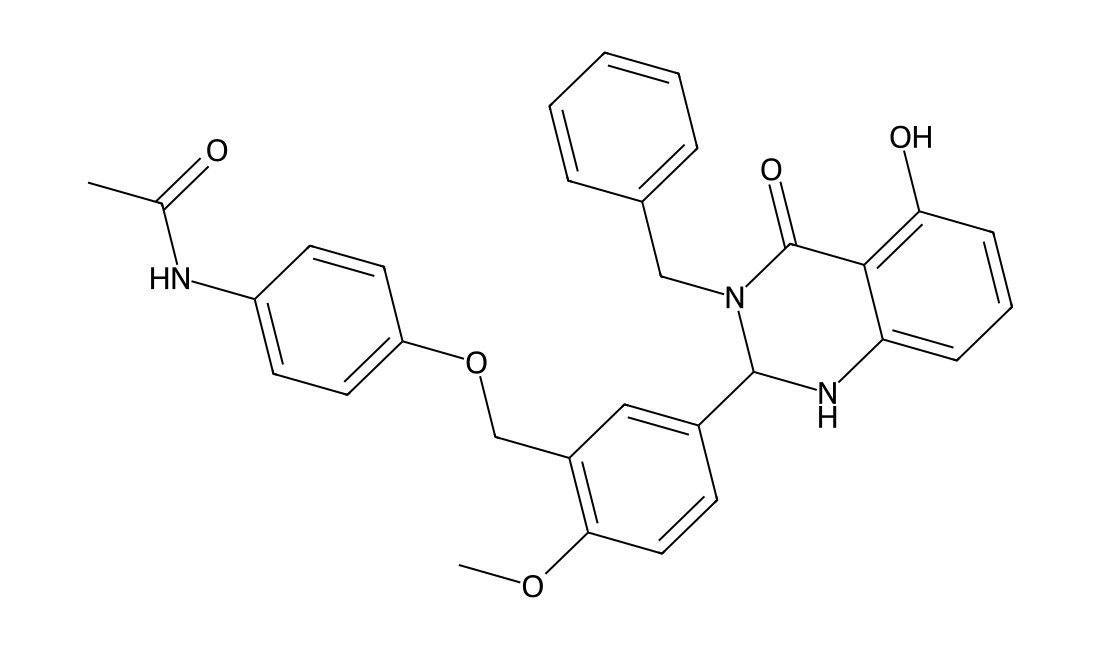
A potent, highly selective, ATP-competitive dual inhibitor of p70S6K and Akt under development for the treatment of solid tumours and non-Hodgkin's lymphoma; drastically decreases proliferation of hMECs with ErbB2-induced p70S6K activation via Cyclin B1 inhibition and cell cycle blockade at G0-G1 phase; exhibited antiproliferative activity in a broad range of cell lines using monolayer and colony formation assays, reduces proliferation of hMECs in vitro and ADH/MIN lesions in vivo.Breast CancerPhase 2 Clinical

LY2780301 chemical structure
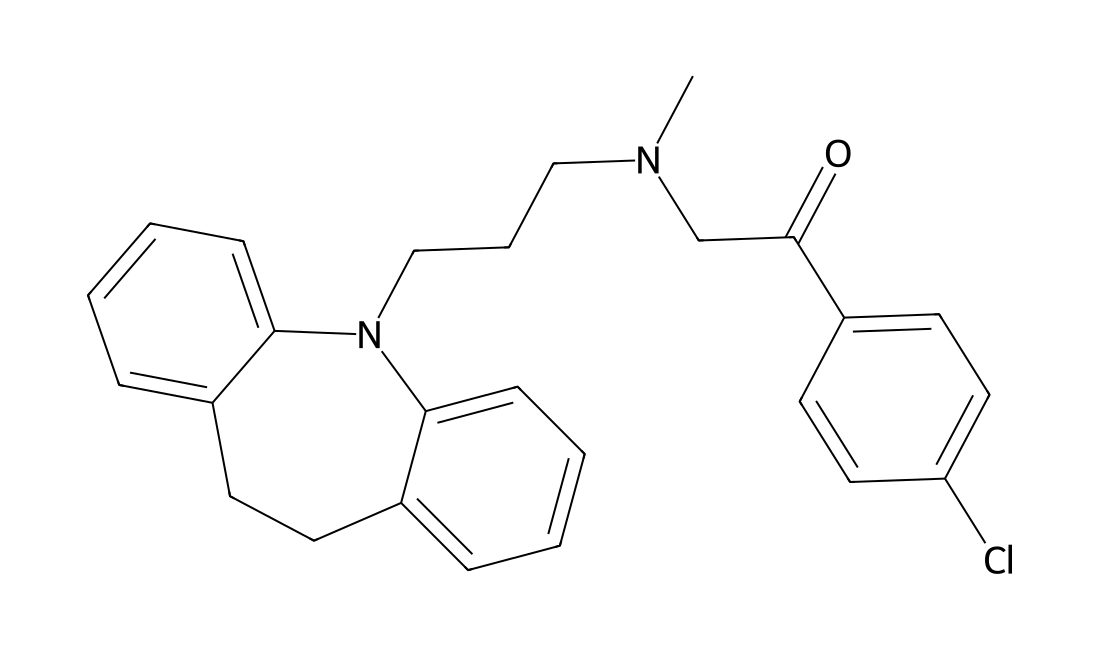
DC28447

Lofepramine

CAS 23047-25-8

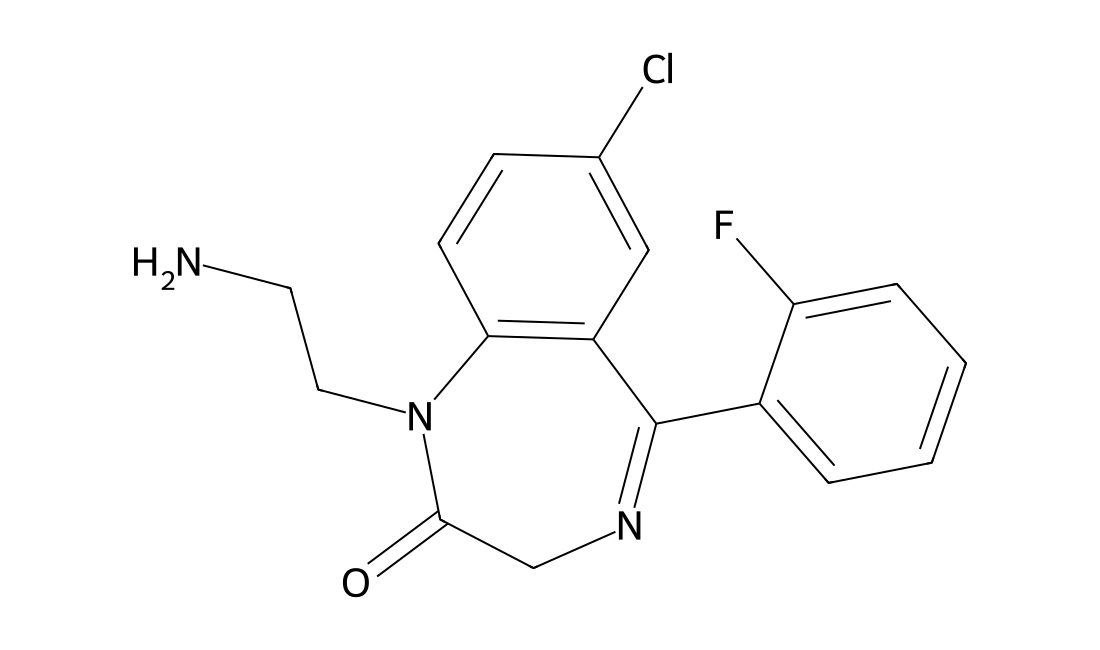
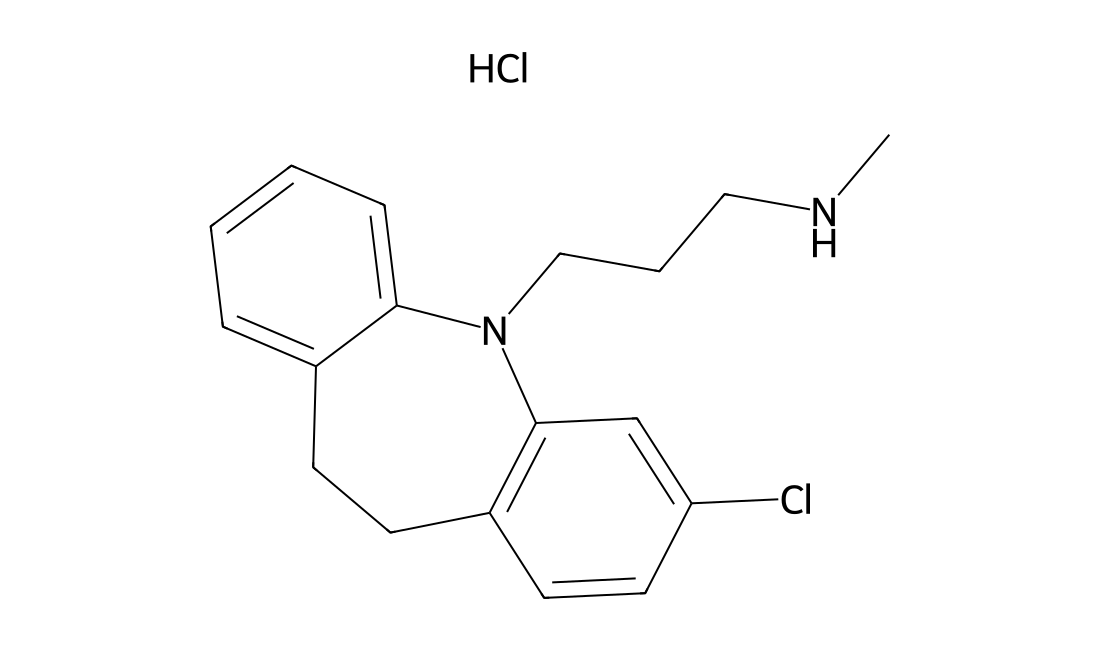
Lofepramine (Lopramine) is a potent tricyclic antidepressant and is extensively metabolised to Desipramine. The antidepressant activity of Lofepramine stems from the facilitation of noradrenergic neurotransmission by uptake inhibition. Lofepramine may also potentiate serotoninergic neurotransmission by inhibition of the neuronal uptake of serotonin and the enzyme tryptophan pyrrolase. Lofepramine has significant anxiolytic efficacy in addition to its antidepressant properties.

Lofepramine chemical structure
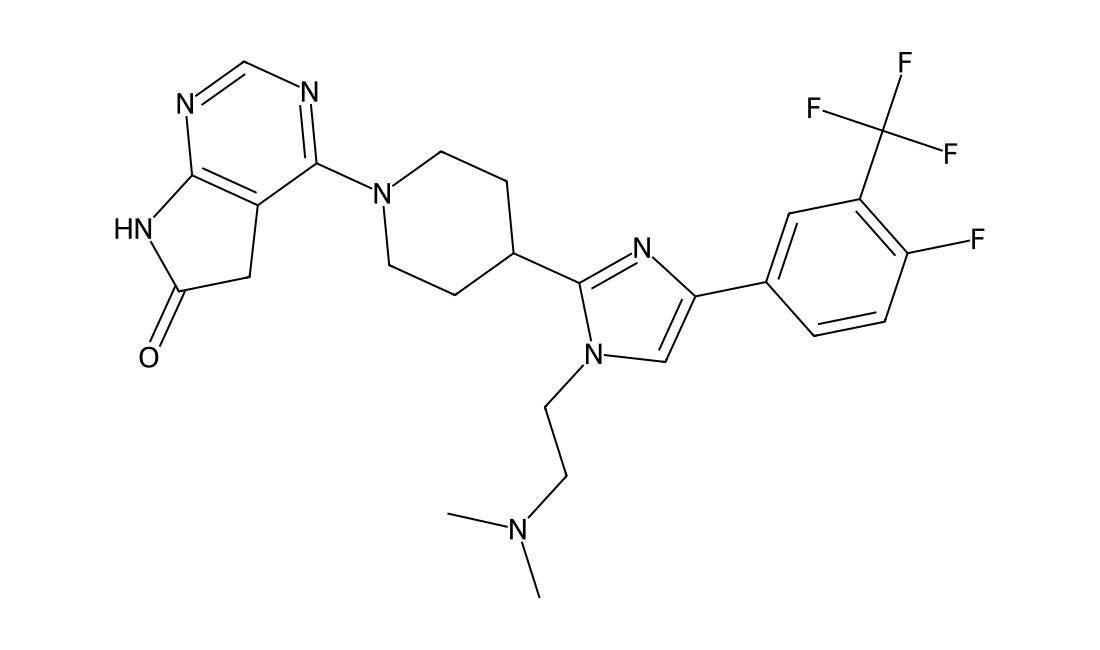
DC34407

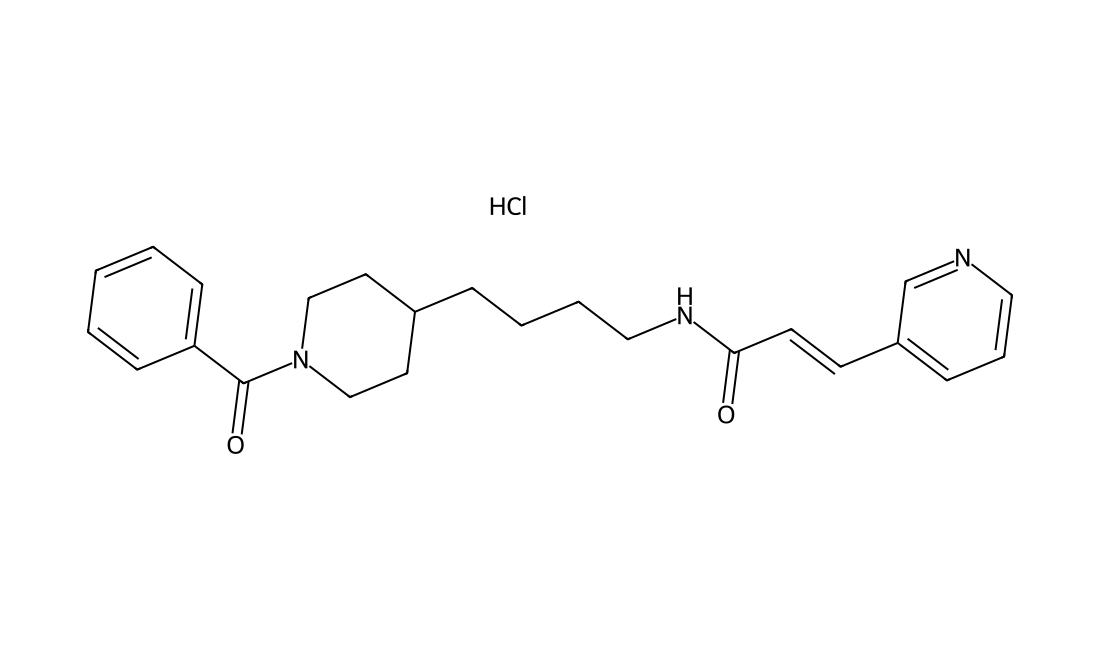
FK-866 Hydrochloride

CAS 2727965-45-7

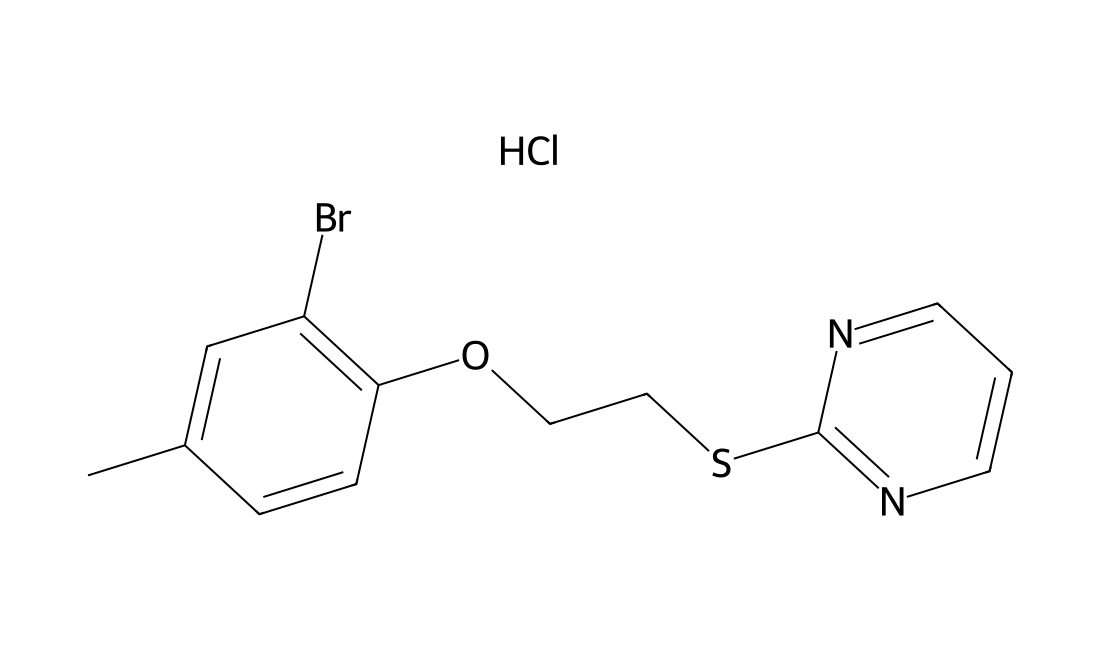
Daporinad, also known as APO-866 and FK866, is a small molecule with potential antineoplastic and antiangiogenic activities. NMPRTase inhibitor APO866 binds to and inhibits nicotinamide phosphoribosyltransferase (NMPRTase), inhibiting the biosynthesis of nicotinamide adenine dinucleotide (NAD+) from niacinamide (vitamin B3), which may deplete energy reserves in metabolically active tumor cells and induce tumor cell apoptosis. In addition, this agent may inhibit tumor cell prioduction of vascular endothelial growth factor (VEGF), resulting in the inhibition of tumor angiogenesis.

FK-866 Hydrochloride chemical structure
DC43147

FIPI hydrochloride

CAS 1781834-93-2

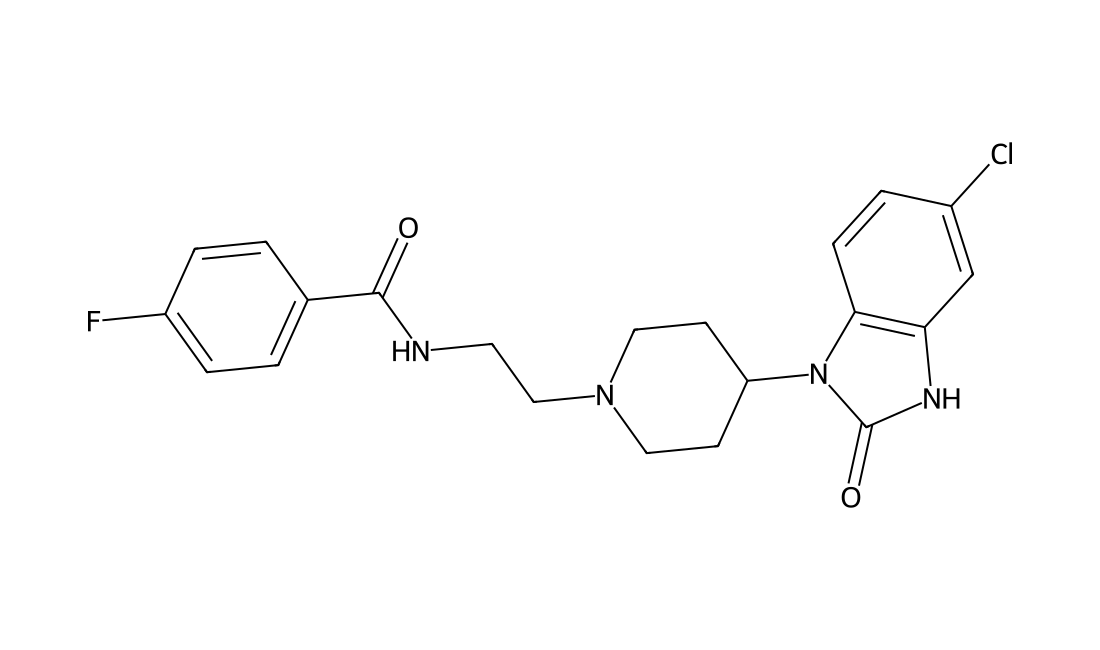
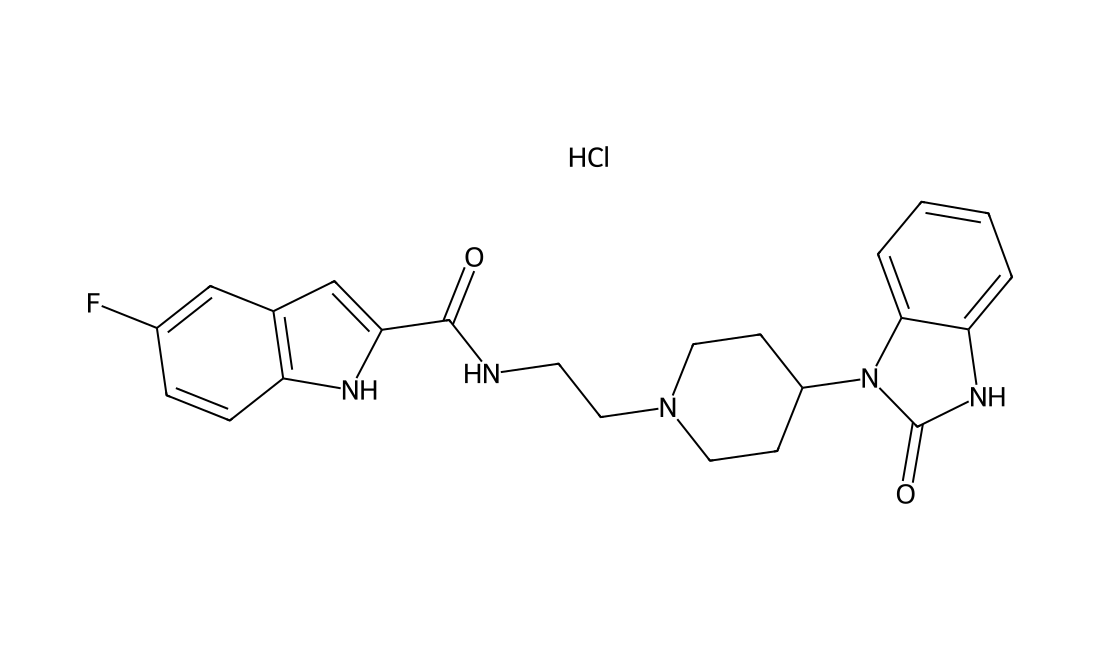
FIPI (5-Fluoro-2-indolyl des-chlorohalopemide) hydrochloride, a derivative of Halopemide (HY-119093), is a phospholipase D (PLD) inhibitor with IC50s of approximately 25 nM and 20 nM for PLD1 and PLD2, respectively. FIPI hydrochloride inhibits PLD regulation of F-actin cytoskeleton reorganization, cell spreading, and chemotaxis. FIPI hydrochloride has the potential for autoimmunity and cancer metastasis research.

FIPI hydrochloride chemical structure
DC22490

3-Bromopyruvic acid

CAS 1113-59-3

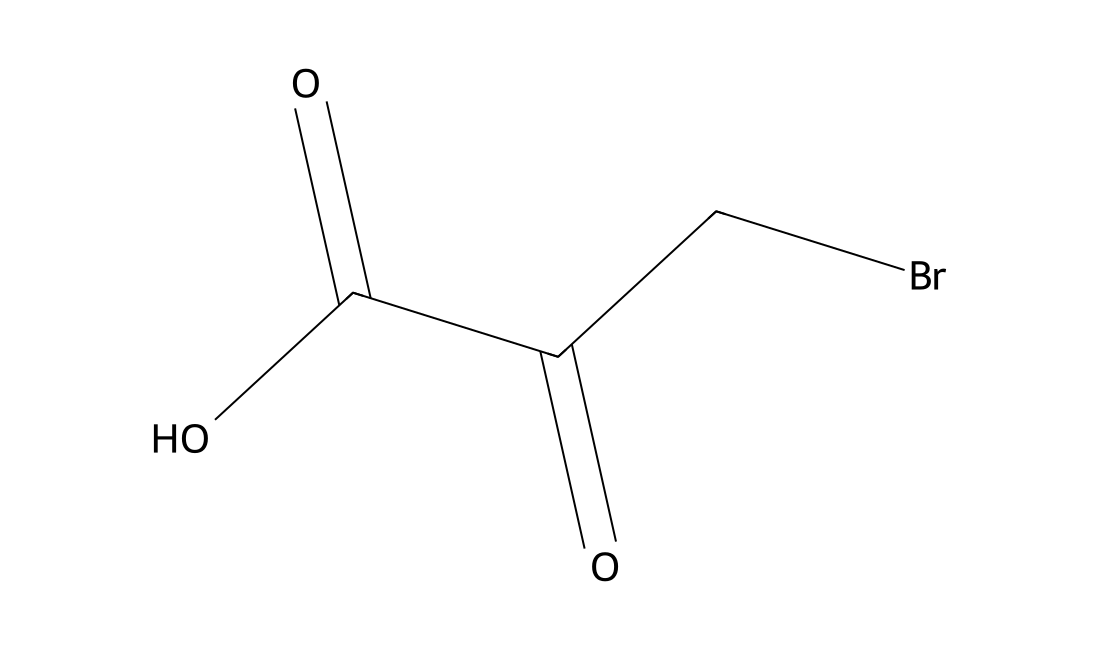
A glycolytic inhibitor that inhibits hexokinase II activity, suppresses ATP production, and induces endoplasmic reticulum (ER) stress; potentiates acetate-induced apoptosis and anti-proliferative effect in CRC cells; abrogates MUC1-mediated radiation resistance both in vitro and in vivo pancreatic cancer models, by reducing glucose flux into nucleotide biosynthetic pathways and enhancing DNA damage.

3-Bromopyruvic acid chemical structure
Browse target & topic index A–Z (366)
11β-HSD (1)15-PGDH (2)5-HT Receptor (16)Acetyl-CoA Carboxylase (ACC) (3)Acetylcholinesterase (AChE) (2)Ack1 (TNK2) (1)Acyltransferase (1)ADC Cytotoxin (6)ADCs Linker/Click Chemistry (5)Adenosine Receptor (9)Adenylate Cyclase (2)Adrenergic Receptor (11)Akt (12)Alcoholism (2)Aldehyde Dehydrogenase (ALDH) (6)Allergy (5)Alzheimer Disease (13)Aminopeptidase (1)AMPK (8)Amyloids (4)Anaplastic Lymphoma Kinase (ALK) (9)Androgen Receptor (AR) (11)Anemia (4)Angiotensin Receptor (4)Antibody/Protein labeling dyes (1)Antifolate (2)Anxiety (1)Apoptosis Inducer (3)Arginase (1)Arp2/3 complex (1)Aryl hydrocarbon Receptor (AhR) (1)Asthma (5)Atherosclerosis (2)ATM/ATR (8)Aurora Kinase (10)Autophagy (6)Autophagy-related Protein (Atg) (2)Autotaxin (2)Bacterial (26)Bacterial Infection (17)Bcl-2 (14)Bcr-Abl (5)BCRP (1)Beta-catenin (4)Beta-secretase (BACE) (4)Blood Cancer (91)BMI-1 (1)Bone Cancer (6)Brain Cancer (6)Breast Cancer (30)Bromodomain (22)BTK (10)c-Fms (CSF1R) (5)c-Fos/AP-1 (1)c-Kit (6)c-Met (HGFR) (11)c-Myc (2)Calcium Channel (4)Calcium-sensing Receptor (CaSR) (1)CaMK (4)Cannabinoid Receptor (6)Carbonic Anhydrase (1)Carboxypeptidase (1)Casein Kinase (6)Caspase (4)Cathepsin (6)Cdc2-like Kinase (CLK) (1)CETP (2)CFTR (7)Checkpoint Kinase (Chk) (8)Chemokine Receptor (CCR and CXCR) (14)Chemotherapeutic Agents (19)Chloride Channel (1)CMV (2)CMV Infection (2)Colon Cancer (9)Complement System (1)COPD (3)CREB/CBP (2)CRF Receptor (2)CRISPR/Cas9 (1)Cushing Disease (1)Cyclin-dependent Kinase (CDK) (39)Cyclooxygenase (COX) (4)Cytochrome P450 (CYPs) (5)Depression (2)Dermatitis (2)Deubiquitinase (DUB) (7)Diabetes (20)Dipeptidyl Peptidase (DPP) (3)Discoidin Domain Receptor (DDR) (1)DNA Alkylator/Crosslinker (10)DNA Methyltransferase (DNMT) (1)DNA Repair Protein (1)DNA-PK (2)DNA/RNA Synthesis (5)Dopamine beta-hydroxylase (1)Dopamine Receptor (7)Drug Metabolite (1)Drug-Linker Conjugates (11)Dyes (4)DYRK (1)Dyslipidemia (9)E3 Ligase Ligand (6)E3 Ligase Ligand-Linker Conjugate (1)E3 Ubiquitin Ligase (4)Ebola Virus Infection (1)EGFR (32)Elastase (2)Endothelin Receptor (5)Enzymes substrates (13)Epigenetic Reader Domain (3)Epilepsy (4)ERK (4)Estrogen Receptor/ERR (13)Eukaryotic Initiation Factor (eIF) (2)Exportin-1 (CRM1,XPO1) (2)FABP (1)Factor Xa (5)Farnesoid X Receptor (FXR) (5)Farnesyl transferase (FTase) (1)Ferroptosis (6)FGFR (15)Fibrosis (5)FLT3 (6)Focal Adhesion Kinase (FAK) (11)Foxo1 (1)Free Fatty Acid Receptor (FFAR) (5)Fungal (2)Fungal Infection (1)GABA Receptor (13)Galectin (1)Gastric Cancer (8)Ghrelin Receptor (GHSR) (3)Glucagon Receptor (4)Glucokinase (2)Glucose Transporter (GLUT) (2)Glutamate Transporter (2)GPCR (1)GPER (GPR30) (1)GPR139 (1)GPR183 (EBI2) (2)GPR39 (1)GPR55 (1)GPR84 (1)GRK (GPCRK) (2)Growth Hormone Deficiency (2)GSK-3 (8)Guanylate Cyclase (3)HBV (1)HBV Infection (1)HCN Channel (2)HCV (8)HCV Infection (9)HDAC (38)Heart Arrhythmia (2)Heart Failure (5)Heat Shock Protein (HSP) (15)Hedgehog (Hh) (1)HIF/HIF Prolyl-hydroxylase (8)Histamine Receptor (6)Histone Acetyltransferase (HAT) (5)Histone Demethylase (11)Histone Methyltransferase (HMTase) (31)HIV (12)HIV Infection (11)HMG-CoA Reductase (HMGCR) (3)HSV (1)HSV Infection (1)Hypercholesterolemia (1)Hyperparathyroidism (1)Hypertension (8)IAP (1)IGF-1R (3)iGluR (15)Indoleamine 2,3-Dioxygenase (IDO) (4)Infection (1)Influenza (6)Influenza Virus (6)Insulin Receptor (2)Integrin (6)Interleukin Receptor (1)IRAK (2)IRE1 (4)Irritable Bowel Syndrome (2)Ischemia (1)Isocitrate Dehydrogenase (IDH) (5)ITK (1)IκB kinase (IKK) (7)JAK (32)JNK (3)Keap1-Nrf2 (6)Kidney Cancer (10)Kinesin (5)Kruppel-like Factor (KLF) (1)Kynurenine 3-Monooxygenase (KMO) (1)Leukotriene Receptor (1)LIM Kinase (LIMK) (3)Lipids fragment (1)Liver Cancer (6)Liver X Receptor (LXR) (3)LRRK2 (9)Lung Cancer (39)Lysophospholipid Receptor (12)LYTACs (3)mAChR (9)MALT1 (2)MAP4K (1)Matrix Metalloproteinase (MMP) (10)MDM2-p53 (9)MEK (MAP2K) (14)MEKK (MAP3K) (1)Melanocortin Receptor (2)MELK (1)mGluR (7)MicroRNA (1)Microtubule/Tubulin (5)Mineralocorticoid Receptor (MLR) (1)MITF (1)Mixed Lineage Kinase (MLK) (3)MNK (2)Molecular Glues (13)Monoamine Transporter (5)Monocarboxylate Transporter (MCT) (1)Monopolar Spindle 1 (Mps1/TTK) (3)mTOR (13)Multiple Sclerosis (6)Myosin (1)Na-K-Cl Cotransporter (NKCC) (2)nAChR (2)NADPH Oxidase (NOX) (2)NAMPT (3)Natural products (37)Neprilysin (1)Neurokinin Receptor (3)Neuropeptide Y Receptor (3)NF-κB (5)Nitric Oxide Synthase (NOS) (1)NOD-like Receptor (NLR) (3)Notch (2)Nucleoside Antimetabolite/Analog (10)Nur77 (NR4A1) (1)Obesity (1)Oct3/4 (1)Opioid Receptor (5)Orexin Receptor (7)Osteoporosis (2)Ovarian Cancer (14)Oxytocin Receptor (OXTR) (2)P-glycoprotein (P-gp) (3)p21-activated Kinase (PAK) (1)P2X Receptor (2)P2Y Receptor (1)p38 MAPK (10)p97/VCP (1)Pain (12)Pancreatic Cancer (10)Parasite (5)Parasite Infection (2)Parkinson Disease (2)PARP (19)PCSK9 (1)PD-1/PD-L1 (4)PDGFR (4)PDK1 (2)PEGn (1)PERK (2)PGE synthase (2)Phosphodiesterase (PDE) (9)Phospholipase (4)PI3K (32)PI4K (2)Piezo Channel (1)PIKfyve (3)Pim (9)PKC (12)PKD (1)Plasminogen Activator Inhibitor-1 (PAI-1) (3)Polo-like Kinase (PLK) (4)Porcupine (3)Potassium Channel (13)PPAR (13)Pregnane X Receptor (PXR) (1)Progesterone Receptor (2)Prostaglandin Receptor (11)Prostate Cancer (7)PROTACs (35)Protease-activated Receptor (PAR) (3)Proteasome (12)Protein Disulfide Isomerase (PDI) (1)Protein Phosphatase/PTP (6)Proton Pump (1)Psoriasis (5)RAD51 (1)Radioligand precursors (15)Raf (18)RAR/RXR (3)Ras (17)Renin (2)RET Tyrosine Kinase (c-RET) (3)Rheumatoid Arthritis (16)Ribosomal S6 Kinase (RSK) (5)RIG-I-like Receptor (RLR) (2)RIP kinase (7)ROCK (12)ROR (2)RSV (4)RSV Infection (3)RUNX1-CBFβ (1)S-nitrosoglutathione reductase (GSNOR) (1)Saccharides and Glycosides (1)Salt Inducible Kinase (SIK) (2)SARS-CoV (16)SARS-CoV Infection (34)Schizophrenia (4)Sexual Dysfunction (1)SGLT (4)Sigma Receptor (4)Sirtuin (9)Skin Cancer (13)Sleep Disorder (7)SMN2 Modulator (1)Smoothened (Smo) (9)Sodium Channel (12)Solid Tumors (35)Somatostatin Receptor (2)Sphingosine kinase (SphK) (2)Src (7)STAT (5)Stearoyl-CoA Desaturase (SCD) (1)Steatohepatitis (7)Sterol lipids (1)STING (14)Syk (6)T Cell Receptor (TCR) (1)TAK1 (2)TAM Receptor (Tyro3-Axl-Mer) (4)Taste Receptor (1)Telomerase (2)TGF beta Receptor (TGFBR) (12)Thrombin (3)Thrombosis (13)Thyroid Cancer (1)Thyroid Hormone Receptor (THR) (1)Thyrotropin Receptor (2)TNIK (1)Toll-like Receptor (TLR) (2)TOPK (1)Topoisomerase (11)TRAIL (1)Translocator Protein (TSPO) (1)Trk Receptor (4)TRP Channel (13)Tryptophan Hydroxylase (TPH) (1)Ubiquitin-activating Enzyme (E1) (2)Ubiquitin-conjugating Enzyme (E2) (2)Ulcer (1)ULK (3)Vasopressin Receptor (2)VEGFR (25)Vitamin D Receptor (VDR) (3)Wee1 (1)WNK Kinase (1)Wnt (5)Yes-associated Protein (YAP) (4)γ-secretase (5)

Cart

Request quotation