
Metabolism & Endocrinology
Metabolic enzymes, lipid and glucose metabolism and hormone signaling.
Browse all research categories
Browse by research category
Products may appear in more than one category. Counts refer to distinct catalog numbers within each category.
Kinases & Cell Signaling1,548 products →938 products →Epigenetics & Gene Regulation410 products →277 products →DNA Damage, Repair & Cell Cycle342 products →228 products →Cell Death & Autophagy233 products →117 products →Protein Degradation & Proteostasis252 products →178 products →Immunology & Inflammation515 products →297 products →Neuroscience793 products →363 products →GPCRs & Receptor Biology1,219 products →428 products →Ion Channels & Transporters373 products →196 products →Metabolism & Endocrinology697 products →404 products →Cardiovascular & Hematology264 products →141 products →Anti-infectives453 products →205 products →Cancer Research1,049 products →532 products →ADCs & Bioconjugation61 products →38 products →Probes & Assay Reagents150 products →82 products →Natural Products424 products →73 products →Cell Biology & Intracellular Transport181 products →61 products →
Other Research Tools (75) · Additional reagents, building blocks and specialized research tools.
Metabolism & Endocrinology products
Combine a keyword, research category and target to narrow the product list.
Loading catalog filters…
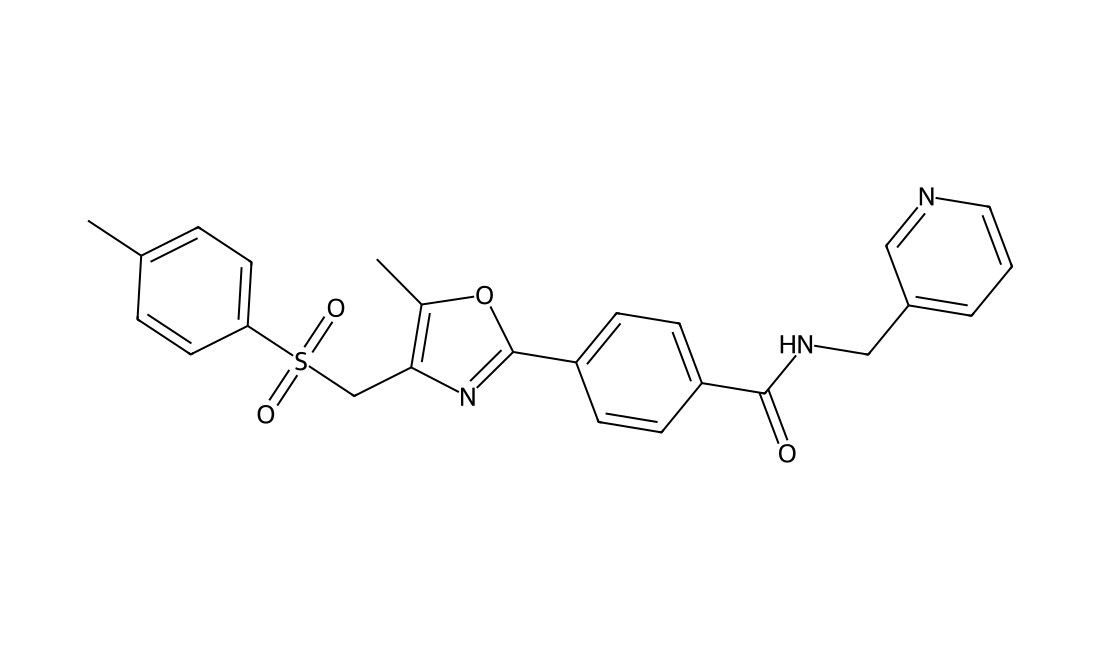
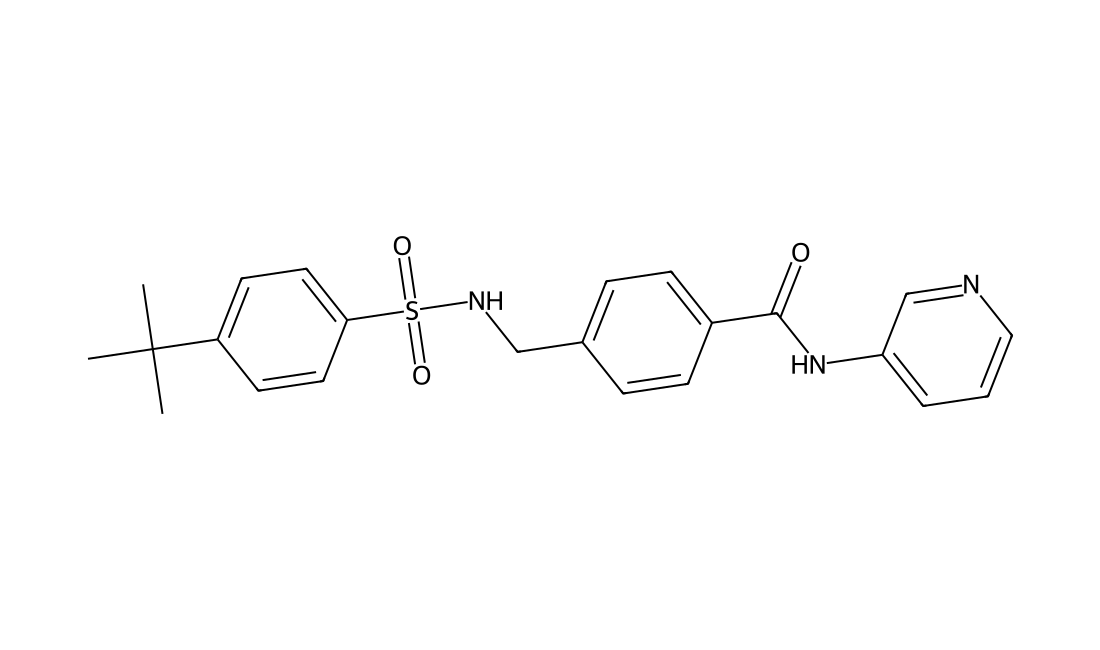
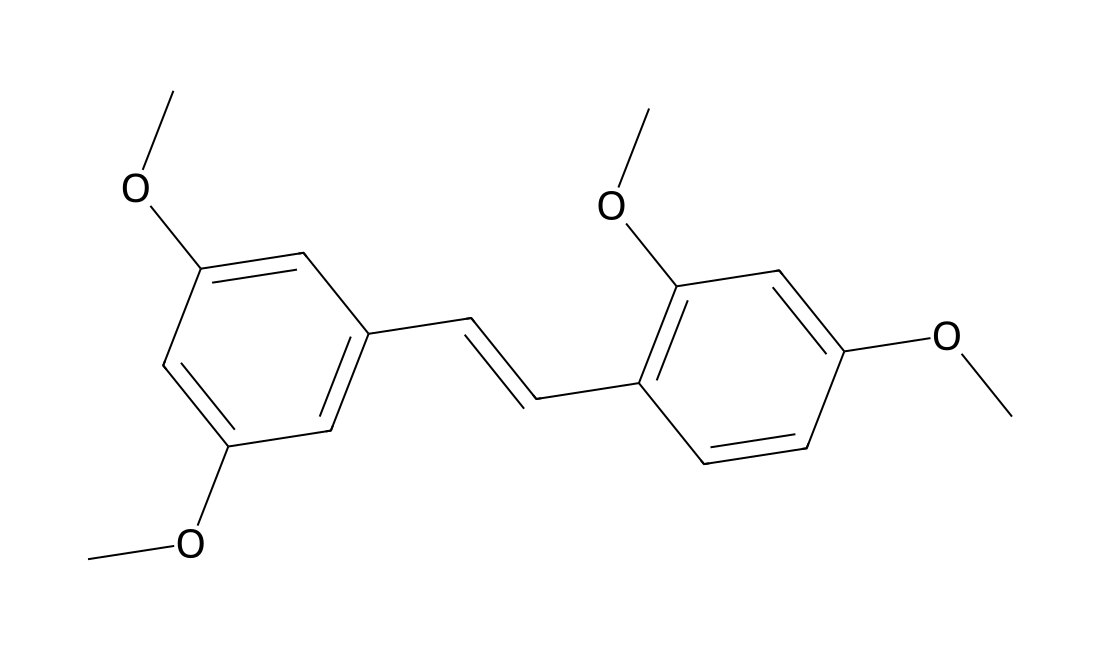
YM750
CAS 138046-43-2
YM-750 is a potent acyl-CoA:cholesterol acyltransferase (ACAT) inhibitor (IC50=0.18 μM). ACAT catalyzes the formation of cholesteryl esters from cholesterol and long-chain fatty-acyl-coenzyme A.
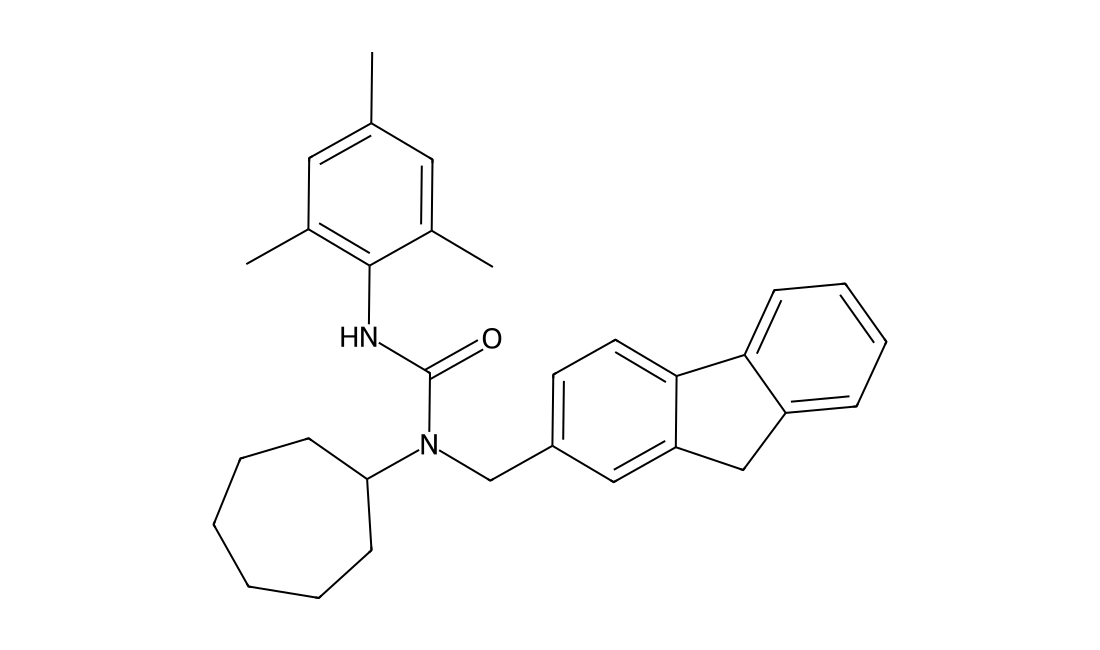
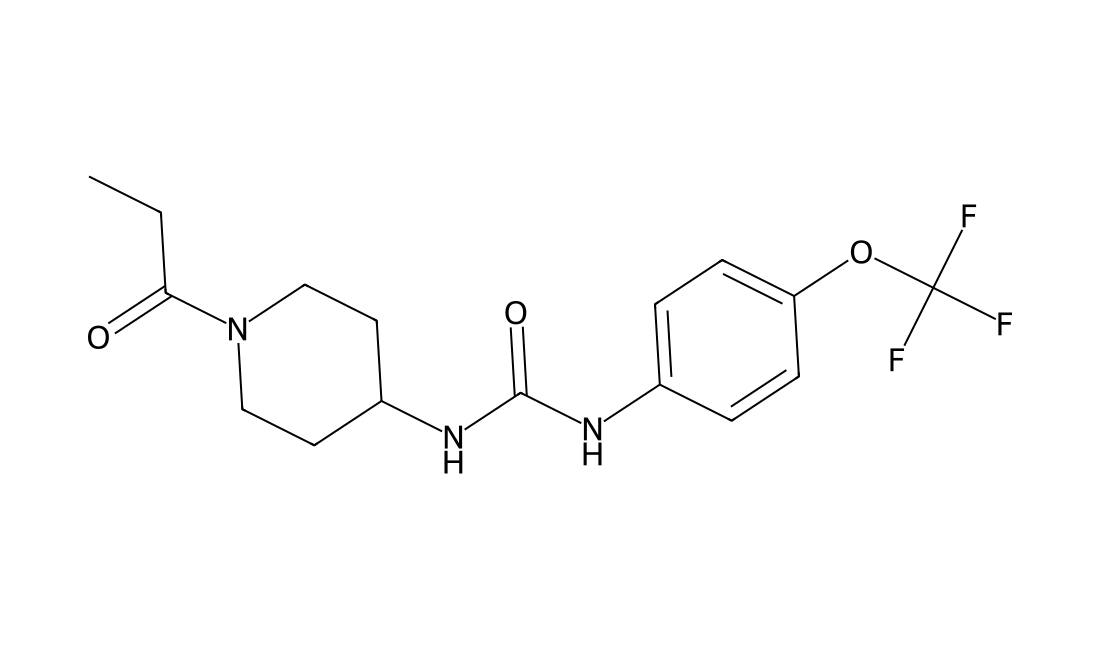
TPPU
CAS 1222780-33-7
TPPU is a potent inhibitor of both human and mouse sEH (IC50 = 3.7 and 2.8 nM, respectively).
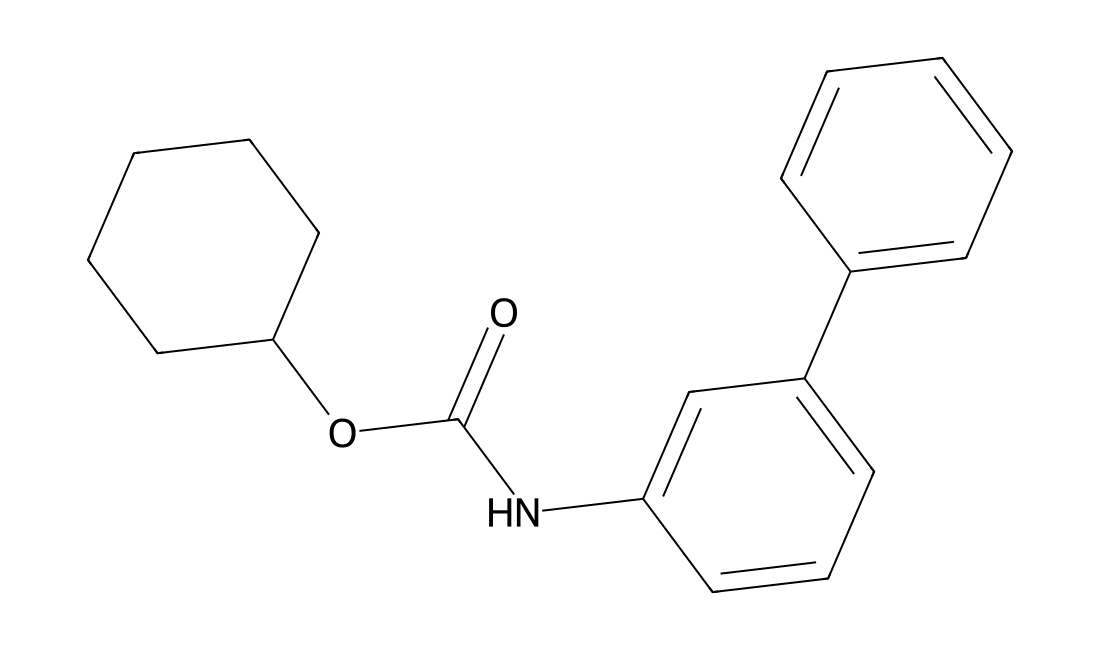
URB602
CAS 565460-15-3
URB602 is a selective inhibitor of monoglycerol lipase (MGL), exhibiting an IC50 of 28 µM for the rat brain enzyme.
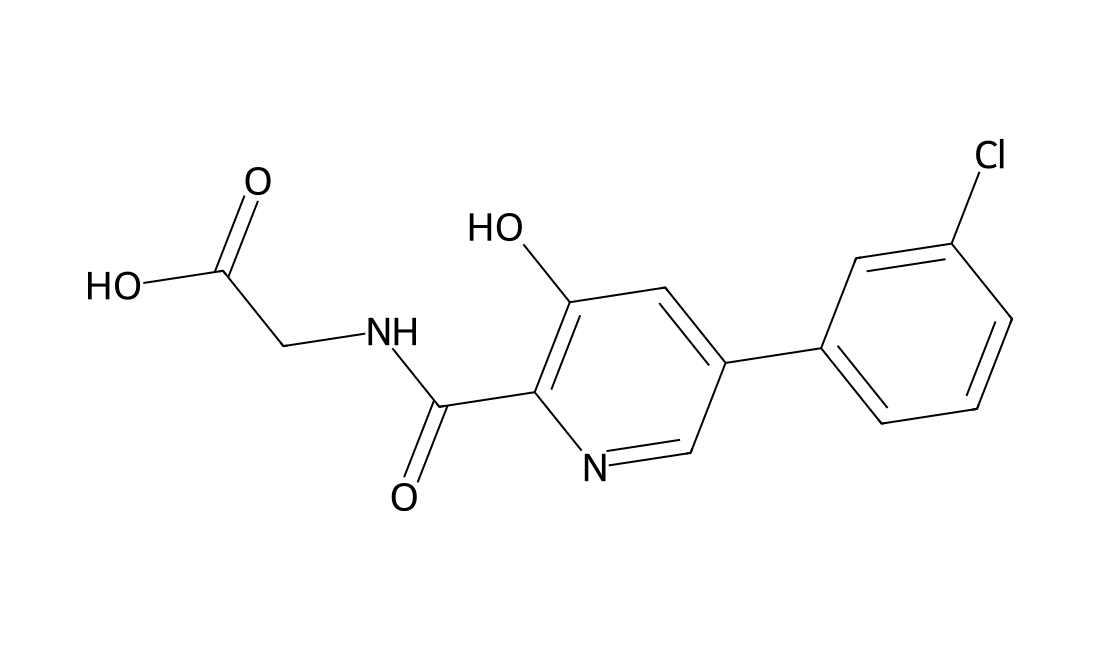
Vadadustat
CAS 1000025-07-9
Vadadustat is a novel, titratable, oral hypoxia-inducible factor prolyl hydroxylase (HIF-PH) inhibitor in development for the treatment of anemia.
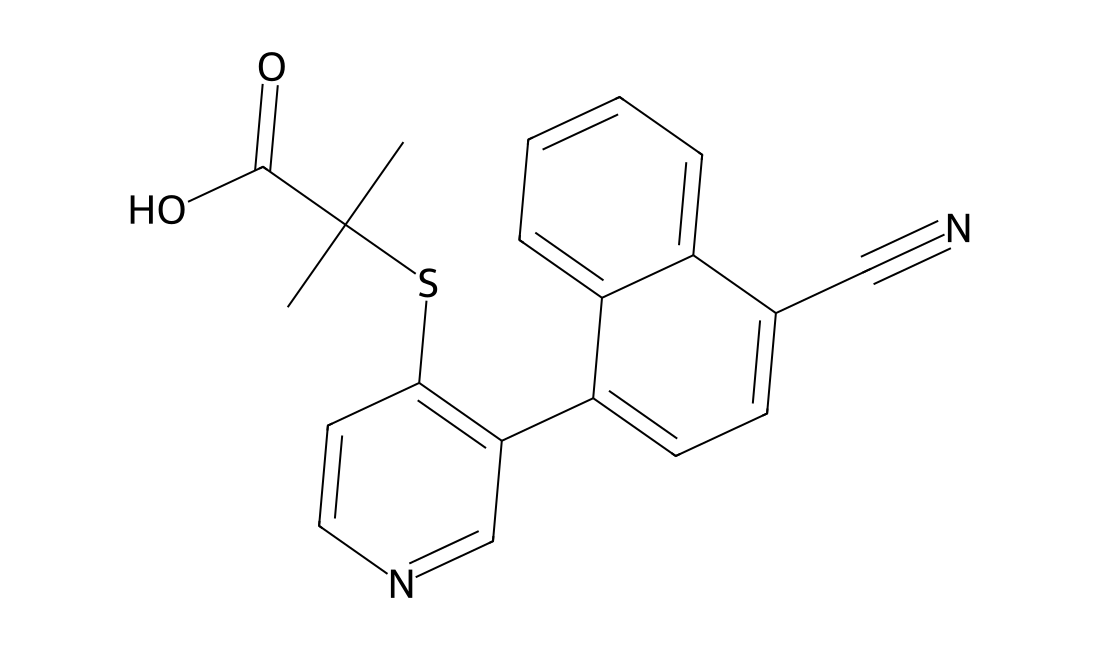
Verinurad
CAS 1352792-74-5
Verinurad is an urate transporter inhibitor with EC50 value of 0.05 μM.Verinurad is useful in the modulation of blood or serum uric acid levels, reducing serum uric acid levels in a human.
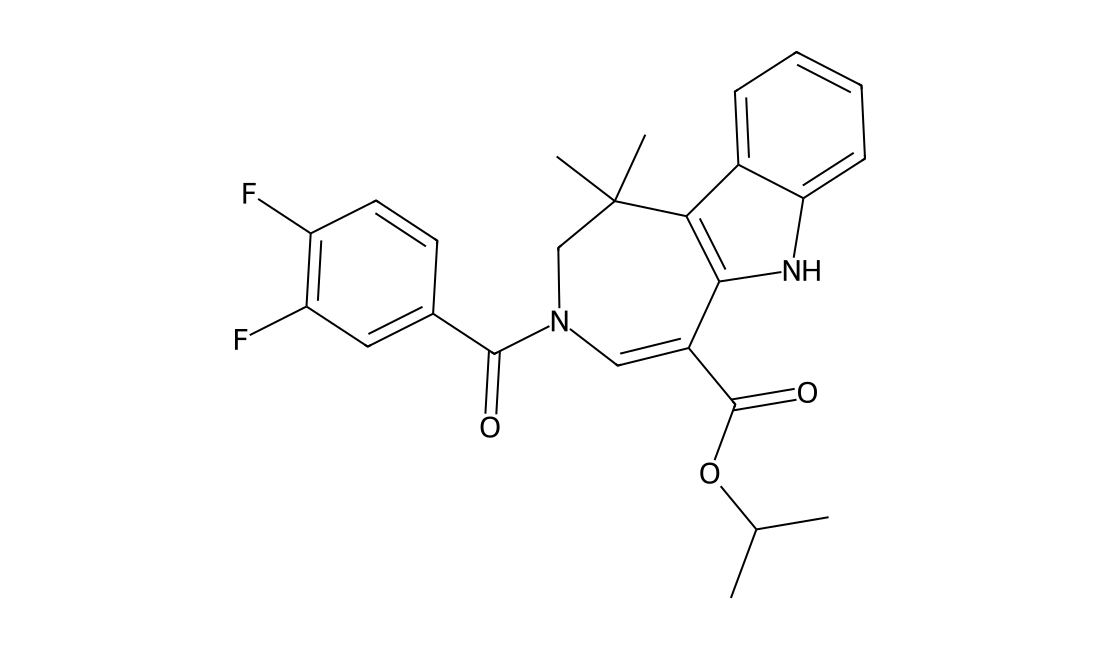
WAY-362450 (XL335; Turofexorate isopropyl)
CAS 629664-81-9
WAY-362450 (XL335; Turofexorate isopropyl) is a highly potent, selective, and orally active farnesoid X receptor (FXR) agonist with an EC50 of 4 nM.WAY-362450 is useful for dyslipidemia.
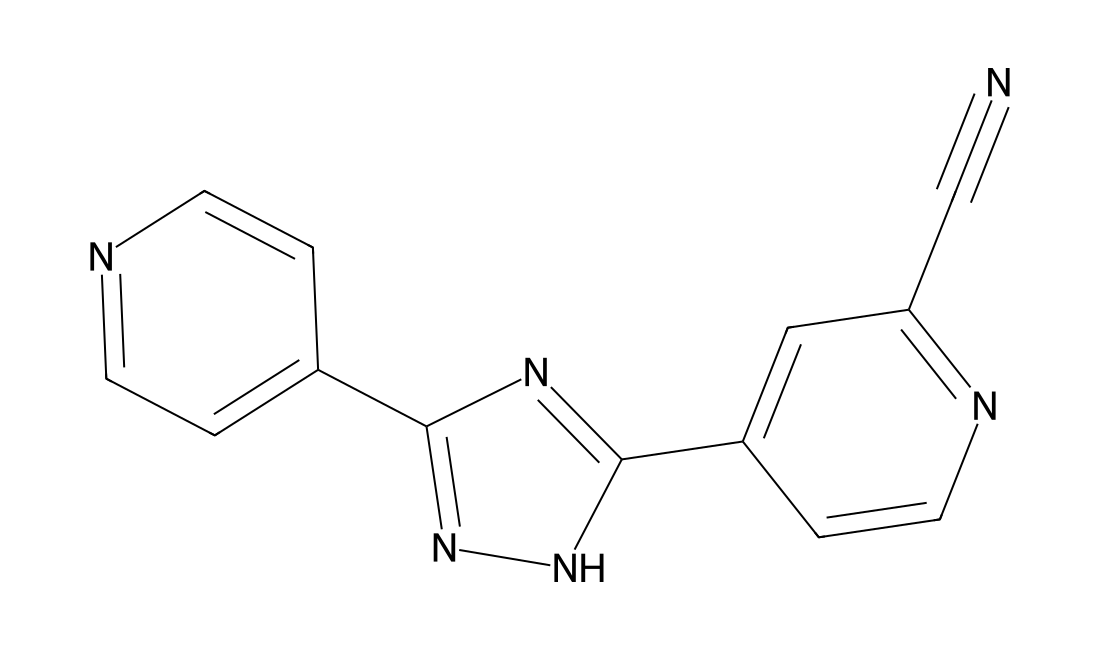
Topiroxostat(FYX-051)
CAS 577778-58-6
Topiroxostat(FYX-051) is a novel and potent xanthine oxidoreductase (XOR) inhibitor with IC50 value of 5.3 nM.
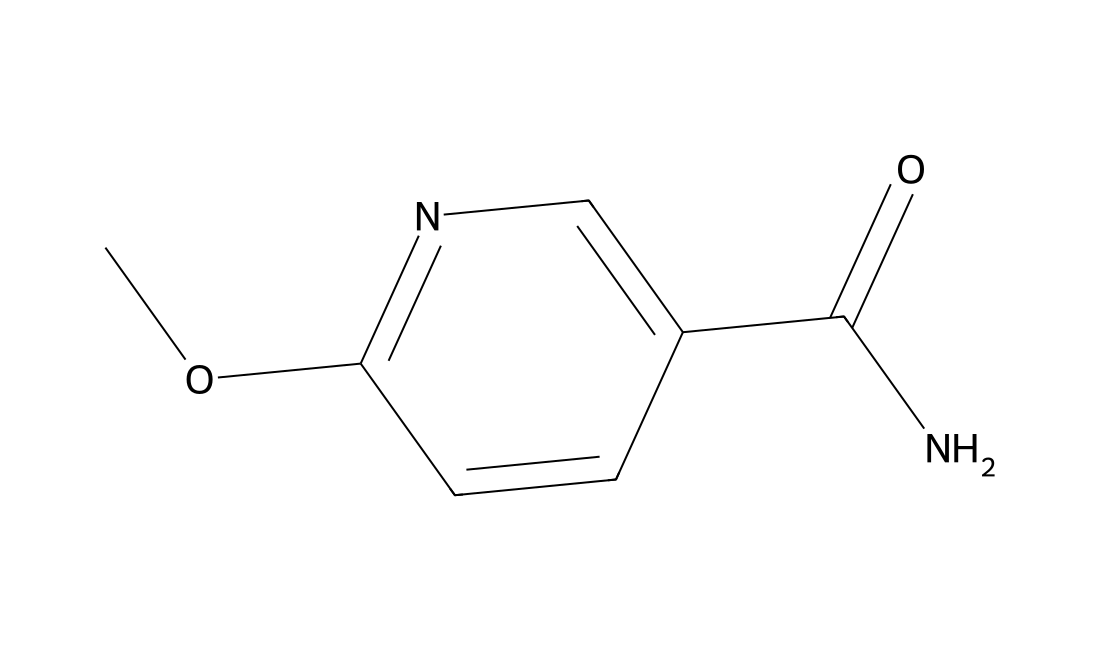
JBSNF-000088
CAS 7150-23-4
JBSNF-000088 (6-Methoxynicotinamide) is a small molecule nicotinamide analog that inhibits Nicotinamide N-methyltransferase (NNMT) with IC50 of 1.8, 2.8 and 5.0?μM for human, monkey and mouse NNMT, respectively.
PF 3845
CAS 1196109-52-0
PF 3845 is a selective fatty acid amide hydrolase (FAAH) inhibitor (Ki = 0.23 uM).
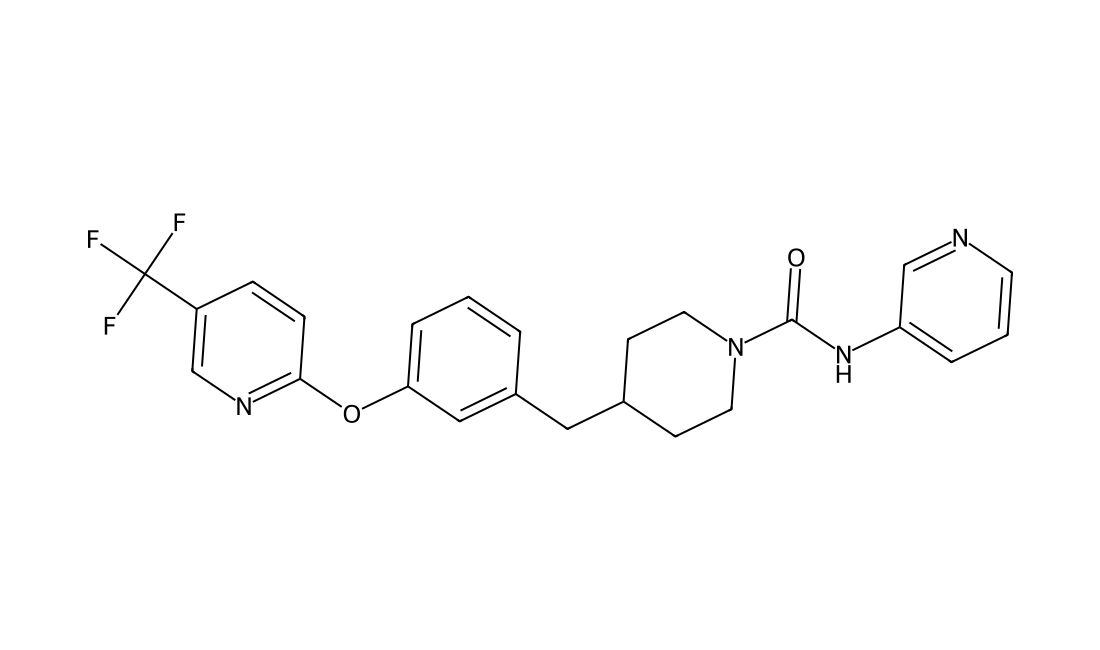
Sulfaphenazole
CAS 526-08-9
Sulfaphenazole is an inhibitor of CYP2C9 (Ki = 0.3 μM) that demonstrates at least 100-fold selectivity over other CYP450 isoforms (Kis = 63 and 29 μM for CYP2C8 and CYP2C18, respectively, and no activity at CYP1A1, CYP1A2, CYP3A4, CYP2C19).
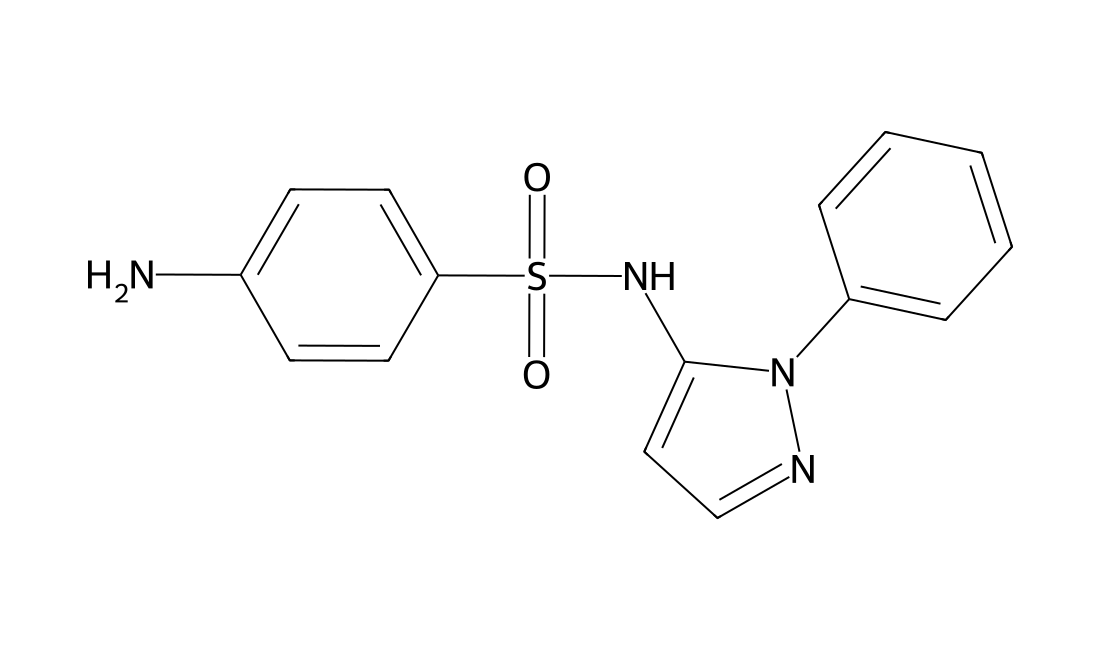
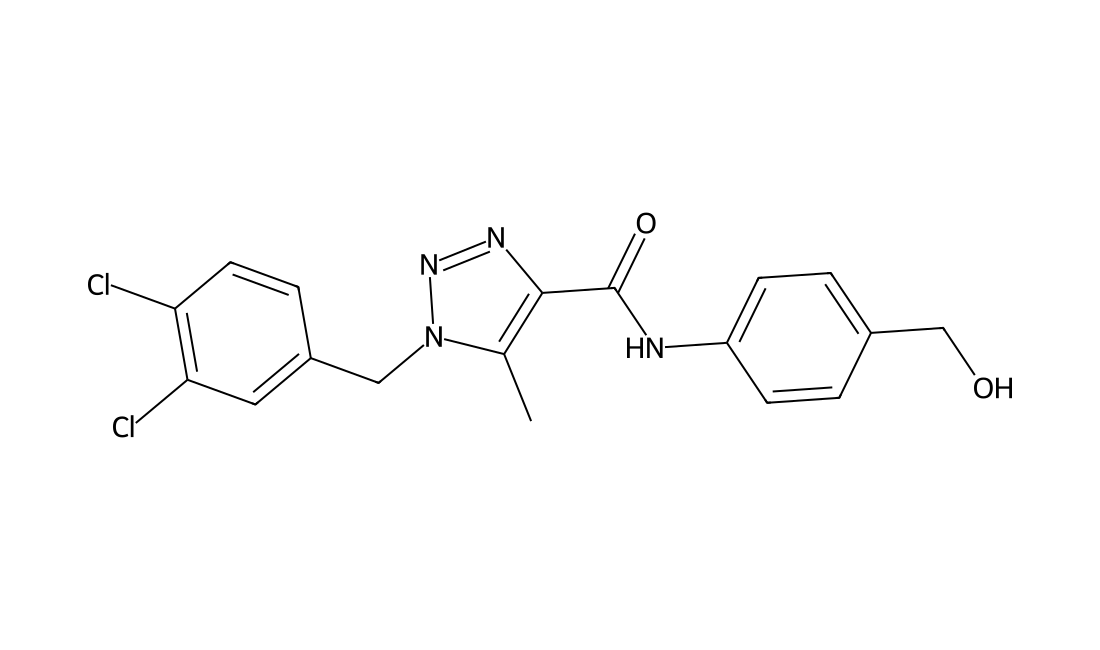
PF-915275
CAS 857290-04-1
PF-915275 is a potent and selective inhibitor of human 11β-hydroxysteroid dehydrogenase type 1 (11βHSD1) (Ki < 1 nM) with good preclinical pharmacokinetic properties.IC50 value: < 1 nM (Ki)2Target: 11βHSD1in vitro: PF-915275 maintains potency in our cellular assay against human 11βHSD1 (HEK293, EC50 = 5 nM) and is selective against human 11βHSD2 (HEK293, 1.5% inhibition 10 μM). PF-915275 displays only weak affinity for the rodent choline transporter (Ki = 9.6 μM) and the hamster melatonin MT3 receptor (Ki = 9.6 μM) in the Cerep Bioprint screening panel. PF-915275 has good in vitro pharmacokinetic properties. In particular, PF-915275 is categorized as a low clearance compound (liver microsome assays) with high permeability (Caco2 assay). 2in vivo: As a prelude to in vivo studies with PF-915275, the rat pharmacokinetic properties of this compound were determined. PF-915275 has an excellent pharmacokinetic profile characterized by low clearance, long half-life and good oral bioavailability. 2
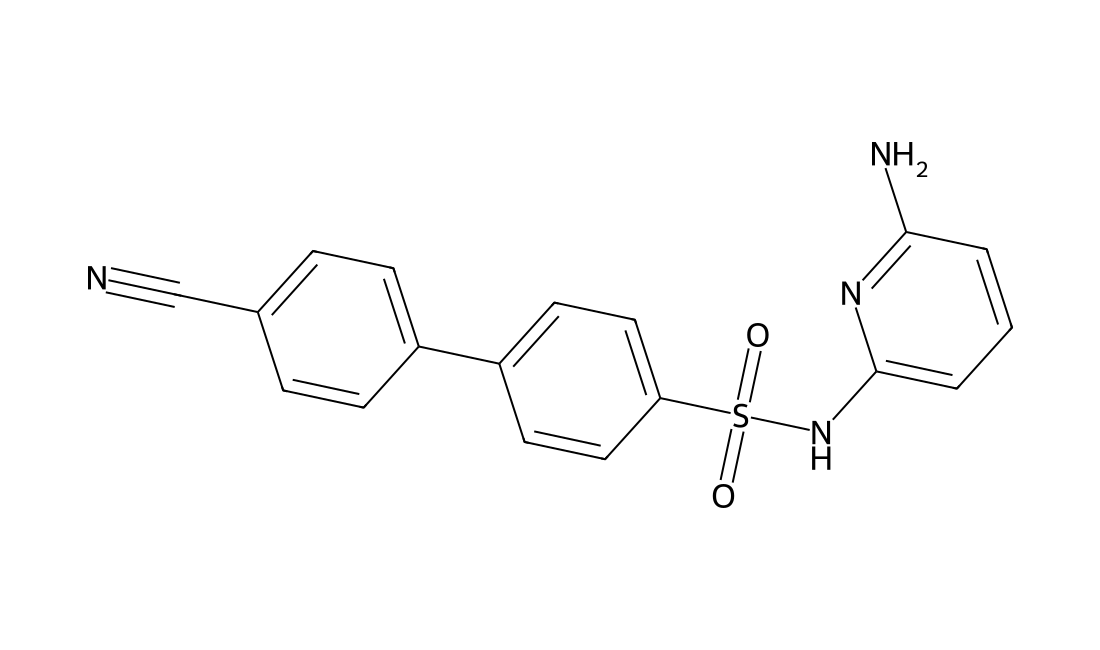
Eprobemide (LIS 630)
CAS 87940-60-1
Eprobemide is a non-competitive reversible inhibitor of monoamine oxidase A.
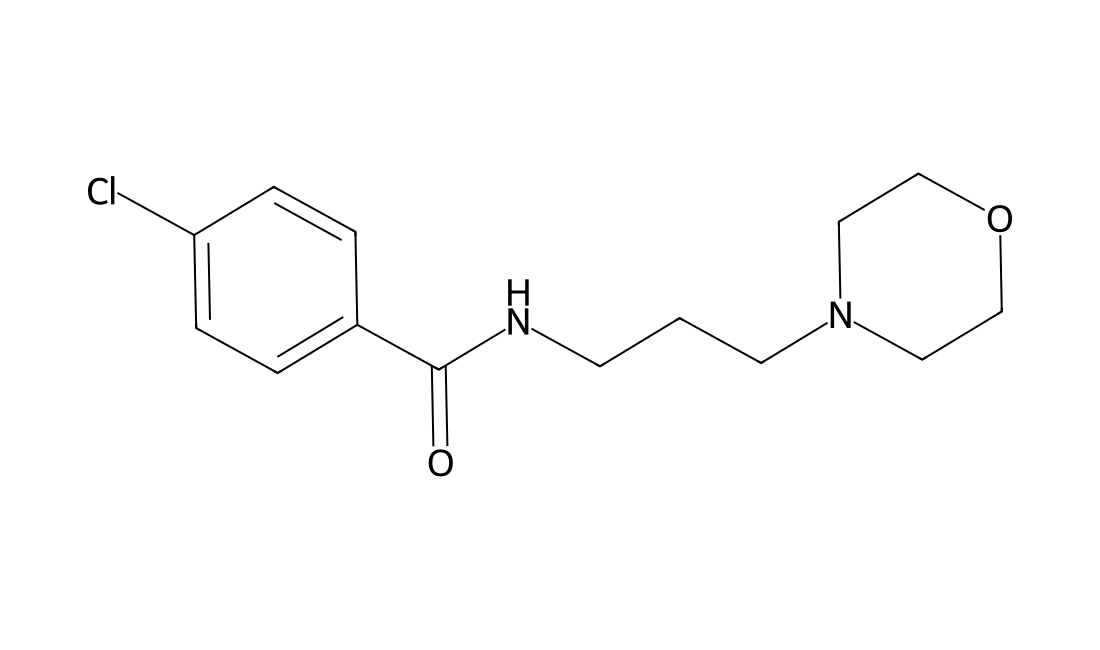
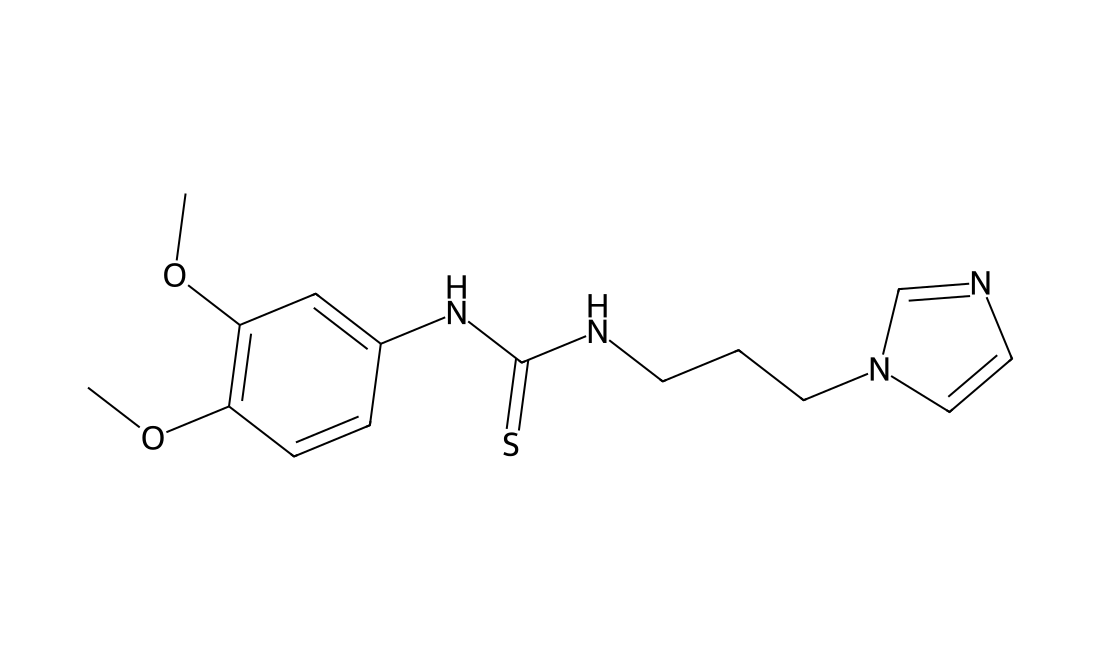
Cavosonstat
CAS 1371587-51-7
Cavosonstat is a potent, orally bioavailable inhibitor of S-nitrosoglutathione reductase (GSNOR) and CFTR modulator.
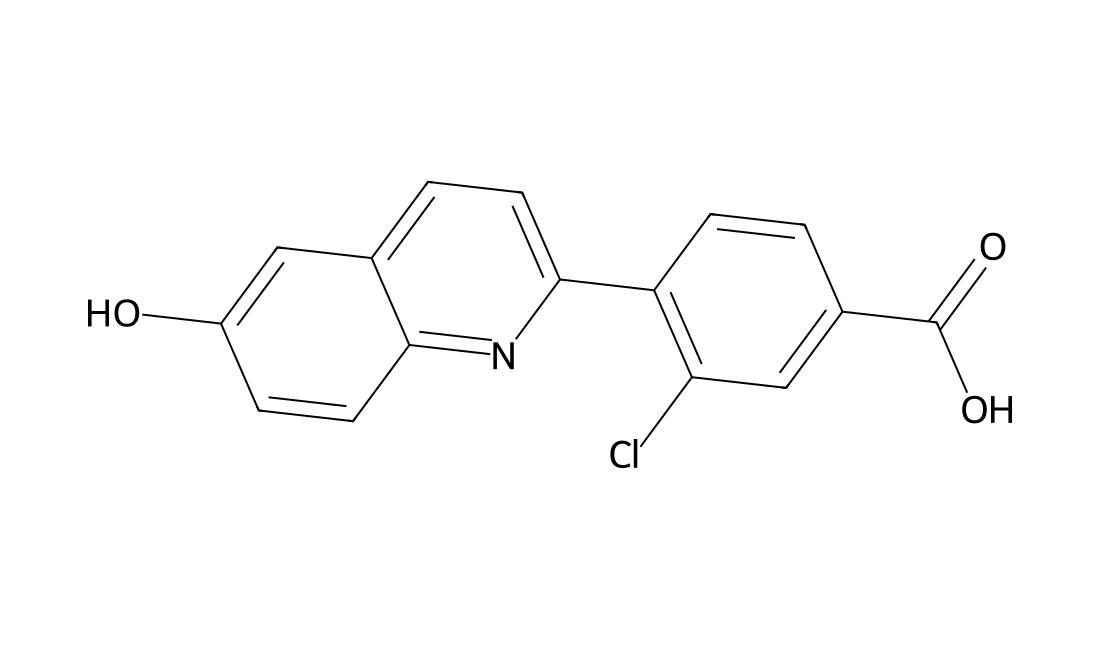
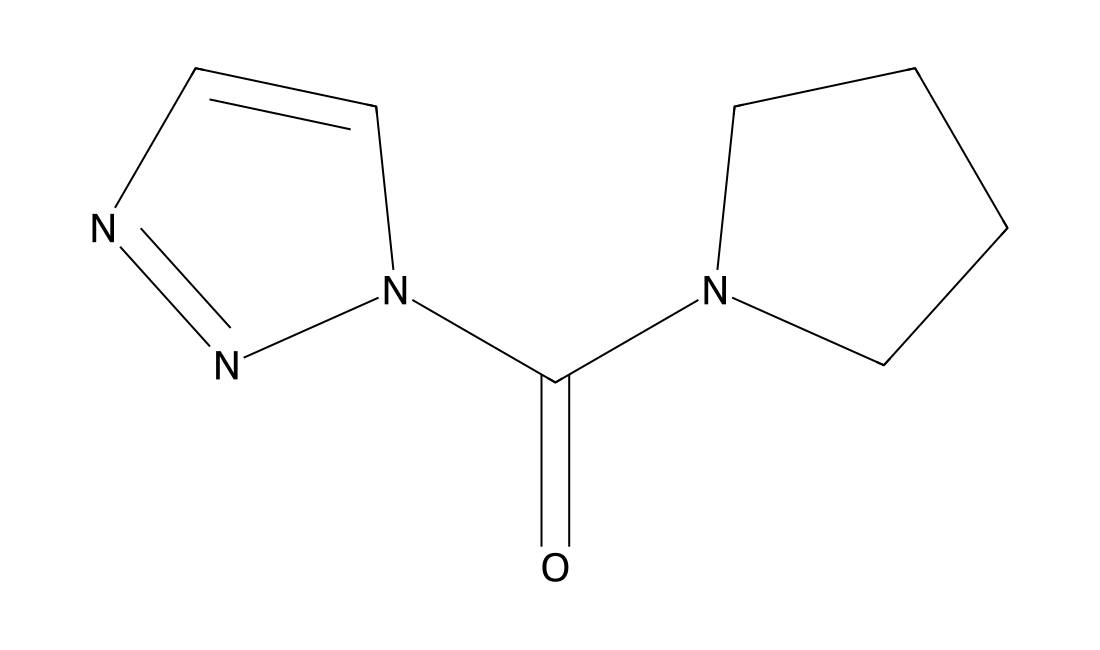
LR-90
CAS 245075-84-7
LR-90 is an advanced glycation end product (AGE) inhibitor, inhibits inflammatory responses in human monocytes. LR-90 is also used in the research of diabetic animal model.
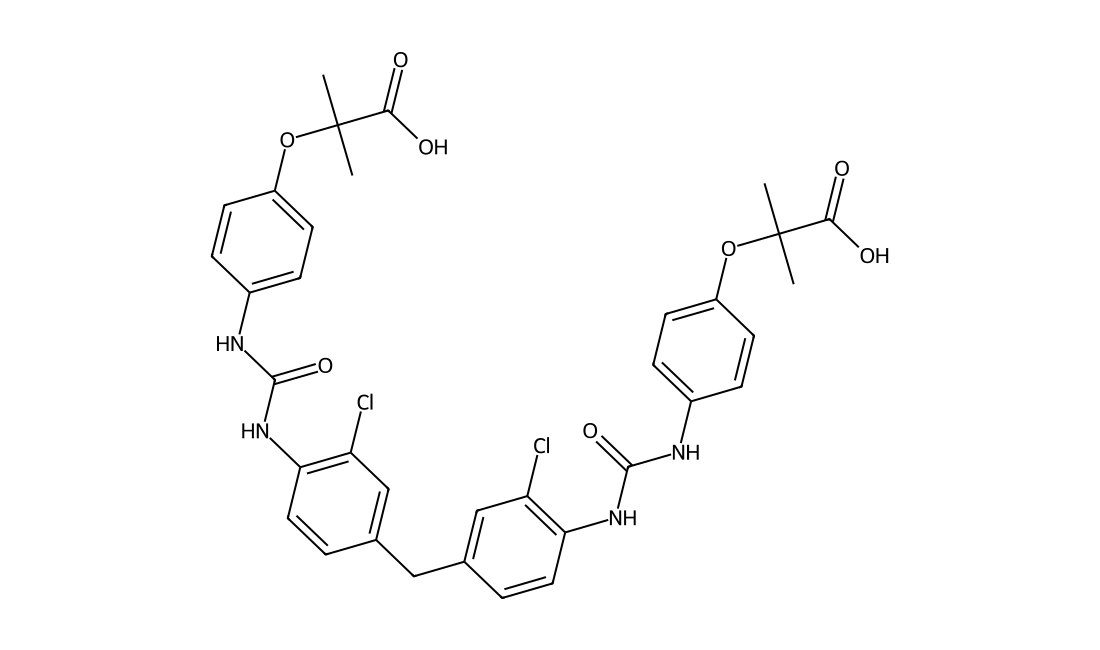
JTZ-951(Enarodustat)
CAS 1262132-81-9
A novel potent, orally active HIF prolyl hydroxylase (PHD) inhibitor with IC50 of 0.22 uM for PHD2.
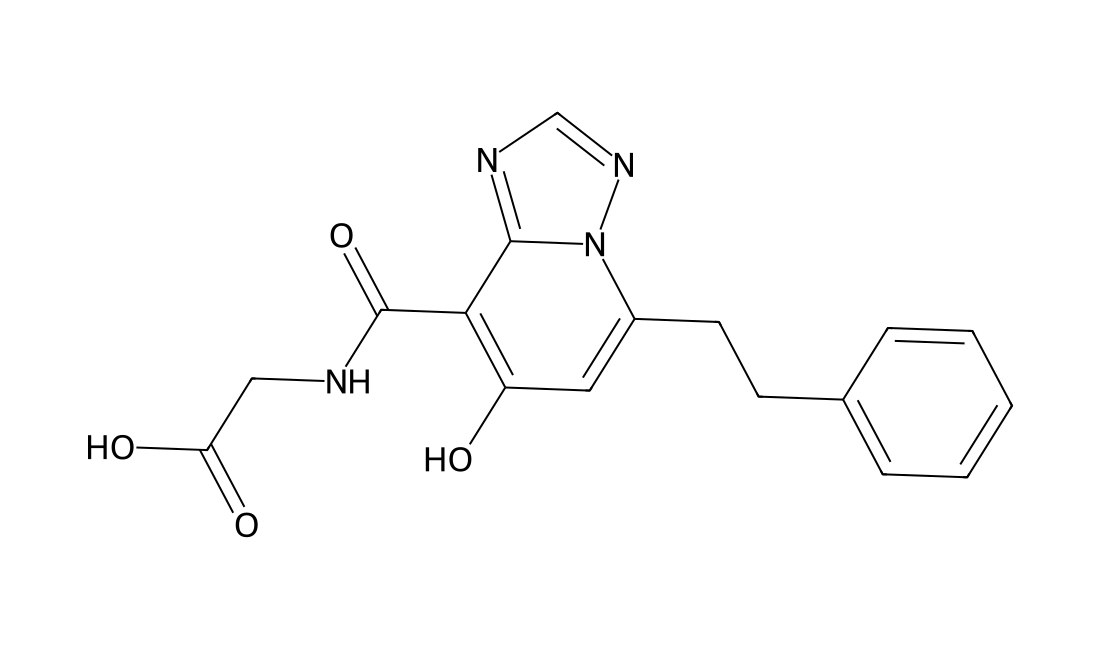
S29434
CAS 874484-20-5
S29434 (S 29434) is a highly potent, selective, cell-active inhibitor of Quinone reductase 2 (QR2) with IC50 of 5-16 nM, shows good selectivity for QR2 over QR1.
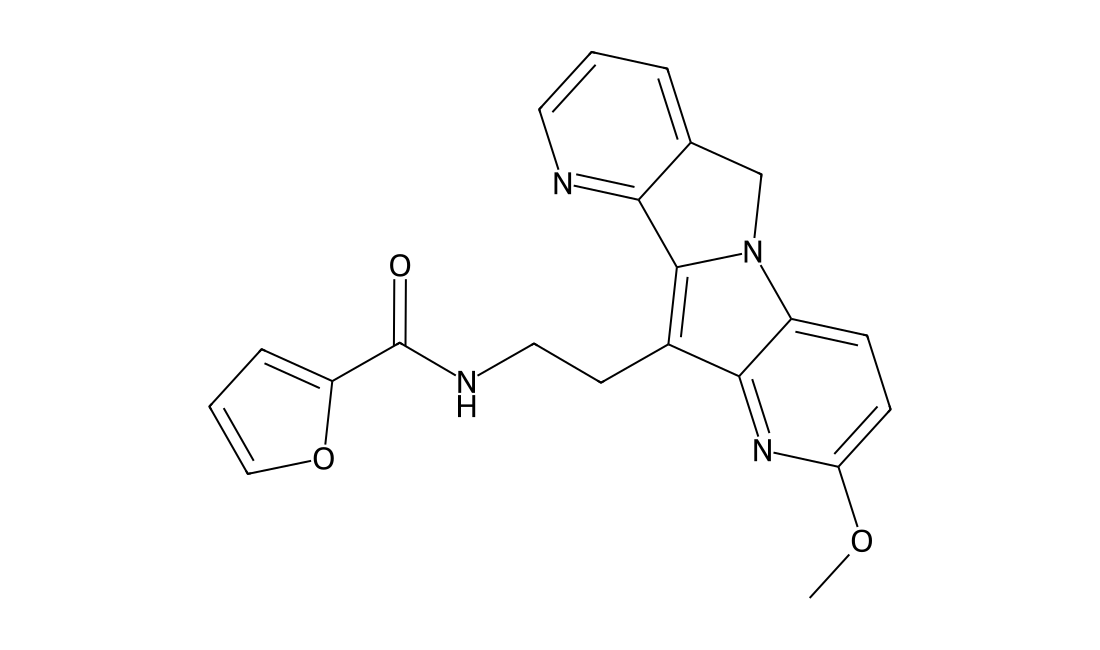
A939572
CAS 1032229-33-6
A939572 is a potent, and orally bioavailable SCD1 inhibitor with IC50 values of <4 nM and 37 nM for mSCD1 and hSCD1, respectively.
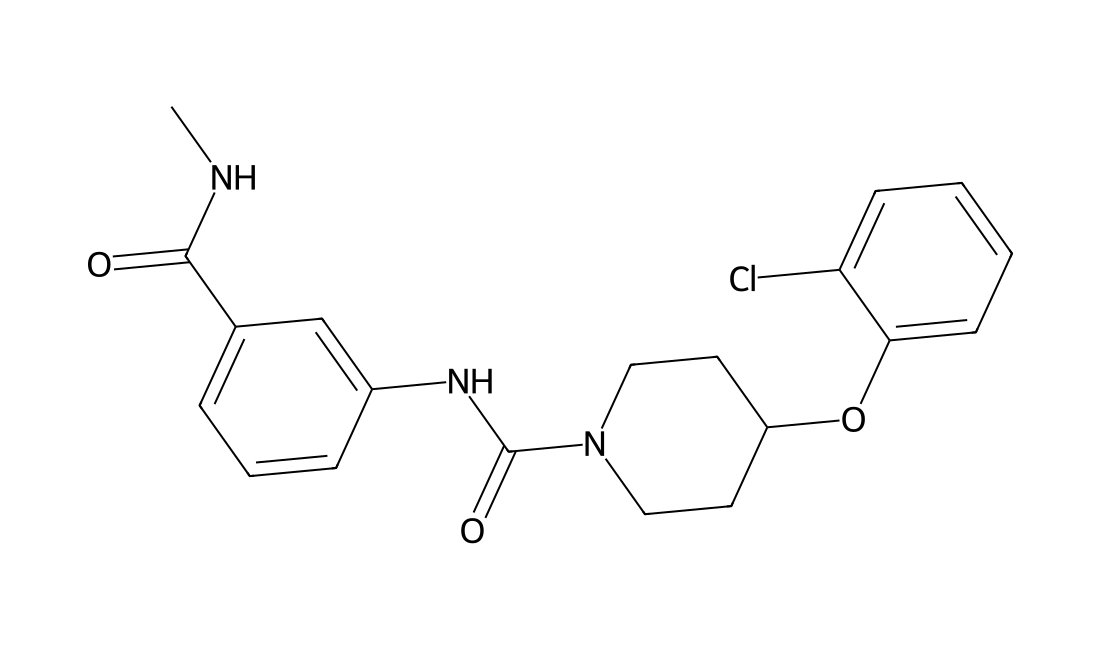
YTX-465
CAS 2225824-53-1
YTX-465 (YTX465) is a specific small molecule that rescues yeast from a-Syn cytotoxicity with EC50 of 15 nM, via inhibiting Ole1, the yeast homolog of human stearoyl-CoA desaturase (SCD).
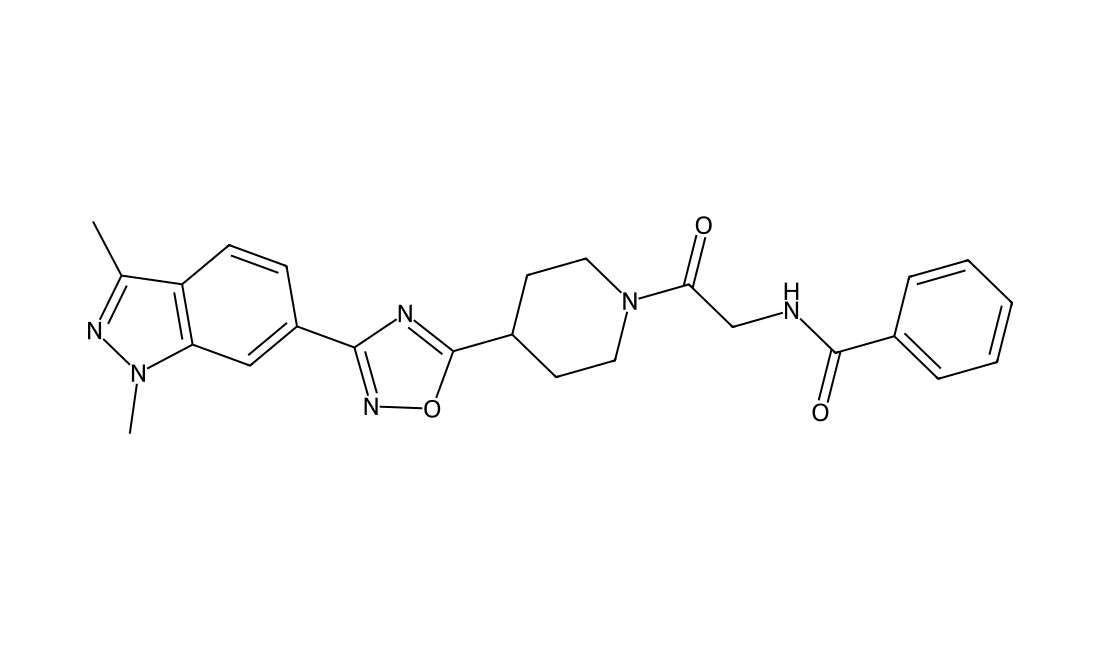
Alrestatin
CAS 51411-04-2
Alrestatin is an AKR (aldose reductase) inhibitor, which attaches molecules to the active site of the NADP+/enzyme complex in a stacked formation.
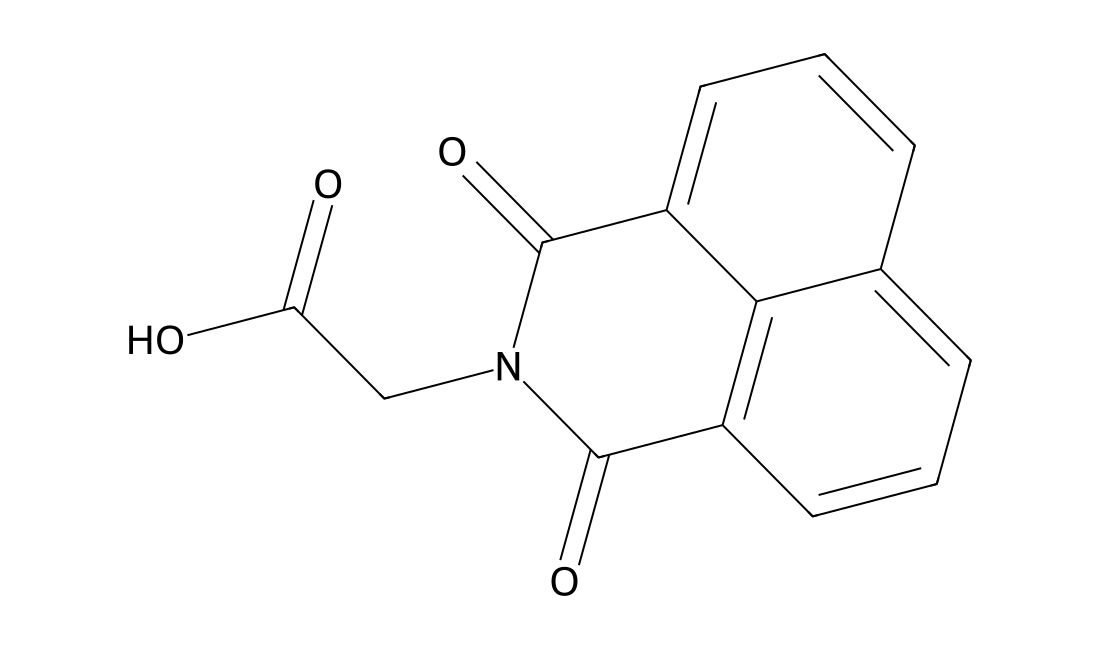
CDN1163
CAS 892711-75-0
CDN1163 (CDN-1163) is a small molecule, allosteric activator of SERCA2, dose-dependently increases the Vmax of SERCA2 Ca2+-ATPase activity in ER microsomes; increases Ca2+-ATPase activity and significantly enhances Ca2+ uptake into the ER, attenuates H2O2-stimulated cell death in HEK cells; improves glucose homeostasis and metabolic parameters, increases glucose tolerance in ob/ob mice; CDN1163 reduces lipid accumulation and decreases lipogenesis in obese mice livers.
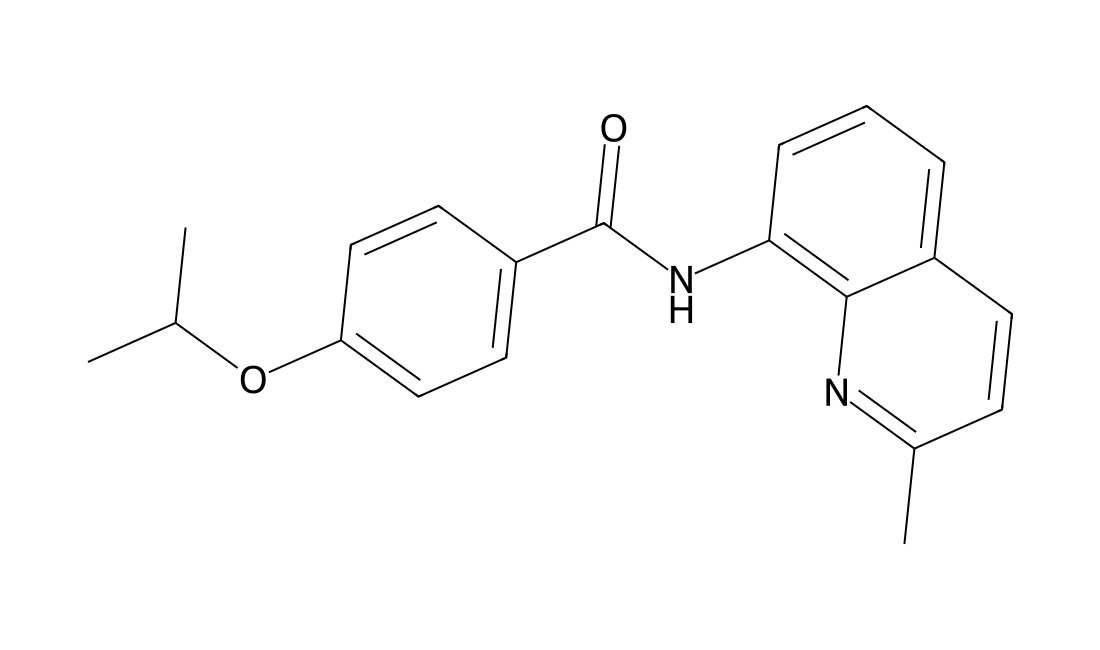
BAM15
CAS 210302-17-3
BAM15 is a potent and selective mitochondrial uncoupler or protonophore. Chemical mitochondrial uncouplers are lipophilic weak acids that transport protons into the mitochondrial matrix via a pathway that is independent of ATP synthase, thereby uncoupling nutrient oxidation from ATP production. These uncouplers have potential for the treatment of diseases such as obesity, Parkinson’s disease, and aging.
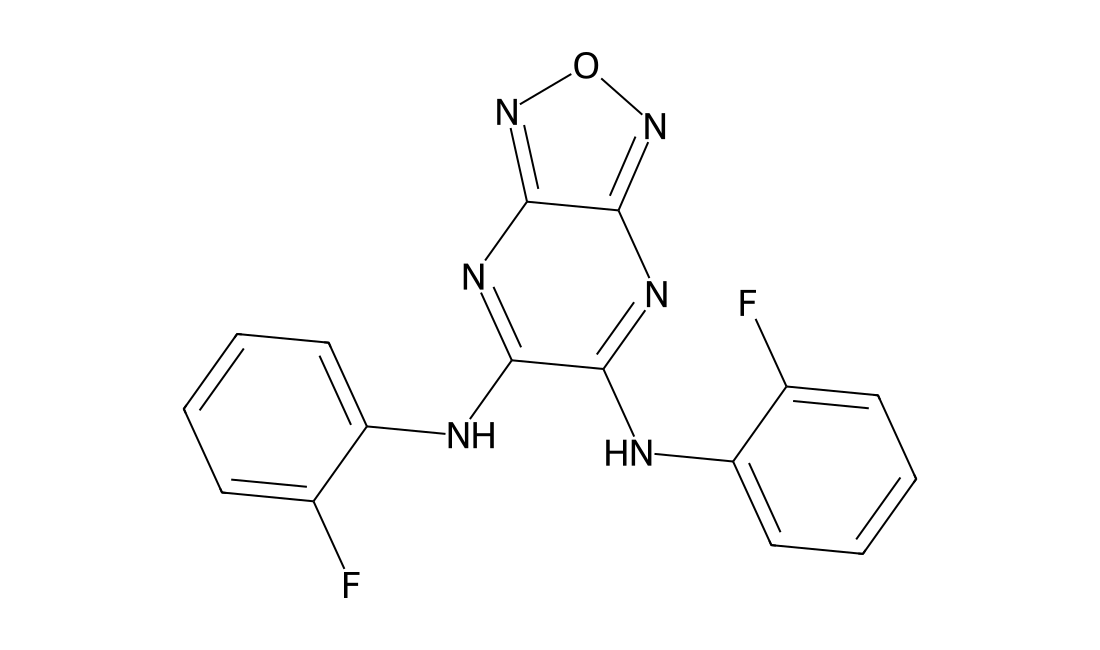
HLY-78
CAS 854847-61-3
HLY78 is an activator of the Wnt/β-catenin signaling pathway, which targets the DIX domain of Axin and potentiates the Axin-LRP6 association to promote Wnt signaling transduction1.
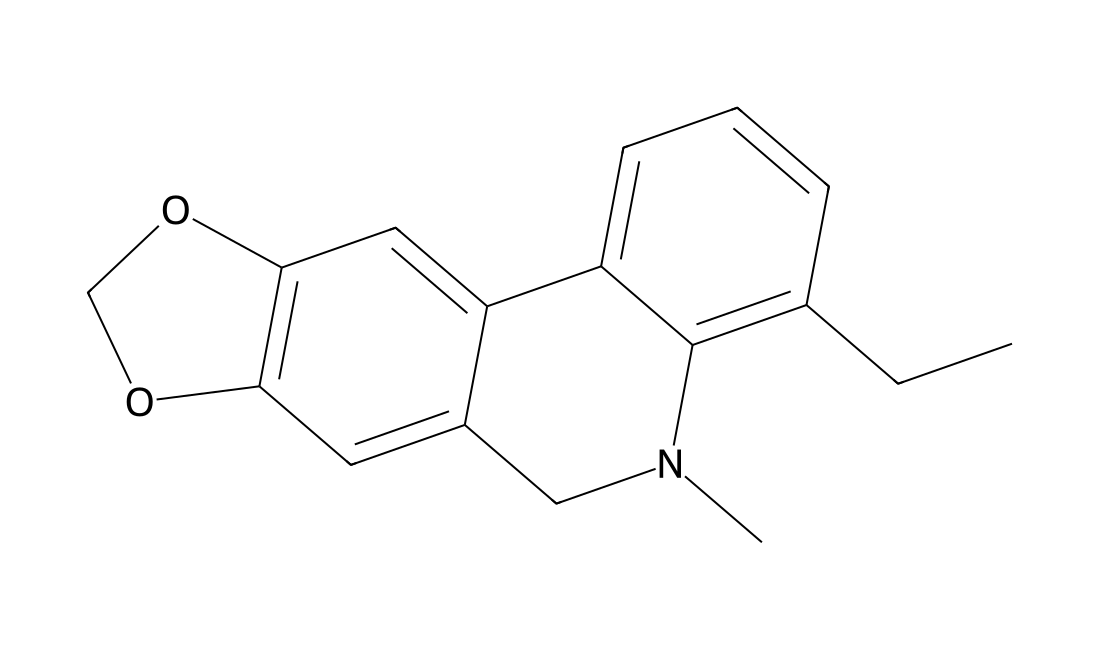
AZD0865(Linaprazan)
CAS 248919-64-4
AZD0865 is a potent agent that inhibits gastric H(+),K(+)-ATPase activity and acid formation in vitro, with a fast onset of effect.
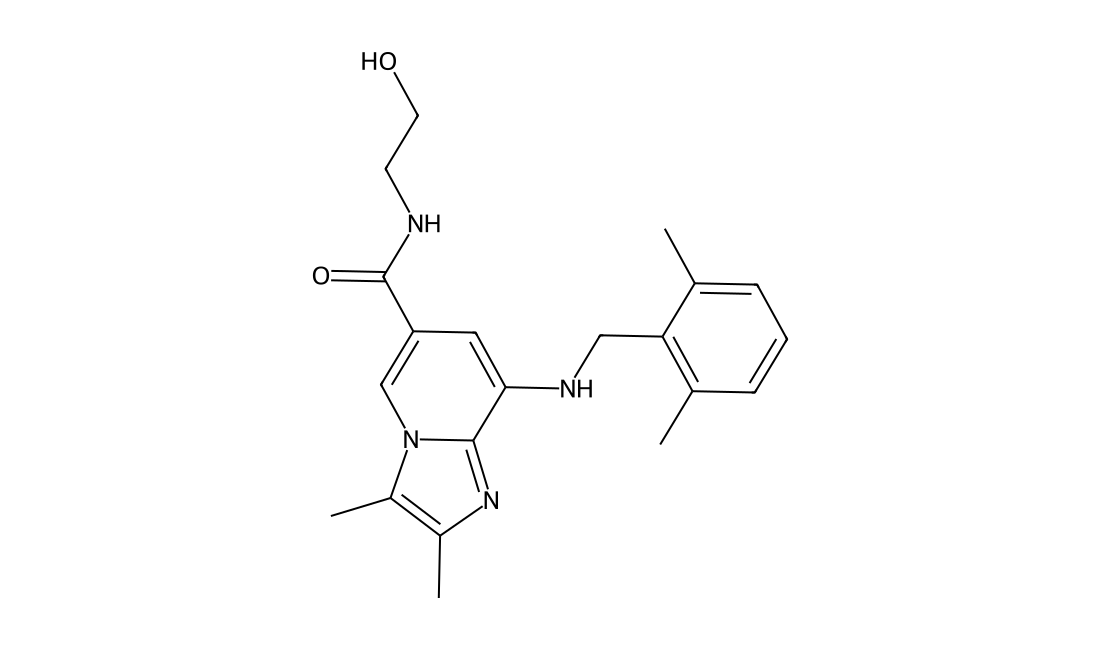
AX-024 free base
CAS 1370544-73-2
AX-024 is an cytokine release inhibitor which can strongly inhibit the production of interleukin-6 (IL-6), tumor necrosis factor-α (TNFα), interferon-γ (IFN-γ), IL-10 and IL-17A.
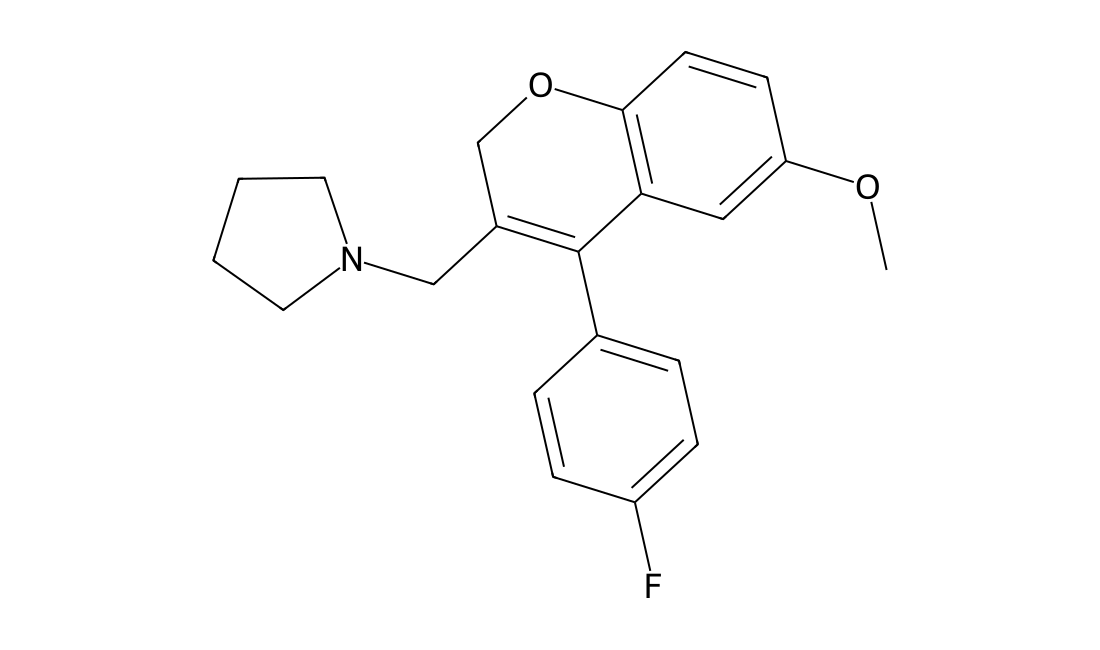
FT011
CAS 1001288-58-9
FT011 is an anti-fibrotic agent, reduces mRNA expression of collagens I and III and inhibits collagen synthesis.
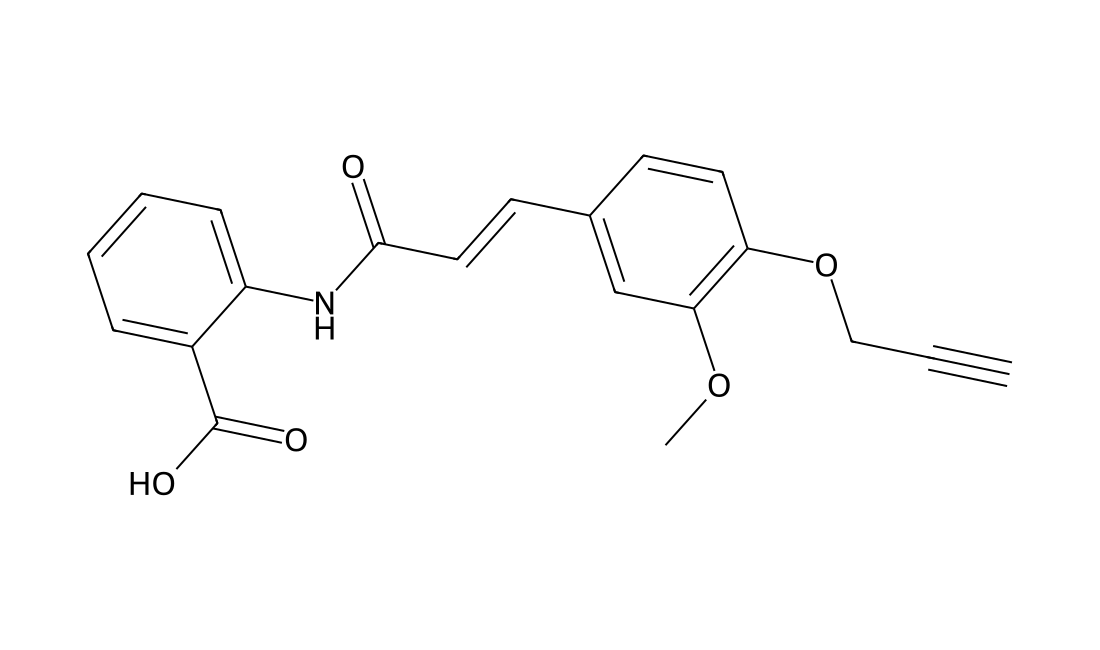
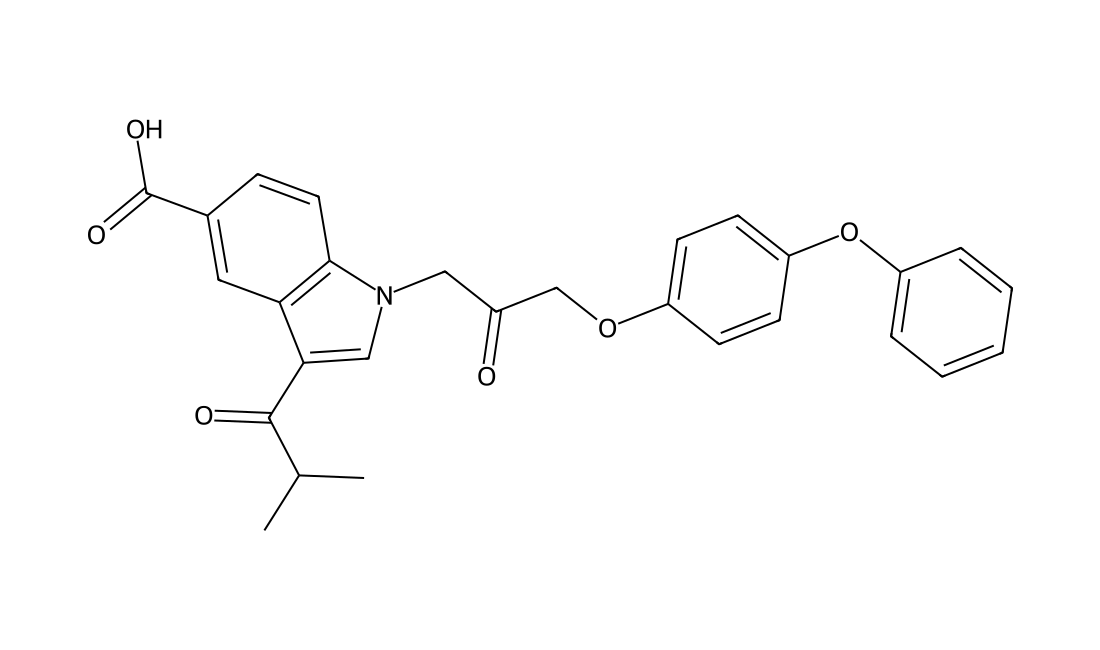
CPDA
CAS 1415834-63-7
A potent SHIP2 inhibitor that enhances in vitro insulin signaling through the Akt pathway more efficiently than AS1949490, and ameliorates abnormal glucose metabolism in diabetic (db/db) mice.
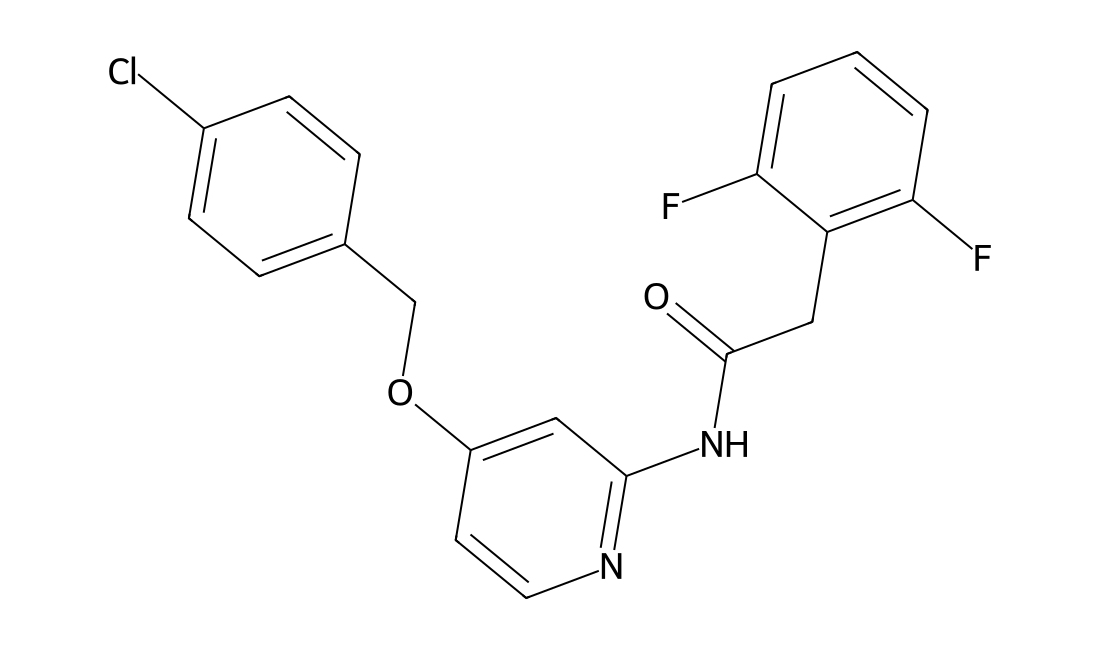
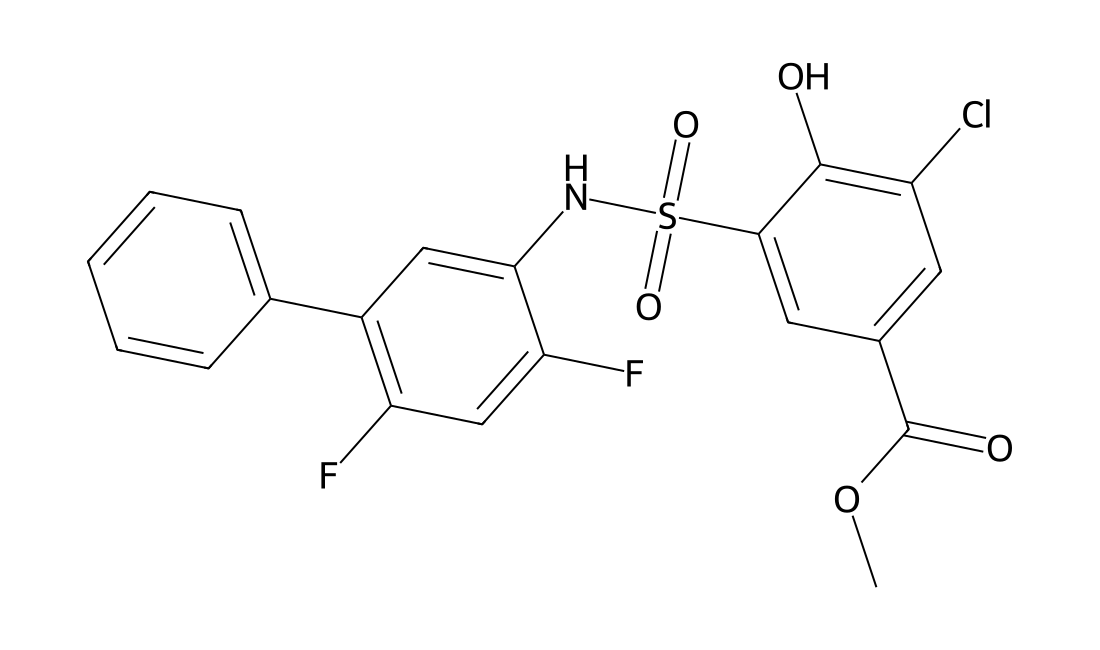
PROTAC ERRα ligand 2
CAS 2306388-57-6
PROTAC ERRα ligand 2 is an estrogen-related receptor α (ERRα) inverse agonist with an IC50 of 5.67 nM. PROTAC ERRα ligand 2 (IC50=5.67 nM) displays a ~11-fold improved potency than XCT790 (IC50=61.3 nM)1.
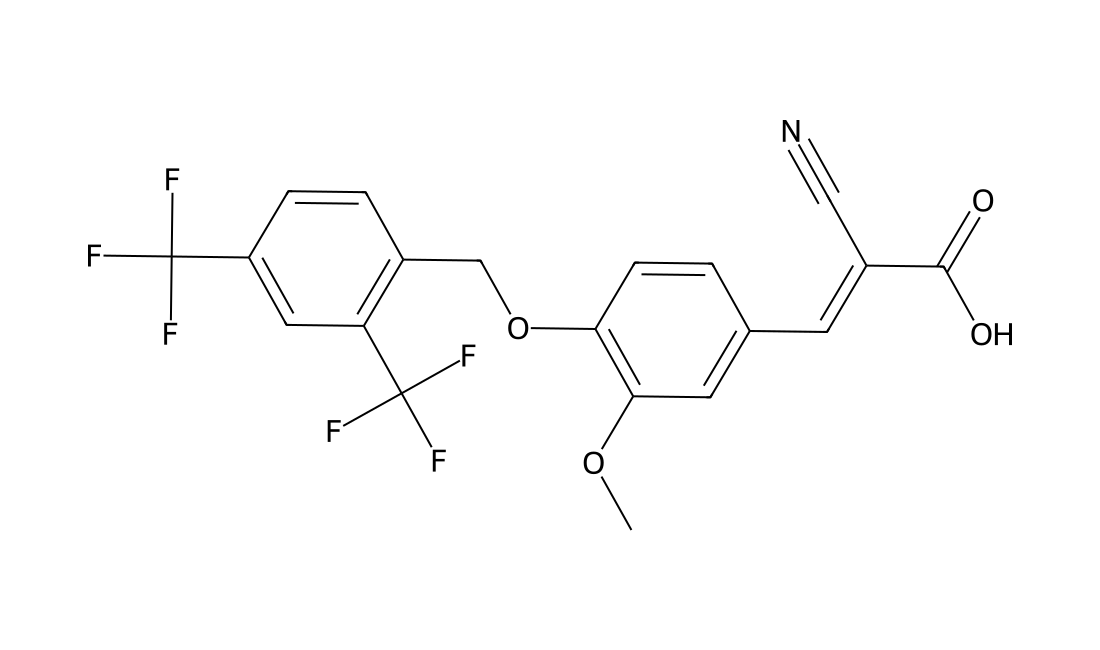
ZLN005
CAS 49671-76-3
ZLN005 is a novel transcriptional regulator of peroxisome proliferator-activated receptor-γ coactivator-1α (PGC-1α).
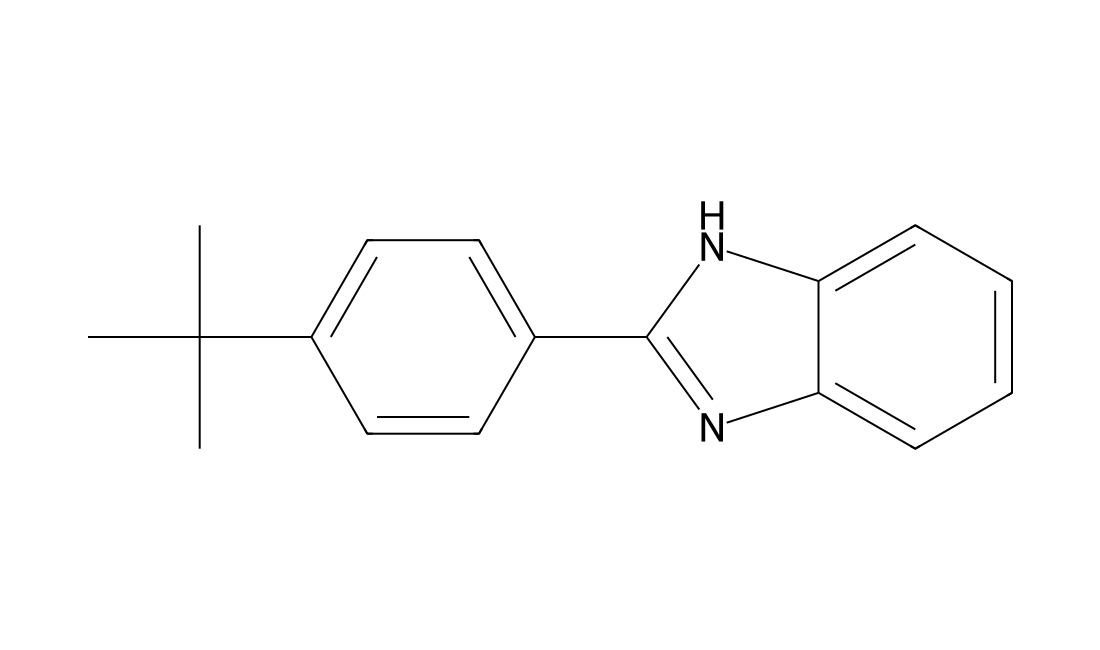
Mitochondrial fusion promoter M1
CAS 219315-22-7
Mitochondrial fusion promoter M1 is a mitochondrial dynamic modulator. Mitochondrial fusion promoter M1 preserves the mitochondrial function and promotes cellular respiration. Mitochondrial fusion promoter M1 alleviates cardiac and brain damage in rats with cardiac ischemia/reperfusion injury.
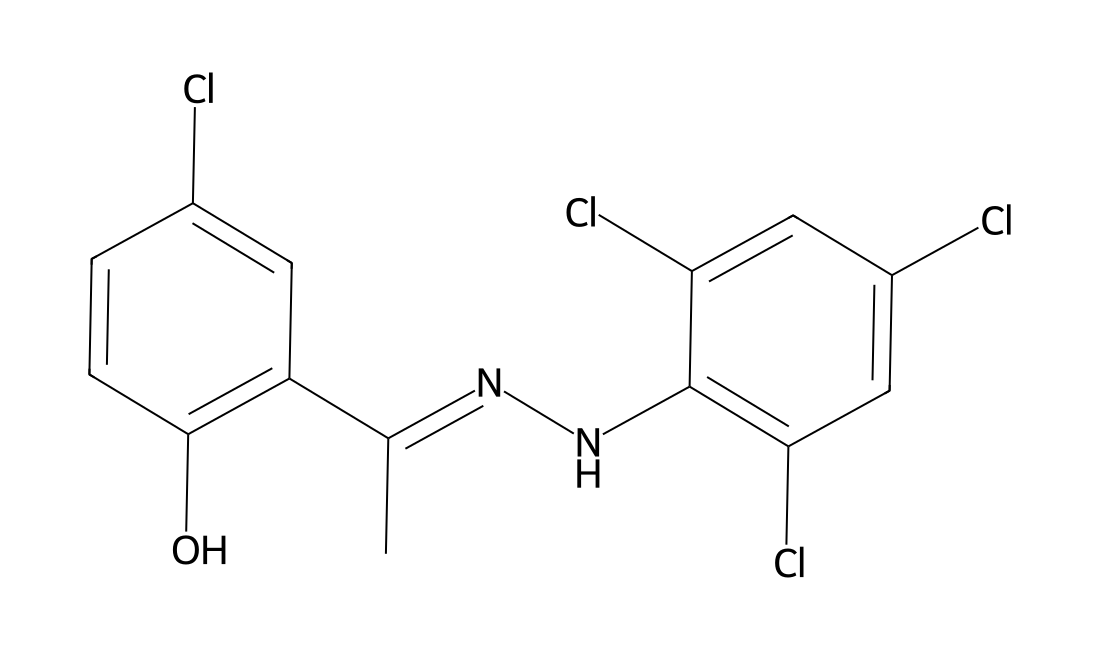
DASA-58
CAS 1203494-49-8
DASA-58 is a highly specific small molecule PKM2 activator. DASA-58 inhibits LPS-induced Hif-1a and IL-1b, as well as the expression of a range of other Hif-1a-dependent genes.
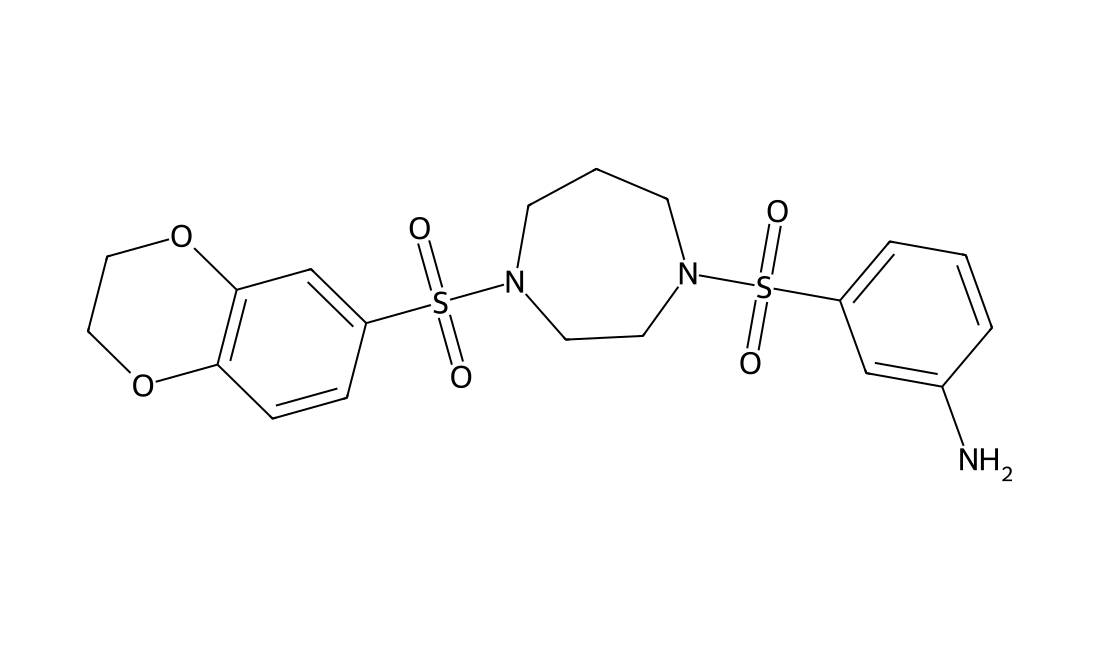
UAMC-3203 free base
CAS 2271358-64-4
UAMC-3203 is a novel potent, drug-like ferroptosis inhibitor with IC50 of 12 nM, inhibit erastin-induced ferroptotic cell death more potently than Ferrostatin-1.
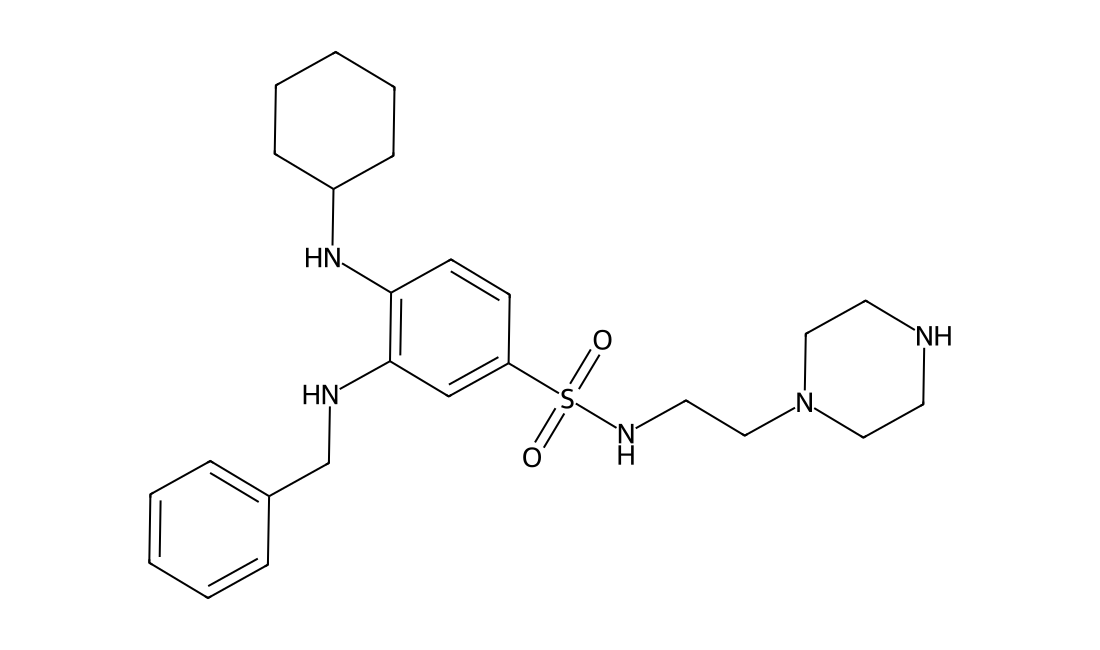
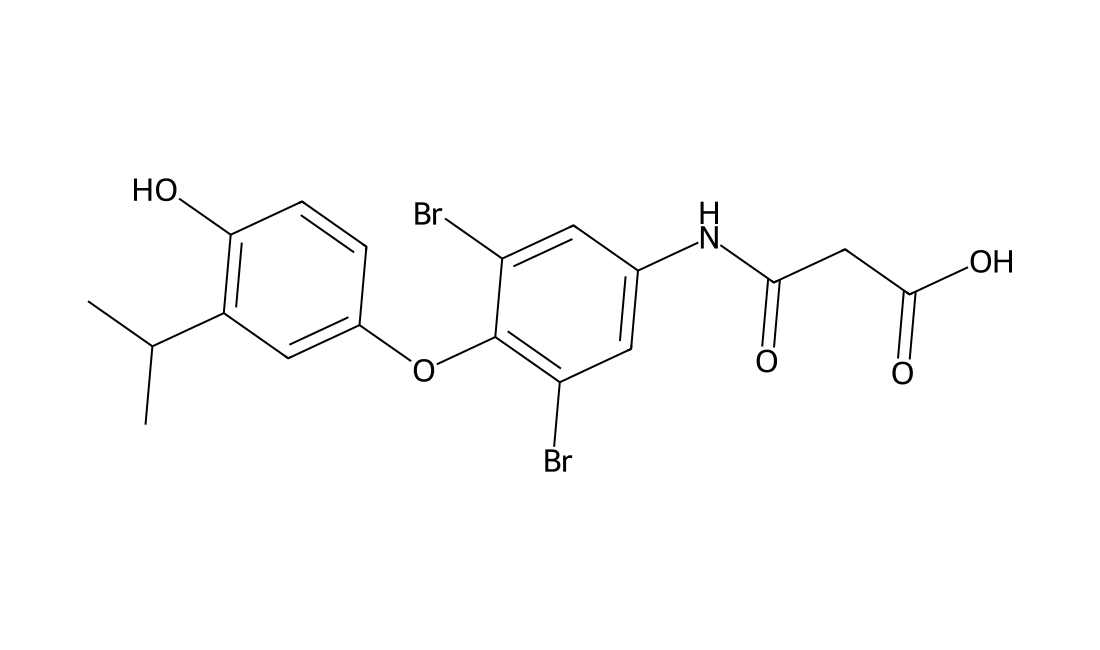
Eprotirome(KB-2115)
CAS 355129-15-6
Eprotirome, also known as KB-2115, is a liver-selective thyroid hormone receptor agonist that has been shown to lower plasma LDL cholesterol concentrations in previous phase 1 and 2 studies of patients with dyslipidaemia. KB2115 lowers plasma LDL cholesterol and stimulates bile acid synthesis without cardiac effects in humans.
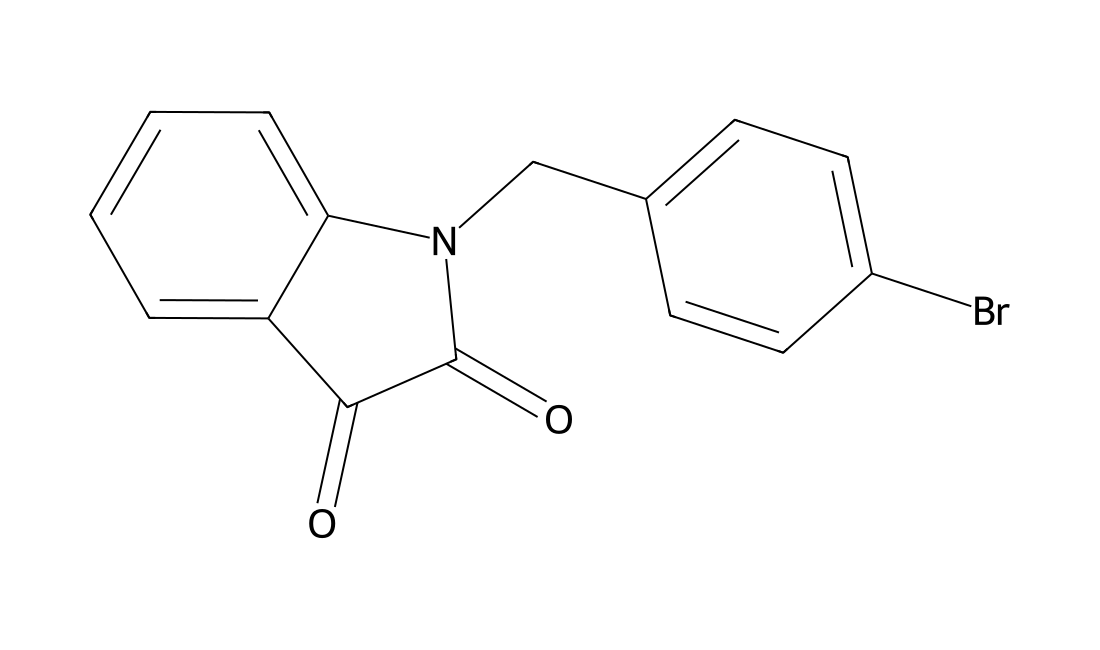
VU0119498
CAS 79183-37-2
VU0119498 is a pan Gq mAChR M1, M3, M5 positive allosteric modulator (PAM), with EC50s of 6.04, 6.38, and 4.08 μM, respectively. VU0119498 has antidiabetic activity.
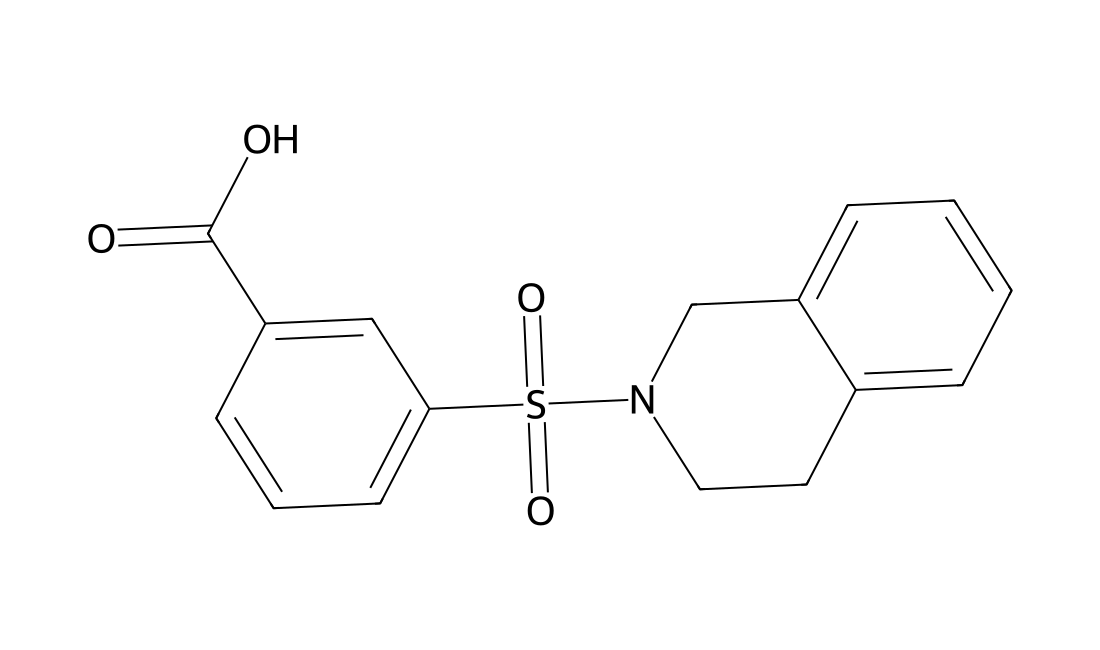
Bempedoic Acid(ETC-1002;ESP-55016)
CAS 738606-46-7
ETC-1002(ESP-55016) is a novel, first-in-class, orally available, once-daily LDL-C lowering small molecule; activator of hepatic AMP-activated protein kinase (AMPK); also has potent inhibitory activity against hepatic ATP-citrate lyase(IC50=29 uM).
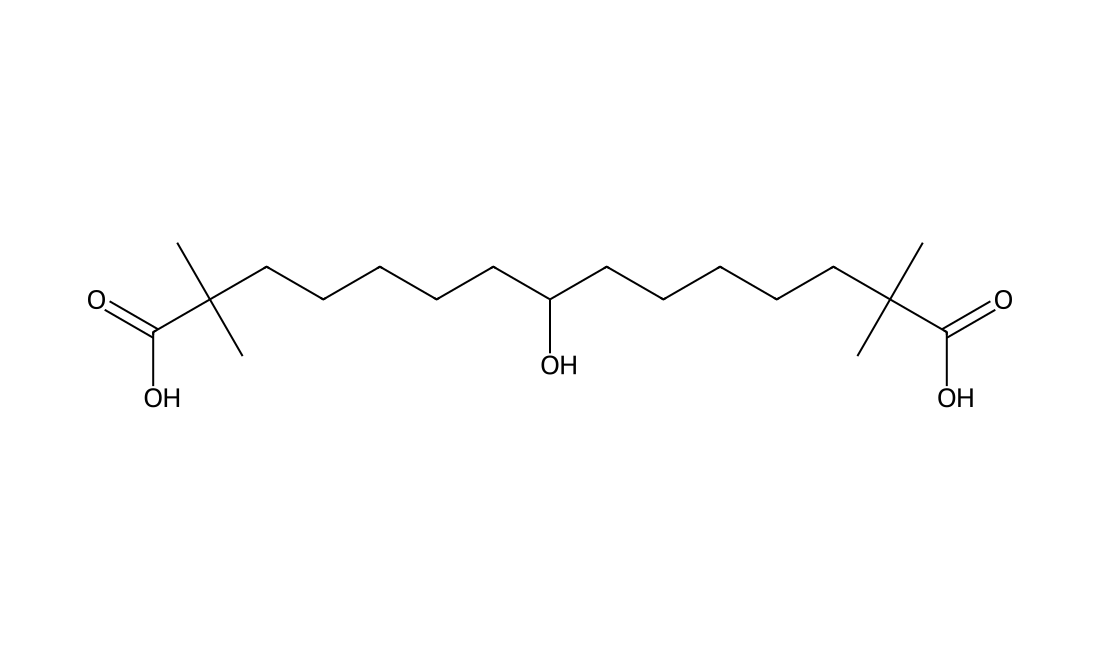
NK 252
CAS 1414963-82-8
NK-252 is a Nrf2 activator. It acts by interacting with the Nrf2-binding site of Keap1 and downregulates the expression of fibrogenic genes.
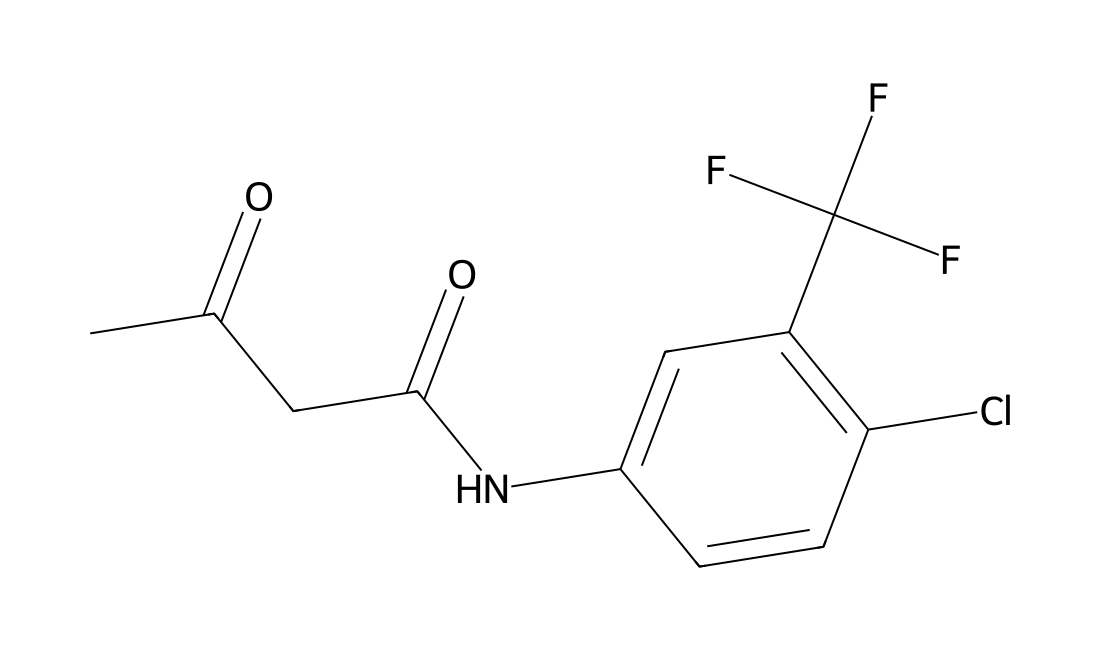
Fasentin
CAS 392721-37-8
Fasentin is a novel inhibitor of glucose uptake (GLUT) that sensitizes cancer cells to FAS-induced cell death, preferentially inhibits GLUT4 (IC50=68 uM) over GLUT1.
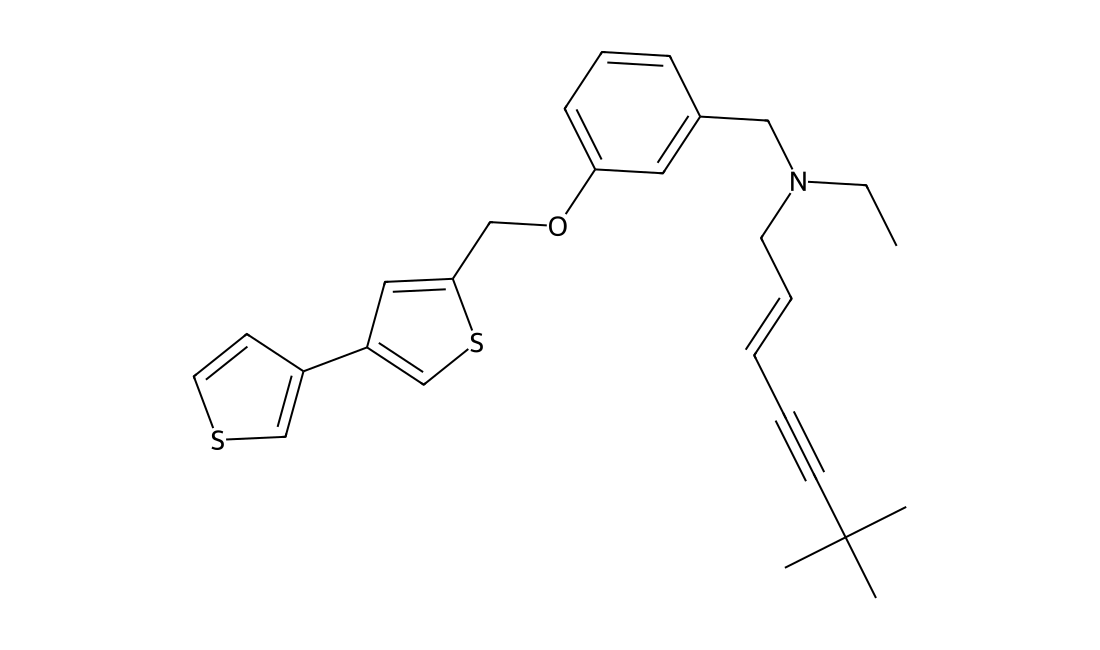
NB-598
CAS 131060-14-5
NB-598 is a potent competitive inhibitor of squalene epoxidase (SE). NB-598 suppresses triglyceride biosynthesis through the farnesol pathway. NB-598 suppresses the secretion of cholesterol and triacylglycerol and simultaneously reduces apolipoprotein B in HepG2 cells. NB-598 reduced basolaterally secreted radioactivity in cholesterol, cholesterol ester, PL and TG. Furthermore, NB-598 suppressed the basolateral secretion of apolipoprotein (apo) B. When microsomes prepared from control Caco-2 cells were incubated with 10 microM NB-598, acyl CoA:cholesterol acyltransferase (ACAT) activity was inhibited slightly.
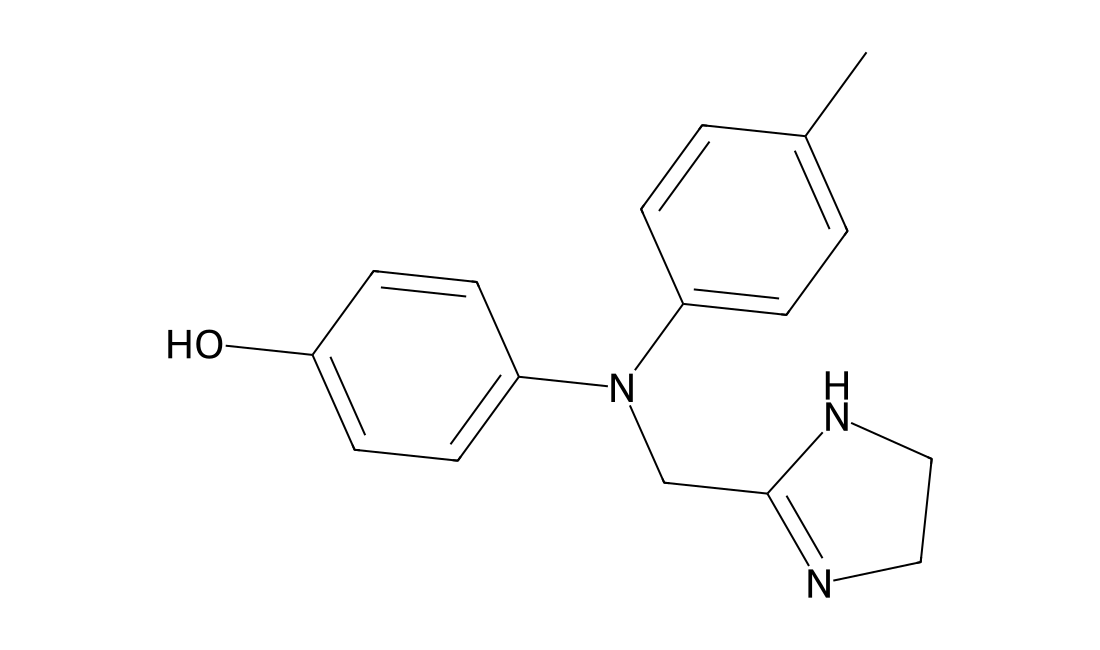
LUN42518
CAS 47142-51-8
LUN42518, also known as Phentolamine Analogue 1, is an analogue of phentolamine. Phentolamine is a nonselective alpha-adrenergic antagonist. LUN42518 has CAS#47142-51-8, no formal name For the convenience of scientific communication, we named it as LUN42518 (combined from Inchi key plus CAS#) according to Hodoodo Chemical Nomenclature.
Browse target & topic index A–Z (366)
11β-HSD (1)15-PGDH (2)5-HT Receptor (16)Acetyl-CoA Carboxylase (ACC) (3)Acetylcholinesterase (AChE) (2)Ack1 (TNK2) (1)Acyltransferase (1)ADC Cytotoxin (6)ADCs Linker/Click Chemistry (5)Adenosine Receptor (9)Adenylate Cyclase (2)Adrenergic Receptor (11)Akt (12)Alcoholism (2)Aldehyde Dehydrogenase (ALDH) (6)Allergy (5)Alzheimer Disease (13)Aminopeptidase (1)AMPK (8)Amyloids (4)Anaplastic Lymphoma Kinase (ALK) (9)Androgen Receptor (AR) (11)Anemia (4)Angiotensin Receptor (4)Antibody/Protein labeling dyes (1)Antifolate (2)Anxiety (1)Apoptosis Inducer (3)Arginase (1)Arp2/3 complex (1)Aryl hydrocarbon Receptor (AhR) (1)Asthma (5)Atherosclerosis (2)ATM/ATR (8)Aurora Kinase (10)Autophagy (6)Autophagy-related Protein (Atg) (2)Autotaxin (2)Bacterial (26)Bacterial Infection (17)Bcl-2 (14)Bcr-Abl (5)BCRP (1)Beta-catenin (4)Beta-secretase (BACE) (4)Blood Cancer (91)BMI-1 (1)Bone Cancer (6)Brain Cancer (6)Breast Cancer (30)Bromodomain (22)BTK (10)c-Fms (CSF1R) (5)c-Fos/AP-1 (1)c-Kit (6)c-Met (HGFR) (11)c-Myc (2)Calcium Channel (4)Calcium-sensing Receptor (CaSR) (1)CaMK (4)Cannabinoid Receptor (6)Carbonic Anhydrase (1)Carboxypeptidase (1)Casein Kinase (6)Caspase (4)Cathepsin (6)Cdc2-like Kinase (CLK) (1)CETP (2)CFTR (7)Checkpoint Kinase (Chk) (8)Chemokine Receptor (CCR and CXCR) (14)Chemotherapeutic Agents (19)Chloride Channel (1)CMV (2)CMV Infection (2)Colon Cancer (9)Complement System (1)COPD (3)CREB/CBP (2)CRF Receptor (2)CRISPR/Cas9 (1)Cushing Disease (1)Cyclin-dependent Kinase (CDK) (39)Cyclooxygenase (COX) (4)Cytochrome P450 (CYPs) (5)Depression (2)Dermatitis (2)Deubiquitinase (DUB) (7)Diabetes (20)Dipeptidyl Peptidase (DPP) (3)Discoidin Domain Receptor (DDR) (1)DNA Alkylator/Crosslinker (10)DNA Methyltransferase (DNMT) (1)DNA Repair Protein (1)DNA-PK (2)DNA/RNA Synthesis (5)Dopamine beta-hydroxylase (1)Dopamine Receptor (7)Drug Metabolite (1)Drug-Linker Conjugates (11)Dyes (4)DYRK (1)Dyslipidemia (9)E3 Ligase Ligand (6)E3 Ligase Ligand-Linker Conjugate (1)E3 Ubiquitin Ligase (4)Ebola Virus Infection (1)EGFR (32)Elastase (2)Endothelin Receptor (5)Enzymes substrates (13)Epigenetic Reader Domain (3)Epilepsy (4)ERK (4)Estrogen Receptor/ERR (13)Eukaryotic Initiation Factor (eIF) (2)Exportin-1 (CRM1,XPO1) (2)FABP (1)Factor Xa (5)Farnesoid X Receptor (FXR) (5)Farnesyl transferase (FTase) (1)Ferroptosis (6)FGFR (15)Fibrosis (5)FLT3 (6)Focal Adhesion Kinase (FAK) (11)Foxo1 (1)Free Fatty Acid Receptor (FFAR) (5)Fungal (2)Fungal Infection (1)GABA Receptor (13)Galectin (1)Gastric Cancer (8)Ghrelin Receptor (GHSR) (3)Glucagon Receptor (4)Glucokinase (2)Glucose Transporter (GLUT) (2)Glutamate Transporter (2)GPCR (1)GPER (GPR30) (1)GPR139 (1)GPR183 (EBI2) (2)GPR39 (1)GPR55 (1)GPR84 (1)GRK (GPCRK) (2)Growth Hormone Deficiency (2)GSK-3 (8)Guanylate Cyclase (3)HBV (1)HBV Infection (1)HCN Channel (2)HCV (8)HCV Infection (9)HDAC (38)Heart Arrhythmia (2)Heart Failure (5)Heat Shock Protein (HSP) (15)Hedgehog (Hh) (1)HIF/HIF Prolyl-hydroxylase (8)Histamine Receptor (6)Histone Acetyltransferase (HAT) (5)Histone Demethylase (11)Histone Methyltransferase (HMTase) (31)HIV (12)HIV Infection (11)HMG-CoA Reductase (HMGCR) (3)HSV (1)HSV Infection (1)Hypercholesterolemia (1)Hyperparathyroidism (1)Hypertension (8)IAP (1)IGF-1R (3)iGluR (15)Indoleamine 2,3-Dioxygenase (IDO) (4)Infection (1)Influenza (6)Influenza Virus (6)Insulin Receptor (2)Integrin (6)Interleukin Receptor (1)IRAK (2)IRE1 (4)Irritable Bowel Syndrome (2)Ischemia (1)Isocitrate Dehydrogenase (IDH) (5)ITK (1)IκB kinase (IKK) (7)JAK (32)JNK (3)Keap1-Nrf2 (6)Kidney Cancer (10)Kinesin (5)Kruppel-like Factor (KLF) (1)Kynurenine 3-Monooxygenase (KMO) (1)Leukotriene Receptor (1)LIM Kinase (LIMK) (3)Lipids fragment (1)Liver Cancer (6)Liver X Receptor (LXR) (3)LRRK2 (9)Lung Cancer (39)Lysophospholipid Receptor (12)LYTACs (3)mAChR (9)MALT1 (2)MAP4K (1)Matrix Metalloproteinase (MMP) (10)MDM2-p53 (9)MEK (MAP2K) (14)MEKK (MAP3K) (1)Melanocortin Receptor (2)MELK (1)mGluR (7)MicroRNA (1)Microtubule/Tubulin (5)Mineralocorticoid Receptor (MLR) (1)MITF (1)Mixed Lineage Kinase (MLK) (3)MNK (2)Molecular Glues (13)Monoamine Transporter (5)Monocarboxylate Transporter (MCT) (1)Monopolar Spindle 1 (Mps1/TTK) (3)mTOR (13)Multiple Sclerosis (6)Myosin (1)Na-K-Cl Cotransporter (NKCC) (2)nAChR (2)NADPH Oxidase (NOX) (2)NAMPT (3)Natural products (37)Neprilysin (1)Neurokinin Receptor (3)Neuropeptide Y Receptor (3)NF-κB (5)Nitric Oxide Synthase (NOS) (1)NOD-like Receptor (NLR) (3)Notch (2)Nucleoside Antimetabolite/Analog (10)Nur77 (NR4A1) (1)Obesity (1)Oct3/4 (1)Opioid Receptor (5)Orexin Receptor (7)Osteoporosis (2)Ovarian Cancer (14)Oxytocin Receptor (OXTR) (2)P-glycoprotein (P-gp) (3)p21-activated Kinase (PAK) (1)P2X Receptor (2)P2Y Receptor (1)p38 MAPK (10)p97/VCP (1)Pain (12)Pancreatic Cancer (10)Parasite (5)Parasite Infection (2)Parkinson Disease (2)PARP (19)PCSK9 (1)PD-1/PD-L1 (4)PDGFR (4)PDK1 (2)PEGn (1)PERK (2)PGE synthase (2)Phosphodiesterase (PDE) (9)Phospholipase (4)PI3K (32)PI4K (2)Piezo Channel (1)PIKfyve (3)Pim (9)PKC (12)PKD (1)Plasminogen Activator Inhibitor-1 (PAI-1) (3)Polo-like Kinase (PLK) (4)Porcupine (3)Potassium Channel (13)PPAR (13)Pregnane X Receptor (PXR) (1)Progesterone Receptor (2)Prostaglandin Receptor (11)Prostate Cancer (7)PROTACs (35)Protease-activated Receptor (PAR) (3)Proteasome (12)Protein Disulfide Isomerase (PDI) (1)Protein Phosphatase/PTP (6)Proton Pump (1)Psoriasis (5)RAD51 (1)Radioligand precursors (15)Raf (18)RAR/RXR (3)Ras (17)Renin (2)RET Tyrosine Kinase (c-RET) (3)Rheumatoid Arthritis (16)Ribosomal S6 Kinase (RSK) (5)RIG-I-like Receptor (RLR) (2)RIP kinase (7)ROCK (12)ROR (2)RSV (4)RSV Infection (3)RUNX1-CBFβ (1)S-nitrosoglutathione reductase (GSNOR) (1)Saccharides and Glycosides (1)Salt Inducible Kinase (SIK) (2)SARS-CoV (16)SARS-CoV Infection (34)Schizophrenia (4)Sexual Dysfunction (1)SGLT (4)Sigma Receptor (4)Sirtuin (9)Skin Cancer (13)Sleep Disorder (7)SMN2 Modulator (1)Smoothened (Smo) (9)Sodium Channel (12)Solid Tumors (35)Somatostatin Receptor (2)Sphingosine kinase (SphK) (2)Src (7)STAT (5)Stearoyl-CoA Desaturase (SCD) (1)Steatohepatitis (7)Sterol lipids (1)STING (14)Syk (6)T Cell Receptor (TCR) (1)TAK1 (2)TAM Receptor (Tyro3-Axl-Mer) (4)Taste Receptor (1)Telomerase (2)TGF beta Receptor (TGFBR) (12)Thrombin (3)Thrombosis (13)Thyroid Cancer (1)Thyroid Hormone Receptor (THR) (1)Thyrotropin Receptor (2)TNIK (1)Toll-like Receptor (TLR) (2)TOPK (1)Topoisomerase (11)TRAIL (1)Translocator Protein (TSPO) (1)Trk Receptor (4)TRP Channel (13)Tryptophan Hydroxylase (TPH) (1)Ubiquitin-activating Enzyme (E1) (2)Ubiquitin-conjugating Enzyme (E2) (2)Ulcer (1)ULK (3)Vasopressin Receptor (2)VEGFR (25)Vitamin D Receptor (VDR) (3)Wee1 (1)WNK Kinase (1)Wnt (5)Yes-associated Protein (YAP) (4)γ-secretase (5)